It is a fairly common feature across multilateral processes to have a space for countries to present their progress reports and foster collective discussions on lessons learned. The High-level Political Forum on Sustainable Development, for example, serves as a platform for countries to showcase advances towards the Sustainable Development Goals.
For the longest time, there were different processes for developed and developing countries to present their reports in the context of the climate process. With the Paris Agreement’s Enhanced Transparency Framework in effect, there now is a unified platform for developed and developing countries to present their Biennial Transparency Reports: the “Facilitative, Multilateral Consideration of Progress” (FMCP), which held its first session on Saturday. Andorra, Guyana, and Panama were the first to present in this new format, which will take place annually at the June meetings.
Want to dig deeper into today's talks? Read the full Earth Negotiations Bulletin daily report.
Negotiations continued on a range of issues. Delegates debated how to enhance observer engagement in the process, especially from underrepresented regions. They reflected on possible modalities, such as a change in speaking order to ensure civil society representatives are not speaking to empty rooms, and rules for civil society messaging on UN premises. Several groups that have already been granted constituency status in the UNFCCC are calling for recognition of a disability constituency.
Discussions on climate science showcased divergences with regard to carbon dioxide removal and abatement technologies. The UK wanted to emphasize their limits and risks, while the Arab Group wanted to maximize their potential.
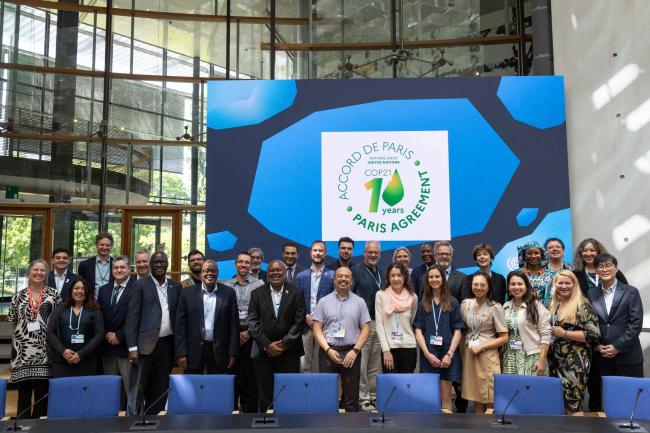
In the afternoon, a special event commemorated the ten-year anniversary of the Paris Agreement’s adoption. UNFCCC Executive Secretary Simon Stiell highlighted that without it we would be headed for up to 5°C of heating. While the Agreement is currently insufficient to keep within 1.5°C, he noted it has driven investment in renewables and helped cement the crucial importance of climate action, including through court cases.
The event showcased key players’ reflections on the process that led to the major breakthrough in 2015. Jo Tyndall, who co-chaired the working group that prepared the Agreement’s entry into force, highlighted the importance of US-China relations in mobilizing broader support. She also addressed the elephant in the room: widespread disappointment about the US withdrawing from the Agreement for the second time. Paul Watkinson shared insights into the French Presidency’s approach for building support toward the Agreement’s adoption, emphasizing the challenge of bringing all government entities on board and the need to keep an open-door policy.
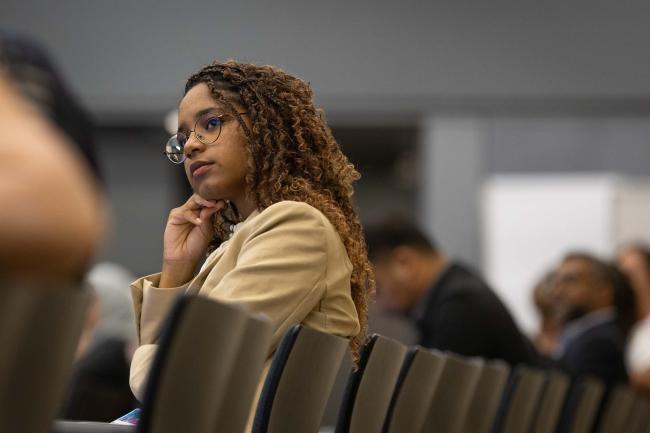
To receive free coverage of global environmental events delivered to your inbox, subscribe to the ENB Update newsletter.
All ENB photos are free to use with attribution. For SB62 please use: Photo by IISD/ENB - Kiara Worth
Informal Consultations Throughout the Day
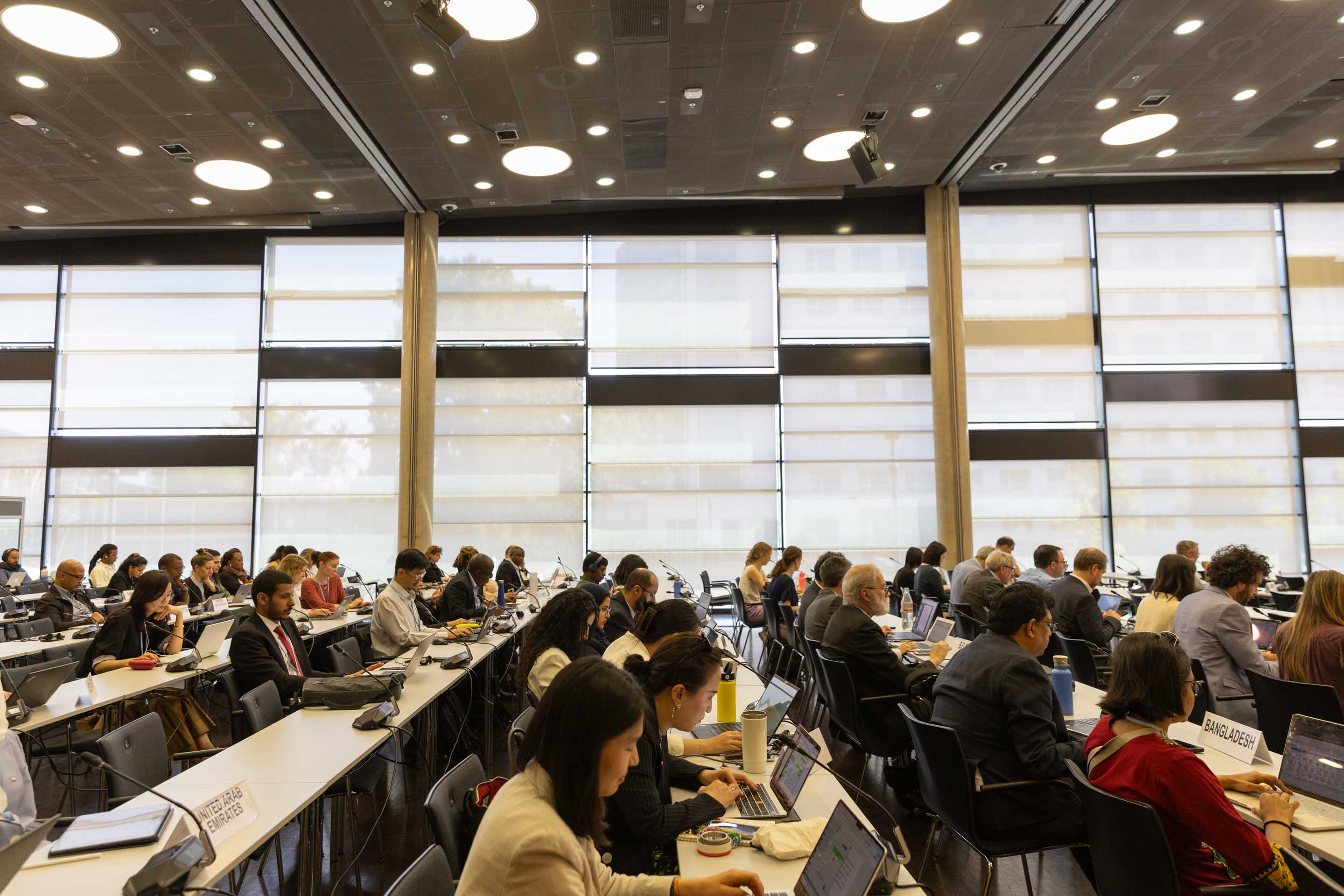
Informal consultations on research and systematic observation
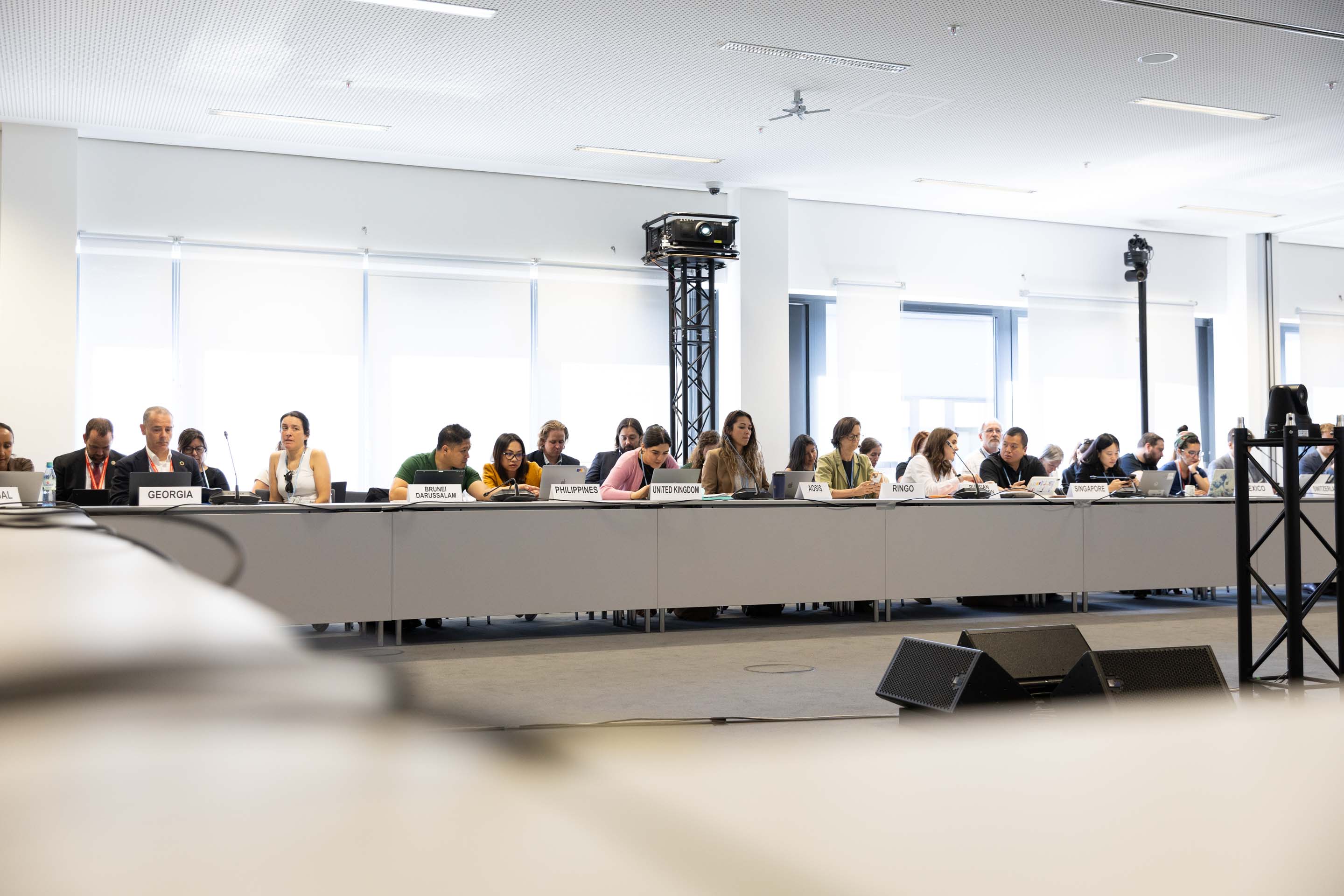
Informal consultations on arrangements for intergovernmental meetings (AIM)
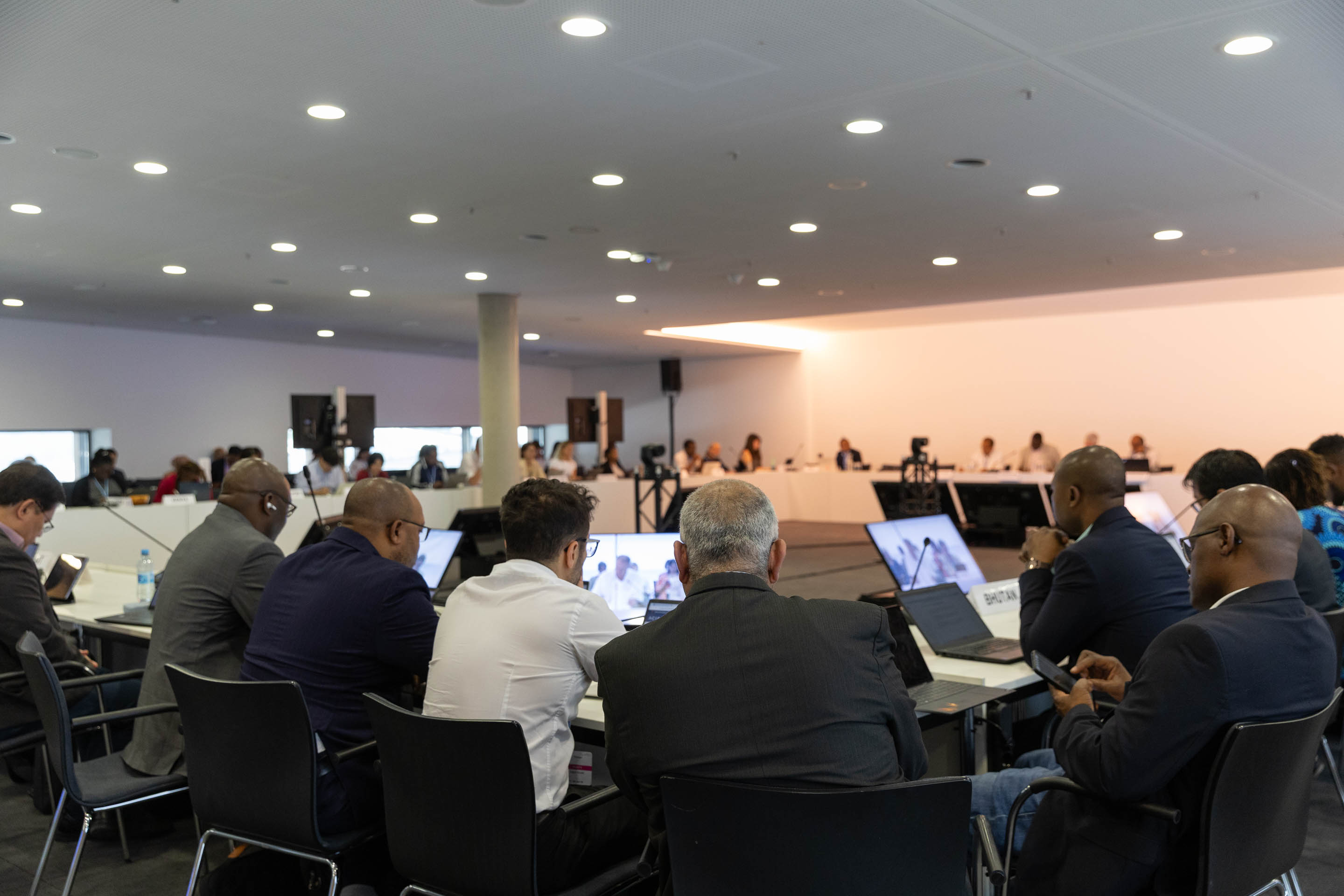
Informal consultations on the Clean Development Mechanism (CDM)
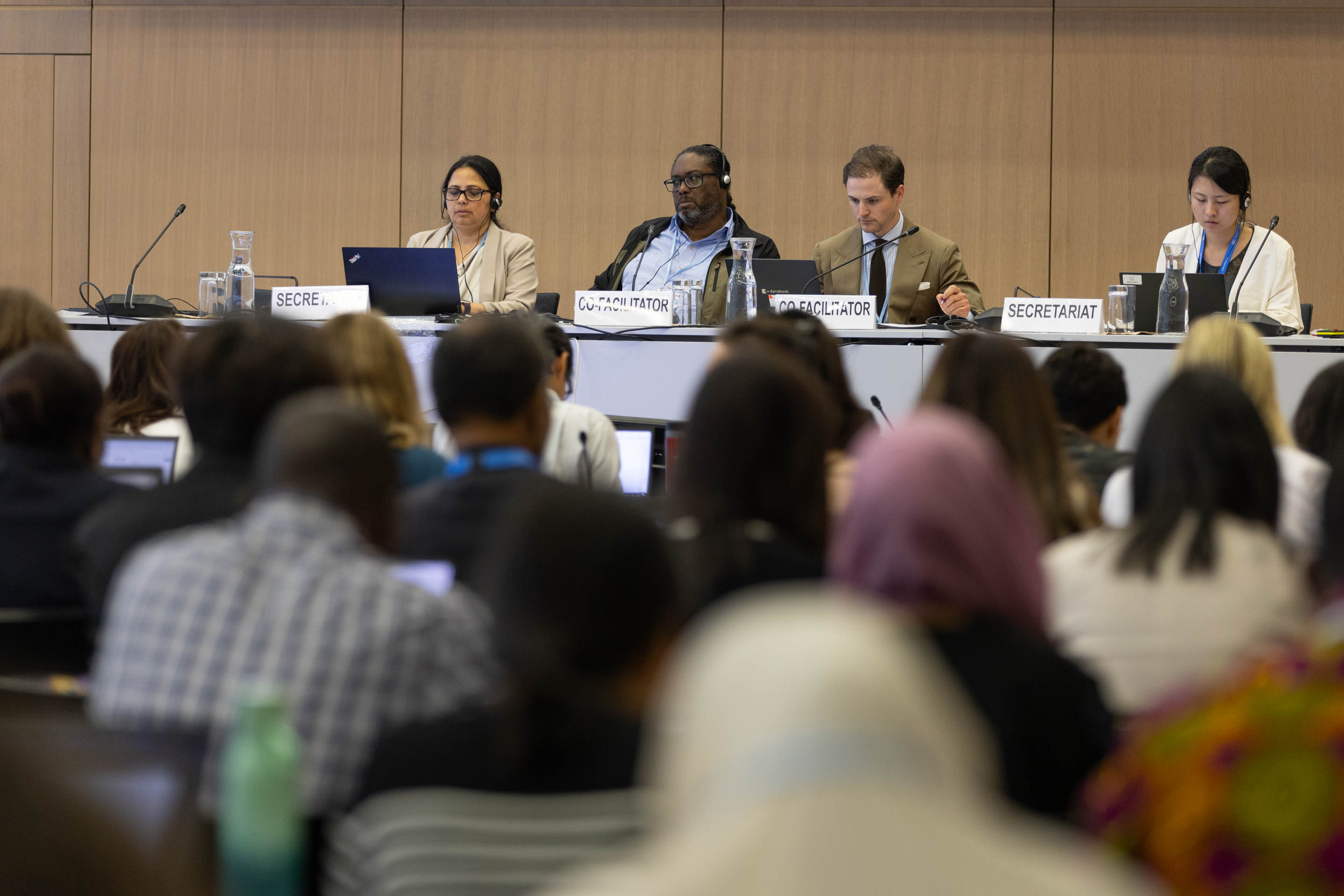
Informal consultations on implementation of the global stocktake (GST) outcomes
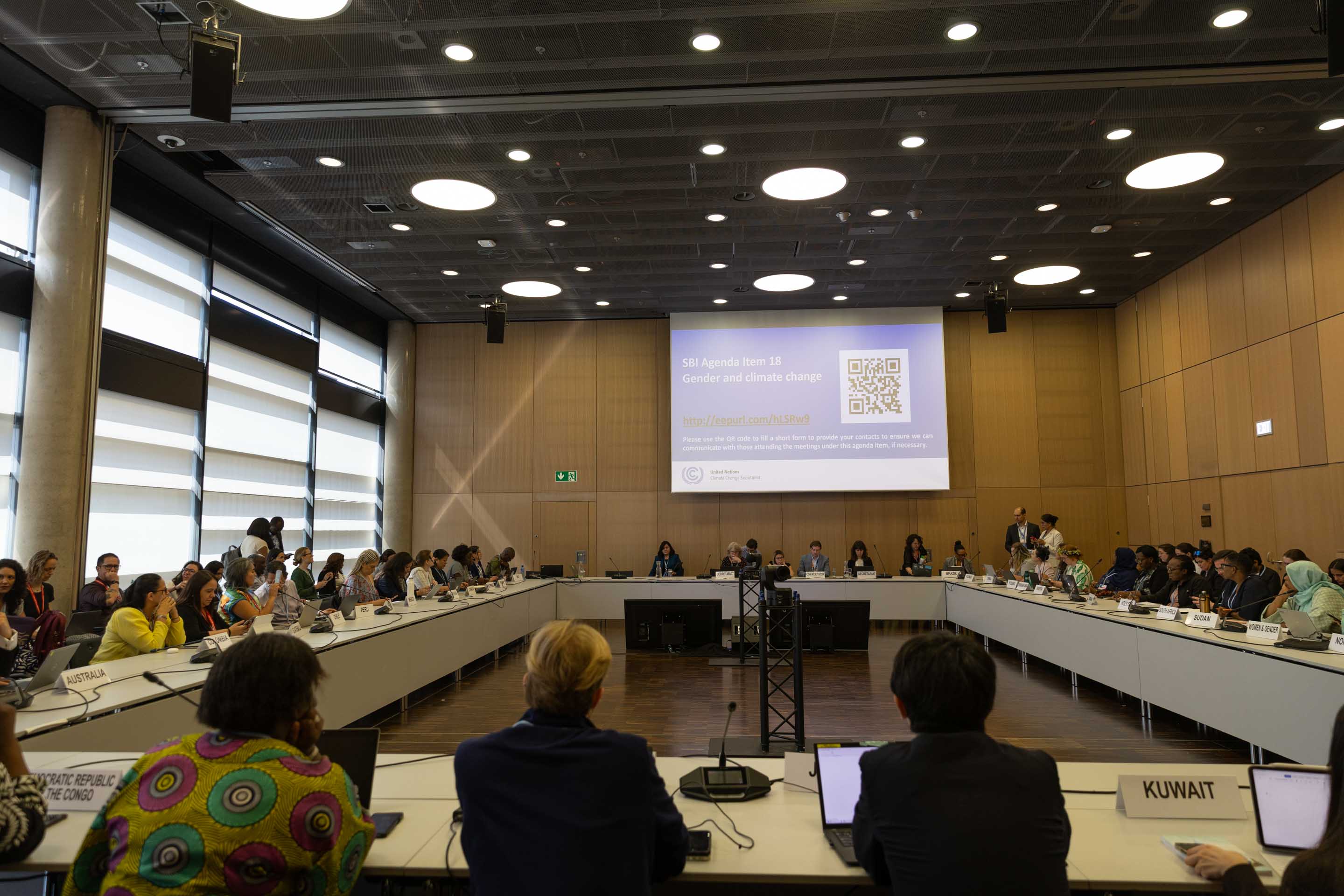
Informal consultations on gender and climate change
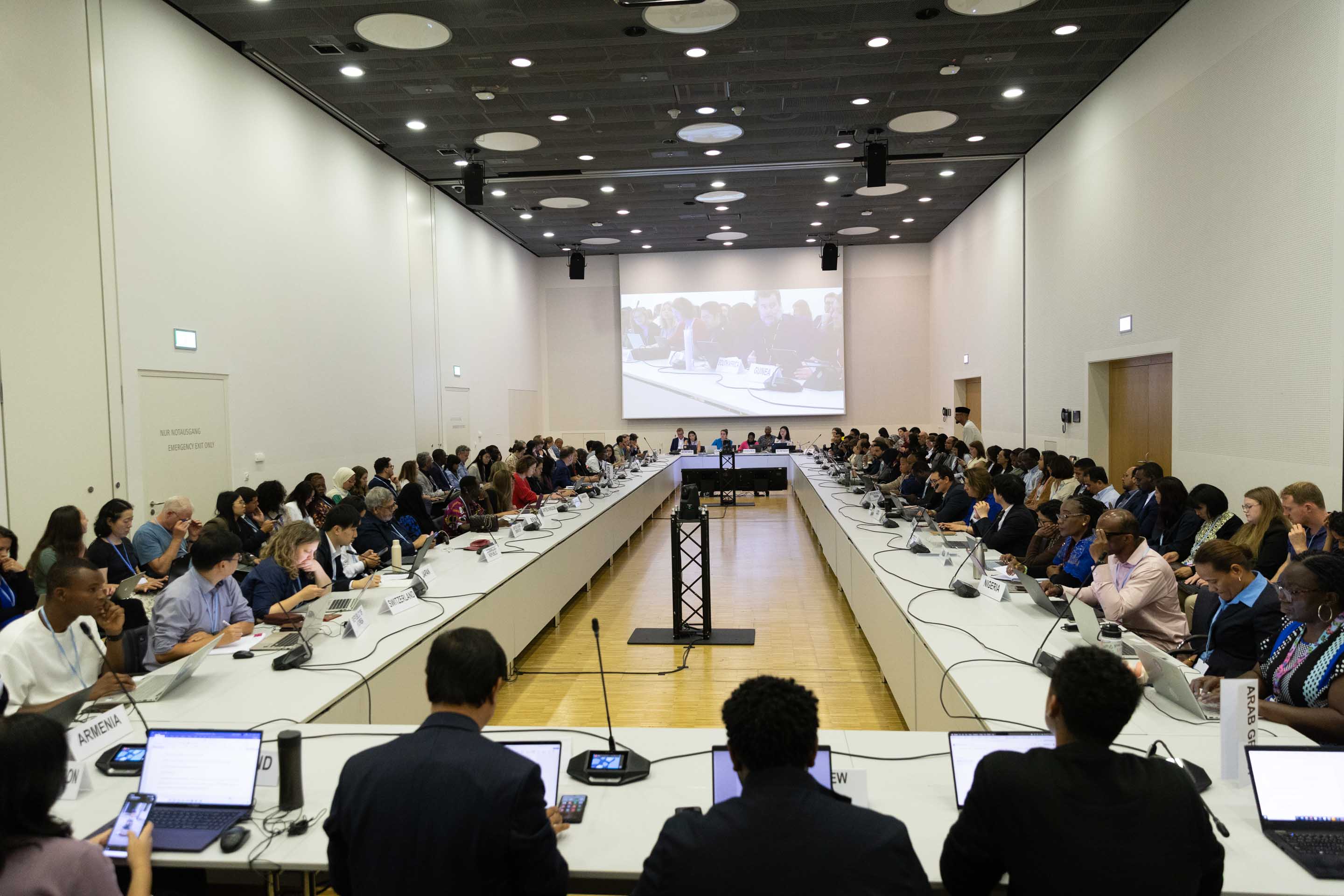
Informal consultations on matters relating to the Adaptation Fund
Dialogue on the Facilitative, Multilateral Consideration of Progress
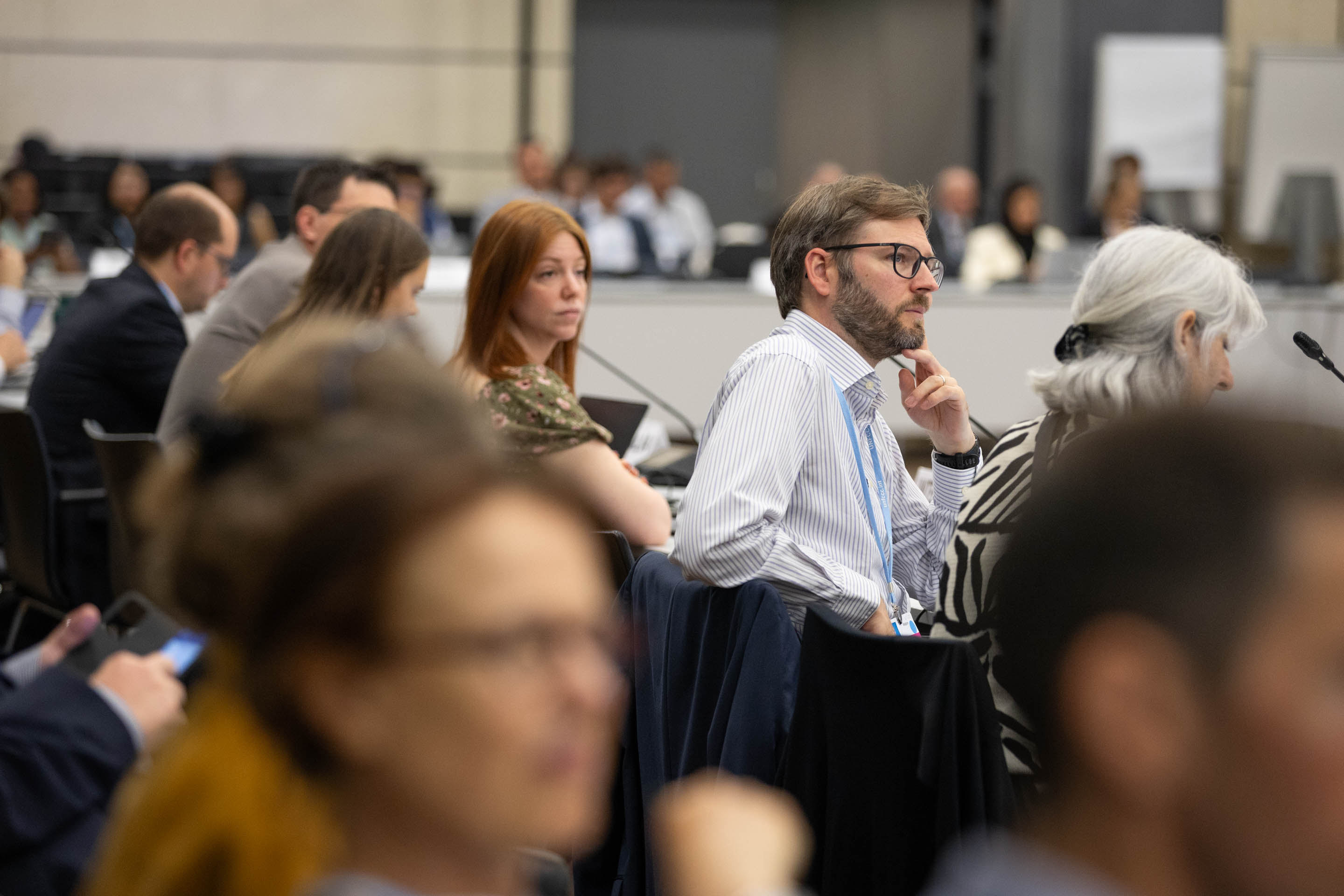
Delegates gather for the first dialogue on the Facilitative, Multilateral Consideration of Progress (FMCP)
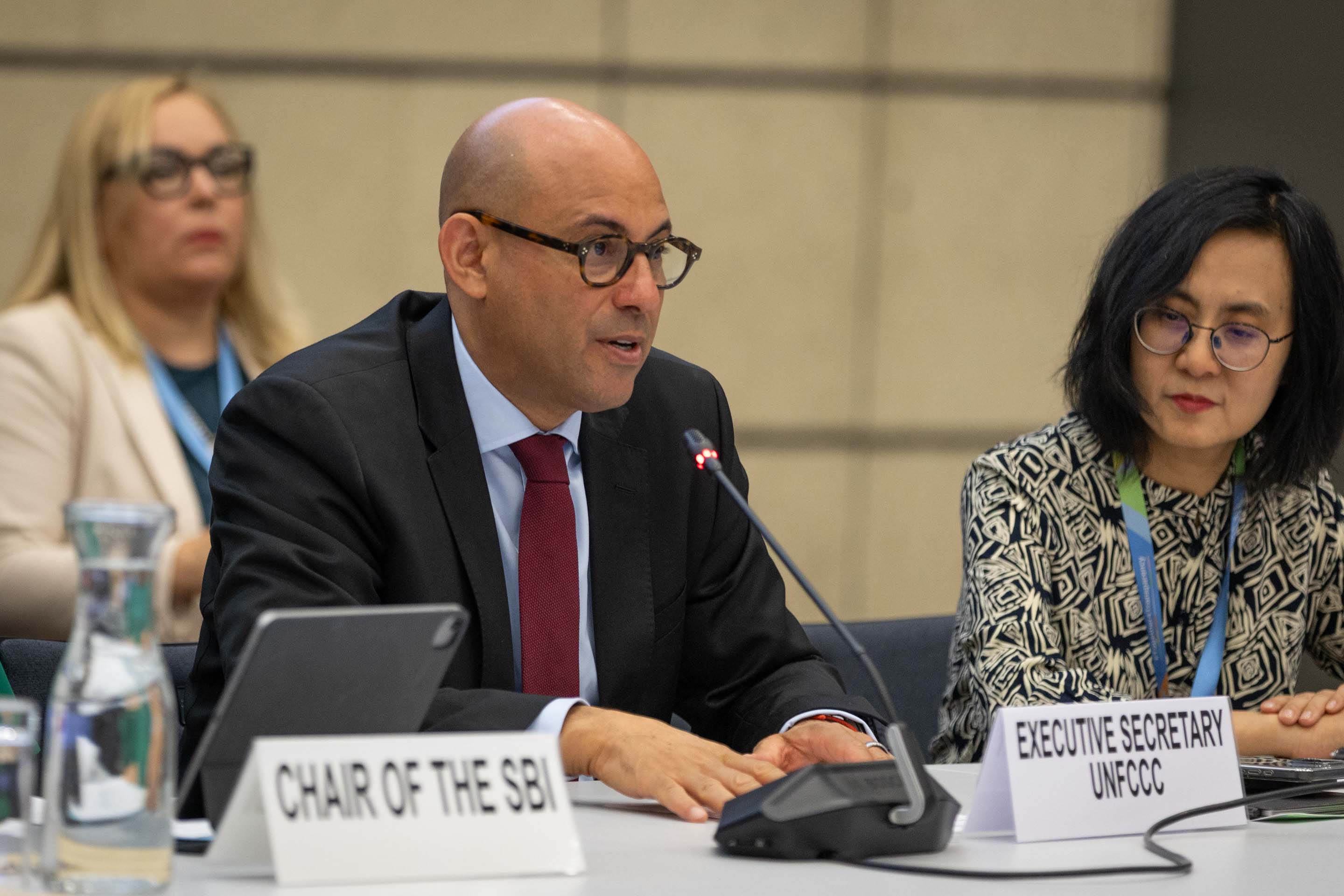
Simon Stiell, UNFCCC Executive Secretary
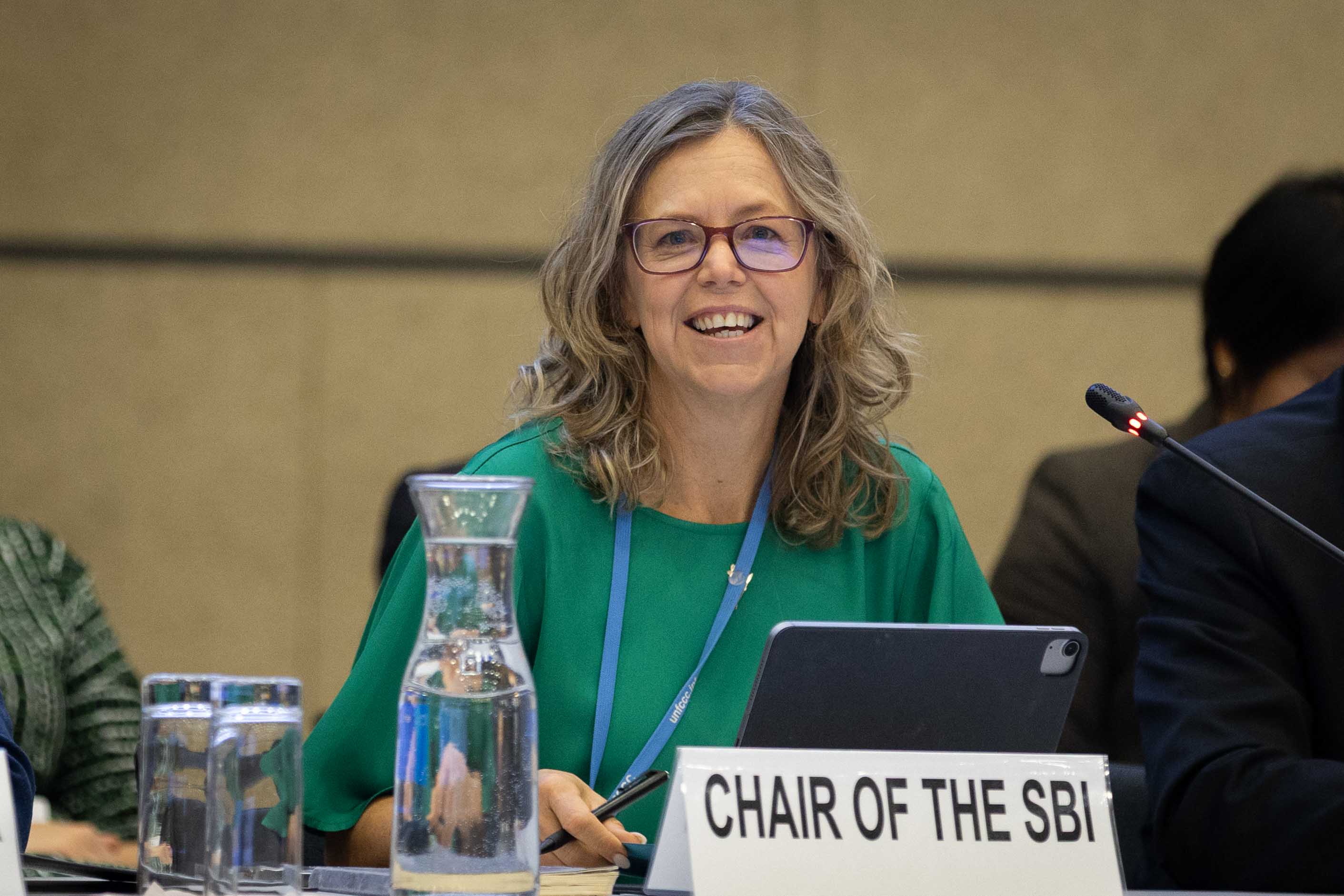
Julia Gardiner, SBI Chair
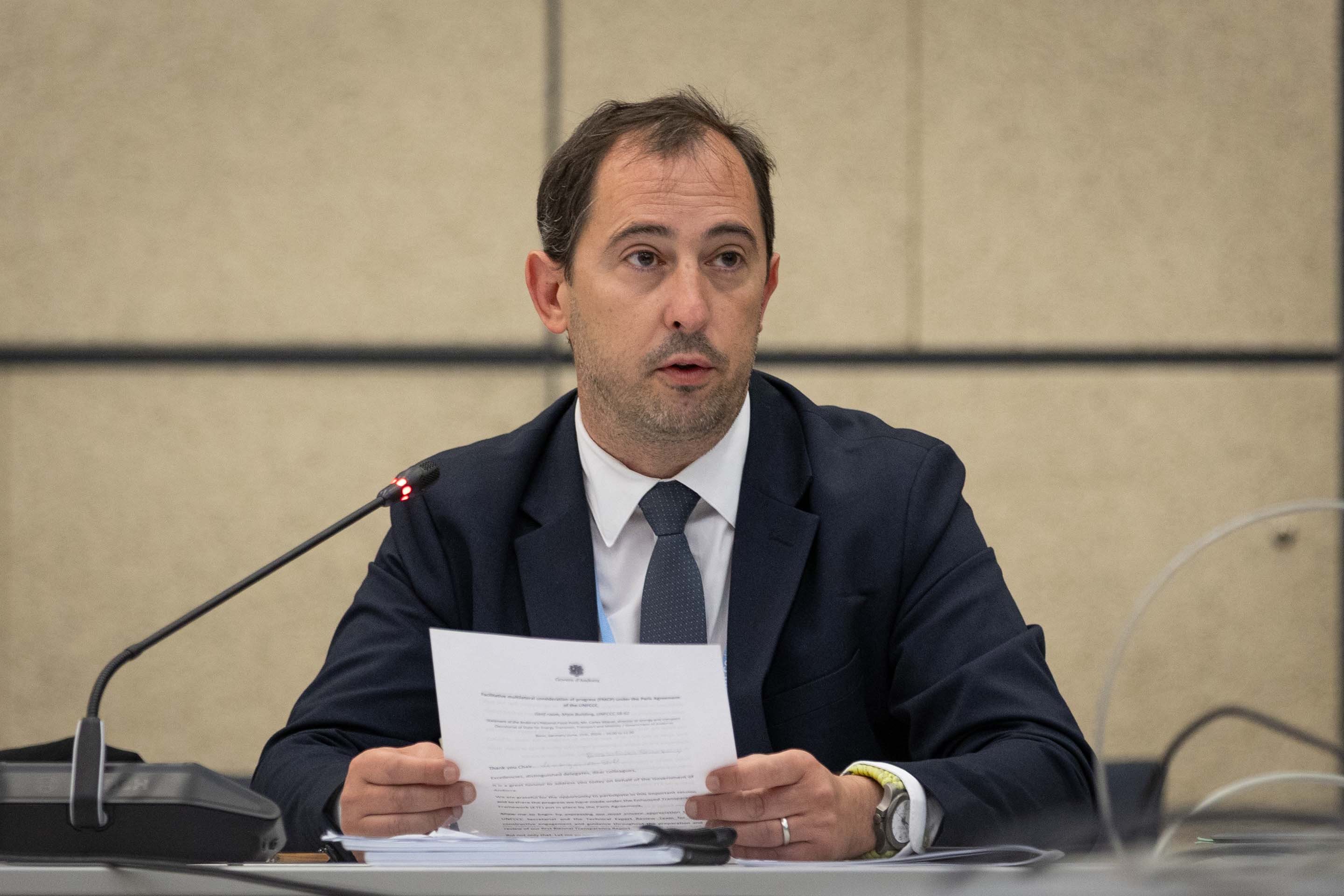
Carles Miquel Garcia, Andorra, presented their country report
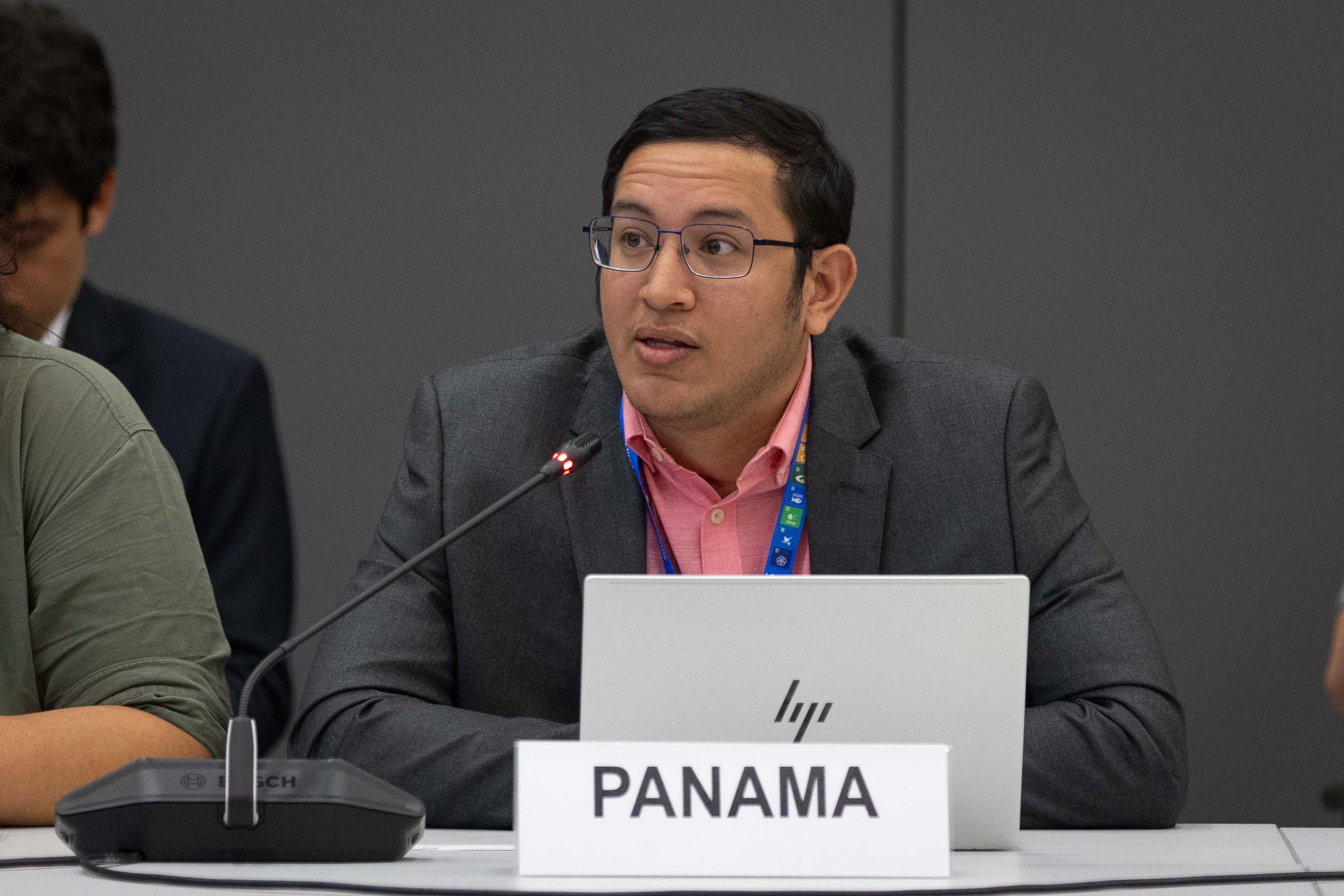
Javier Martínez, Panama, presented their country report
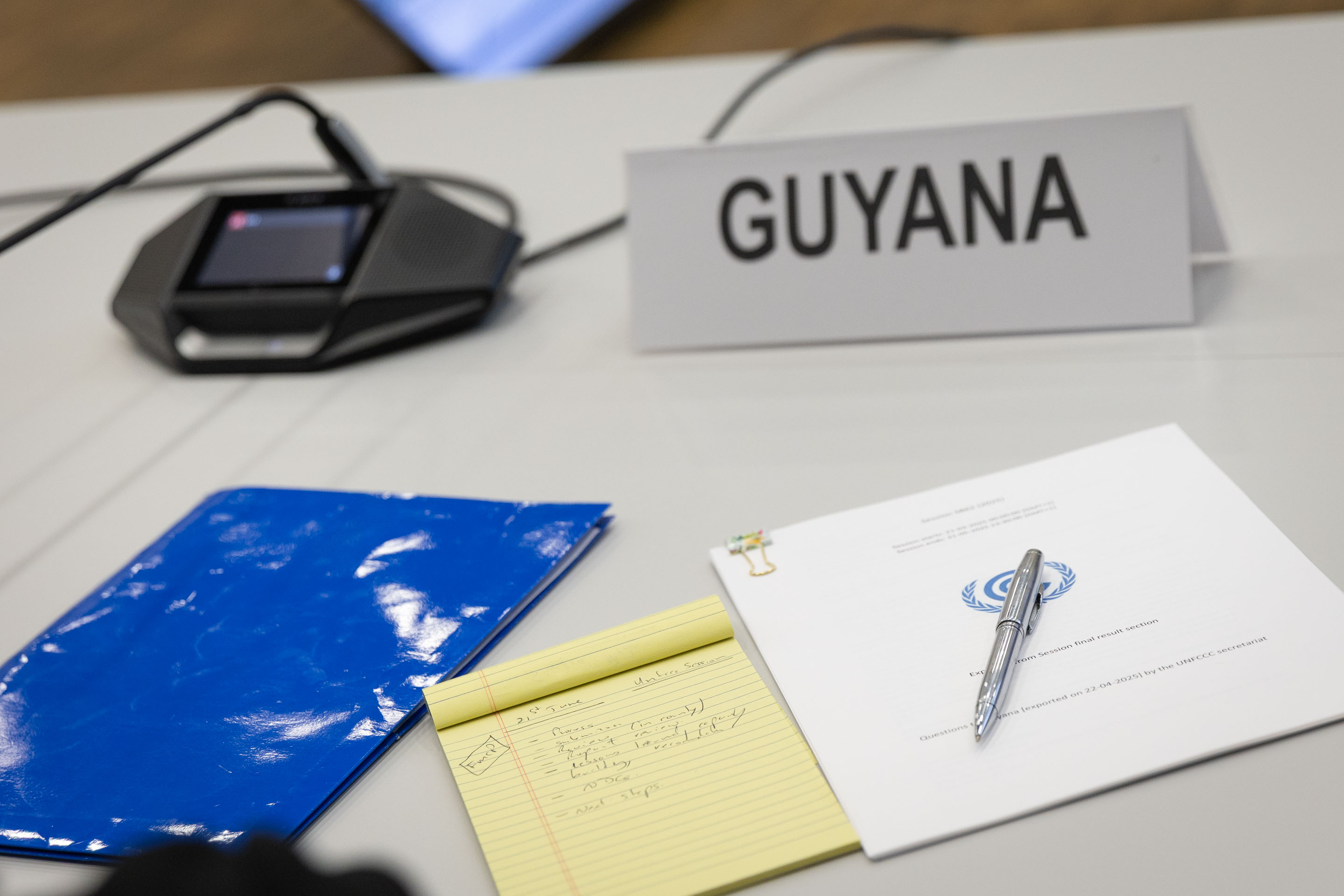
Guyana also presented their country report
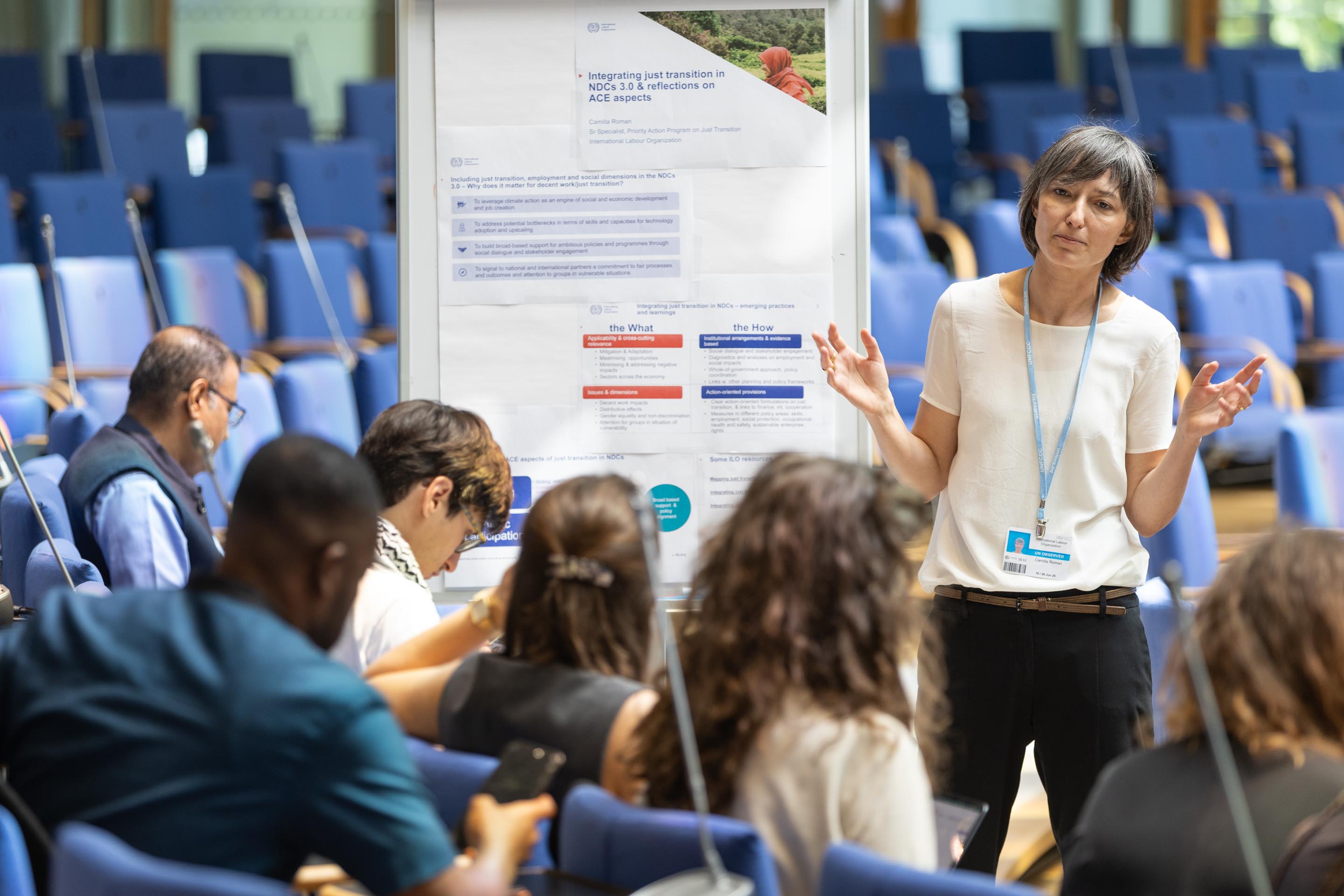
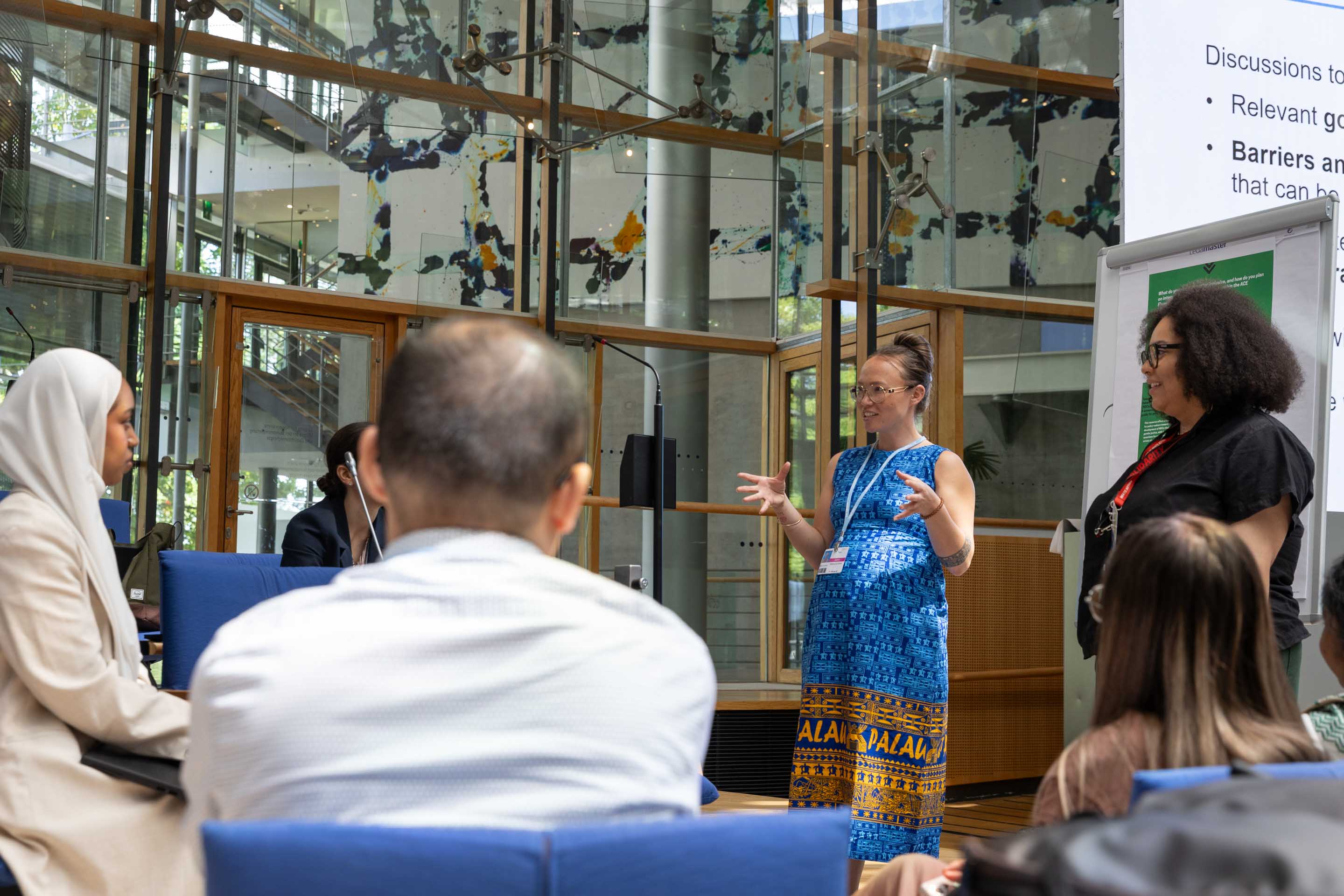
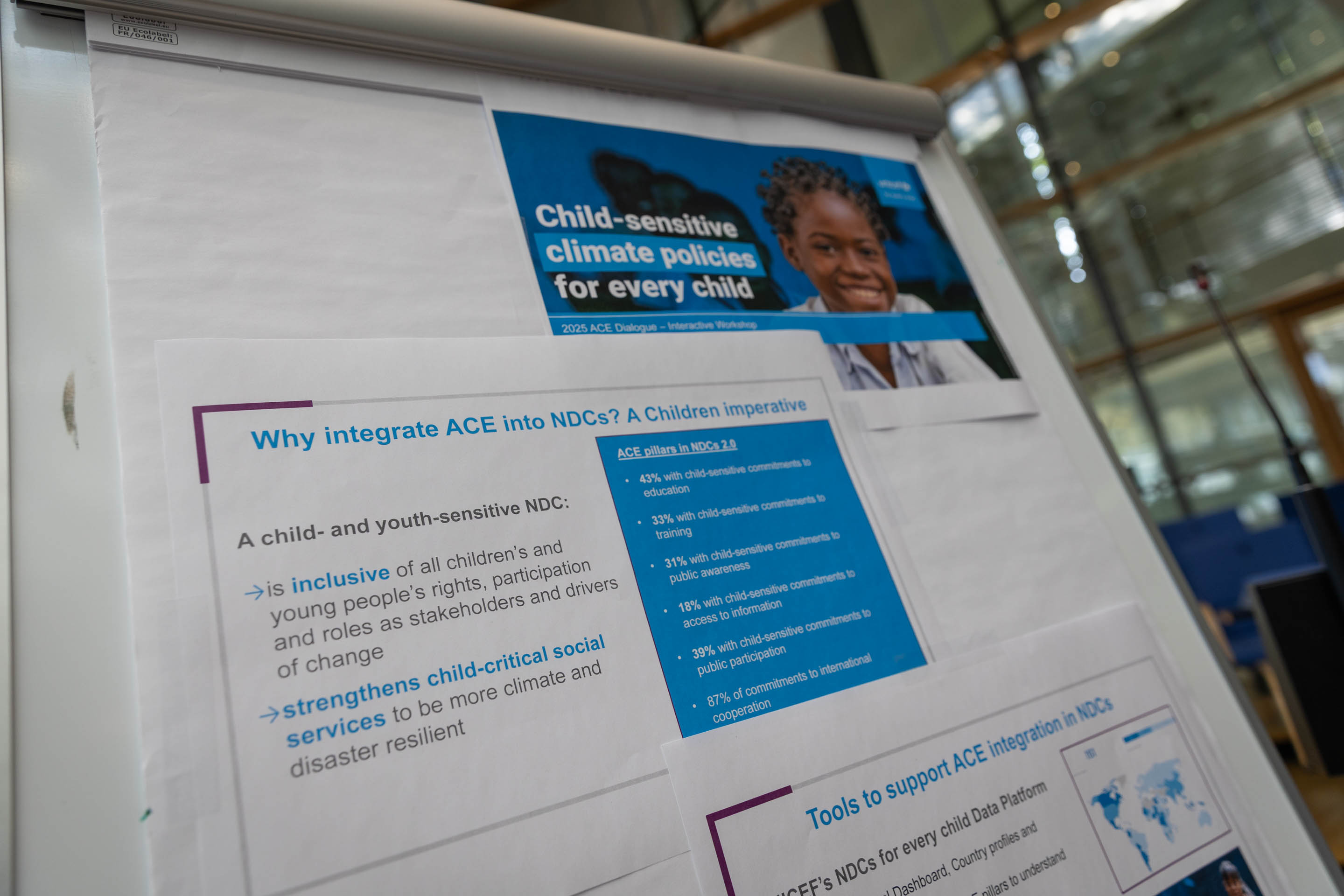
Action for Climate Empowerment (ACE) Dialogue
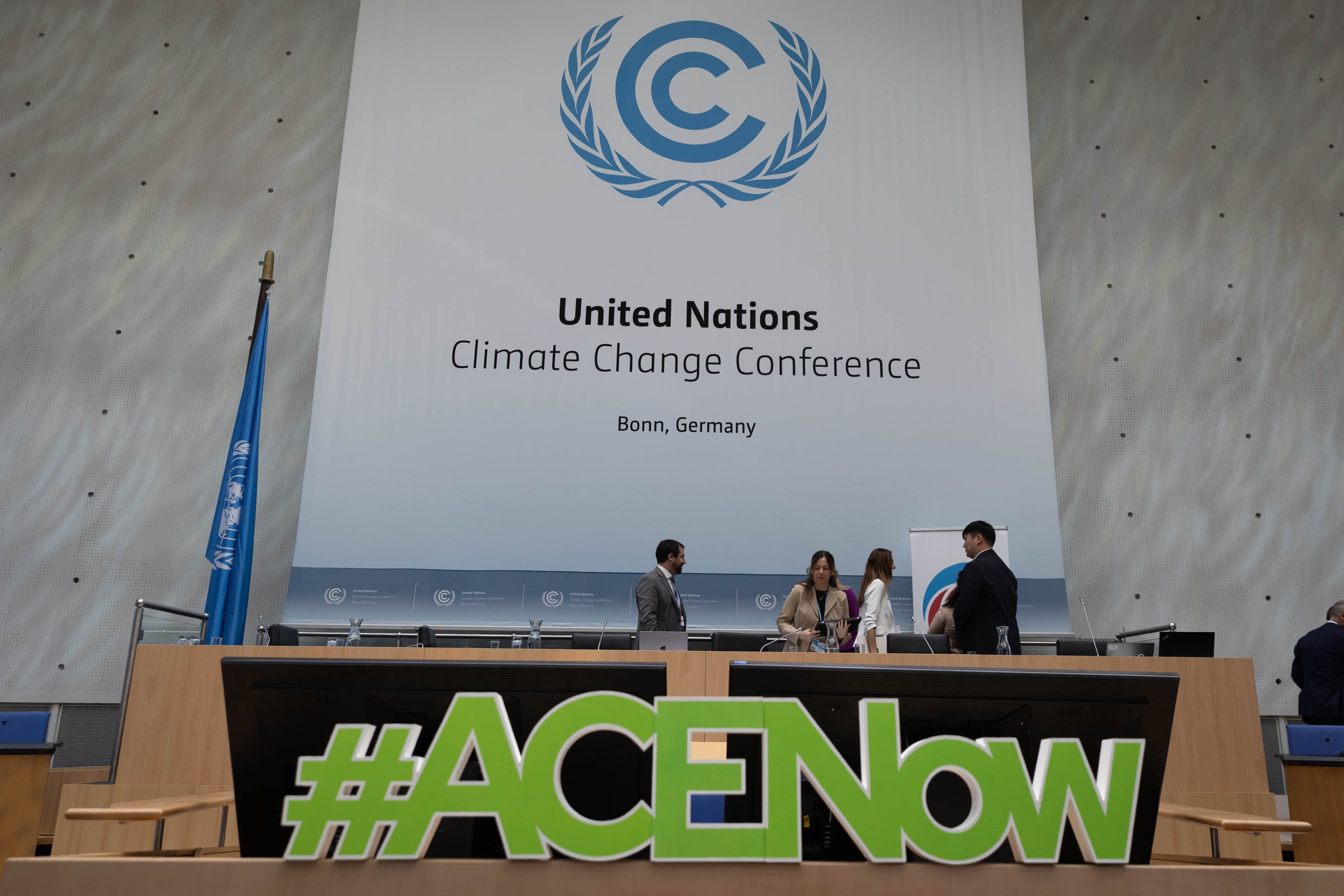
The ACE dialogue continued to explore how ACE can contribute to making climate policies more effective and successful
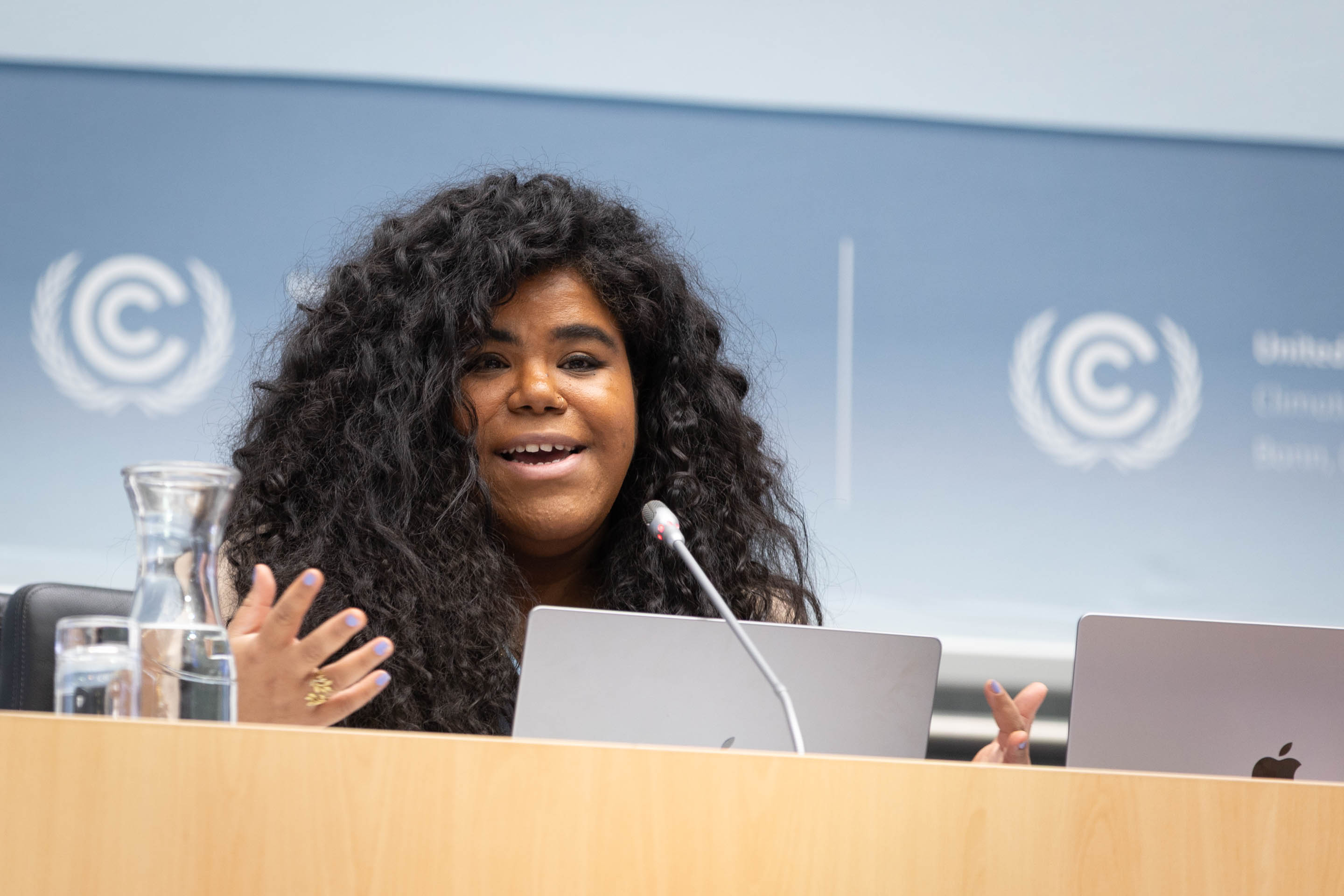
Isatis Cintrón Rodríguez, Colombia University
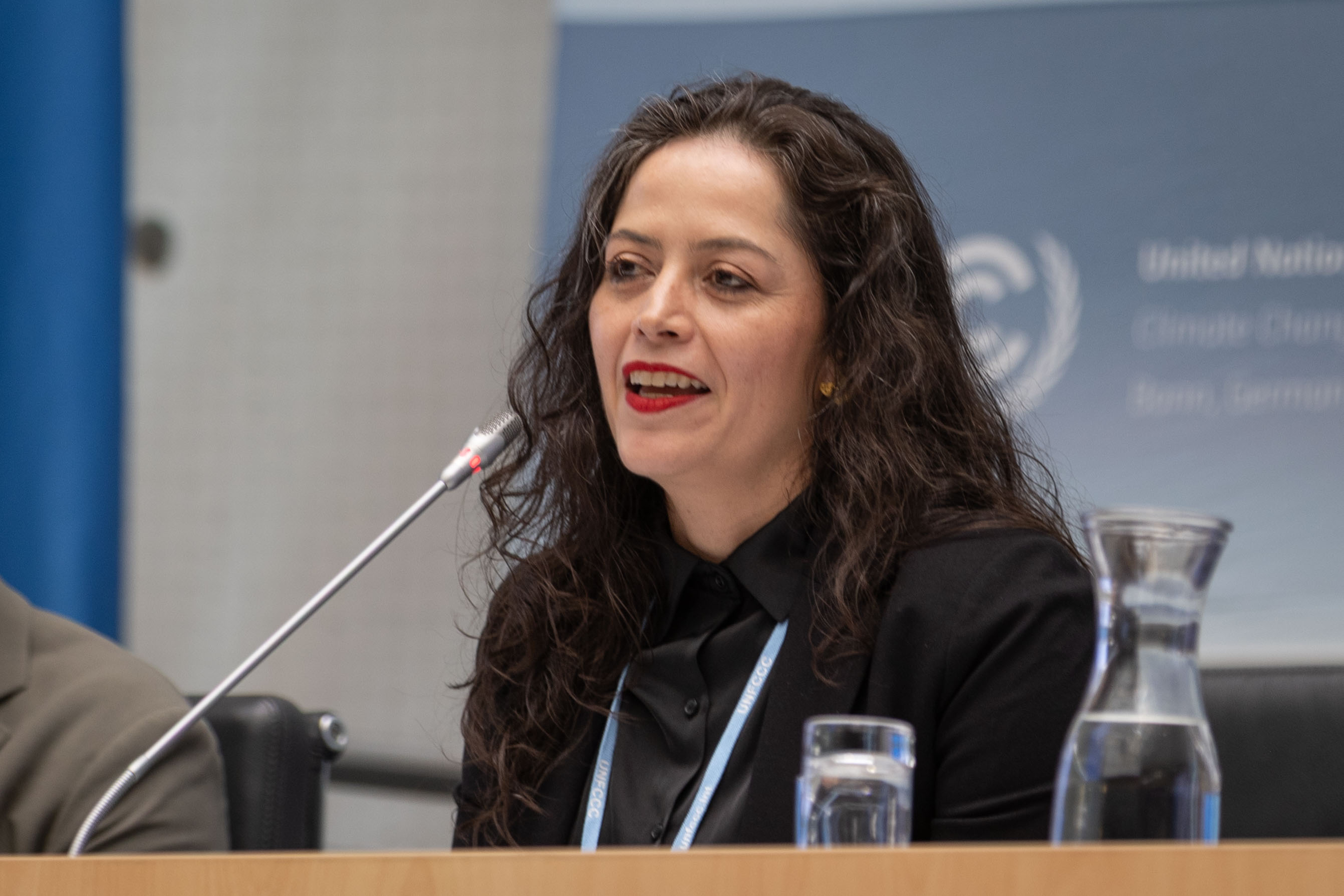
Nancy Andrea Ramírez Agudelo, UN University
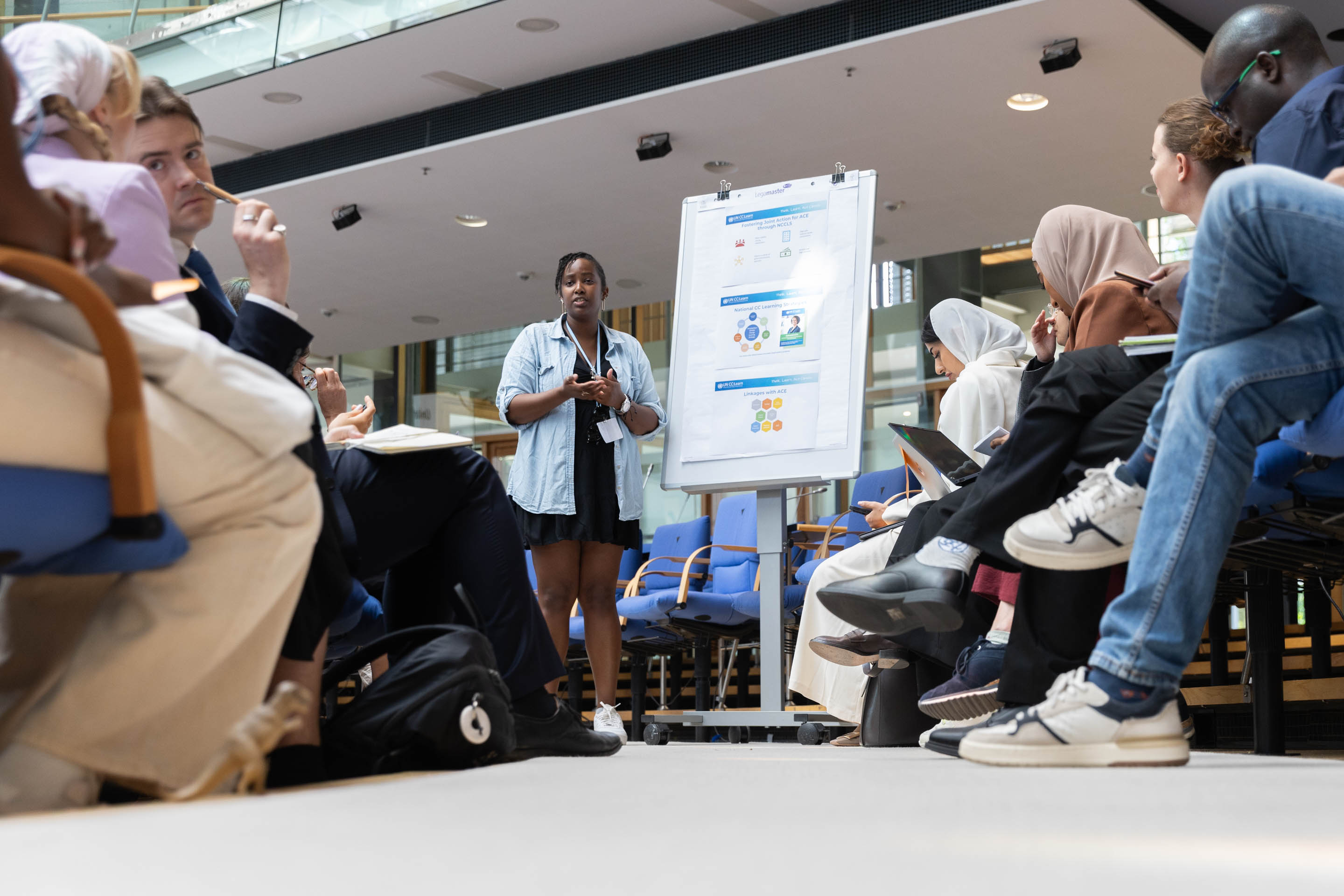
Delegates participate in 'mini clinics' to share ideas on how to integrate ACE ideas into climate plans, policies, strategies, and actions
Paris+10 - Celebrating and Doubling Down
A special event is held to celebrate 10 years since the signing of the Paris Agreement, and to double down for the next 10 years
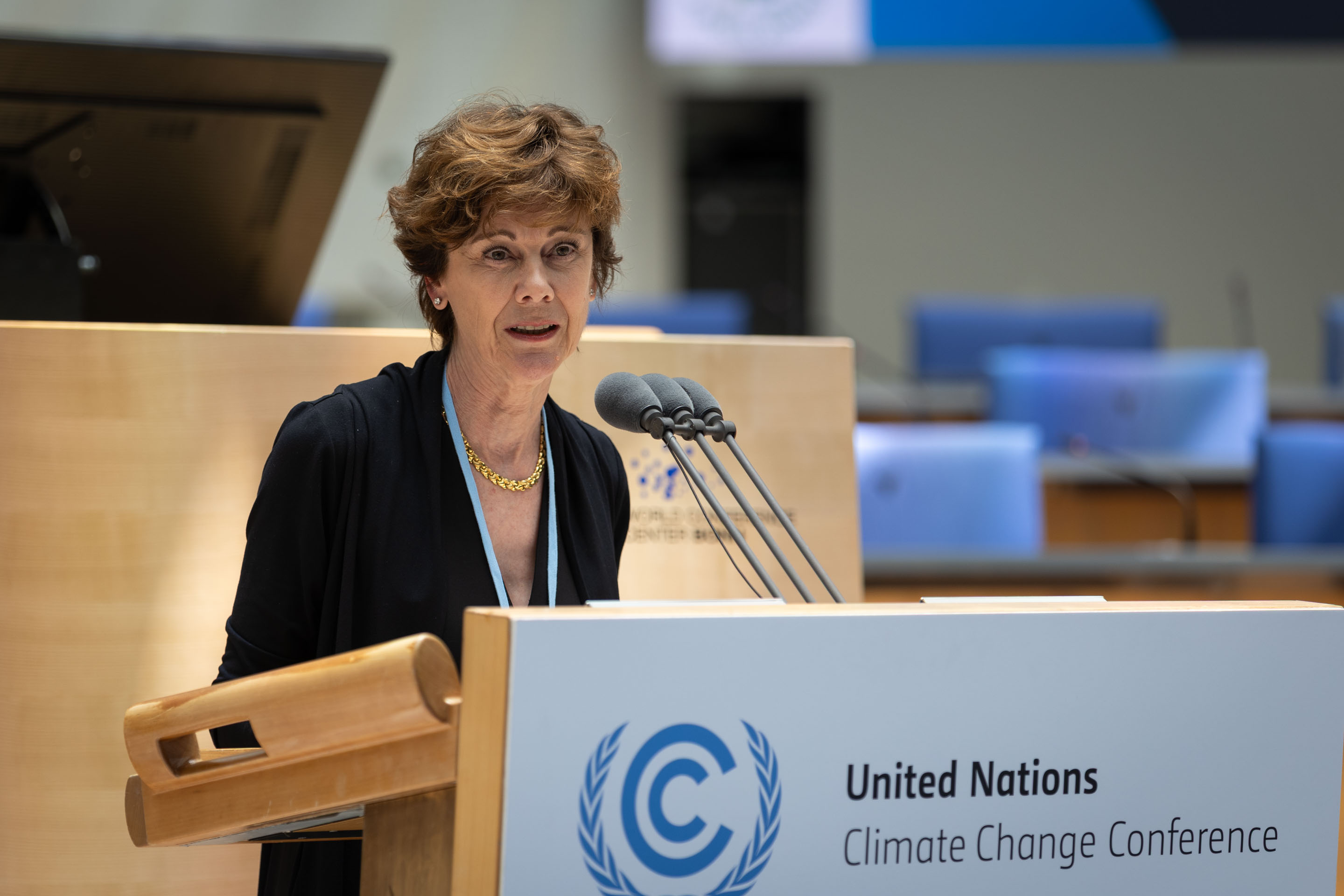
Jo Tyndall, Organisation for Economic Co-operation and Development (OECD)
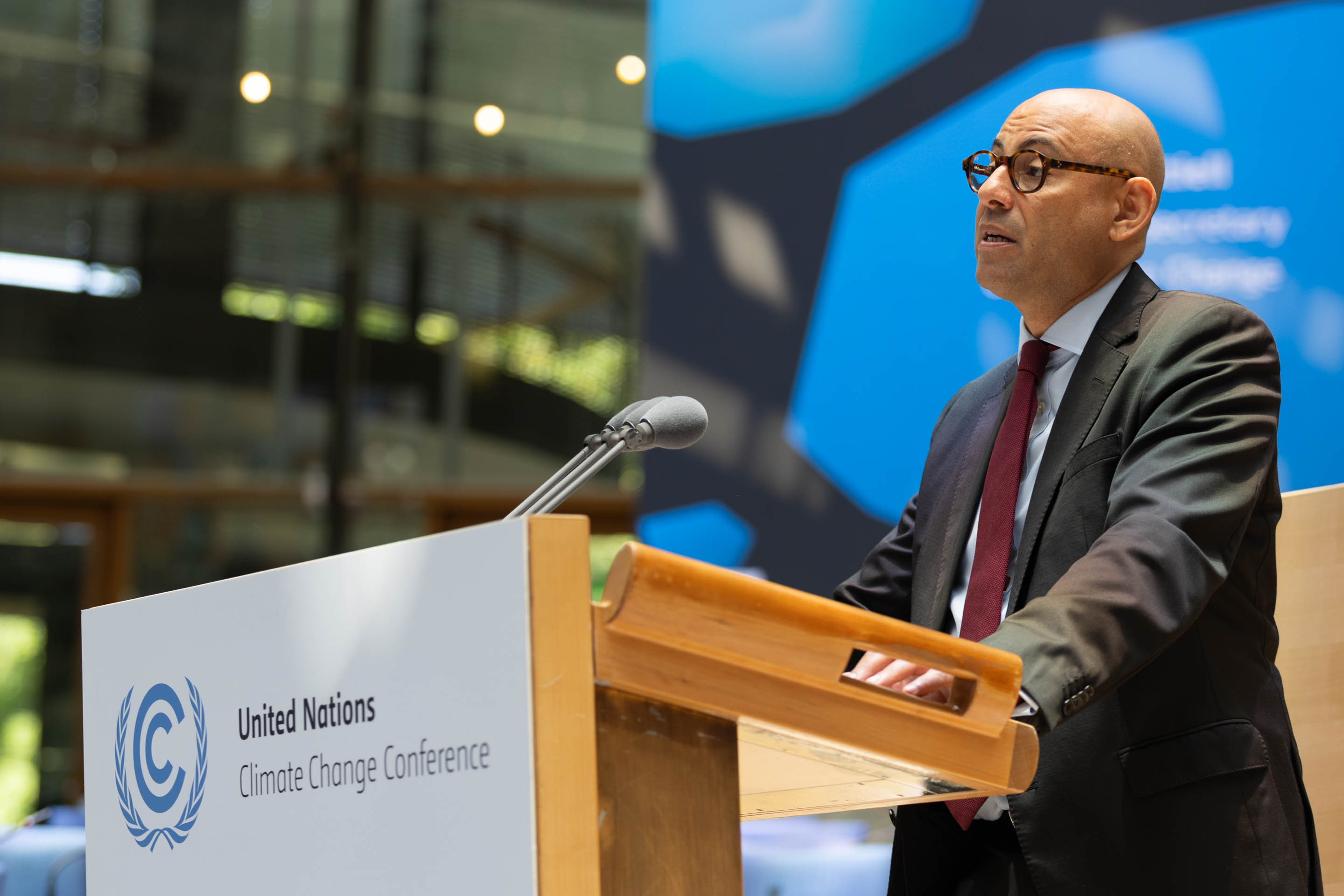
Simon Stiell, UNFCCC Executive Secretary
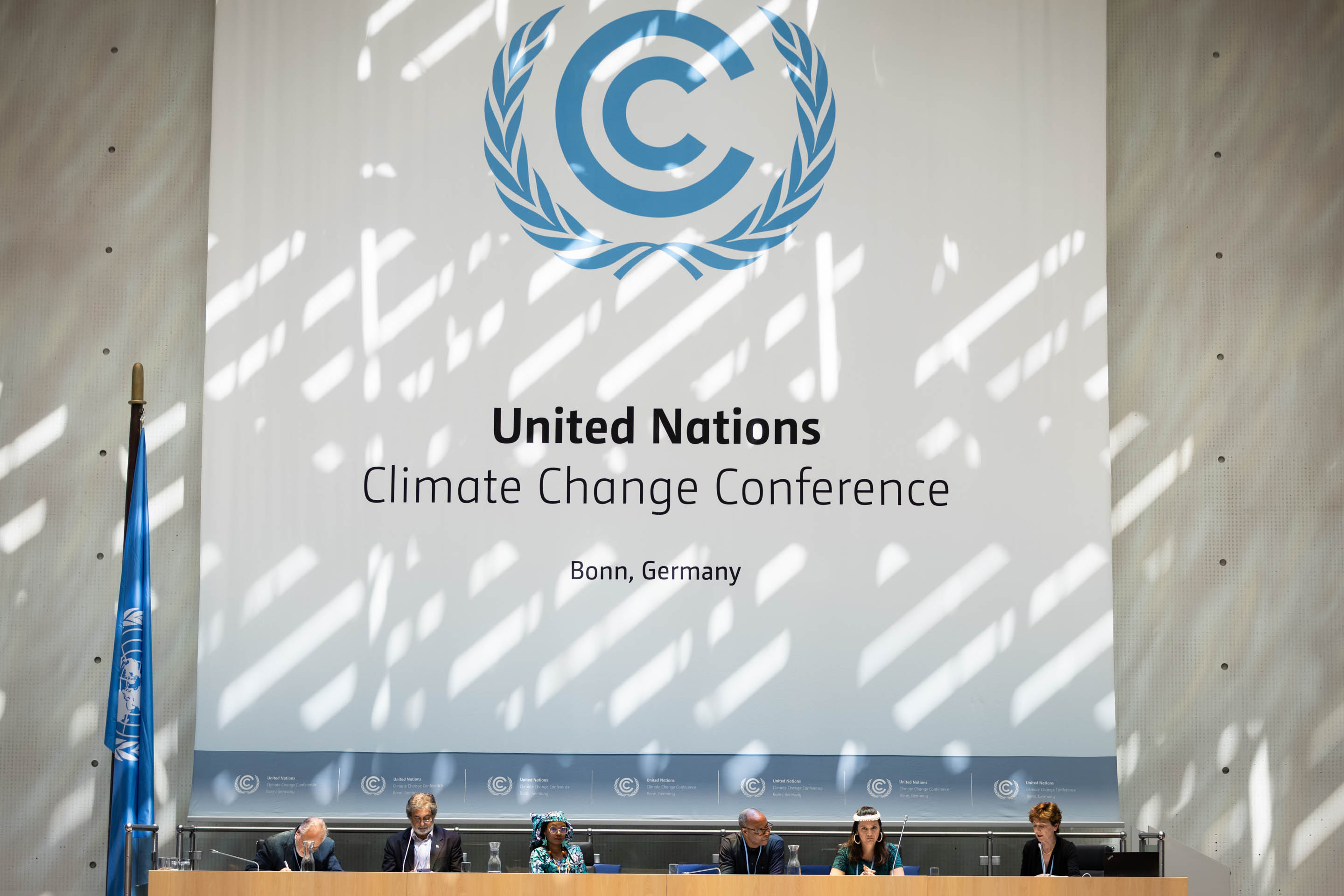
A panel is held to hear from people who helped pave the way for the adoption of the Paris Agreement
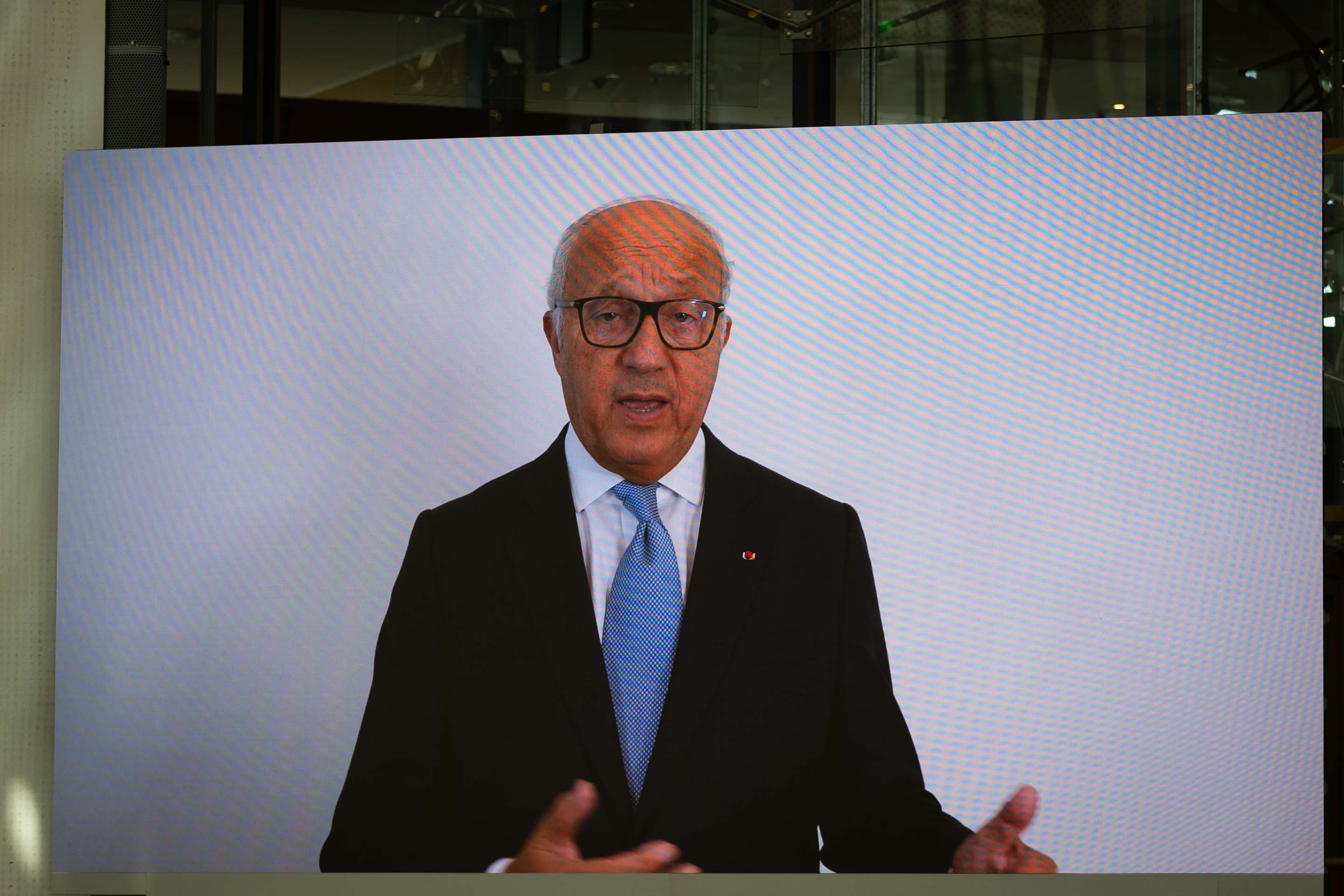
Laurent Fabius, COP 21 President
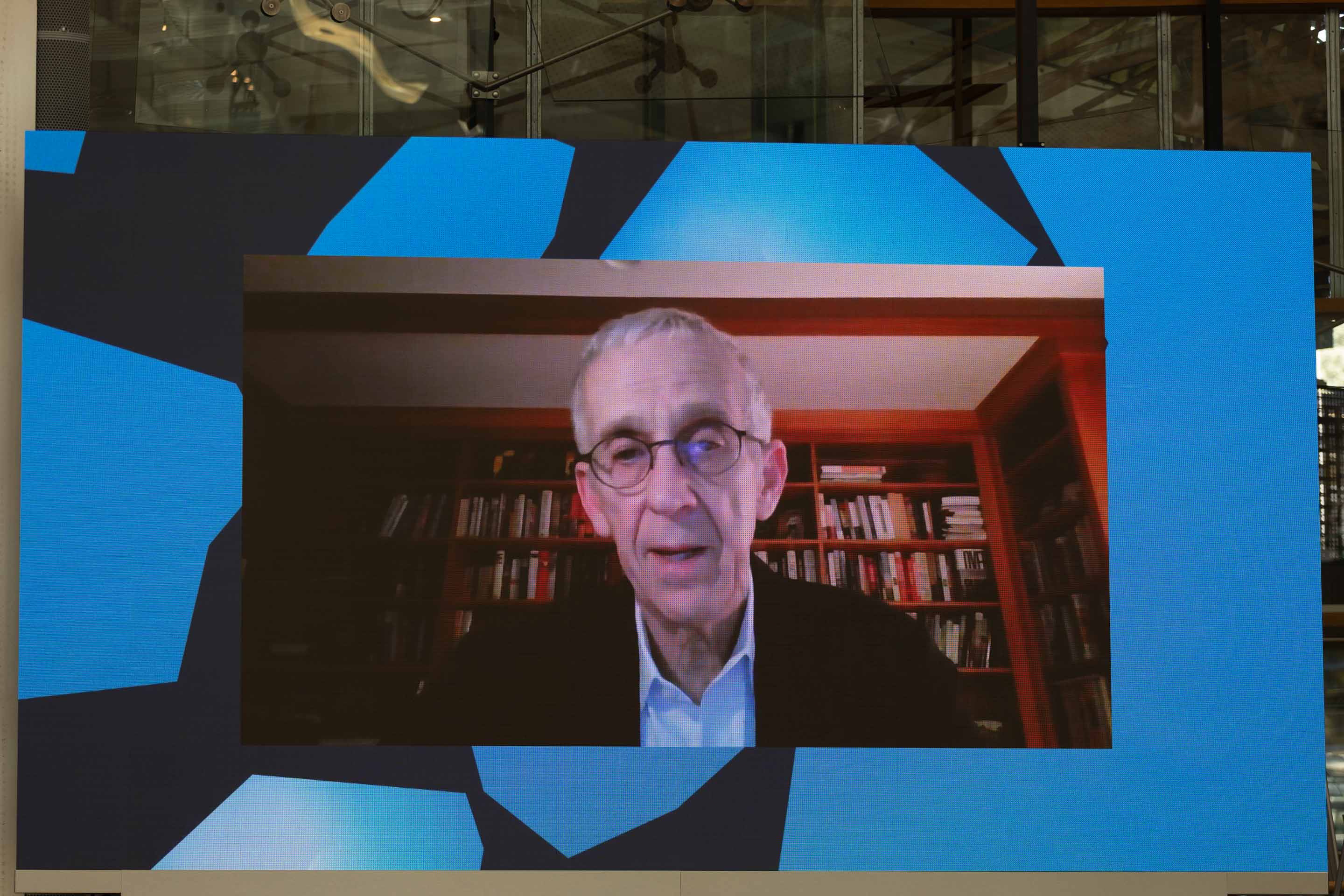
Todd Stern, US Special Envoy for Climate Change during COP 21
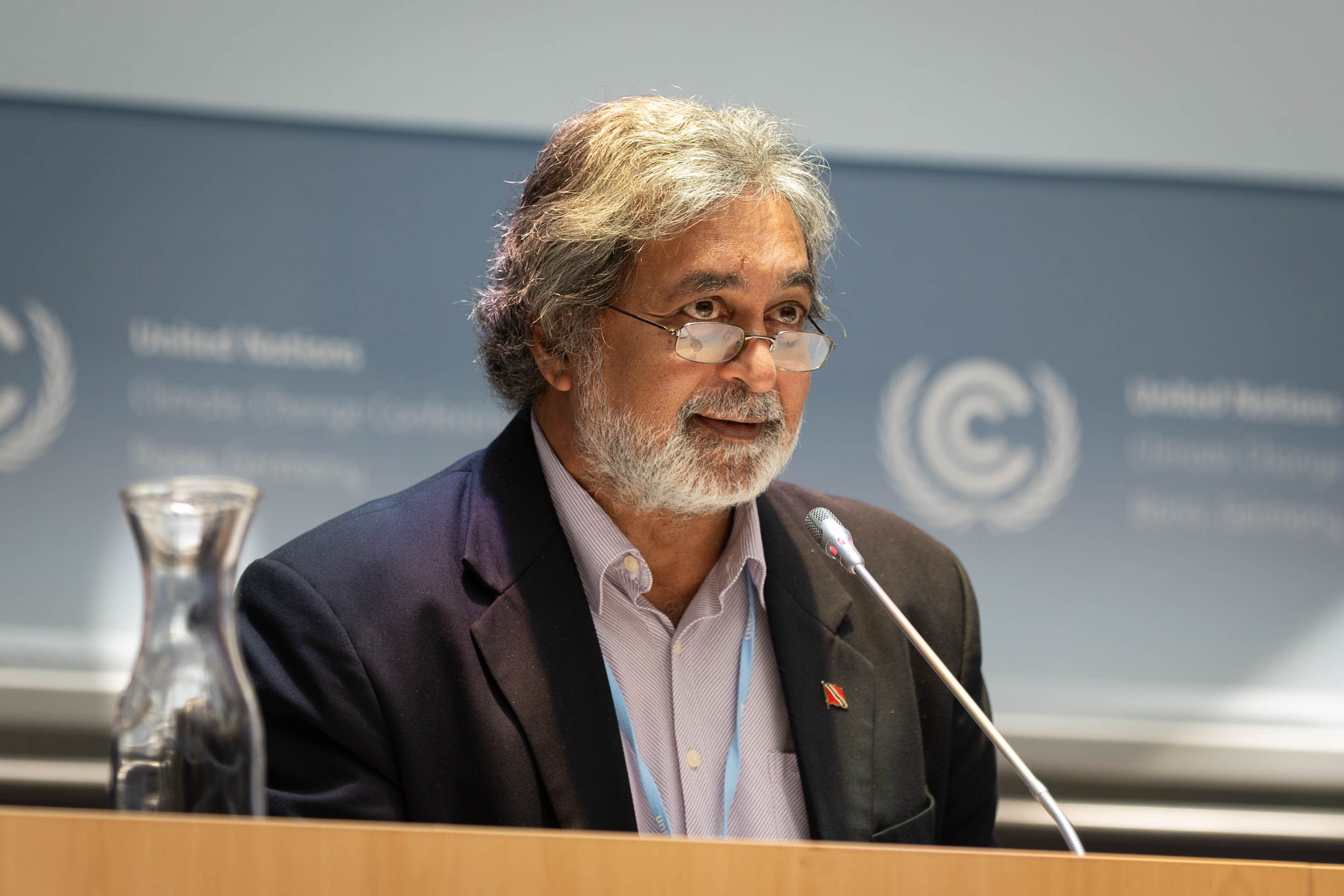
Kishan Kumarsingh, Trinidad and Tobago
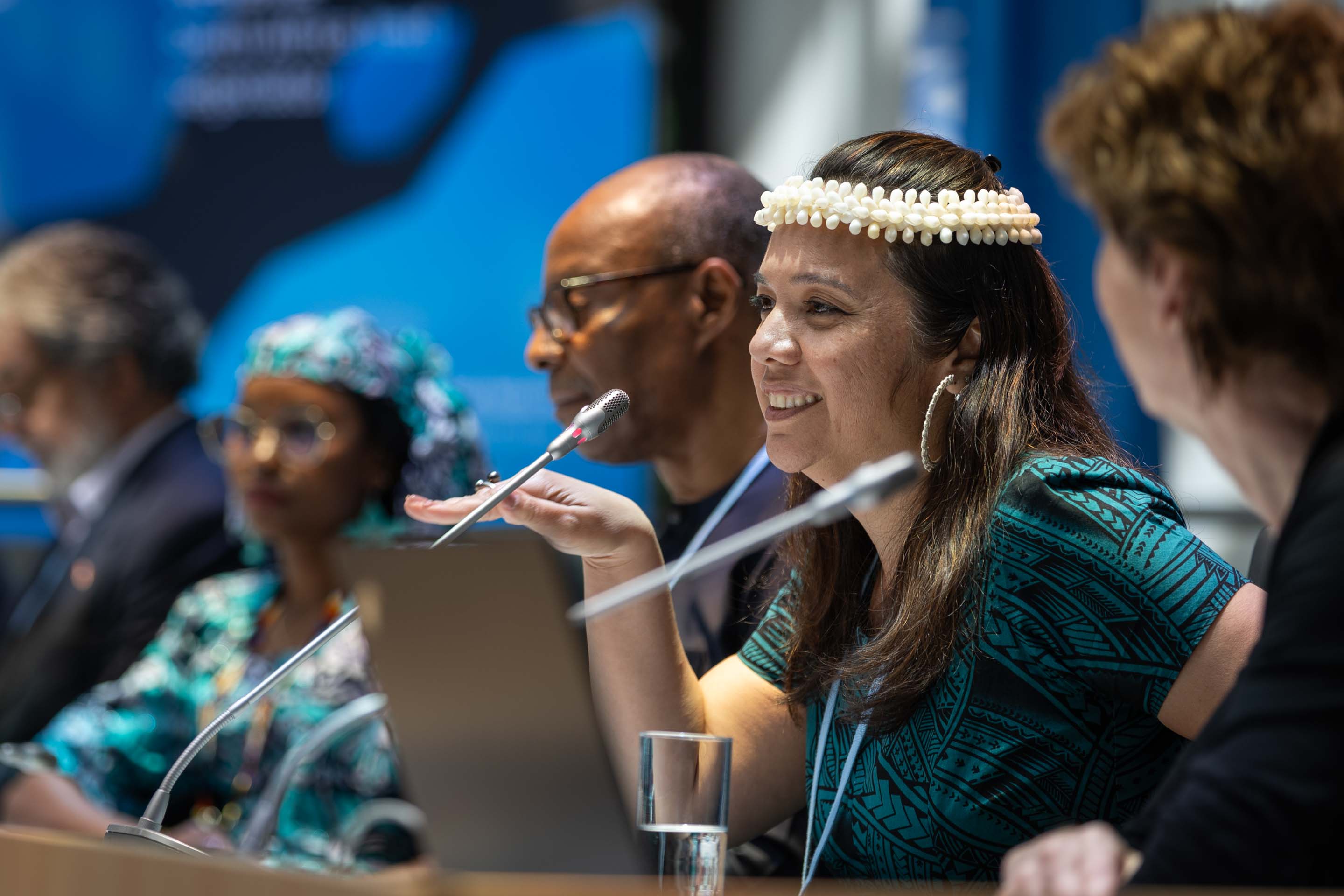
Tina Stege, Climate Envoy for the Marshall Islands

Paul Watkinson, France, and former SBSTA Chair
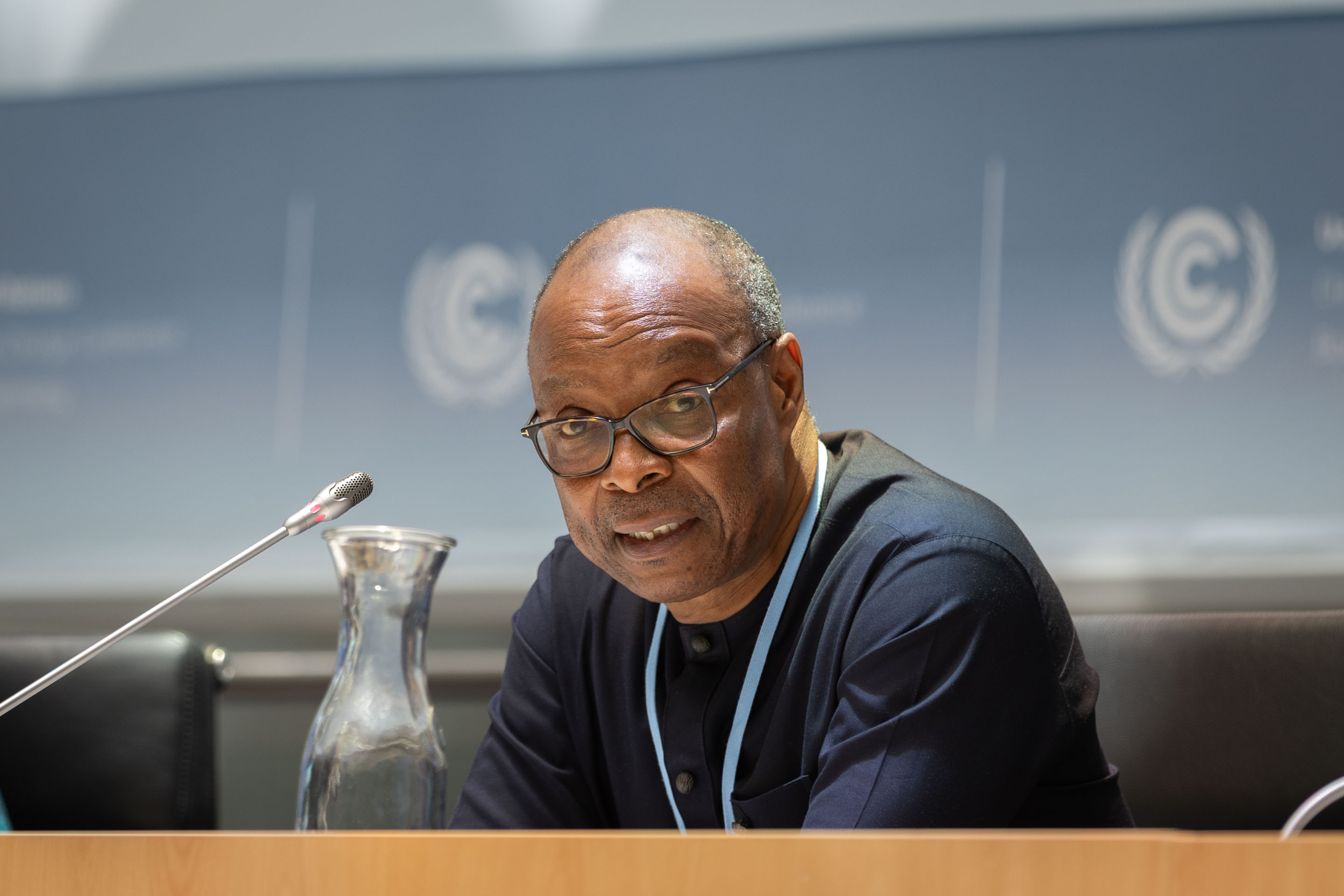
Anthony Okon Nyong, African Development Bank
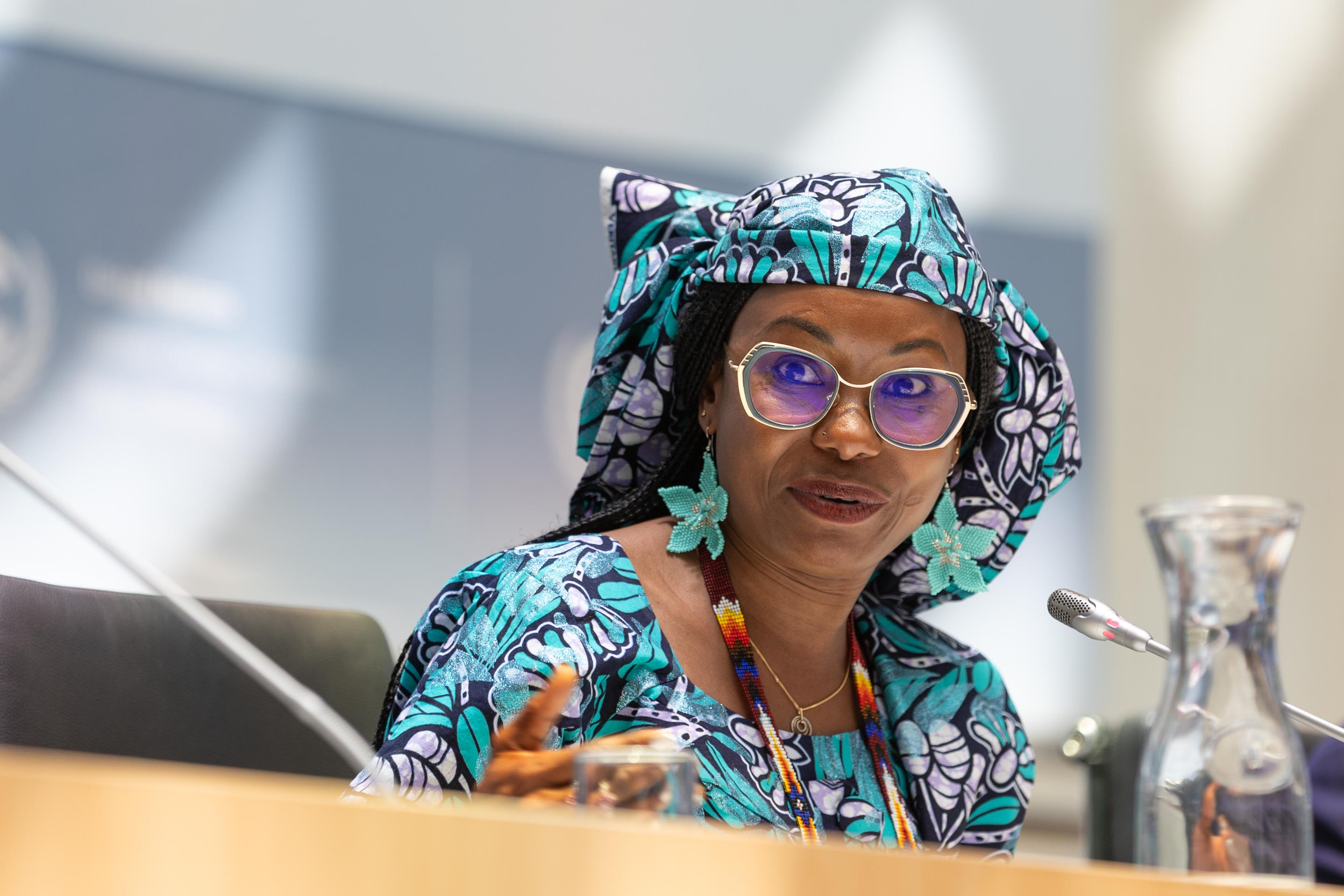
Hindou Oumarou Ibrahim, Indigenous Peoples Organizations
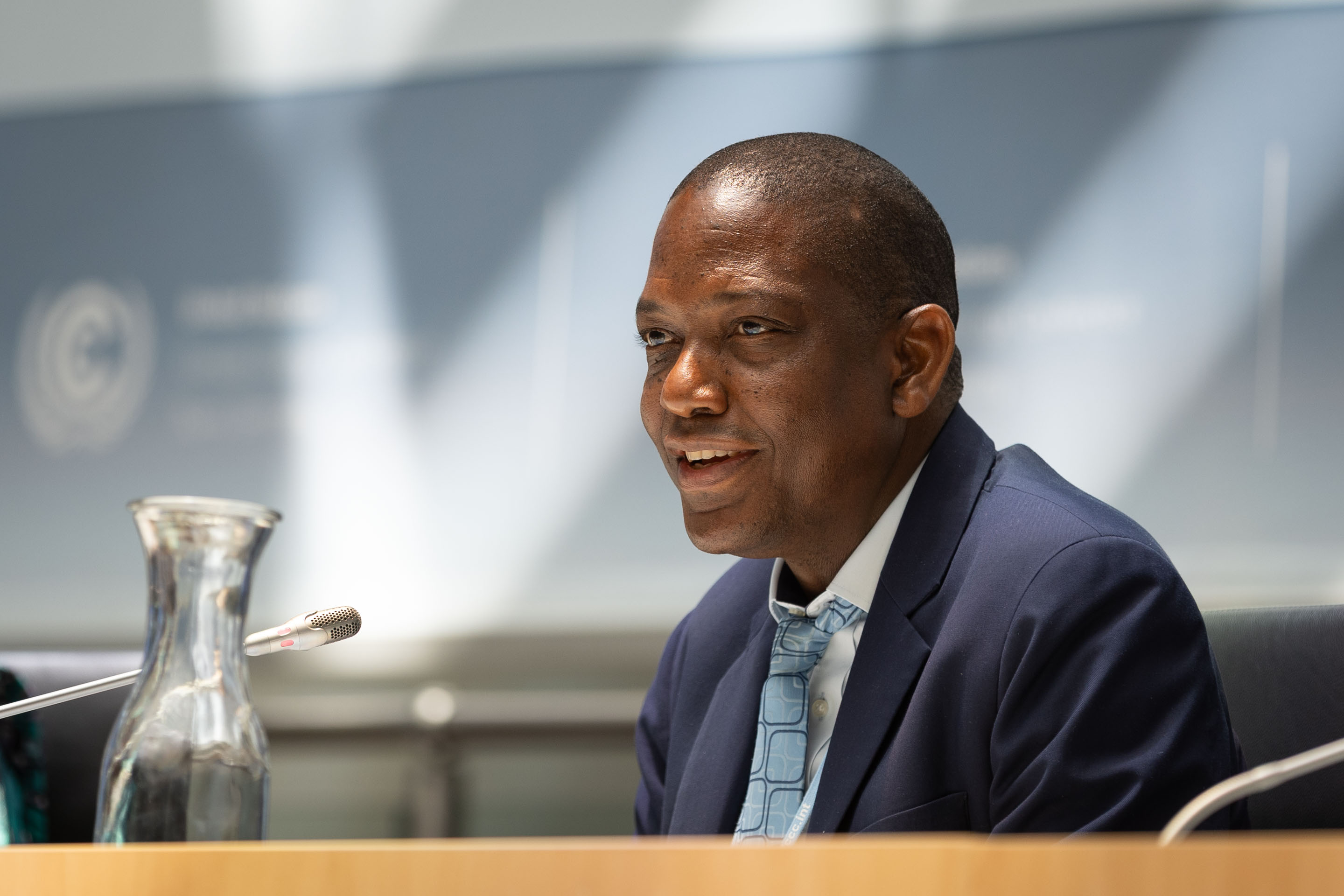
Maesela Kekana, South Africa
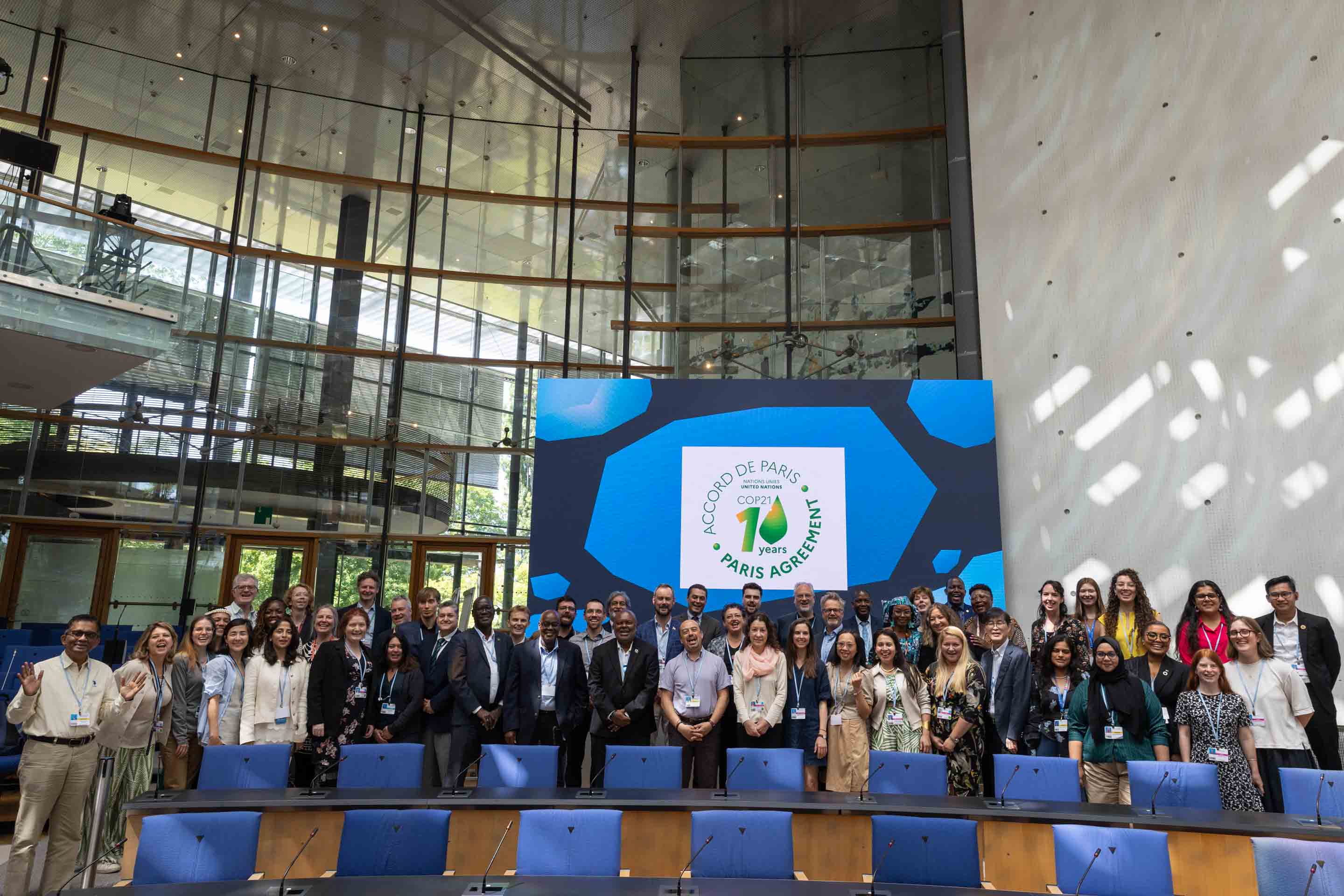
Family photo of participants of the event
Around the Venue
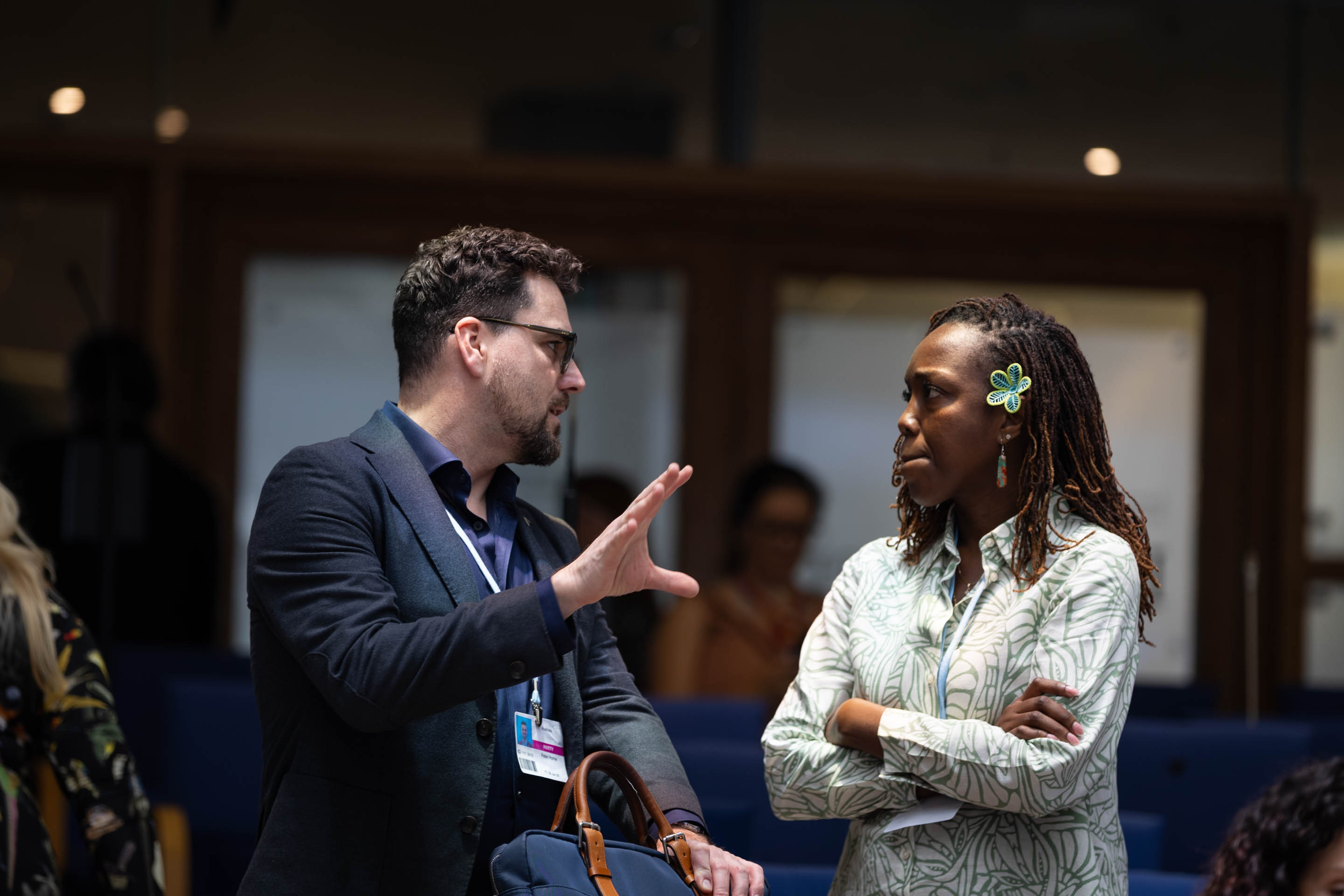
Peter Horne, Australia, speaks with Rueanna Haynes, Trinidad and Tobago
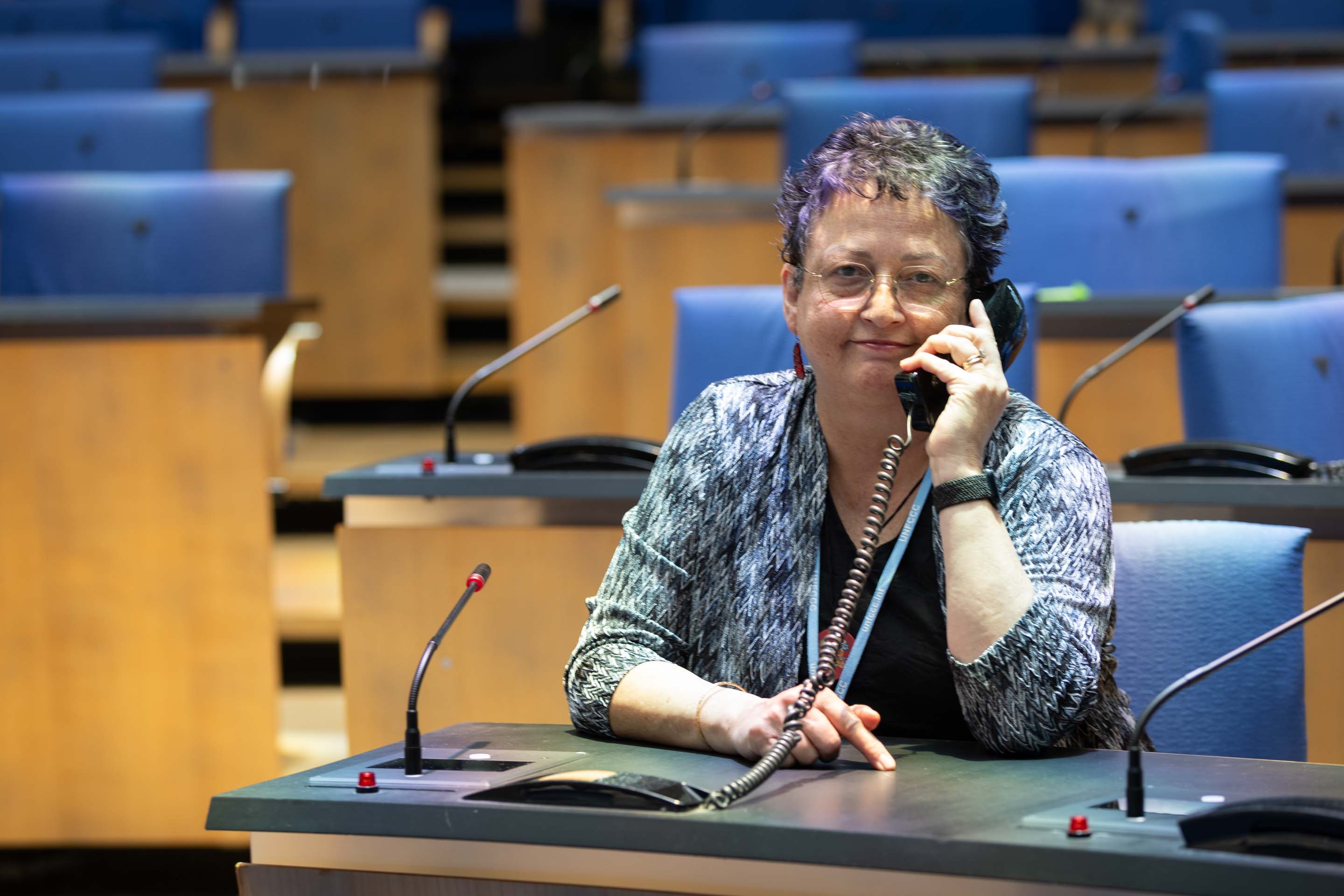
Kay Harrison, University of Canterbury