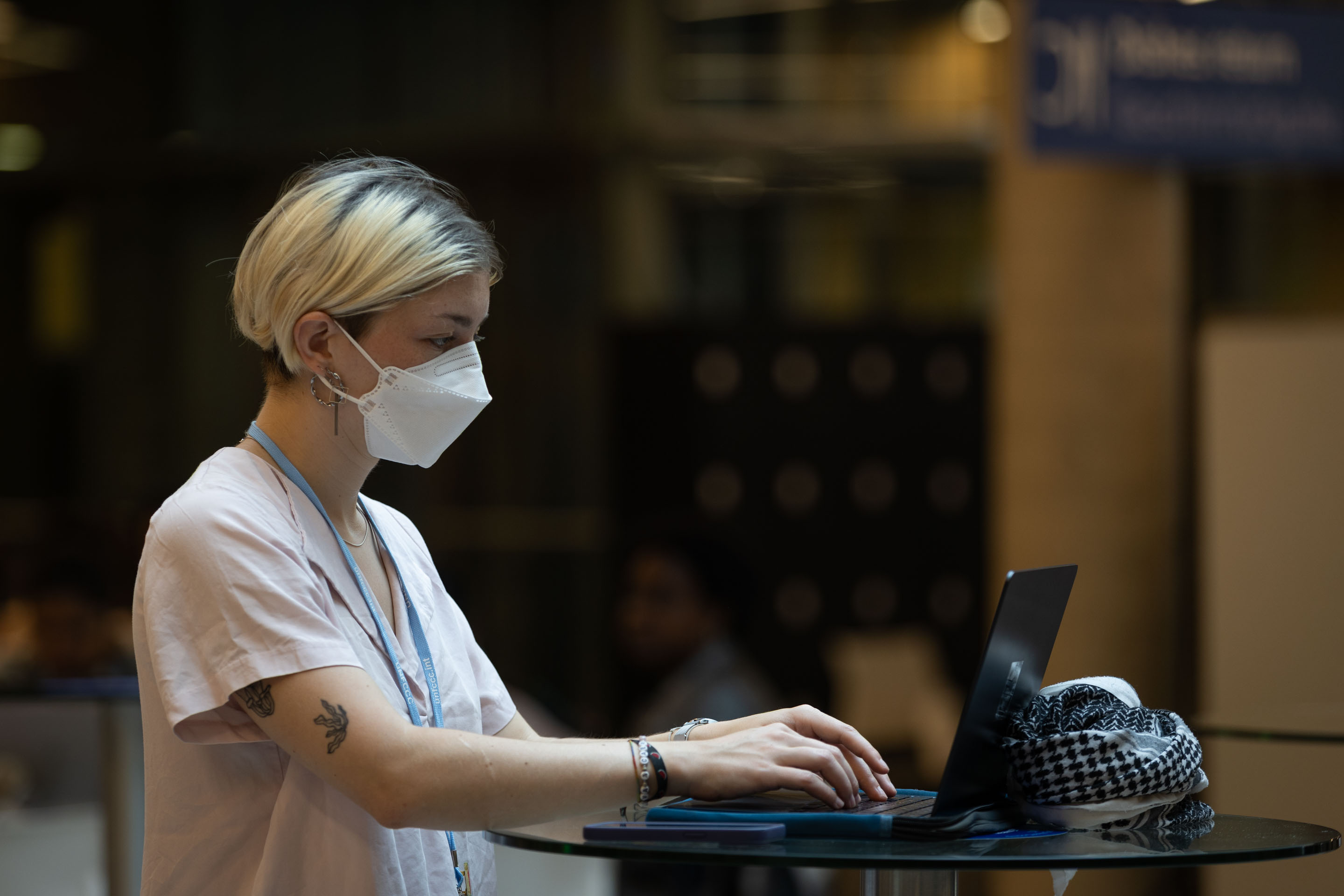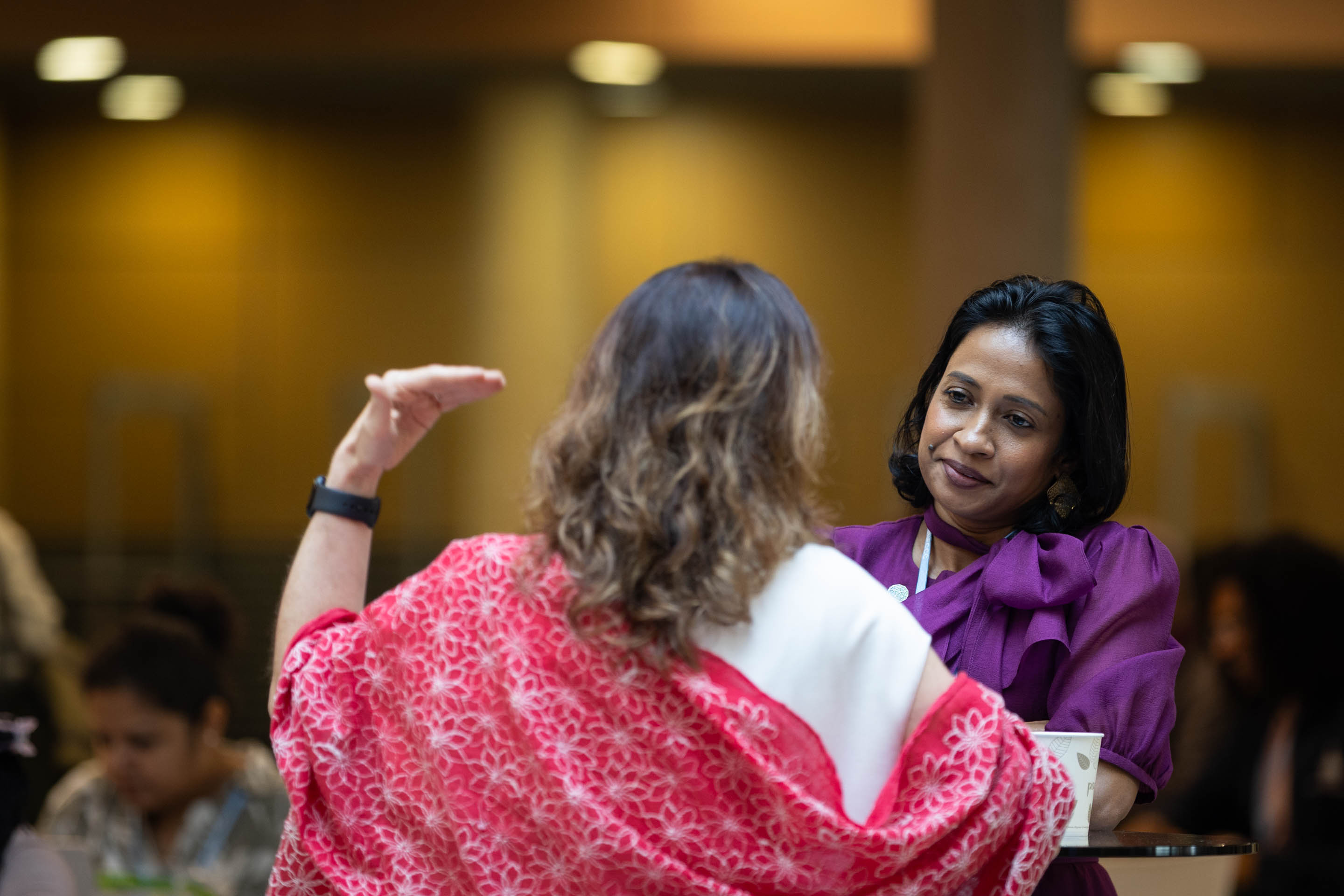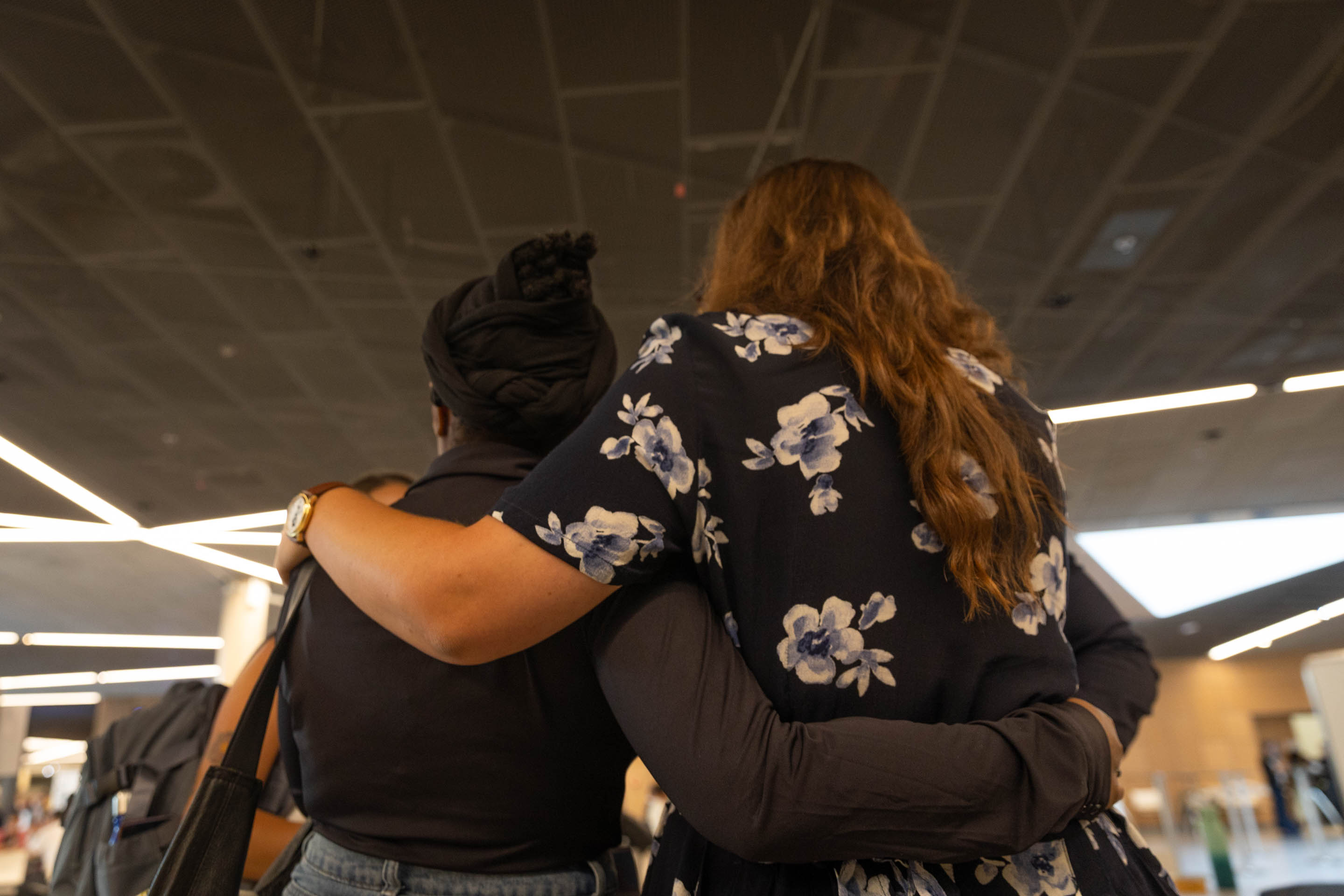
The conferences of the UN Framework Convention on Climate Change (UNFCCC) are more than a space for multilateral negotiations—they also provide opportunities for learning and networking. This proved to be a saving grace for many delegates: as lack of agreement on the agendas of the Subsidiary Bodies’ meetings continued to hold up the launch of negotiations, they could at least participate in one of the many events taking place throughout the day.
Want to dig deeper into today's talks? Read the full Earth Negotiations Bulletin daily report.
After successive postponements, the opening plenary eventually resumed in the late afternoon and the Subsidiary Bodies (SBs) adopted their agendas. They did so without the proposed additional items on trade-restrictive unilateral measures and developed countries’ provision of climate finance (Paris Agreement Article 9.1), on the understanding that:
- on trade-restrictive unilateral measures, related issues will be discussed in relevant agenda items, including the just transition work programme;
- the SB Chairs will hold substantive consultations on Paris Agreement Article 9.1 to consider substantive elements regarding its implementation, take stock of progress on these consultations at SB 62, and report back at SB 63 for parties’ consideration, with a view to determining a way forward, including potentially a standalone item on this item.
The Chairs of the SBs then outlined the organization of work, noting substantive negotiations will commence on Wednesday, 18 June.
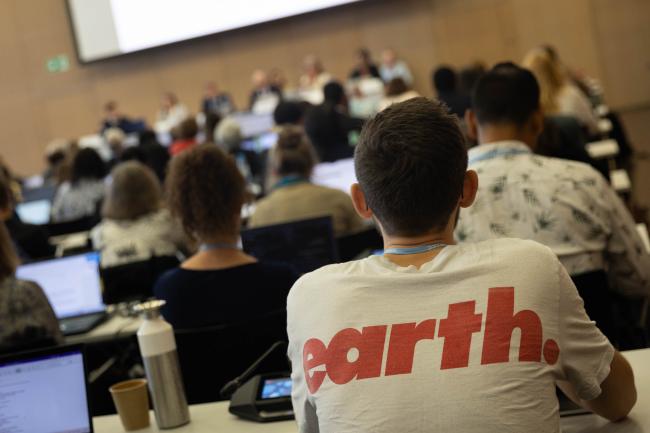
The Research Dialogue was among the events keeping delegates busy beyond the agenda negotiations. During the session, the Intergovernmental Panel on Climate Change (IPCC) provided an update on its Seventh Assessment Report. IPCC Chair Jim Skea highlighted that authors have been selected to work on the special report on cities and the methodology report on short-lived climate forcers. He announced that agreement is still pending on the scope of the methodology report on carbon dioxide removal technologies and carbon capture, utilization, and storage. The World Meteorological Organization shared insights from its State of the Global Climate 2024 report, highlighting that 2024 was the warmest year on record, 1.55°C (+/-0.13°C) above the 1850-1900 average.
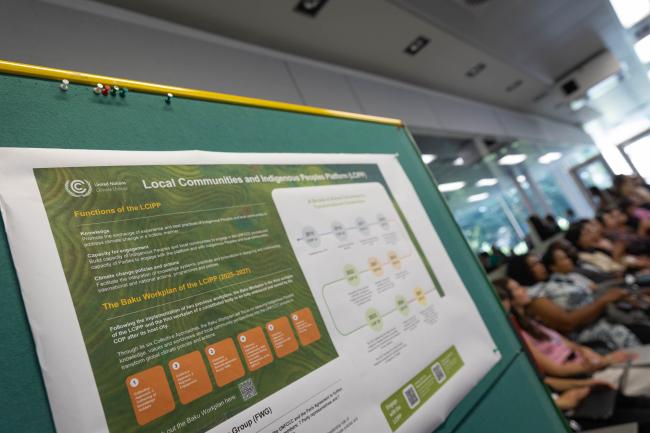
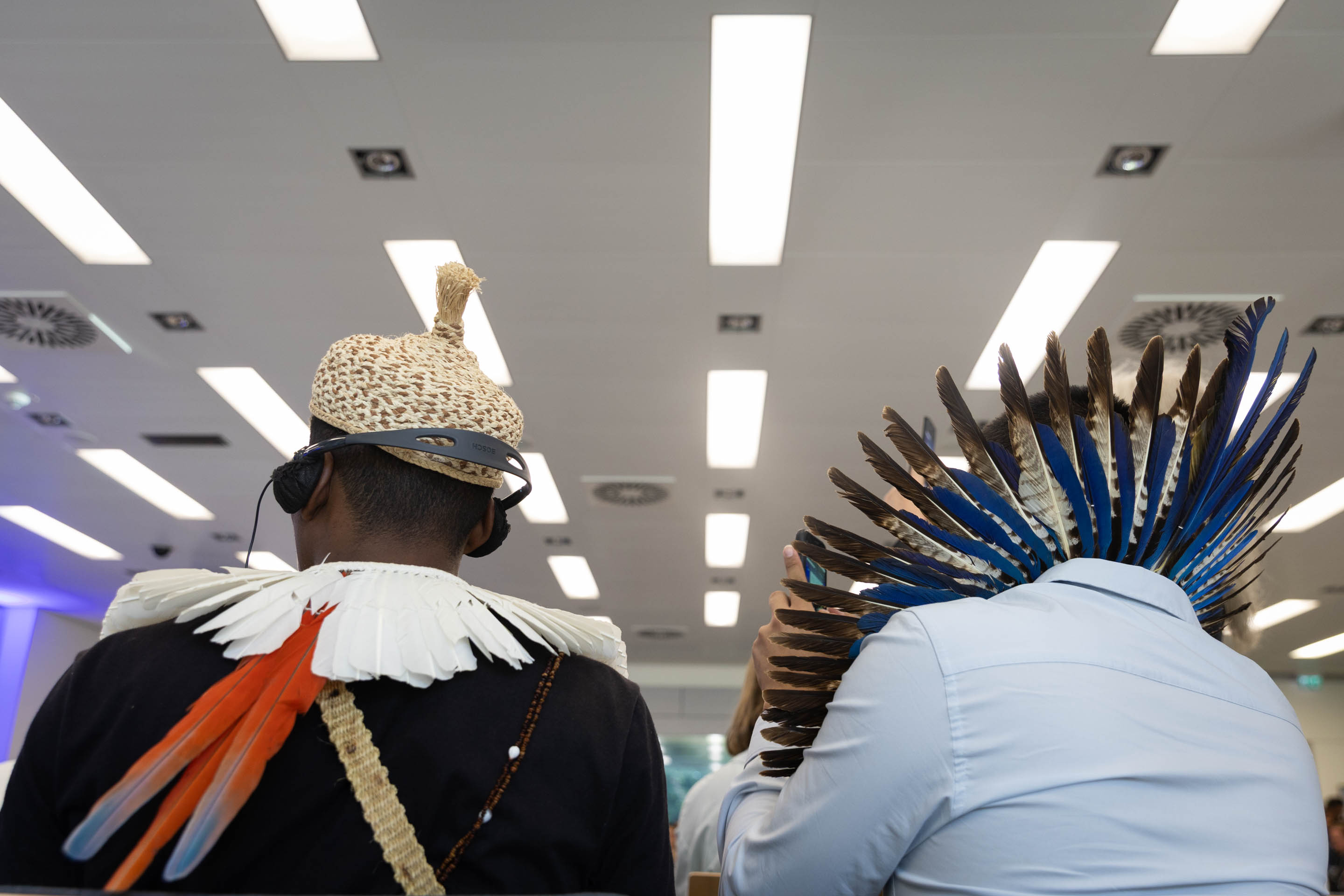
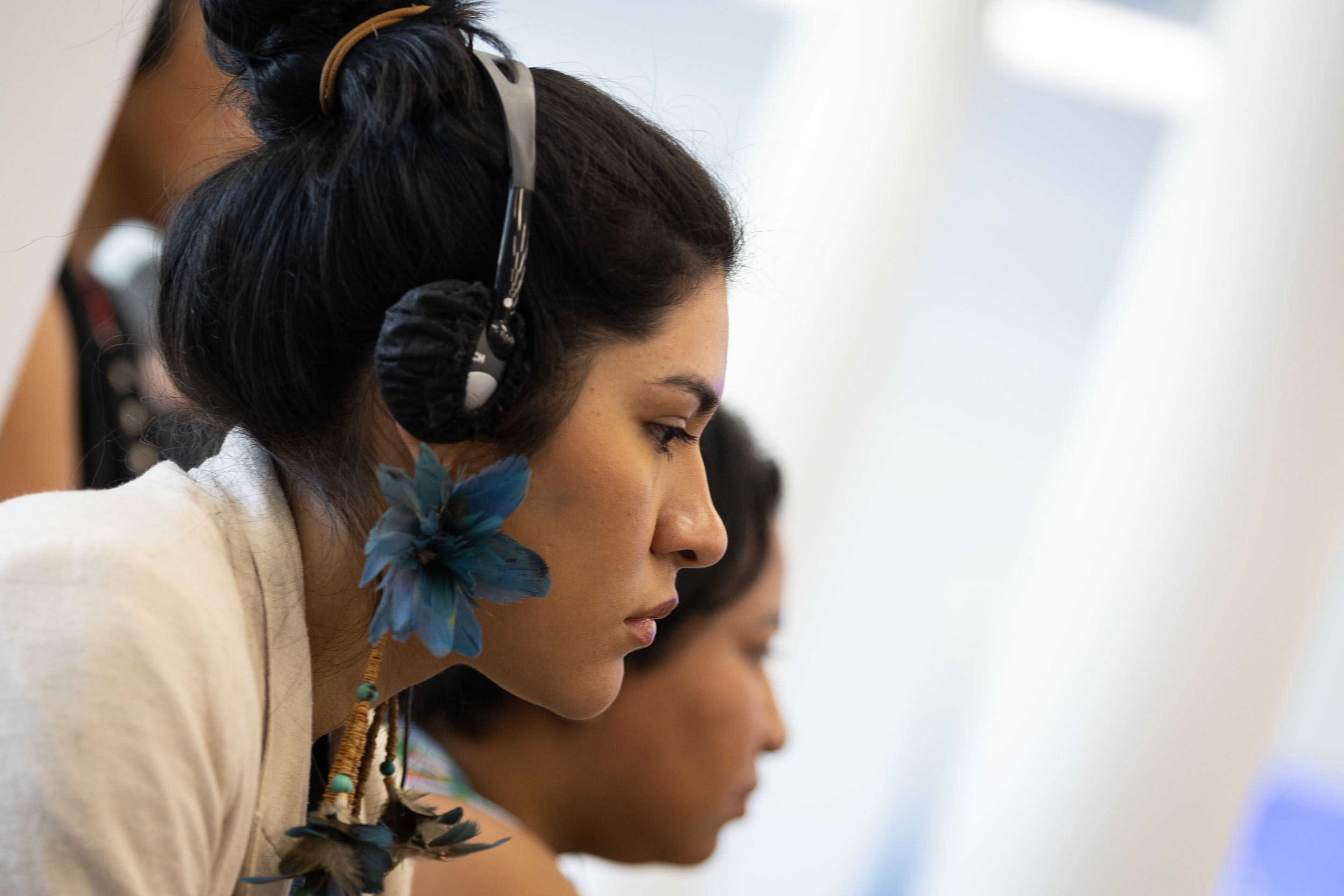
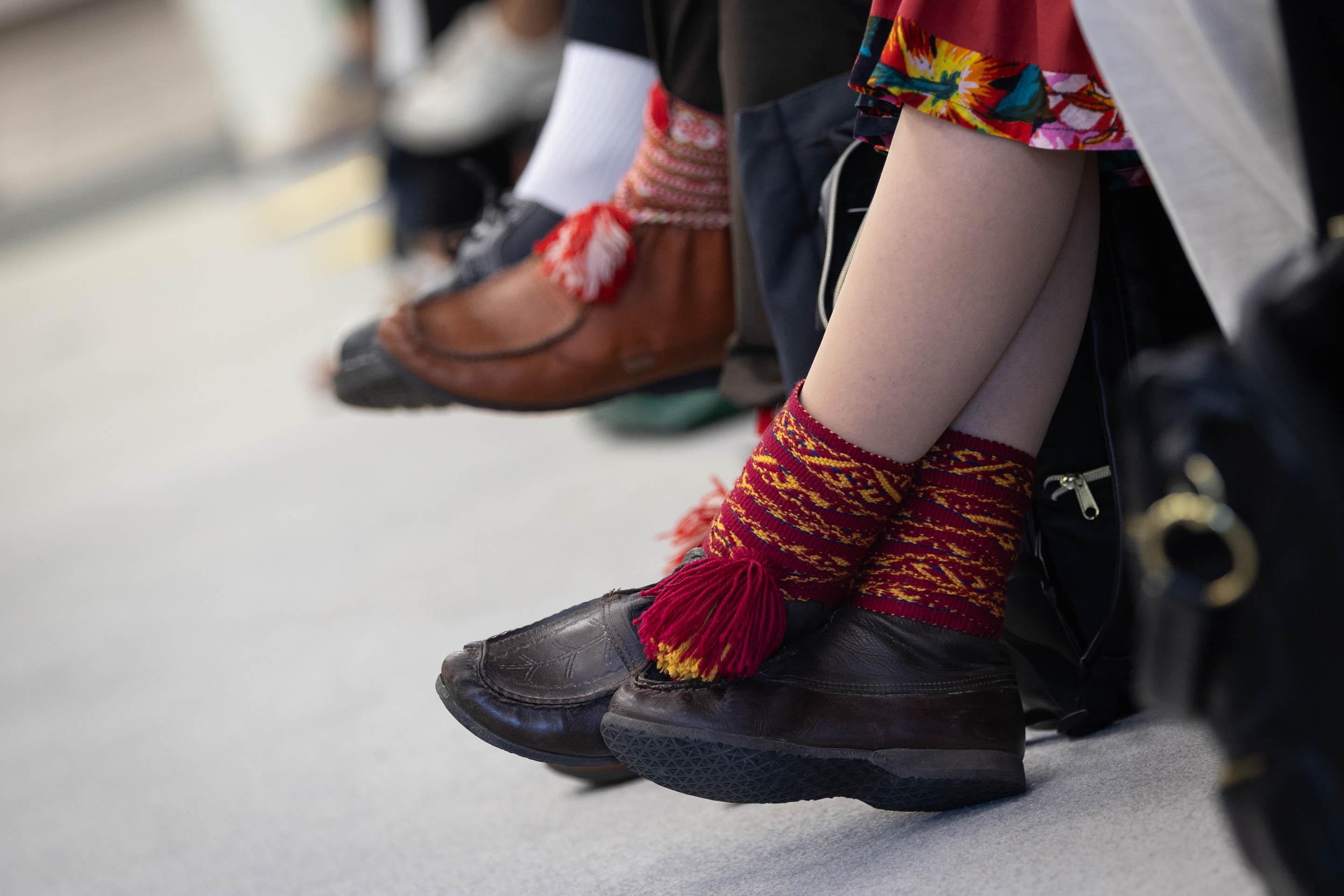
Another dialogue, among Indigenous Peoples, local communities, parties, and other stakeholders, served to reflect on the ethical and equitable incorporation of Indigenous values and knowledge, and local knowledge systems in nationally determined contributions (NDCs). Participants heard a presentation on the integration of Indigenous Peoples in NDCs, reporting an increase in the number of references to Indigenous Peoples as rights holders and a positive–though insufficient–trend in their participation of Indigenous Peoples in the design of NDCs.
In the Ocean Dialogue, participants heard key messages from the third UN Ocean Conference that recently convened, including the “Blue NDC Challenge,” which calls on all countries to place the Ocean at the heart of their NDCs. They reflected on ocean energy, the mitigation potential of coastal ecosystems (blue carbon), and opportunities to enhance coastal resilience, among others.
The incoming Brazilian COP 30 Presidency held an event on the promotion of synergies between the Rio Conventions (on climate, biodiversity, and desertification). Participants emphasized nature-based solutions and ecosystem-based adaptation as pathways to foster such synergies and underscored the need to promote the interoperability of reporting systems across the Conventions. They also cautioned that efforts to promote synergies must not result in a reduction in the provision of means of implementation or increase access barriers.
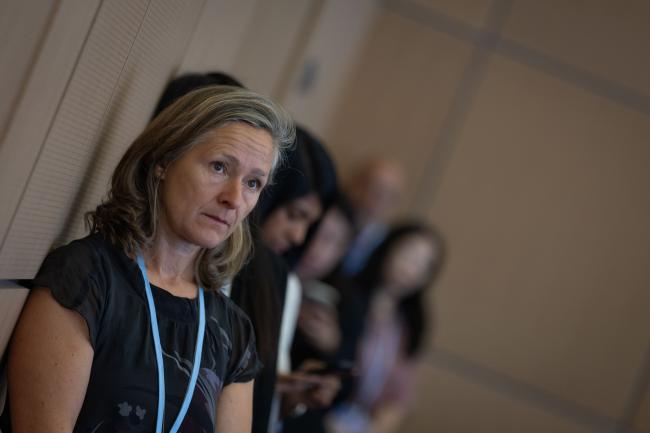
In the evening, delegates enjoyed the launch of the photography exhibition “Finding Common Ground,” prepared by Kiara Worth, storyteller and long-time photographer for the Earth Negotiations Bulletin. The exhibit, launched in the presence of the Mayor of Bonn, Katja Dörner, and UNFCCC Executive Secretary Simon Stiell, captures the quieter moments of diplomacy that often go unseen. It addresses topics such as inclusivity, leadership, activism, and transparency.
To receive free coverage of global environmental events delivered to your inbox, subscribe to the ENB Update newsletter.
All ENB photos are free to use with attribution. For SB62 please use: Photo by IISD/ENB - Kiara Worth
Plenary
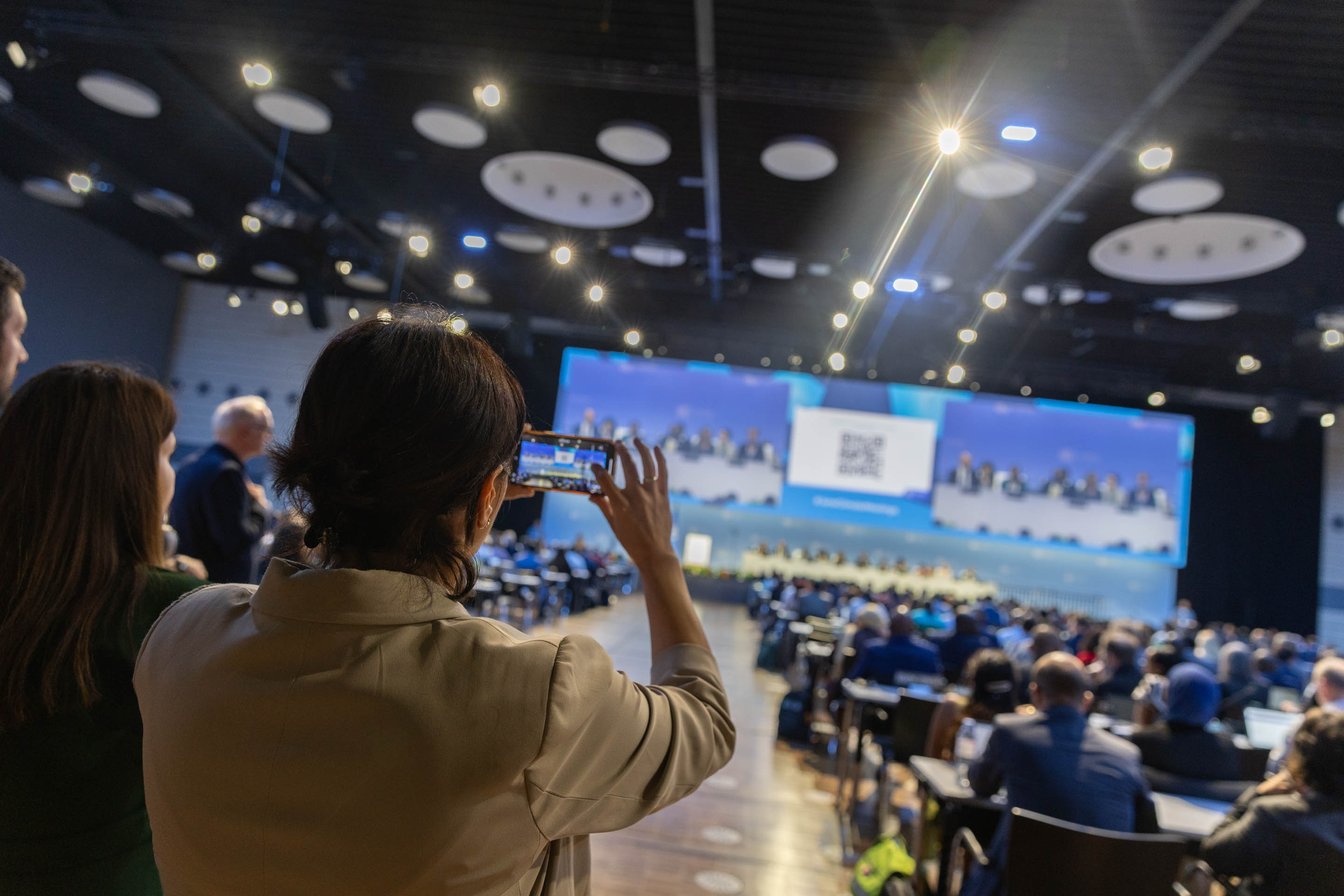
After a nearly two-day wait, delegates gather in plenary to adopt the agendas
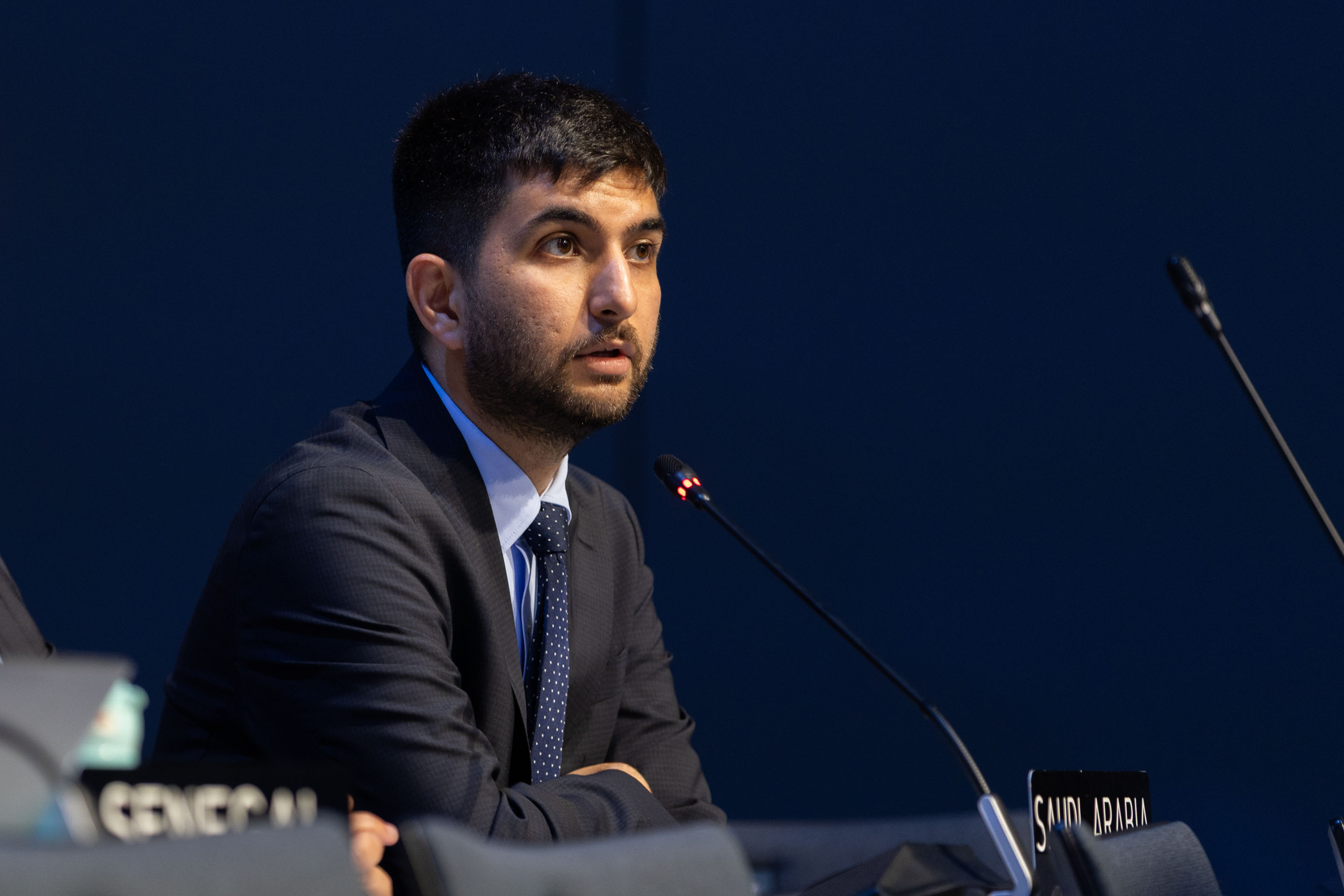
Mohammad Ayoub, Saudi Arabia, on behalf of the Arab Group
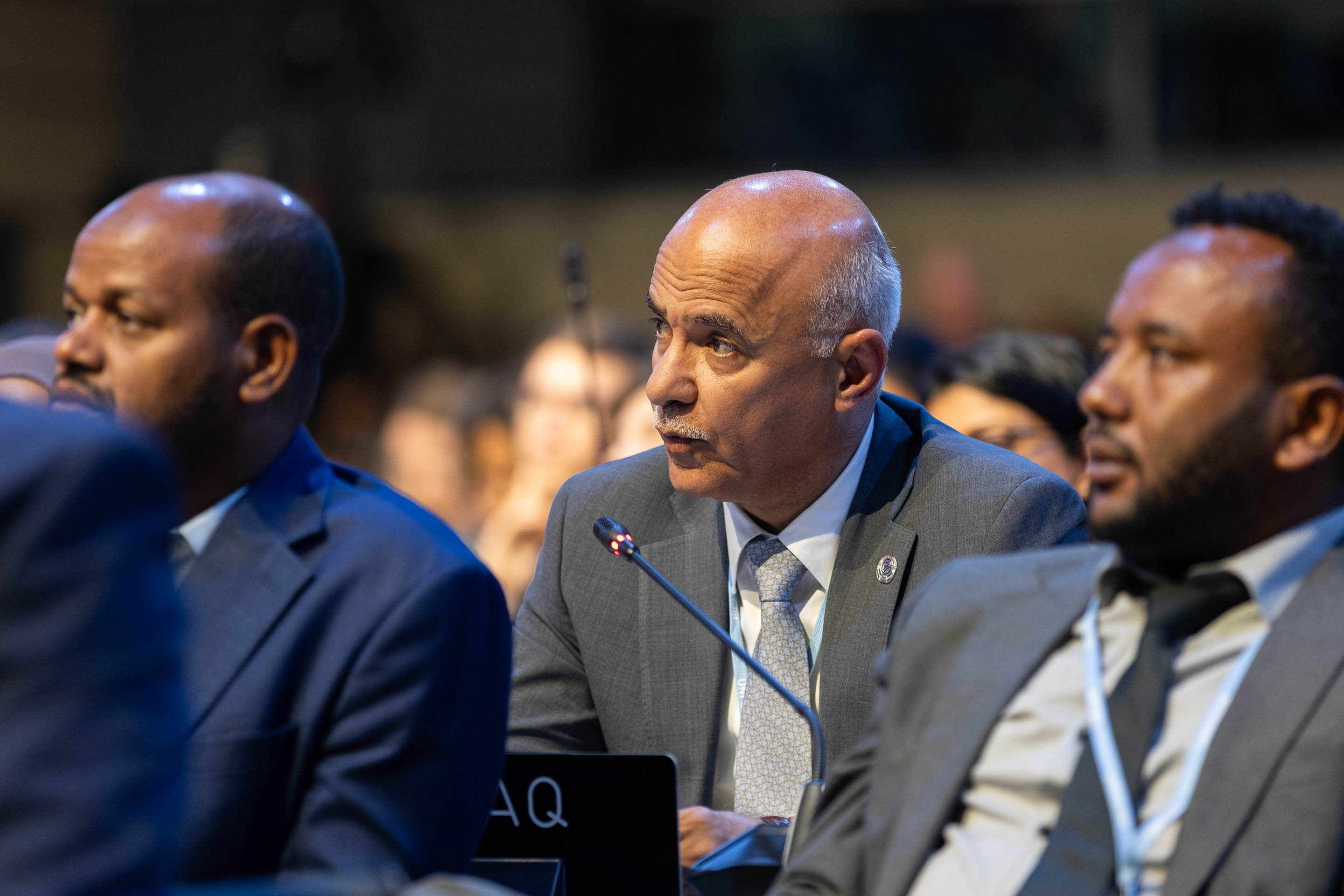
Abbas Kadhom Obaid Al-Fatlawi, Iraq, on behalf of the G-77/China
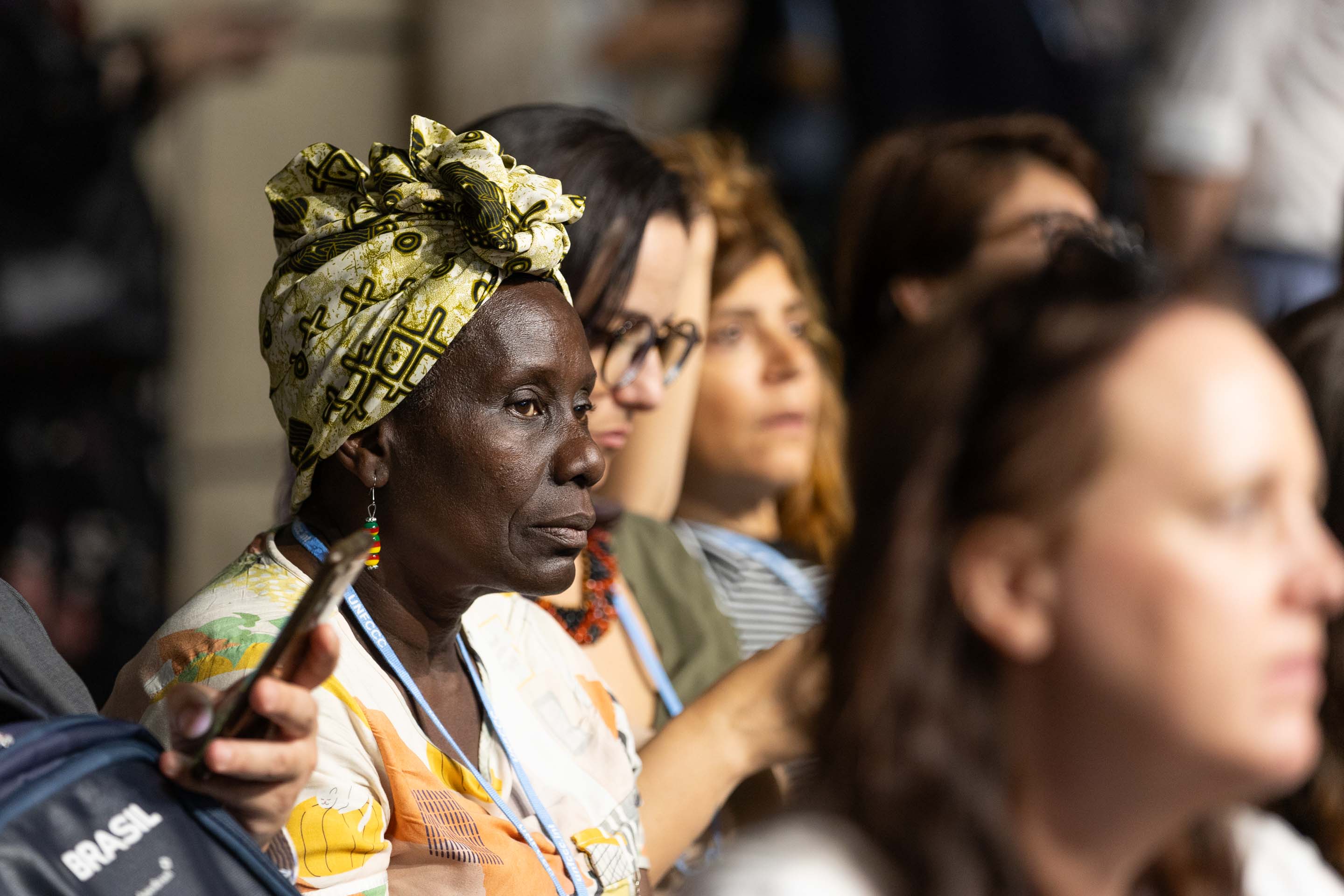
Delegates listen to the interventions
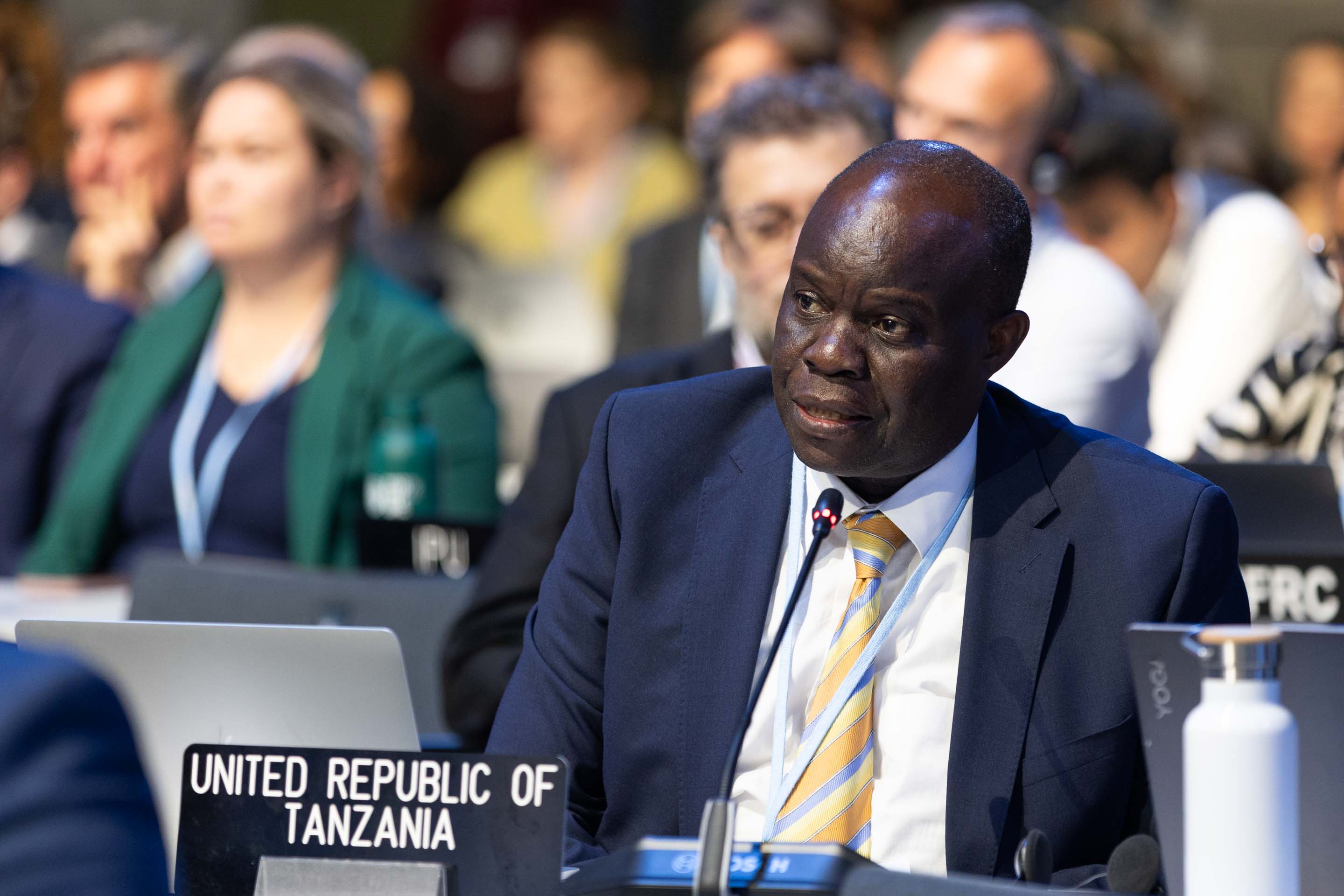
Richard Muyungi, Tanzania, on behalf of the African Group
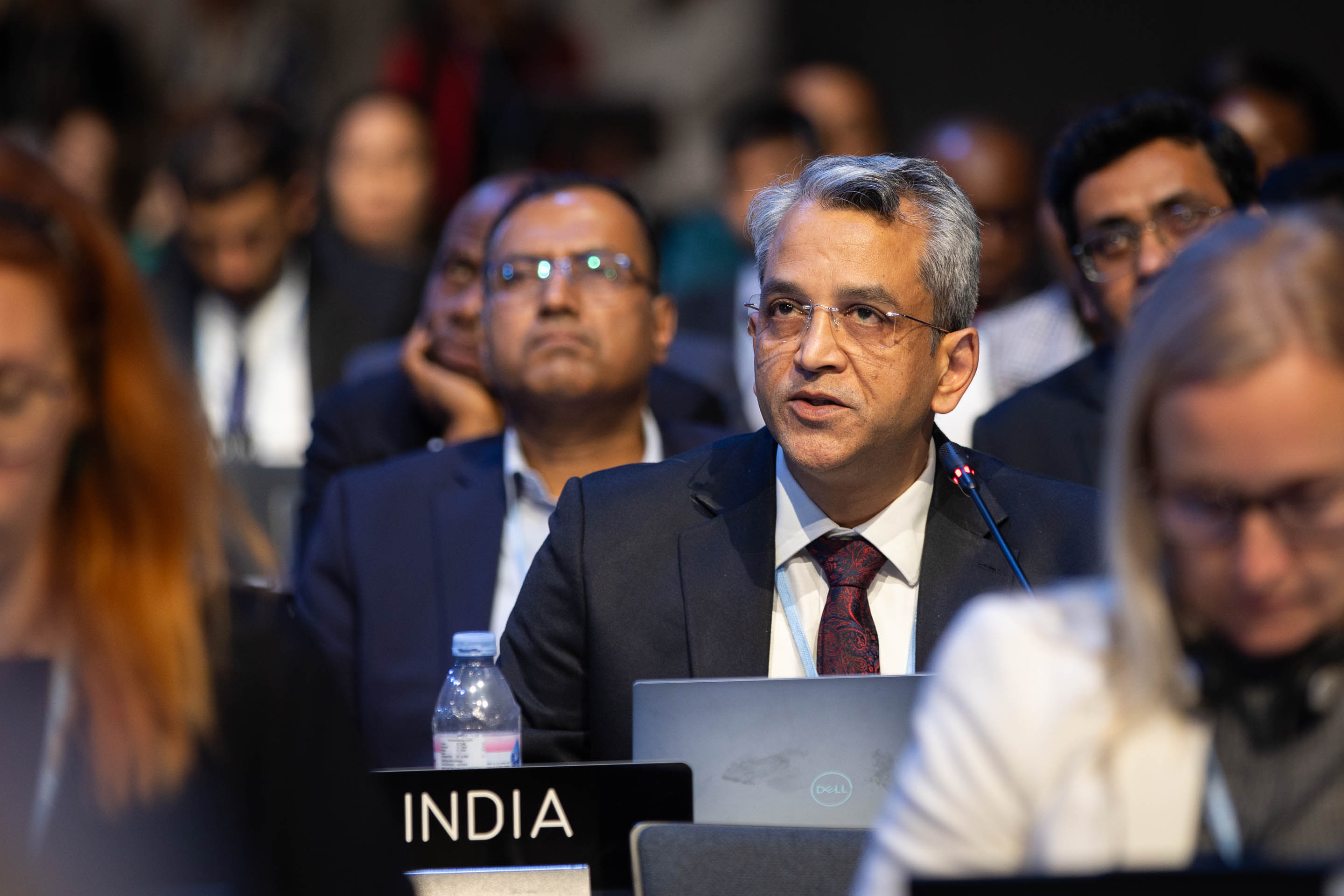
Amandeep Garg, India
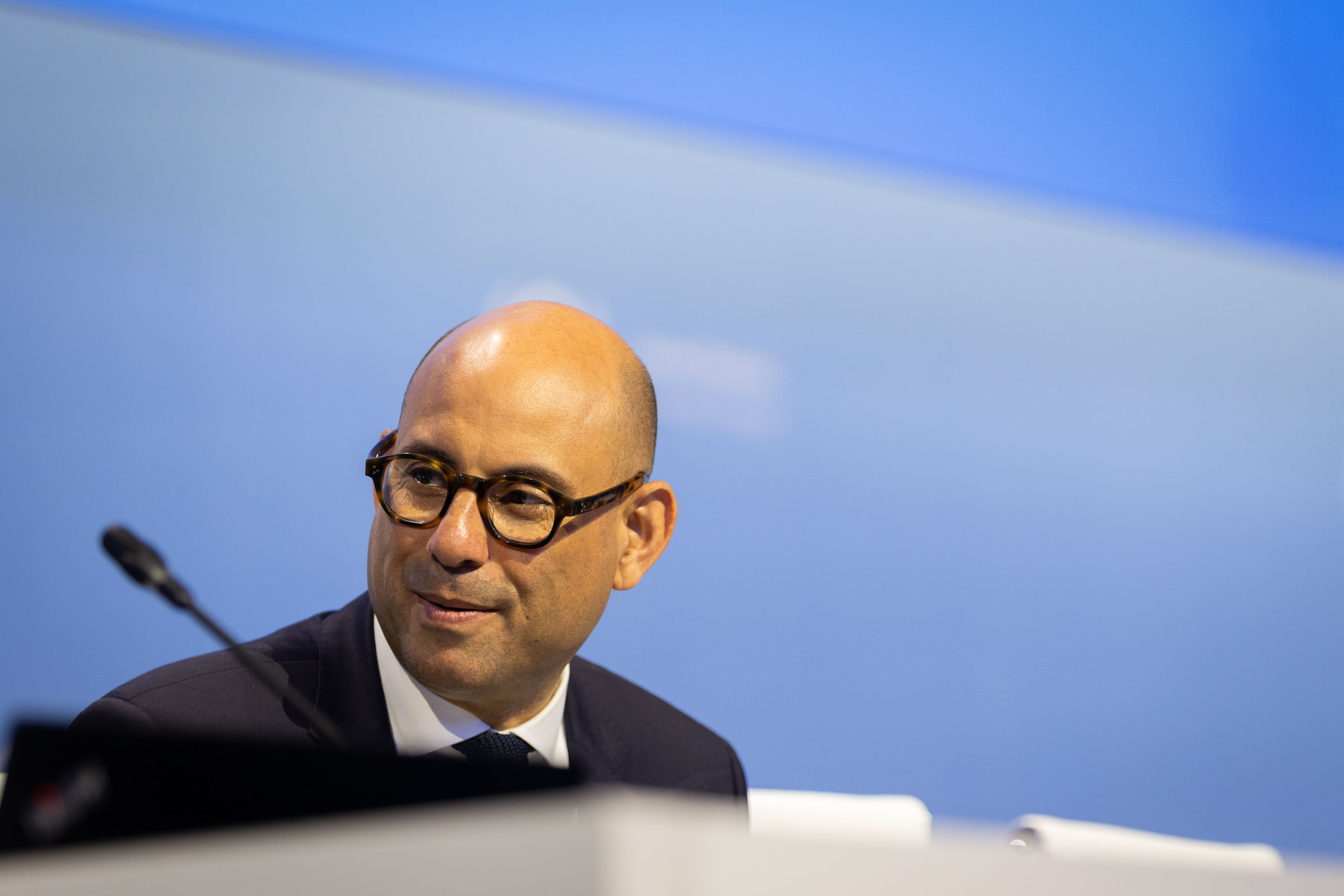
Simon Stiell, UNFCCC Executive Secretary
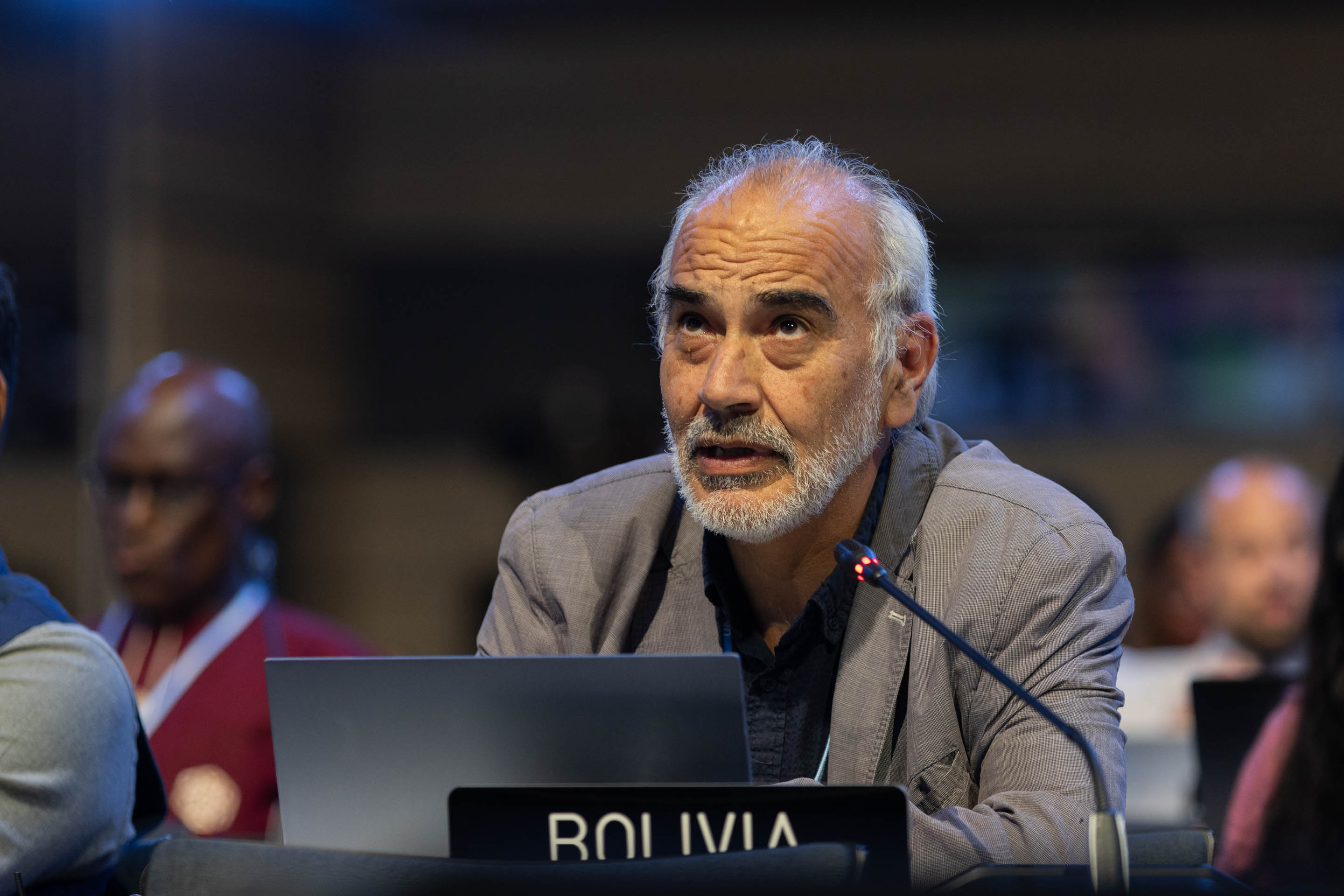
Diego Pacheco, Bolivia, on behalf of the Like-Minded Developing Countries (LMDCs)
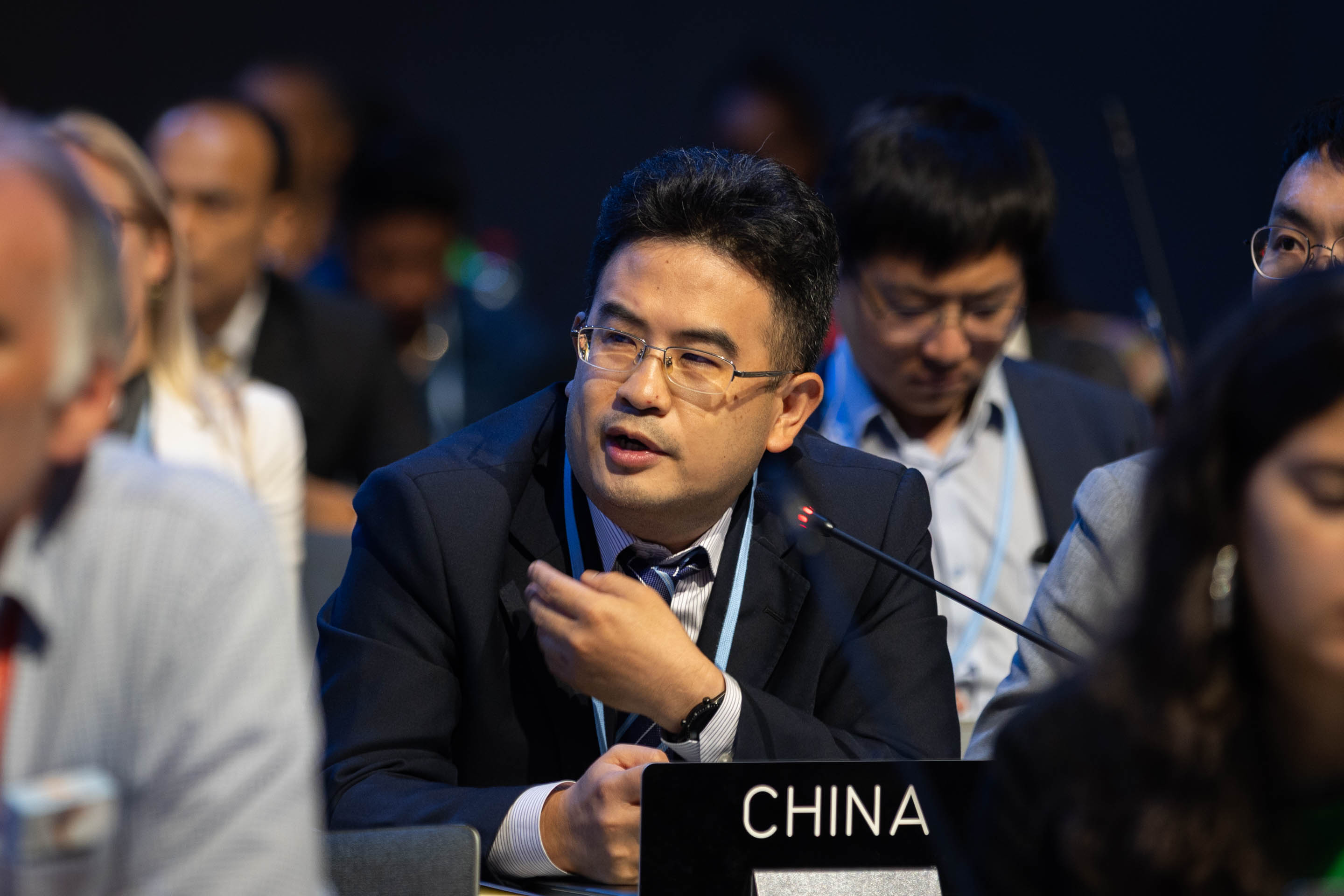
Zhihua Chen, China
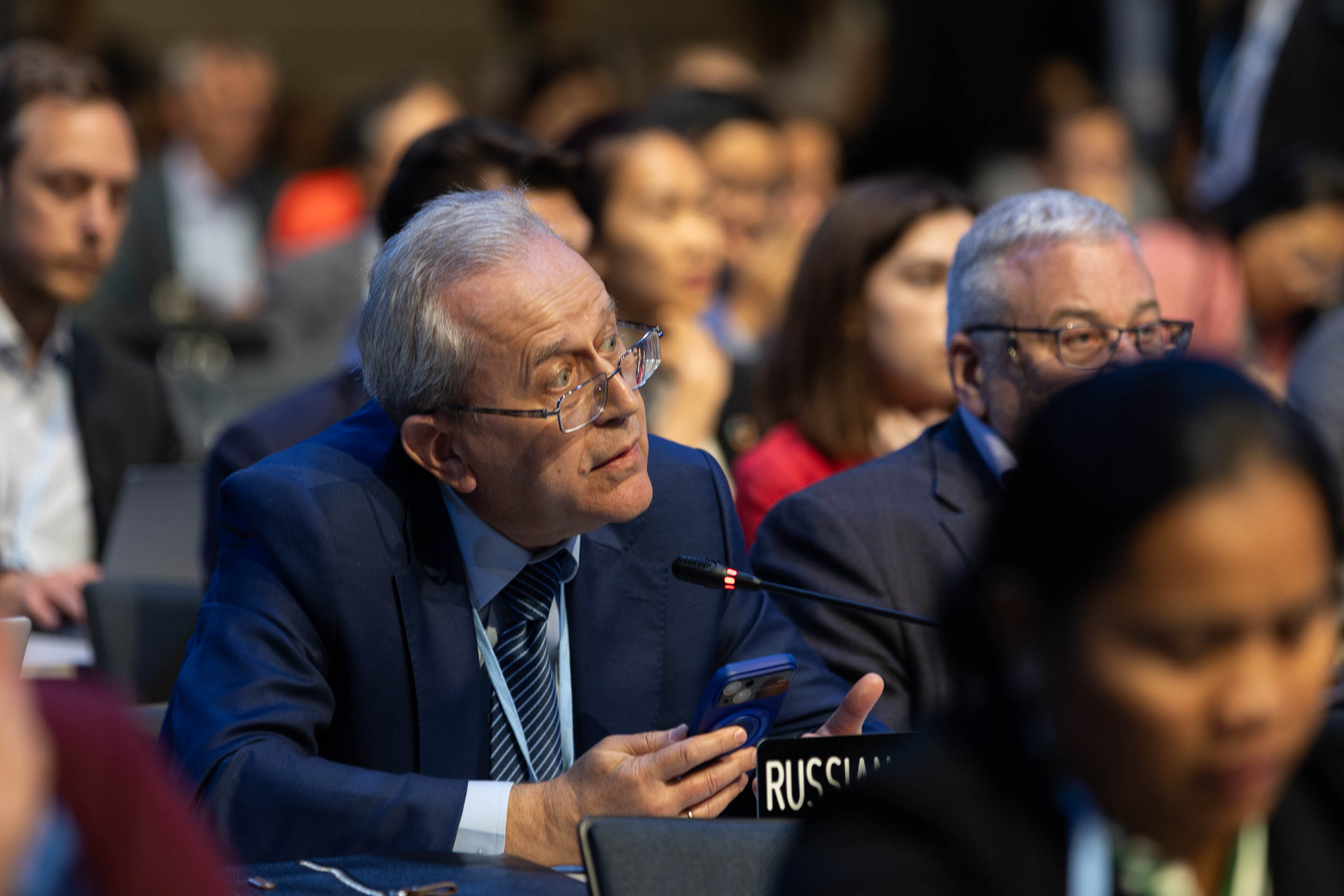
Sergei Kononuchenko, Russian Federation
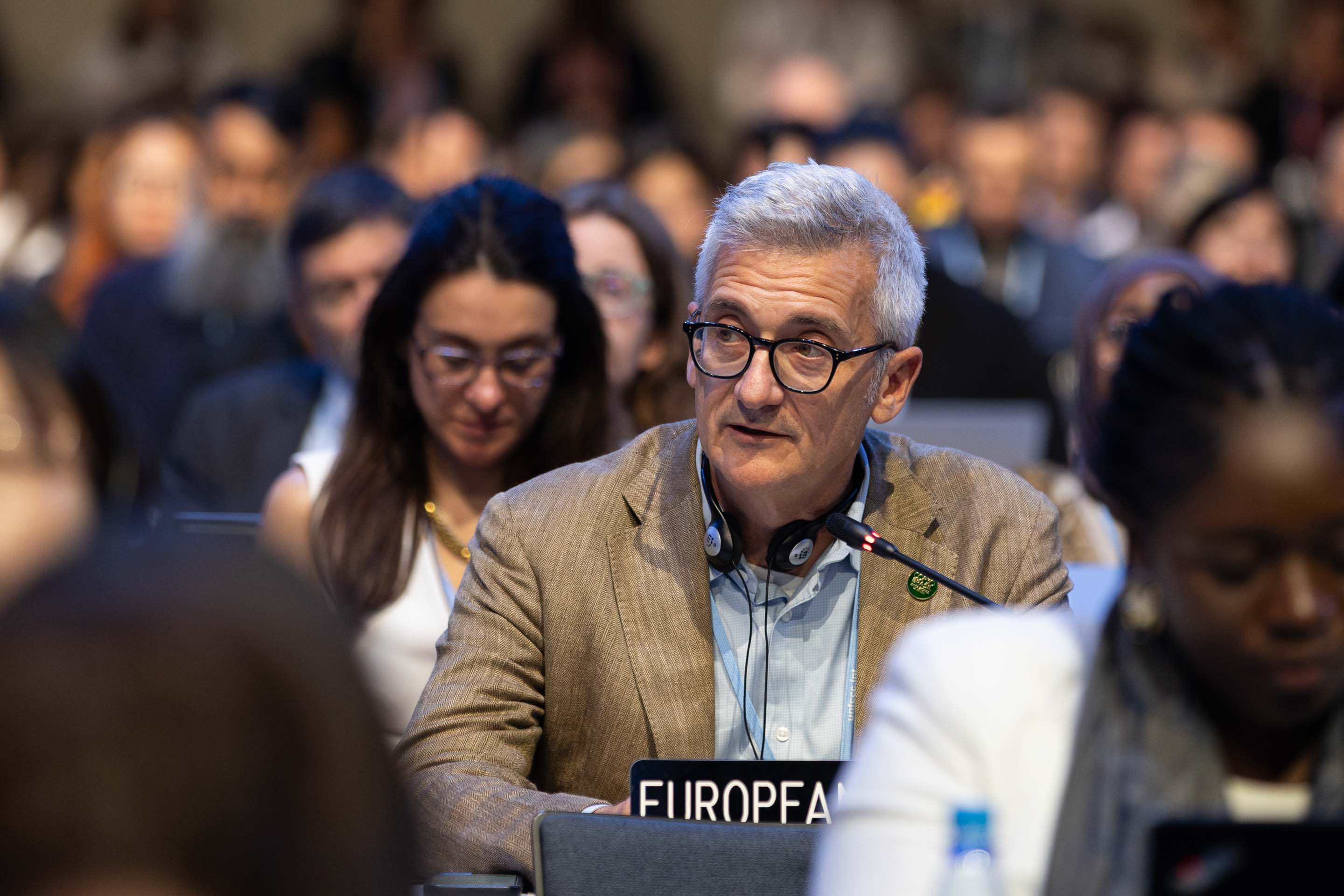
Jacob Werksman, EU
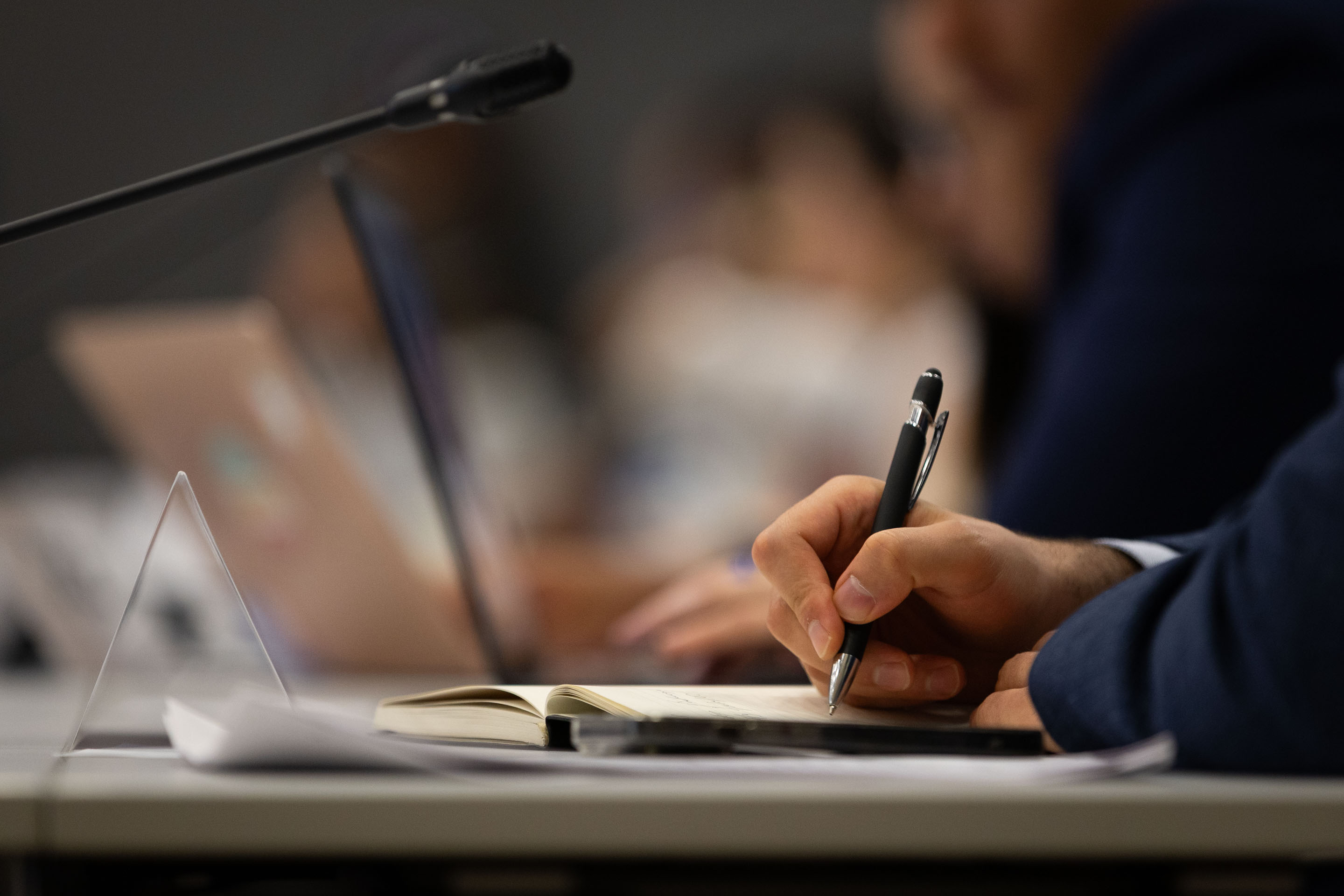
Workshop on Finance Flow Alignment
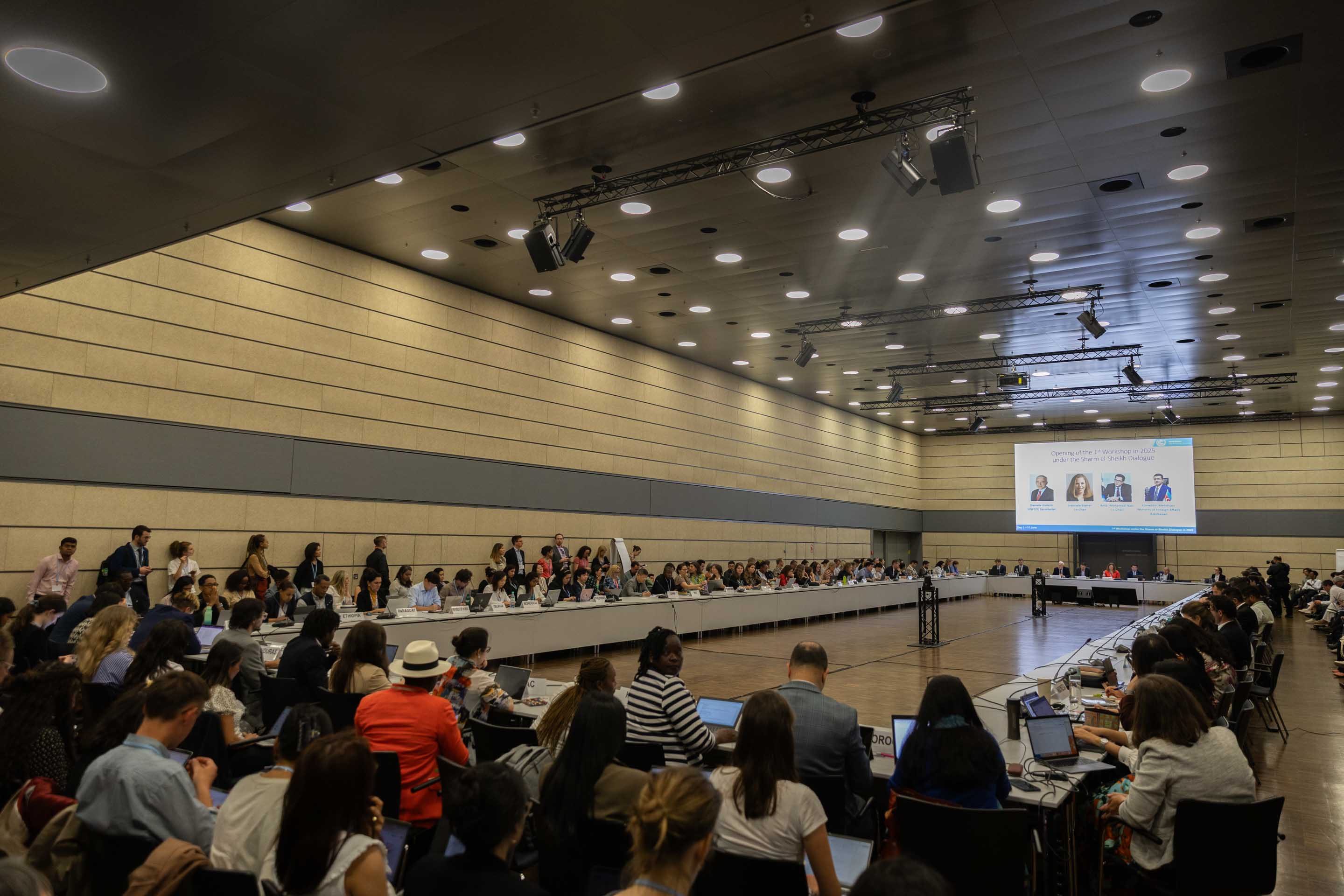
Delegates gather for the workshop on finance flow alignment within the Paris Agreement
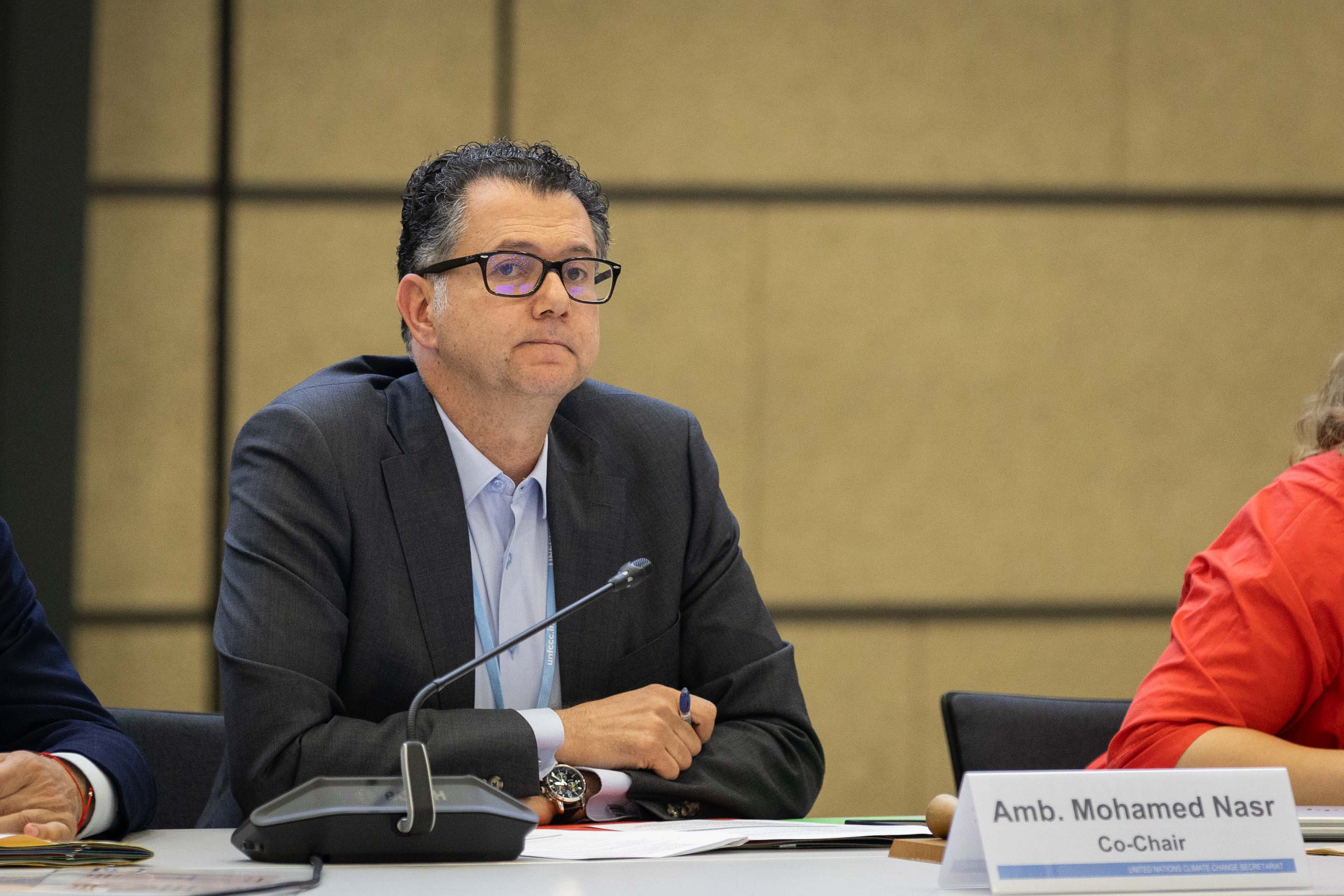
Co-Chair Mohamed Nasr, Egypt
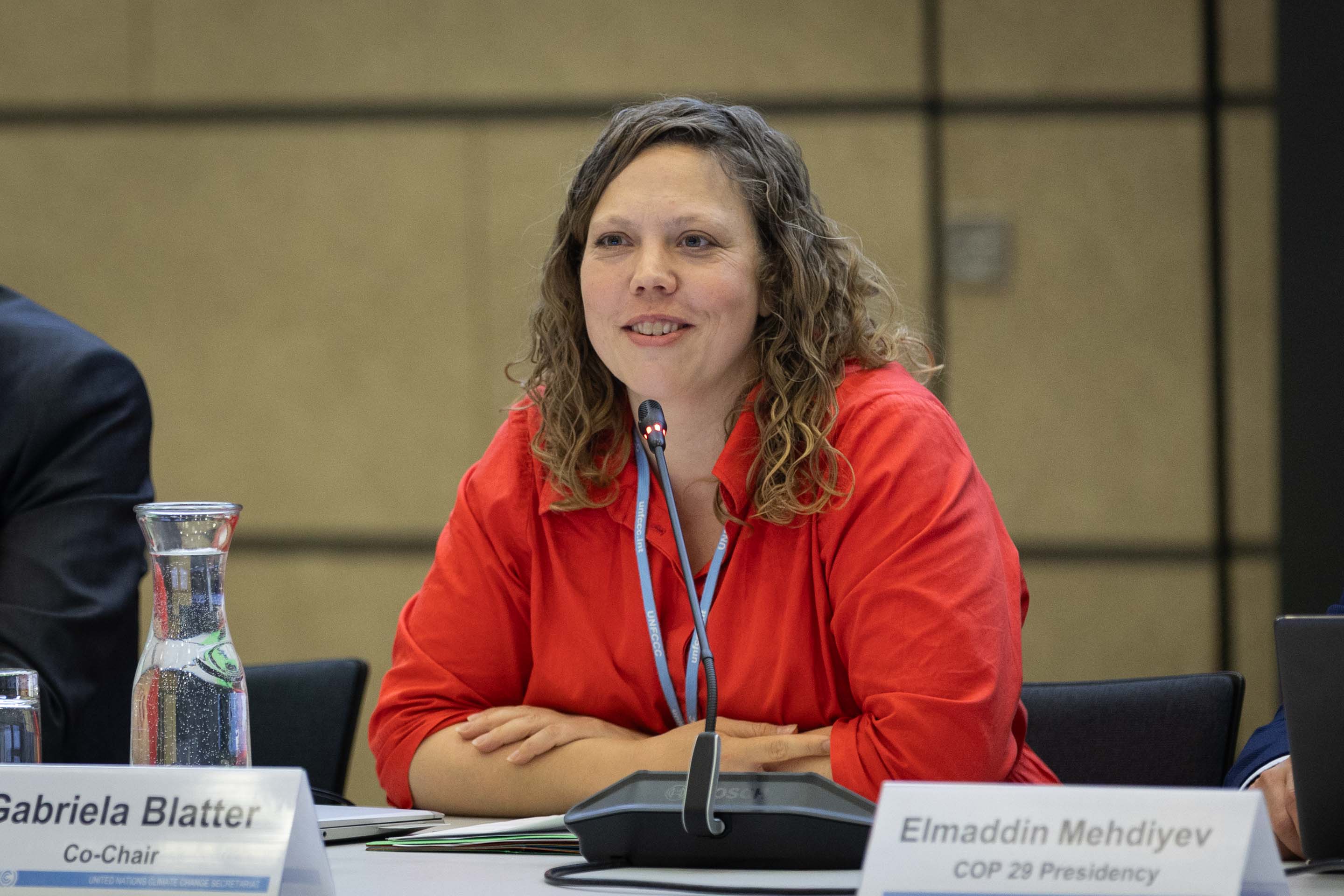
Co-Chair Gabriela Blatter, Switzerland
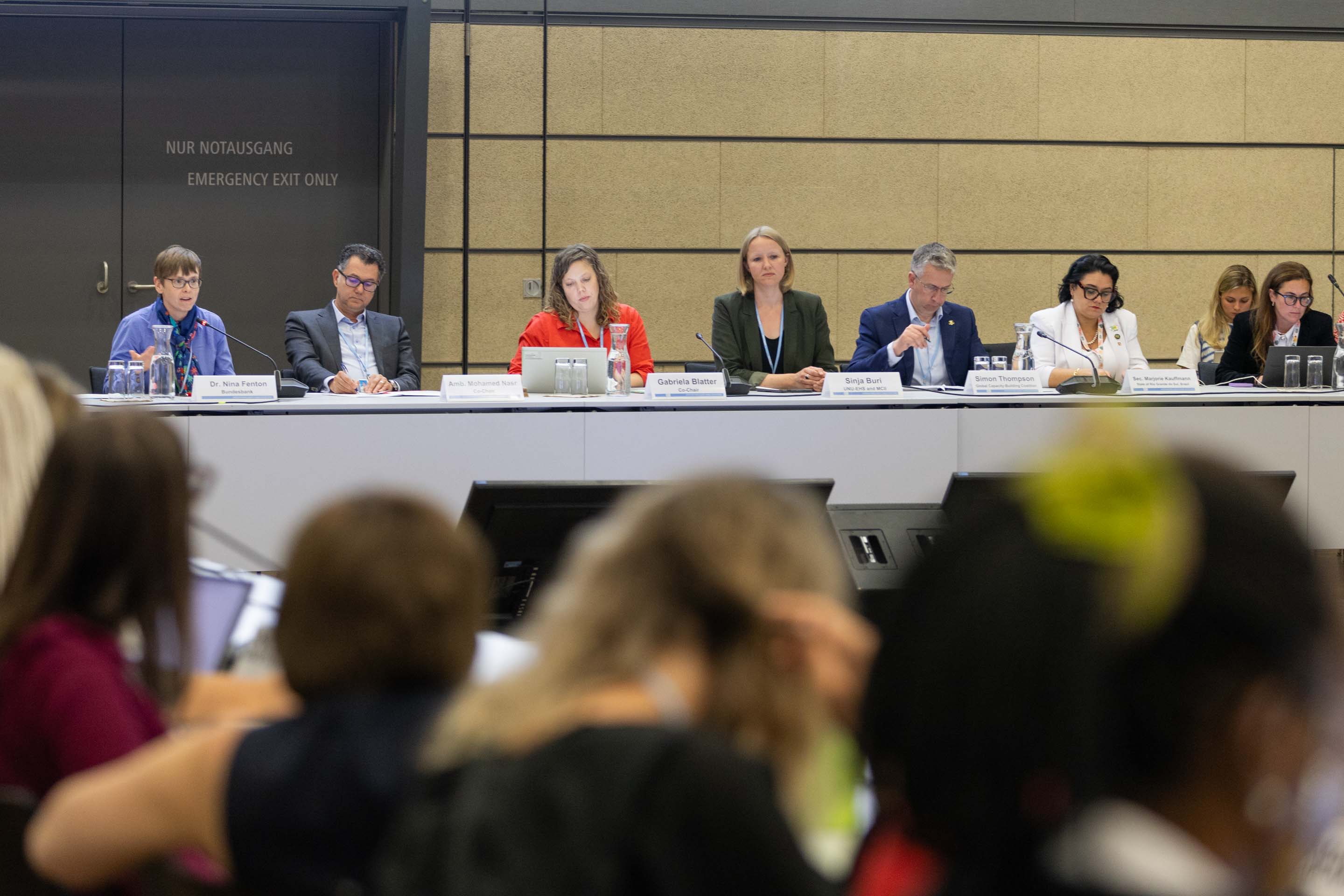
Speakers present during the event
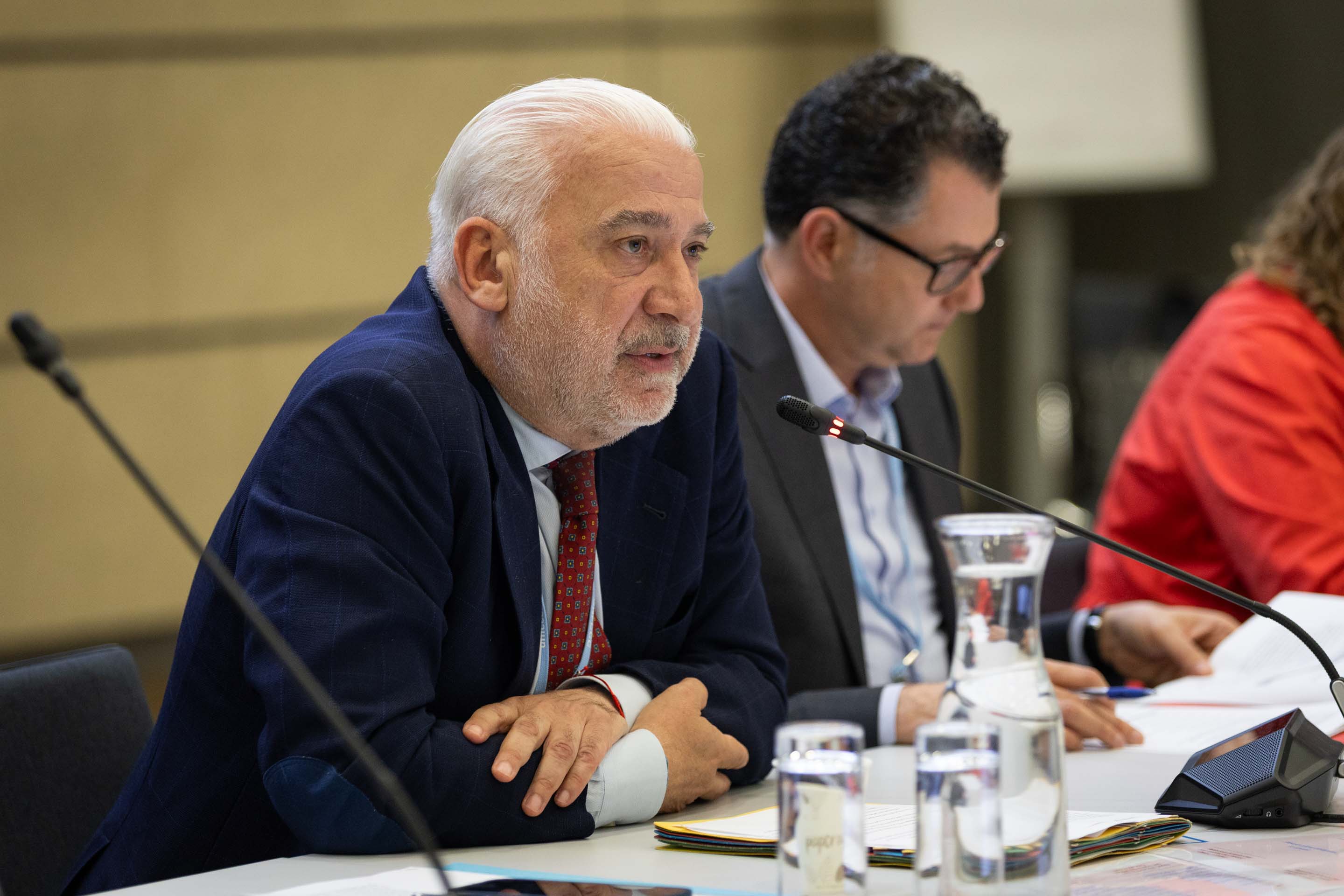
Daniele Violetti, UNFCCC Secretariat
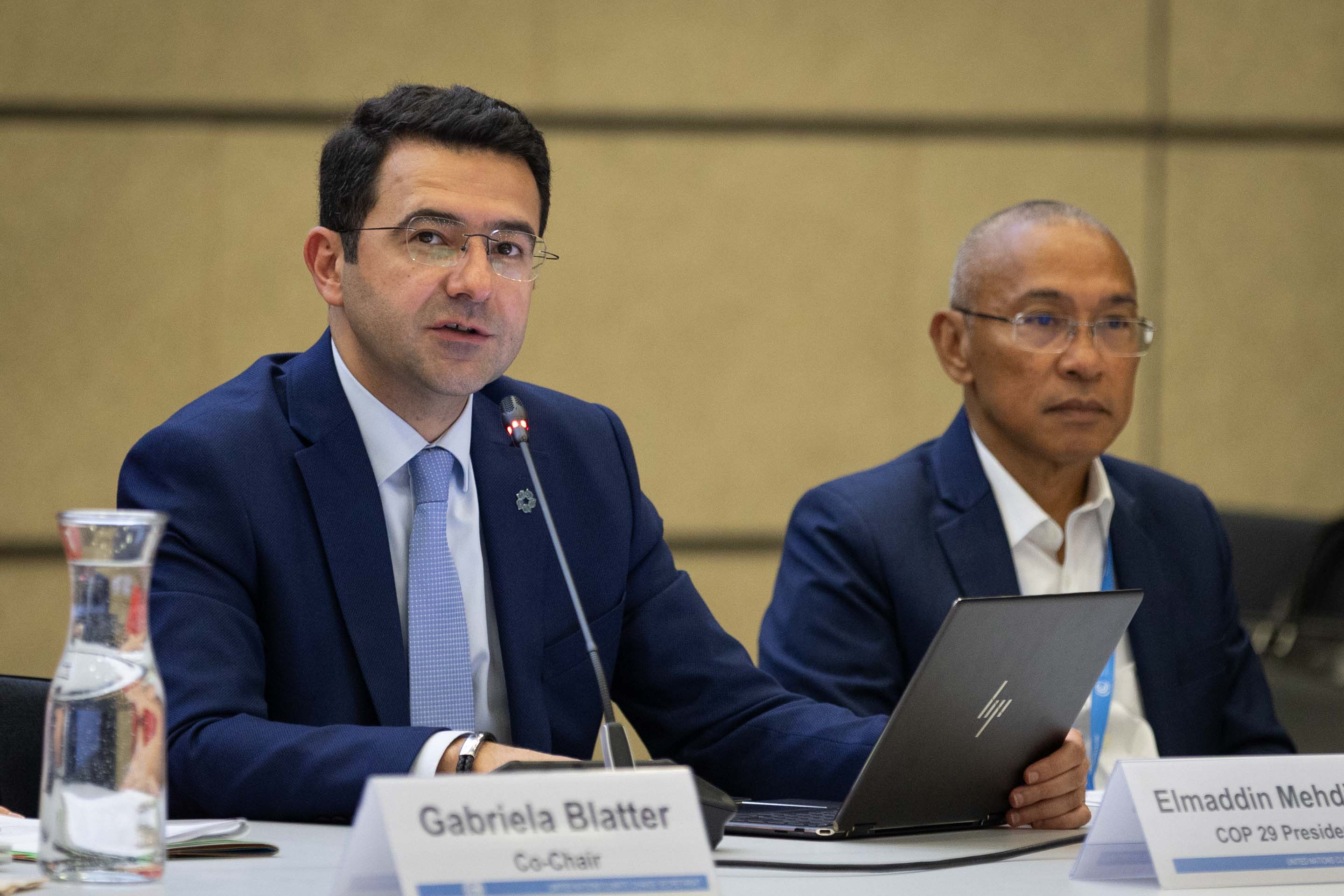
Elmaddin Mehdiyev, COP 29 Presidency
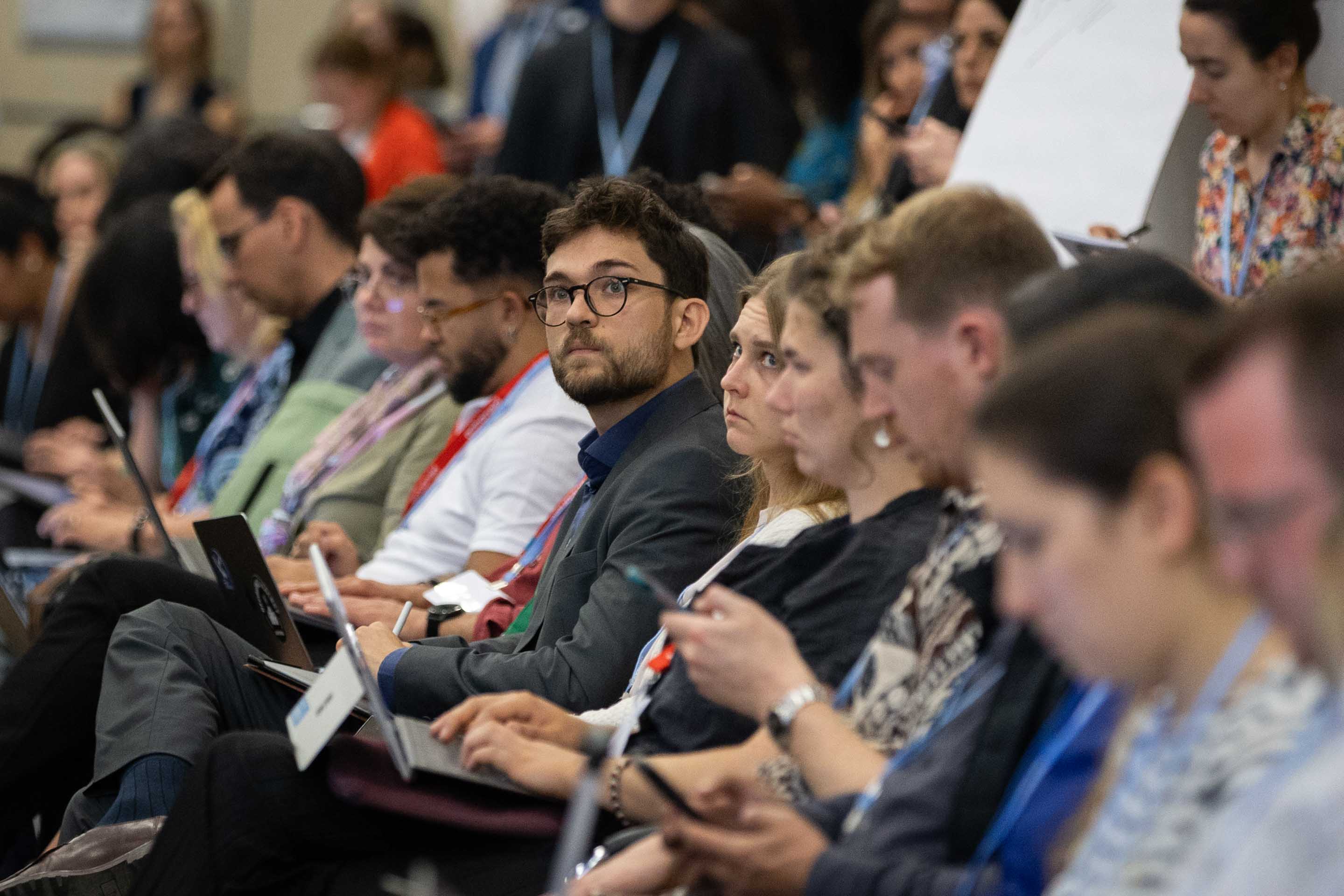
Participants listen to the discussion
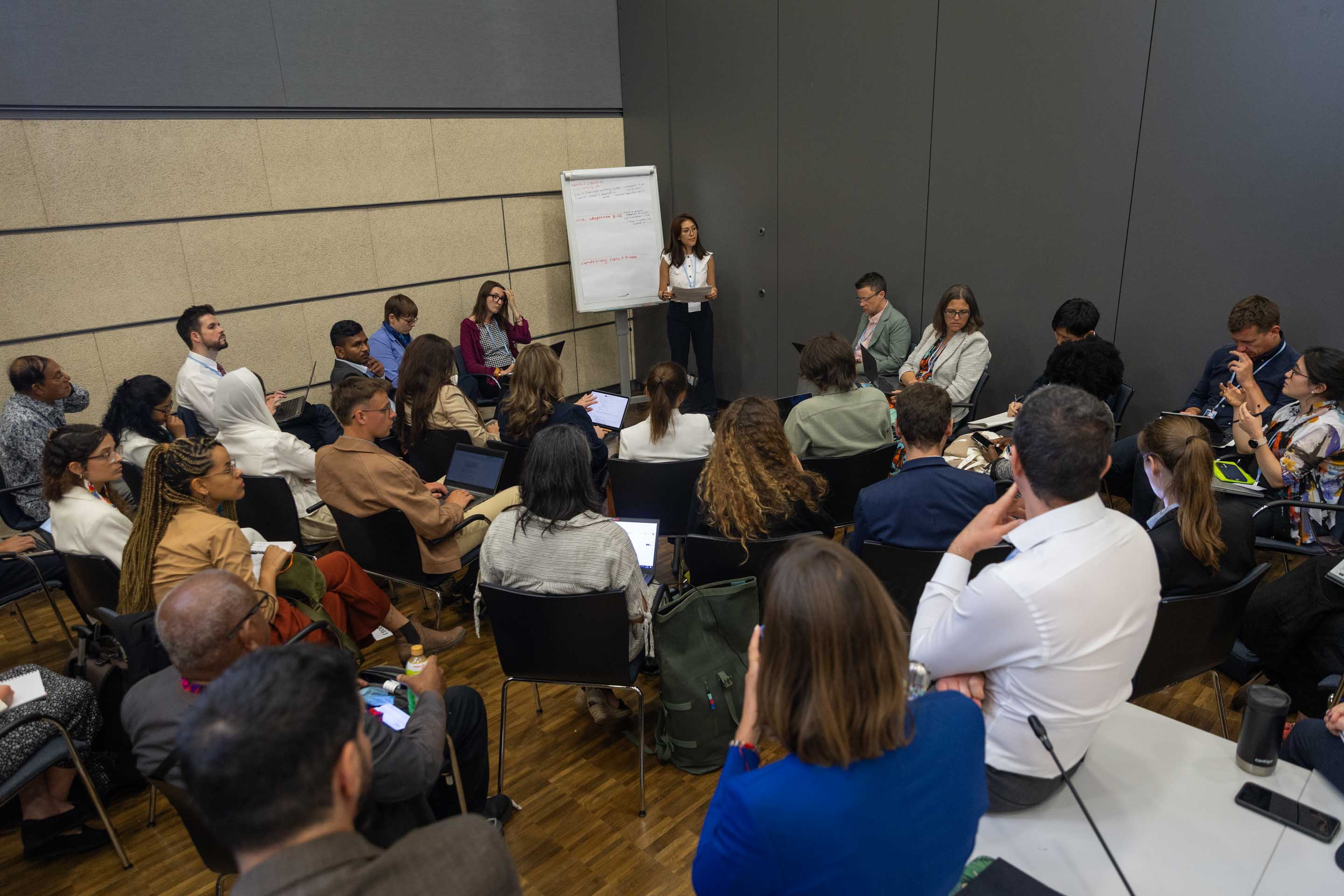
Delegates break out into groups for more in-depth discussions
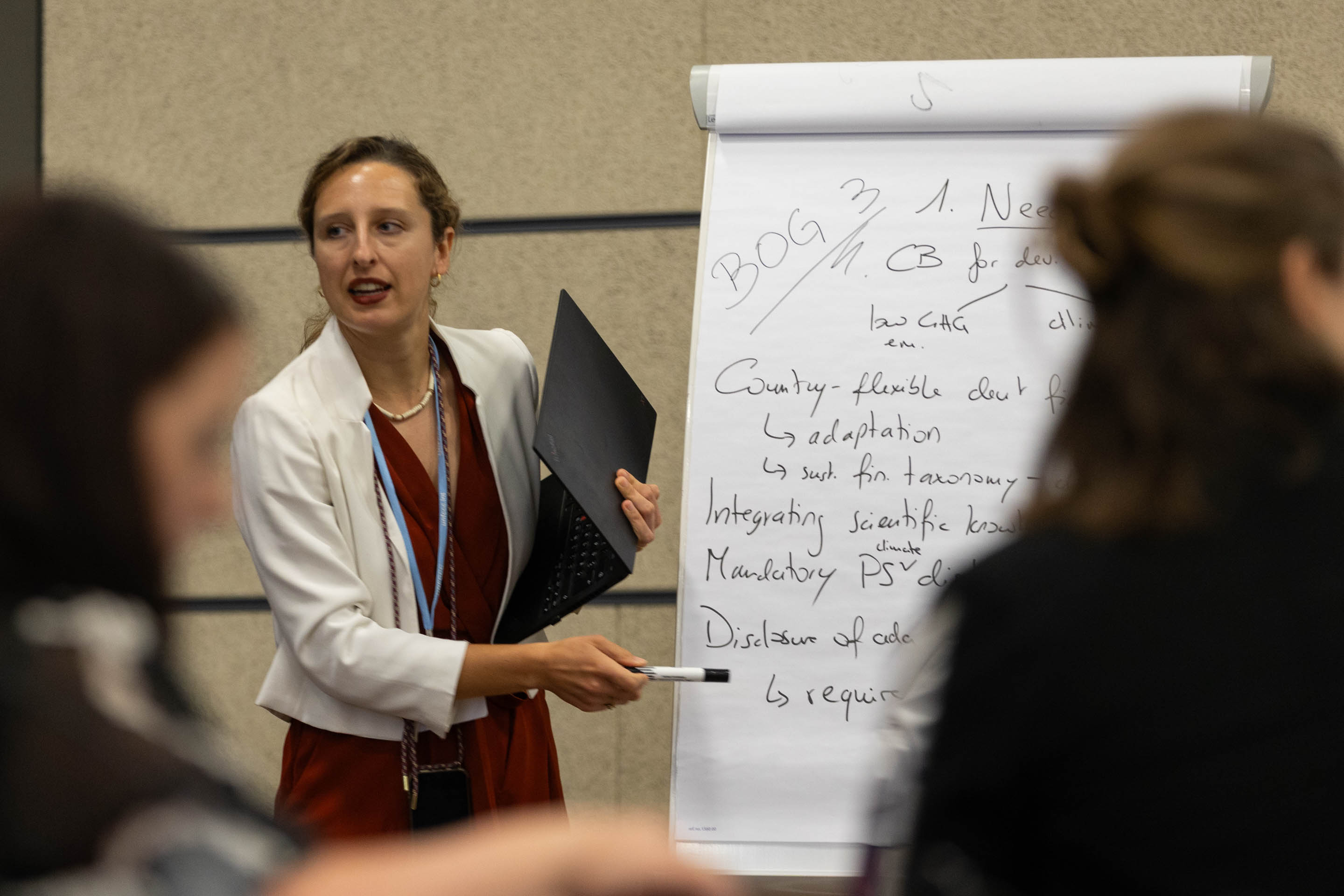
Ideas are recorded by breakout group facilitators
Research Dialogue
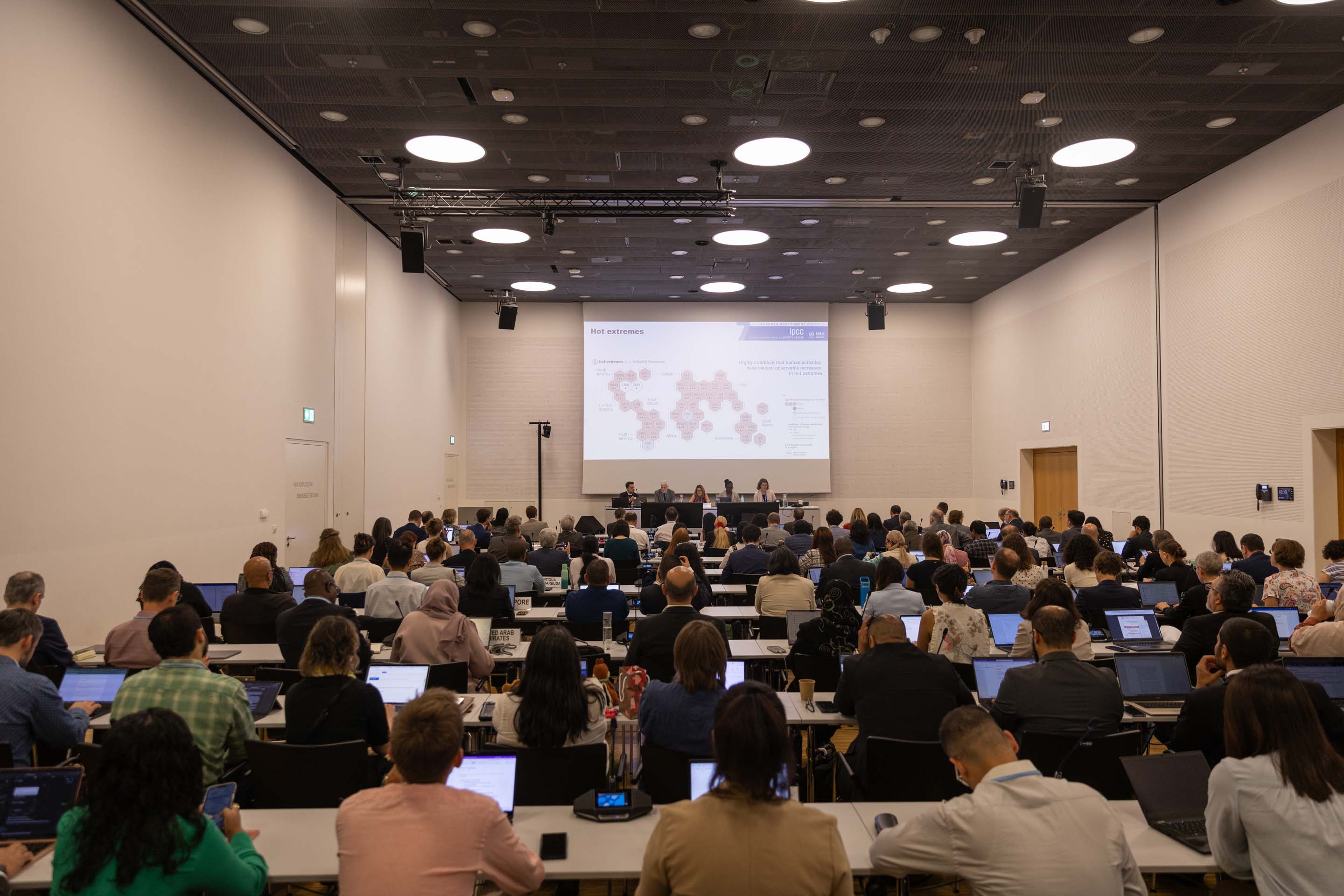
Delegates gather for the research dialogue to discuss countries' research and research-related capacity-building needs
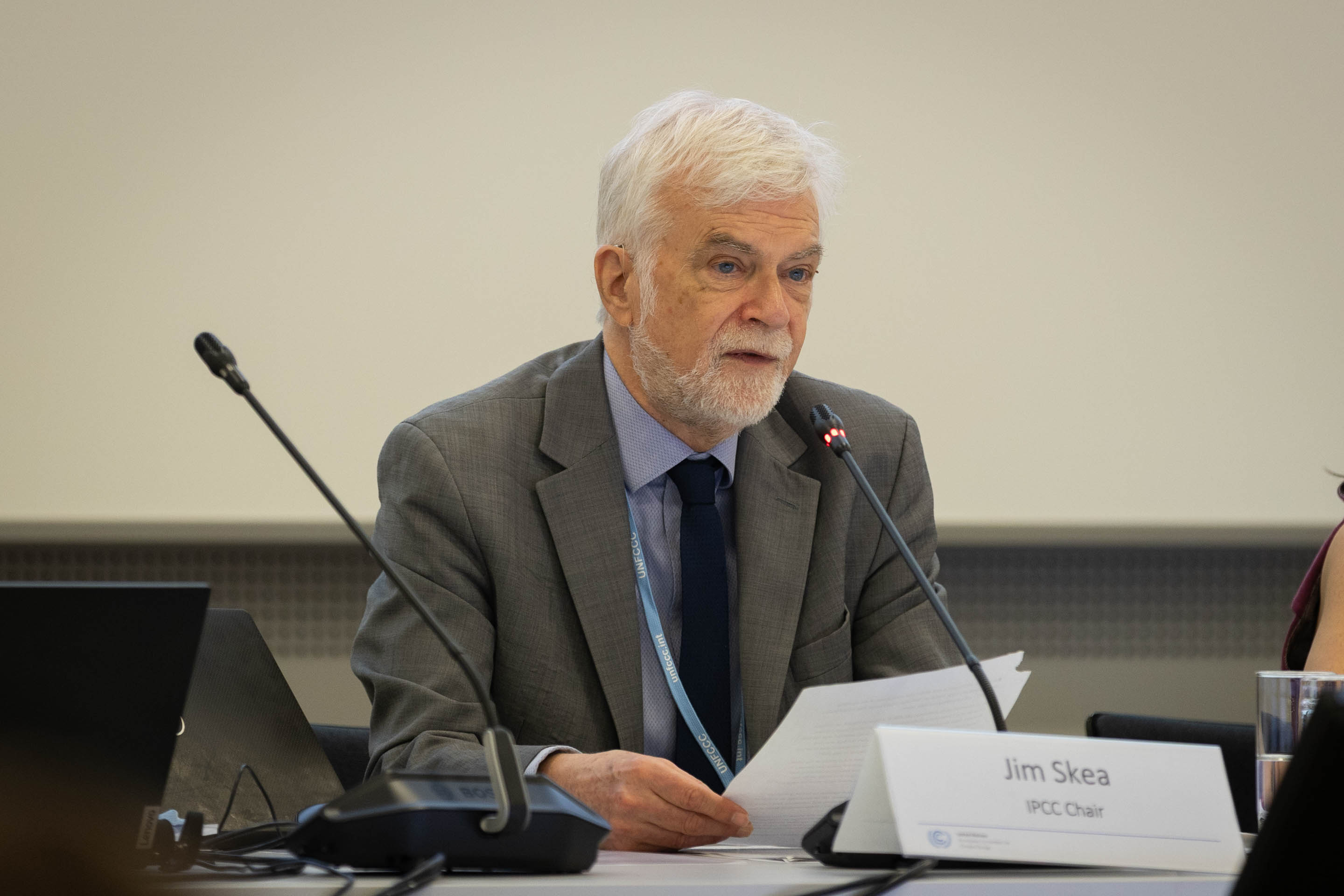
Jim Skea, Chair, Intergovernmental Panel on Climate Change (IPCC)
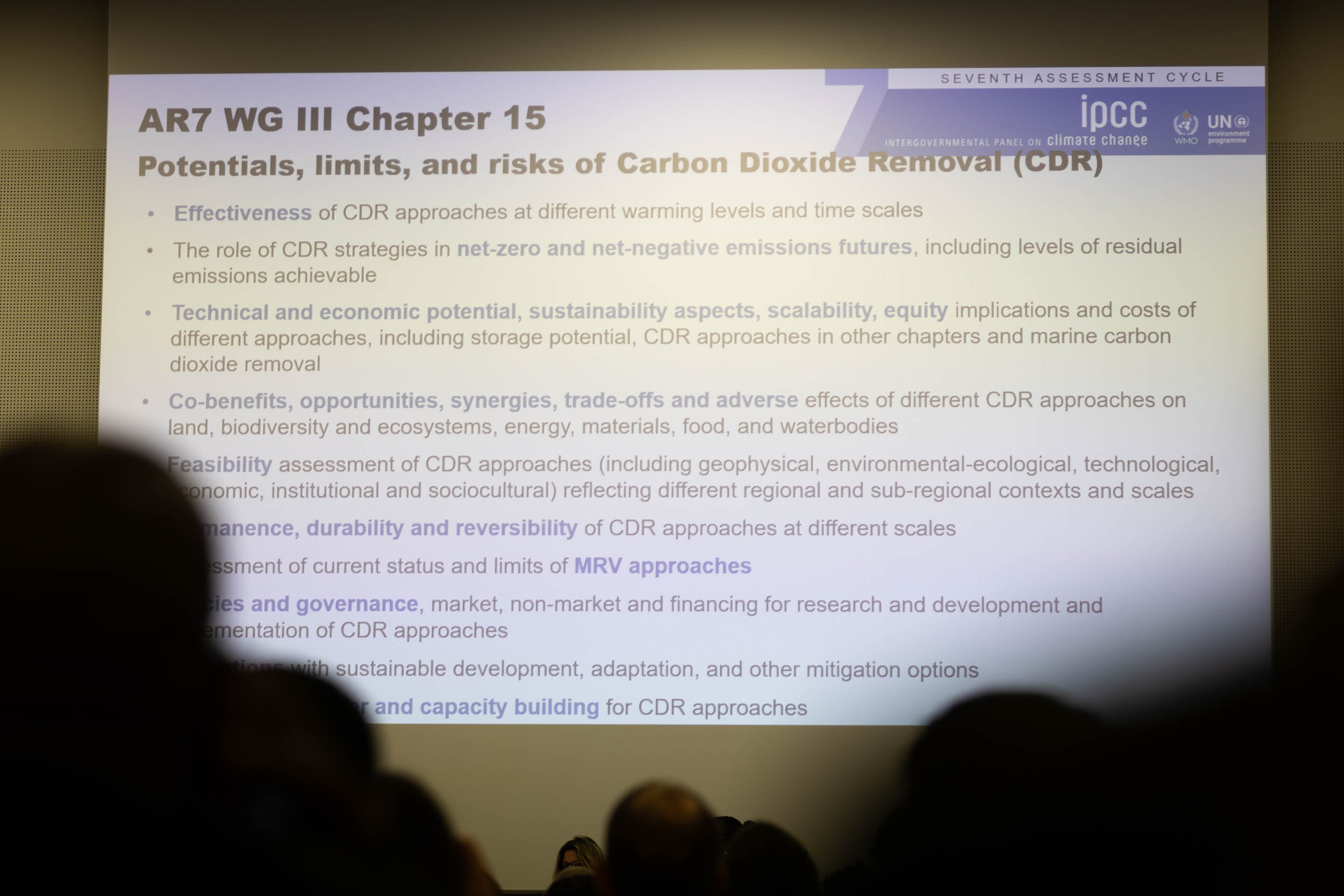
Information is provided about the upcoming IPCC Assessment Report (AR 7)
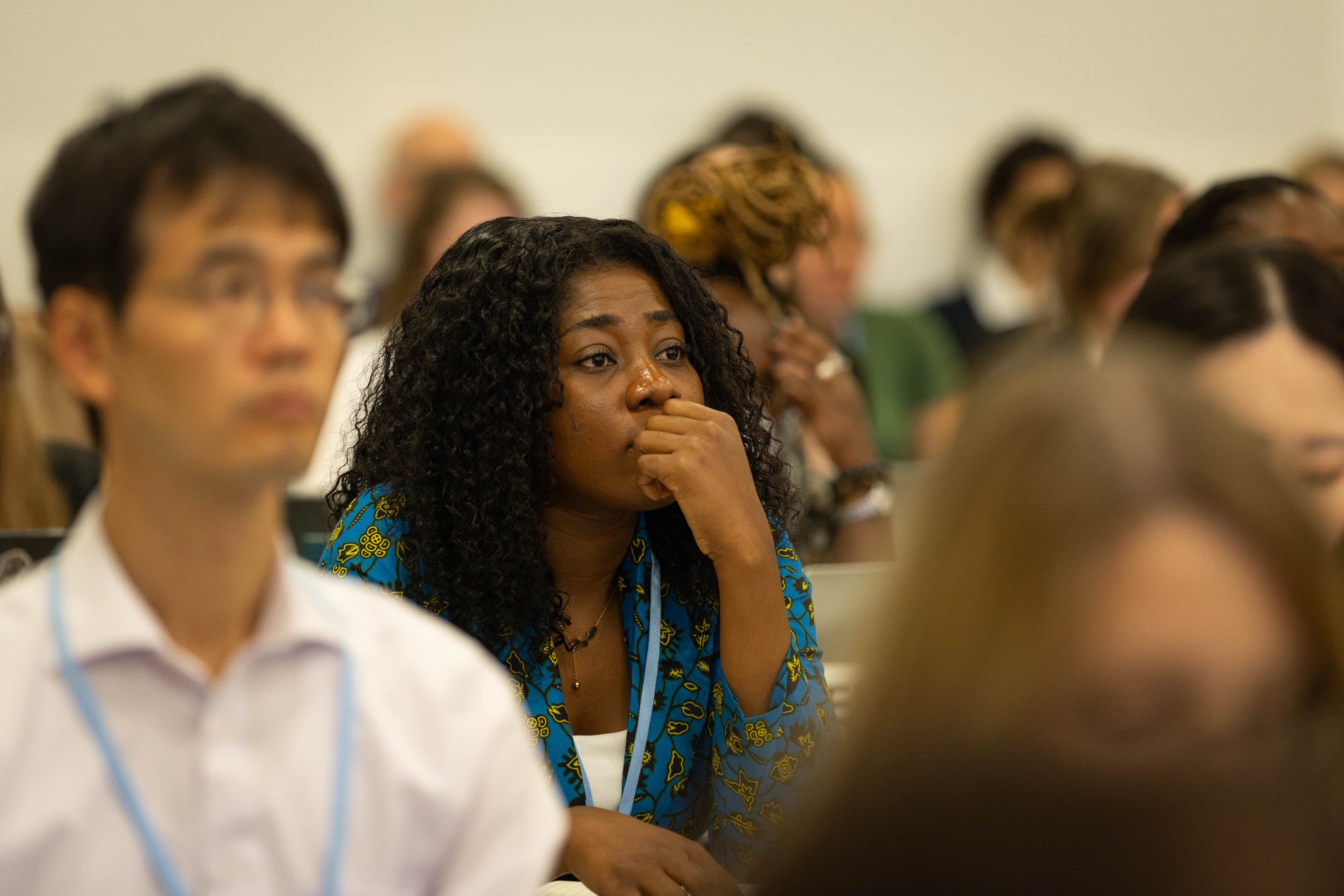
Delegates listen to the discussion
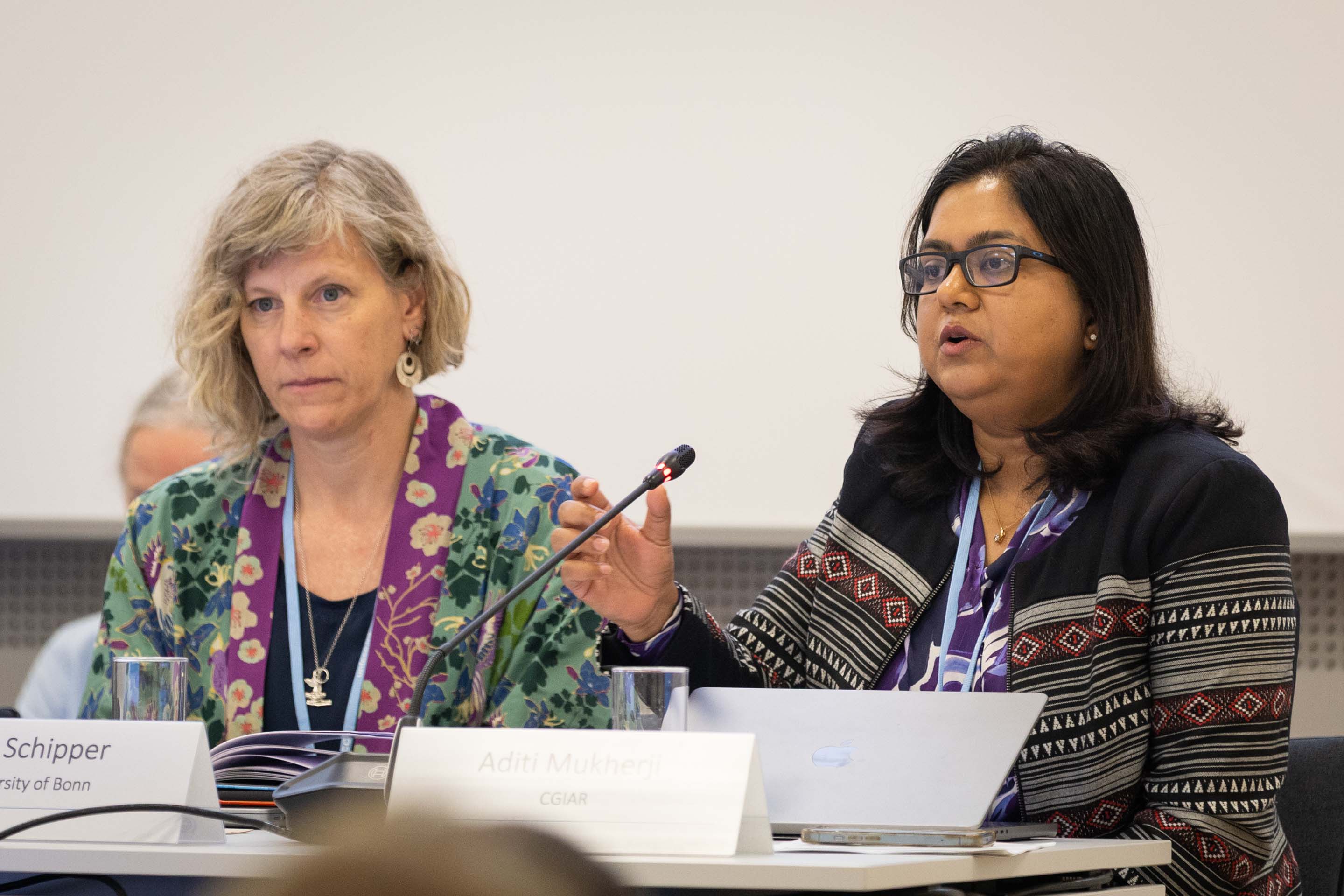
Lisa Schipper, University of Bonn, and Aditi Mukherji, CGIAR
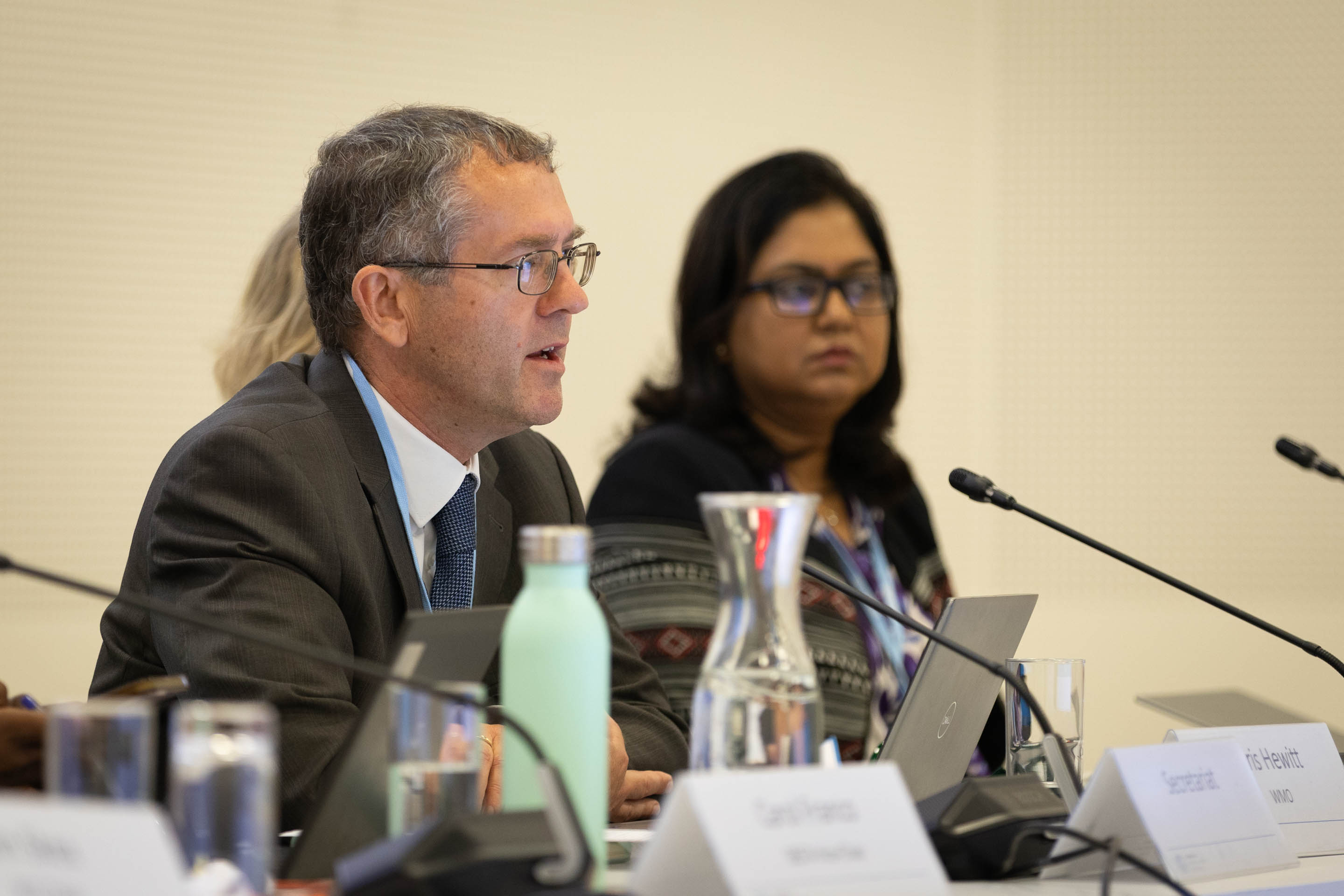
Chris Hewitt, World Meteorological Organization (WMO)
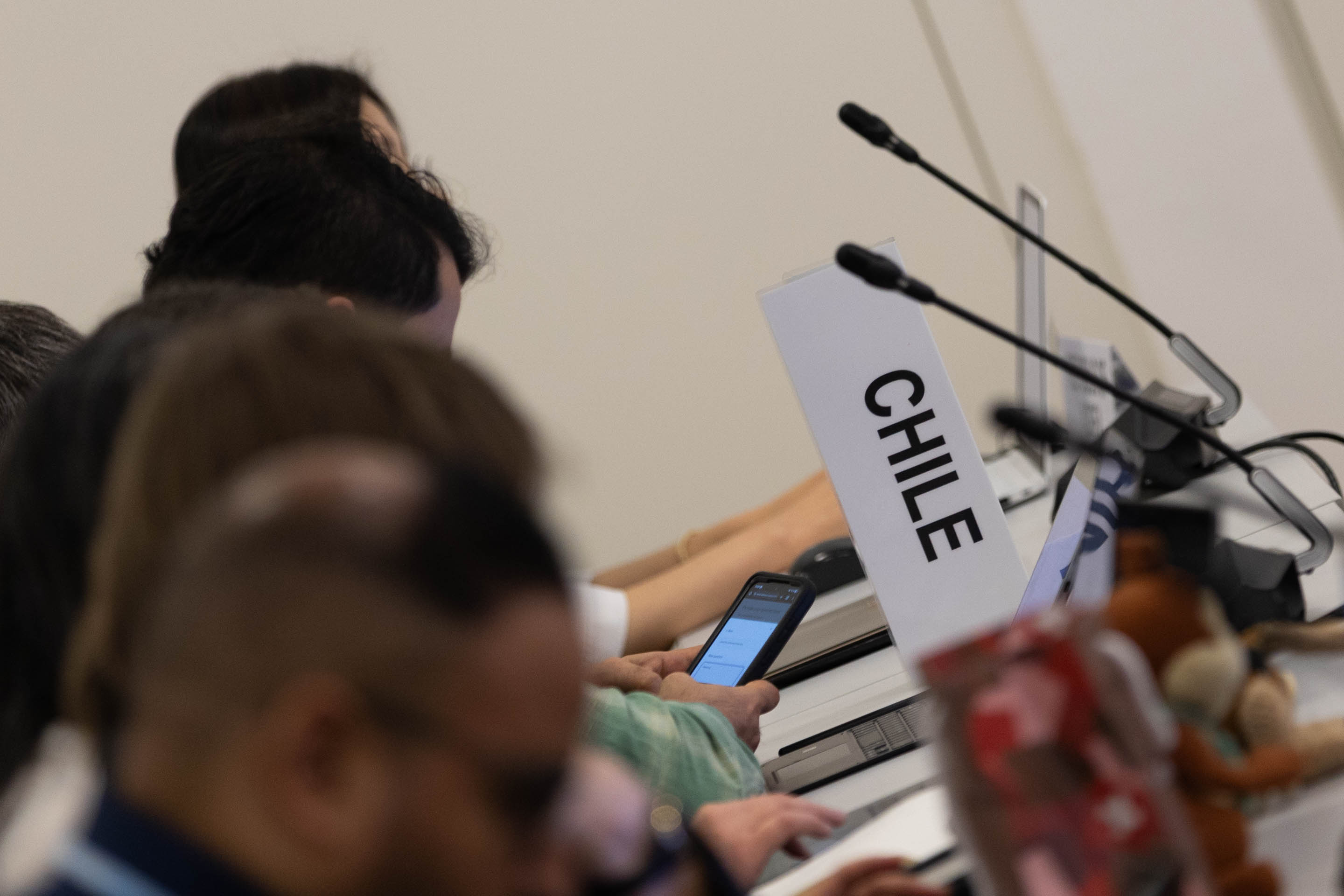
Delegates raise their placards to speak
Dialogue among Indigenous Peoples, Local Communities, Parties and other Stakeholders
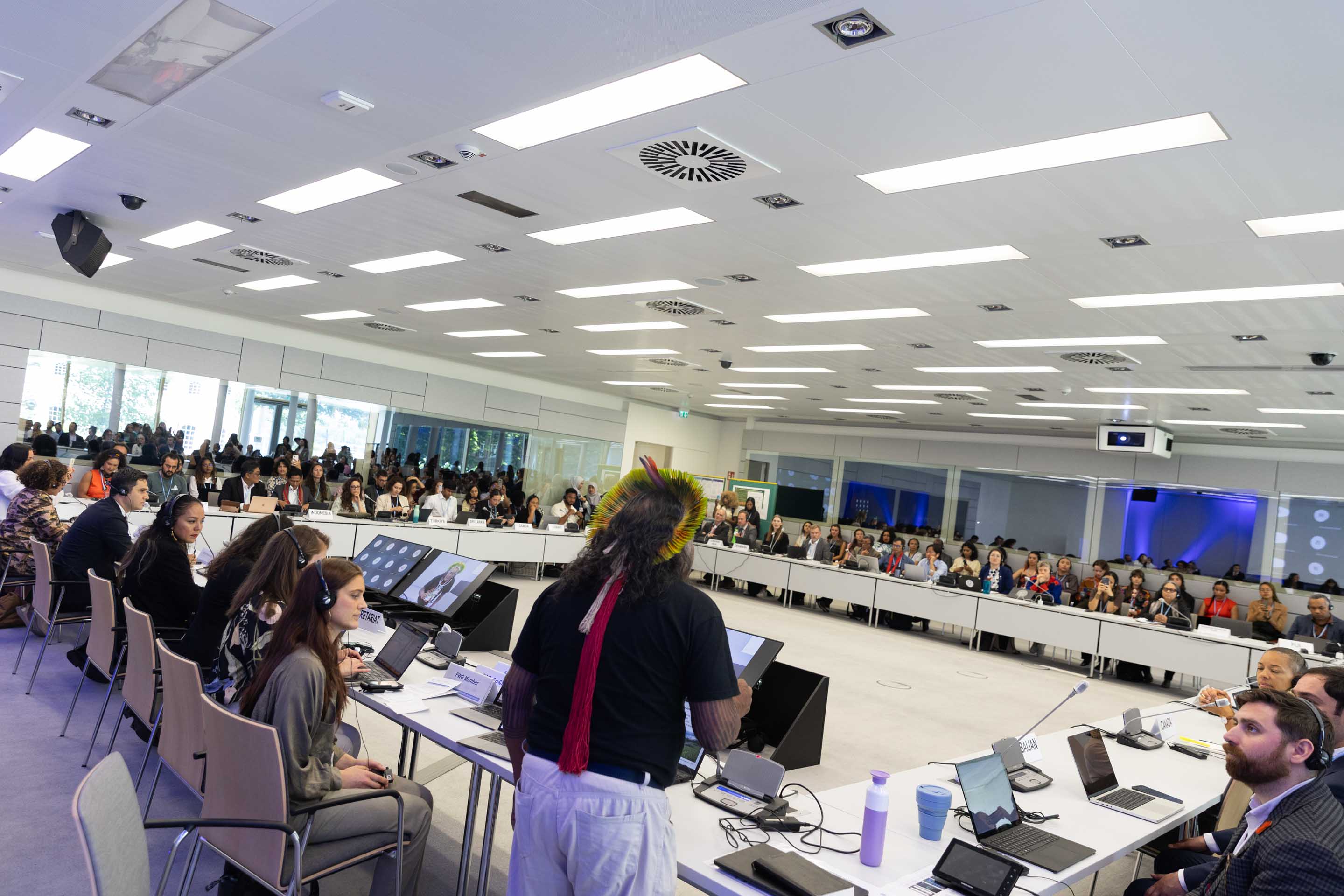
Delegates discuss the ethical and equitable incorporation of Indigenous values and knowledge and local knowledge systems in nationally determined contributions (NDCs)
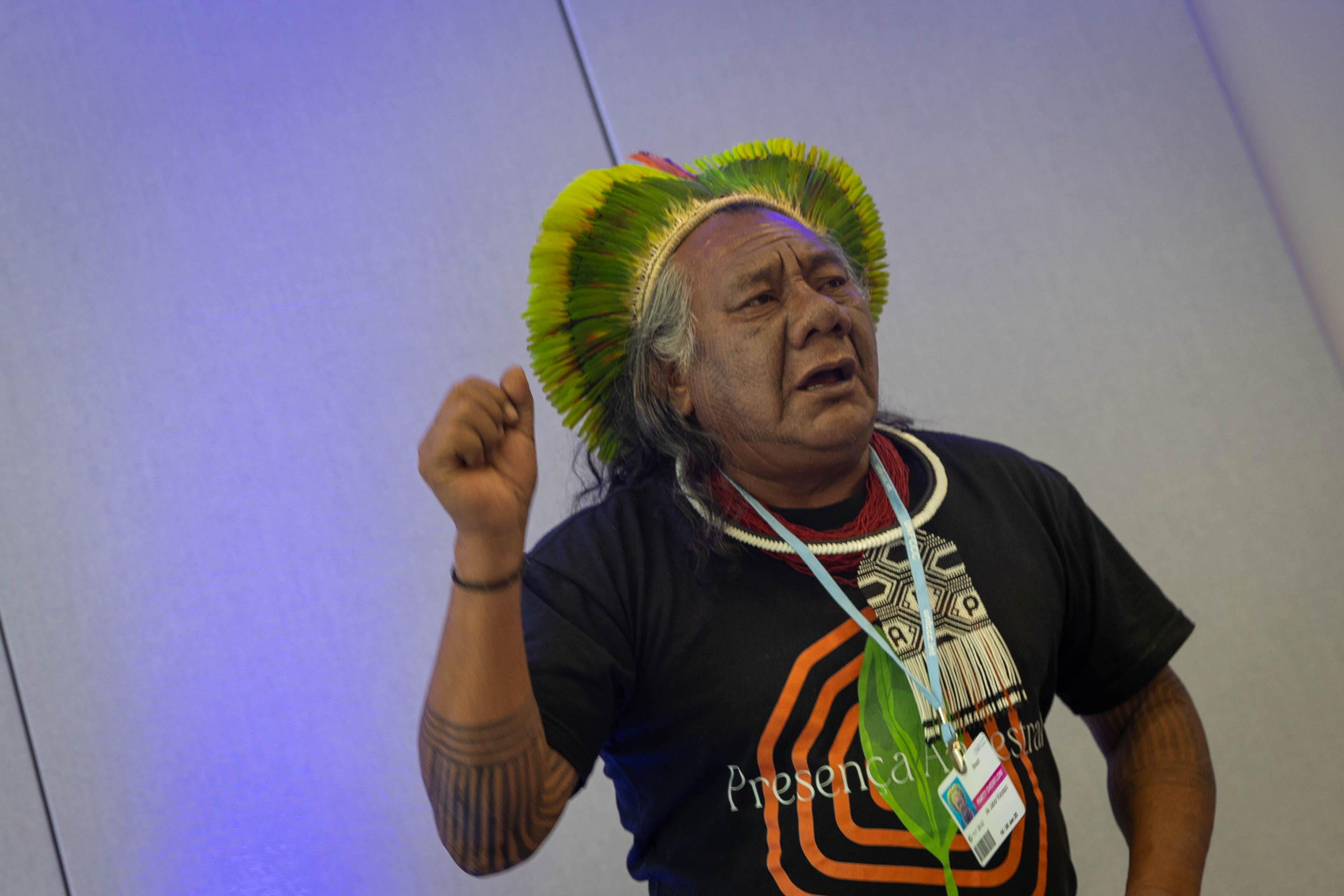
The session is opened with an Indigenous invocation

Janene Yazzie, Co-Chair, Facilitative Working Group of the LCIPP
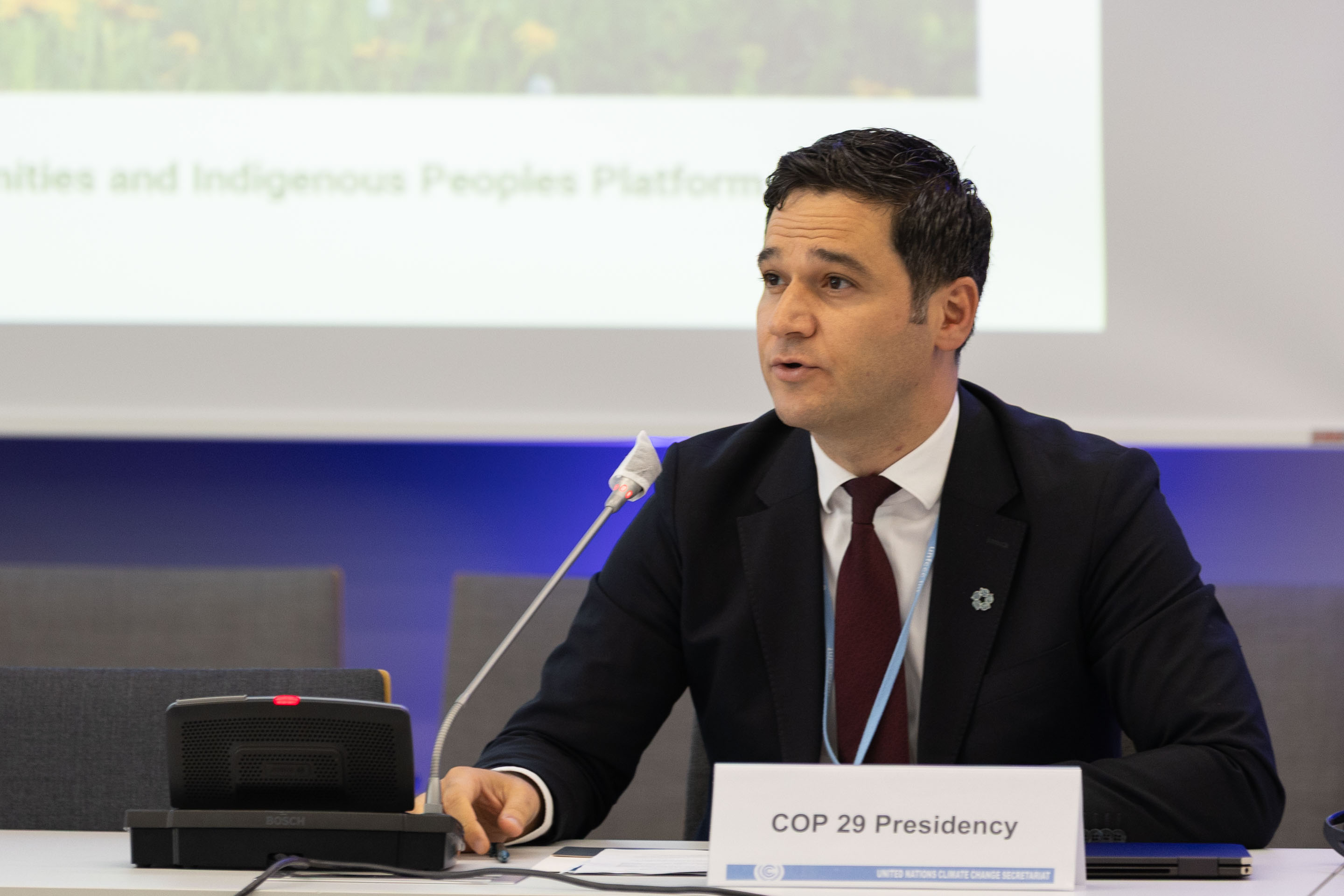
Elvin Ashrafzade, COP 29 Presidency
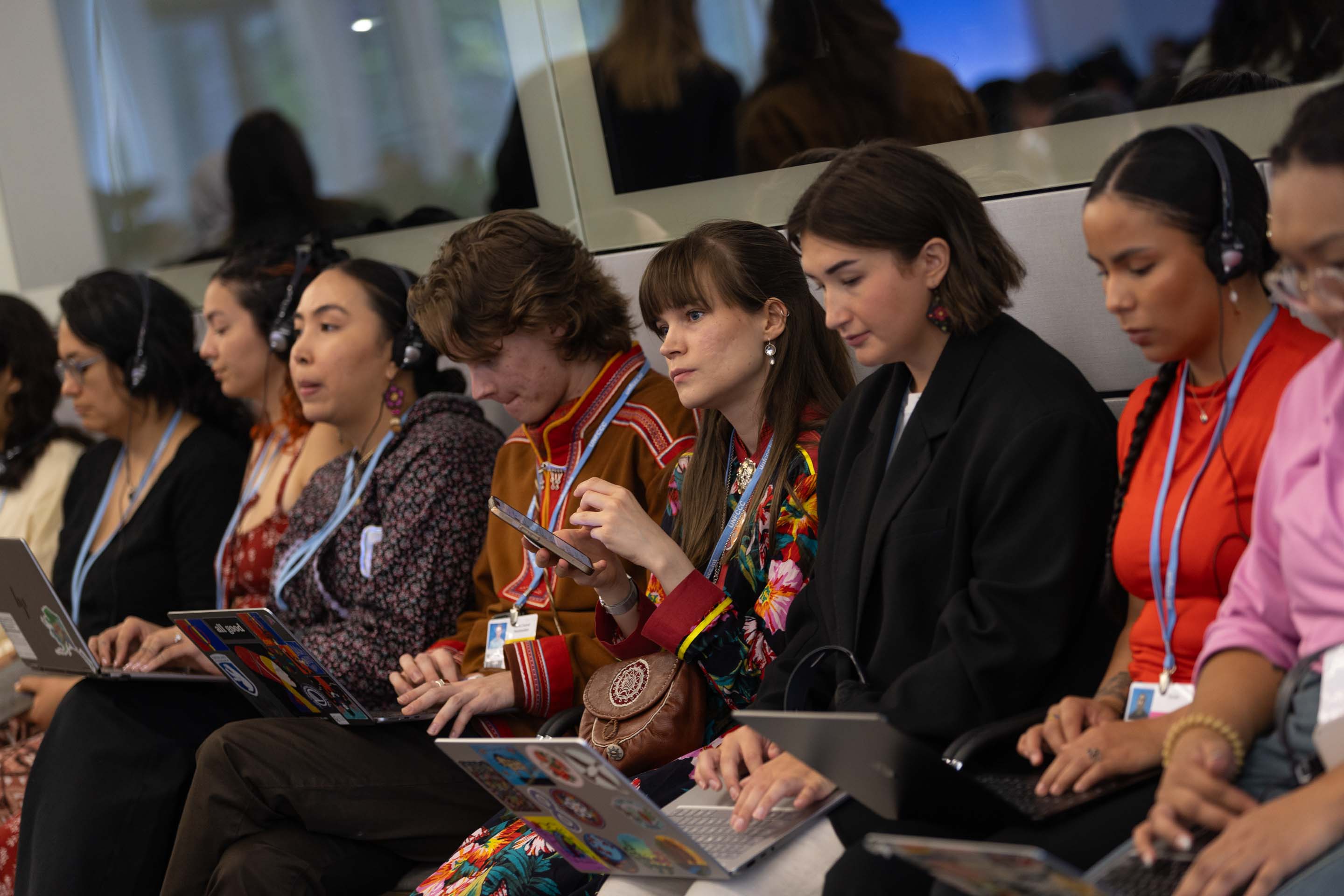
Delegates listen to the interventions
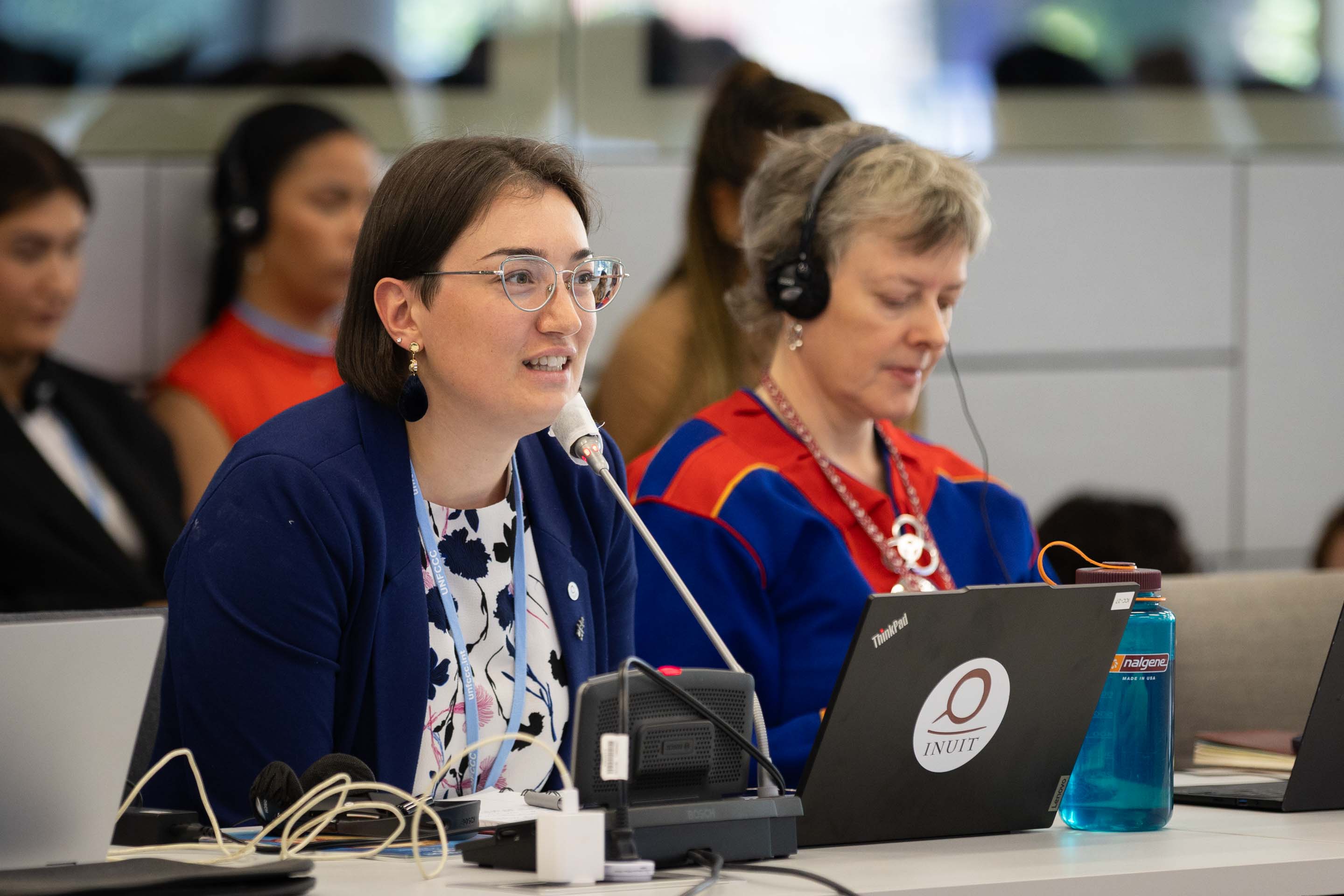
Kata Kuhnert, Inuit Circumpolar Council
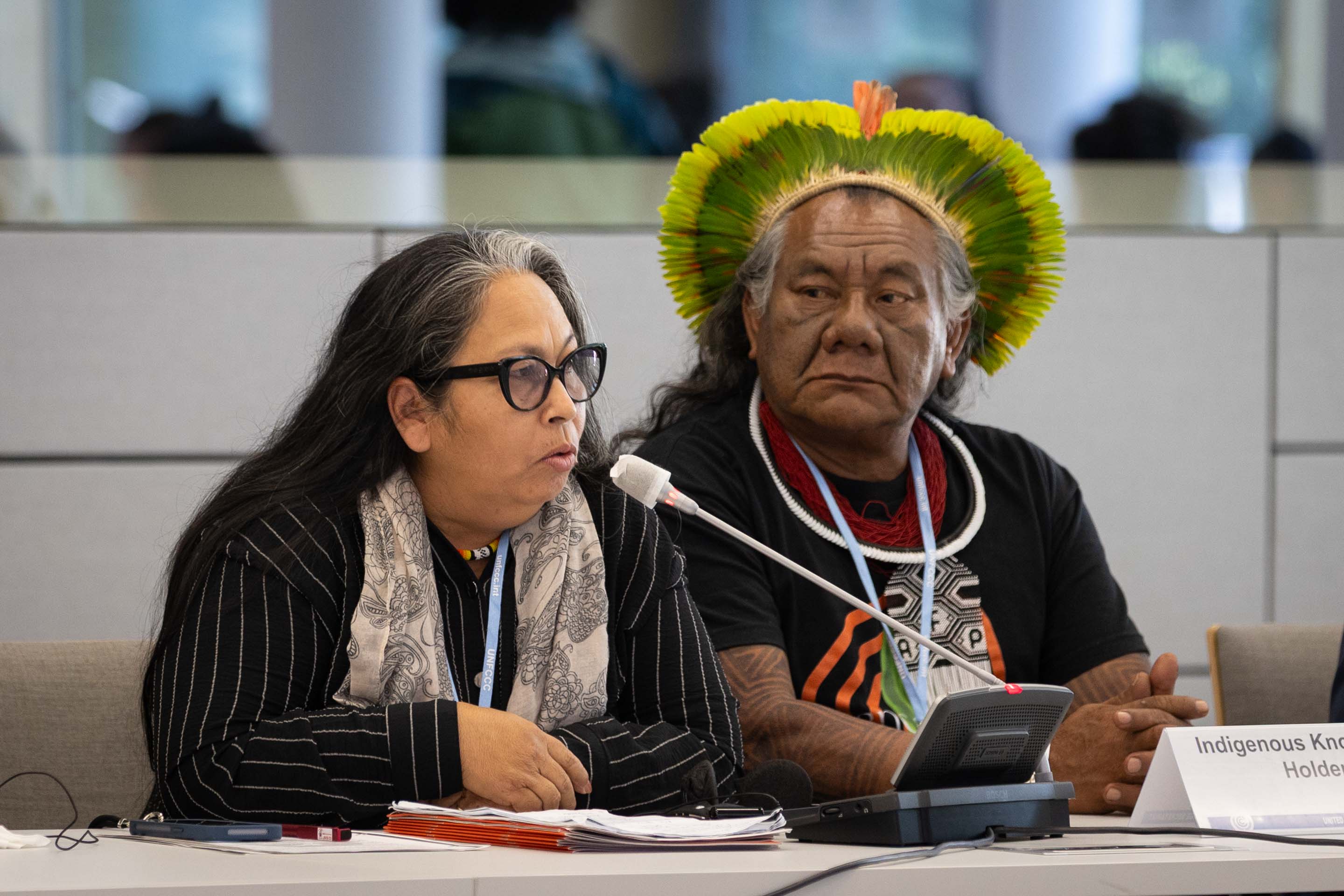
Sinéia do Vale, COP 30 Presidency Special Envoy on Indigenous Peoples
Workshop on Non-Market Approaches
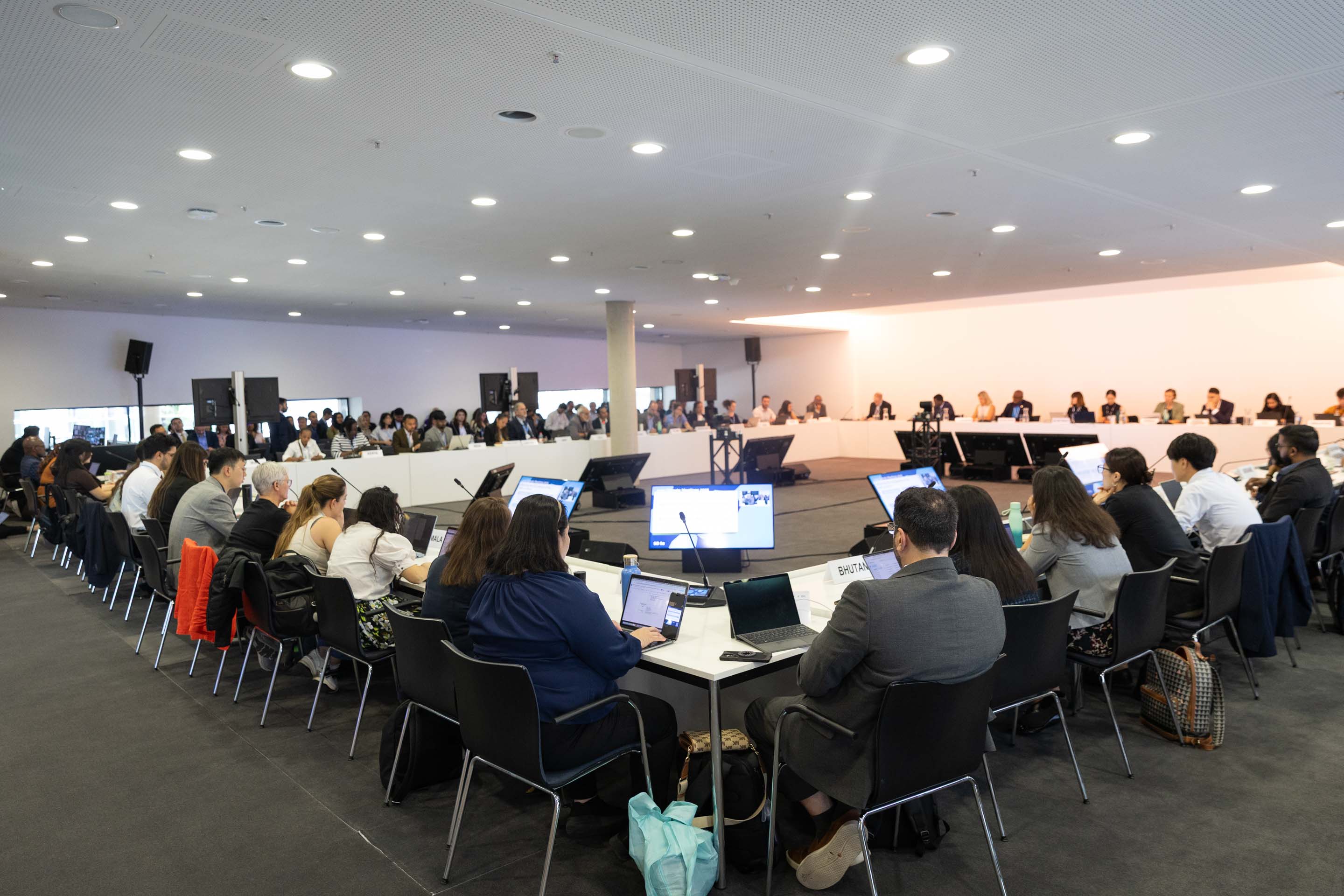
Delegates gather for the workshop on non-market approaches
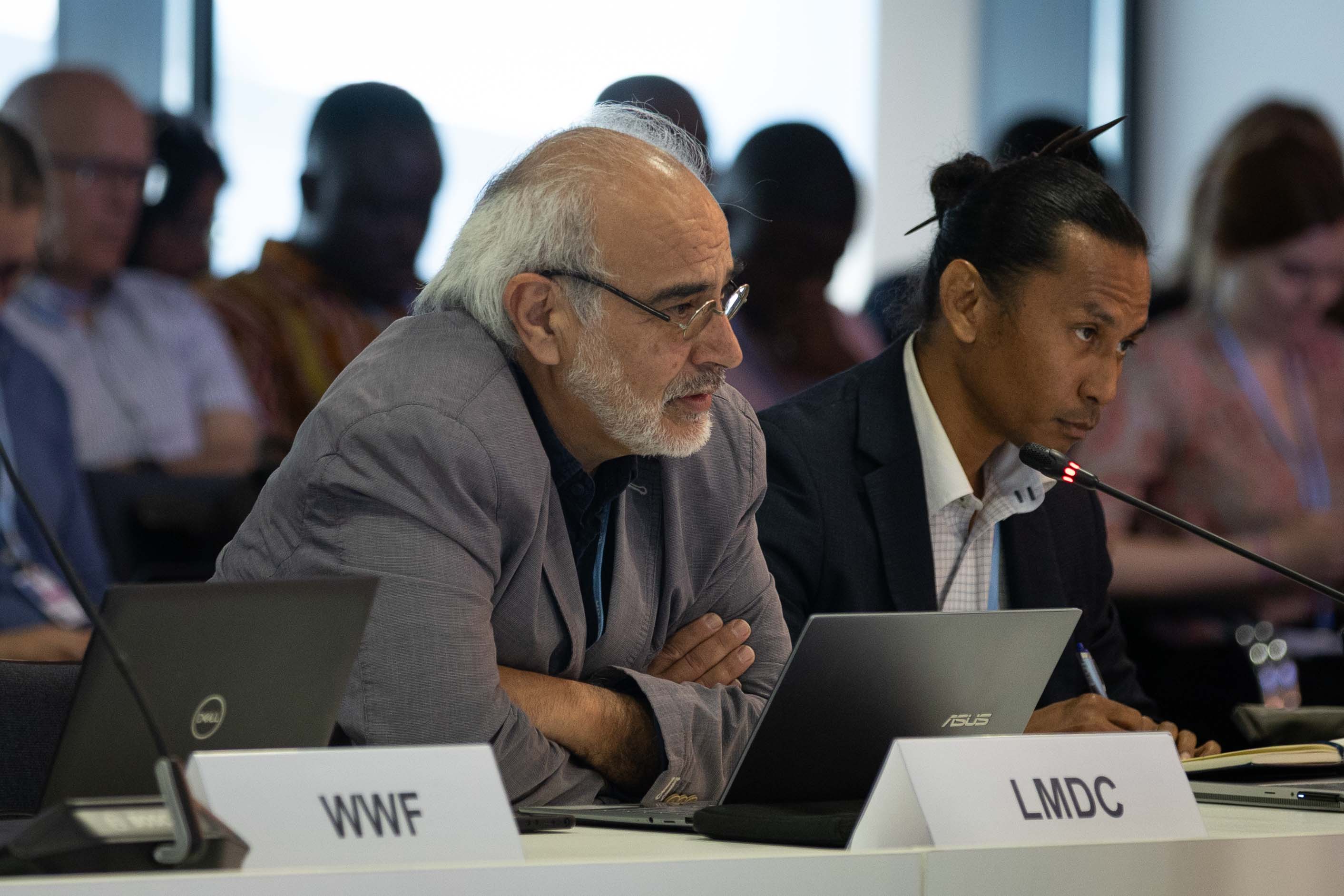
Diego Pacheco, Bolivia, representing Like-Minded Developing Countries (LMDCs)
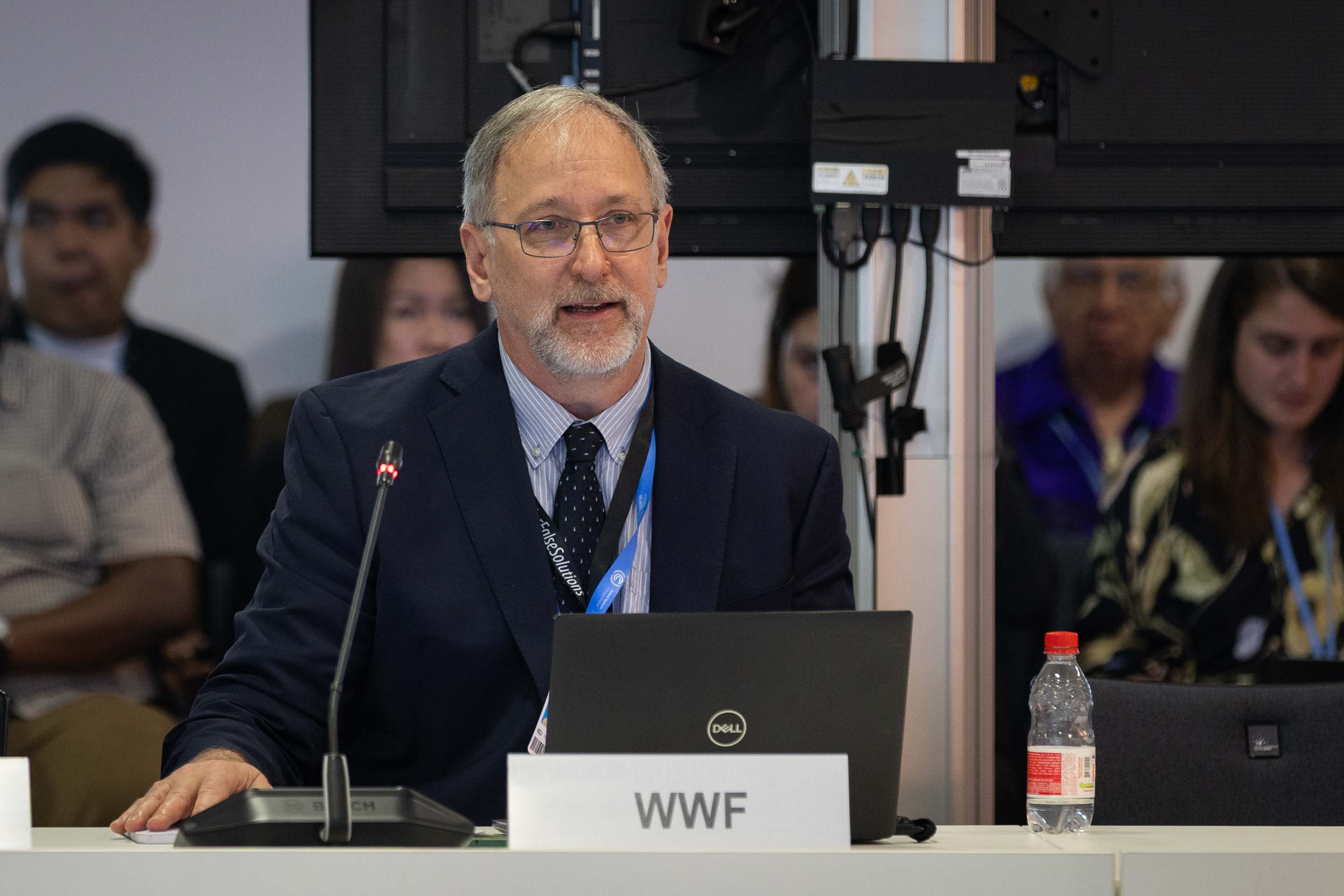
Mark Lutes, World Wide Fund for Nature (WWF) International
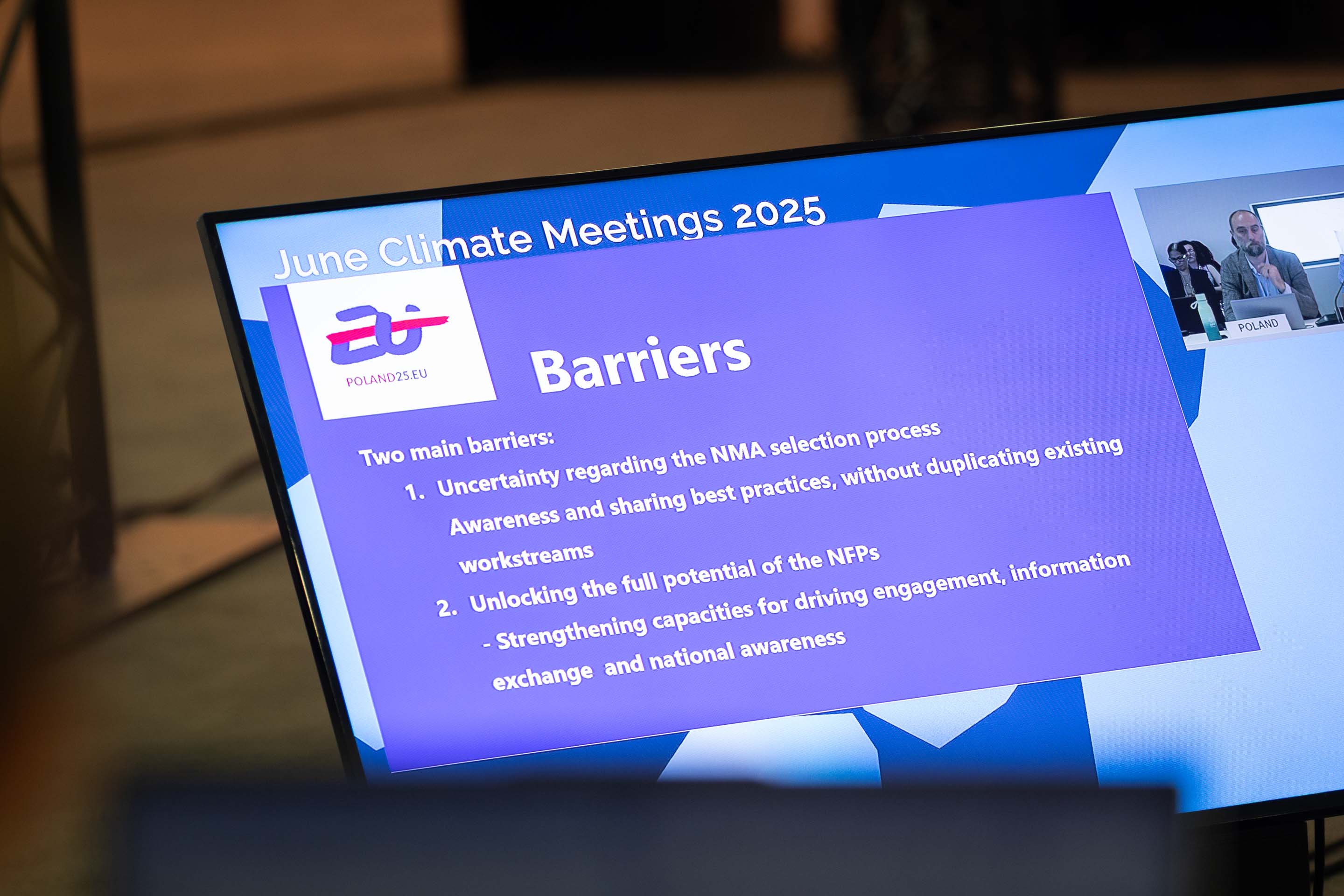
A variety of presentations are given during the event
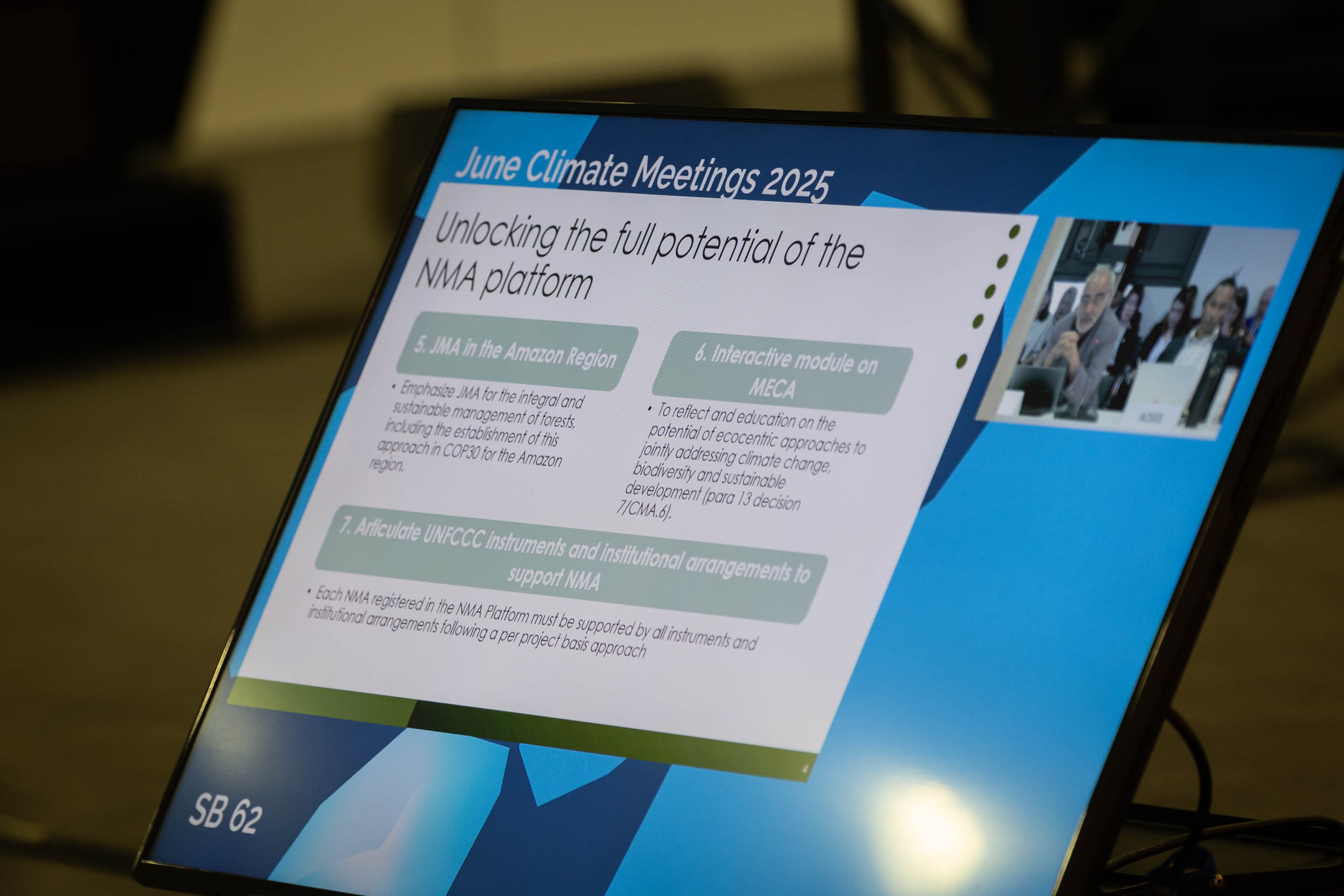
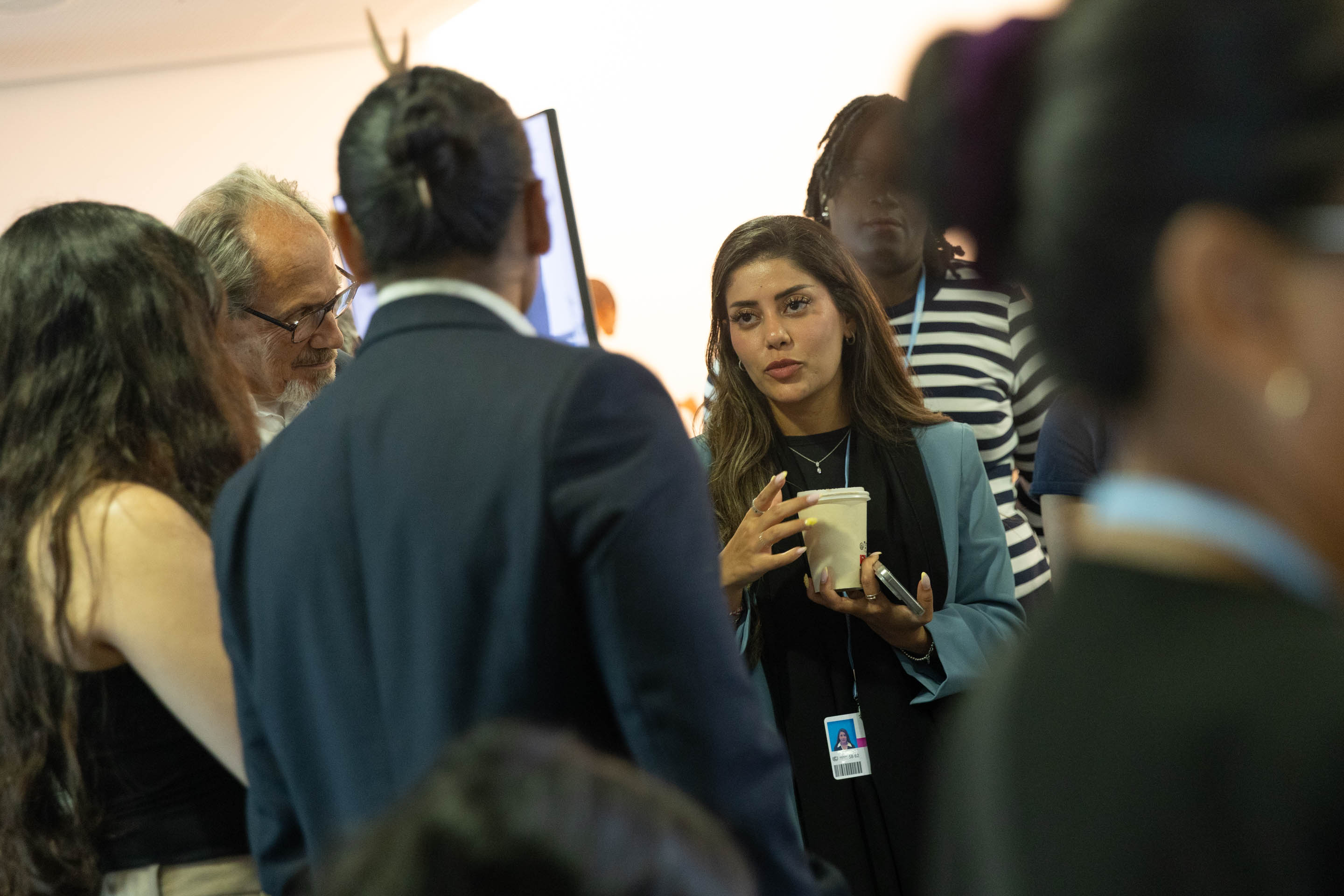
A world cafe is held during the workshop to enable participants to engage freely and share ideas
COP 30 Presidency Special Event
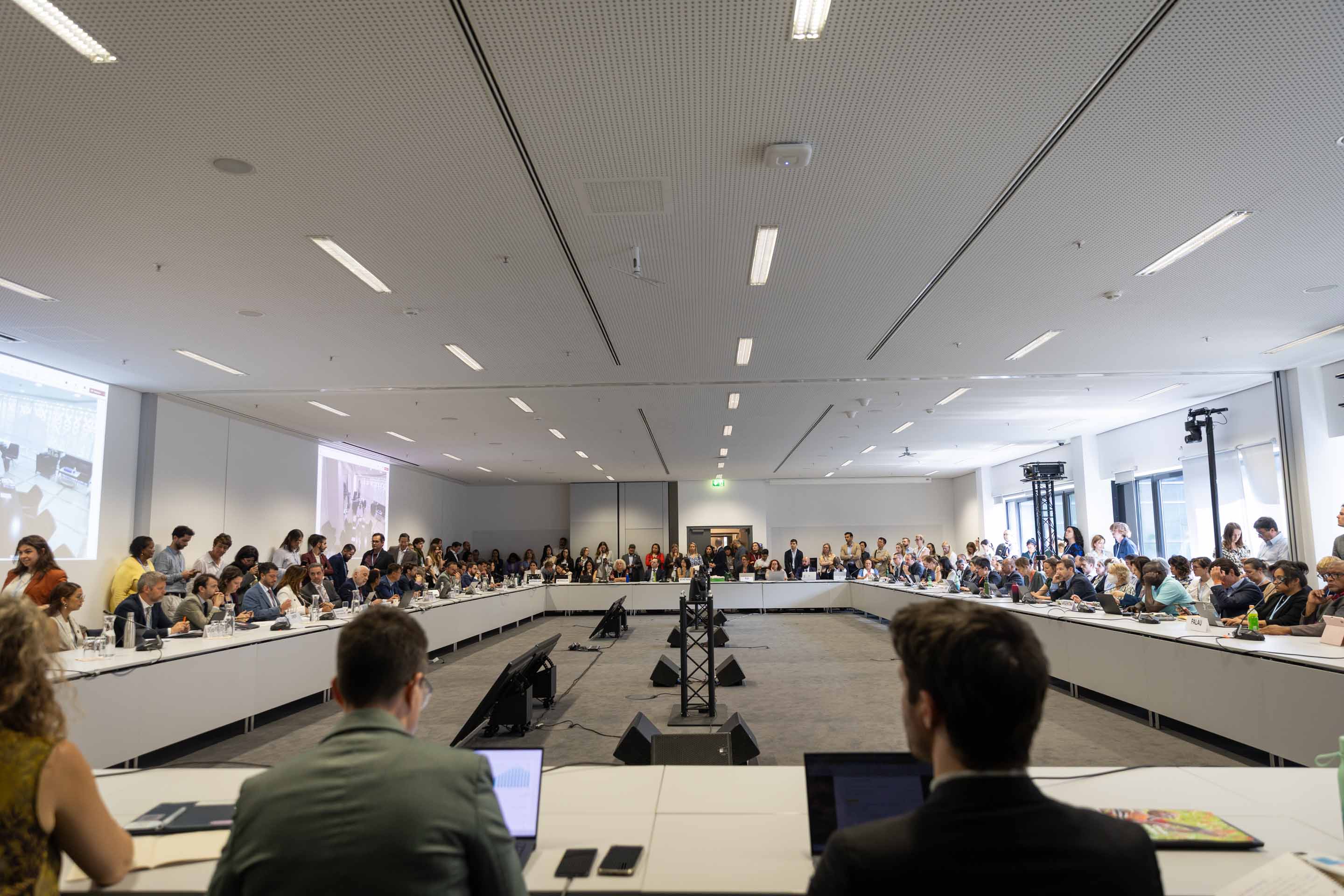
Delegates explored opportunities for promoting synergies between the Rio Conventions
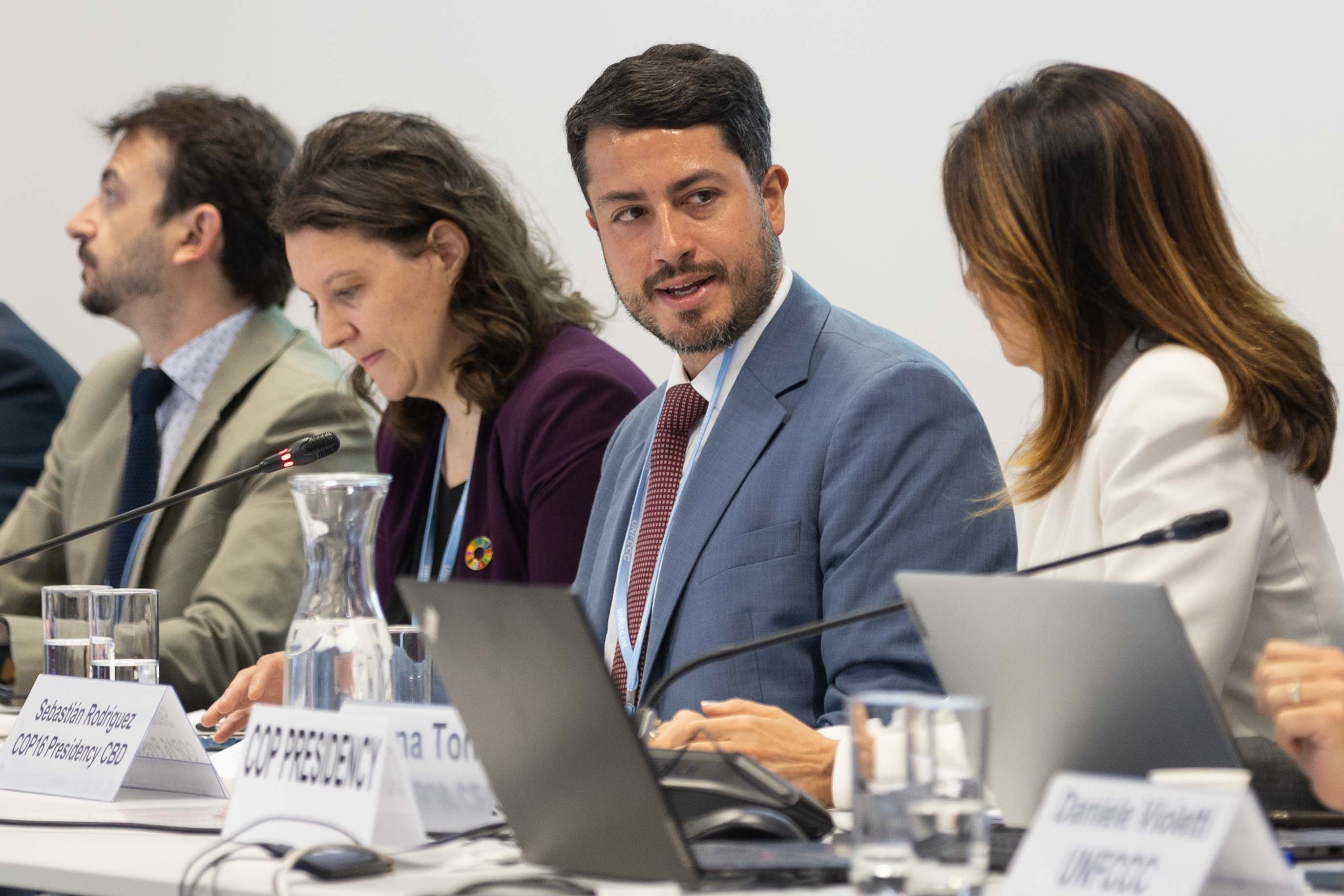
Sebastián Rodríguez, Convention on Biological Diversity (CBD) COP 16 Presidency
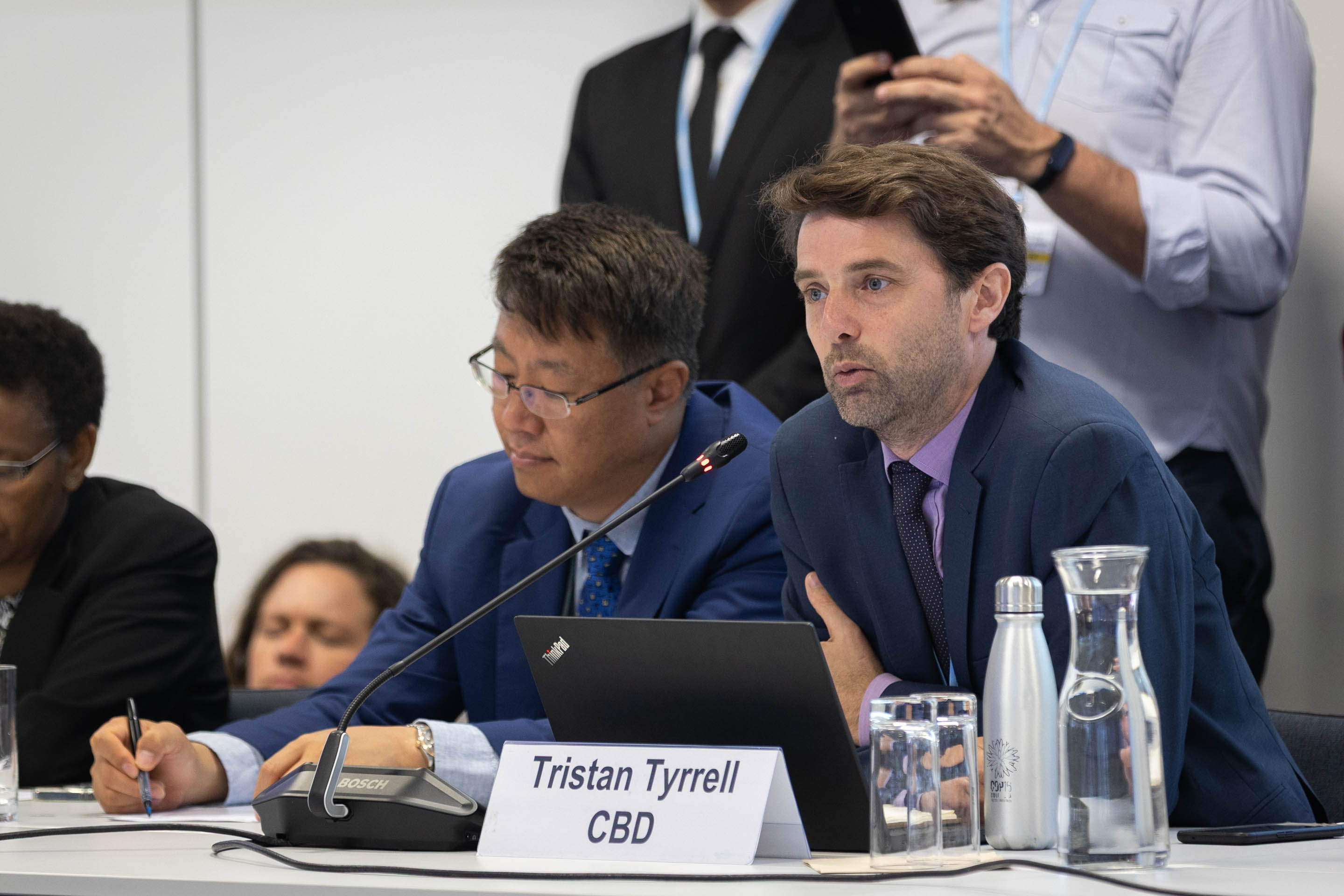
Tristan Tyrrell, CBD Secretariat
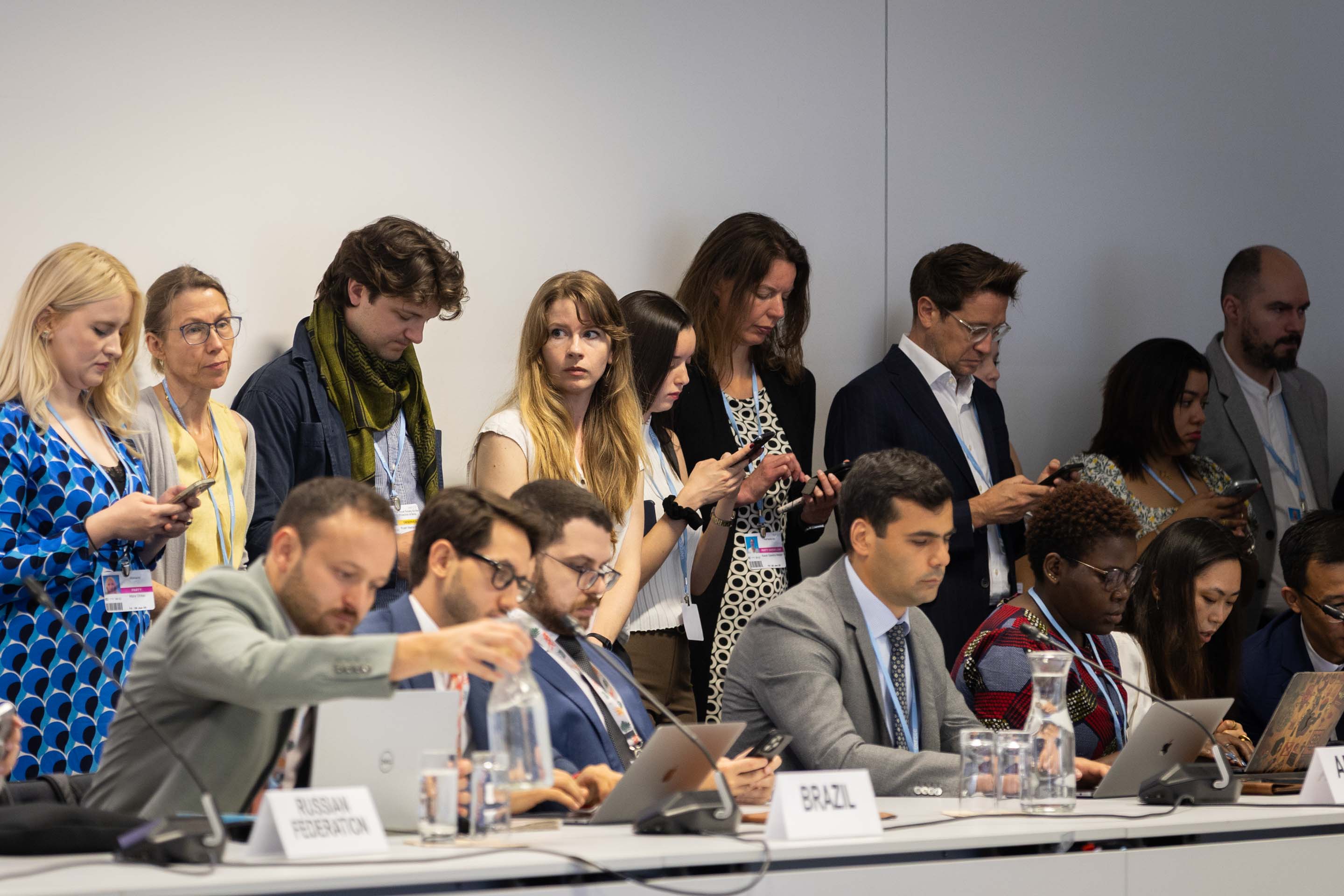
Delegates stand against the wall as the room is filled to capacity
Civil Society Actions
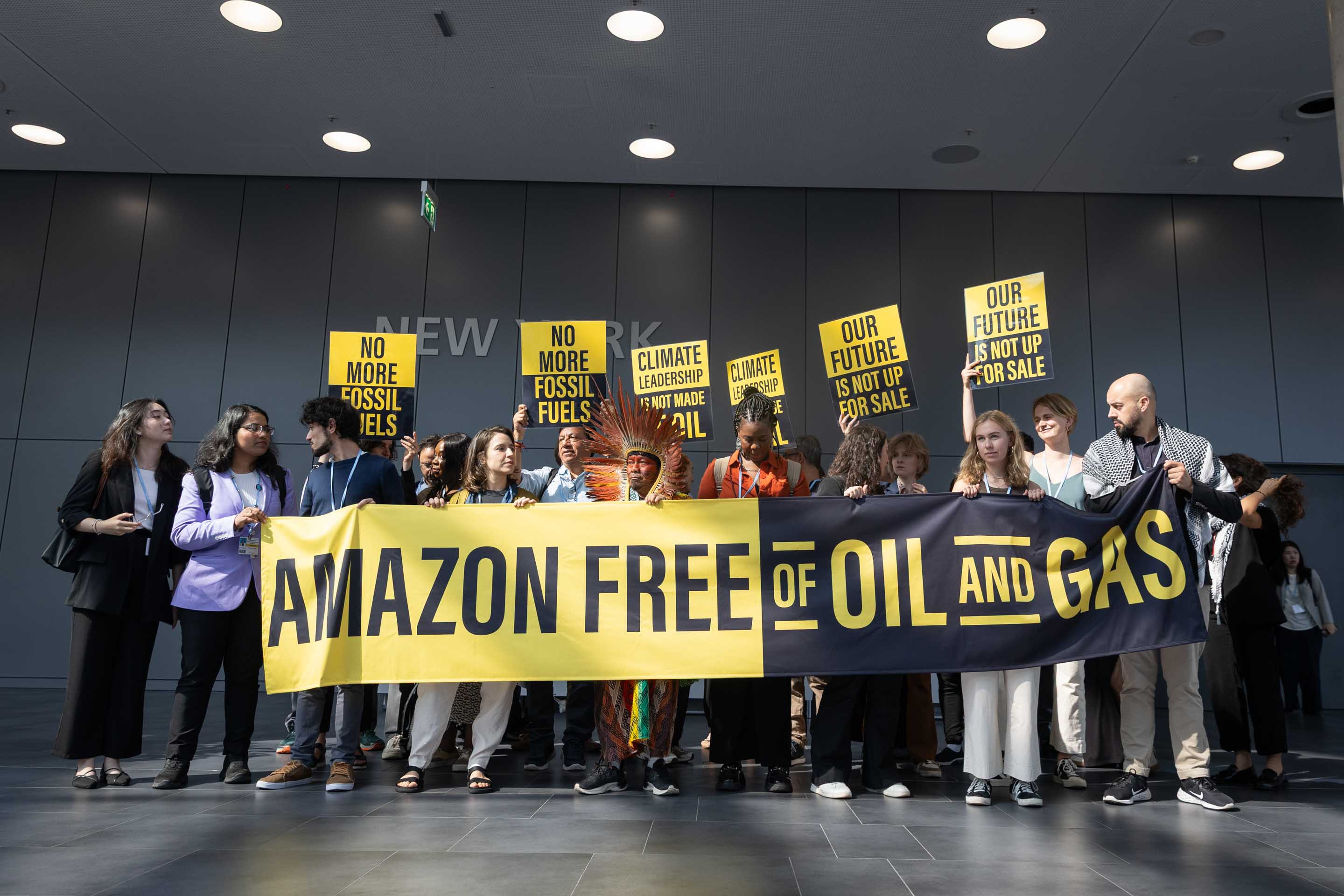
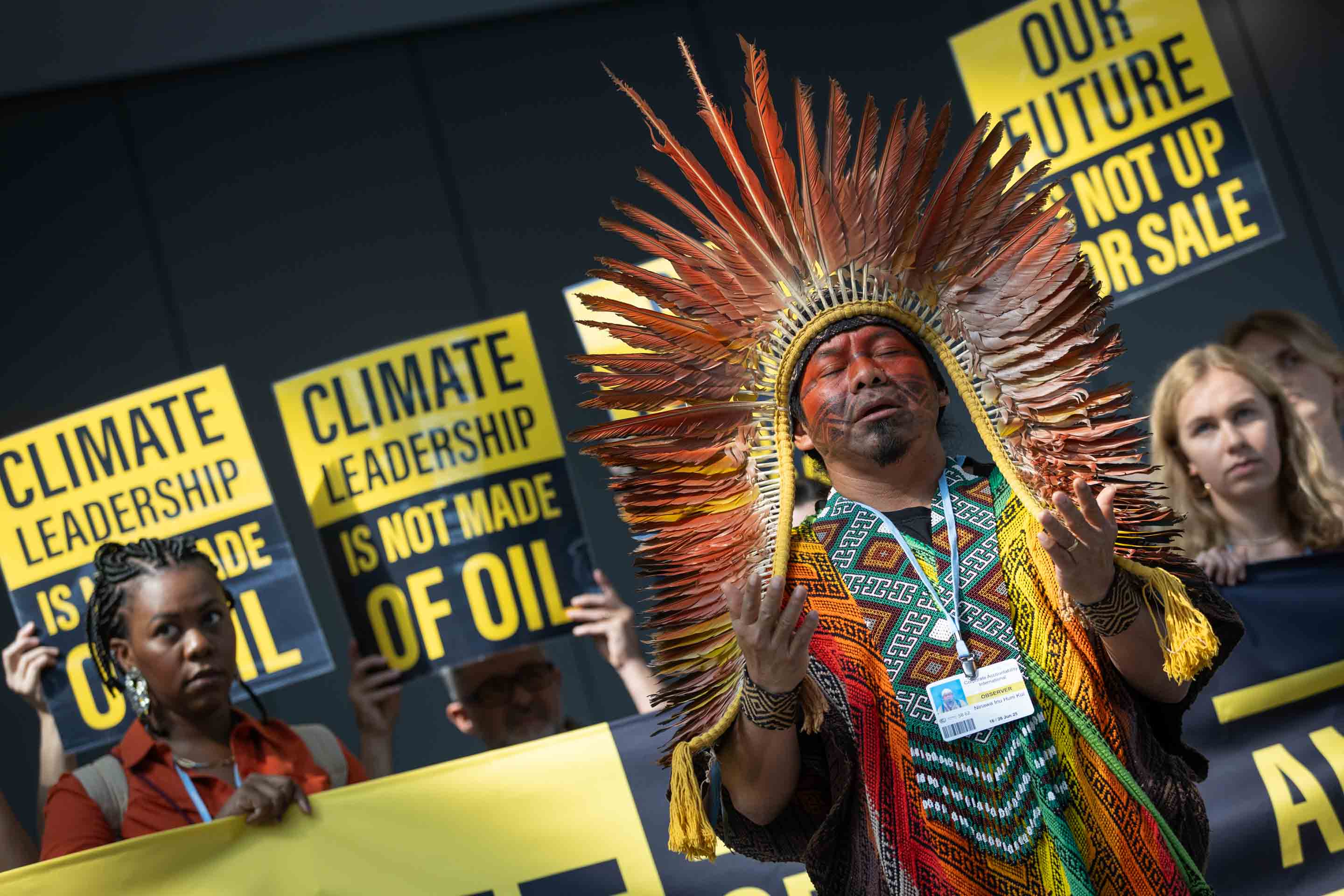
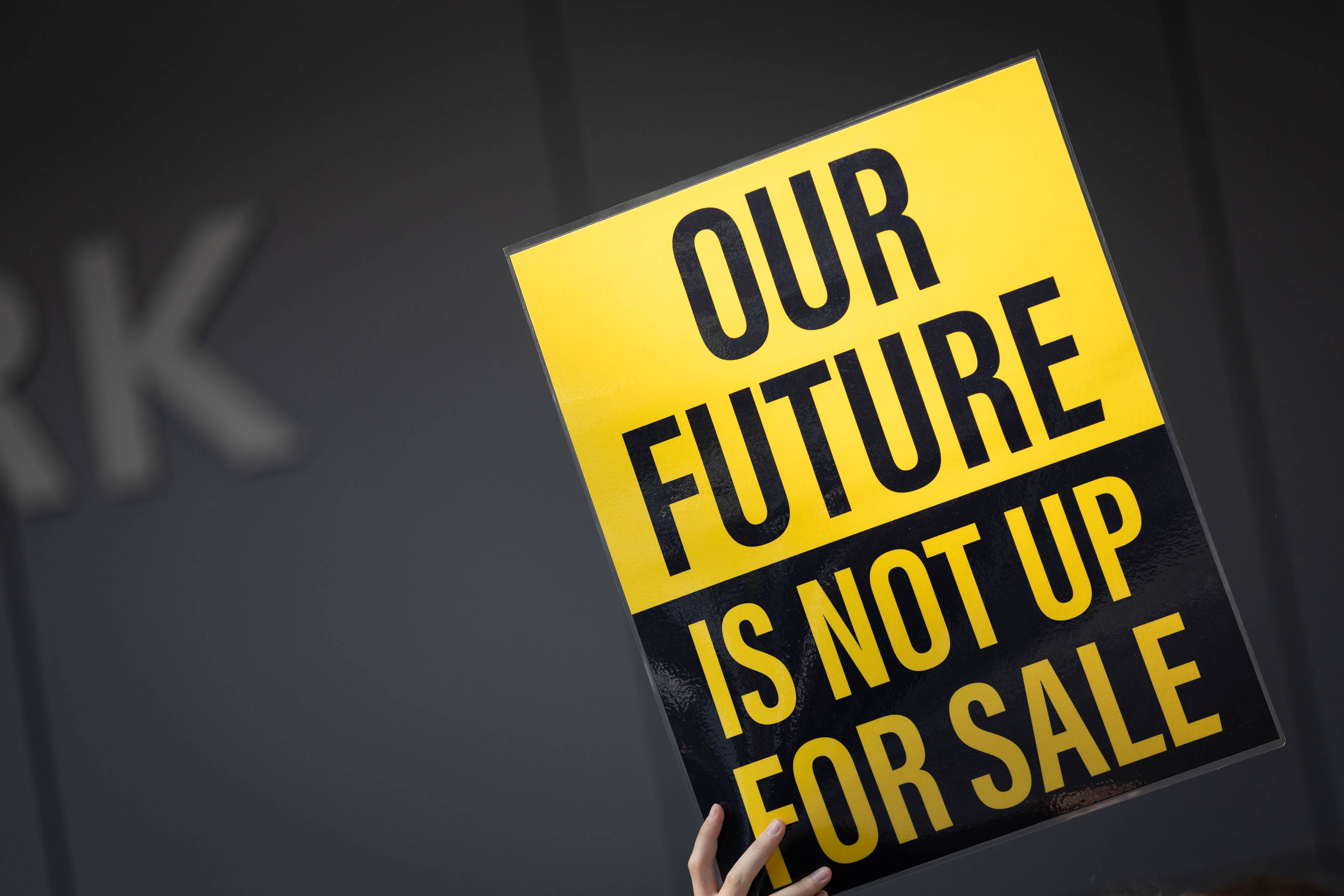
Members of civil society demonstrate in the corridors, reminding delegates that there should be no oil and gas projects in the Amazon
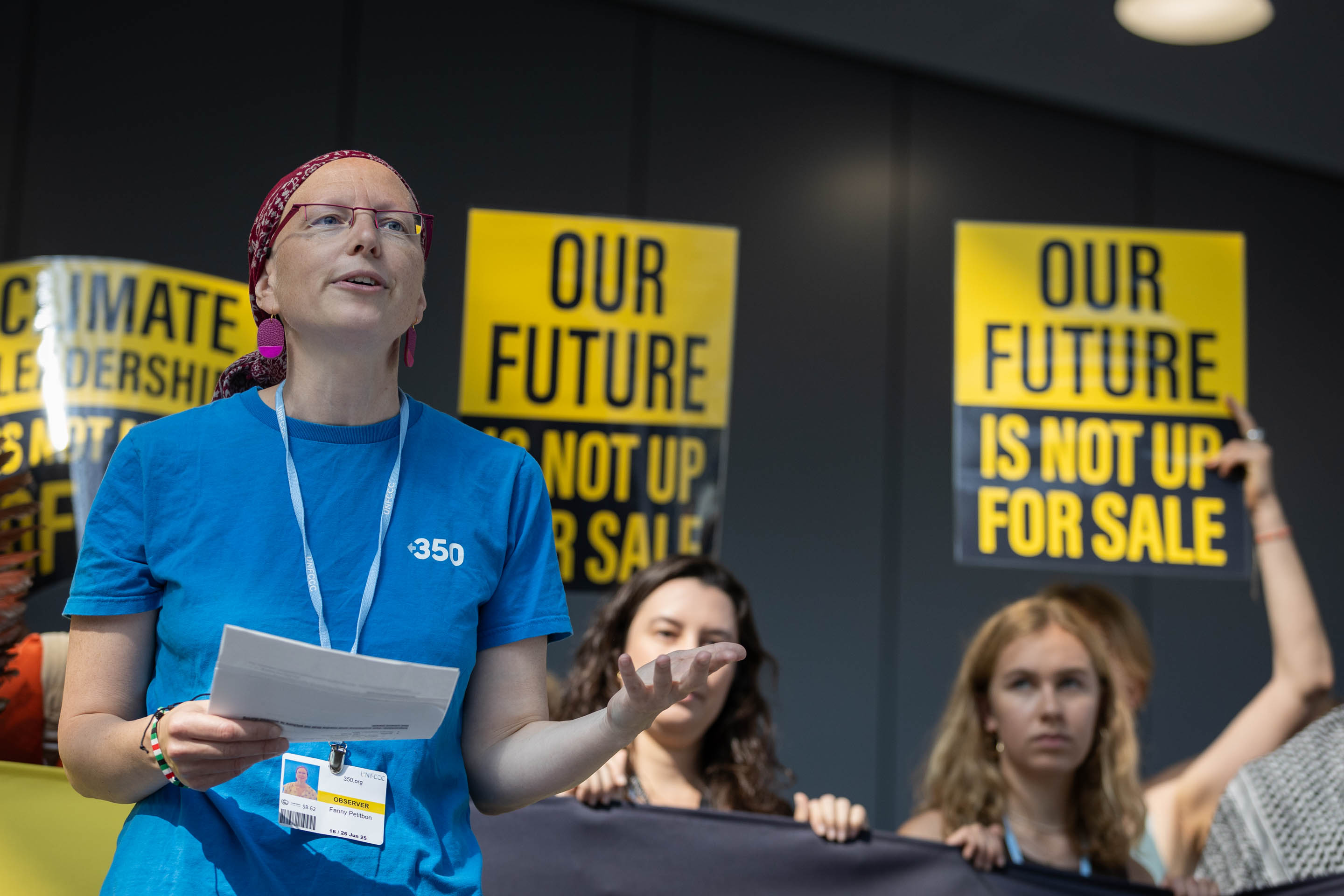
Around the Venue
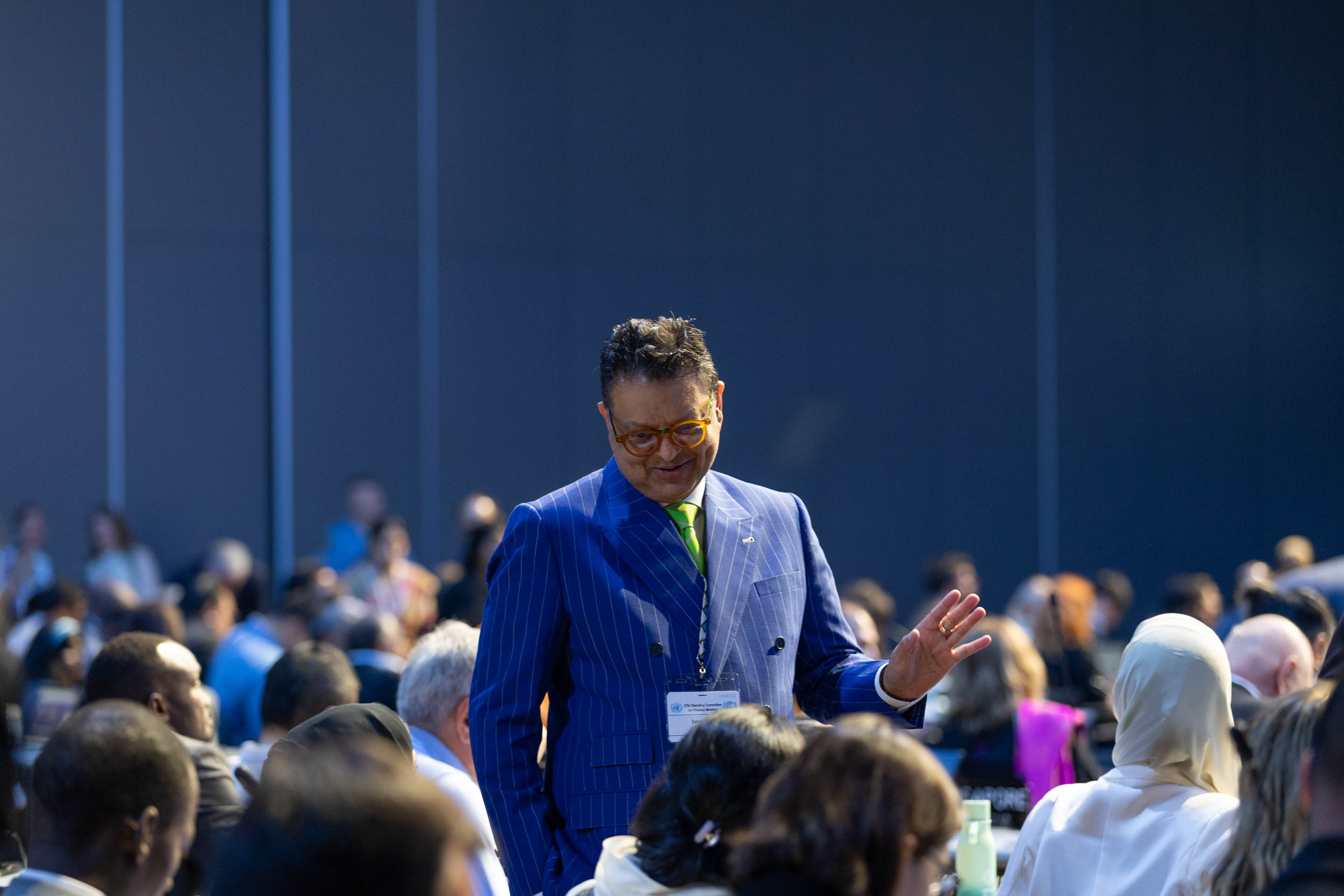
Zaheer Fakir, UAE, speaks with delegates
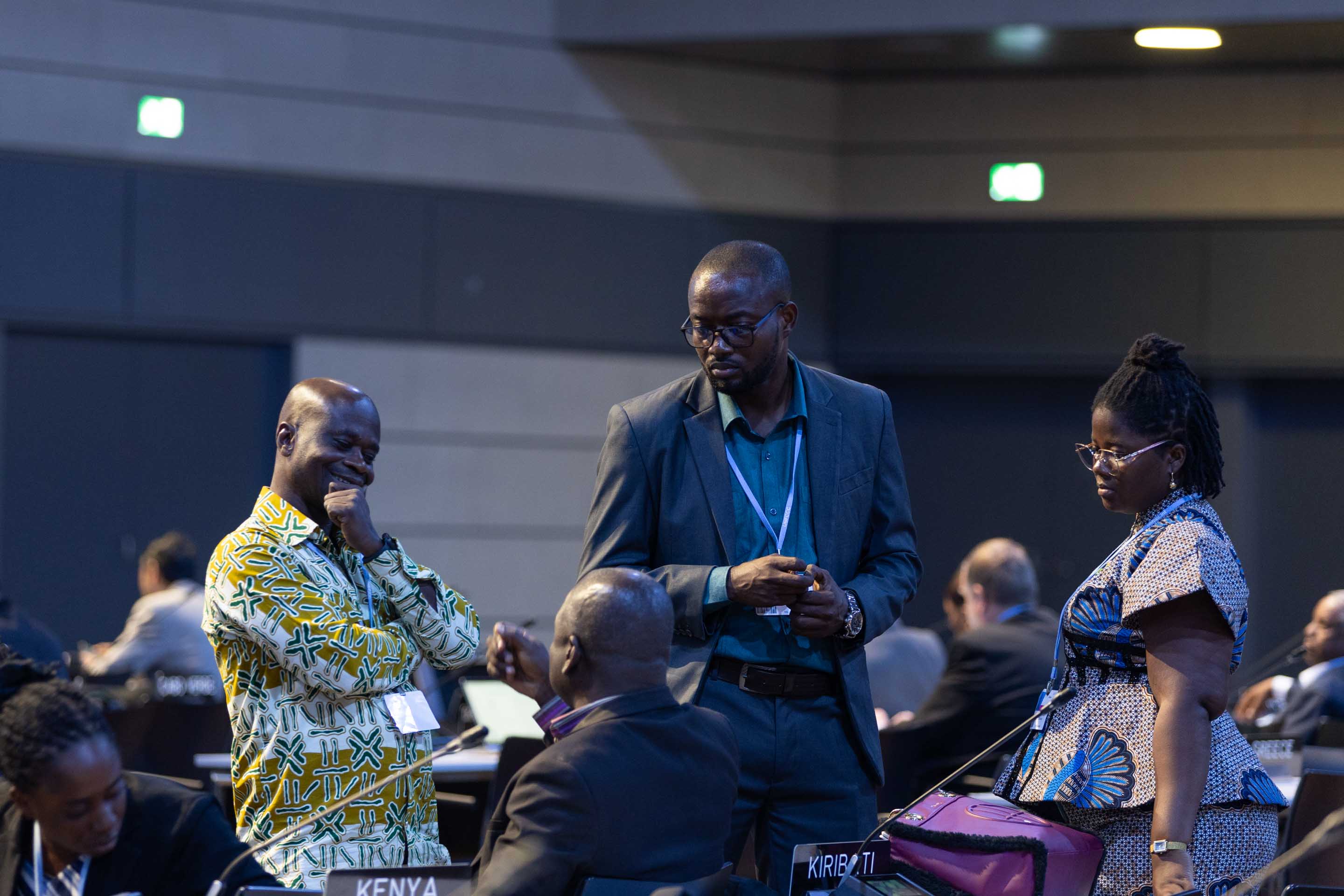
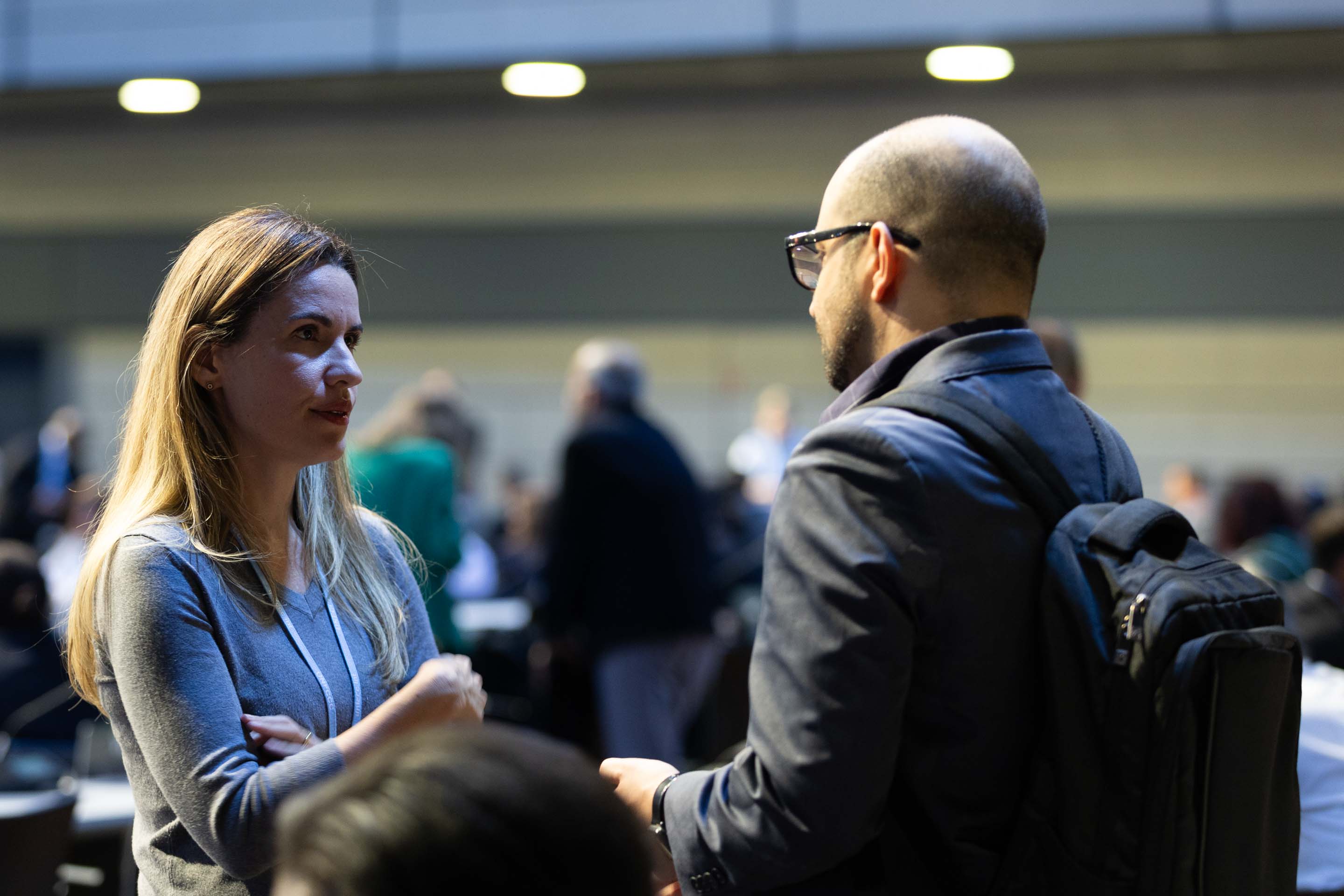
Delegates speak informally
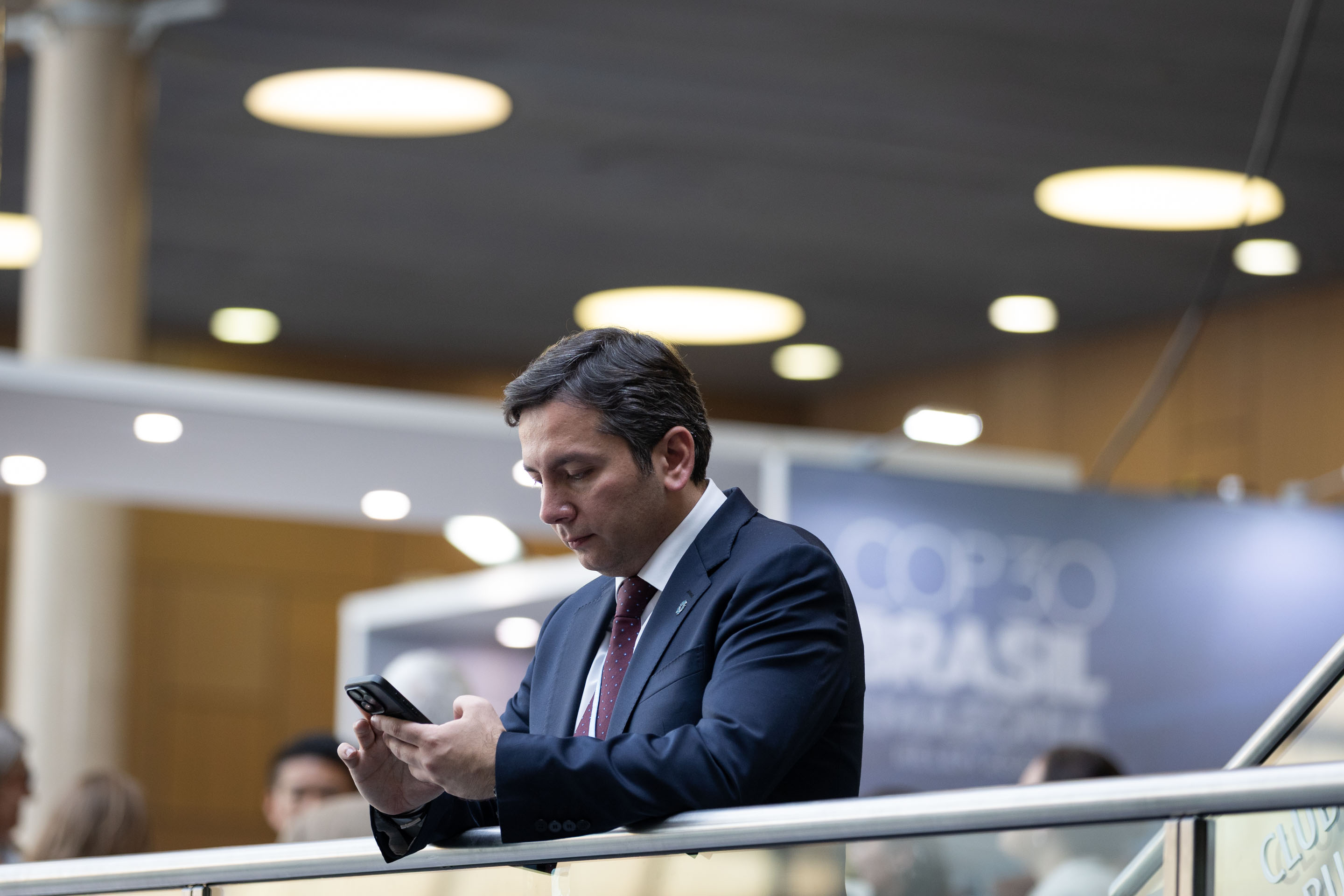
Yalchin Rafiyev, COP 29 Presidency