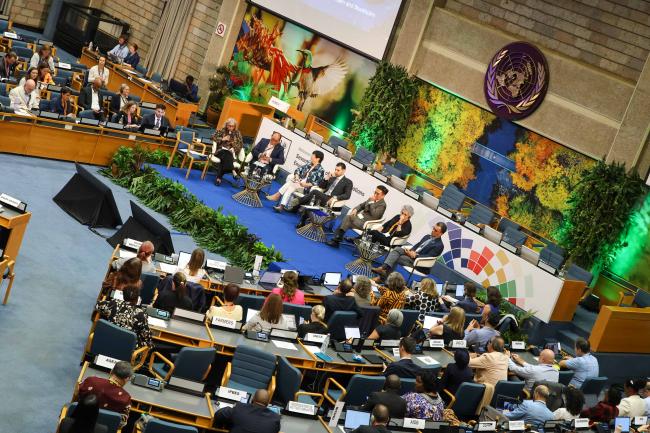
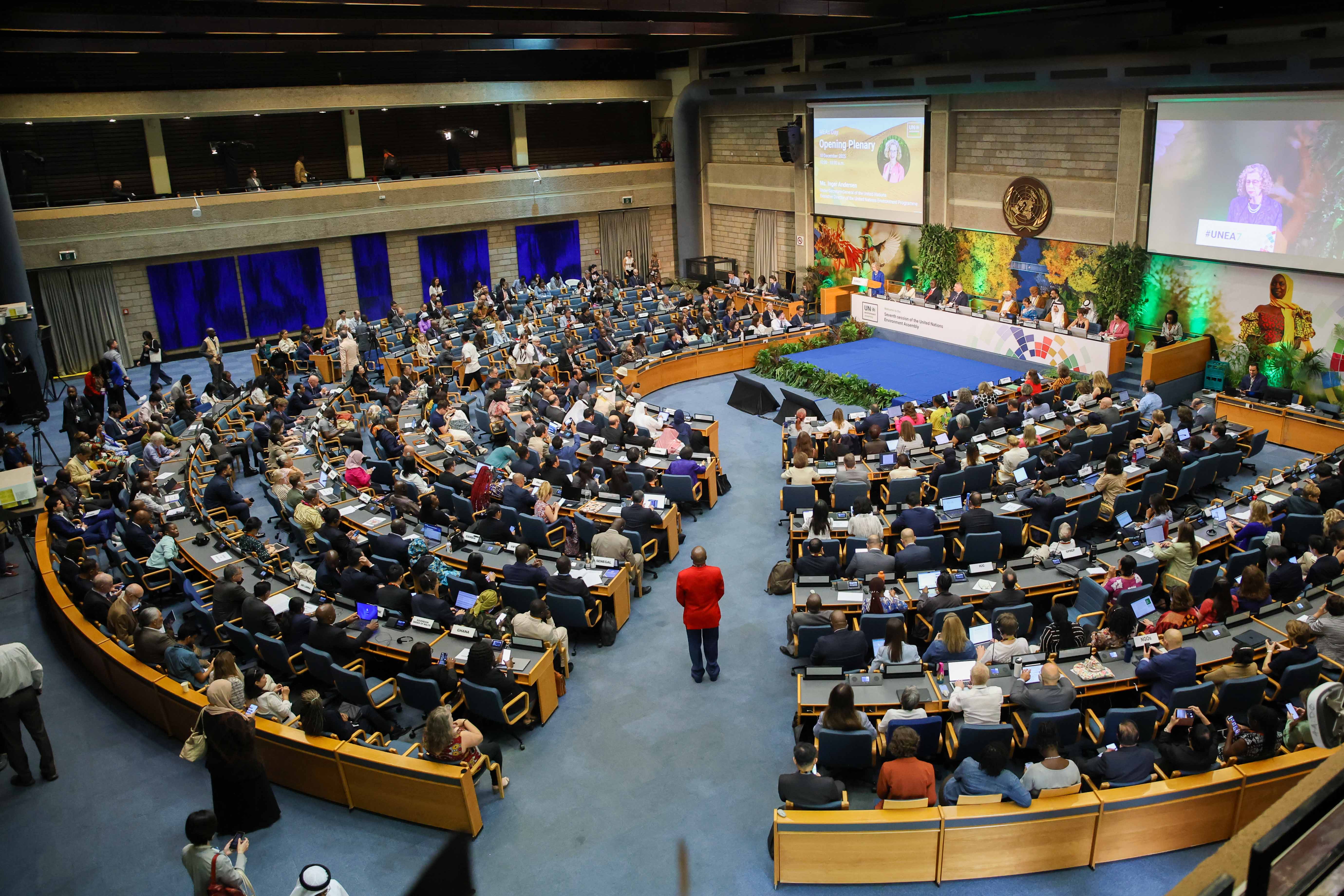
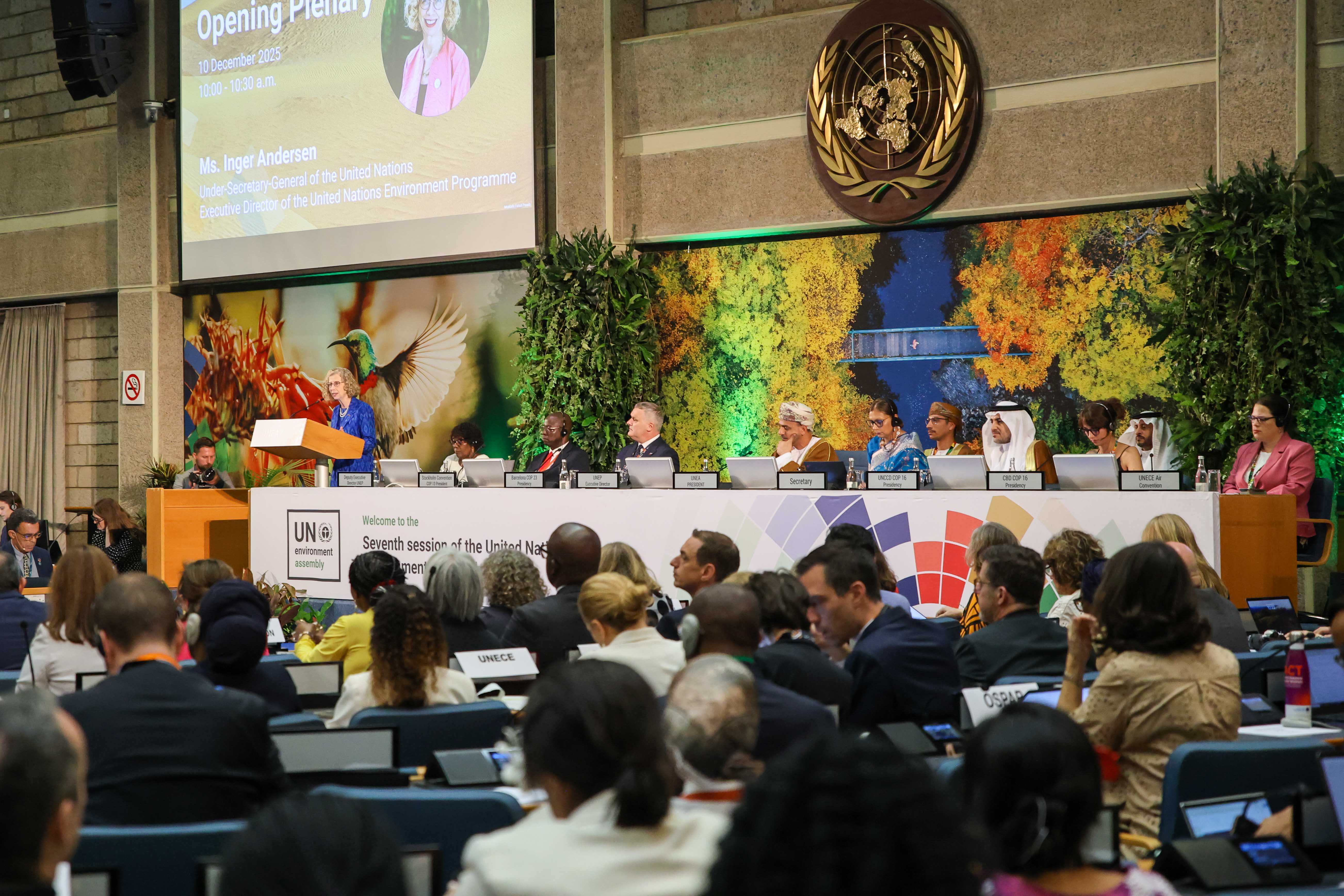
Delegates at the seventh session of the UN Environment Assembly (UNEA-7) gathered to celebrate the work done by Multilateral Environmental Agreements (MEAs) on Wednesday.
UNEA President Abdullah Bin Ali Al-Amri (Oman) opened MEAs Day, highlighting its significance as a defining moment within the decade of action, with less than five years left to achieve the 2030 Agenda for Sustainable Development and the Sustainable Development Goals (SDGs). Inger Andersen, Executive Director of the UN Environment Programme (UNEP), underlined that UNEP is well aware of the high cost of fragmentation as well as the rewarding benefits of synergistic action.
Bojan Kumer, Slovenia, and President of the 23rd Meeting of the Contracting Parties to the Barcelona Convention (COP 23), highlighted the 2016-2025 Mediterranean Strategy for Sustainable Development, aimed at aligning the region’s socio-economic goals with achieving the SDGs. Mansour Hilal Almushaiti Alanazi, Saudi Arabia, drew attention to the Riyadh Global Drought Resilience Partnership launched at the UN Convention to Combat Desertification (UNCCD) COP 16.
Want to dig deeper into today's talks? Read the full Earth Negotiations Bulletin daily report.
Via video message, André Aranha Corrêa do Lago, Vice-Minister for Climate, Energy, and Environment, Brazil, and COP30 President of the UN Framework Convention on Climate Change (UNFCCC), reiterated the Brazilian Presidency’s commitment to act on the calls heard in Belém. Joswa Aoudou, Cameroon, speaking for the Presidents of the COPs to the Basel, Rotterdam and Stockholm (BRS) Conventions, underlined that cooperation among MEAs needs to deepen in order to leverage co-benefits for people and planet.
Daniela Durán González, Colombia, spoke for the Convention on Biological Diversity (CBD) COP16 Presidency, underscoring that climate change, desertification, biodiversity loss, and pollution are deeply interconnected, and will require interconnected solutions. Jeanne-Marie Huddleston, Chair of the Executive Body of the Convention on Long-range Transboundary Air Pollution of the UN Economic Commission for Europe (UNECE), stressed the need to strengthen synergies across MEAs and maximize co-benefits.
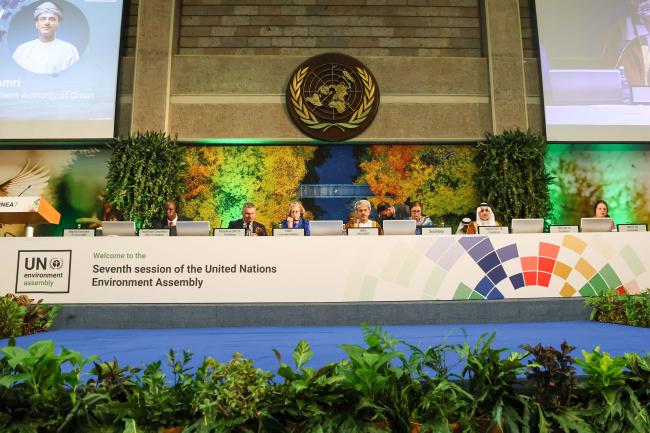
The Assembly then spent the day engaging in two high-level dialogues:
- “Signed, Sealed, Delivered?” – Turbocharging MEAs Implementation through Whole-of-Government and Whole-of-Society Approaches; and
- “Keeping the Promise” – Boosting SDG Implementation through the MEAs.
The Committee of the Whole (CoW) also worked throughout the day in two parallel contact groups to address four clusters of issues related to: nature and climate; governance and law; circular economy, chemicals, waste and pollution; and strategic, budgetary, and governing bodies matters.
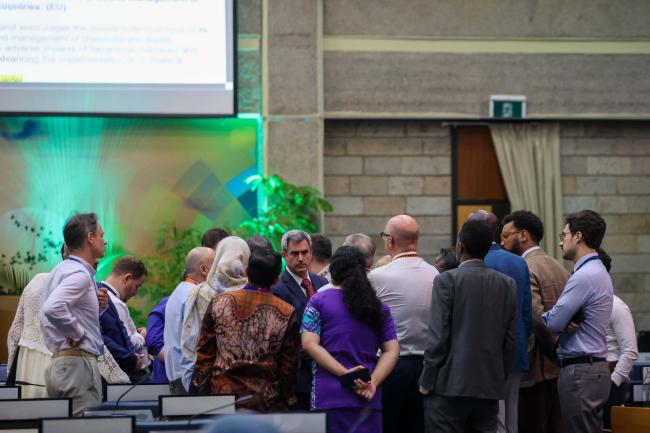
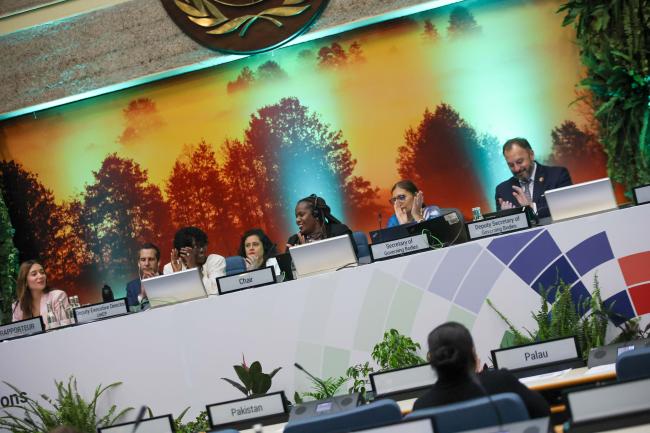
During the CoW’s closing plenary, delegates forwarded seven resolutions to UNEA for adoption, including on Sargussum seaweed blooms, coral reefs, fires, youth participation, and sports. A resolution on strengthening UNEP headquarters in Nairobi was withdrawn, but the proponent, Mexico, resubmitted a new text to be considered during UNEA’s closing plenary. This was opposed by many, noting the lack of time to fully consider the new draft.
Many regretted the withdrawal of the draft resolutions on the protection of deep-sea ecosystems, and on crimes affecting the environment. Delegates still need to reach consensus on the draft decisions on the Medium-Term Strategy and the Programme of Work, and on the date and venue of UNEA-8. They also called for more time to agree on the draft resolutions on artificial intelligence, chemicals and waste, antimicrobial resistance, and glaciers and the cryosphere.
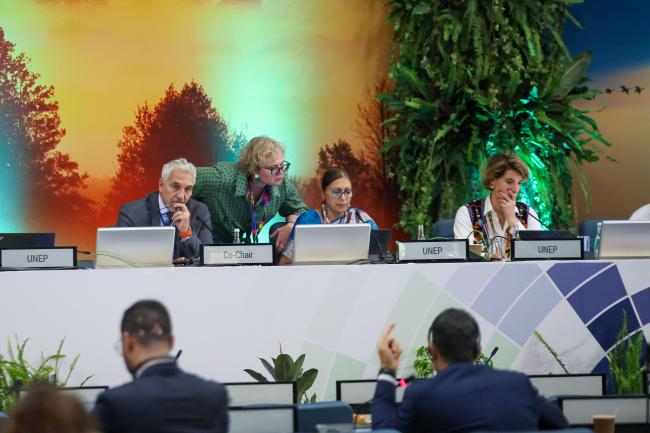
CoW Chair Joyelle Clarke (Saint Kitts and Nevis) proposed the way forward, calling on delegations to continue discussions on outstanding drafts in informal settings throughout the day on Thursday. She closed the CoW at 12:19 am.
Delegates also attended the launch of the UN Task Force on Critical Energy Transition Minerals and a high-level breakfast on advancing the Global Environmental Data Strategy.
Around the venue, various other events were convened, including on:
- Enabling sustainable markets through ecolabels;
- Advancing the human right to a clean, healthy and sustainable environment through a just transition for generations of tomorrow;
- Advancing circularity on digital product information systems for a resilient planet;
- Science for environmental diplomacy for school children in rural schools to advance sustainable solutions for a resilient planet; and
- Ethical pathways to a just and resilient planet.
To receive free coverage of global environmental events delivered to your inbox, subscribe to the ENB Update newsletter.
All ENB photos are free to use with attribution. For OECPR-7 and UNEA-7 please use: Photo by IISD/ENB | Anastasia Rodopoulou
Opening of the MEAs Day
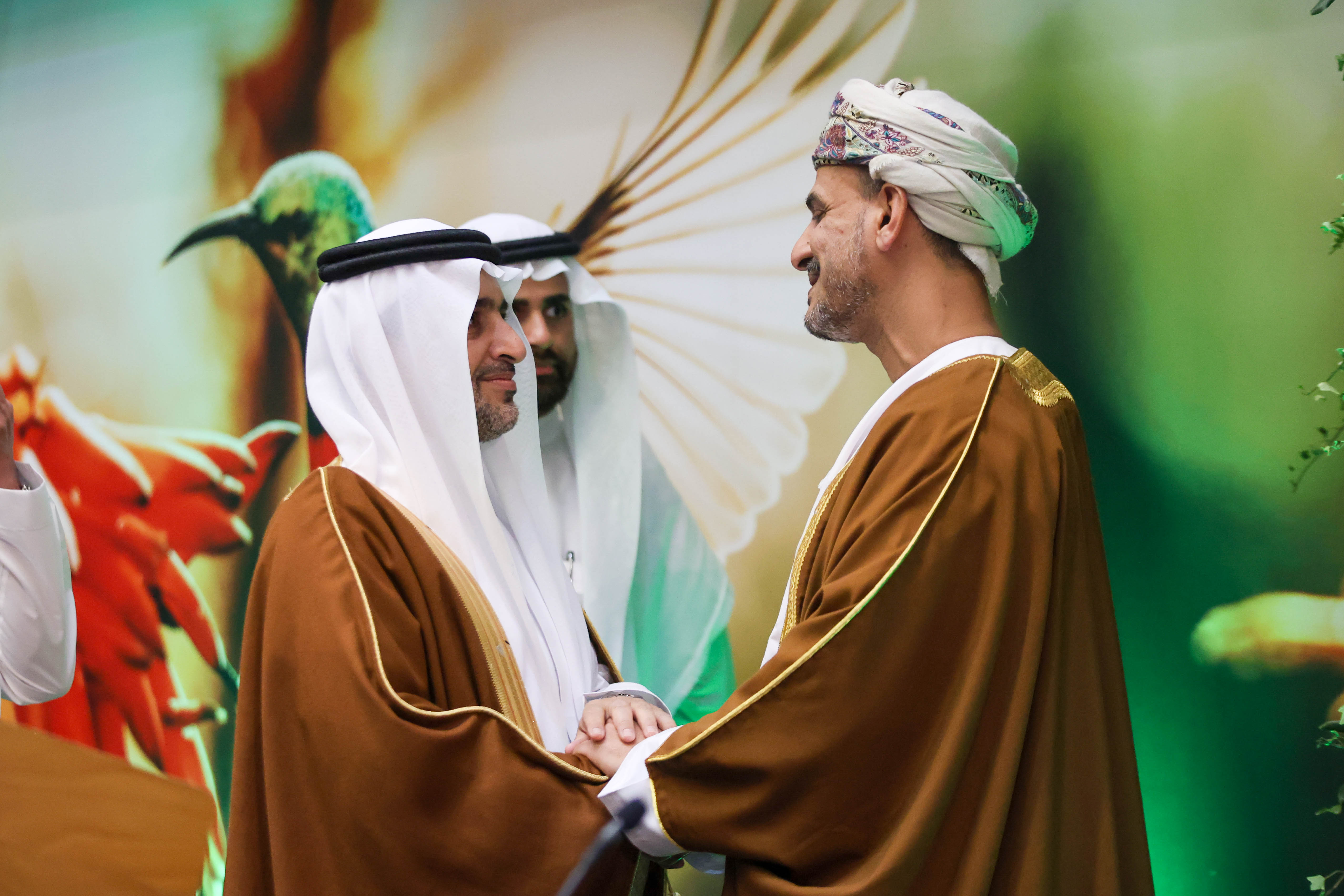
Mansour Hilal Al Mushaiti, Vice Minister of Environment, Water, and Agriculture, Saudi Arabia, was welcomed by UNEA-7 President Abdullah Bin Ali Al-Amri, Oman.
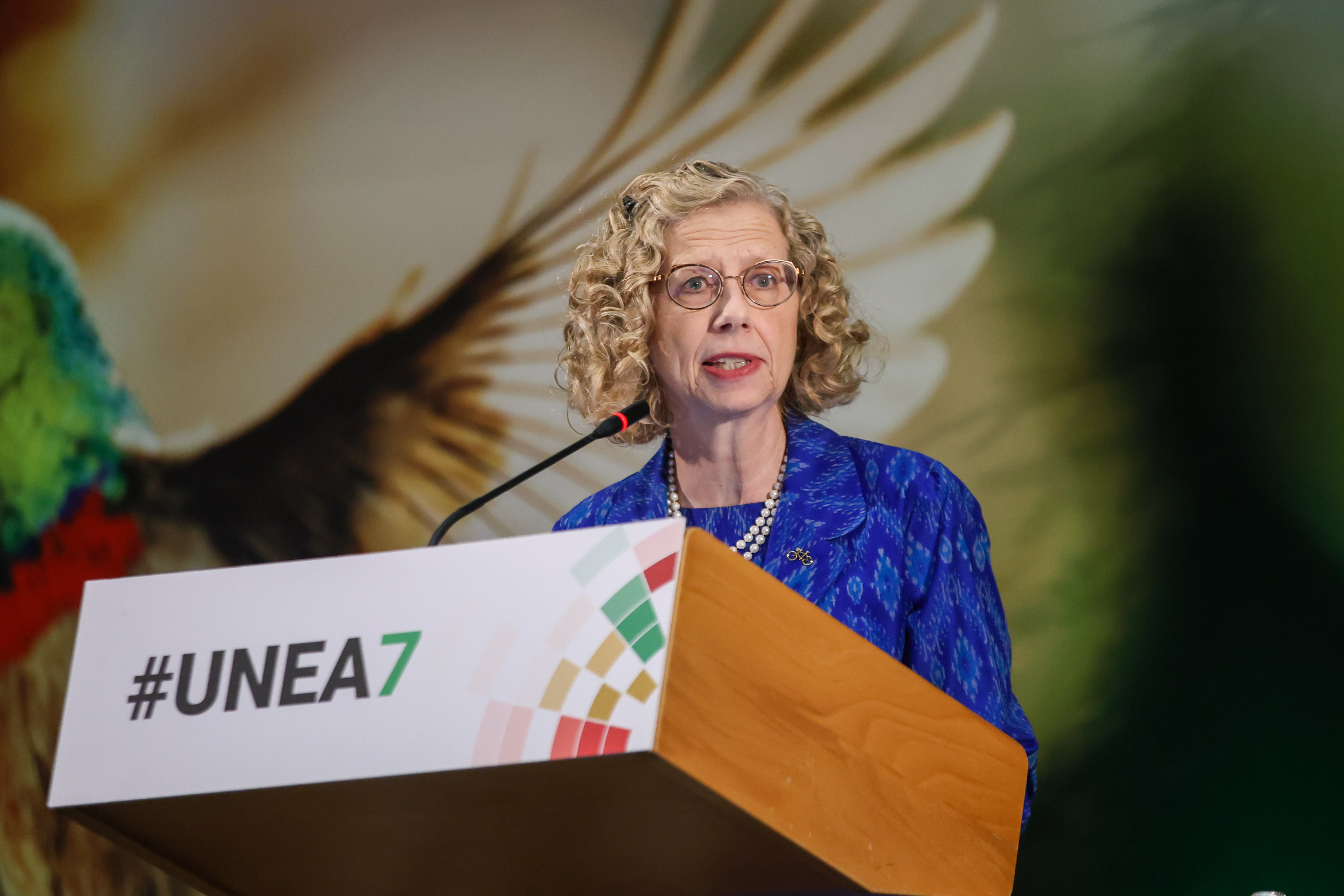
Inger Andersen, Executive Director, UNEP
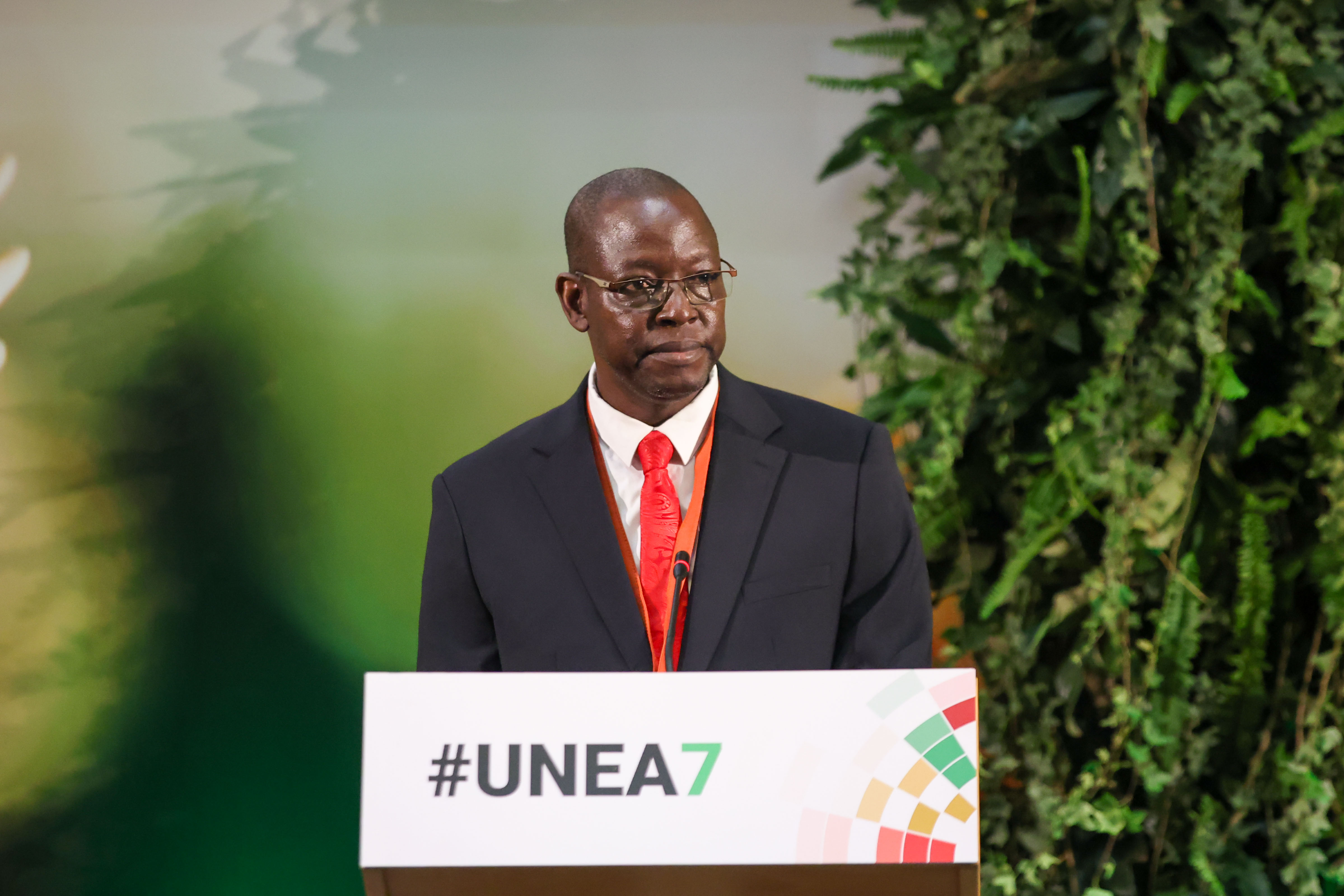
Aoudou Joswa, Stockholm Convention COP 13 President, Cameroon
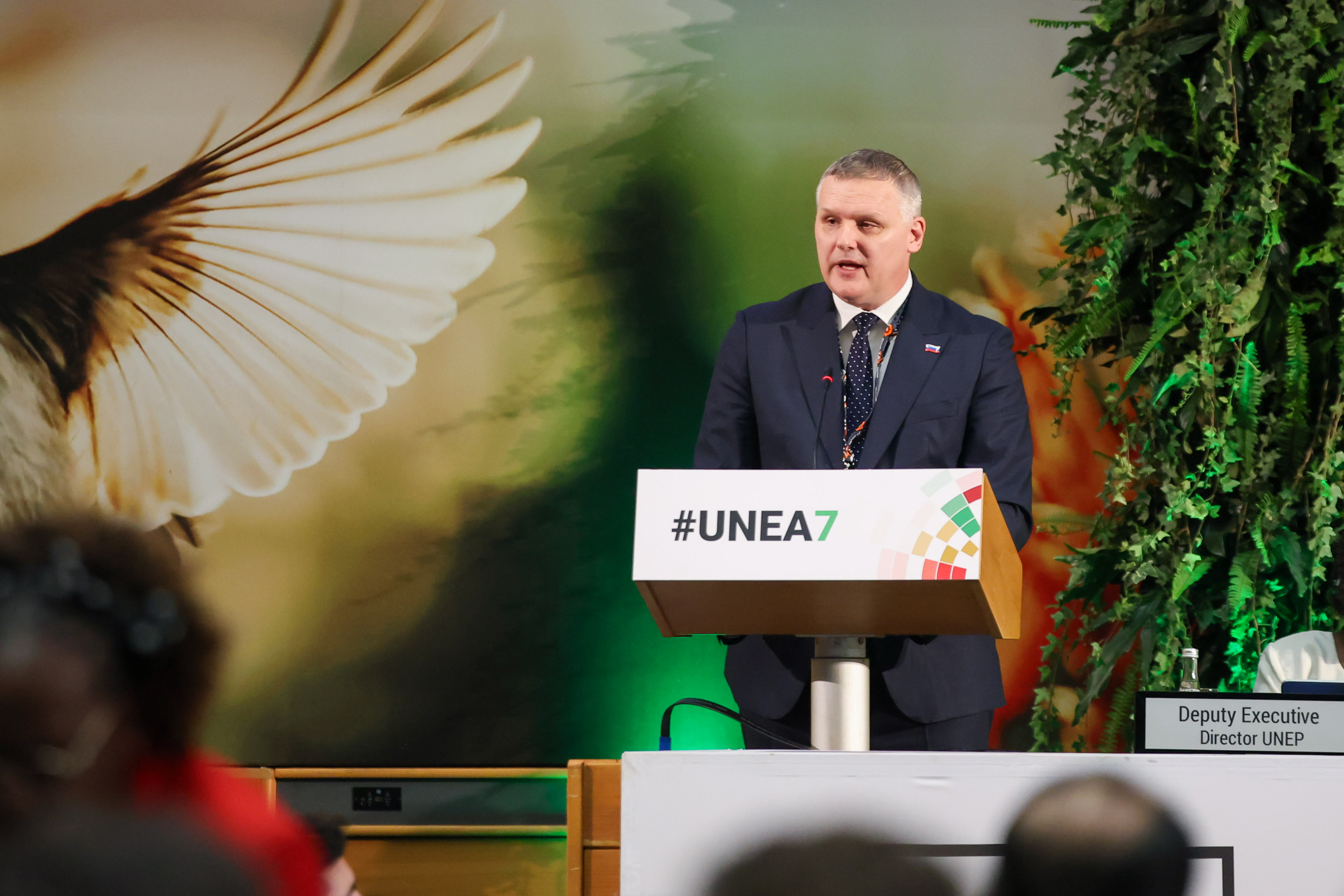
Bojan Kumer, Minister of the Environment, Climate and Energy, Slovenia, and Barcelona Convention COP 23 President
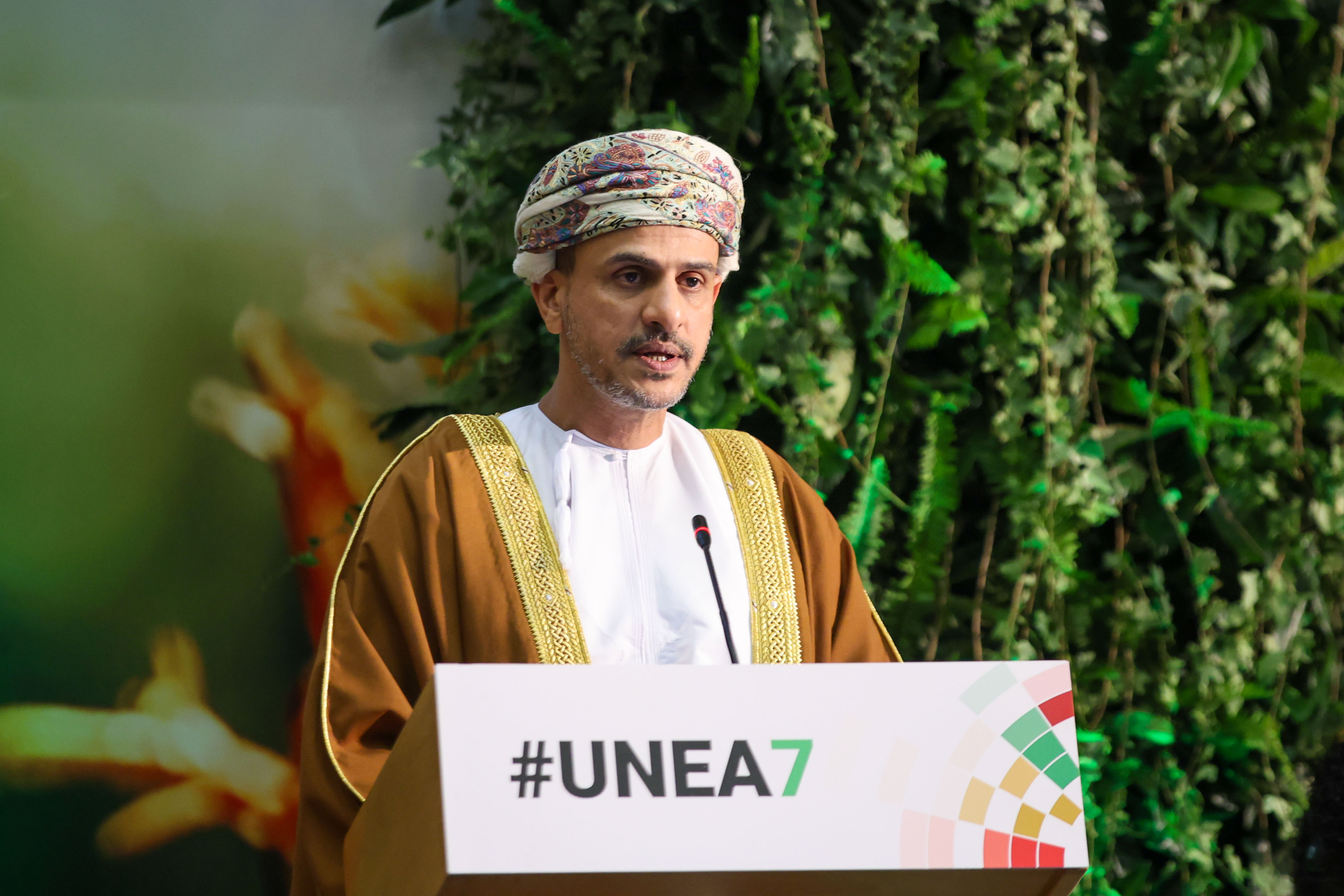
UNEA-7 President Abdullah Bin Ali Al-Amri, Oman
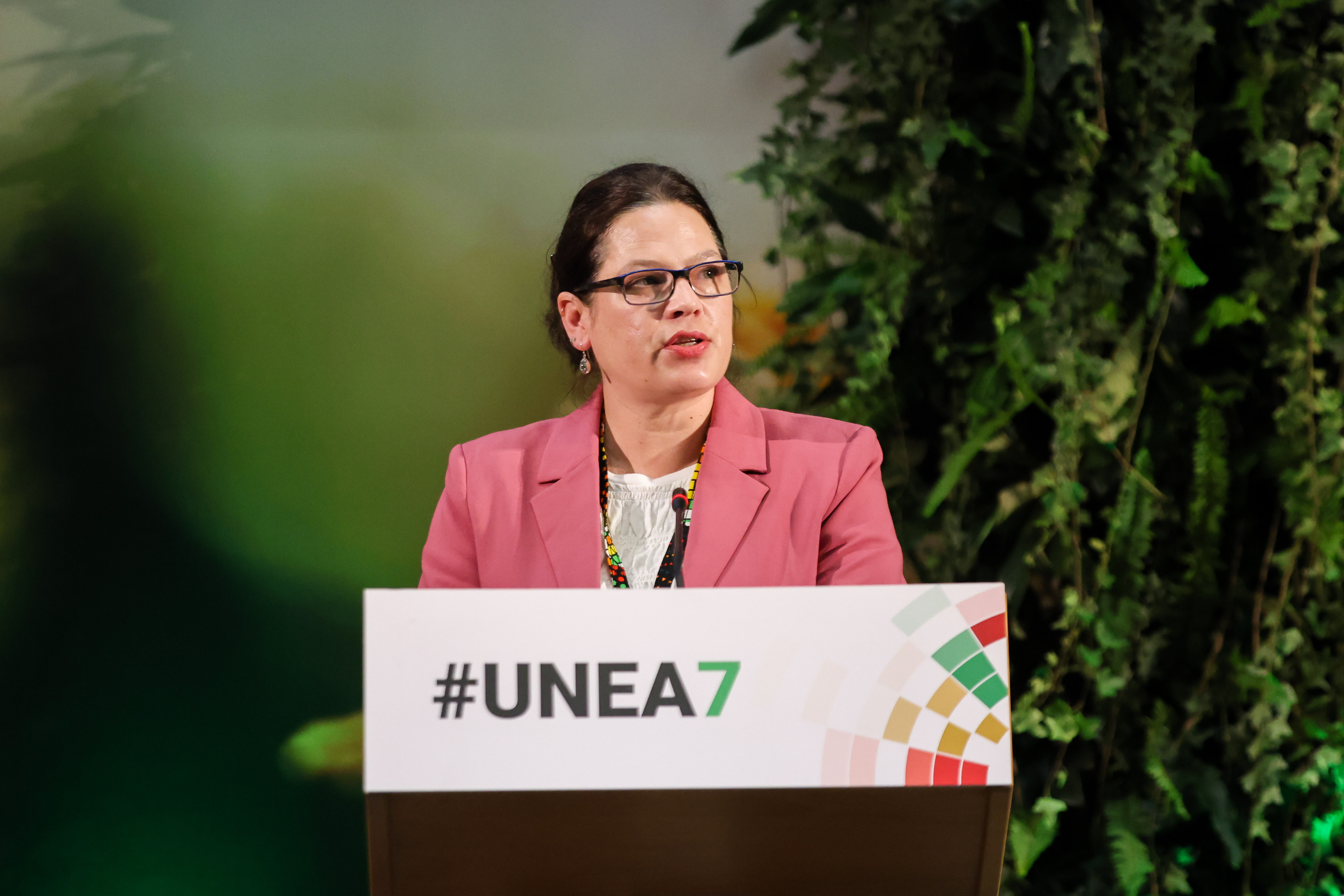
Jeanne-Marie Huddleston, Chair, Executive Body of the UNECE Convention on Long-range Transboundary Air Pollution
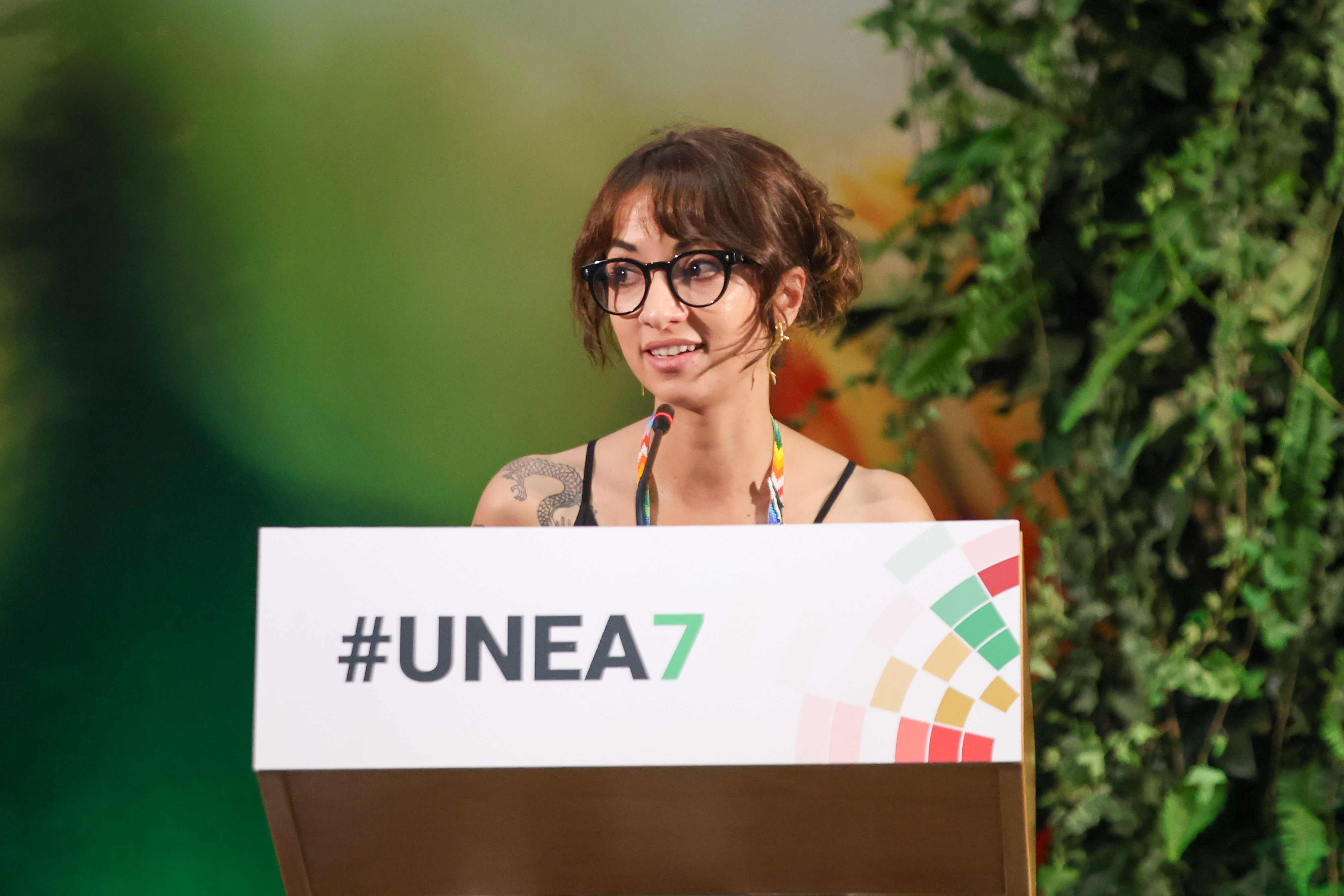
Daniela Durán González, Ministry of Environment and Sustainable Development, Colombia, and CBD COP16 Presidency
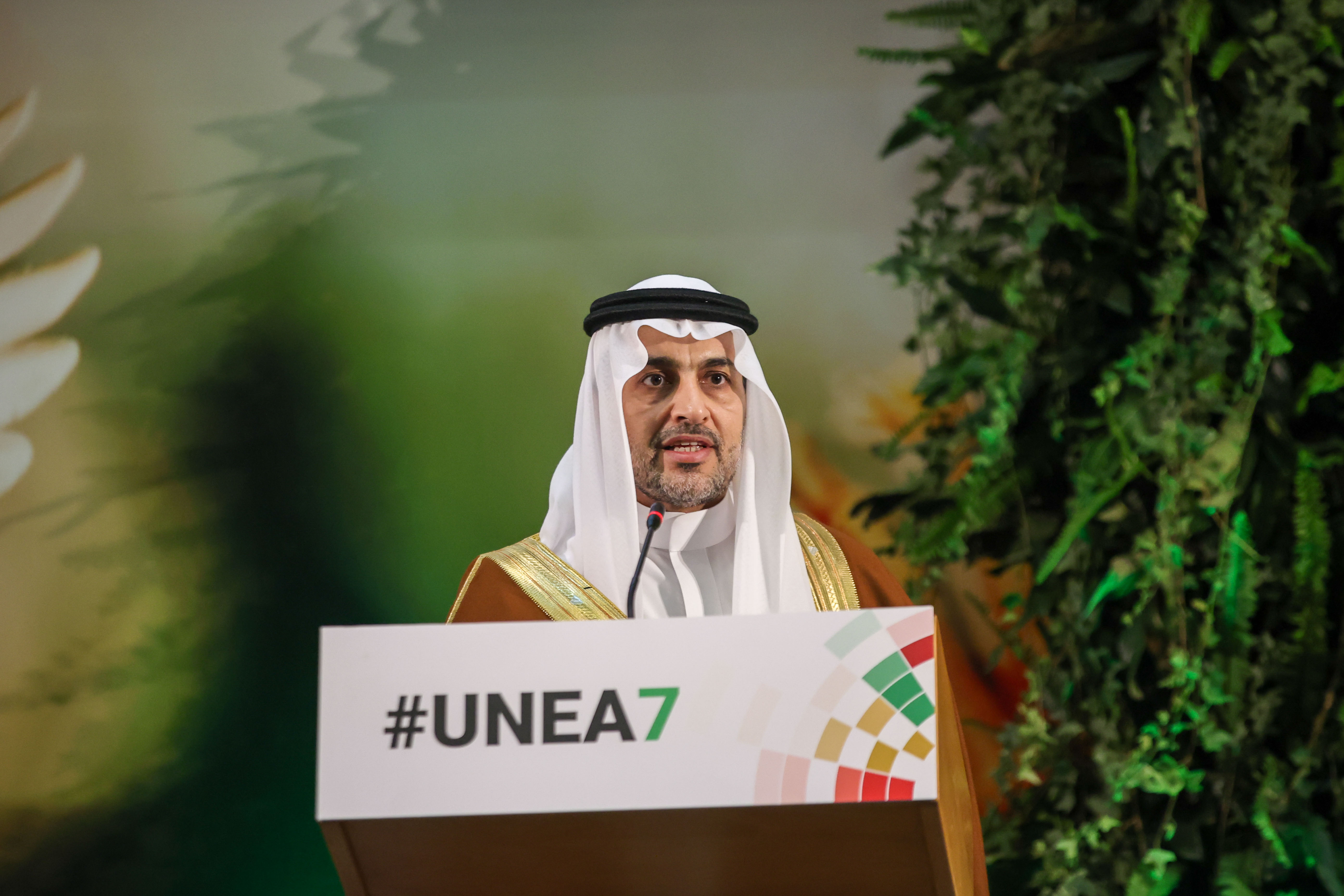
Mansour Hilal Al Mushaiti, Vice Minister of Environment, Water, and Agriculture, Saudi Arabia
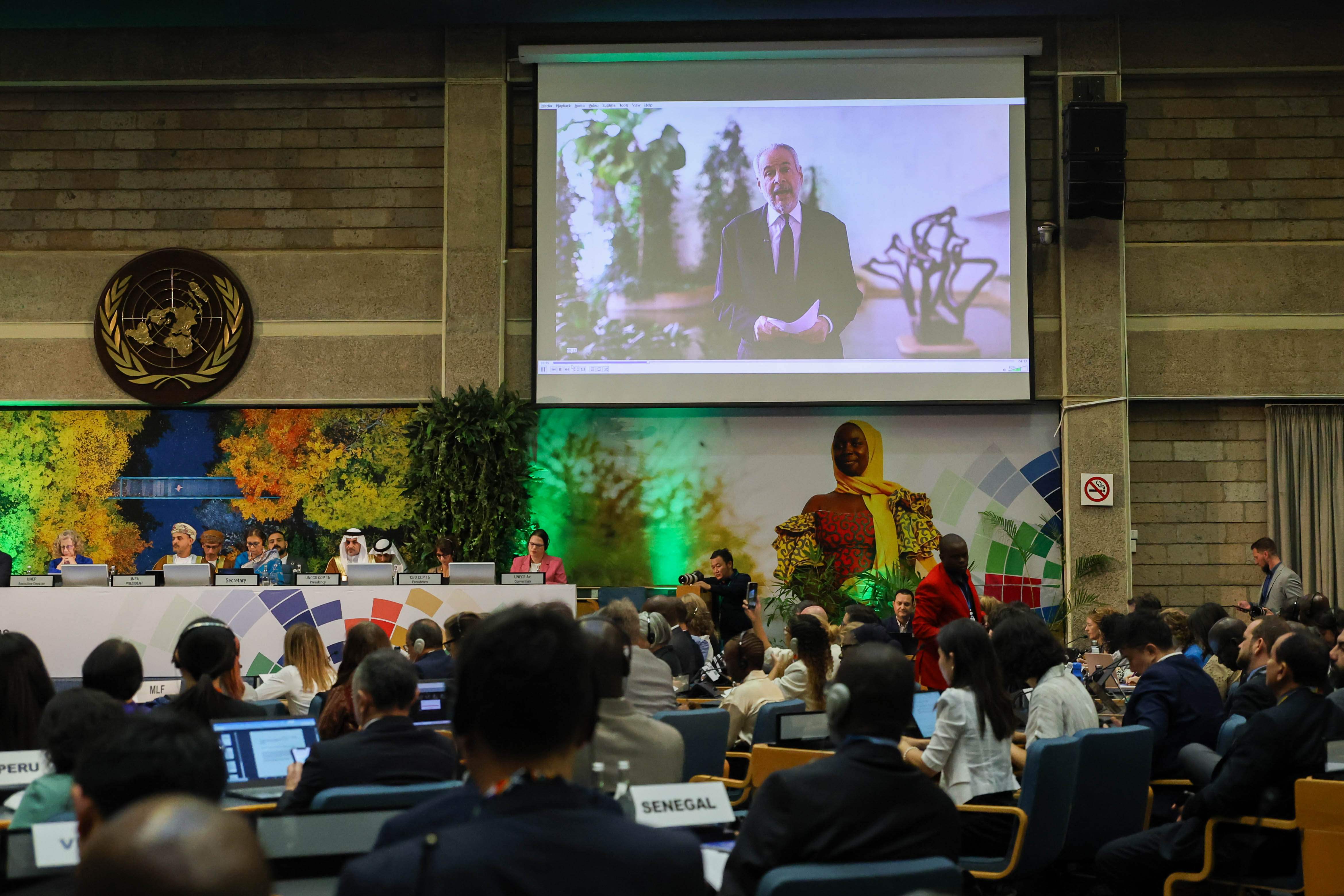
André Corrêa do Lago, Vice-Minister for Climate, Energy, and Environment, Brazil, and UNFCCC COP30 President, addressed the session via a video message.
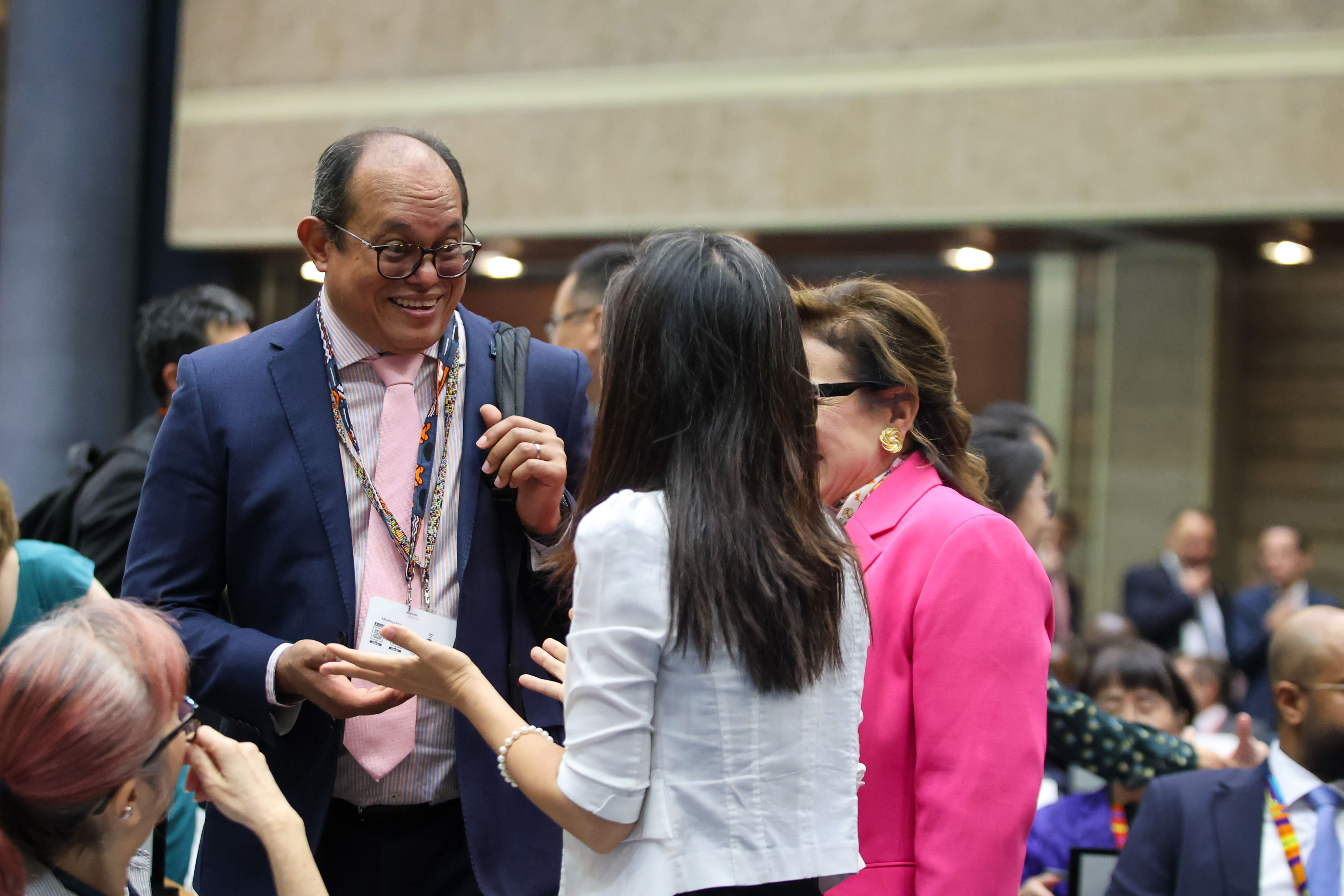
Rolph Payet, Executive Secretary, BRS Conventions
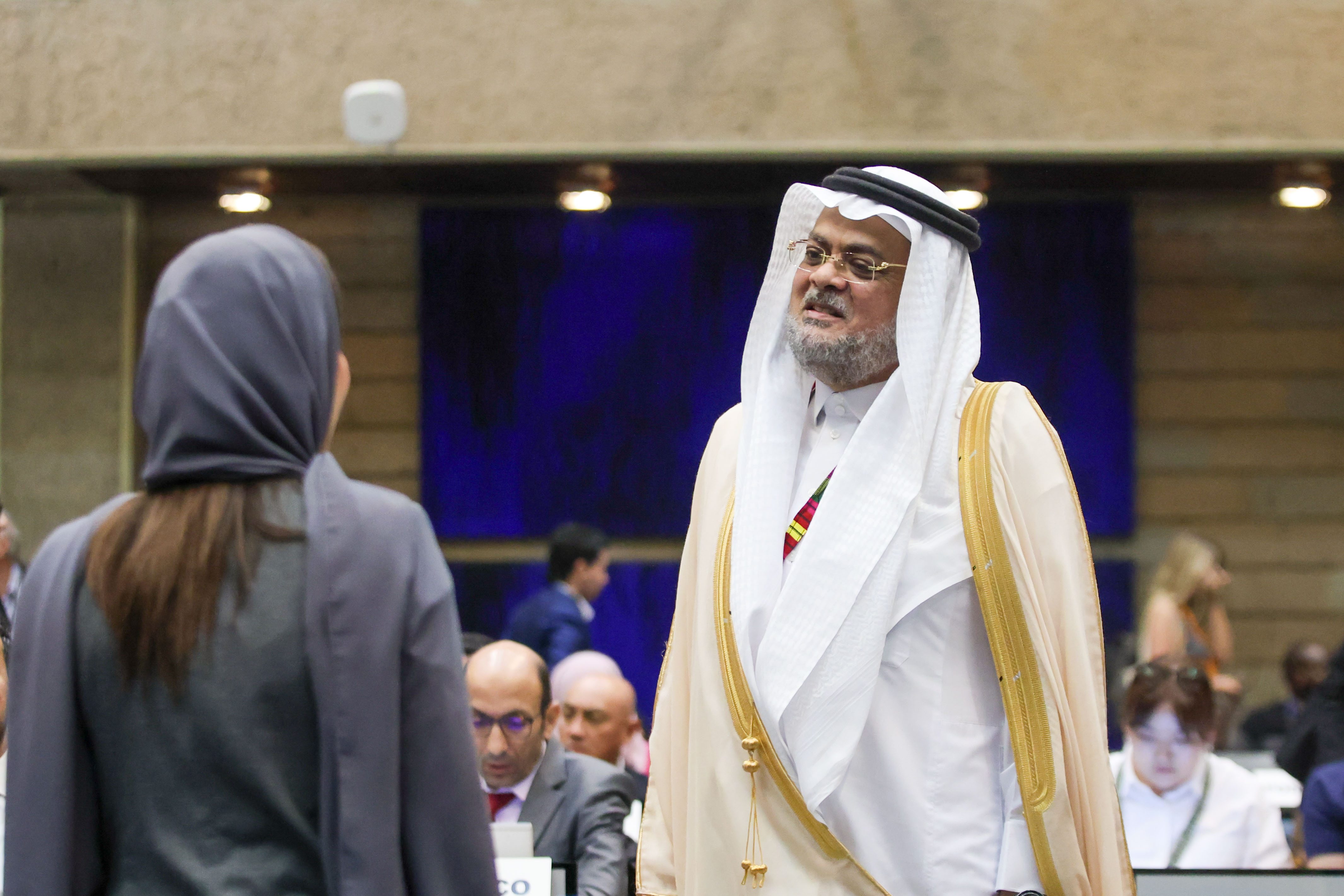
Osama Ibrahim Faqeeha, Deputy Minister for Environment at the Ministry of Environment, Water and Agriculture, Saudi Arabia
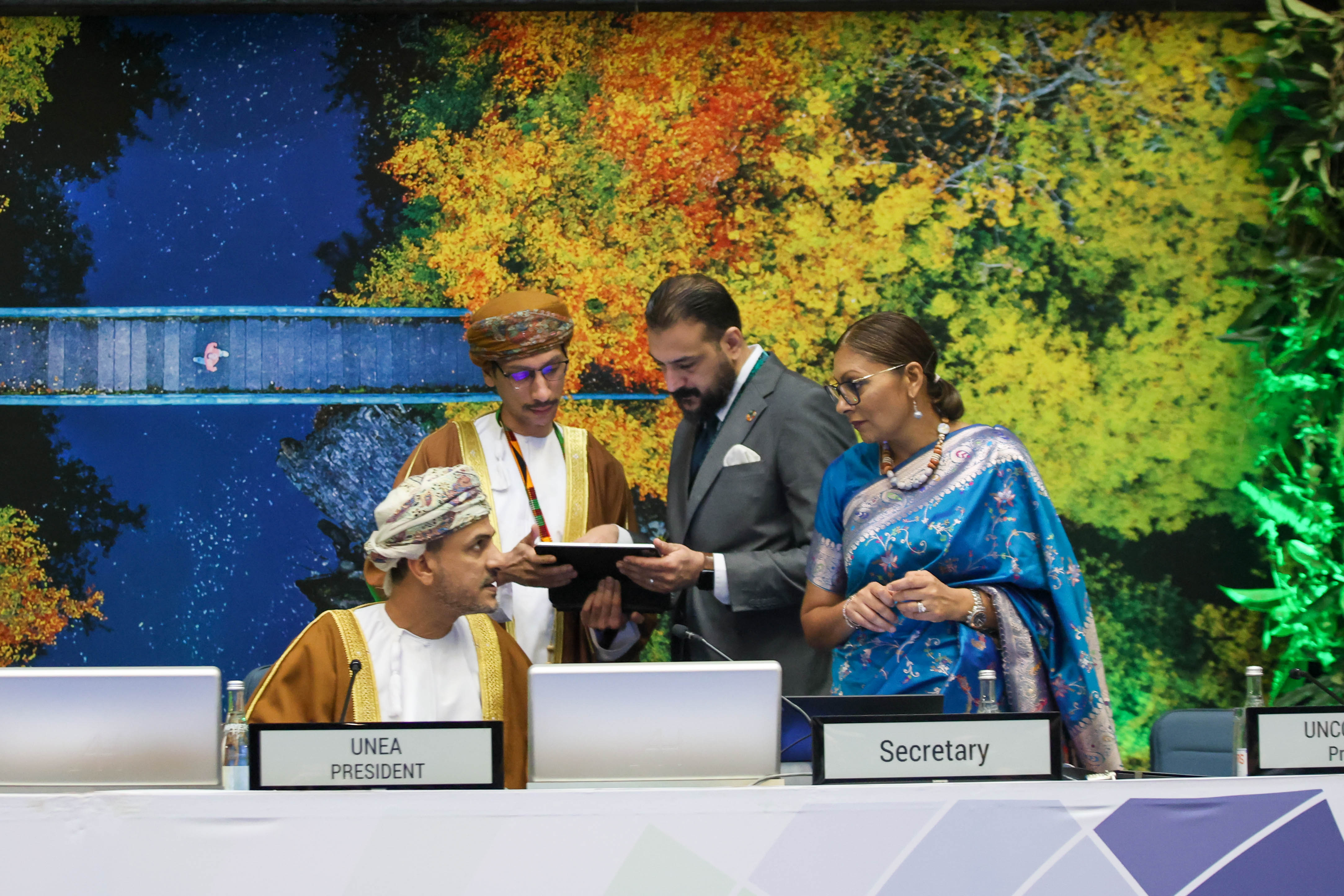
UNEA-7 President Abdullah Bin Ali Al-Amri discusses with Radhika Ochalik, Secretary, Governing Bodies and Stakeholders, UNEP, before the MEAs opening session.
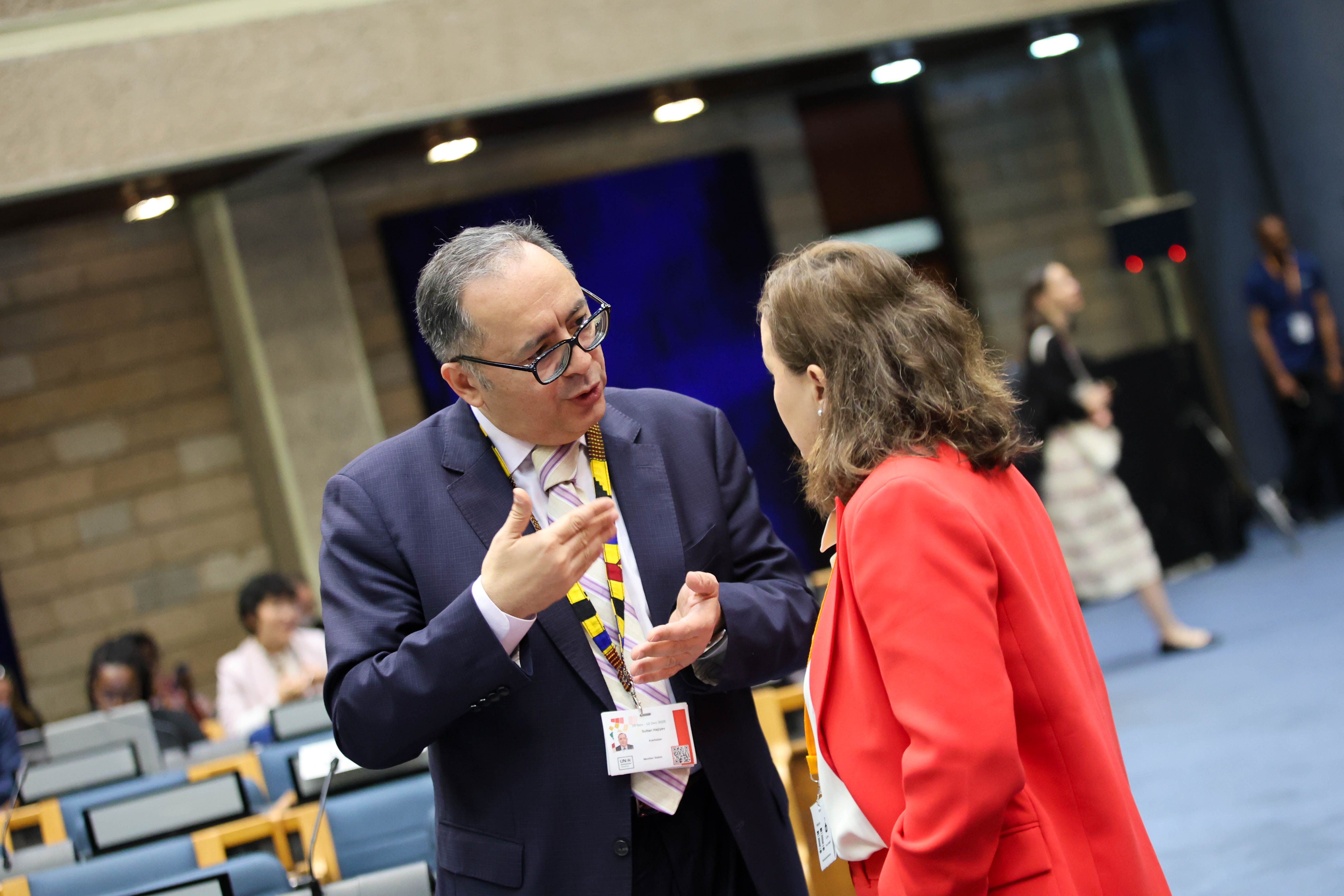
OECPR-7 Chair Sultan Hajiyev, Azerbaijan
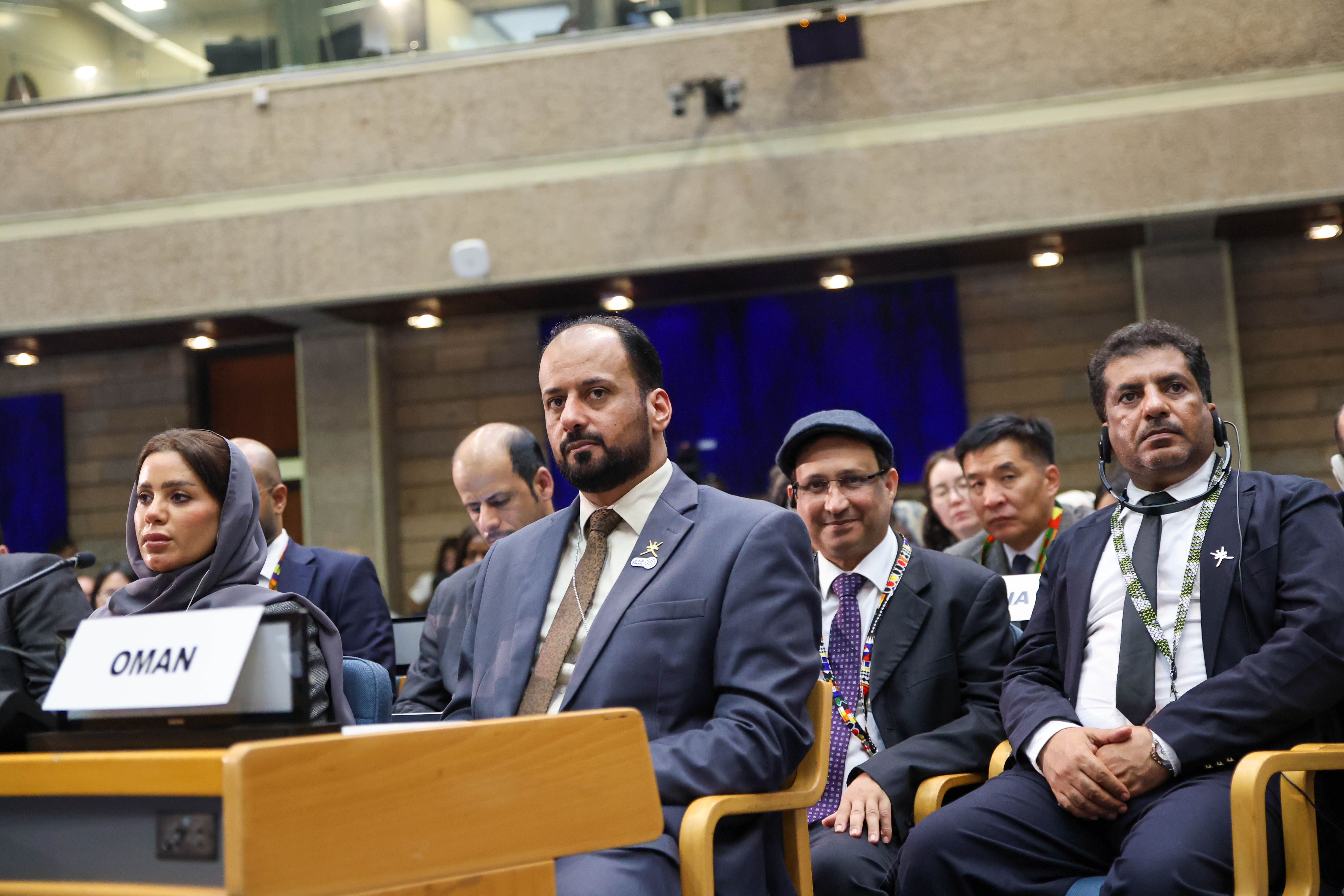
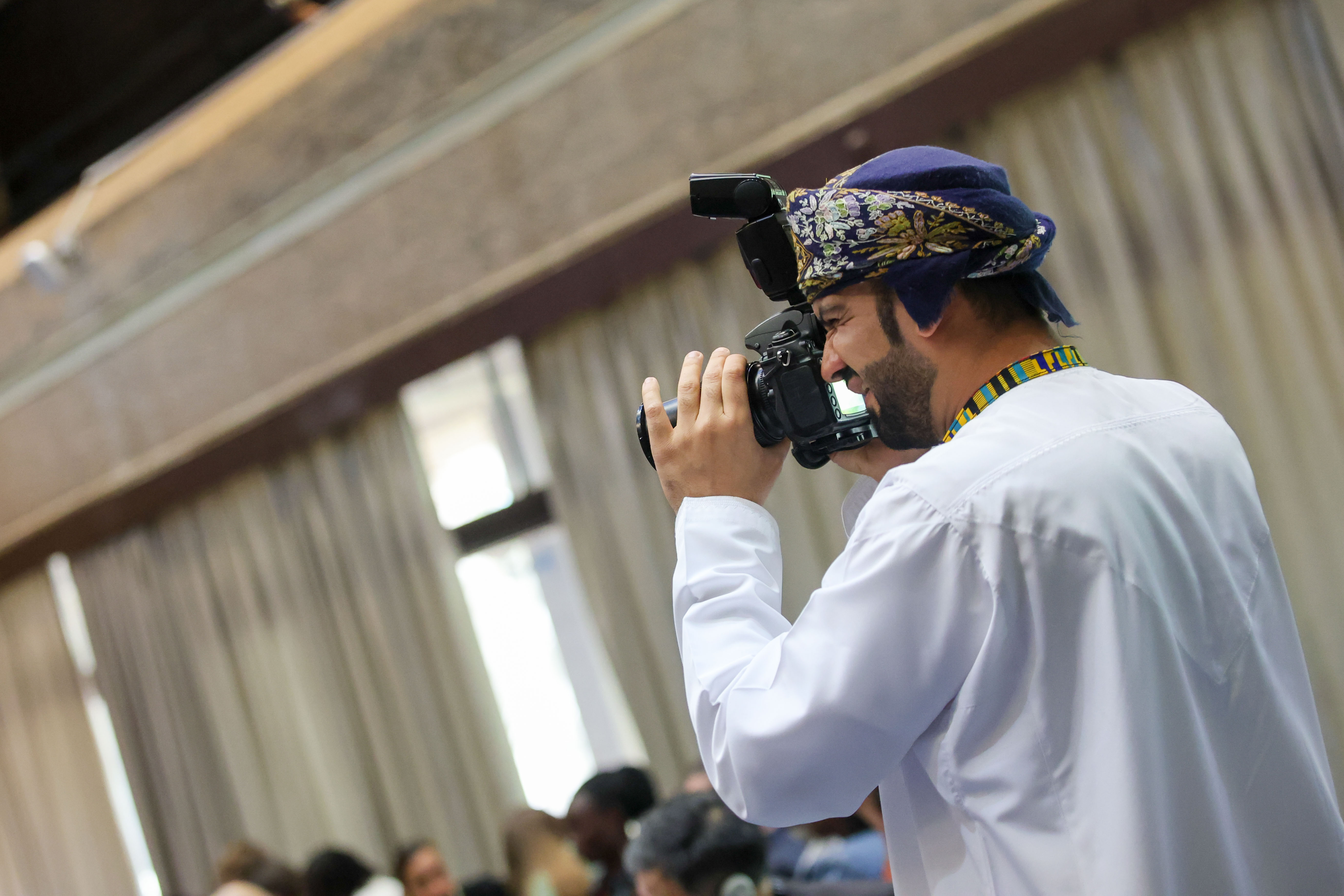
Delegates from Oman
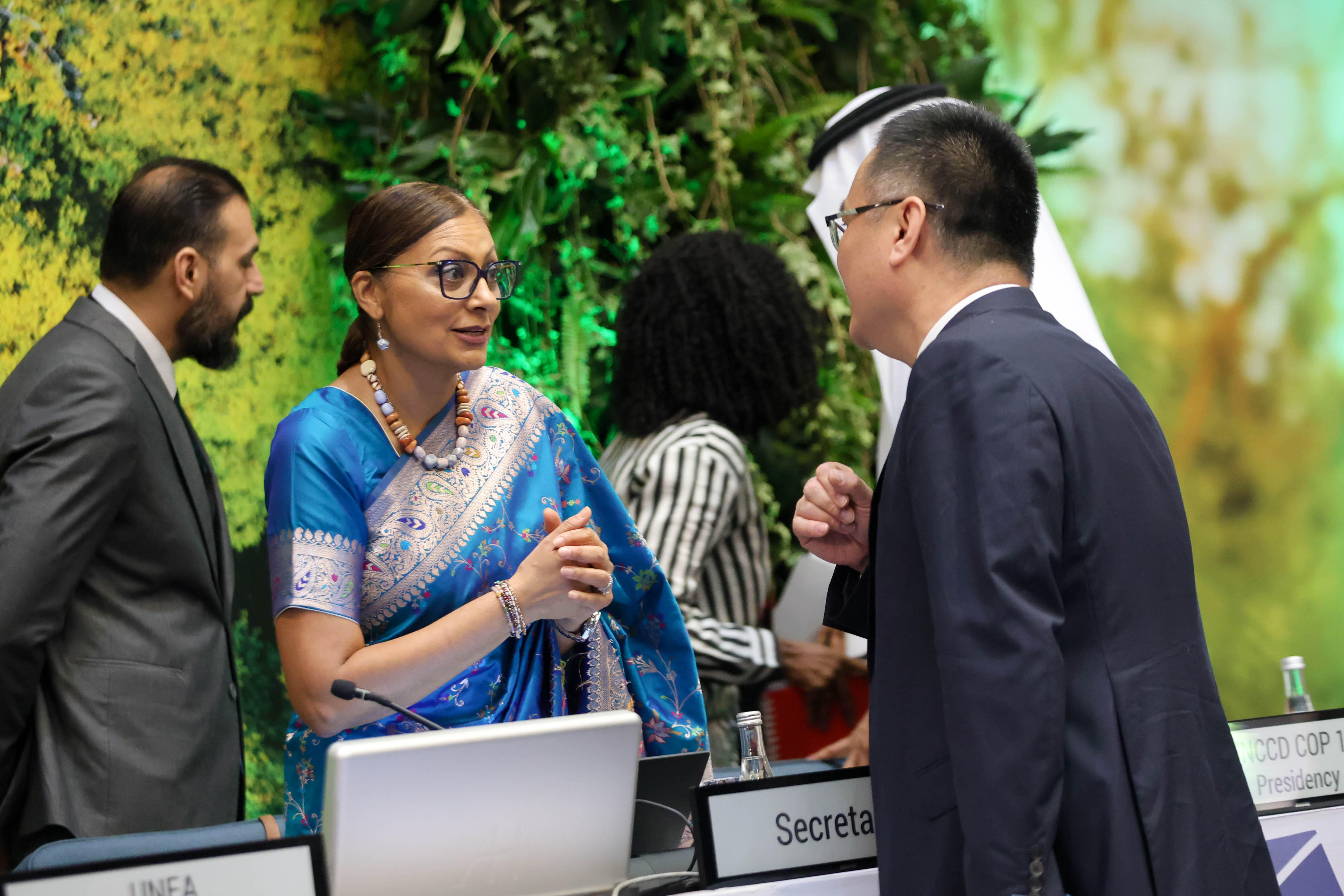
Radhika Ochalik, Secretary, Governing Bodies and Stakeholders, UNEP, discusses with a delegate from China.
High-level Dialogue: Turbocharging MEAs Implementation through Whole-of-Government and Whole-of-Society Approaches
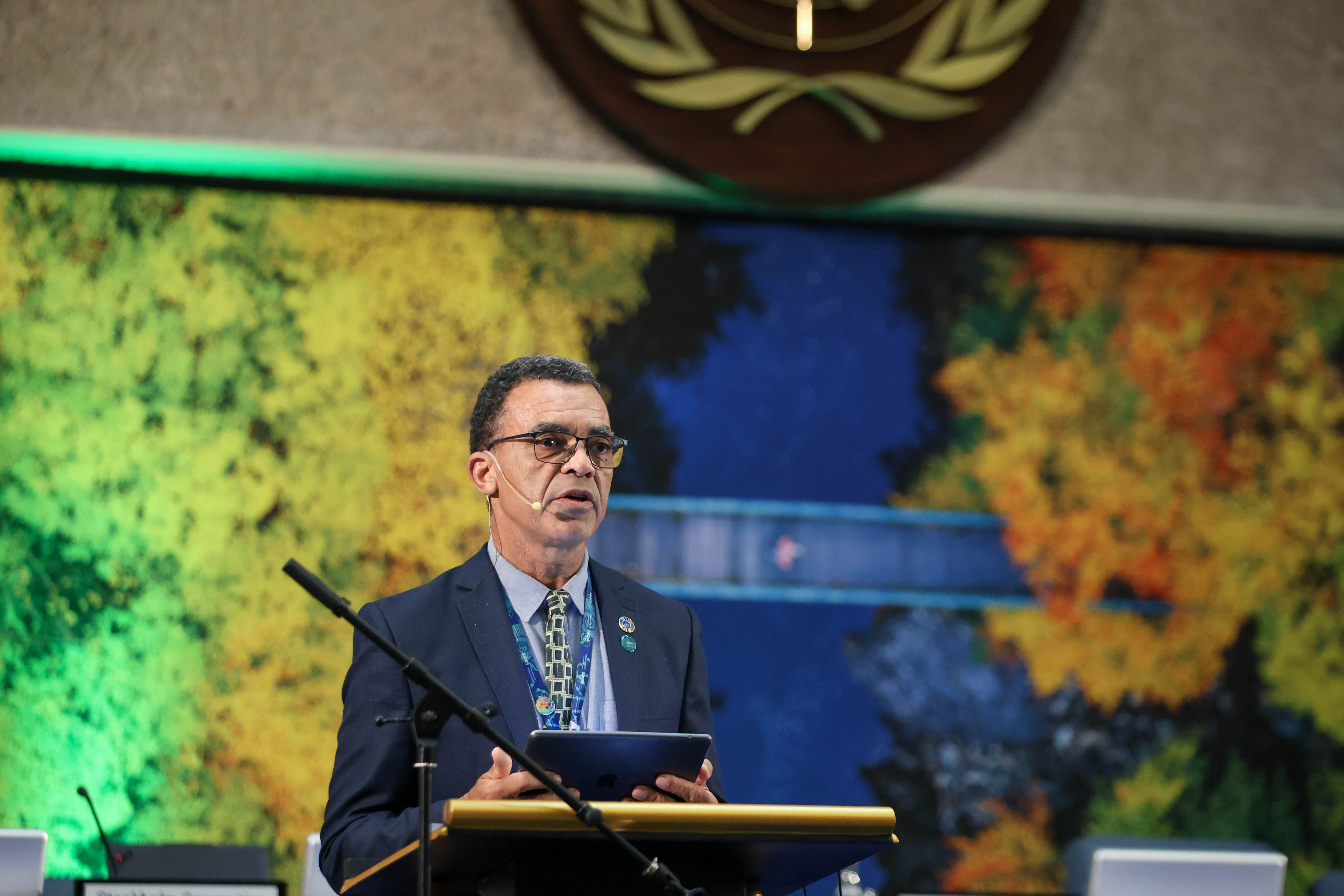
Intergovernmental Science-Policy Platform on Biodiversity and Ecosystem Services (IPBES) Chair David Obura
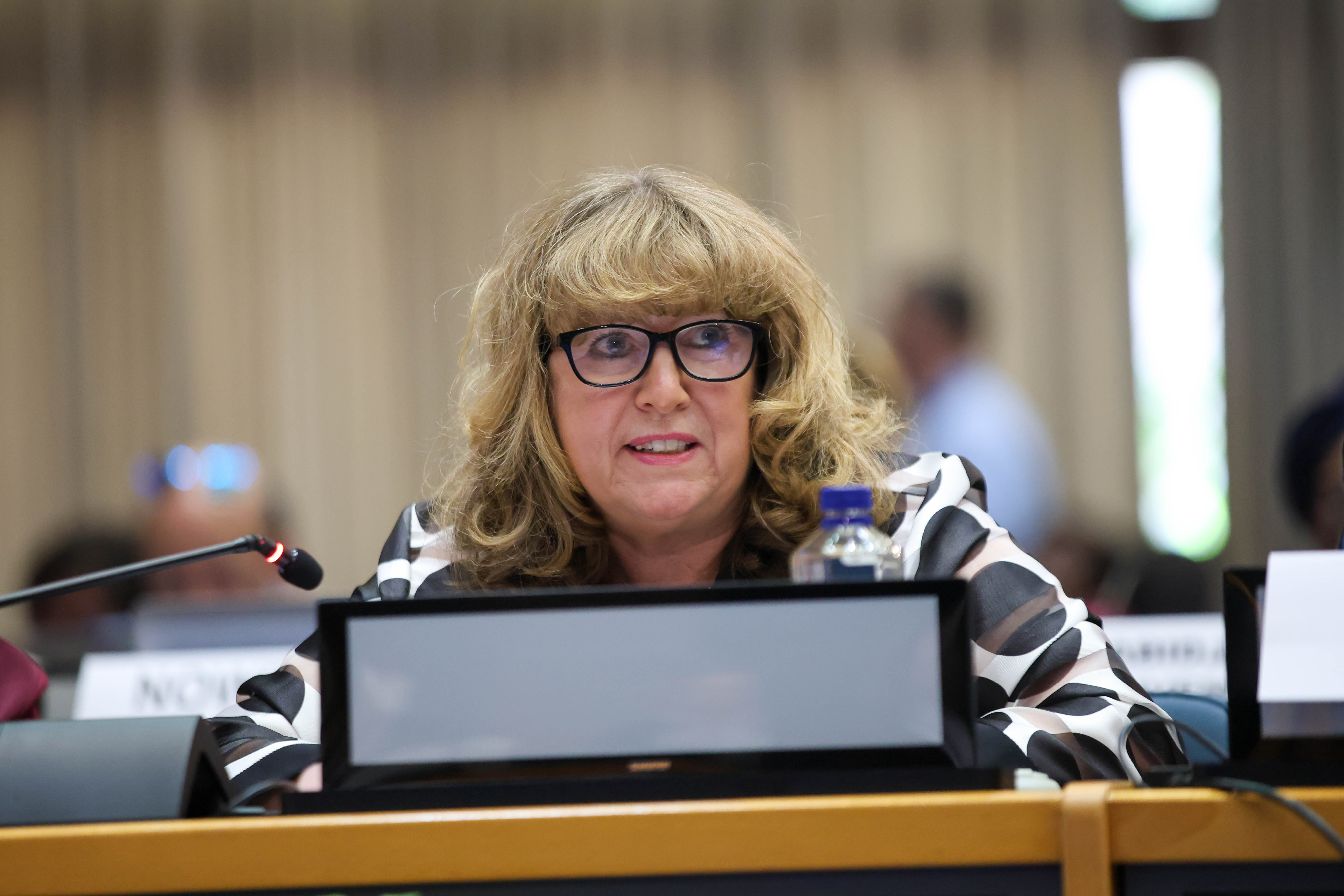
Astrid Schomaker, Executive Secretary, CBD
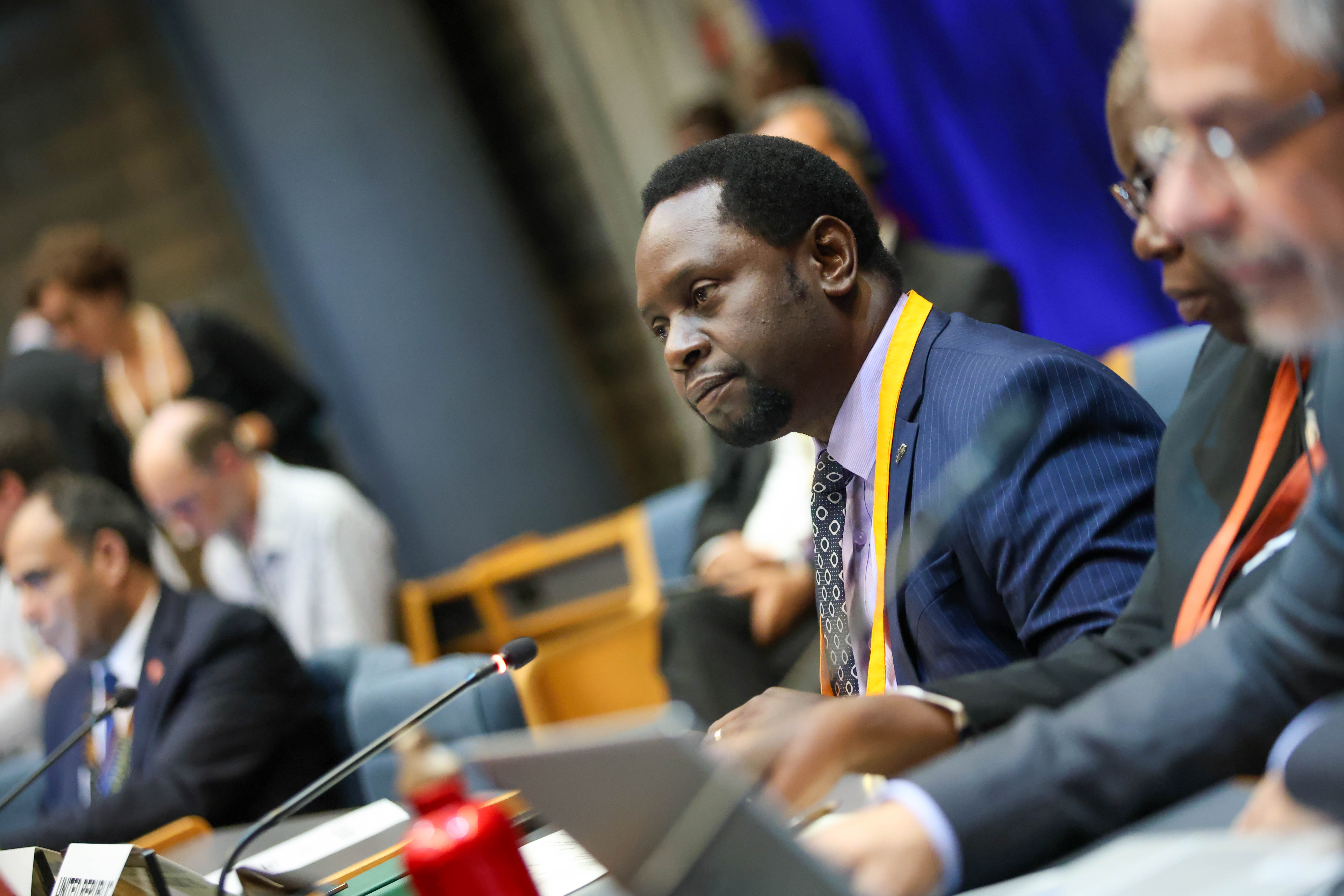
Festo Dugange, Deputy Minister for Vice President's Office (Union and Environment), Tanzania
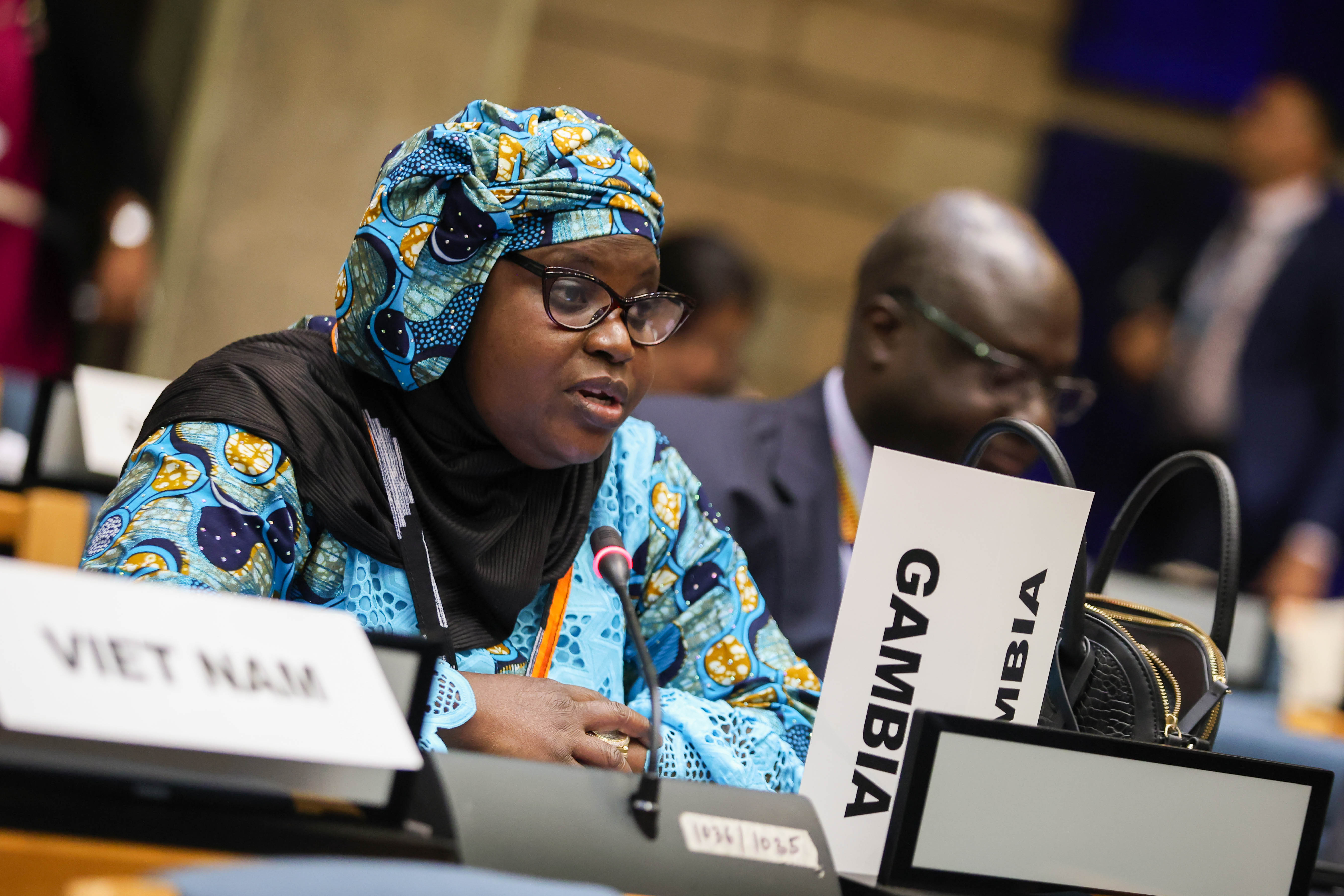
Rohey John, Minister of Environment, Climate Change, and Natural Resources, The Gambia
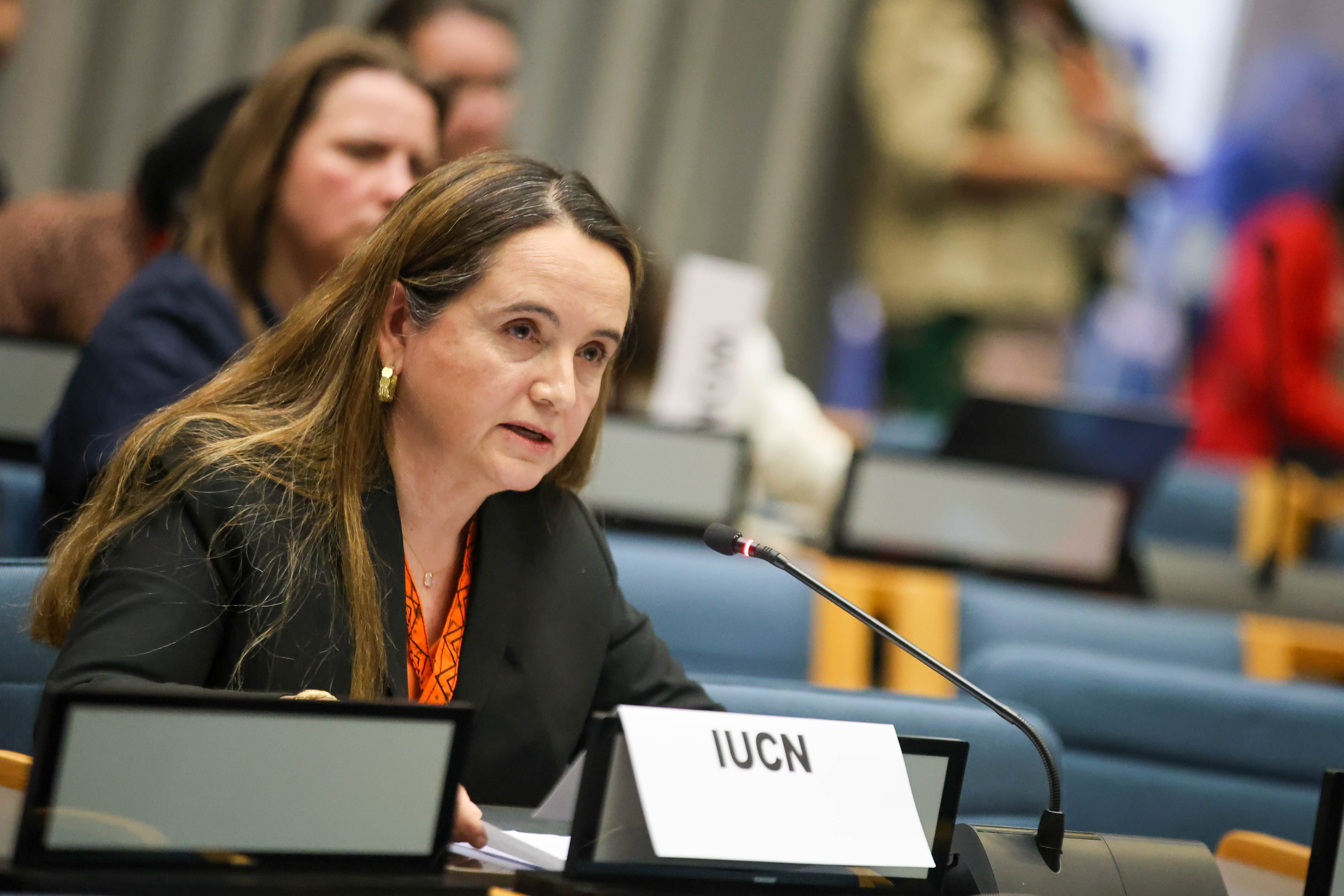
Grethel Aguilar, Director General, International Union for Conservation of Nature (IUCN)
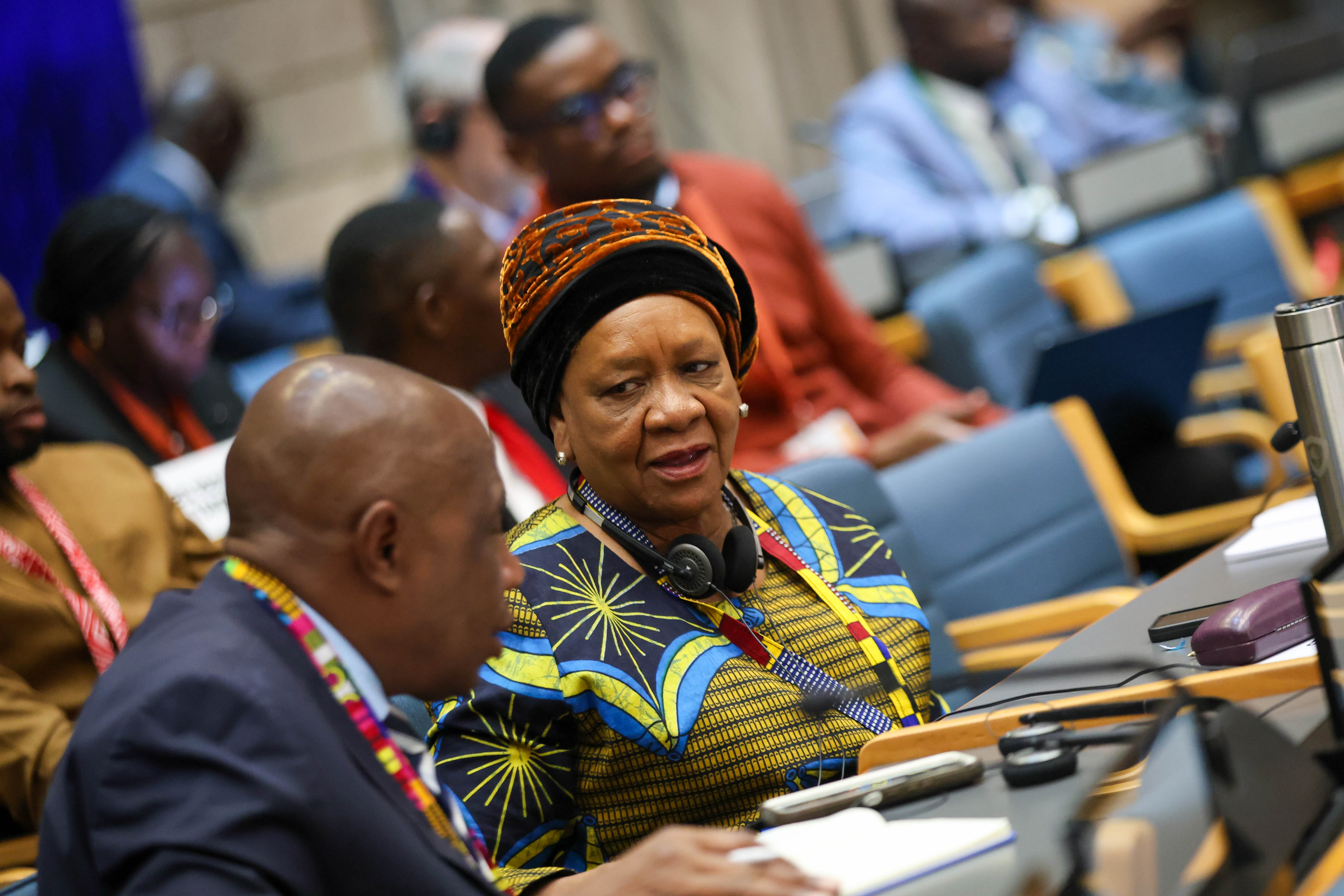
Evelyn Ndlovu, Minister of Environment, Climate and Wildlife, Zimbabwe
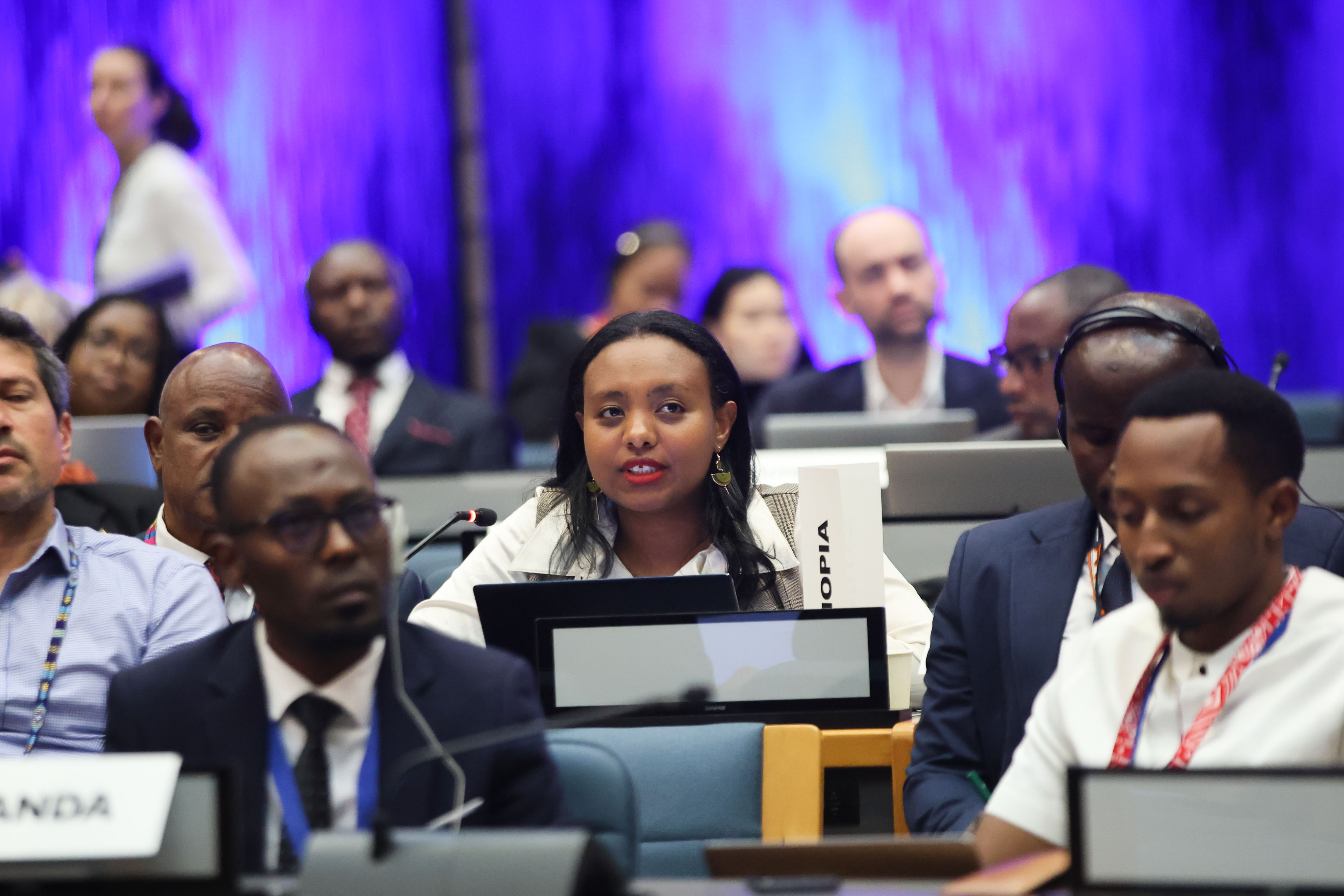
Lelise Neme, Director-General, Ethiopian Environmental Protection Authority (EEPA)
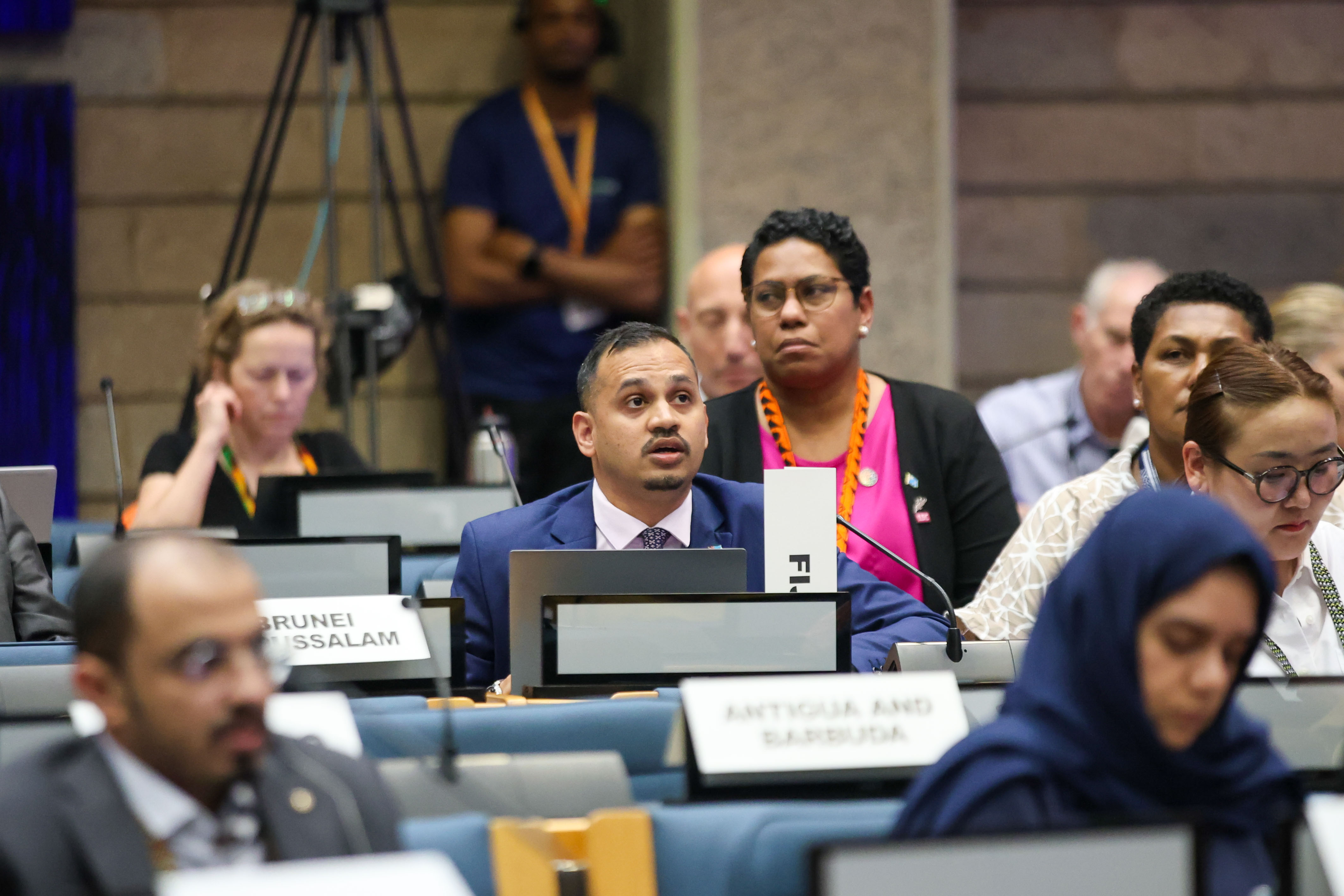
Sivendra Michael, Permanent Secretary, Ministry of Environment and Climate Change, Fiji
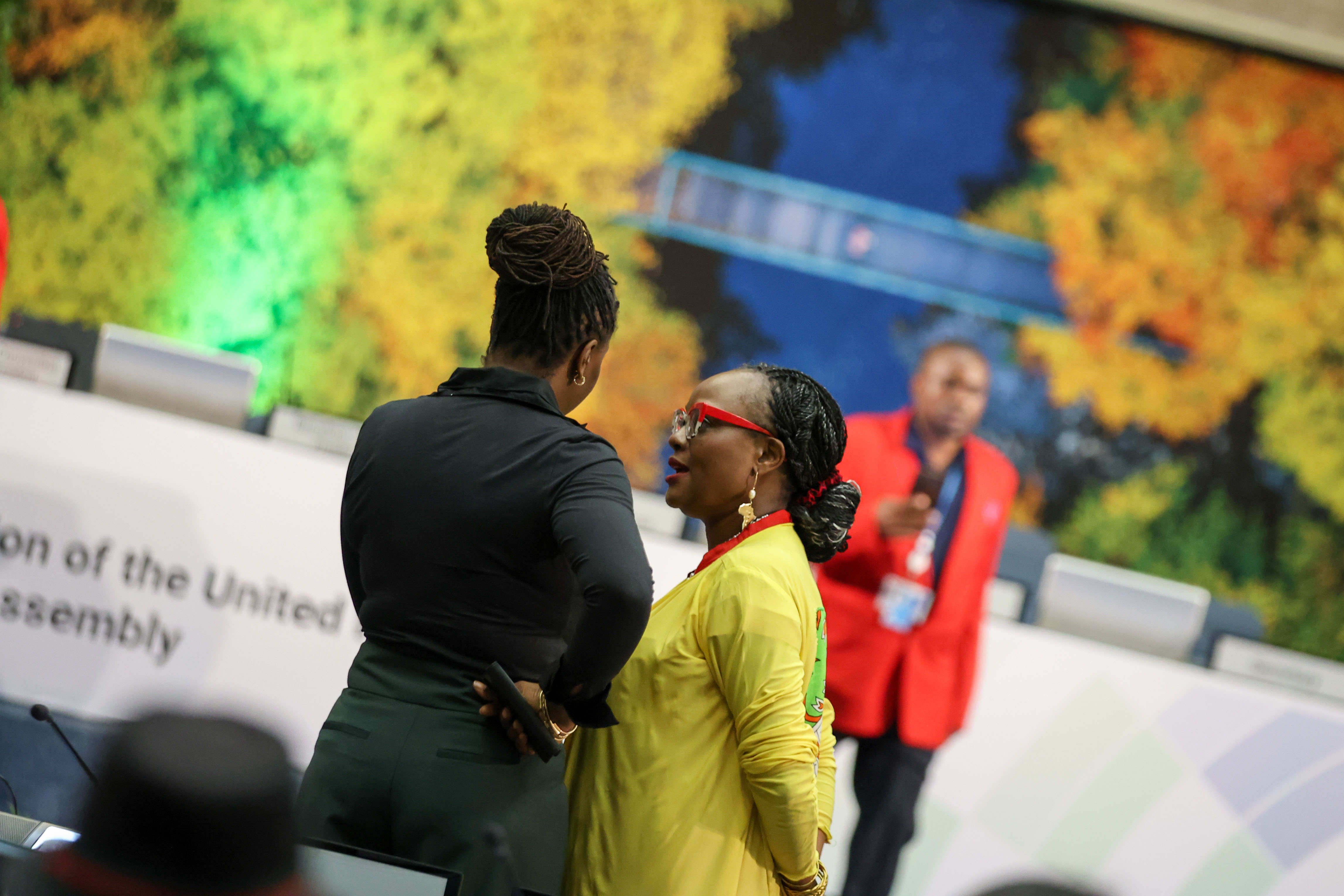
Musonda Mumba, Secretary General, Ramsar Convention on Wetlands
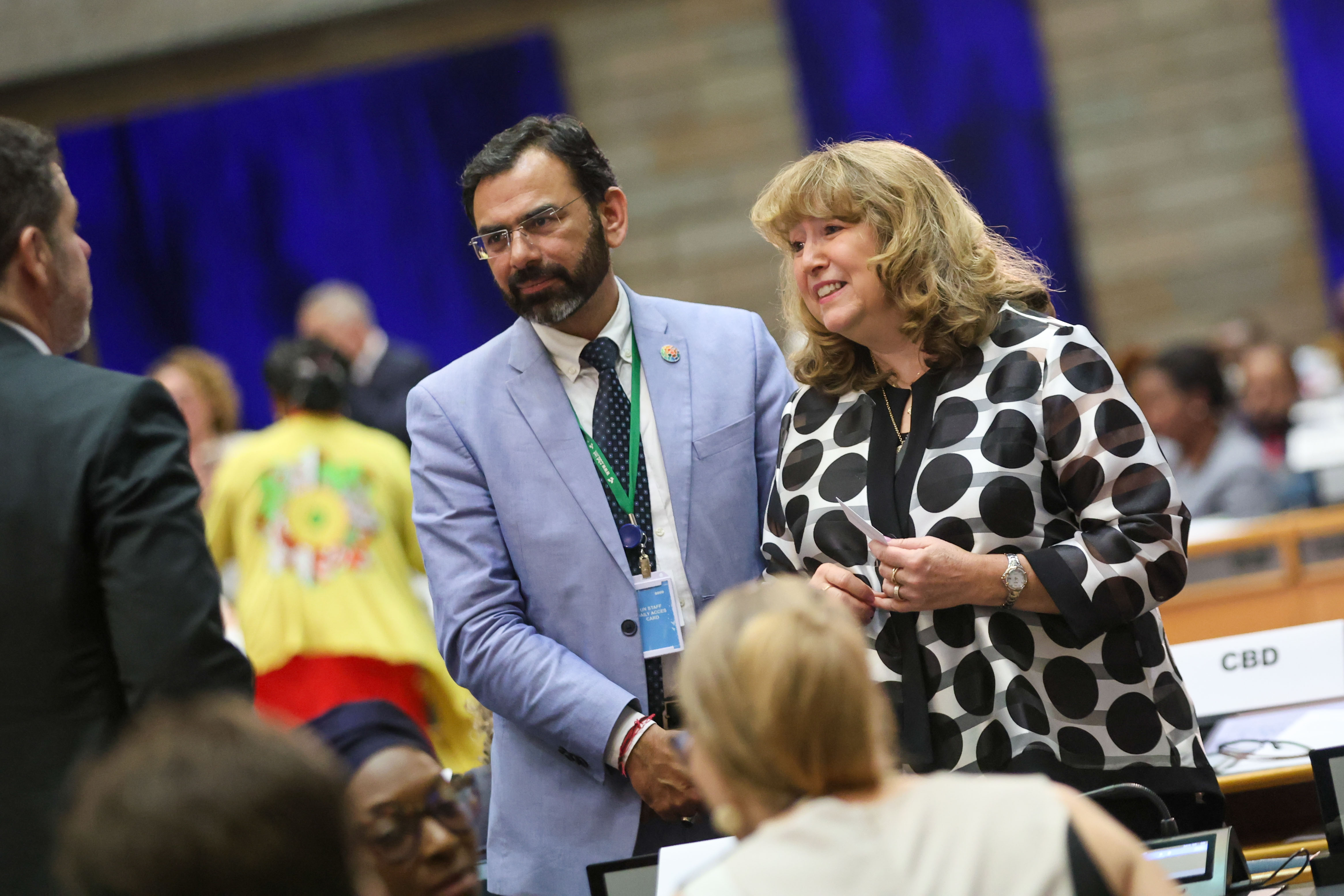
Asad Naqvi, CBD Secretariat, and Astrid Schomaker, Executive Secretary, CBD
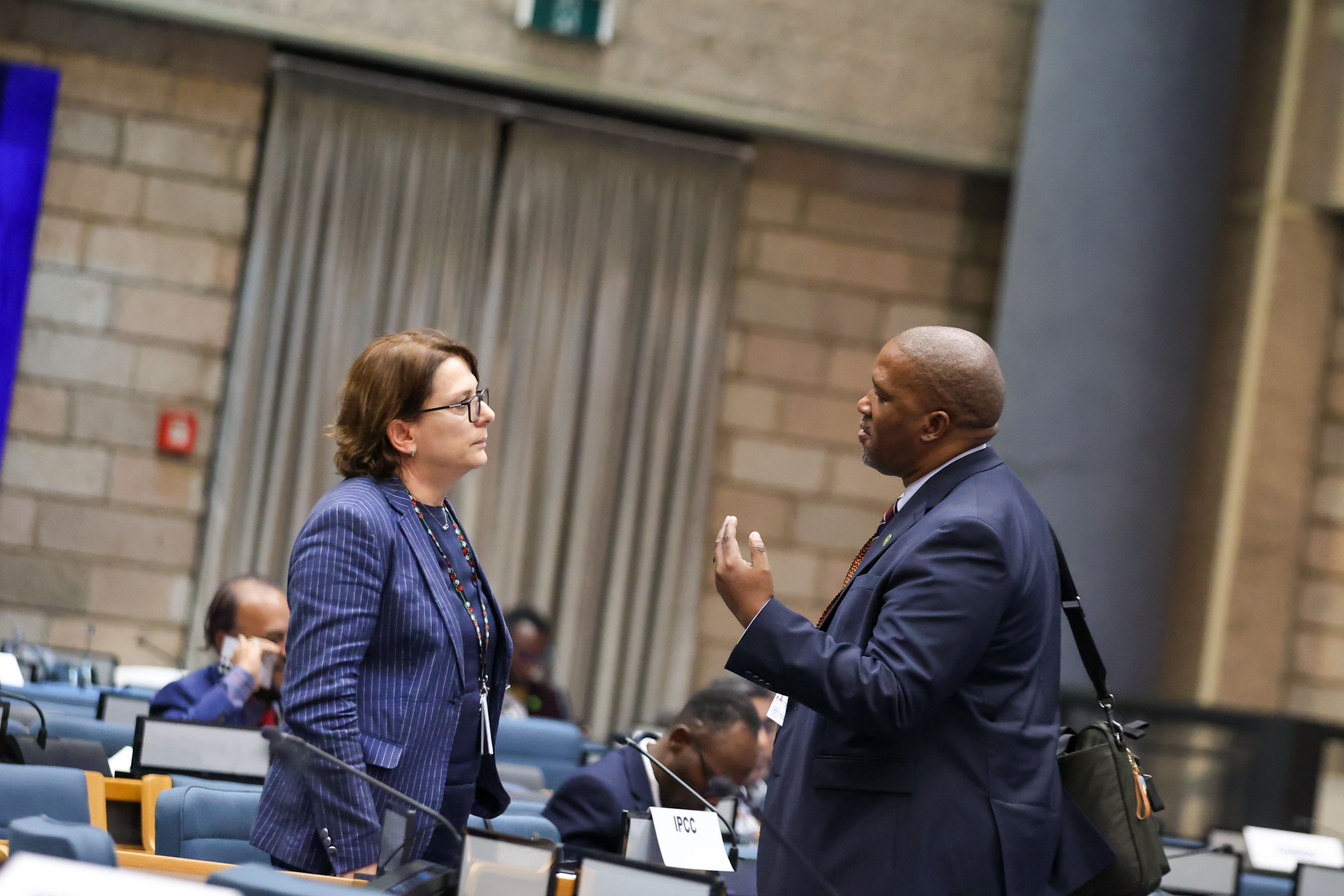
Ermira Fida, Deputy Secretary, IPCC, and Luthando Dziba, Executive Secretary, IPBES
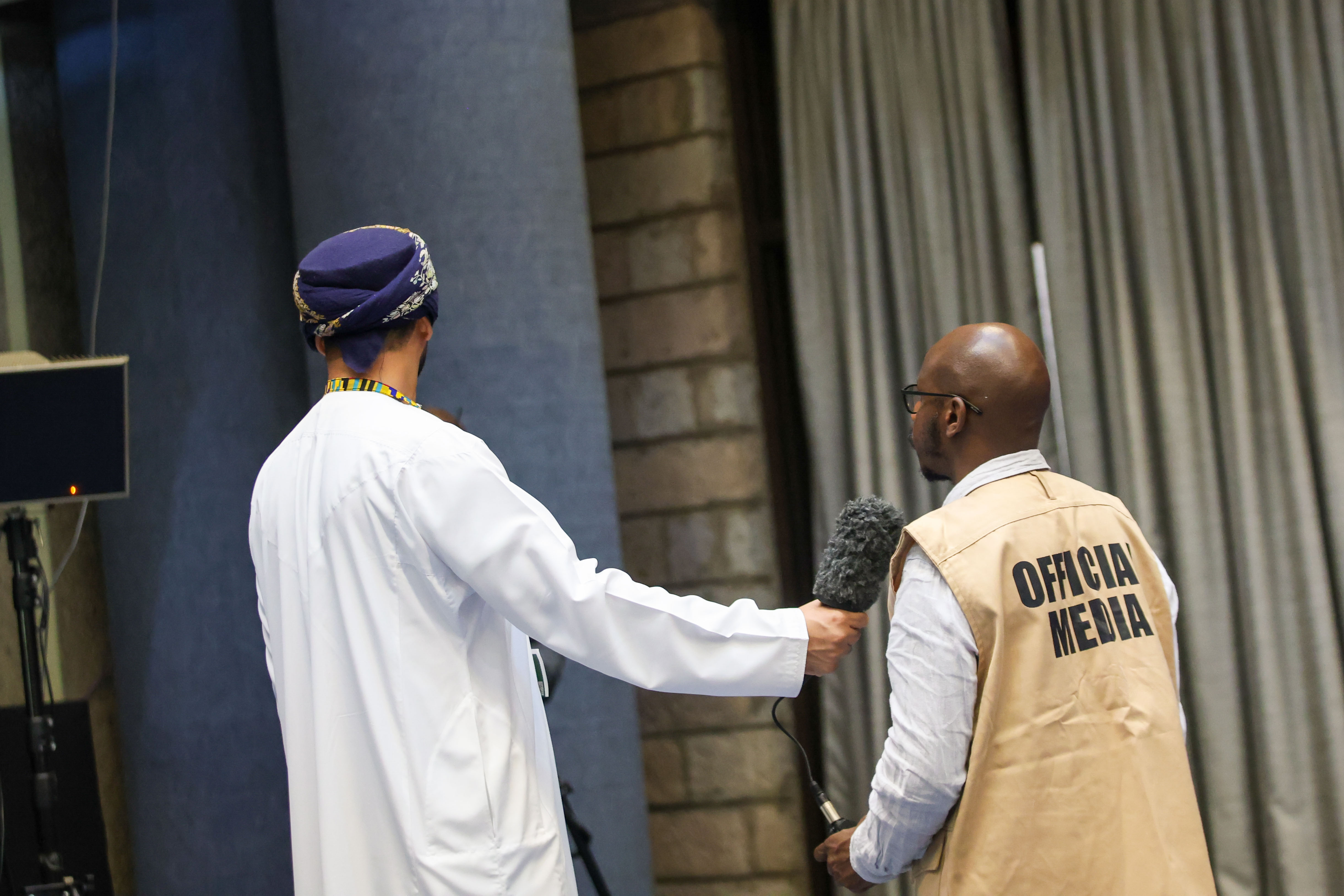
High-level Dialogue on Boosting SDG Implementation through the MEAs
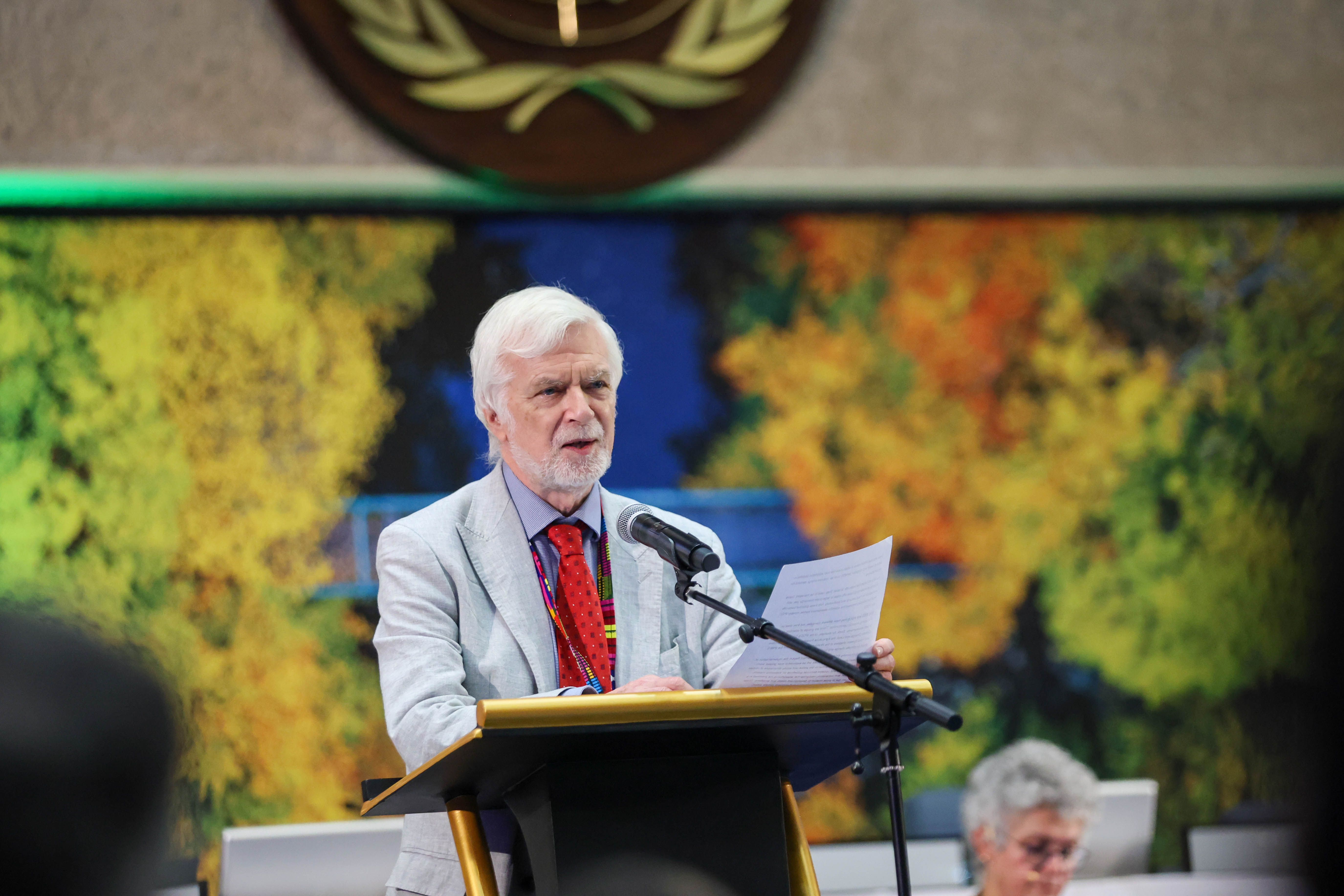
IPCC Chair Jim Skea
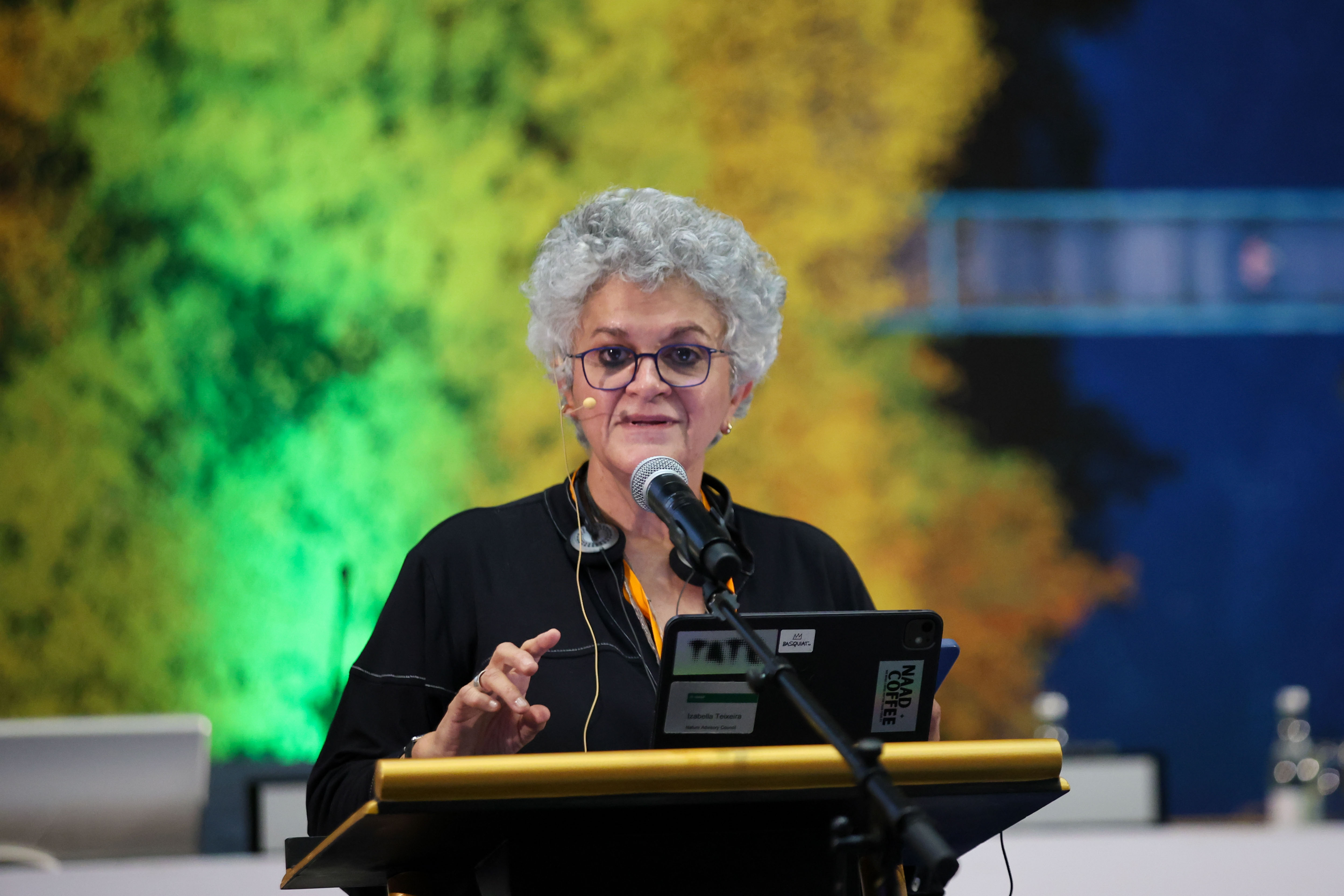
Izabella Teixeira, Co-Chair, International Resources Panel
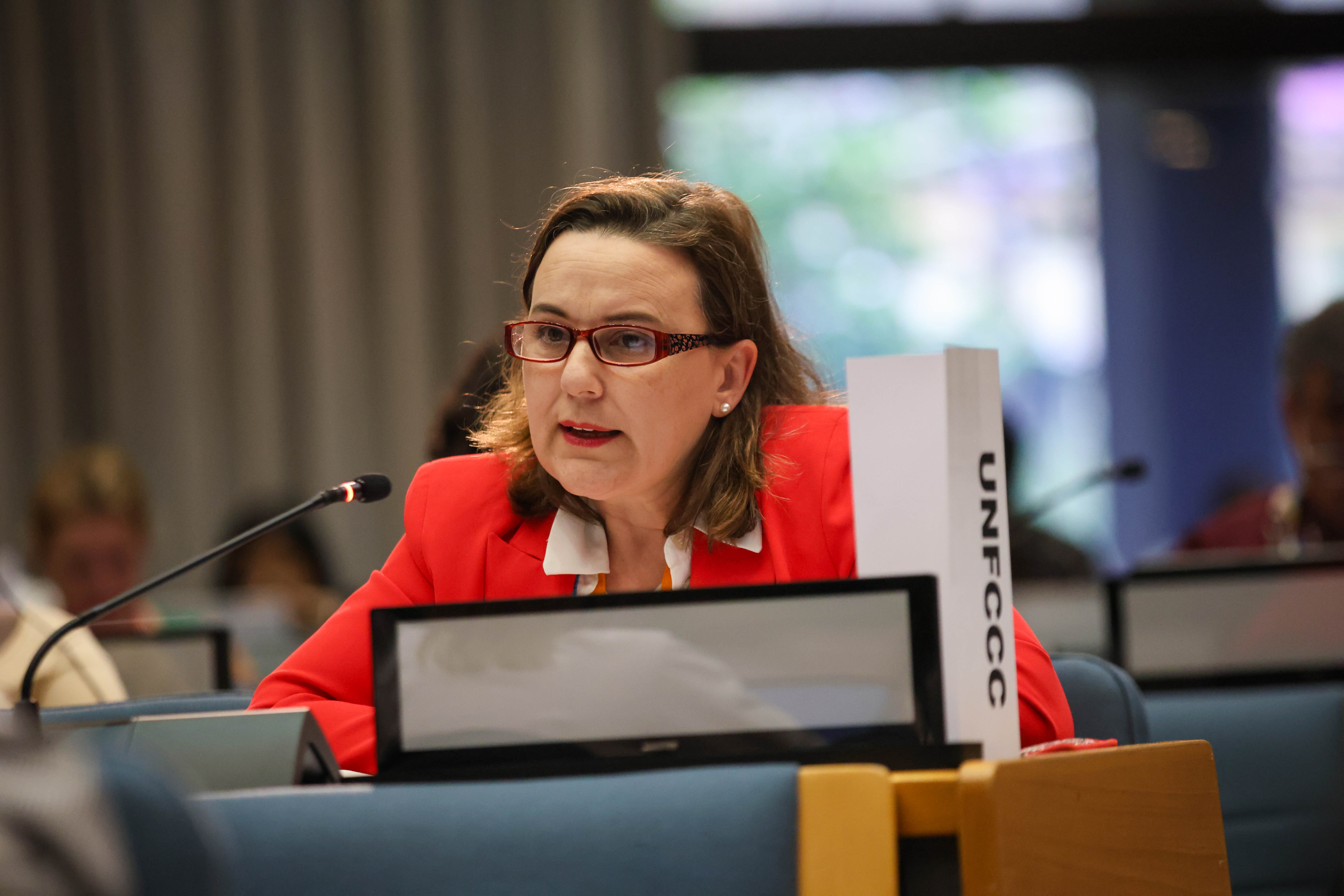
Noura Hamladji, Deputy Executive Secretary, UNFCCC
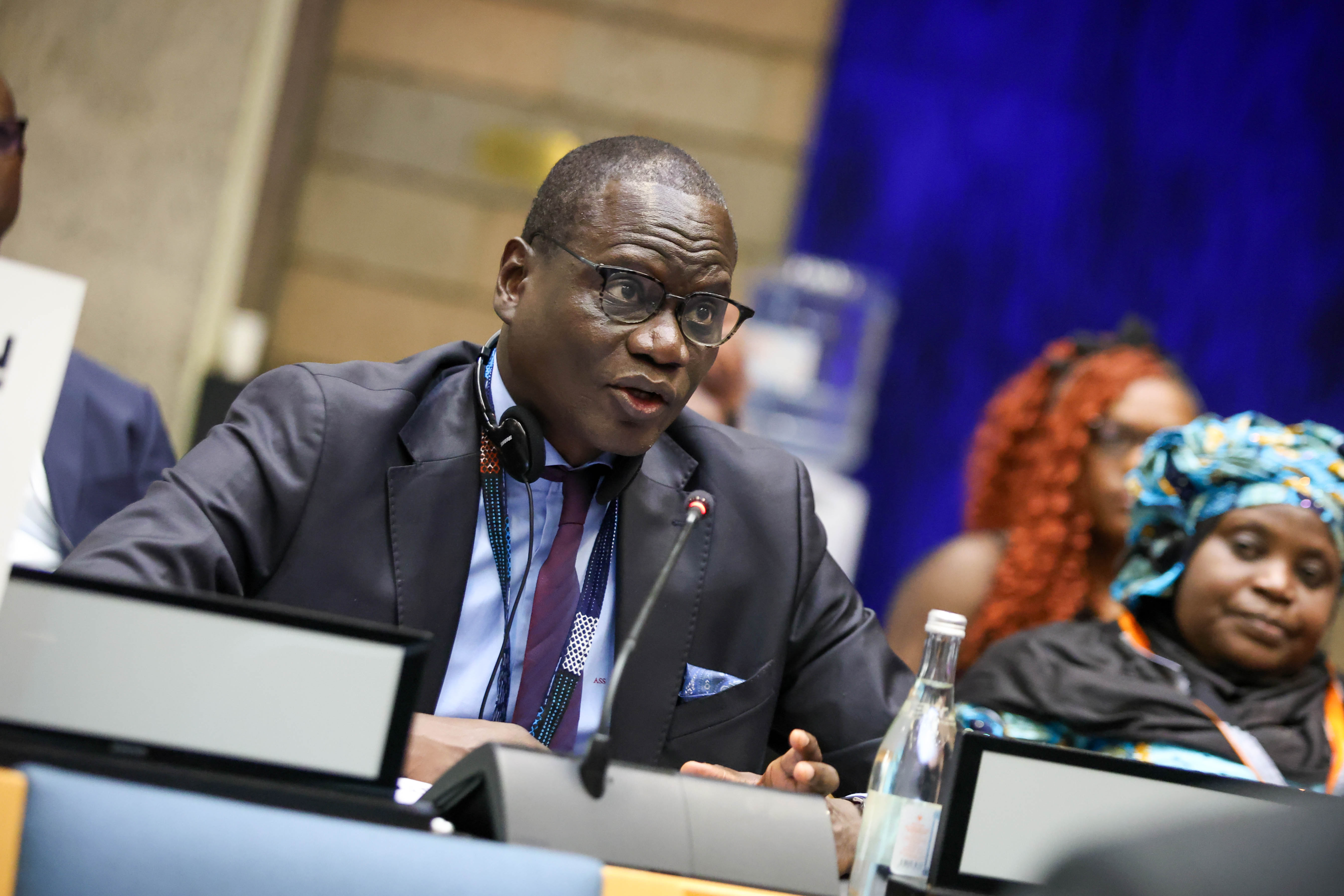
El Hadji Abdourahmane Diouf, Minister of the Environment and Ecological Transition, Senegal
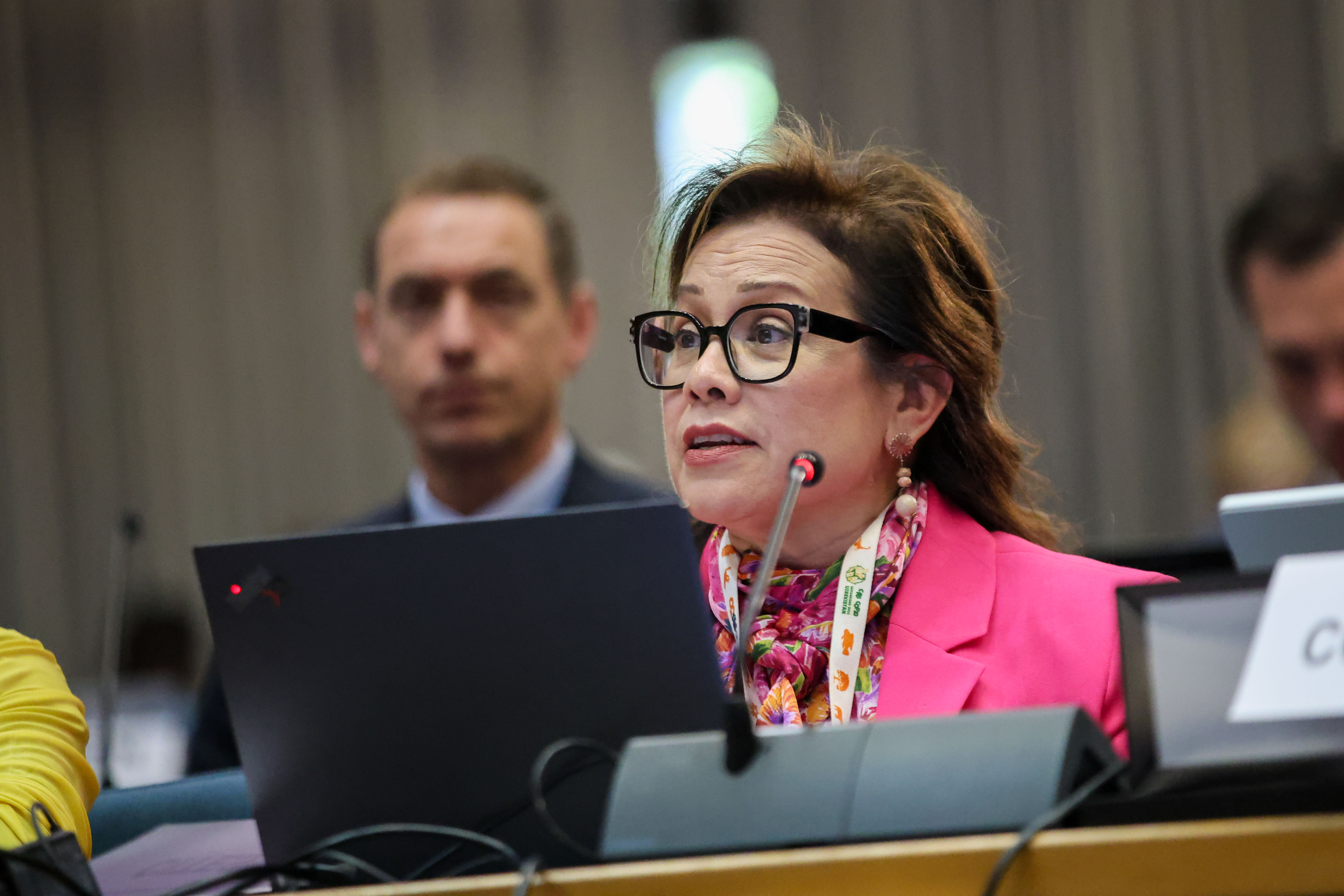
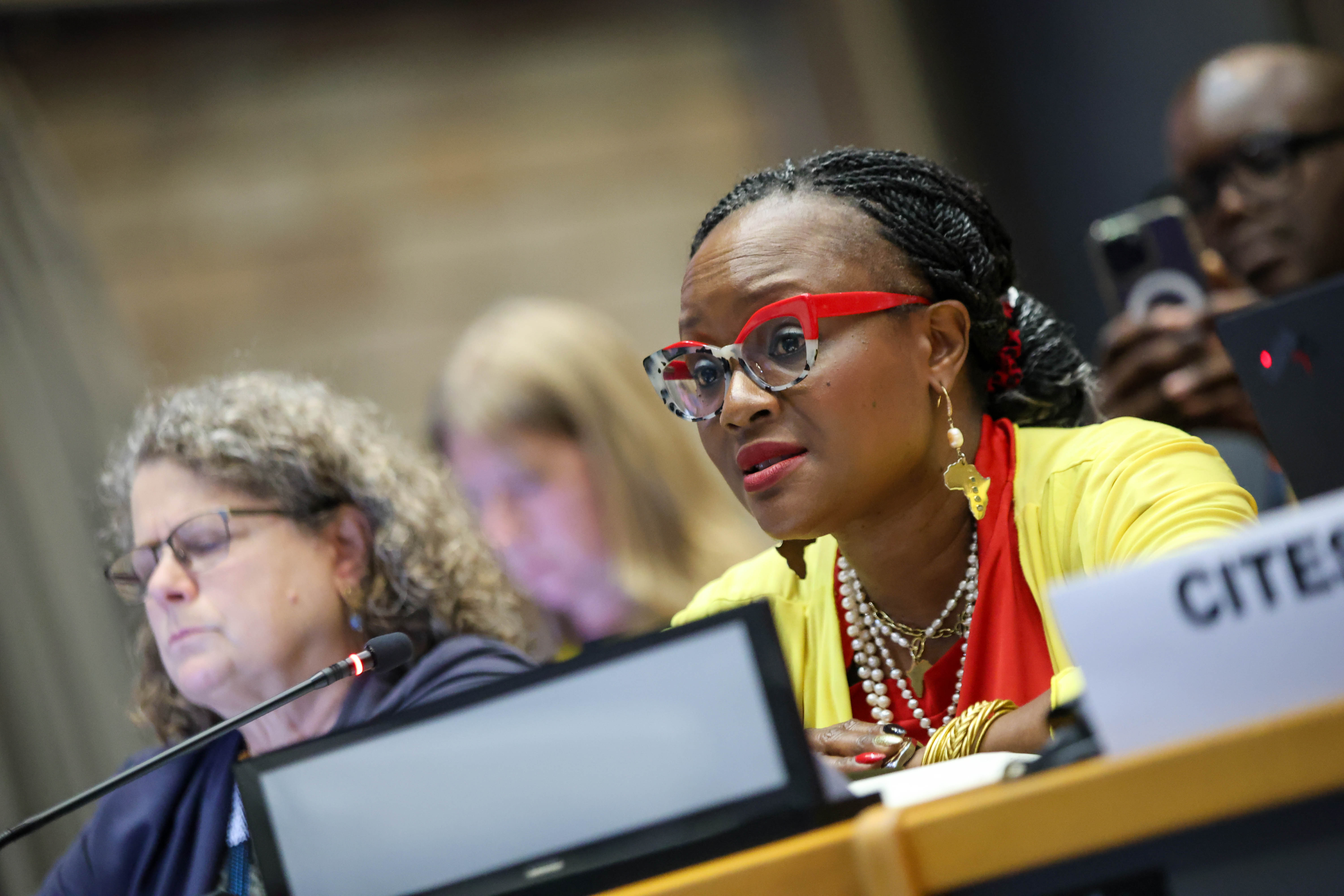
Ivonne Higuero, Secretary-General, Convention on International Trade in Endangered Species of Wild Fauna and Flora (CITES)
Musonda Mumba, Secretary General, Ramsar Convention on Wetlands
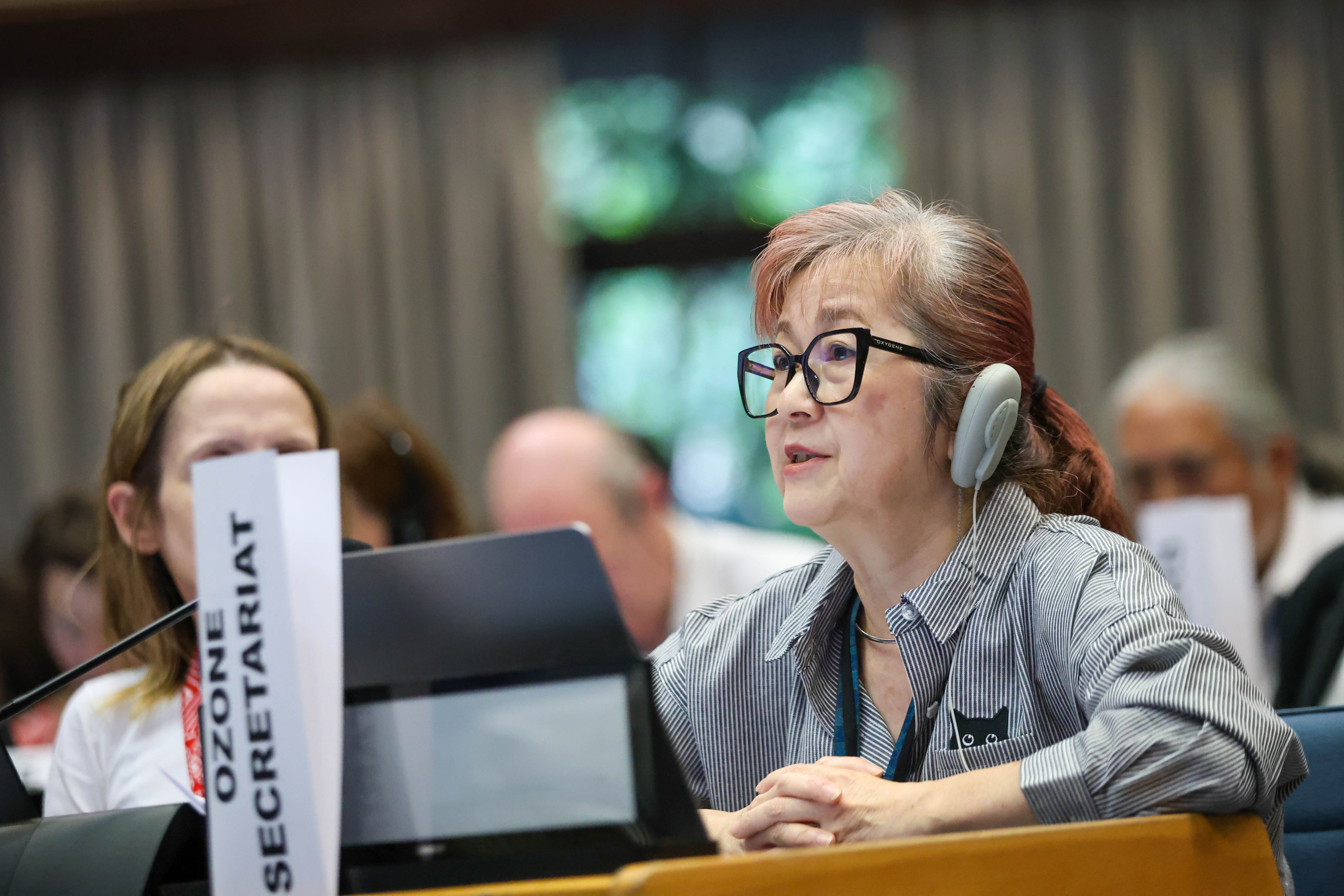
Megumi Seki, Executive Secretary, Ozone Secretariat
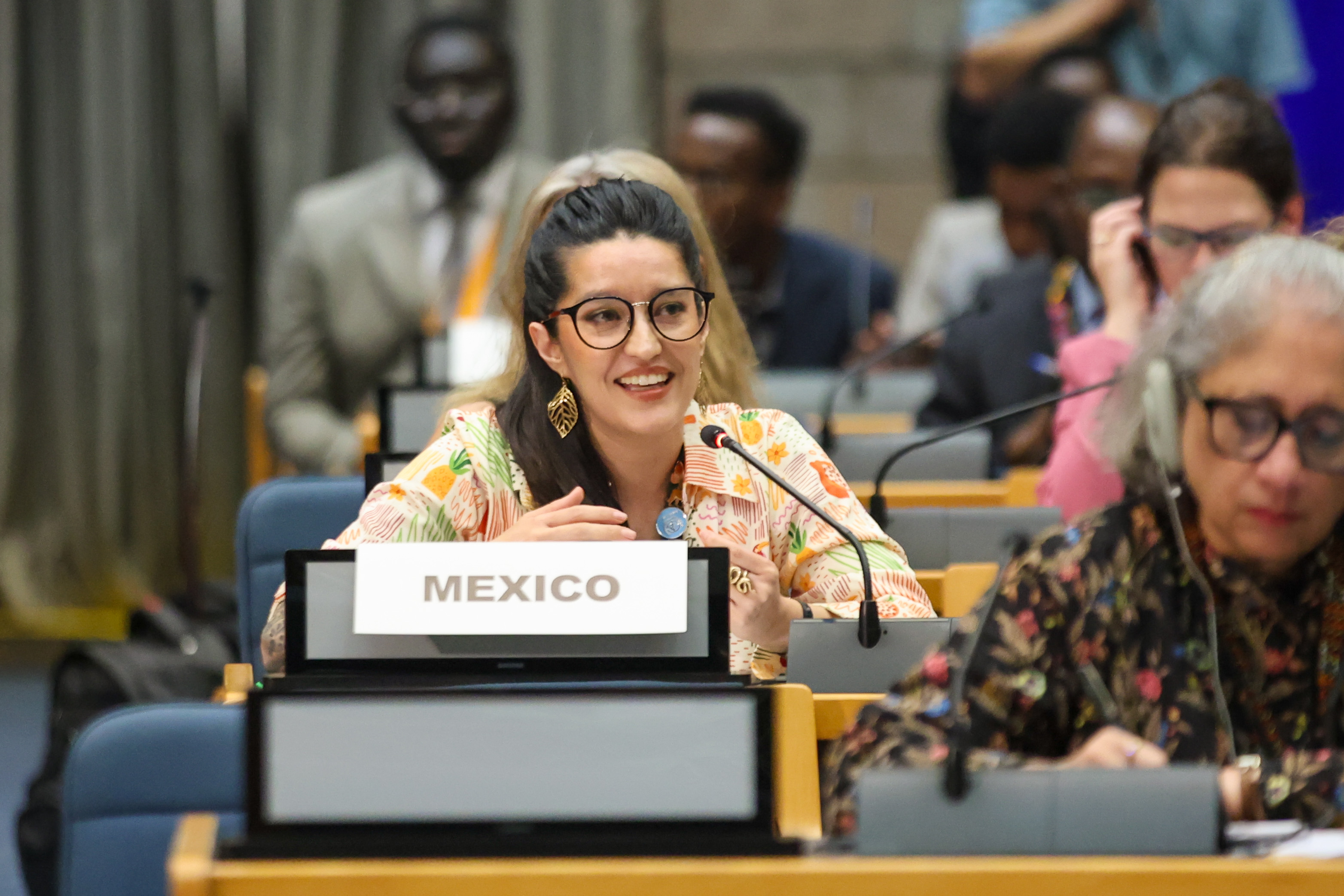
Camila Isabel Zepeda Lizama, Mexico
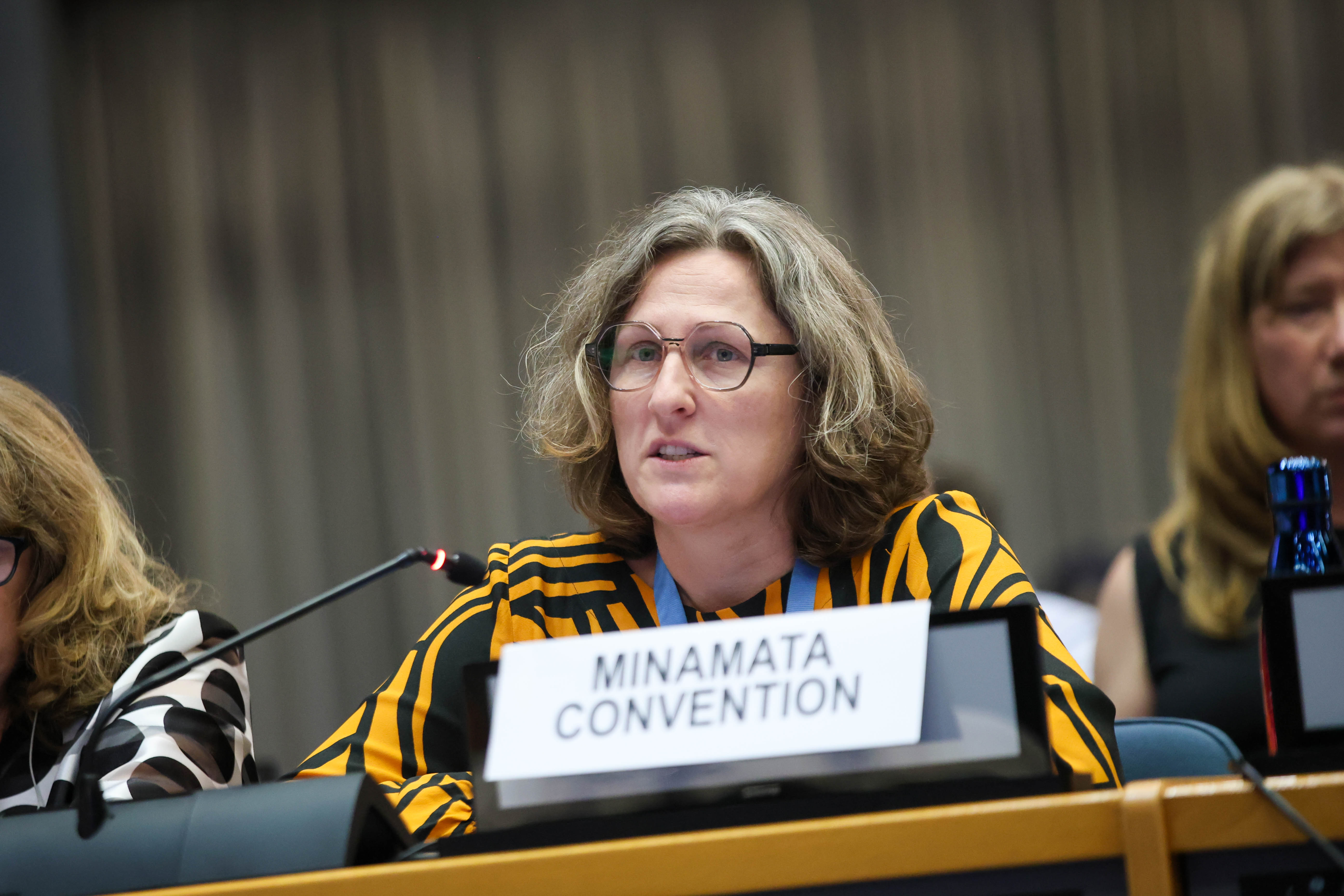
Monika Stankiewicz, Executive Secretary, Minamata Convention
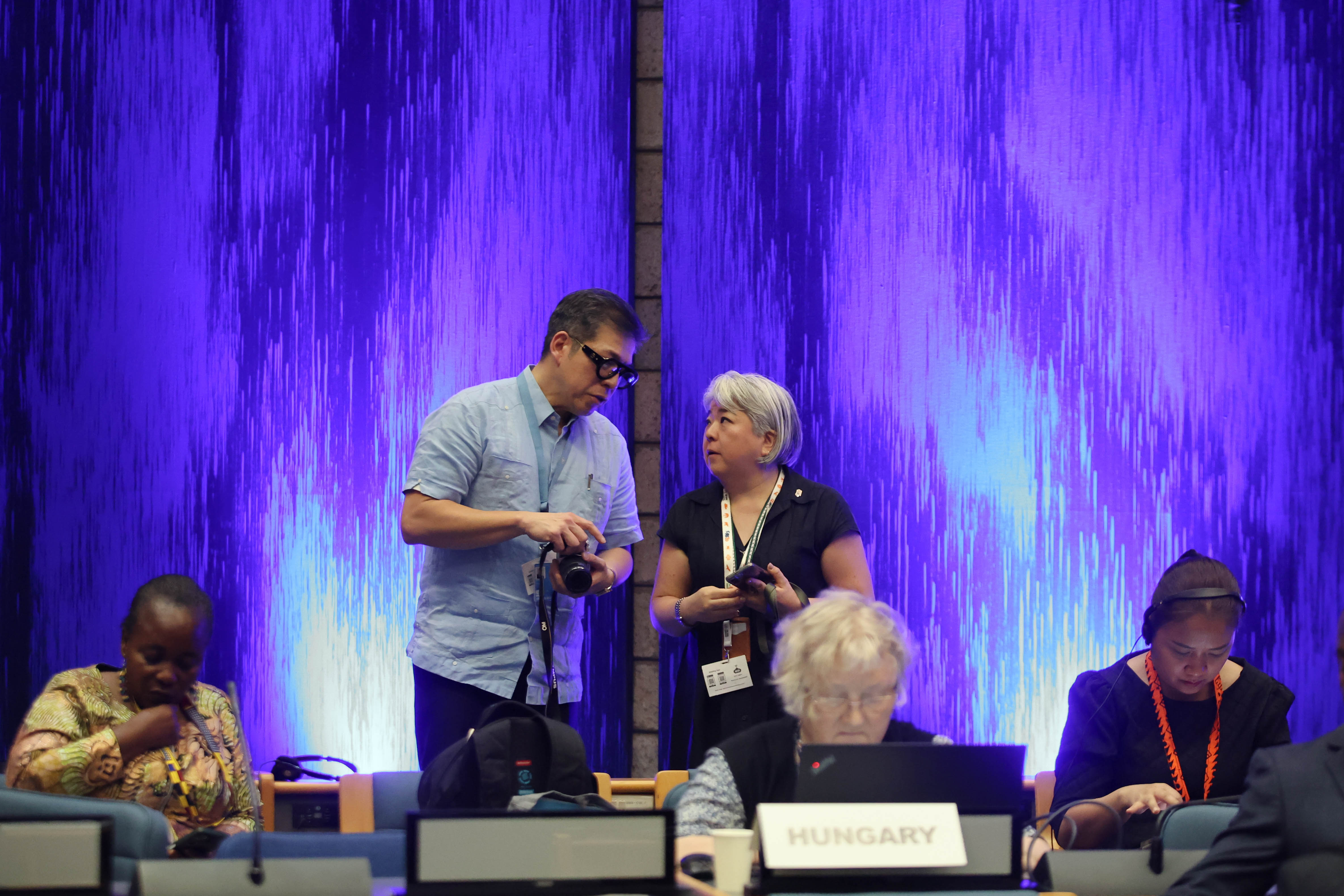
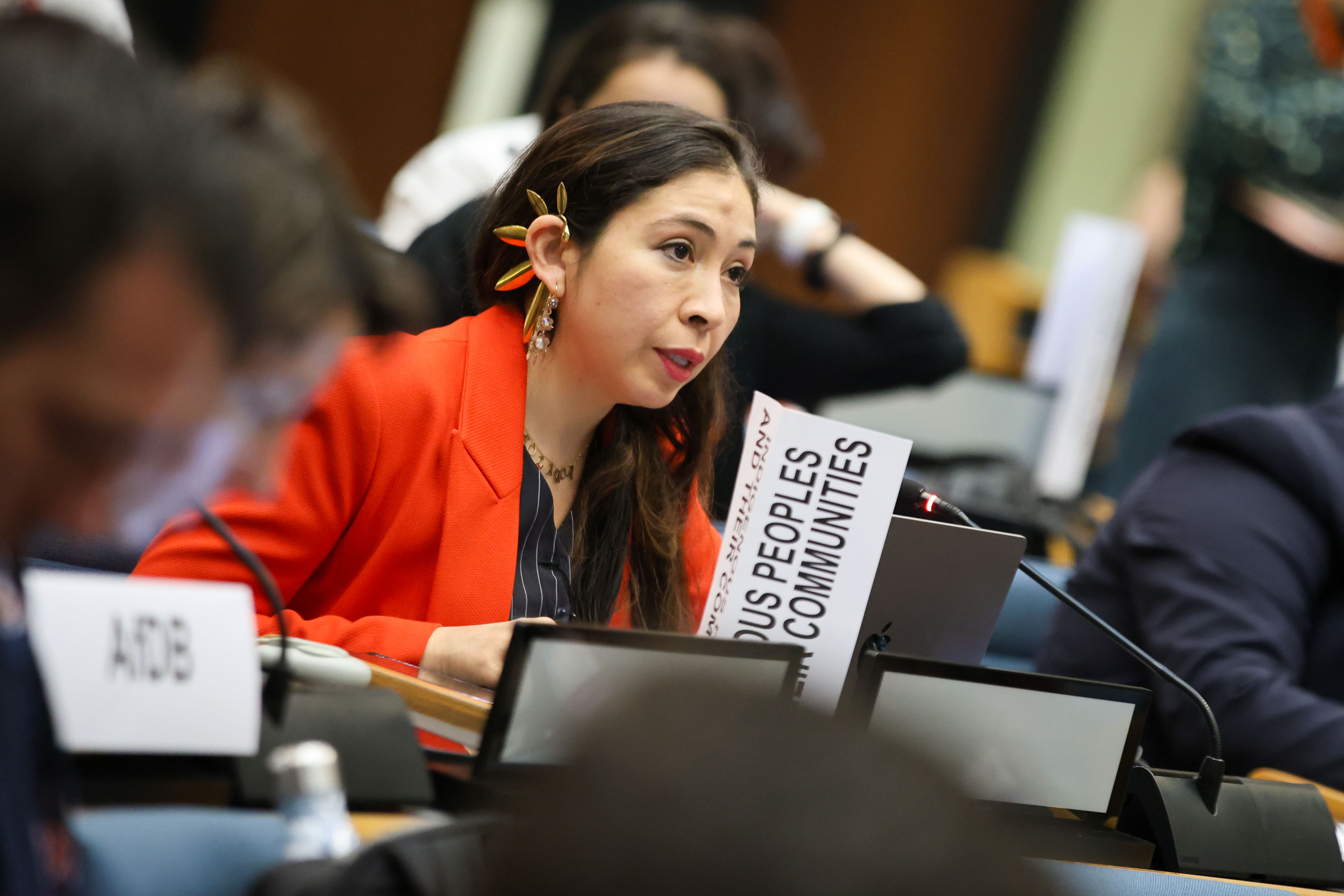
Yolanda López-Maldonado, Indigenous Peoples and their Communities
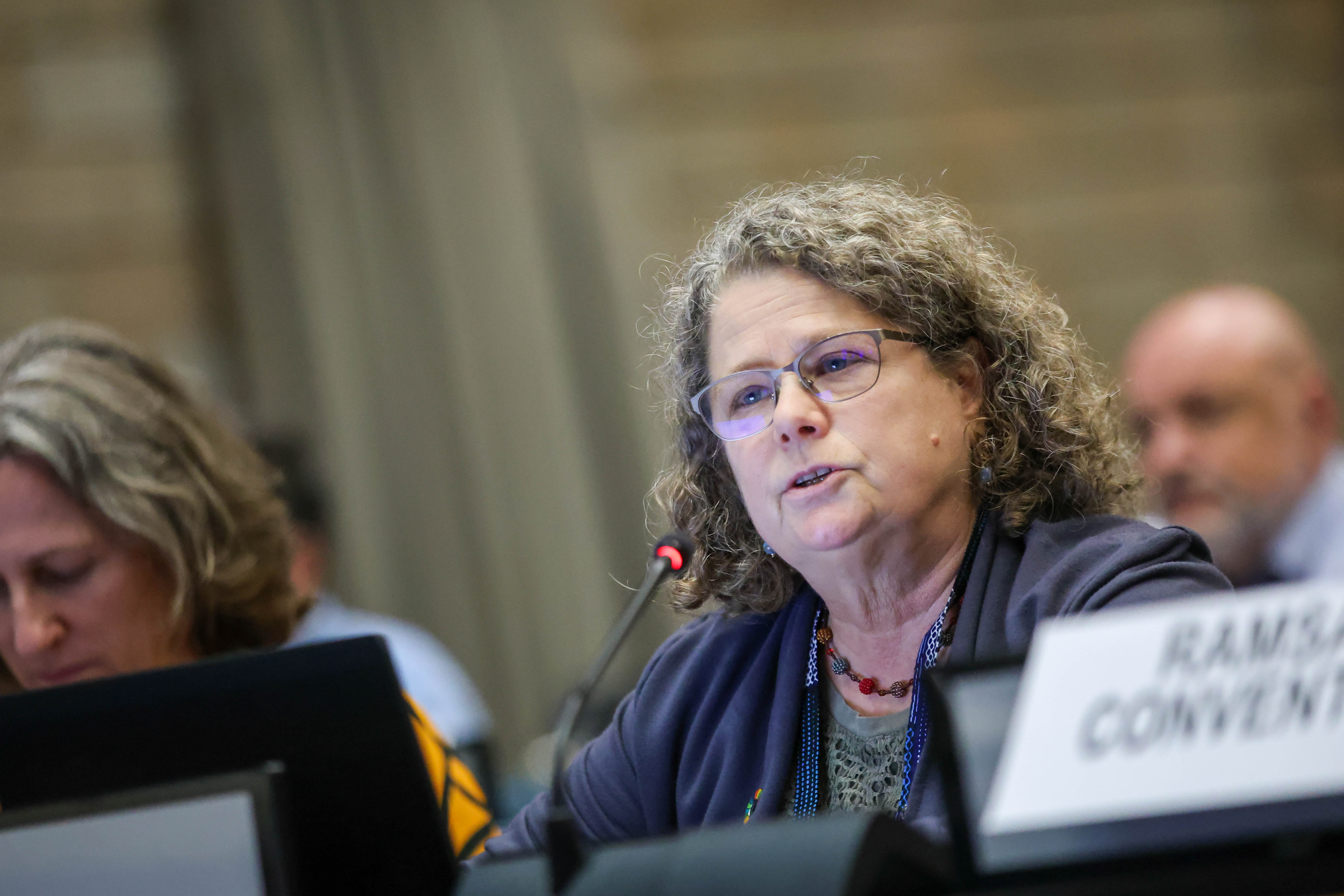
Amy Fraenkel, Executive Secretary, Conservation of Migratory Species (CMS)
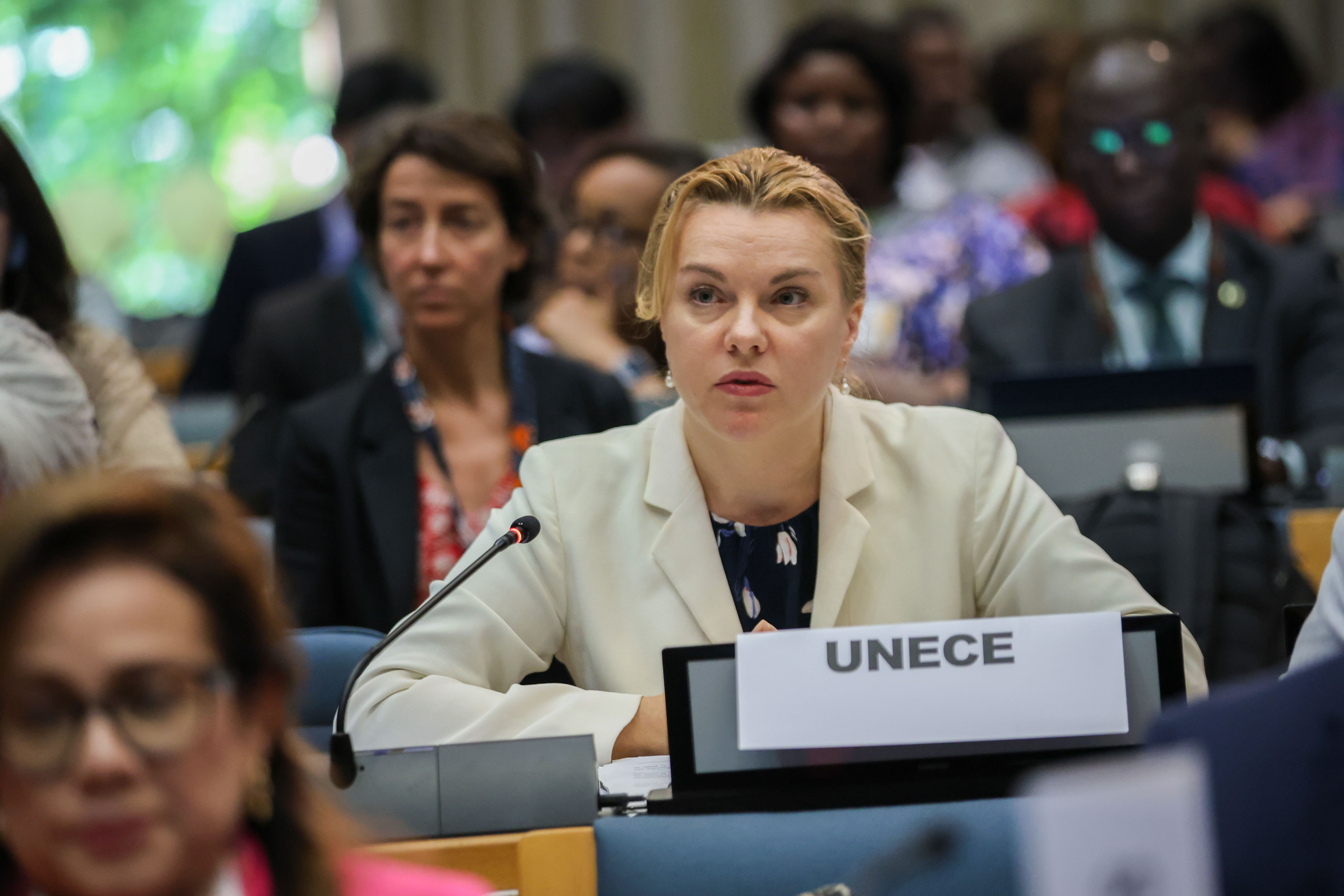
Tatiana Molcean, Executive Secretary, UNECE
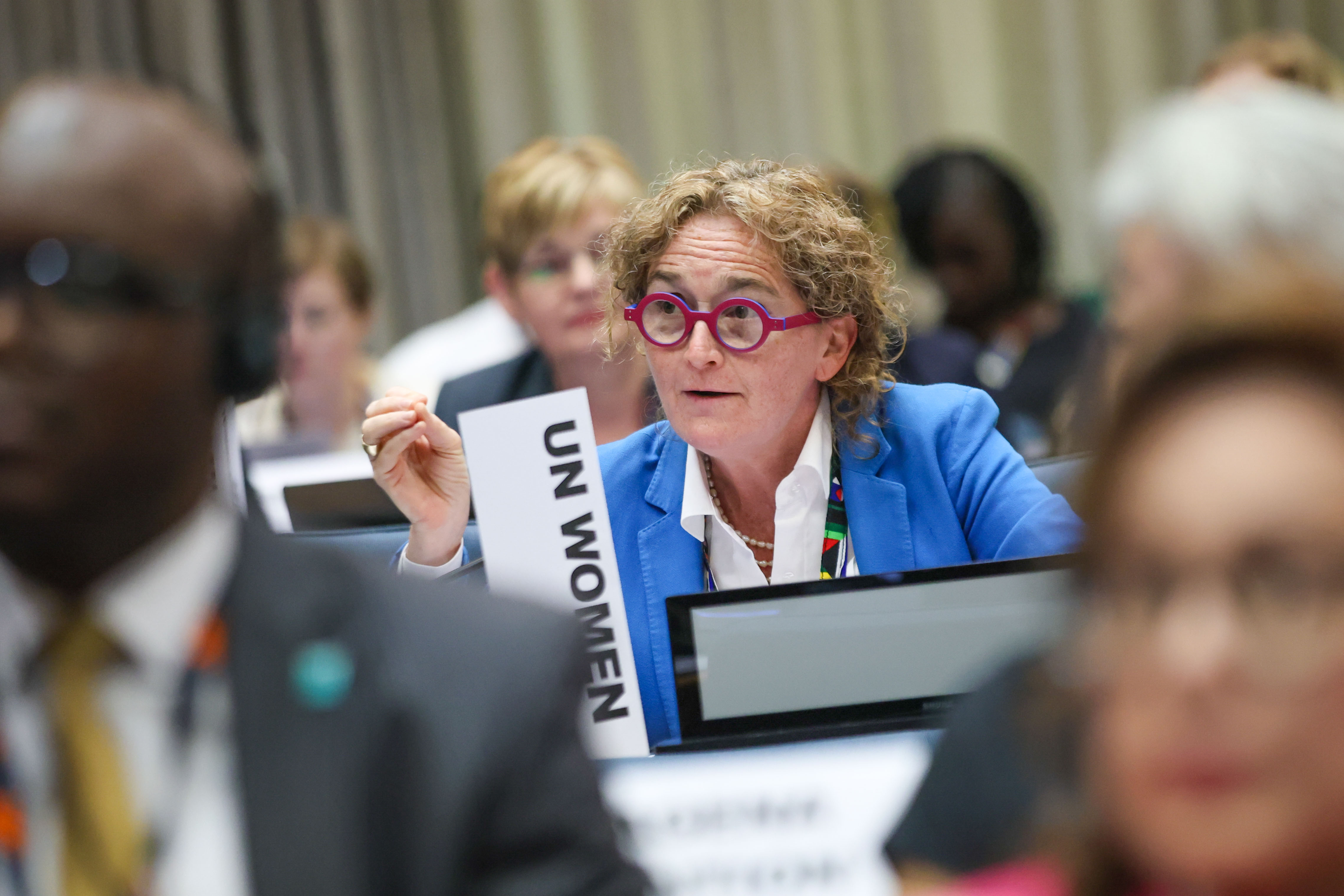
Alice Shackerfold, UN Women
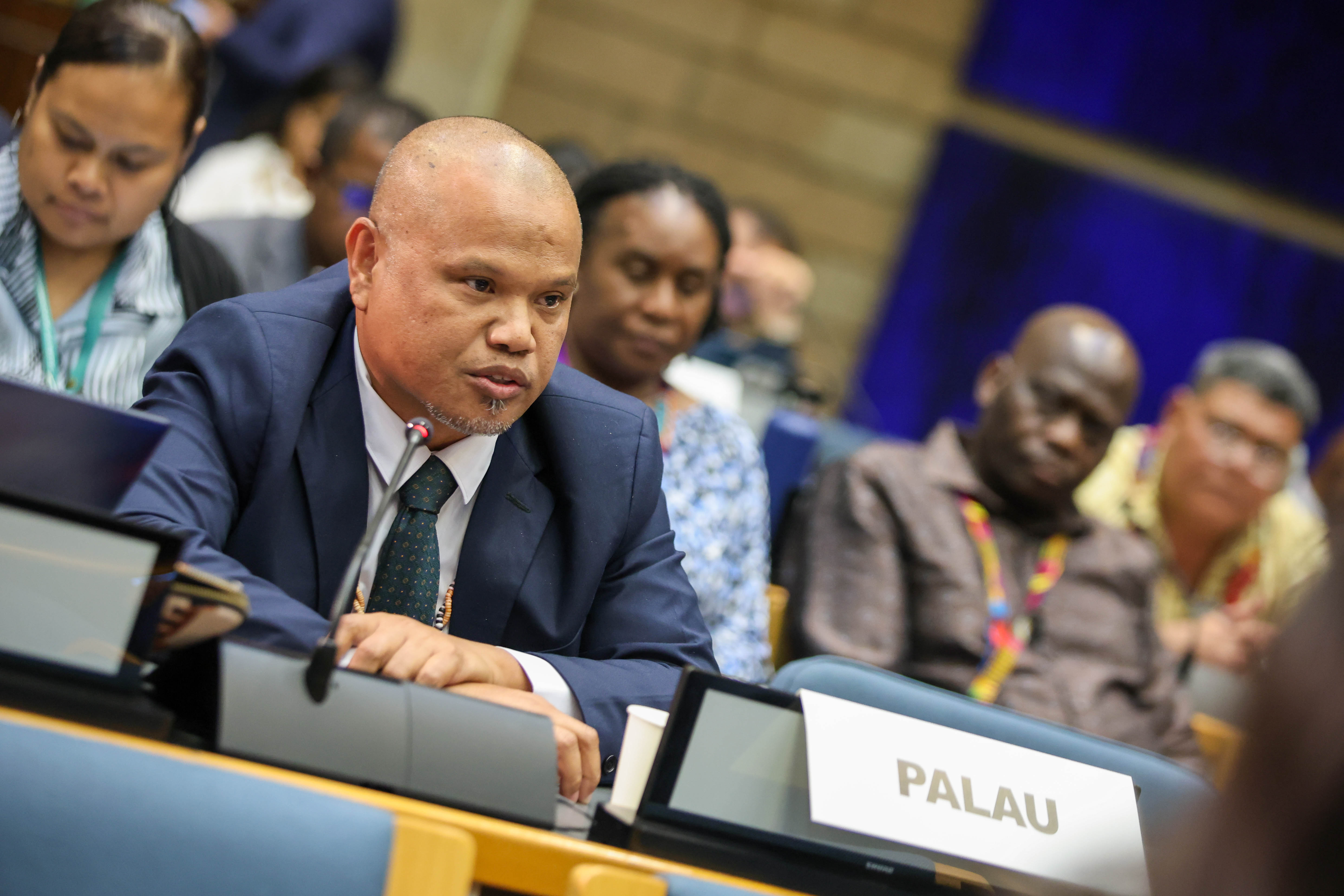
Steven Victor, Minister of Agriculture, Fisheries and Environment, Palau
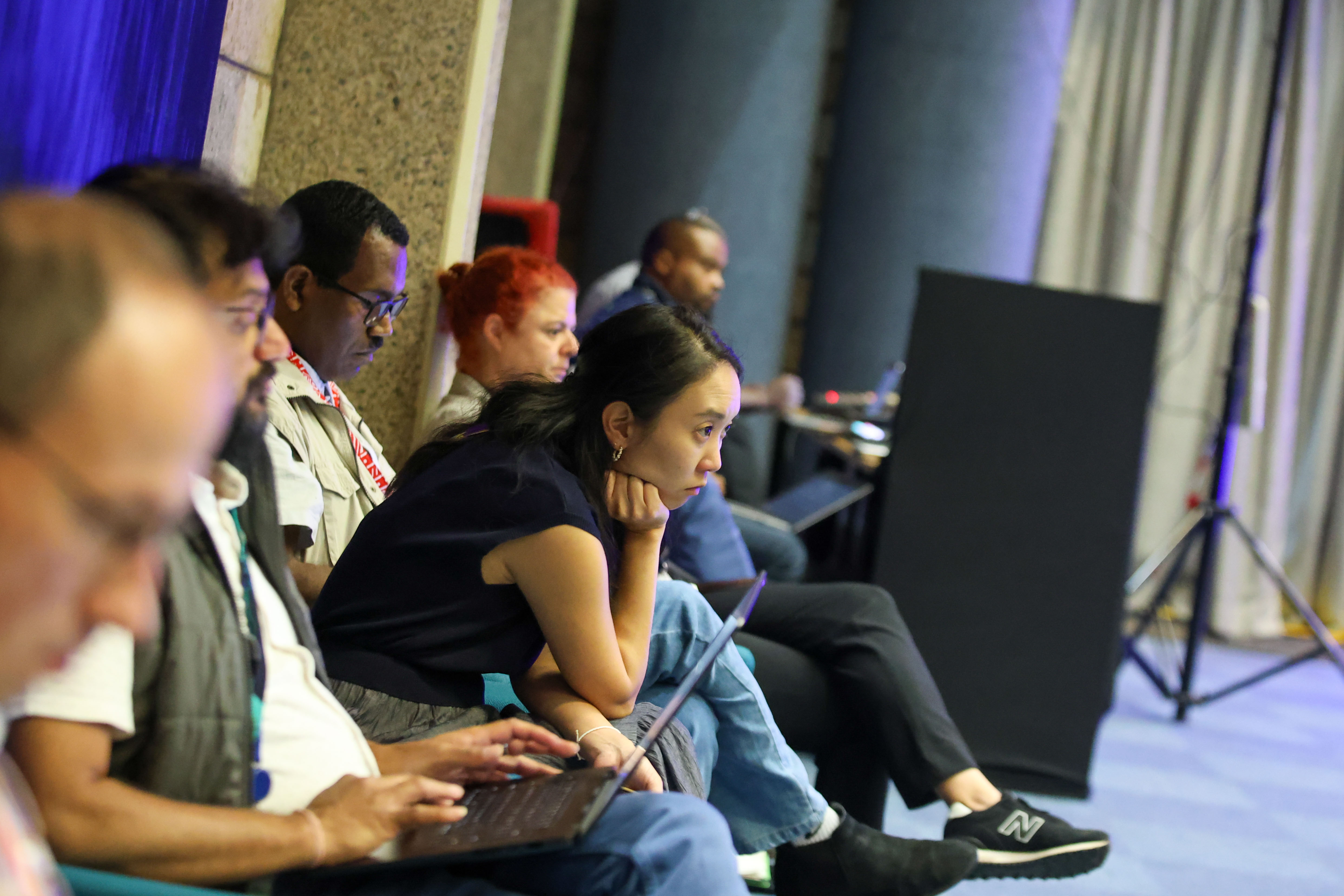
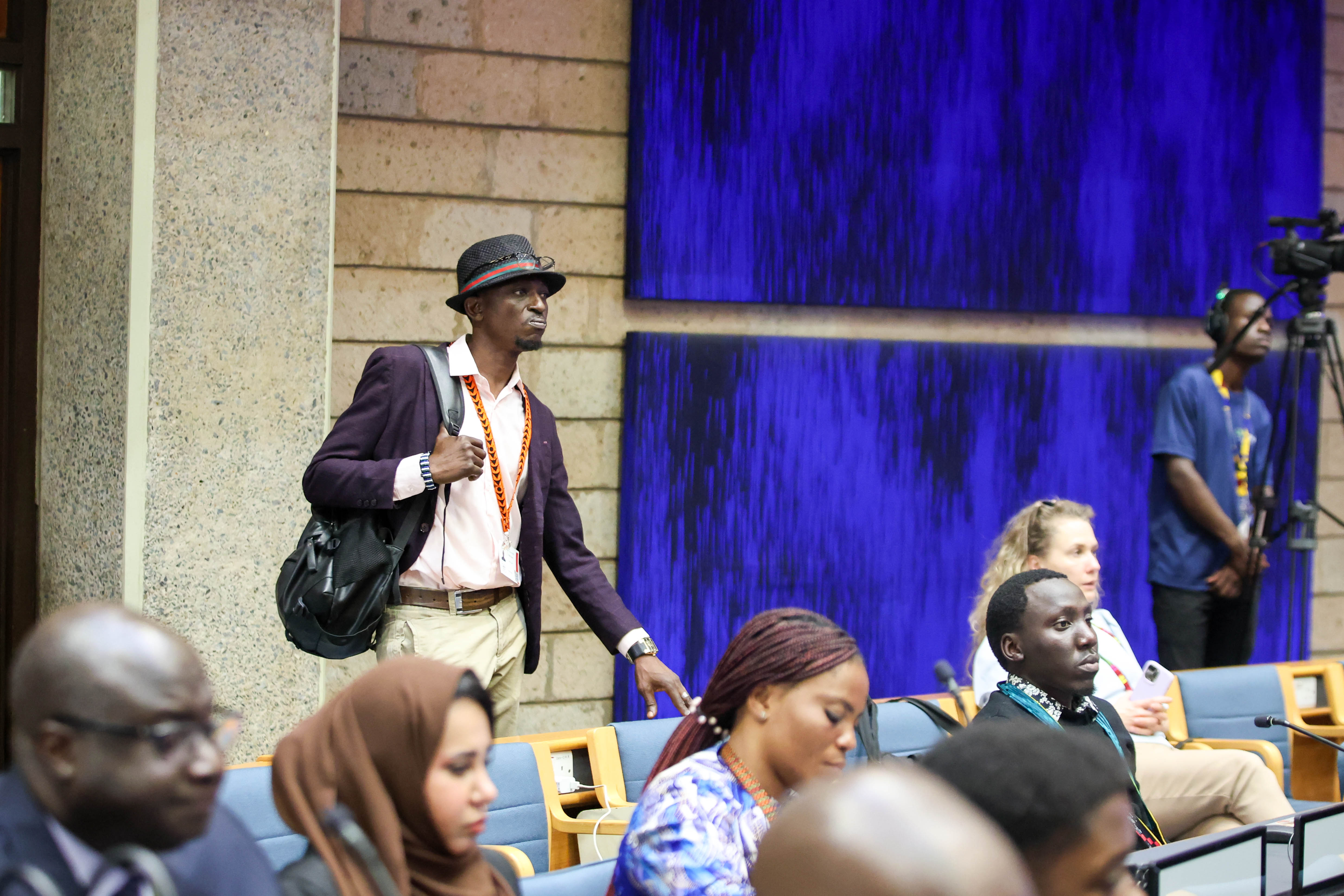
High-Level Dialogue on MEA’s Day Conclusions
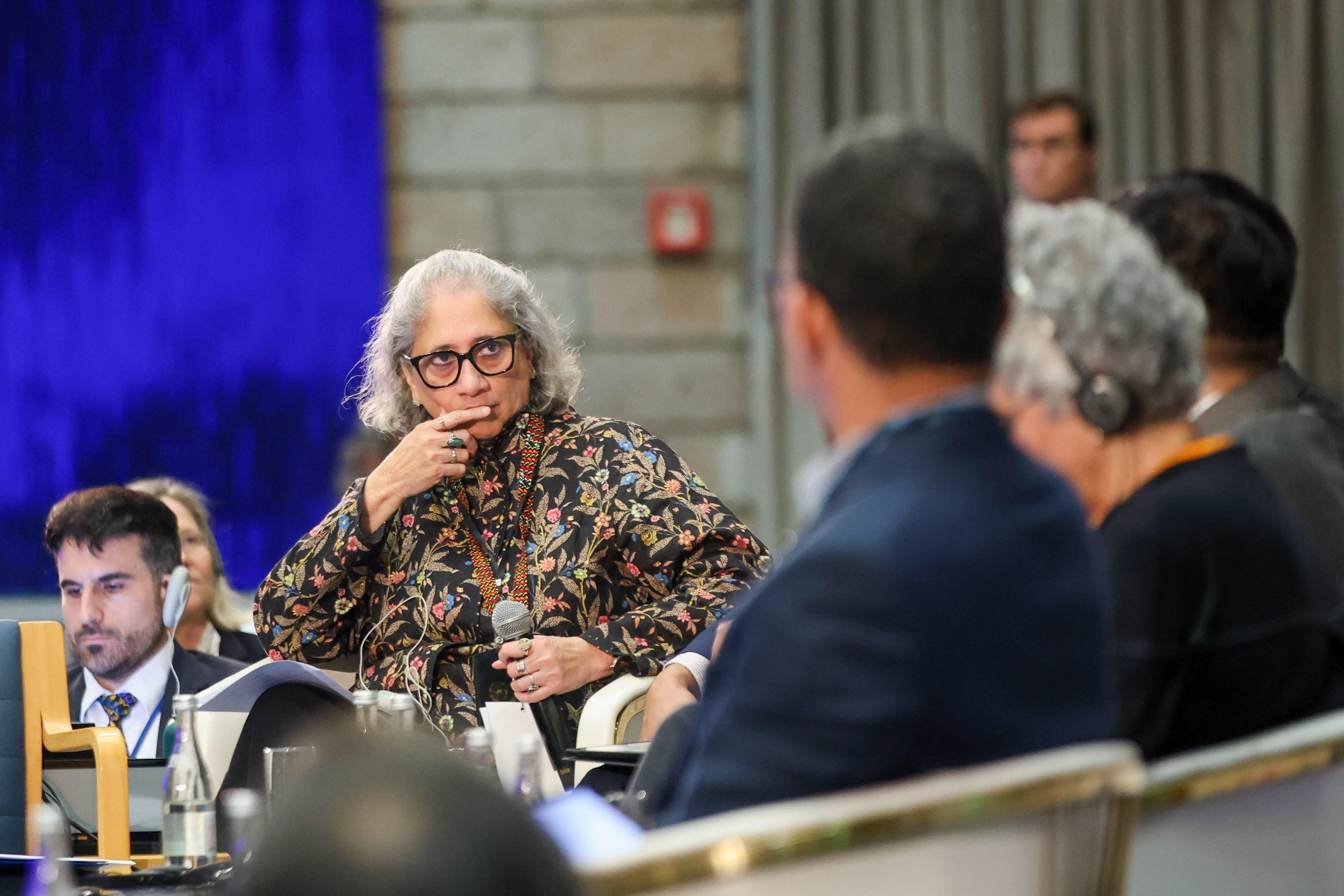
Ligia Noronha, UN Assistant Secretary-General, and Head, UNEP New York Office
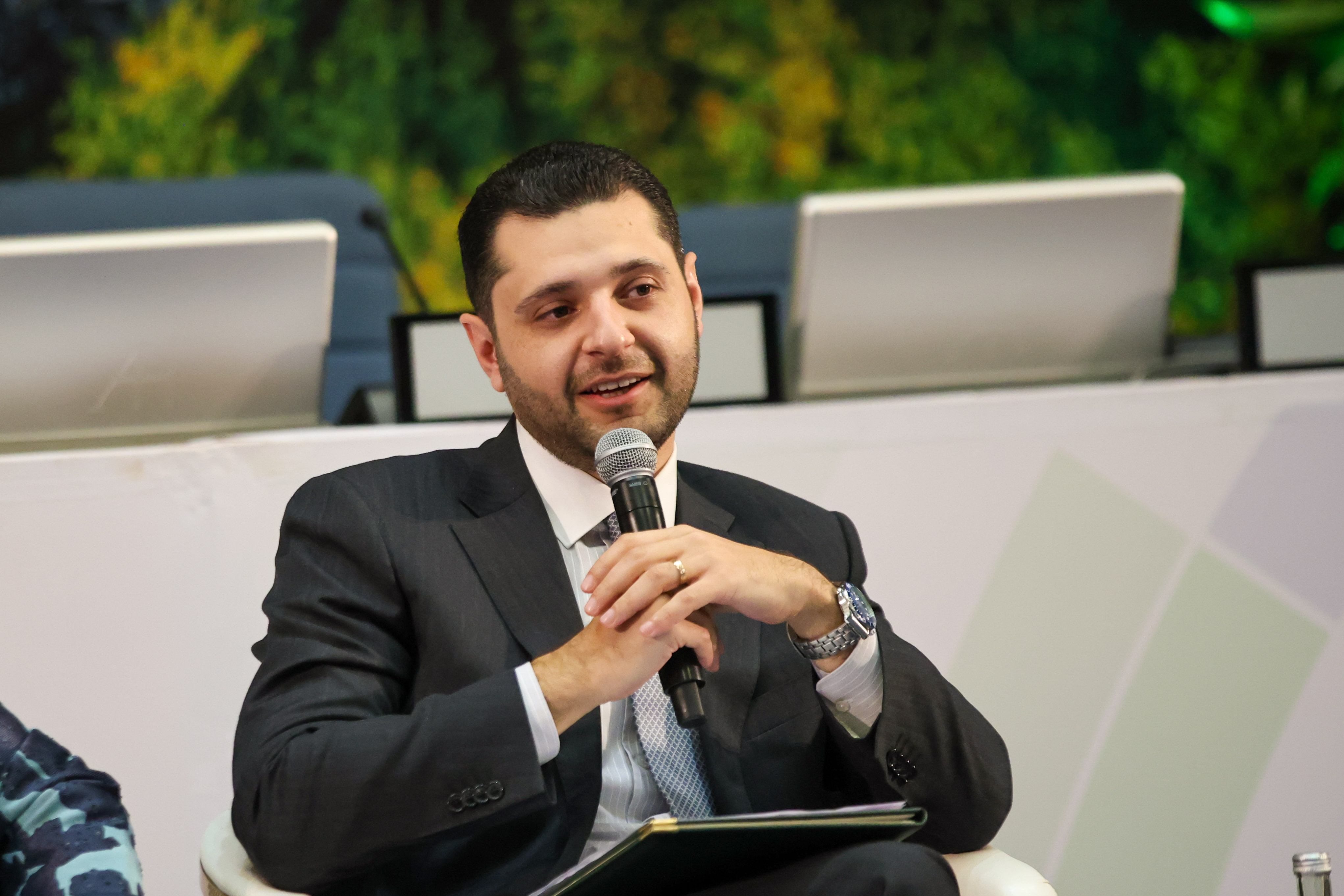
Hambardzum Matevosyan, Minister of Environment, Armenia
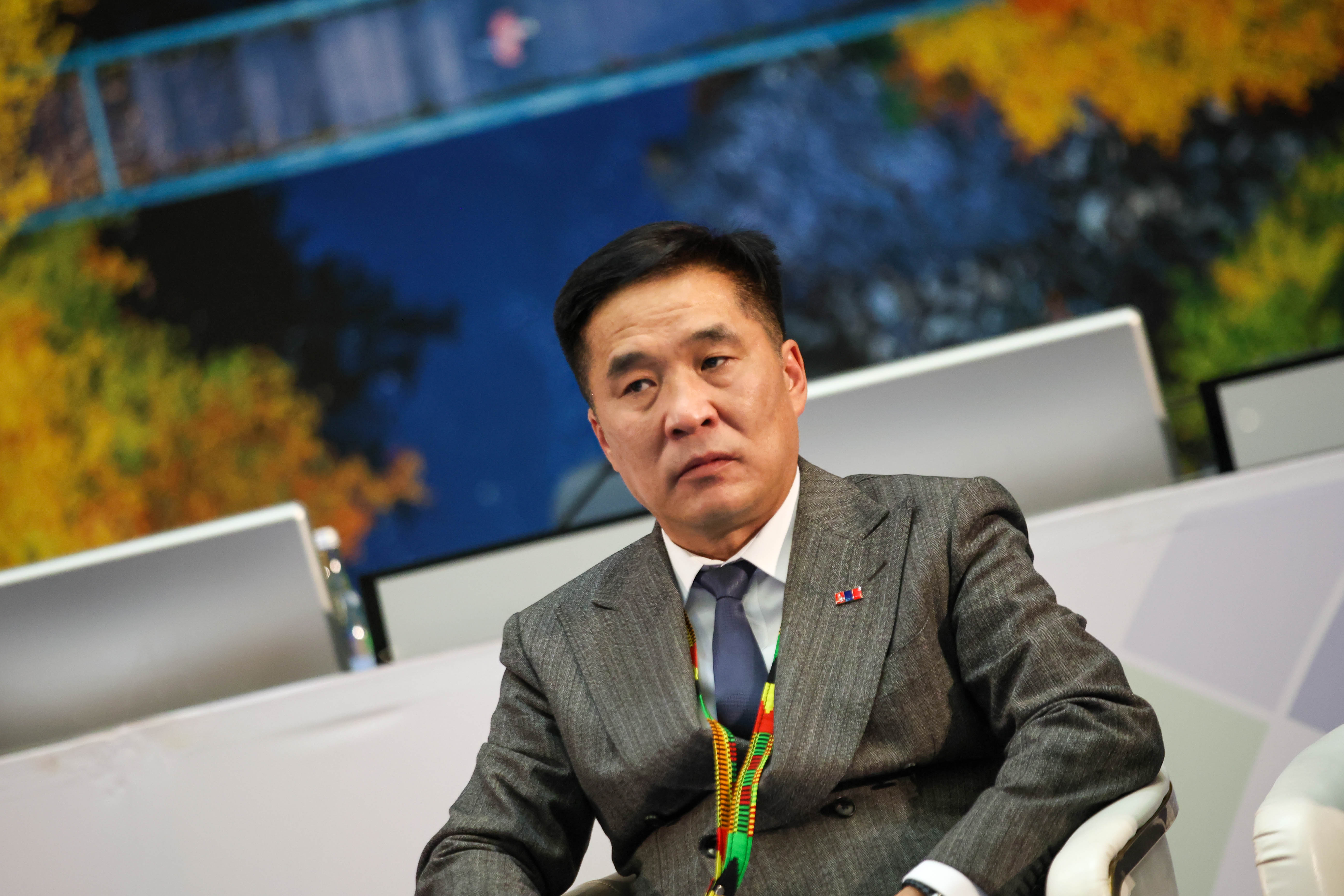
Batbaatar Bat, Minister of Environment and Climate Change, Mongolia
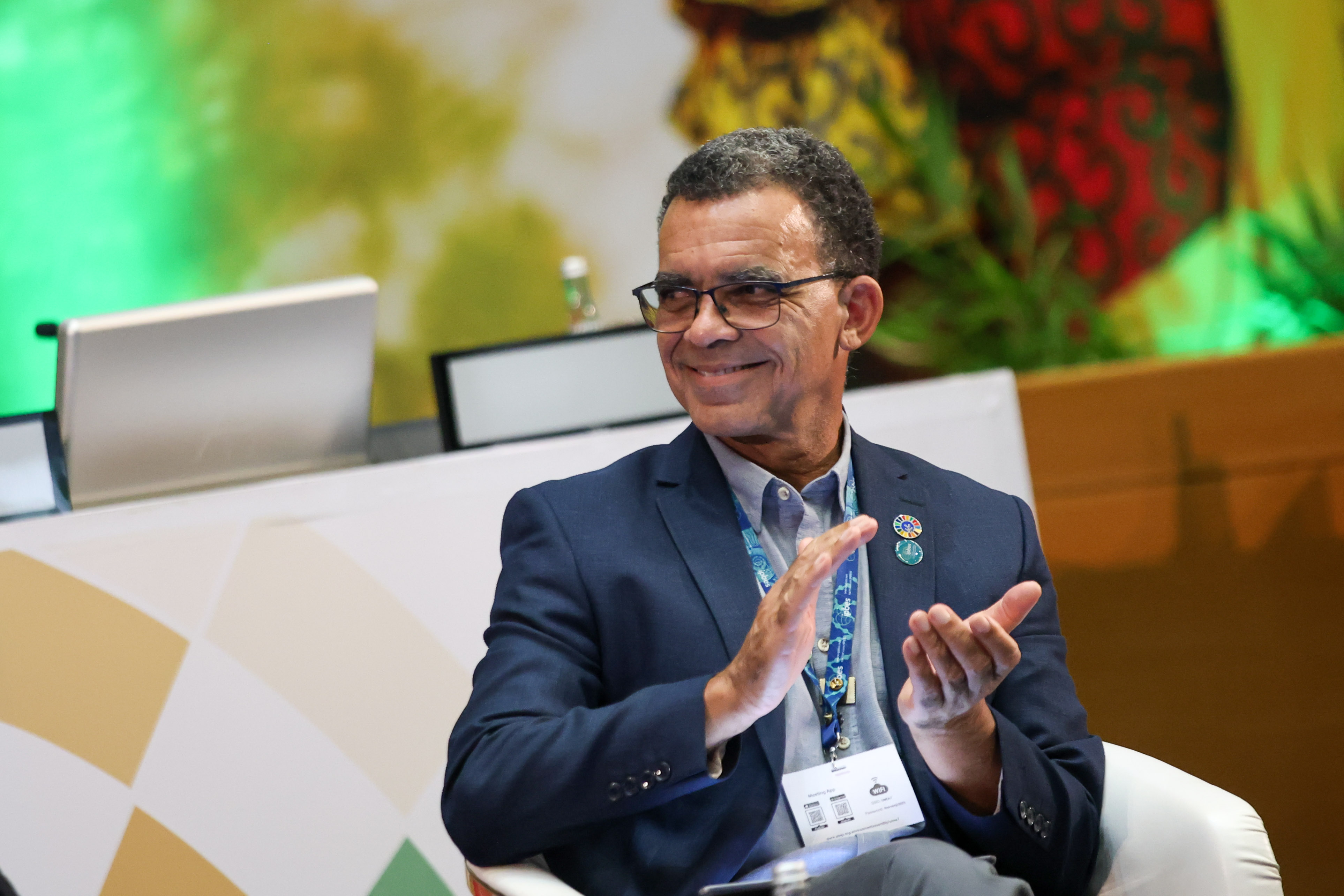
IPBES Chair David Obura
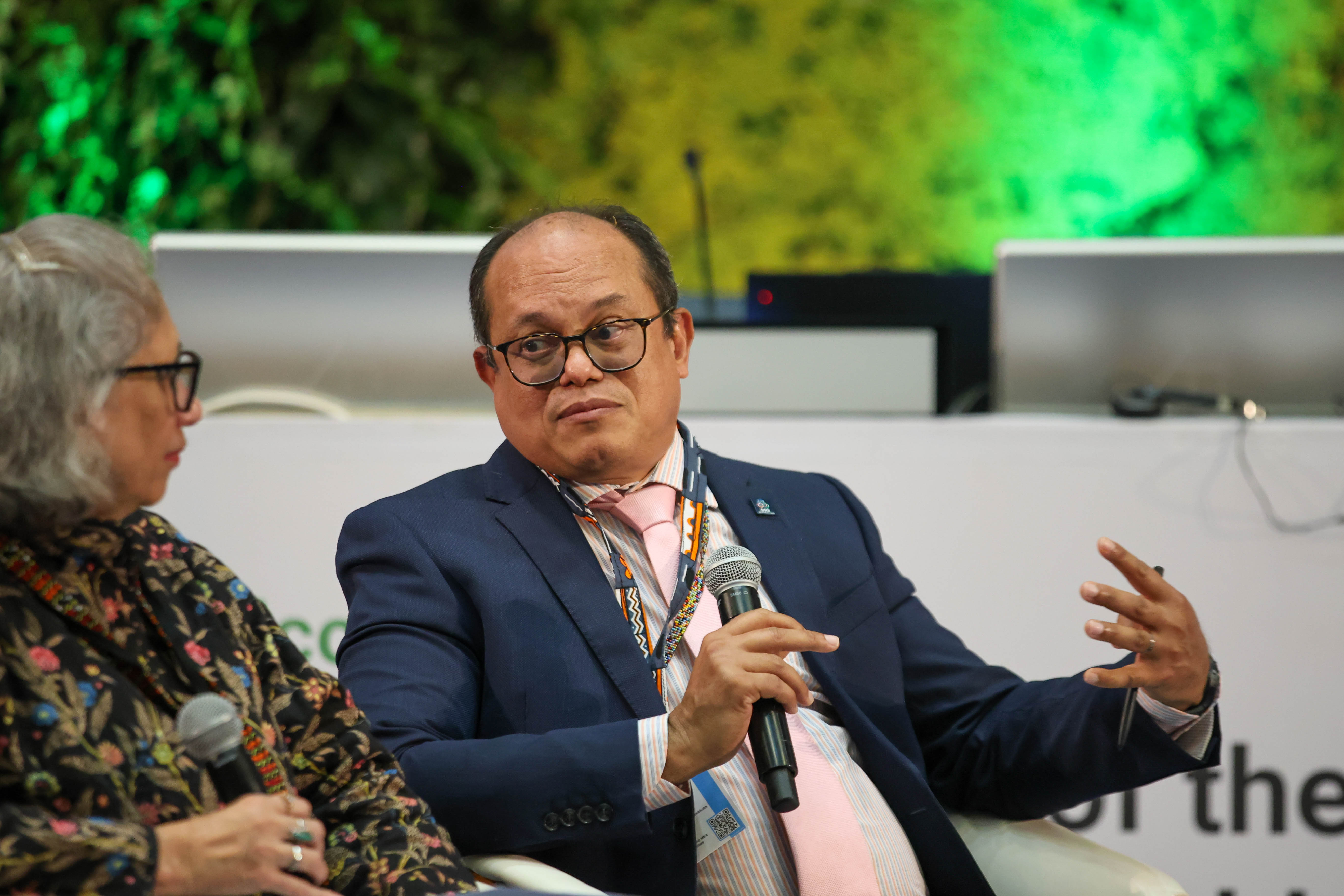
Rolph Payet, Executive Secretary, BRS Conventions
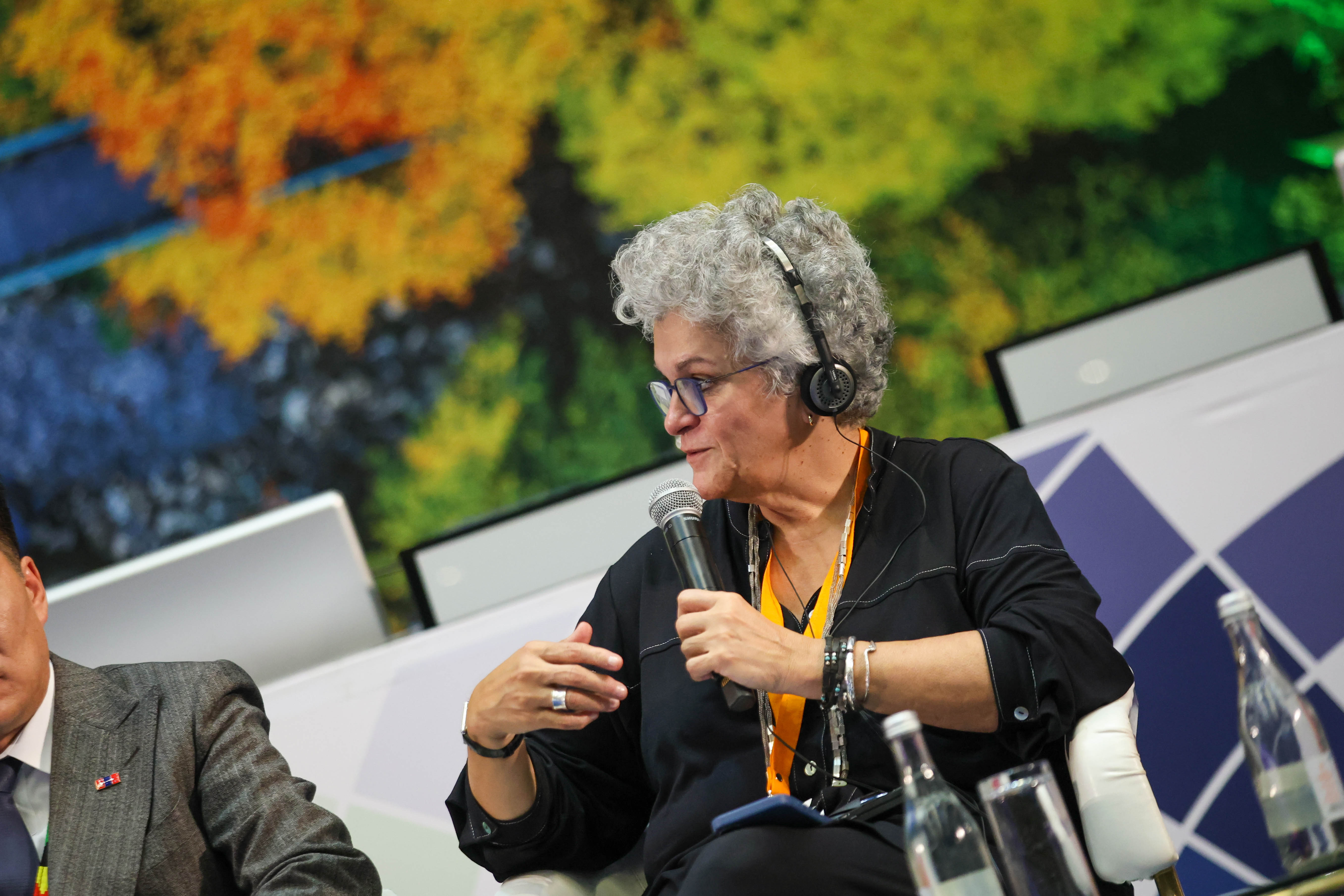
Izabella Teixeira, Co-Chair, International Resources Panel, UNEP
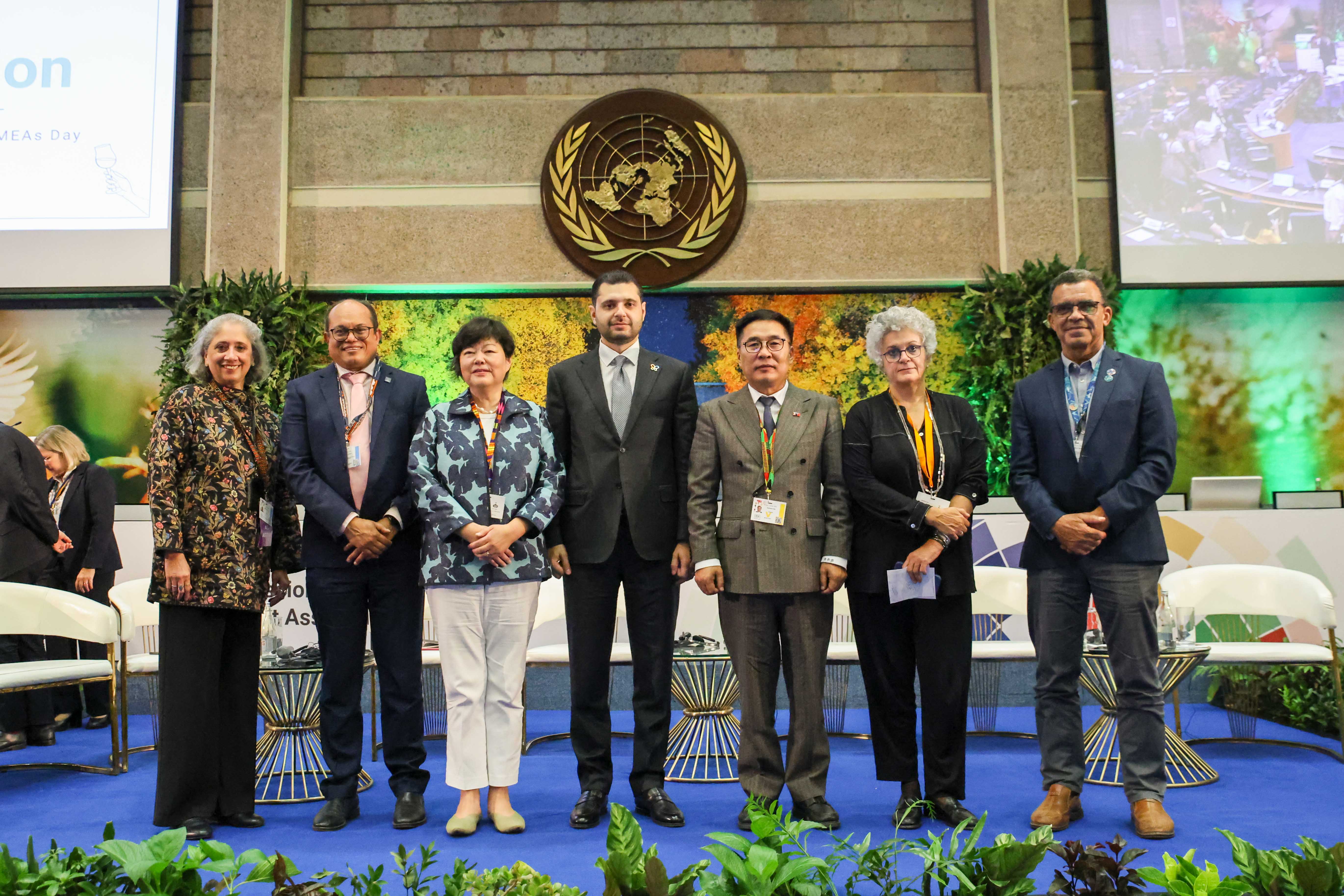
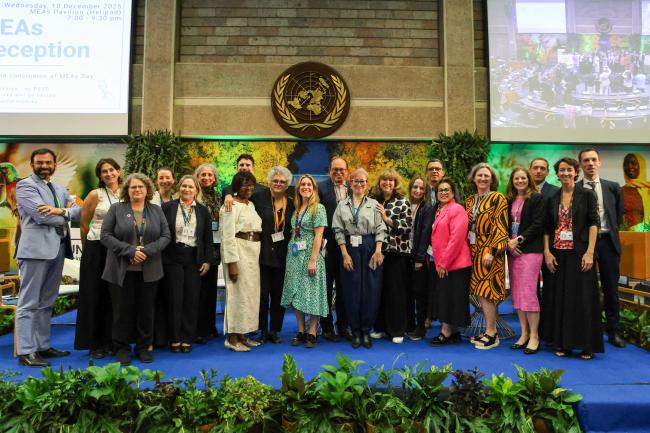
Panelists pose for a family photo at the end of the session.
Contact Groups
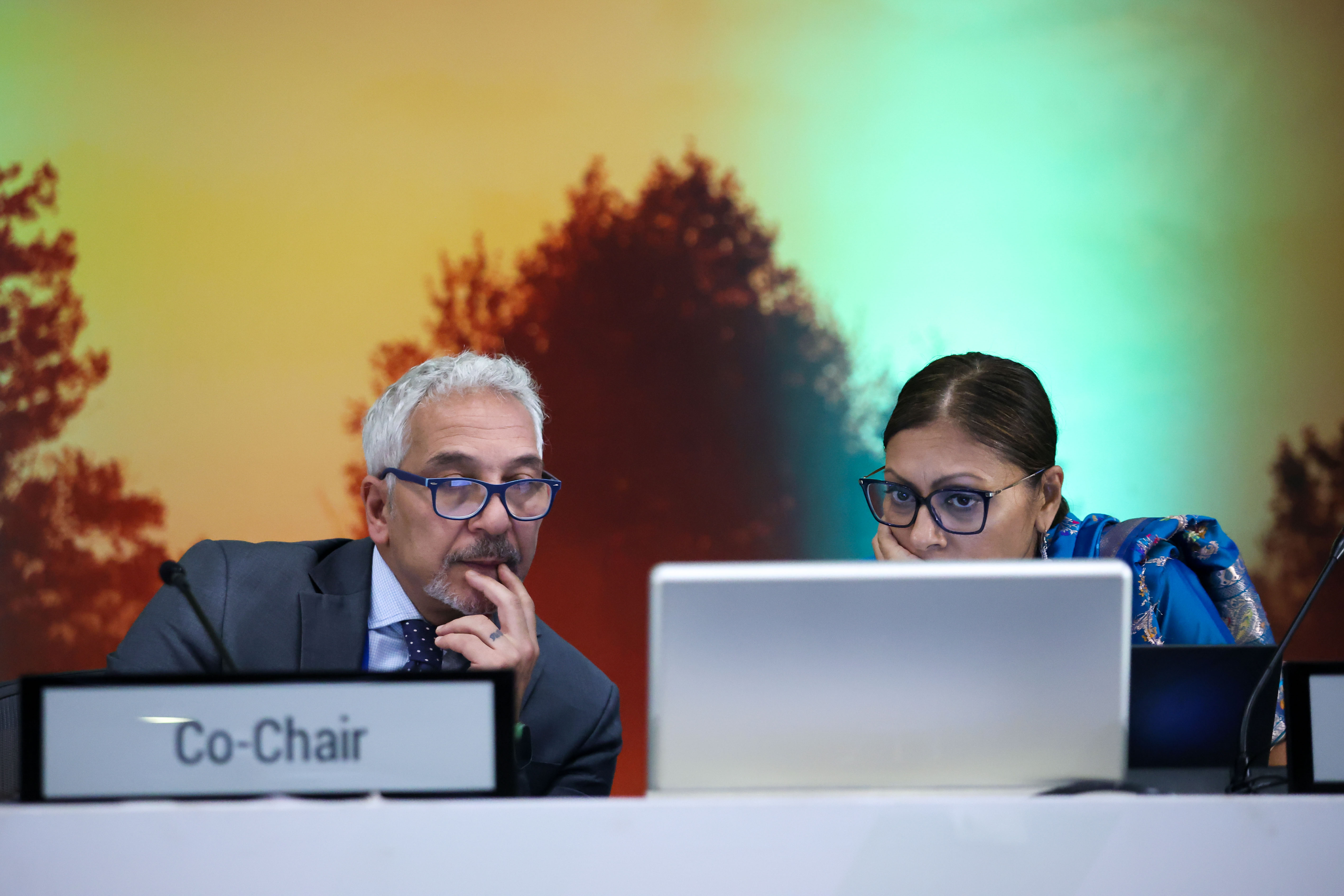
Nader Al-Tarawneh, Jordan, Co-Chair of Cluster D, and Radhika Ochalik, Secretary, Governing Bodies and Stakeholders, UNEP
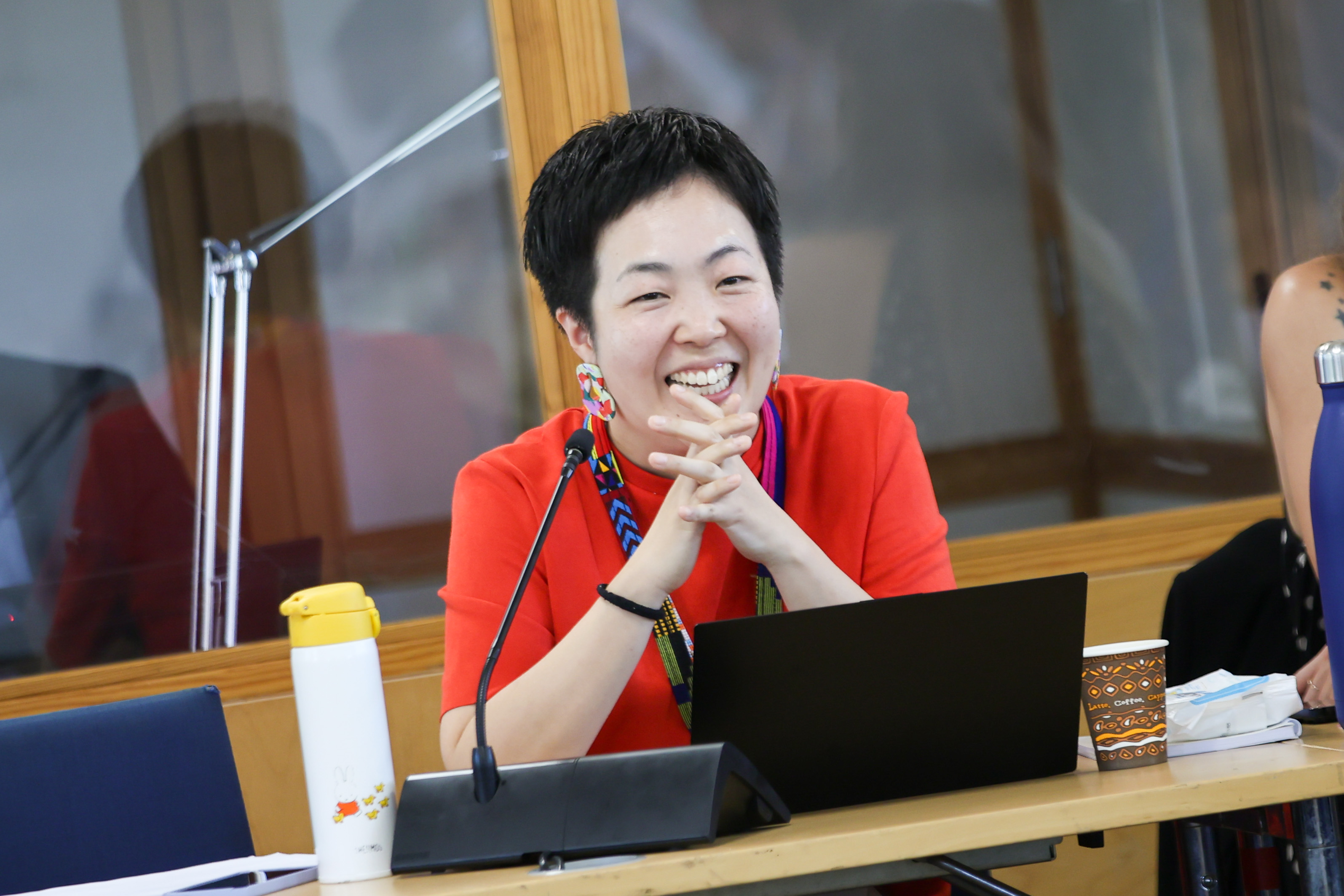
Kanako Okano, Japan, Co-Chair of Cluster A
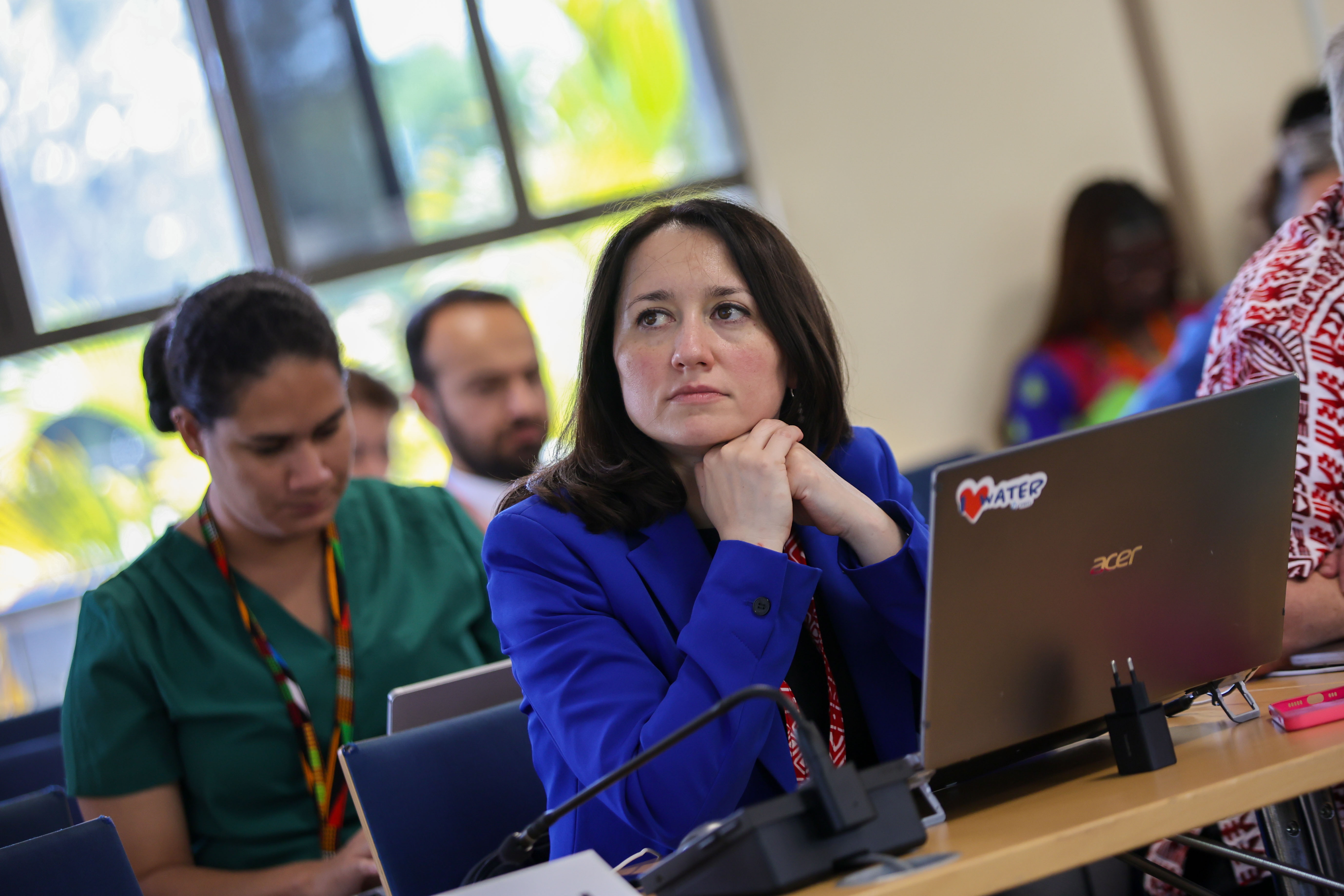
Kamala Huseynli-Abishova, Azerbaijan
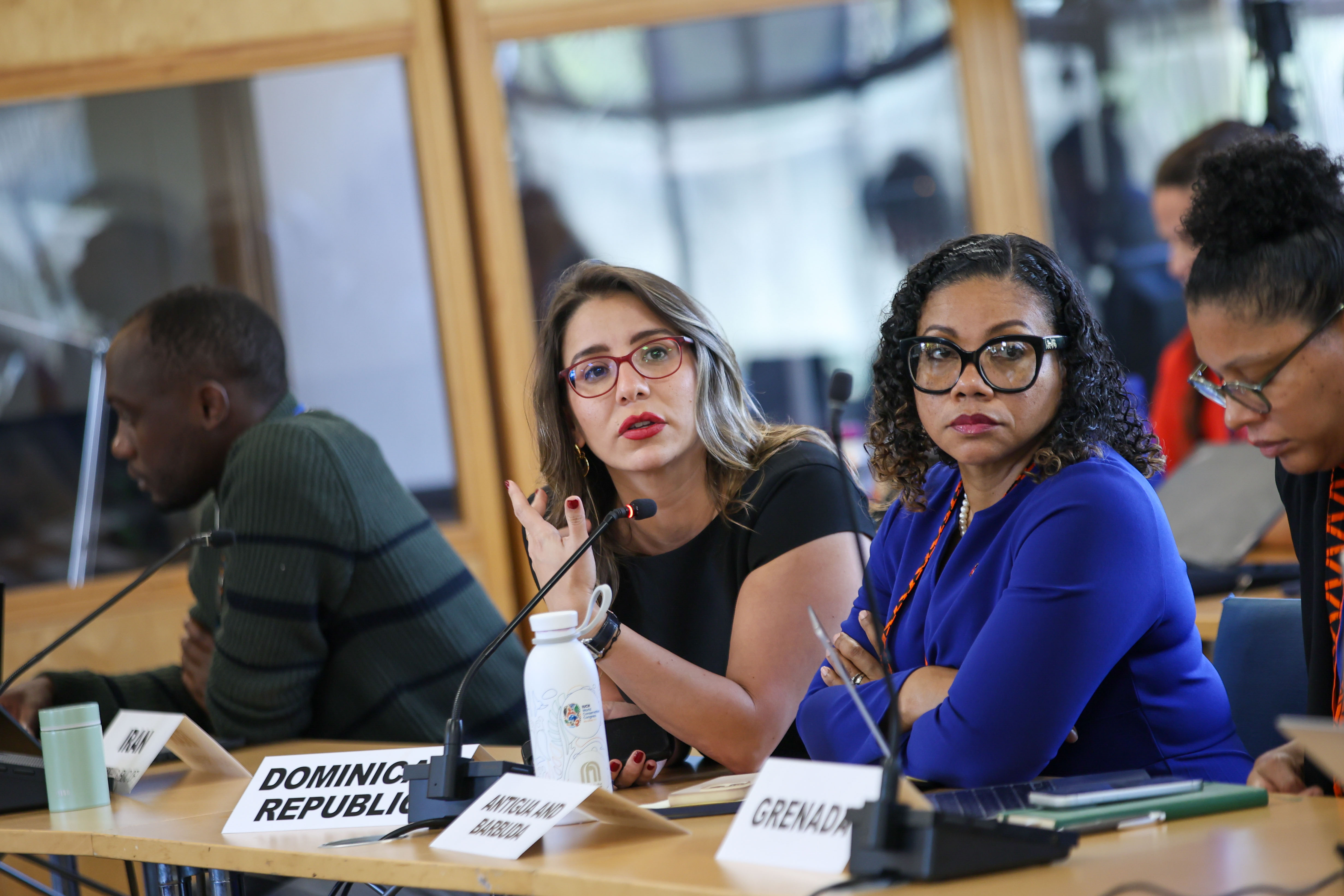
Claudia Taboada Flores, Dominican Republic
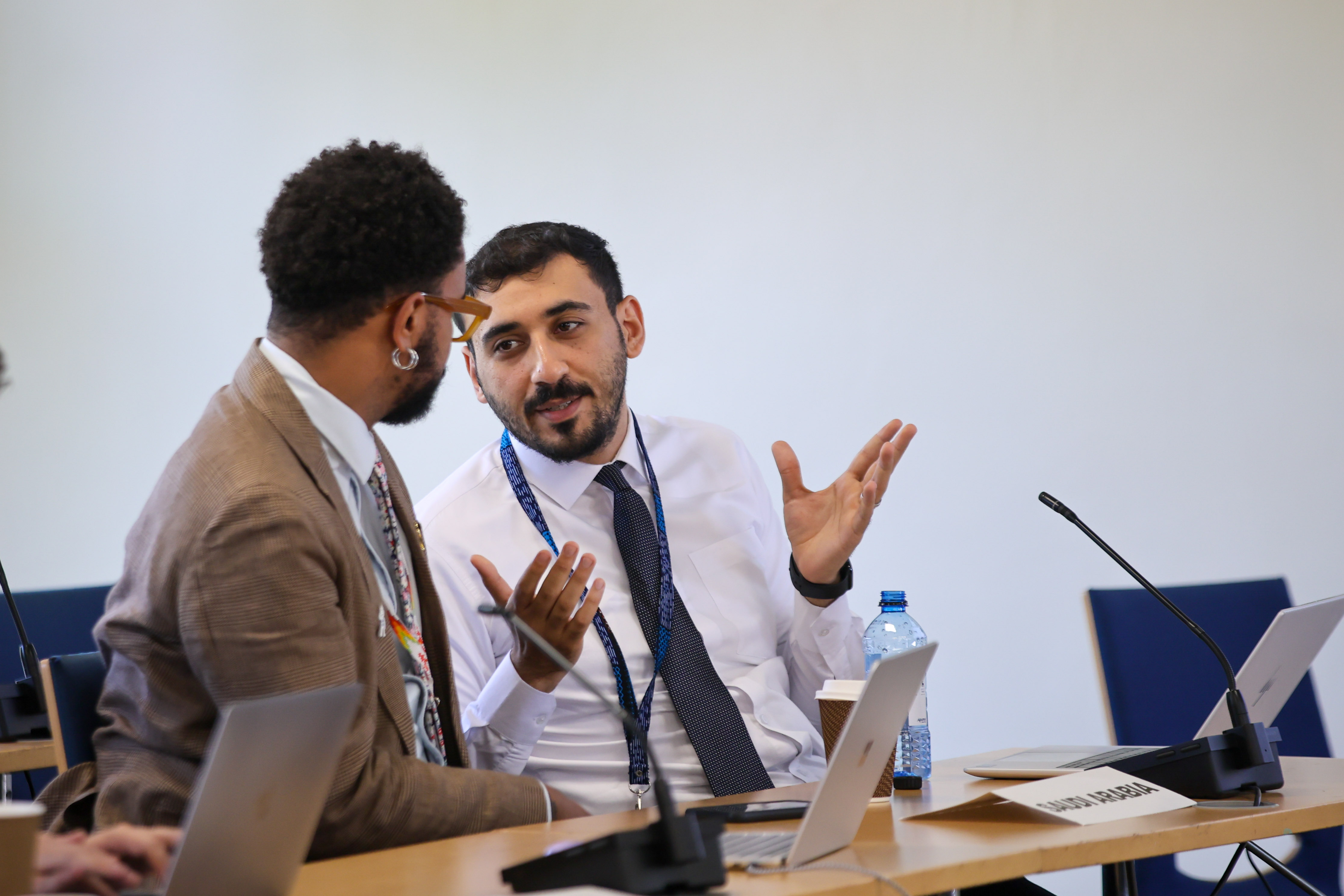
Abdulaziz Abdullah AlButti, Saudi Arabia
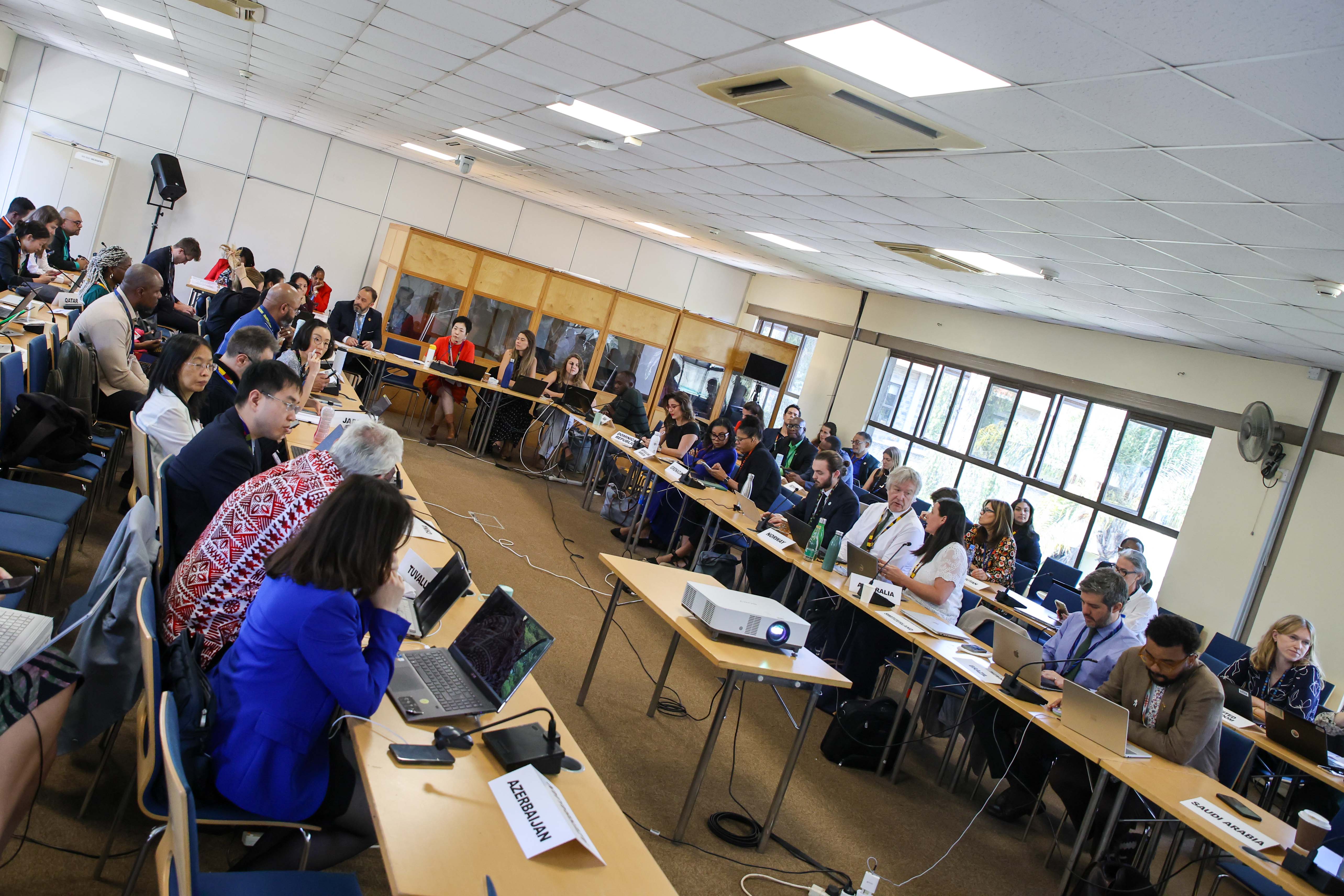
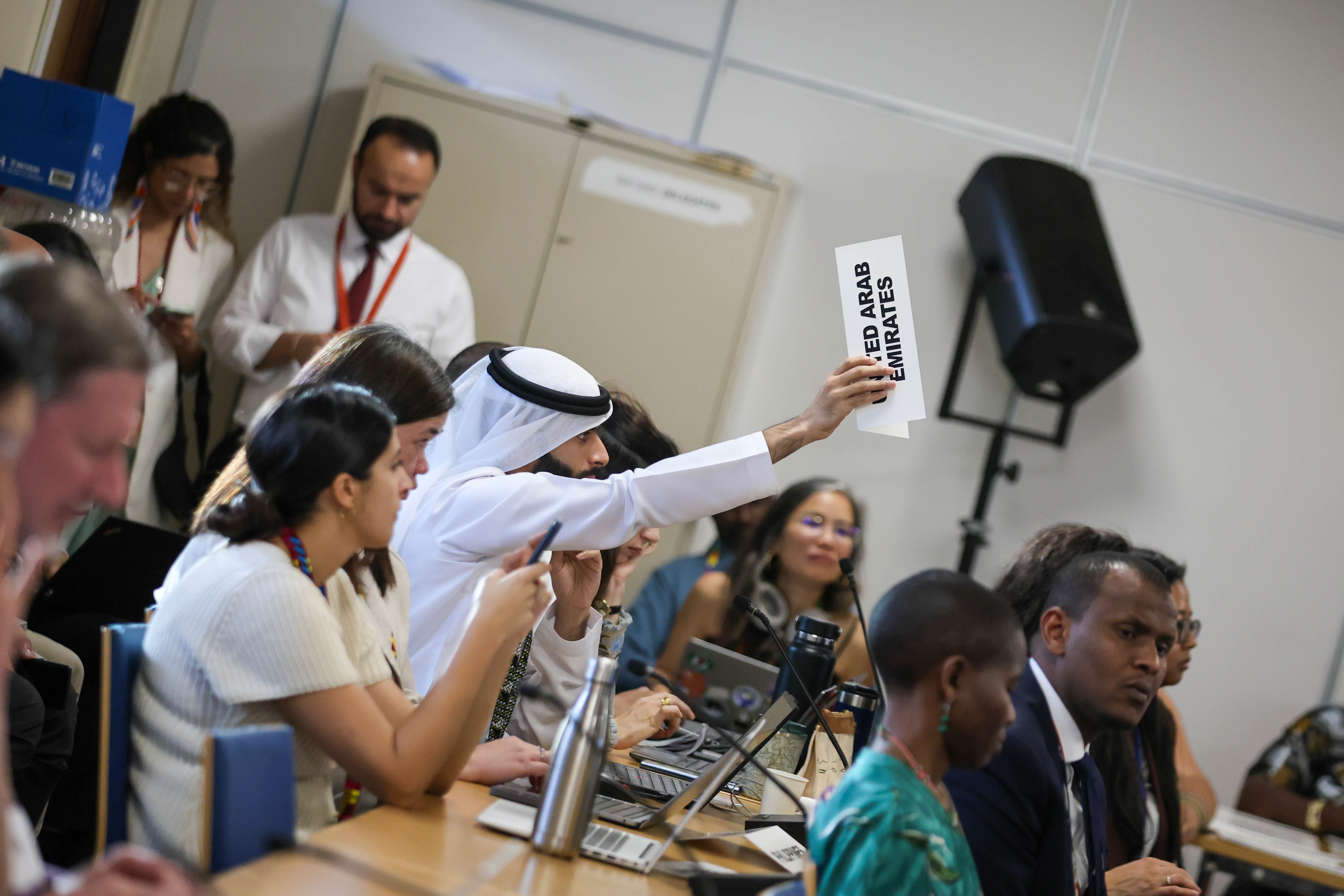
A view of the room during Cluster A on Nature and Climate
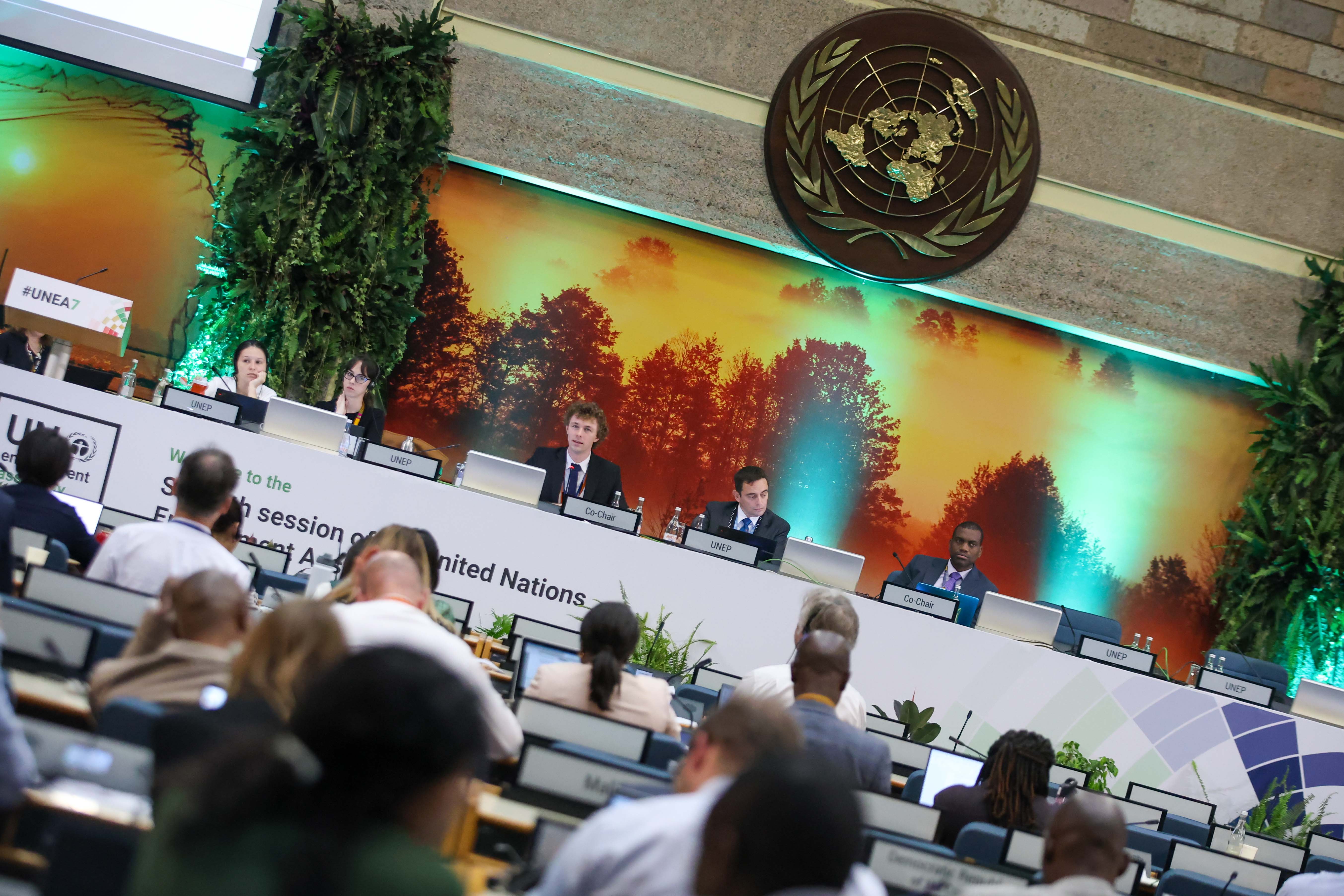
A view of the dais during Cluster B on governance and law
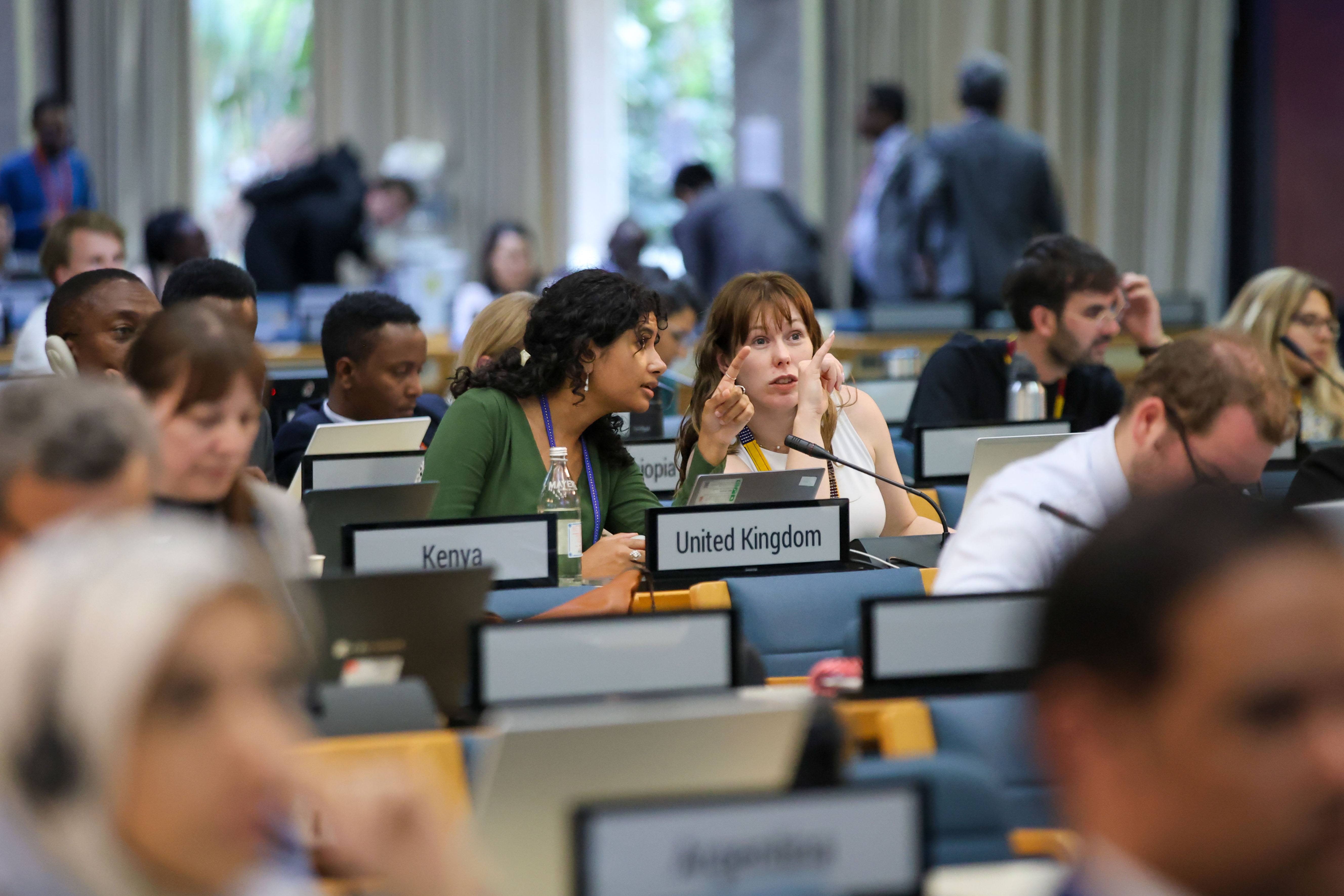
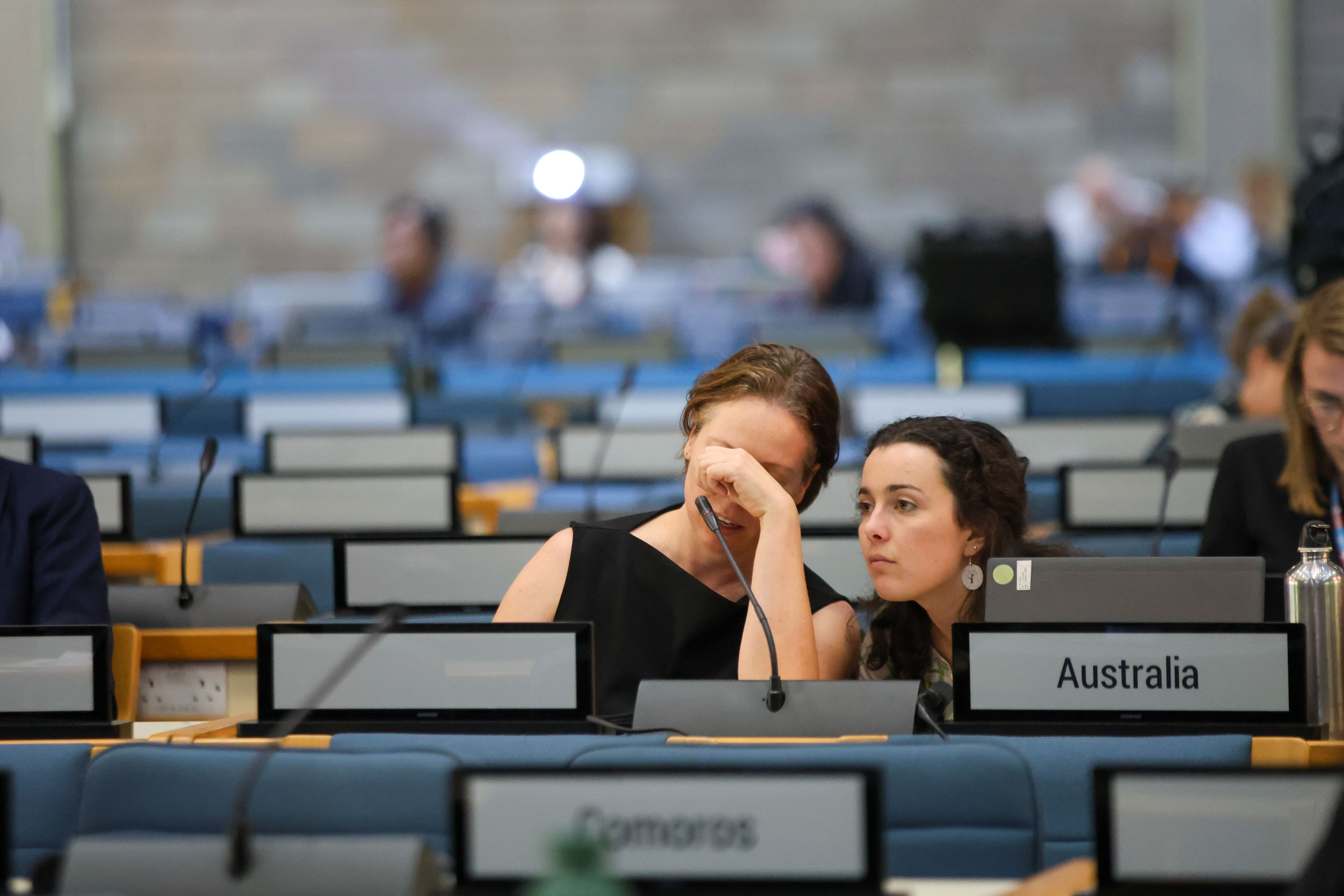
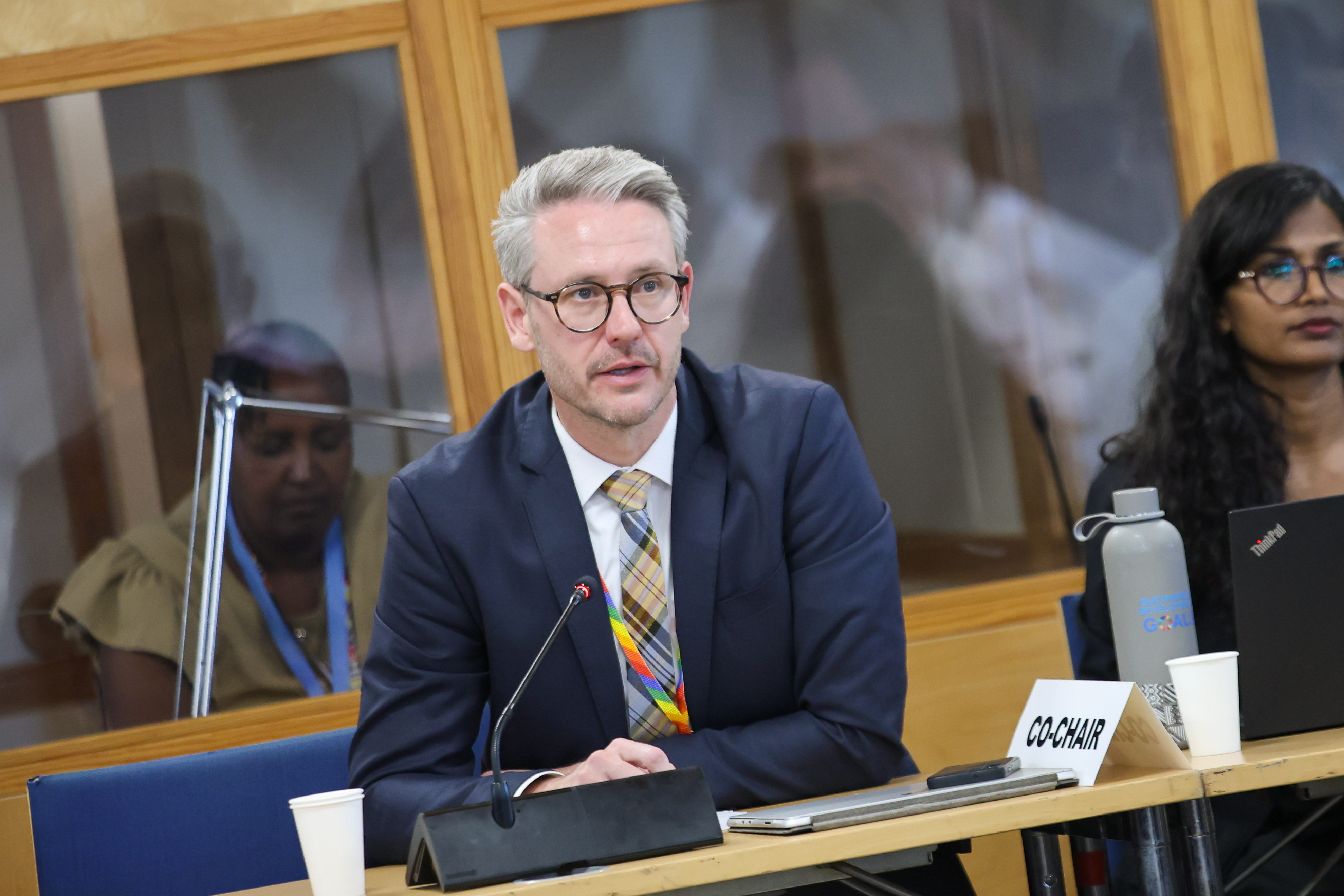
Martin Röw, Germany, Co-Chair of Cluster B
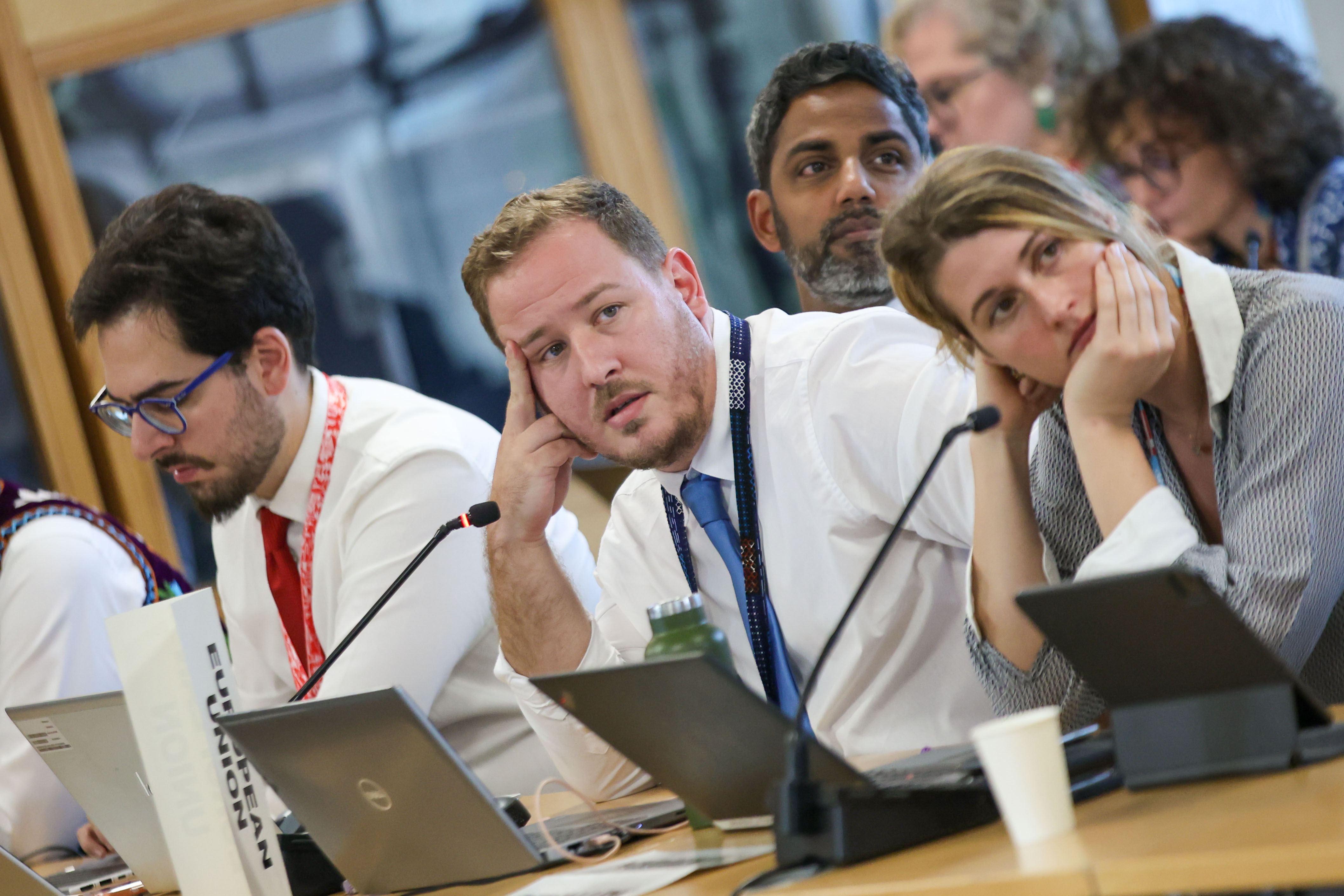
Miguel Luís, EU
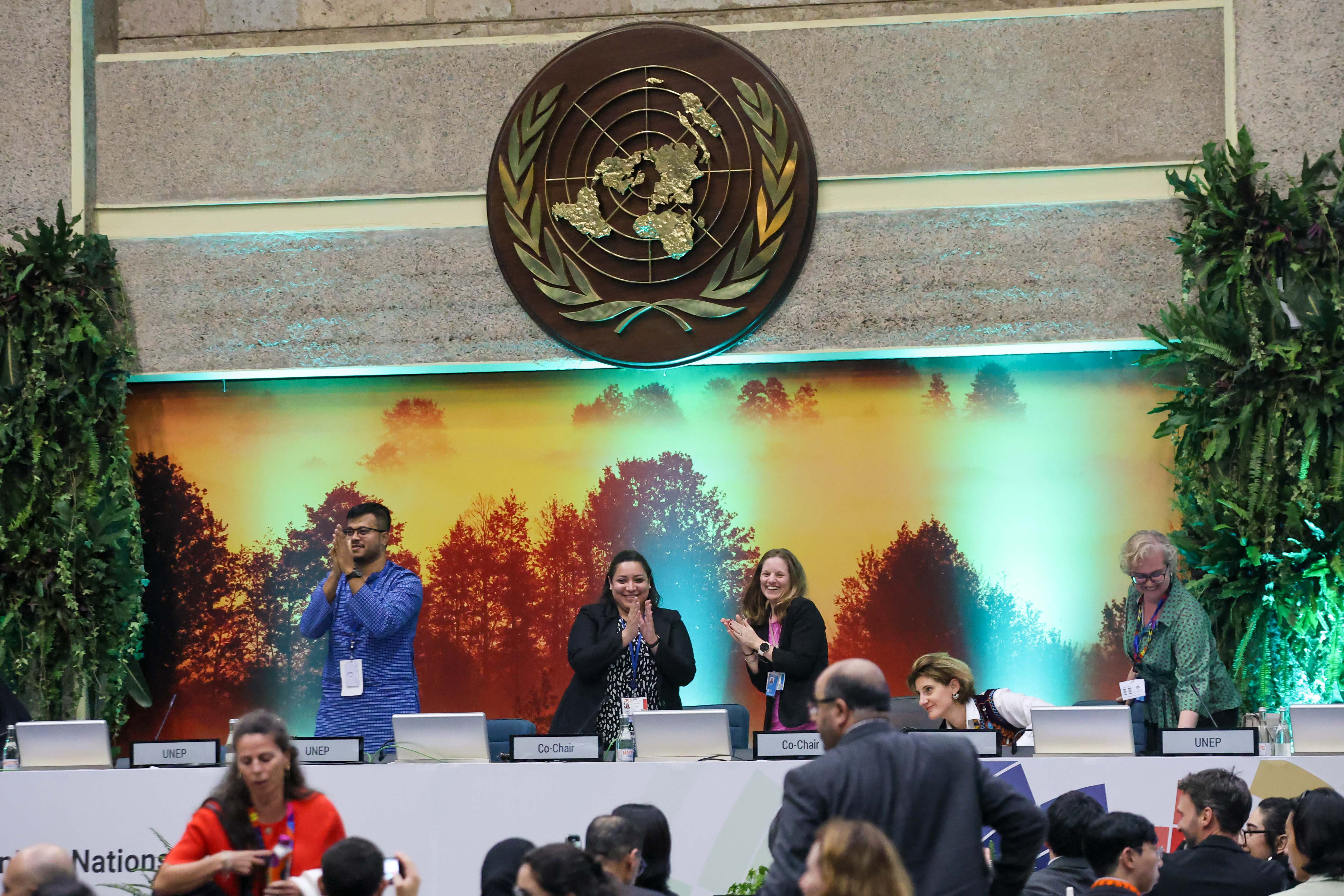
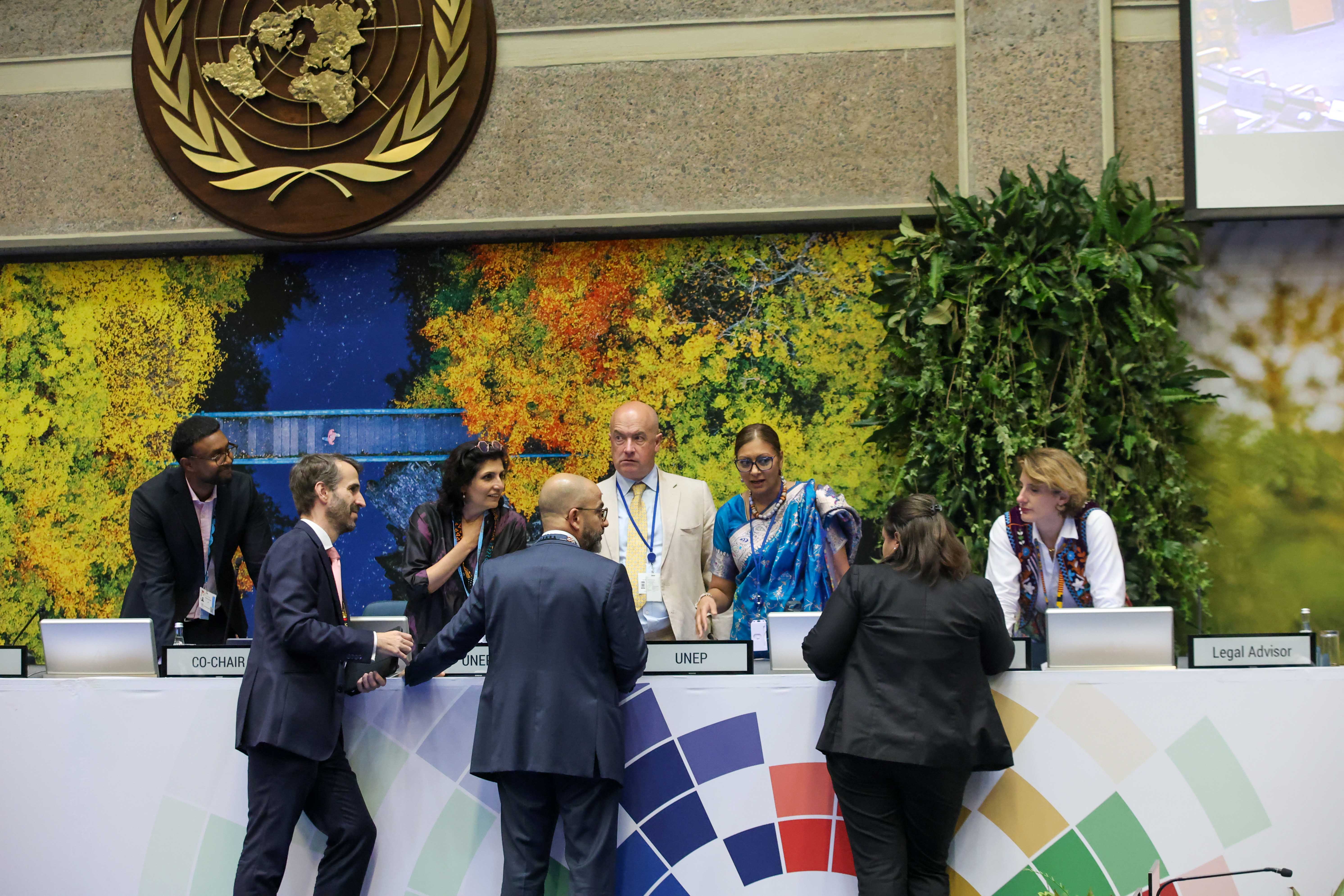
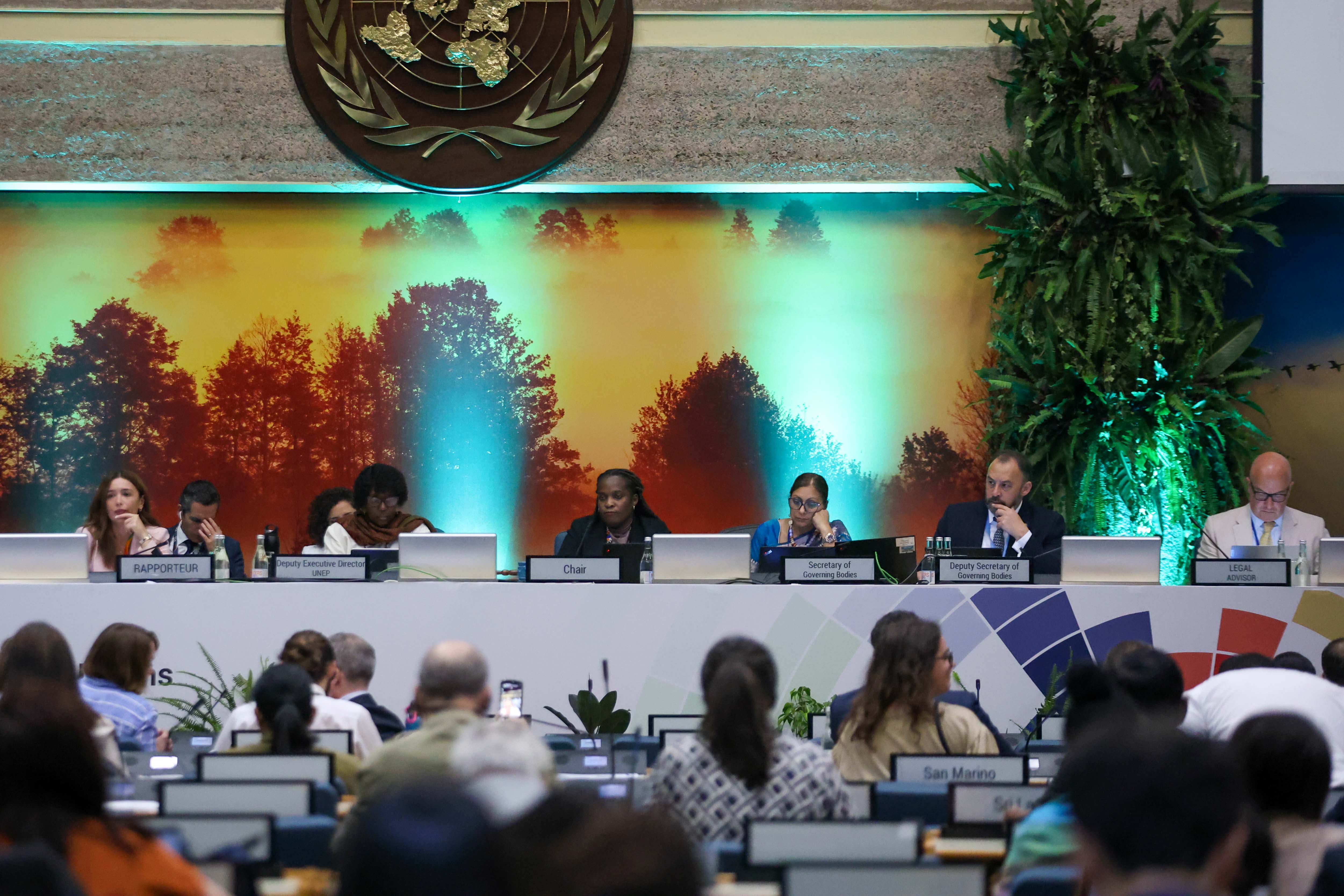
Closing Plenary of the Committee of the Whole
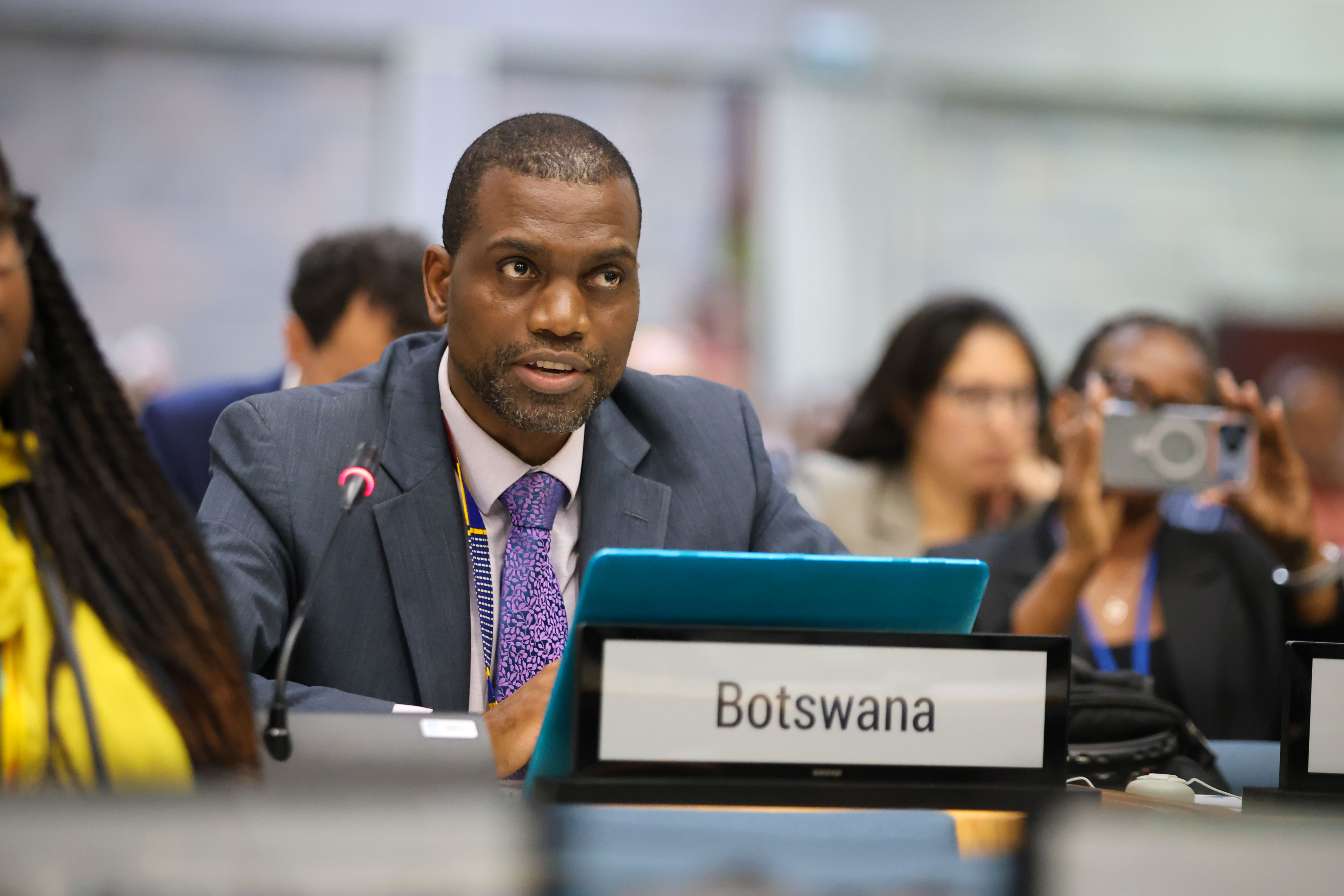
Ontumetse Ontumetse, Botswana, Co-Chair of Cluster C
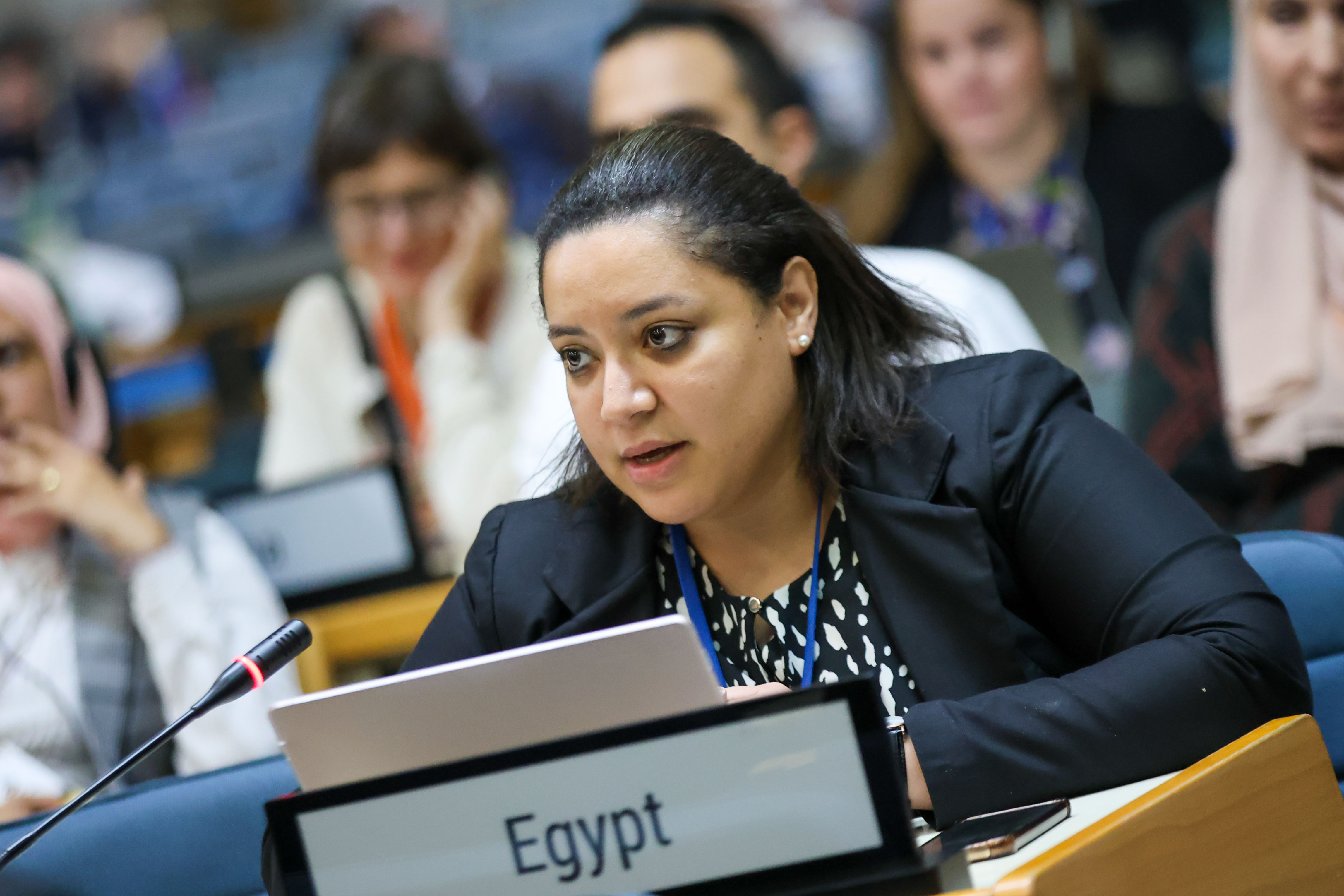
Sara Elkhouly, Egypt, Co-Chair of Cluster B
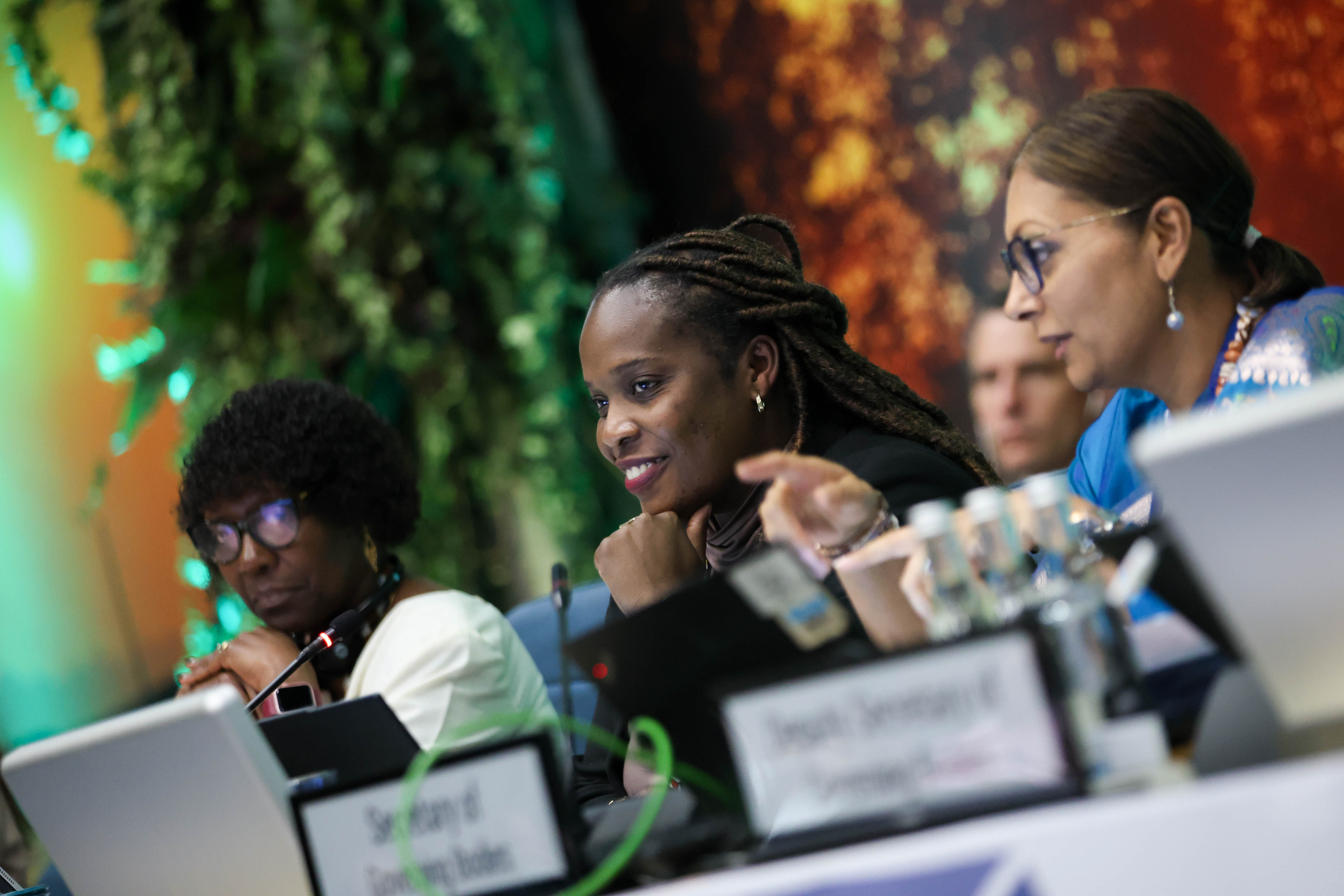
Joyelle Clarke, Chair, Committee of the Whole
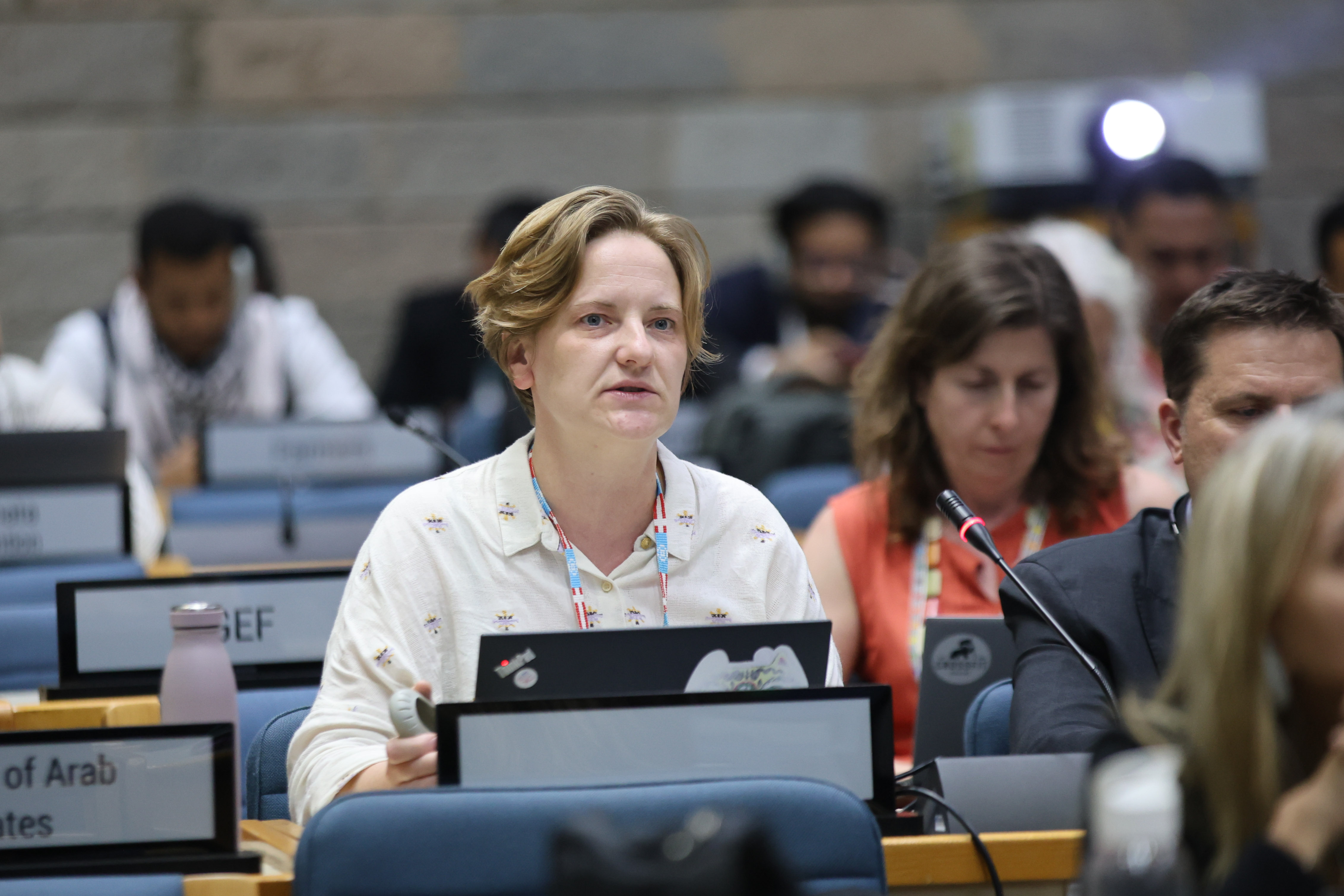
Sidsel Bjøl, EU
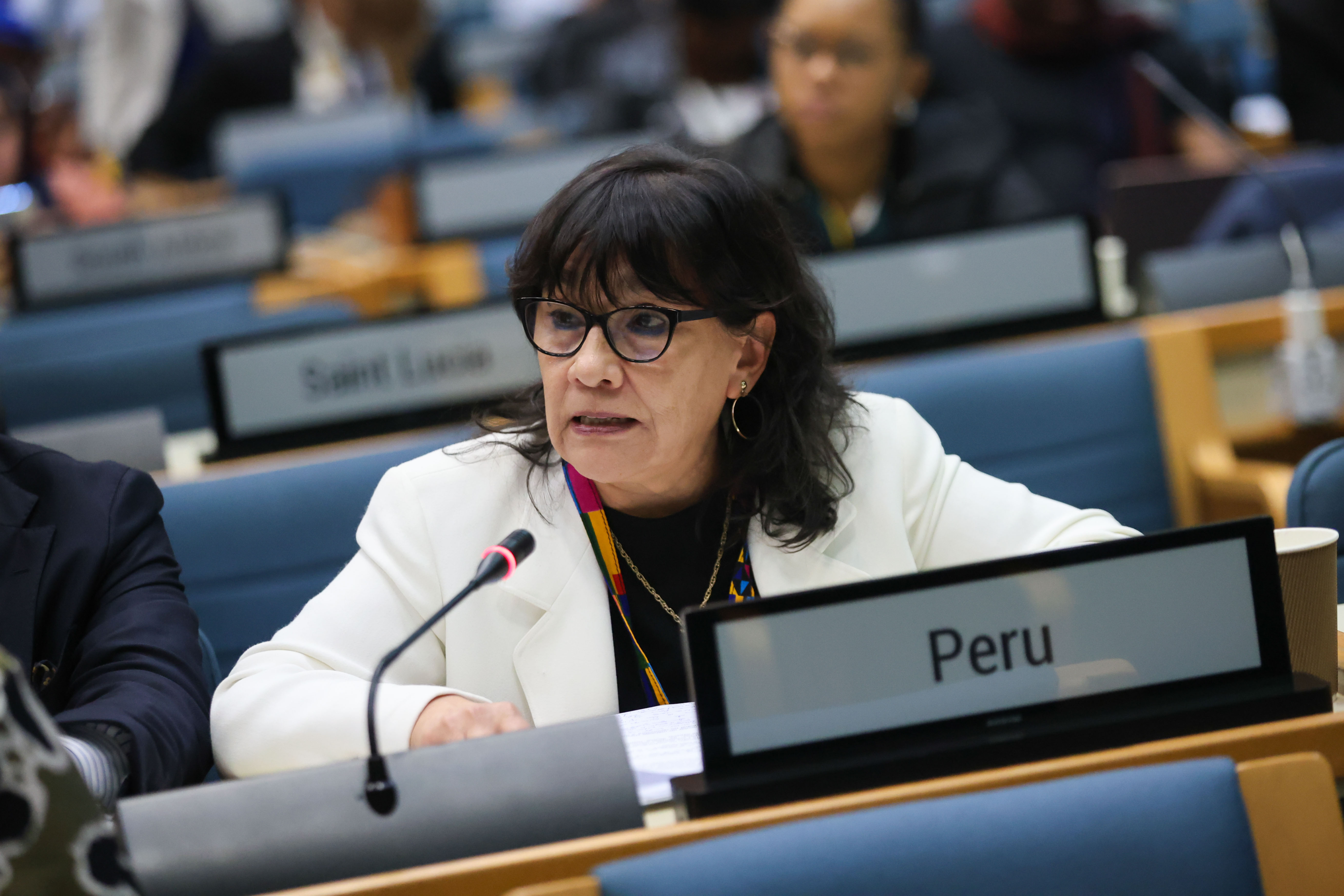
Romy Sonia Tincopa Grados, Peru
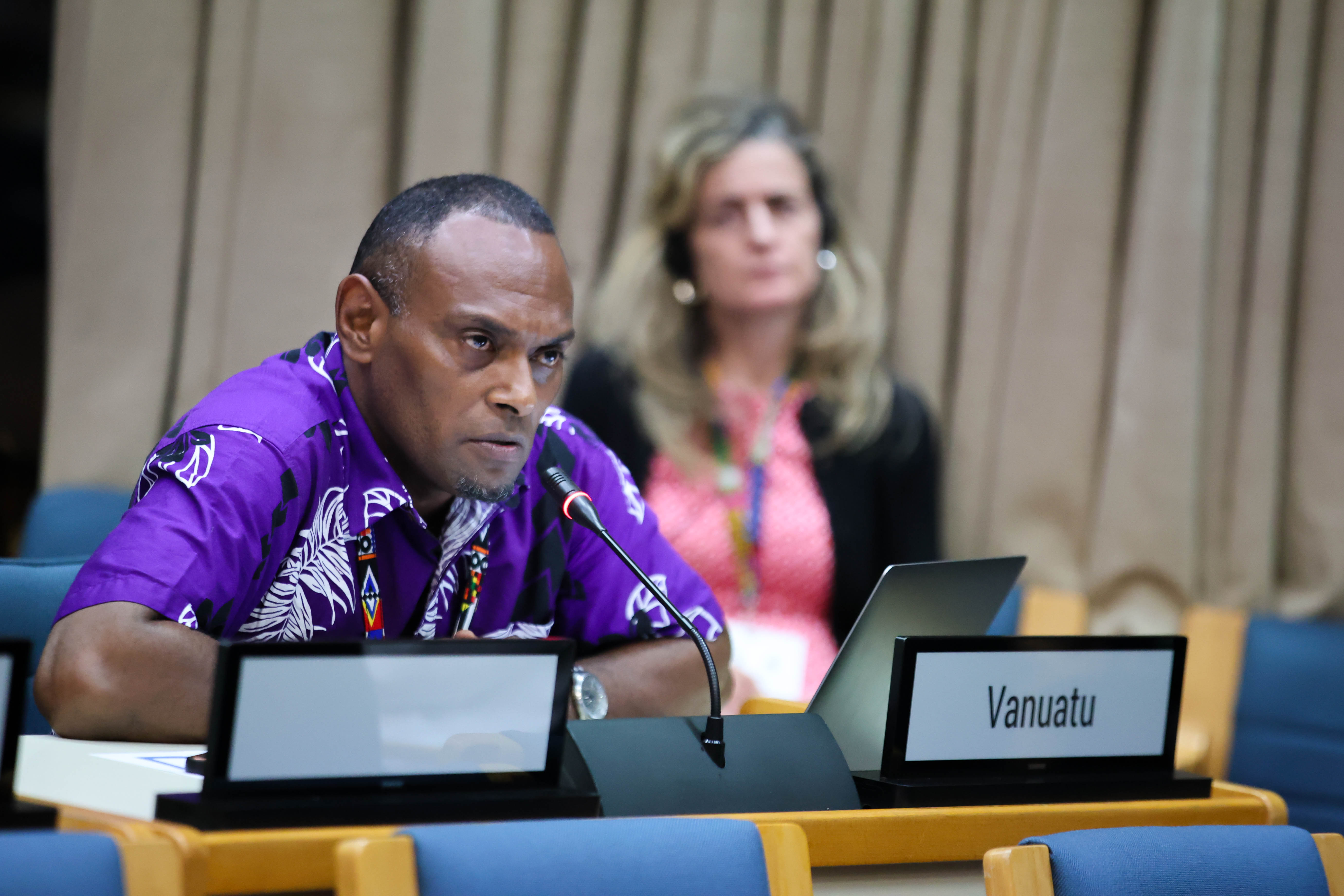
Lagi Toribau, Vanuatu
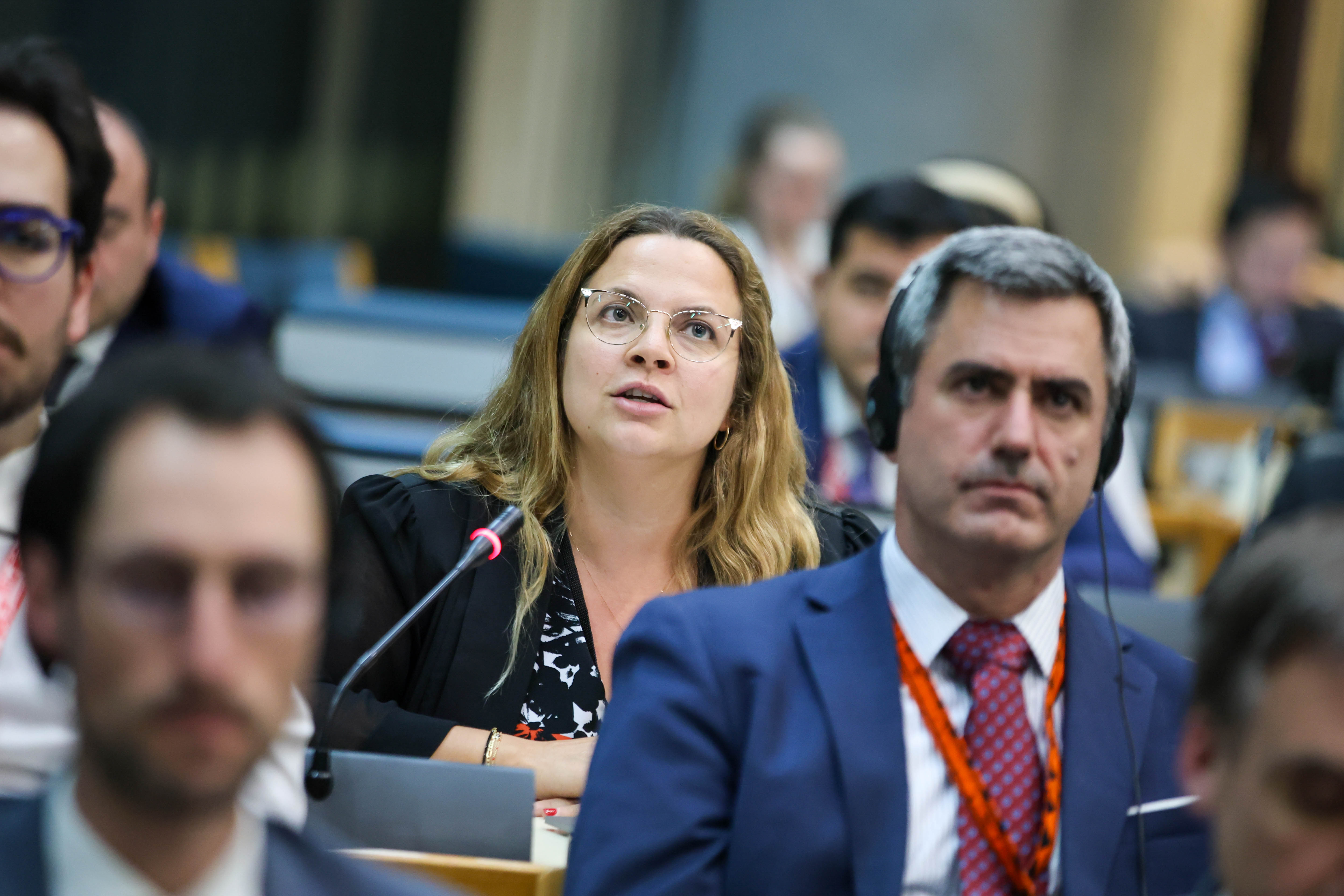
Valentina Sierra Domínguez, Uruguay
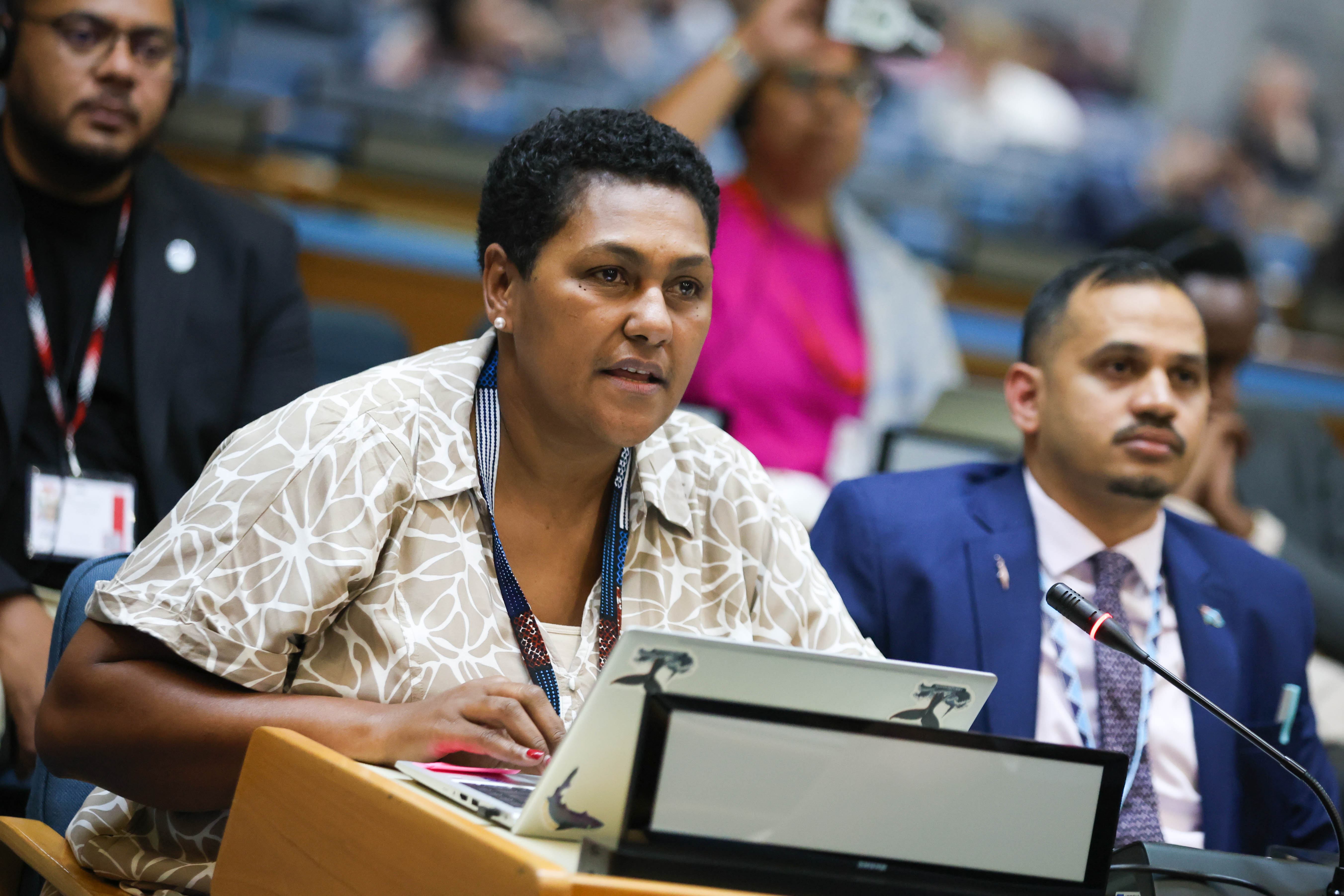
Senimili Nakora, Fiji
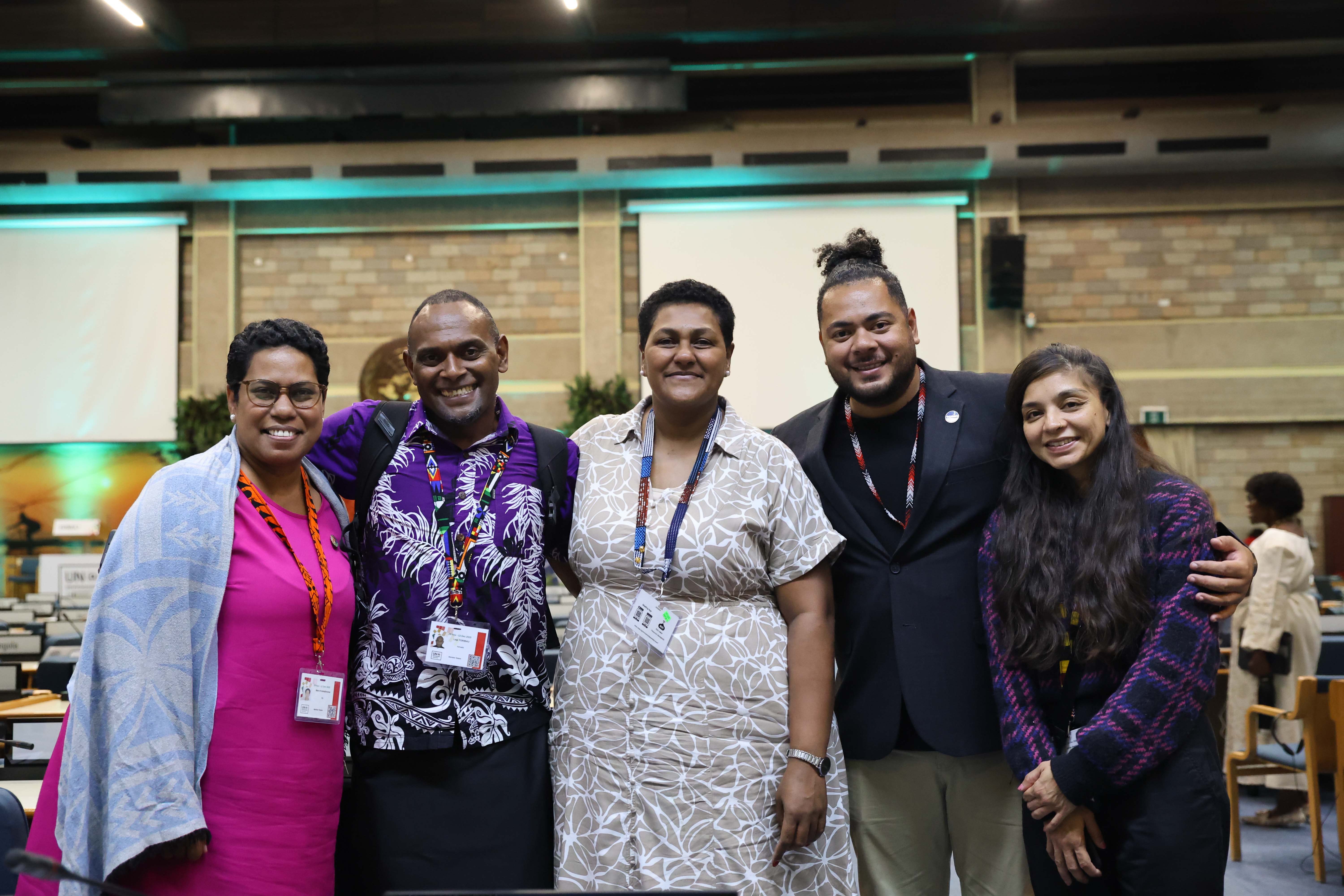
Delegates from Fiji and Vanuatu
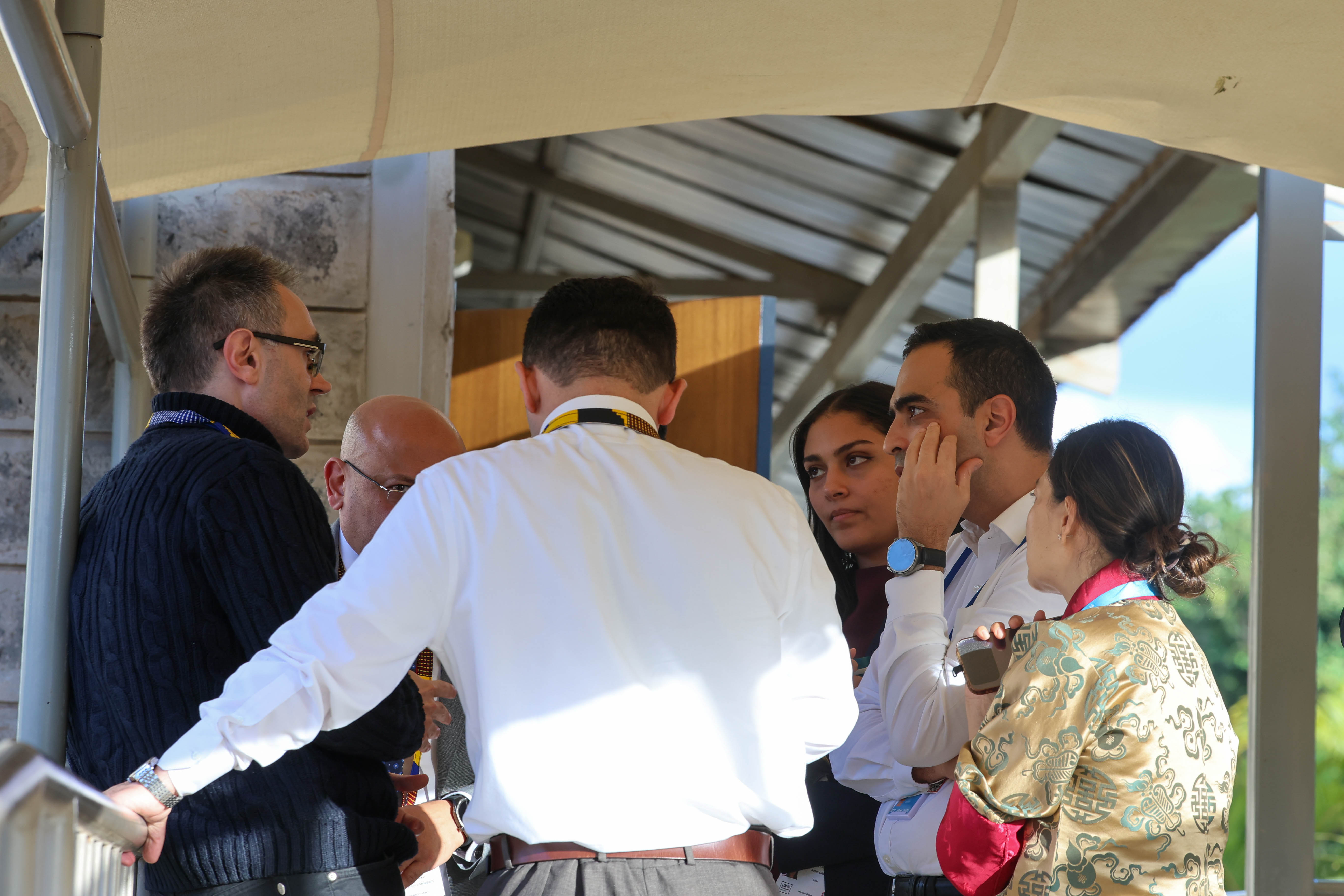
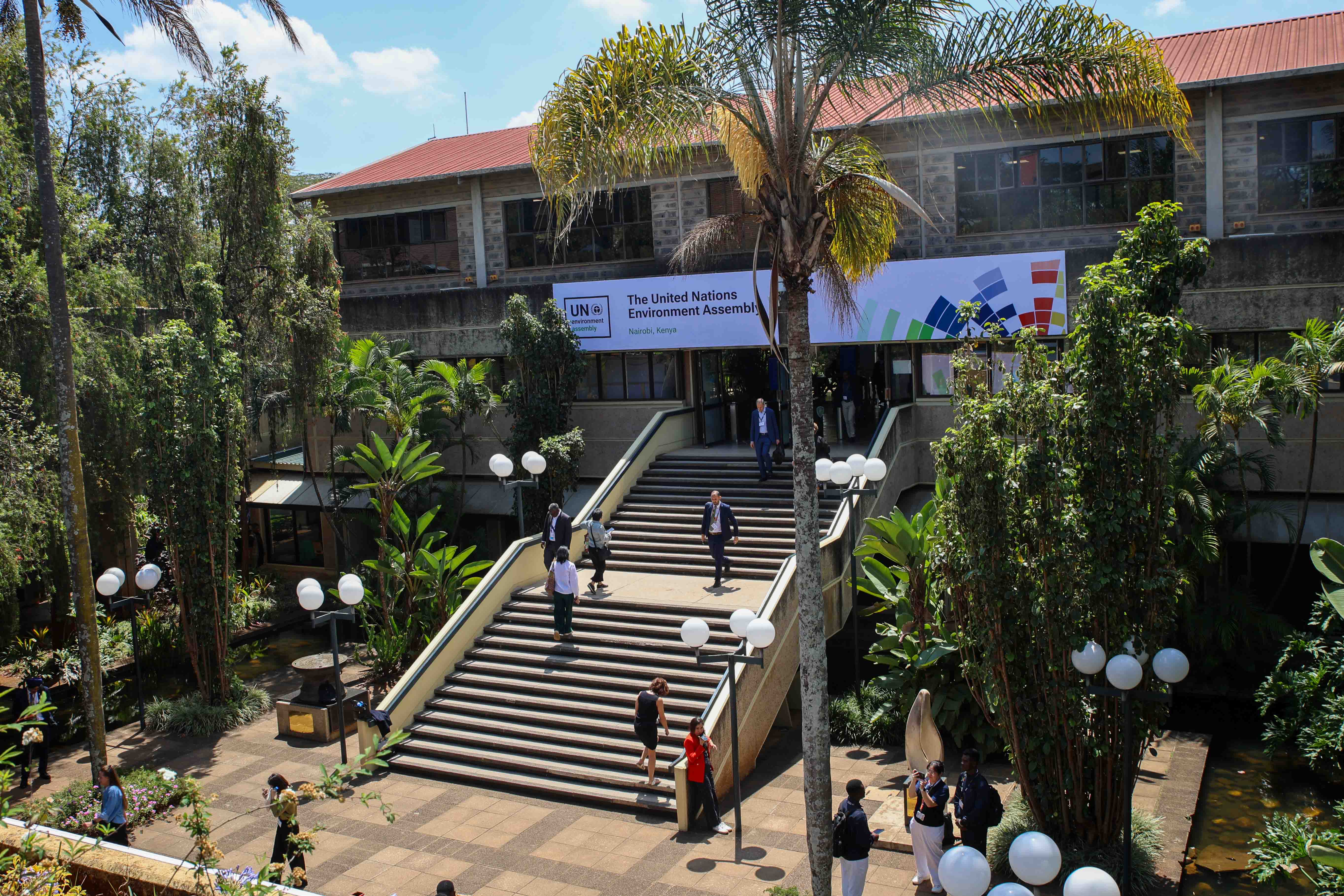
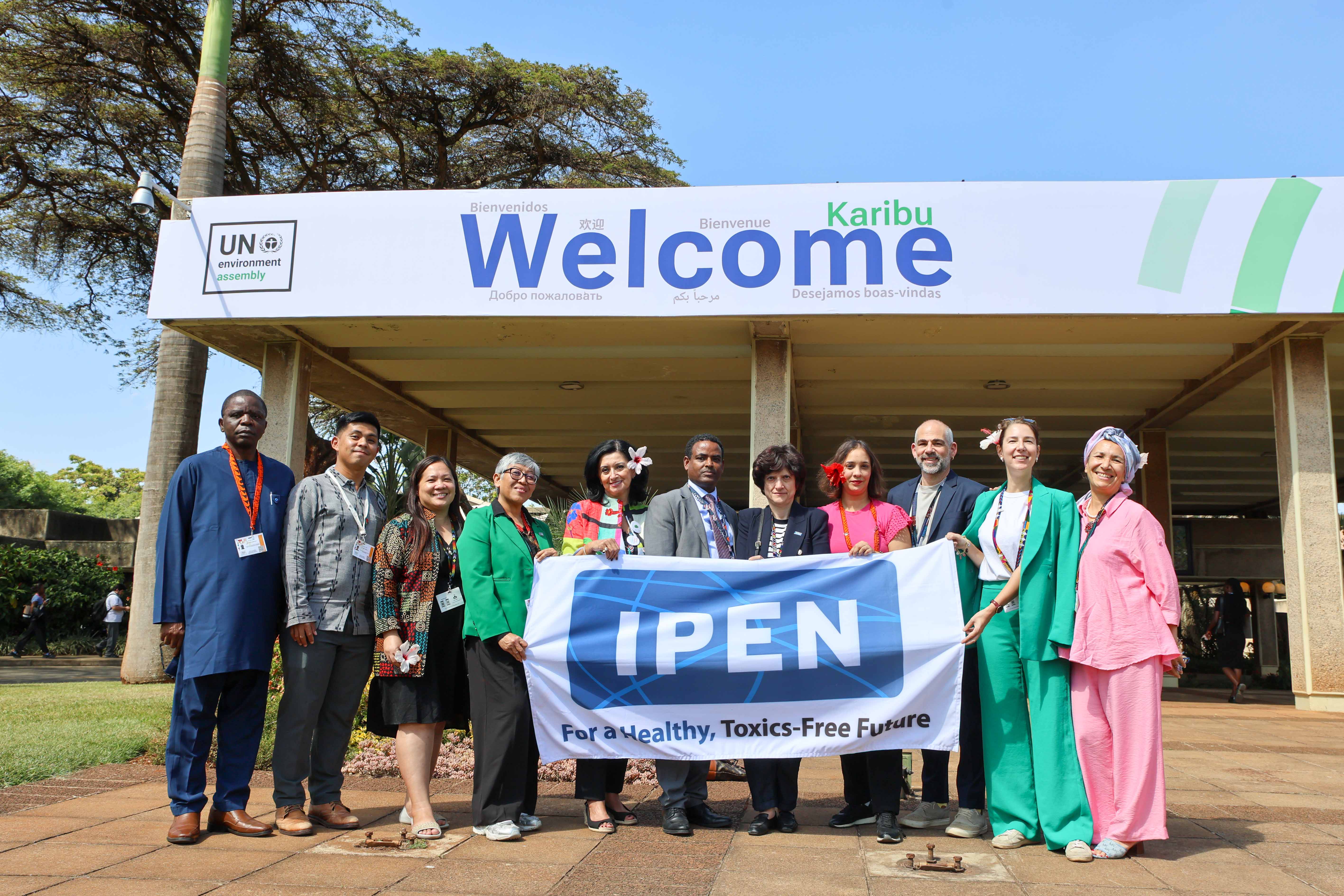
Around the Venue
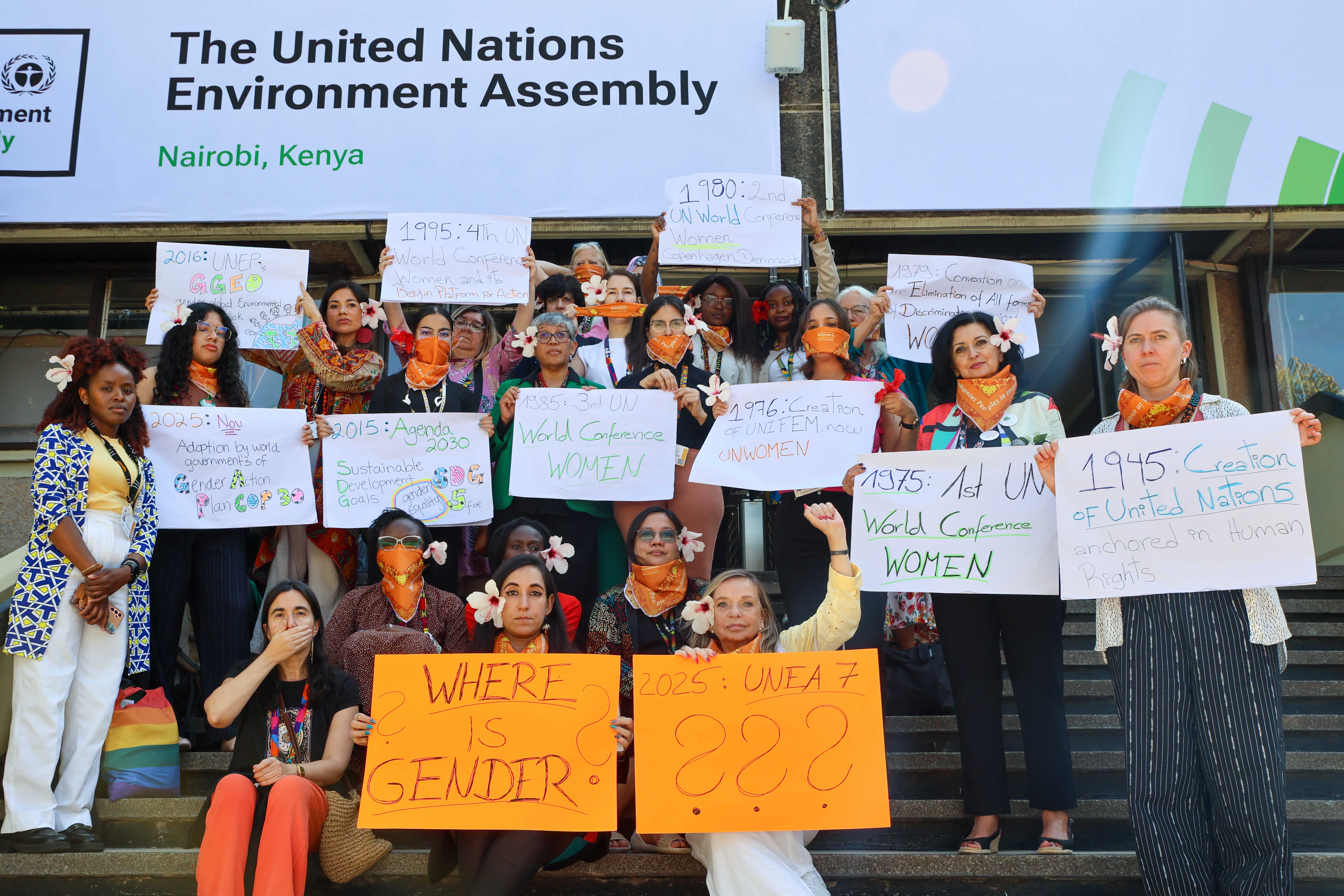
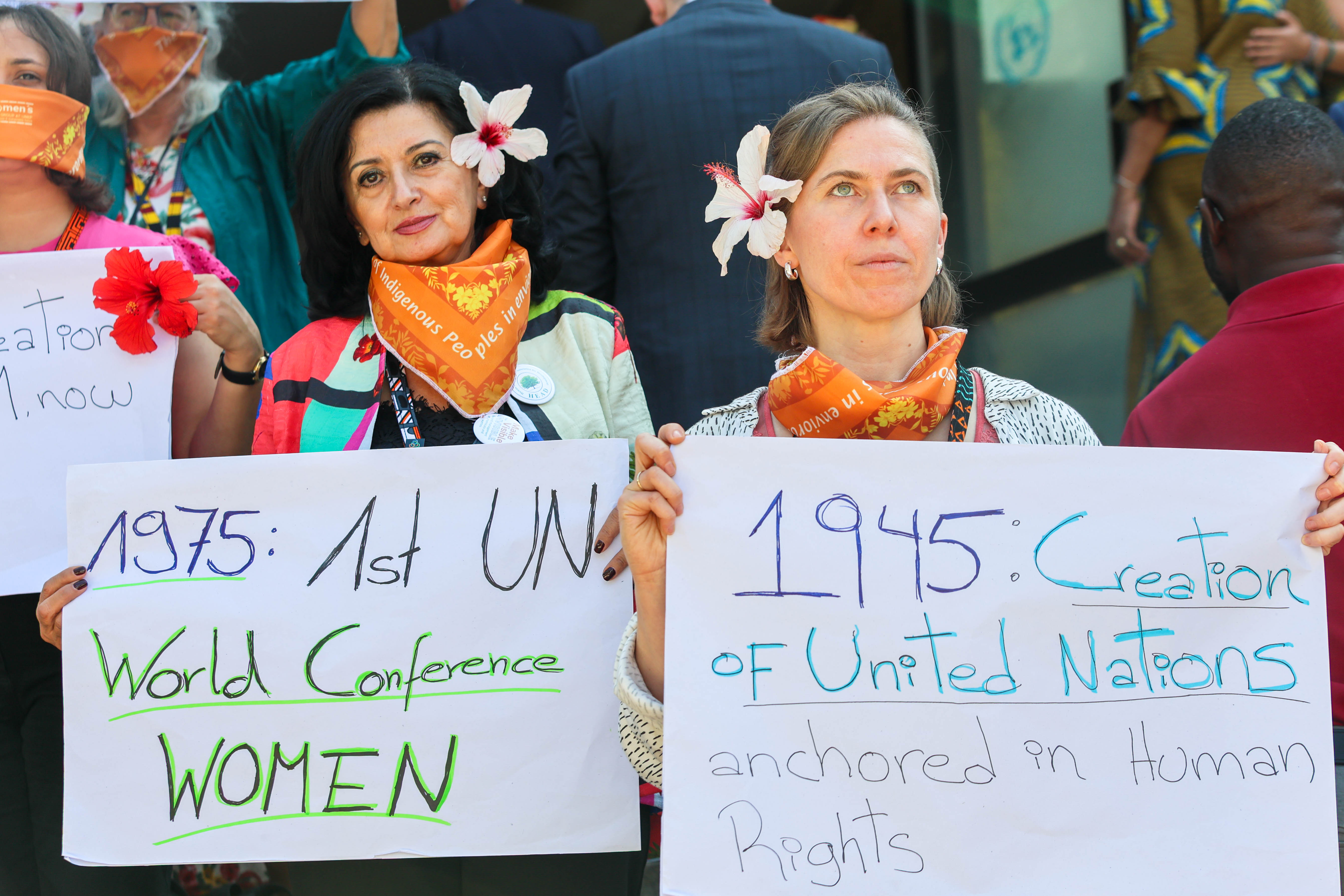
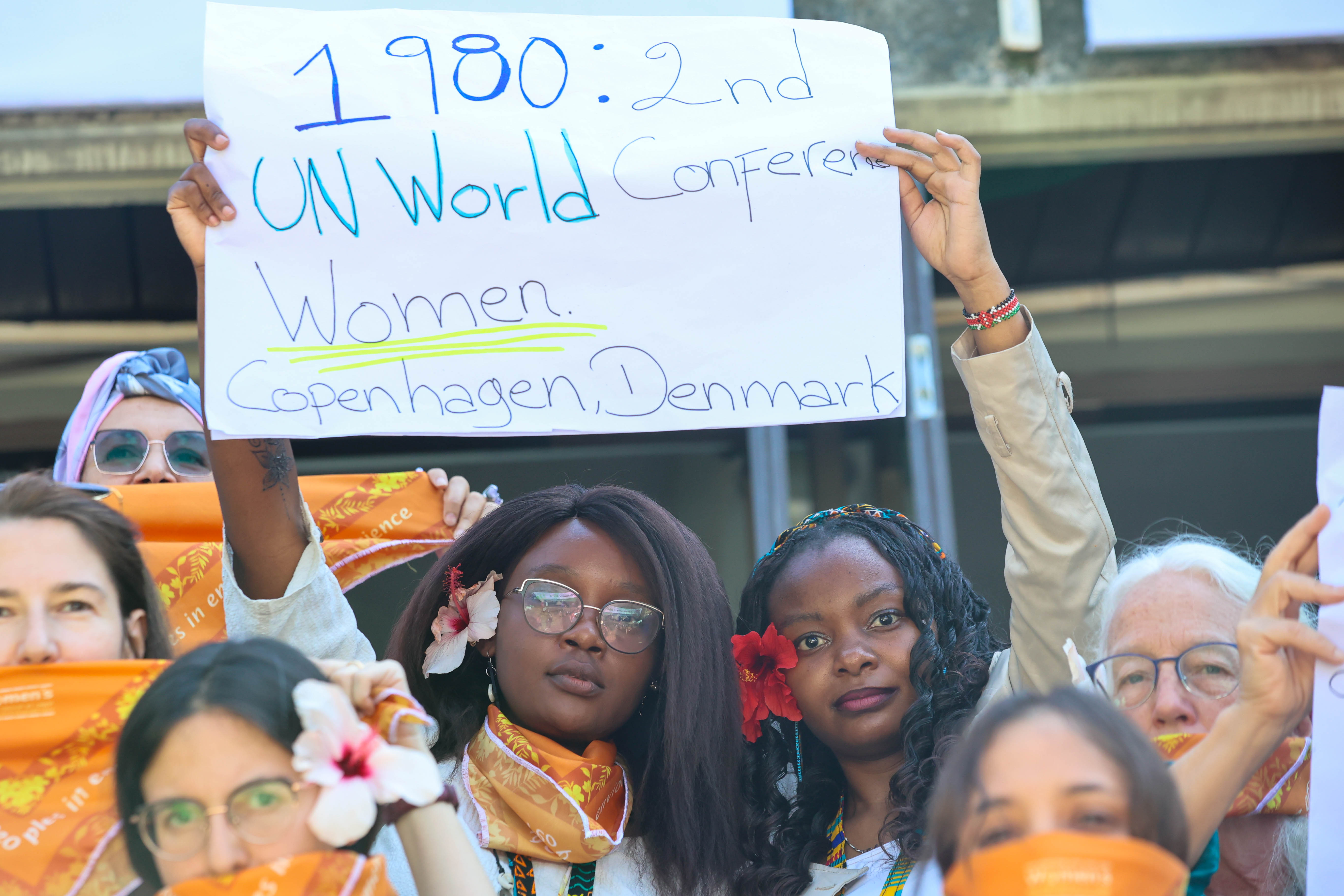
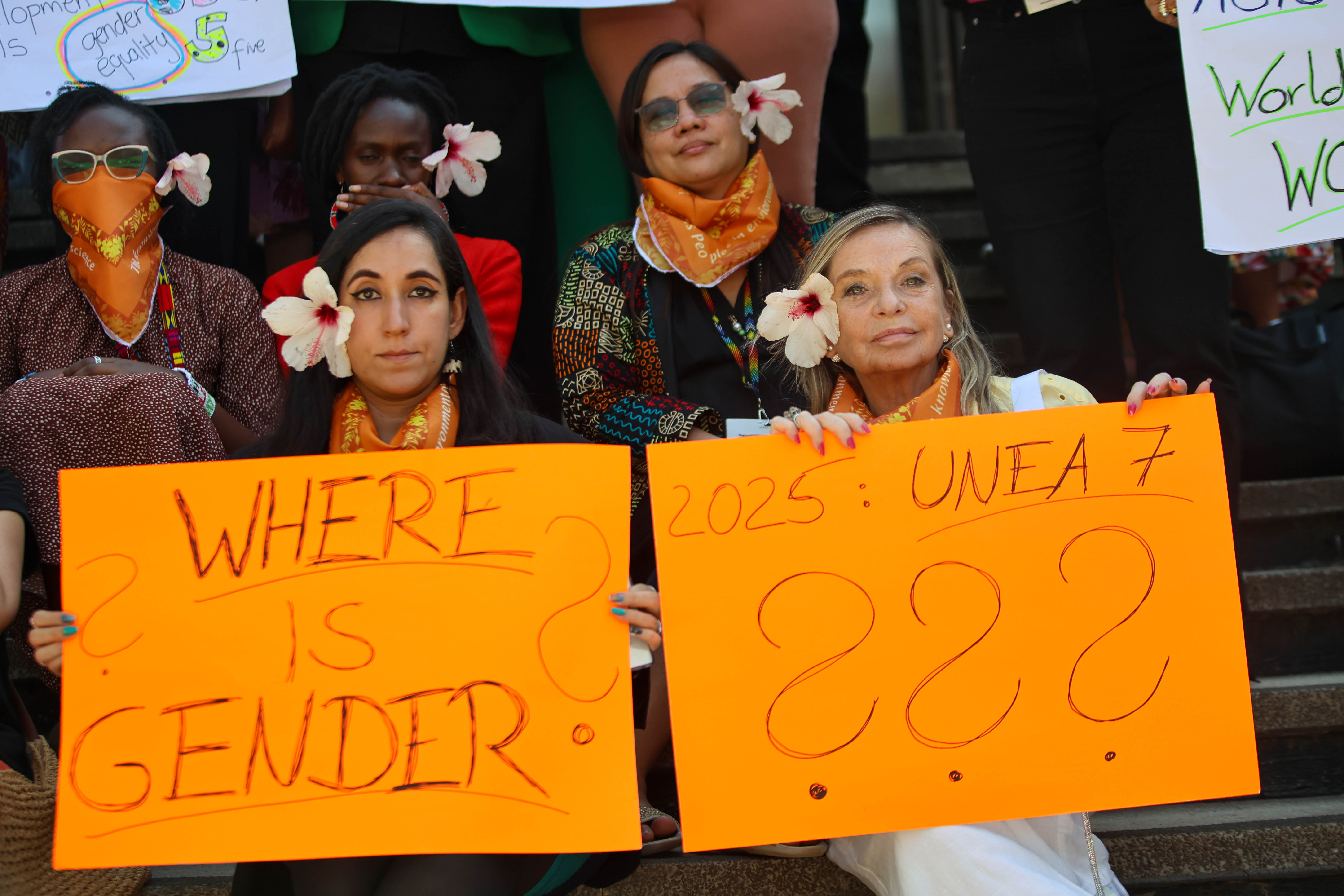
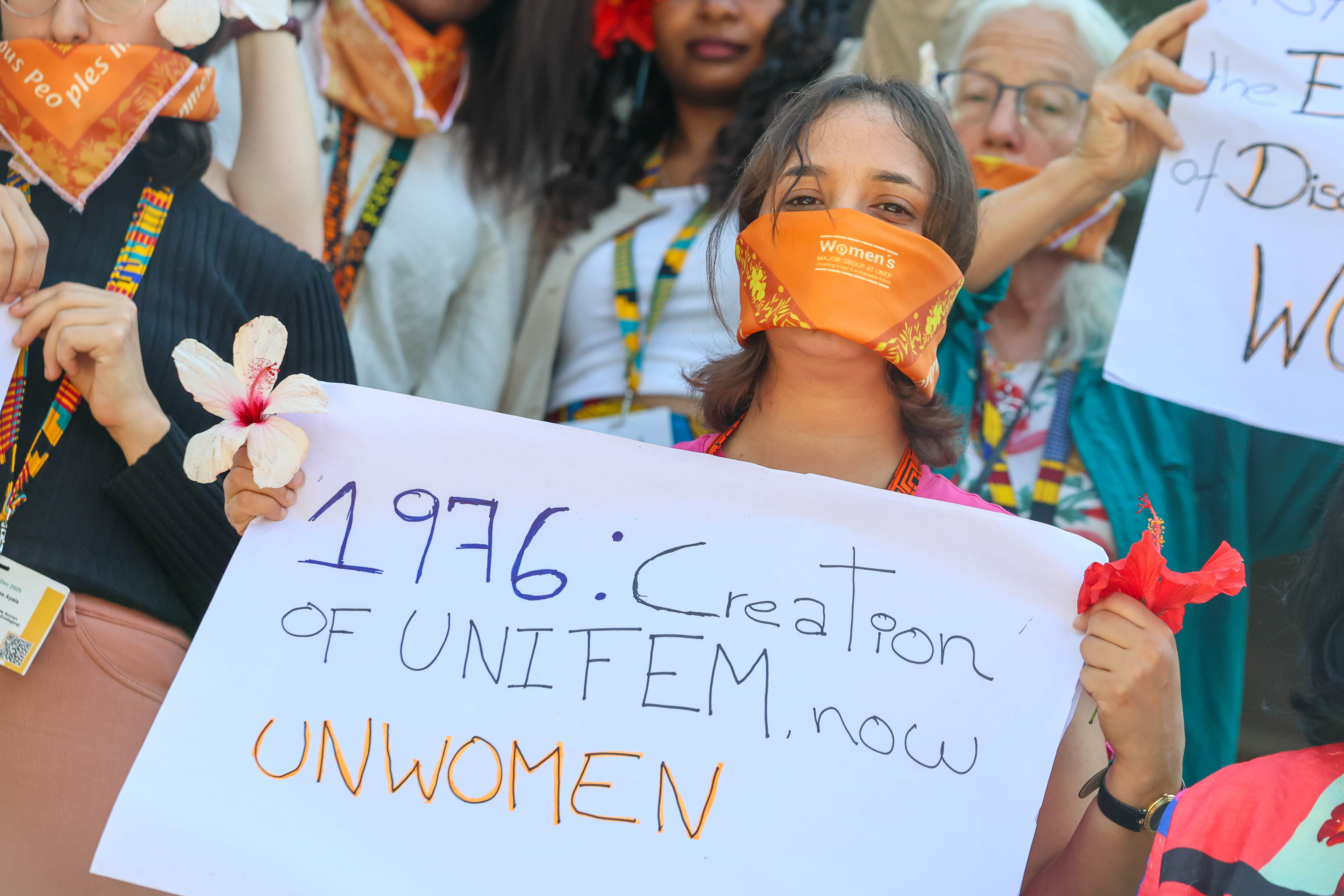
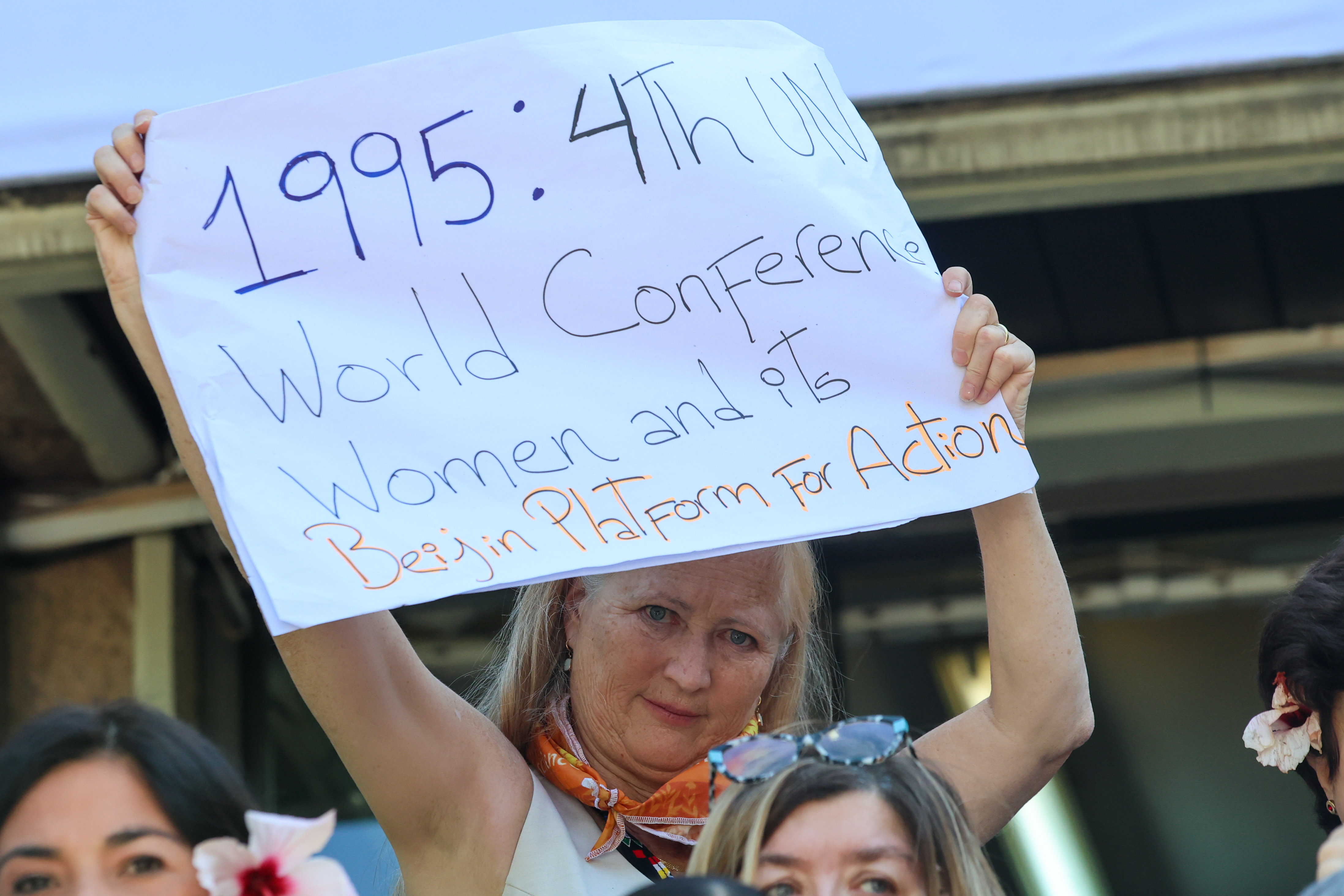
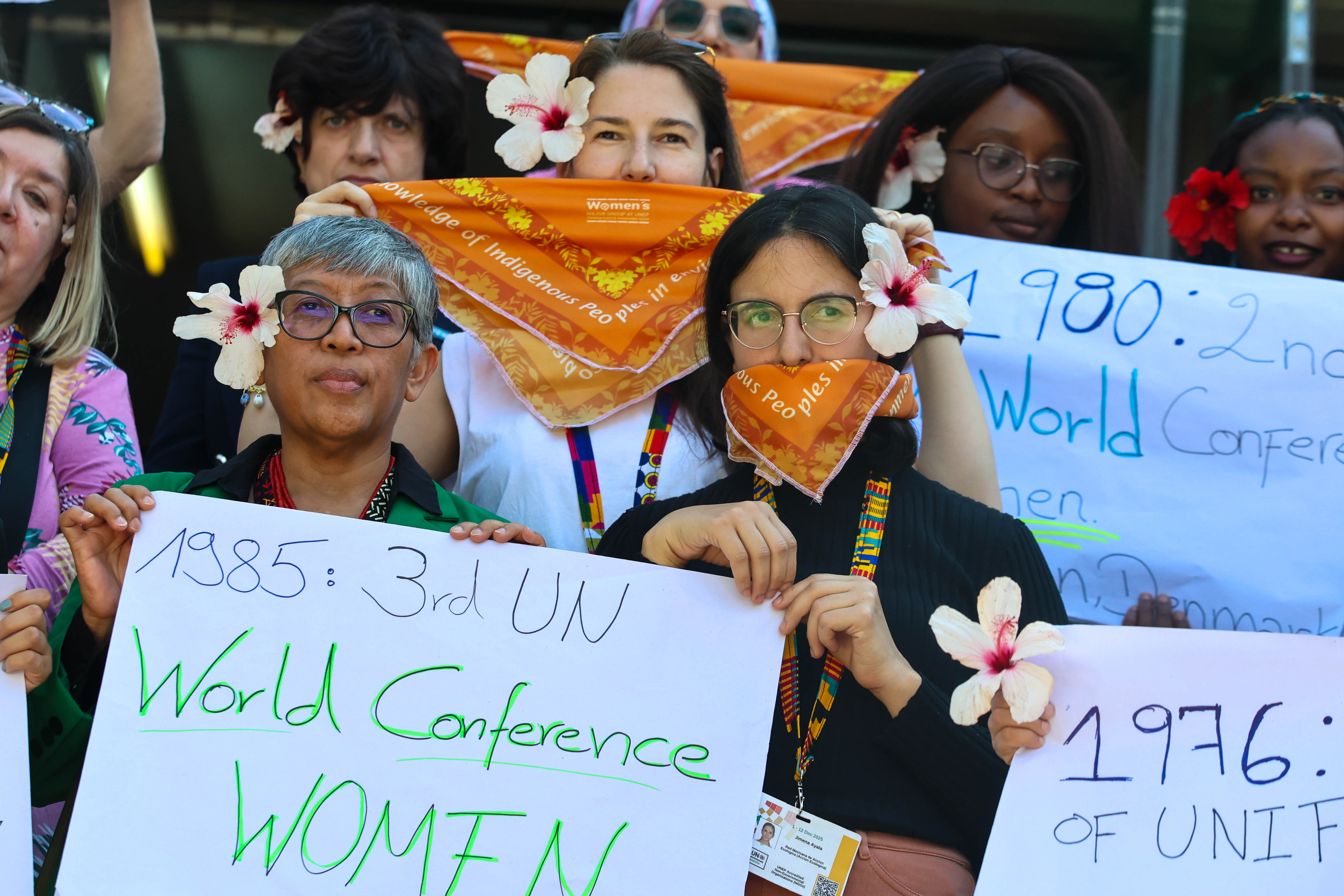
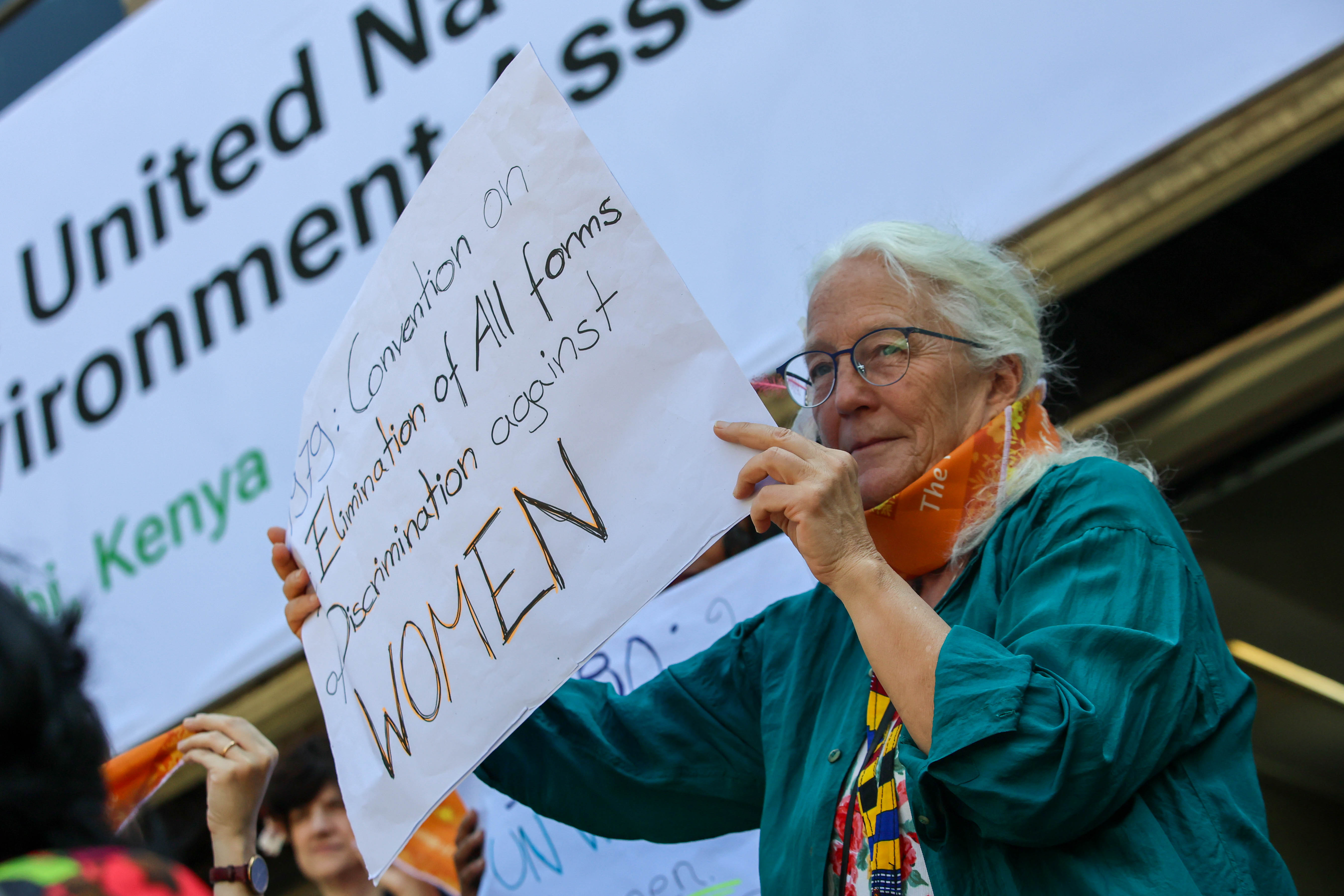
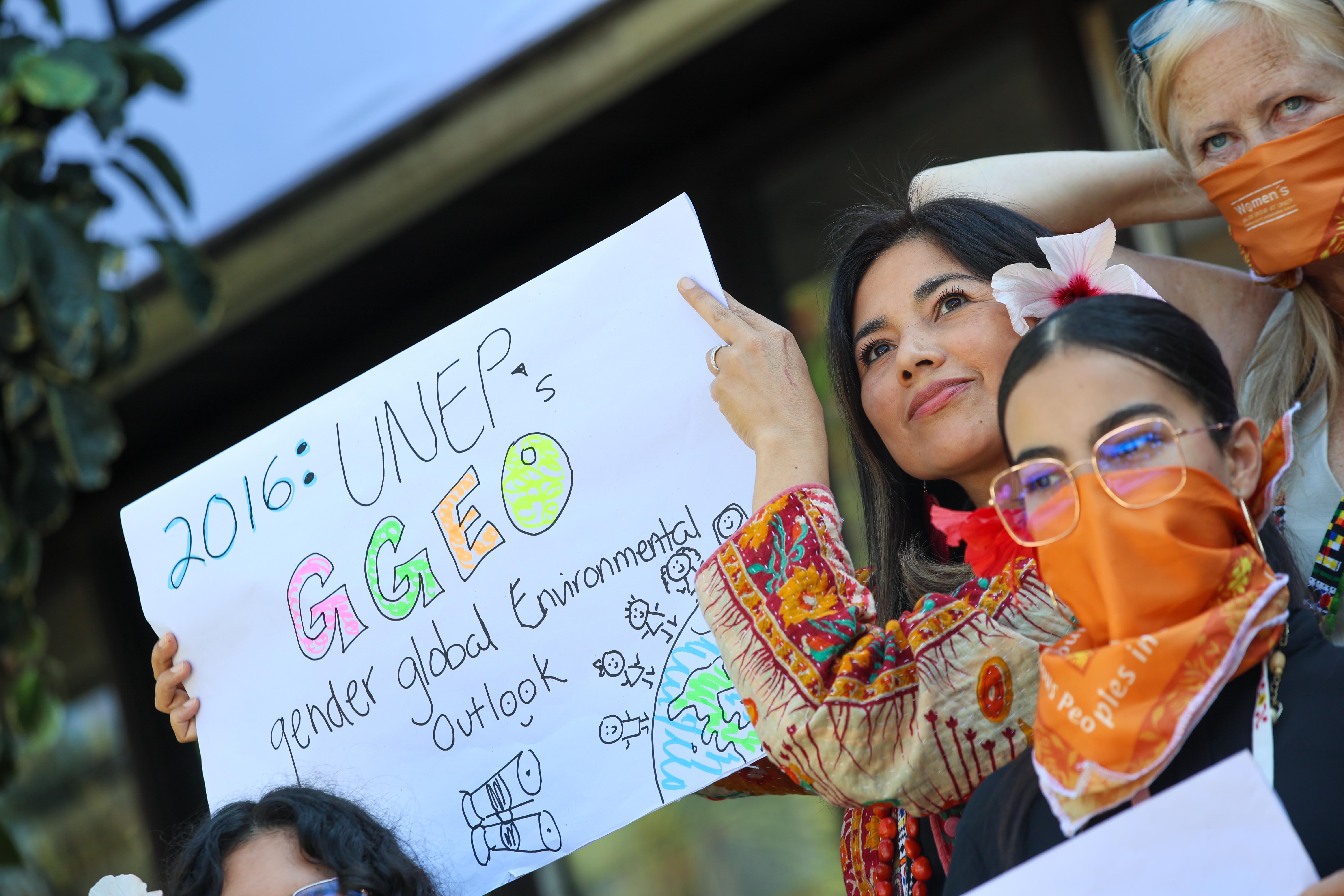
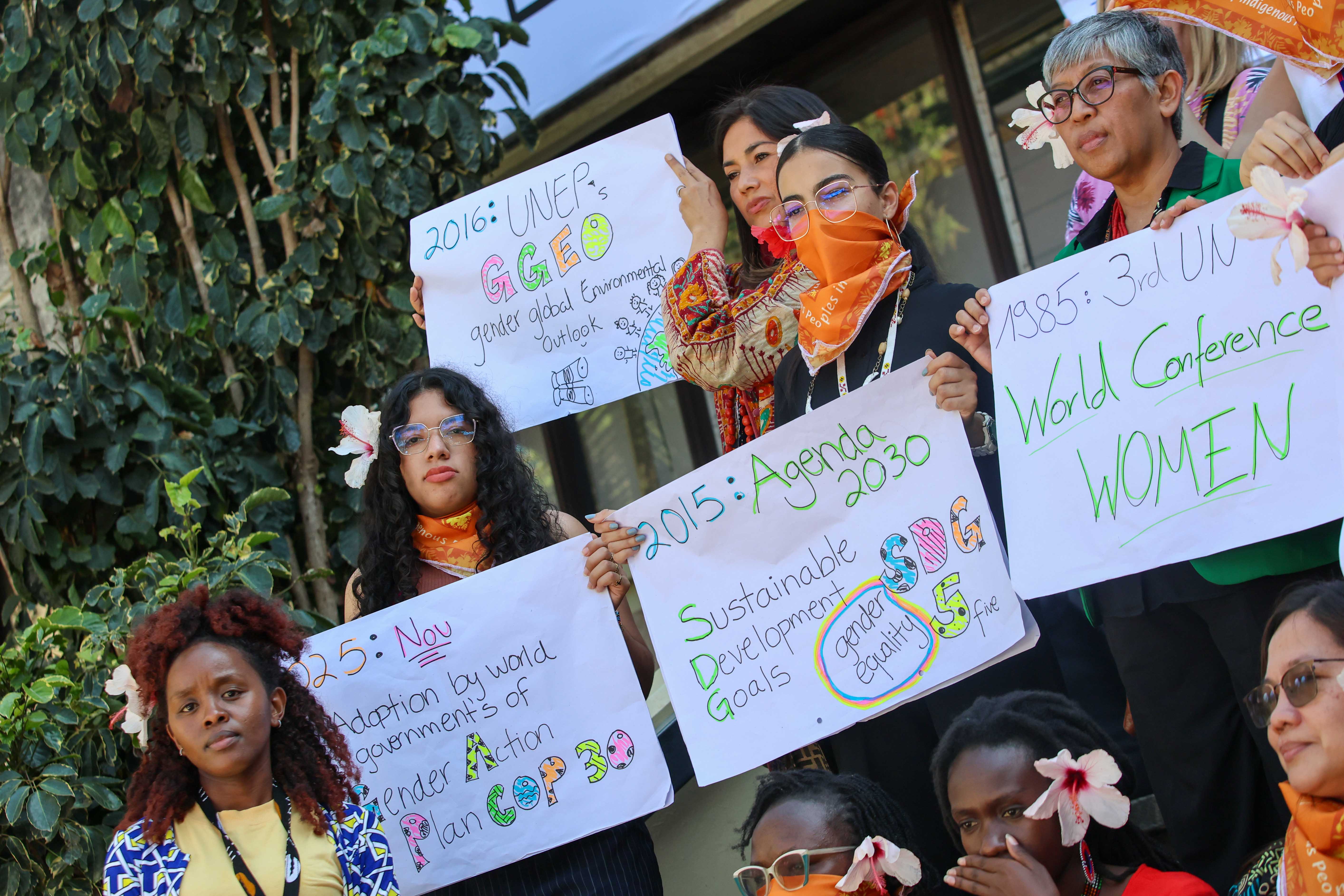
Women's Action on Silencing Gendered Language