
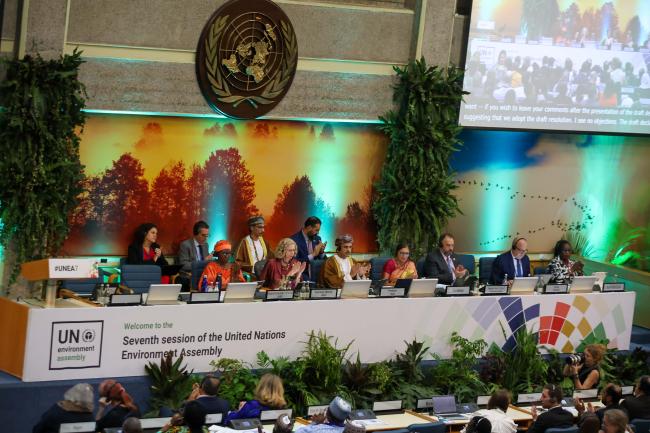
With the Earth on the brink of crossing devastating environmental tipping points, the seventh session of the UN Environment Assembly (UNEA-7) closed on Friday, adopting important resolutions and decisions to address some of these global challenges.
In the morning, delegates attended two leadership dialogues, considering: why circularity and sustainability are critical to the future of global industry; and why tackling environmental degradation is critical to the future of the global financial system.
Throughout the day, participants also engaged in events around the UN campus, including on: bridging generations for a resilient planet; mobilizing farmers and commodity dealers towards the 14th Ministerial meeting of the World Trade Organization (WTO); and greater alignment throughout the plastic value chain.
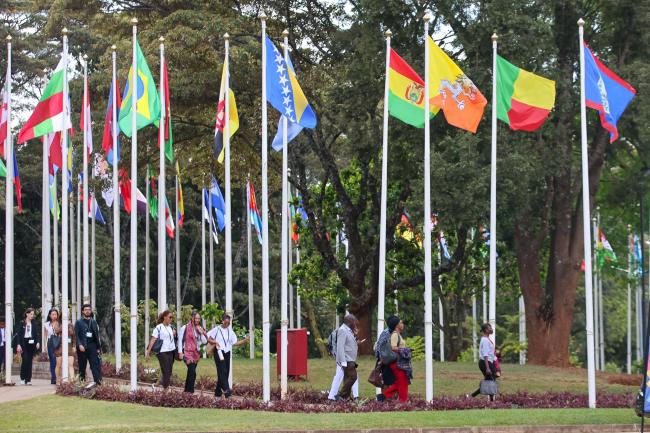
Participants further attended events on: innovating for climate resilience; a call to action for transformative Ocean economies and conservation worldwide; and catalyzing forest bioeconomy development in Africa for climate resilient livelihoods.
During the closing plenary, the Assembly adopted 11 resolutions on: Sargassum seaweed blooms; coral reefs; wildfires; glaciers and the broader cryosphere; coherence and synergies; sport; artificial intelligence; youth participation; minerals and metals; antimicrobial resistance; and chemicals and waste.
Mexico withdrew their draft resolution on strengthening UN Environment Programme (UNEP) Headquarters, noting that they reserved the right to resubmit it at future sessions of UNEA.
UNEA-7 also adopted three decisions pertaining to the functioning of UNEP, related to the:
- Management of trust funds and earmarked contributions;
- 2026-2029 Medium-Term Strategy and Programme of Work and budget for the 2026-2027 biennium; and
- provisional agenda, date and venue for UNEA-8.
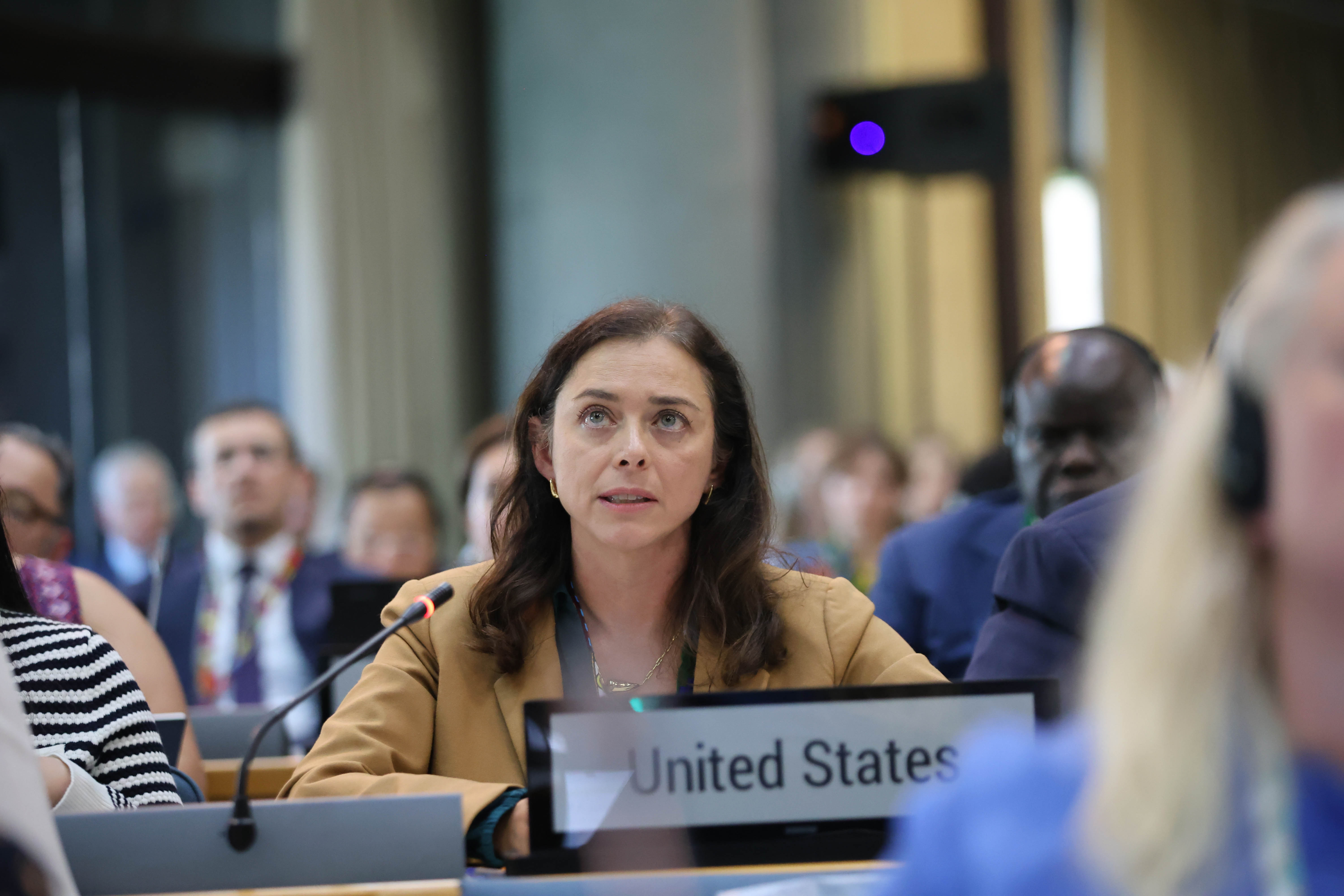
Delegates welcomed the adoption of the UNEA-7 Ministerial Declaration on the Assembly’s theme of “Advancing sustainable solutions for a resilient planet.” In their only statement of the meeting, the US underlined that they were disassociating their country from all UNEA-7 decisions and resolutions and from the Ministerial Declaration.
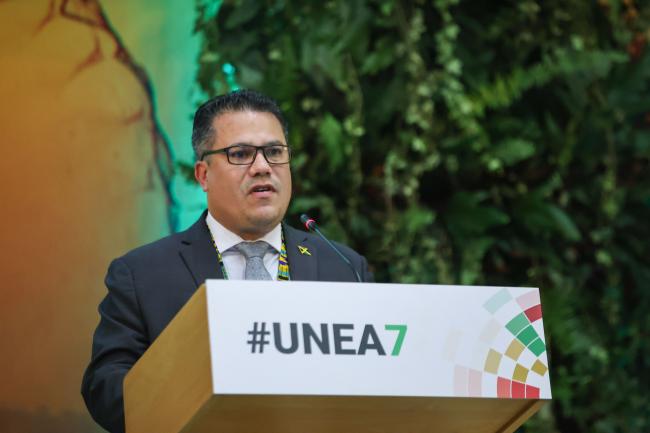
By acclamation, delegates elected Matthew Samuda, Minister of Water, Environment and Climate Change, Jamaica, as UNEA-8 President. Incoming UNEA President Samuda highlighted the importance of the Assembly, underlining the need to strengthen the science-policy interface and scale up financing to implement adopted resolutions. Delegates agreed to hold UNEA-8 in Nairobi from 6-10 December 2027.
In closing remarks, Inger Andersen, Executive Director of UNEP, noted that there are “major path-breakers” among the 11 resolutions and three decisions adopted at UNEA-7, paving the way for critical environmental stewardship.
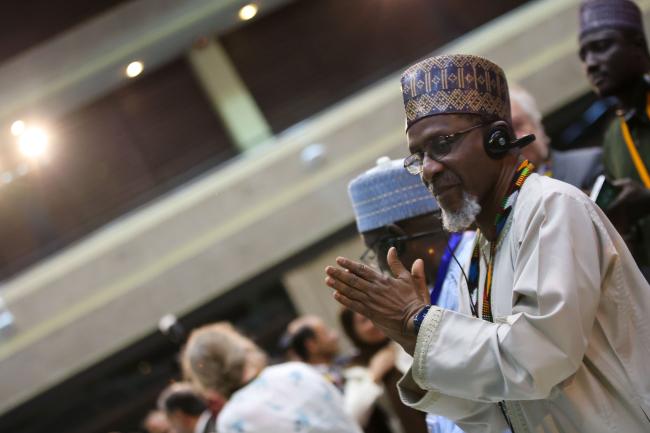
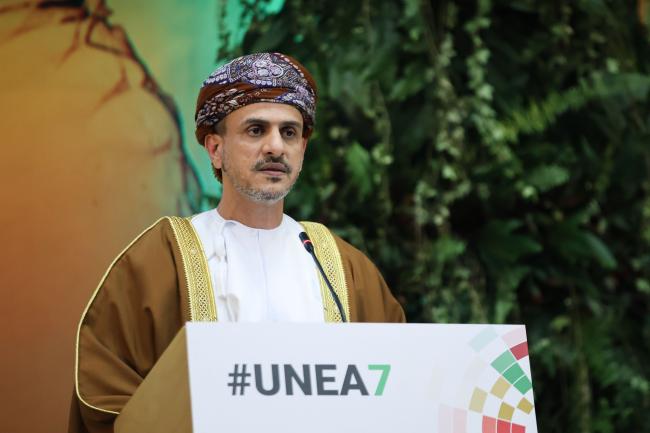
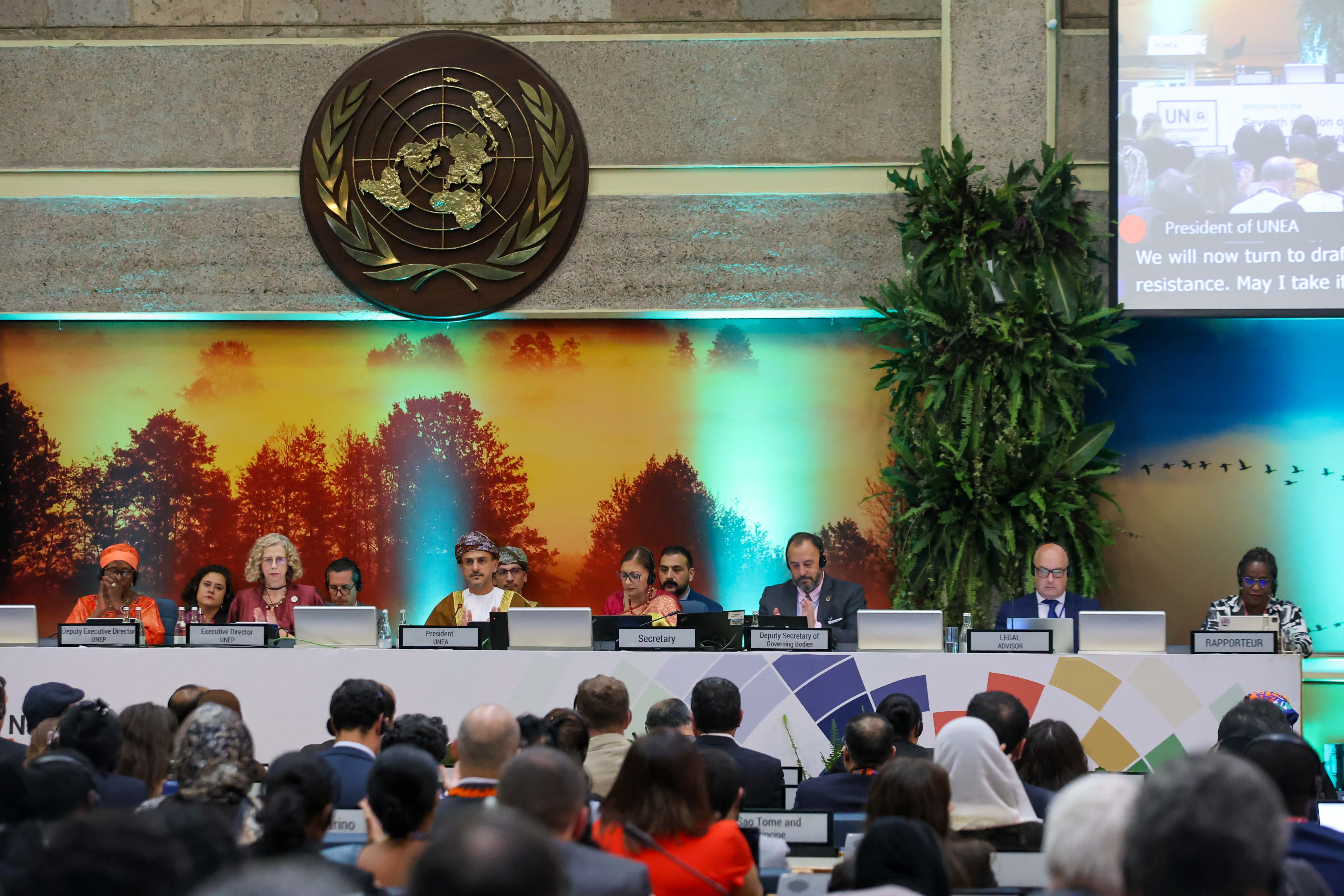
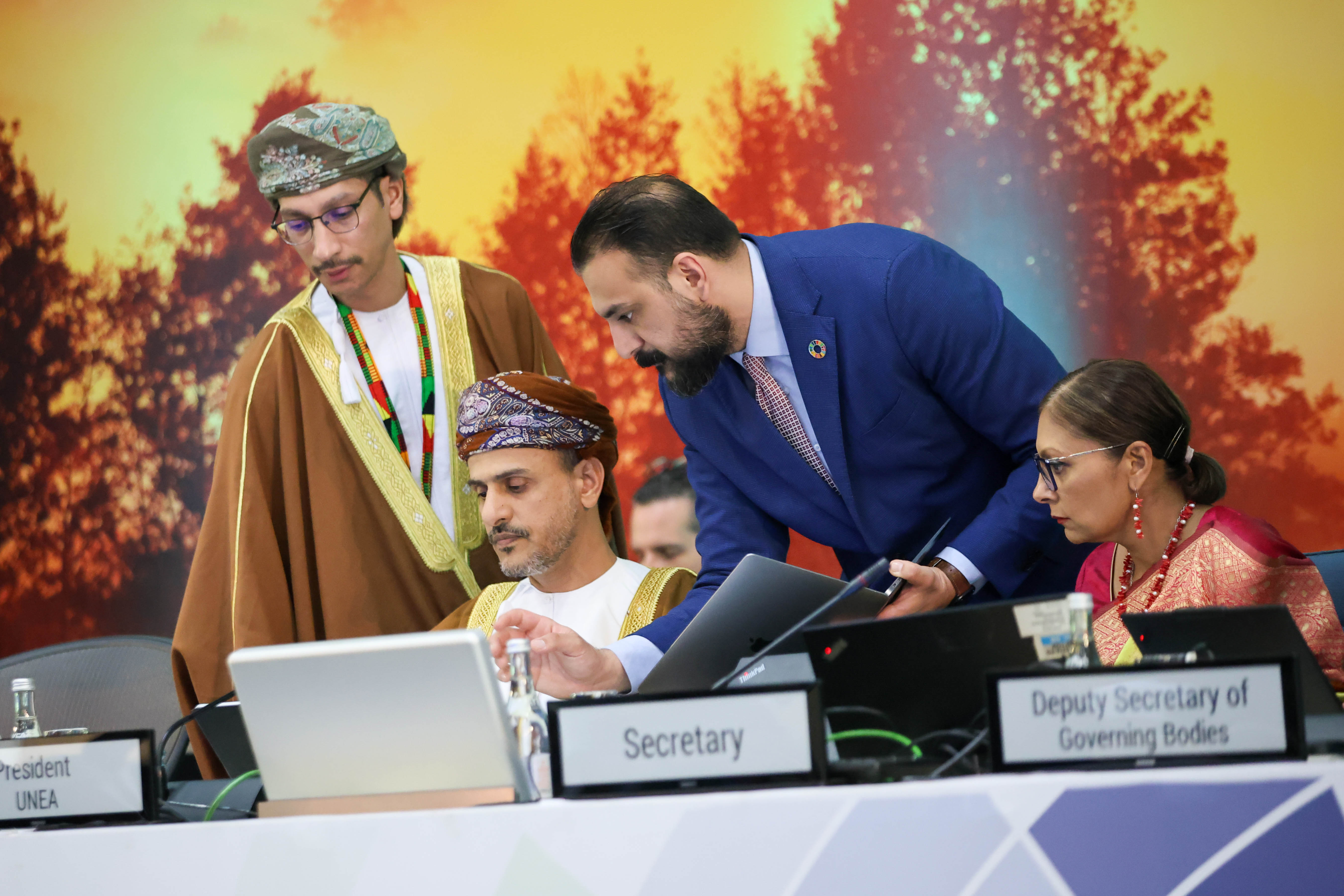
UNEA-7 President Abdullah Bin Ali Al-Amri (Oman) underlined that the measure of UNEA’s success will not be limited to what the Assembly adopted on paper but by the actions on the ground to promote environmental sustainability. He called on delegates to carry with them the firm certainty that the agreed resolutions are living commitments, and underlined that protecting the planet is a legacy to pass on to future generations. He gaveled the meeting to a close at 7:26 pm.
To receive free coverage of global environmental events delivered to your inbox, subscribe to the ENB Update newsletter.
All ENB photos are free to use with attribution. For OECPR-7 and UNEA-7 please use: Photo by IISD/ENB | Anastasia Rodopoulou
Leadership Dialogue: Why Circularity and Sustainability are Critical to the Future of Global Industry
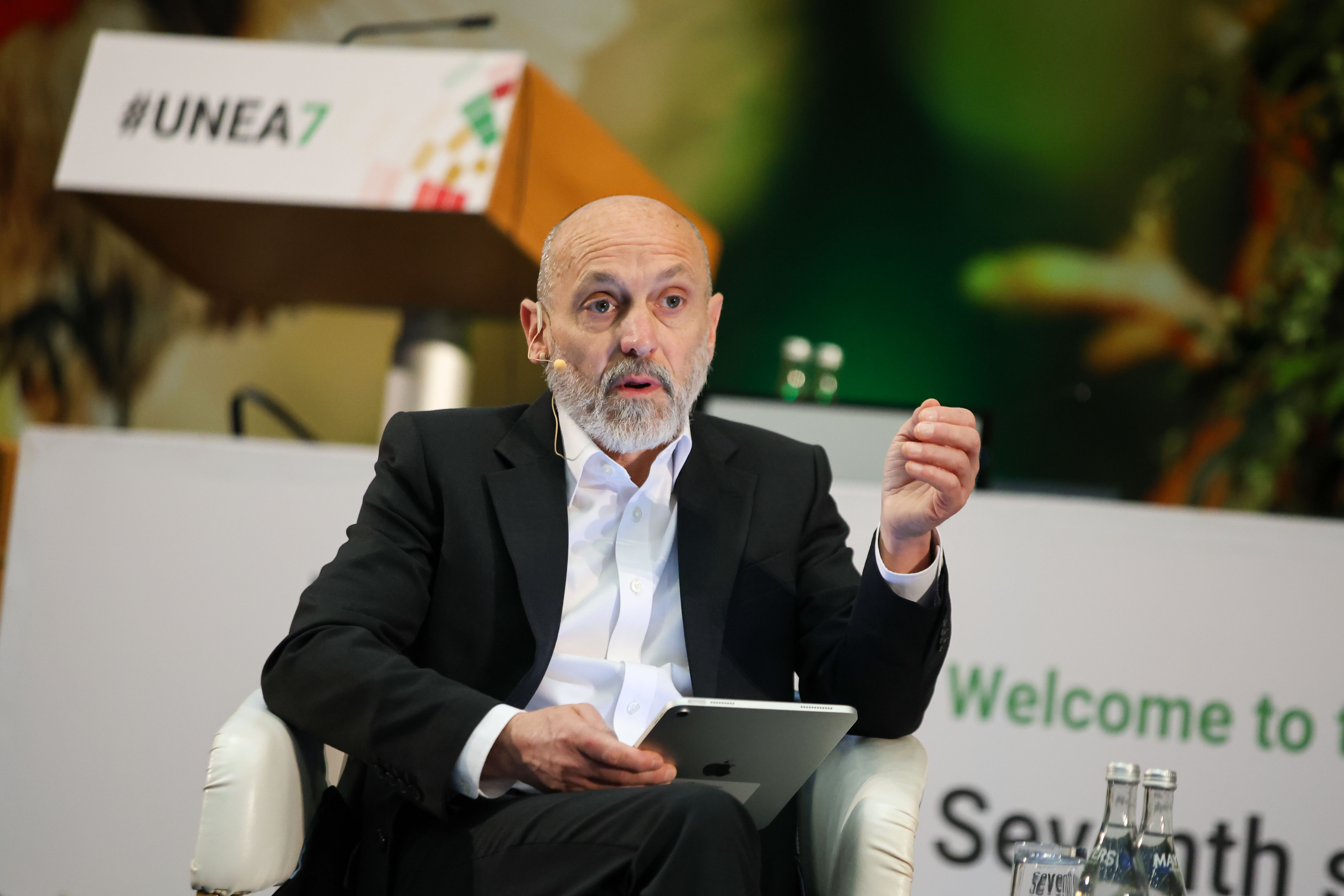
Jocelyn Blériot, Ellen MacArthur Foundation
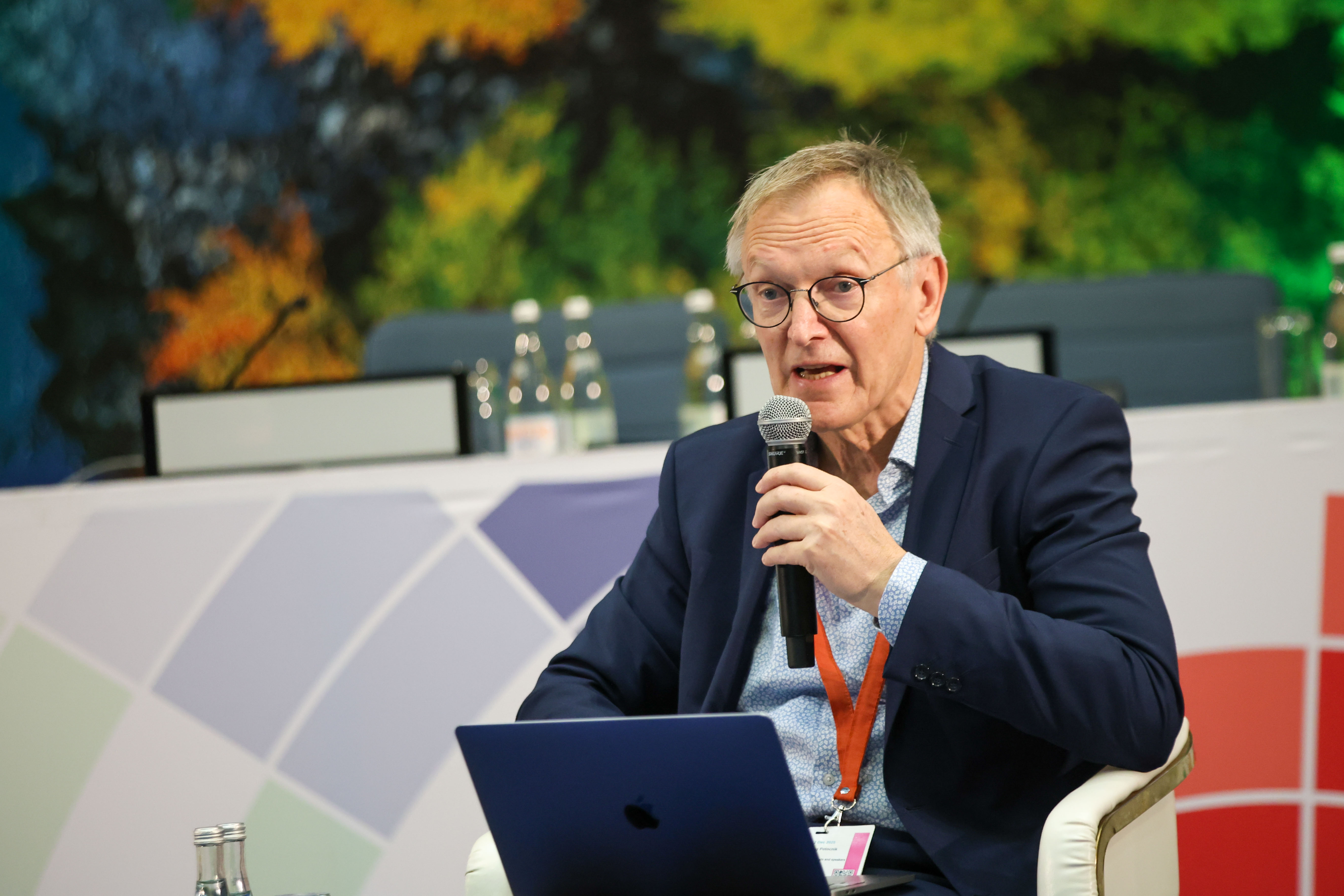
Janez Potočnik, Co-Chair, International Resource Panel
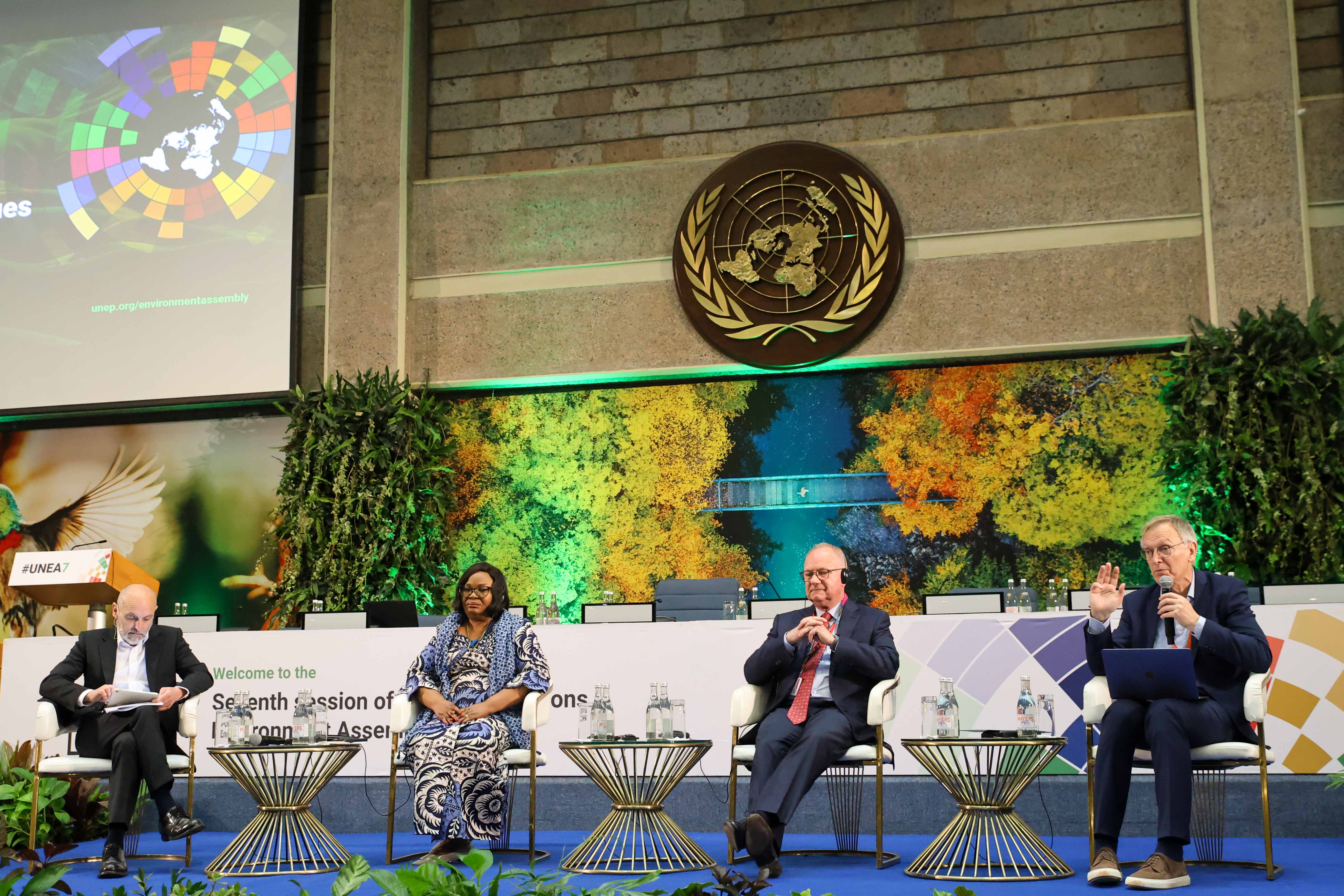
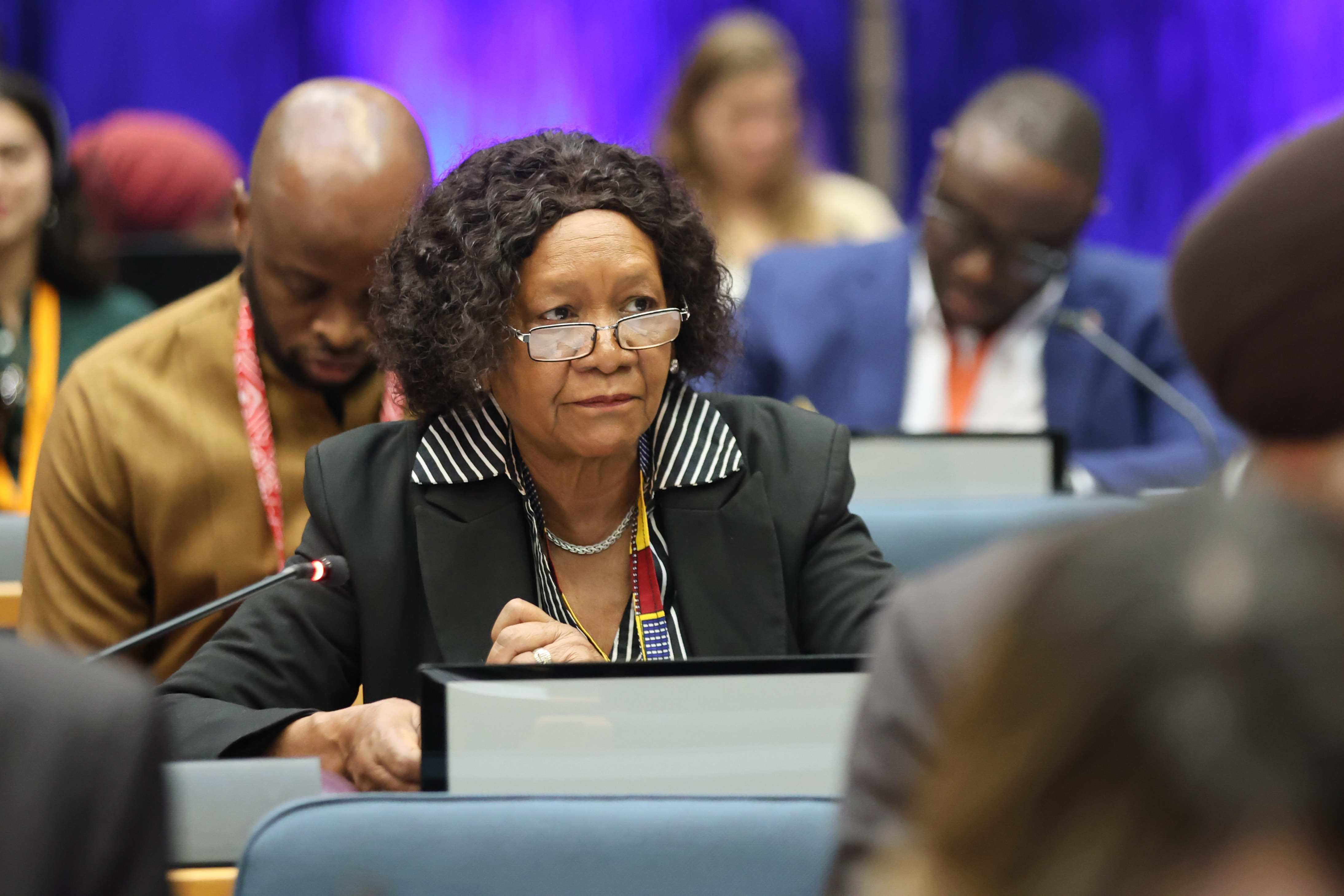
Evelyn Ndlovu, Minister of Environment, Climate and Wildlife, Zimbabwe
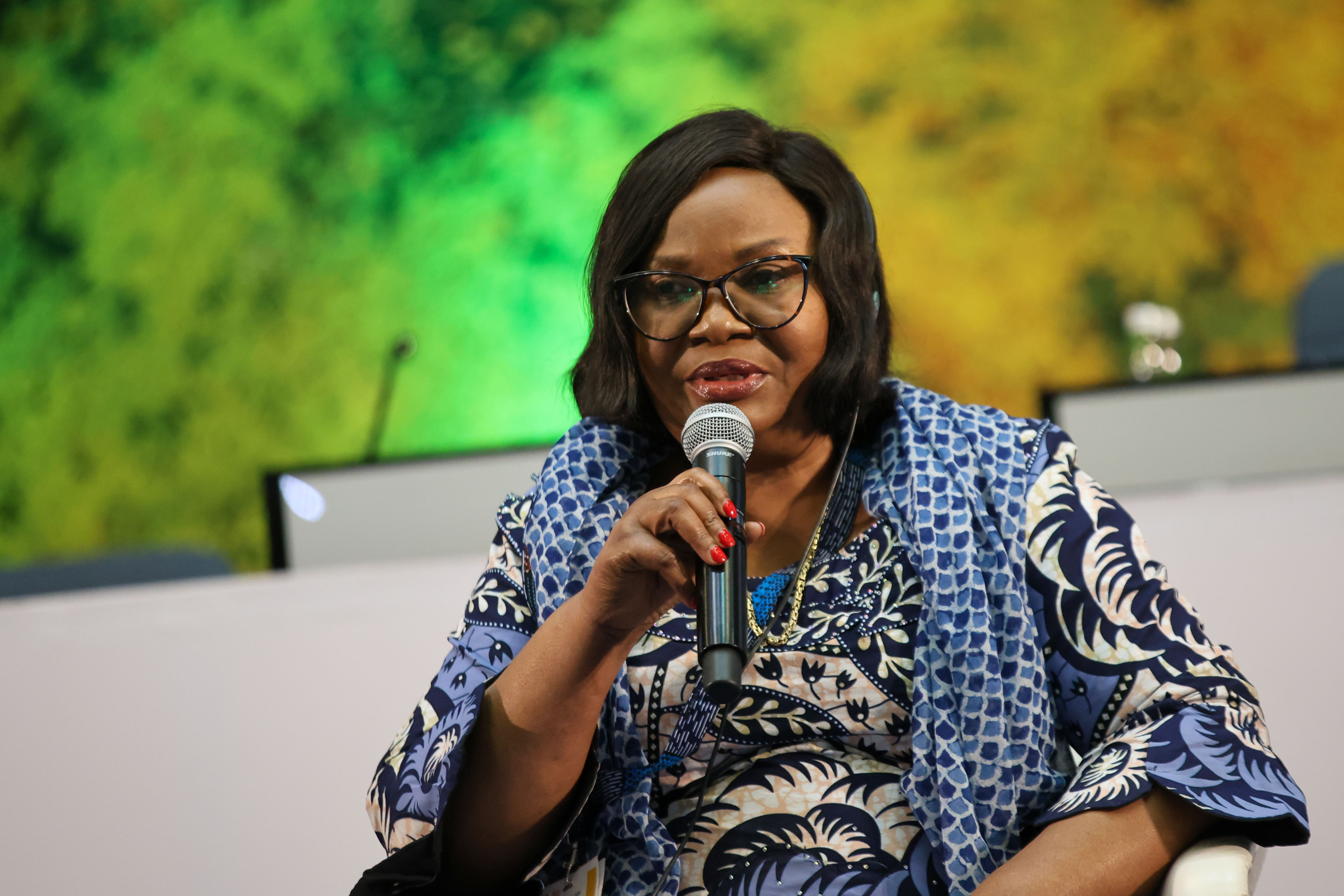
Marie Nyange Ndambo, Minister of Environment, Democratic Republic of Congo
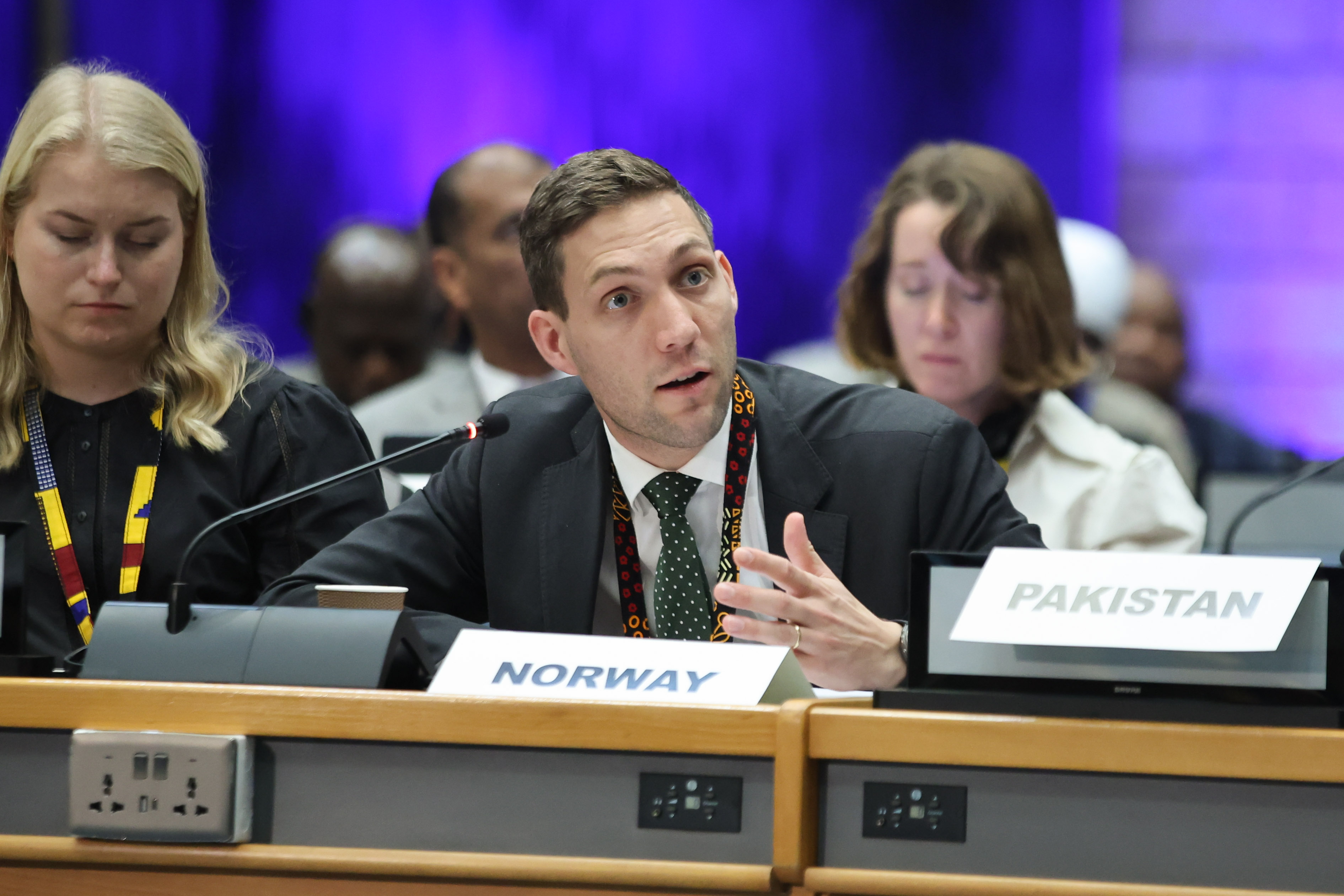
Andreas Bjelland Eriksen, Minister of Climate and Environment, Norway
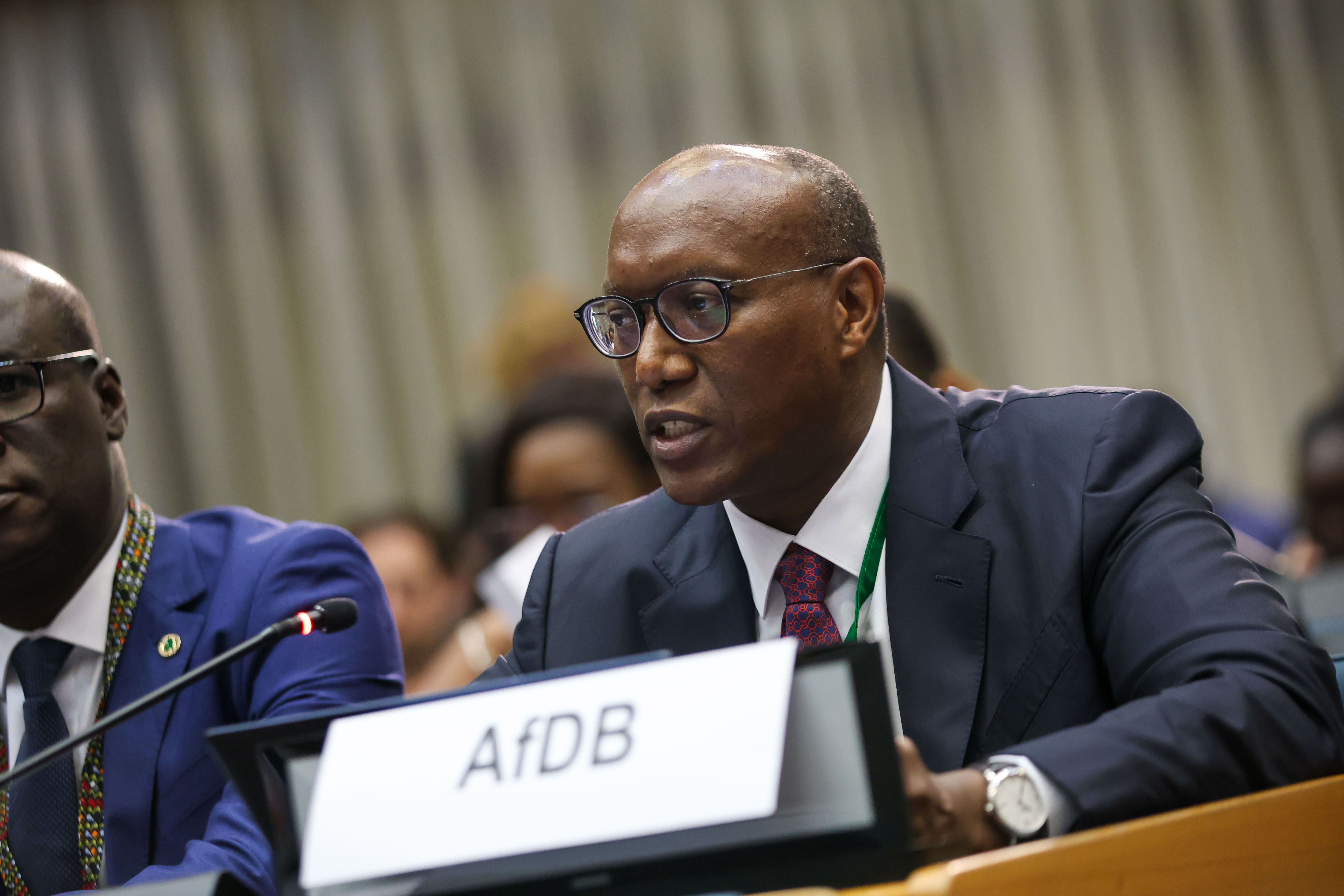
Kevin Kariuki, Vice-President for Power, Energy, Climate and Green Growth, African Development Bank
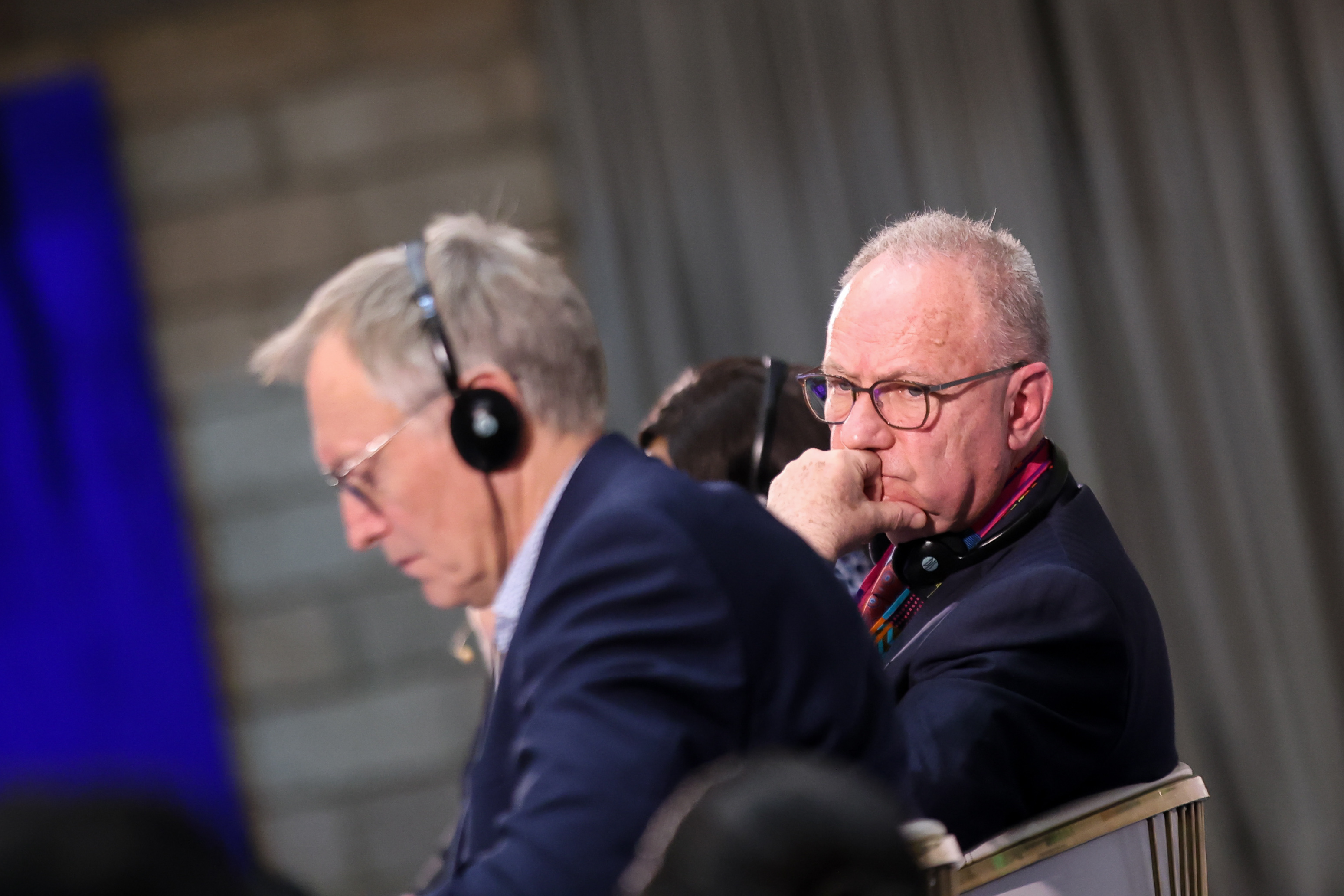
Mark Cutifani, Chief Executive Officer, Diversified Mining Group
Leadership Dialogue: Why Tackling Environmental Degradation is Critical to the Future of the Global Financial System
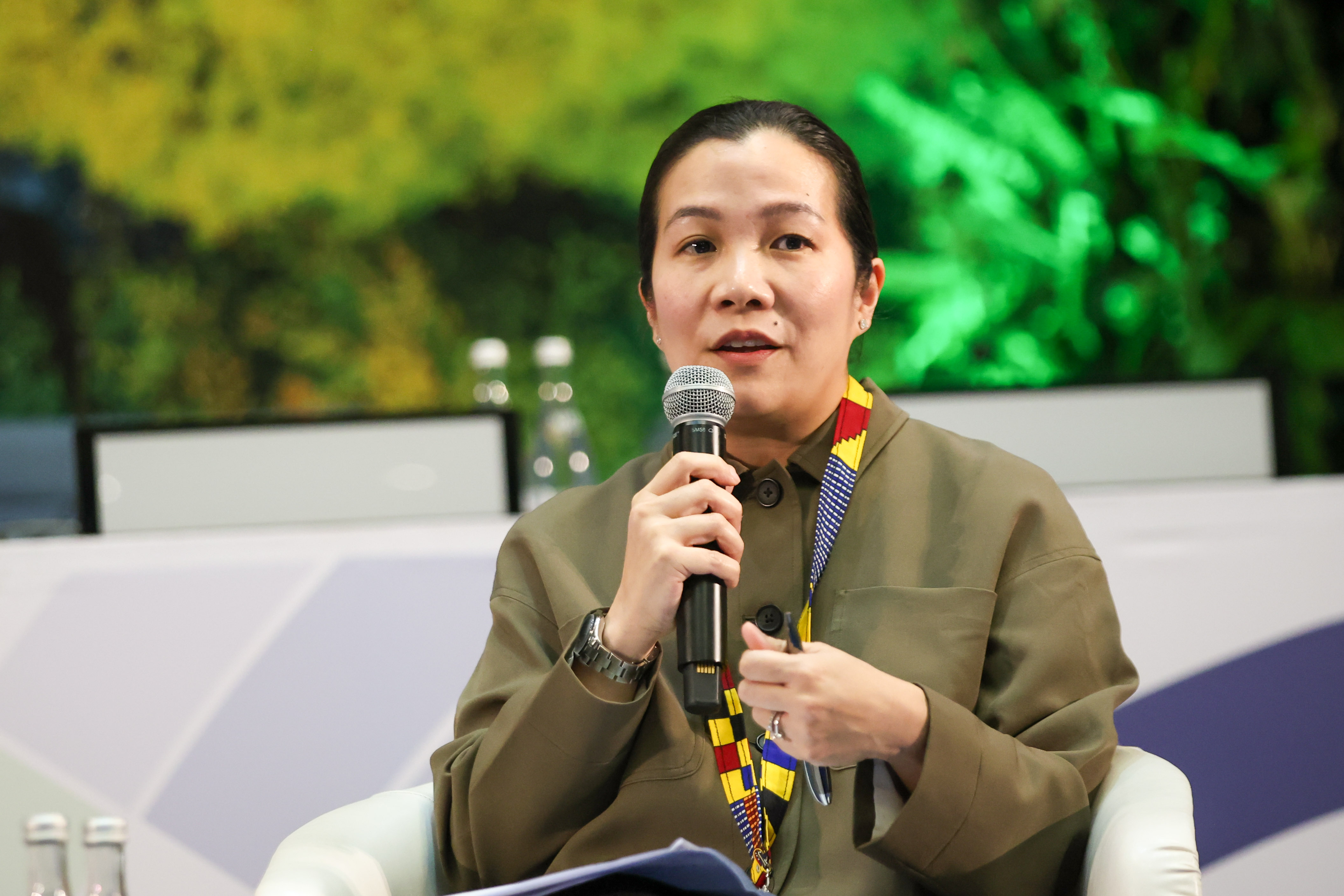
Pia Bernadette Roman Tayag, Assistant Governor and Chief Sustainability Officer, Strategy, Innovation, and Sustainability, Bangko Sentral ng Pilipinas (BSP)
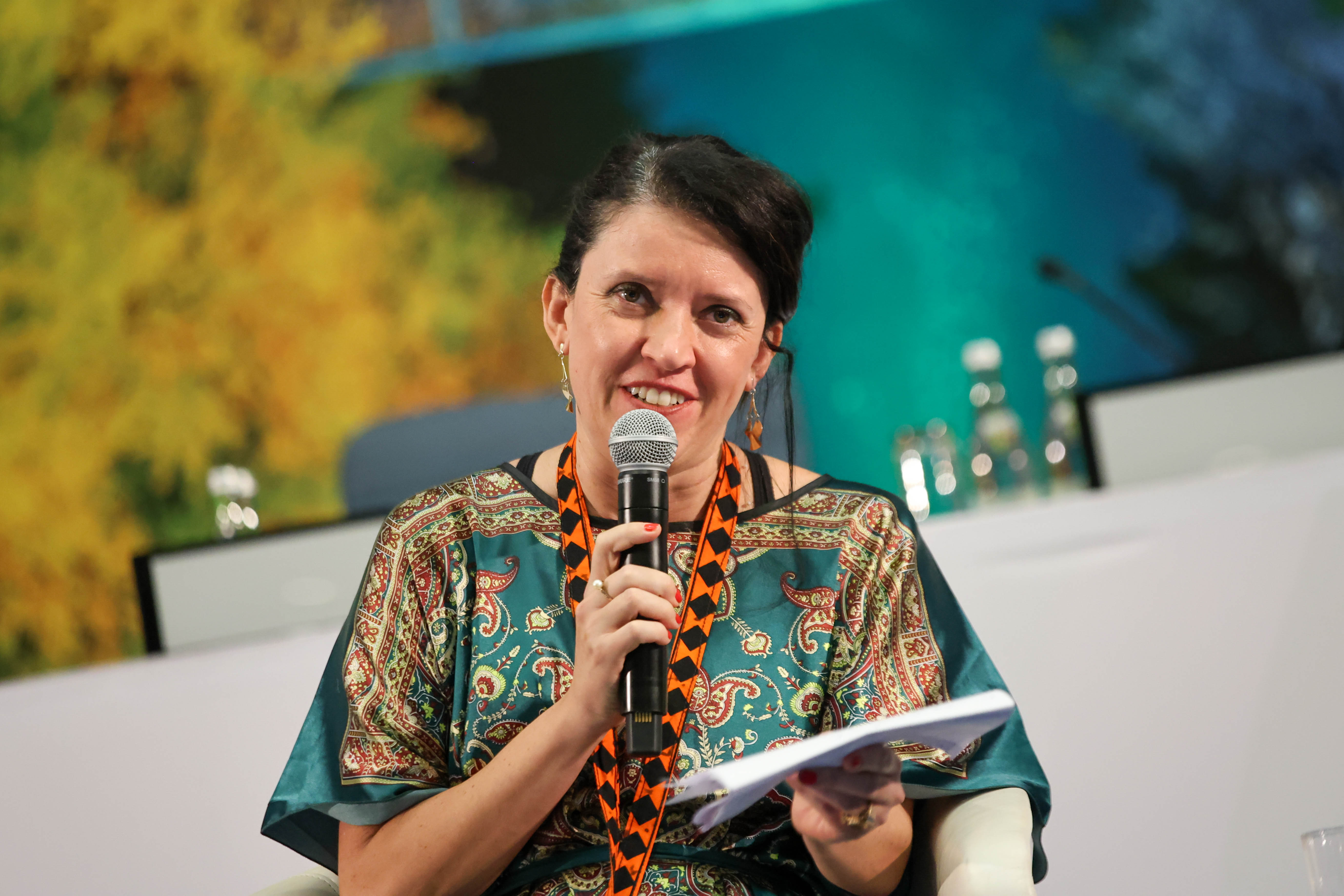
Cristina Reis, Extraordinary Secretary of Carbon Markets, Ministry of Finance, Brazil
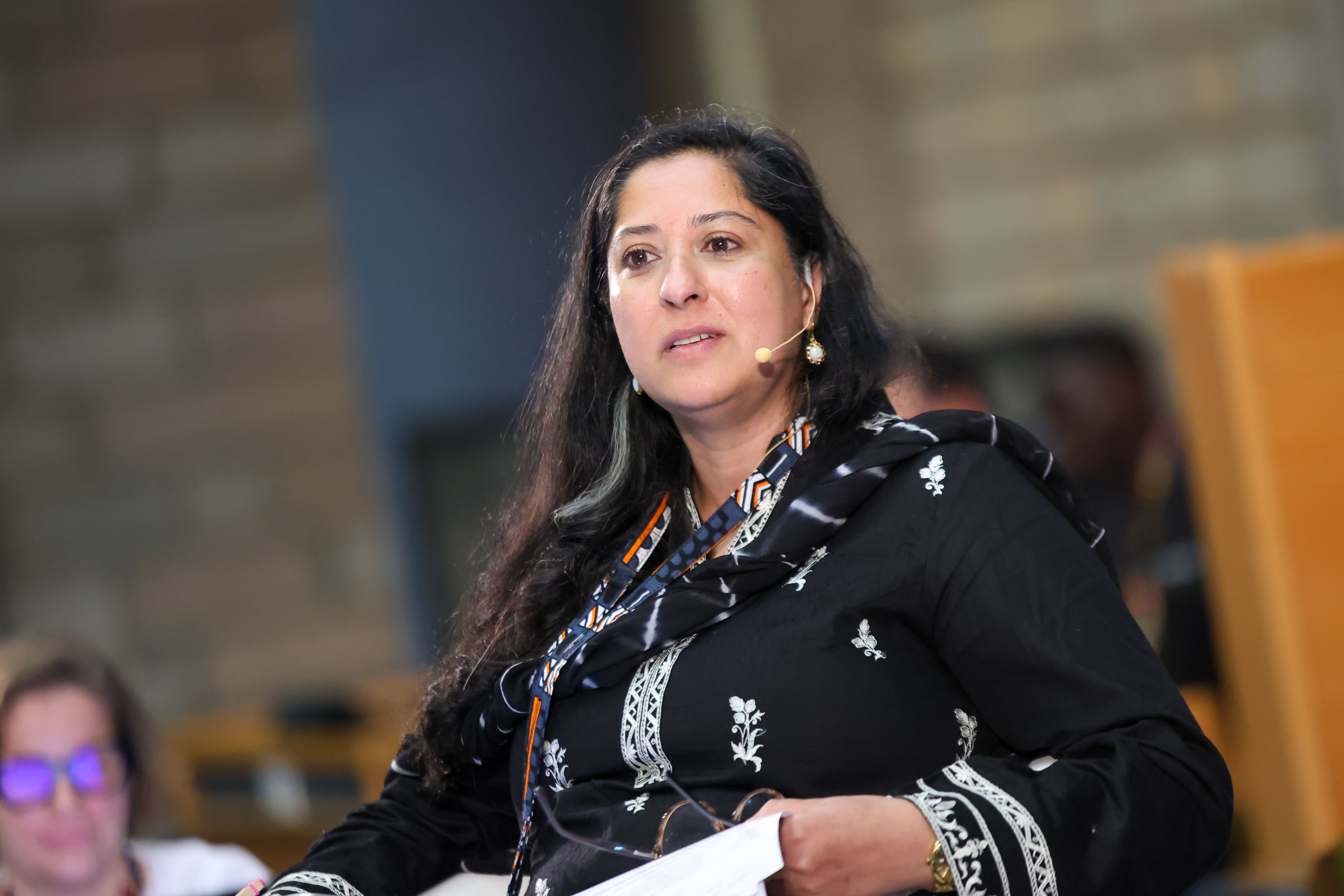
Attiya Waris, UN Independent Expert on Foreign Debt, and Professor, University of Nairobi
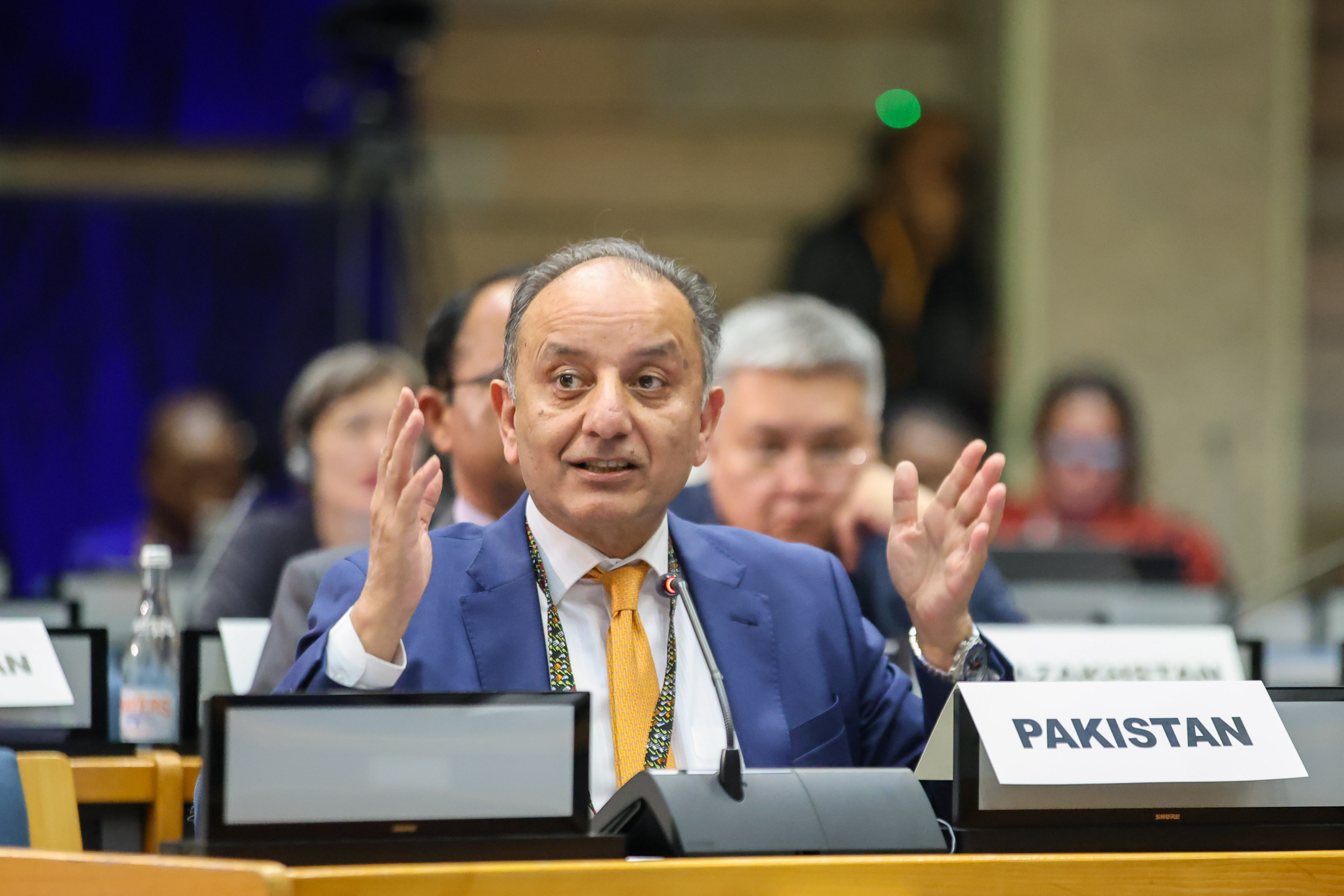
Musadik Malik, Minister of Climate Change, Pakistan
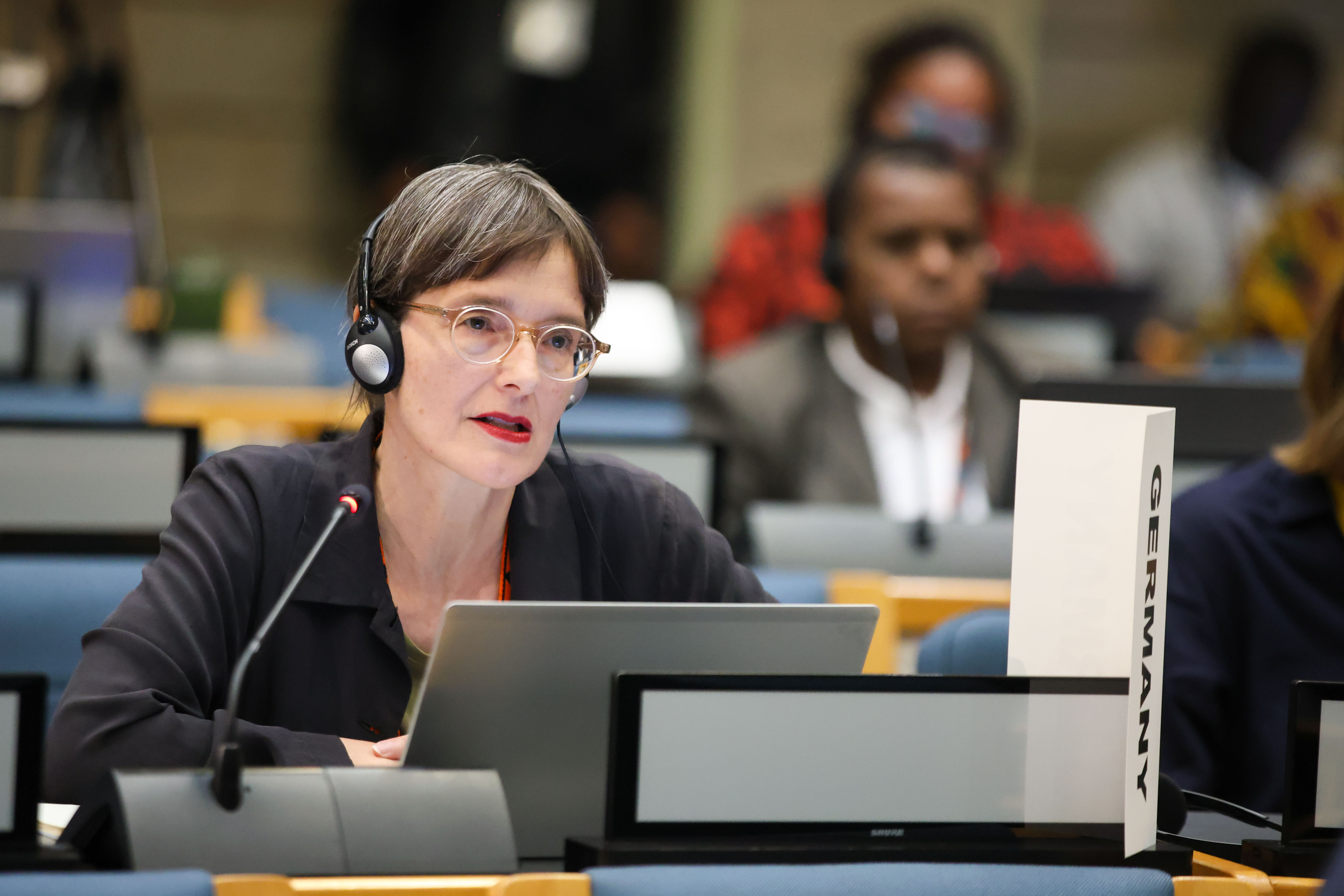
Verónica Tomei, Germany
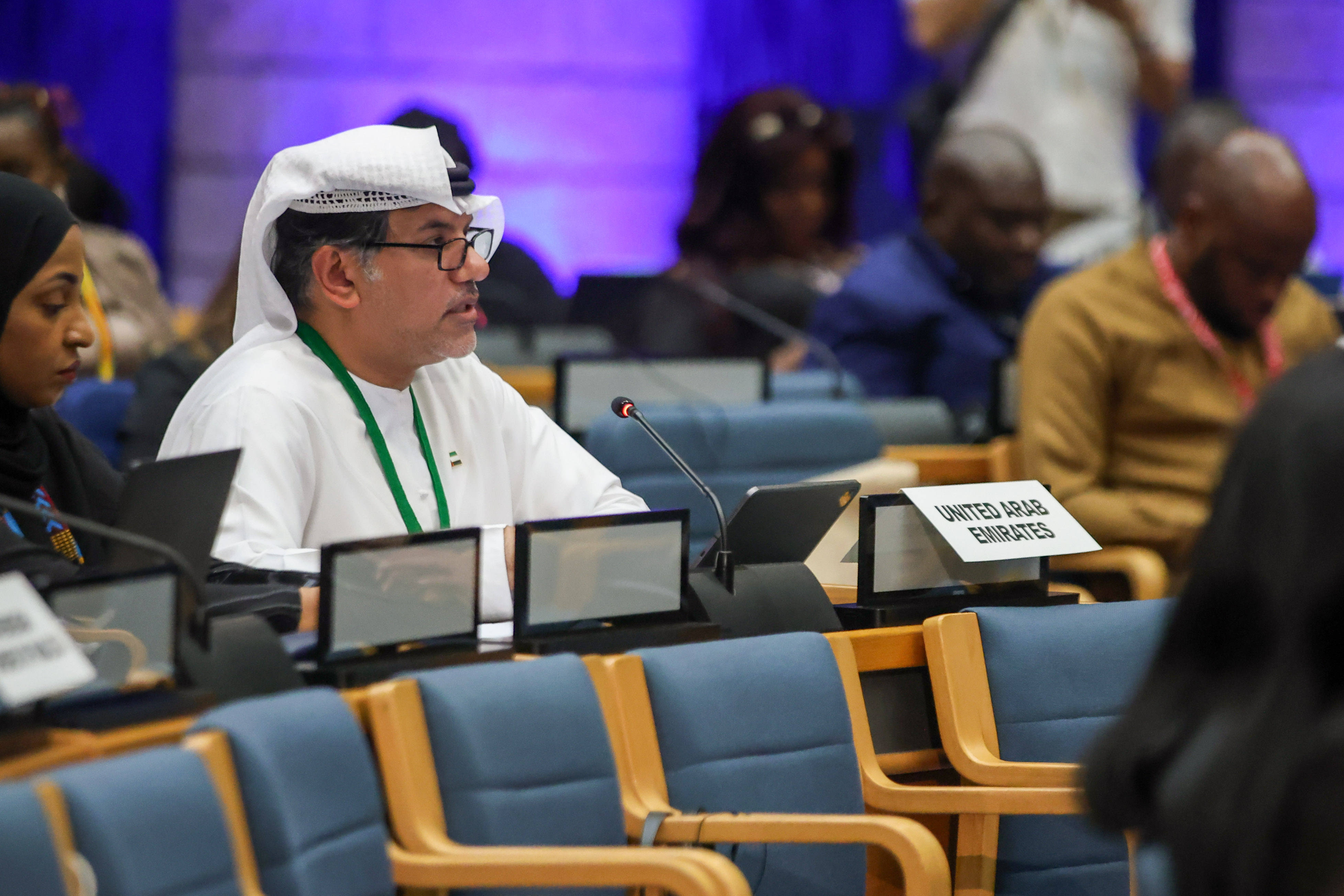
Mohamed Salem Al Nuaimi, United Arab Emirates
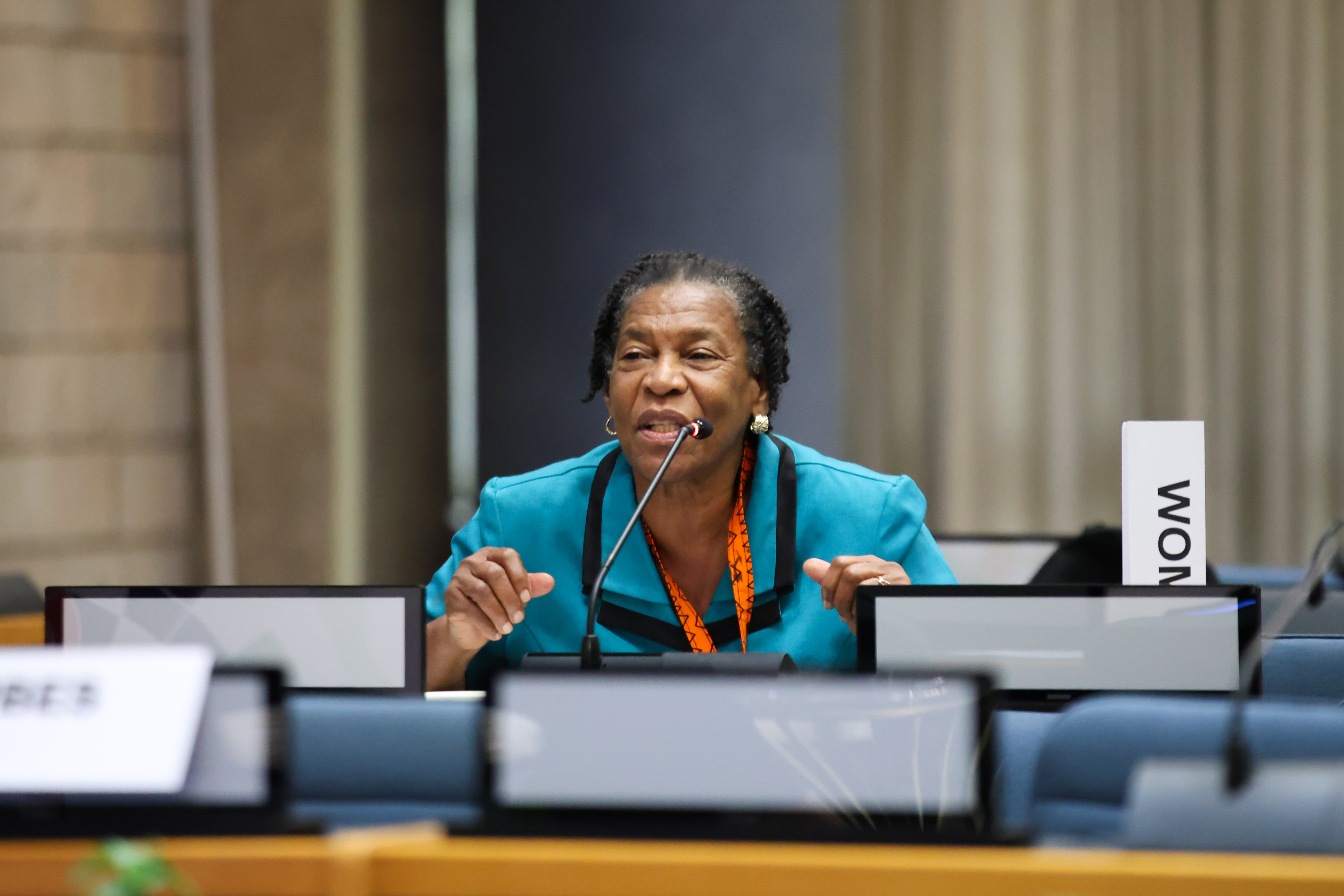
Ruth Spencer, Women's Major Group
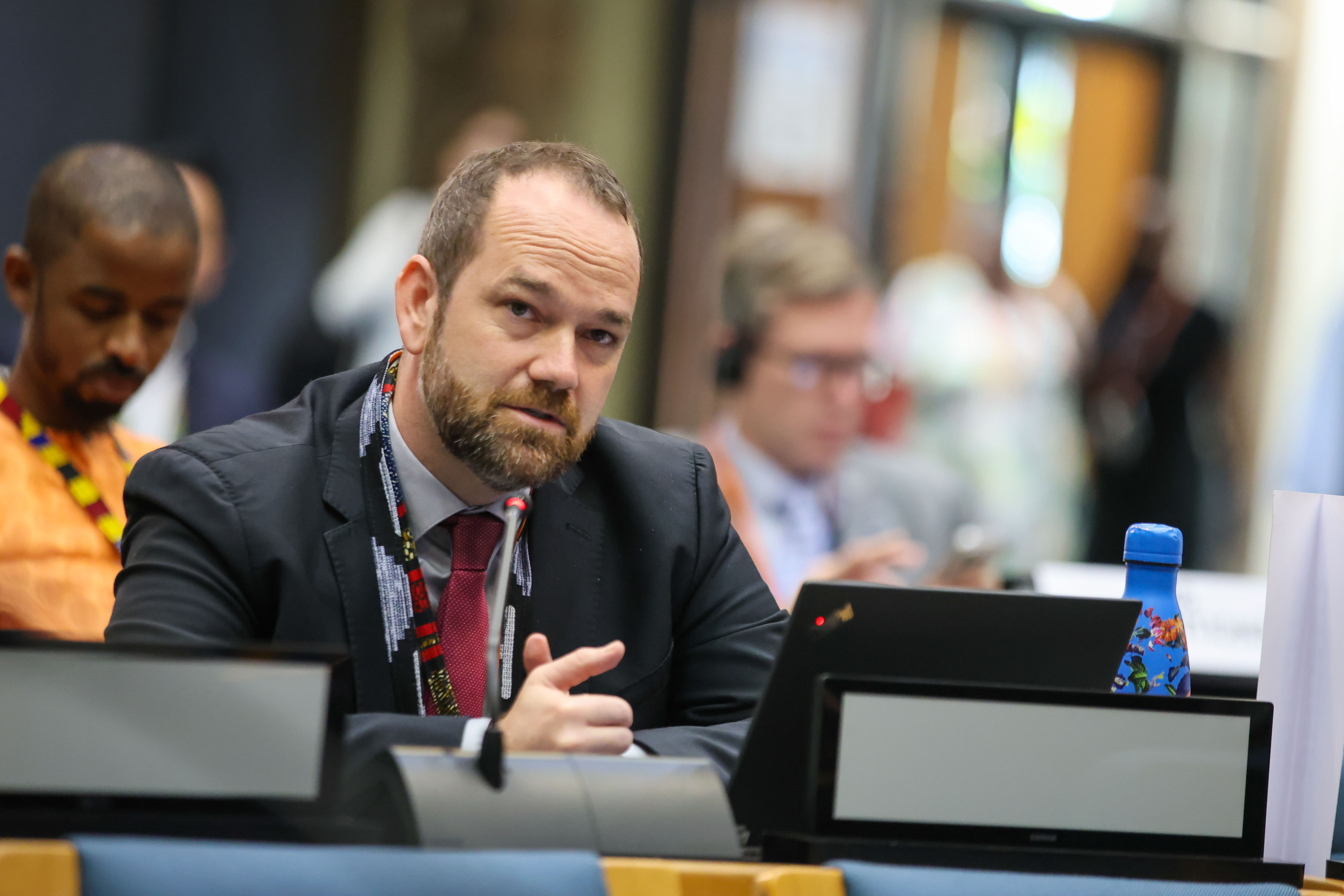
Benjamin Schachter, UN Office of the High Commissioner for Human Rights
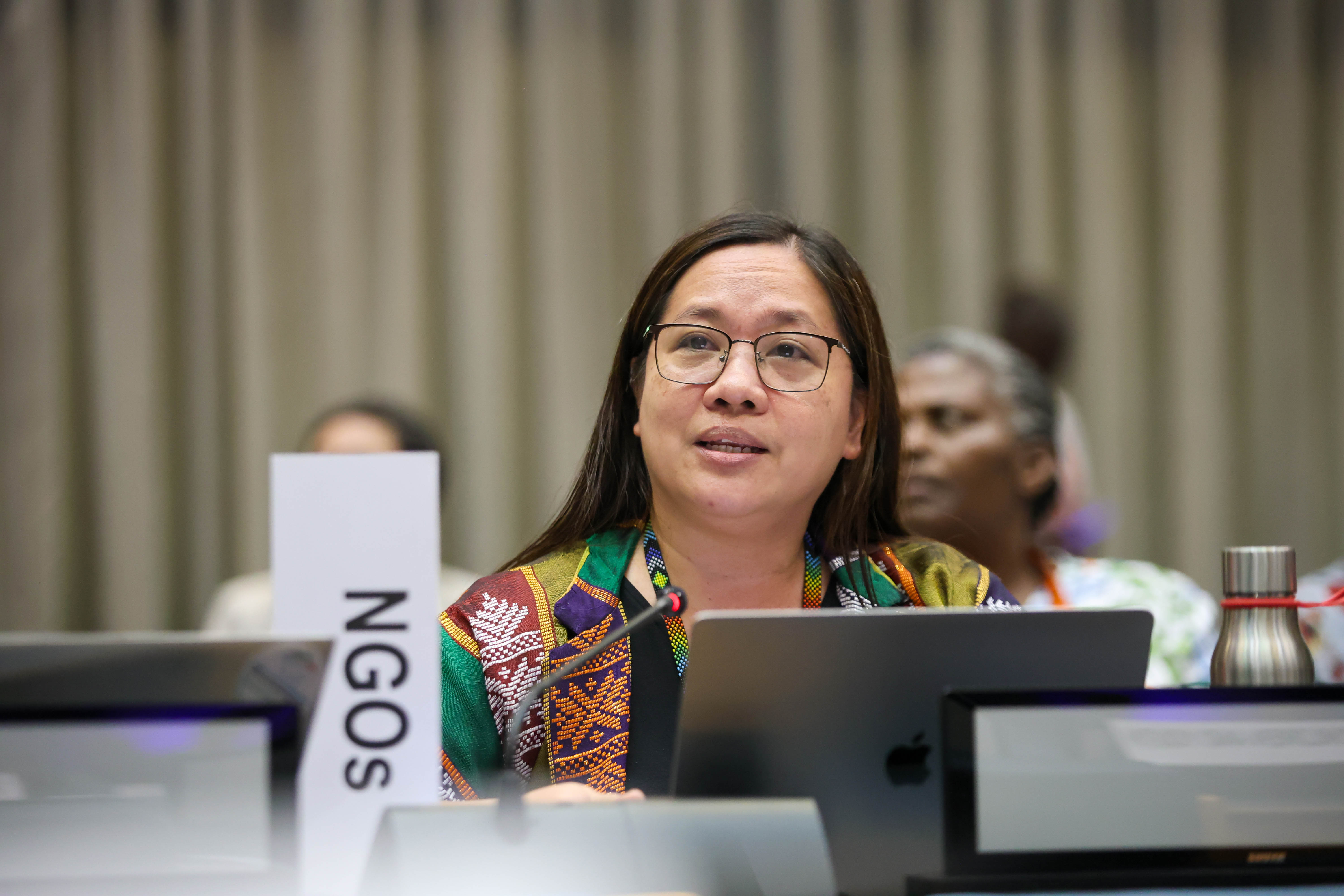
Chinkie Peliño-Golle, Non-Governmental Organizations Major Group
Closing Plenary
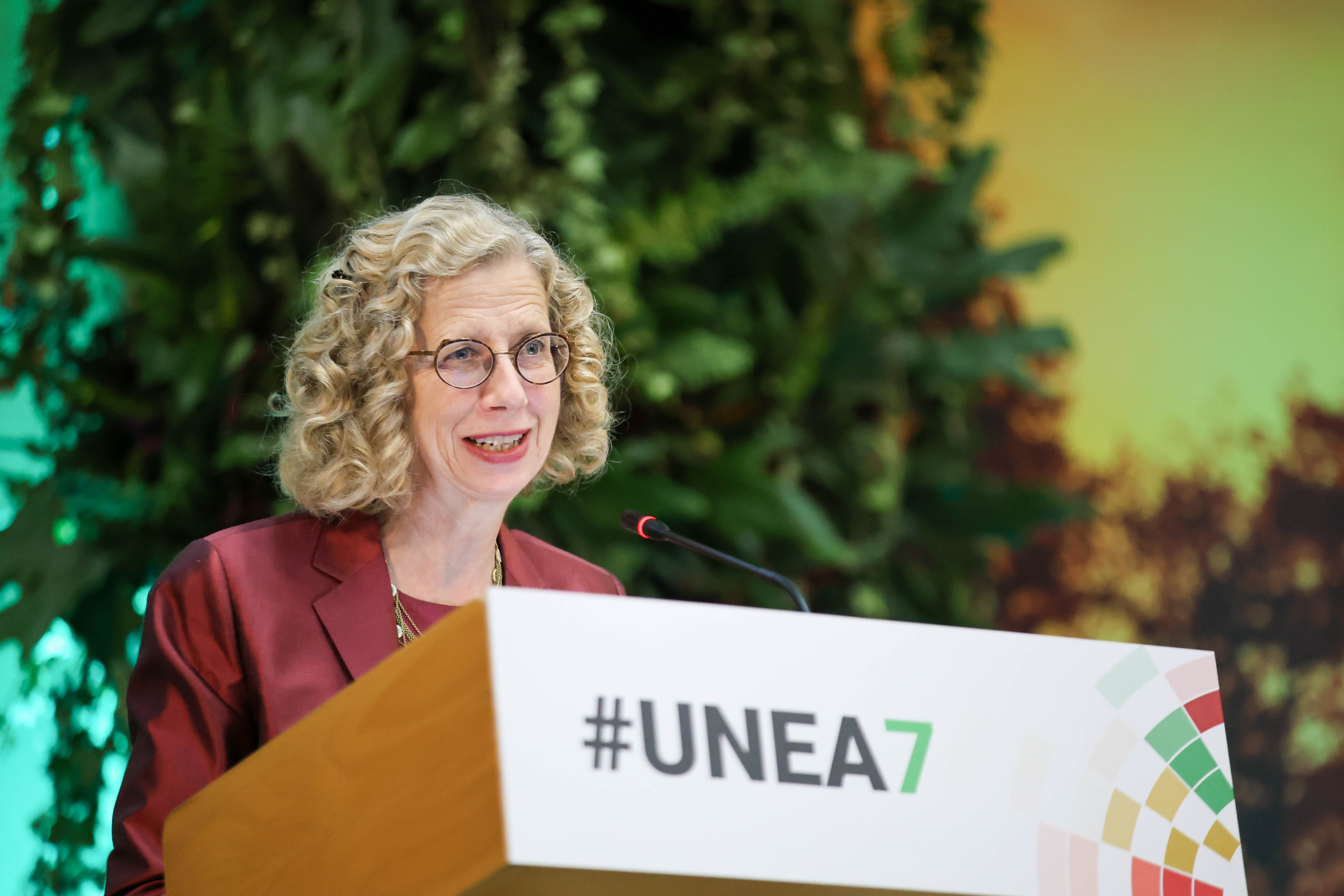
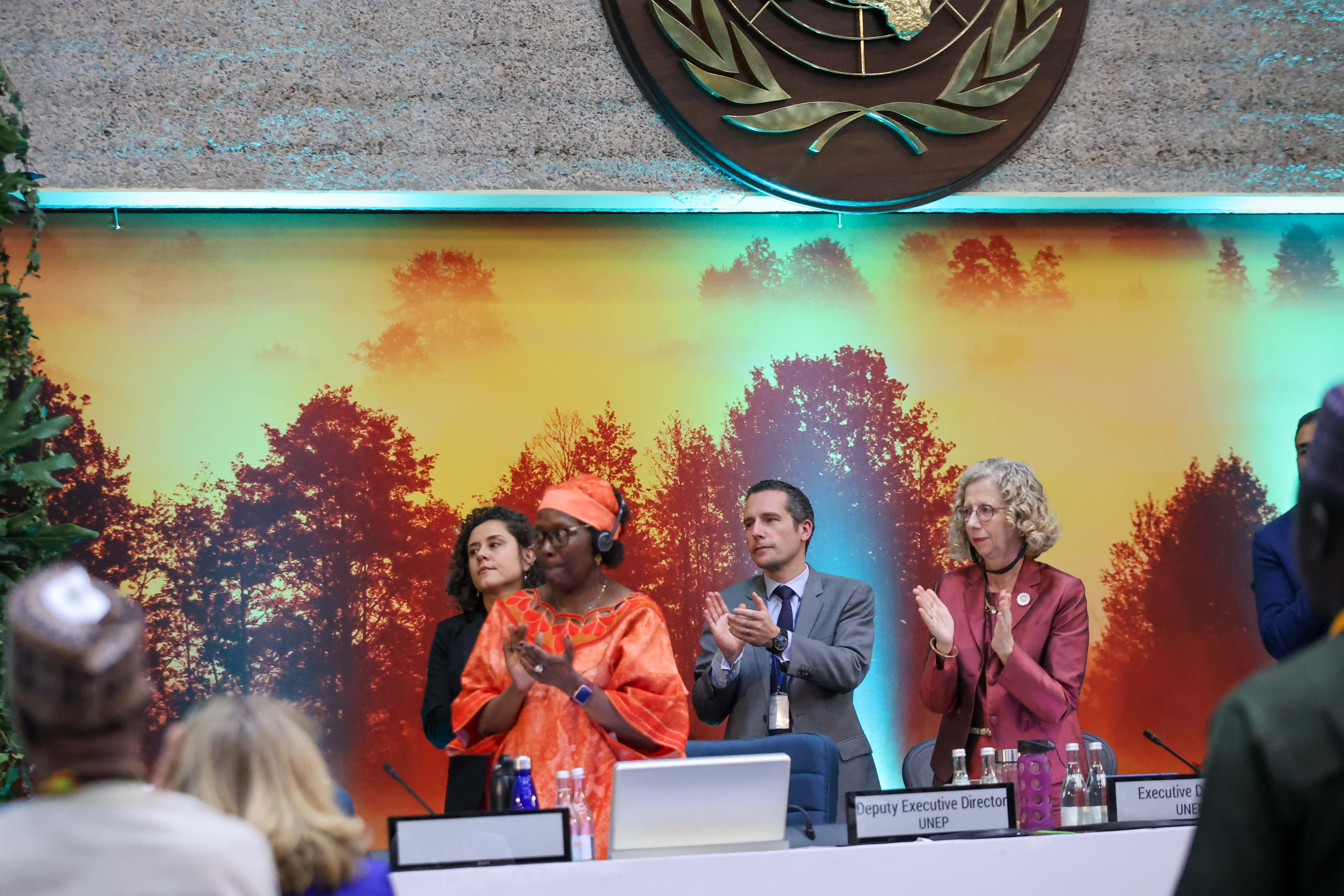
Inger Andersen, Executive Director, UNEP
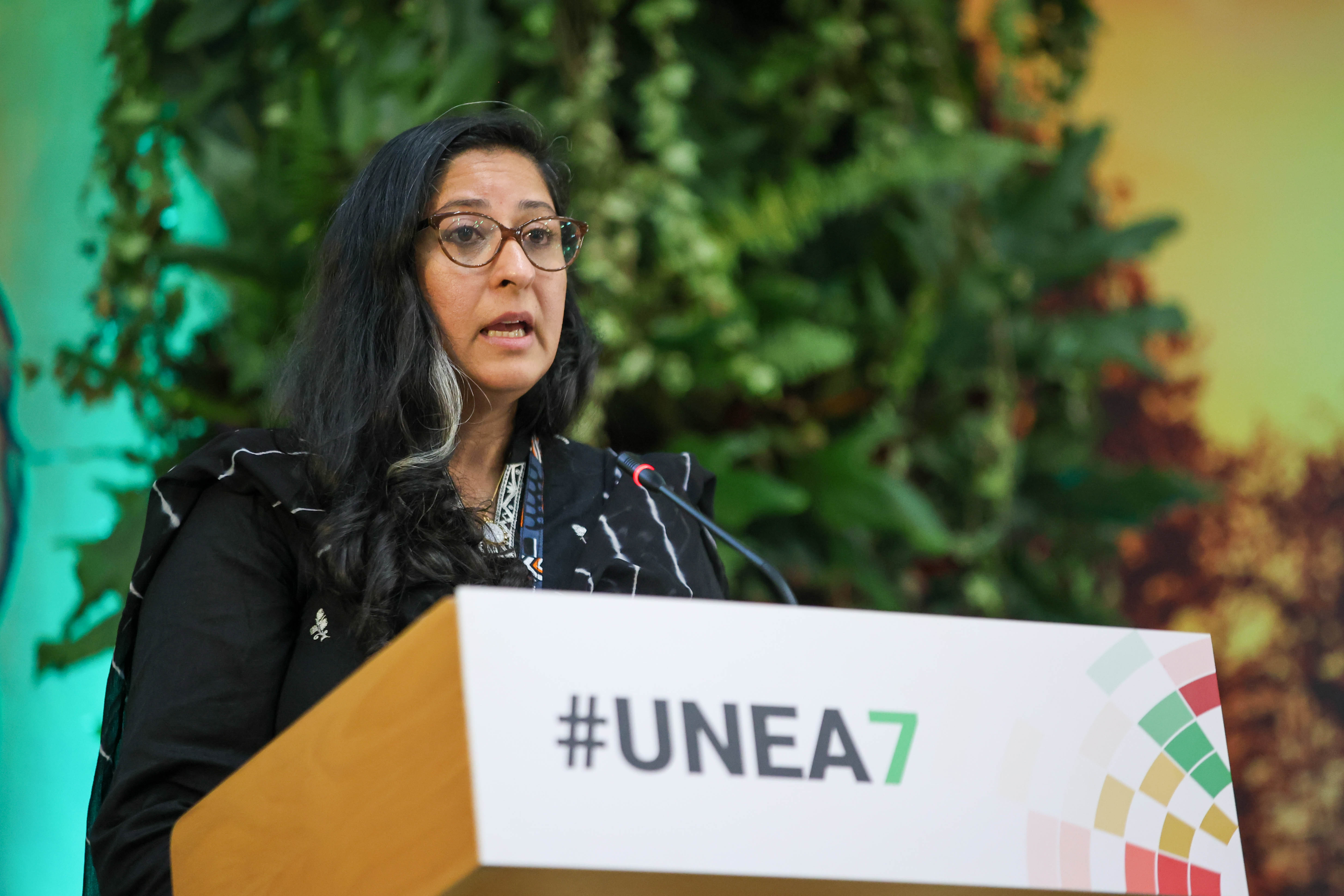
Attiya Waris, UN Independent Expert on Foreign Debt, and Professor, University of Nairobi
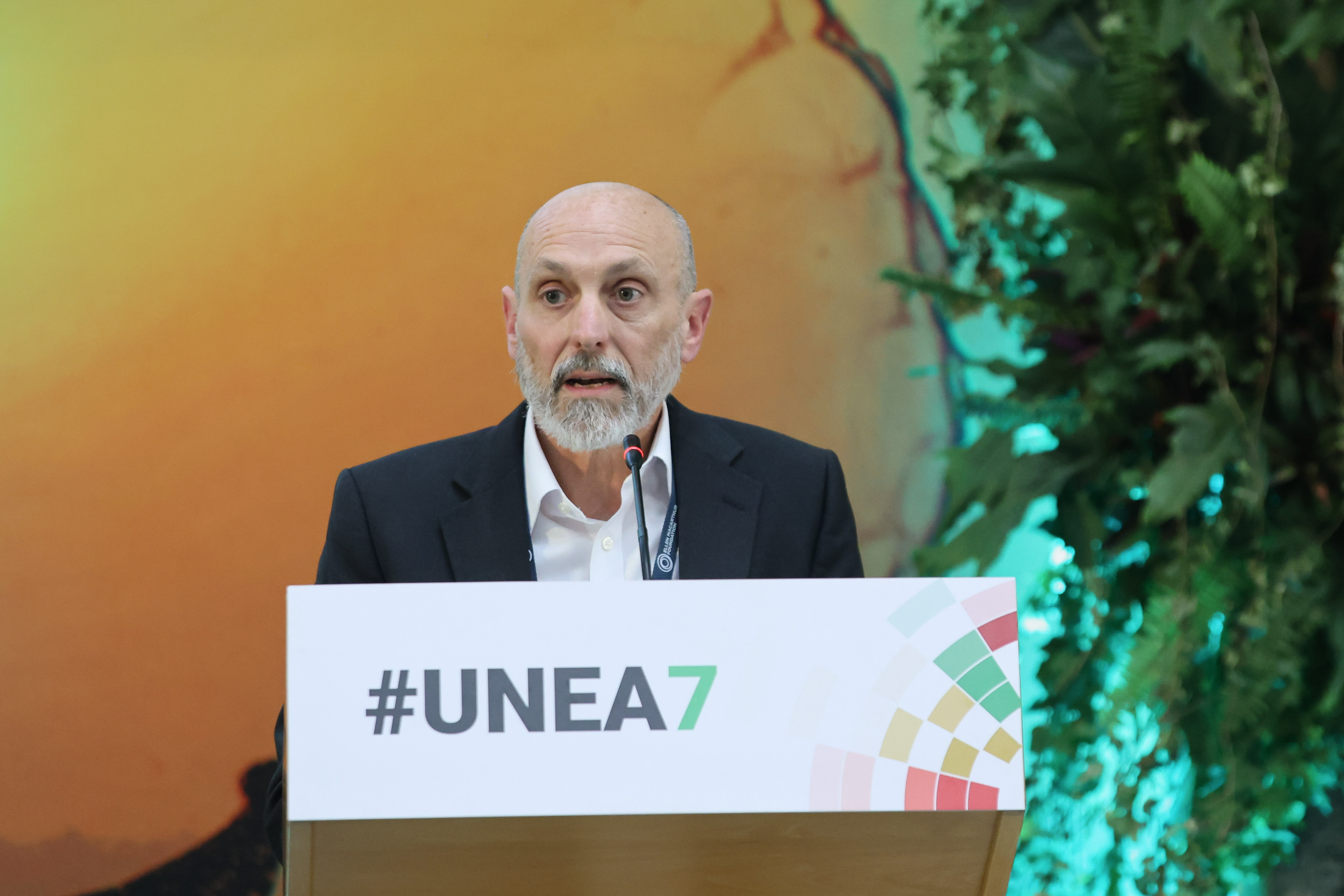
Jocelyn Blériot, Ellen MacArthur Foundation
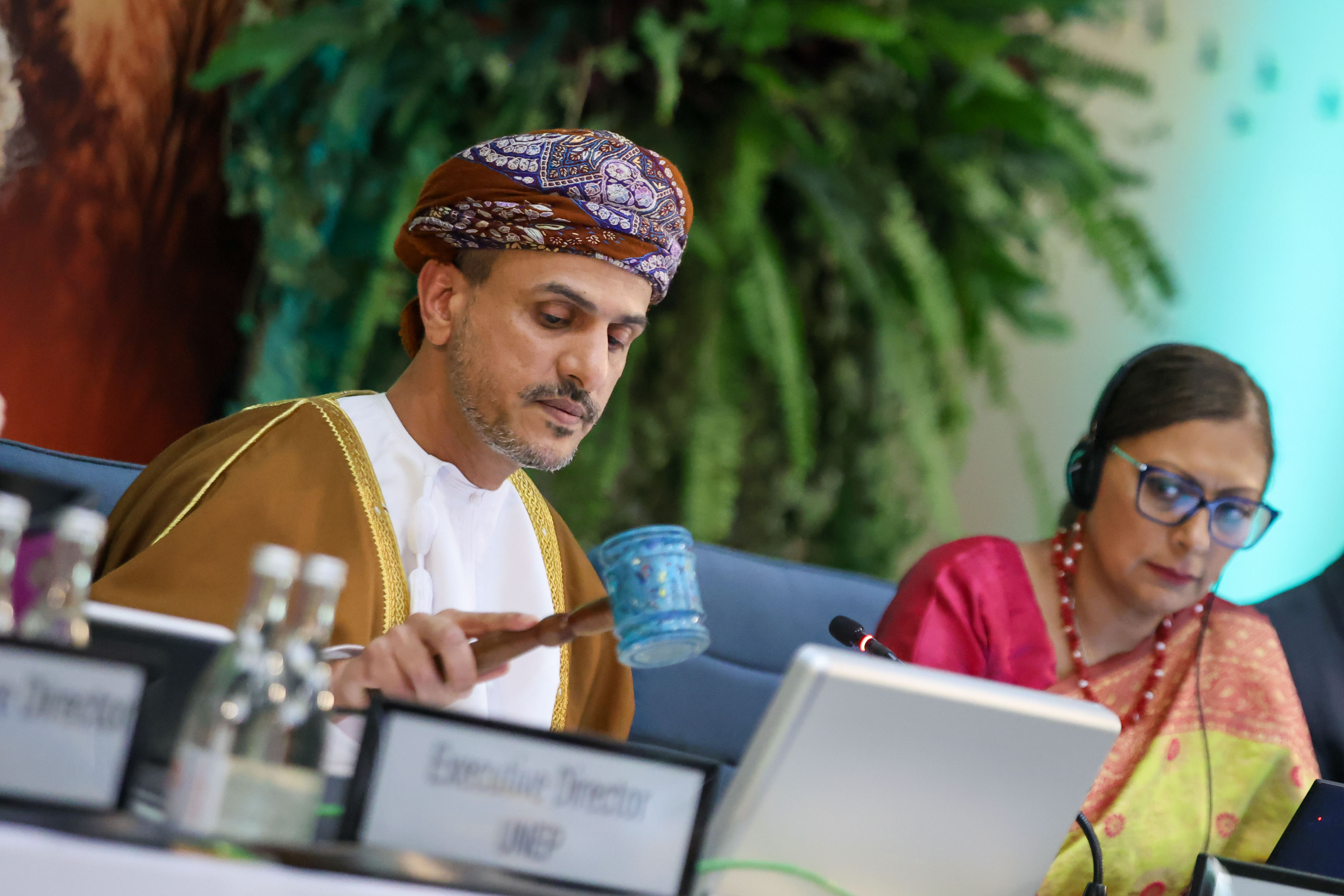
UNEA-7 President Abdullah Bin Ali Al-Amri, Oman, gavels the adoption of various decisions and resolutions
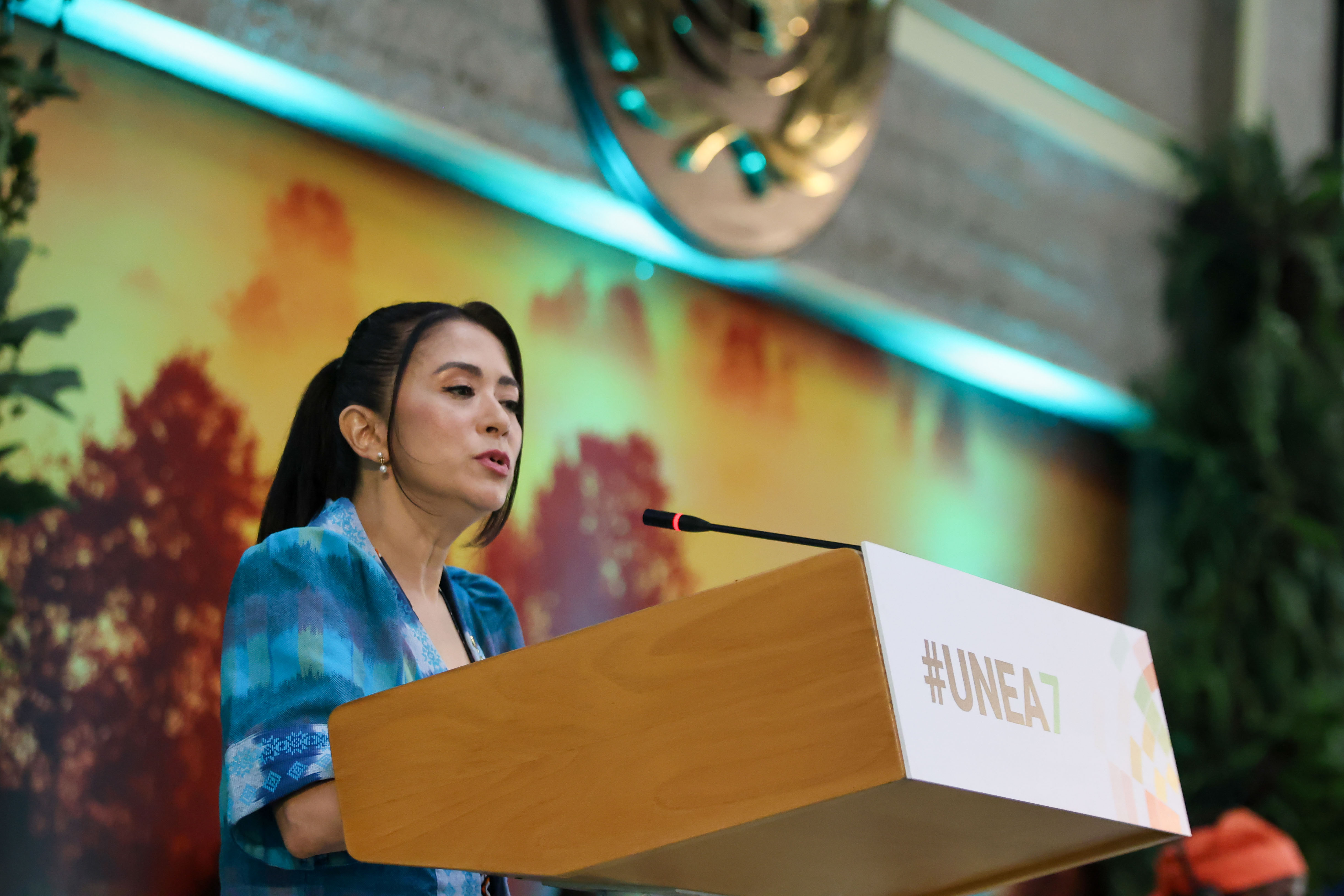
Antoinette Taus, UNEP Goodwill Ambassador
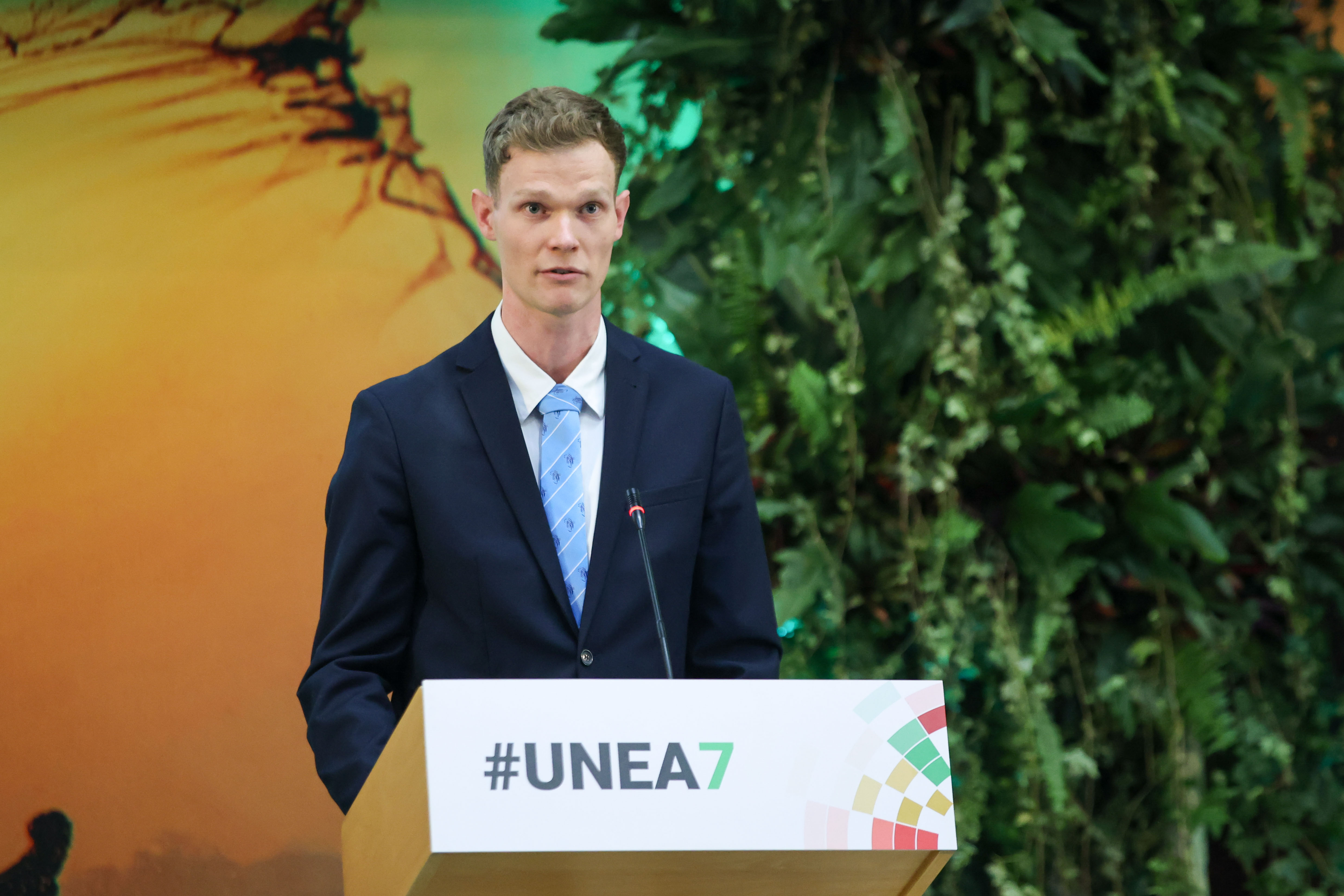
Joost Van Den Broek, the Netherlands
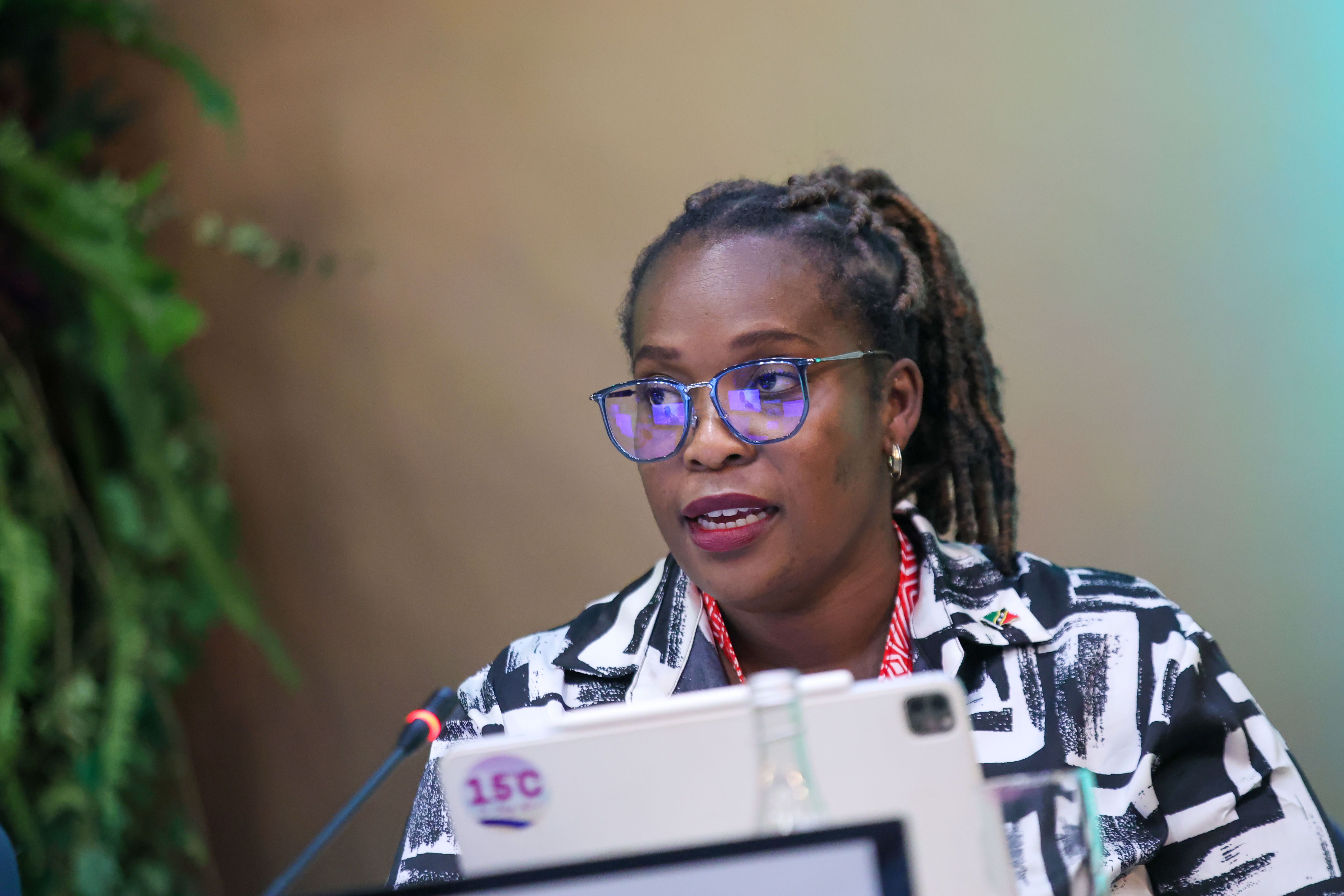
Joyelle Clarke, Chair, Committee of the Whole, Saint Kitts and Nevis
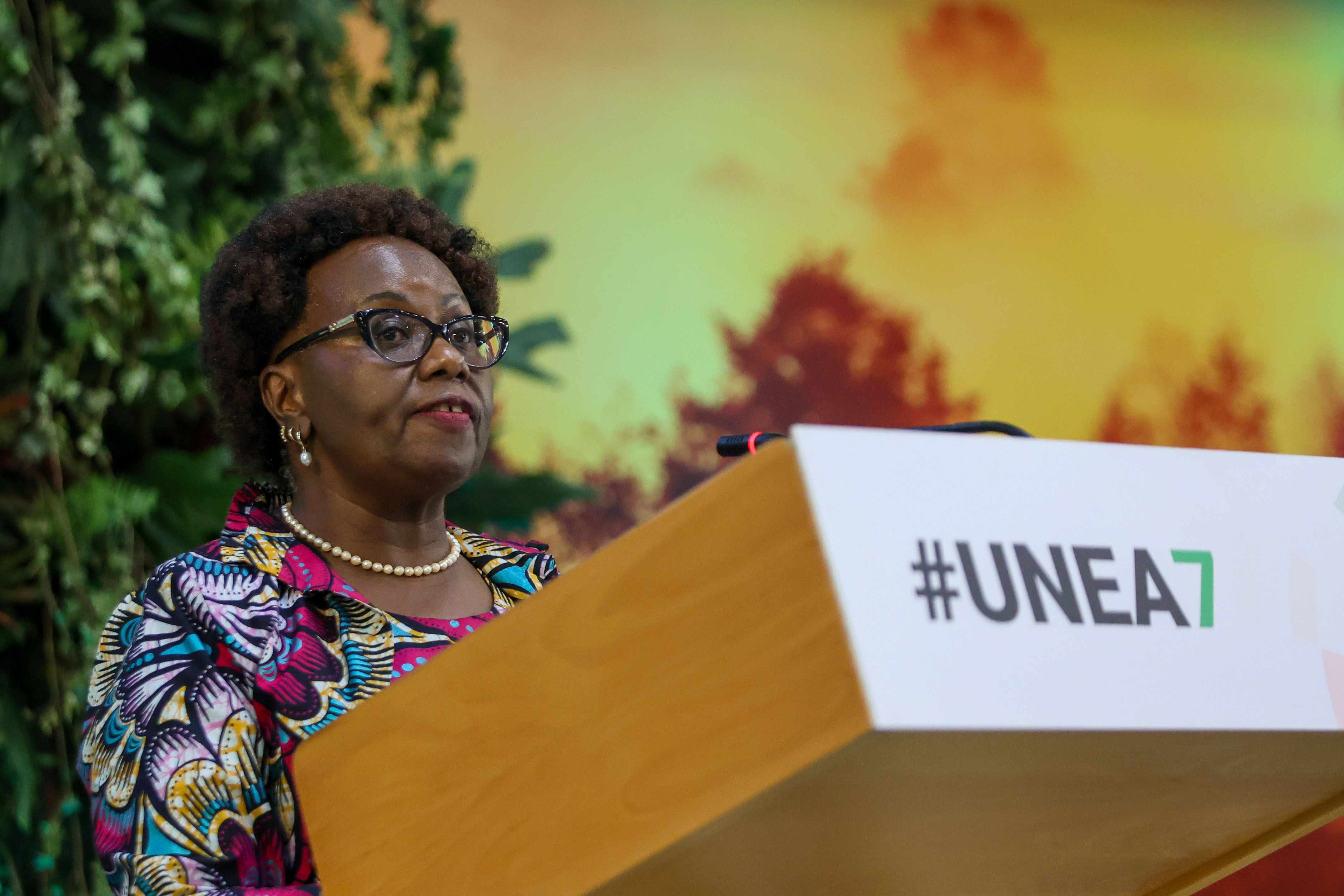
Patricia Kameri-Mbote, Director, UNEP Law Division
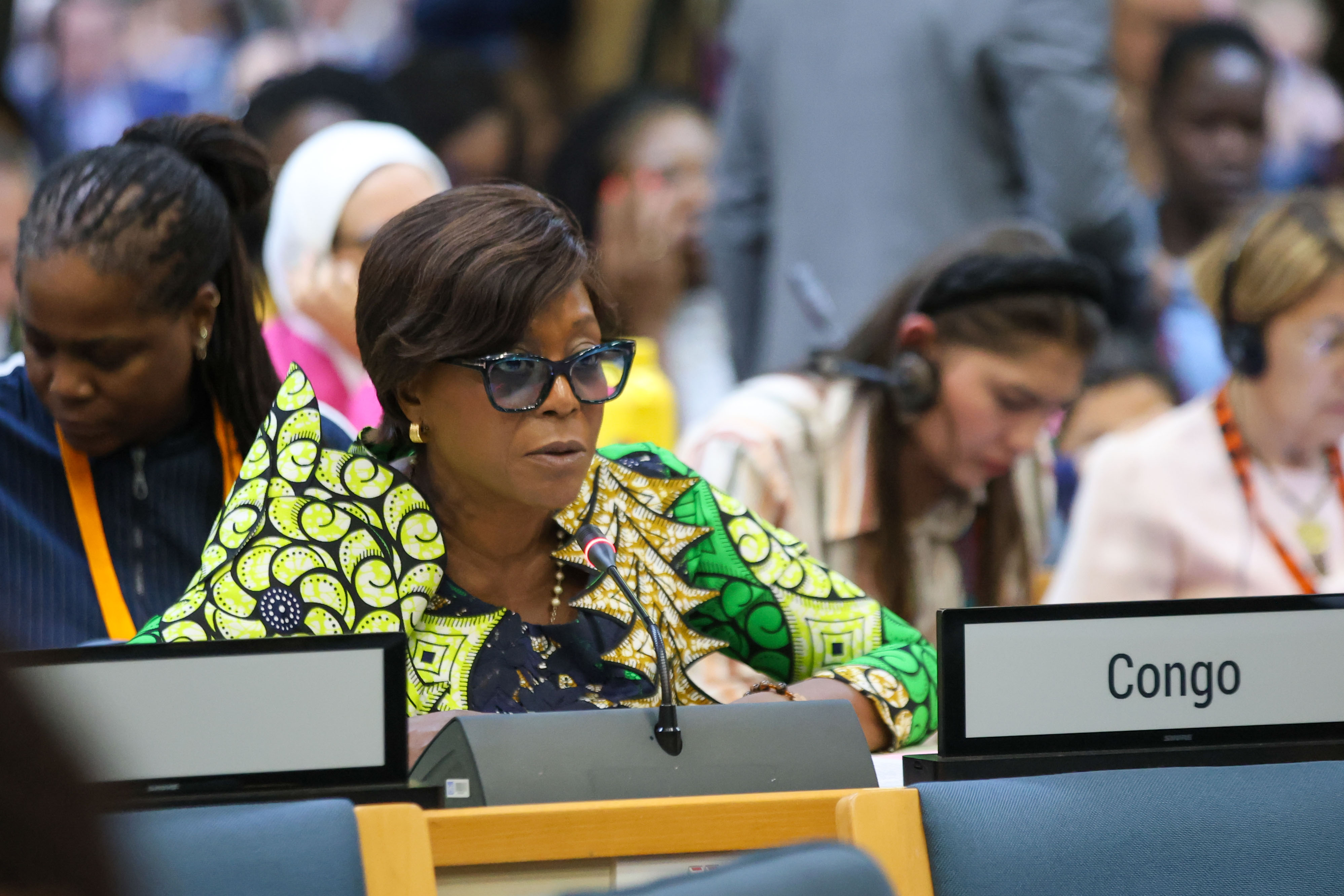
Arlette Soudan-Nonault, Minister of the Environment, Sustainable Development and the Congo Basin, Congo
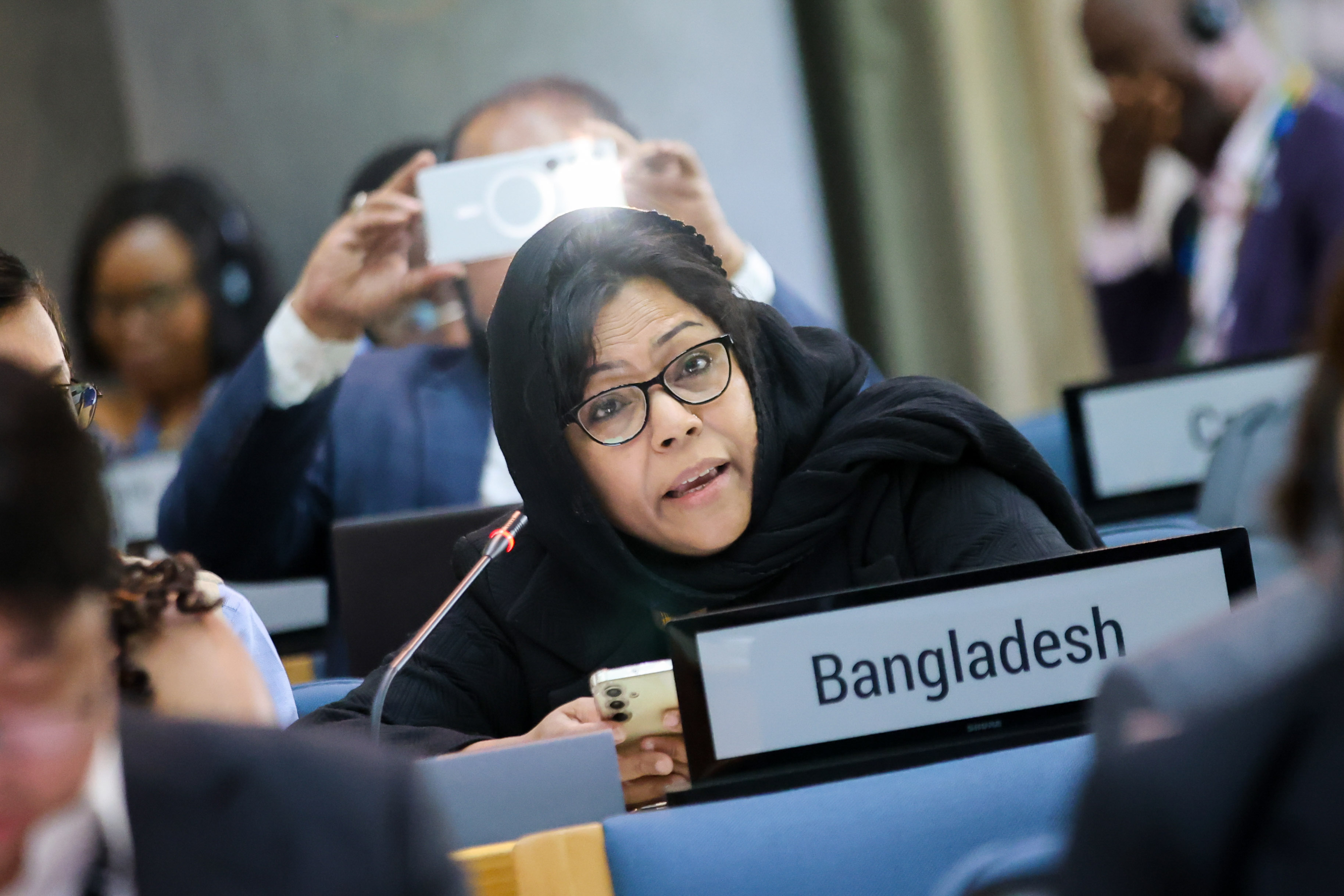
Farhina Ahmed, Bangladesh
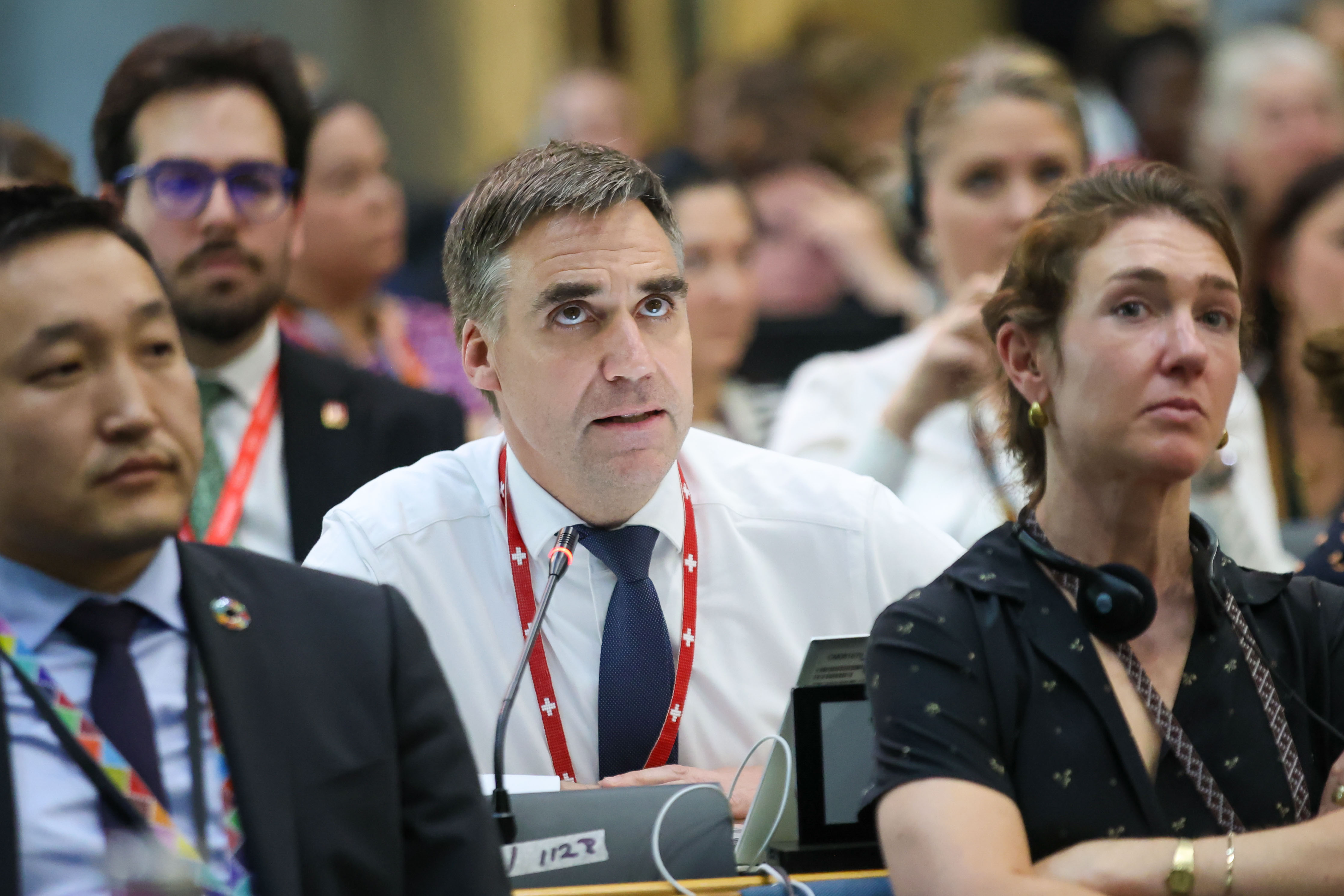
Felix Wertli, Switzerland
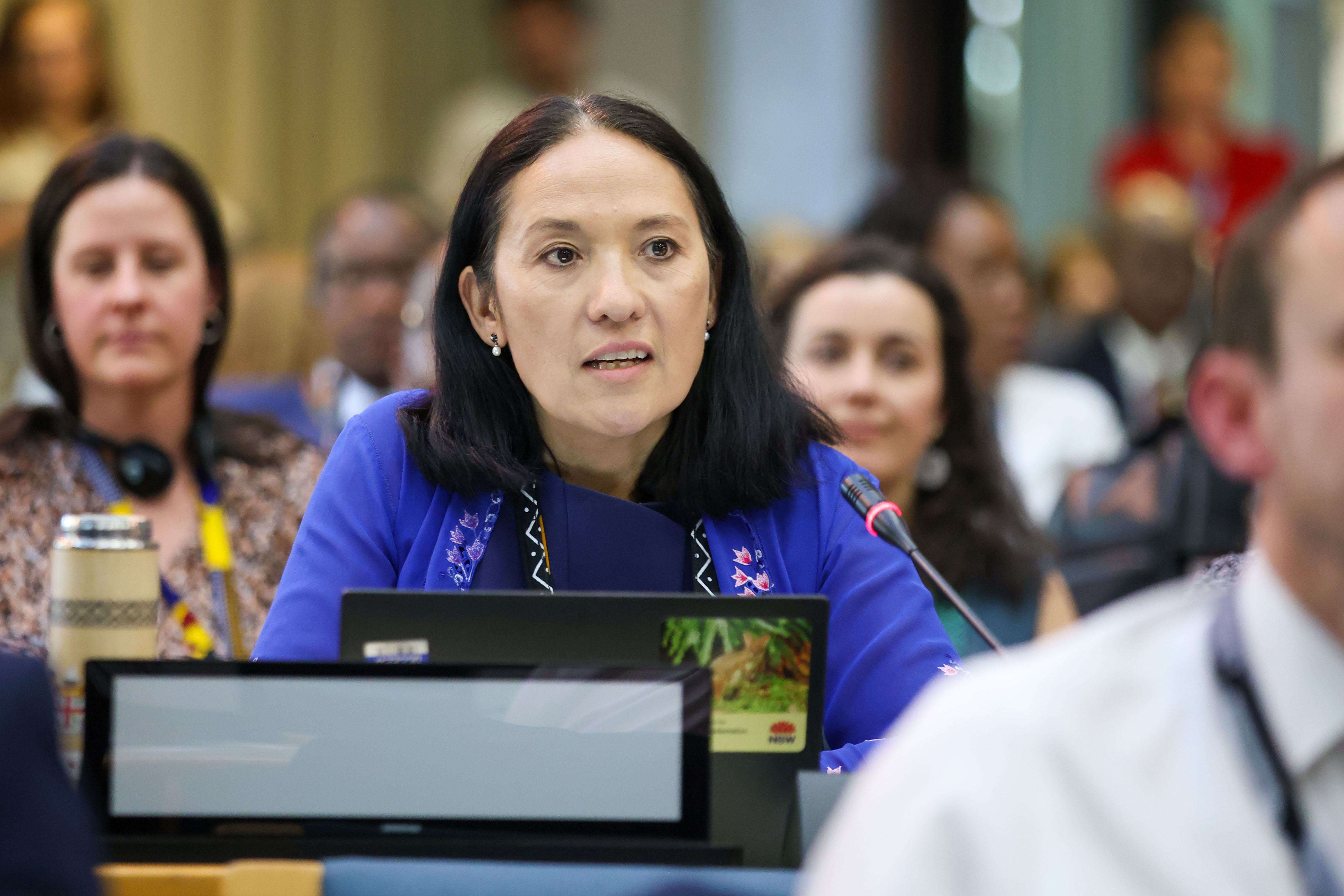
Fleur Downard, Australia
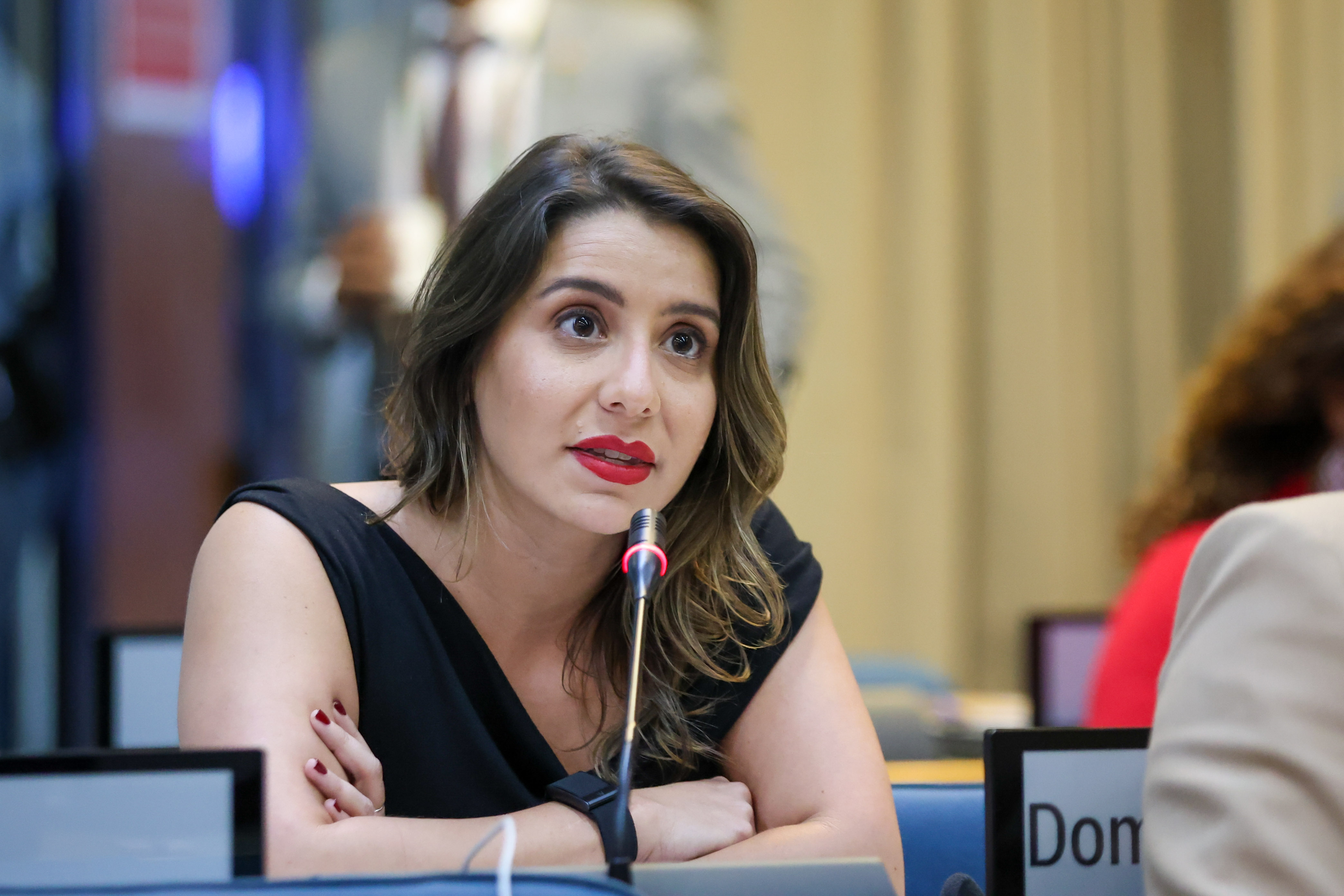
Claudia Taboada Flores, Dominican Republic
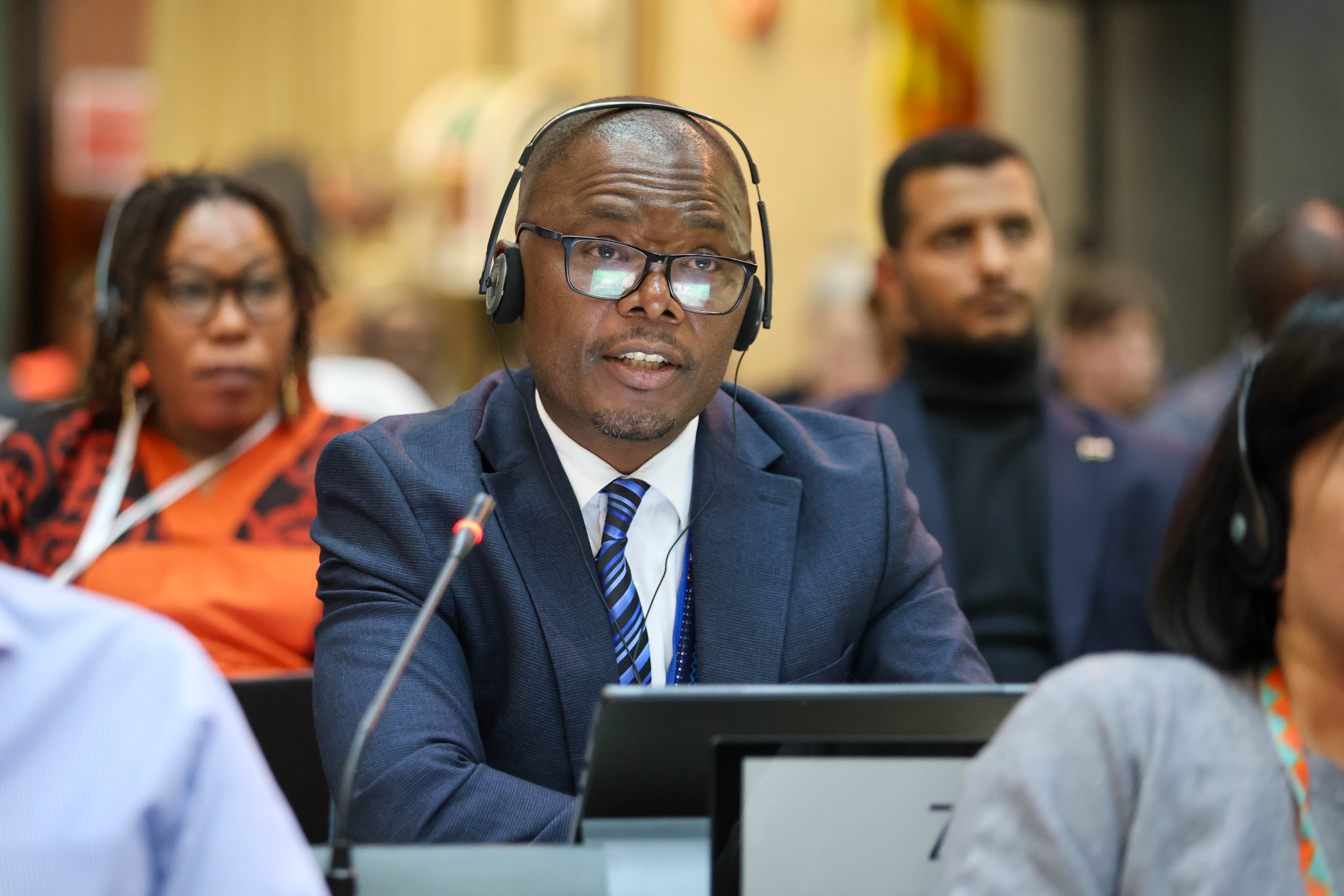
Exnobert Zulu, Zambia
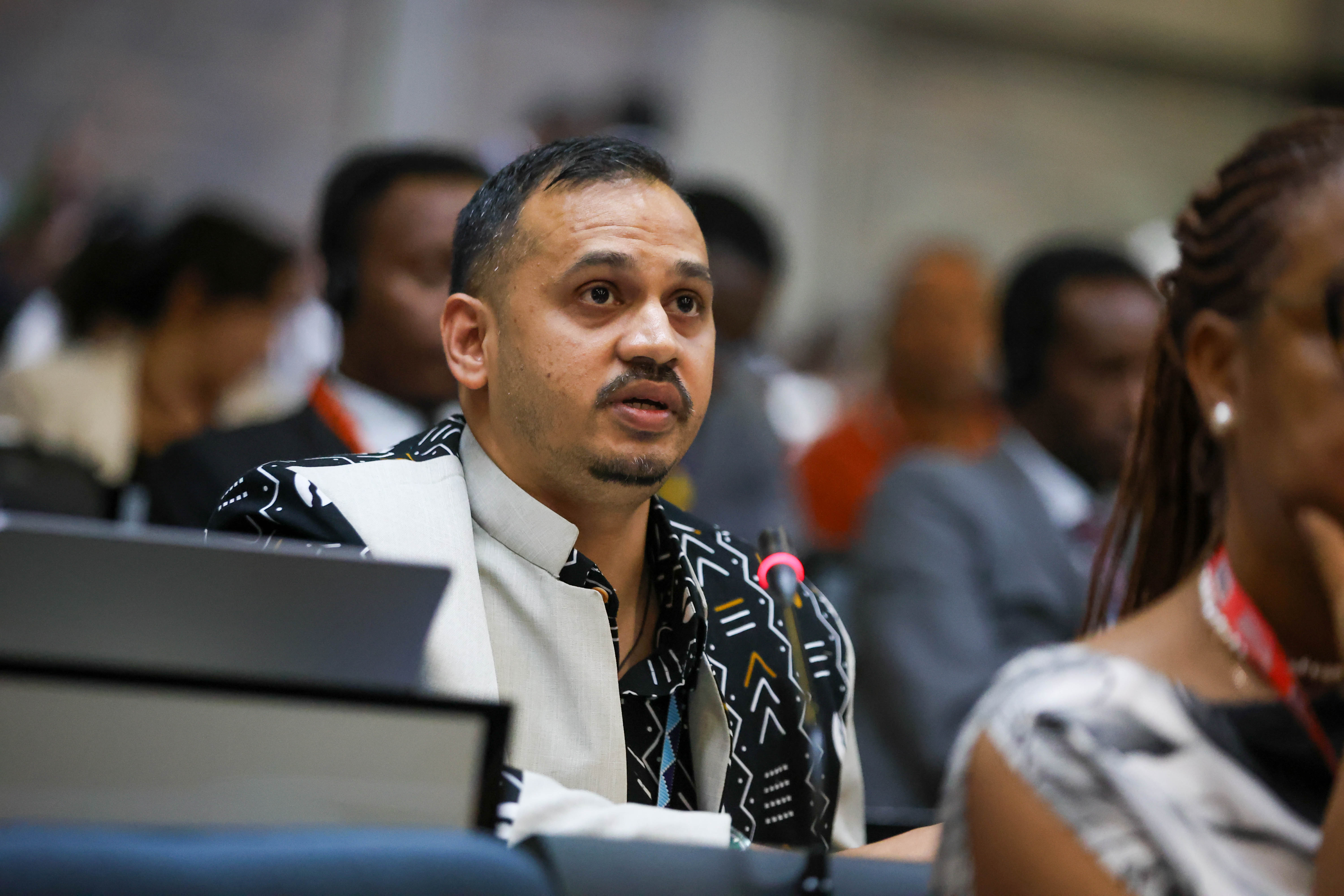
Sivendra Michael, Fiji
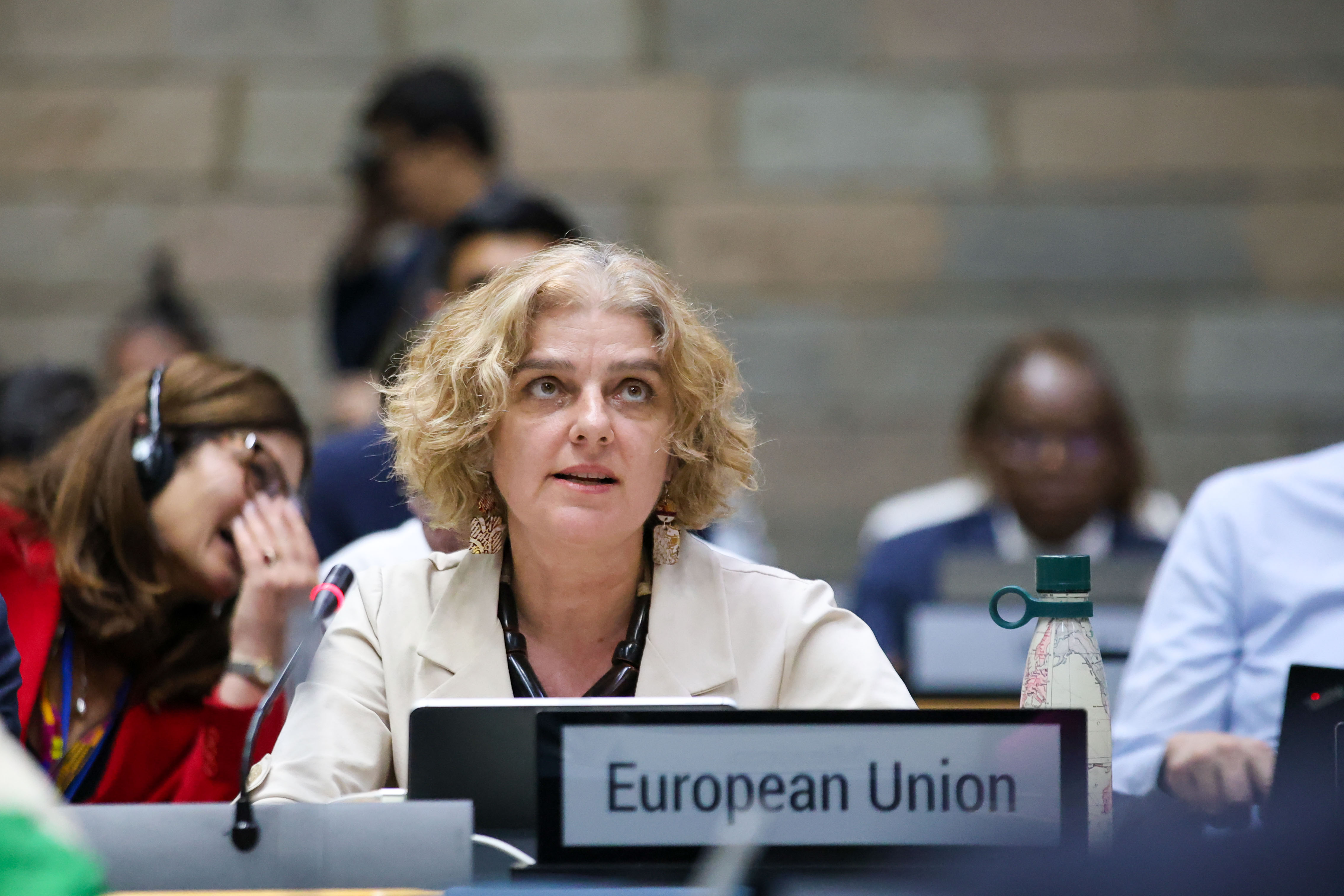
Monika Hencsey, EU
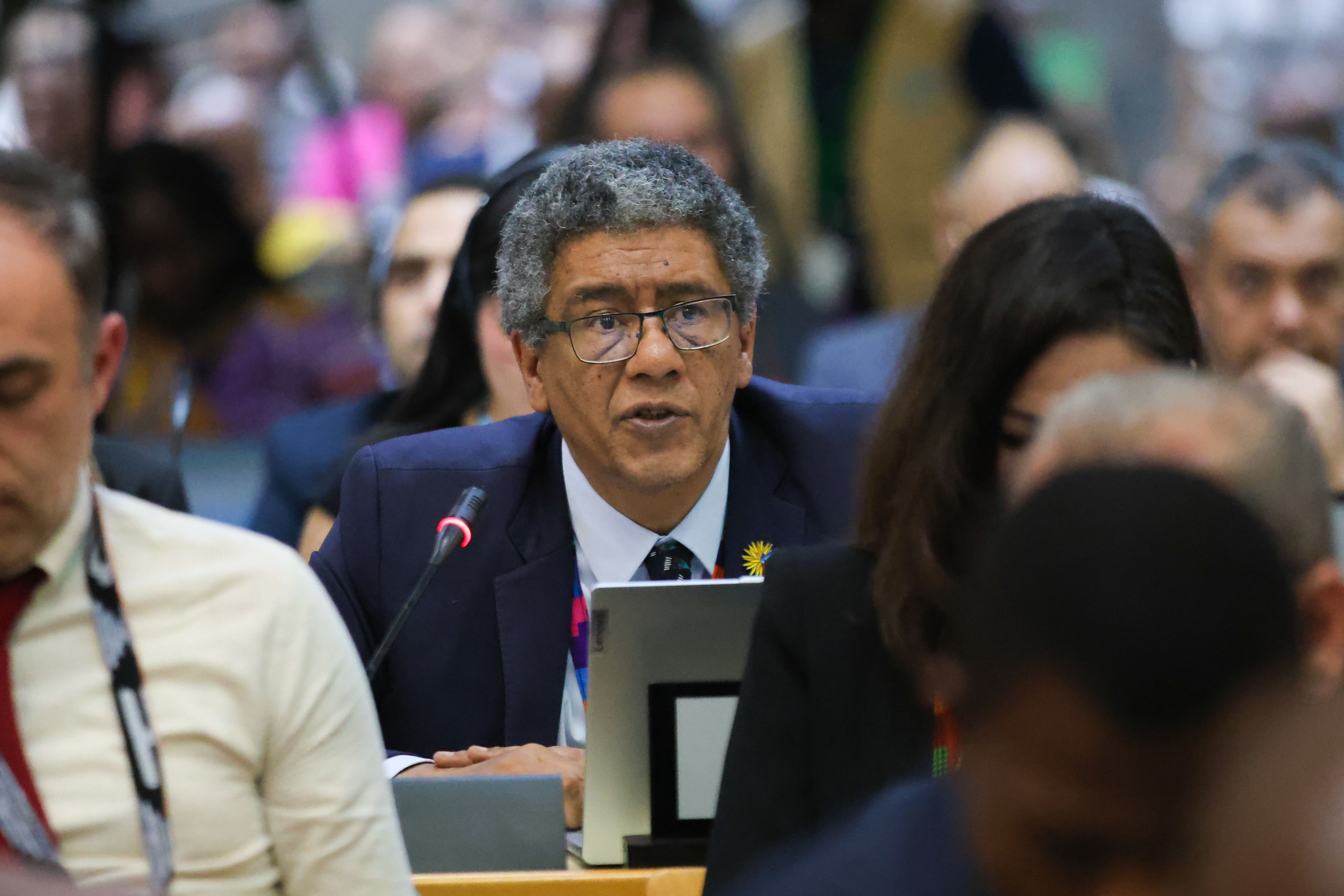
Pedro León Cortés Ruiz, Colombia
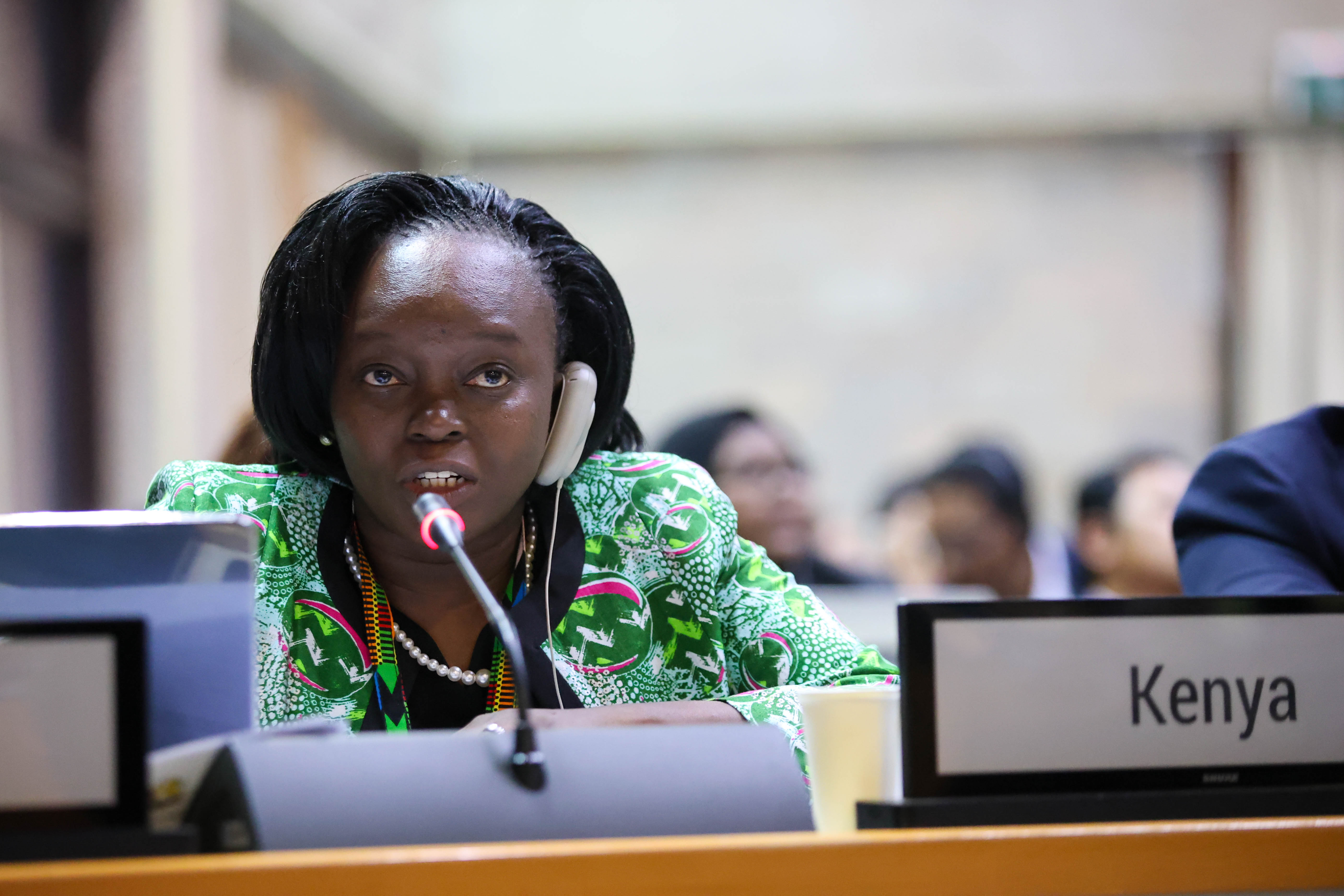
Deborah Mlongo Barasa, Kenya
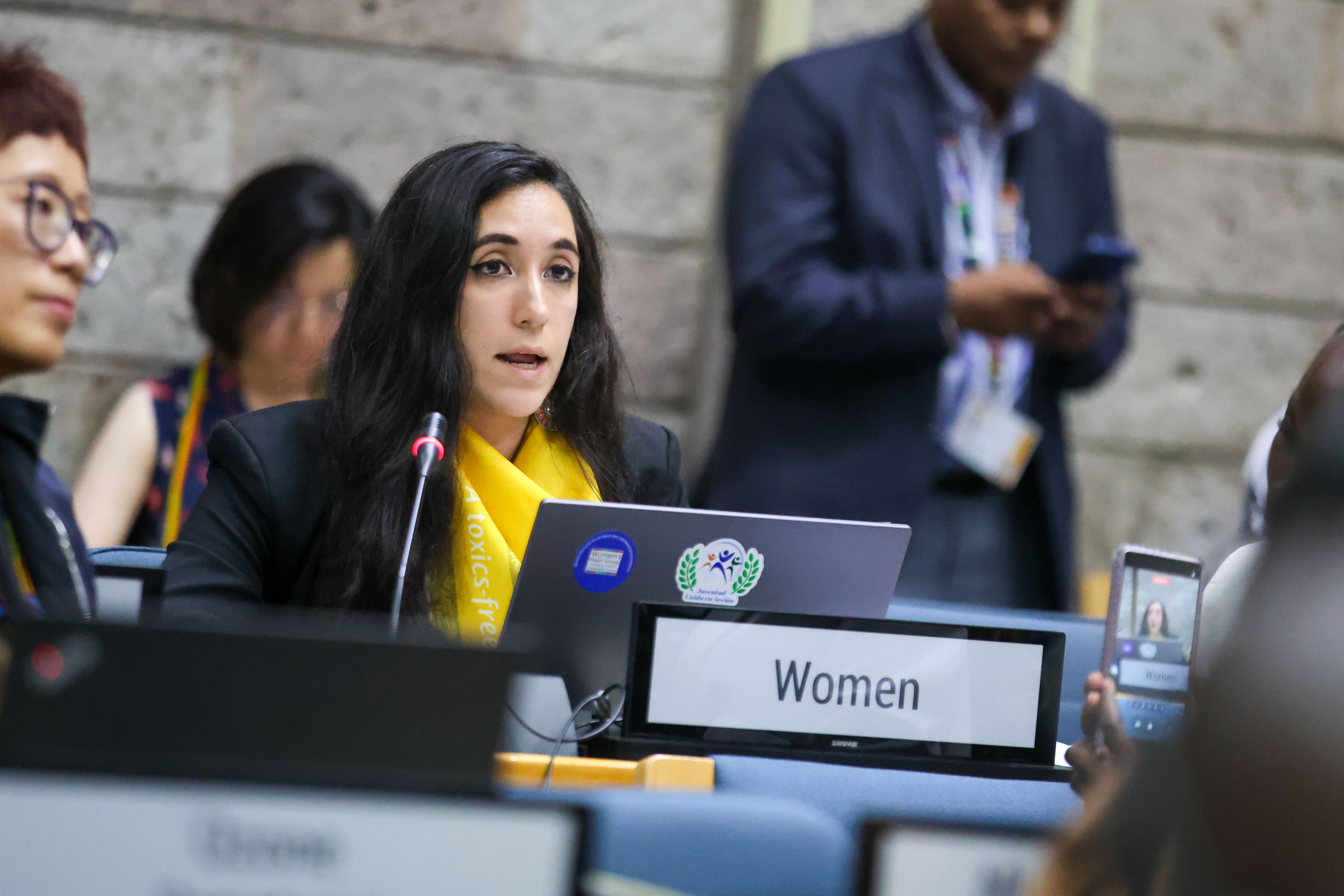
Dalia Márquez, Women's Major Group
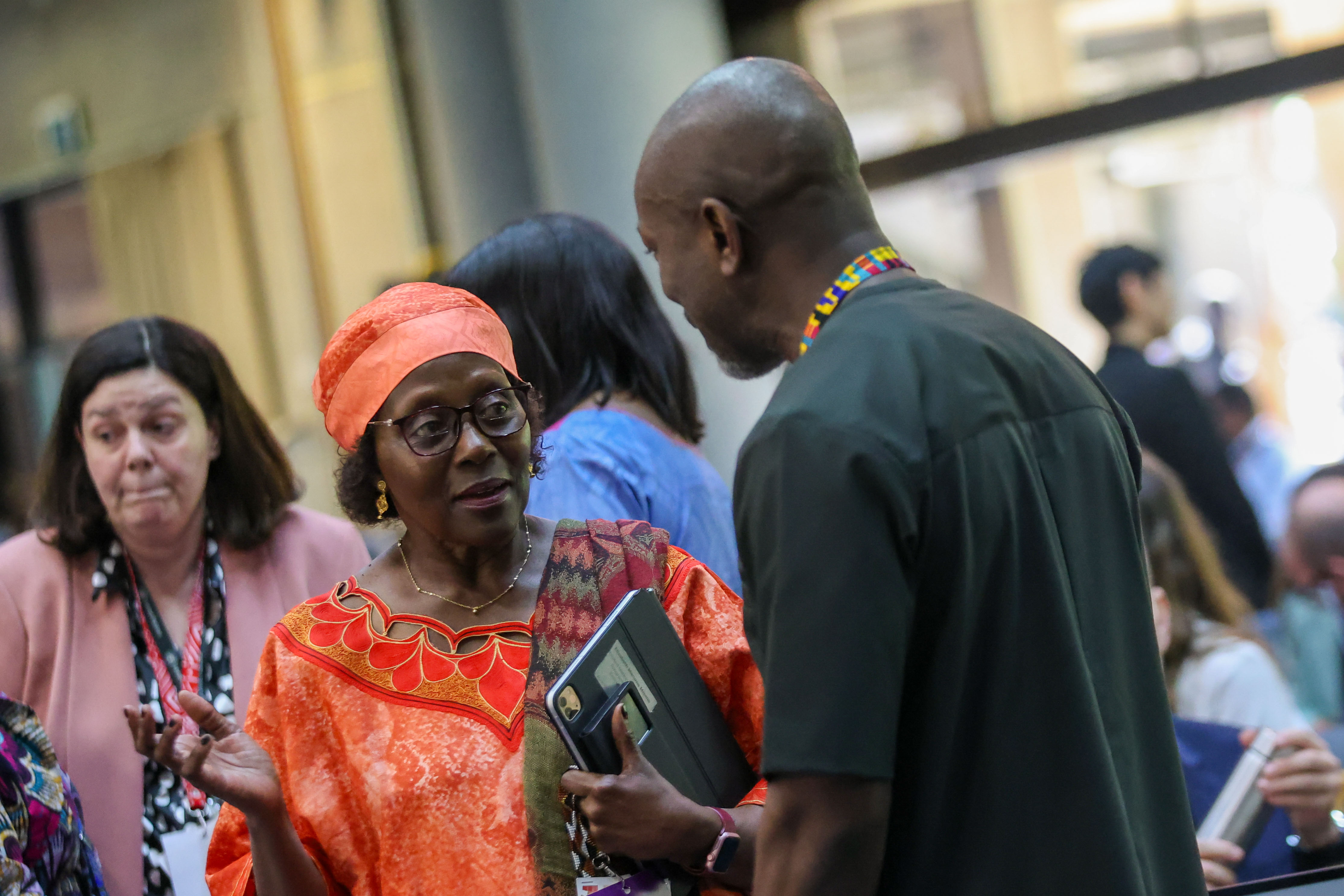
Elizabeth Maruma Mrema, Deputy Executive Director, UNEP
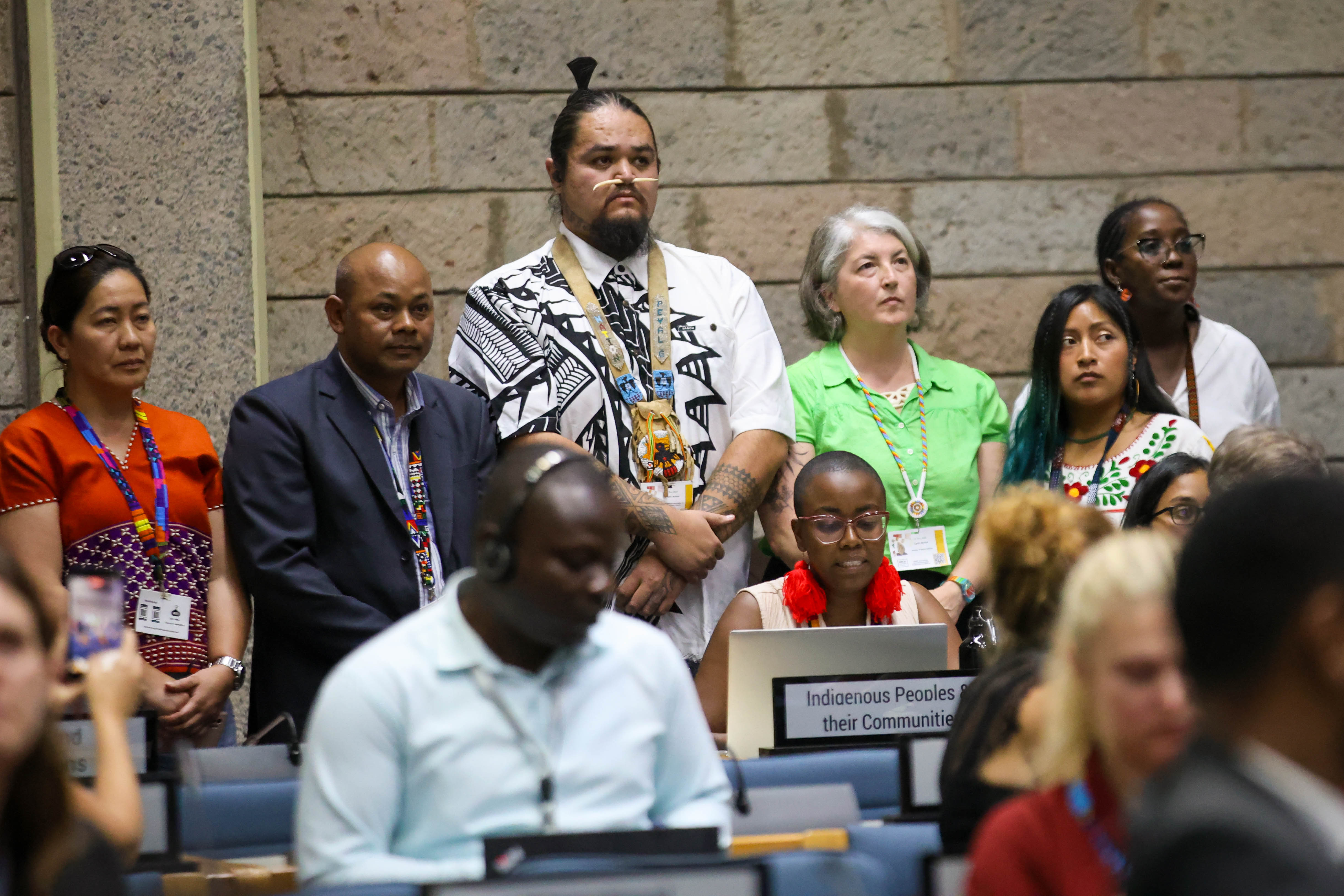
Representatives of Indigenous Peoples and their Communities
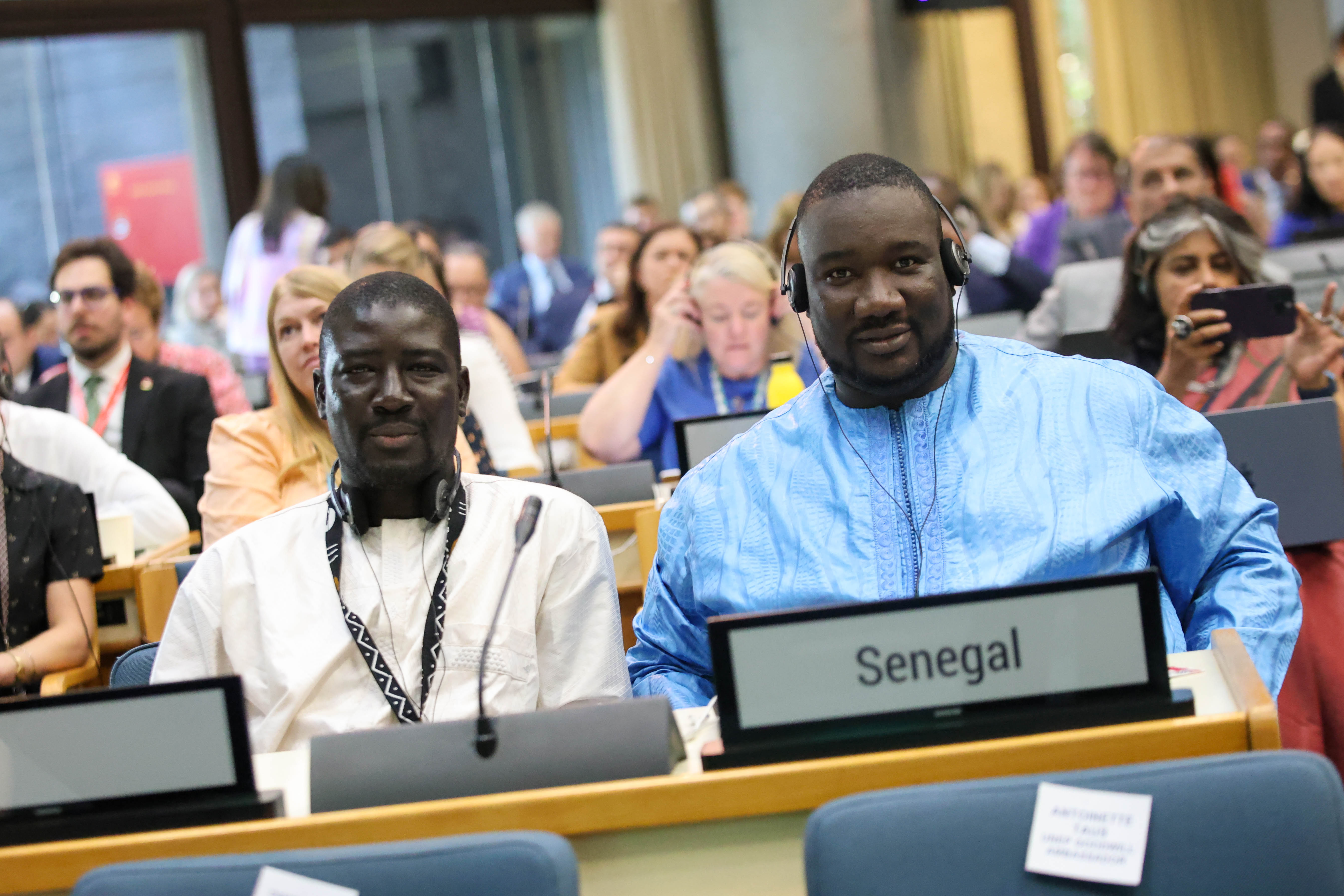
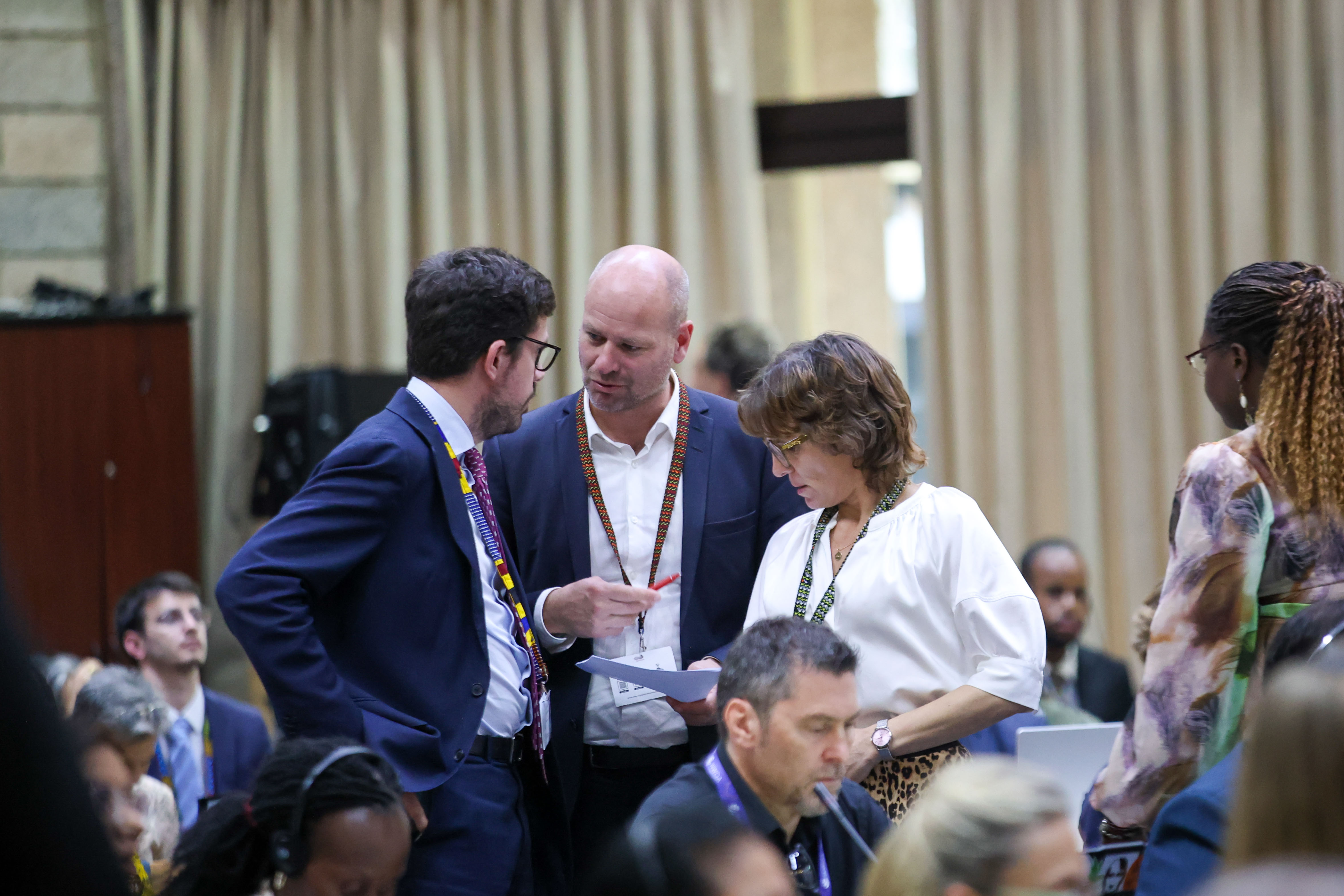
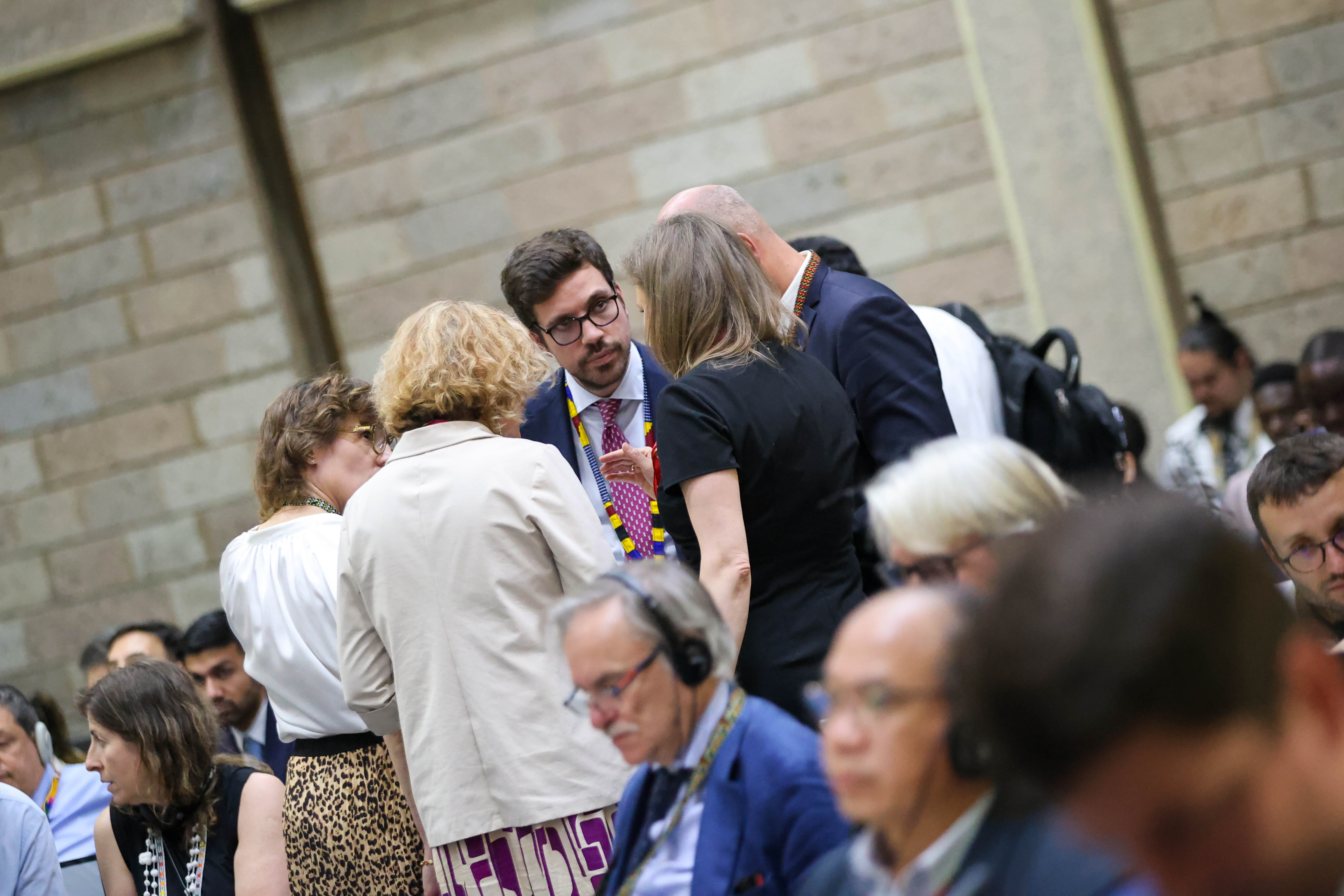
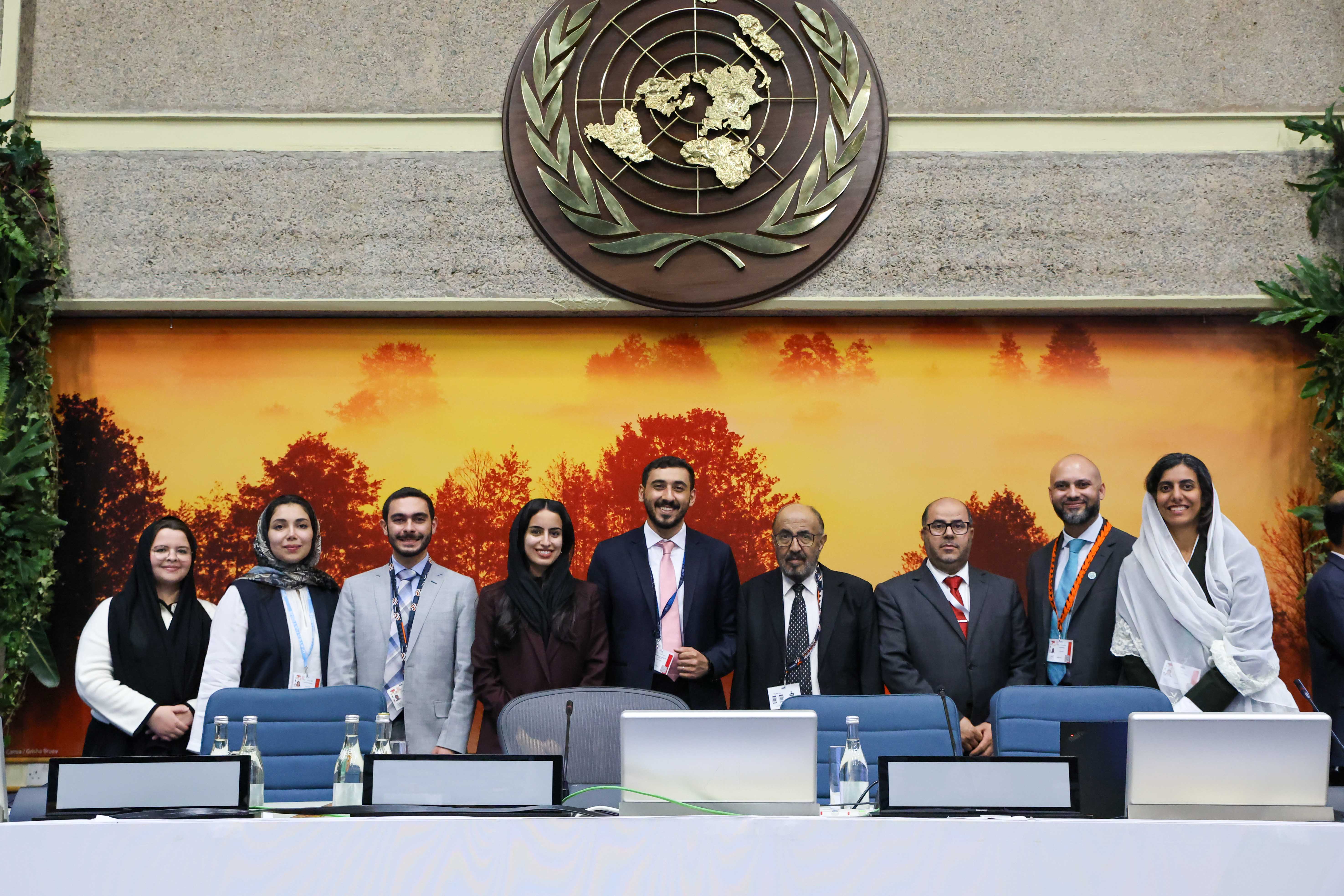
Delegates from Saudi Arabia
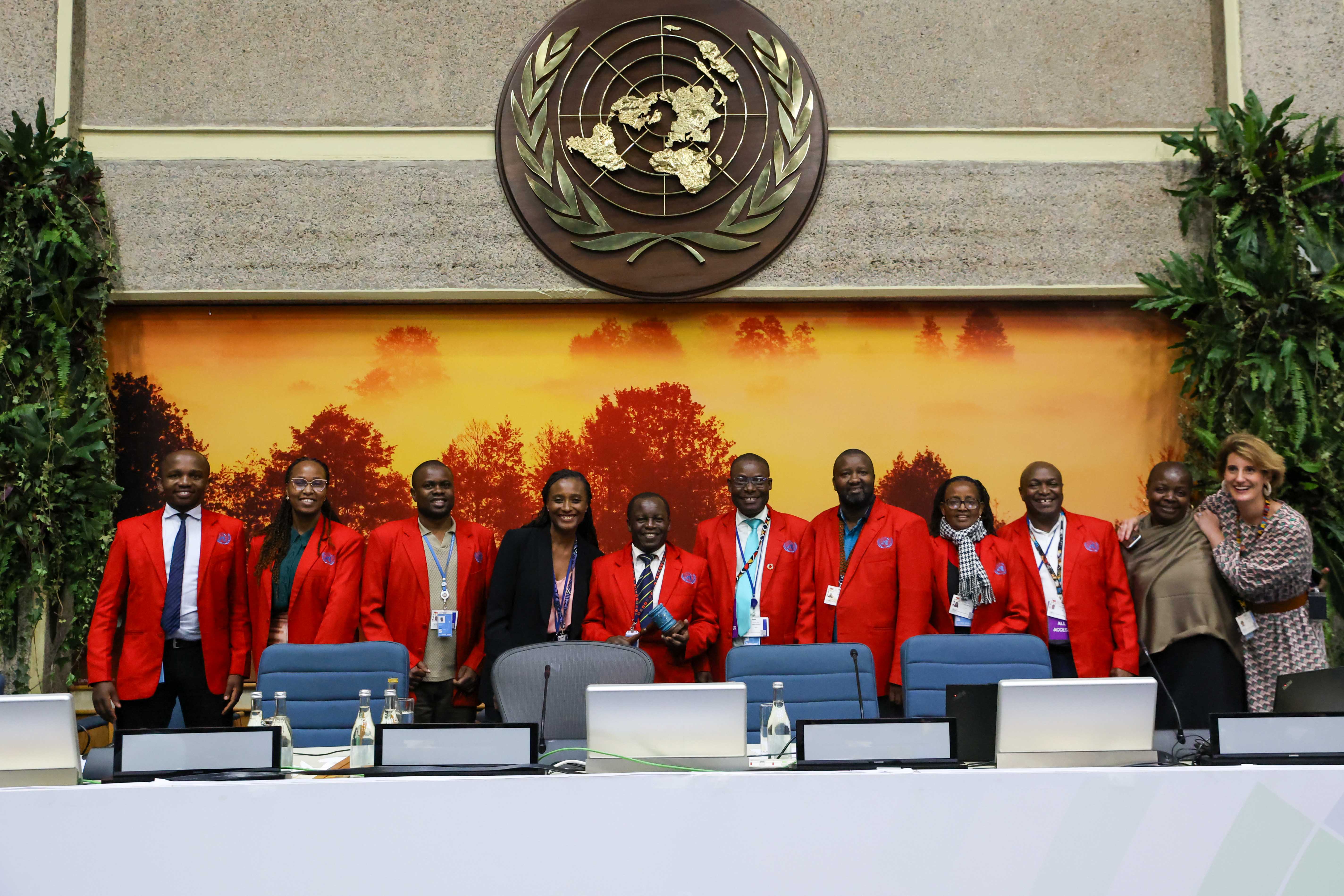
Members of the UN Conference Services office in Nairobi
Around the Venue
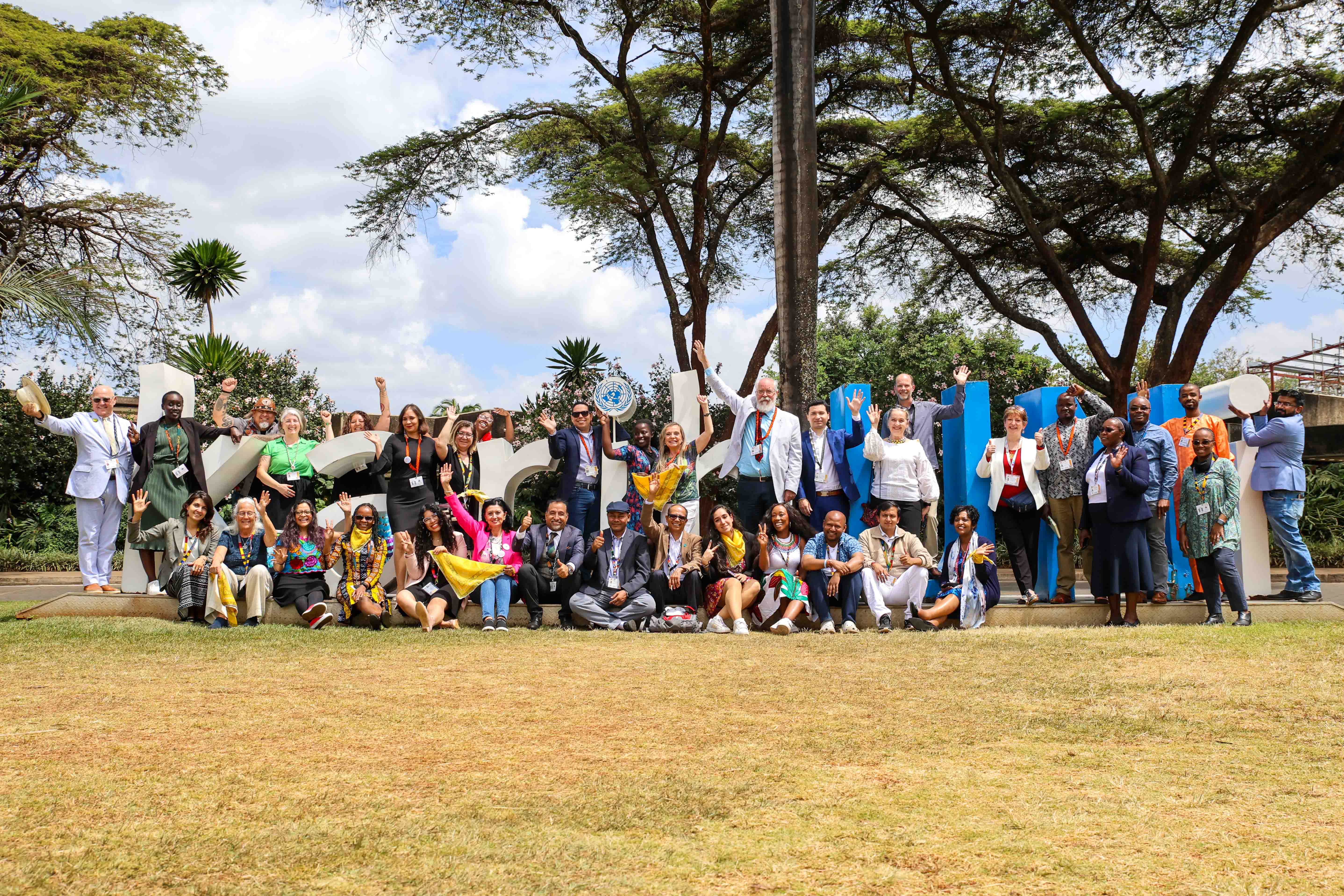
A family photo of the representatives of Major Groups
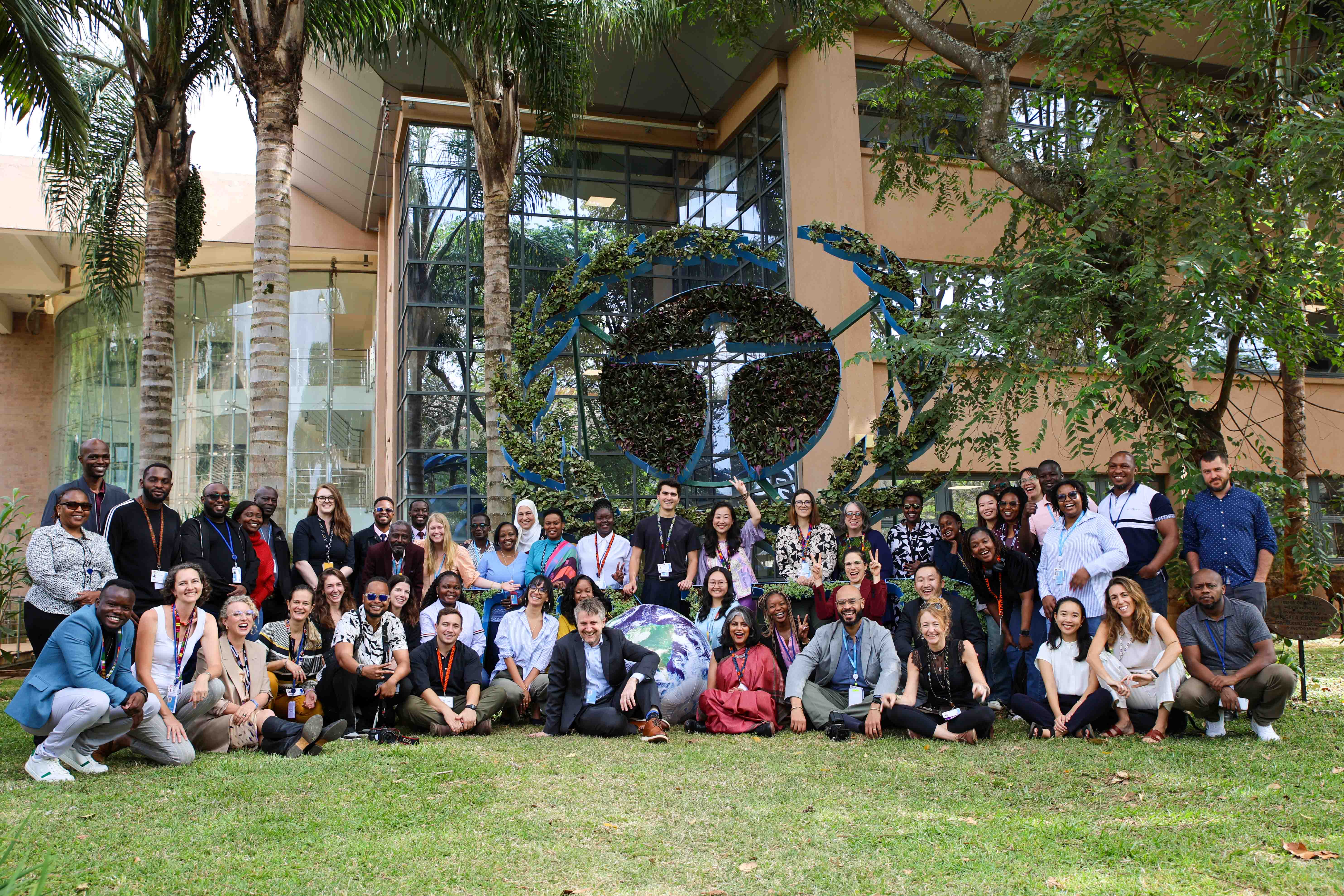
Members of the UNEP Secretariat


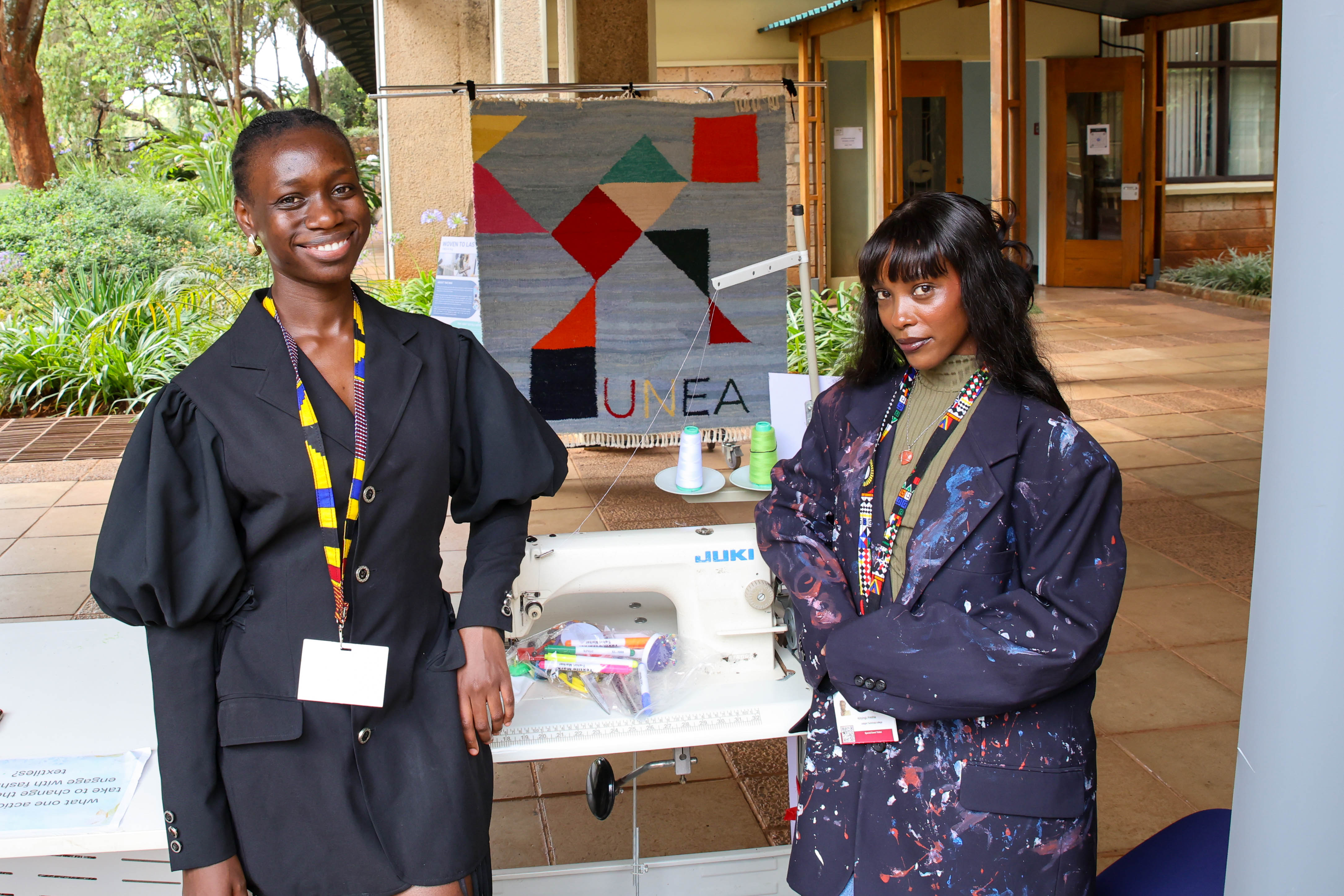
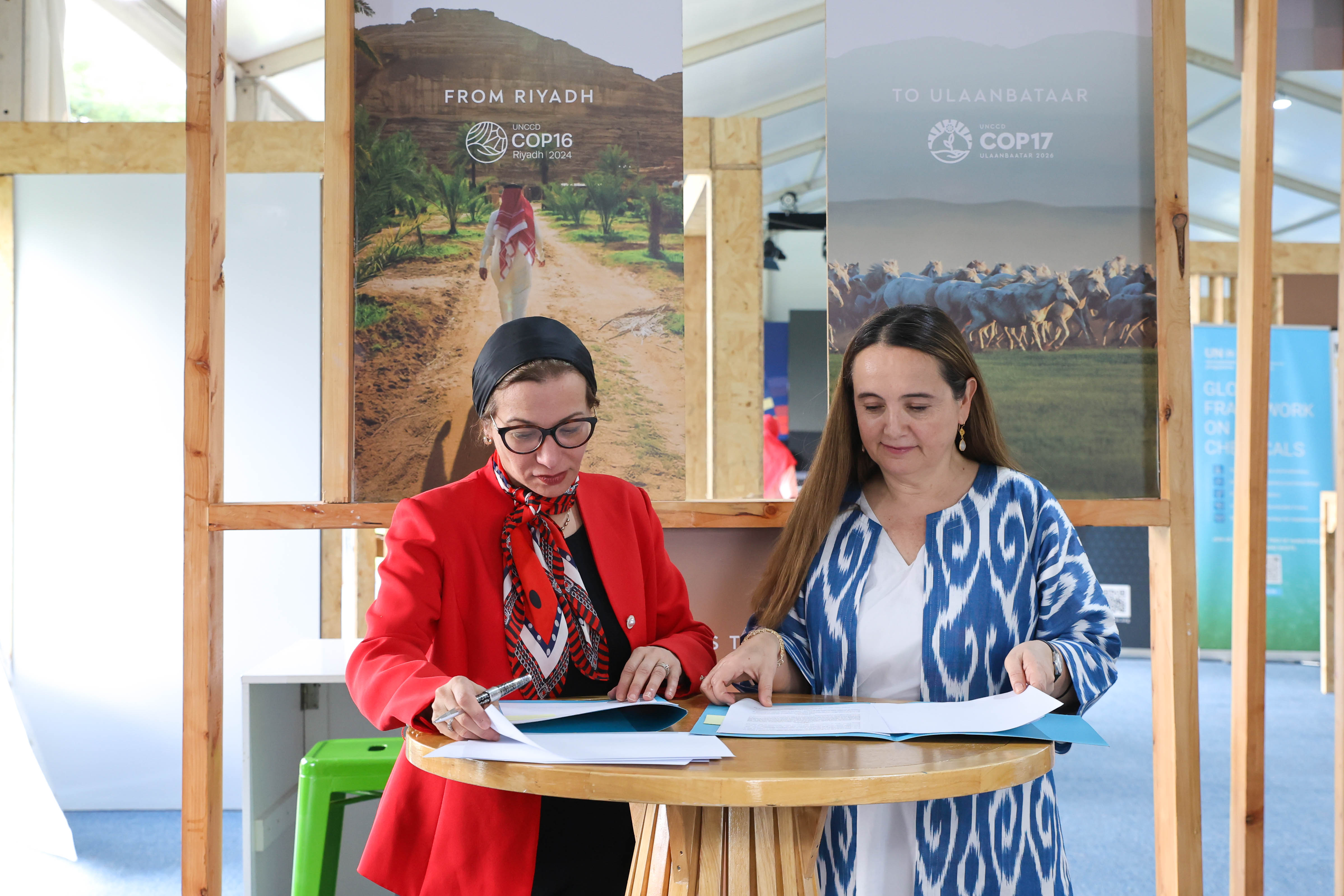
Yasmine Fouad, Executive Secretary, UN Convention to Combat Desertification, and Grethel Aguilar, General Director, International Union for Conservation of Nature
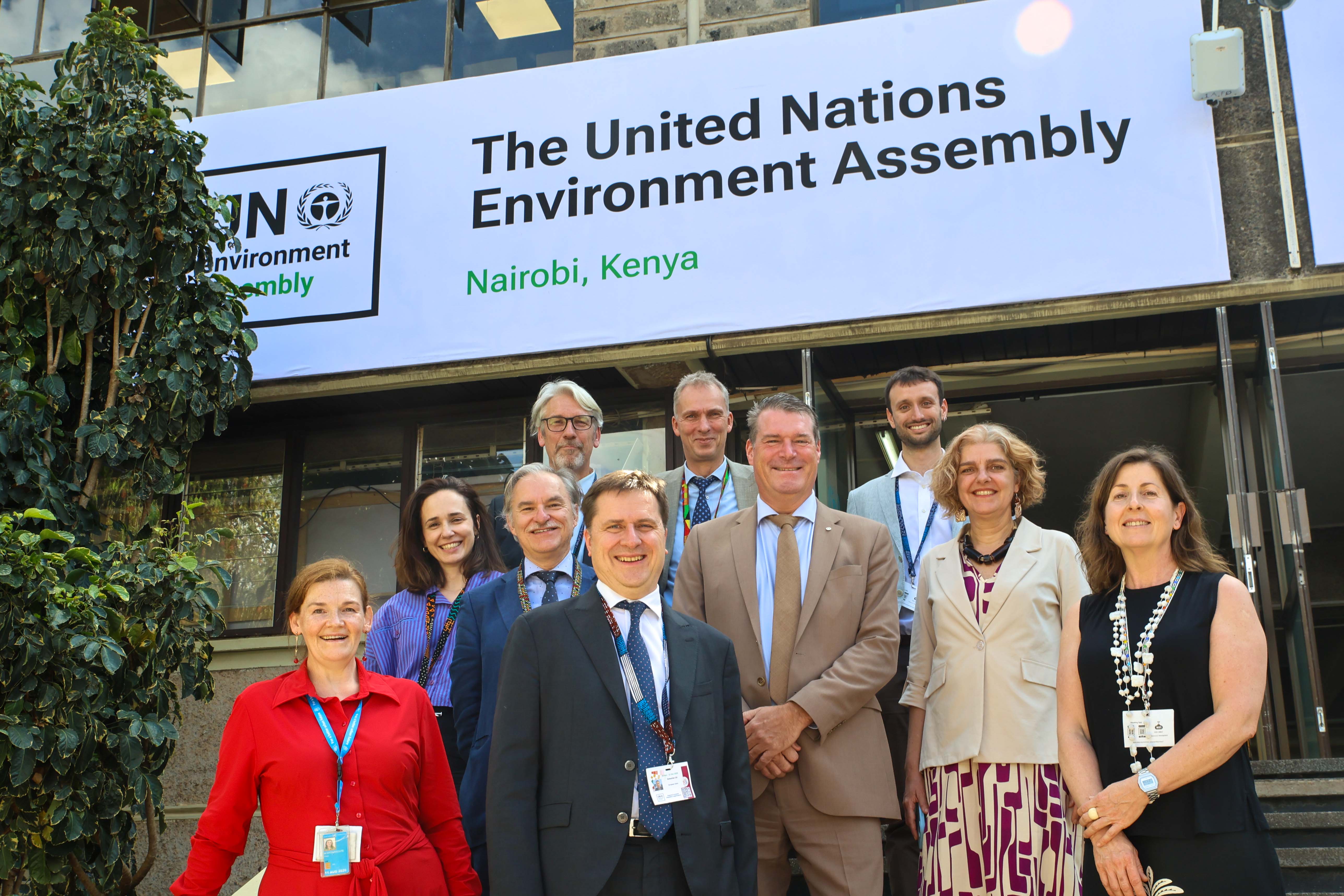
Delegates from the EU
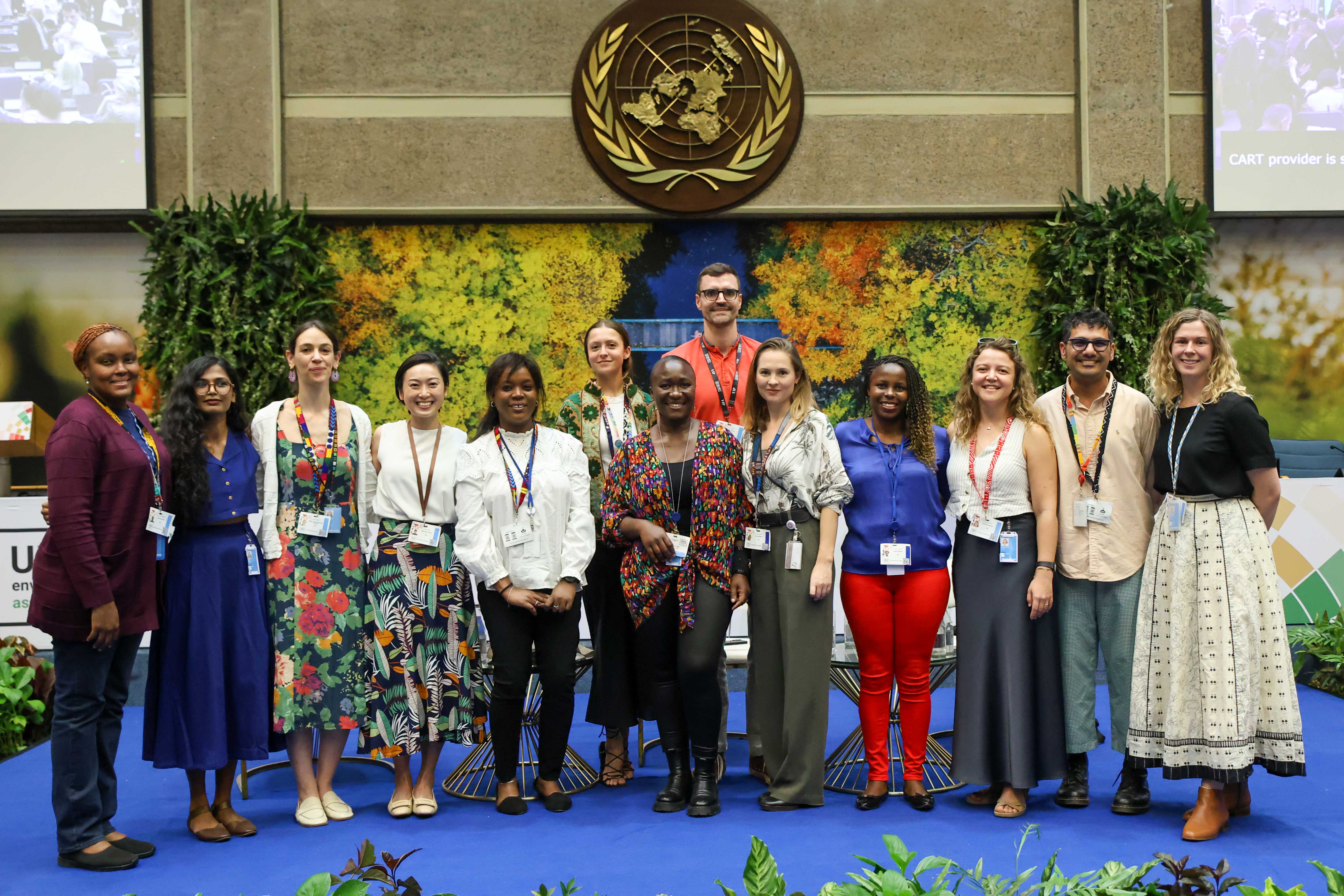
UNEP Secretariat screen editors responsible for live text capture during negotiations pose for group photo.
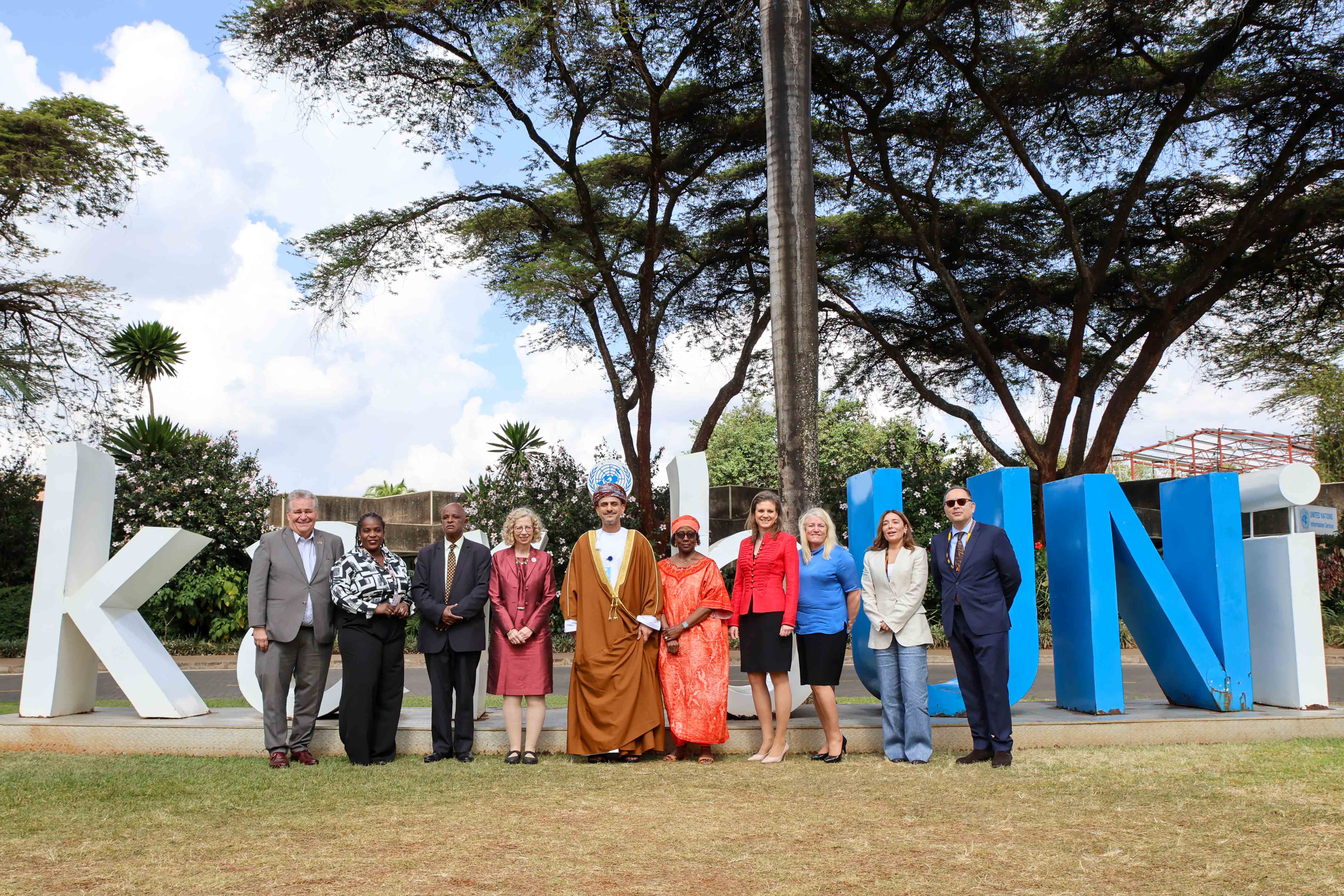
A family photo of UNEA-7 bureau members

Kanako Okano, Japan, and Marie Haraldstad, Norway, Co-Chairs of Cluster A
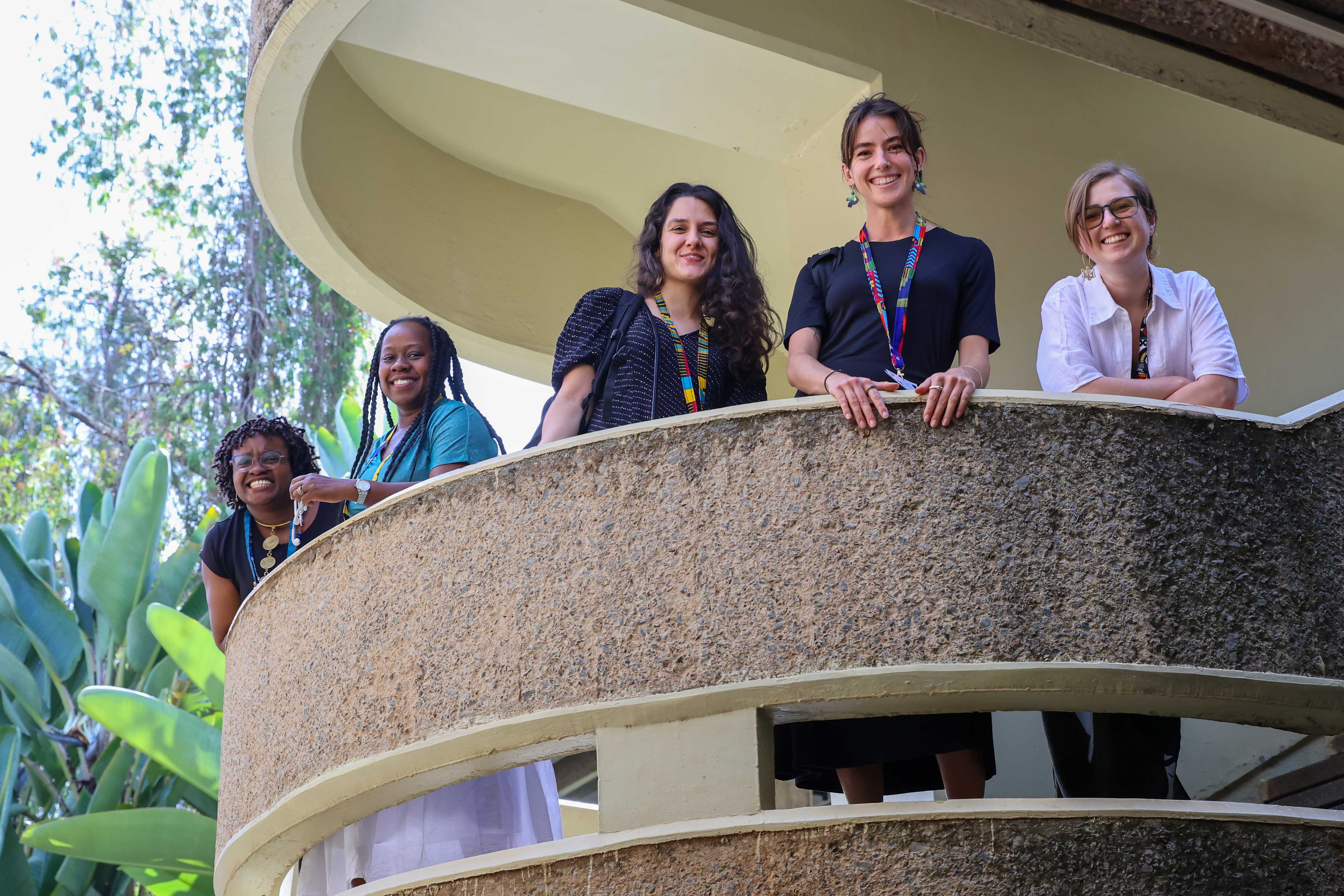
Earth Negotiations Bulletin team L-R: Tallash Kantai; Wanja Nyingi; Katarina Hovden; Emma Vovk; Anna Dubrova; and Anastasia Rodopoulou (behind the camera)
