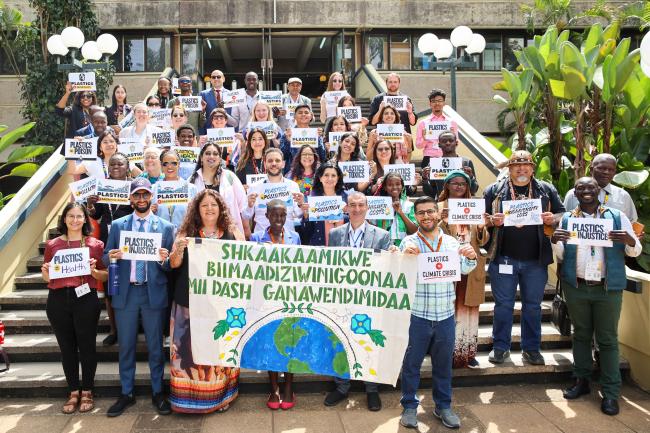
With time fast running out, delegates at the seventh session of the Open-ended Committee of Permanent Representatives (OECPR-7) did their best to make progress on numerous outstanding issues. They worked throughout the day and into the night to address resolutions in four clusters dealing with: nature and climate; governance and law; circular economy, chemicals, waste and pollution; and strategic, budgetary, and governing bodies matters.
On a resolution regarding strengthening the global response on the management of fires, delegates discussed integrating fire risk reduction into national frameworks, and the role of citizen science. They noted, among others, the importance of the One Health approach when developing integrated wildfire management, which will support work that reduces wildfire risk while also enhancing outcomes for human and animal health, ecosystems, and biodiversity.
Want to dig deeper into today's talks? Read the full Earth Negotiations Bulletin daily report.
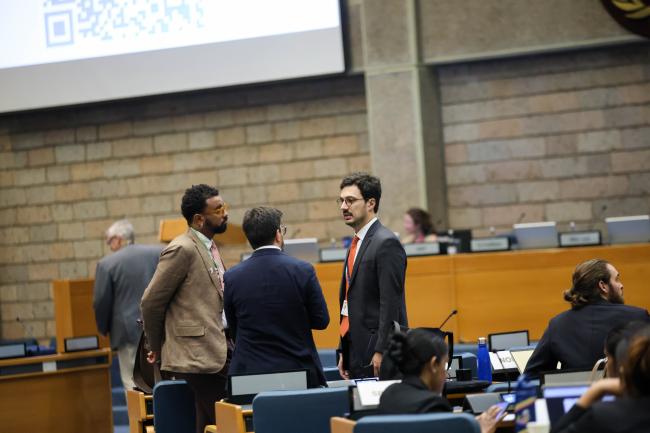
In deliberations on a draft decision on the UN Environment Programme’s (UNEP) 2026-2029 Medium-Term Strategy (MTS) and Programme of Work and budget for the 2026-2027 biennium, the group engaged in tense discussions. Several delegations raised concerns over the lack of consensus on the MTS, stressing that it contains many of their red lines, which are their non-negotiable positions.
Some of these non-negotiables dwelt on the UNEP Executive Director’s potential engagement with UN Security Council and UN Human Rights Council on environmental matters. With UNEP being the chief decision-making hub on environmental matters, the debate concerned whether environmental issues crossed into the realms of global security or human rights.
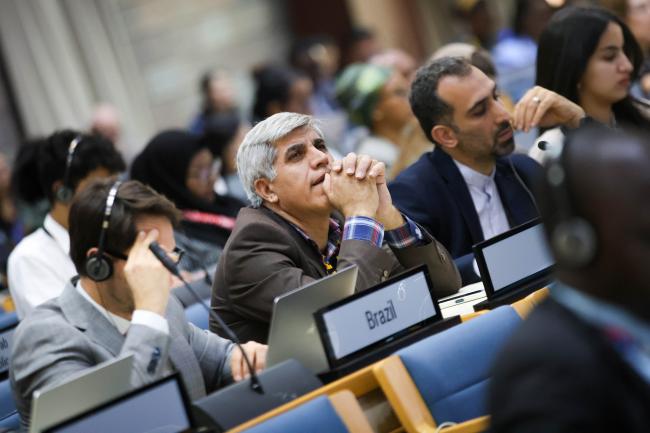
They also considered a draft resolution on action on deep-sea ecosystems, with a key sticking point being the mandate of UNEP vis-à-vis ocean-related multilateral environmental agreements (MEAs). The latter include the UN Division on Ocean Affairs and Law of the Sea (UNDOALOS), the International Seabed Authority (ISA), the UN Educational, Scientific and Cultural Organization’s Intergovernmental Oceanographic Commission (IOC-UNESCO), and the Convention on Biological Diversity (CBD). Much remains to be resolved in this discussion.
On the environmental sustainability of artificial intelligence (AI) systems, delegates debated, among several technical and policy issues, whether to encourage the adoption of water efficiency for AI infrastructure alongside other considerations for reducing the water and energy-related impacts of AI systems. Many noted that this may be overly prescriptive, calling for further work to ensure such actions are future proofed. Others underlined that while AI may be an emerging technology, it is not new and impacts on both water and energy are well documented.
Discussions on the environmental dimensions of antimicrobial resistance (AMR) dwelt on, among others, proposals for States to develop or update, and implement, multisectoral national action plans on AMR by 2030. A number of delegations highlighted insufficient means of implementation to undertake this work and opposed the prescriptive language and timeline.
Meanwhile, in deliberations on the sound management of chemicals and waste, delegates shared divergent views on a proposal deciding that developed countries shall take full responsibility for the sound management of hazardous chemicals and waste exported to, or generated in, developing countries; and calling on developed countries to take the lead in funding and implementing solutions to the global proliferation of hazardous chemicals and waste, recognizing their historical responsibility.
With just hours to go before the end of OECPR-7, delegates rushed from informals to “informal-informals,” to “informal-informal-informals,” in a bid to make progress before these resolutions are handed over to the seventh session of the UN Environment Assembly following the OECPR’s closing plenary on Friday evening.
To receive free coverage of global environmental events delivered to your inbox, subscribe to the ENB Update newsletter.
All ENB photos are free to use with attribution. For OECPR-7 and UNEA-7 please use: Photo by IISD/ENB | Anastasia Rodopoulou
Cluster A on Nature and Climate
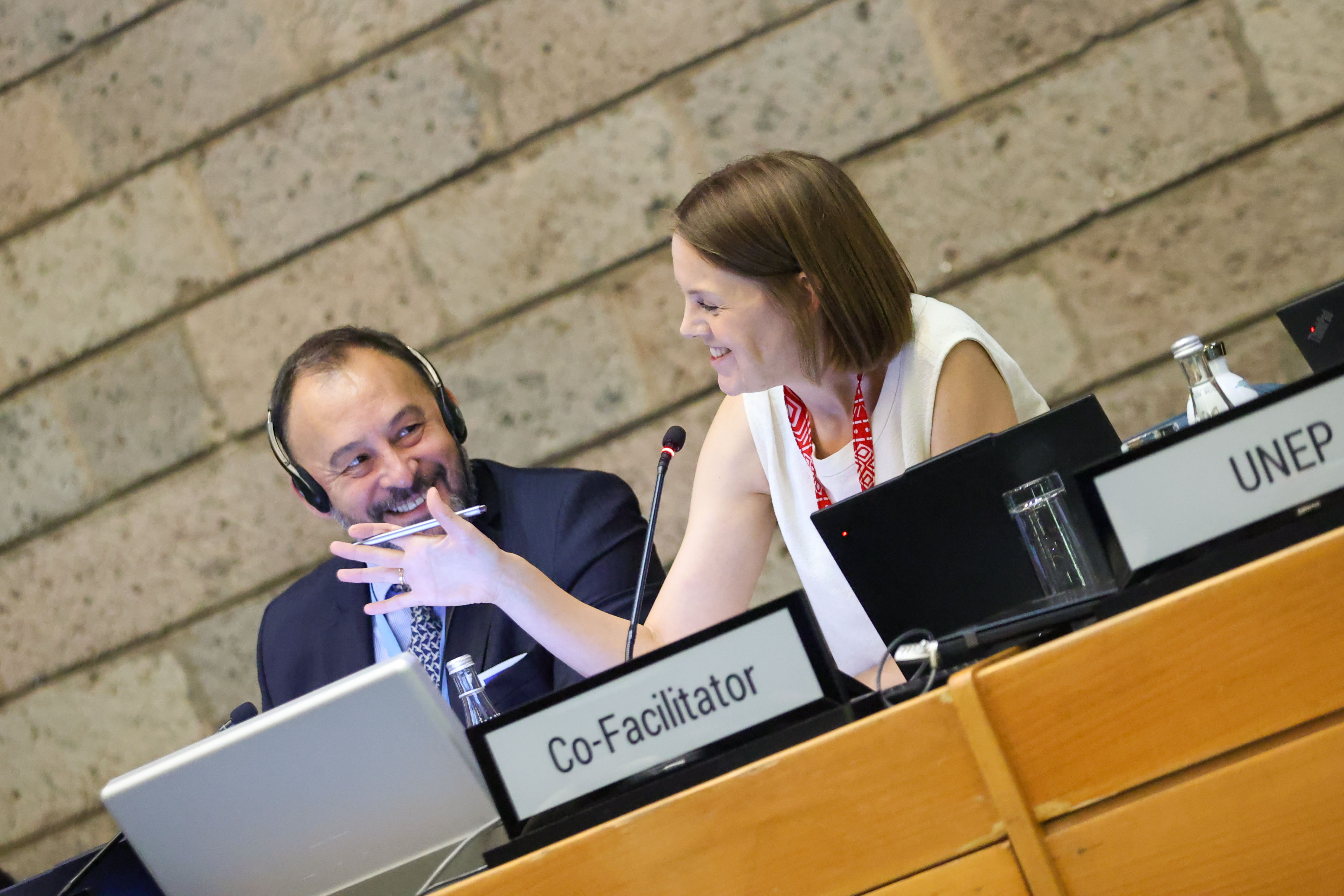
Marie Haraldstad, Norway, Co-Facilitator of Cluster A
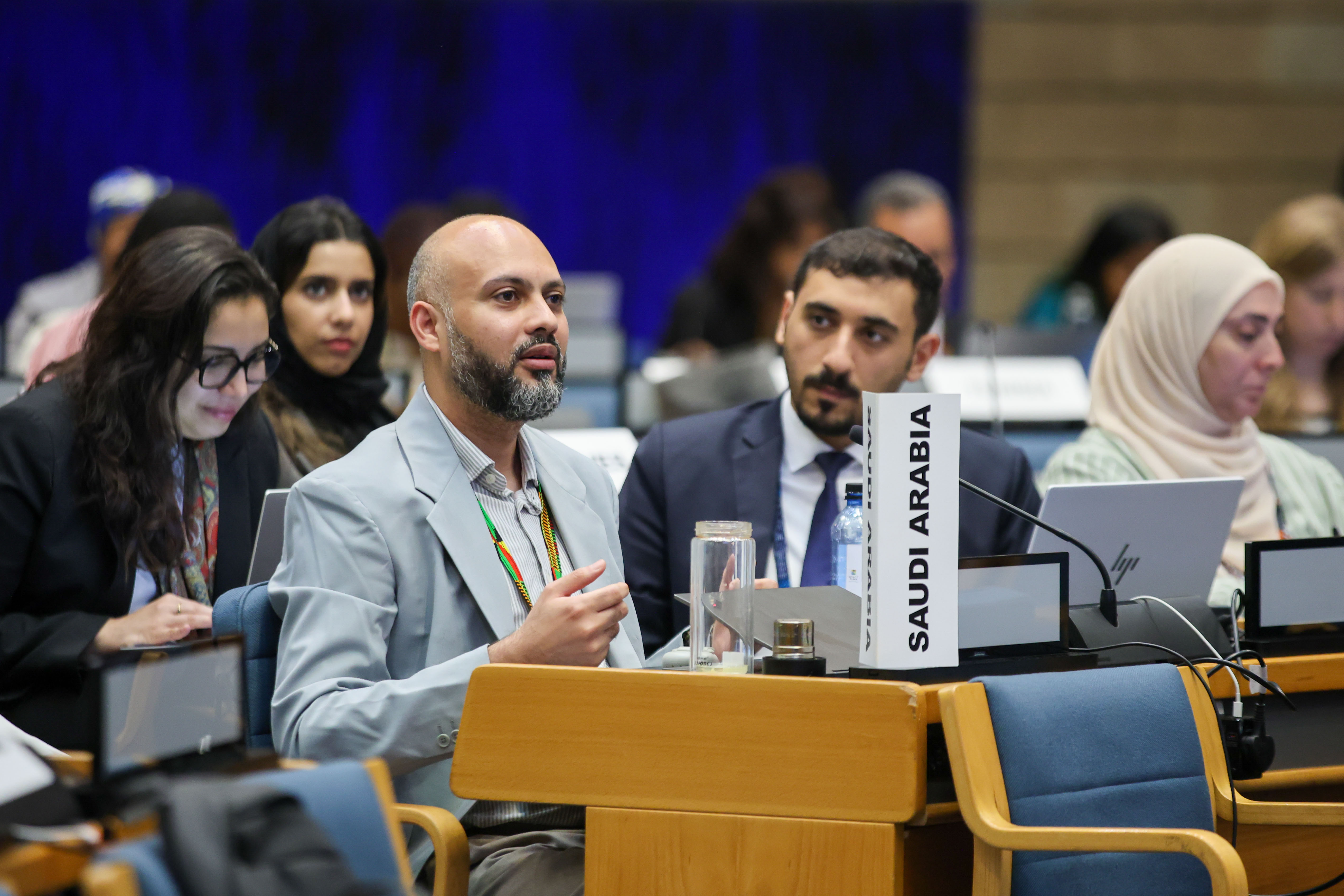
Nawaf Bilasi, Saudi Arabia
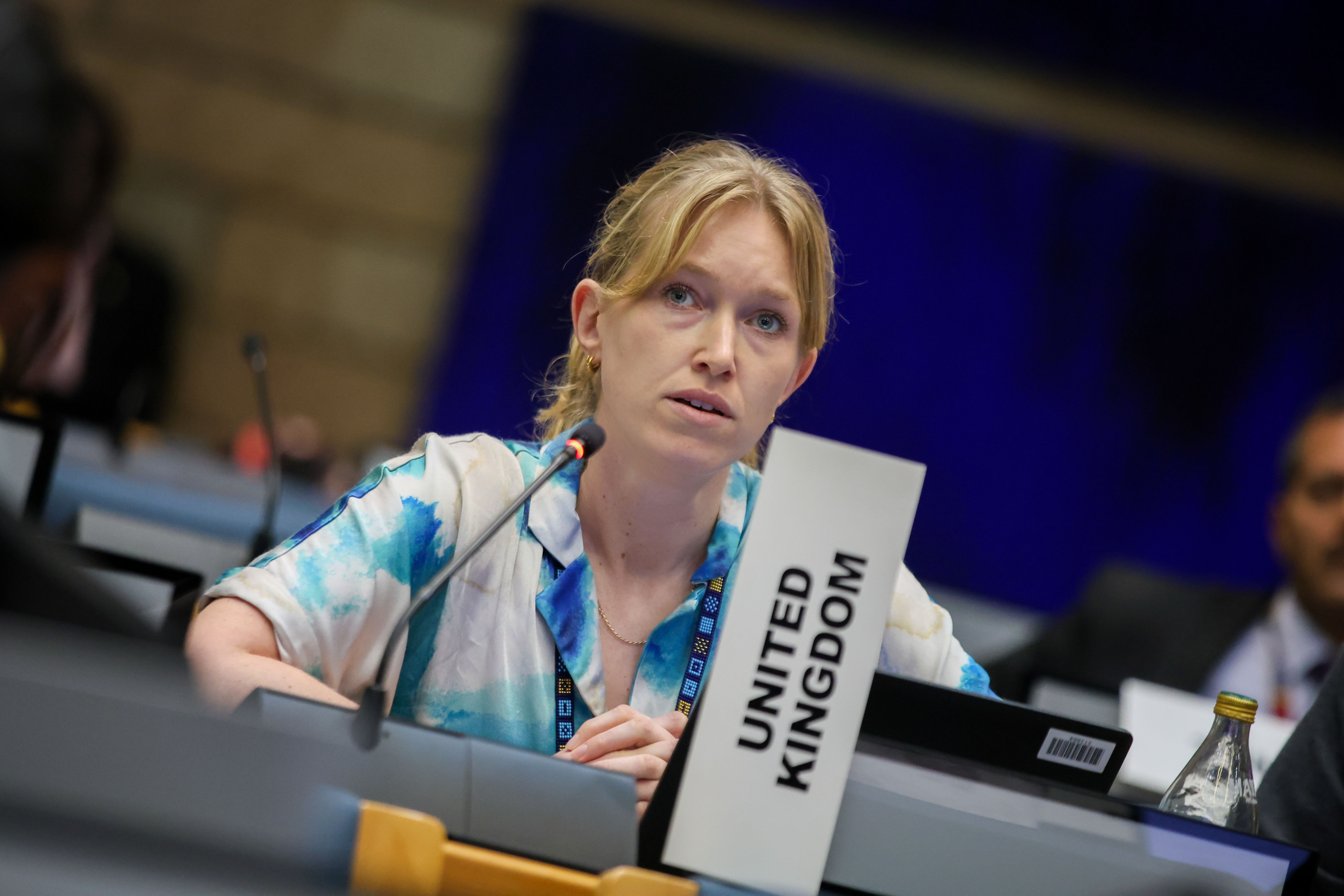
Amber Mitchell, United Kingdom
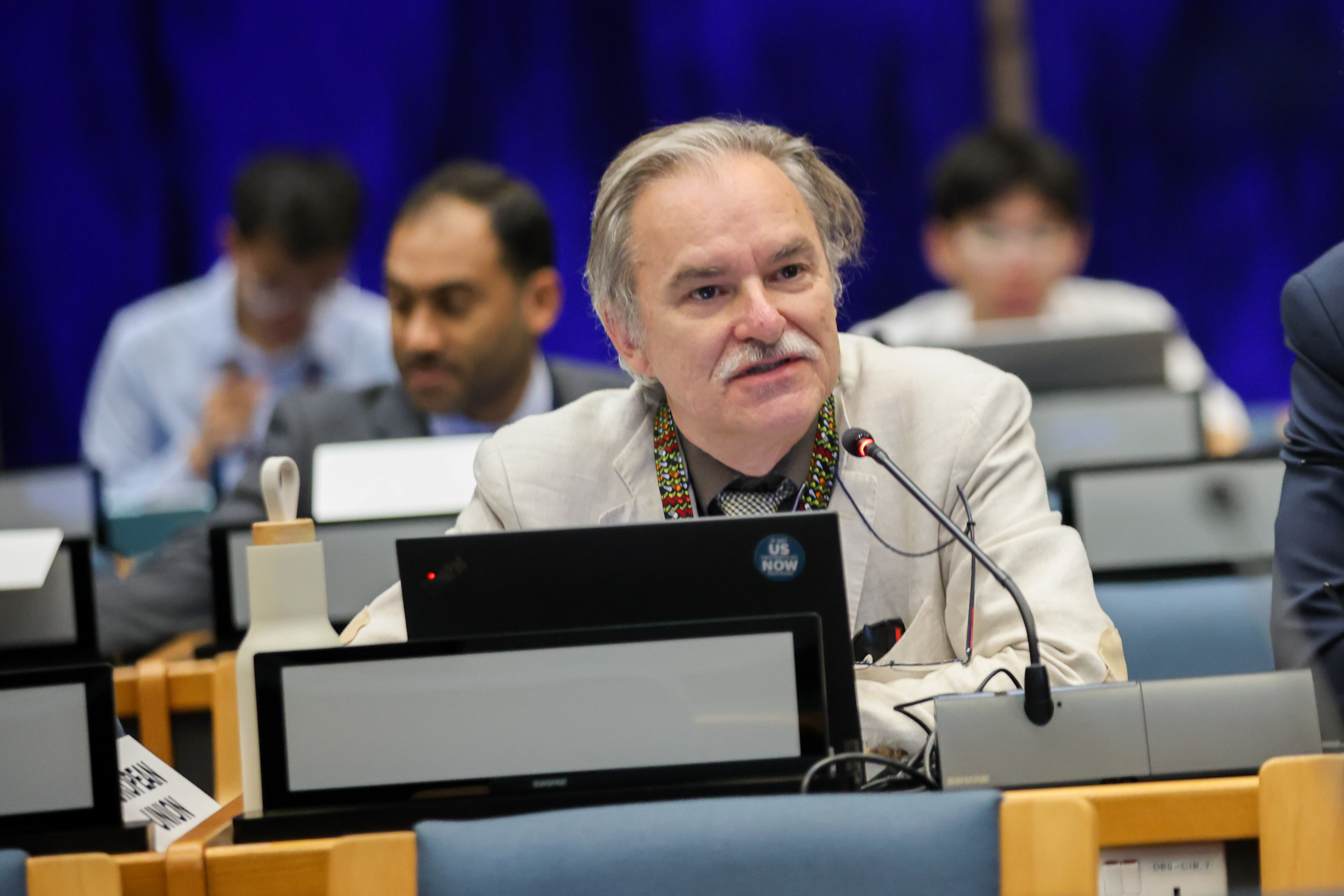
Luca Marmo, EU
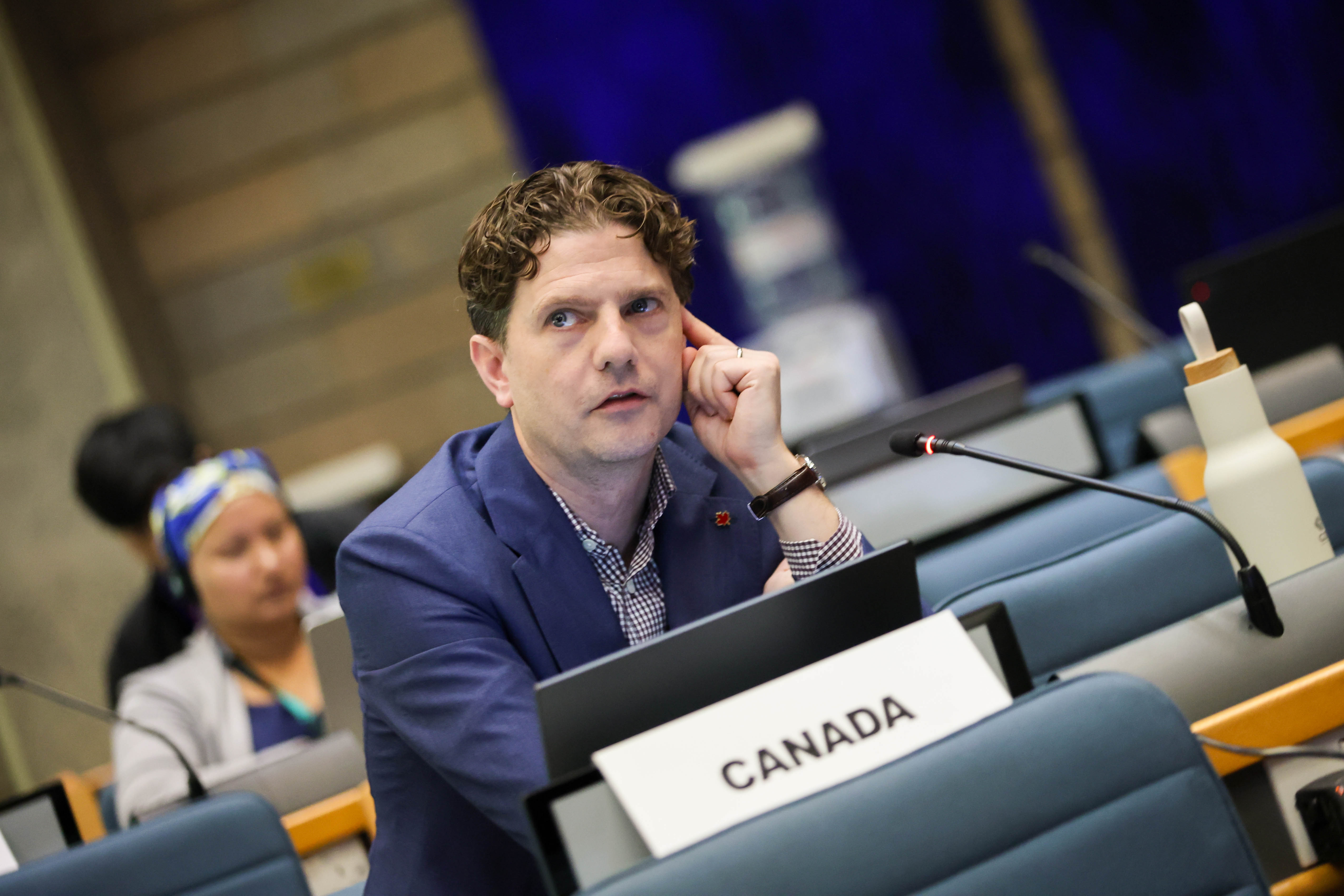
Nicholas Barber, Canada
Christina Dixon, Environmental Investigation Agency
Cluster B on Governance and Law
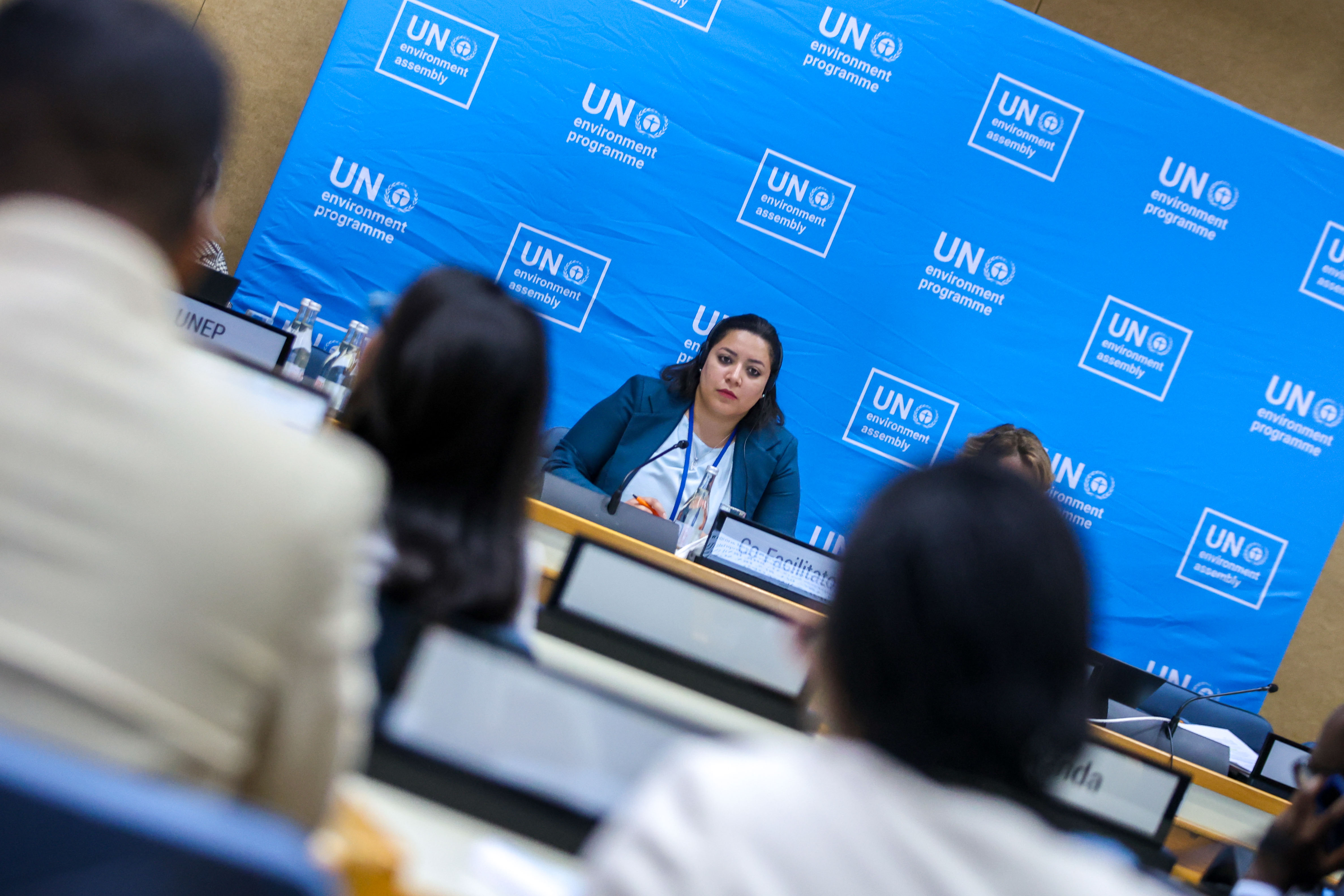
Sara Elkhouly, Egypt, Co-Facilitator of Cluster B
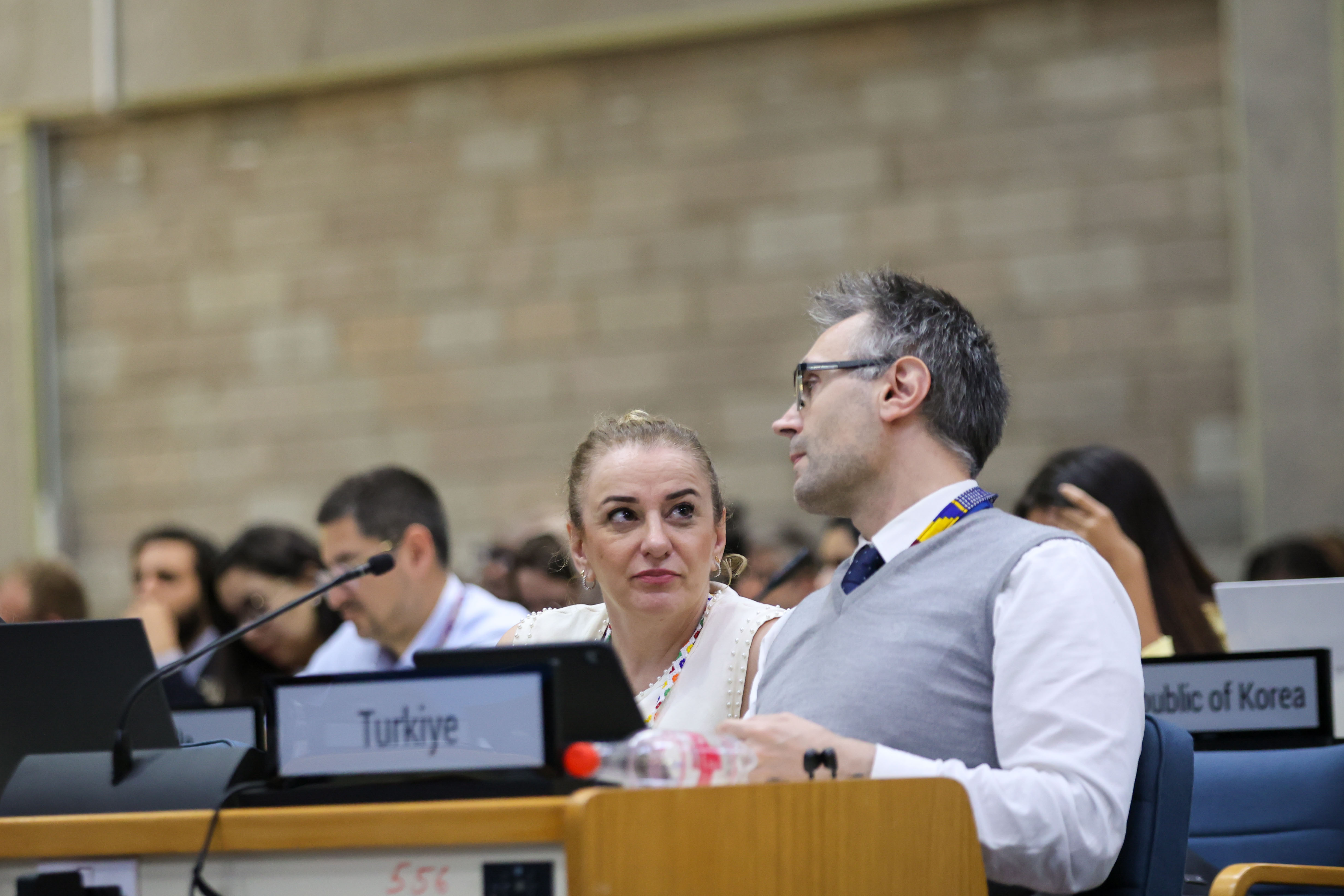
Delegates from Türkiye
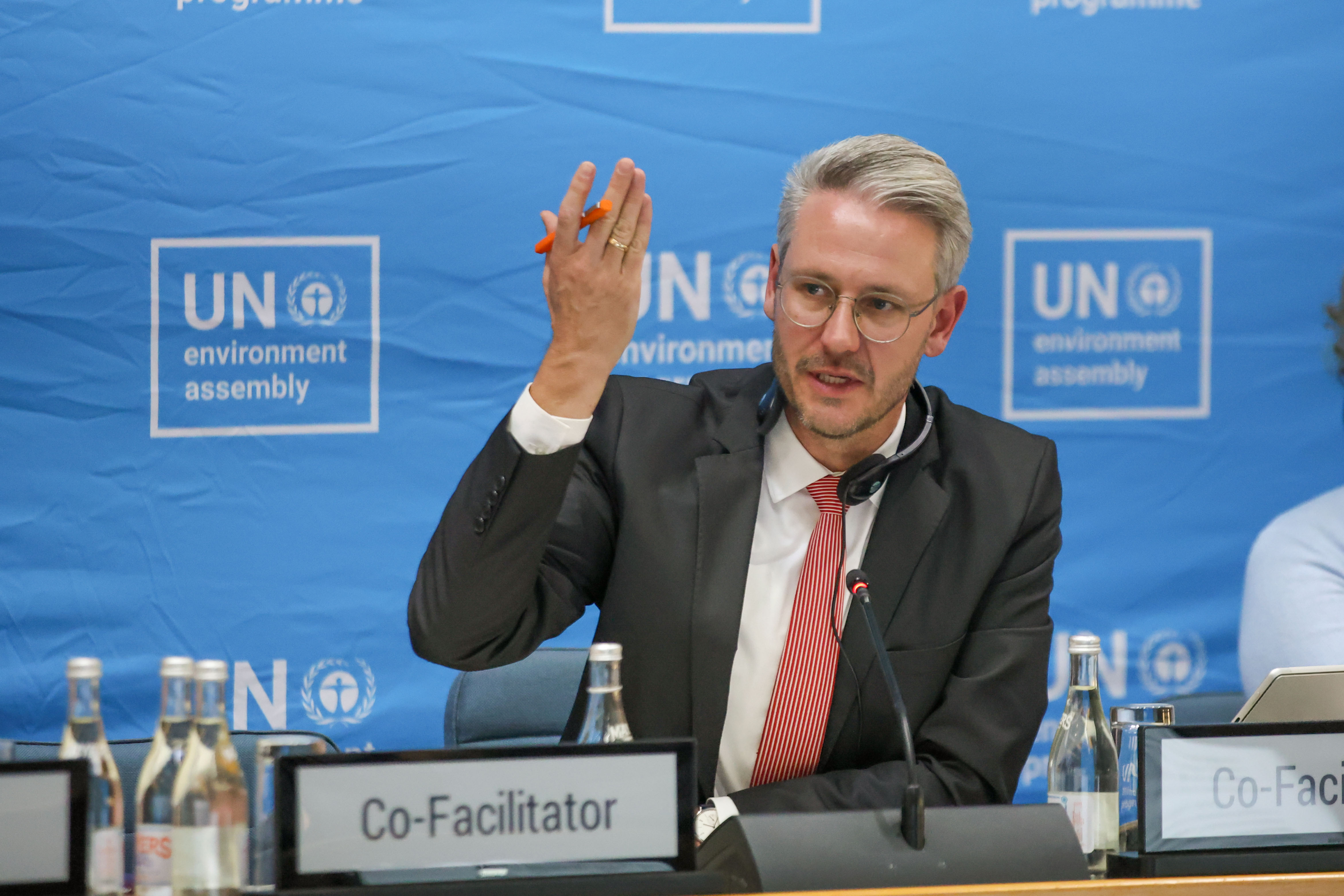
Martin Röw, Germany, Co-Facilitator of Cluster B

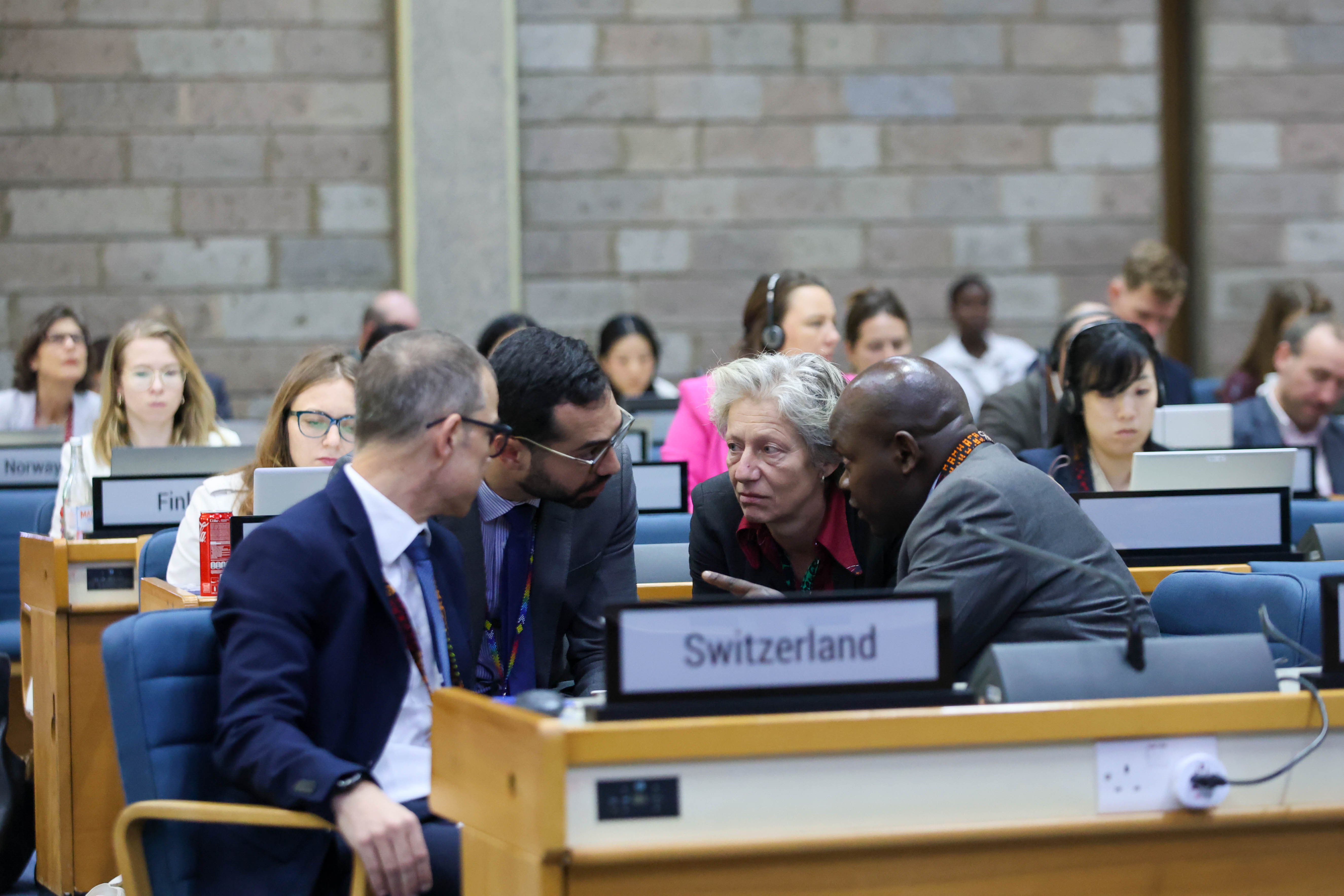
Cluster C on Circular Economy, Chemicals, Waste and Pollution
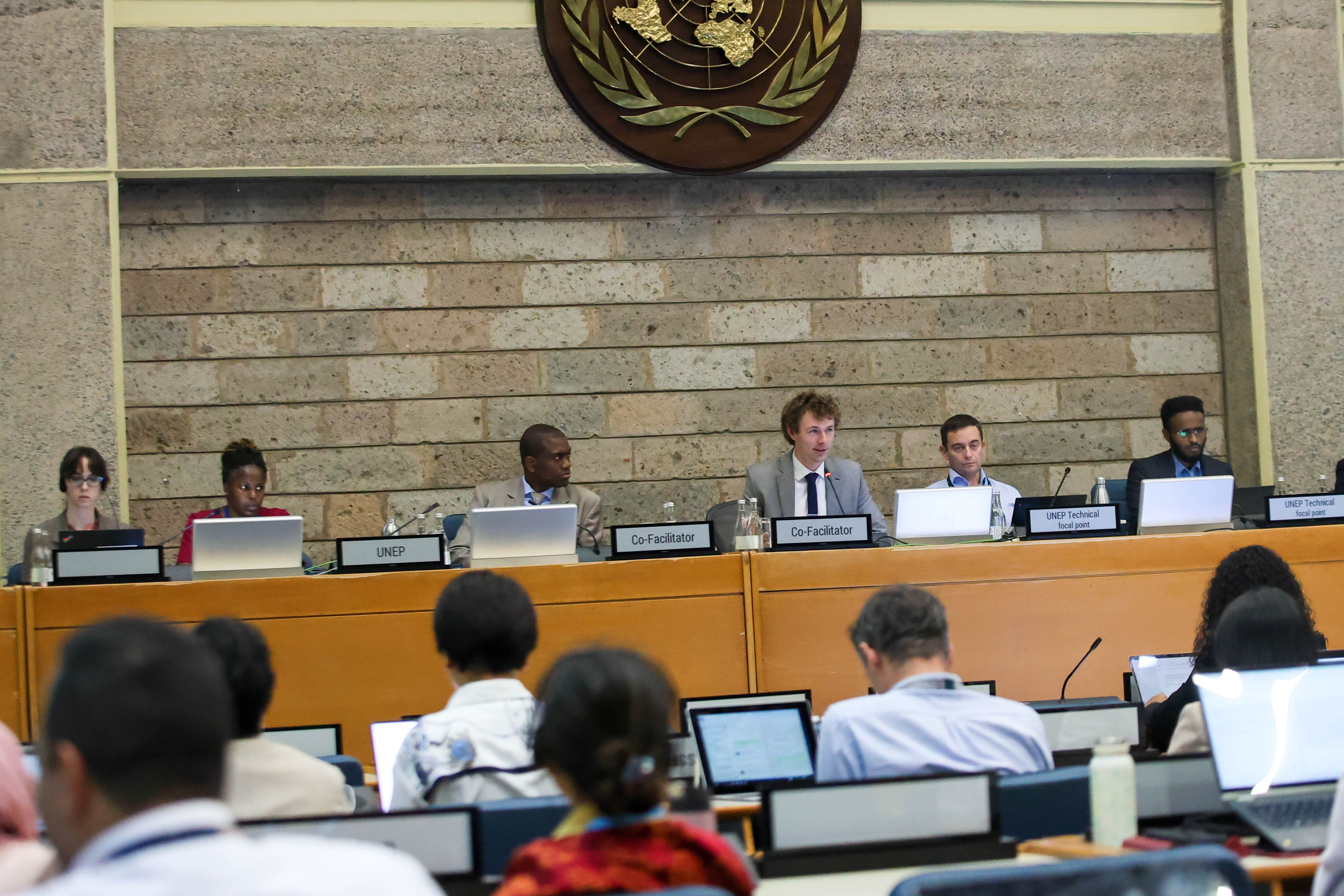
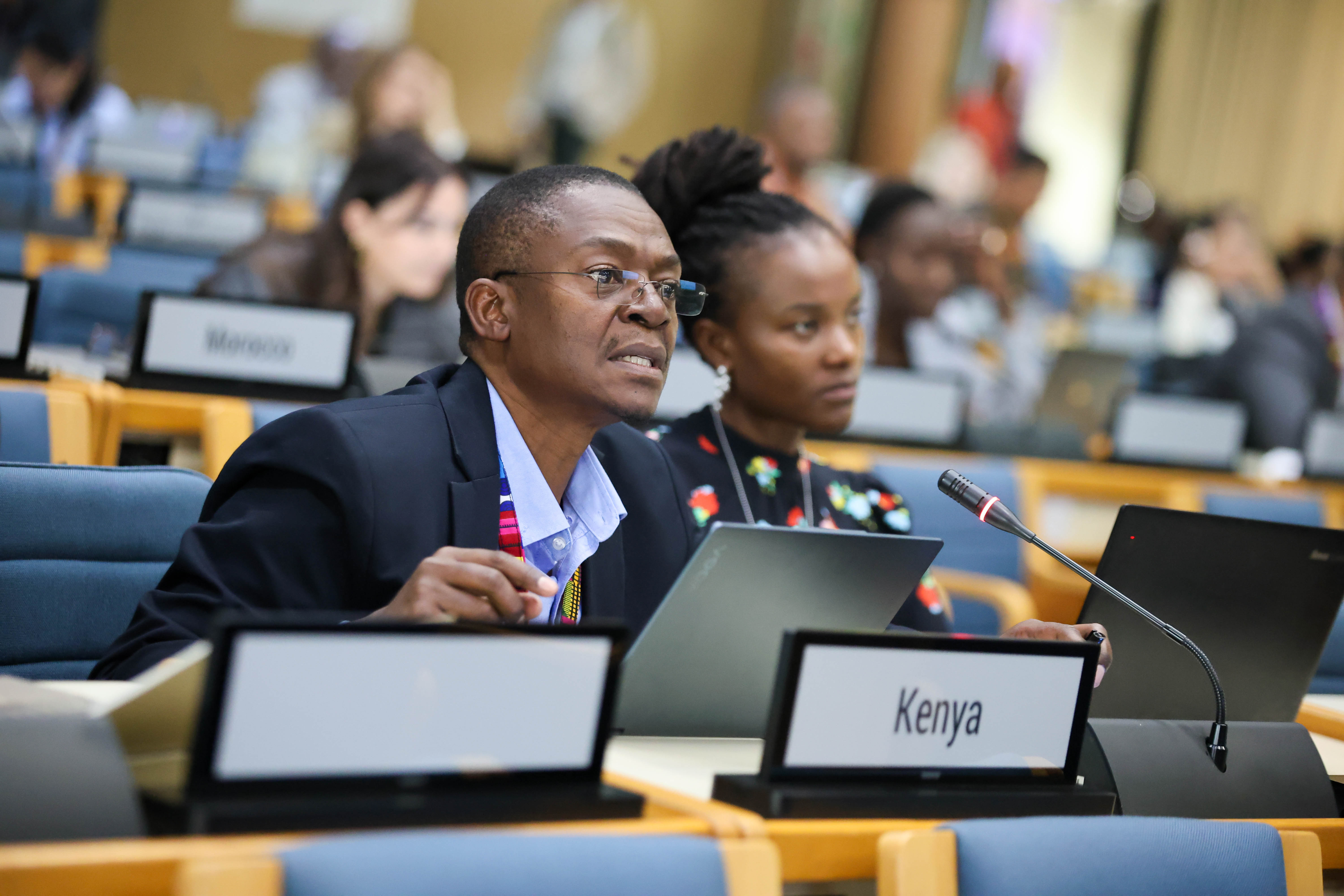
John Mumbo, Kenya
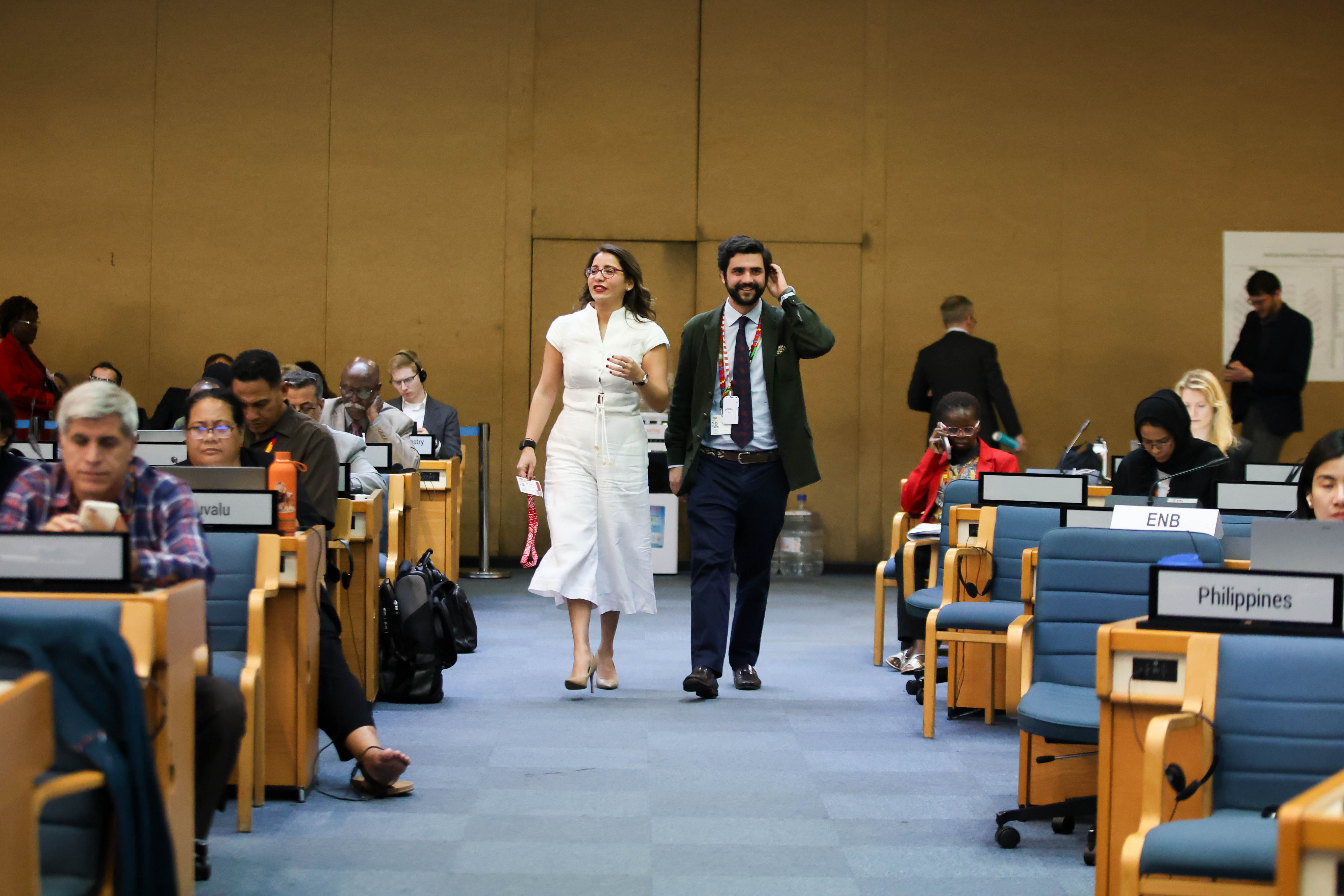
Claudia Taboada Flores, Dominican Republic, and Guillaume Lecaros de Cossio, Peru
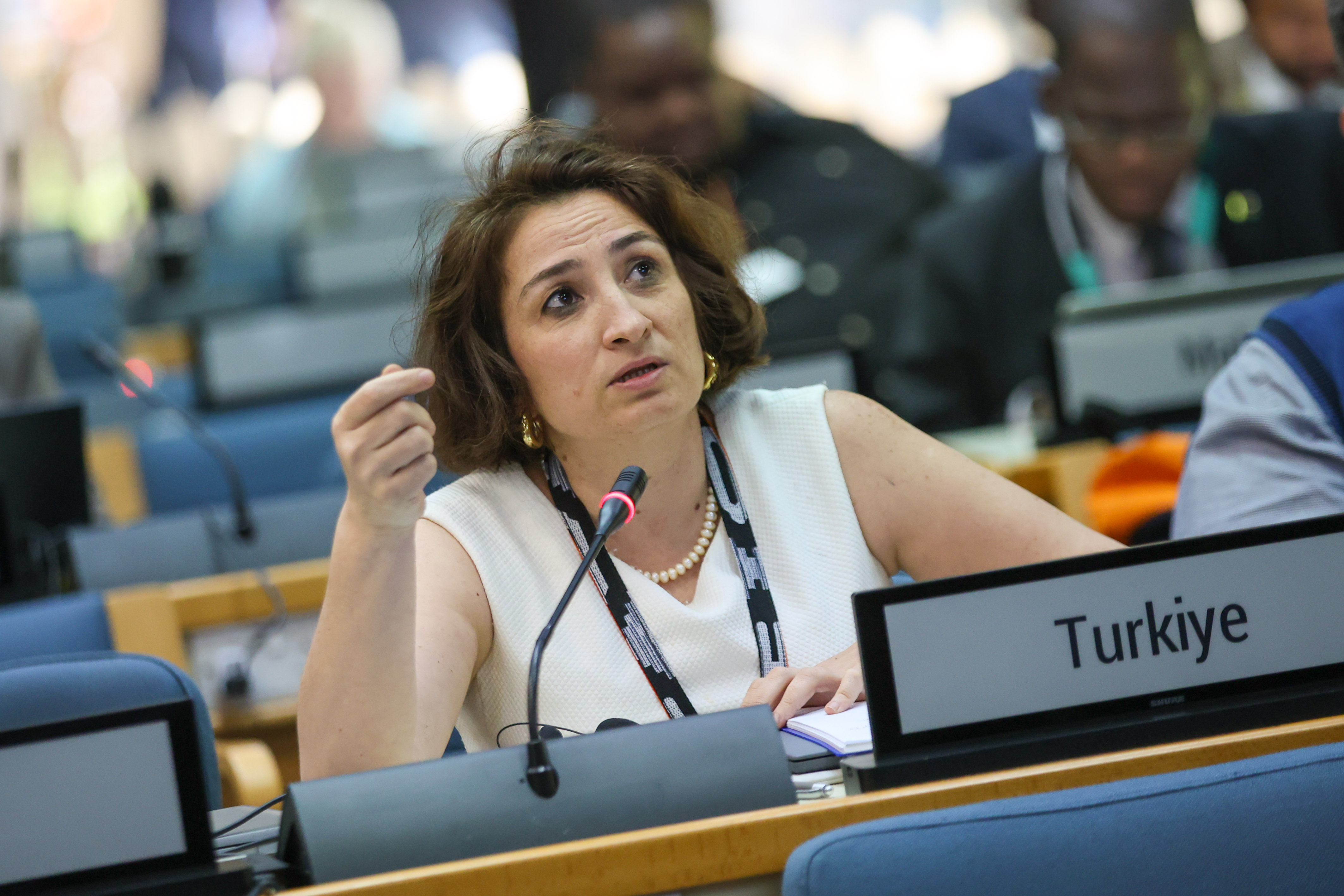
Alara Istemil Aydil, Türkiye
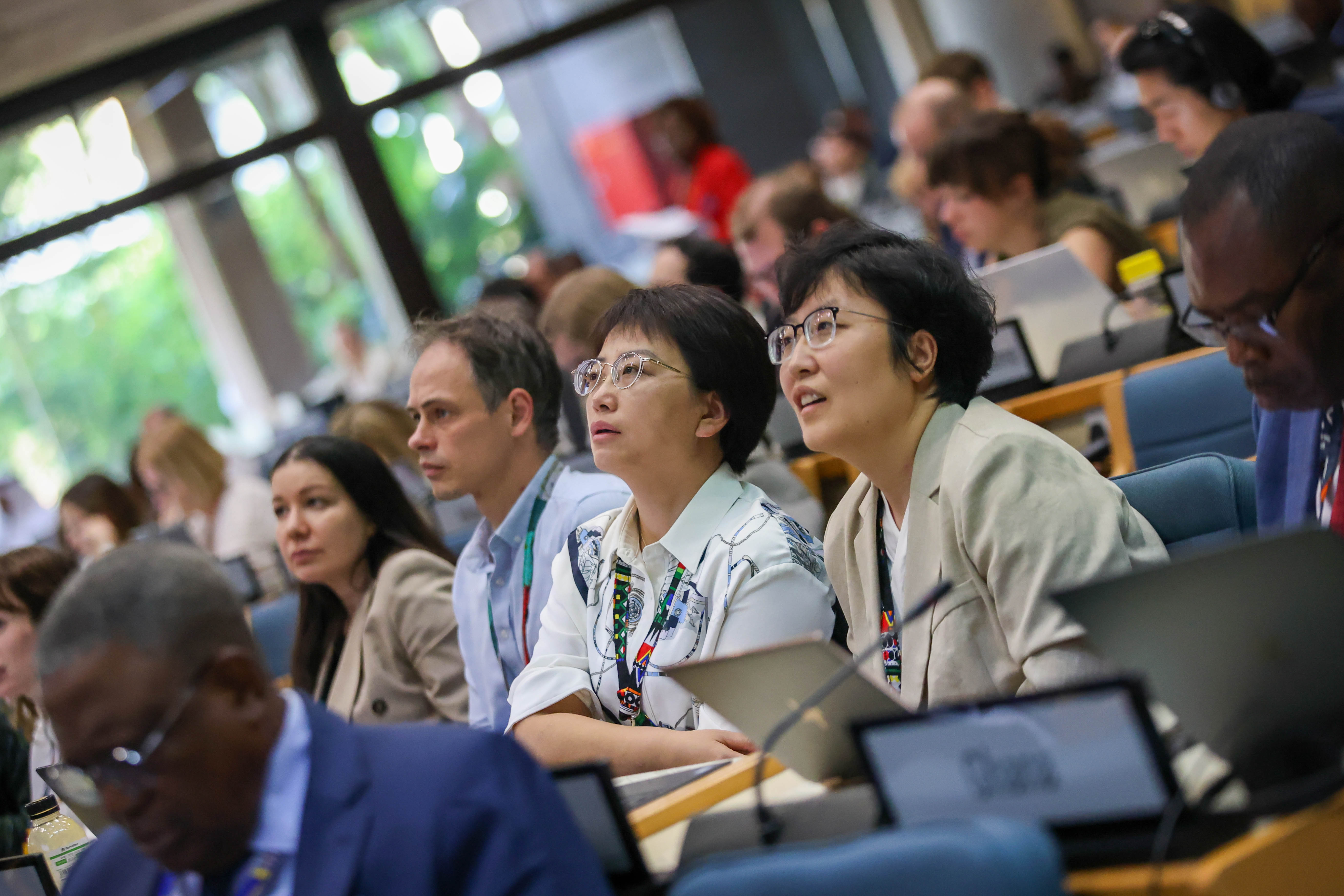
Delegates from China
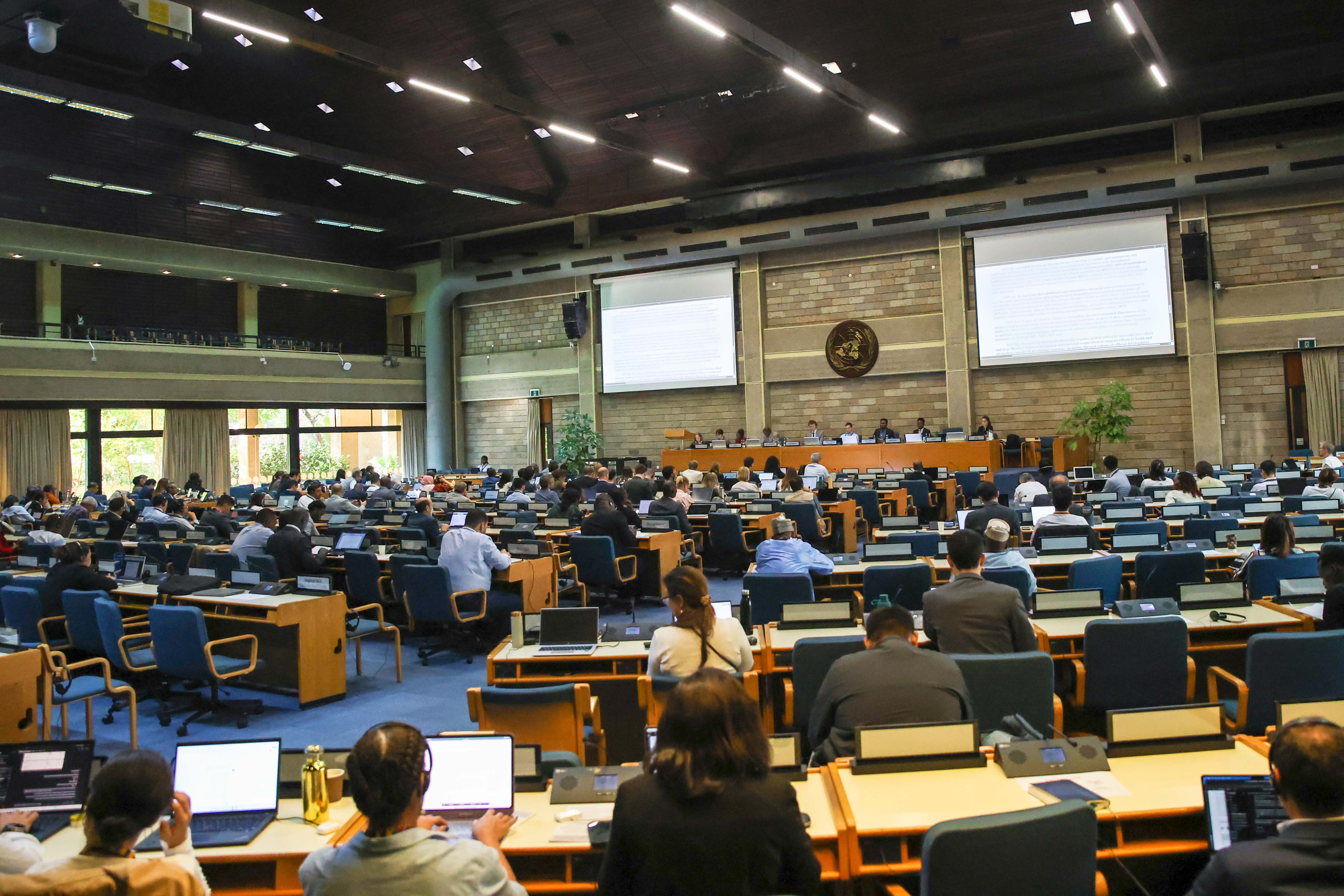
Cluster D on Strategic, Budgetary, and Governing Bodies Matters
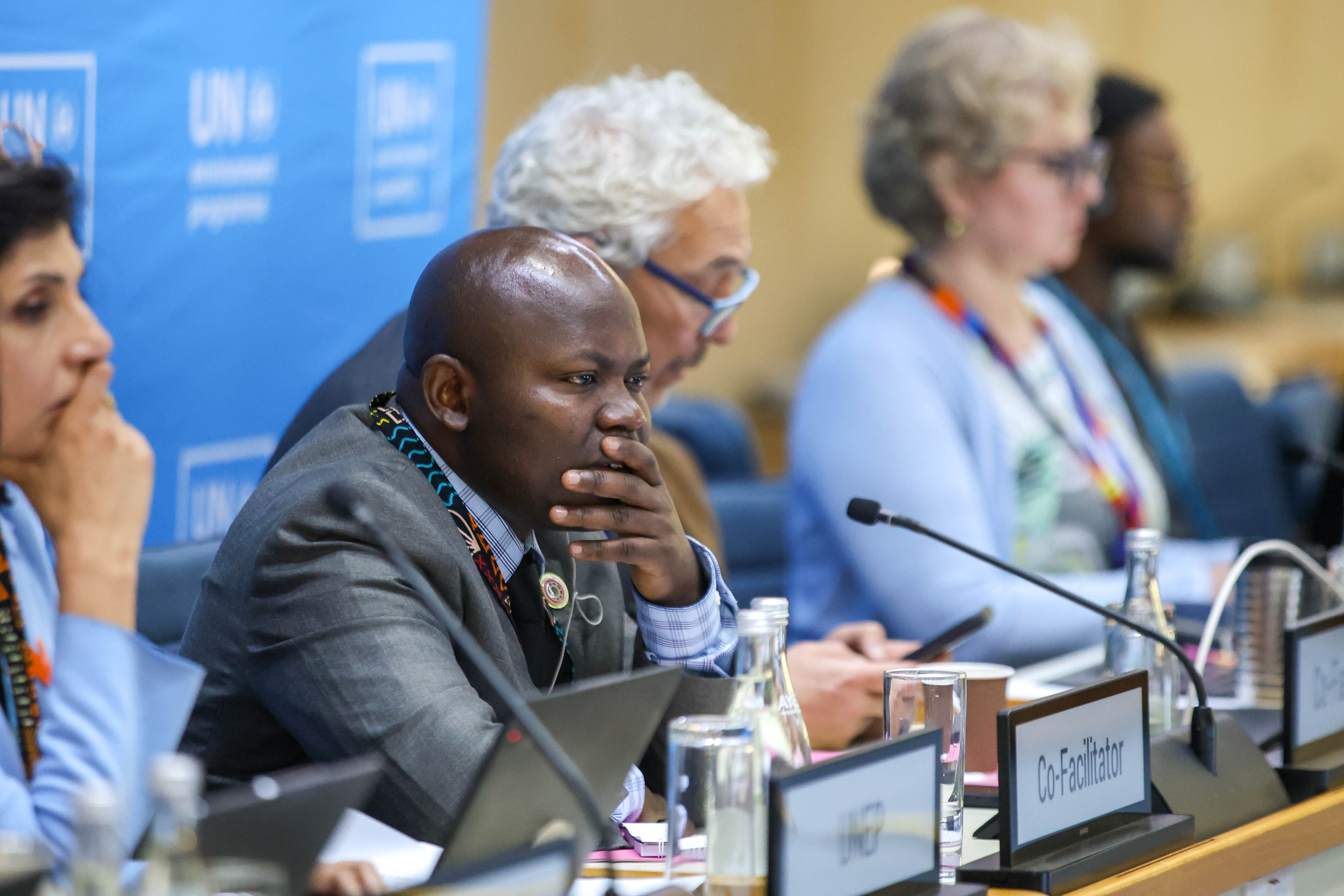
Tobias Ogweno, Kenya, Co-Facilitator of Cluster D
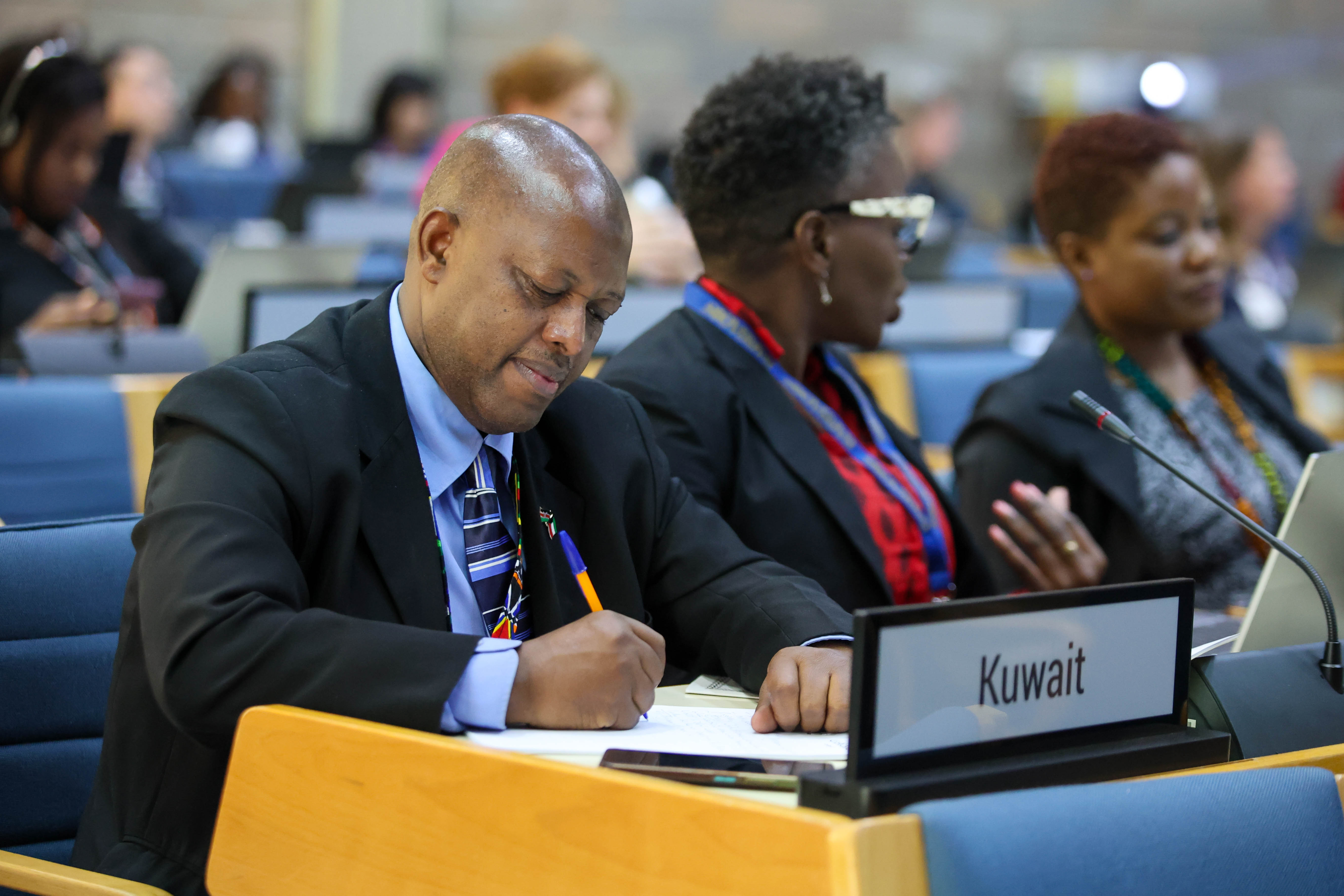
Shaabaan Maallim, Kuwait
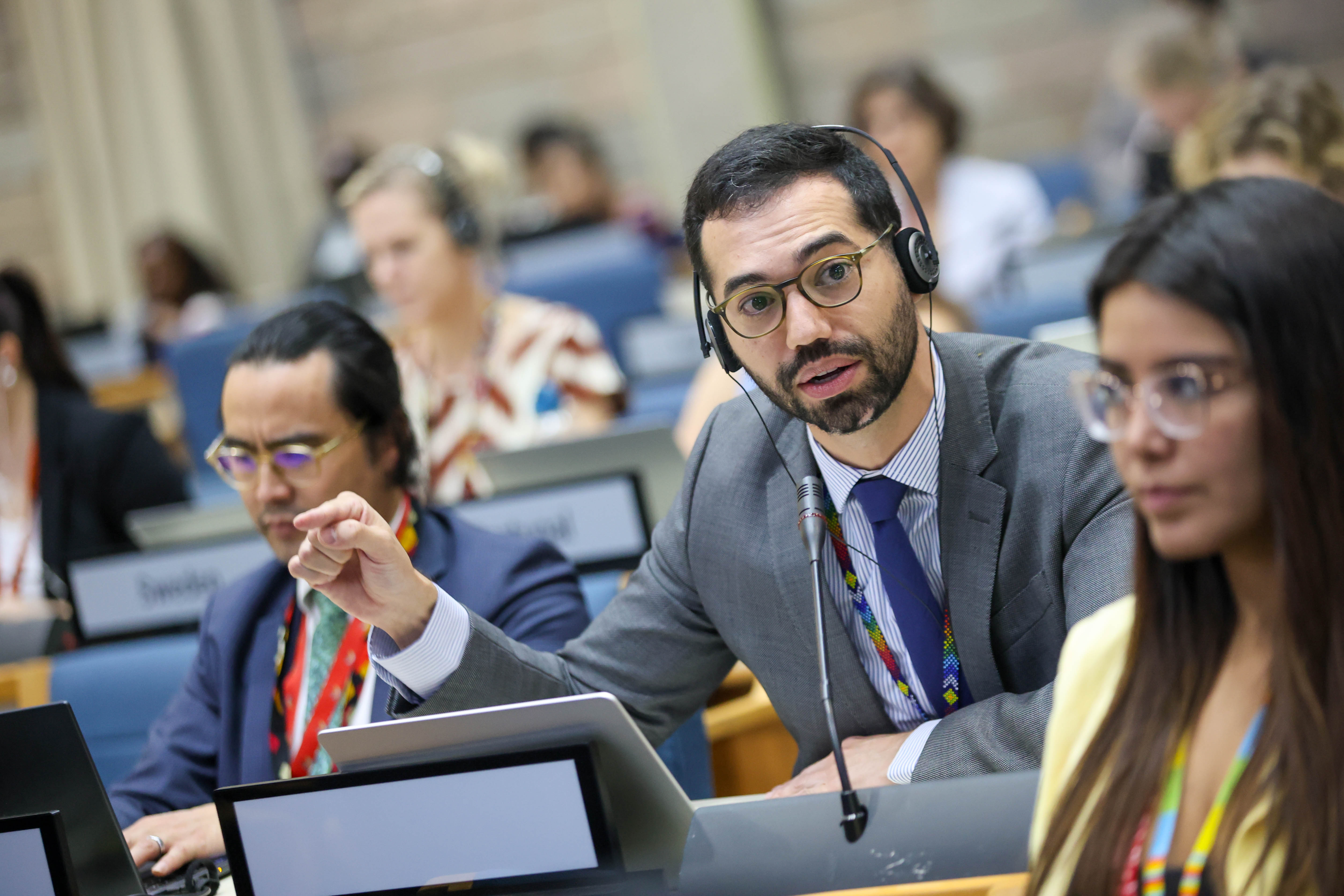
Ronney Almeida e Silva Filho, Brazil
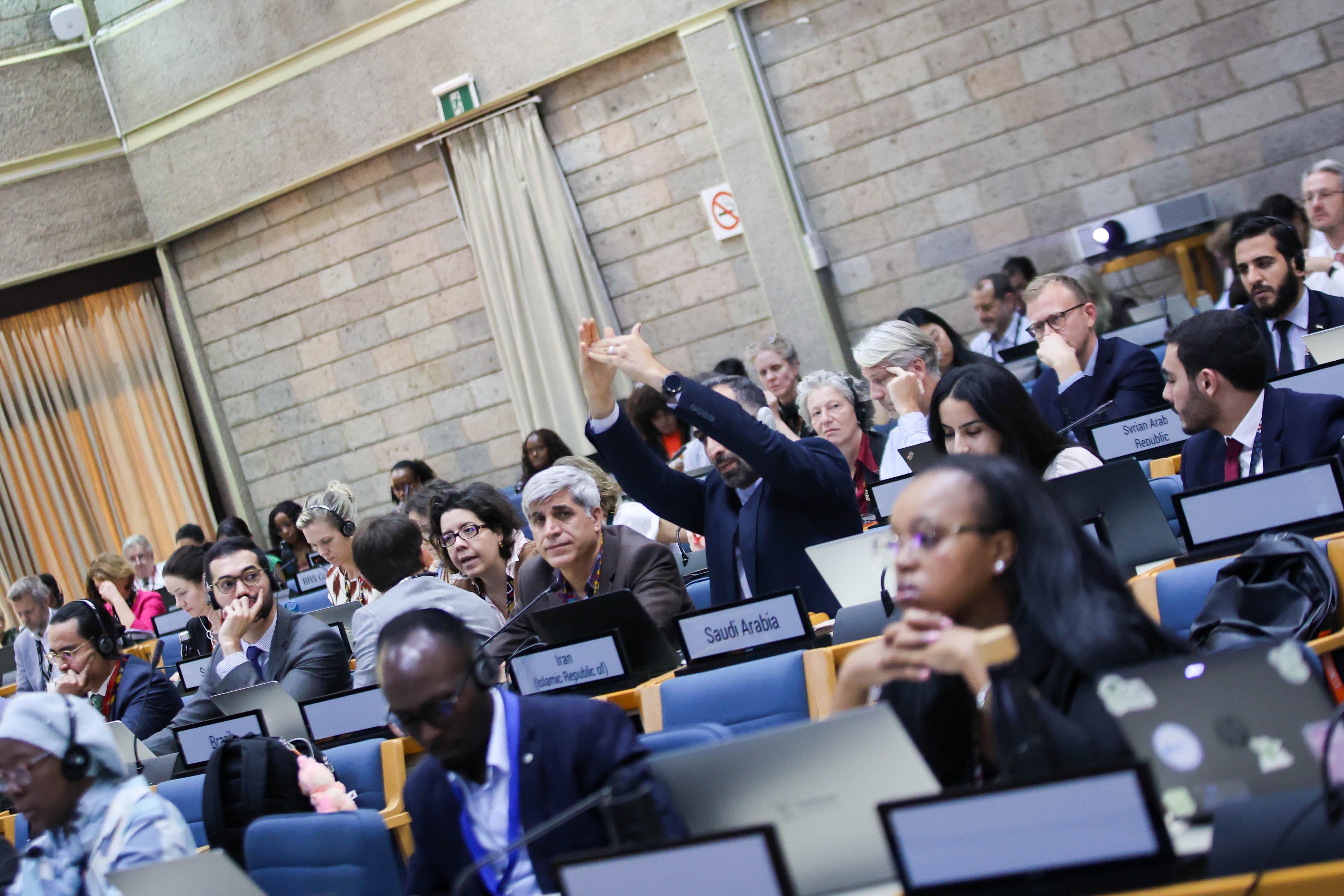
A delegate raises a point of order.
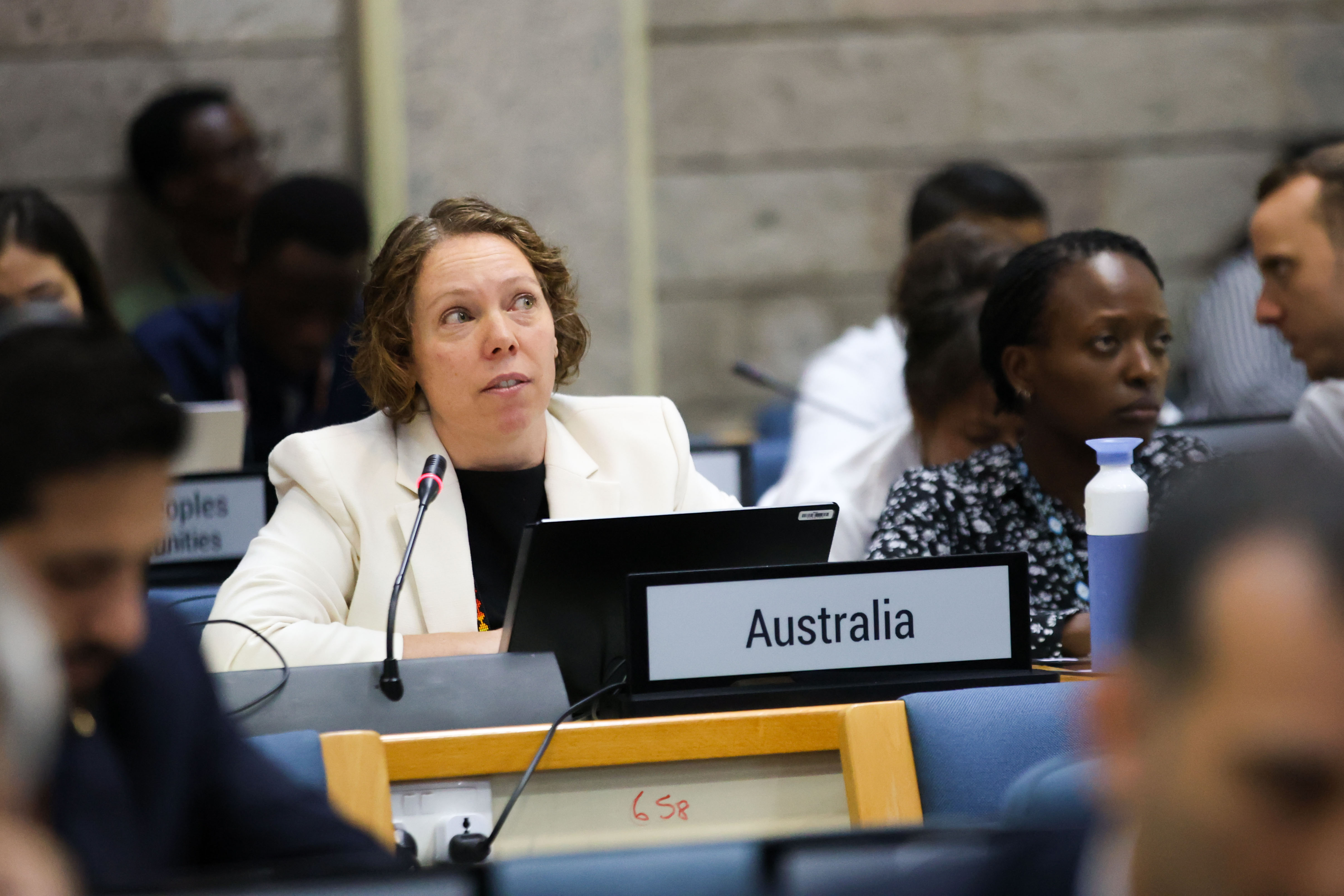
Alexandra Langley, Australia
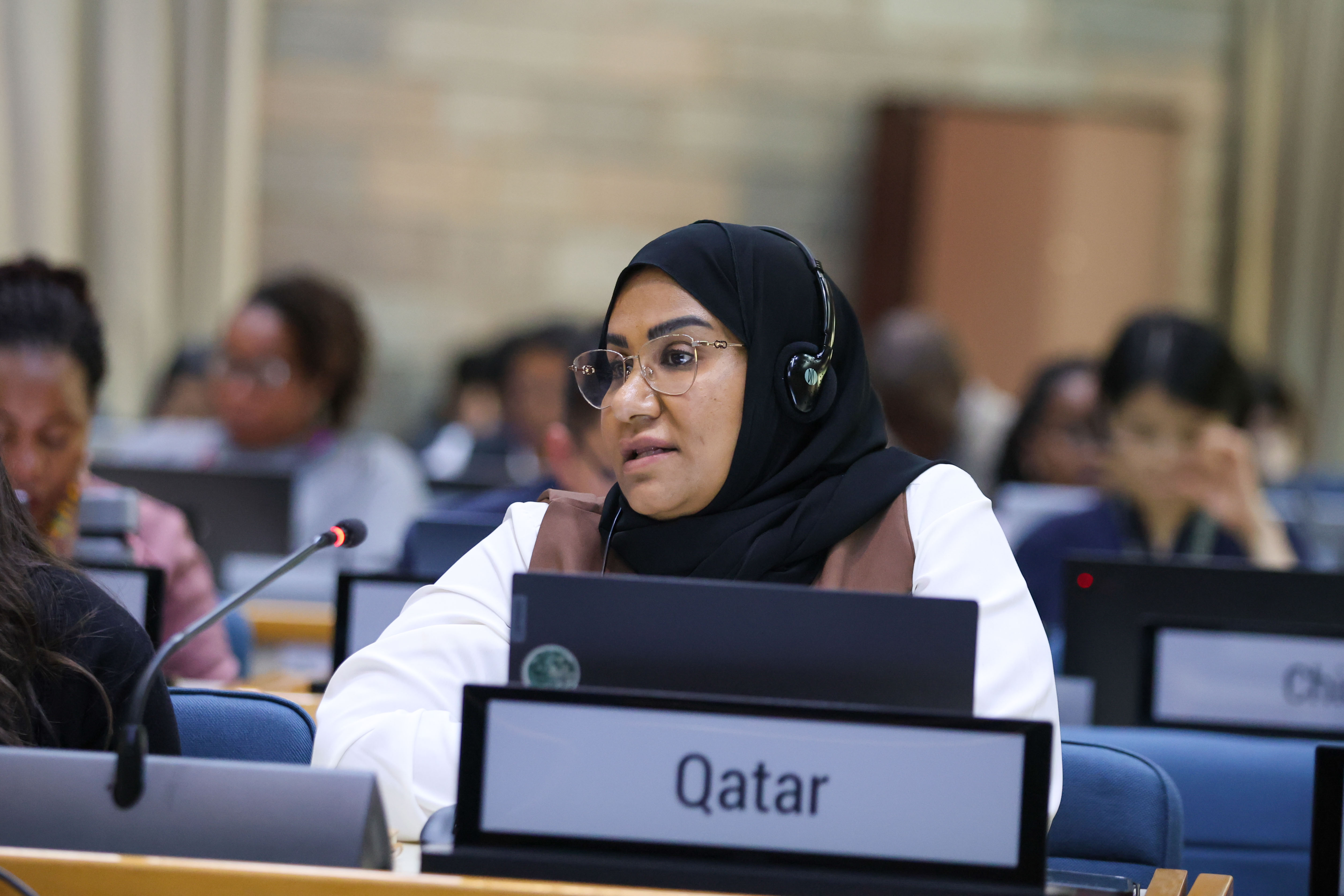
Samira Aldosari, Qatar
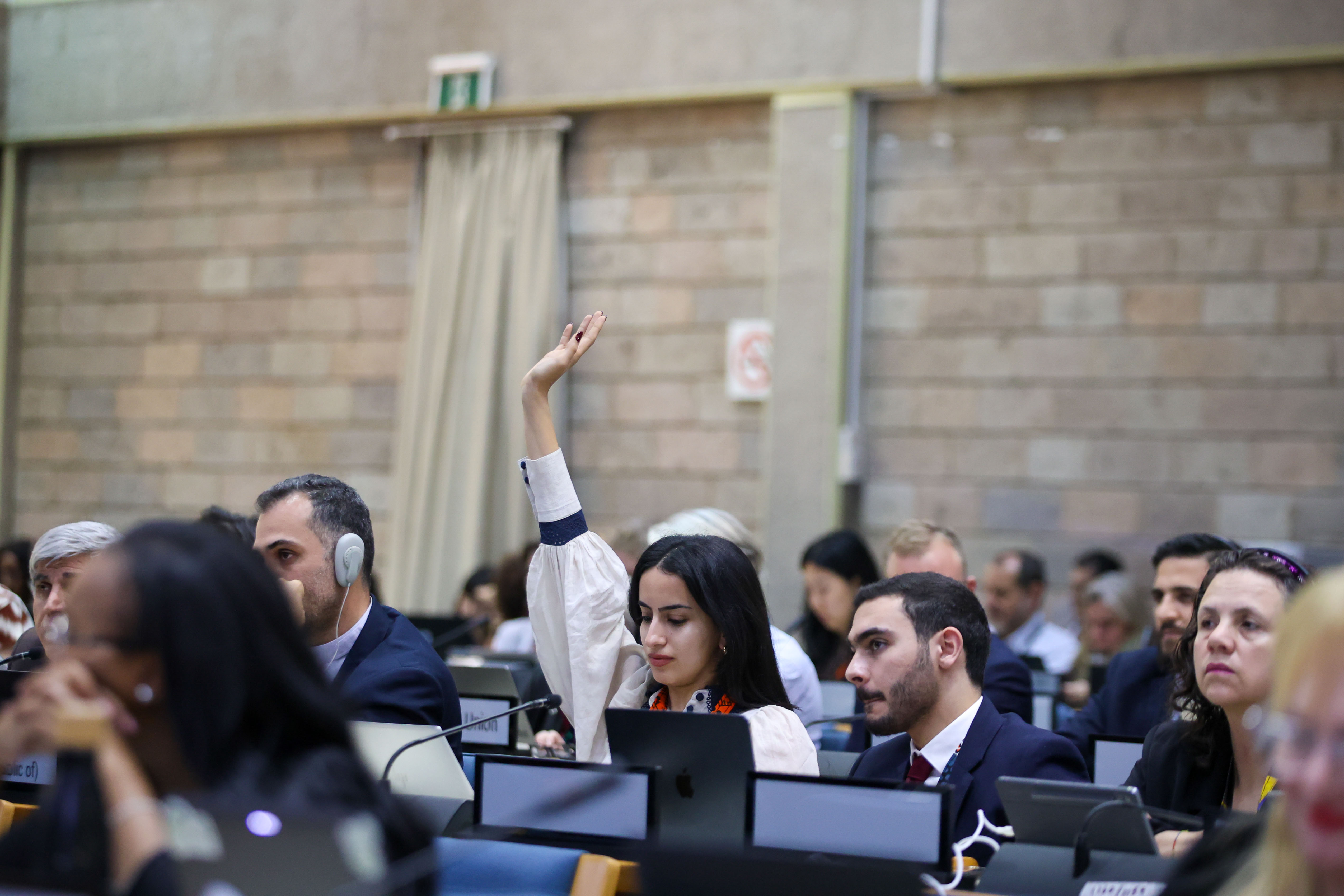
Noura Alissa, Saudi Arabia, raises her hand to speak.
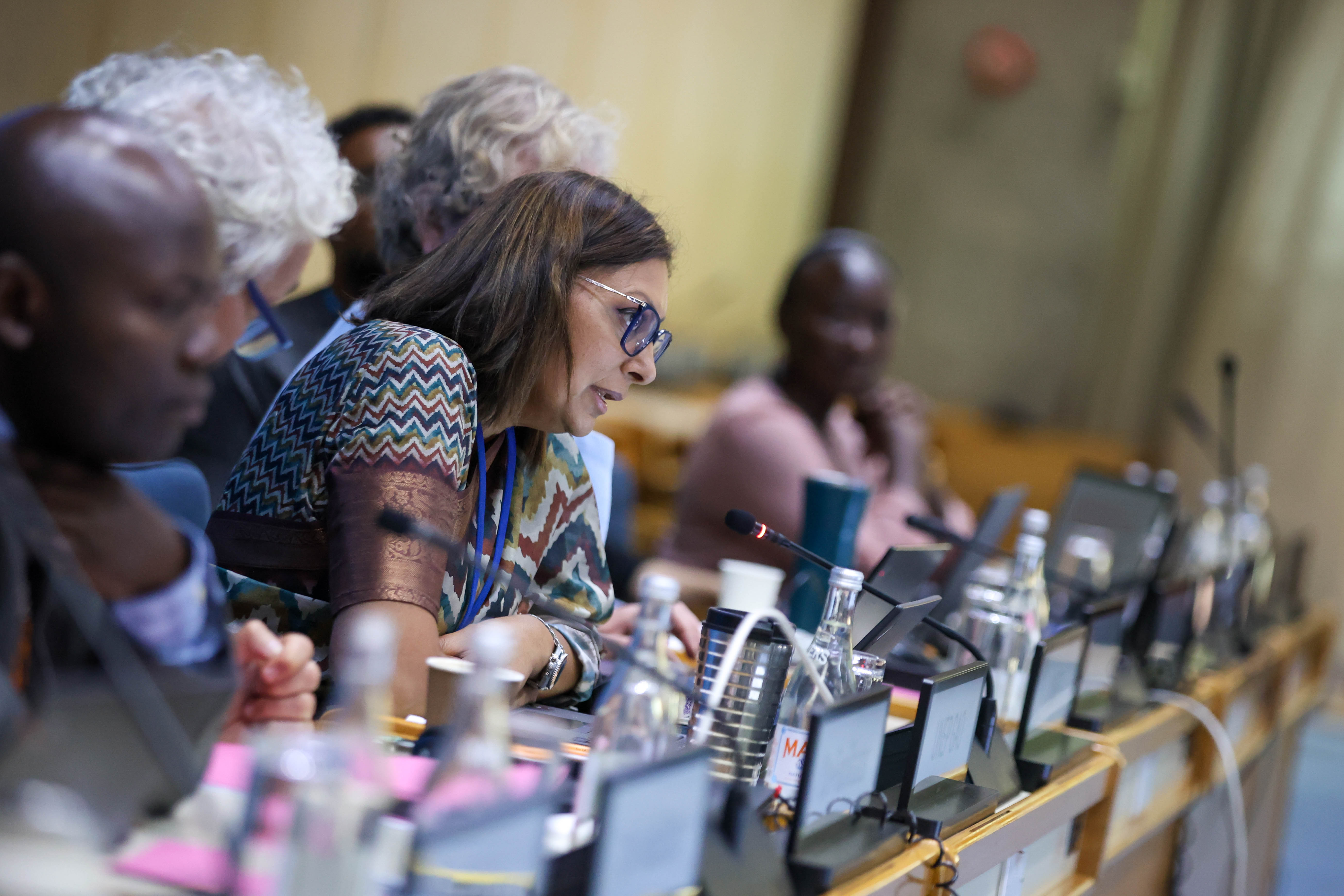
Radhika Ochalik, Secretary, Governing Bodies and Stakeholders, UNEP
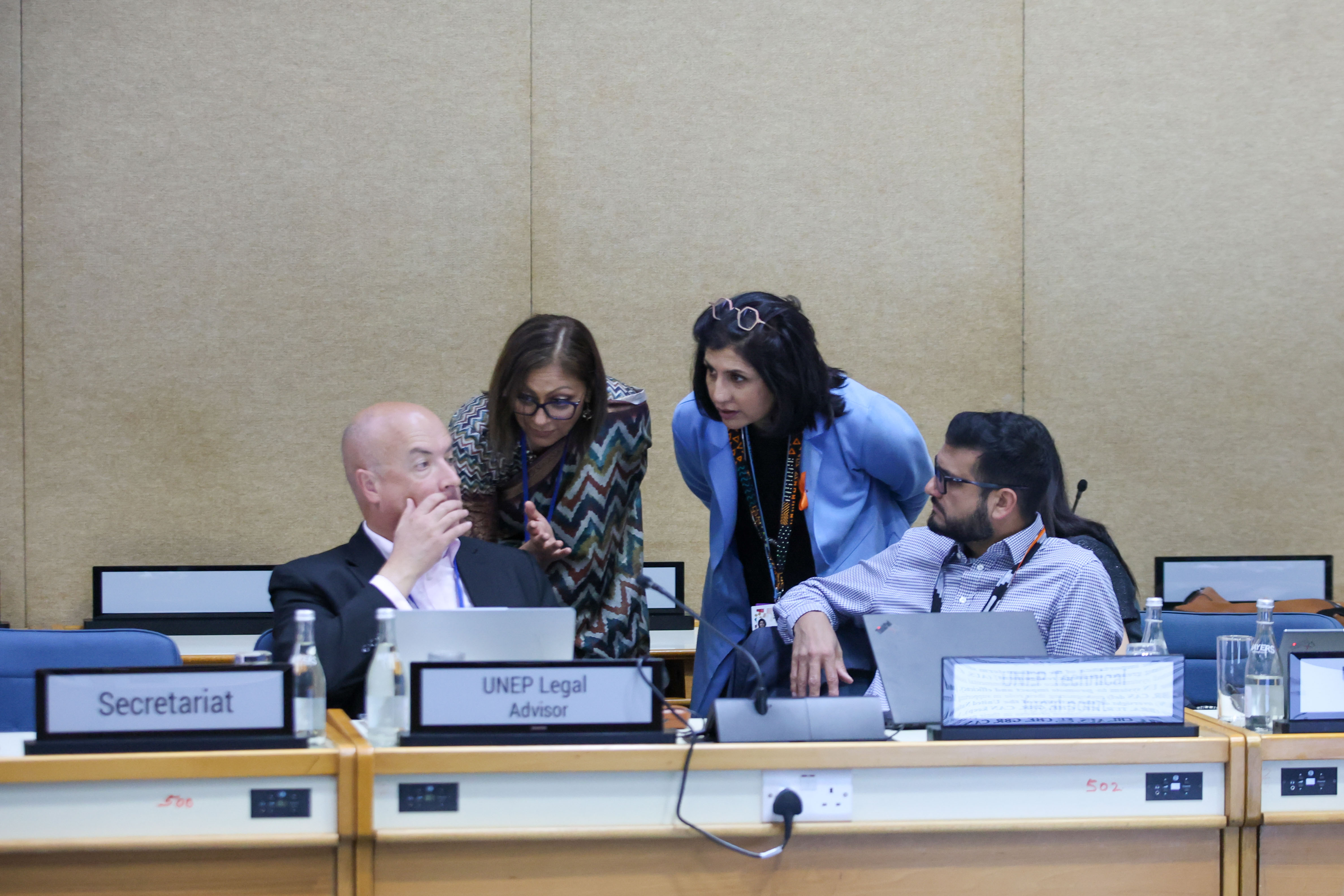
Members of the Secretariat consult.
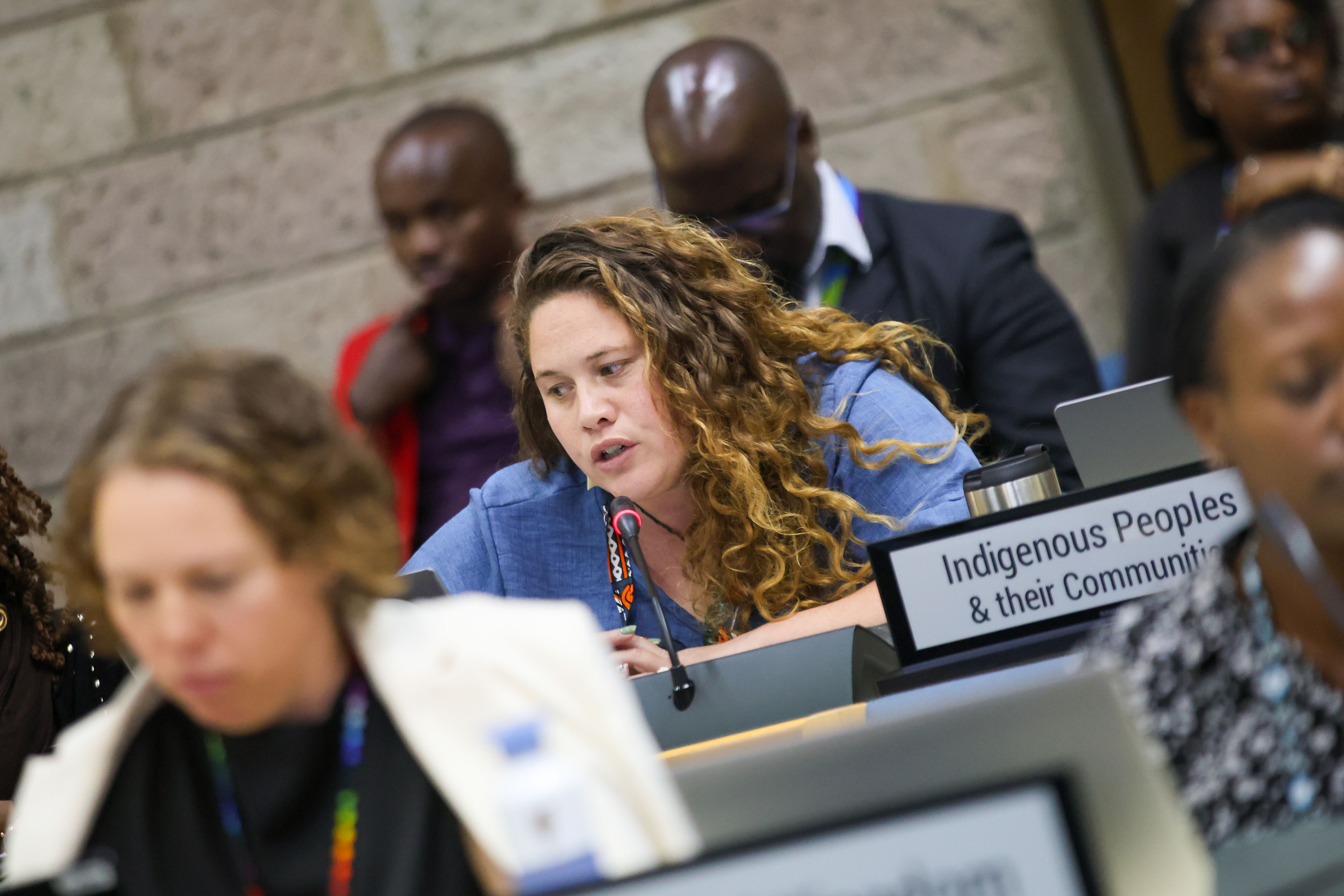
Heni Unwin, Indigenous Peoples and their Communities
Between Sessions
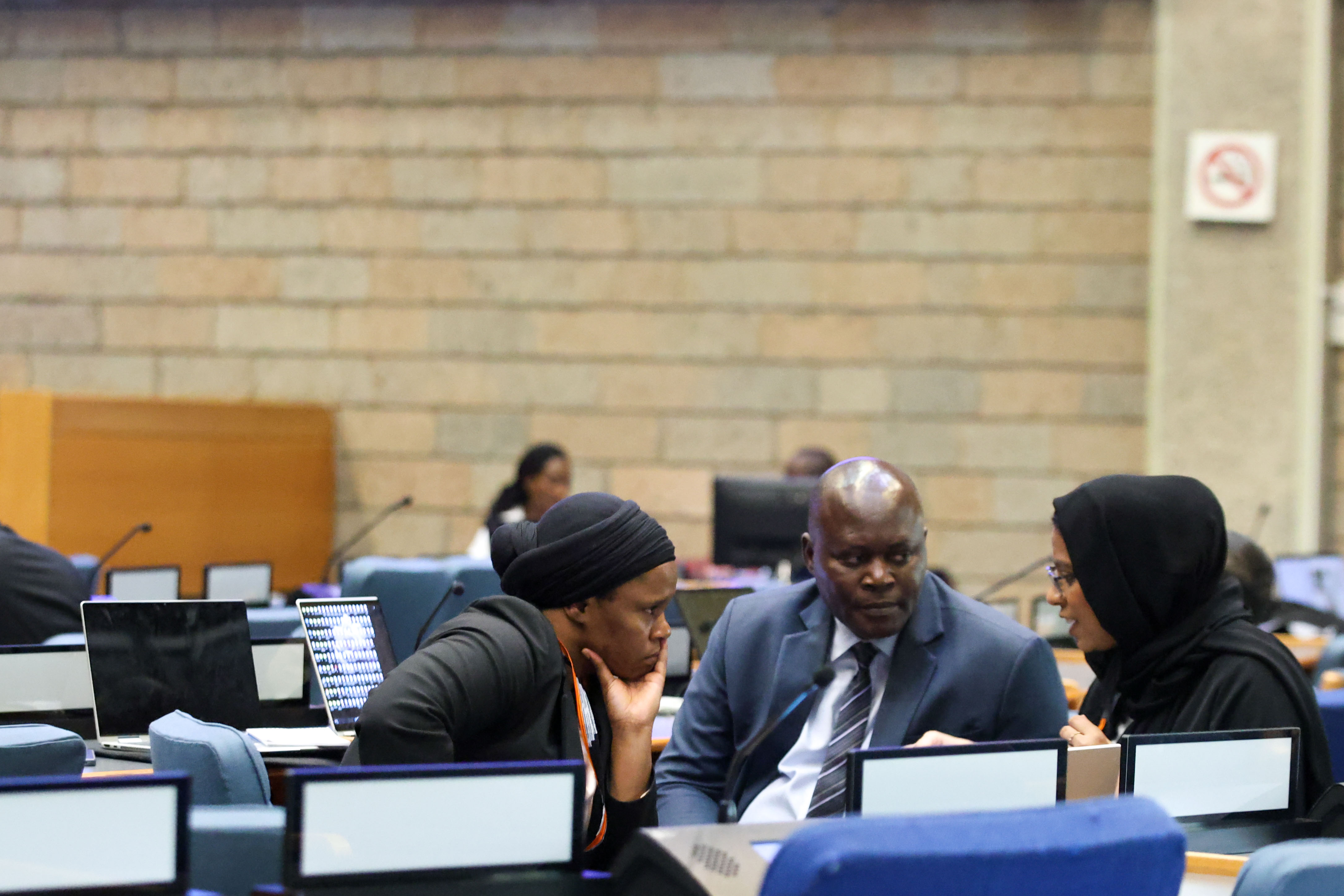
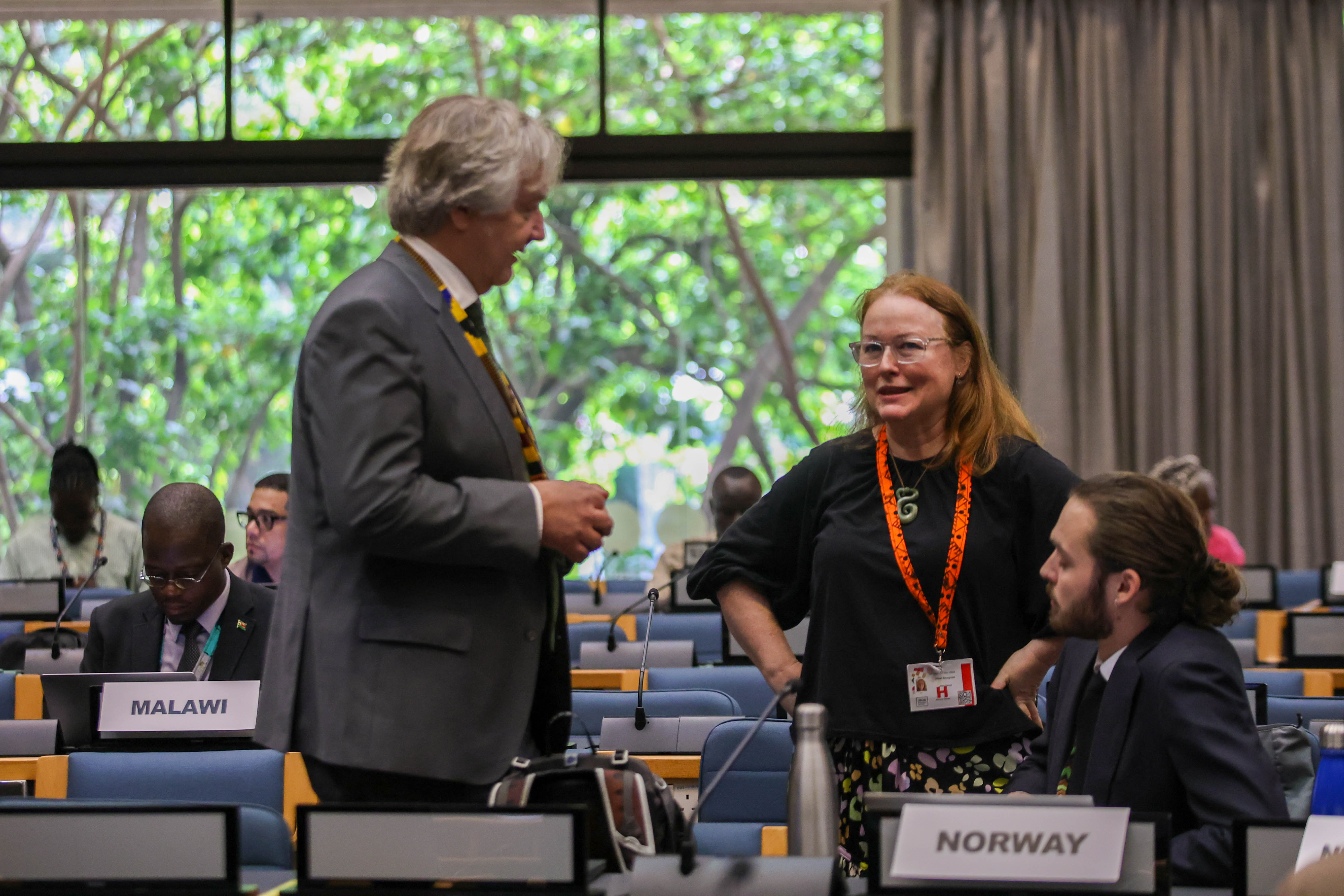
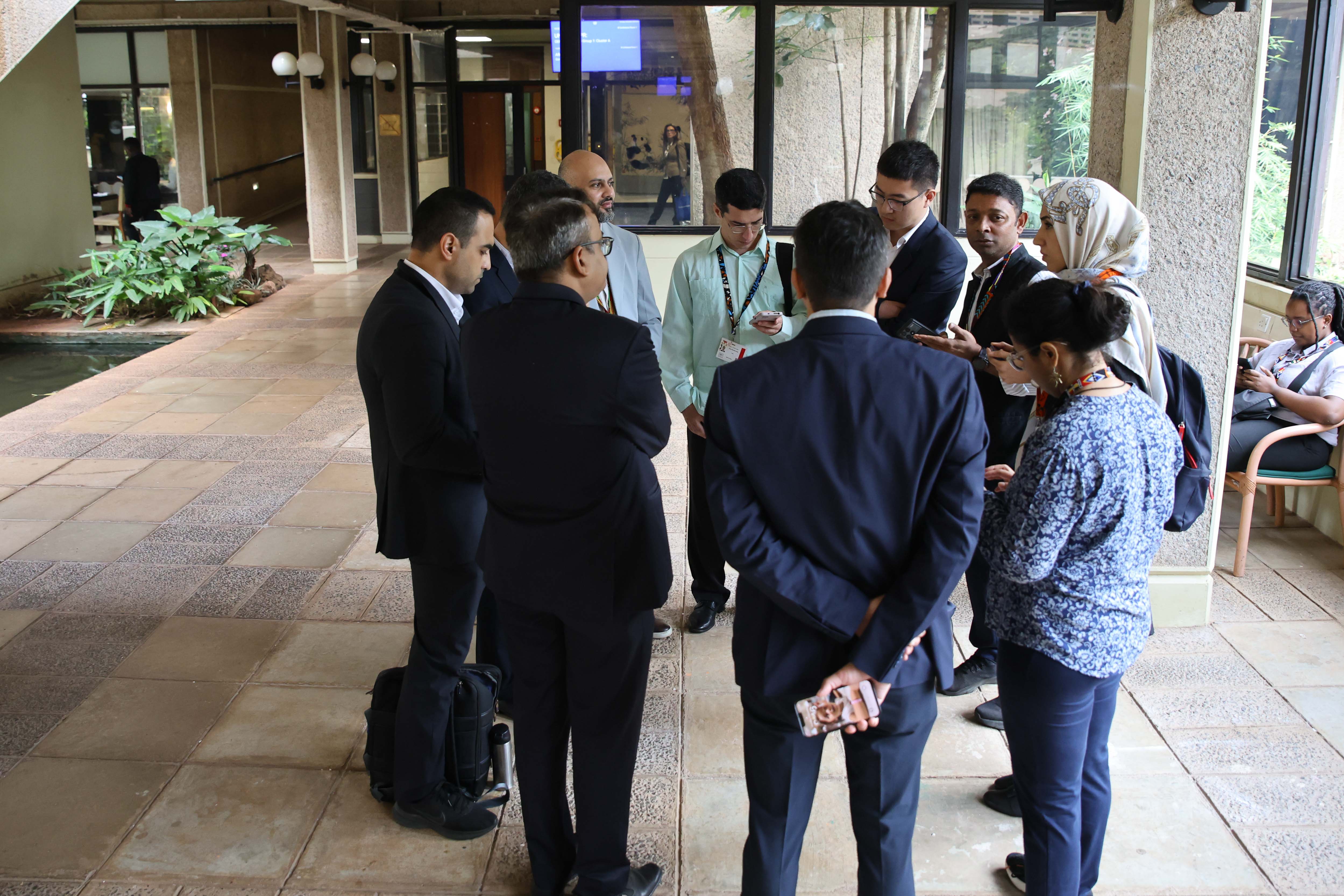
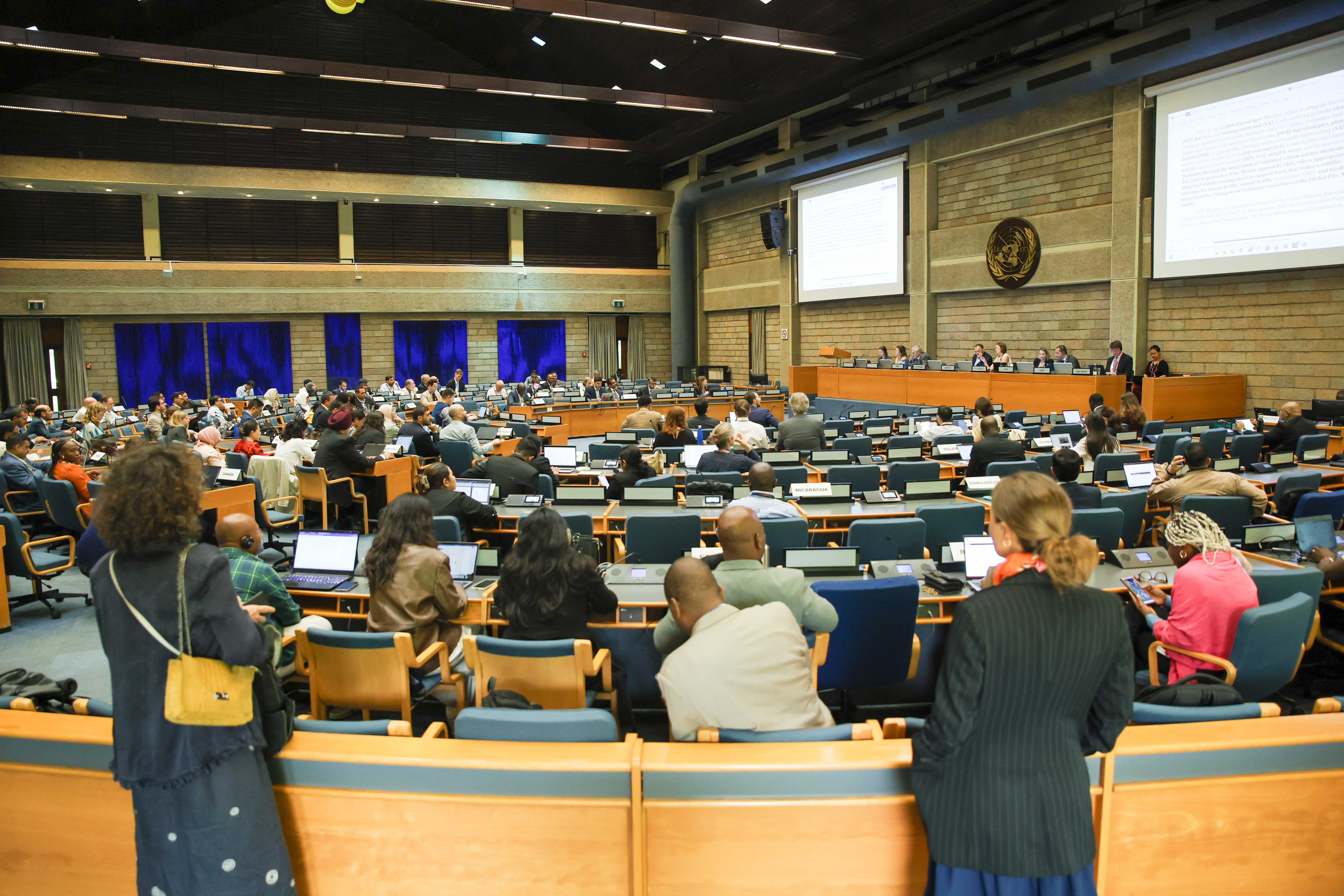
Around the Venue