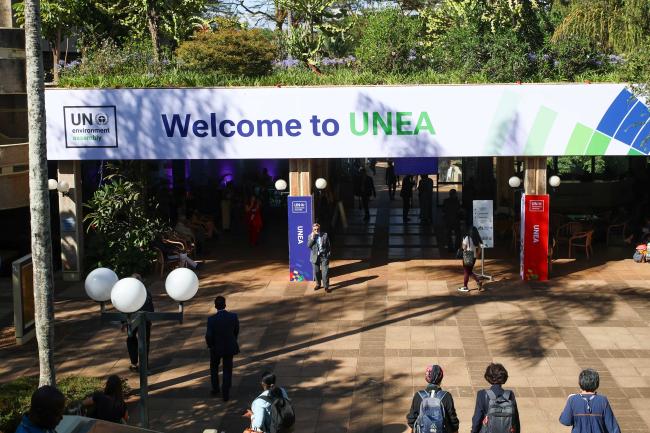
With very little time remaining to reach agreement on 15 resolutions and two decisions, a sense of urgency enveloped the seventh session of the UN Environment Assembly (UNEA-7).
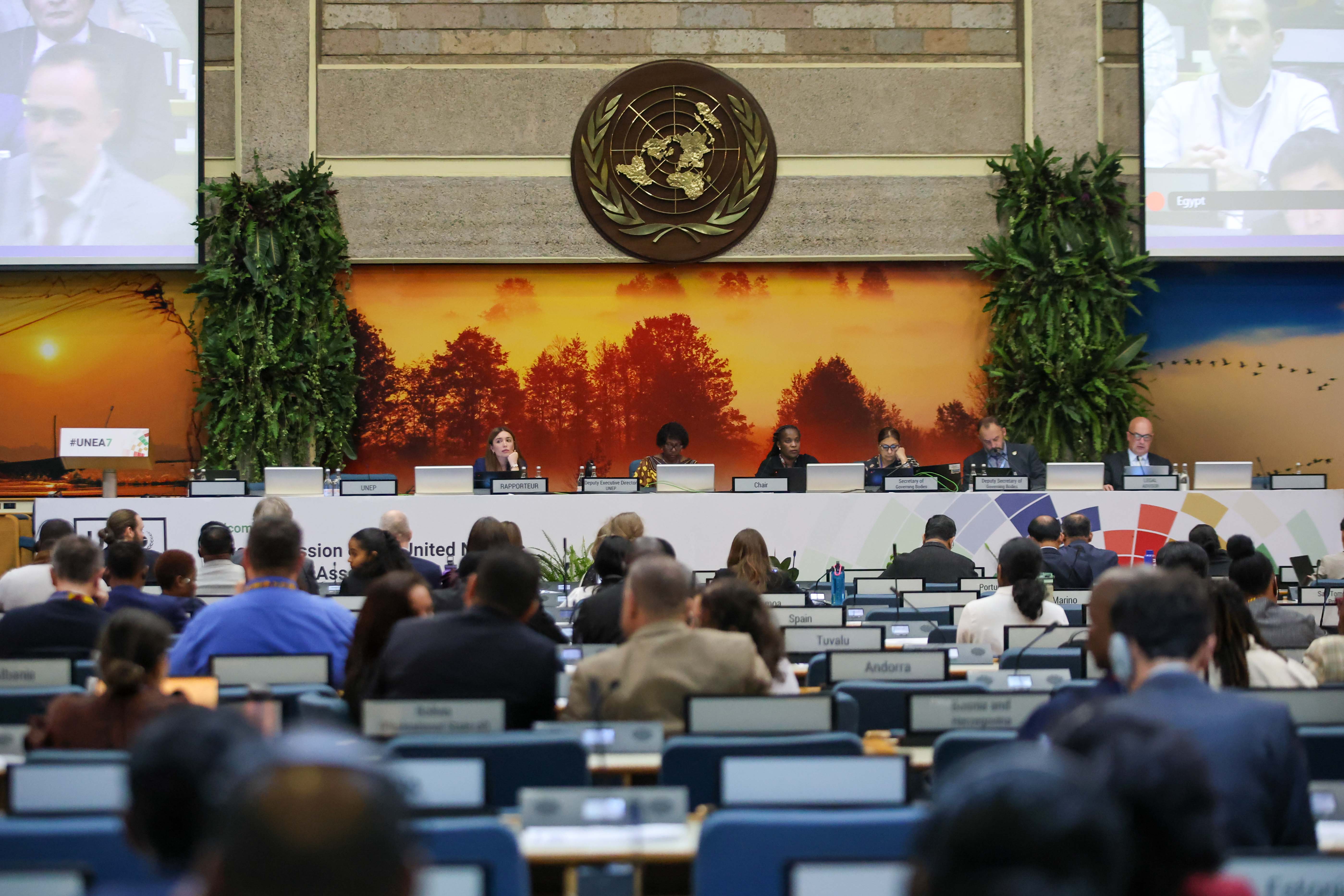
Throughout the day and into the night, the Committee of the Whole (CoW) worked in two contact groups, which met in parallel, to address four clusters of issues: nature and climate; governance and law; circular economy, chemicals, waste and pollution; and strategic, budgetary, and governing bodies matters.
Want to dig deeper into today's talks? Read the full Earth Negotiations Bulletin daily report.
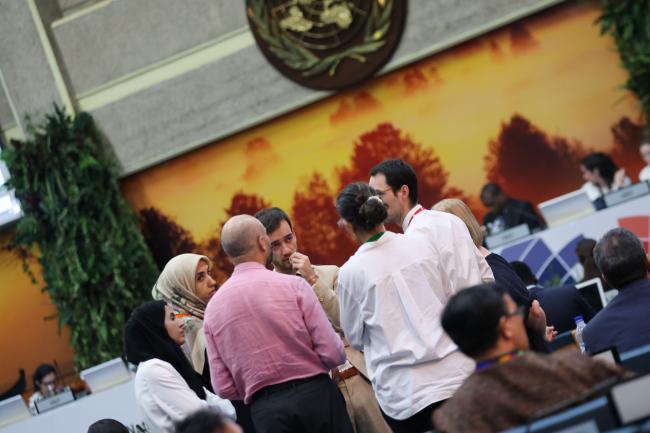
In their discussions on karst ecosystems for global water, biodiversity, climate resilience, and economic development, delegates were, unable to find common ground on a suggestion to strengthen cooperation with the Ramsar Convention on Wetlands, proposed due to the connection between karst, wetlands, and groundwater.
On enhancing the meaningful participation of children and youth in environmental governance, delegates debated how to request the UN Environment Programme (UNEP) Executive Director to engage youth, with several delegations opposing youth inclusion in science-policy processes and assessments.
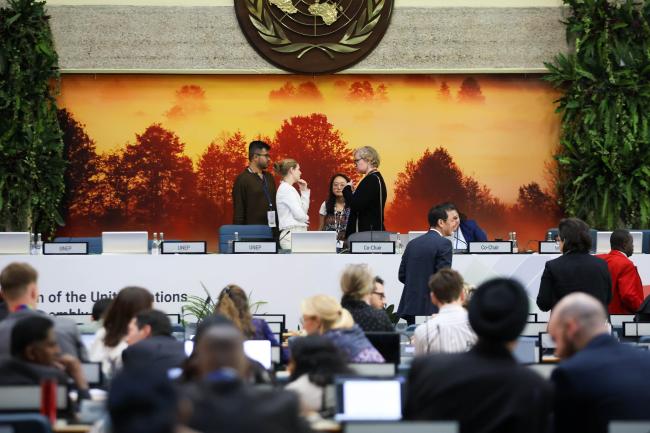
On maximizing existing resources through enhanced coherence and synergies in multilateral environmental agreements (MEAs) and implementation, views diverged on text encouraging Member States to enhance synergies when developing and implementing projects and policies, including by reducing reporting burdens. Some delegations stressed the independence of MEA mandates, emphasizing that UNEA cannot modify reporting obligations. Others noted that growing reporting burdens inevitably require streamlining to improve the quality of reported data.
Regarding mobilizing resources for coral reef conservation, restoration, and sustainable use, views differed between referencing funding from all sources; highlighting developing countries, including least developed countries and small island developing states, as recipients; and developed countries as sources of support.
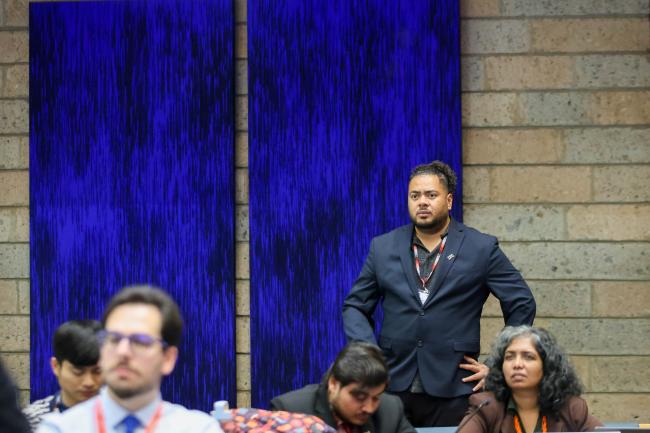
In heated but “hopeful” and “illuminating” discussions on the 2026-2029 Medium-Term Strategy (MTS), delegates turned to the crux of their discomfort with the draft decision. On the one hand, they expressed serious concerns at the non-intergovernmentally-negotiated nature of the MTS, and rejected any attempt to overstep UNEP’s mandate, particularly related to a request that the UNEP Executive Director “inform and influence” the UN Security Council and UN Human Rights Council. On the other hand, they reaffirmed that the MTS is not legally binding, and that Member States agreed at Rio+20 that UNEP should be strengthened as the “authoritative advocate for the global environment.”
Turning to the draft resolution on strengthening international cooperation on the environmentally sound management of minerals and metals, delegates debated the scope of a dialogue to be convened on this matter. While some delegates considered it clear that such a dialogue would not be able to initiate a new negotiation track, others were adamant about explicitly excluding this possibility in the text.
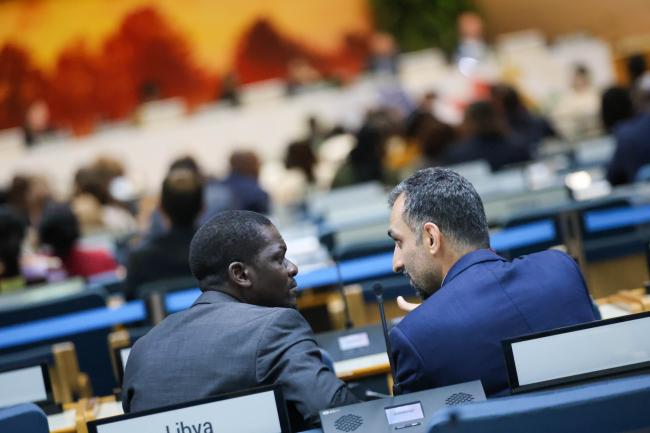
Having switched to the draft resolution on the sound management of chemicals and waste, the mandate of UNEP resurfaced in discussions on a provision dealing with Member States’ gaps and priorities related to lead, cadmium, arsenic, and organotins. One delegate stressed that this work be limited to “pollution” from these substances, as UNEP’s primary mandate, while many others wished to address these substances more broadly.
In the evening stocktaking plenary, CoW Chair Joyelle Clarke (Saint Kitts and Nevis) presented a way forward for the contact groups to allow progress on the draft resolutions and draft decisions. Delegates disagreed with suggestions to extend discussions beyond 10:00 pm, and on a take or leave it approach involving Co-Chair non-papers for contentious resolutions. Clarke amended her proposal, noting that contact groups may by consensus work till midnight. She also withdrew the take it or leave it approach for non-papers, and delegates agreed to the amended organization of work.
Delegates also held informal-informal discussions on cross-cutting terminology related to technology transfer and Indigenous Peoples.
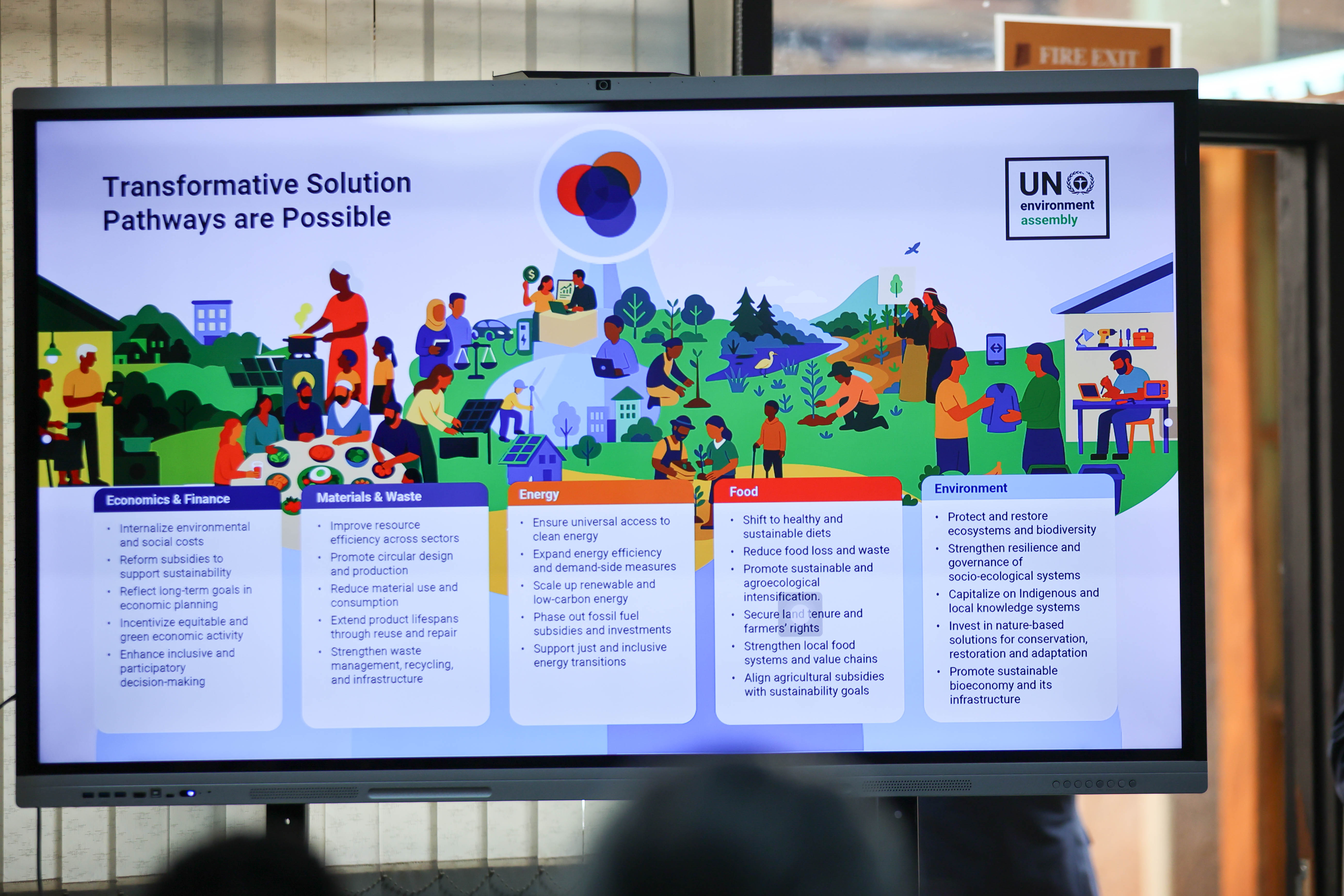
Delegates were also invited to attend the launch of the seventh edition of the Global Environment Outlook (GEO-7), titled “A future we choose.” The report proposes whole-of-society and whole-of-government approaches to engender systemic reform in economy and finance, materials and waste, energy, food, and the environment. The report finds that these approaches could deliver economic benefits of up to USD 20 trillion per year from 2050 to 2070, and USD 100 trillion per year thereafter.
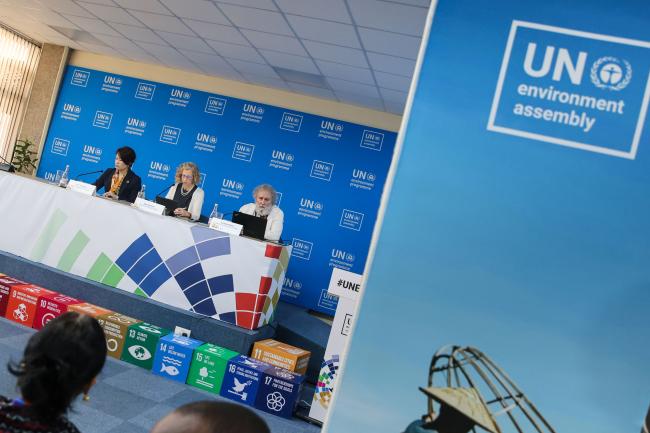
Around the venue, various other events were convened, including on:
- Environmental fall-out across the artificial intelligence value chain;
- The importance of connectivity for vital ecosystems, migratory species, and a resilient planet;
- Drying seas and lakes as a global catastrophe of the 21st Century;
- UNEP and the Global Environment Facility (GEF) solutions at scale;
- Managing environmental, industrial, and social risks of critical energy transition minerals; and
- Embedding rangelands solutions in climate and biodiversity action.
To receive free coverage of global environmental events delivered to your inbox, subscribe to the ENB Update newsletter.
All ENB photos are free to use with attribution. For OECPR-7 and UNEA-7 please use: Photo by IISD/ENB | Anastasia Rodopoulou
Cluster A on Nature and Climate
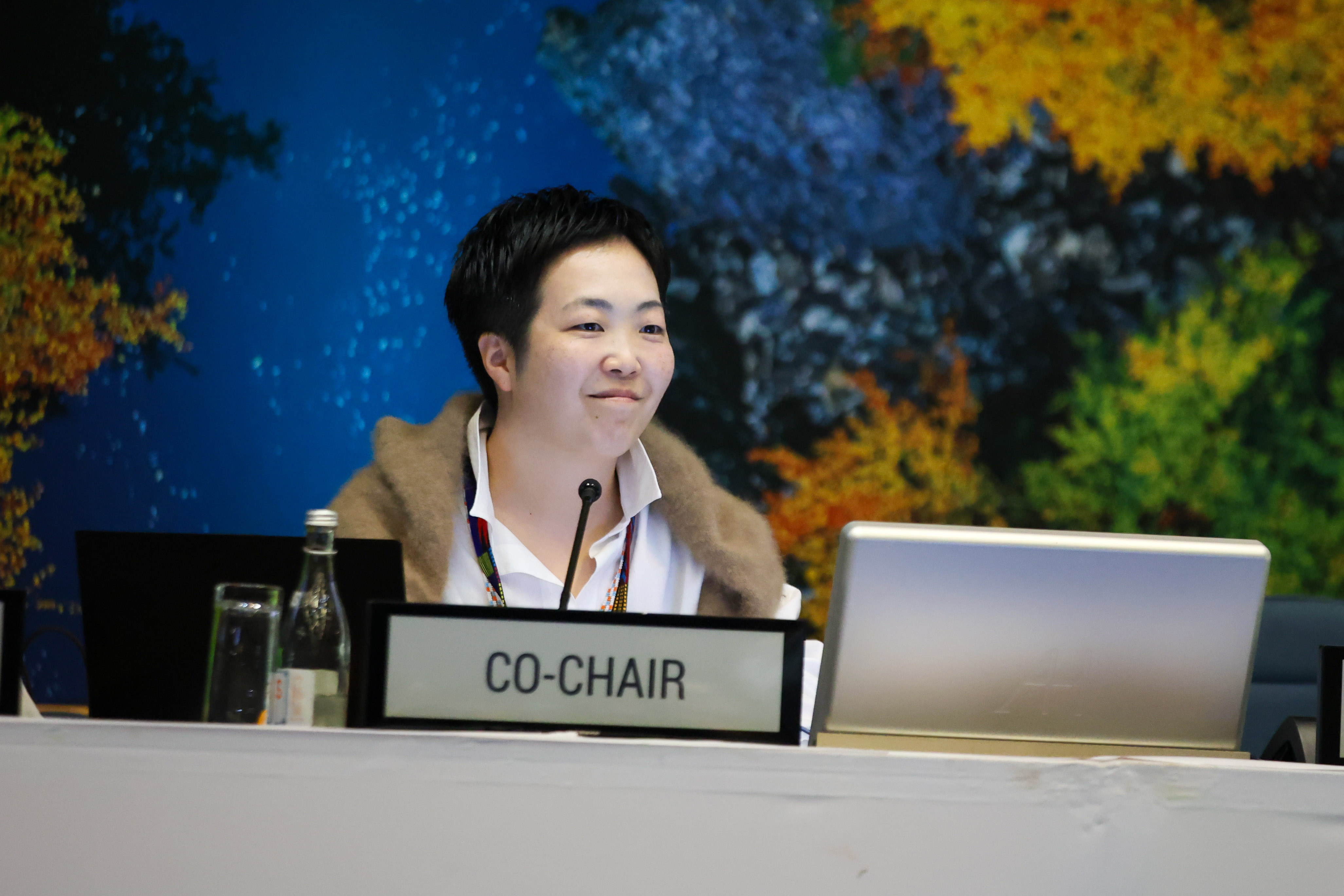
Kanako Okano, Japan, Co-Chair of Cluster A
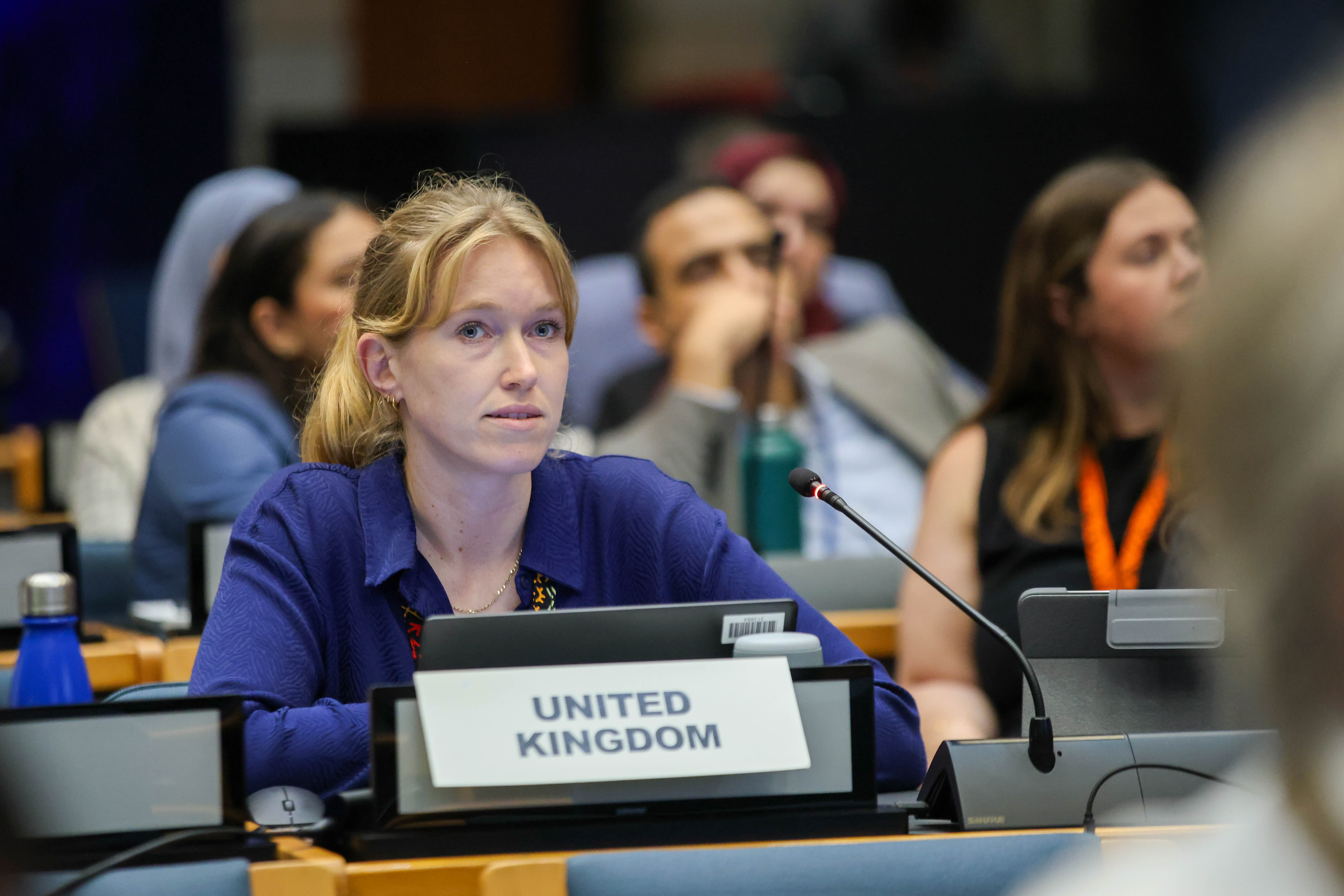
Amber Mitchell, United Kingdom (UK)

Hajime Sugimura, Japan
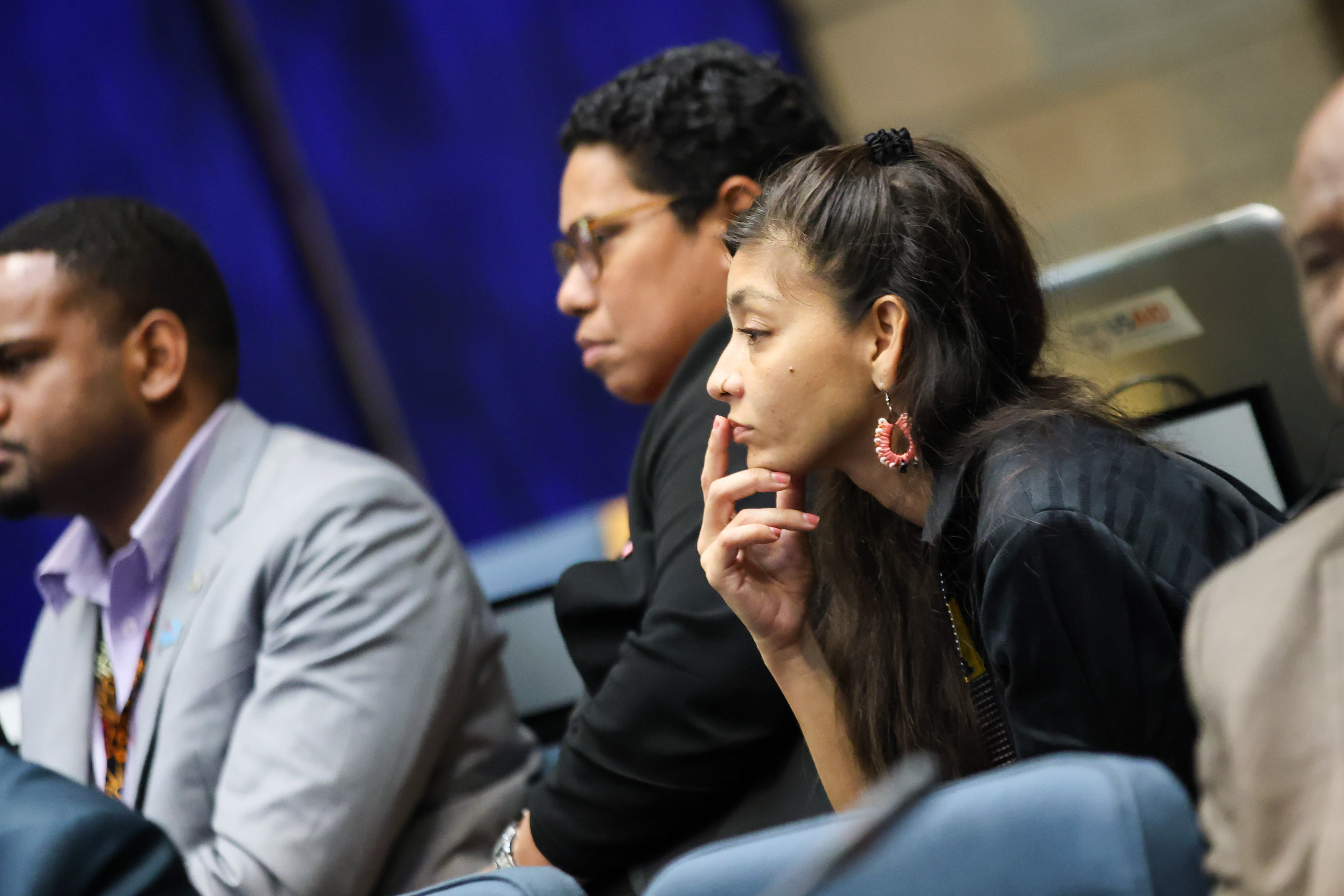
Sindra Sharma, Vanuatu
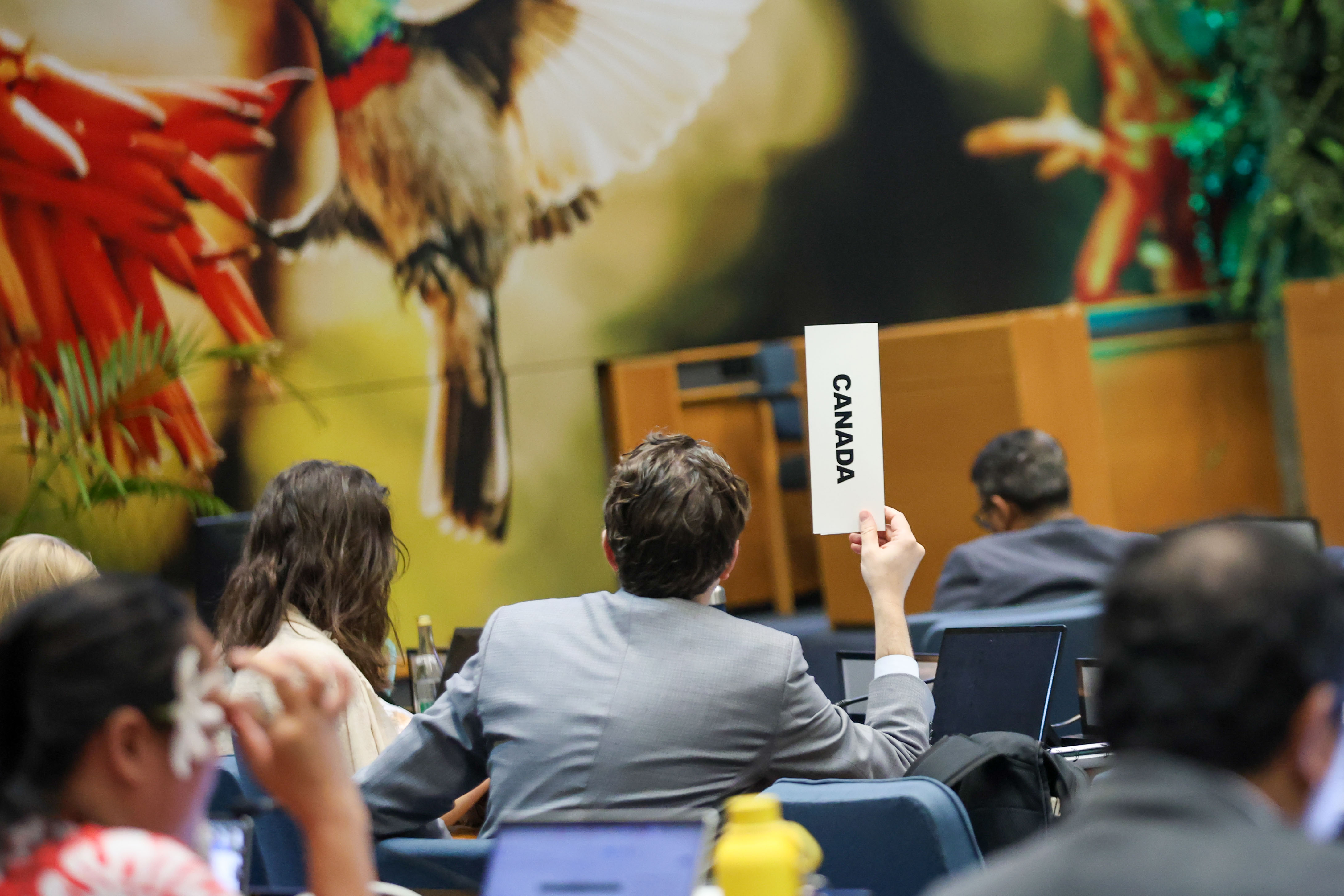
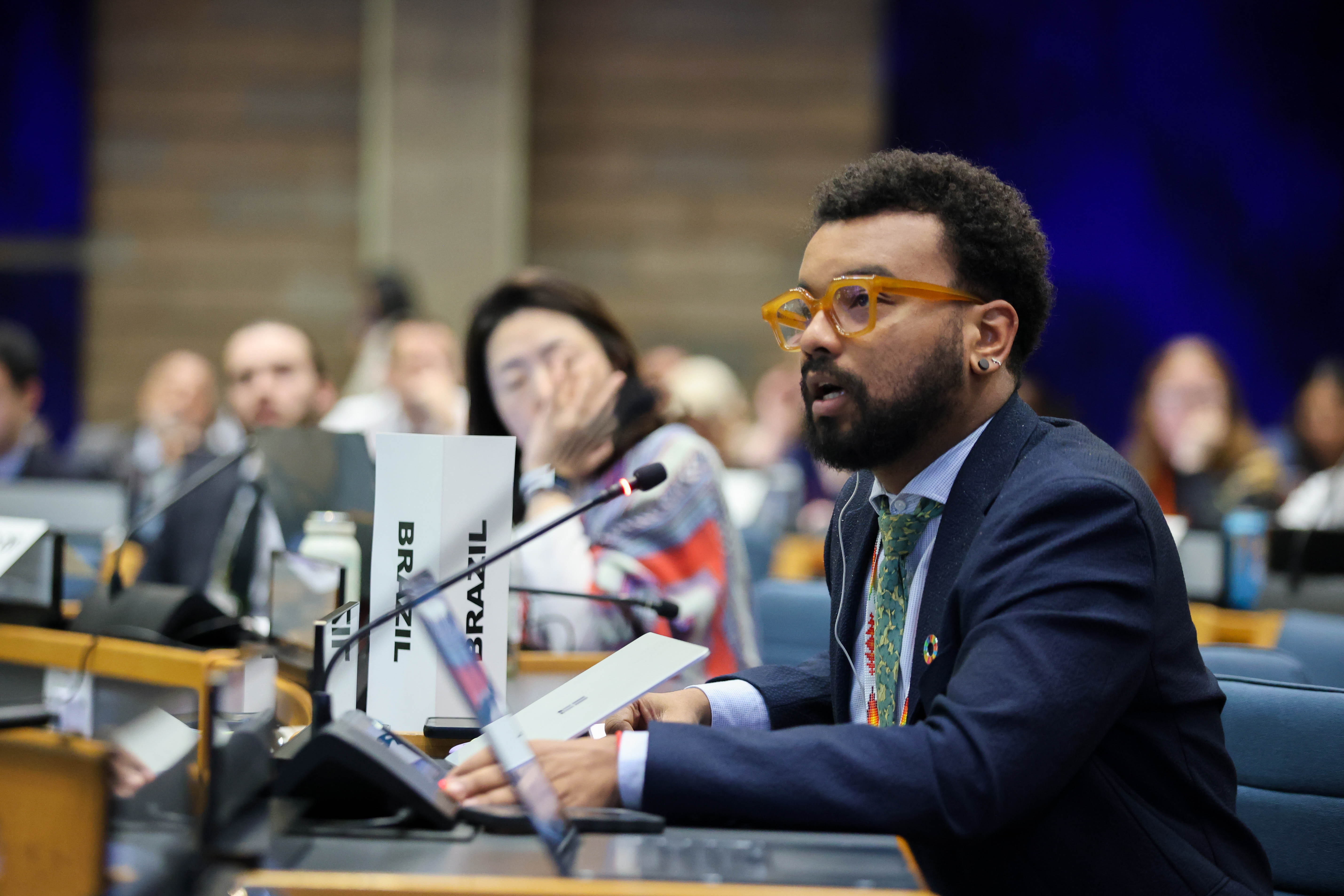
João Paulo de Sousa Vieira, Brazil
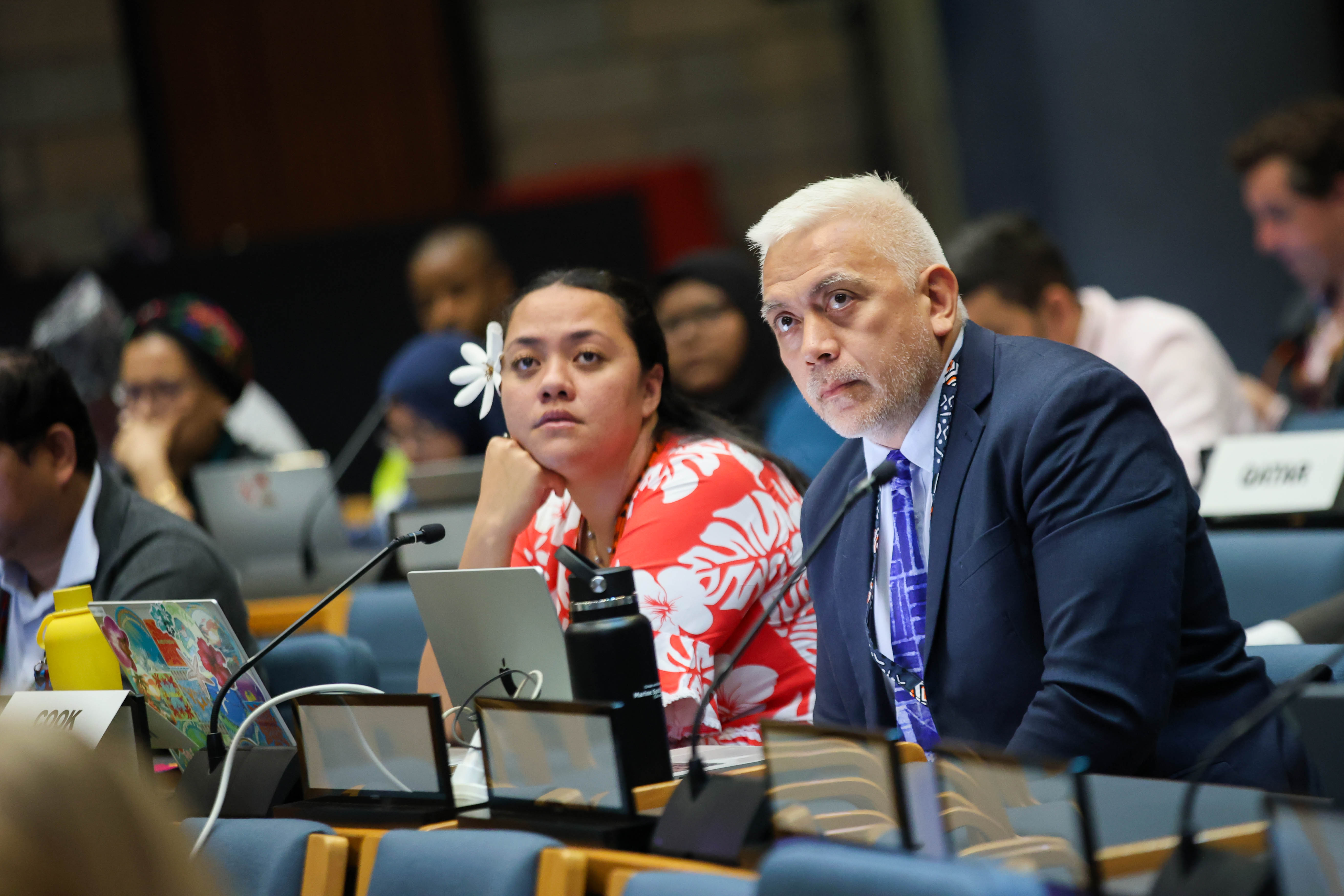
Delegates from Cook Islands
Cluster B on Governance and Law
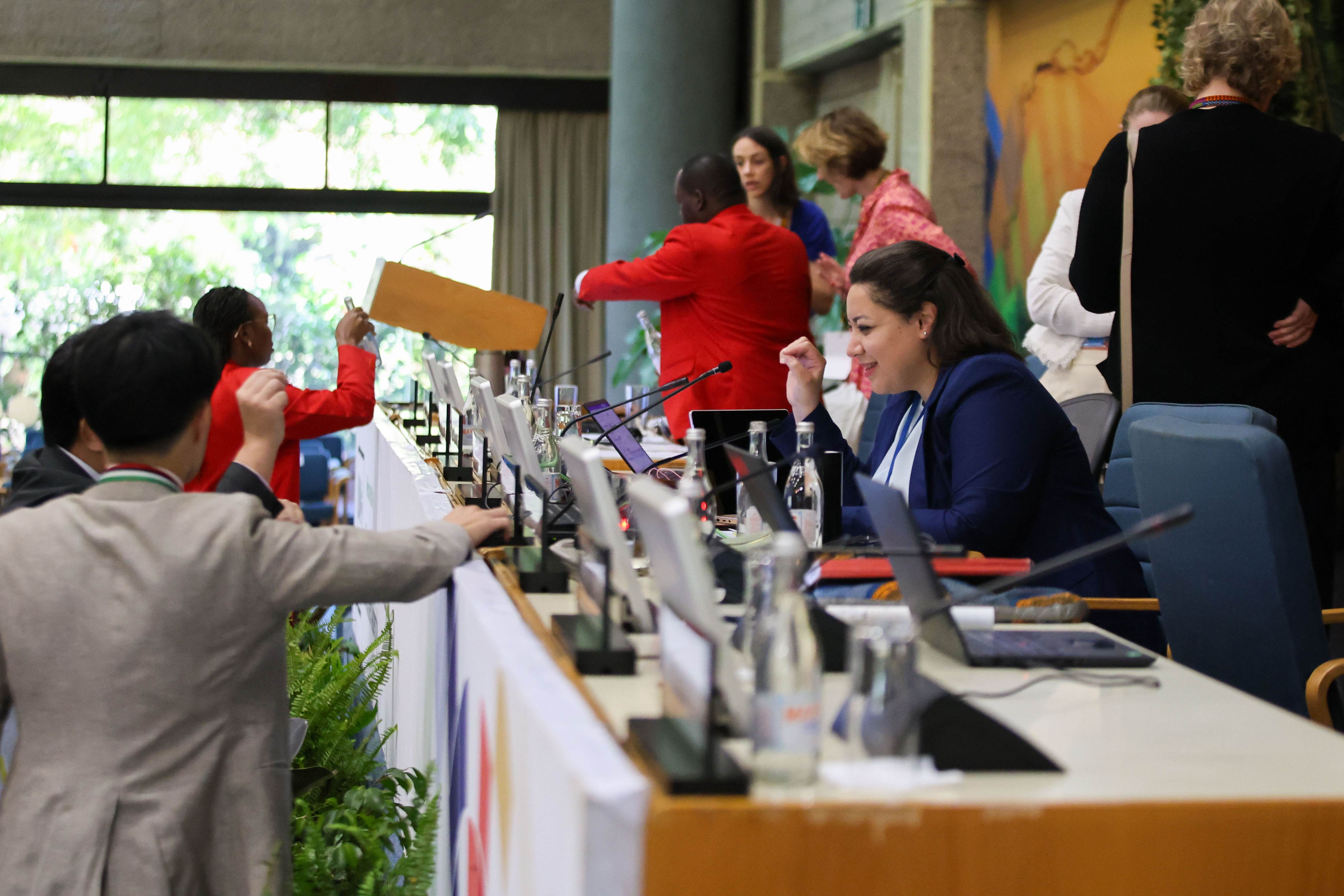
Sara Elkhouly, Egypt, Co-Chair of Cluster B, discusses with delegates.
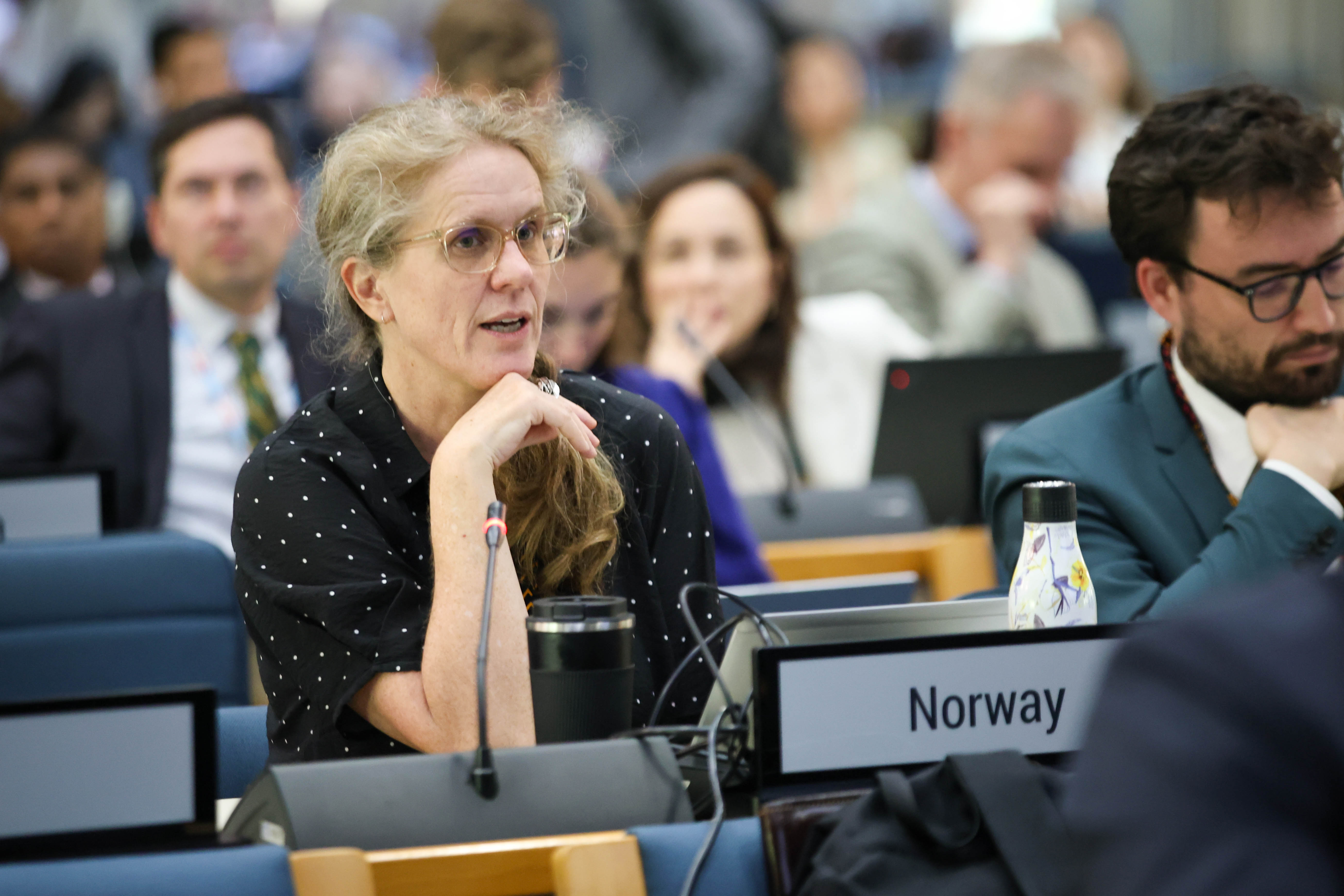
Solveig Maud Crompton, Norway

Cynthia Mulville, Argentina
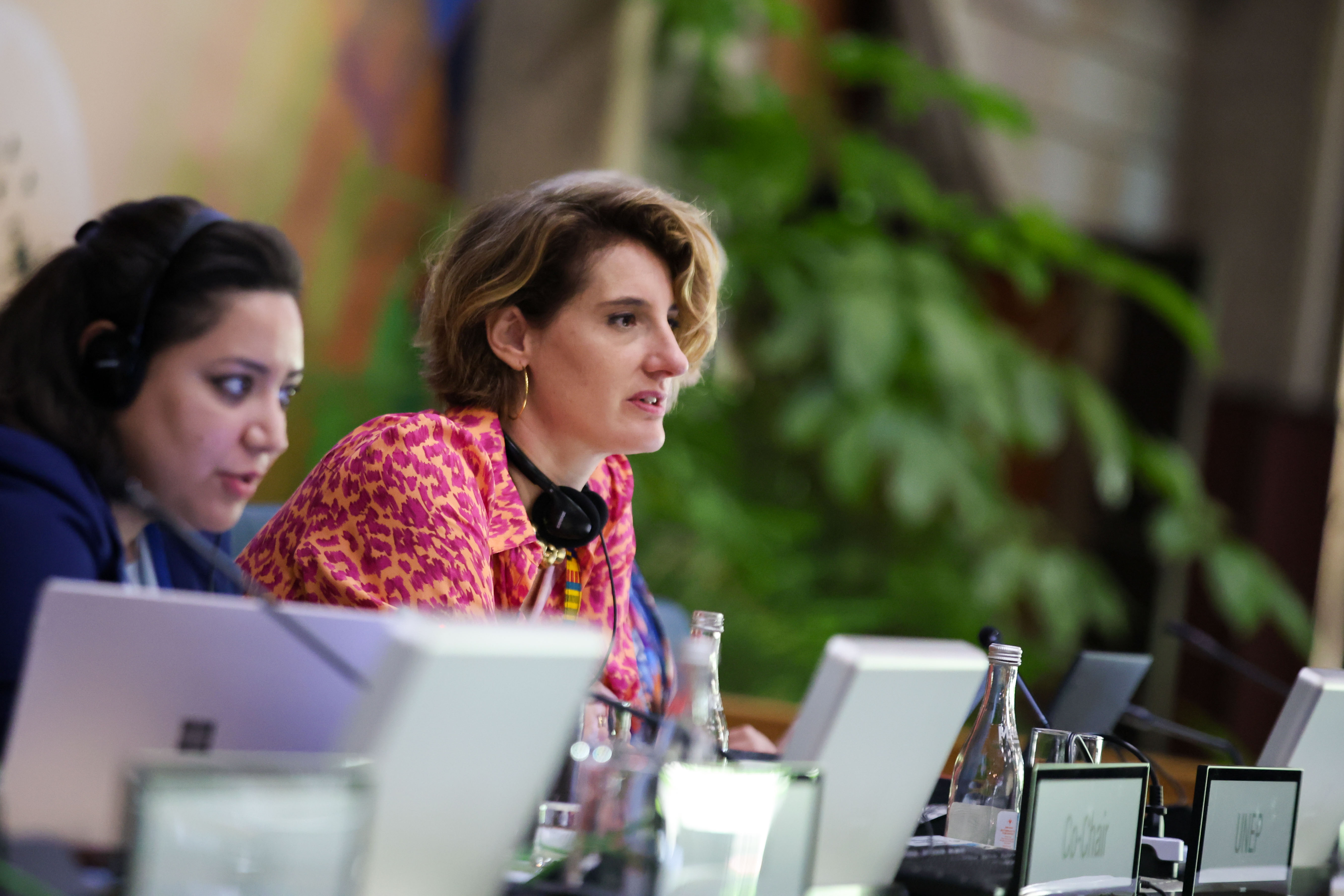
Marie-Pia Tixier, Programme and Management Analyst, Governance Affairs Office, UNEP
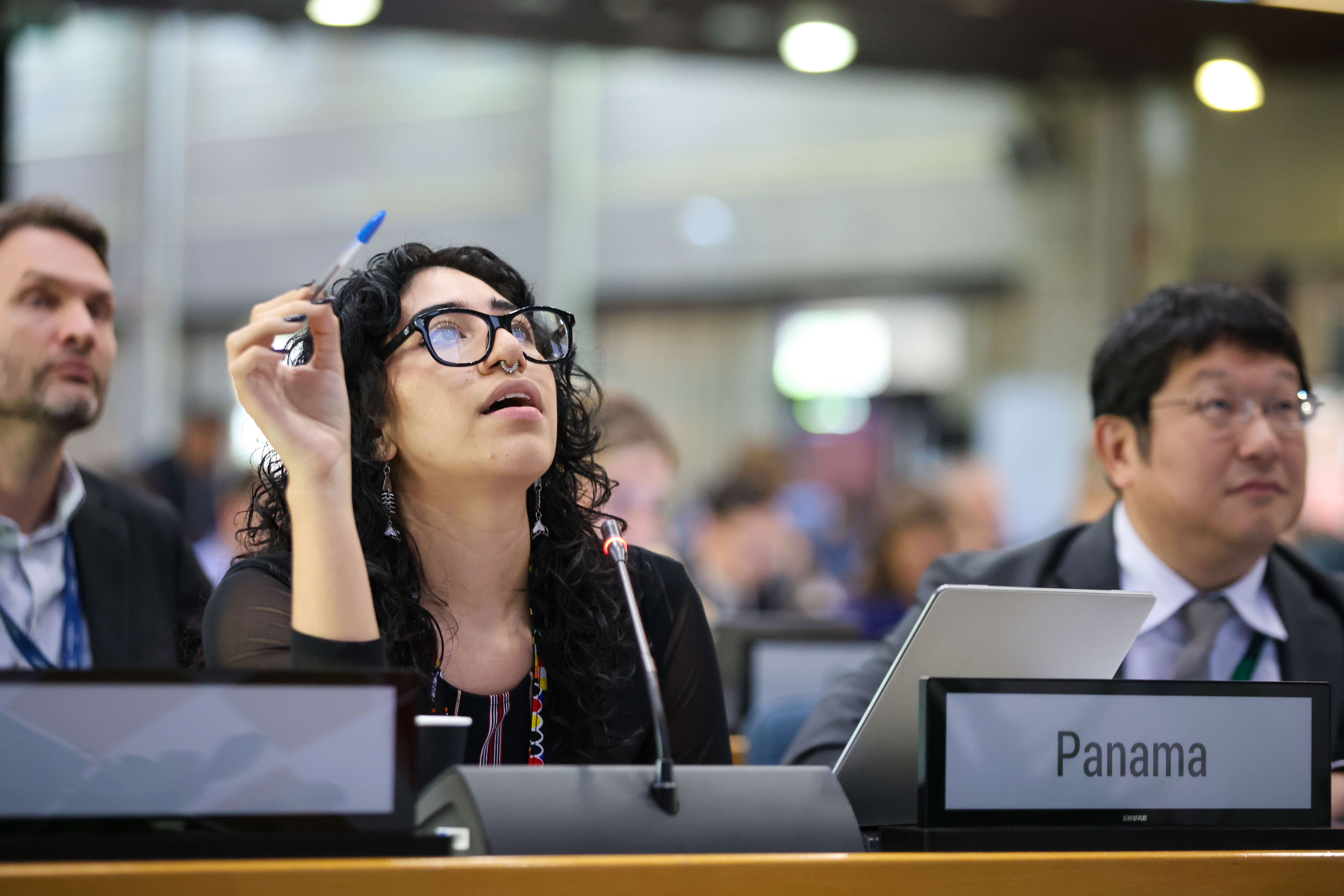
Mari Helena Castillo Mariscal, Panama
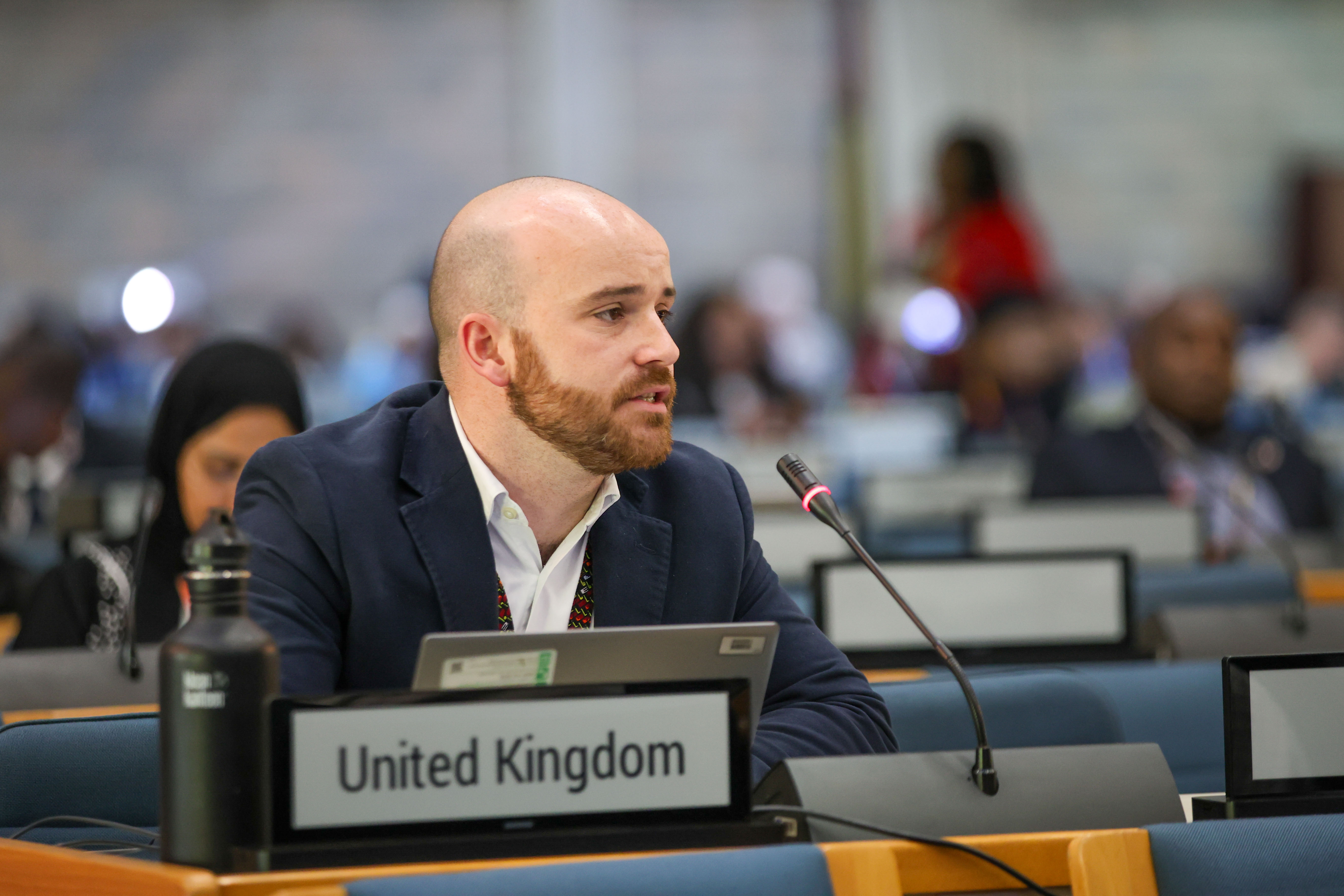
Jack Greenhalgh, UK
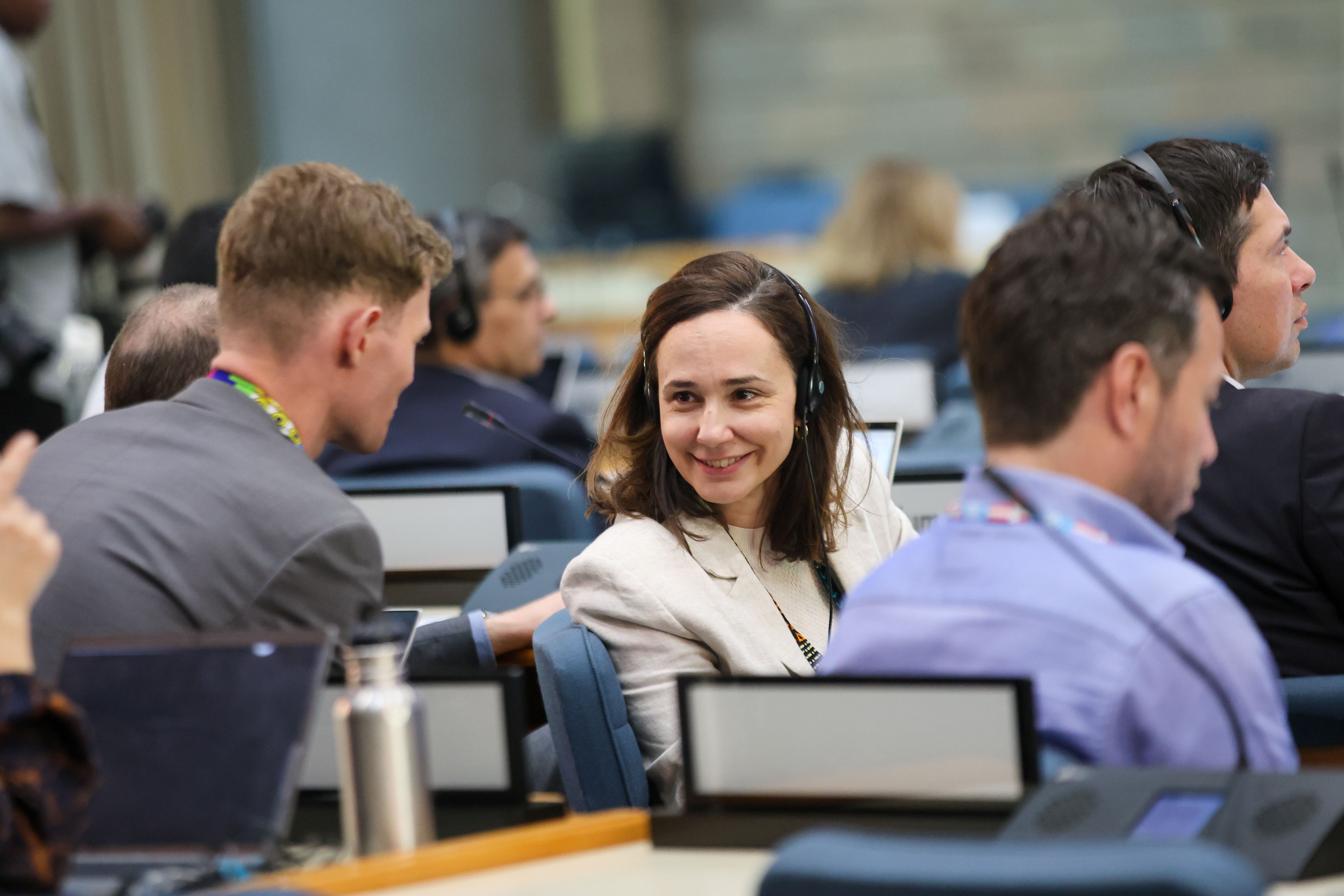
Gordana Topić, EU
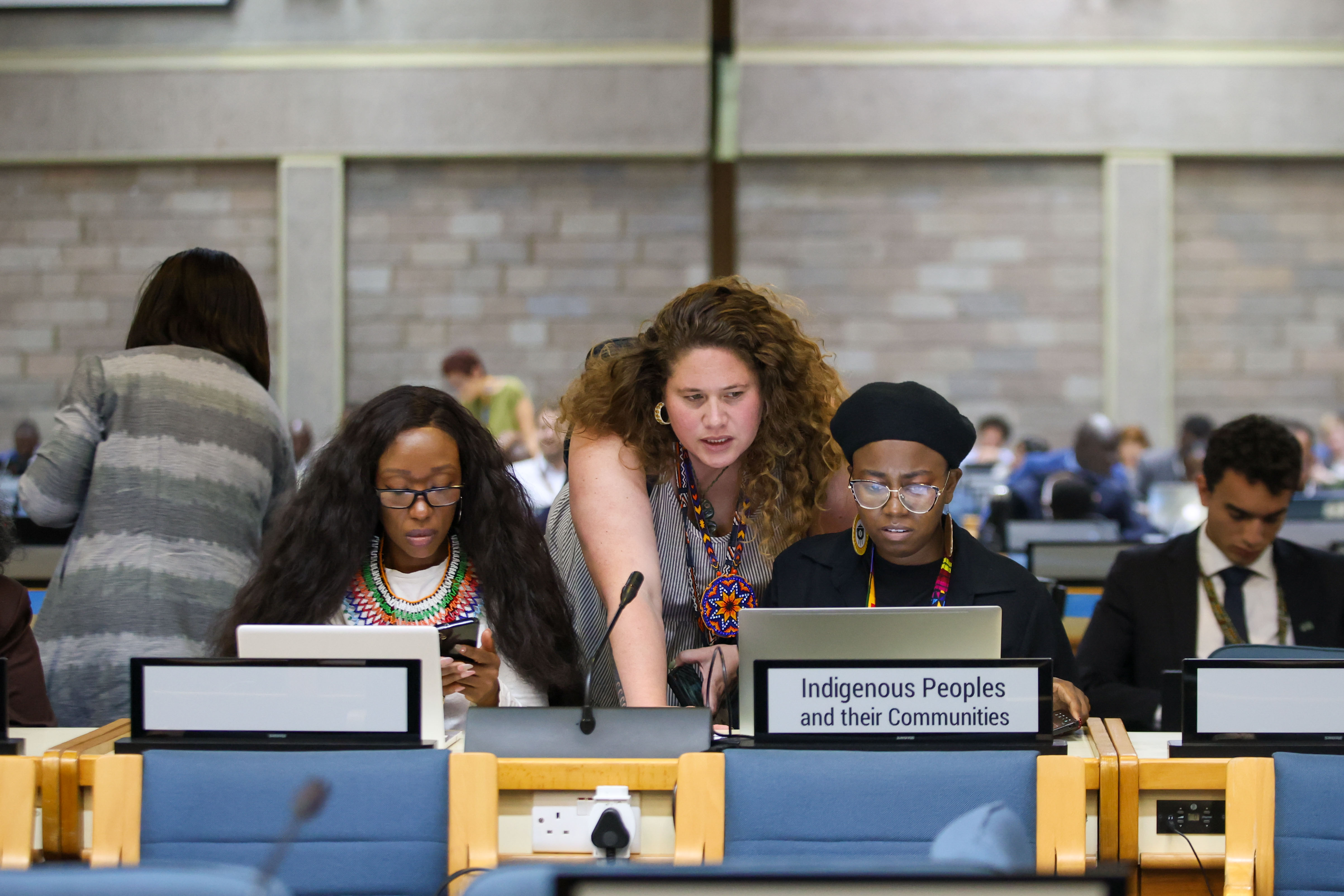
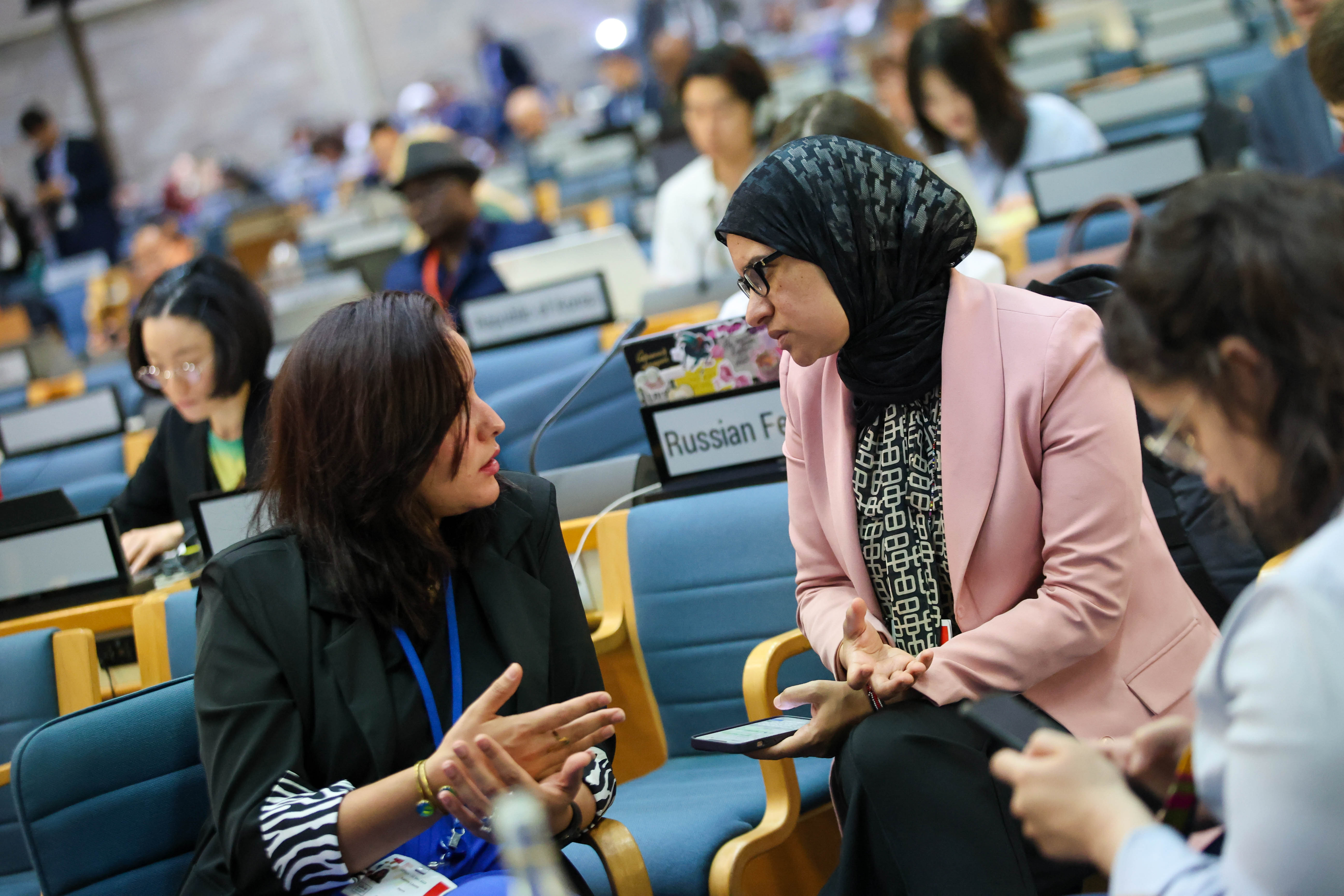
Cluster C on Circular Economy, Chemicals, Waste and Pollution
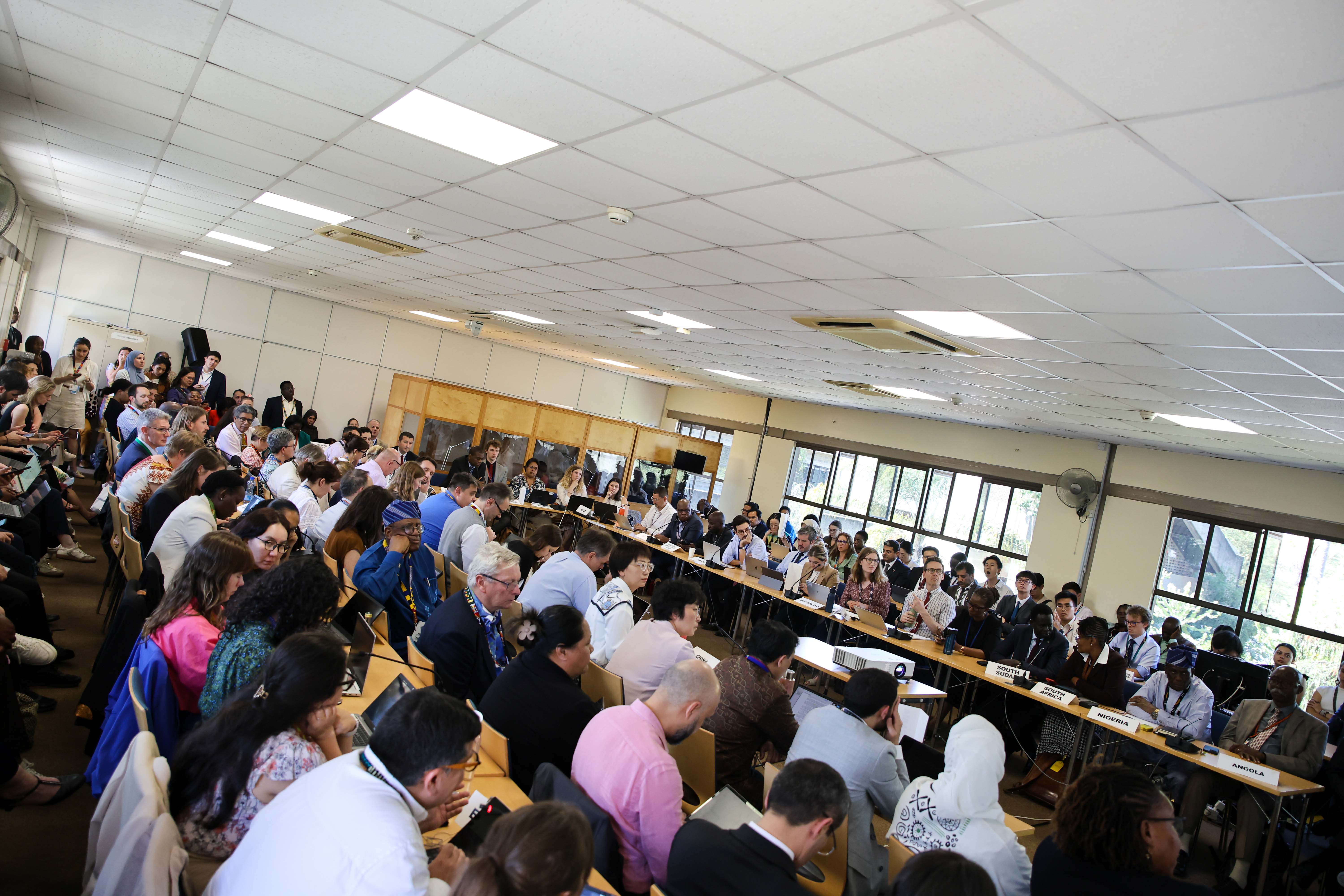
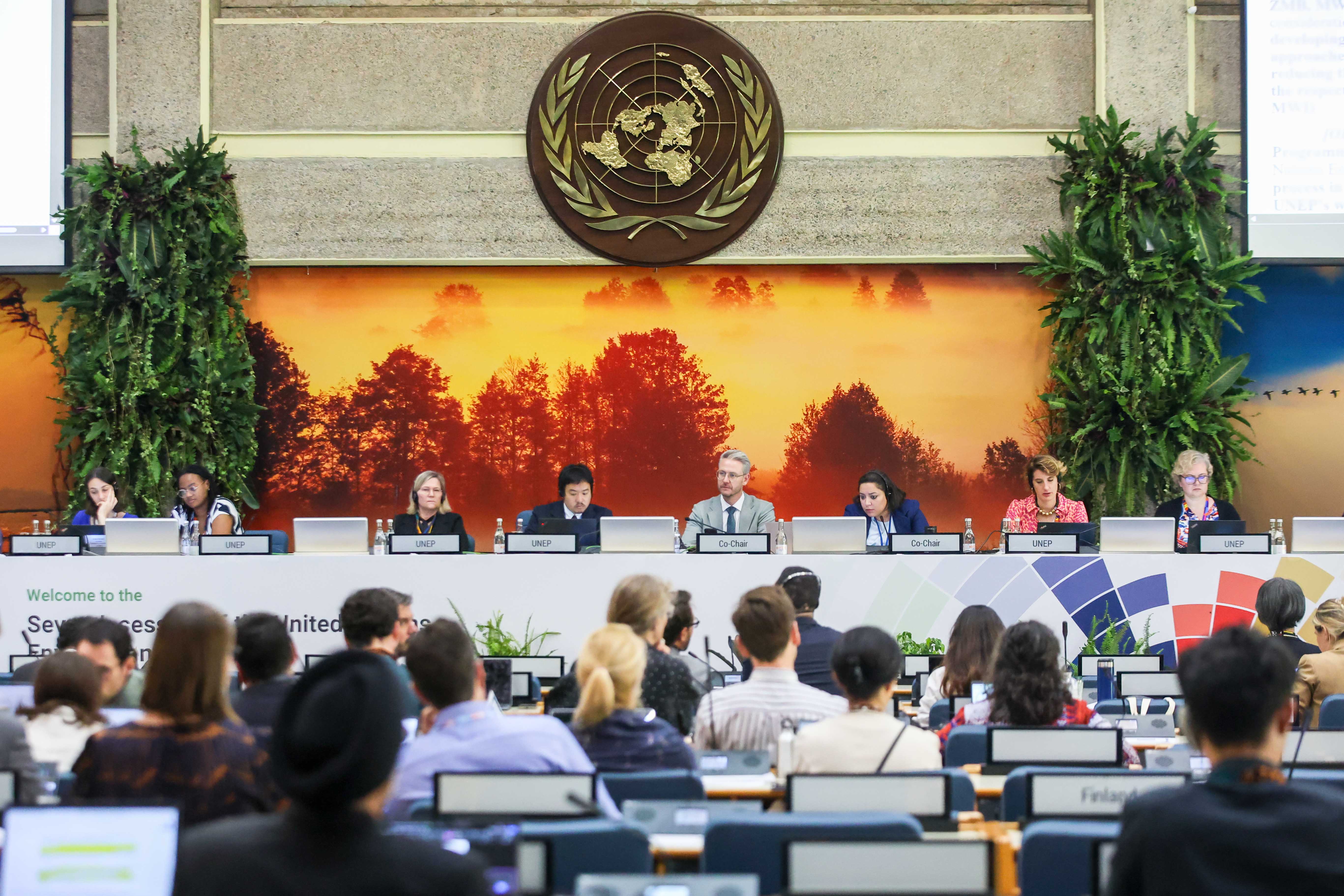
A view of the room
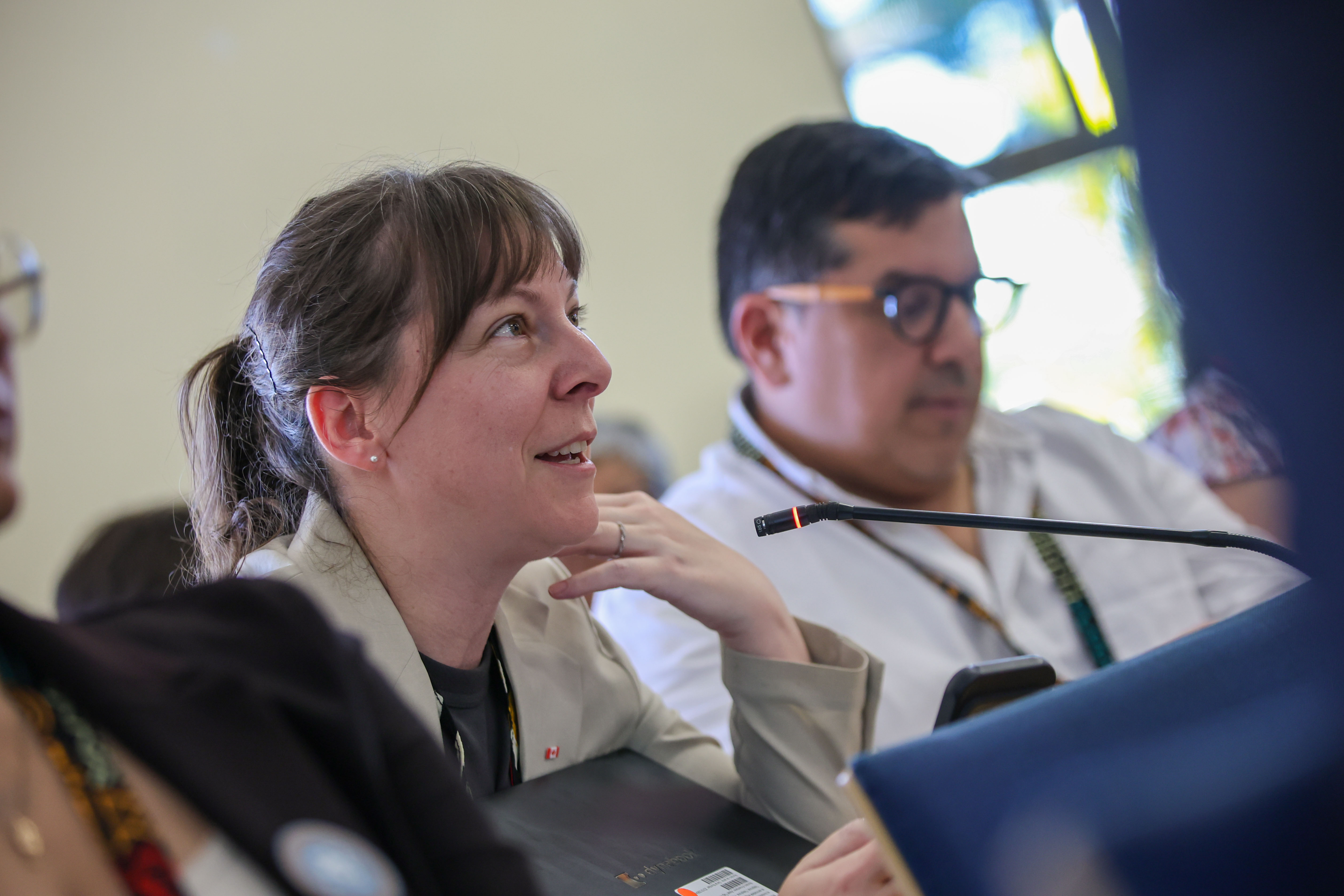
Cythia Bainbridge, Canada
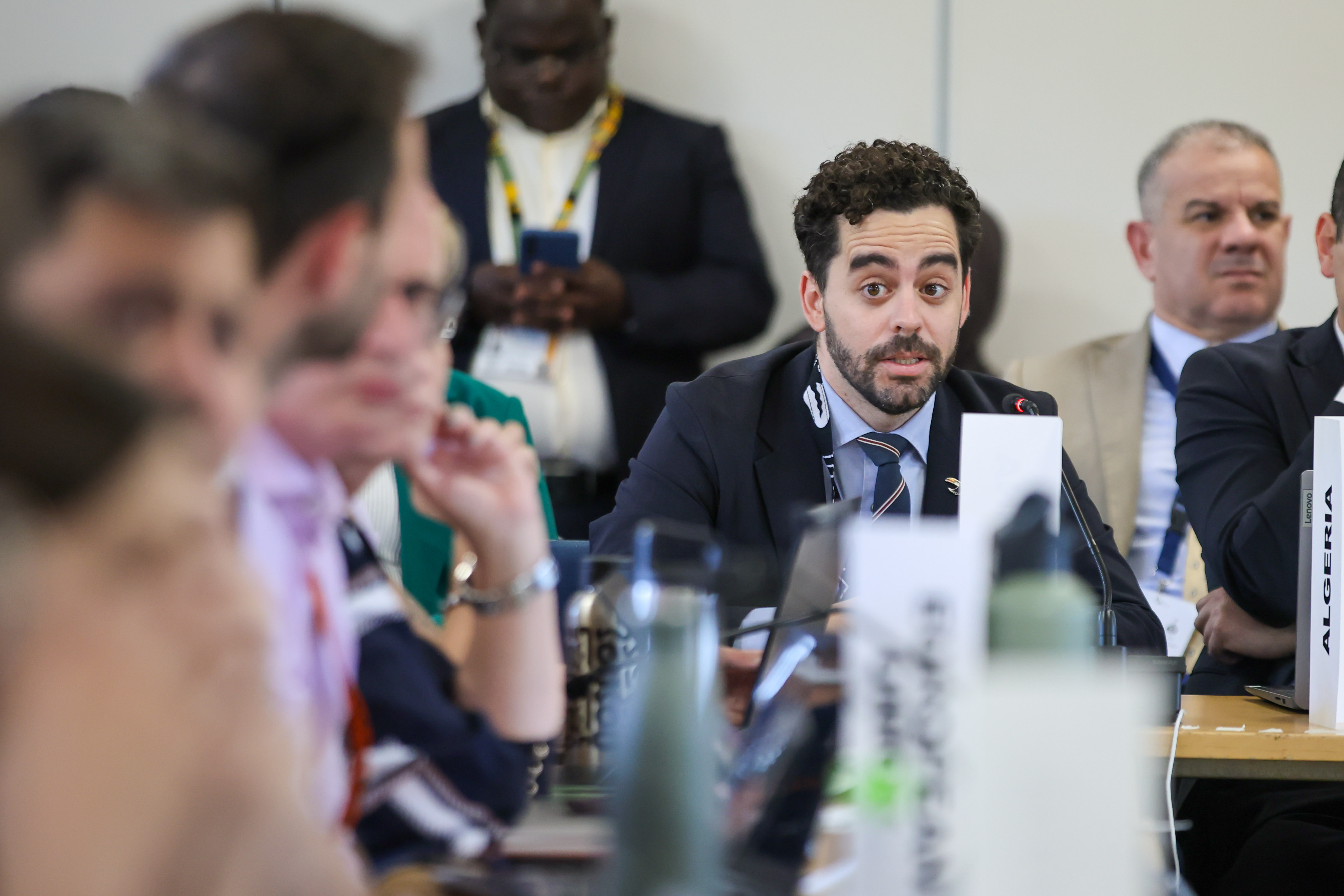
Joaquín Salzberg, Argentina
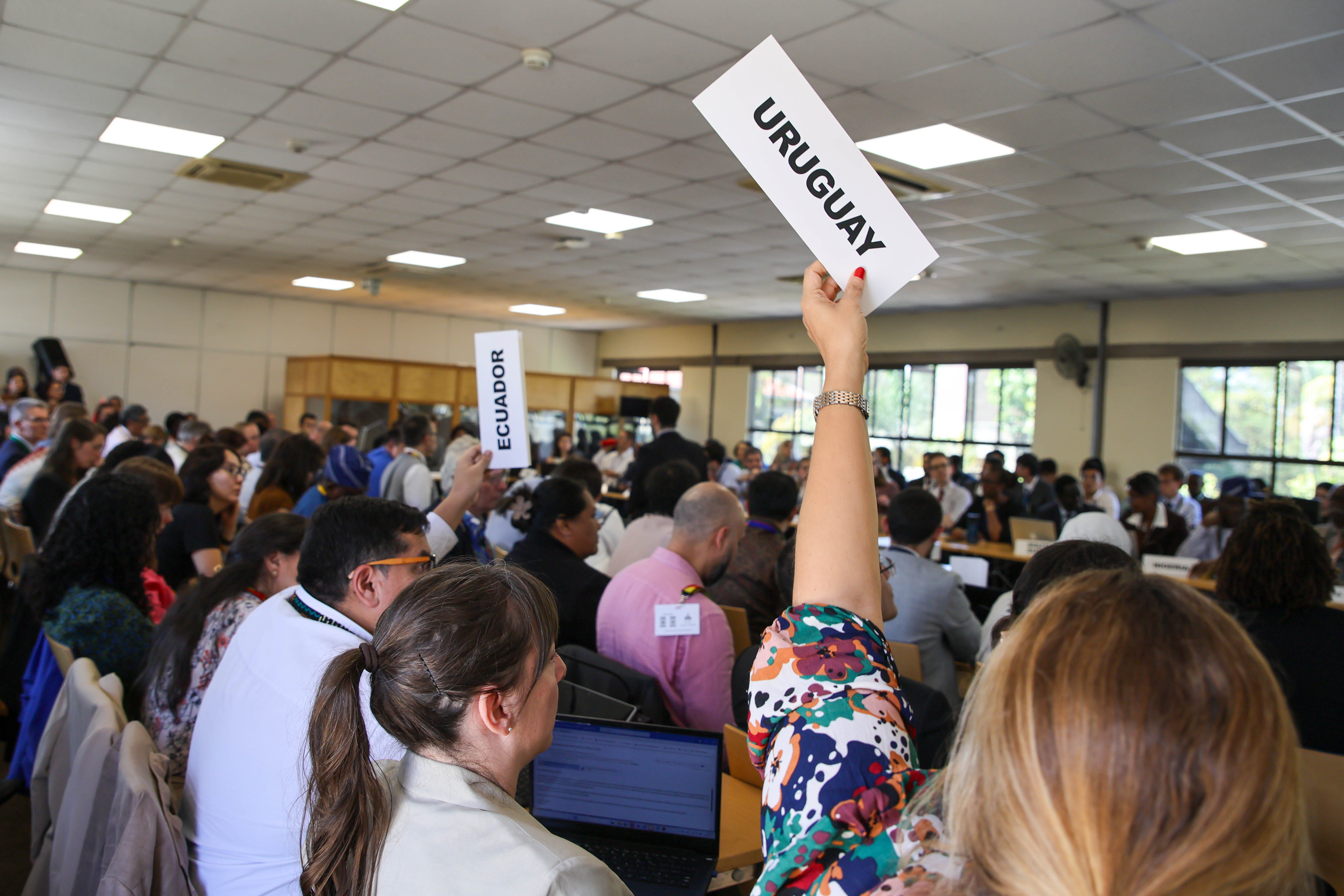
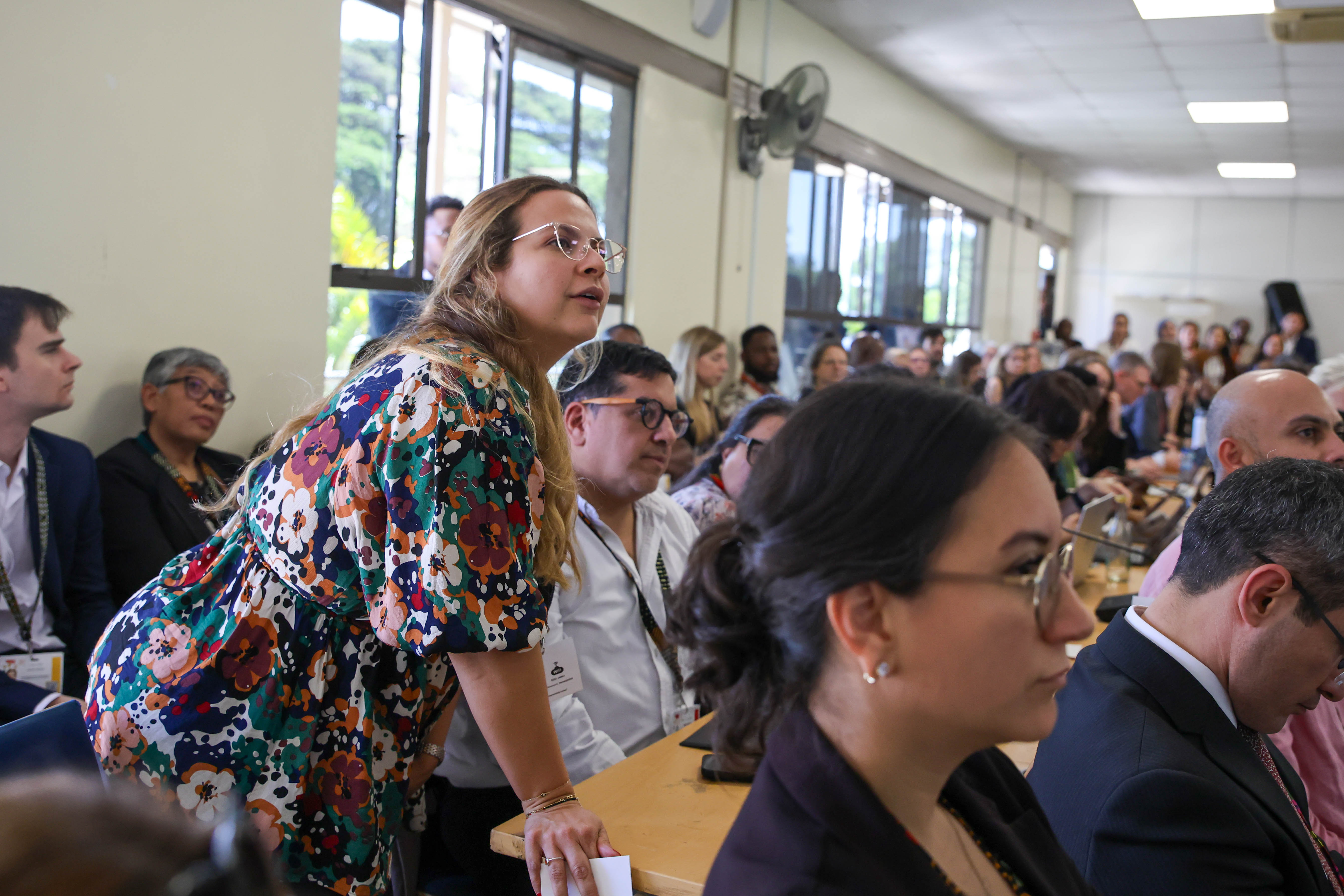
Valentina Sierra Dominguez, Uruguay
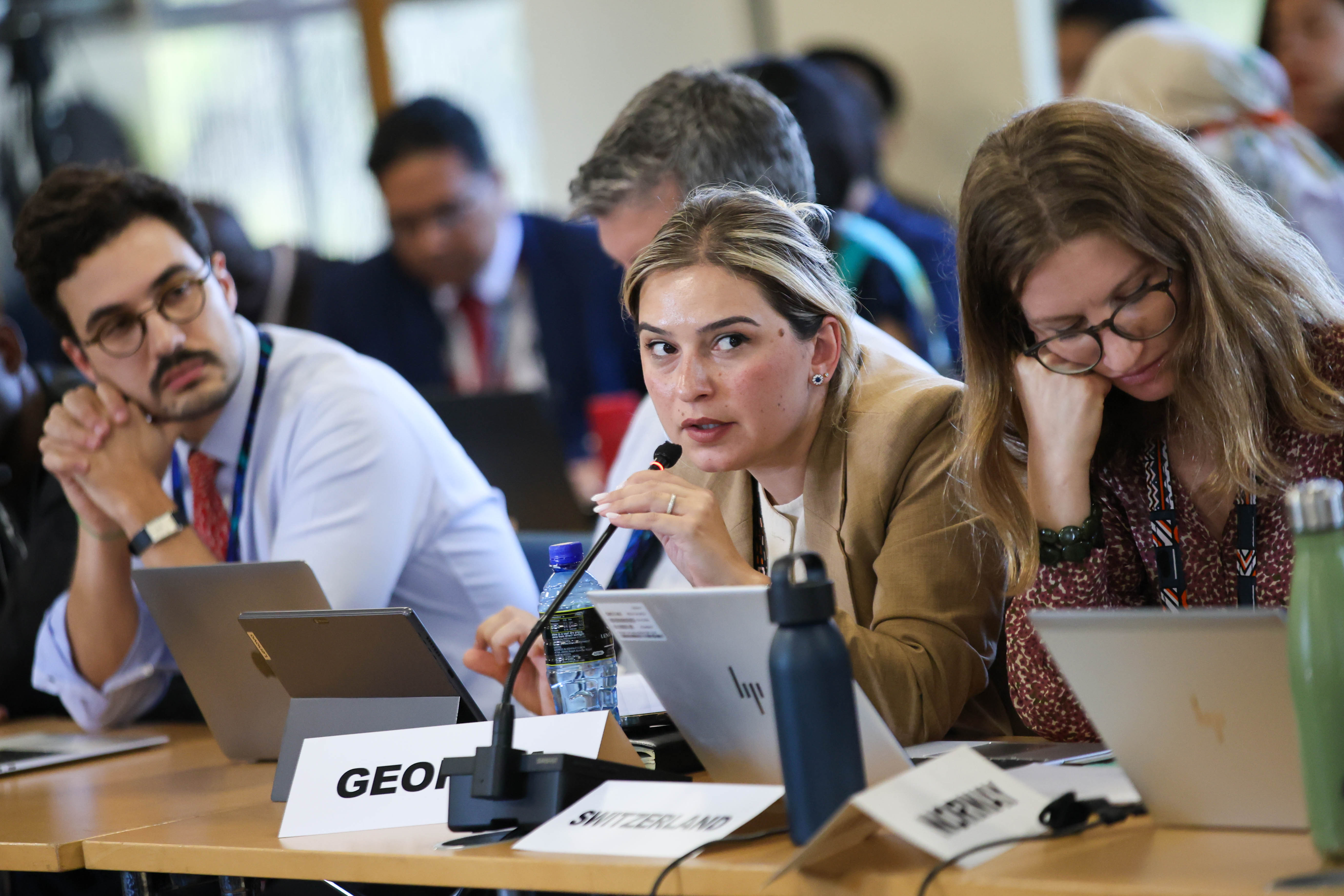
Galina Bitsadze, Georgia
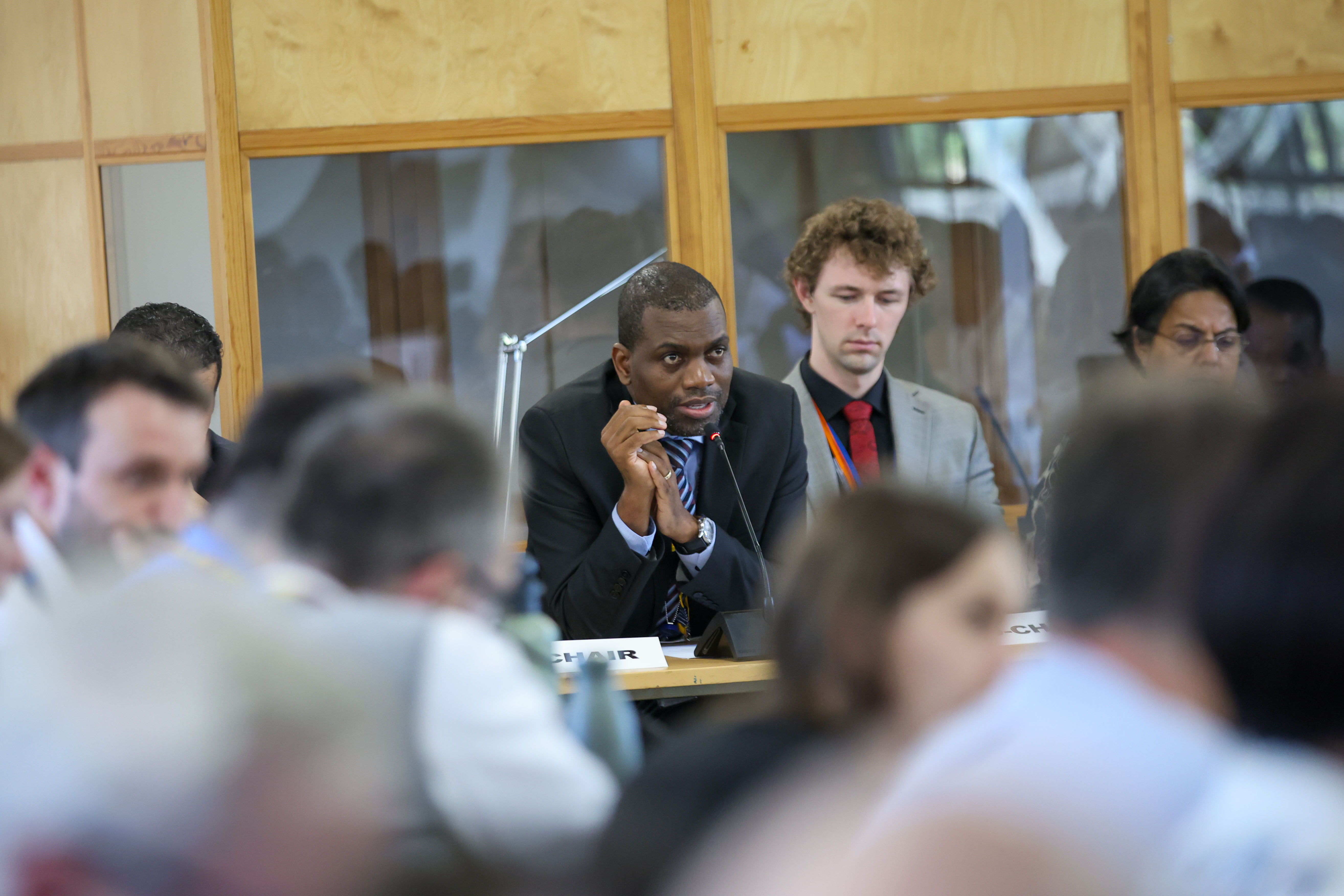
Ontumetse Ontumetse, Botswana, Co-Chair of Cluster C
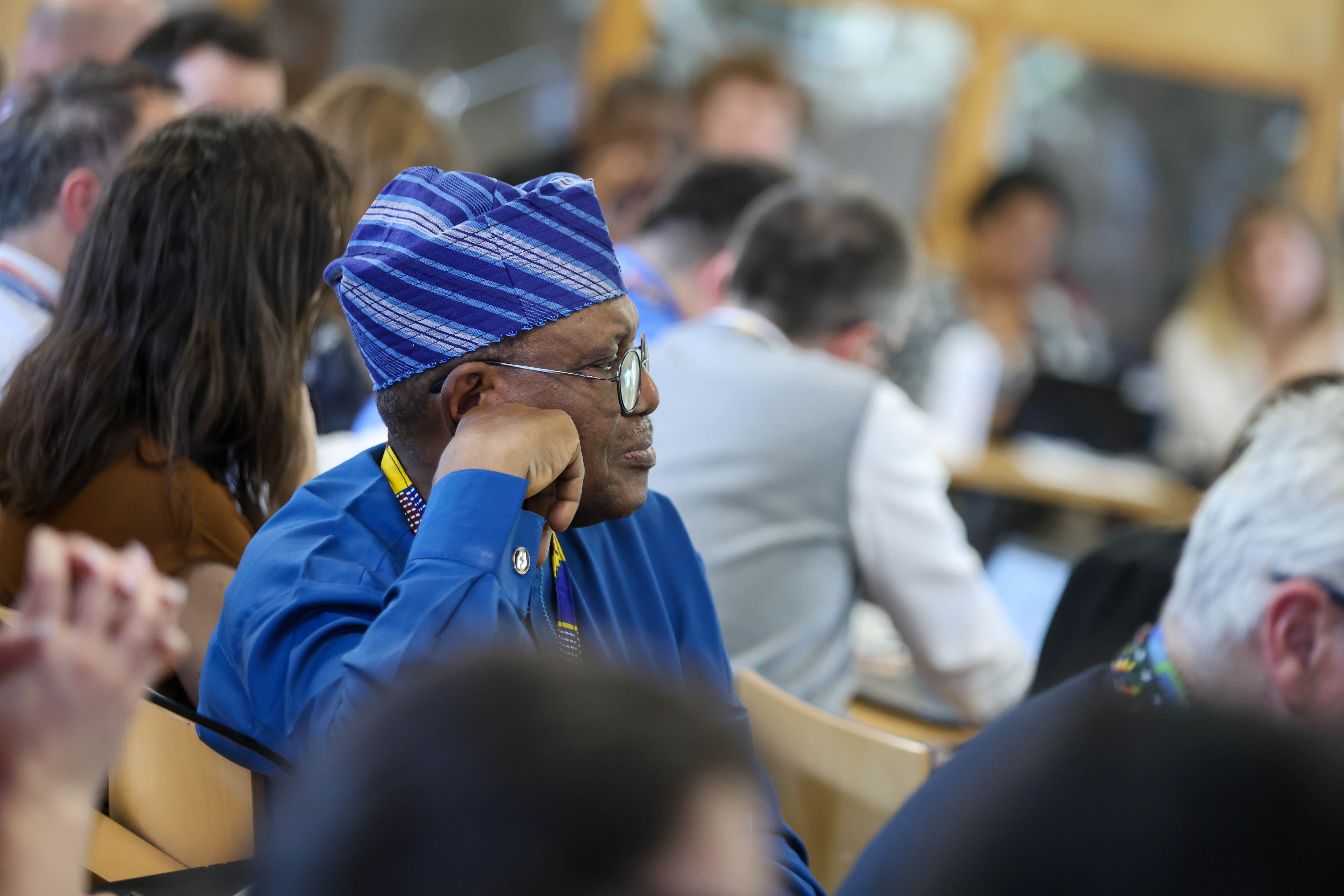
Babajide Alo, Nigeria
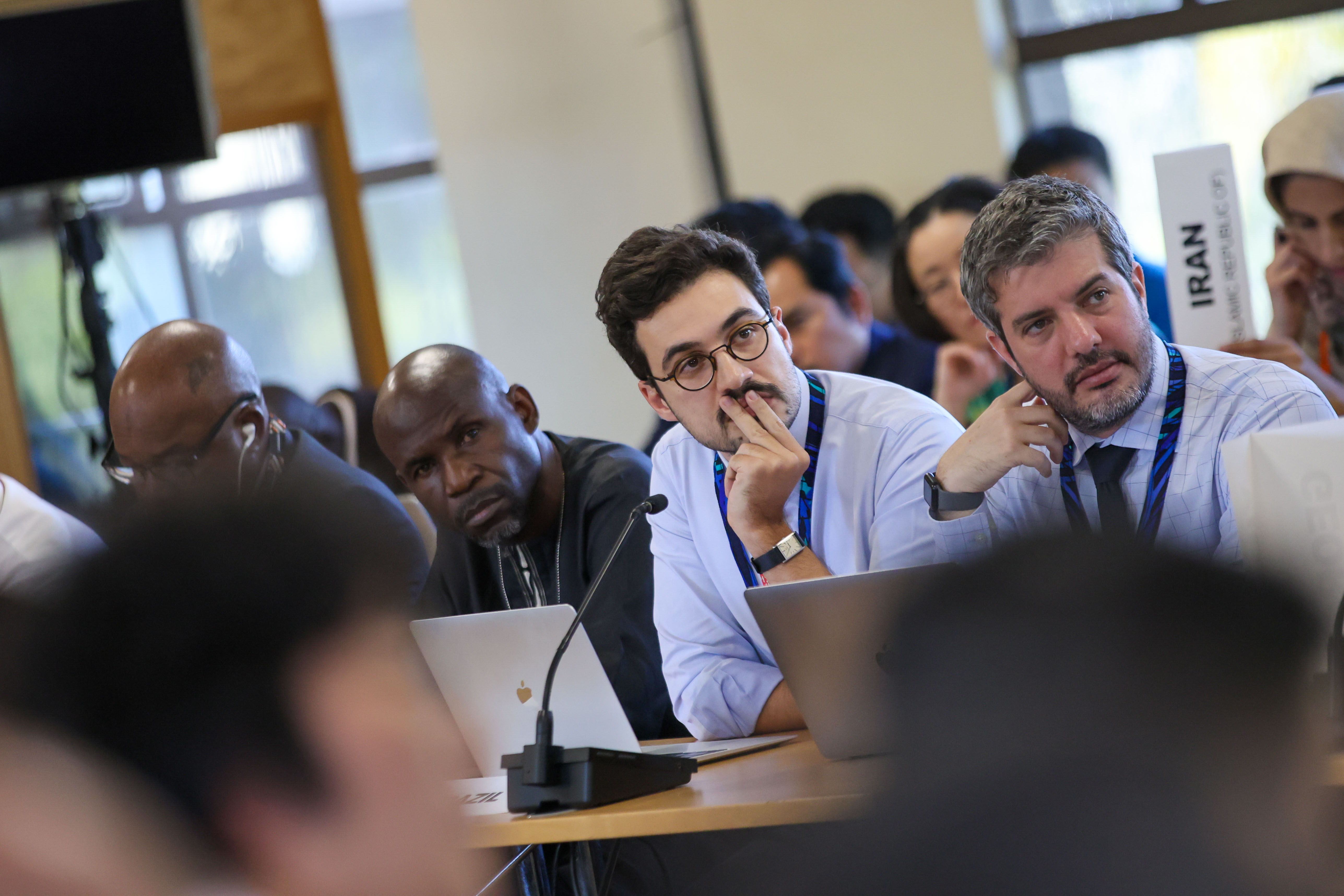
Gabriel Joaquim, Brazil
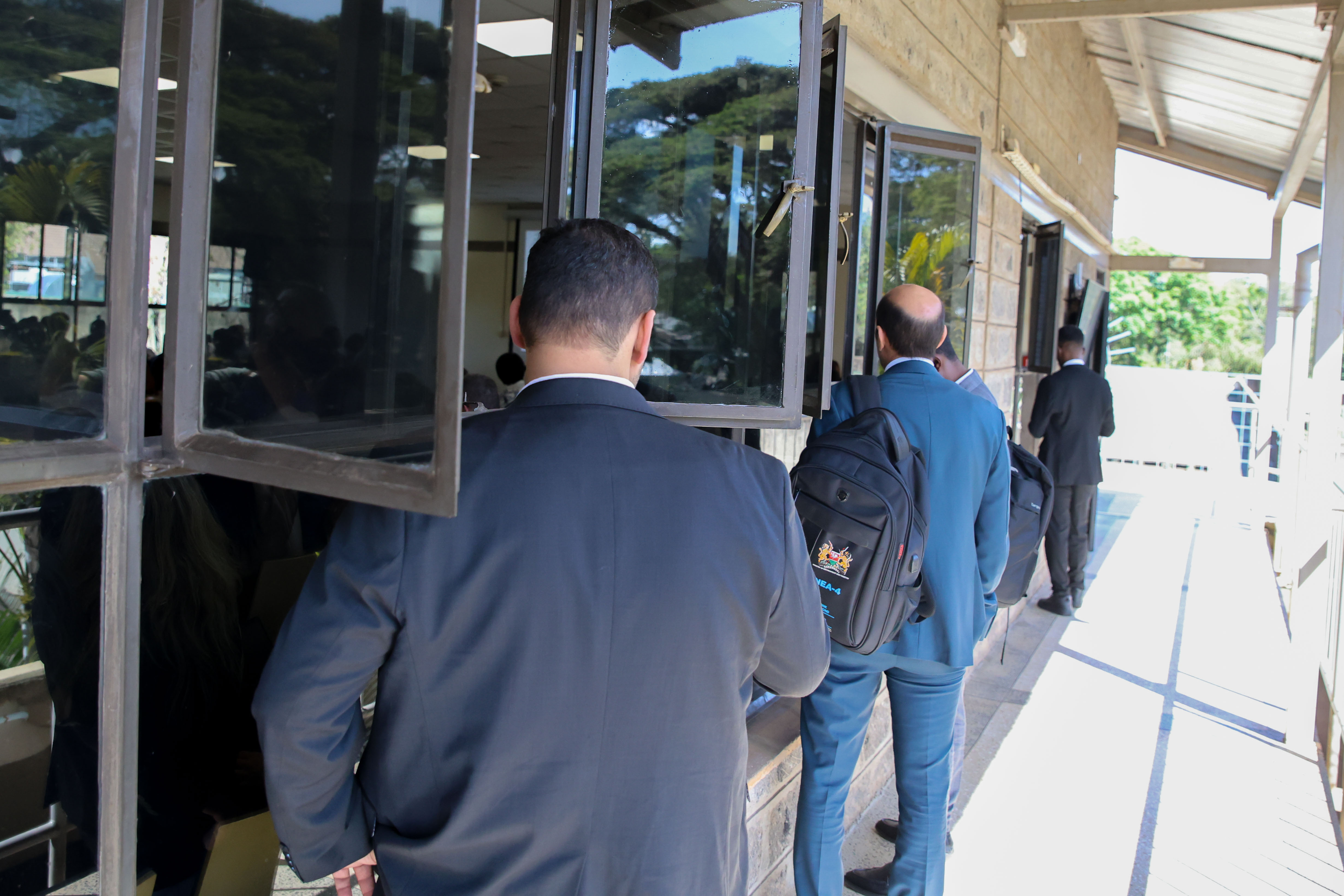
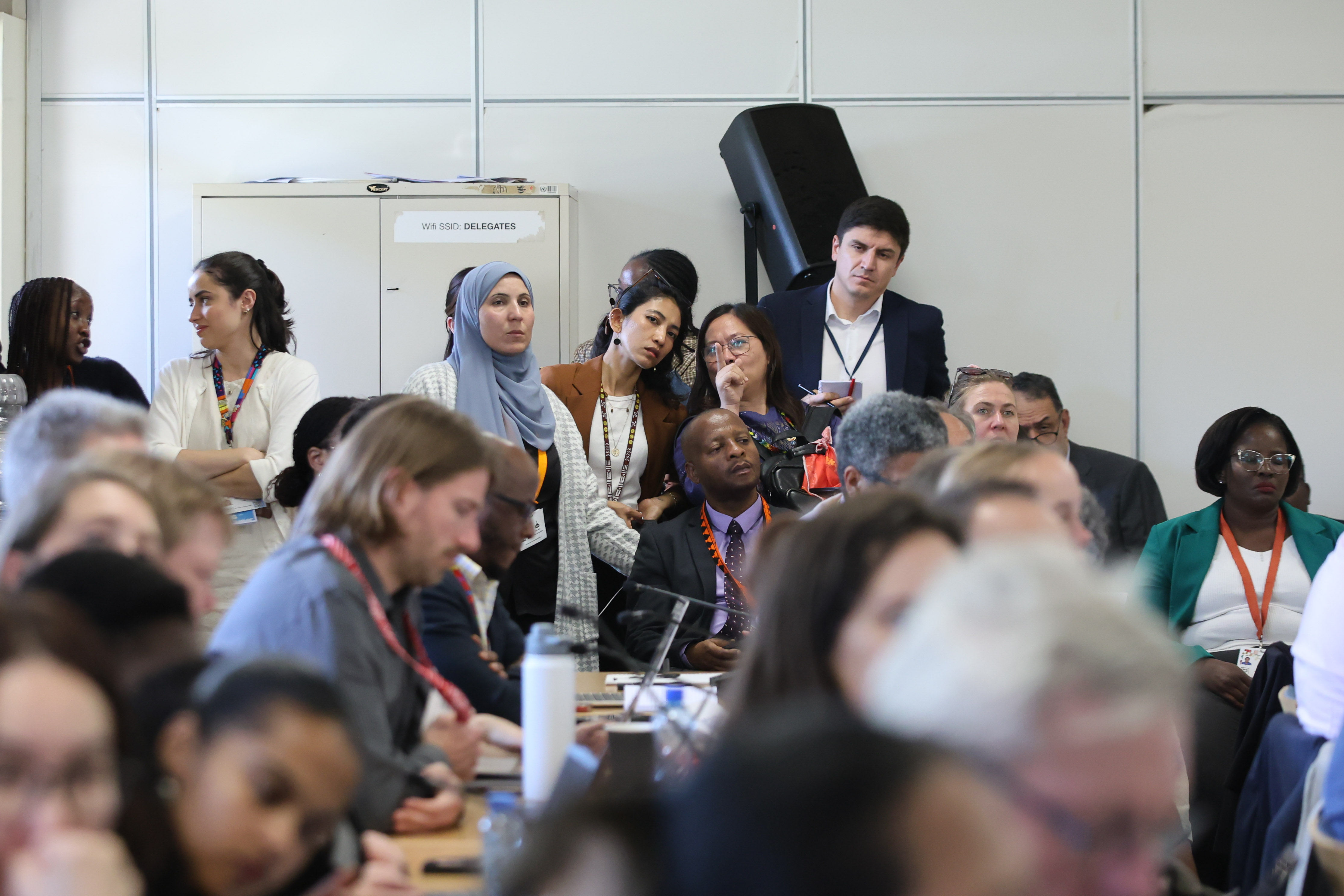
Delegates follow the discussions from the windows as the room was full.
Cluster D on Strategic, Budgetary, and Governing Bodies Matters
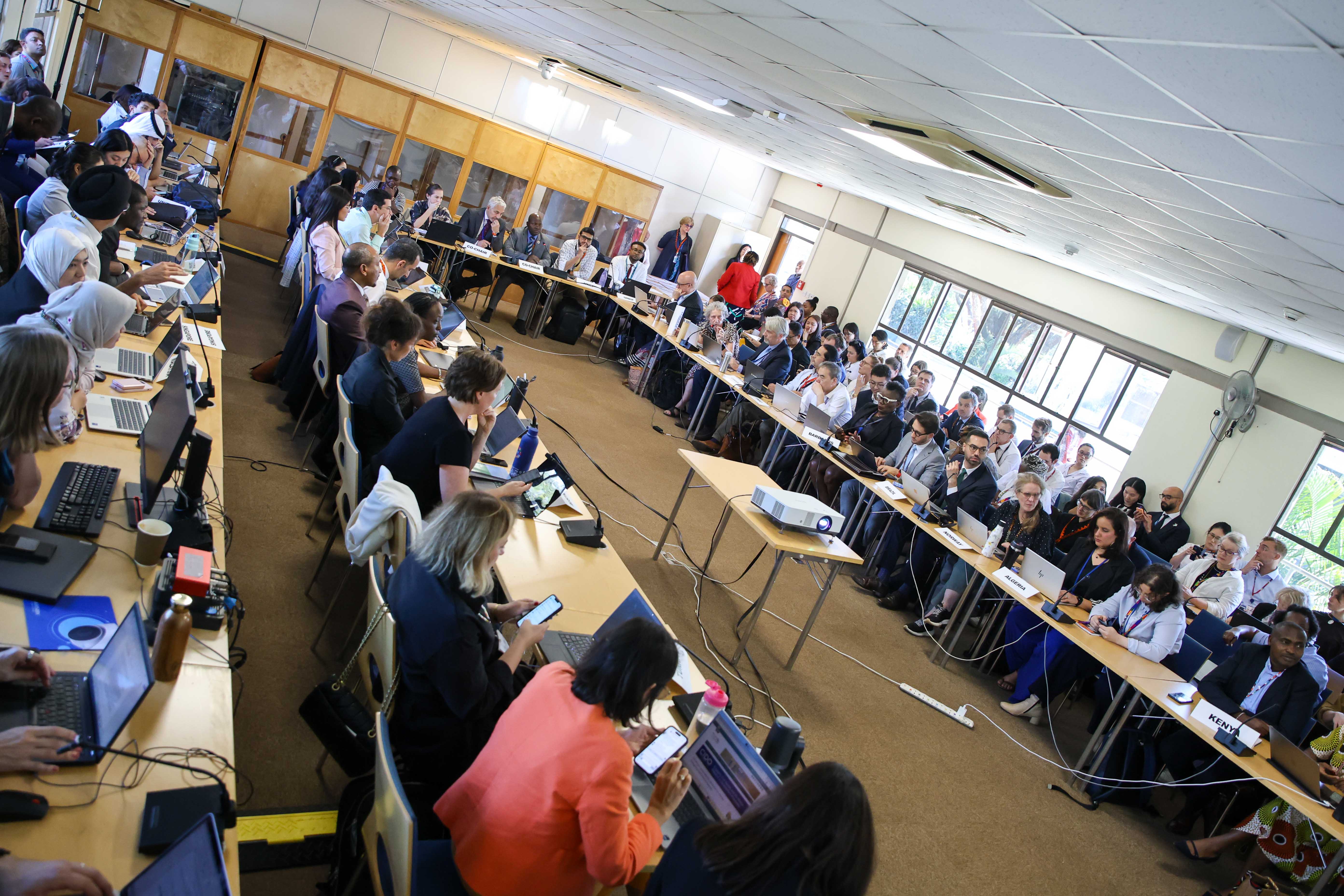
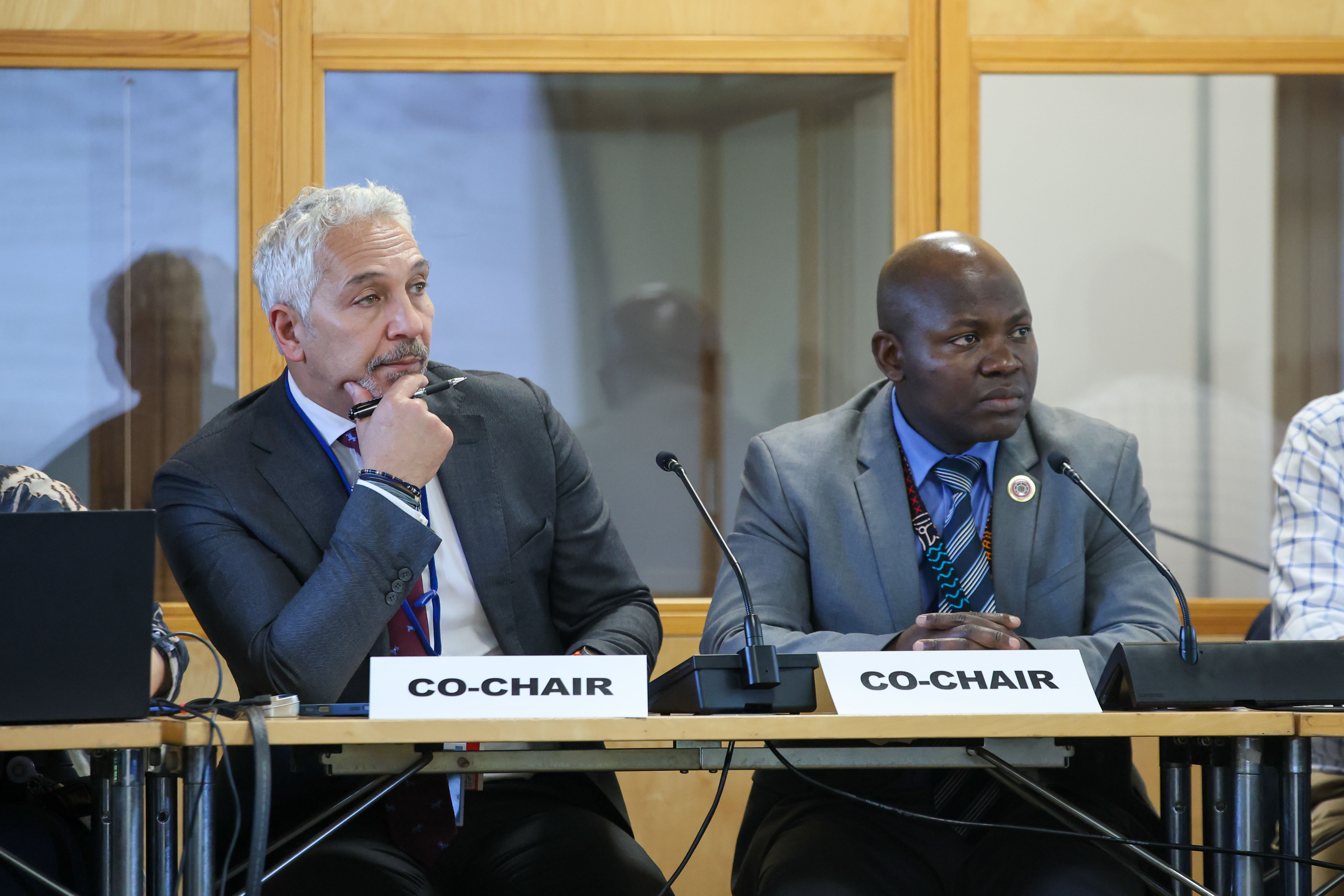
Nader Al-Tarawneh, Jordan, and Tobias Ogweno, Kenya, Co-Chairs of Cluster D
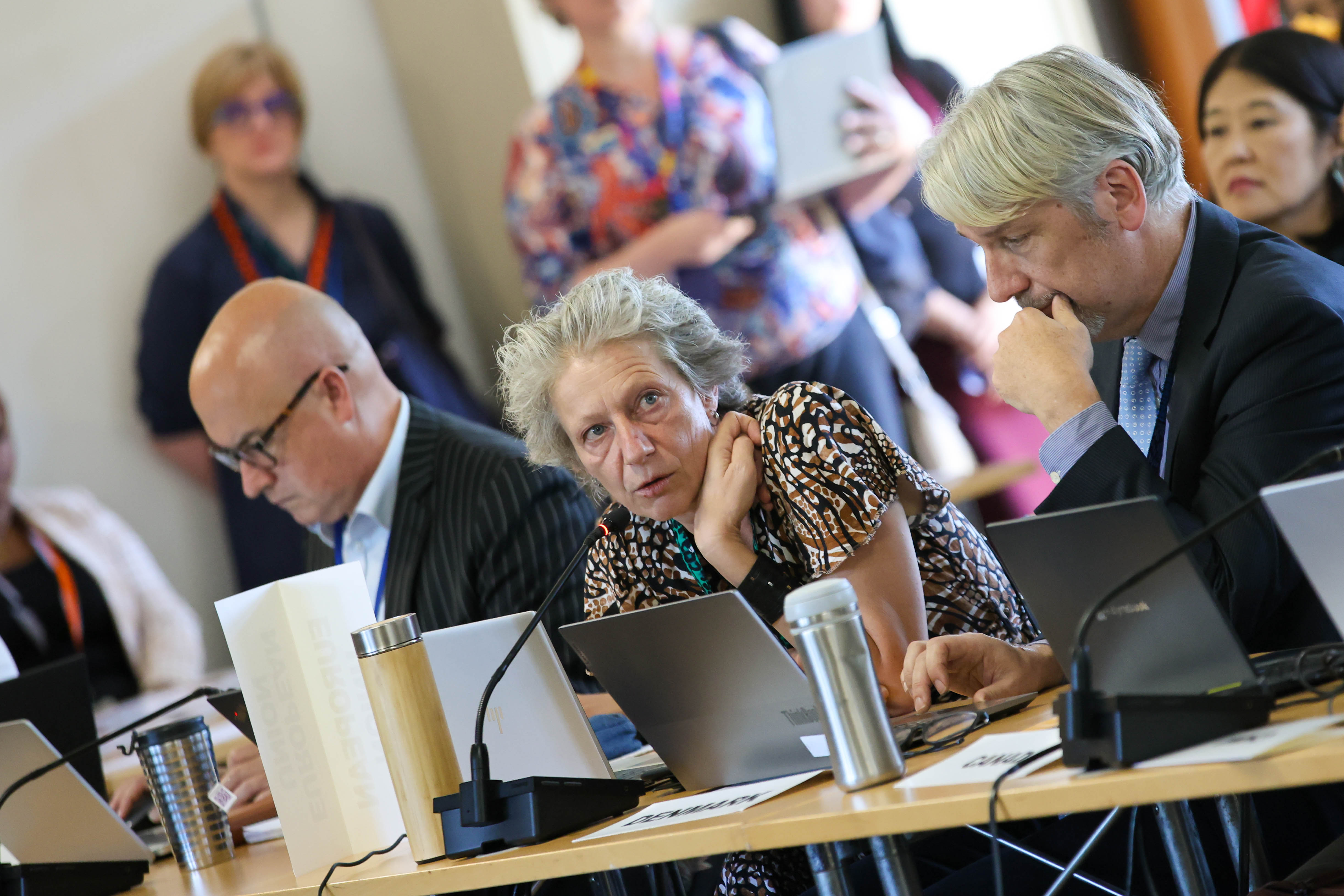
Gudi Alkemade, the Netherlands
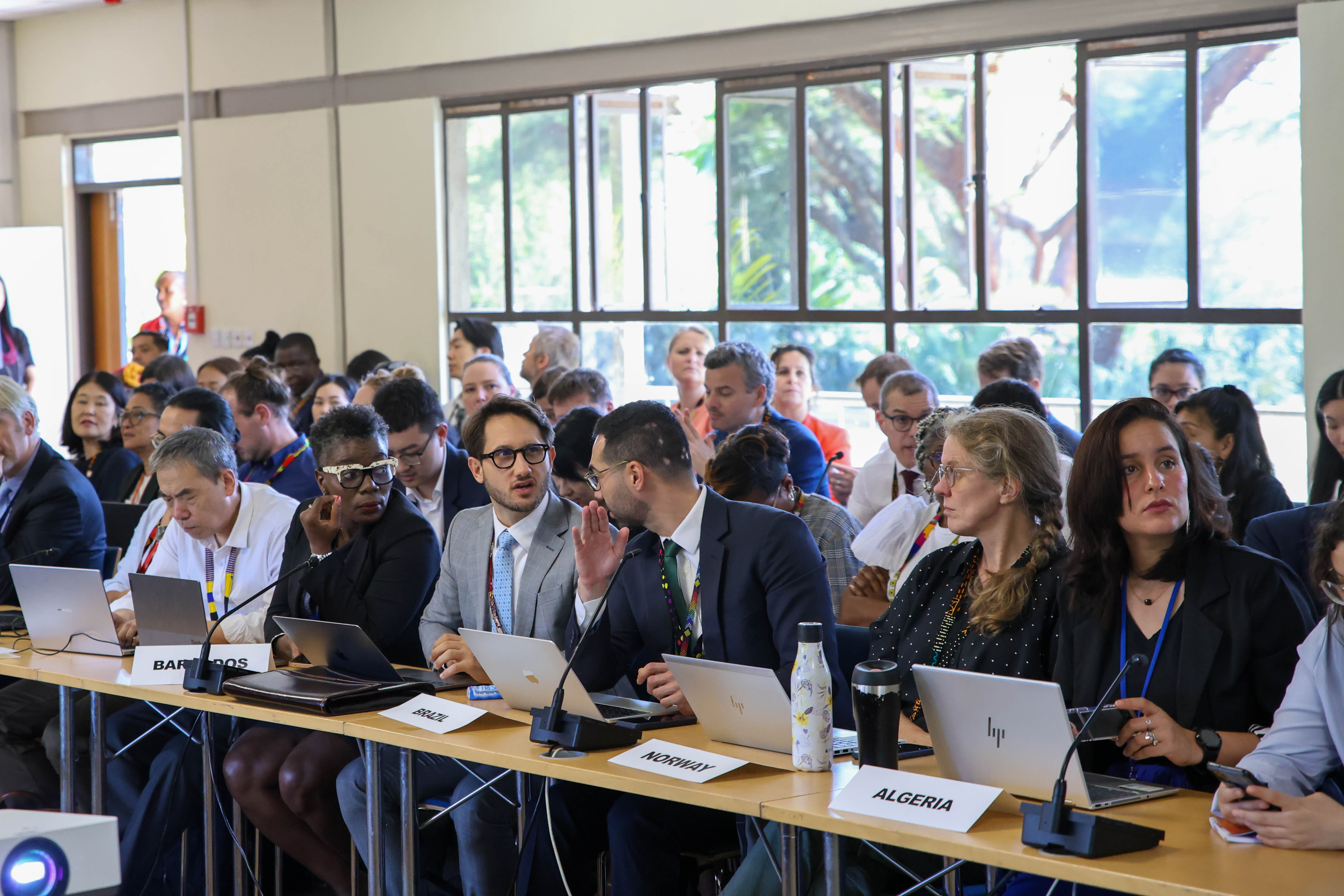
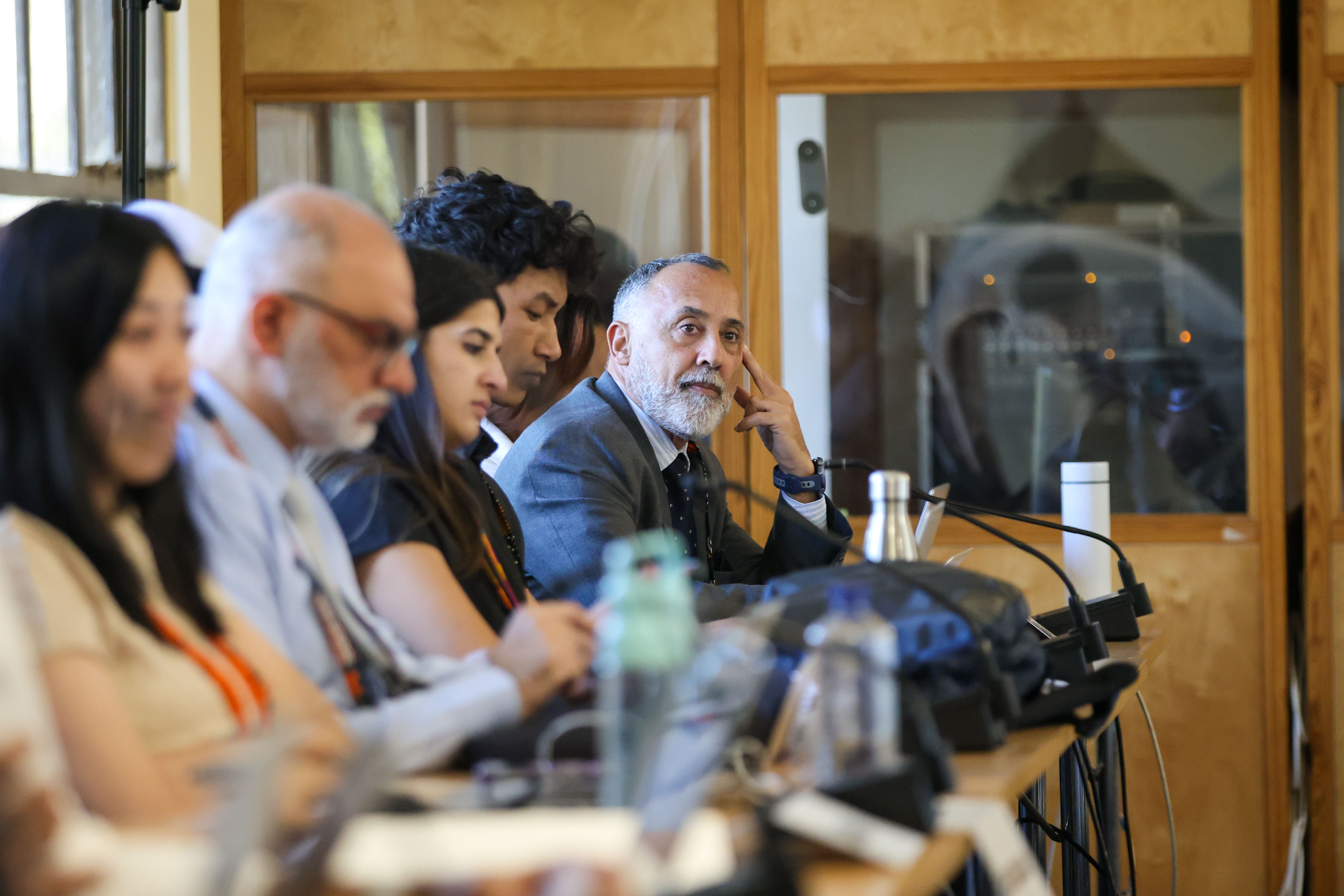
Ricardo Salas Castillo, Venezuela
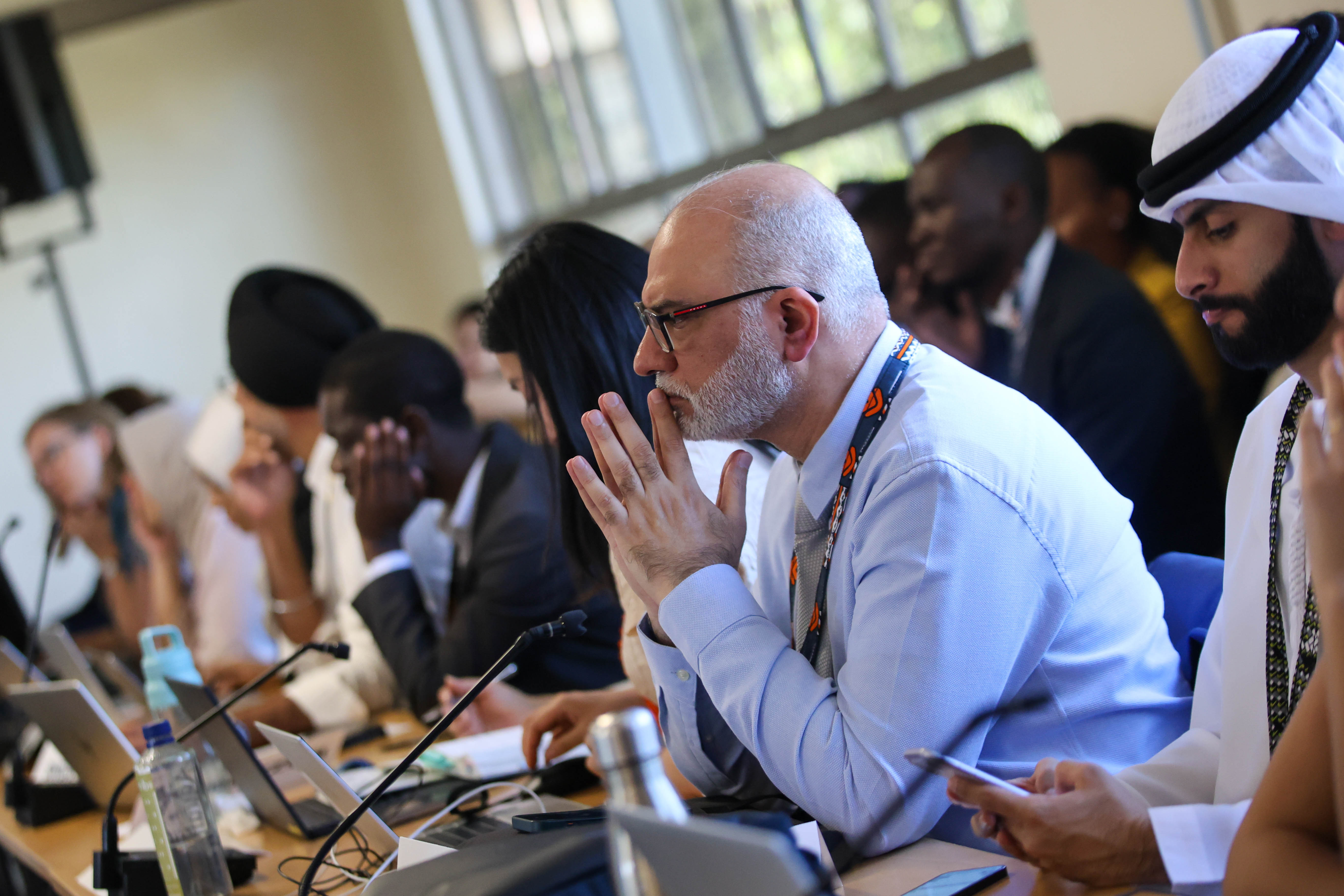
Hassan Qasmi, Qatar
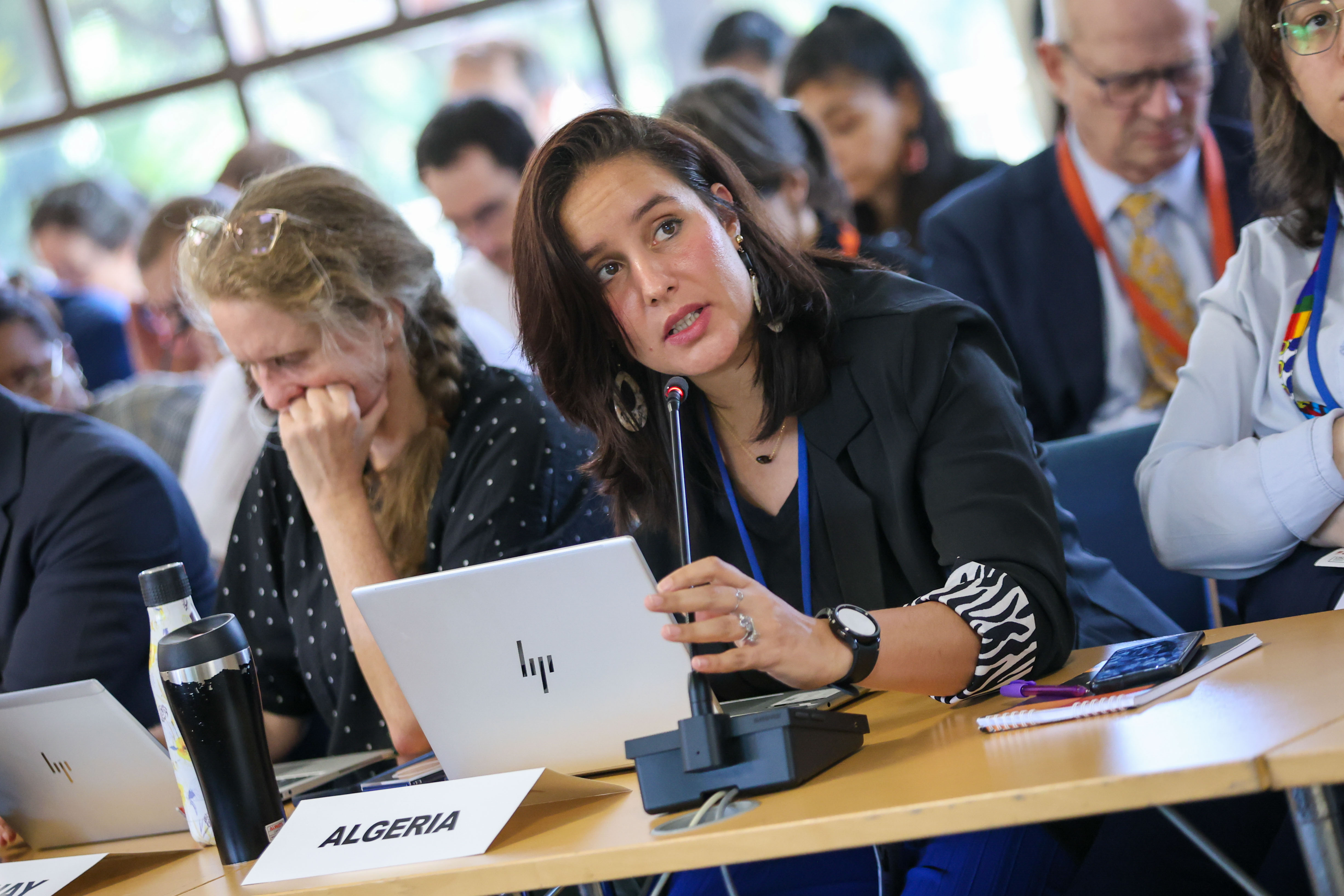
Kahina Lounis, Algeria
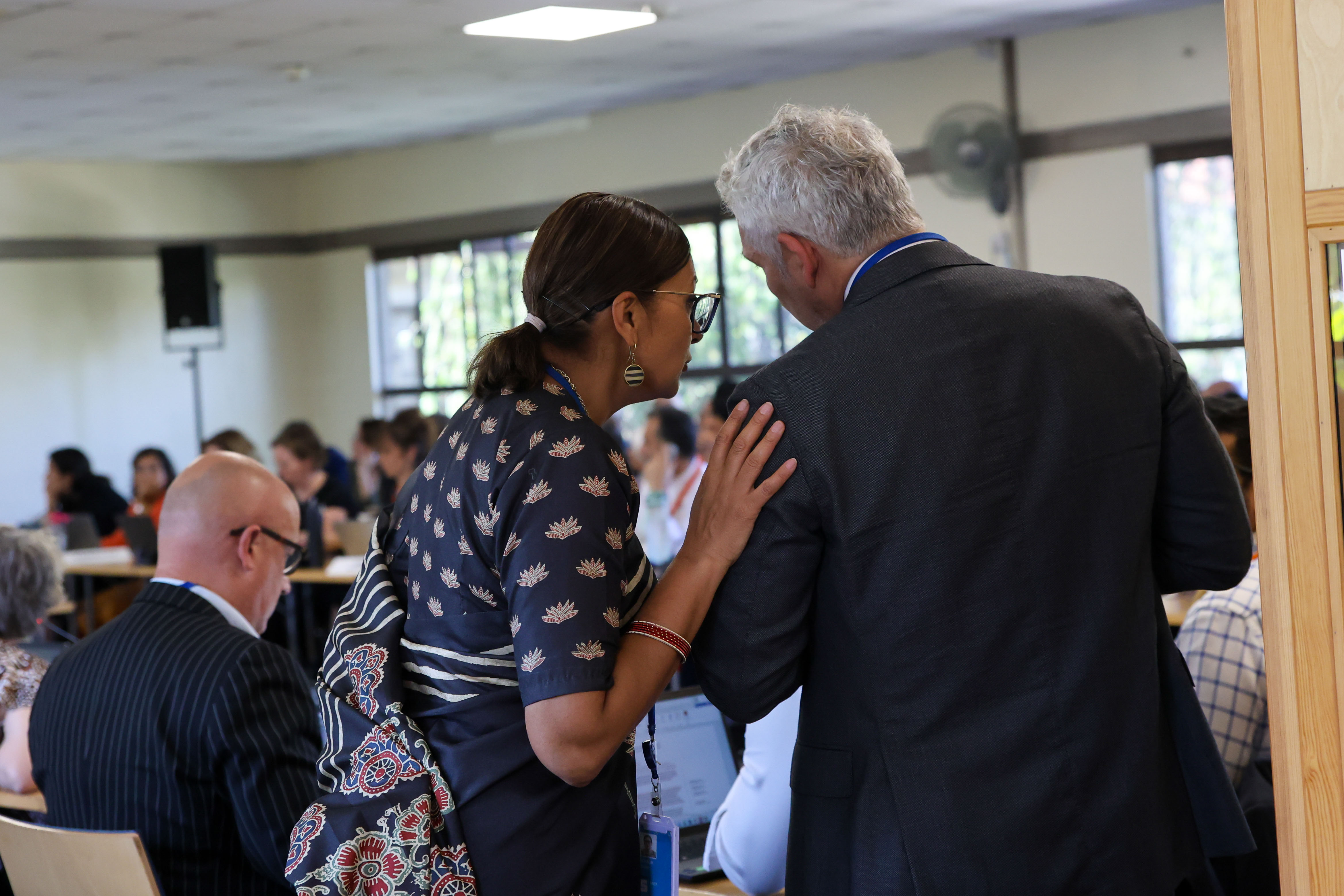
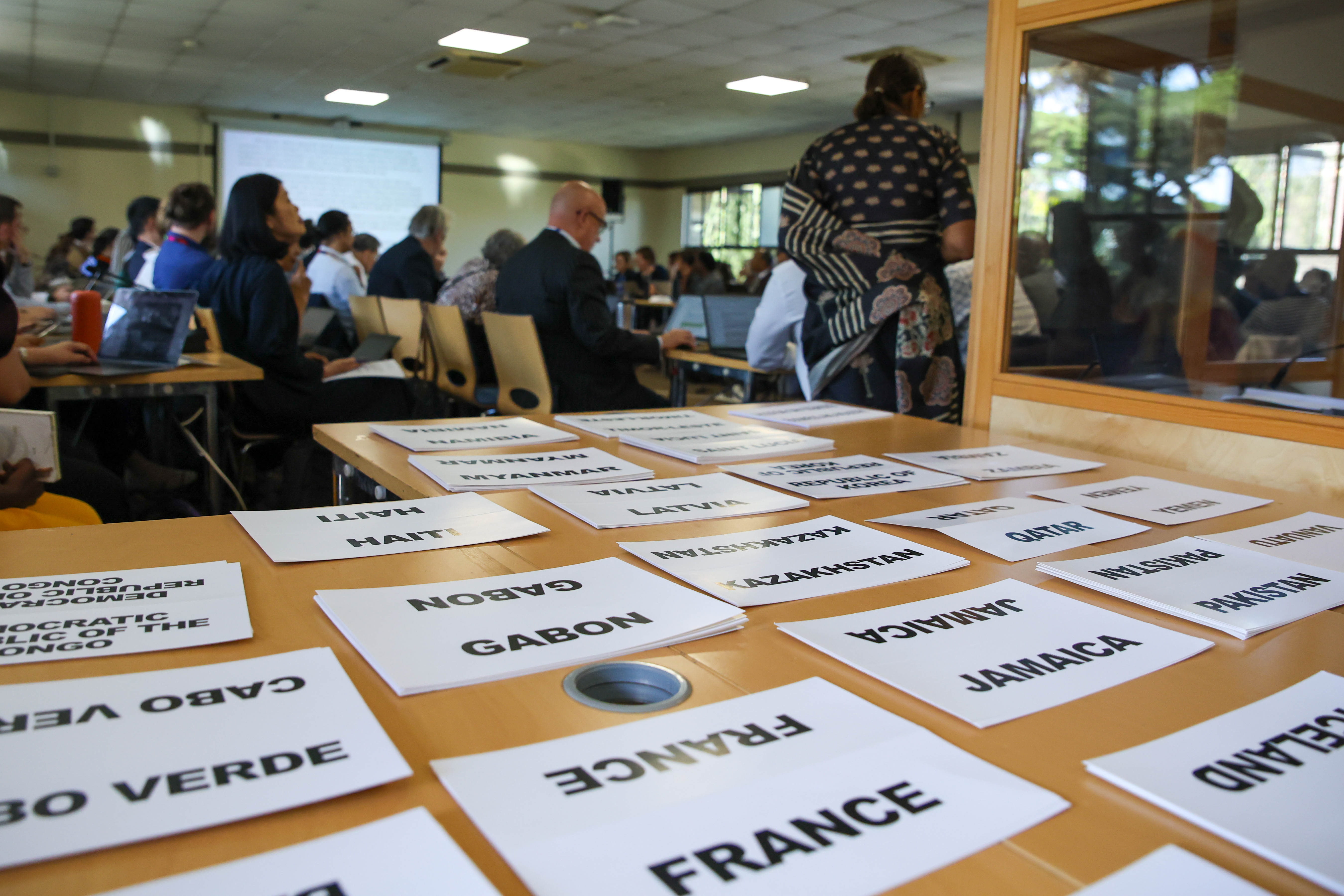
Commitee of the Whole - Stocktaking Plenary
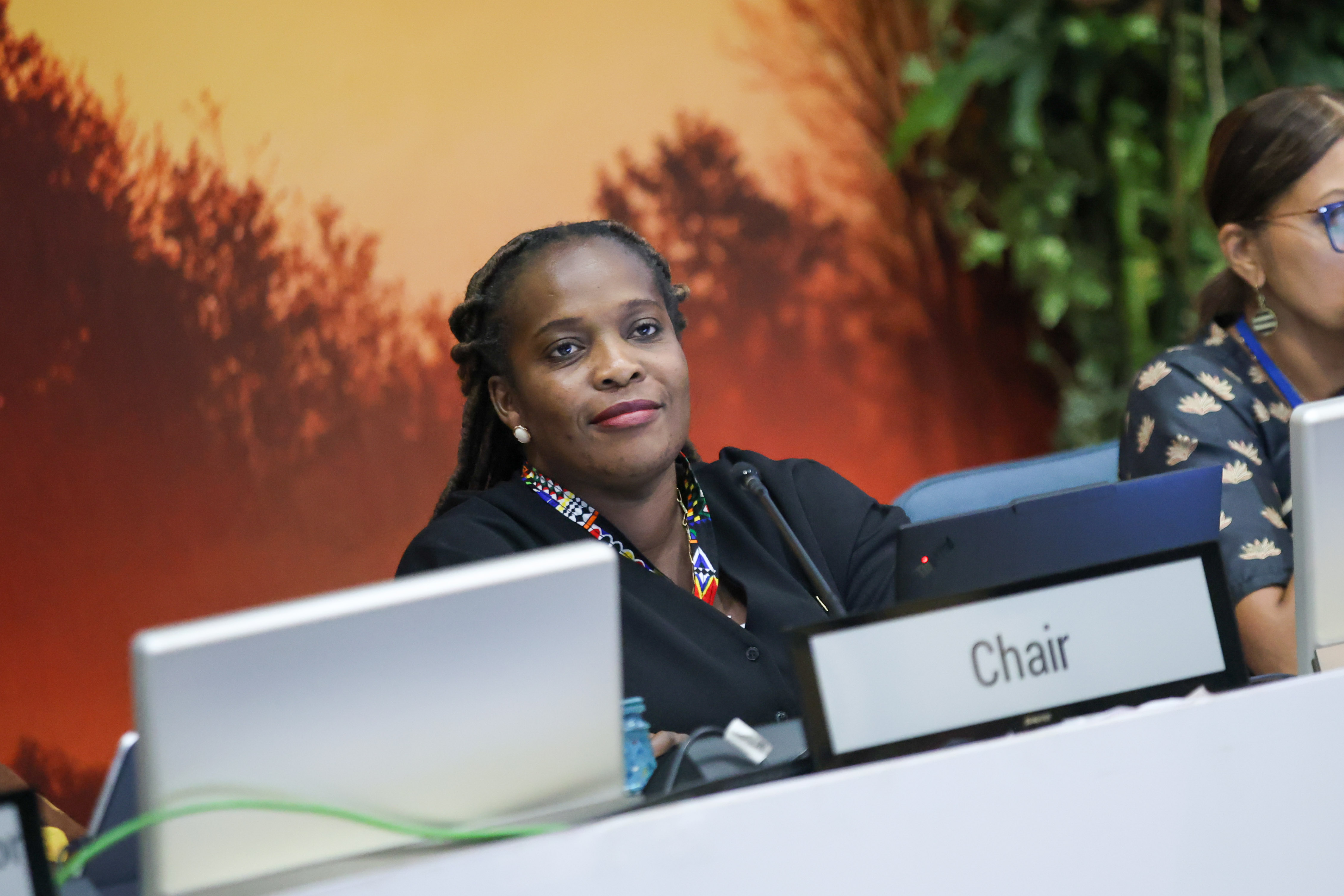
Joyelle Clarke, Chair, Committee of the Whole
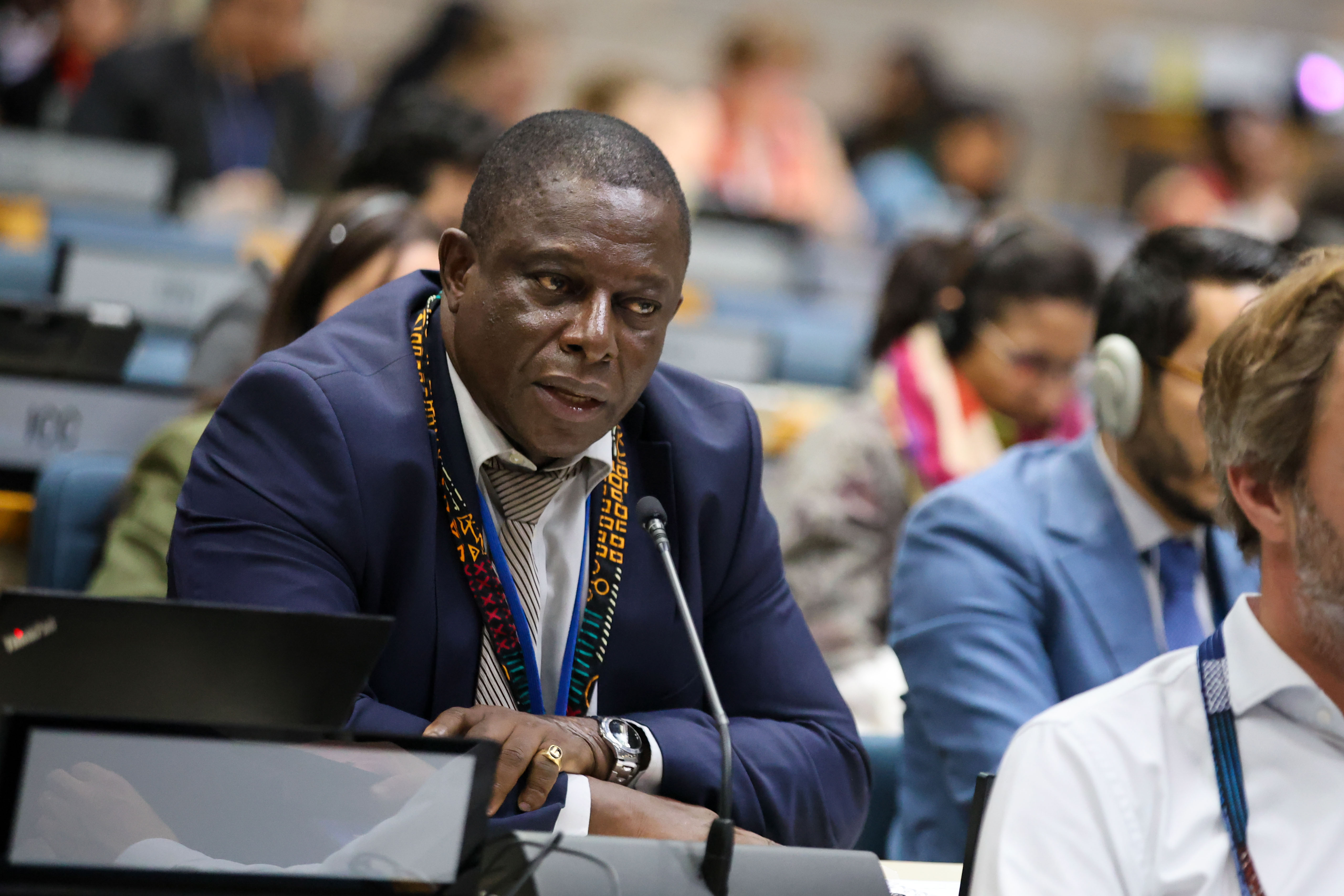
Eduardo Zaqueu, Mozambique, on behalf of the African Group
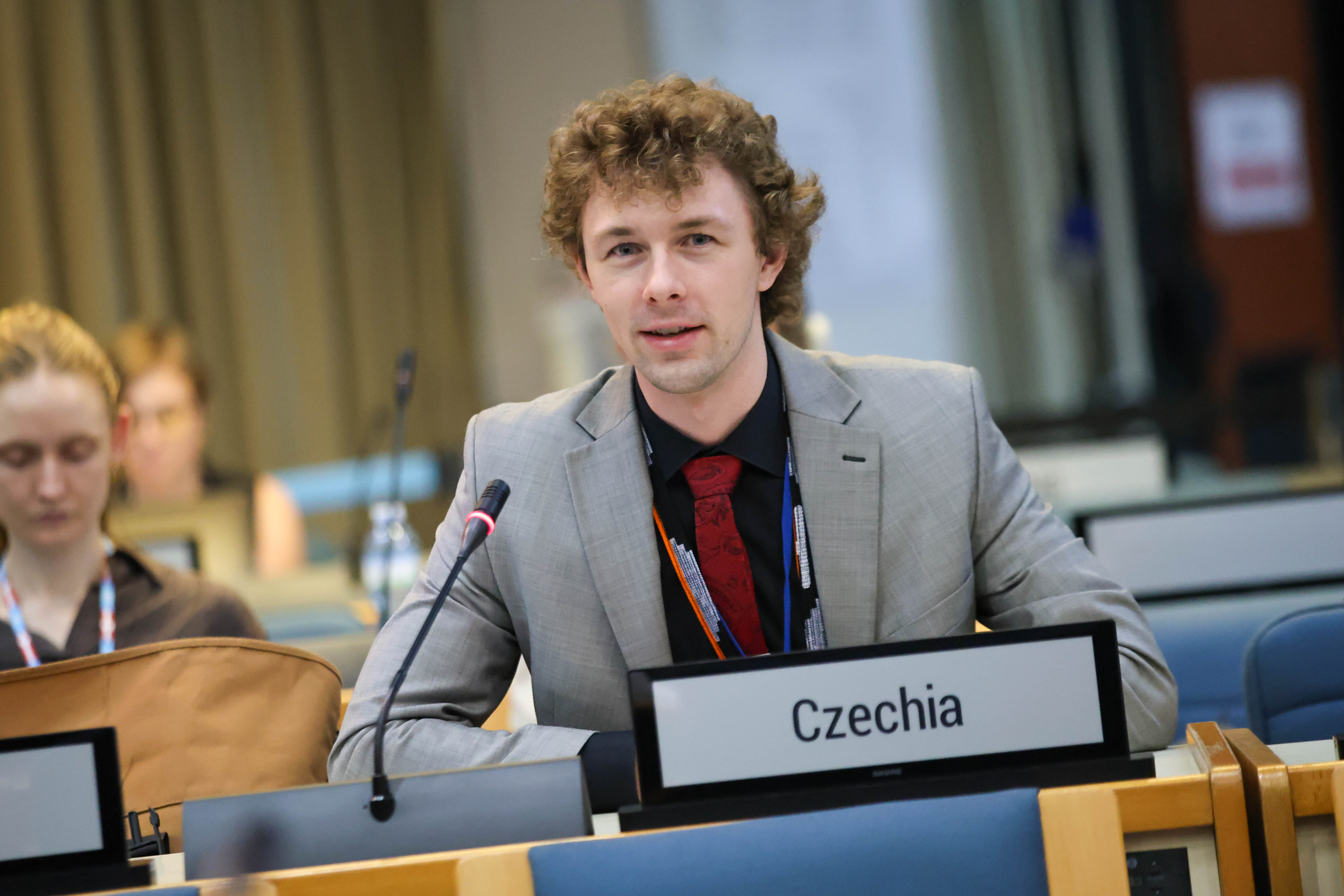
Michal Novotný, Czechia, Cluster C Co-Chair
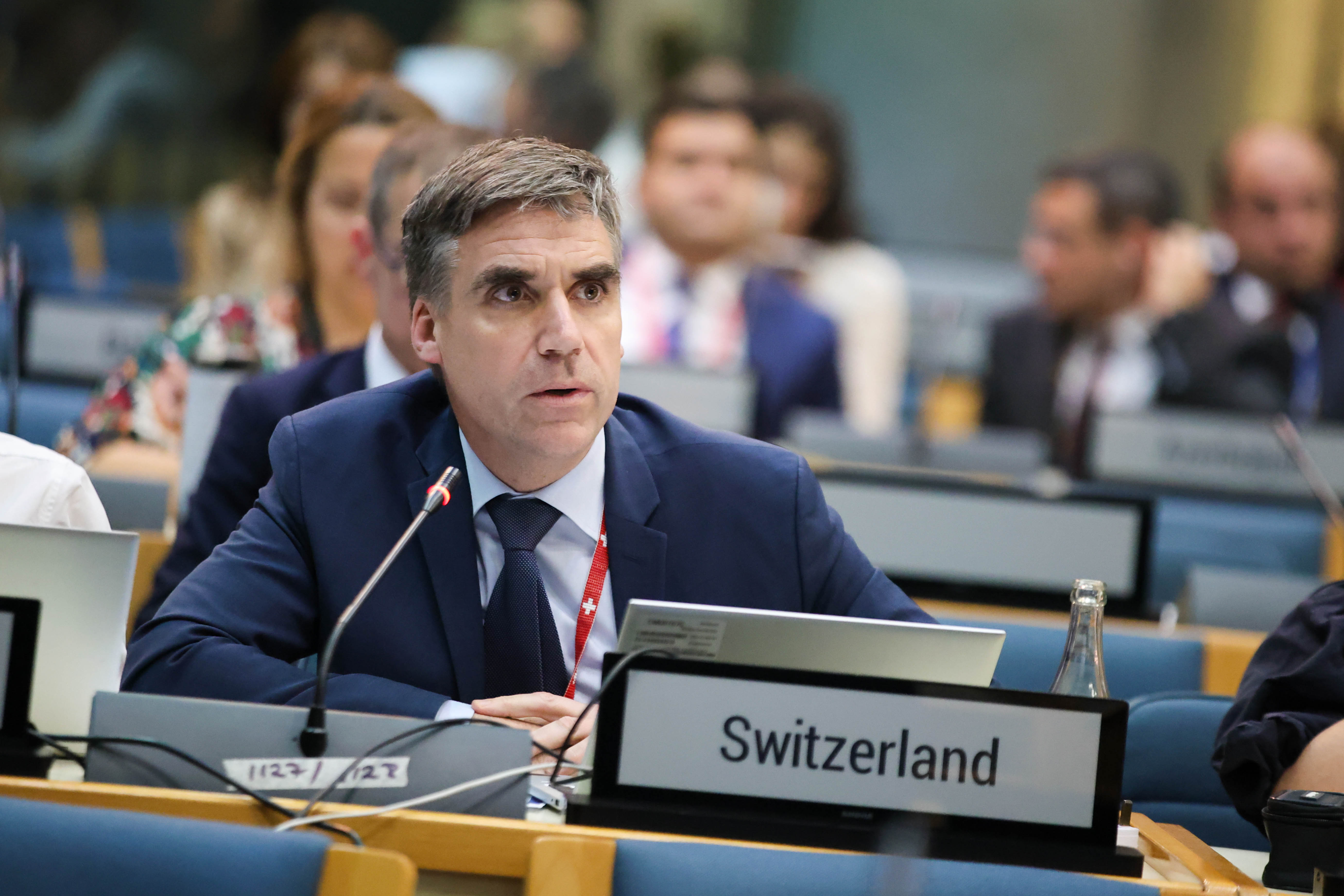
Felix Wertli, Switzerland
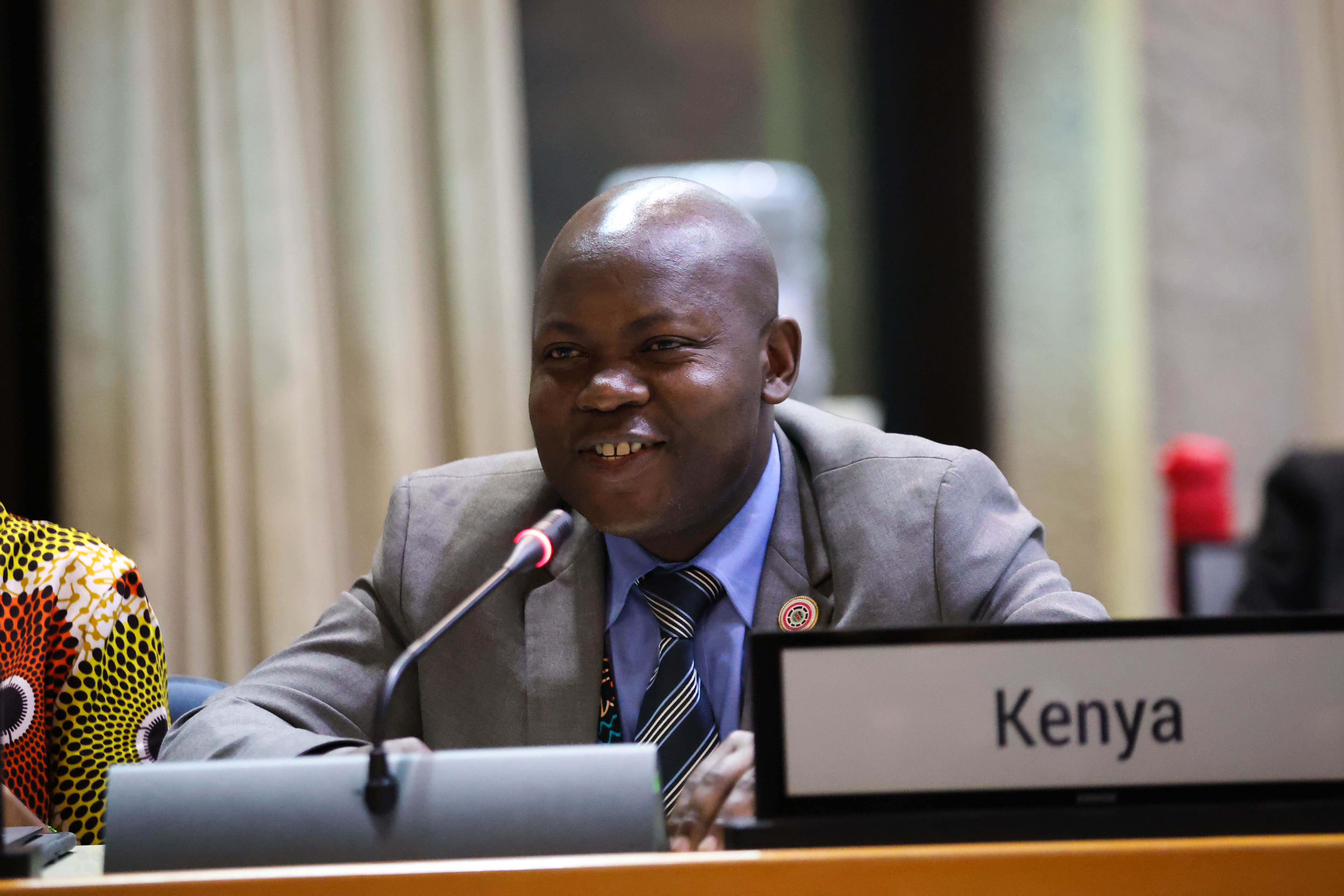
Tobias Ogweno, Kenya, Co-Chair of Cluster D
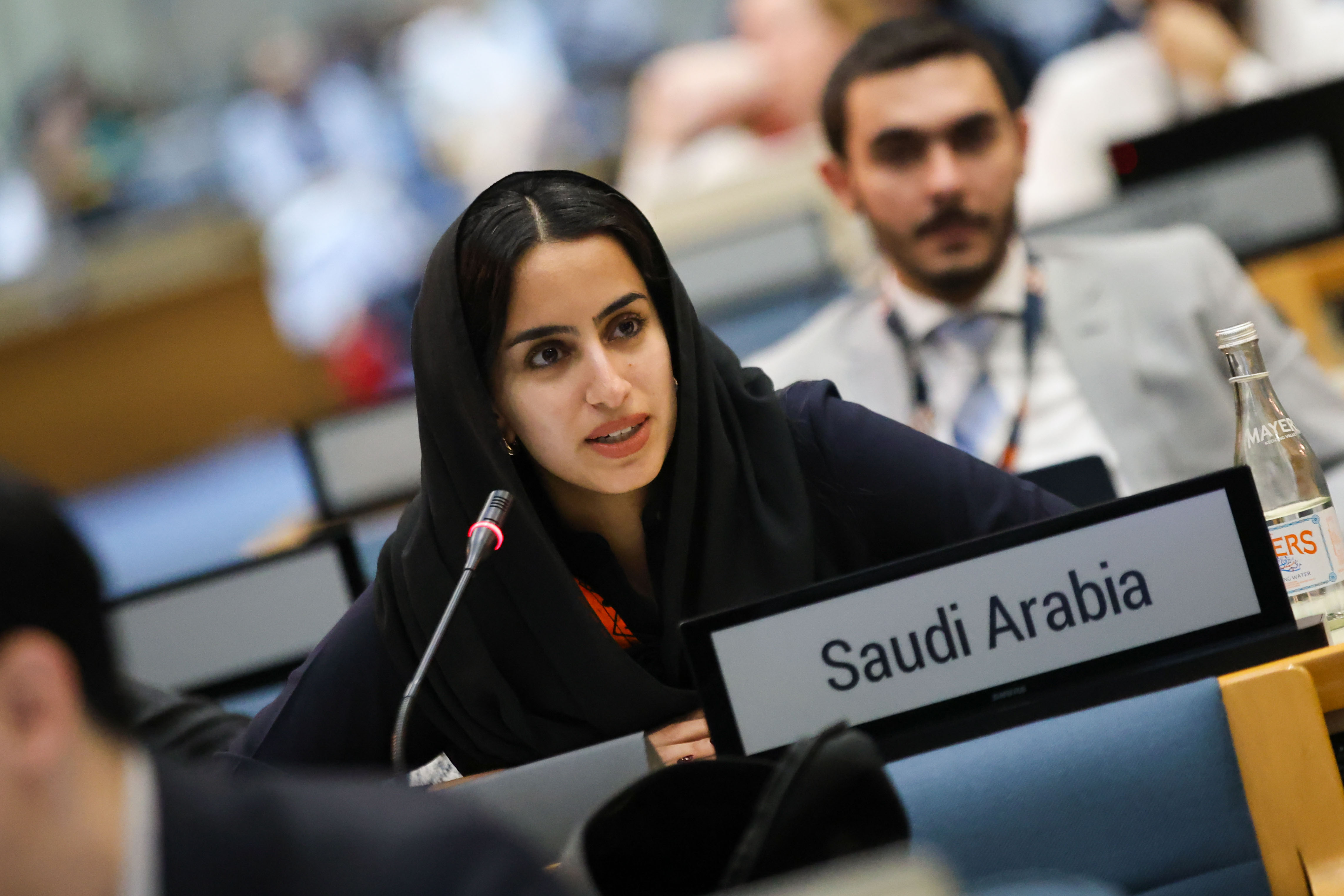
Noura Alissa, Saudi Arabia
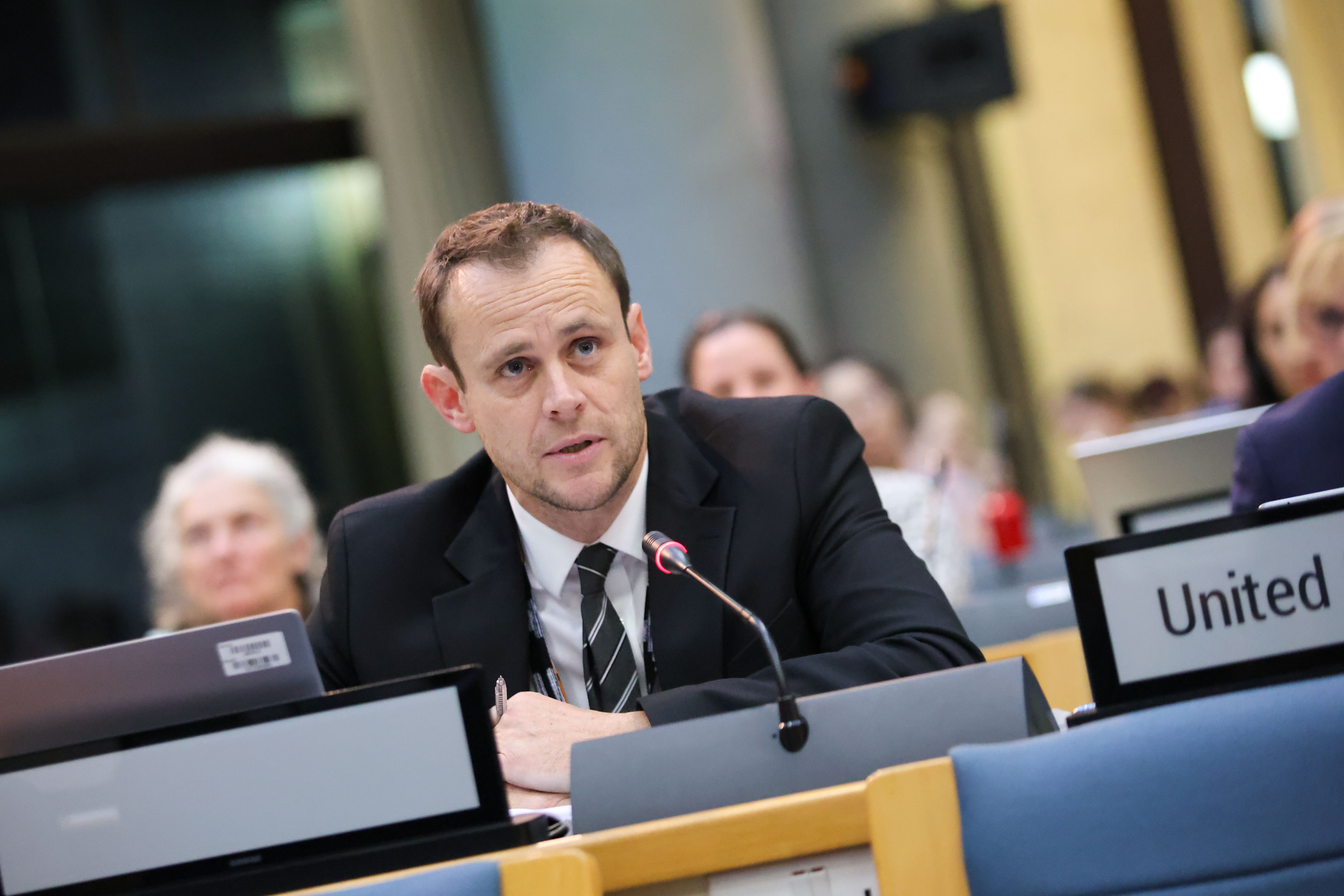
Jamie Rendell, United Kingdom
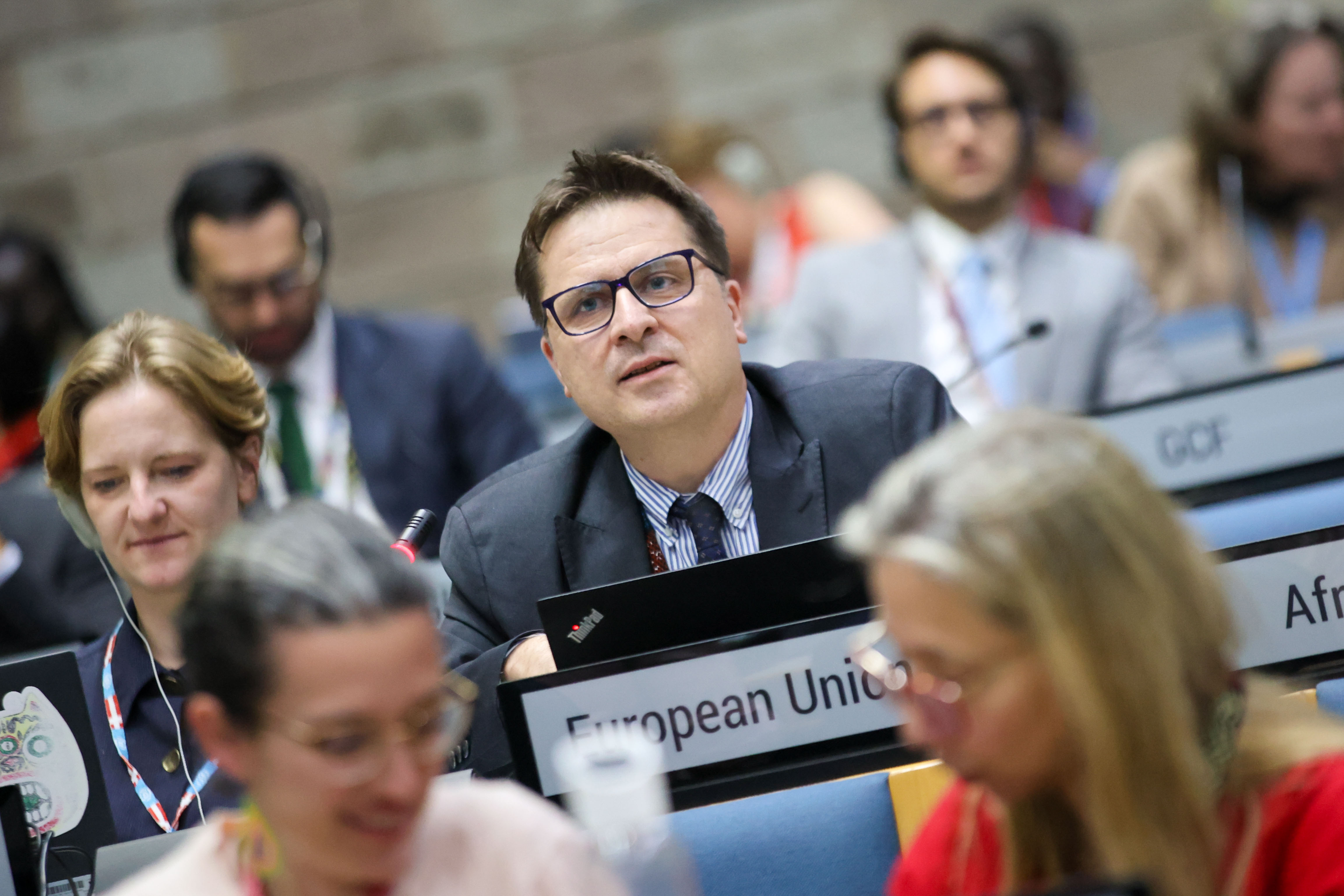
Sebastian Gil, EU
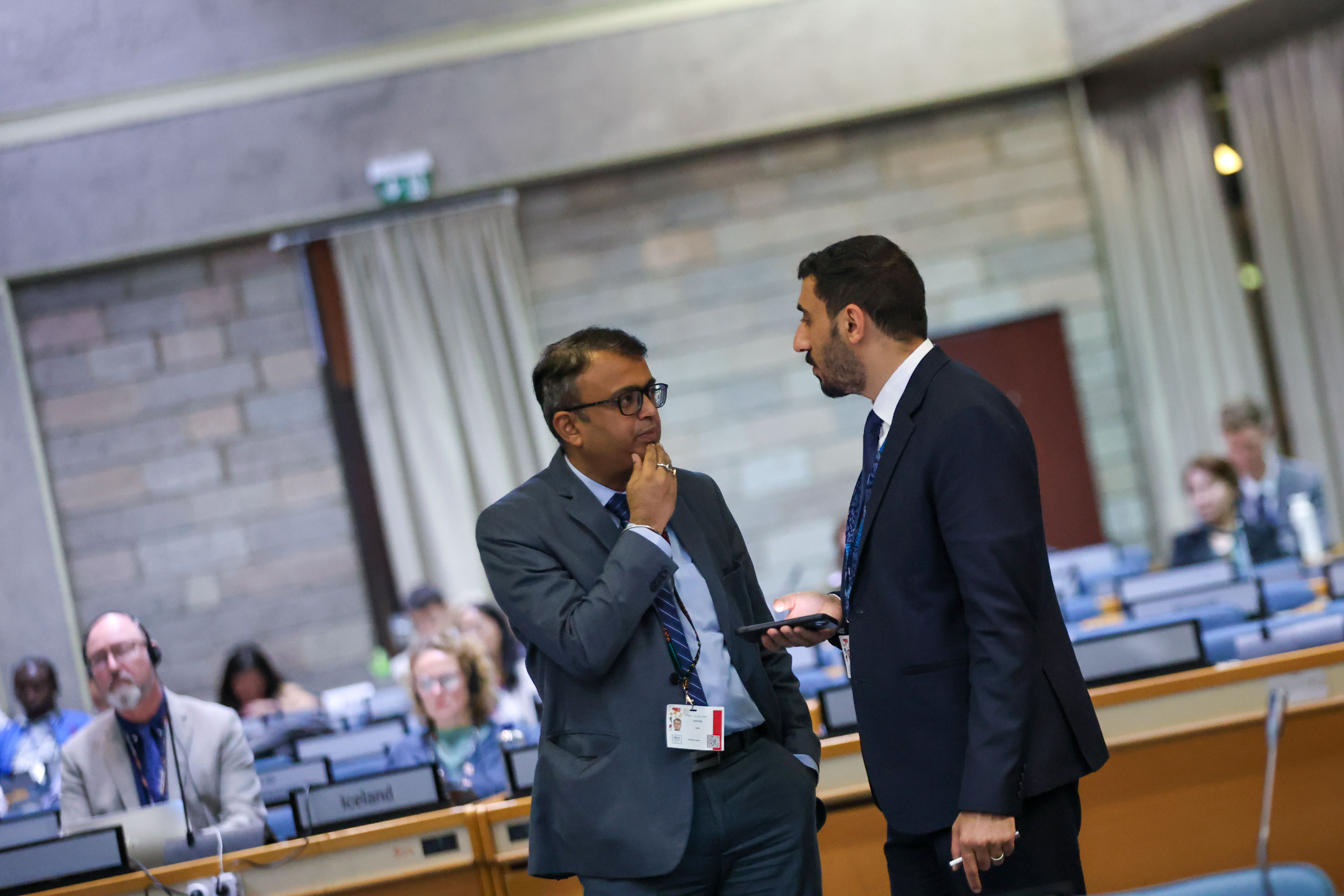
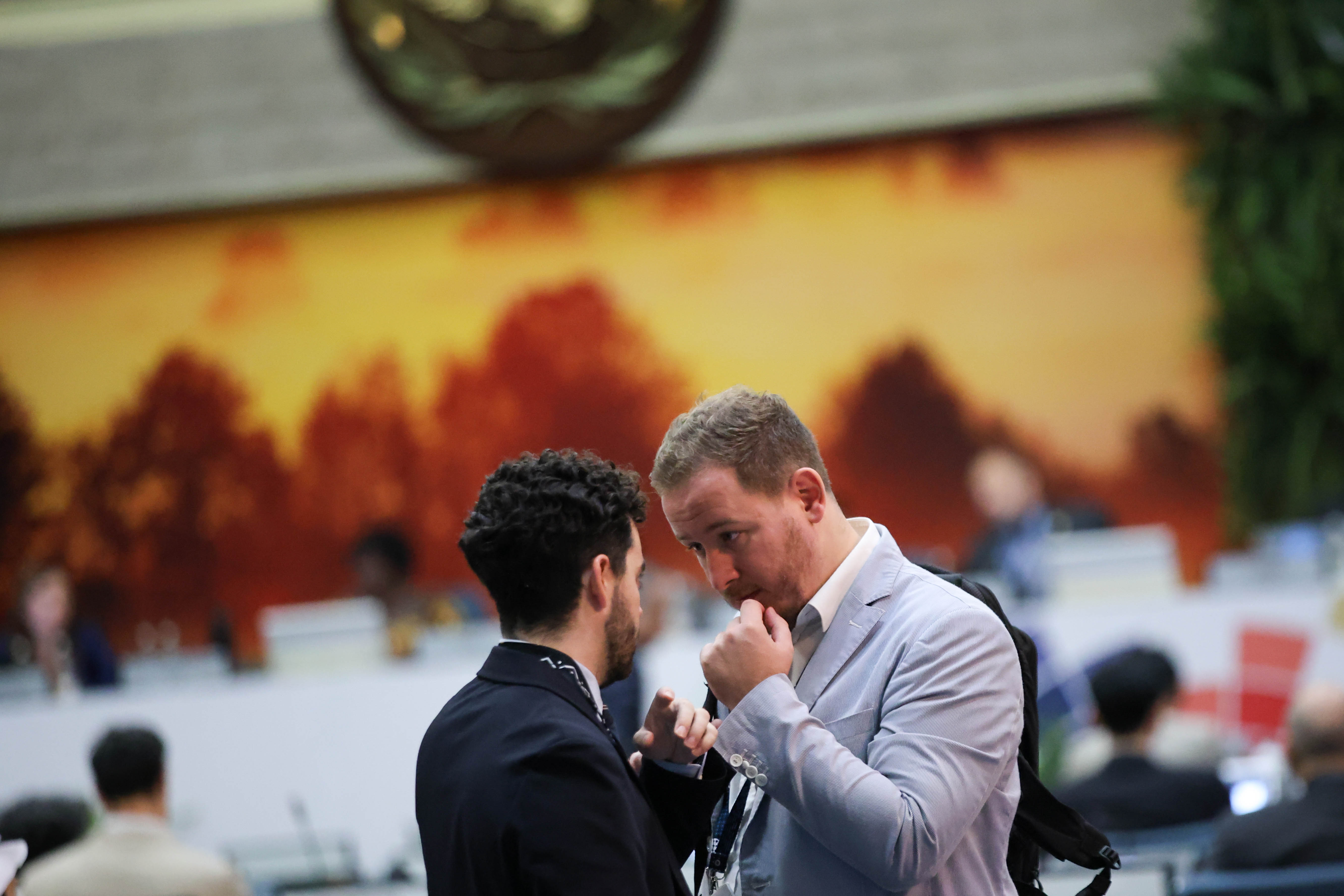
Press Conference by Major Groups and Stakeholders
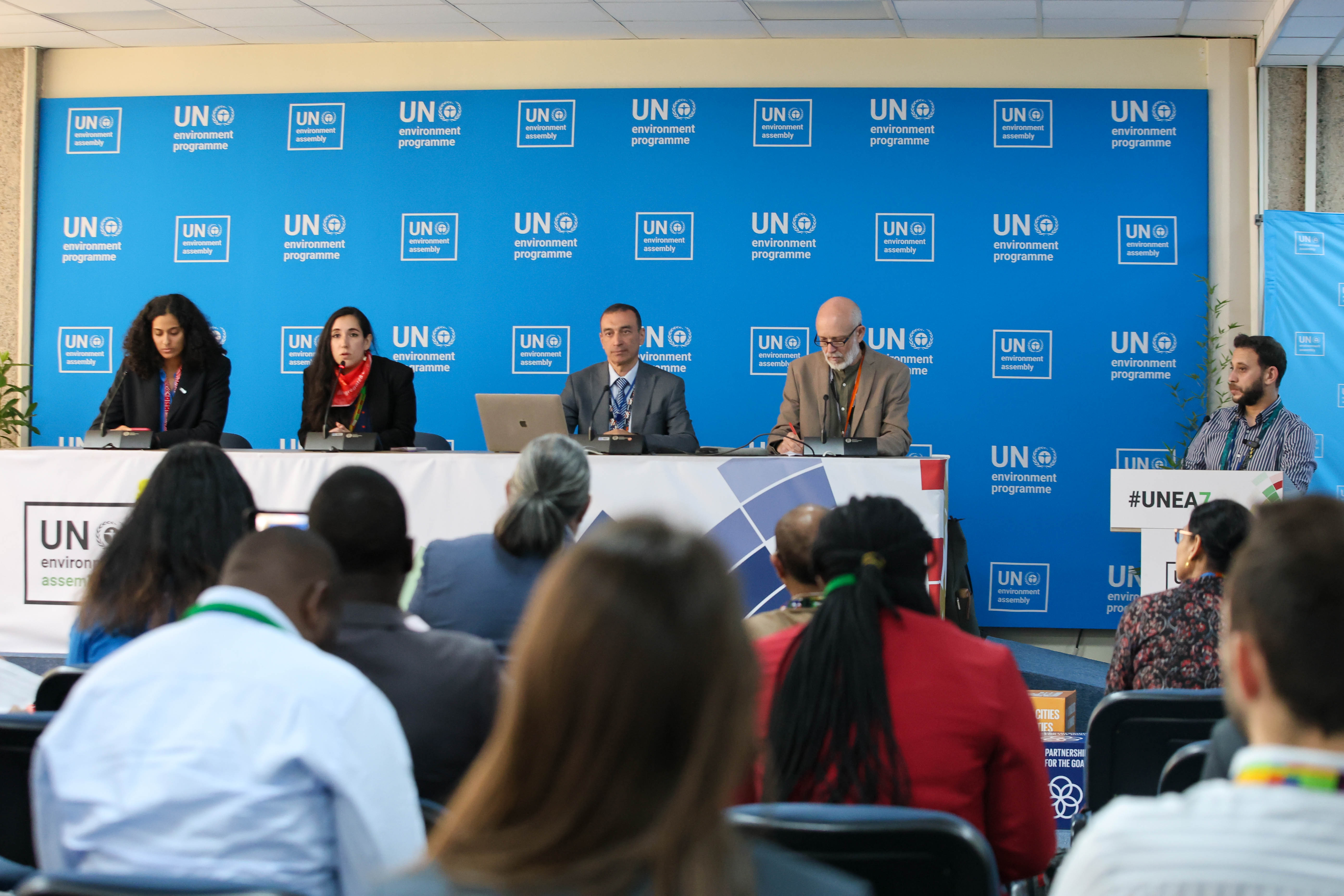
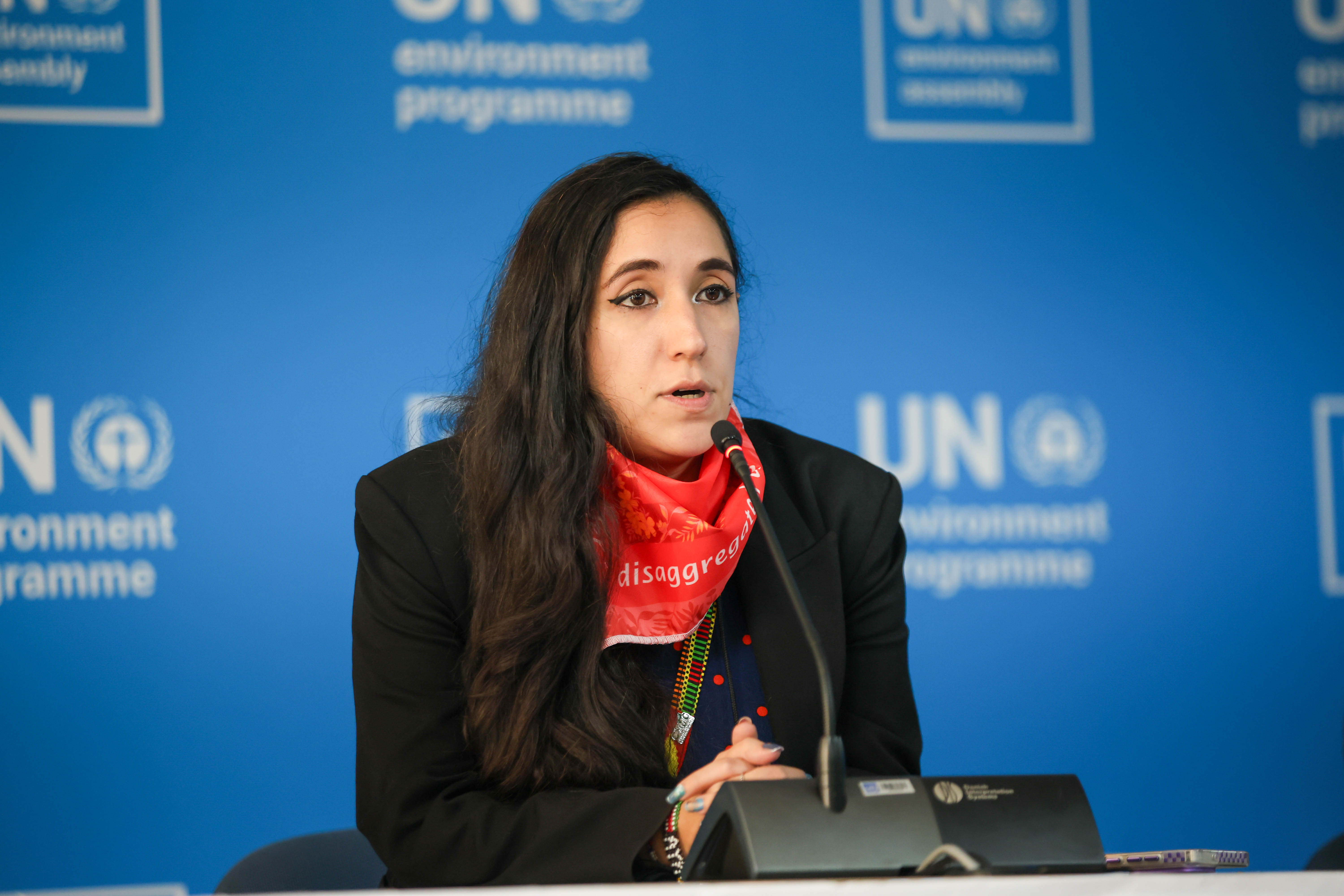
Dalia Márquez, Women's Major Group
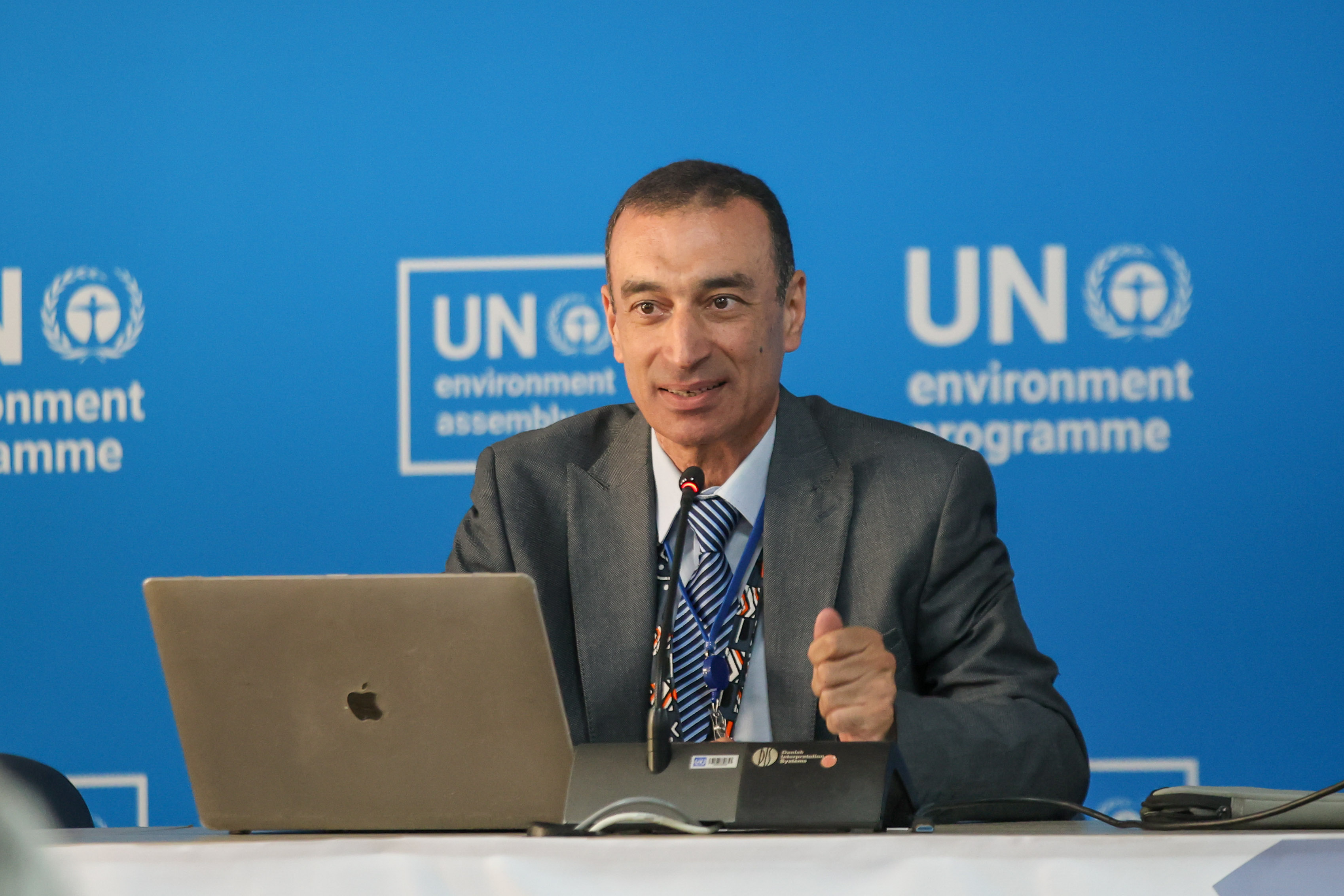
Mohamed Abdelraouf, Scientific and Technological Community
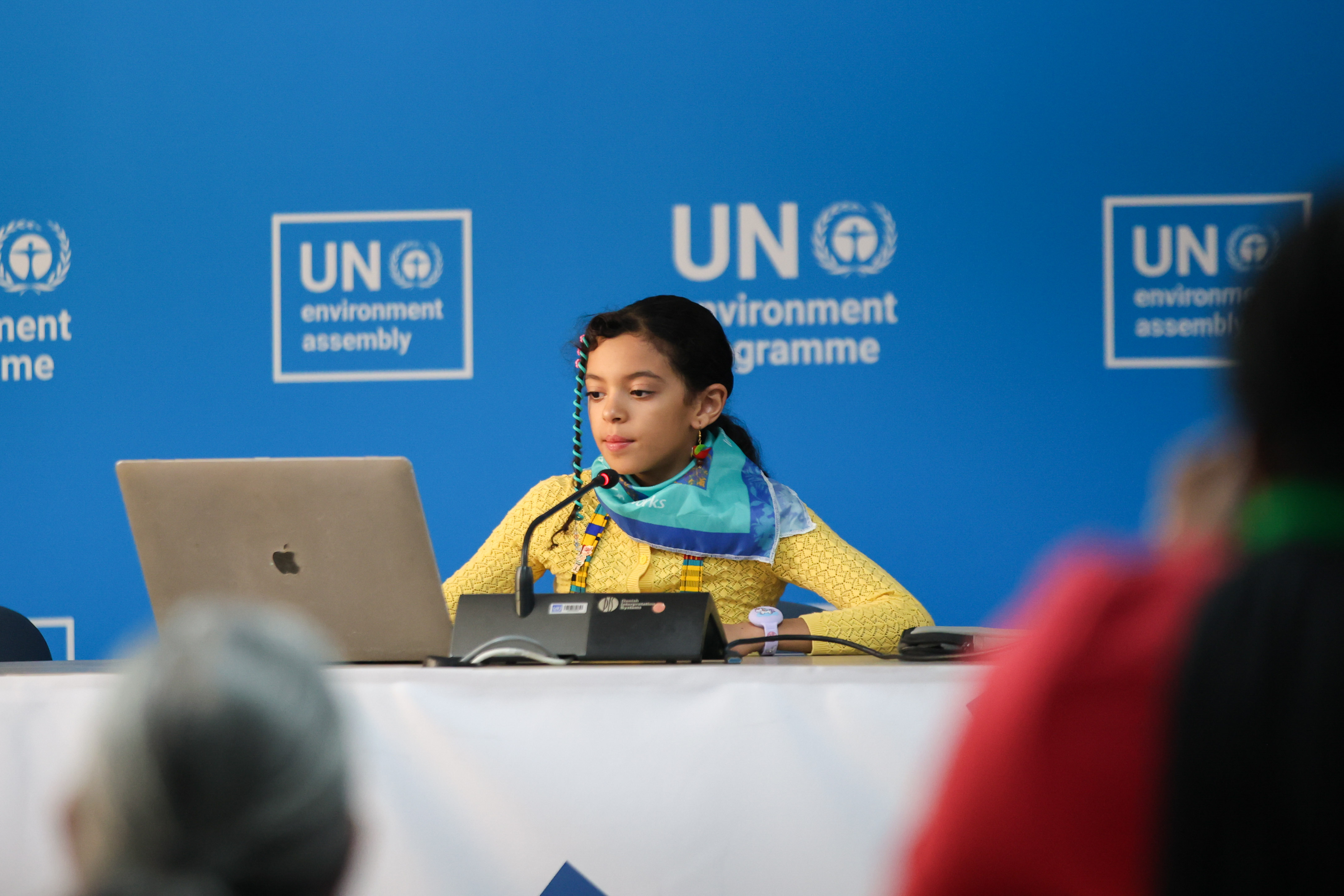
Nine-year old Mariam Amira from Egypt delivered a moving statement.
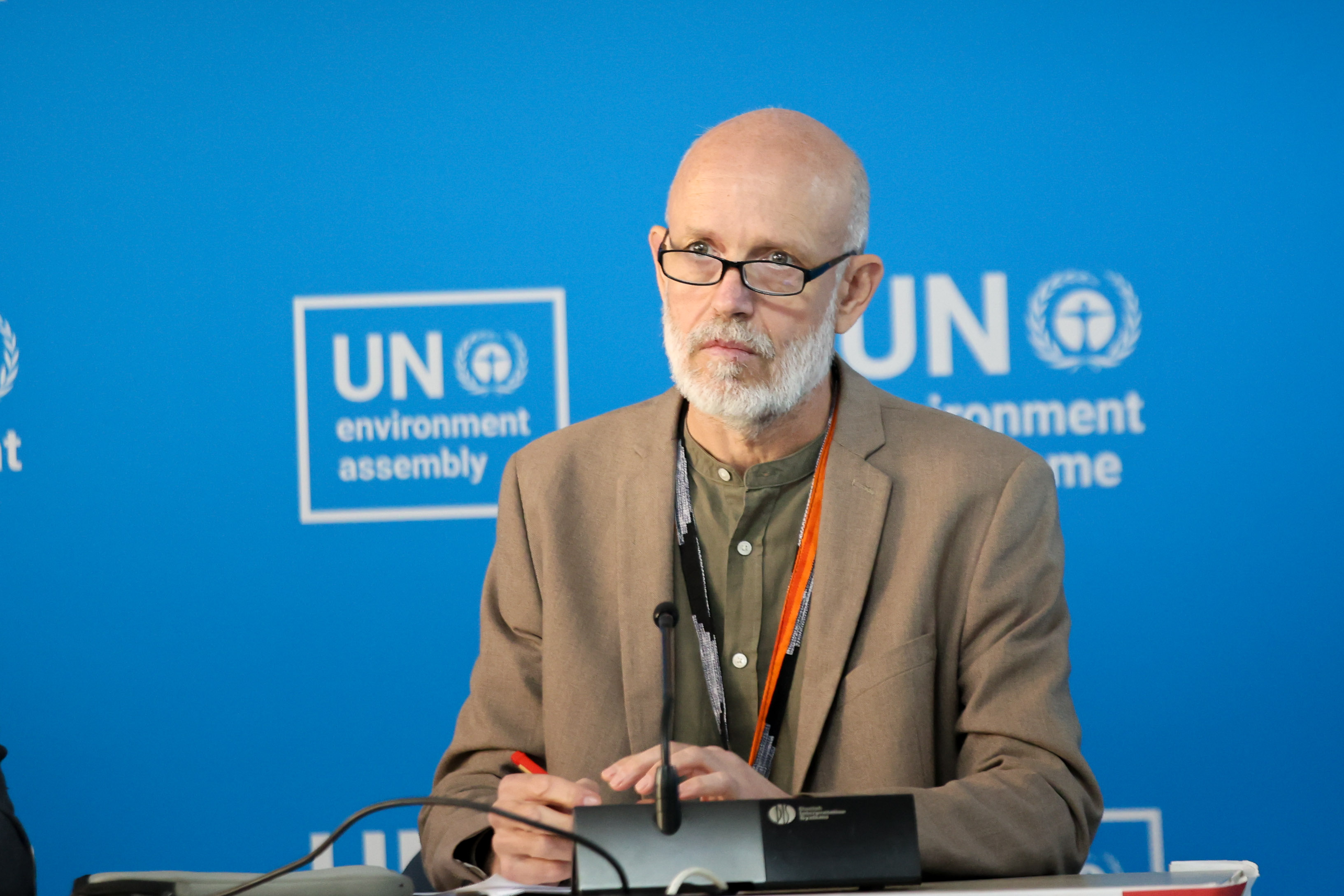
Bert De Wel, Workers and Trade Unions
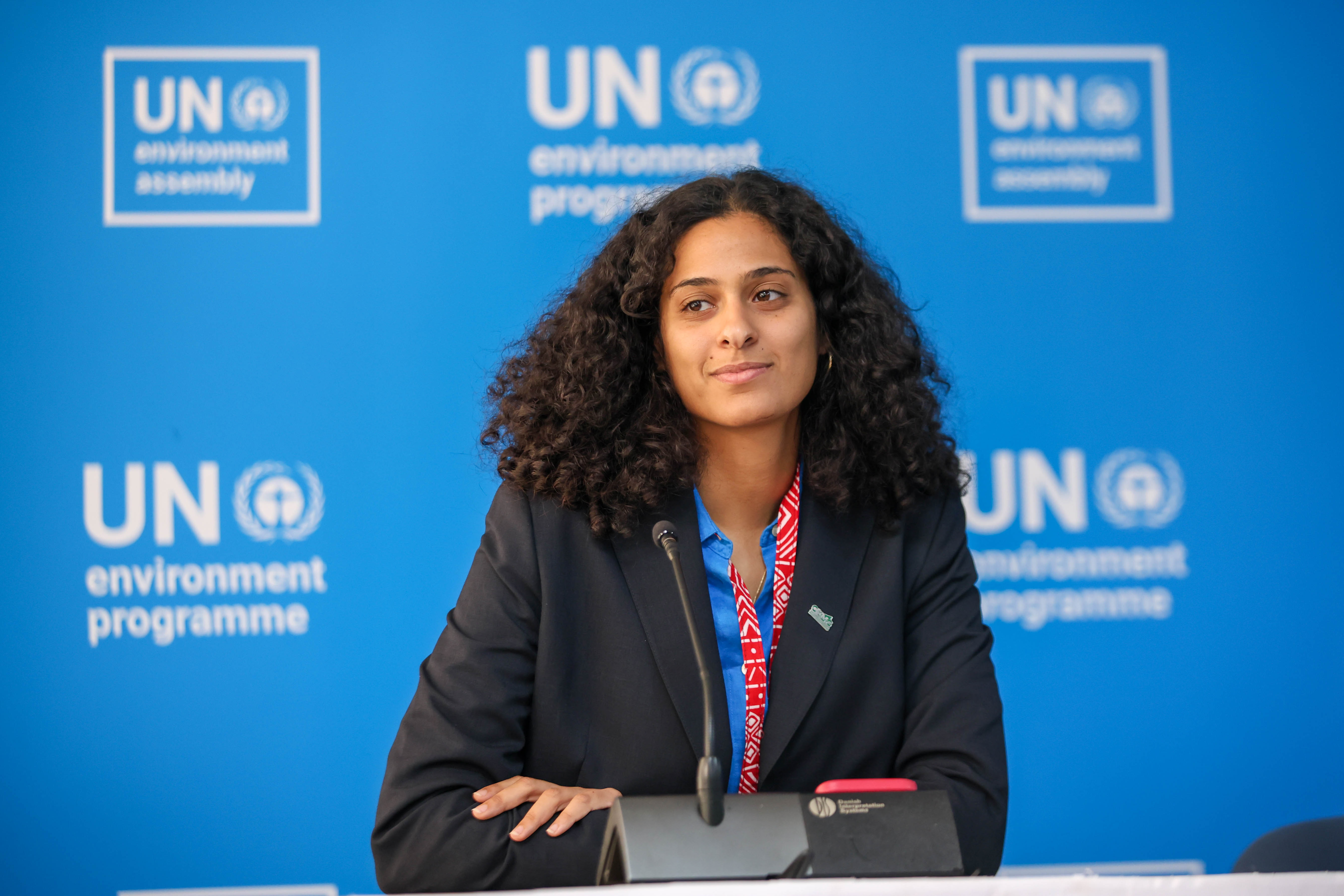
Janna Radi, Children and Youth Major Group
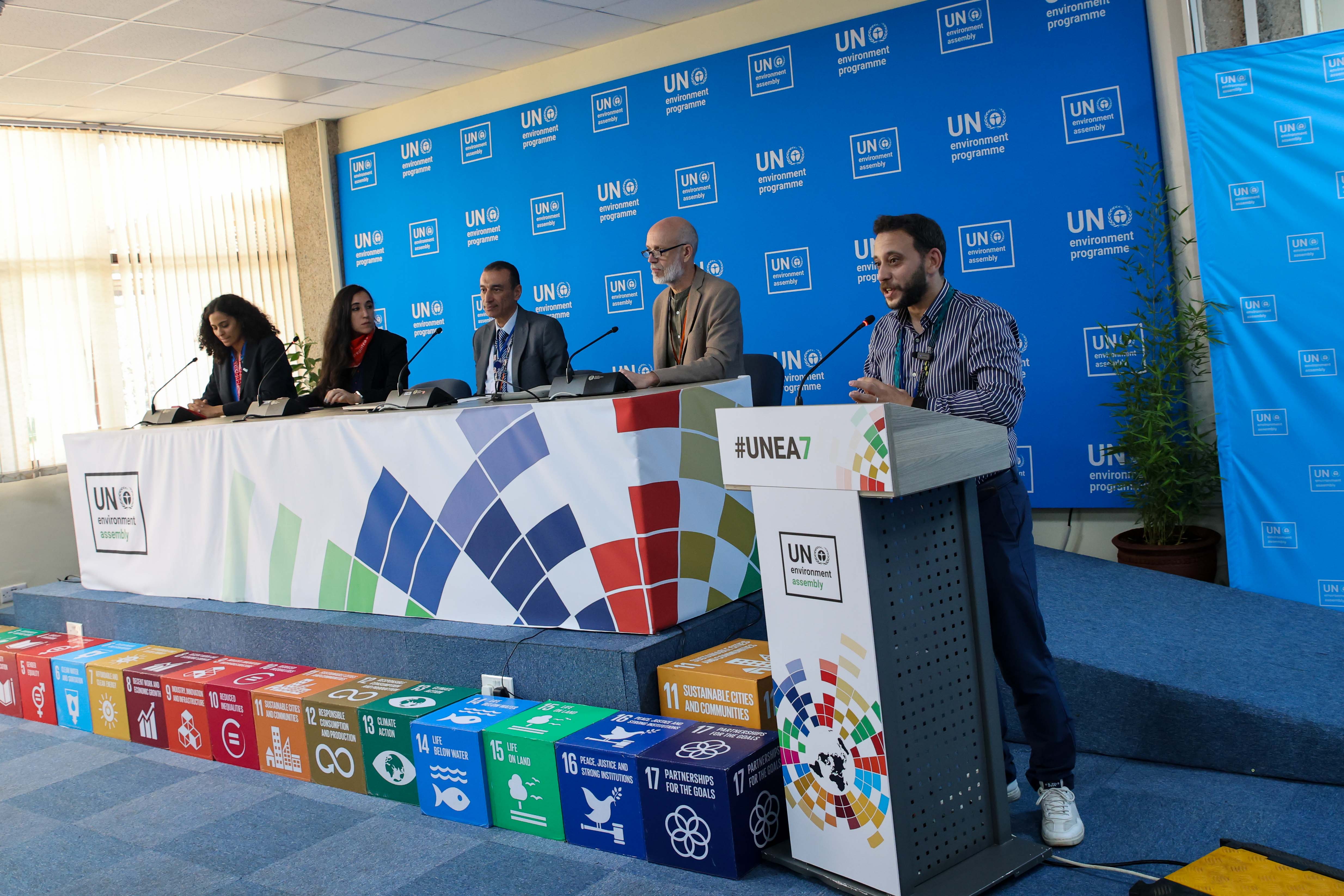
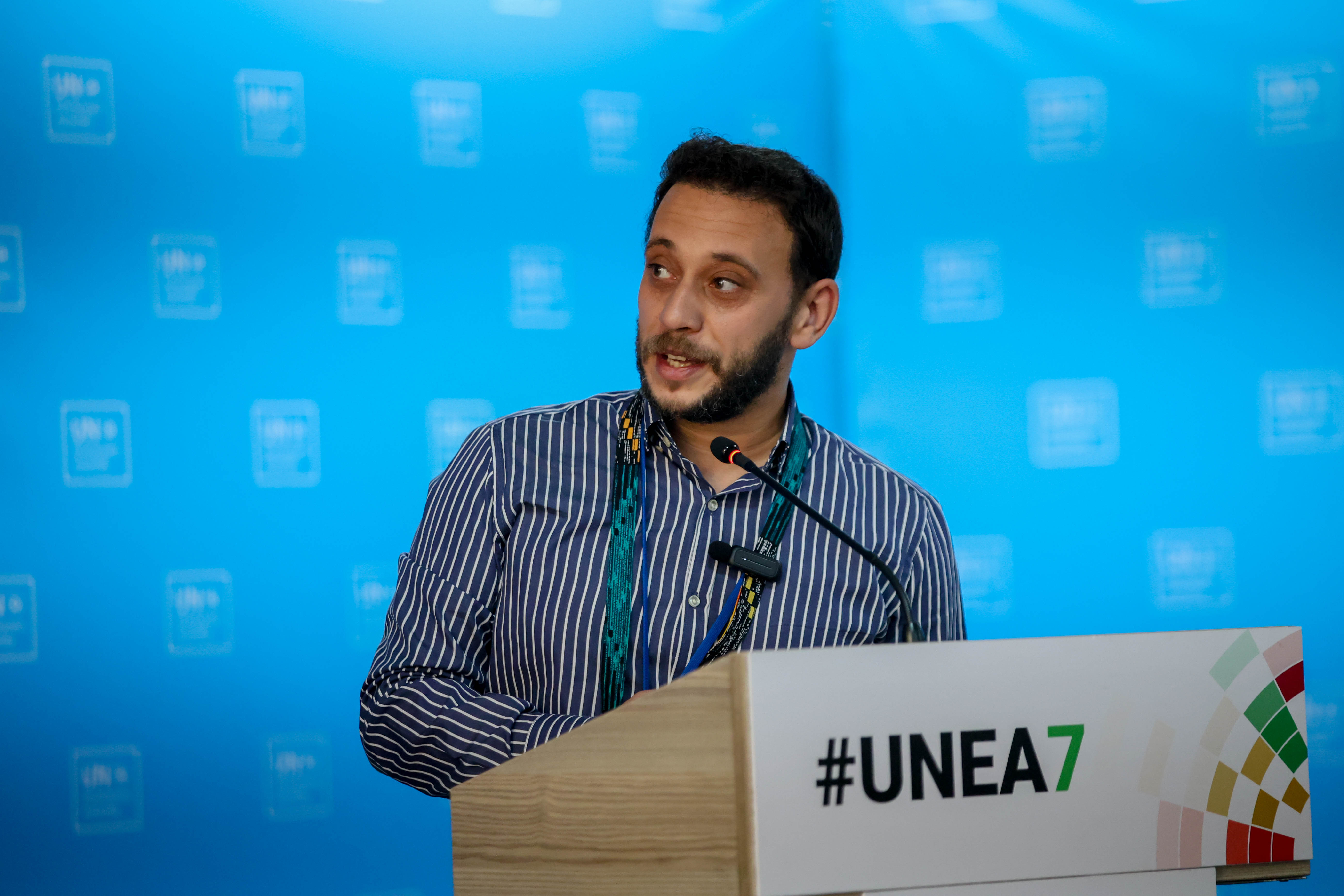
Ahmed Fathy, NGO Major Group
Launch of the Seventh Edition of the Global Environment Outlook (GEO-7)
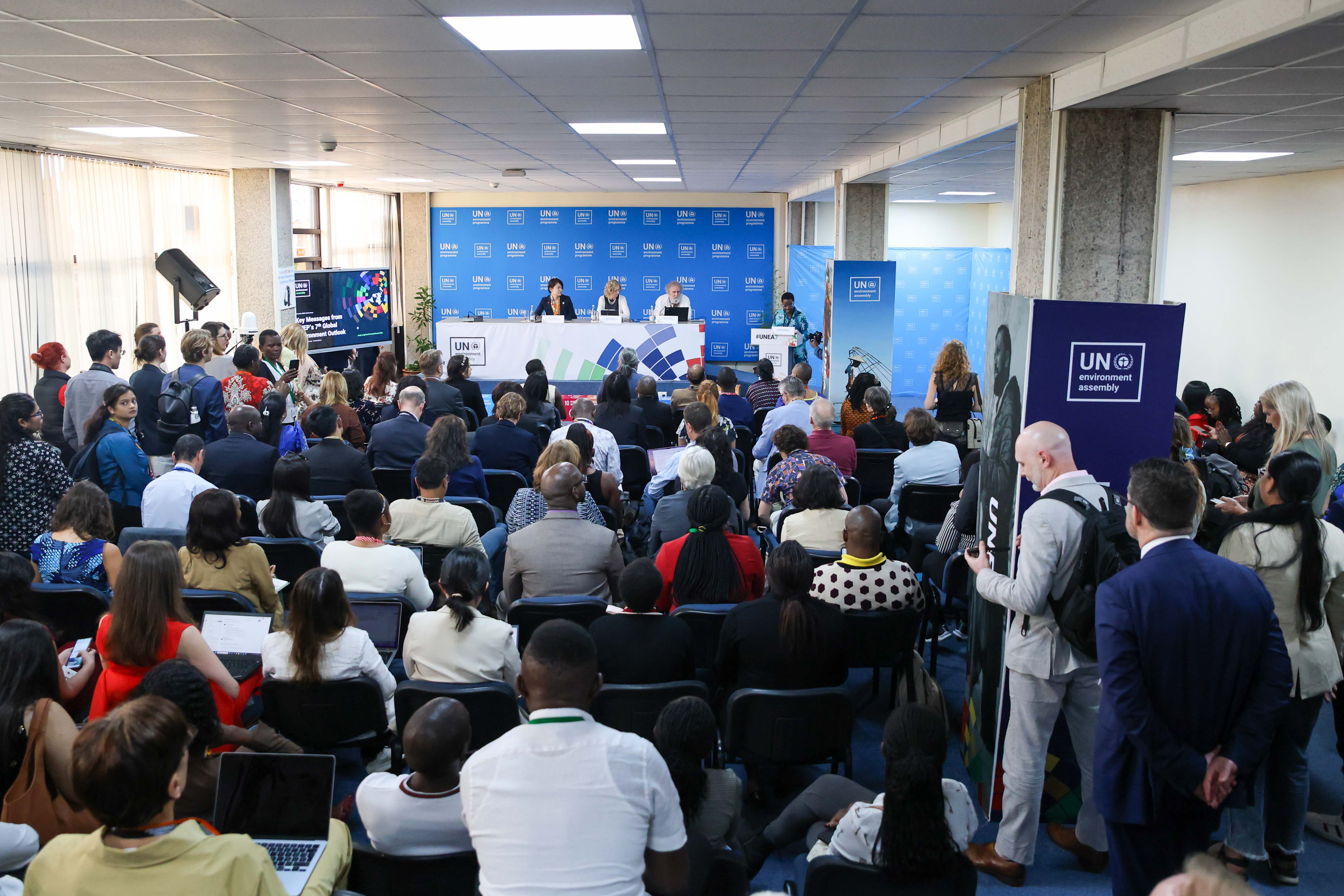
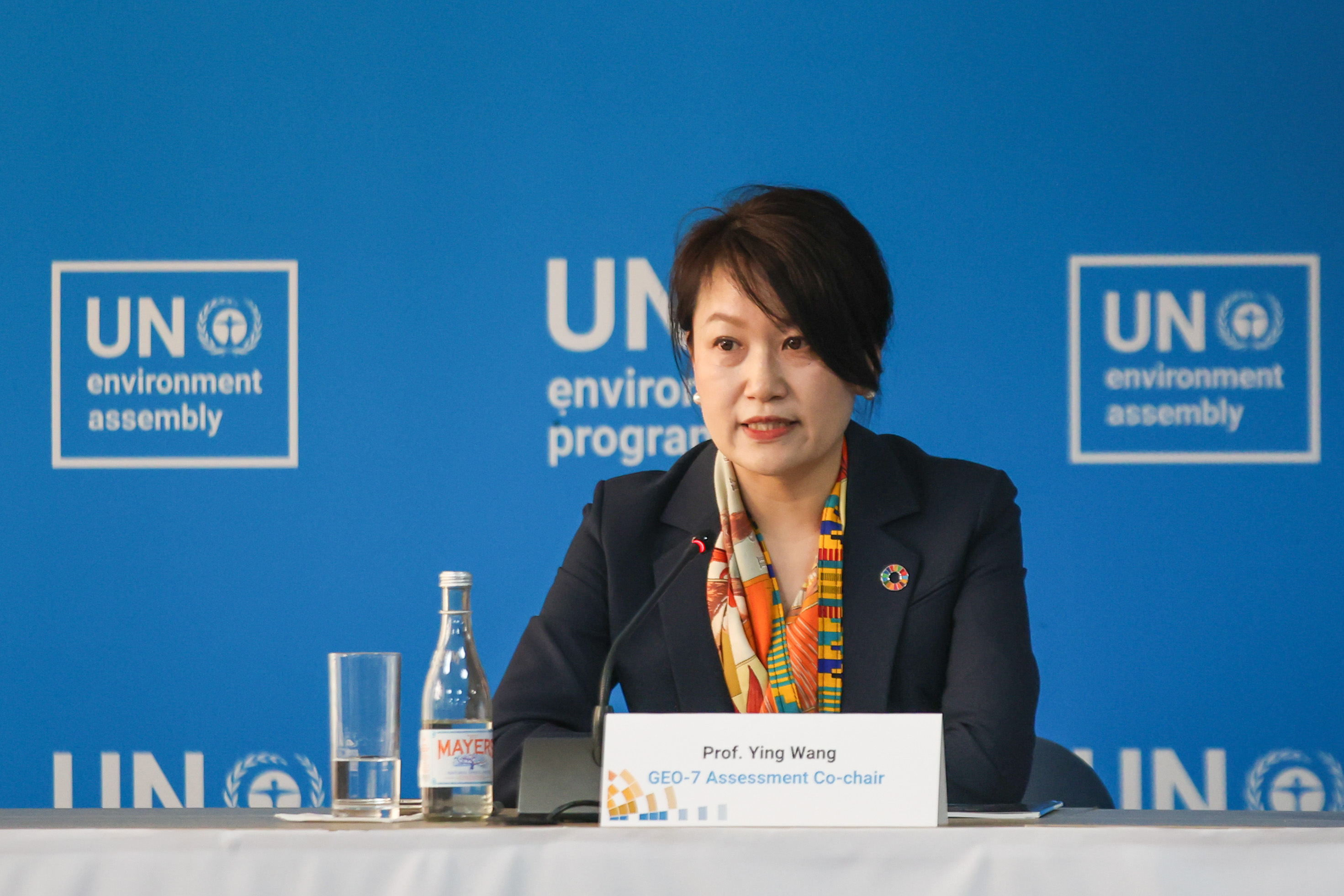
Yin Wang, GEO-7 Assessment Co-Chair
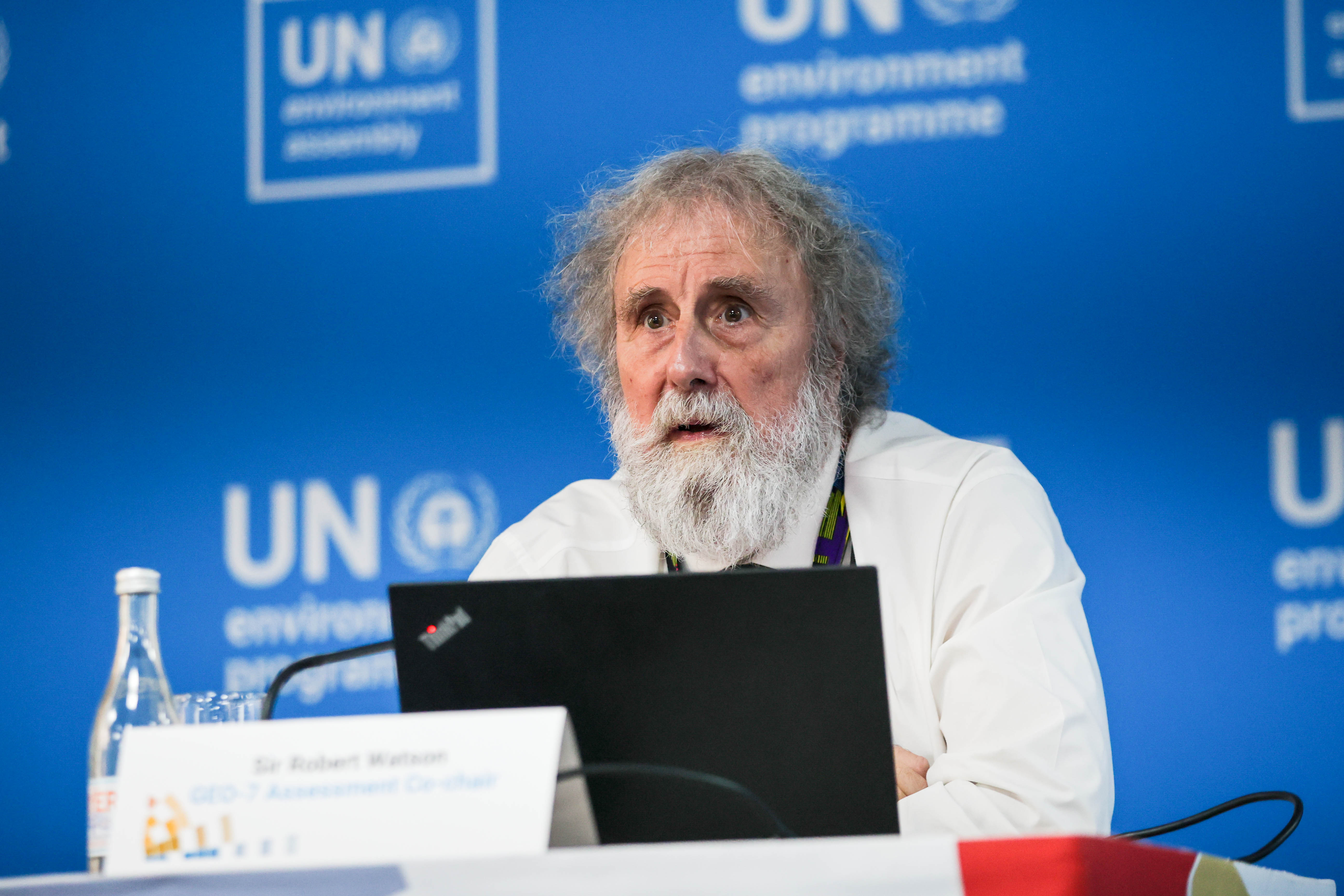
Sir Robert Watson, GEO-7 Assessment Co-Chair
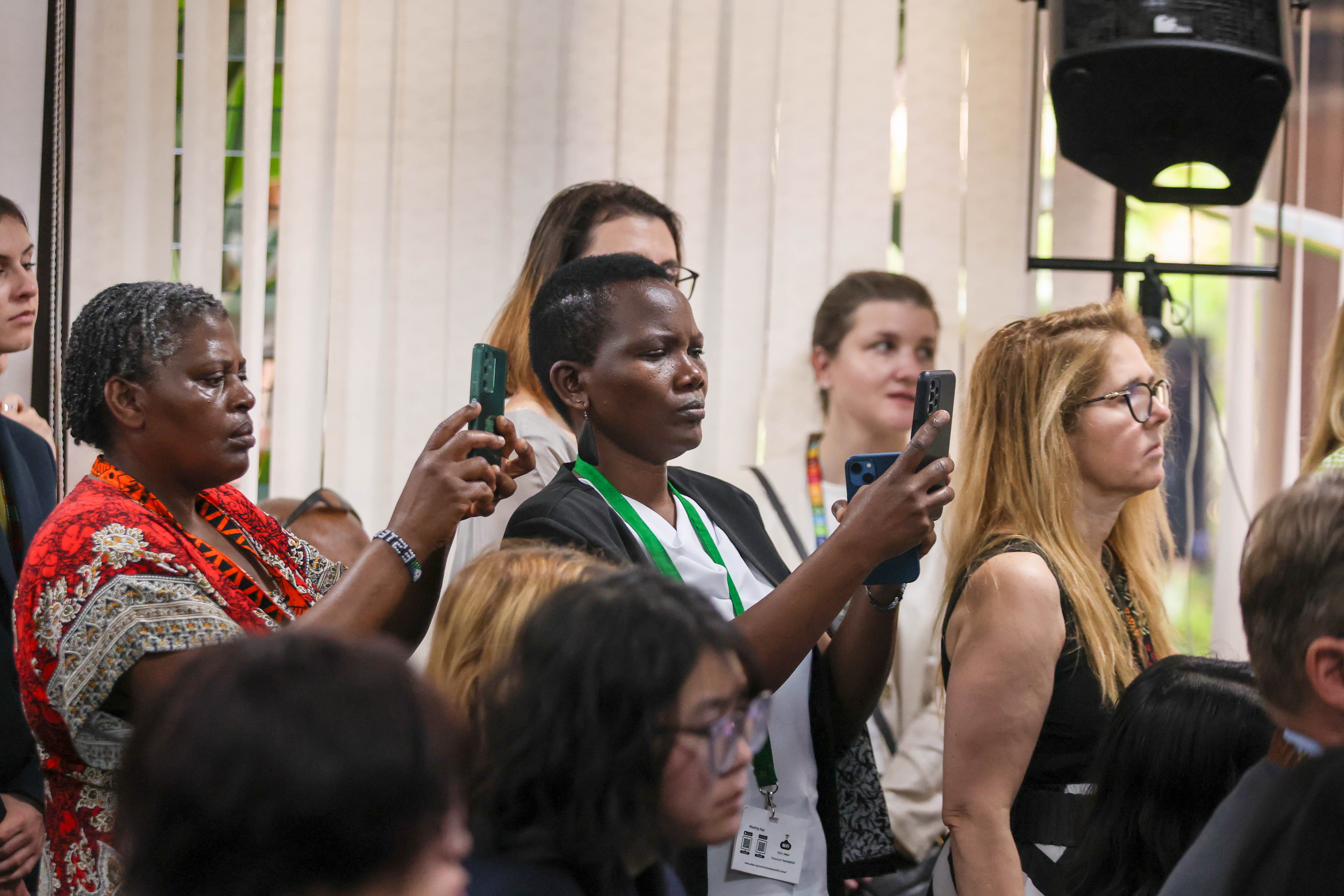
Participants record the launch.
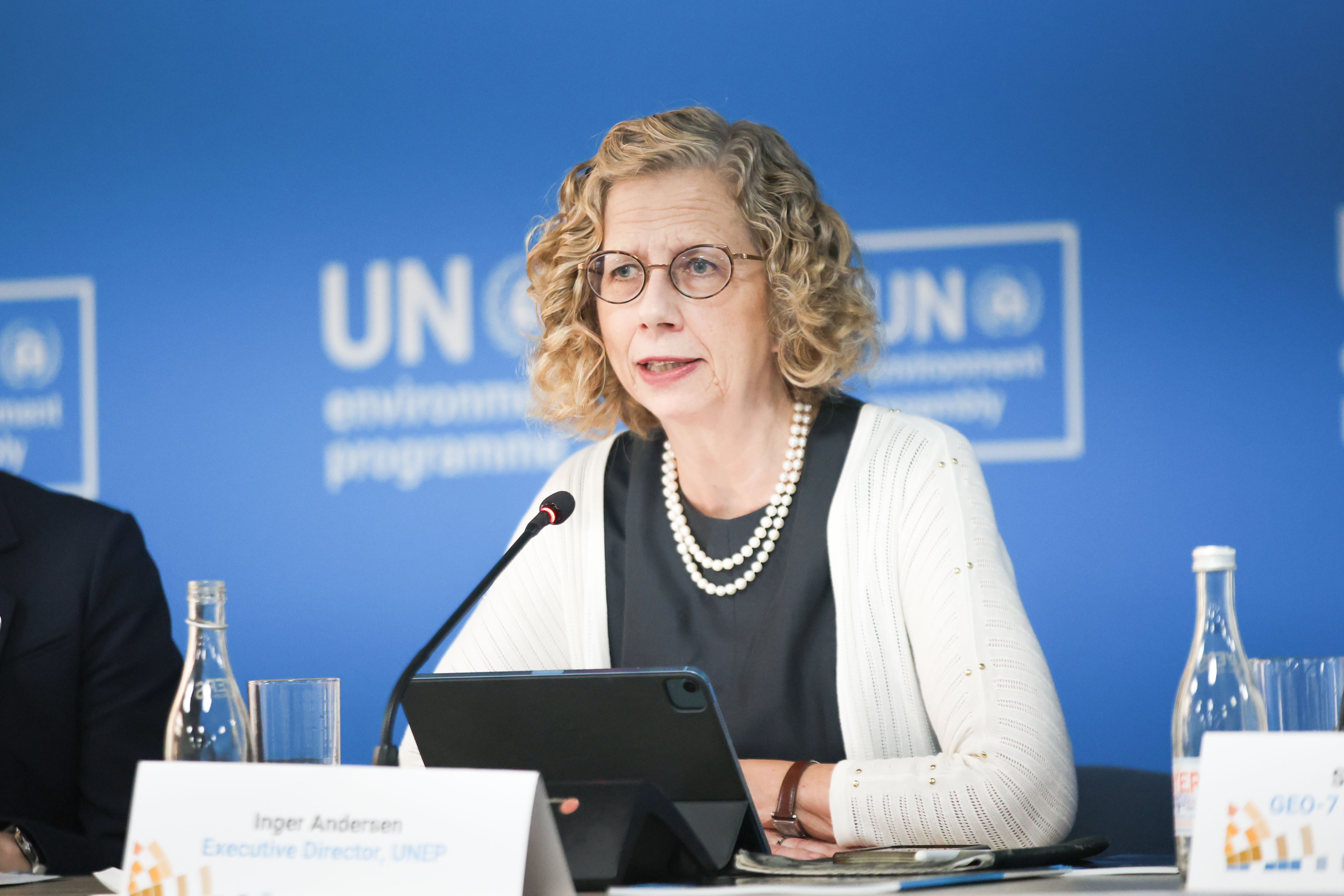
Inger Andersen, Executive Director, UNEP
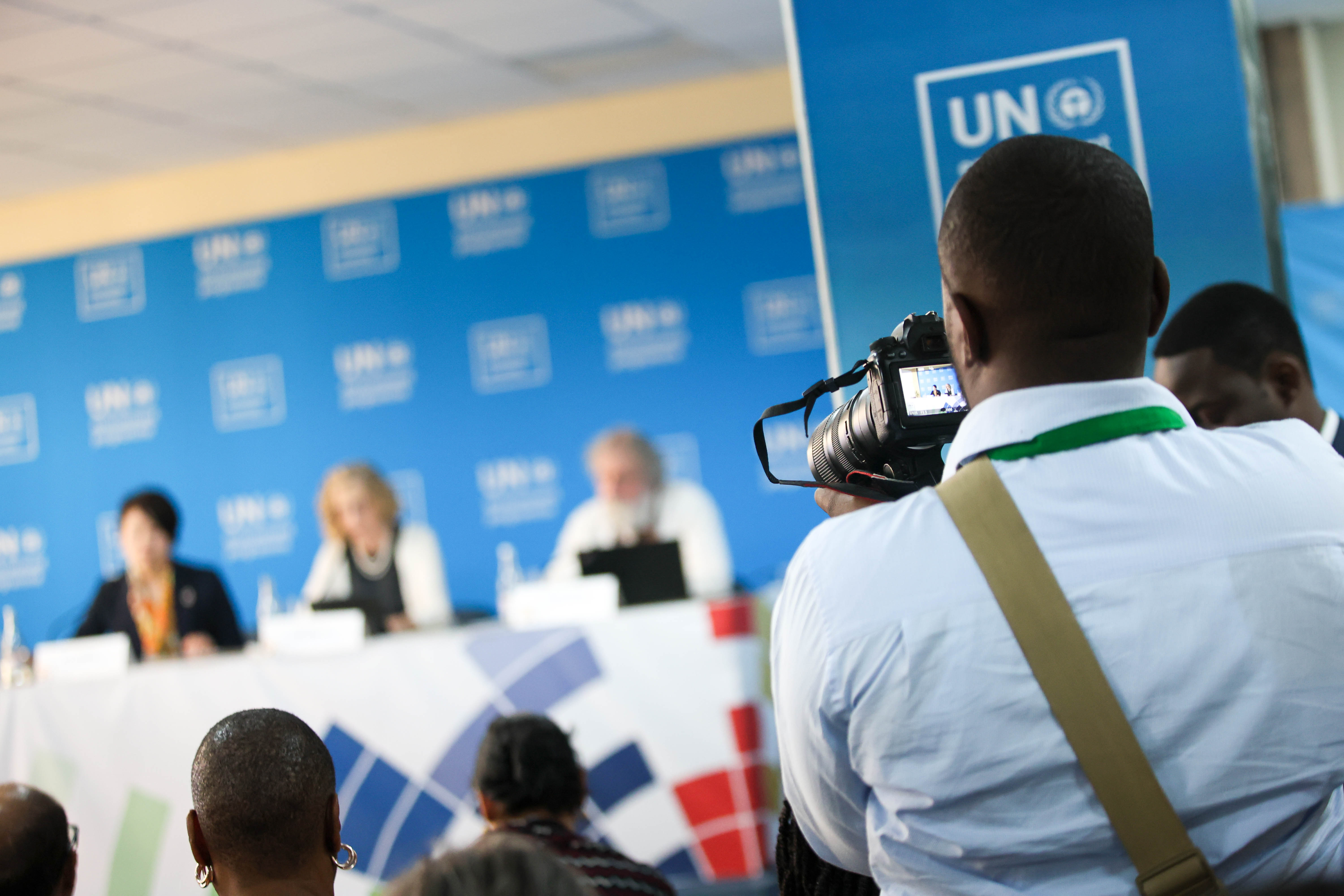
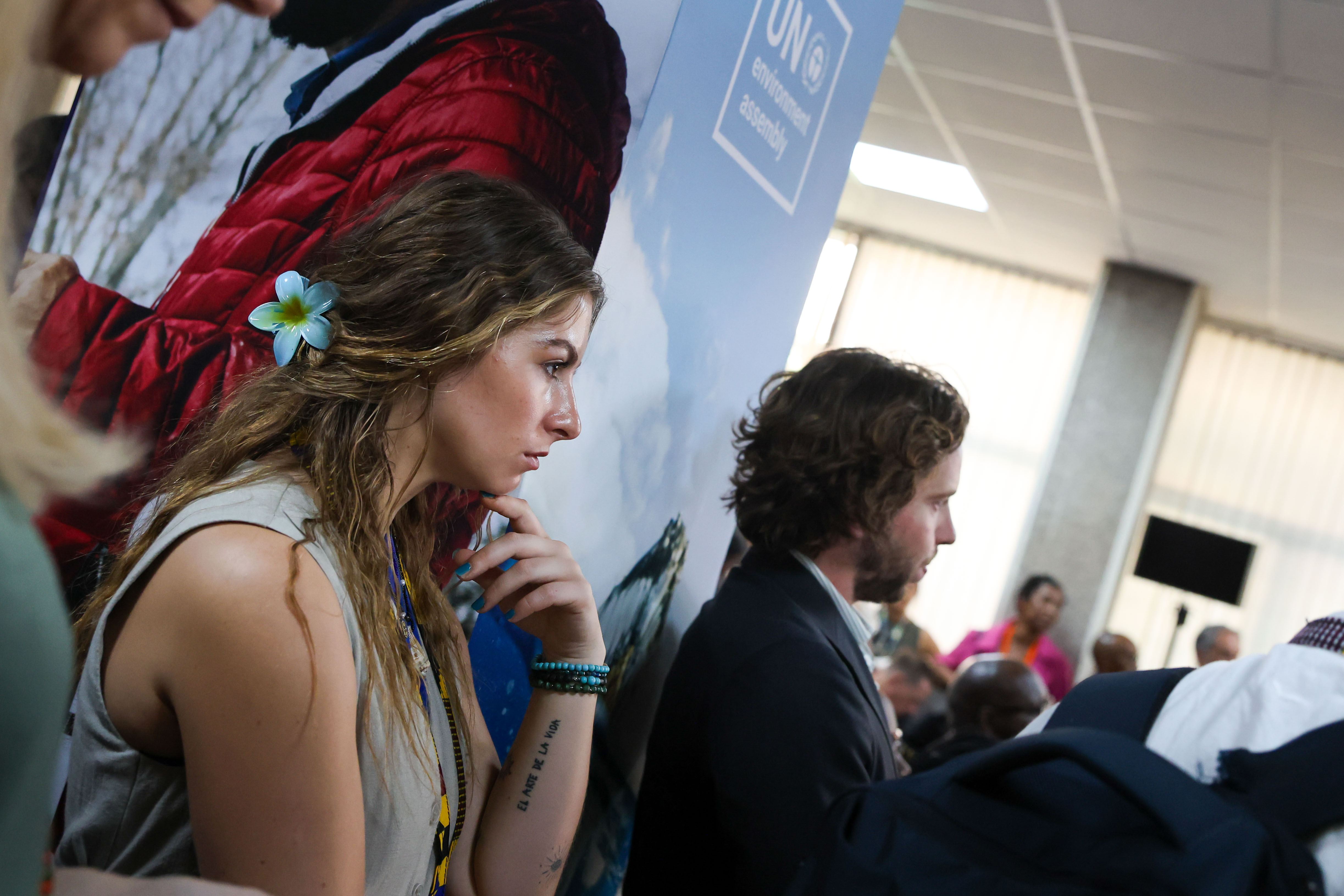
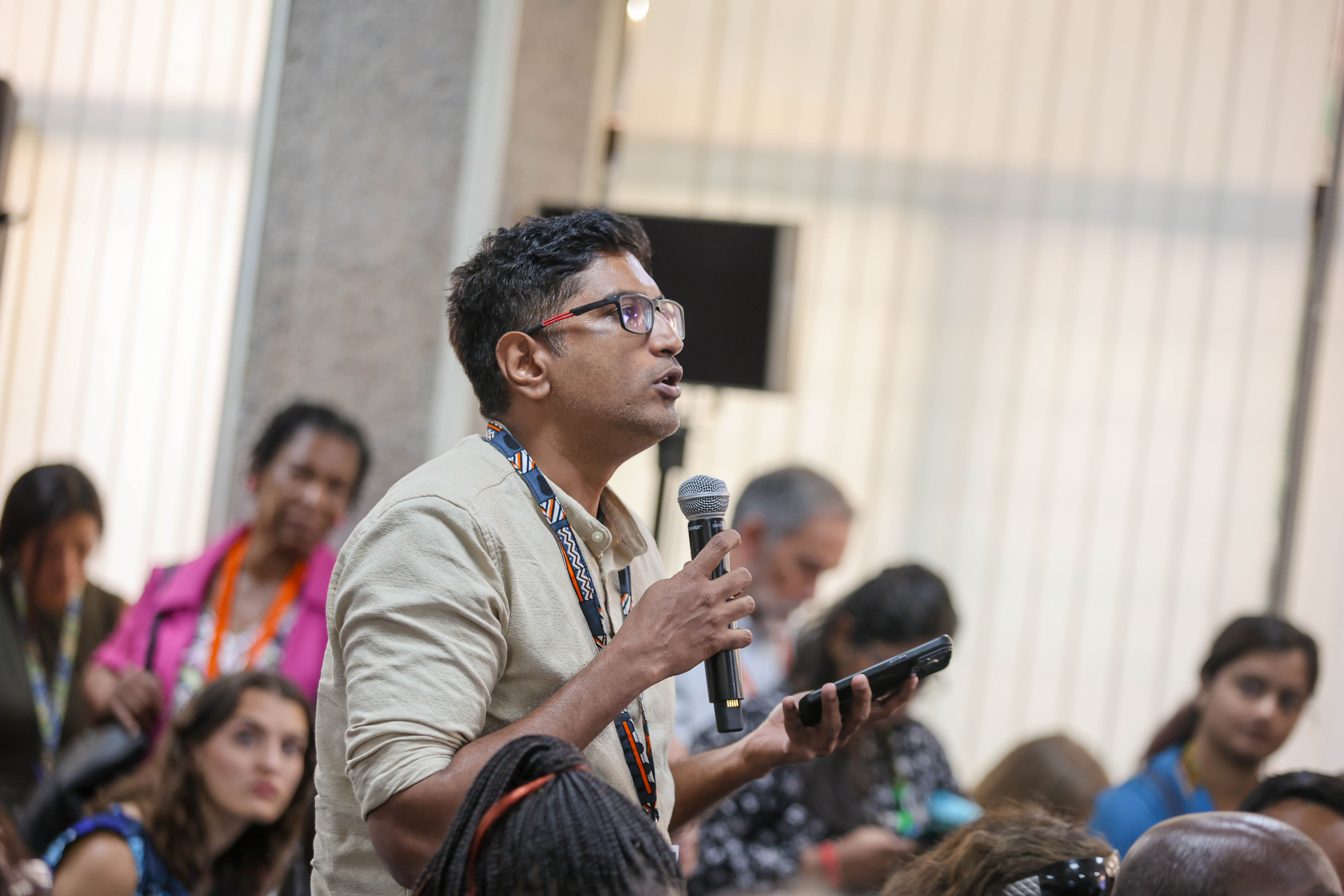
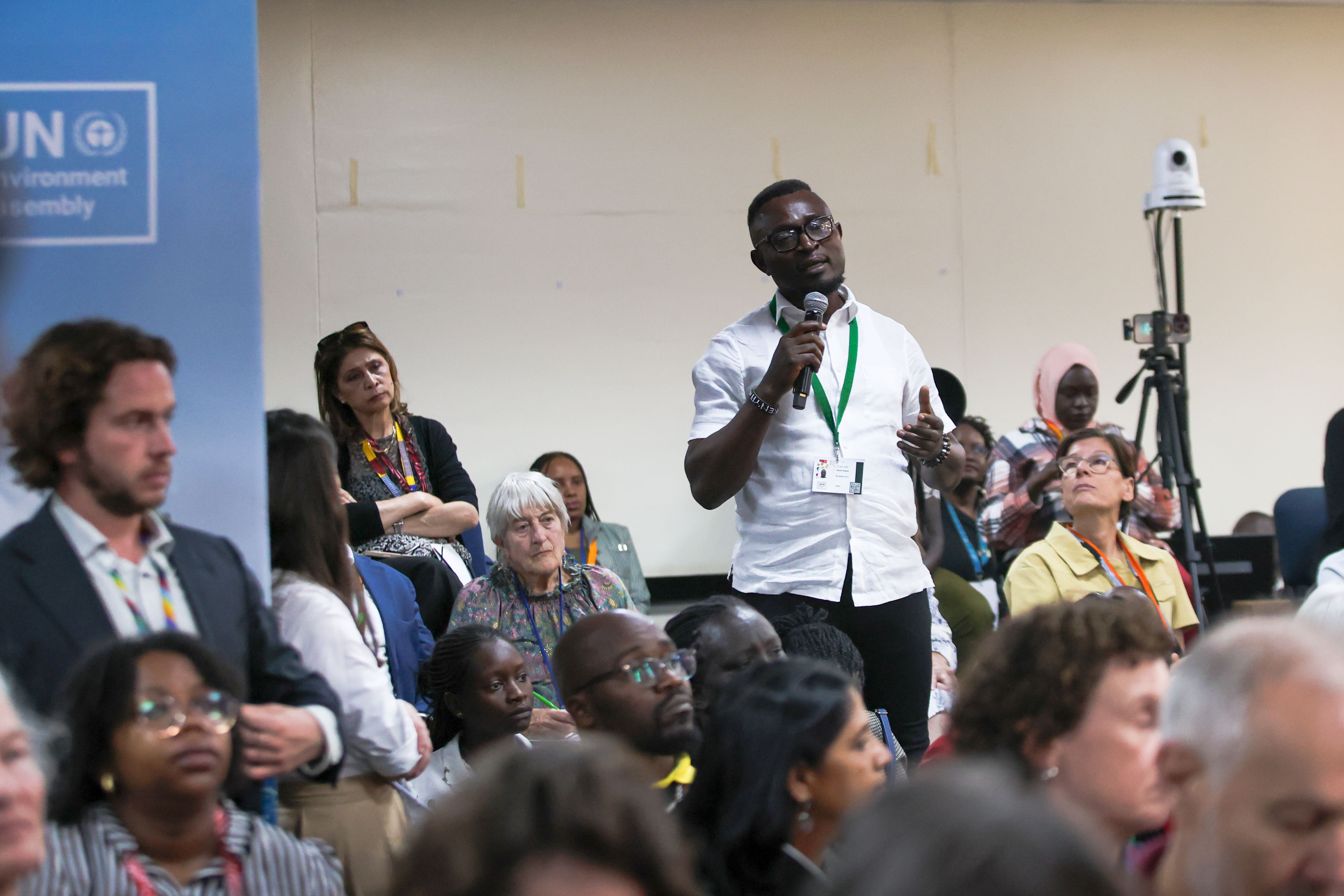
The launch was followed by a question and answer session.
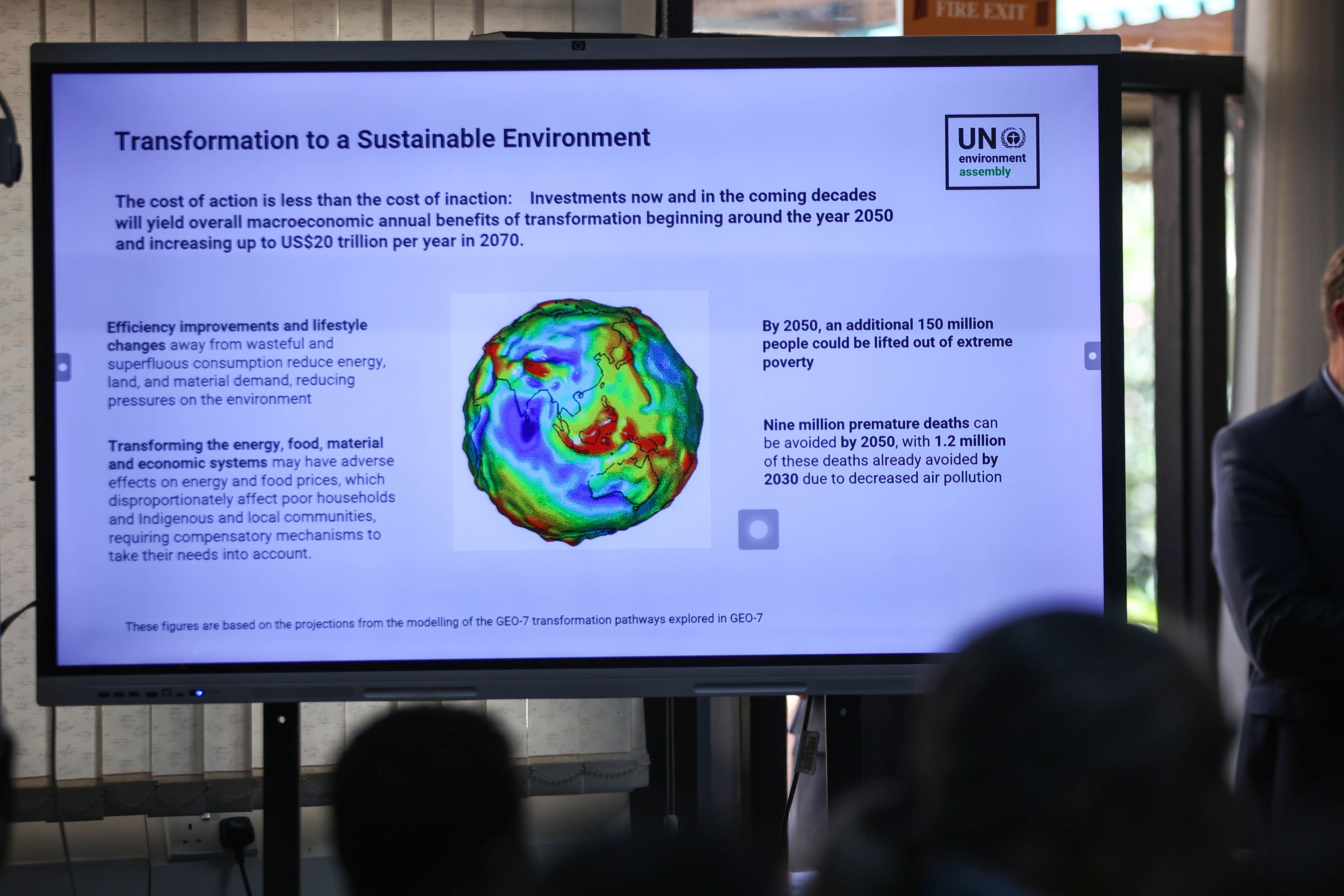
Slides from Robert Watson's presentation
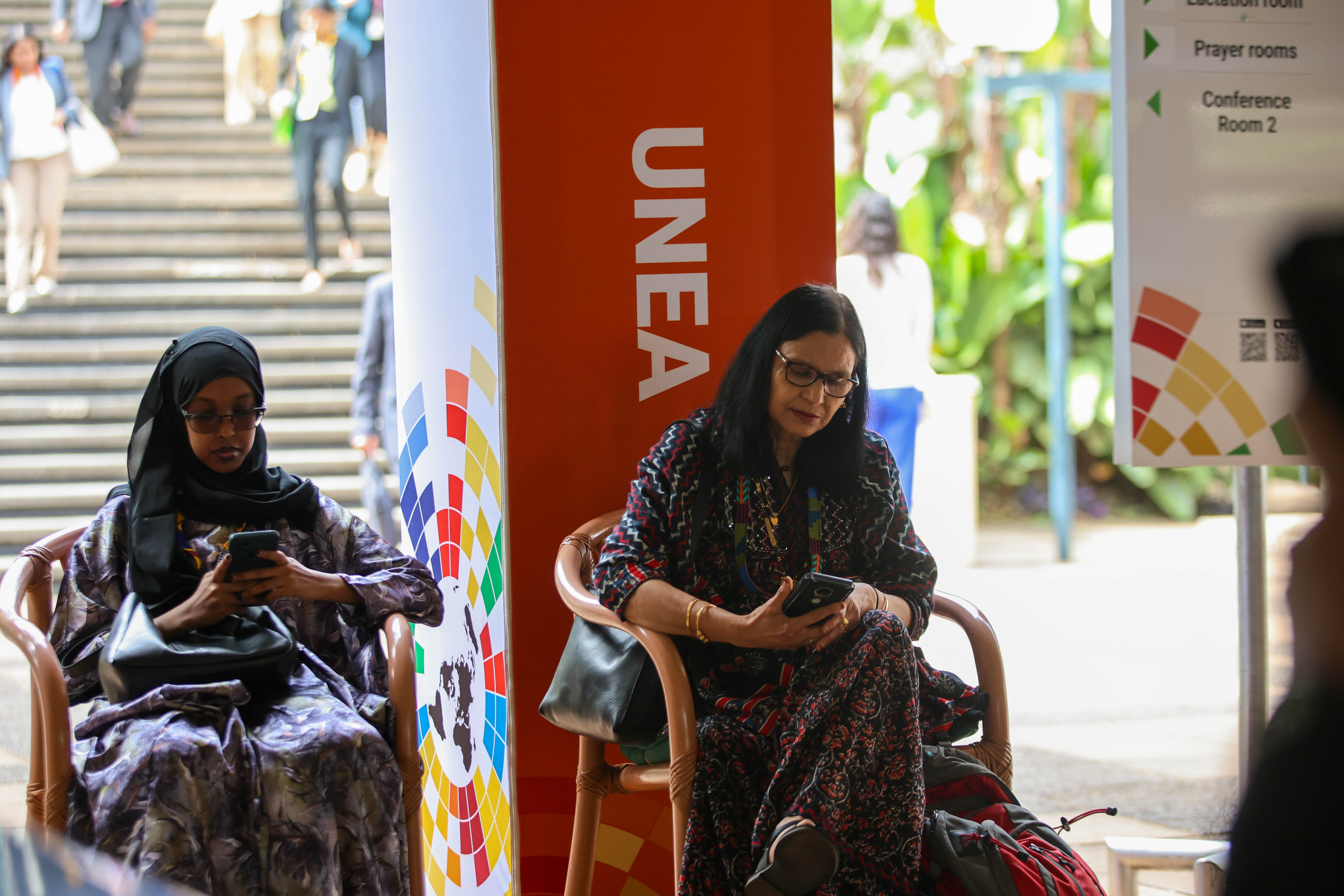
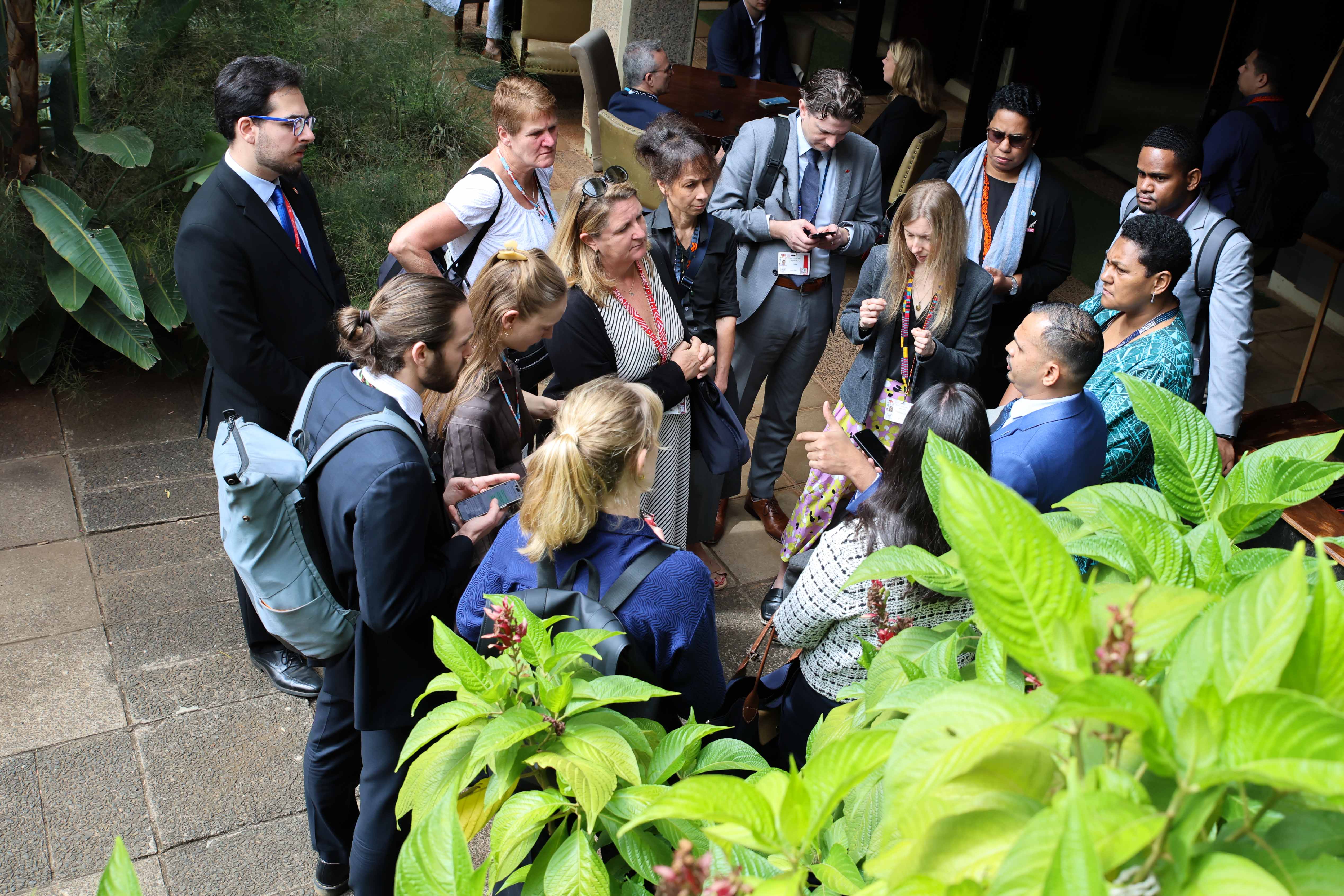
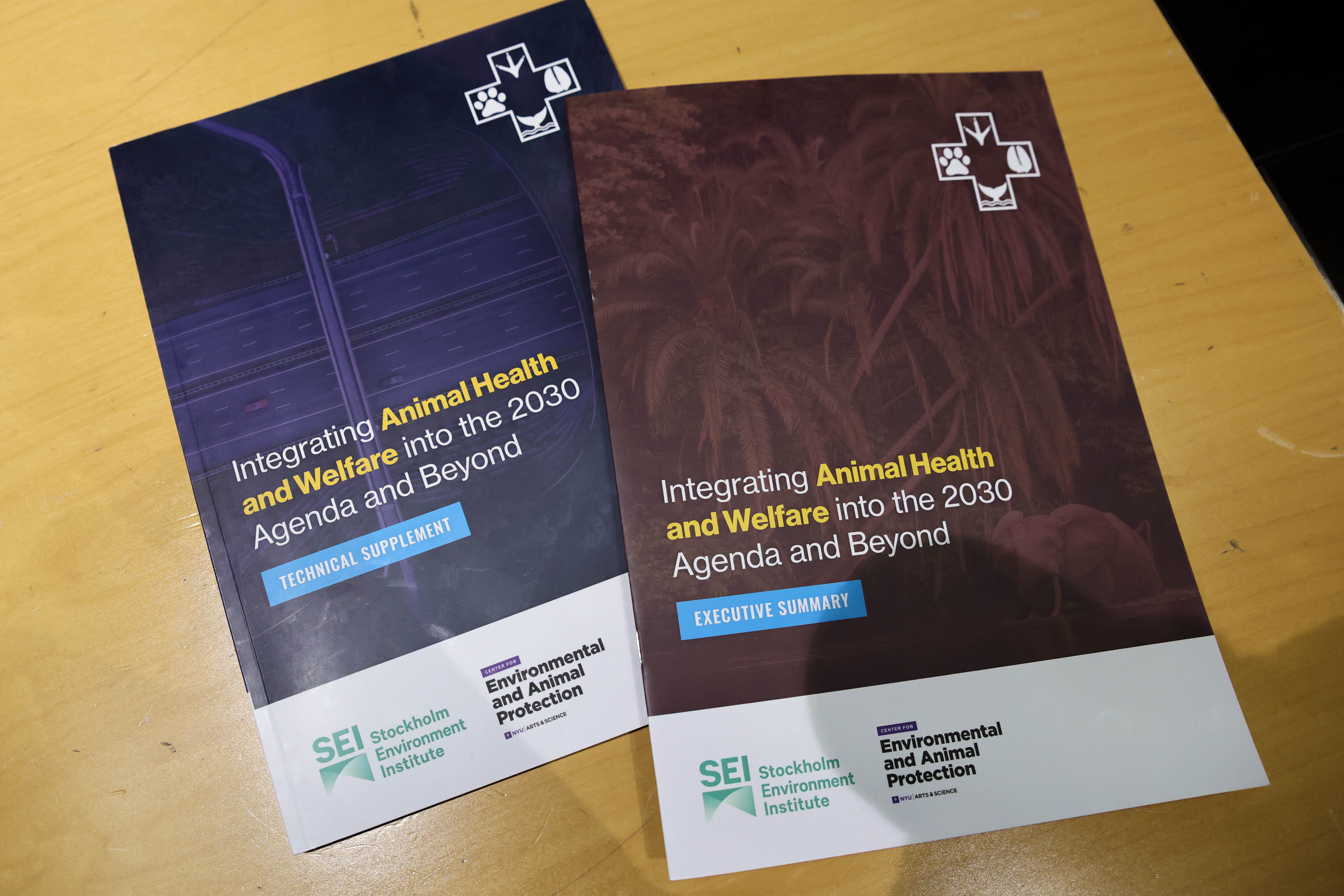
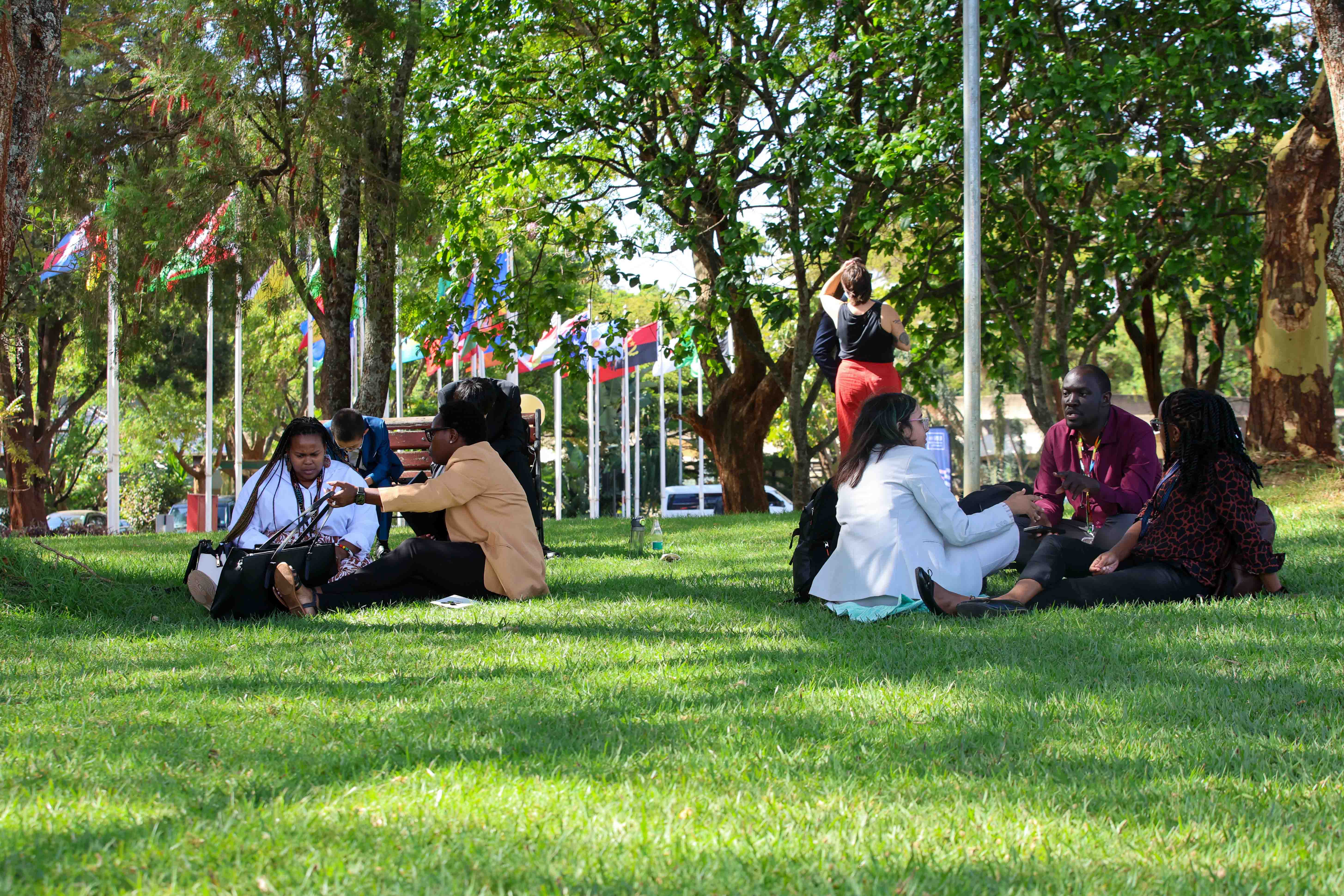
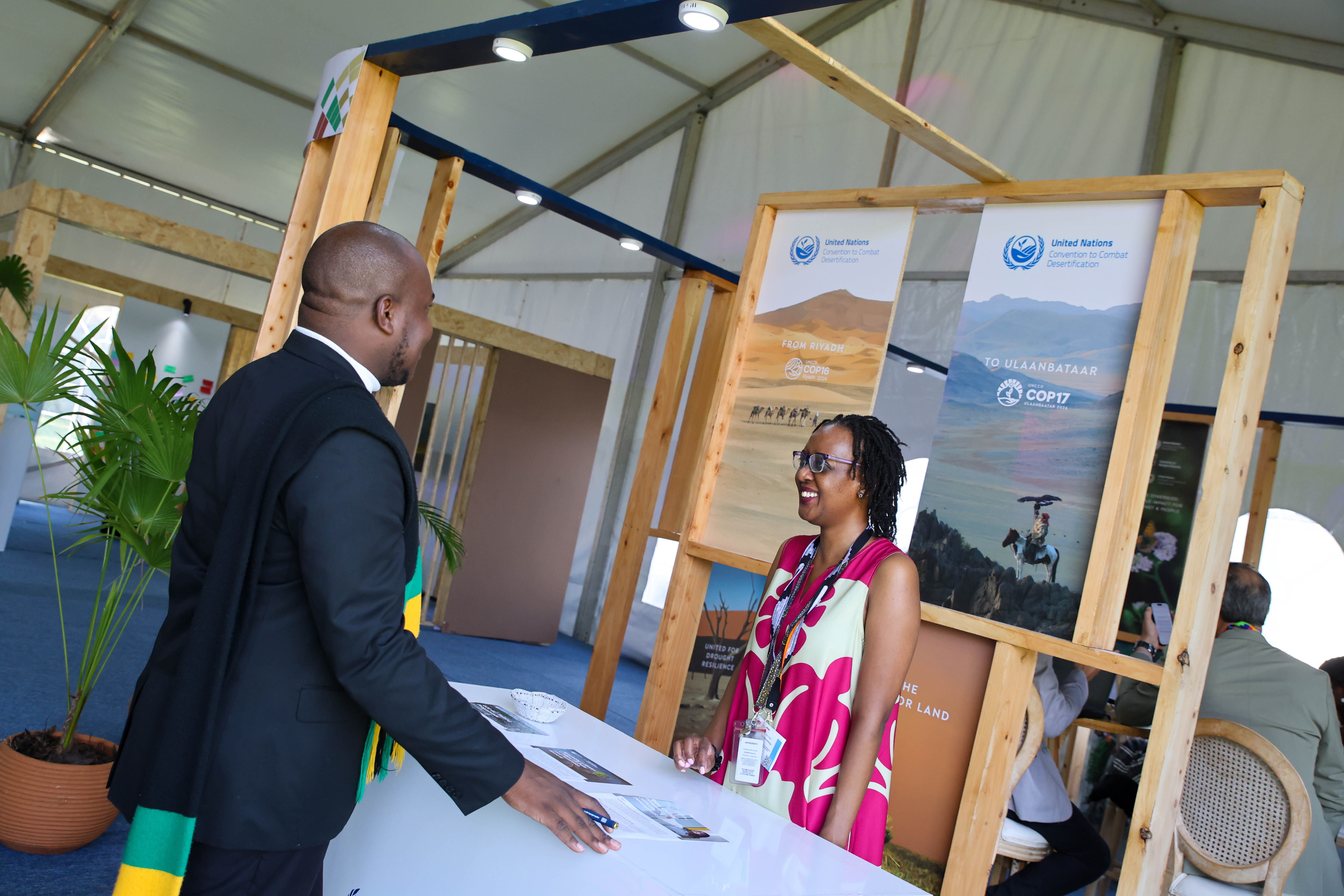
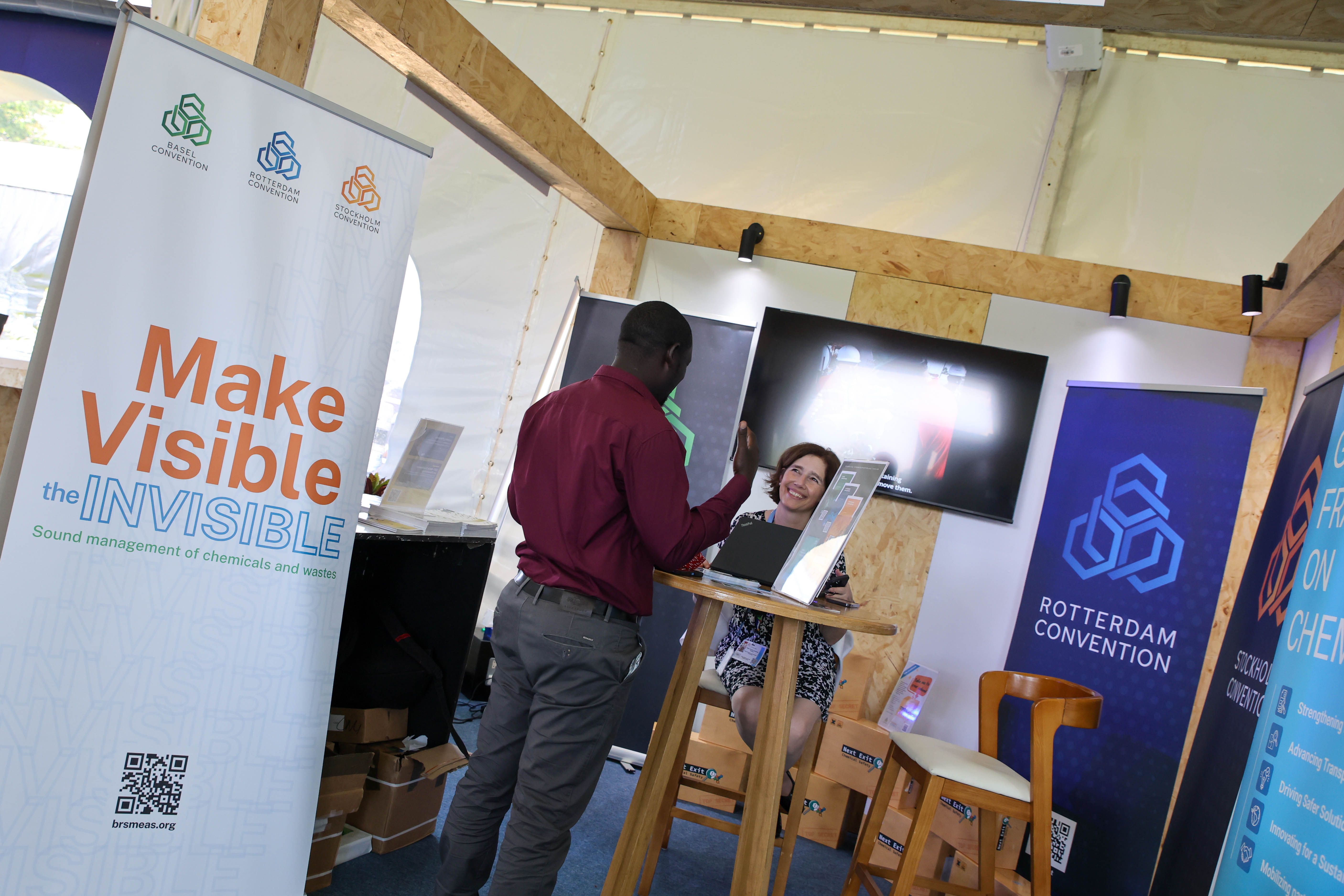
Around the Venue
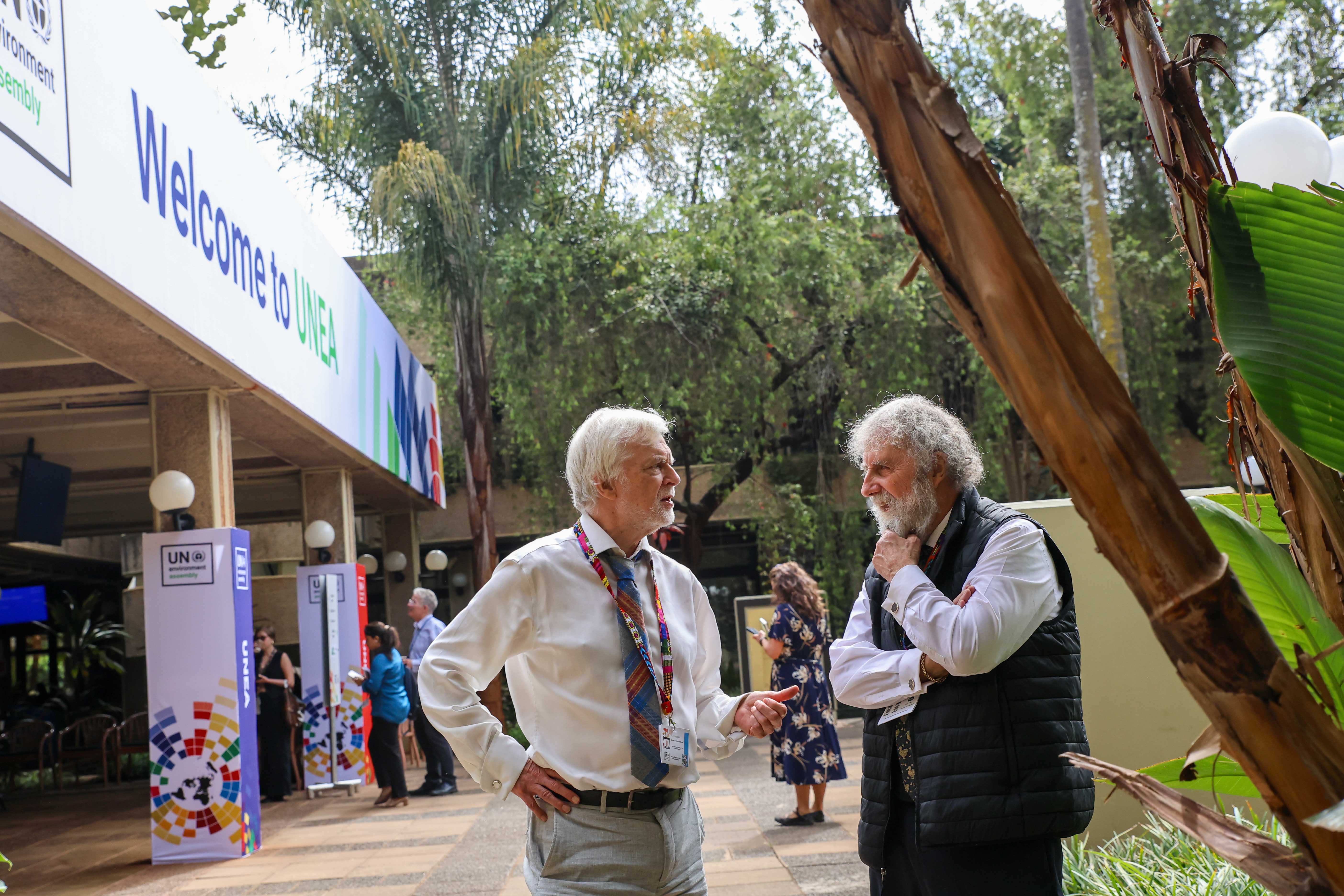
IPCC Chair Jim Skea and Robert Watson, GEO-7 Assessment Co-Chair
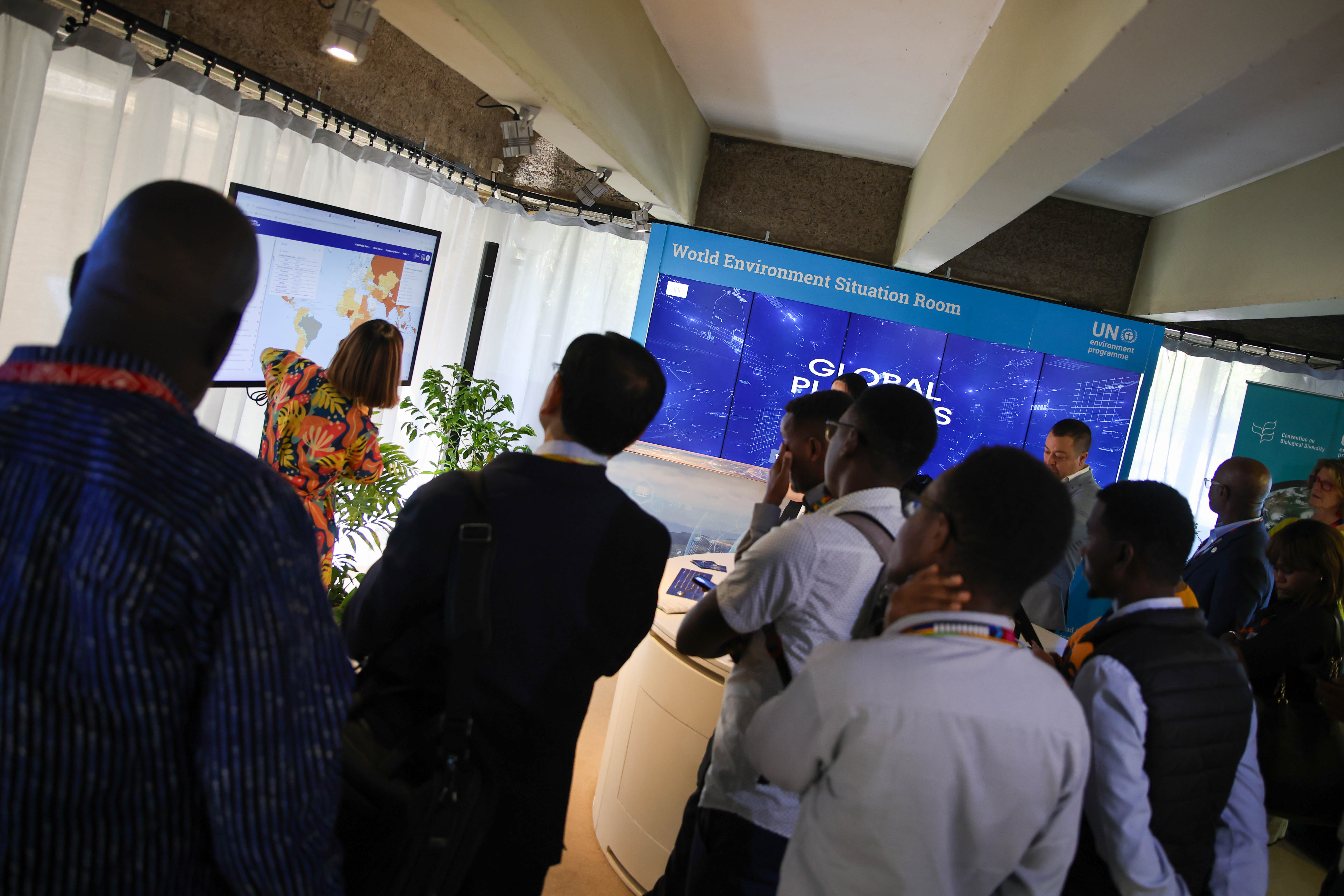
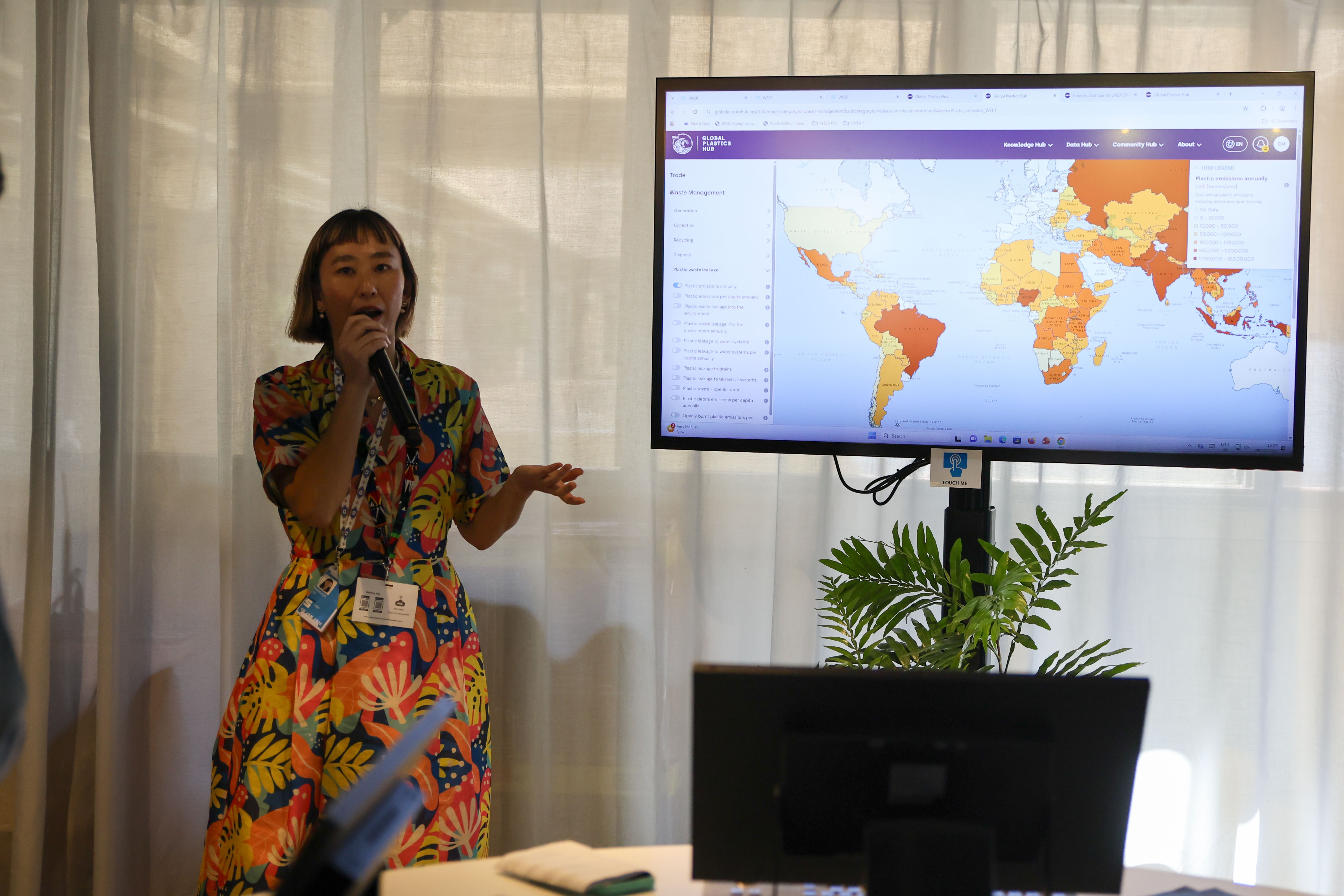
Presentation of the Global Plastics Hub.