On the last scheduled day of the seventh session of the Open-ended Committee of Permanent Representatives (OECPR-7), delegates strived to conclude discussions on the numerous resolutions before them. Meeting throughout the day in two parallel informal Working Groups, they addressed clusters related to: nature and climate; governance and law; circular economy, chemicals, waste and pollution; and strategic, budgetary, and governing bodies matters.
In their deliberations during the day, delegations discussed how to frame contributions to national, regional, and international coral reef monitoring systems, including whether to reference the Global Coral Reef Monitoring Network. They finally agreed to encourage States to voluntarily share the data including to the Network, to contribute to informed decision making. They disagreed, however, on whether there would be evidence-based informed decision making.
Want to dig deeper into today's talks? Read the full Earth Negotiations Bulletin daily report.
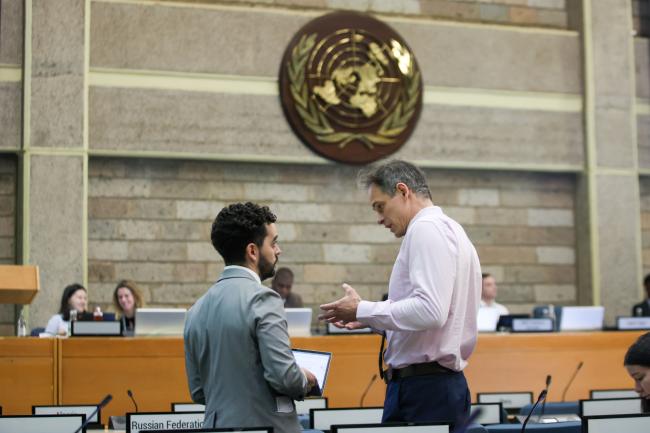
Delegates revisited the draft on karst ecosystems, debating how to address references to conservation, restoration, and sustainable management, and how to reflect links to relevant global frameworks. They remained divided on language concerning access to financial resources. On the draft resolution on environmental dimensions of Antimicrobial Resistance (AMR), delegates debated adding references to the One Health approach and to the role of microplastics as AMR vectors, but were unable to reach agreement.
They were also unable to find consensus on the draft decision on the Medium-Term Strategy (MTS) for the period 2026-2029 and the Programme of Work (PoW) and budget for the biennium 2026-2027. They made limited progress on the resolution related to minerals and metals, currently titled, “[advancing options for [international instruments on] enhancing environmentally sound management of minerals [and metals and guidance for mineral resources], including through circularity.”

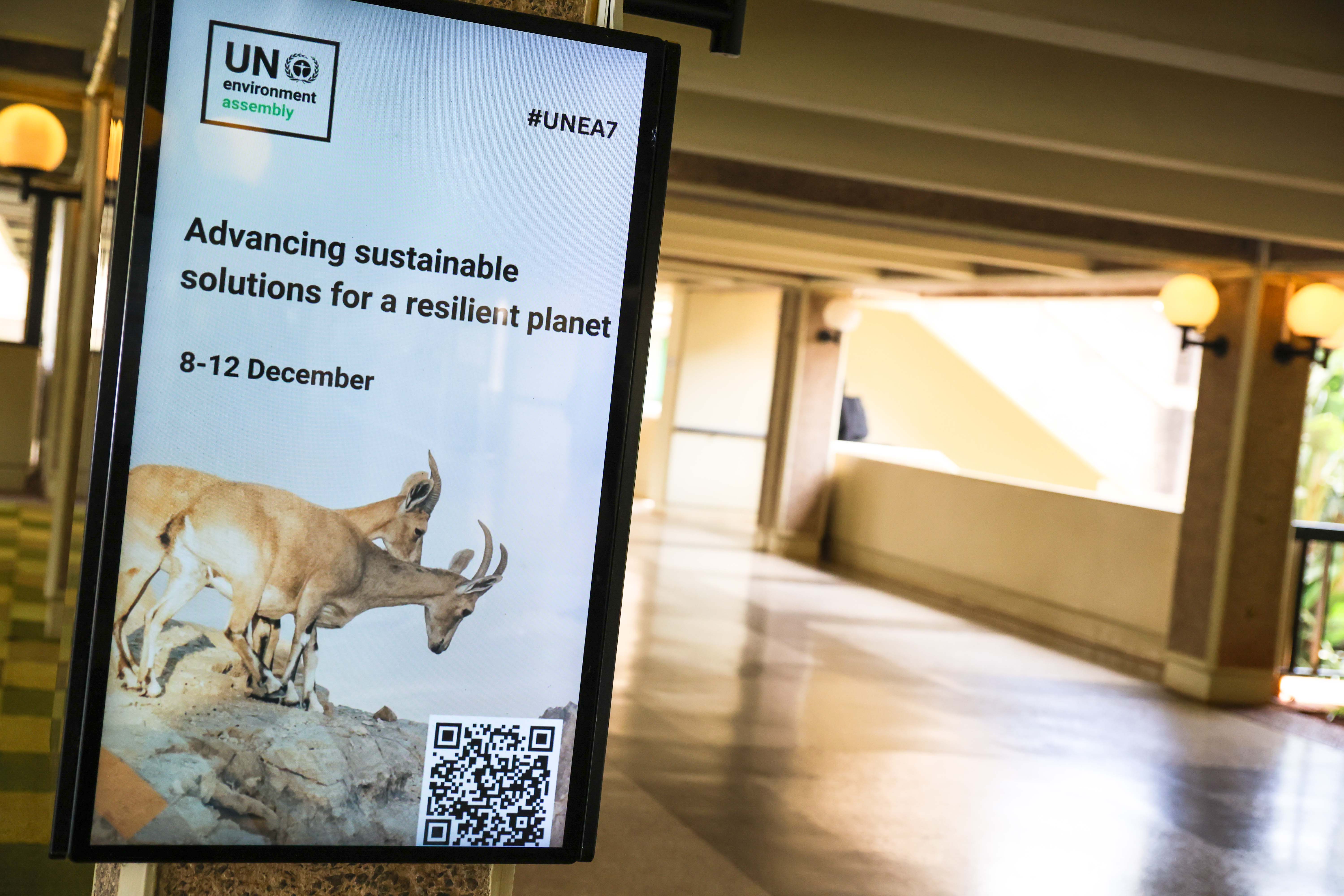
After lengthy discussions on strengthening the role of the UN Environment Programme (UNEP) headquarters in Nairobi, delegations were unable to agree to negotiate on the basis of a streamlined non-paper, and reverted to the original text containing many alternative textual proposals. Delegates agreed to resume discussions during the seventh session of the UN Environment Assembly (UNEA), convening from 8-12 December.
Consideration of the draft resolution on crimes affecting the environment immediately divided the room. On one side, delegations urged withdrawing the resolution altogether, stressing that any reference to crimes would initiate a criminalization process, and that this falls beyond UNEP’s mandate. On the other, a similar number of delegations urged continued deliberation, emphasizing this is a transnational issue severely undermining global environmental policy efforts and contributing to corruption. This deadlock went unresolved despite proposals to replace “crimes” with softer terms such as “activities” or “issues.”
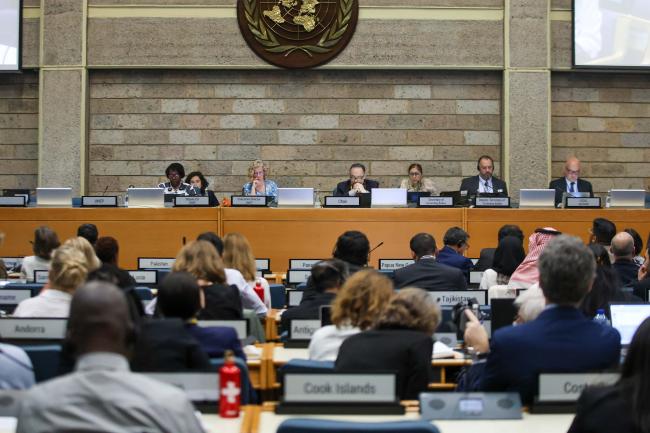
During the closing plenary, delegates agreed to transmit all resolutions and decisions to UNEA-7 for further consideration. They also agreed to meet in informal-informal sessions on Saturday afternoon, 6 December, to try to reach compromise on the outstanding texts.
In her closing remarks, Inger Andersen, UNEP Executive Director, emphasized that the world is expectantly watching what will take place at UNEA. She encouraged negotiators to seize this opportunity to adopt resolutions that will safeguard and advance global environmental goals.OECPR-7 Chair Sultan Hajiyev (Azerbaijan) informed the Committee that he would report on the week’s work, including work done over the weekend, to the Assembly on Monday. He gaveled the meeting to a close at 8:52 pm.
To receive free coverage of global environmental events delivered to your inbox, subscribe to the ENB Update newsletter.
All ENB photos are free to use with attribution. For OECPR-7 and UNEA-7 please use: Photo by IISD/ENB | Anastasia Rodopoulou
Cluster A on Nature and Climate
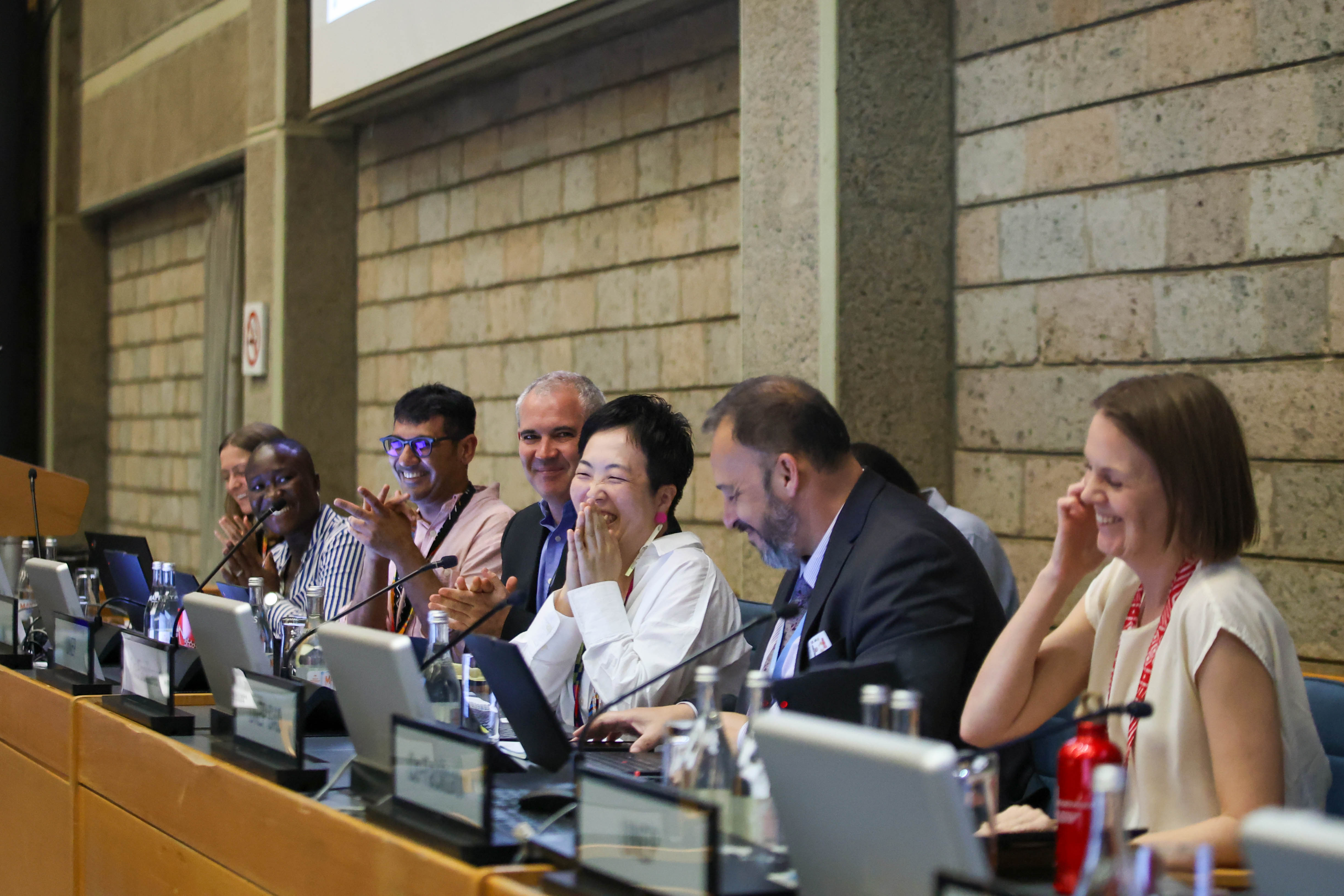
Delegates wished Kanako Okano, Japan, Co-Facilitator of Cluster A, a happy birthday.
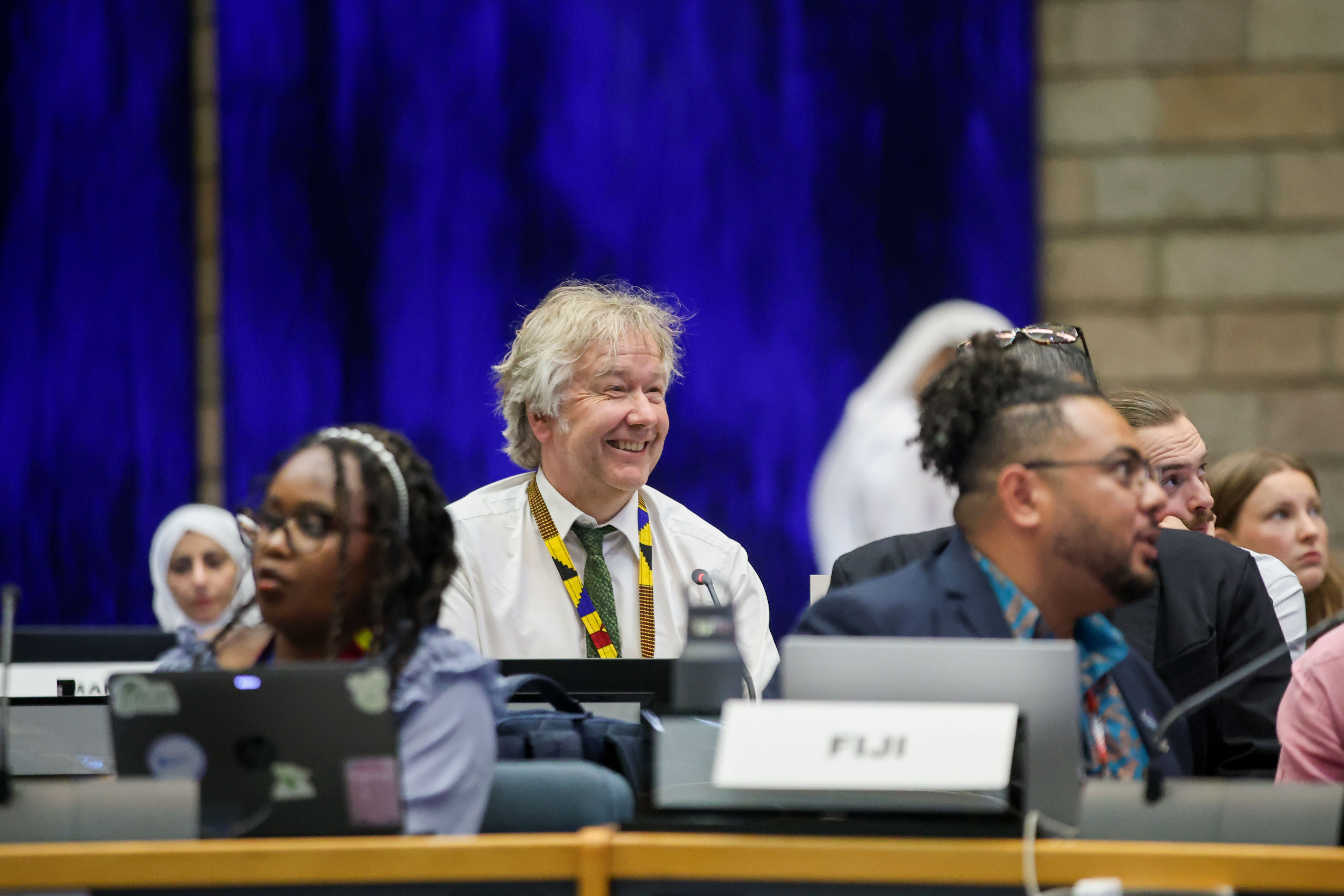
Jon Heikki Aas, Norway
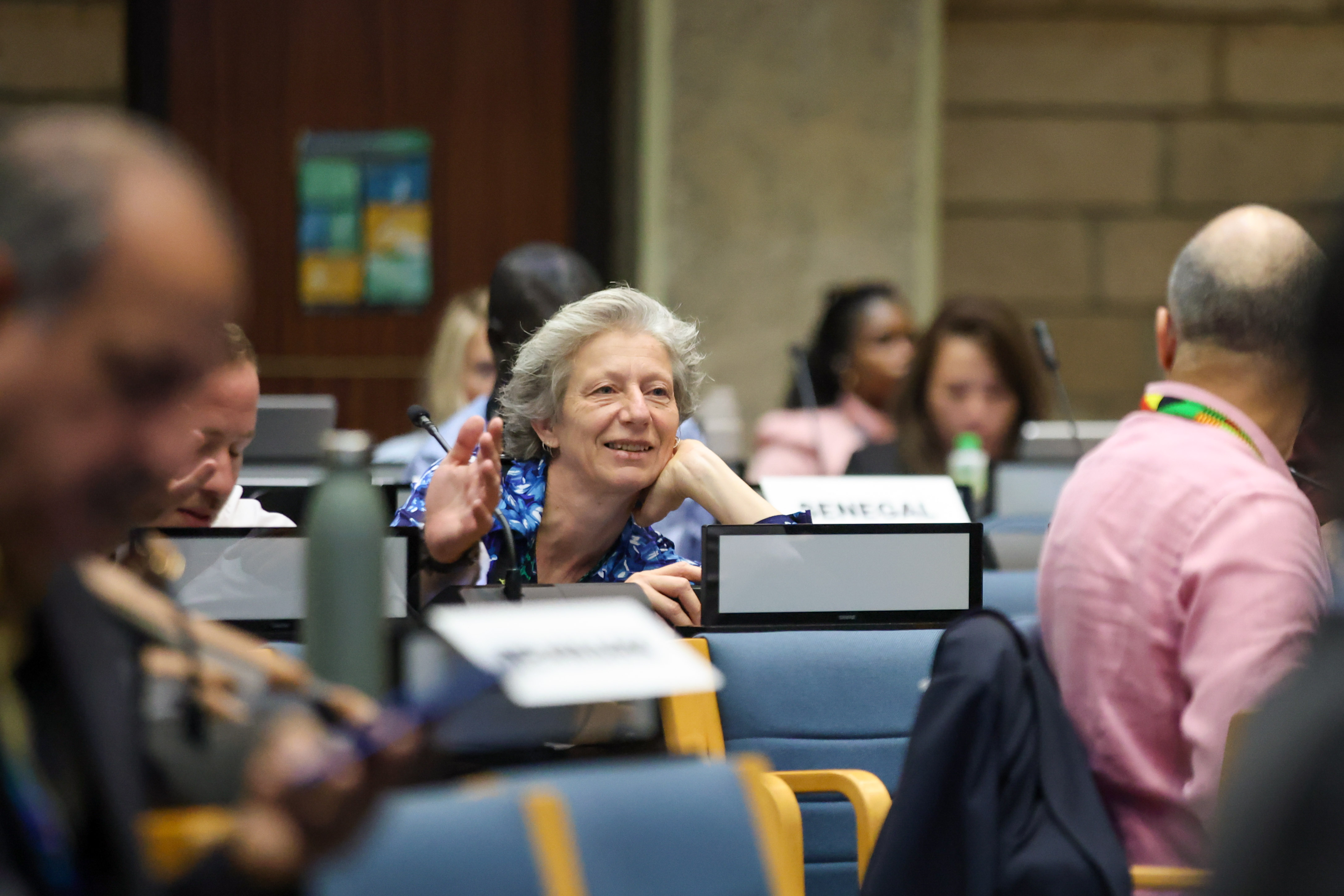
Gudi Alkemade, the Netherlands
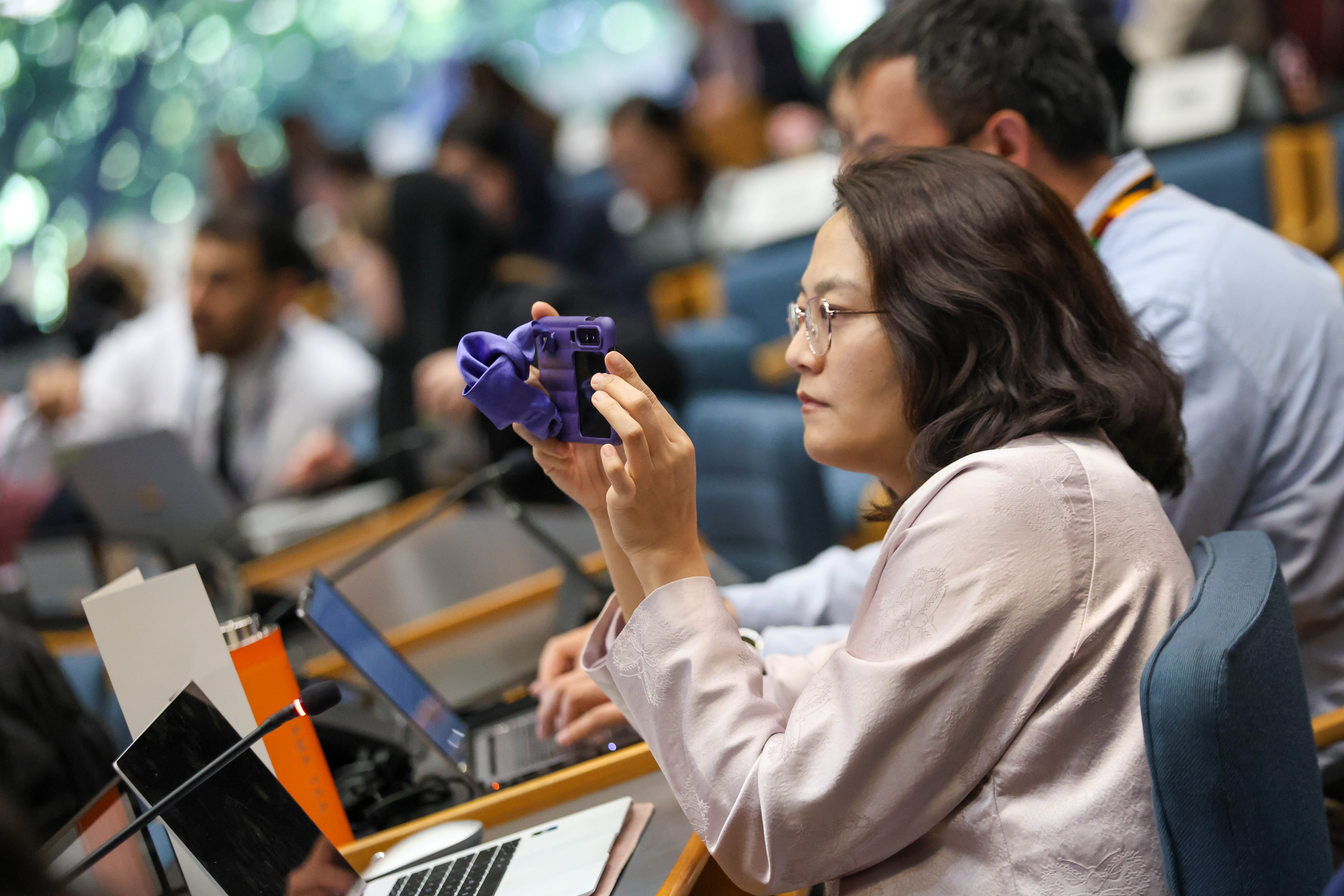
Li Ying, China
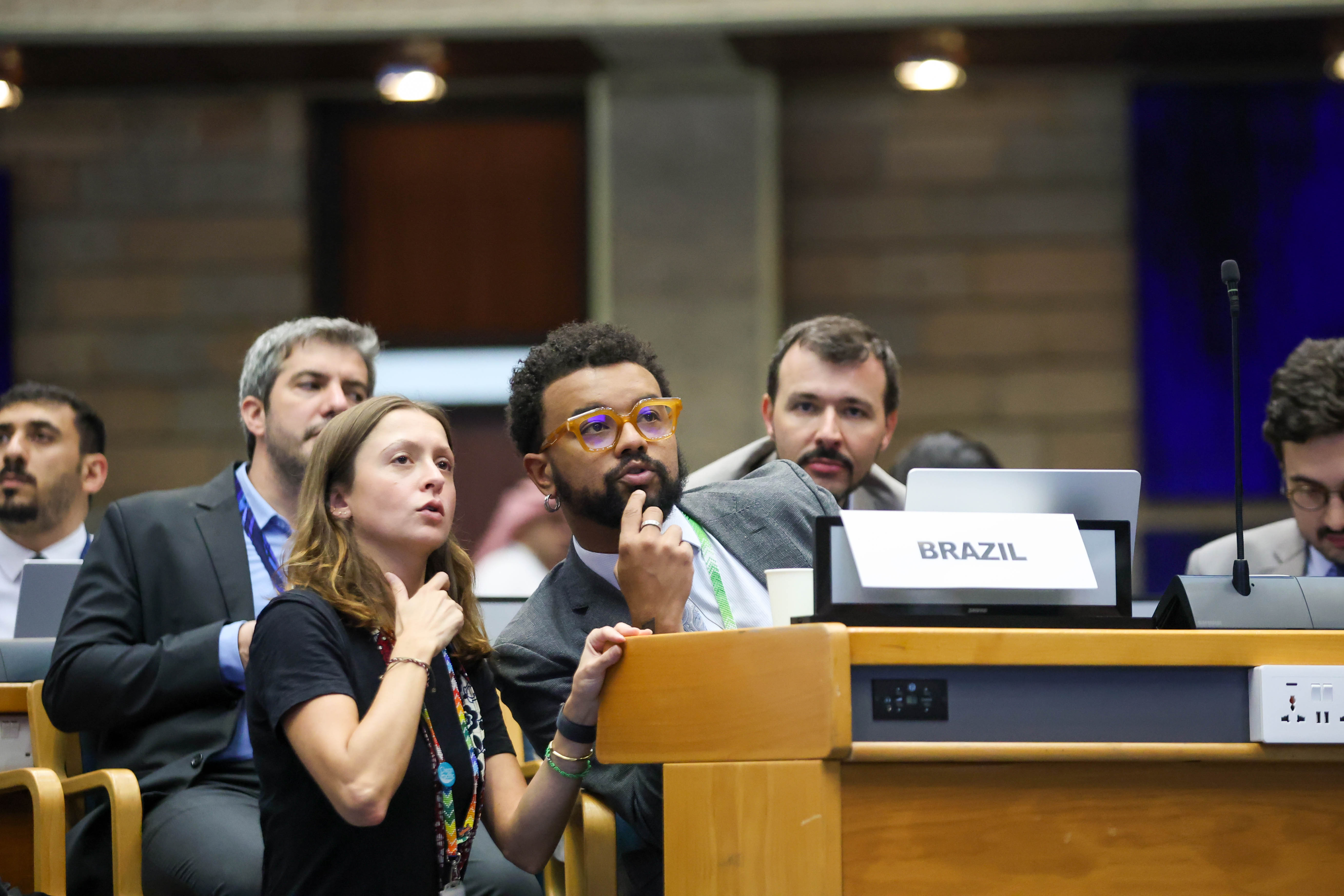
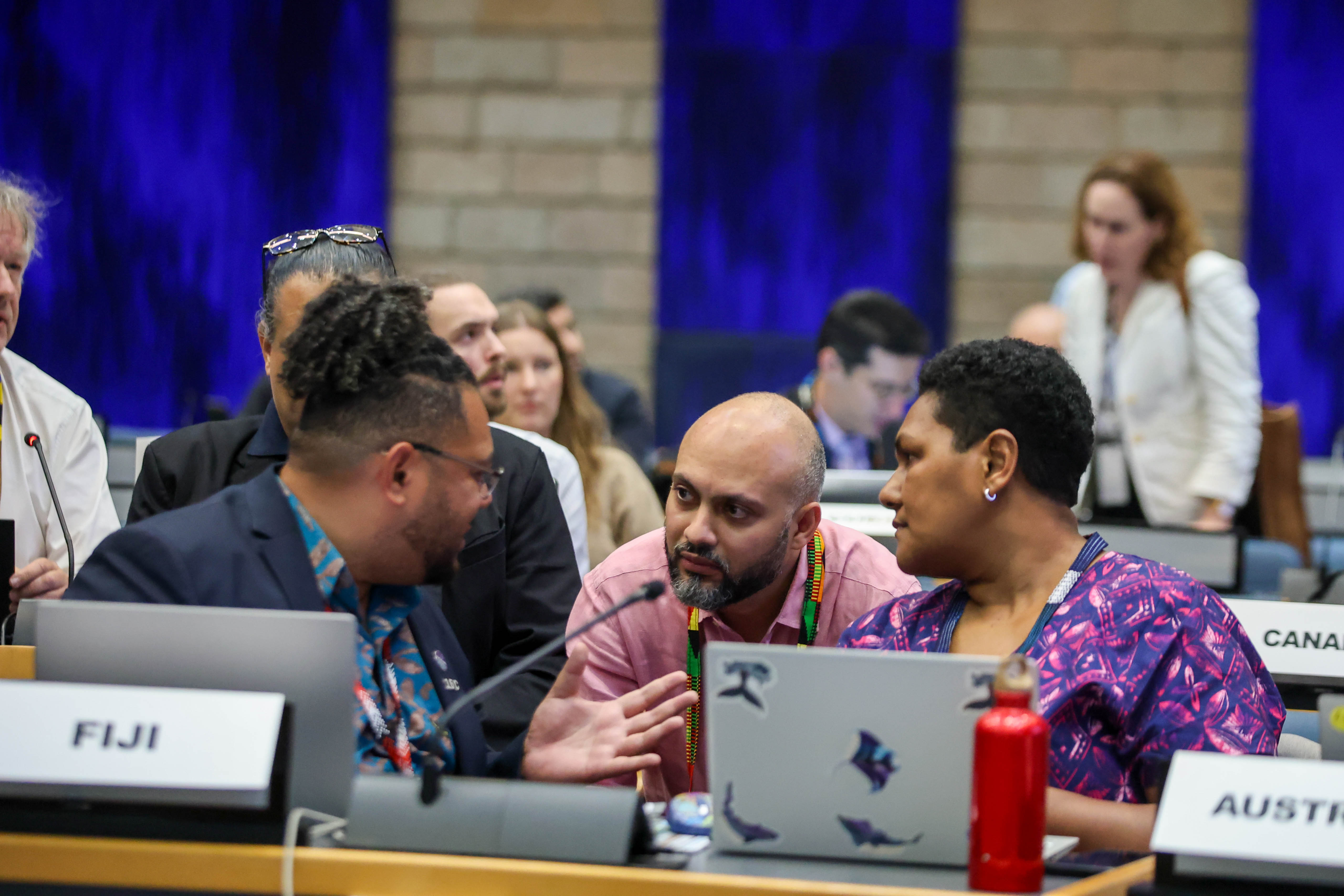
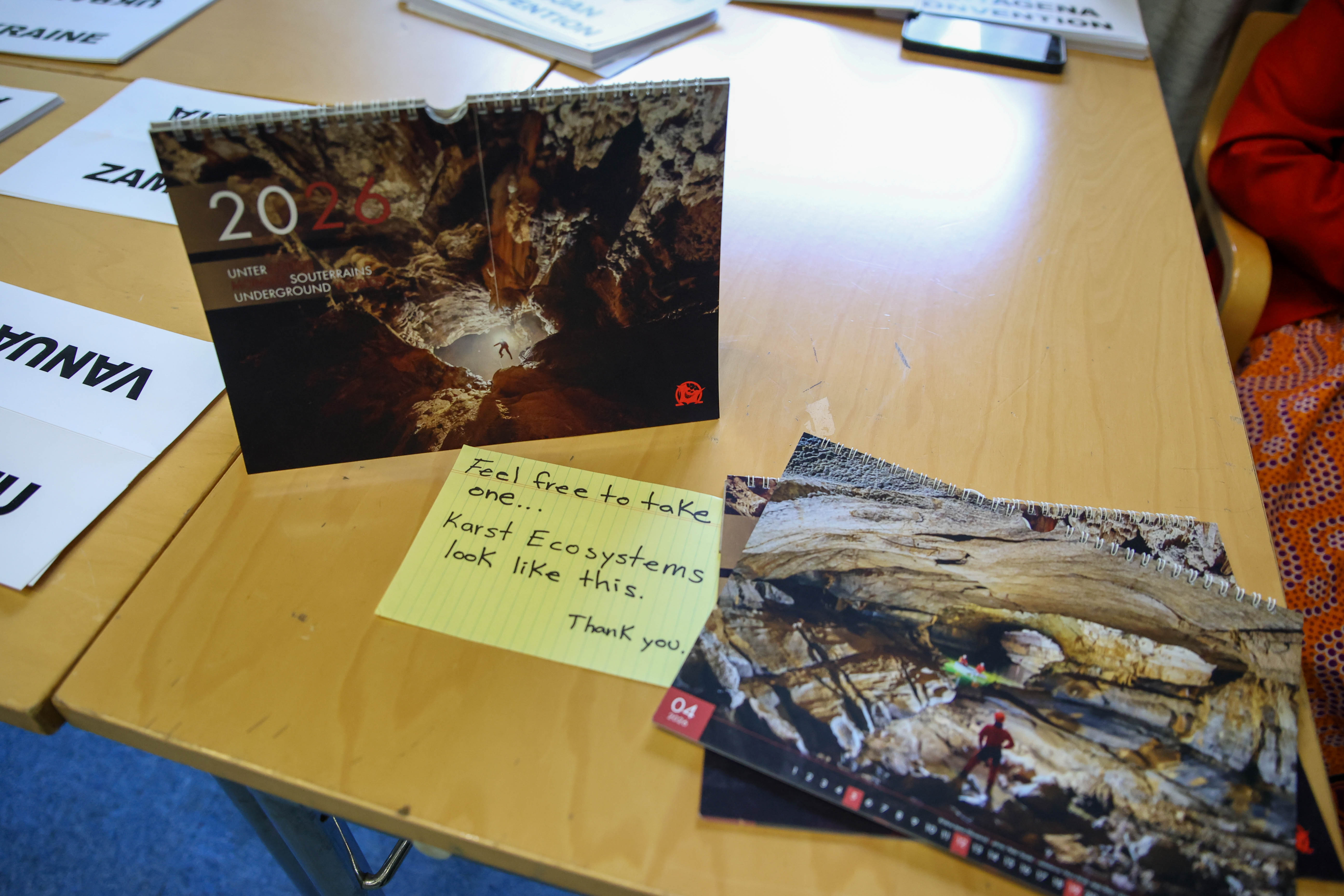
2026 calendars featuring Karst ecosystems
Cluster B on Governance and Law
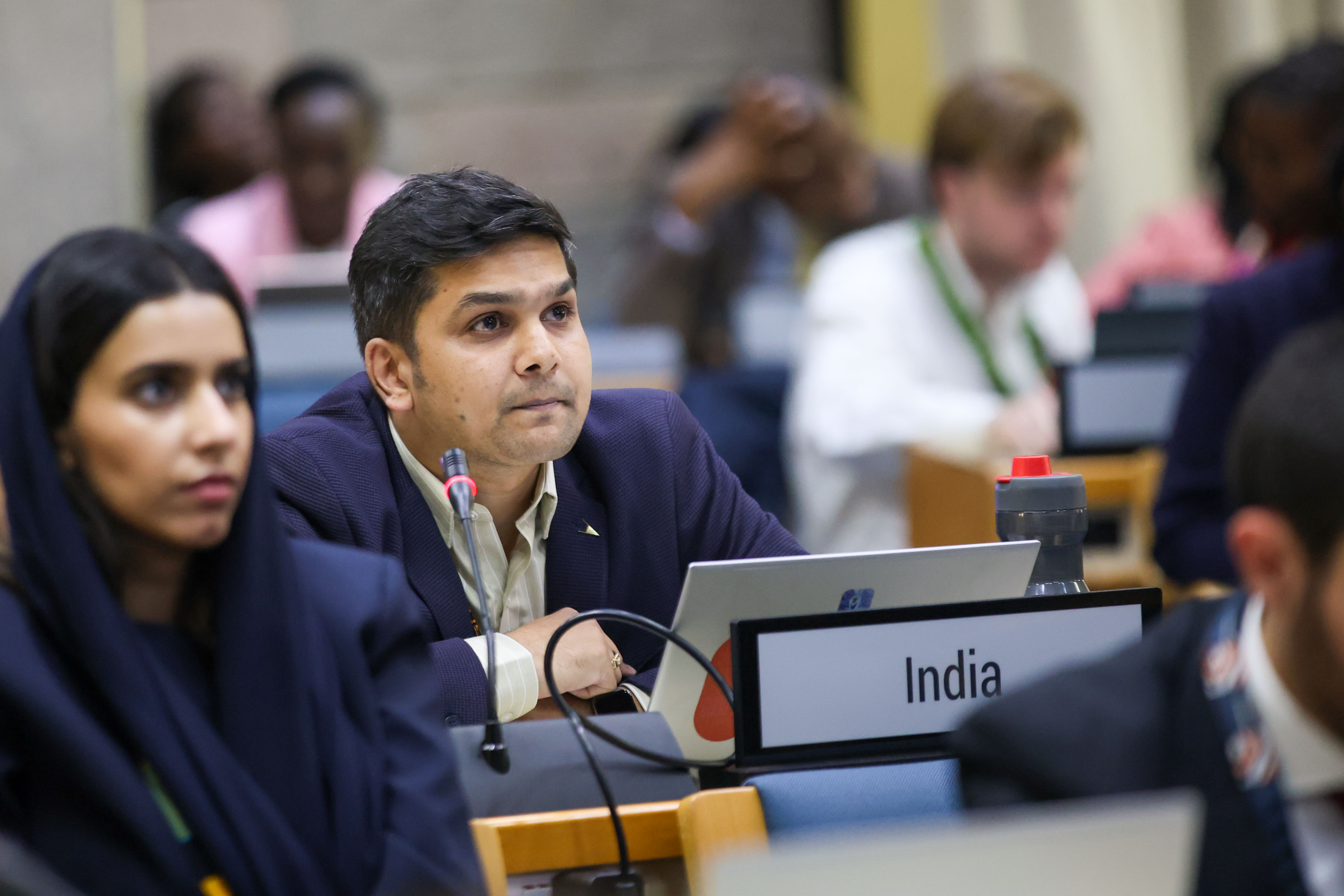
Anuj Chandak, India
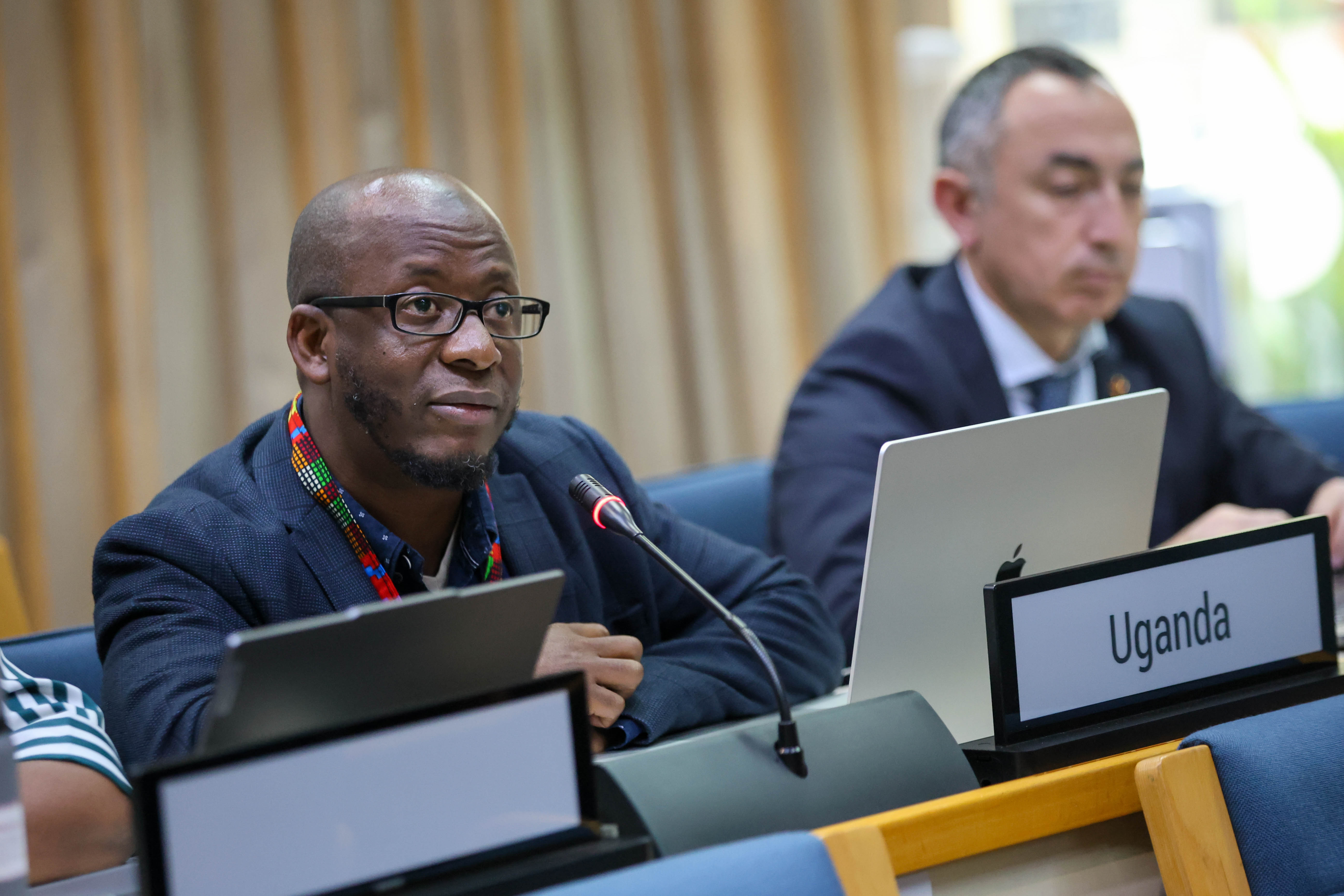
Barirega Akankwasah, Uganda
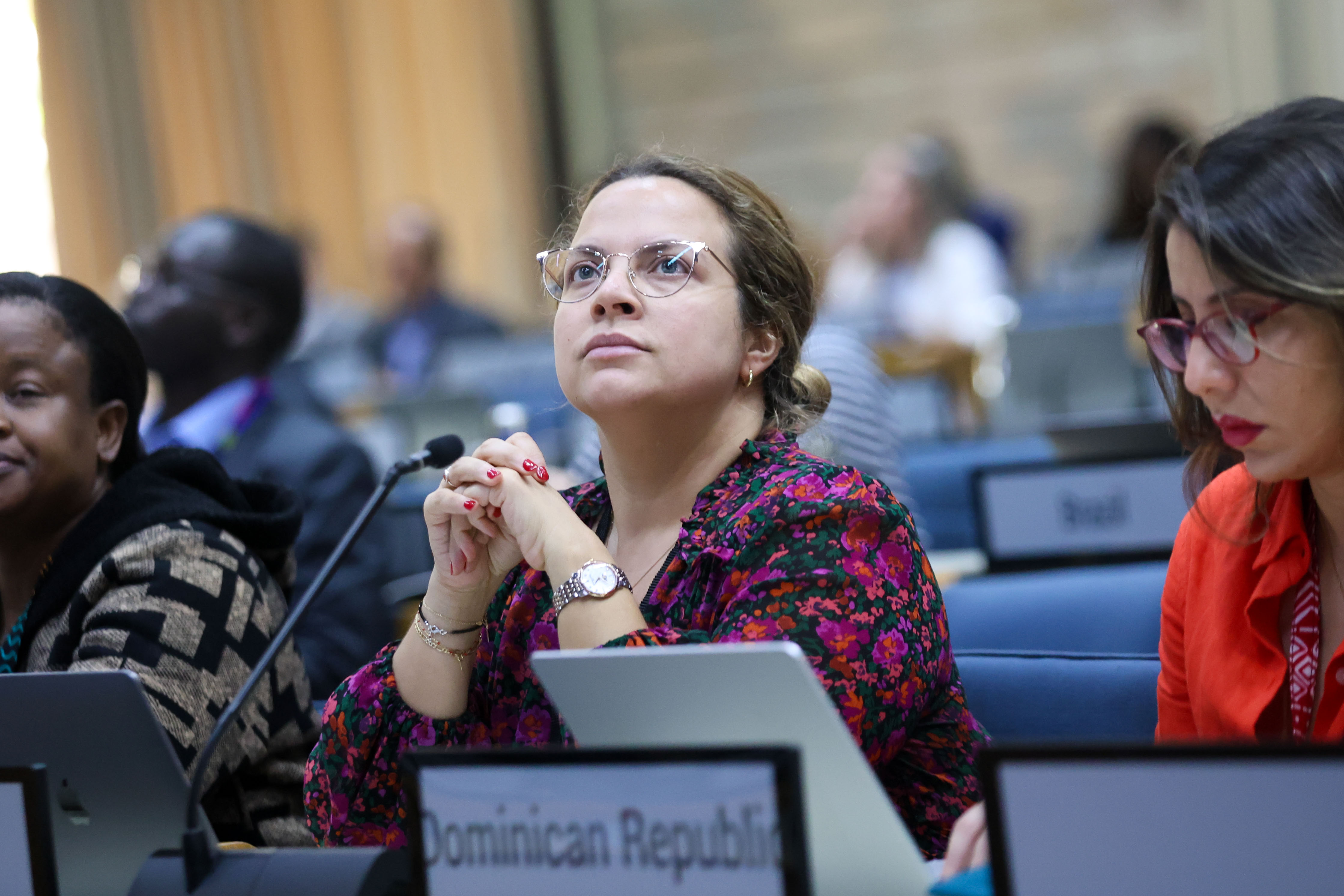
Valentina Sierra Dominguez, Uruguay
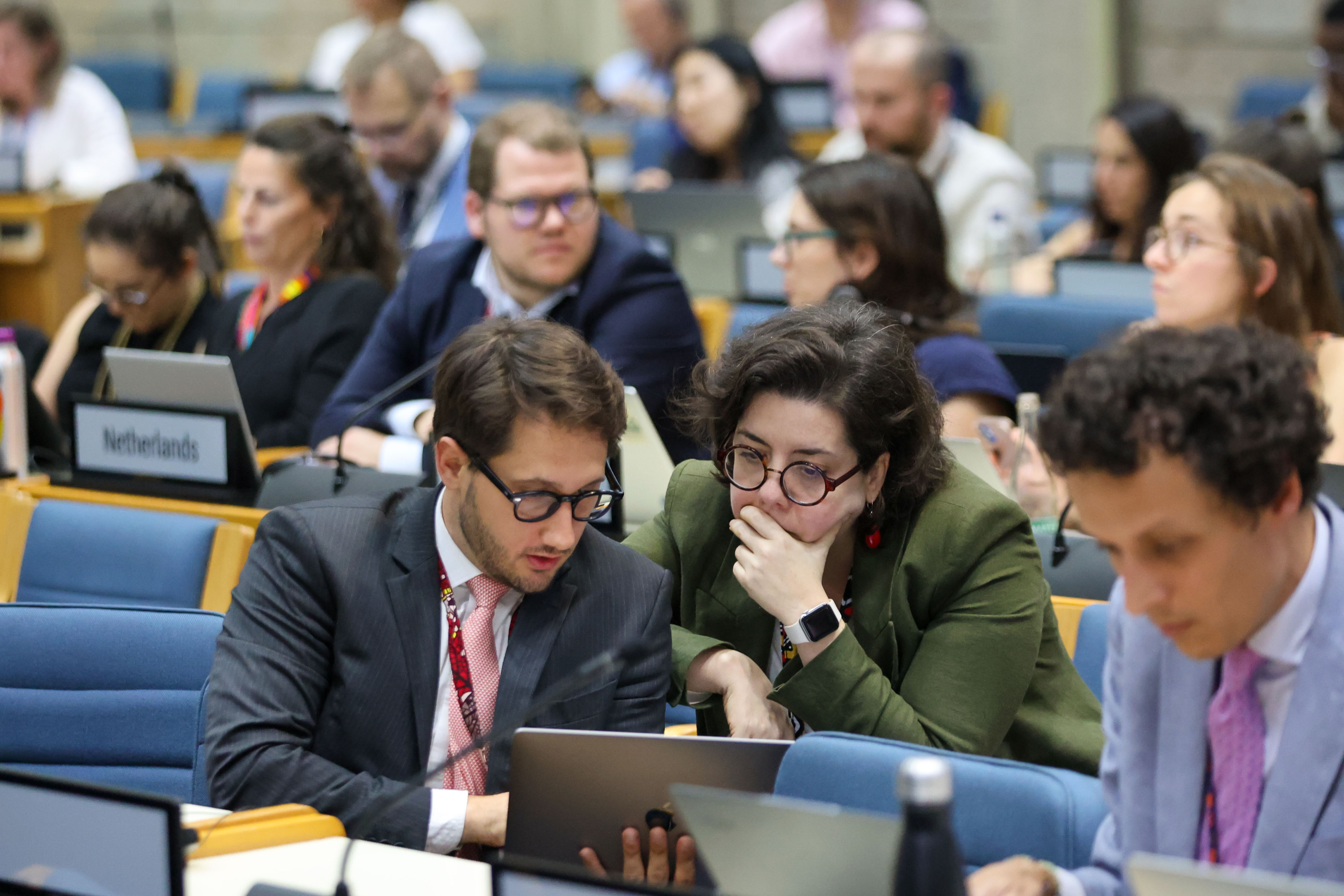
Cluster C on Circular Economy, Chemicals, Waste and Pollution
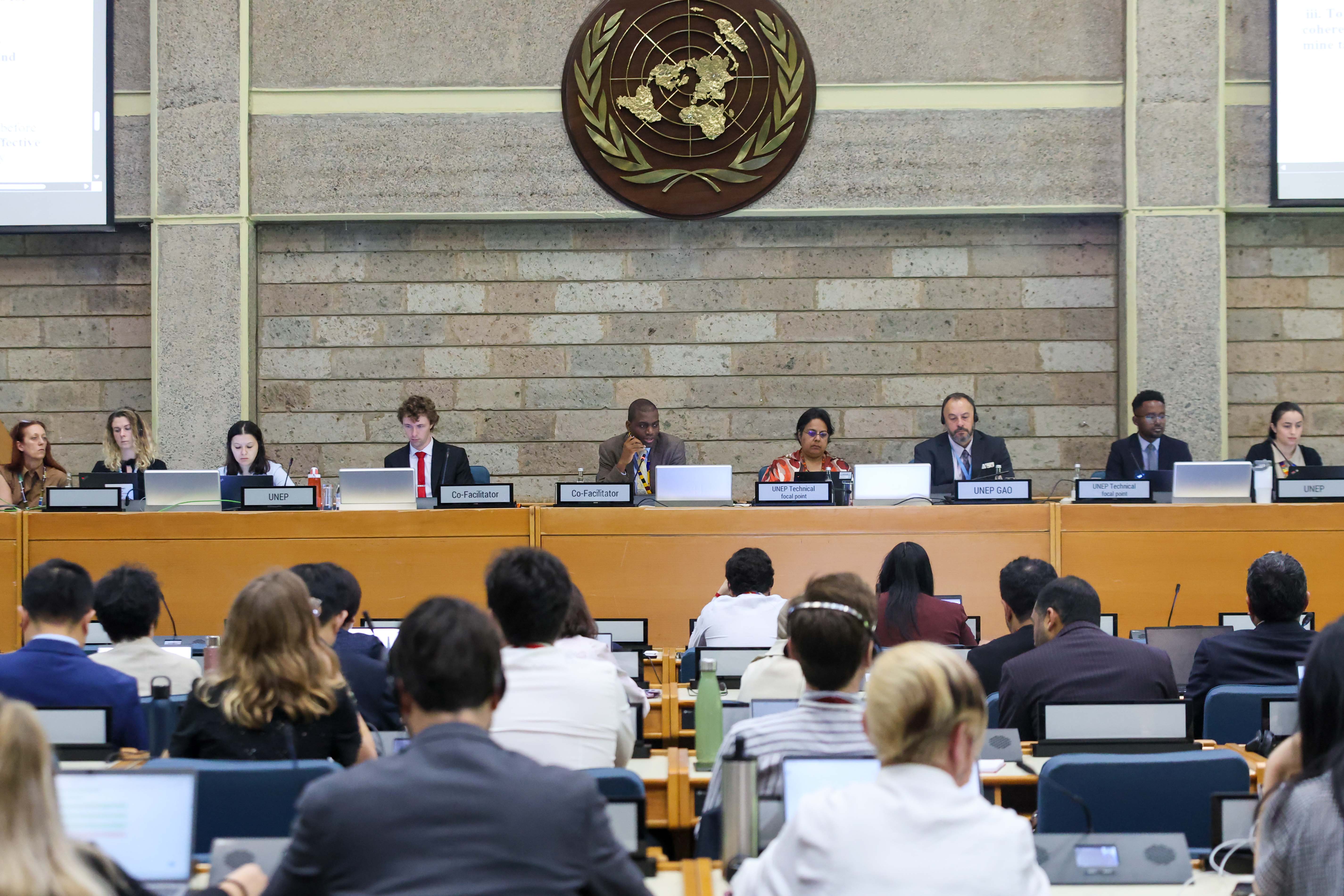
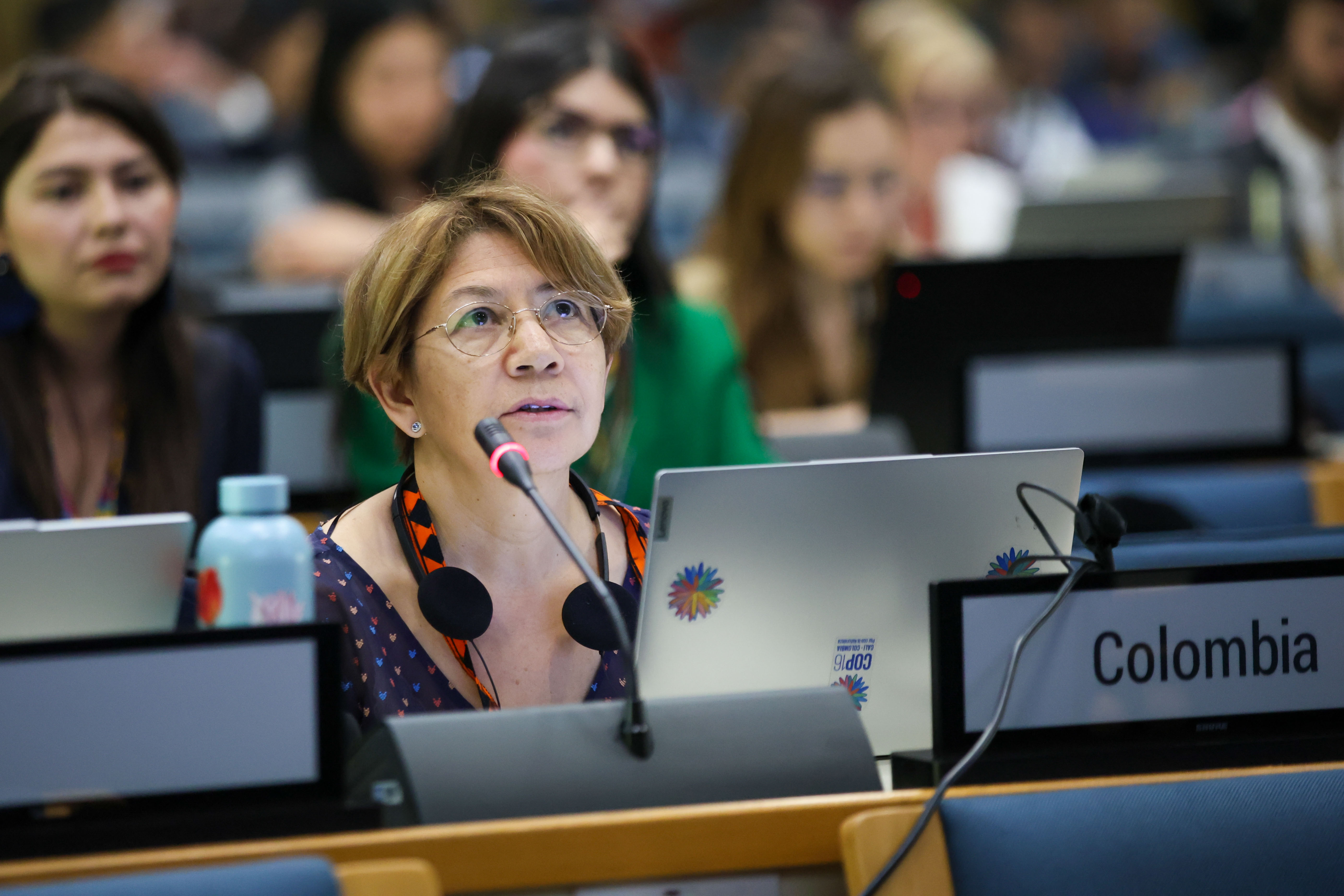
Maria Rivera, Colombia
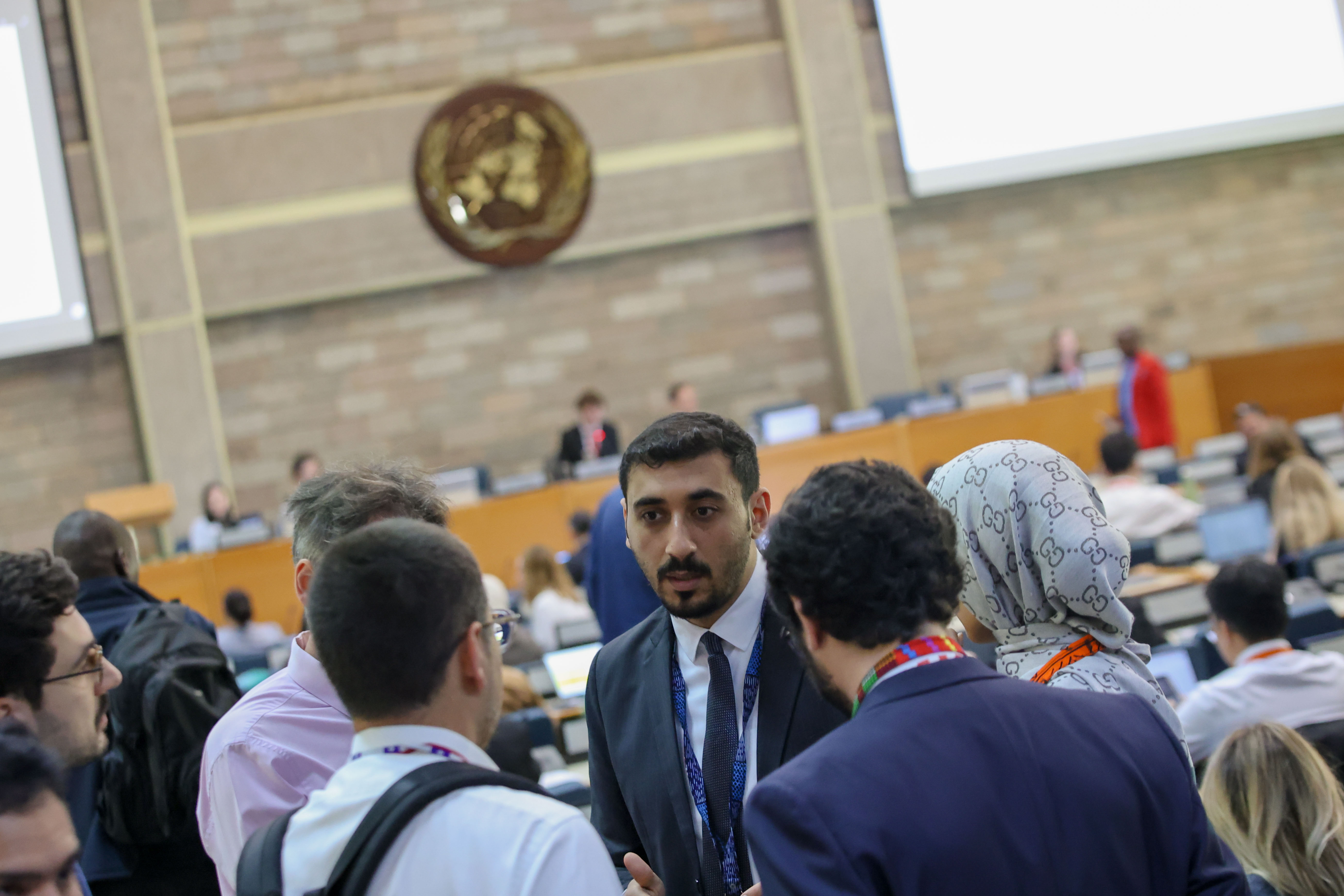
Abdulaziz Abdullah AlButti, Saudi Arabia
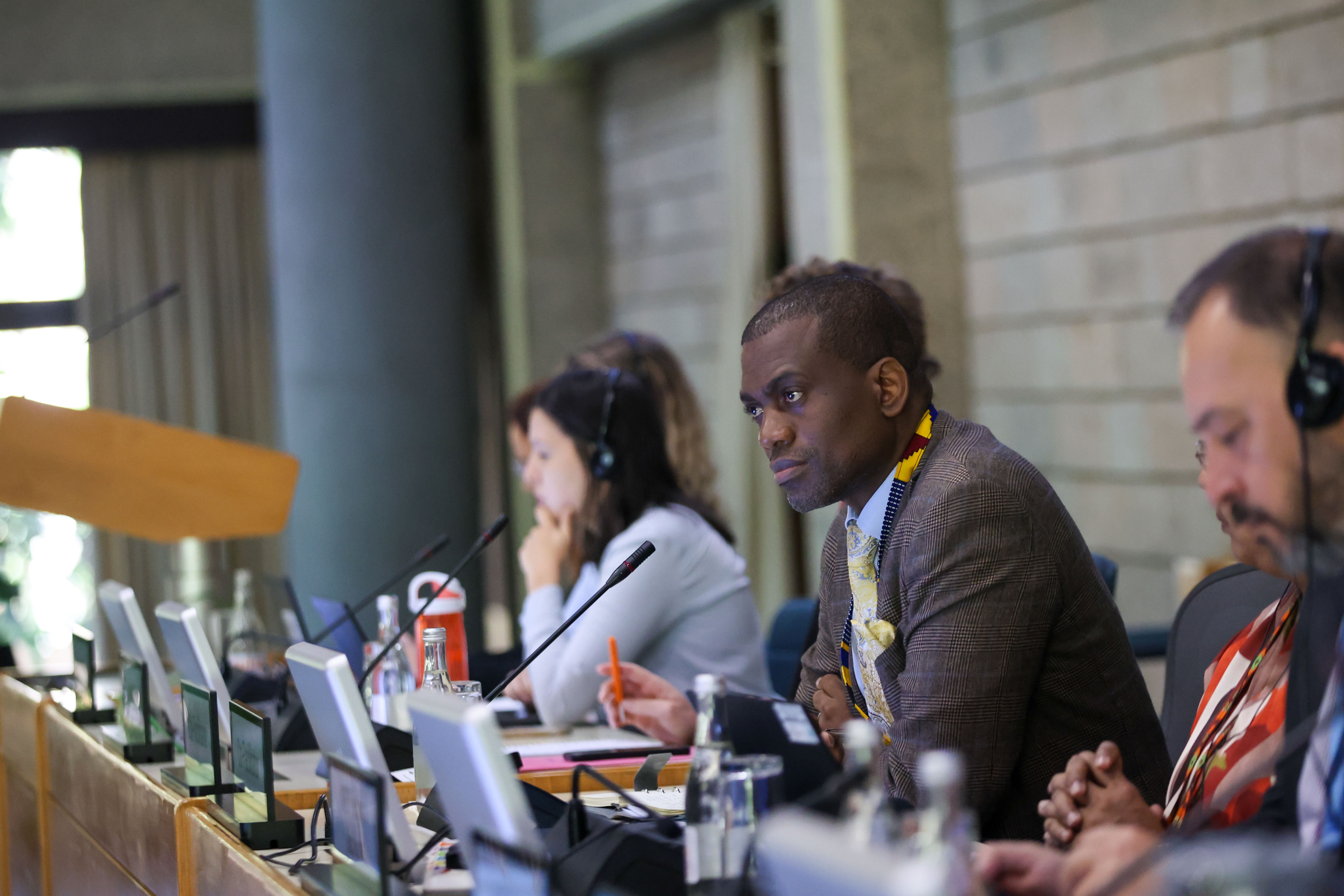
Ontumetse Ontumetse, Botswana, Co-Facilitator of Cluster C
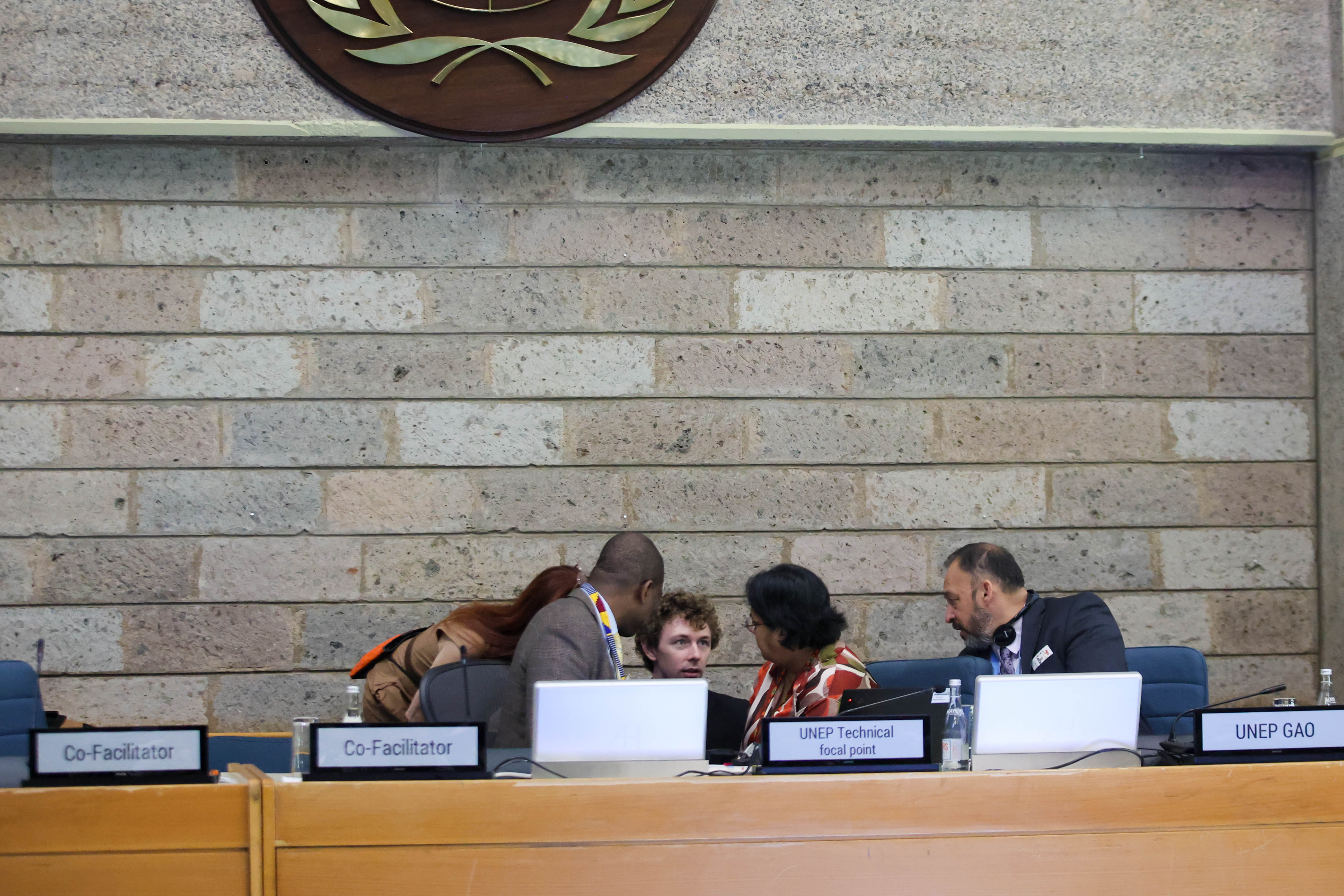
Cluster C Co-Facilitators consult with members of the Secretariat.
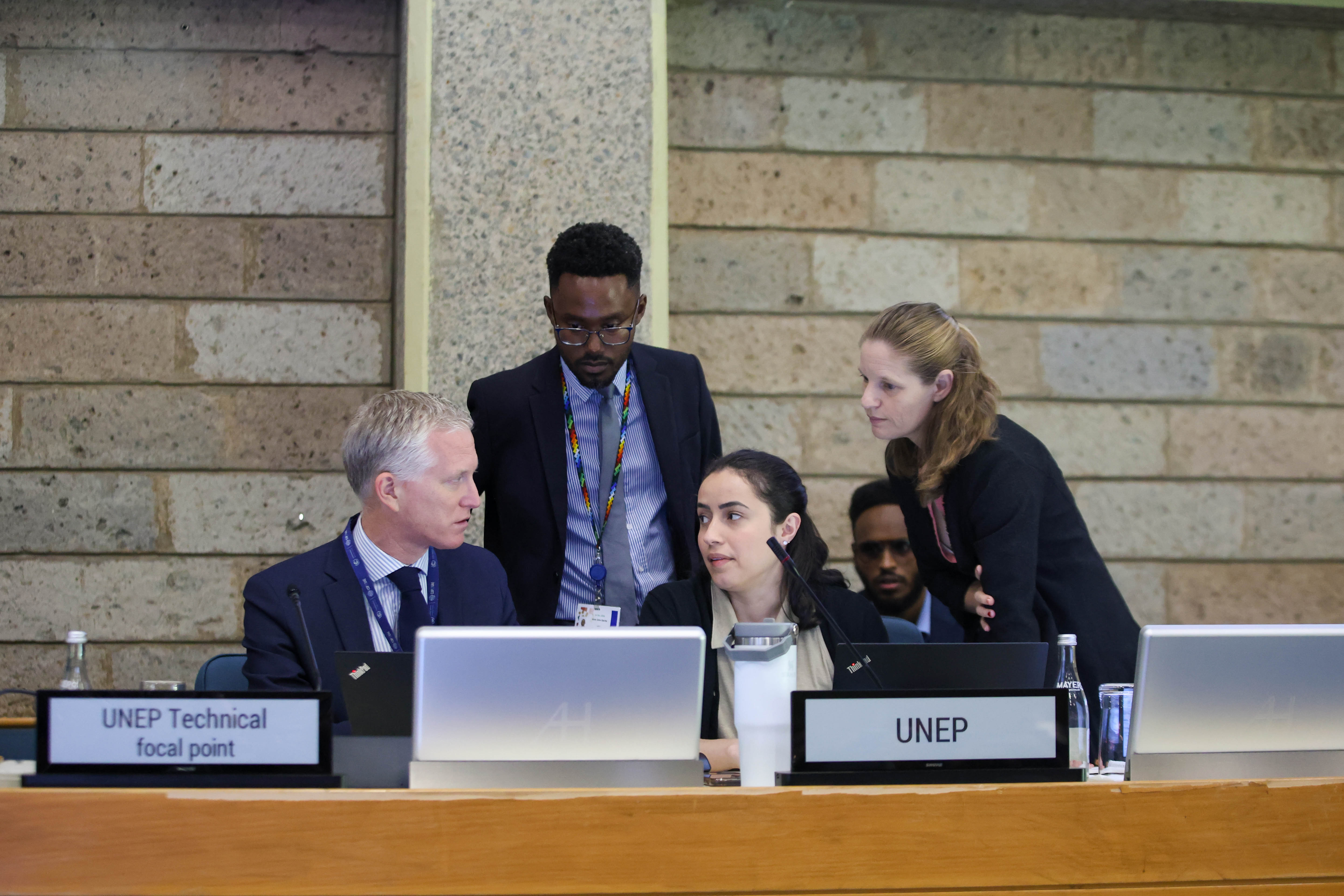
Members of the Secretariat consult.
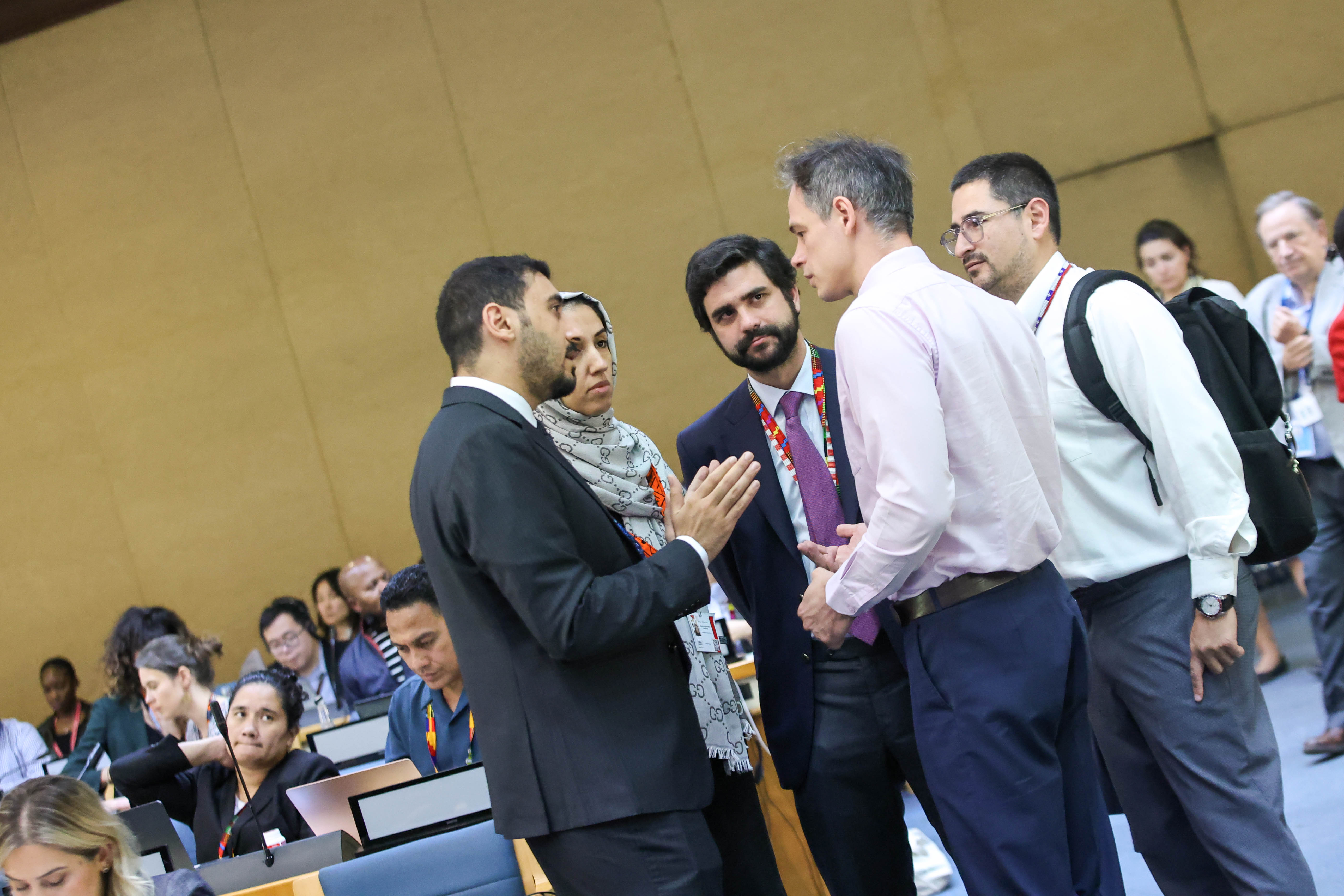
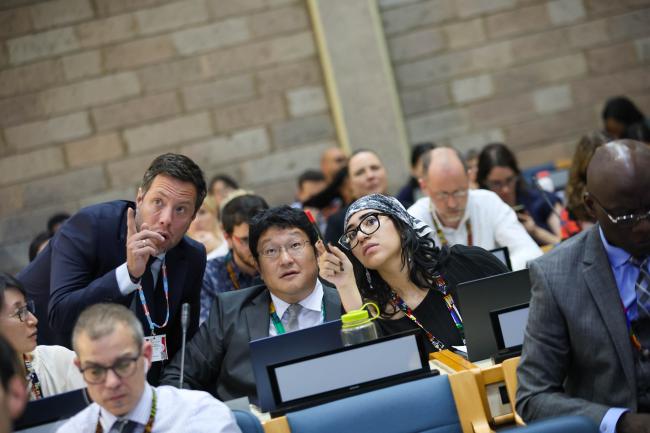
Delegates consult during the session.
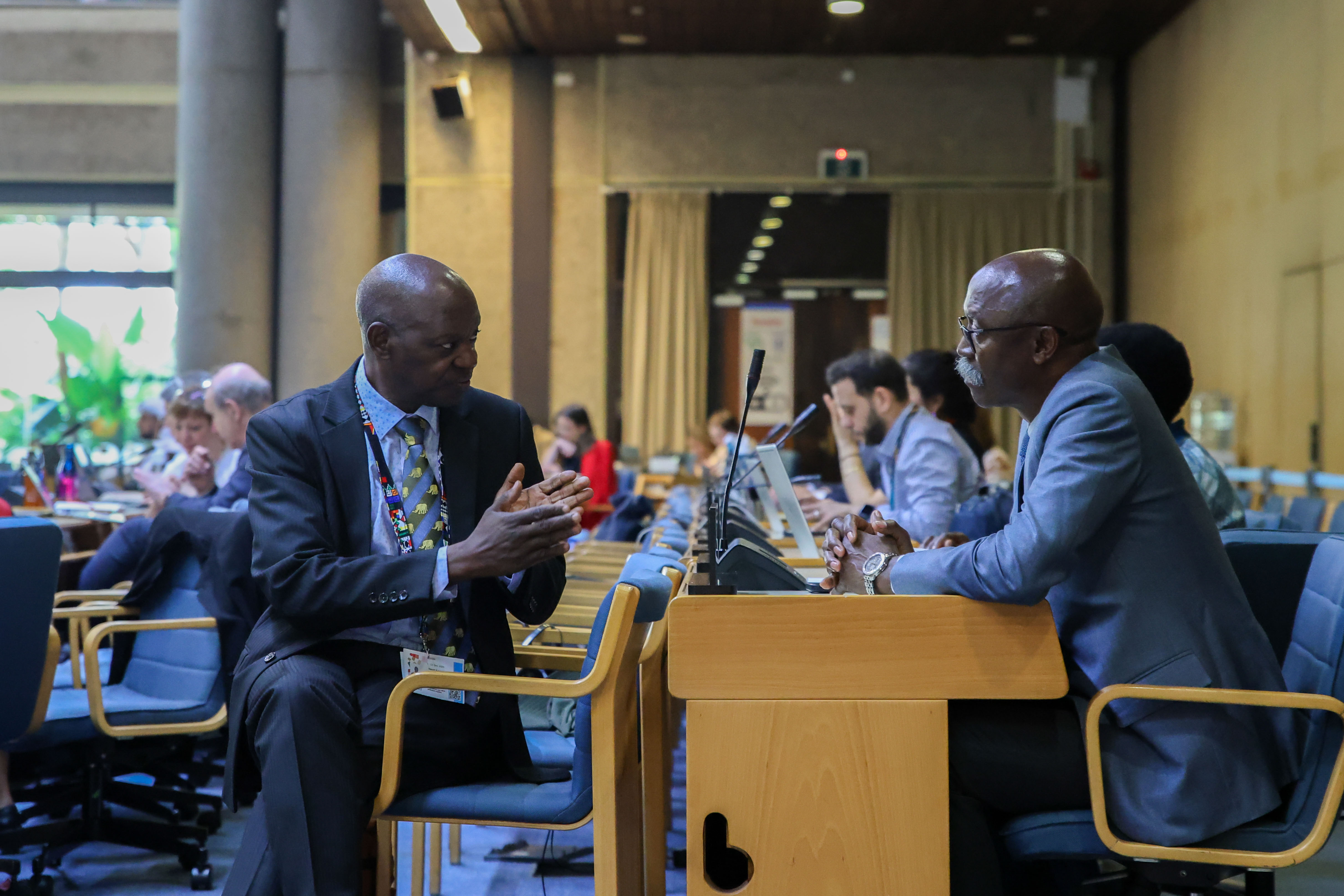
David Kapindula, Zambia, and Santos Virgilio, Angola
Cluster D on Strategic, Budgetary, and Governing Bodies Matters
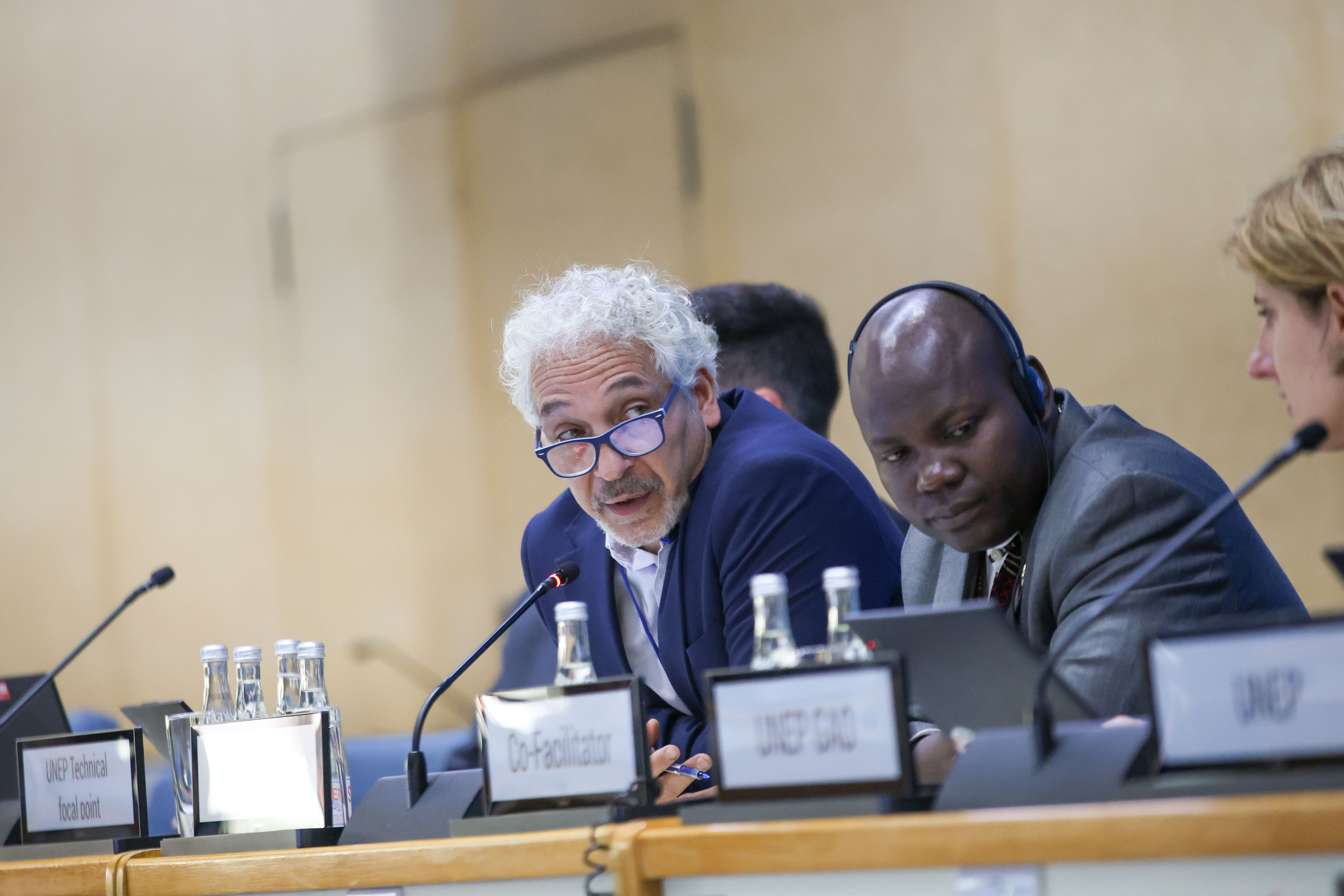
Nader Al-Tarawneh, Jordan, Co-Facilitator of Cluster D
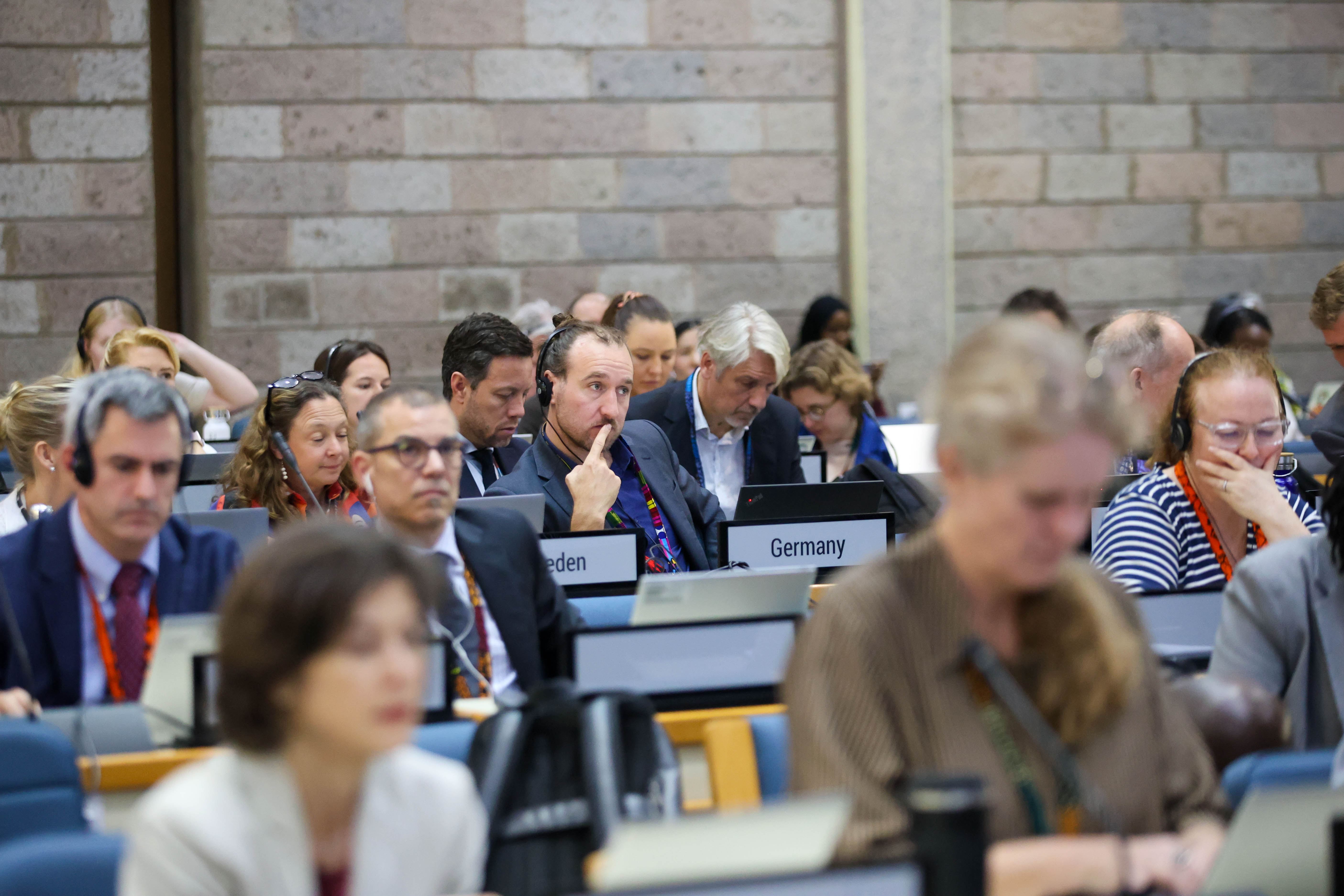
Moritz Weber, Germany
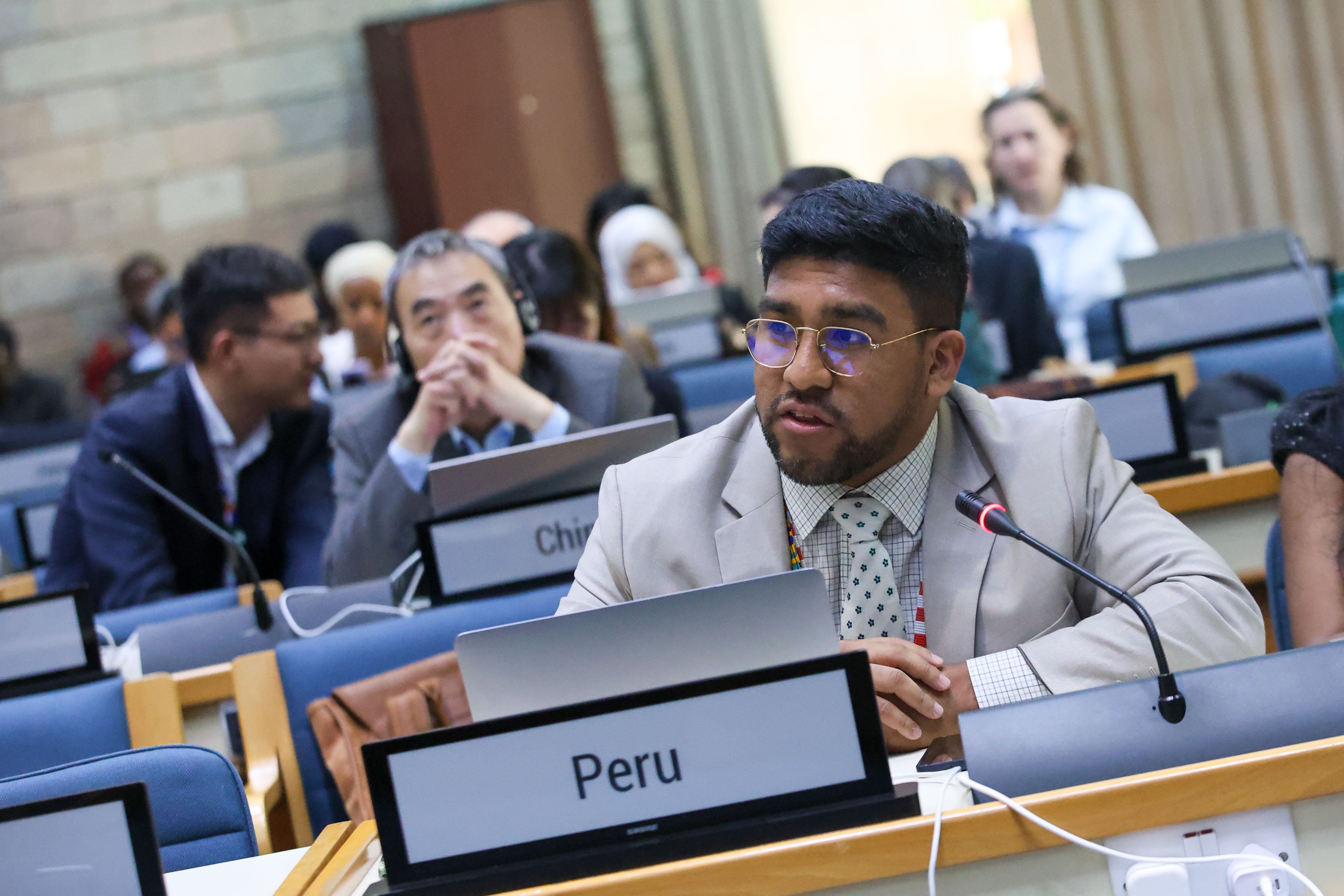
Johan Rios, Peru
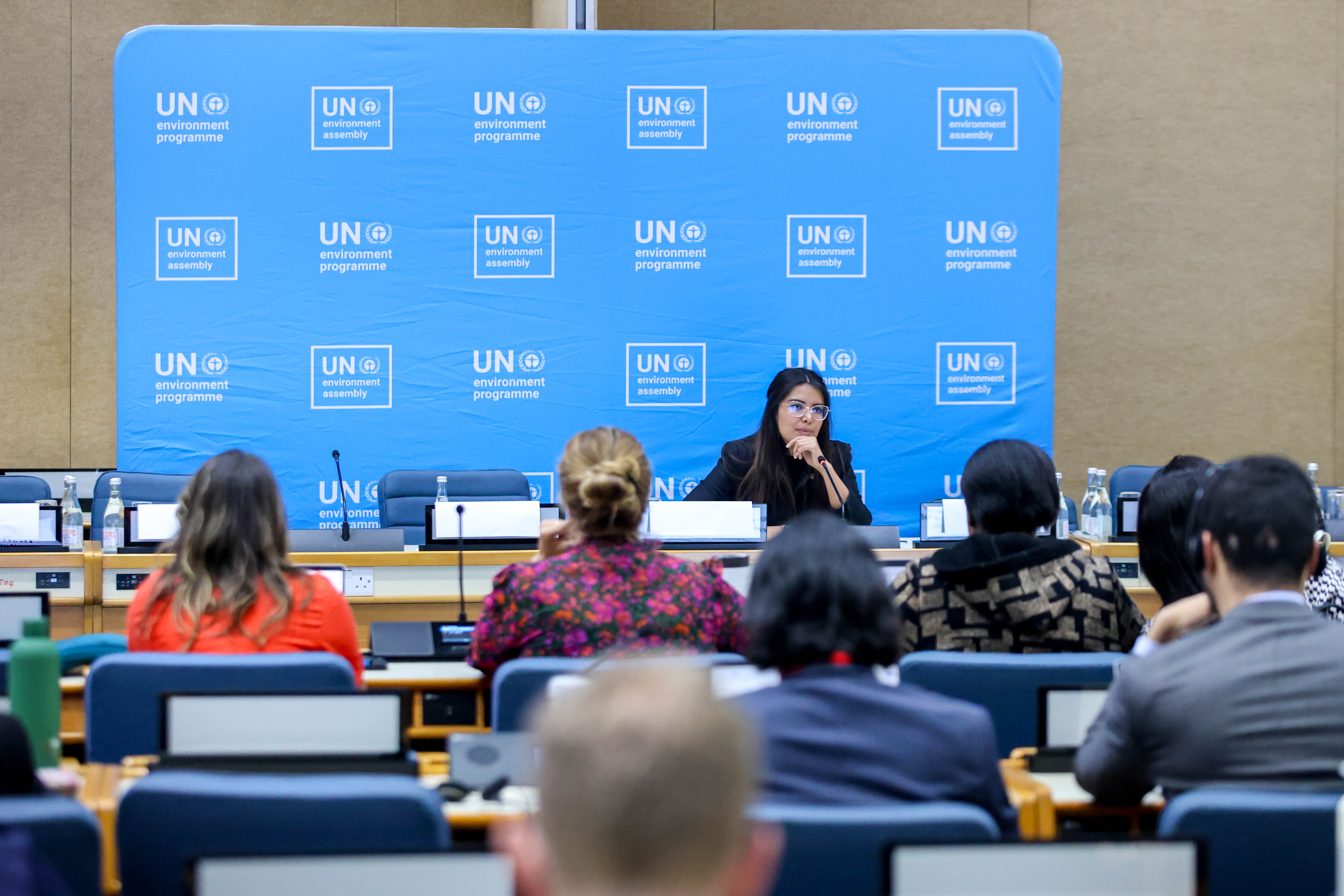
Astrid Cerón Padilla, Mexico, facilitates an informal informal meeting on strengthening the role of the UNEP headquarters in Nairobi.
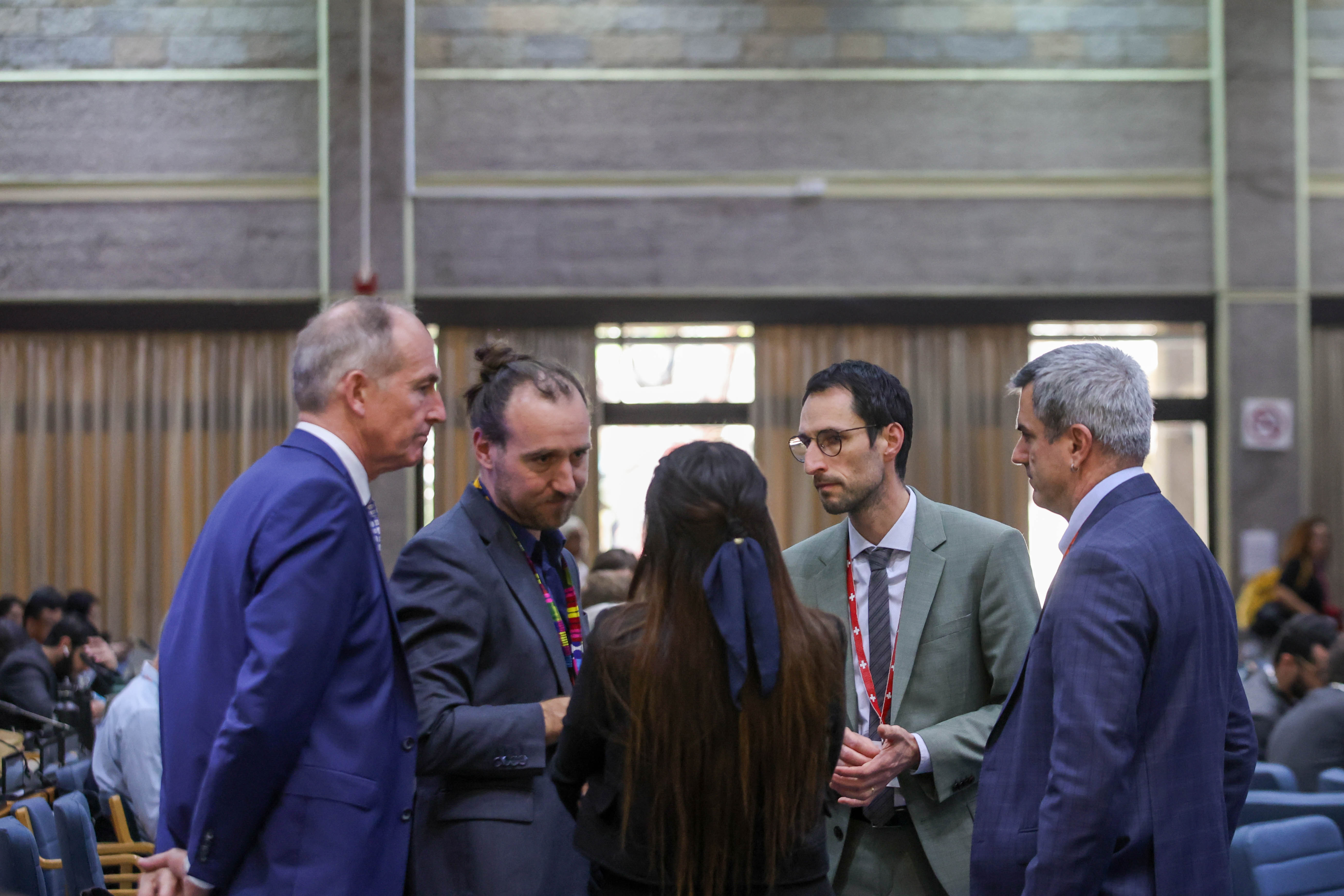
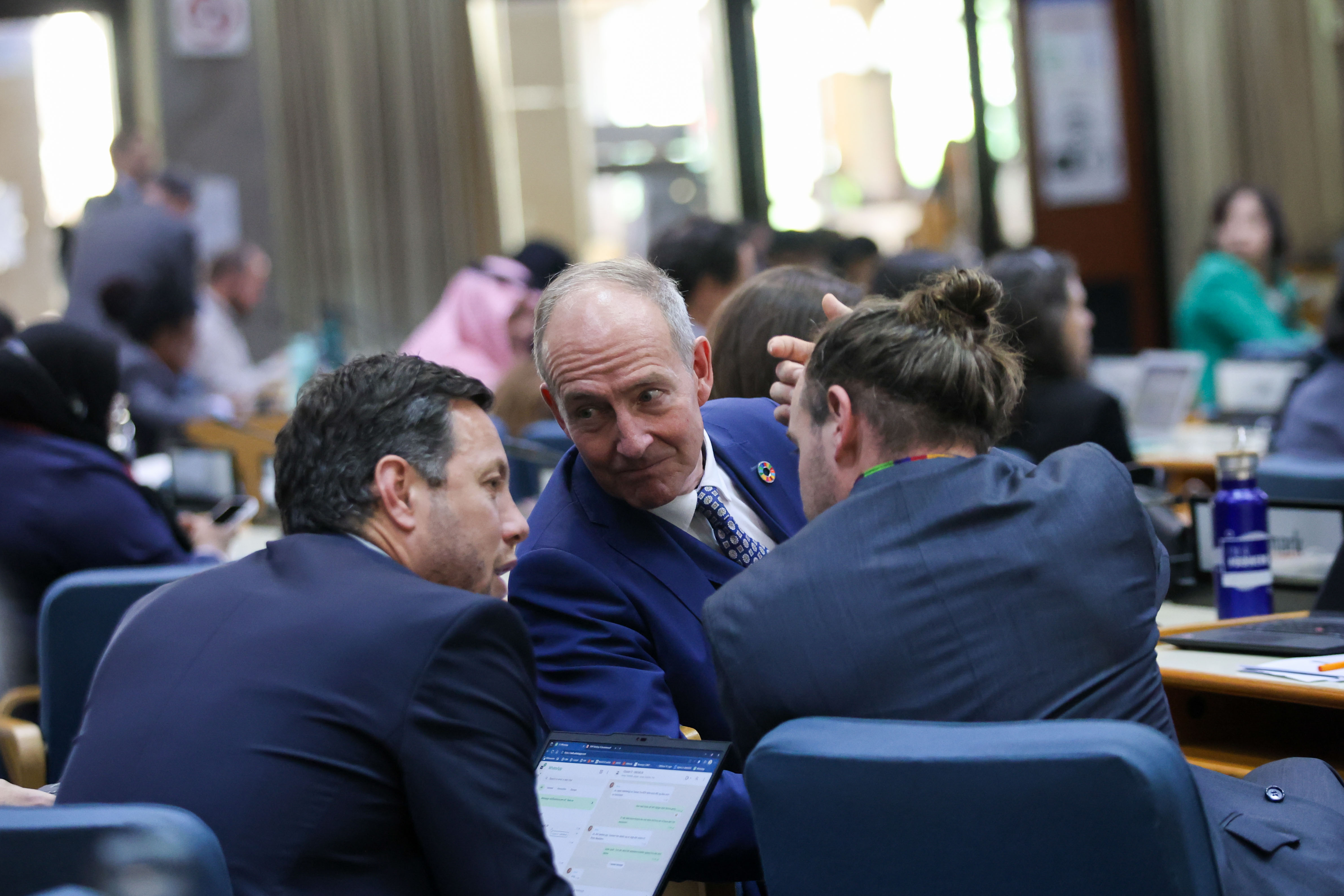
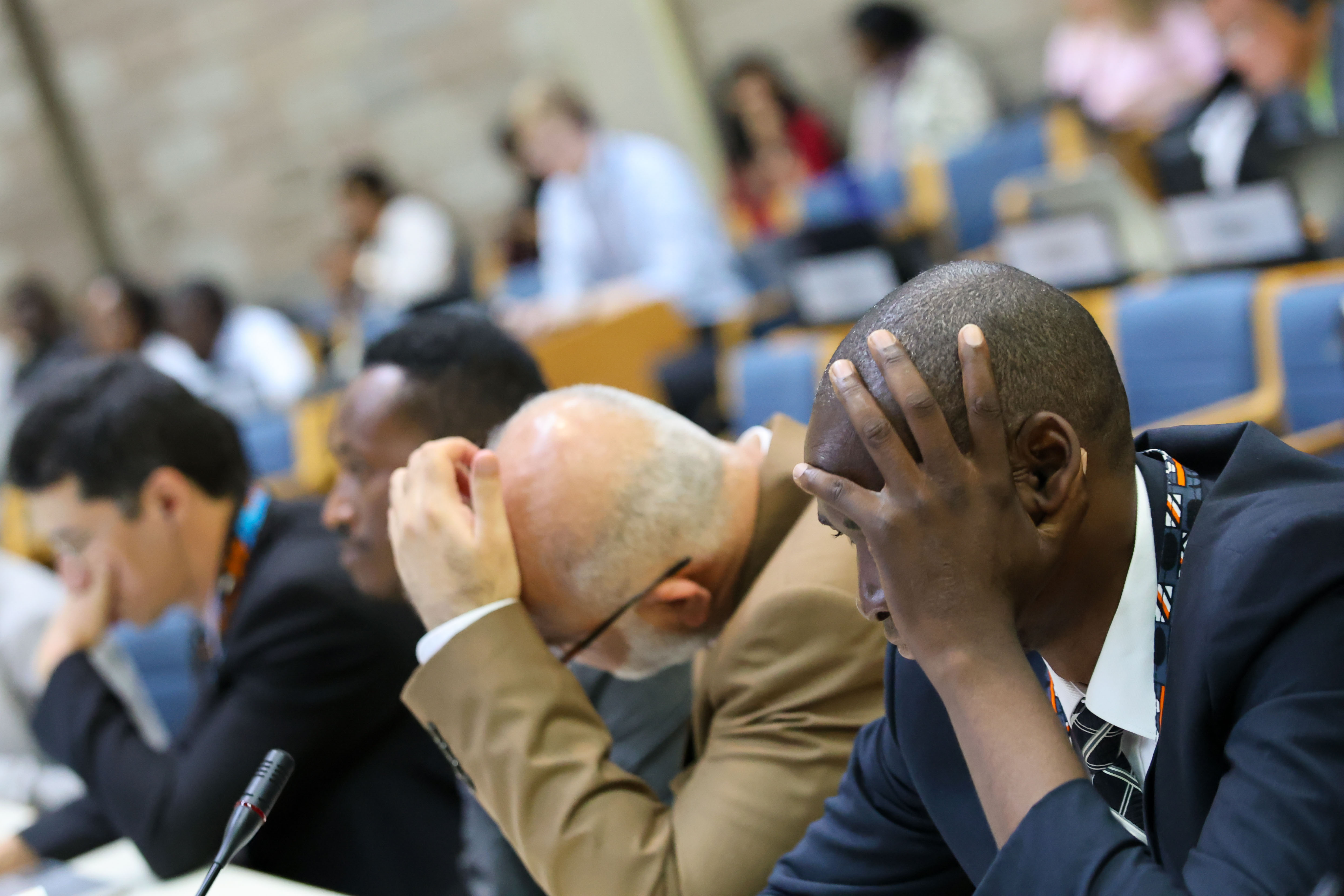
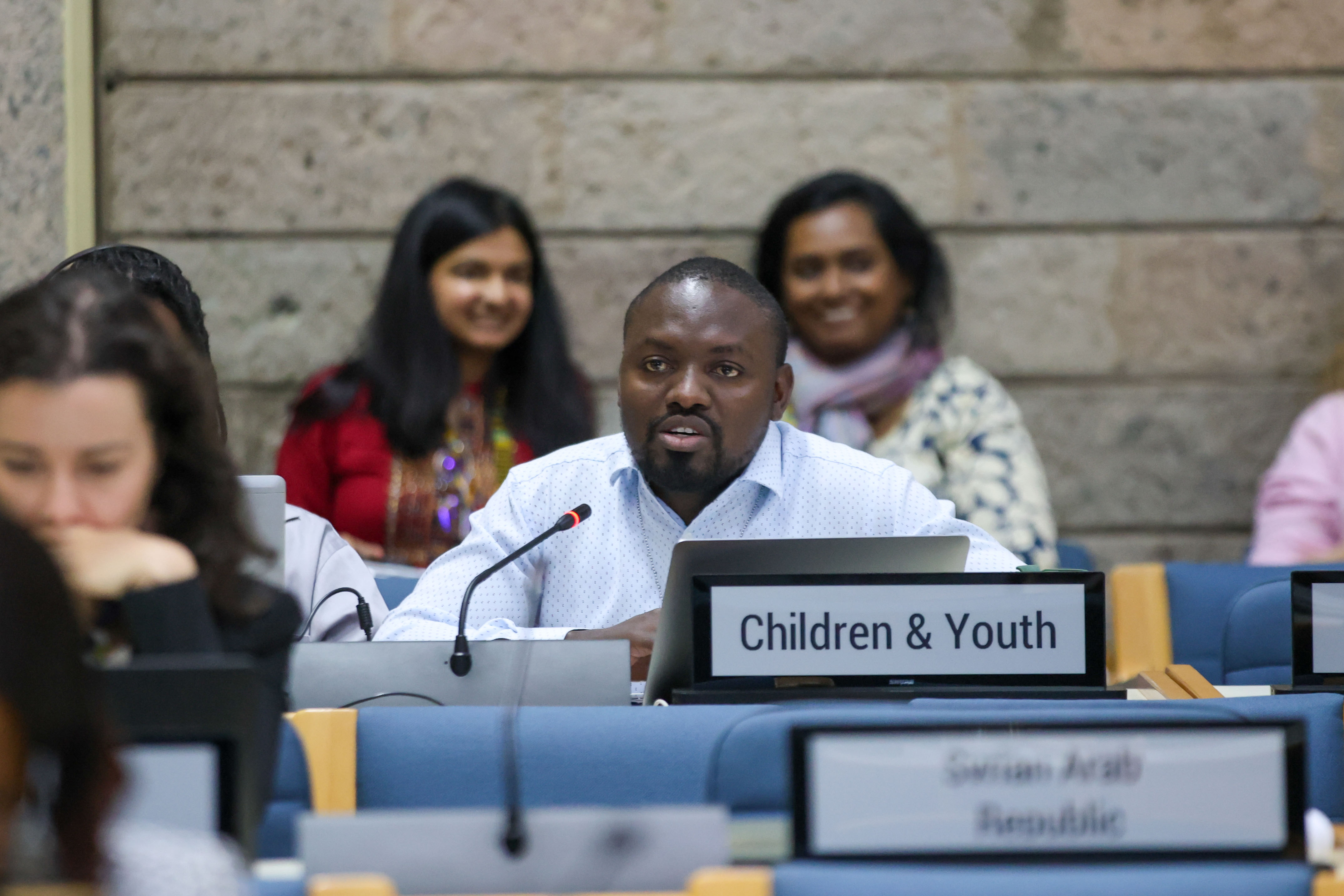
Alphonce Muia, Children and Youth Major Group
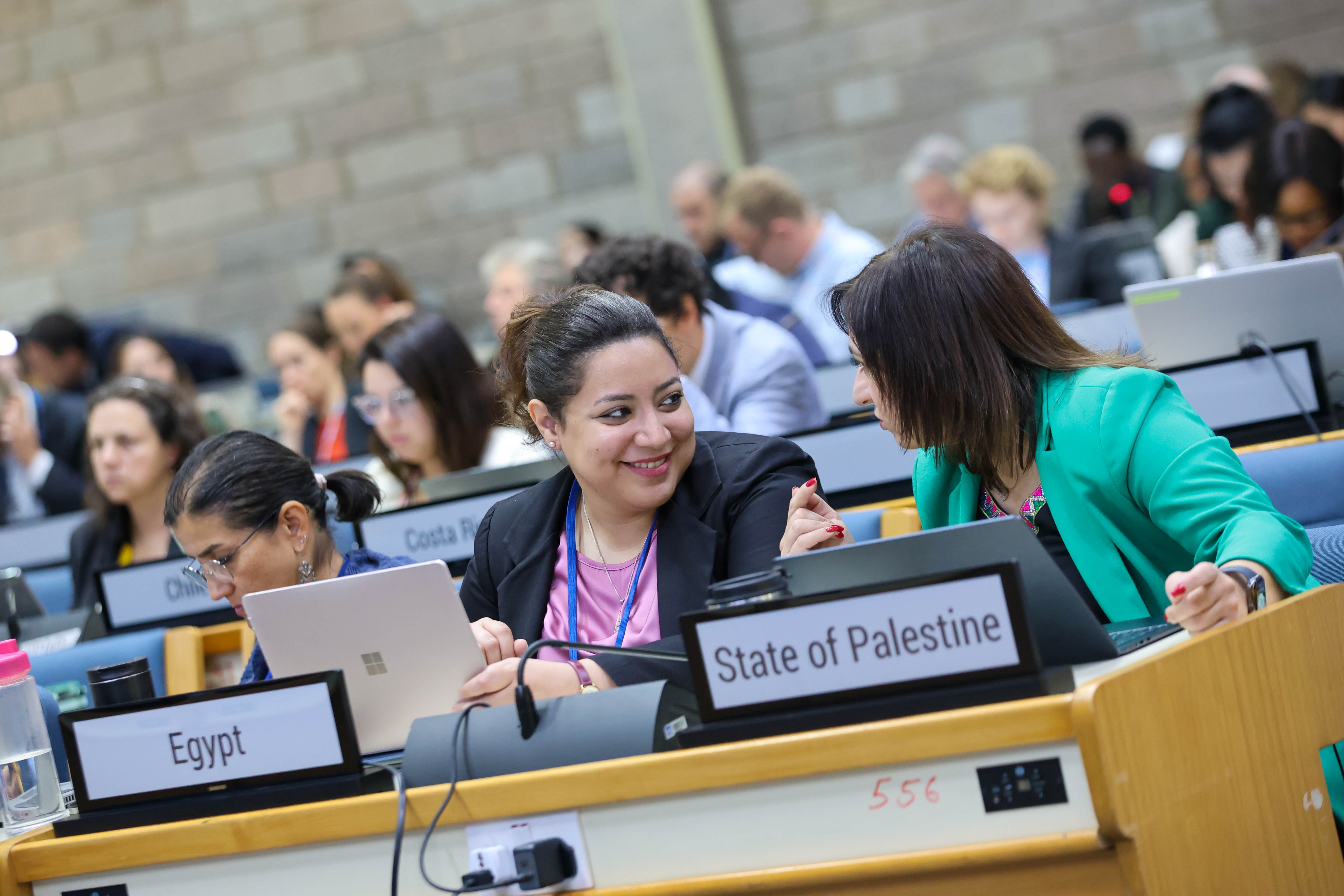
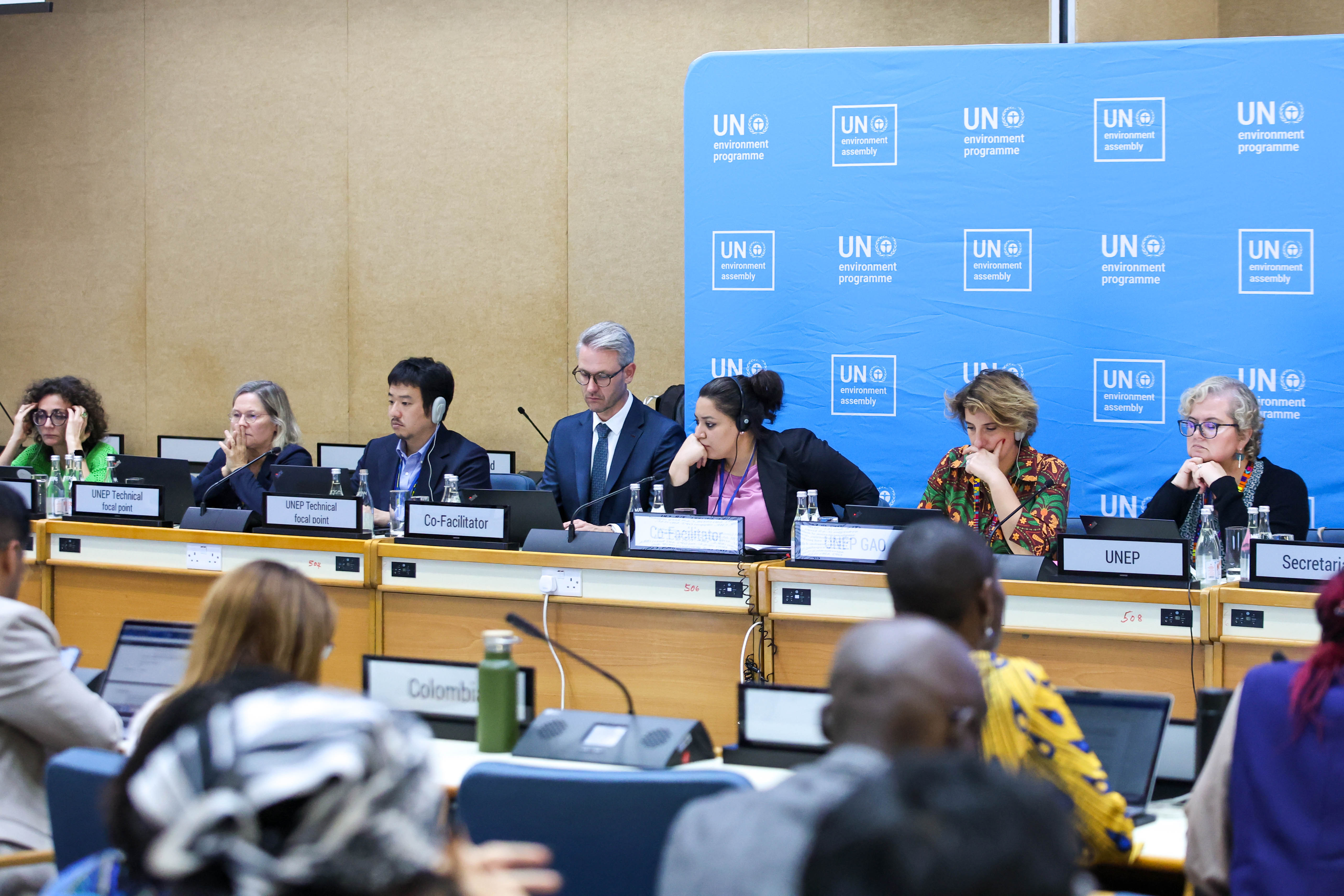
Sara Elkhouly, Egypt, Co-Facilitator of Cluster B, and Dima Arqan, State of Palestine
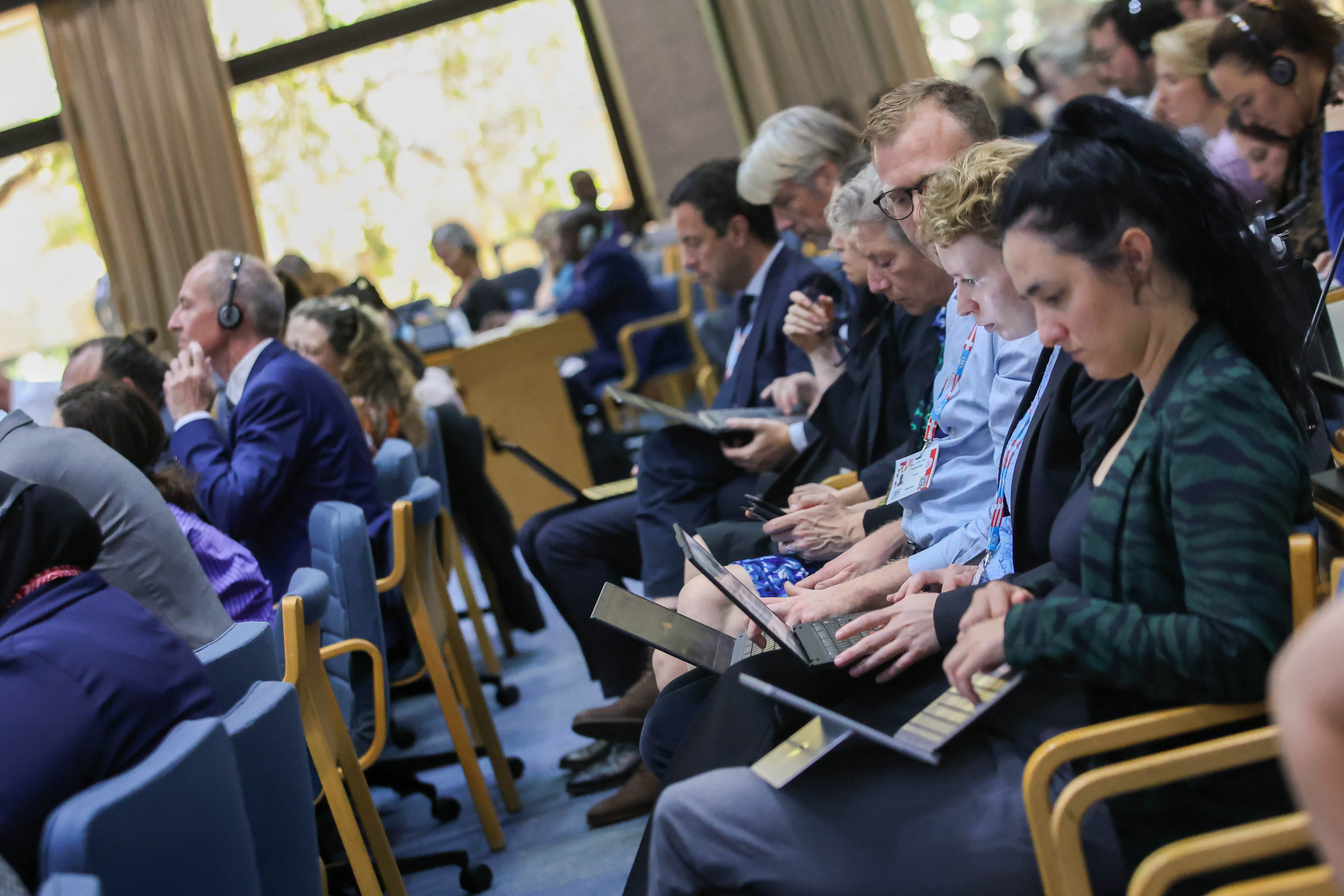
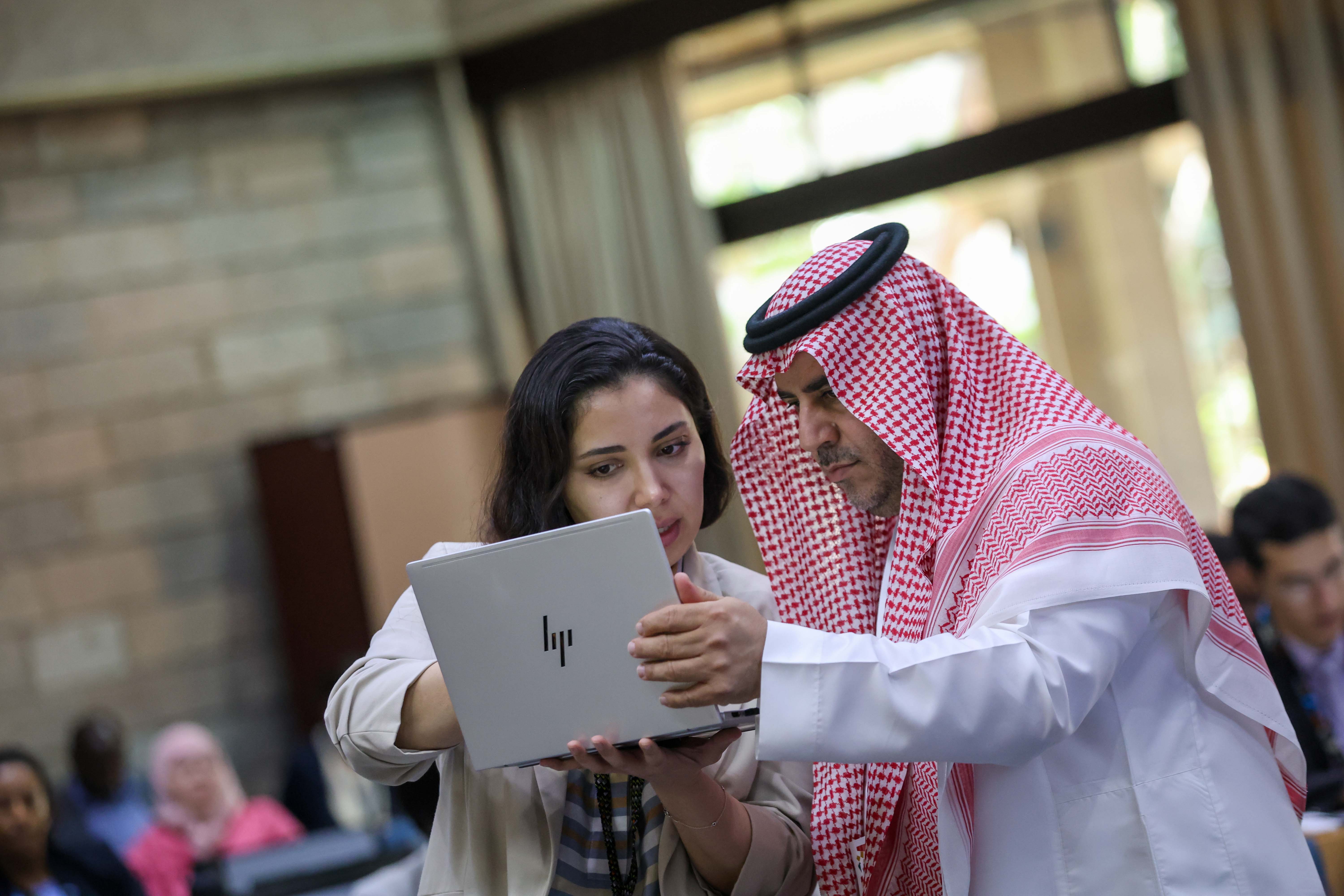
Closing Plenary
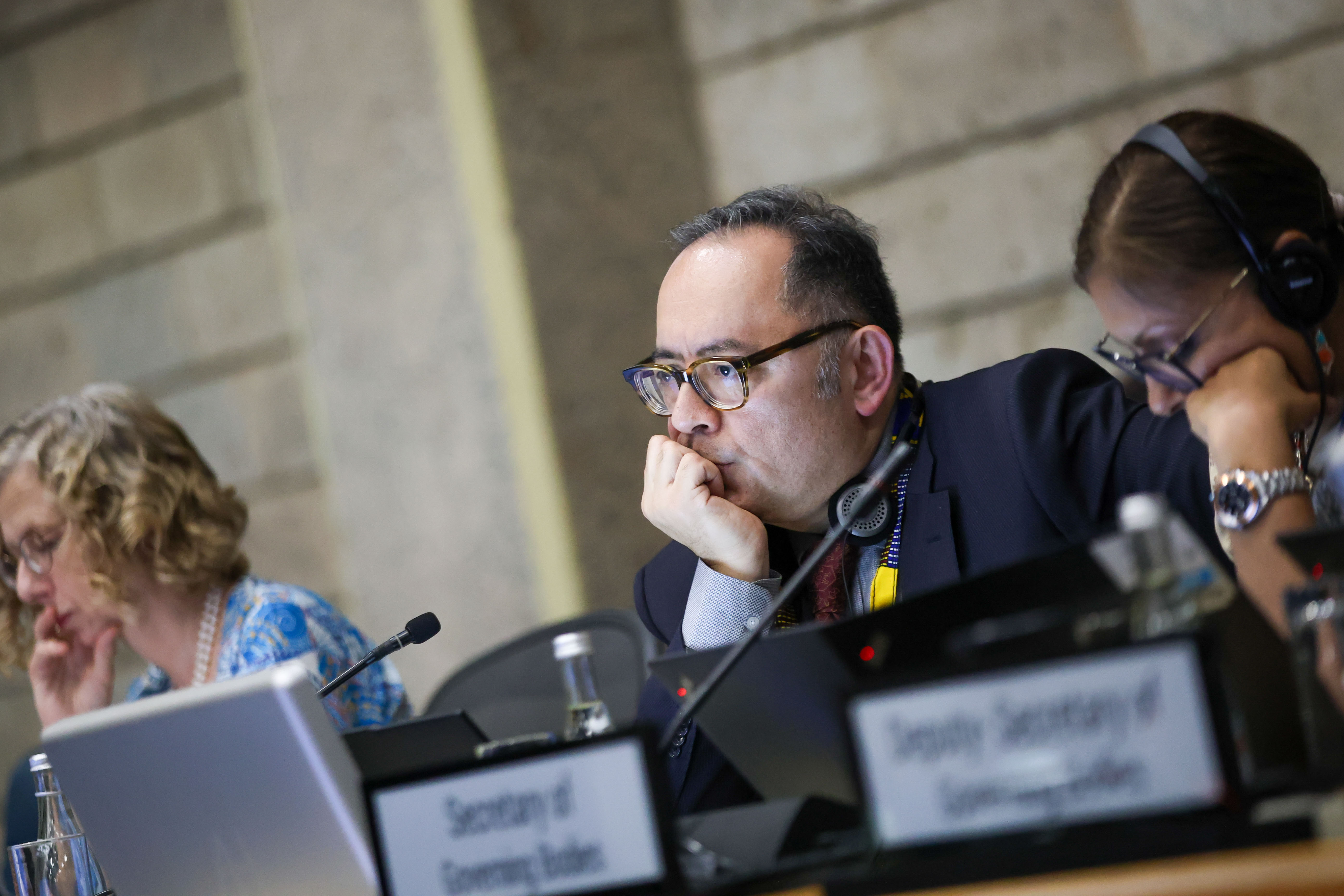
OECPR-7 Chair Sultan Hajiyev, Azerbaijan
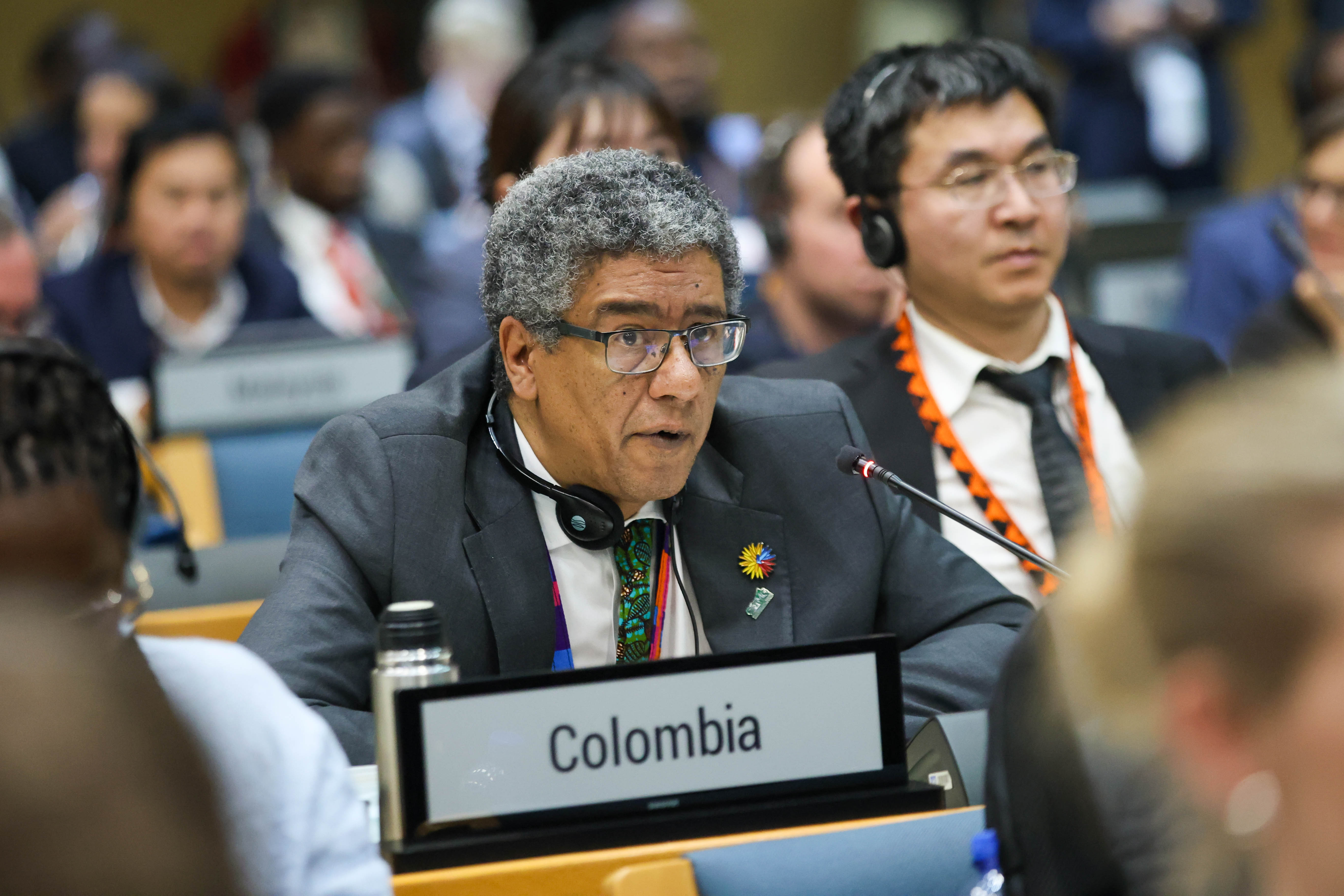
Pedro León Cortés Ruiz, Colombia
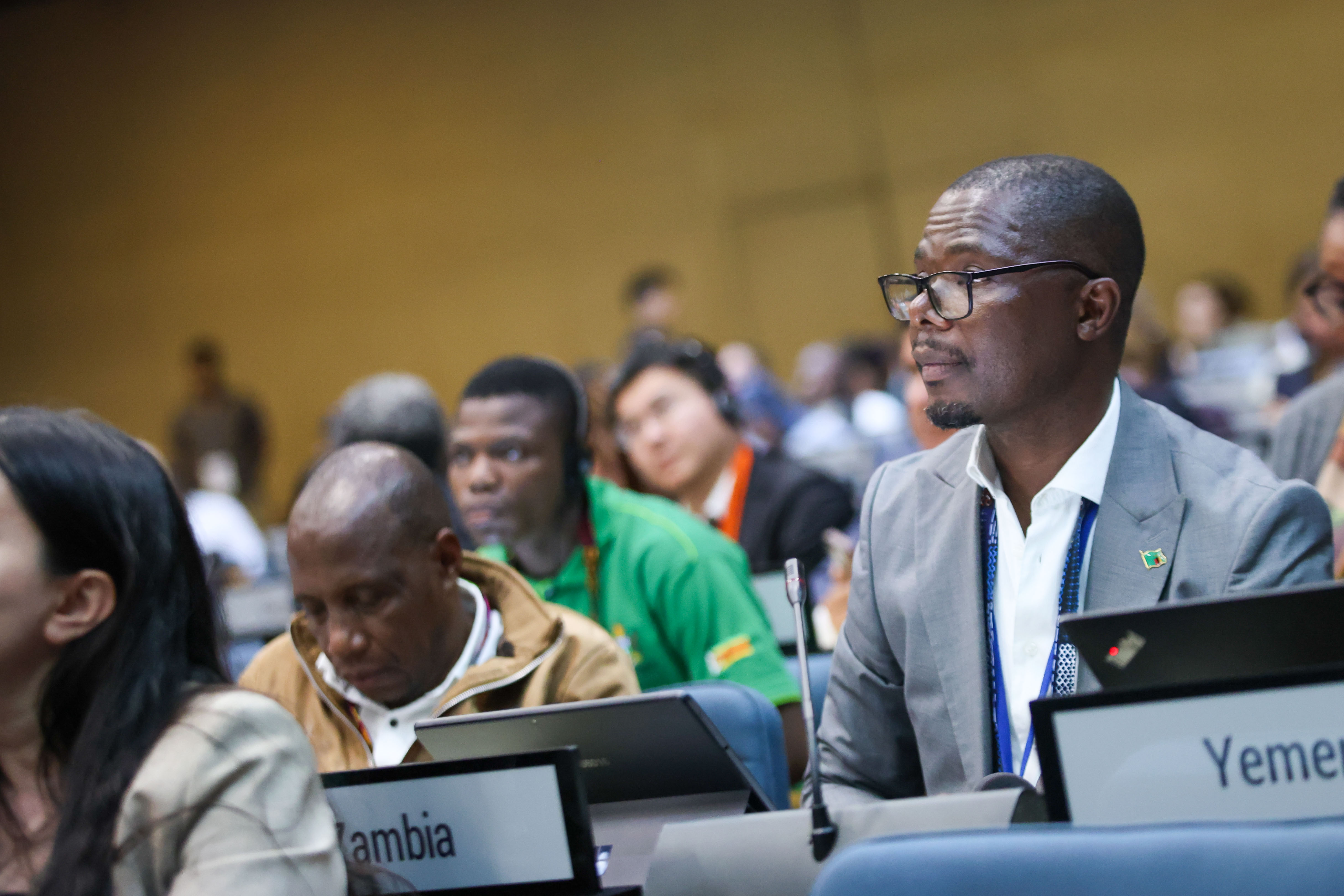
Exnobert Zulu, Zambia
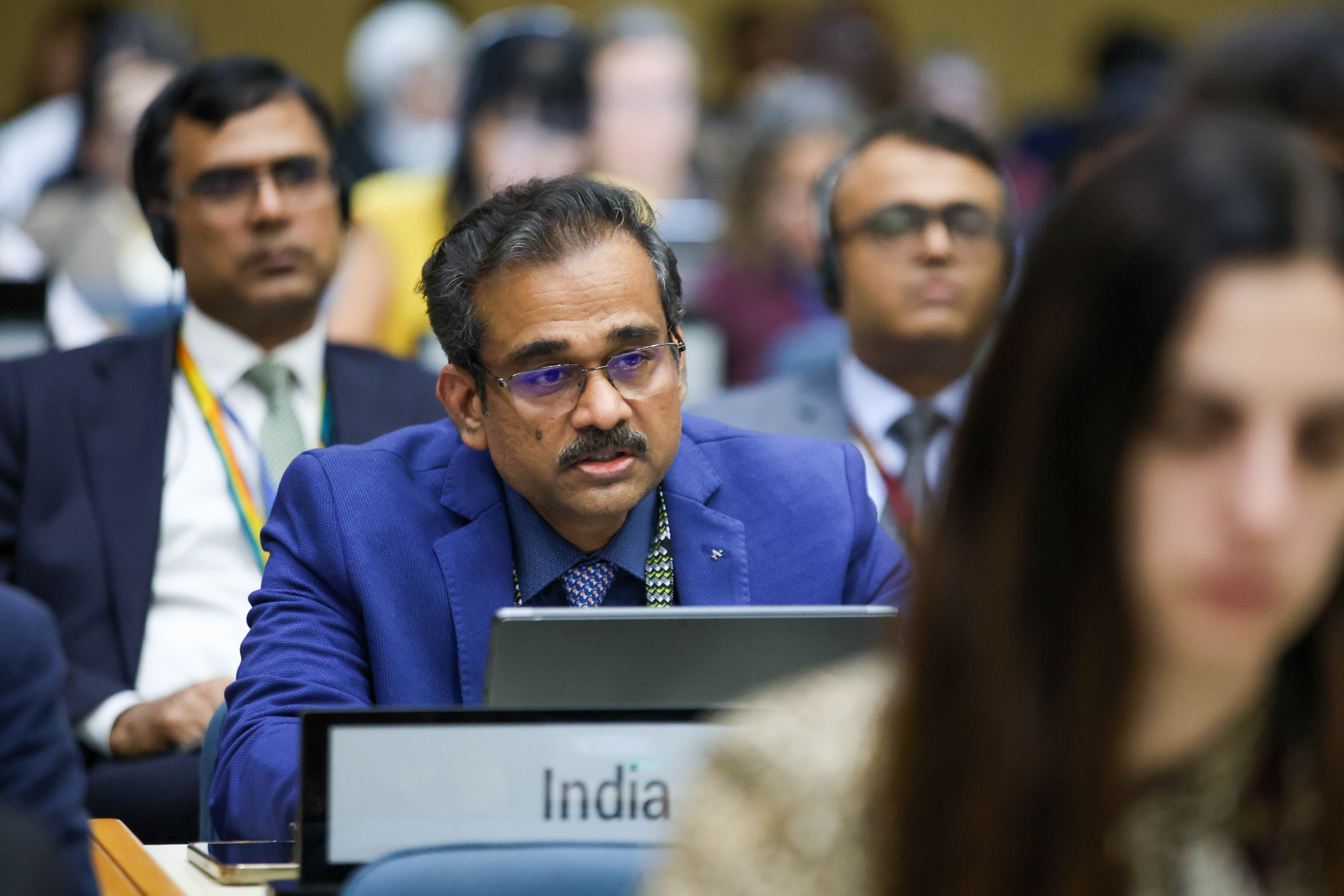
Raghu Prasad, India
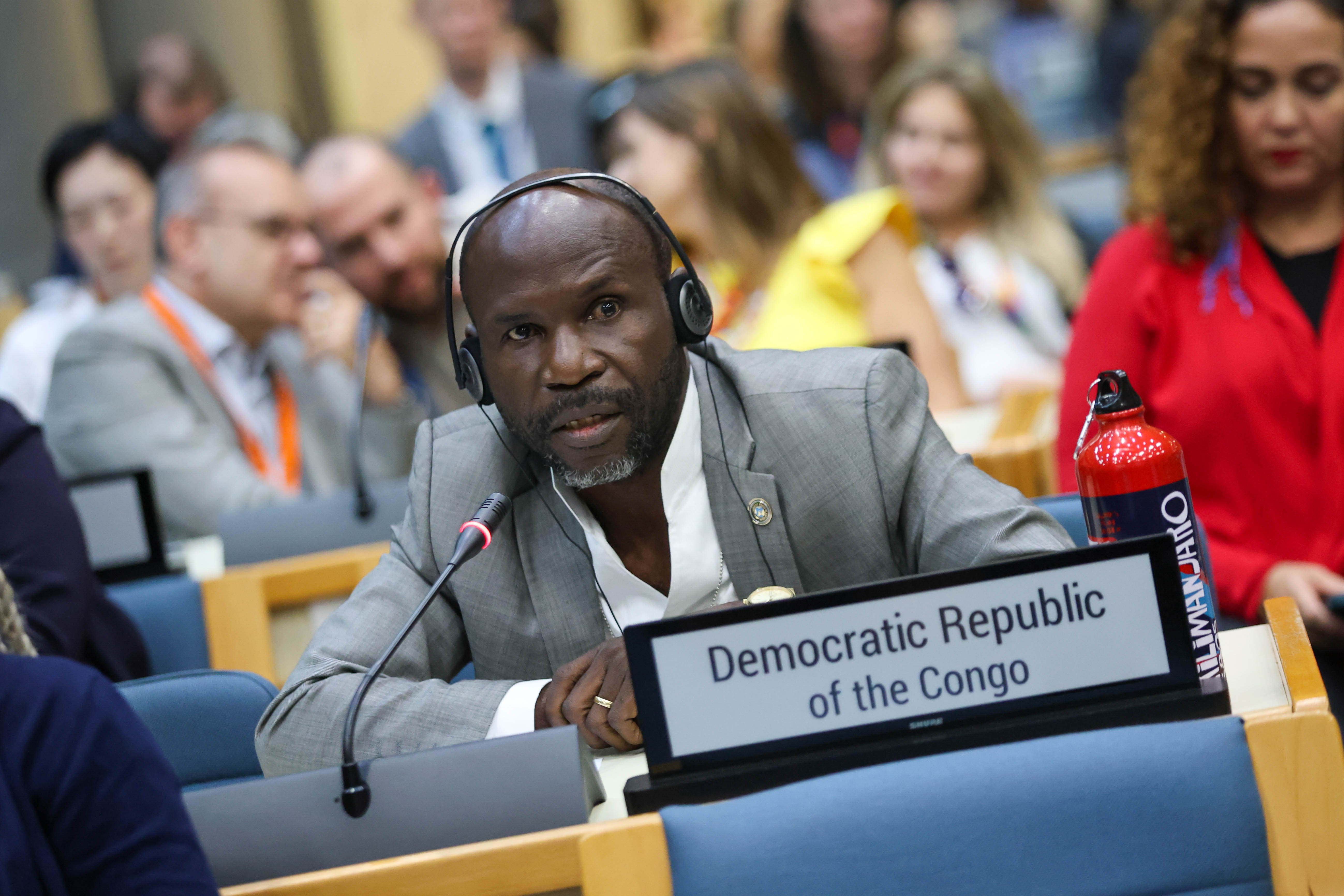
Bope Lapwong Jean Marie, Democratic Republic of the Congo
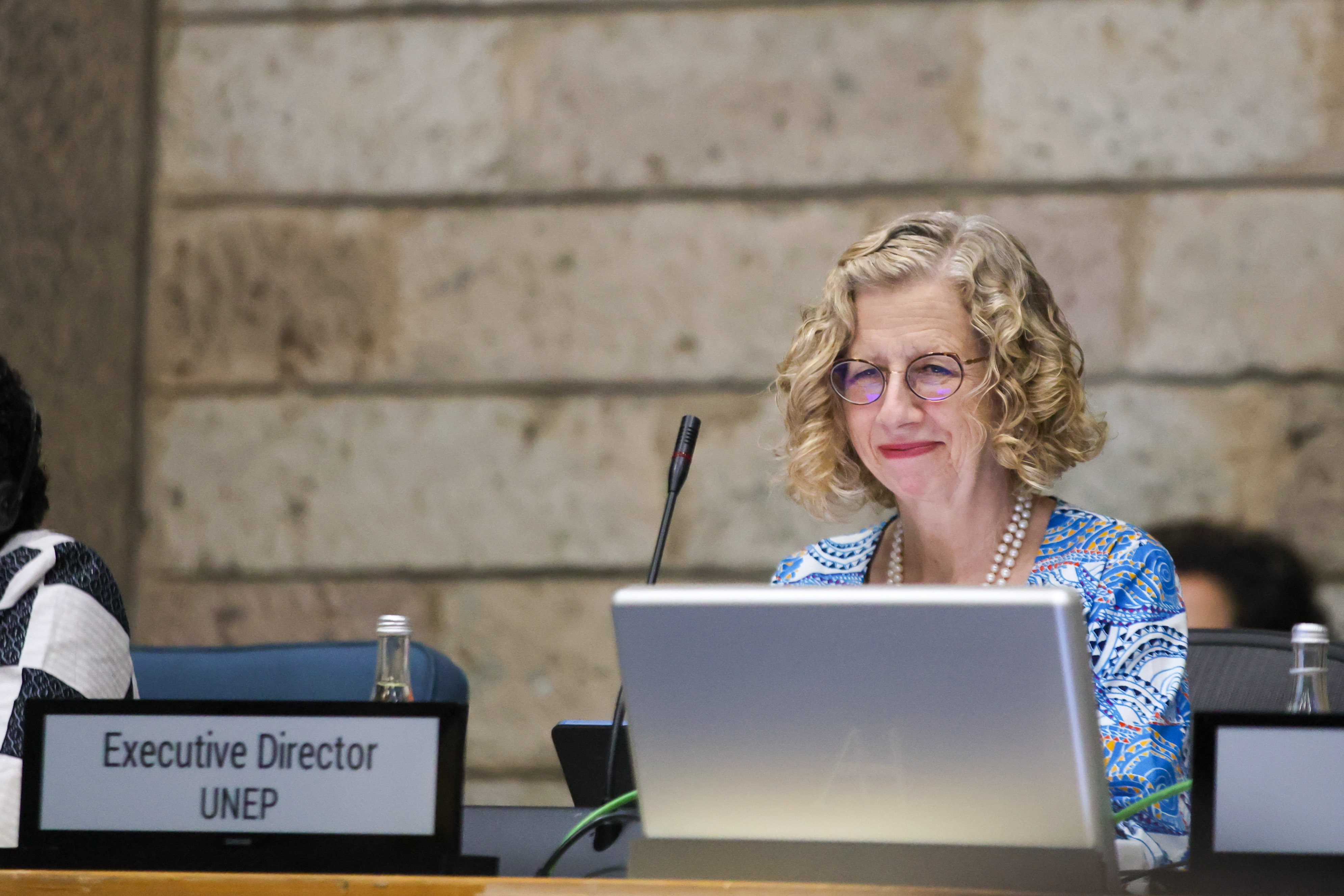
Inger Andersen, Executive Director, UNEP
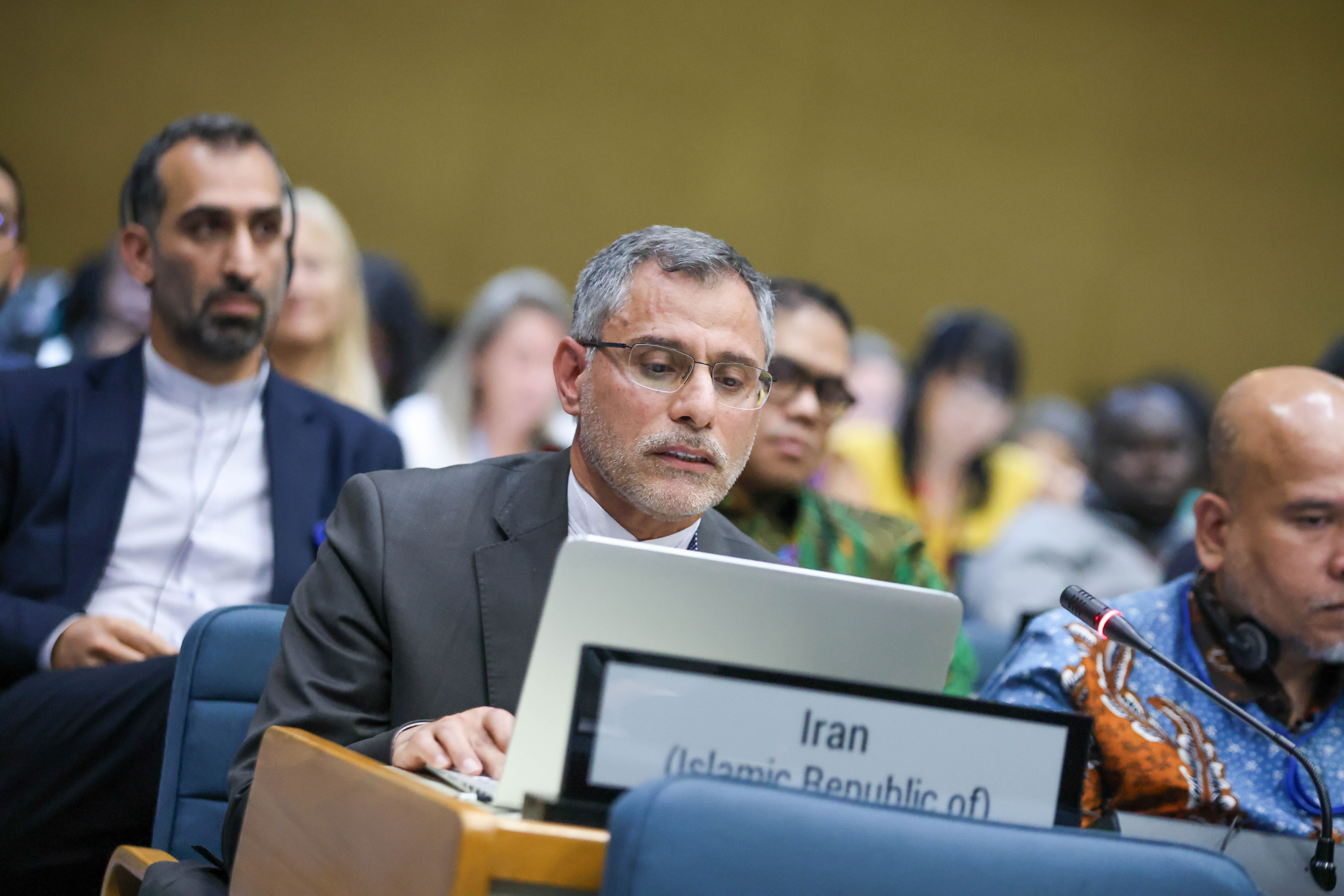
Ali Gholampour, Iran
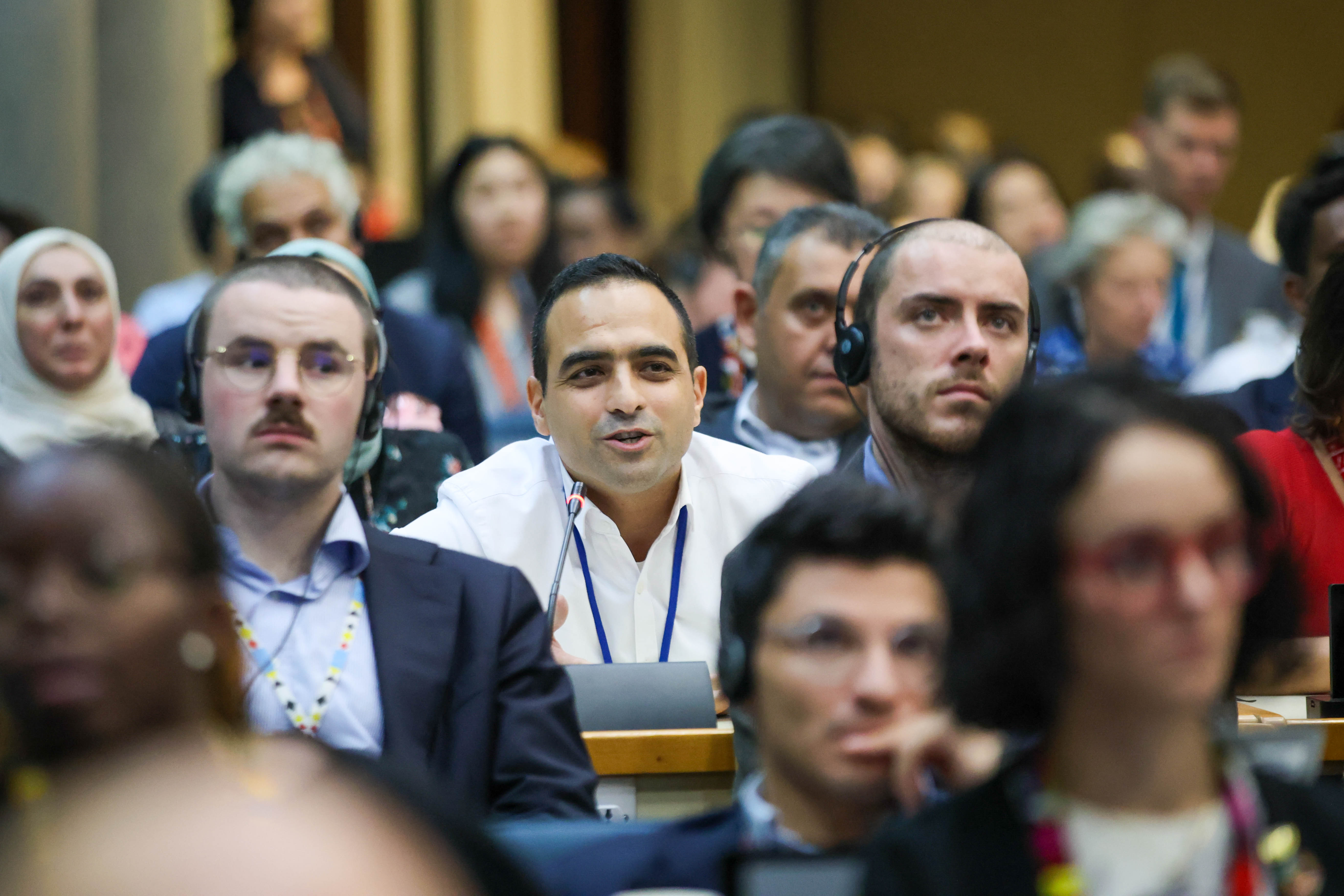
Ahmed Abdelrahim, Egypt
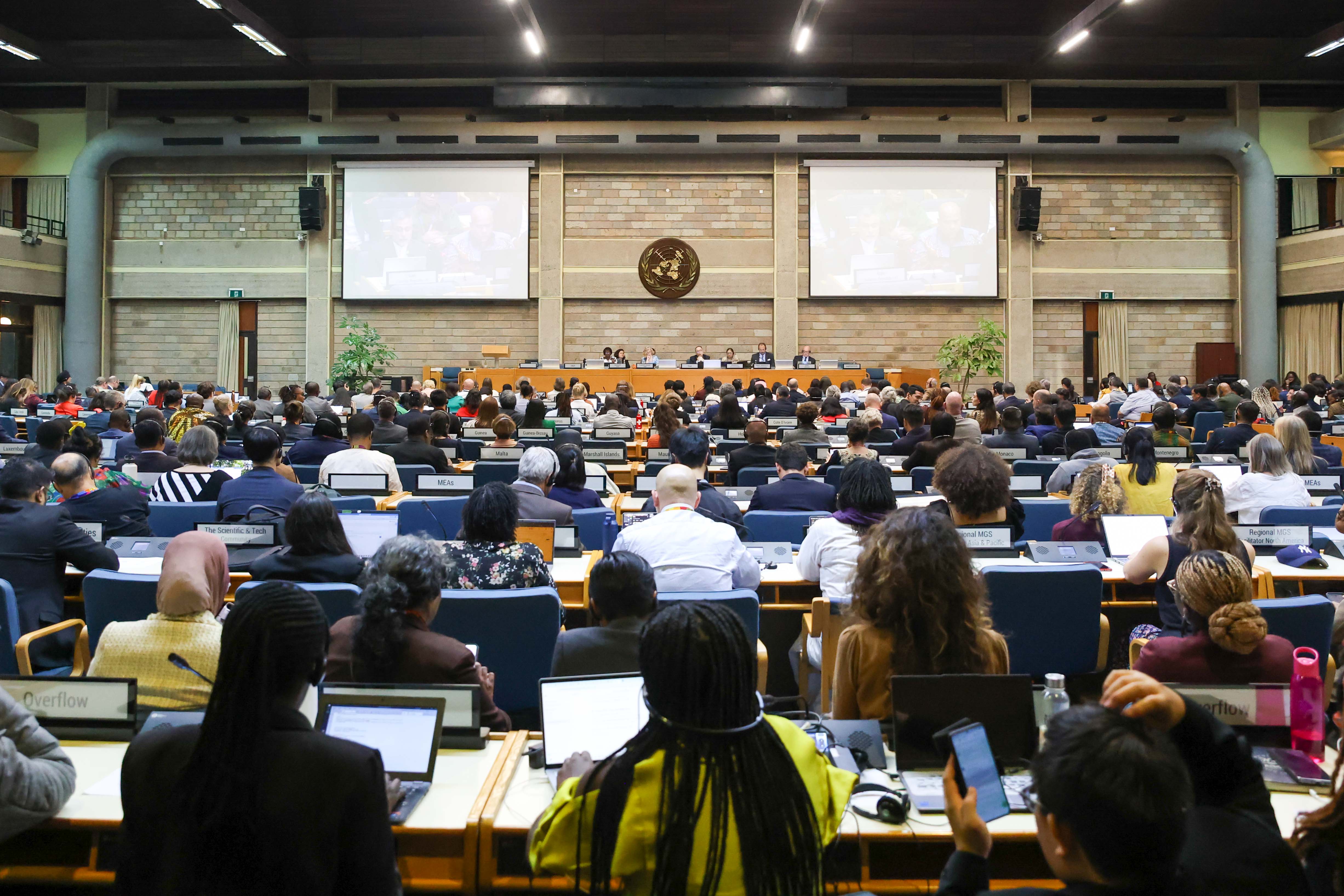
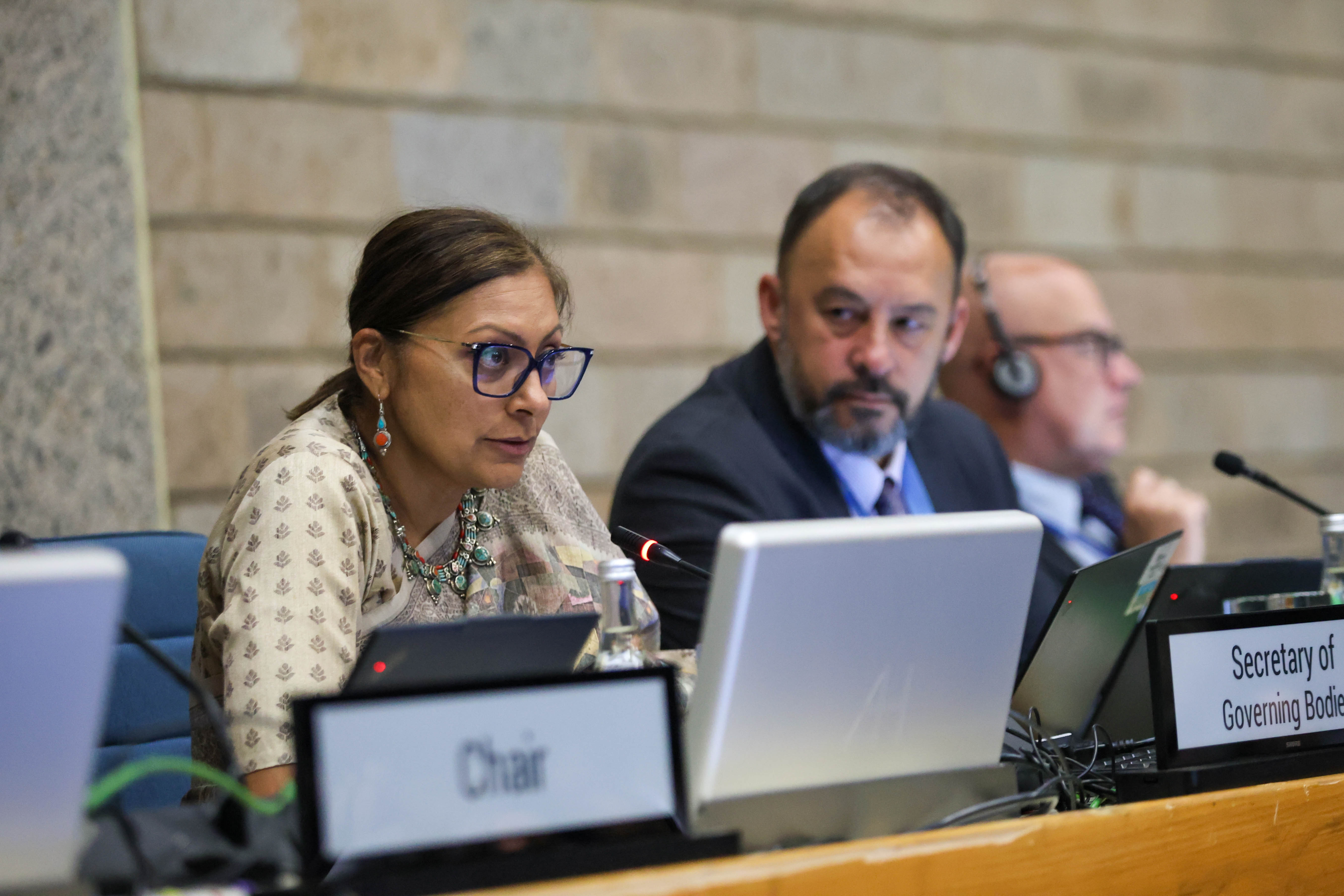
Radhika Ochalik, Secretary, Governing Bodies and Stakeholders, UNEP
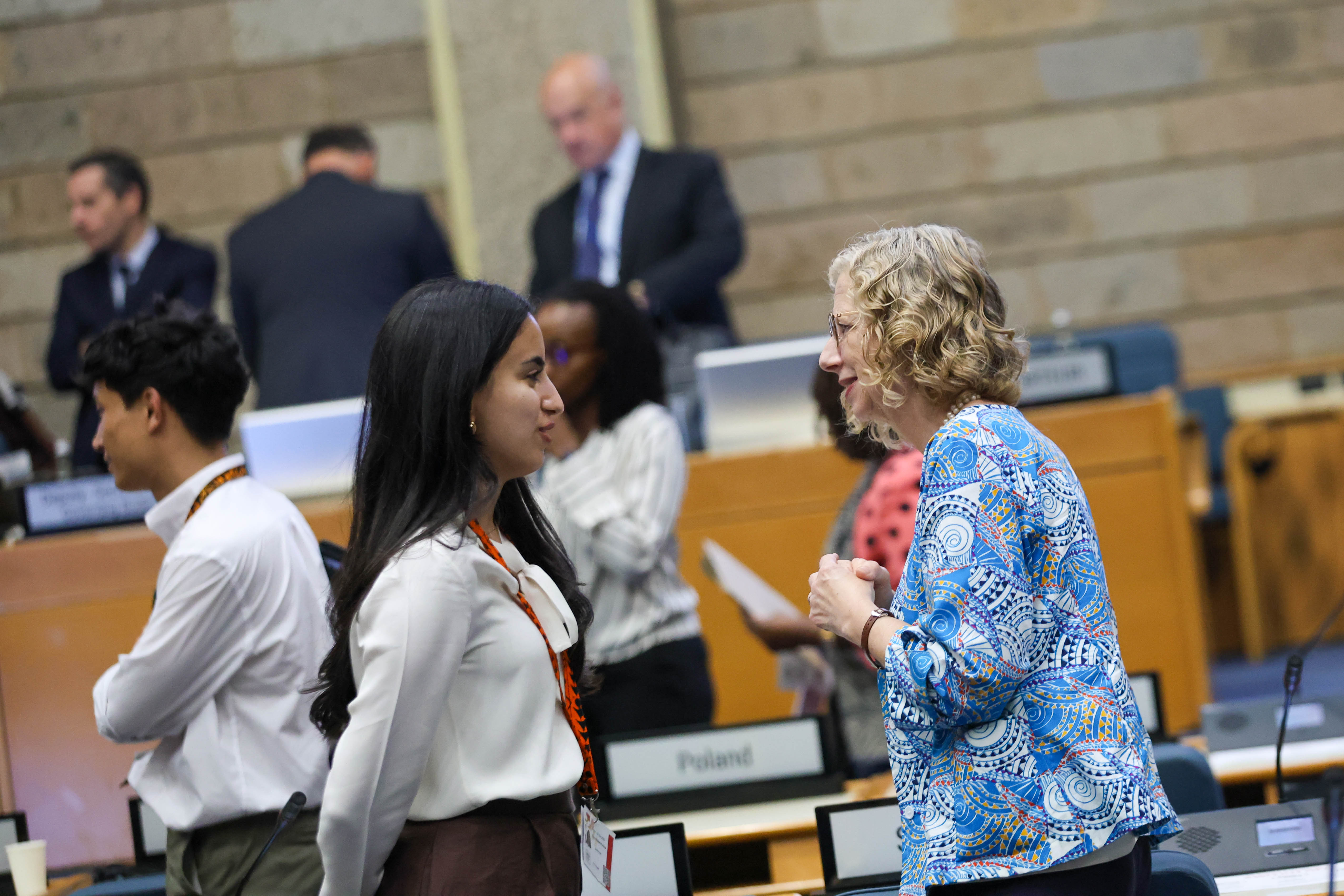
Noura Alissa, Saudi Arabia, and Inger Andersen, Executive Director, UNEP
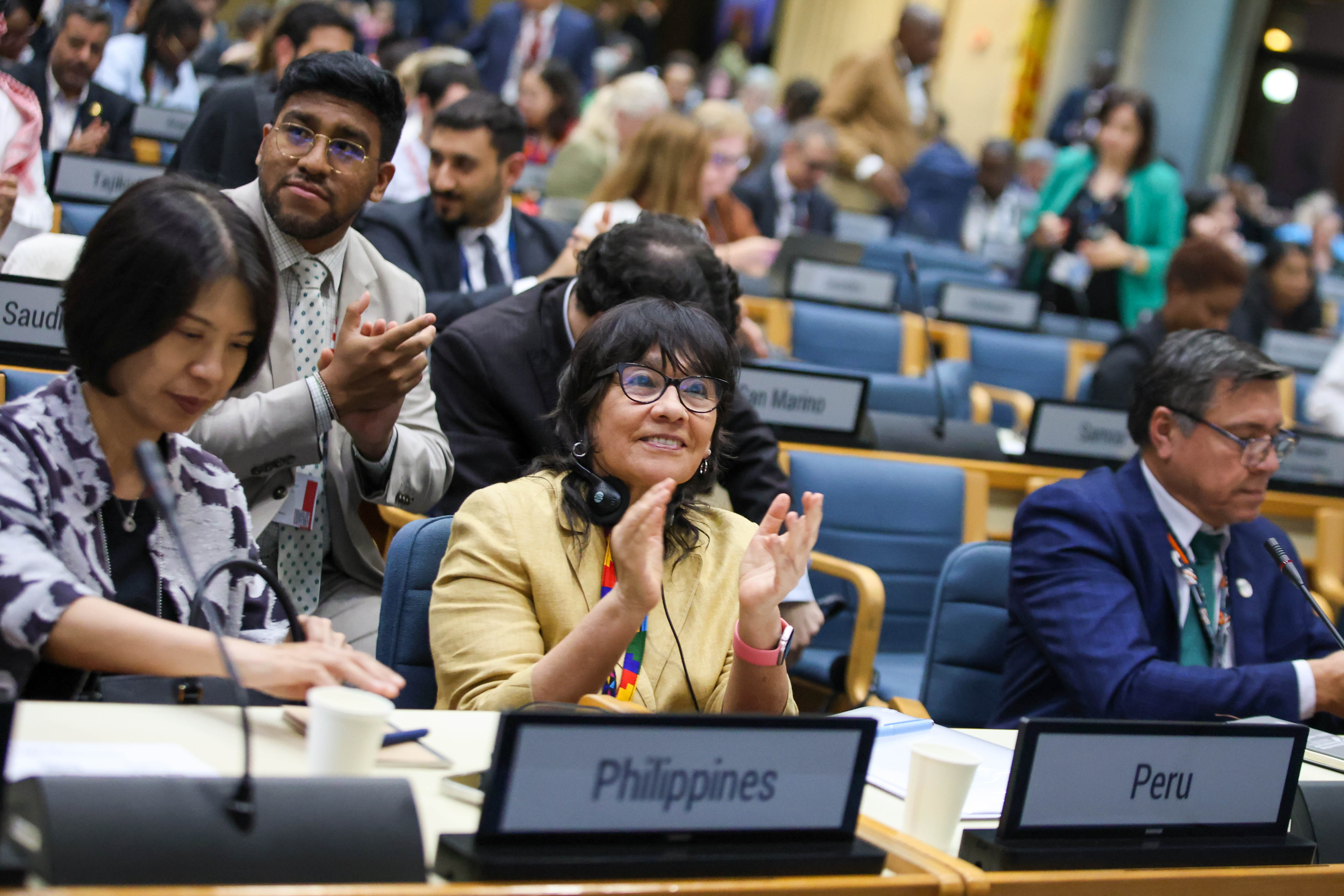
Delegates applaud following the end of OECPR-7 plenary.
Around the Venue
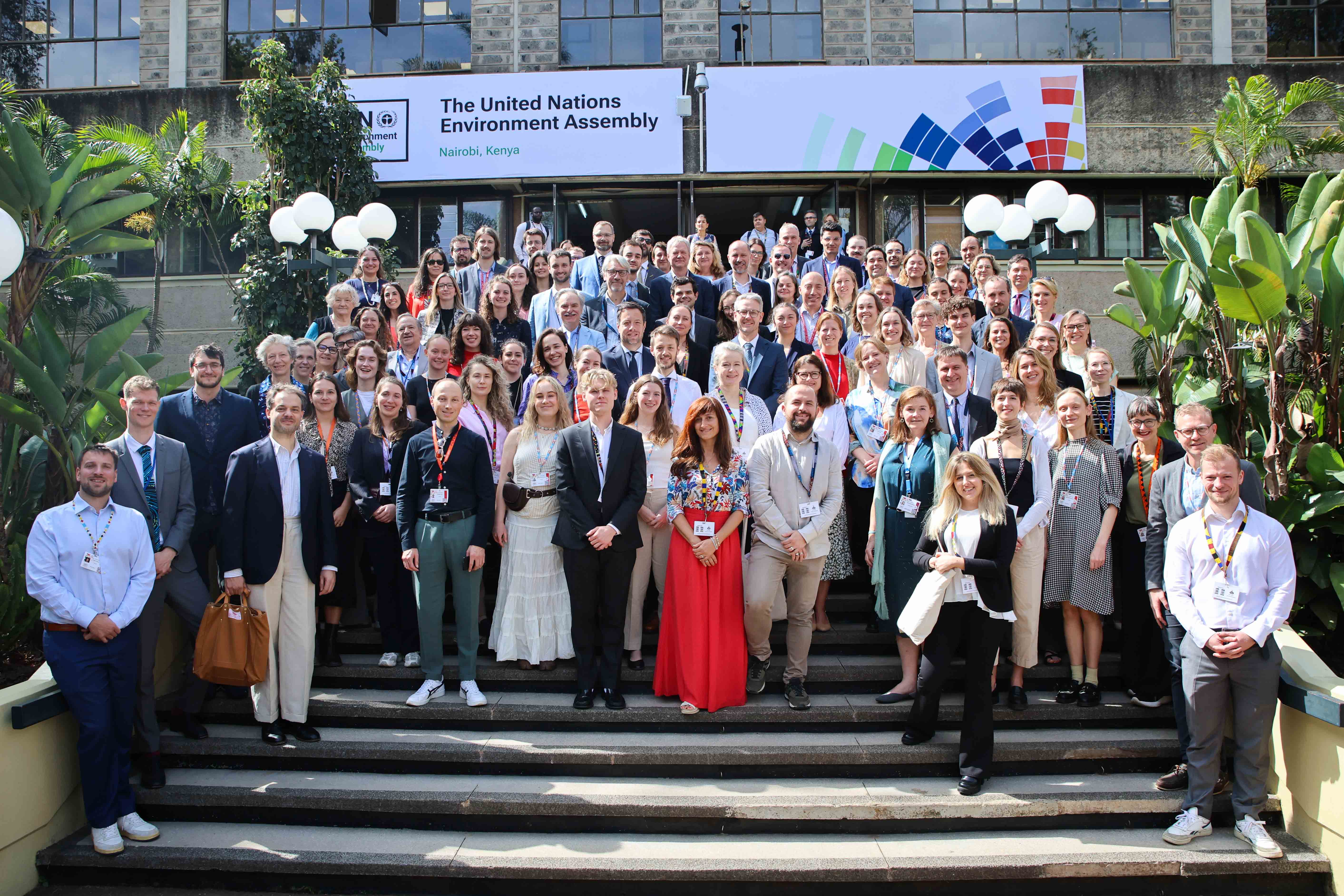
Delegates from the EU
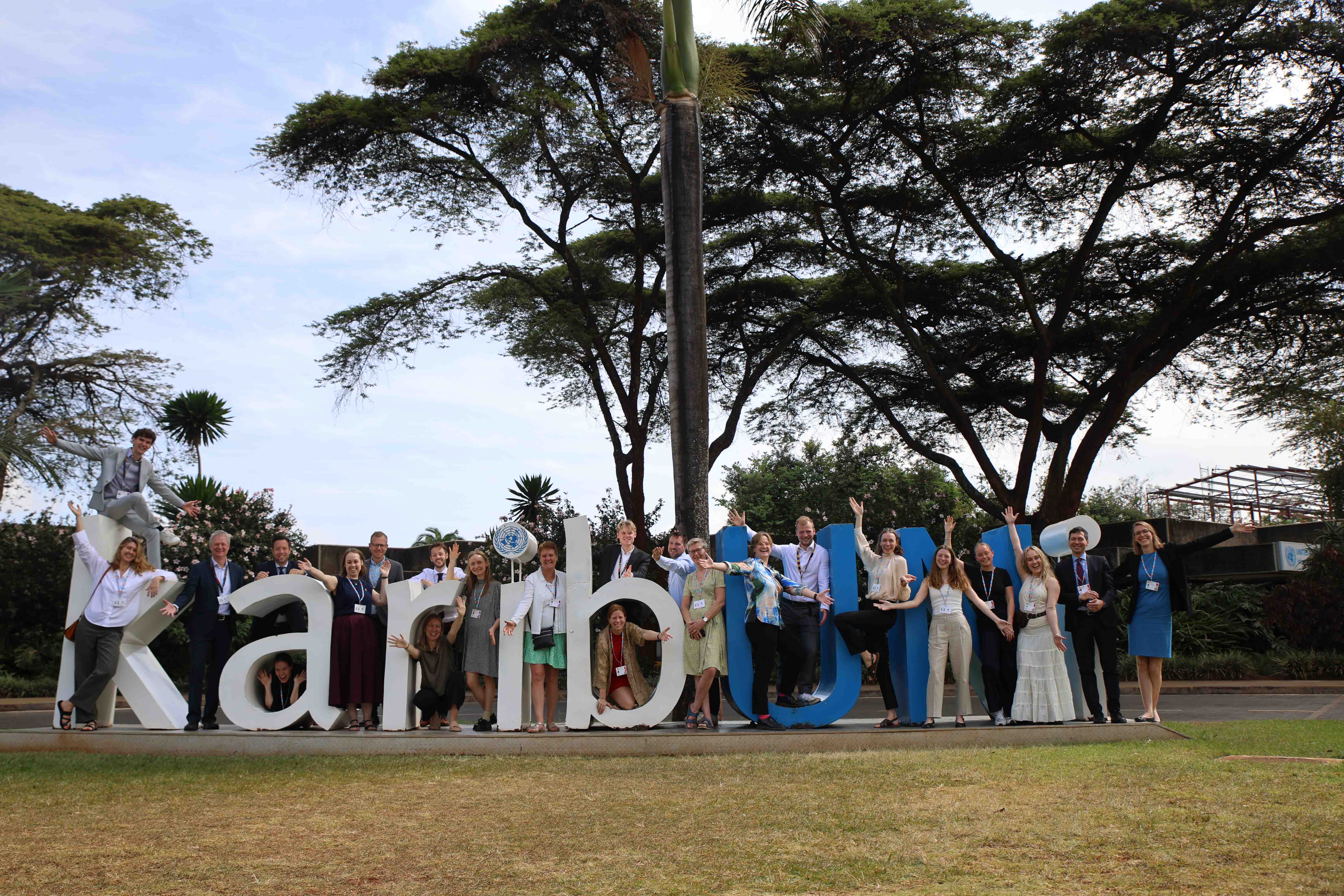
Delegates from Denmark

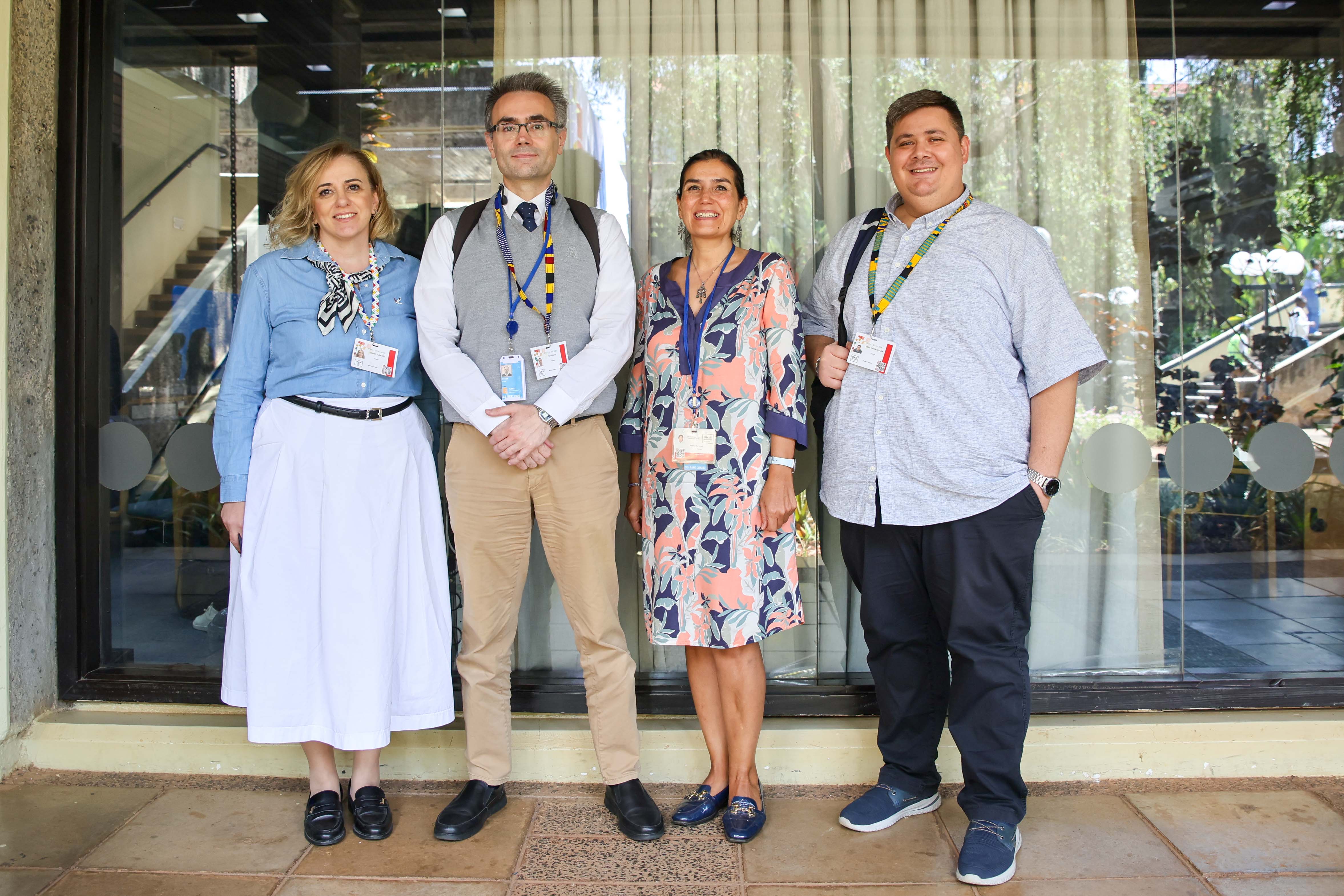
Delegates from Türkiye


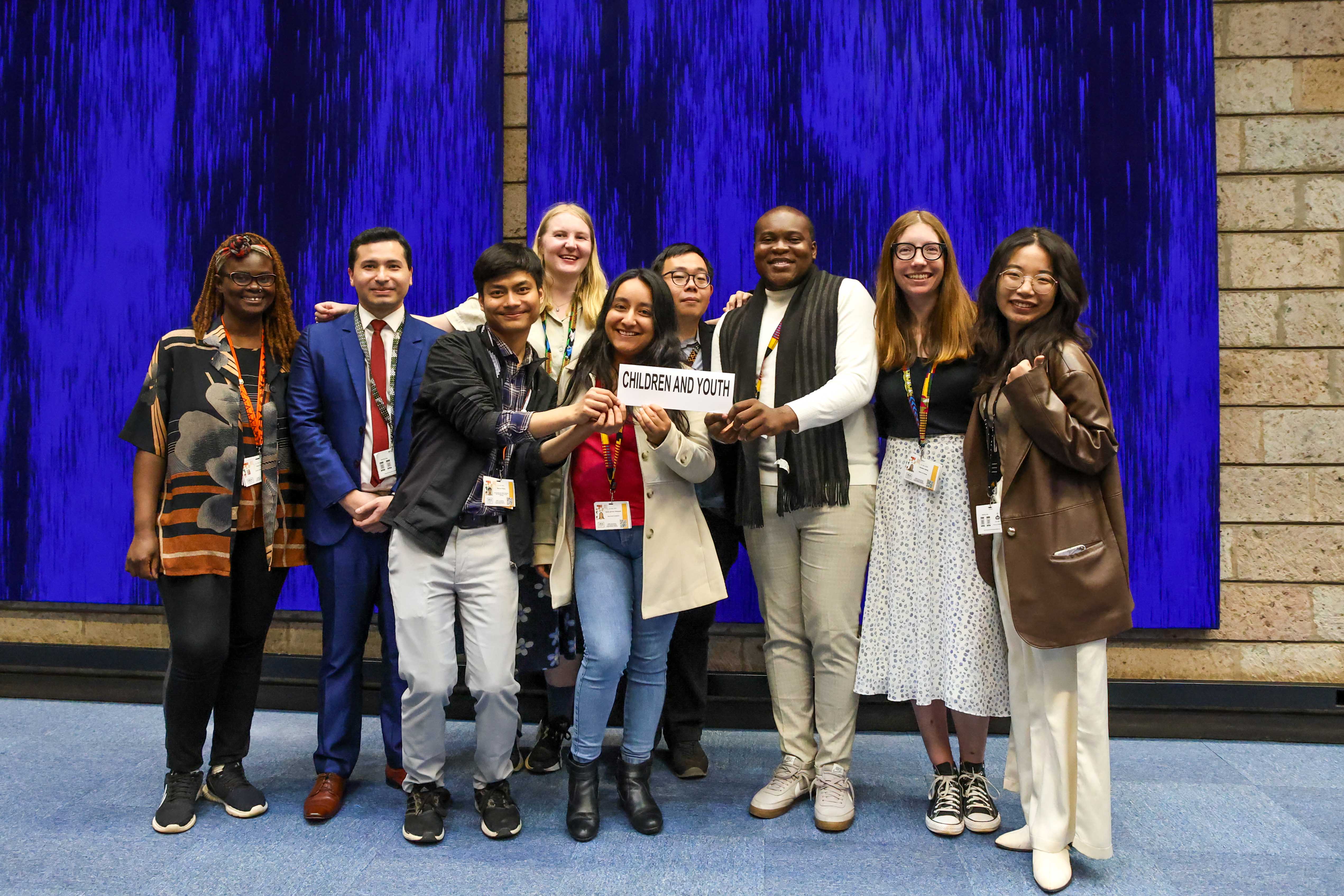
Members of Children and Youth Major Group