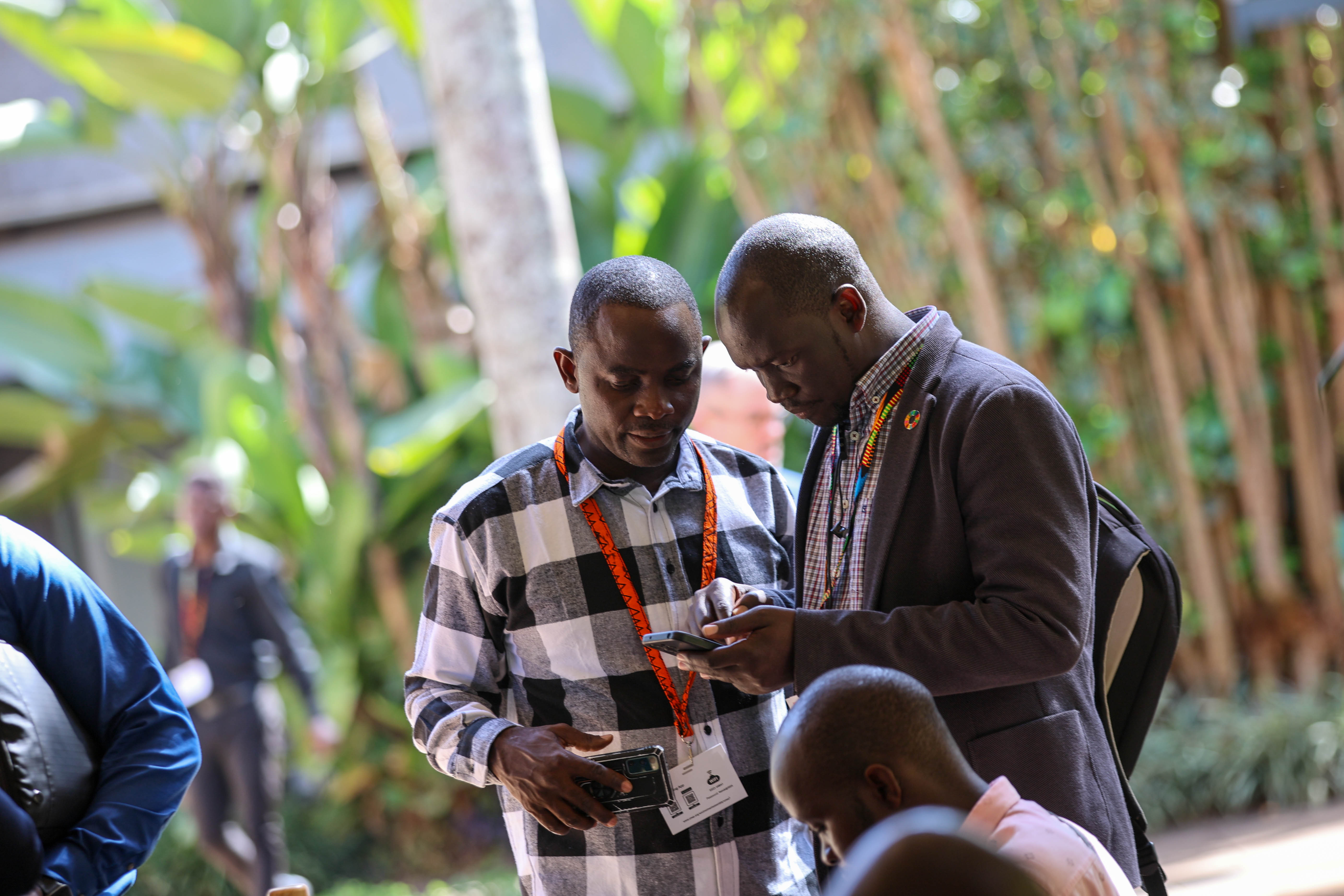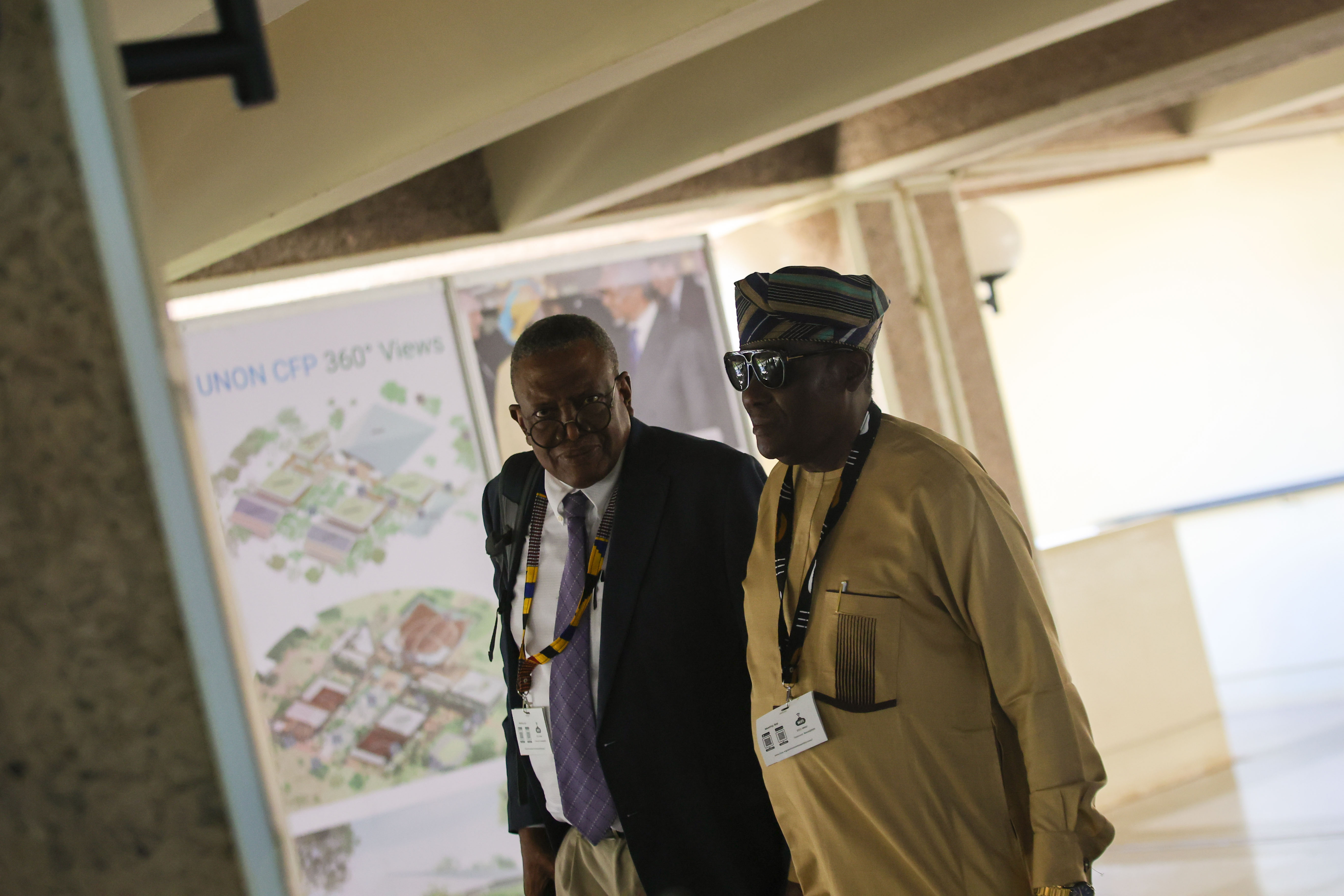
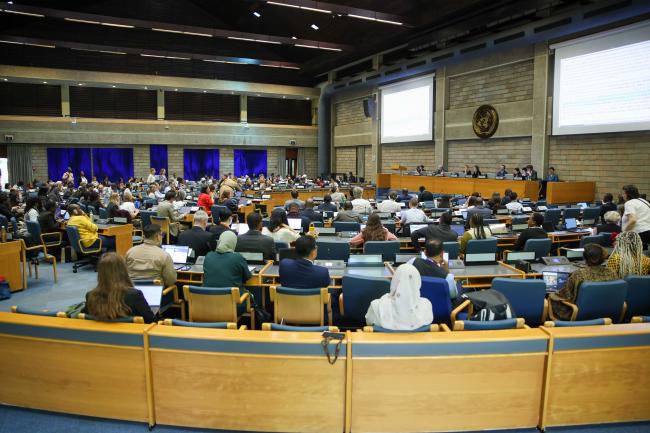
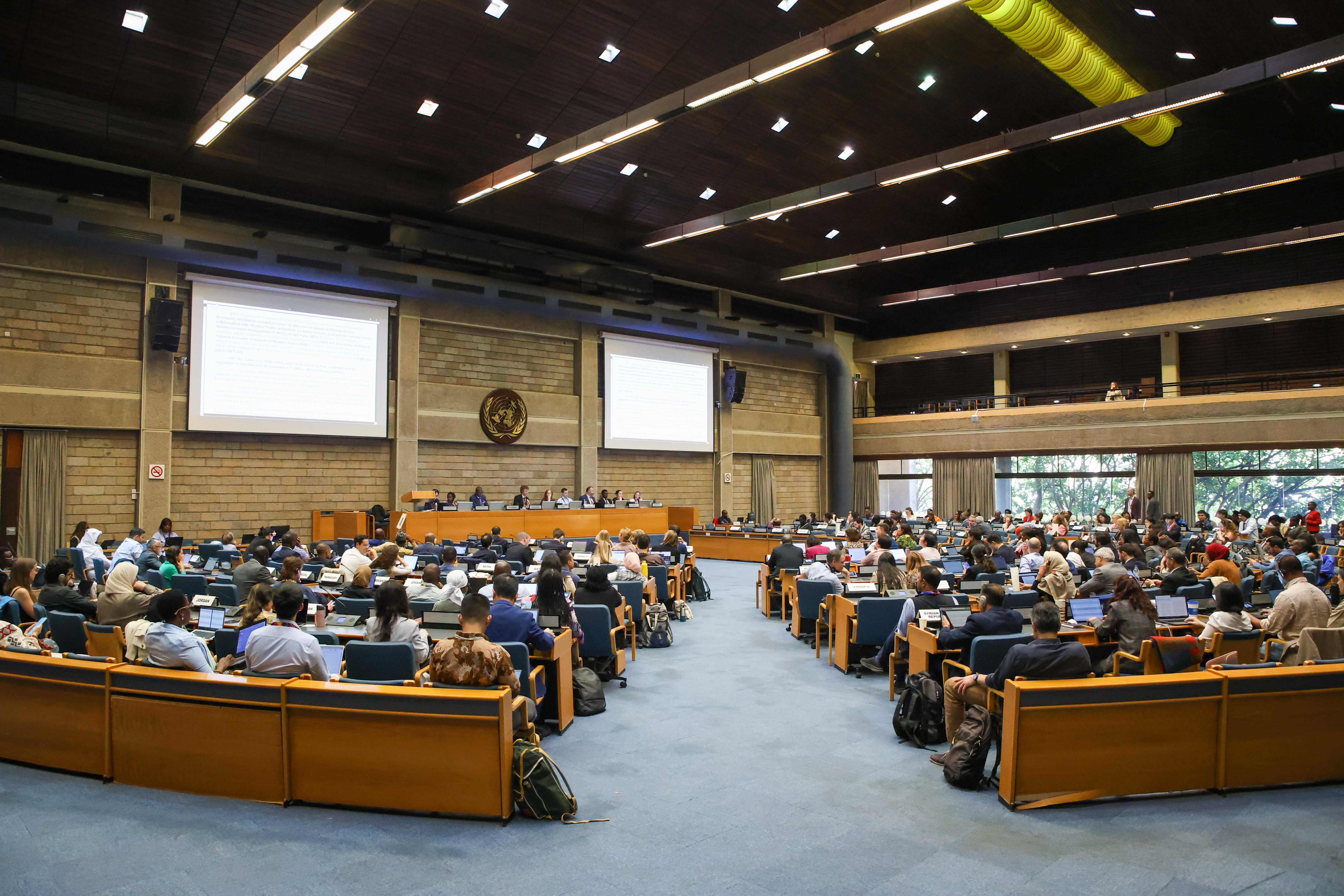
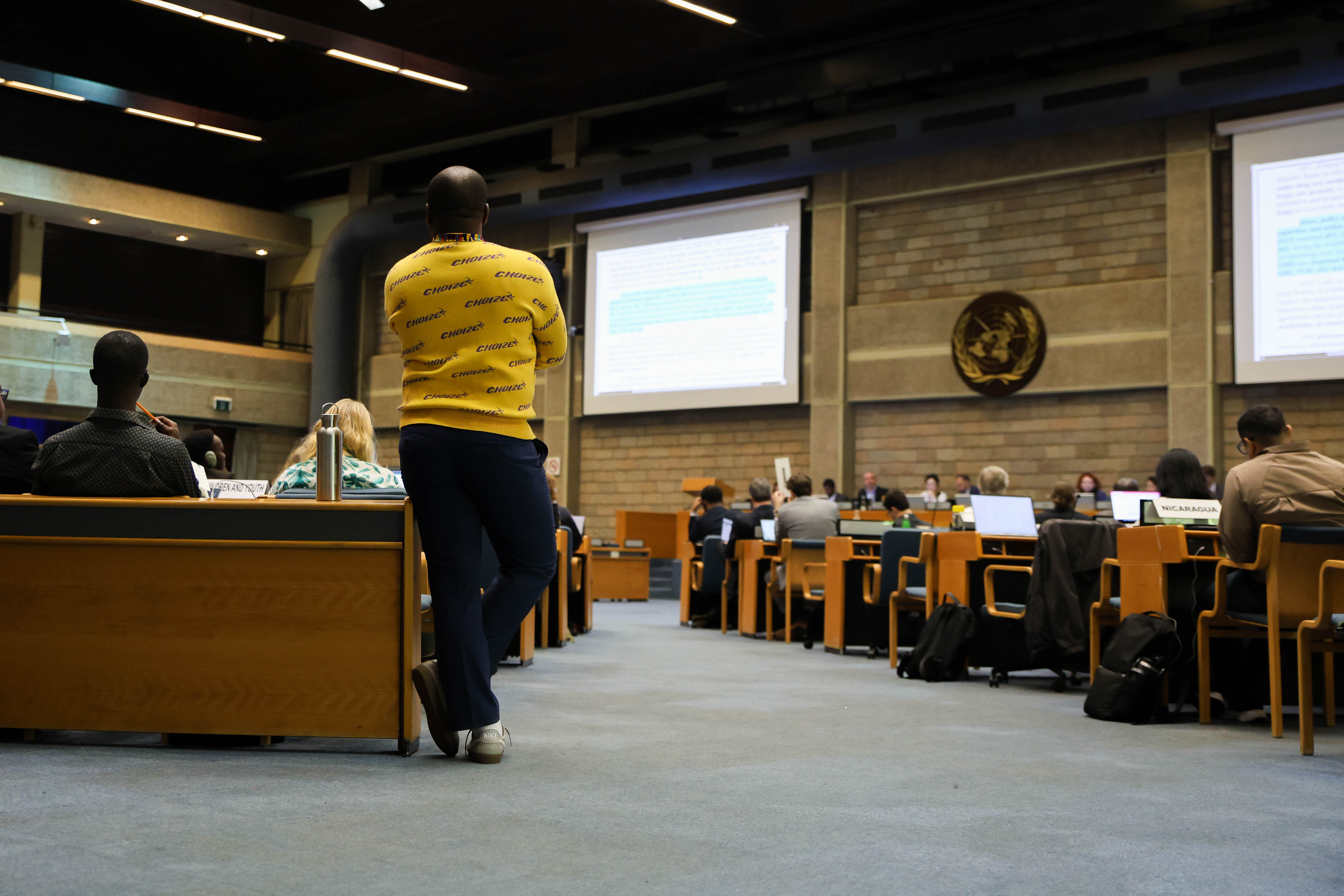
The seventh session of the Open-ended Committee of Permanent Representatives (OECPR-7) continued on Tuesday, with delegates rolling up their sleeves to address the plethora of proposed resolutions and decisions on the agenda. With three days remaining to agree on the details of several drafts, the pressure began to mount.
Convening in two informal Working Groups, which met in parallel throughout the day, they continued to make progress, working in four clusters:
- nature and climate, co-facilitated by Kanako Okano (Japan), and Marie Haraldstad (Norway);
- governance and law, co-facilitated by Sara Elkhouly (Egypt), and Martin Röw (Germany);
- circular economy, chemicals, waste and pollution, co-facilitated by Ontumetse Ontumetse (Botswana), and Michal Novotný (Czechia); and
- strategic, budgetary, and governing bodies matters, co-facilitated by Tobias Ogweno (Kenya), and Nader Al-Tarawneh (Jordan).
Diving into consideration of a resolution aiming to accelerate global action to promote coral reefs’ climate resilience, the proponents appealed to the working group that such action can help course-correct current projections estimating that 90% of coral reefs will be lost by 2030. Slow but steady progress was made, although heavy editing was deemed by one delegate to have led the group to “lose sight” of what was originally intended.
Discussions on enhancing participation of children and youth saw paragraphs quickly ballooning to what one delegate called a “Christmas tree.” With many trying to strike a balance on the language, one delegation opposed including children in the scope, while another stressed that children and youth “should not be given the same rights as Member States.”
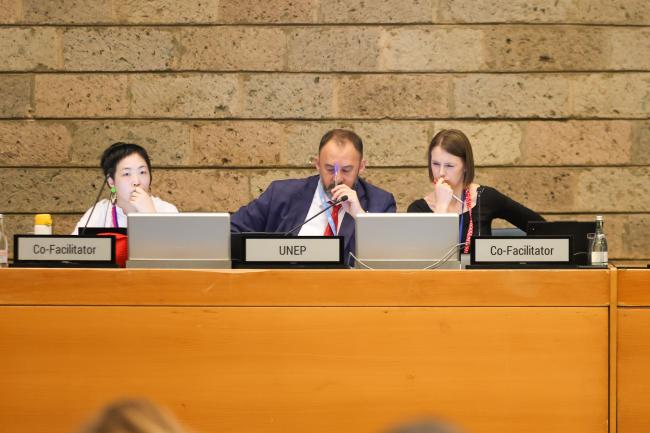
On promoting sustainable solutions through sport, delegates debated whether to include “planning, delivery, and legacy of sporting events and infrastructure” in the scope, as well as action on regional and international levels. Many questioned how this will work in practice, given that the area of work is new for UNEP and there are already many organizations like international federations that focus on sports.
Deliberations on the sound management of chemicals and waste saw divergent views on ways in which UNEP can support Member States to manage lead, cadmium, arsenic, and organotins. There was wide support for workshops for sharing best practices and strengthening regional coordination, with many noting the need for a balance in supporting management of both chemicals and wastes.
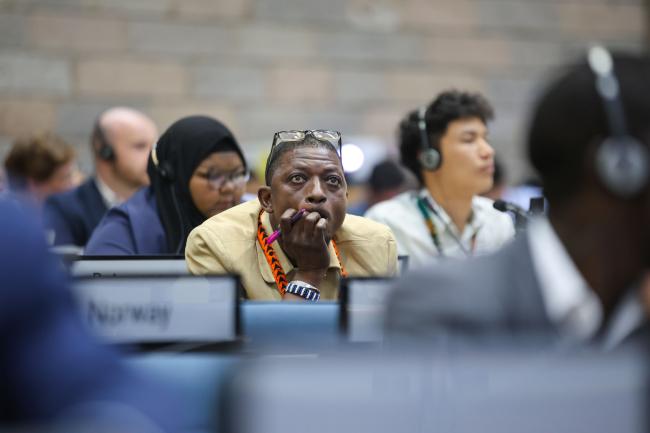
Discussions on the environmental dimensions of Antimicrobial Resistance (AMR), focused on UNEP’s role and its hosting of an independent panel secretariat in Nairobi. Supporters highlighted that UNEP has experience supporting similar science-policy panels and could bring this expertise on board. Discussions on measures to address AMR in the environment focused on, among others: reducing antimicrobial discharge; promoting sustainable production; and incentivizing adoption of manufacturing standards.
Delegates also held detailed discussions on a draft resolution on strengthening the role of UNEP headquarters in Nairobi. Views diverged on several points, including whether multilateral environmental agreements (MEA) offices should relocate to Nairobi, and whether the Nairobi offices should be the primary host and center for conferences, forums, and decision-making processes related to environmental governance.
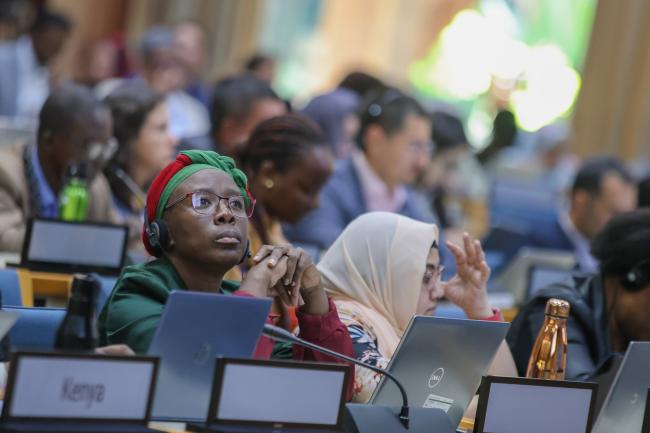
Across clusters, discussions touched on common disagreements, including on the need to qualify that technology transfer arrangements must be on “voluntary and mutually agreed terms,” as proposed by a few developed country delegations during deliberations on a resolution for strengthening the global response on the management of wildfires. This is a familiar debate in several MEAs. All references to technology transfer were thus added to a growing list of crosscutting issues.
Other common sticking points across the working groups included the lack of commonly accepted definitions of terms such as citizen science, and language pertaining to the recognition and use of traditional, Indigenous, and/or local communities’ knowledge.
After a stocktaking plenary on Wednesday morning, deliberations will continue.
To receive free coverage of global environmental events delivered to your inbox, subscribe to the ENB Update newsletter.
All ENB photos are free to use with attribution. For OECPR- and UNEA-7 please use: Photo by IISD/ENB | Anastasia Rodopoulou
Cluster A on Nature and Climate
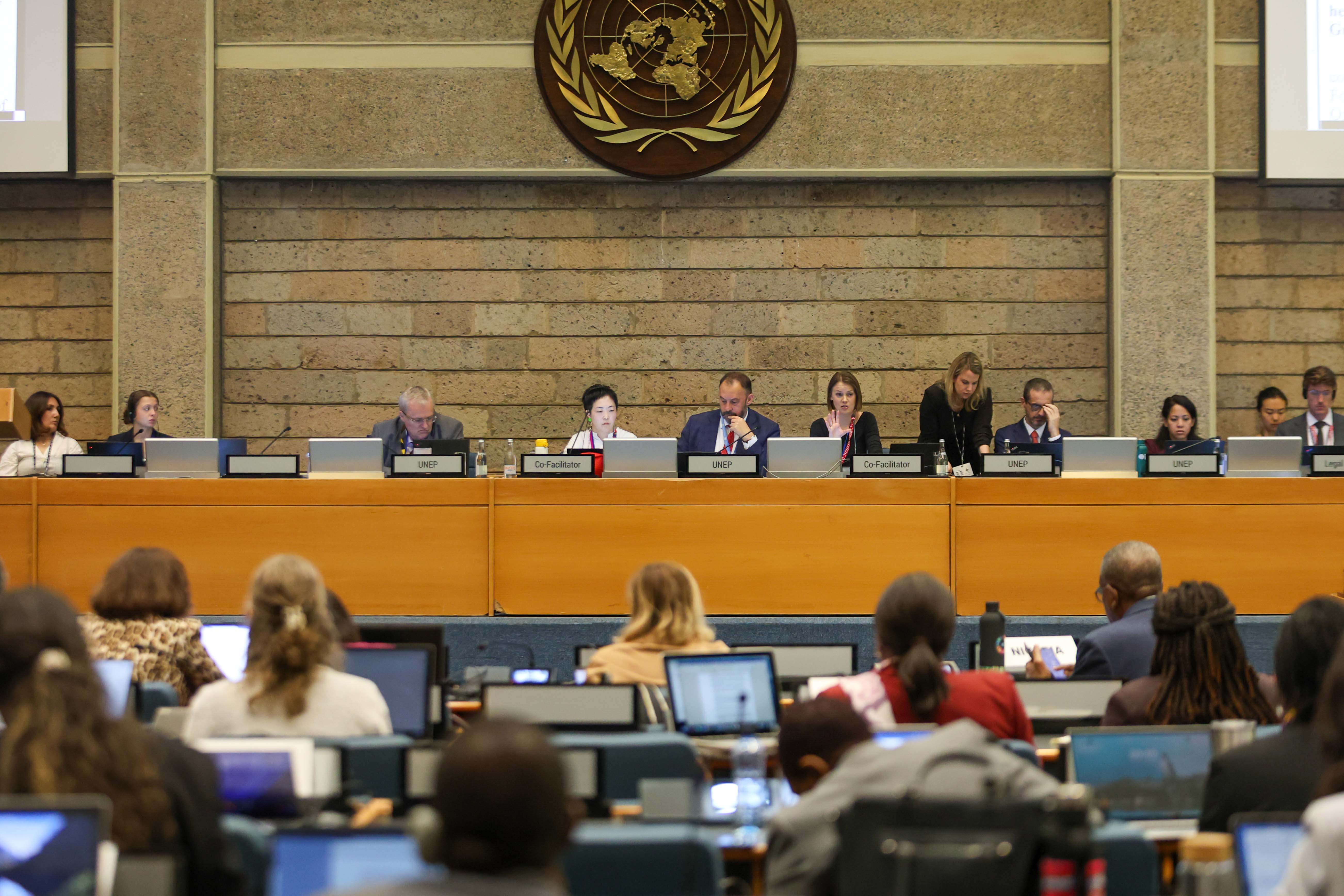
A view of the dais during the Cluster A session
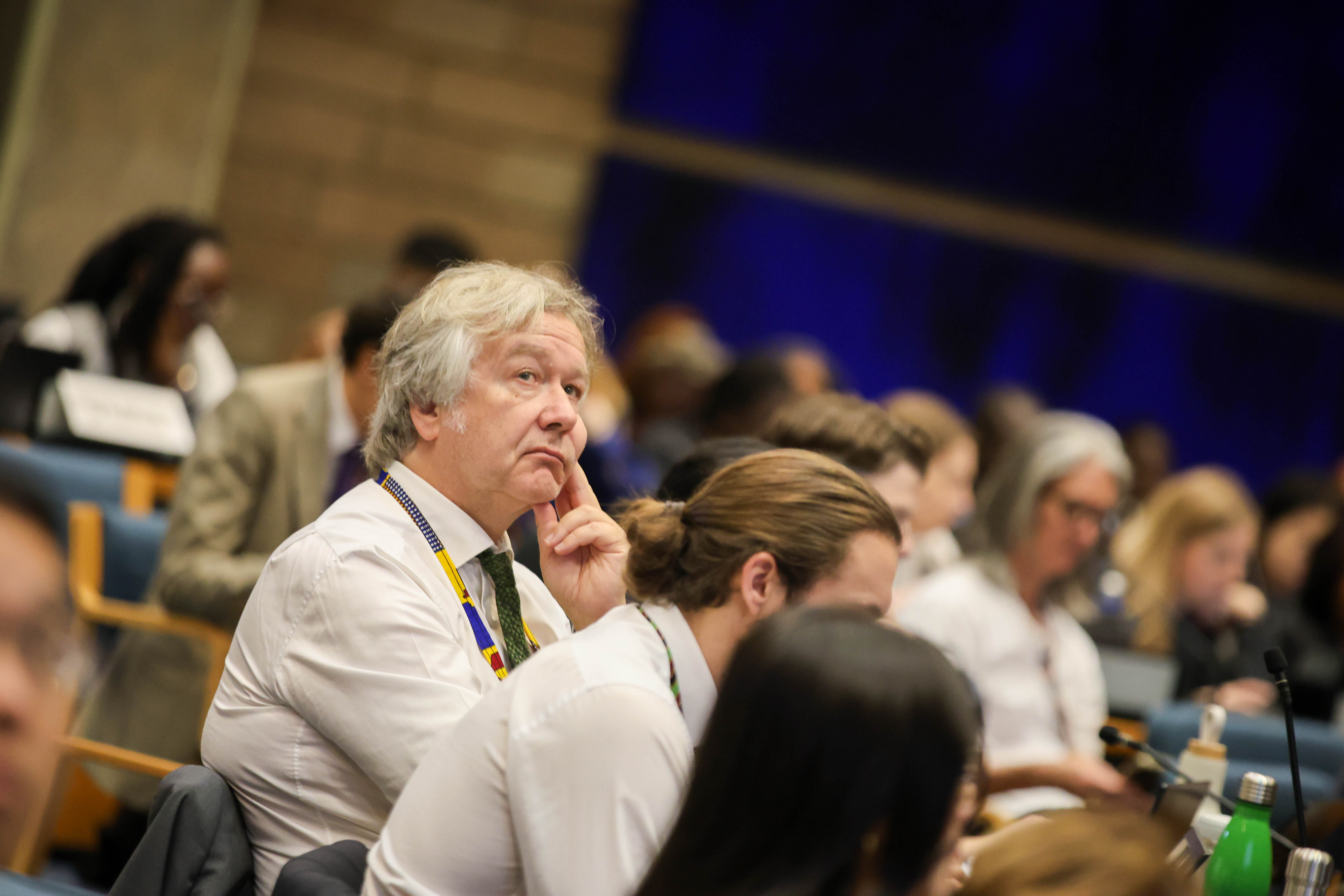
Jon Heikki Aas, Norway
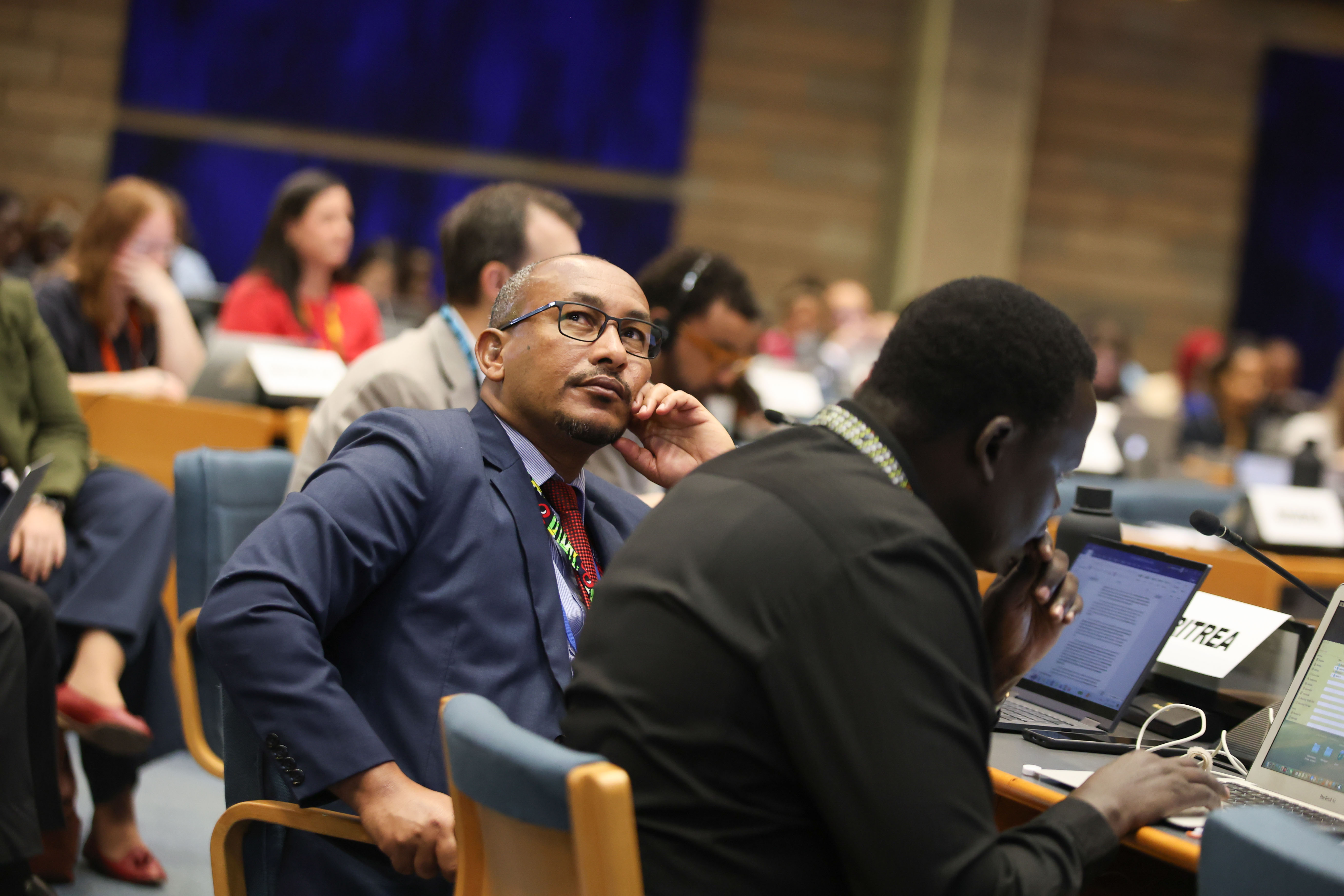
Kalekristos Gebreyesus, Eritrea
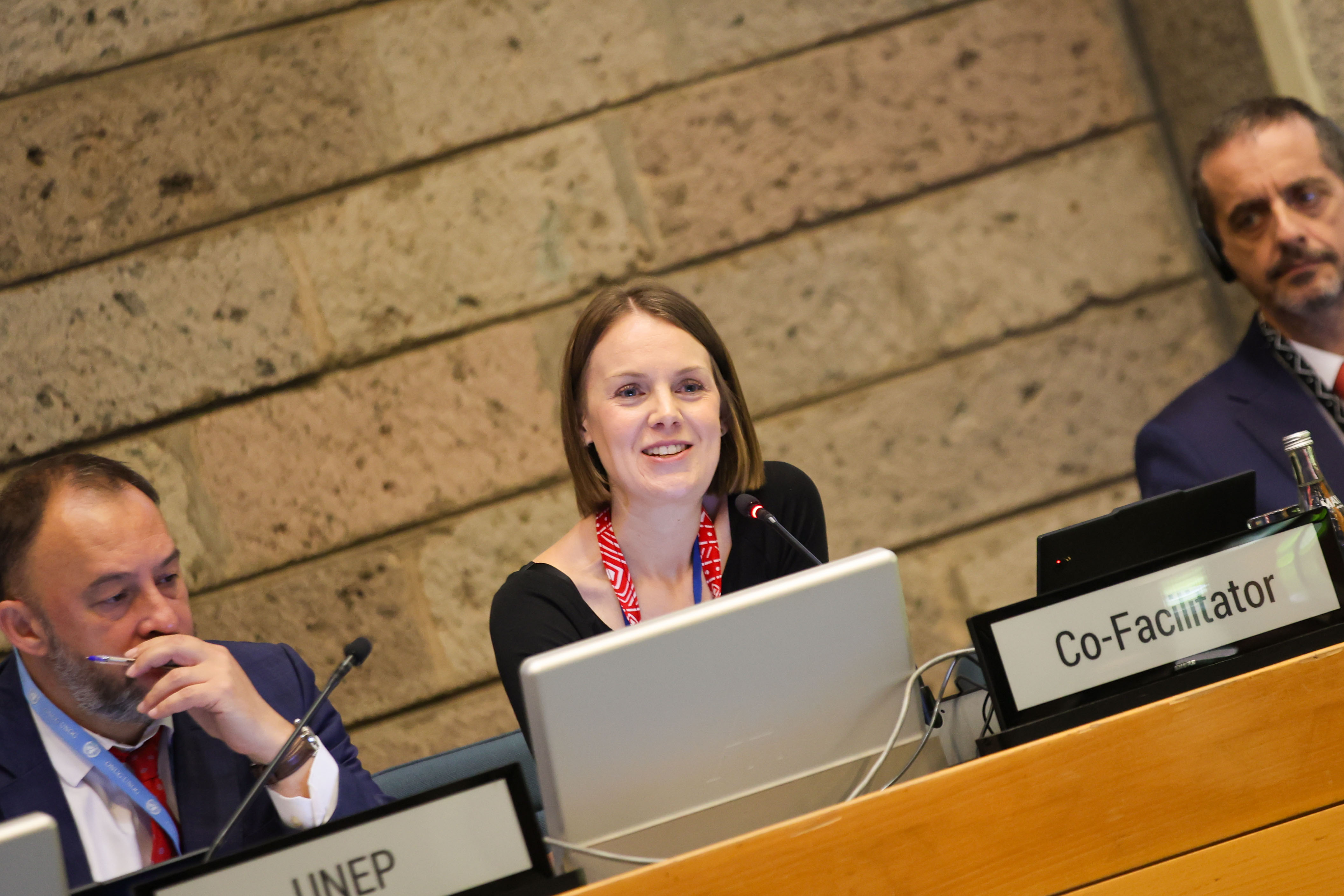
Marie Haraldstad, Norway, Co-Facilitator of Cluster A
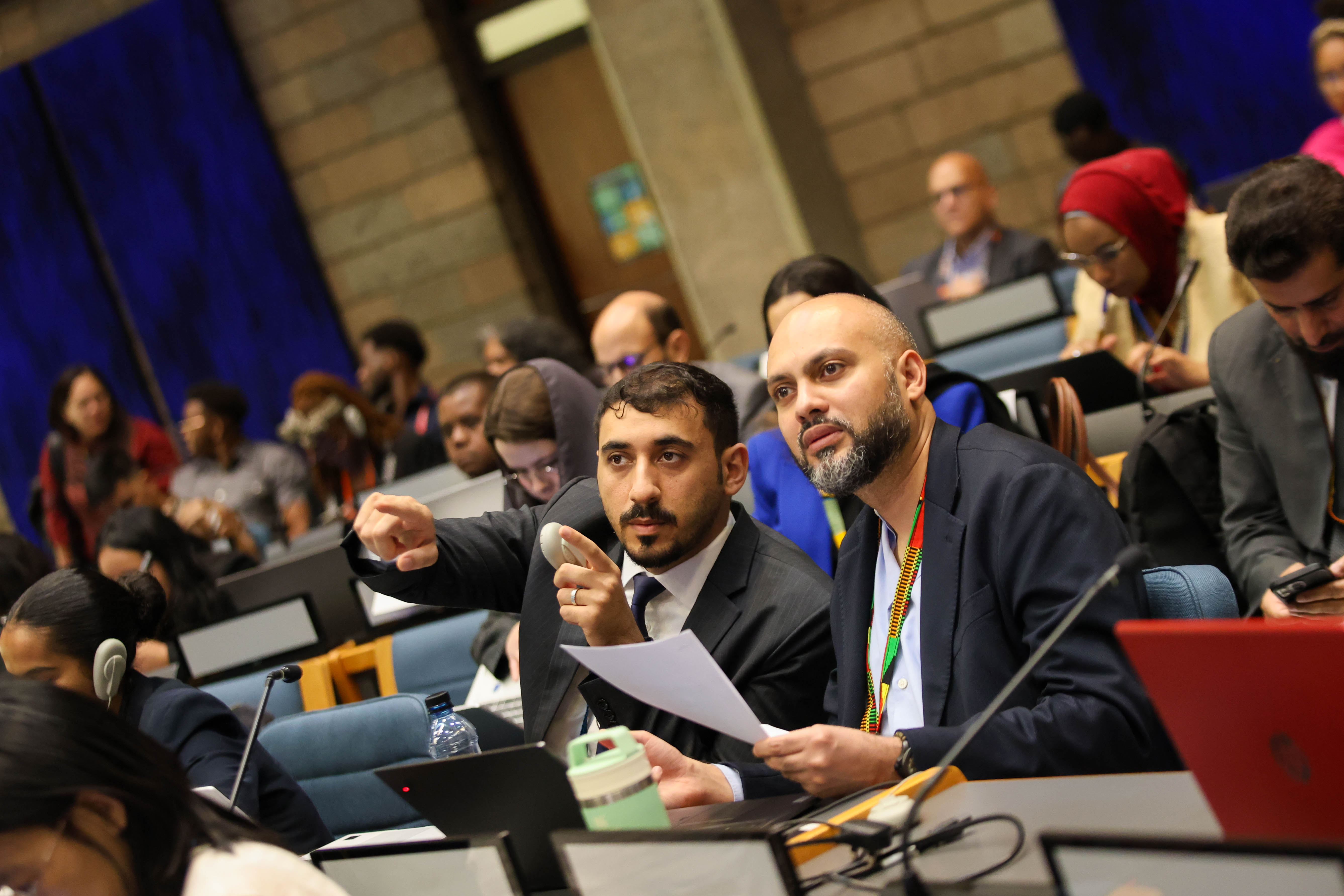
Delegates from Saudi Arabia consult.
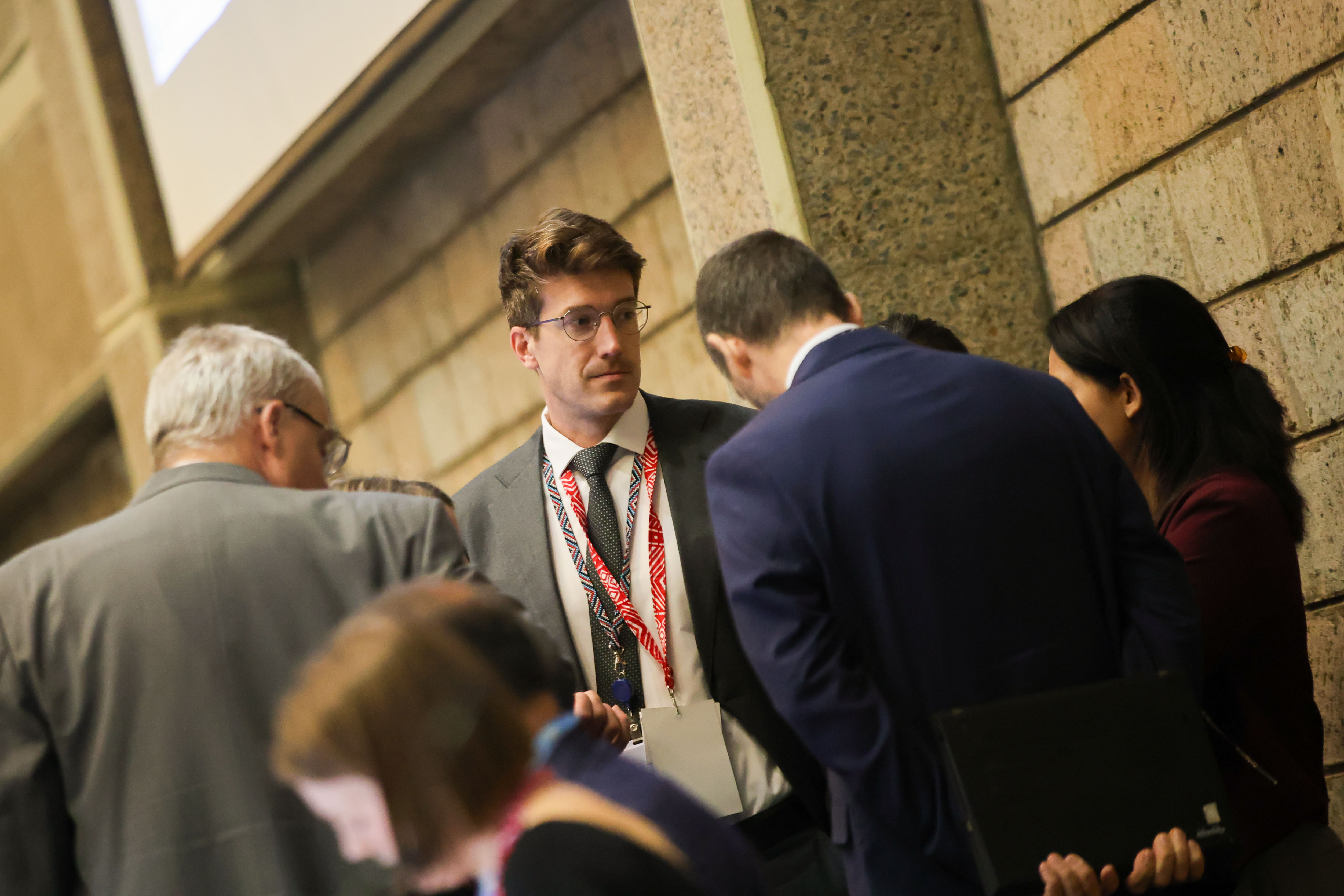
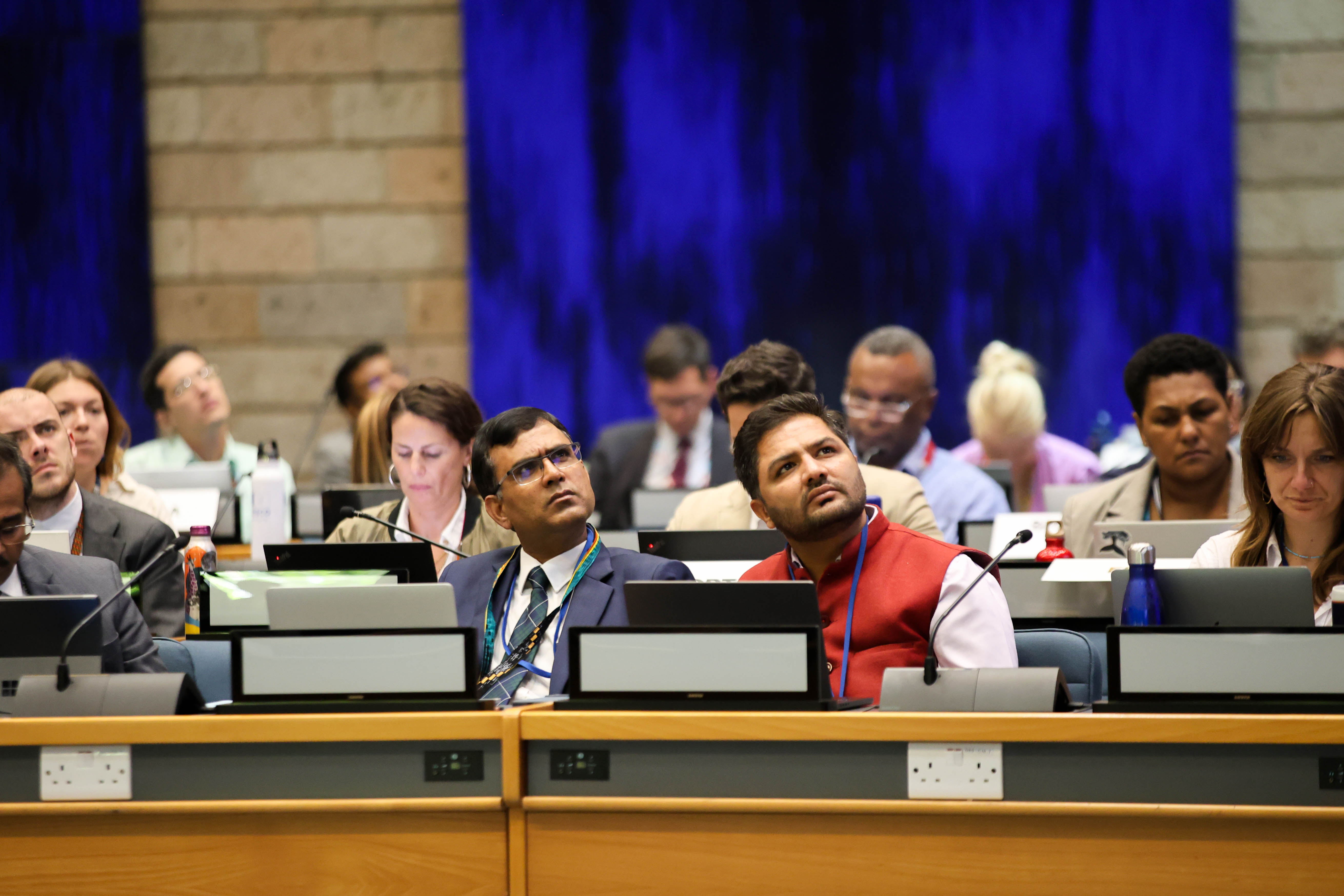
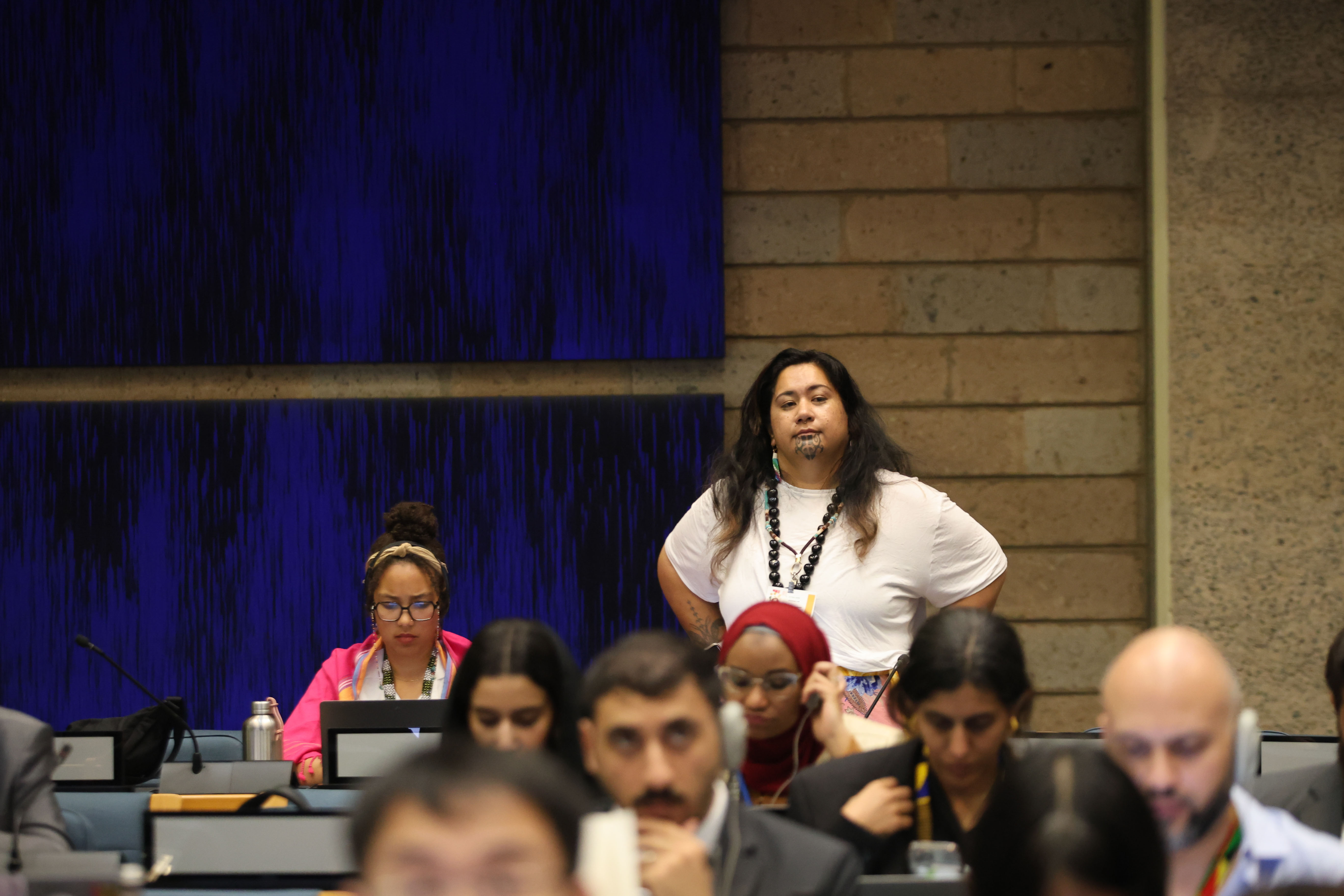
Juressa Lee, Aotearoa Plastic Pollution Alliance (APPA)
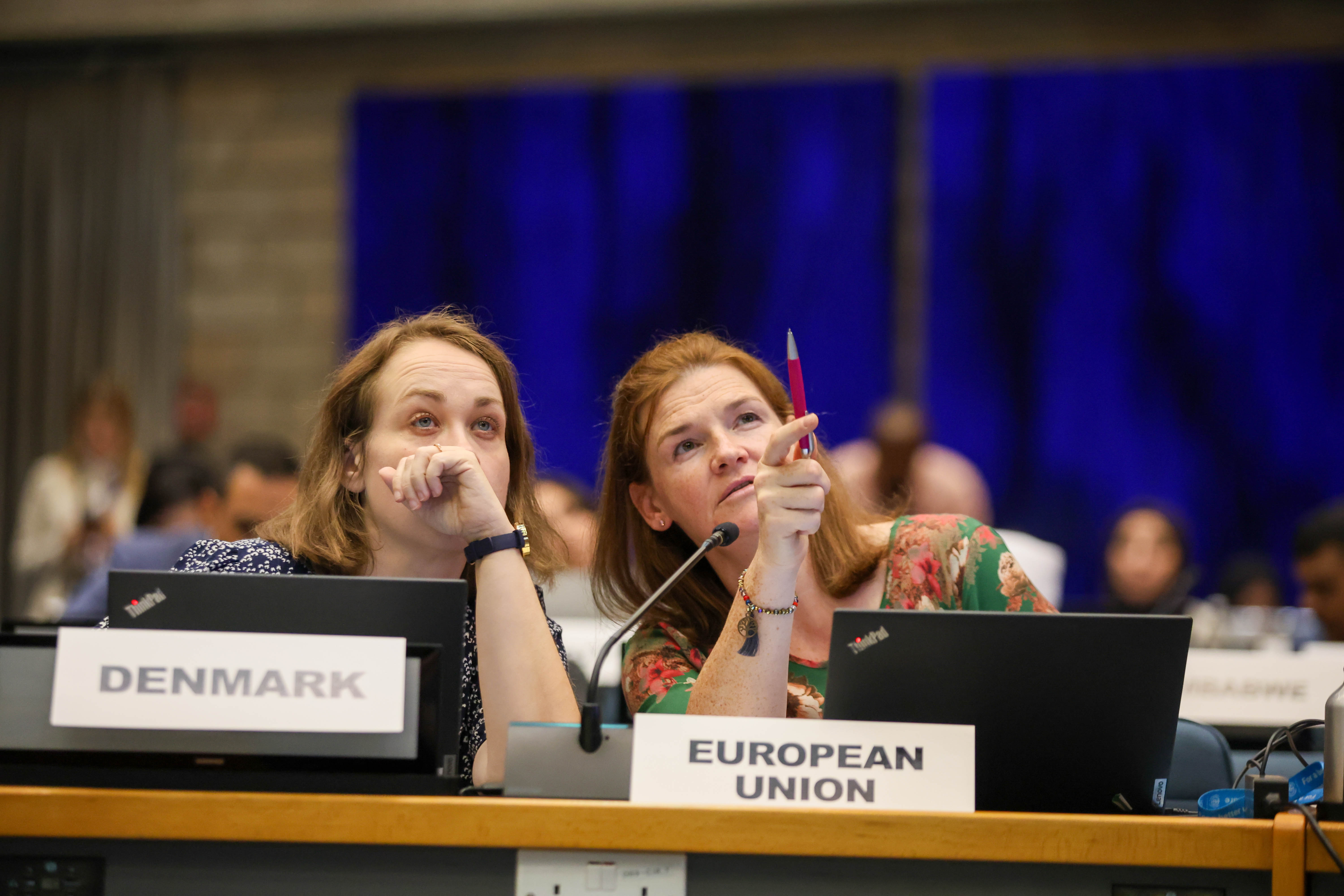
Delegates from the EU consult.
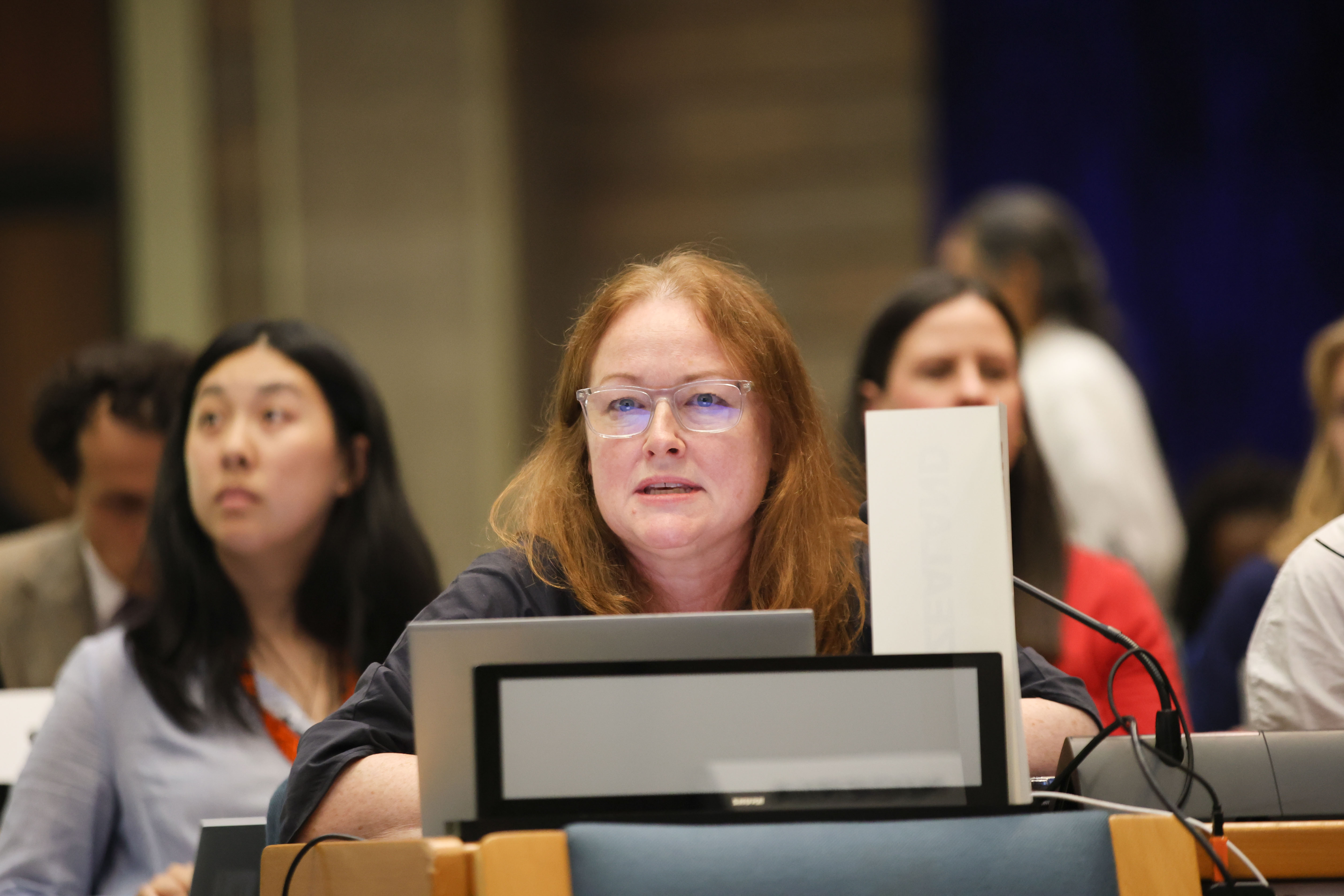
Jillian Dempster, New Zealand
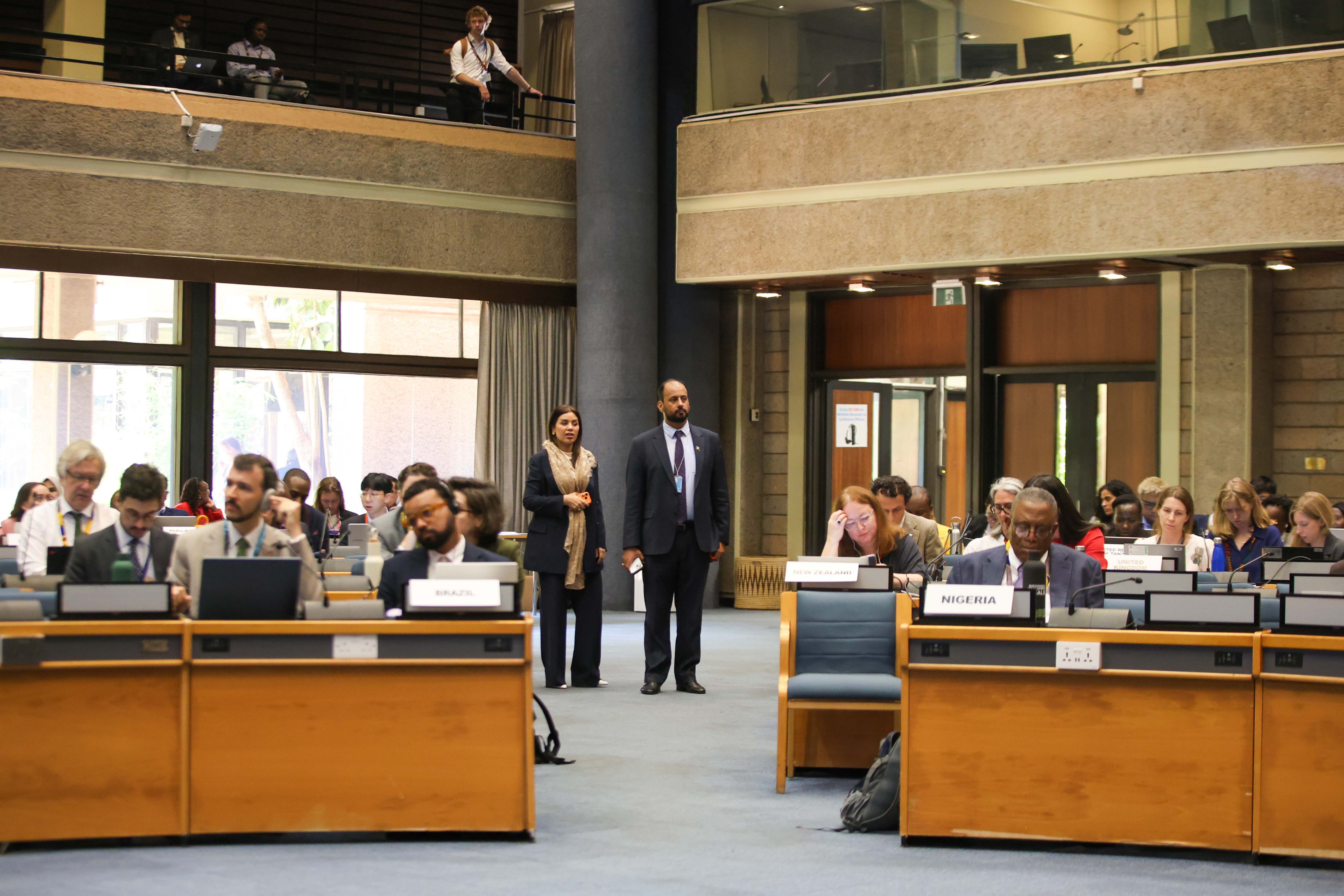
Cluster B on Governance and Law
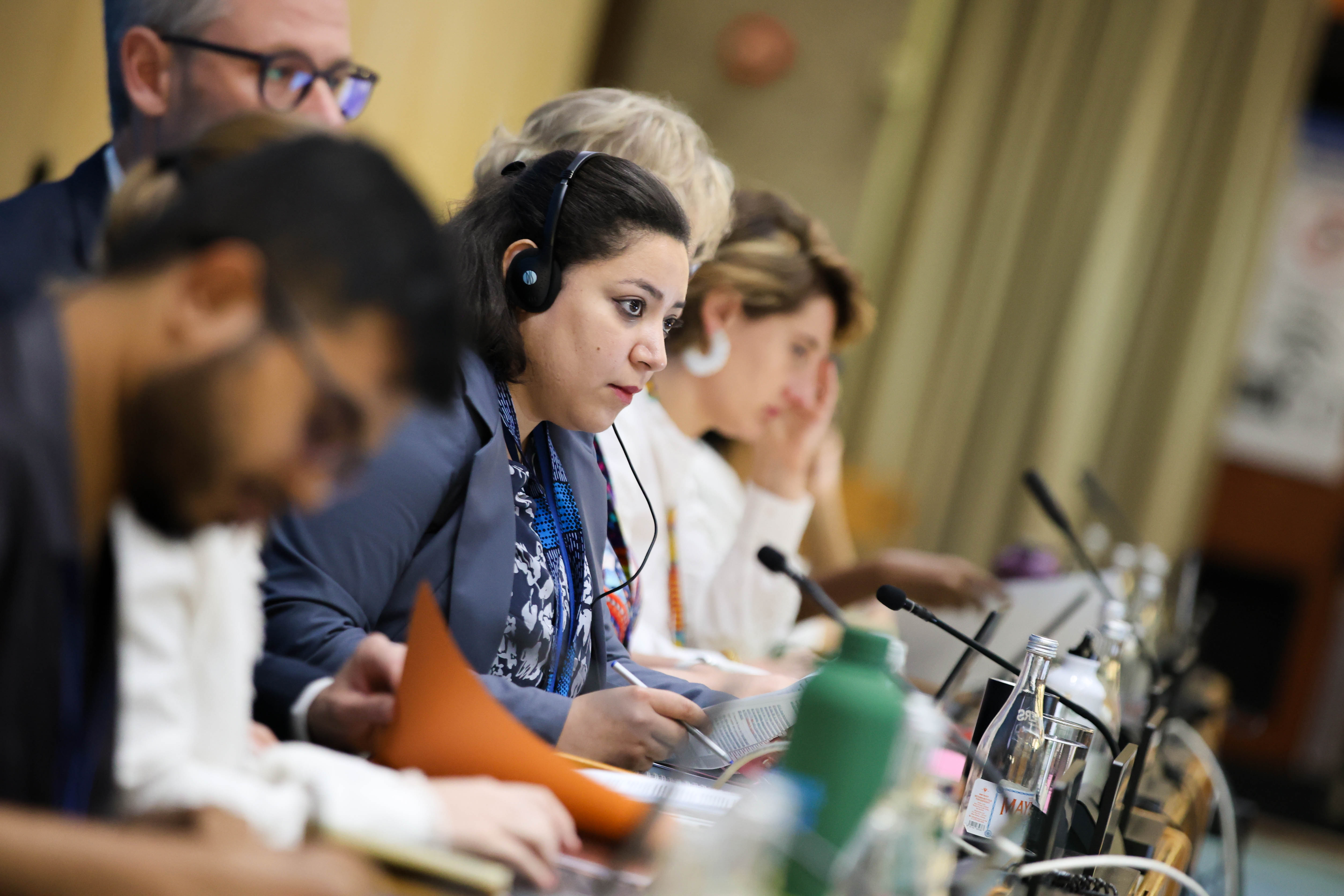
Sara Elkhouly, Egypt, Co-Facilitator of Cluster B
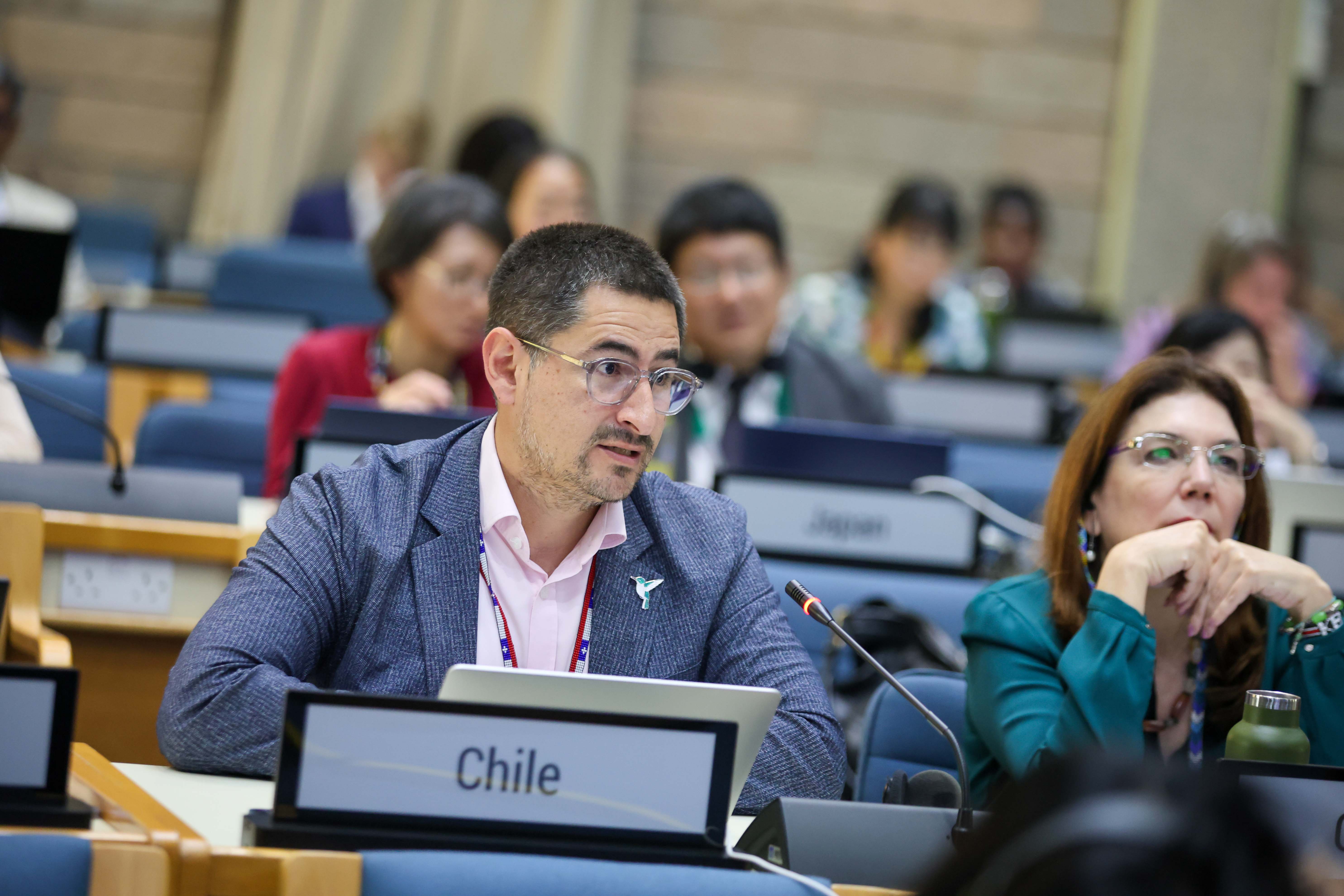
Gonzalo Guaiquil, Chile
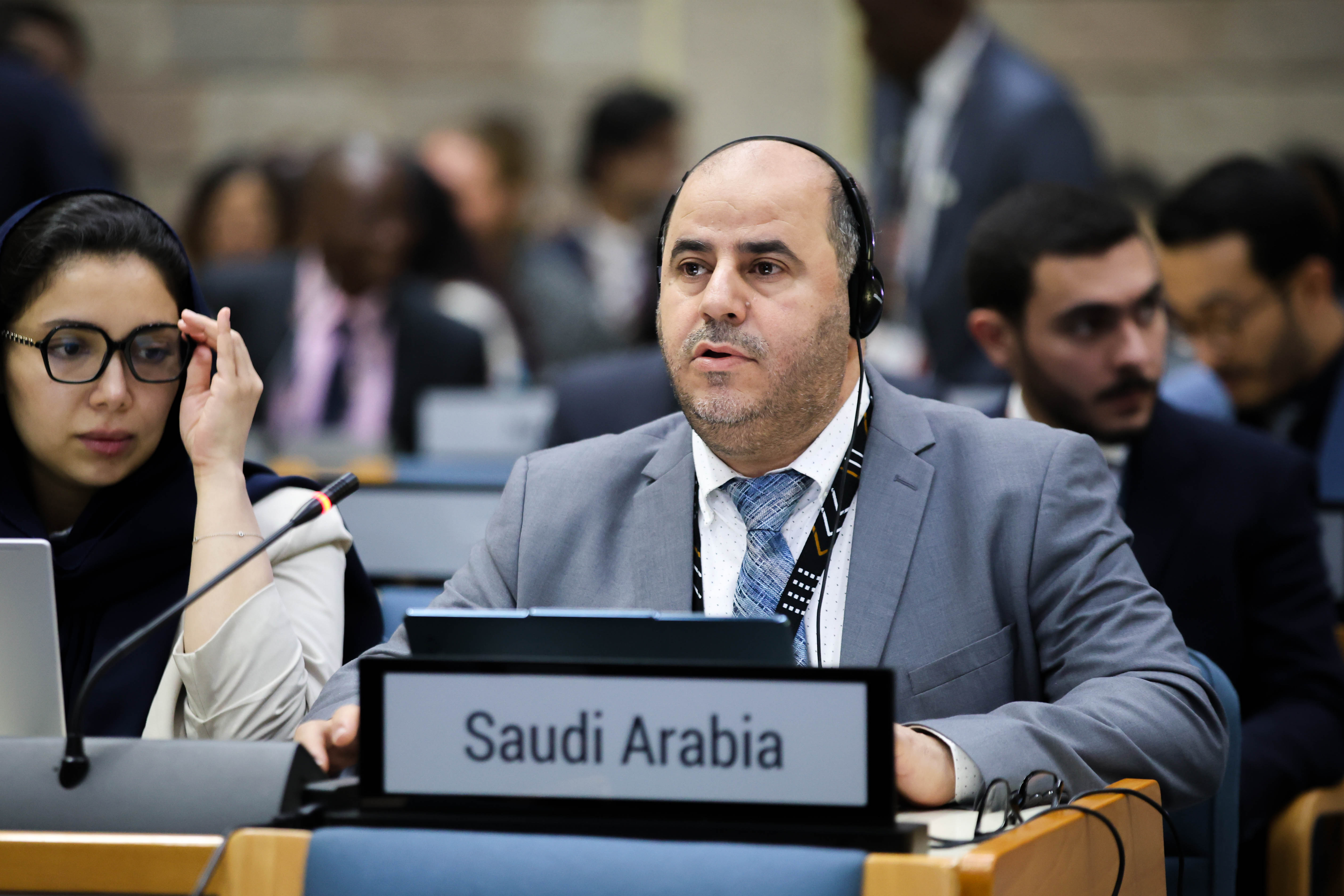
Qasem Alsharari, Saudi Arabia
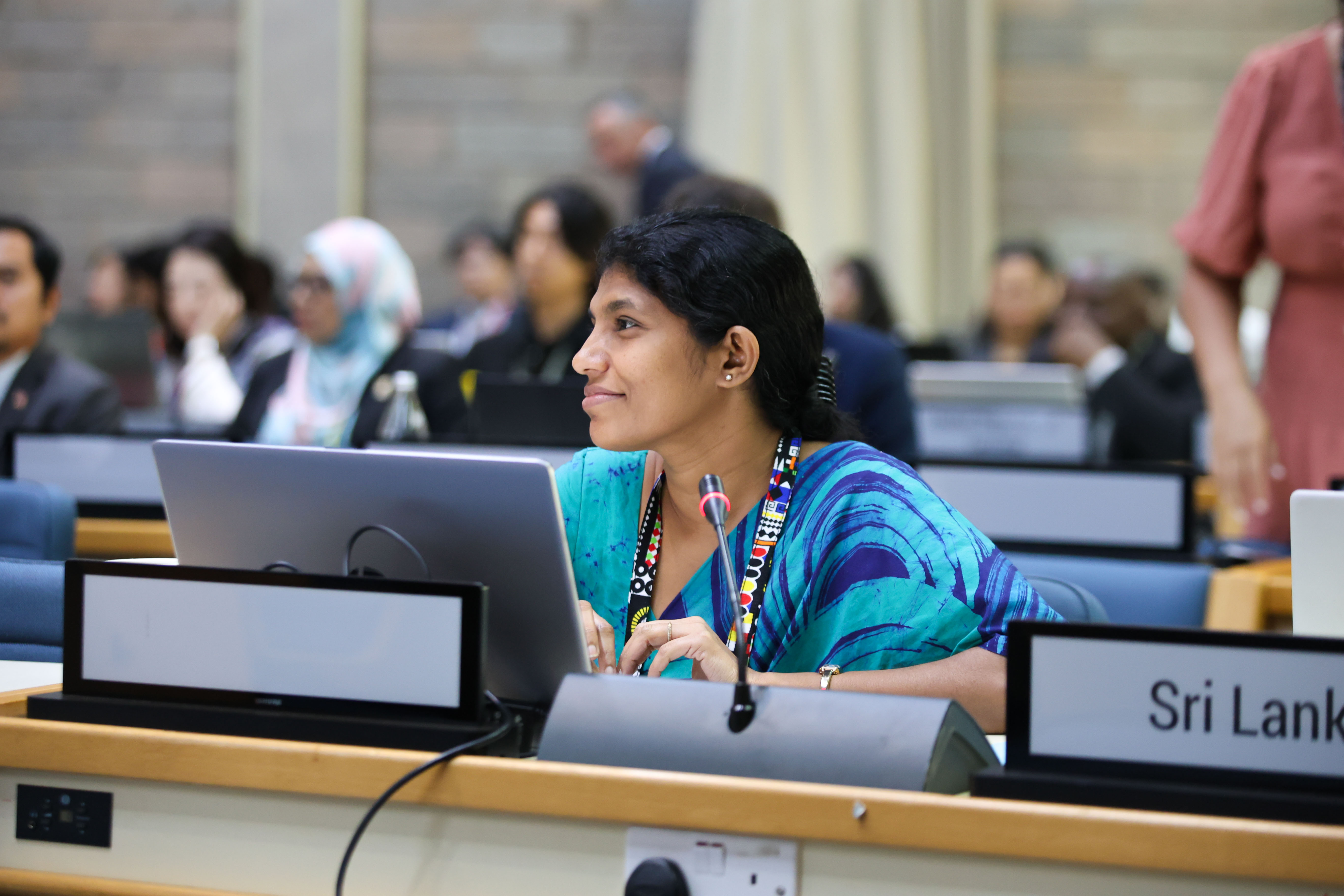
Singharage Ruvini De Silva, Sri Lanka
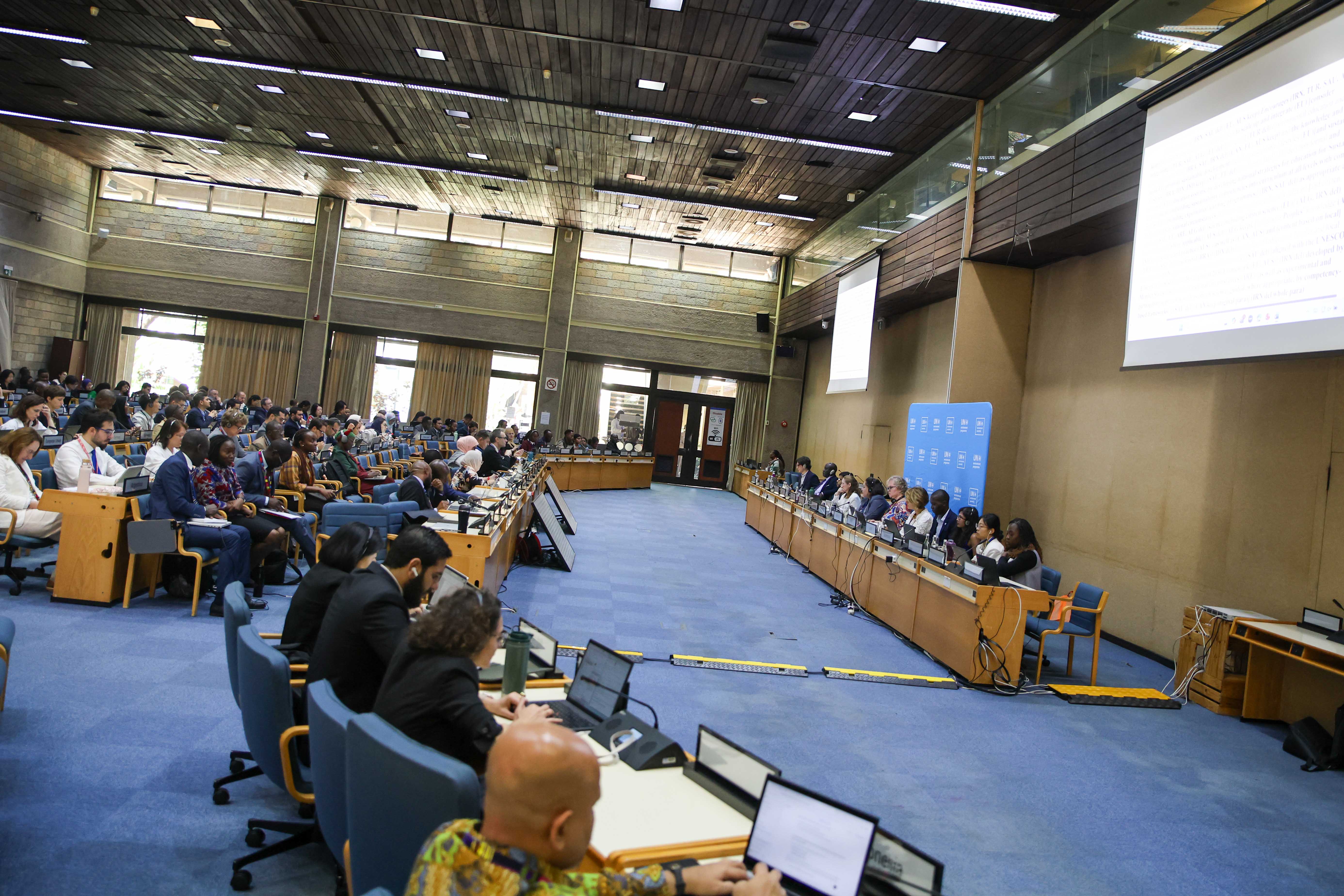
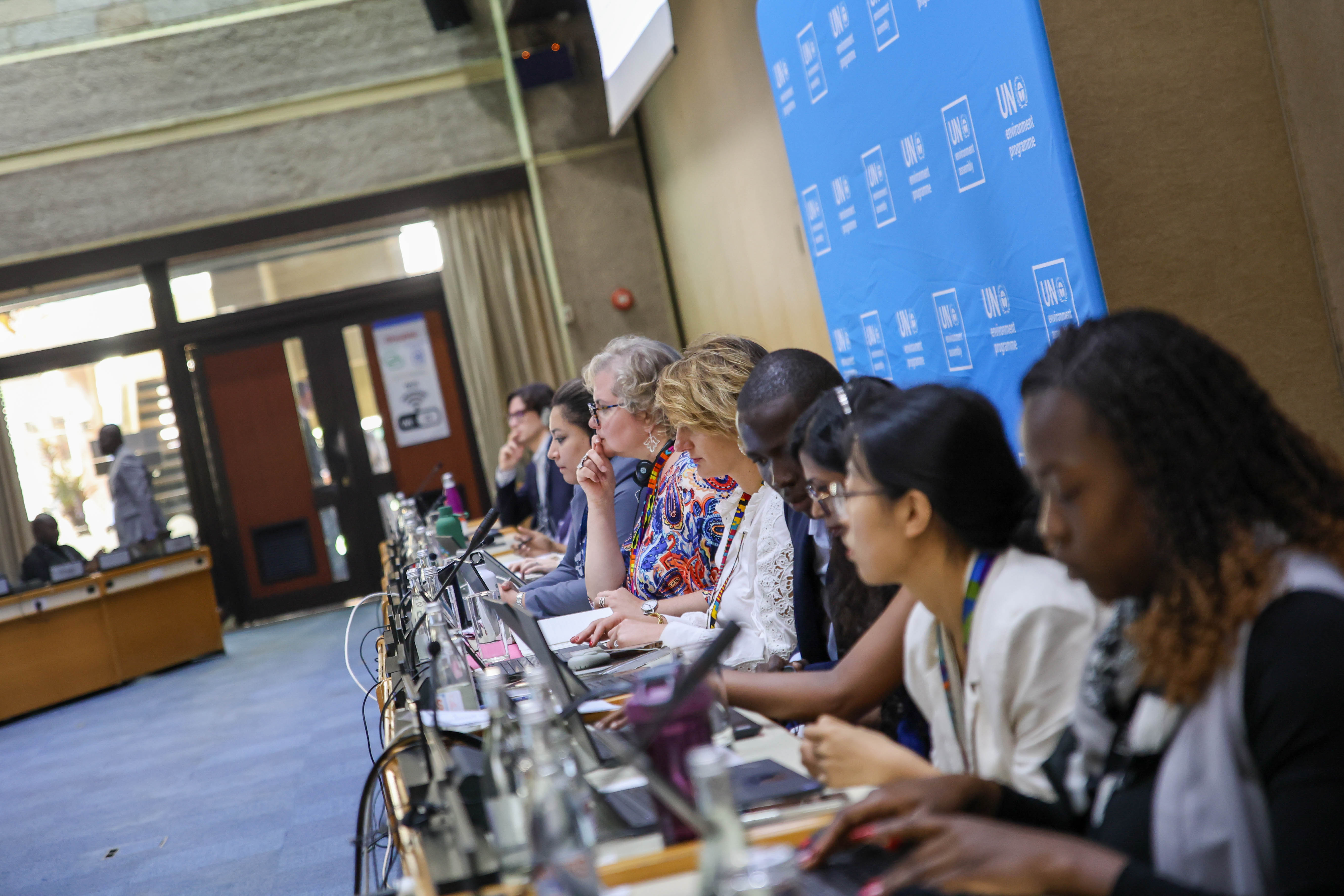
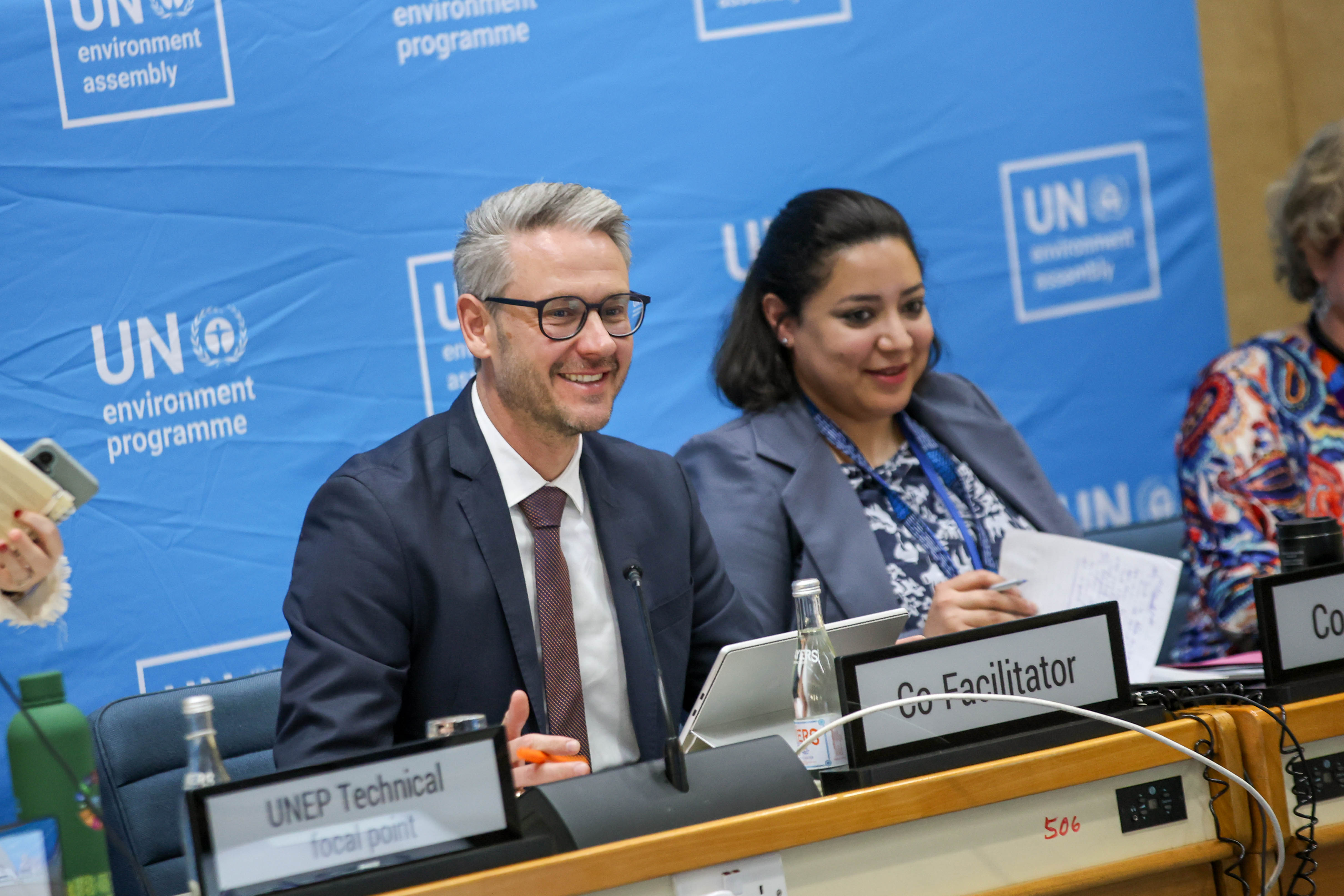
Martin Röw, Germany, Co-Facilitator of Cluster B
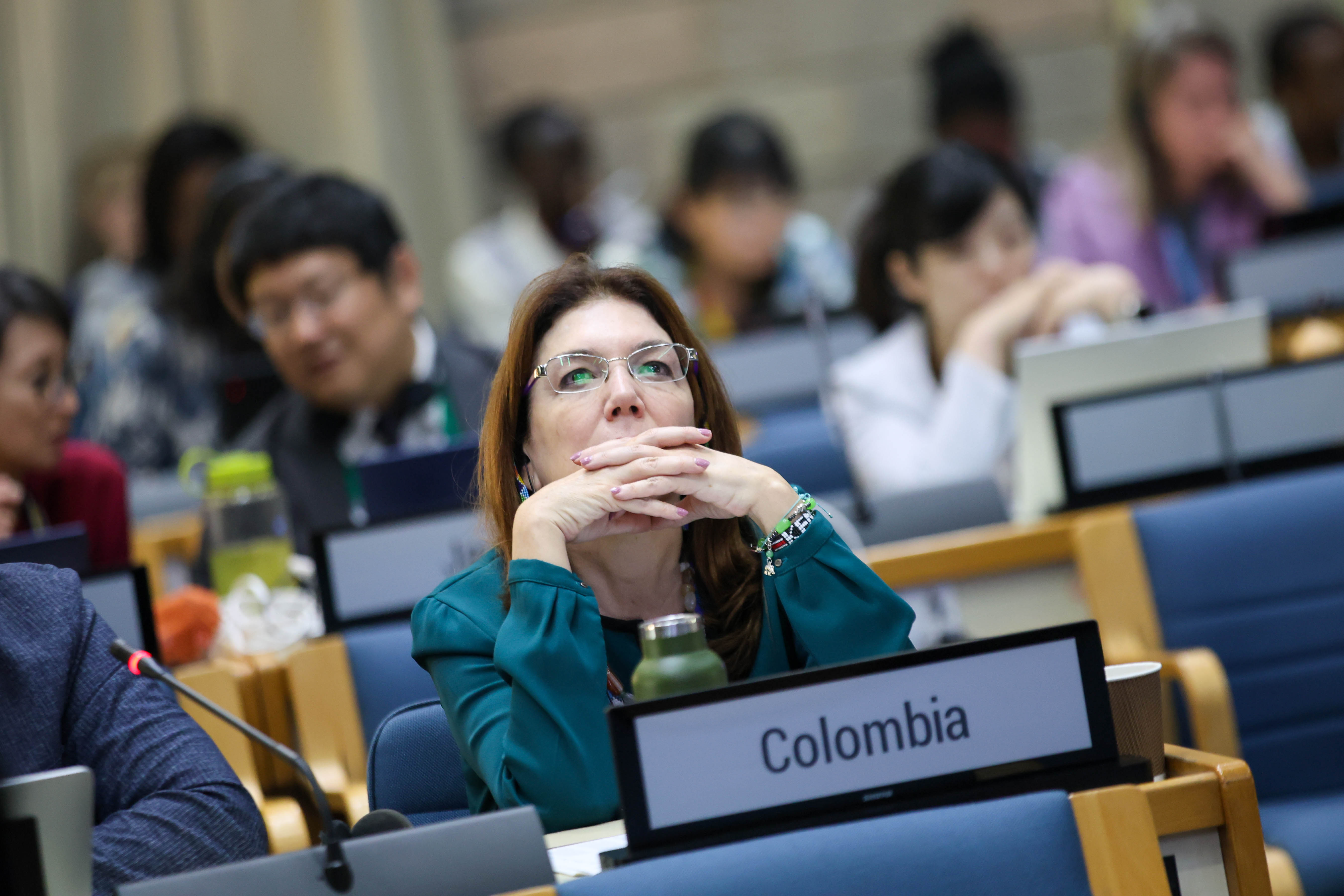
Eugenia Ponce De León, Colombia
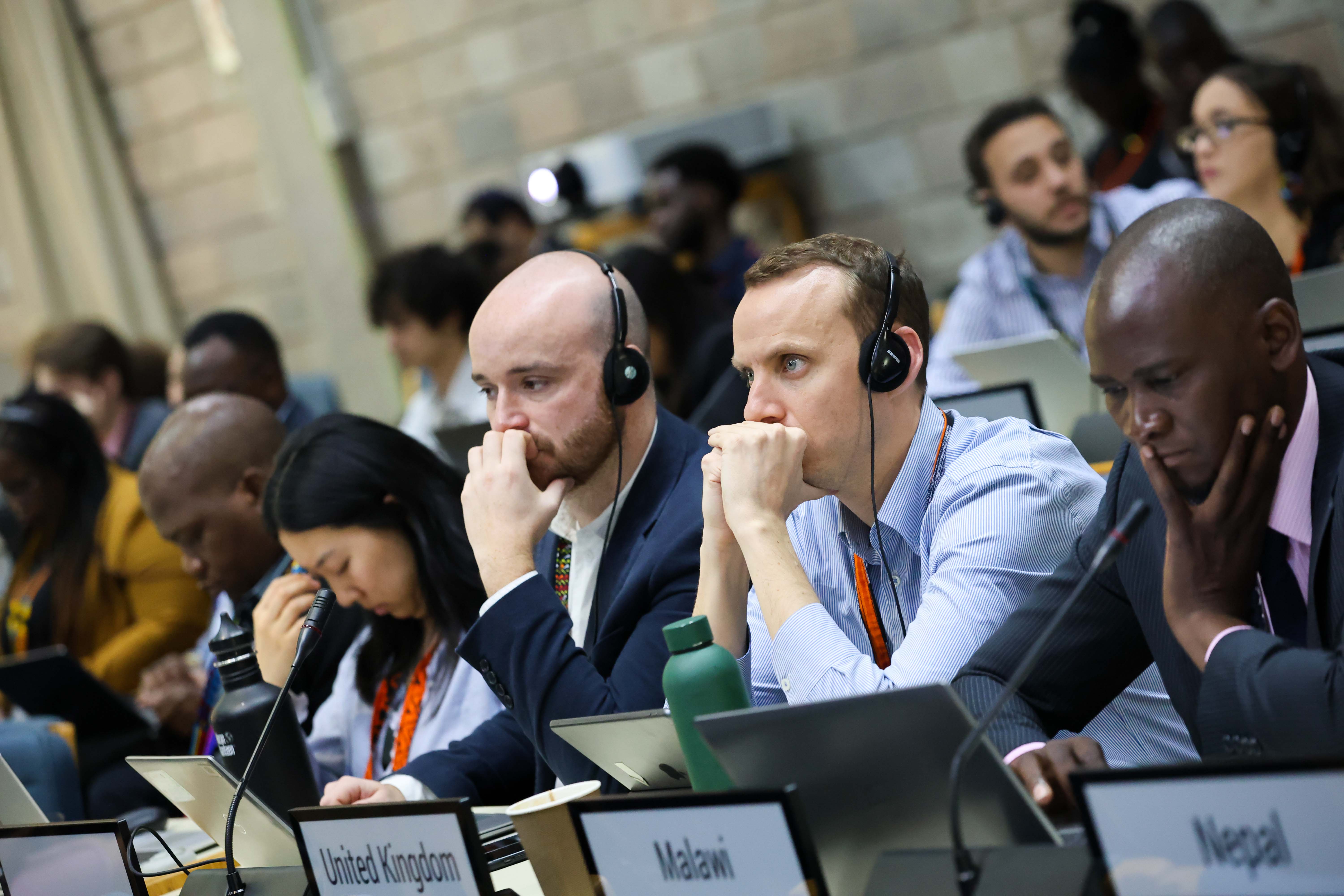
Delegates from the United Kingdom
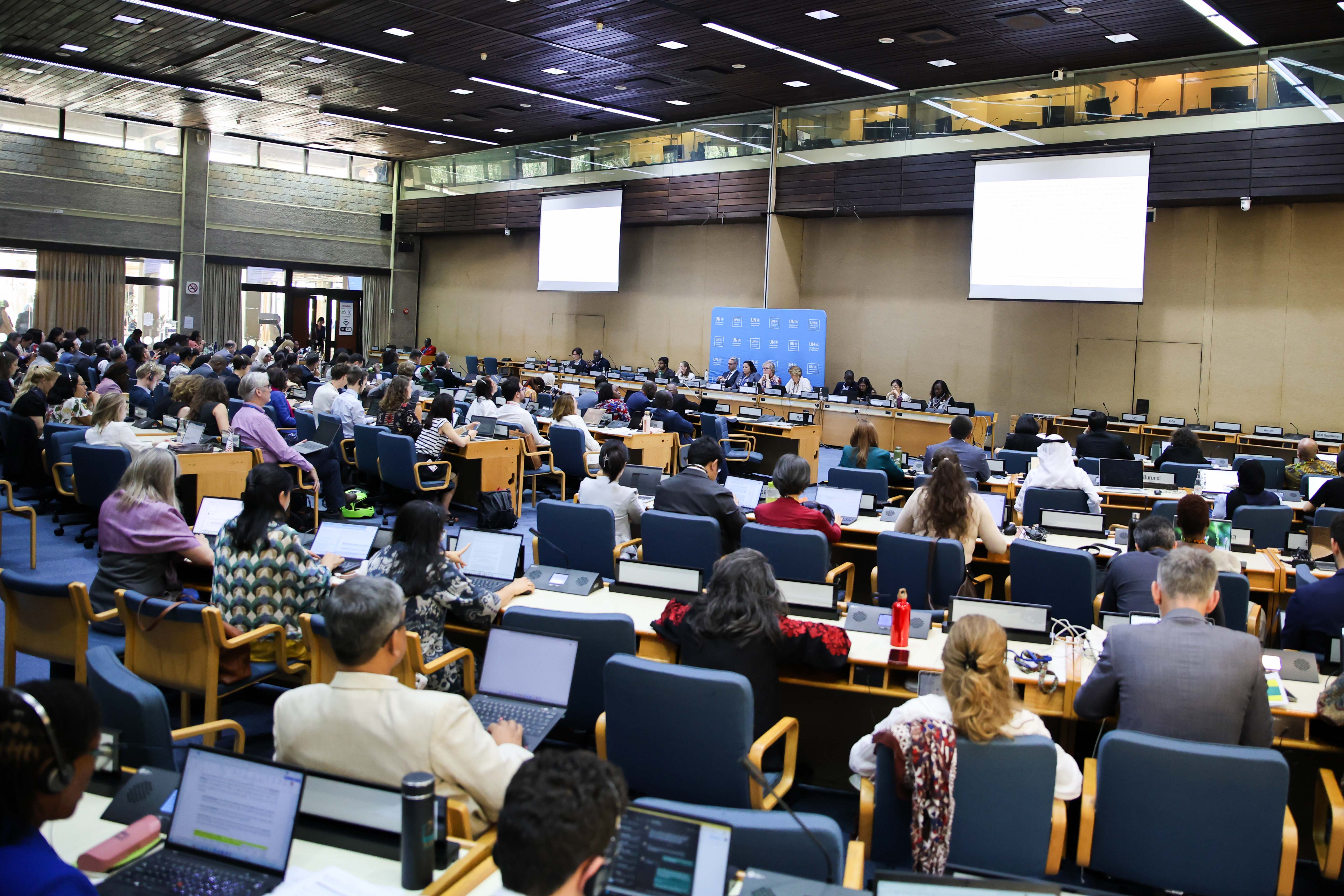
Cluster C on Circular Economy, Chemicals, Waste and Pollution
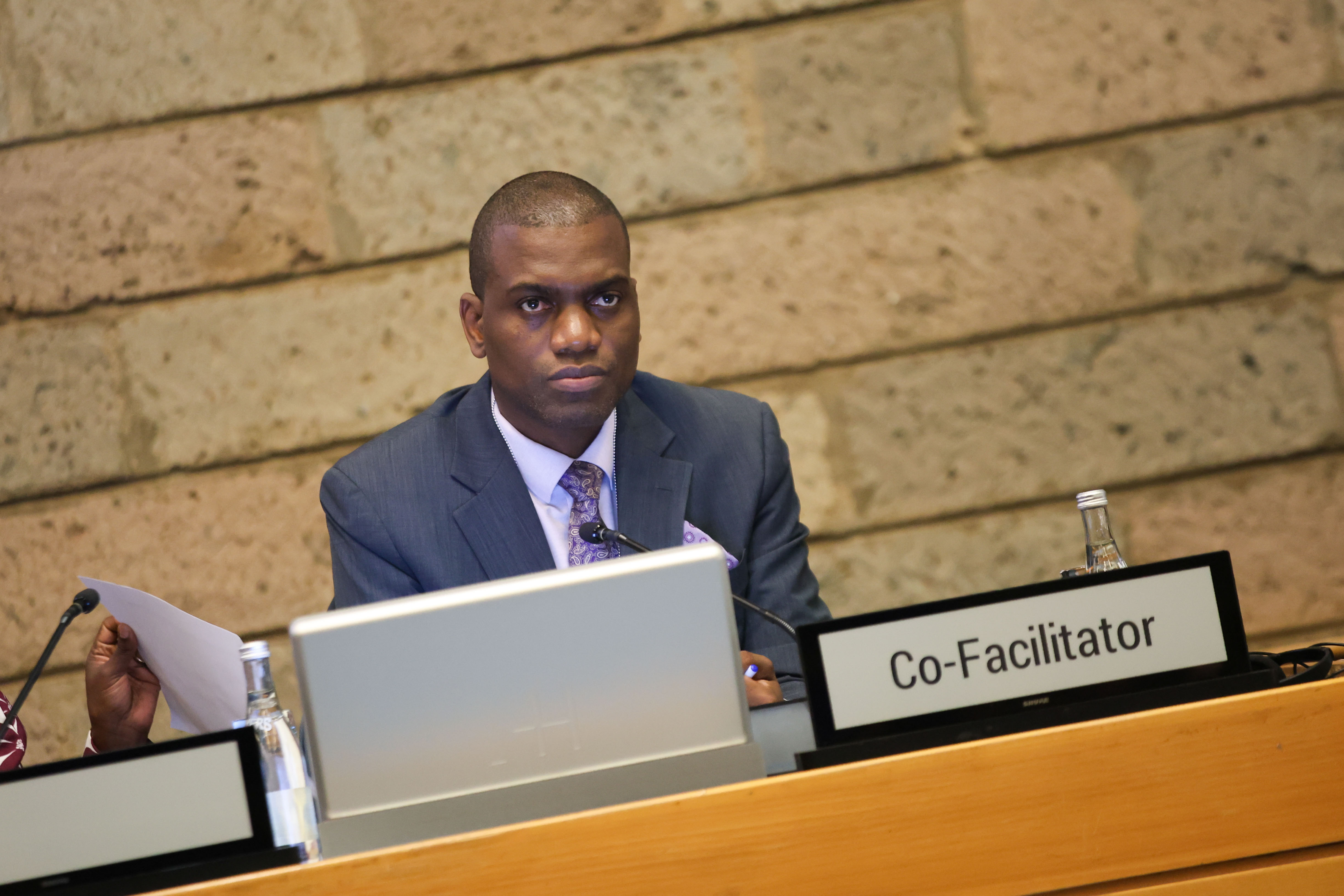
Ontumetse Ontumetse, Botswana, Co-Facilitator of Cluster C
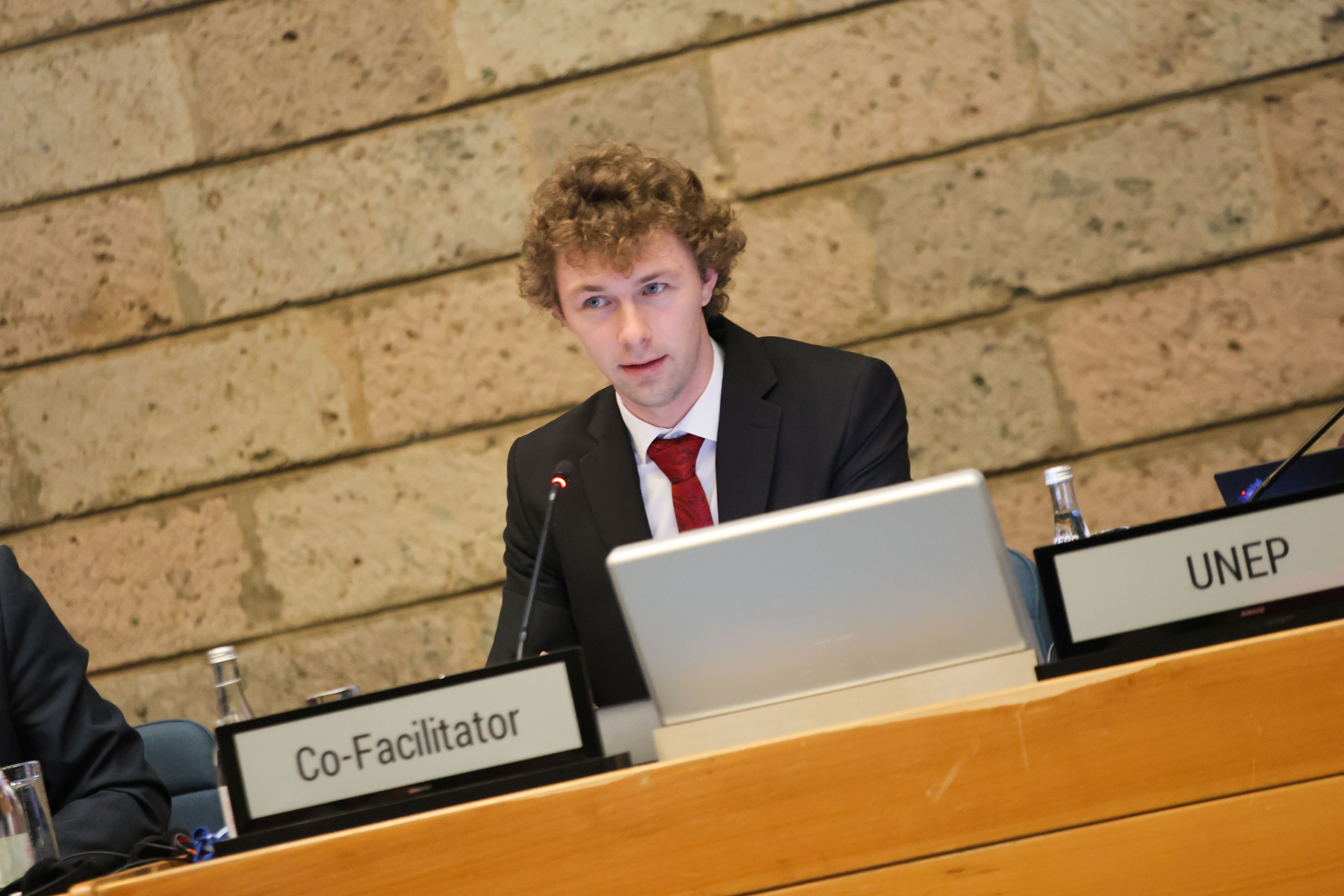
Michal Novotný, Czechia, Co-Facilitator of Cluster C
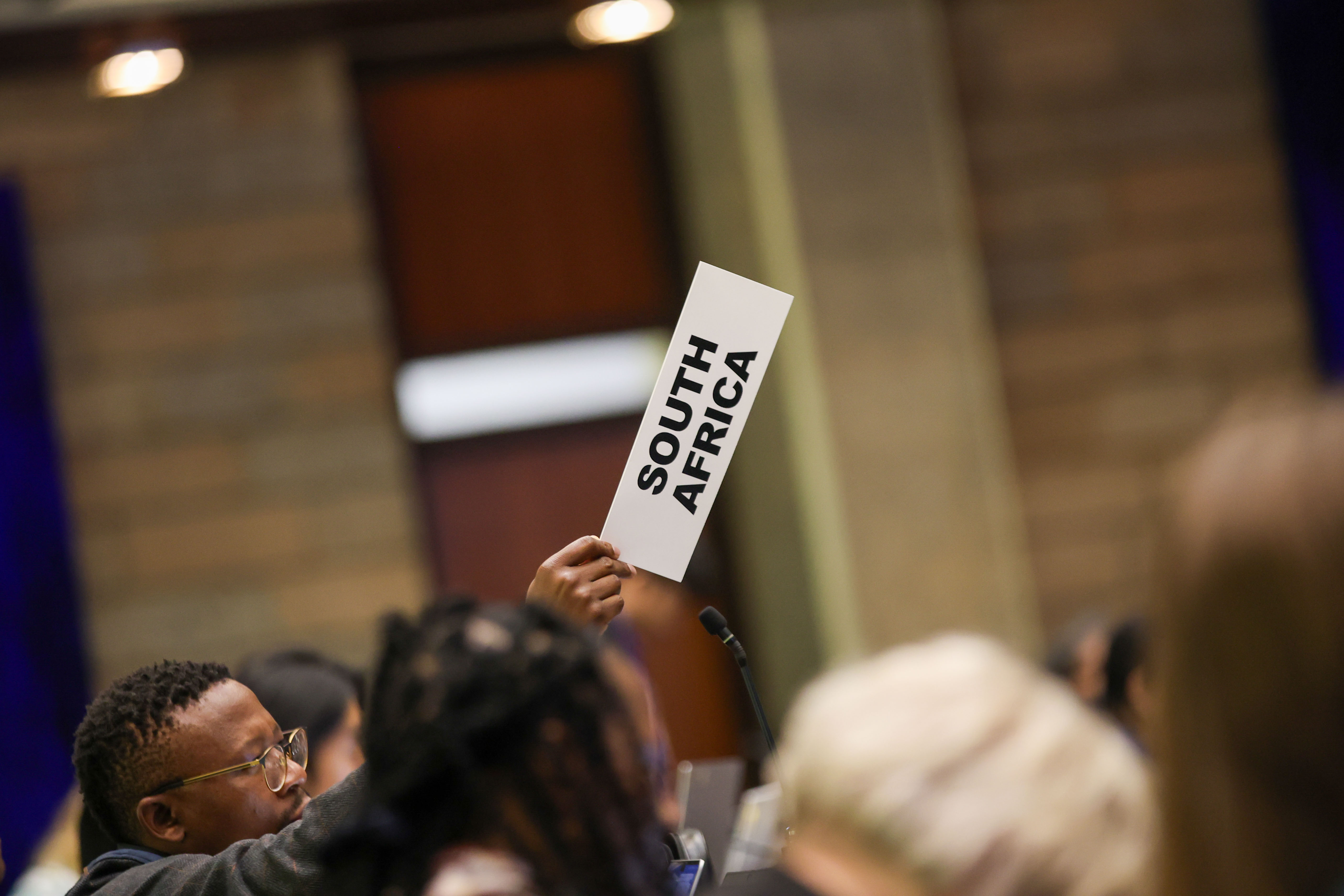
Delegates raising their placards to speak
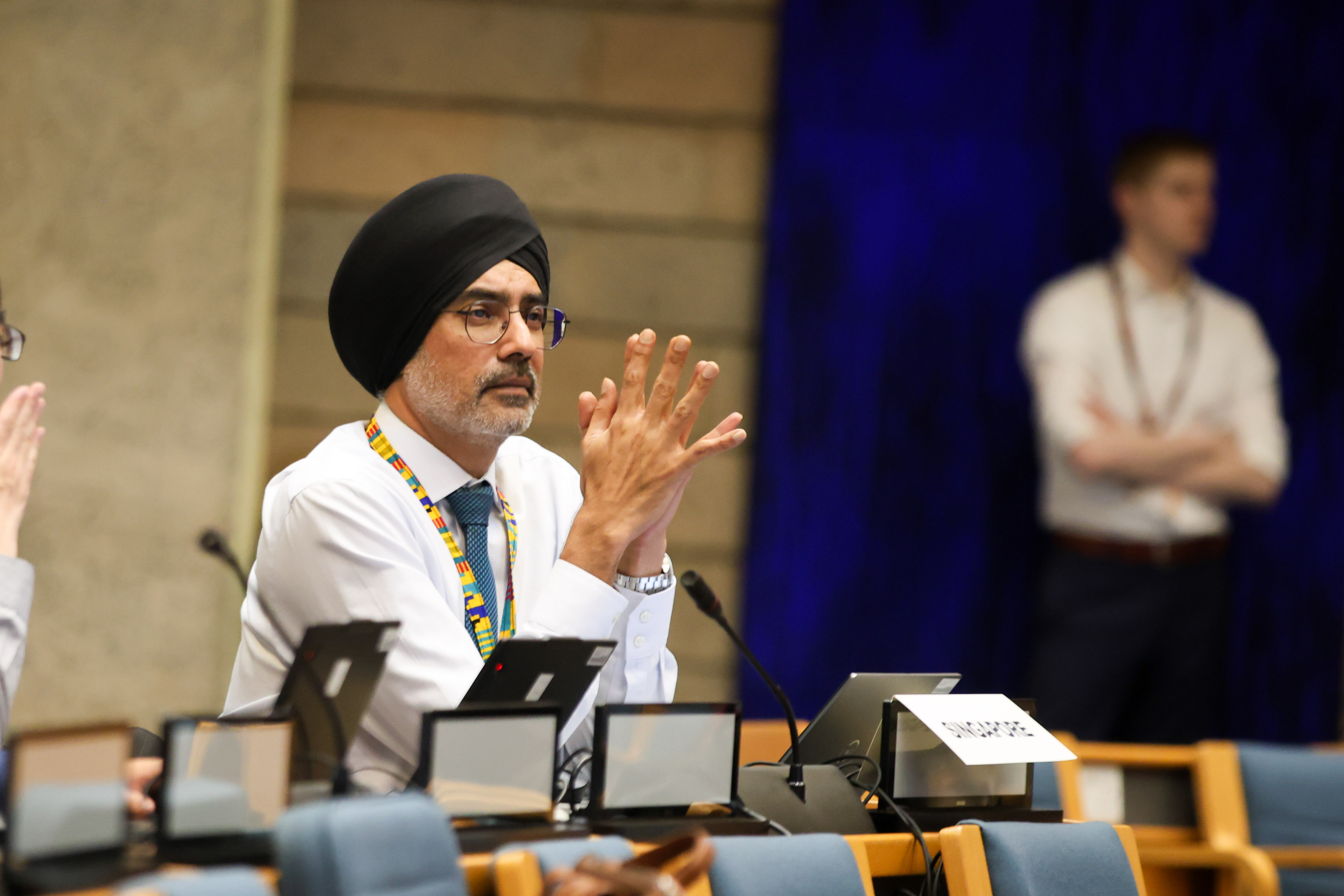
Ranjeet Singh, Singapore
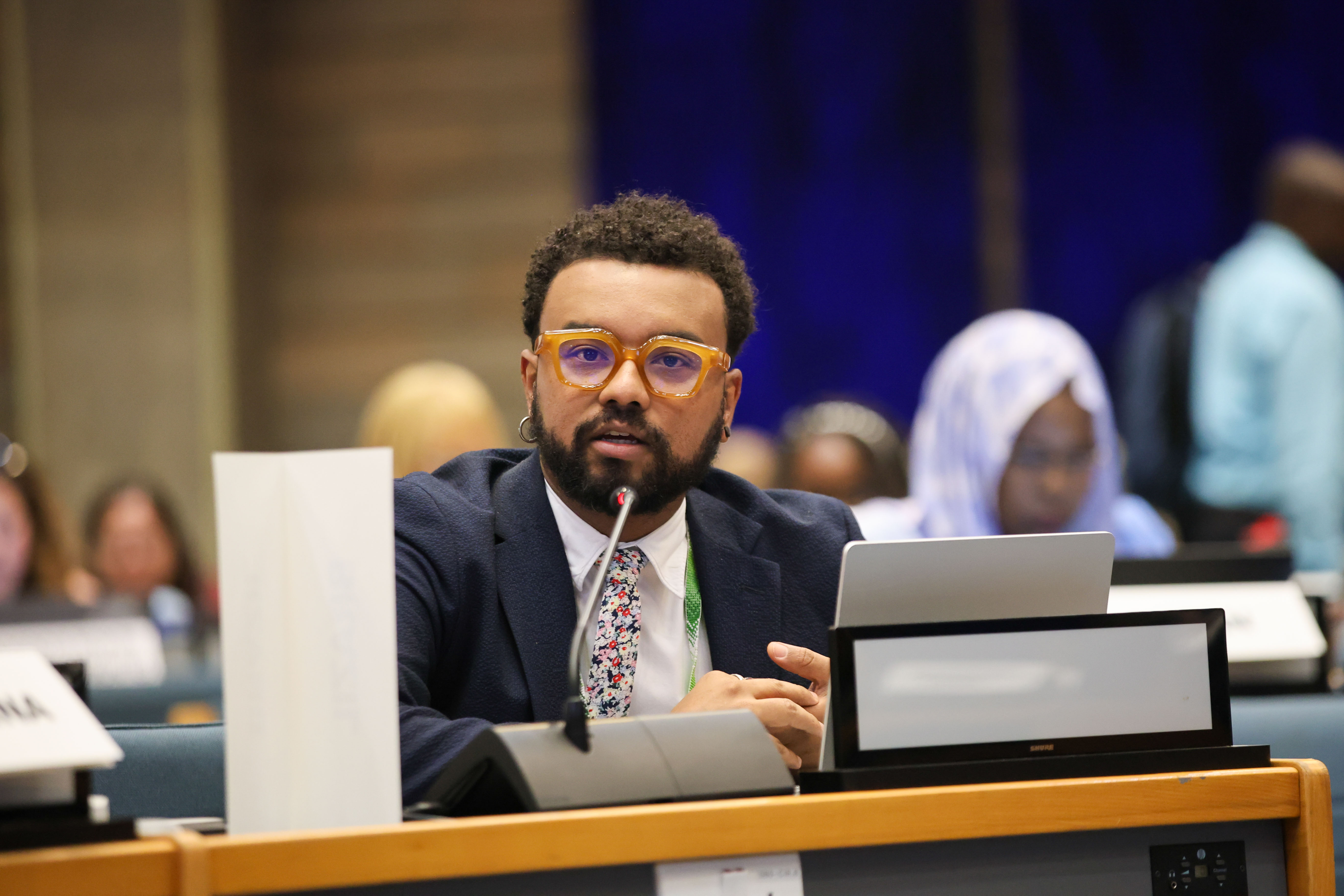
João Paulo de Sousa Vieira, Brazil
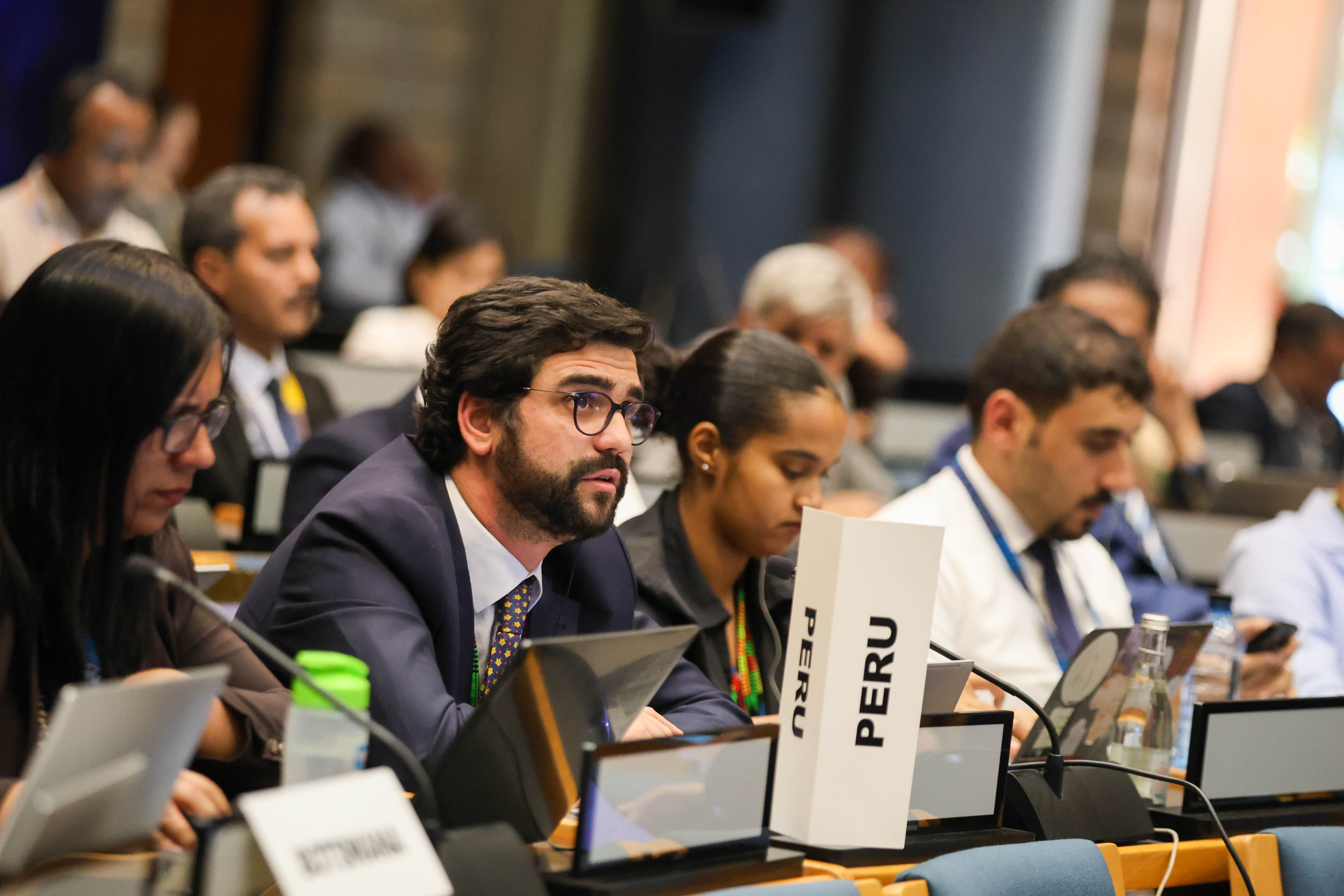
Guillaume Lecaros de Cossio, Peru
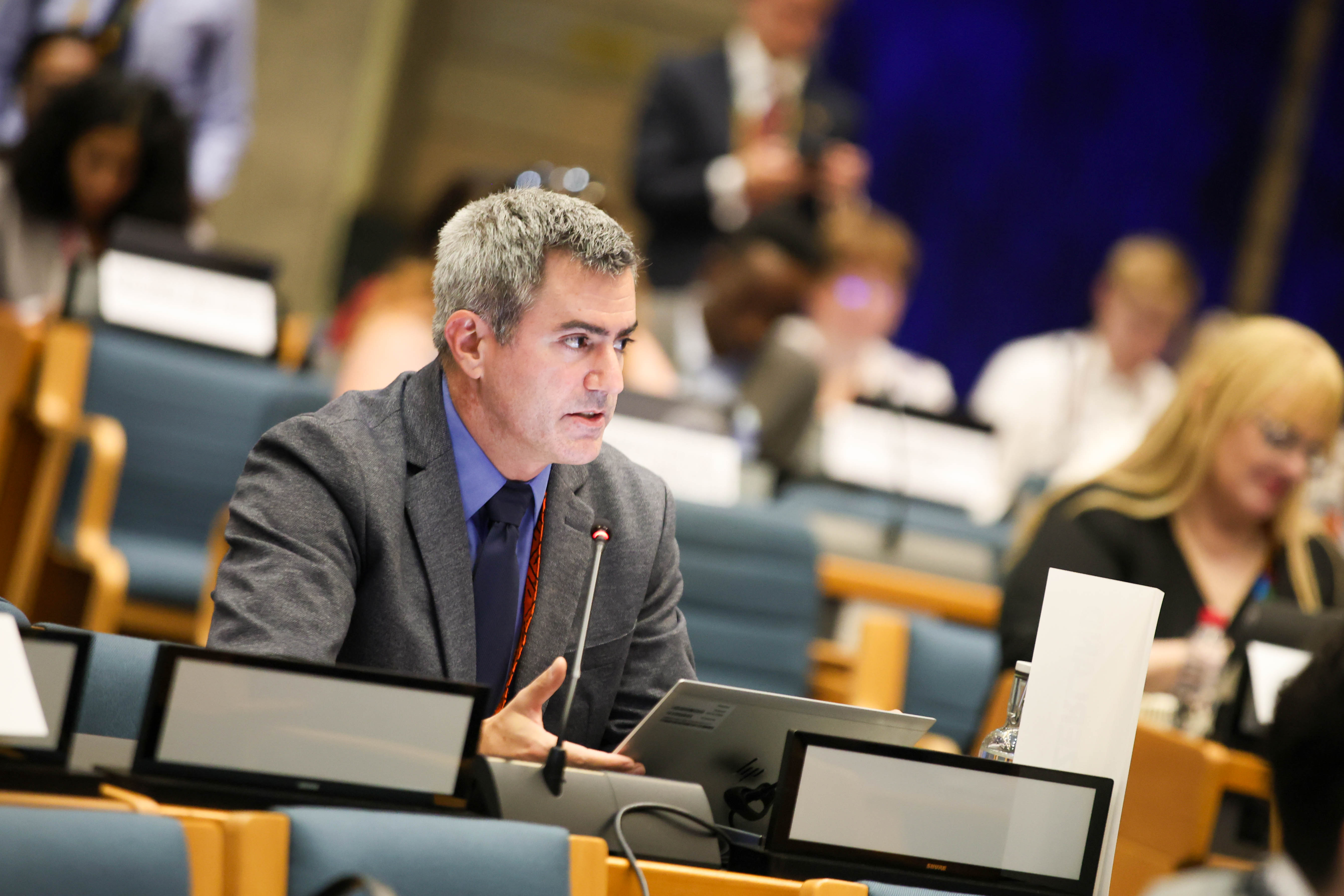
Marco Crugnola, Switzerland

Cluster D on Strategic, Budgetary, and Governing Bodies Matters
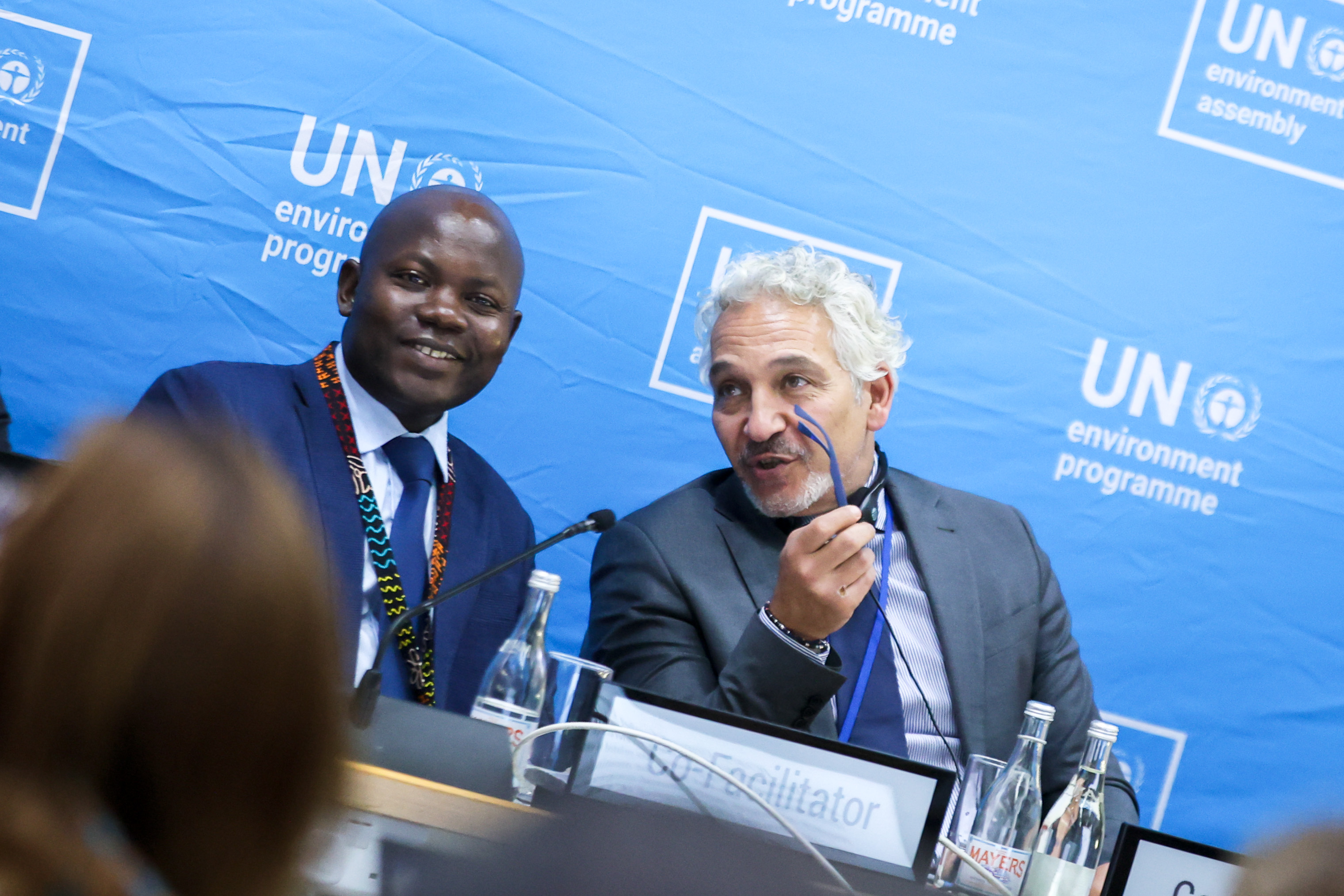
Tobias Ogweno, Kenya, and Nader Al-Tarawneh, Jordan, Co-Facilitators of Cluster D
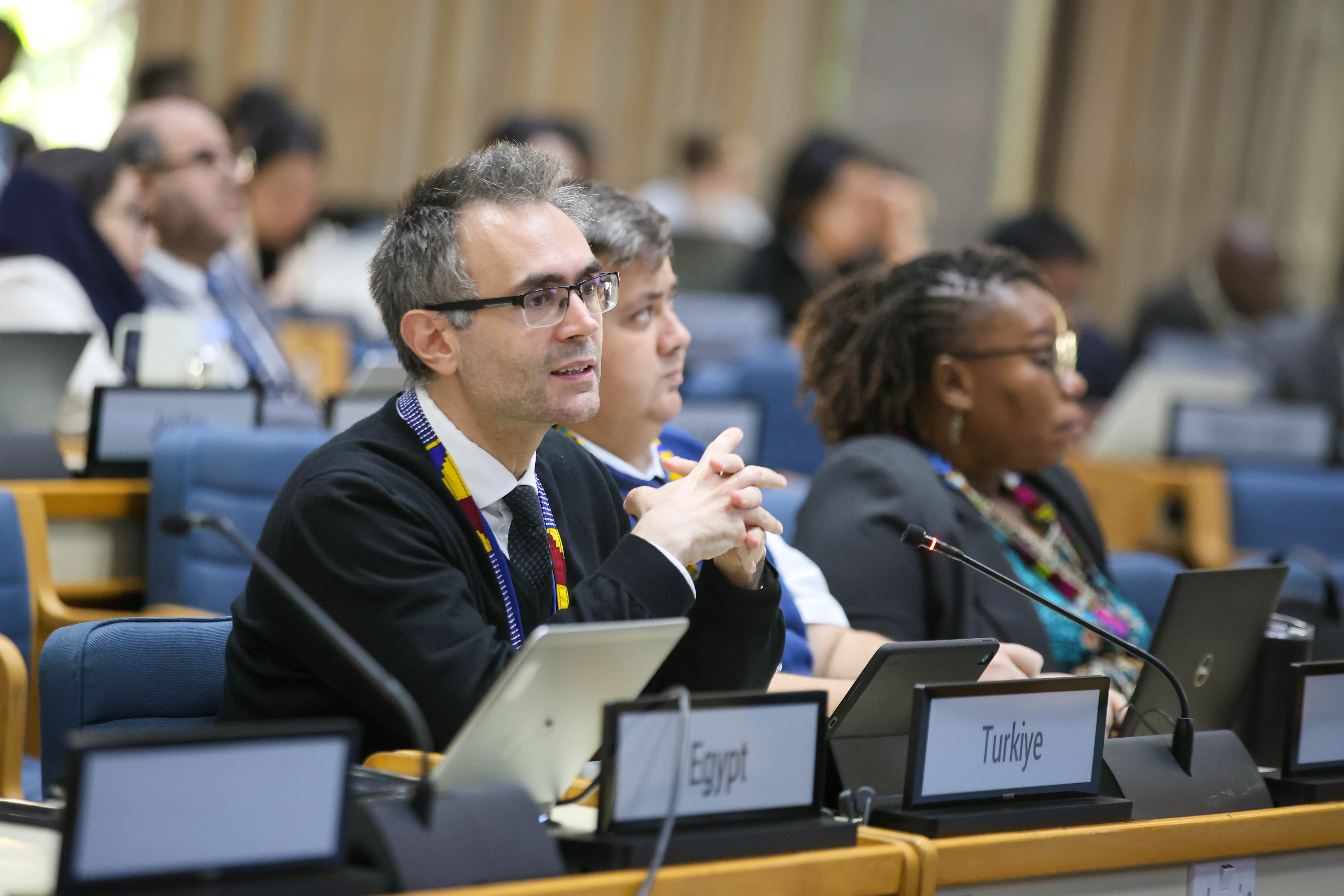
Yusuf Ziya Ayrım, Türkiye
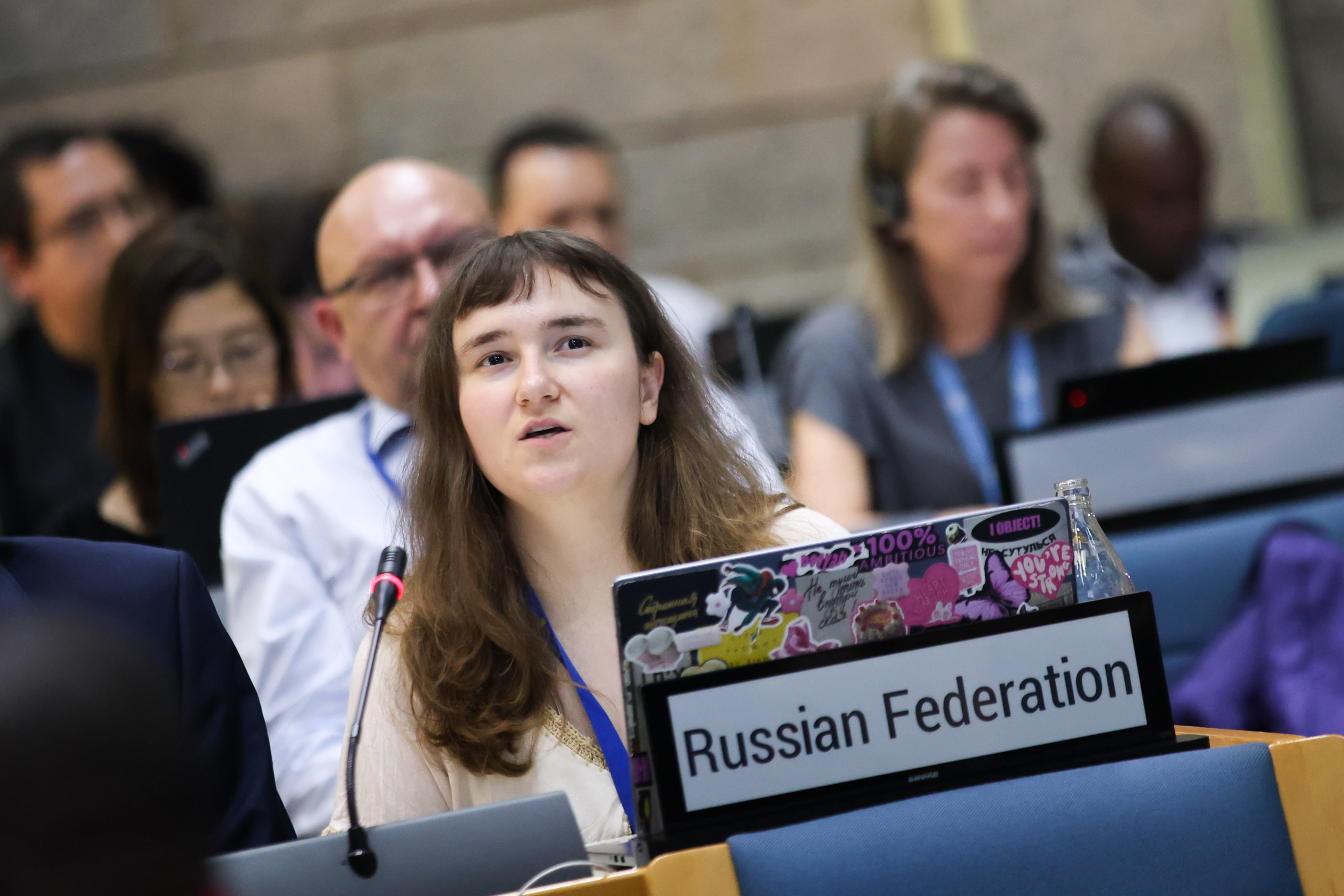
Galina Bublikova, Russian Federation
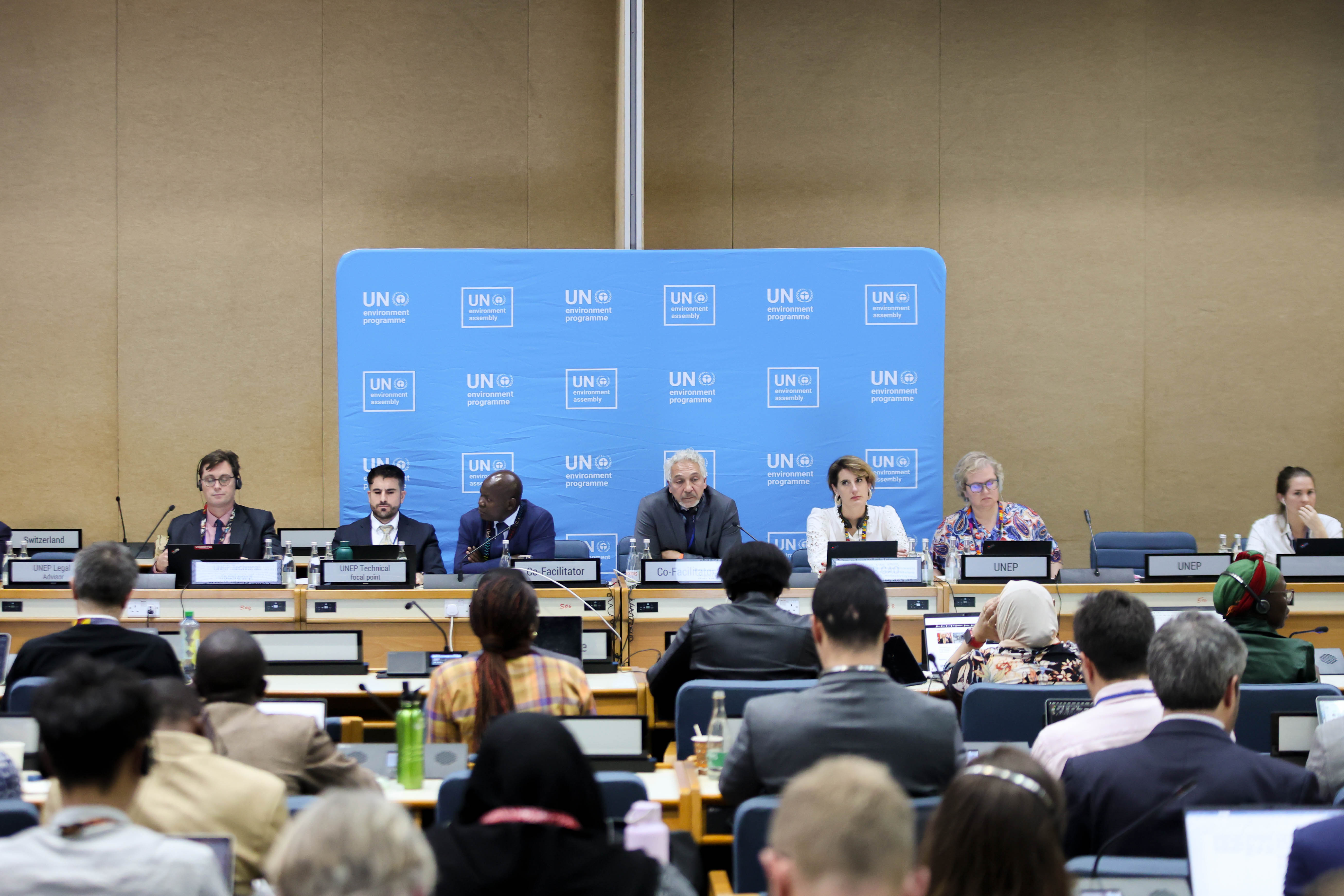
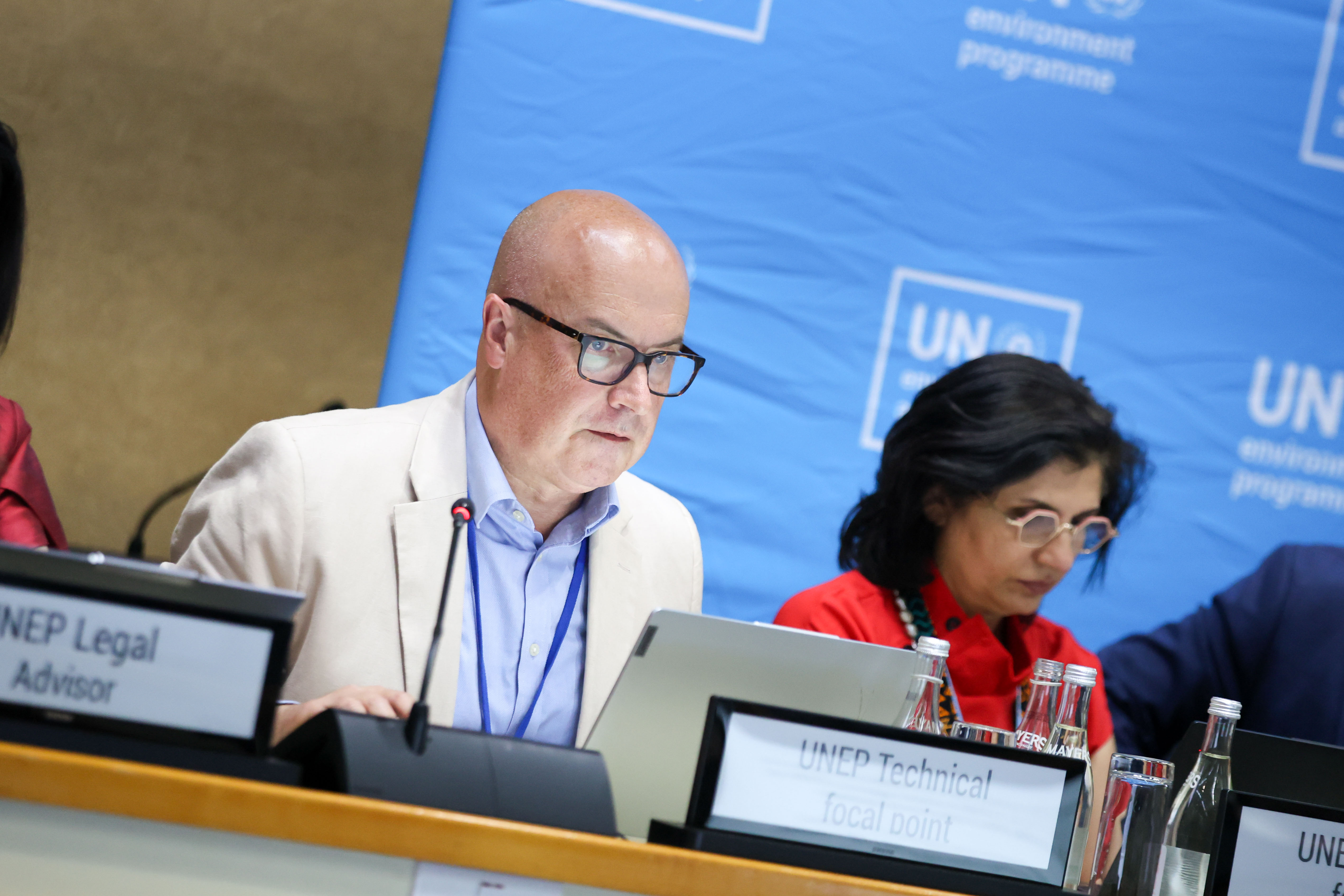
Stadler Trengove, Legal Advisor, UNEP
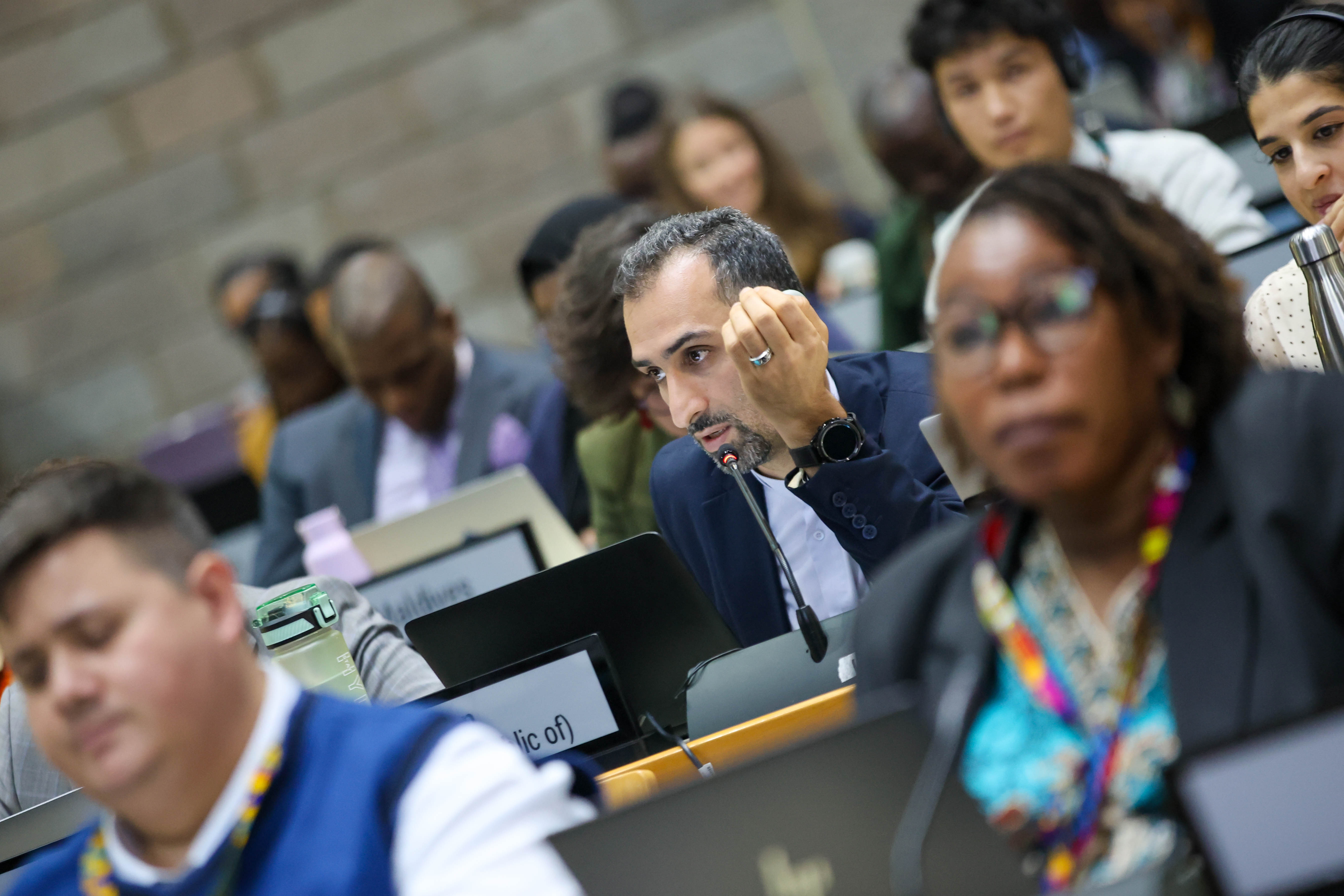
Abbas Shahbazi, Iran
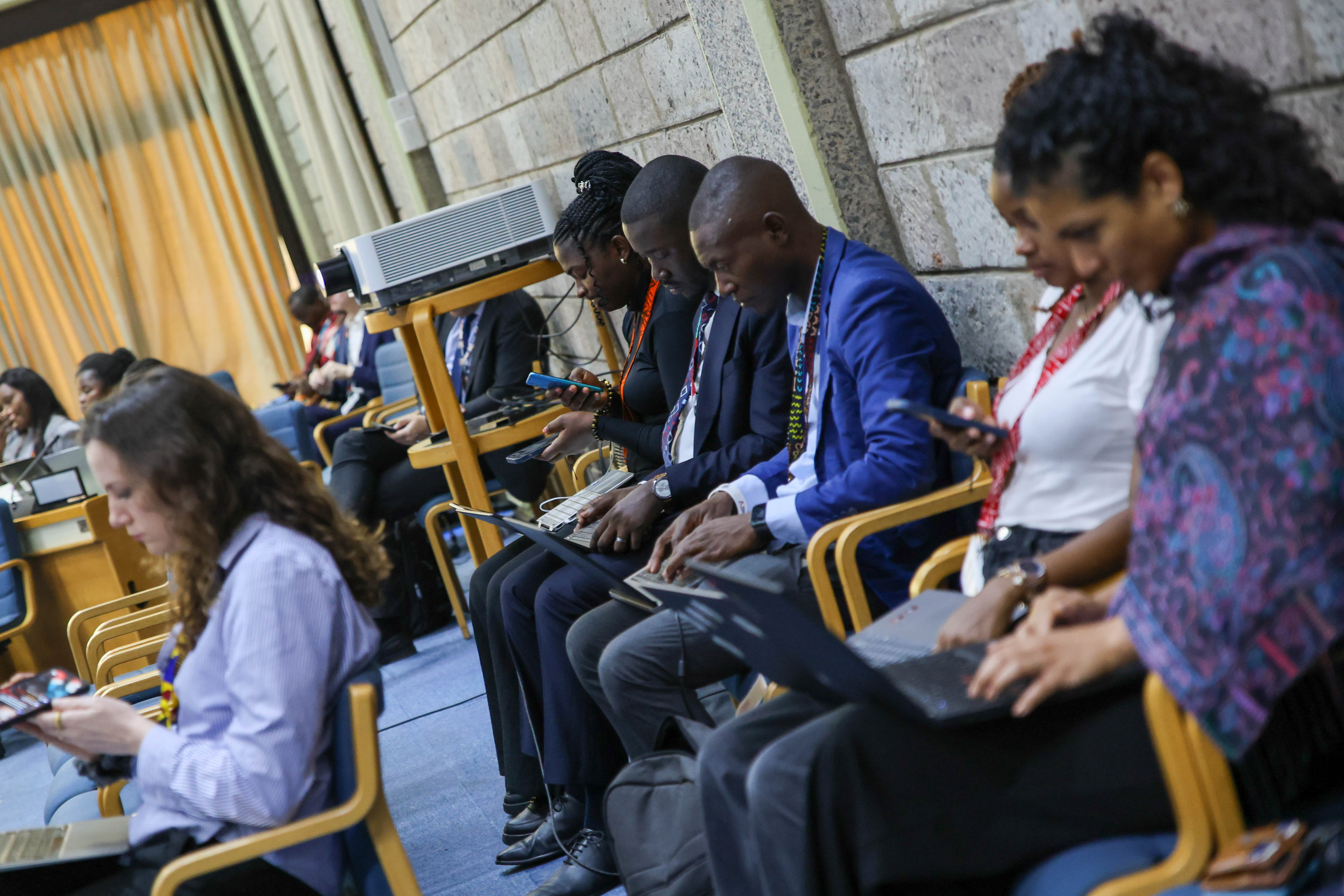
Around the Venue
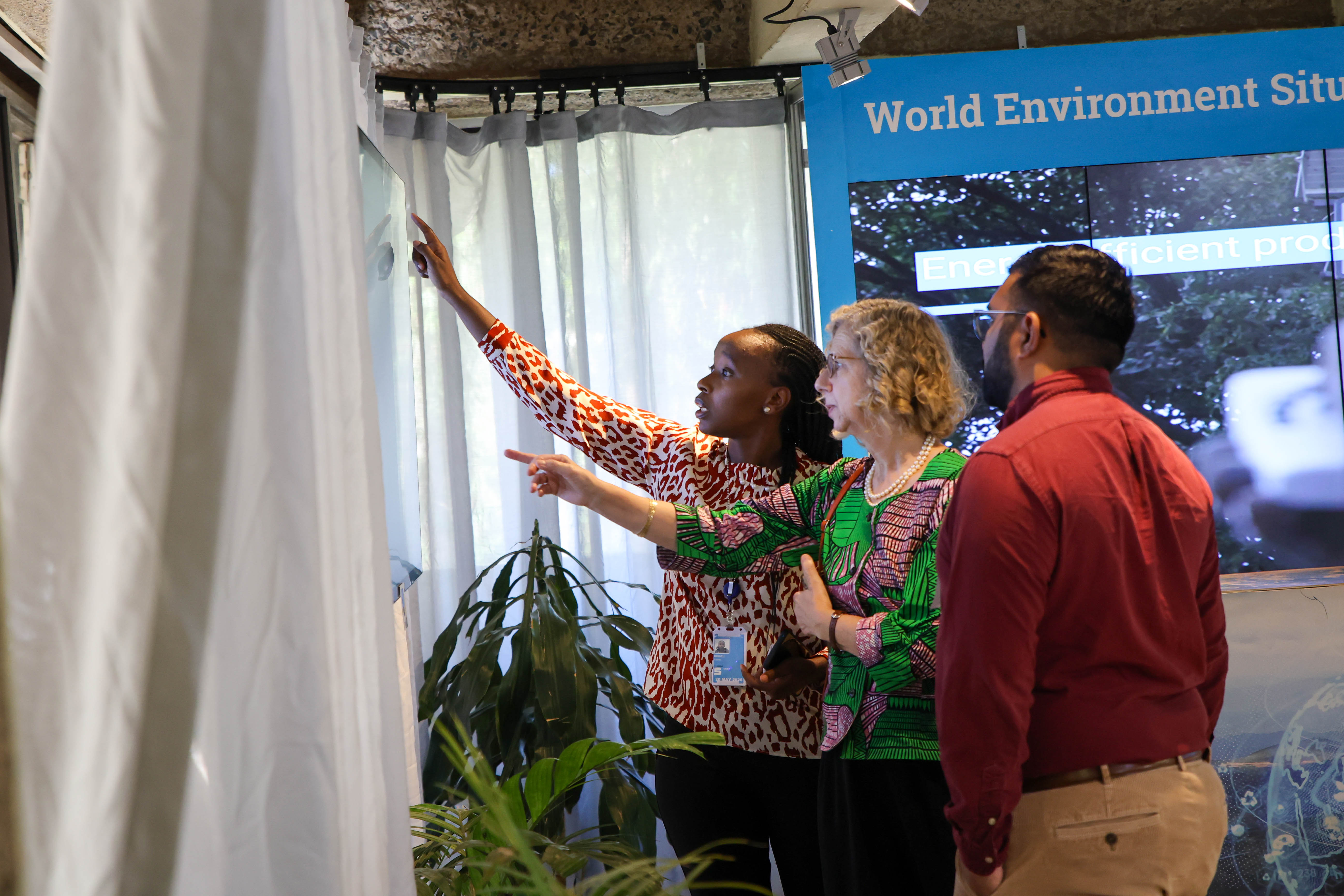
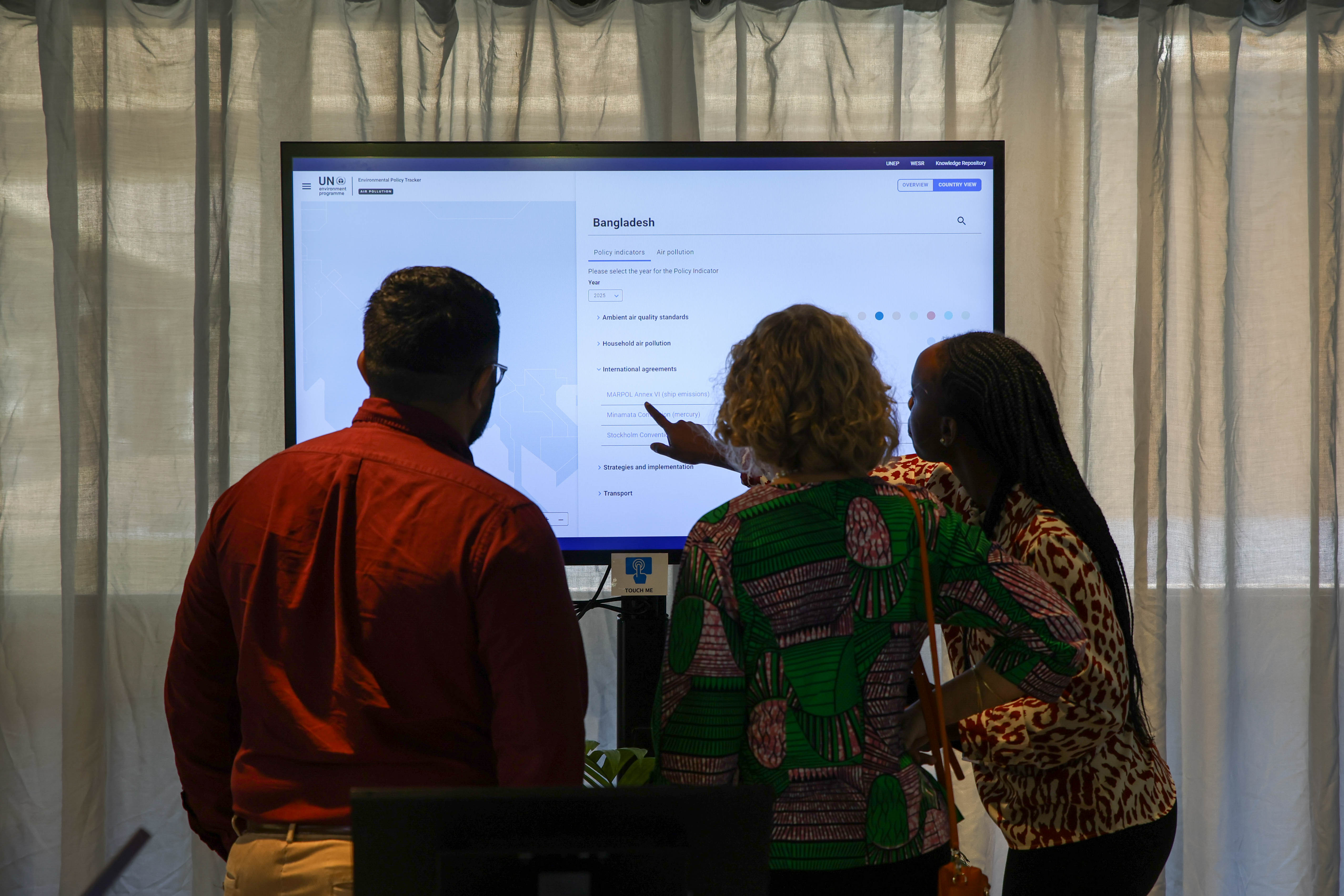
UNEP staff show Inger Andersen, Executive Director, UNEP, an interactive map featuring the Environmental Policy Tracker on air pollution.
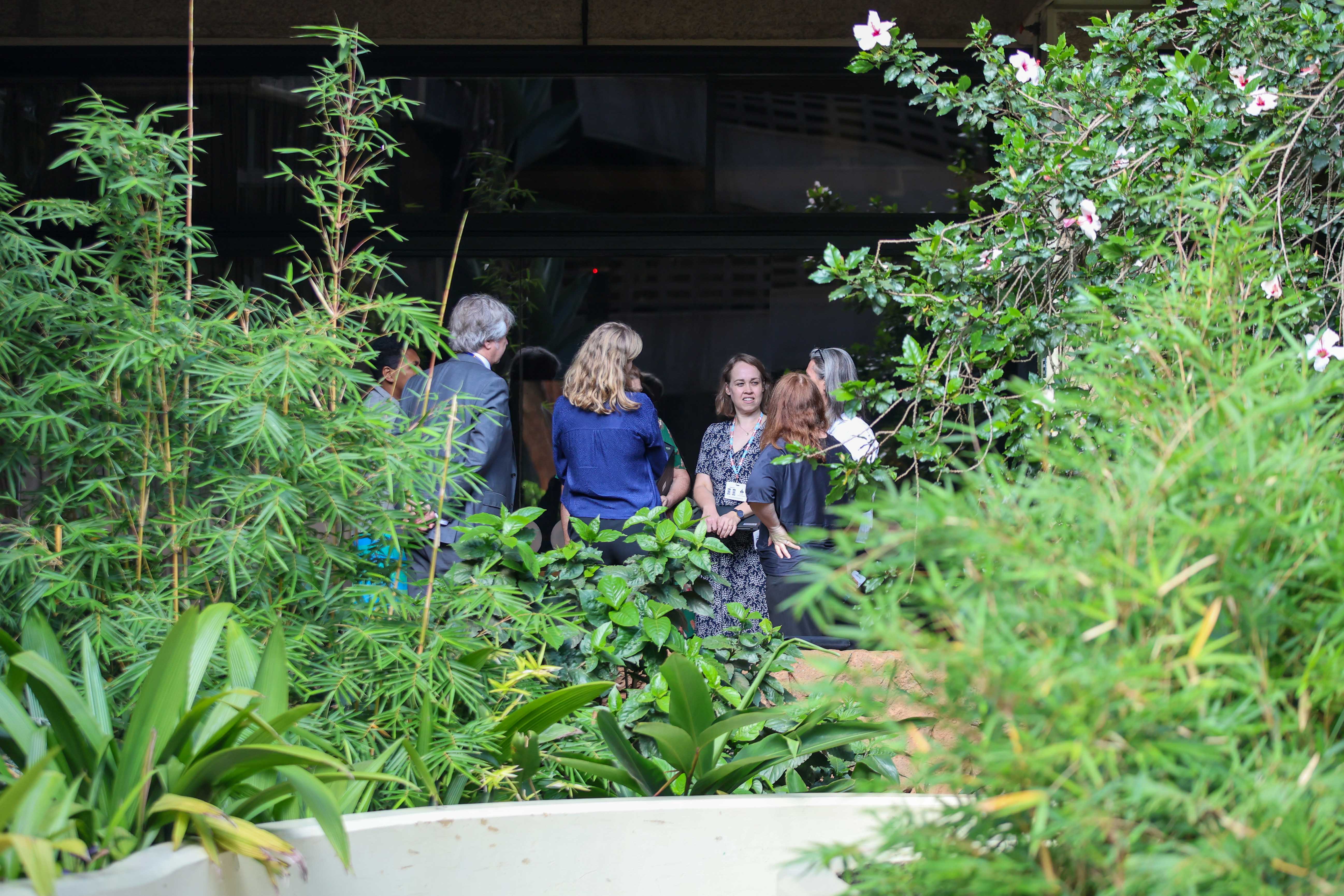
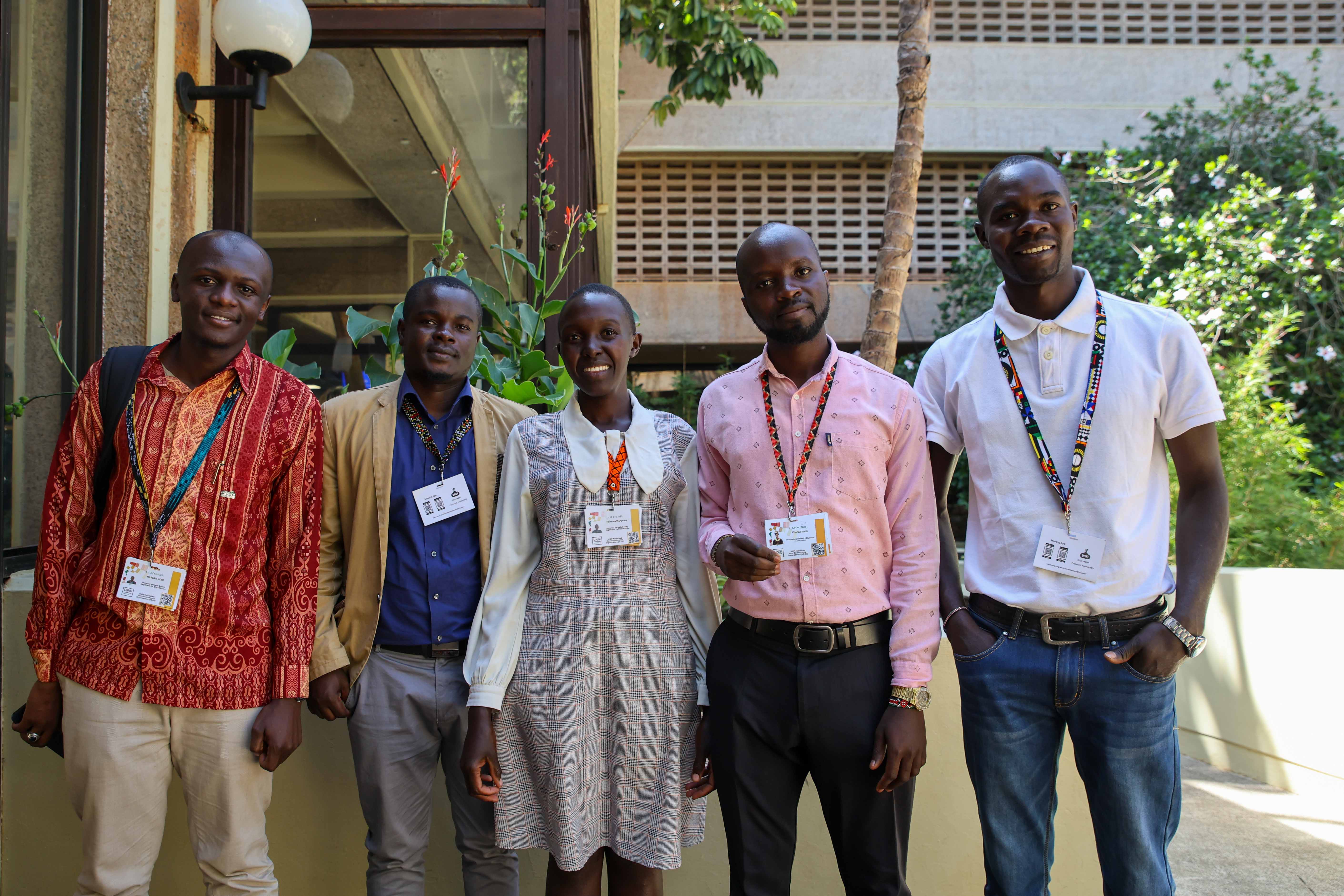
Members of the Universal Versatile Society