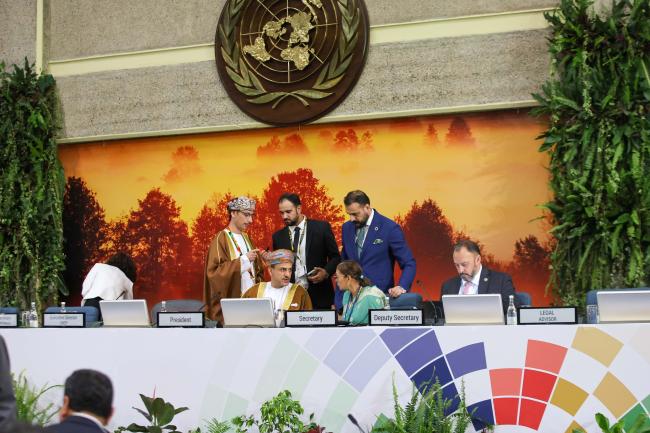
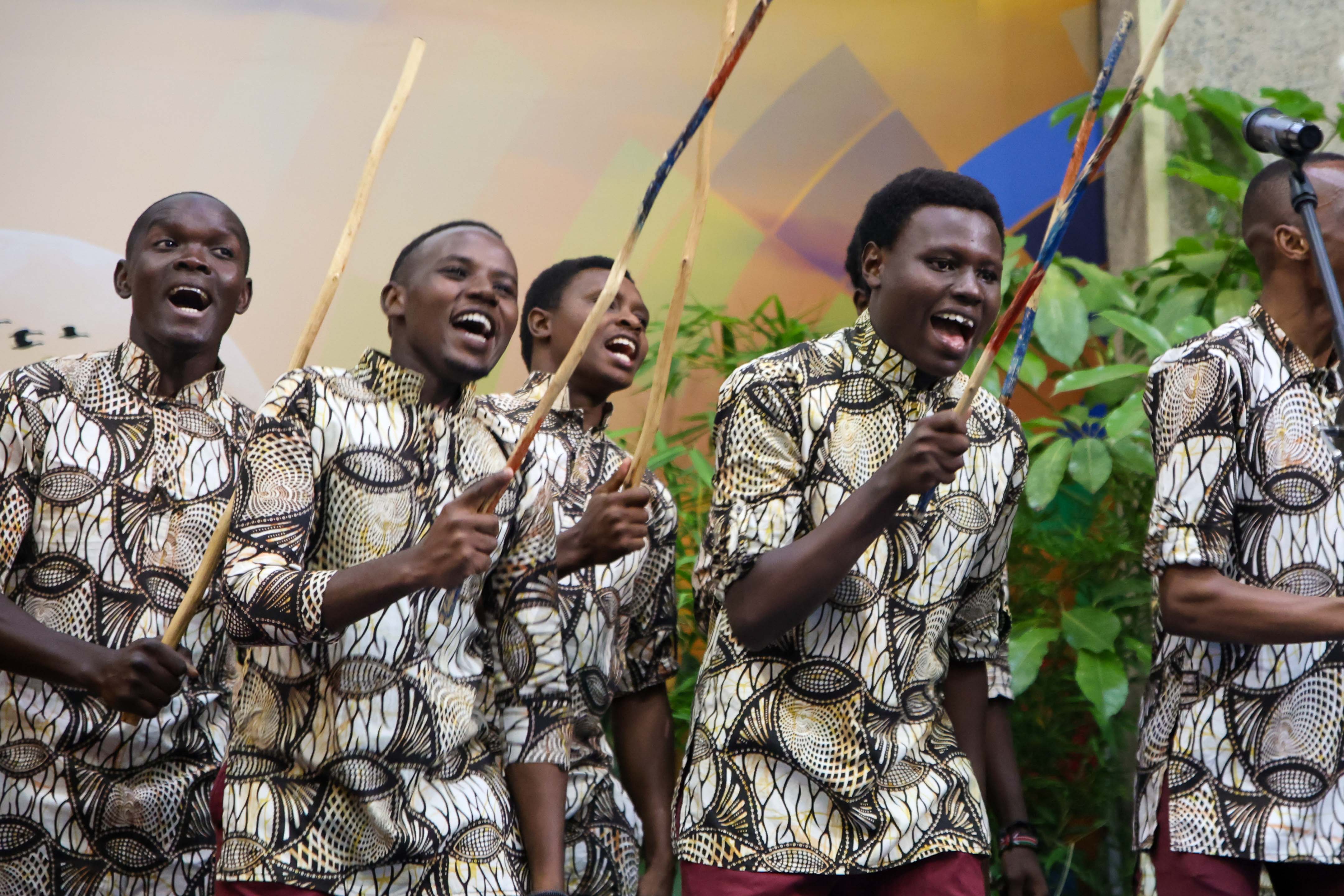
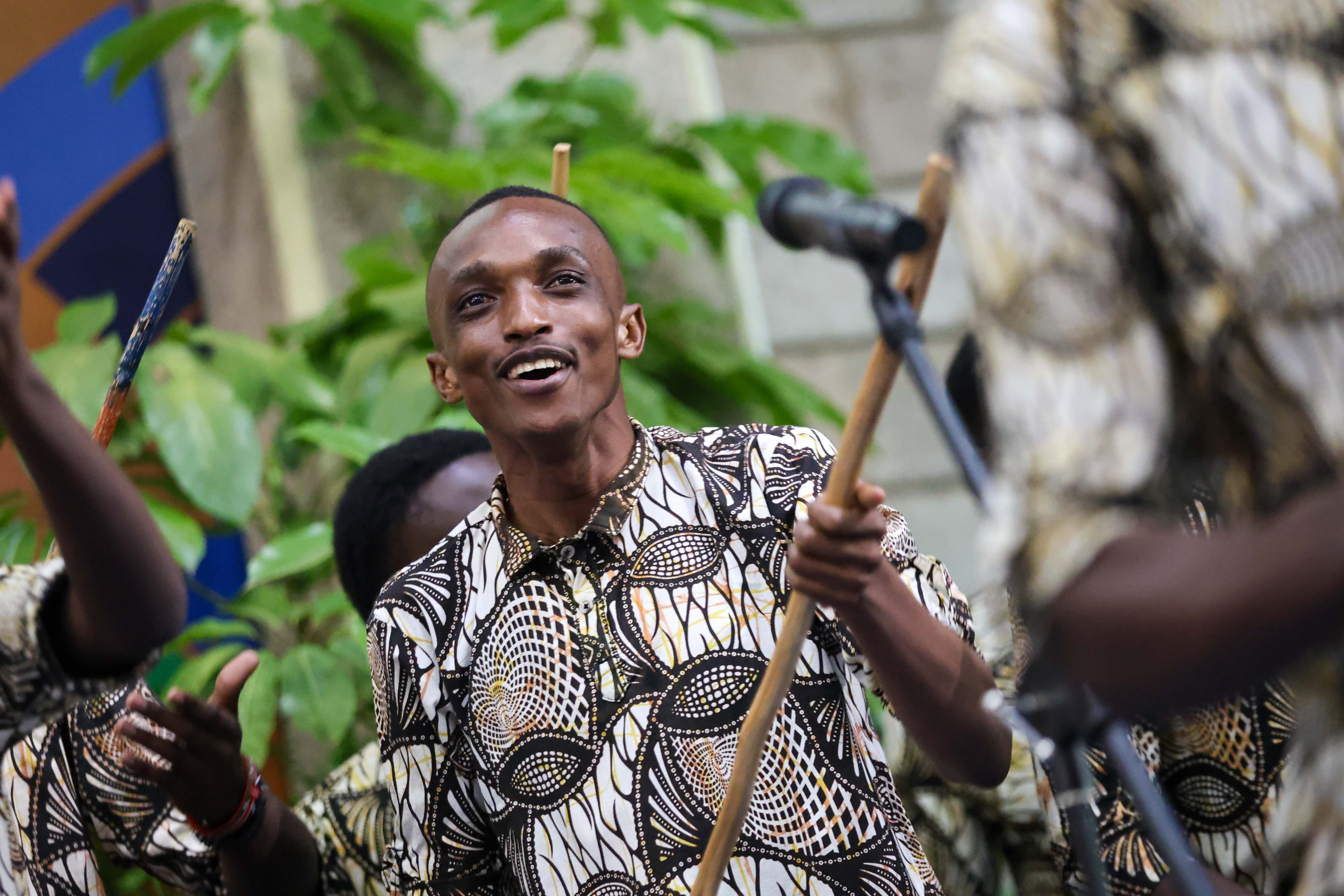
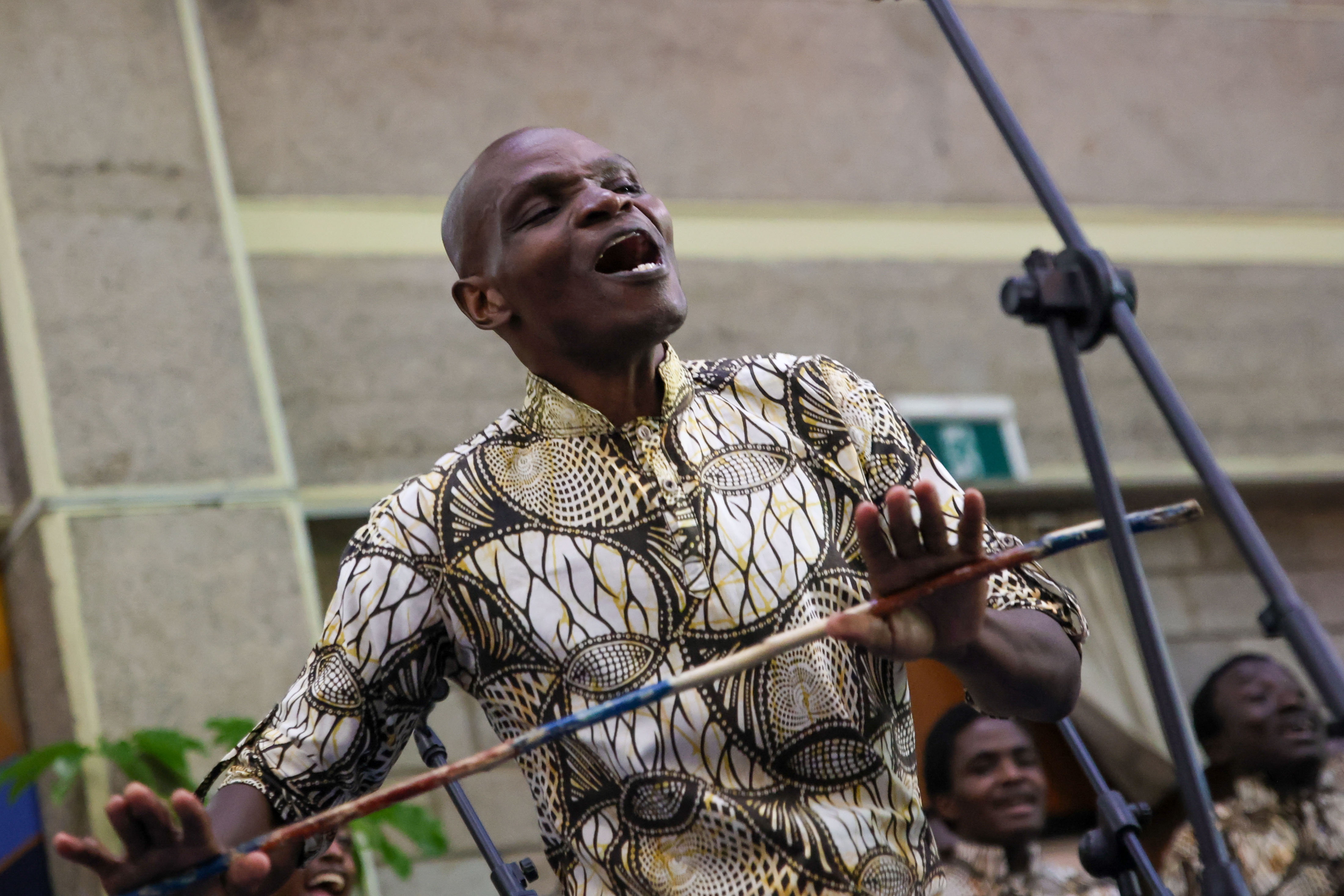
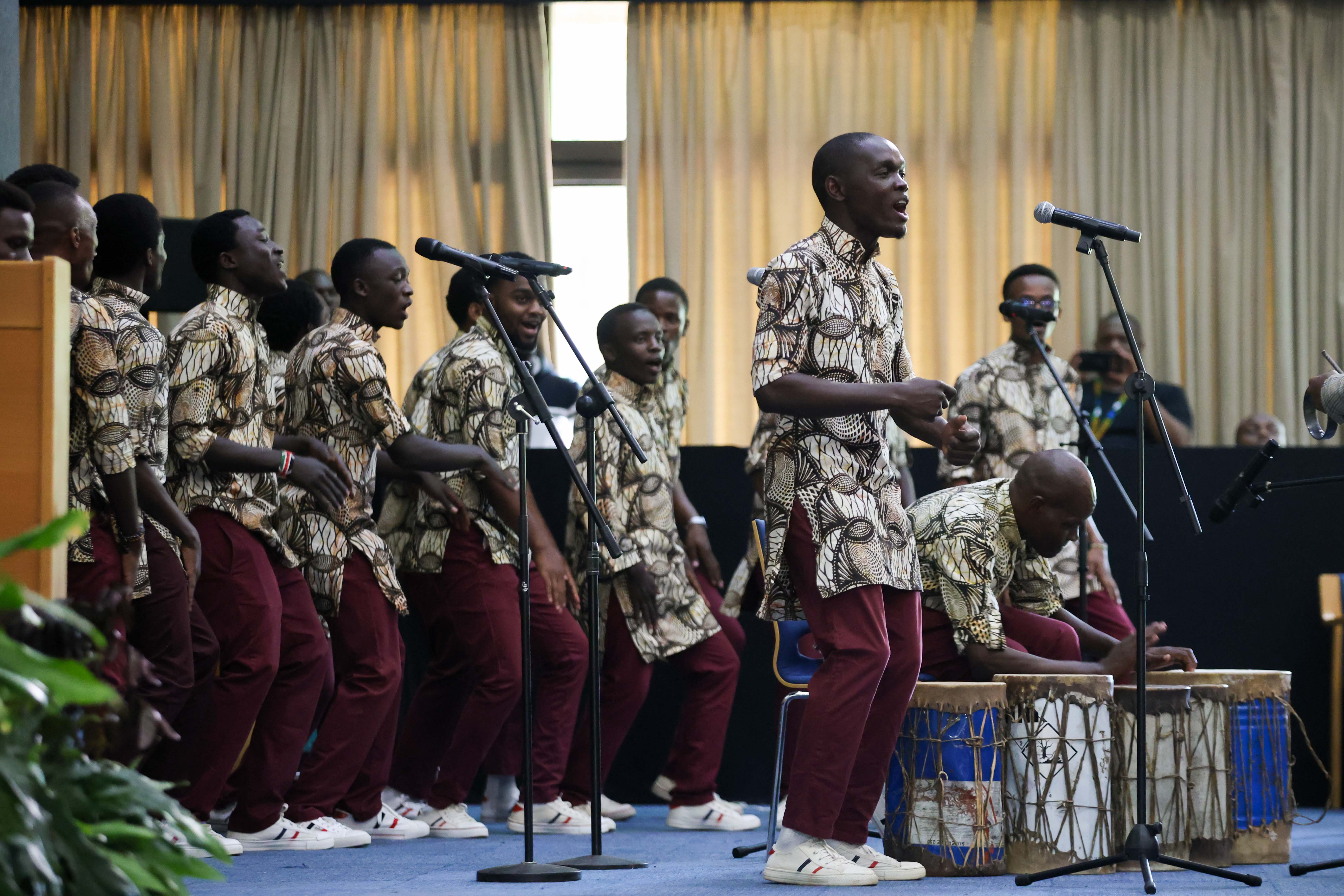
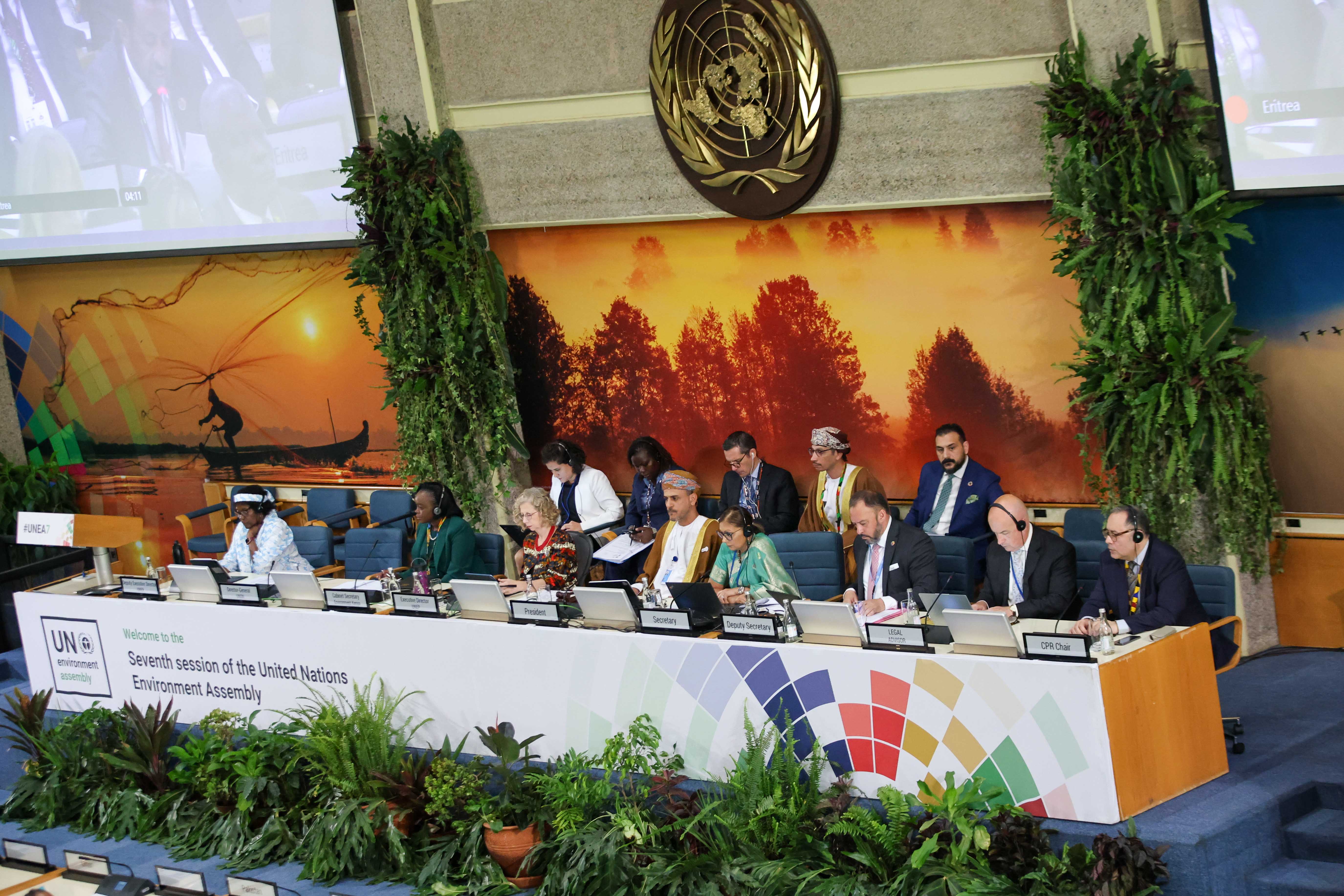
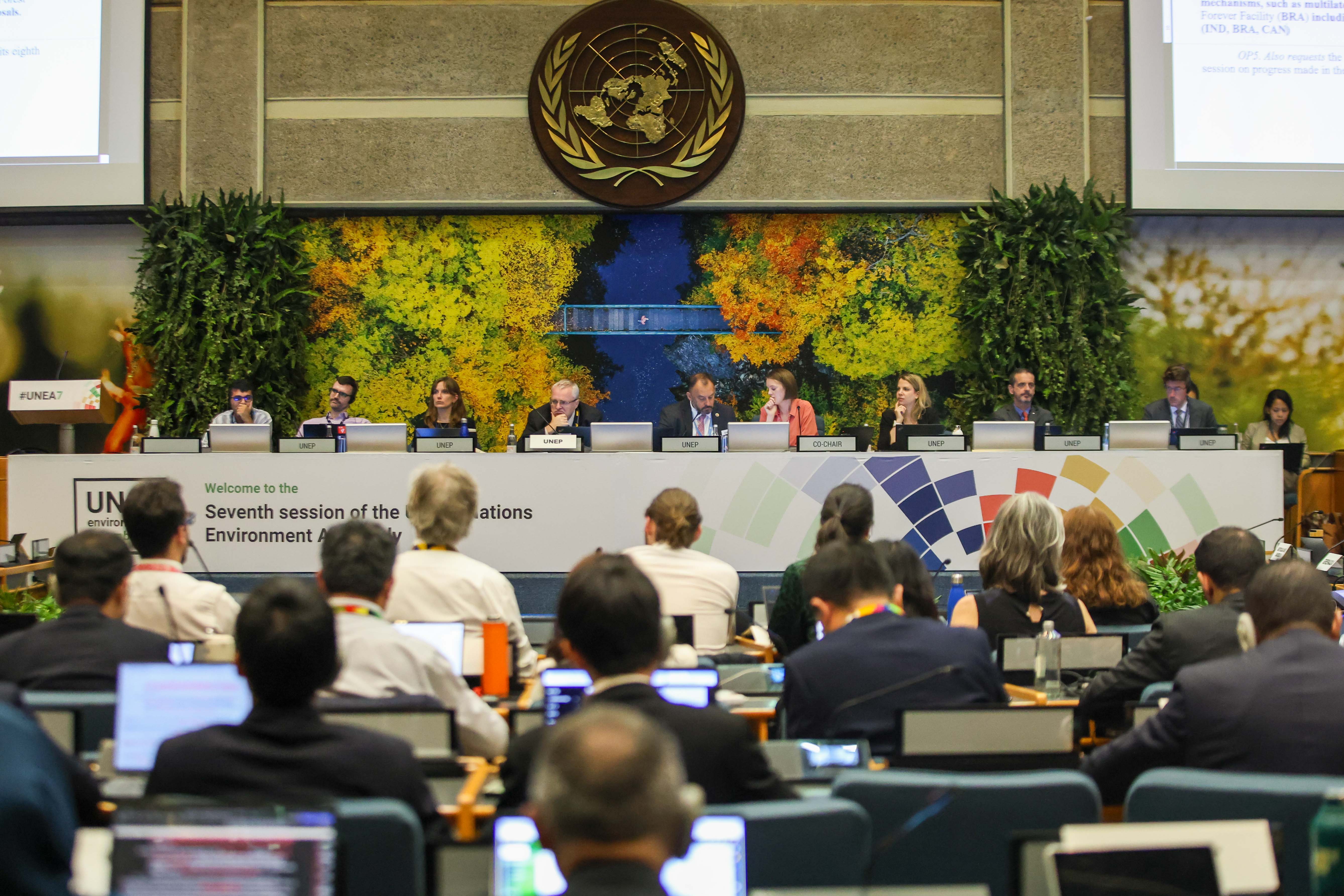
The seventh session of the UN Environment Assembly (UNEA-7), under the theme, “Advancing sustainable solutions for a resilient planet,” opened to pomp and ceremony at the headquarters of the UN Environment Programme (UNEP) in Nairobi. After a lively cultural performance by the Kenyan Boys Choir, delegates embarked on their heavy agenda.
In his opening statement, Abdullah Bin Ali Al-Amri, UNEA-7 President (Oman), underscored that, “today we reaffirm our shared responsibility to transform our determination into tangible results for people, ecosystems, and our planet’s stability.” He emphasized that delegates must deliver on implementable resolutions guided by science and supported by adequate resources for implementation.
Want to dig deeper into today's talks? Read the full Earth Negotiations Bulletin daily report.
In a video message, Amina Mohammed, UN Deputy Secretary-General, welcomed delegates to Nairobi, the city embodying “the promise of our shared future.” She urged all those present to commit to bold action toward ensuring that multilateralism is more than words and delivers tangible results for people and planet.
Inger Andersen, UNEP Executive Director, stressed this is the time to step down from “the ramparts of individual positions and meet on common ground,” in the face of accelerating environmental challenges and turbulent geopolitical waters. She underlined that, “we all want the same thing – a better future for ourselves and for our families.” She noted that this entails a stable climate, a safe, clean, and sustainable environment, and a pollution-free future.
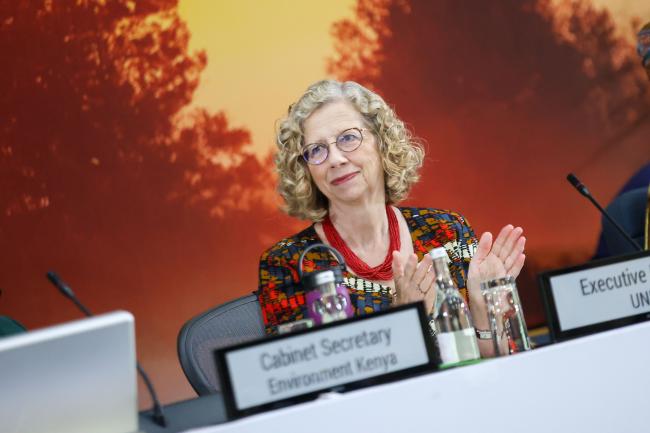
Zainab Hawa Bangura, Director-General, UN Office at Nairobi (UNON), reiterated UNON’s support for UNEA-7, encouraged delegates to recall that the health, survival, and the sustainable growth of the planet is dependent on peace, equality, and justice for all. Deborah Mlongo Barasa, Cabinet Secretary for Environment, Climate Change and Forestry, Kenya, called on the Assembly to spark sustainable solutions, strengthen resilience, and champion inclusive environmental governance.
Delegates then established a Committee of the Whole (CoW), chaired by Joyelle Clarke, Minister of Sustainable Development, Climate Action, and Constituency Empowerment, Saint Kitts and Nevis. They also elected Nino Tandilashvili, First Deputy Minister of Environmental Protection and Agriculture, Georgia, as the CoW Rapporteur.
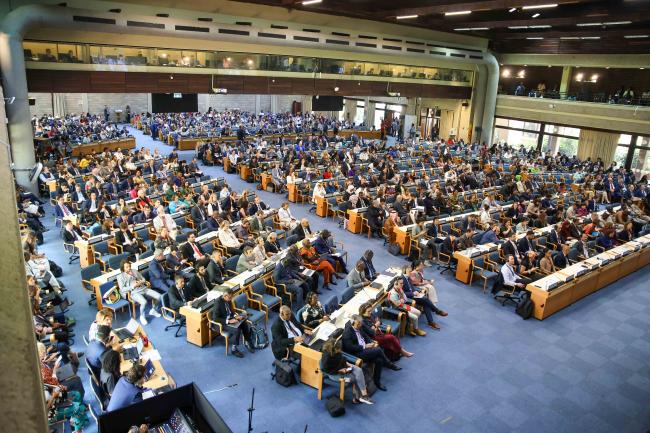
The CoW established two contact groups, which considered four clusters of issues: nature and climate; governance and law; circular economy, chemicals, waste and pollution; and strategic, budgetary, and governing bodies matters. With 15 draft resolutions and two draft decisions still requiring further consideration, the Assembly quickly dived into substantive negotiations.
In their discussions on the environmental sustainability of artificial intelligence (AI) systems, delegates debated, among other issues, a request to UNEP to convene inclusive, multi-stakeholder dialogues to further assess the environmental benefits, risks, opportunities, and impacts of AI systems across their life cycle and their potential to contribute positively to sustainable development.
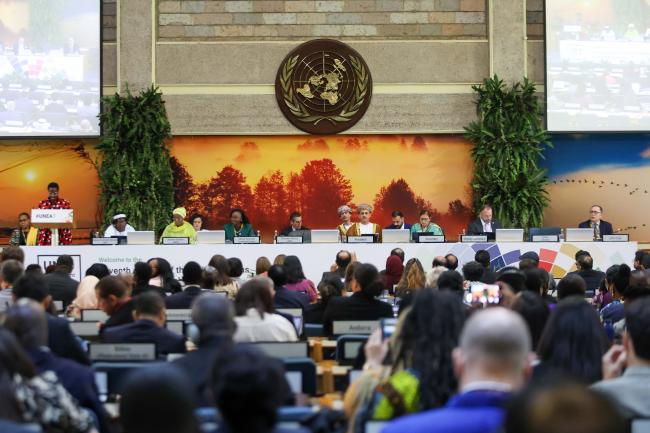
On strengthening the global response on the management of fires, delegates heard a proposal for a new paragraph urging developed countries to mobilize financial resources to assist developing countries with their national plans.
Delegates also held discussions on the active protection of deep-sea ecosystems but were deadlocked about whether to shelve the resolution as a whole or continue trying to reach compromise.
Focusing in on a resolution to enhance the meaningful participation of children and youth in environmental governance, delegations extensively deliberated on whether they should permit children and youth into decision-making processes. Following this, and one delegation threatening to block the resolution in its entirety, delegates agreed on allowing youth “participation in environmental matters and processes.”
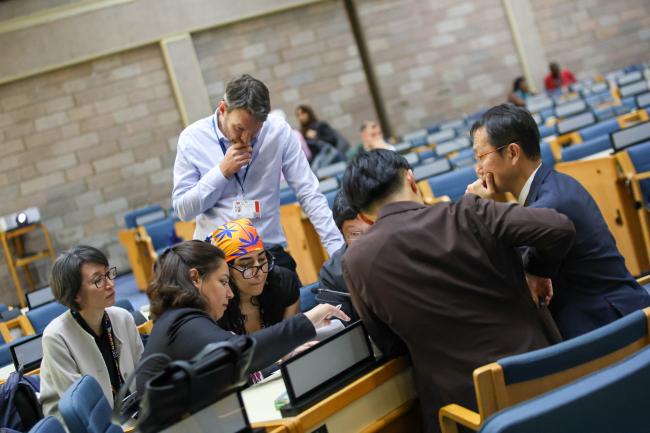
Elsewhere on the UNON campus, delegates were invited to attend a special dialogue on the role of Indigenous Peoples and their communities in advancing sustainable solutions for a resilient planet. They also attended a host of side events, including on:
- mobilizing the Regional Seas Conventions and action plans for effective implementation of the Marine Biodiversity Beyond National Jurisdiction Agreement (BBNJ);
- local and regional action for a resilient planet;
- synergies in the chemicals and waste cluster; and
- transboundary water cooperation to restore and sustain water ecosystems from source to sea.
To receive free coverage of global environmental events delivered to your inbox, subscribe to the ENB Update newsletter.
All ENB photos are free to use with attribution. For OECPR-7 and UNEA-7 please use: Photo by IISD/ENB | Anastasia Rodopoulou
Cultural Opening
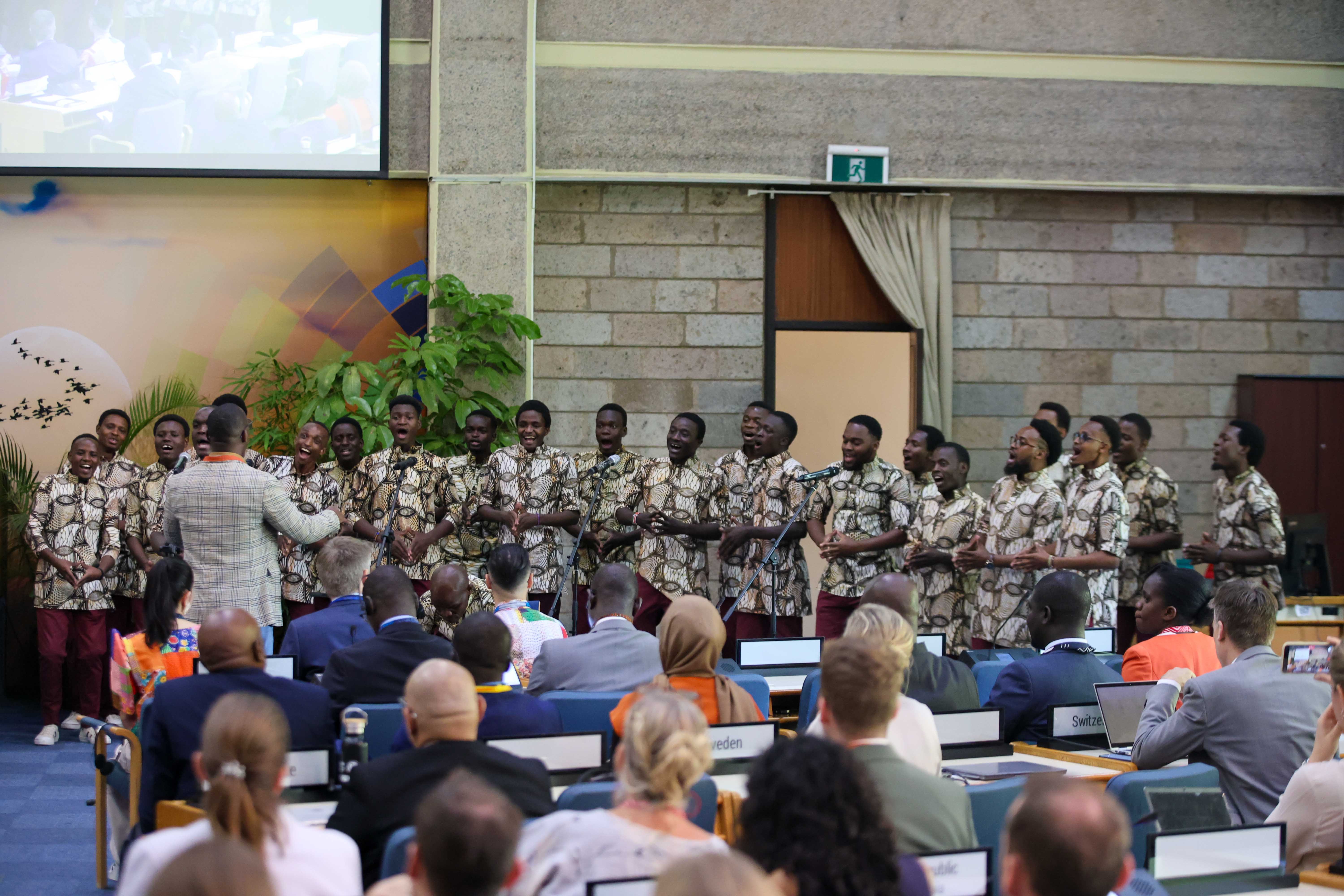
The first day of UNEA-7 was opened by the Kenyan Boys Choir.


Opening Plenary
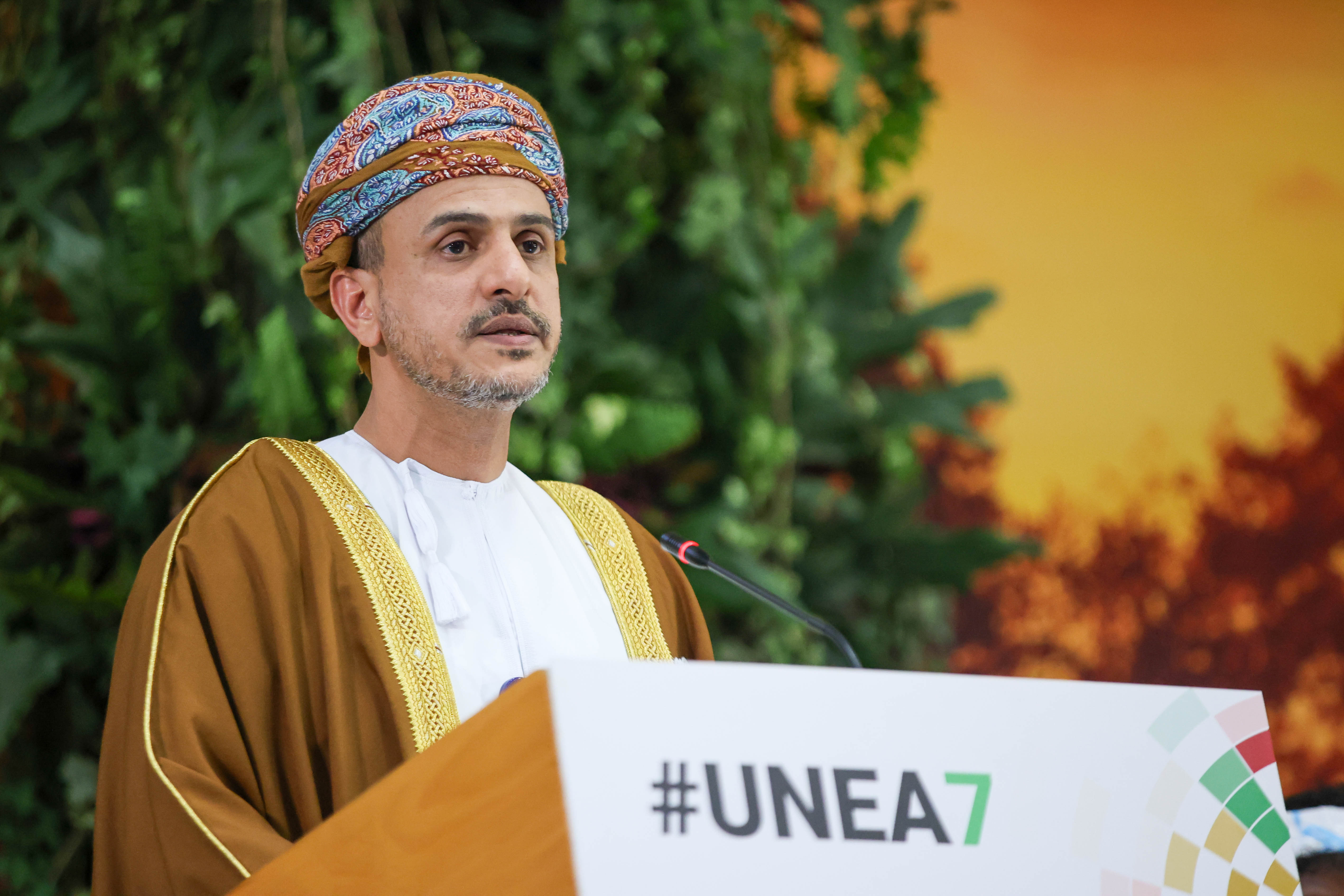
UNEA-7 President Abdullah Bin Ali Al-Amri, Oman
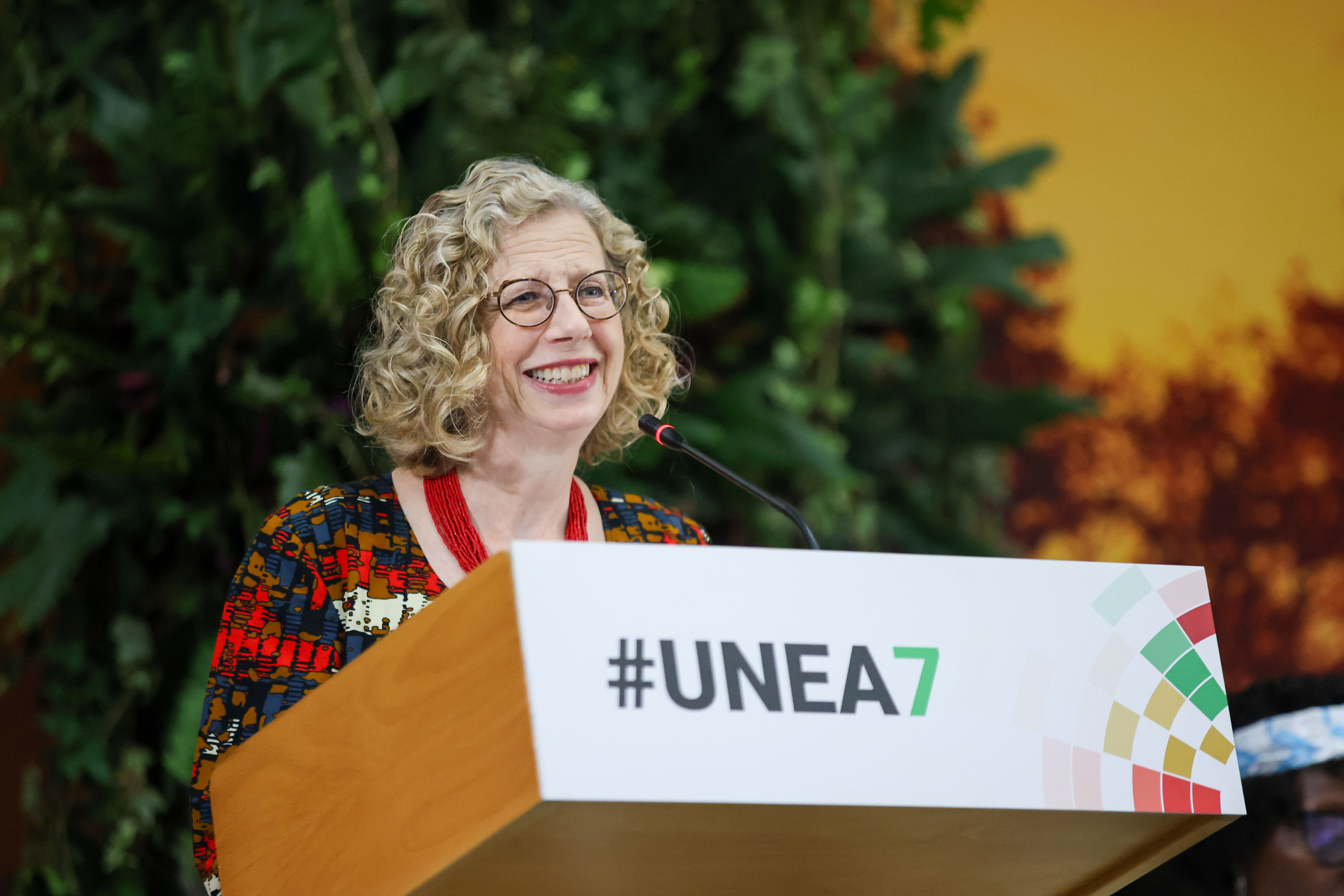
Inger Andersen, Executive Director, UNEP
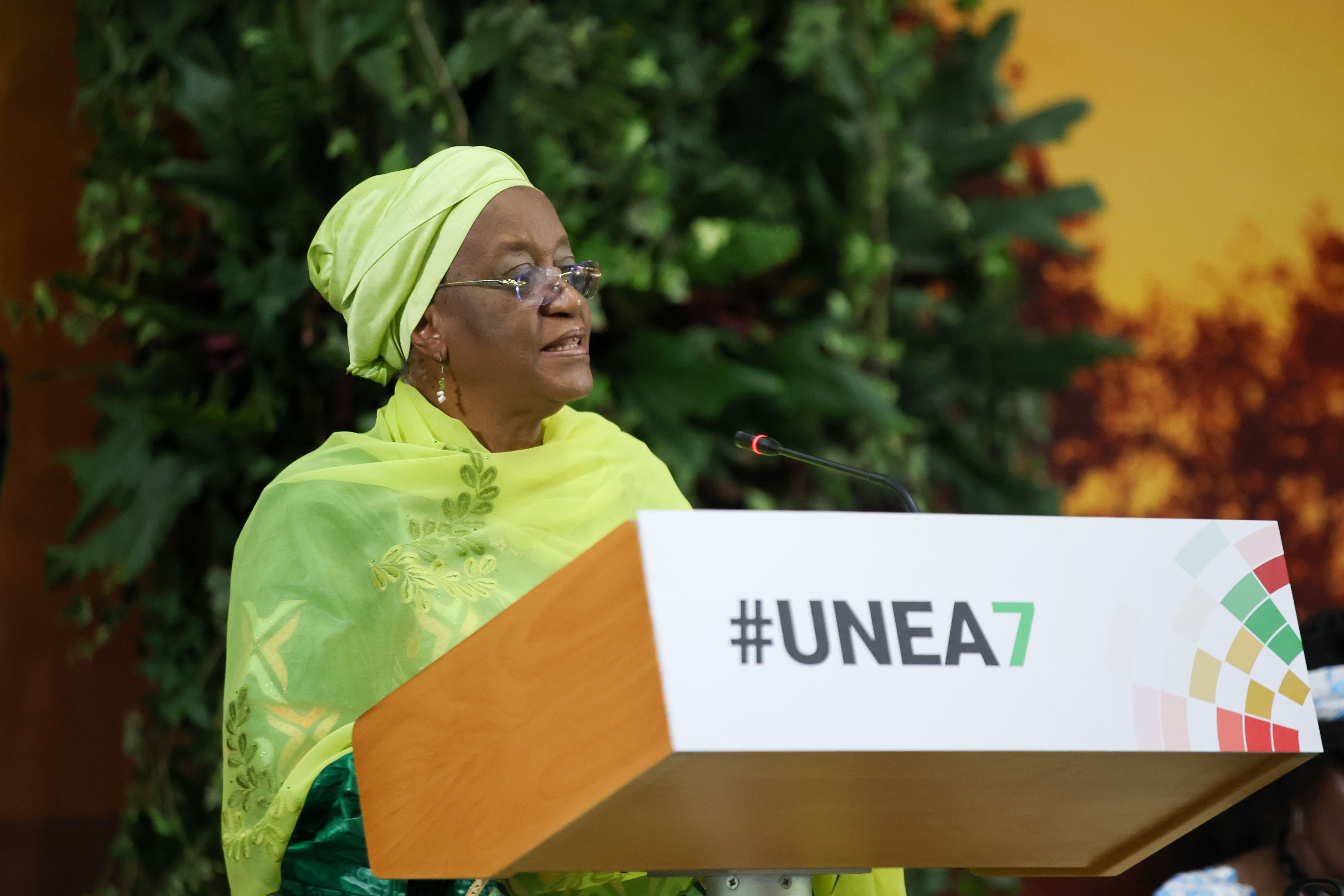
Zainab Hawa Bangura, Director-General, UN Office at Nairobi (UNON)
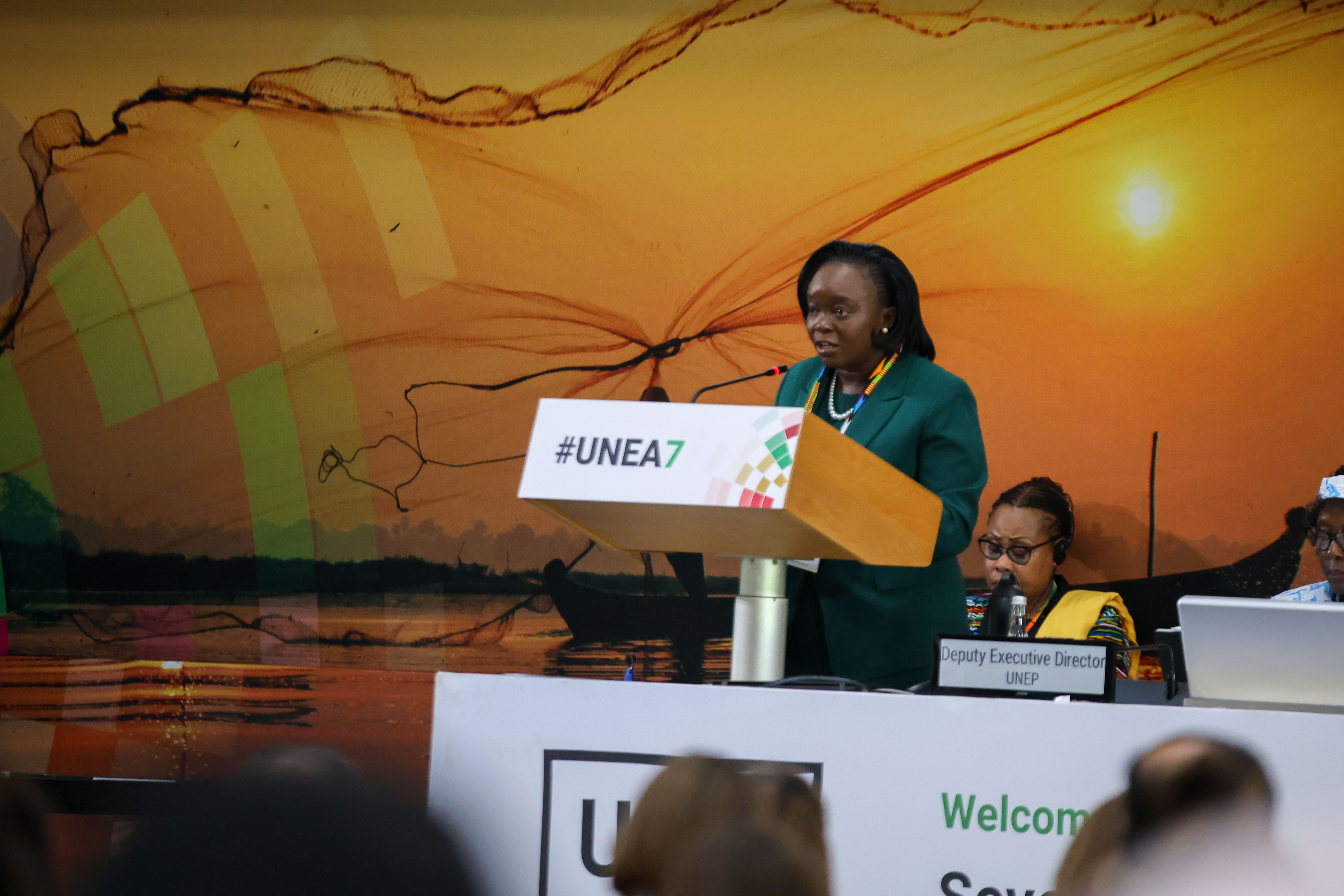
Deborah Mlongo Barasa, Cabinet Secretary for Environment, Climate Change and Forestry, Kenya
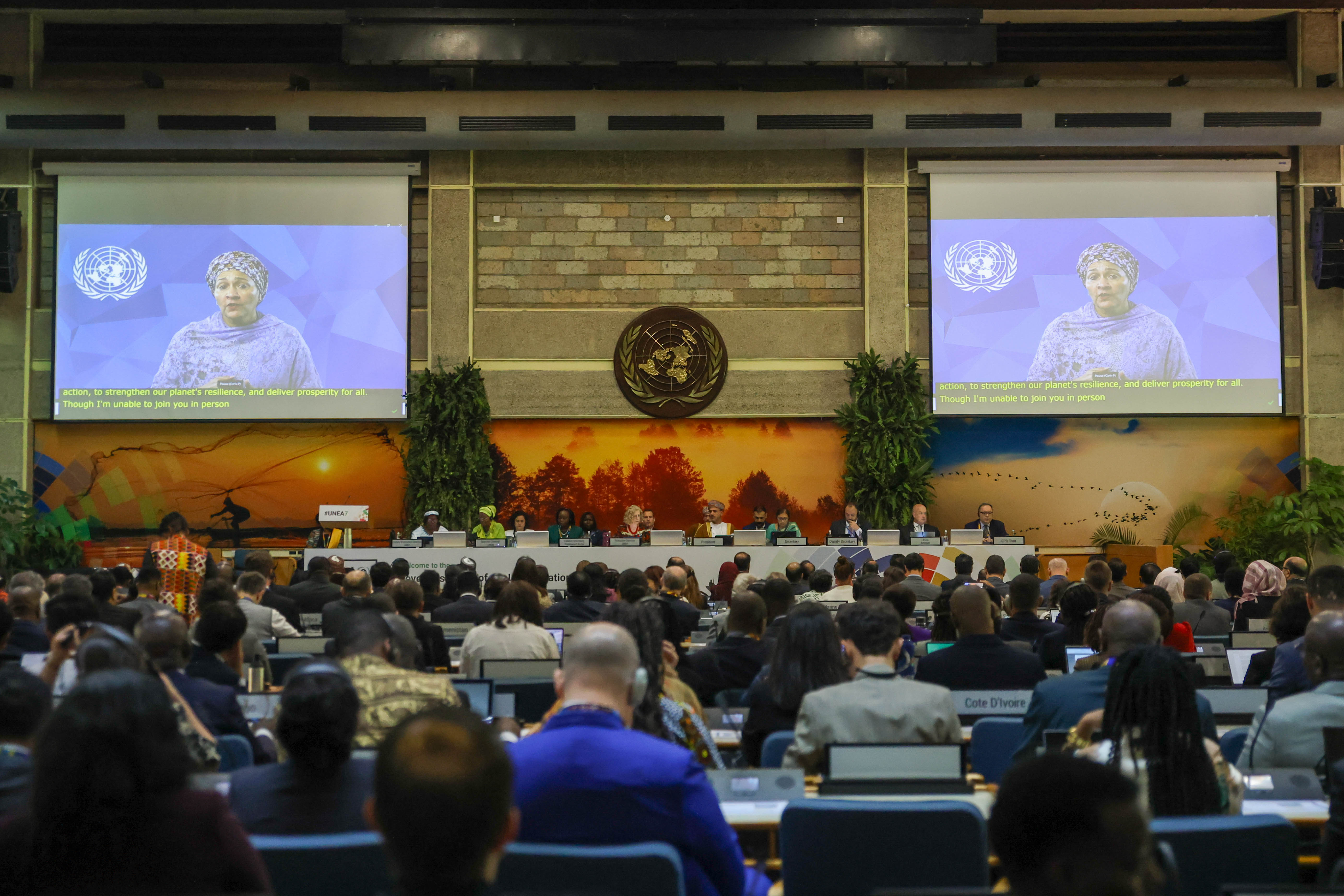
Amina J. Mohammed, UN Deputy Secretary-General addressed the opening plenary via a video message.
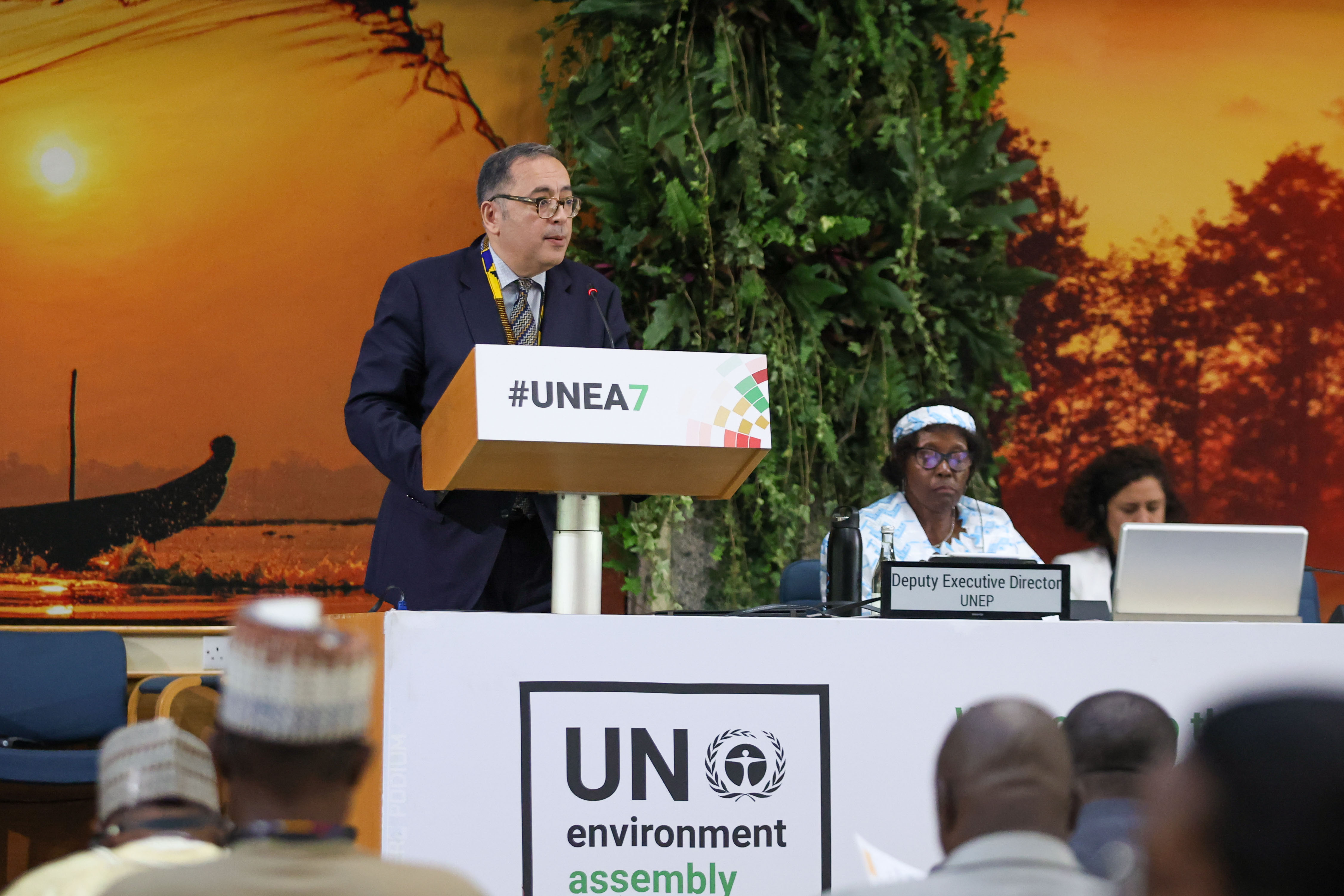
OECPR-7 Chair Sultan Hajiyev, Azerbaijan, reports the OECPR-7 progress to UNEA-7.
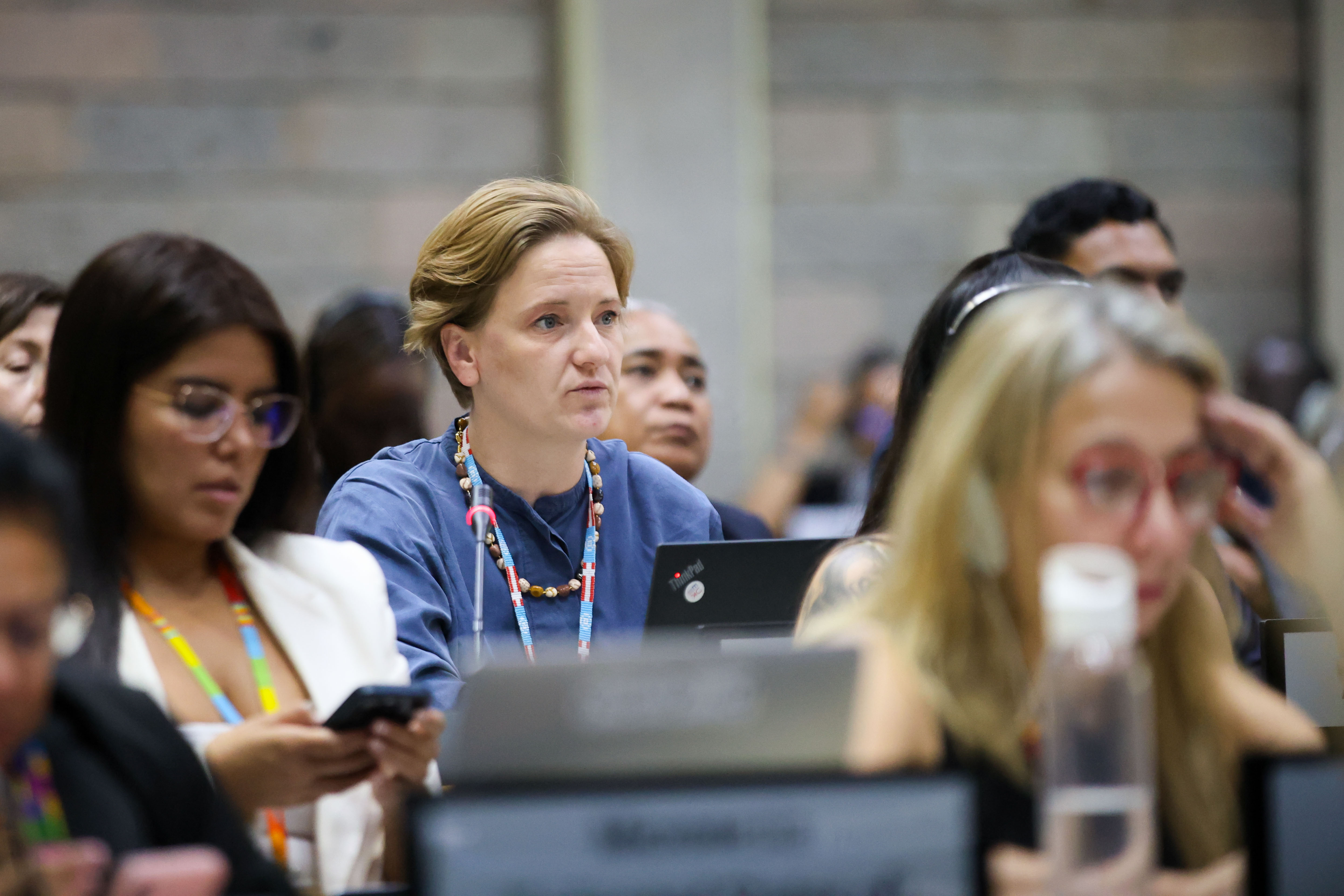
Sidsel Bjøl, EU
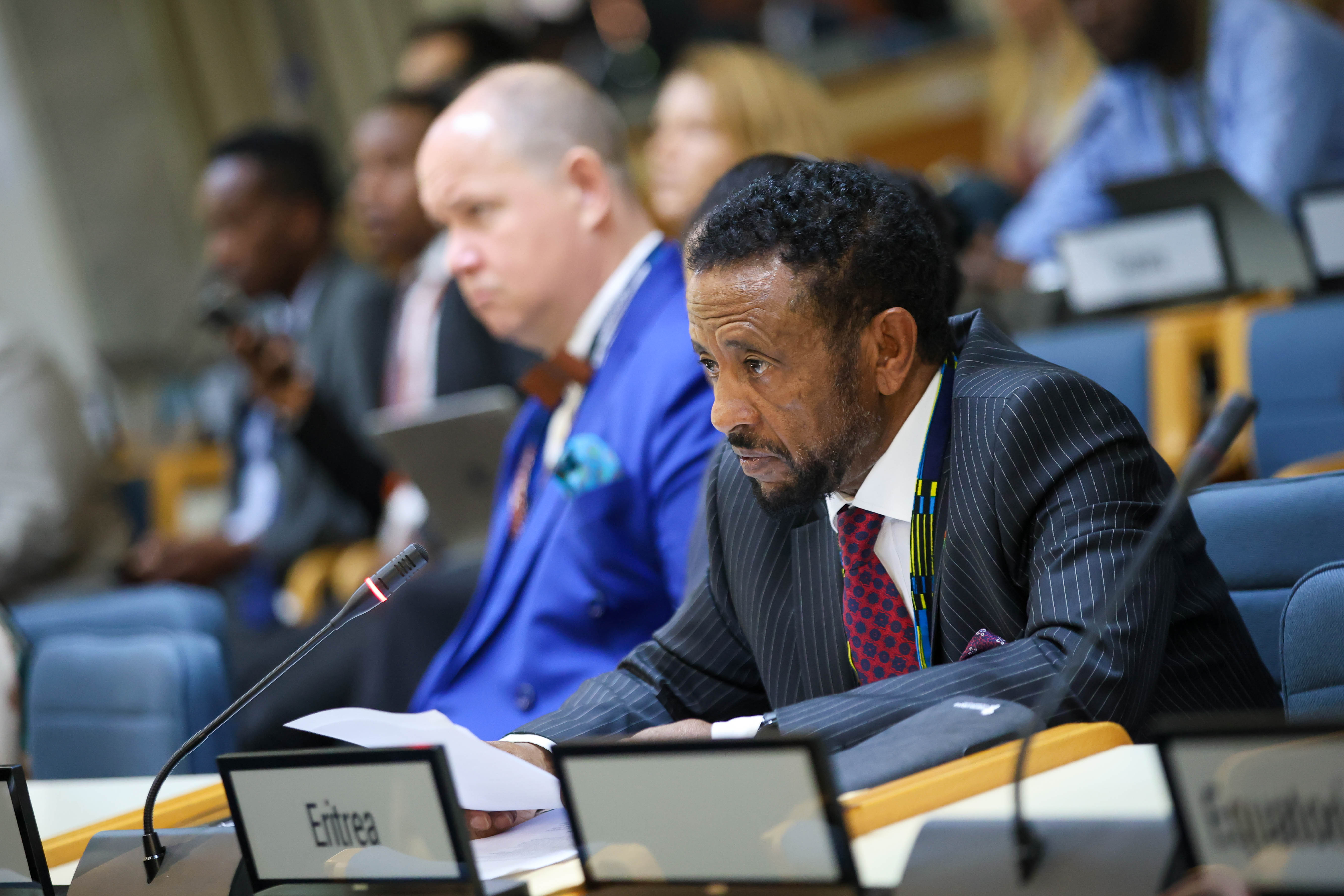
Beyene Russom, Eritrea, on behalf of the African Group

Carolina Hippolito Von Der Weid, Brazil, on behalf of Brazil, Russian Federation, India, China, and South Africa (BRICS)
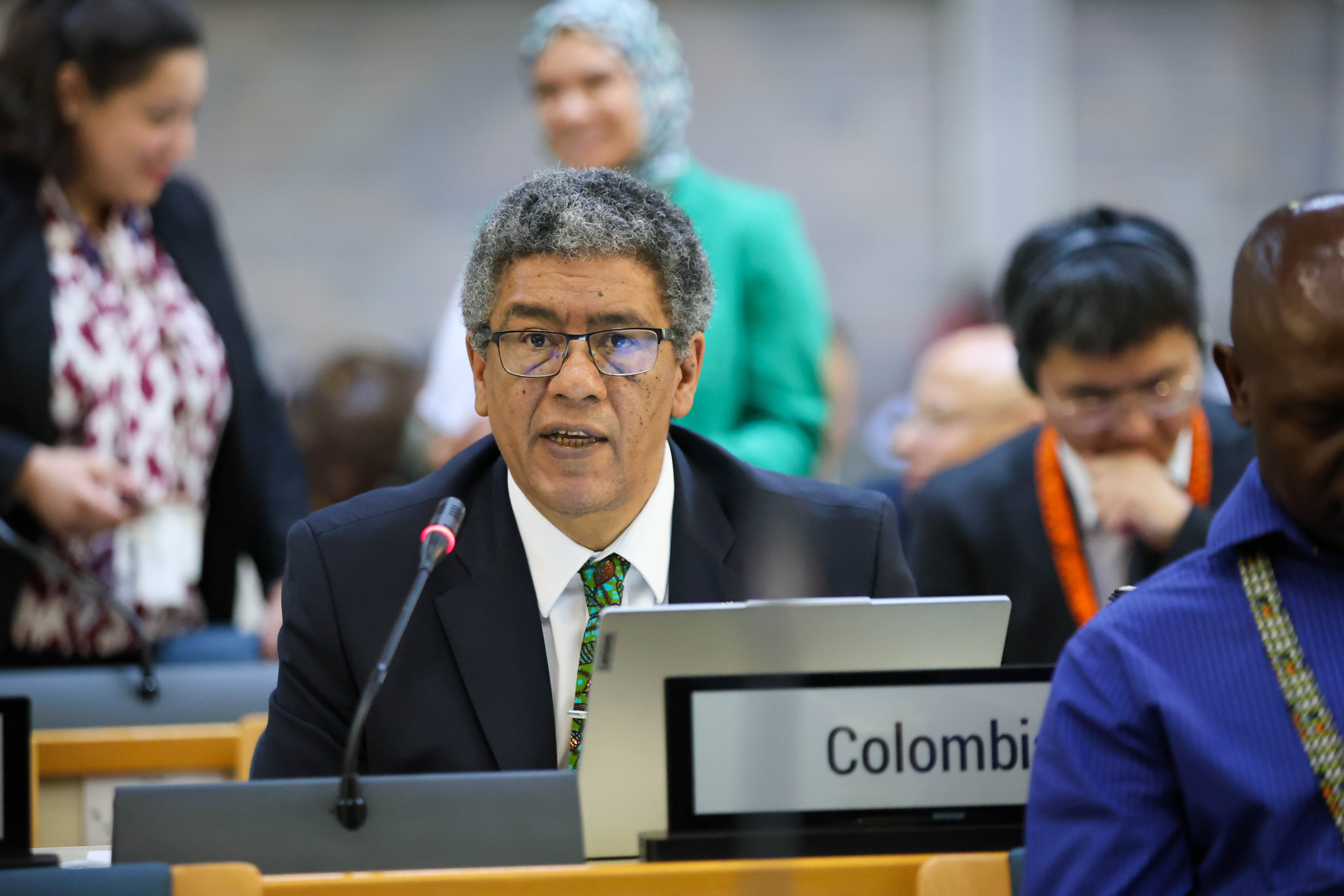
Pedro León Cortés Ruiz, Colombia, on behalf of the Group of Latin America and the Caribbean (GRULAC)
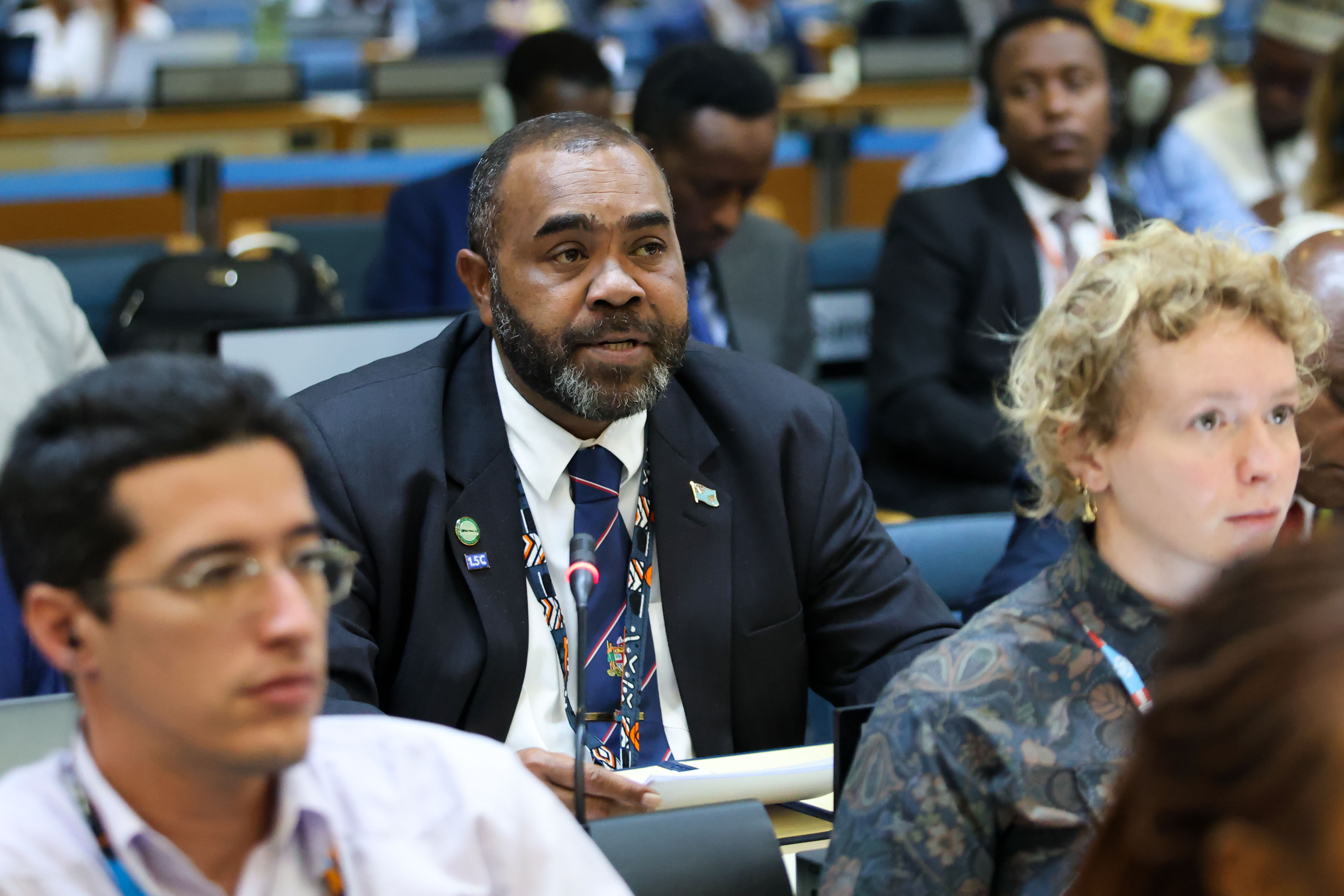
Mosese Bulitavu, Fiji
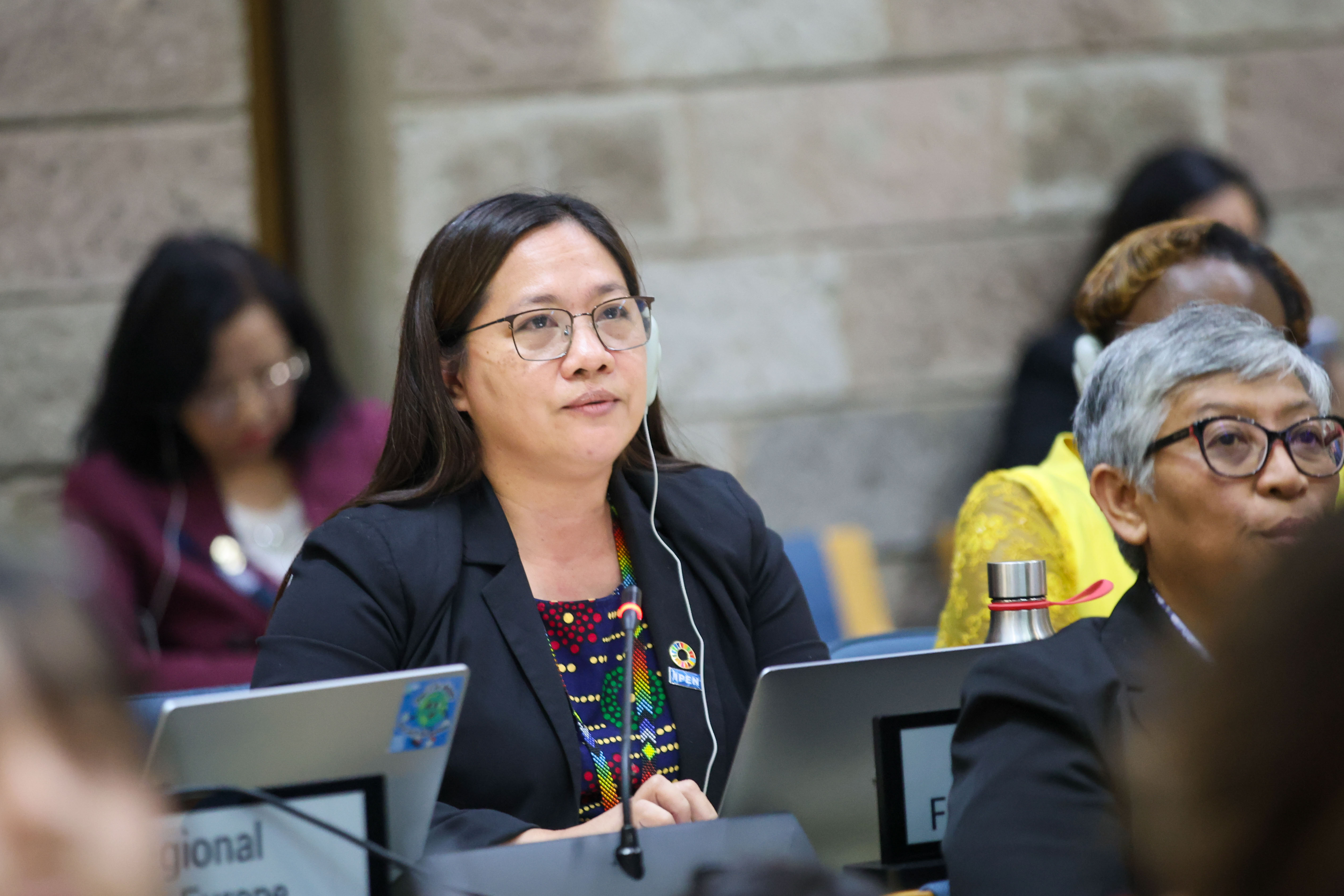
Chinkie Peliño-Golle, Asia-Pacific Major Group and the Stakeholders
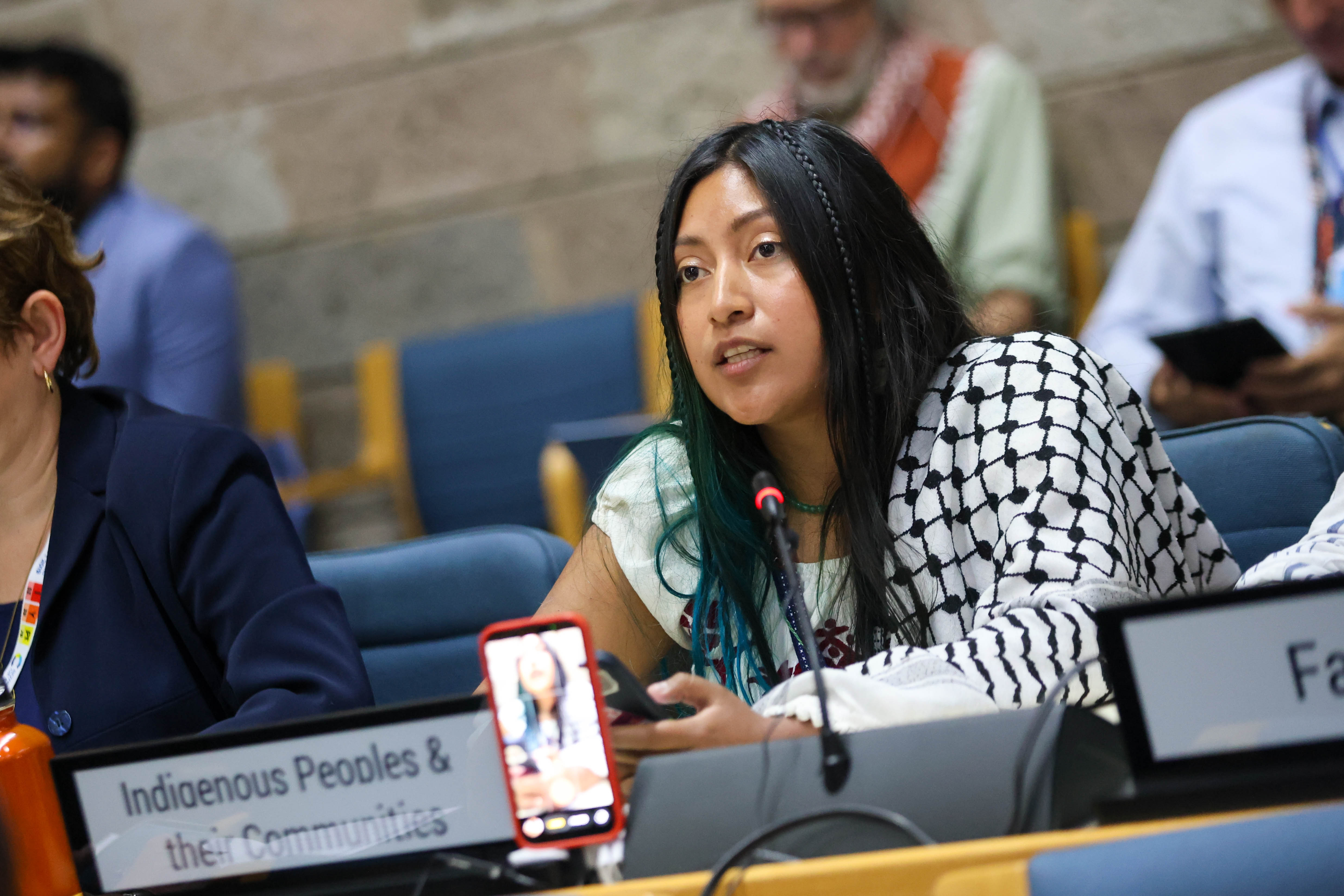
Erika Xananine Calvillo Ramirez, Indigenous Peoples and their Communities
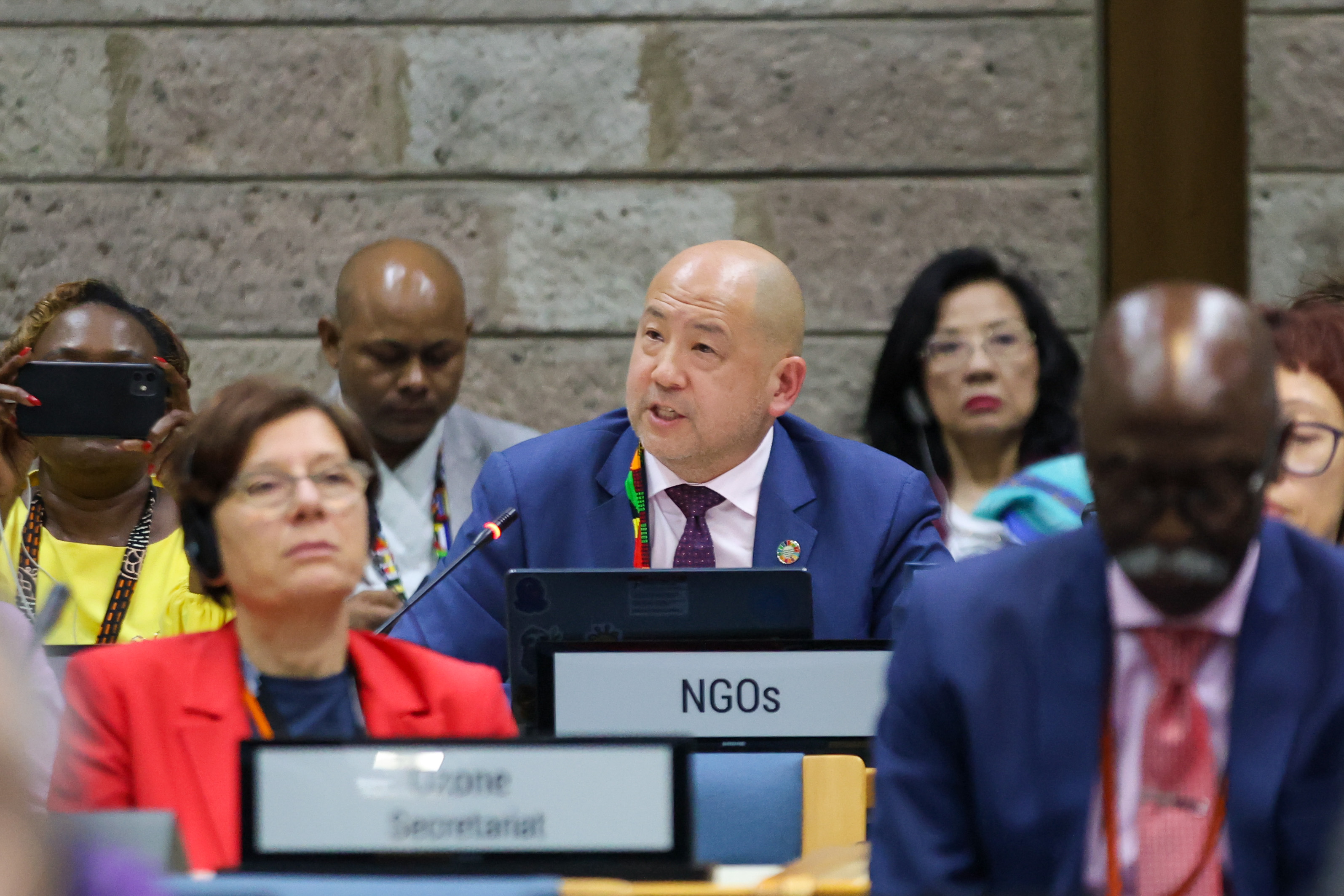
Christopher Chin, Non-Governmental Organizations Major Group
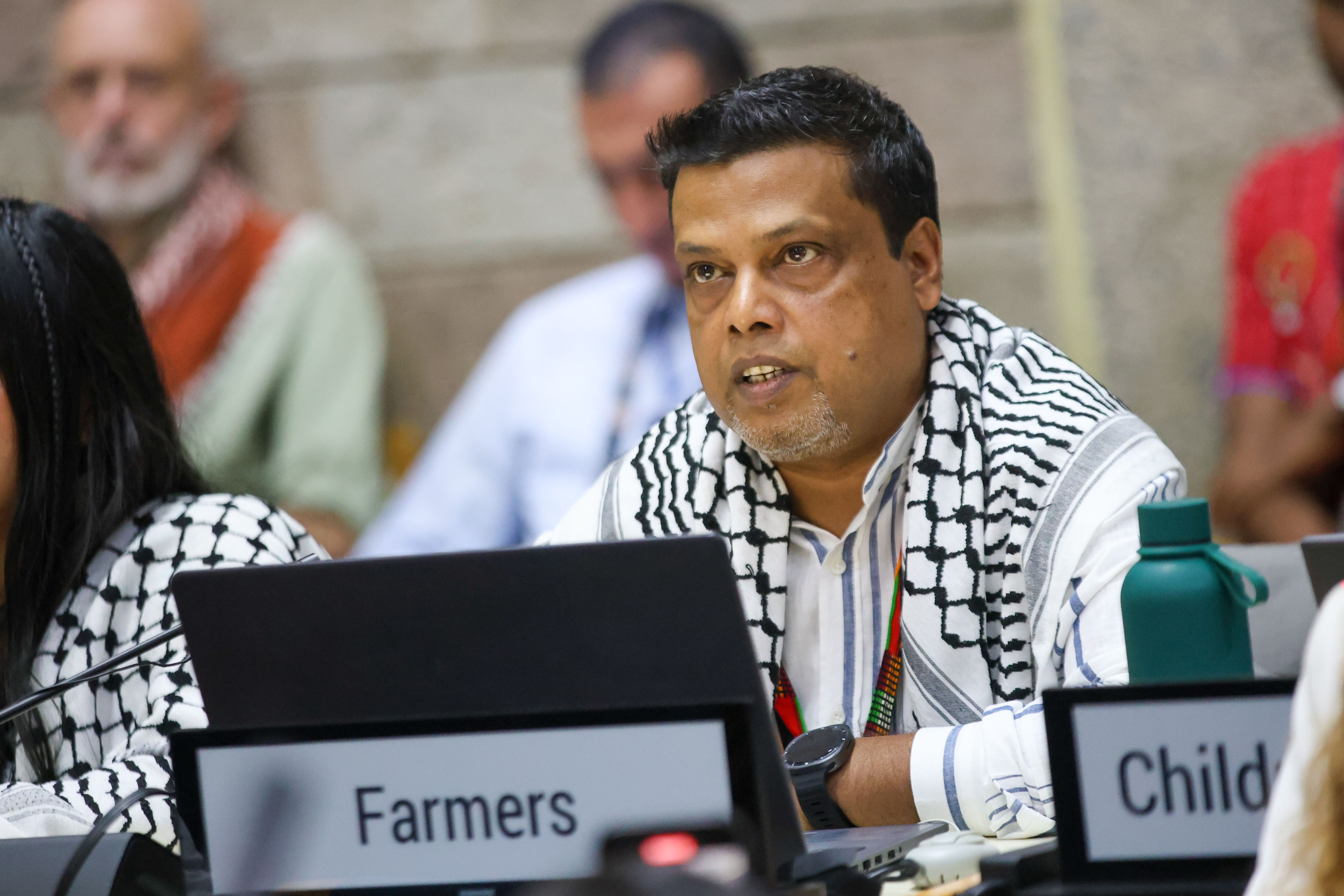
Wali Haider, Farmers Major Group
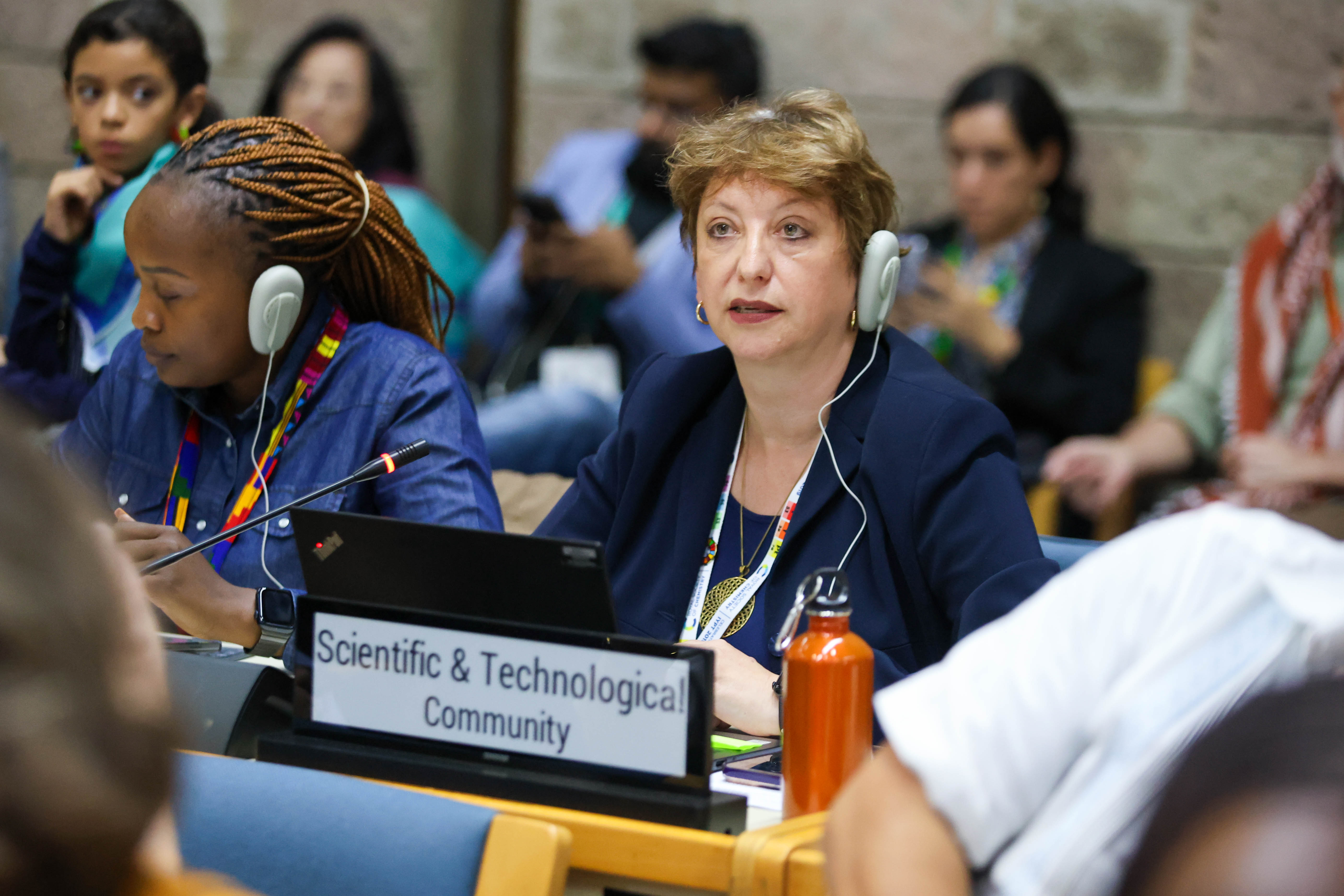
Camilla Alexander-White, Scientific and Technological Community
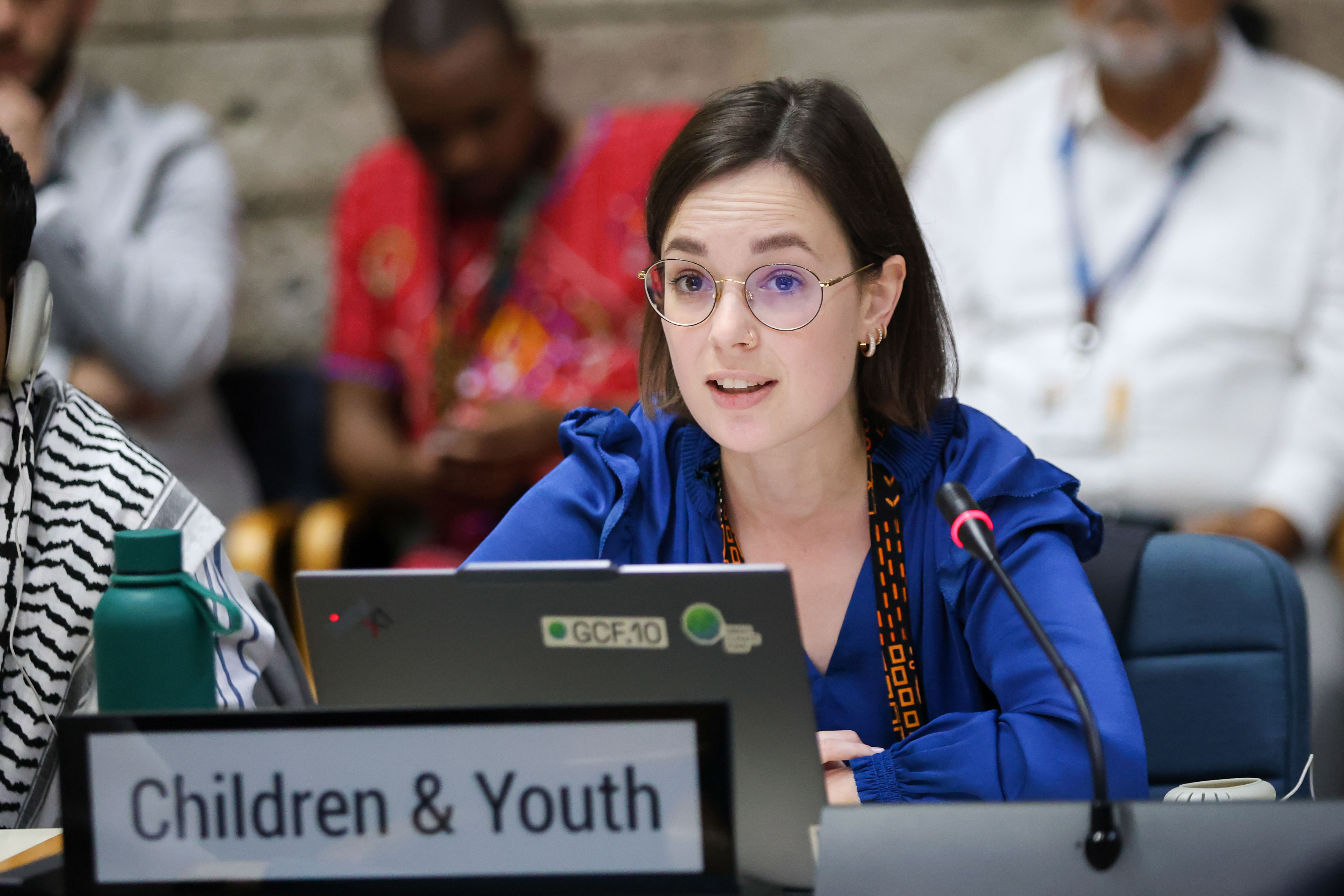
Natalia Mrówczyńska, Children and Youth Major Group
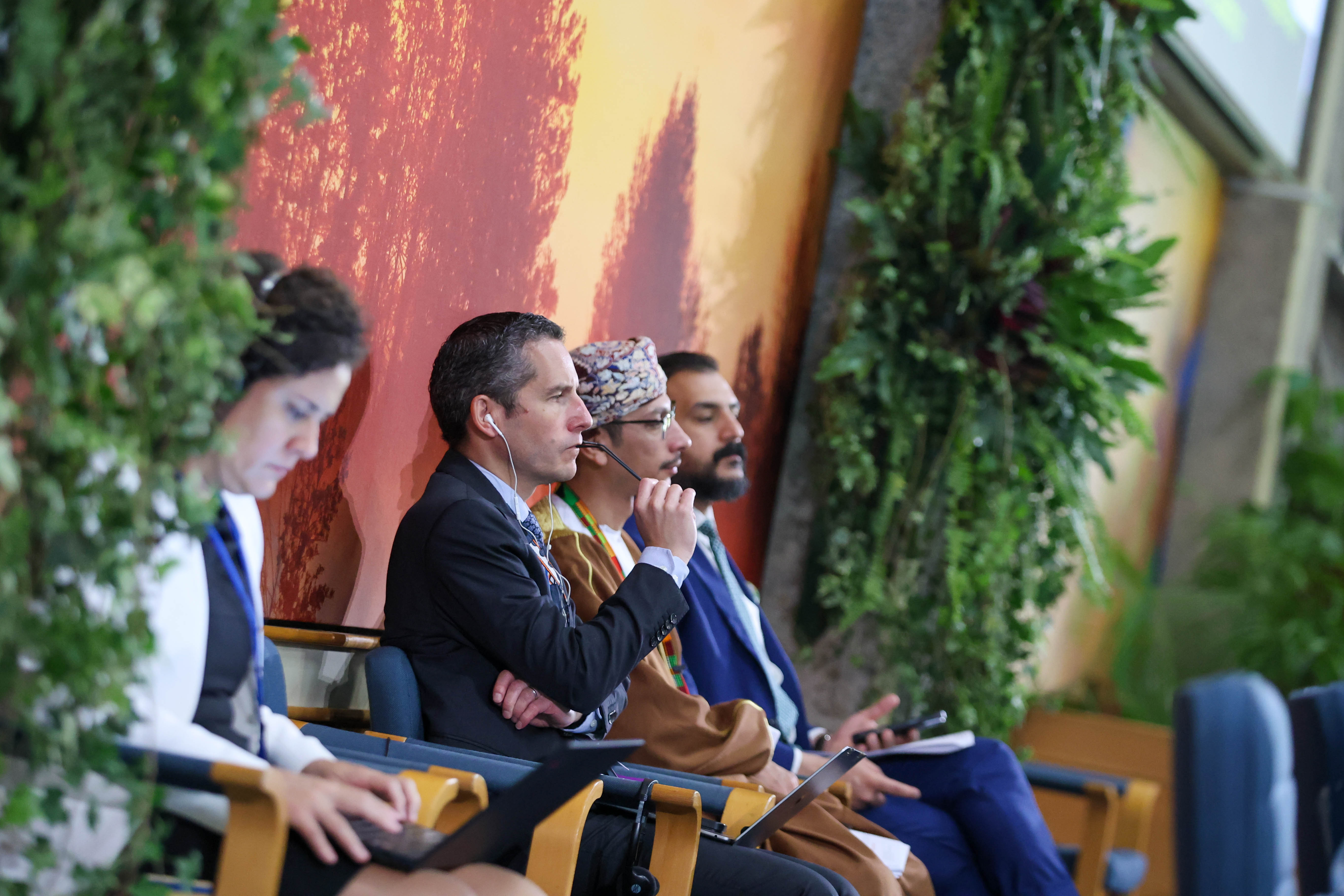
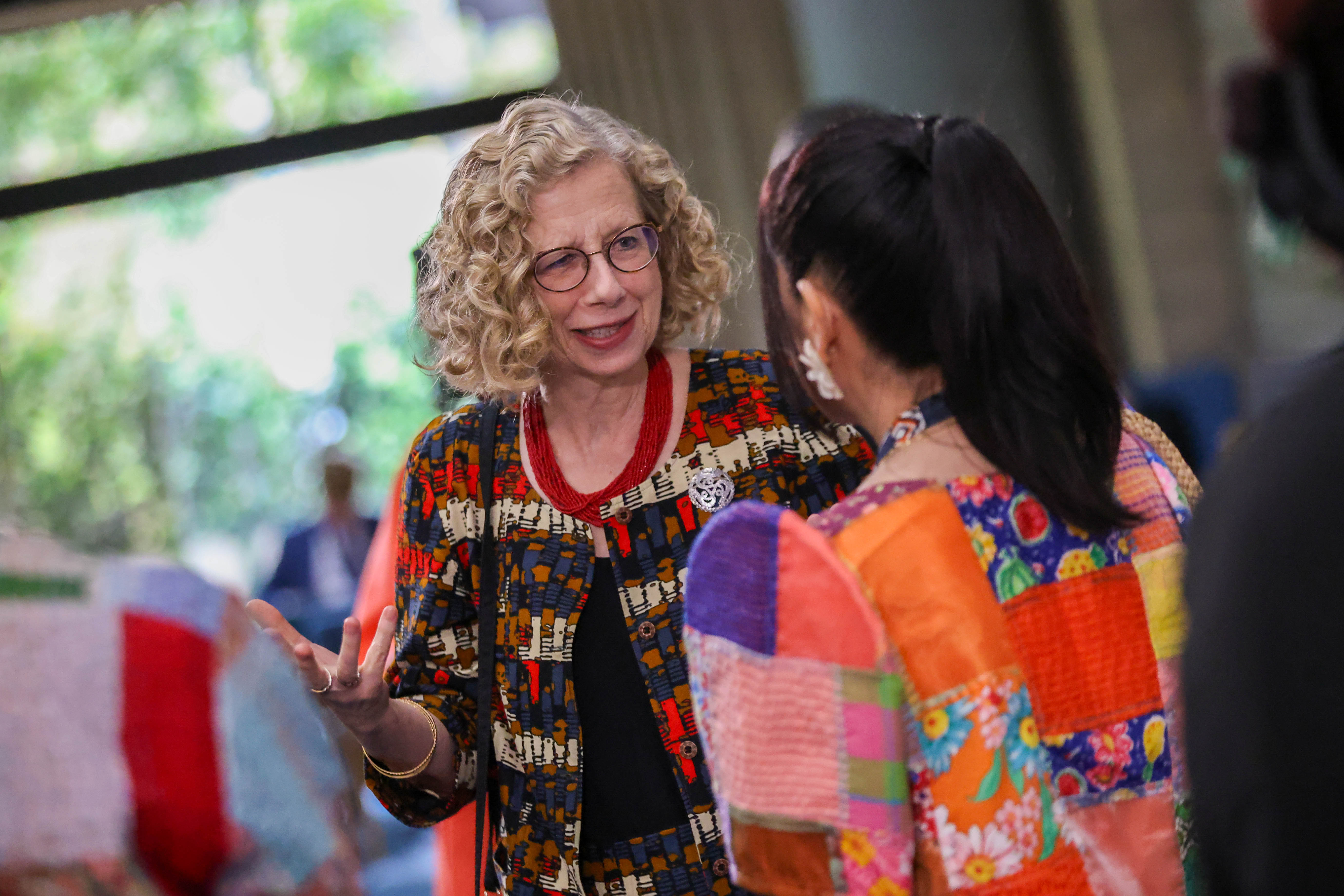
Inger Andersen, Executive Director, UNEP
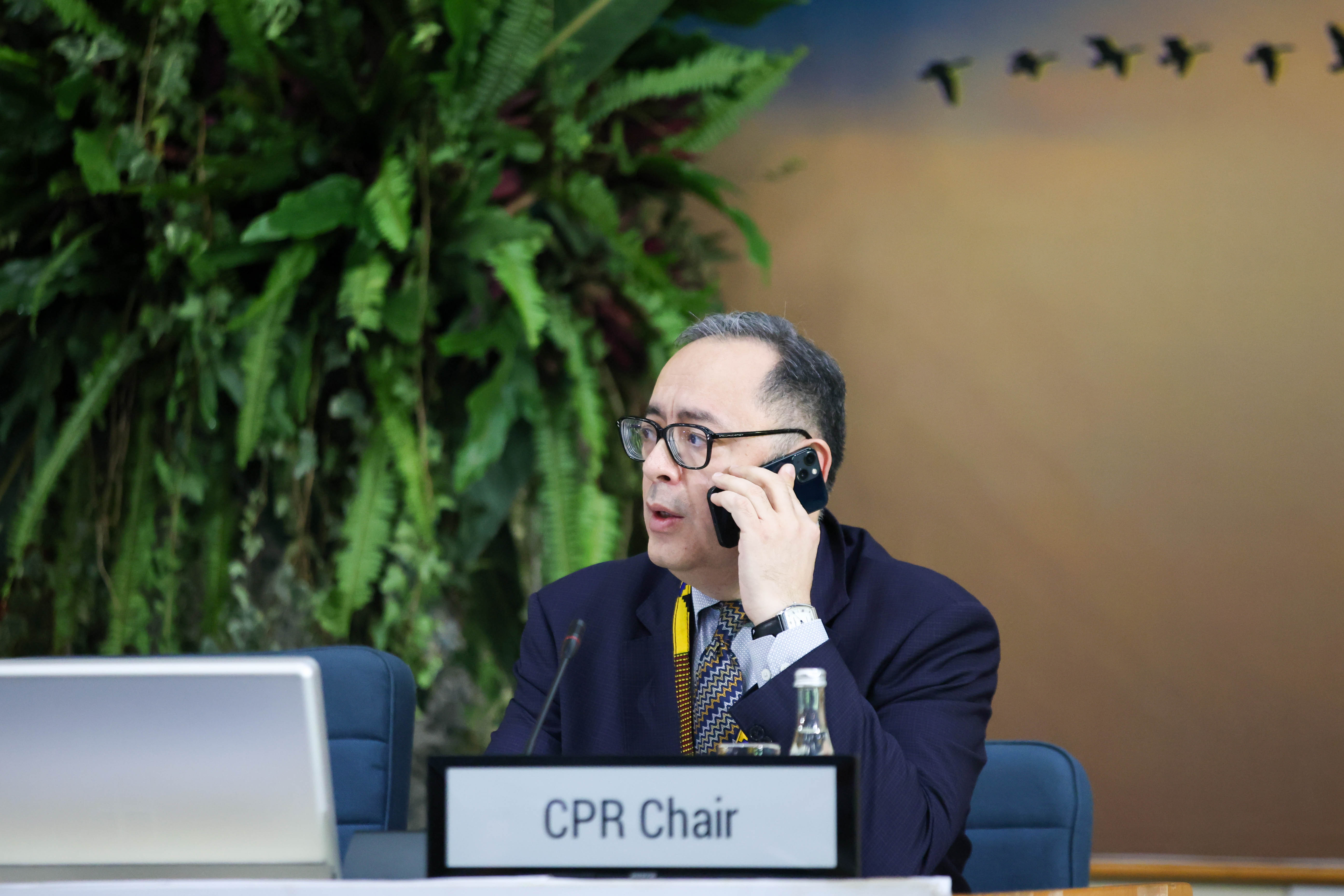
OECPR-7 Chair Sultan Hajiyev, Azerbaijan
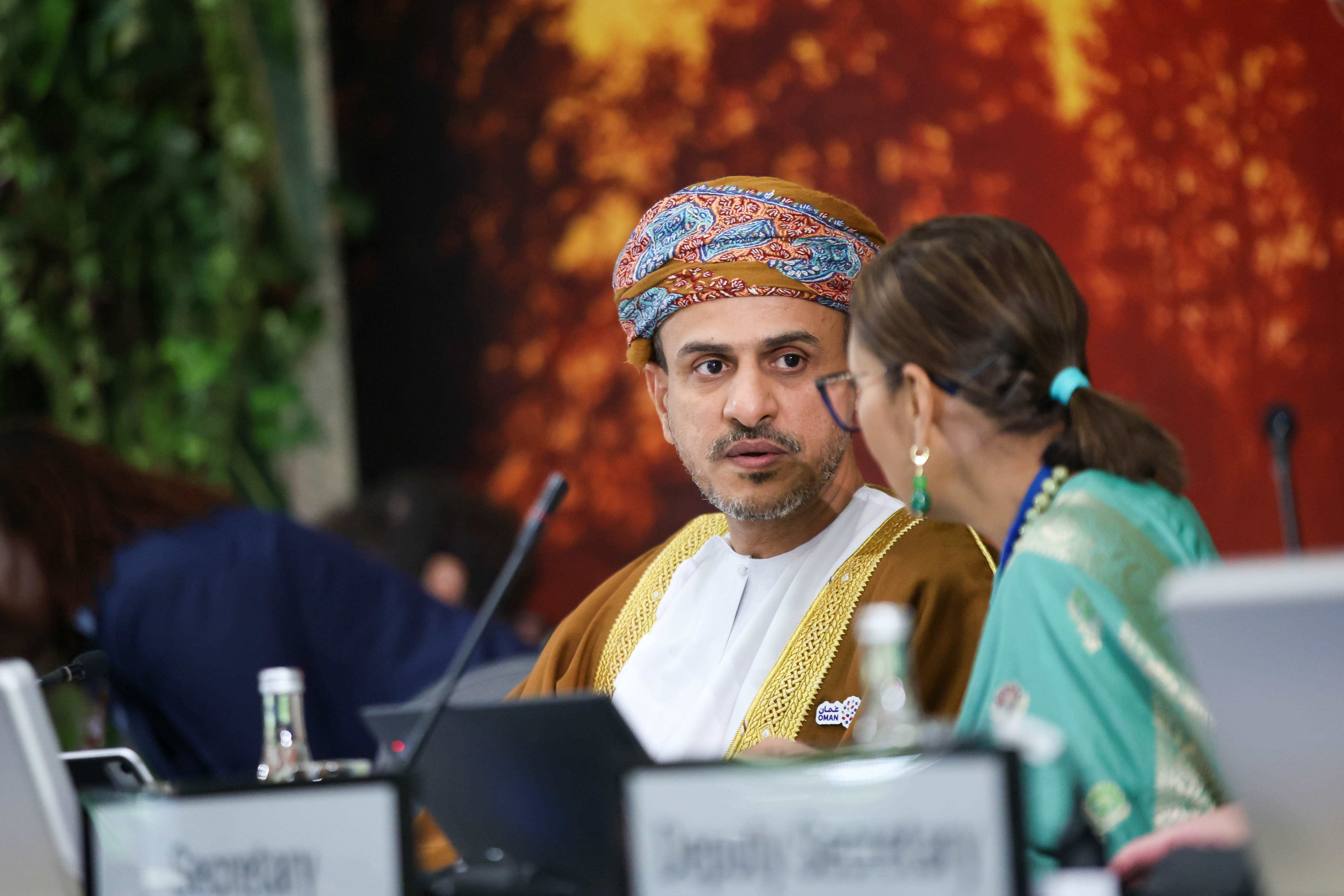
UNEA-7 President Abdullah Bin Ali Al-Amri, Oman
Opening Plenary of the Committee of the Whole
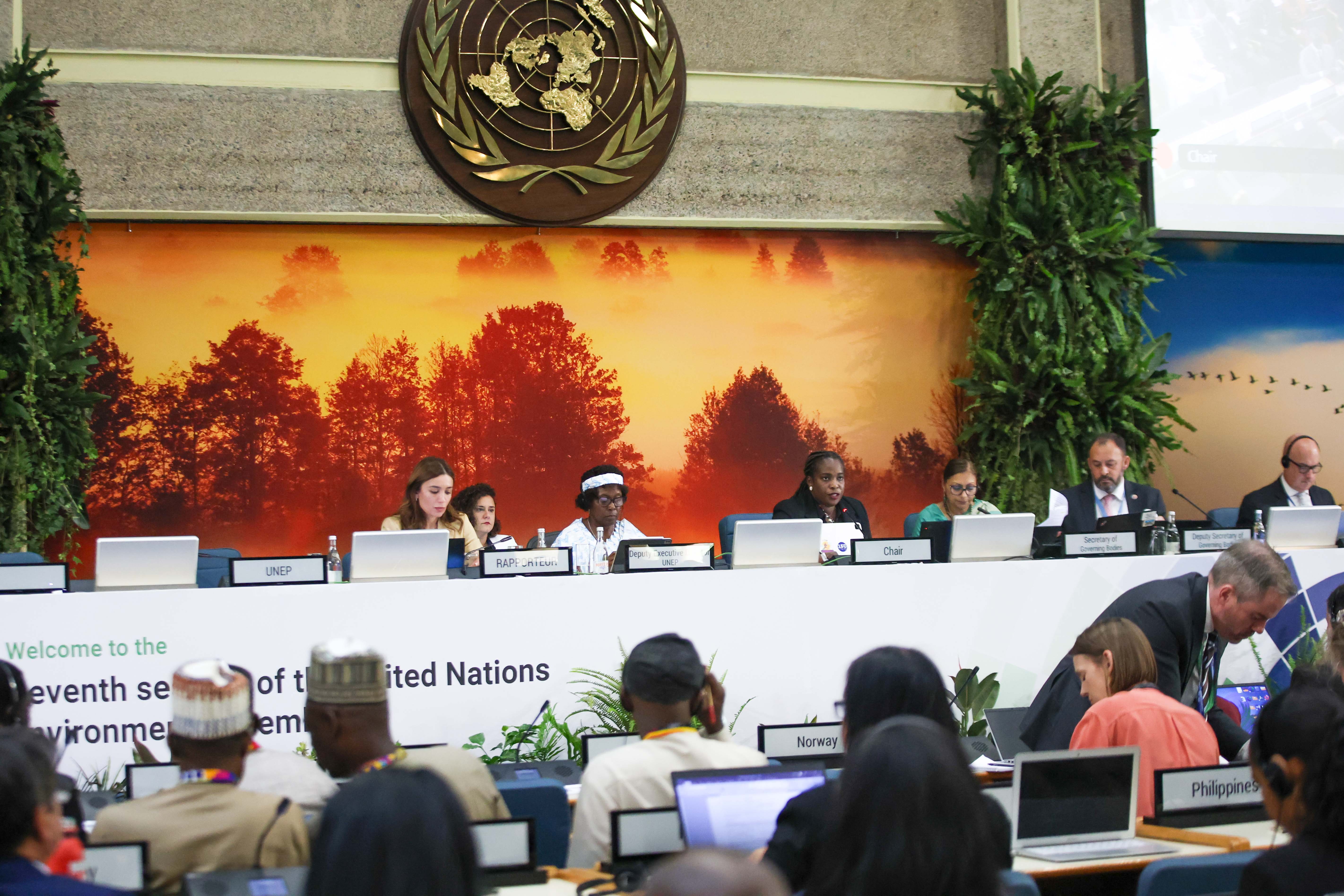
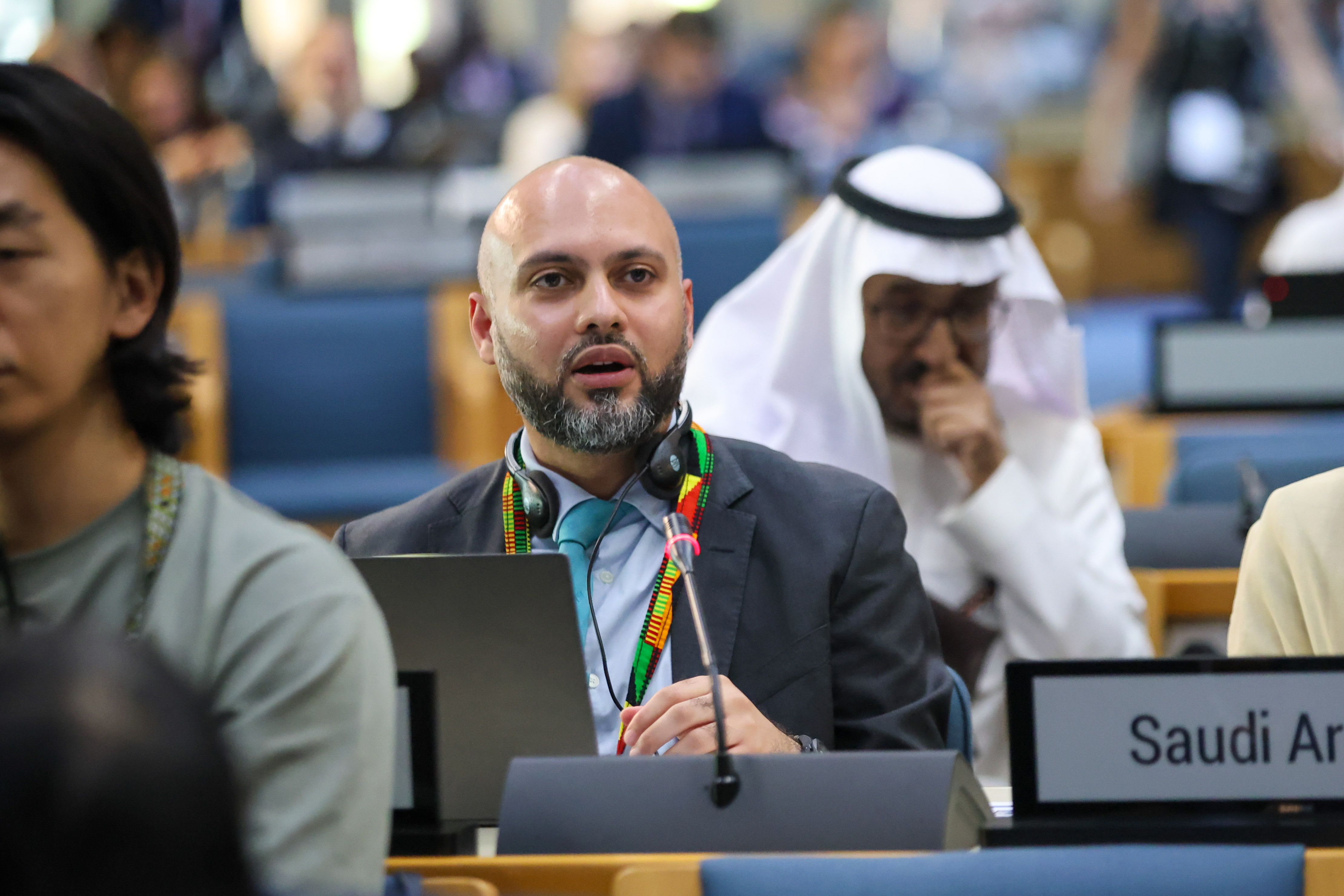
Nawaf Bilasi, Saudi Arabia
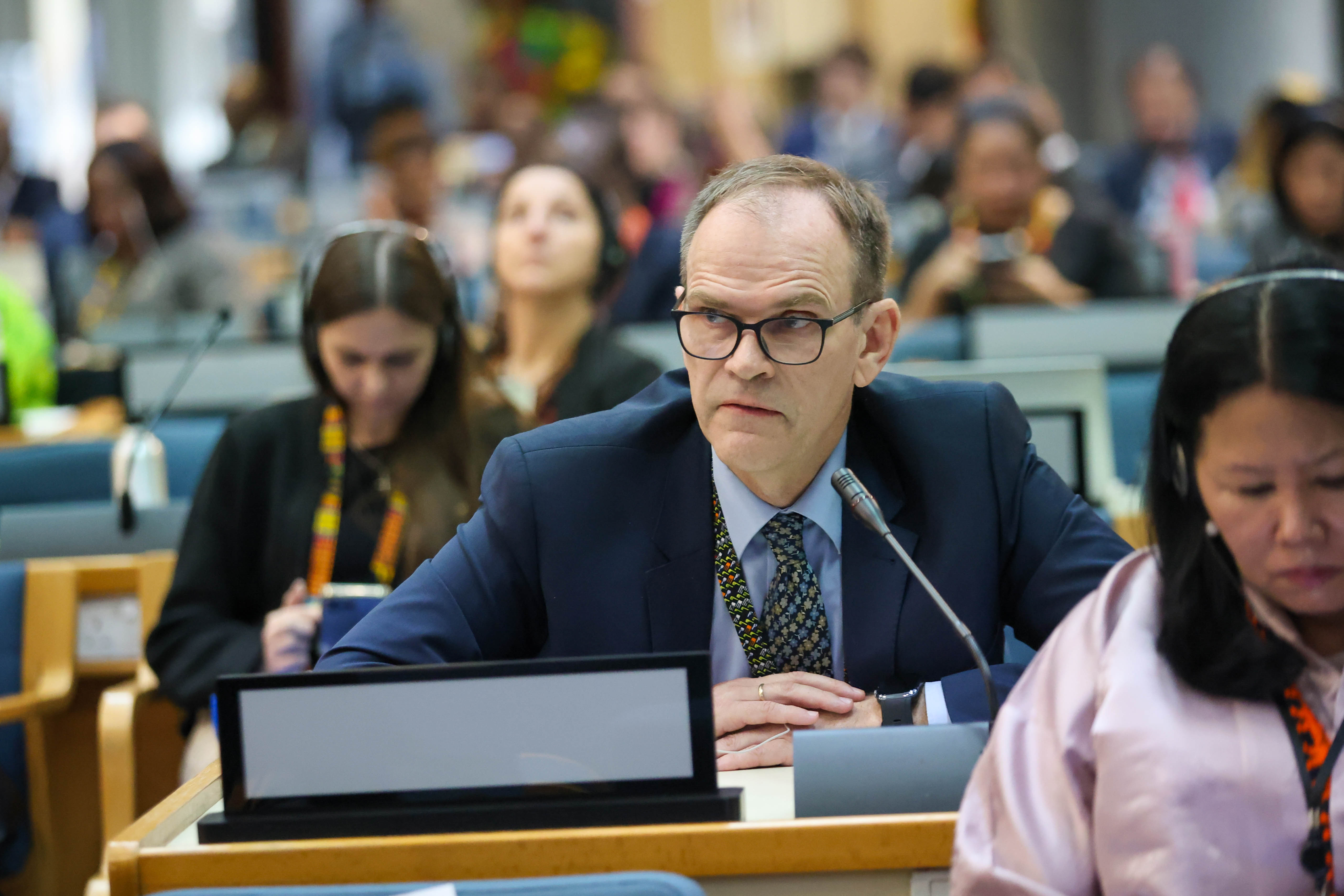
Vladimir Lenev, Russian Federation
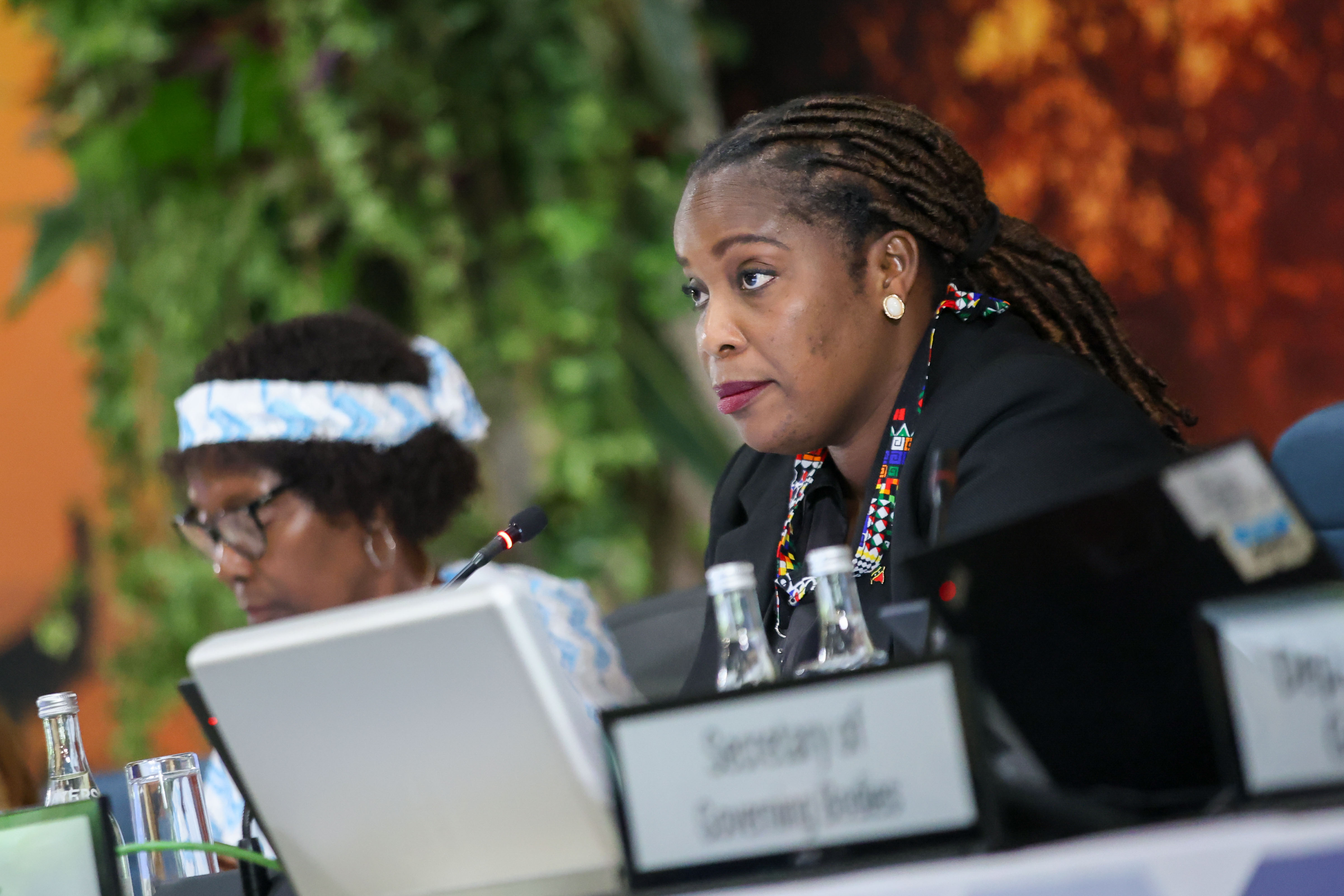
Joyelle Clarke, Chair, Committee of the Whole
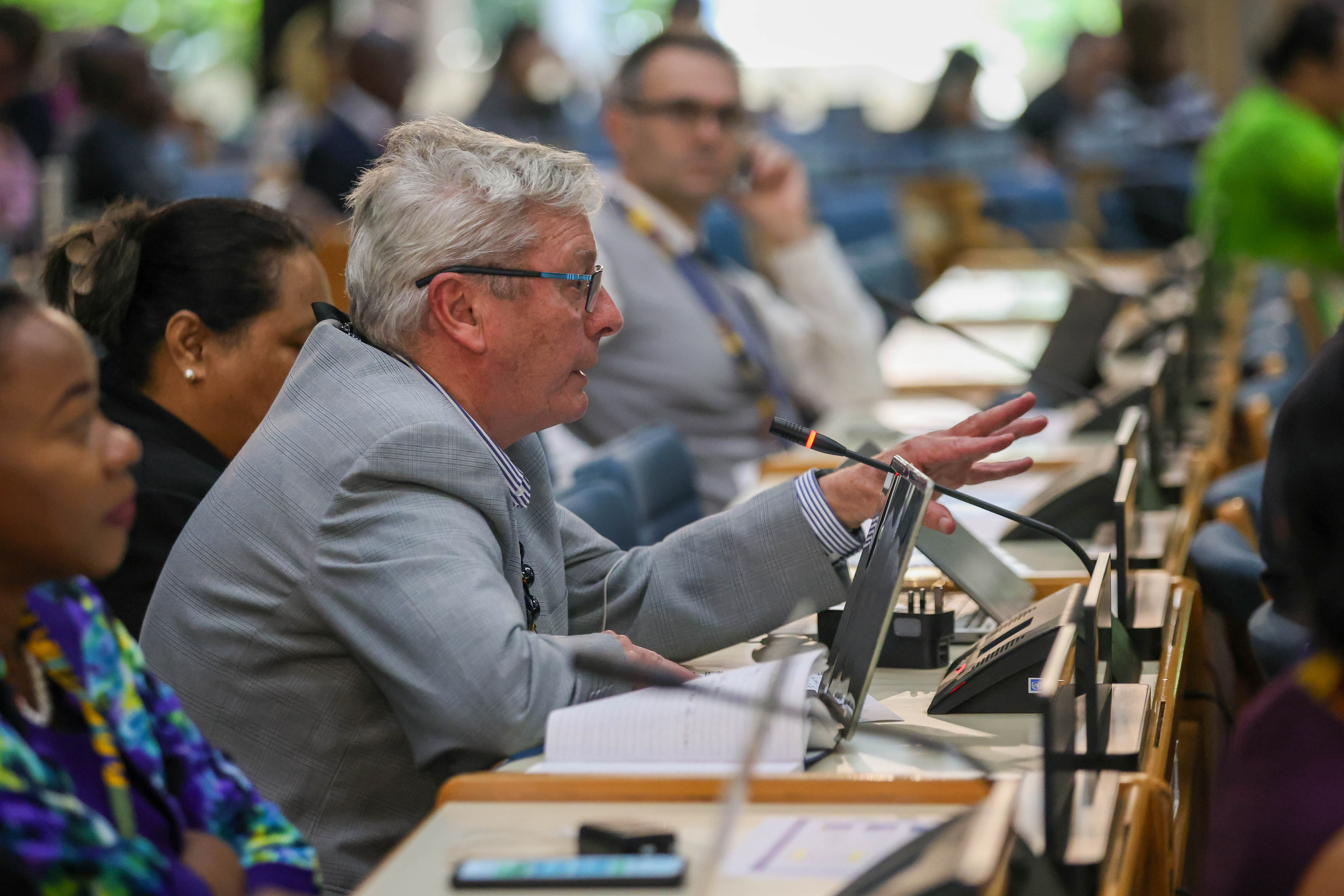
Ian Fry, Tuvalu
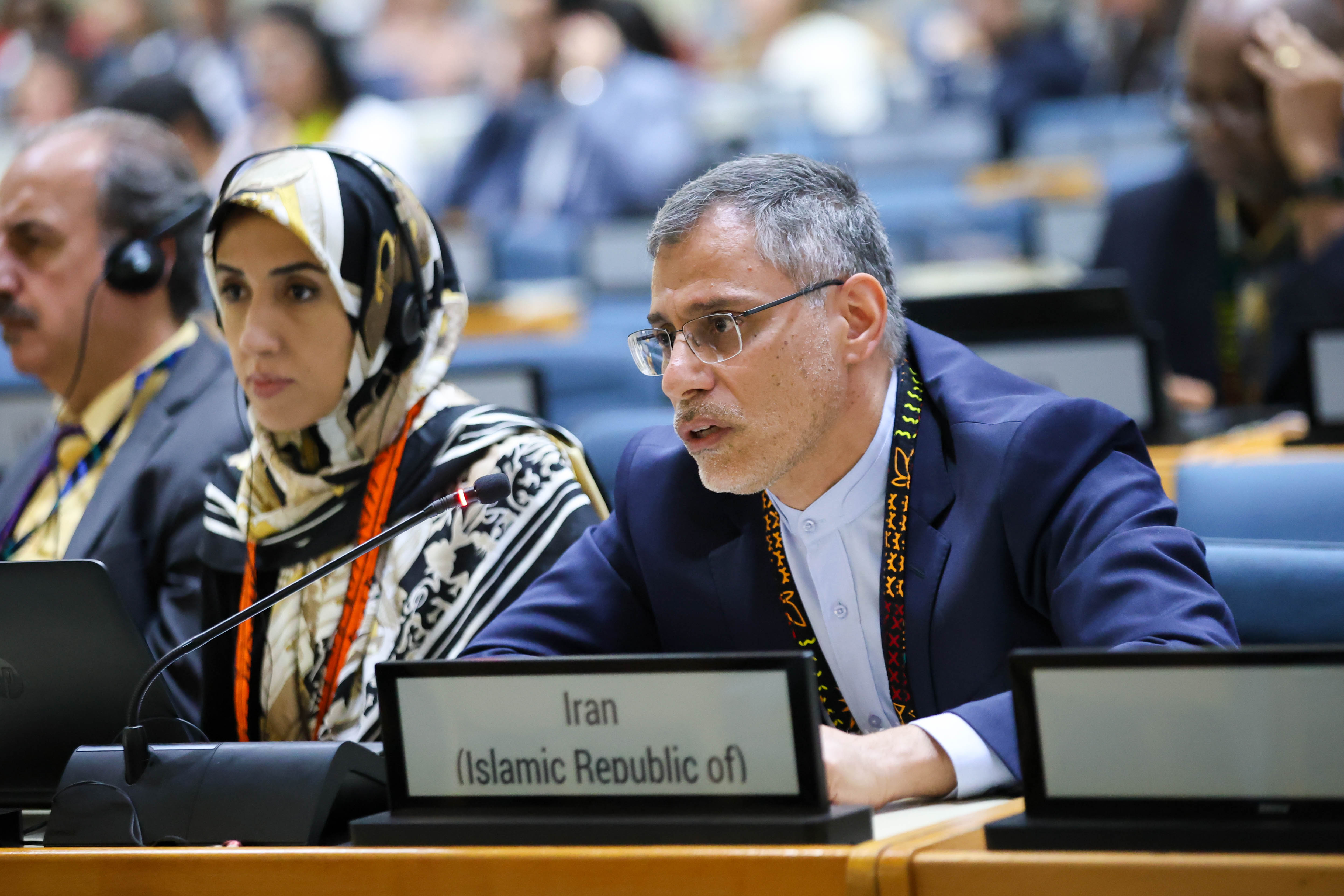
Ali Gholampour, Iran
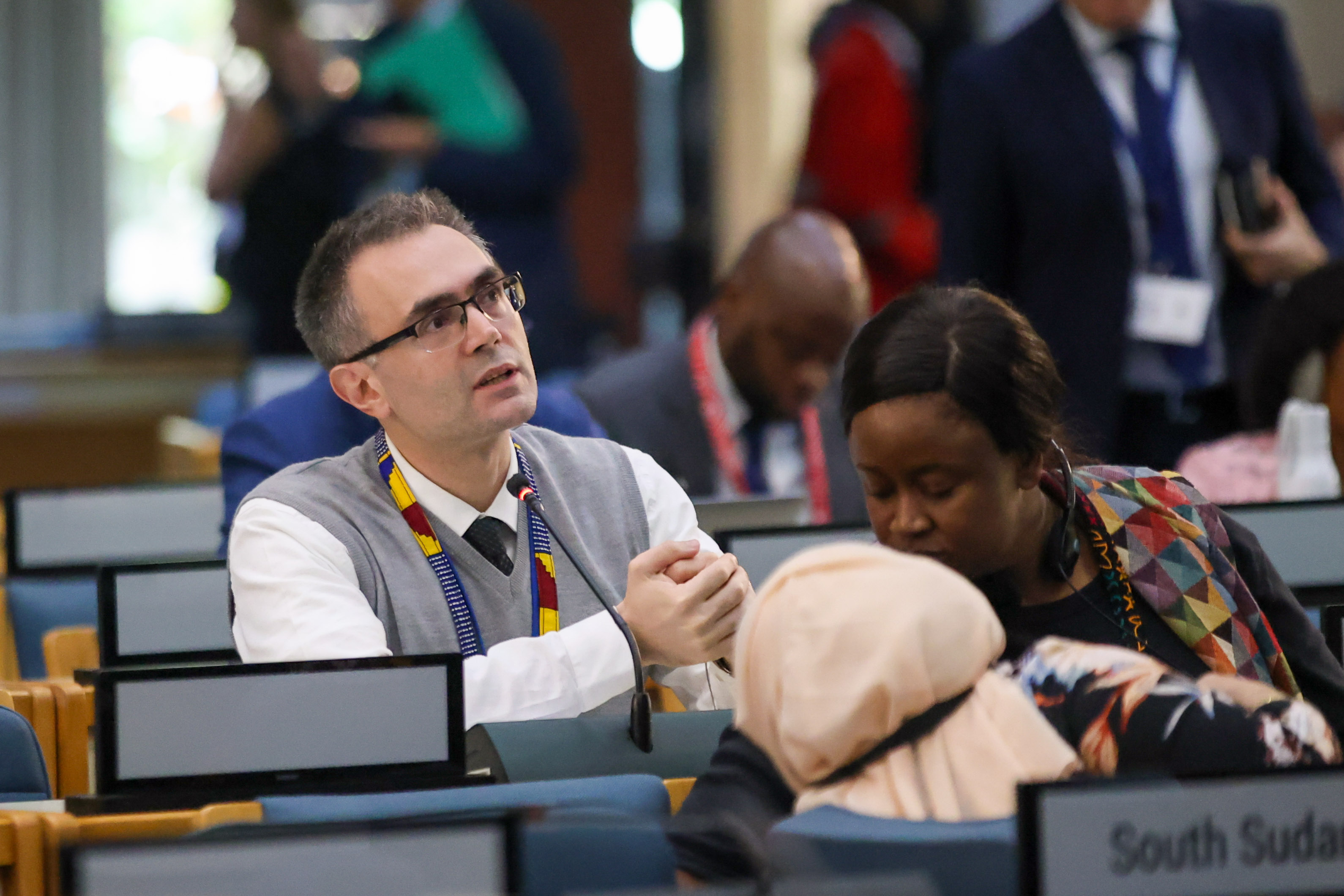
Yusuf Ziya Ayrım, Türkiye
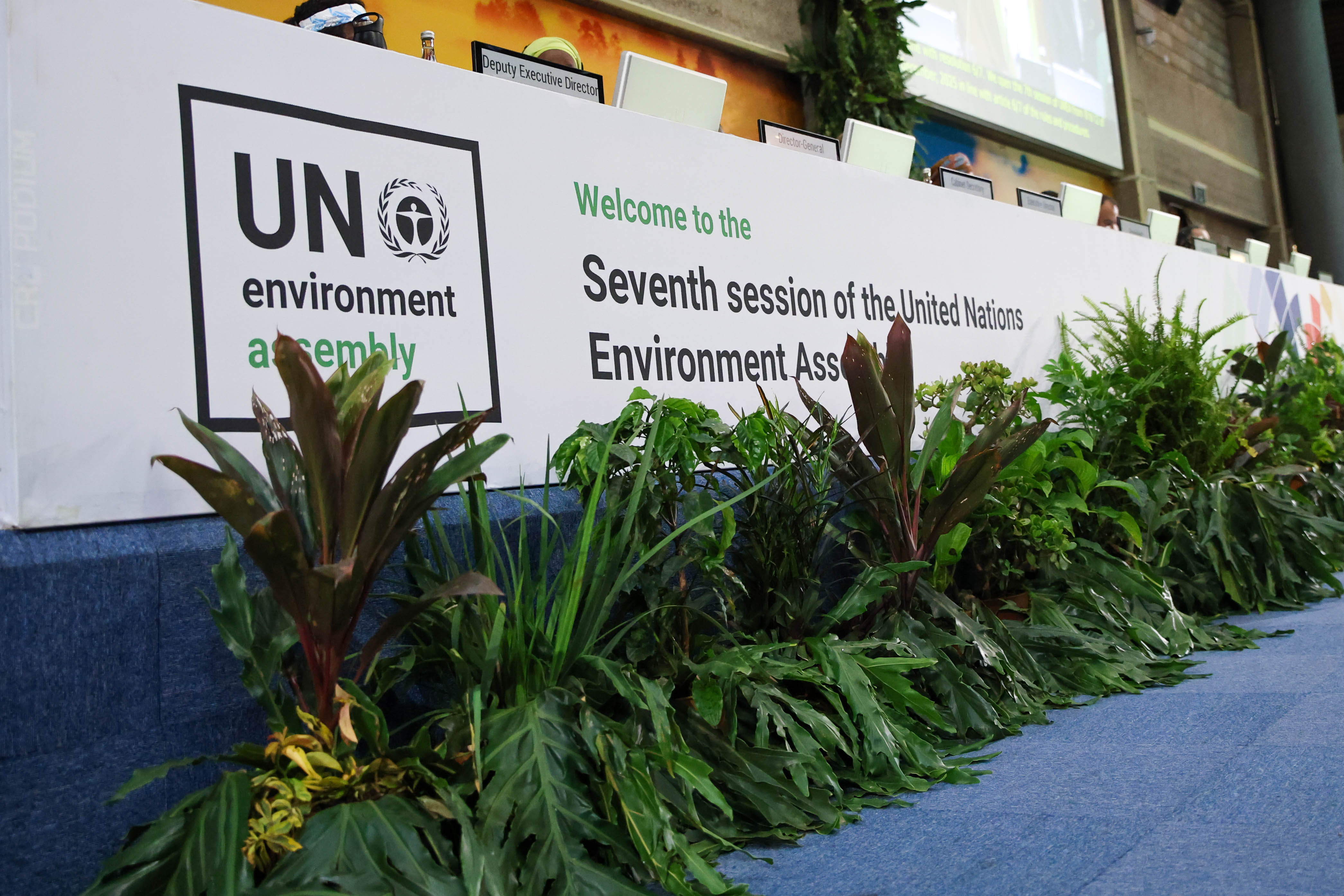
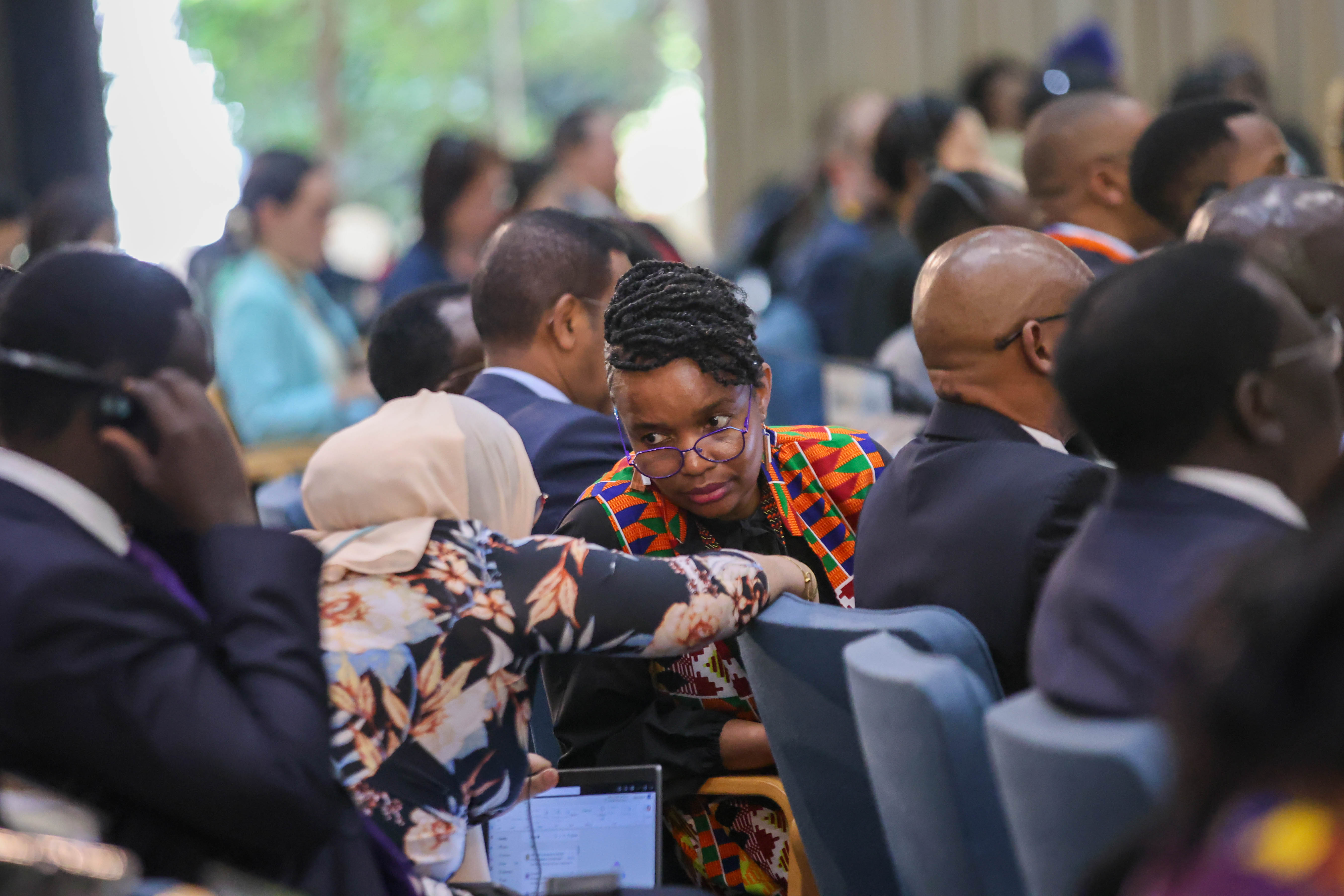

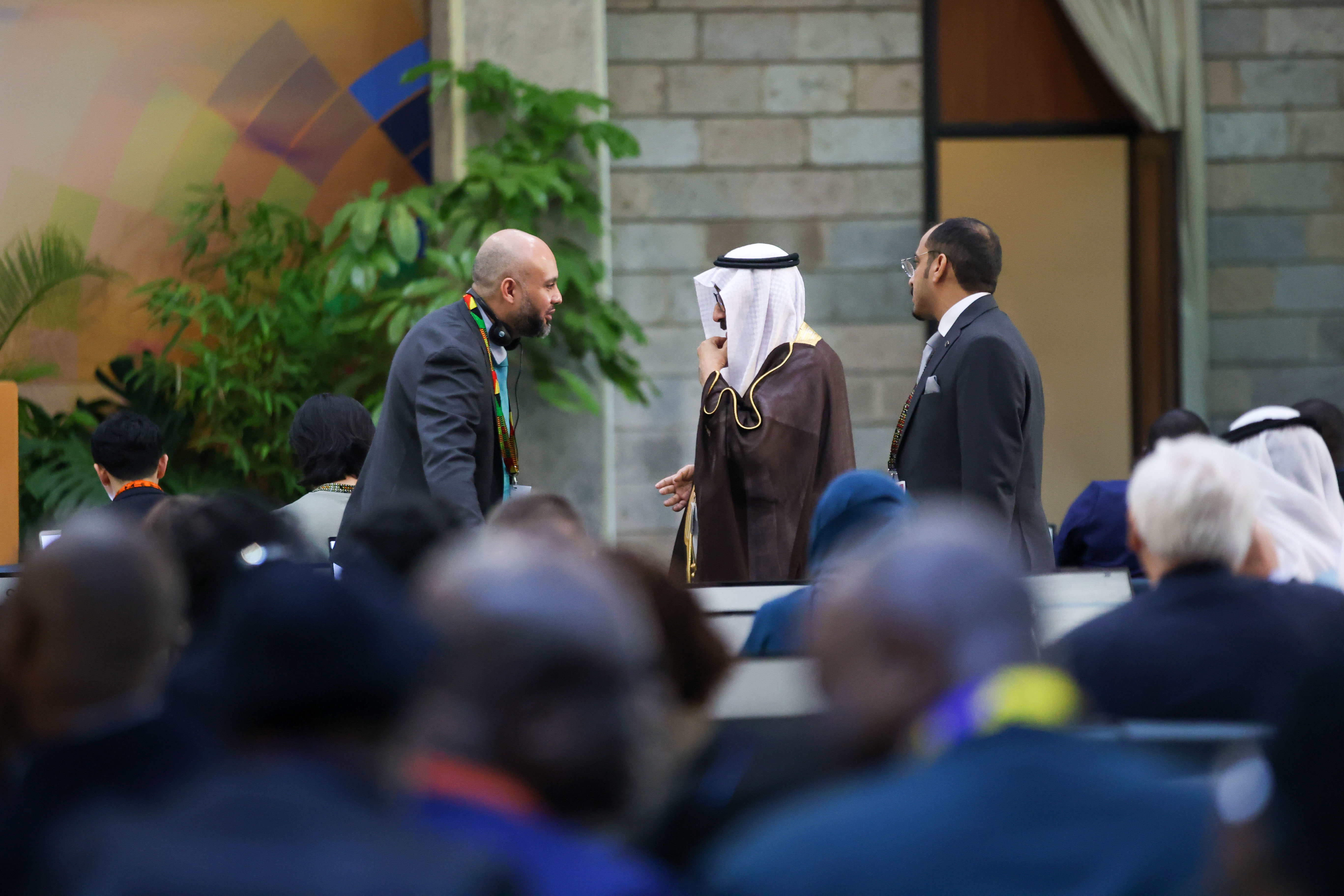

Members of the Secretariat pose for a family photo to celebrate Radhika Ochalik's (center) birthday.
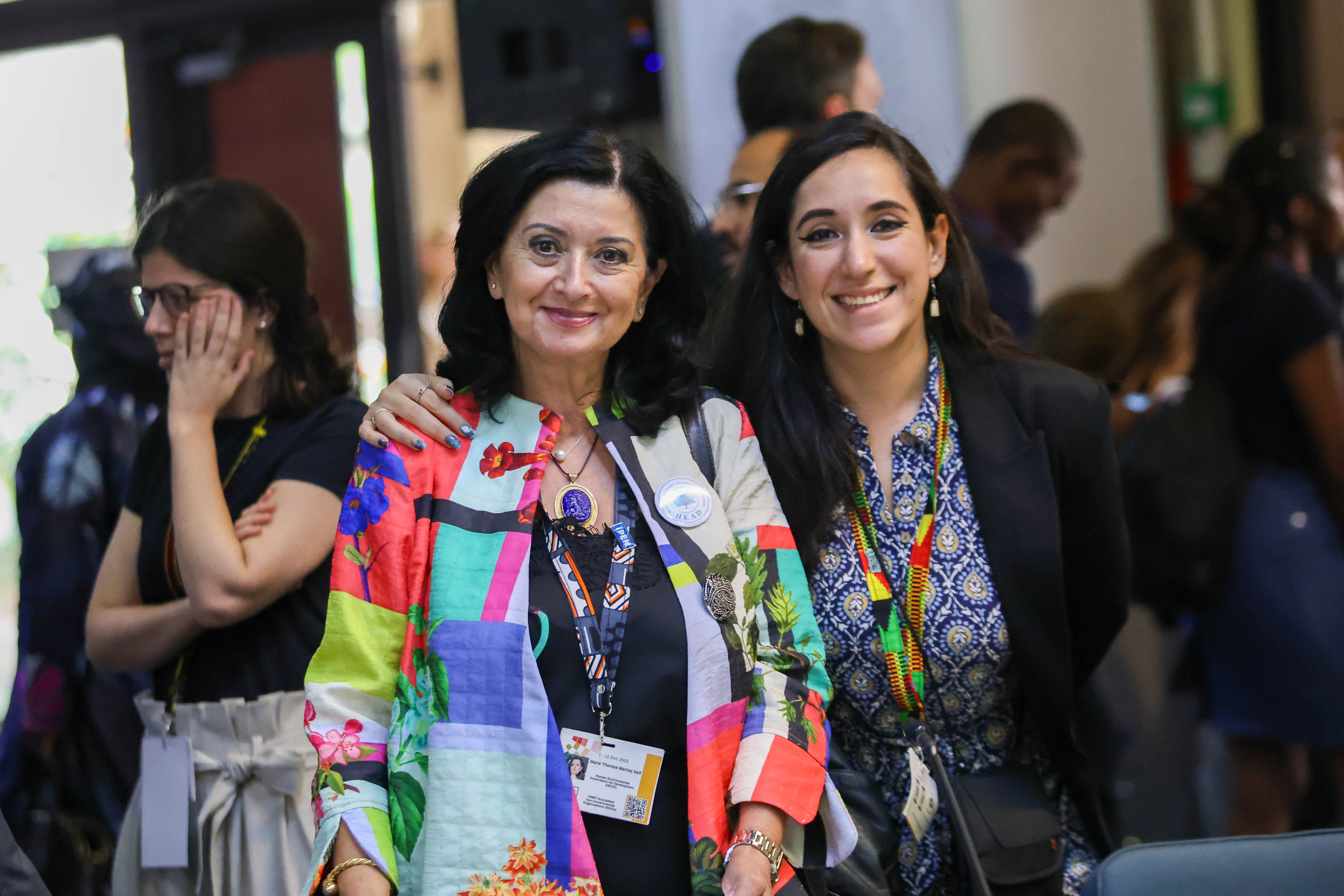
Marie-Therese Merhej Seif and Dalia Márquez, Women's Major Group
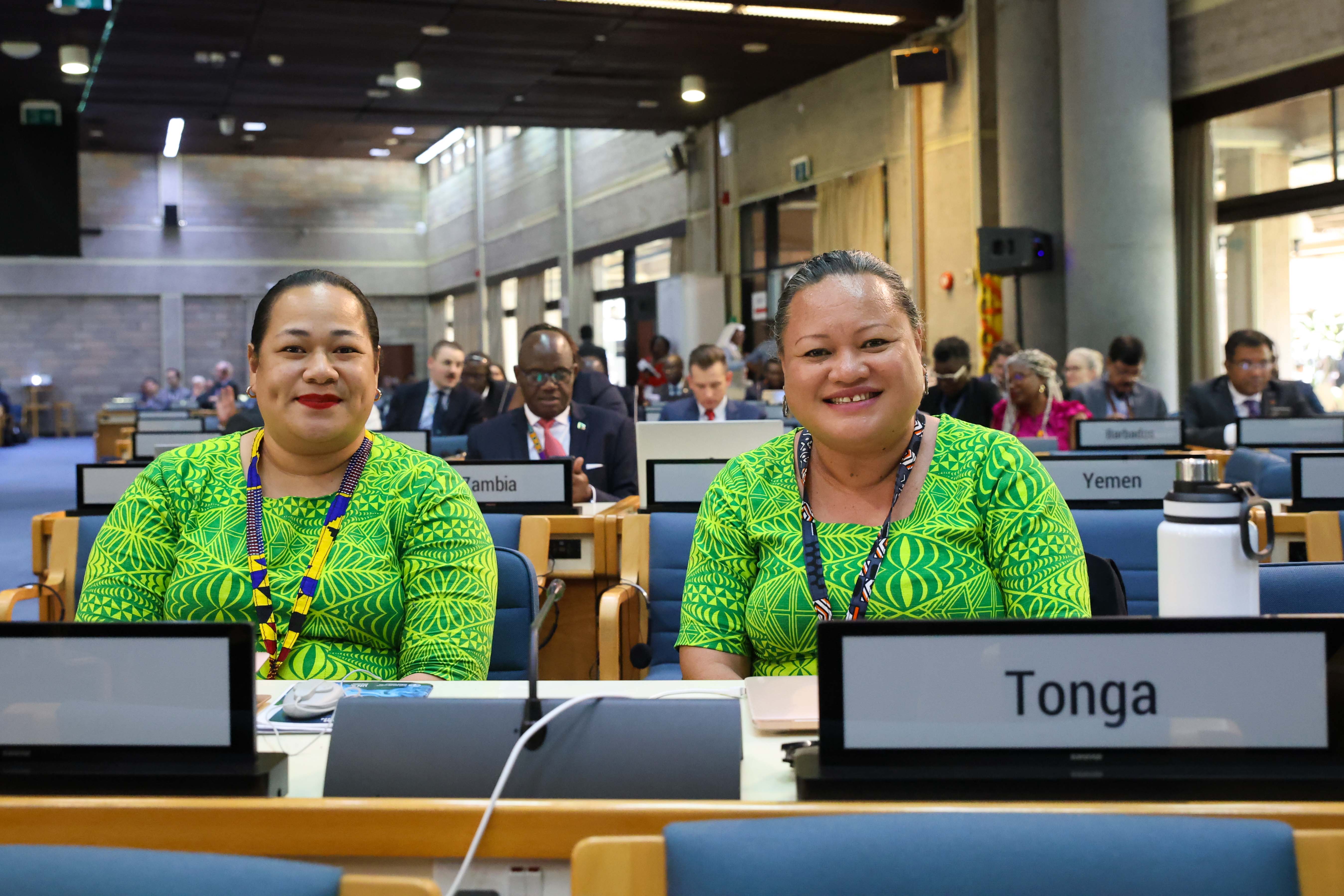
Delegates from Tonga
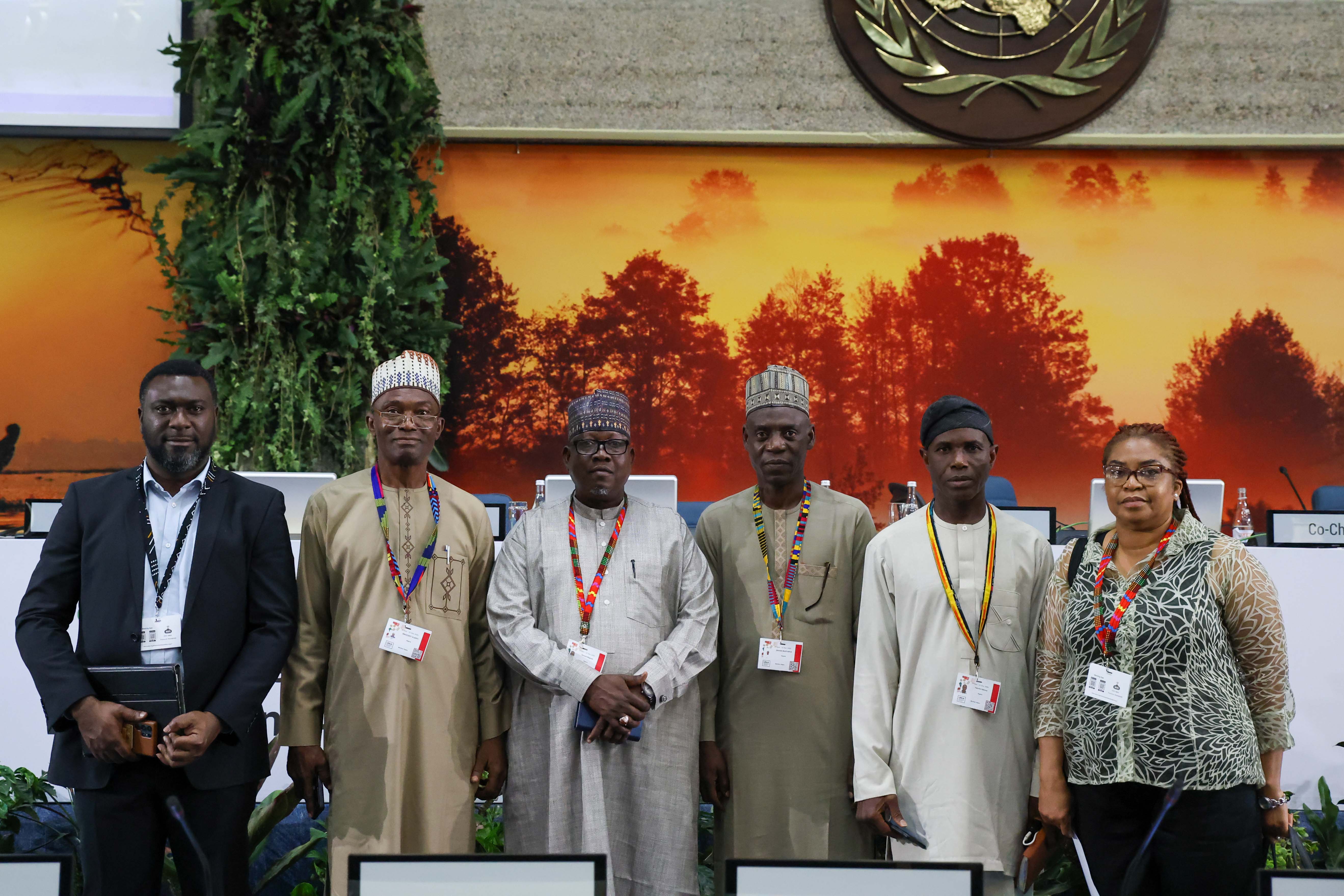
Delegates from Nigeria
Cluster A on Nature and Climate
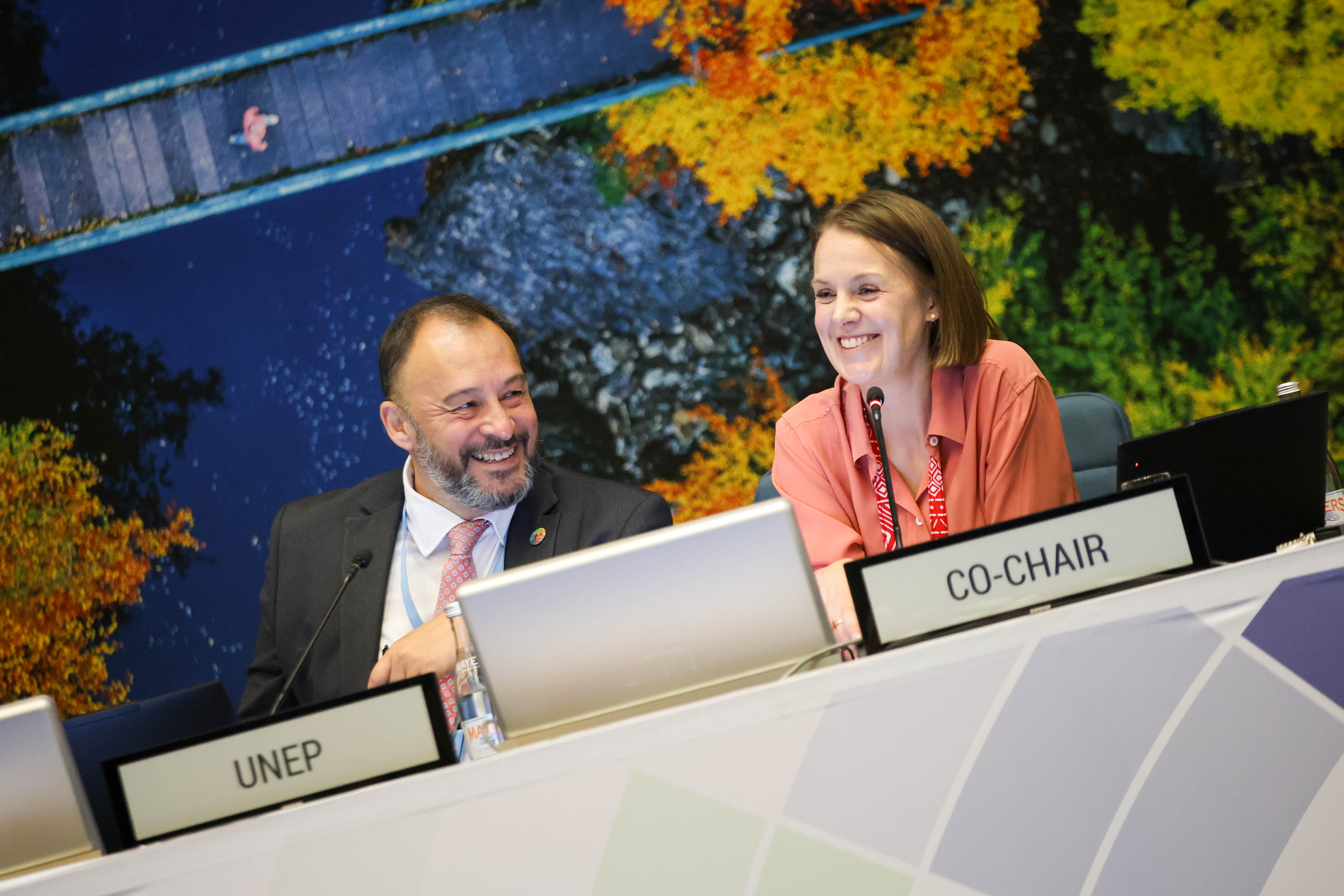
Juan Carlos Vasquez Murillo, Deputy Secretary, Governing Bodies, and Deputy Director, Governance Affairs Office, UNEP, and Marie Haraldstad, Norway, Co-Chair of Cluster A
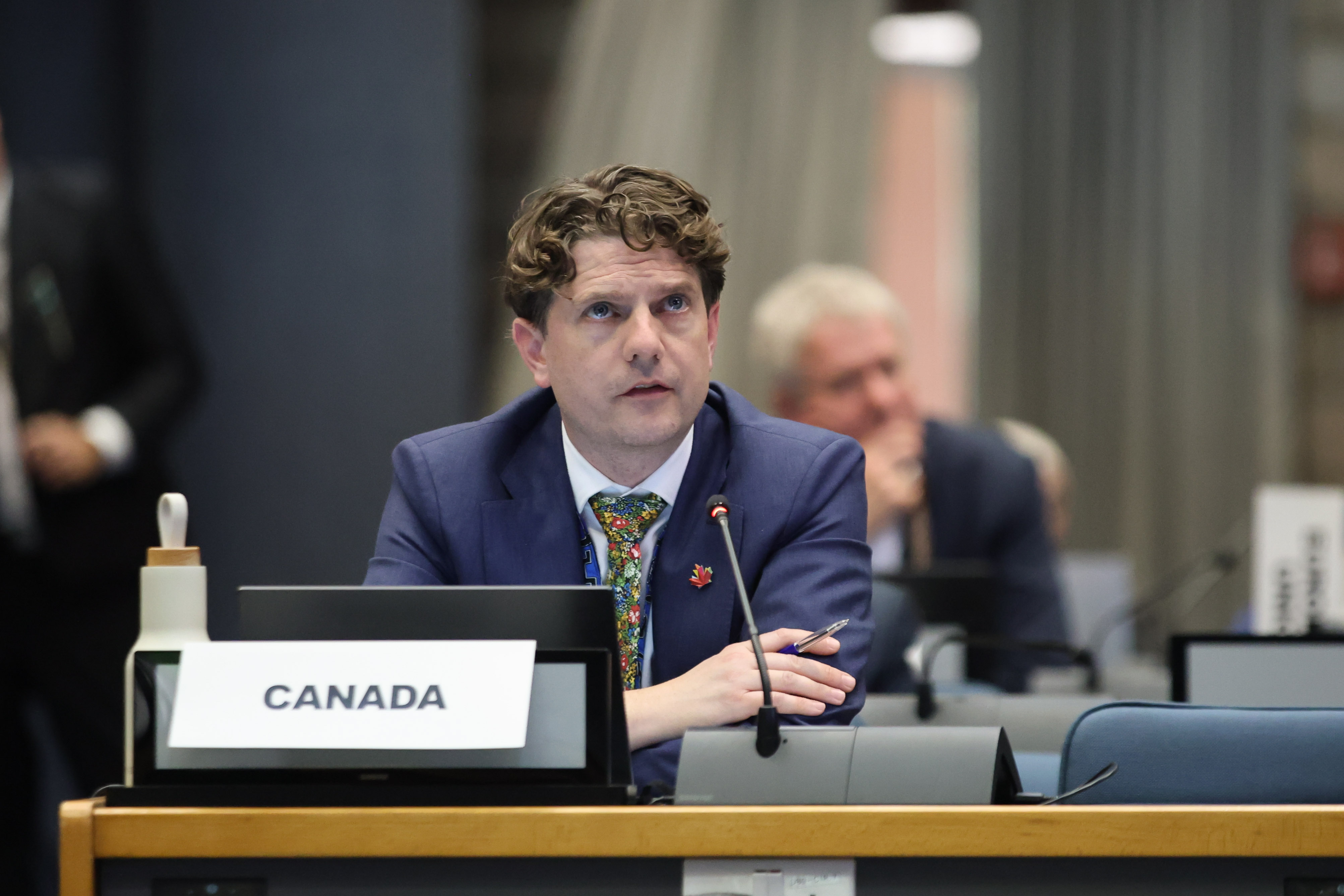
Nicholas Barber, Canada
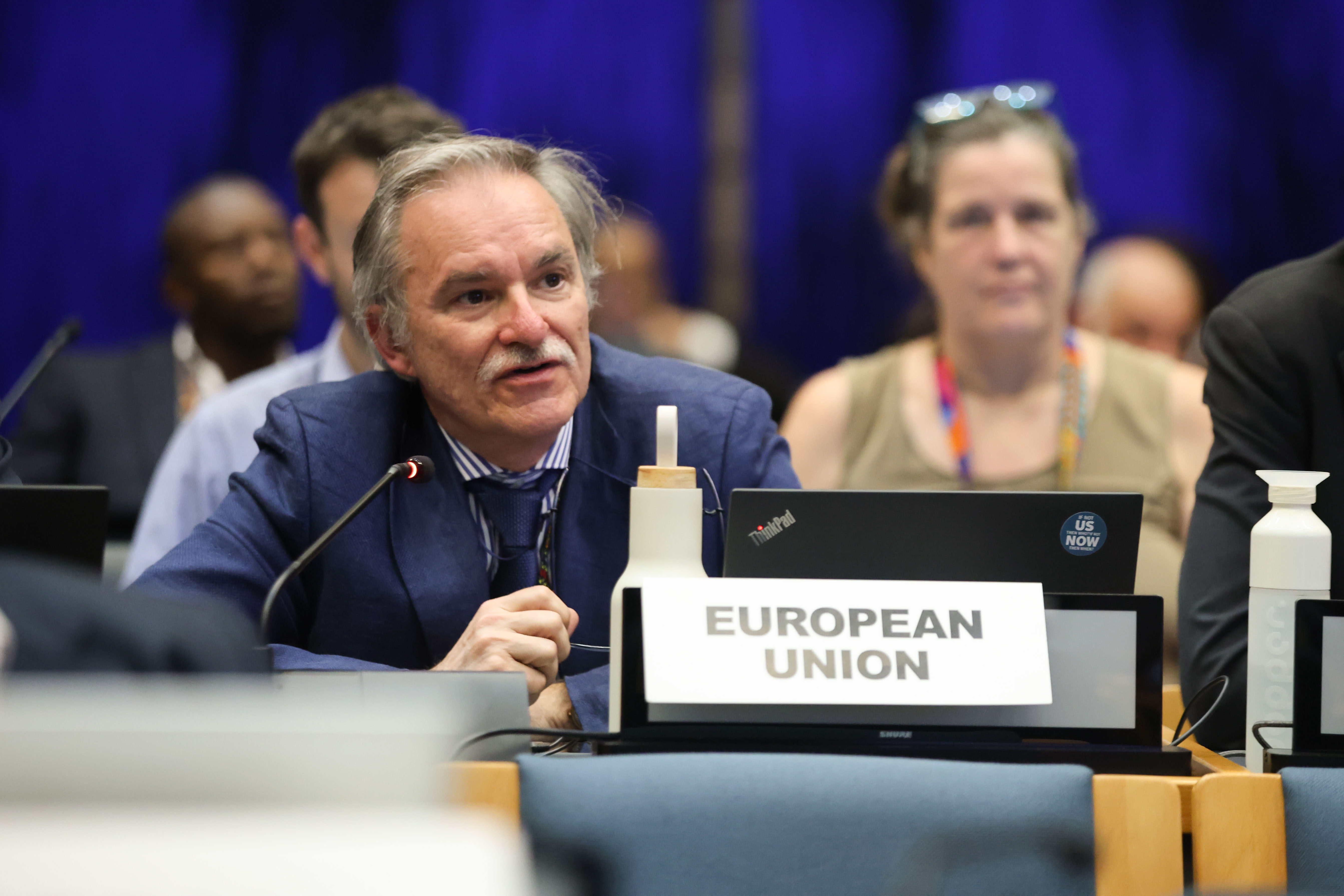
Luca Marmo, EU
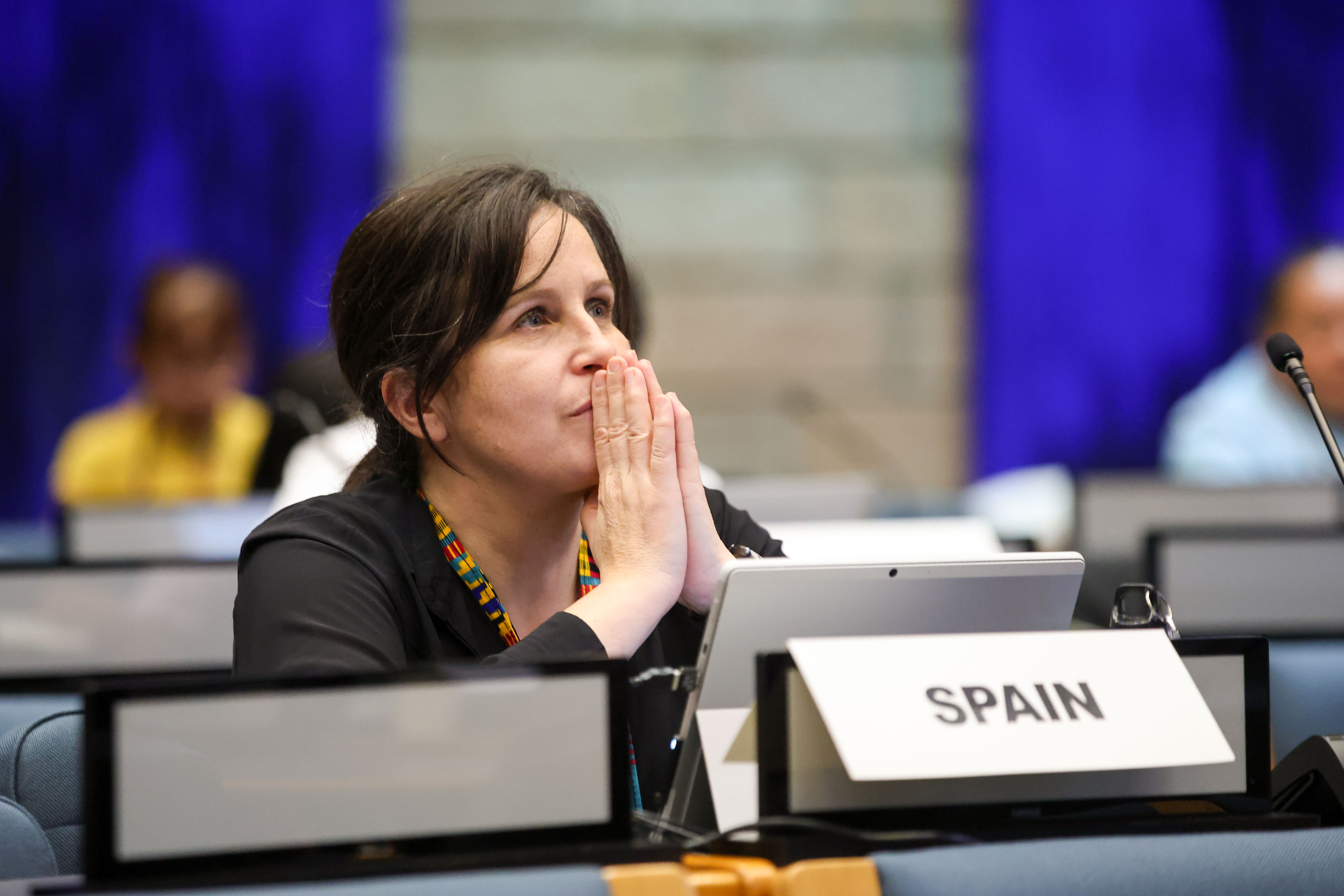
Carmen Coleto Fiaño, Spain
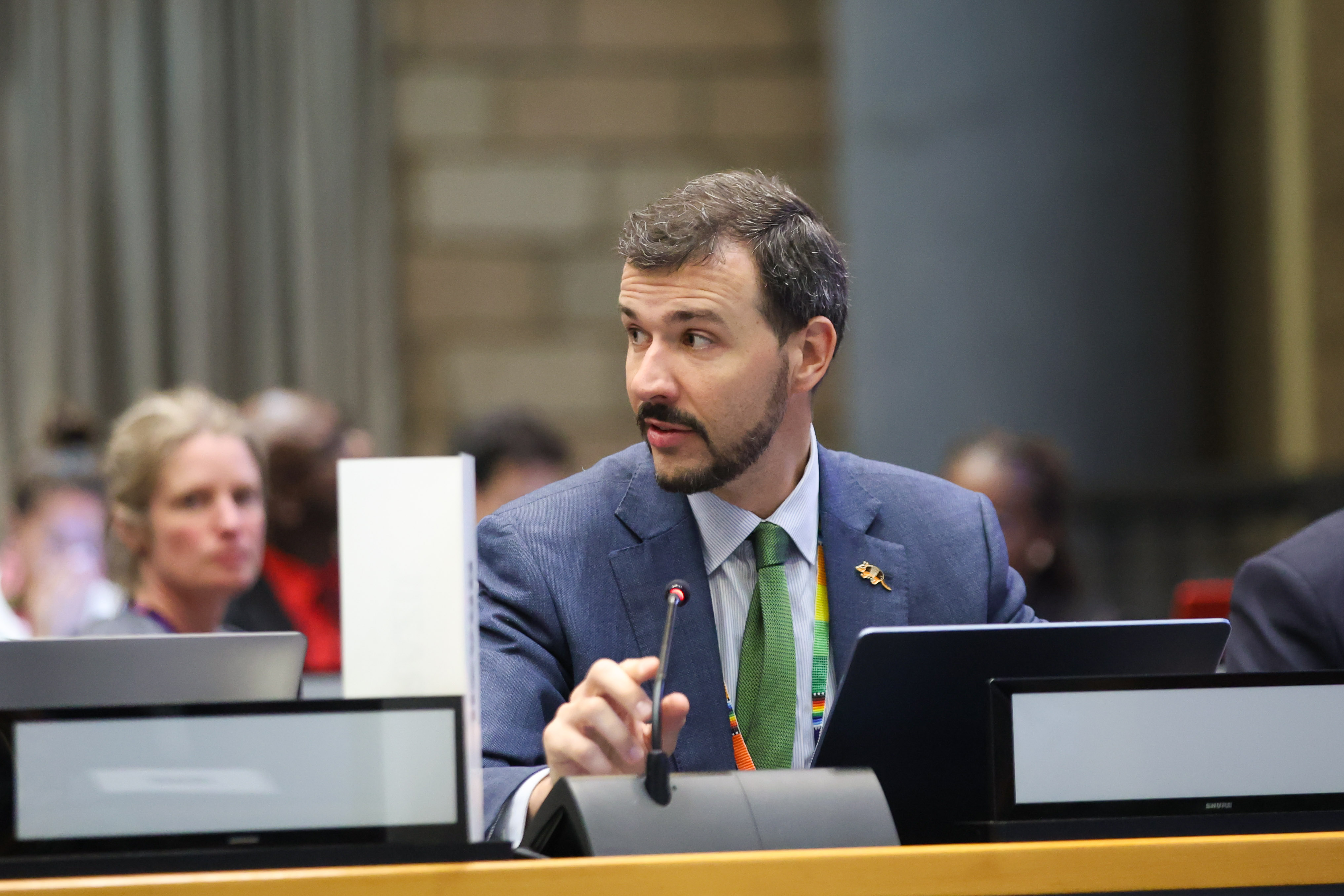
Patrick Luna, Brazil
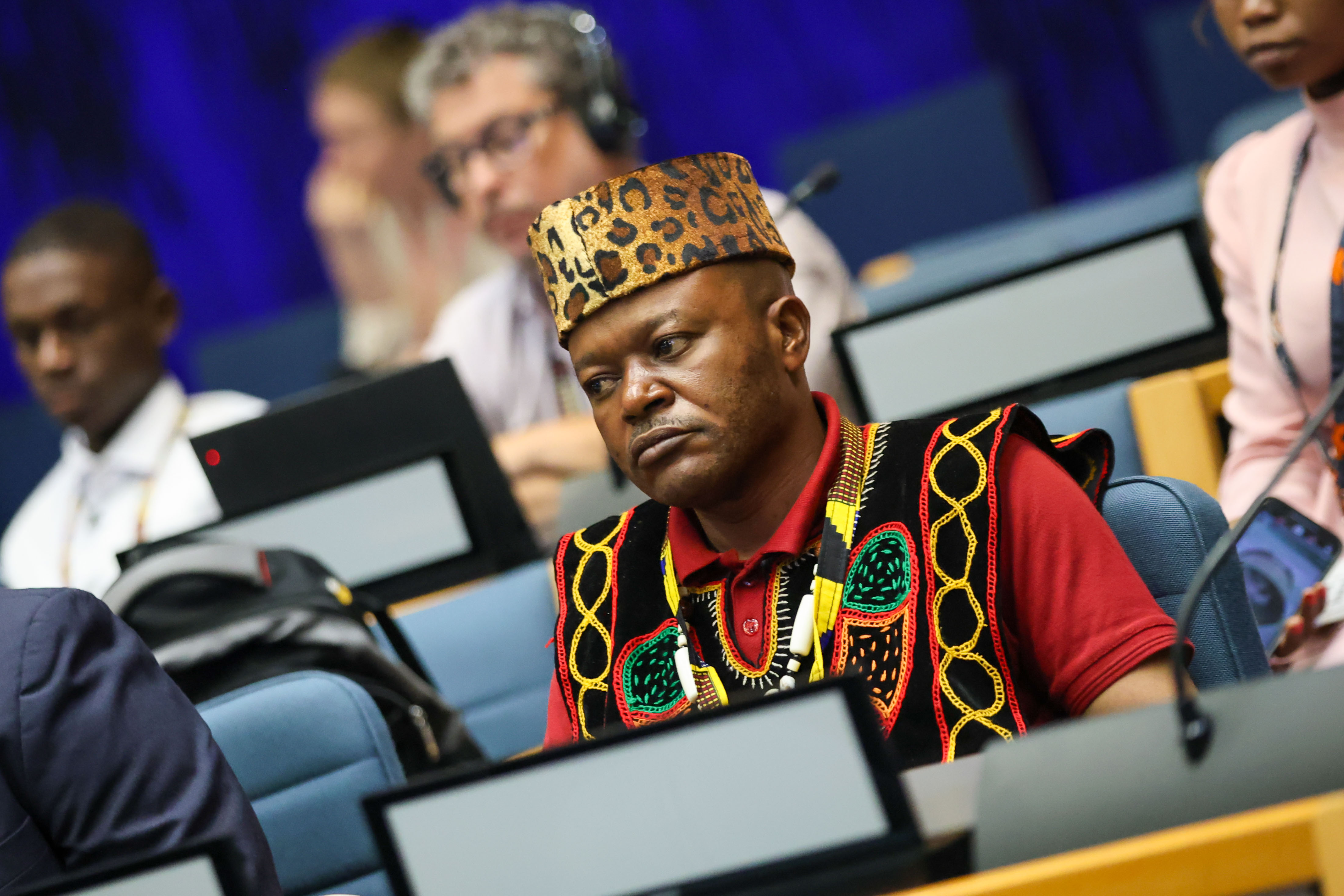
Asimbong Sam Canisius, Environmental Education for a Better Earth Cameroon
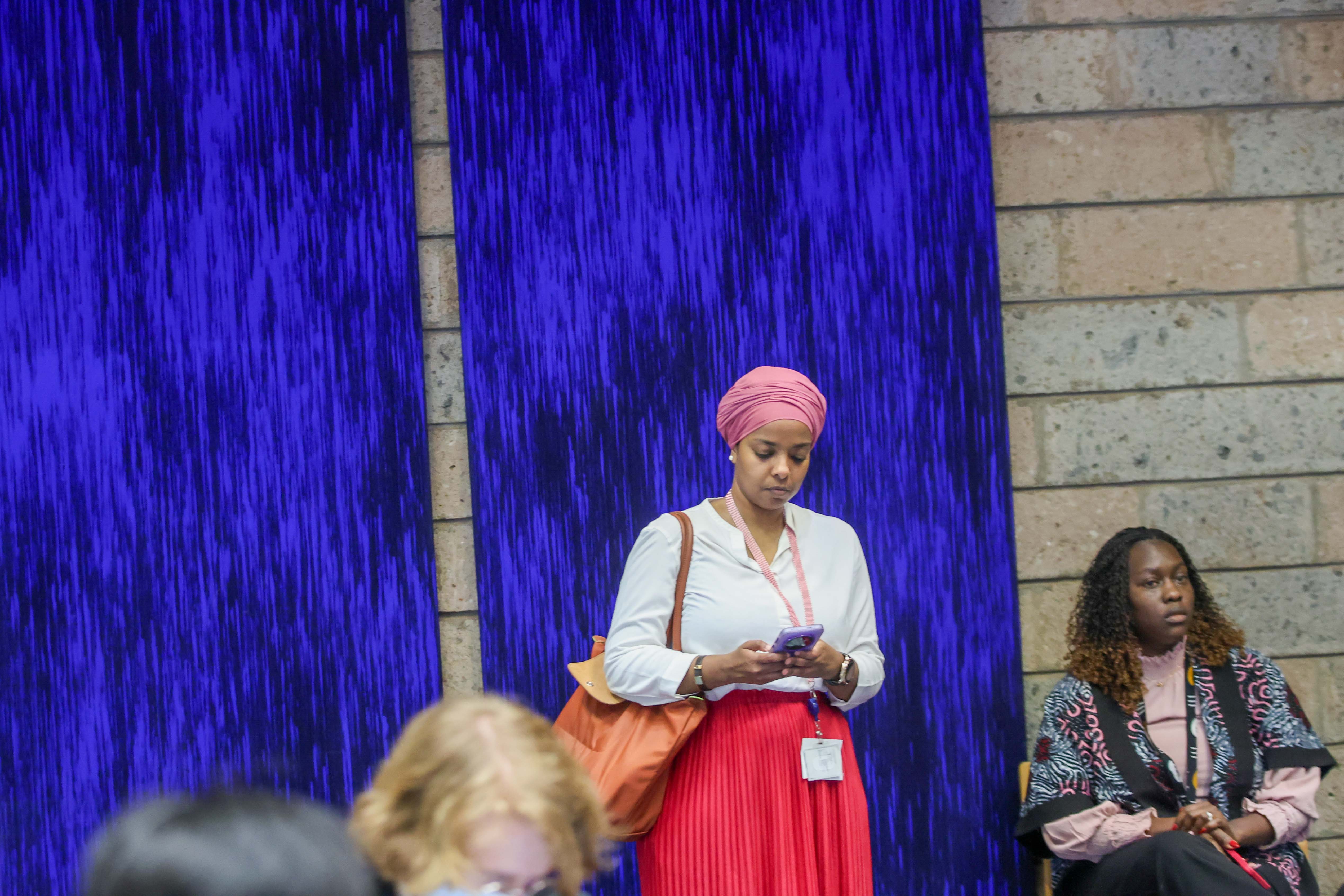
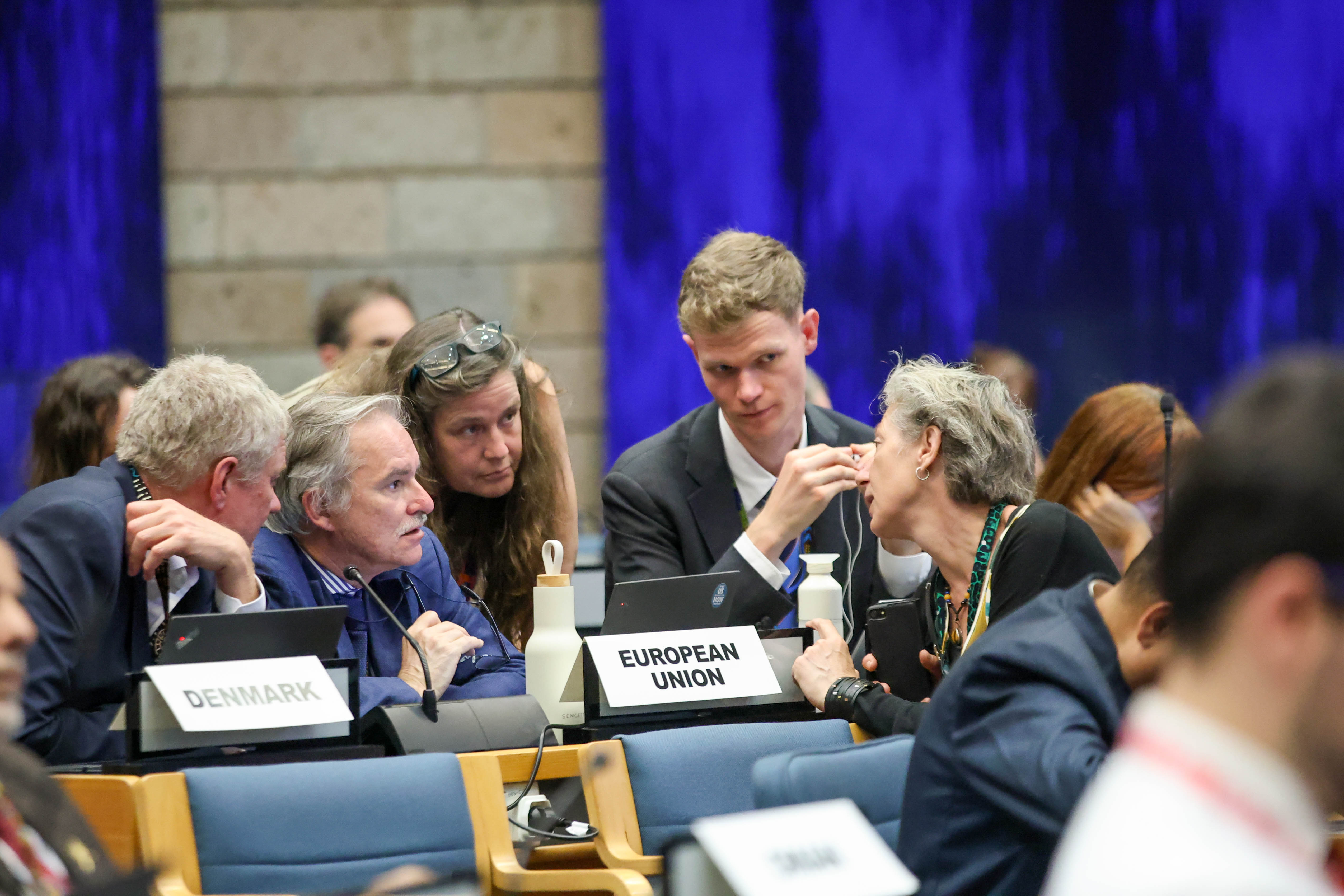
Delegates from the EU consult.
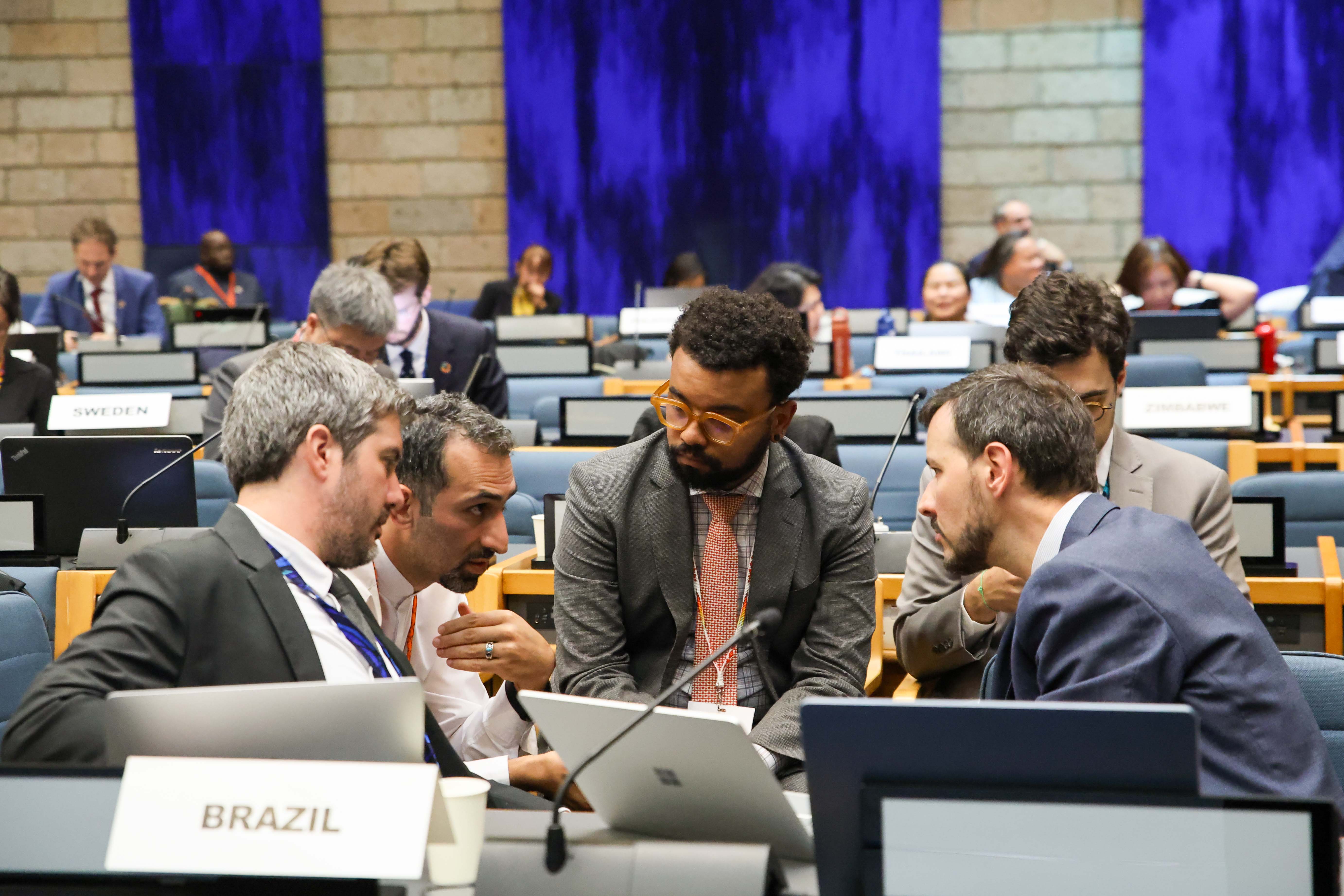
Delegates from Brazil and Iran consult.
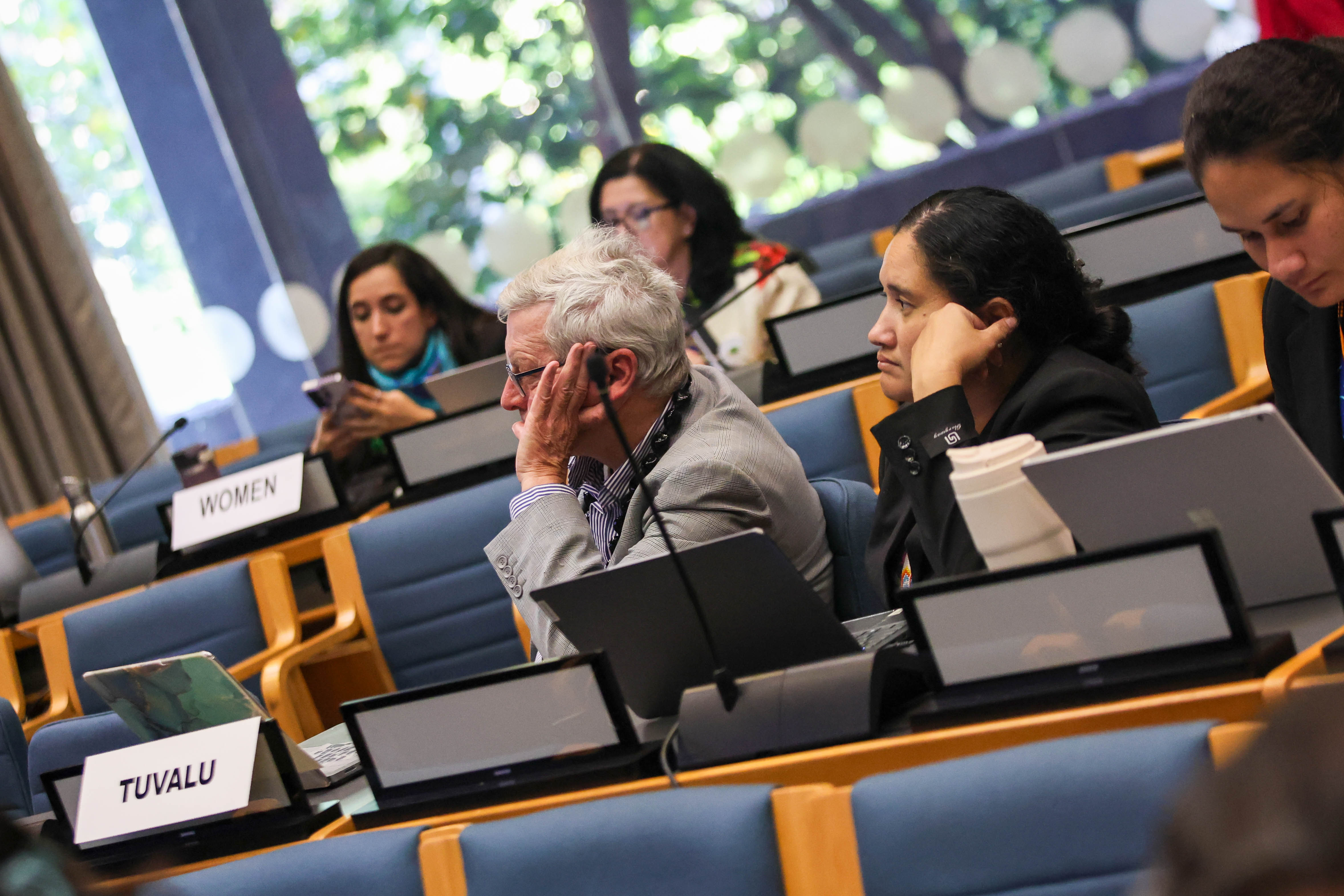
Delegates from Tuvalu listen to the discussions.
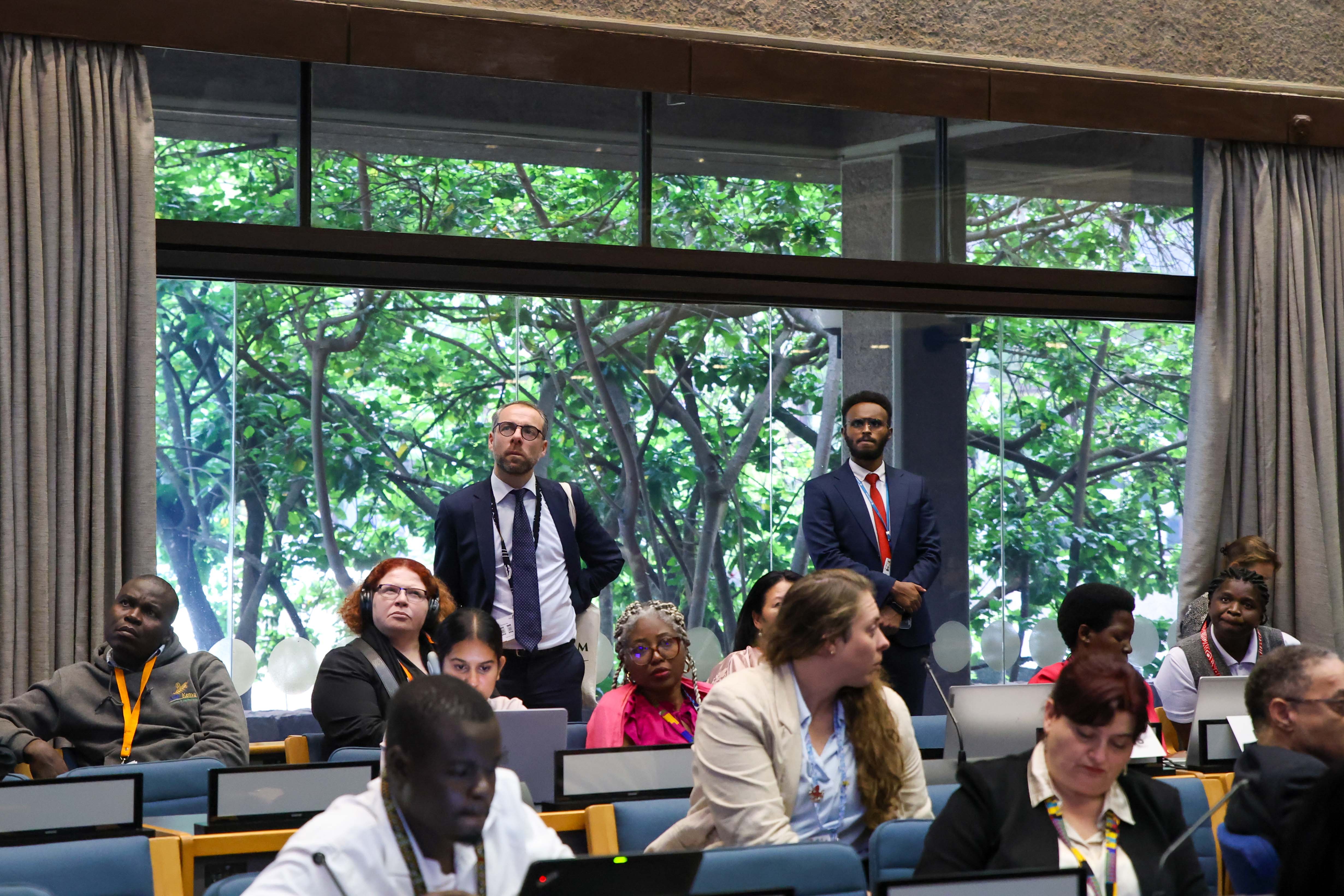
Cluster B on Governance and Law
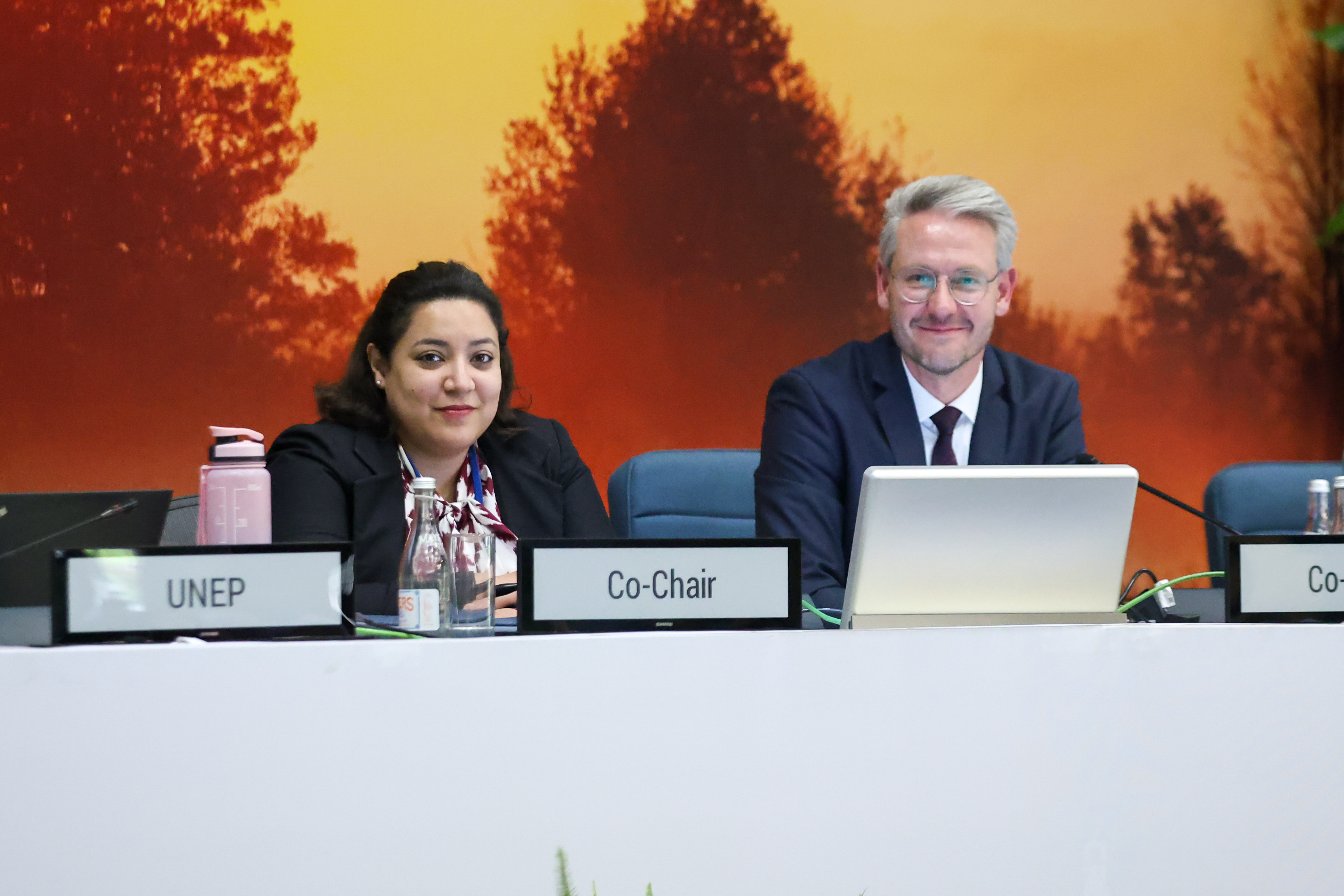
Sara Elkhouly, Egypt, and Martin Röw, Germany, Co-Chairs of Cluster B
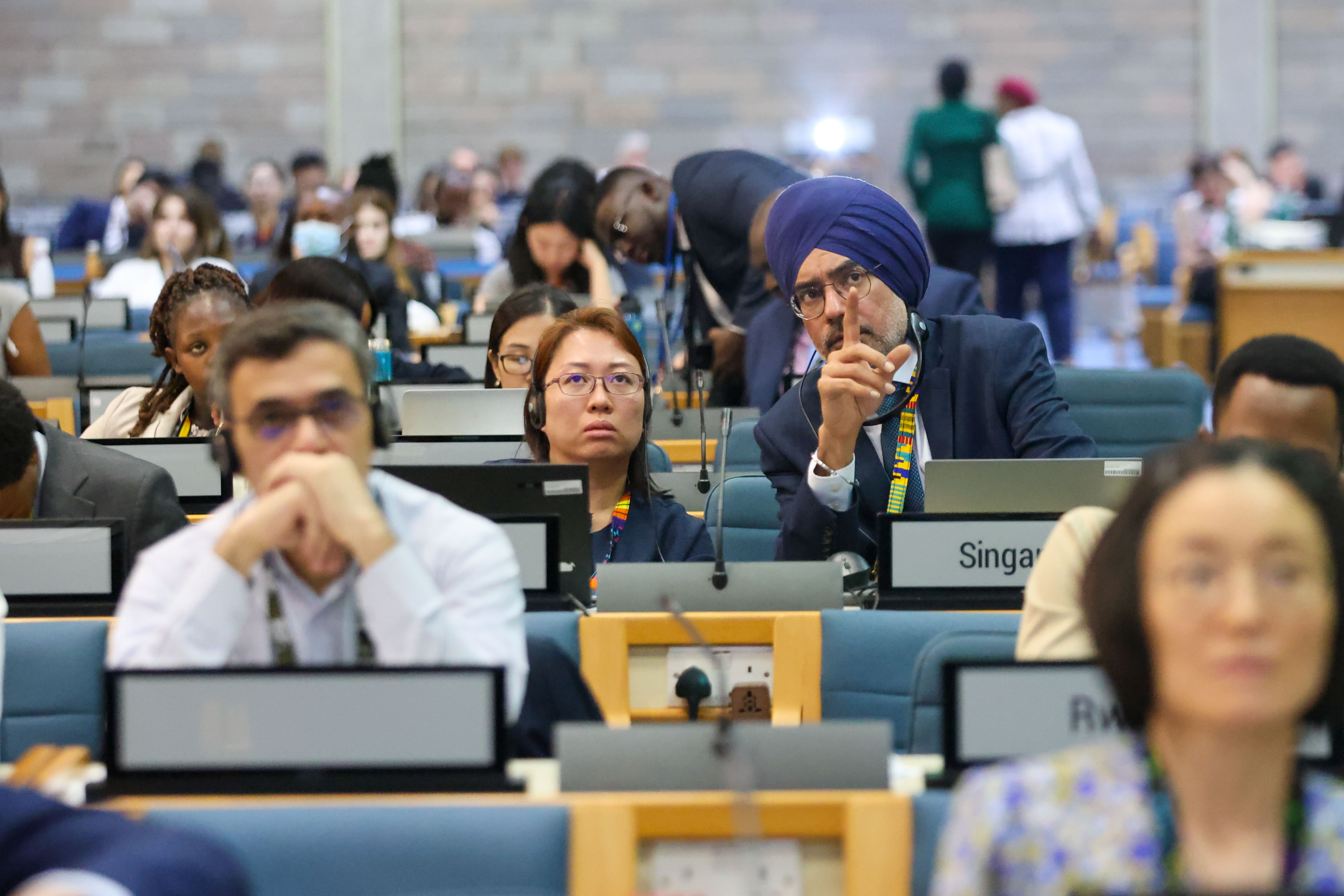
Delegates from Singapore
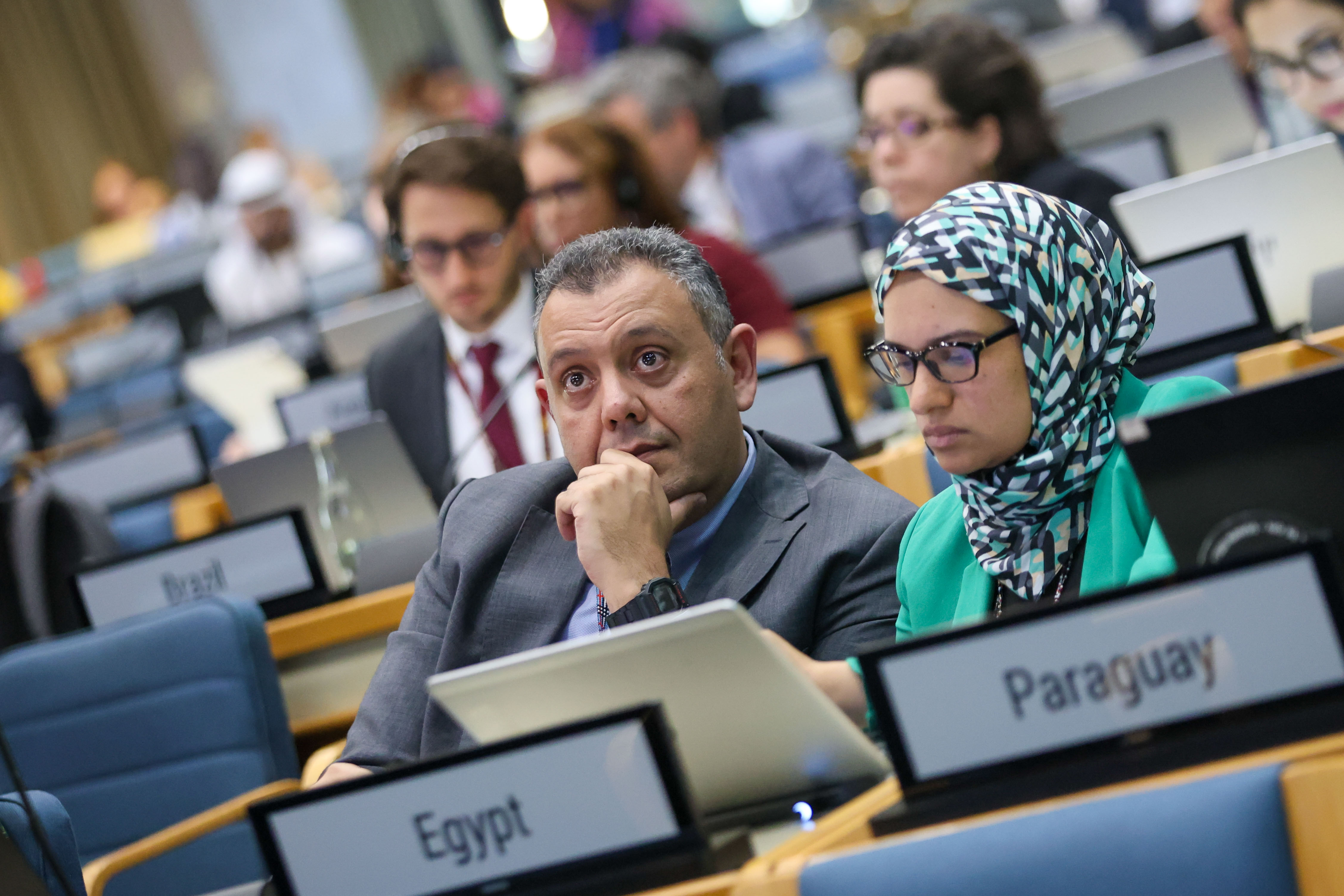
Delegates from Egypt
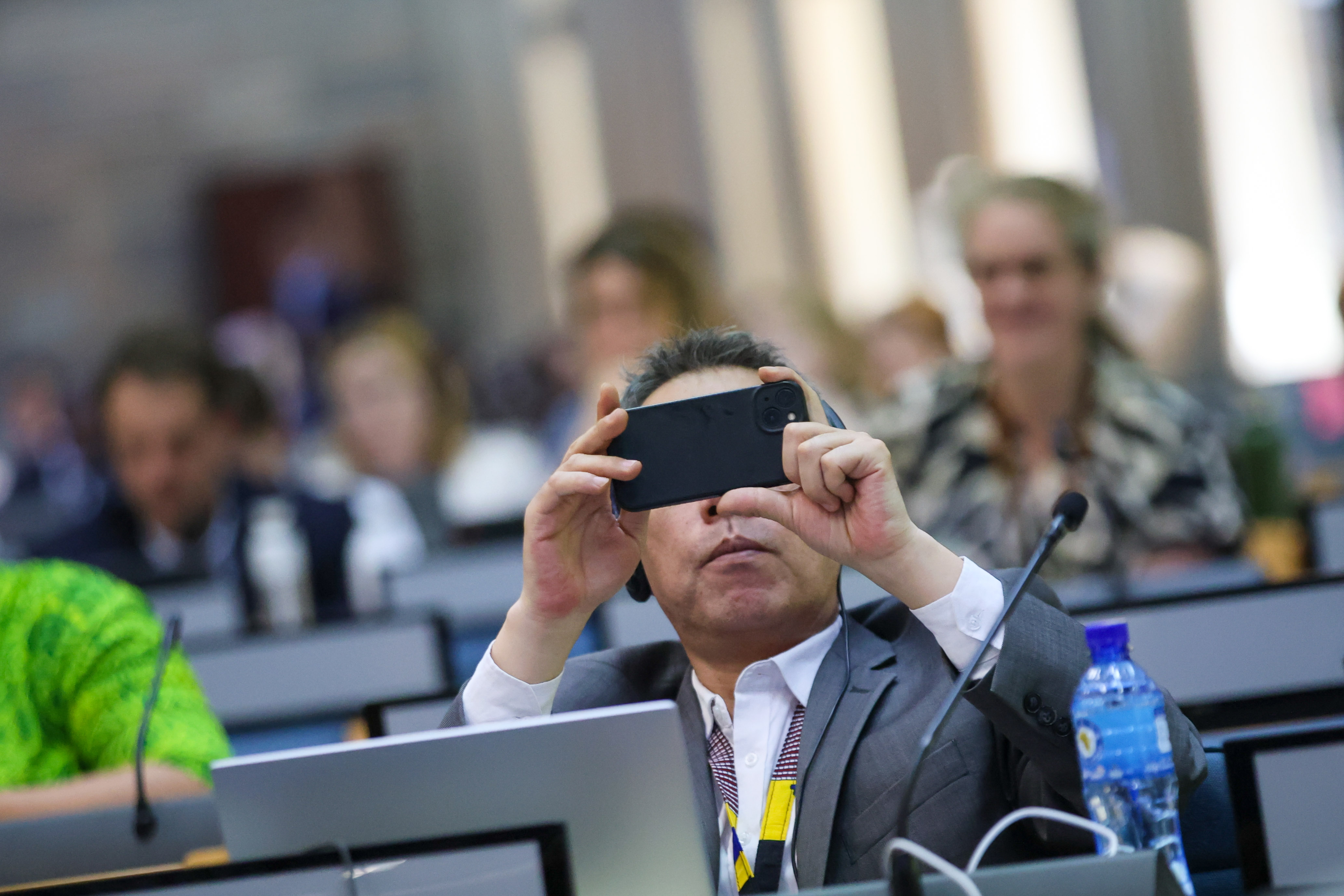
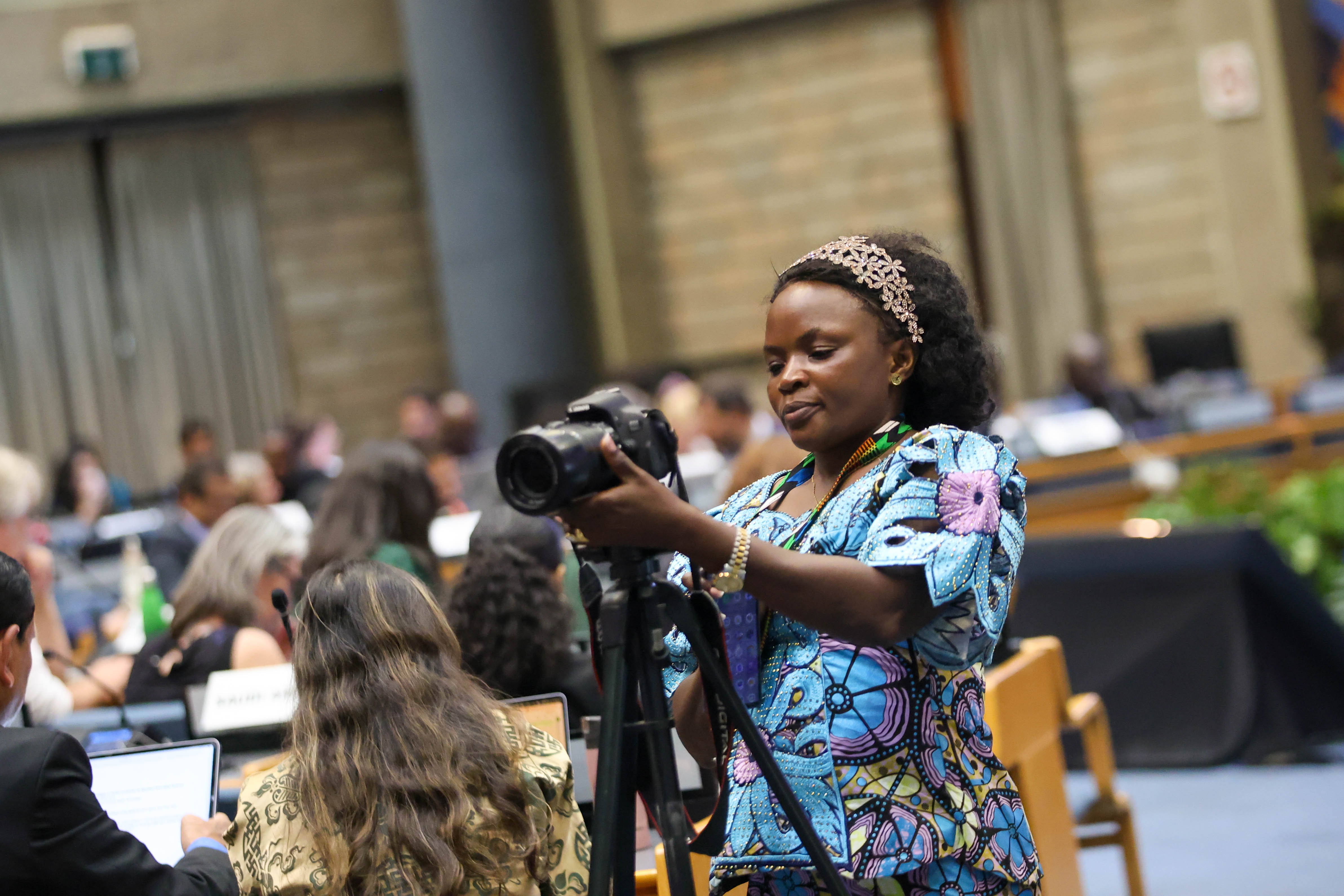
A delegate takes a picture.
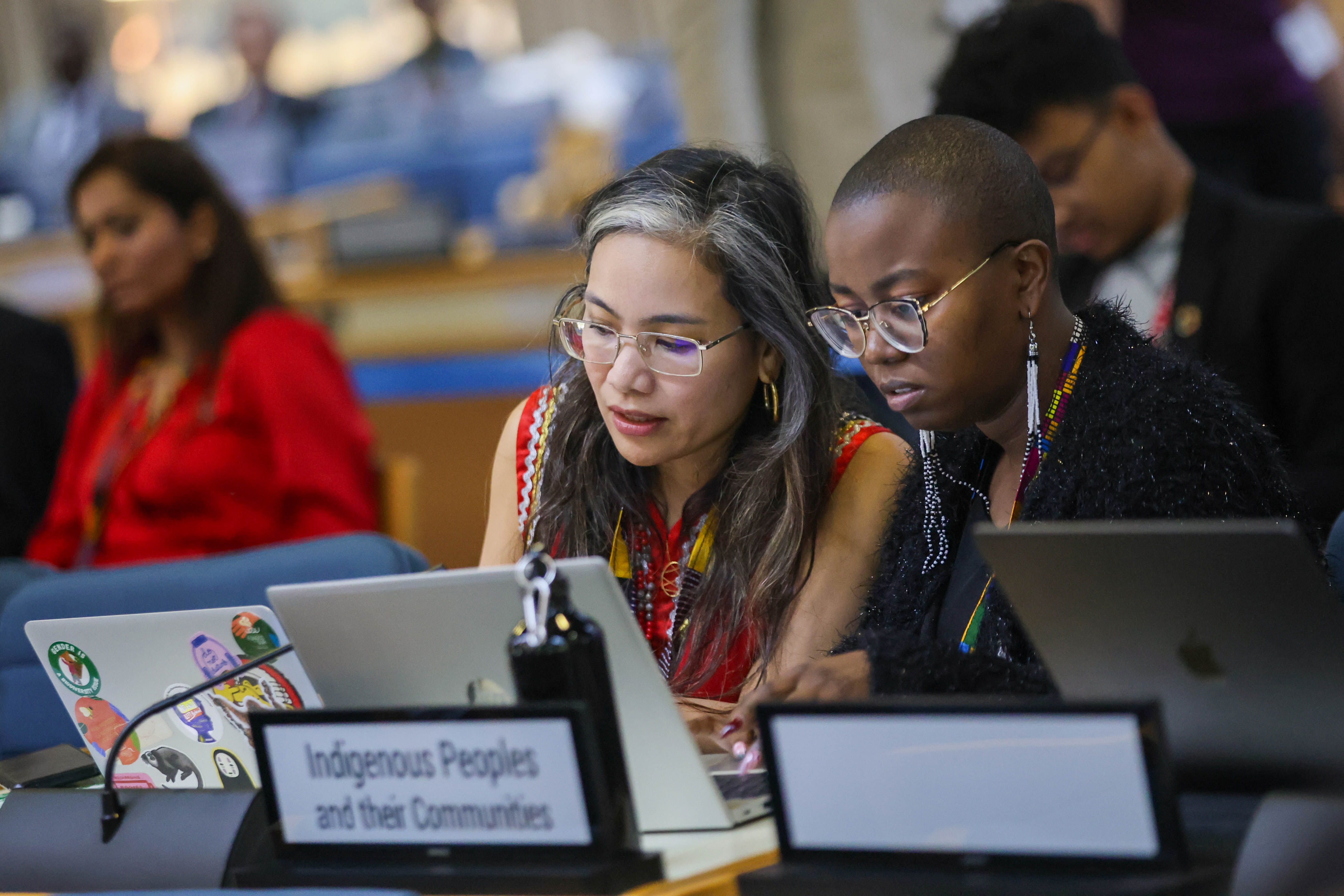
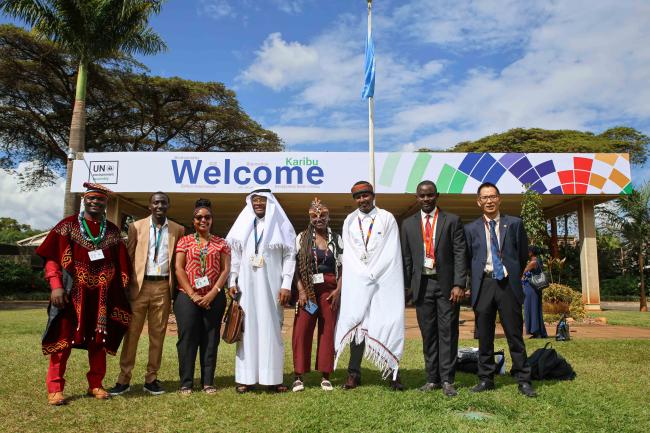
Representatives of Indigenous Peoples and their Communities
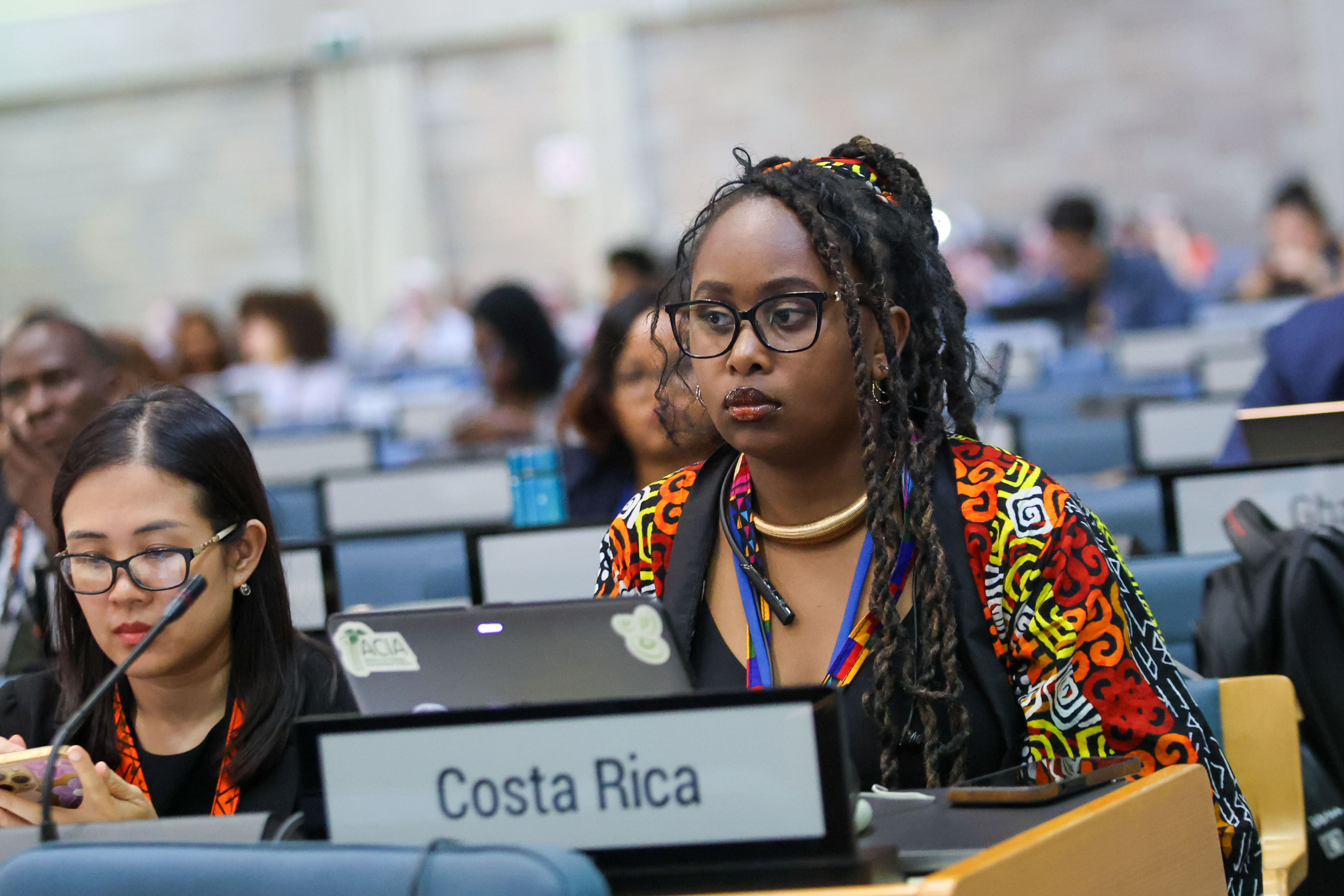
Mitchelle Tendet, Costa Rica
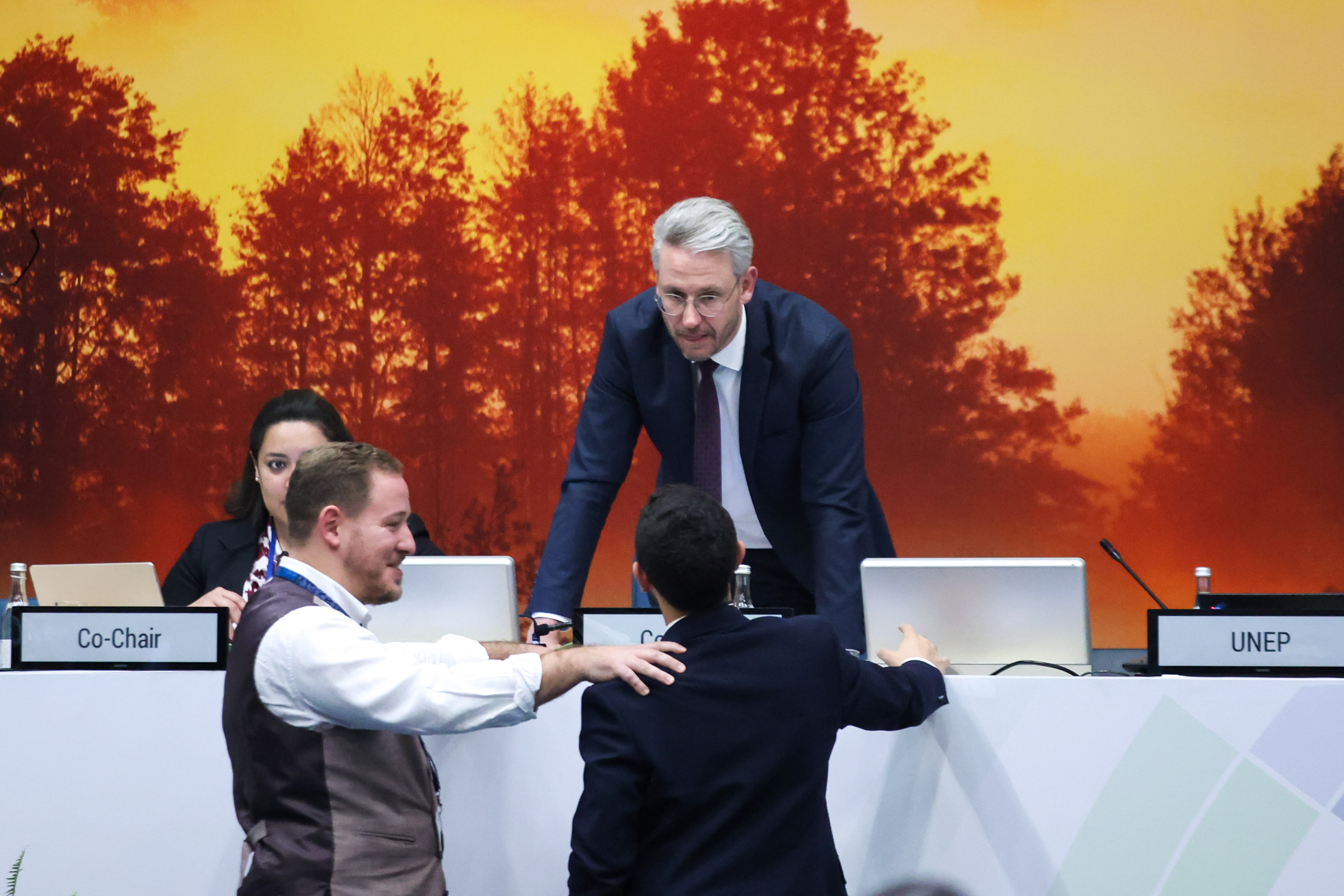
Delegates consult with Martin Röw, Germany, Co-Chair of Cluster B.
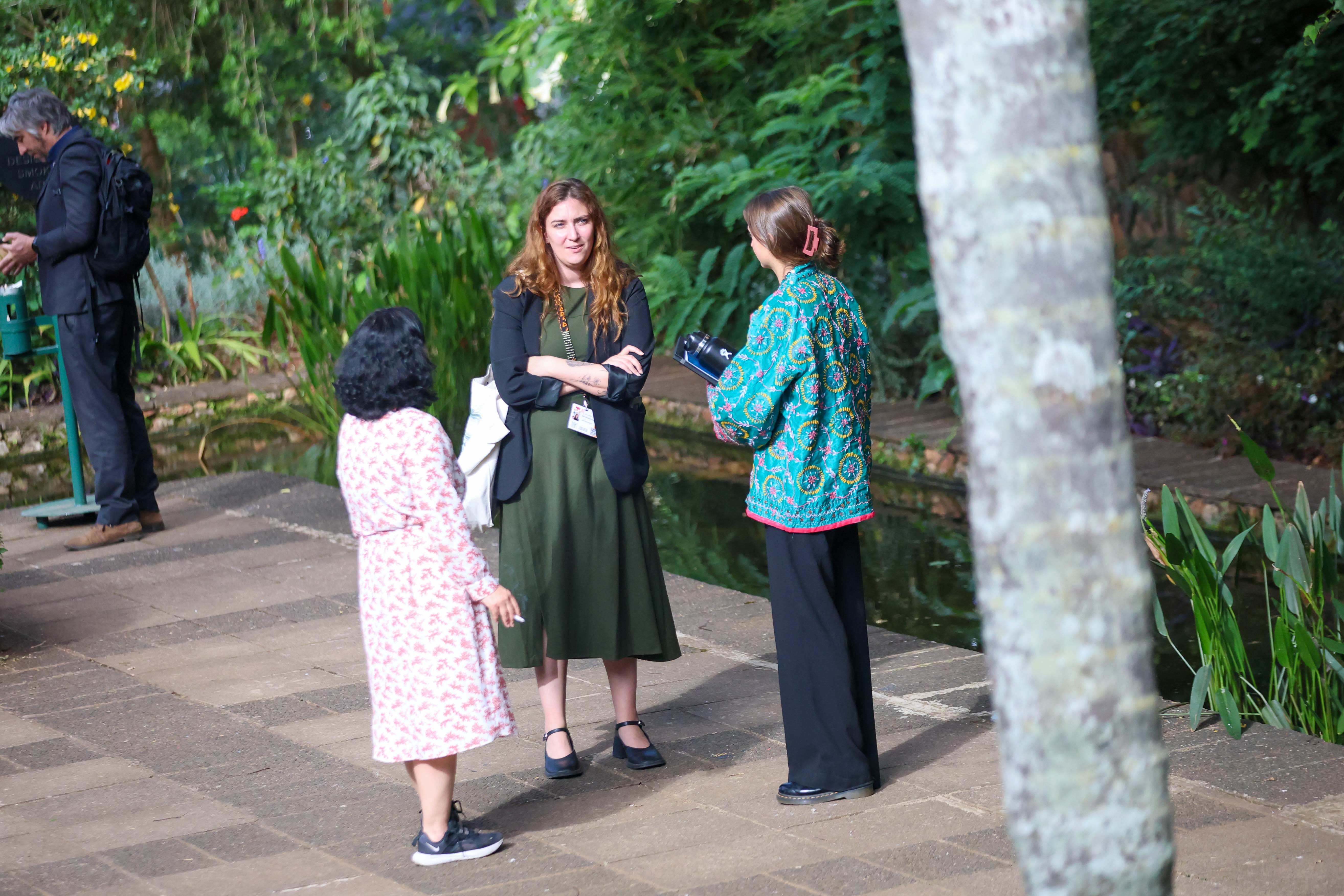
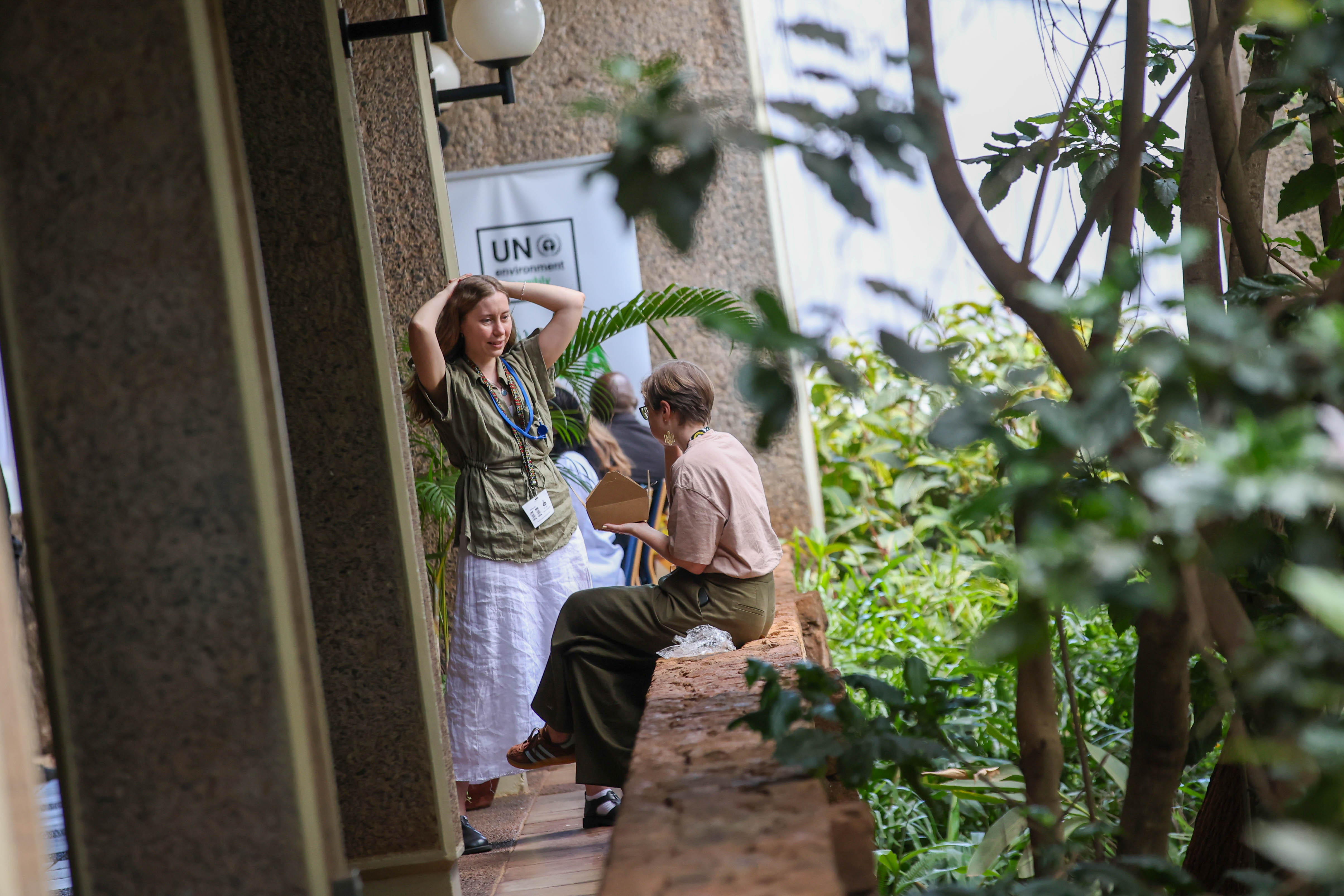
Between Sessions
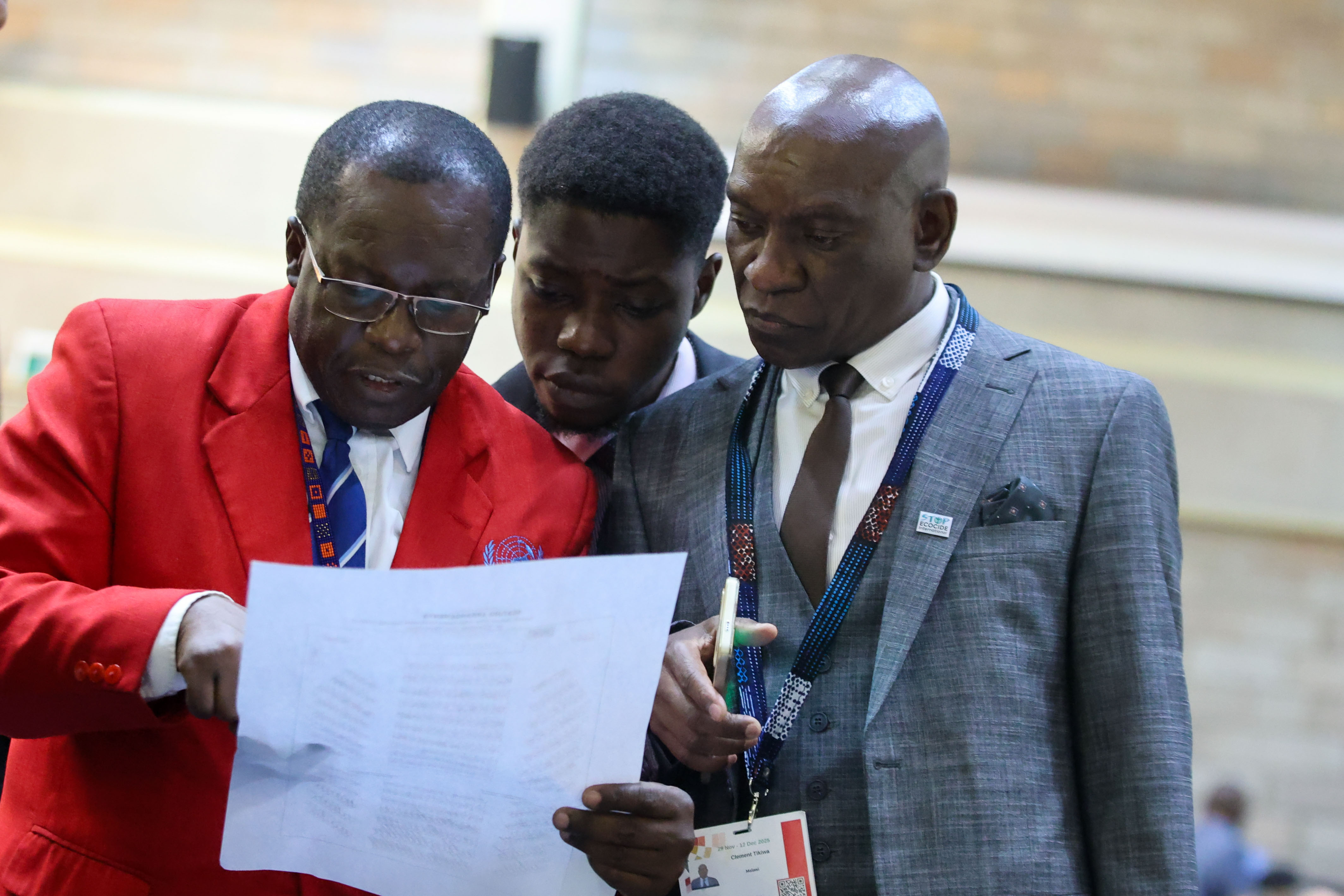
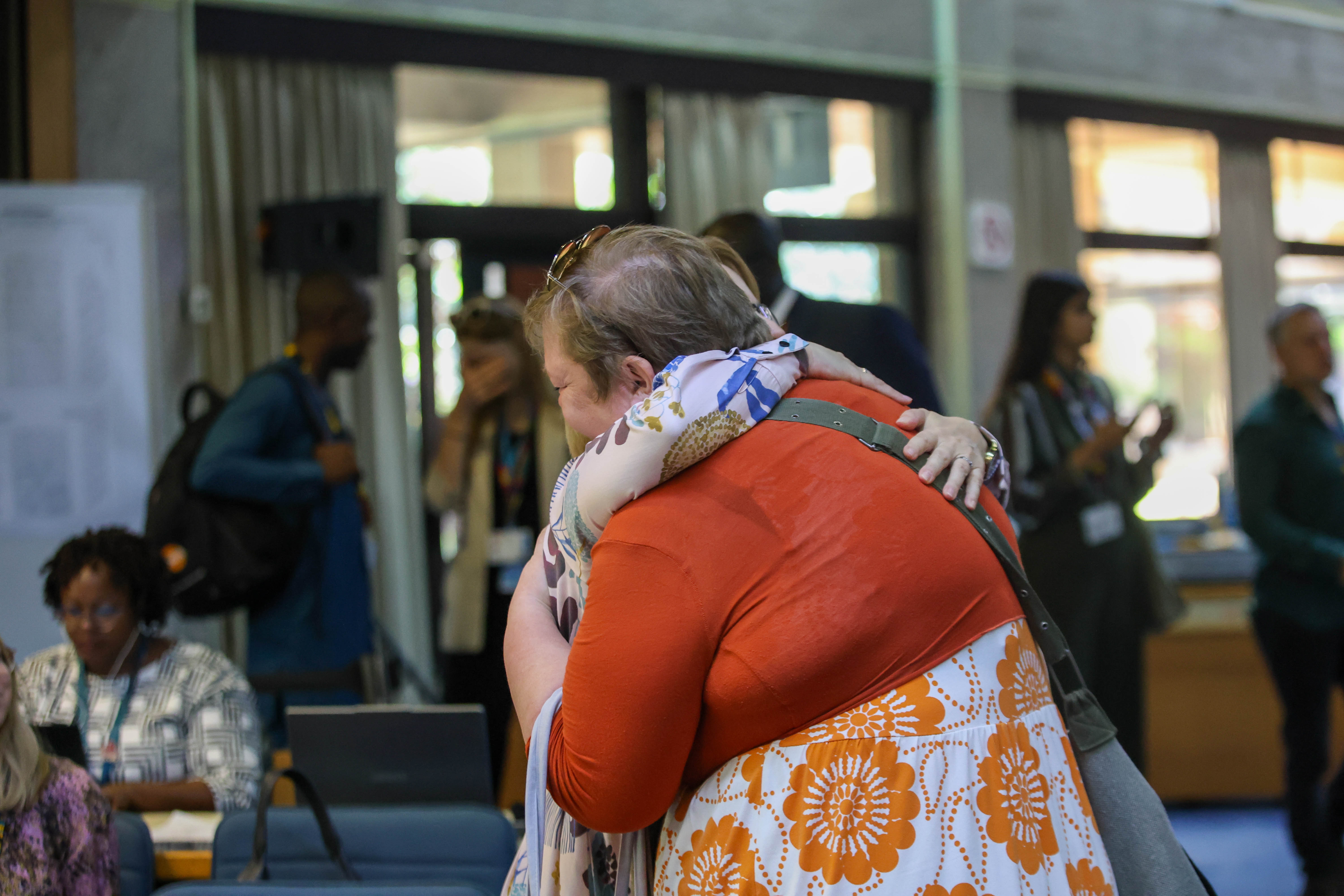

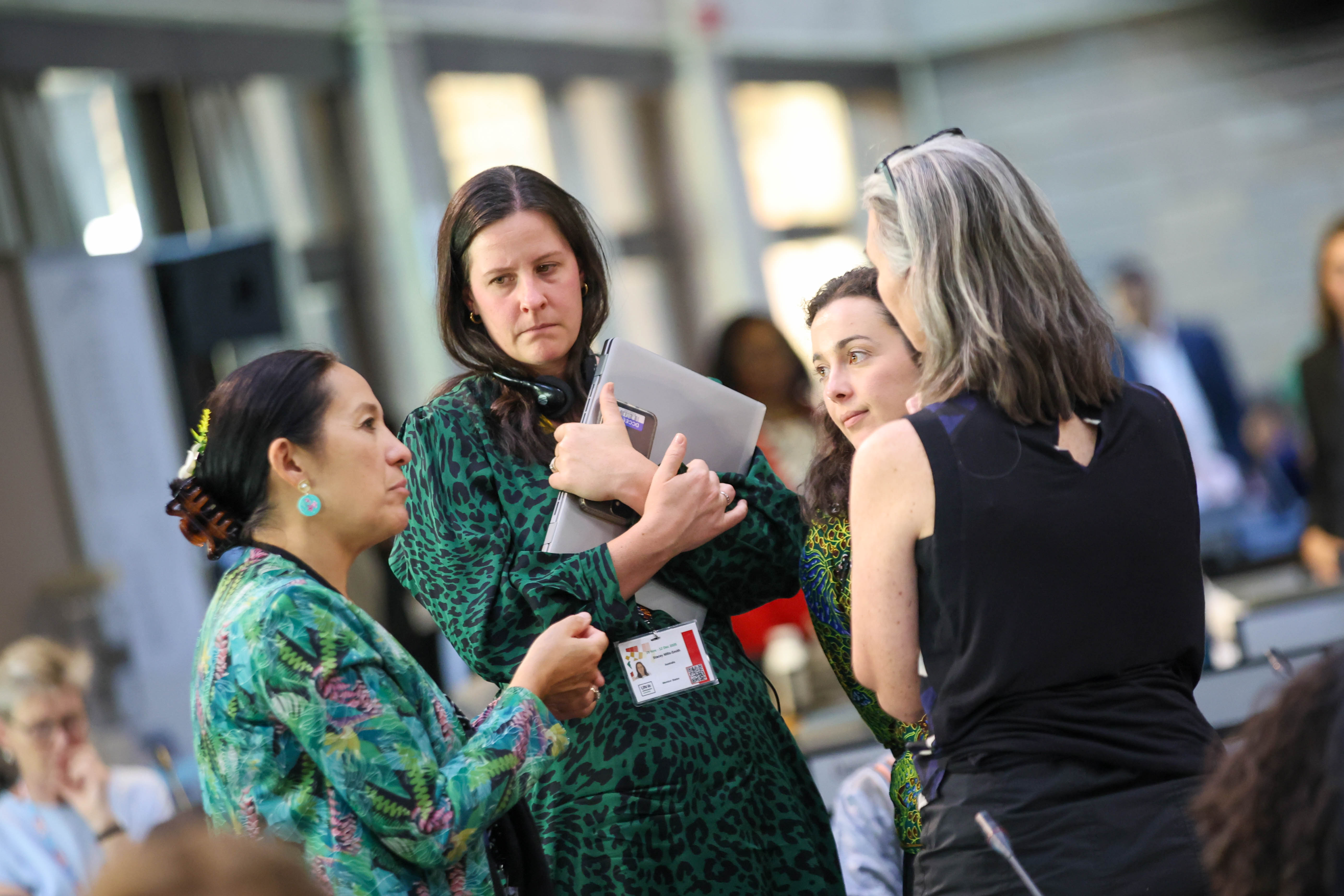
Around the Venue
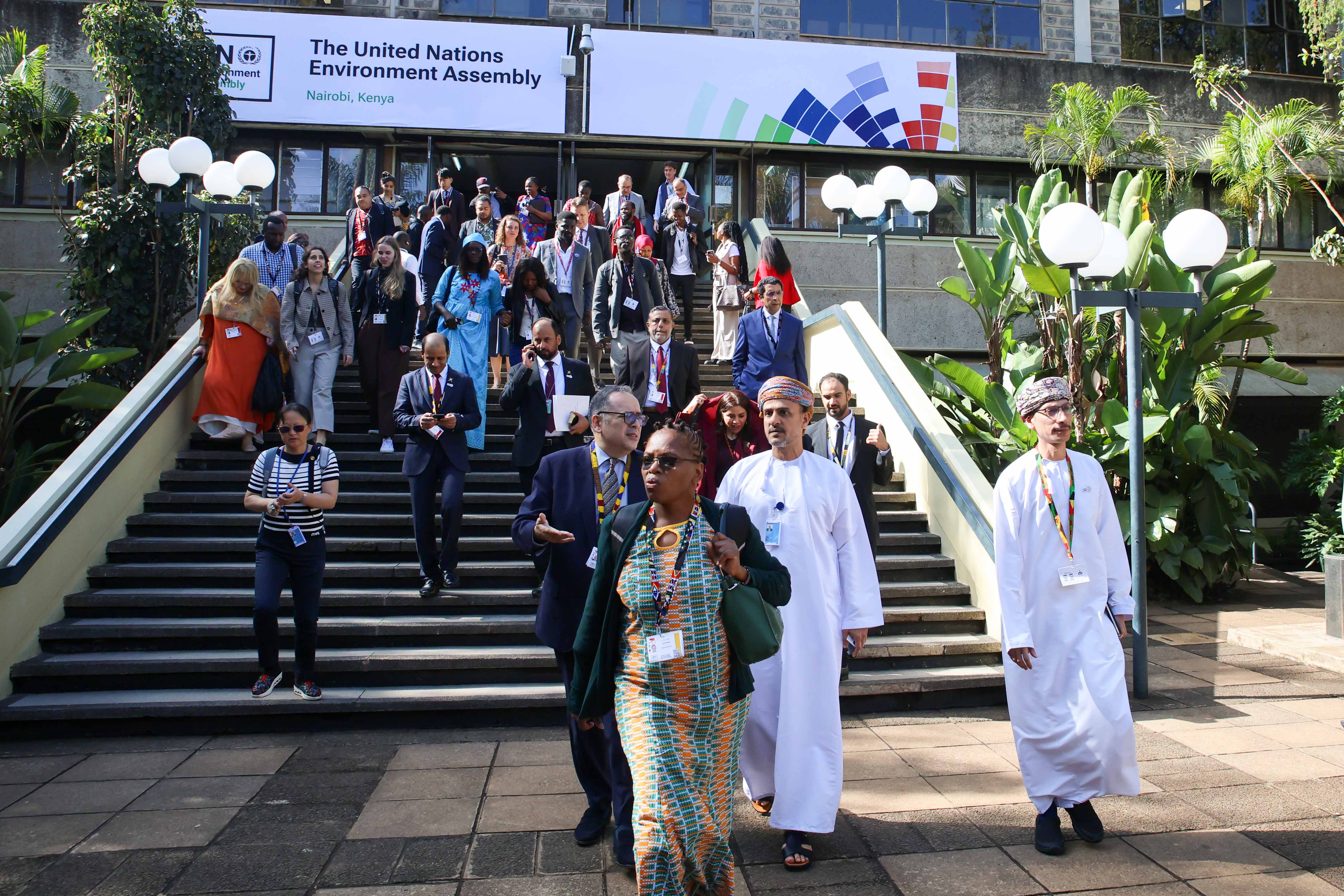
OECPR-7 Chair Sultan Hajiyev and UNEA-7 President Abdullah Bin Ali Al-Amri
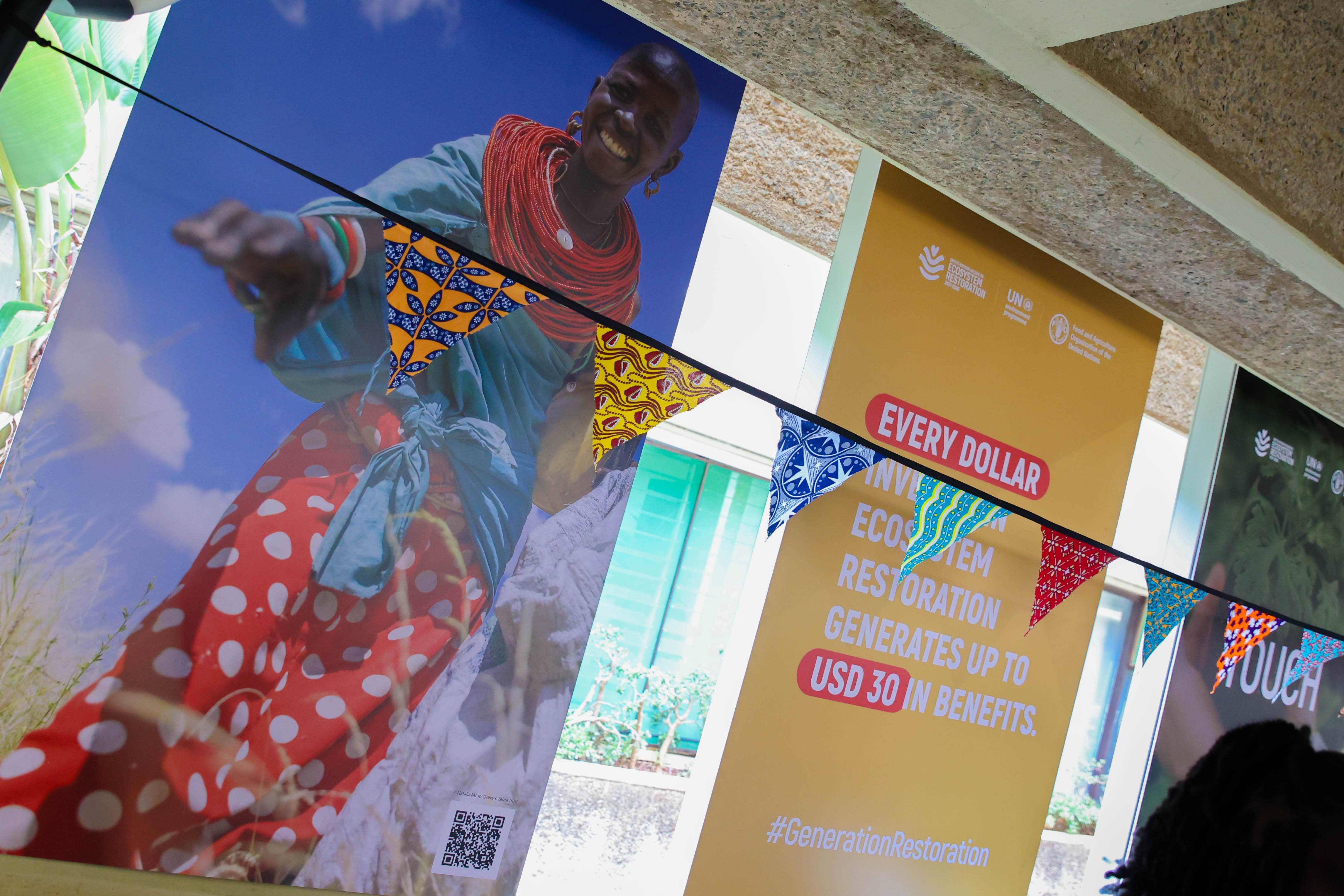
An exhibition displaying a photo by Natalia Mroz