
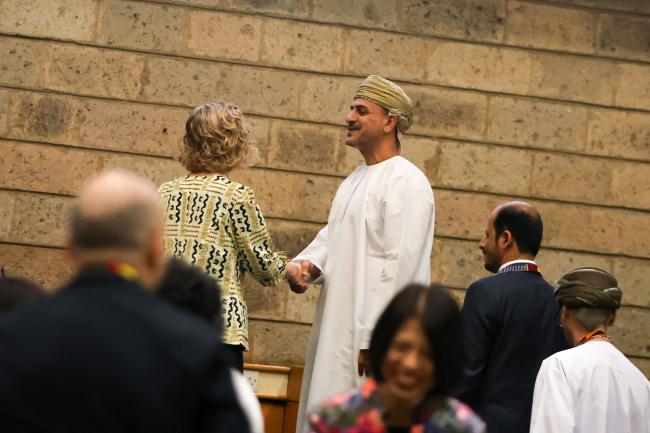
The seventh session of the Open-ended Committee of Permanent Representatives (OECPR-7) reached its mid-point on Wednesday, with an acknowledgment that far more remained unresolved than accomplished. “We only have three days remaining to finalize the work before us,” stressed OECPR-7 Chair Sultan Hajiyev (Azerbaijan) during the morning’s stocktaking plenary.
During this plenary, President of the seventh session of the UN Environment Assembly (UNEA-7) Abdullah Bin Ali Amri (Oman) encouraged delegates to continue engaging constructively in negotiations, underlining that UNEA’s success depends on the Committee’s ability to build consensus.
Want to dig deeper into today's talks? Read the full Earth Negotiations Bulletin daily report.
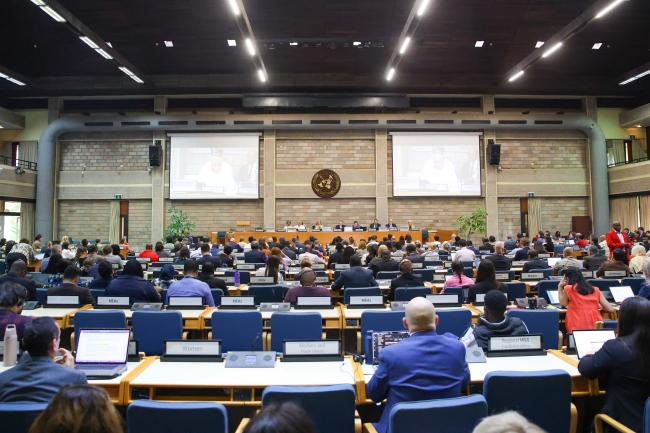
However, the Clusters reported limited progress in their work so far, requesting more time to deliberate and agree on the resolutions and decisions to be adopted by UNEA. In a welcome moment, delegates were able to forward the first clean draft decision for adoption, having completed discussions on the management of trust funds and earmarked contributions to UNEA.
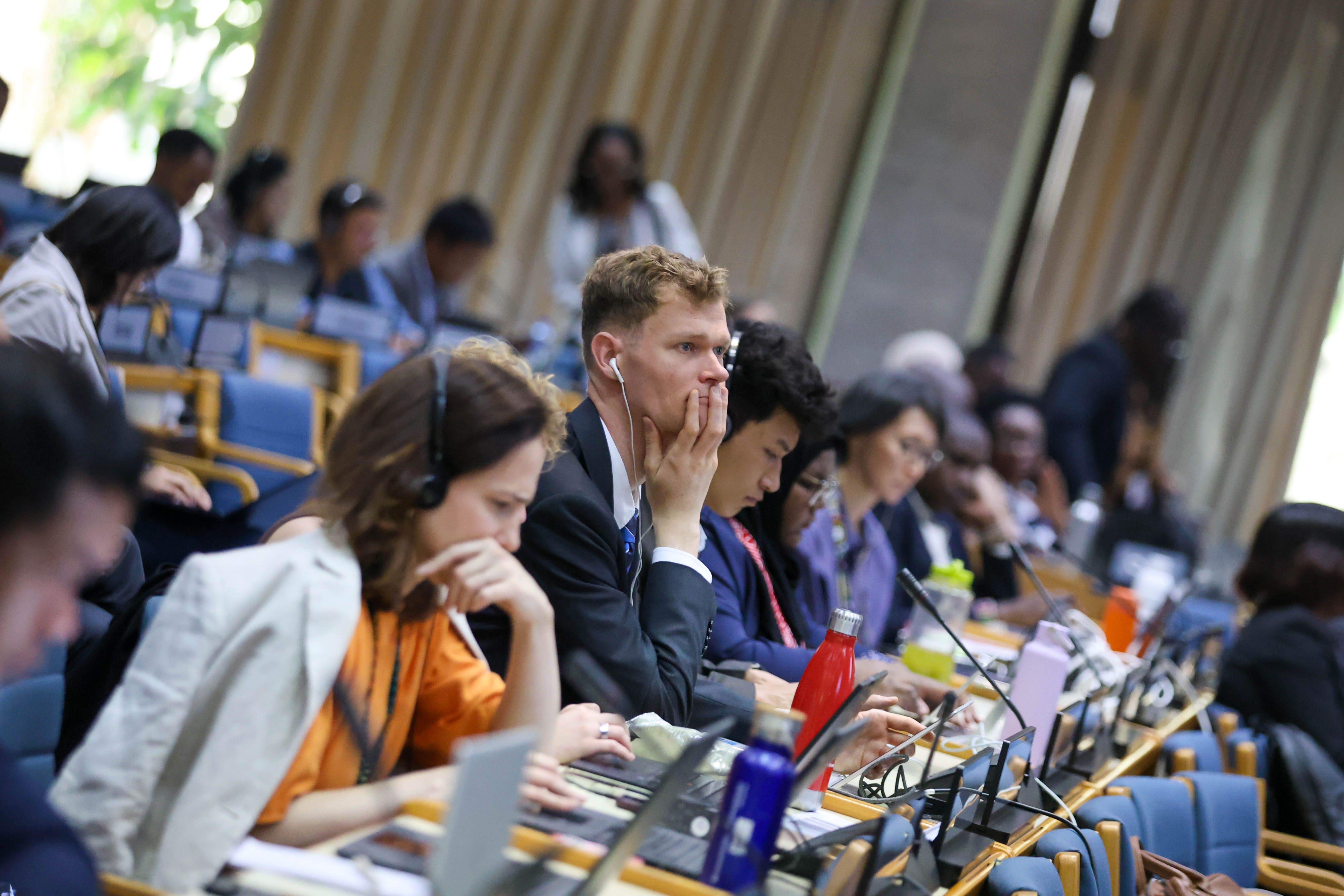
The Committee met throughout the day and into the night in informal and informal-informal settings, making halting progress as they considered resolutions related to: nature and climate; governance and law; circular economy, chemicals, waste, and pollution; and strategic, budgetary, and governing bodies matters.
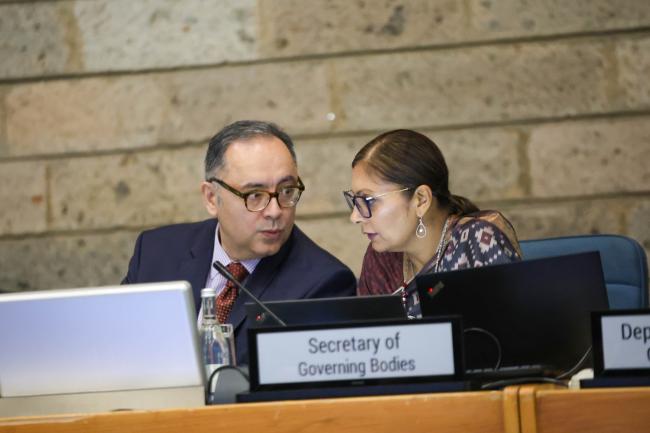
In discussions on maximizing existing resources through enhanced coherence and synergies among multilateral environmental agreements (MEAs) and their implementation, the negotiations were at times deadlocked. Co-Facilitator Sara Elkhouly (Egypt) requested that delegations meet informally to resolve intractable issues, such as those related to how best to keep the Committee appraised of the work of the UN Environment Programme (UNEP) in relation to the UN80 initiative.
Across the way, Committee members could not agree on which countries would require assistance to address the growing influx of Sargassum seaweed blooms. Should UNEP-led assistance focus on “developing countries,” or on “countries with capacity constraints” arising from the blooms? The question remains.
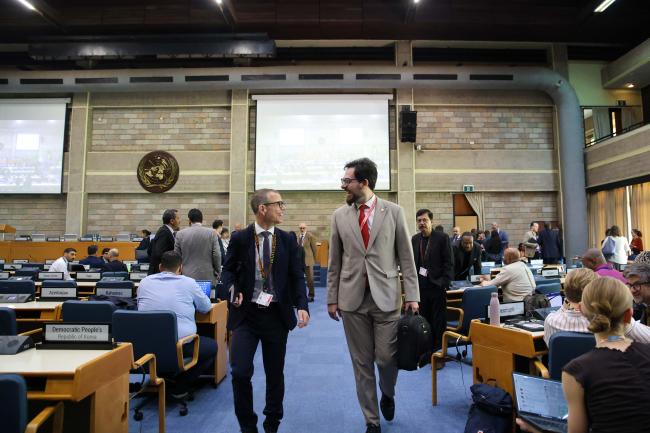
In their considerations on advancing options for international instruments on the environmentally sound management of minerals and metals and guidance for mineral resources circularity, delegates discussed a range of options for a cooperation mechanism. These included suggestions for an ad hoc working group, an expert group, or a technical platform. Many opposed the creation of a subsidiary body, with some suggesting the UNEP's Digital Knowledge Hub as a basis for a cooperative space on the issue.
Discussions on sound management of chemicals and waste focused on among others, alternative formulations of decisions. Many supported further work on asbestos contamination, drawing on a previously mandated UNEA assessment of the economic costs to society of asbestos production and use. Another proposal focused on effective operationalization of the Intergovernmental Science-Policy Panel on Chemicals, Waste and Pollution.
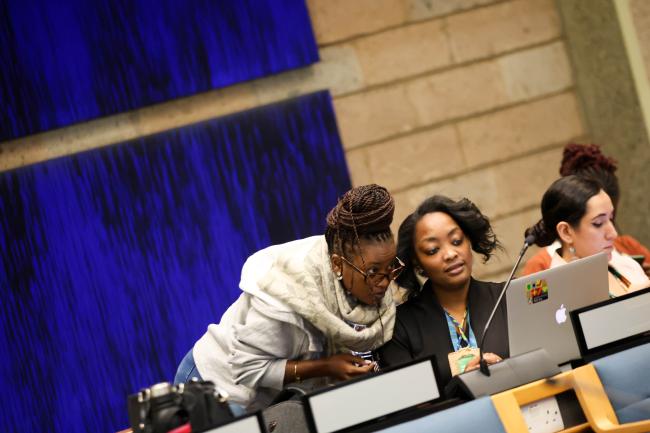
Finding a suitable date for UNEA-8 resulted in somewhat tense discussions, as delegates struggled to strike a balance between avoiding religious holidays and allocating time in a busy 2027 MEA calendar. Initially, they narrowed down on two options (early October or early December) with many supporting the latter. At the end of the session, a last-minute alternative was suggested: July or August 2027. Delegates will return to these discussions on Thursday.
With exhaustion already beginning to set in, one delegate making their way into an evening session encouraged another to change their pace “from a sprint to a marathon – we are in Kenya after all.”
To receive free coverage of global environmental events delivered to your inbox, subscribe to the ENB Update newsletter.
All ENB photos are free to use with attribution. For OECPR-7 and UNEA-7 please use: Photo by IISD/ENB | Anastasia Rodopoulou
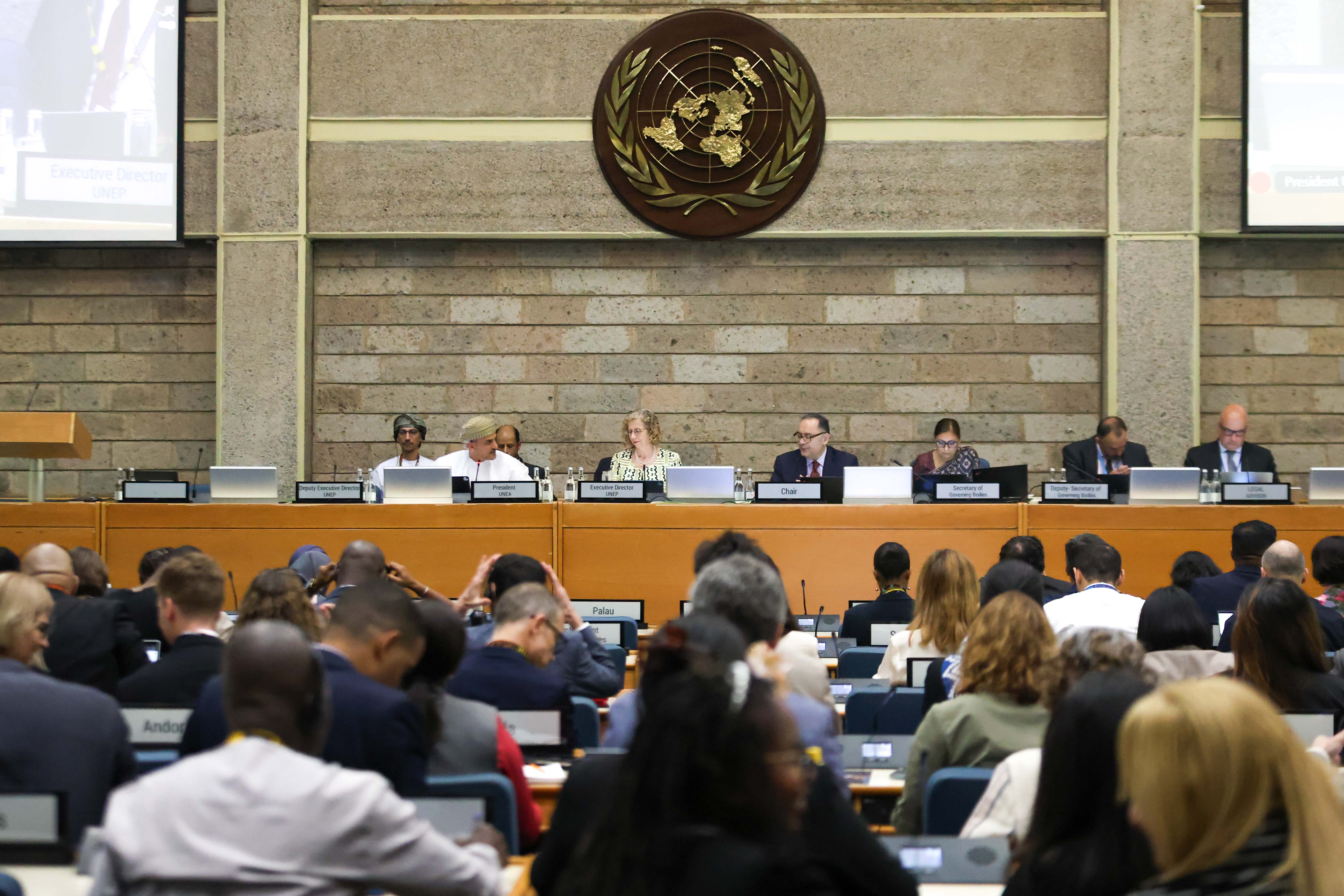
Plenary Session
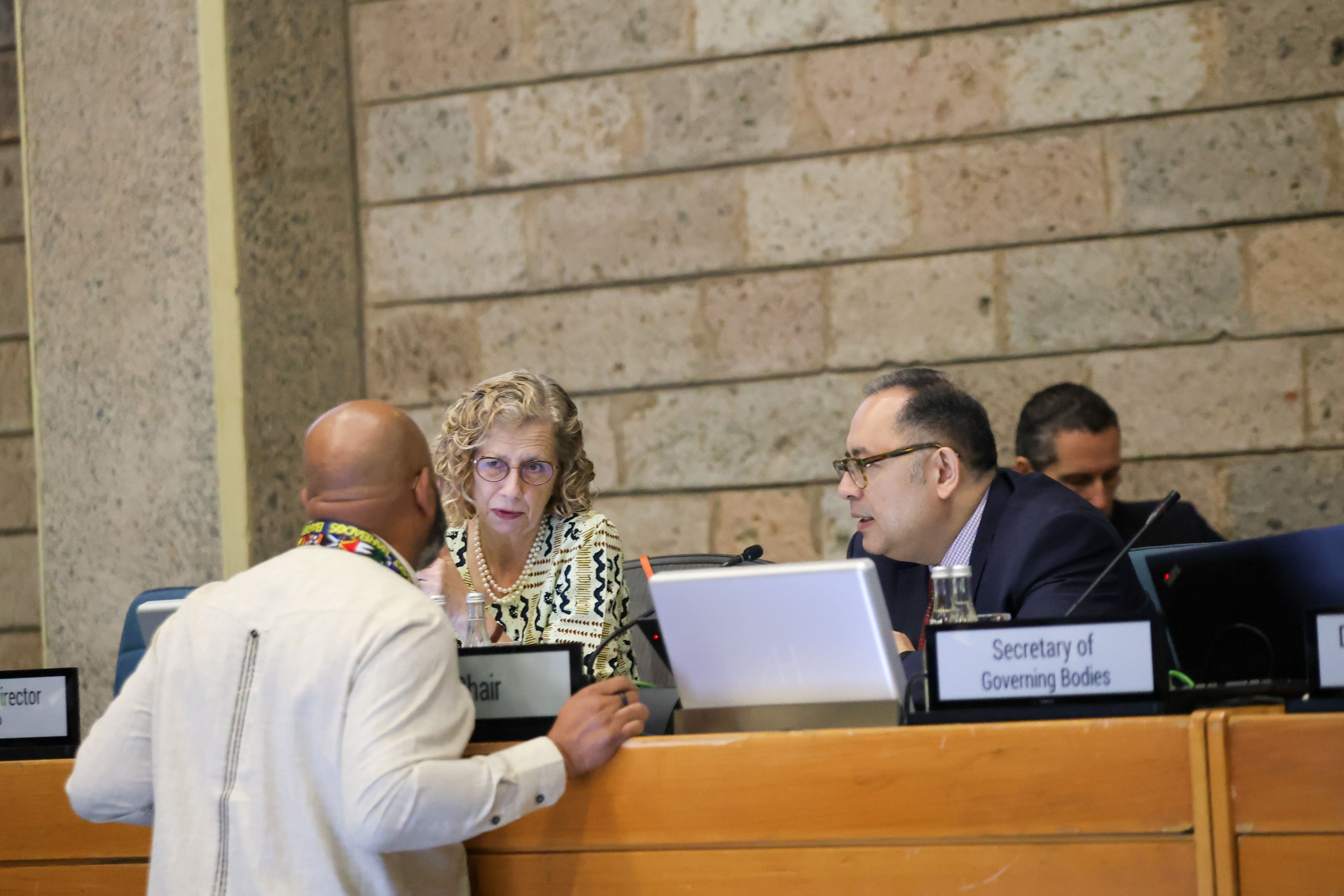
Inger Andersen, Executive Director, UNEP, and OECPR-7 Chair Sultan Hajiyev, Azerbaijan, discuss with a delegate.
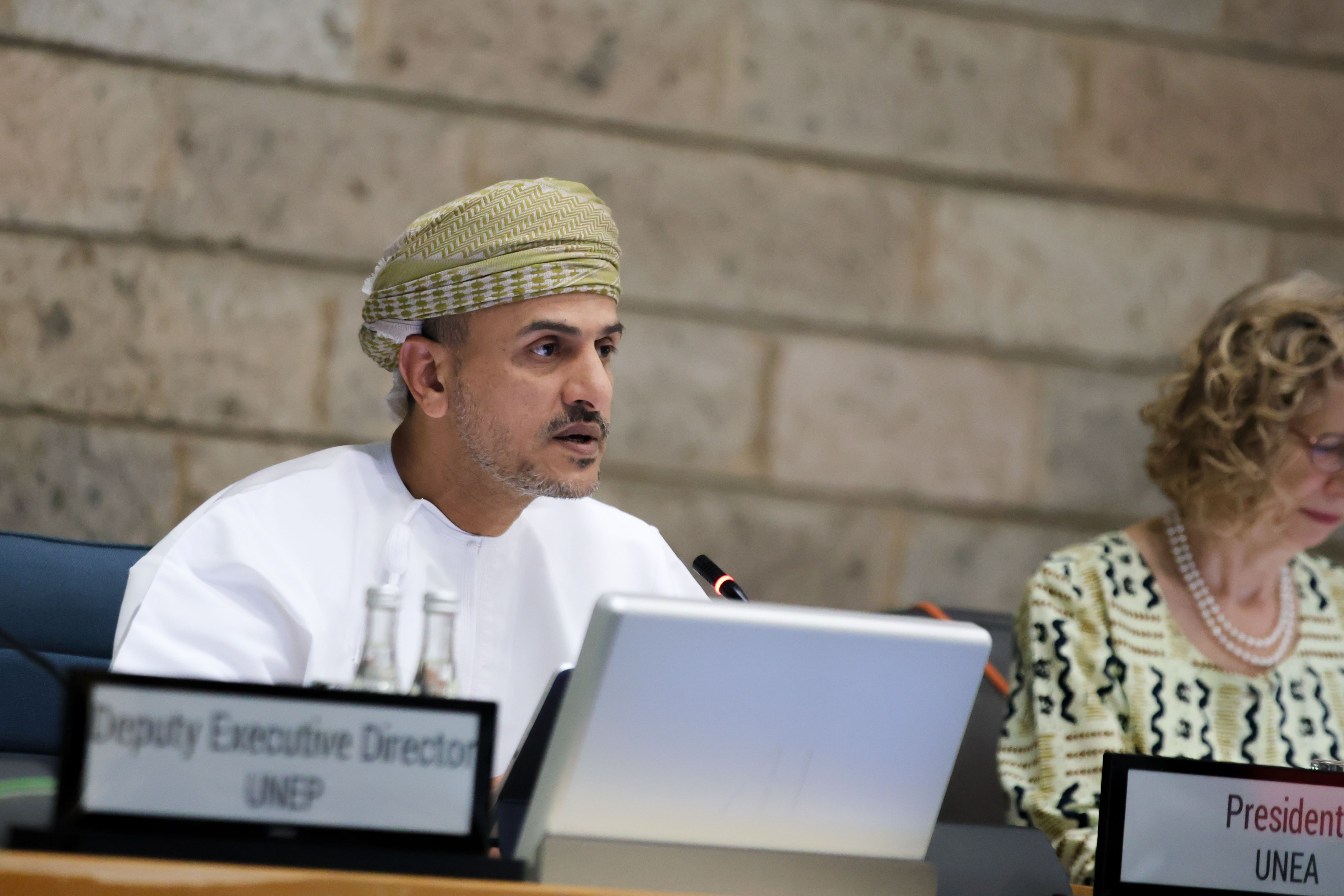
UNEA-7 President Abdullah Bin Ali Amri, Oman
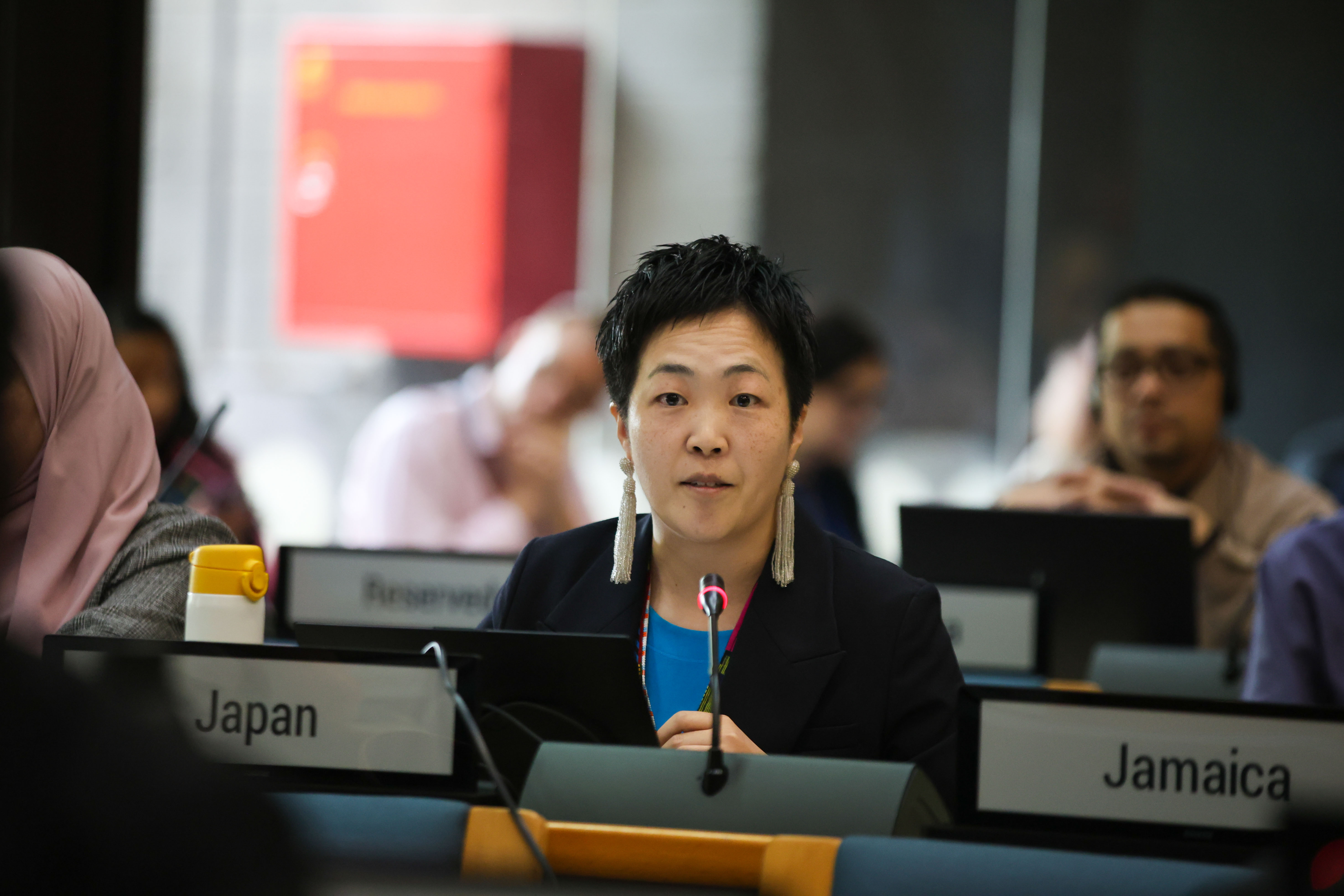
Kanako Okano, Japan, Co-Facilitator of Cluster A
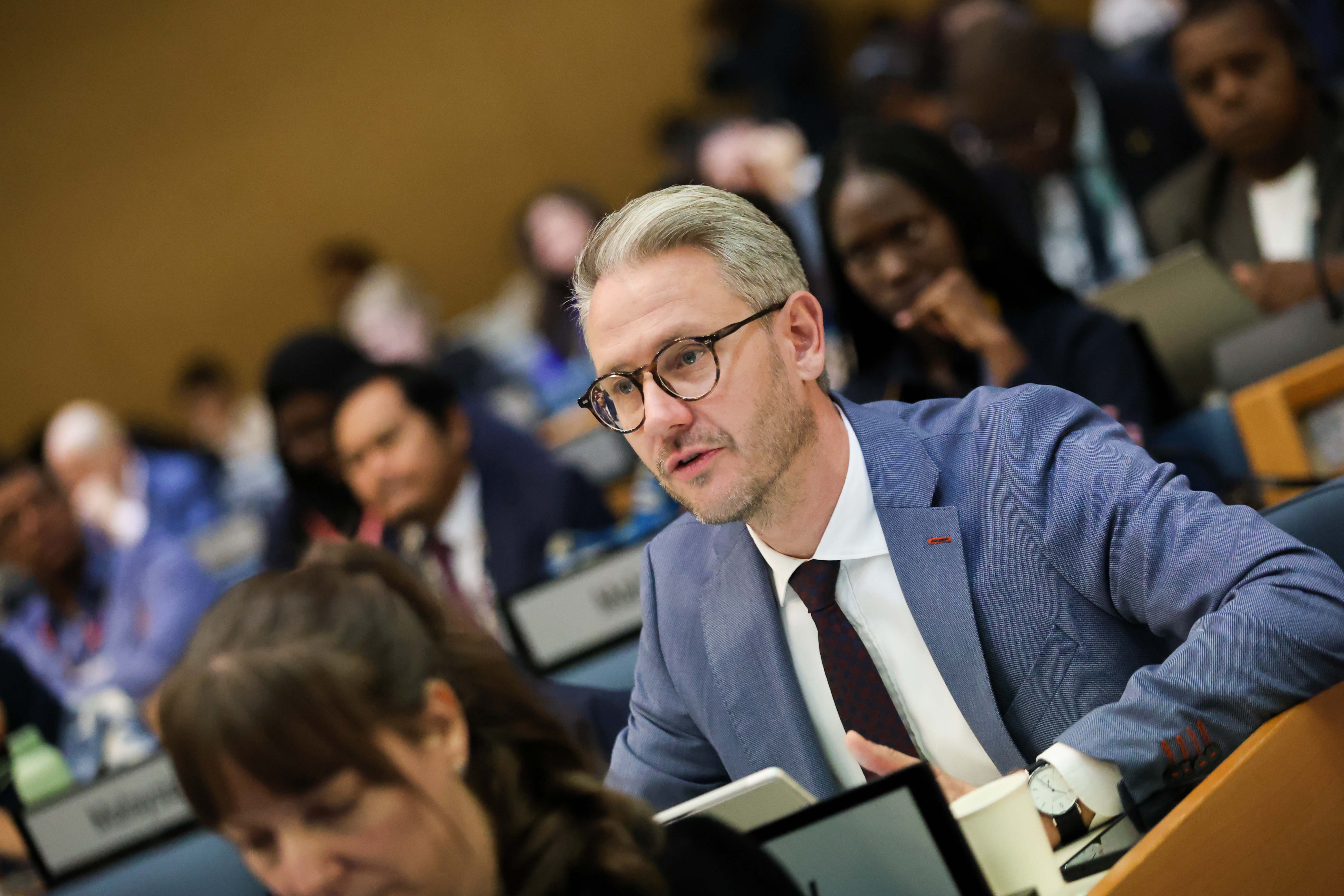
Martin Röw, Germany, Co-Facilitator of Cluster B
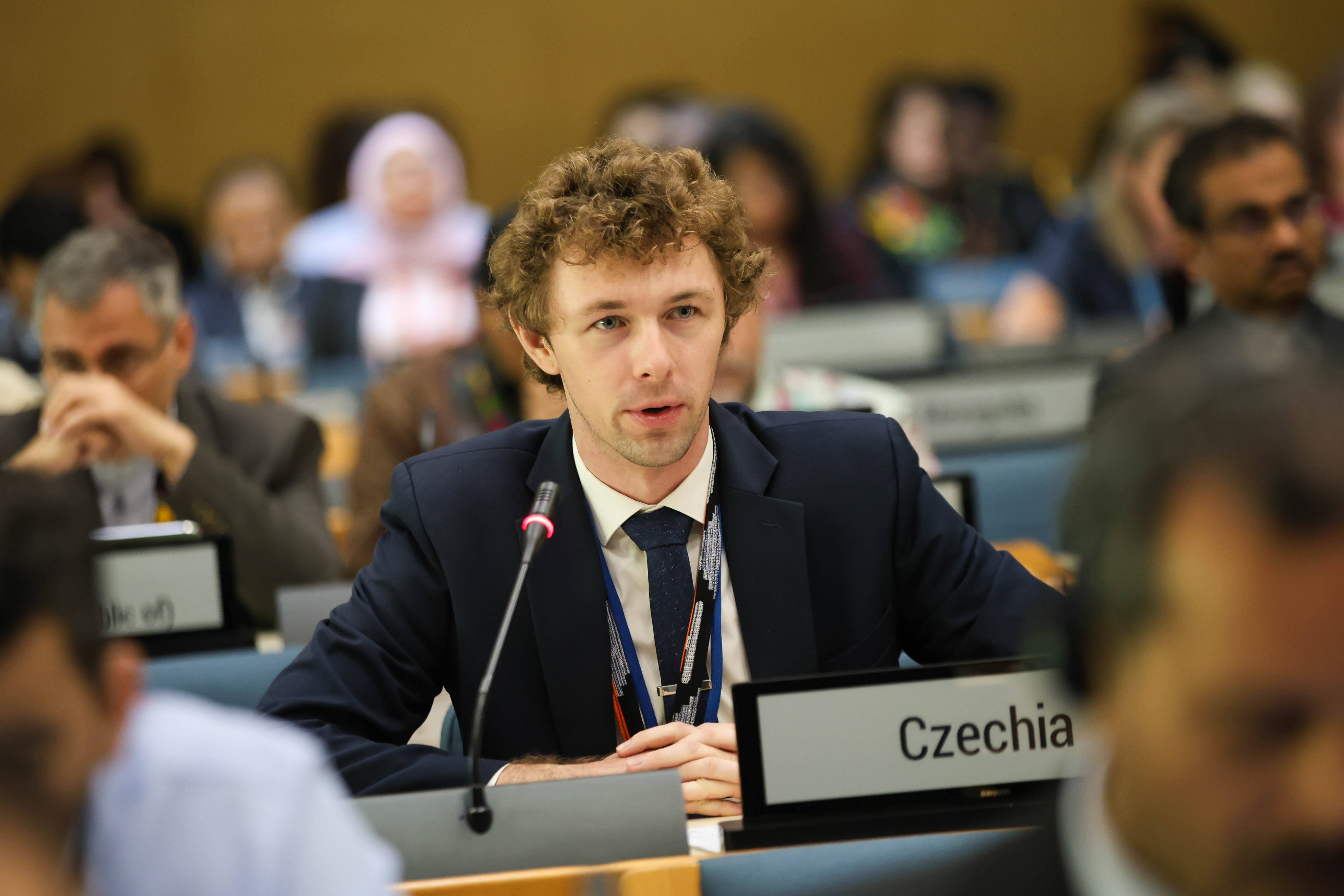
Michal Novotný, Czechia, Co-Facilitator of Cluster C
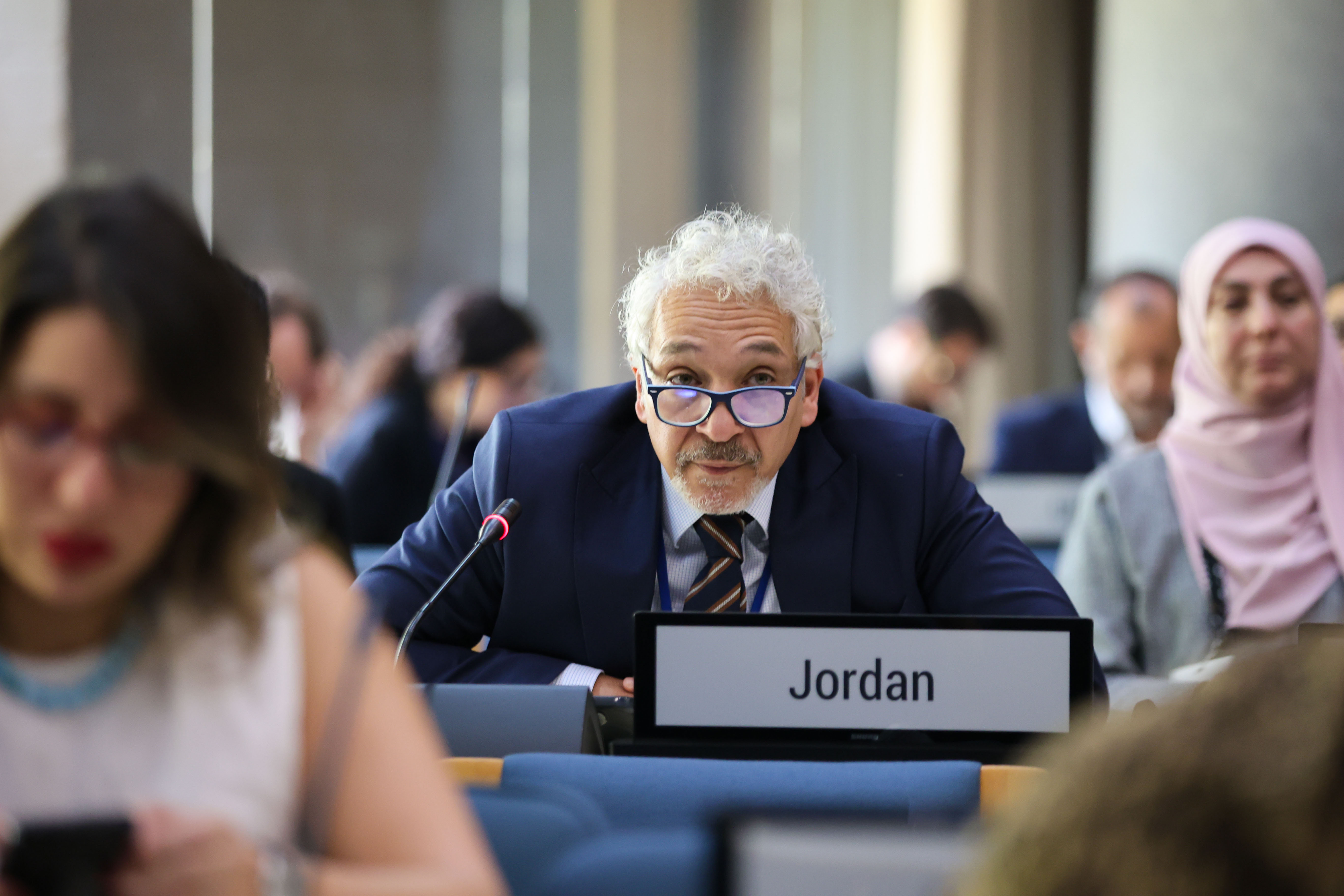
Nader Al-Tarawneh, Jordan, Co-Facilitator of Cluster D
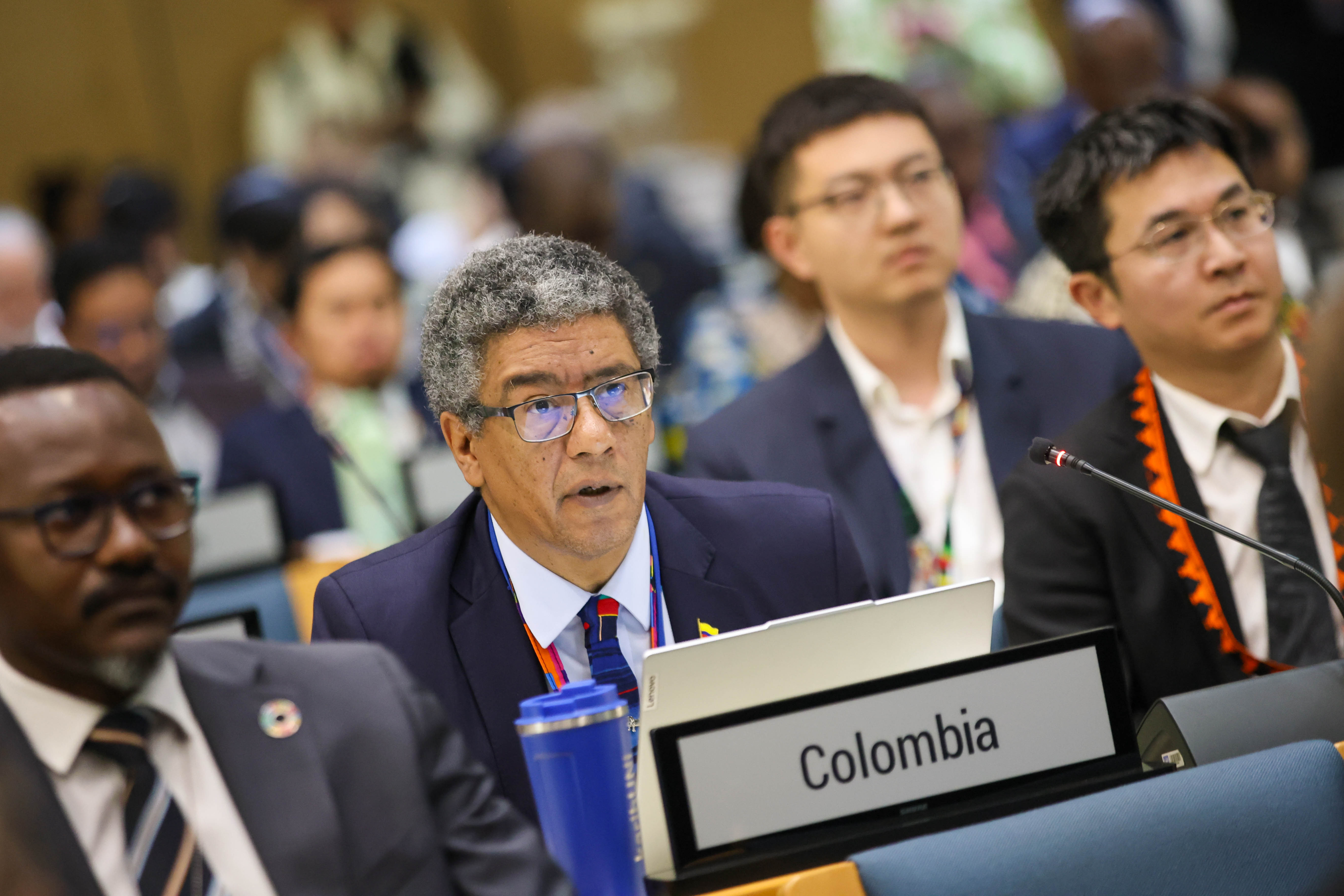
Pedro León Cortés Ruiz, Colombia
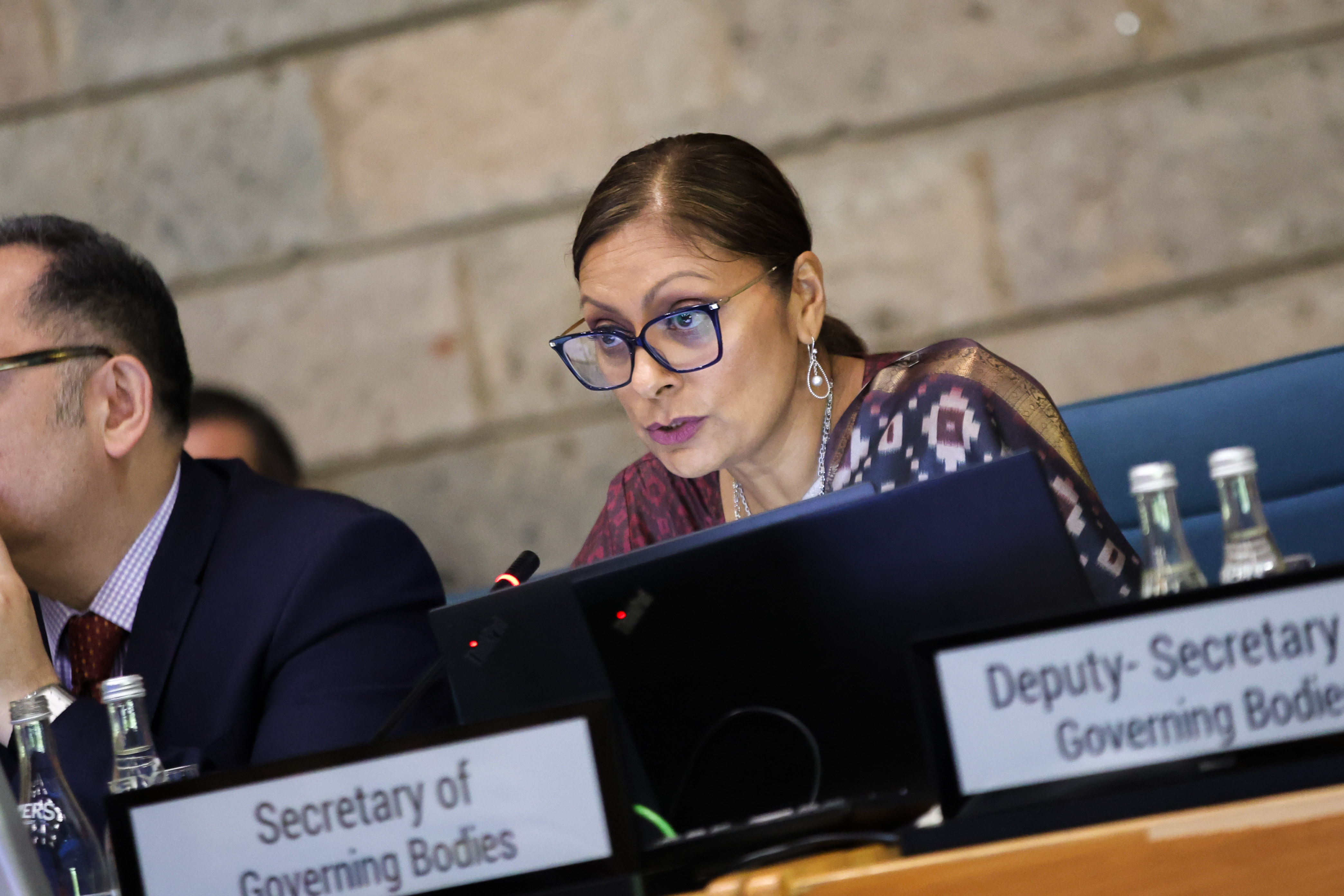
Radhika Ochalik, Secretary, Governing Bodies and Stakeholders, UNEP
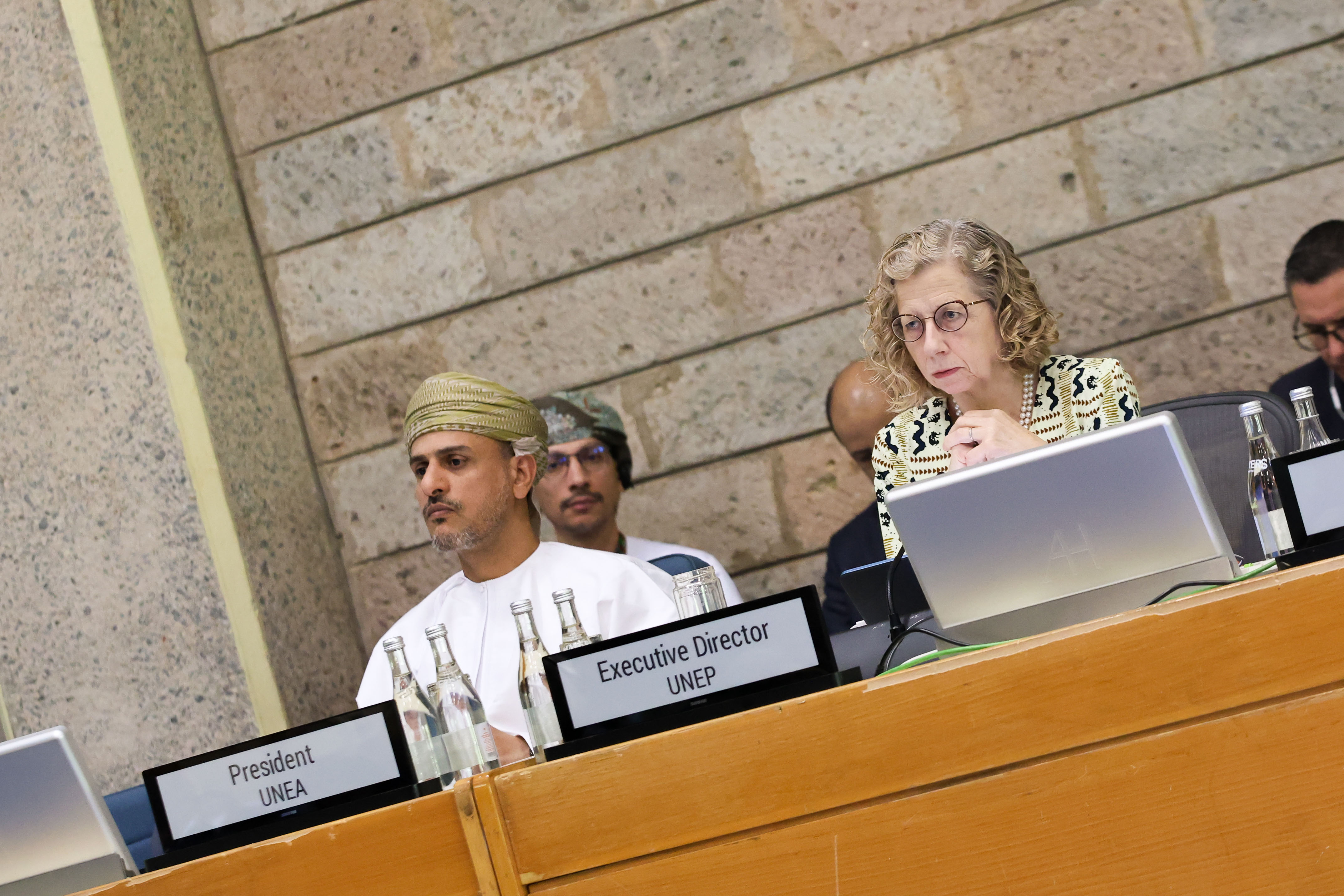
UNEA-7 President Abdullah Bin Ali Amri, Oman, and Inger Andersen, Executive Director, UNEP
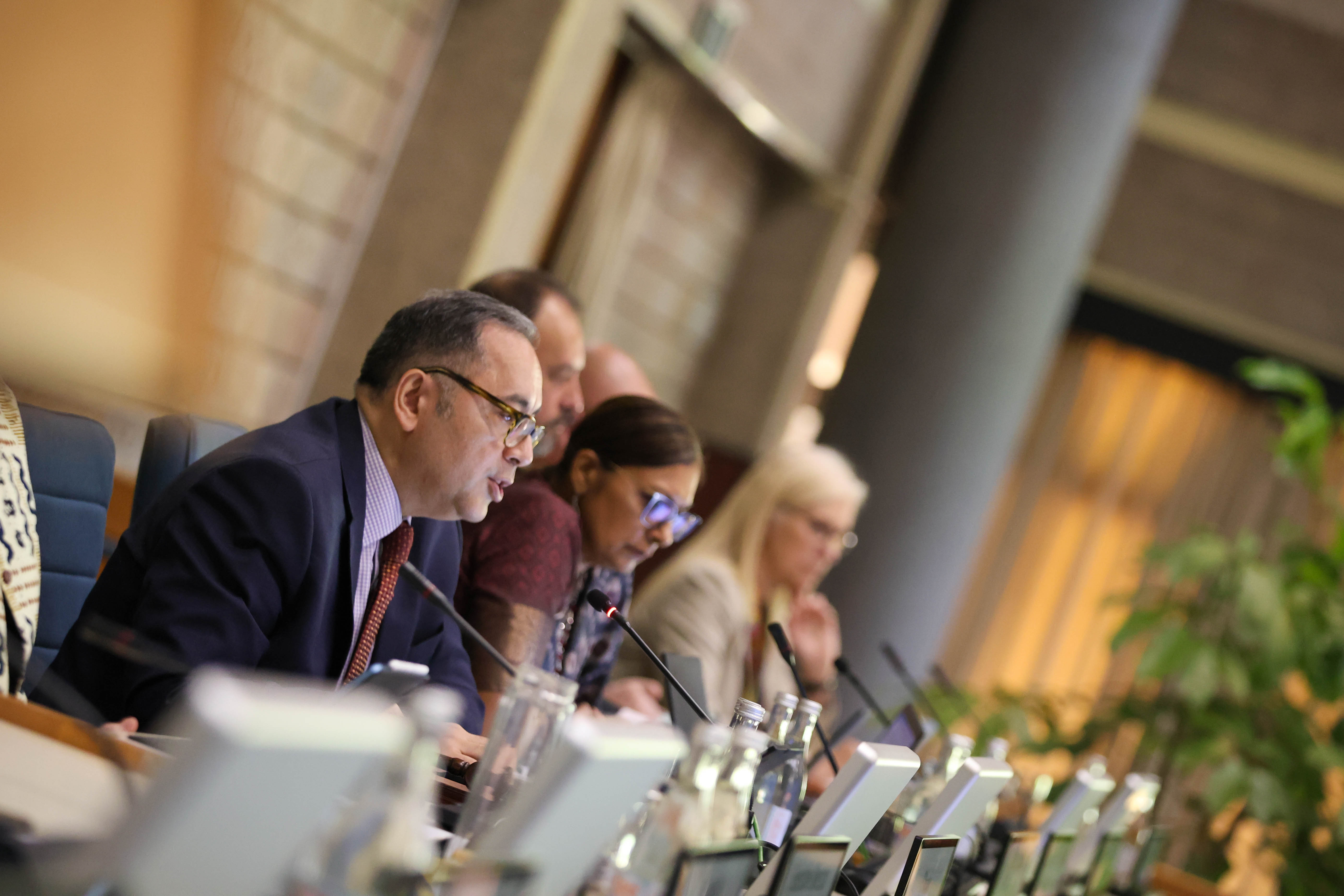
OECPR-7 Chair Sultan Hajiyev, Azerbaijan
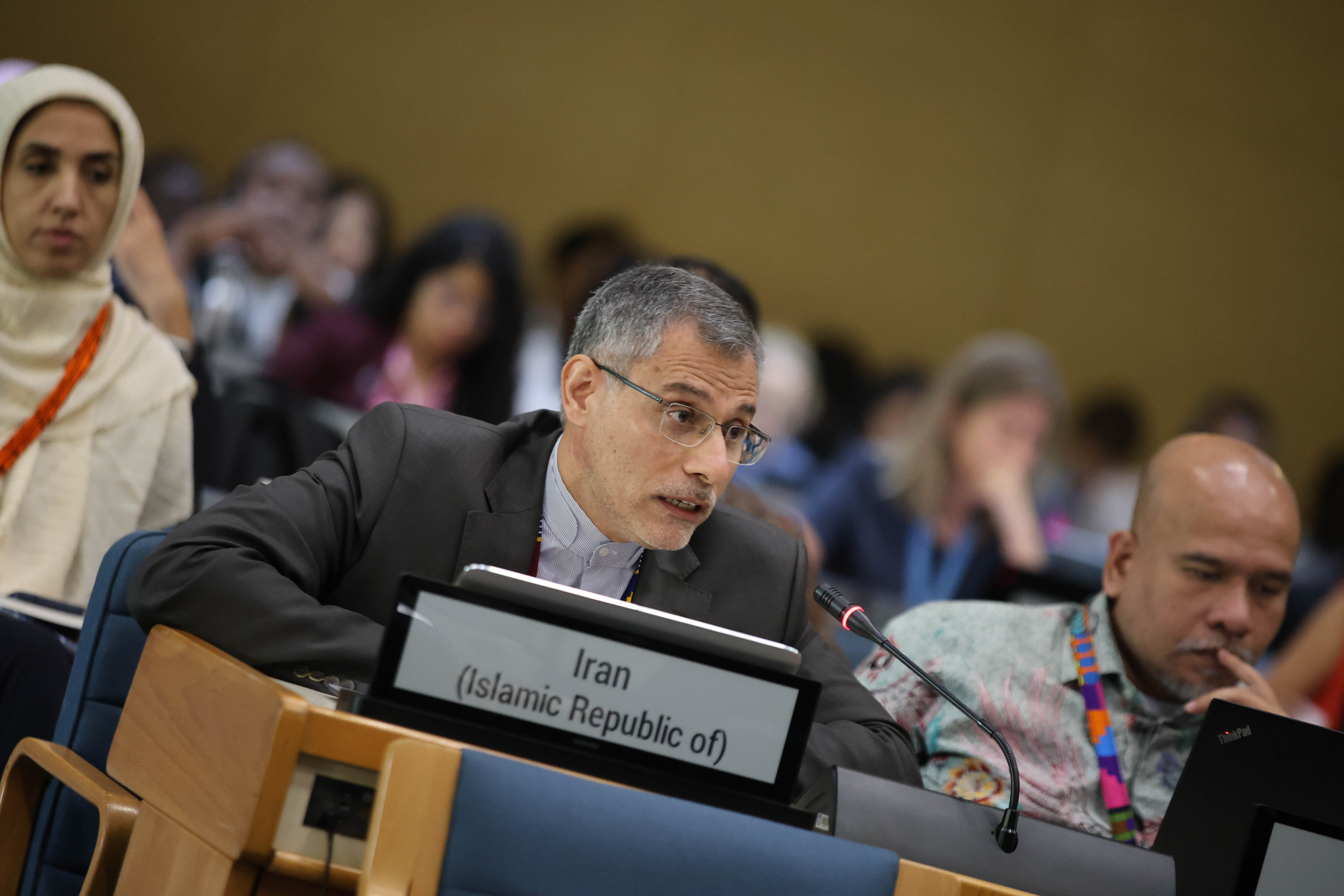
Ali Gholampour, Iran
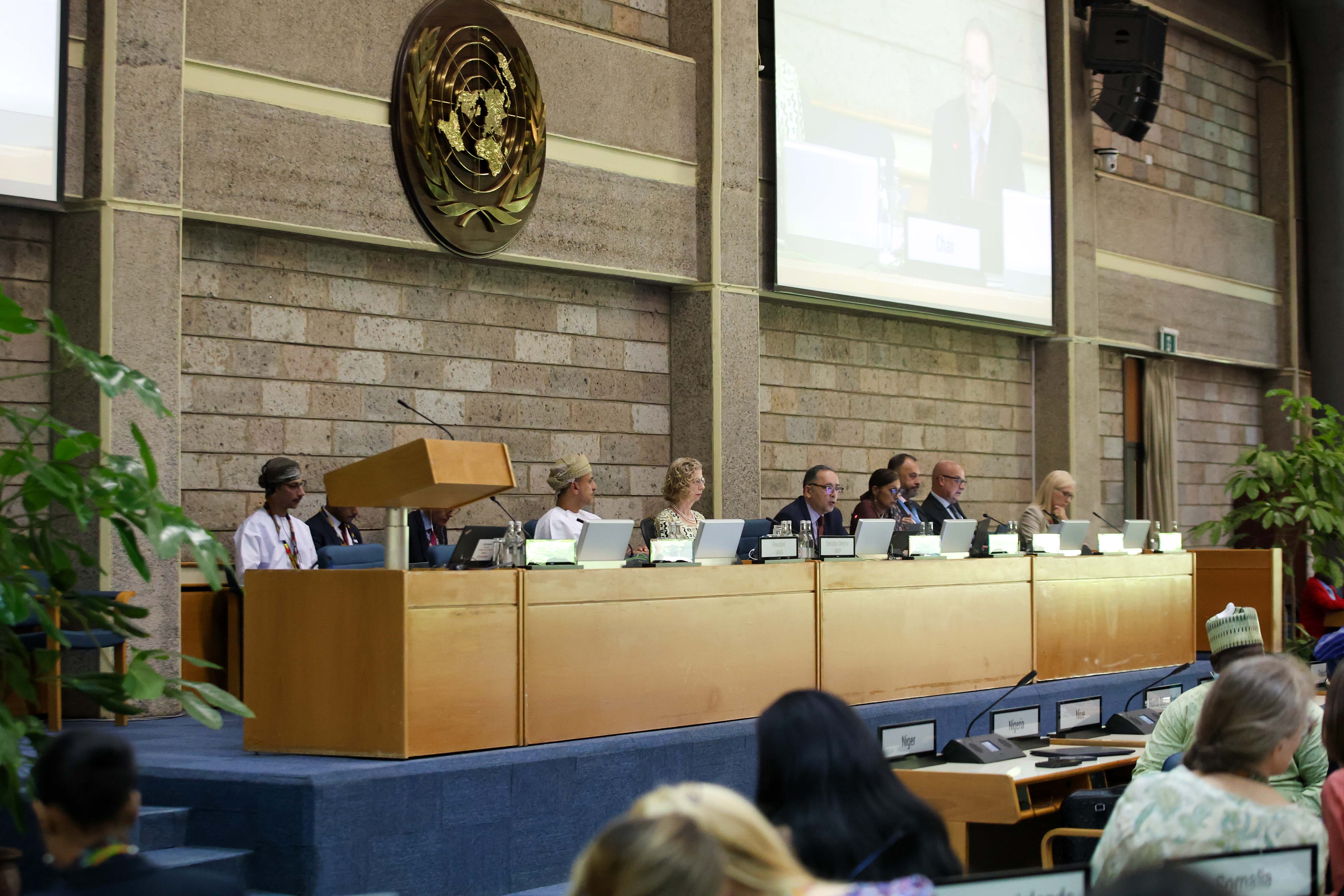
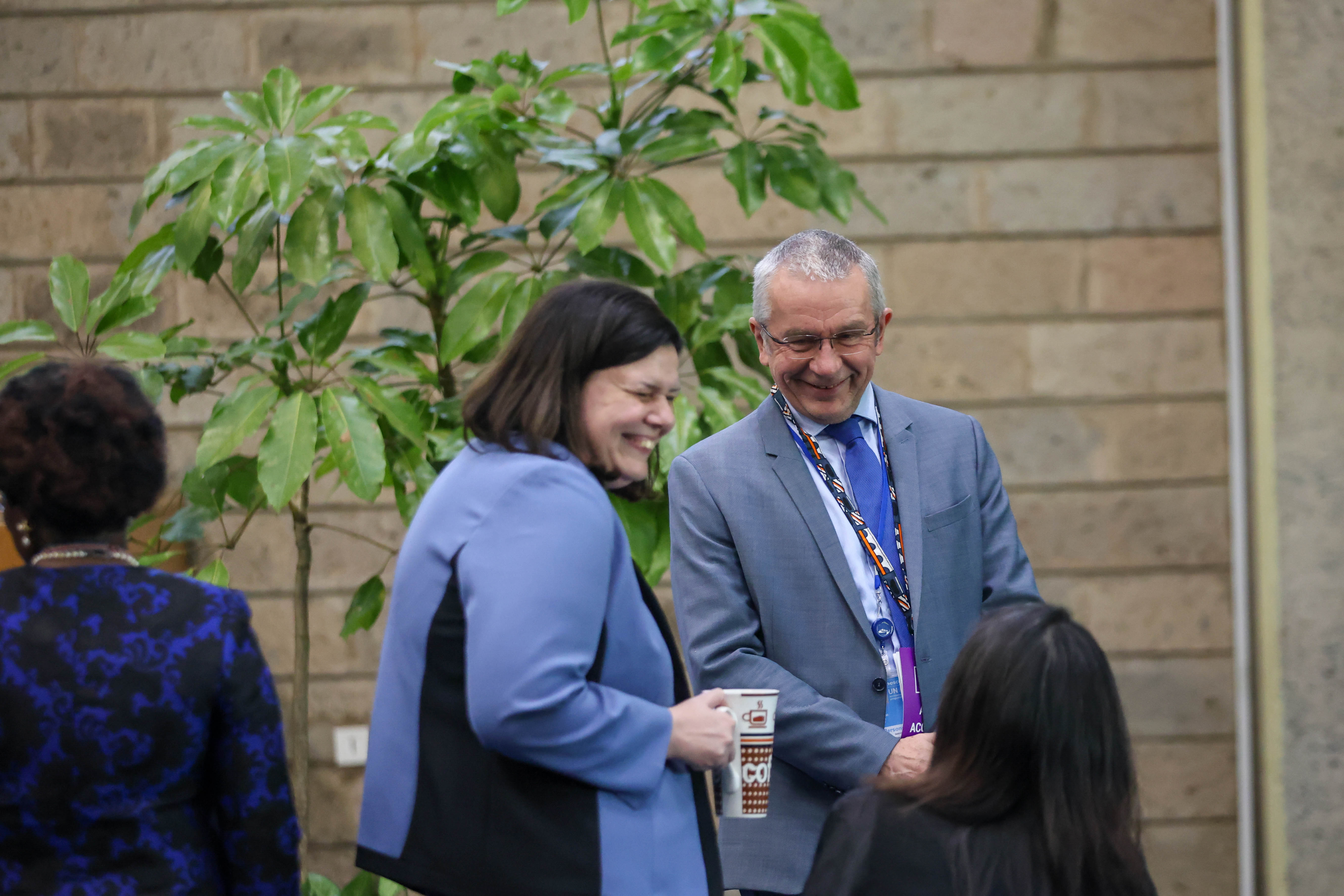
Martin Krause, Director, Climate Change Division, UNEP
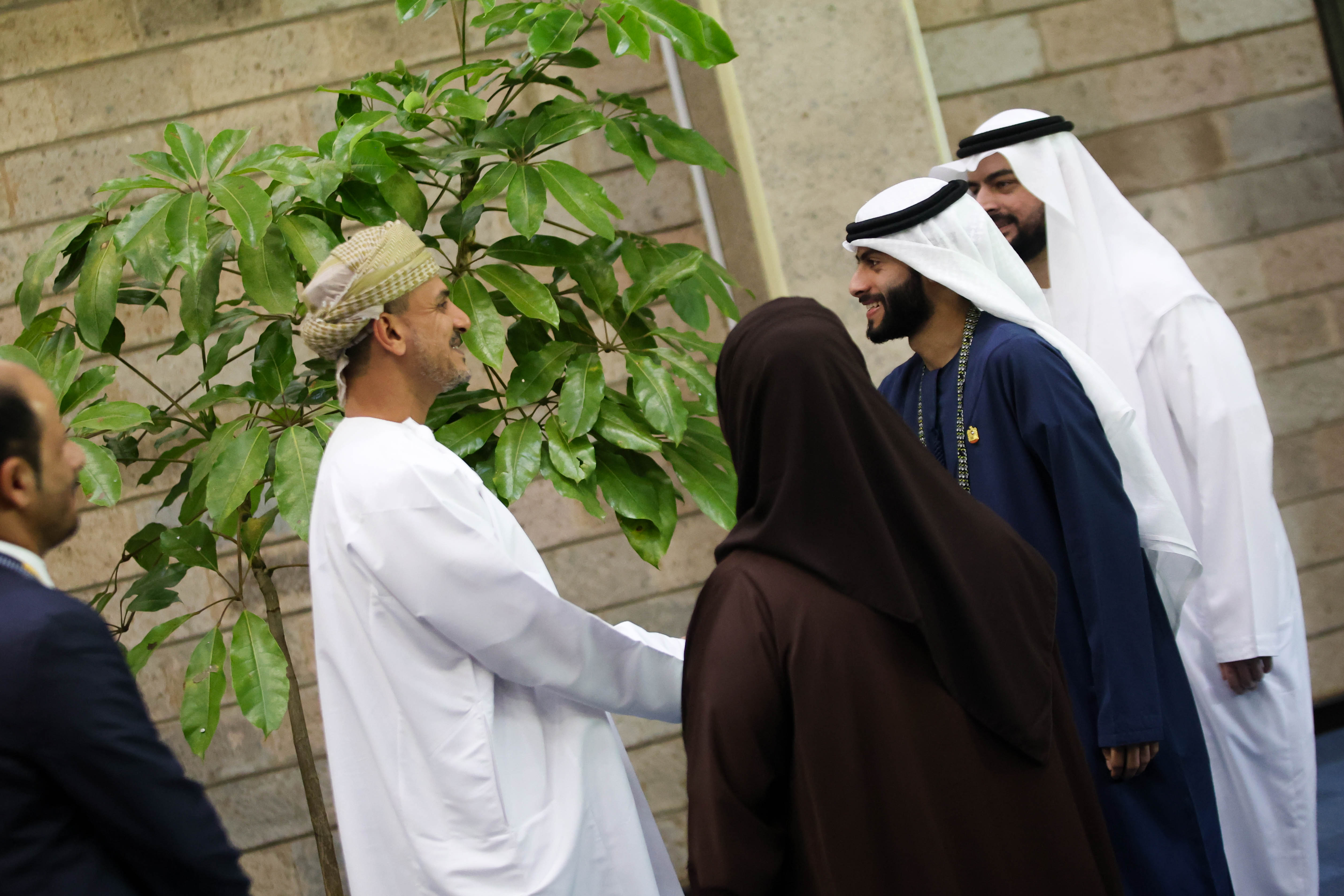
UNEA-7 President Abdullah Bin Ali Amri, Oman, greets delegates from the United Arab Emirates (UAE)
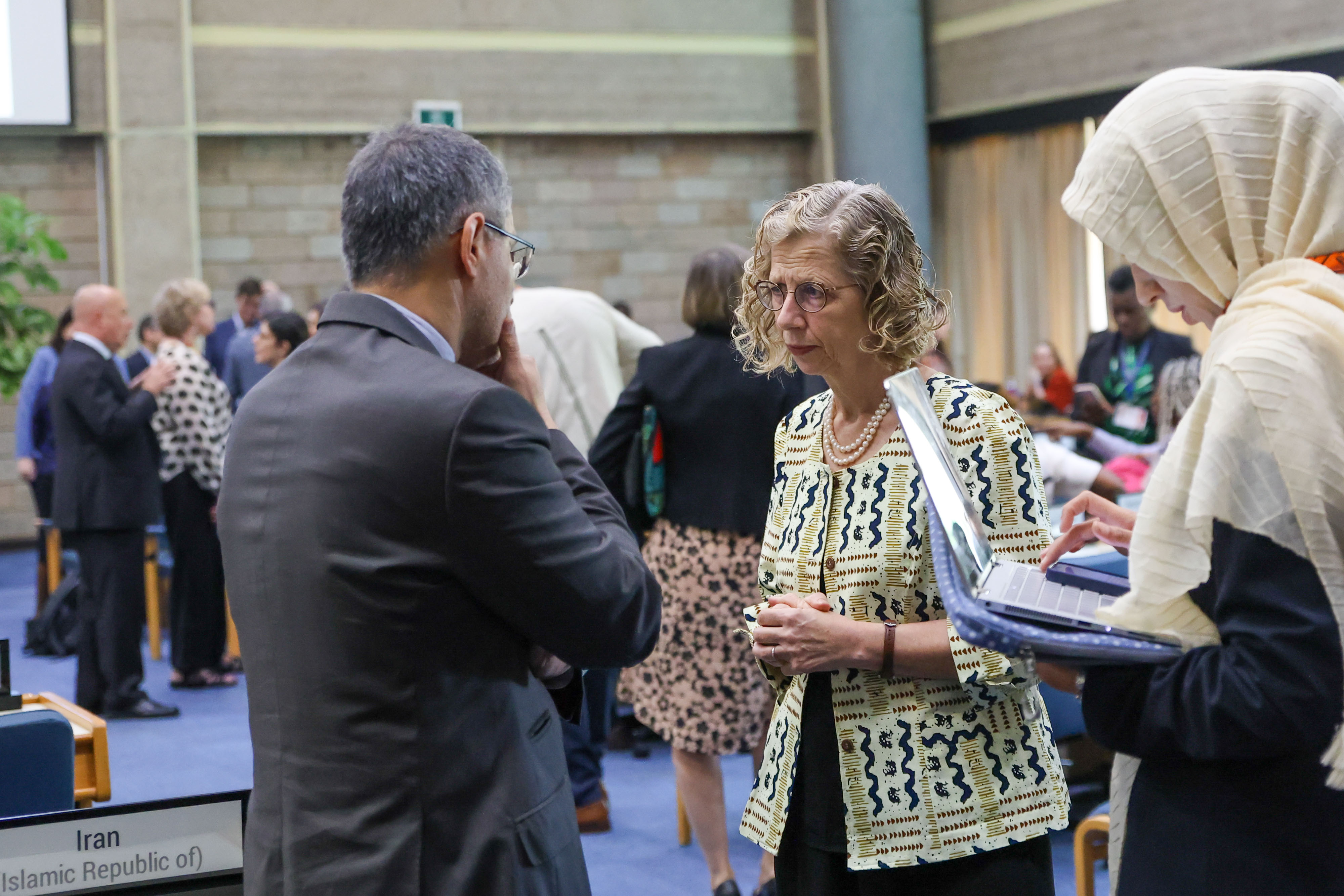
Inger Andersen, Executive Director, UNEP, discusses with Ali Gholampour, Iran.
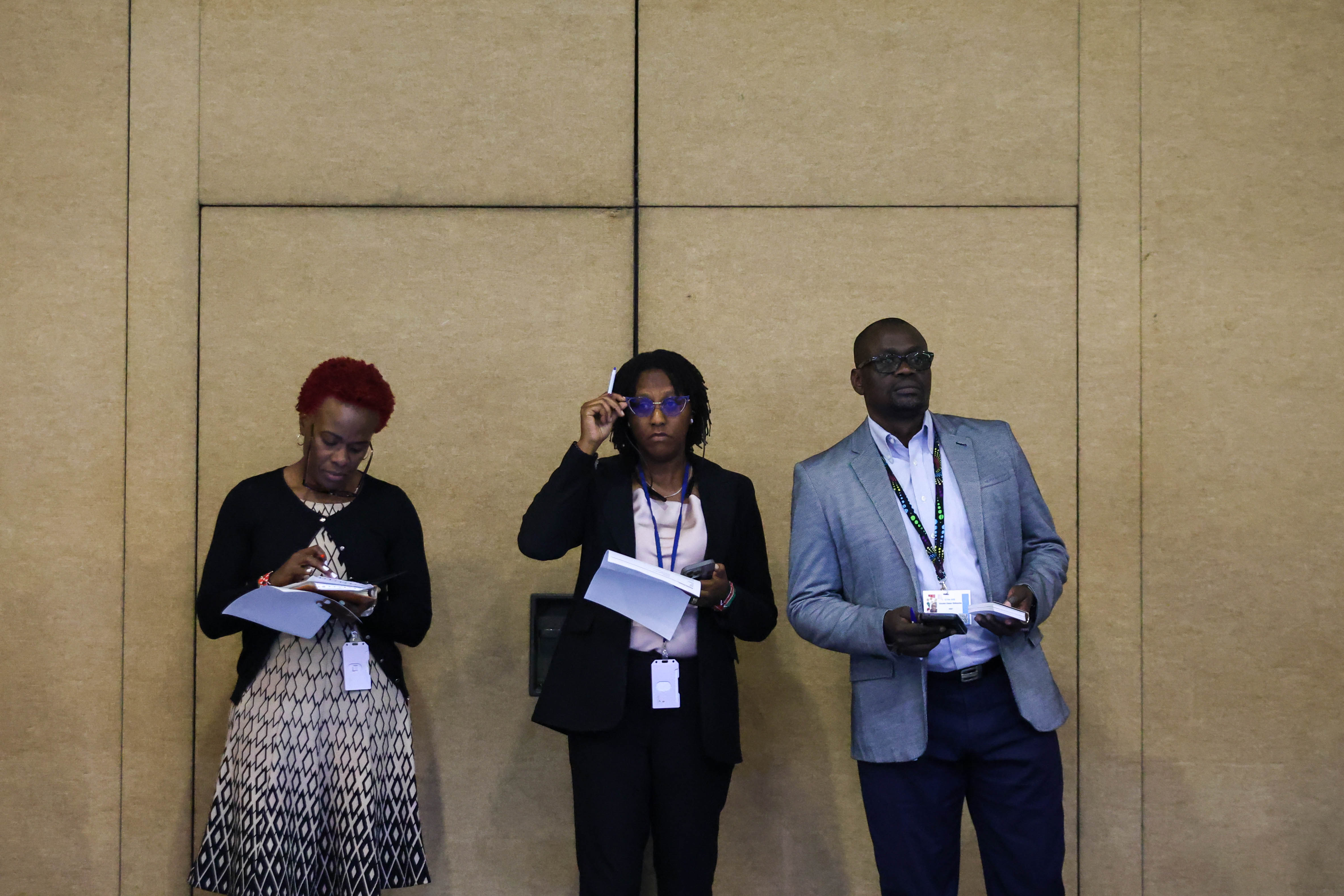
Cluster A on Nature and Climate
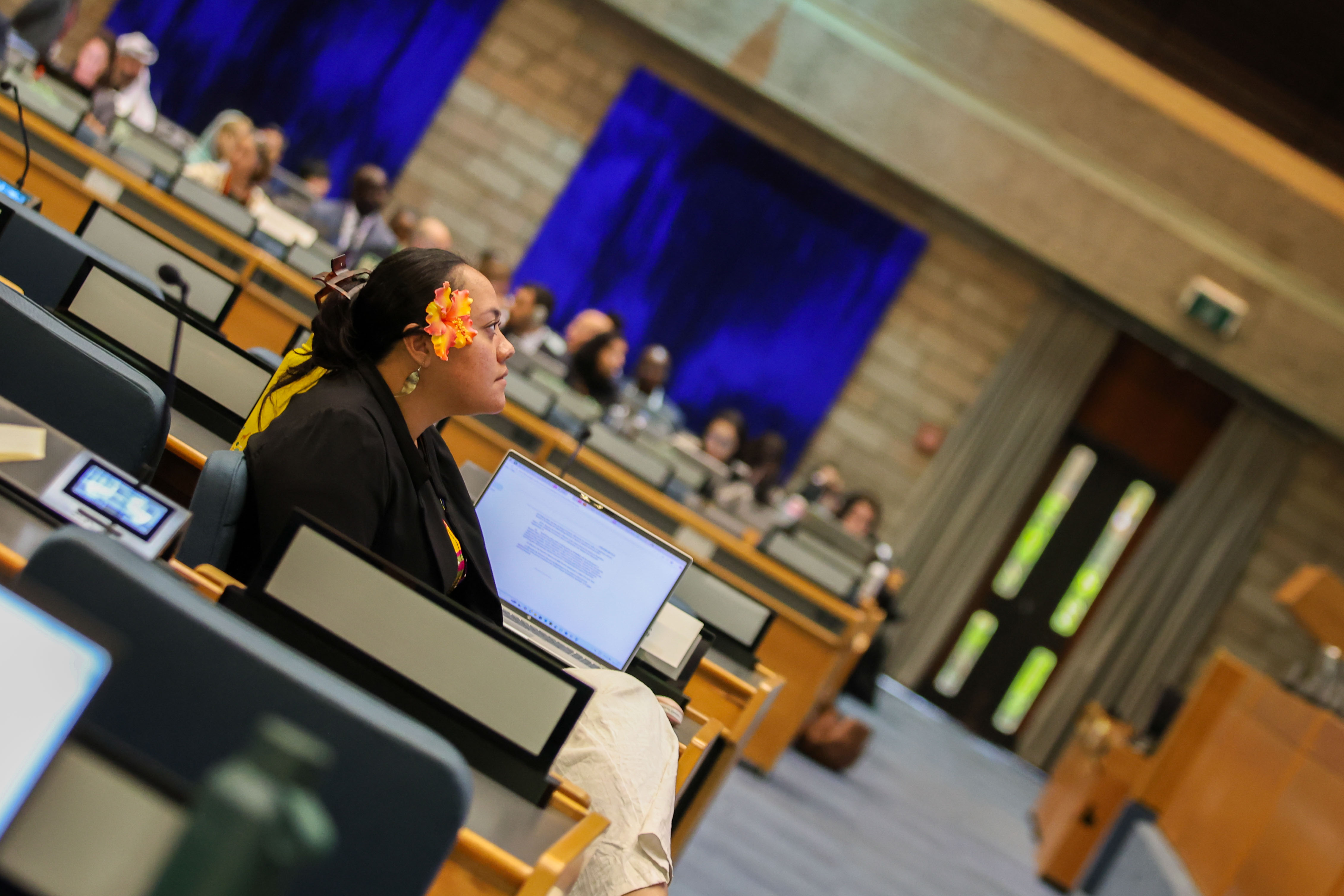
Mareva Cameron, Cook Islands
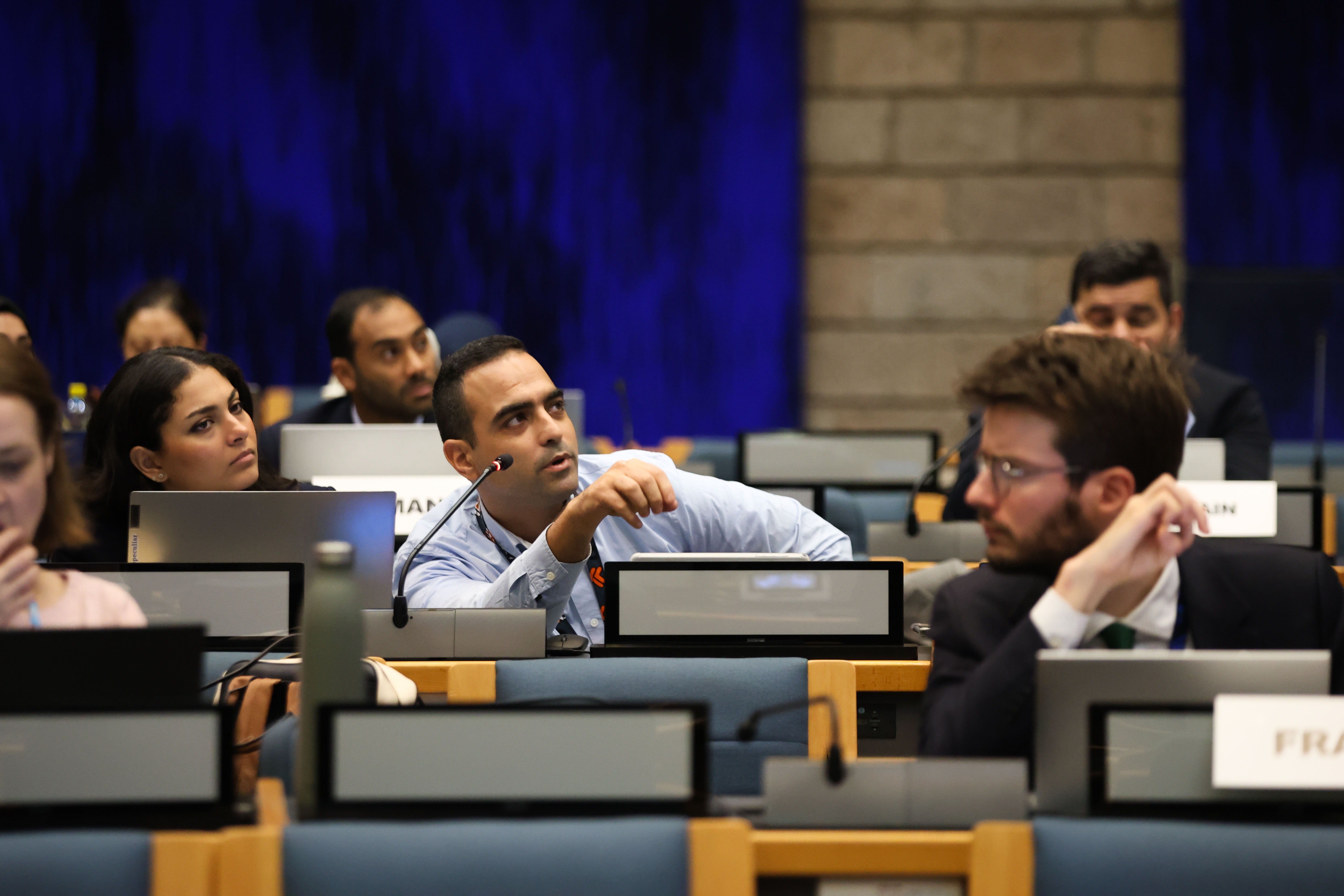
Ahmed Abdelrahim, Egypt
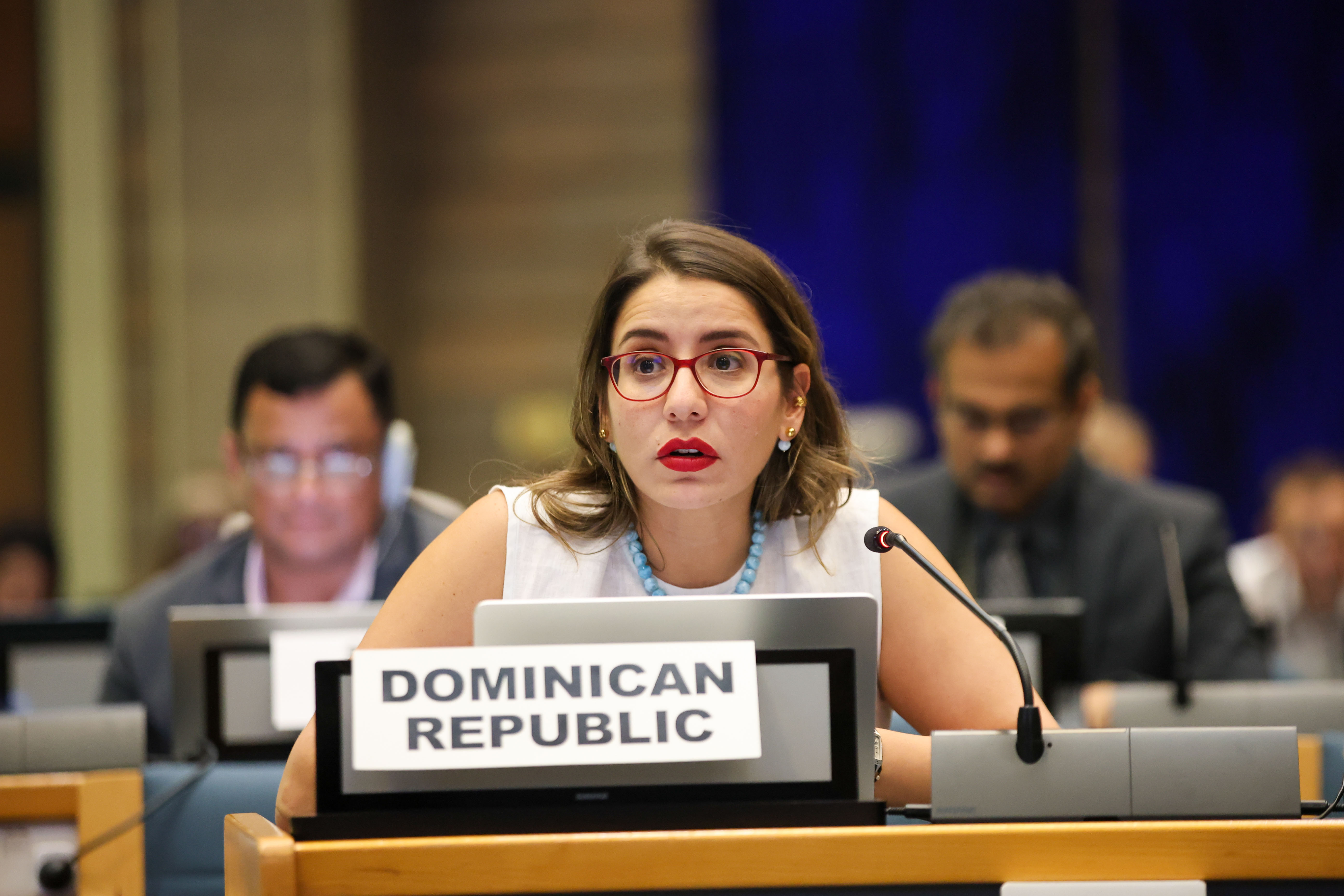
Claudia Taboada Flores, Dominican Republic
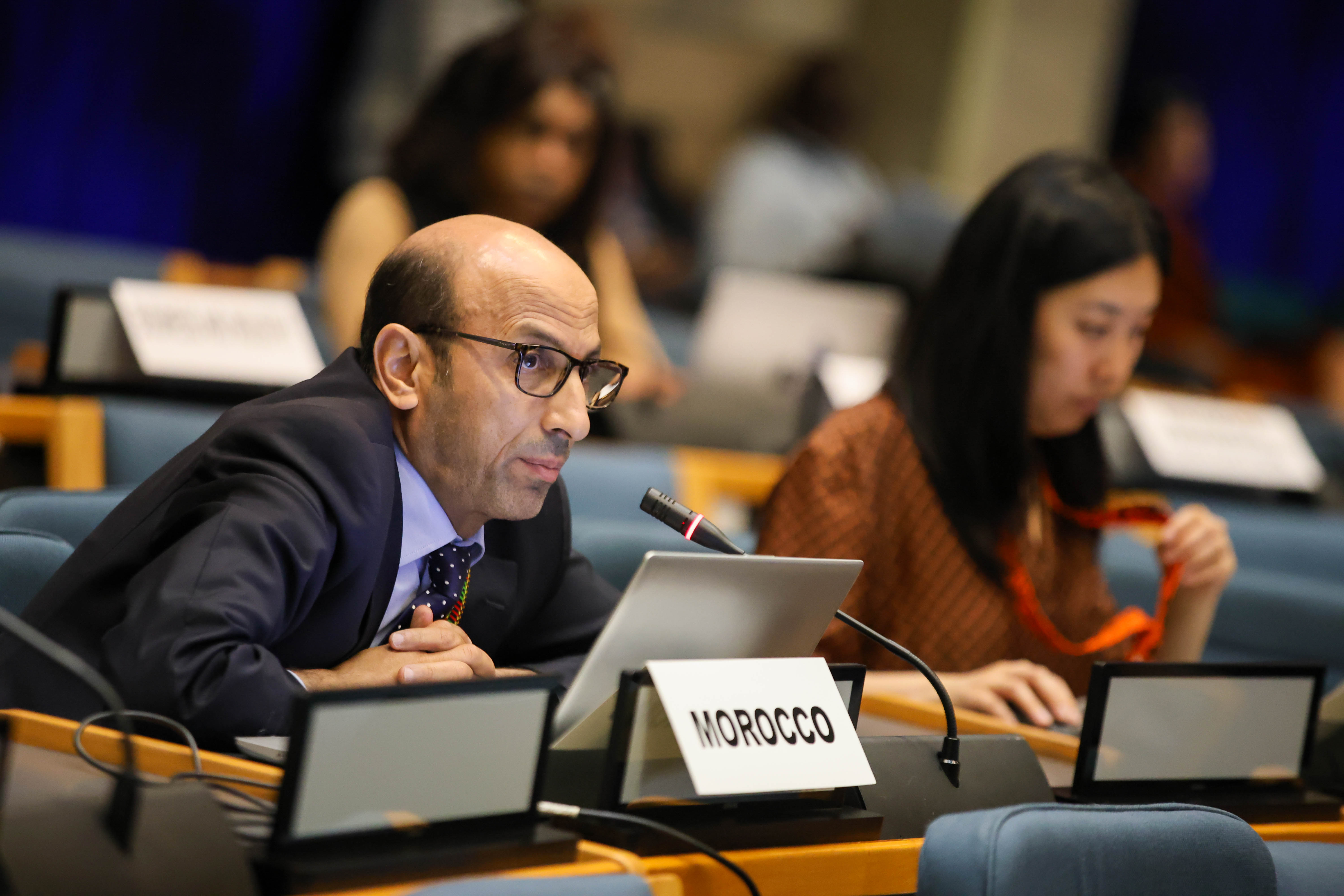
Rachid Firadi, Morocco
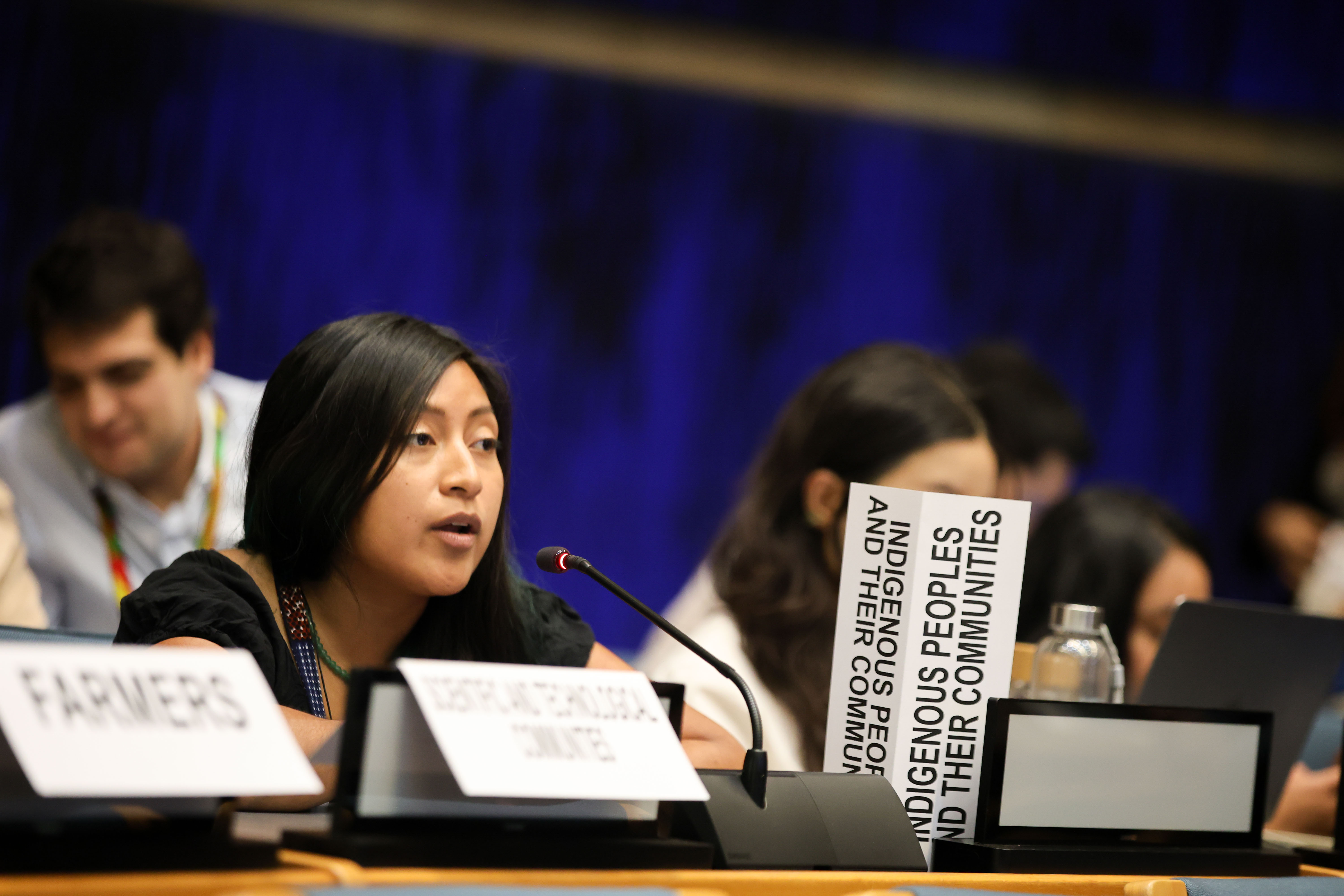
Erika Xananine Calvillo Ramirez, Indigenous Peoples and their Communities
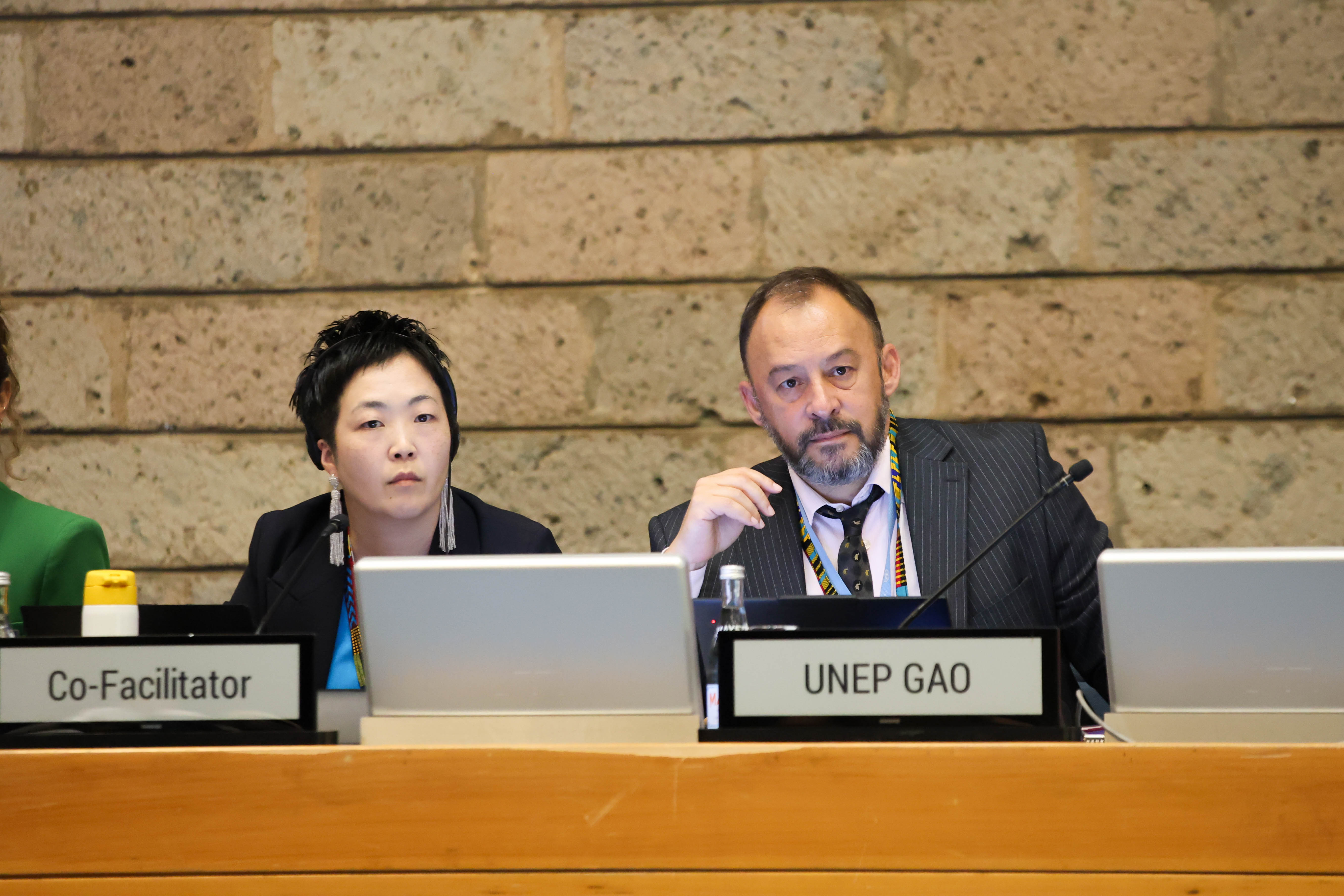
Kanako Okano, Japan, Co-Facilitator of Cluster A, and Juan Carlos Vasquez Murillo, Deputy Secretary, Governing Bodies, and Deputy Director, Governance Affairs Office, UNEP
Cluster B on Governance and Law
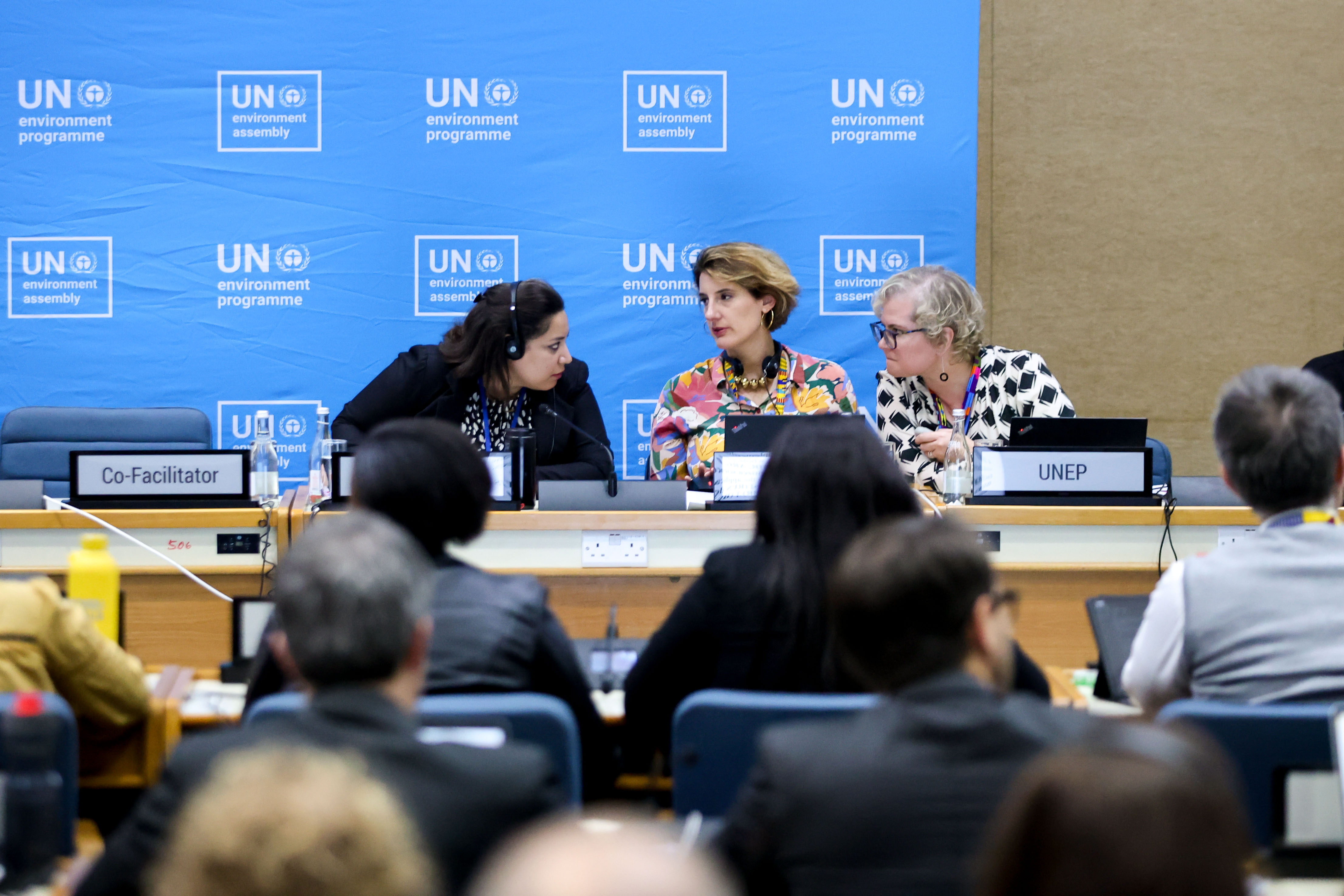
Sara Elkhouly, Egypt, Co-Facilitator of Cluster B, consult with members of the secretariat.
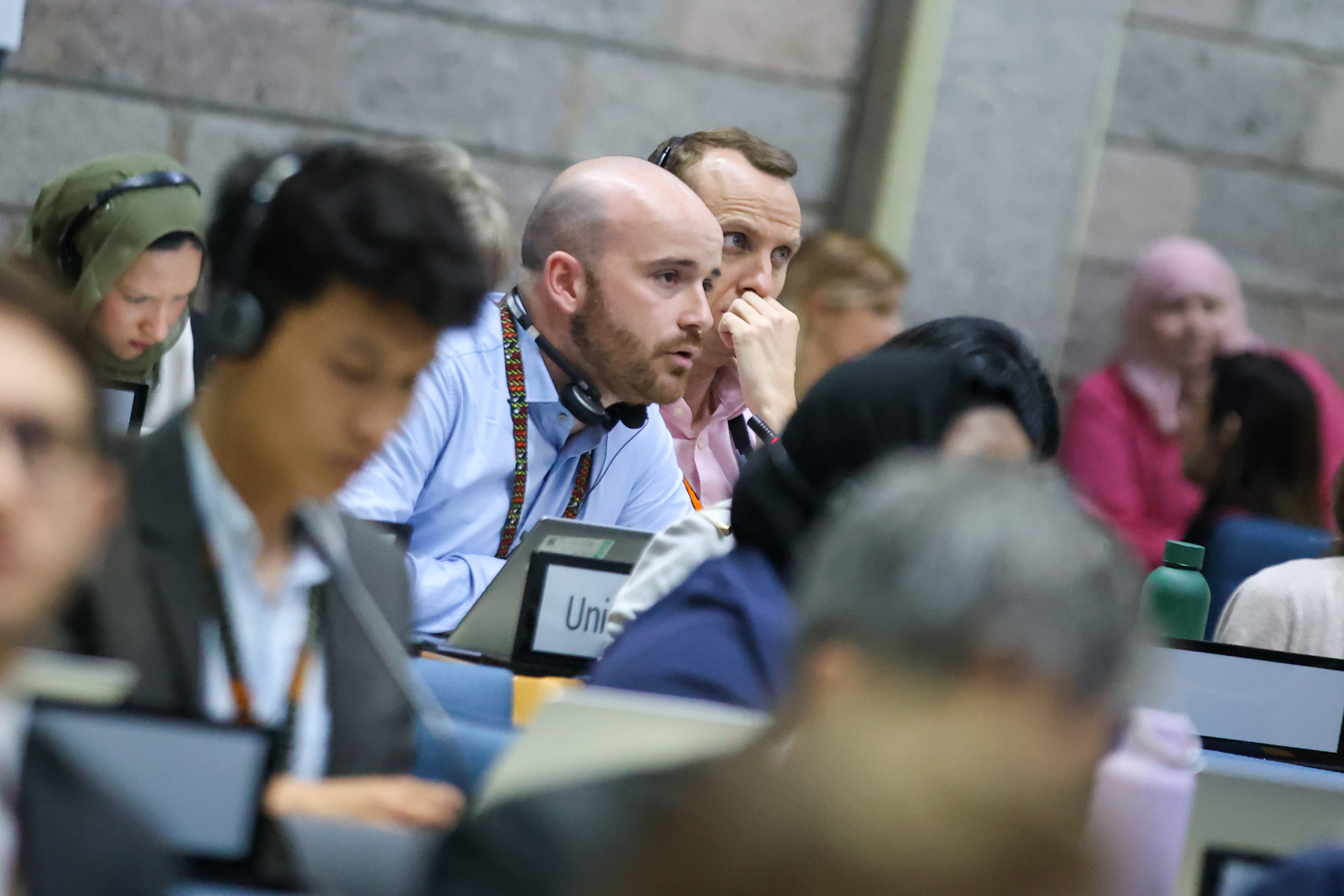
Jack Greenhalgh, United Kingdom
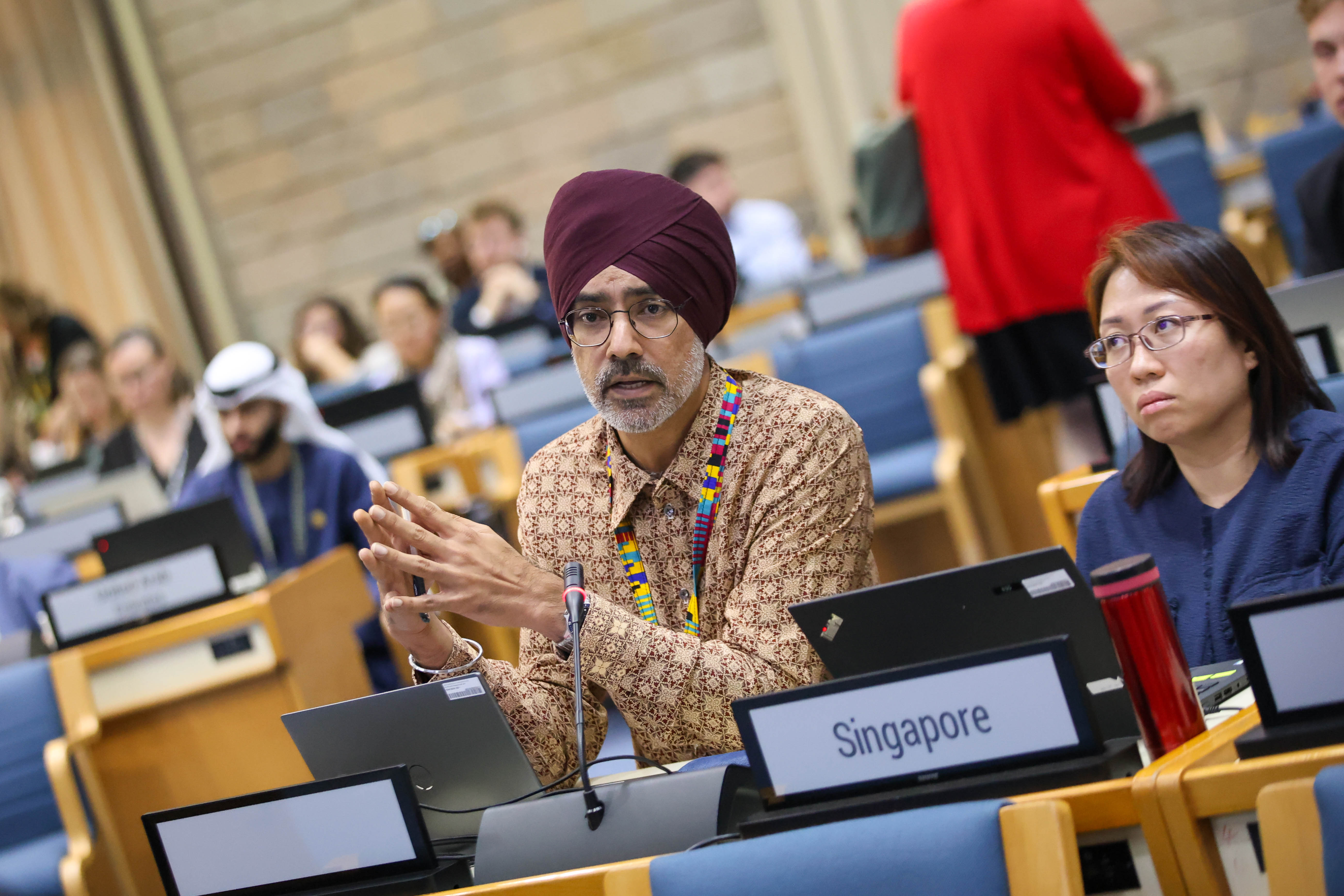
Ranjeet Singh, Singapore
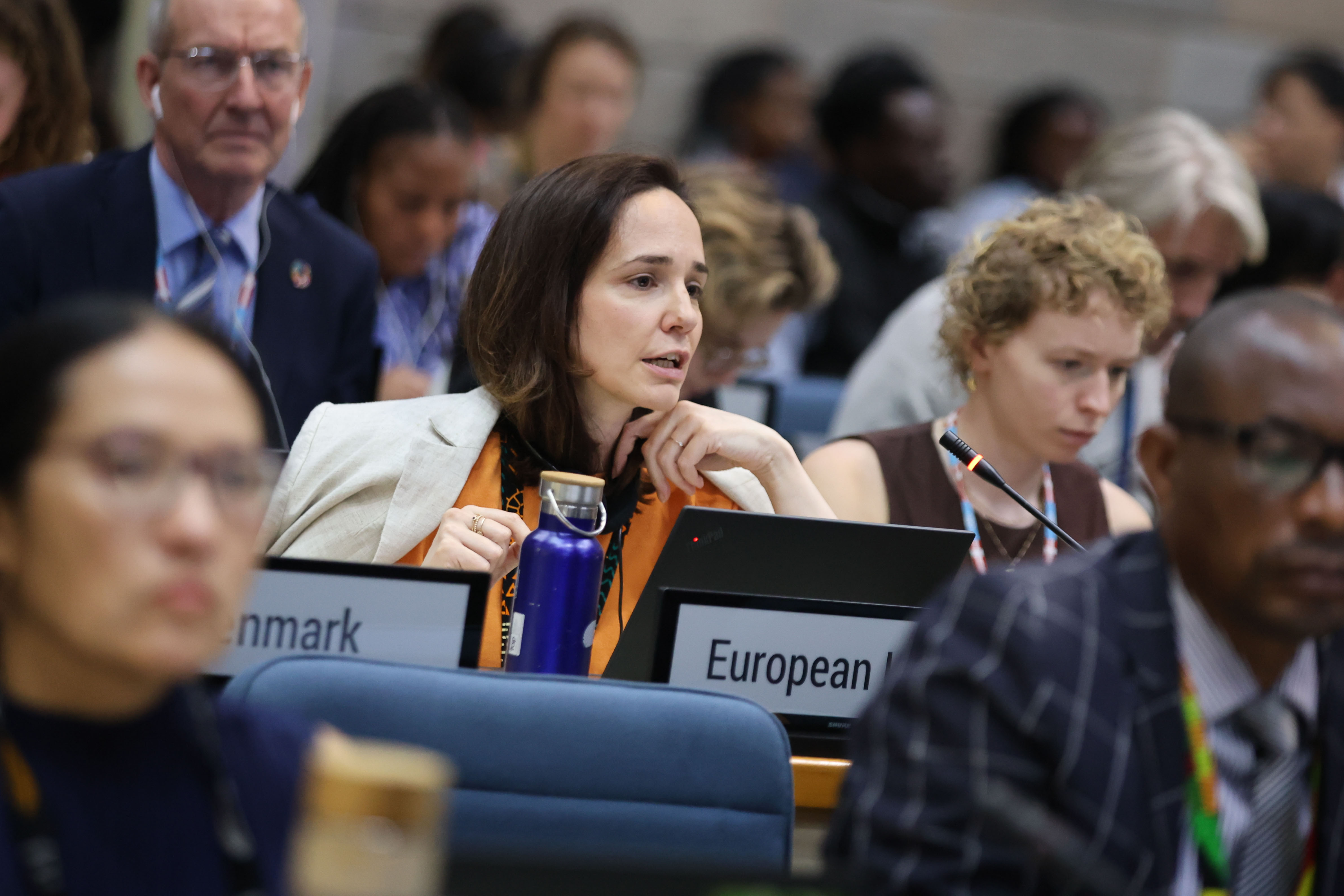
Gordana Topić, EU
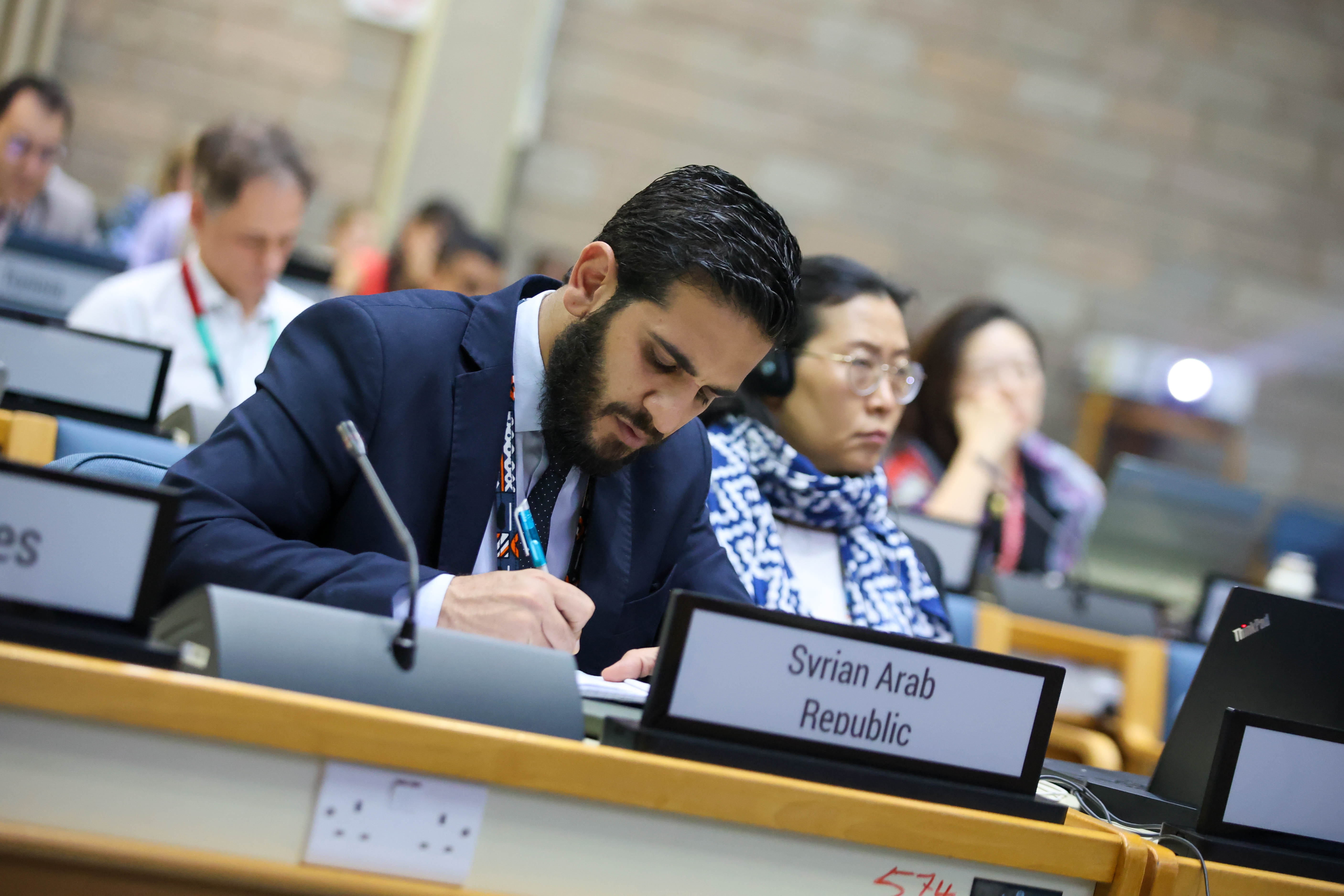
Ahmad Sandeh, Syria
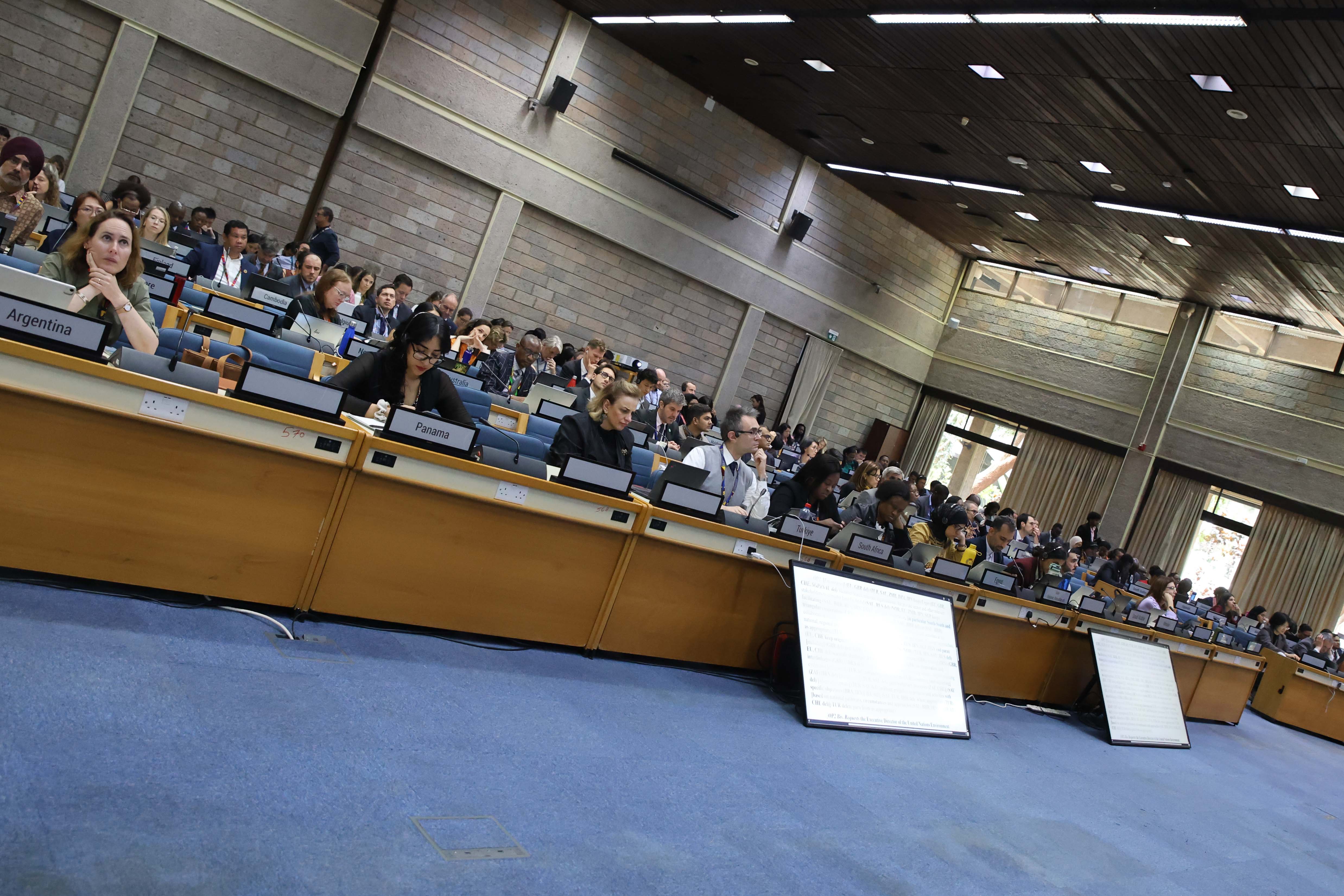
Cluster C on Circular Economy, Chemicals, Waste and Pollution
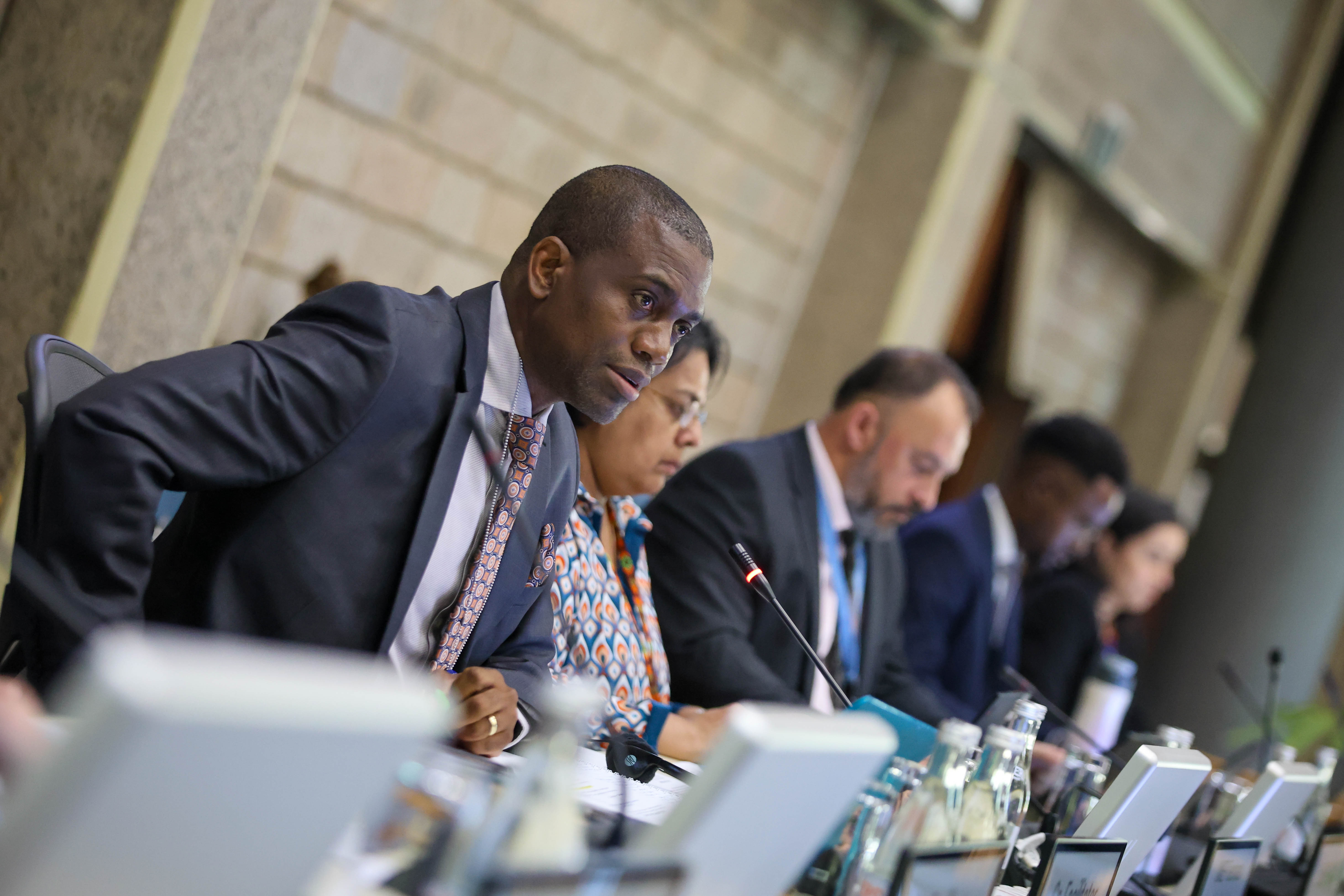
Ontumetse Ontumetse, Botswana, Co-Facilitator of Cluster C
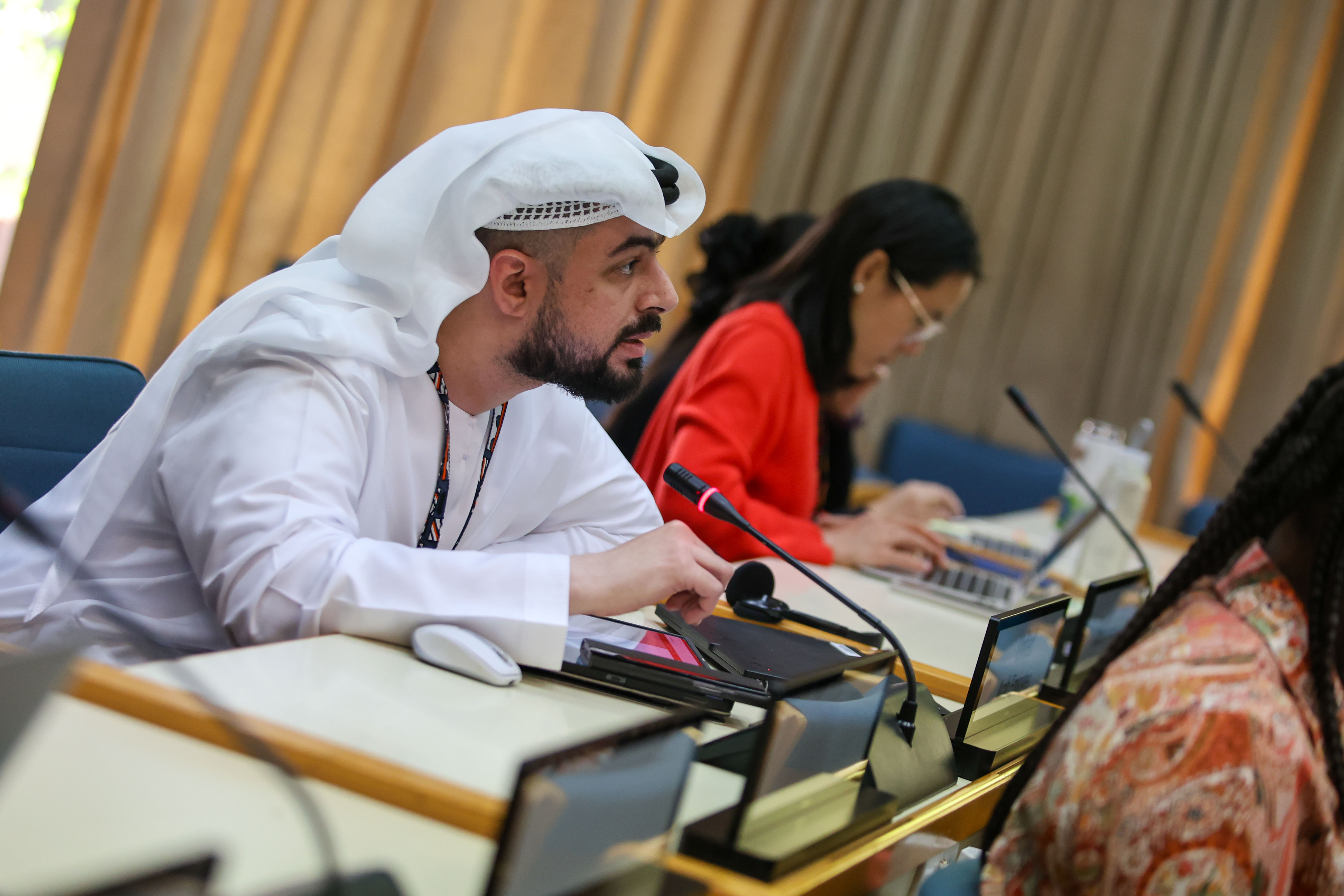
Abdalla Almansoori, UAE
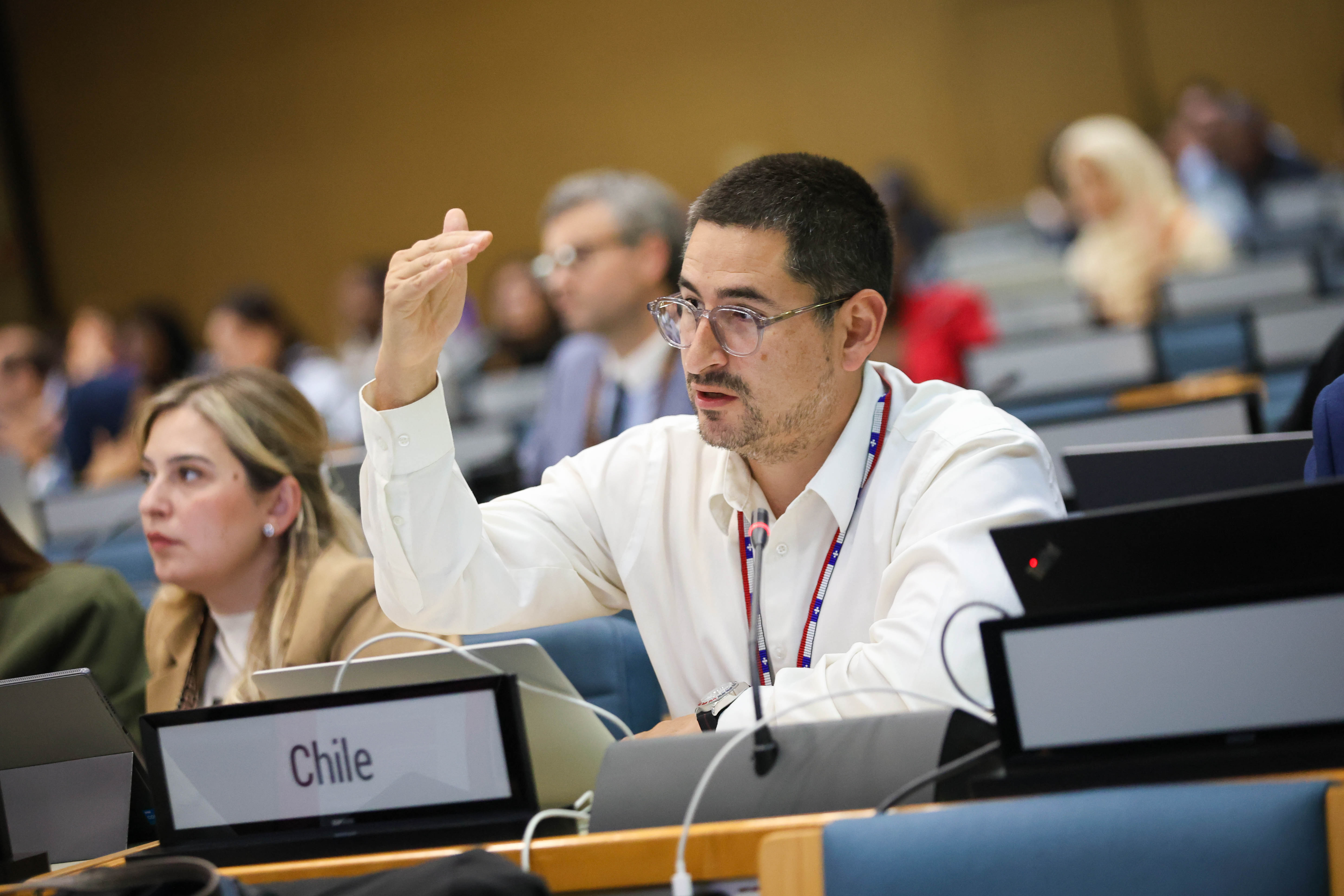
Gonzalo Guaiquil, Chile
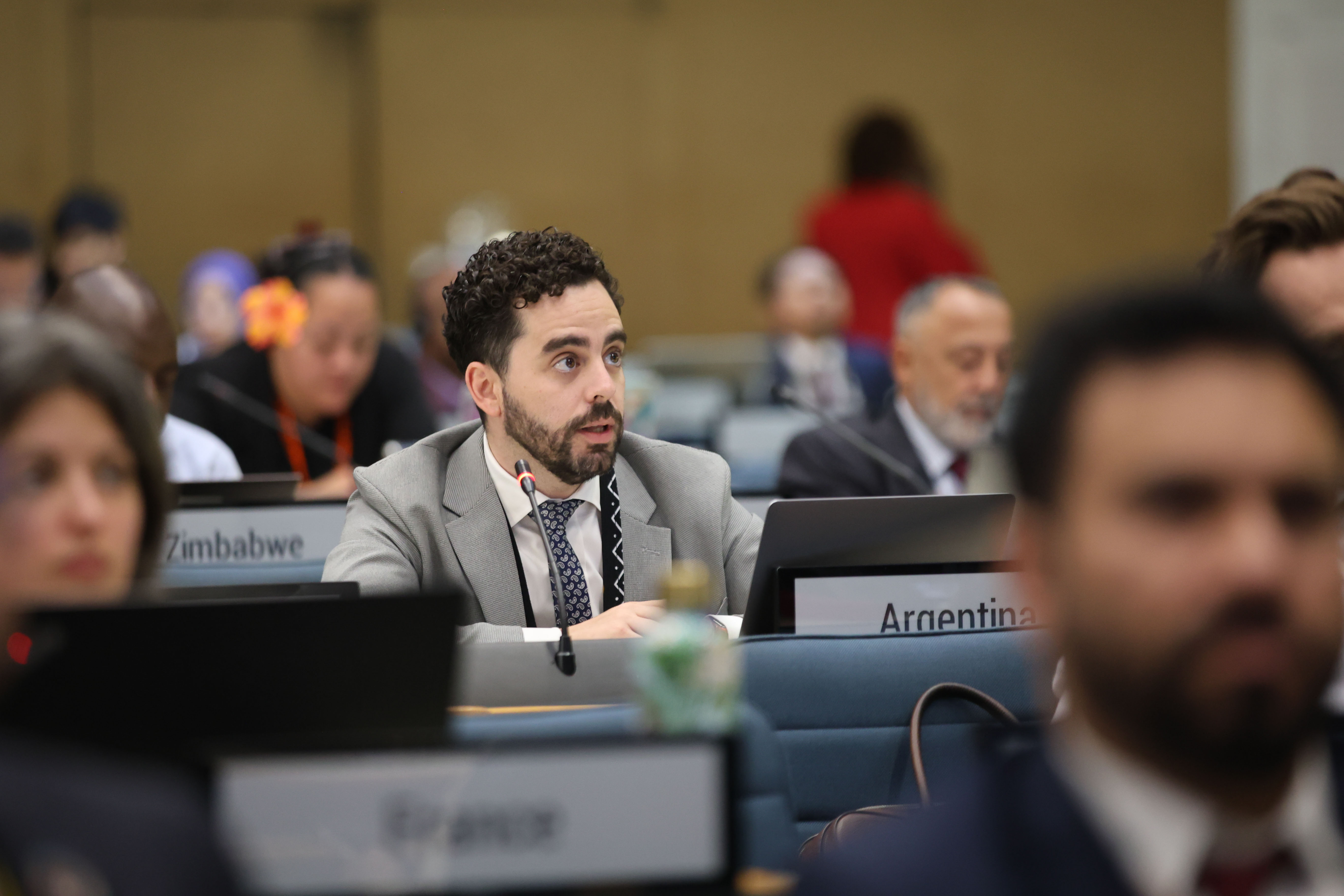
Joaquín Salzberg, Argentina
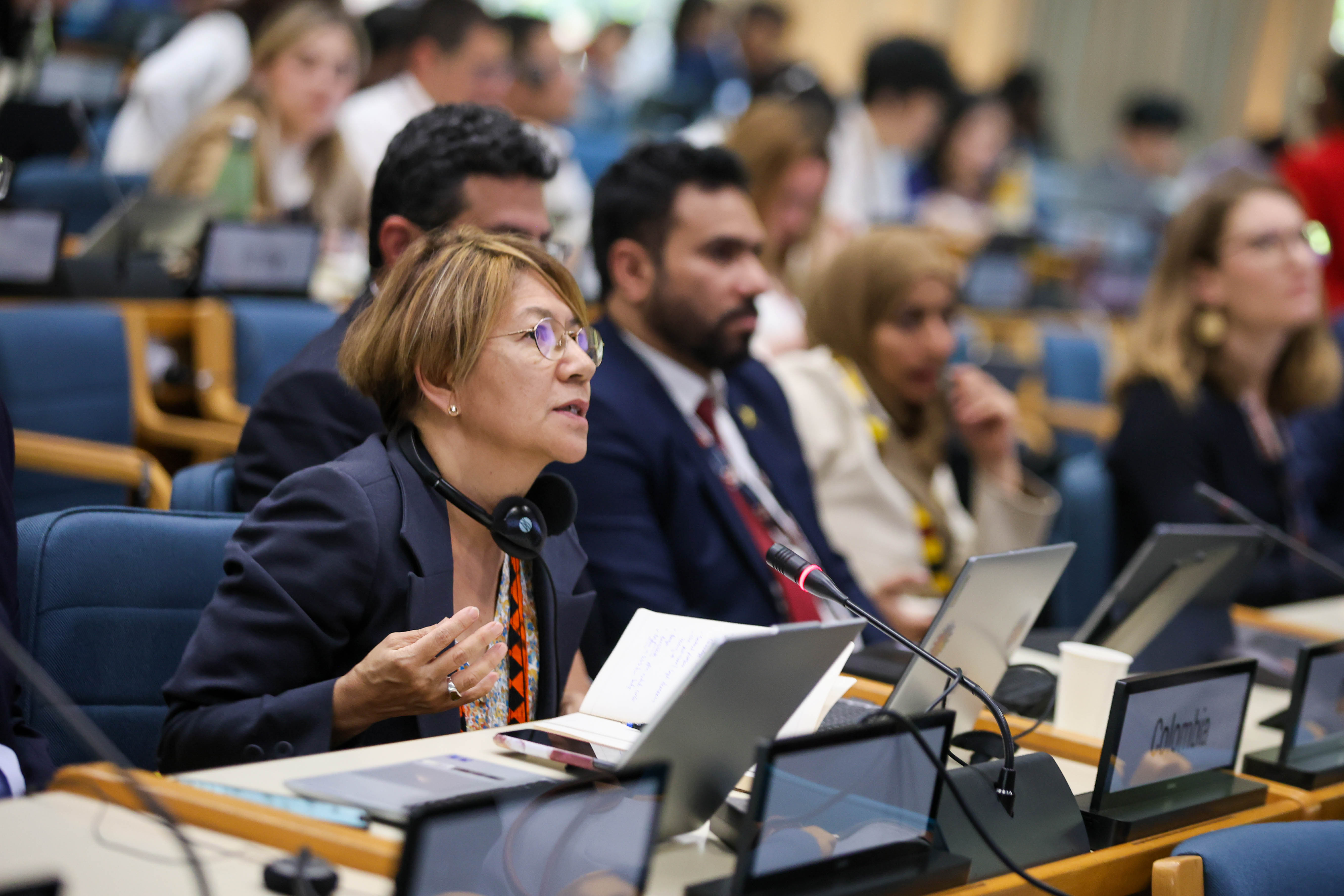
Maria Rivera, Colombia
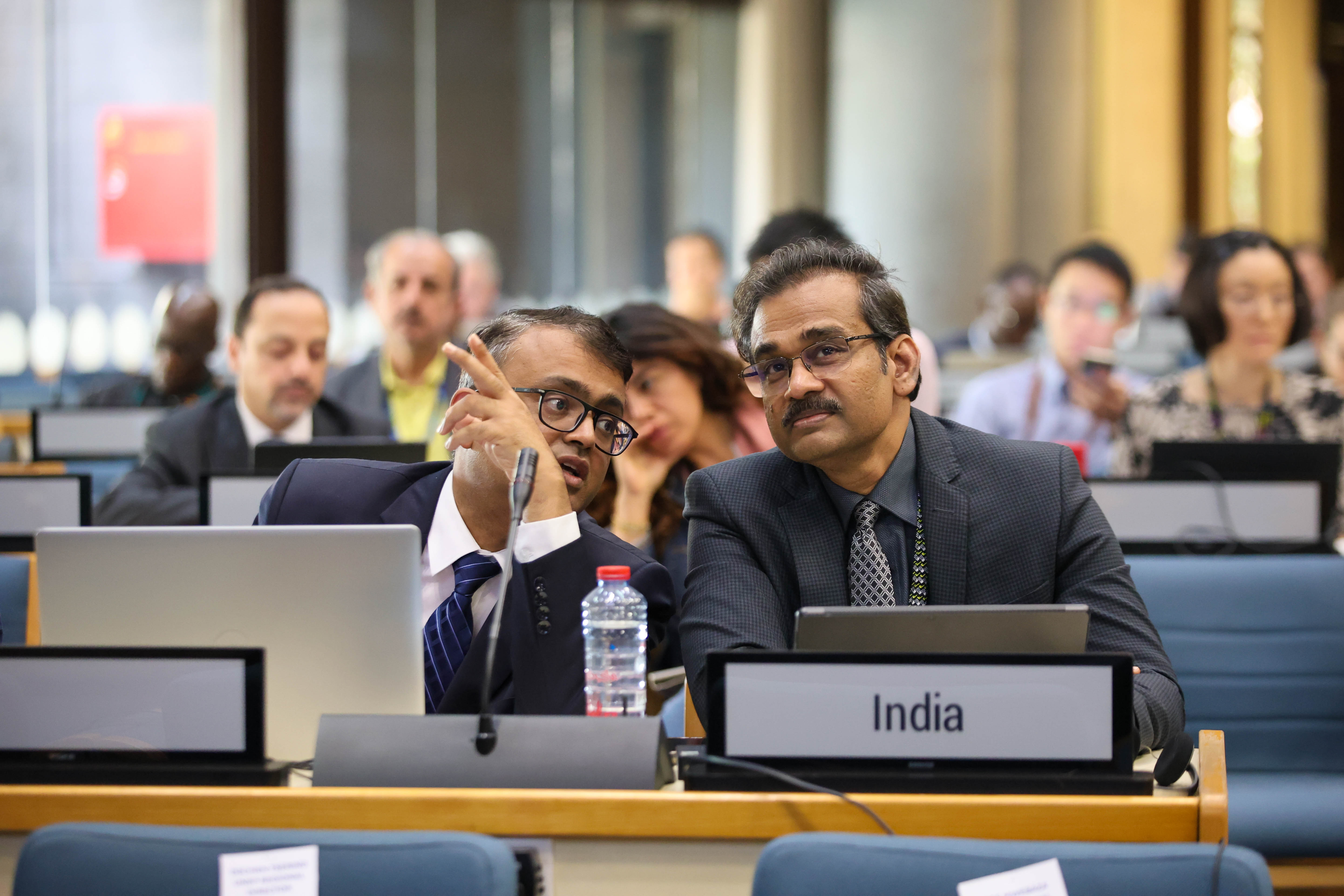
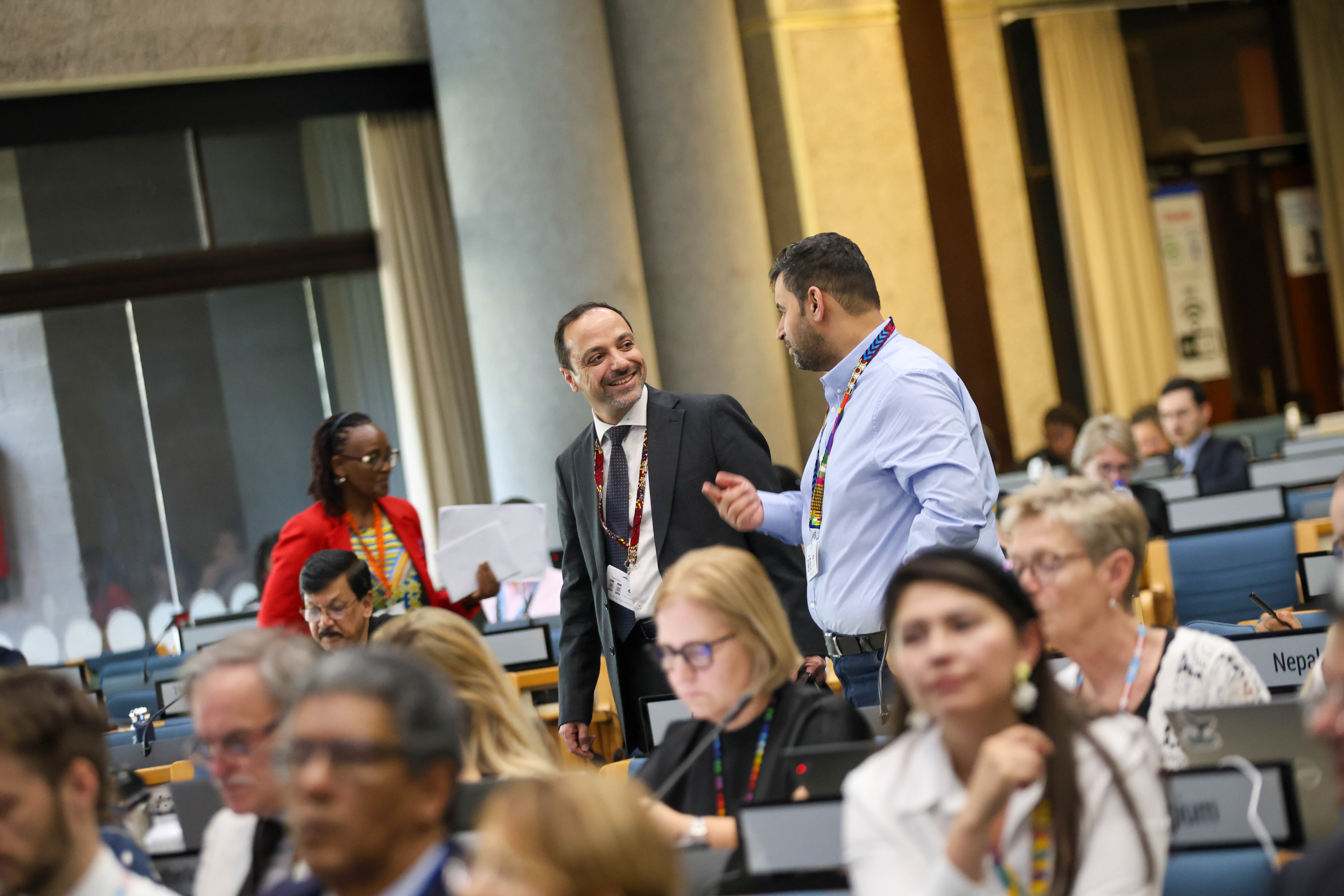
Delegates from India consult.
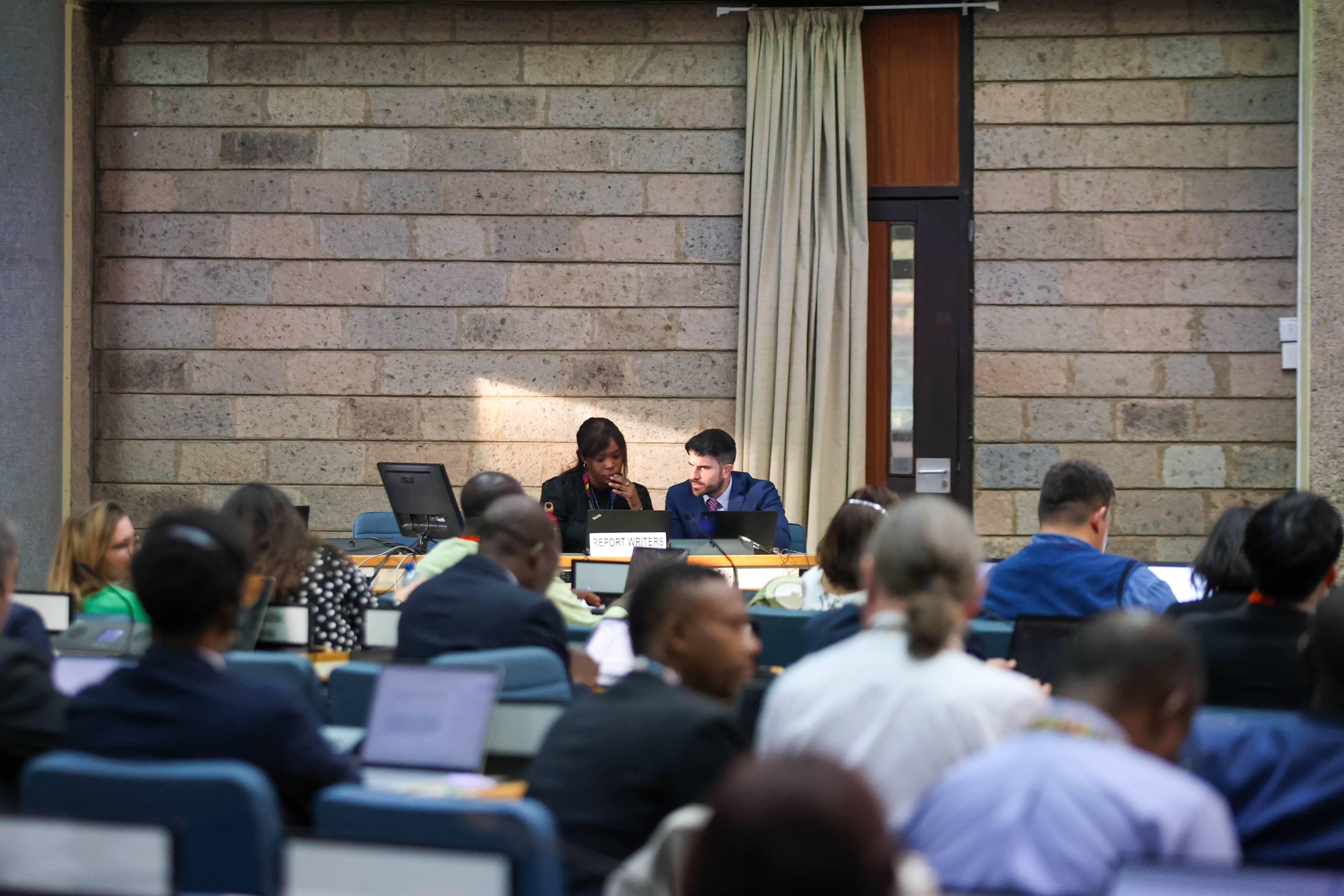
Cluster D on Strategic, Budgetary, and Governing Bodies Matters
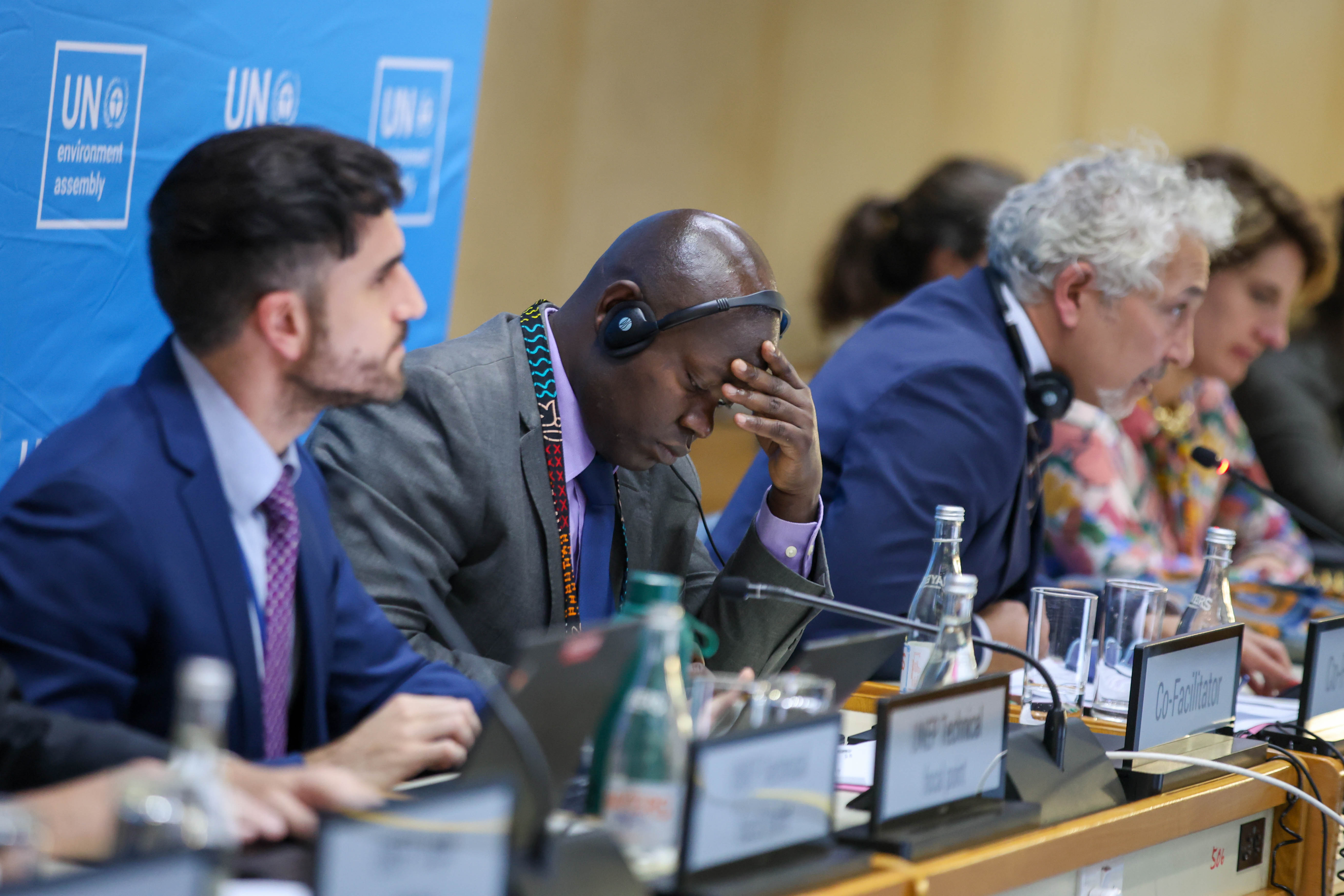
Tobias Ogweno, Kenya, Co-Facilitator of Cluster D
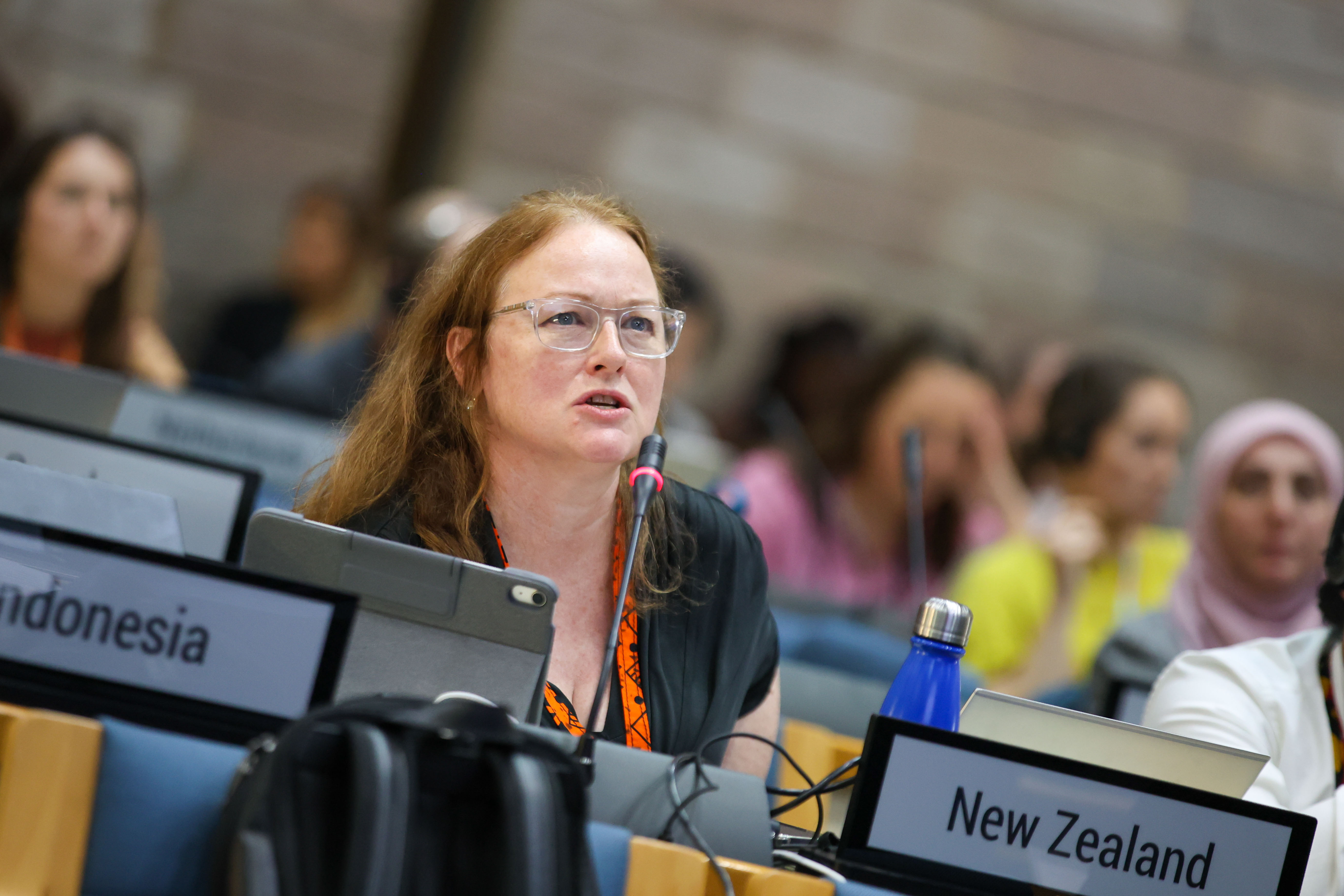
Jillian Dempster, New Zealand
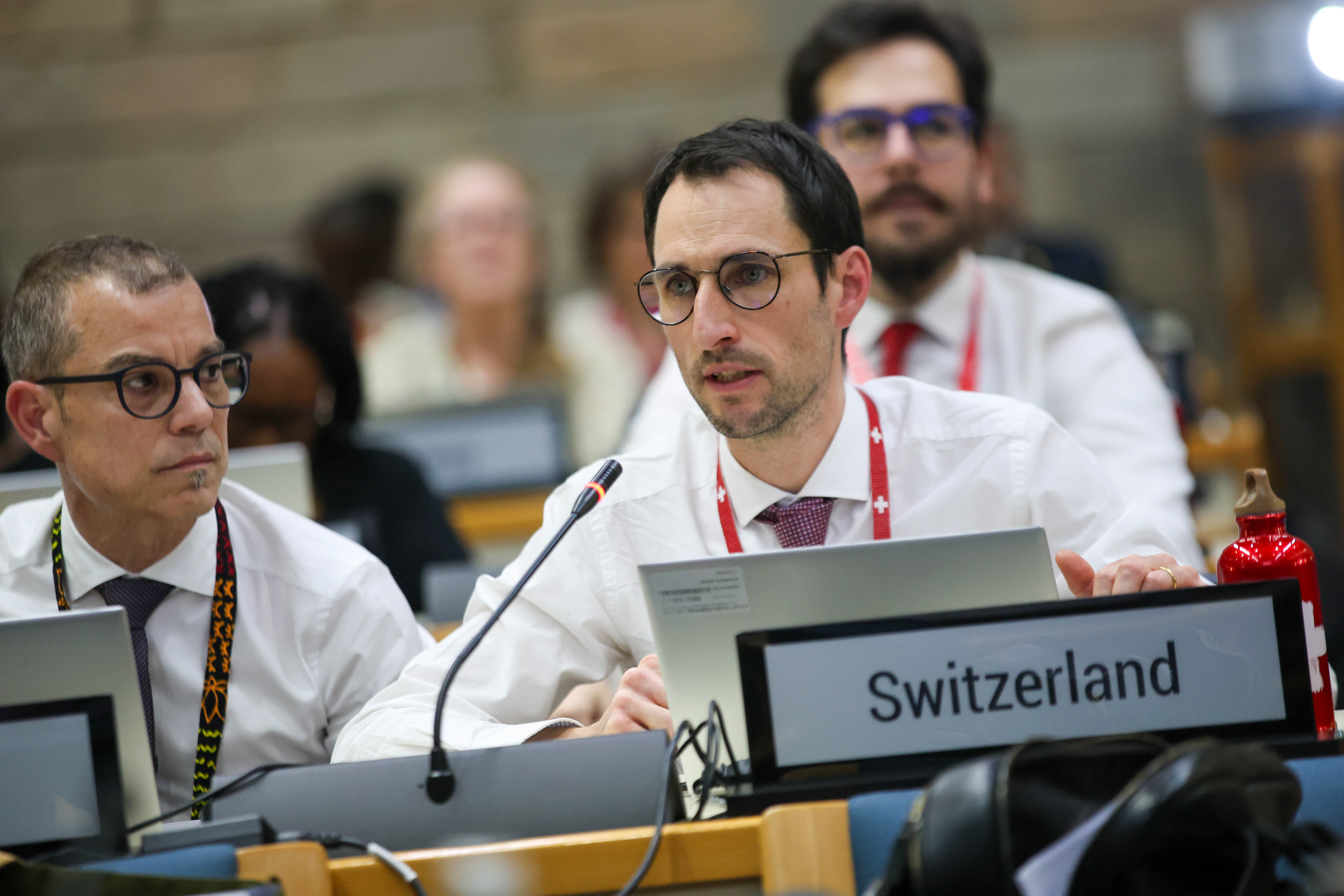
Michel Tschirren, Switzerland
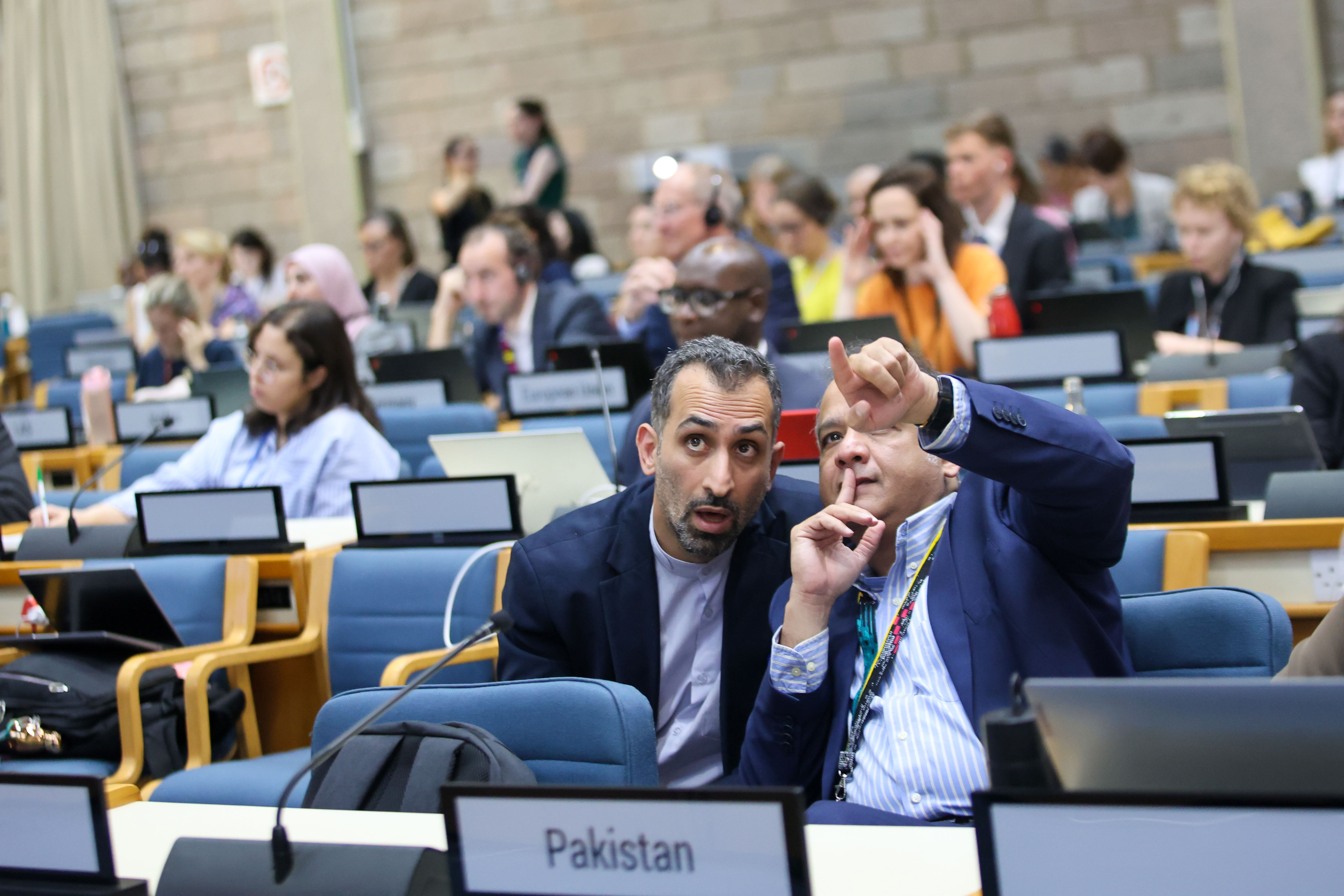
Delegates from Iran and Pakistan consult.
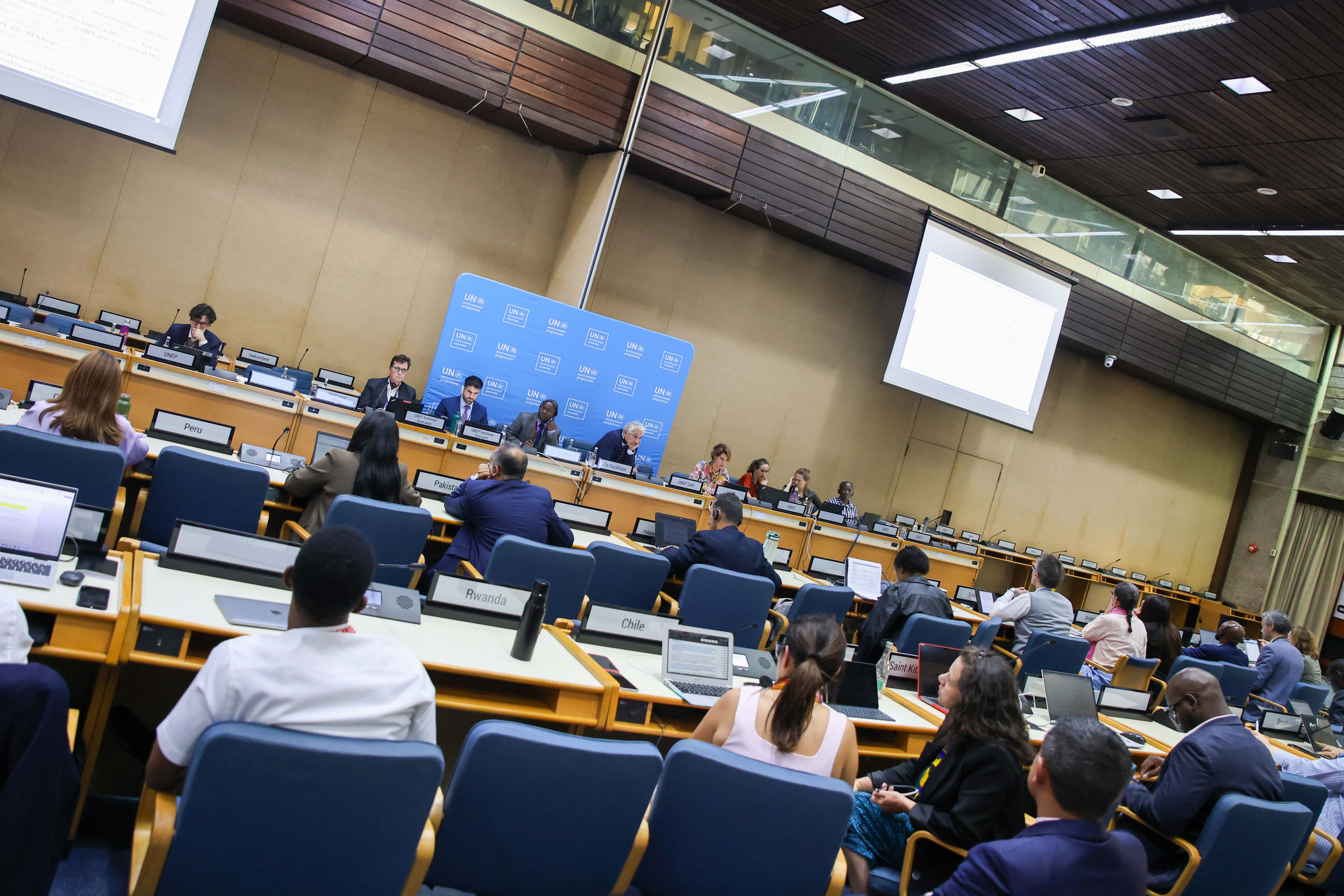
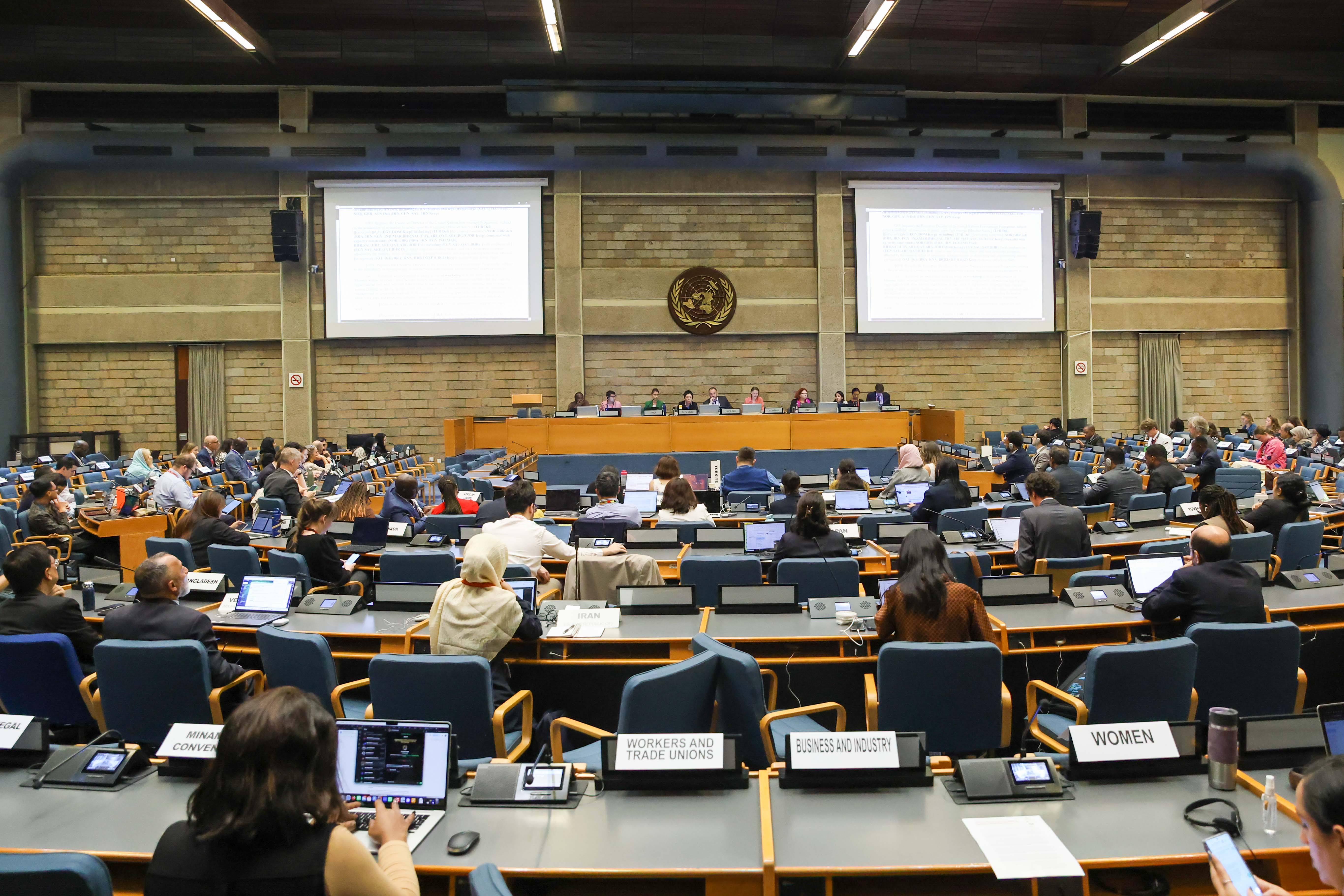
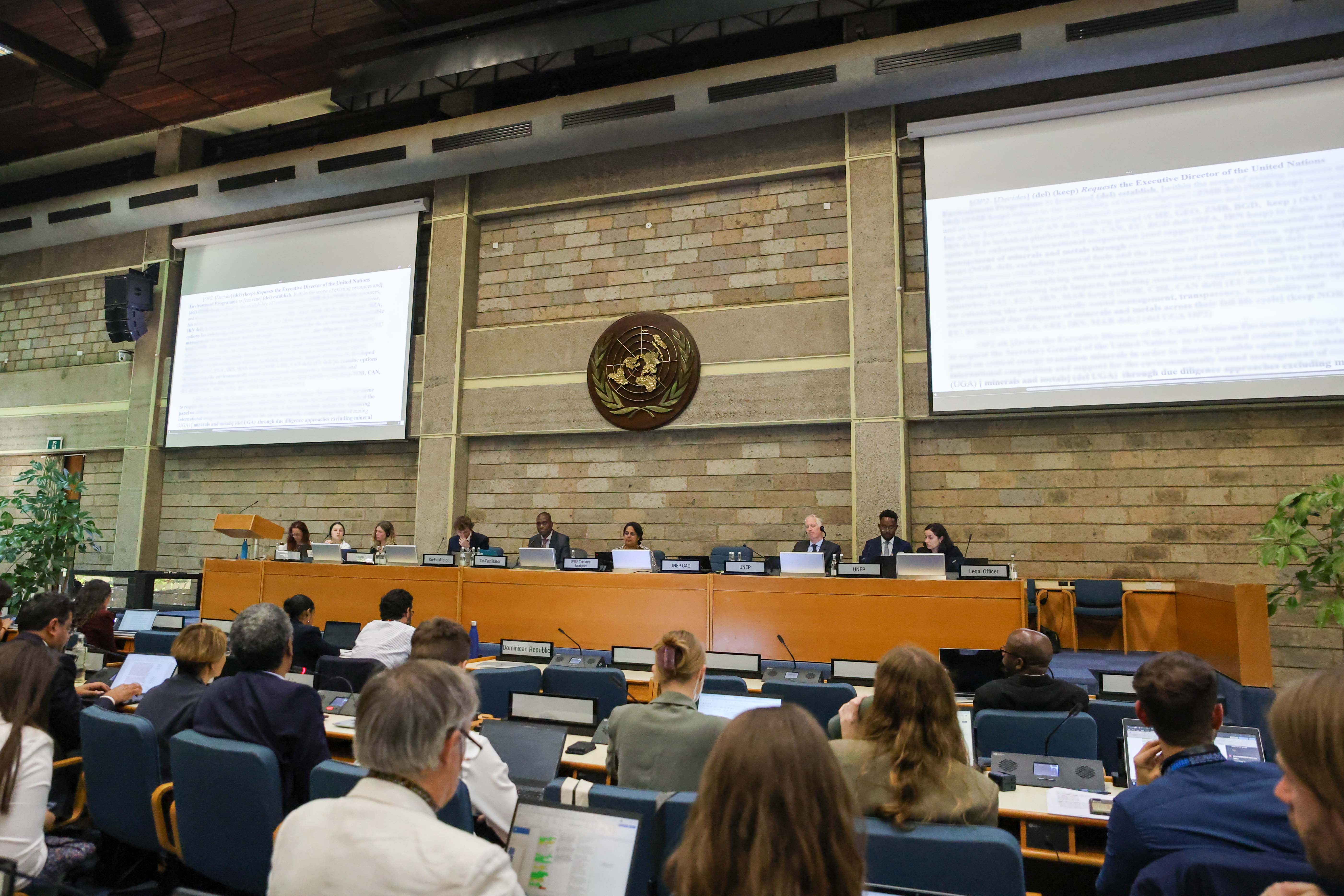
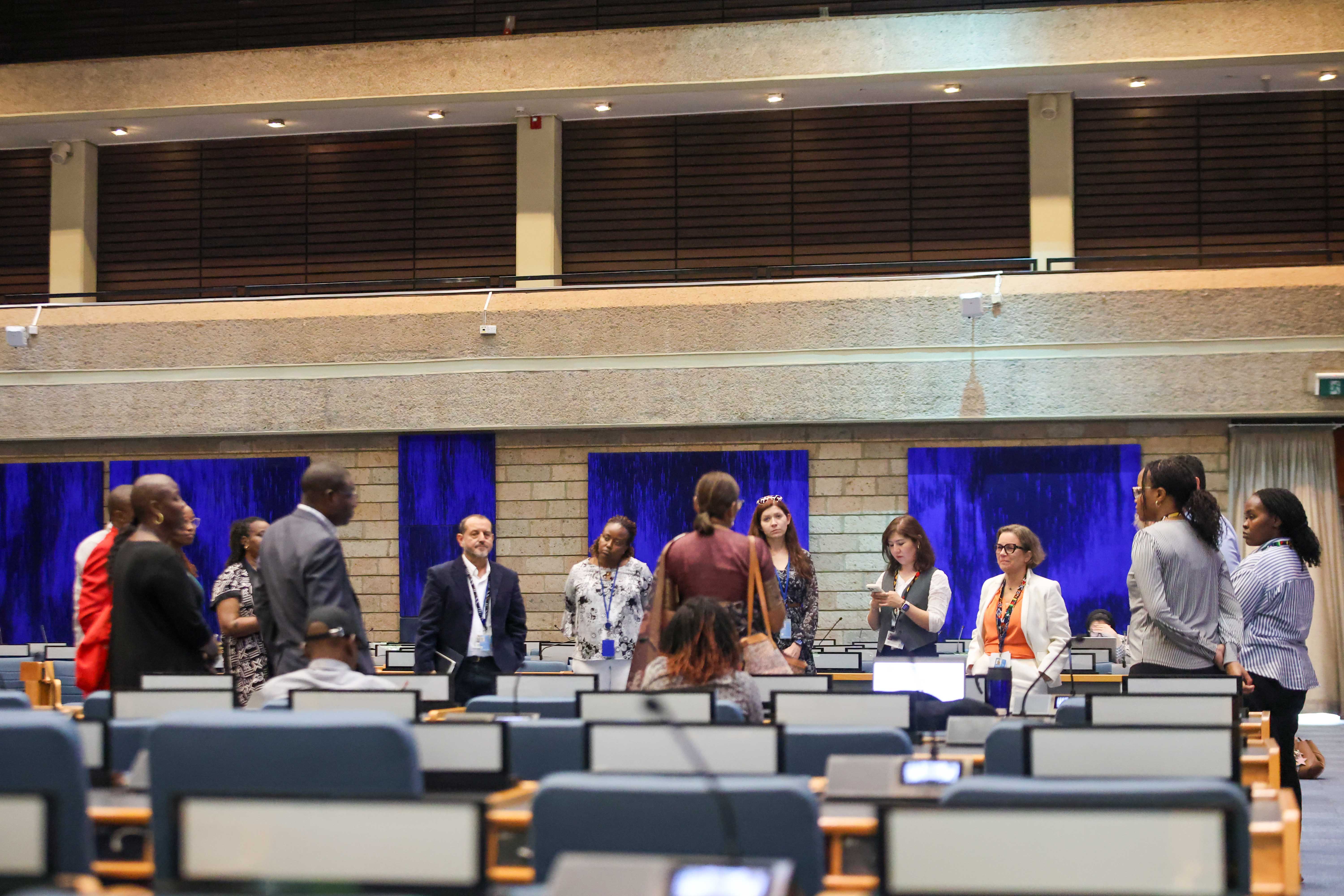
A view of the room
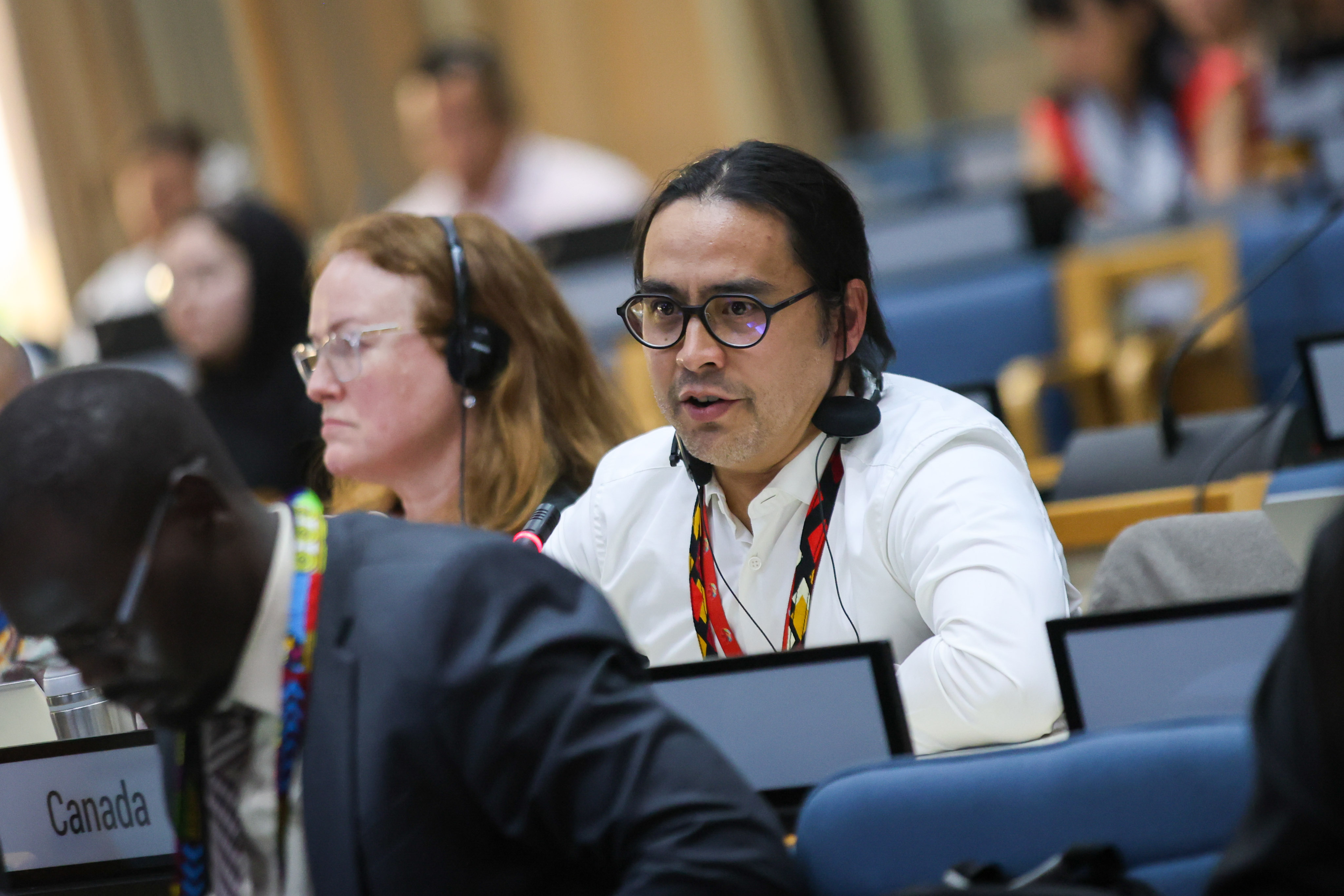
Jonathan Tan, Canada
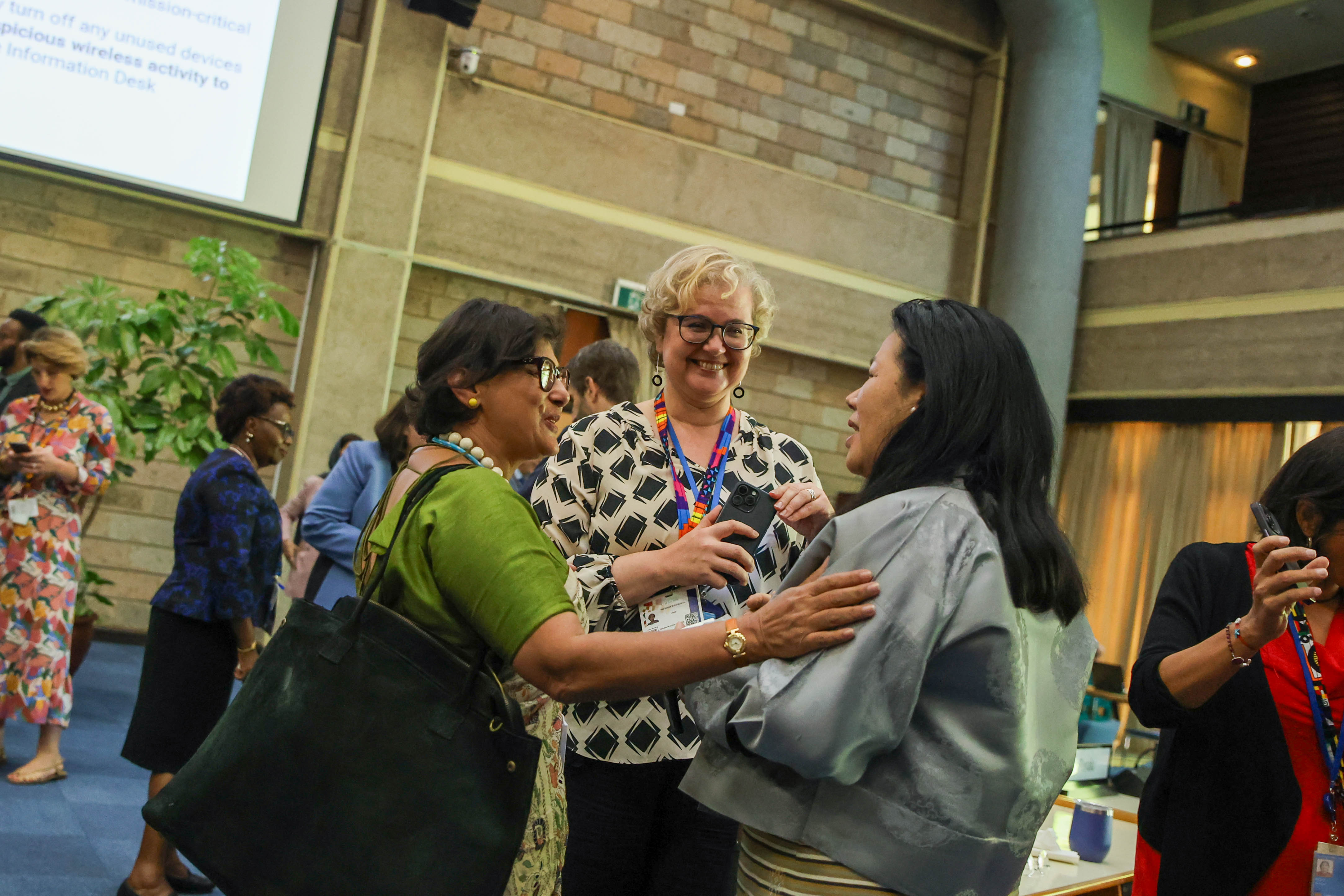
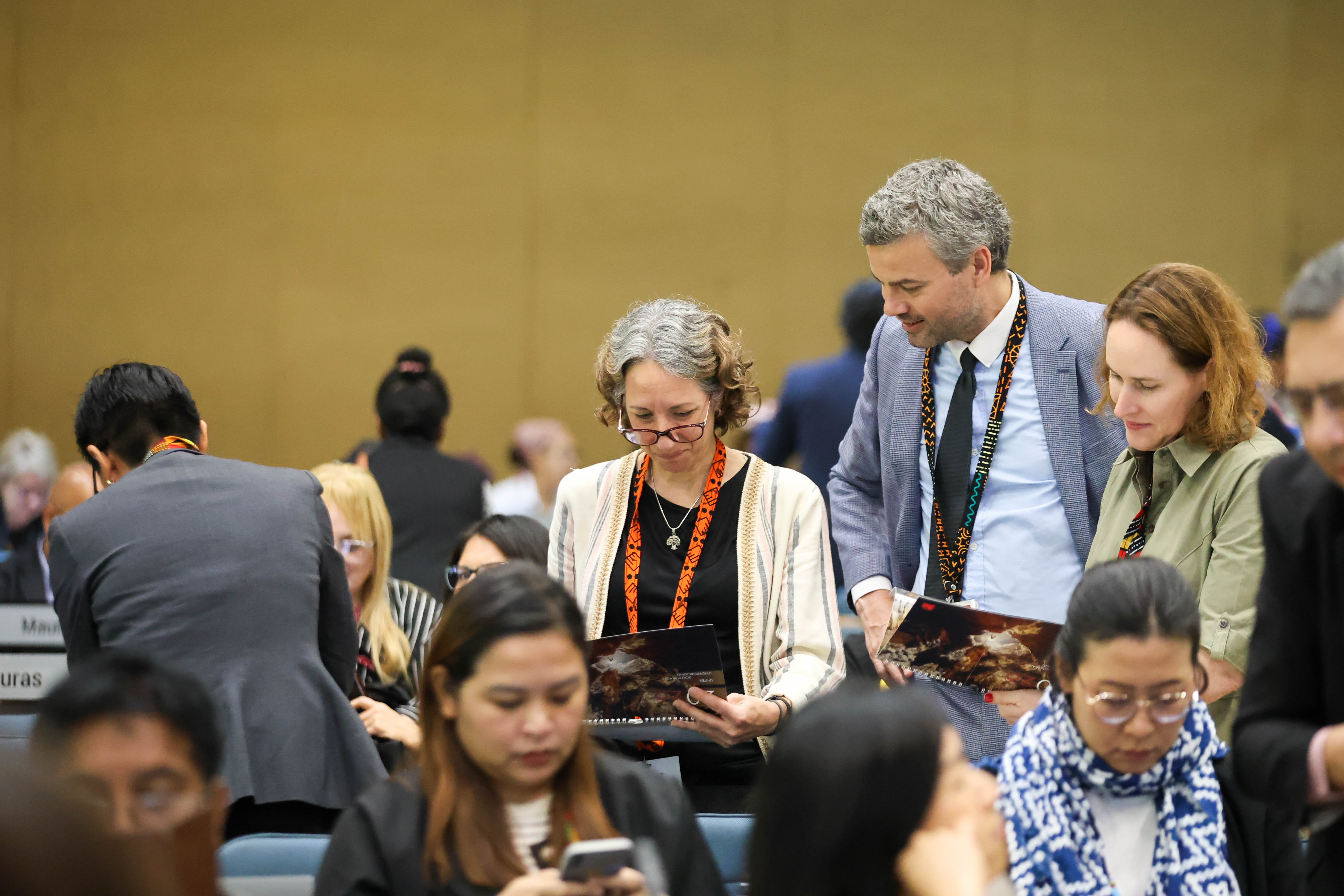
Between Sessions
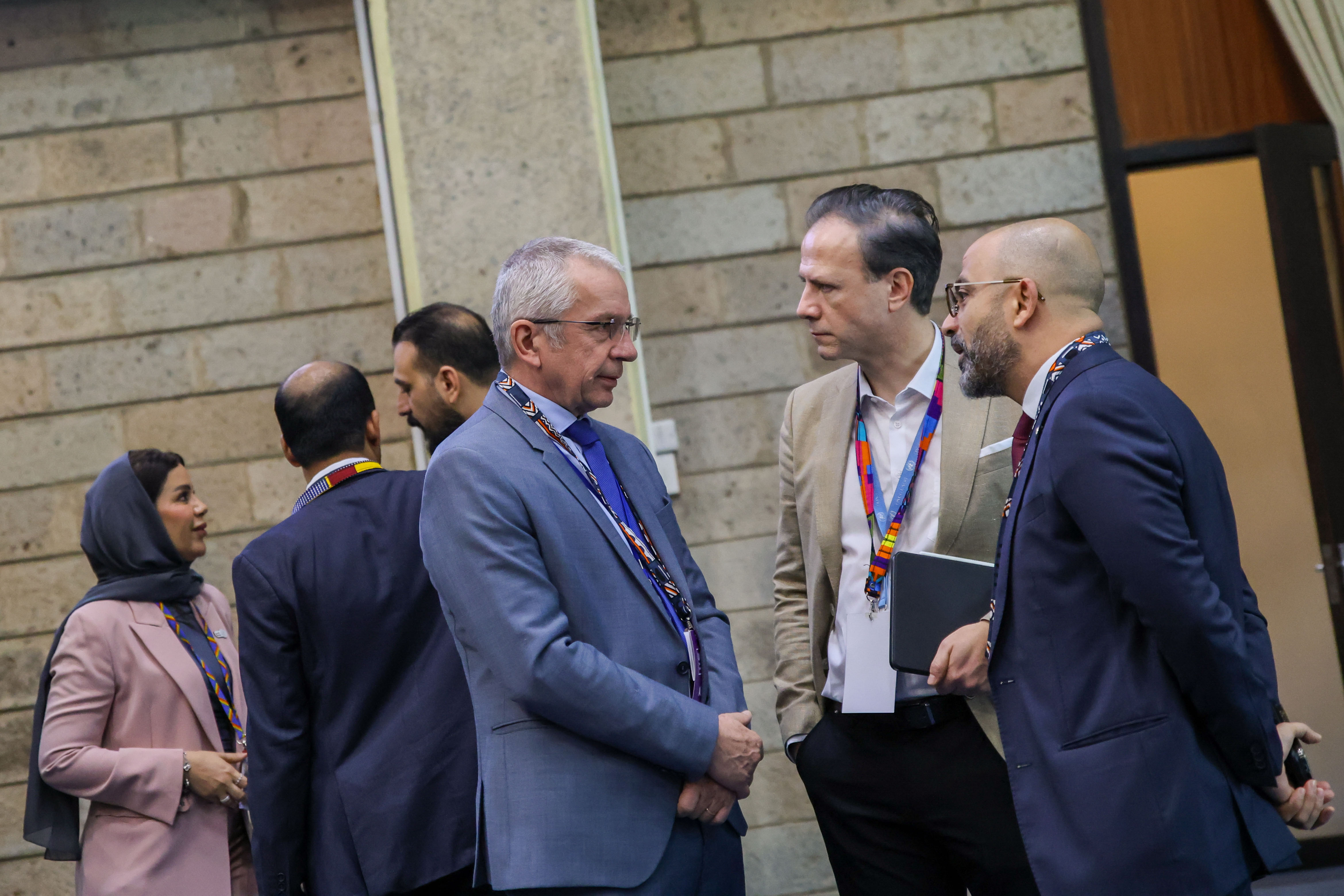
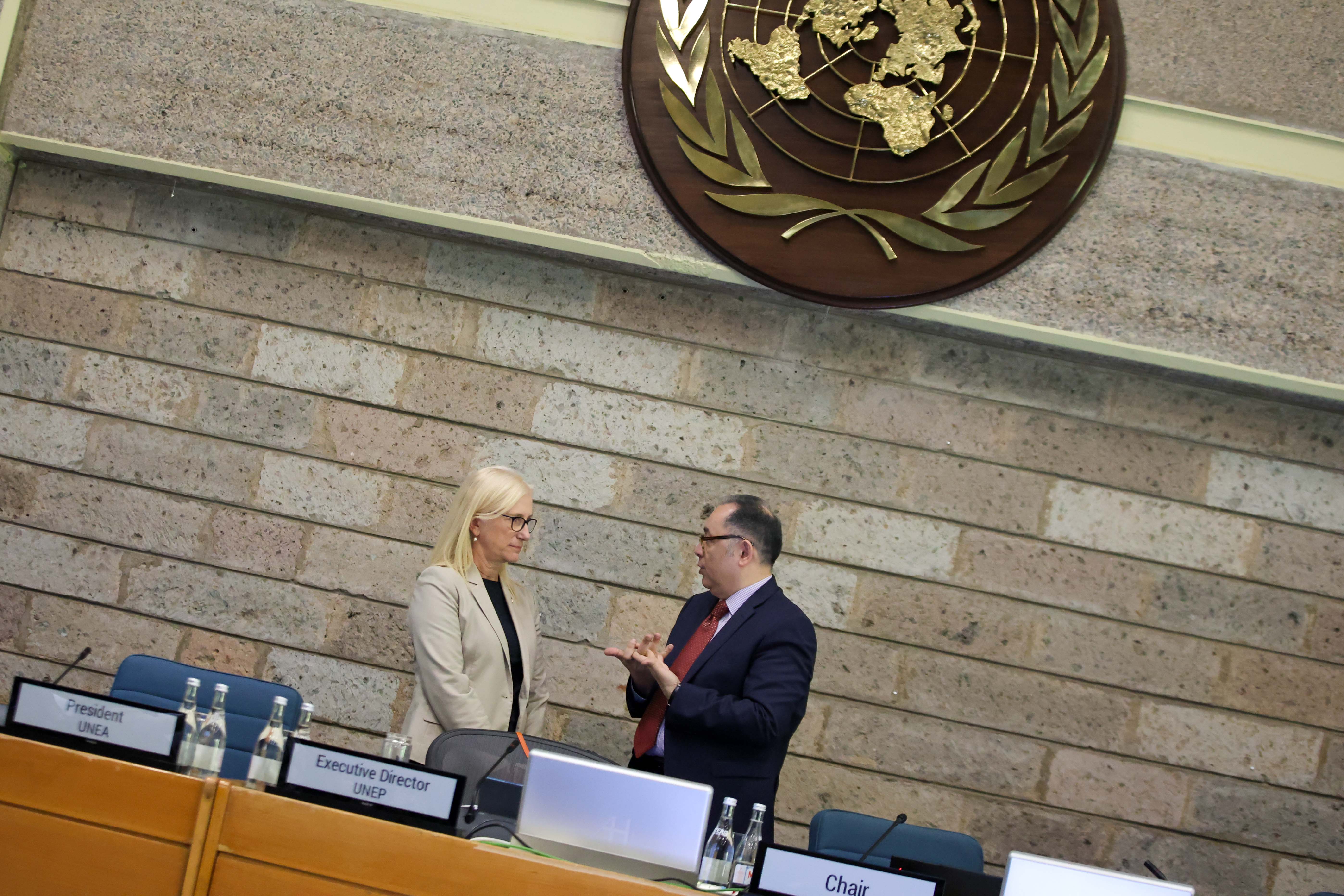
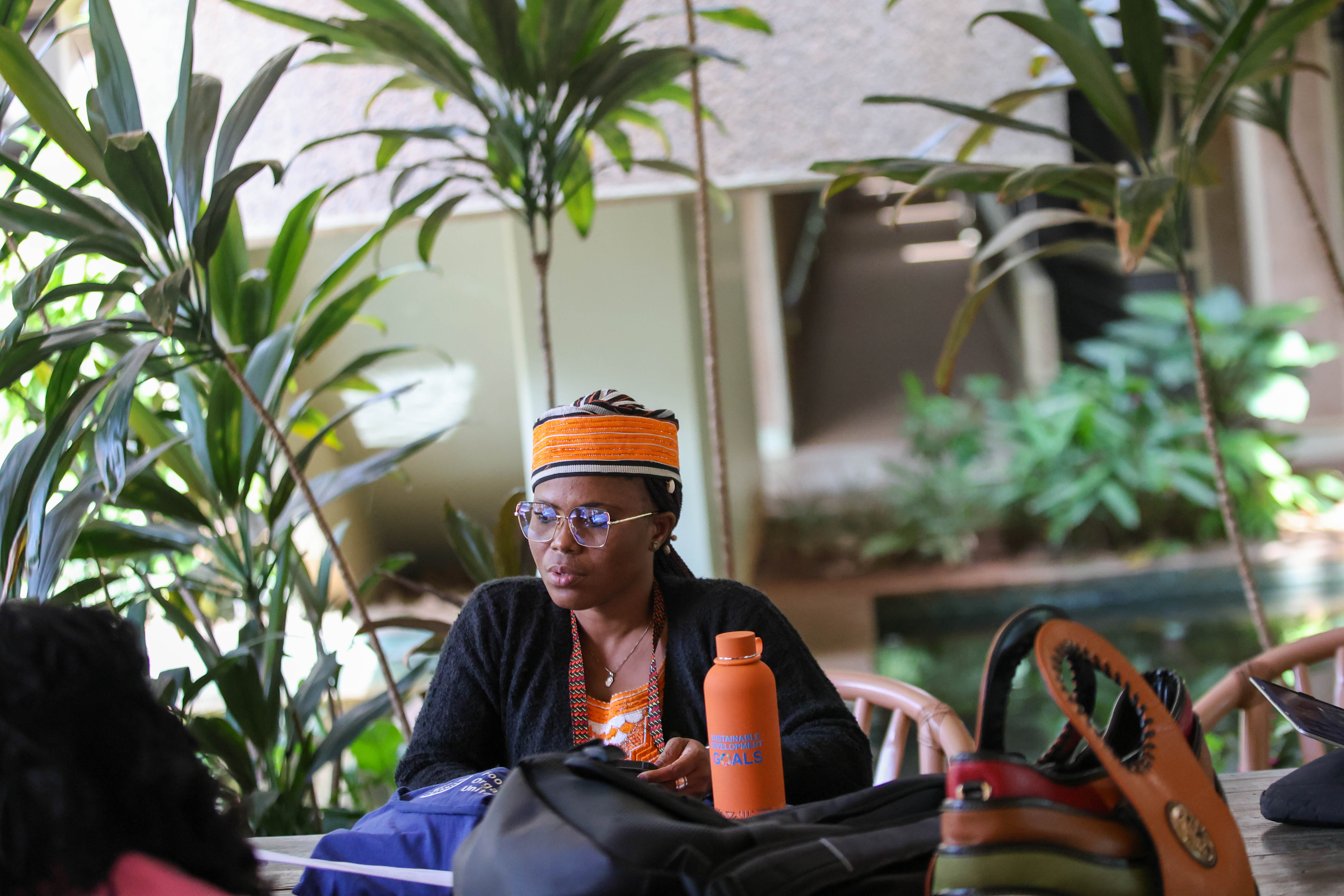
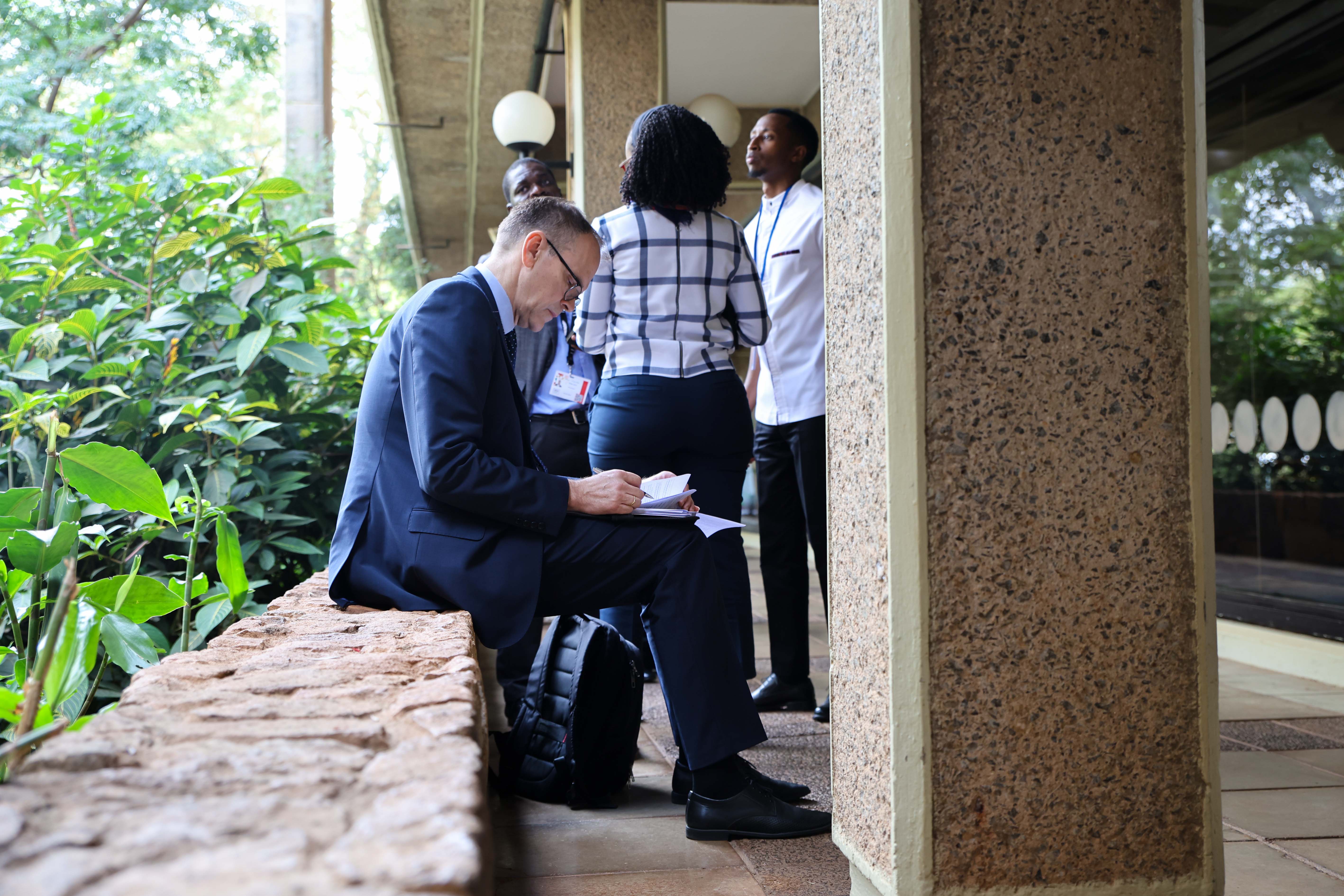
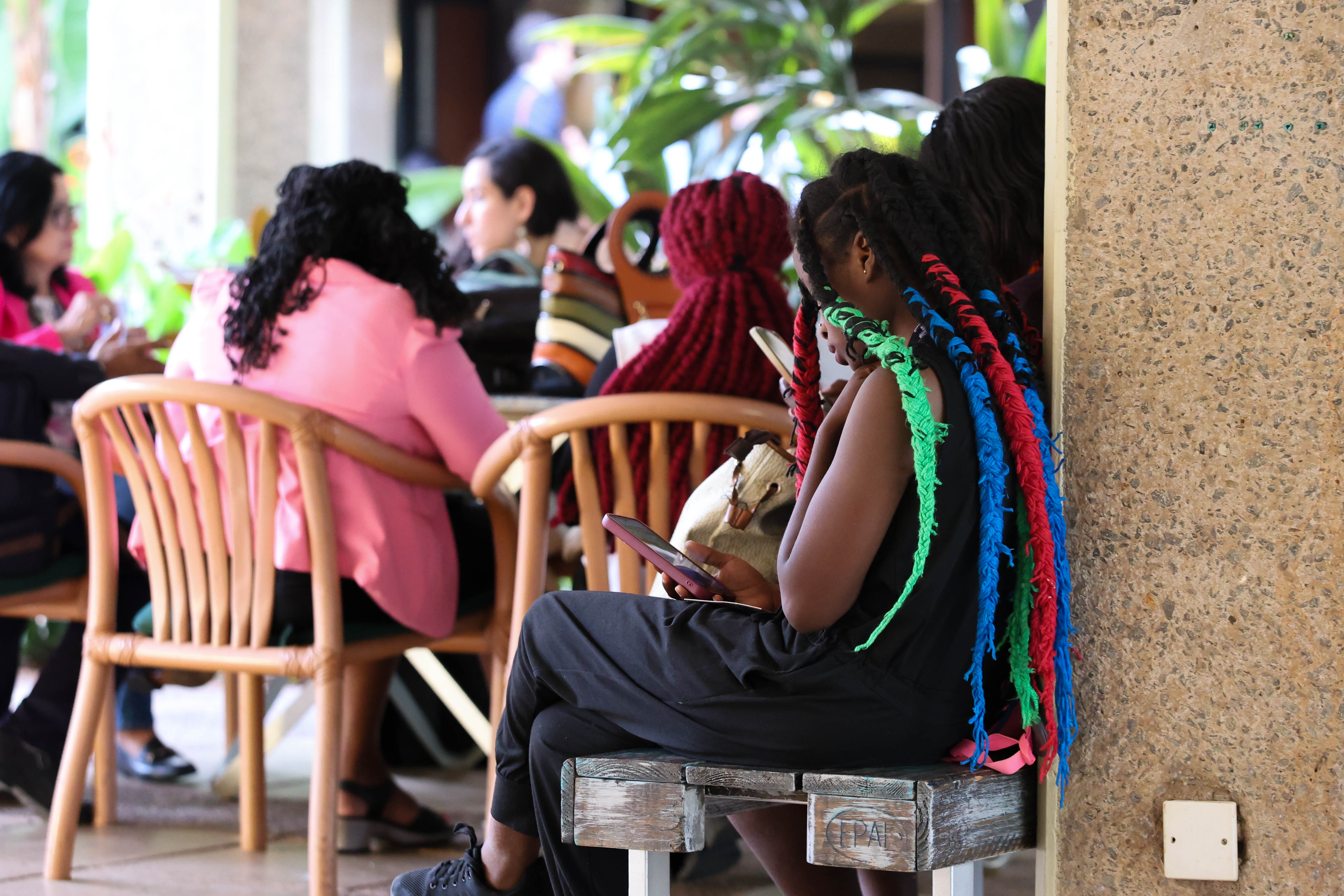
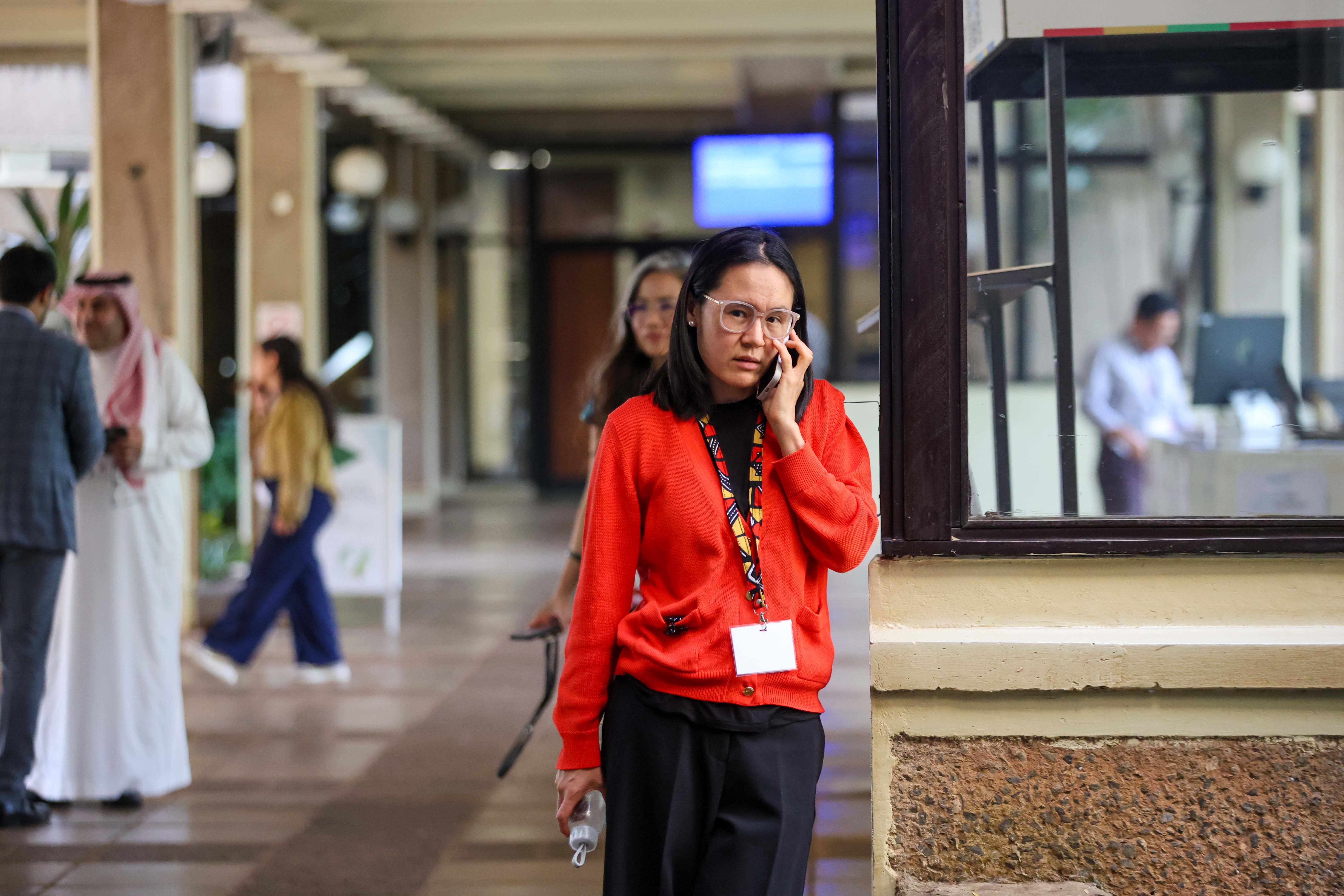
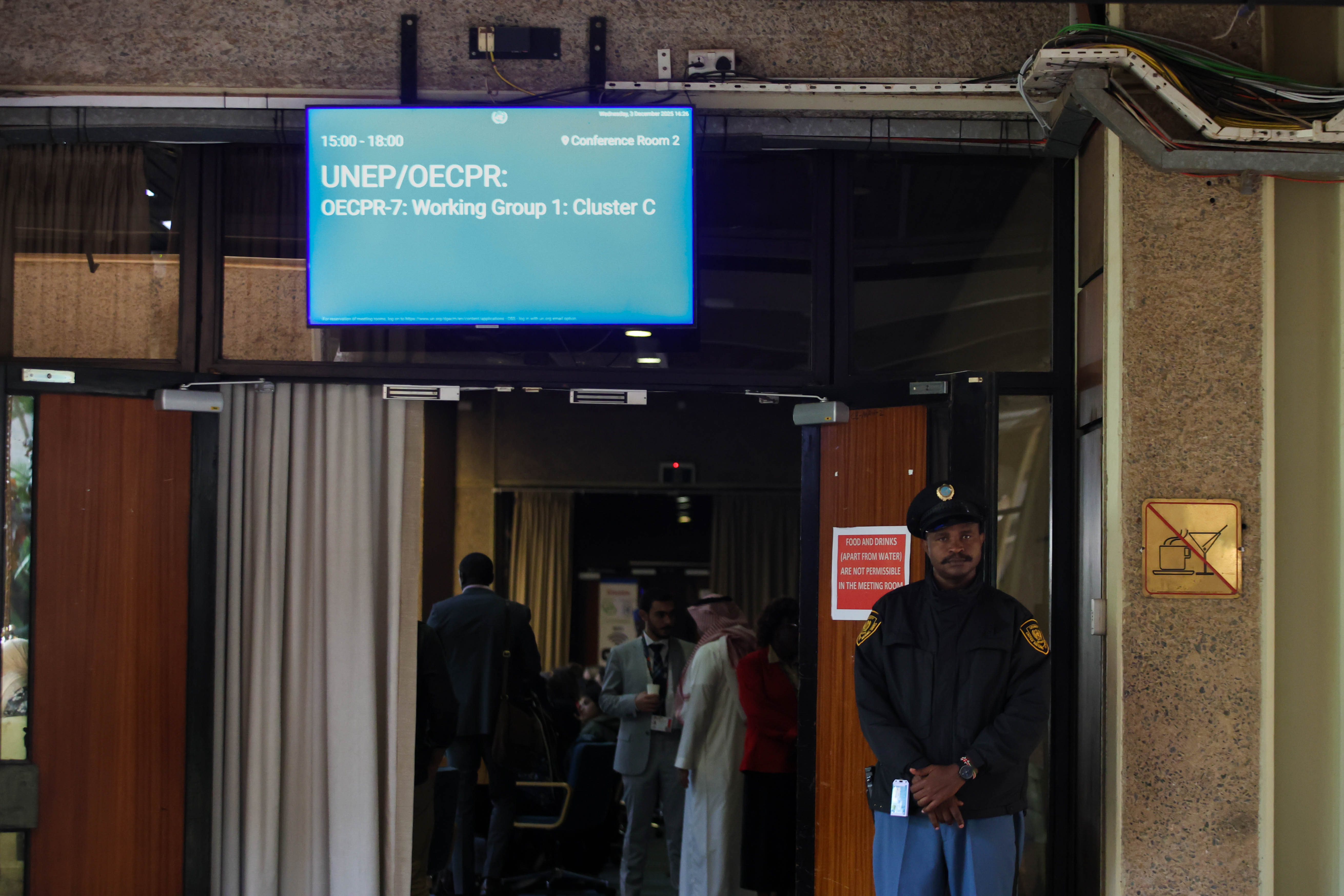
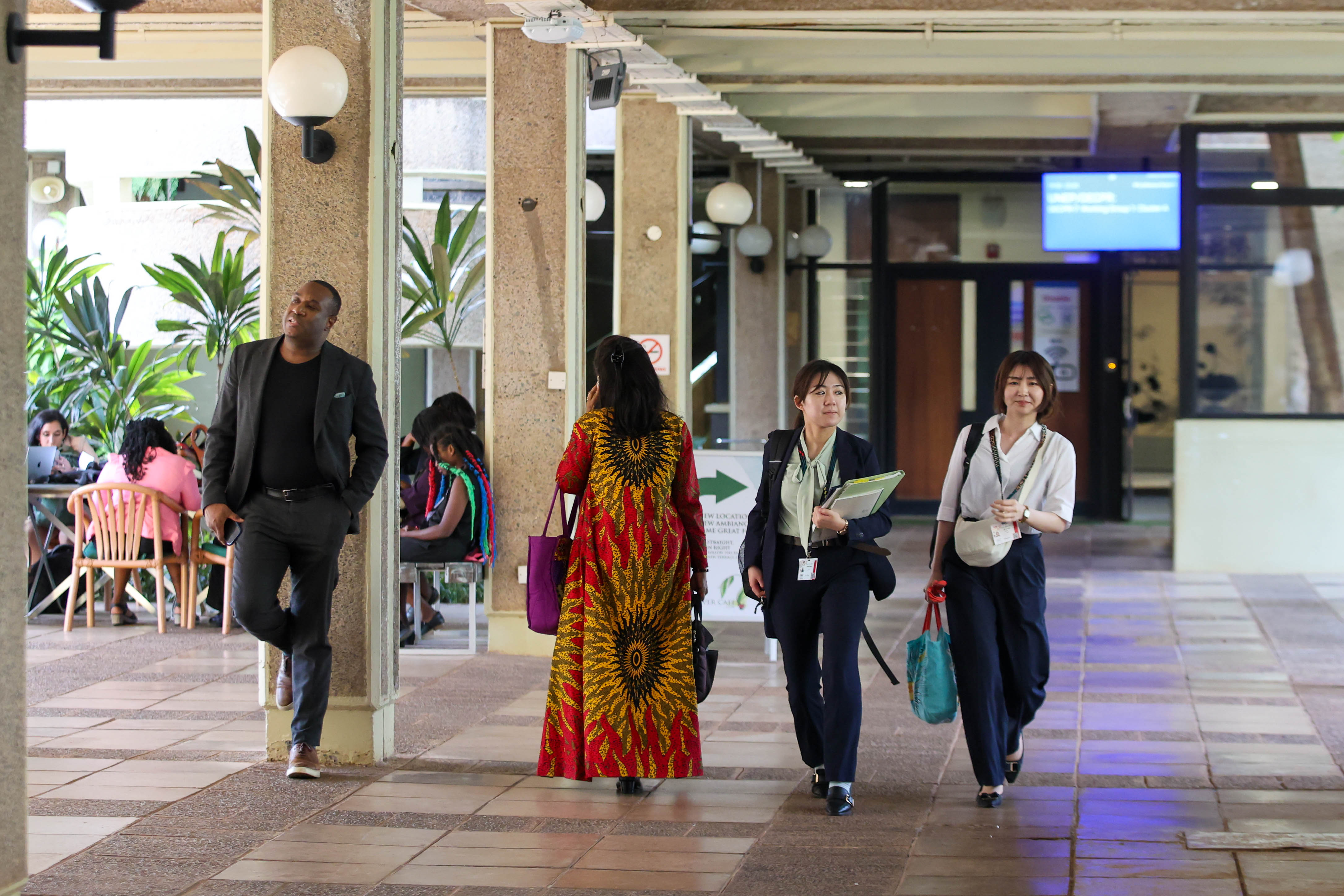
Around the Venue

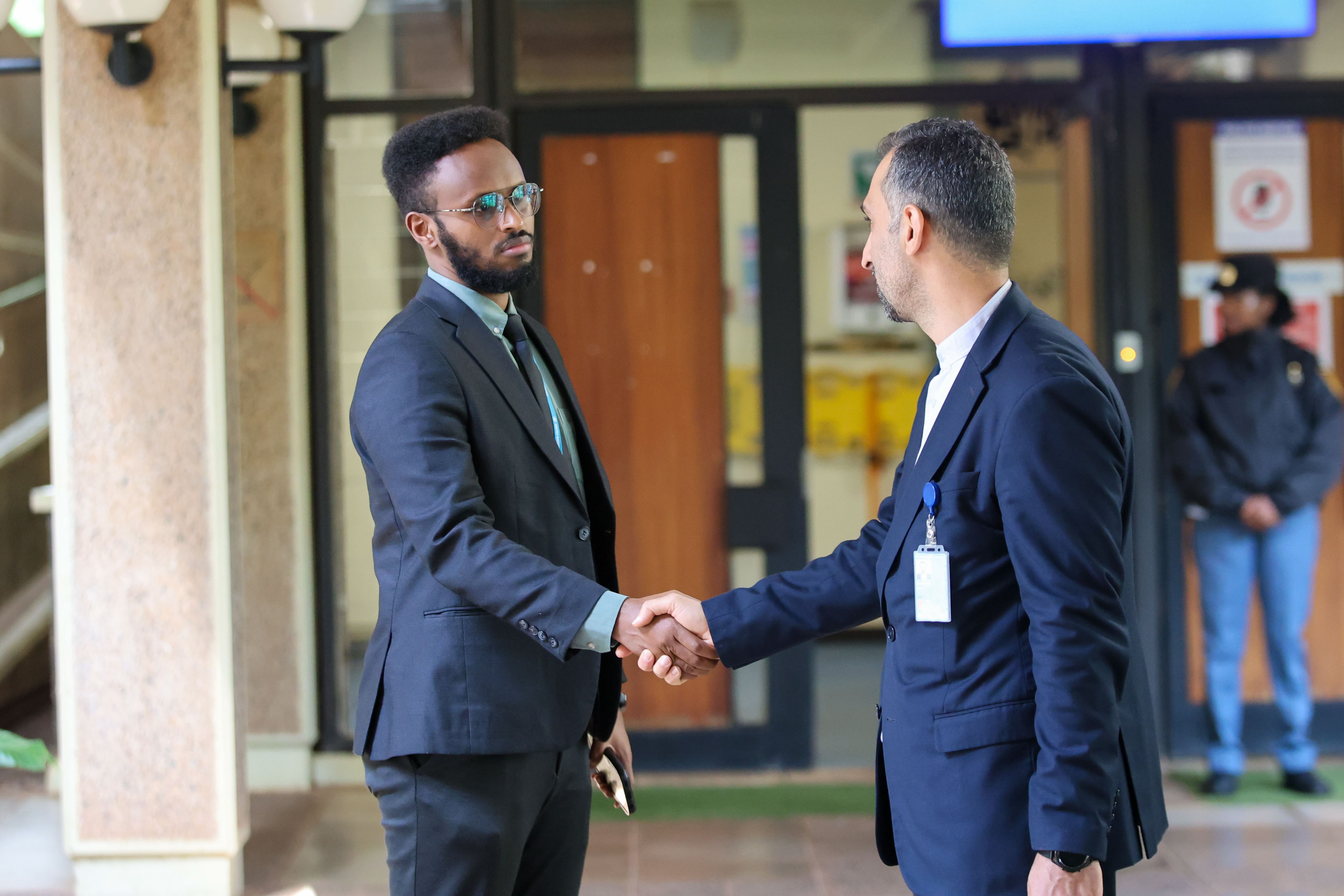
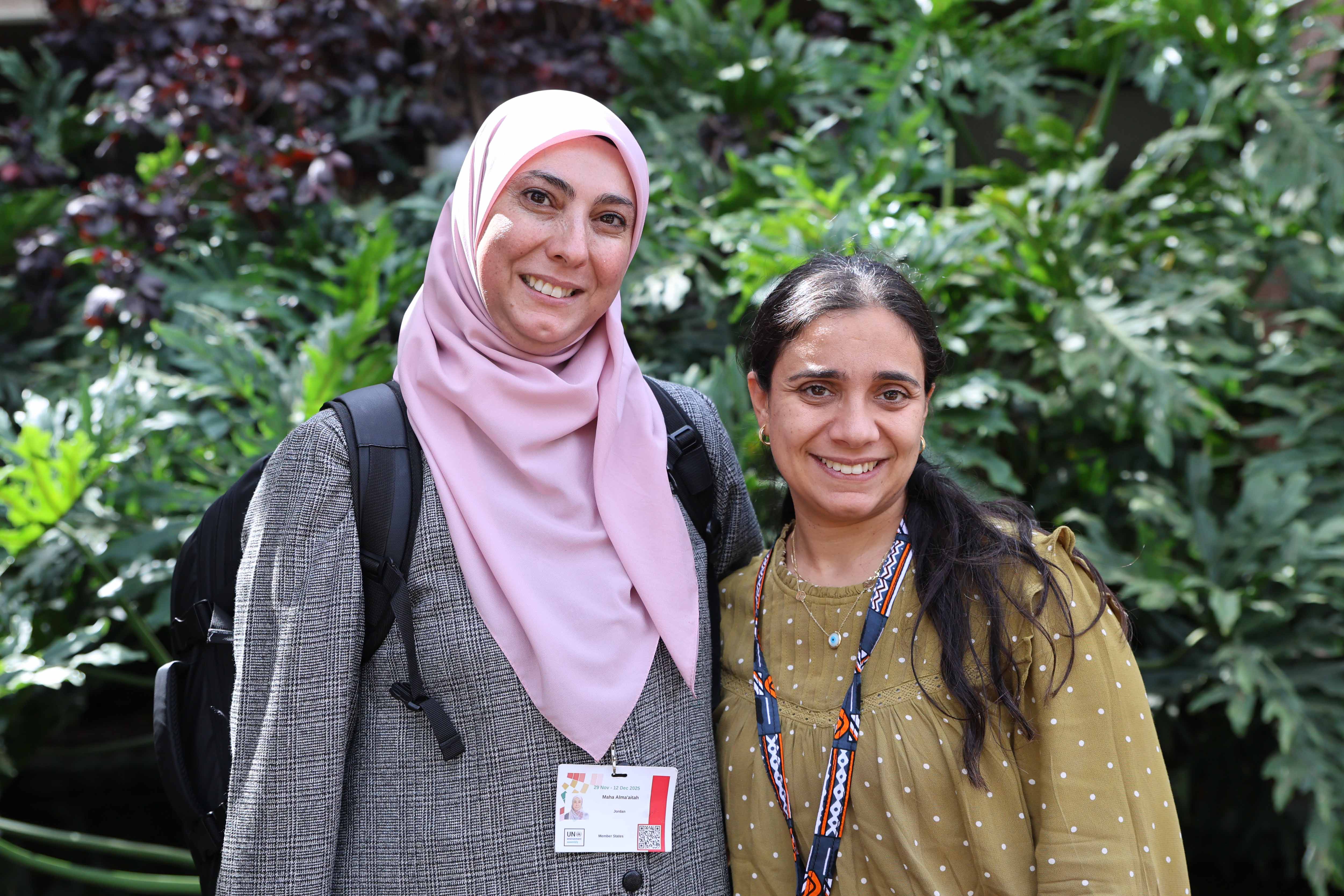
Maha Alma'aitah, Jordan, and Naier Mostafa, League of Arab States