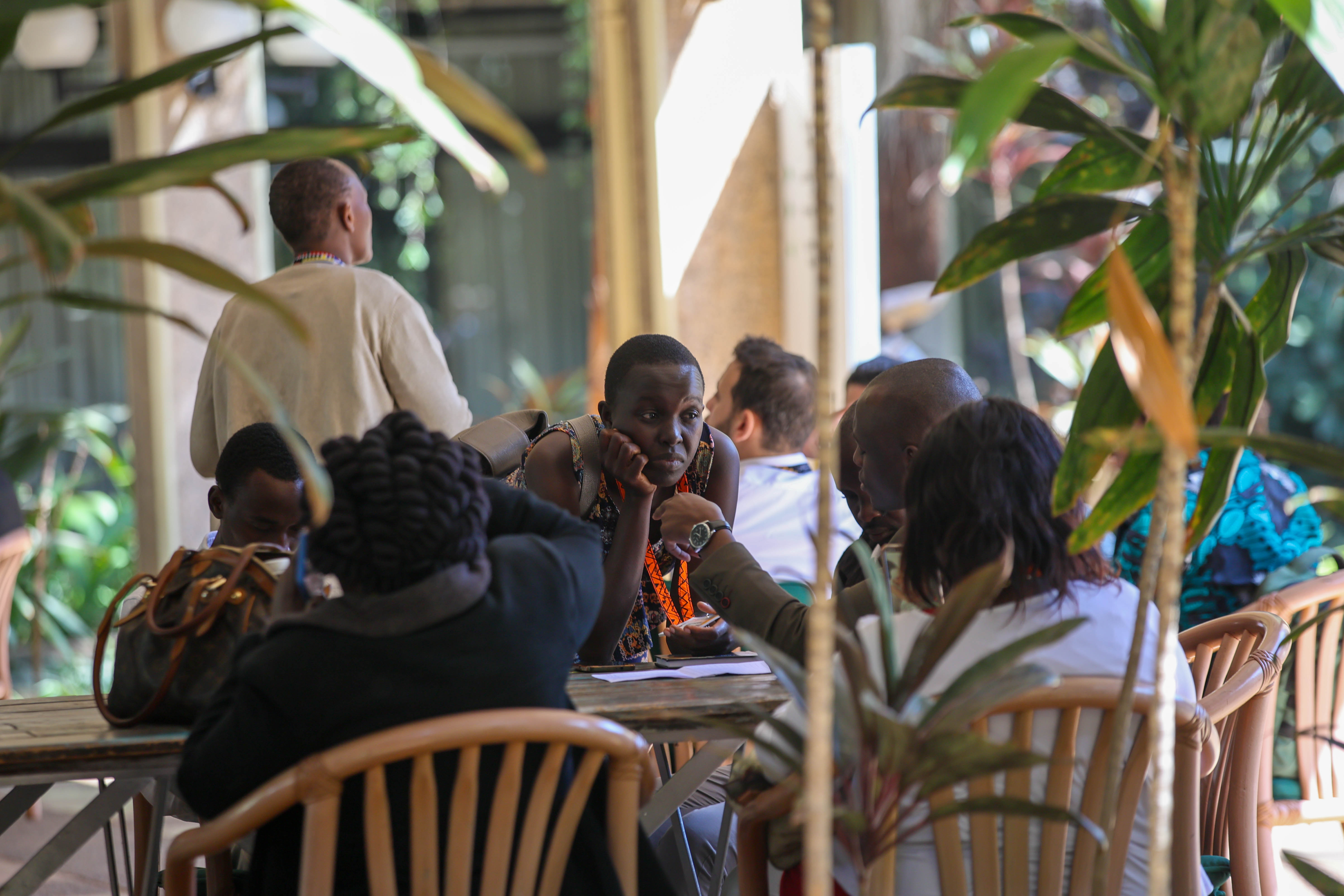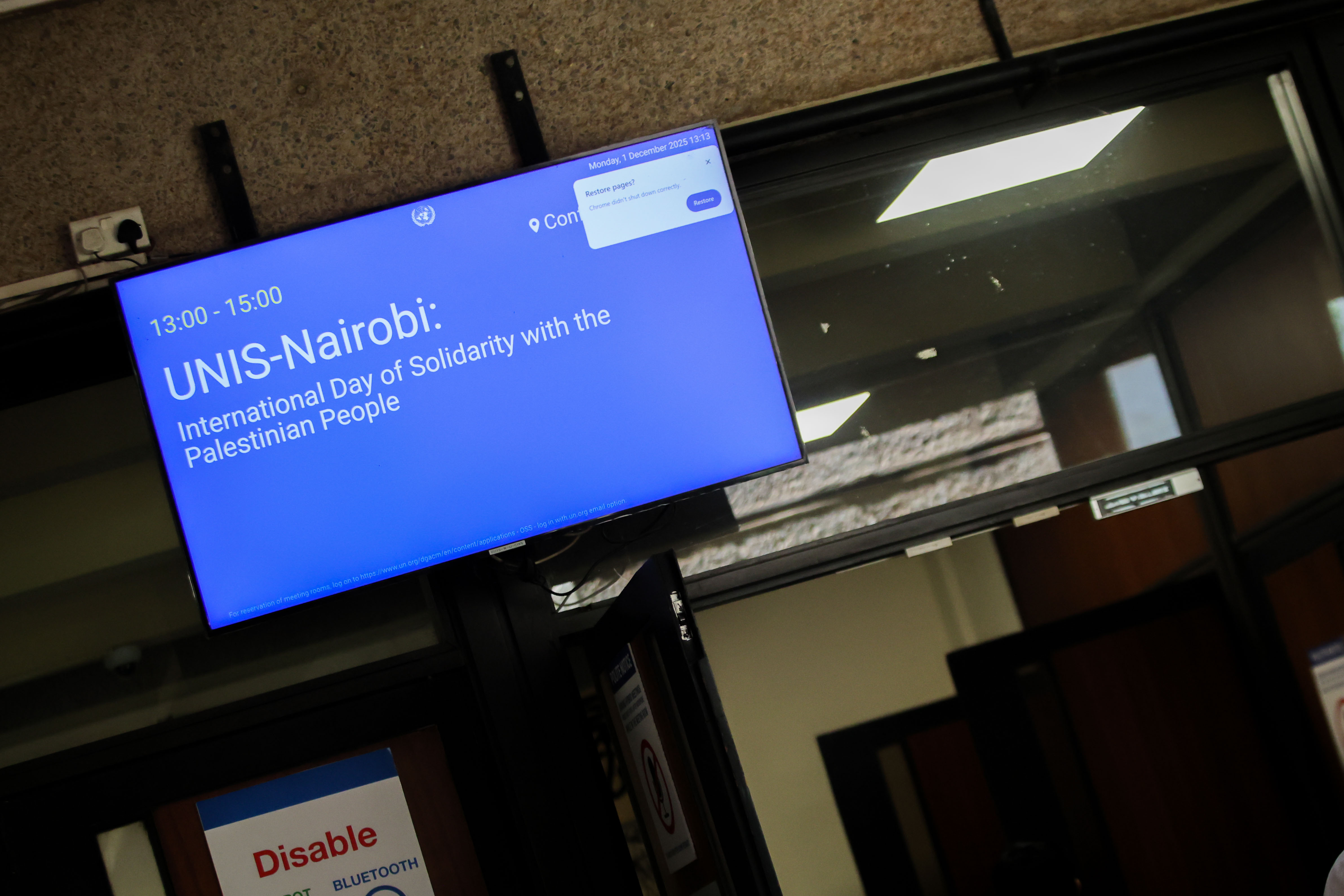
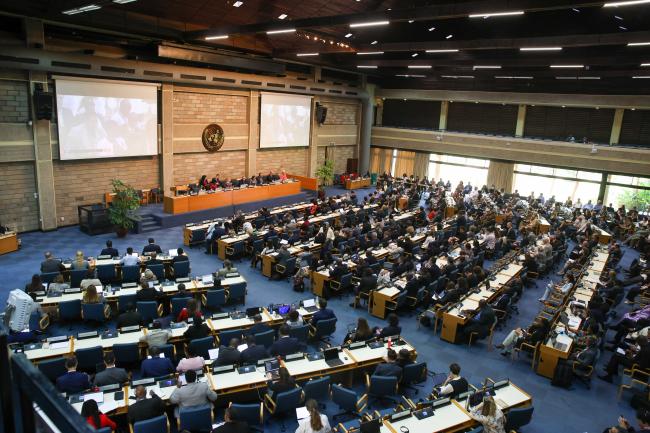
The seventh session of the Open-ended Committee of Permanent Representatives (OECPR-7) set off on its marathon run on Monday, with delegates embarking on negotiating 19 resolutions and decisions that will set the stage for global environmental governance over the next biennium.
“A single leaf provides no shade,” remarked OECPR-7 Chair Sultan Hajiyev, Azerbaijan, during the opening session, urging cooperation and compromise from delegates to advance the draft resolutions and reach impactful outcomes.
Want to dig deeper into today's talks? Read the full Earth Negotiations Bulletin daily report.
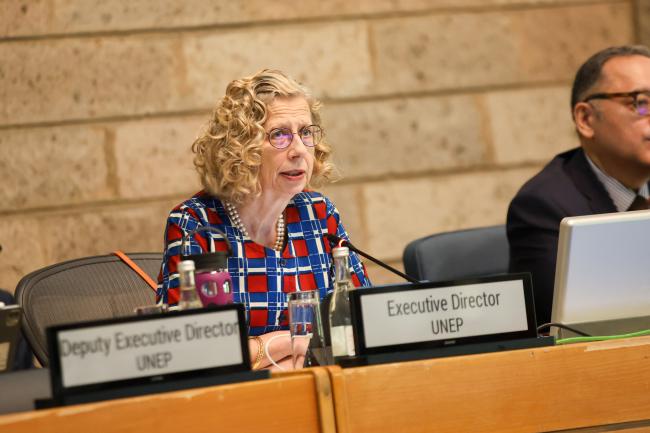
Inger Andersen, Executive Director of the UN Environment Programme, referred to the OECPR as the engine under the hood of the UN Environment Assembly (UNEA) that drives its success, but lamented that the world remains off track in tackling climate change, biodiversity loss, and pollution crises. She drew attention to UNEA-7’s theme, “Advancing Sustainable Solutions for a Resilient Planet.”
With a heavy workload to get through, delegations commented on the proposed organization of work. Several highlighted the potential strain on smaller delegations posed by parallel and late-night negotiation sessions. OECPR-7 Chair Hajiyev recalled that the proposal to extend the daily work to 10:00 pm was made by the Bureau, in order to fully consider all the resolutions and avoid repeating mistakes made at OECPR-6. Delegates argued that proposals of the Bureau, while providing guidance to the schedule, remain subject to change. The Committee agreed to remove the late-night slot and noted that extensions would require the consensus of delegates in the working groups.
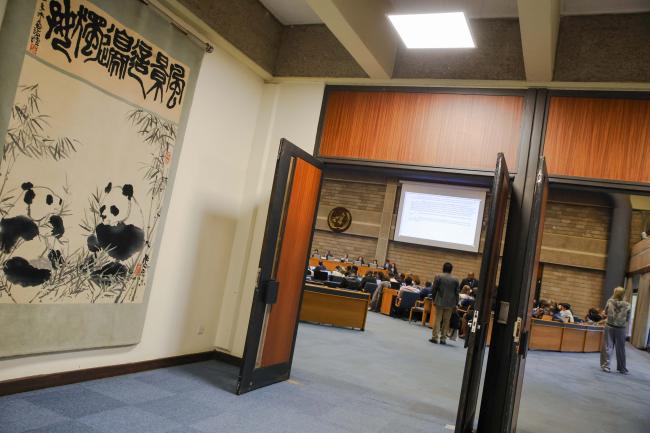
In an afternoon plenary, delegates heard a number of reports from the UNEP Secretariat related to the implementation progress of previous UNEA resolutions and decisions. In parallel, two informal working groups convened and worked into the evening to address resolutions and decisions related to:
- nature and climate (Cluster A), co-facilitated by Kanako Okano (Japan), and Marie Haraldstad (Norway);
- governance and law (Cluster B), co-facilitated by Sara Elkhouly (Egypt), and Martin Röw (Germany);
- circular economy, chemicals, waste and pollution (Cluster C), co-facilitated by Ontumetse Ontumetse (Botswana) and Michal Novotný (Czechia); and
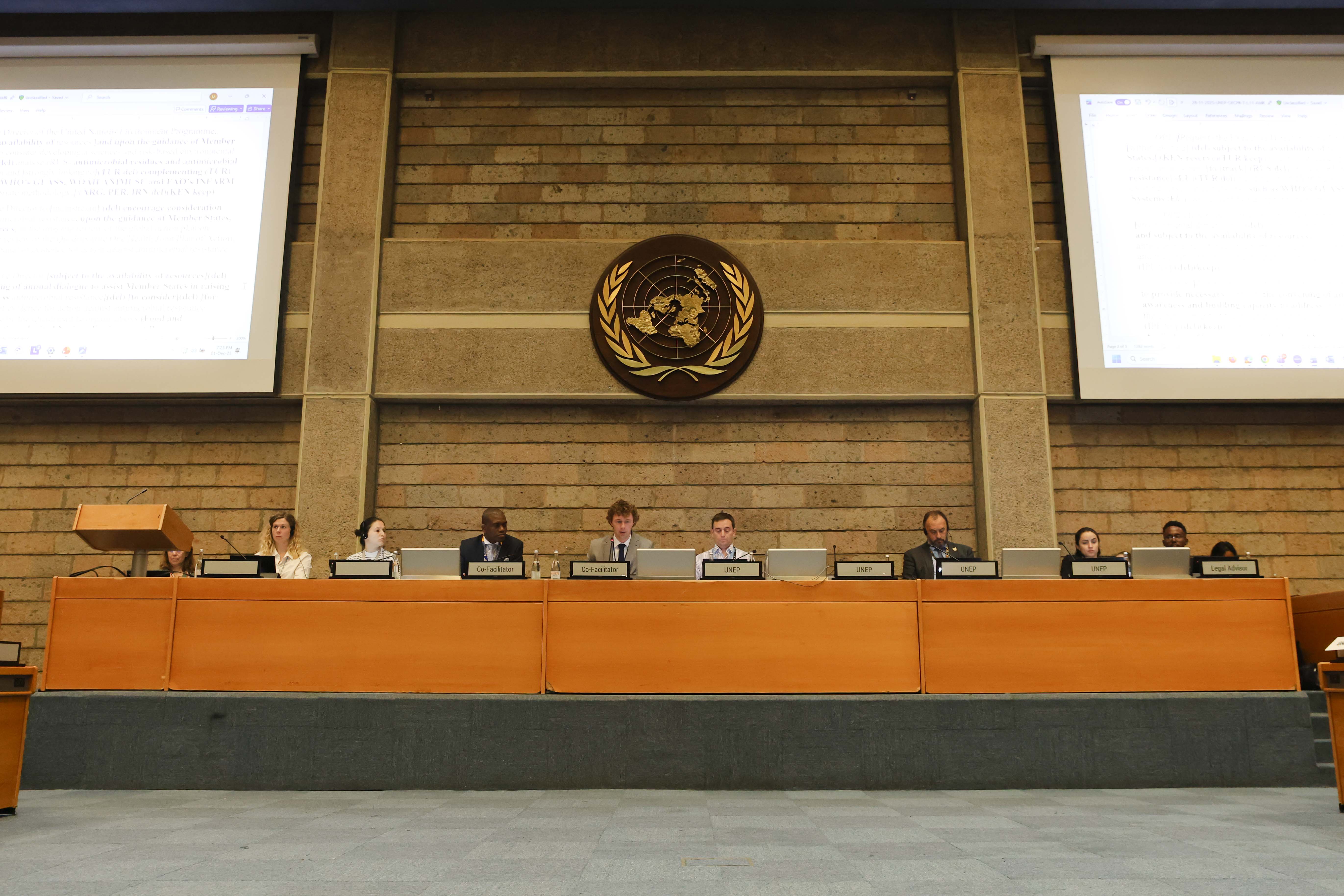
- strategic, budgetary, and governing bodies matters (Cluster D), co-facilitated by Tobias Ogweno (Kenya), and Nader Al-Tarawneh (Jordan).
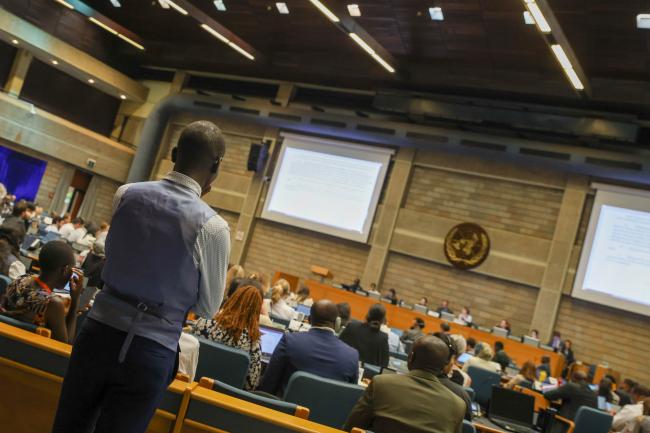
In Cluster A, delegates opened discussions on resolutions related to strengthening the global response on the massive influx of Sargassum seaweed blooms, and on the karst ecosystem for global water, biodiversity, climate resilience, and economic development. Discussions focused on, among others, the climate-induced pressures leading to Sargassum blooms, and the climate relevance of karst ecosystems. Delegates agreed to engage in informal discussions to address outstanding issues on future work and actions under both draft resolutions.
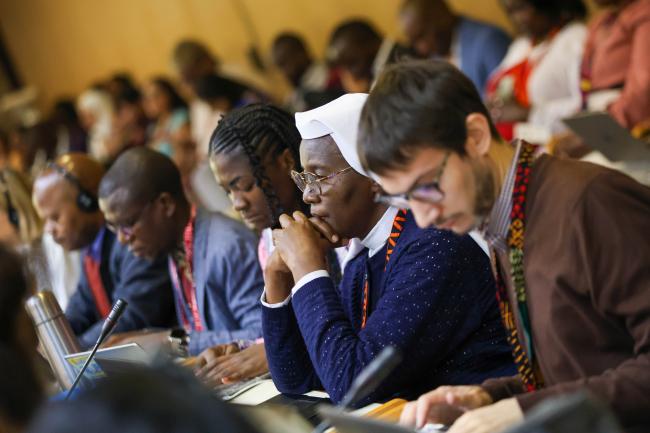
Delegates opened Cluster B discussions, doing a first round of talks on resolutions concerning maximizing existing resources through enhanced coherence and synergies in multilateral environmental agreements and implementation, and the environmental sustainability of Artificial Intelligence (AI) systems.
Discussions under clusters C and D opened in the evening, with delegations considering, among others, resolutions on antimicrobial resistance, and draft decisions on the modalities of future UNEA sessions.
To receive free coverage of global environmental events delivered to your inbox, subscribe to the ENB Update newsletter.
All ENB photos are free to use with attribution. For OECPR- and UNEA-7 please use: Photo by IISD/ENB | Anastasia Rodopoulou.
Opening Plenary
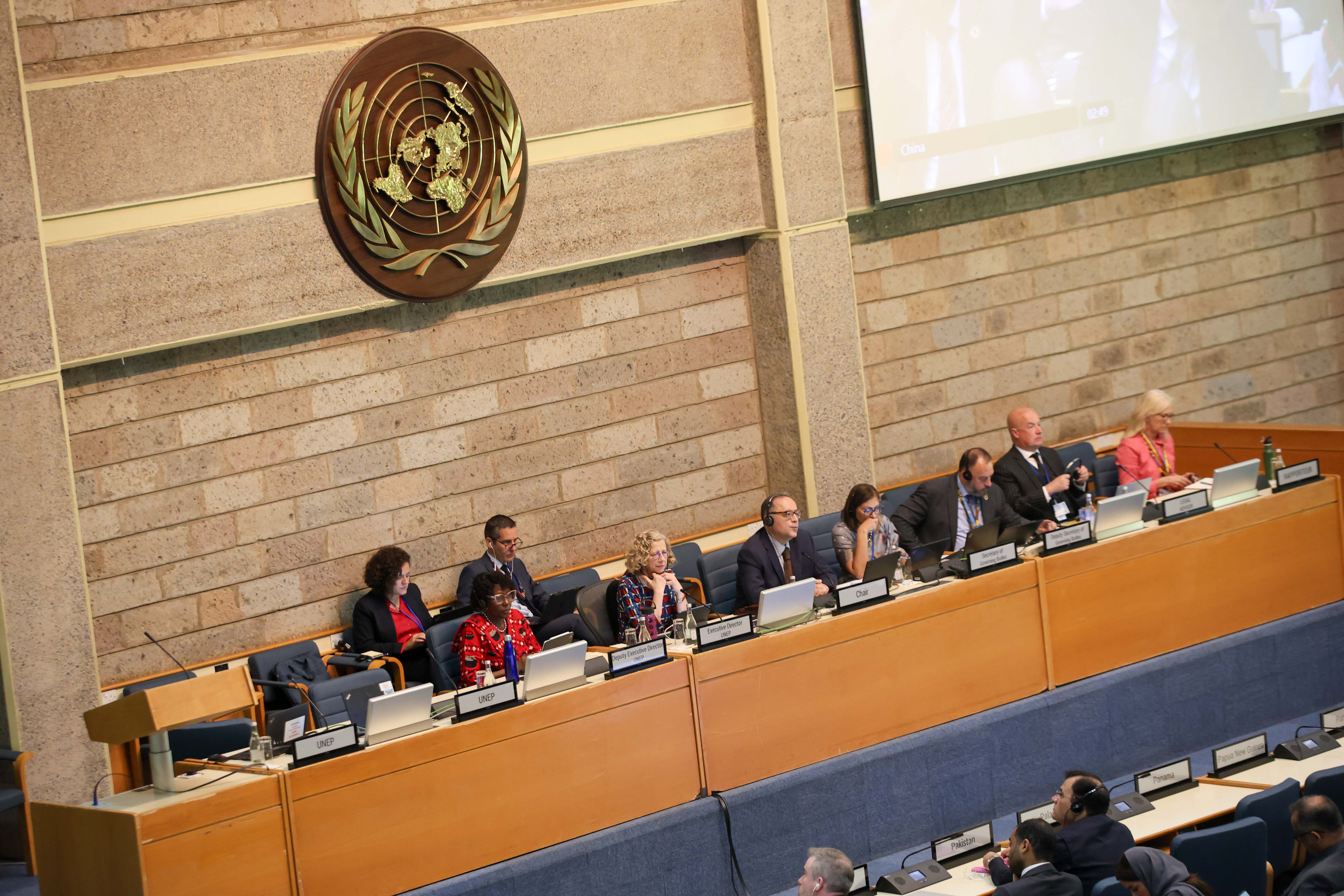
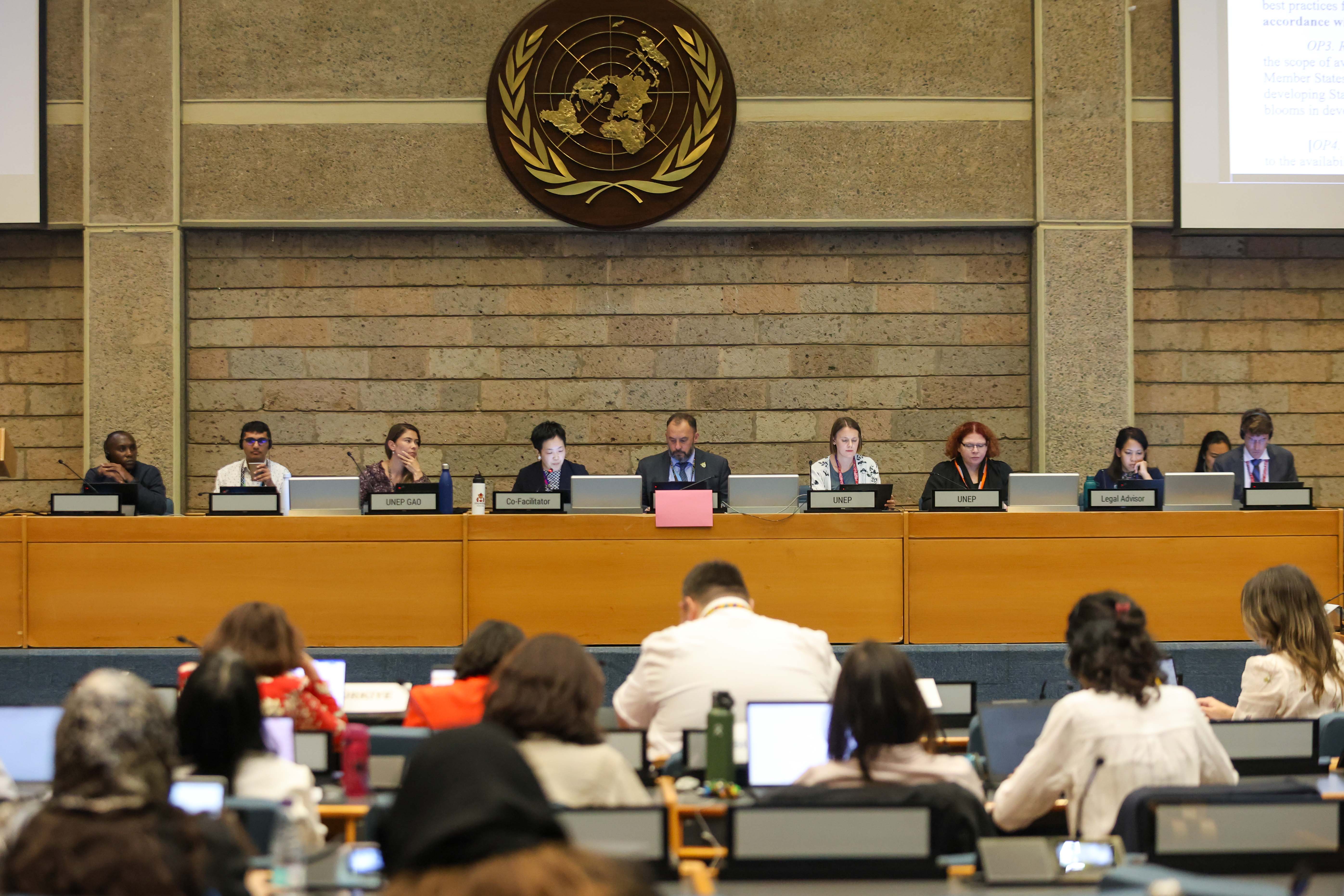
A view of the dais
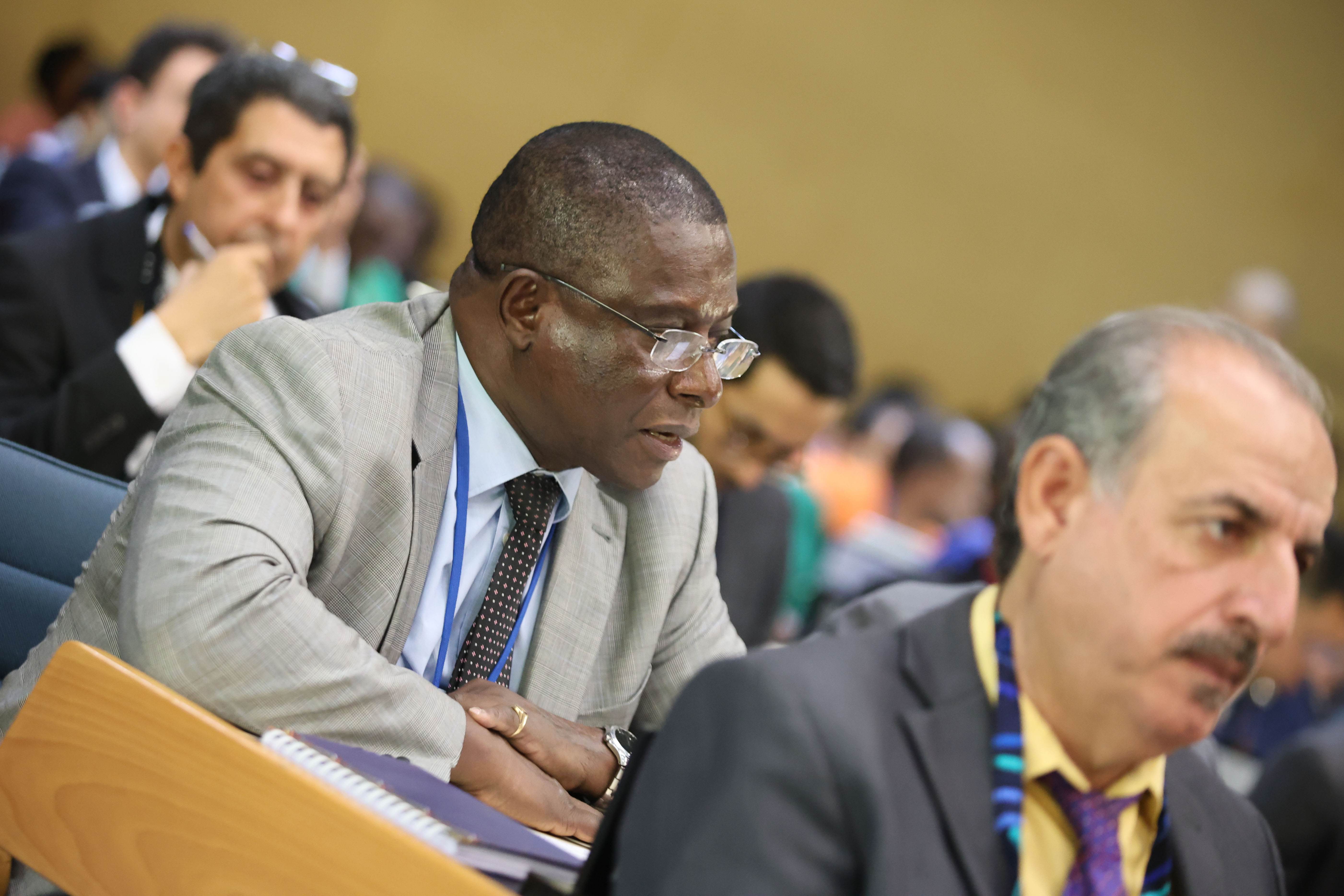
Eduardo Zaqueu, Mozambique
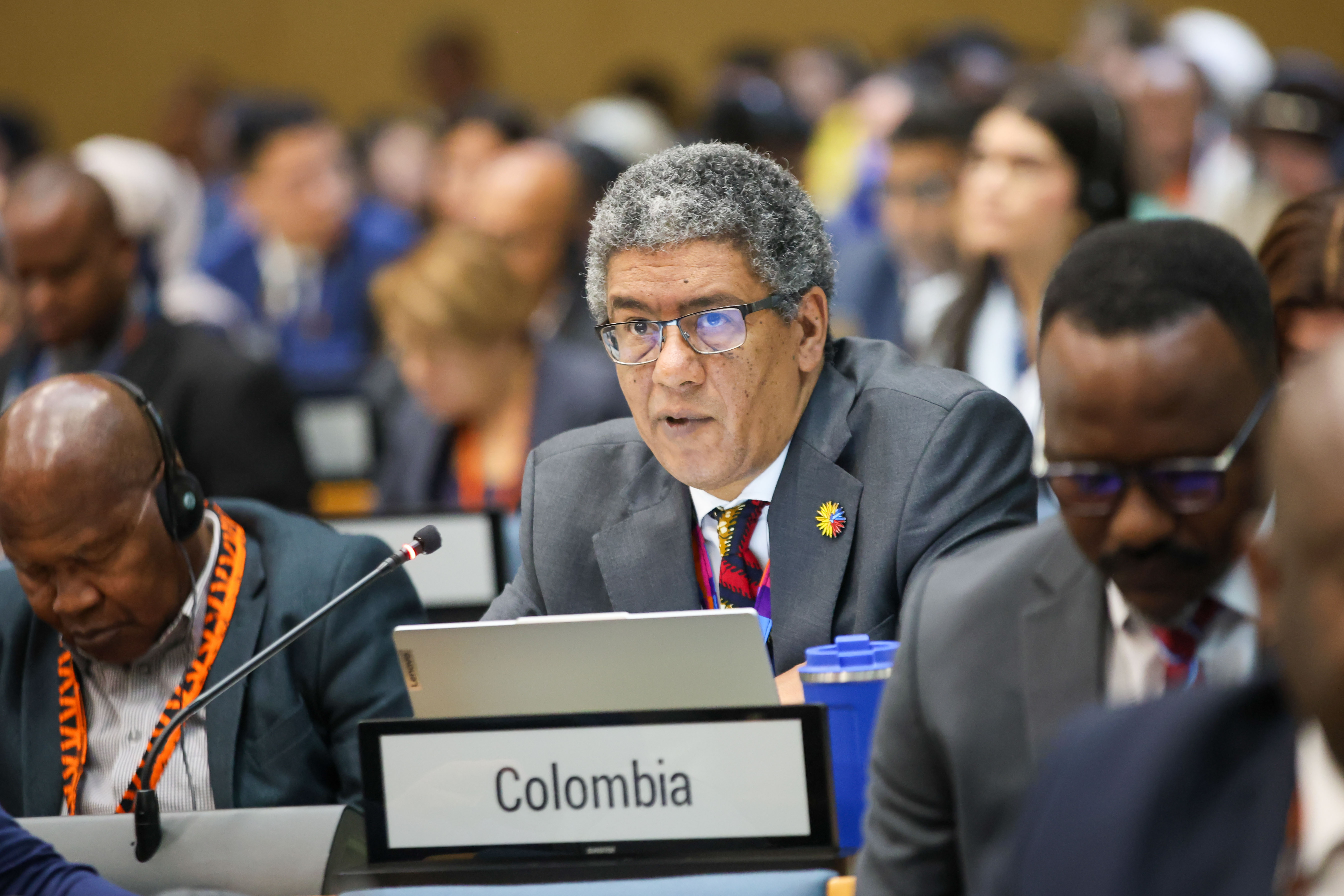
Pedro León Cortés Ruiz, Colombia
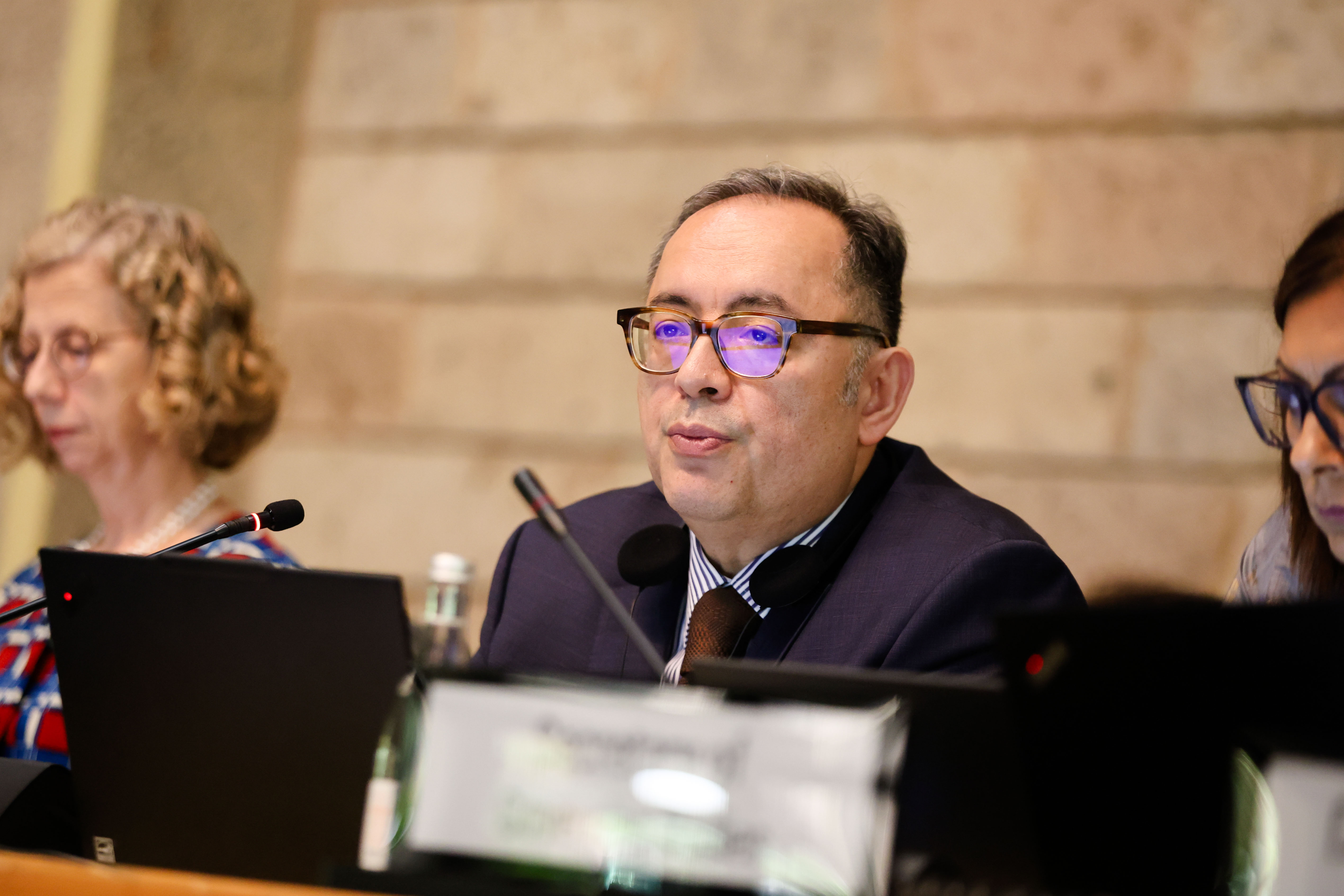
OECPR-7 Chair Sultan Hajiyev, Azerbaijan
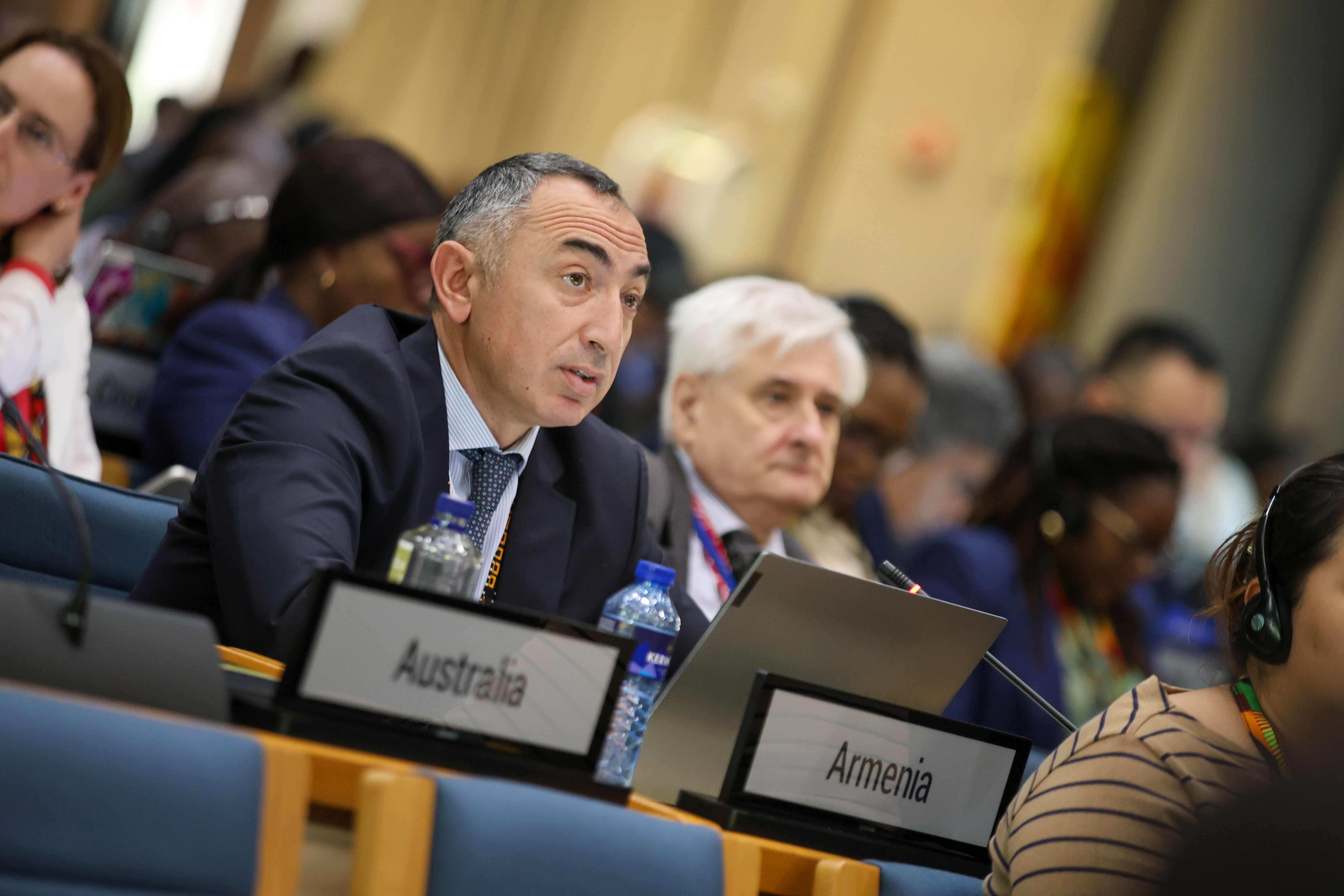
Sahak Sargsyan, Armenia
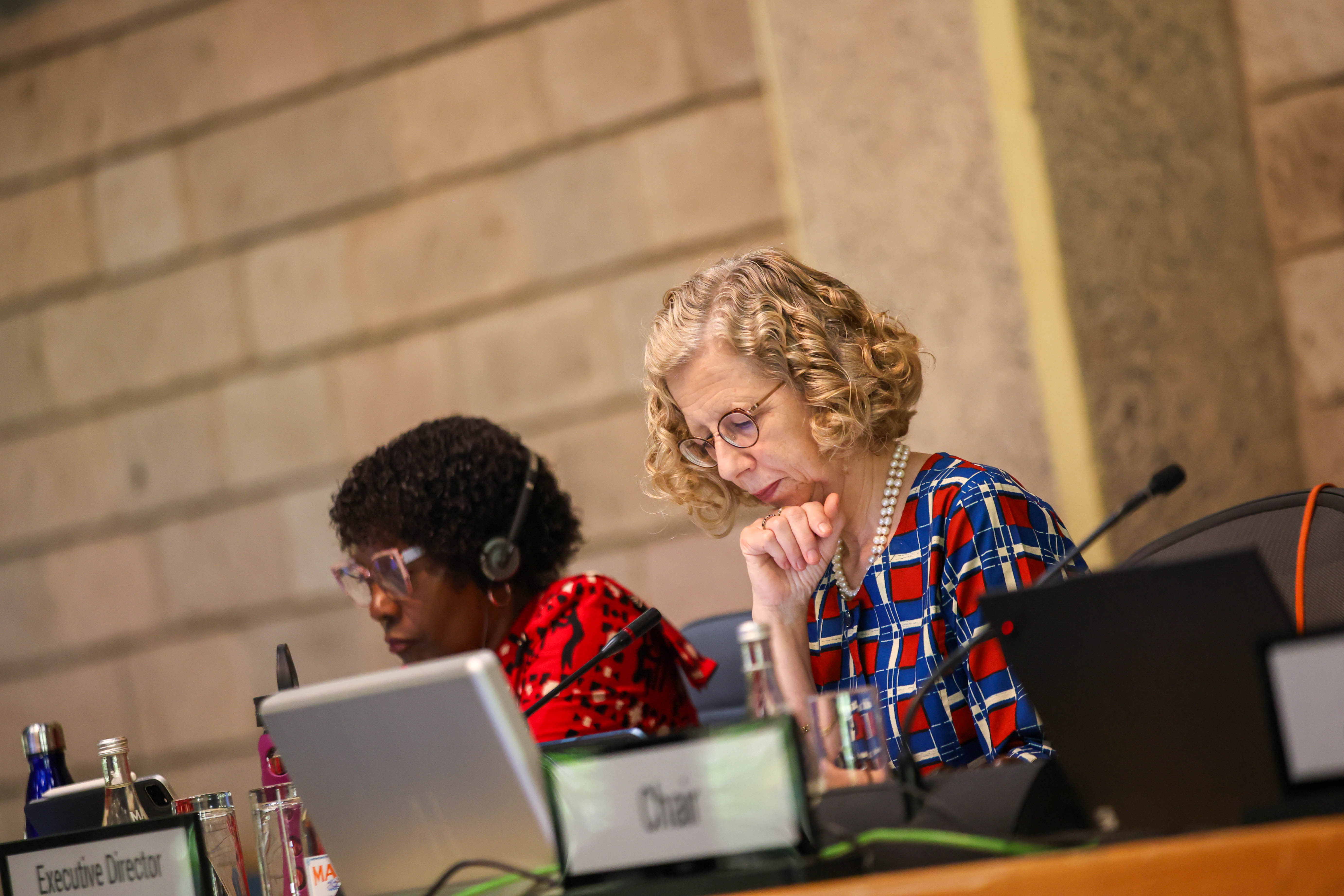
Inger Andersen, Executive Director, UNEP
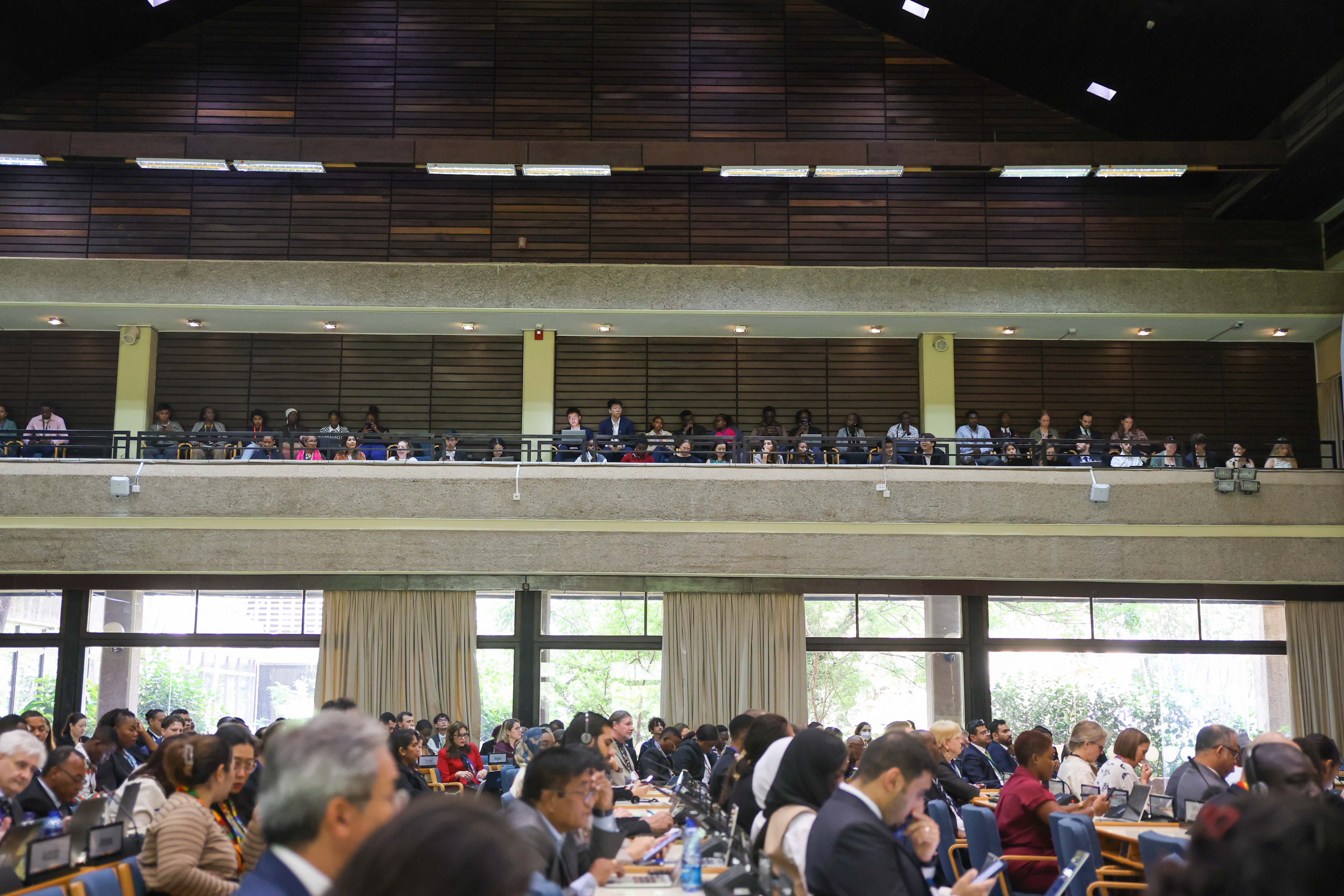
Delegates follow the plenary from the gallery as the room remains full.
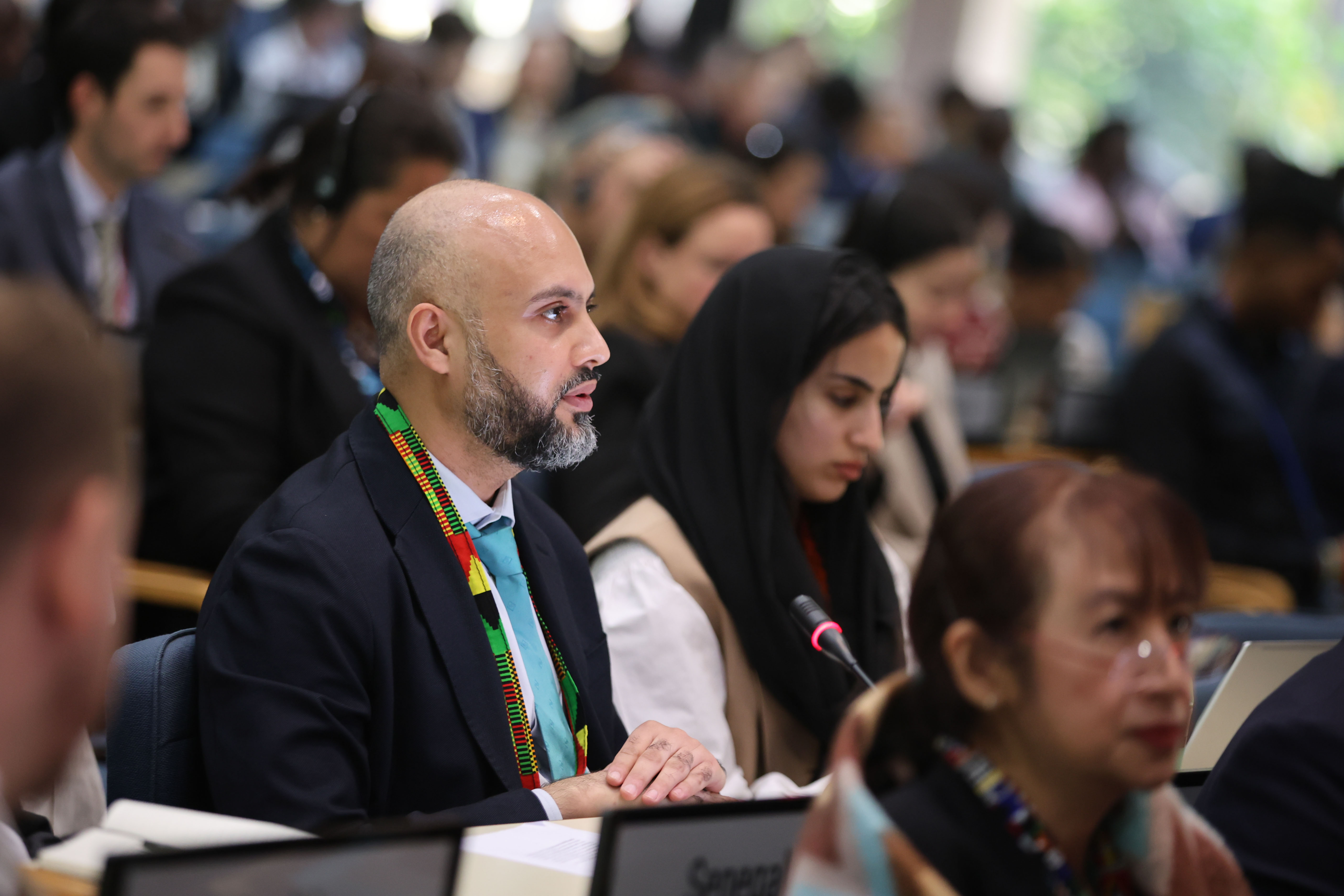
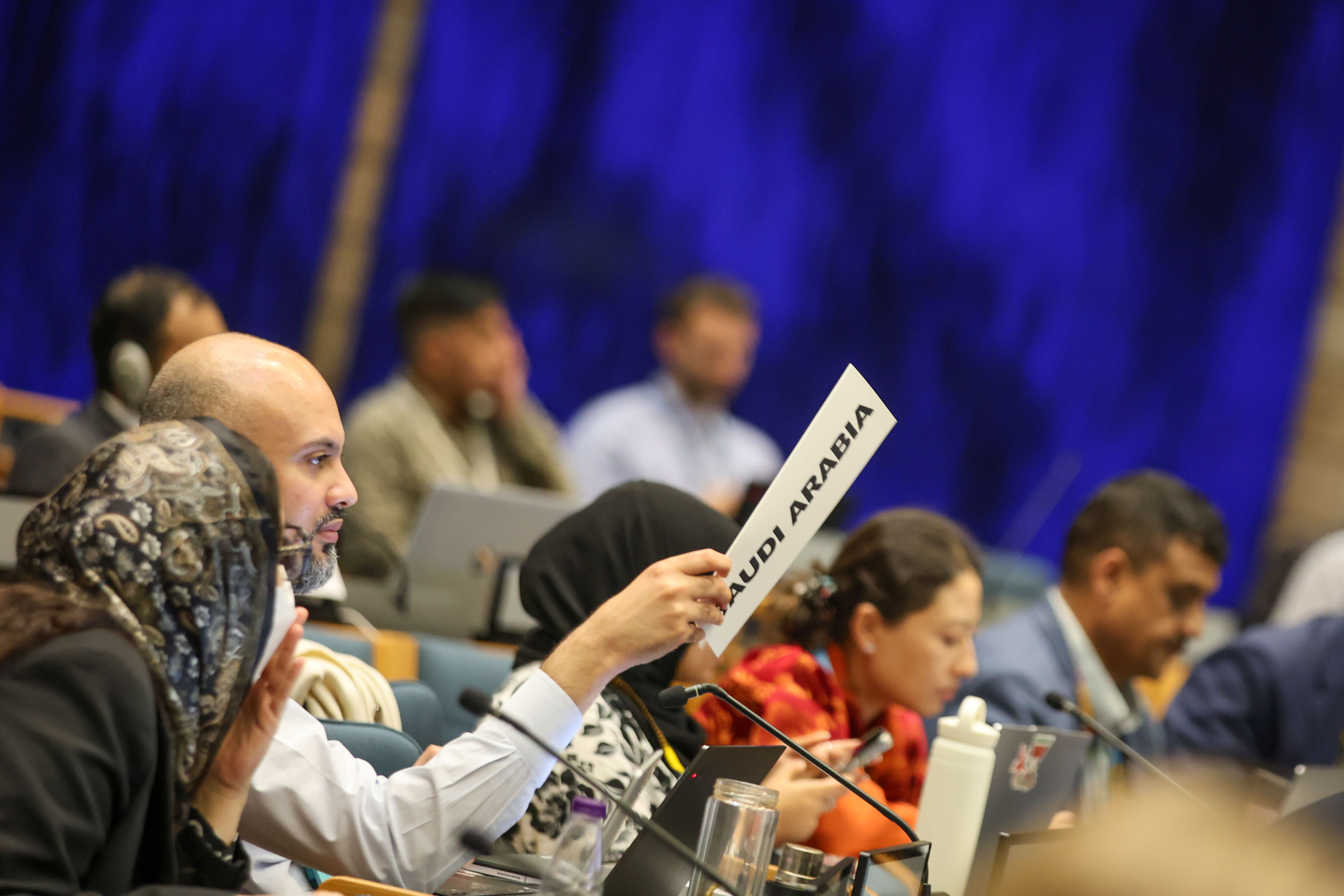
Nawaf Bilasi, Saudi Arabia
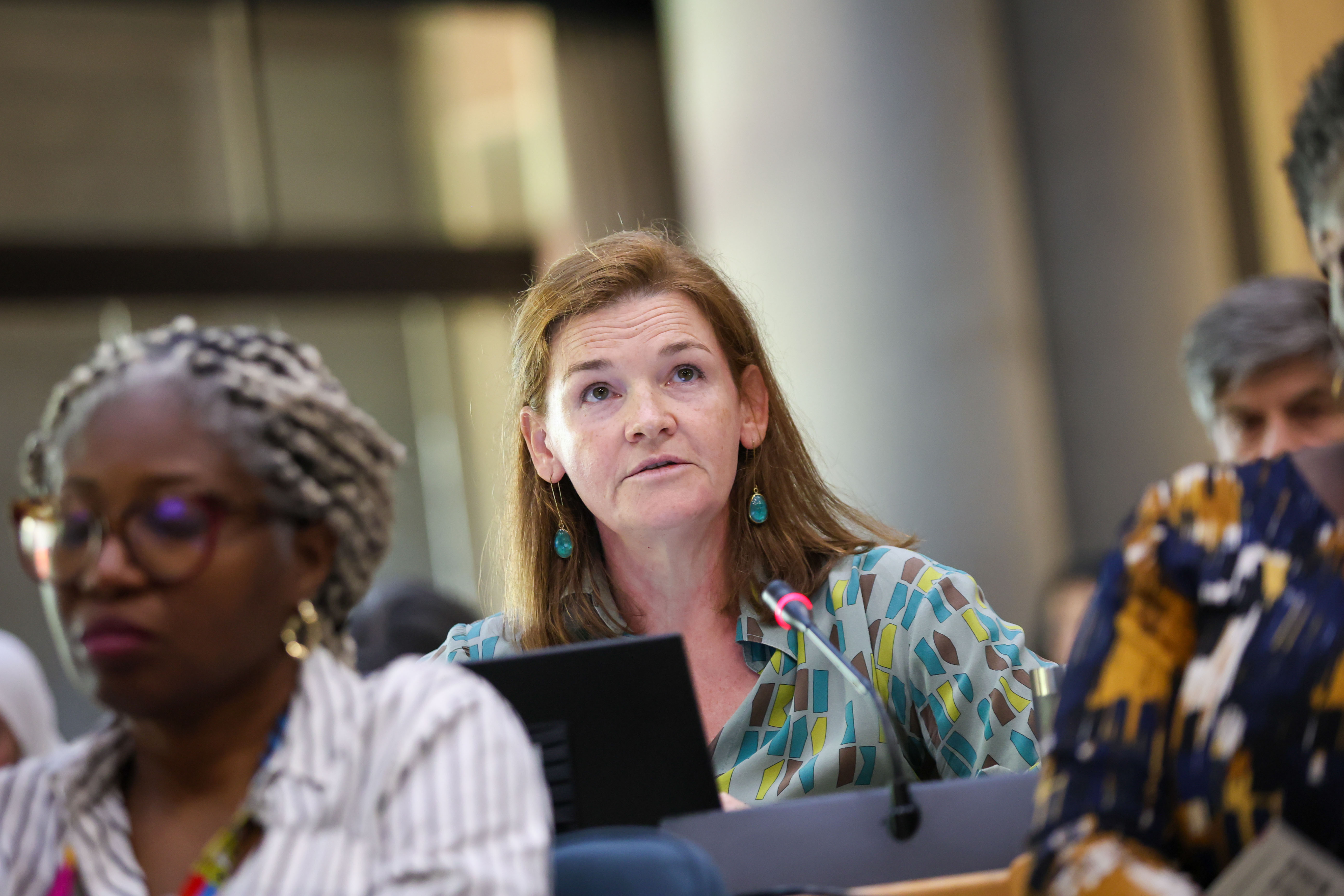
Rasa Ščeponavičiūtė, EU
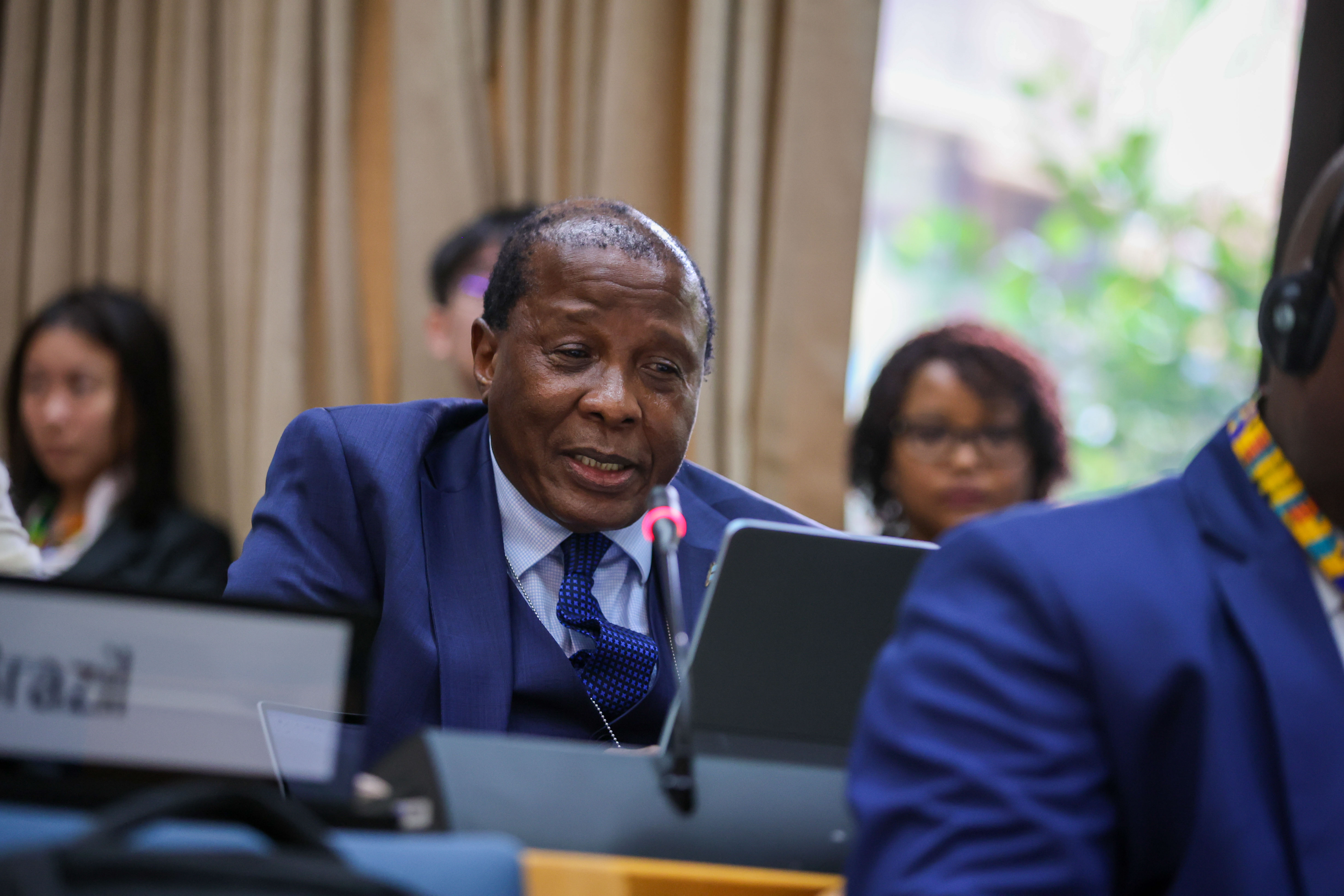
Andrew Sesinyi, Botswana
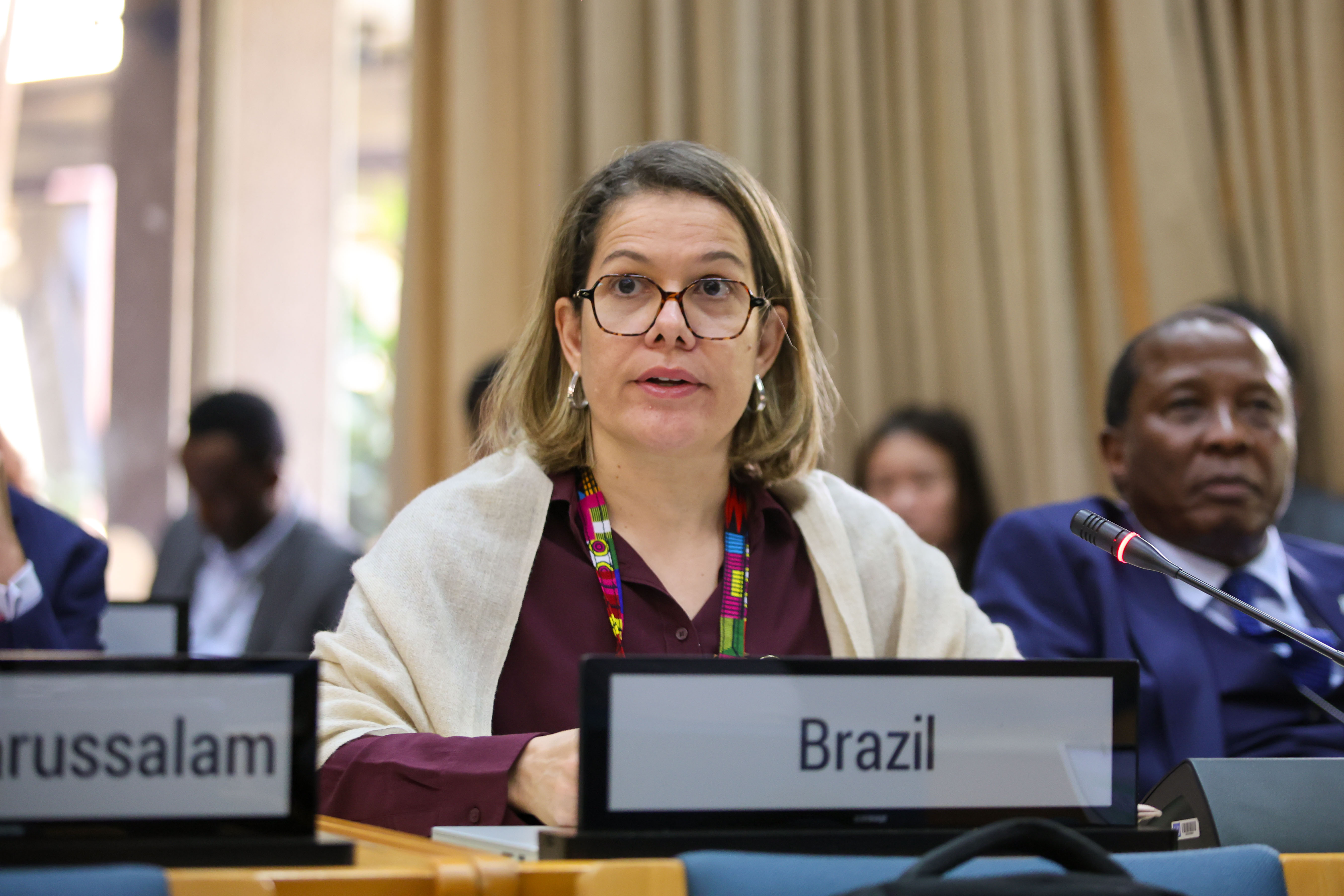
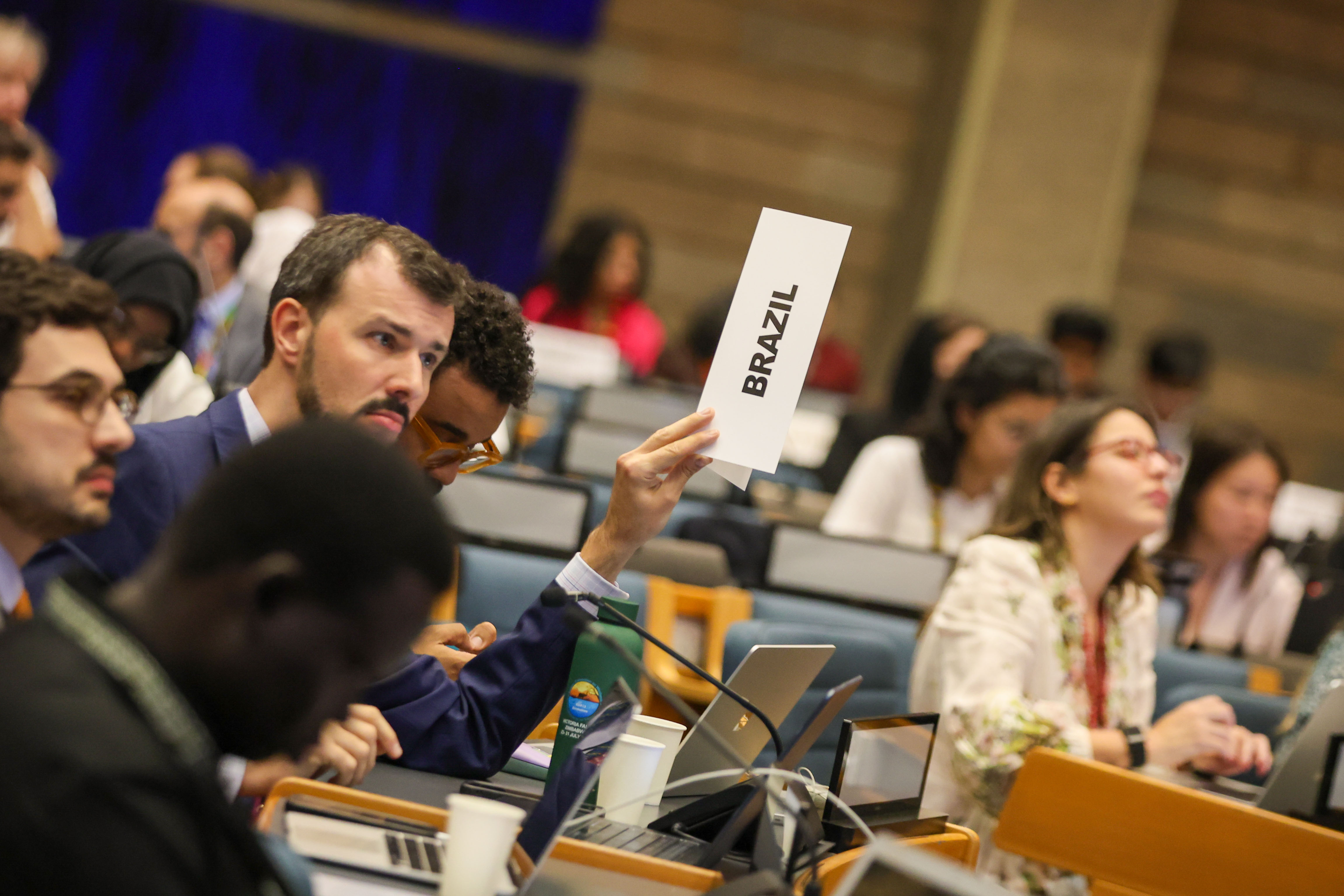
Daniella Conceição Mattos de Araujo, Brazil
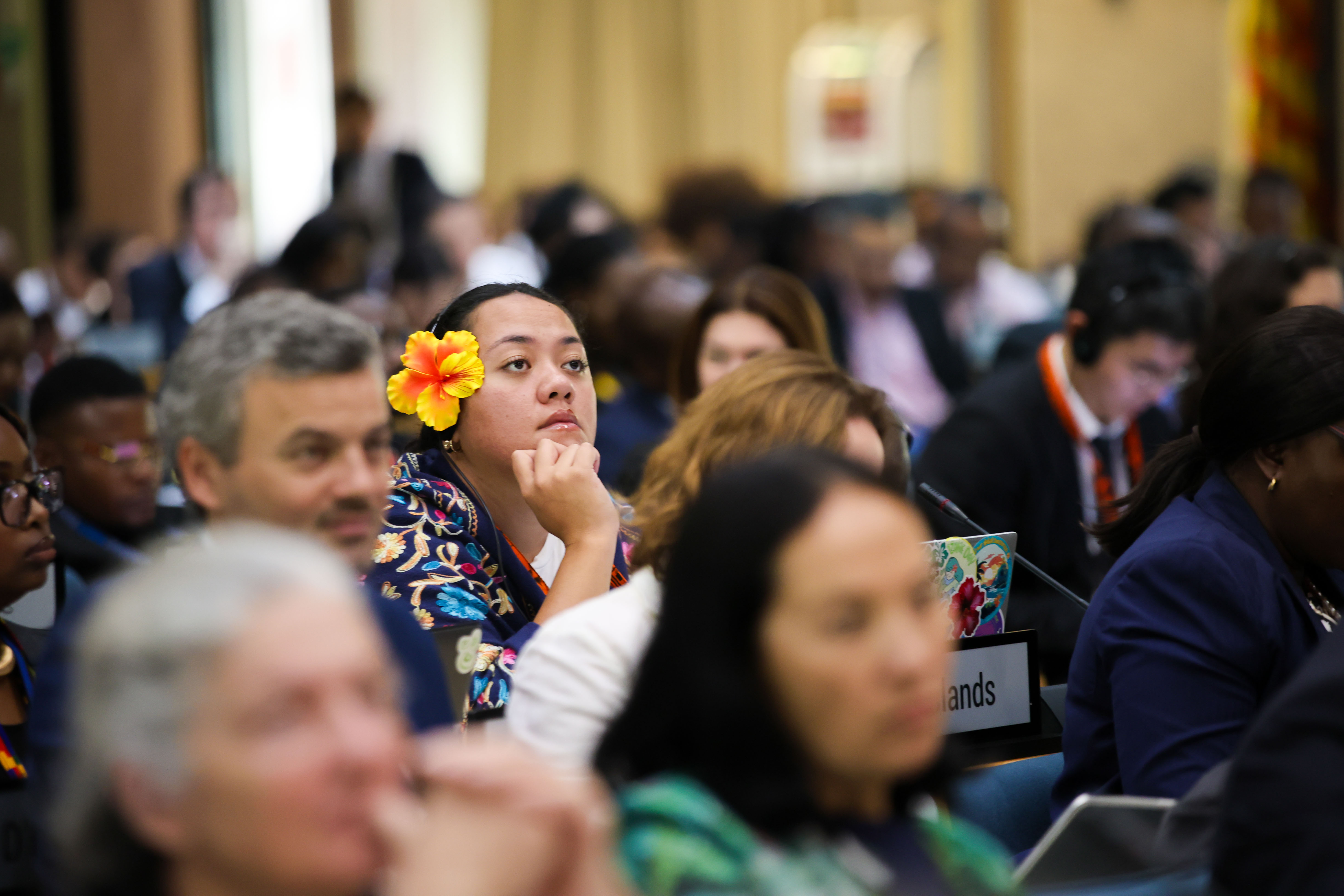
Delegates listen to the opening statements.
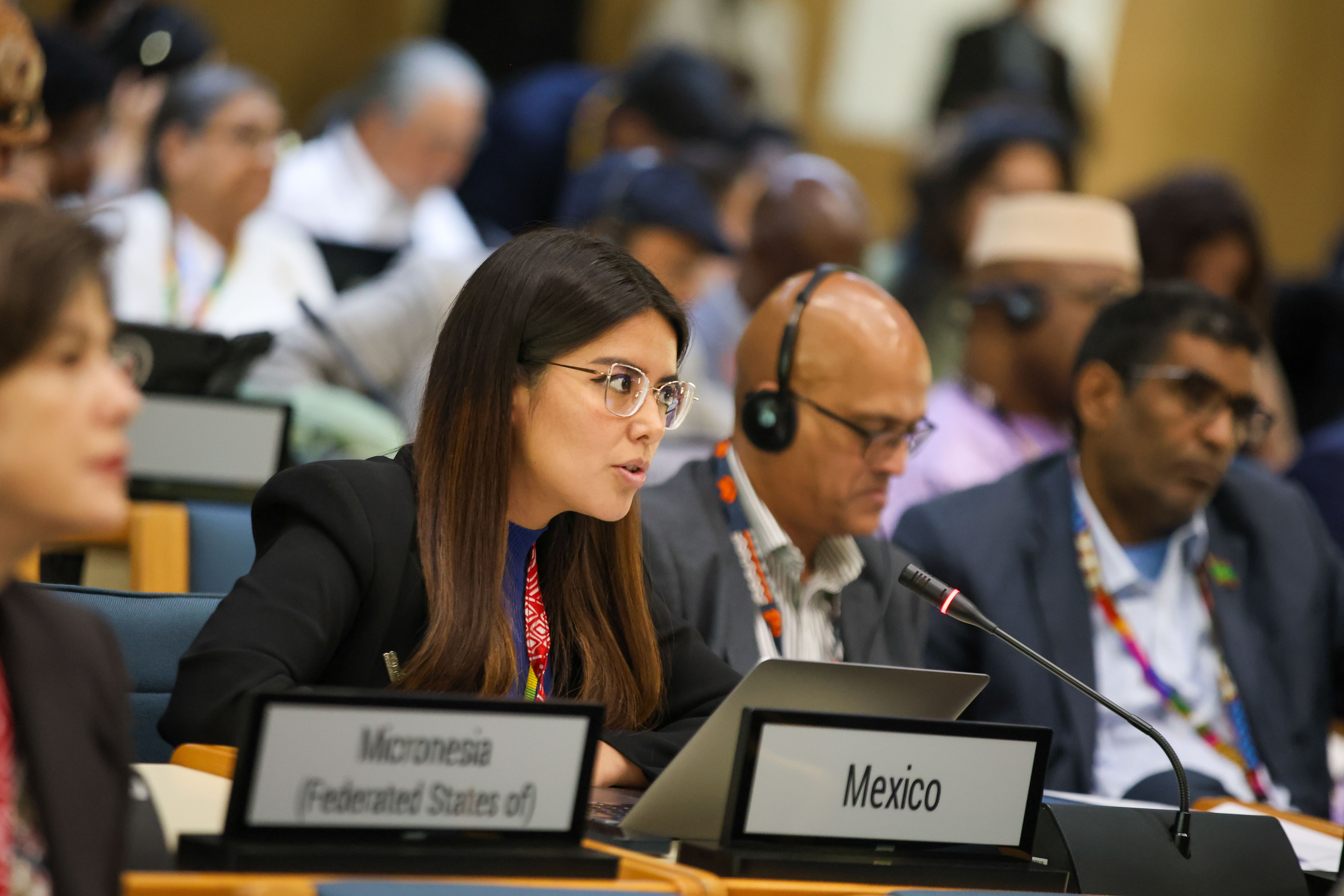
Astrid Cerón Padilla, Mexico
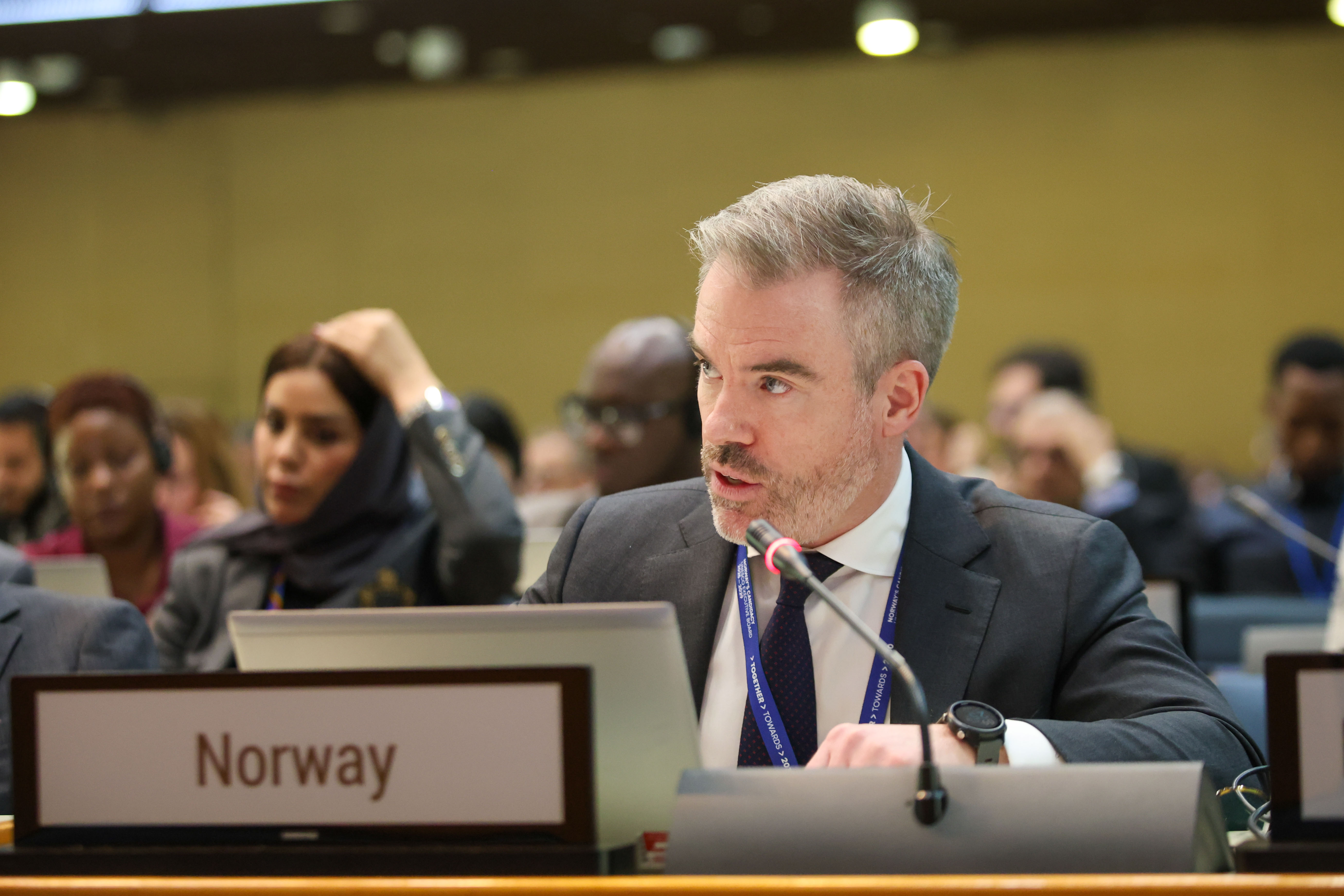
Sverre Thomas Jahre, Norway
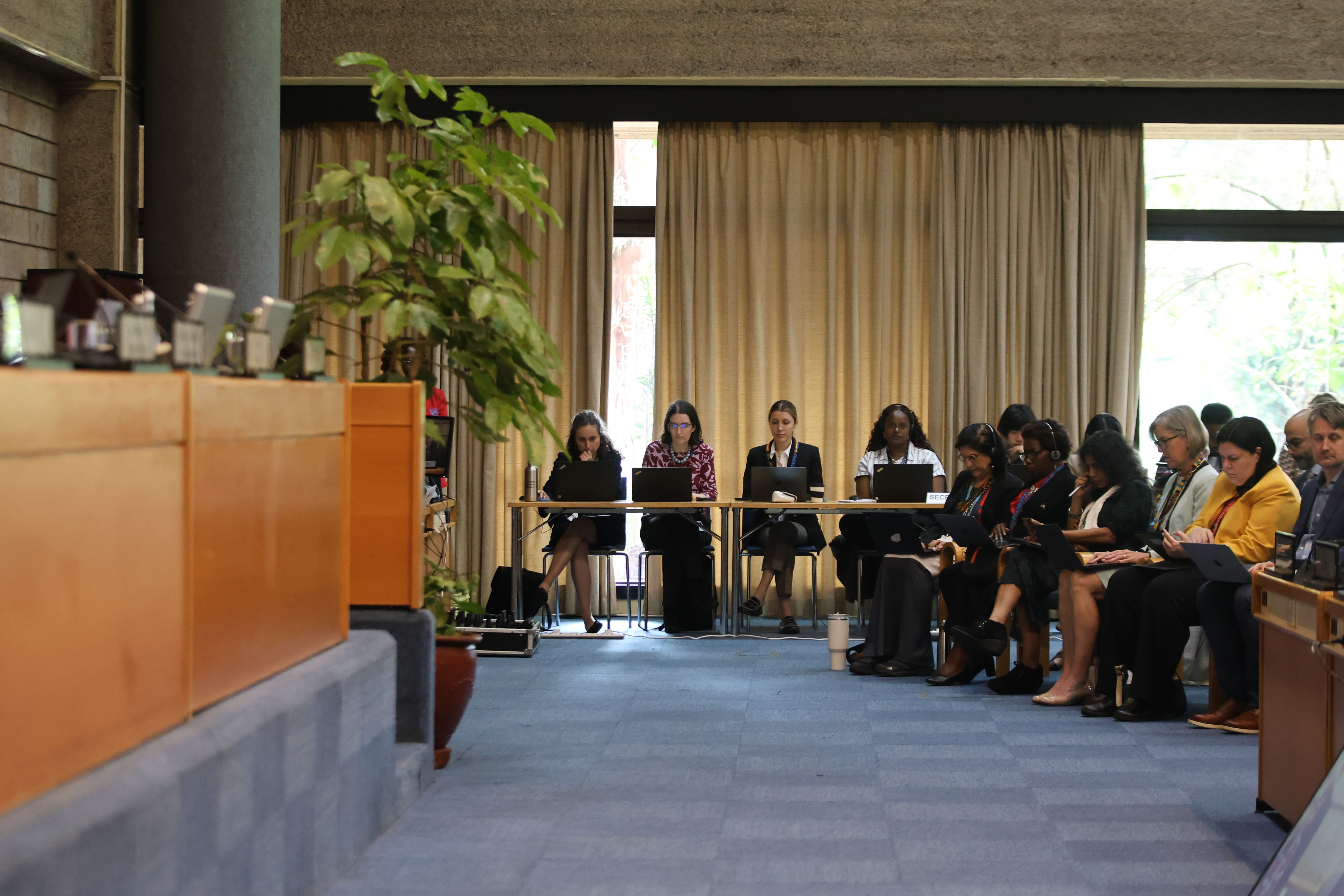
Members of the secretariat during the Opening Plenary
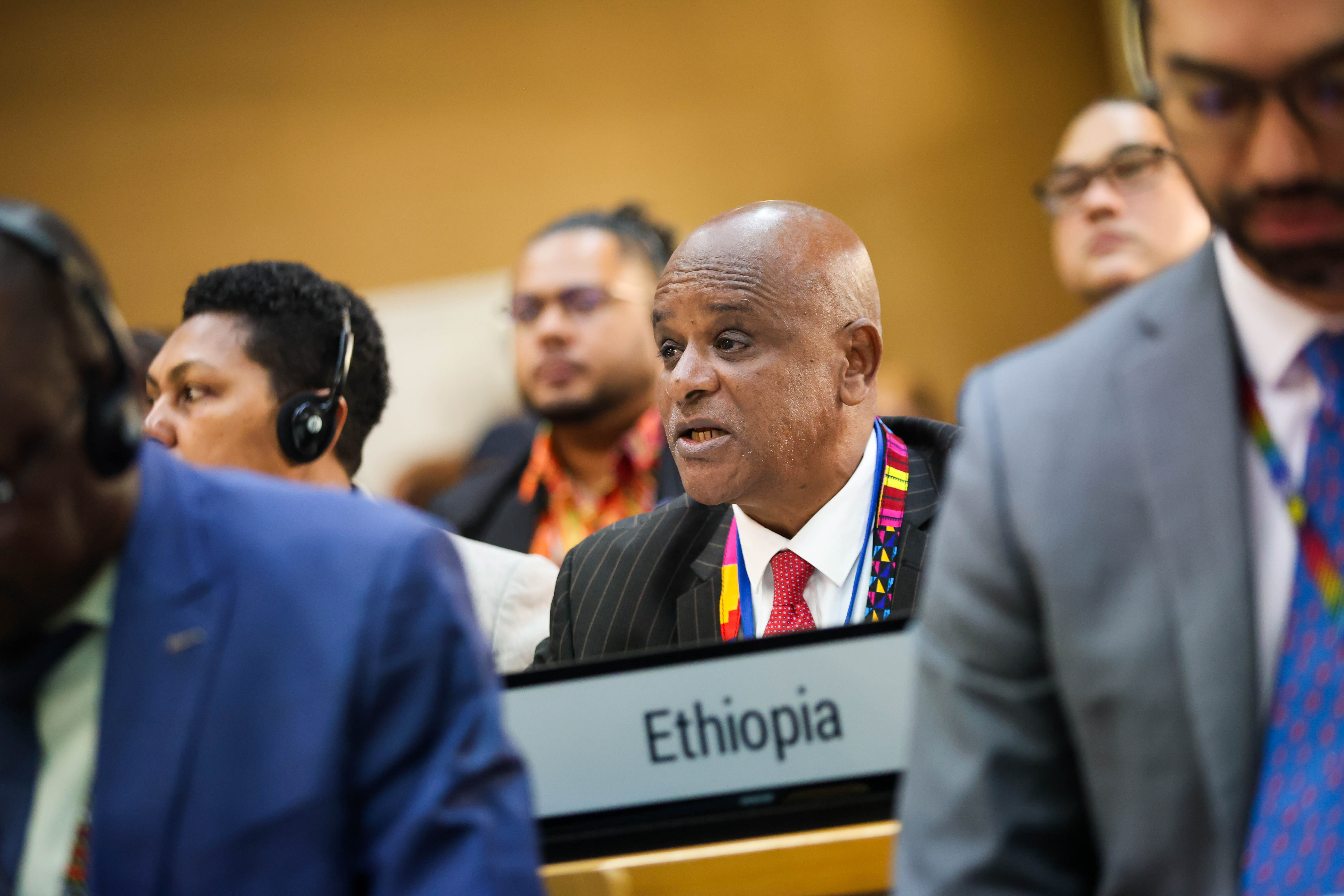
Demeke Atnafu Ambulo, Ethiopia
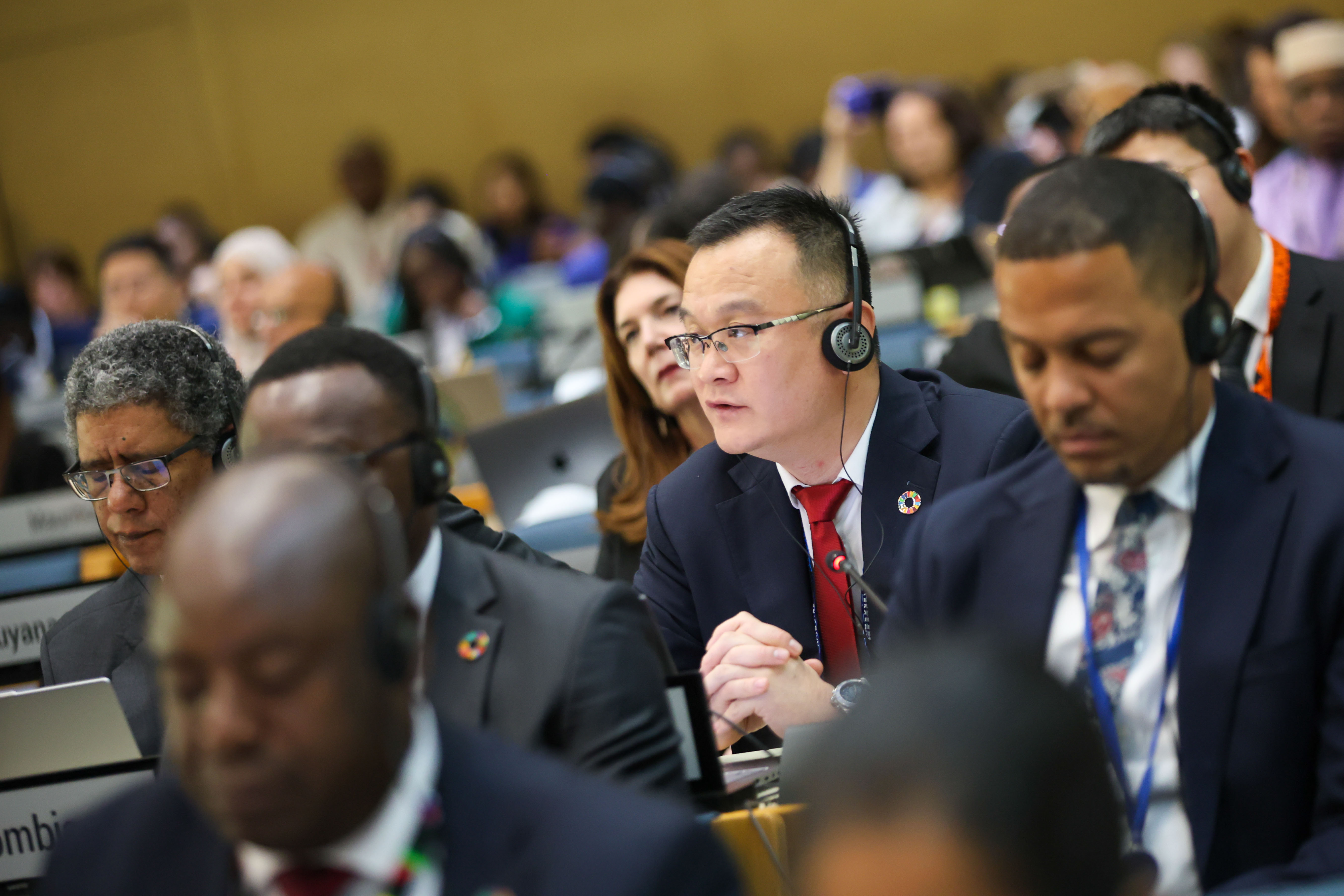
Zhuang Zhuo, China
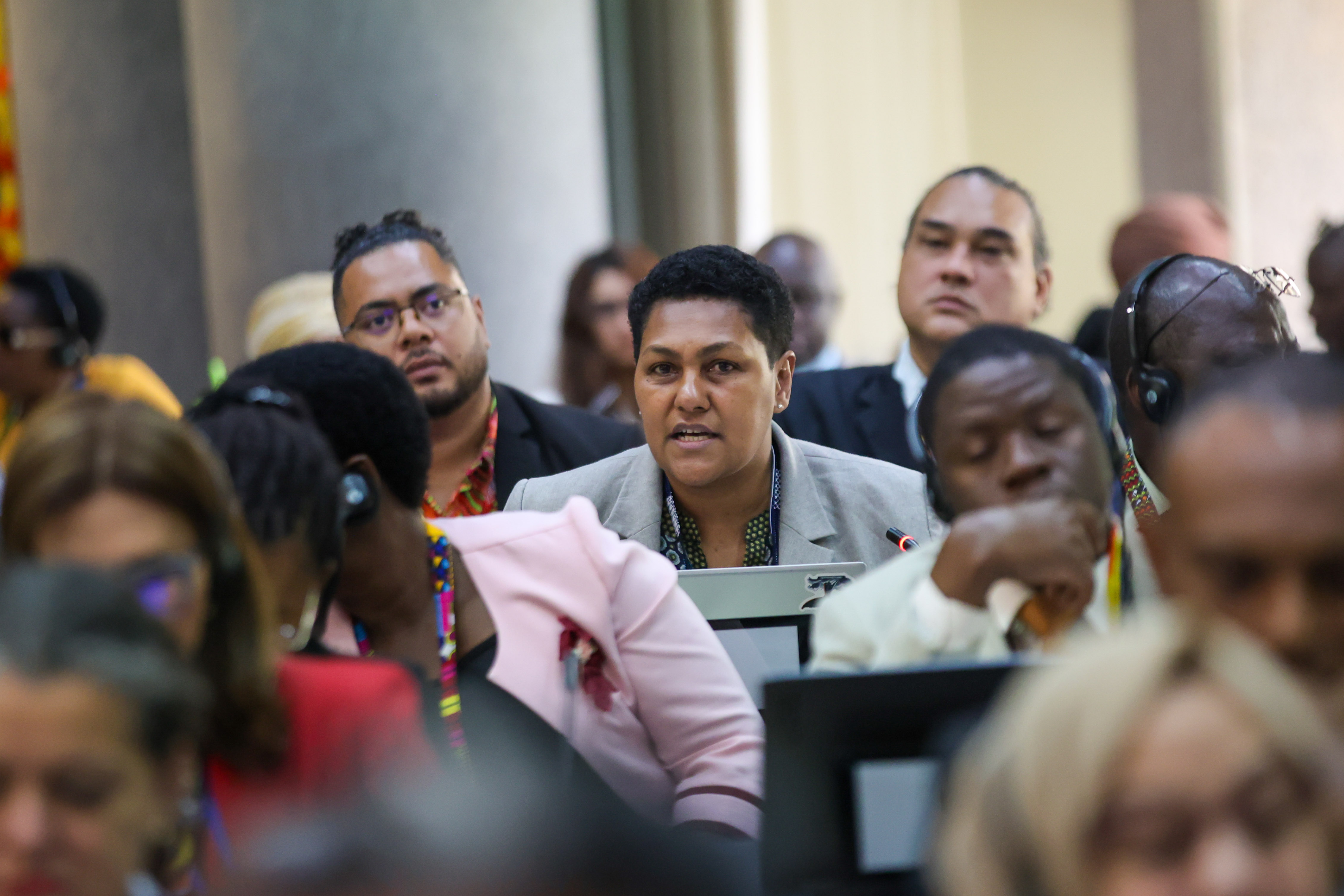
Senimili Nakora, Fiji
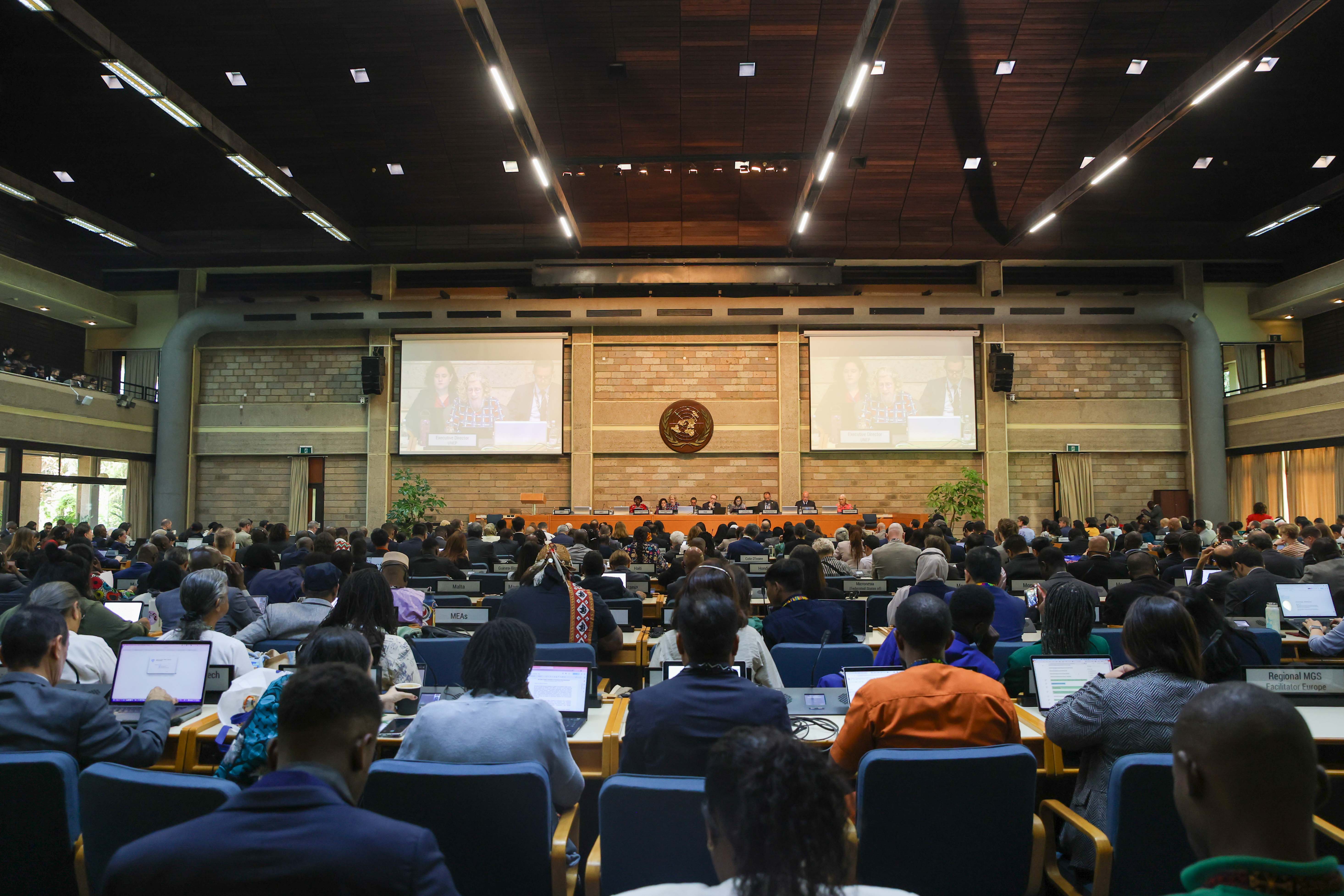
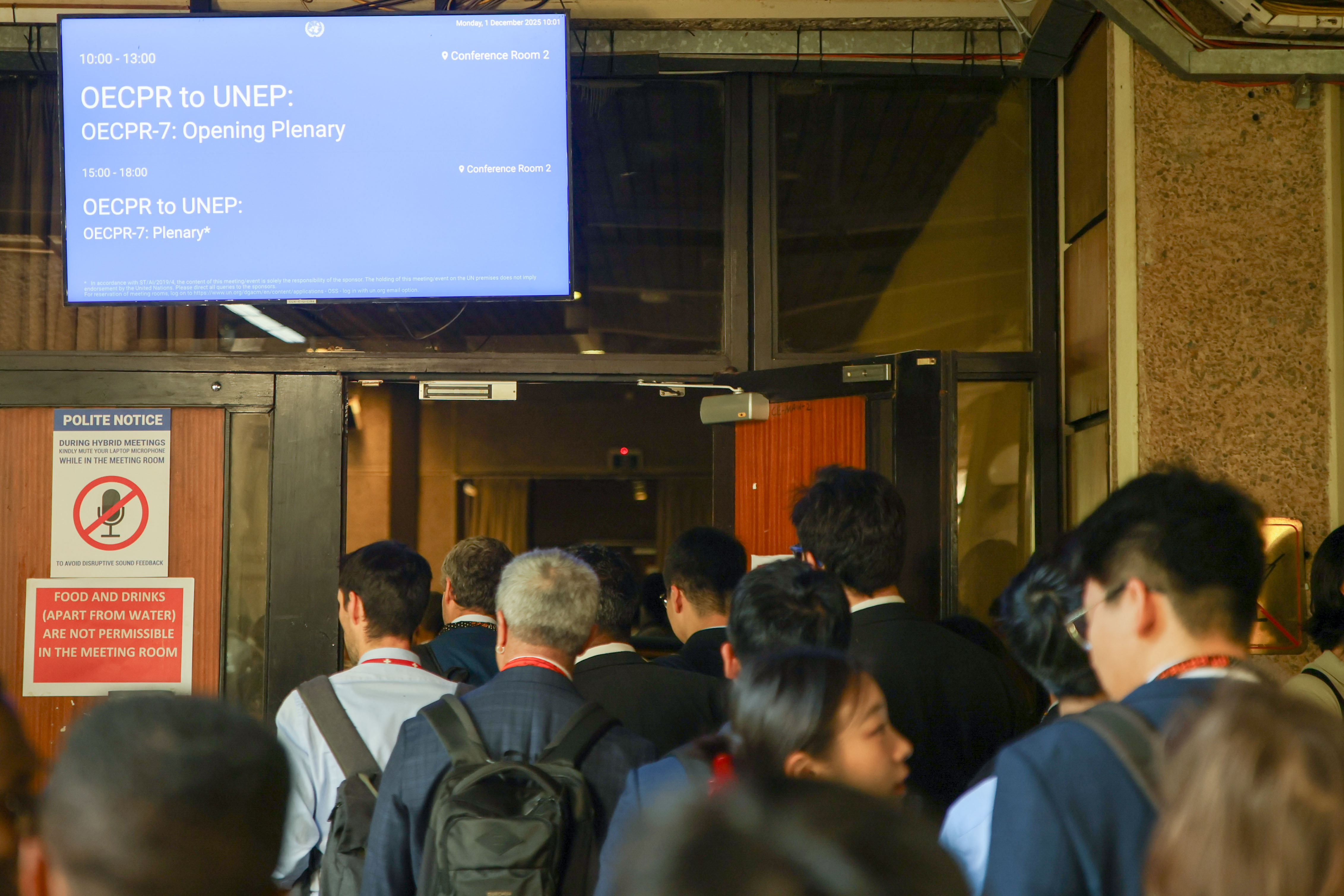
Delegates enter the room for the opening plenary.
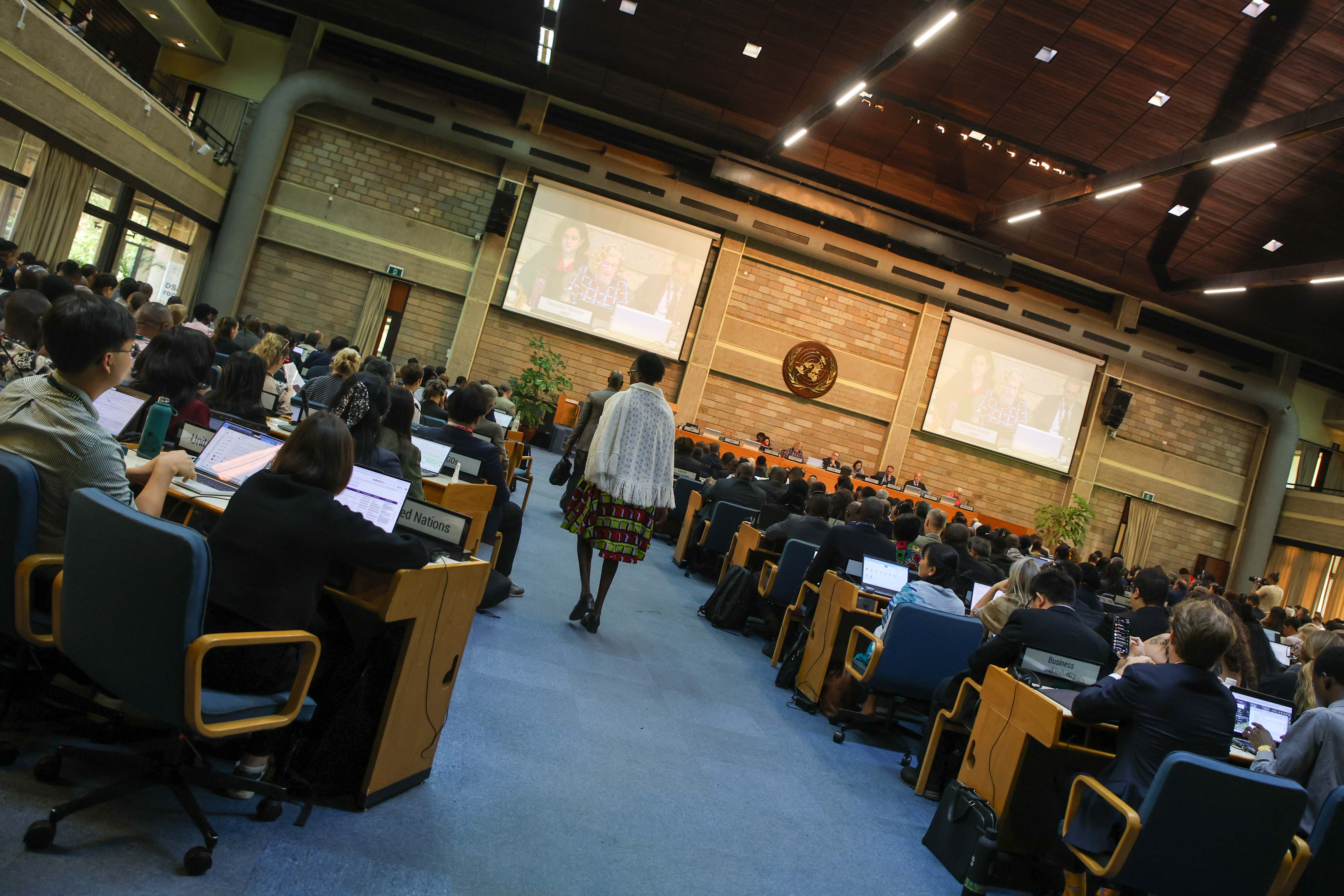
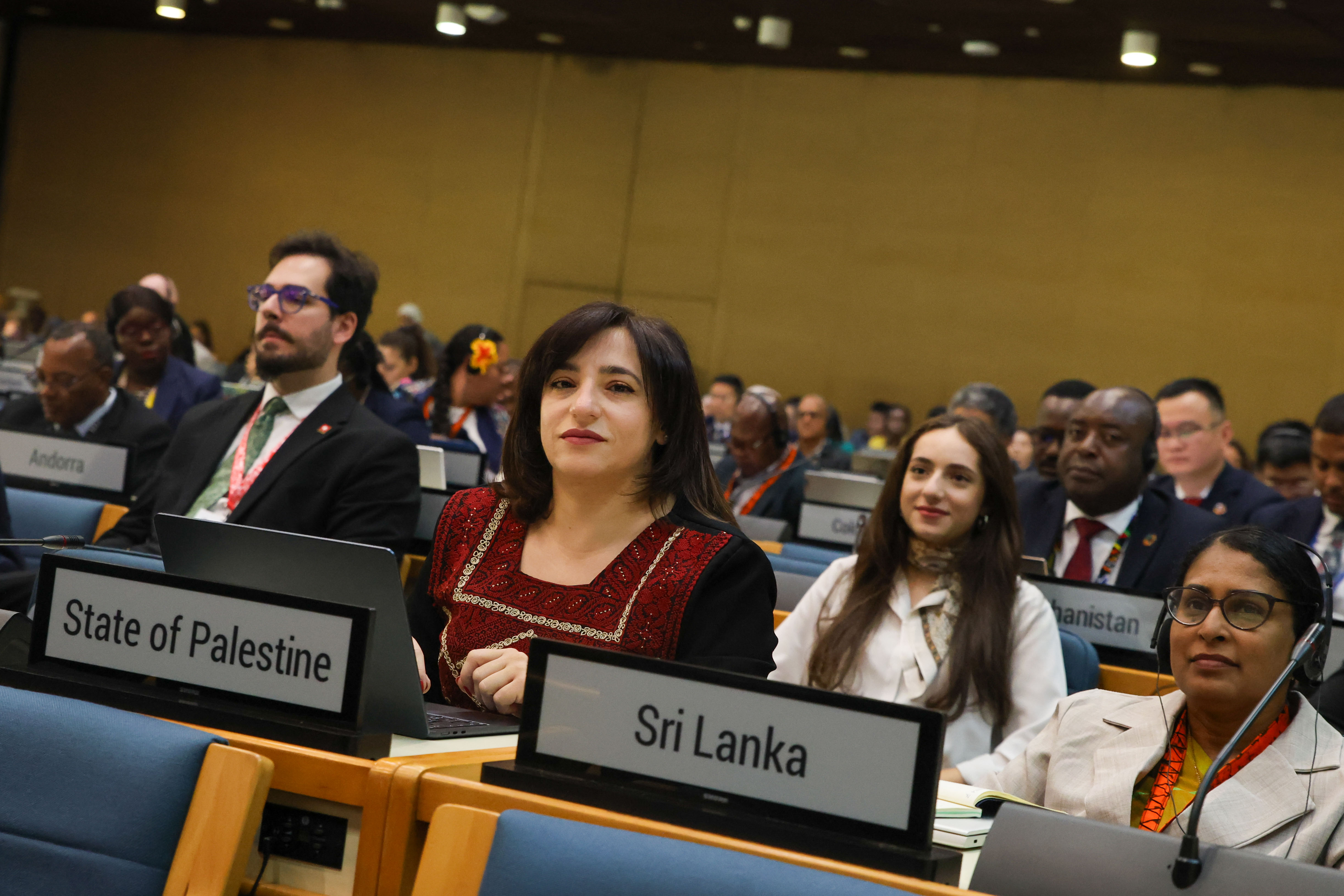
Dima Arqan, State of Palestine
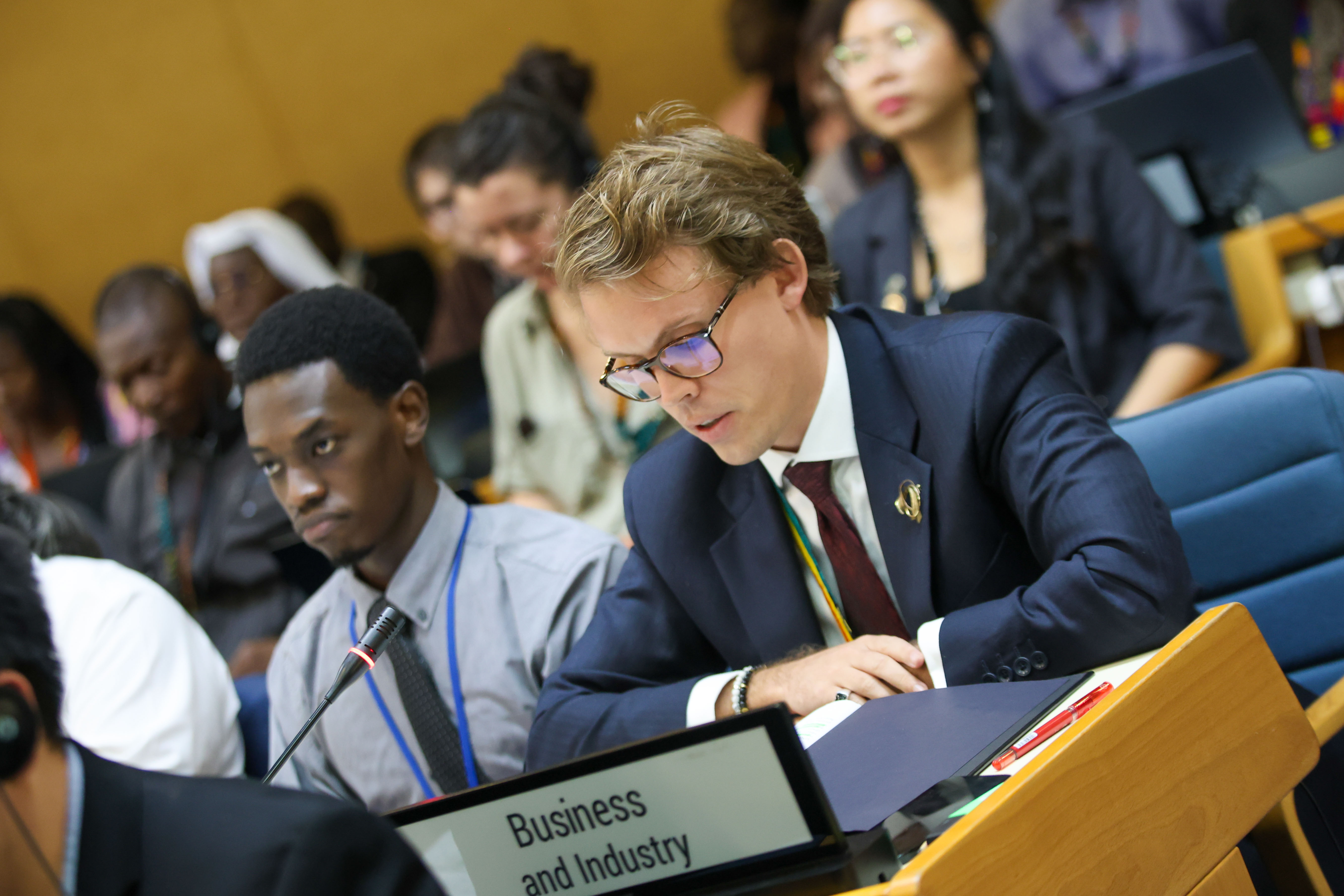
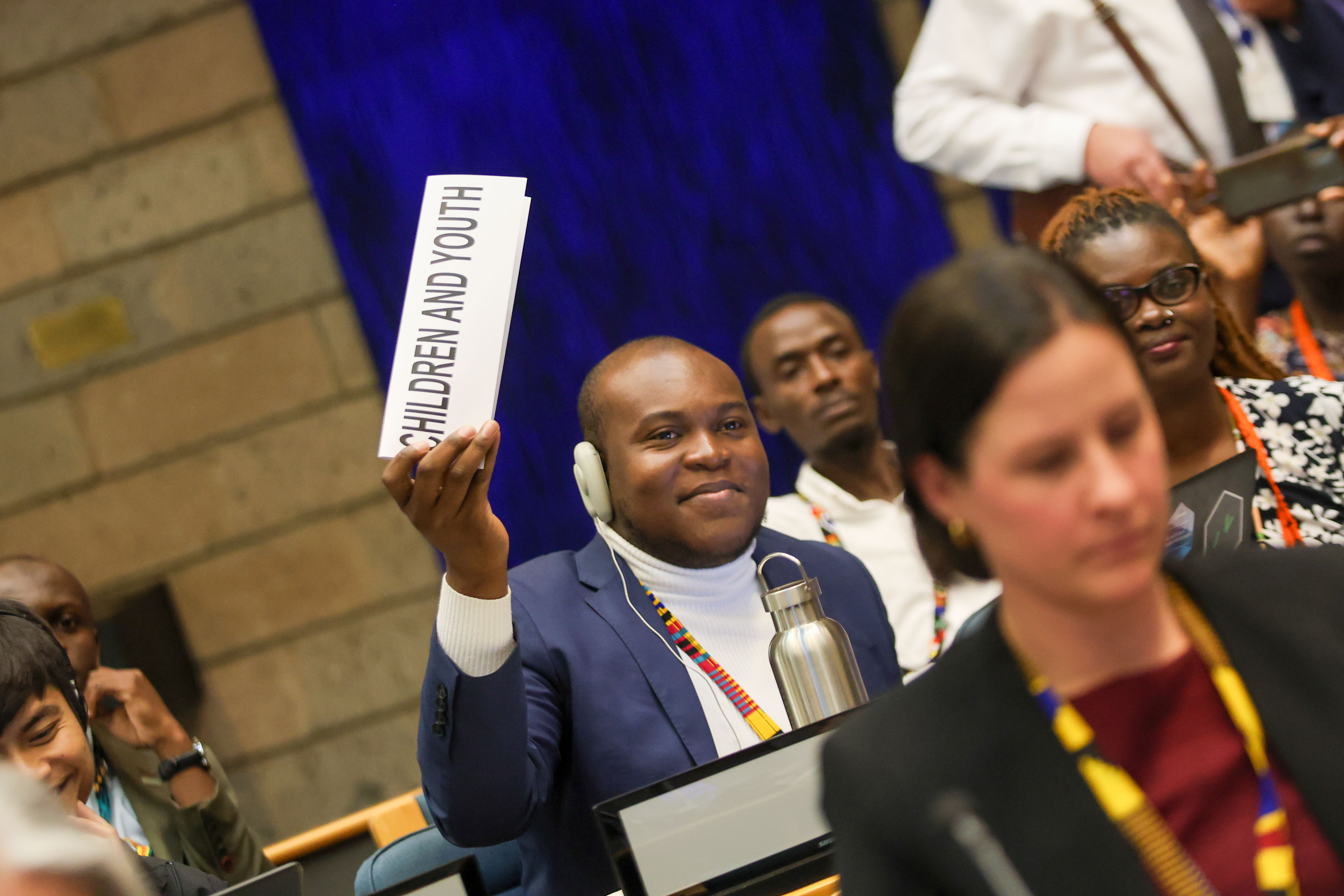
John Lindberg, Business and Industry Major Group
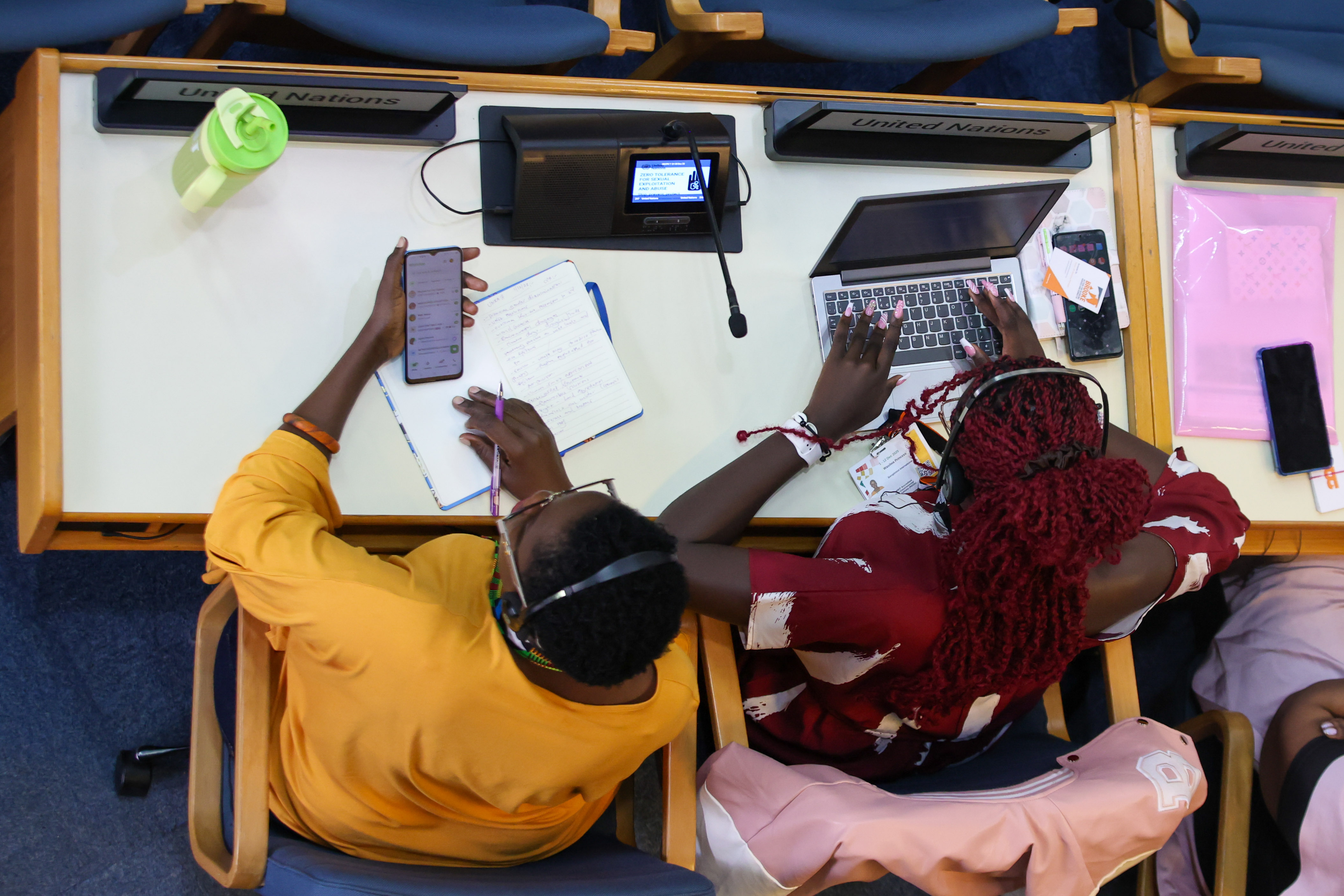
Afternoon Plenary
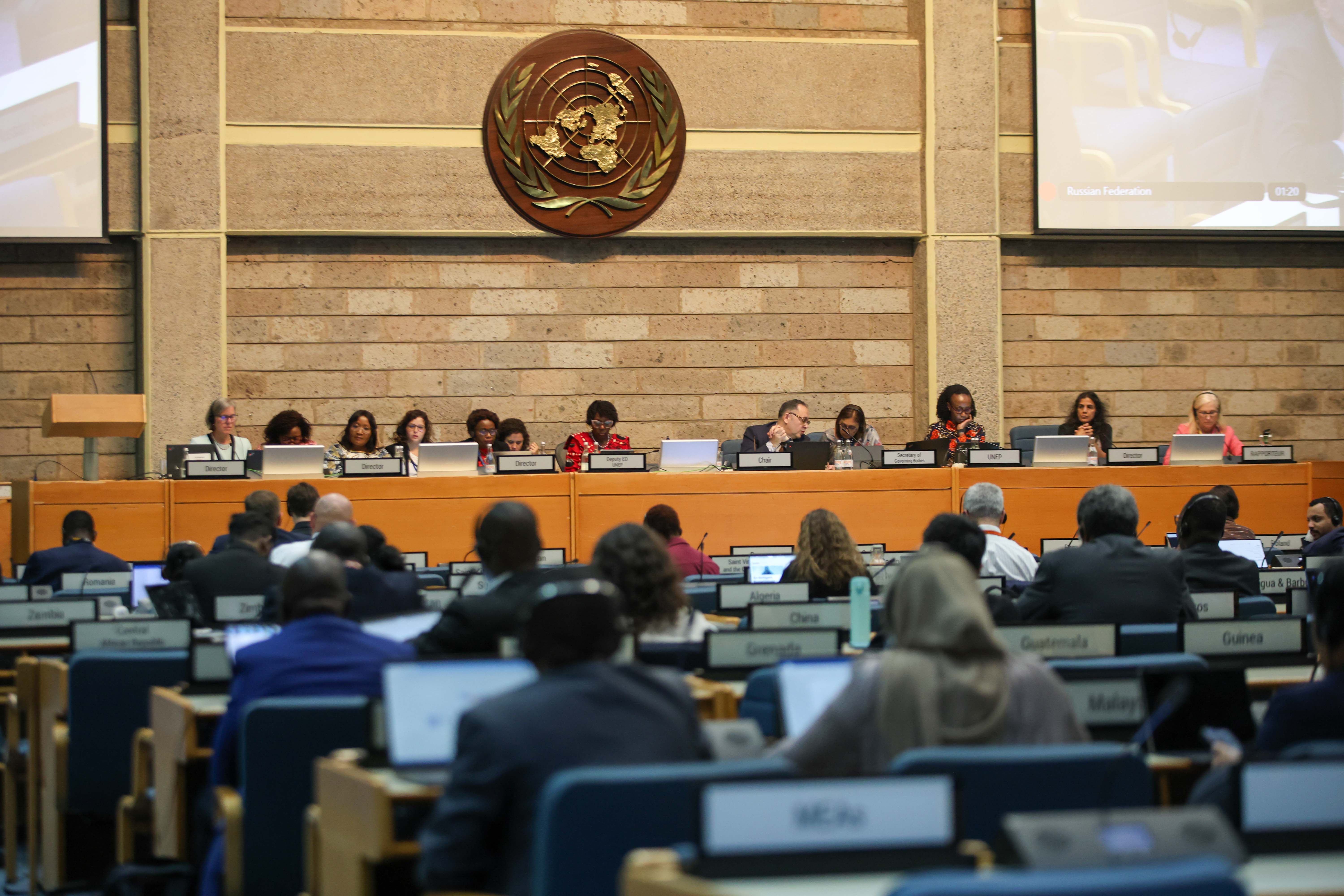
A view of the dais
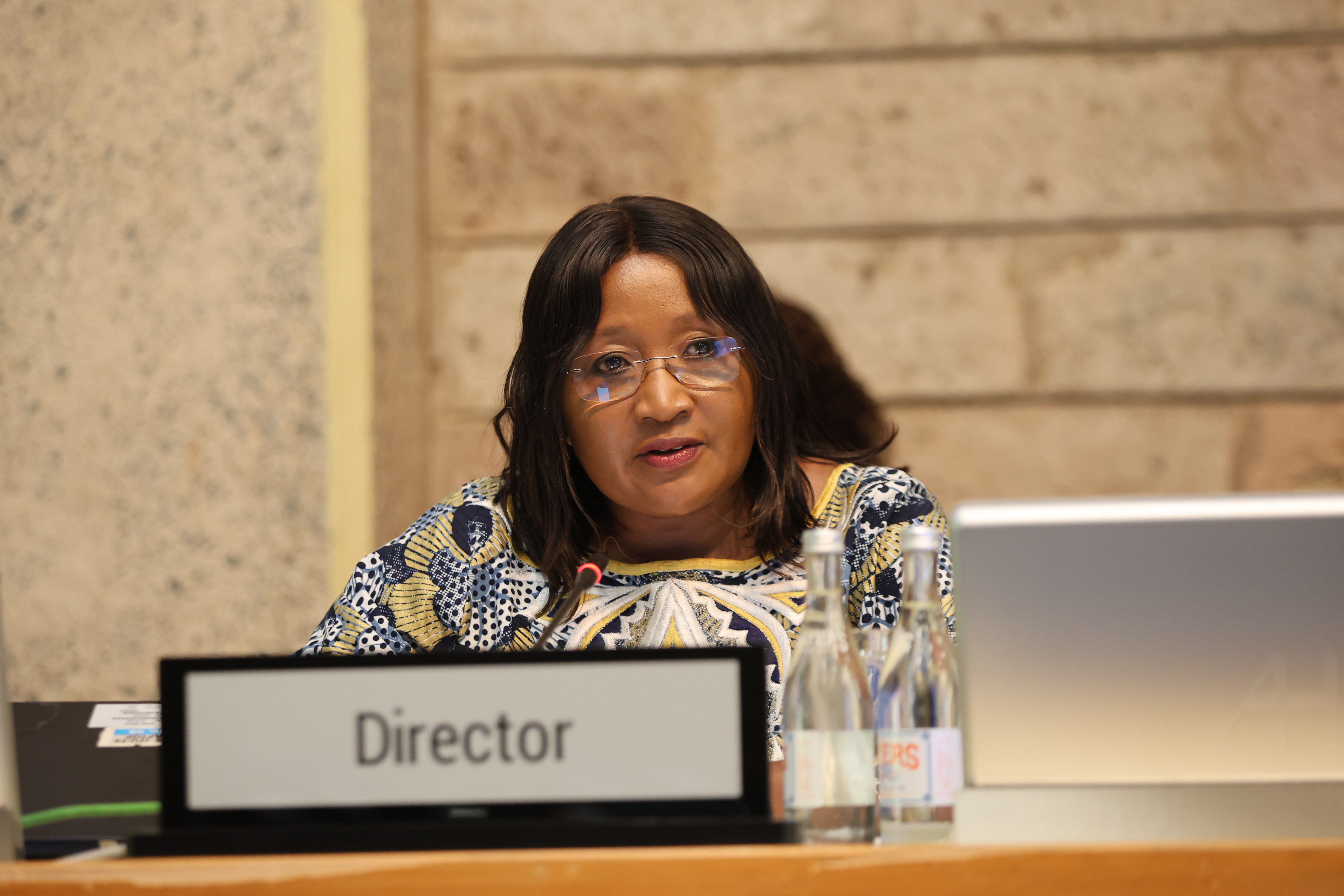
Rose Mwebaza, UNEP Regional Office for Africa (ROA)
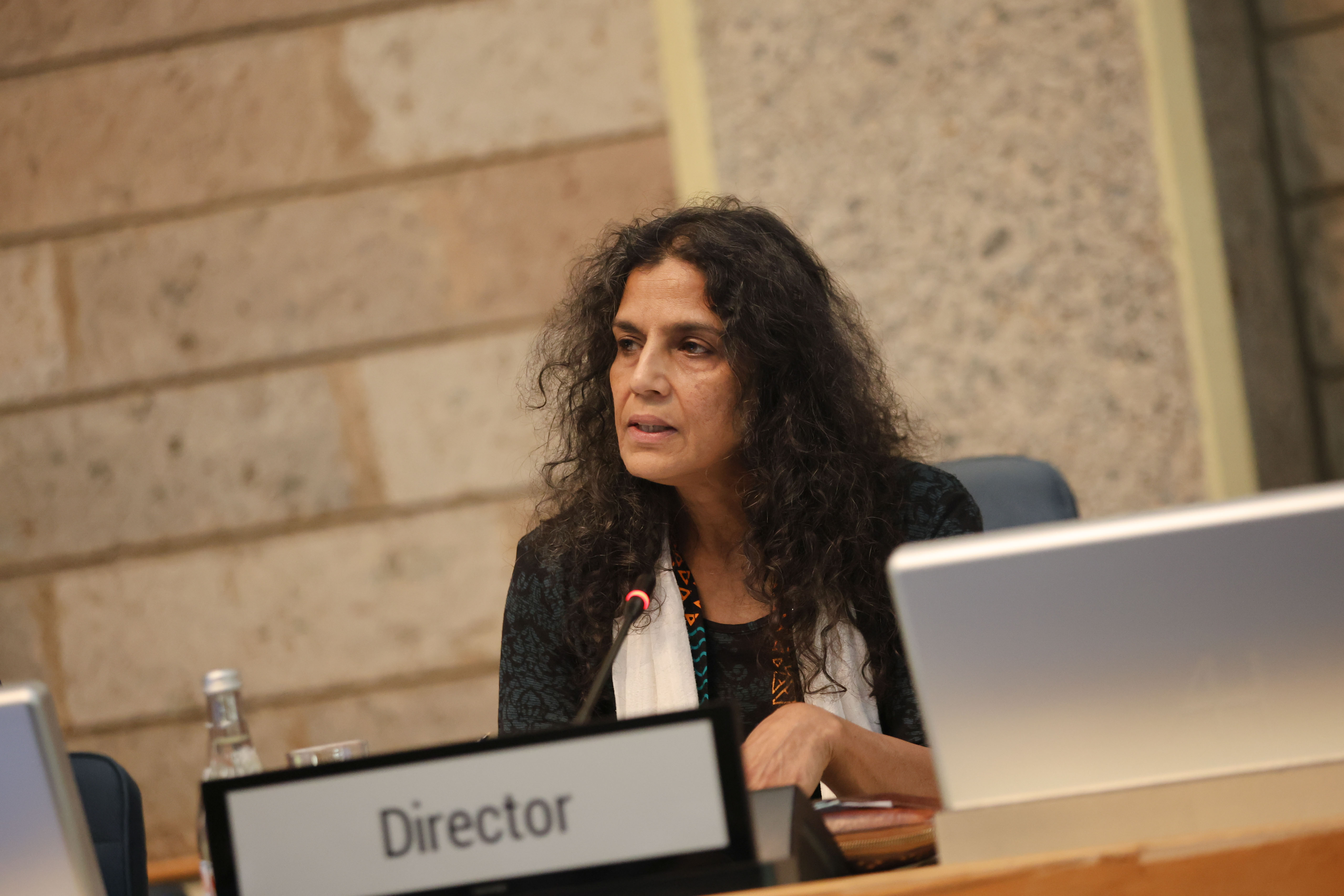
Sheila Aggarwal-Khan, Director, Industry and Economy Division, UNEP
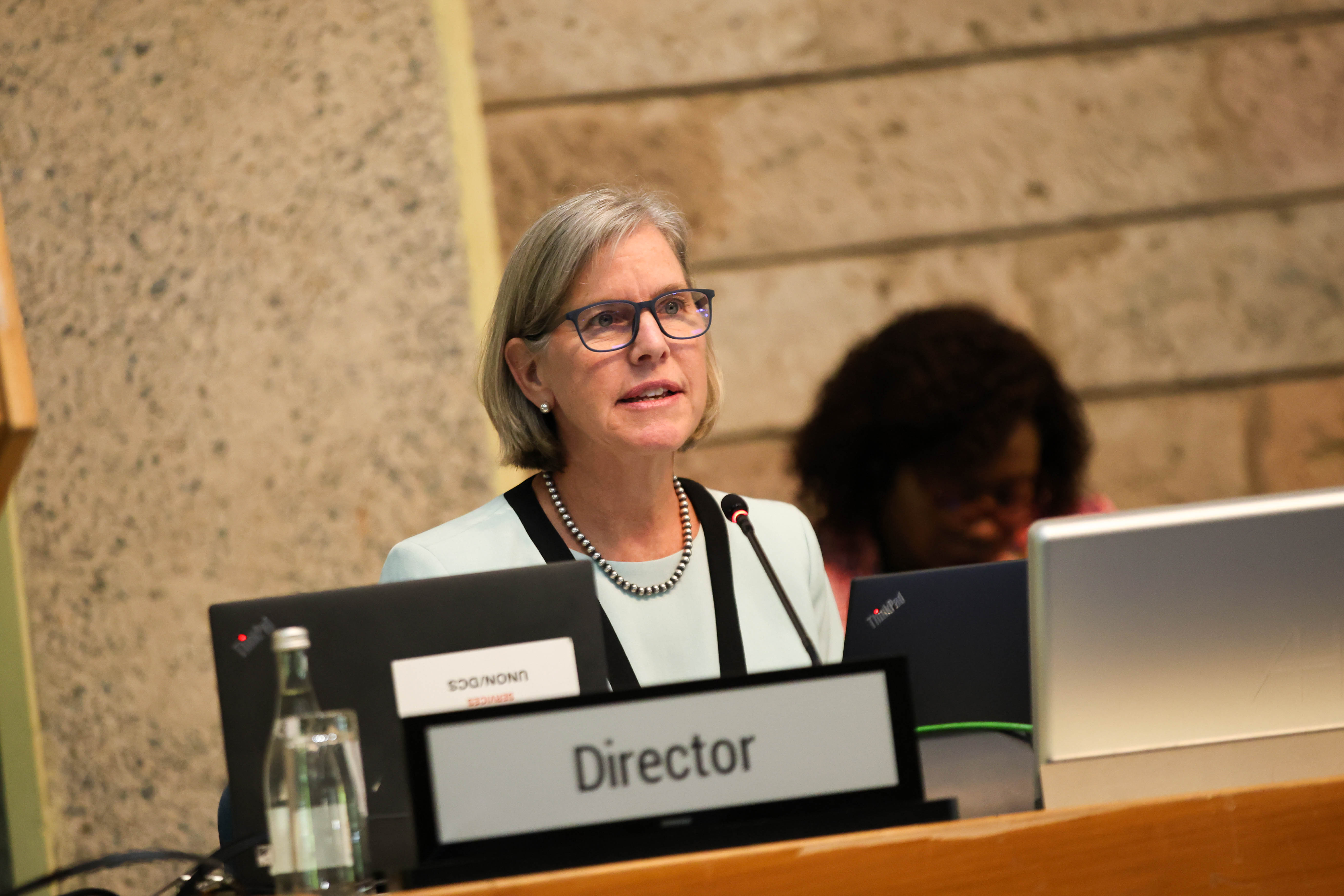
Susan Gardner, Director, Ecosystems Division, UNEP
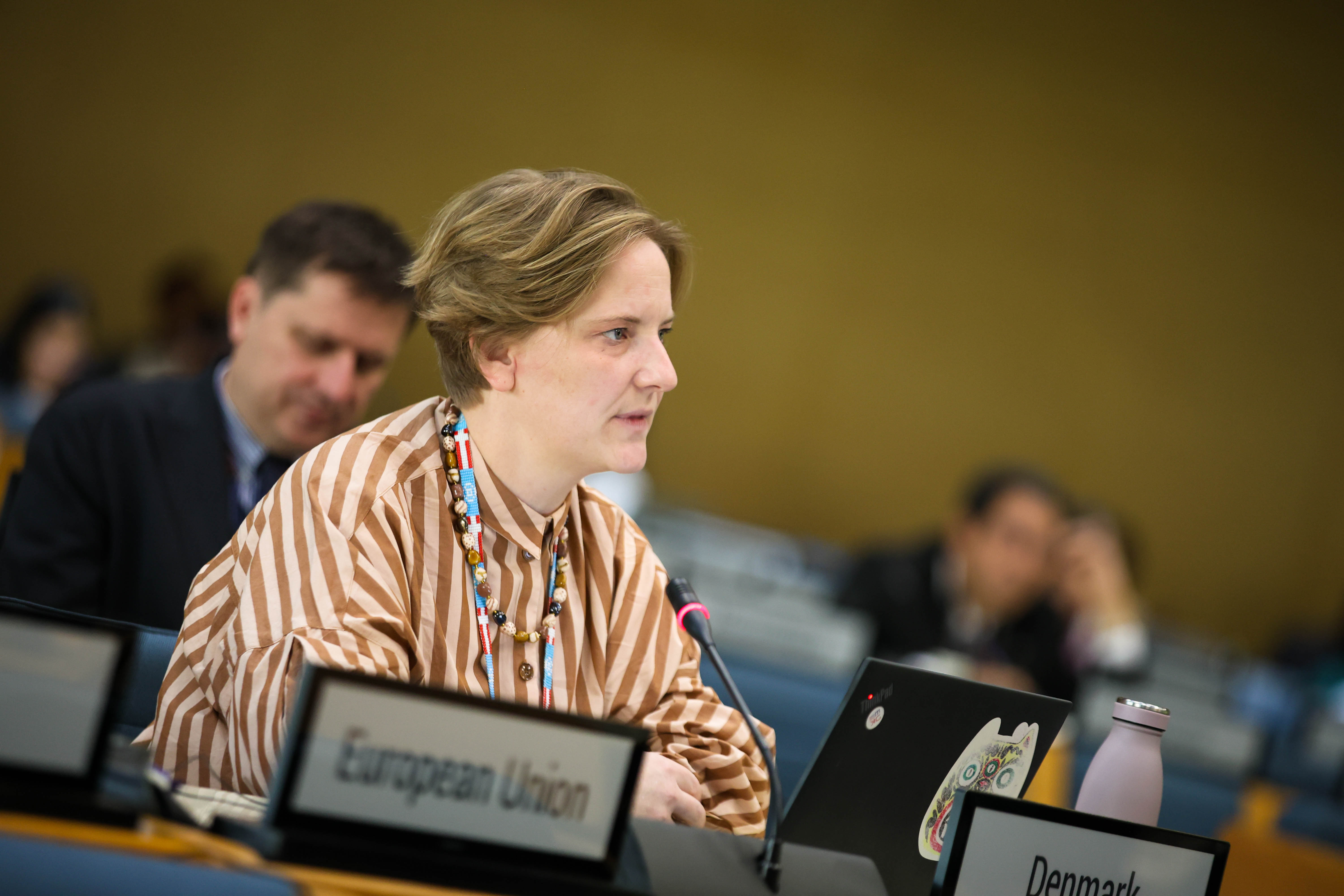
Sidsel Bjøl, EU
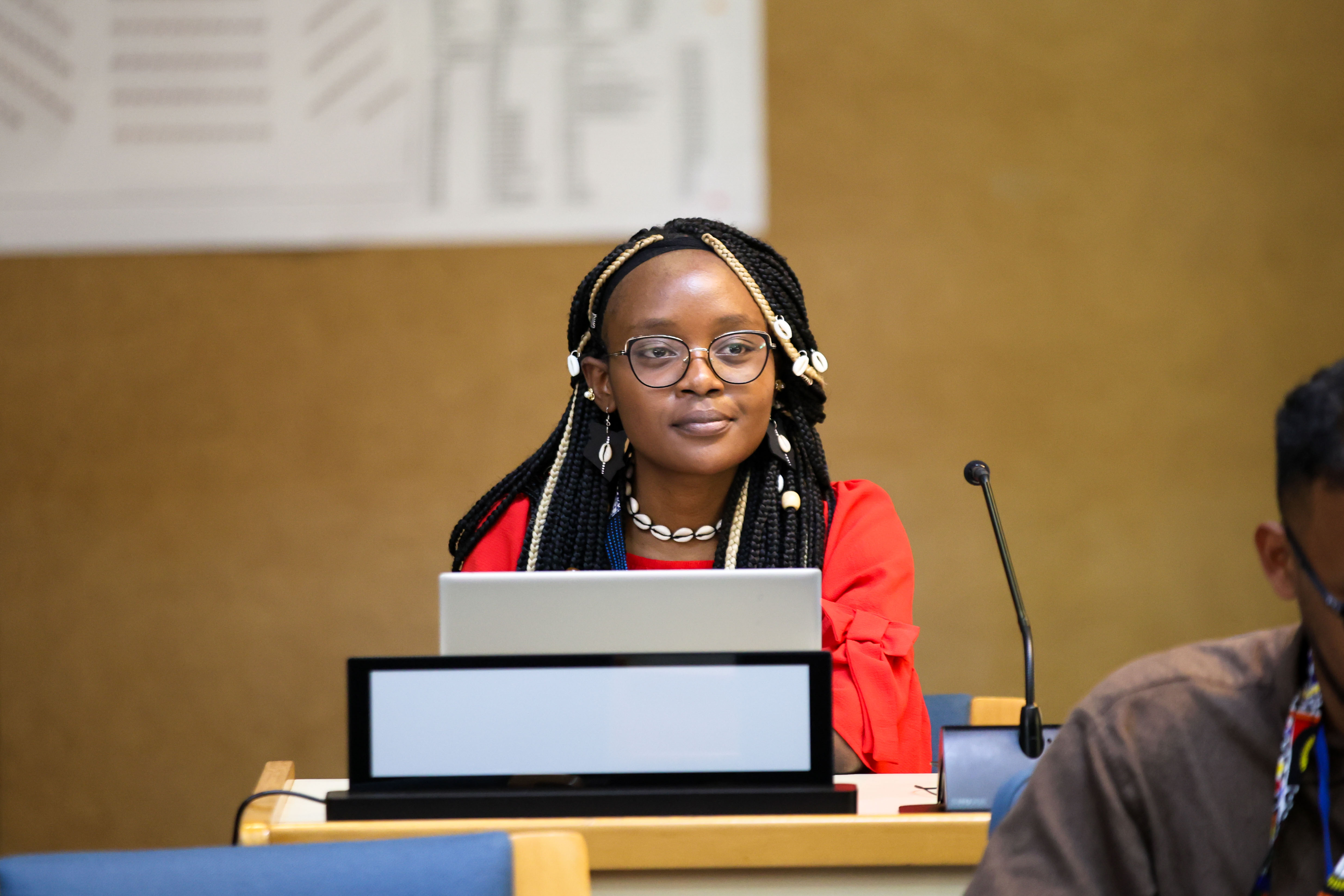
Candy Margaret Vizengwa, Centre for Environment Justice and Development
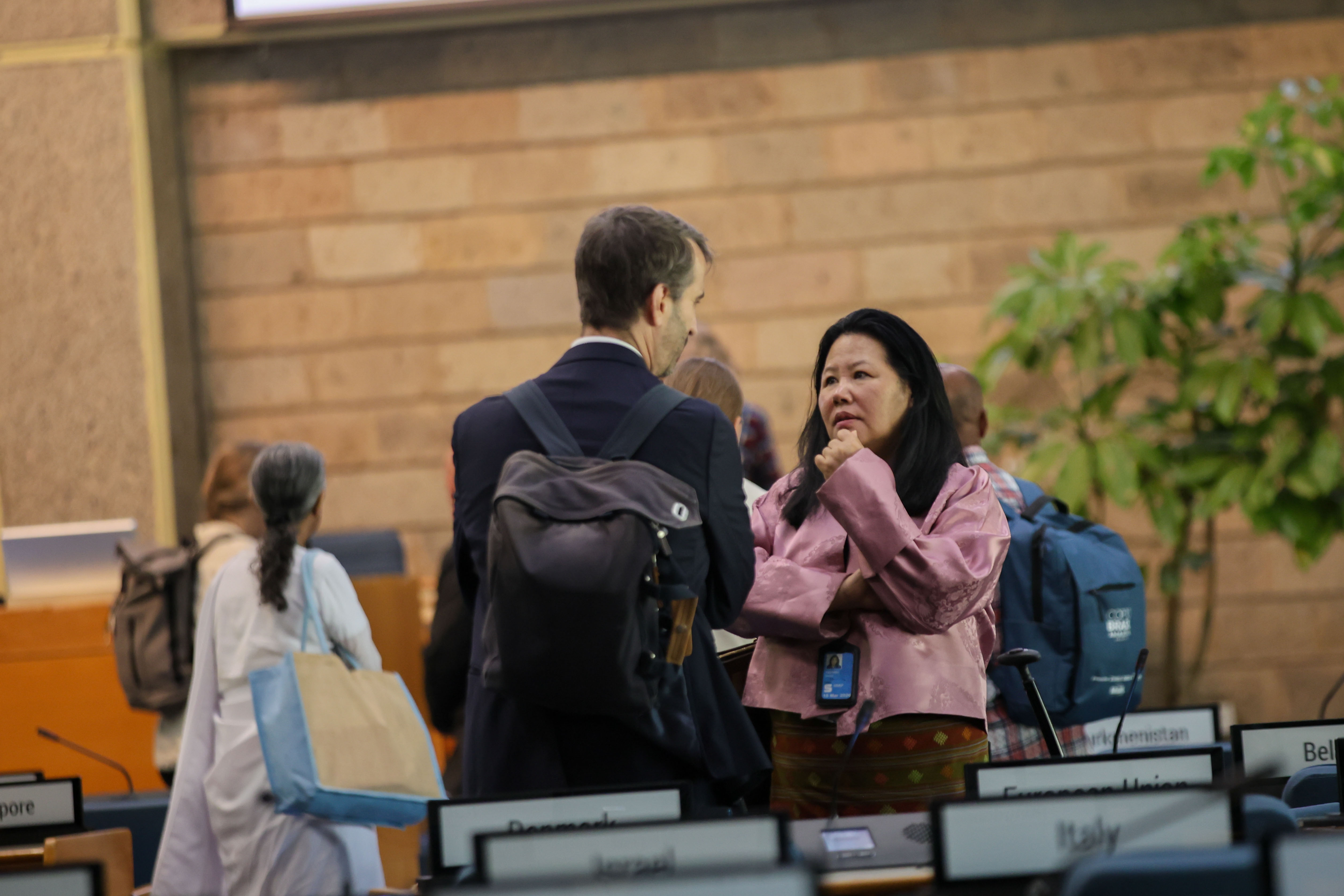
Dechen Tsering, Director, UNEP Regional Office of Asia Pacific
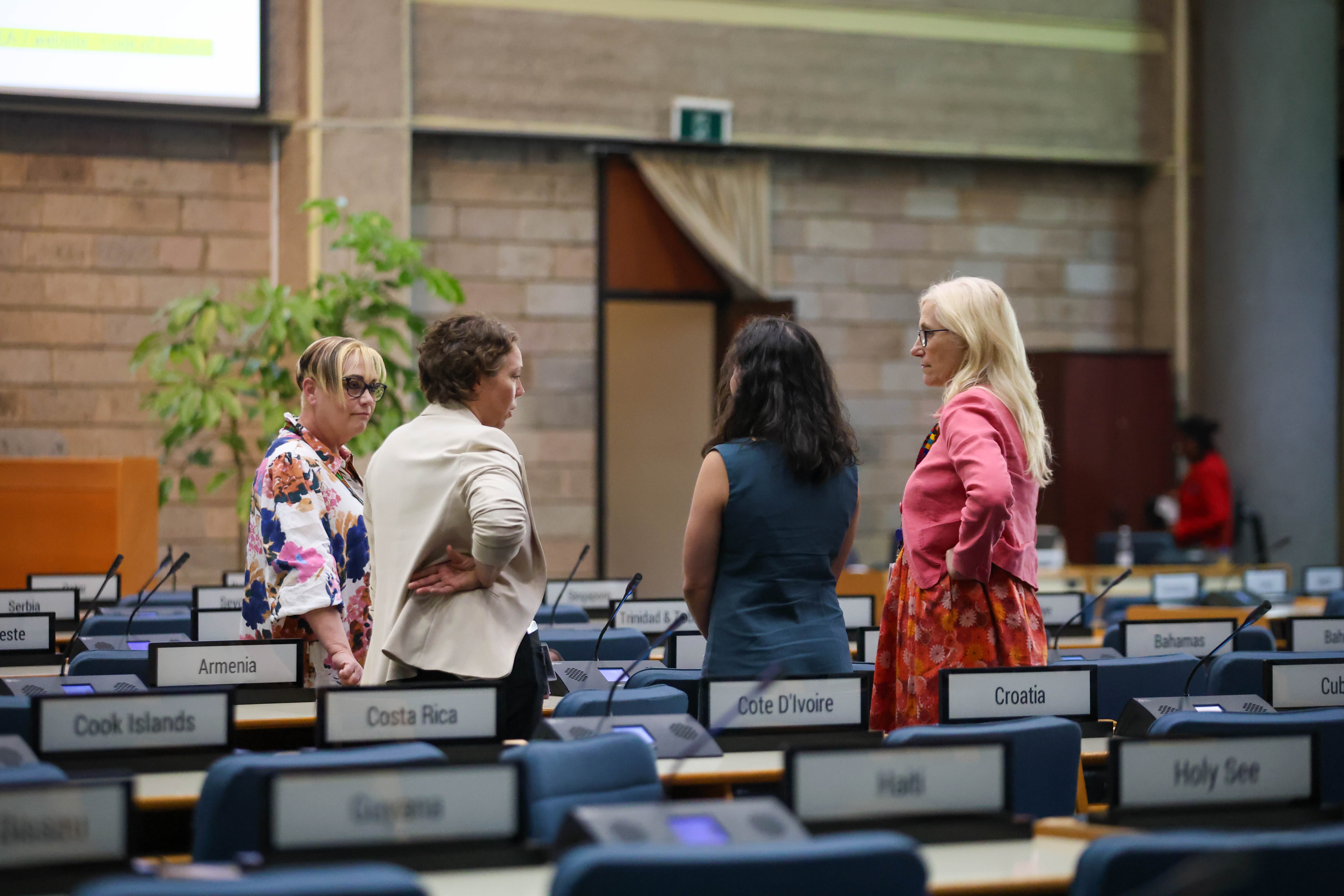
Cluster A
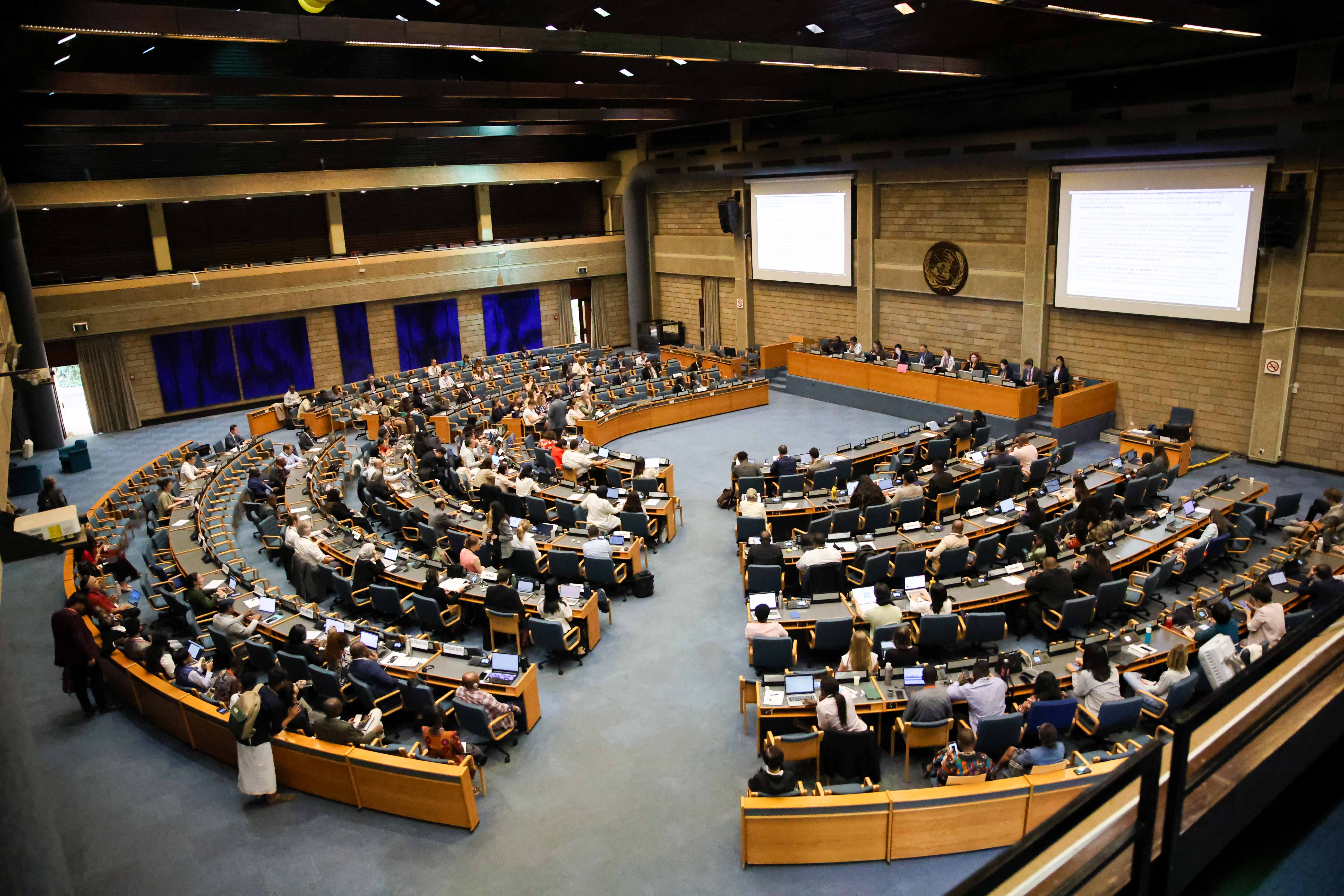
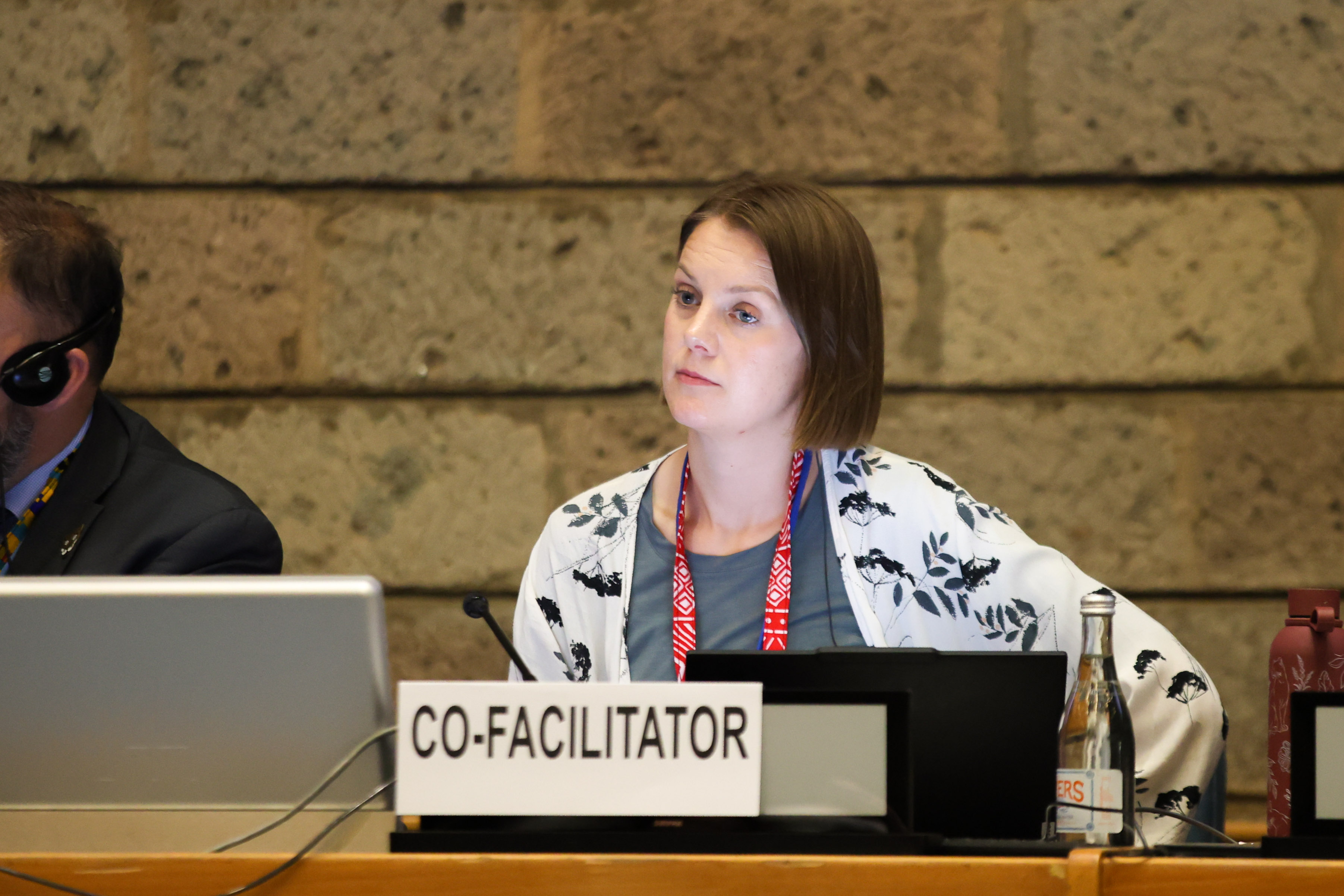
Marie Haraldstad, Norway, Co-Facilitator of Cluster A
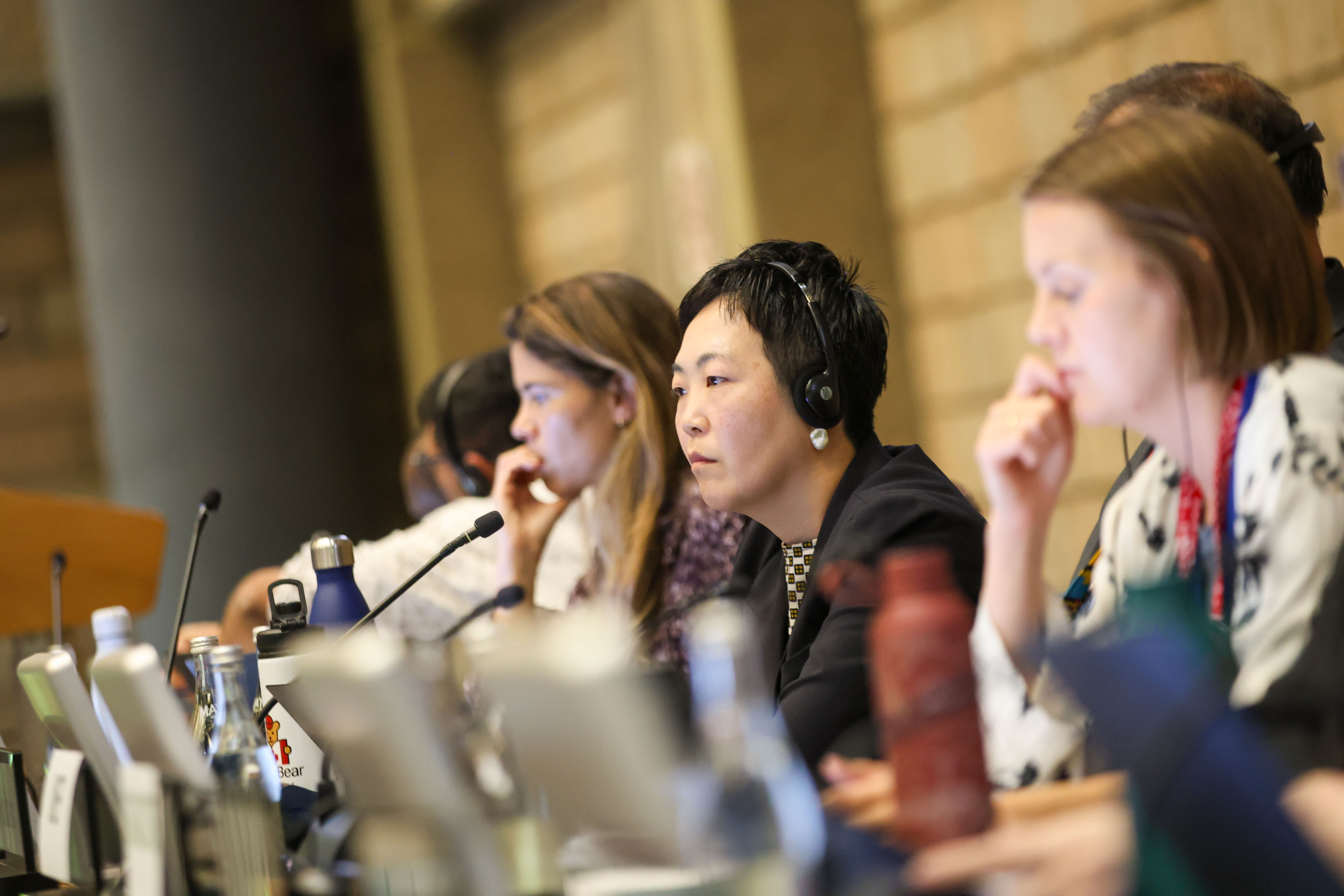
Kanako Okano, Japan, Co-Facilitator of Cluster A
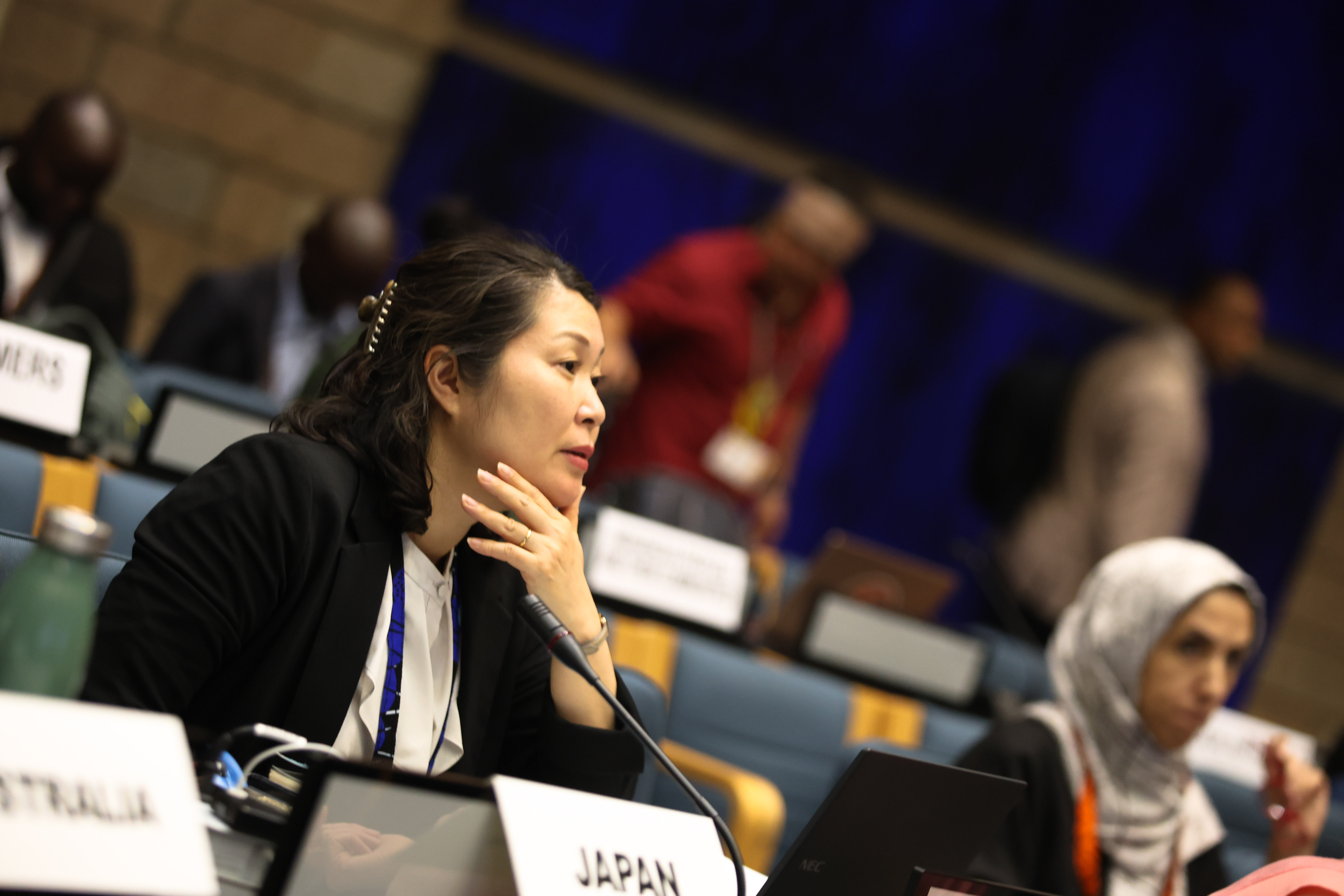
Cluster B
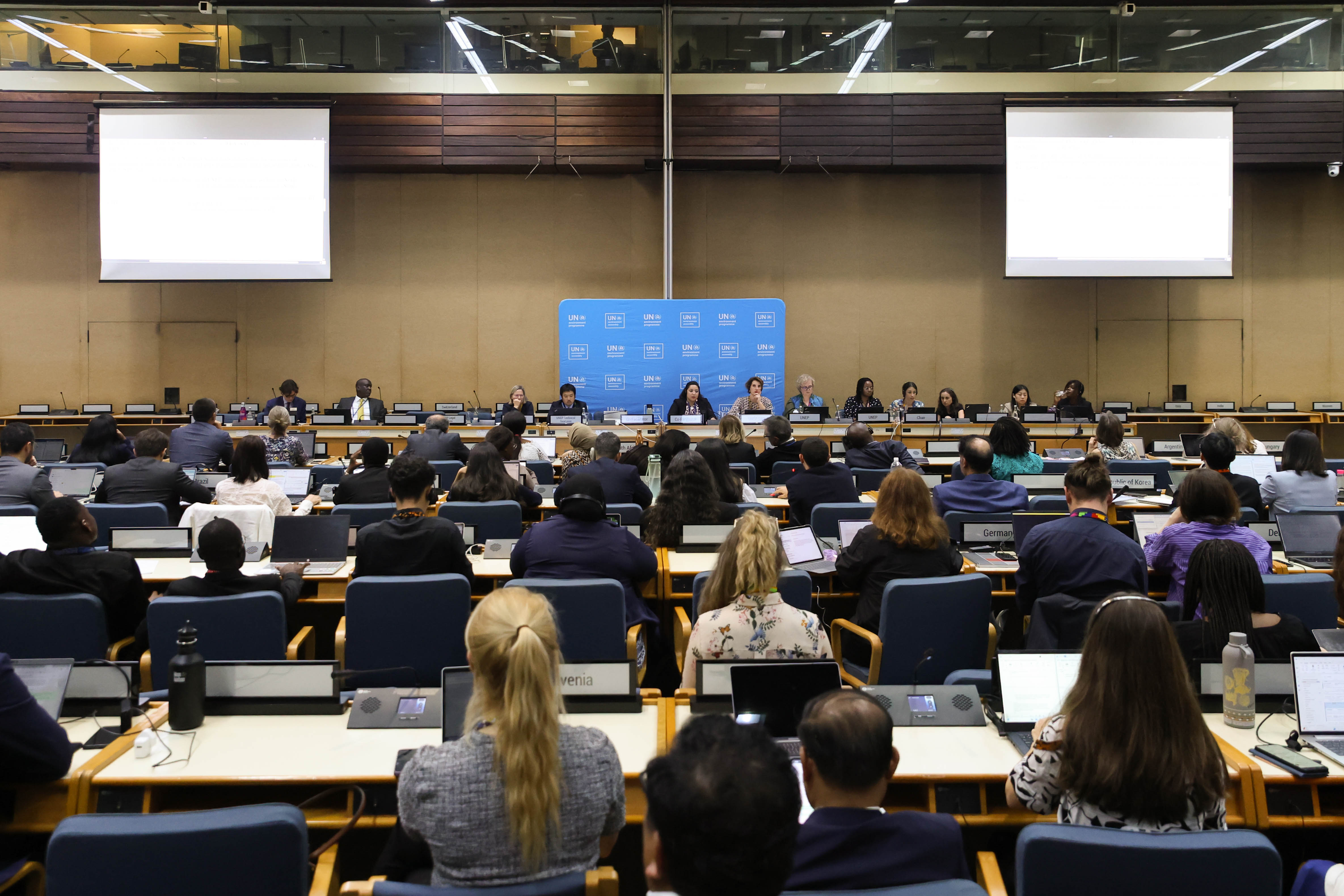
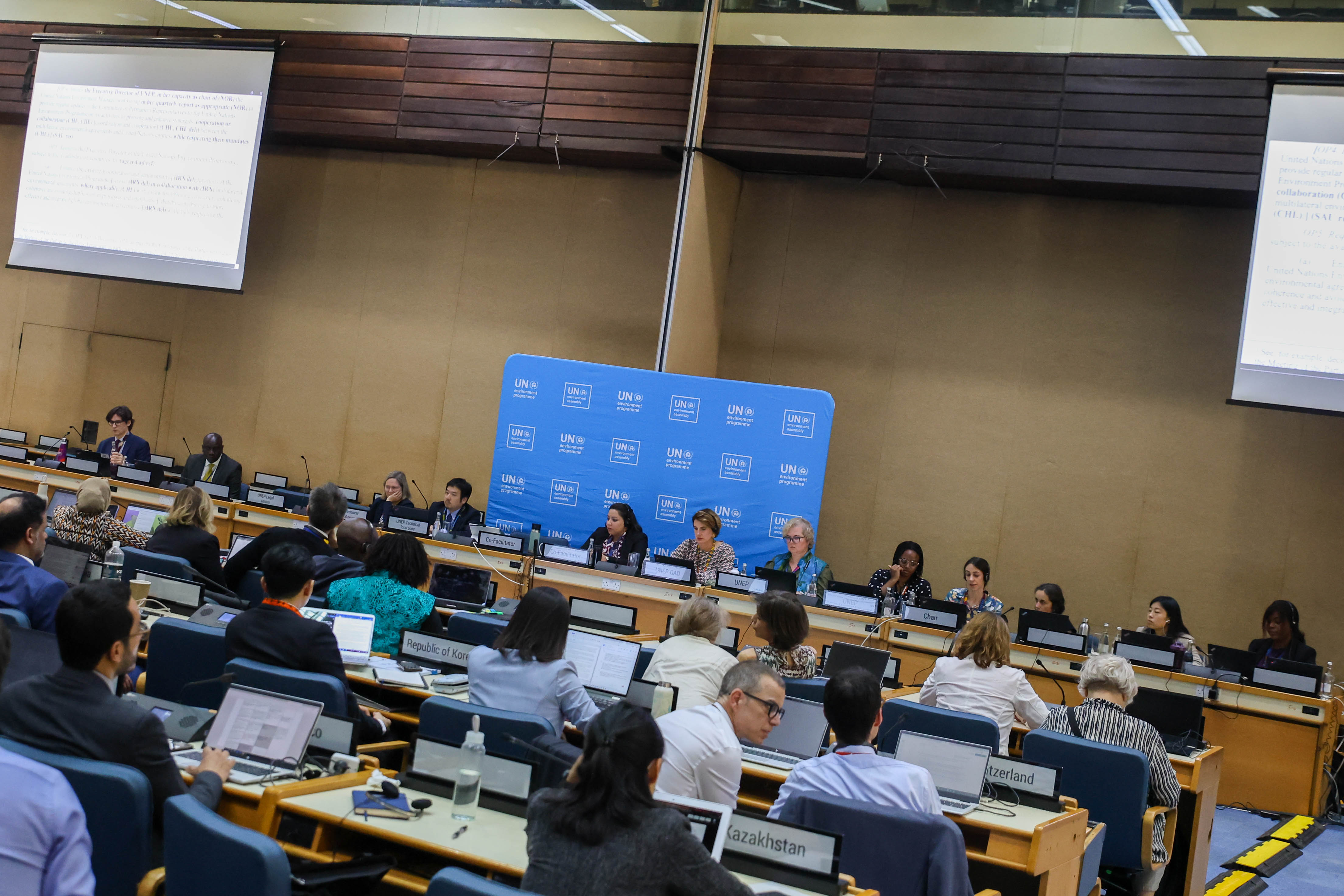
A view of the room during Cluster B
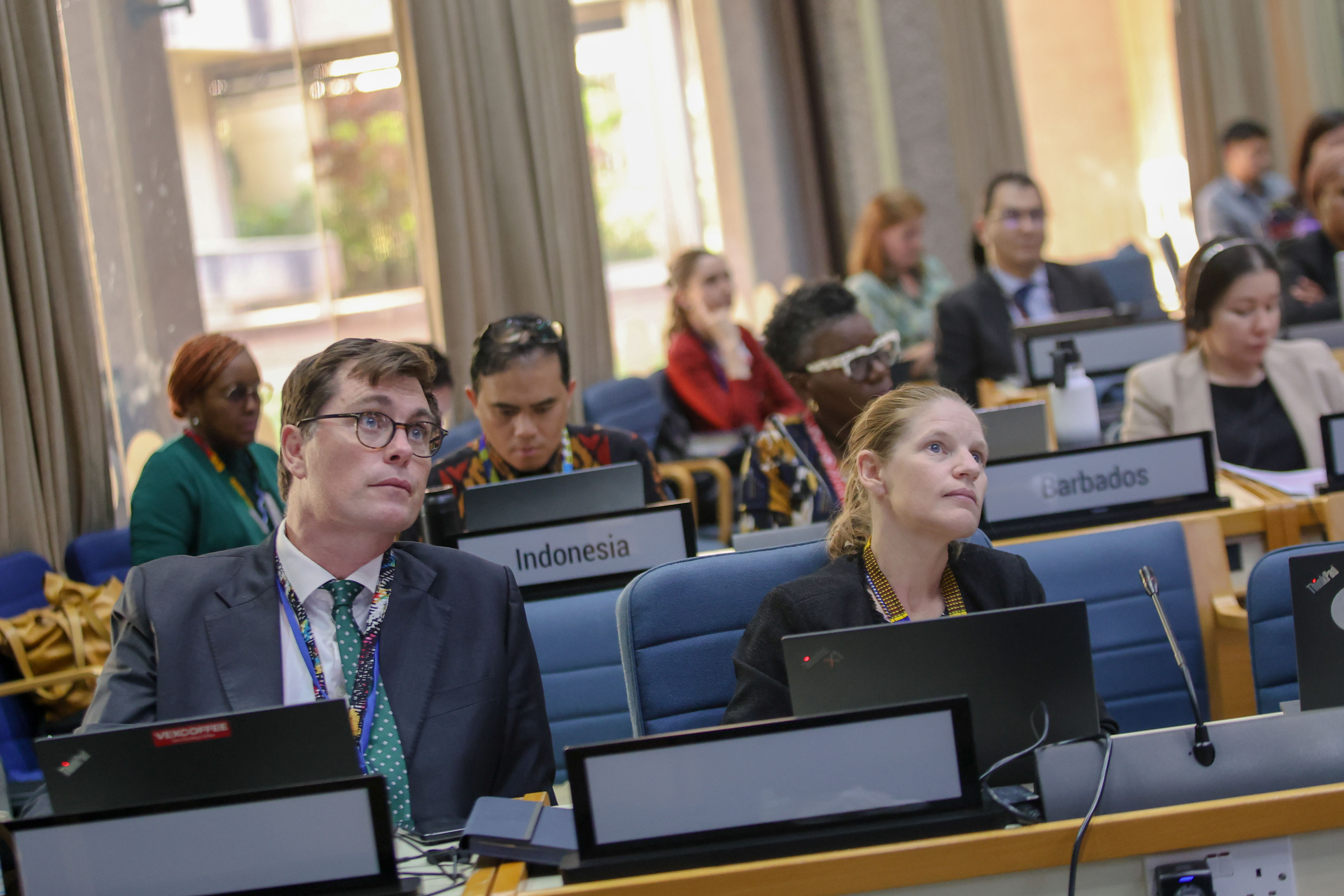
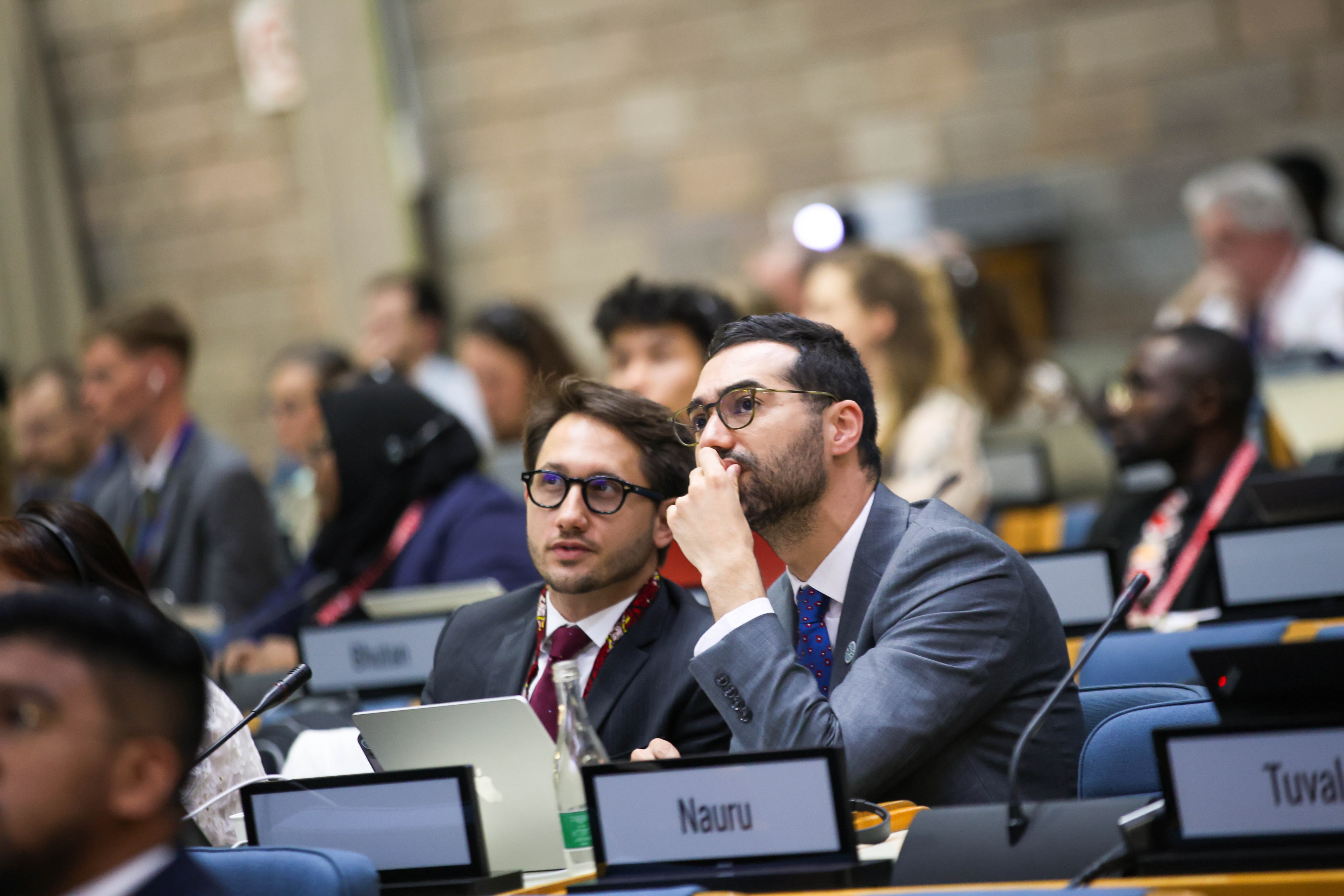
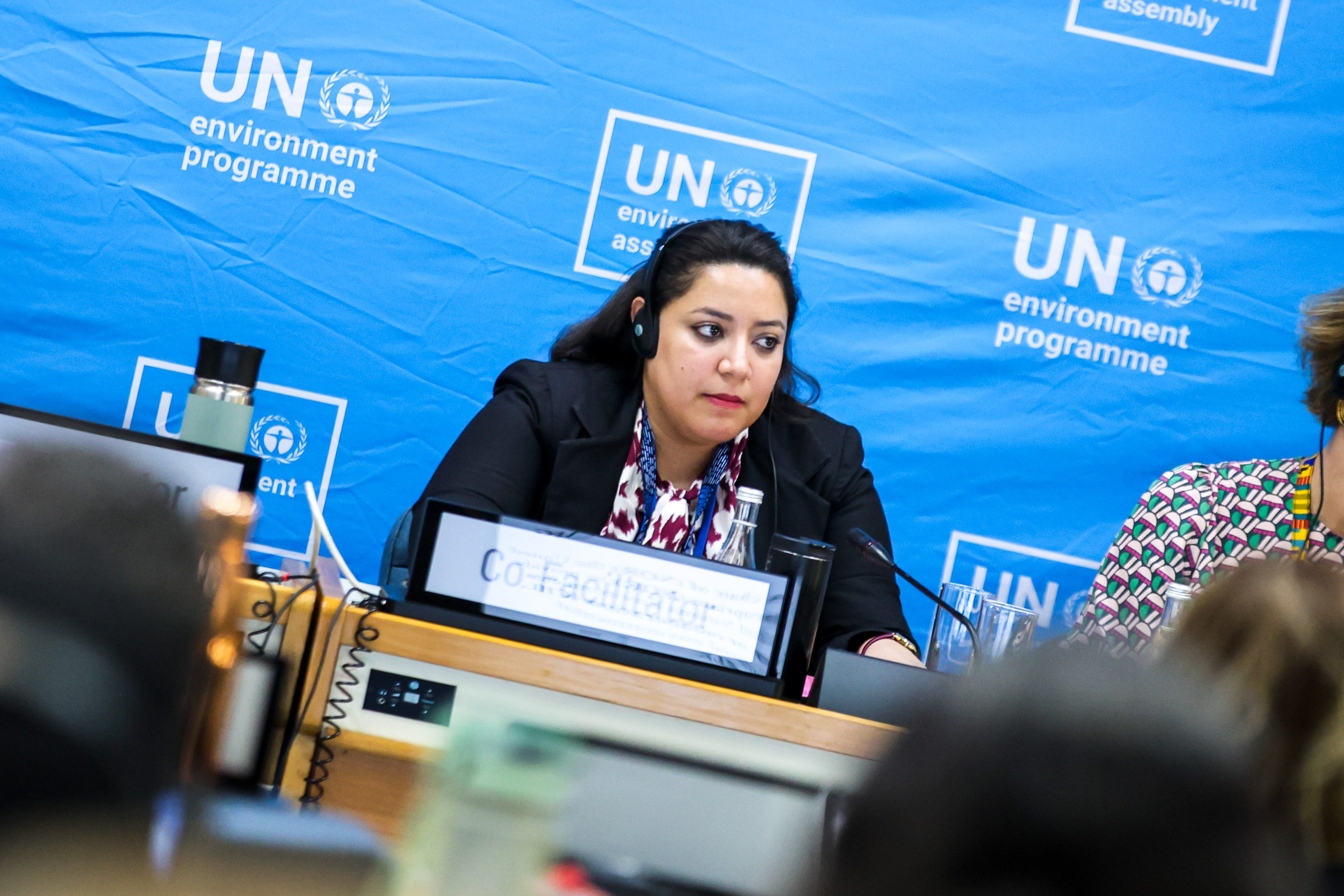
Sara Elkhouly, Egypt, Co-Facilitator of Cluster B
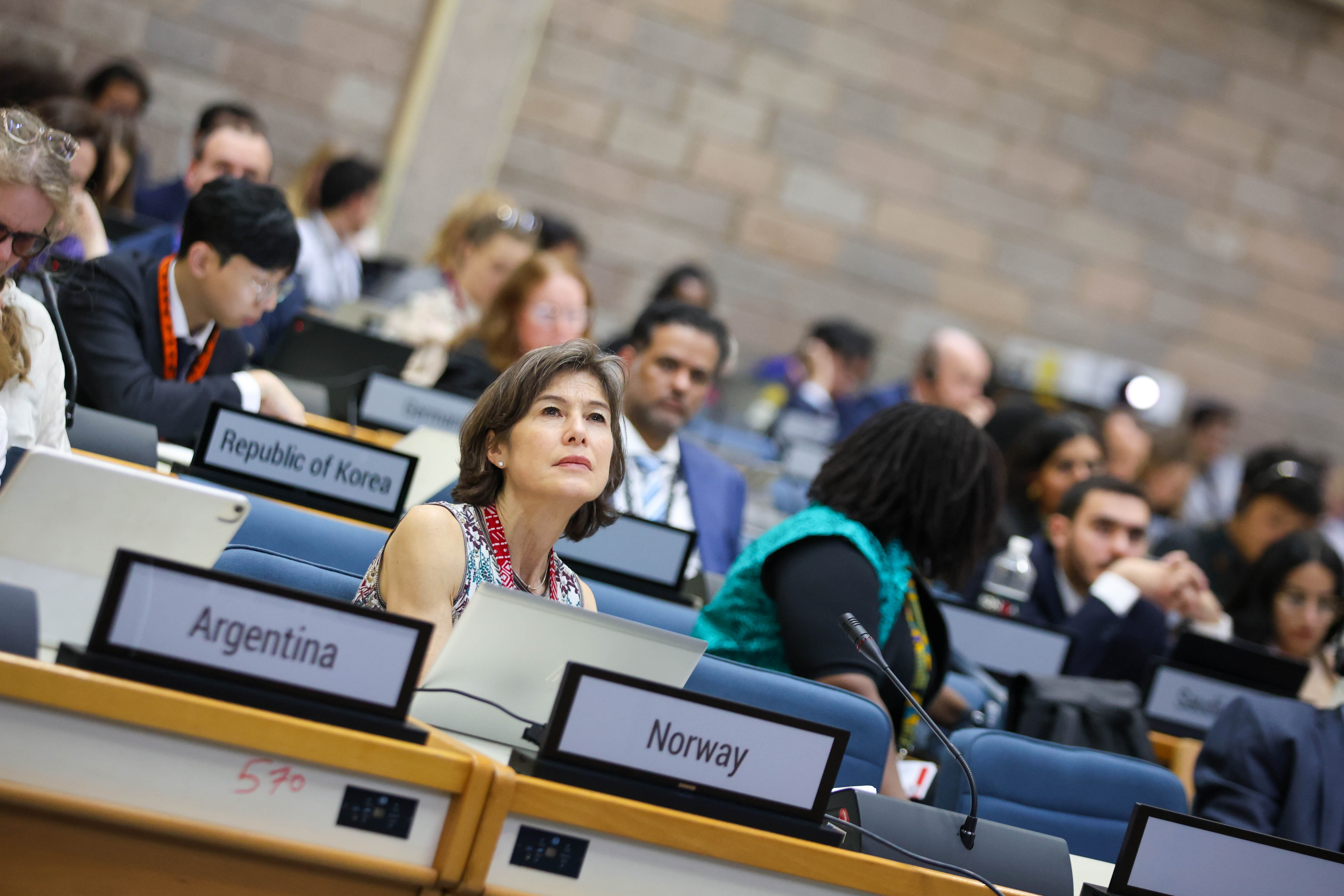
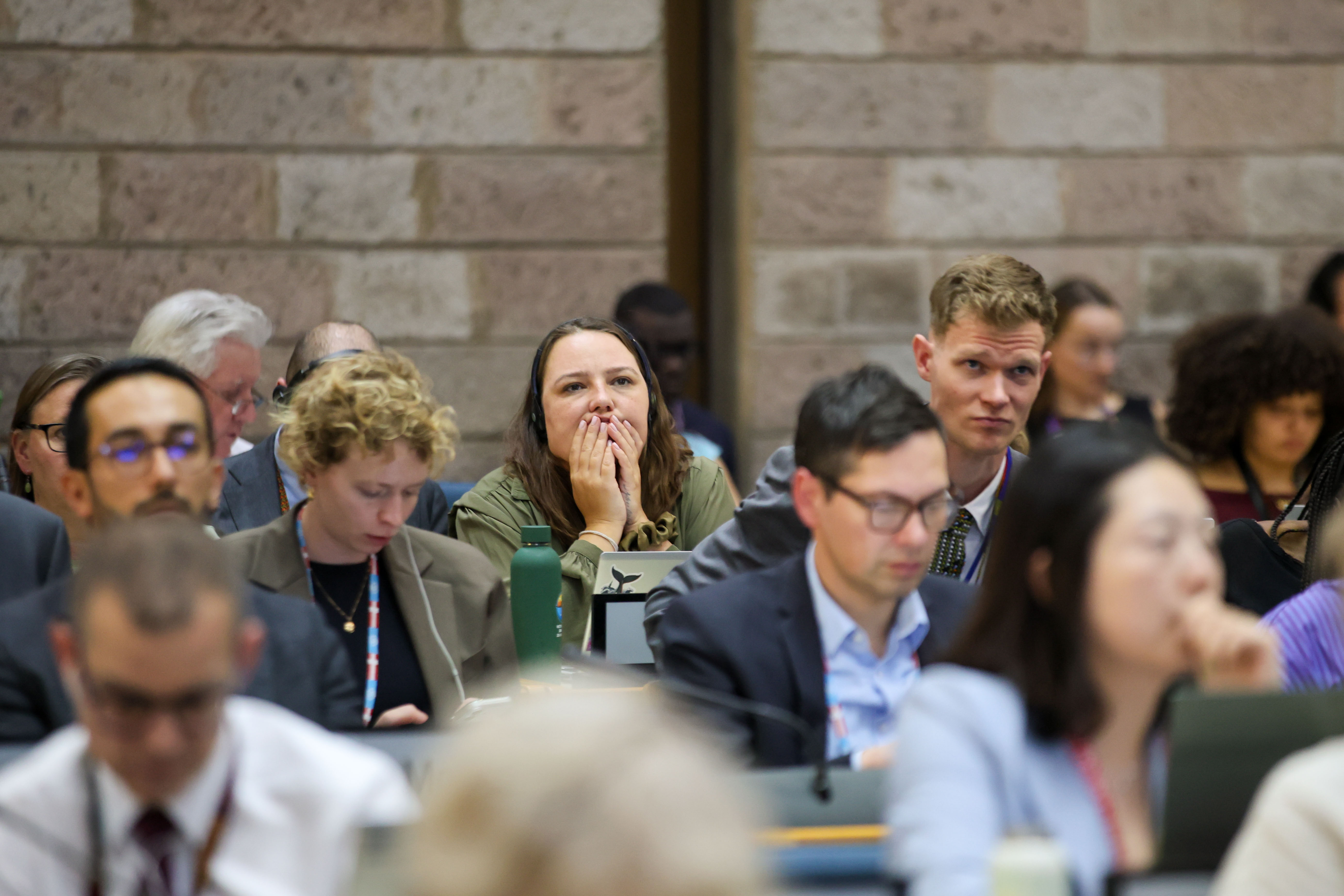
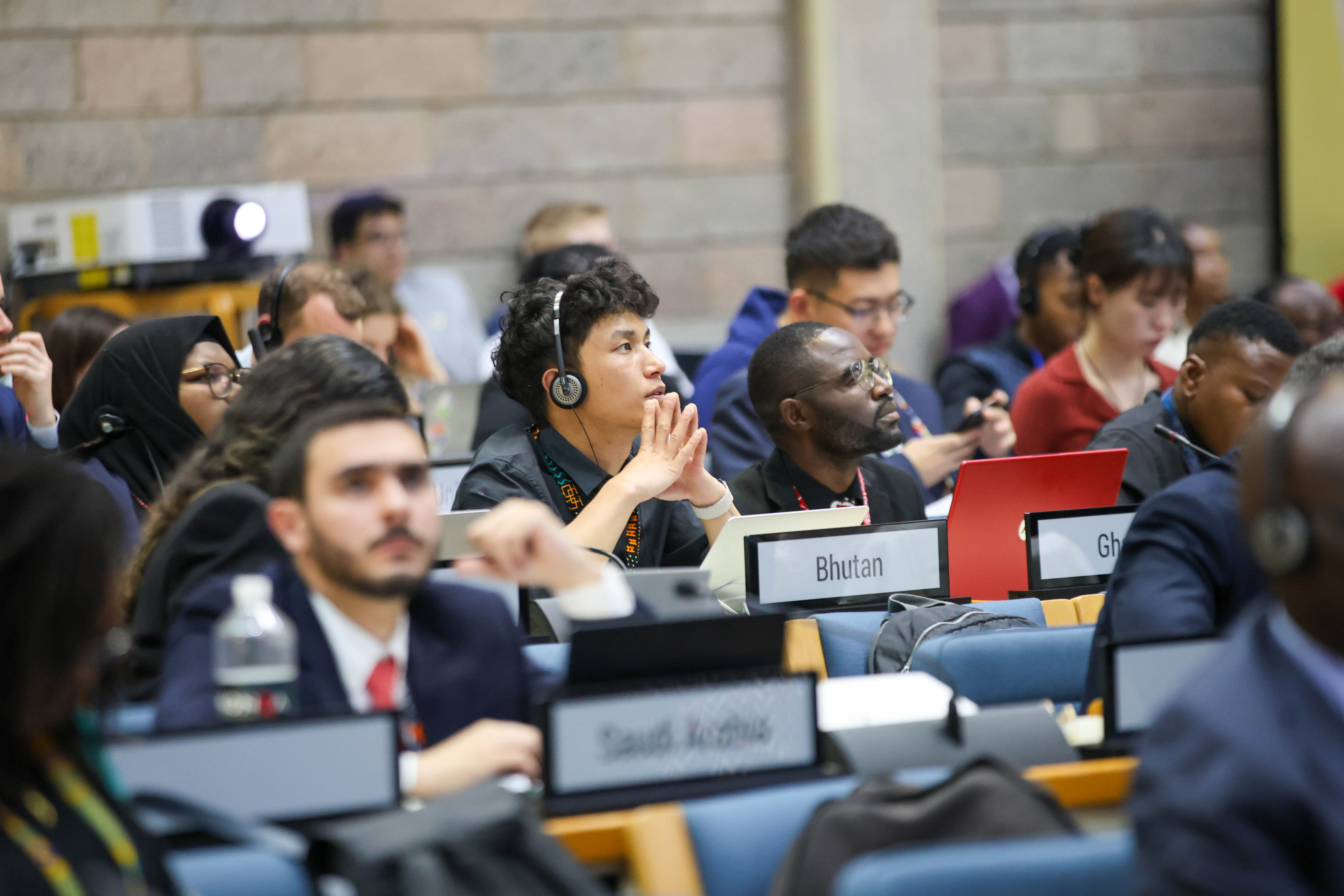
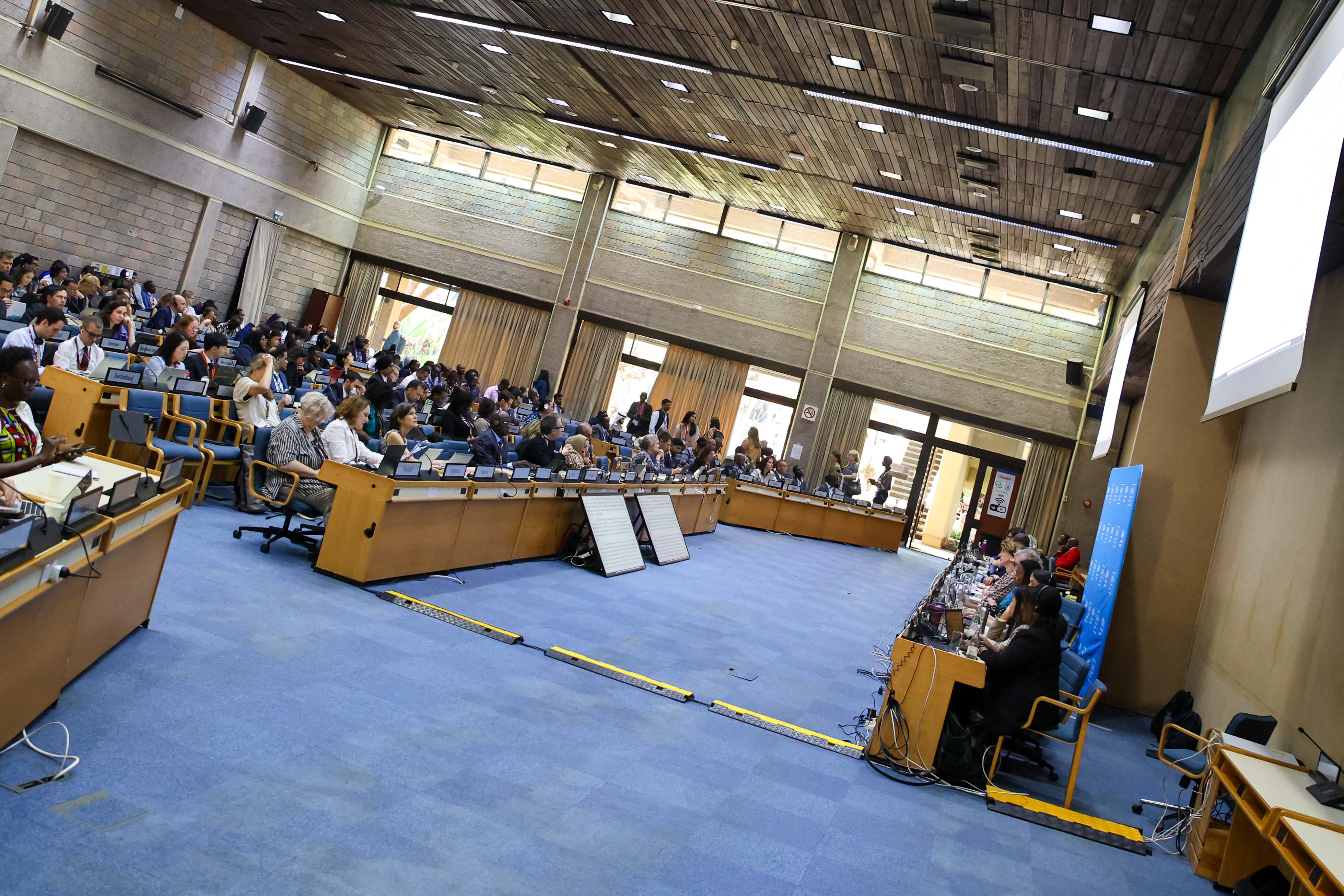
Cluster C
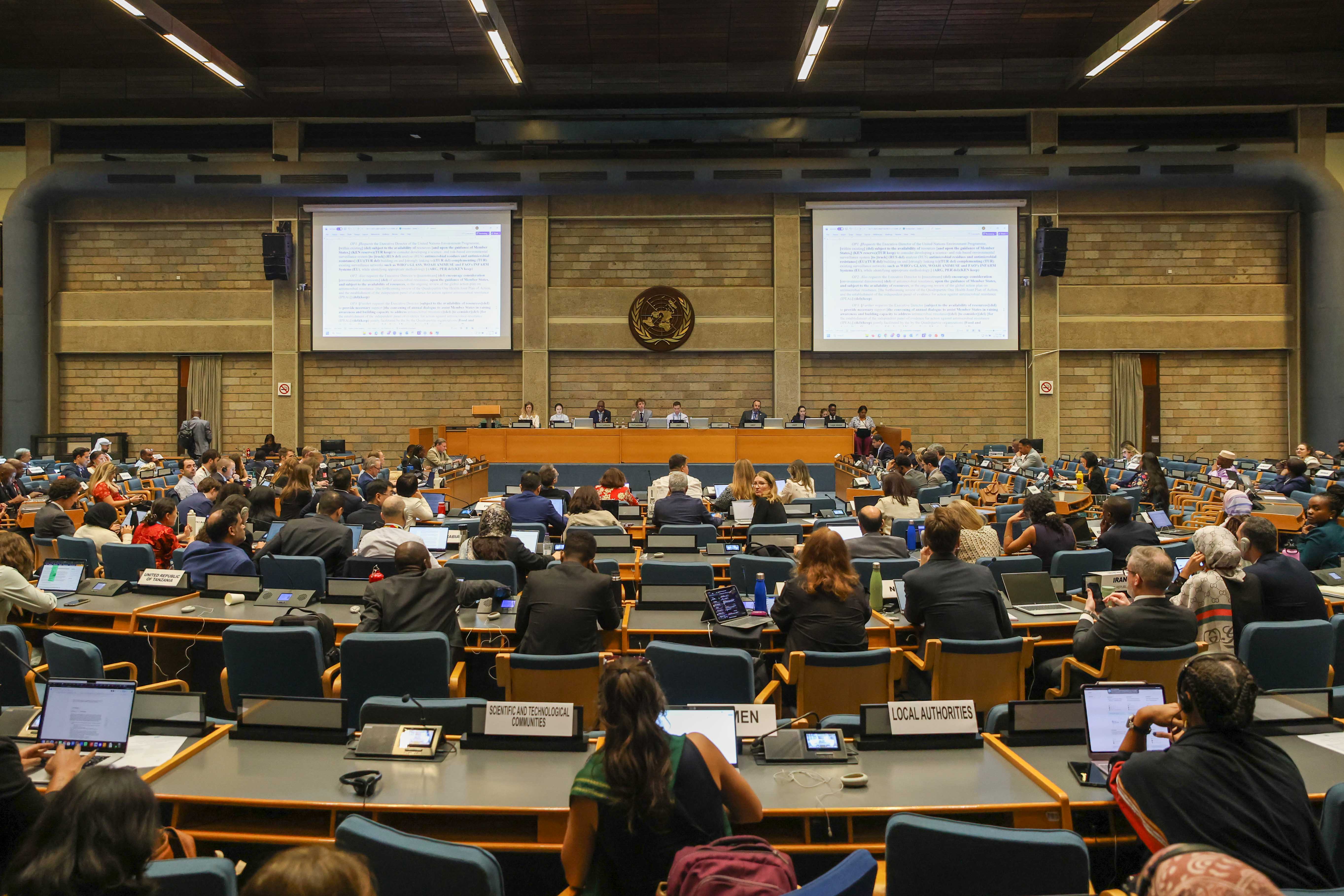
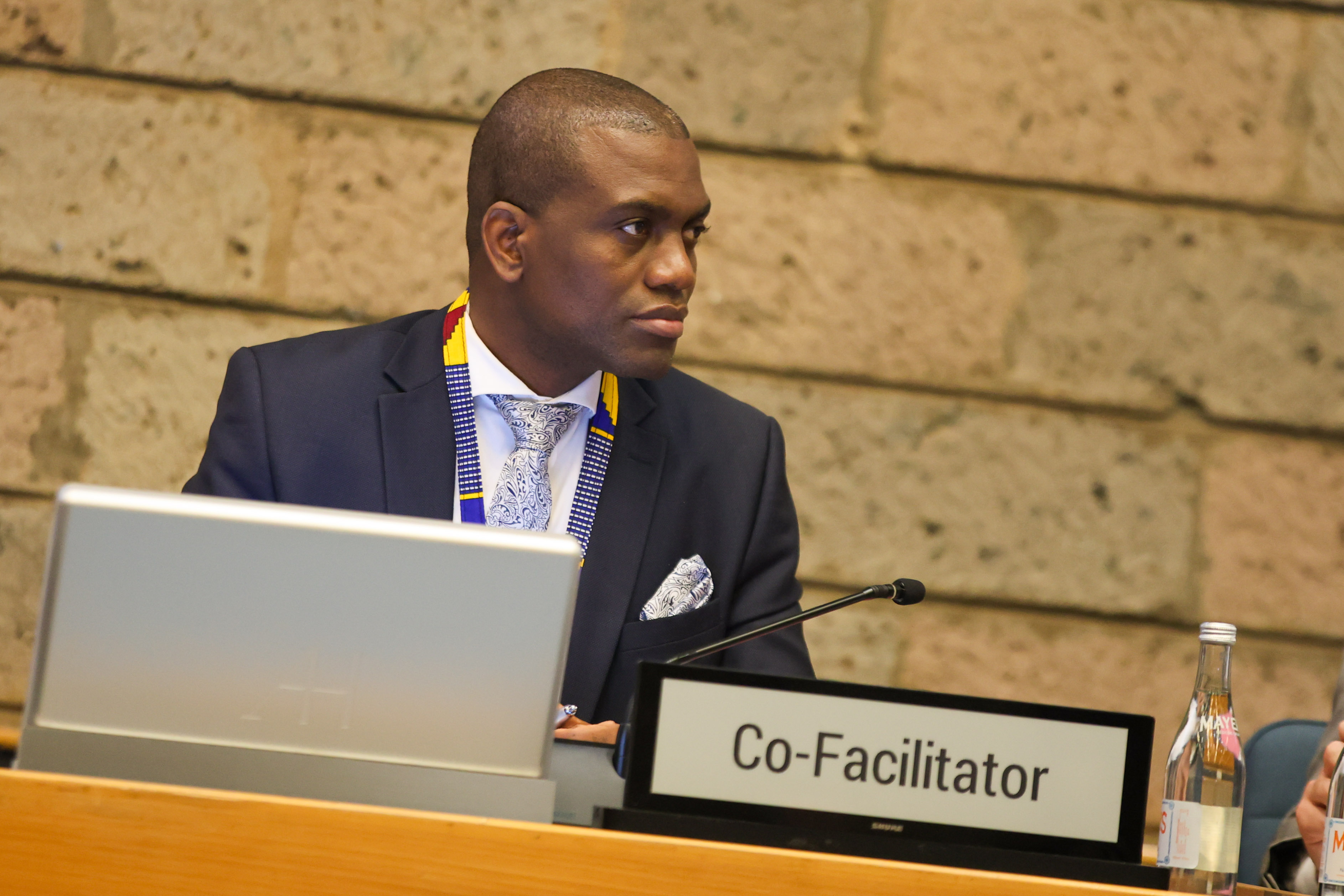
Ontumetse Ontumetse, Botswana, Co-Facilitator of Cluster C
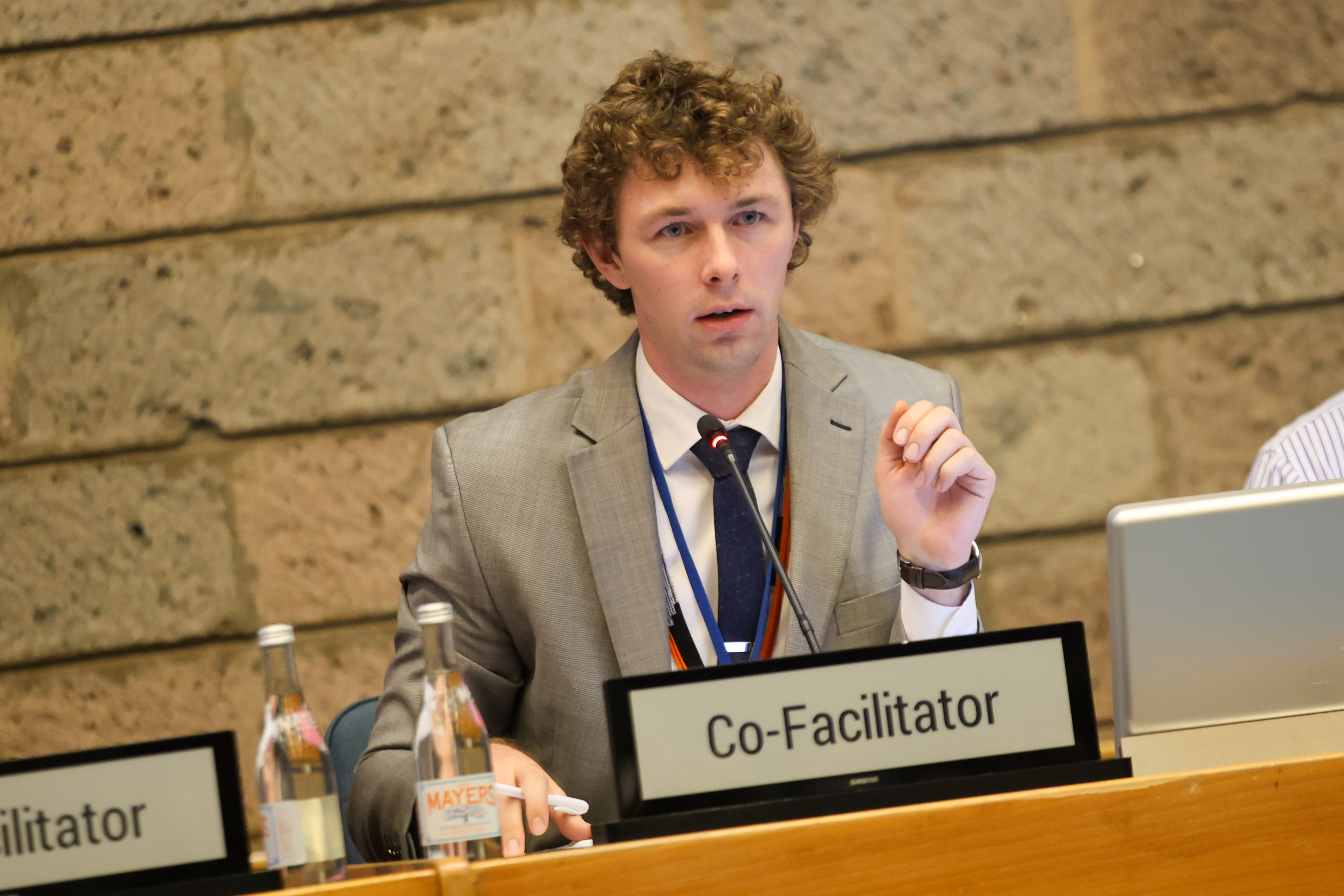
Michal Novotný, Czechia, Co-Facilitator of Cluster C
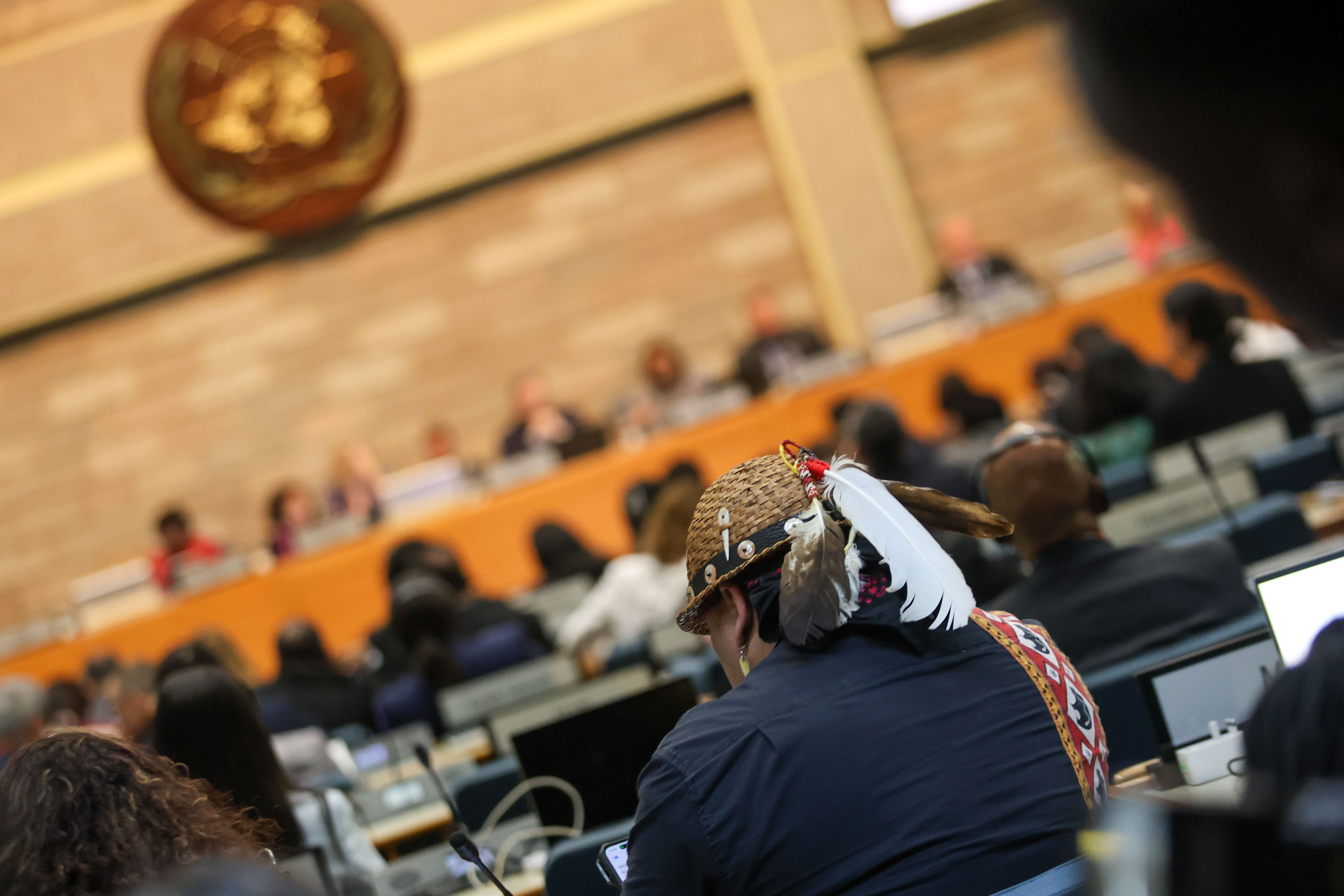
Cluster D
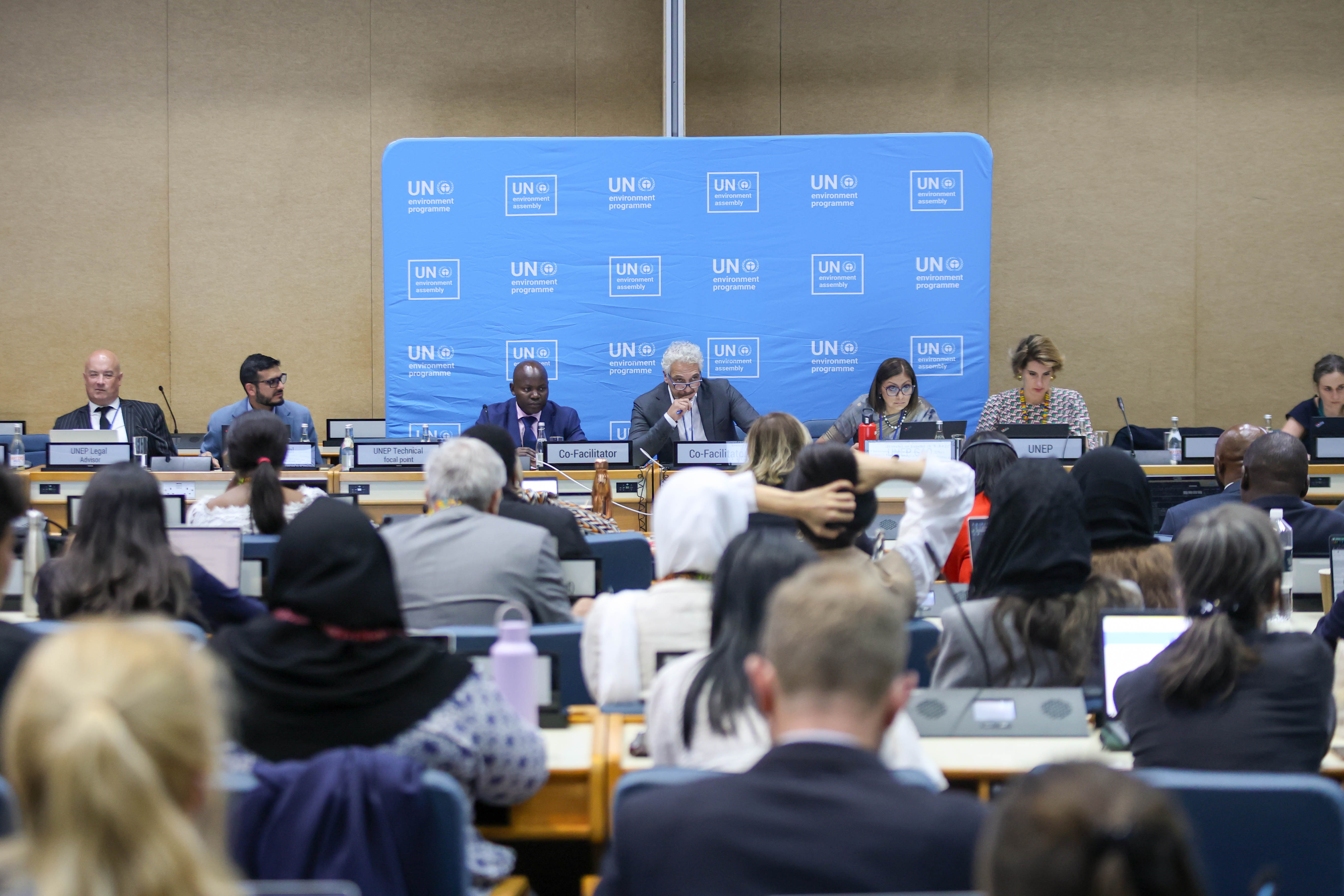
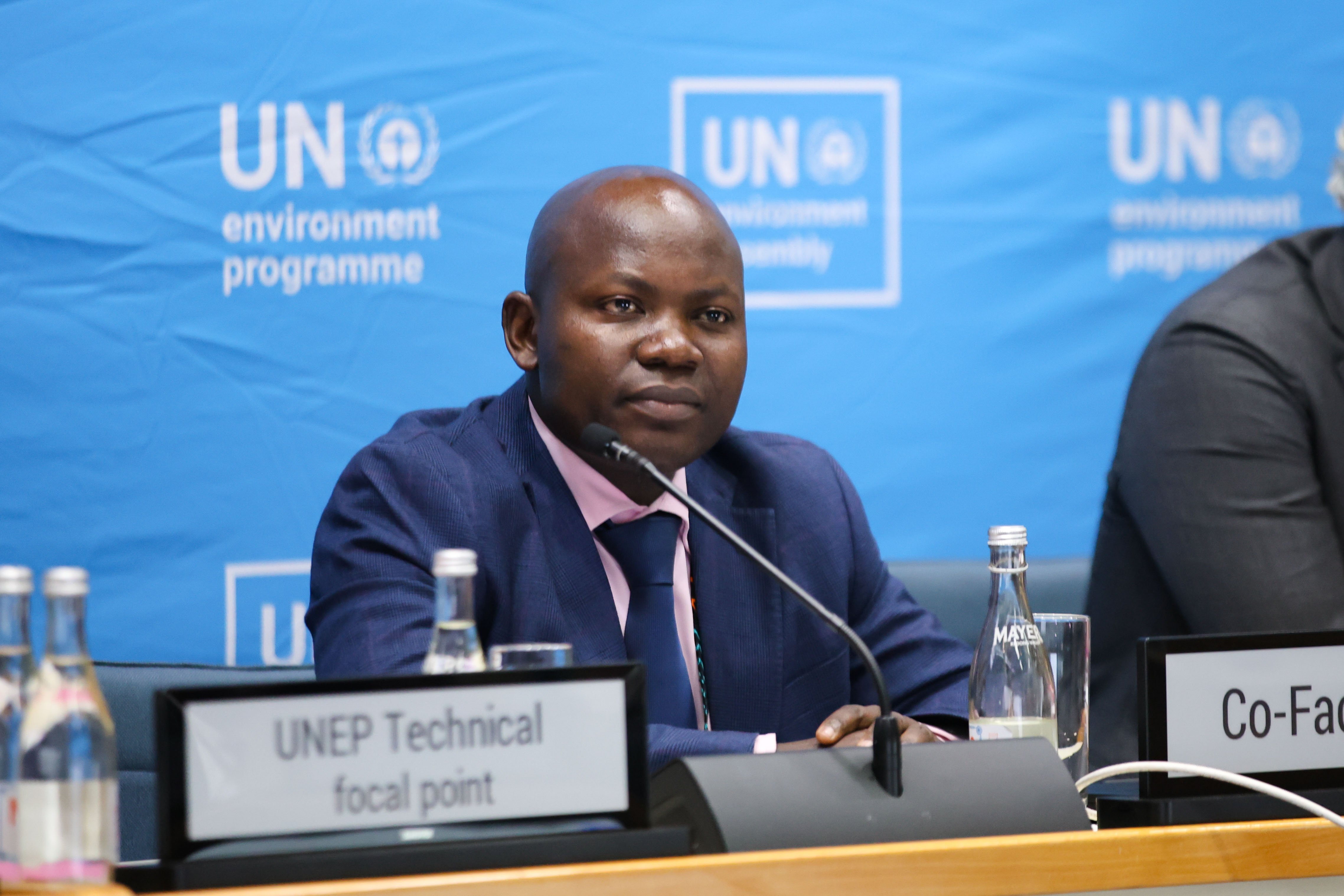
Cluster D Co-Facilitator Tobias Ogweno, Kenya
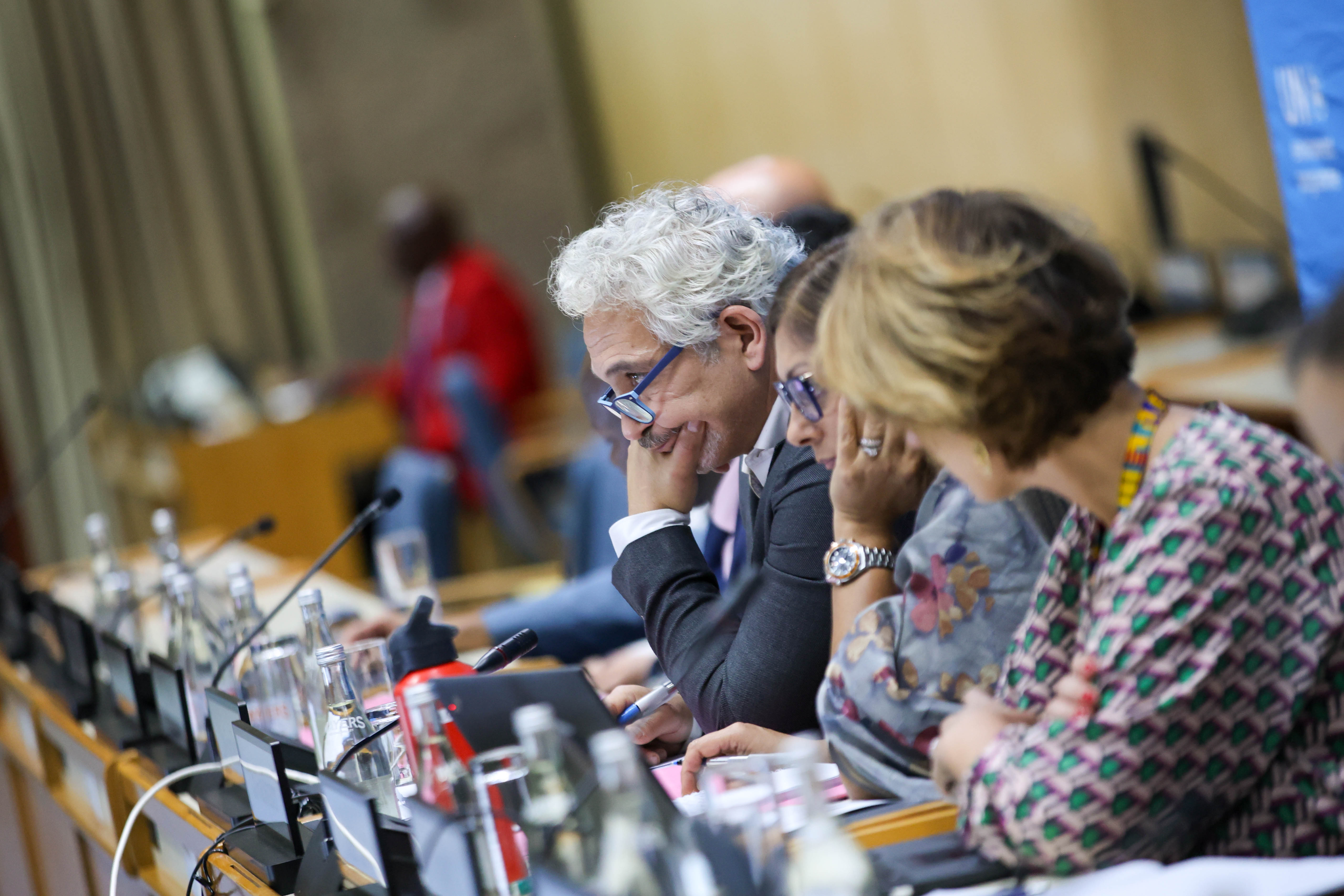
Nader Al-Tarawneh, Jordan, Co-Facilitator of Cluster D
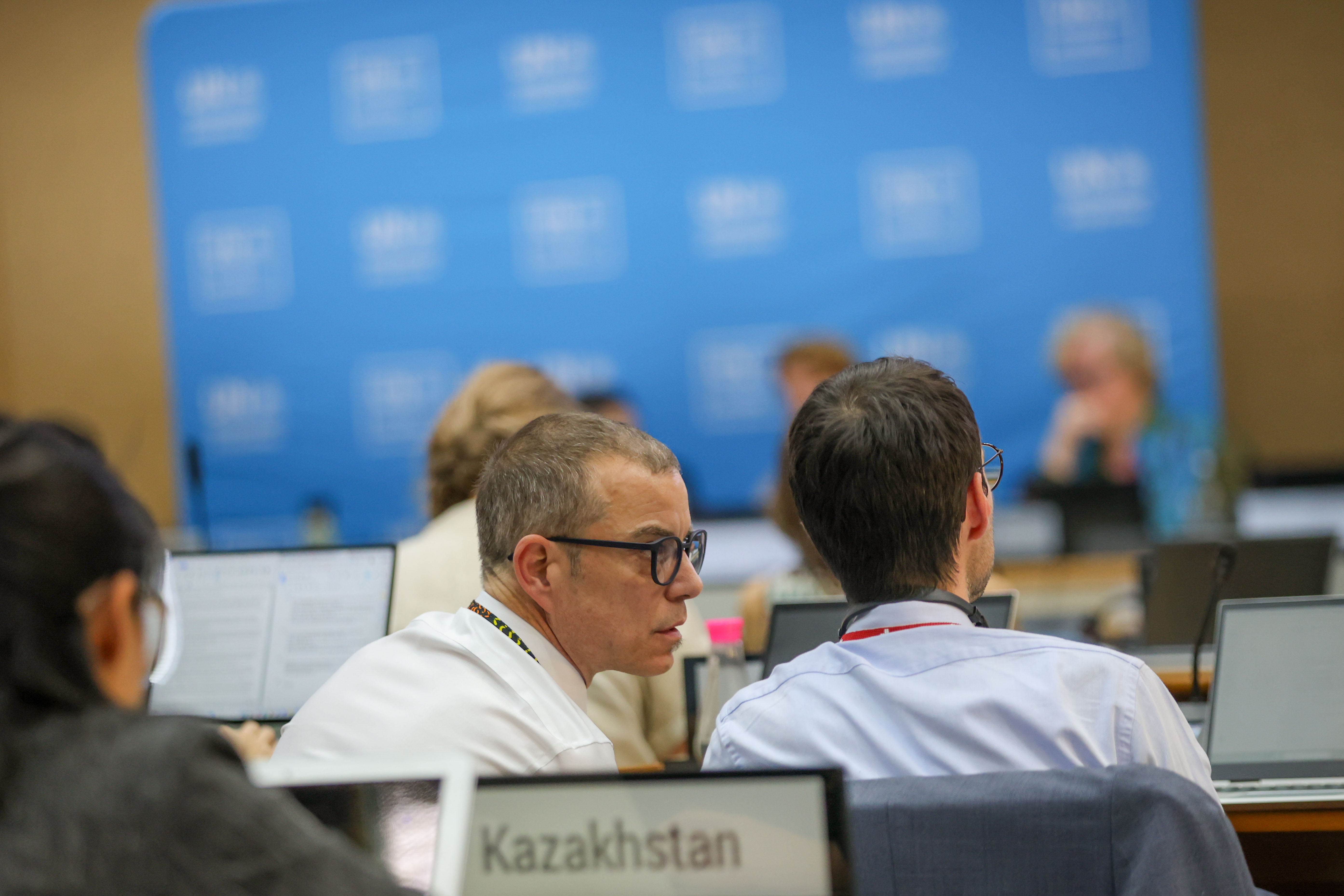
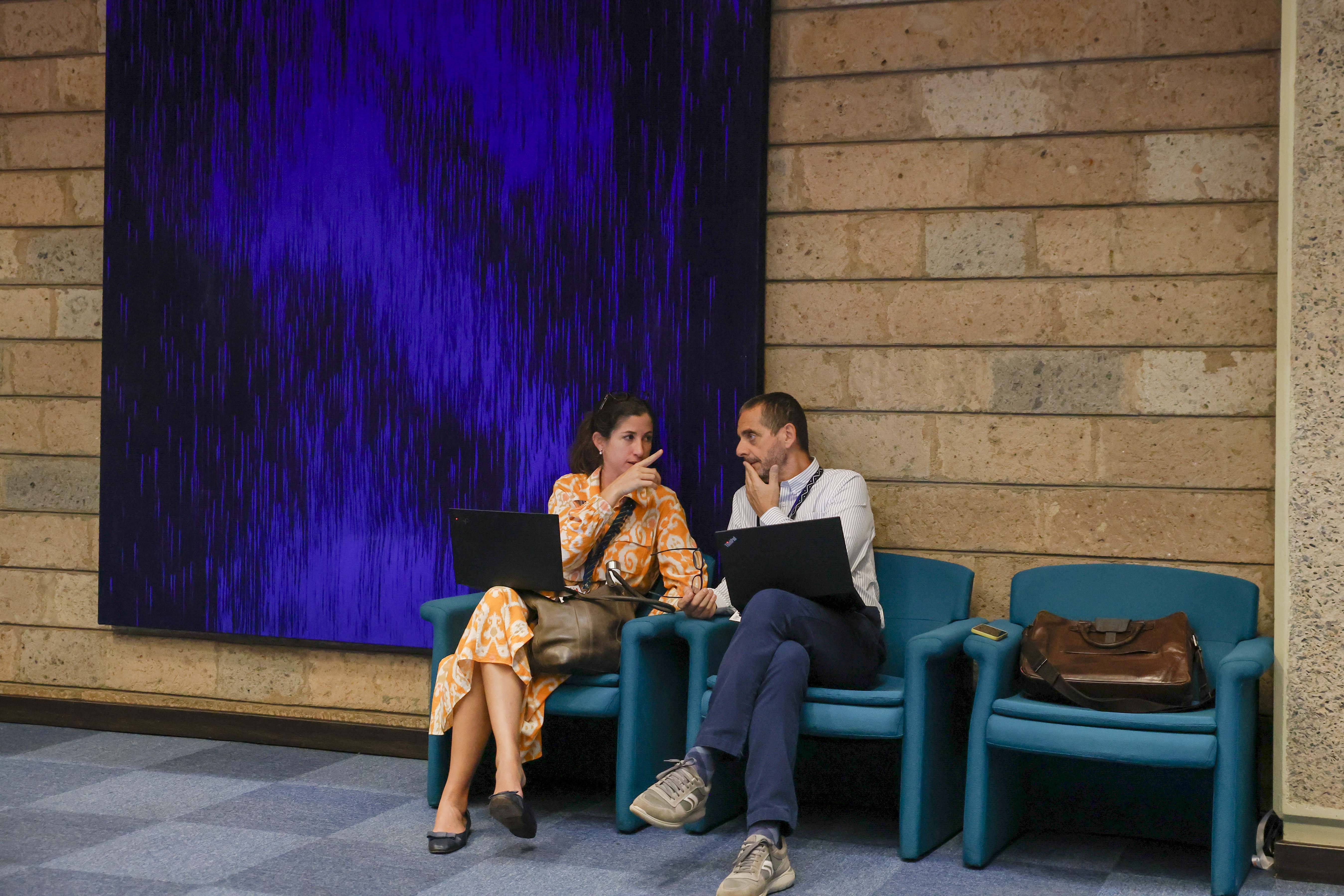
Delegates from Switzerland consult.
Between Sessions
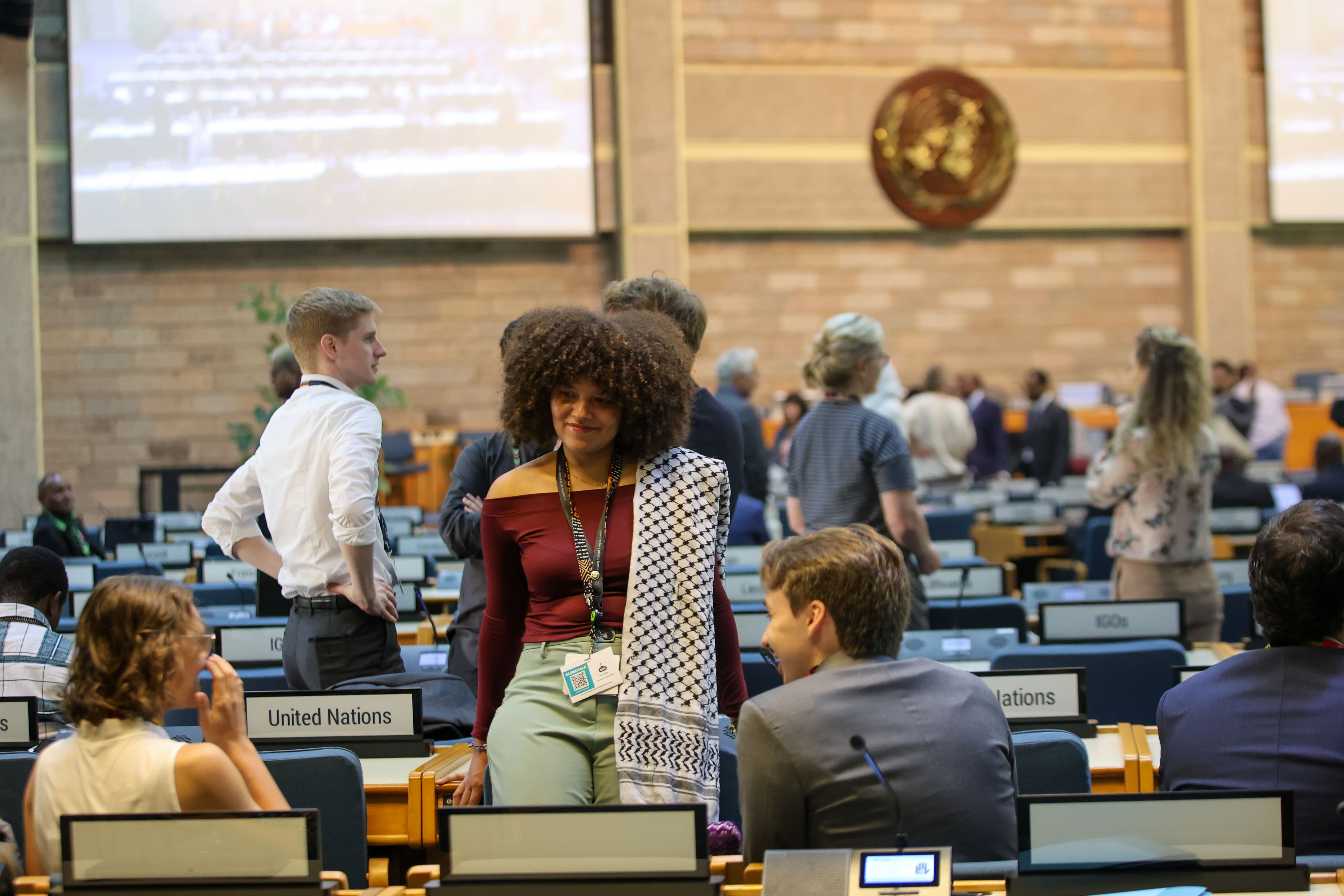
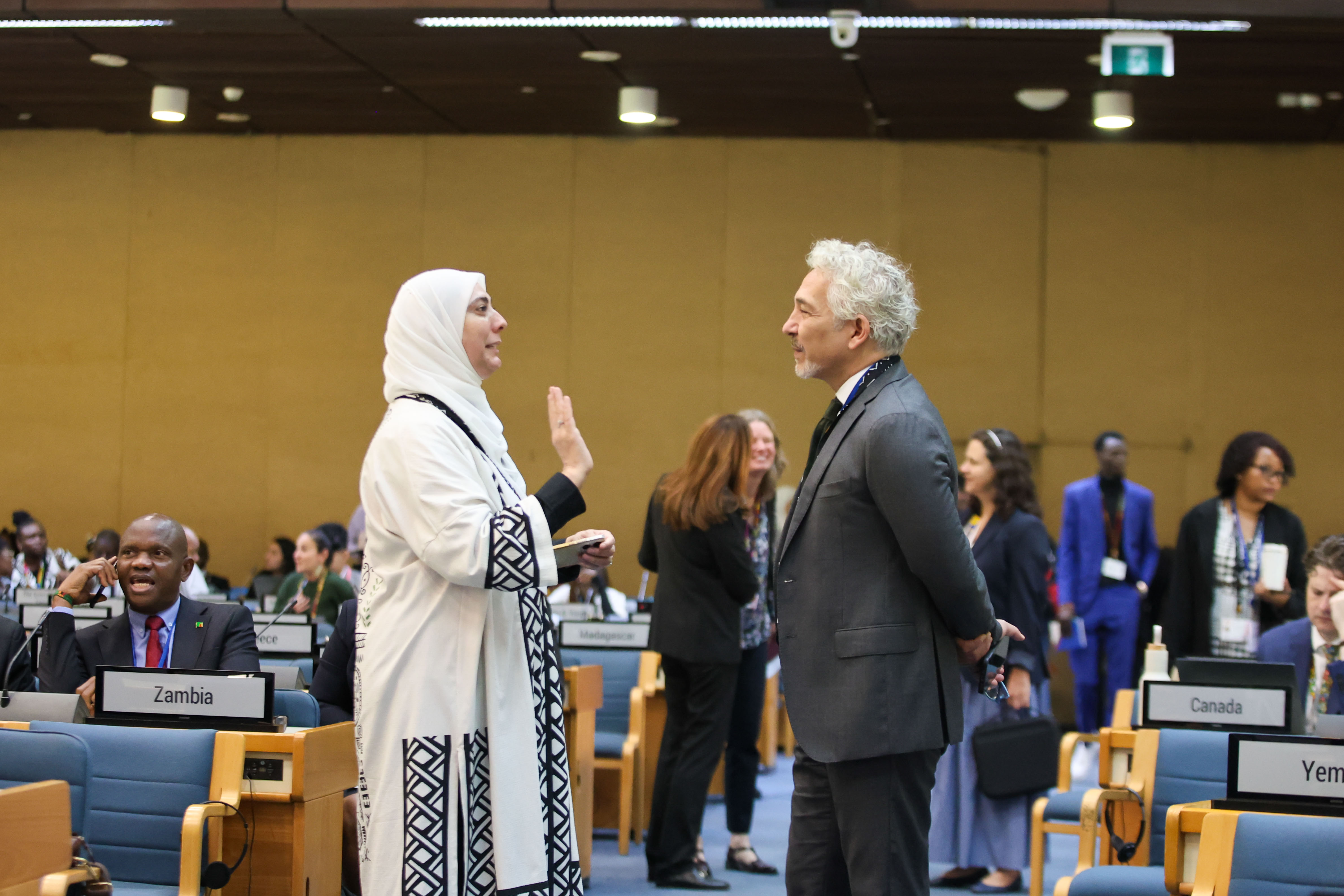
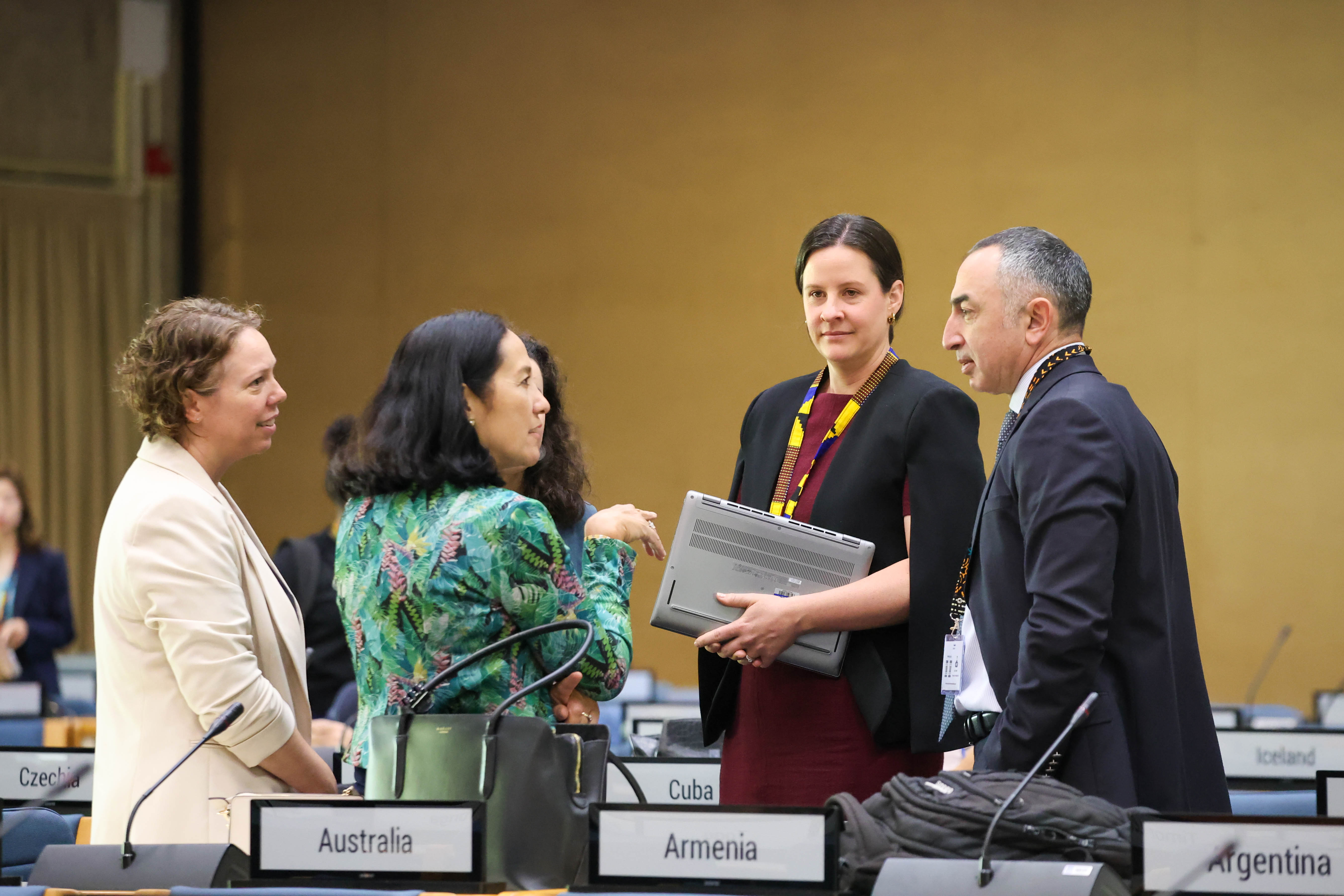
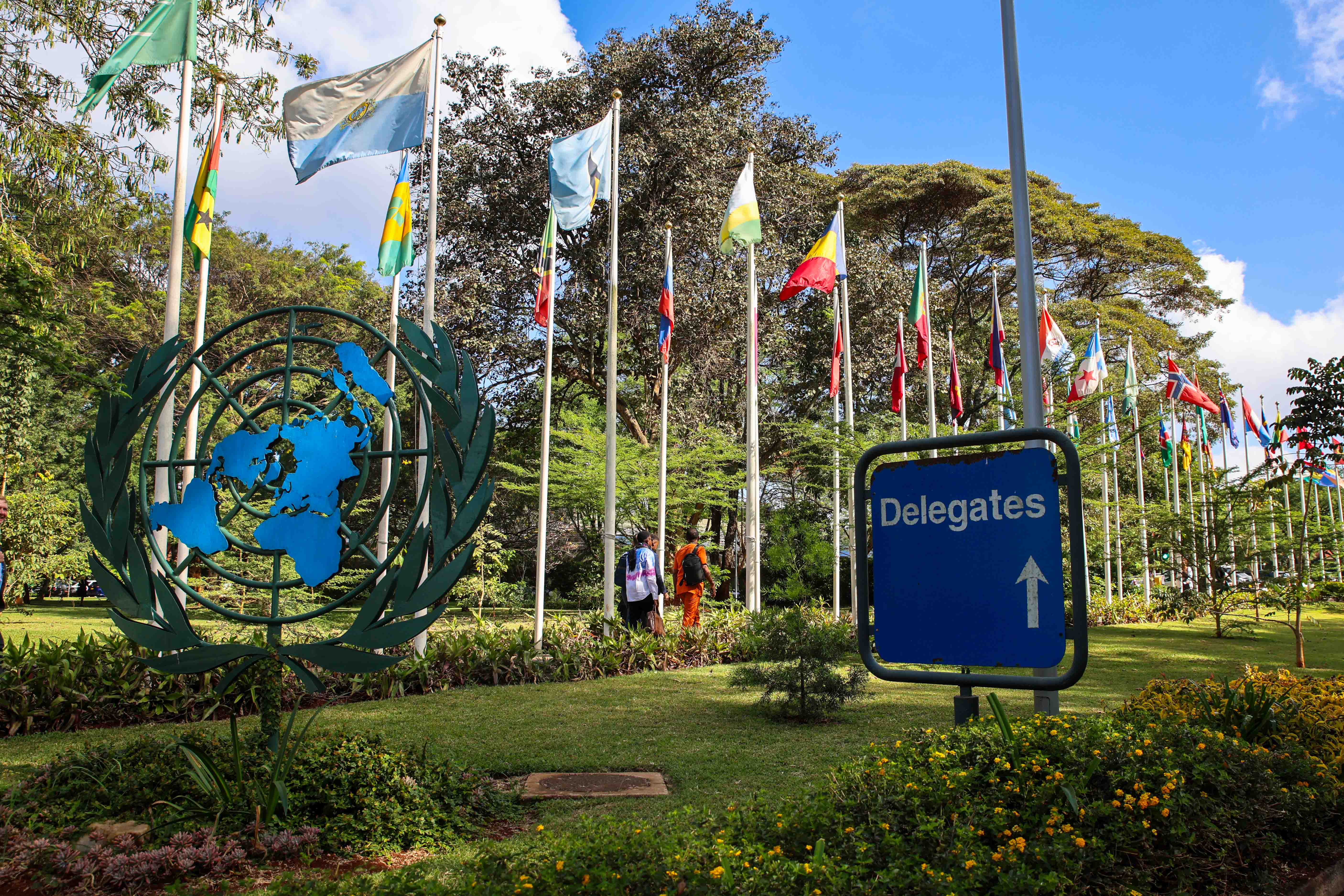
Around the Venue