As delegates kicked off substantive negotiations on a wide range of issues, conversations throughout Tuesday highlighted parties’ diverging expectations at the Belém Climate Change Conference. In light of a shortfall in ambition in the latest round of nationally determined contributions under the Paris Agreement, various developed and developing country groups are calling for a collective response to keep the 1.5°C goal within reach. However, the Like-Minded Developing Countries and the Arab Group are wary to see the Paris Agreement cycle disrupted.
Want to dig deeper into today's talks? Read the full Earth Negotiations Bulletin daily report.
Developing countries identified the lack of means of implementation—meaning finance, technology transfer, and capacity-building—as a key barrier to stepping up ambition and implementation. Several groups also underscored the impacts of unilateral trade-restrictive measures, such as carbon border adjustments. Cognizant of interlinkages, the Presidency held consultations on a basket of these contentious issues, inviting parties to identify bridging proposals. No such proposals have materialized thus far, although consultations are ongoing.
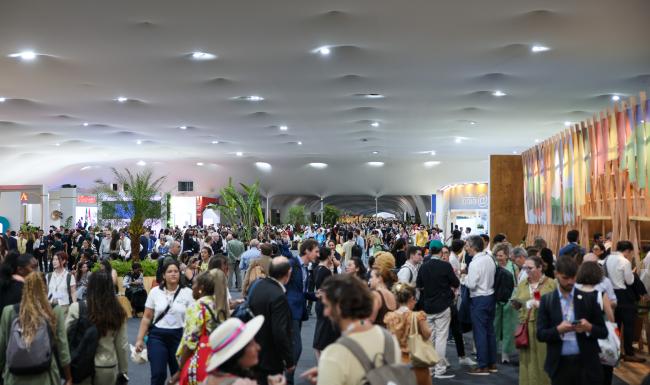
Negotiations on a number of other issues underscored parties’ entrenched divergence of views, including those on the mitigation work programme and the just transition work programme. The discussions on the Global Goal on Adaptation were similarly protracted. While adopting a set of indicators to track collective progress towards the goal is widely considered one of the key outputs of this meeting, some countries suggested to continue revising the indicators until 2027.
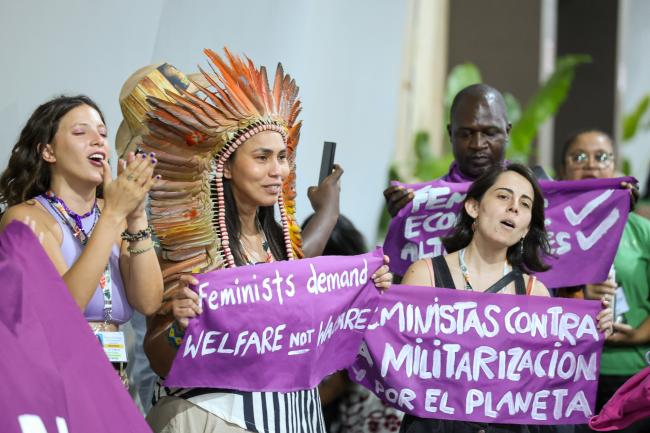
Taking up Brazilian President Lula’s labelling of the meeting as the “COP of truth,” some parties urged strong language on the role of science and the new temperature records having been set in 2024. Others found this language “misleading” and “alarmist.”
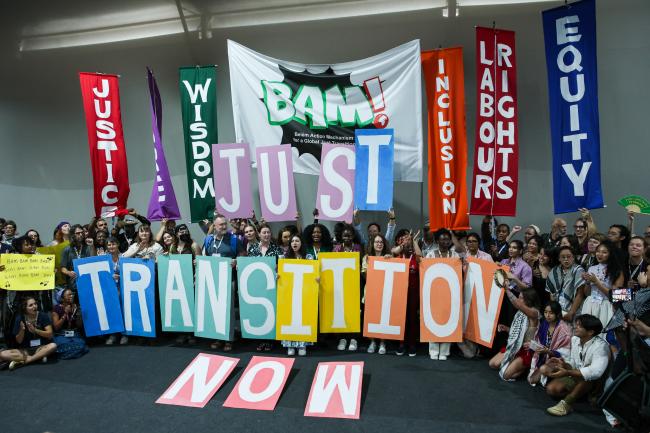
While discussions are still ongoing regarding Australia and Türkiye’s bid for hosting the climate negotiations in November 2026, the African region announced their nomination of Ethiopia as host of the 2027 session–with the confirmation of the host up to the Conference of the Parties to the UN Framework Convention on Climate Change (UNFCCC).
To receive free coverage of global environmental events delivered to your inbox, subscribe to the ENB Update newsletter.
All ENB photos are free to use with attribution. For the UN Climate Change Conference COP 30, please use: Photo by IISD/ENB | Mike Muzurakis
Plenary Session
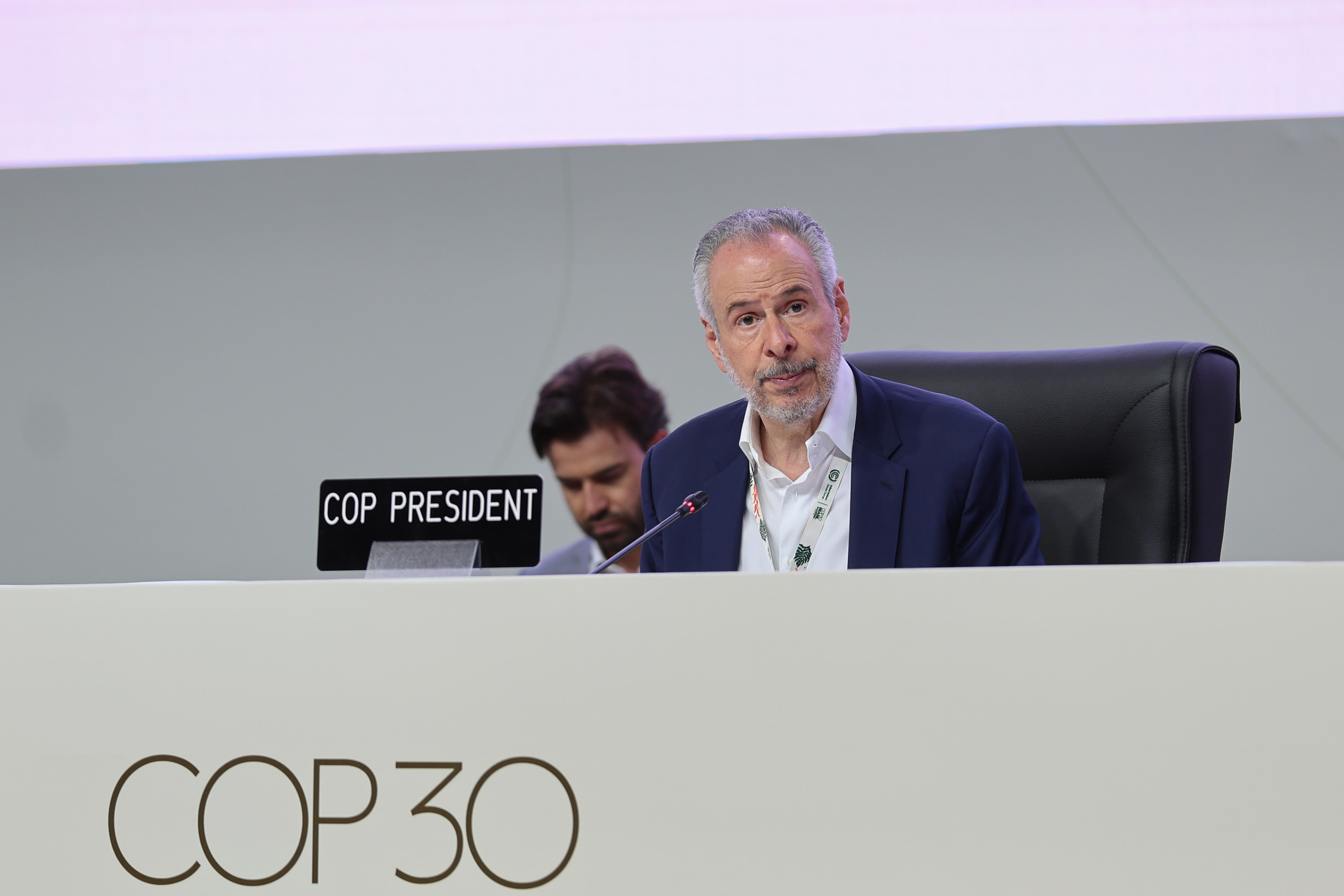
COP 30 President André Corrêa do Lago
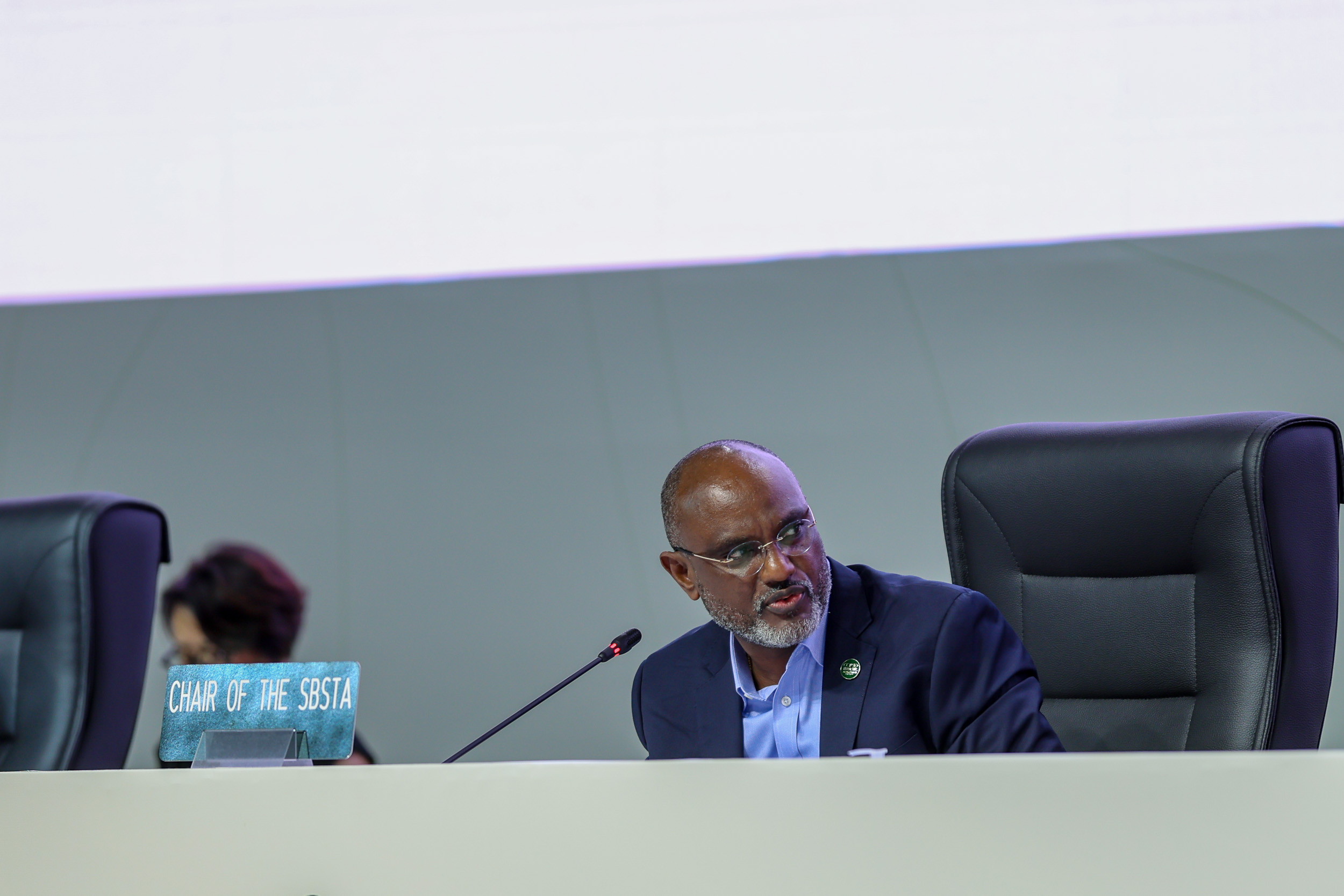
Subsidiary Body for Scientific and Technological Advice (SBSTA) Chair Adonia Ayebare, Uganda
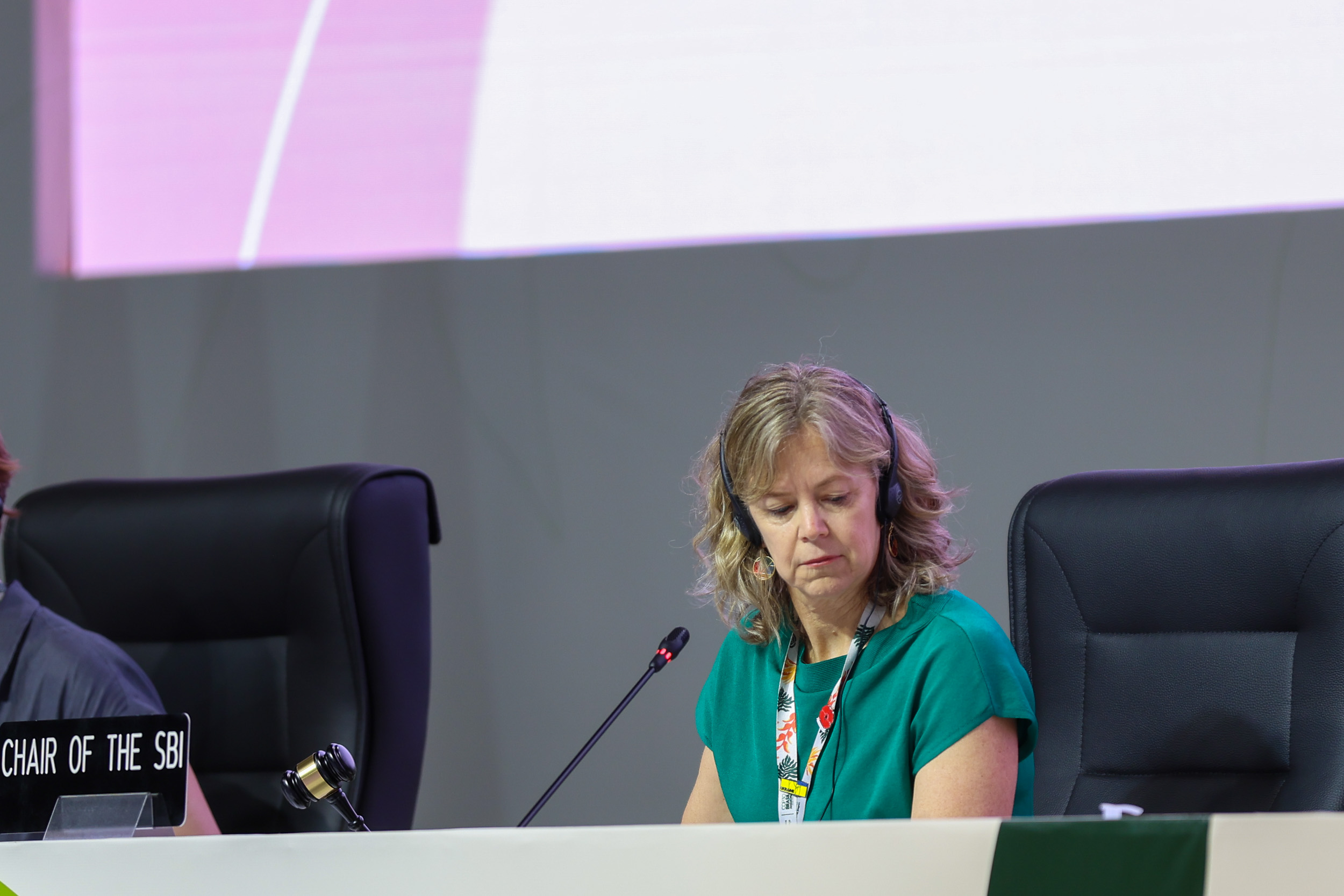
Subsidiary Body for Implementation (SBI) Chair Julia Gardiner, Australia
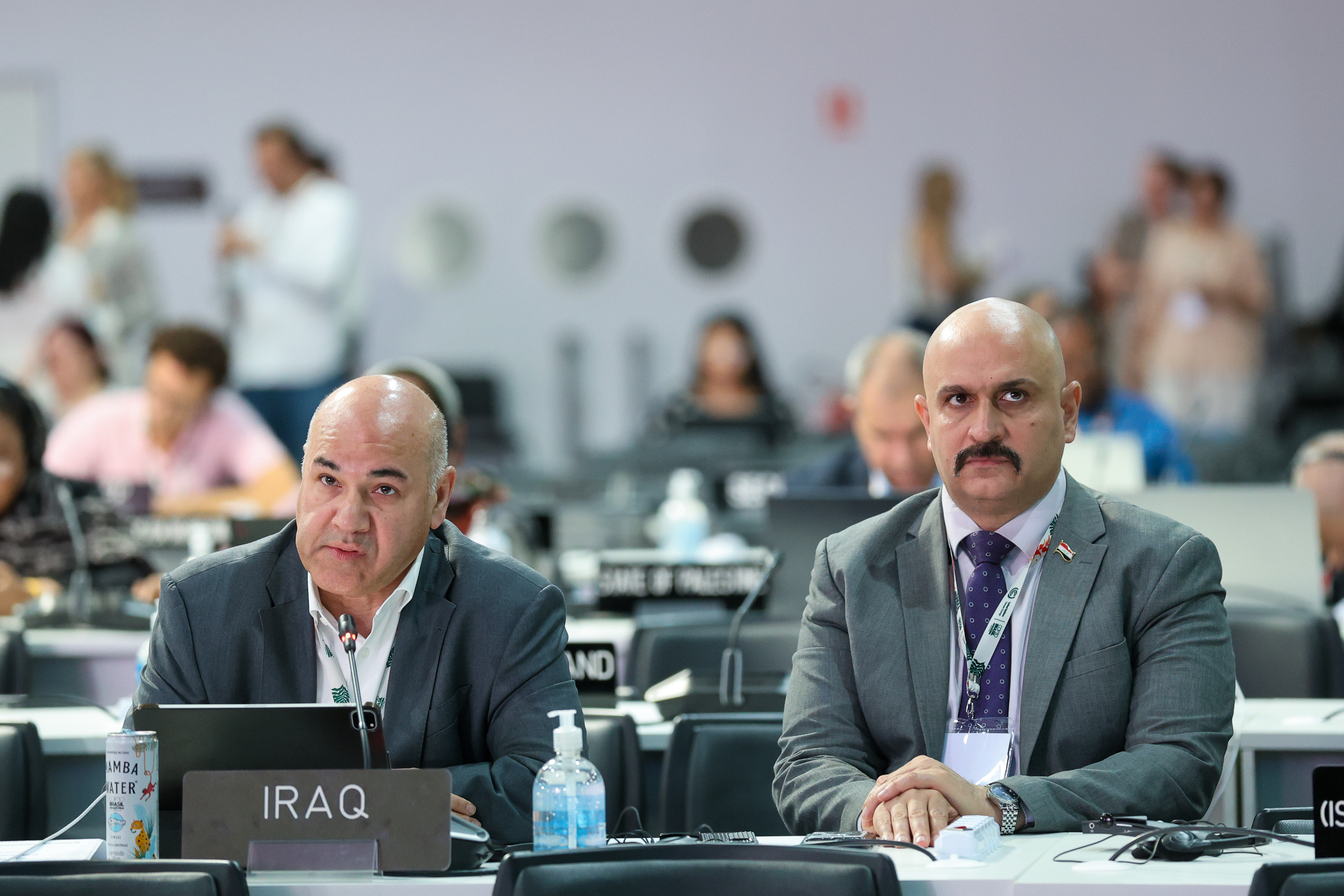
Lukman Alfaily and Yousif Muayad, Iraq
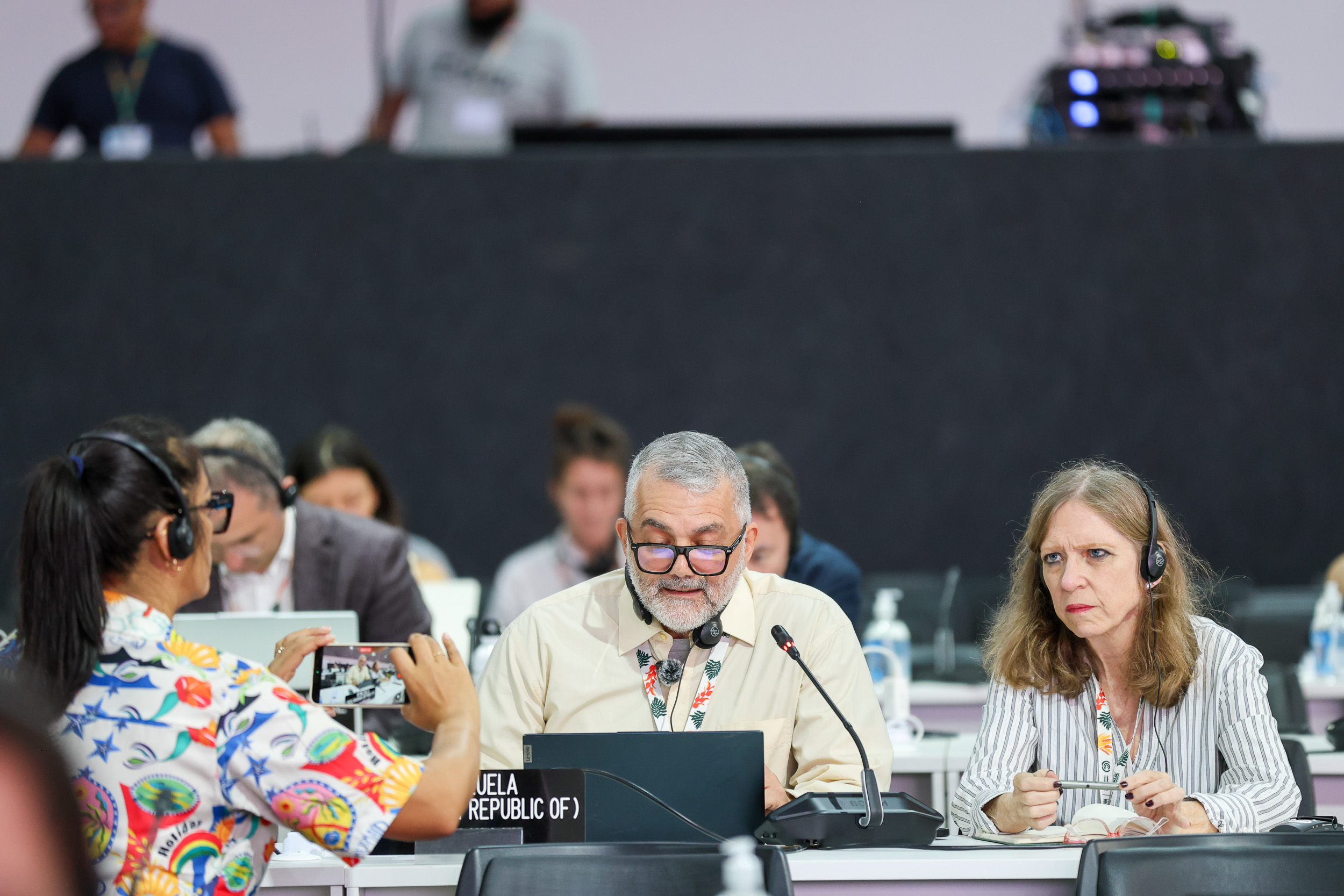
The Cuban delegation
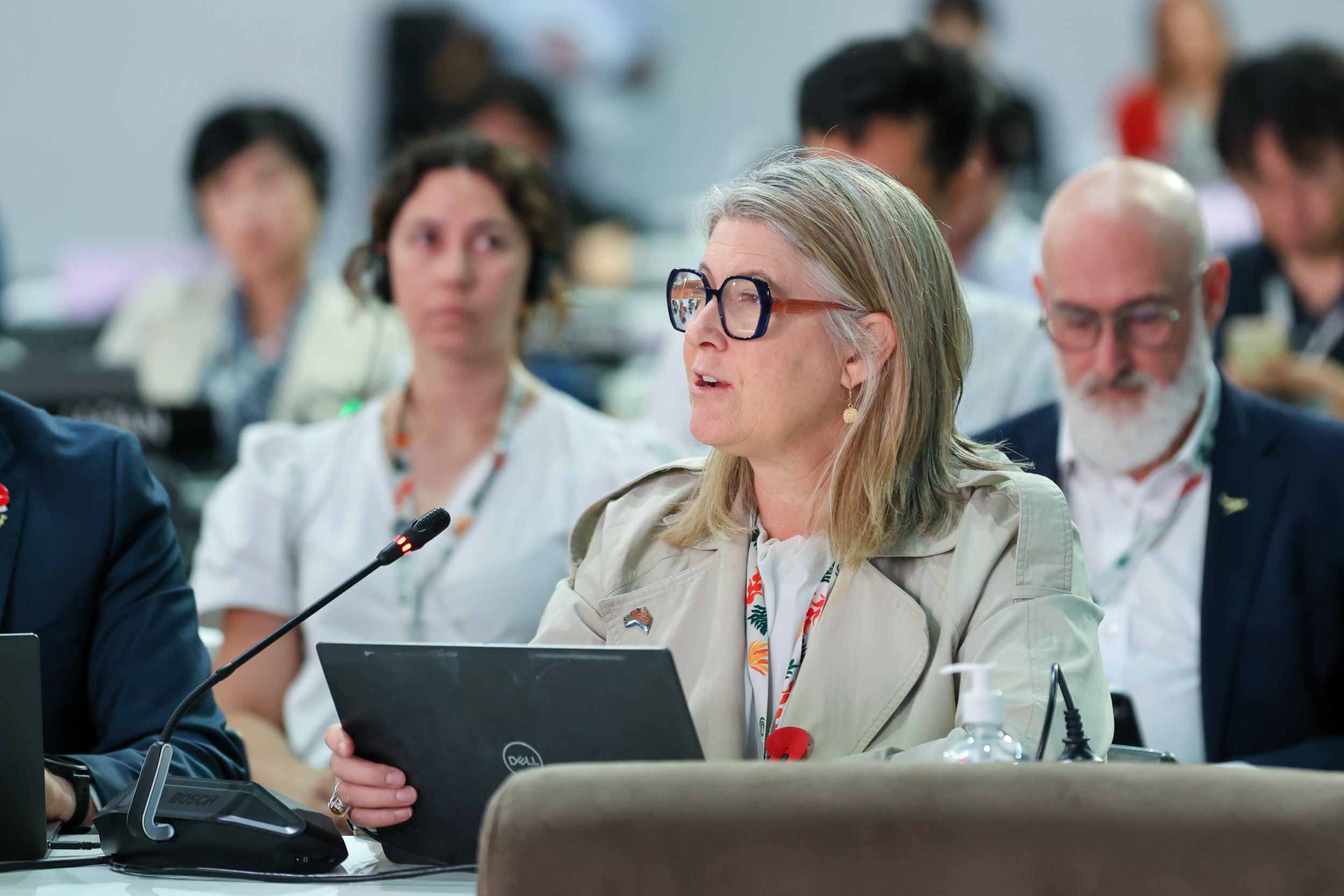
Sally Box, Australia
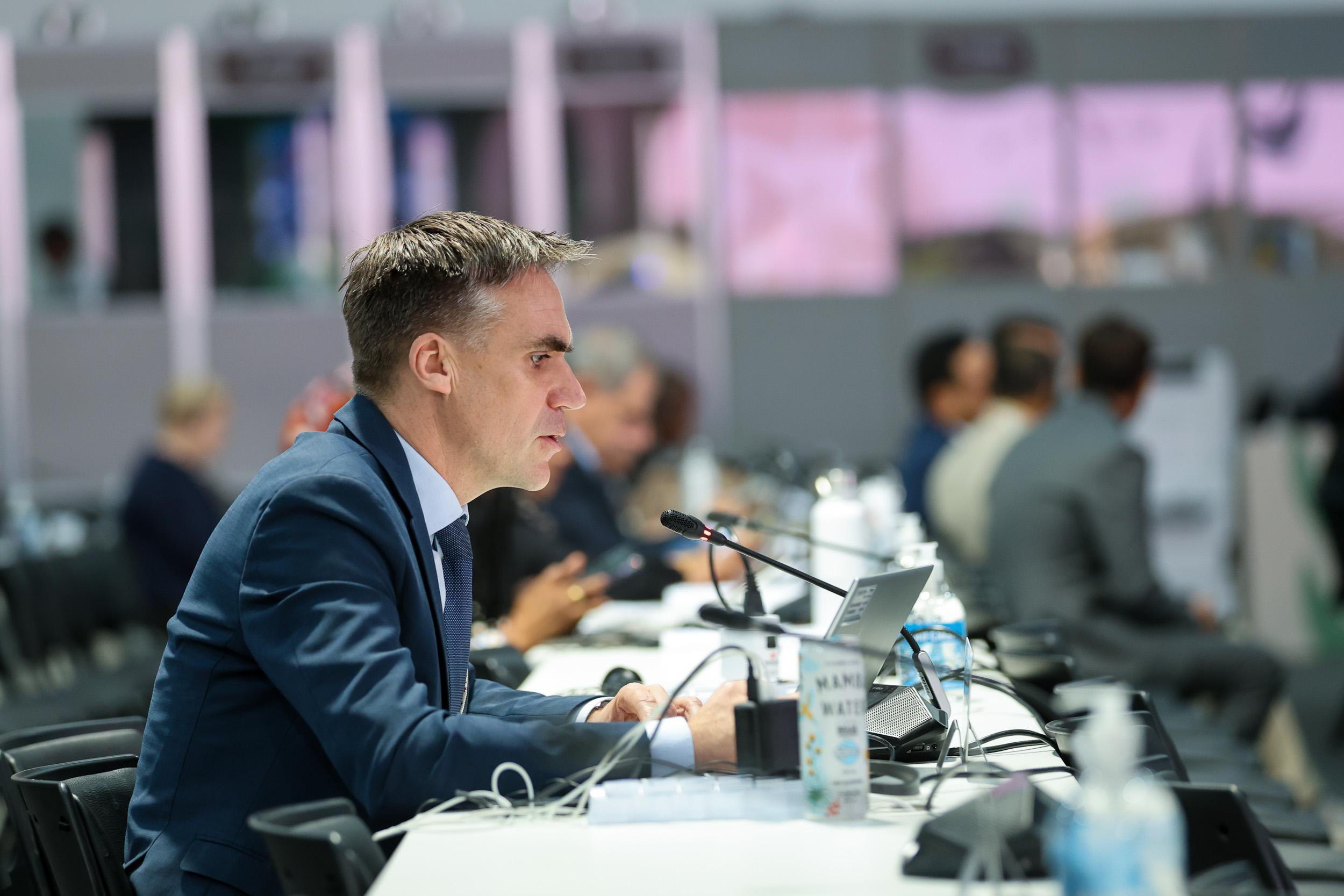
Felix Wertli, Switzerland
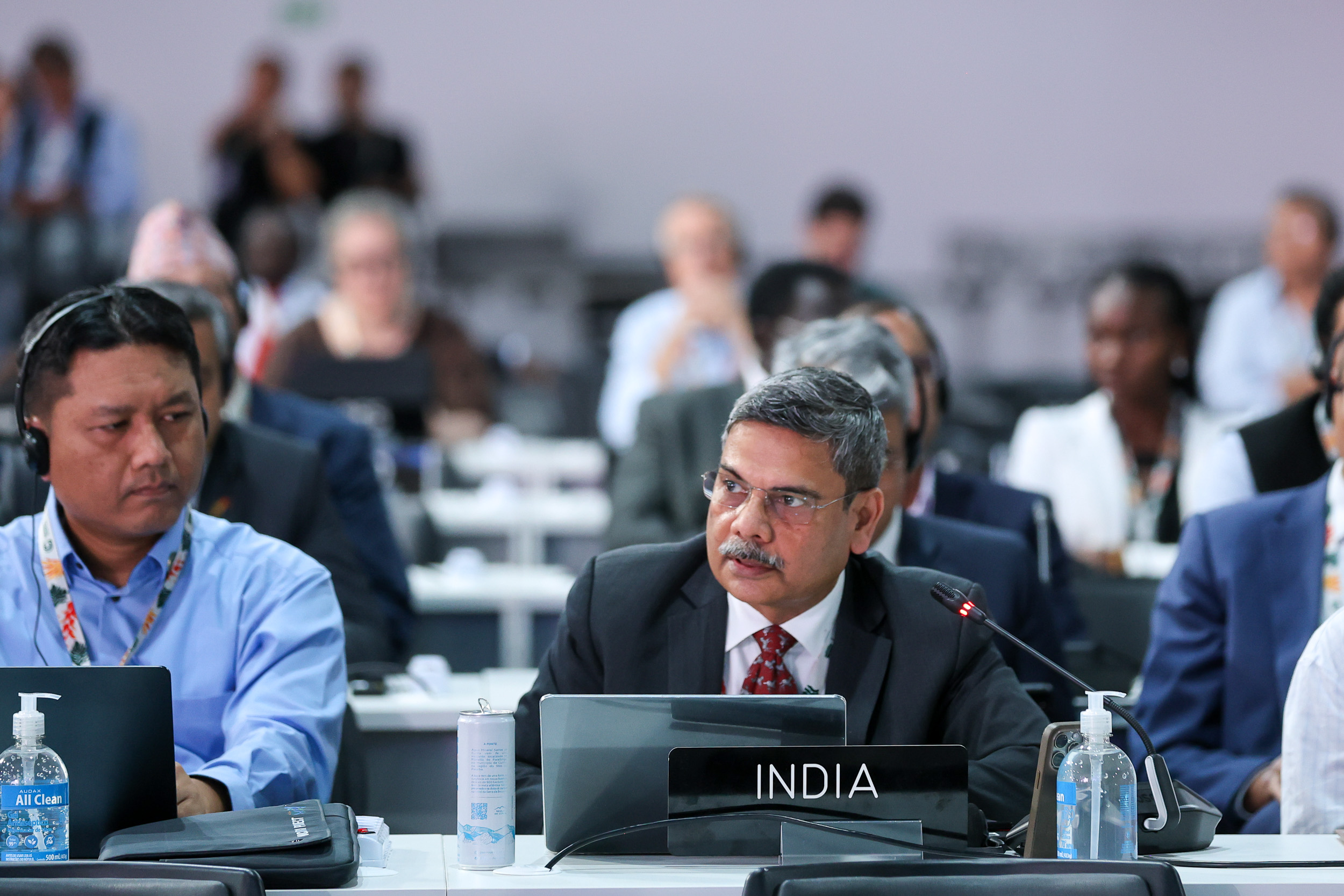
Tanmay Kumar, India
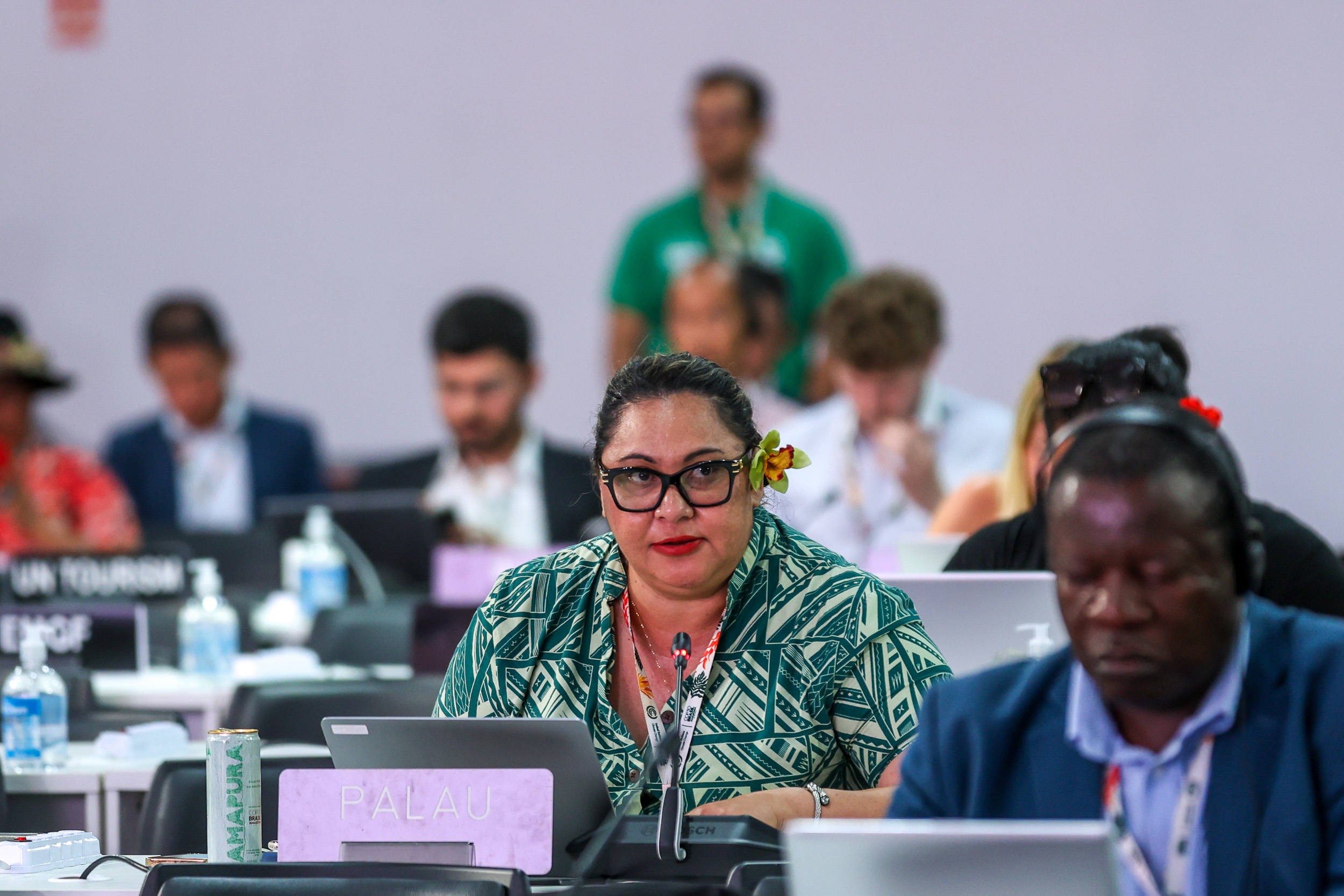
Anne Rasmussen, speaking on behalf of the Alliance of Small Island States (AOSIS)
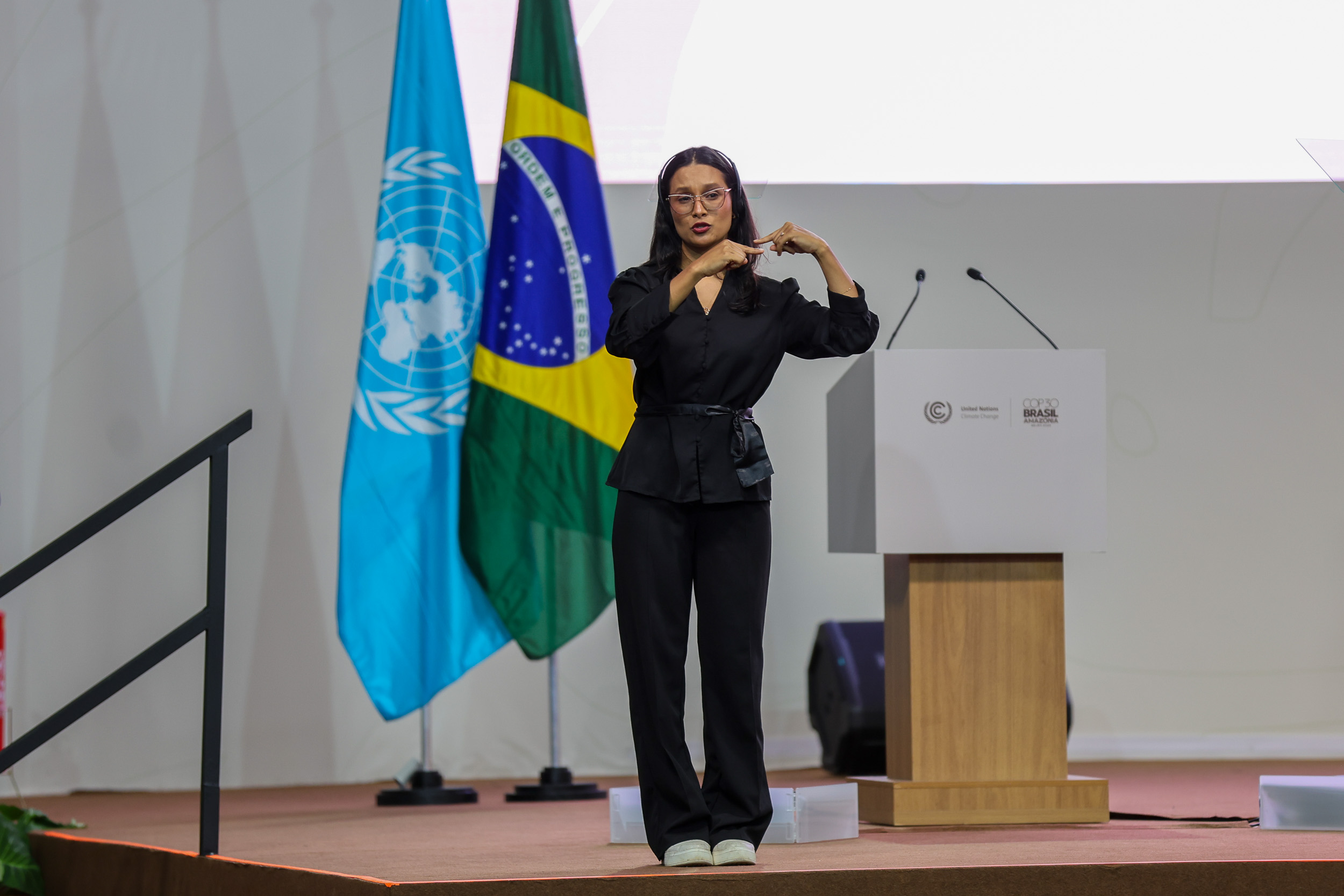
Sign language interpretation during the plenary
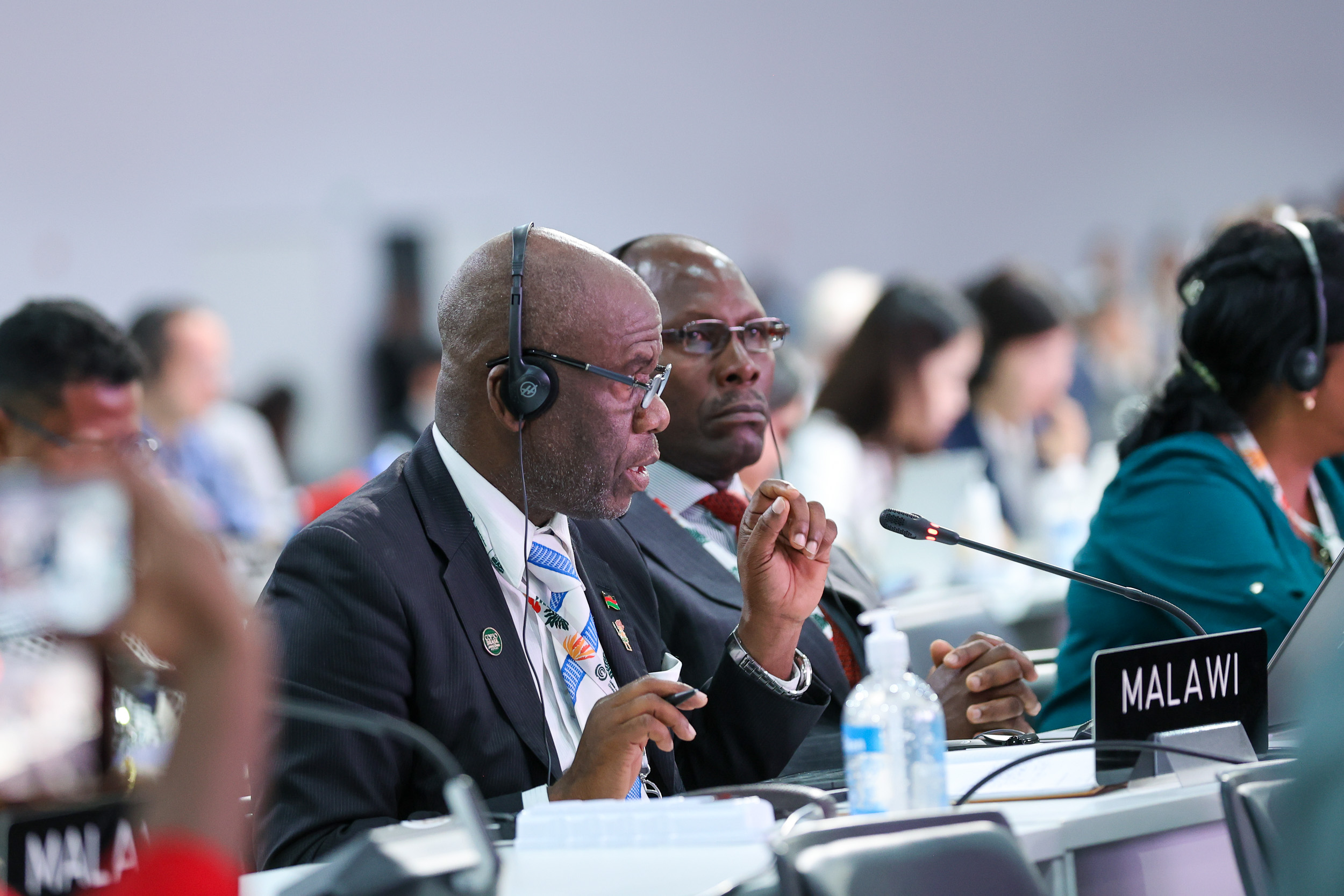
Evans Davie Njewa, Malawi
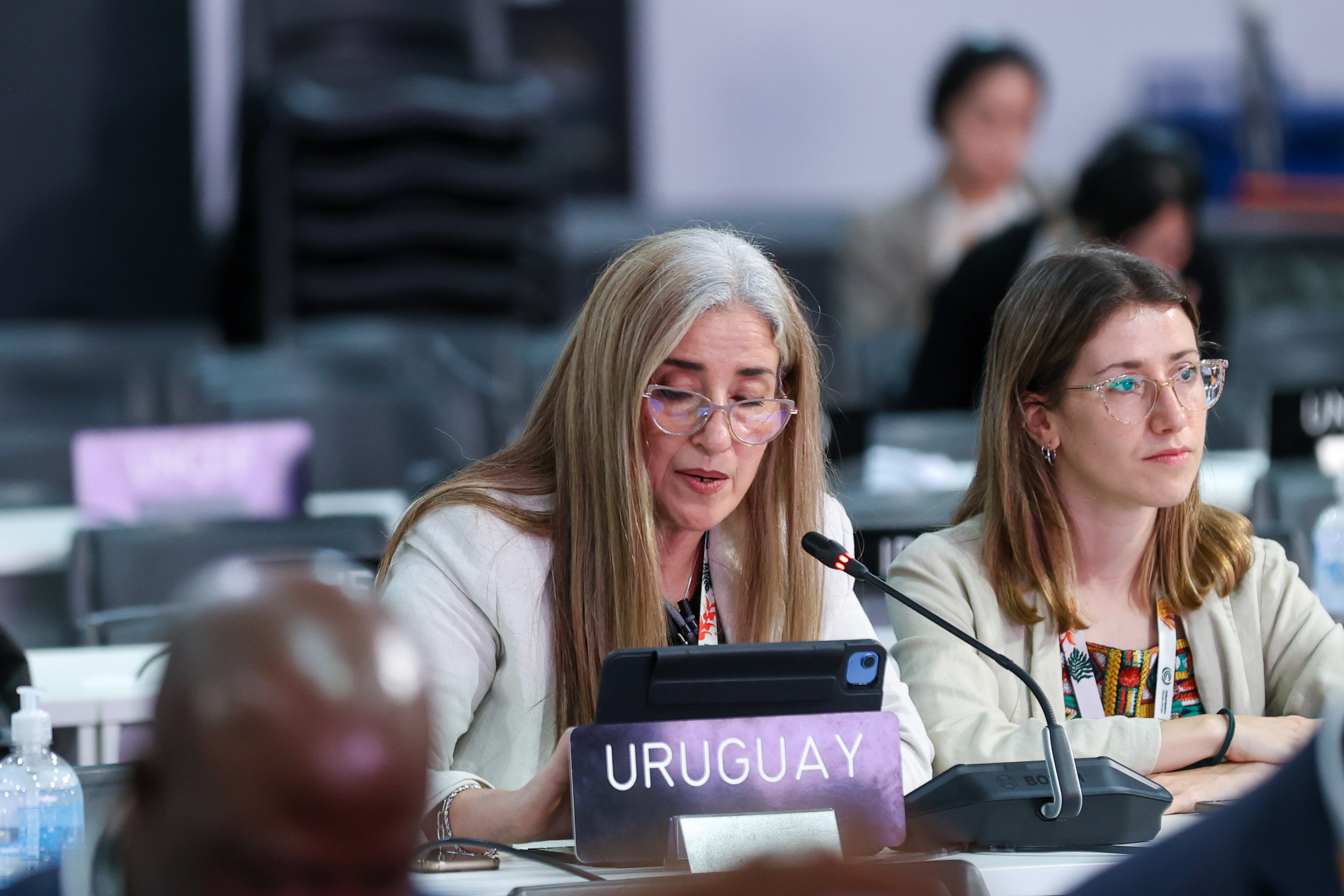
Judith Torres, Uruguay
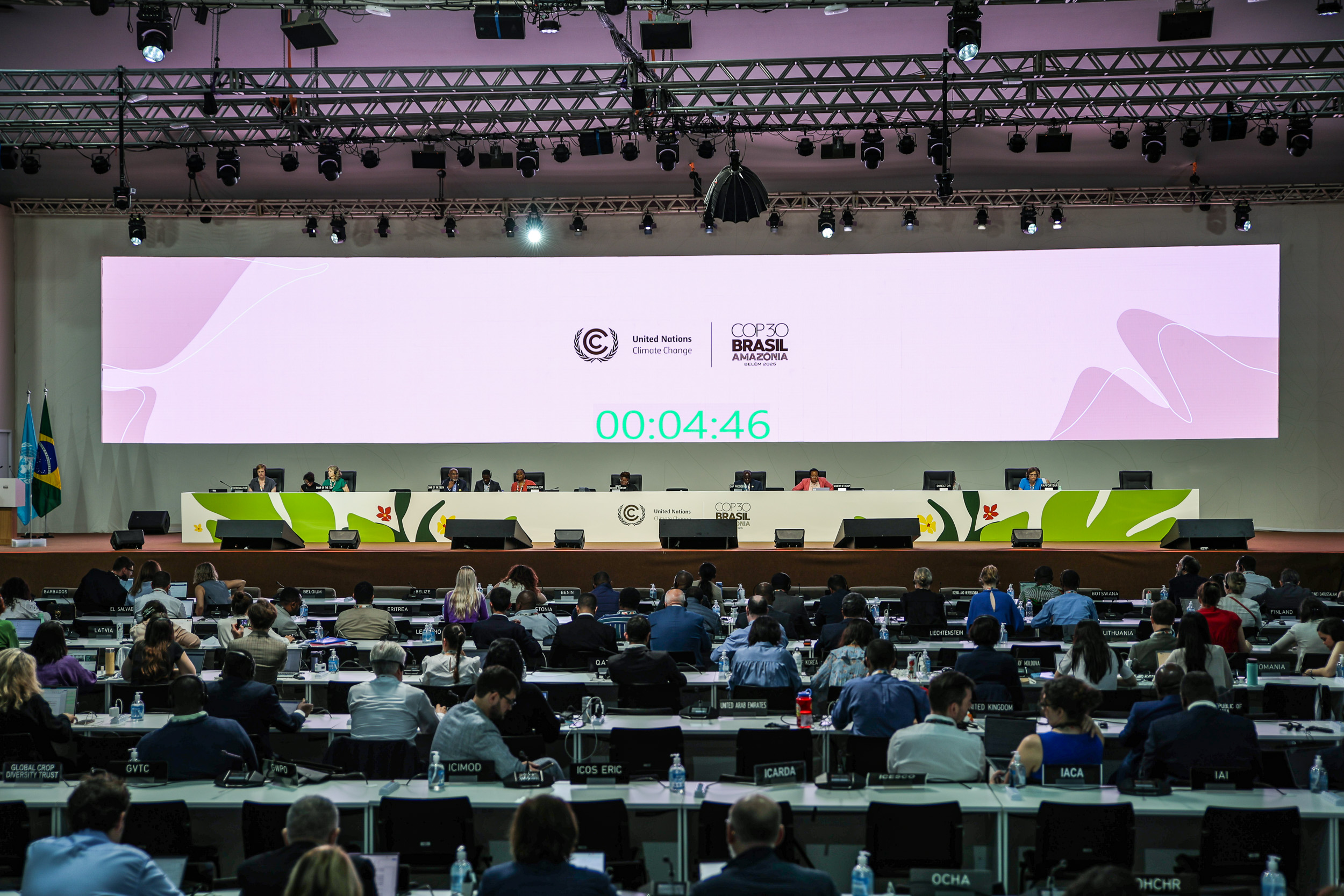
View of the dais during the plenary

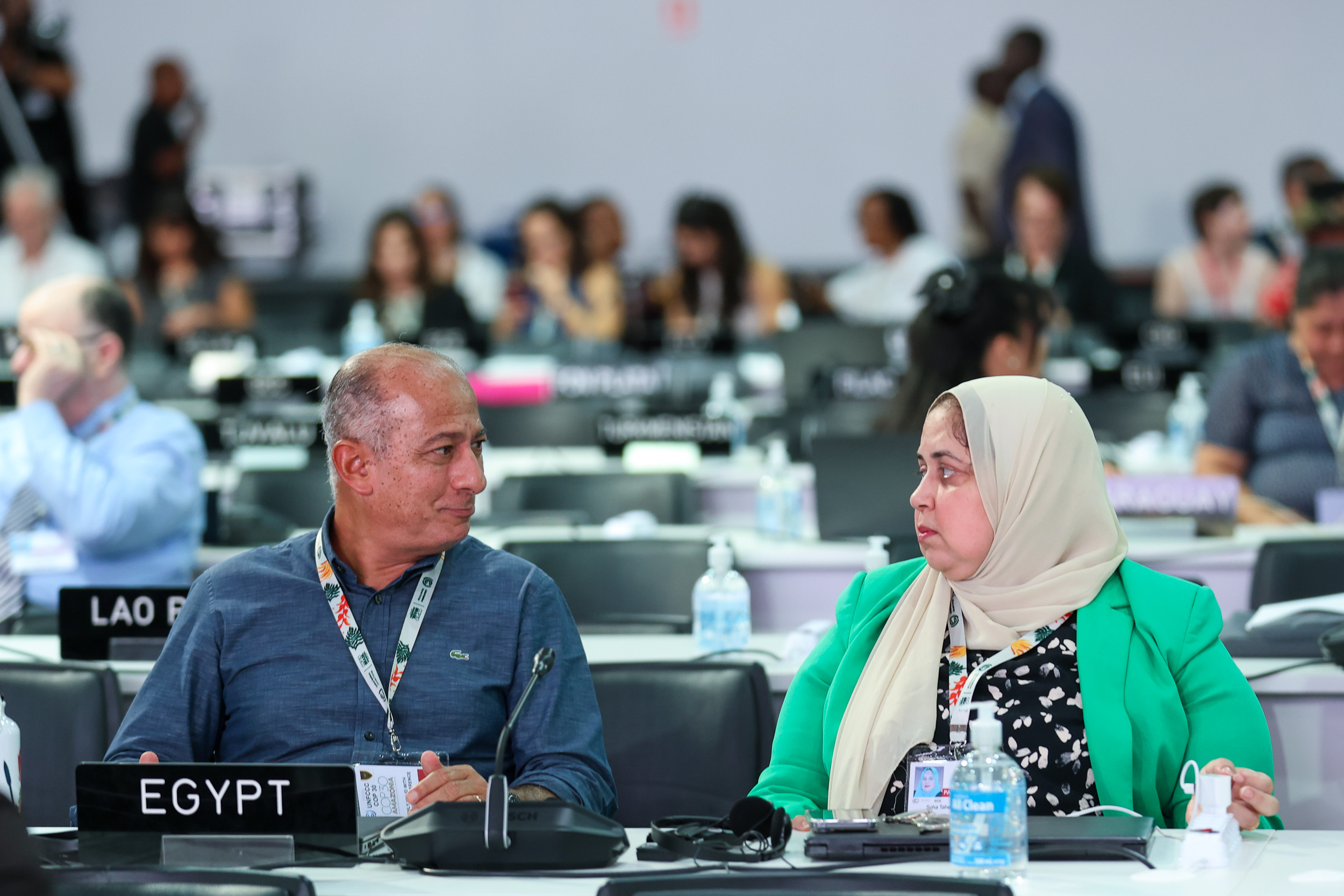
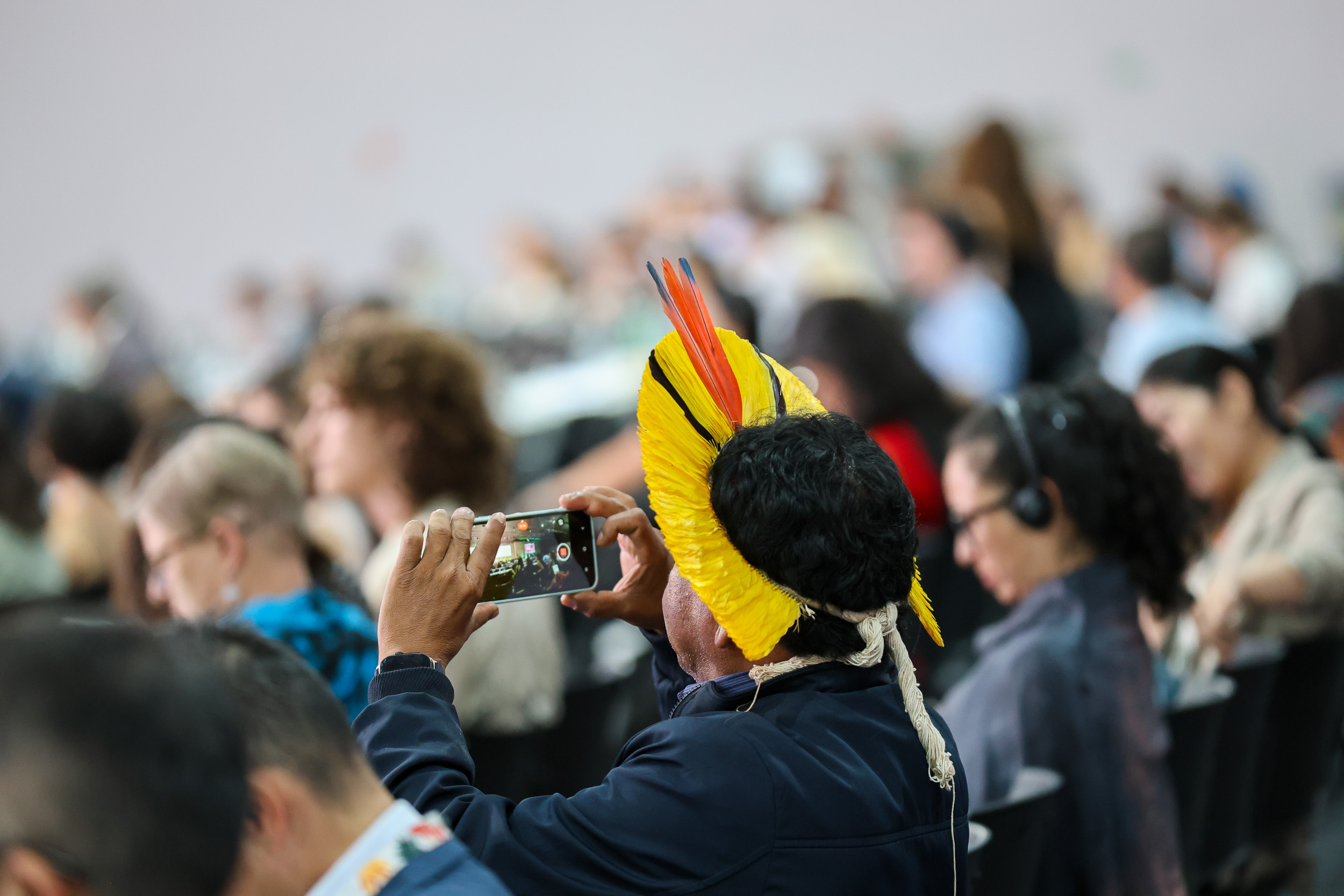
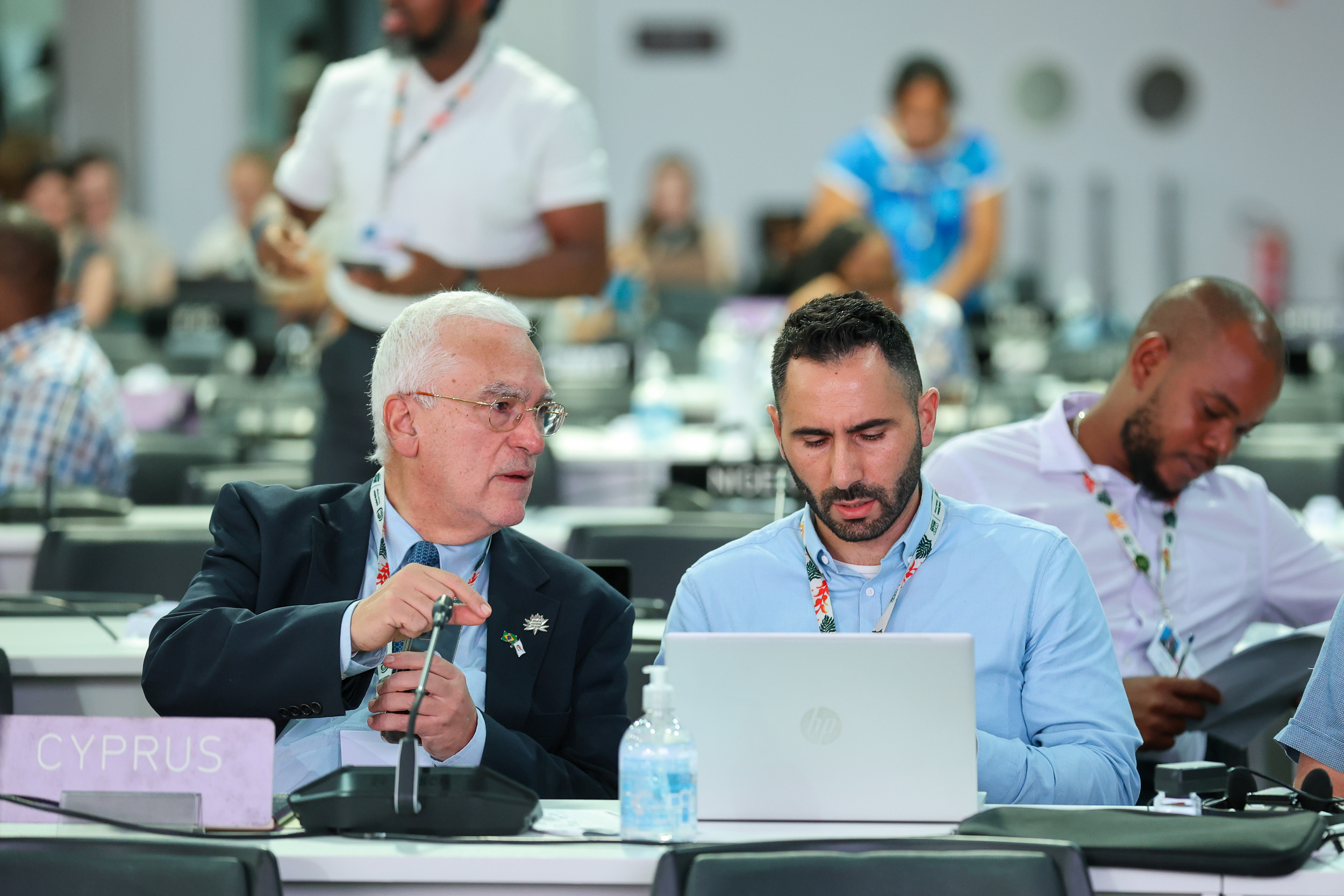
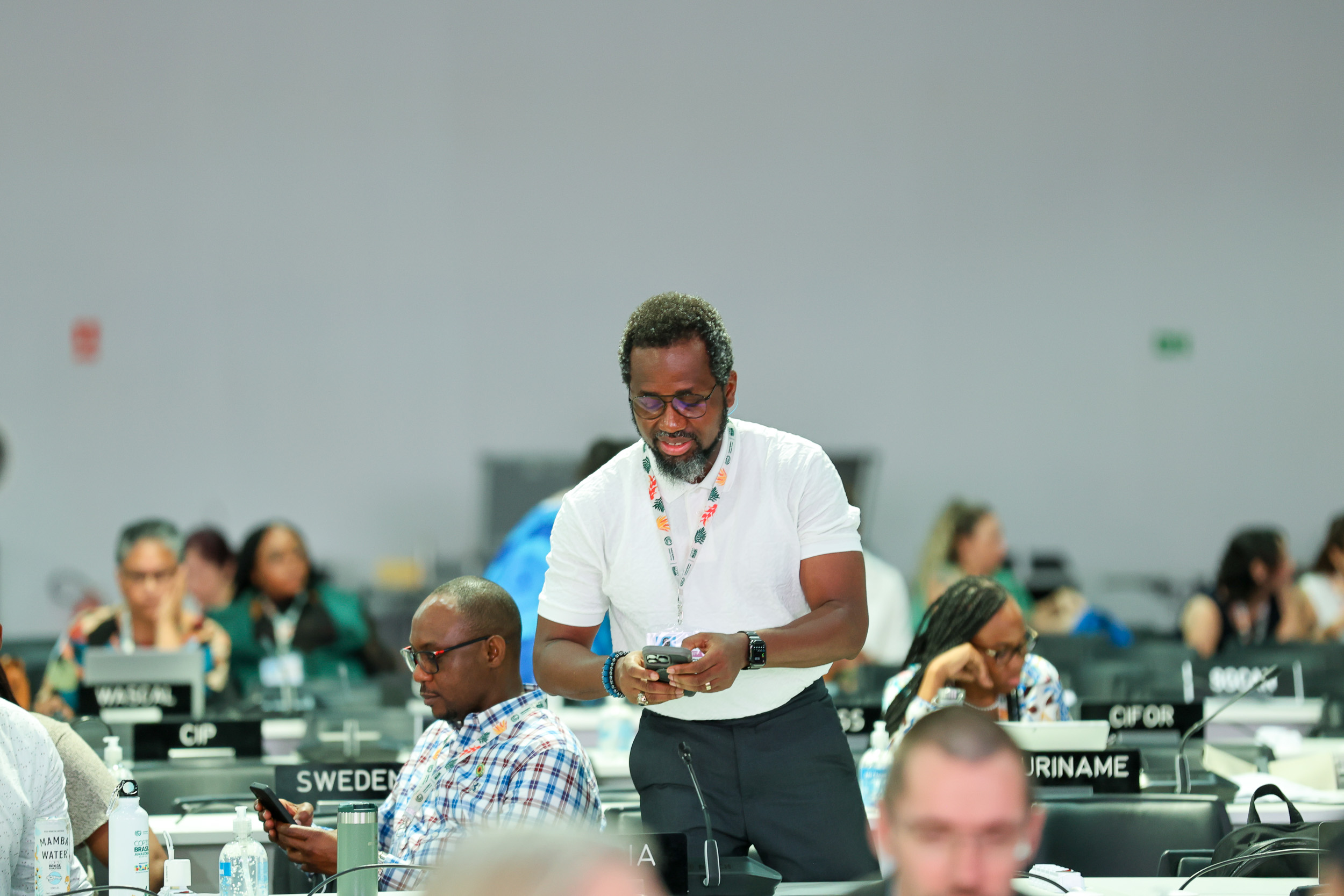
COP 30 Presidency Consultations
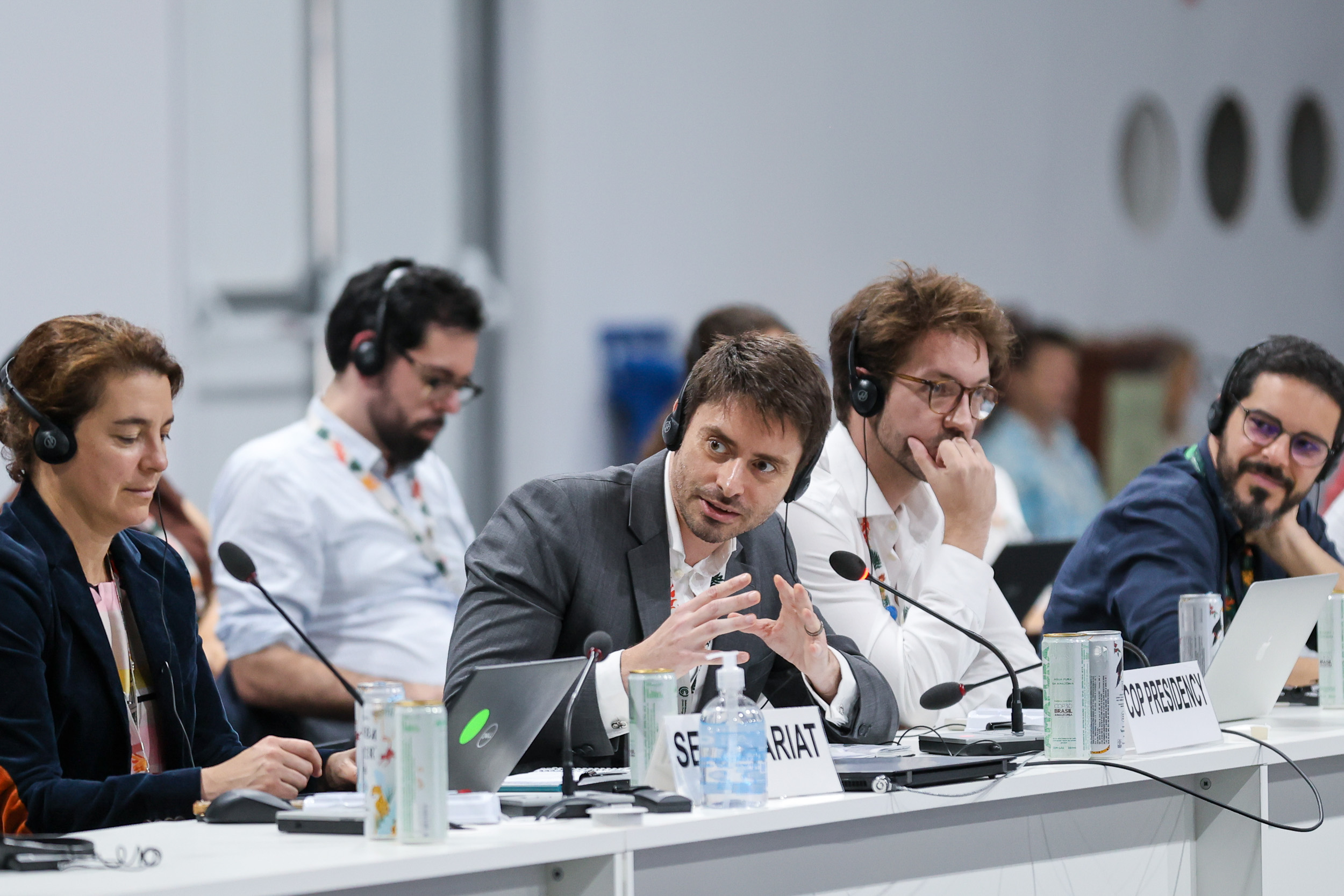
Túlio Andrade, COP 30 Presidency
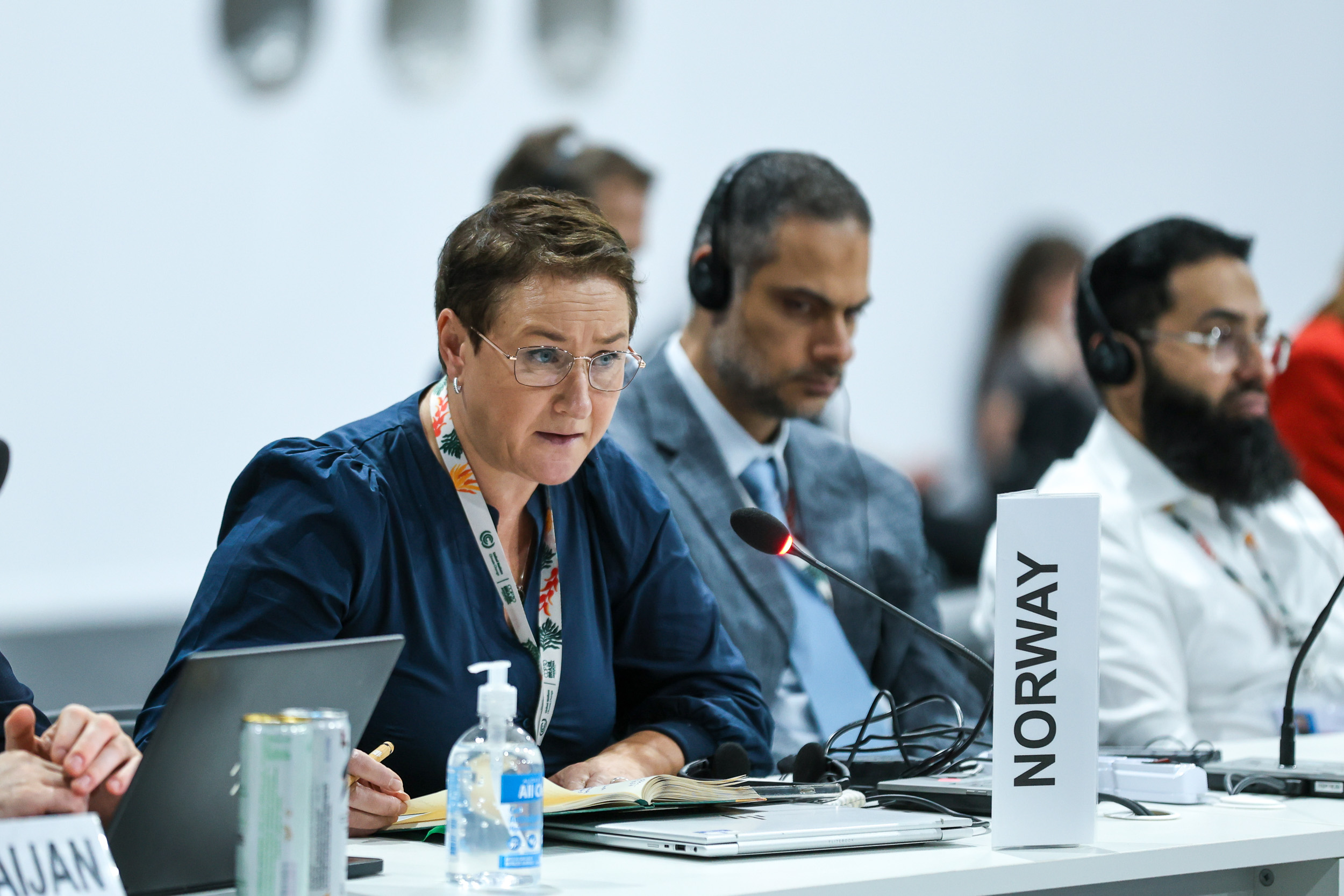
Marianne Karlsen, Norway
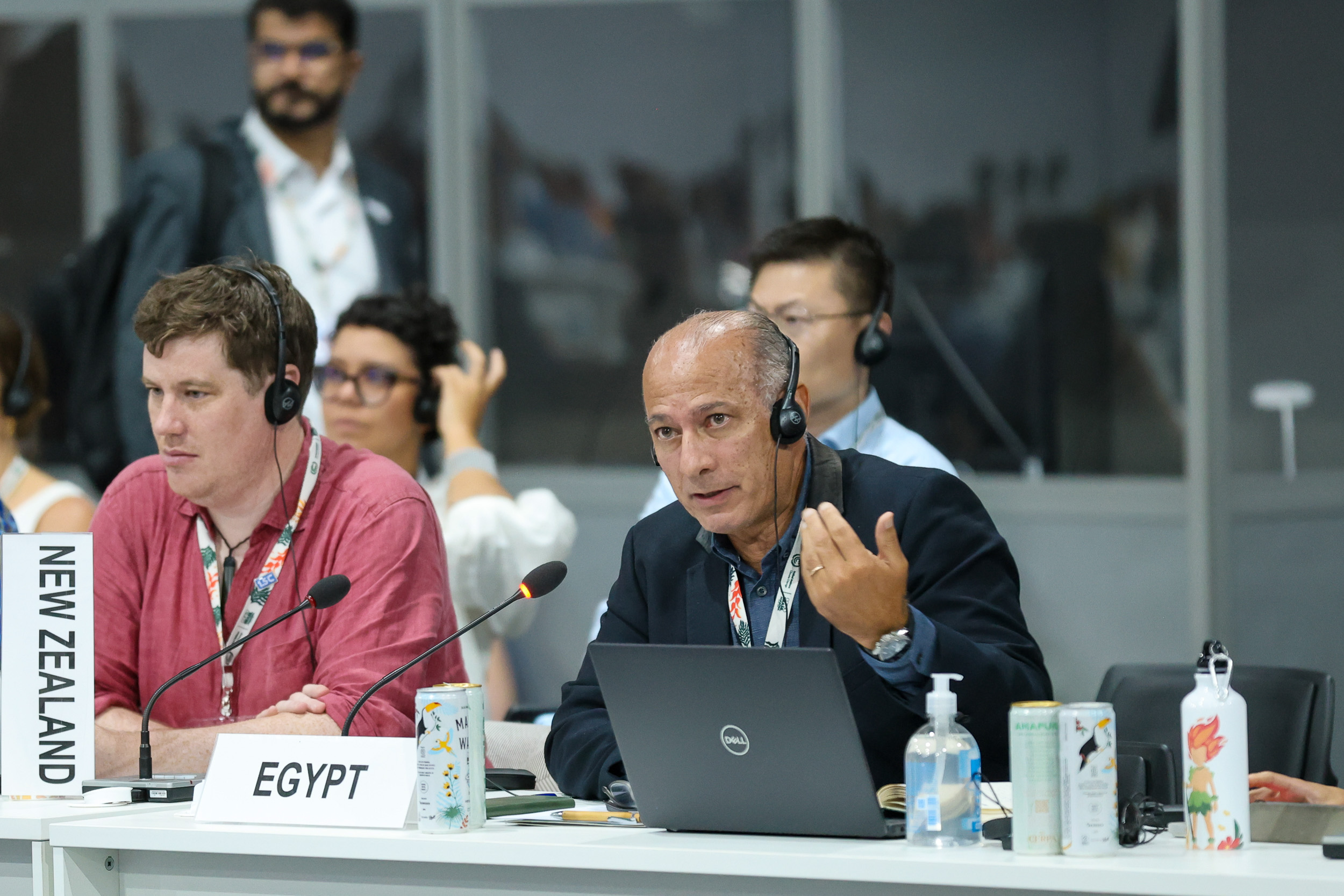
Wael Aboulmagd, Egypt
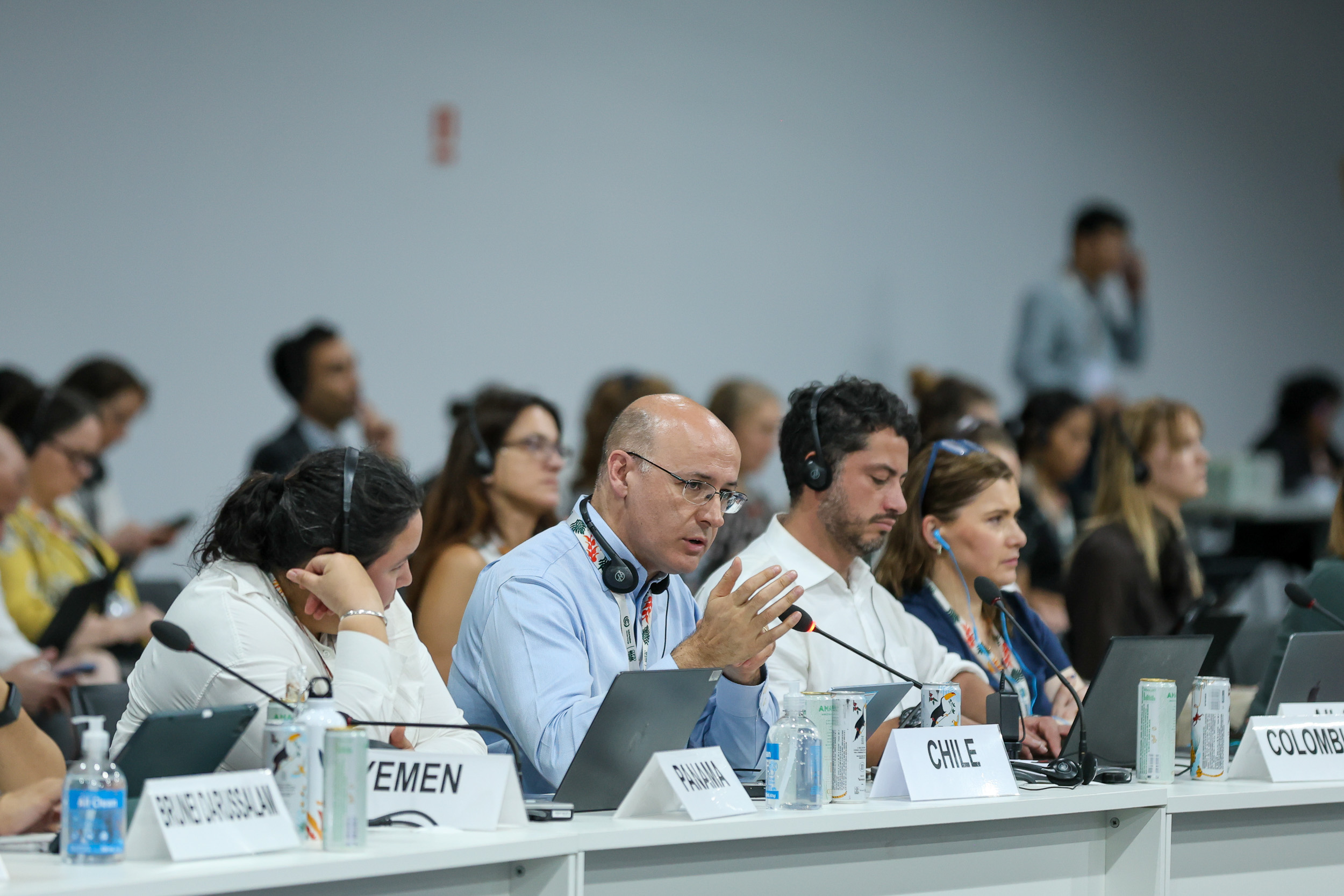
Julio Cordano, Chile
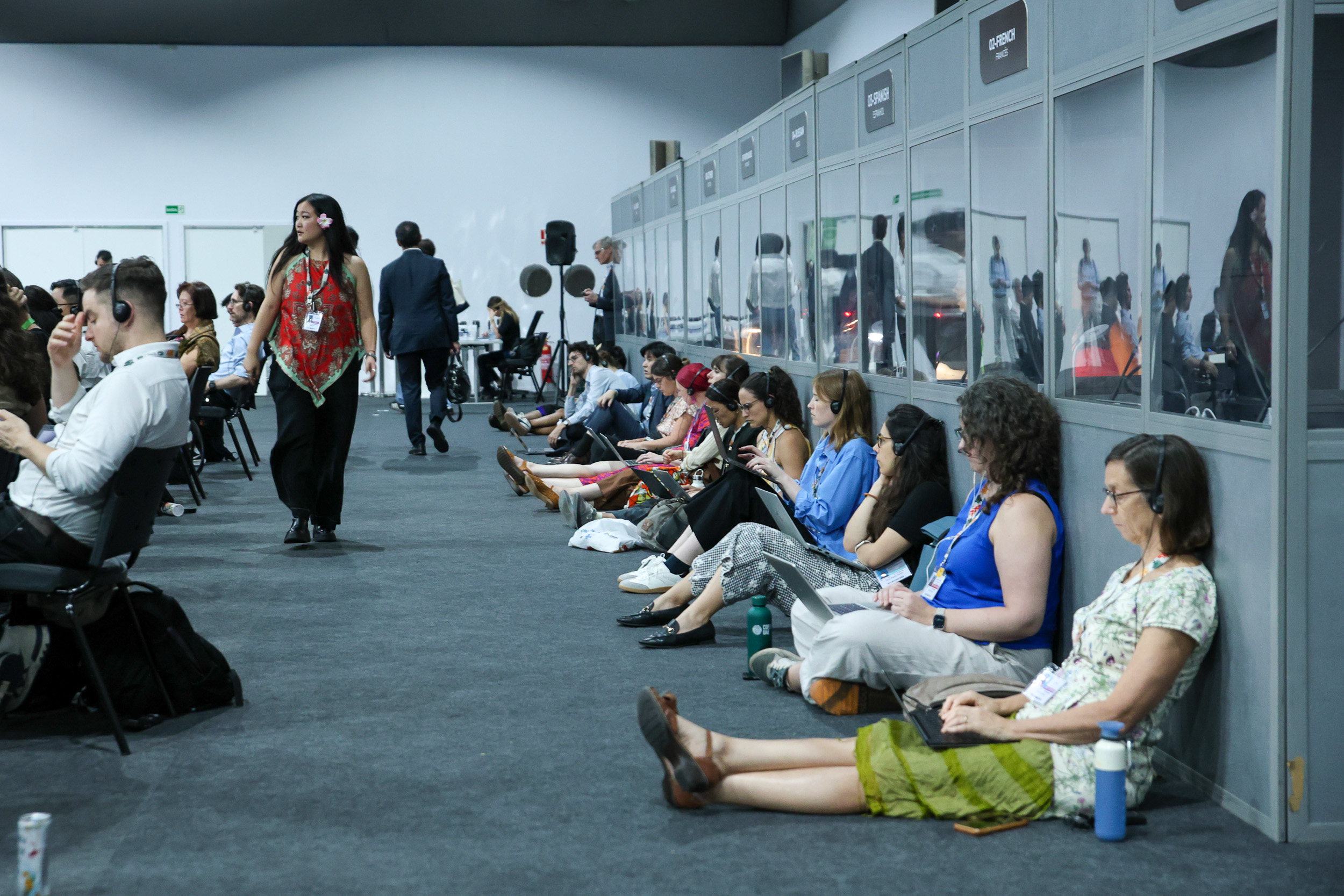
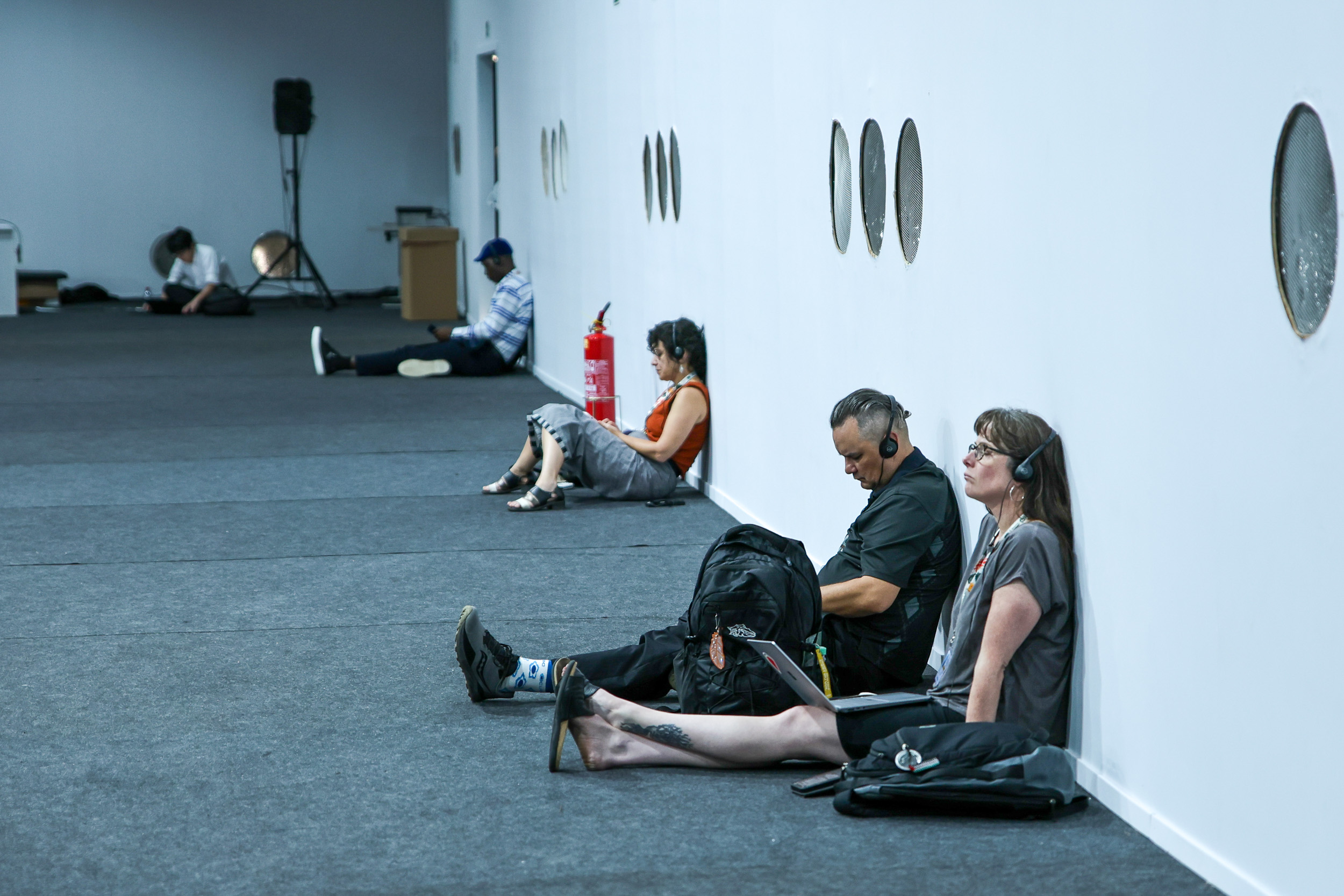
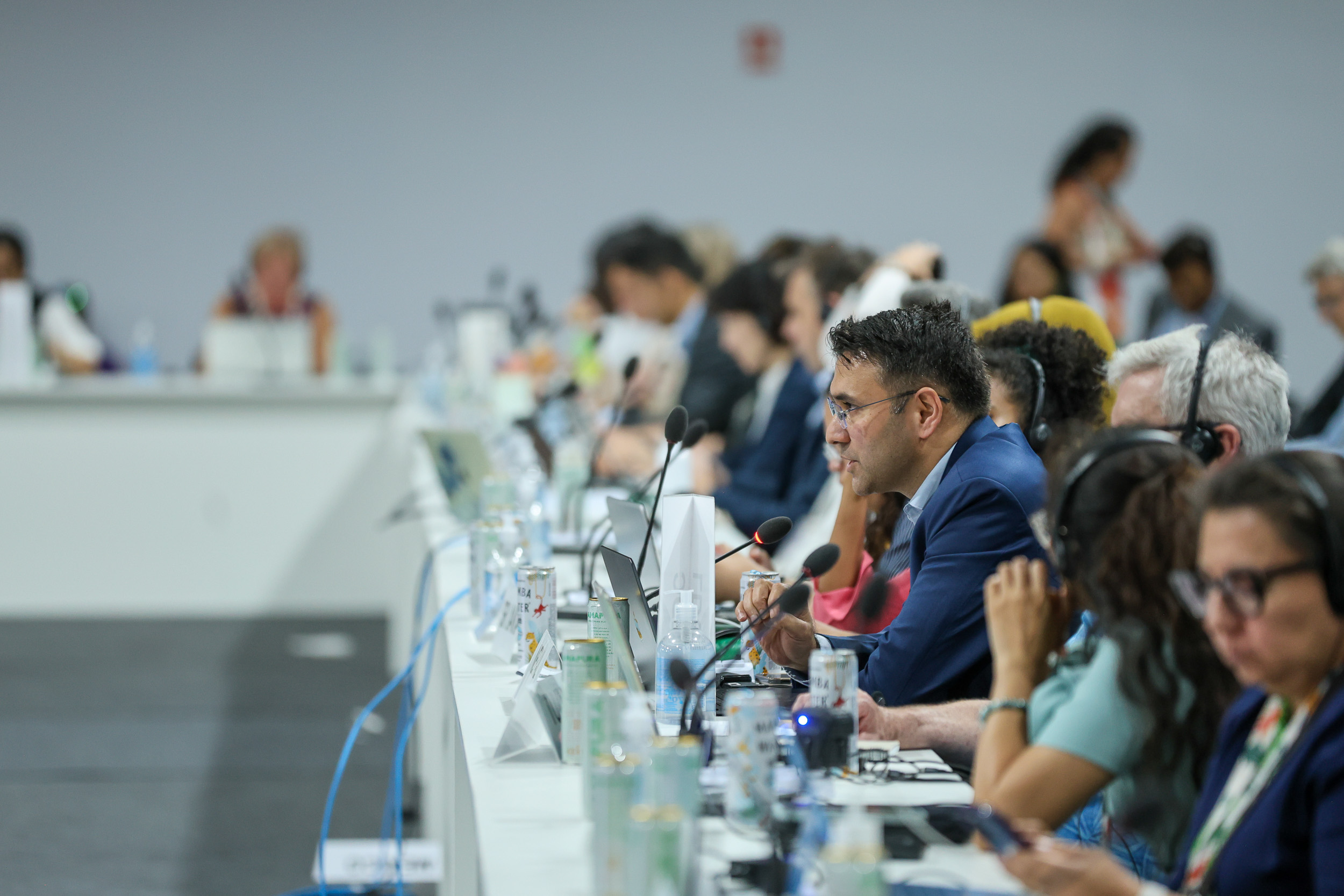
In-session workshop under Article 6.8 of the Paris Agreement
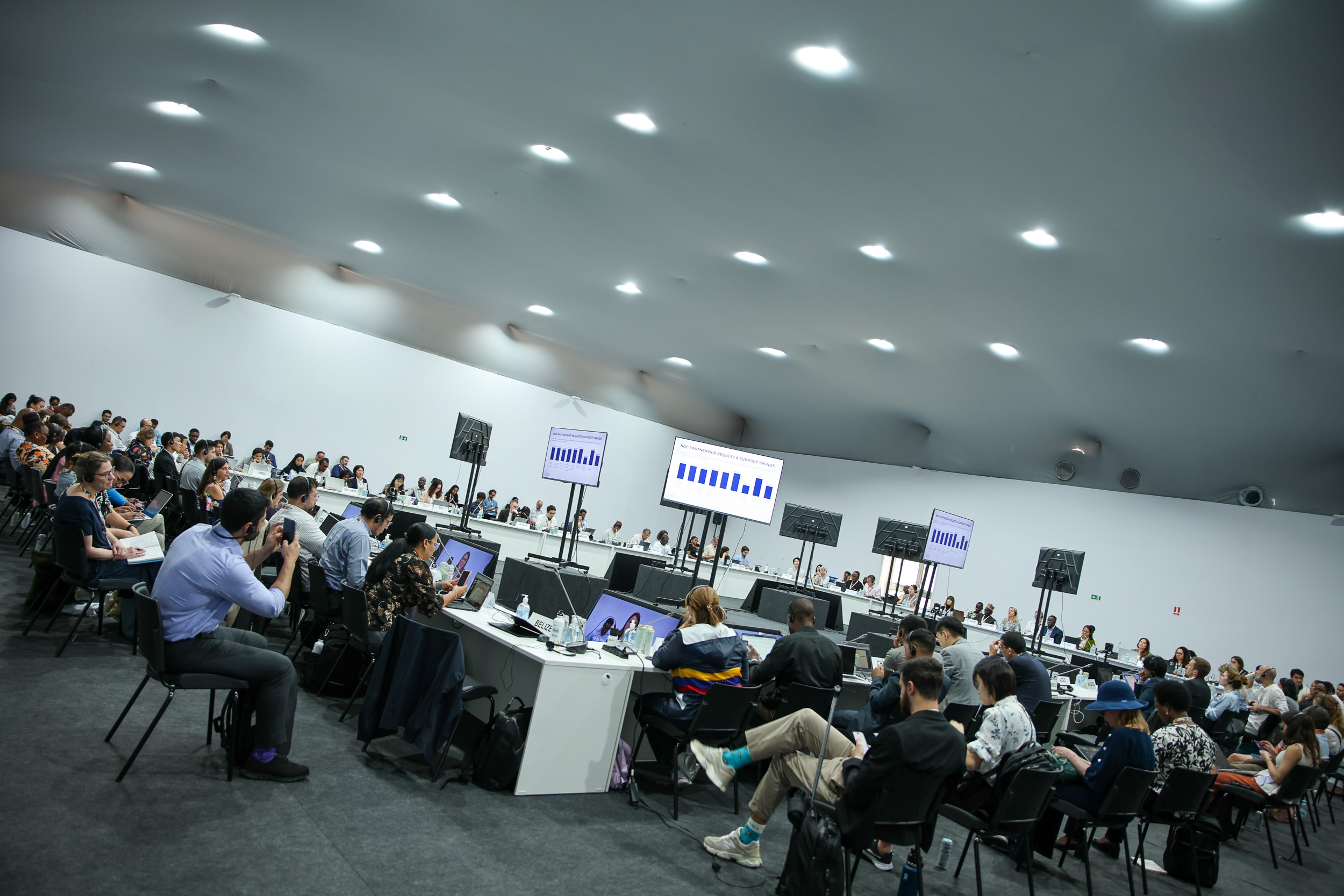
View of the room during the in-session workshop under Article 6.8 of the Paris Agreement
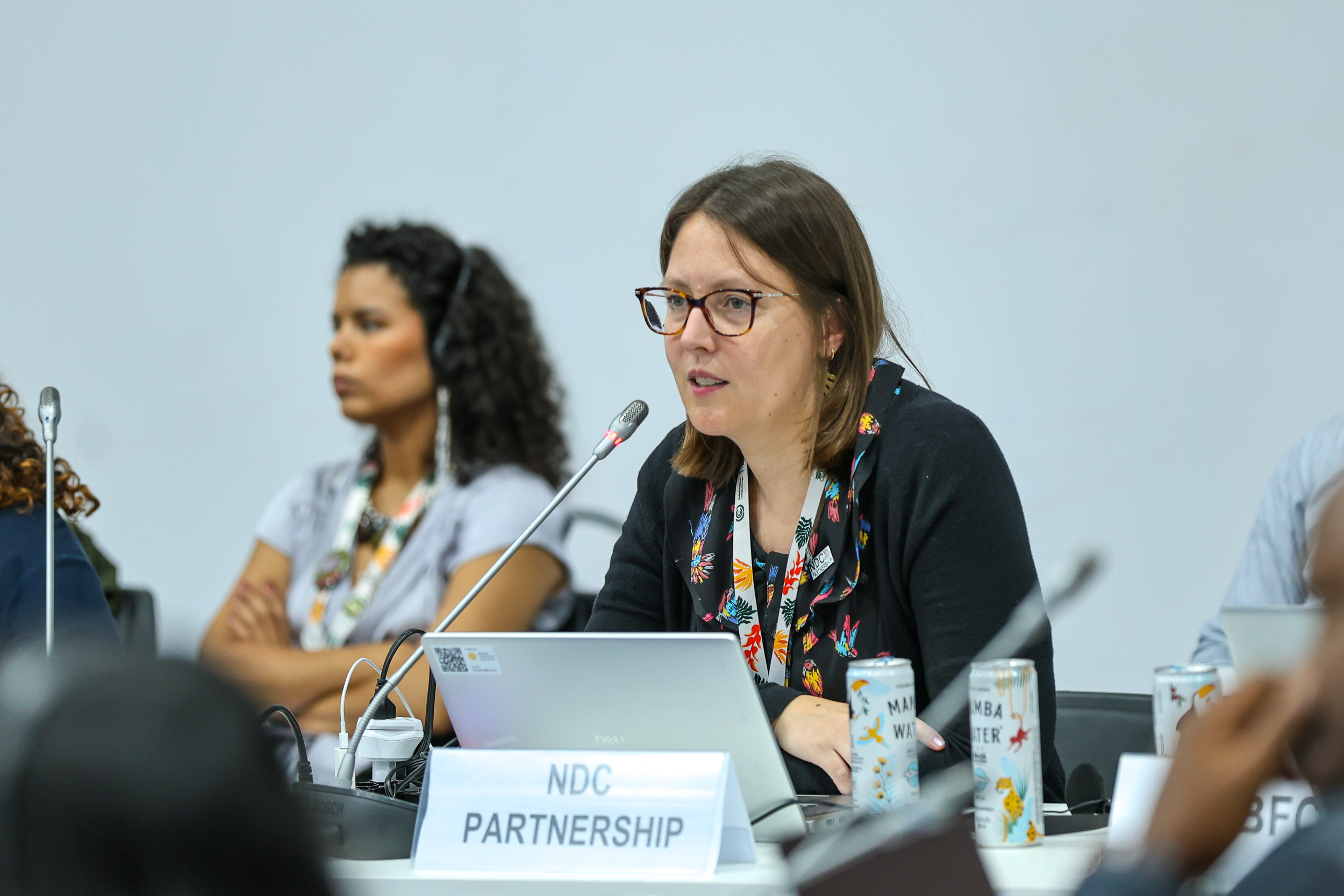
Amanda McKee, NDC Partnership
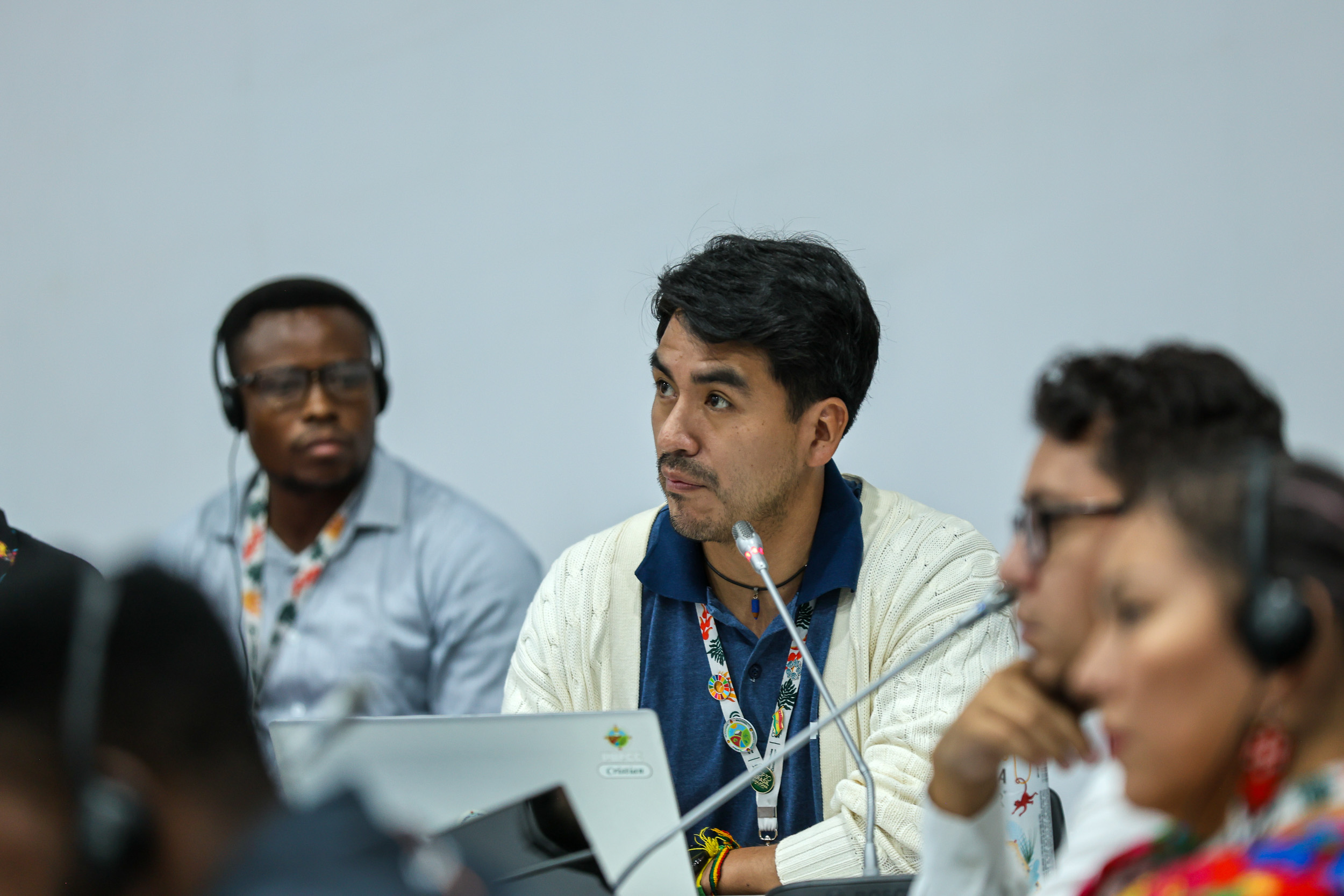
Cristian Flores Mamani, Bolivian Civil Society Coalition of Non-Market Approaches
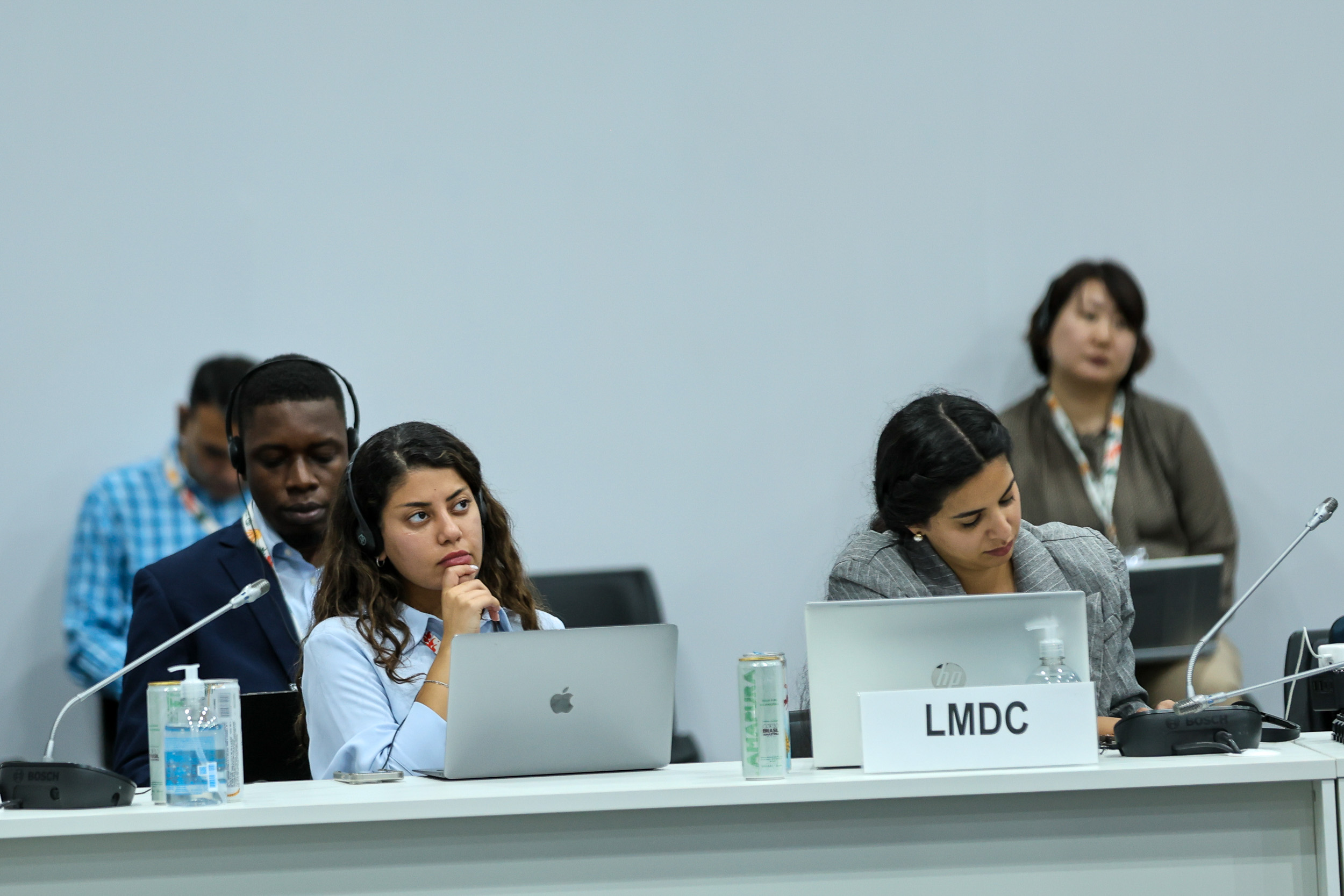
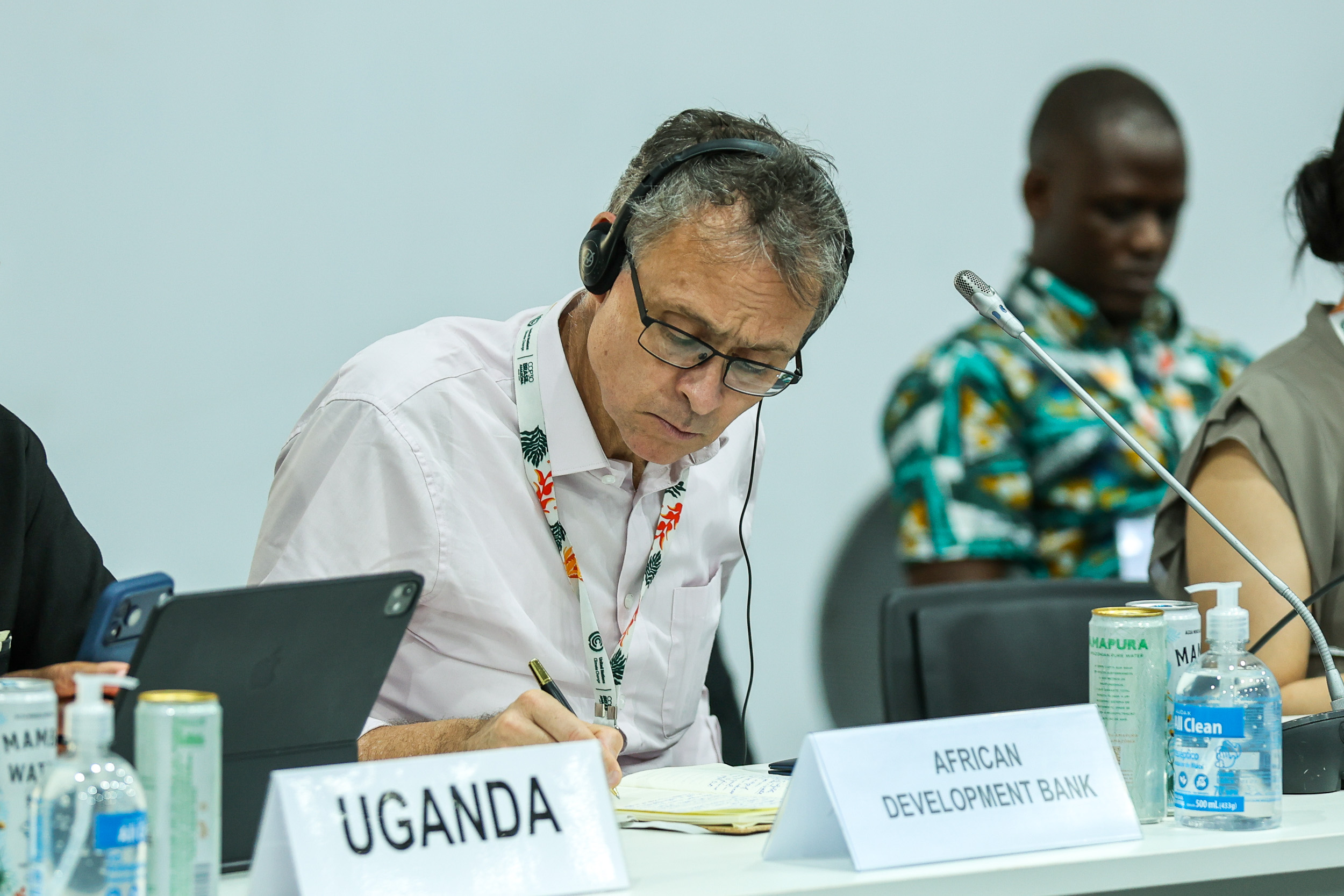
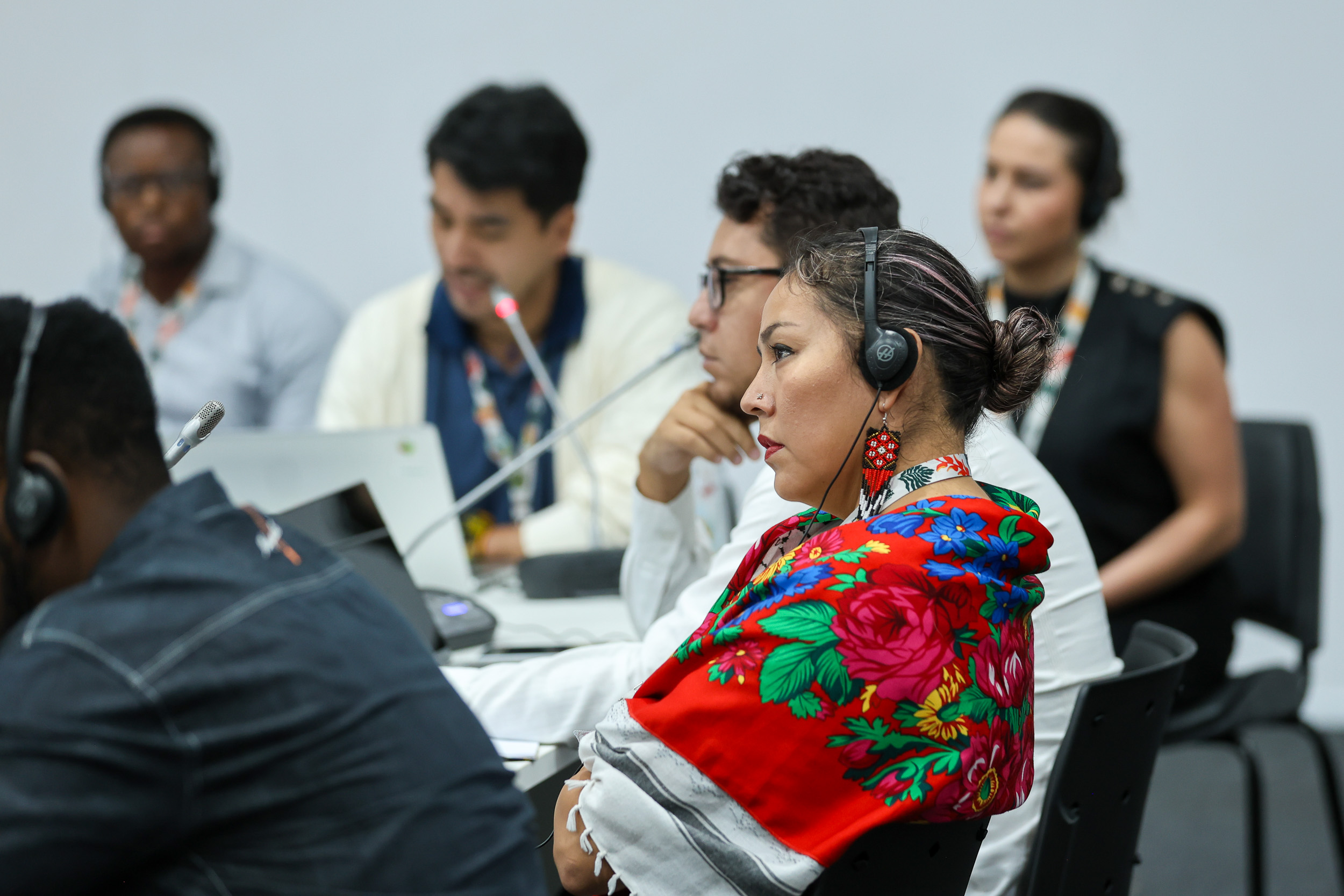
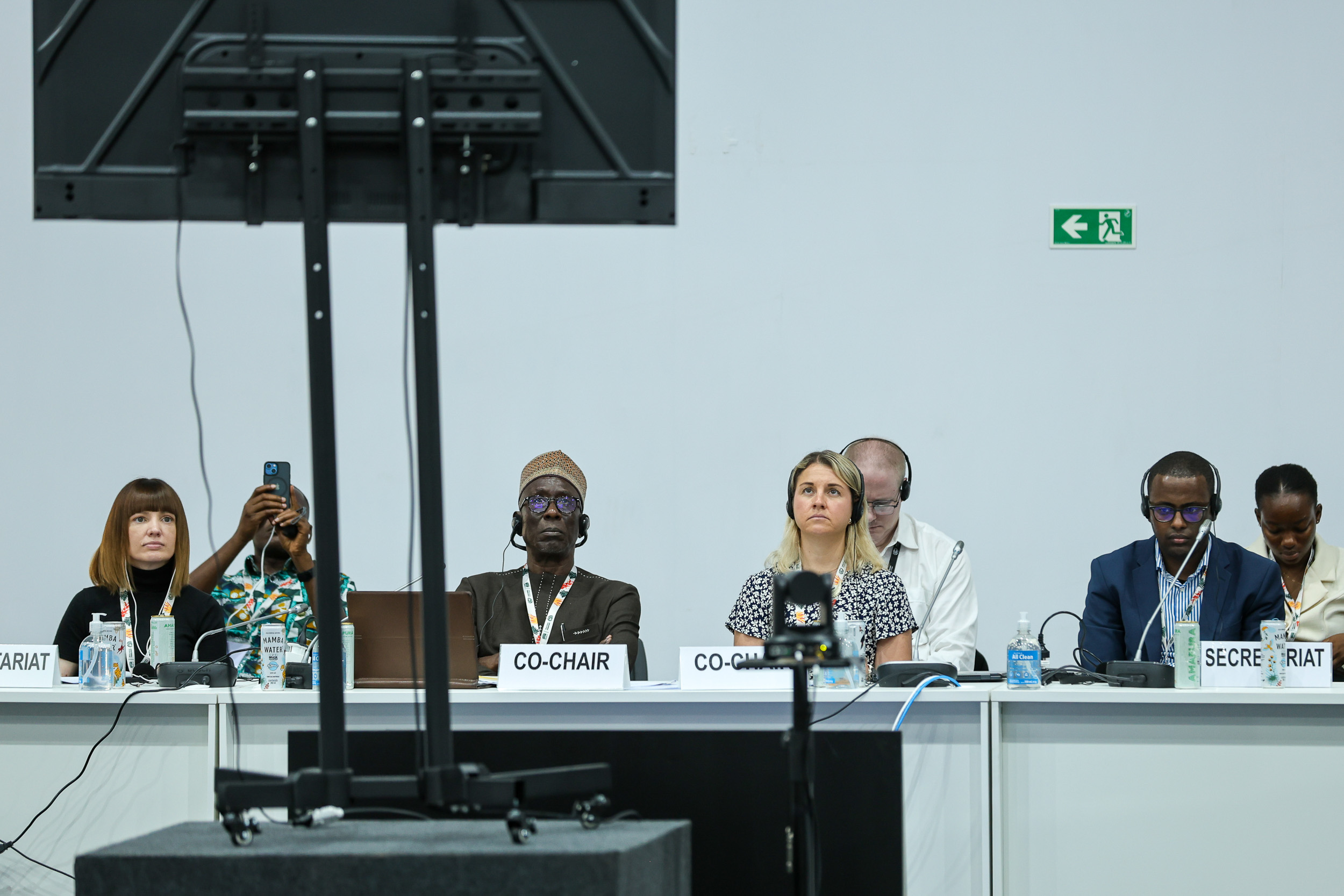
From L-R: Barbara Ratusznik, UNFCCC Secretariat; Co-Chair El Hadji Mbaye Diagne, Senegal; Co-Chair Jacqui Ruesga, New Zealand; and Mulinge Hedeto, UNFCCC Secretariat
Fifth Annual Gathering of Knowledge Holders
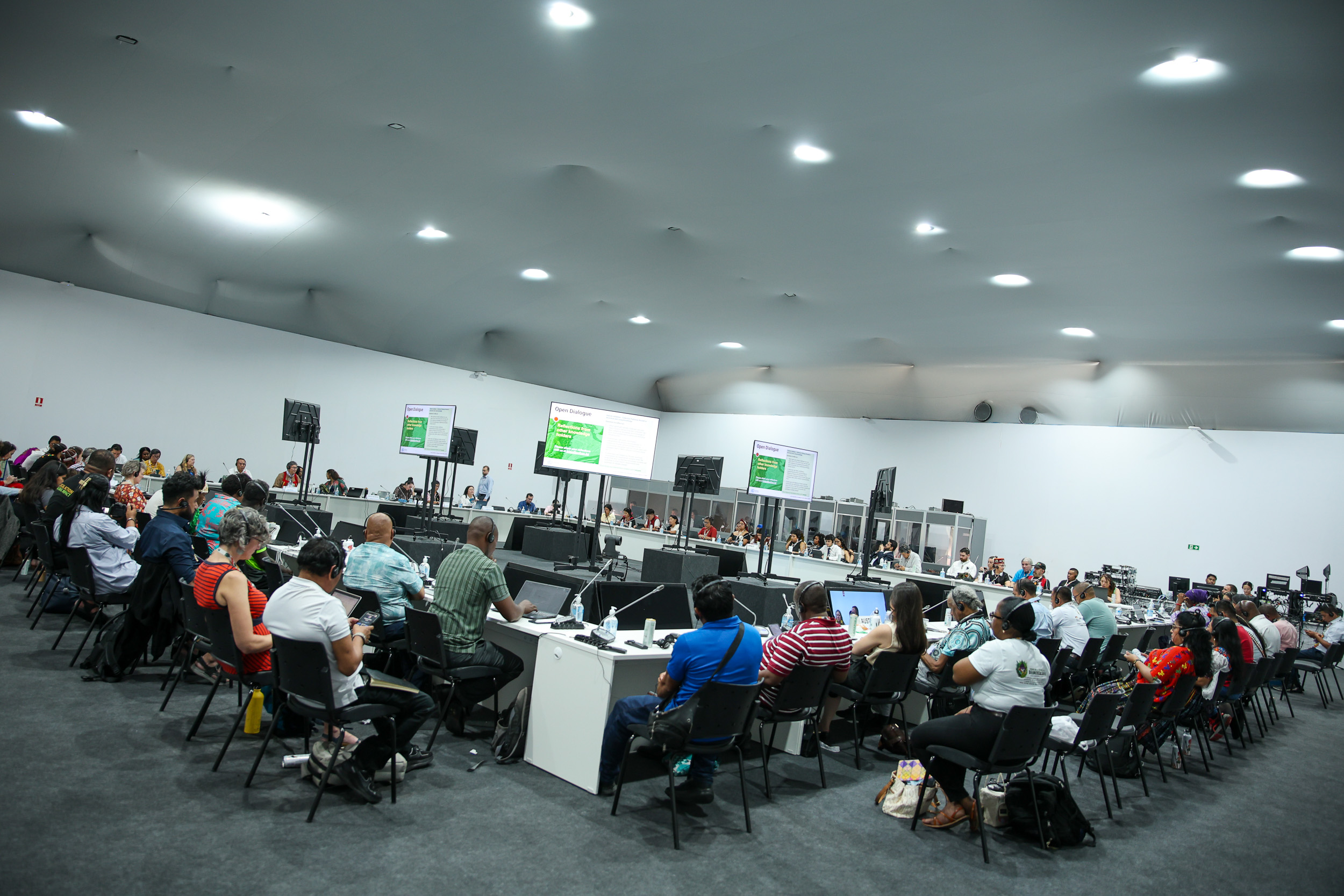
View of the room during the Fifth Annual Gathering of Knowledge Holders
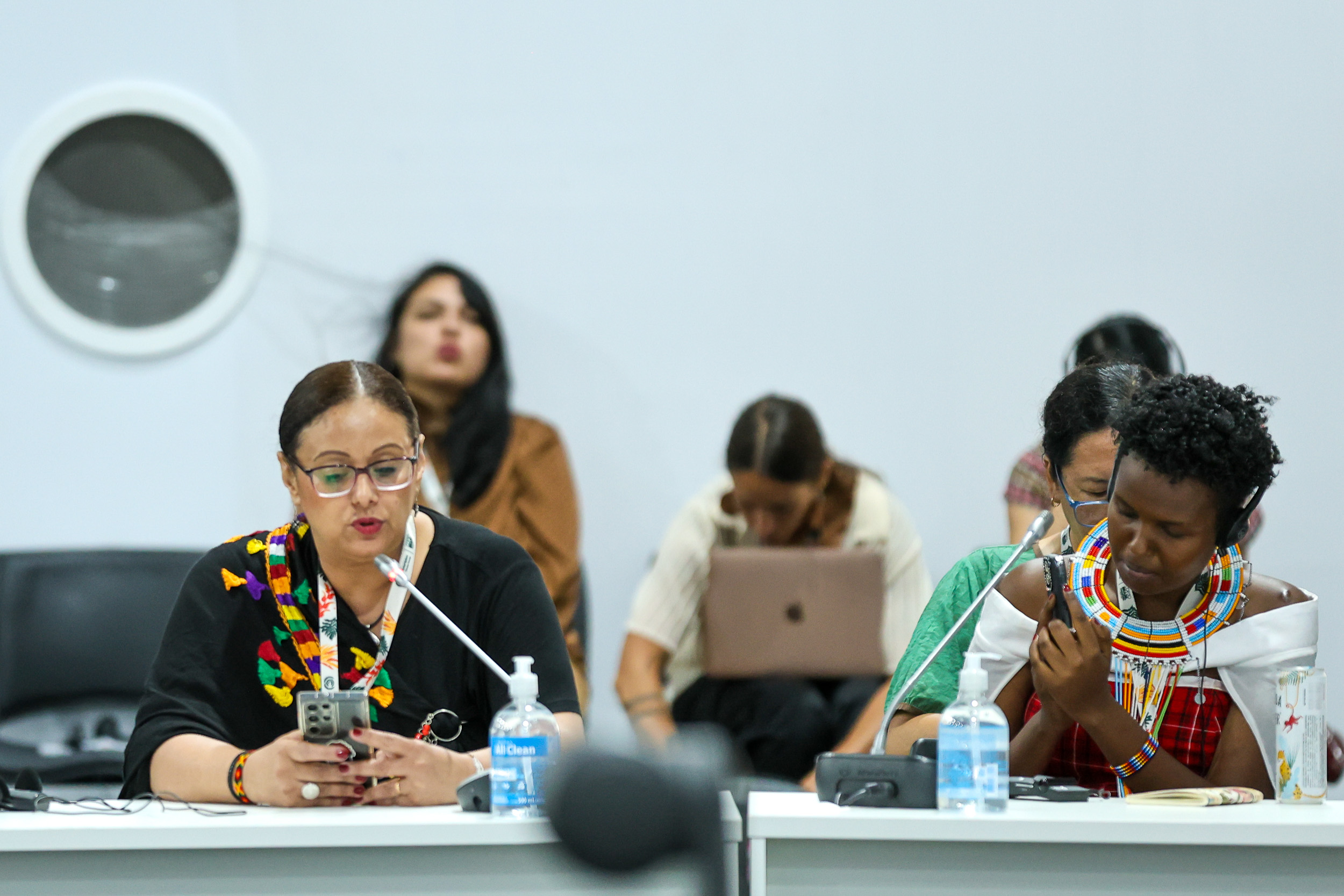
Amina Amharech, Indigenous Knowledge Holder, Morocco (left)
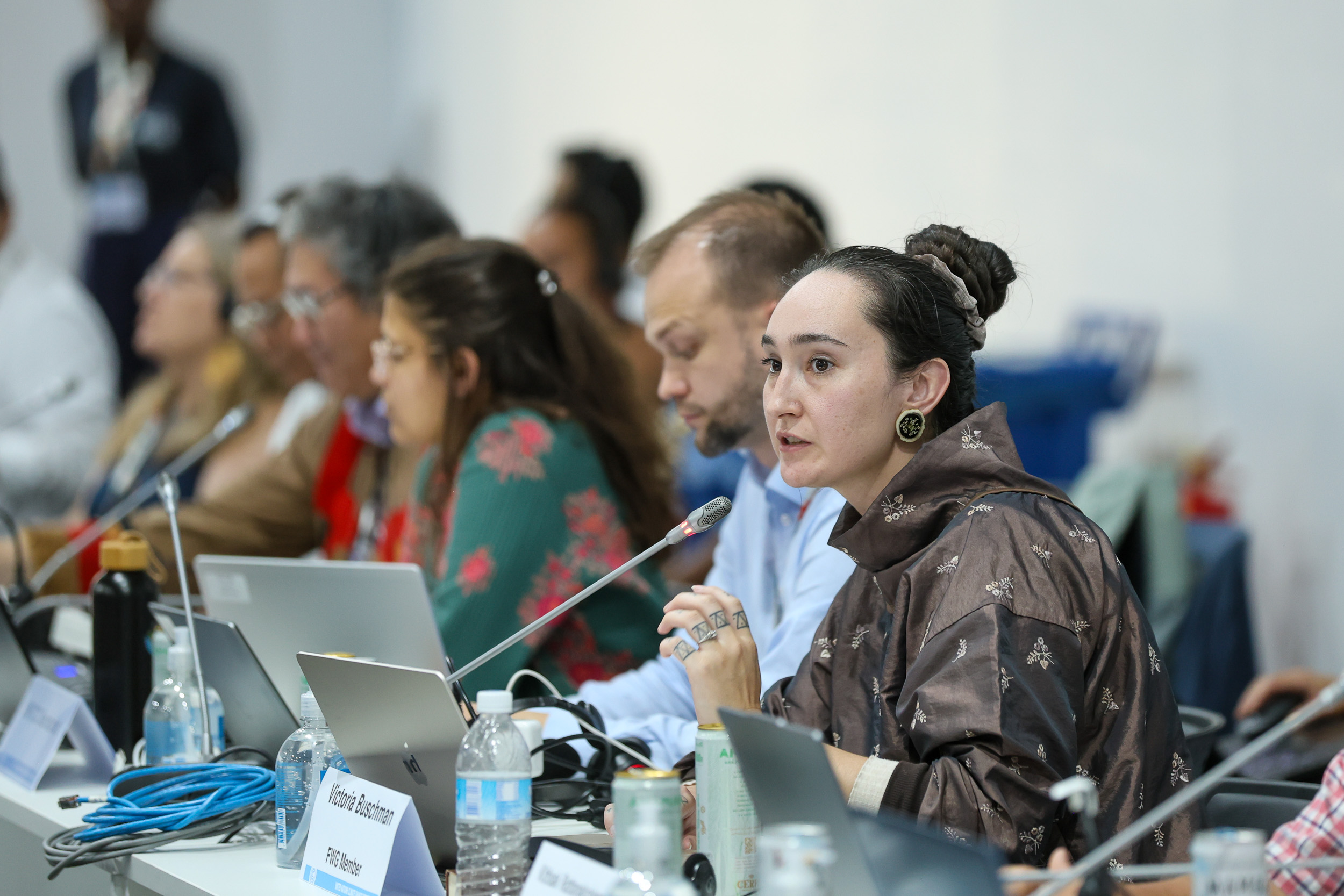
Victoria Buschman, Local Communities and Indigenous Peoples Platform (LCIPP) Facilitative Working Group Member
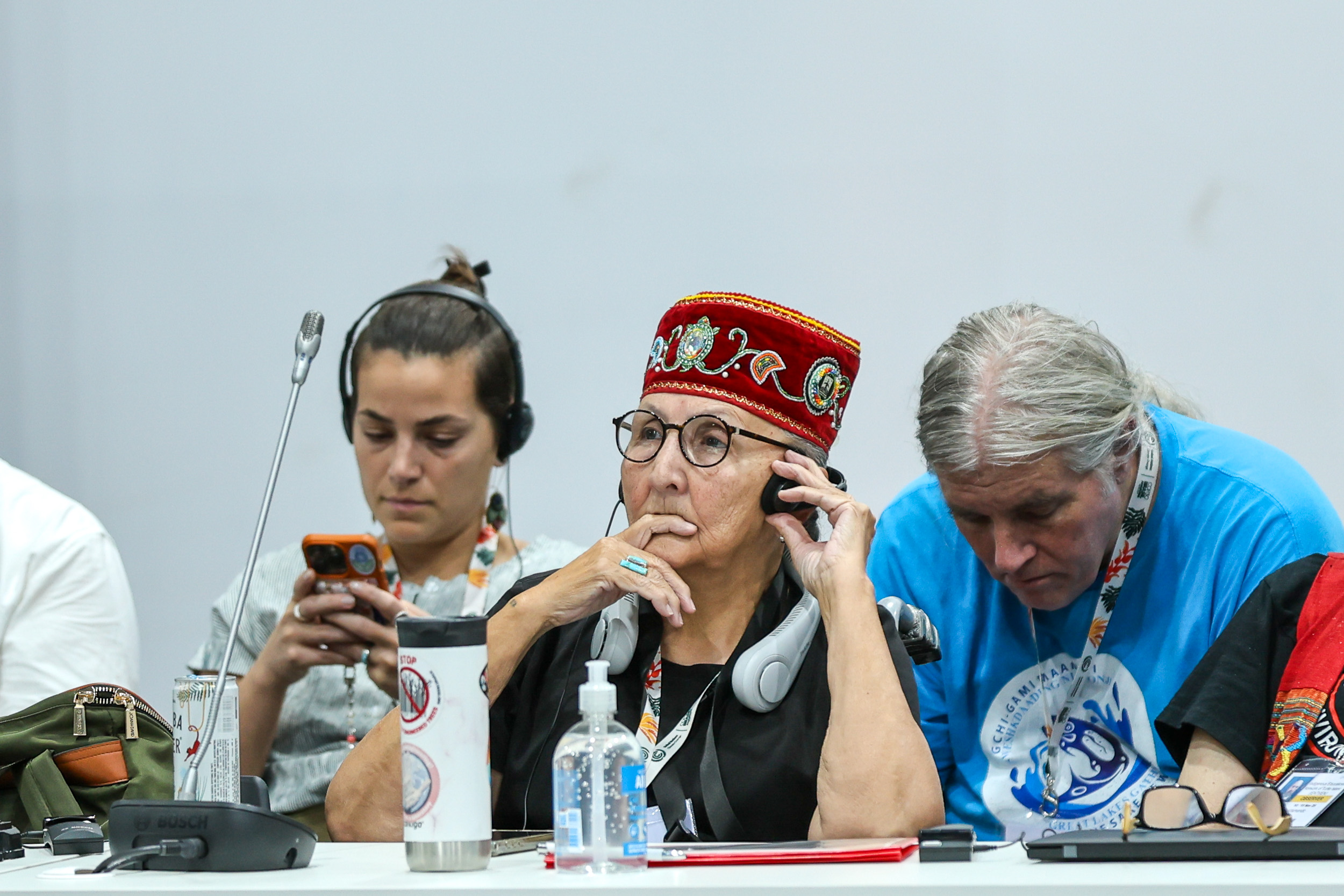
Great-Grandmother Mary Lyons, Ojibwe Elder
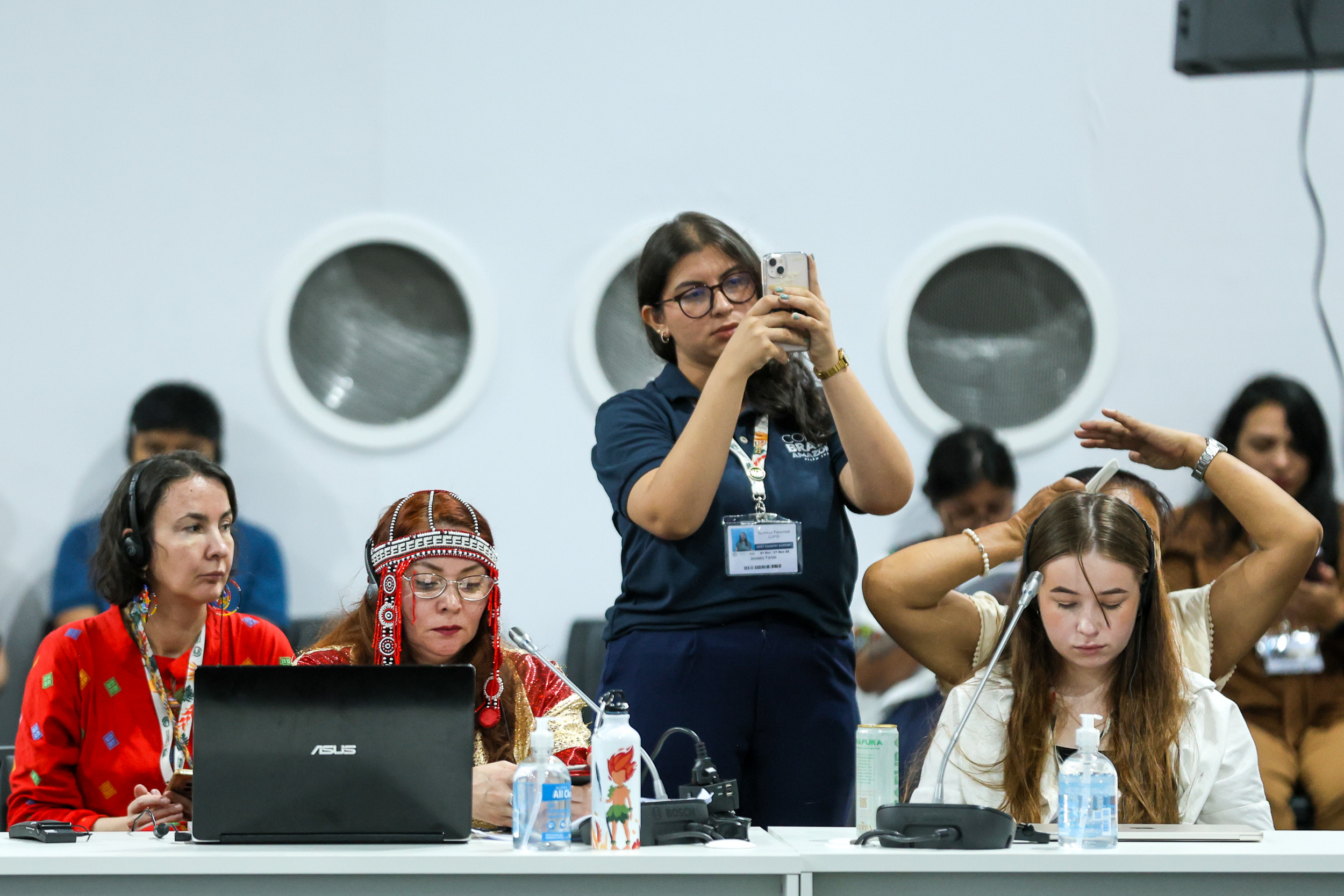
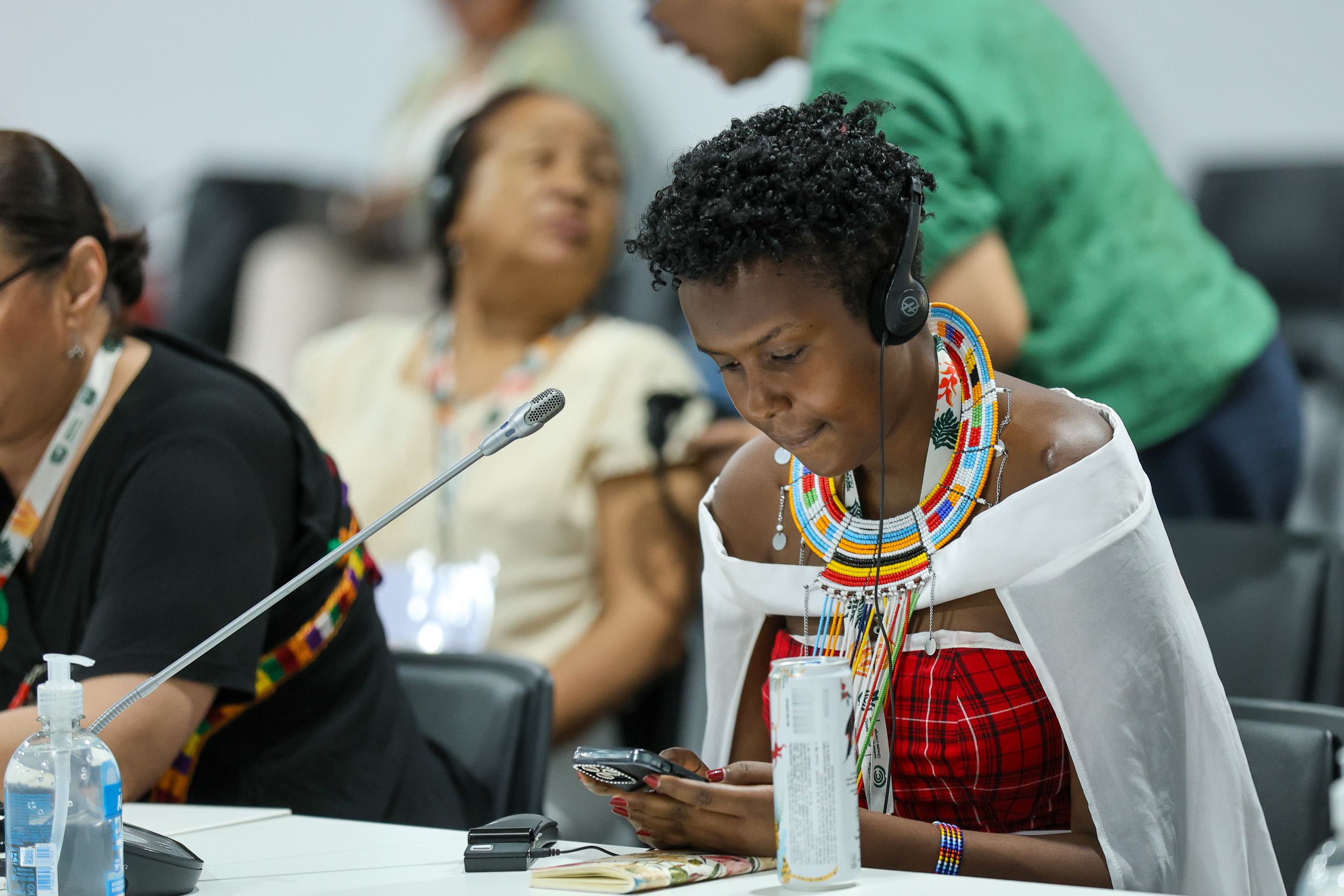
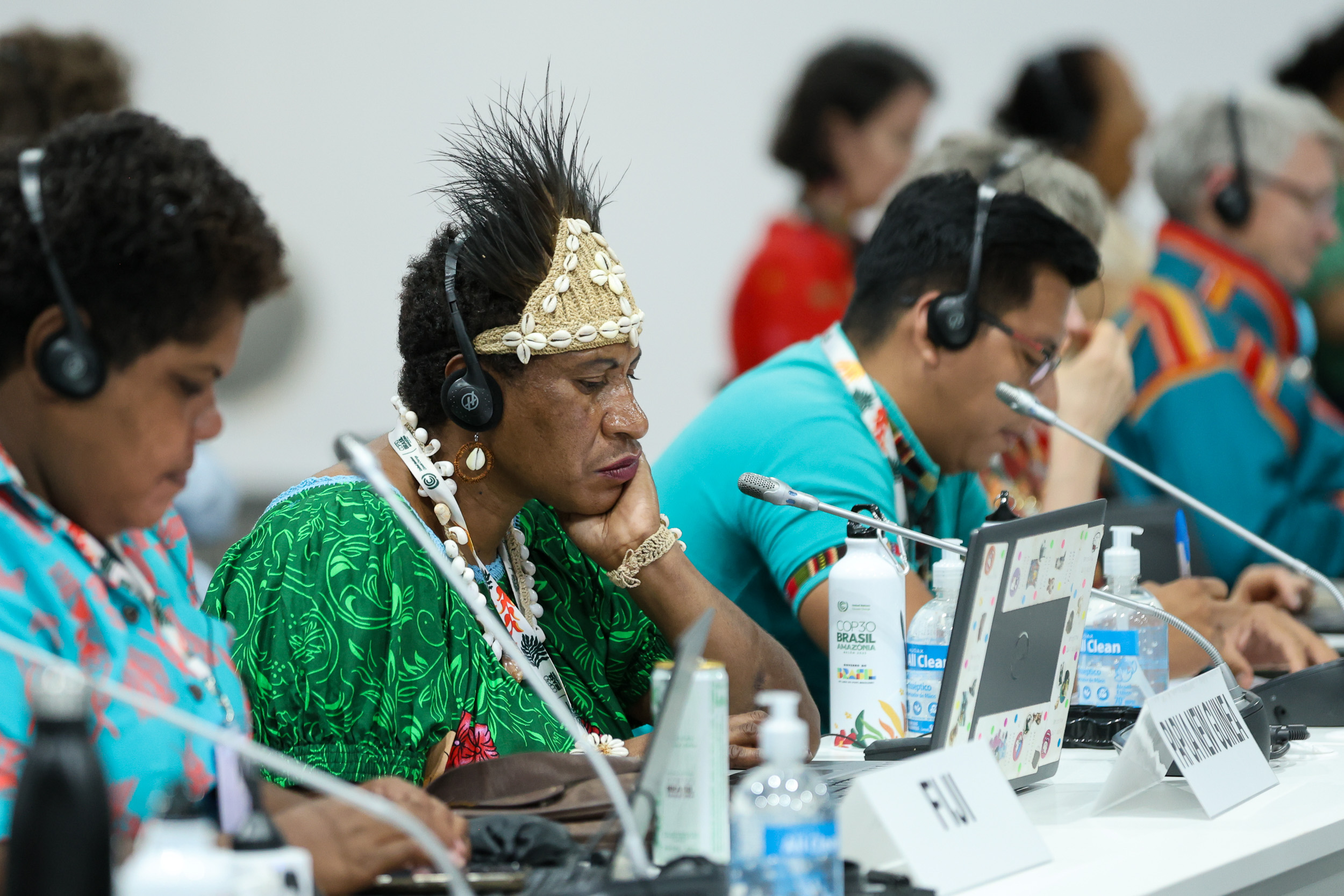
Contact Groups and Informal Consultations
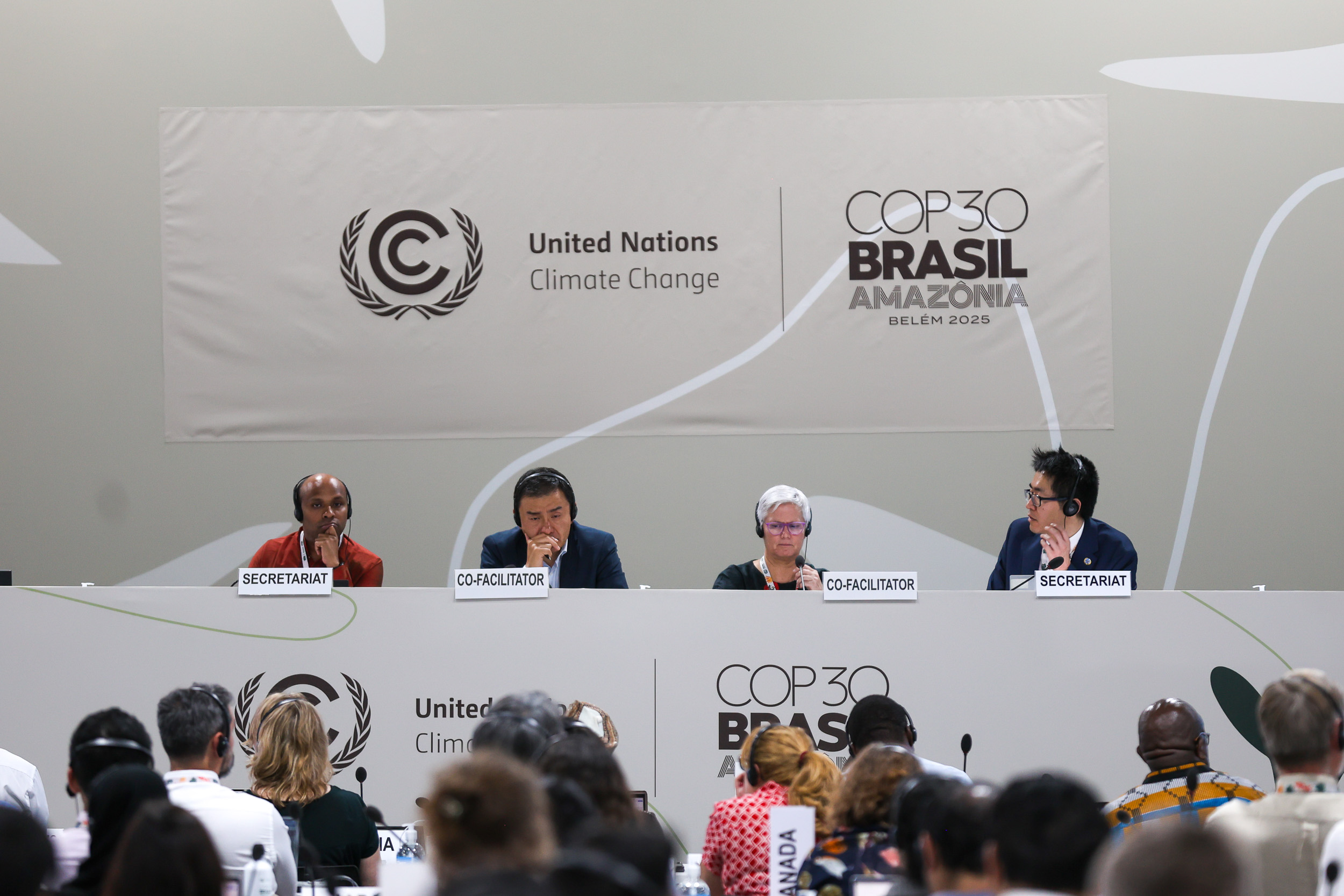
View of the dais during informal consultations on the Paris Agreement Article 6.4 mechanism
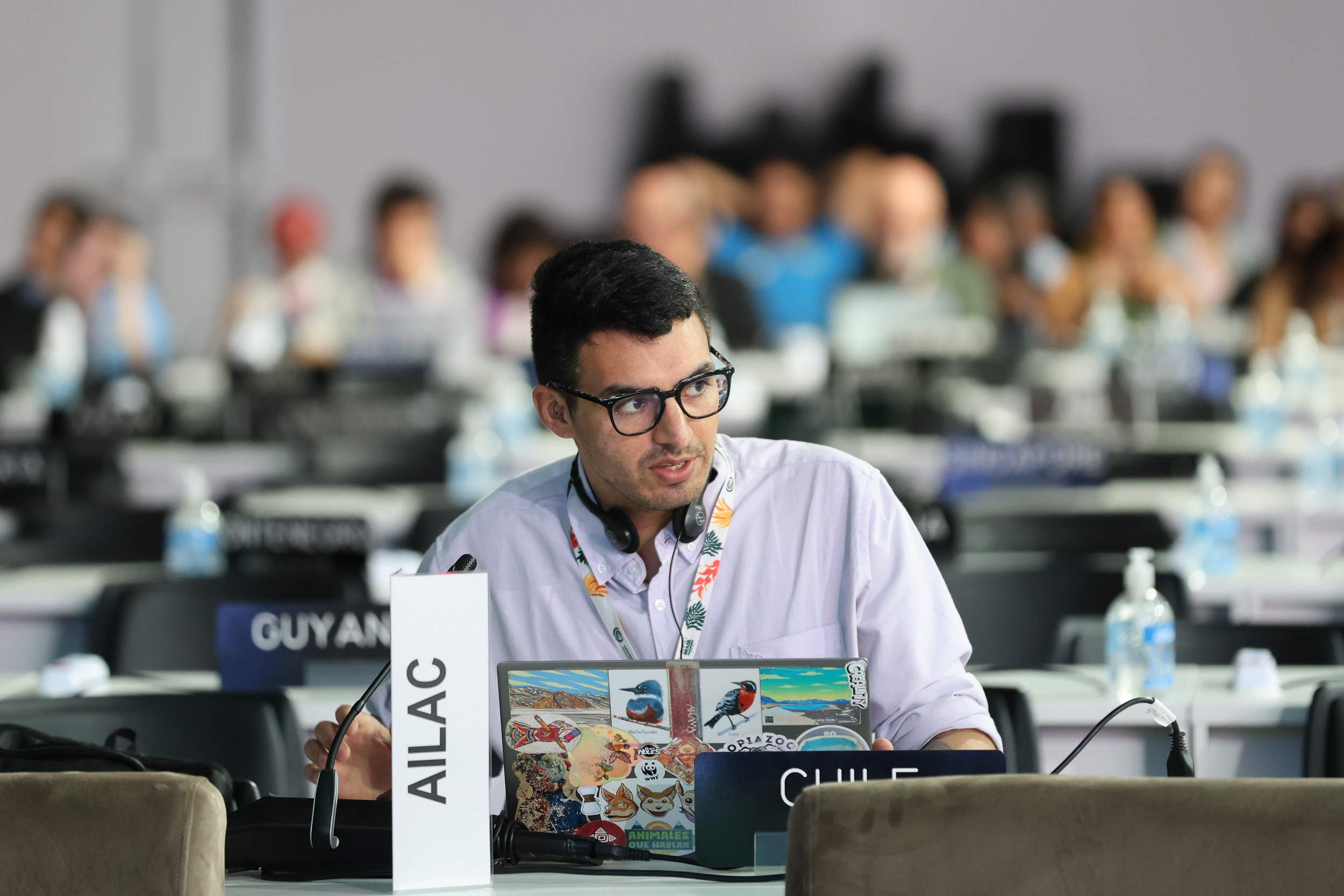
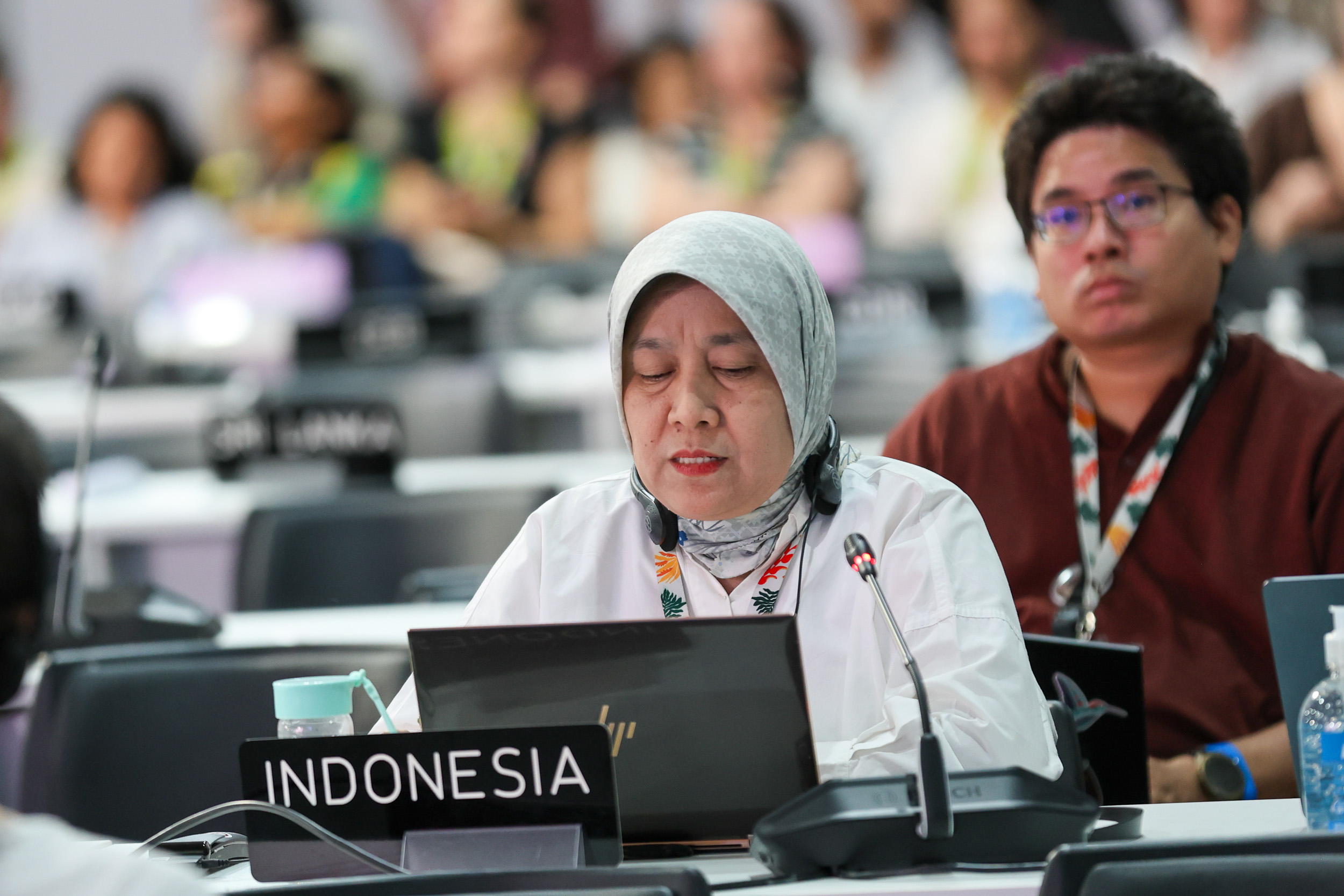
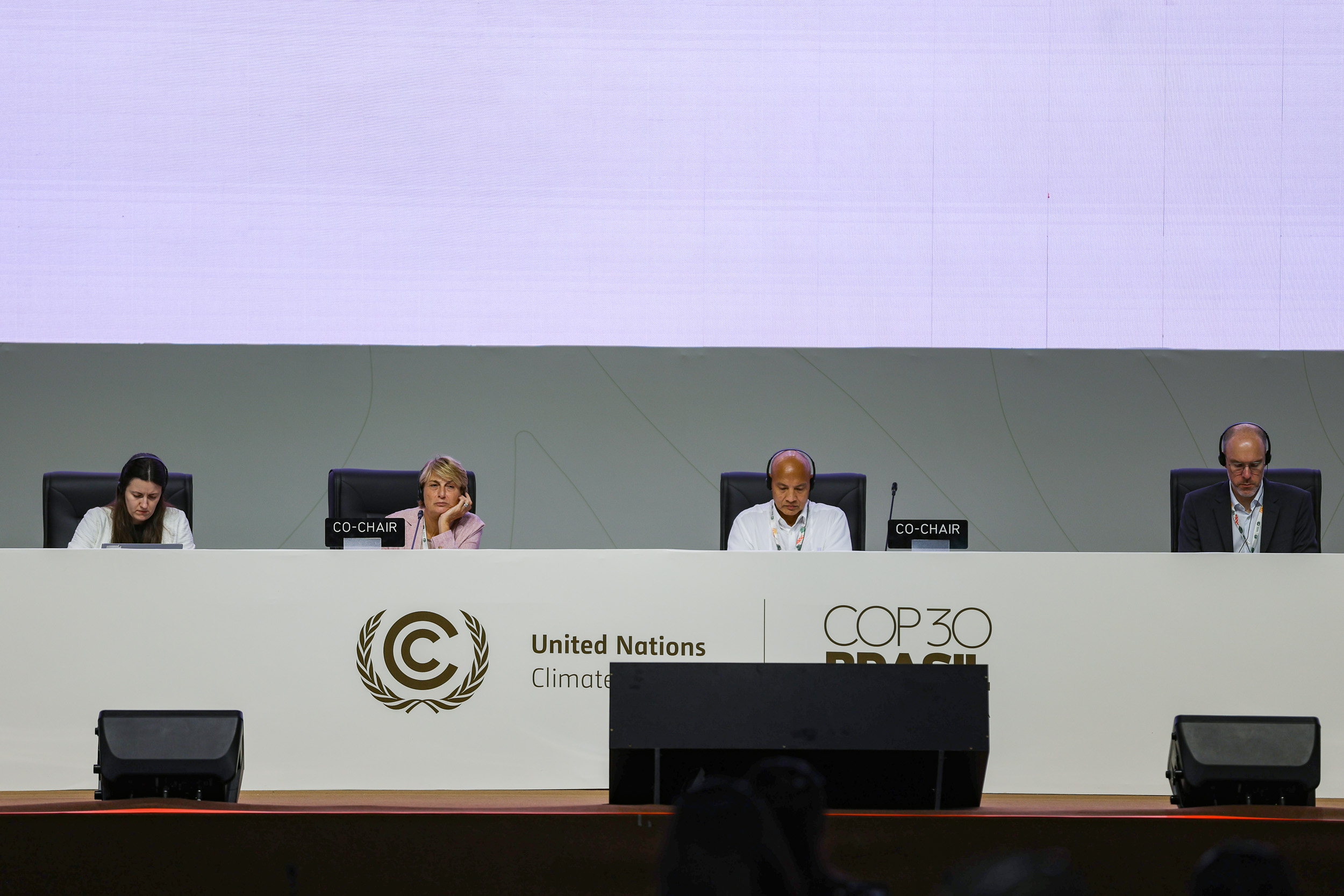
View of the dais during the contact group on the just transition work programme
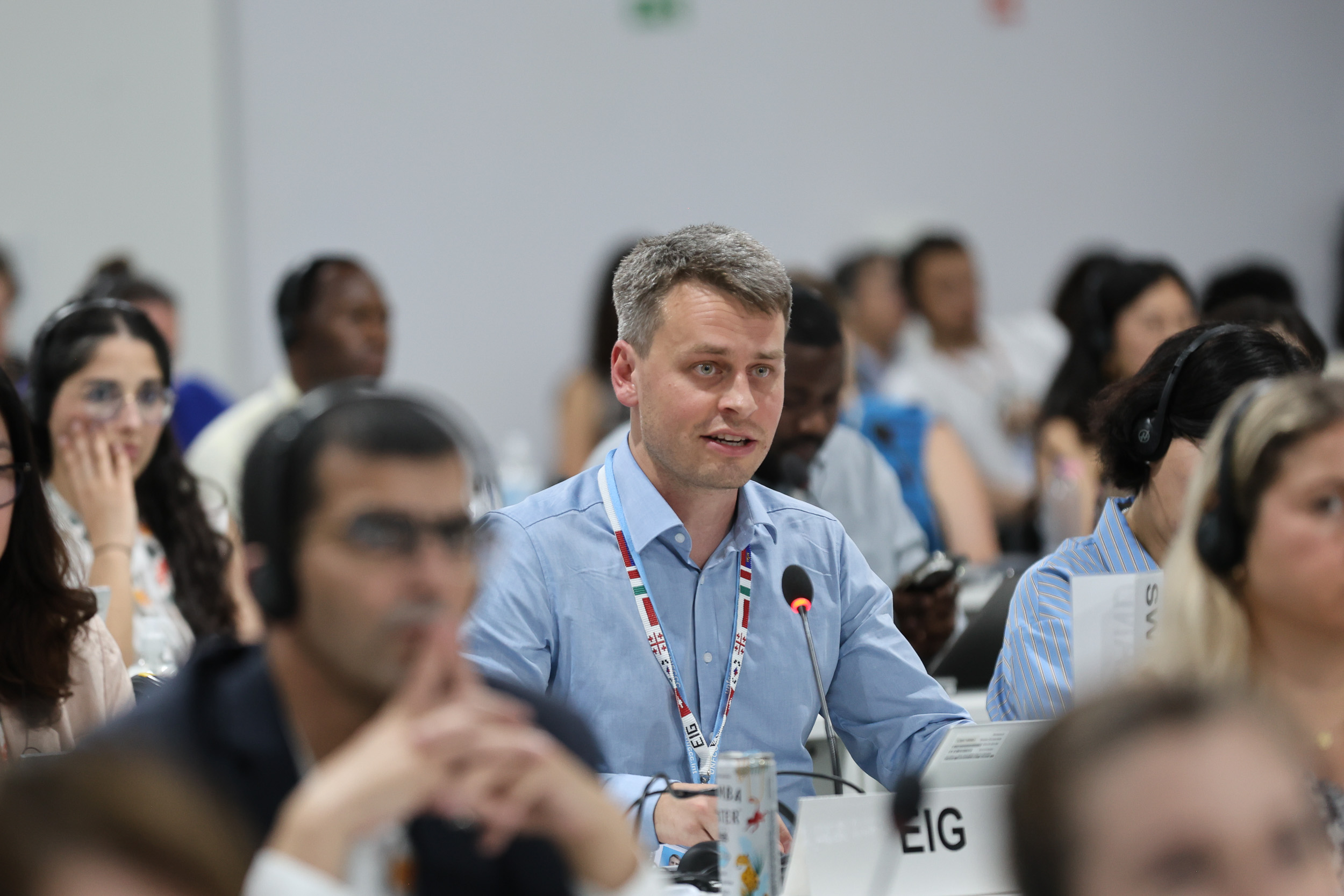
Simon Fellermeyer, Switzerland
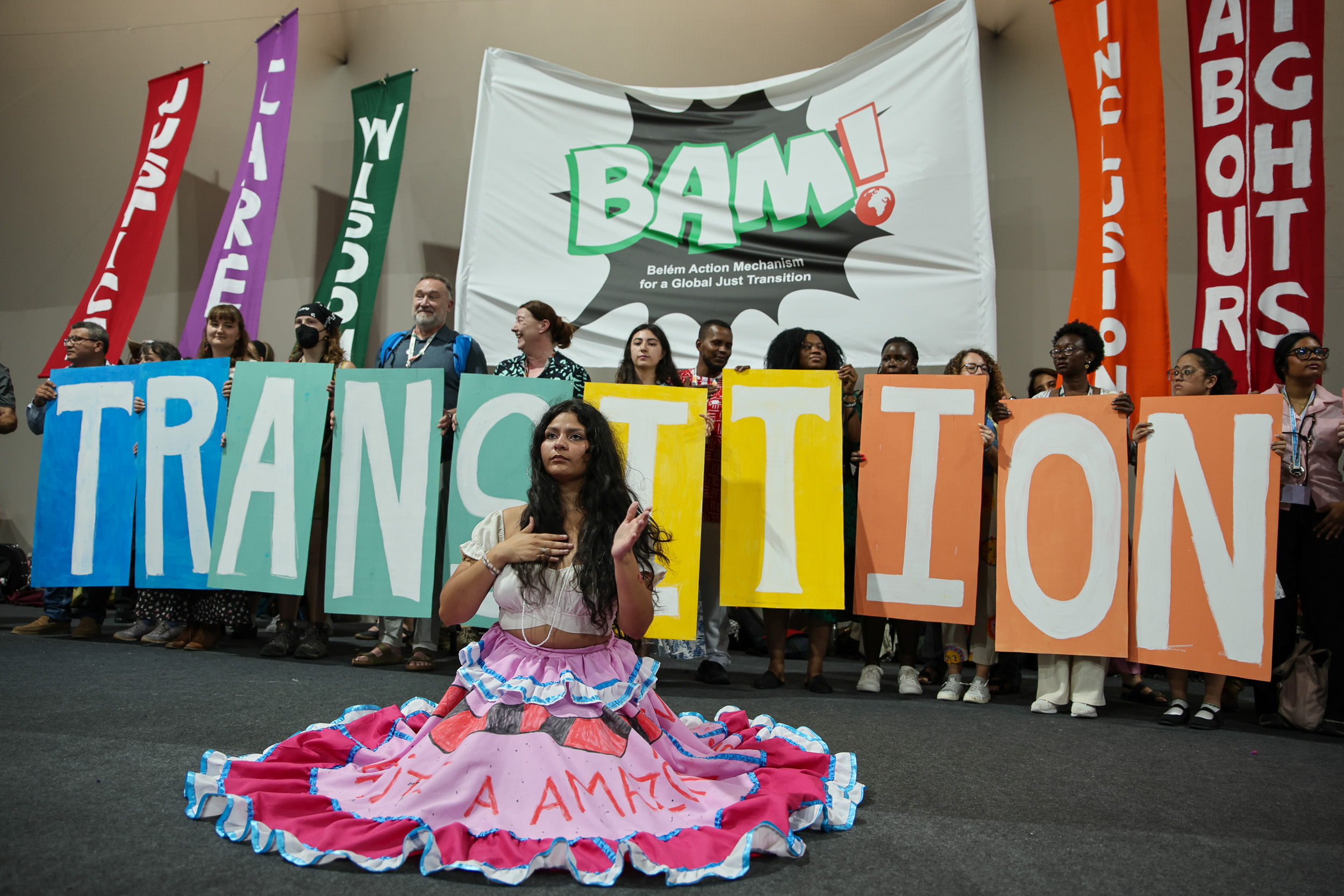
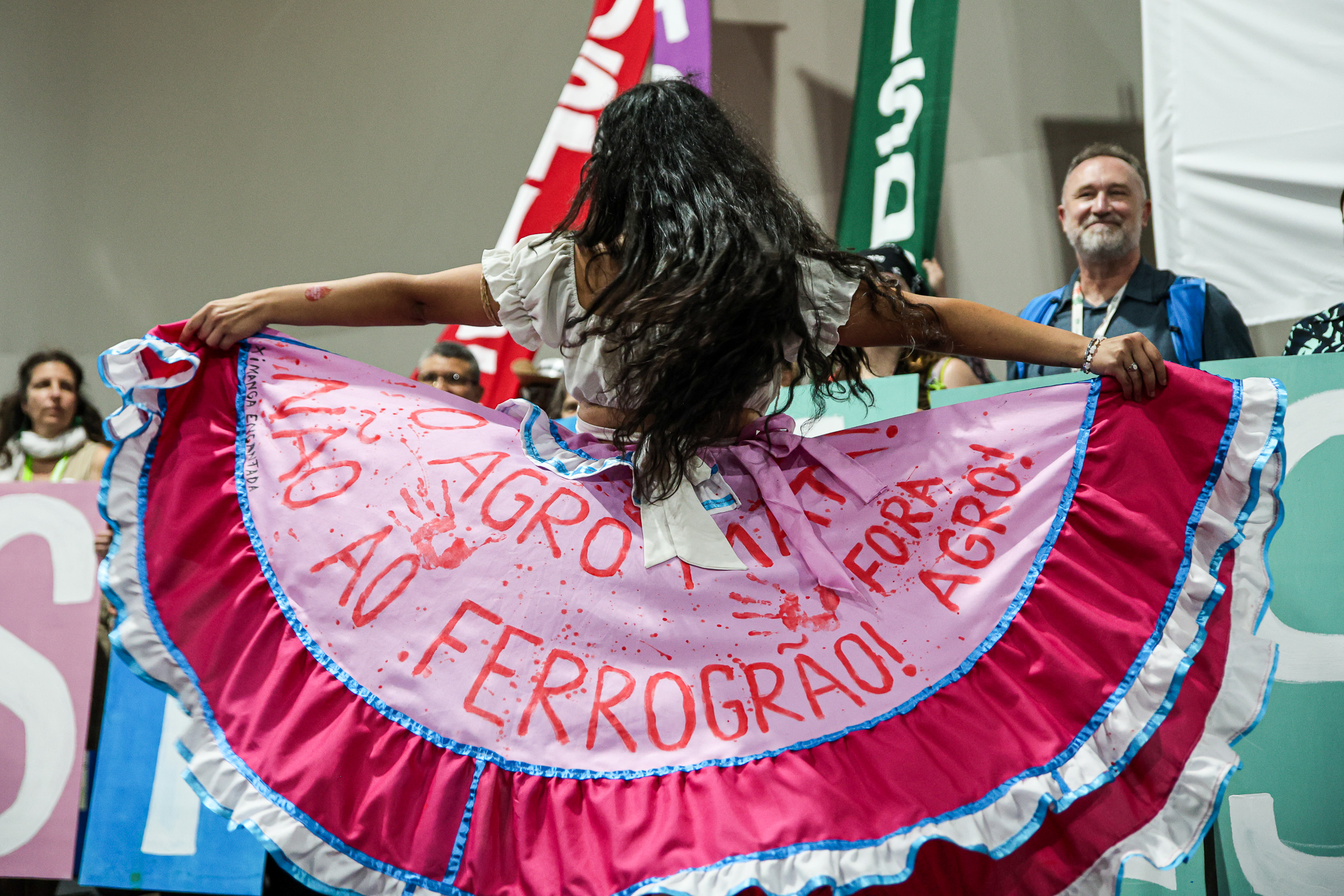
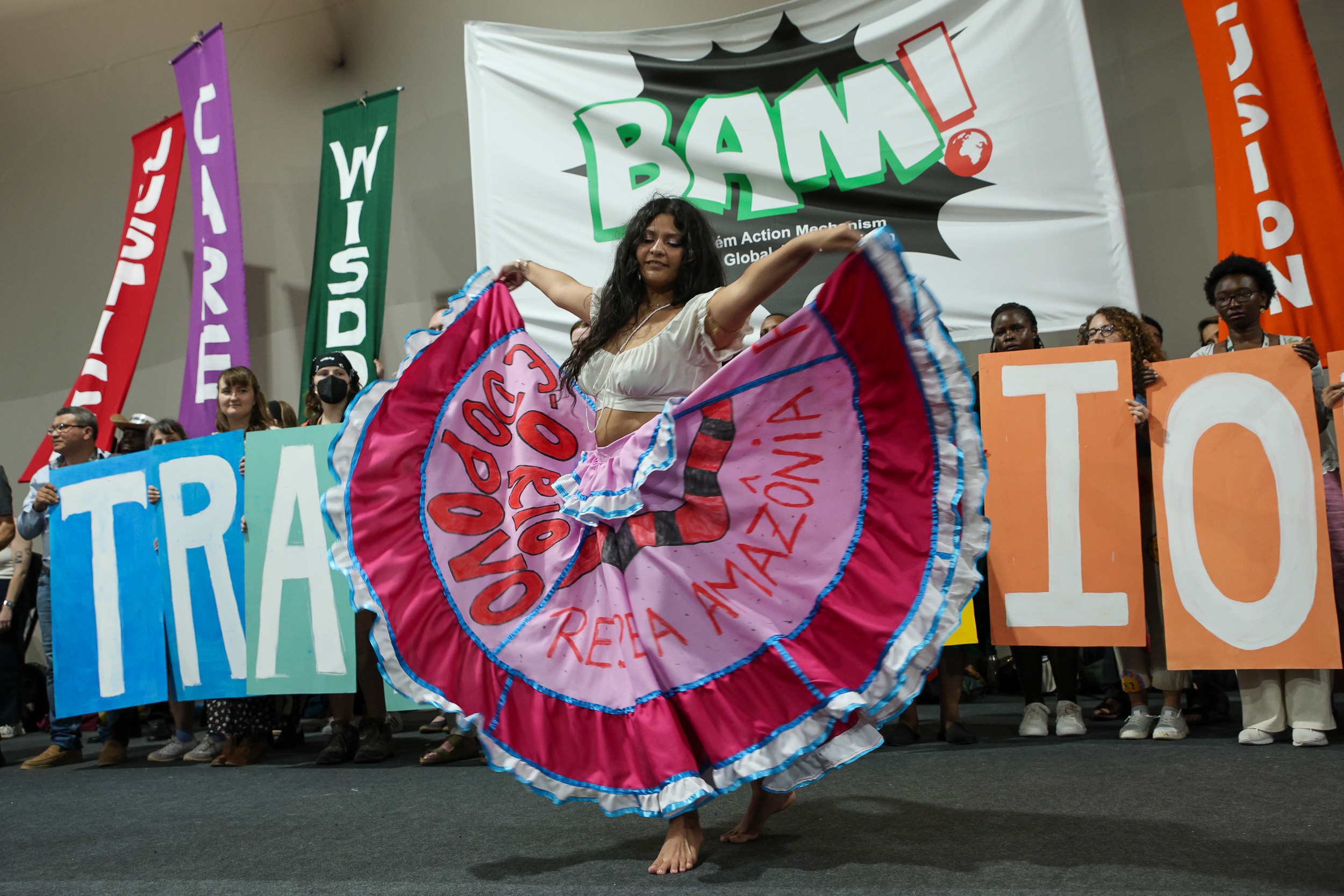
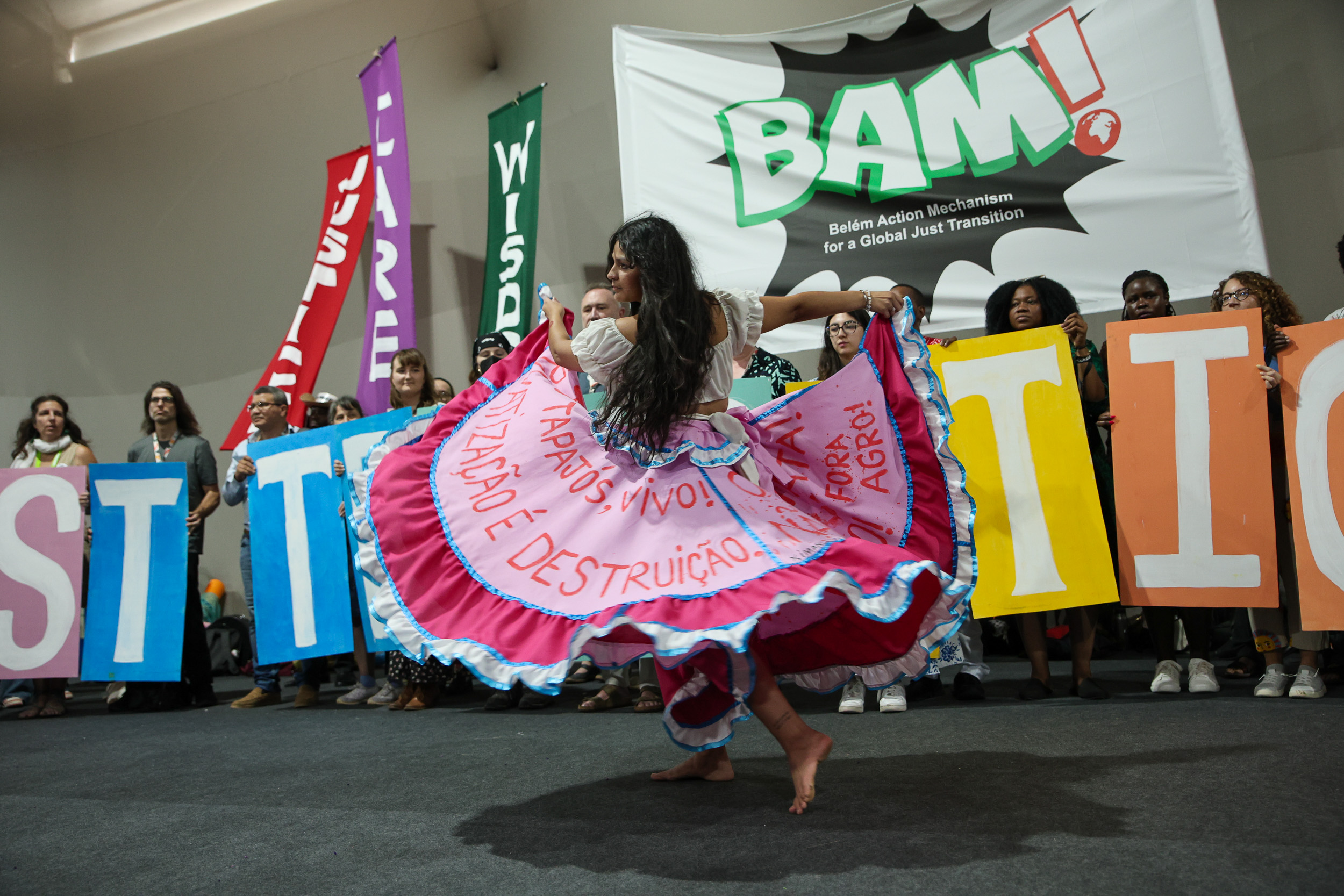
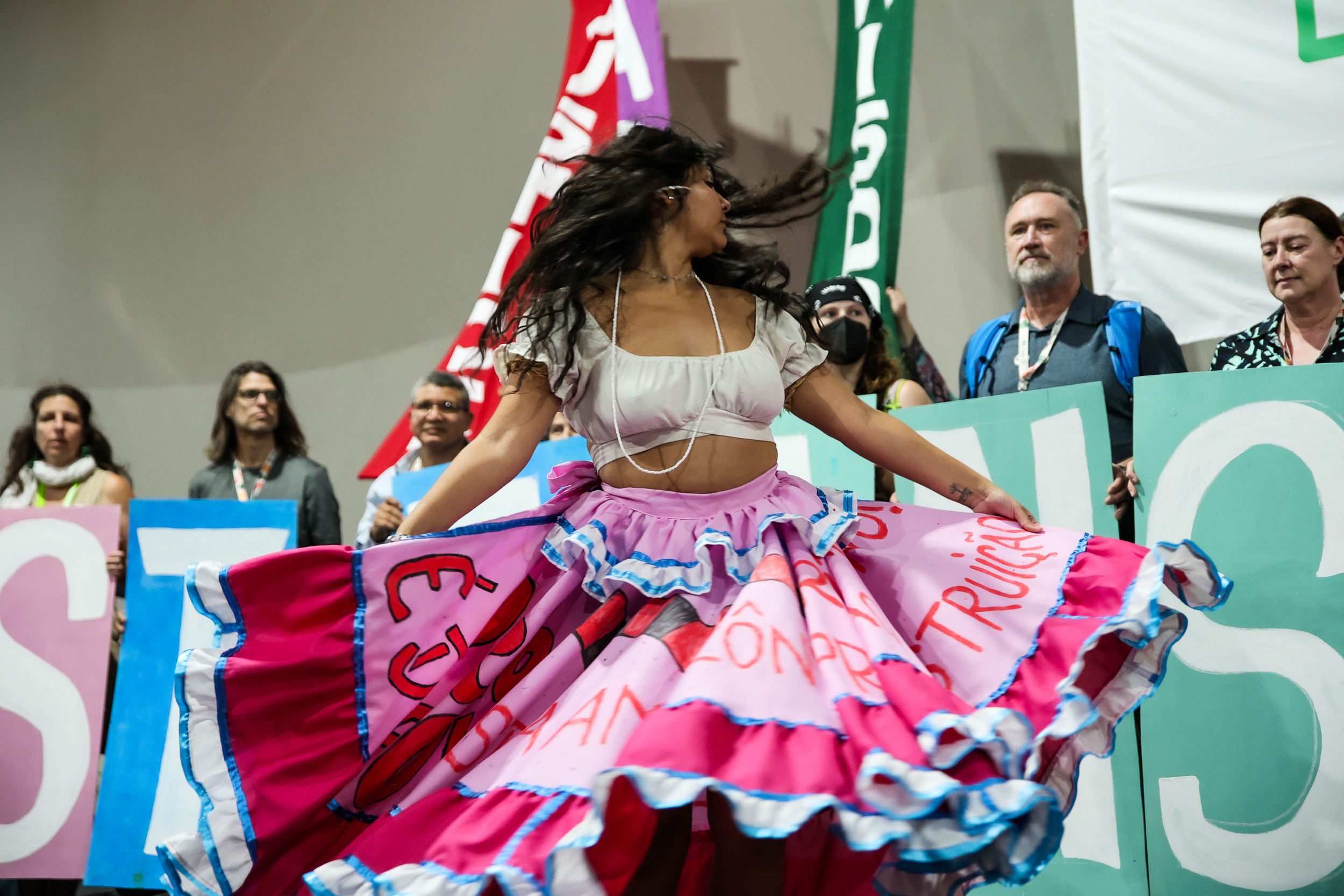
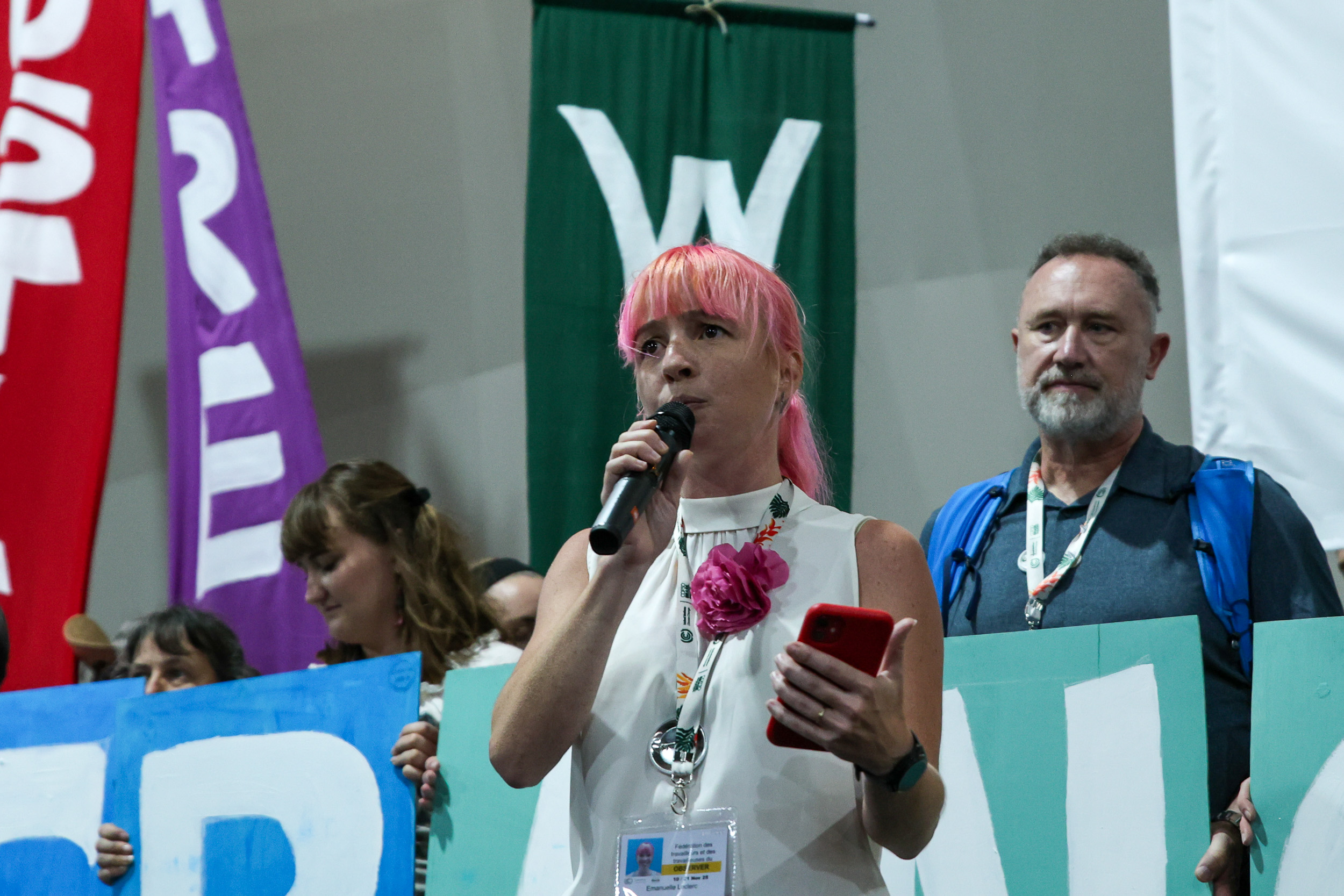
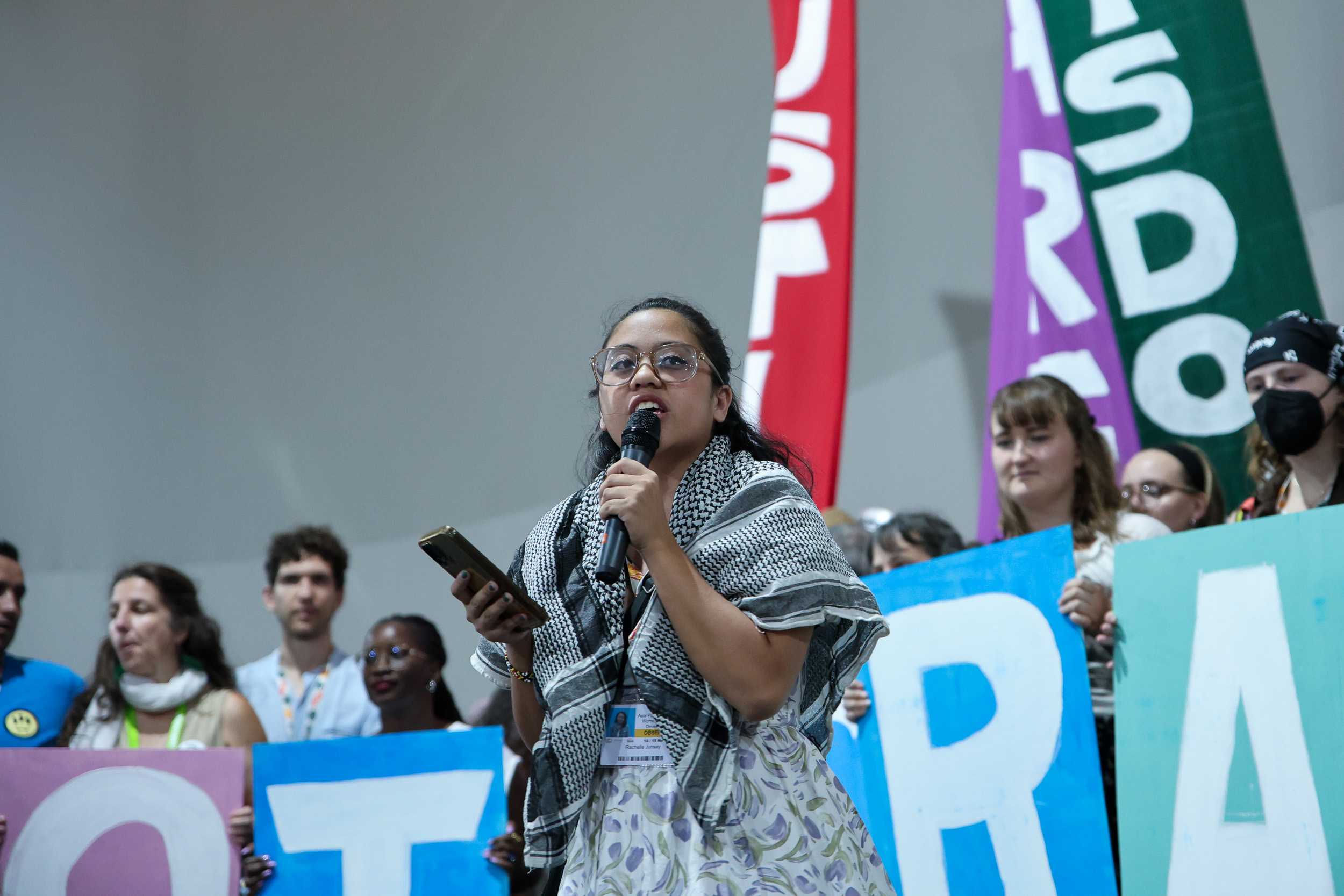
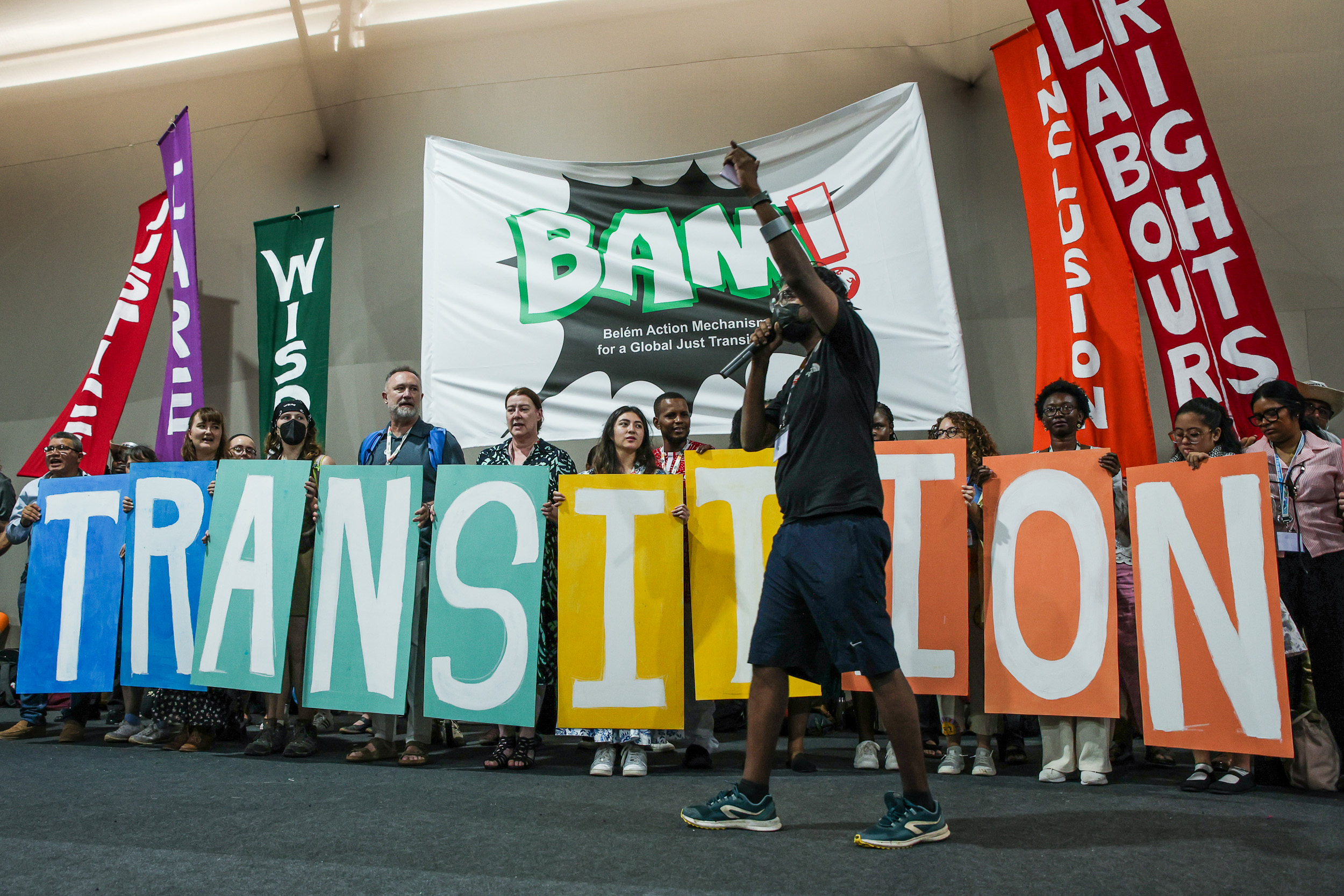
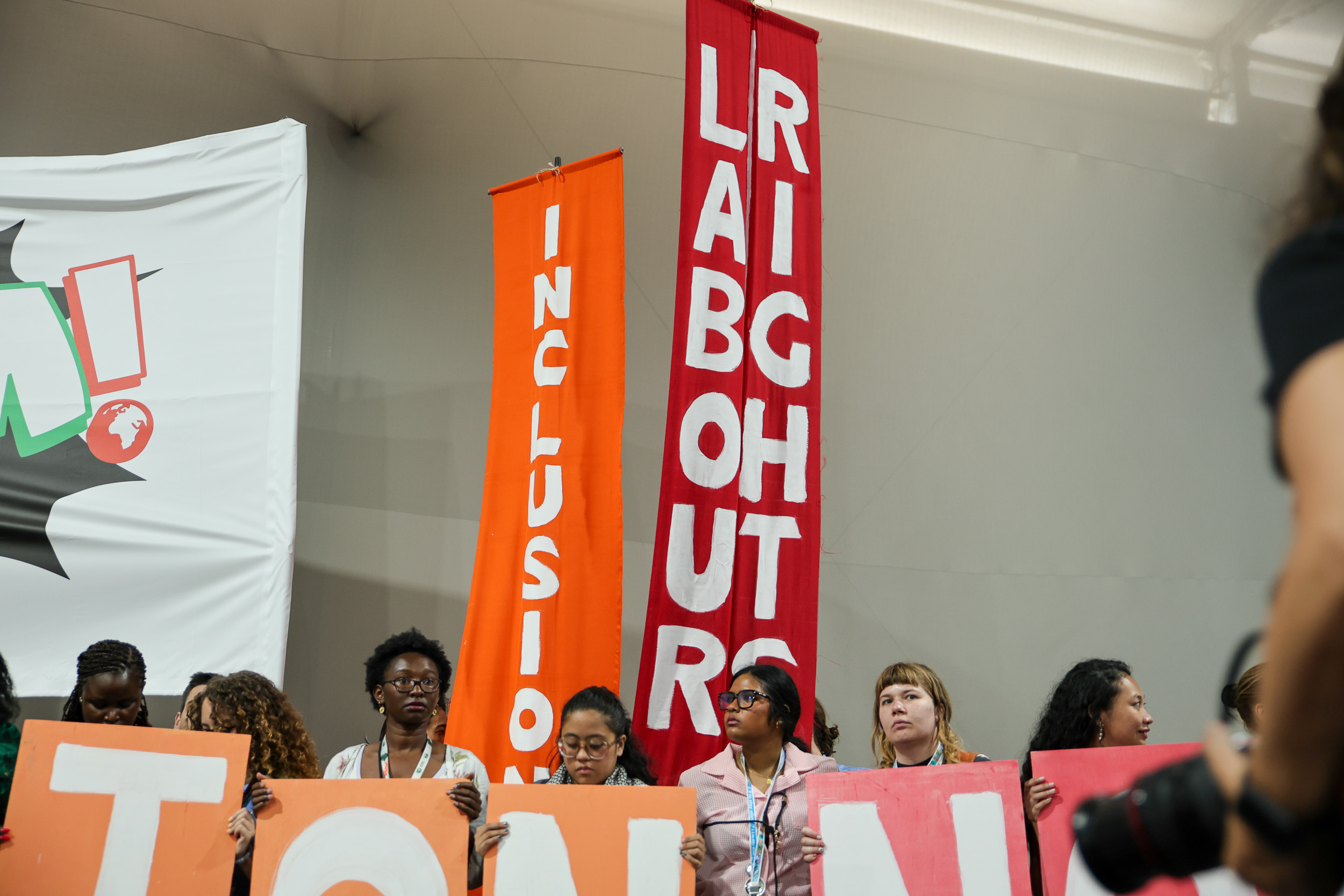
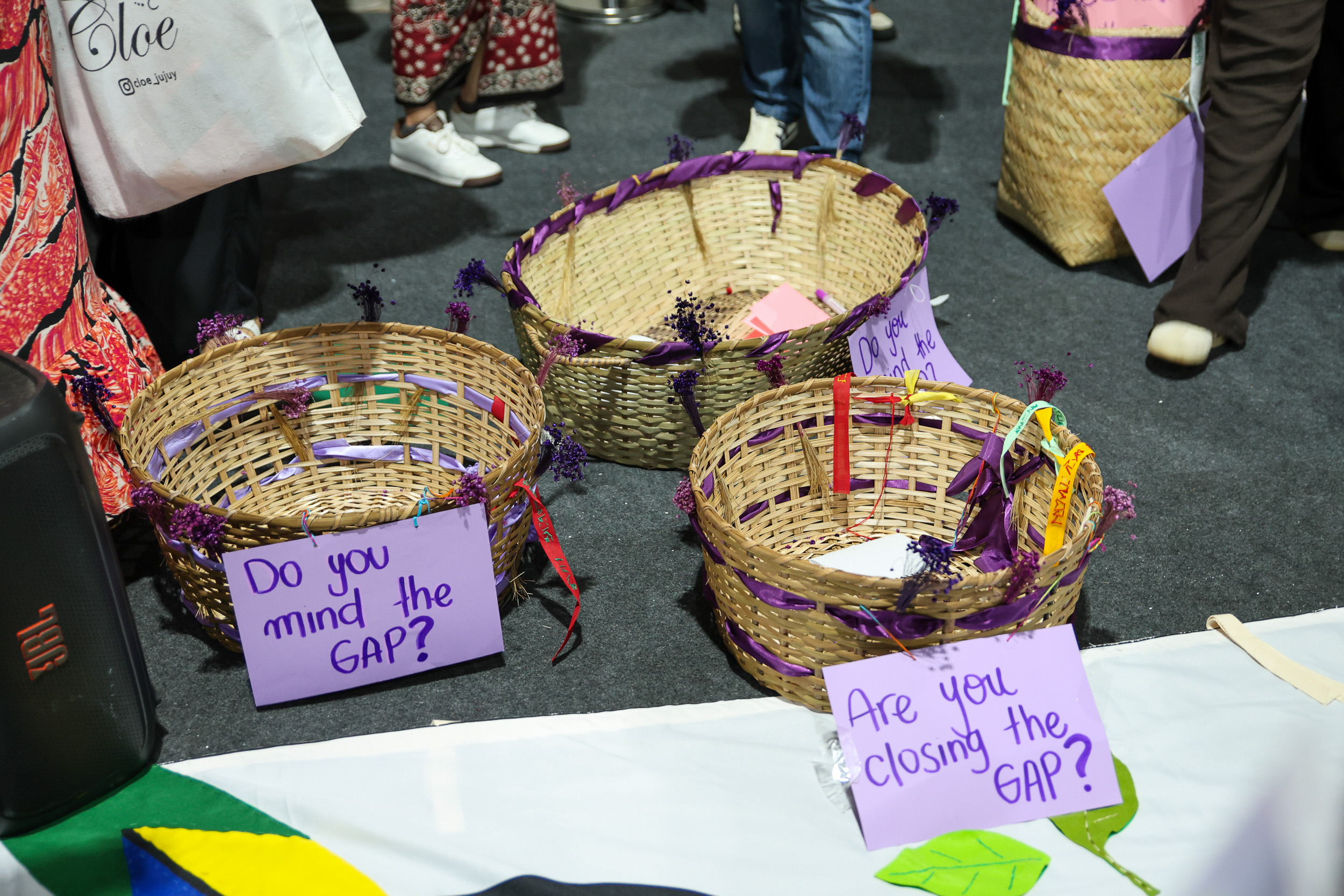
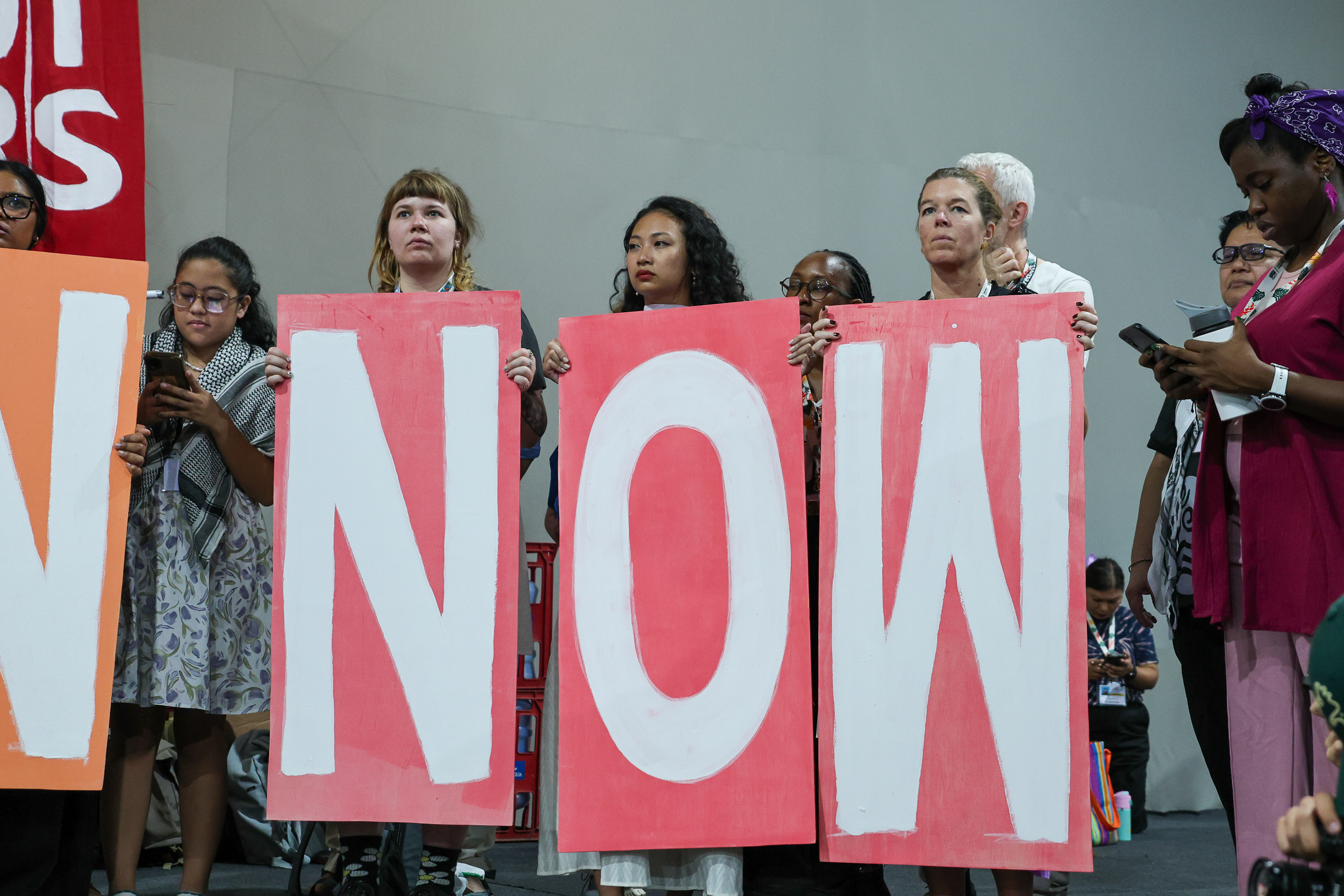
Climate Actions
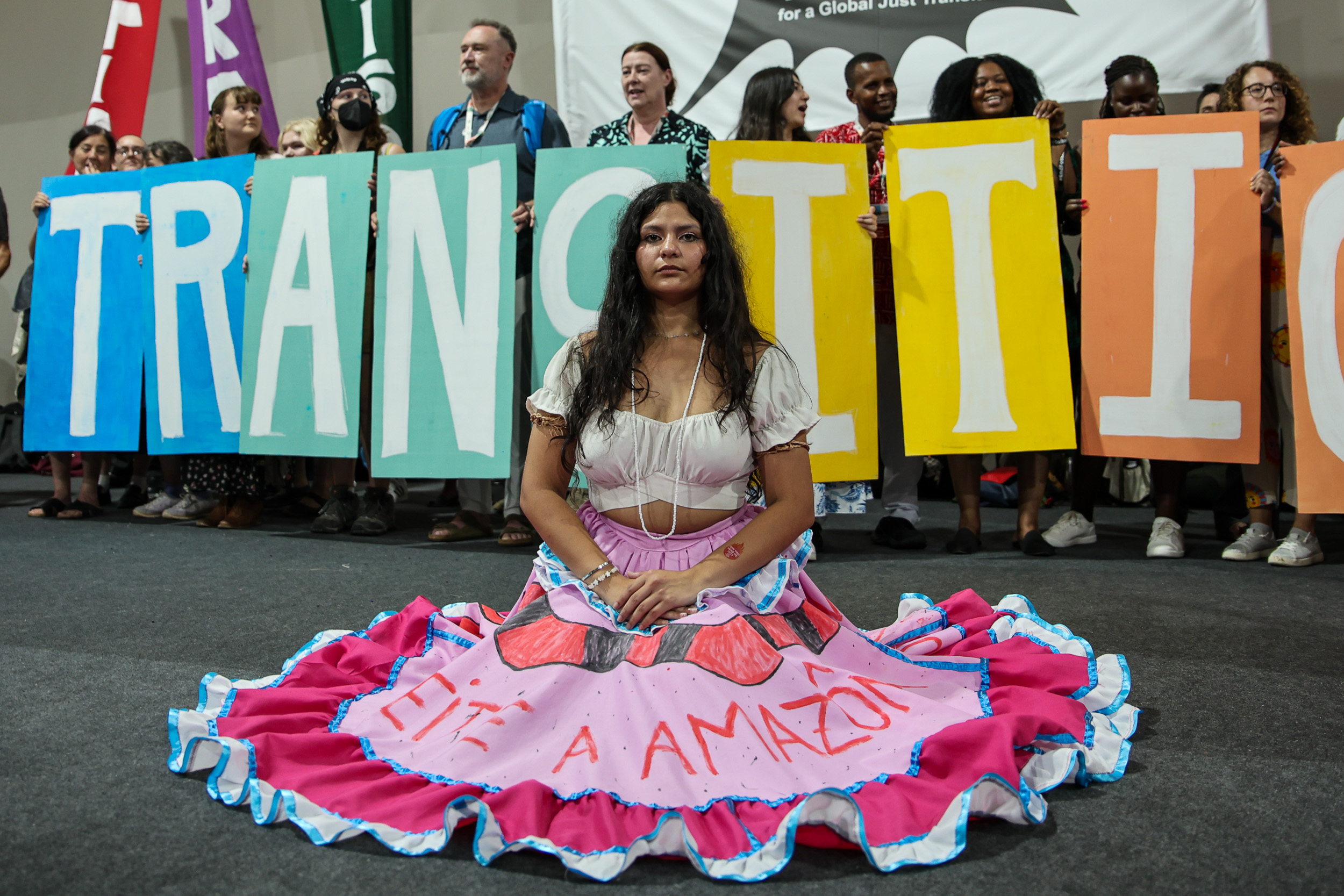
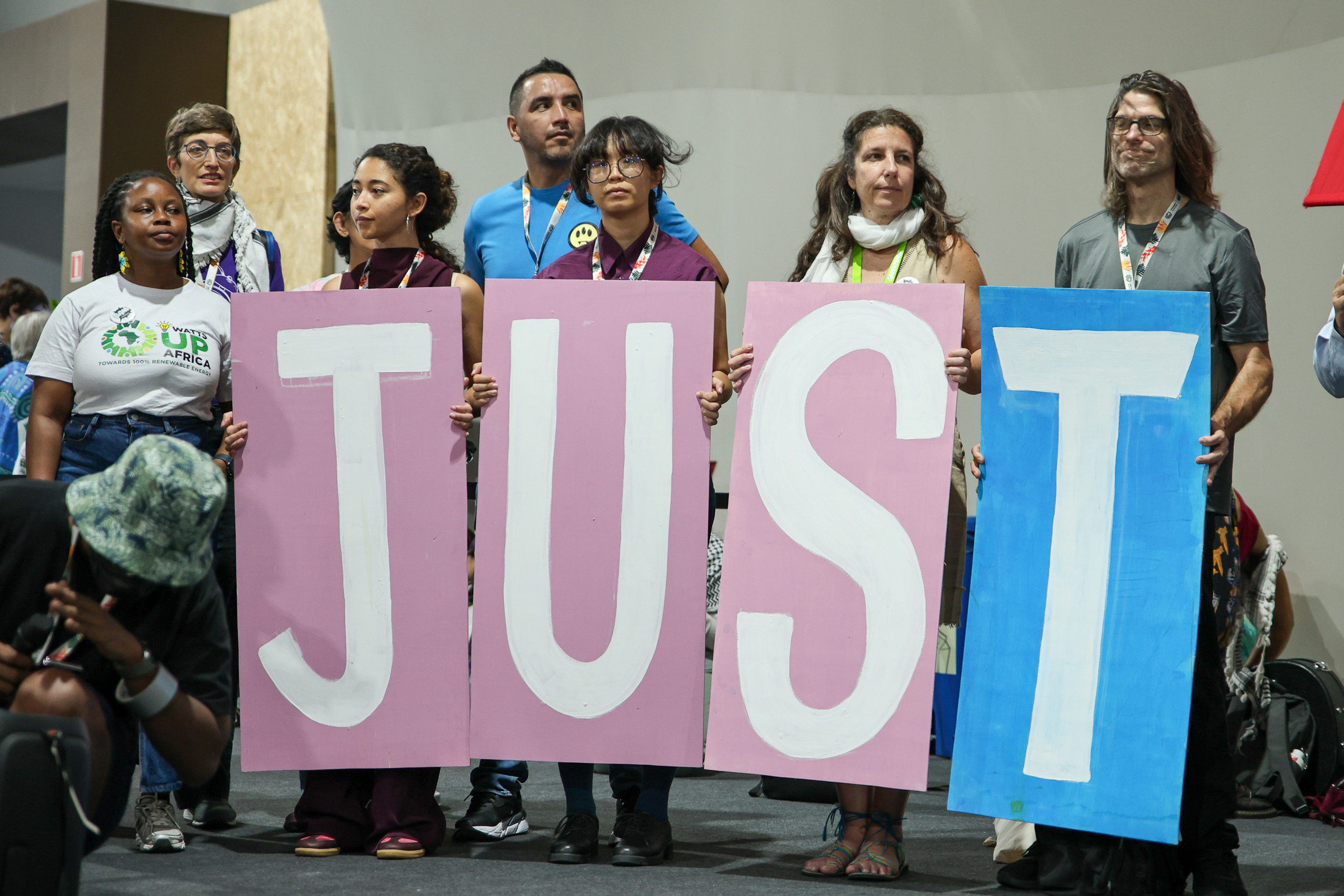
Around the Venue
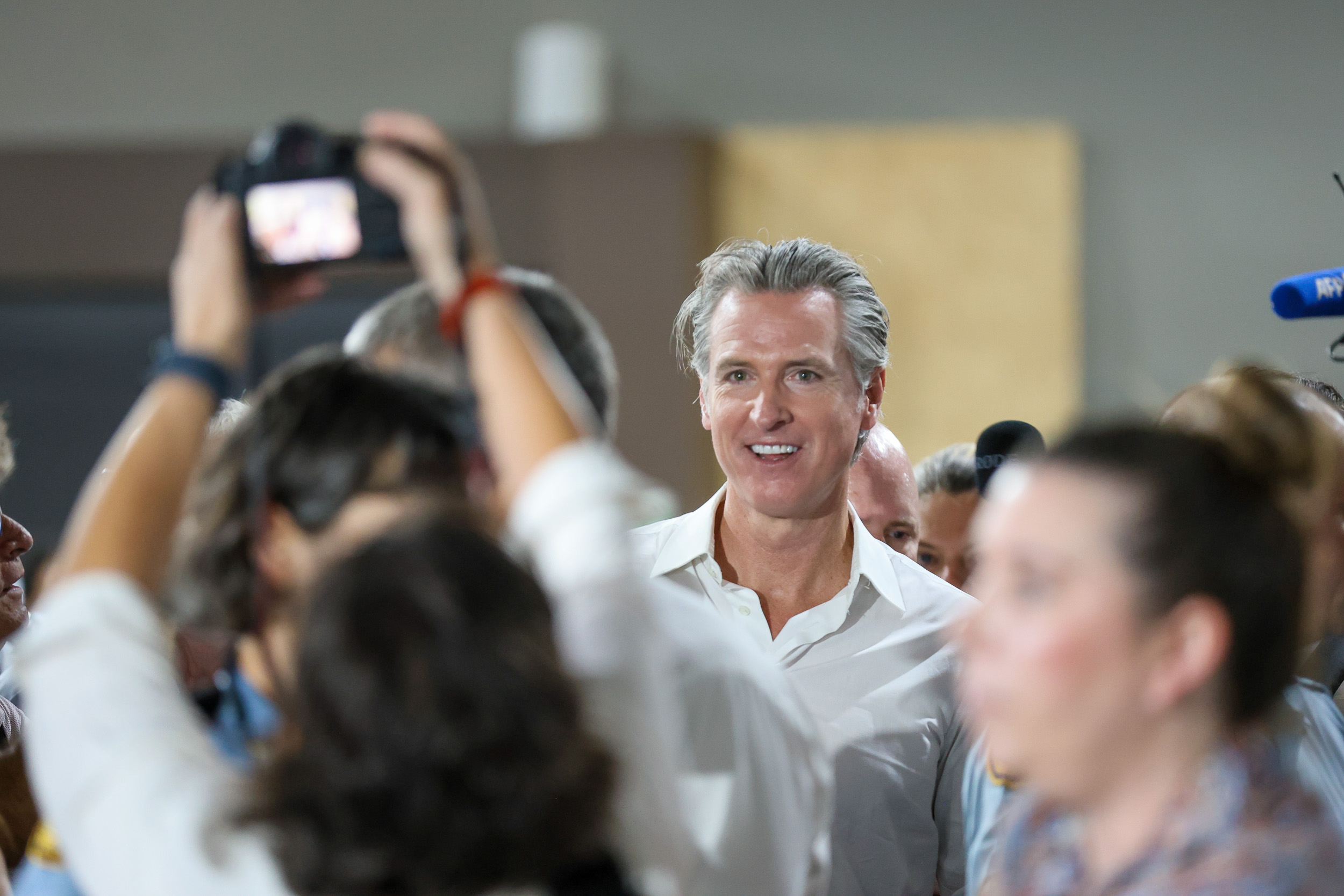
Gavin Newsom, Governor of California, US