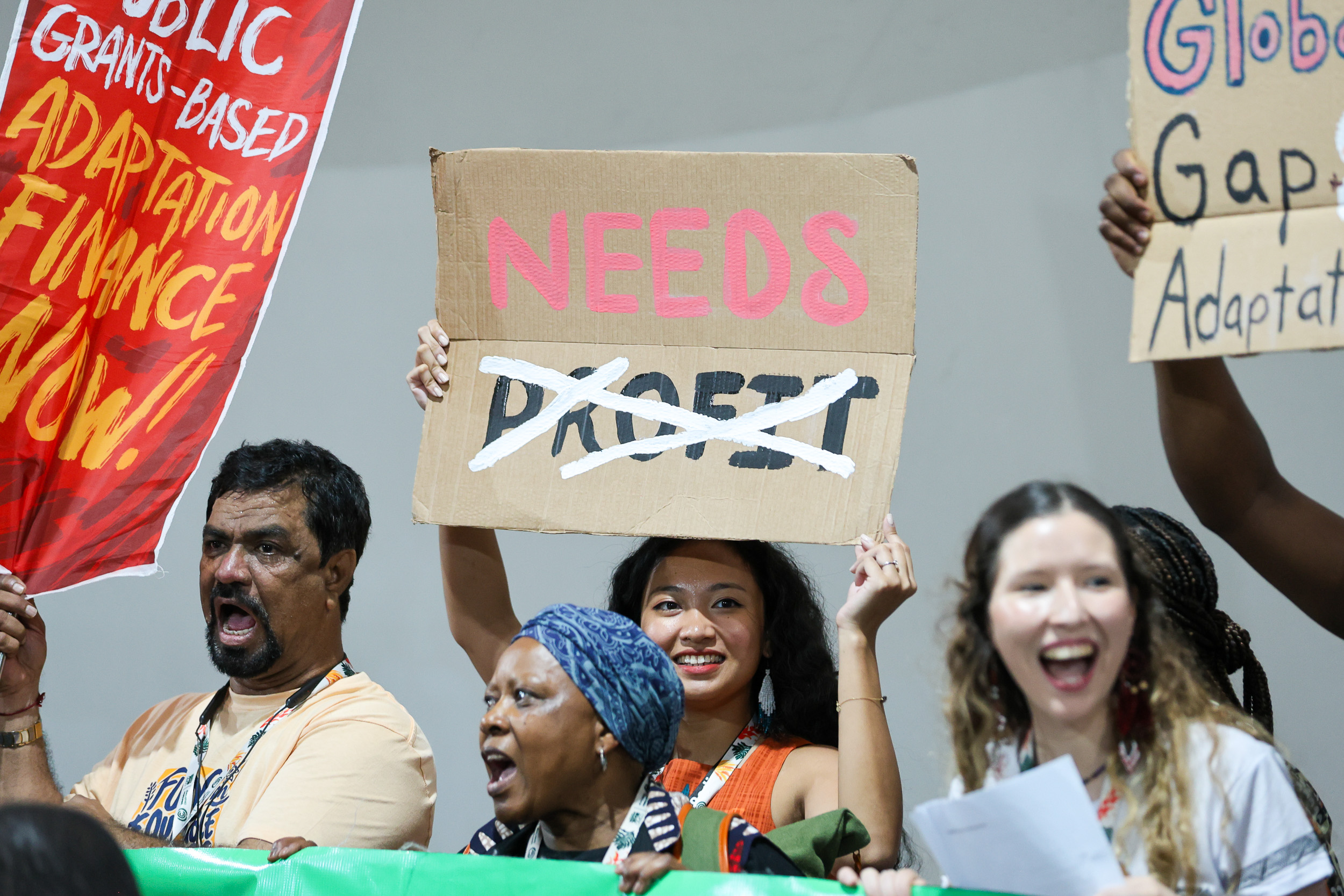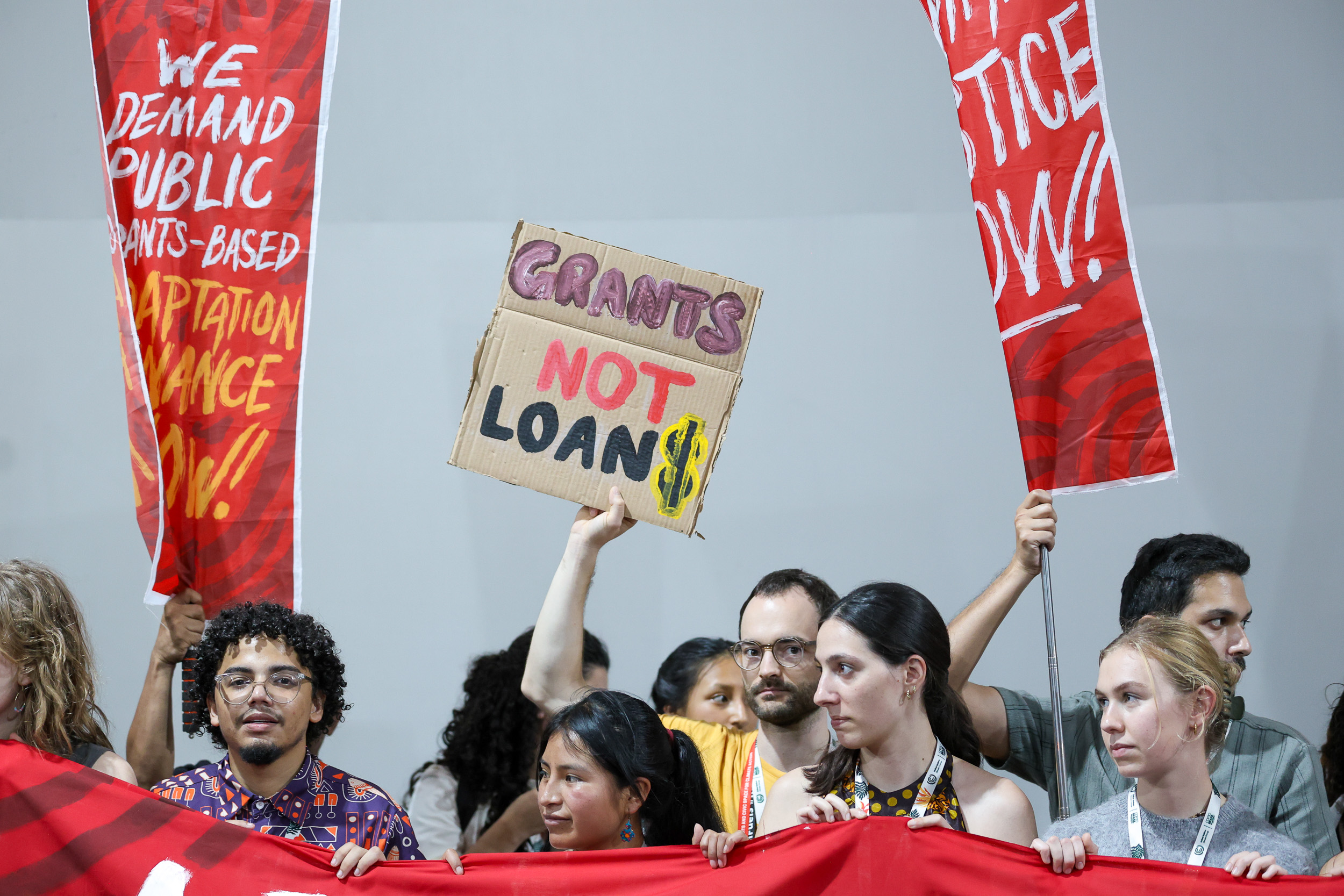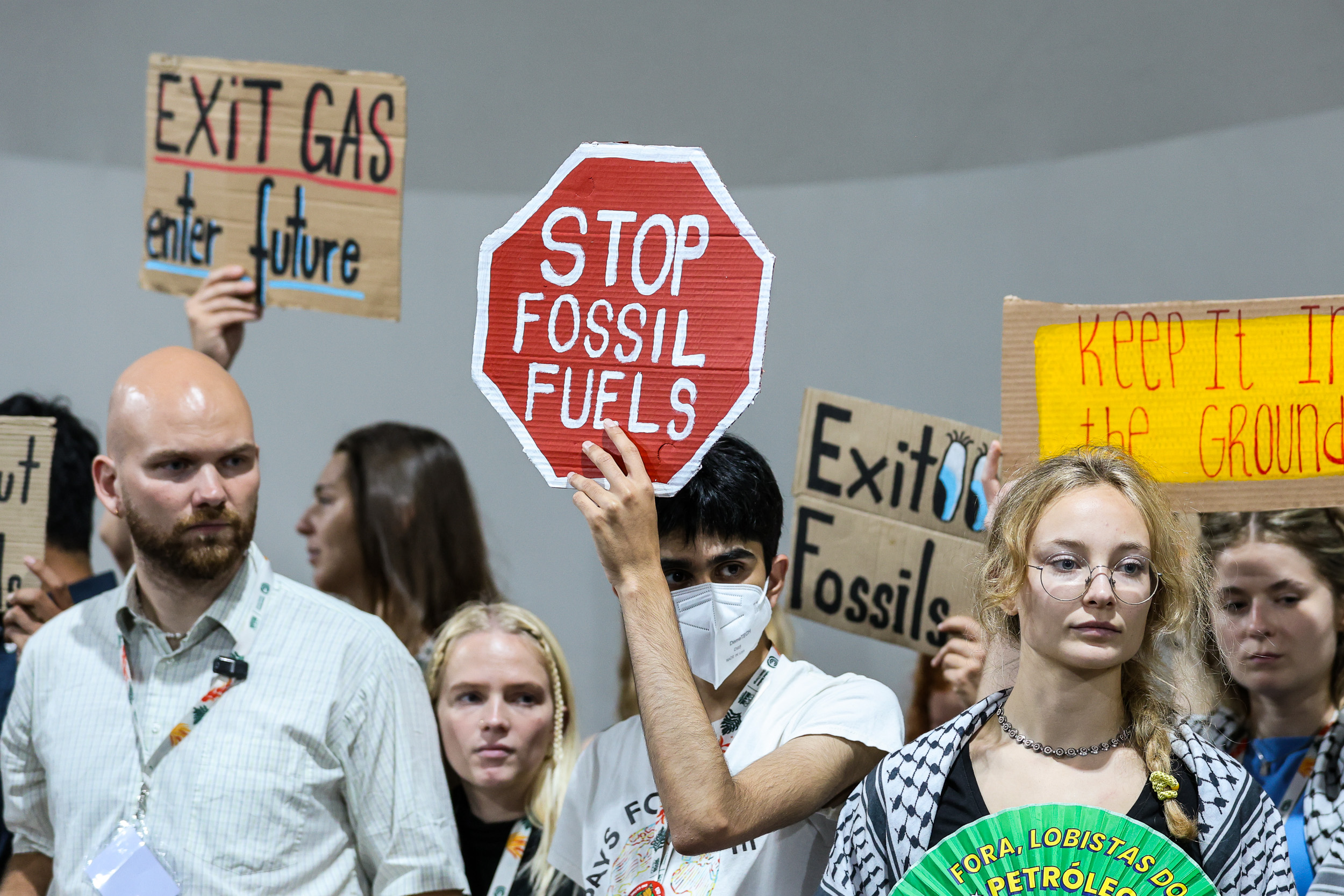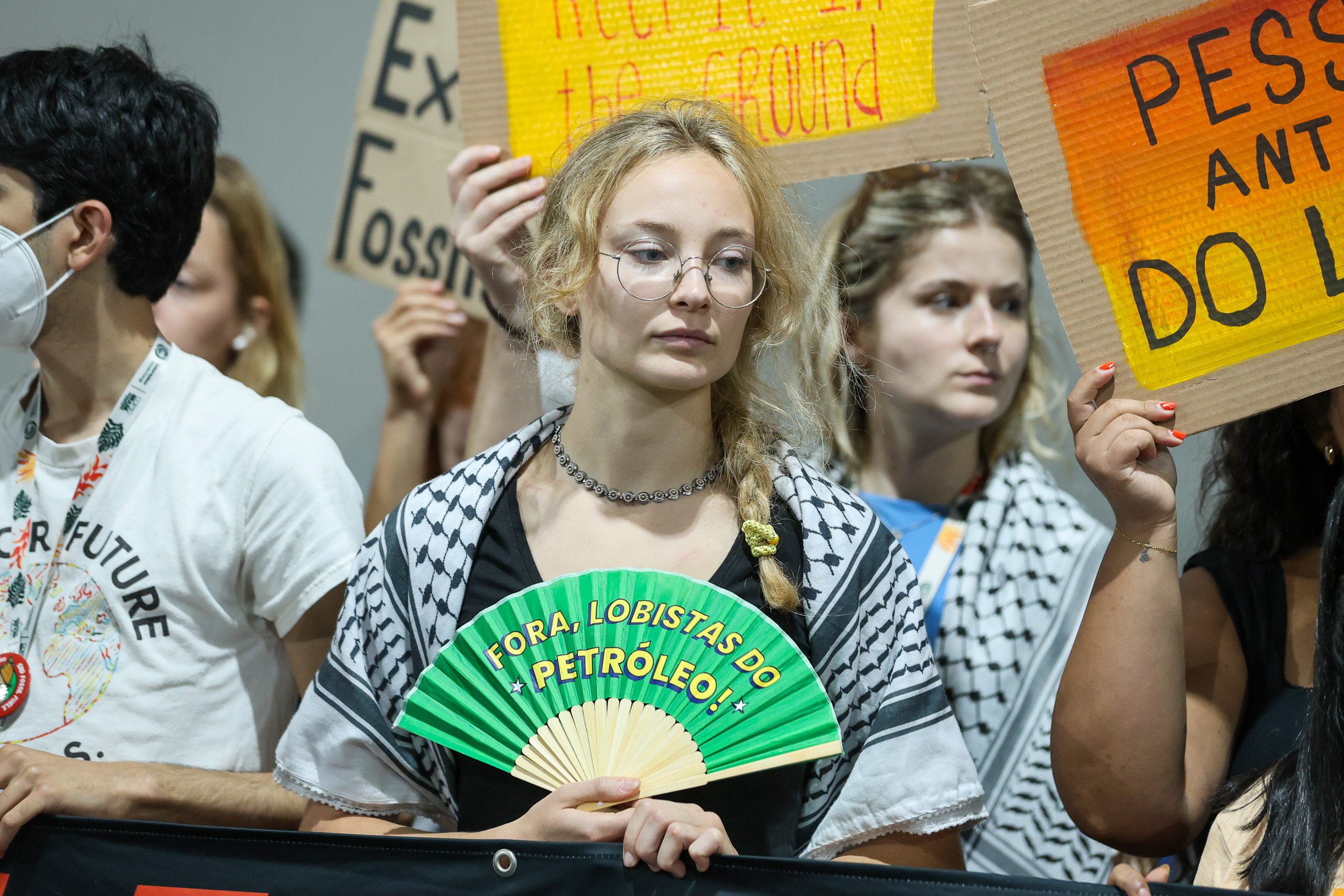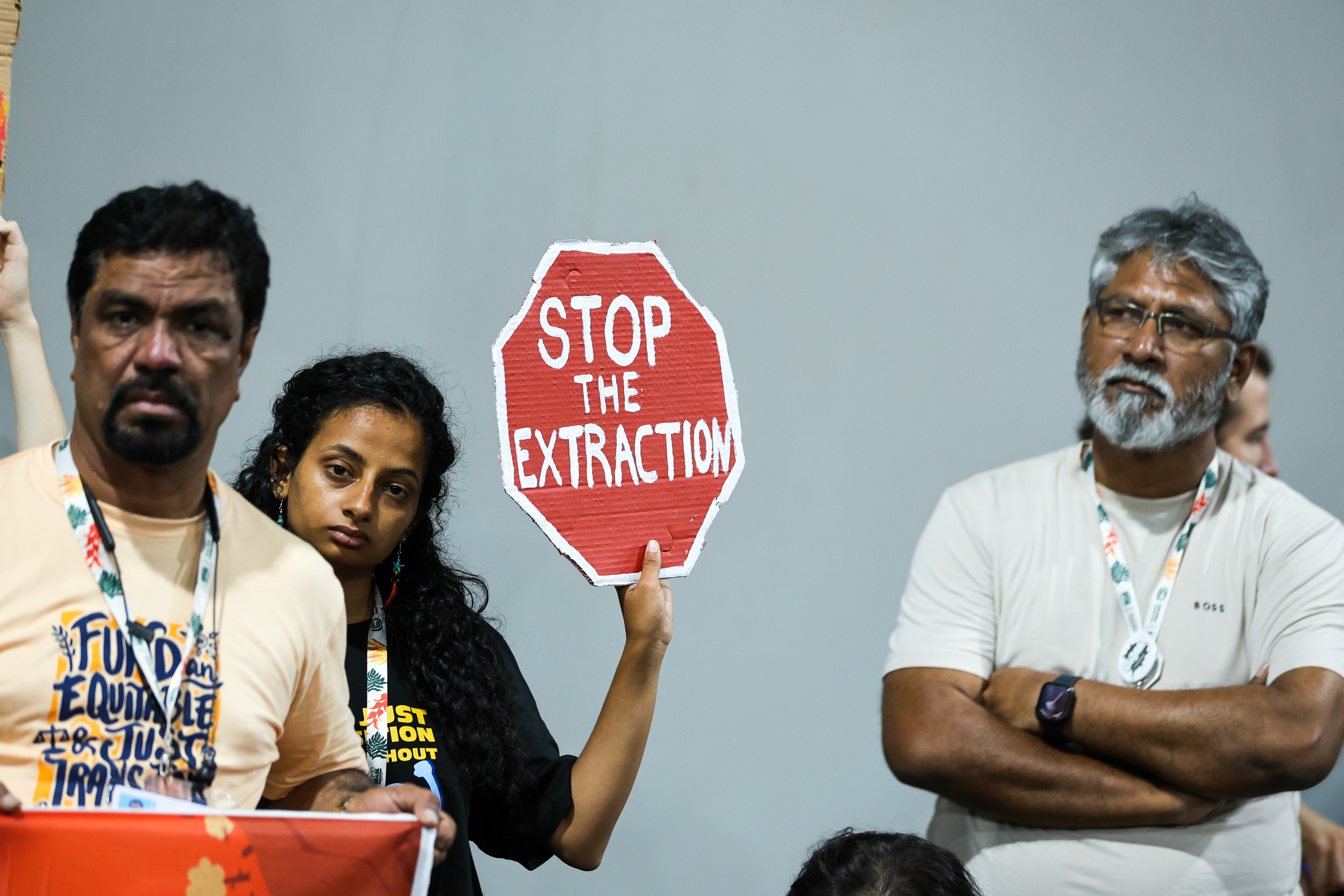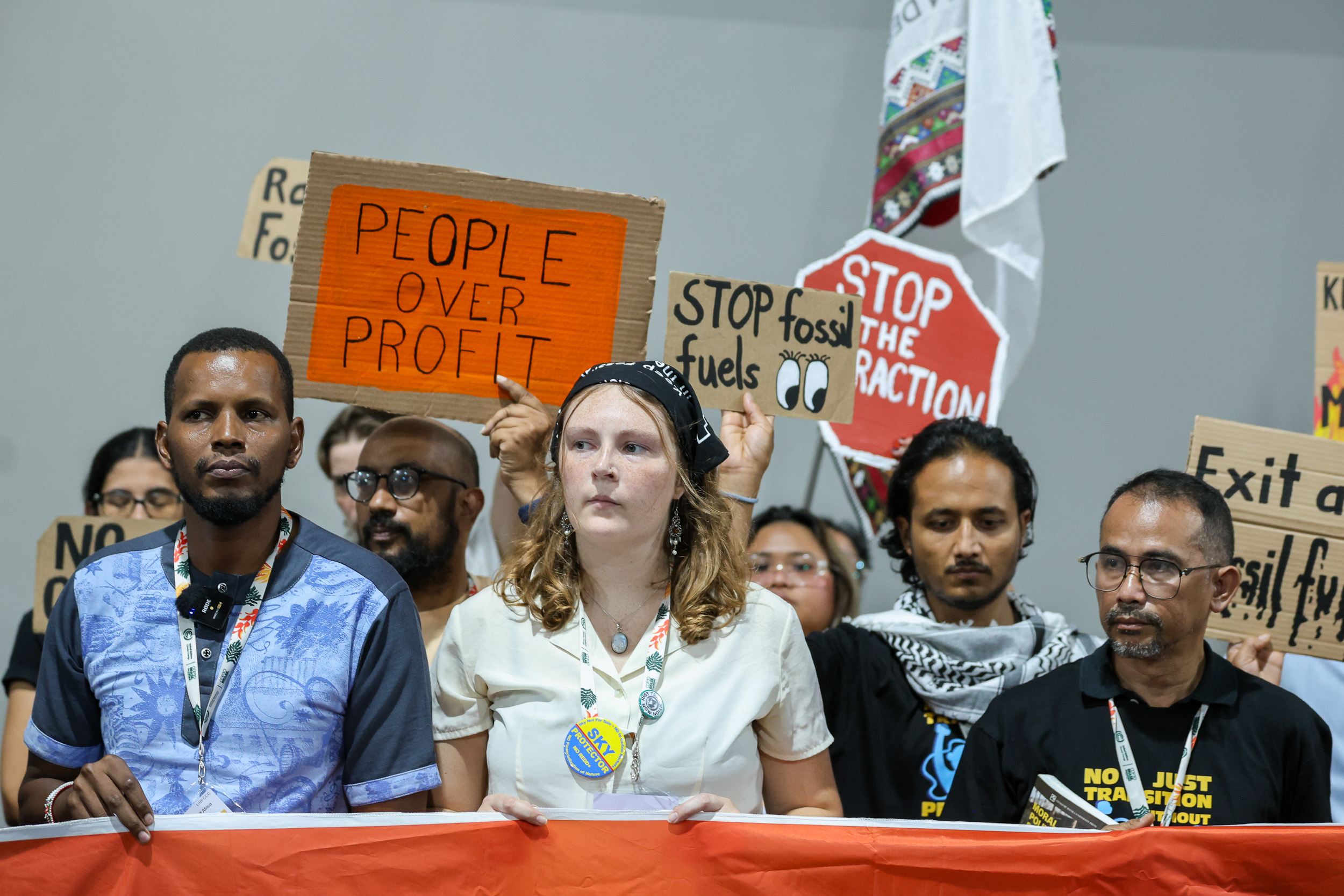
At the outset of the second week of the Belém Climate Change Conference, the Brazilian Presidency was busier than ever. While negotiations continued at the technical level on a range of issues, the Presidency was also consulting on “the big four” issues: nationally determined contributions, biennial transparency reports, developed countries’ finance provision (under Paris Agreement Article 9.1), and unilateral trade-restrictive measures.
Want to dig deeper into today's talks? Read the full Earth Negotiations Bulletin daily report.
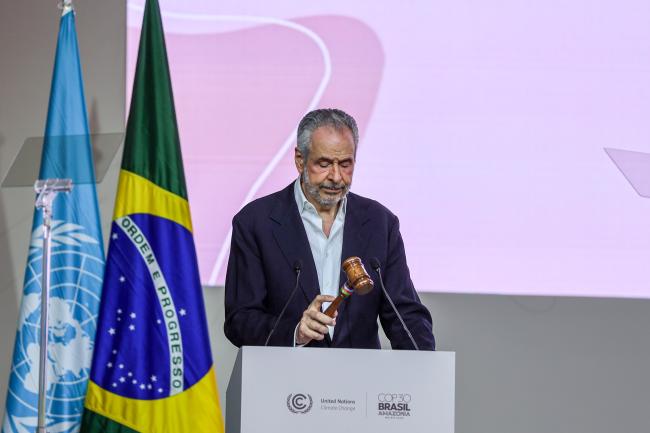
Despite close to seven hours of consultations, progress remained elusive and confusion possibly increased as the day went by. In a “Mutirão mobilization for the Belém package,” the Presidency projected a list of close to twenty items that may be considered important for a balanced outcome from COP 30. The number of roadmaps called for by various groups and Parties keeps on growing, with calls relating to, among others: keeping to 1.5°C, energy transition, and forests.
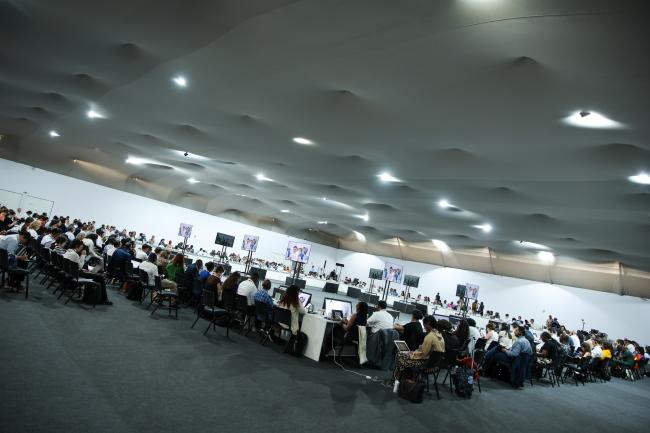
Other Presidency consultations also catered to various special interests. The call for reflecting the special needs and circumstances of Africa was met with no support by other developing countries, who cautioned against reopening this sensitive issue and recalled the careful negotiations that led to the recognition under the Paris Agreement of the special needs and circumstances of least developed countries and small island developing states.
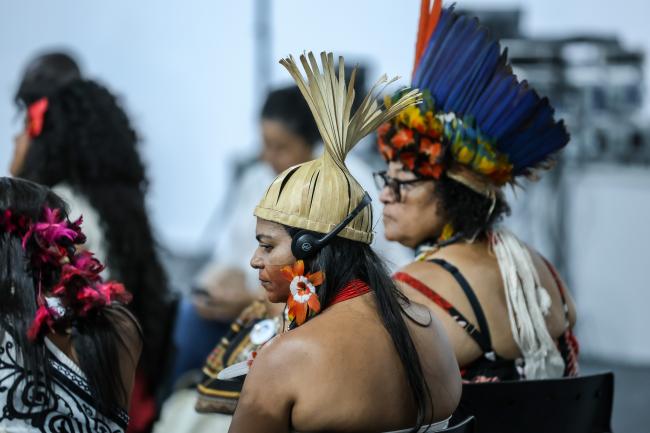
Latin American countries were especially vocal, lamenting the regional bias the consultations raise, especially during the first Latin American COP in over a decade. Discussions on mountains were met with more support, with broad agreement on the importance of the matter and the value of enhancing consideration under existing workstreams, but diverging views on holding an annual dialogue. Many cautioned against opening the door to further ballooning of the process.
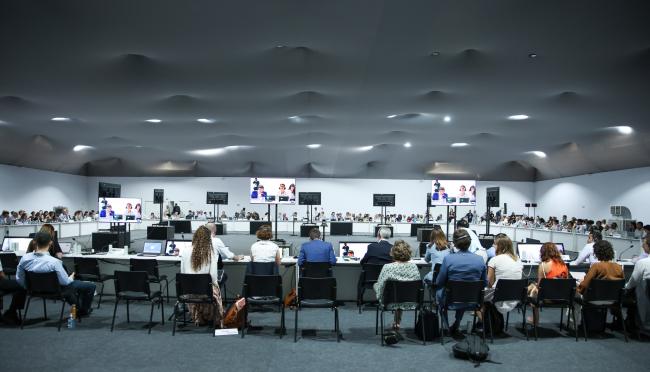
At the technical level, negotiations continued with a sense of urgency: the Presidency urged Parties to complete their work by Tuesday, 18 November, noting the opportunity to send a signal to the global community of the COP’s ability to complete its work ahead of time. Having already met for three hours—not counting time spent in informal informals—the negotiators working on just transition were asked to reconvene at midnight.
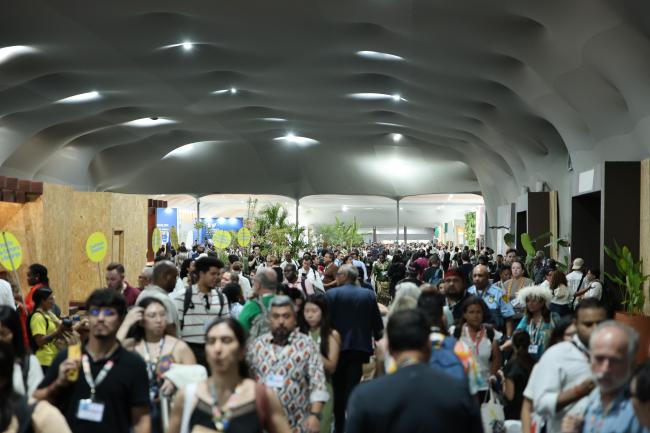
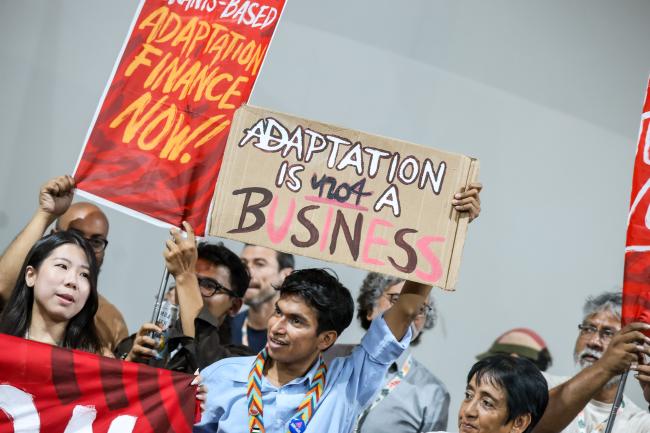
Some good news nevertheless trickled through the venue, with the least developed countries welcoming the pledges made to the Adaptation Fund at a dedicated pledging event.
To receive free coverage of global environmental events delivered to your inbox, subscribe to the ENB Update newsletter.
All ENB photos are free to use with attribution. For the UN Climate Change Conference COP 30, please use: Photo by IISD/ENB | Mike Muzurakis
High-Level Segment
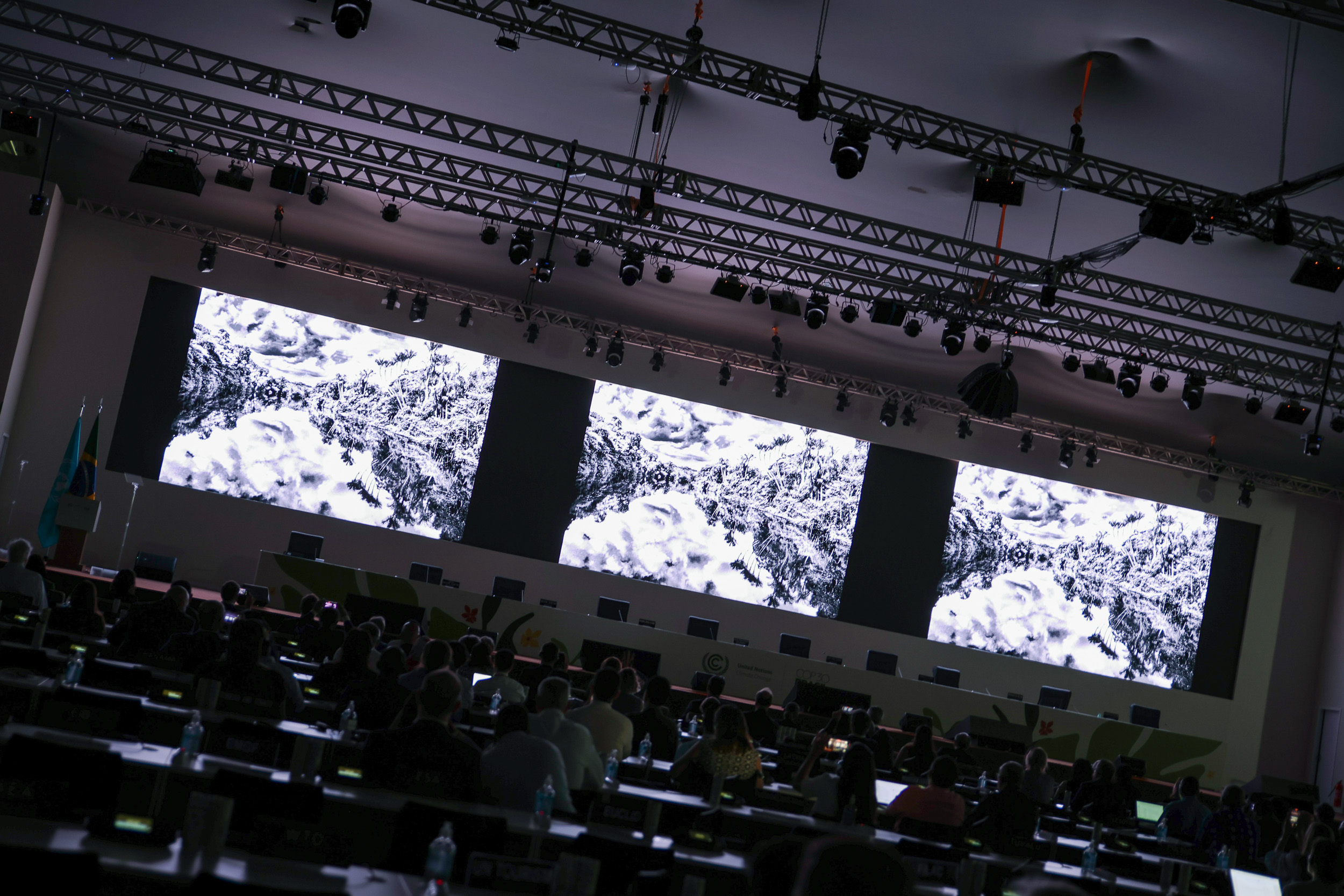
The session opened with a tribute to Sebastião Salgado, Brazilian social documentary photographer and photojournalist, who passed in May 2025 at the age of 81.
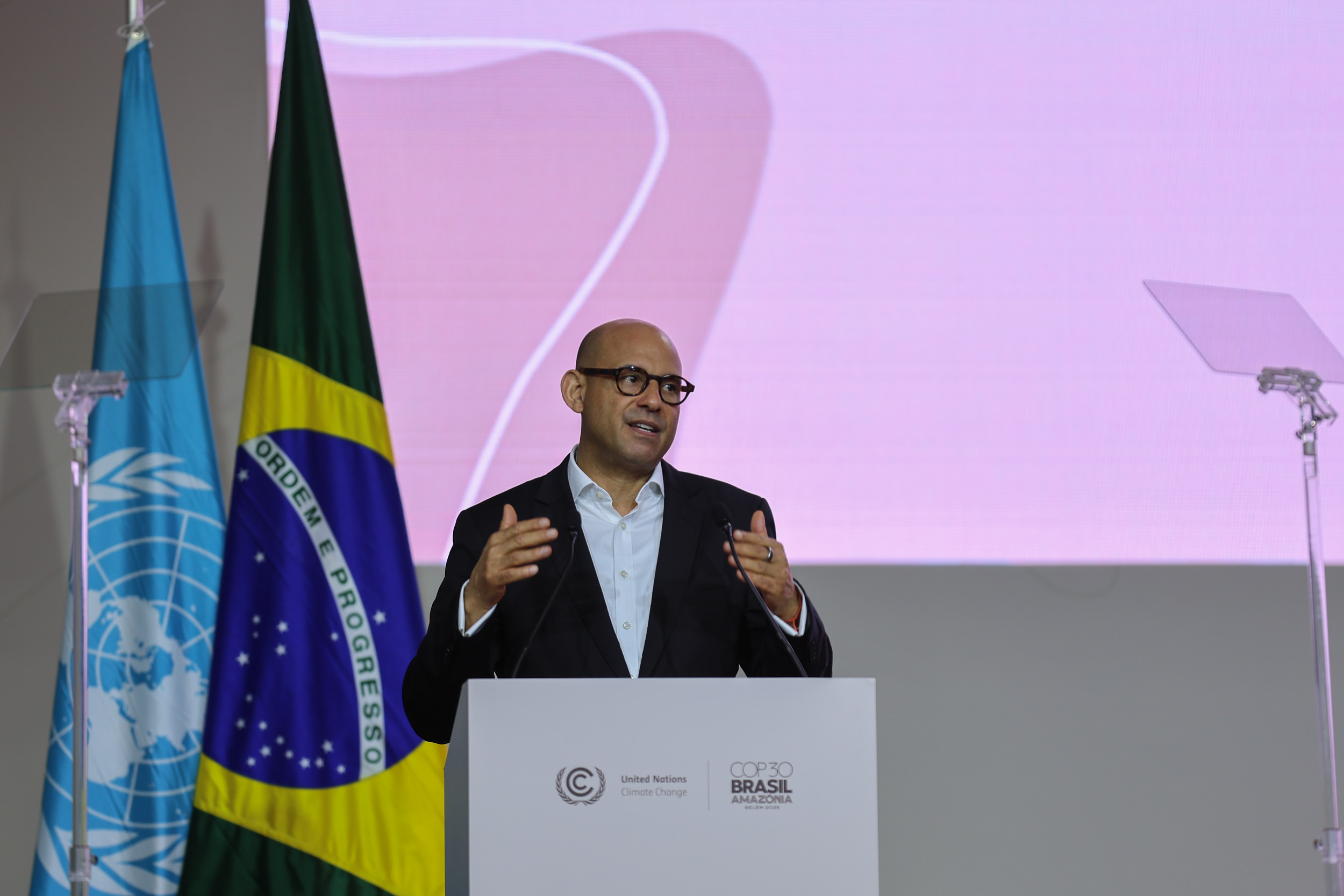
UNFCCC Executive Secretary Simon Stiell
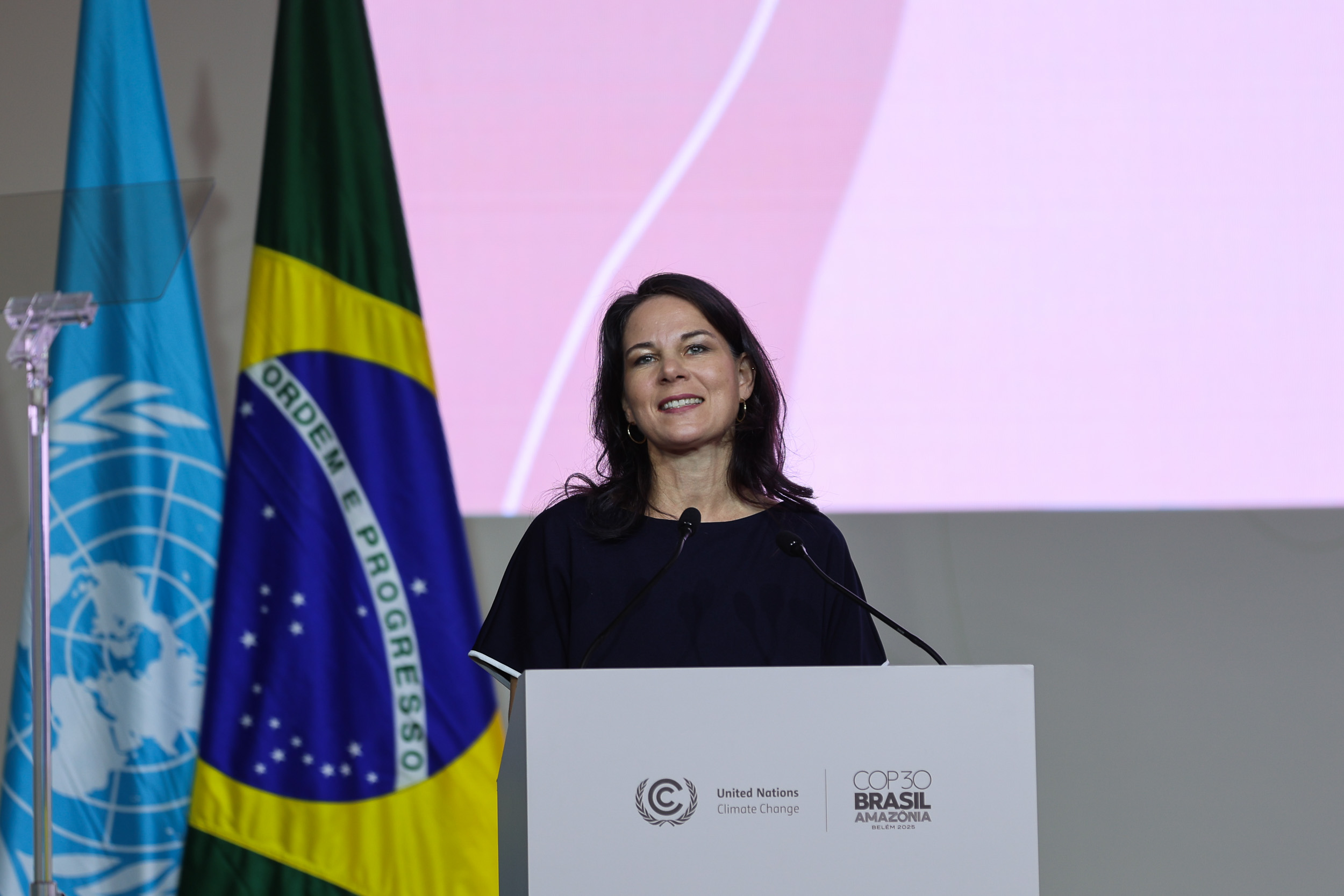
Annalena Baerbock, President of the 80th session of the UN General Assembly (UNGA)
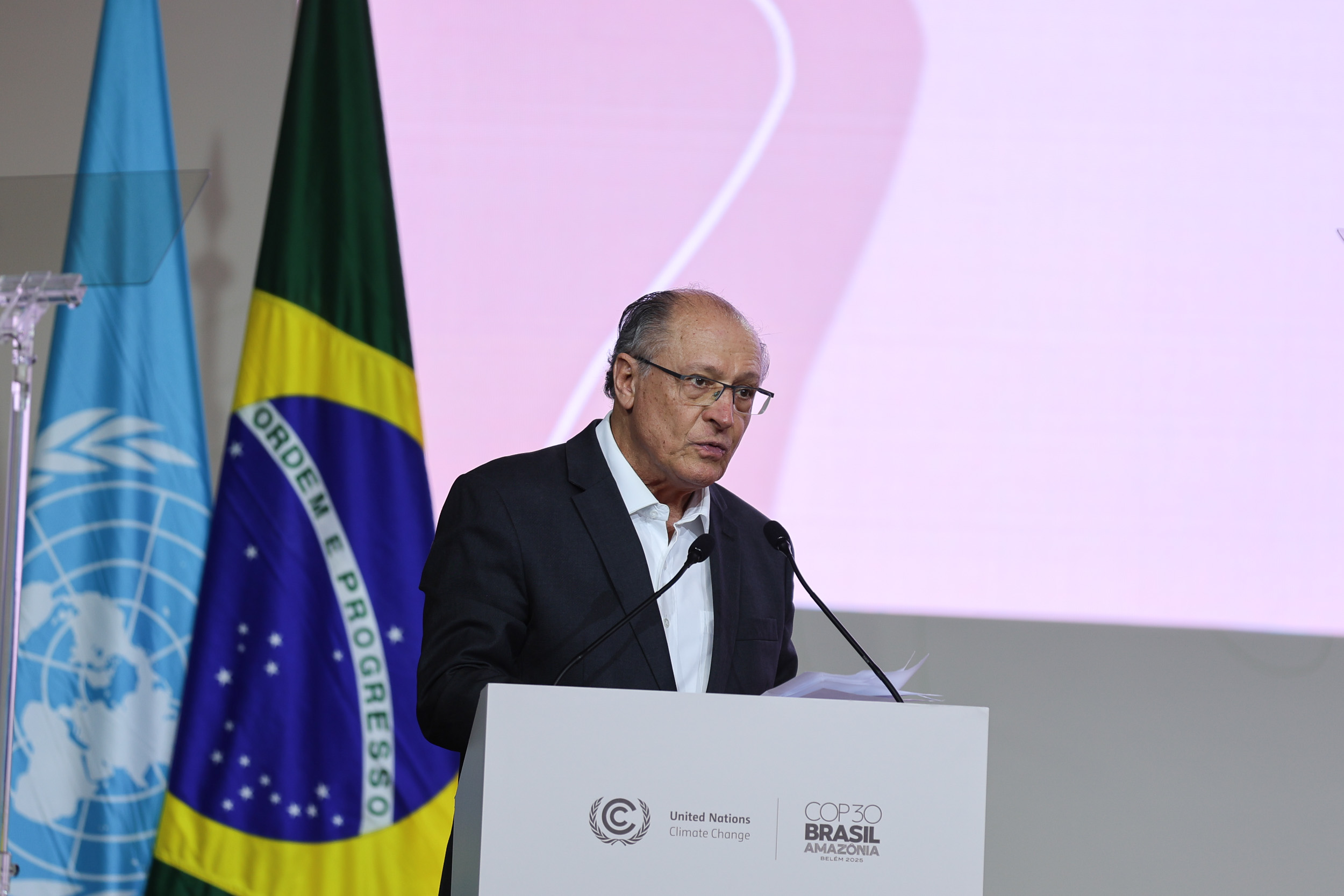
Geraldo Alckmin, Vice-President of Brazil
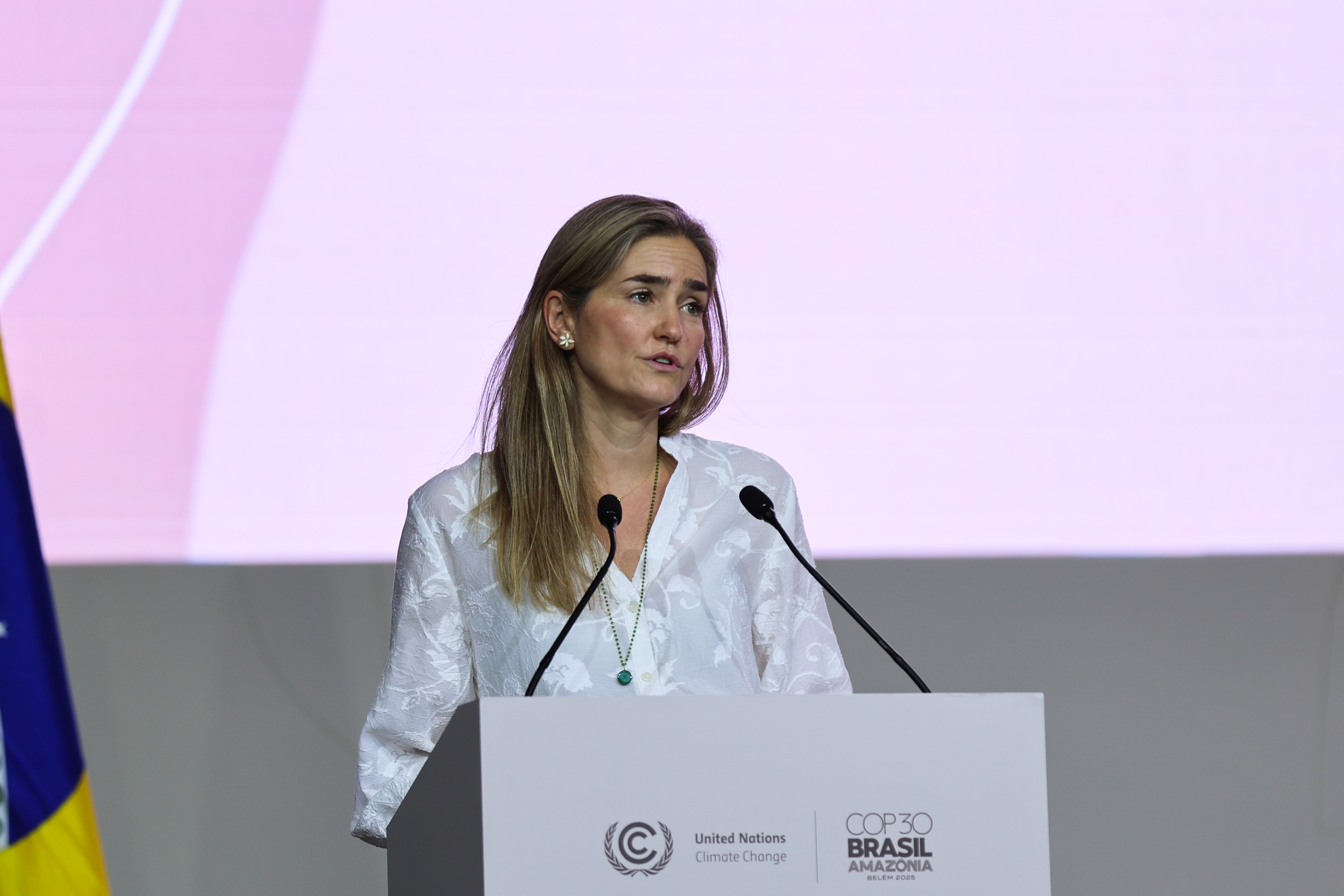
Sara Aagesen Muñoz, Deputy Prime Minister, Spain
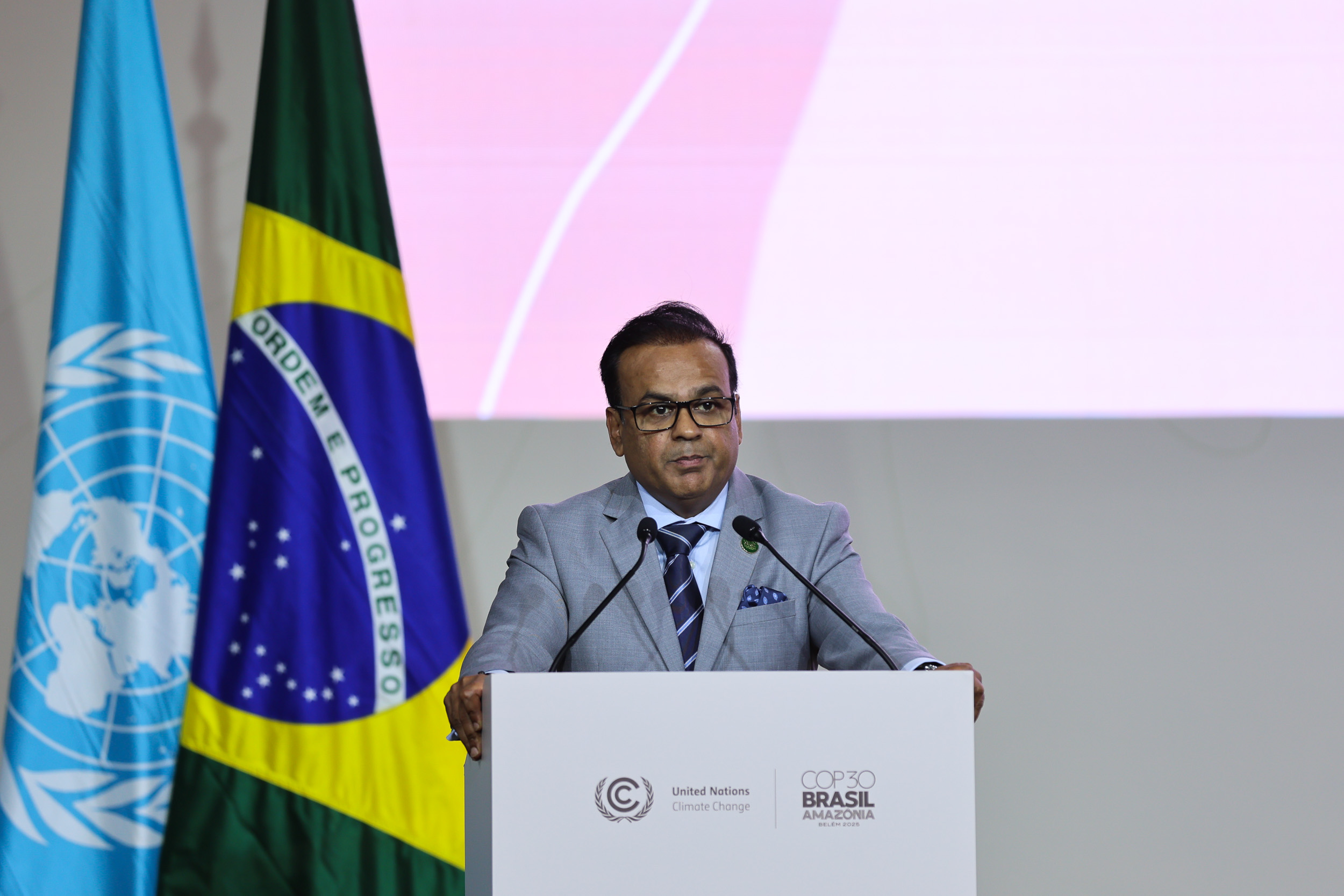
Dhananjay Ramful, Minister of Foreign Affairs, Mauritius
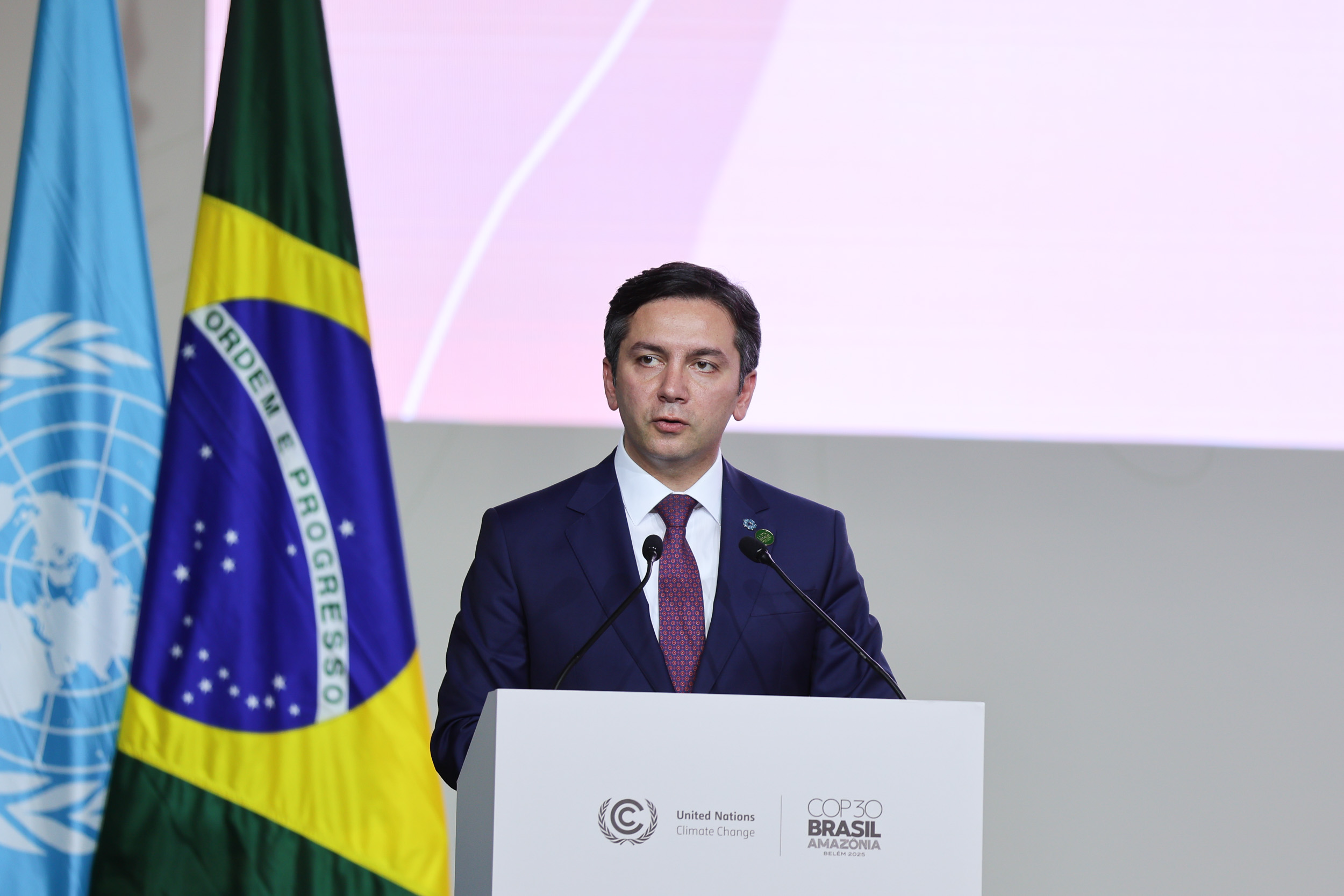
Yalchin Rafiyev, Deputy Minister of Foreign Affairs, Azerbaijan
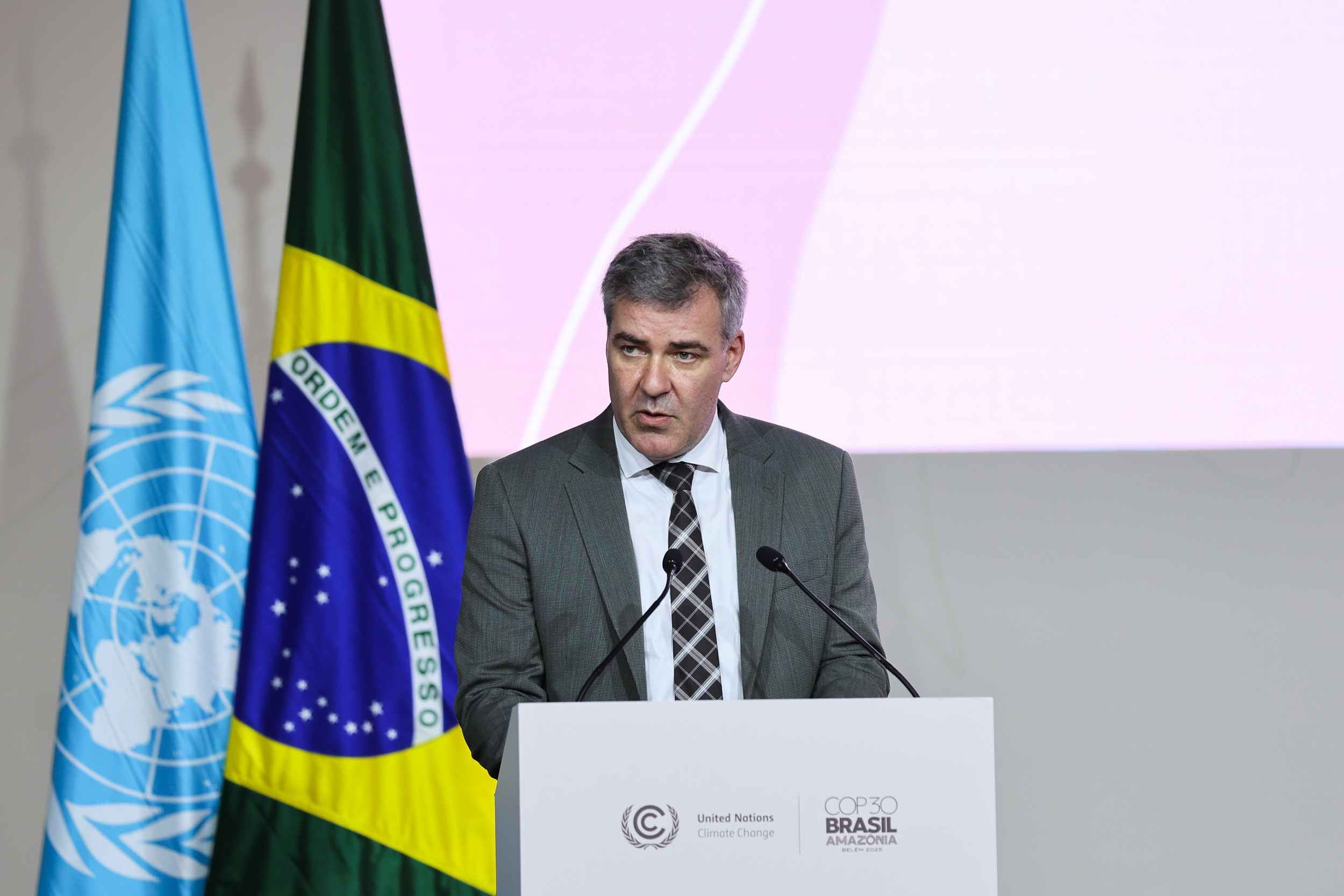
Lars Aagaard, Minister of Climate, Energy and Utilities, Denmark
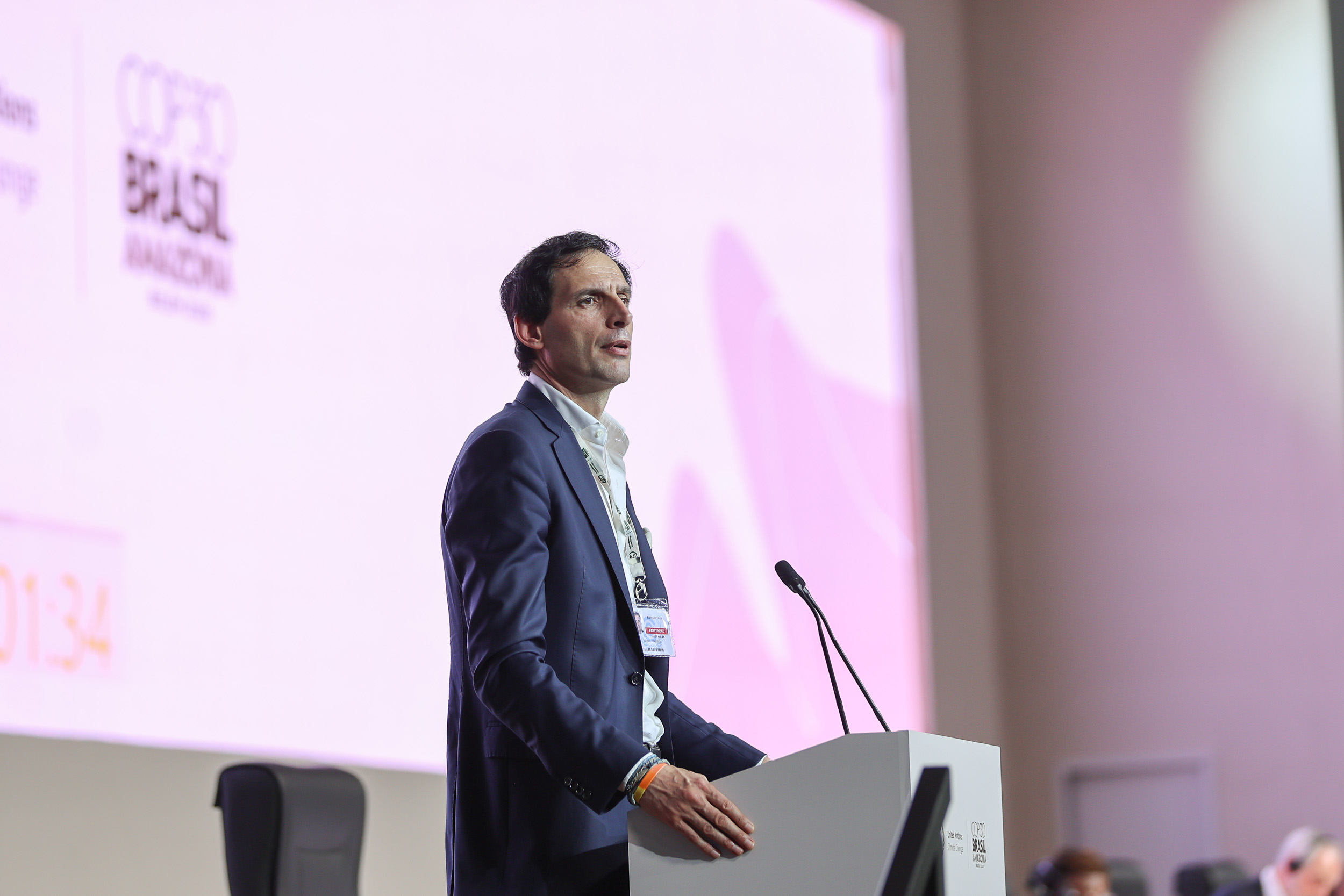
Wopke Hoekstra, Commissioner for Climate, Net Zero and Clean Growth, EU
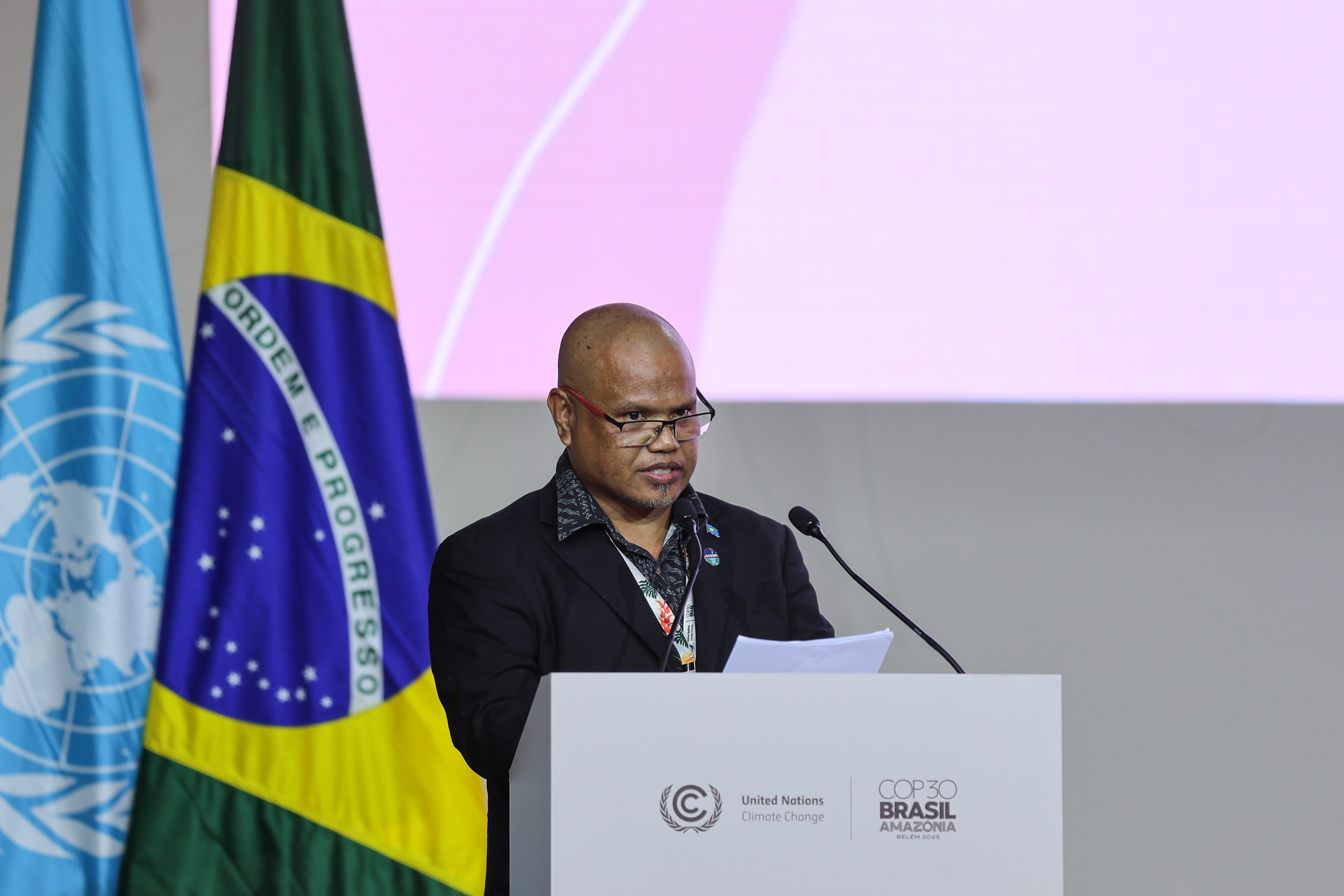
Steven Victor, Minister of Agriculture, Fisheries, and Environment, Palau
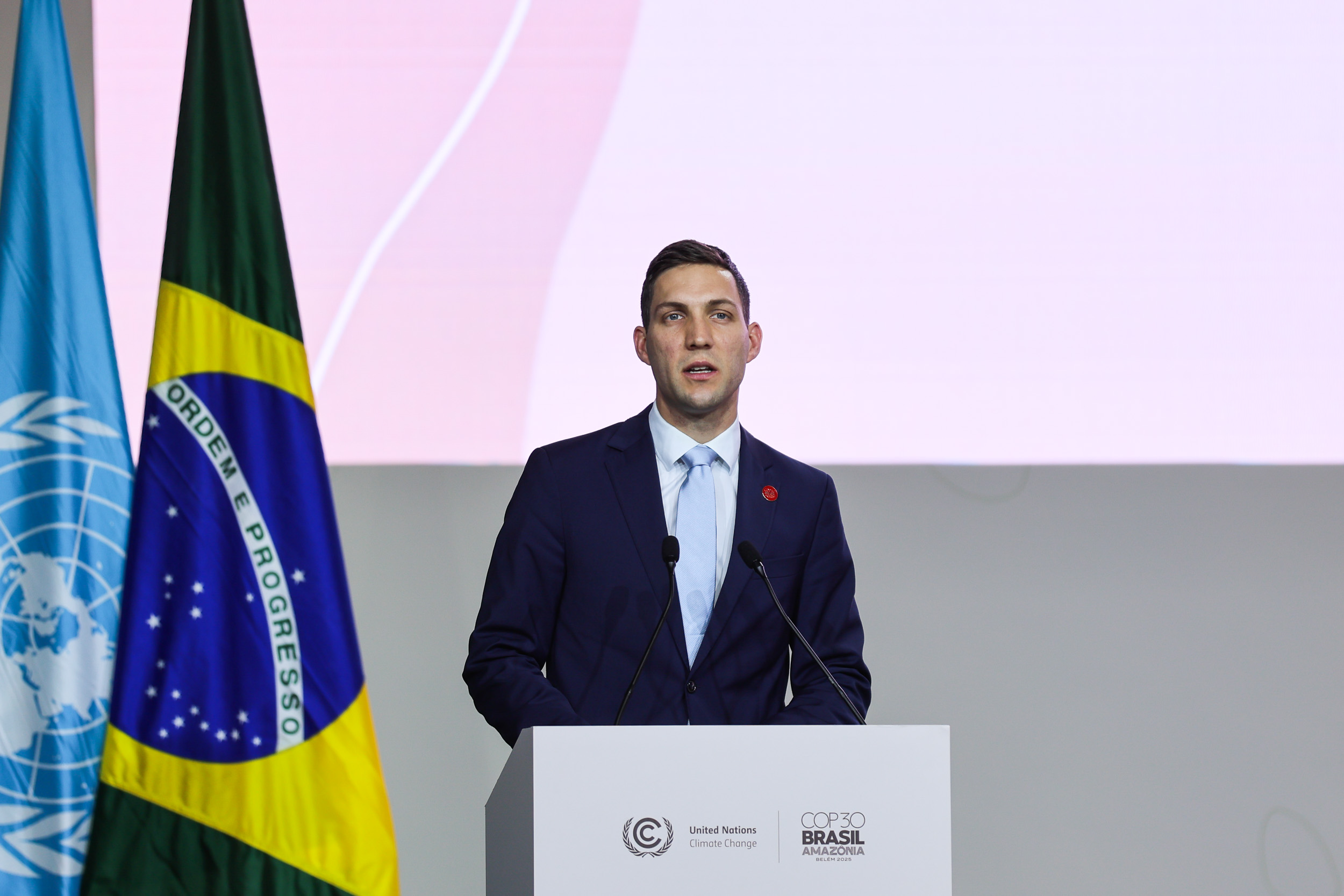
Andreas Bjelland Eriksen, Minister of Climate and Environment, Norway
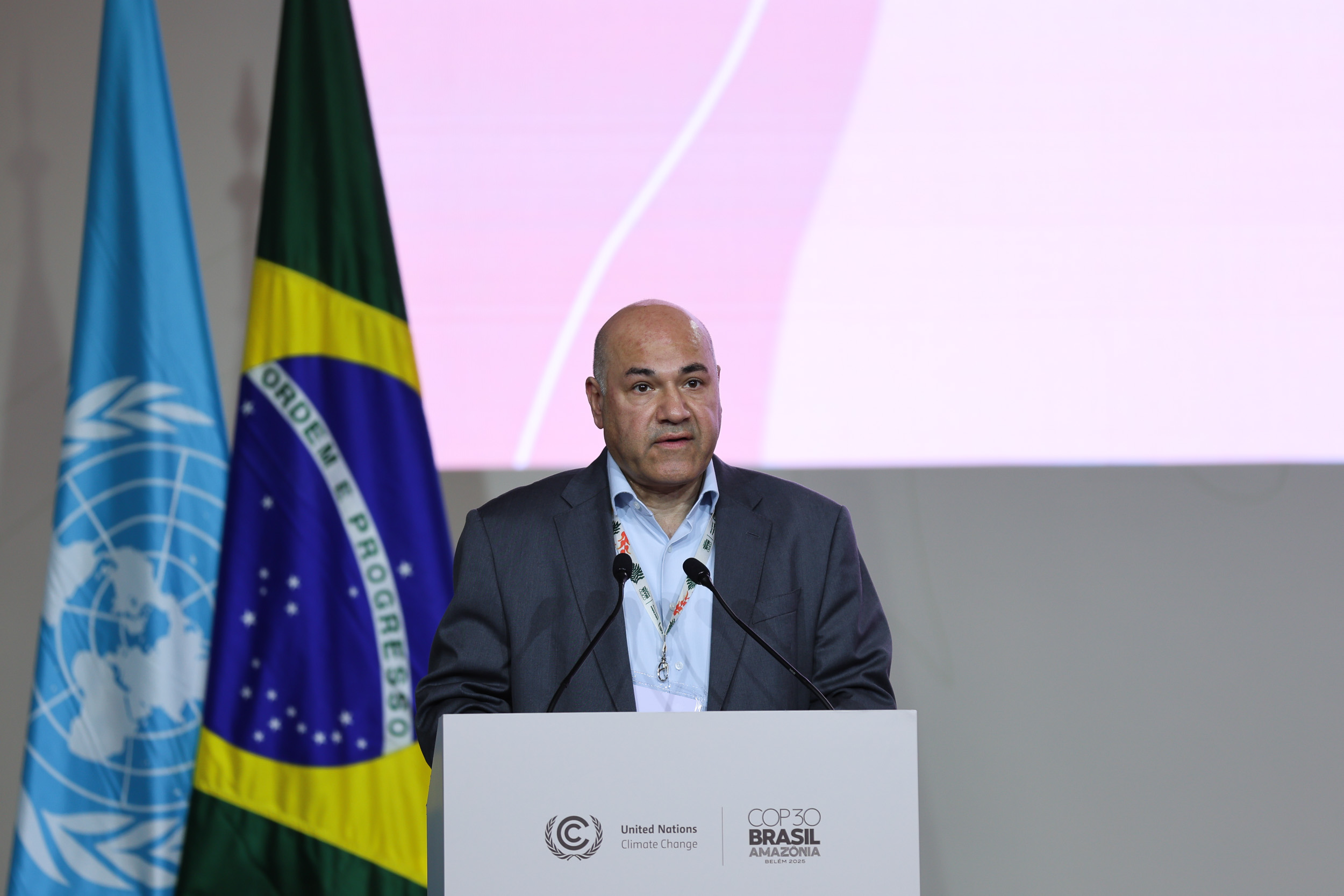
Lukman Alfaily, Ambassador and Permanent Representative of Iraq to the UN in New York
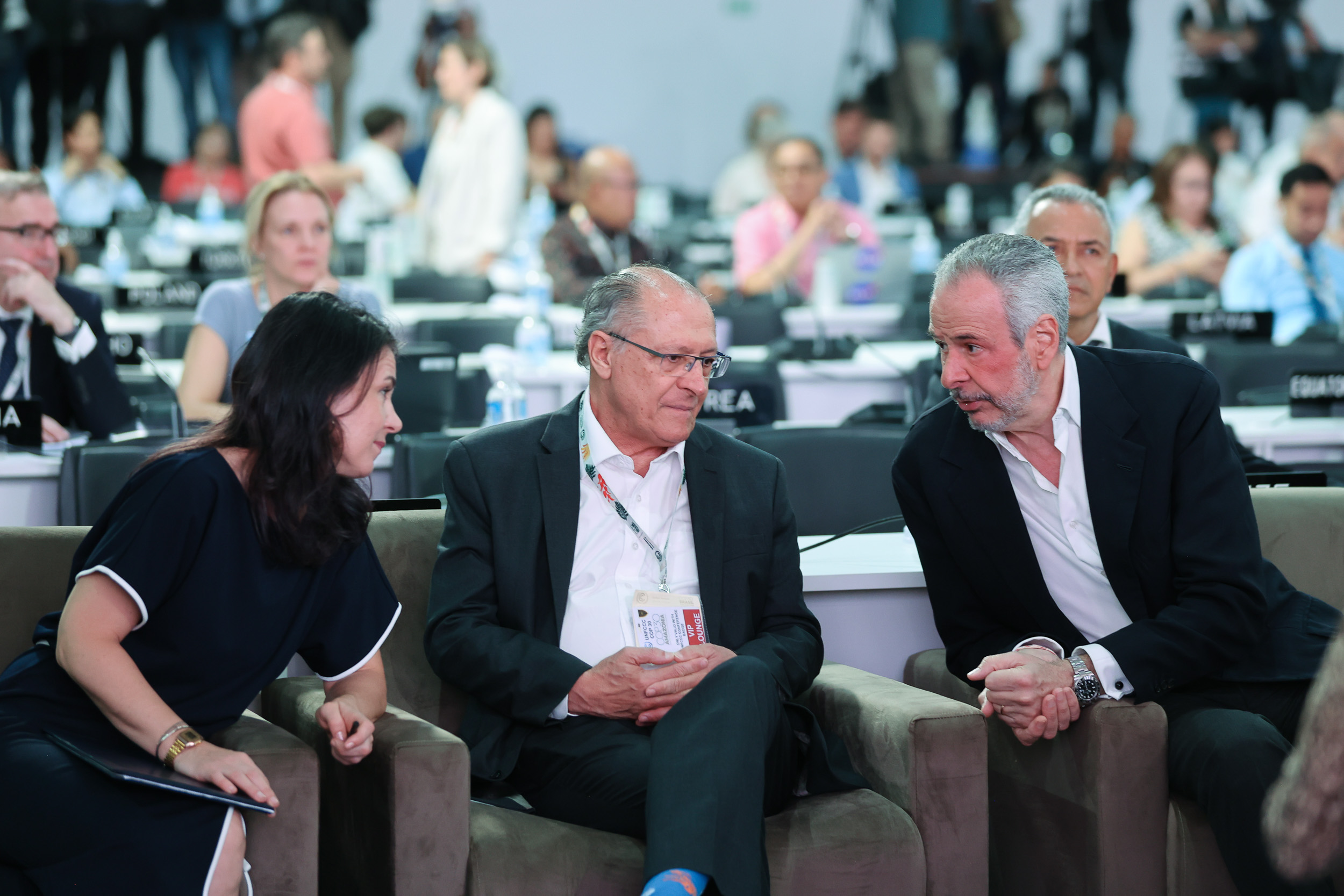
From L-R: UNGA 80 President Annalena Baerbock; Geraldo Alckmin, Vice-President of Brazil; and COP 30 President André Corrêa do Lago
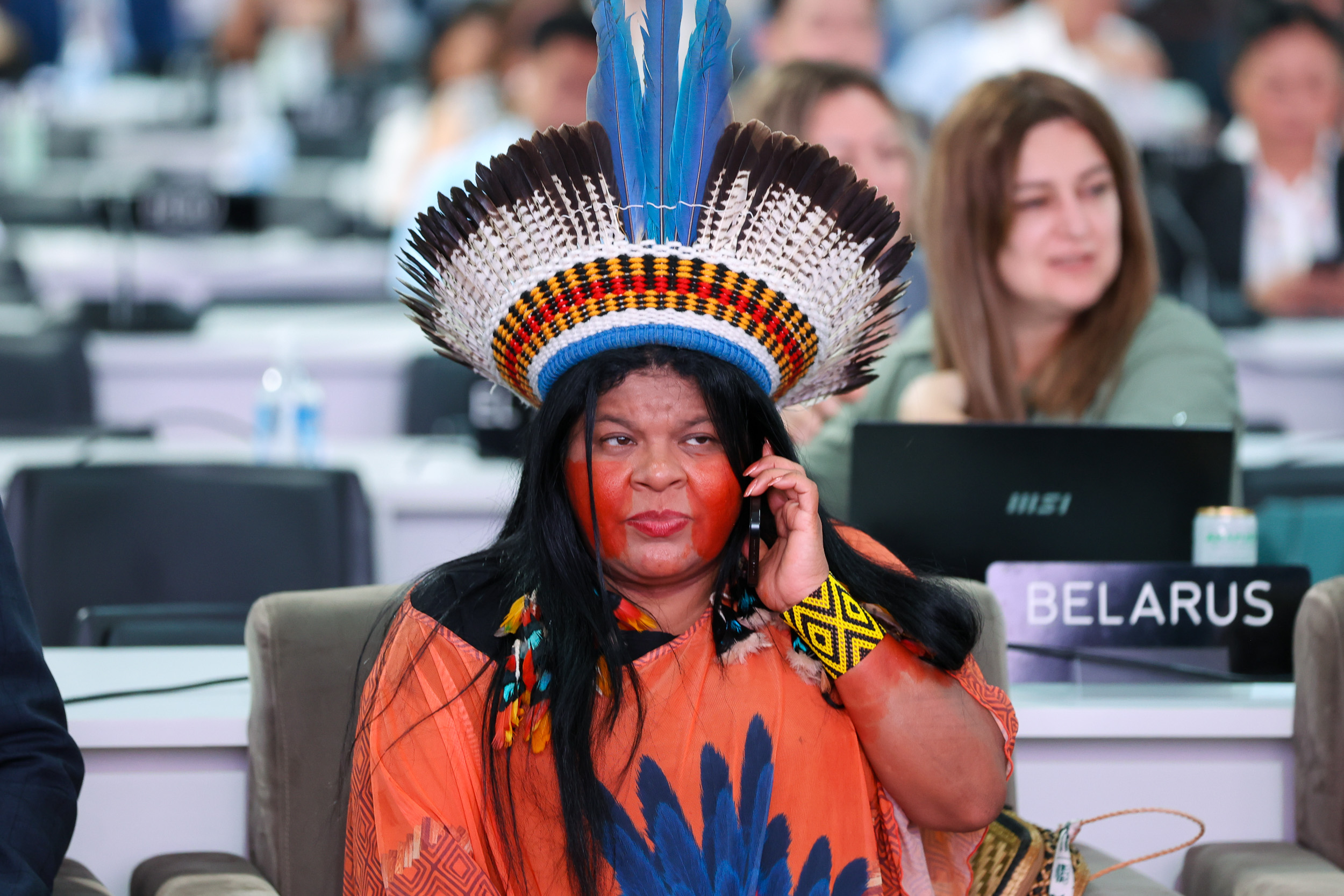
Sonia Guajajara, Minister of Indigenous Peoples, Brazil
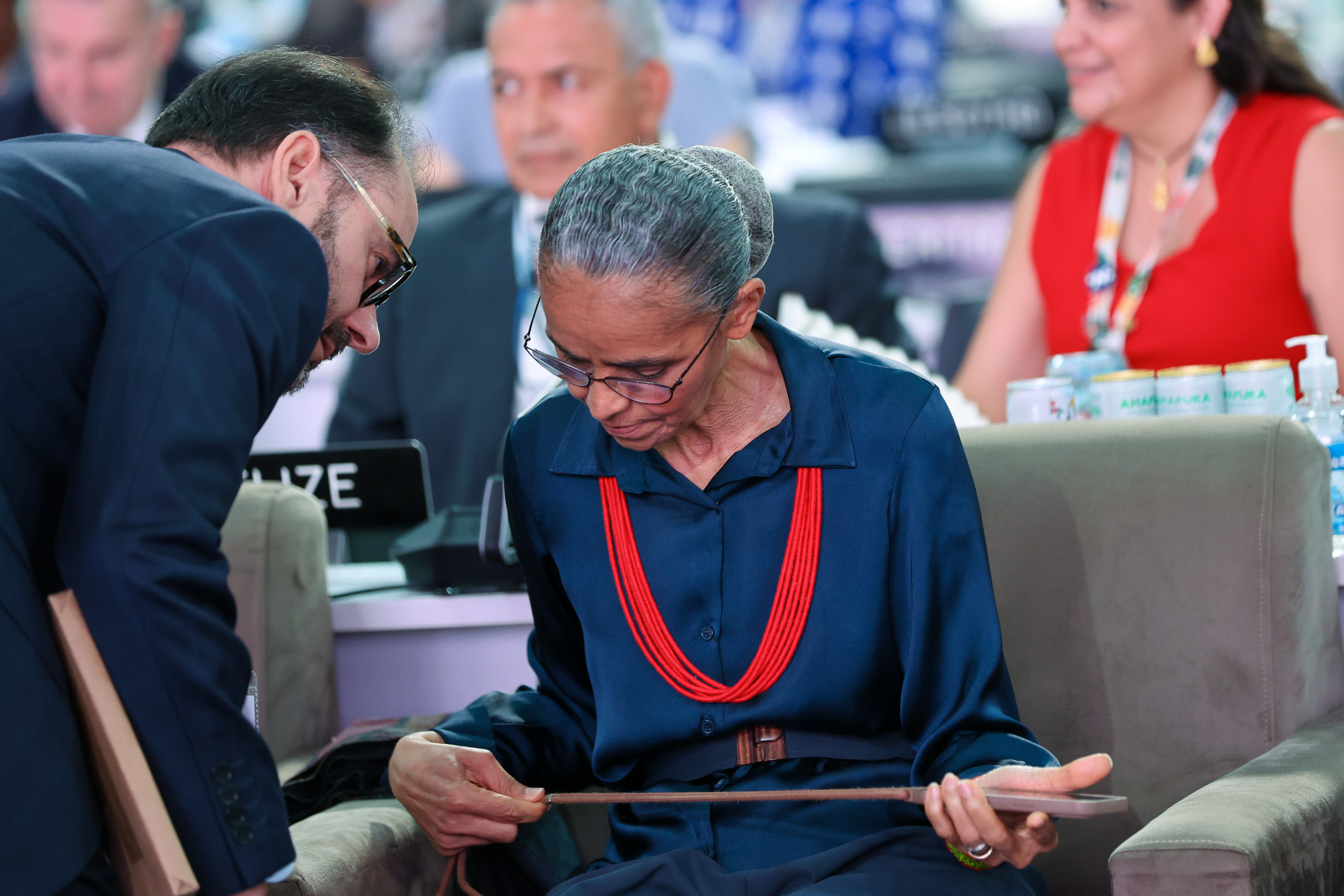
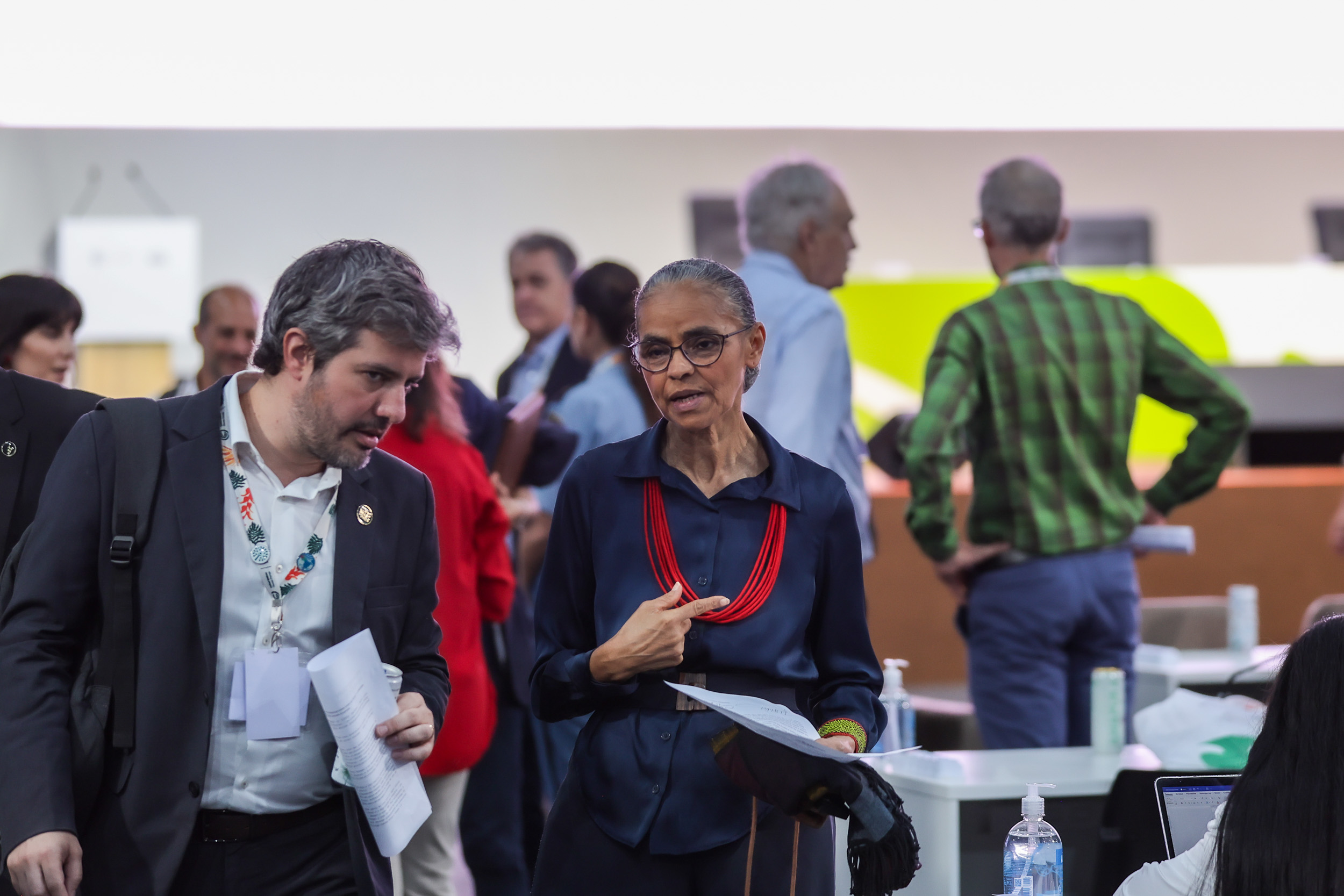
Marina Silva, Minister of the Environment and Climate Change, Brazil
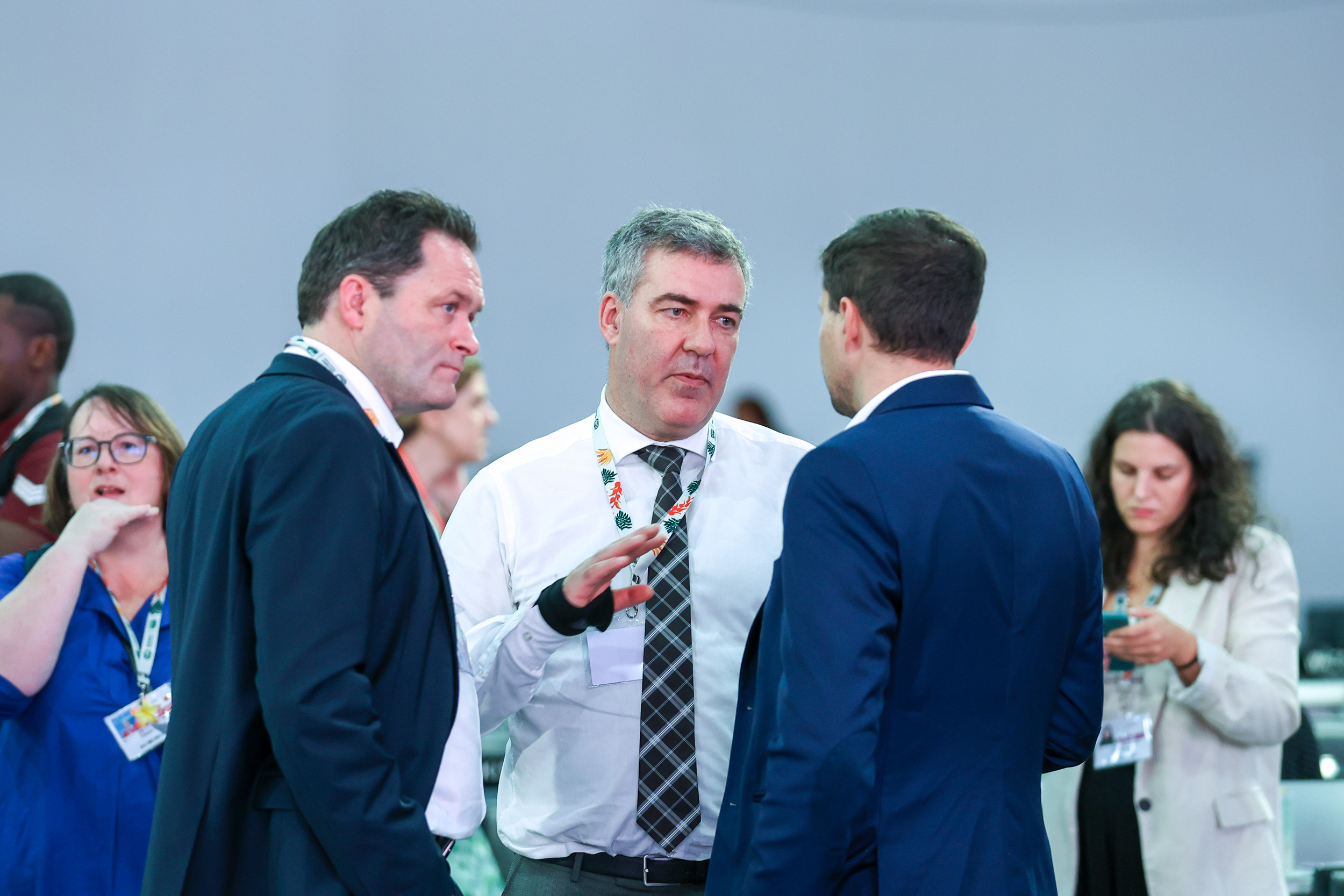
Lars Aagaard, Minister of Climate, Energy and Utilities, Denmark
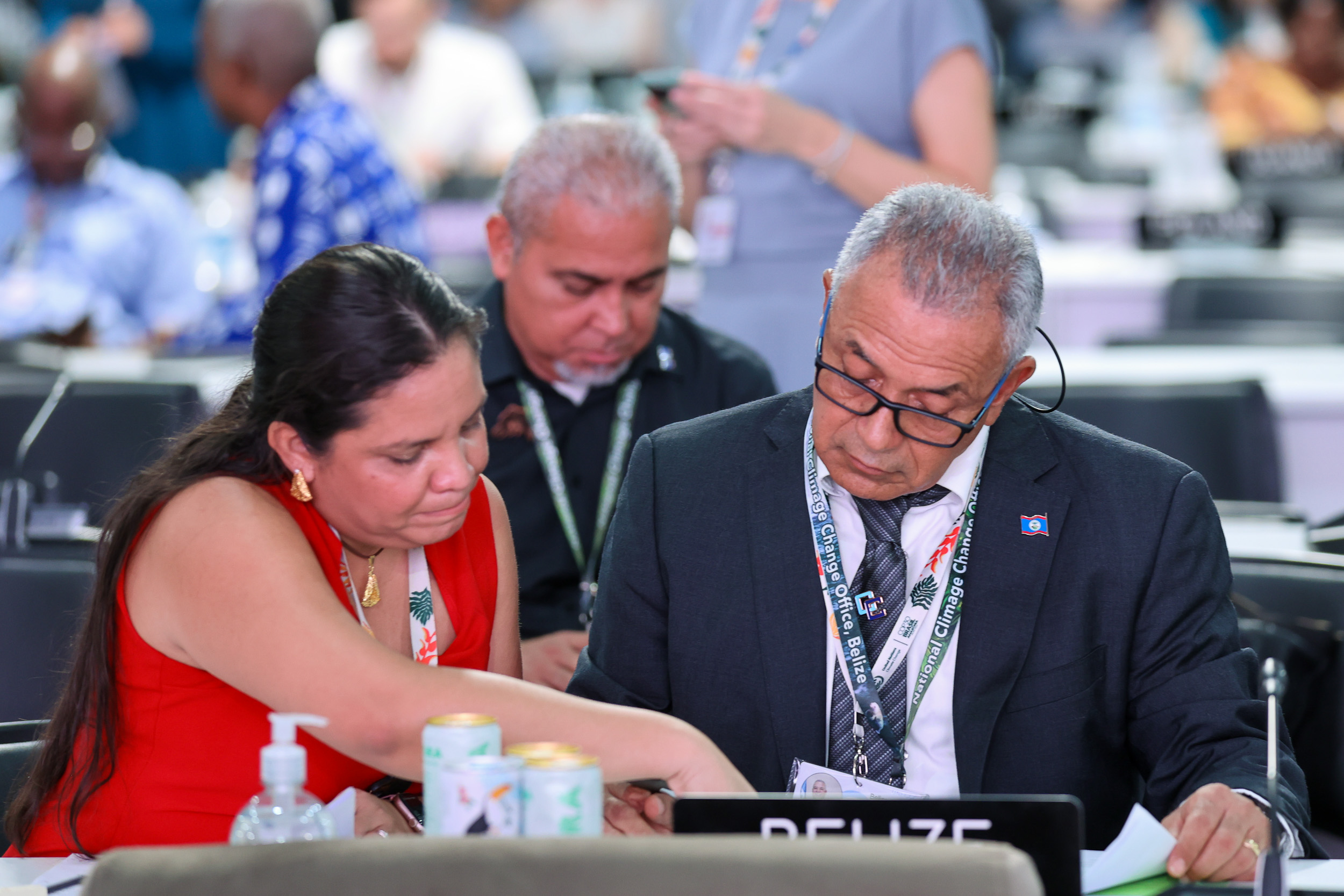
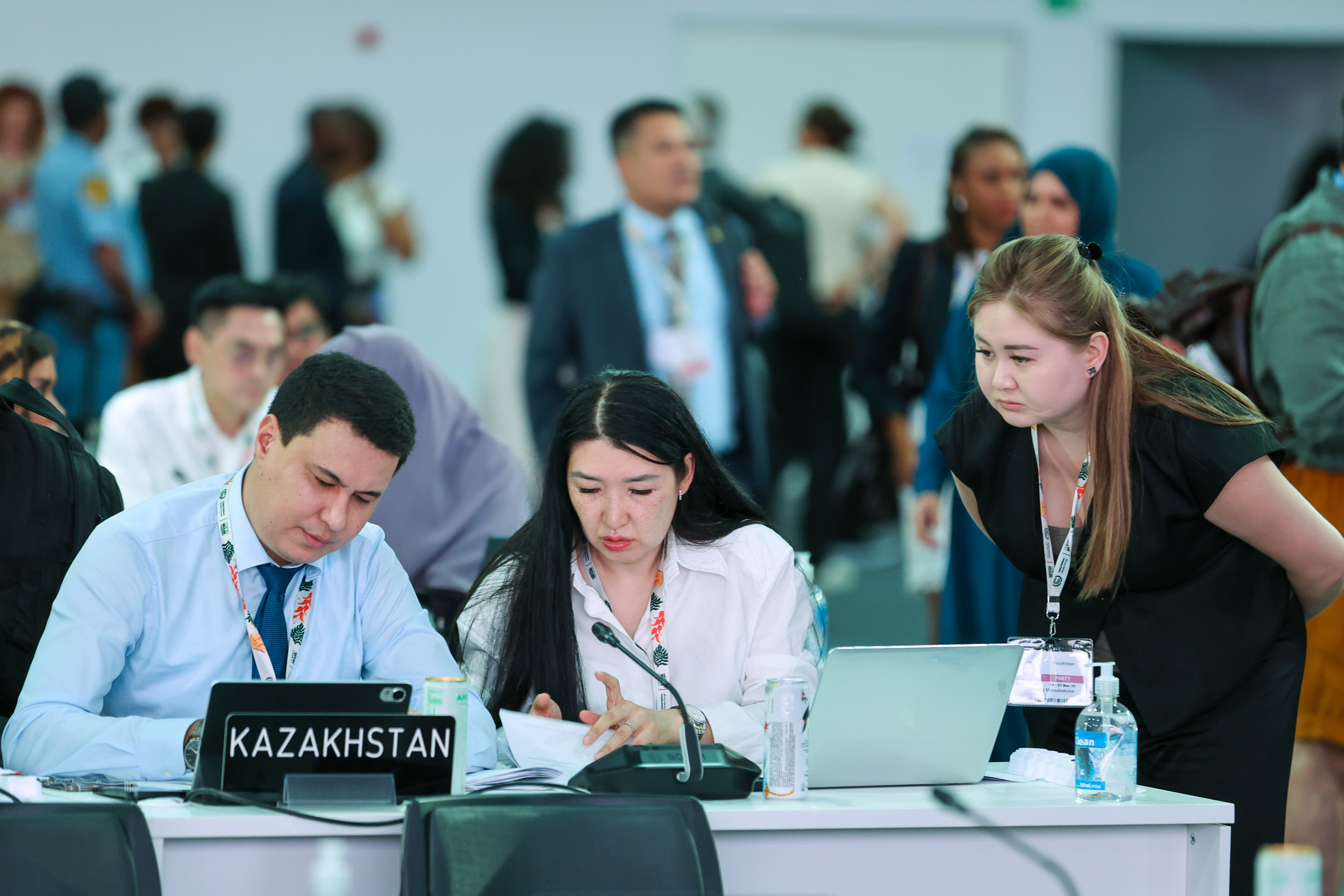
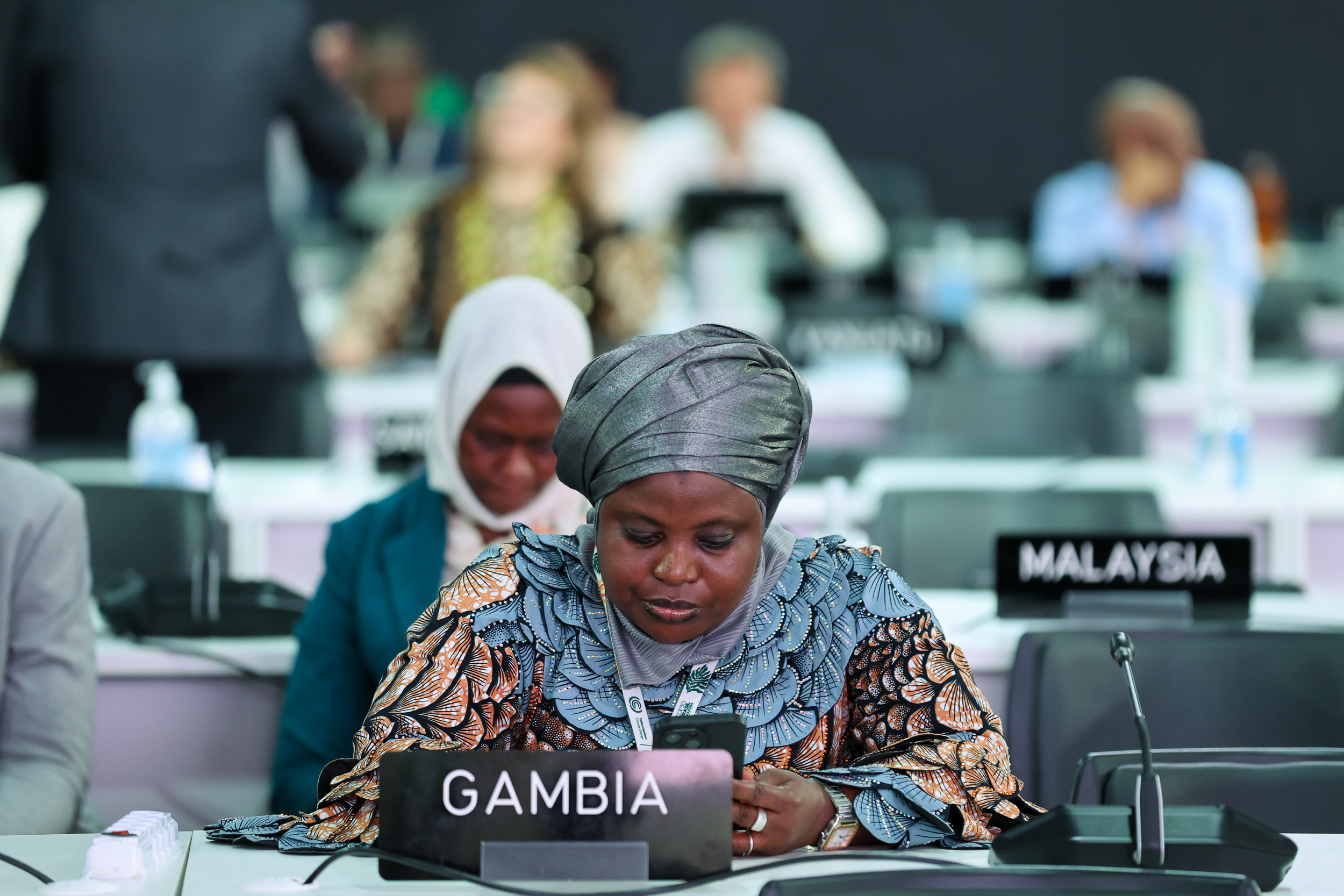
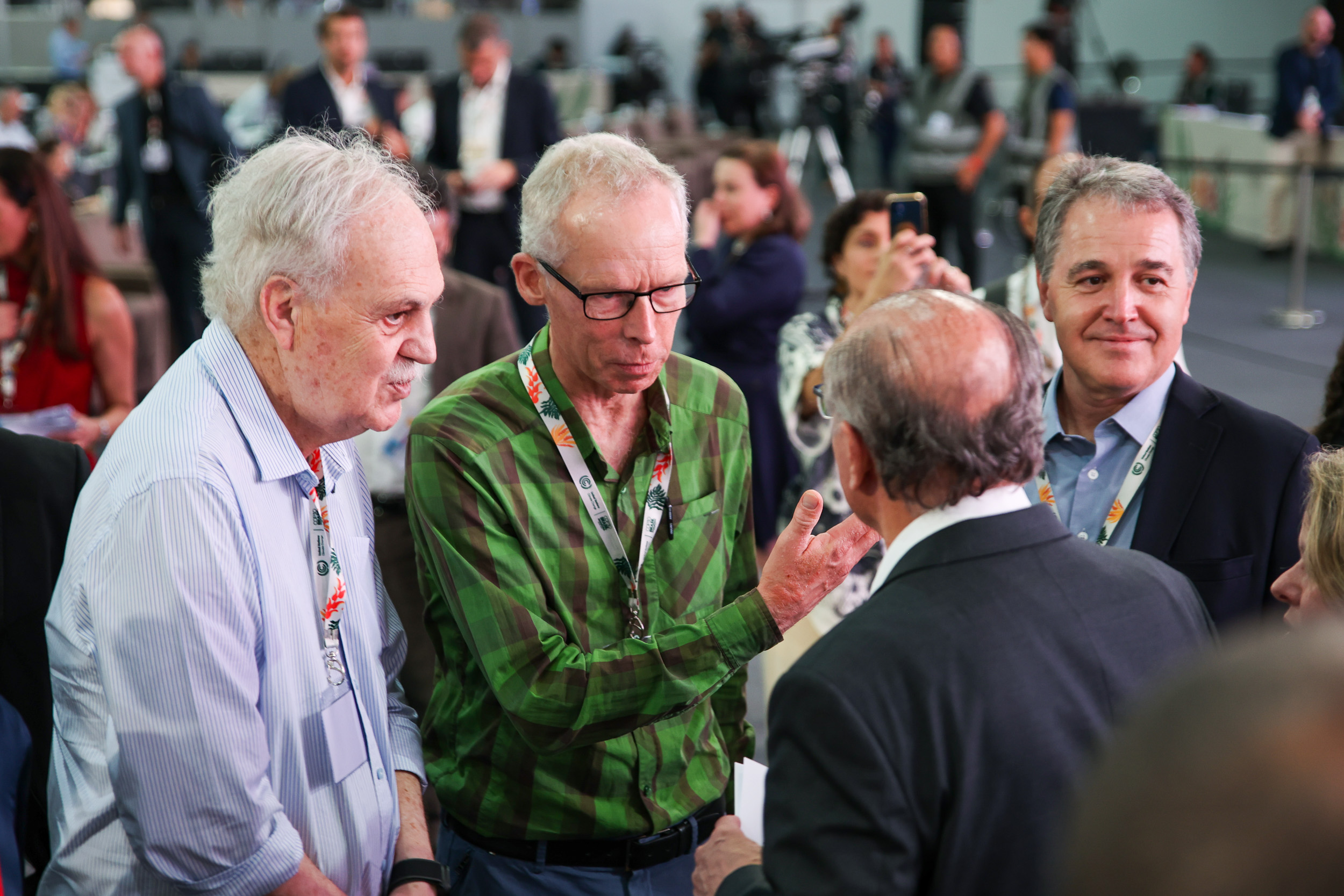
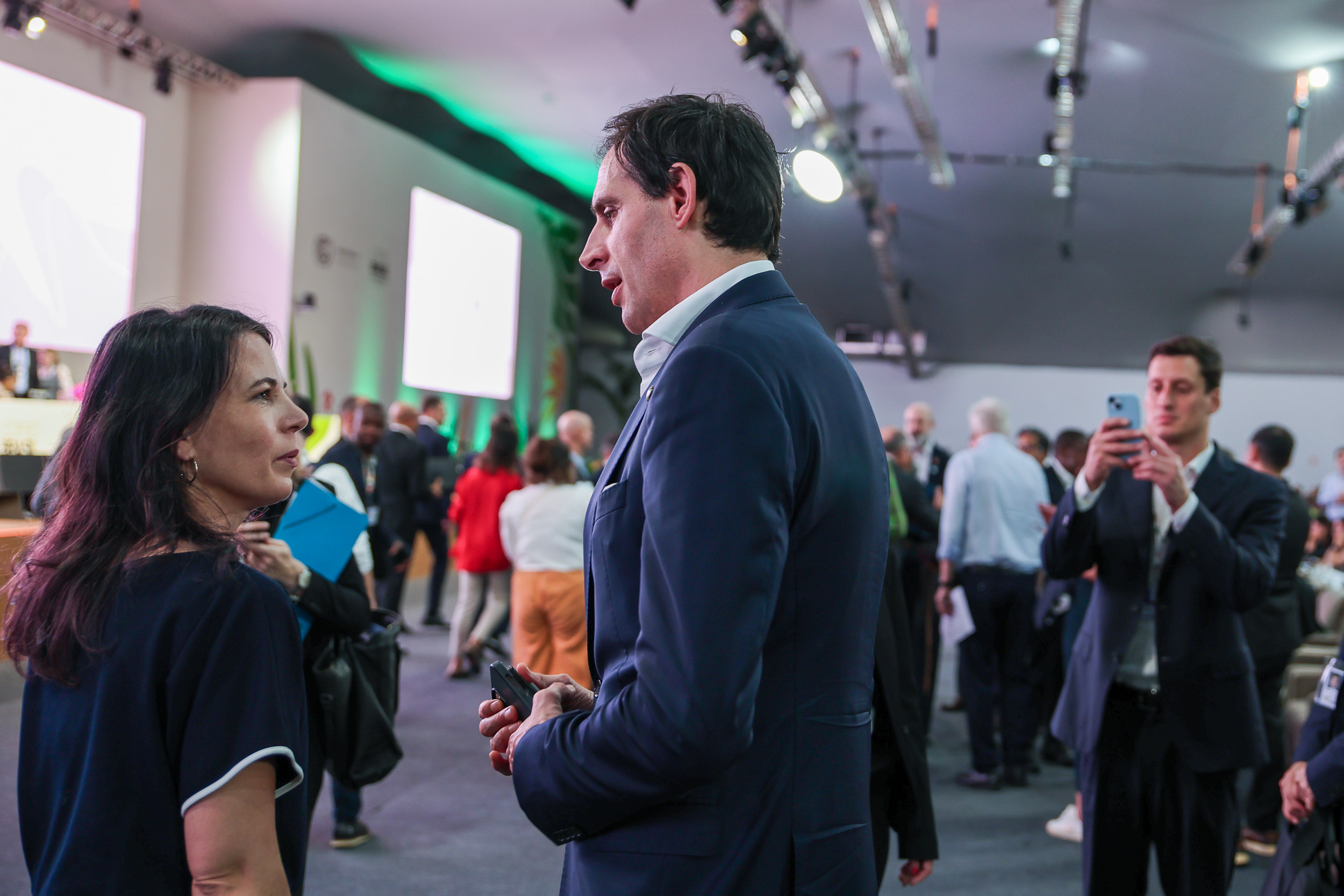
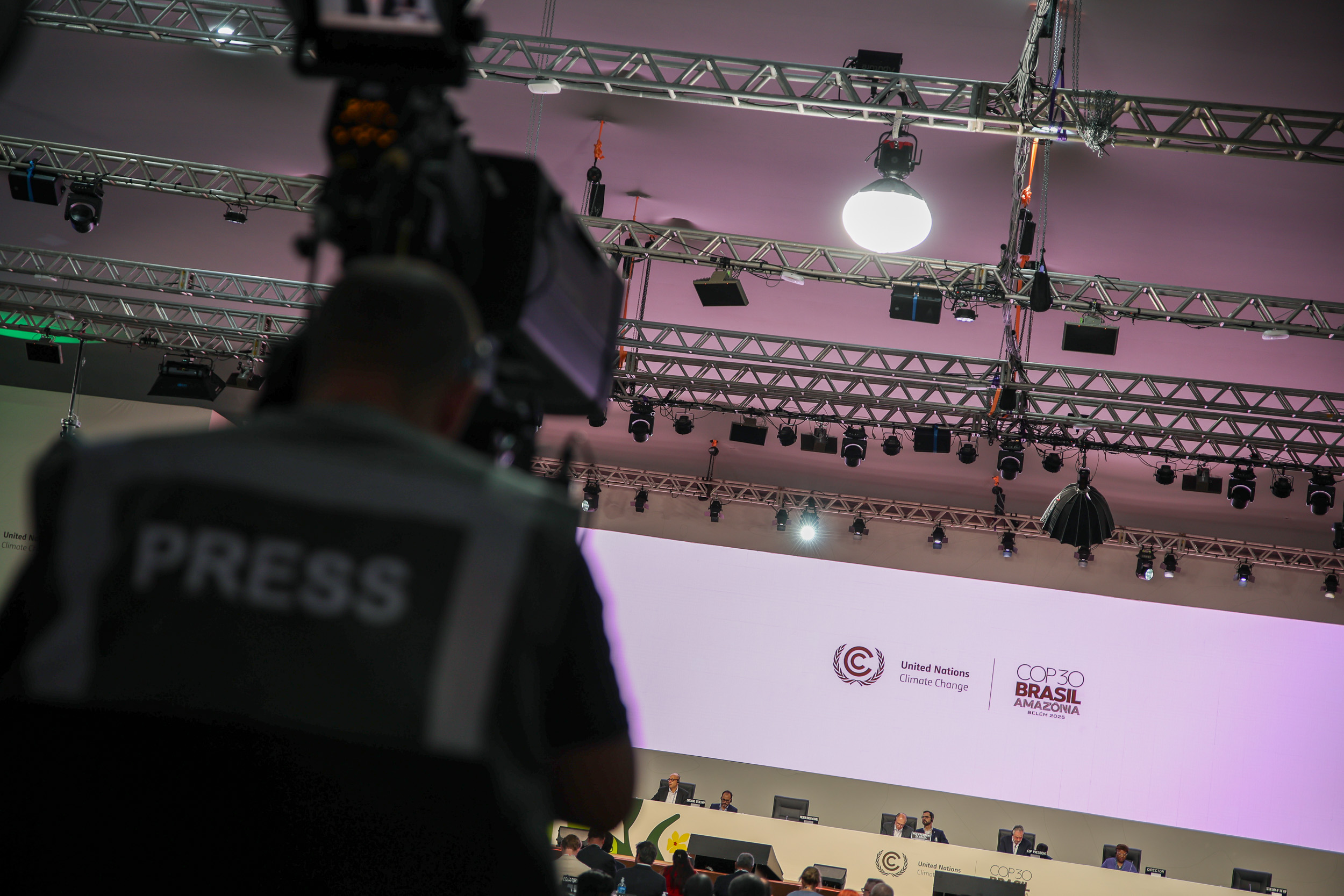
Contact Groups and Informal Consultations
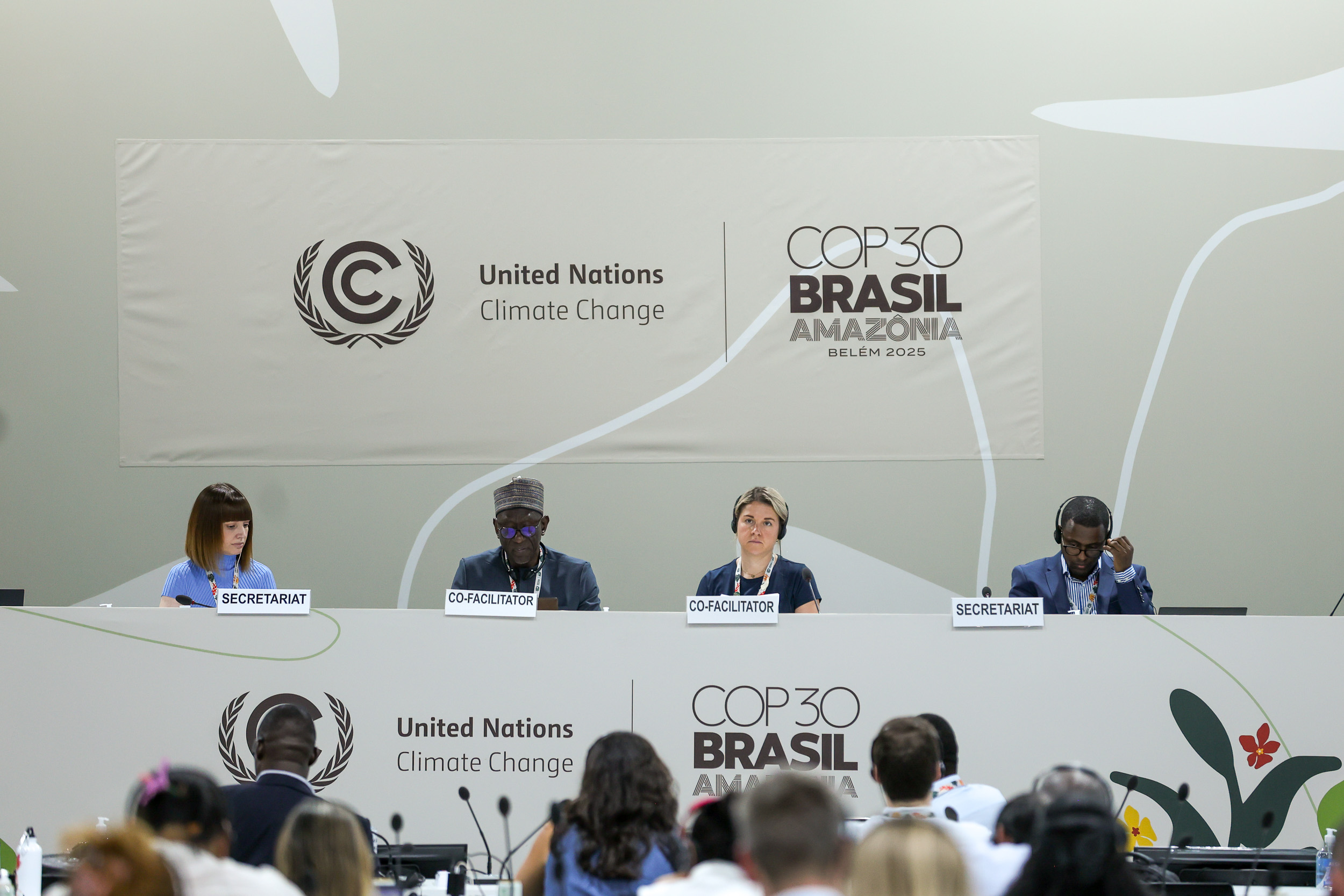
View of the dais during informal consultations on the NMA framework
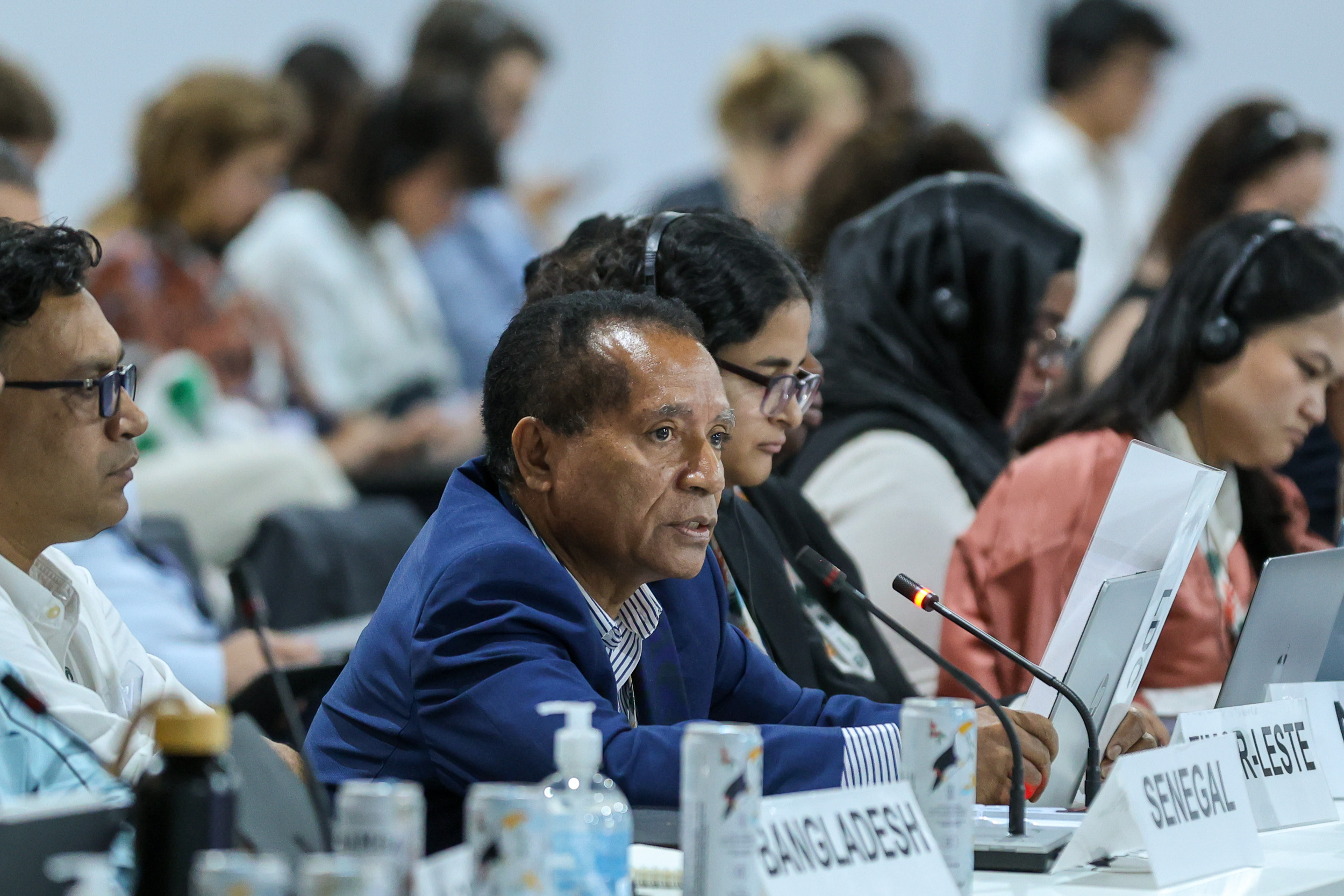
Adão Soares Barbosa, Timor-Leste
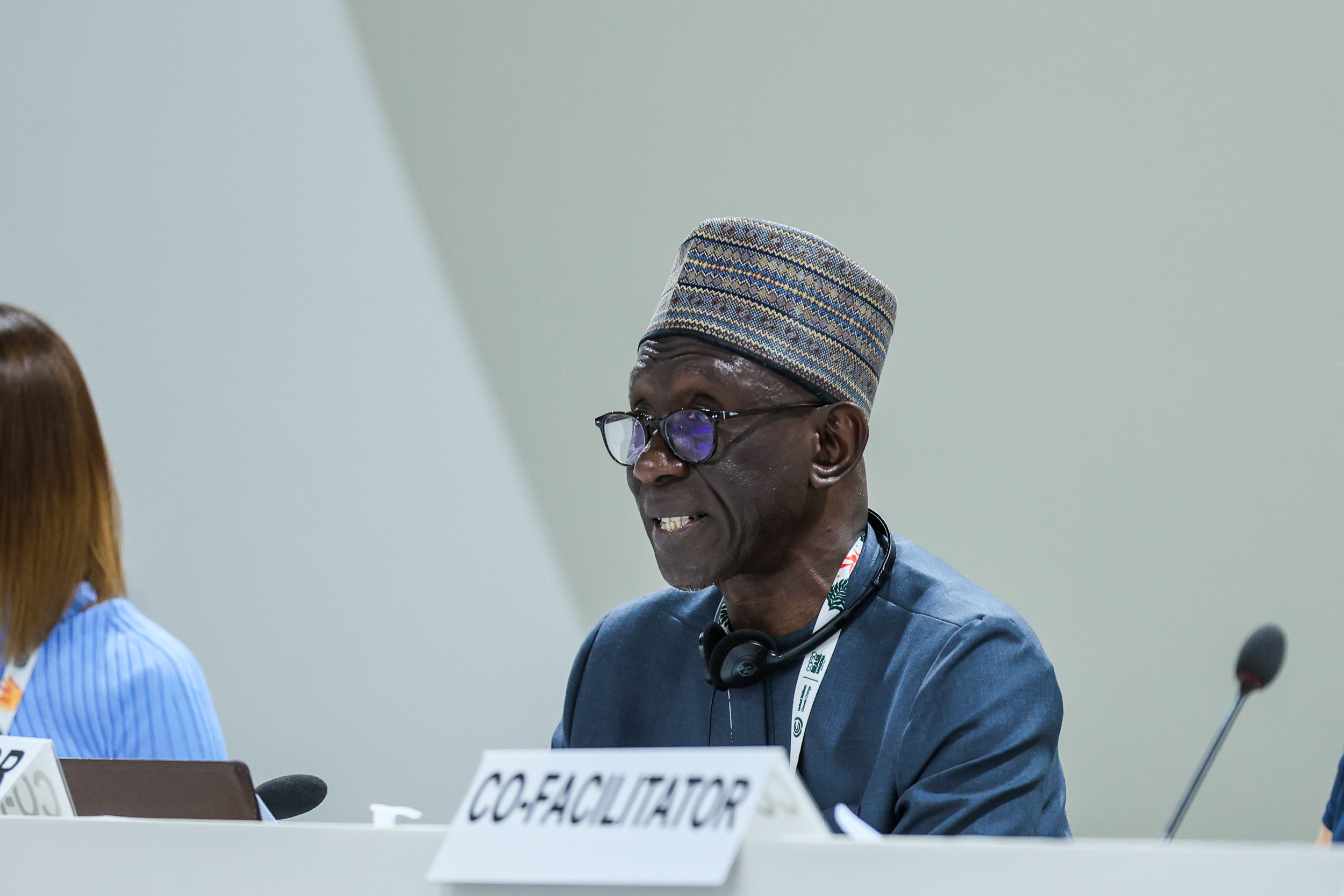
El Hadji Mbaye Diagne, Senegal, Co-Facilitator of the informal consultations on the NMA framework
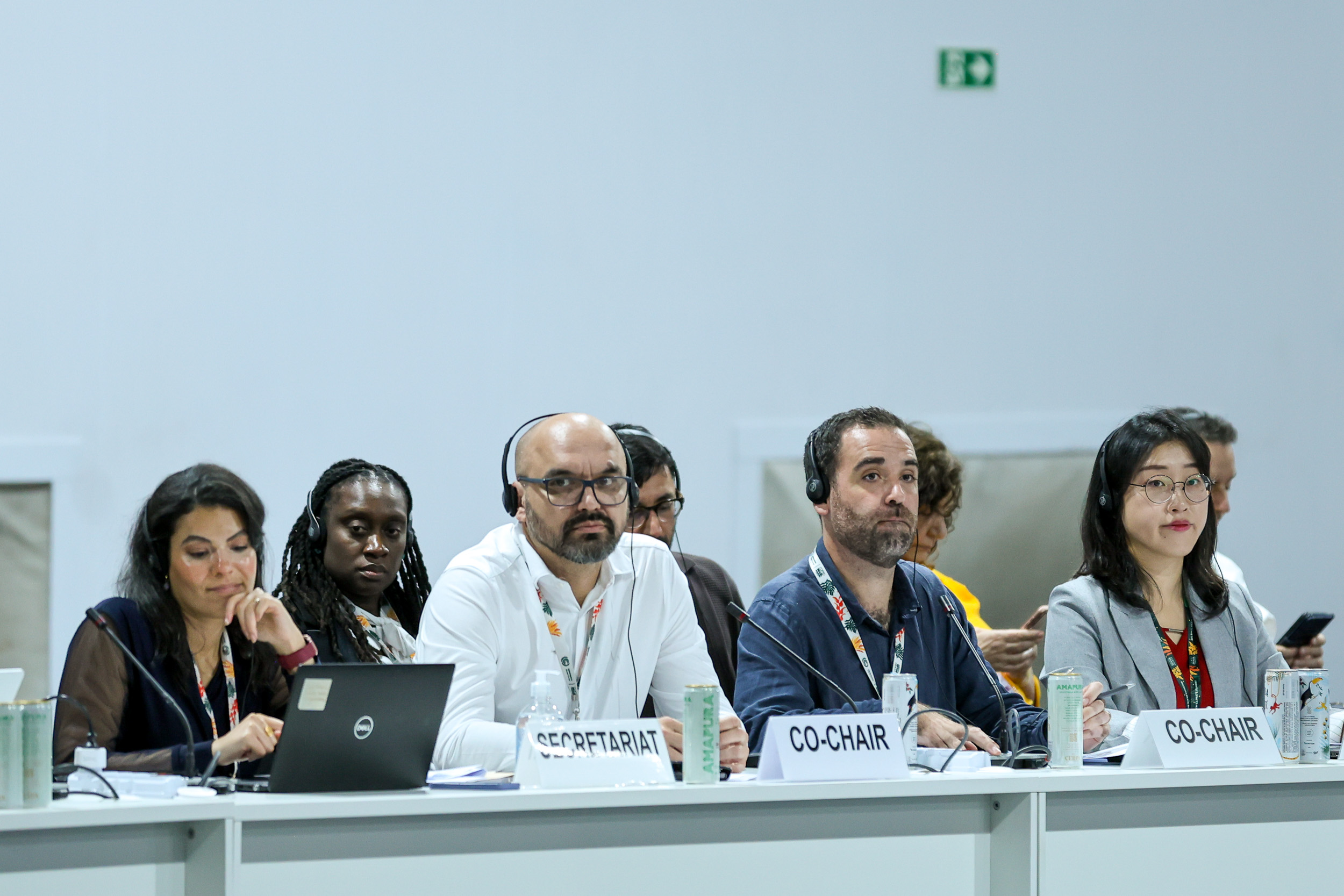
From L-R: Fatin Tawfig, UNFCCC Secretariat; Co-Facilitators of the informal consultations on the Fund for responding to Loss and Damage José Delgado, Austria, and Daniel Lund, Fiji; and Hyesu Yoon, UNFCCC Secretariat
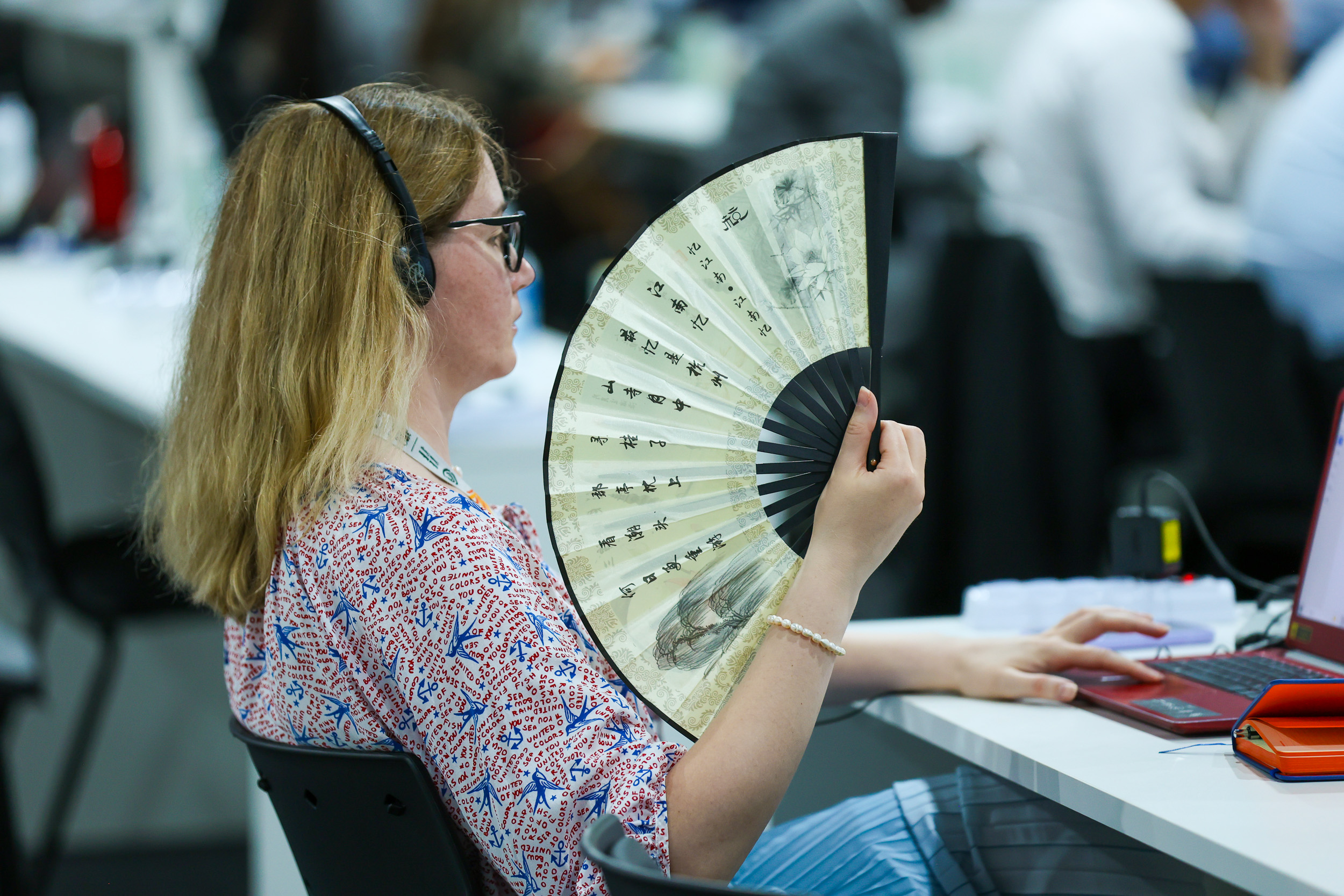
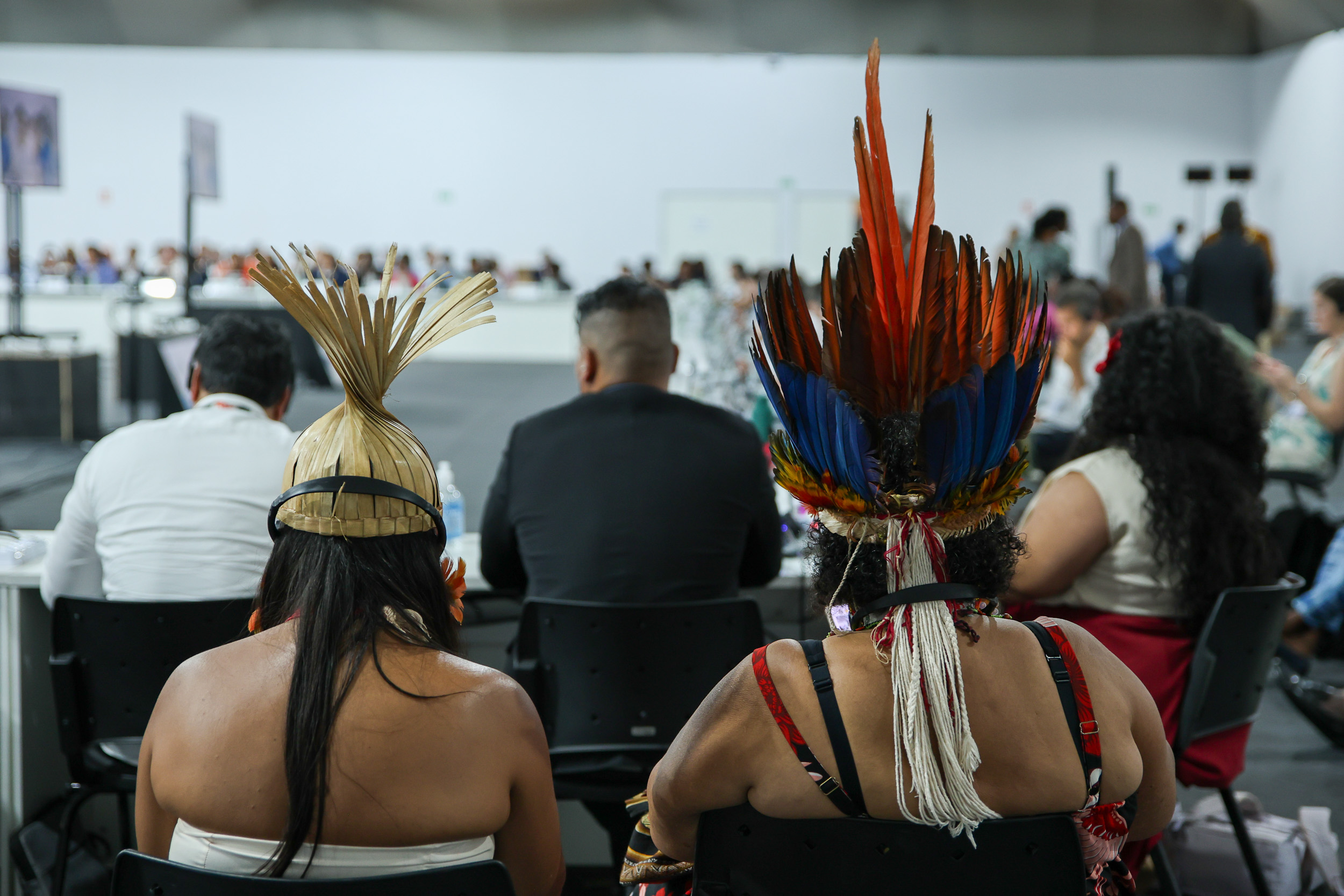
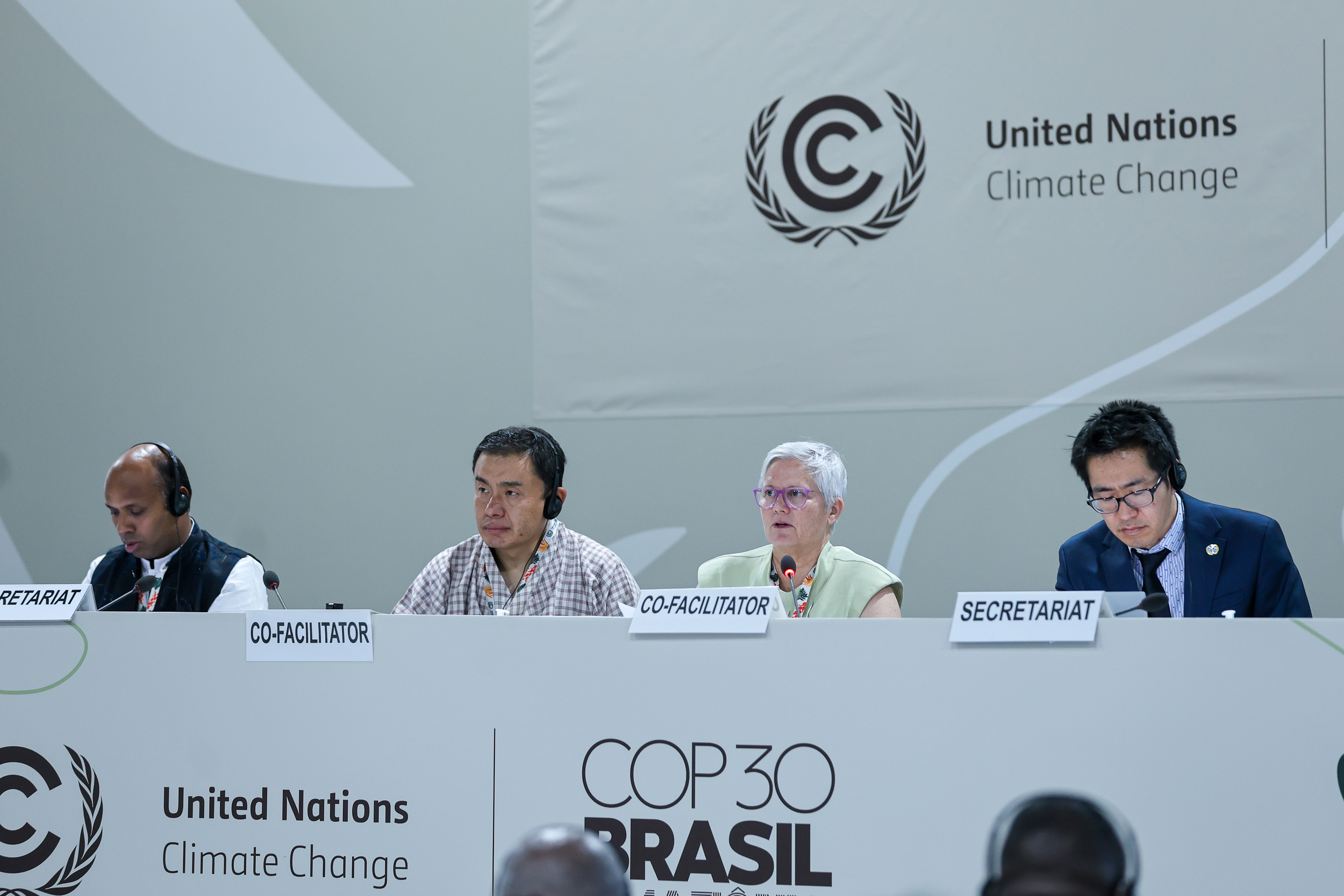
From L-R: Perumal Arumugam, UNFCCC Secretariat; Co-Facilitators of informal consultations on the Paris Agreement Article 6.4 mechanism Sonam Tashi, Bhutan, and Kate Hancock, Australia; and Kenjiro Suzuki, UNFCCC Secretariat
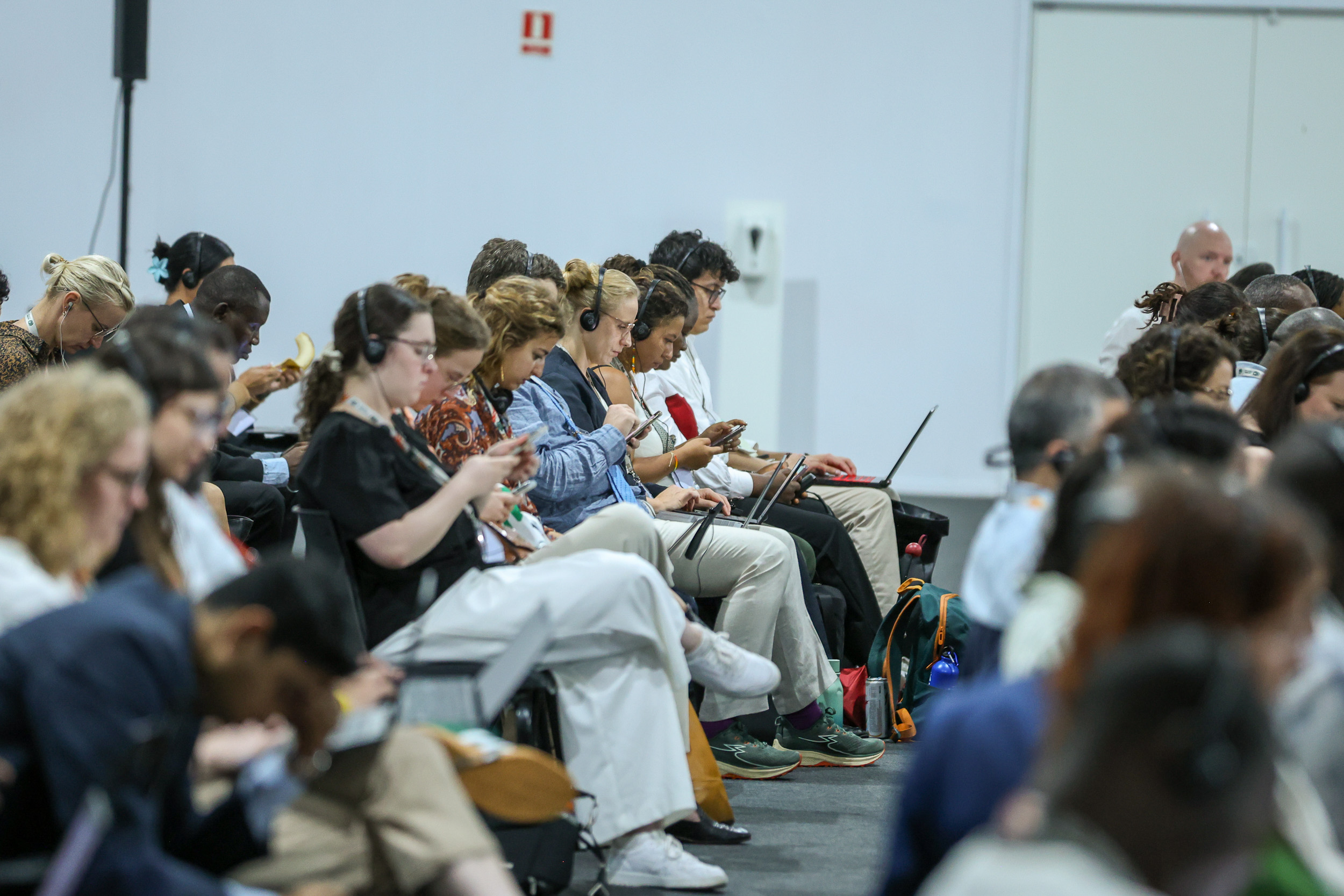
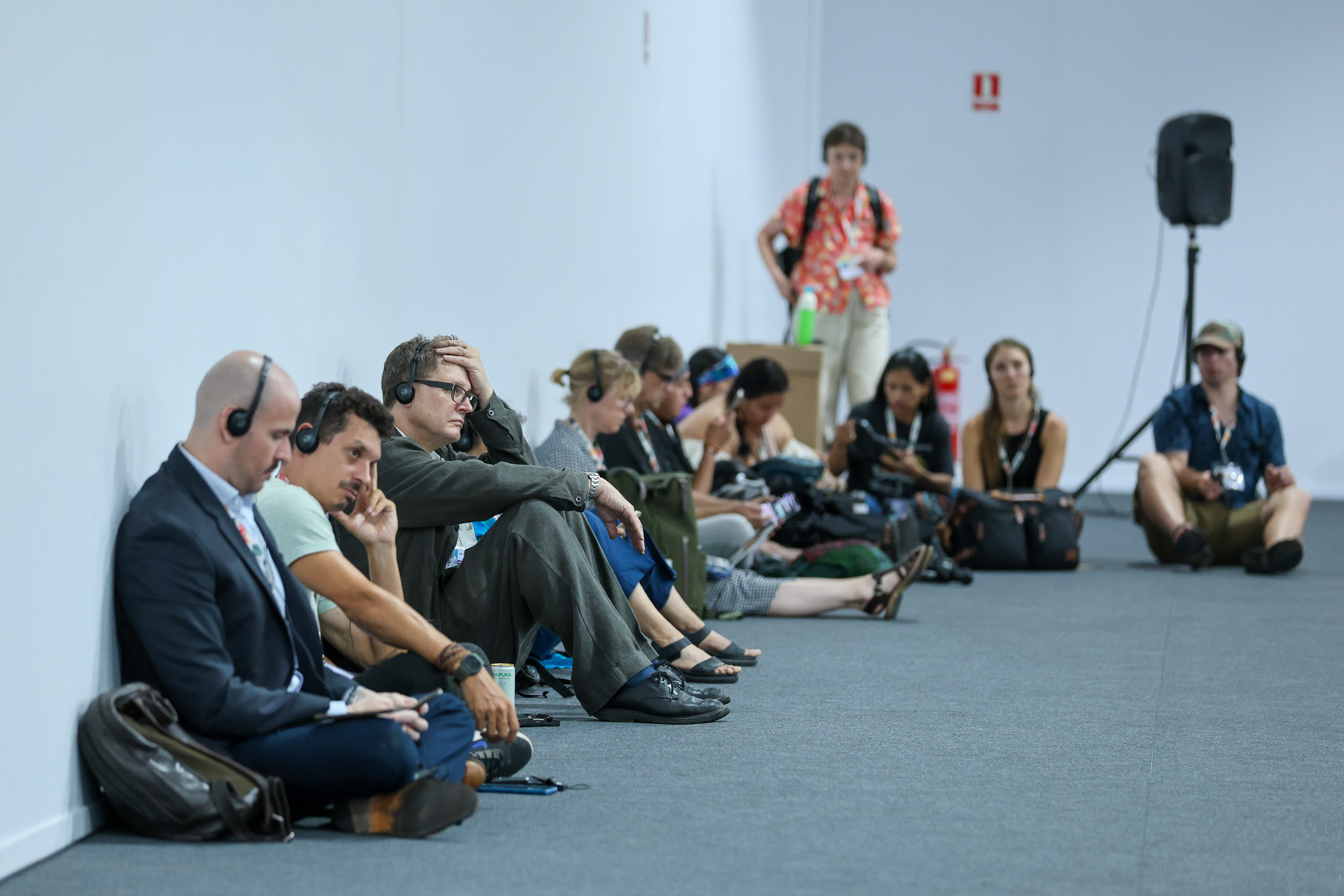
Presidency Information Session: Kickstarting the Second Week
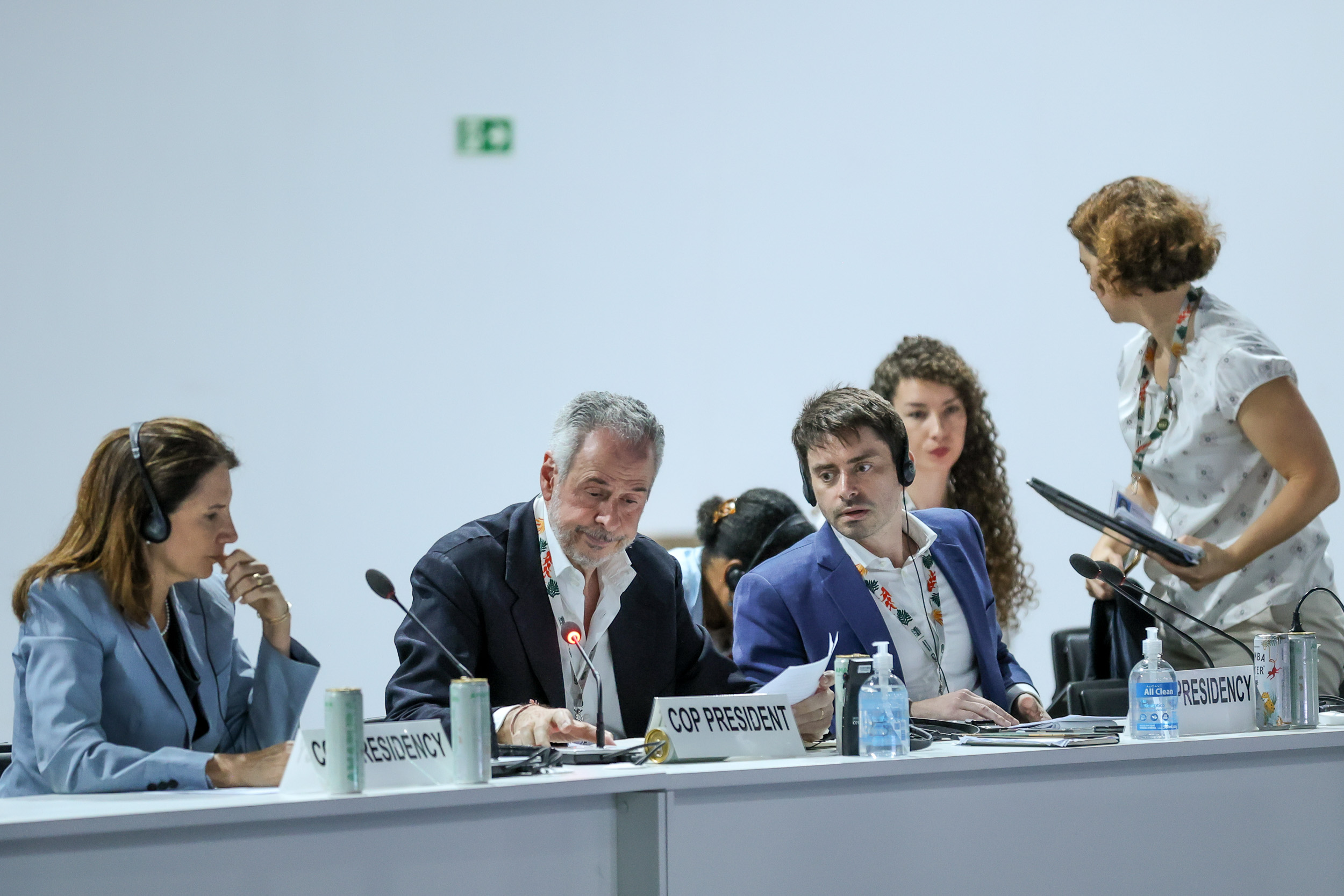
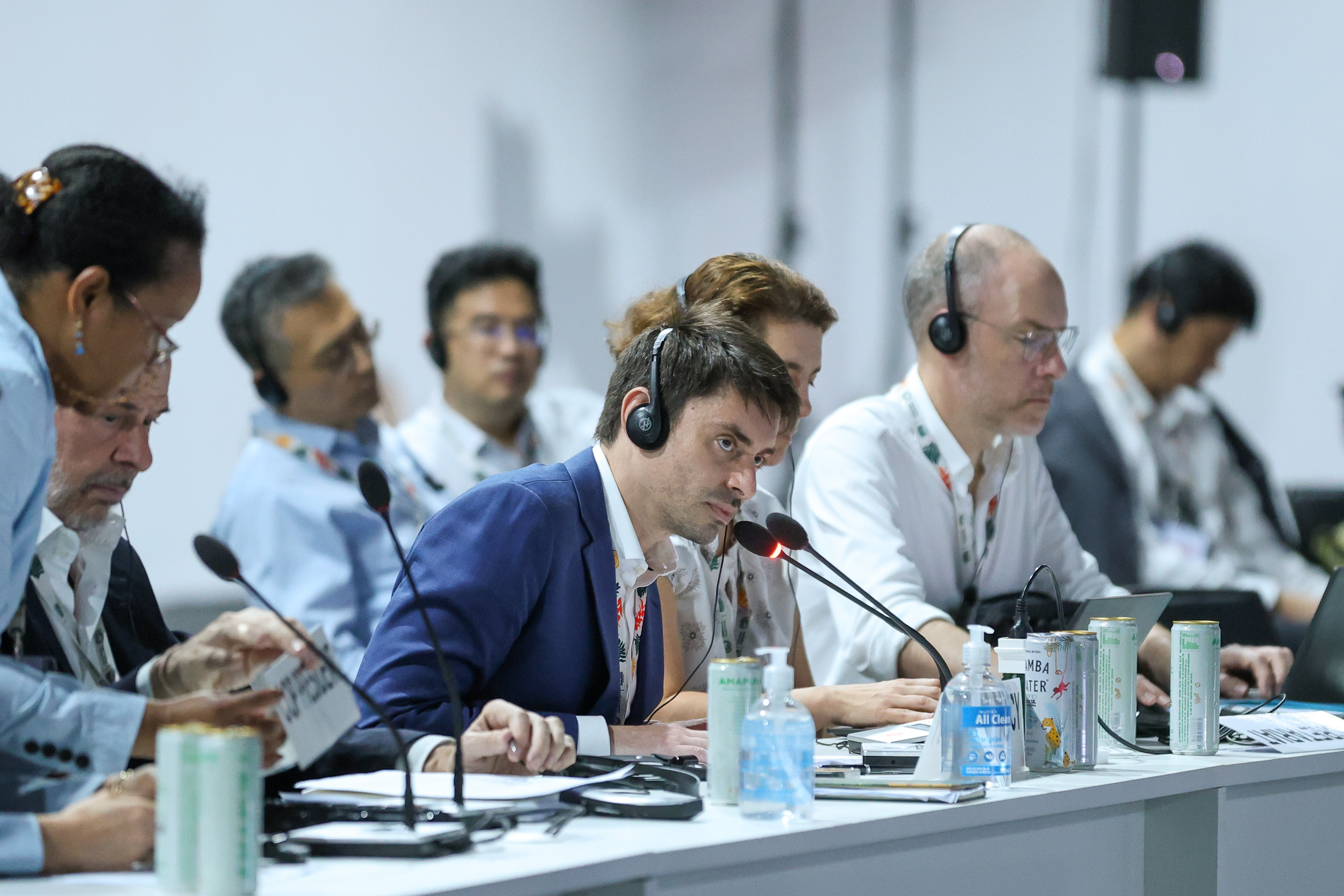
Túlio Andrade, COP 30 Presidency
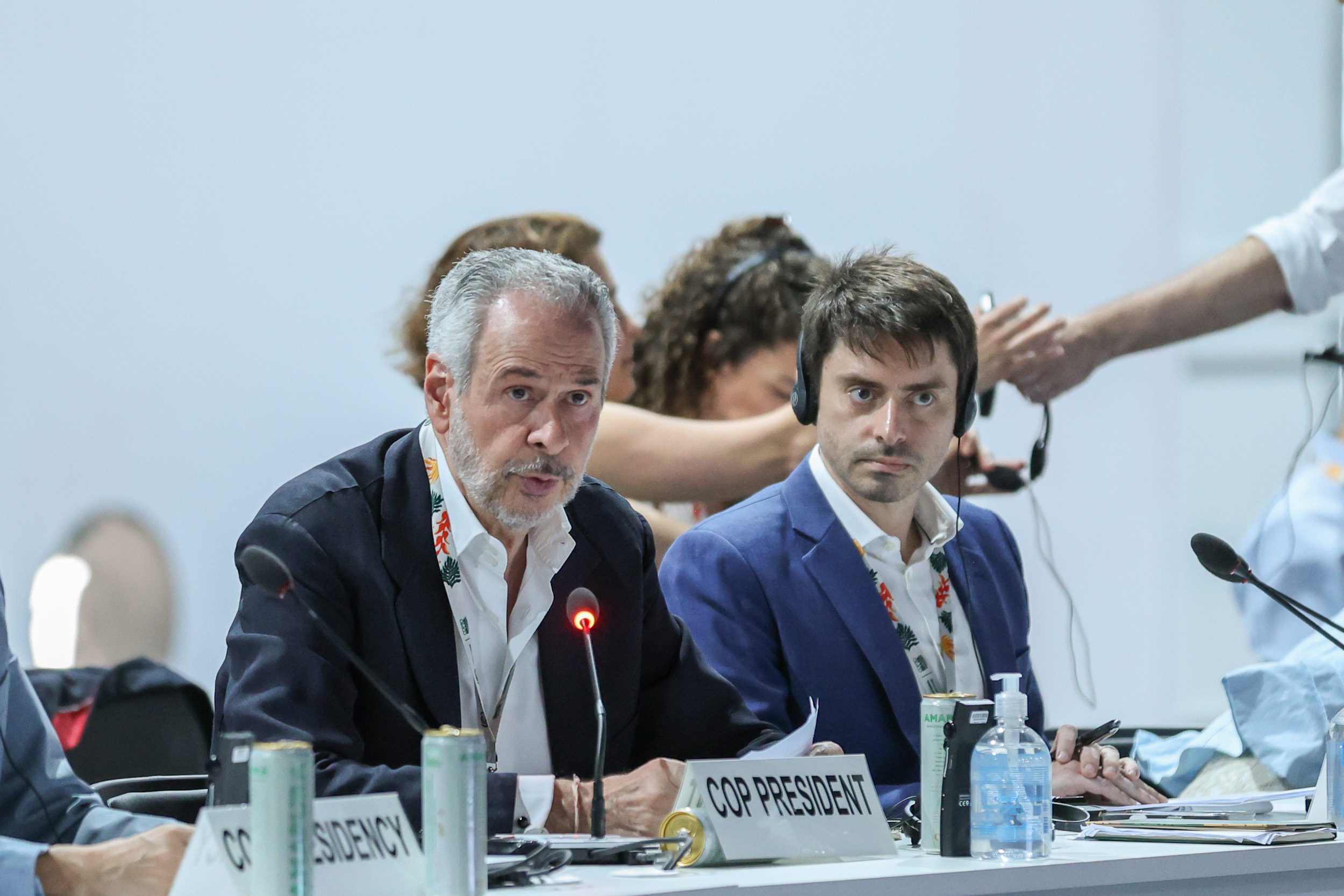
COP 30 President André Corrêa do Lago, and Túlio Andrade, COP 30 Presidency
Climate Actions