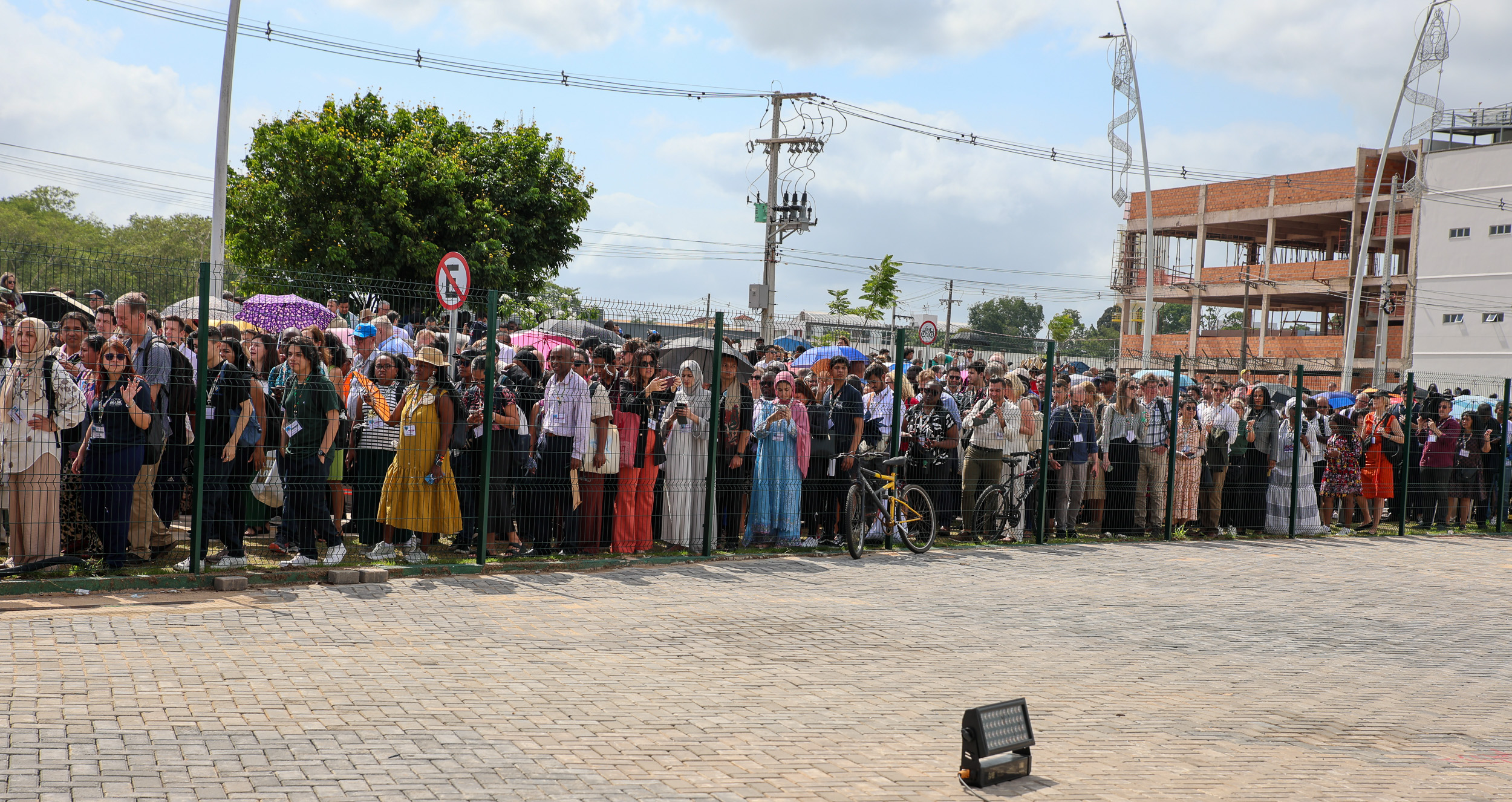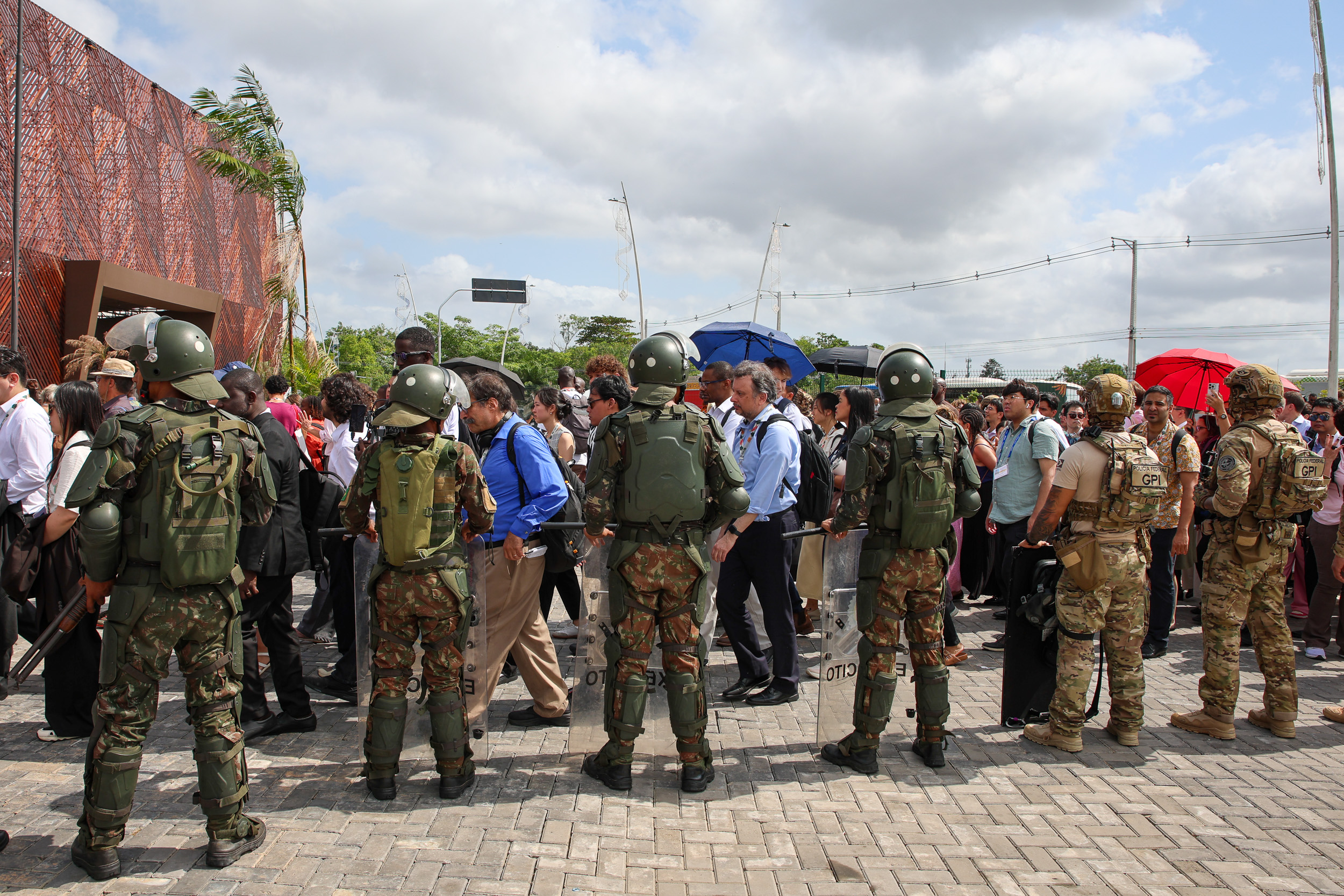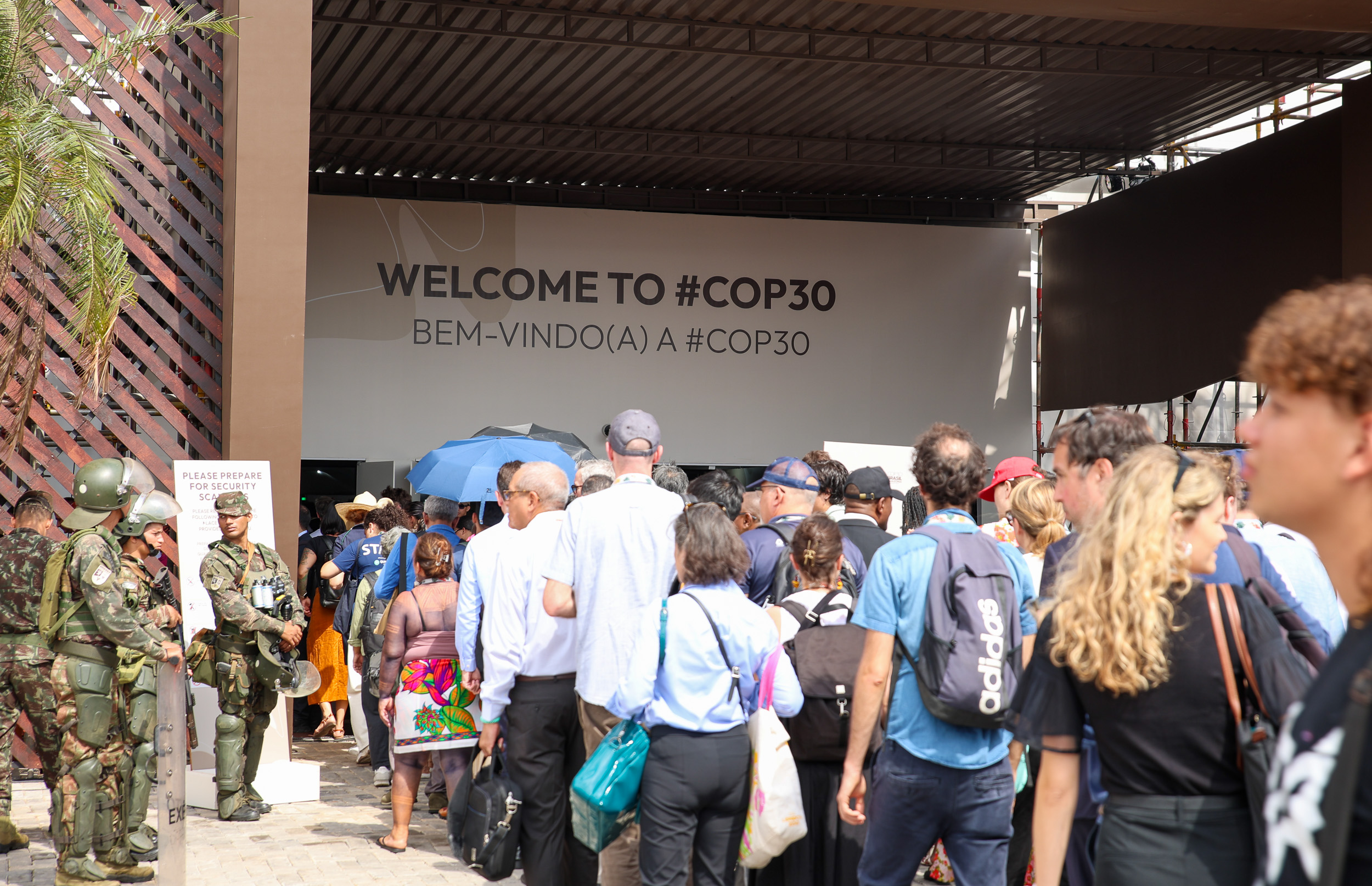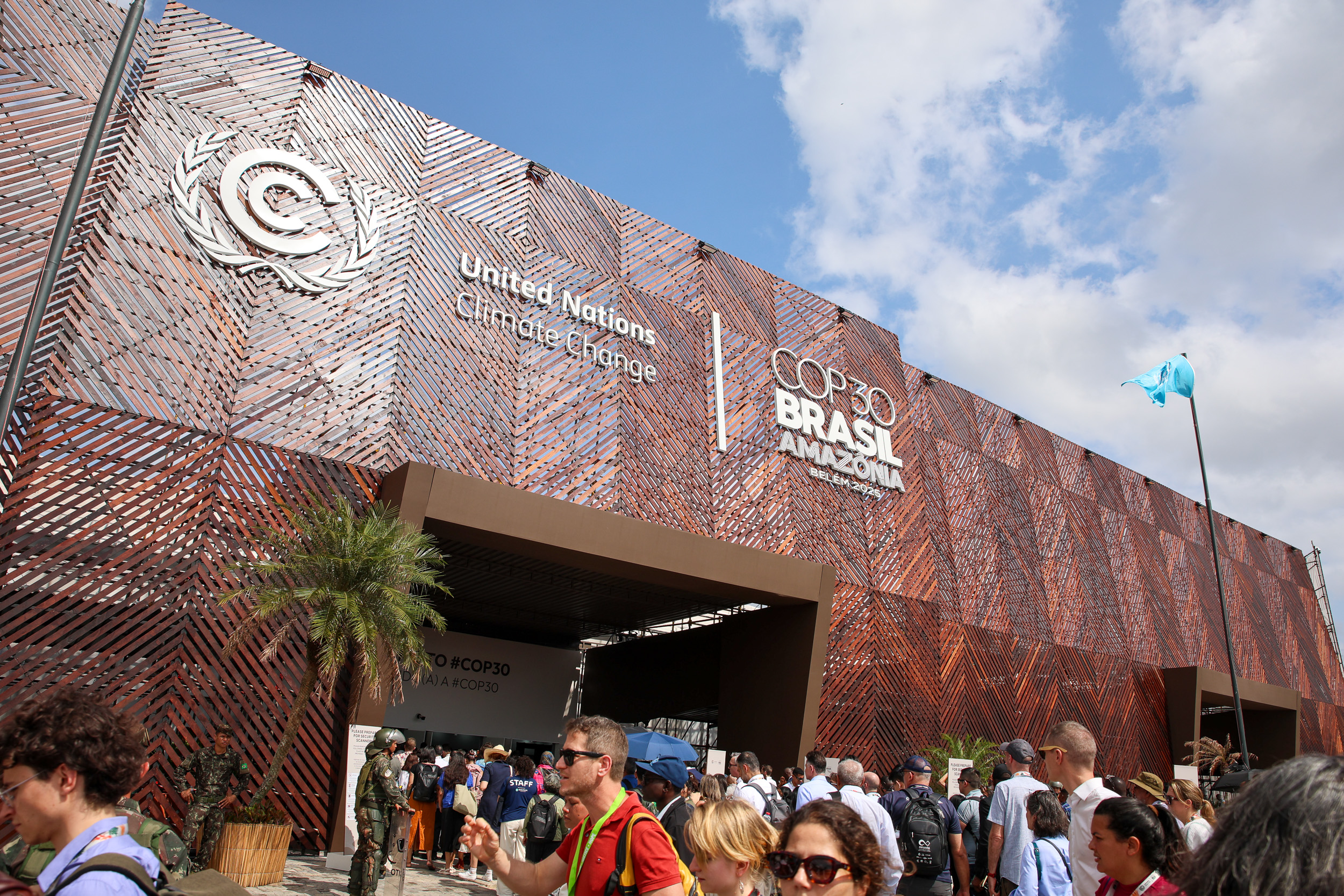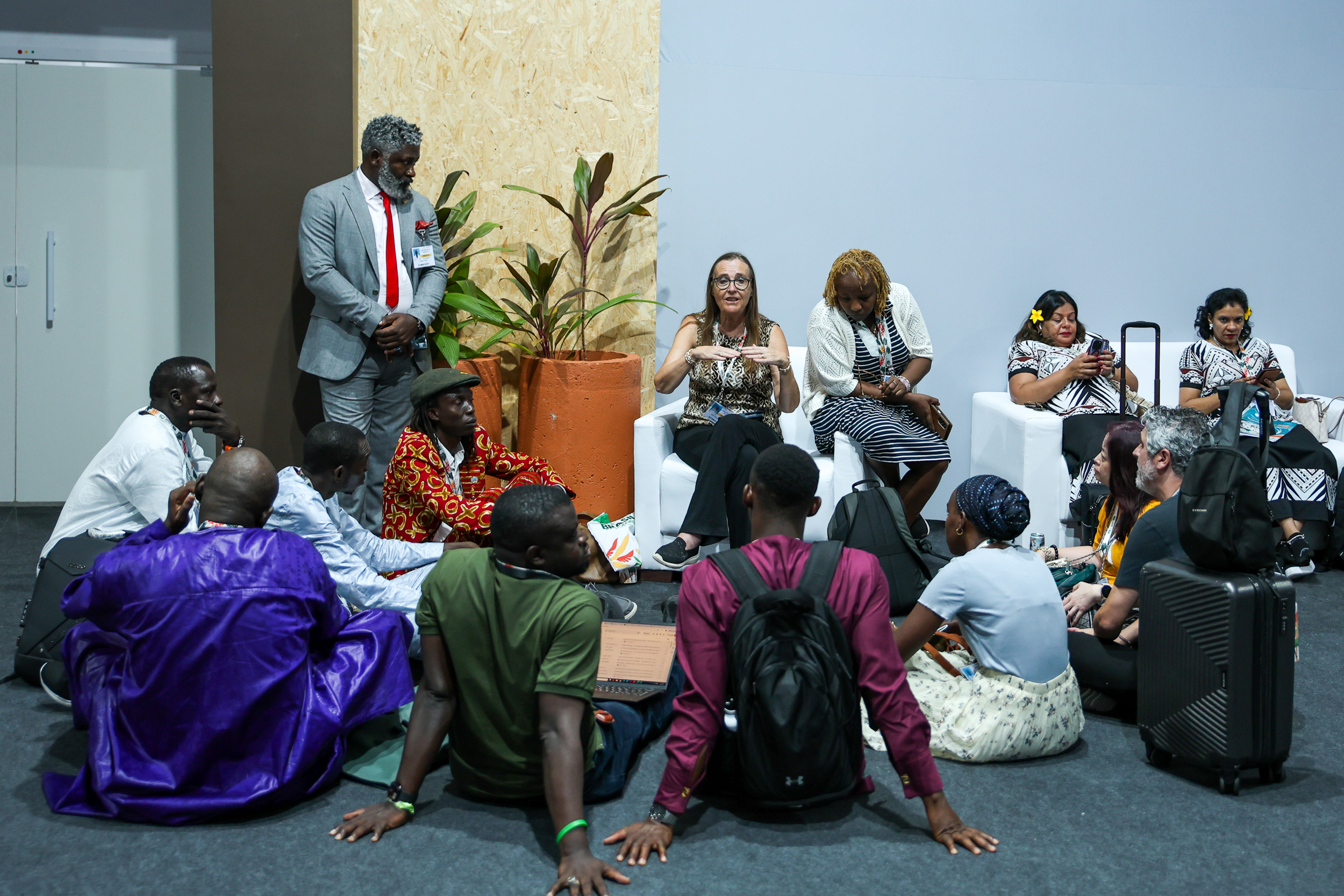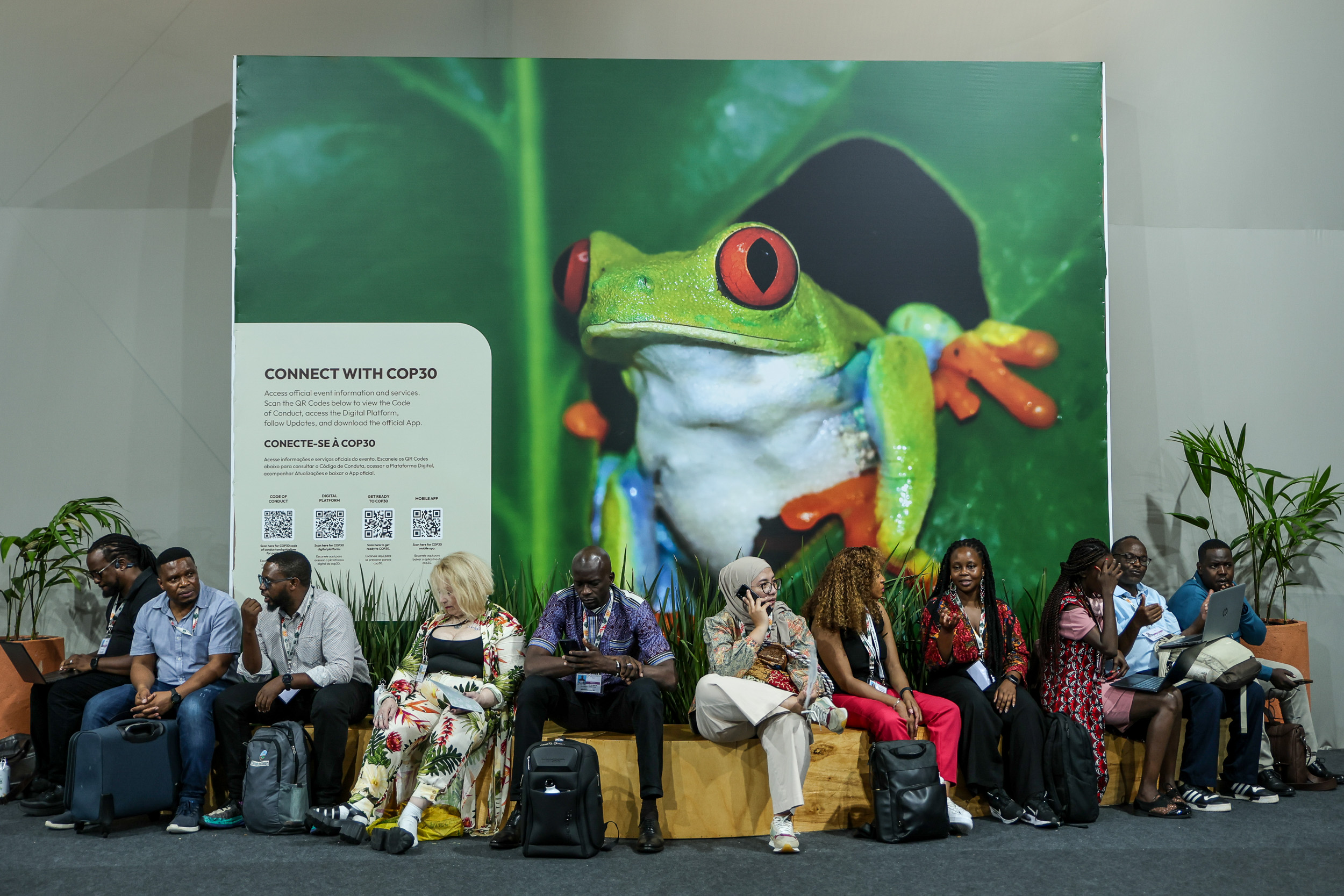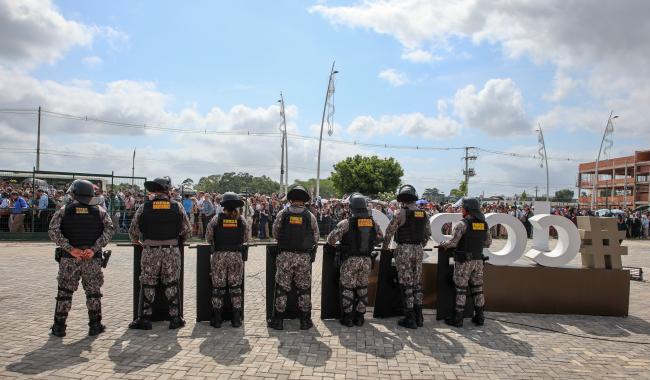
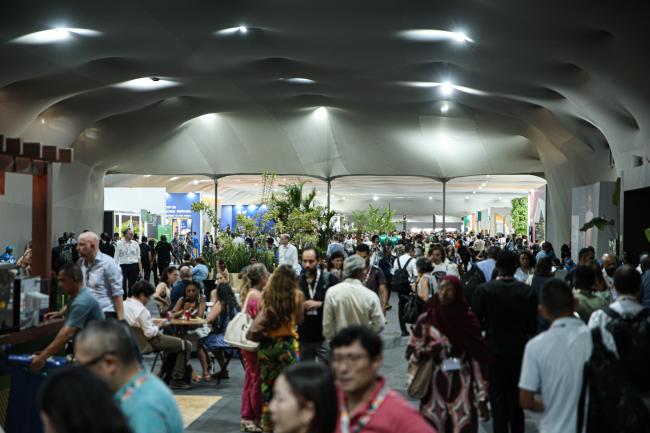
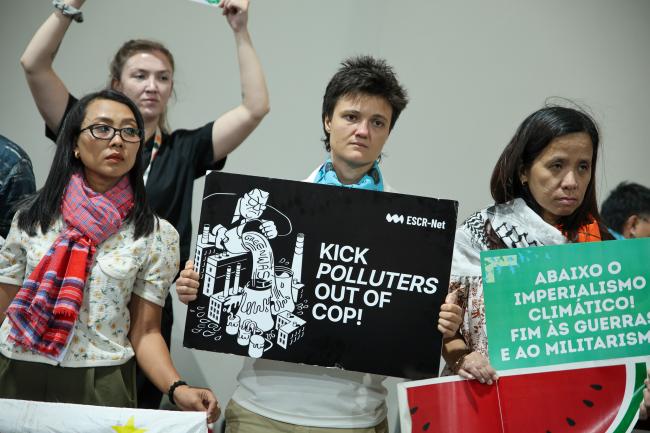
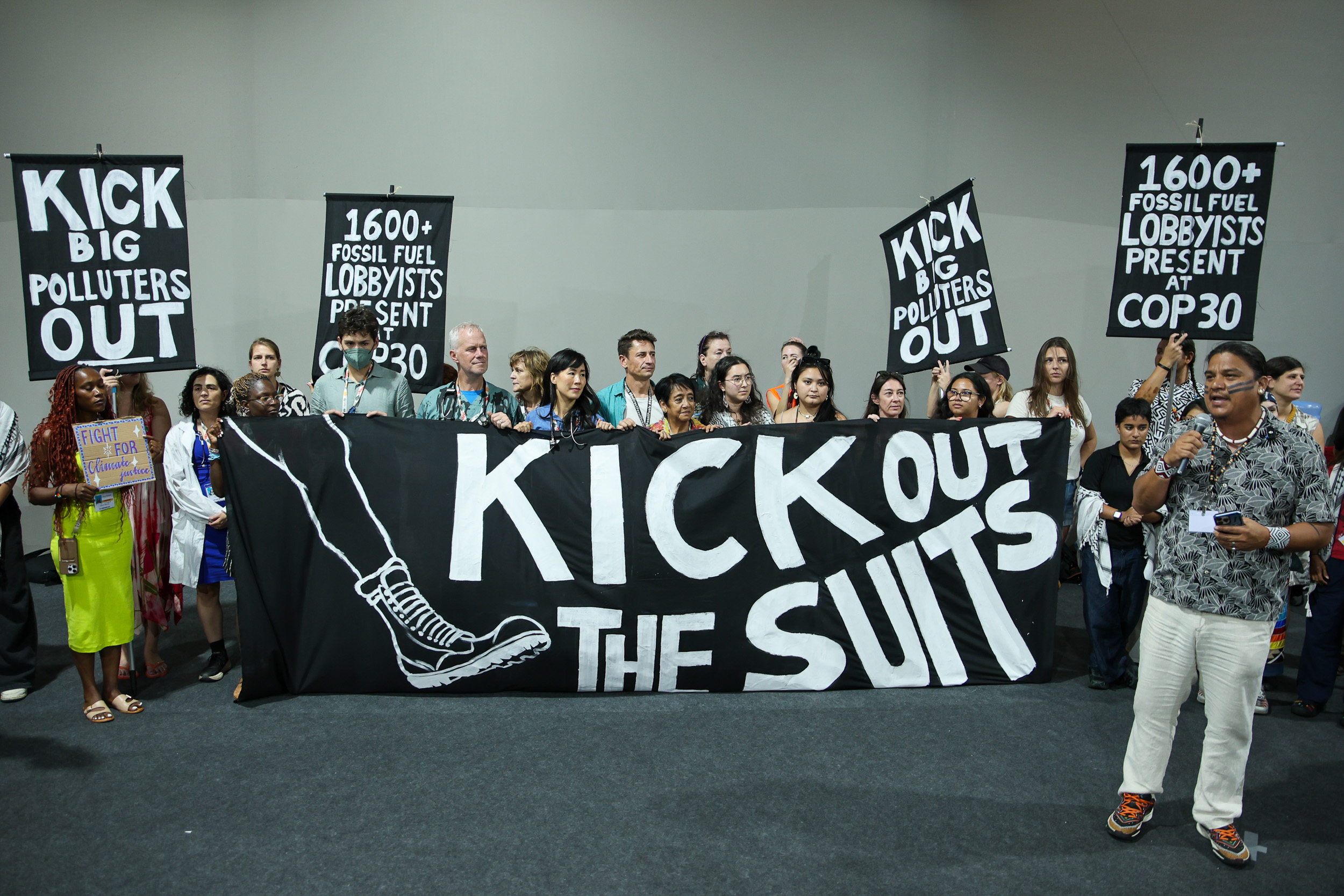
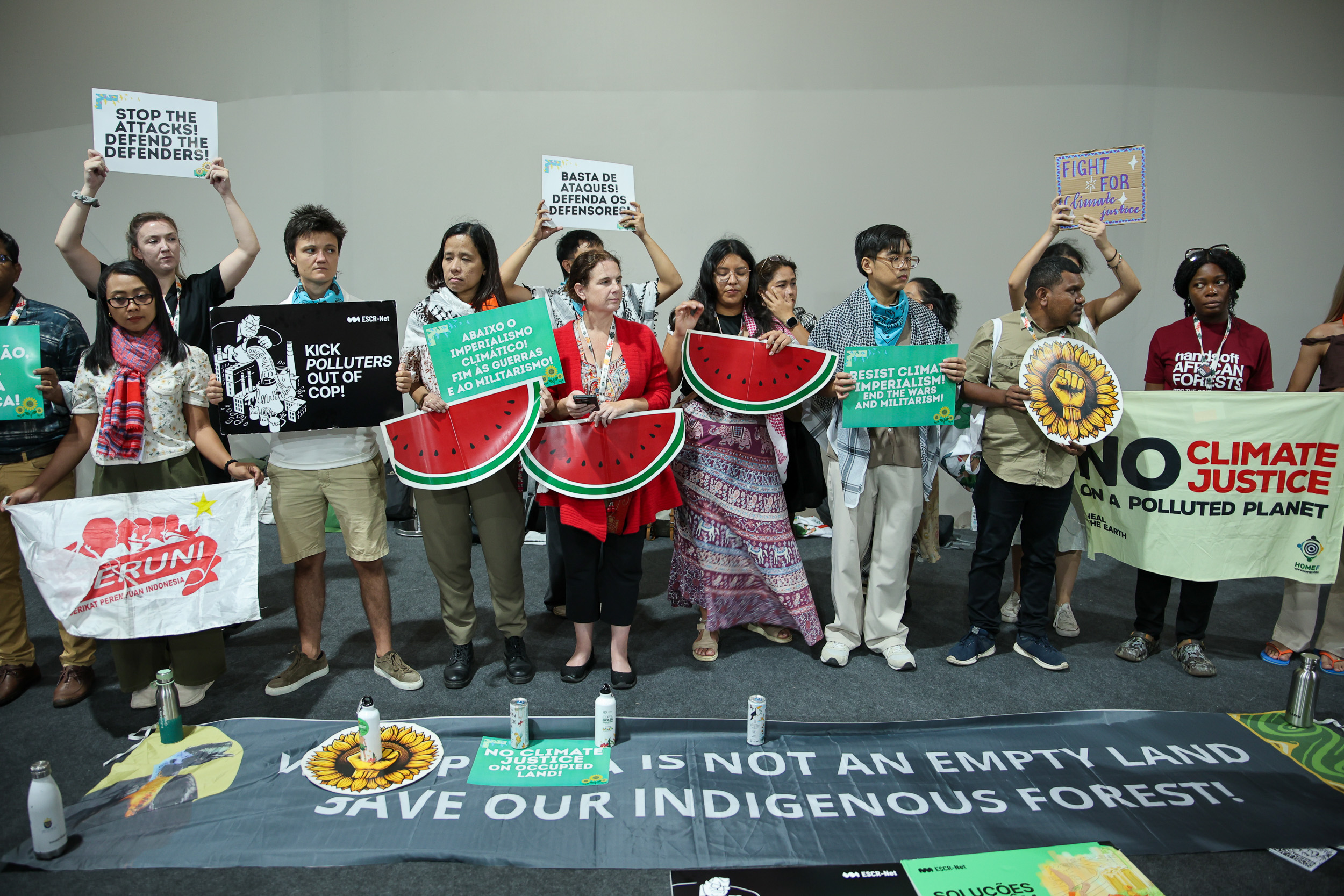
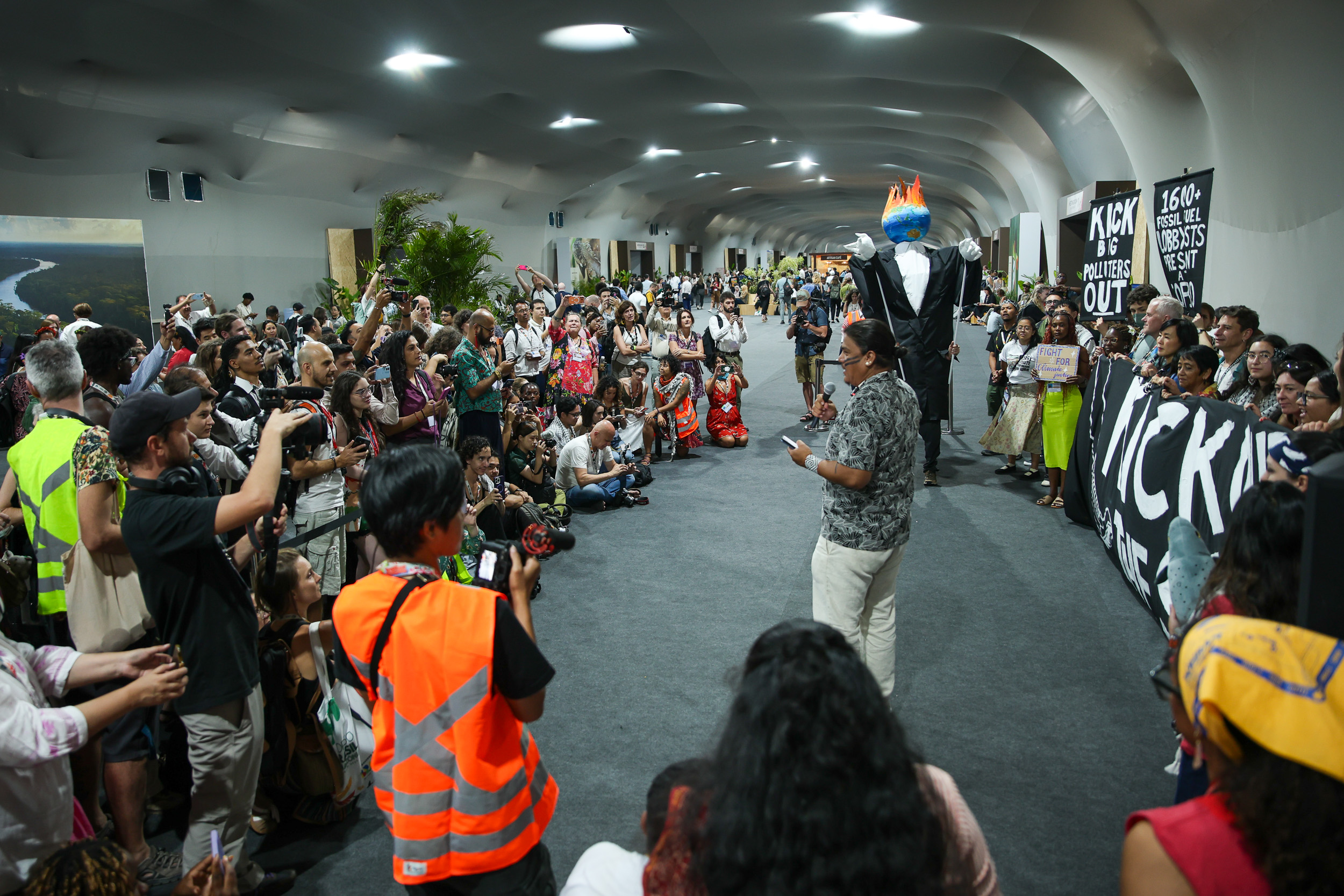
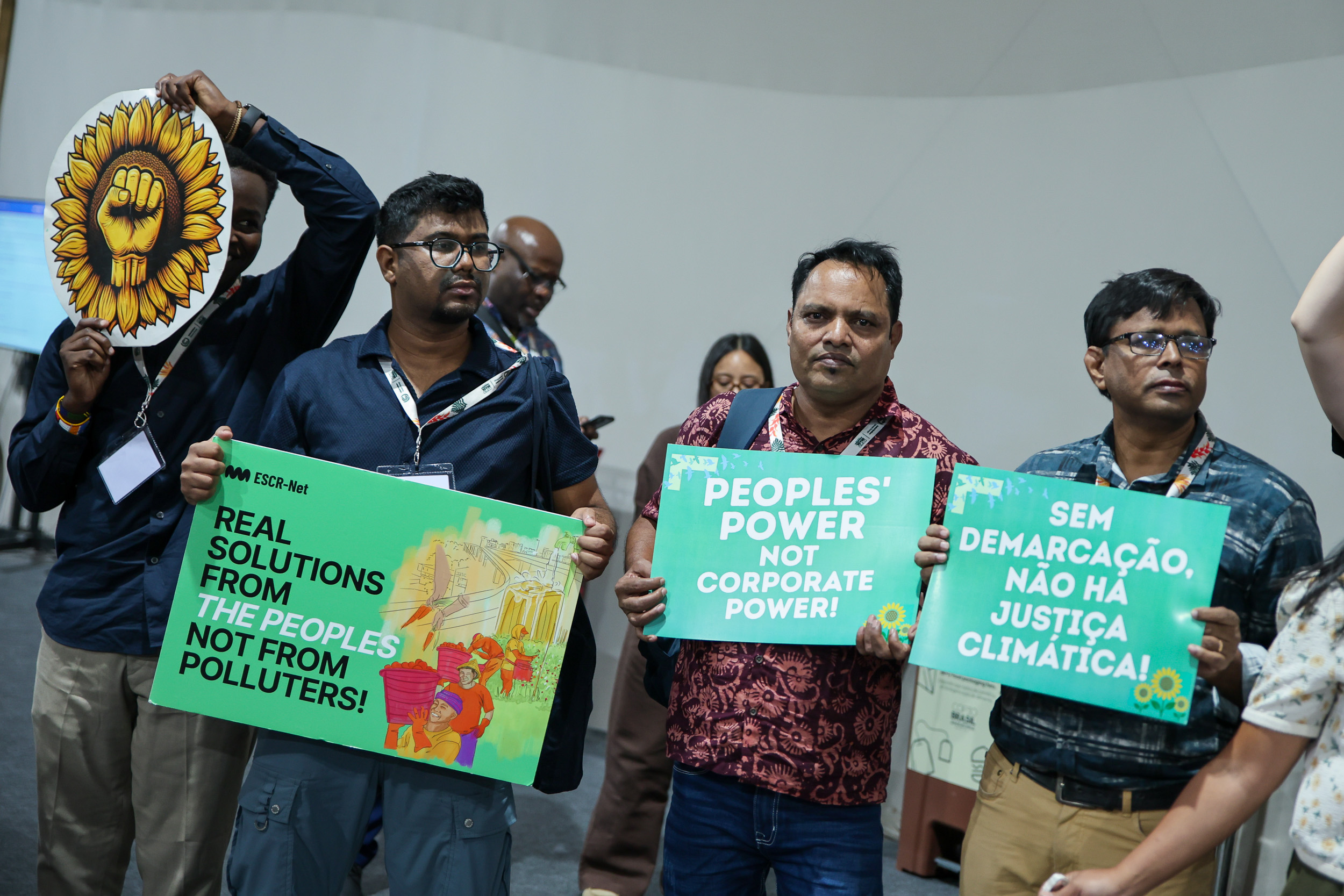
In the morning, long lines formed outside the venue of the Belém Climate Change Conference. Following a blockage of the main entrance by Indigenous activists, armed guards funnelled delegates in through a side door. Despite the stark imagery of the entire scene, everything remained peaceful, and the negotiations started without a hitch.
Want to dig deeper into today's talks? Read the full Earth Negotiations Bulletin daily report.
As is typically the case towards the end of the first week of any UN Climate Conference, the negotiation schedule was very volatile. Scheduled sessions were cancelled, extended, or postponed as Parties sought additional time for informal engagement before wrapping up draft conclusions to be adopted during the Subsidiary Bodies’ closing plenary on Saturday.
In principle, only those issues that are also on the agendas of the governing bodies to the UN Framework Convention on Climate Change (UNFCCC), Kyoto Protocol, and Paris Agreement continue to be discussed during the second week. If Parties do not manage to reach agreement on matters that are exclusive to the Subsidiary Bodies, further consideration would be delayed until the 2026 June Climate Meetings.
First discussions to land an agreement included:
- arrangements for intergovernmental meetings, with some expressing disappointment over the conclusions’ lack of ambition and stressing the importance of improving the efficiency of the UNFCCC process; and
- matters relating to least developed countries.
Other issues saw little progress, including those on the procedures for the Global Stocktake under the Paris Agreement. In the science-related negotiations, Saudi Arabia opposed a call to enhance efforts to counter misinformation.
No less than fifteen sessions were scheduled in the evening, with the most prominent ones touching on: indicators for the Global Goal on Adaptation; the development of a new gender action plan; and just transition.
To receive free coverage of global environmental events delivered to your inbox, subscribe to the ENB Update newsletter.
All ENB photos are free to use with attribution. For the UN Climate Change Conference COP 30, please use: Photo by IISD/ENB | Mike Muzurakis
COP 30 Presidency Consultations
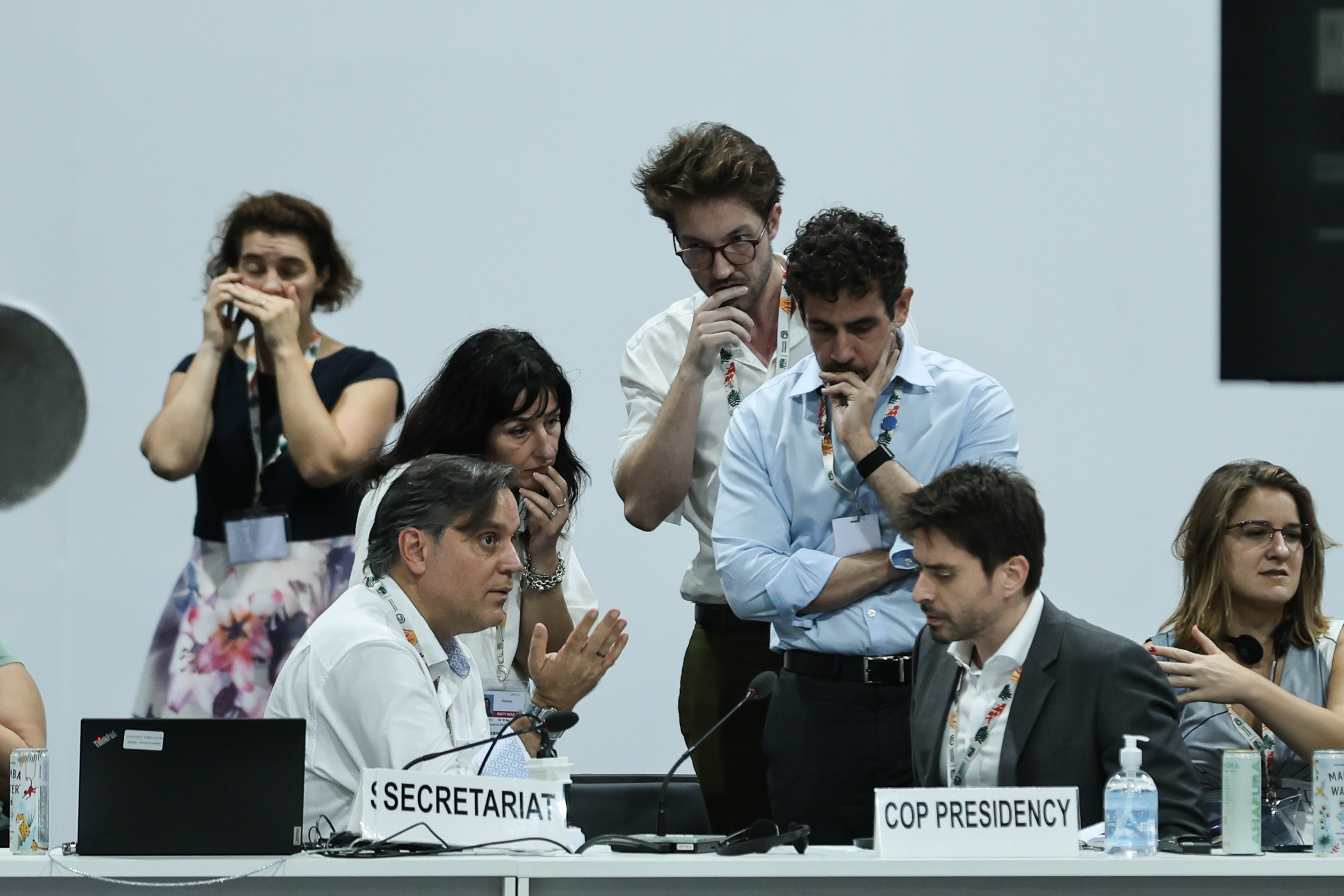
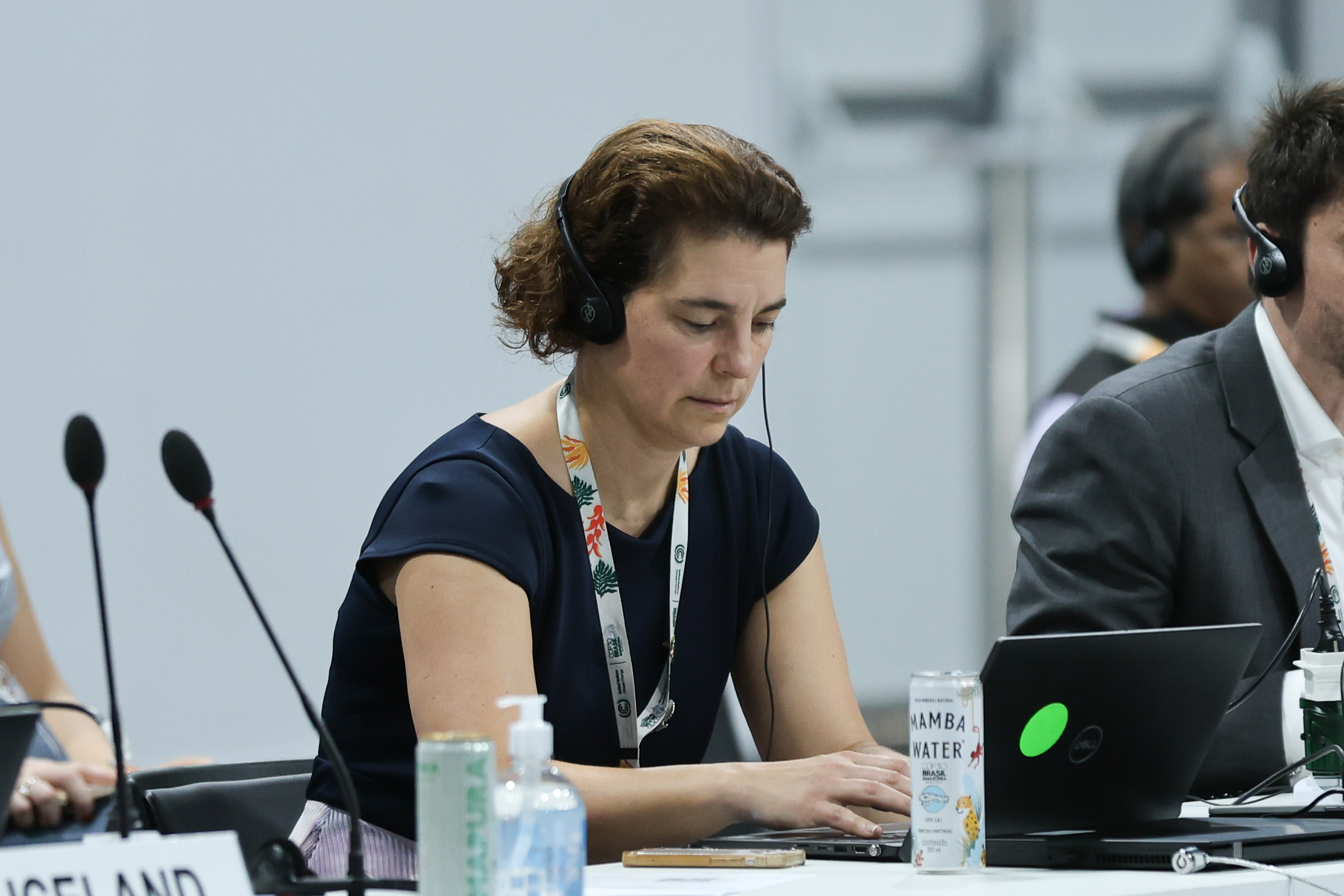
Annett Moehner, UNFCCC Secretariat
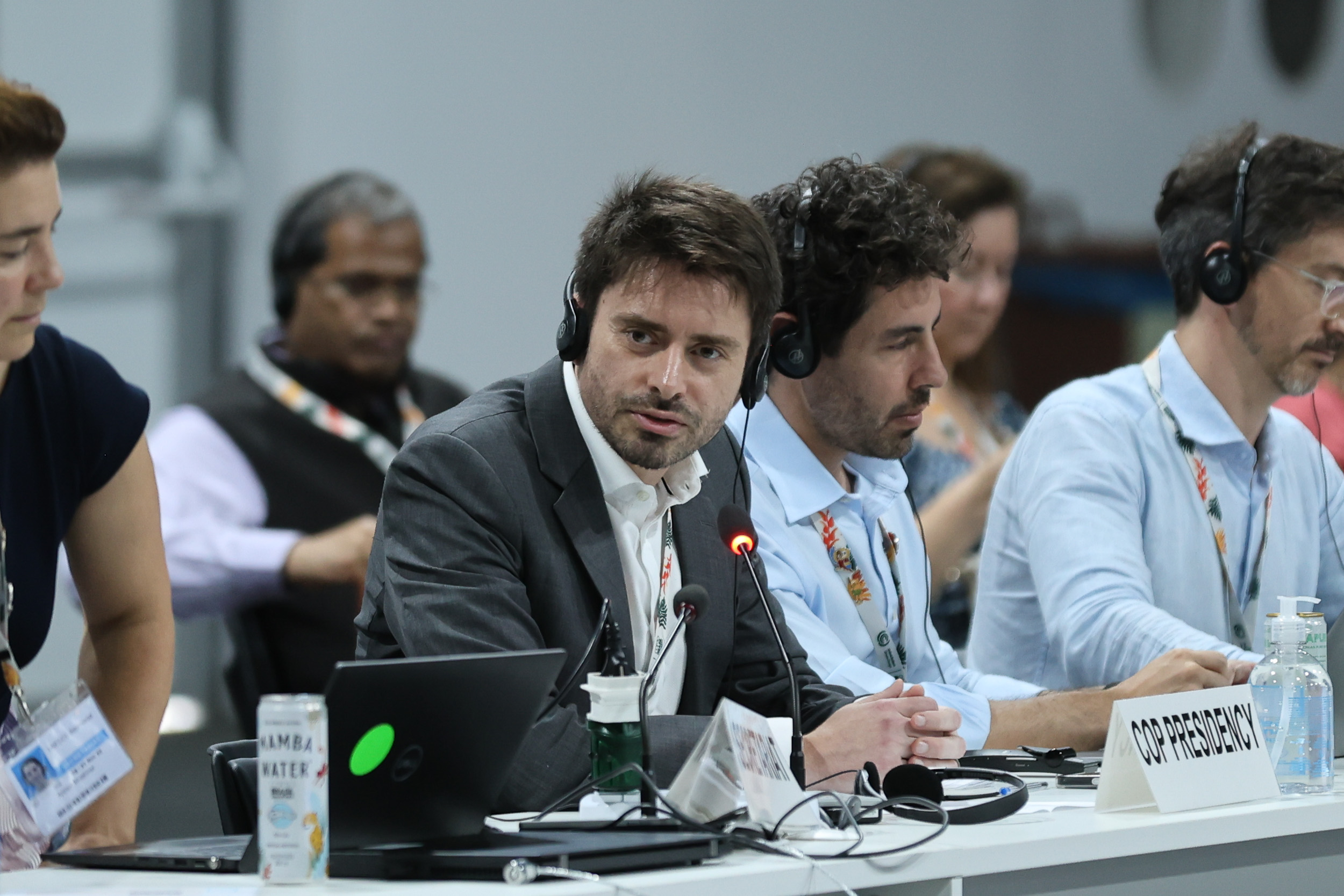
Túlio Andrade, COP 30 Presidency
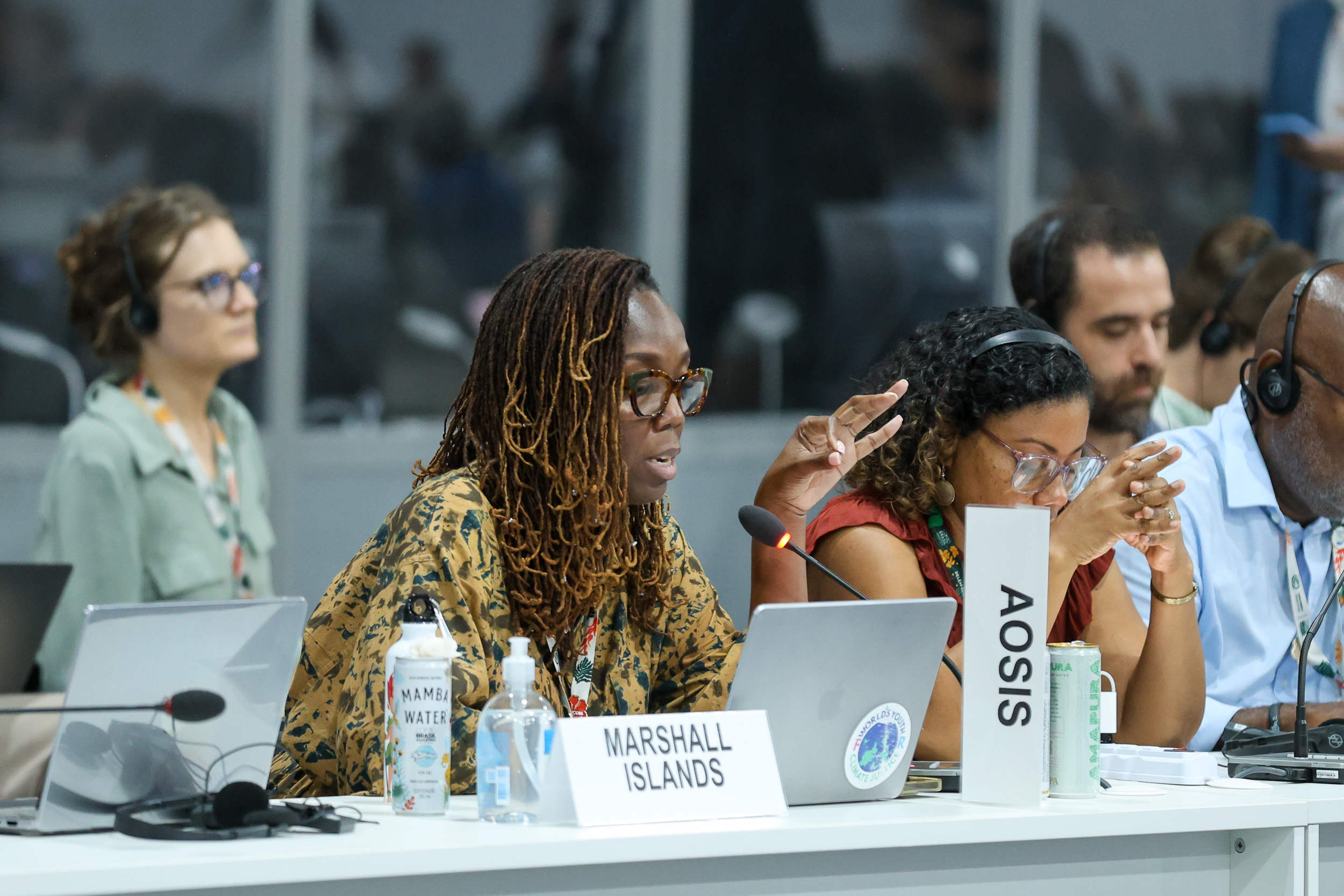
Rueanna Haynes, Marshall Islands
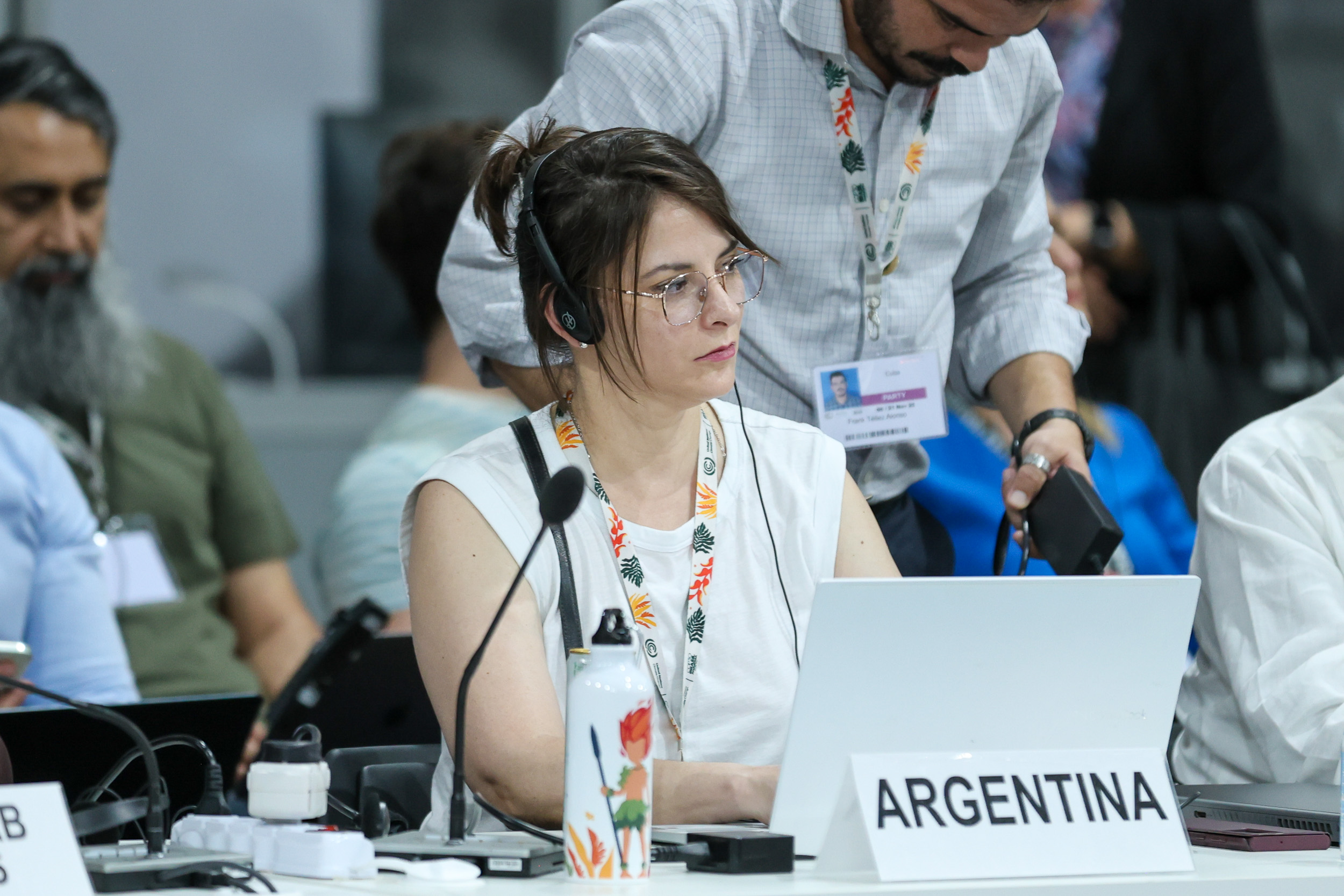
Eliana Saissac, Argentina
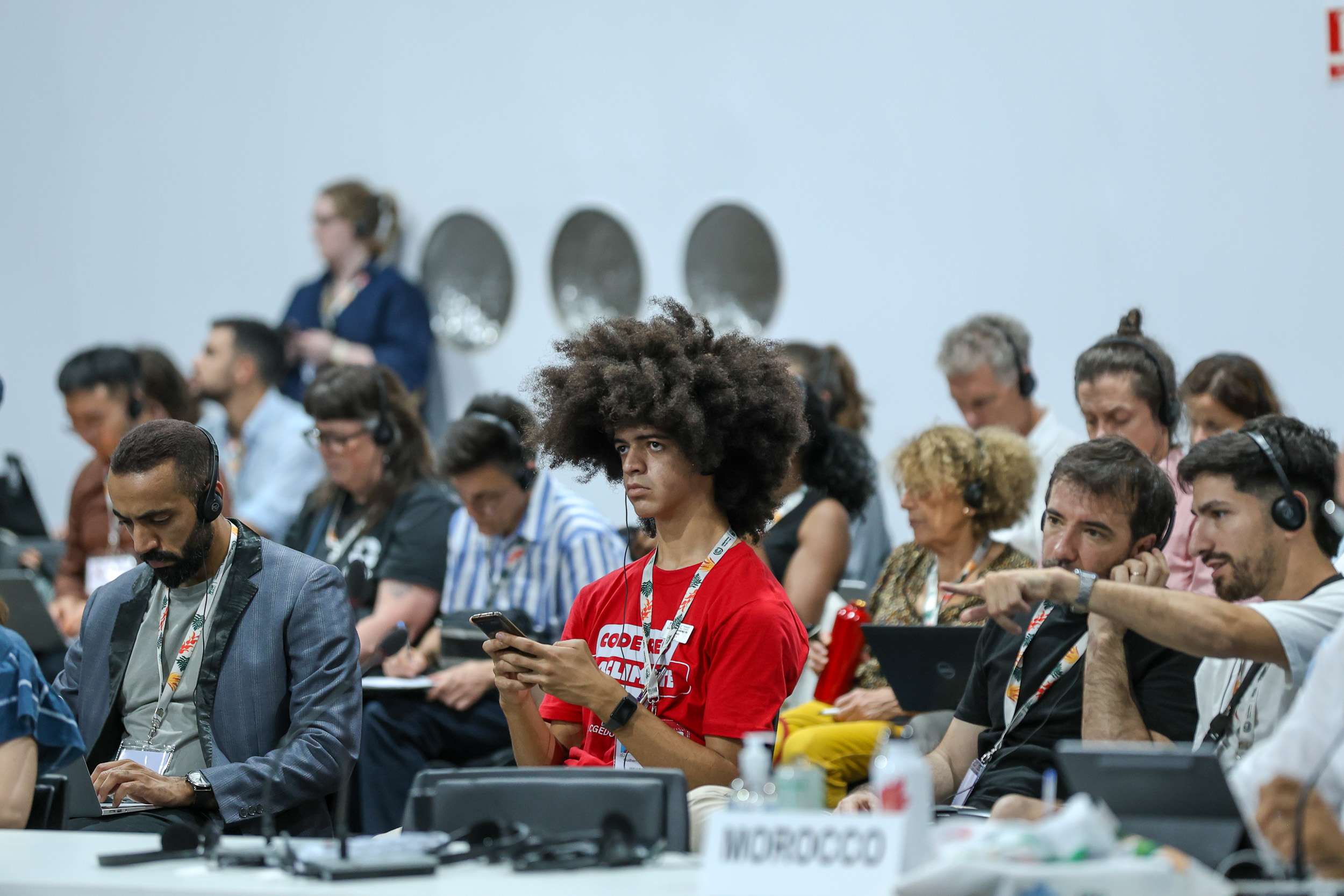
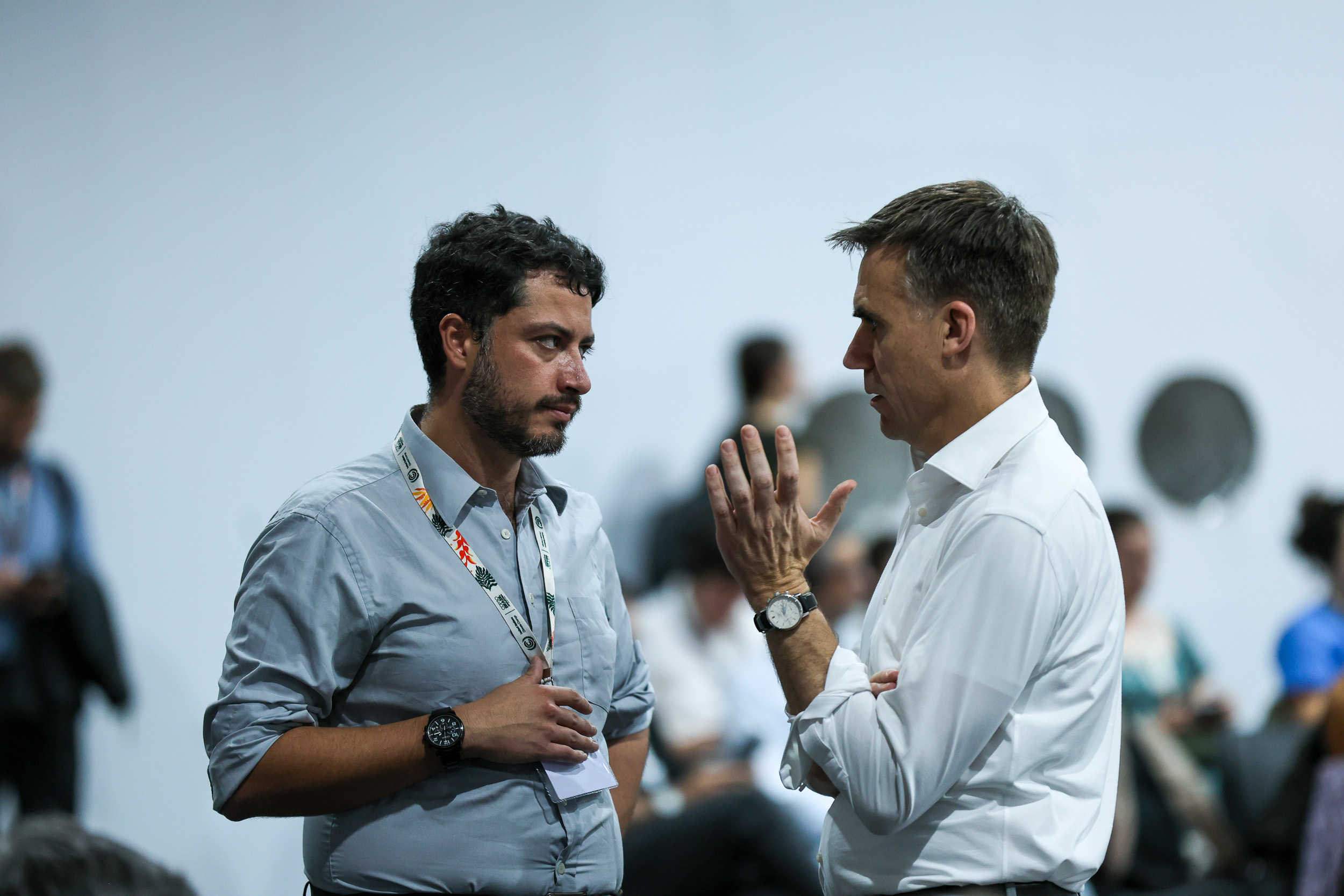
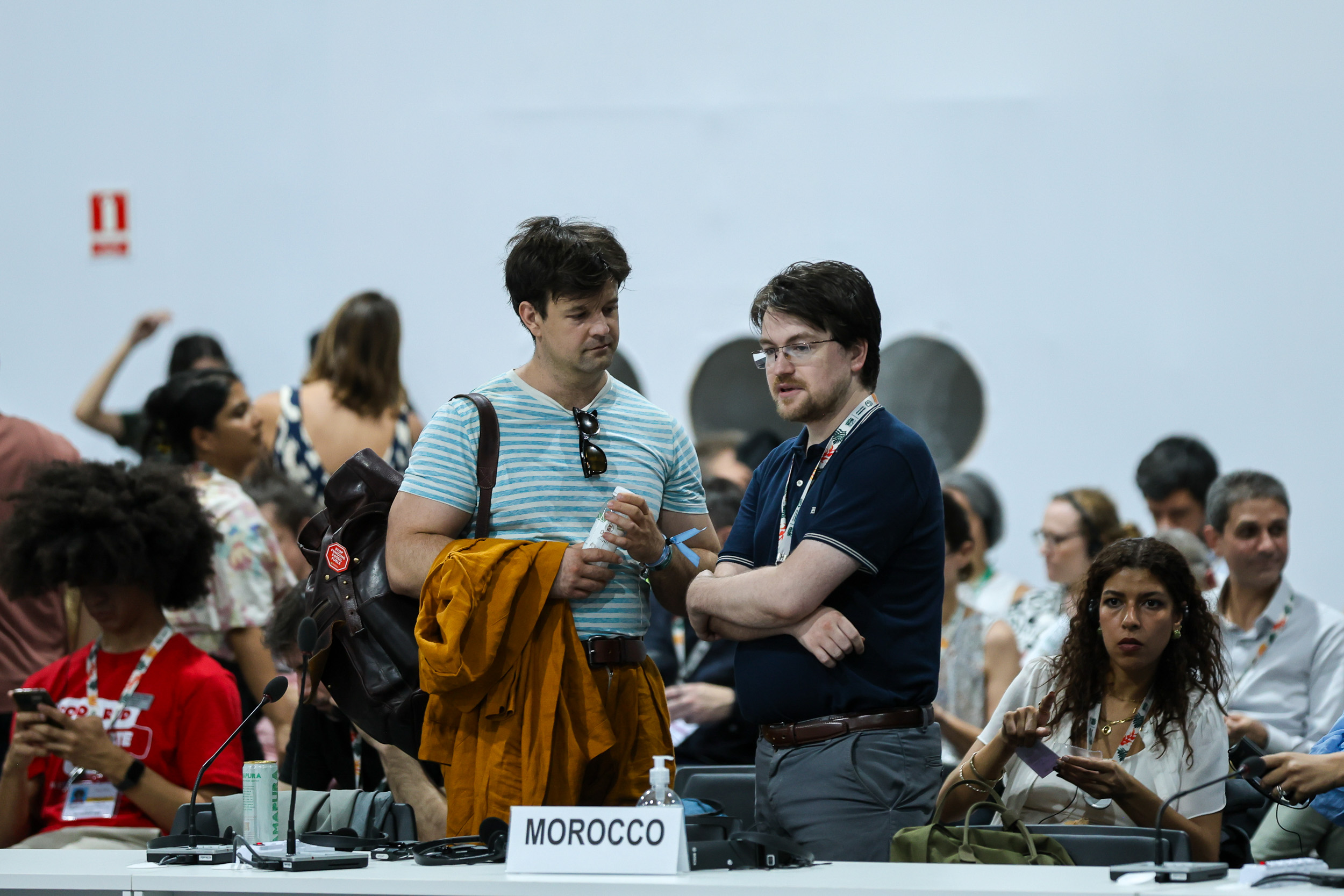
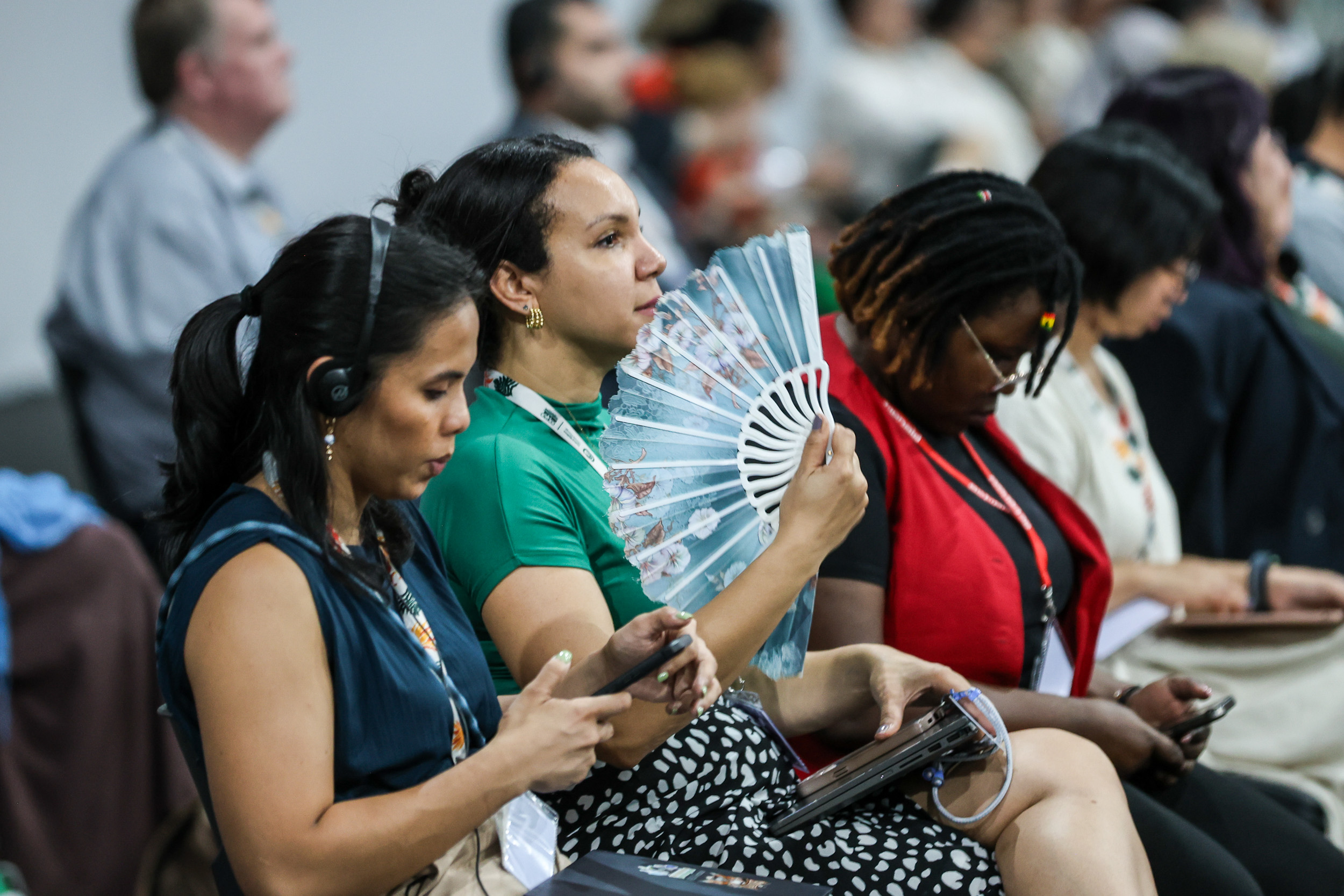
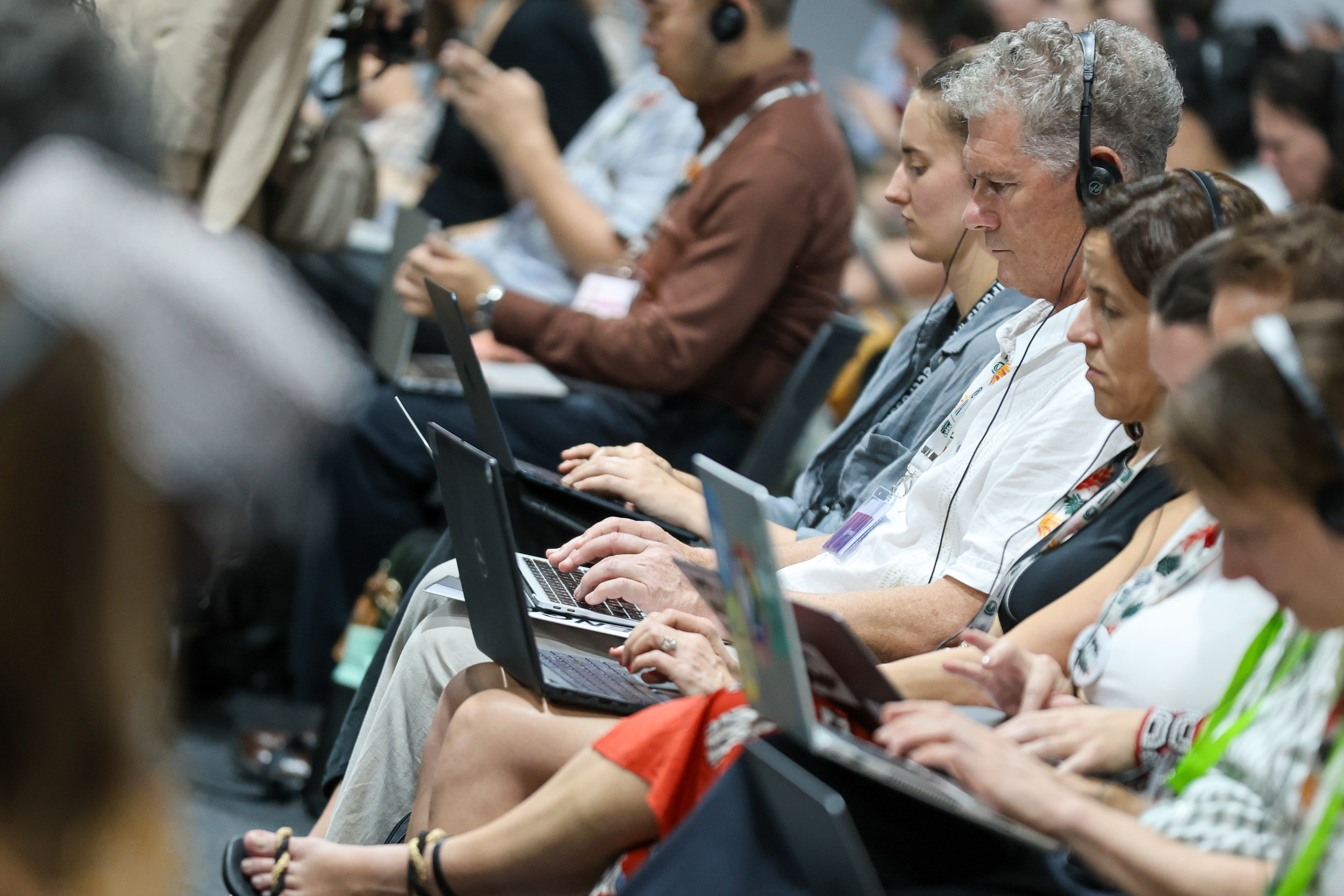
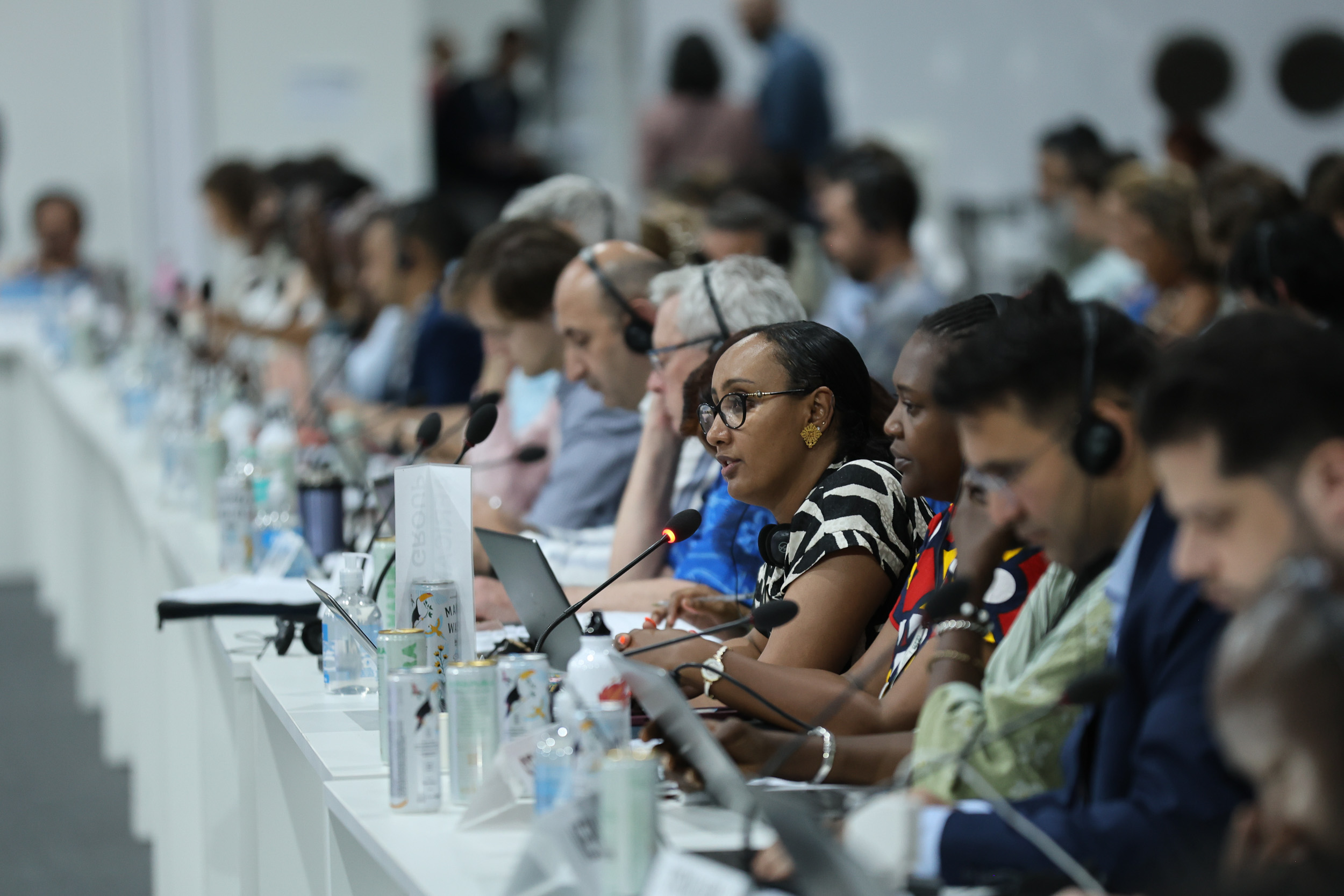
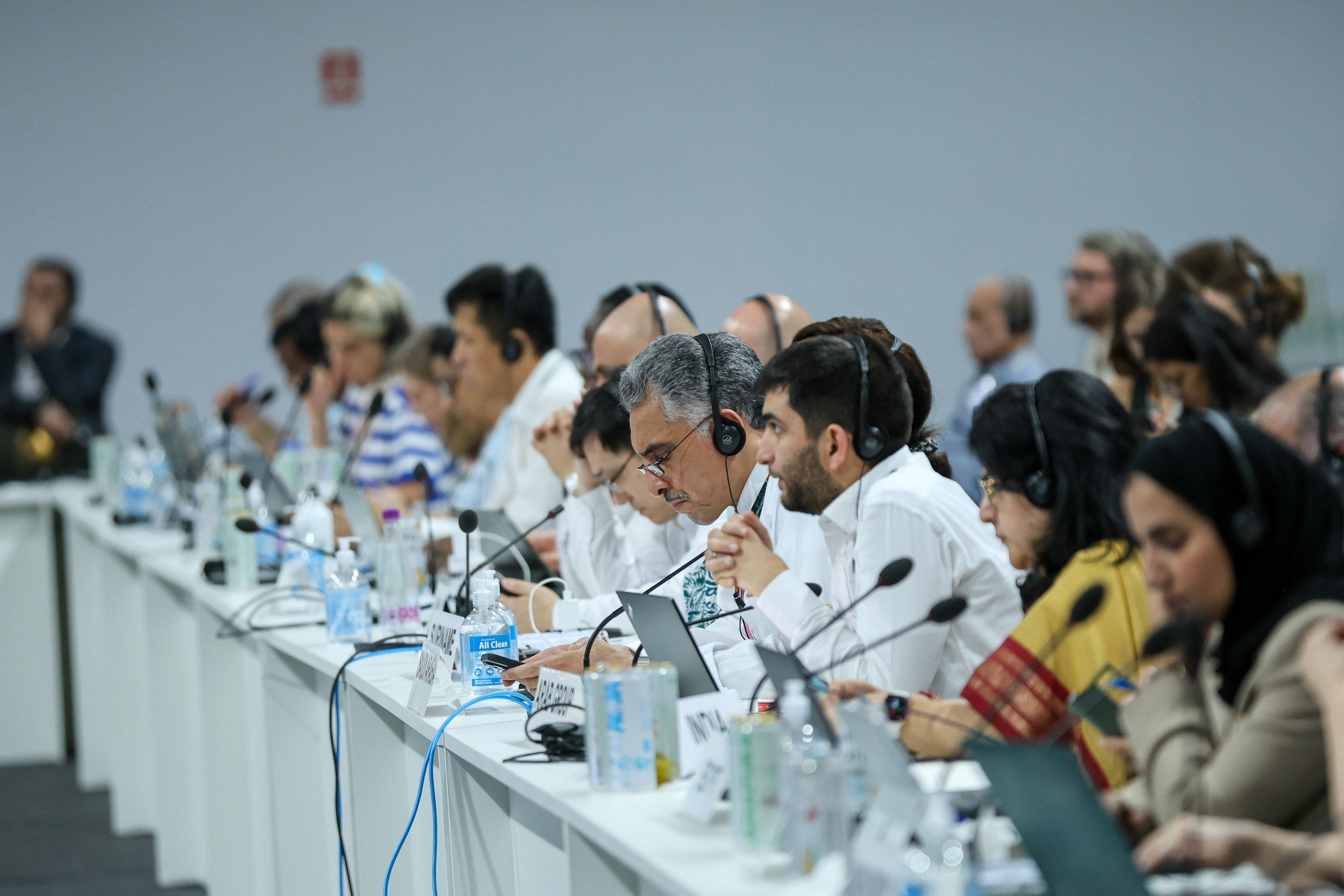
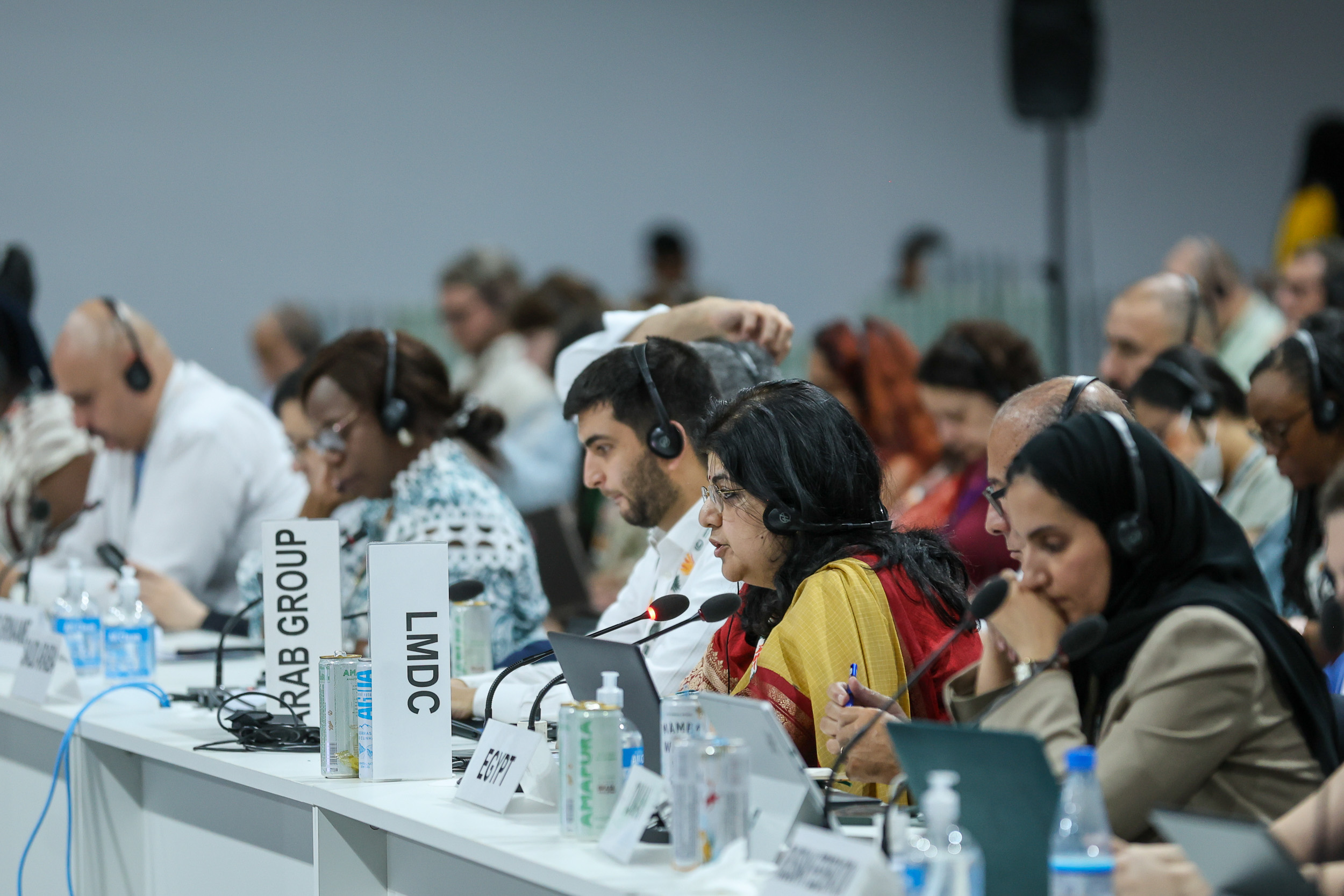
Chandni Raina, India
Contact Groups and Informal Consultations
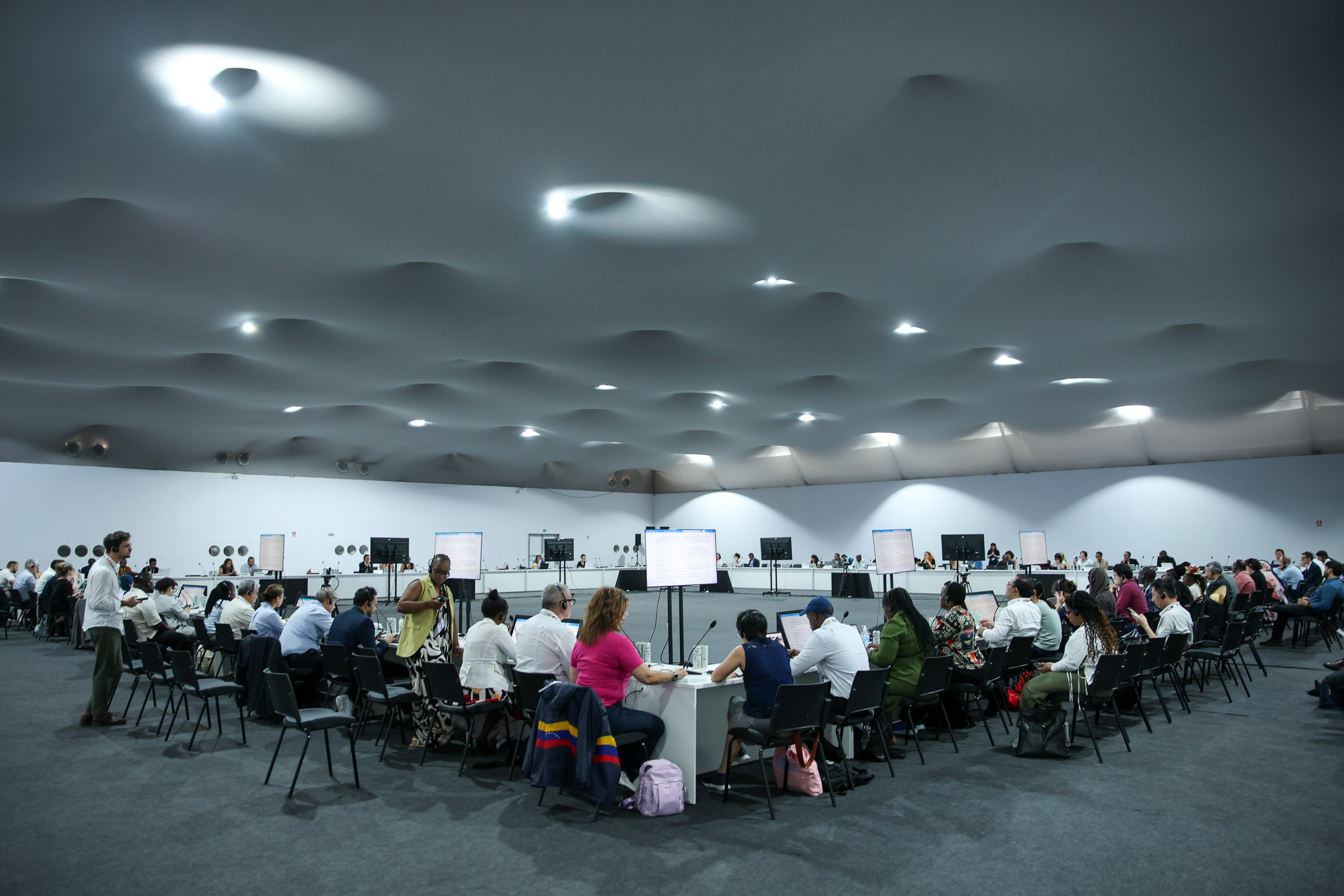
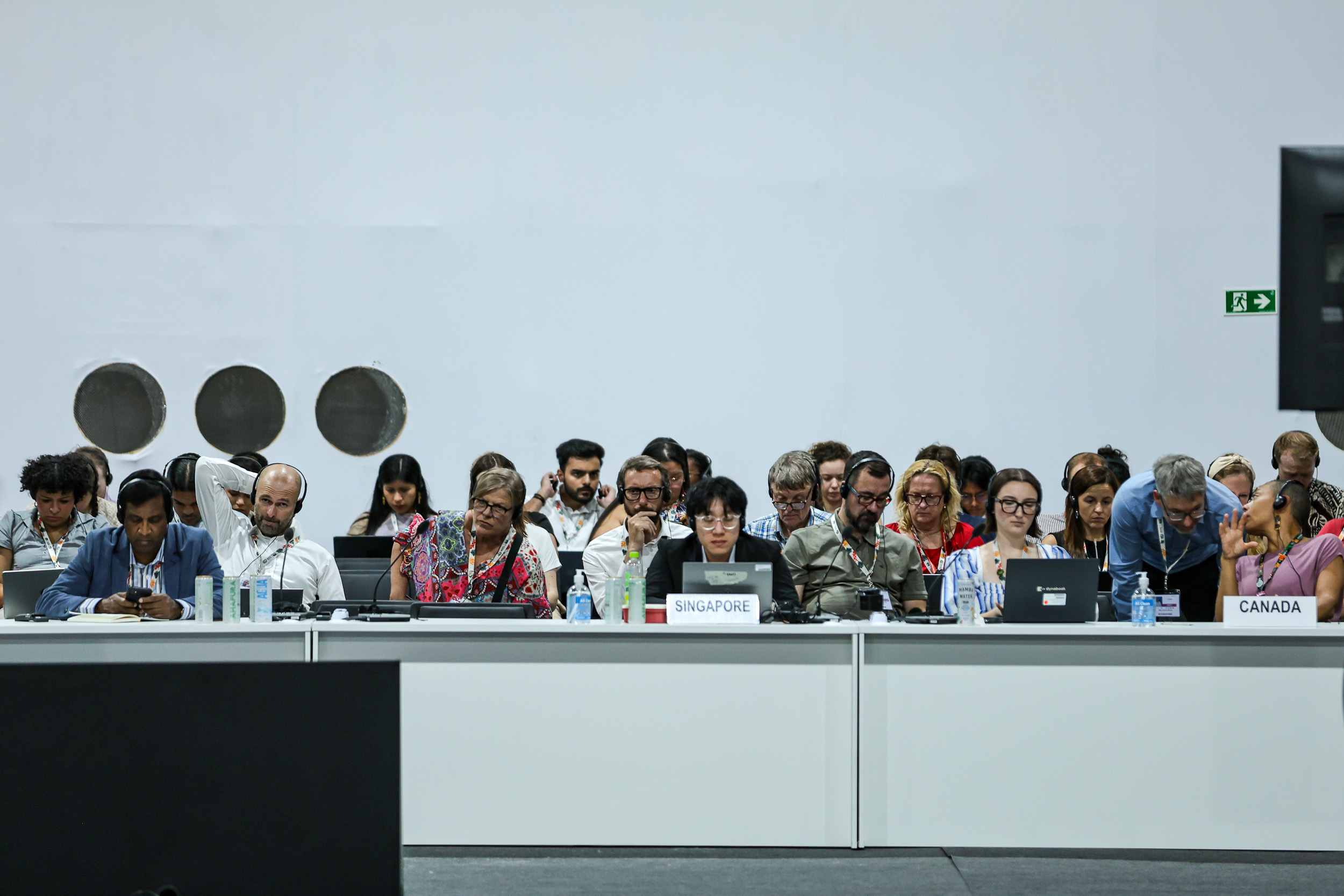
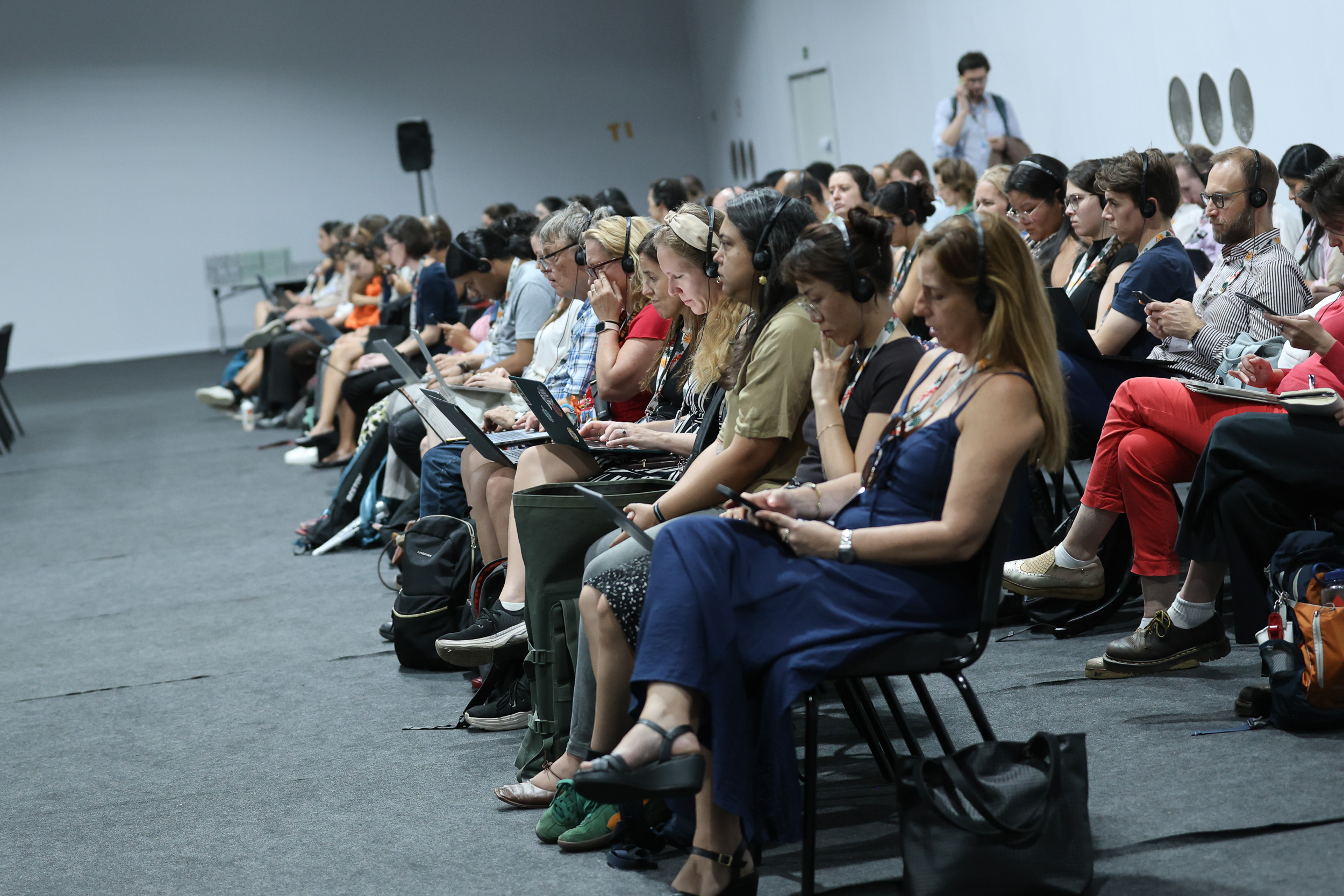
View of the room during informal consultations on the Fund for Responding to Loss and Damage
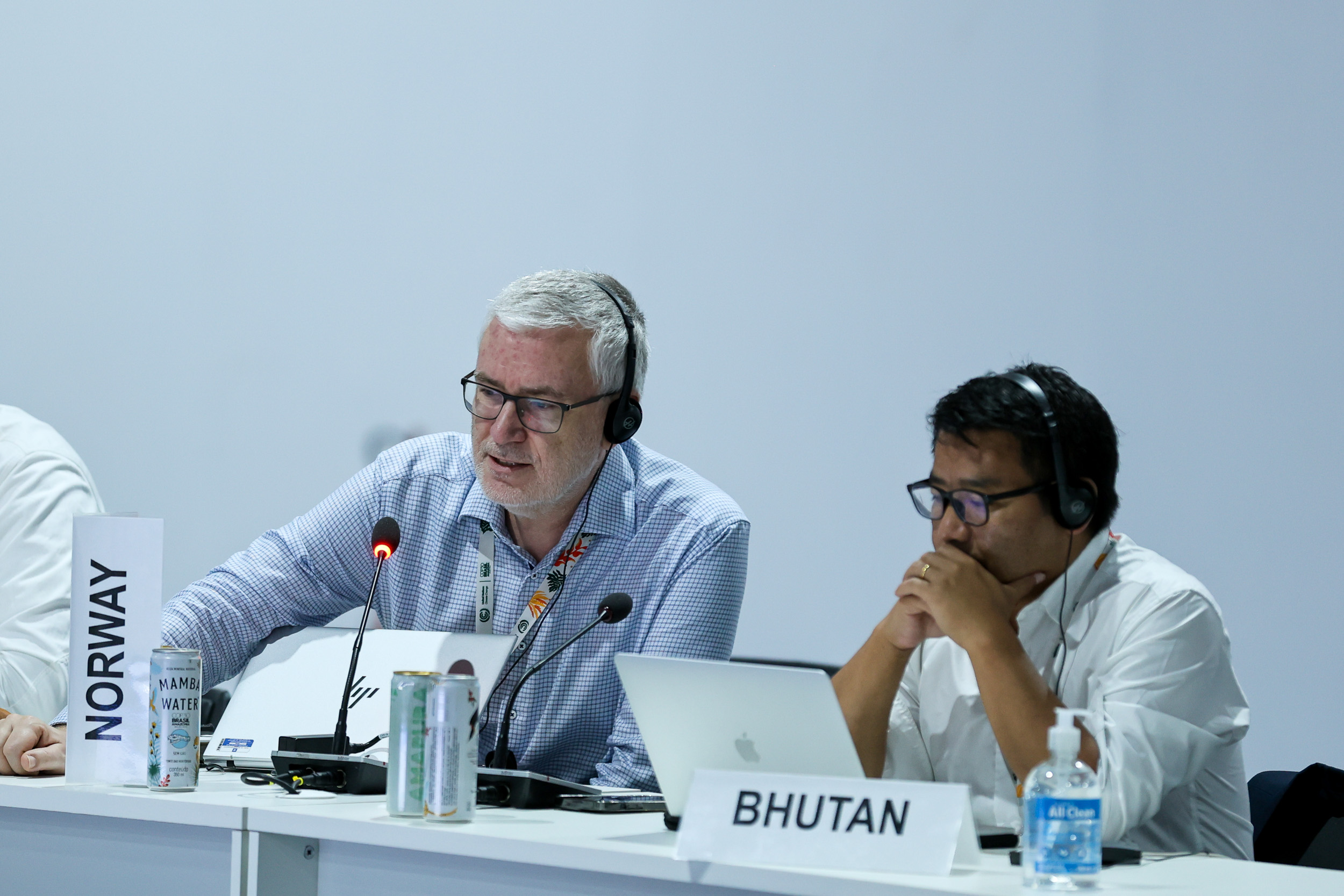
Stig Svenningsen, Norway, and Sonam Tashi, Bhutan
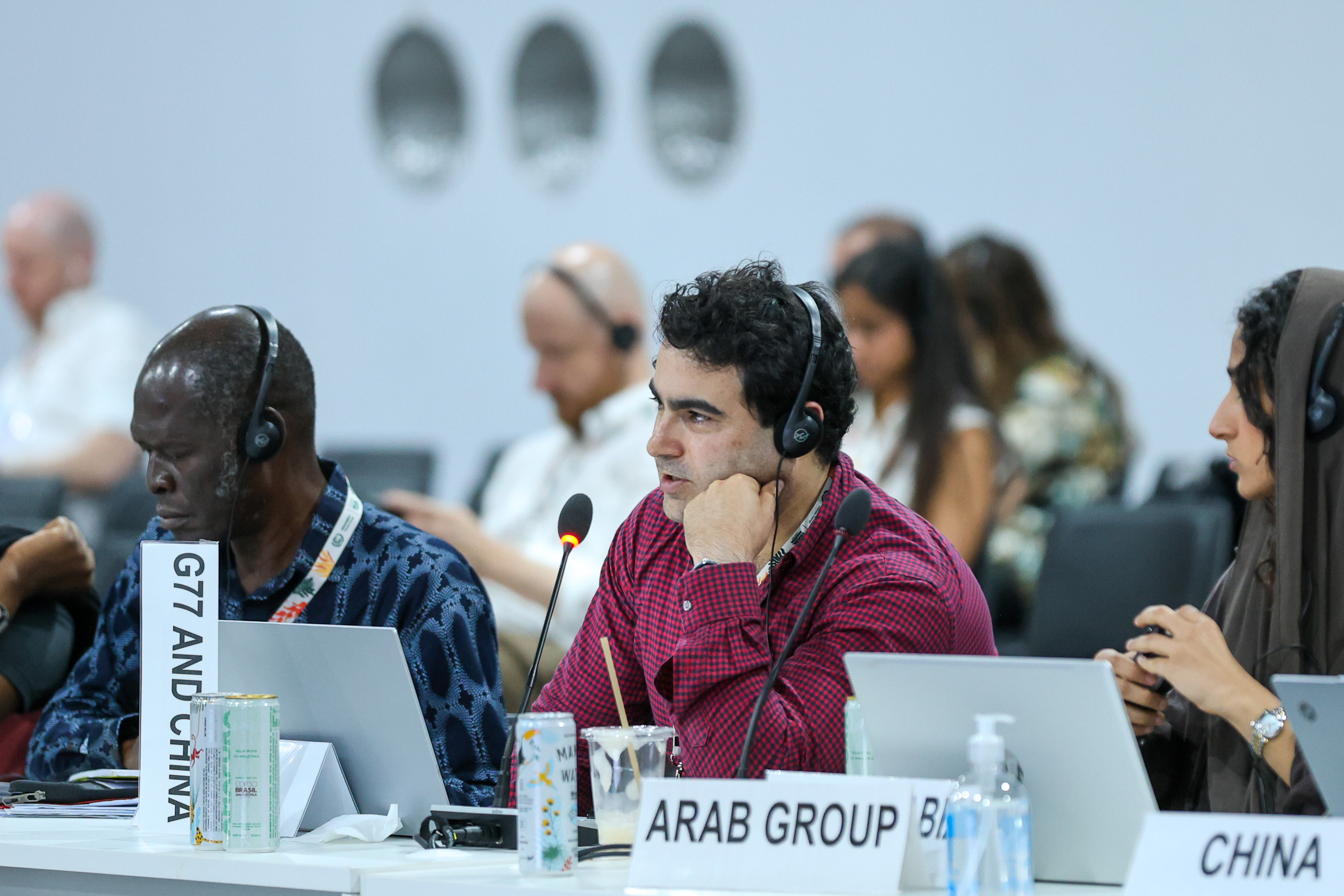
Ambrosio Yobanolo, Chile
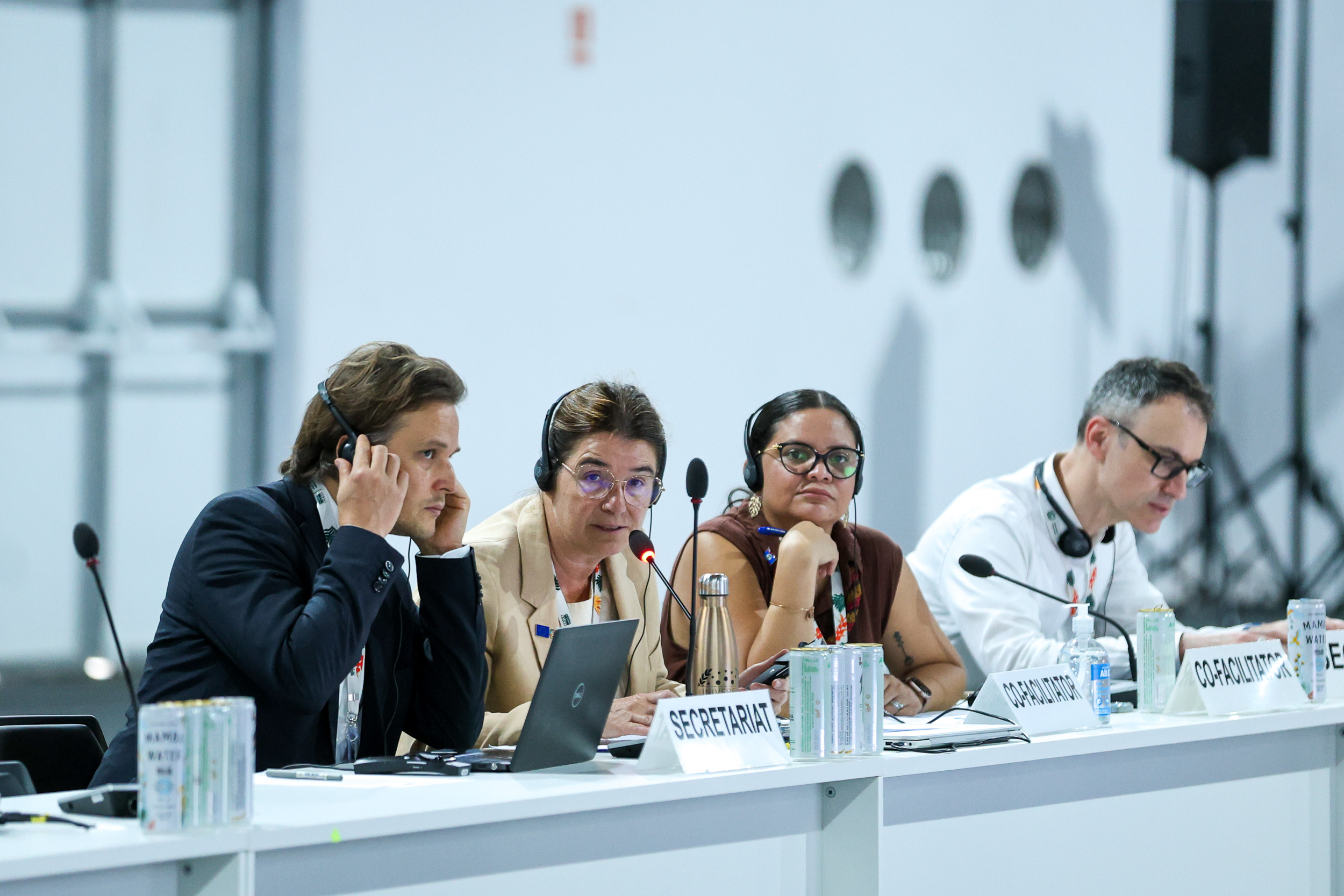
From L-R: Moritz Weigel, UNFCCC Secretariat; Co-Facilitators for informal consultations on linkages between the Technology Mechanism and the Financial Mechanism Céline Phillips, France, and Edalmi Pinelo, Belize; and Roman Payo, UNFCCC Secretariat
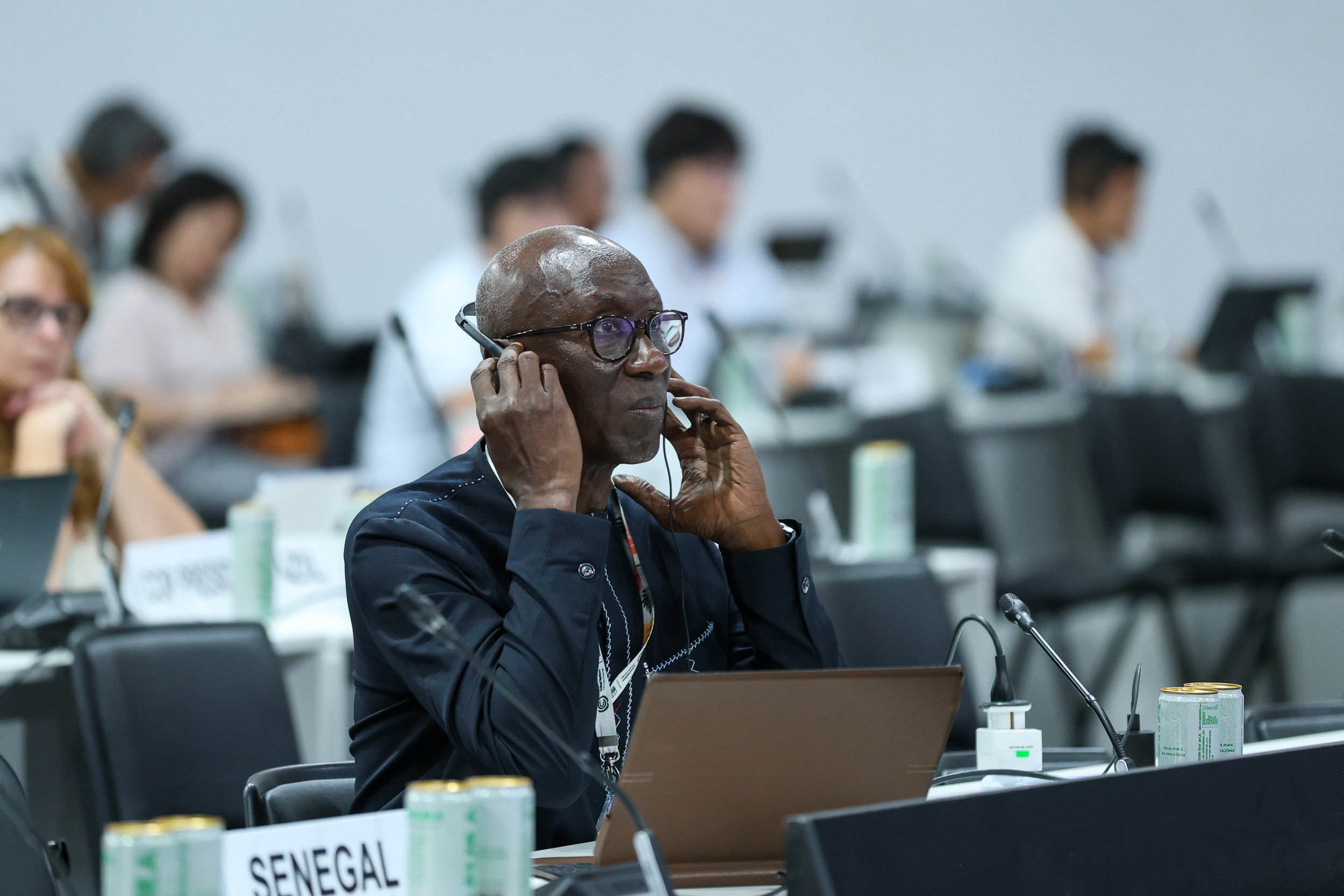
El Hadji Mbaye Diagne, Senegal
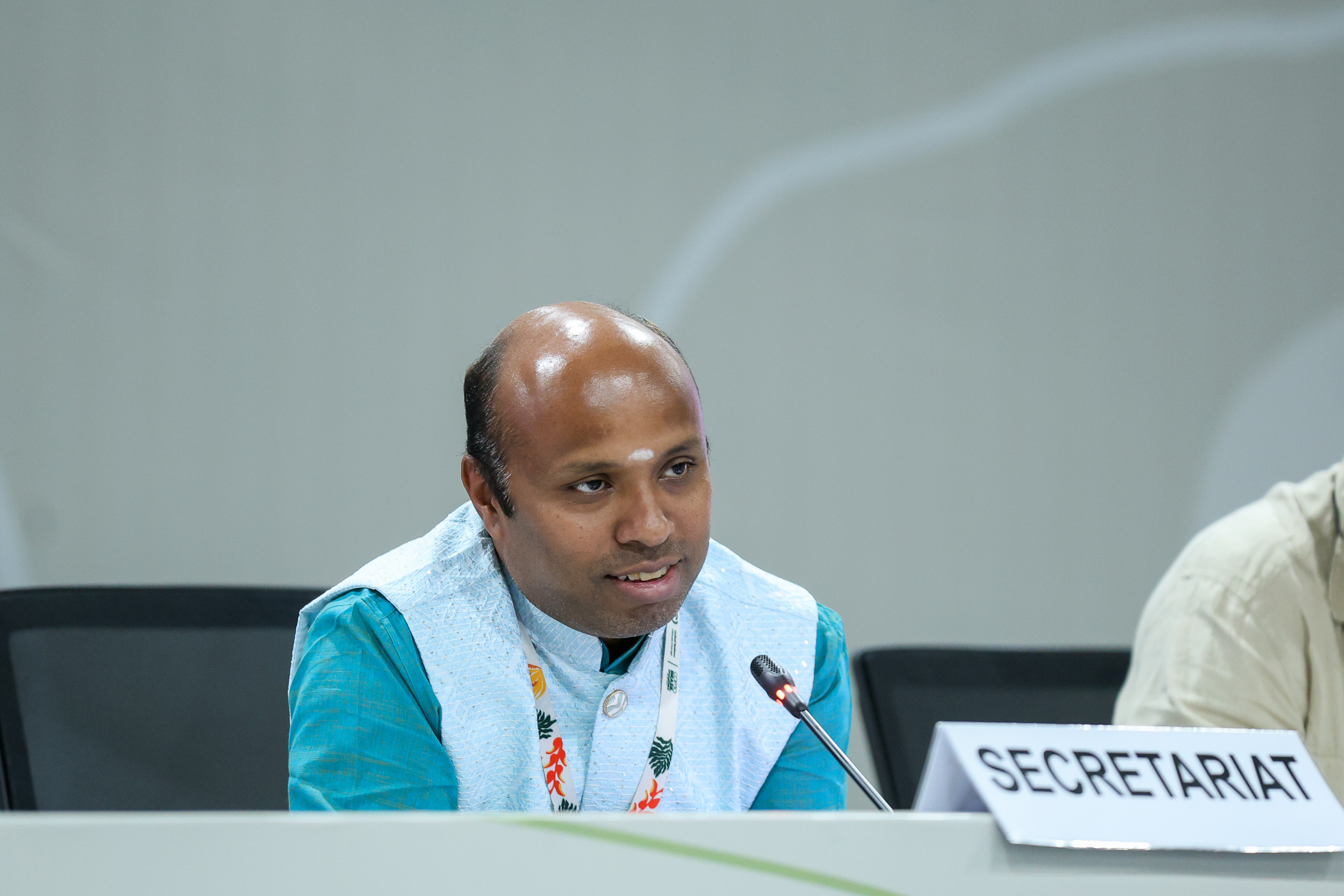
Perumal Arumugam, UNFCCC Secretariat
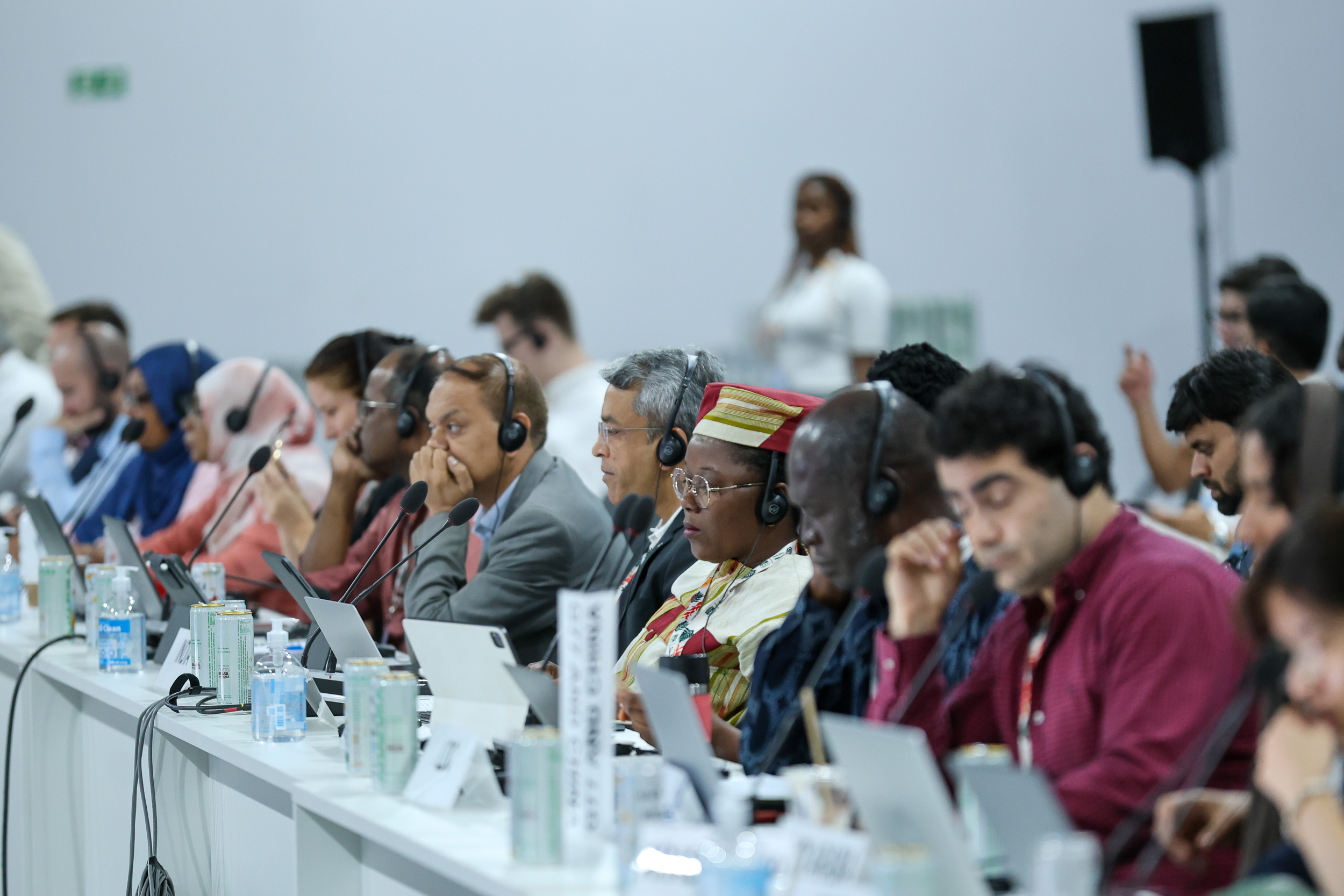
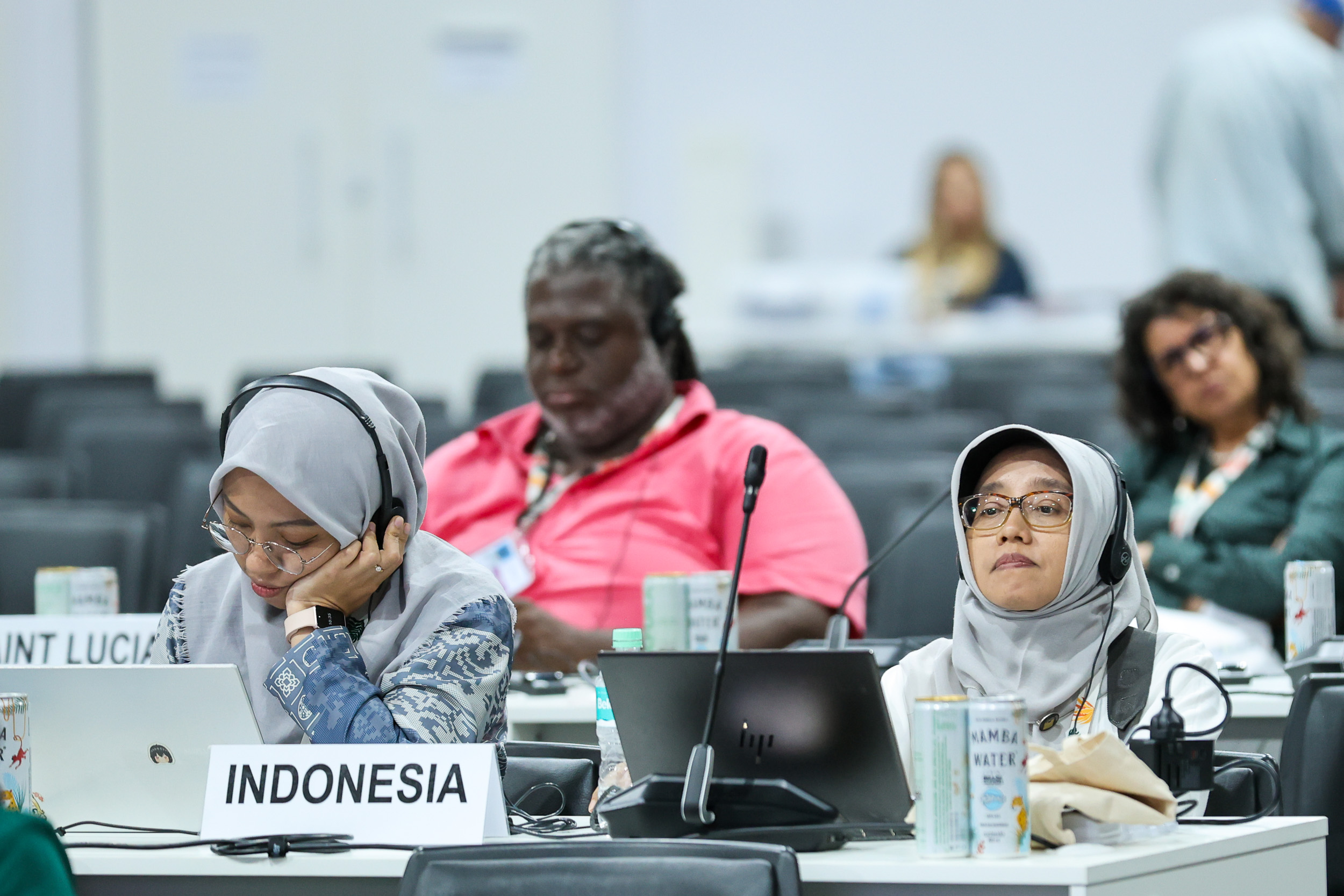
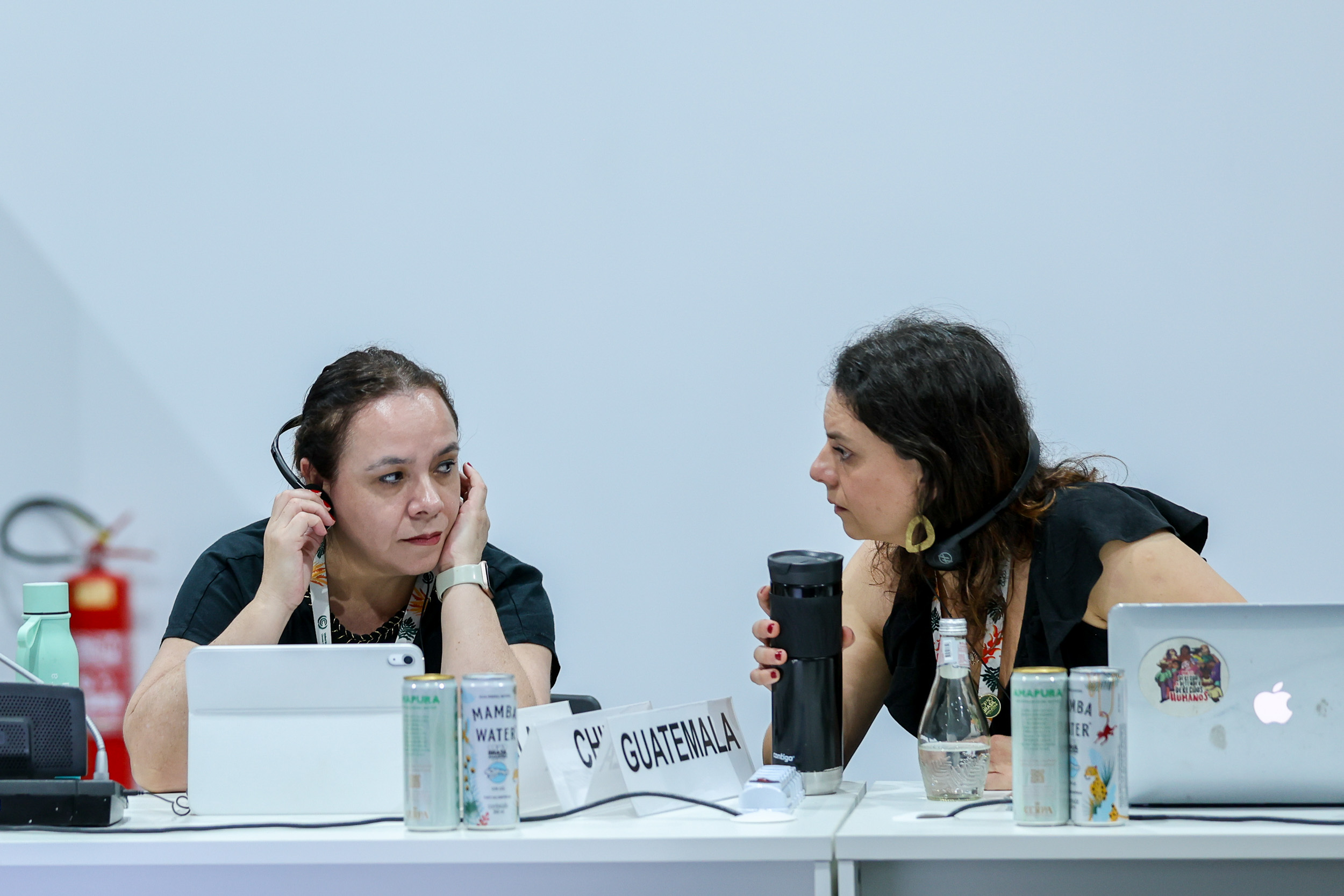
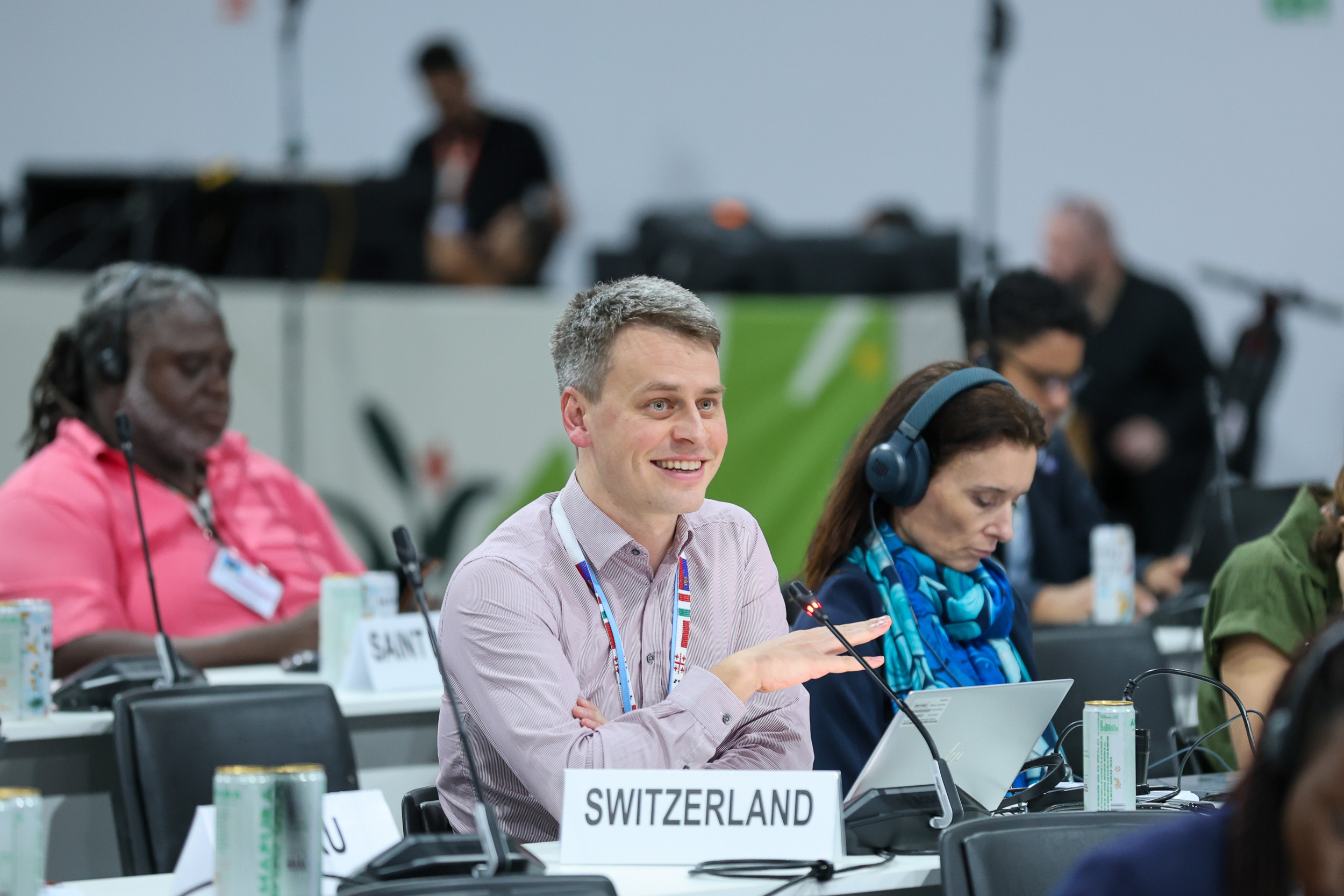
Simon Fellermeyer, Switzerland
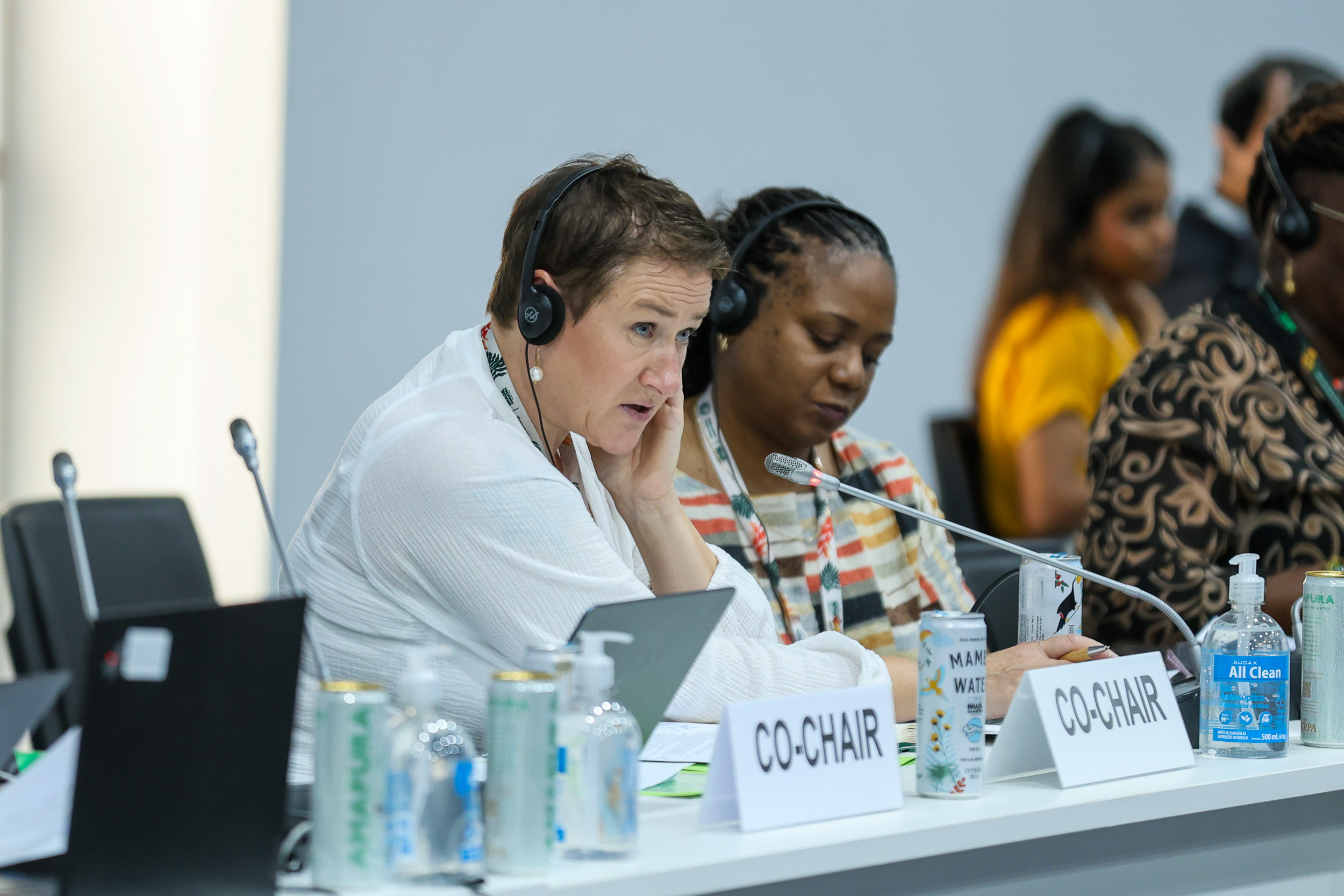
Co-Facilitator for informal consultations on arrangements for intergovernmental meetings Marianne Karlsen, Norway
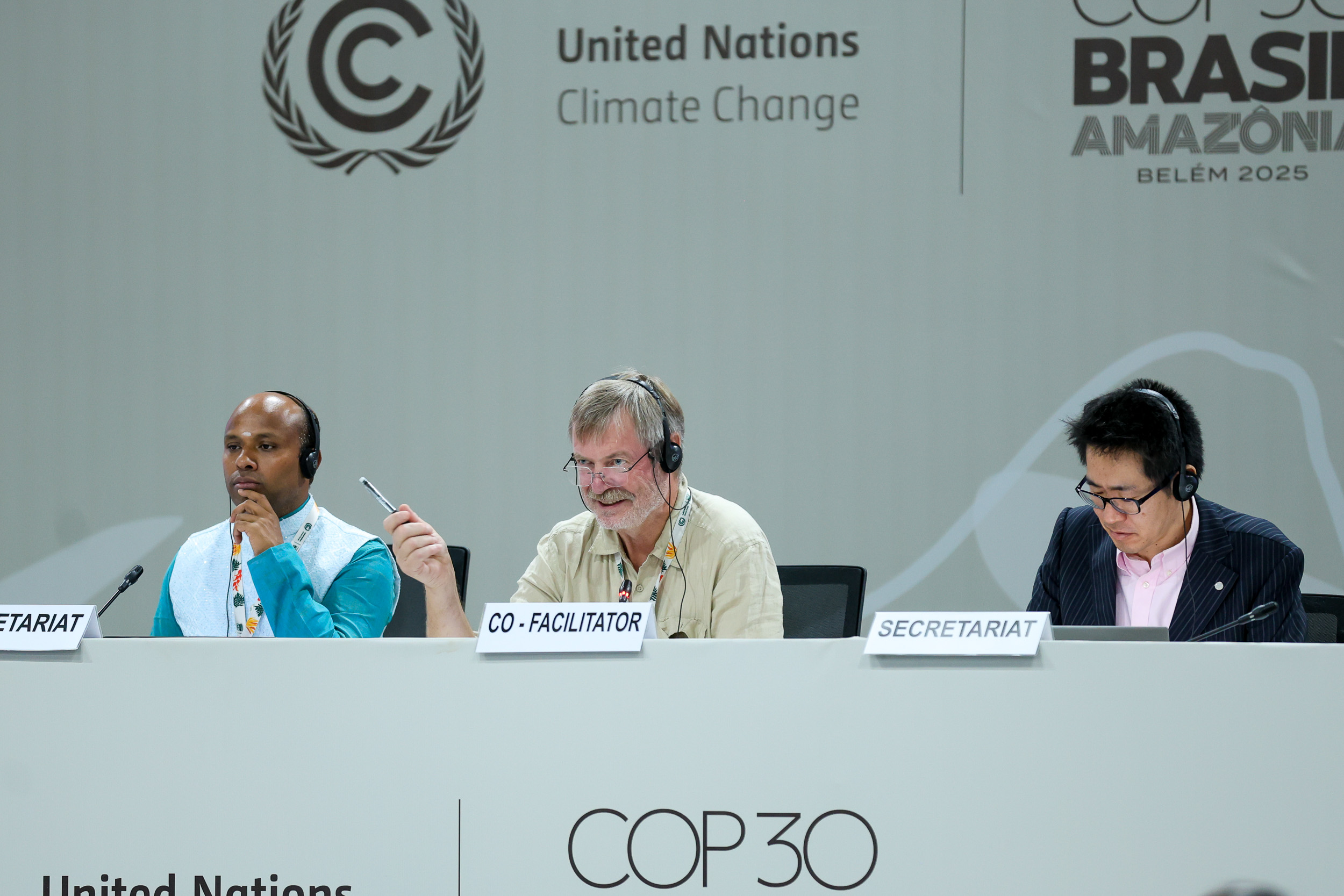
From L-R: Perumal Arumugam, UNFCCC Secretariat; Co-Facilitator for informal consultations on the Kyoto Protocol international transaction log Peer Stiansen, Norway; and Kenjiro Suzuki, UNFCCC Secretariat
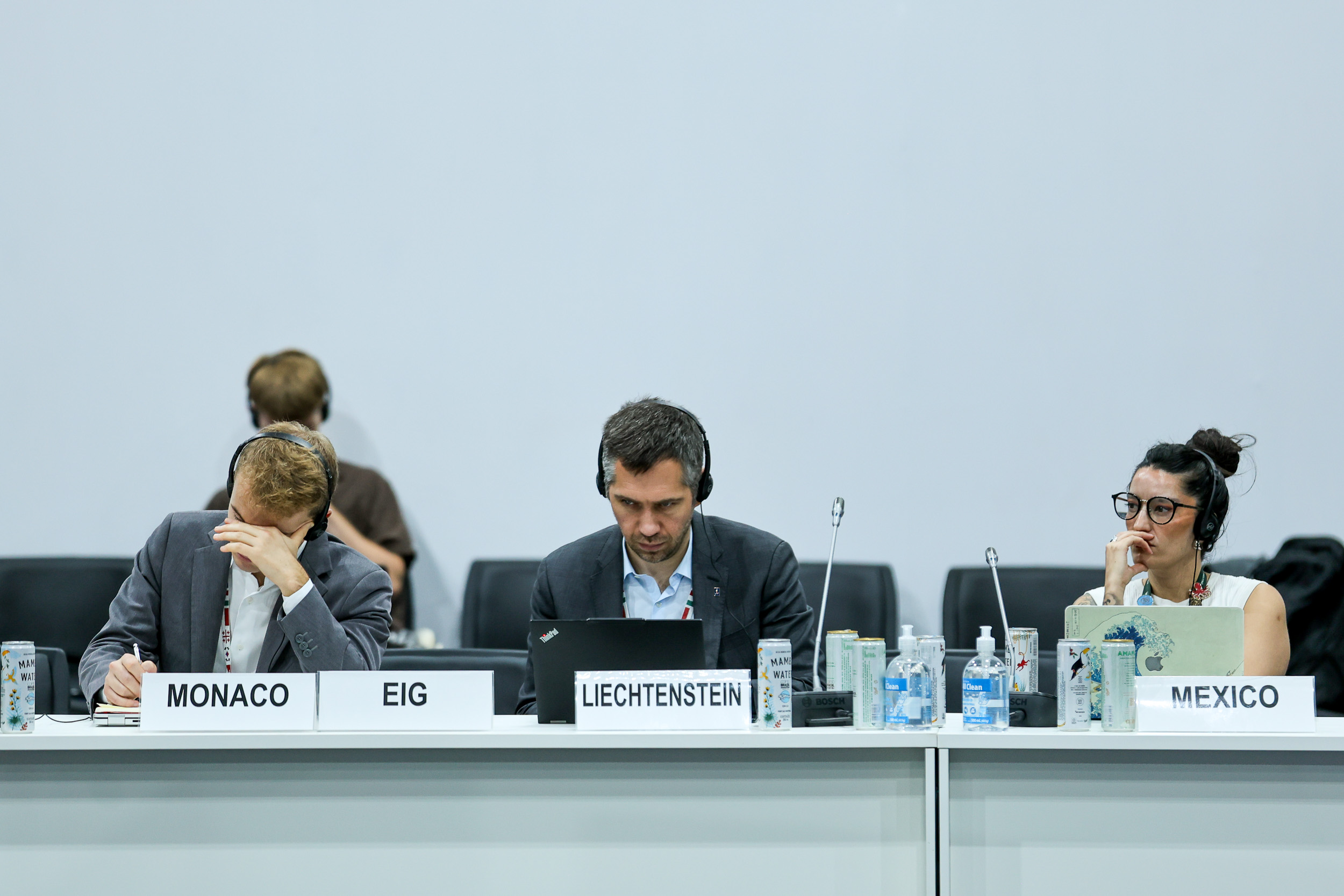
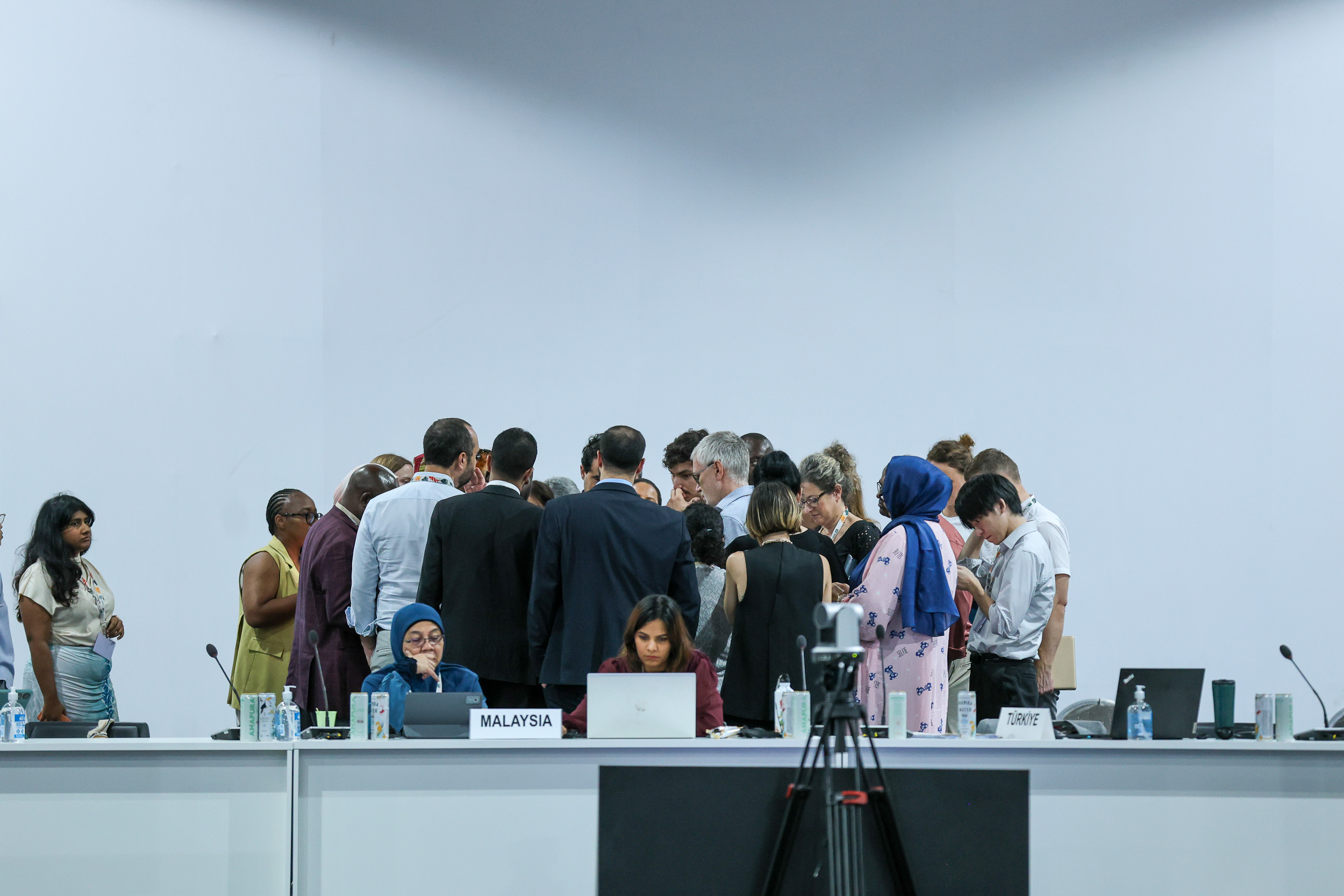
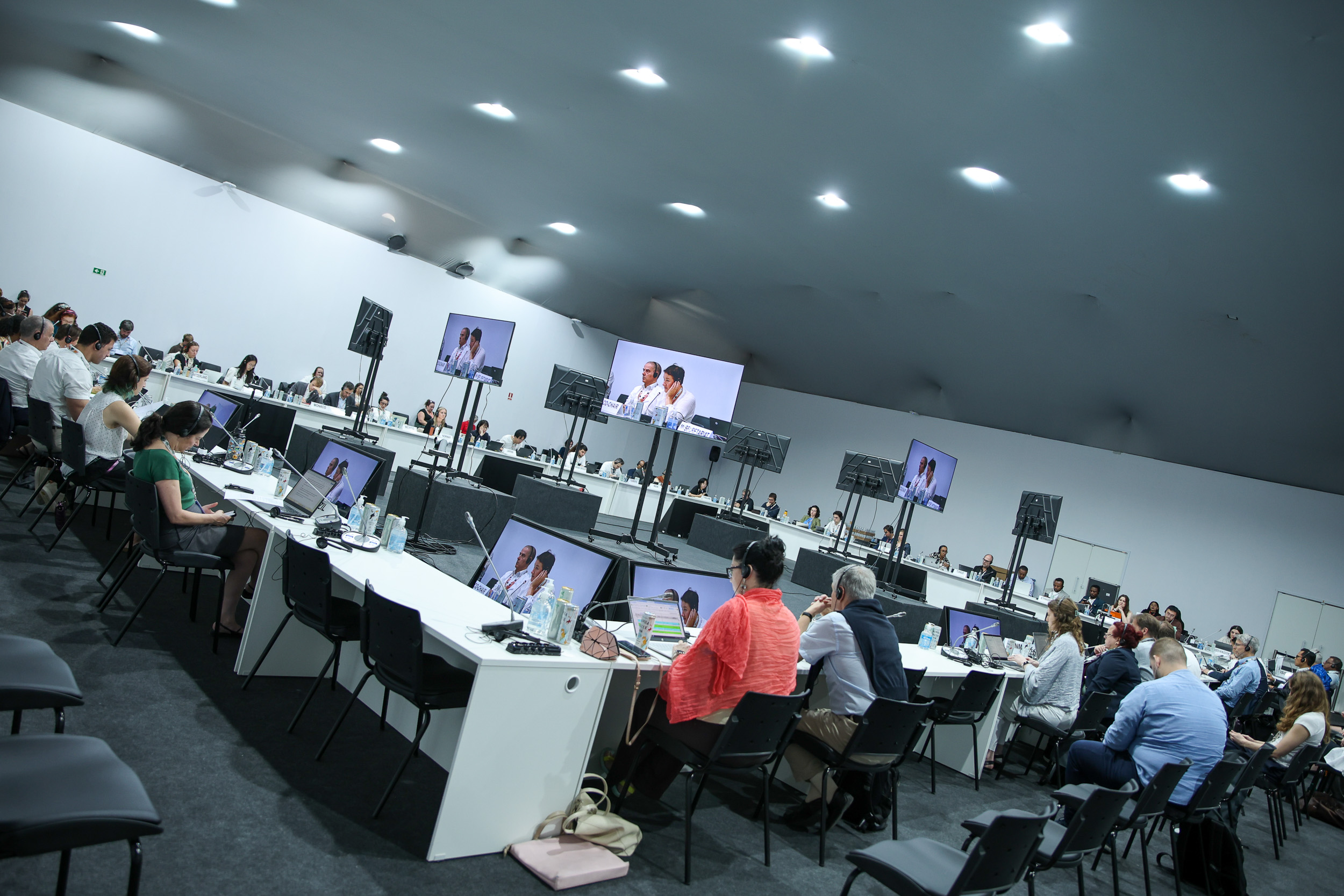
View of the room during informal consultations on arrangements for intergovernmental meetings
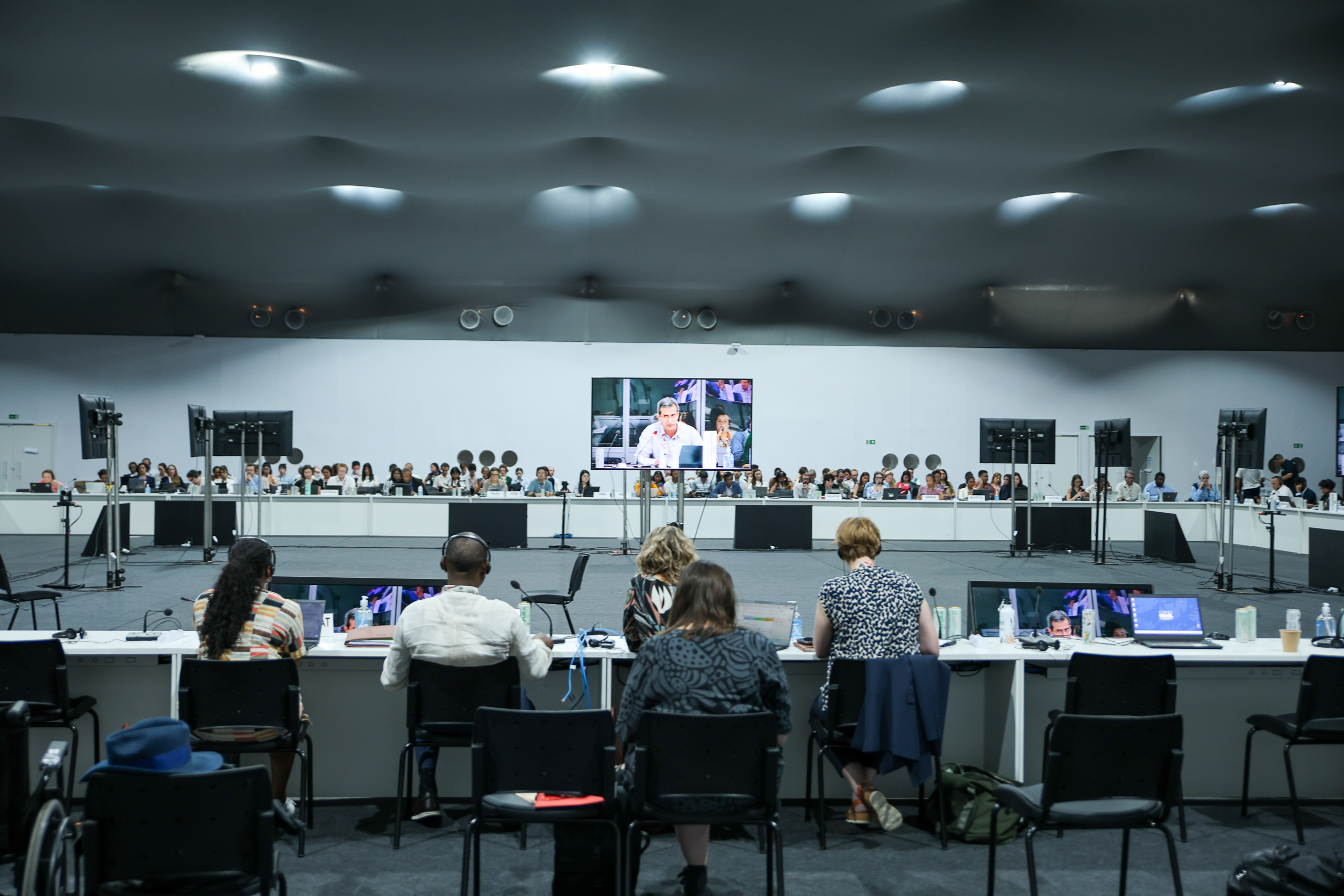
View of the room while the Subsidiary Body Chairs report back on the outcomes of their consultations on the implementation of Paris Agreement Article 9.1
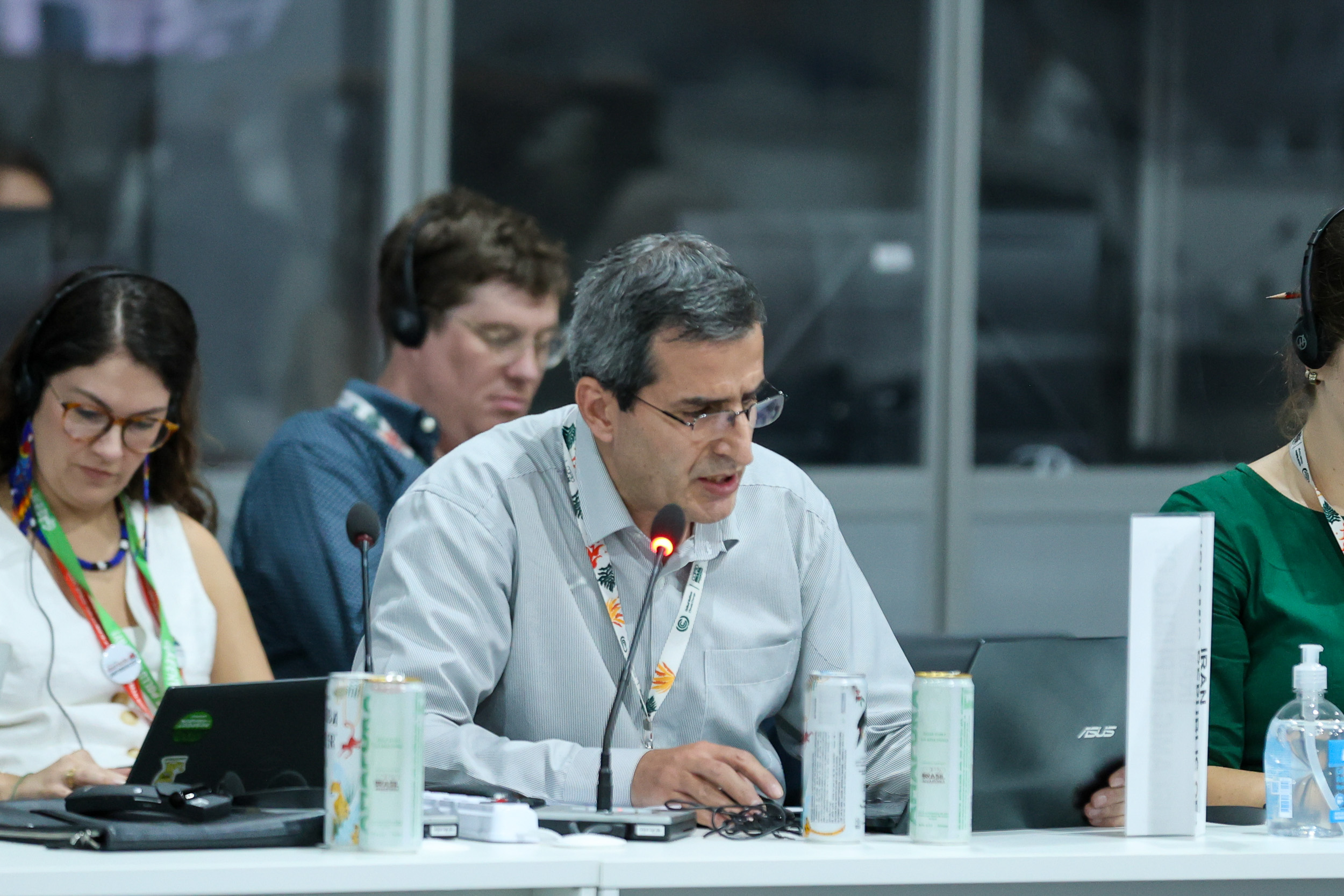
Abbas Torabi, Iran
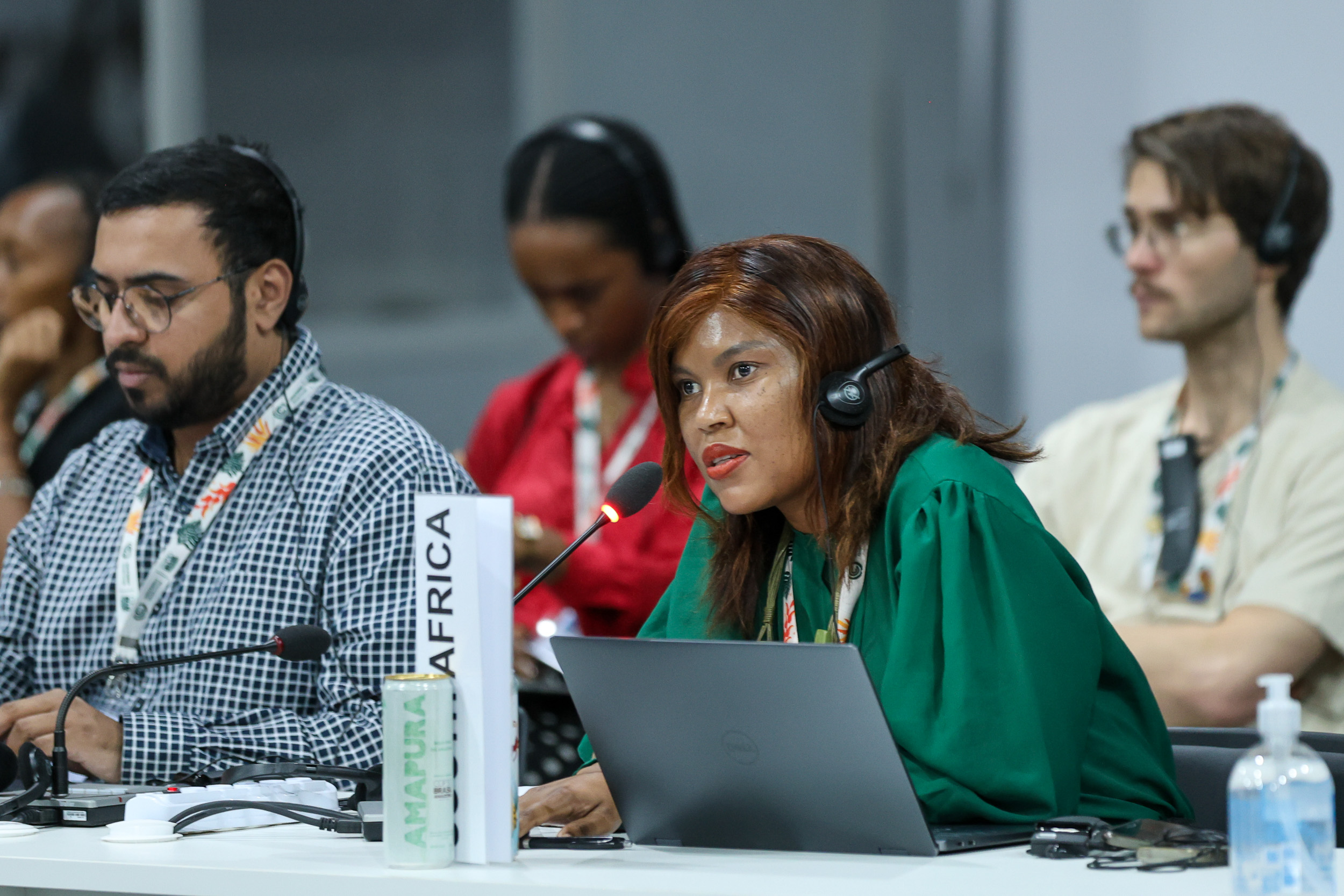
Sandra Boitumelo Motshwanedi, South Africa
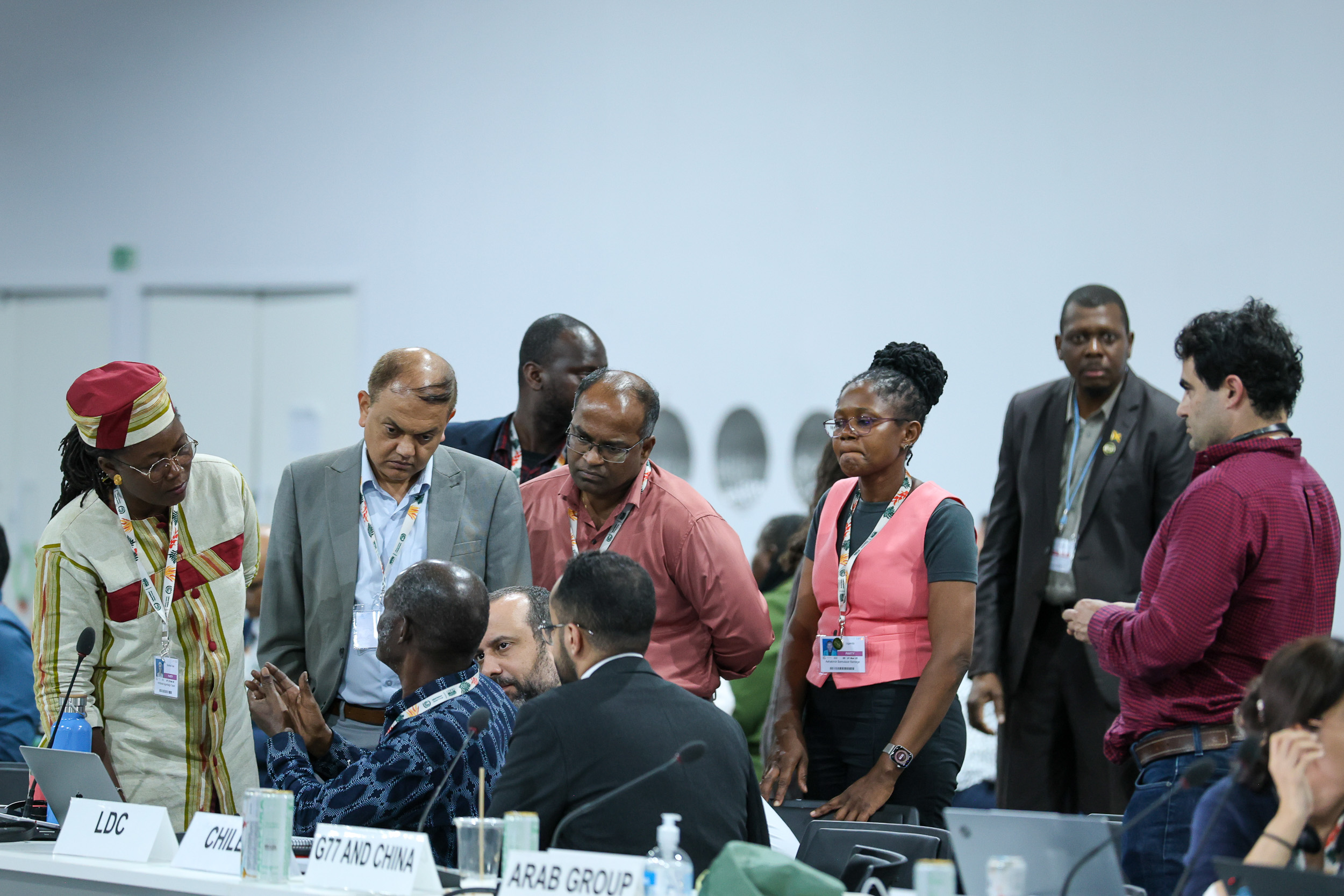
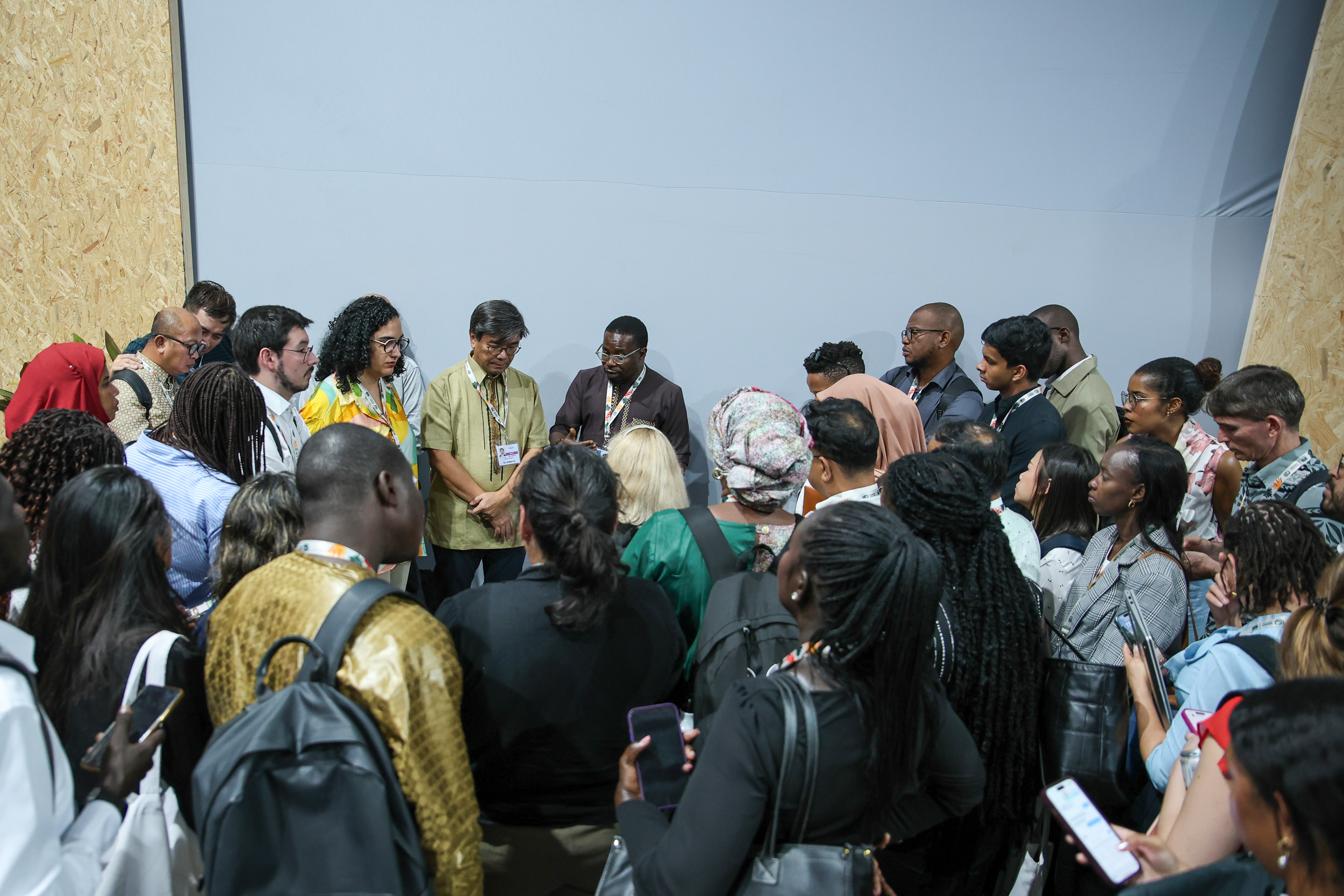
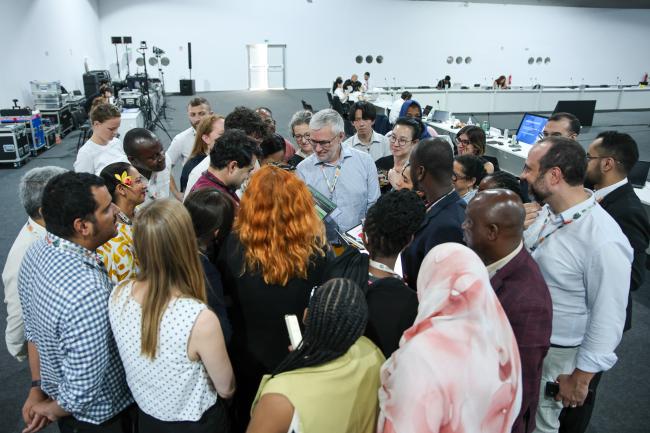
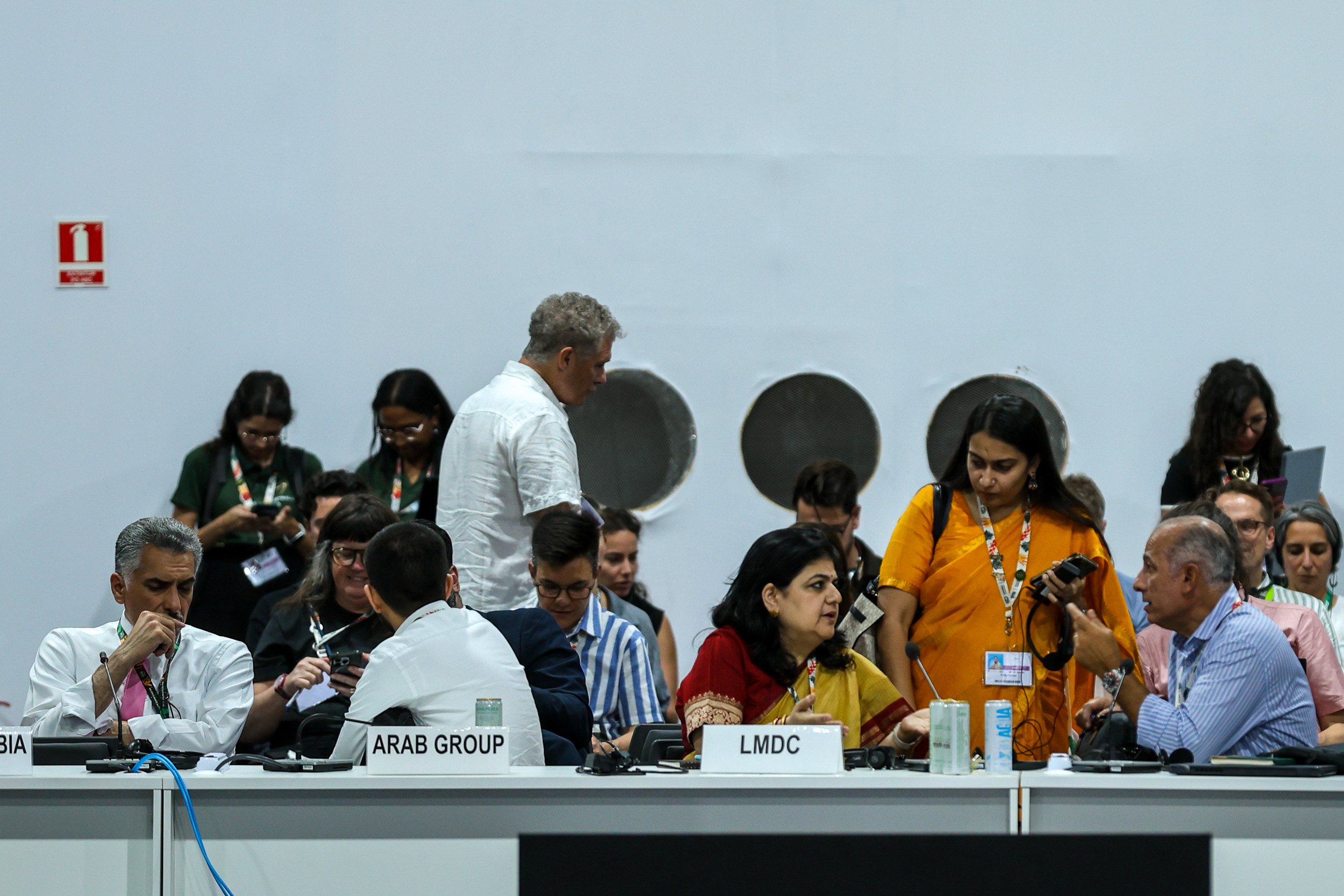
Delegates forming a huddle in the hallways
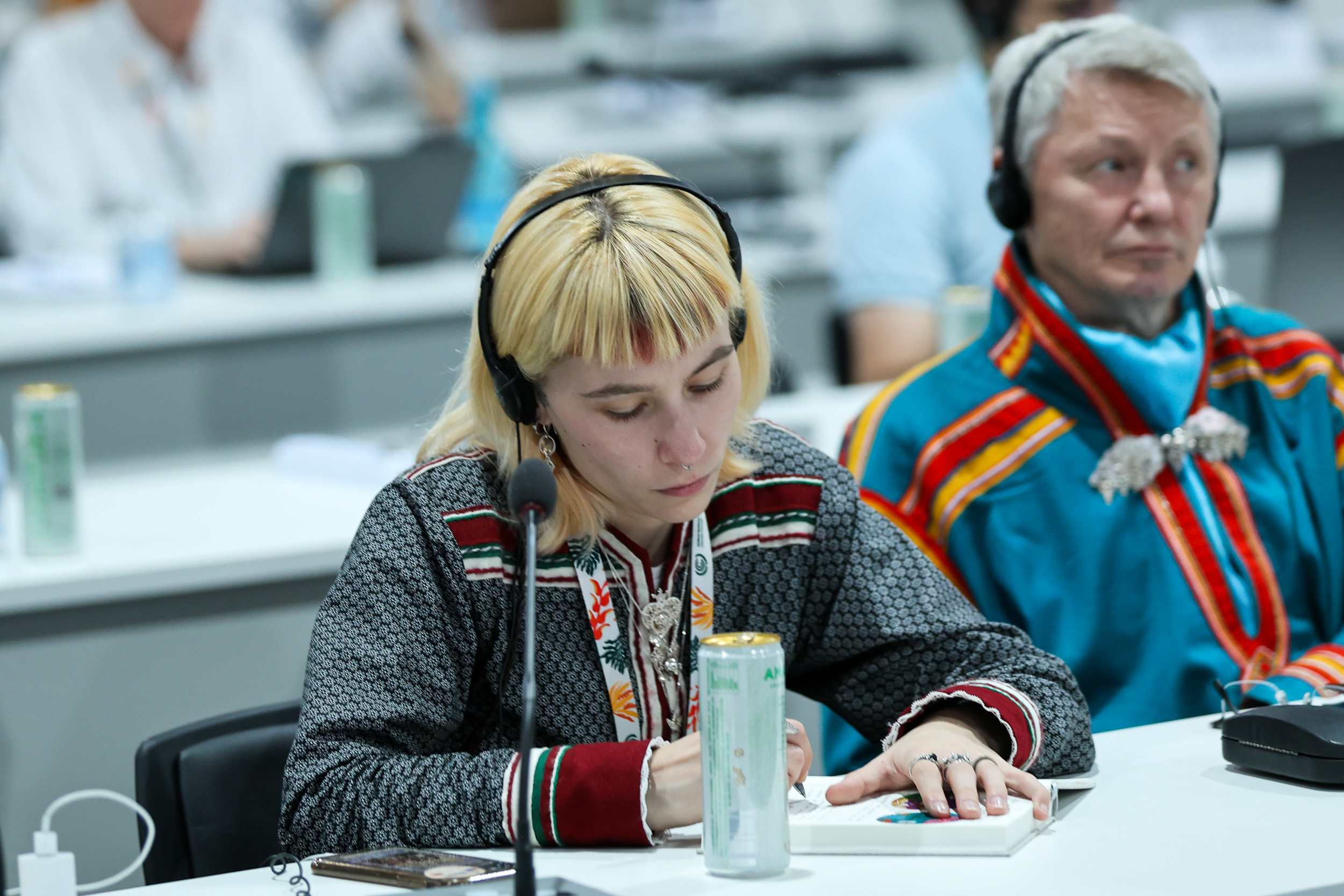
Fifth Annual Dialogue for Indigenous Peoples, Local Communities, Parties, Constituted Bodies, Workstreams and Other Contributors
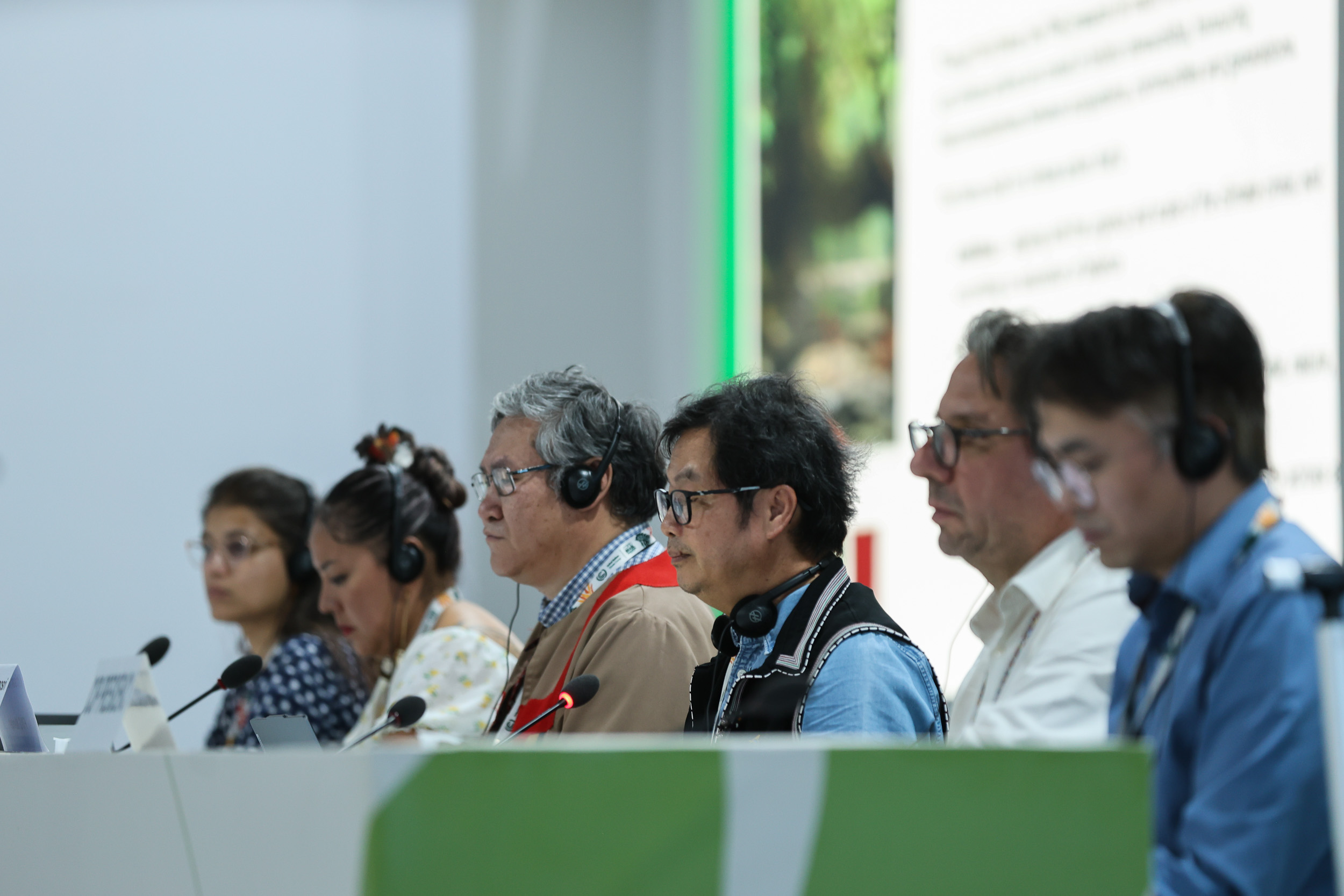
View of the dais during the Local Communities and Indigenous Peoples Platform (LCIPP) dialogue
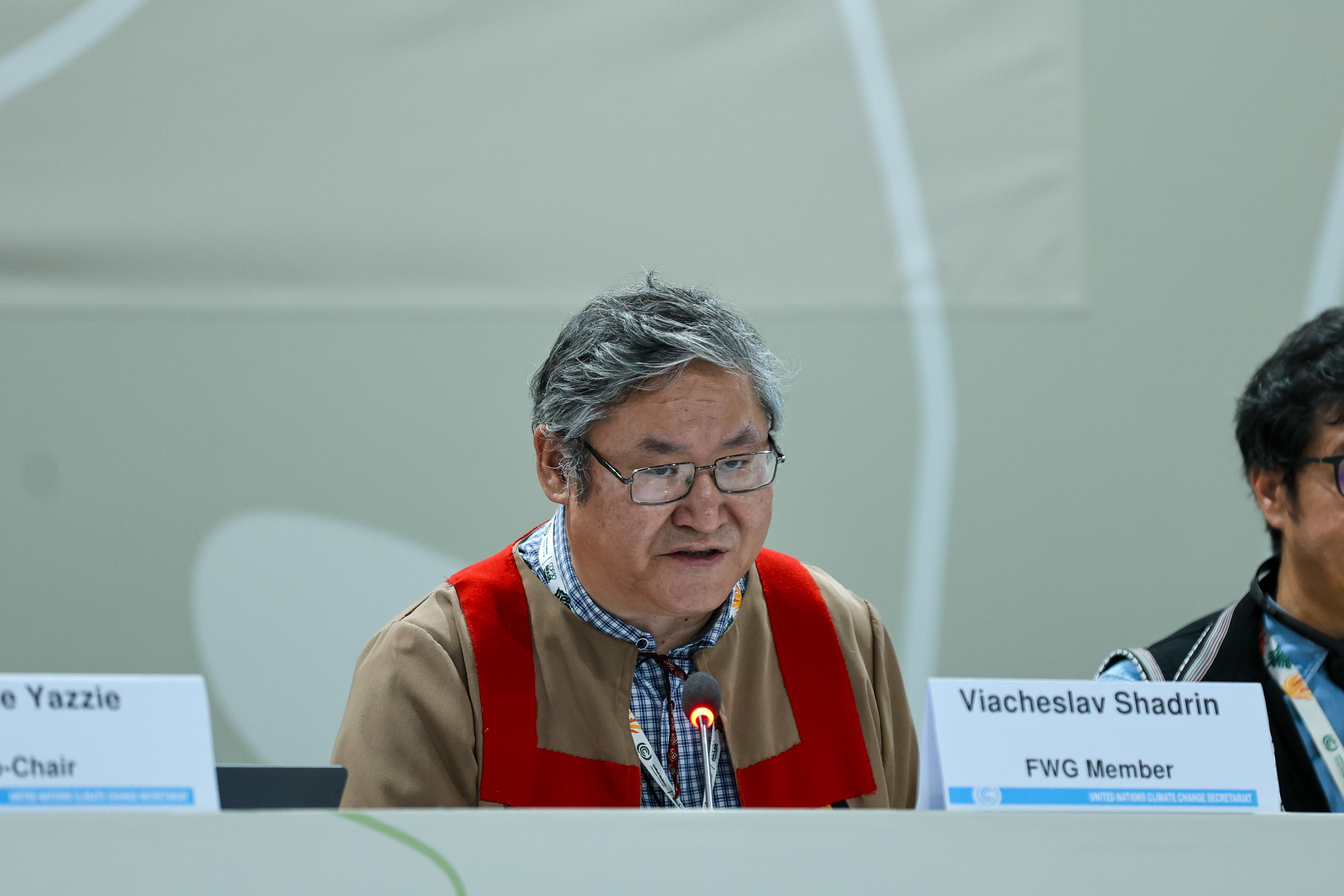
Viacheslav Shadrin, Facilitative Working Group (FWG) member
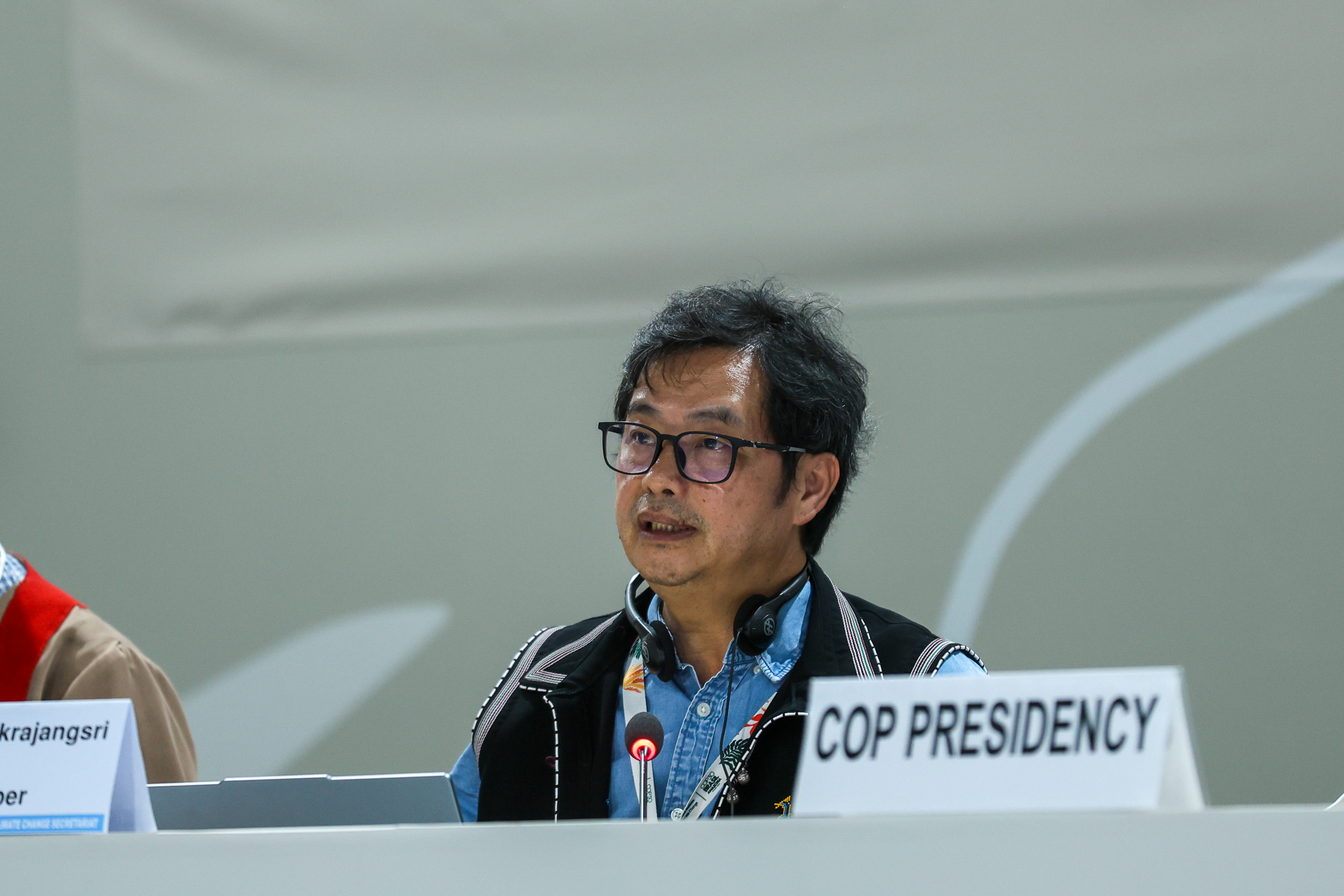
Kittisak Rattanakrajangsri, FWG member
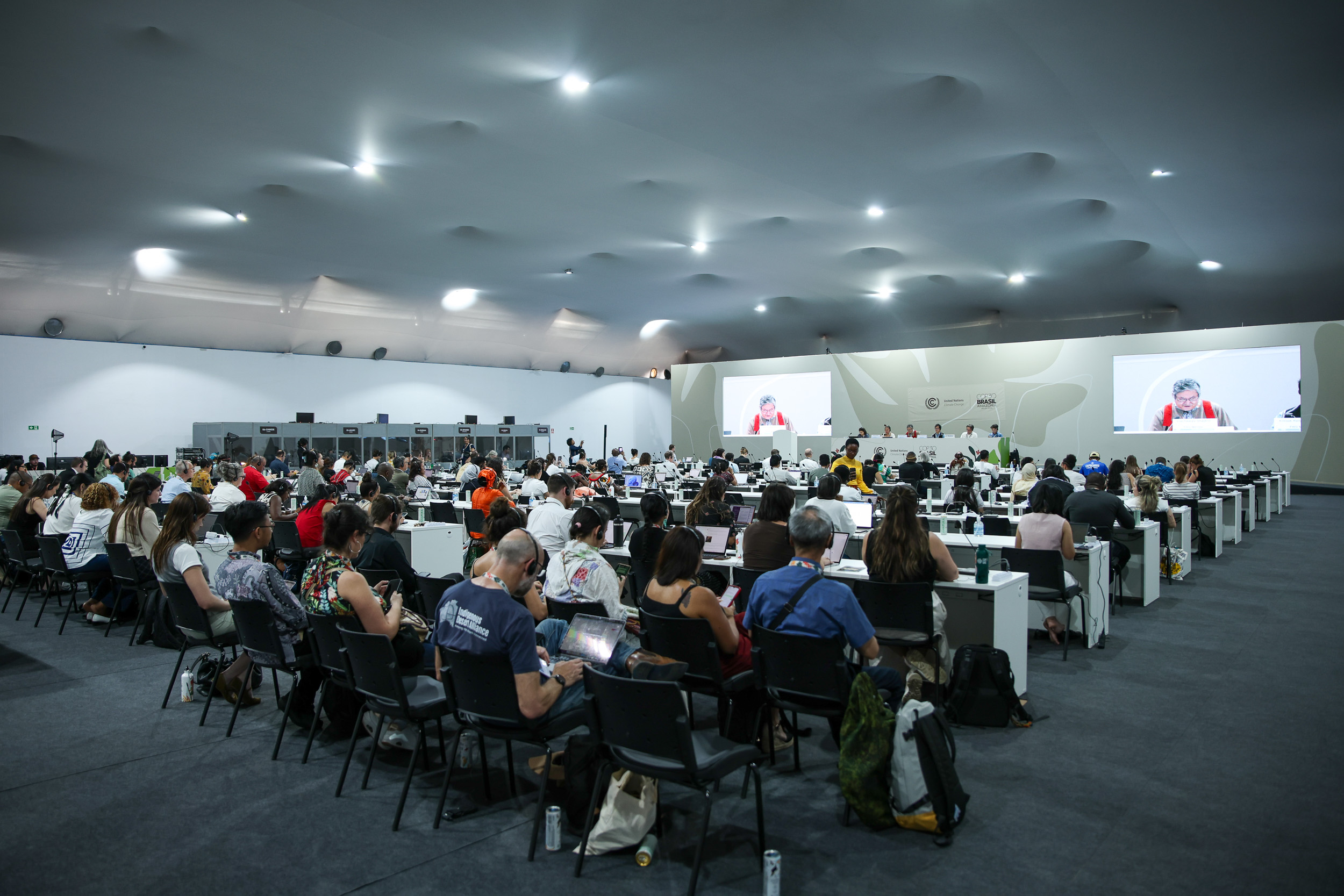
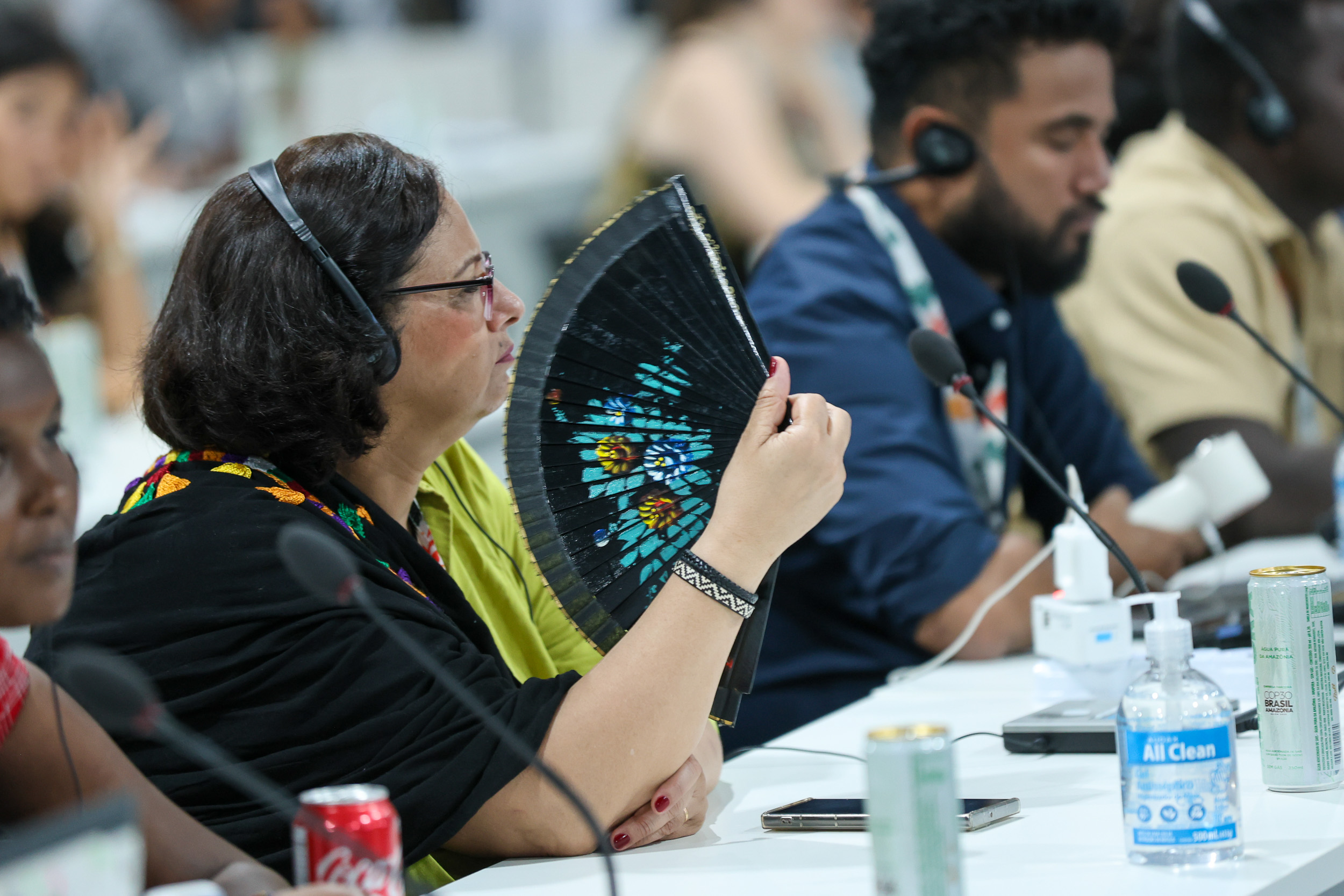
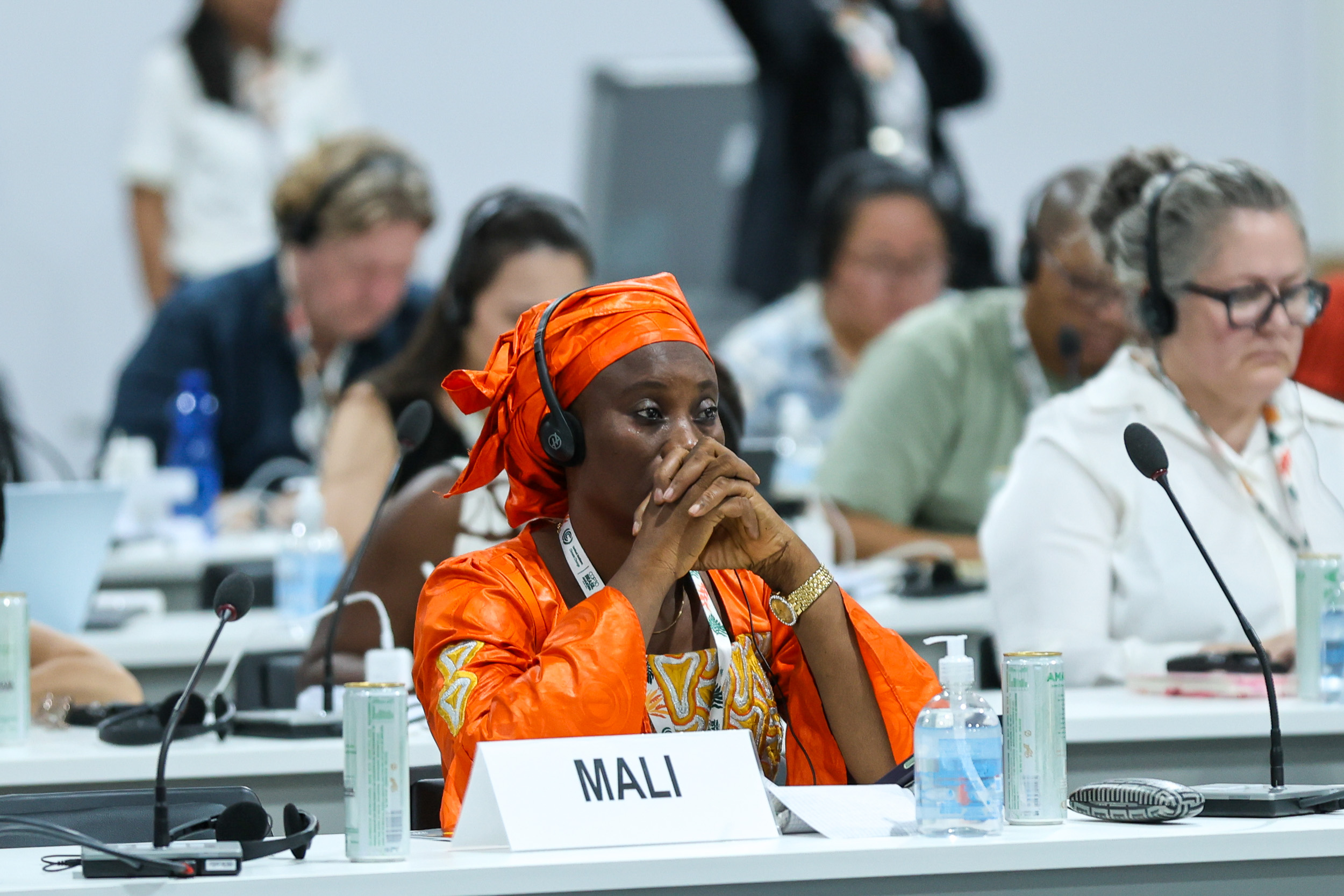
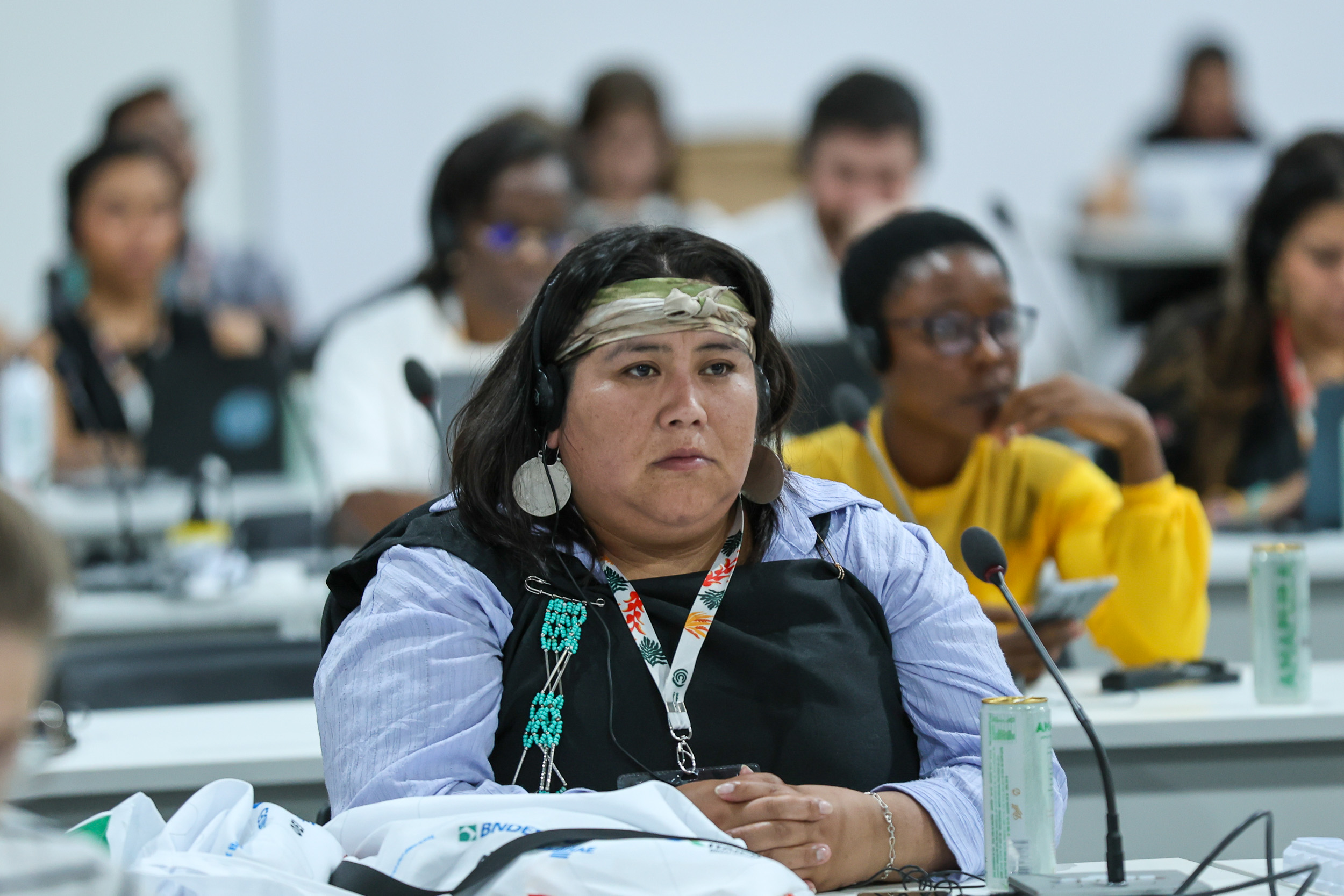
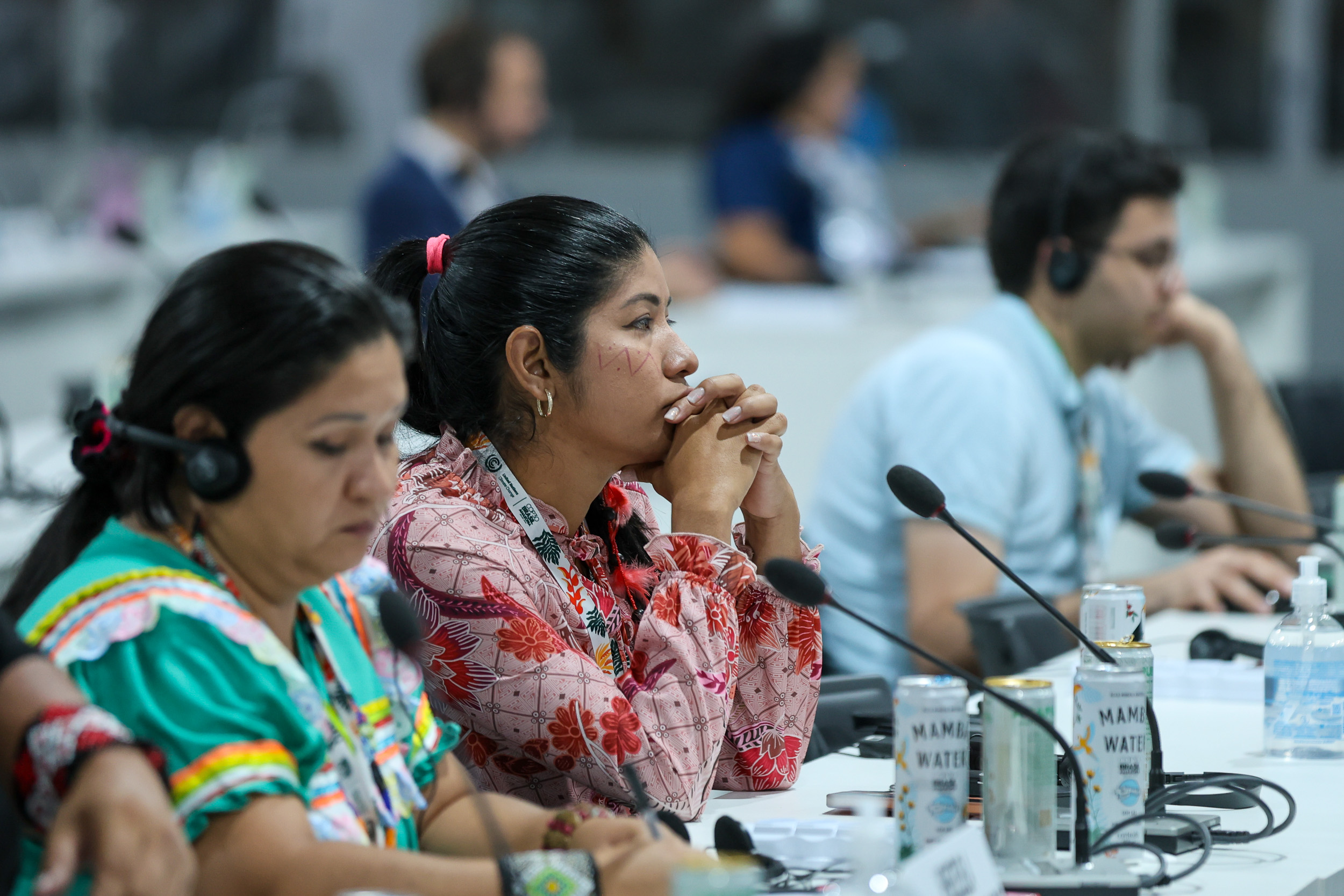
View of the room during the LCIPP dialogue
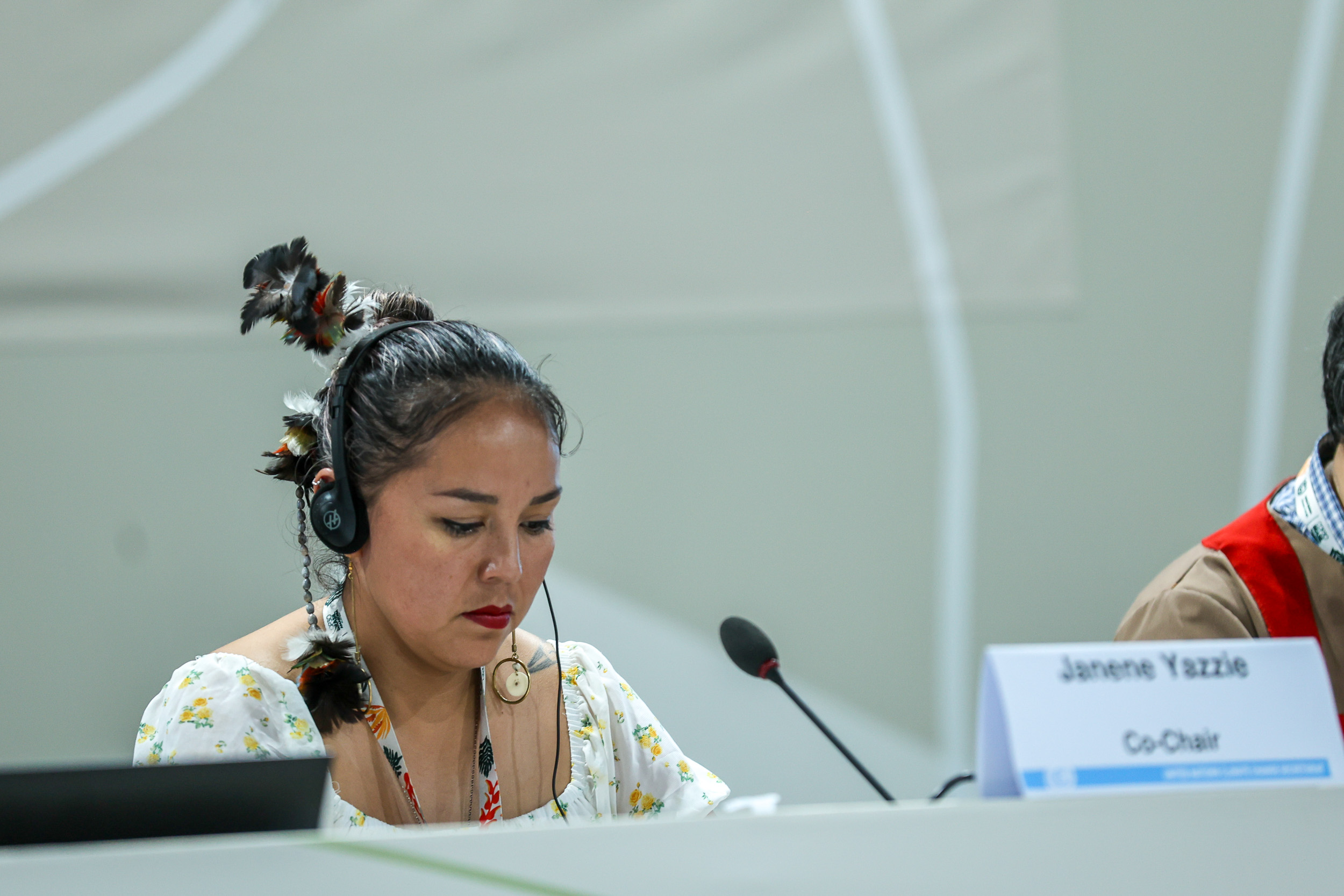
Fifth Annual Dialogue Co-Chair Janene Yazzie
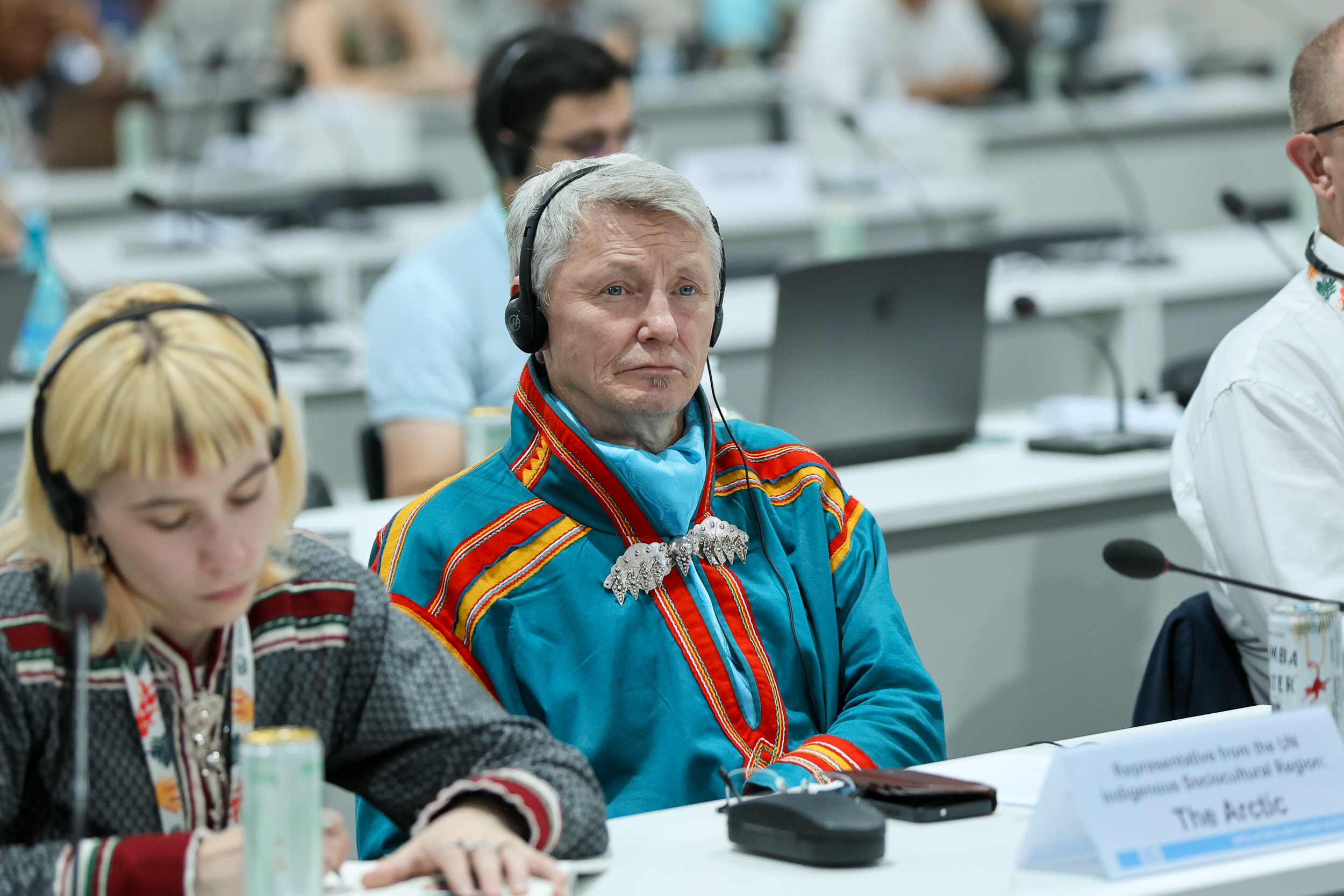
Per-Olof Nutti, Saami Council
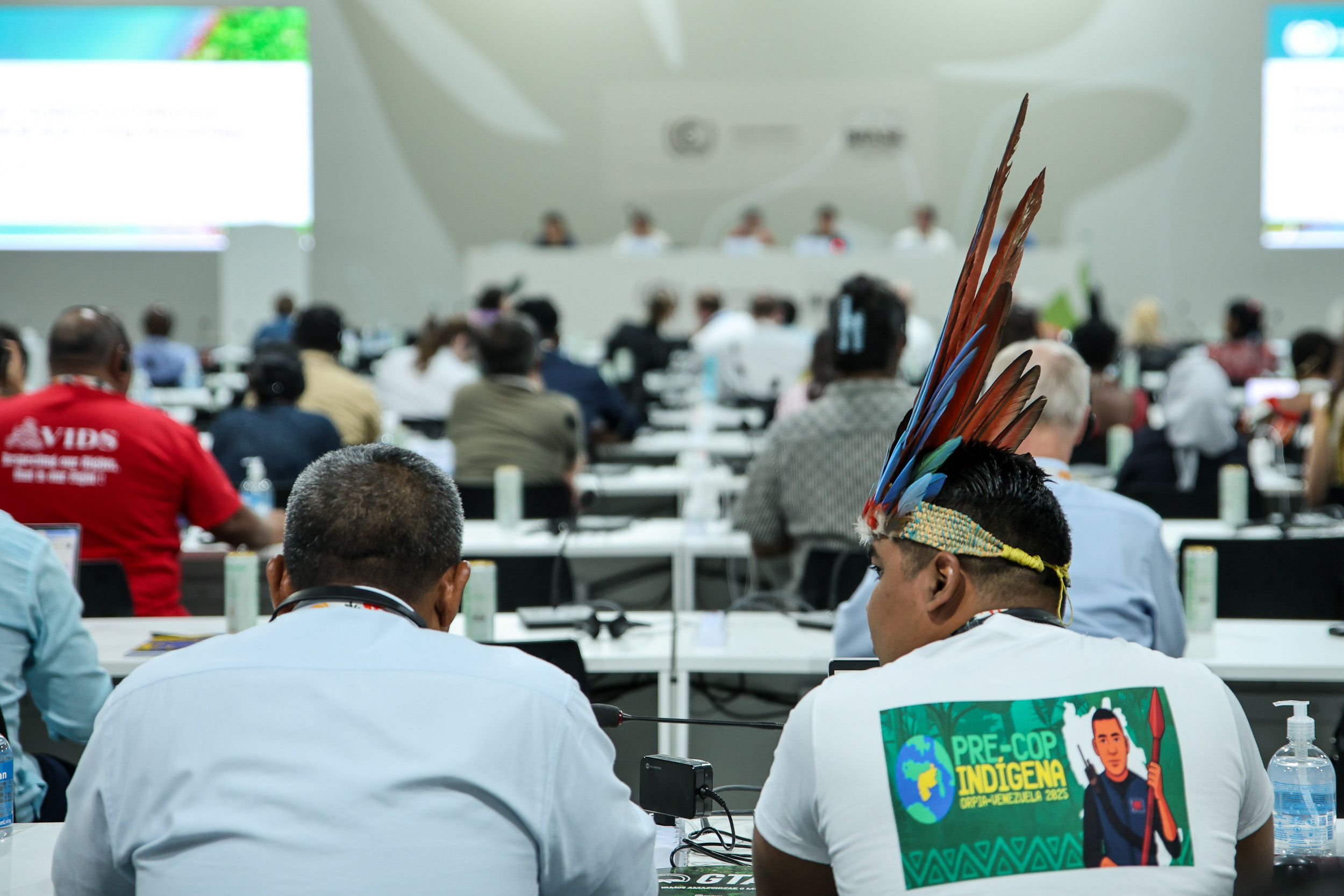
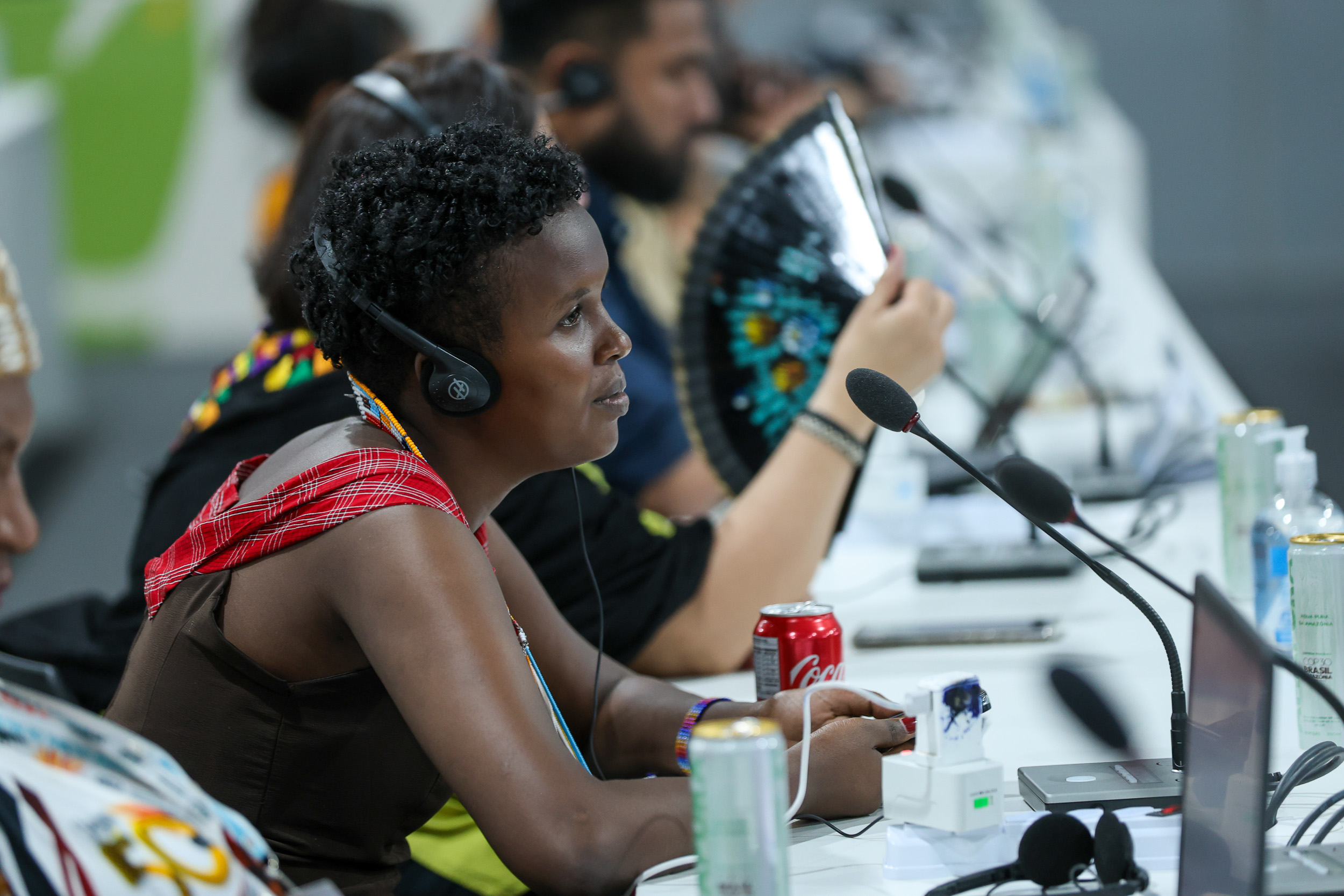
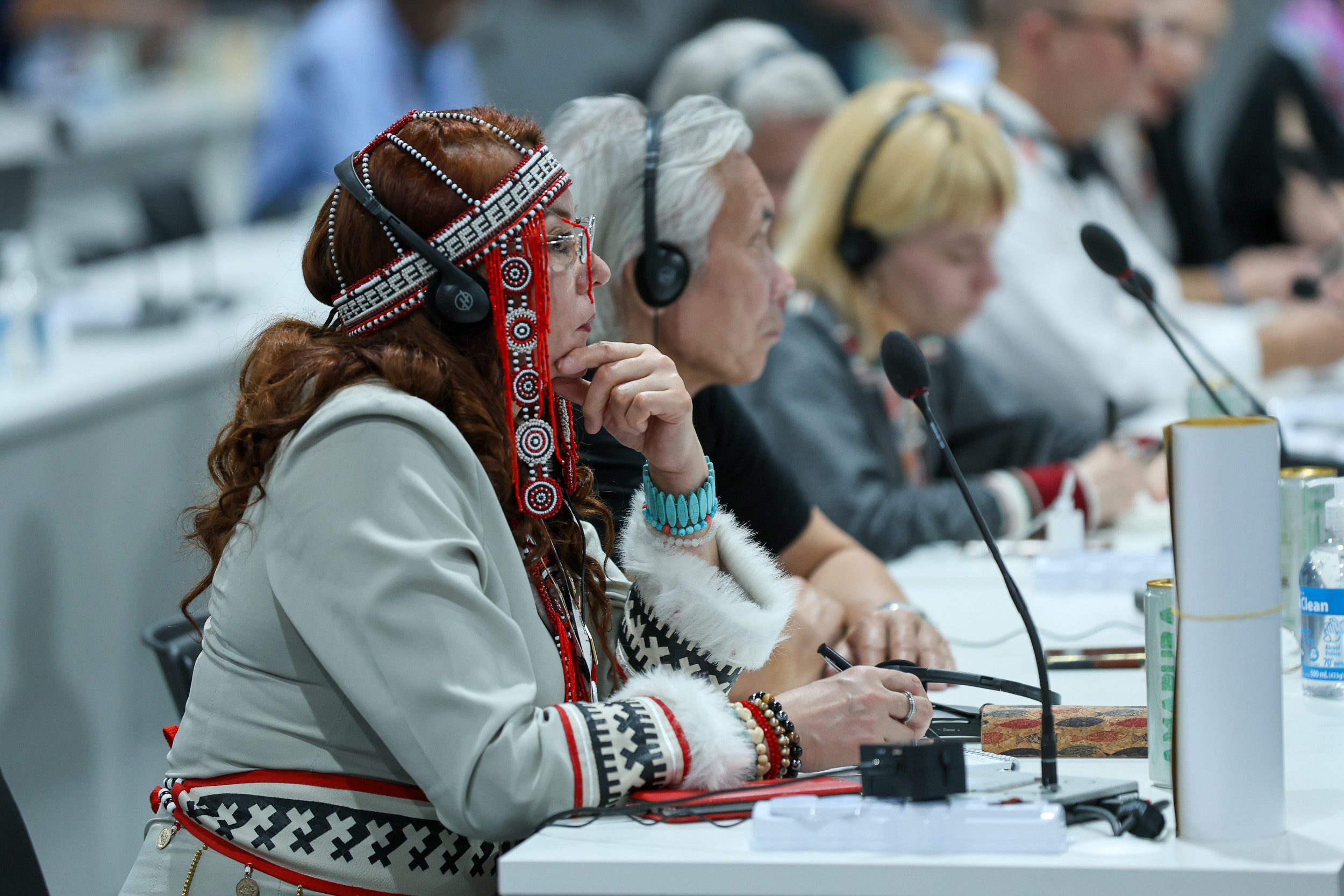
Amina Amharech, Indigenous Knowledge Holder, Morocco
Climate Actions
Around the Venue