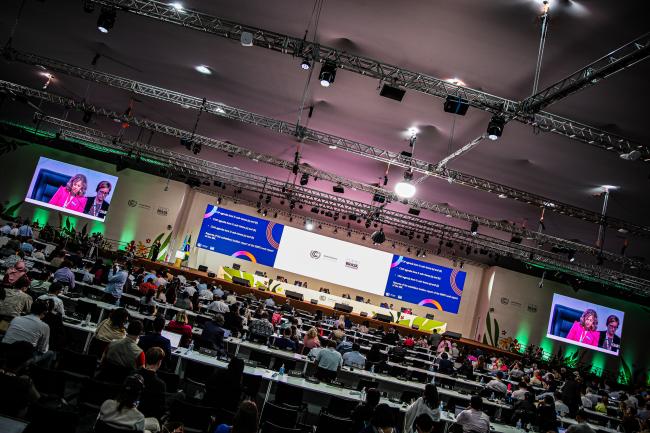
In their closing plenaries, the Subsidiary Bodies (SBs) adopted a number of conclusions and recommended draft decisions for adoption by the governing bodies of the UN Framework Convention on Climate Change (UNFCCC), Kyoto Protocol, and Paris Agreement. These relate to least developed countries, support for developing countries’ reporting under the UNFCCC, and capacity-building, among others.
Want to dig deeper into today's talks? Read the full Earth Negotiations Bulletin daily report.
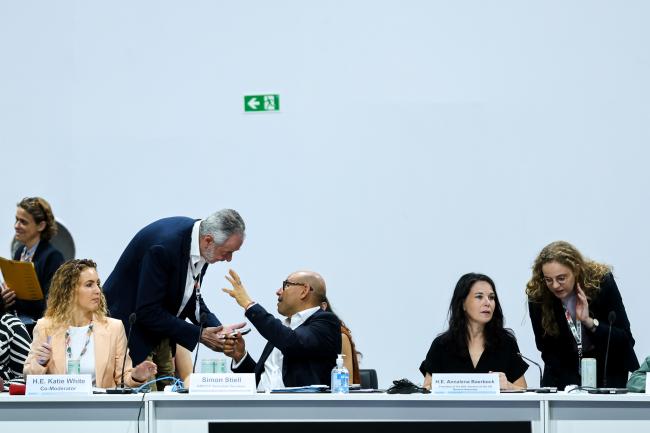
The SBs’ closing plenaries also provided a stage for many groups and Parties to air their complaints and frustrations. The European Union (EU), Chile, Australia, Bangladesh, New Zealand, the UK, and Canada denounced Parties’ inability to agree on a reference to the Intergovernmental Panel on Climate Change providing best available science, and to new temperature records set in 2024.
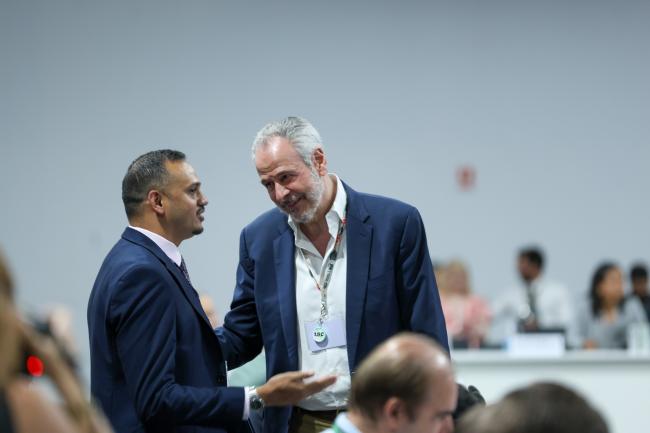
The Group of 77 and China expressed disappointment that no outcome could be reached on the joint annual report of the Technology Executive Committee and Climate Technology Centre and Network. They appealed to all countries to make progress on other technology issues during the second week of the conference. The African Group asked for assurances that the Consultative Group of Experts, which supports developing countries’ reporting efforts, would be properly funded to carry out its activities in 2026.
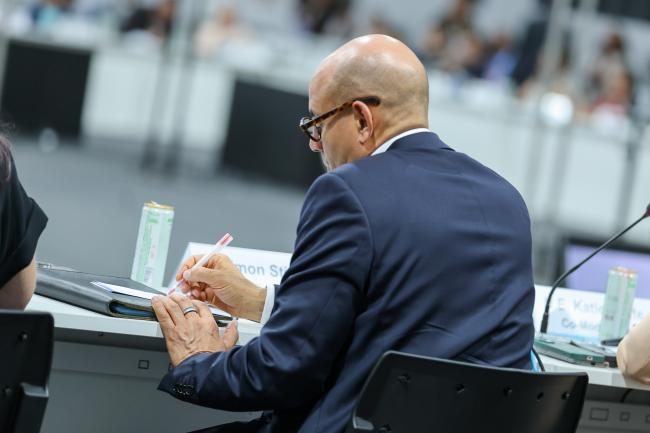
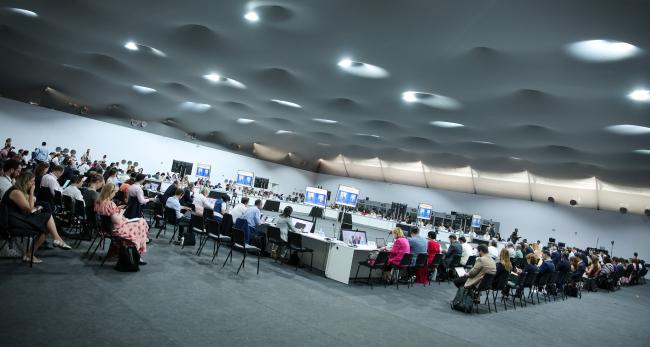
In the evening, the governing bodies adopted the decisions recommended to them by the SBs. Delegates were then informed that work during the second week would continue across three tracks that will inform each other:
- ministerial consultations on political issues related to the Global Stocktake, the Global Goal on Adaptation, finance, mitigation, just transition, technology, and gender;
- continued technical negotiations, to conclude by Tuesday, 18 November; and
- Presidency consultations on, among others, cooperation with international organizations.
In addition, the Presidency will convene a “Mutirão” at the ministerial and head of delegation level. UNFCCC Executive Secretary Simon Stiell and André Corrêa do Lago, President of the thirtieth session of the Conference of the Parties (COP 30) to the UNFCCC, invited Parties to work together towards compromises amenable to all.
To receive free coverage of global environmental events delivered to your inbox, subscribe to the ENB Update newsletter.
All ENB photos are free to use with attribution. For the UN Climate Change Conference COP 30, please use: Photo by IISD/ENB | Mike Muzurakis
COP Plenary
COP 30 President André Corrêa do Lago
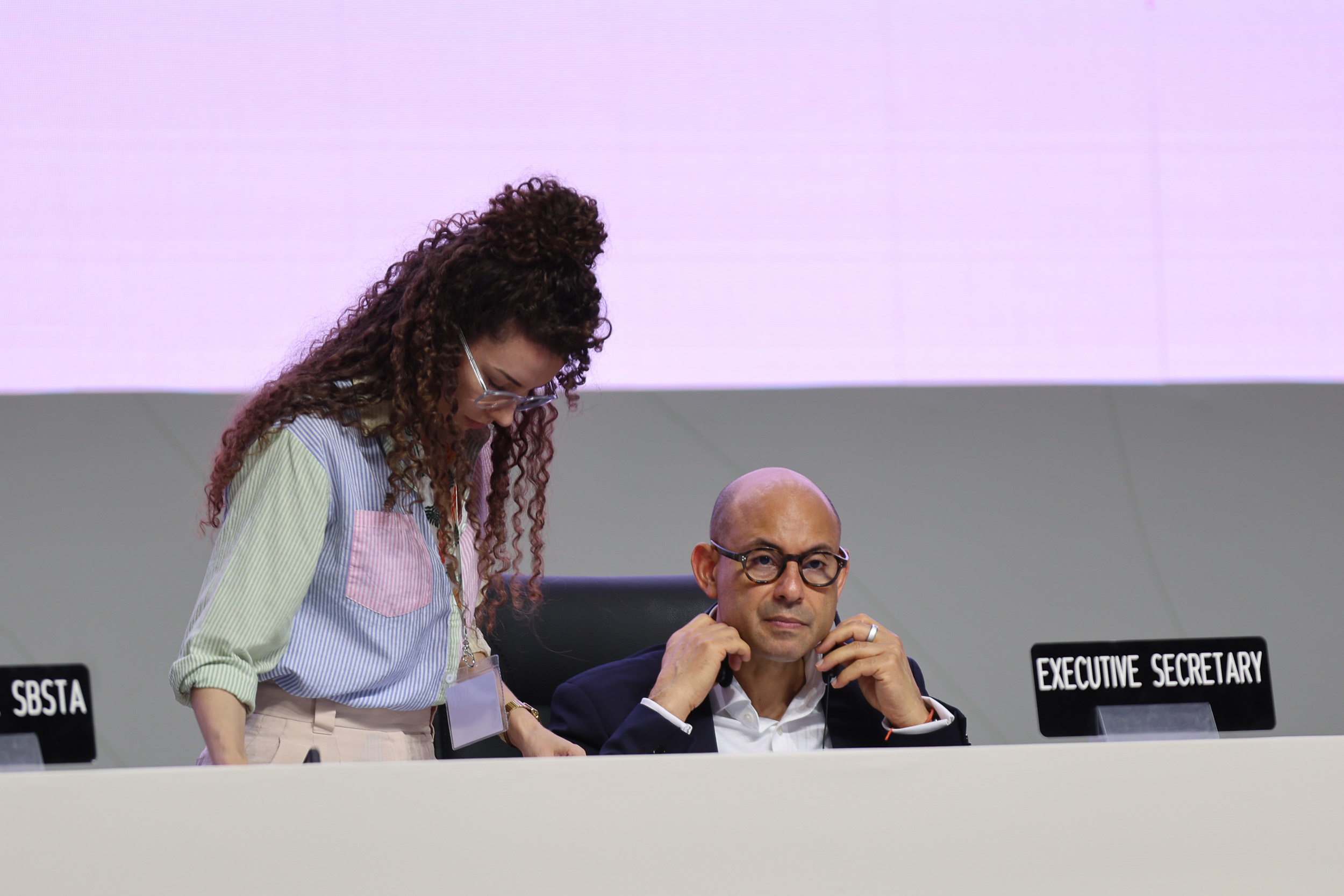
Joanna MacGregor, UNFCCC Secretariat, and UNFCCC Executive Secretary Simon Stiell
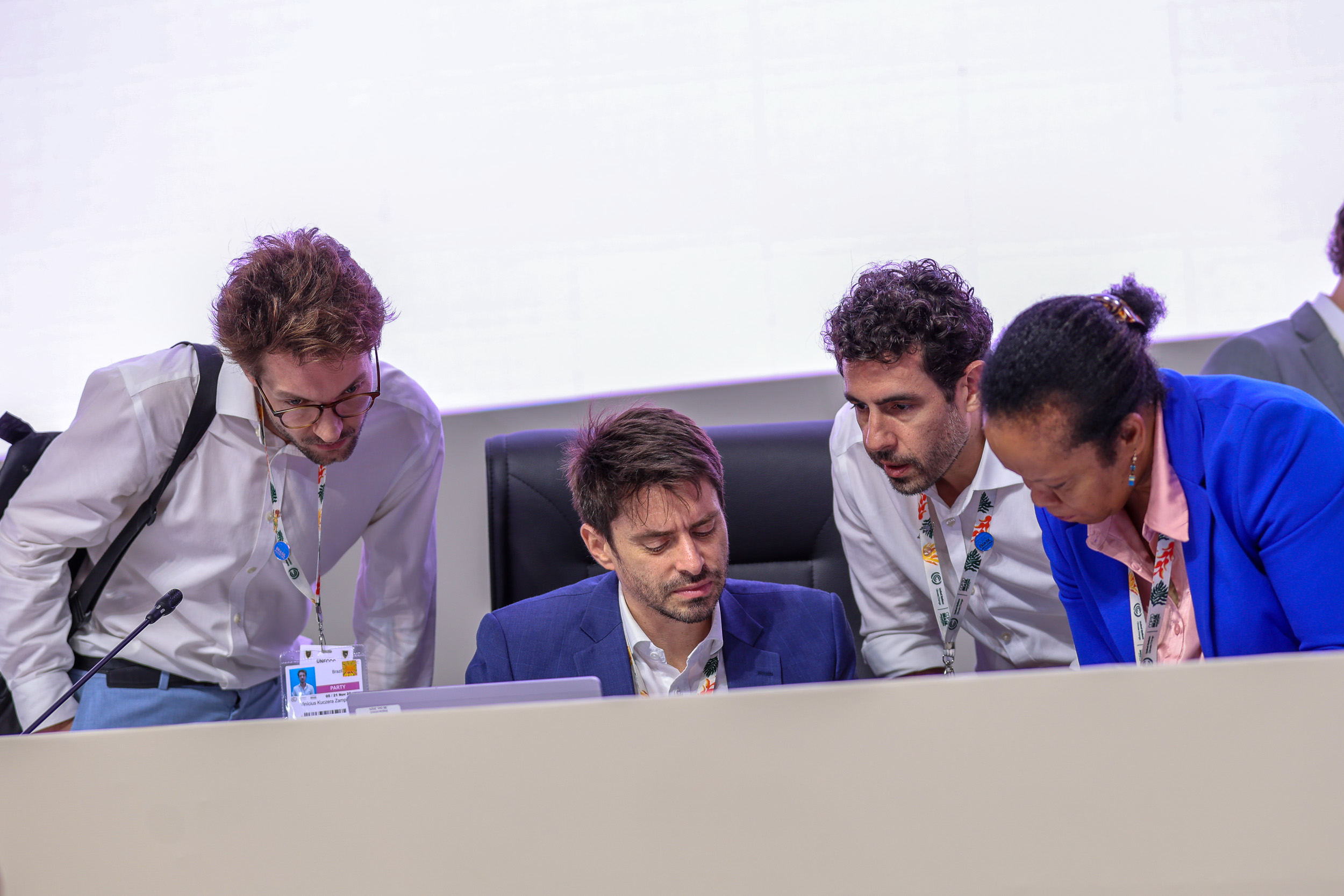
Túlio Andrade, COP 30 Presidency (center)
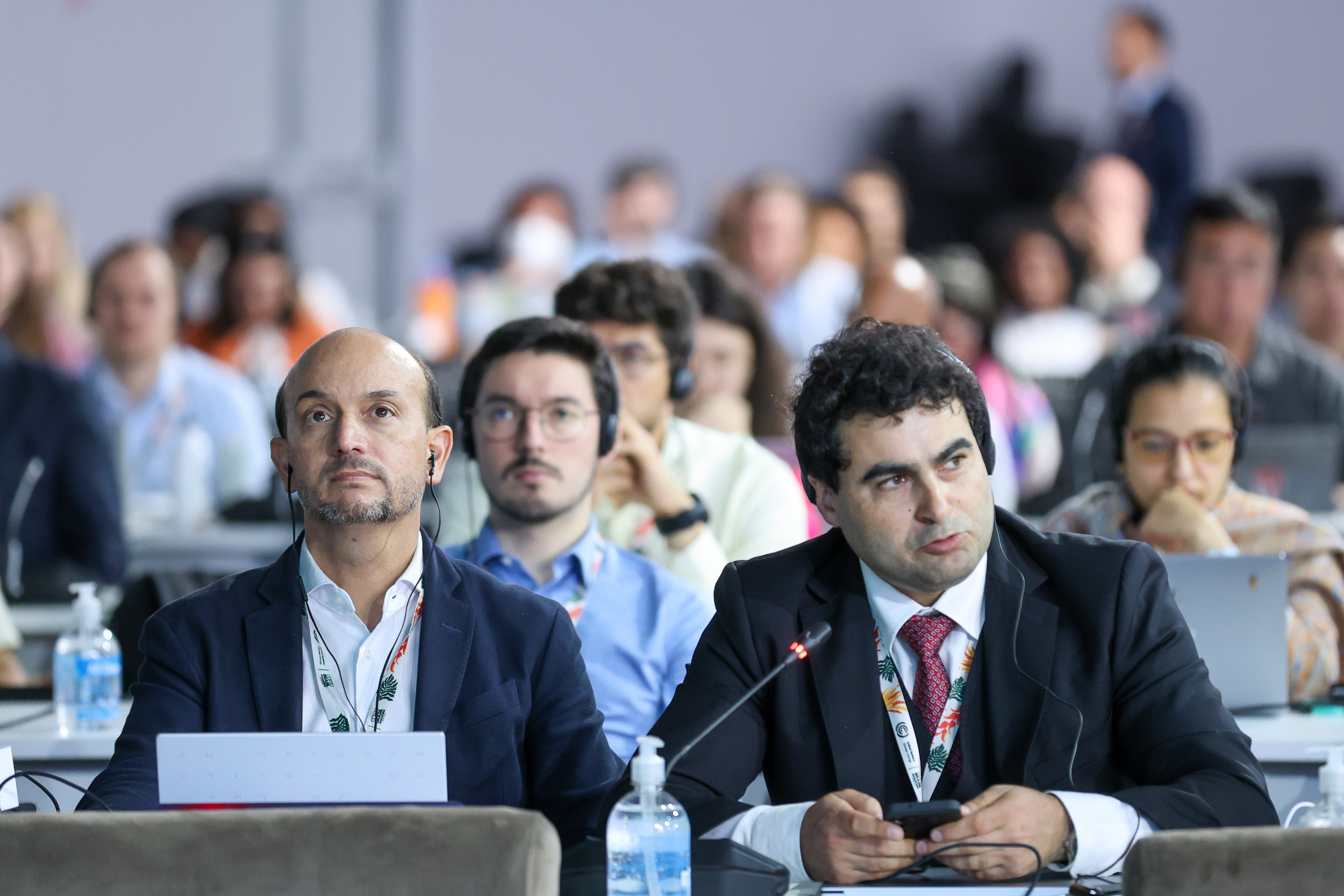
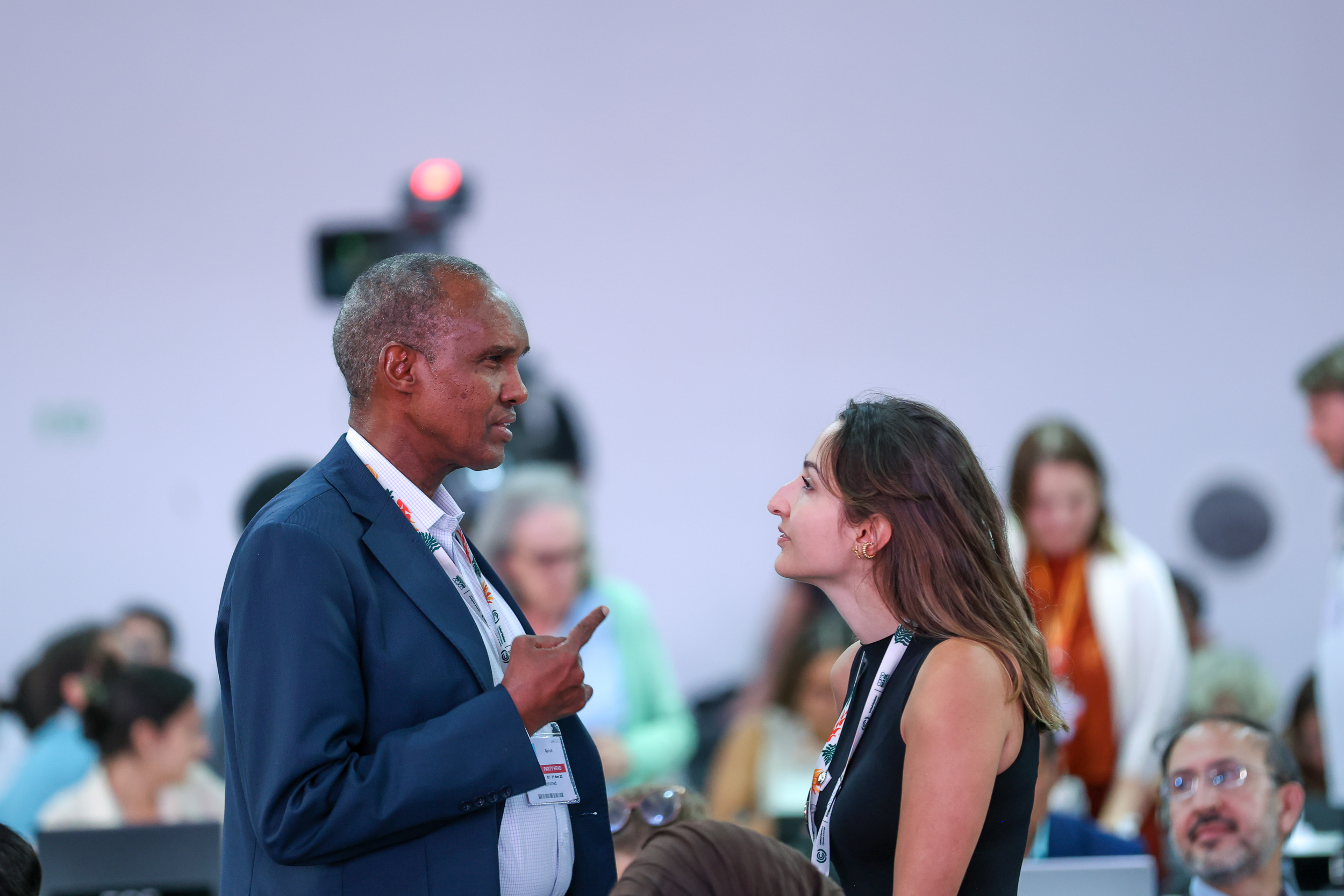
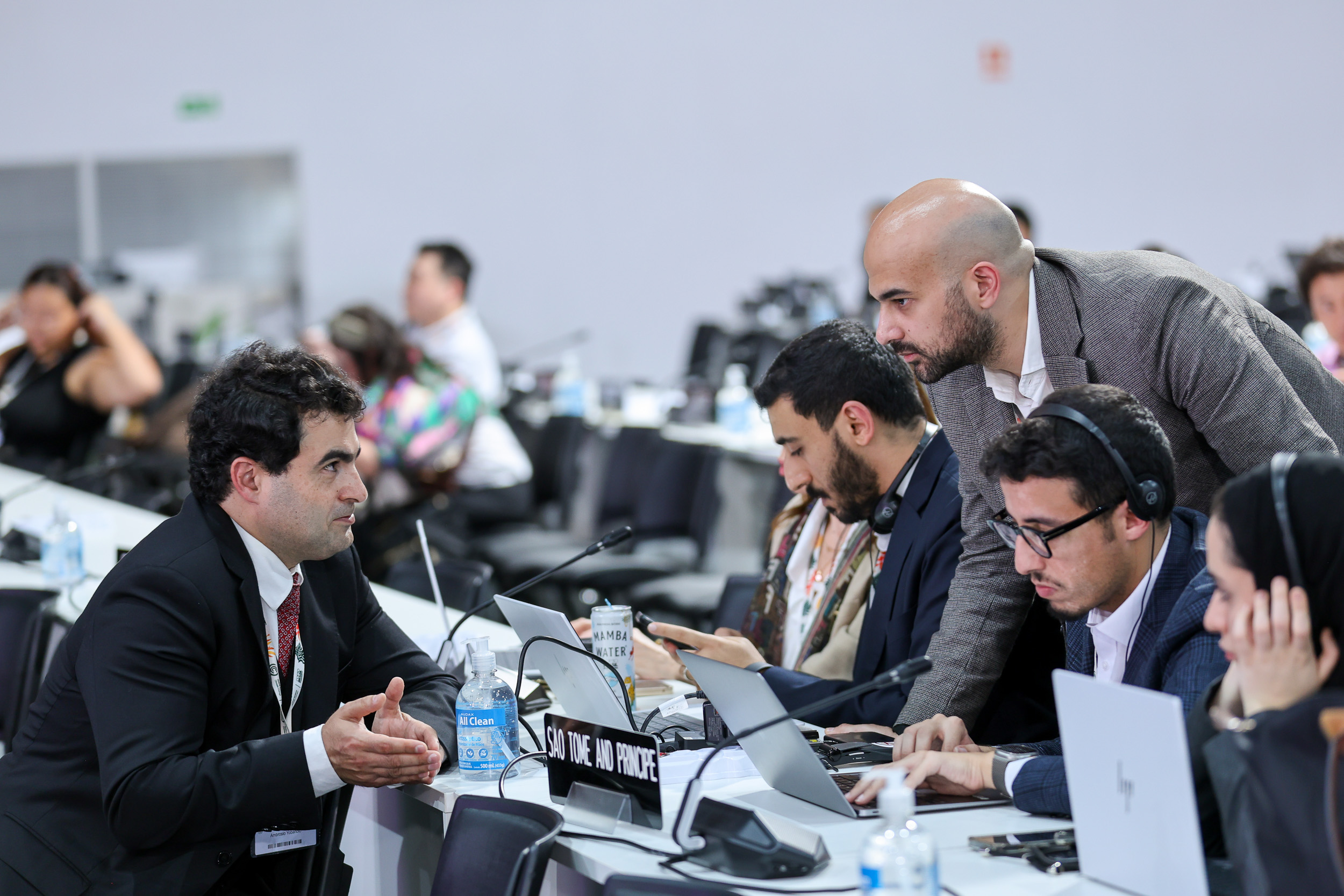
Eduardo Silva Besa and Ambrosio Yobanolo, Chile
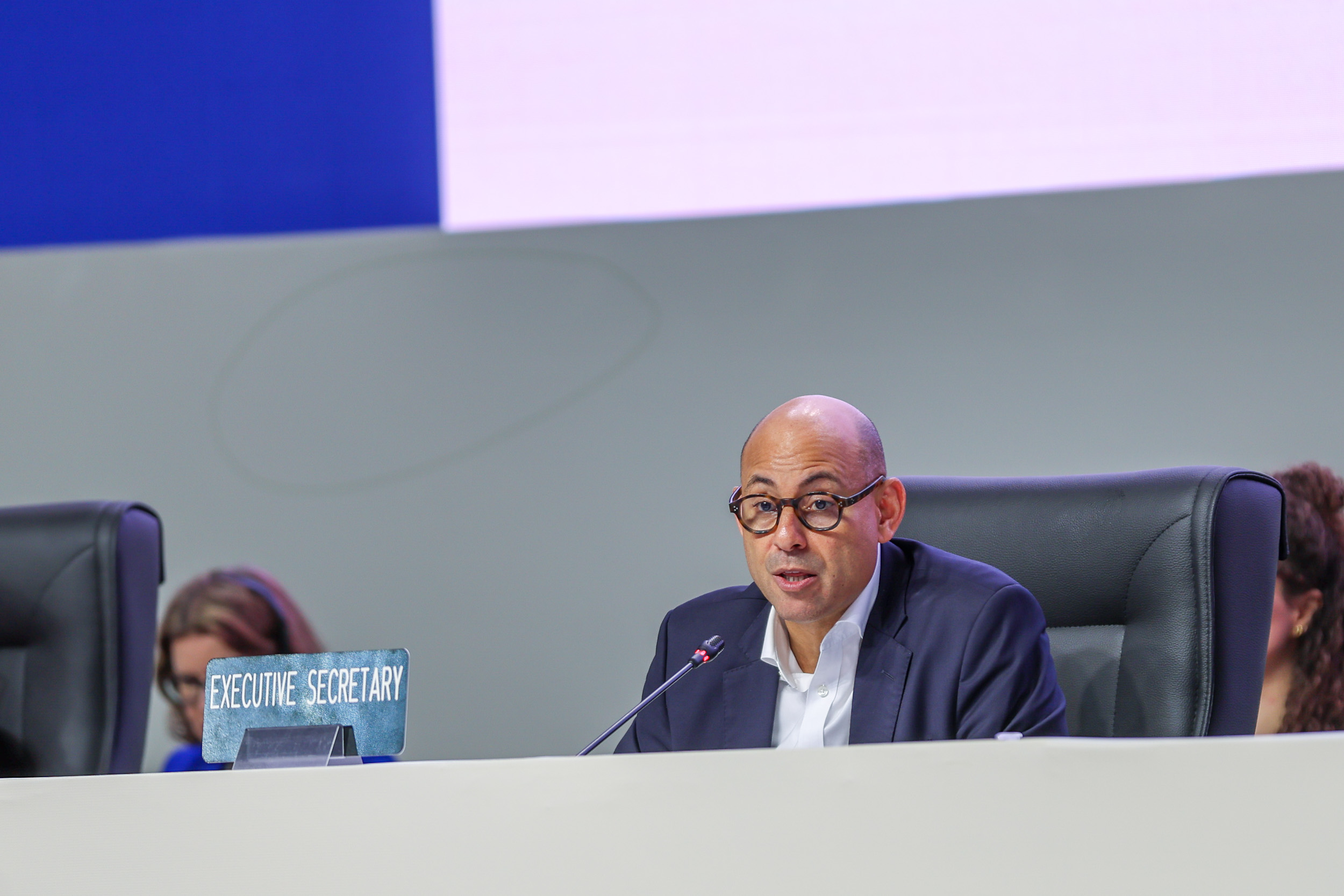
UNFCCC Executive Secretary Simon Stiell

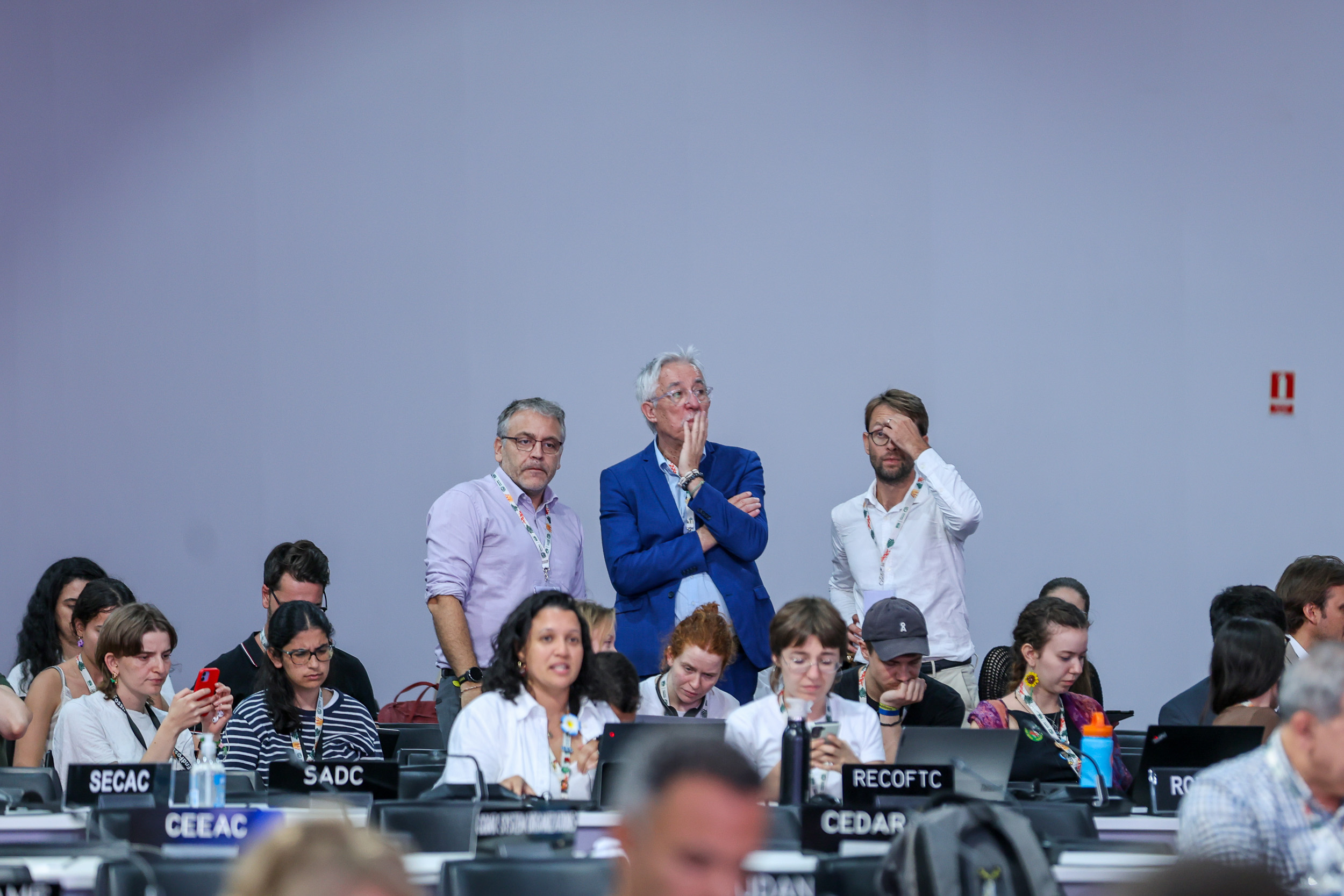
SBs’ Closing Plenaries
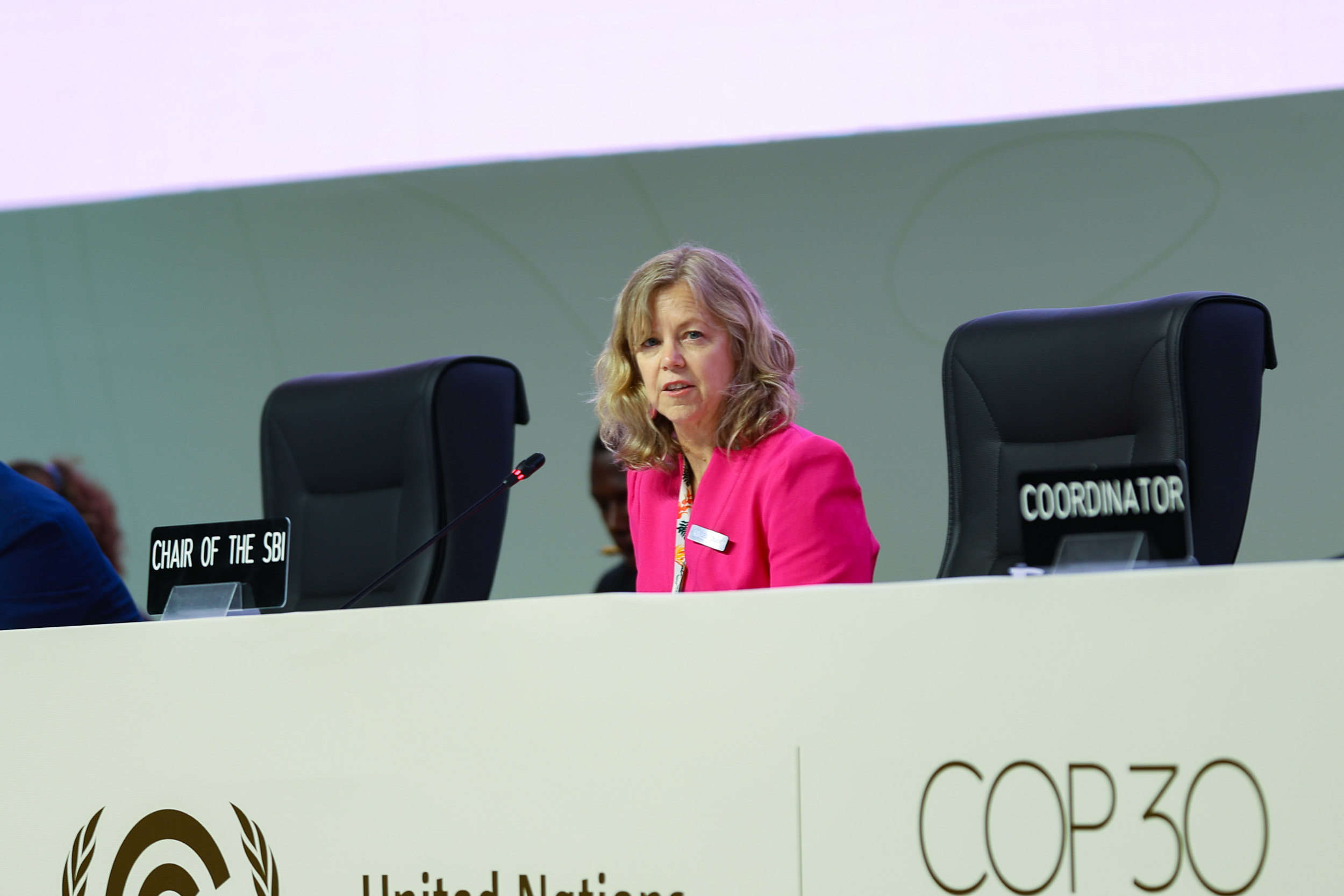
Subsidiary Body for Implementation (SBI) Chair Julia Gardiner, Australia
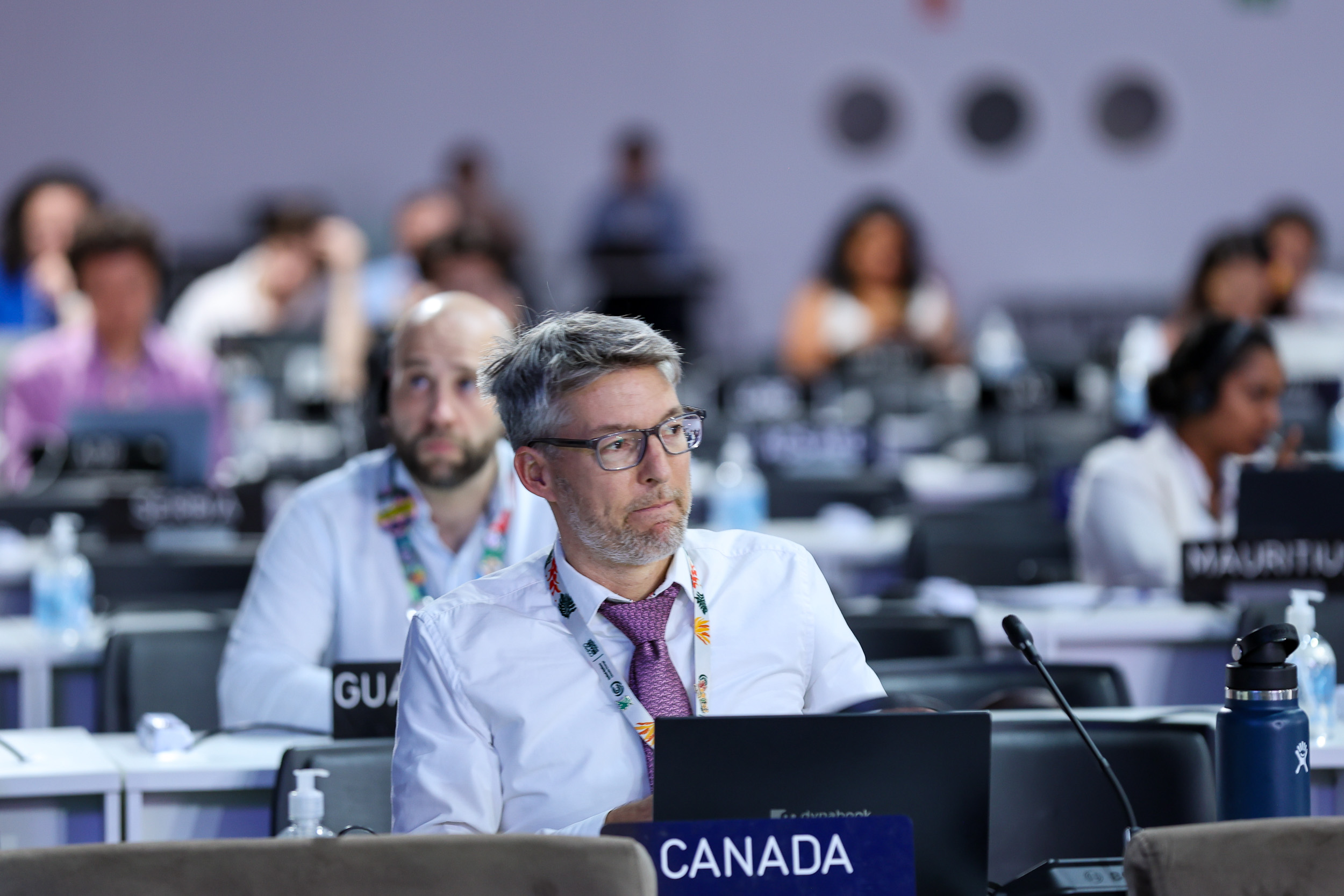
Marc-André Lafrance, Canada
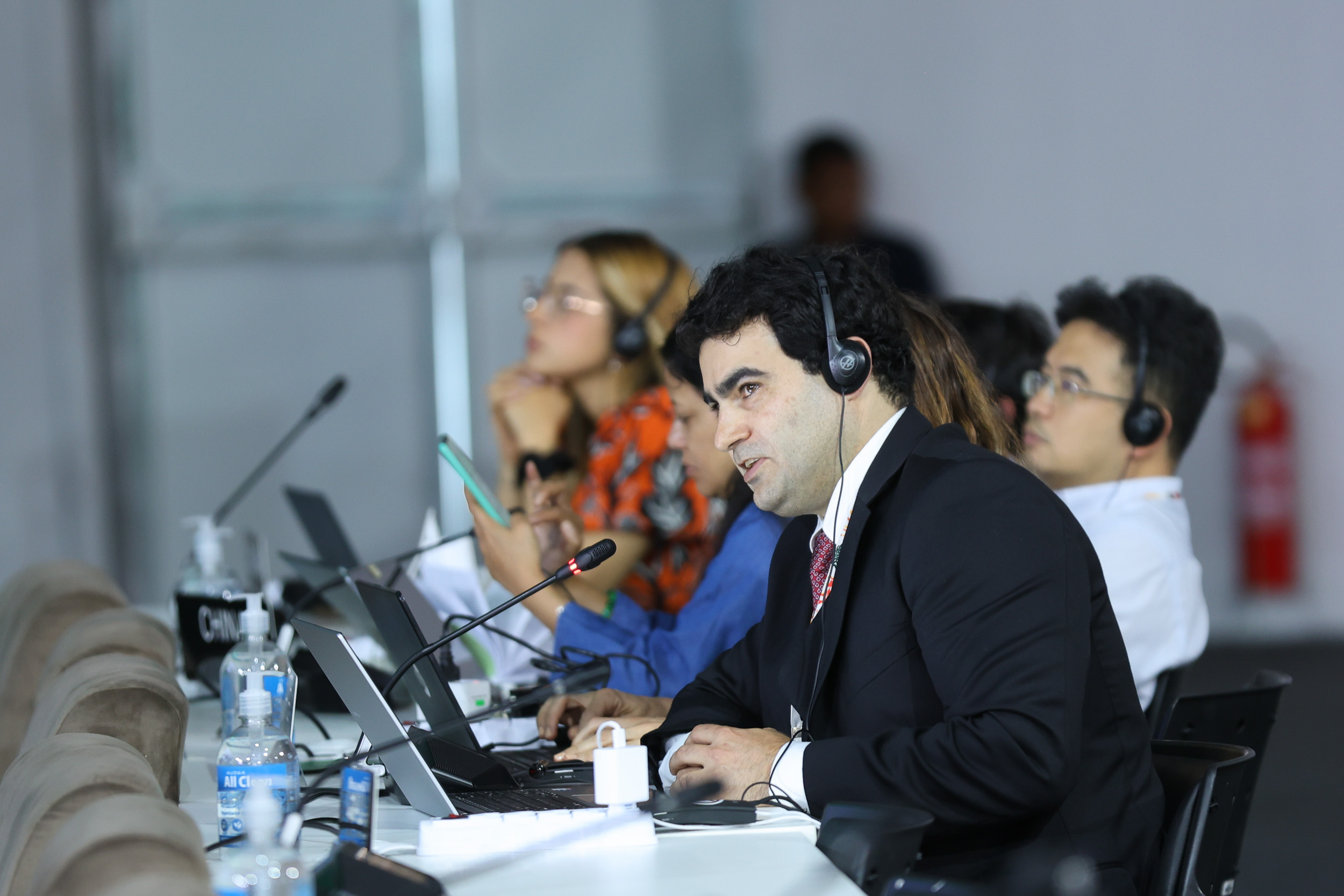
Ambrosio Yobanolo, Chile
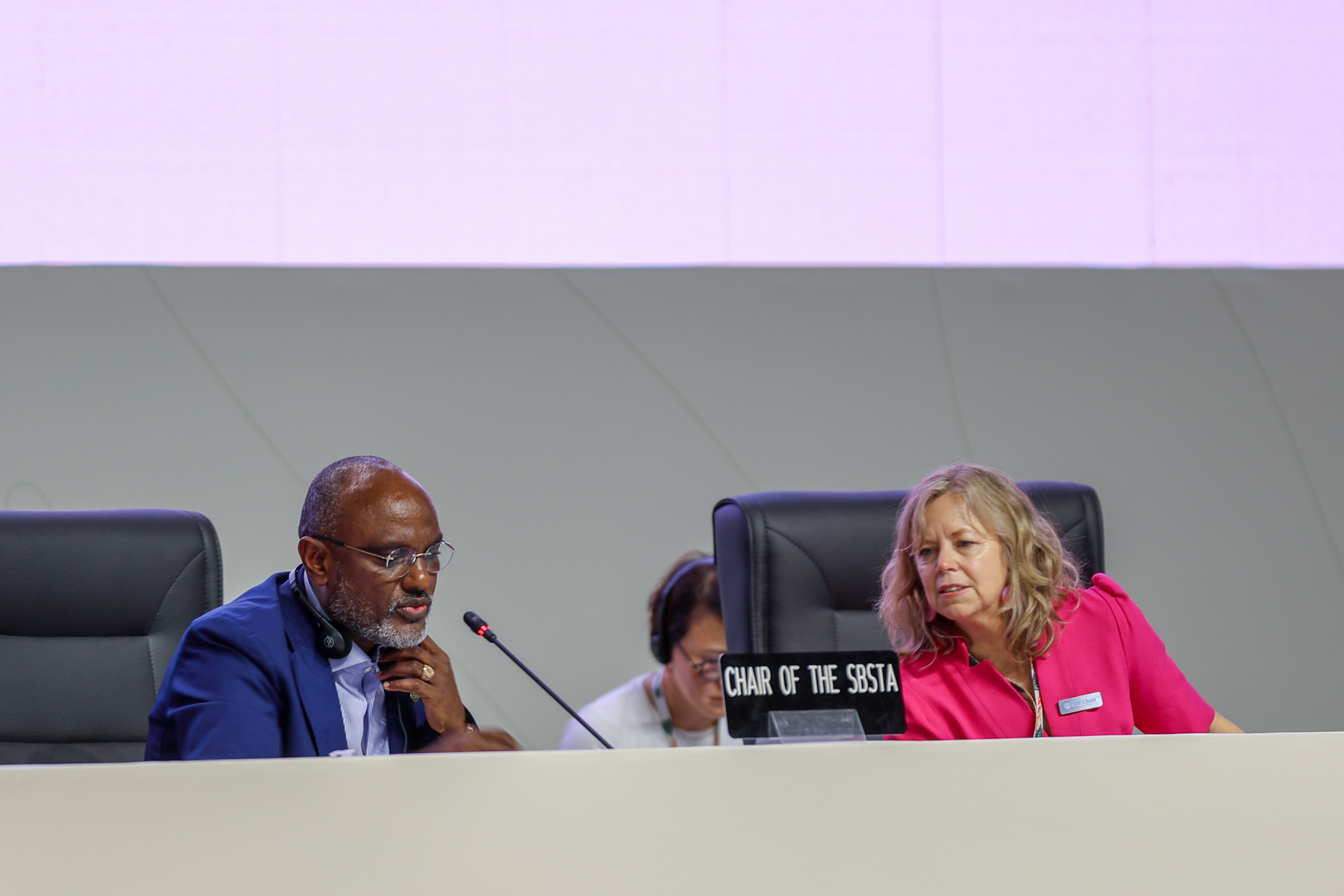
Subsidiary Body for Scientific and Technological Advice (SBSTA) Chair Adonia Ayebare, Uganda, and SBI Chair Julia Gardiner, Australia
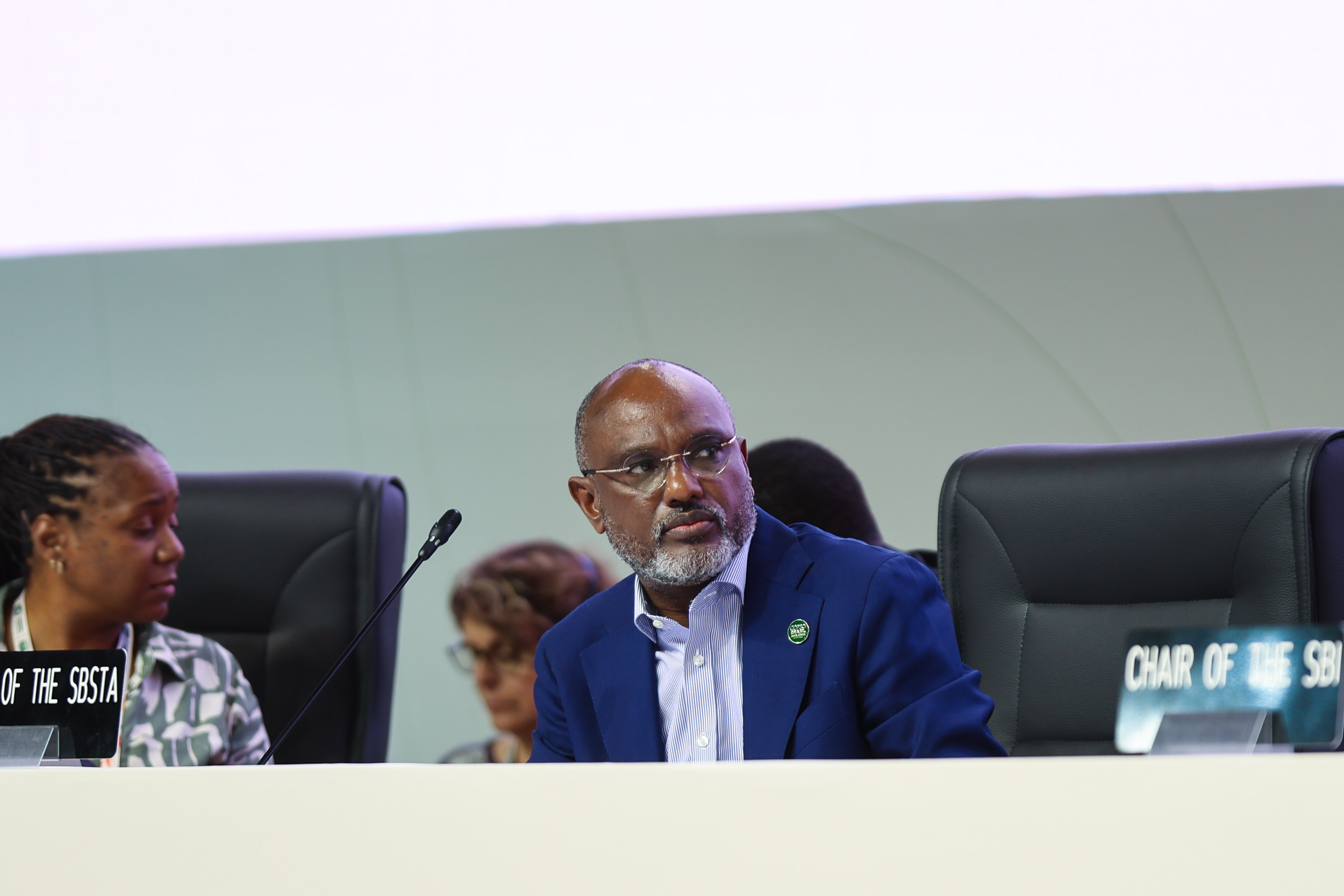
SBSTA Chair Adonia Ayebare, Uganda
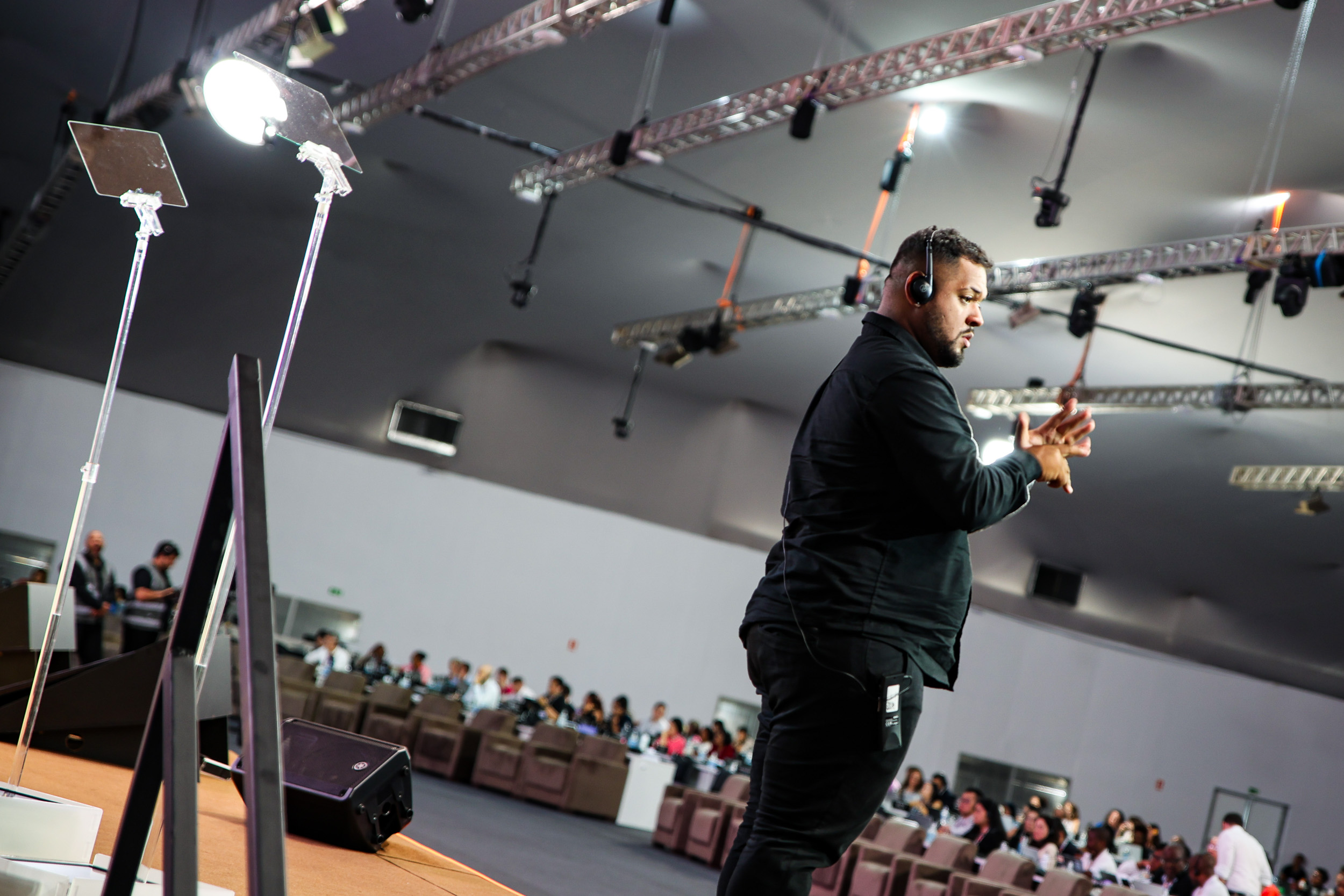
Sign language interpretation during the plenaries
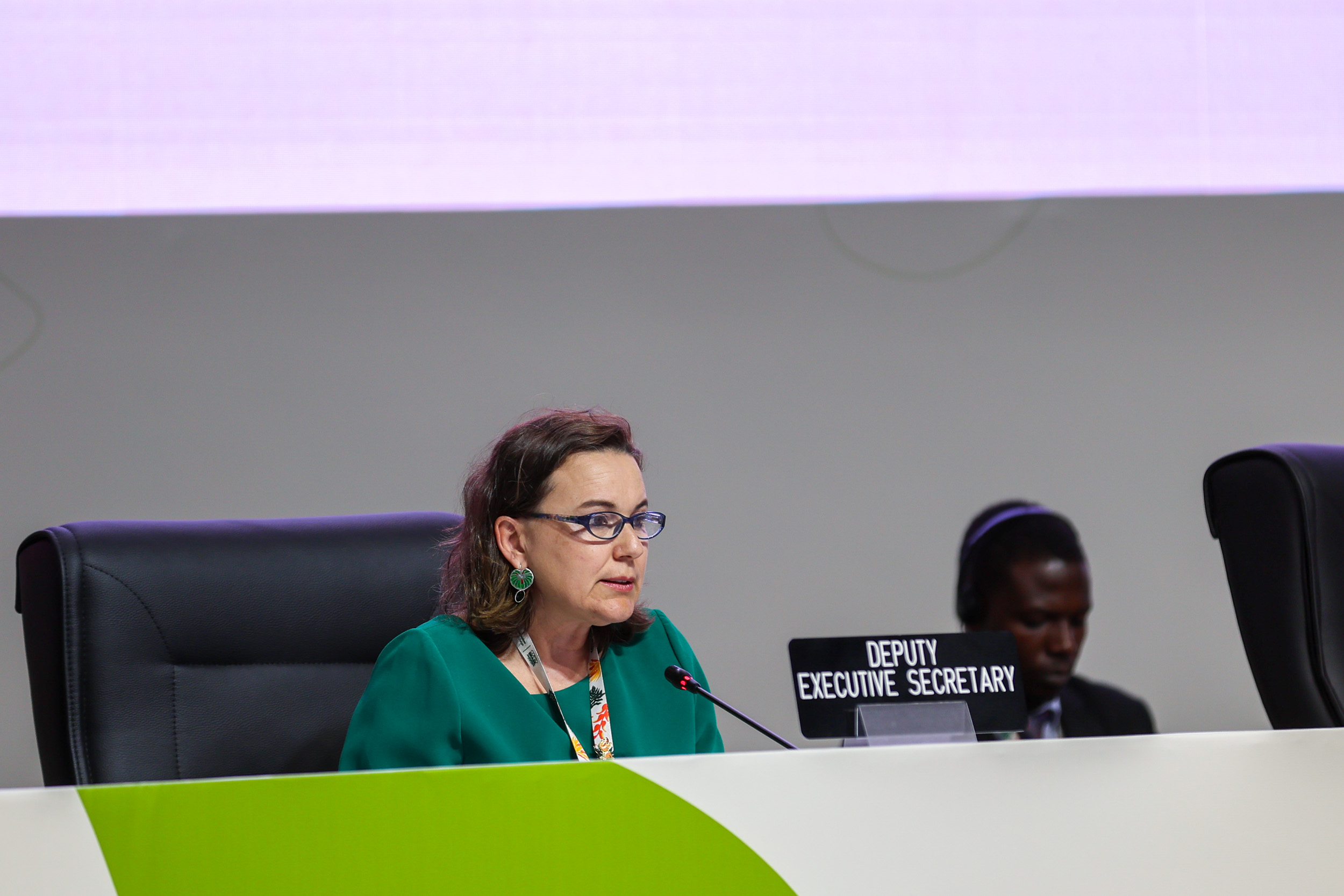
Noura Hamladji, Deputy Executive Secretary, UNFCCC
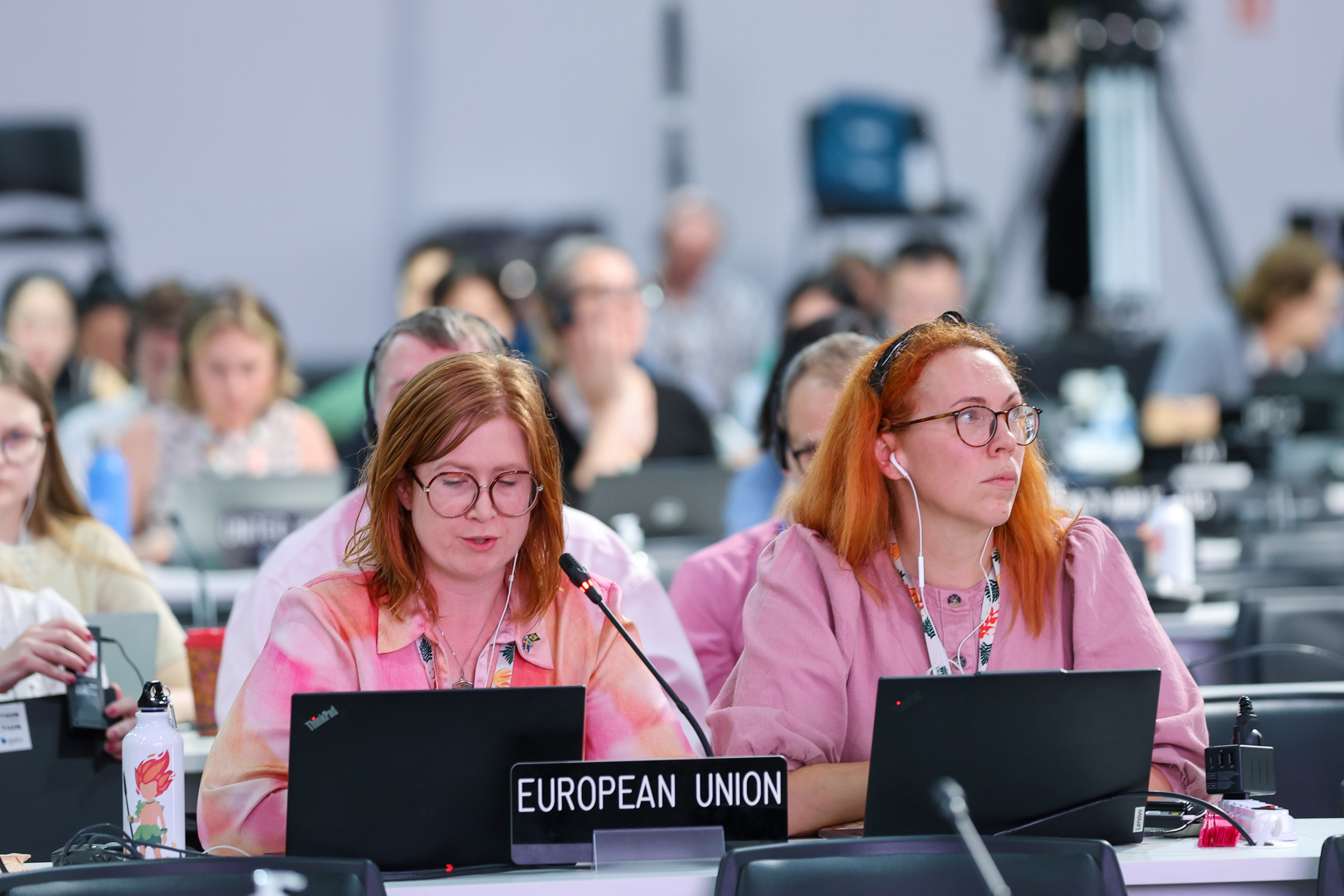
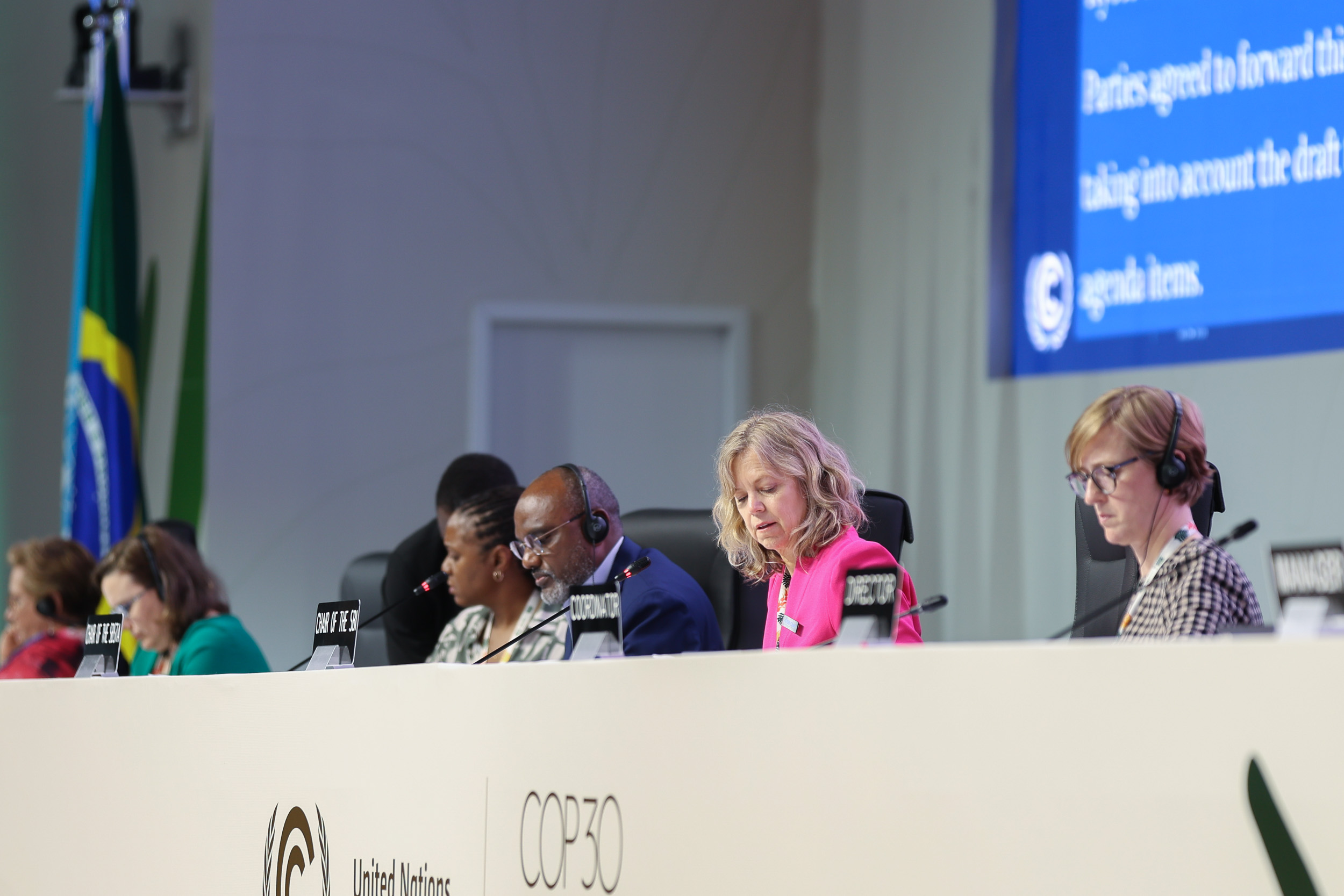
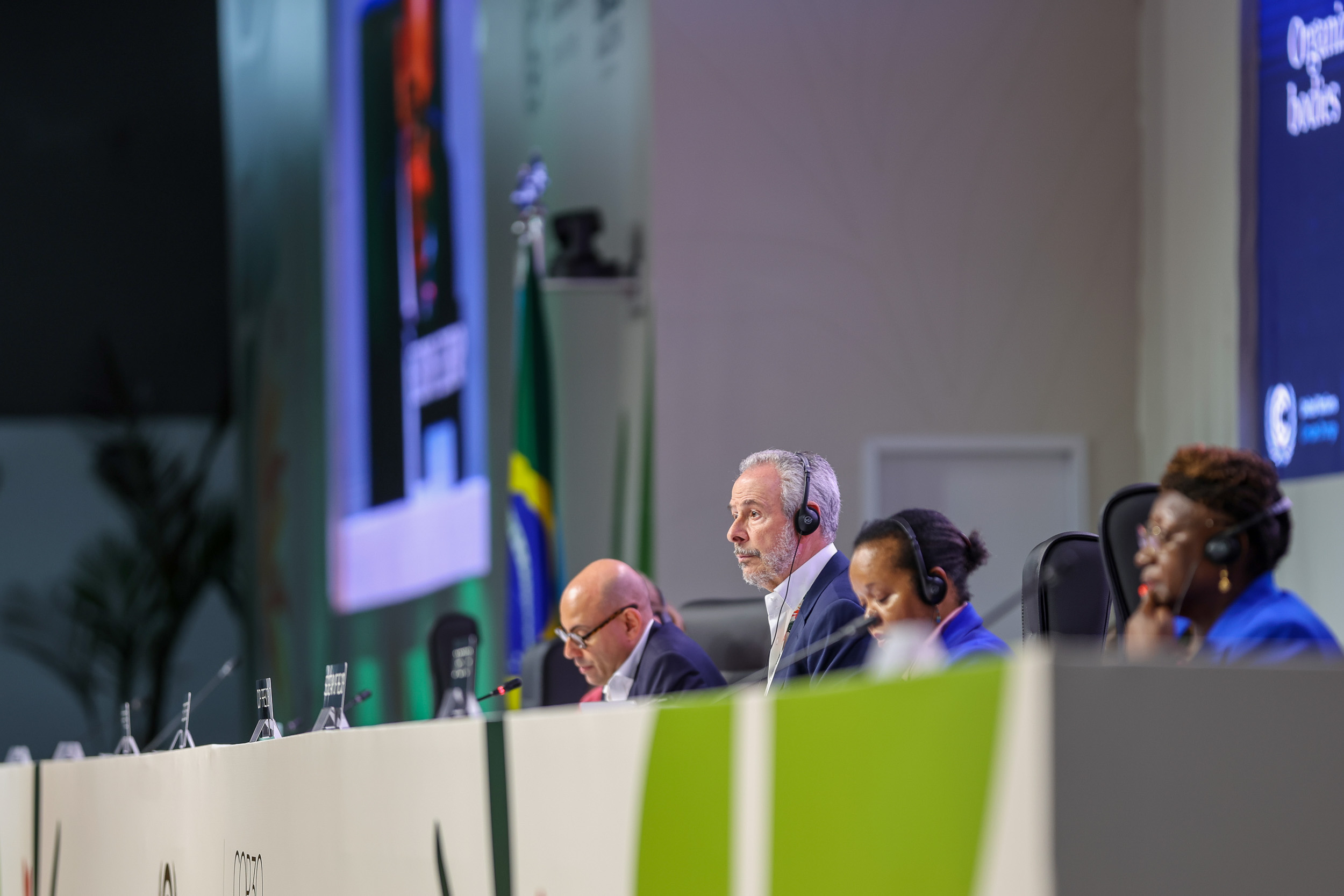
View of the dais during the SBs’ closing plenaries
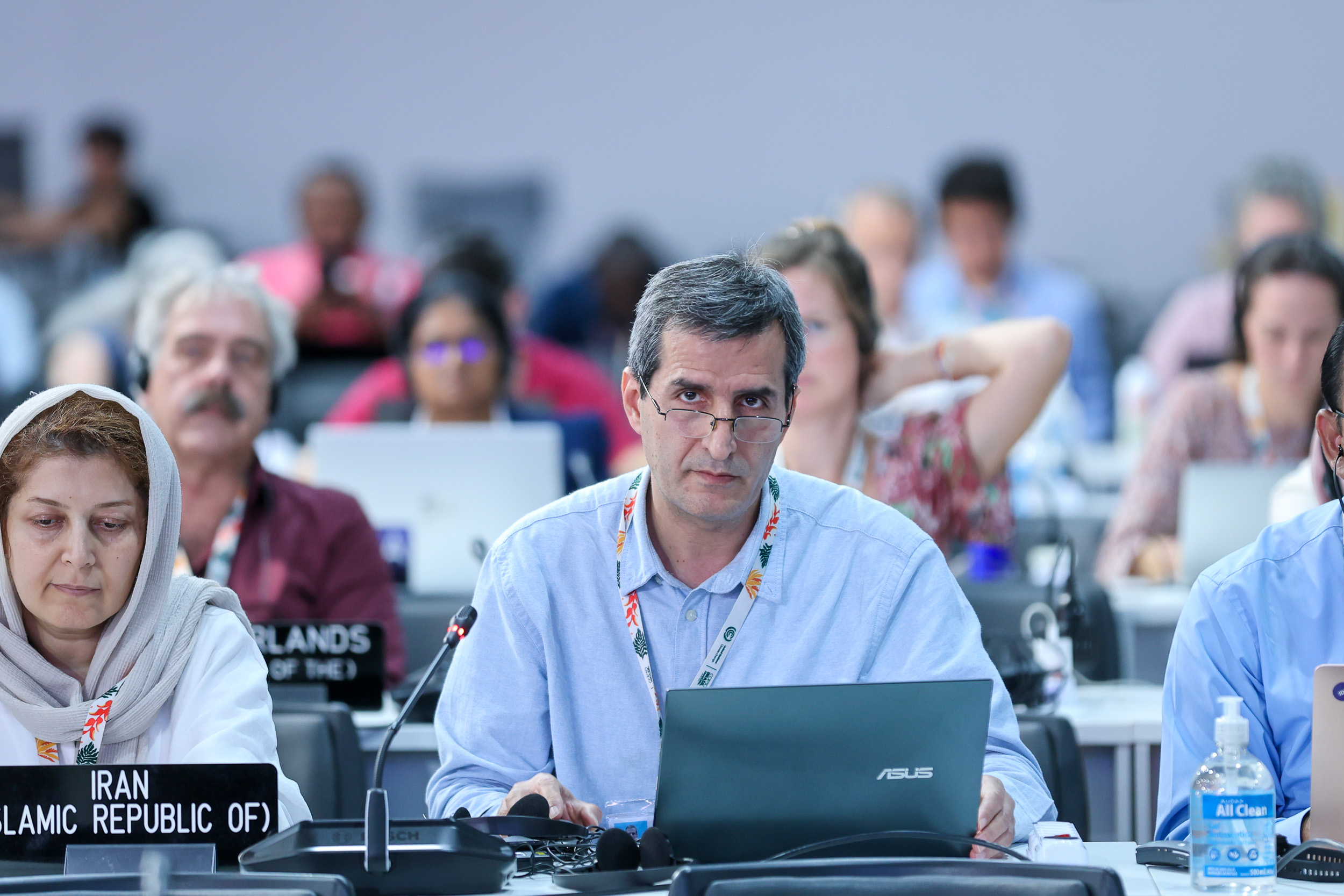
Abbas Torabi, Iran
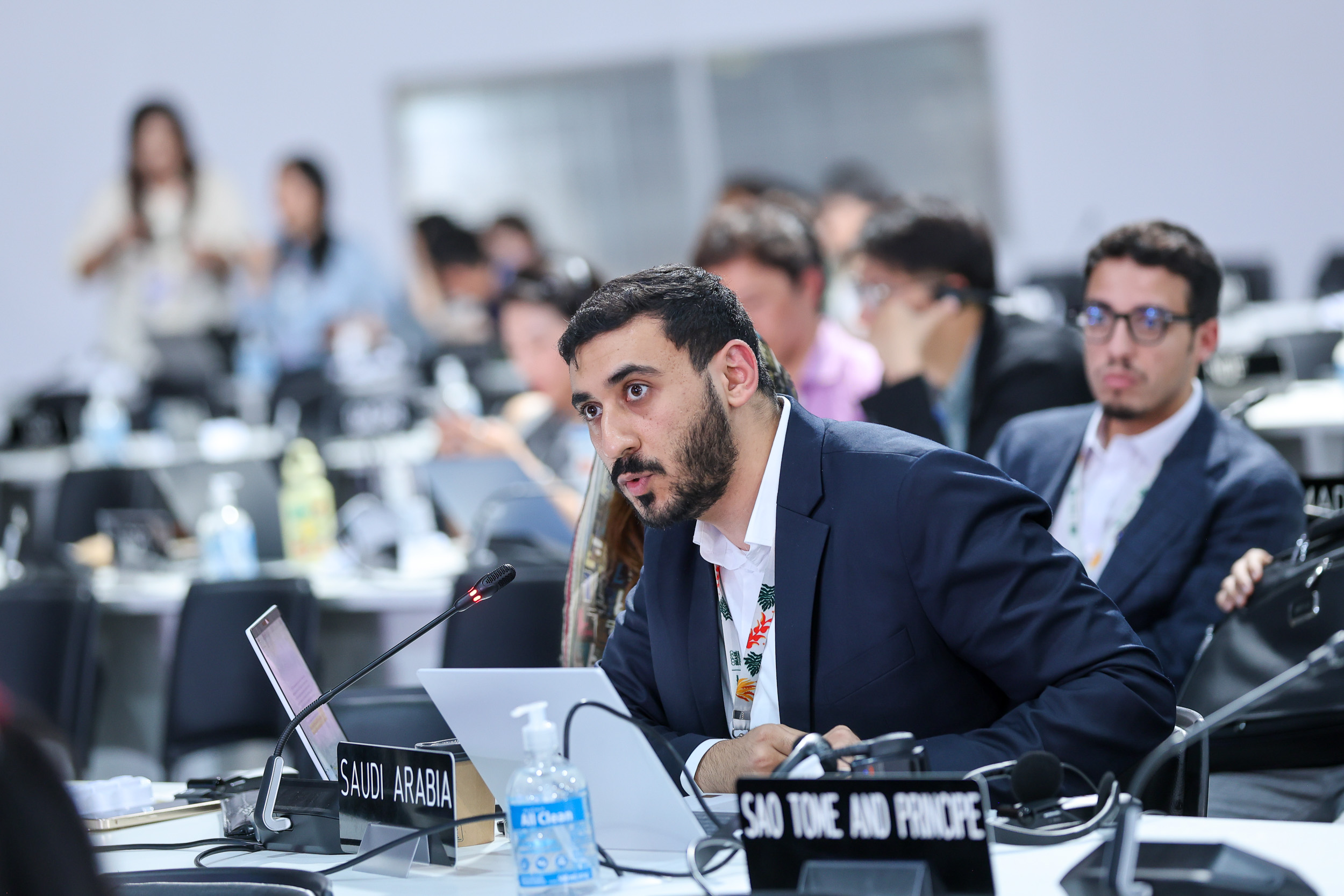
Abdulaziz Abdallah Albutti, Saudi Arabia
Third High-level Ministerial Dialogue on Climate Finance
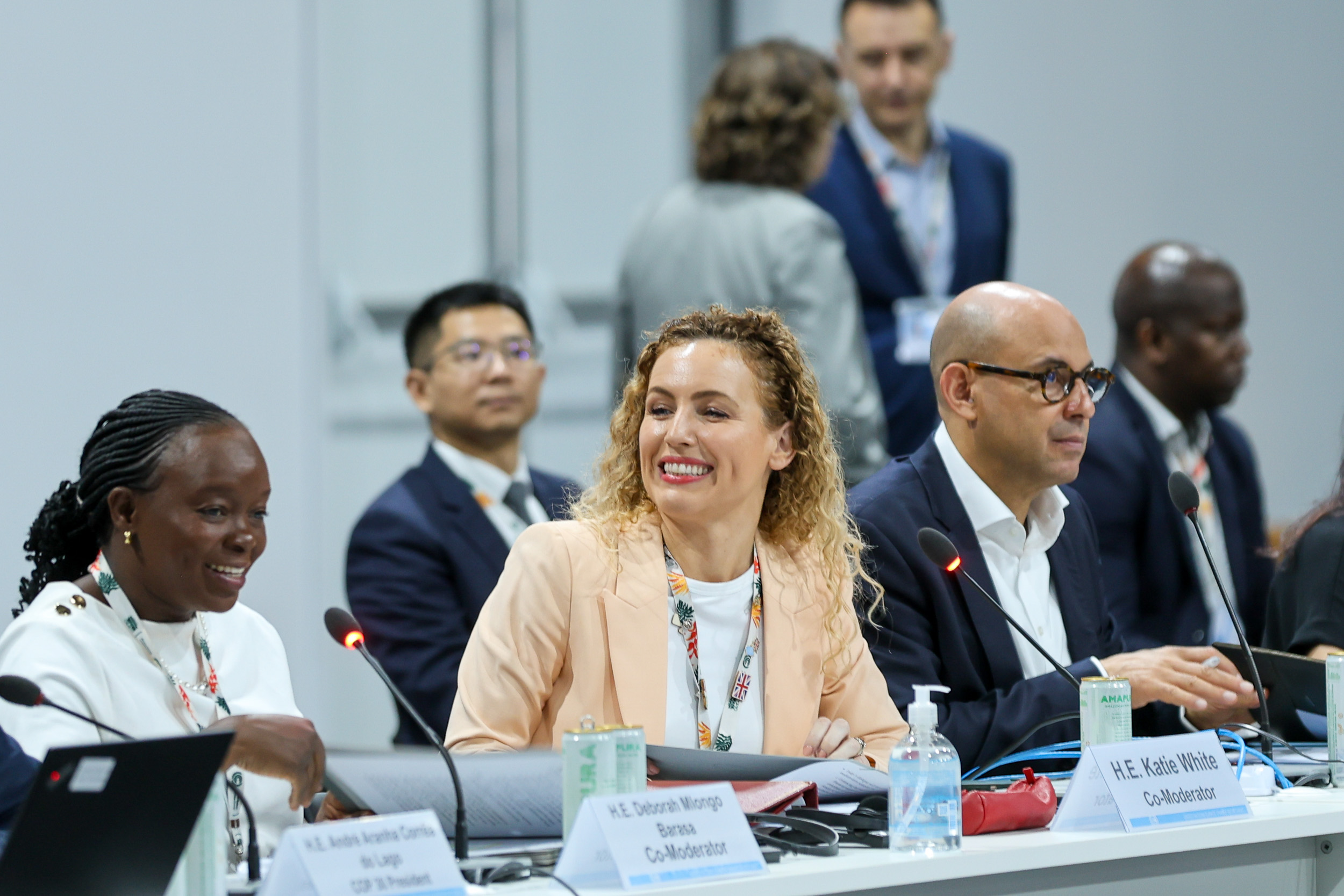
From L-R: Co-Moderator Deborah Mlongo Barasa, Cabinet Secretary for Energy and Petroleum, Kenya; Co-Moderator Katie White, Parliamentary Under-Secretary of State for Climate, UK; and UNFCCC Executive Secretary Simon Stiell
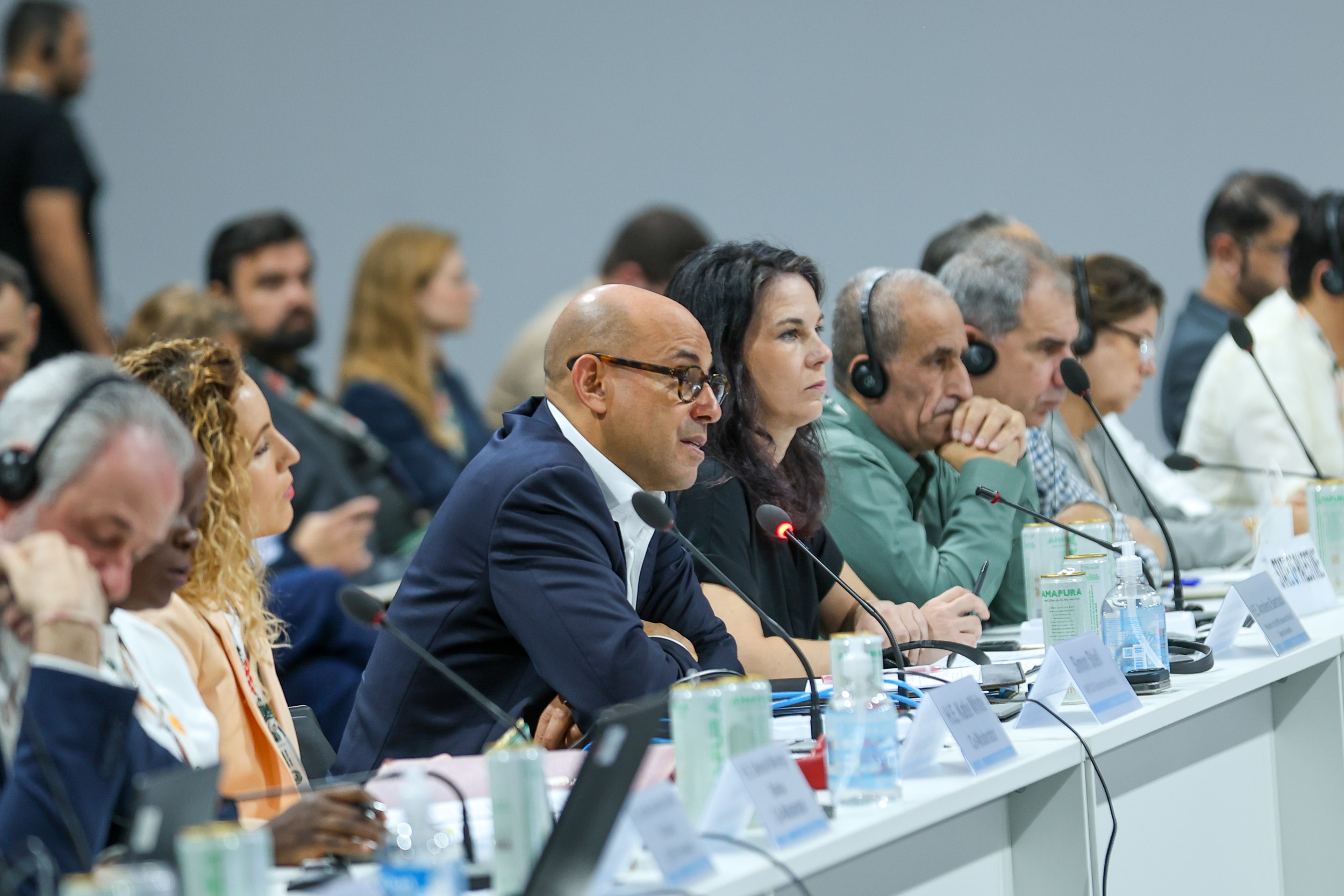
UNFCCC Executive Secretary Simon Stiell
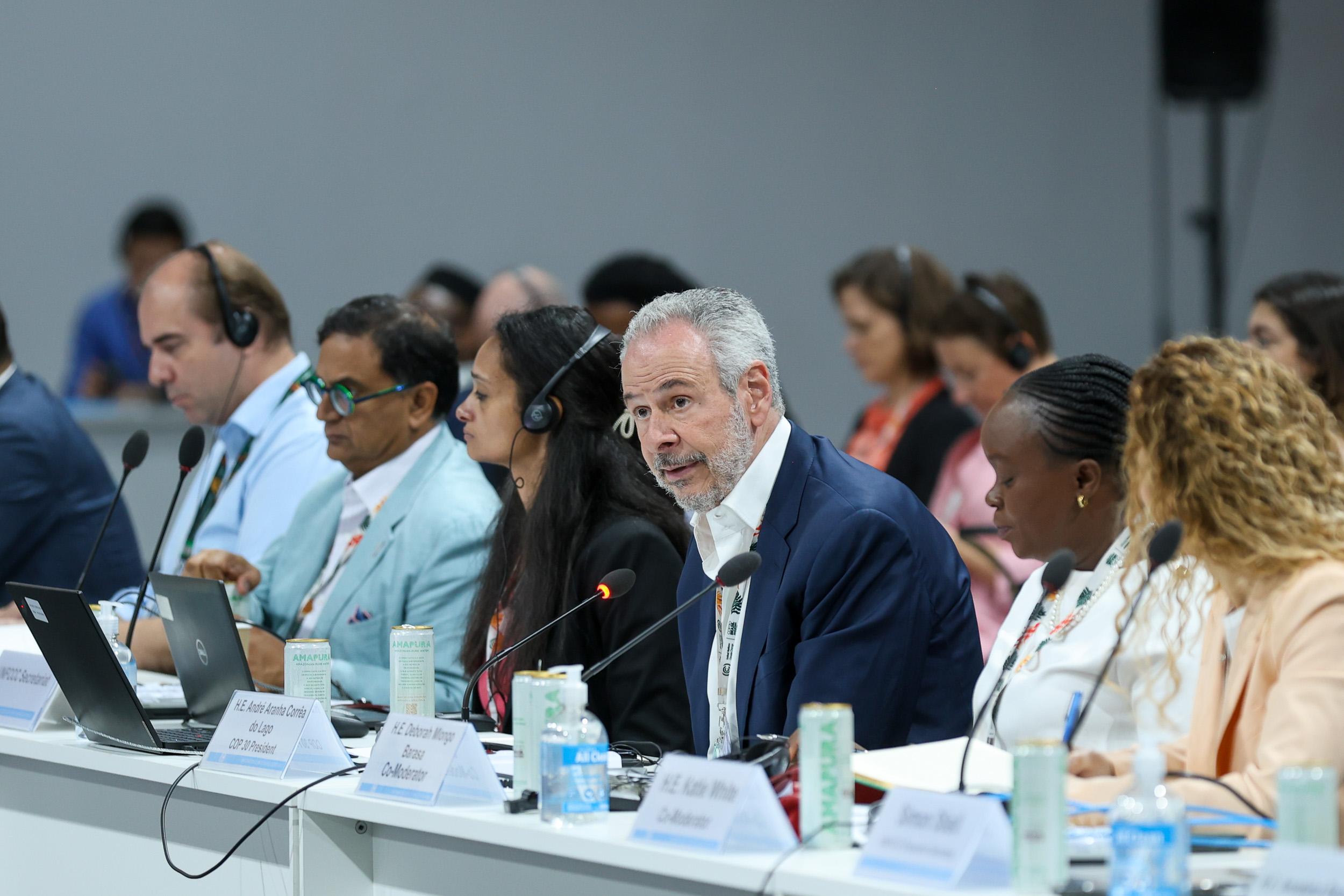
COP 30 President André Corrêa do Lago
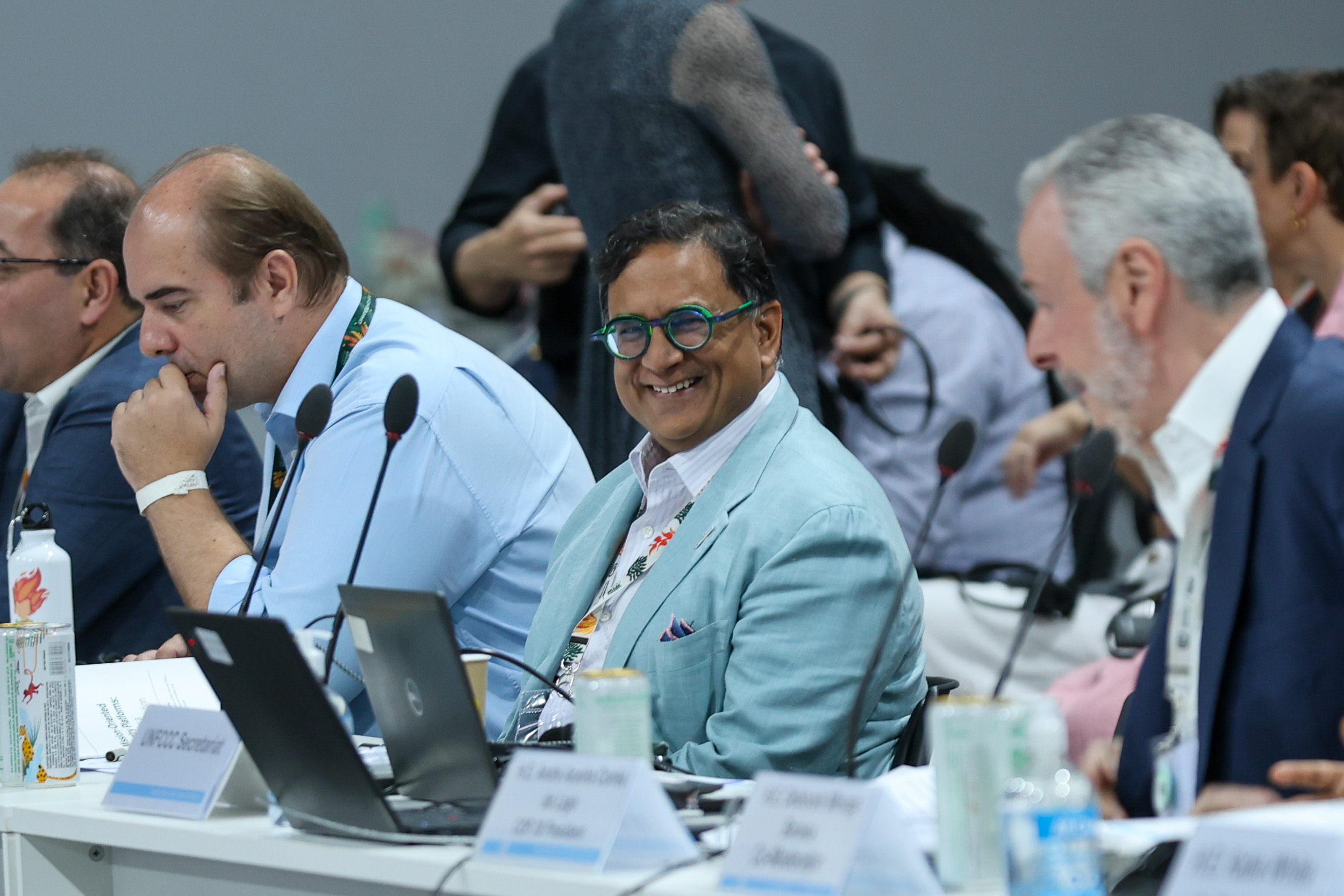
Avinash Persaud, Inter-American Development Bank
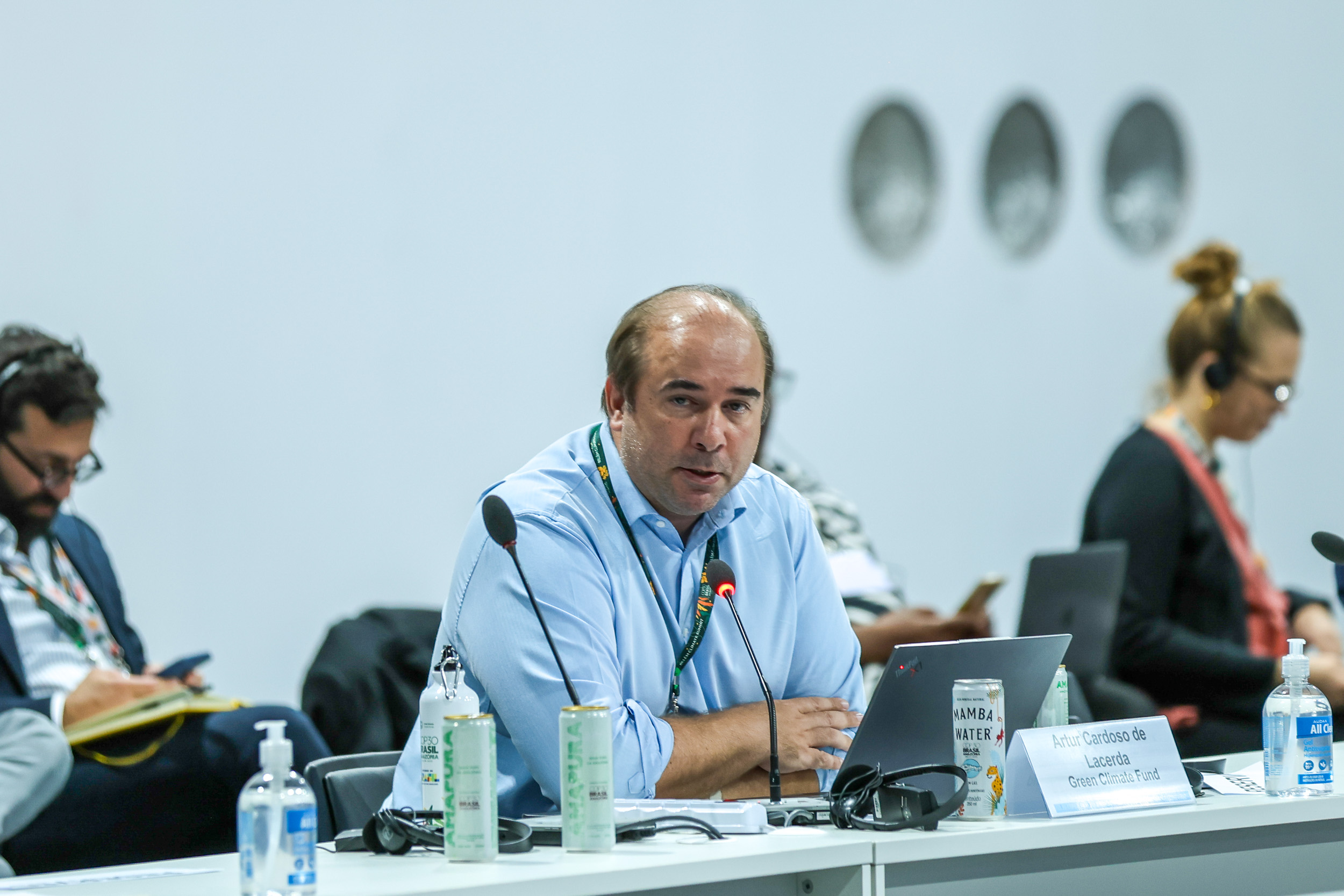
Artur Cardoso de Lacerda, Green Climate Fund
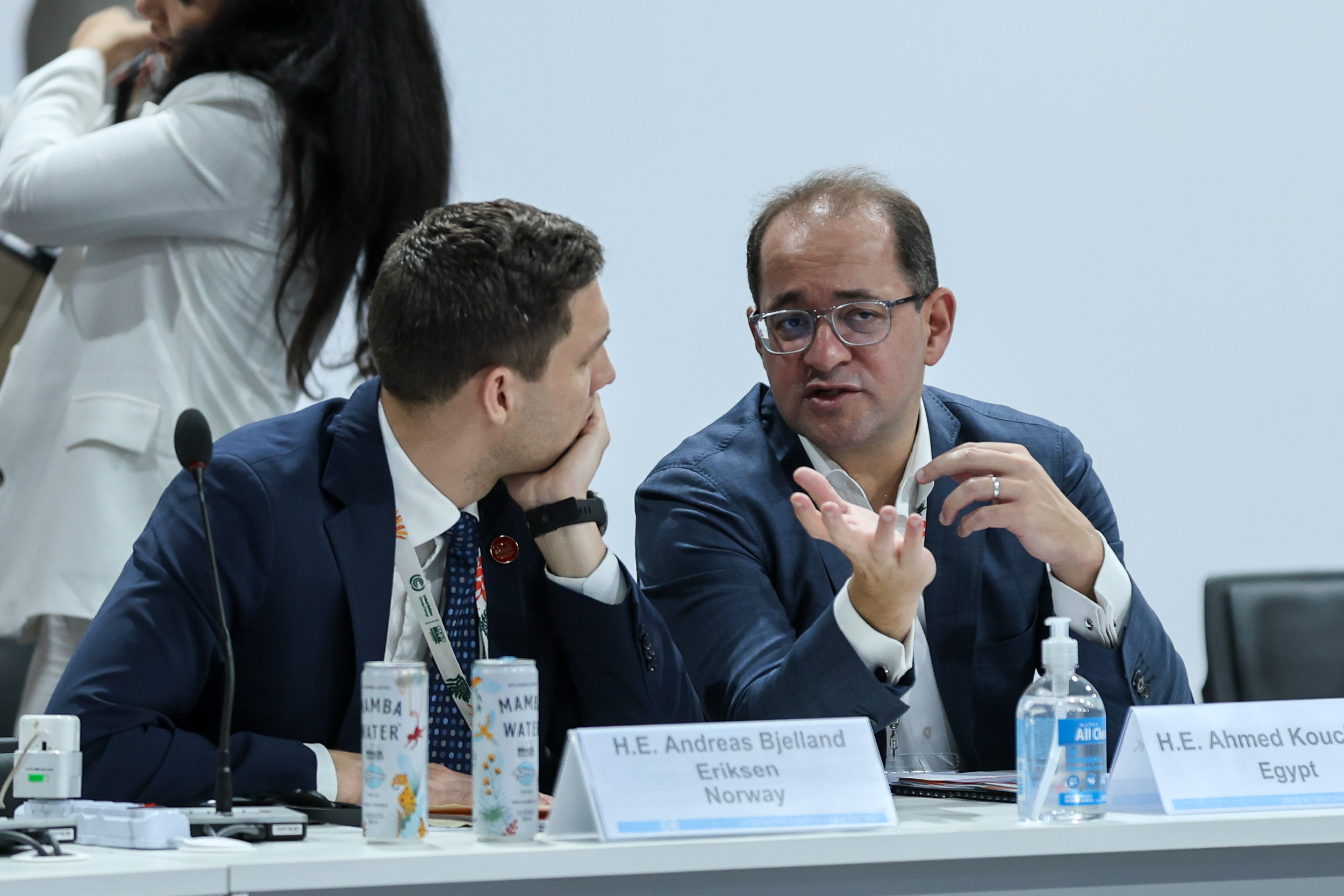
Andreas Bjelland Eriksen, Minister of Climate and the Environment, Norway, and Ahmed Kouchouk, Minister of Finance, Egypt
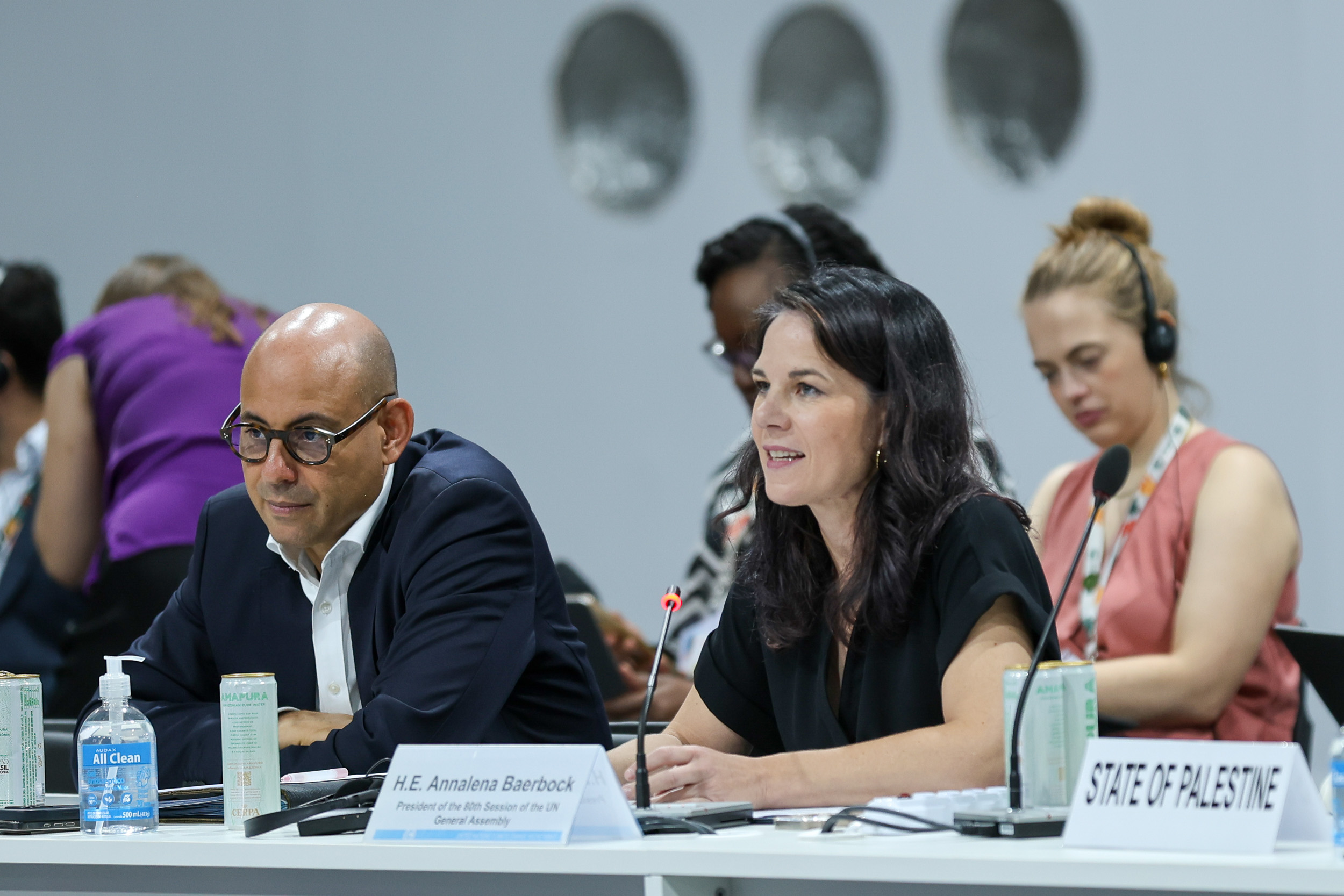
UNFCCC Executive Secretary Simon Stiell, and Annalena Baerbock, President of the 80th session of the UN General Assembly (UNGA 80)
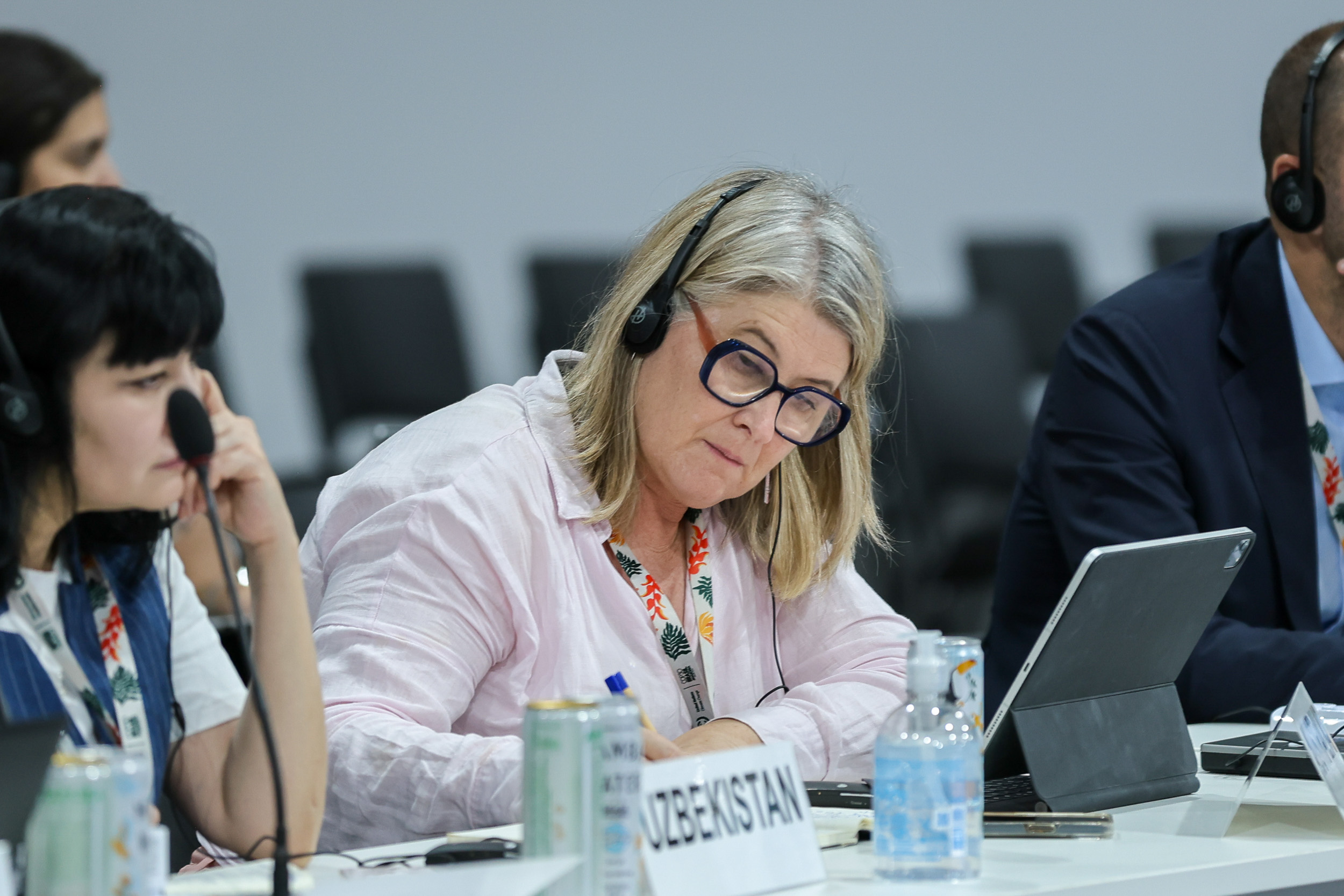
Sally Box, Australia
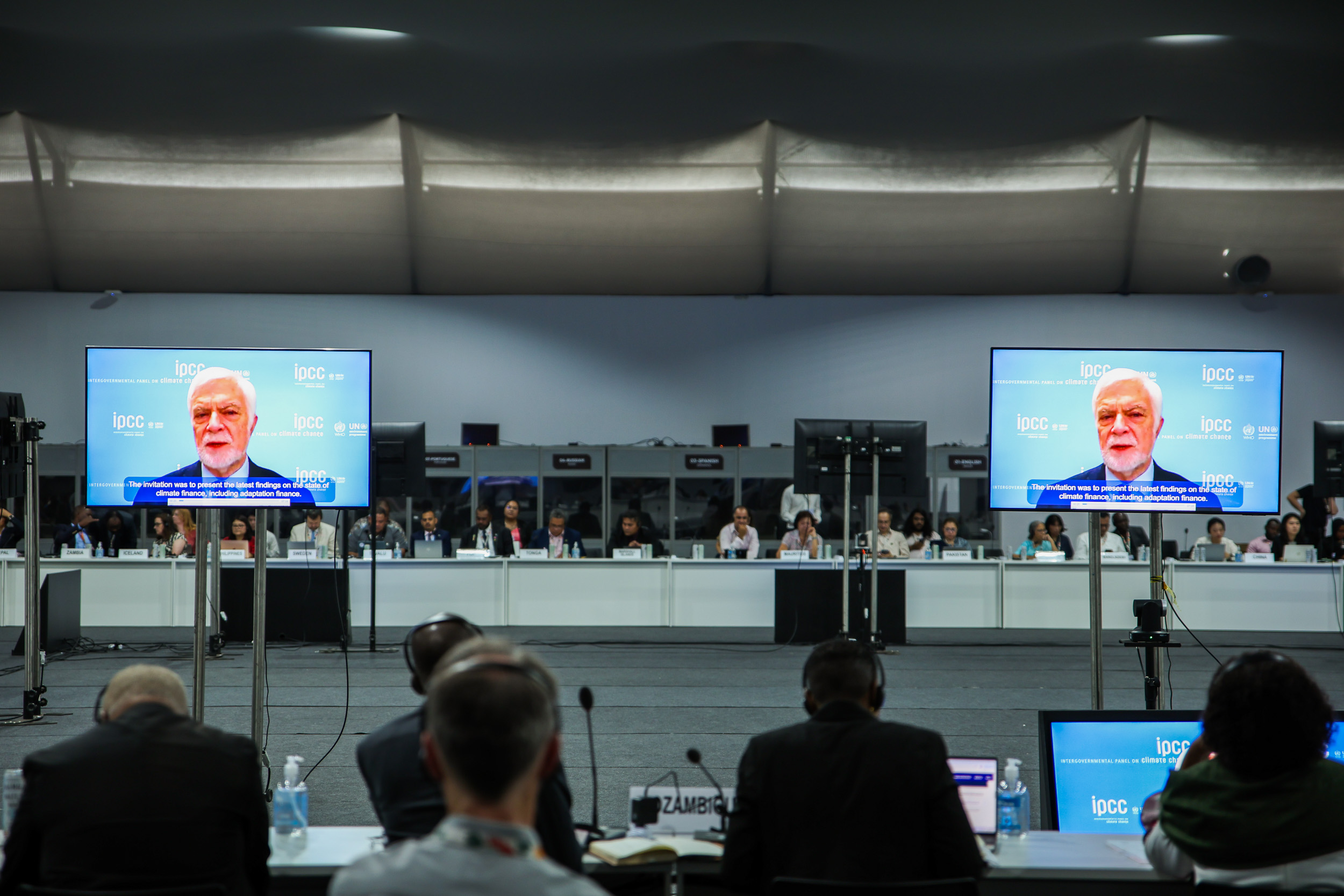
Video intervention by the Intergovernmental Panel on Climate Change Chair Jim Skea
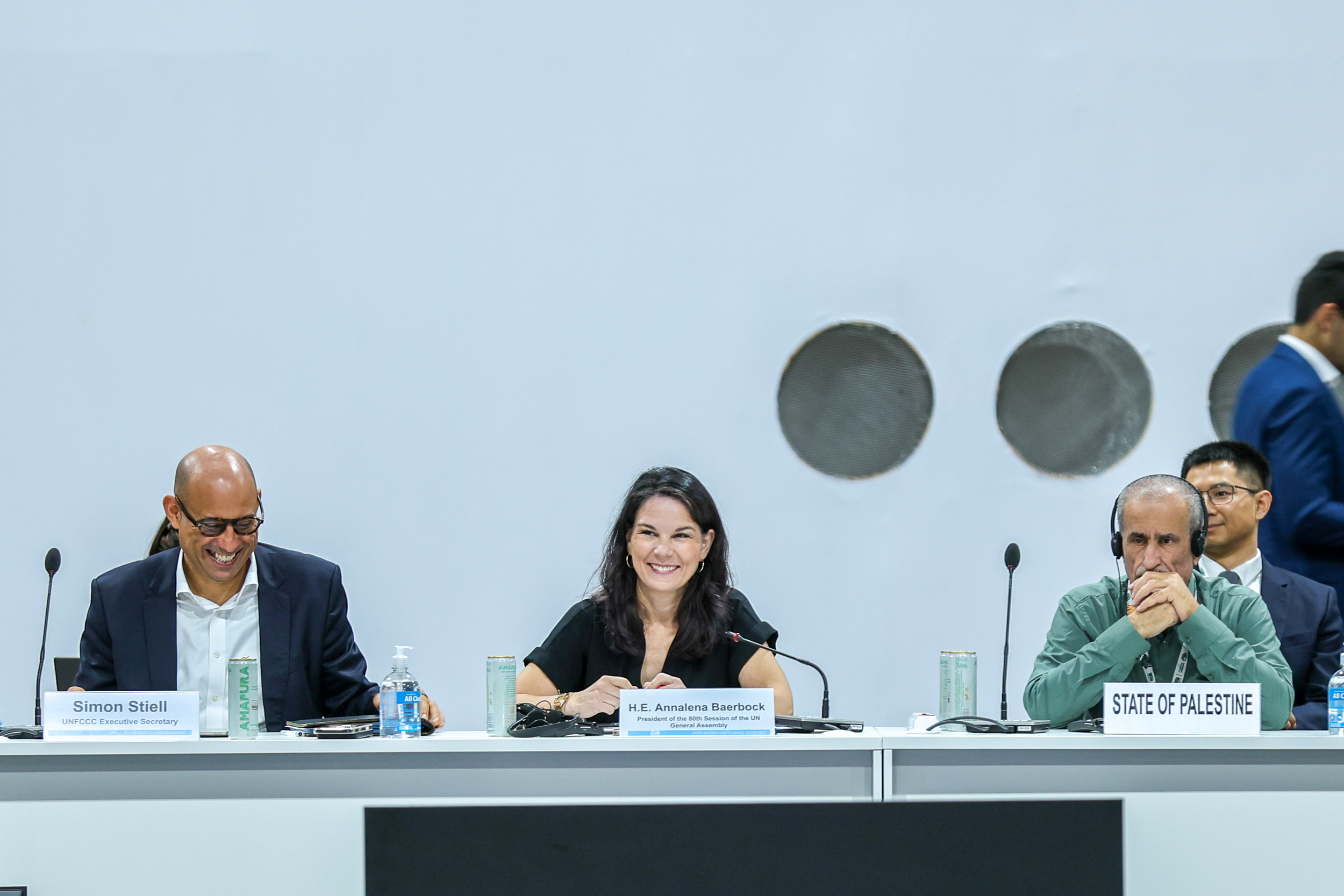
From L-R: UNFCCC Executive Secretary Simon Stiell; Annalena Baerbock, UNGA 80 President; and Ahmed Abuthaher, State of Palestine
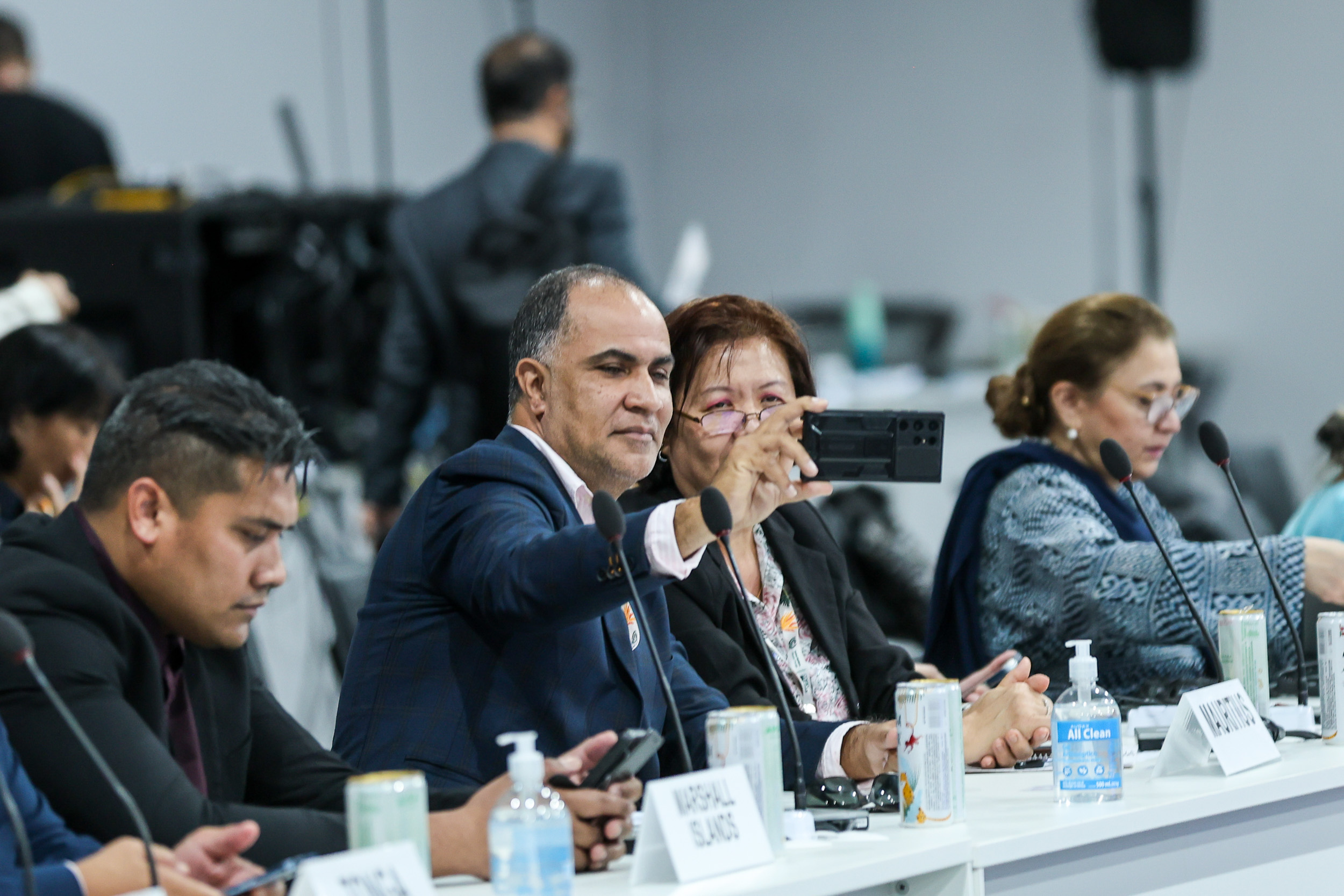
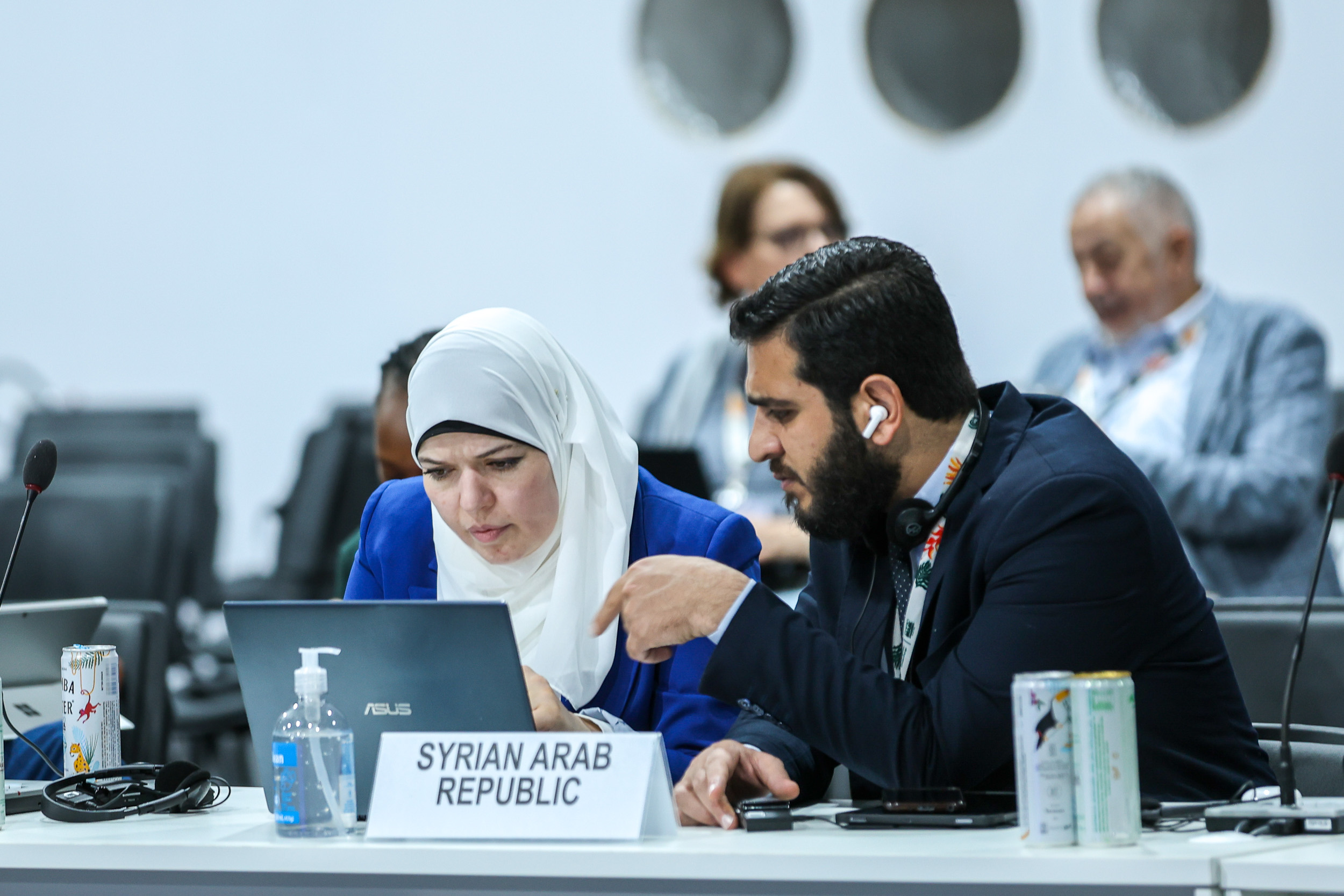

Li Gao, Vice Minister of Ecology and Environment, China
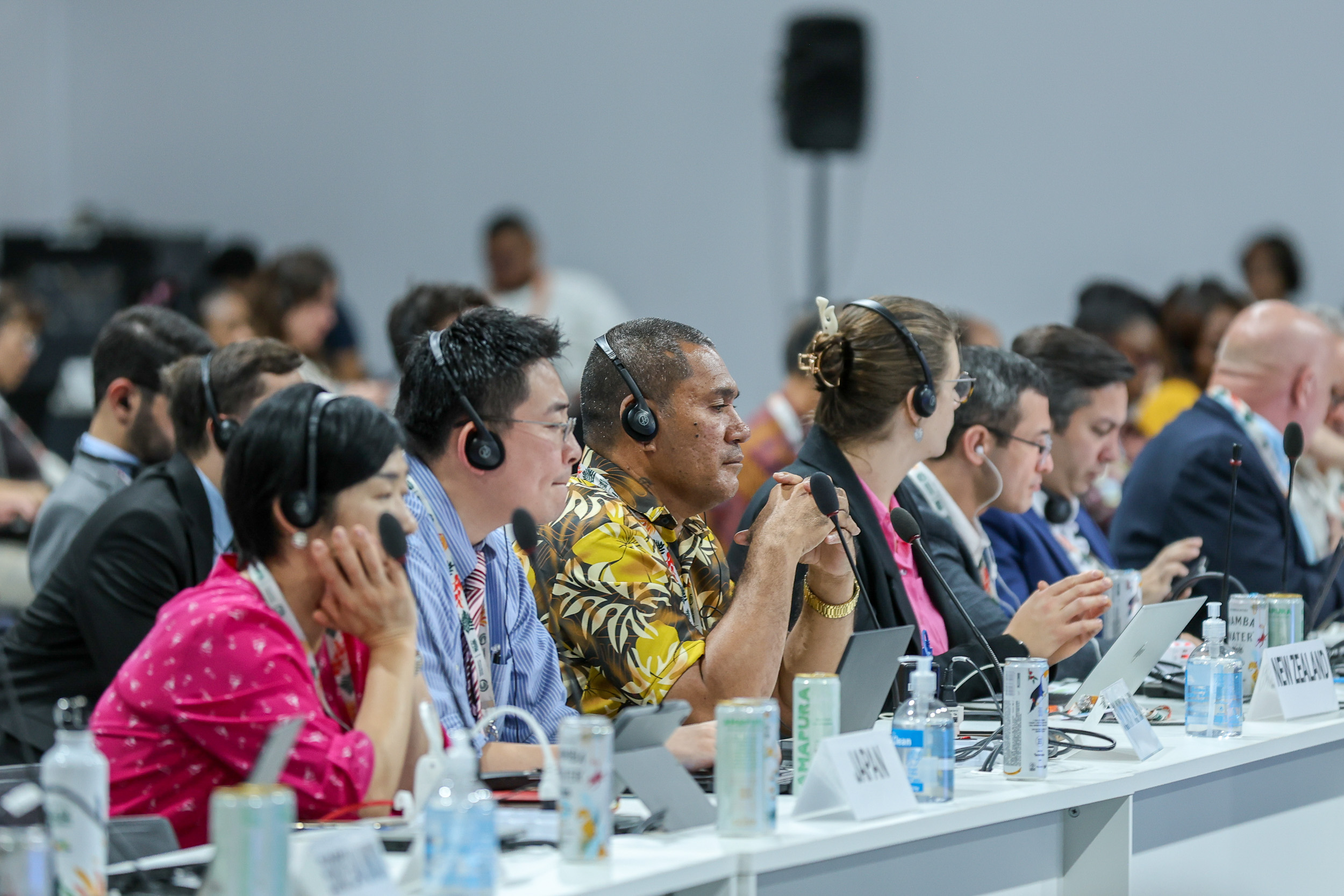
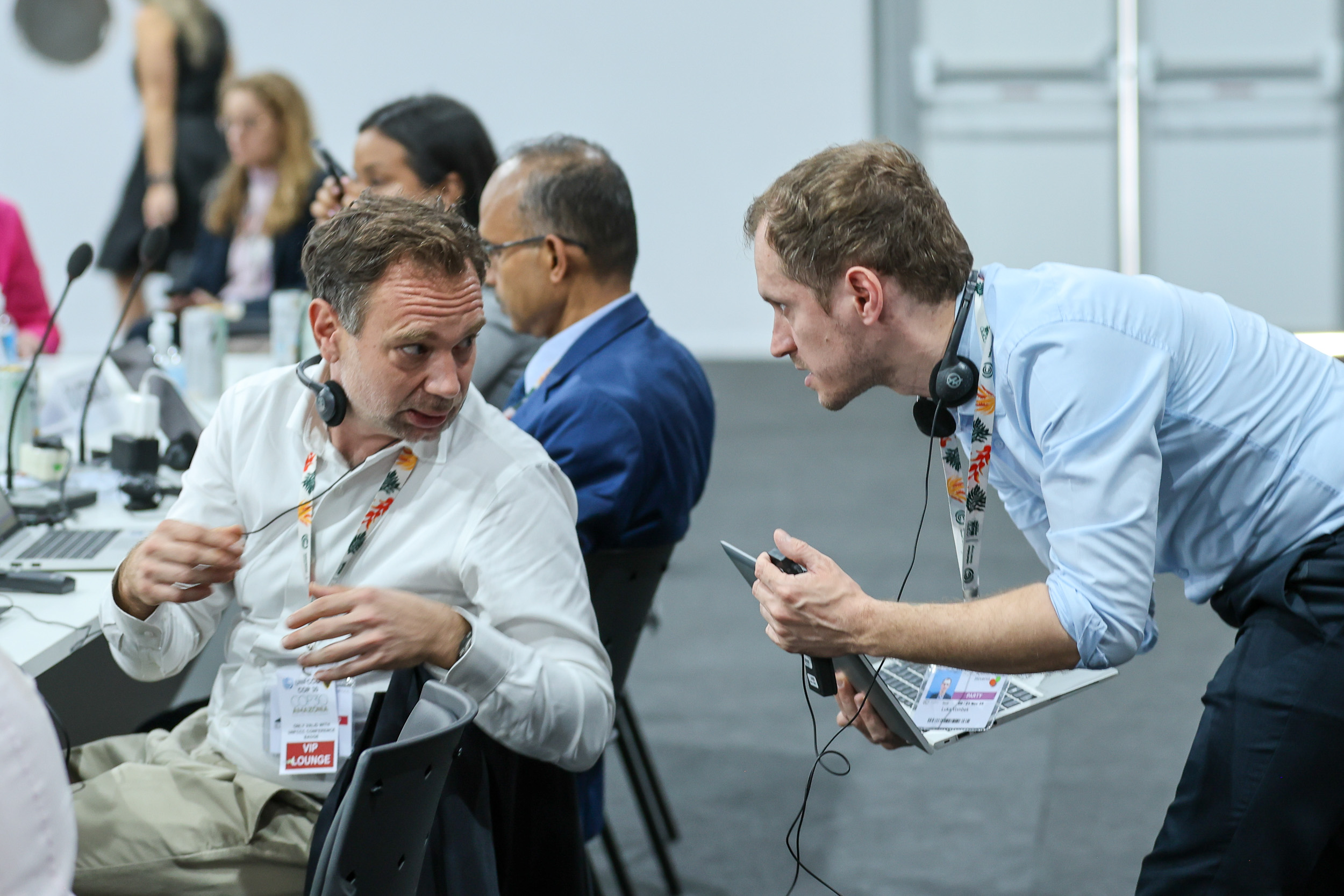
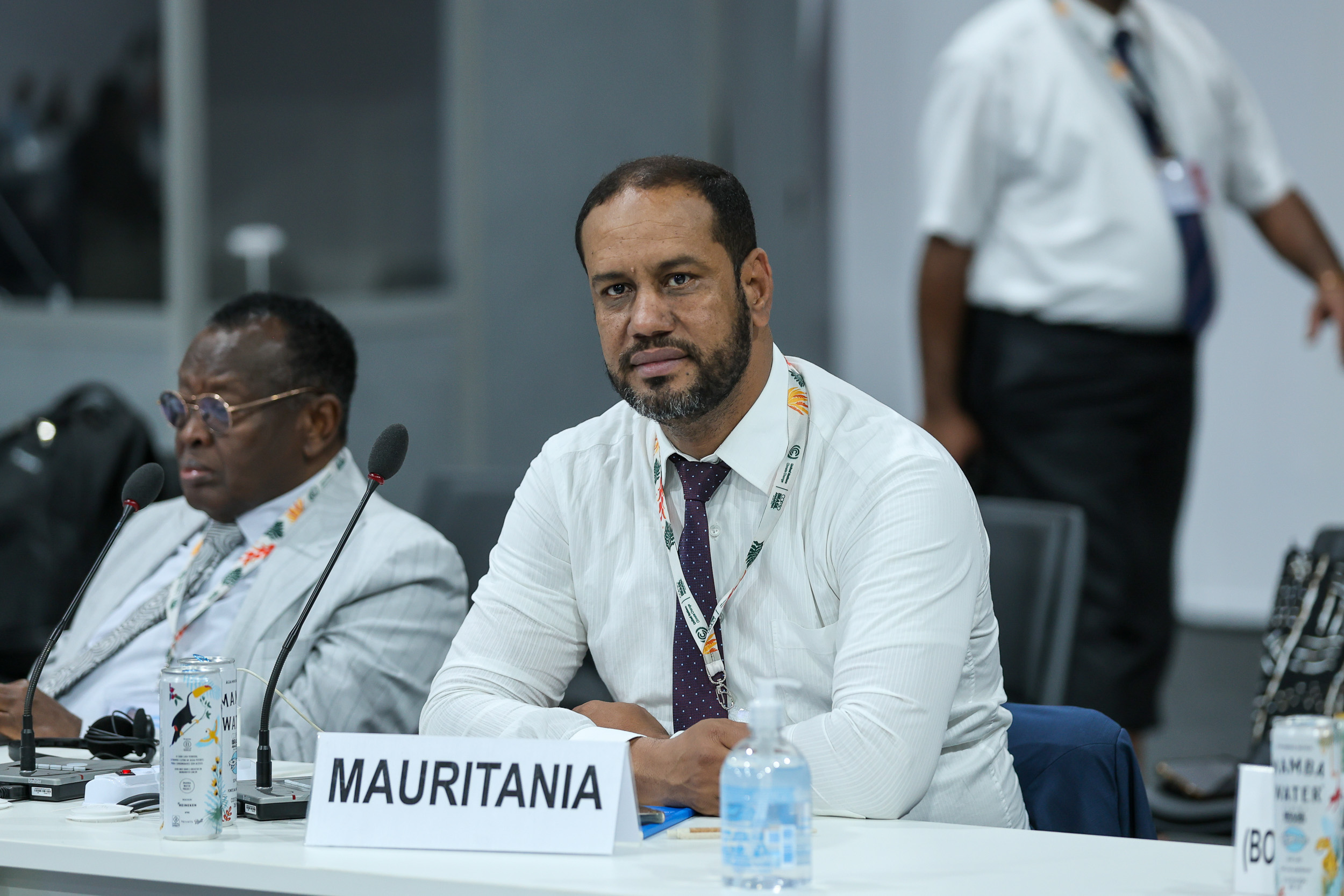
Mokhtar Mbaba Mokhtar N'Baba, Mauritania
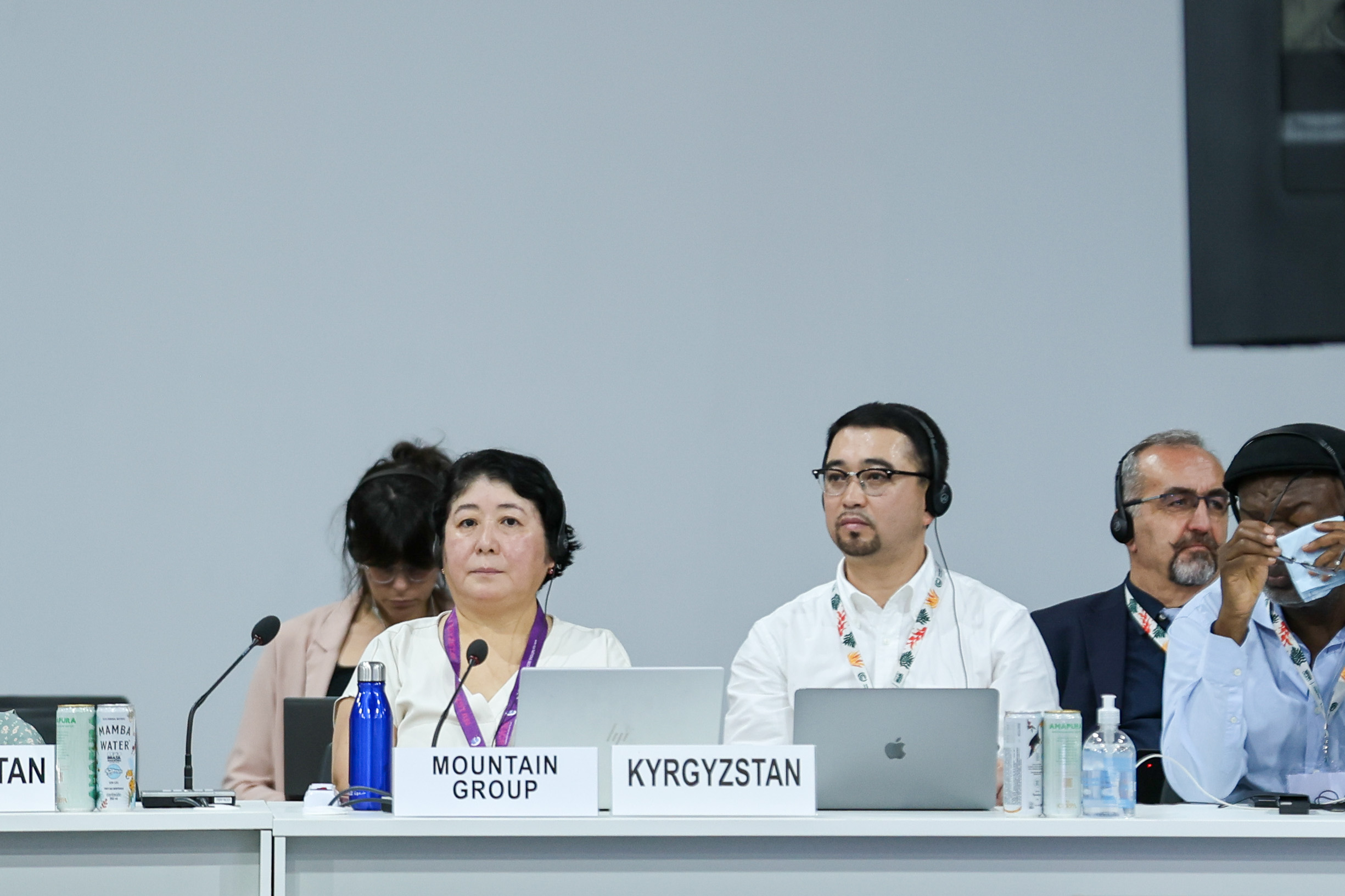
Dinara Kemelova and Dastan Abdyldaev, Kyrgyzstan
COP 30 Presidency Consultations
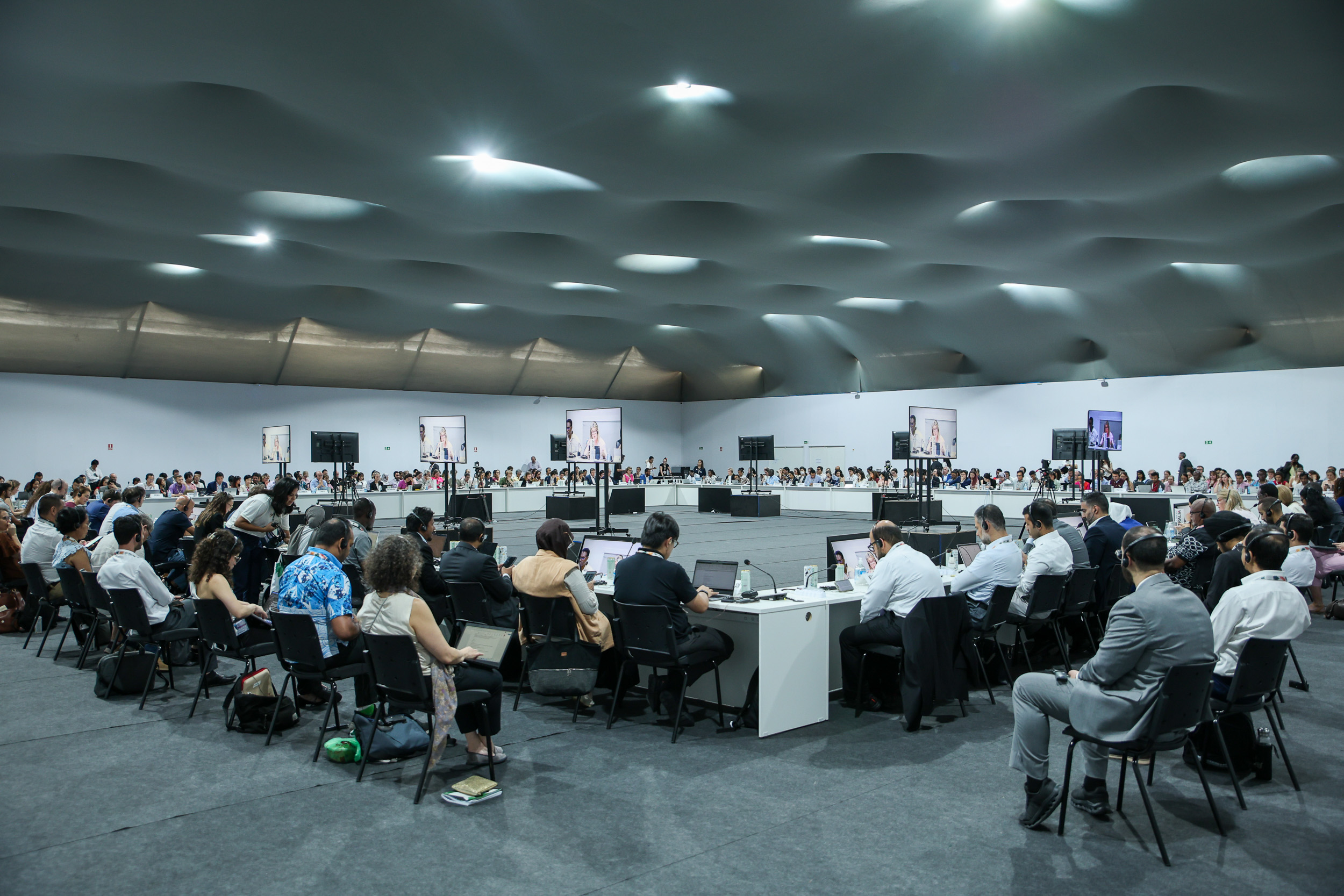
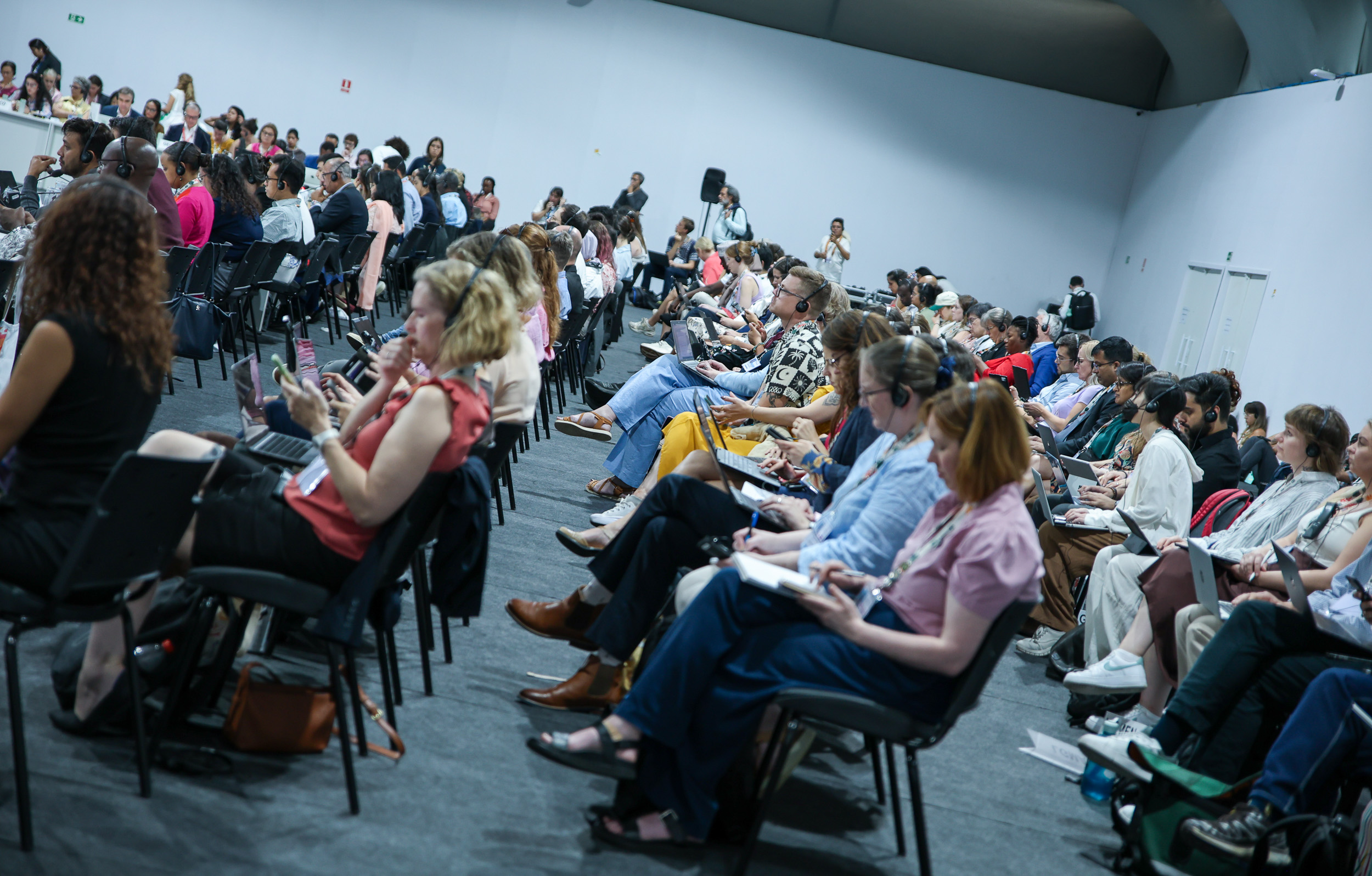
View of the room during the COP 30 Presidency consultations
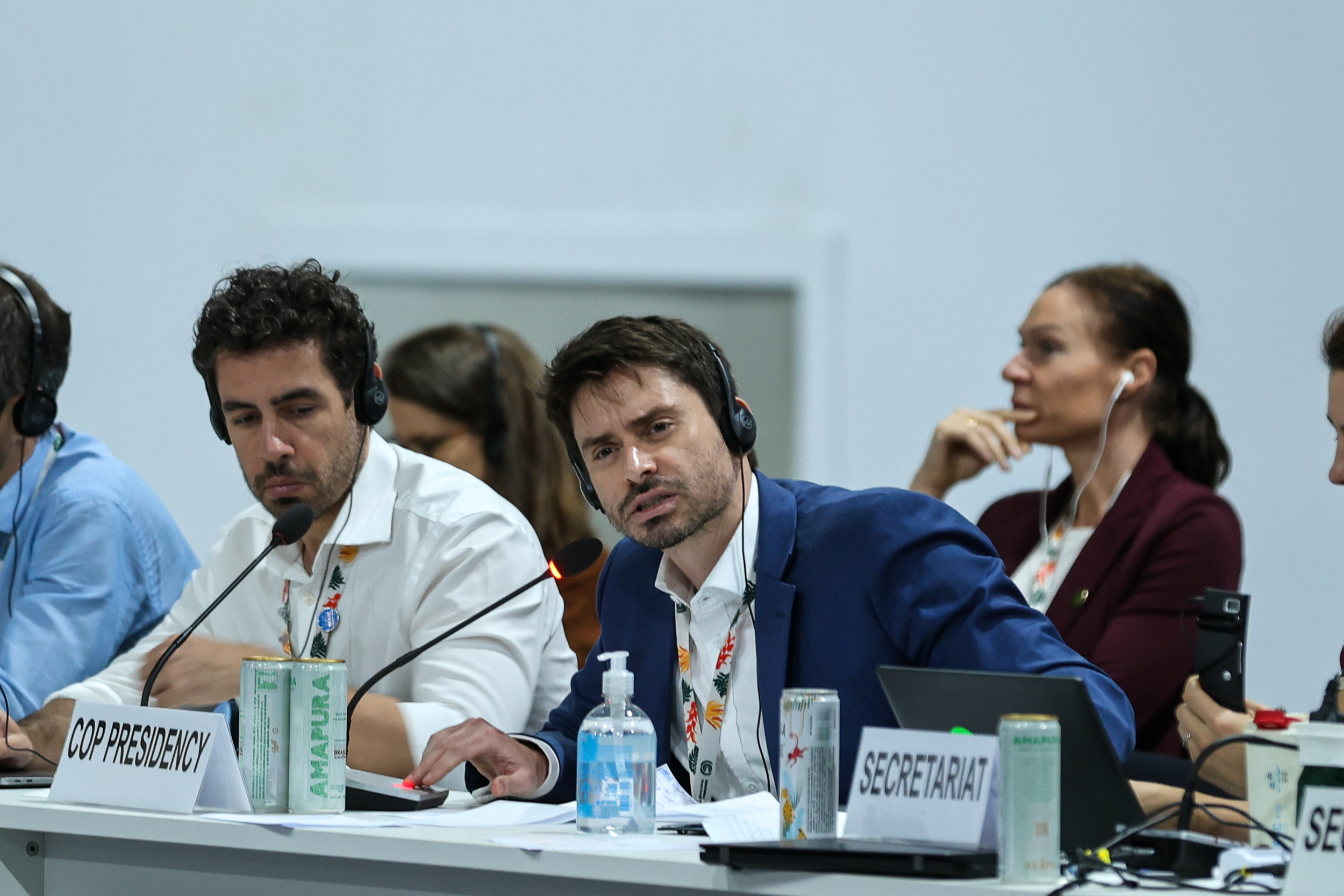
Túlio Andrade, COP 30 Presidency
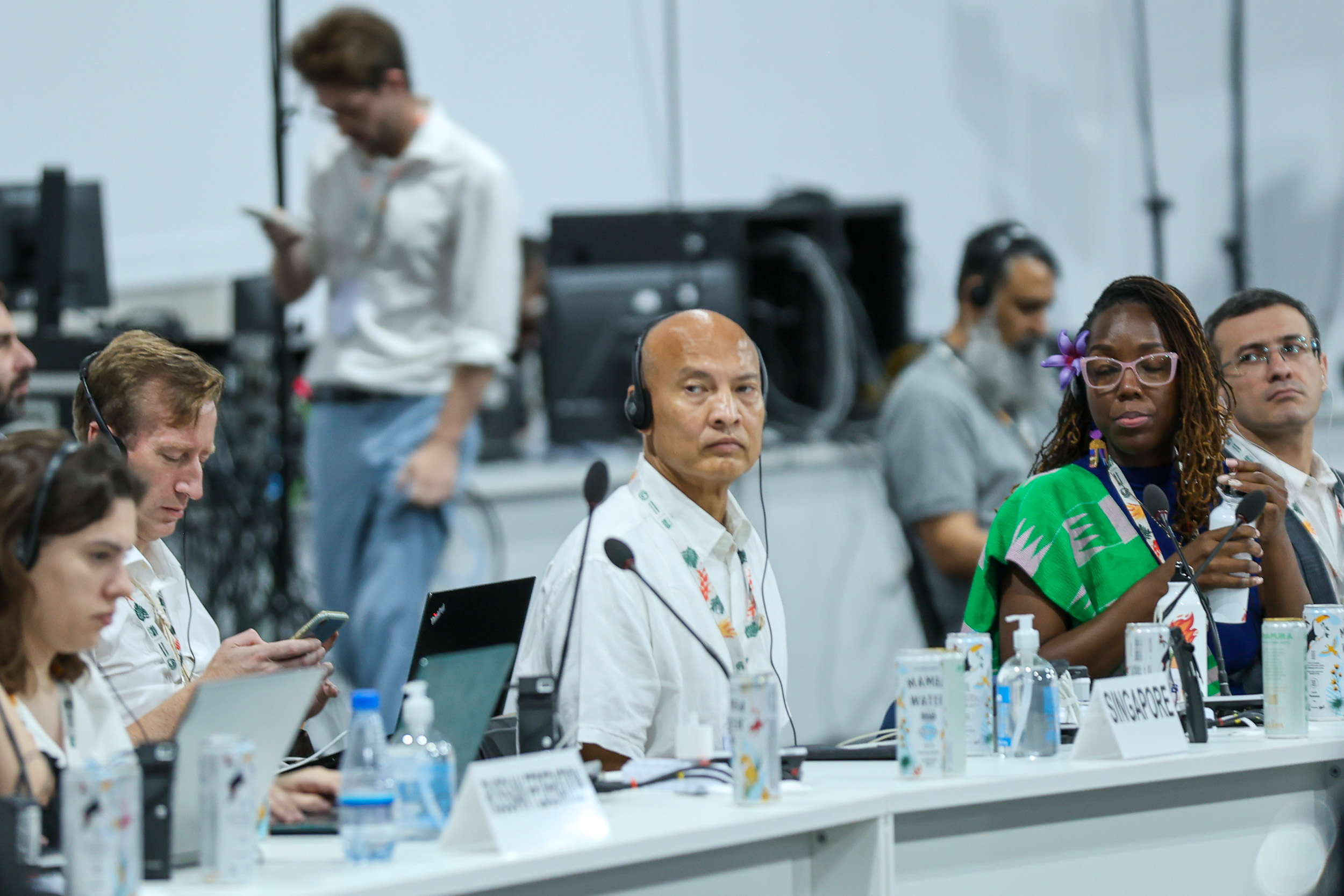
Joseph Teo, Singapore
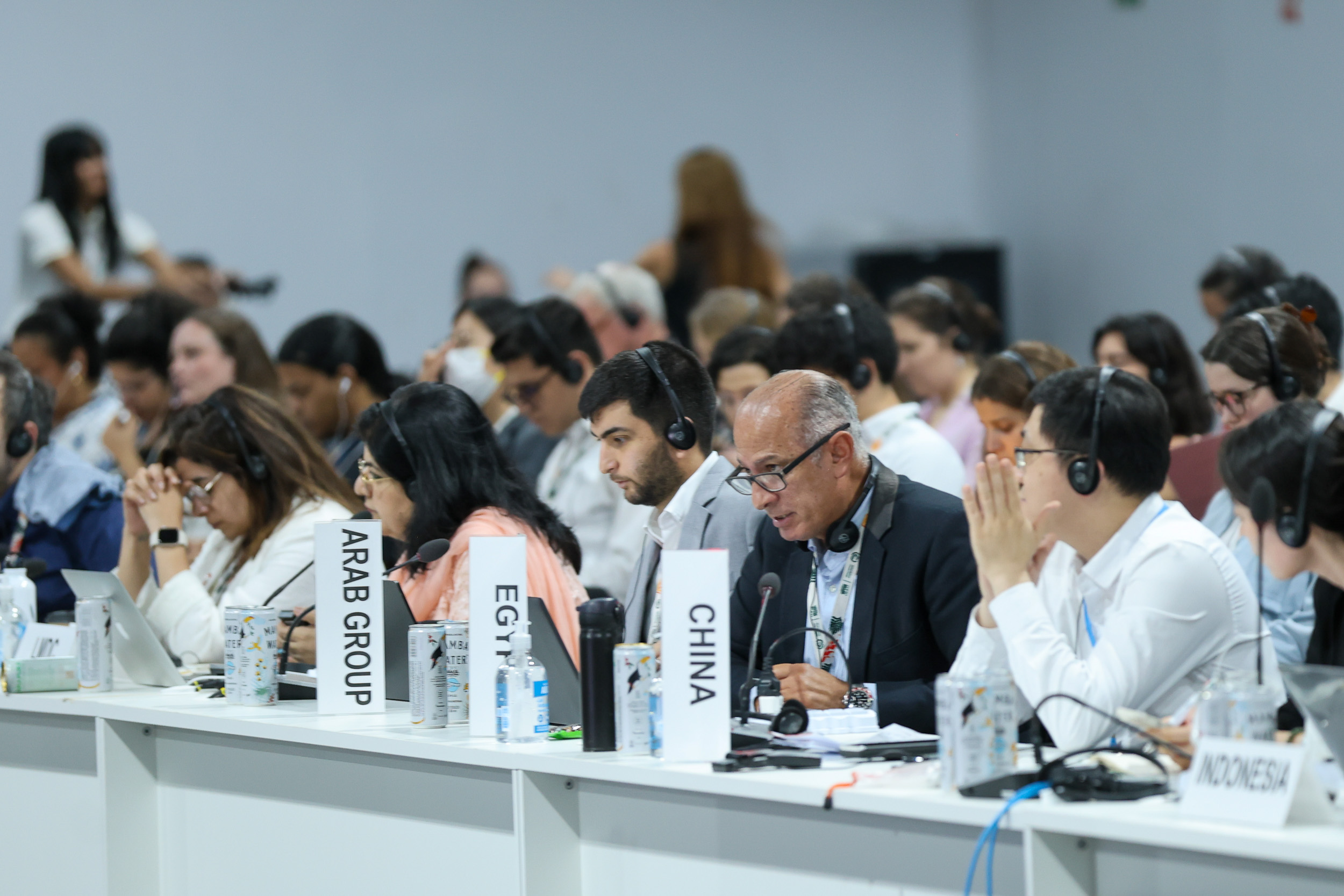
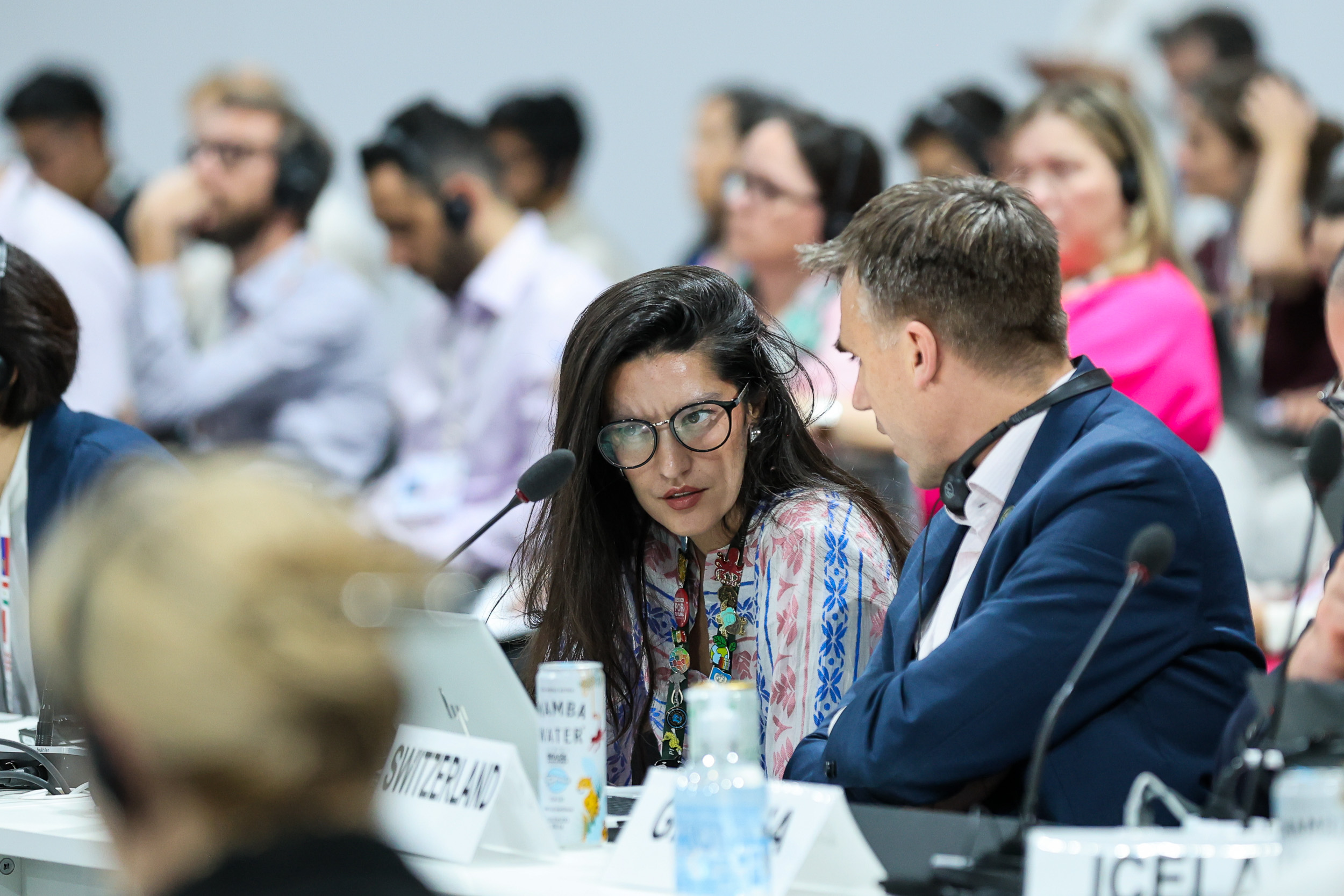
Camila Isabel Zepeda Lizama, Mexico
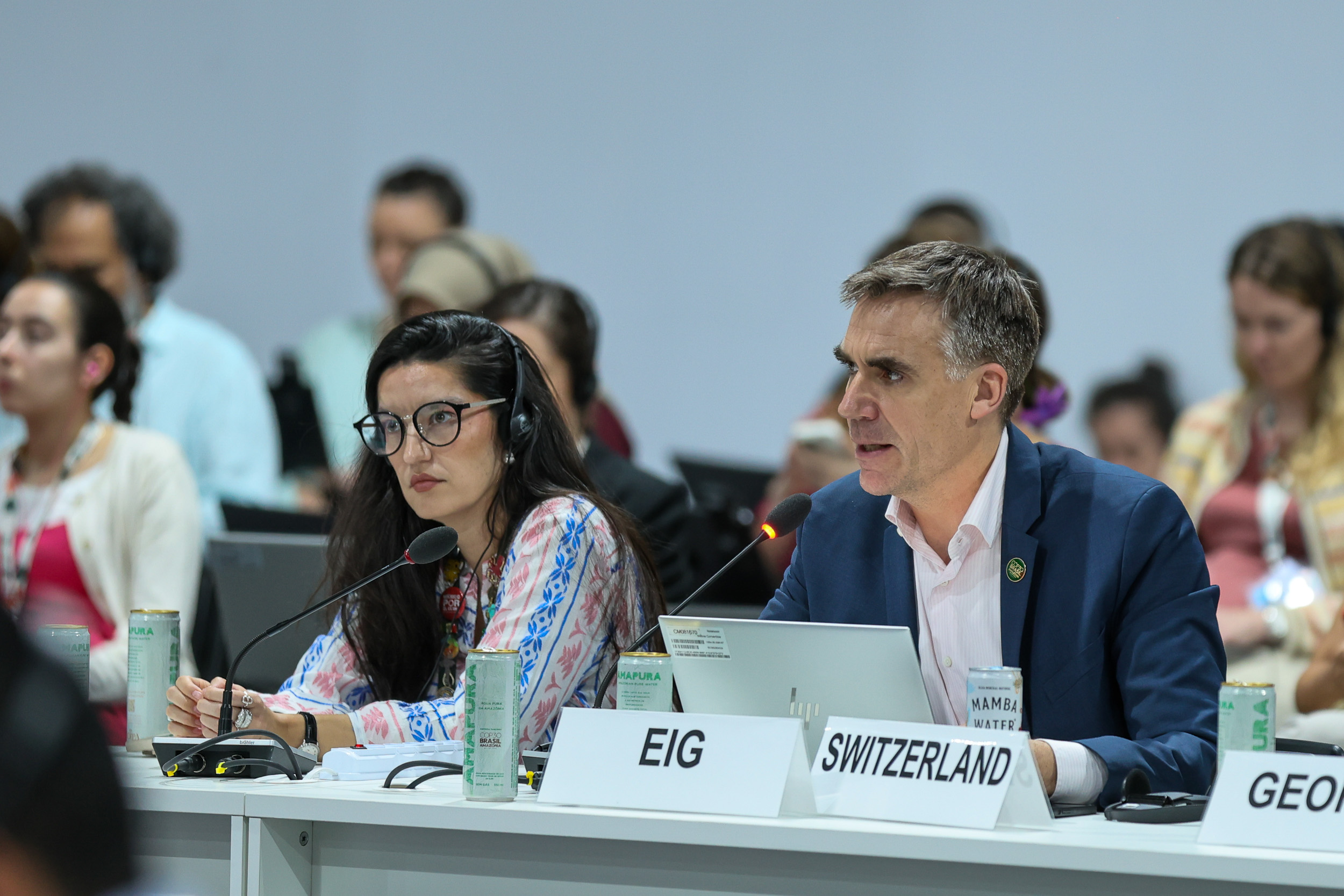
Camila Isabel Zepeda Lizama, Mexico, and Felix Wertli, Switzerland
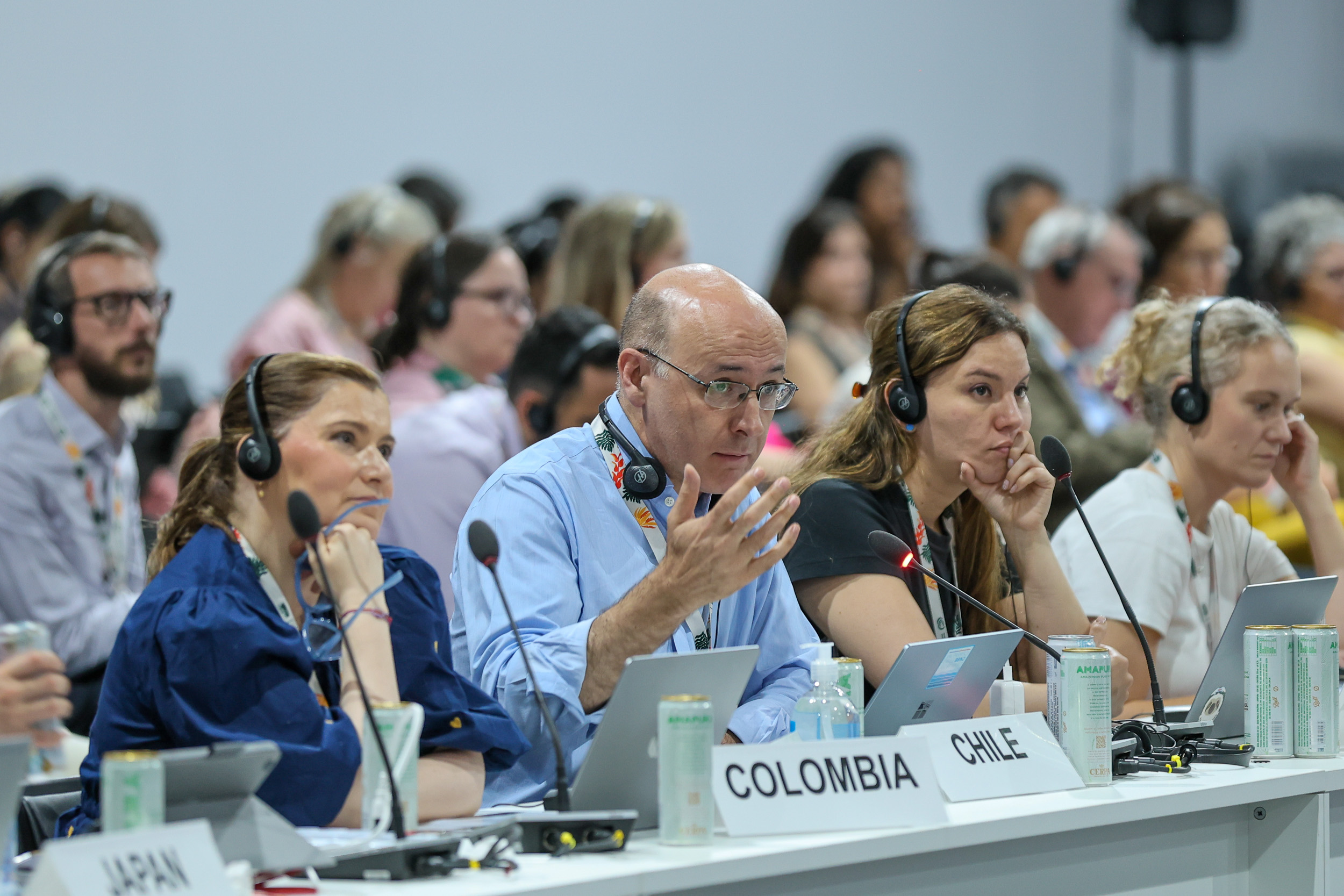
Julio Cordano, Chile
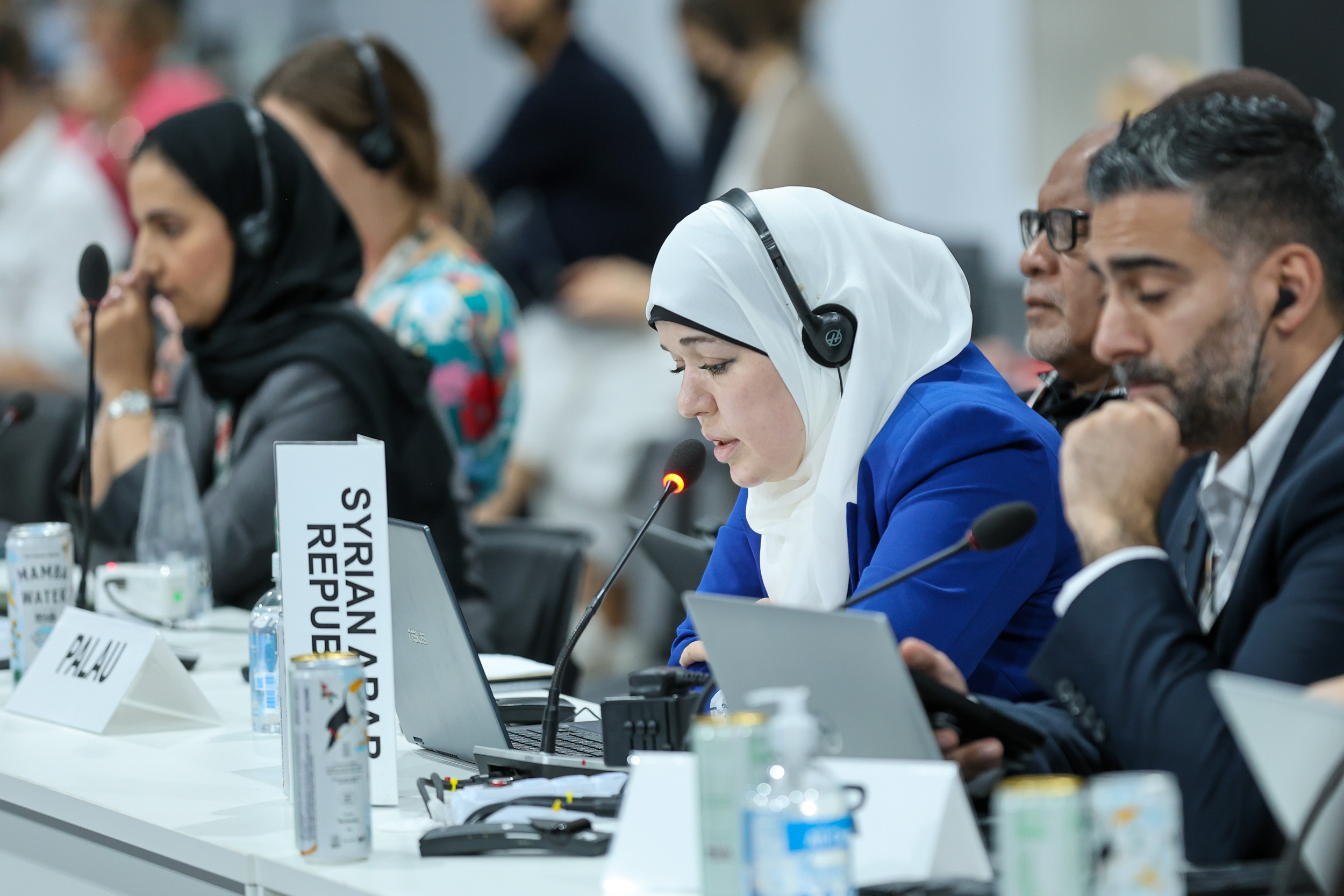
Rawan Al Azem, Syria
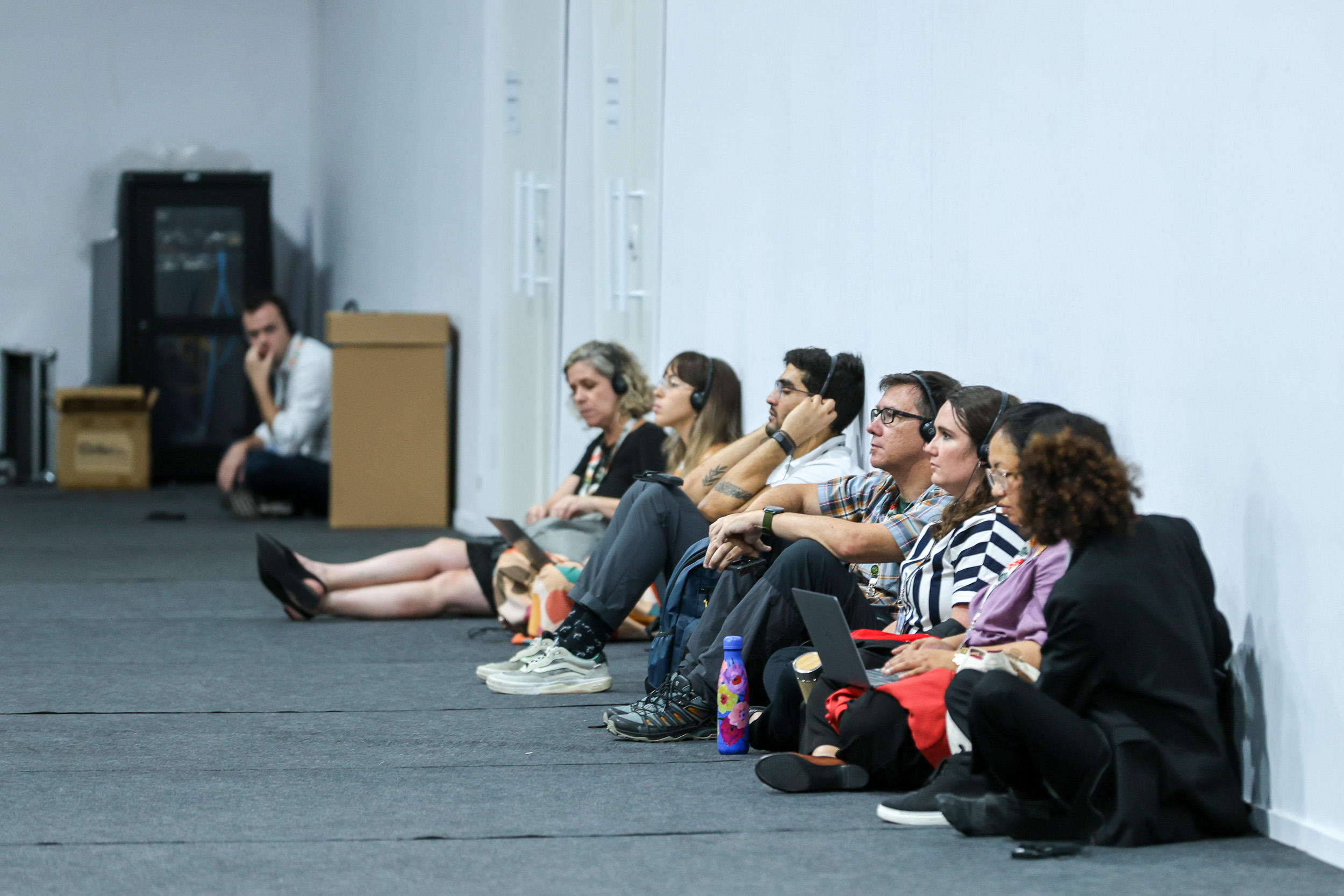
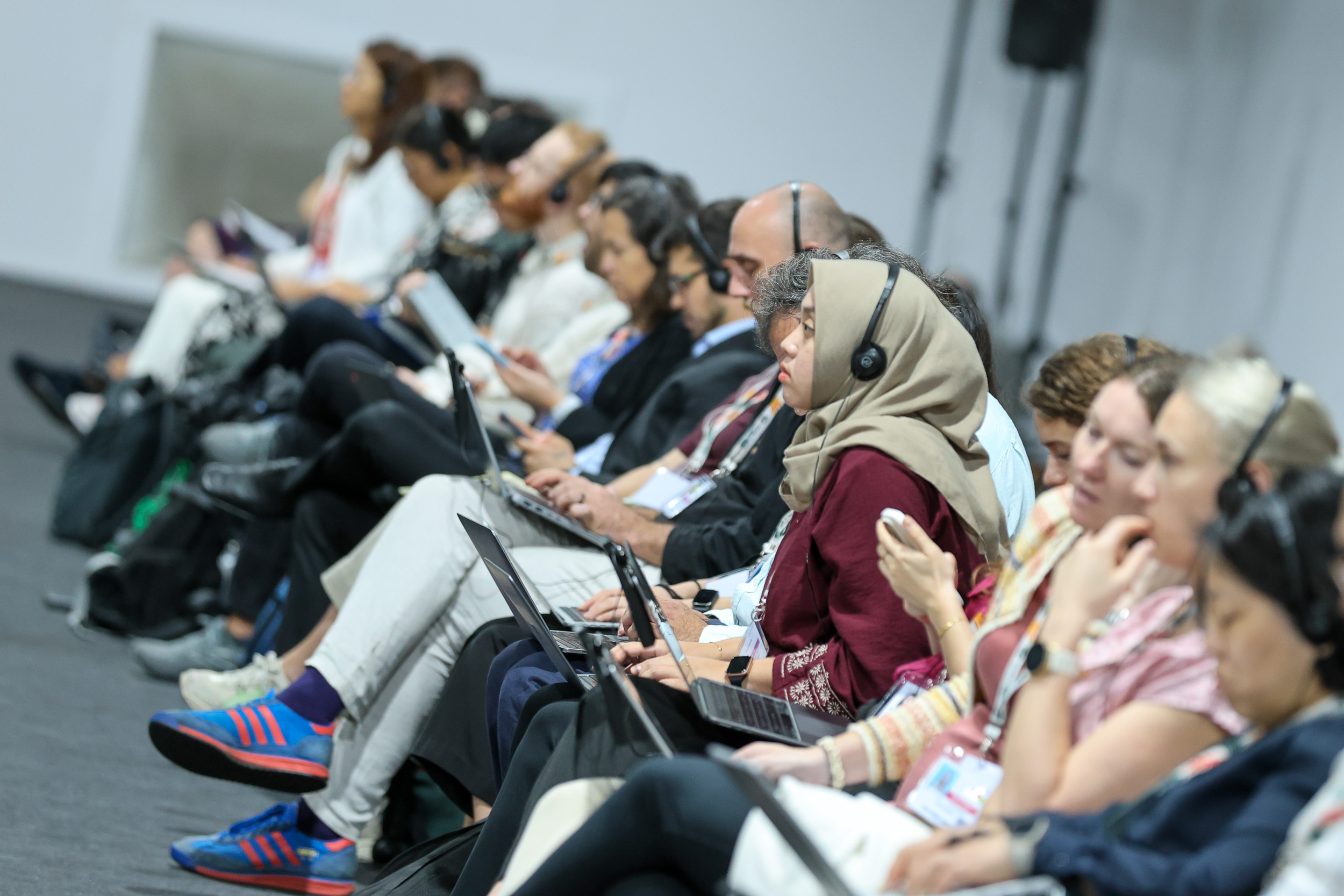
Around the Venue