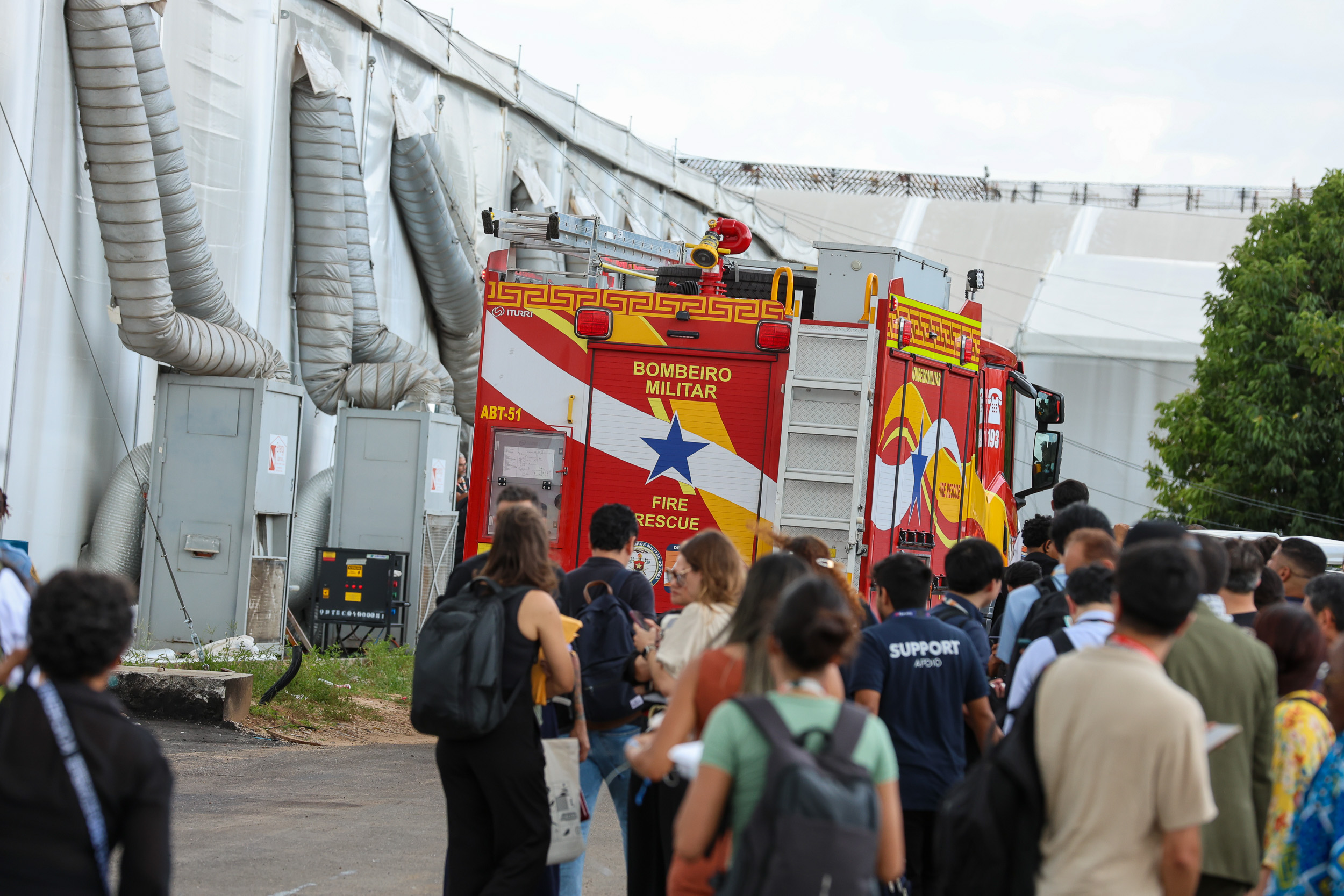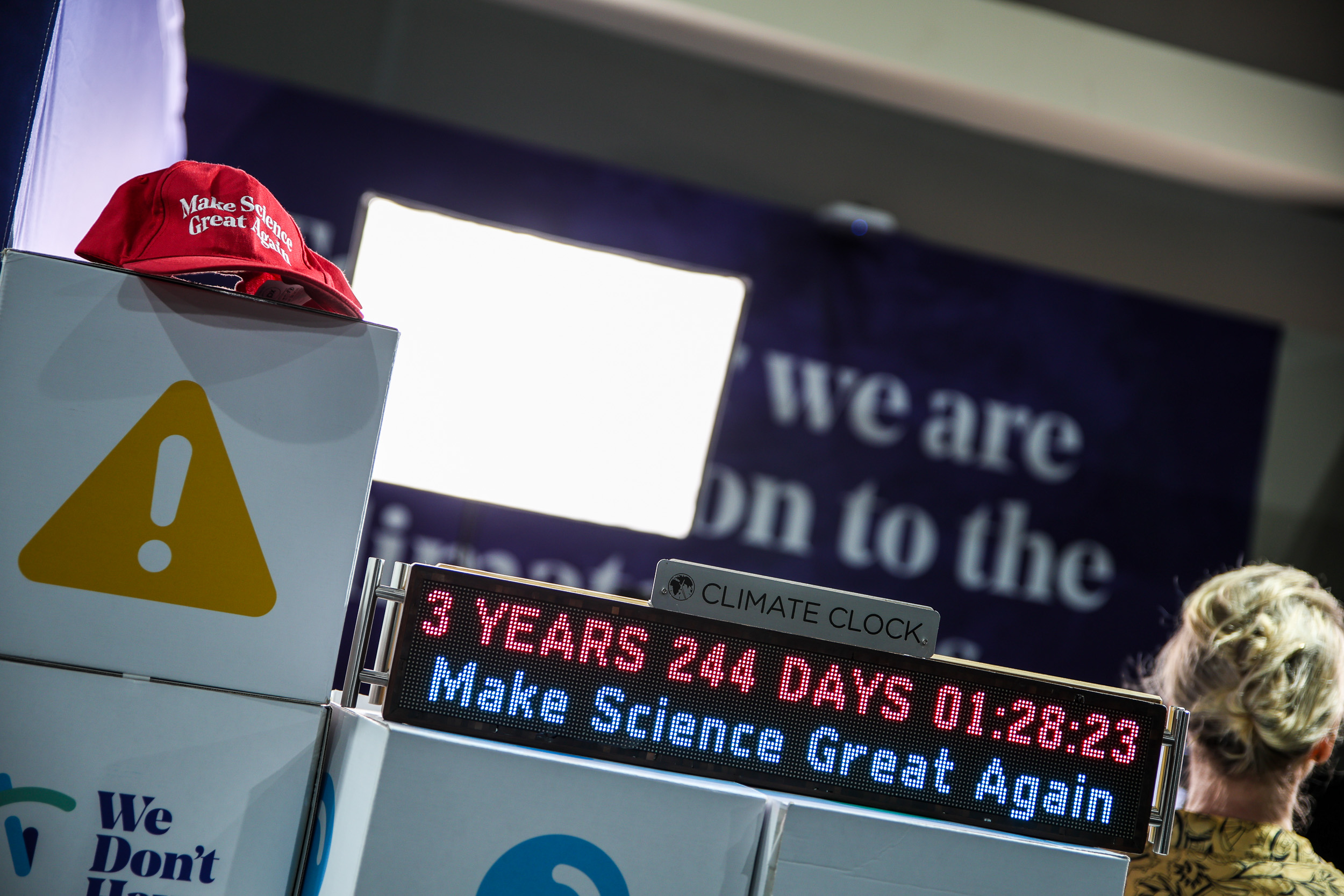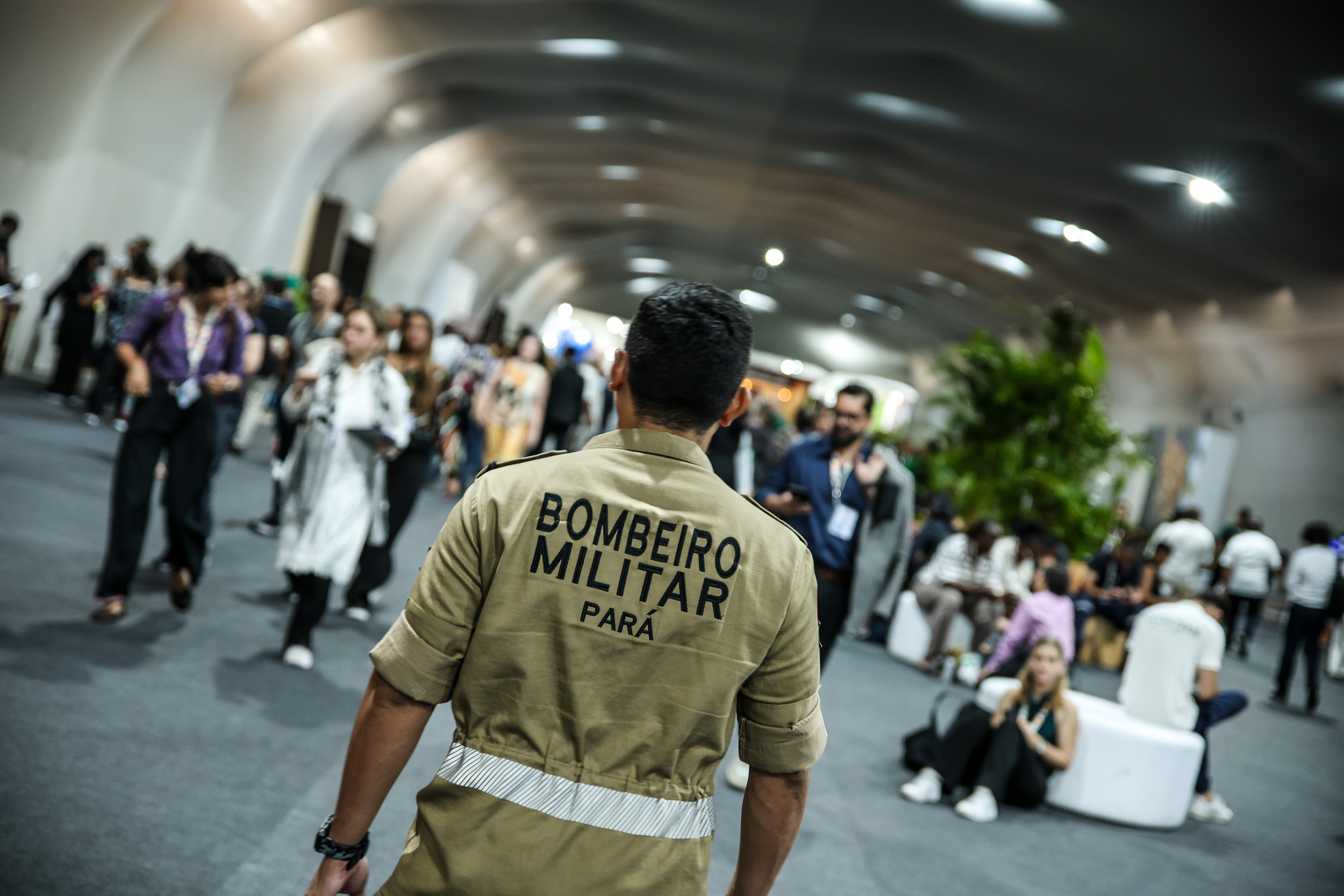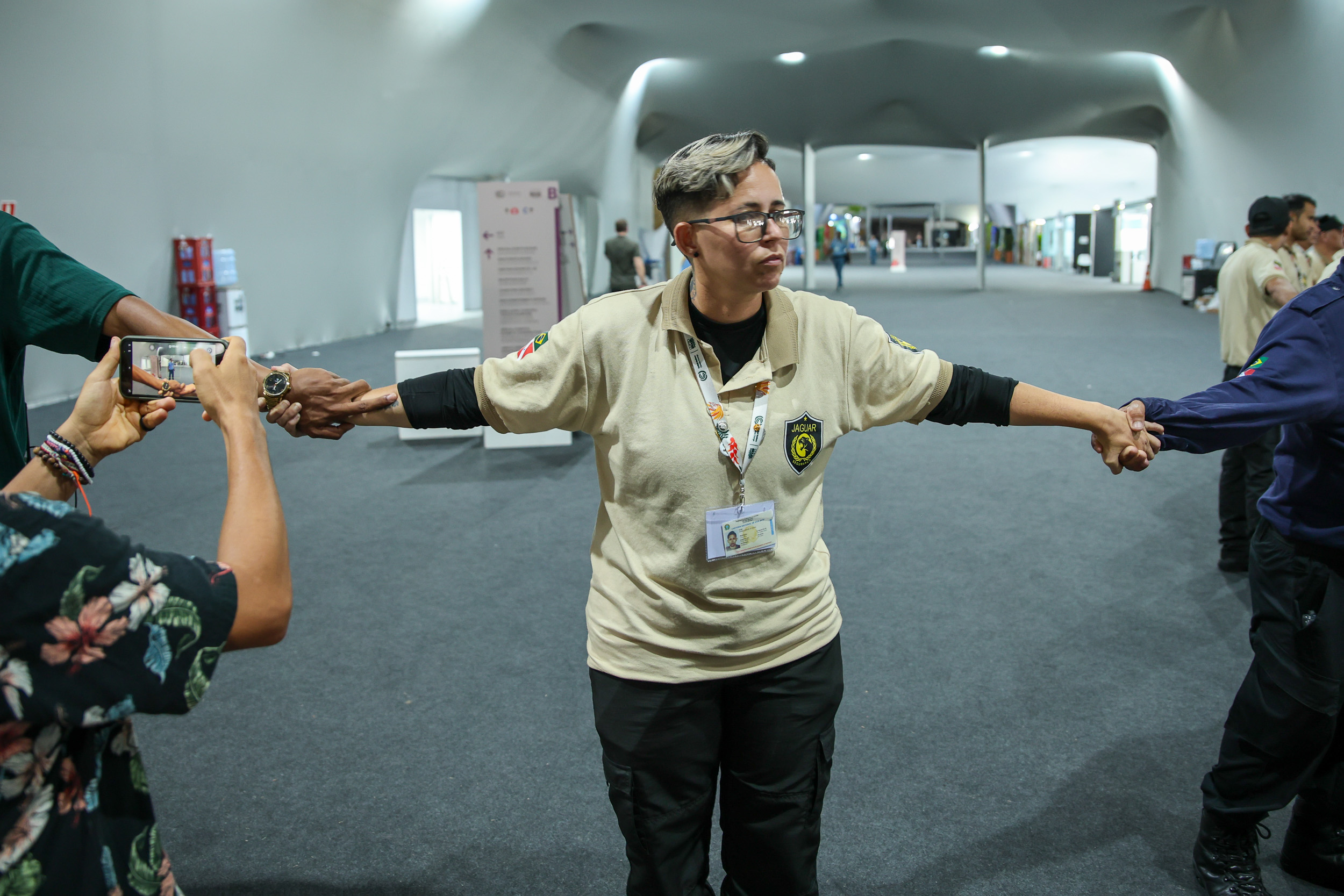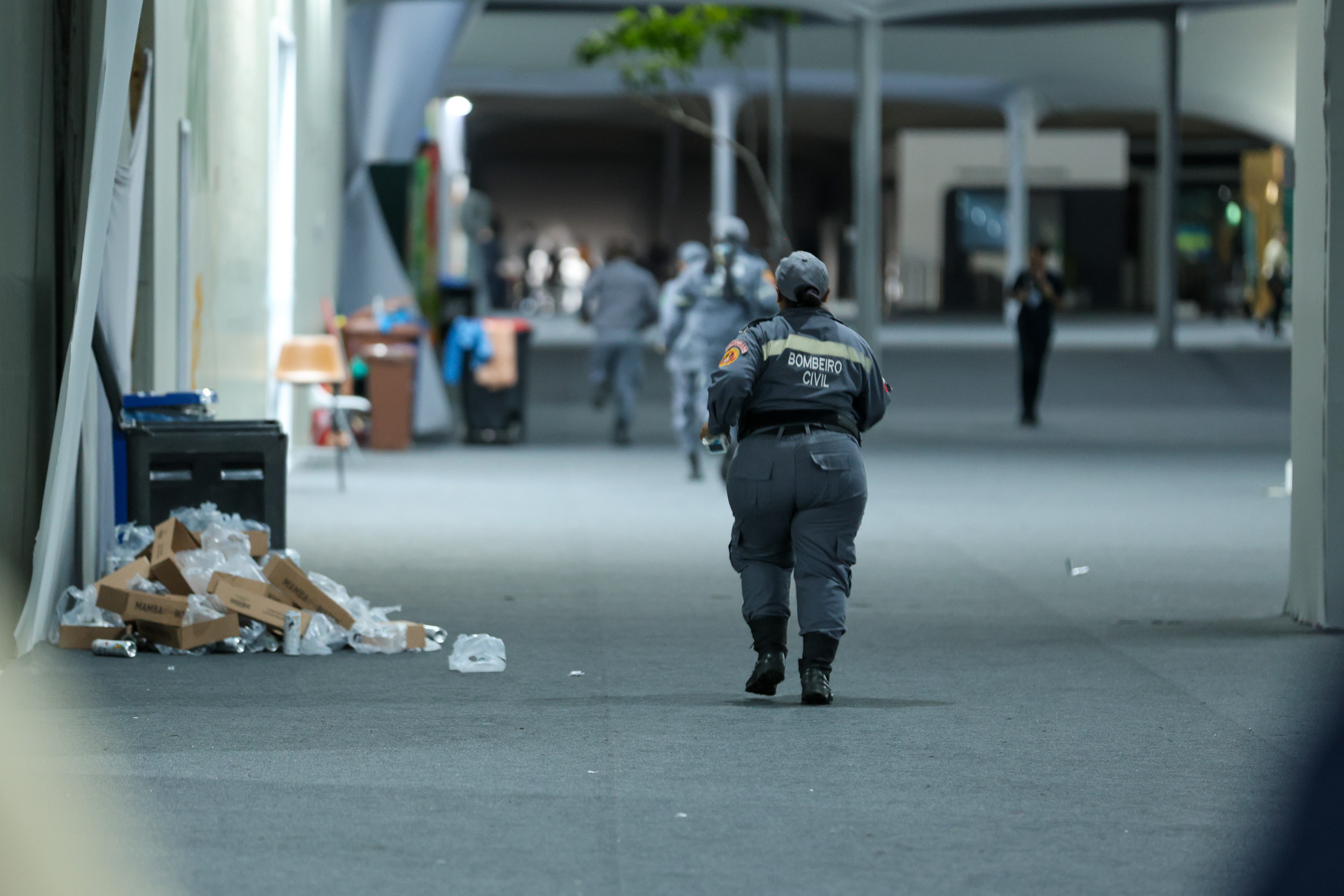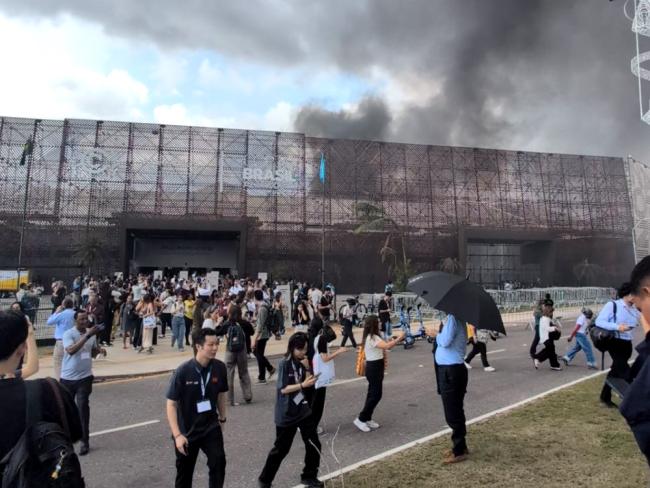
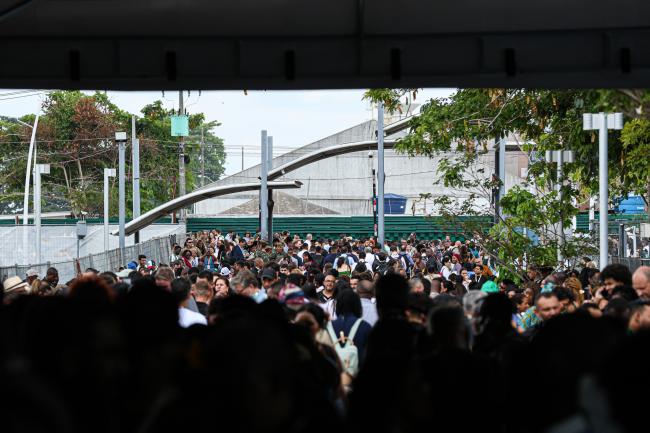
The day will remain in the climate community's collective memory—not for progress achieved in the negotiations, but for the fire that broke out in one of the pavilions and led to a full evacuation of the venue.
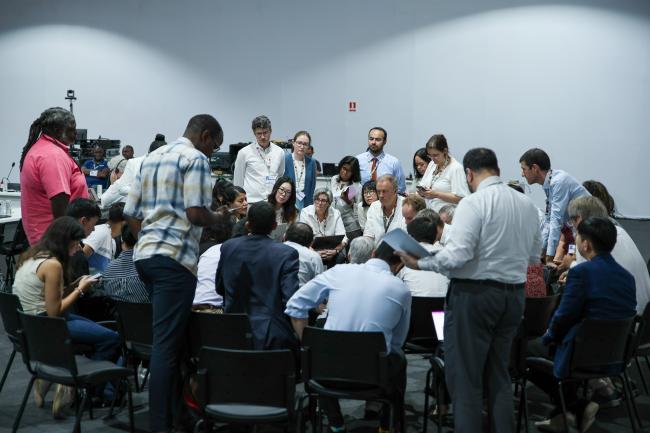
The day initially picked up where things left off the night before—in backroom negotiations, with the Presidency conducting shuttle diplomacy to broker agreement among groups. At the technical level, some negotiators found consensus in the very early morning hours, such as those working on ex ante climate finance reporting. The room debating enhanced engagement of local communities in the UN Framework Convention on Climate Change (UNFCCC) process also settled on a way forward.
Want to dig deeper into today's talks? Read the full Earth Negotiations Bulletin daily report.
Most consultations held throughout the day were less successful, however. This not only includes discussions on the rules of procedure and decision-making in the UNFCCC process, on which agreement has been notoriously evasive for many years, but also discussions on the transfer of funds remaining in largely defunct Kyoto Protocol institutions.
The Least Developed Countries and the Alliance of Small Island States (AOSIS) held a press conference in which they emphasized that the climate negotiations must be anchored in best-available science. They underscored the dramatic differences between an average global warming level of 2°C compared to 1.5°C, highlighting that the dire state of coral reefs threatens communities’ food security and development, and drives biodiversity loss. Calling for a tripling of adaptation finance, they lamented that developing countries are forced to allocate an ever-greater share of domestic resources for adaptation, due in part to barriers to accessing international funds.
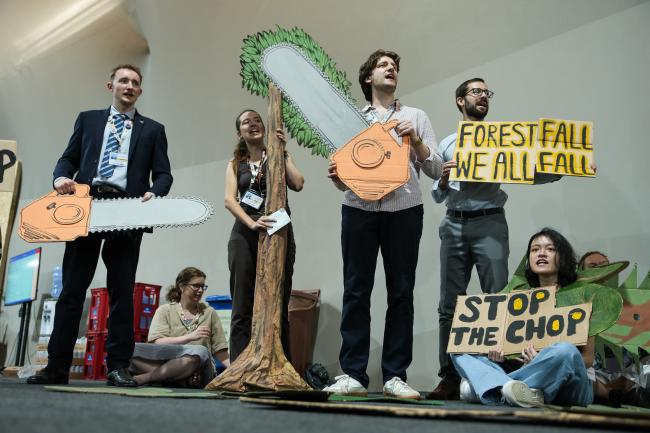
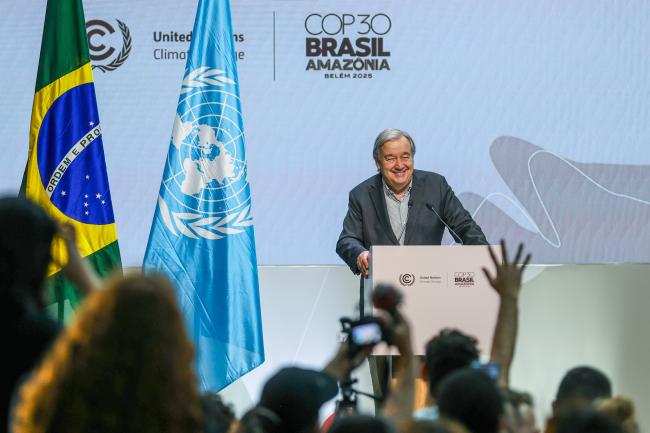
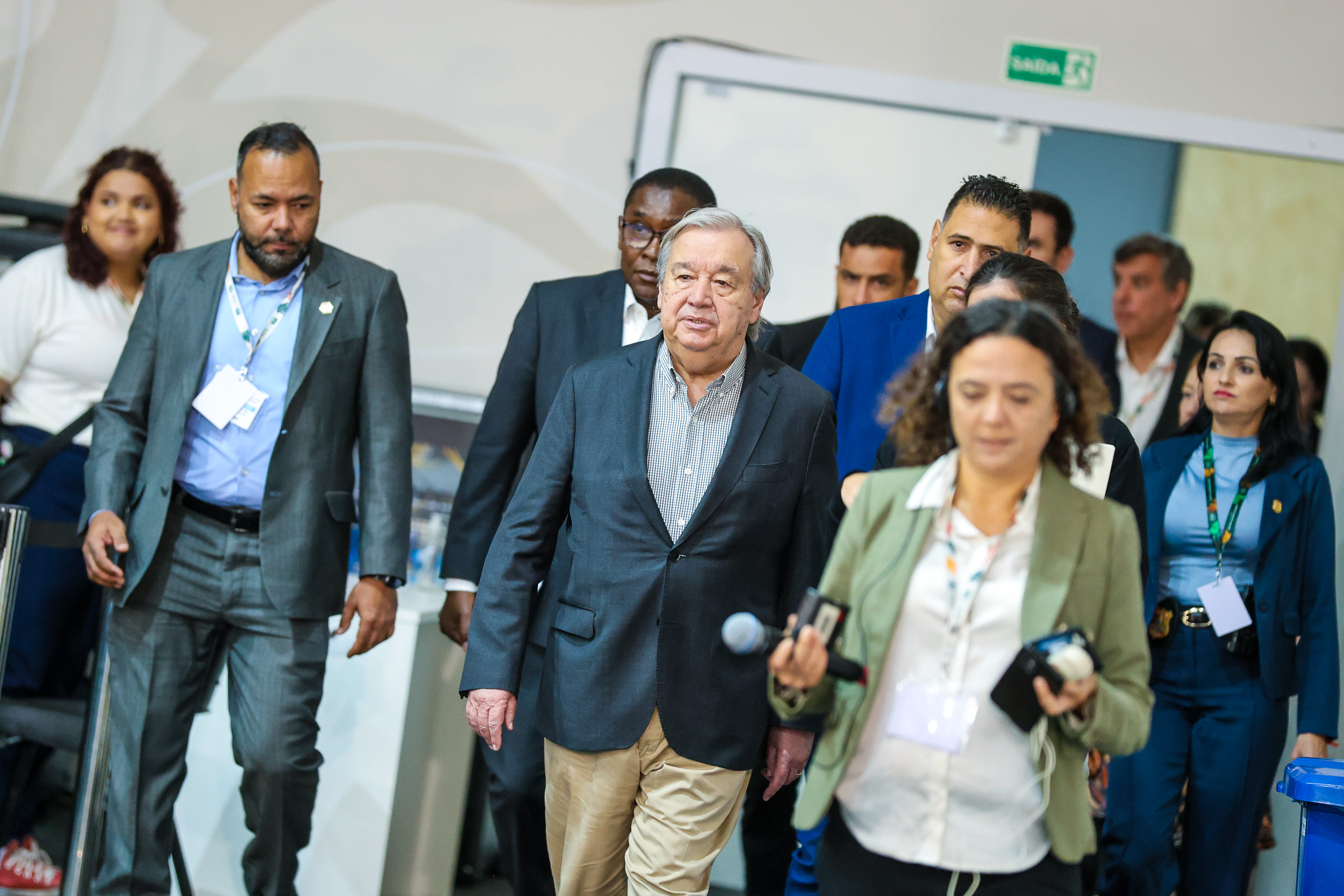
UN Secretary-General António Guterres also held a press conference in which he appealed to all delegations to show willingness to compromise and ensure the process delivers. He emphasized the need to act now to keep the temporary overshoot past 1.5°C as small and short as possible. He noted that large emitters especially must do more, and urged addressing market distortions and disinformation campaigns aimed at derailing the transition away from fossil fuels. He also highlighted the need to reduce methane emissions, reverse deforestation, and make progress on grid development, including to address electricity surges driven by artificial intelligence.
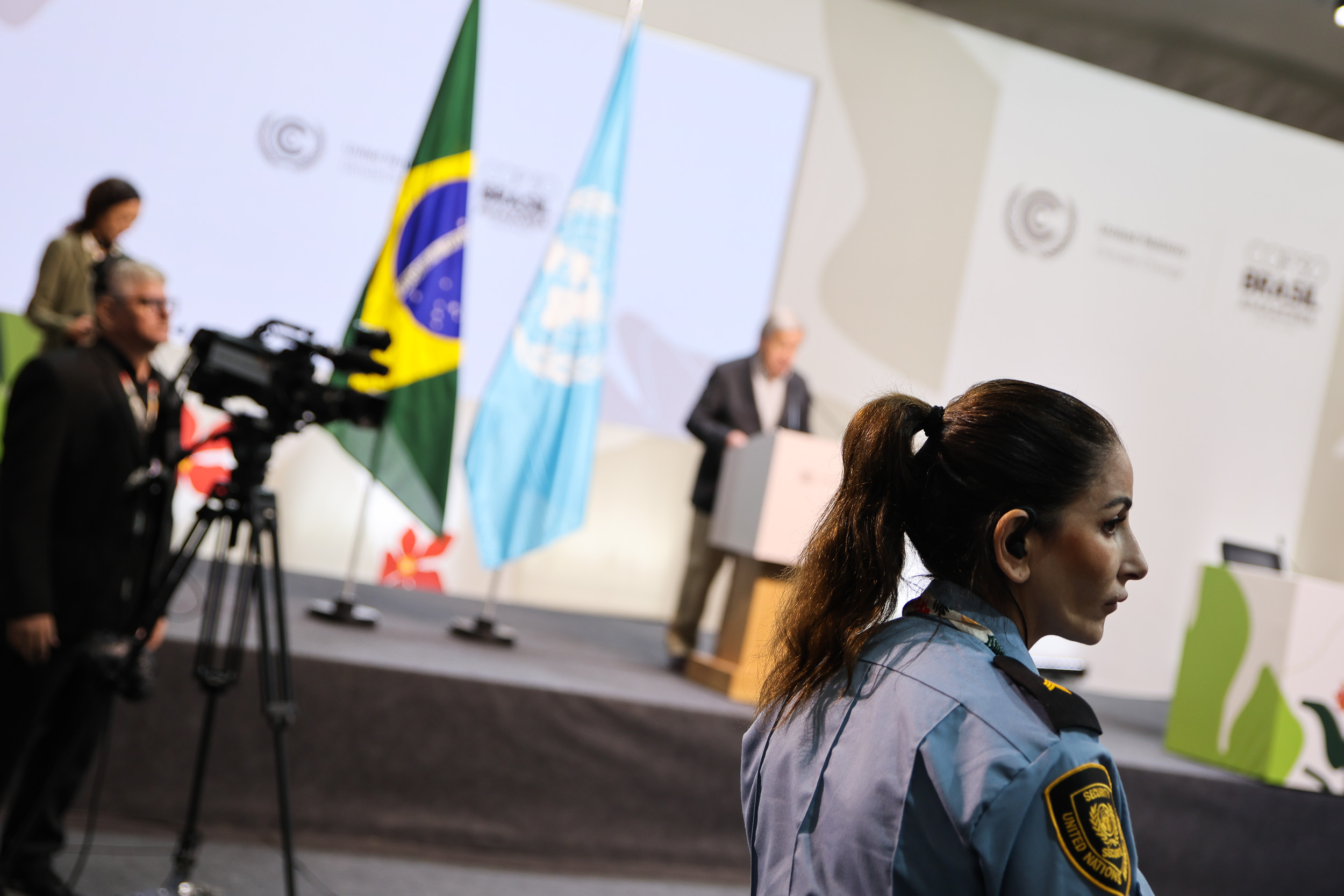
A plenary session scheduled for the evening never materialized. During the lunch break, chaos erupted in the venue’s hallways as participants rushed to the exits to escape a fire that had broken out in one of the pavilions. The premises were eventually evacuated entirely and the UNFCCC Secretariat informed delegates that the Brazilian authorities had taken control of the area.
Delegates were advised to return to their accommodations, pending further updates.
To receive free coverage of global environmental events delivered to your inbox, subscribe to the ENB Update newsletter.
All ENB photos are free to use with attribution. For the UN Climate Change Conference COP 30, please use: Photo by IISD/ENB | Mike Muzurakis
Press Conference by the UN Secretary-General
UN Secretary-General António Guterres
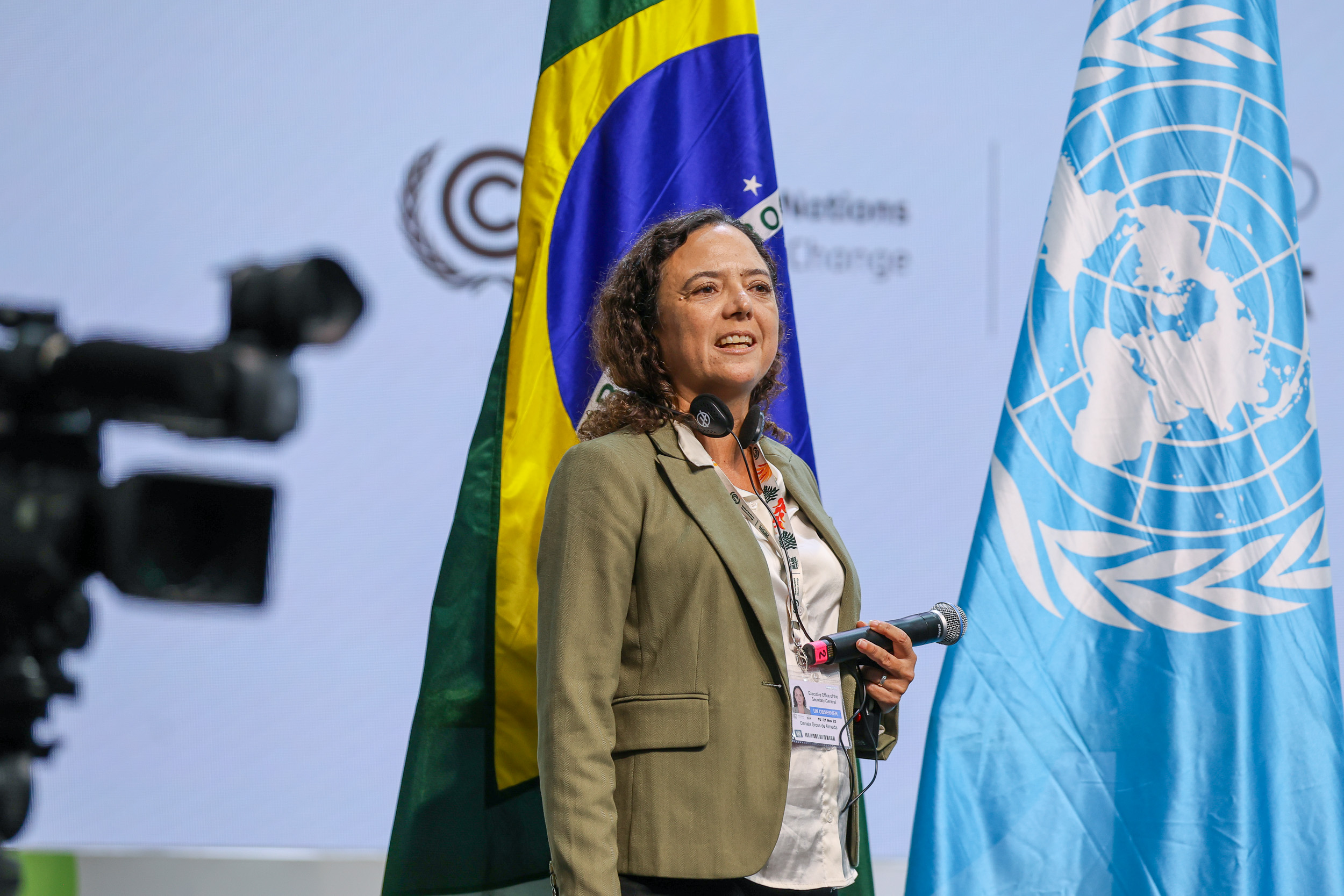
Daniela Gross De Almeida, Office of the Spokesperson for the UN Secretary-General





Third Annual High-Level Ministerial Round Table on Just Transition
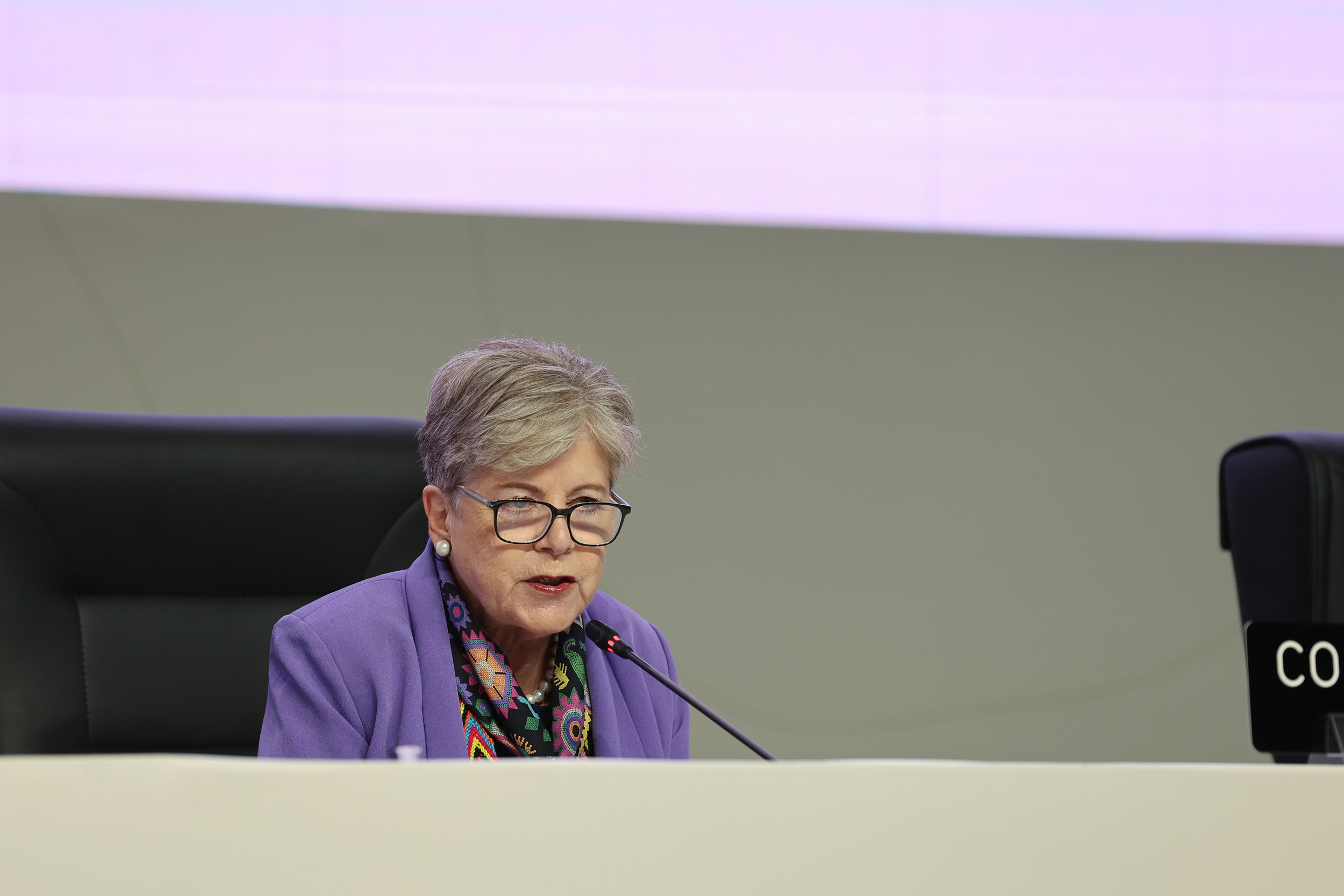
Alicia Bárcena Ibarra, Secretary of the Environment and Natural Resources, Mexico
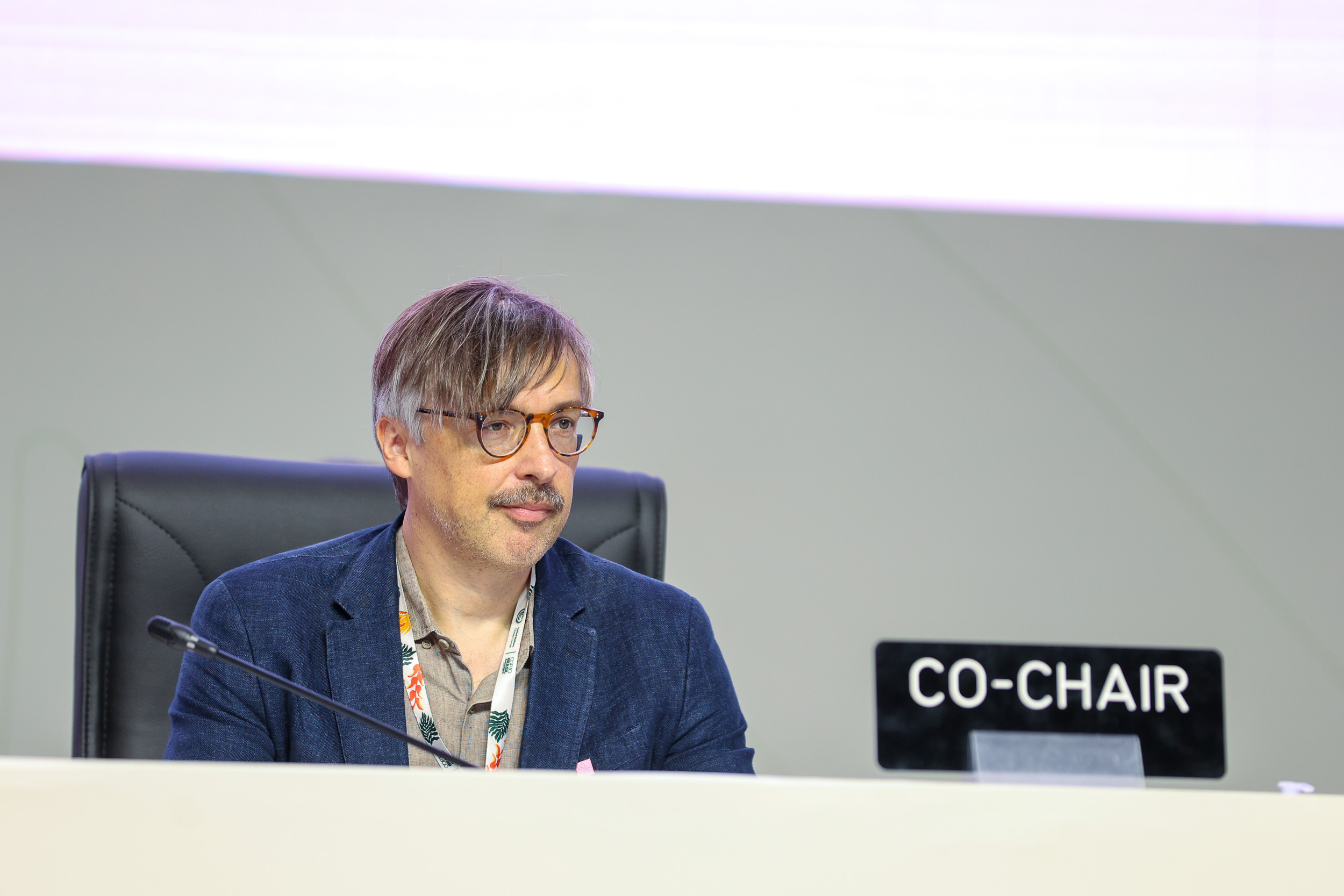
Krzysztof Bolesta, Secretary of State for Climate and Environment, Poland
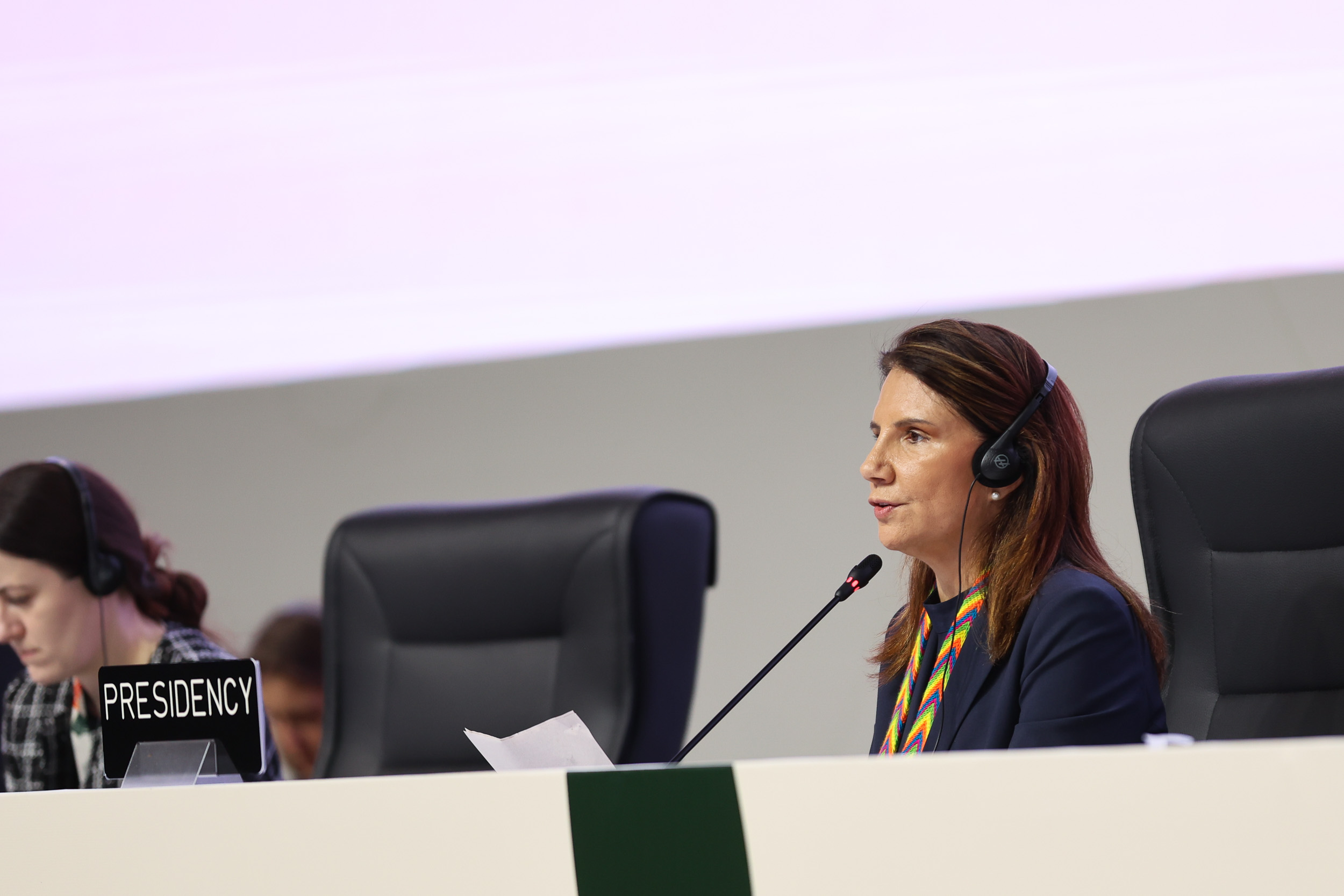
COP 30 Chief Executive Officer Ana Toni
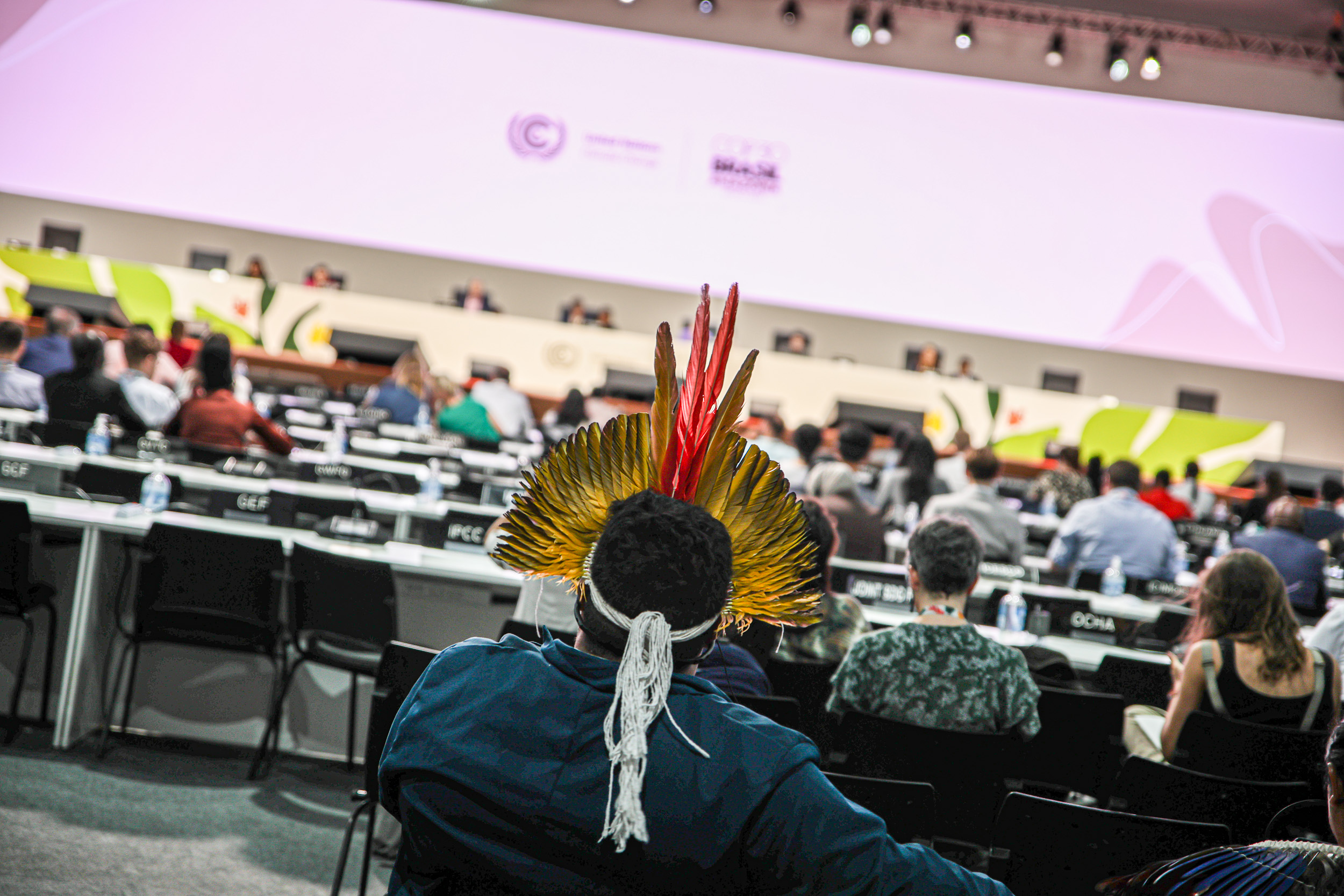
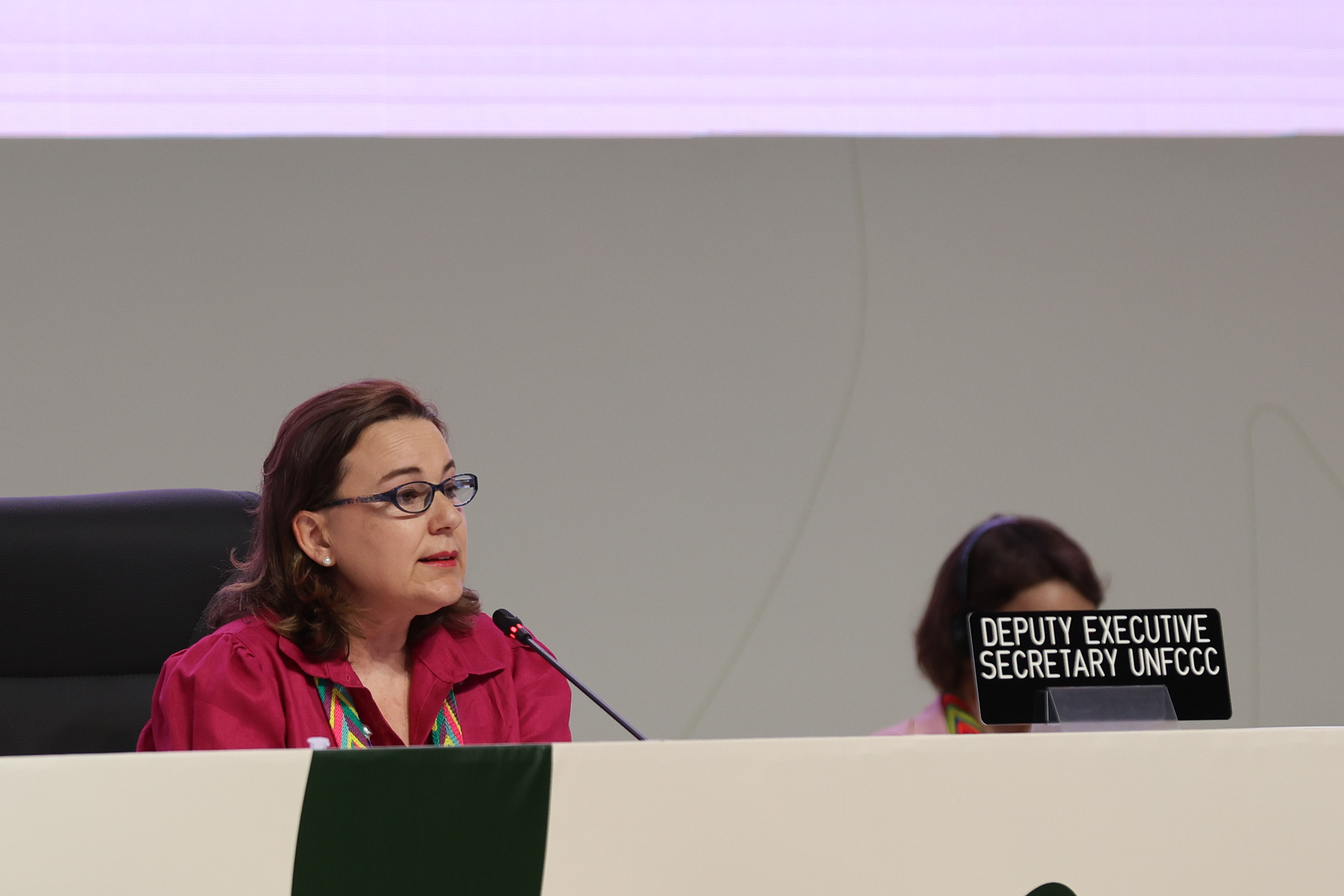
UNFCCC Deputy Executive Secretary Noura Hamladji
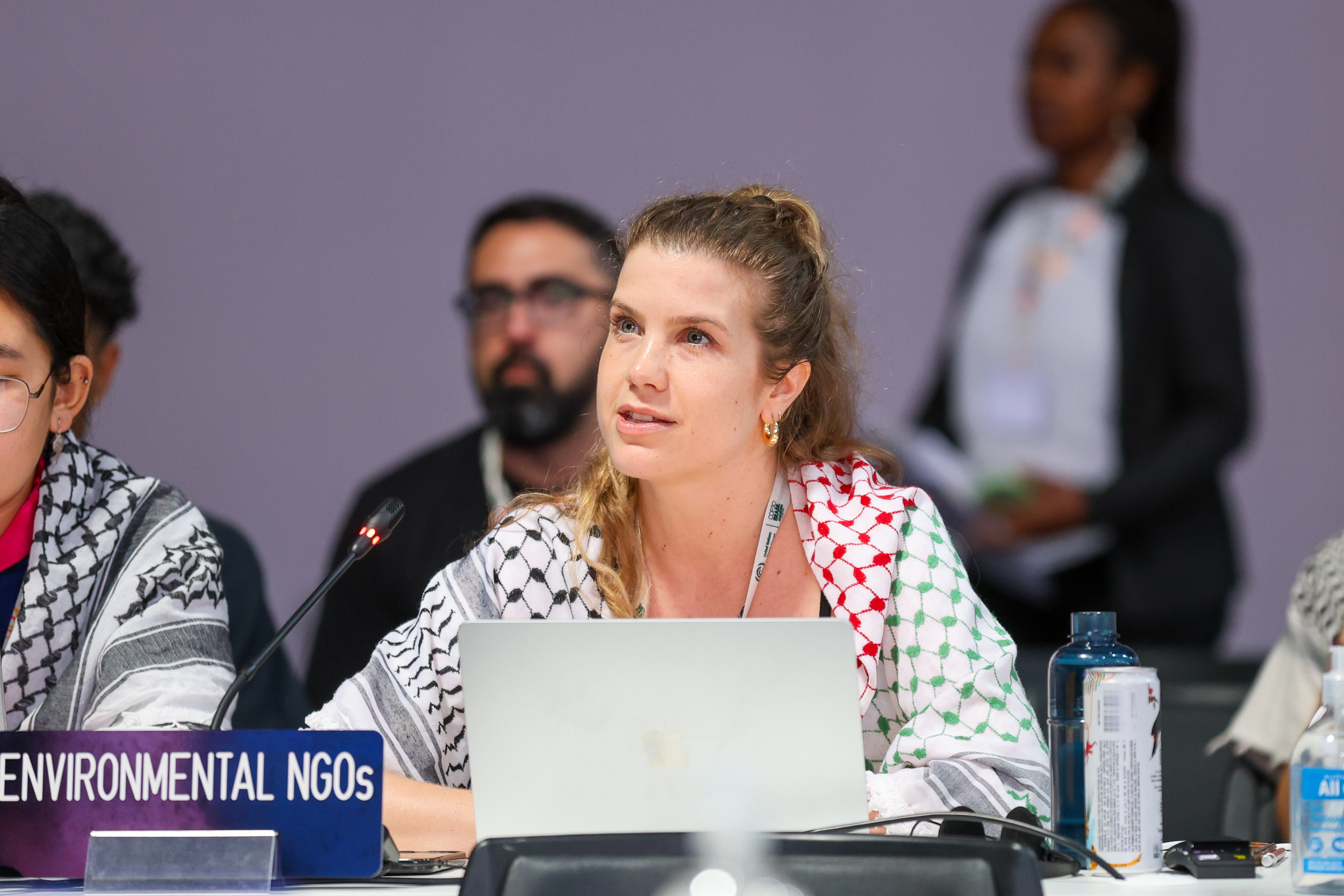
Caroline Brouillette, Environmental Non-governmental Organizations (NGOs)
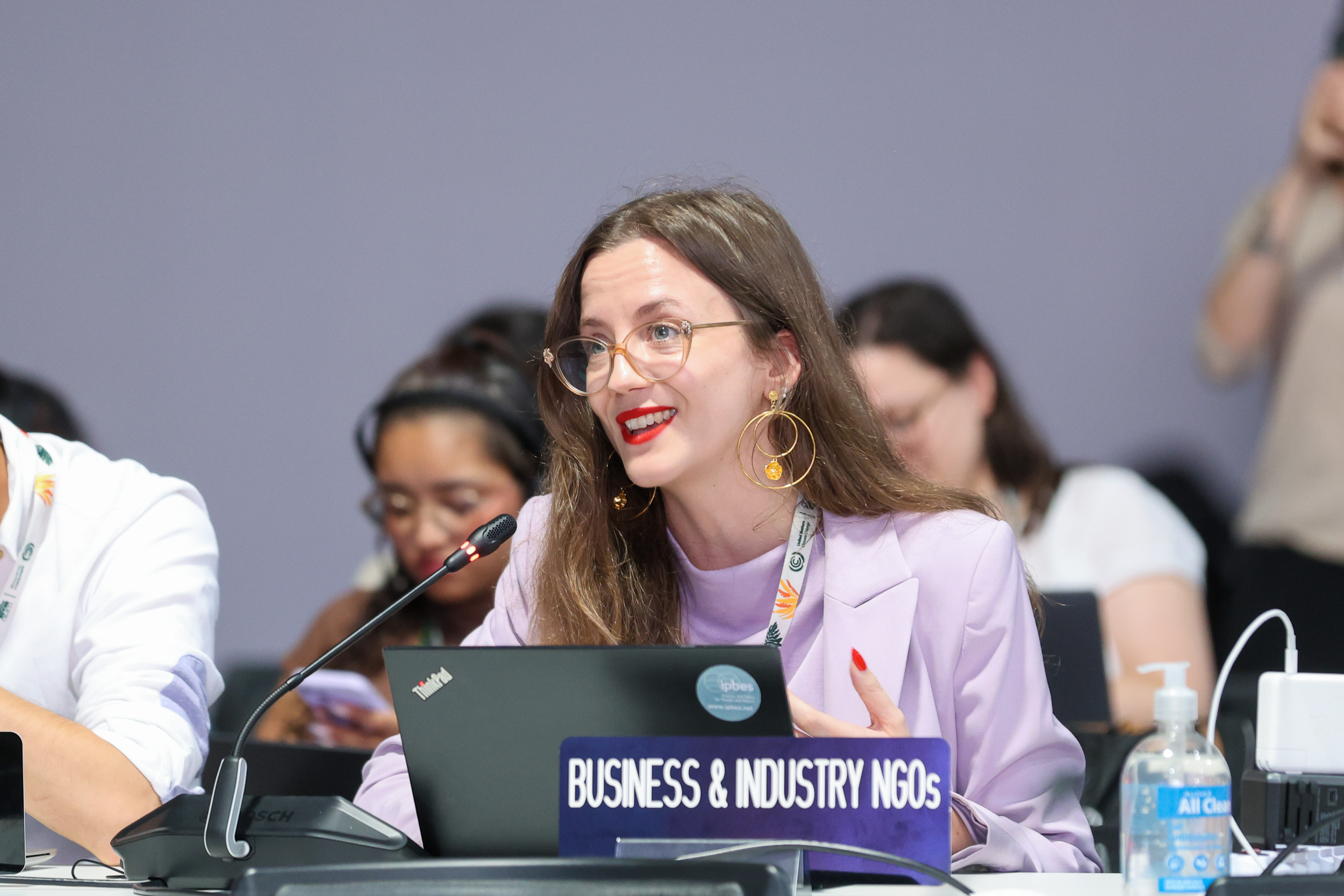
Agnes Vinblad, Business and Industry NGOs
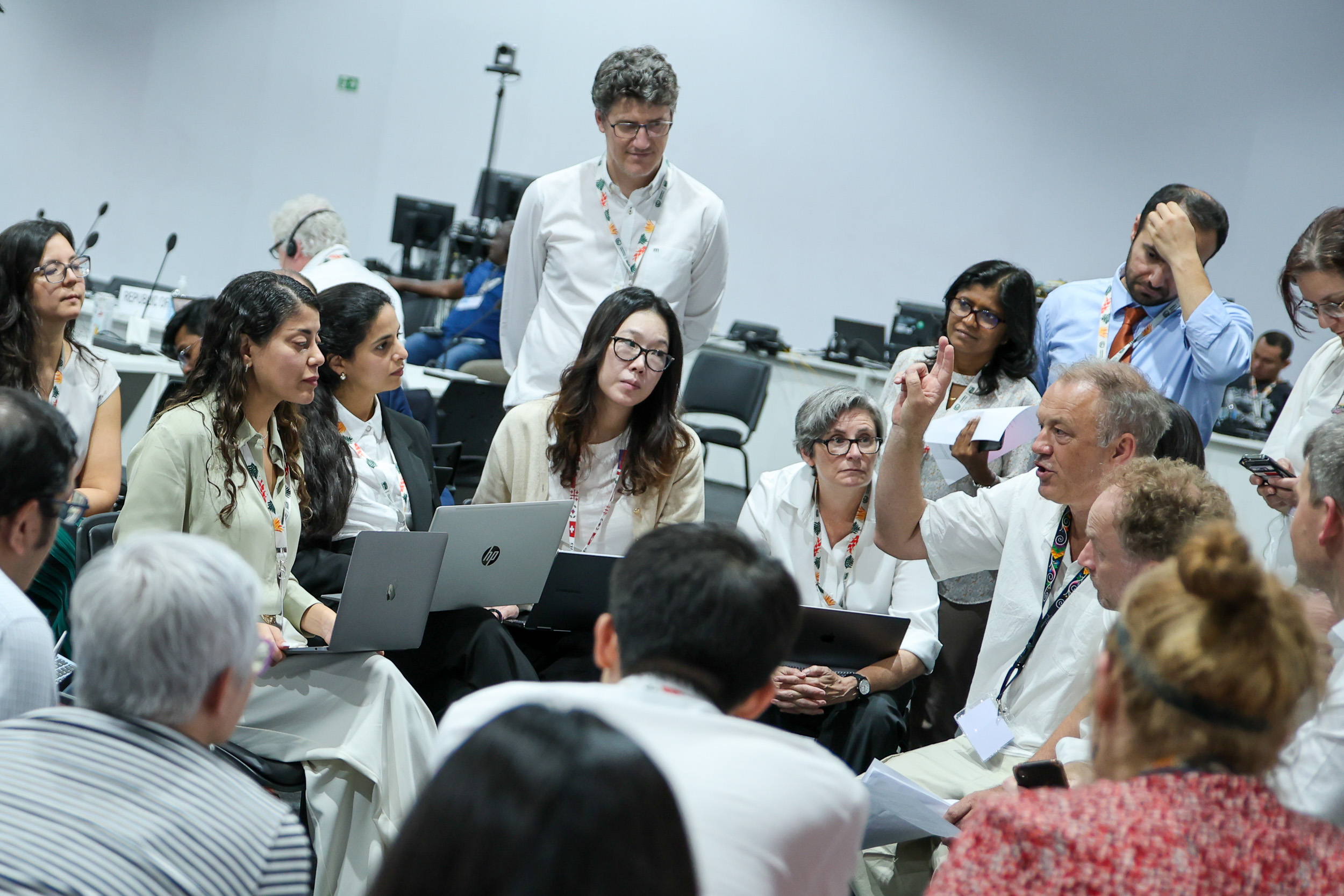
Informal Consultations
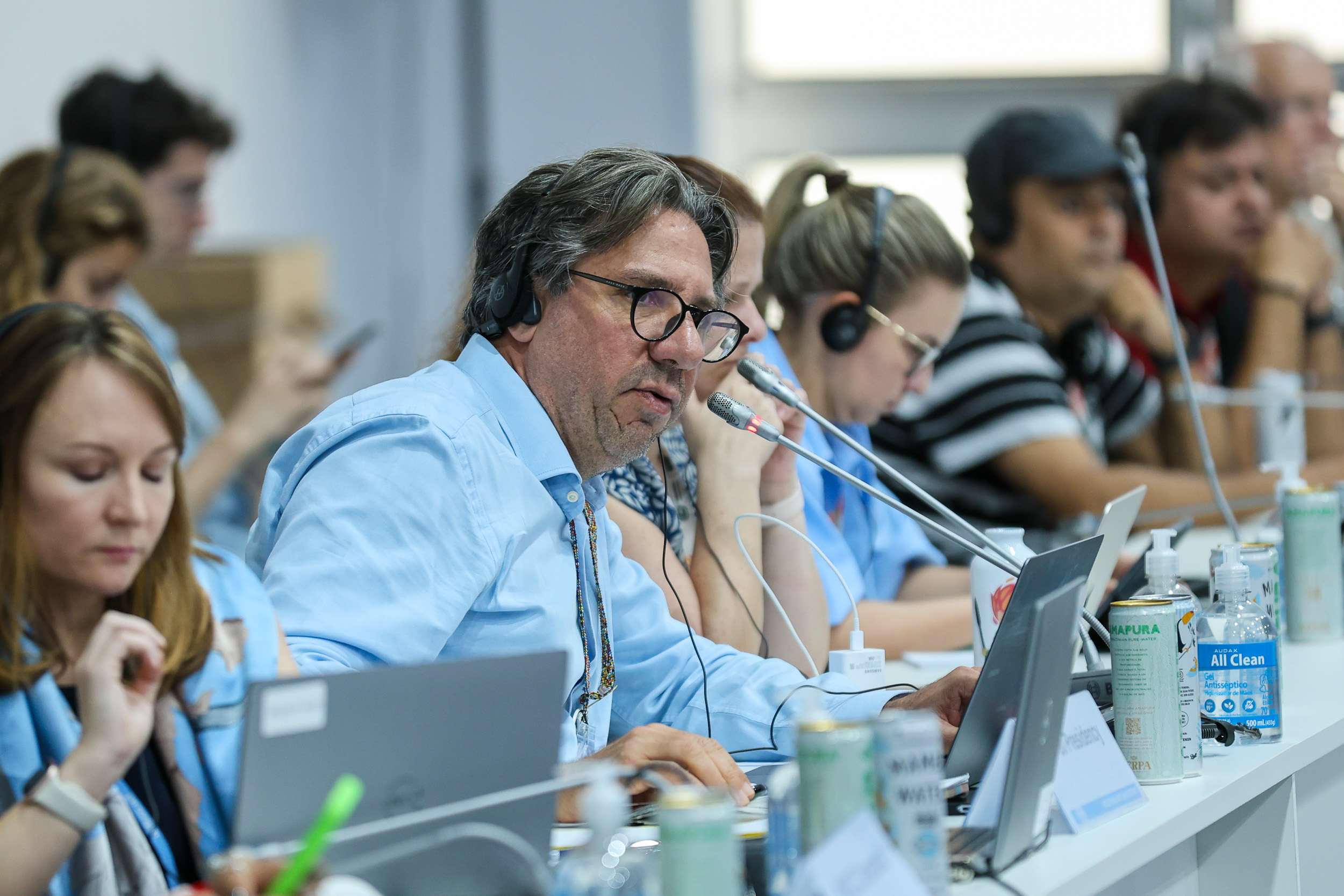
Marco Túlio Scarpelli Cabral, COP 30 Presidency
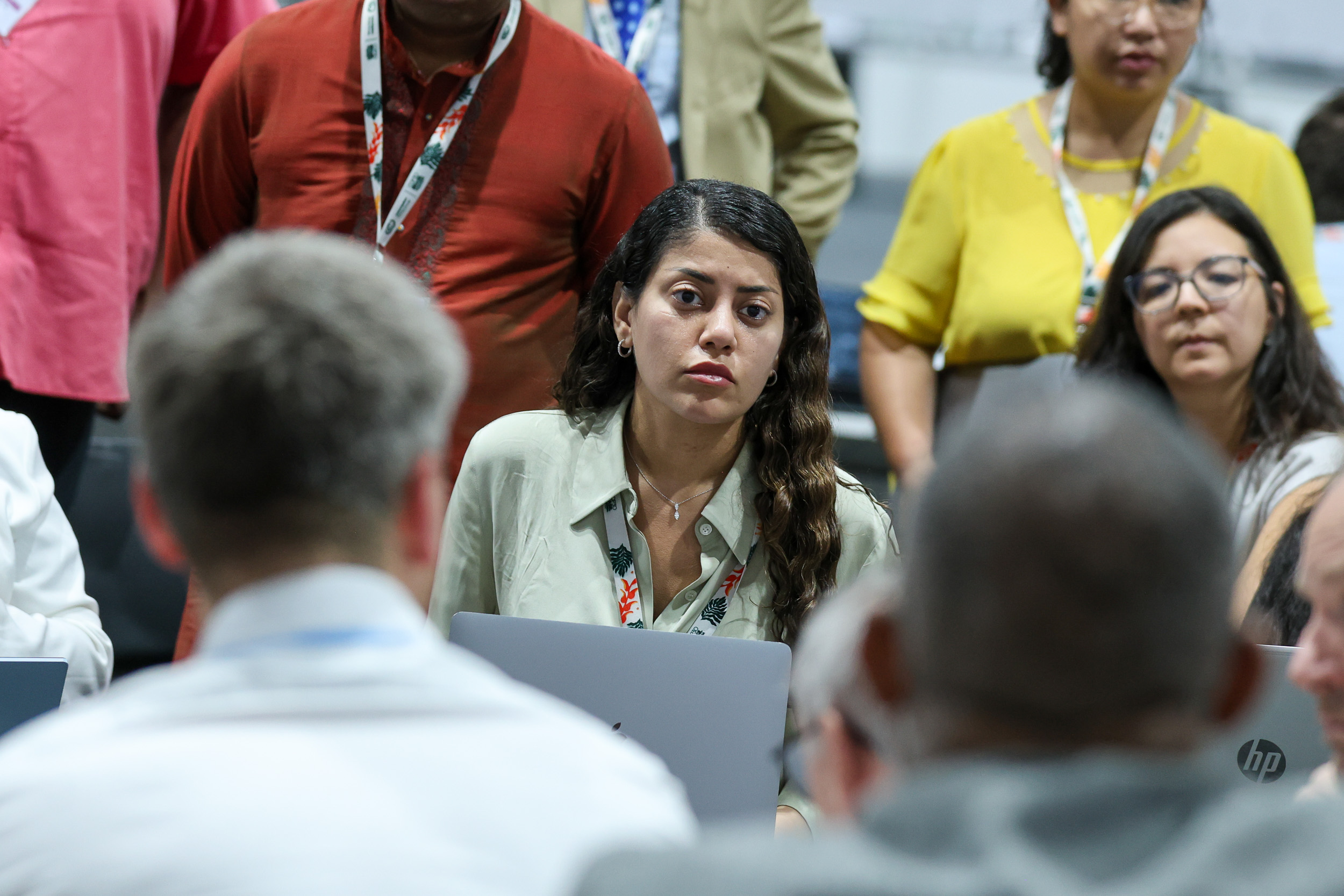
Atheer Alkabsi, Saudi Arabia
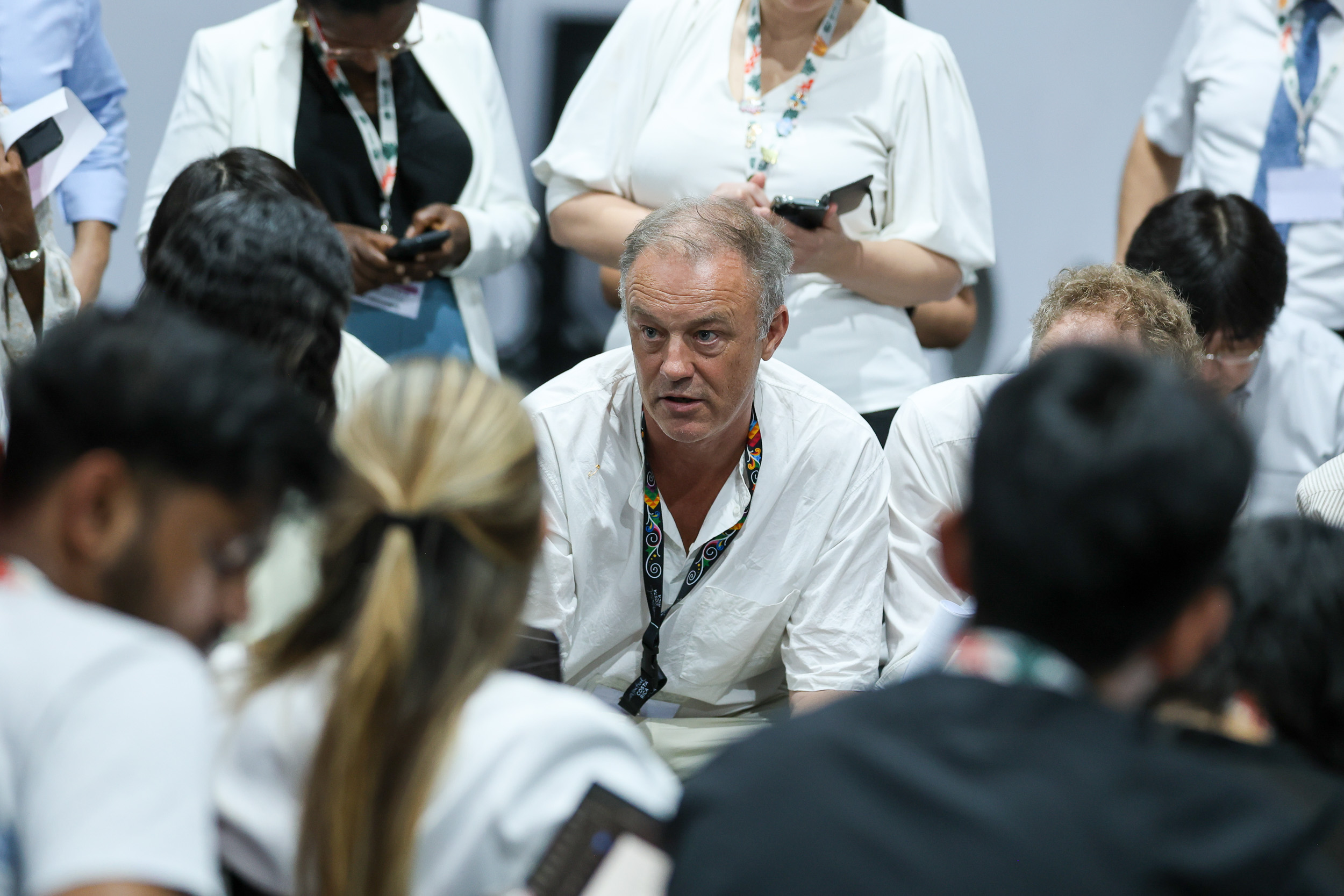
Martin Hession, EU
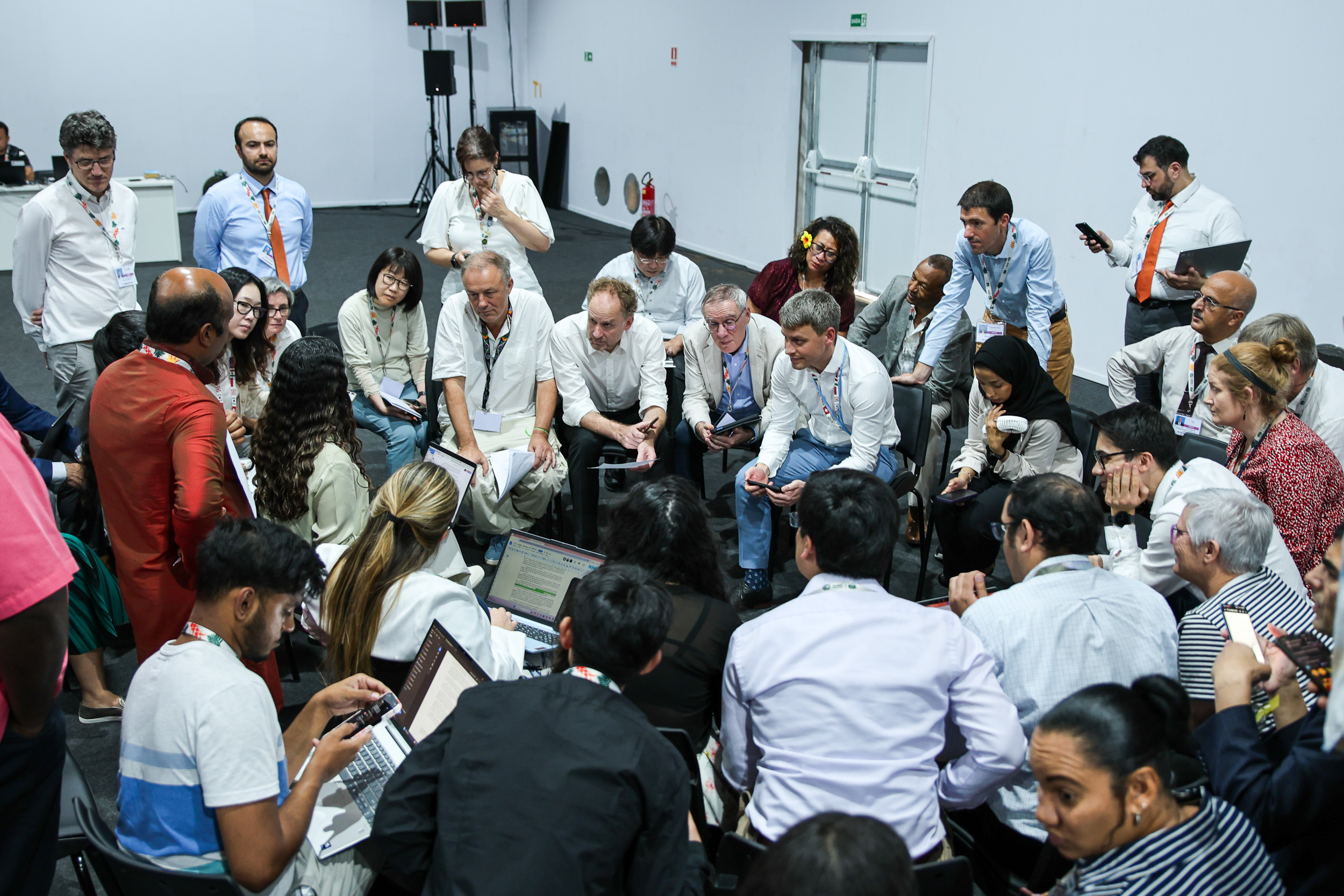

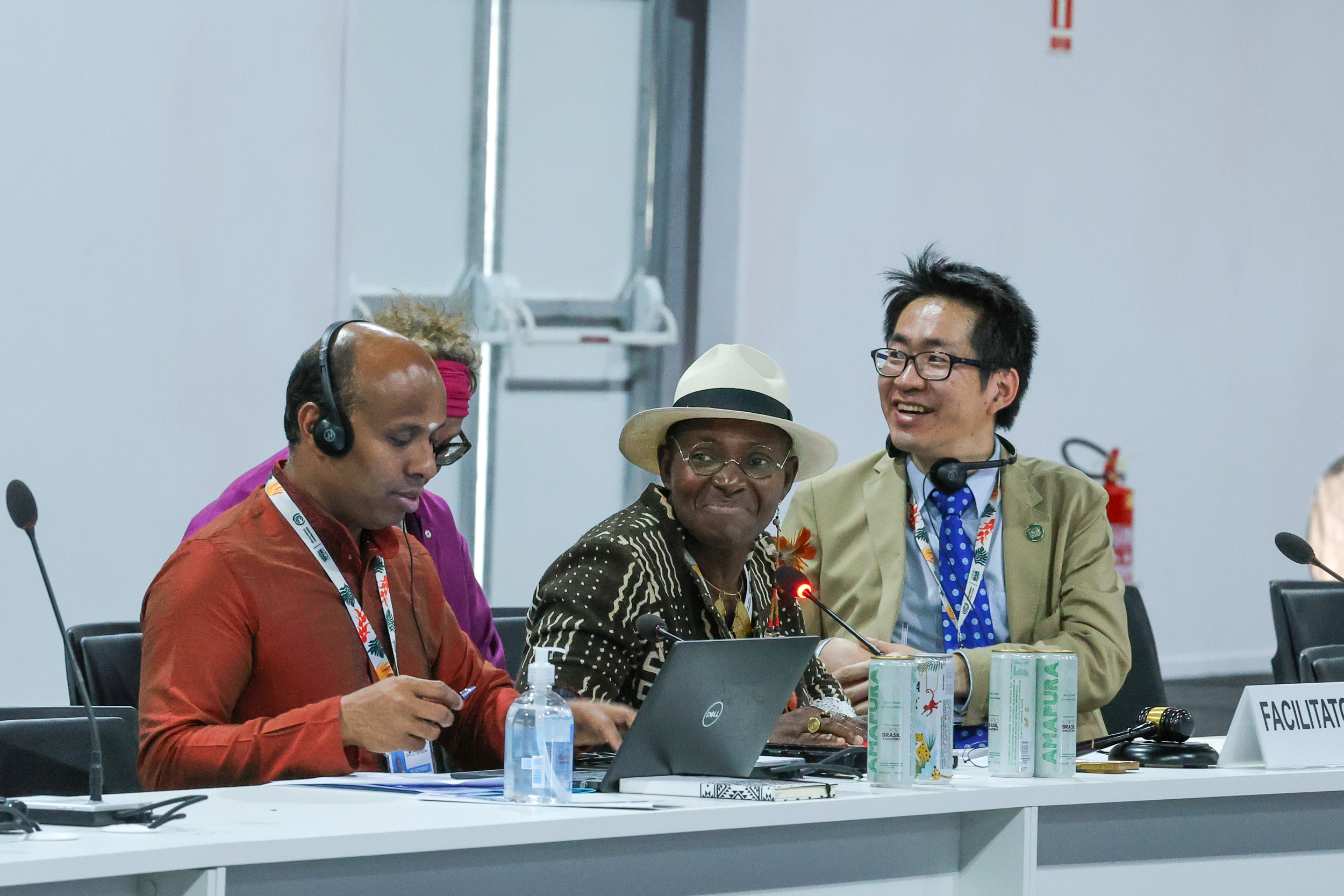
From L-R: Perumal Arumugam, UNFCCC Secretariat; Princess Abze Djigma, Burkina Faso, Facilitator for informal consultations on budgetary matters relating to the ITL; and Kenjiro Suzuki, UNFCCC Secretariat

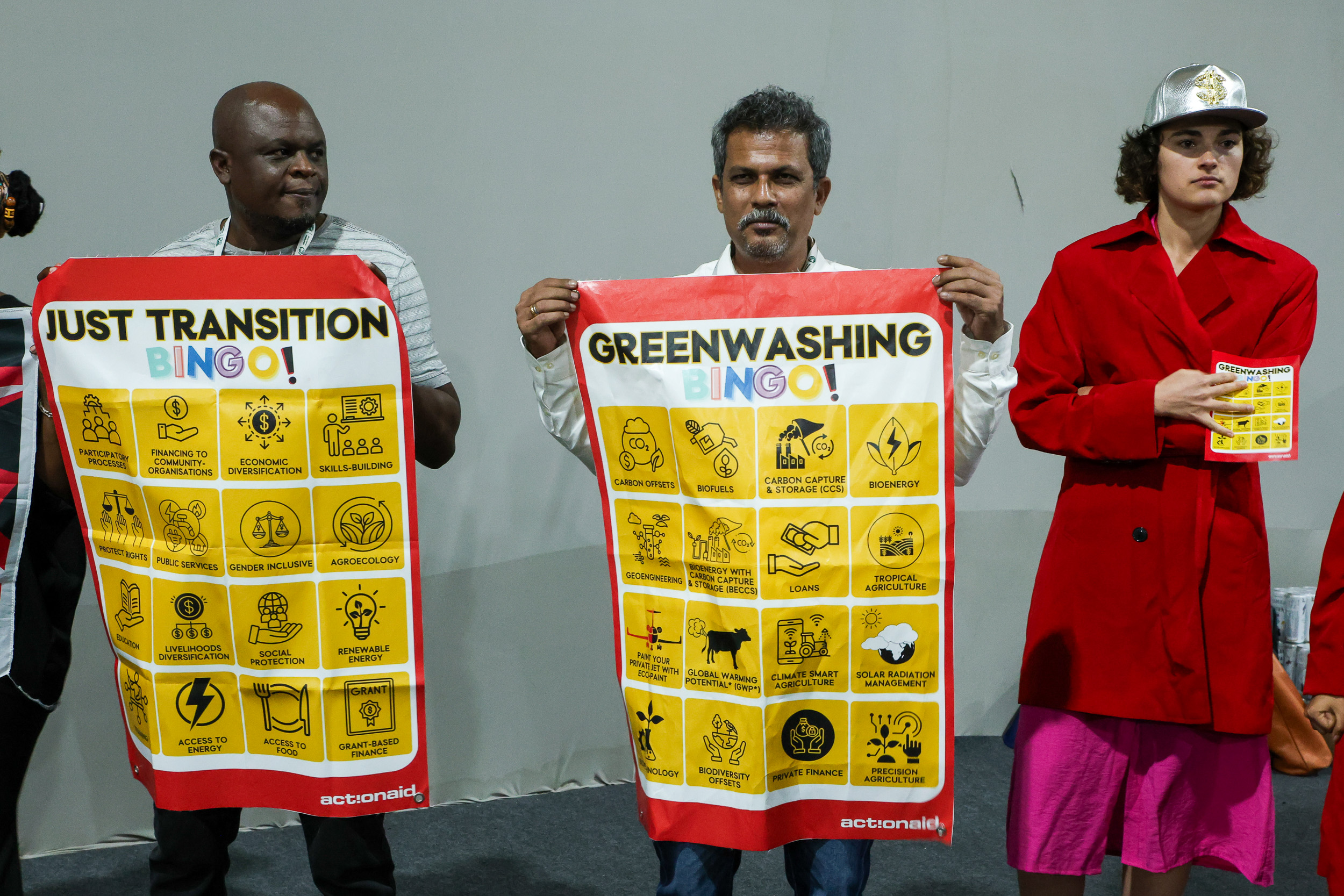
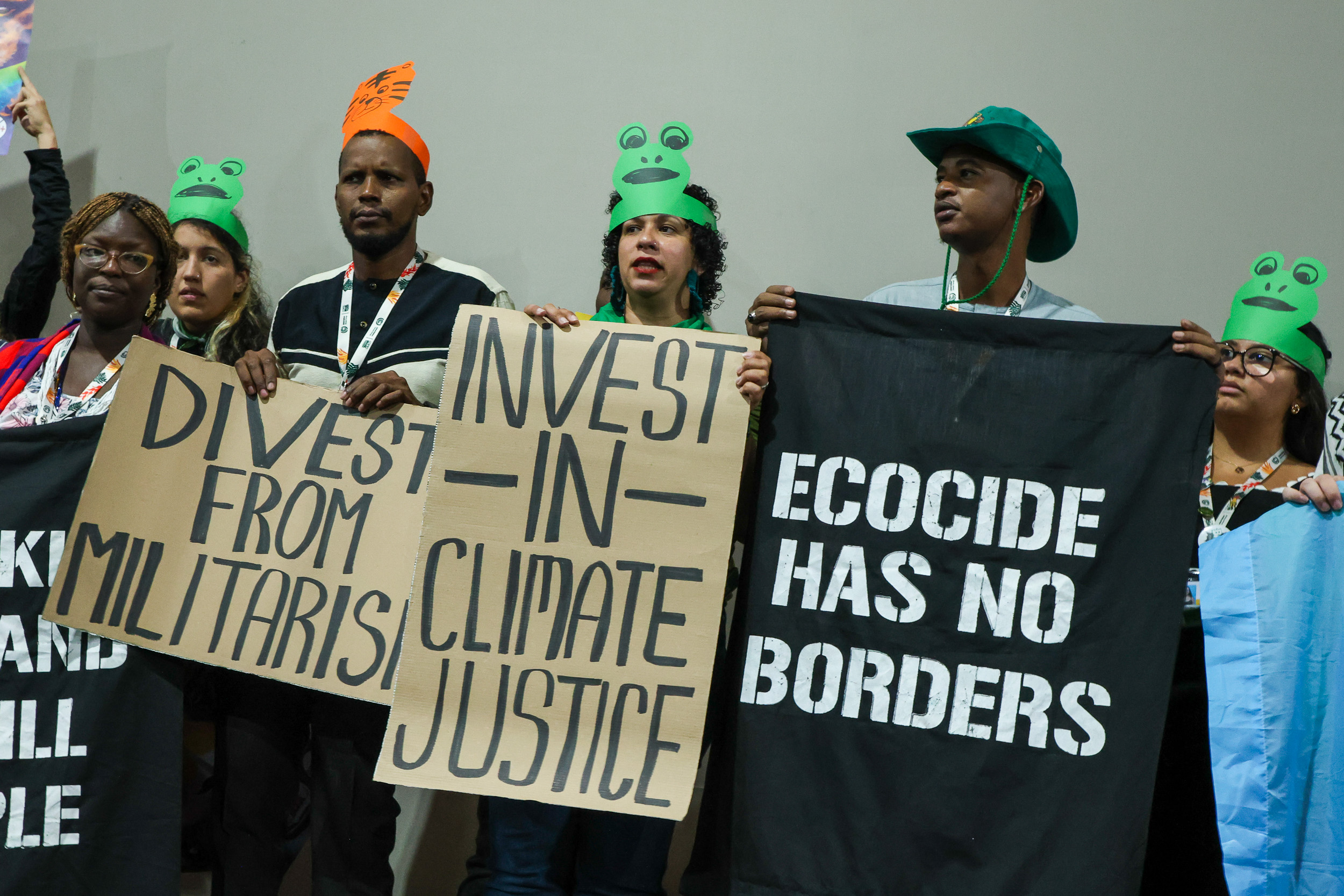
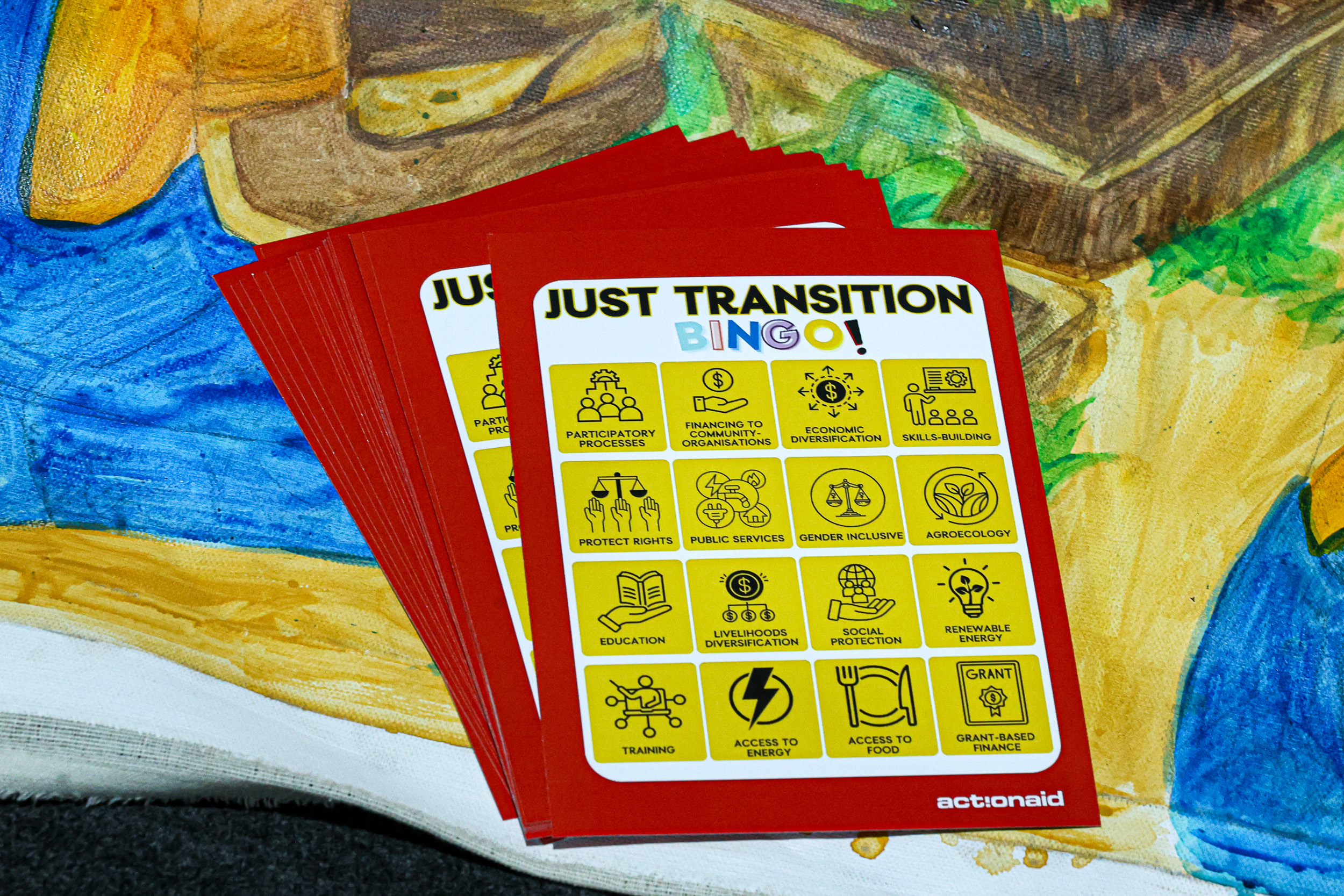
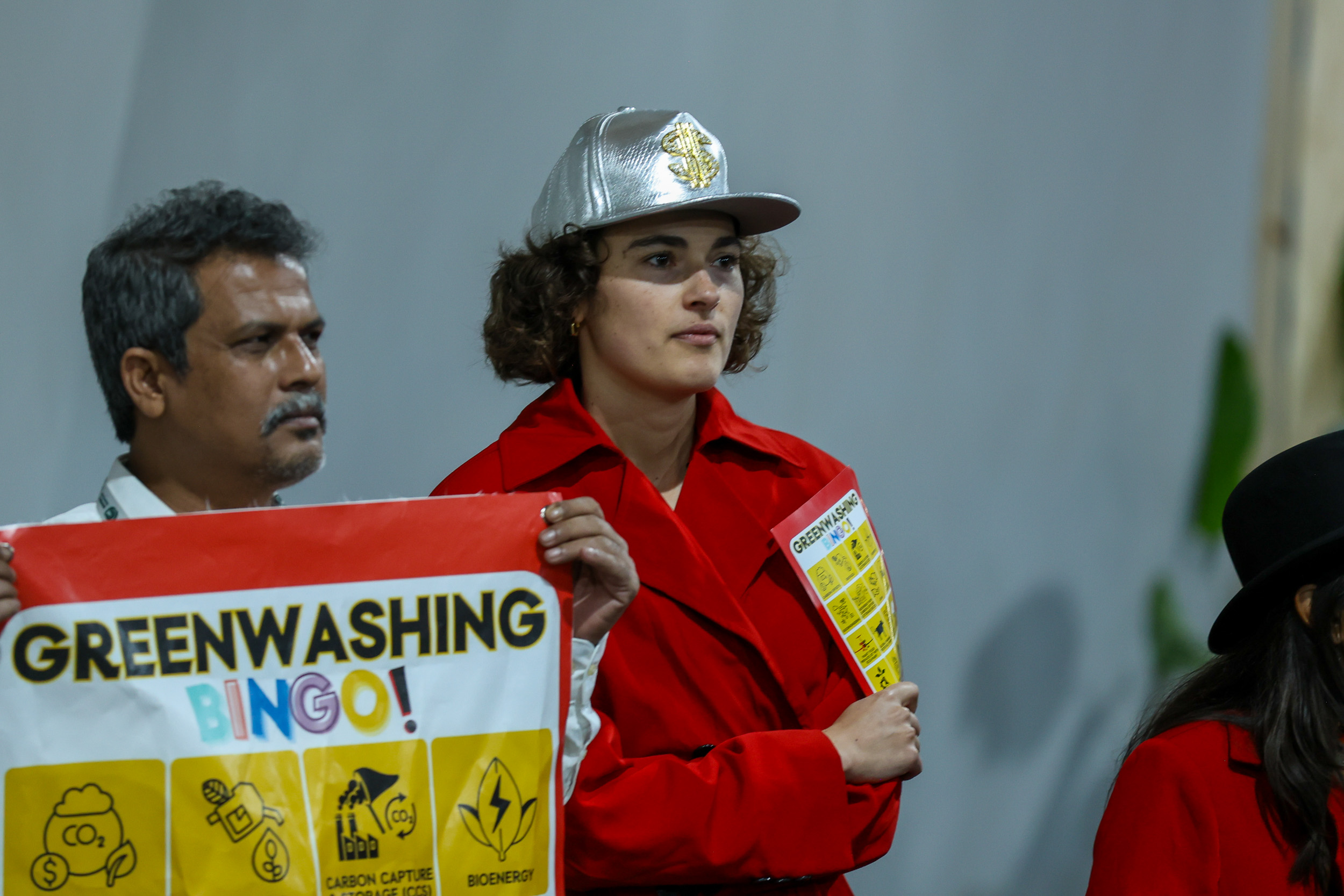
Climate Actions
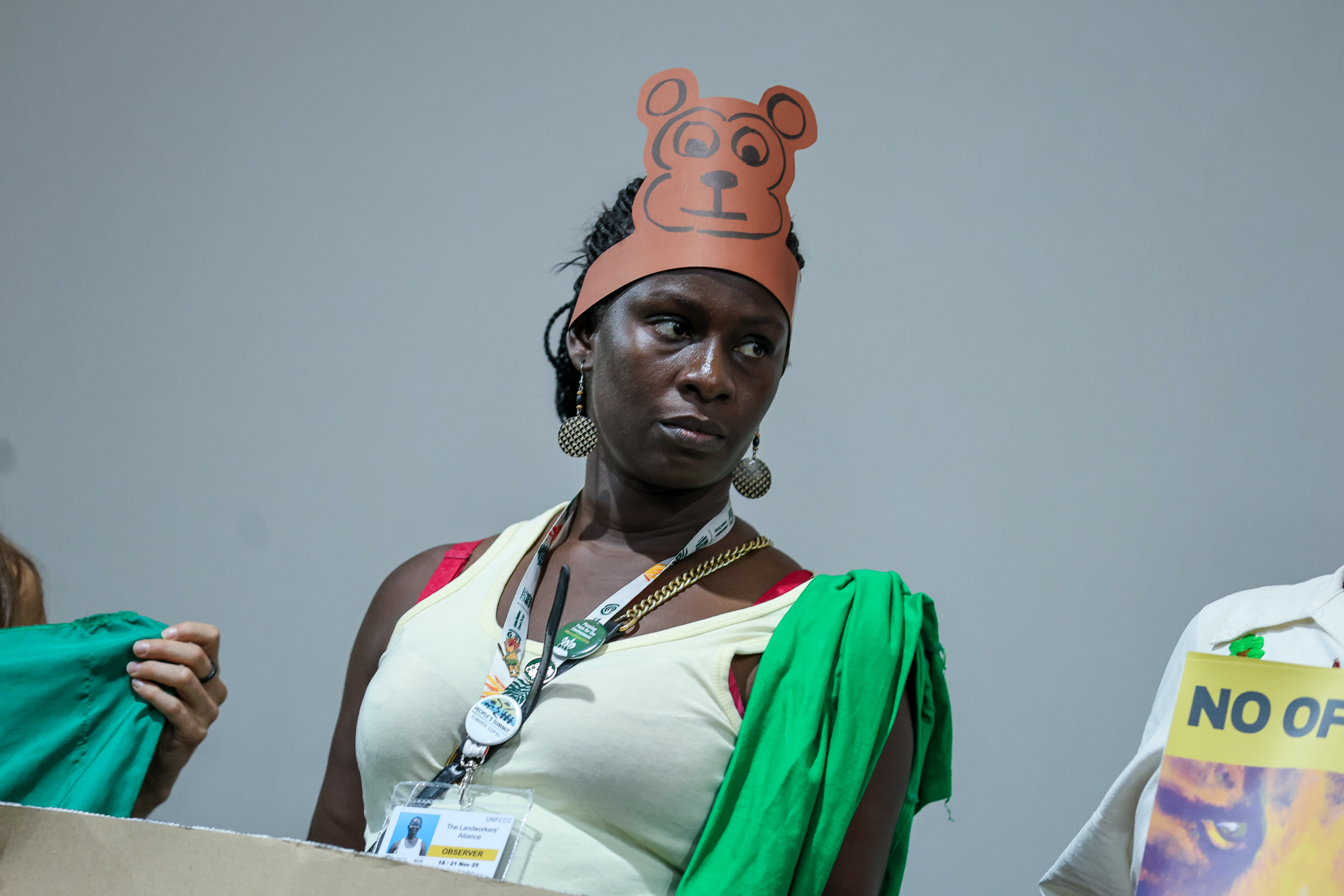
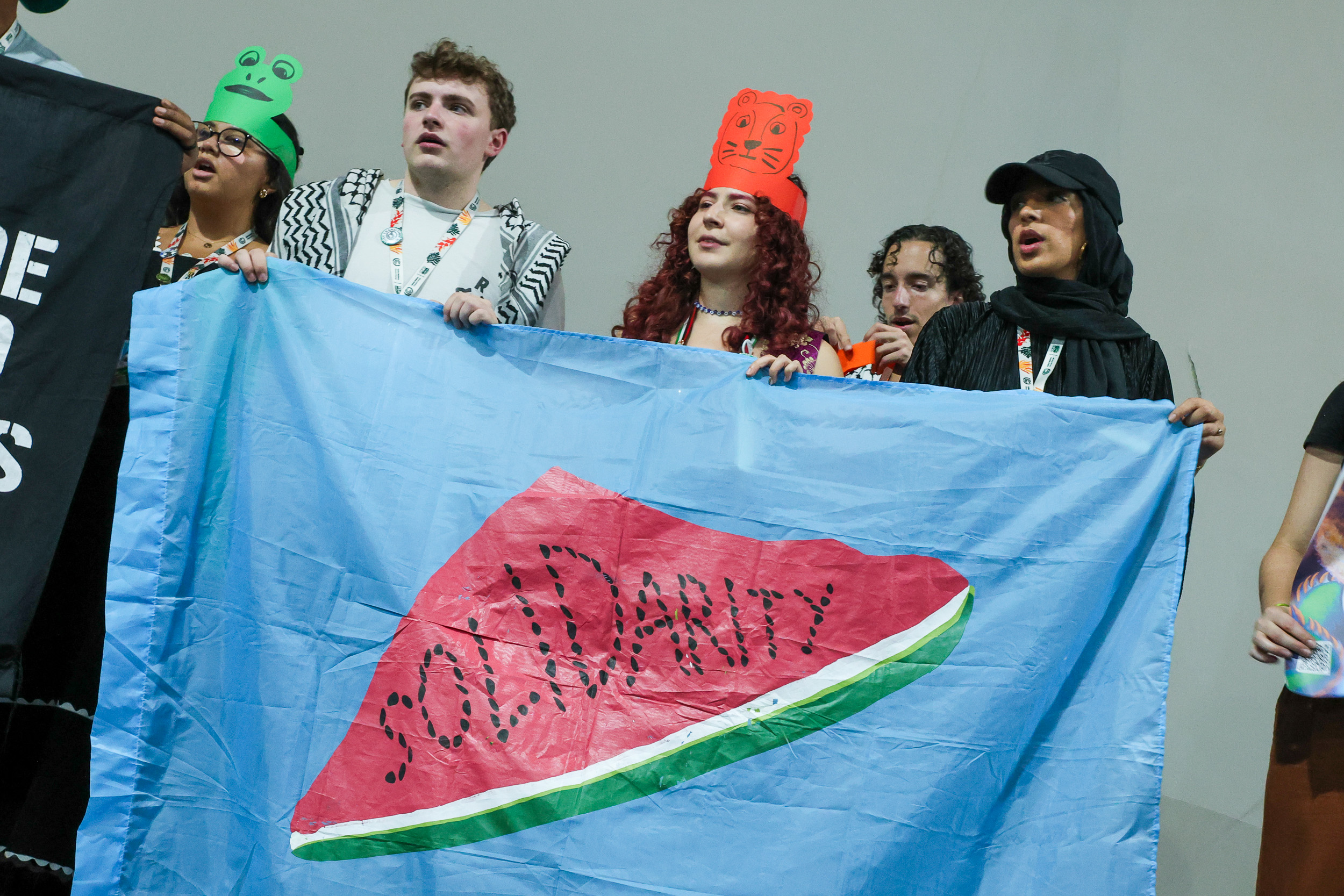
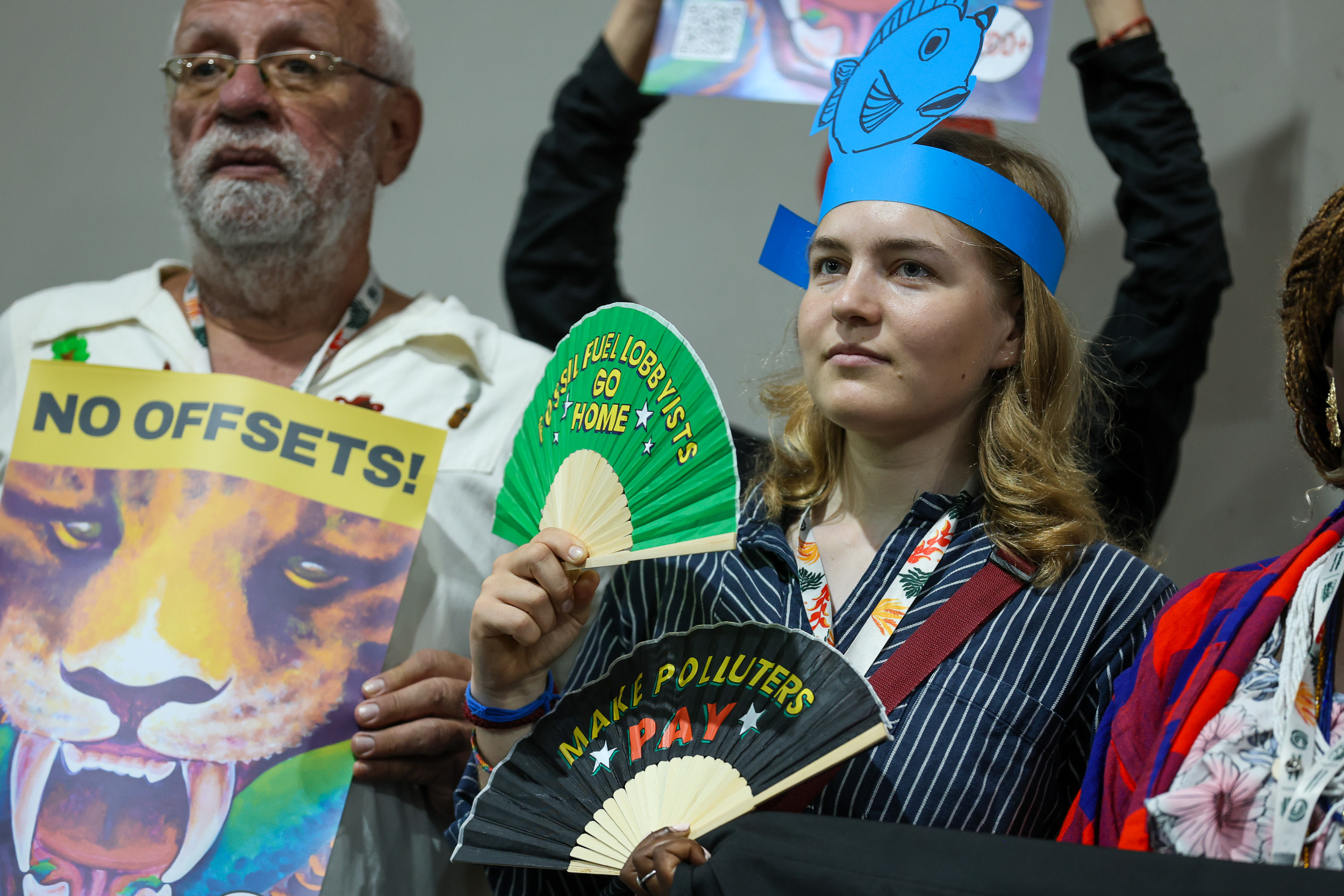
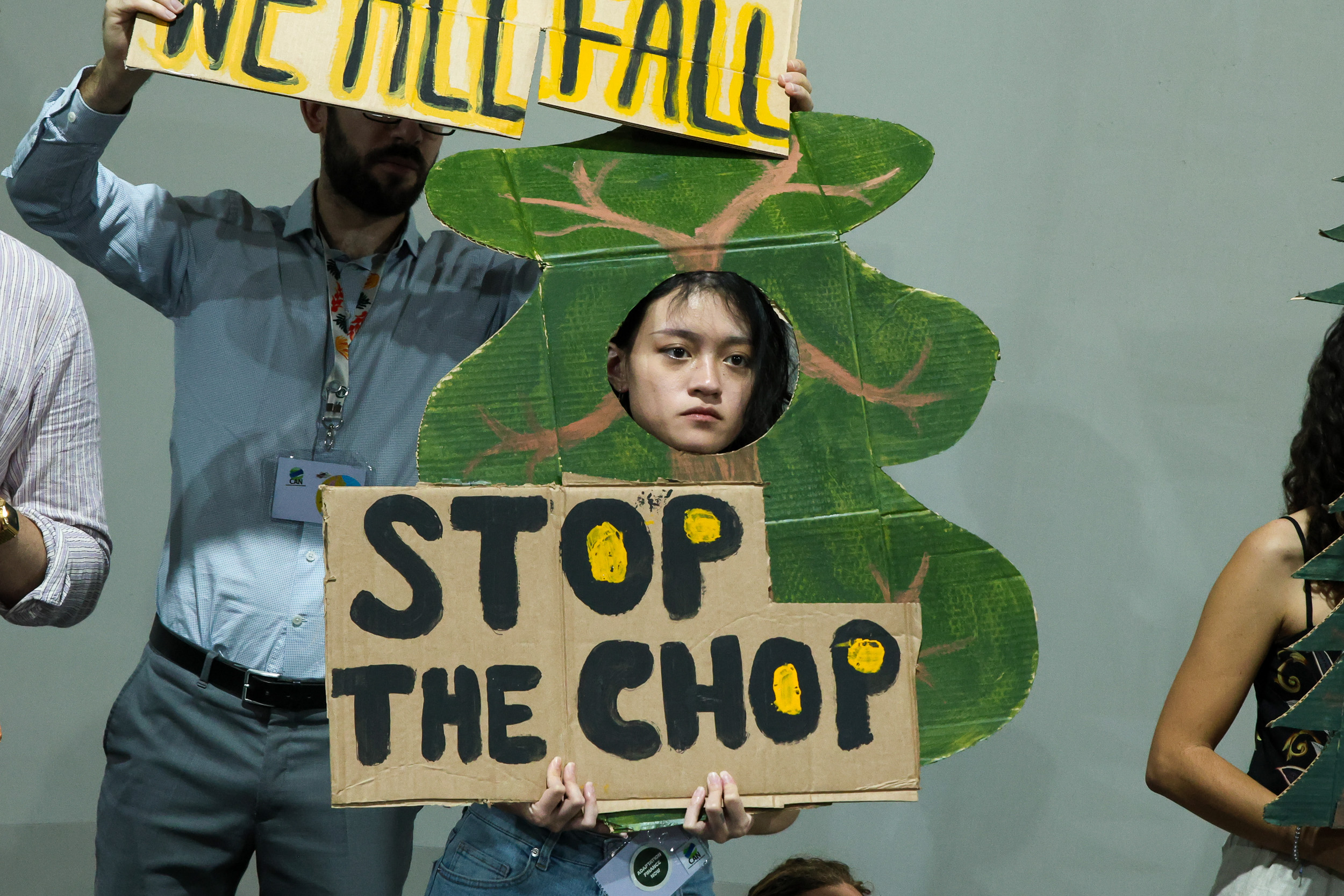
Around the Venue
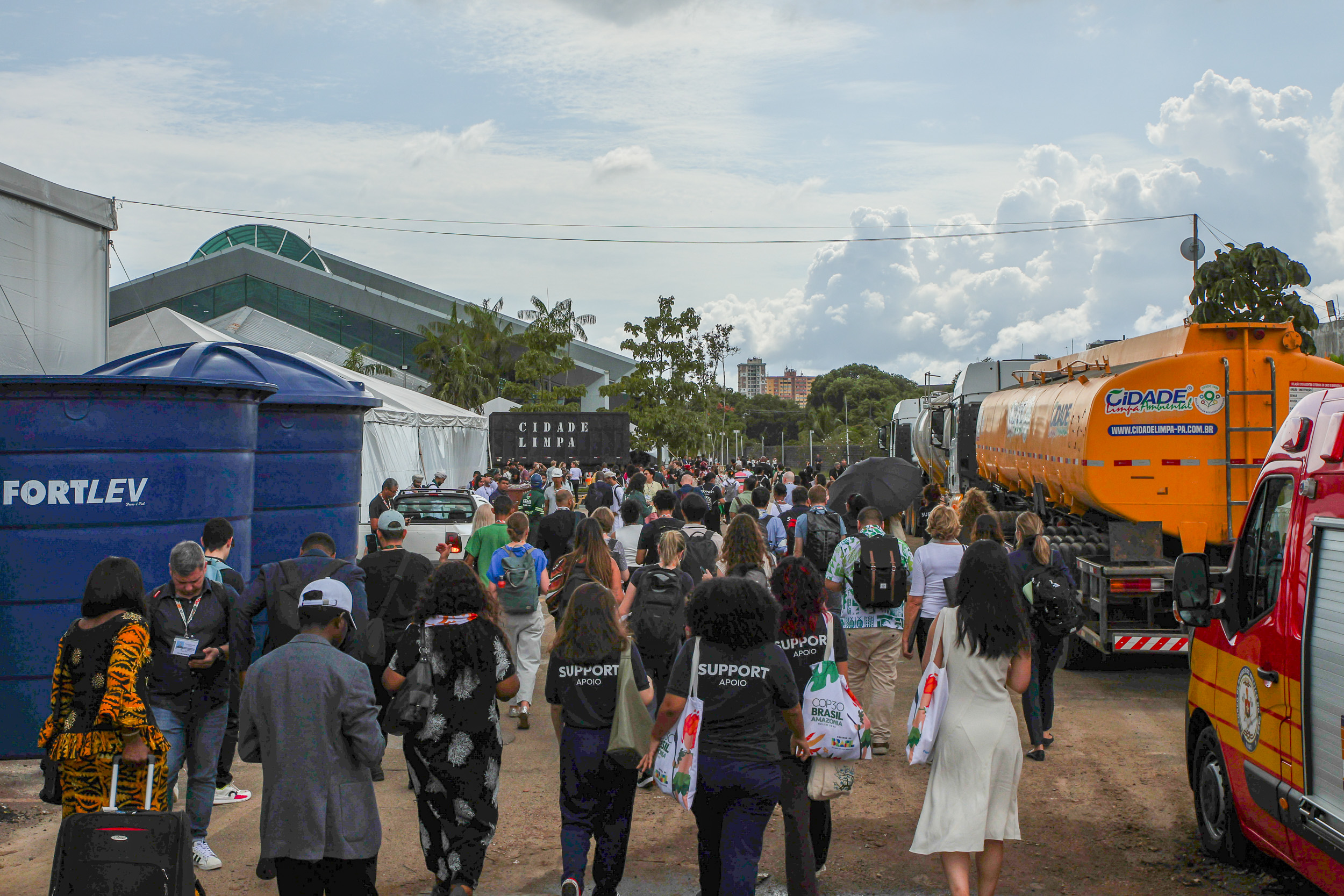
Participants evacuating the venue through side exits