
Delegates woke up to a flurry of new Presidency proposals on many outstanding issues. At the venue, they discovered that all pavilions had been fenced up after the previous day’s fire, but other areas remained untouched, and the negotiations could proceed as intended.
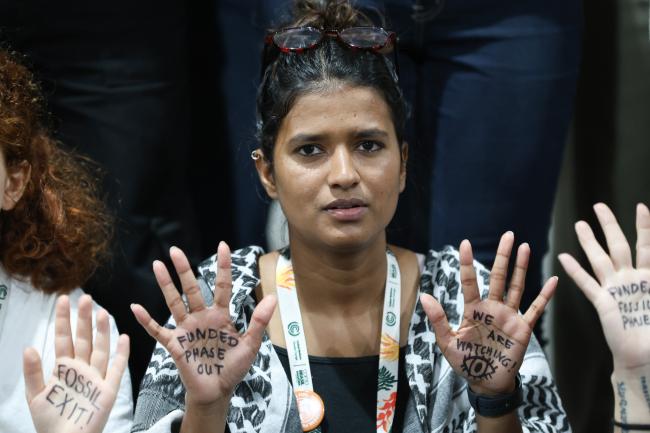
A press conference spearheaded by Colombia set the tone for the day: more than 80 countries are demanding an outcome on fossil fuel phaseout. They emphasized that the primary driver of the climate crisis cannot be ignored, noting that the latest version of the “Mutirão” decision “refuses to speak the truth,” and that this cannot be legitimized.
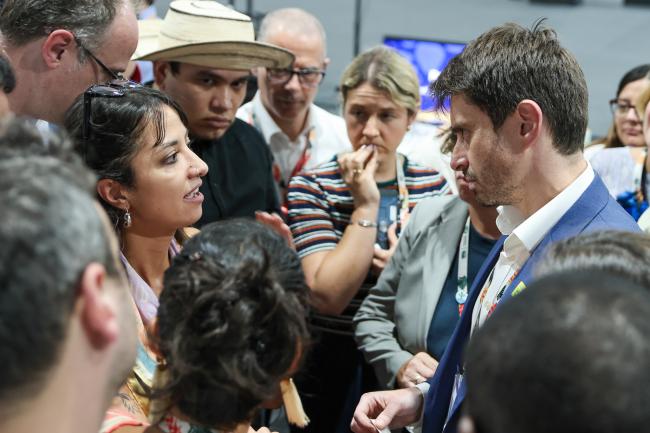
The Presidency’s “Mutirão” consultations quickly descended into turmoil. The European Union (EU), the Independent Alliance of Latin America and the Caribbean, and the Environmental Integrity Group opposed the latest version of the draft “Mutirão” decision, which lacks a reference to fossil fuel phaseout. The EU stated that if COP 30 delivers on mitigation, they would be willing to “move beyond their comfort zone” regarding adaptation finance, provided all the elements of the new collective quantified goal on climate finance are respected.
The Alliance of Small Island States urged that this must not be the COP that “gives up on the goal of keeping 1.5°C within reach.” The Coalition for Rainforest Nations lamented lack of reference in the text to reversing deforestation and avoiding forest removals.
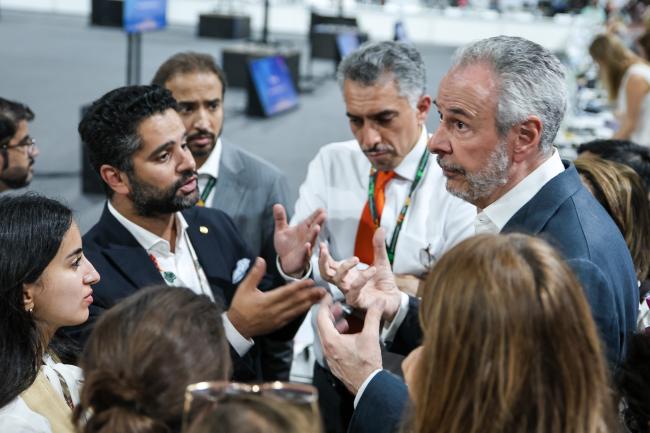
The African Group questioned implementation that comes with conditionalities and increases developing countries’ debt burdens. The Arab Group emphasized that text targeting any sector of their economies is “off the table.” Underlining that developing countries’ energy needs will grow, the Like-Minded Developing Countries called on developed countries to achieve net zero by 2030 and net negative shortly thereafter to free up carbon space for developing countries.
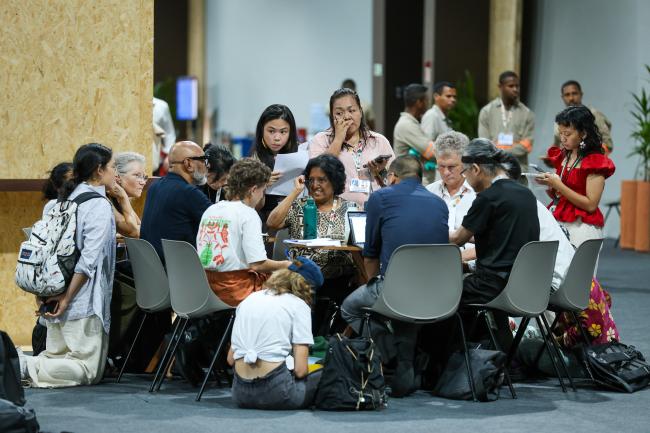
While consultations on the “Mutirão” continued throughout the day in various formats, technical-level negotiators working on other issues also met. Agreement materialized on issues related to the Kyoto Protocol and the market-based approaches for the cooperative implementation of the Paris Agreement (Article 6). After much debate, negotiators also managed to reach agreement on the conclusion of the 2024 review of the Warsaw International Mechanism on loss and damage.
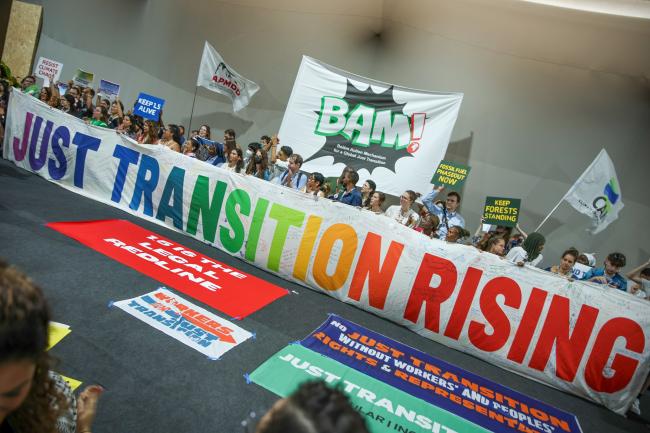
Yet delegates were still waiting for resumed consideration of key issues, such as the just transition work programme, gender, and indicators for the Global Goal on Adaptation (GGA). With Grupo Sur denouncing the inclusion of a previously undiscussed set of indicators in the latest GGA text, it was clear that more discussions would be needed to get the issue over the finishing line.
With no agreement in sight, most delegates left the venue in the evening, pending updates to the schedule. Consultations on the “Mutirão” continued into the night.
To receive free coverage of global environmental events delivered to your inbox, subscribe to the ENB Update newsletter.
All ENB photos are free to use with attribution. For the UN Climate Change Conference COP 30, please use: Photo by IISD/ENB | Mike Muzurakis
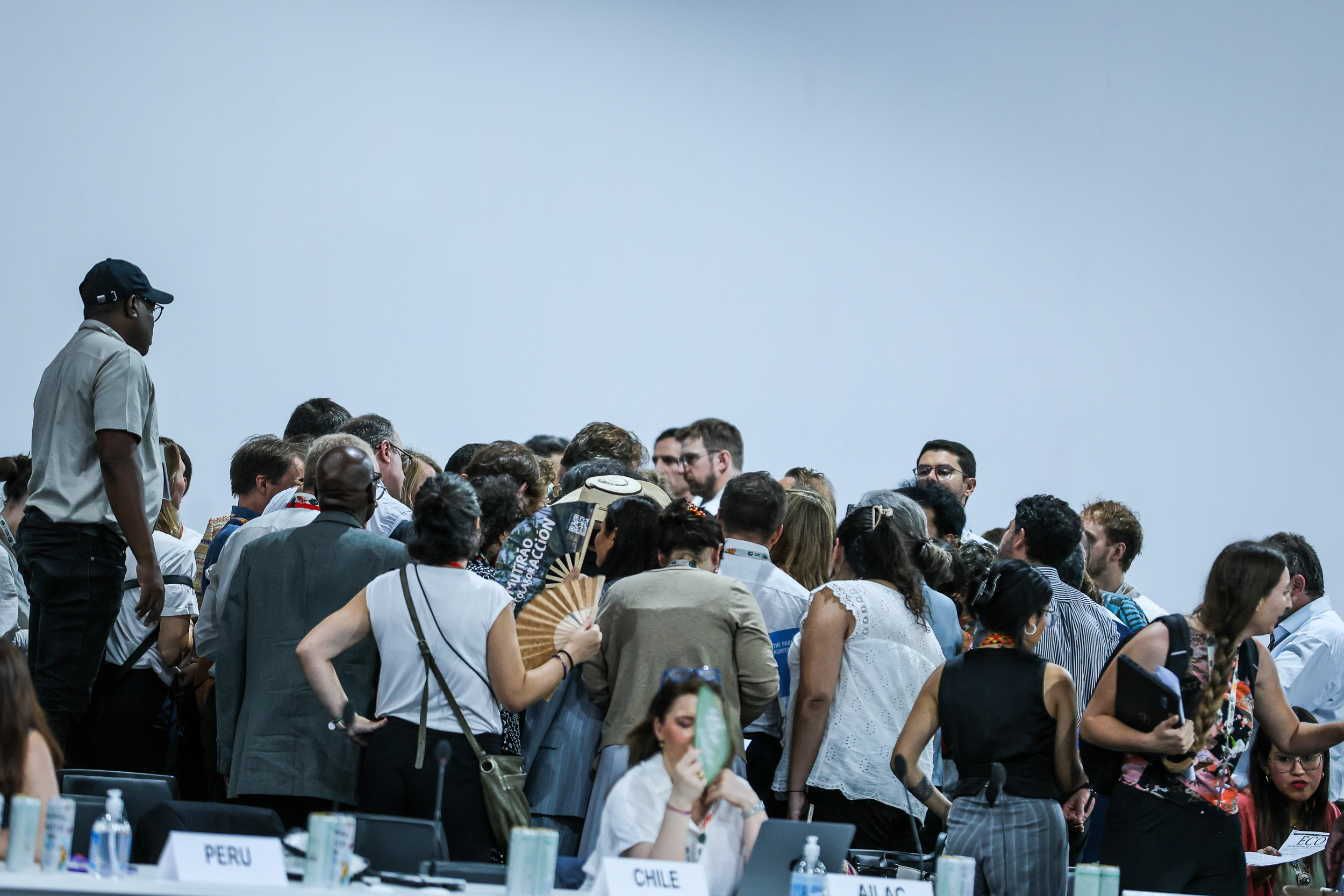
Mutirão Mobilization for the Belém Package
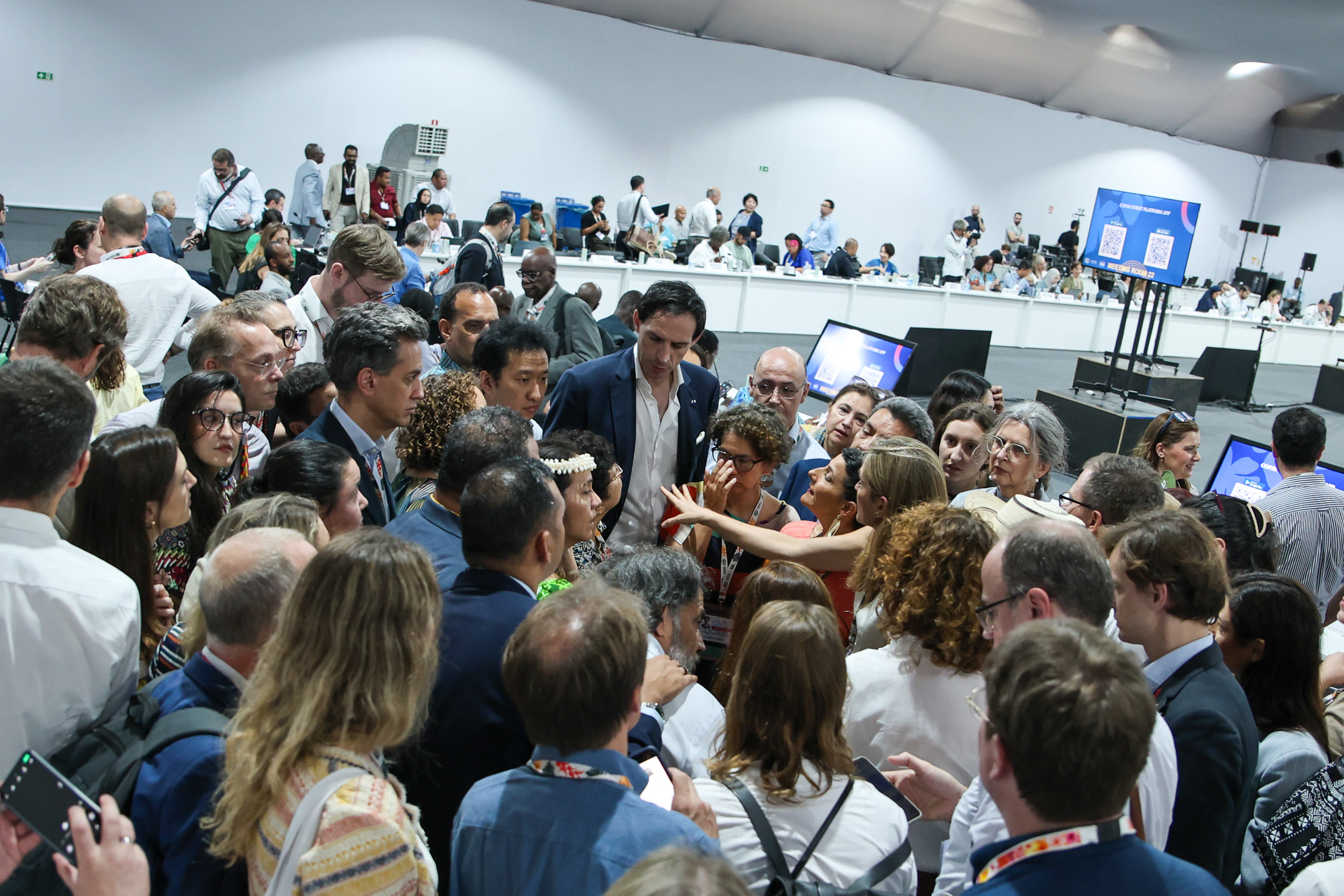
Delegates huddle during the Mutirão Mobilization for the Belém Package
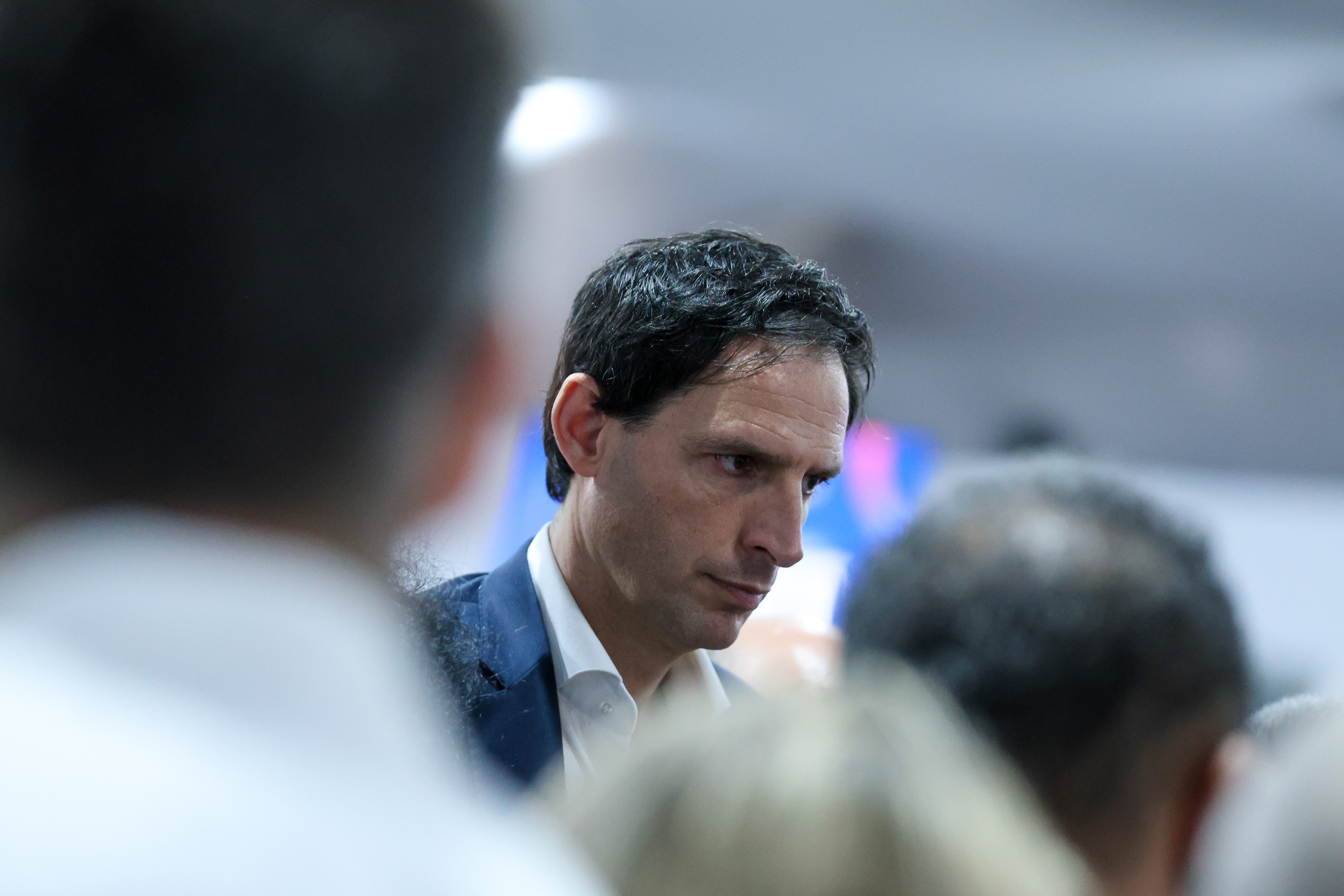
Wopke Hoekstra, EU Commissioner for Climate, Net Zero and Clean Growth
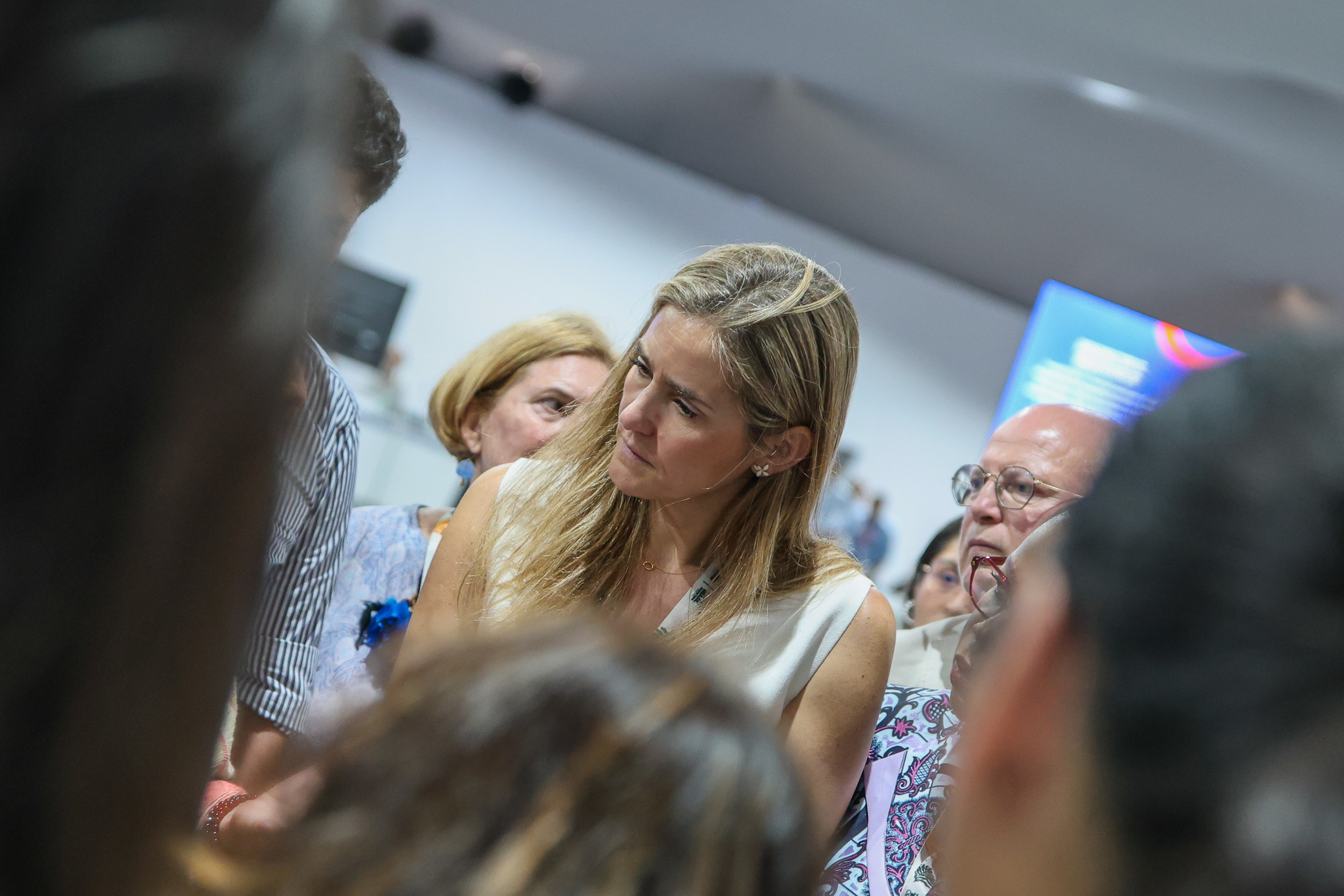
Sara Aagesen Muñoz, Deputy Prime Minister, Spain
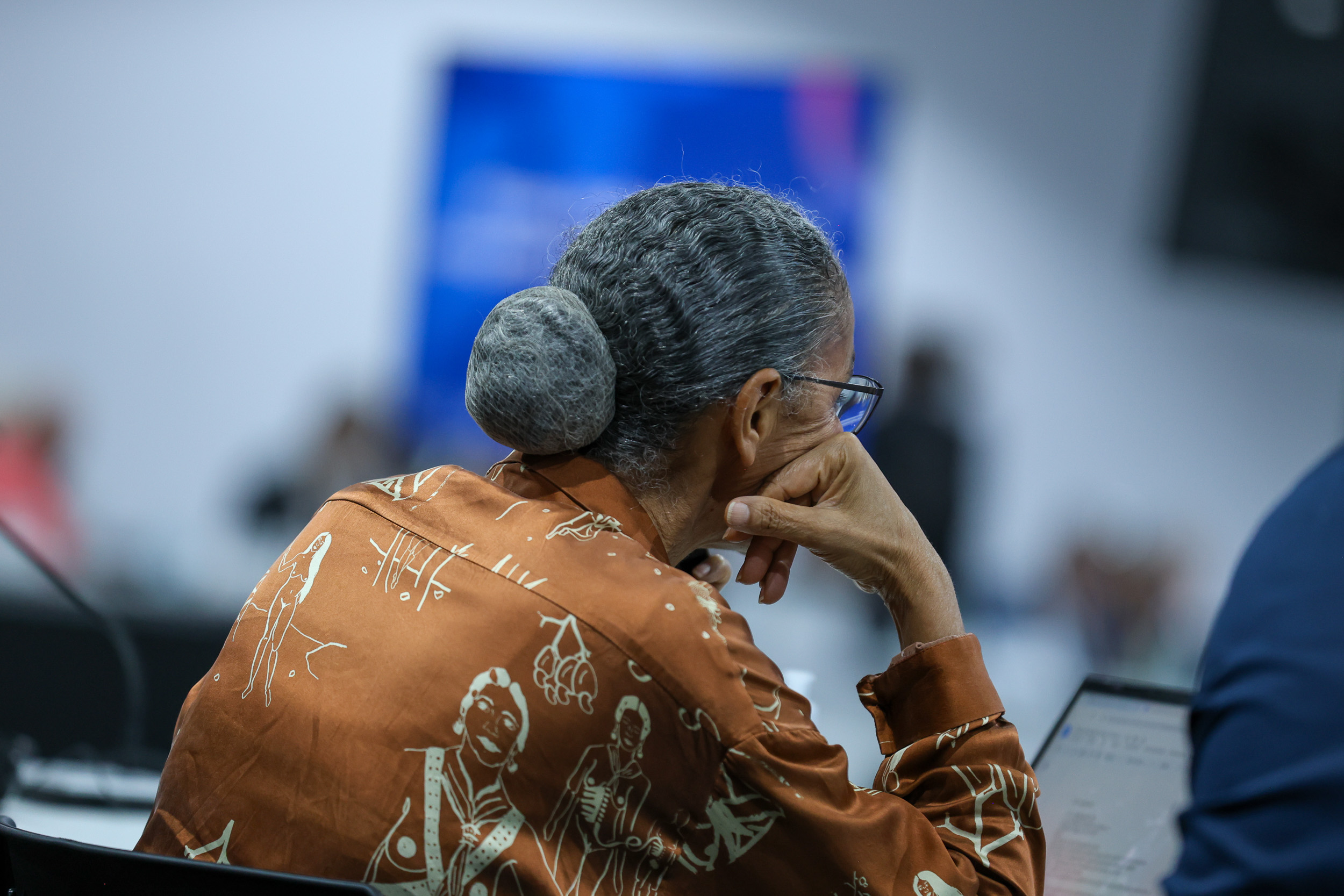
Marina Silva, Minister of the Environment and Climate Change, Brazil
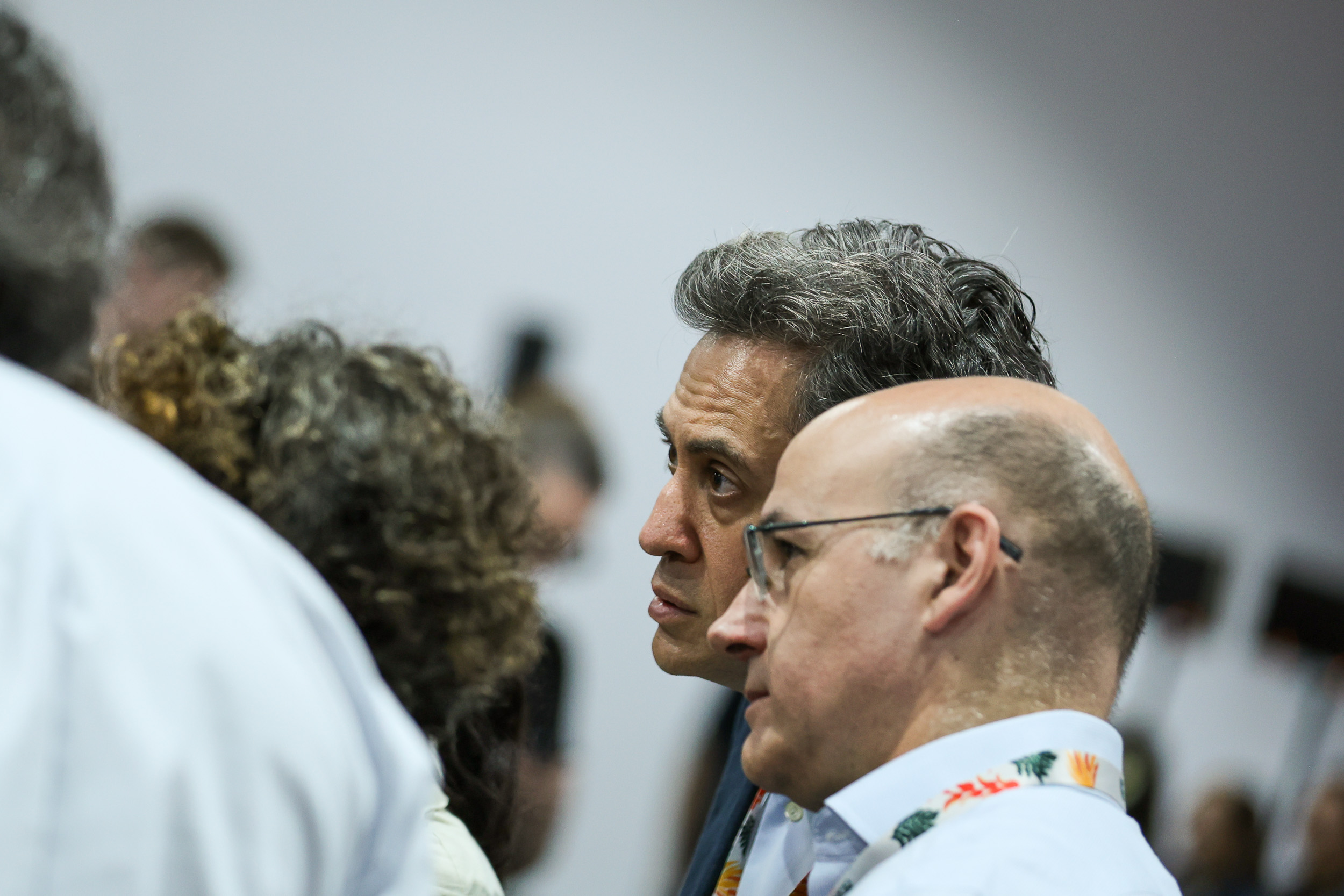
Edward Miliband, Secretary of State for Energy Security and Net Zero, UK, and Julio Cordano, Chile
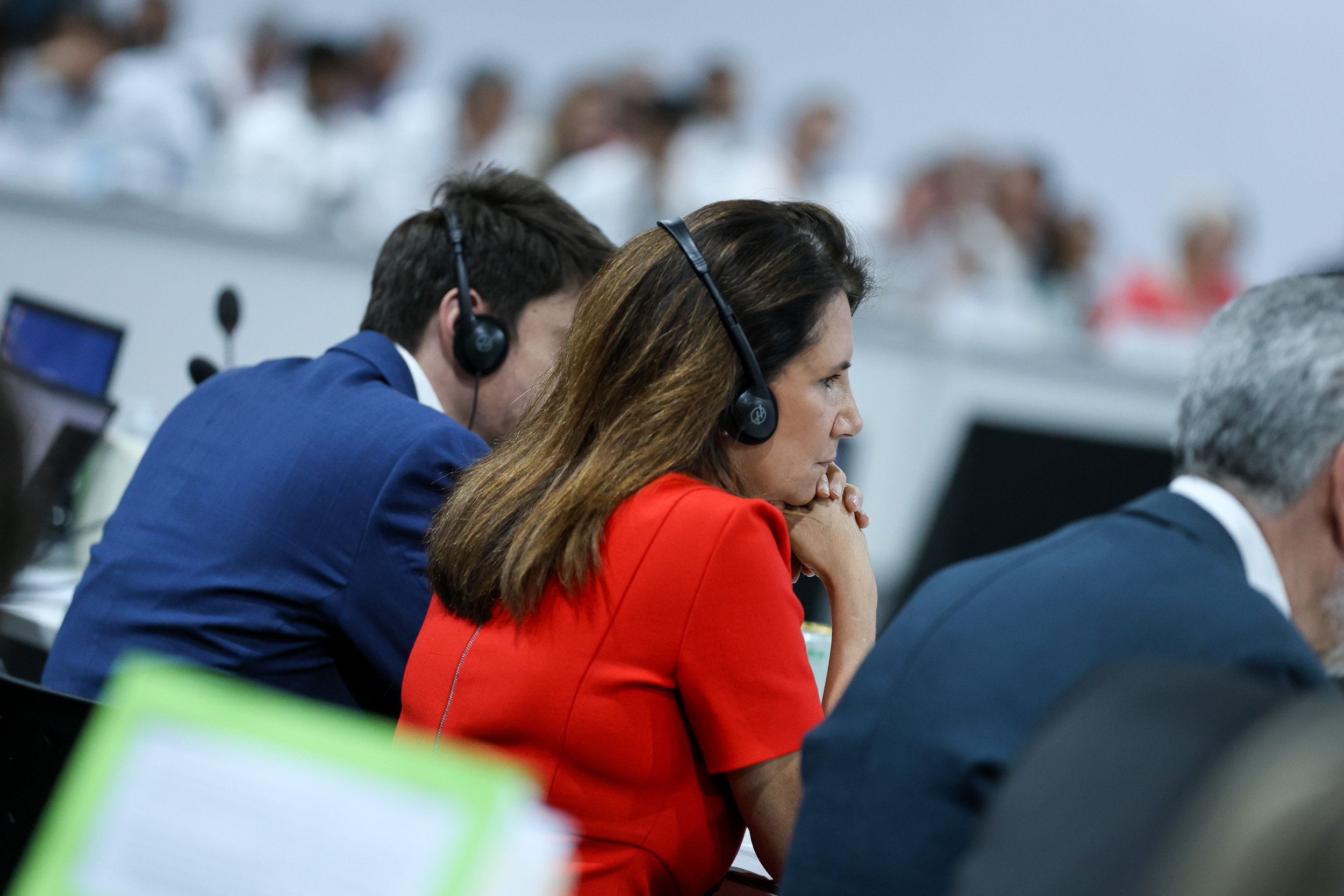
COP 30 Chief Executive Officer (CEO) Ana Toni
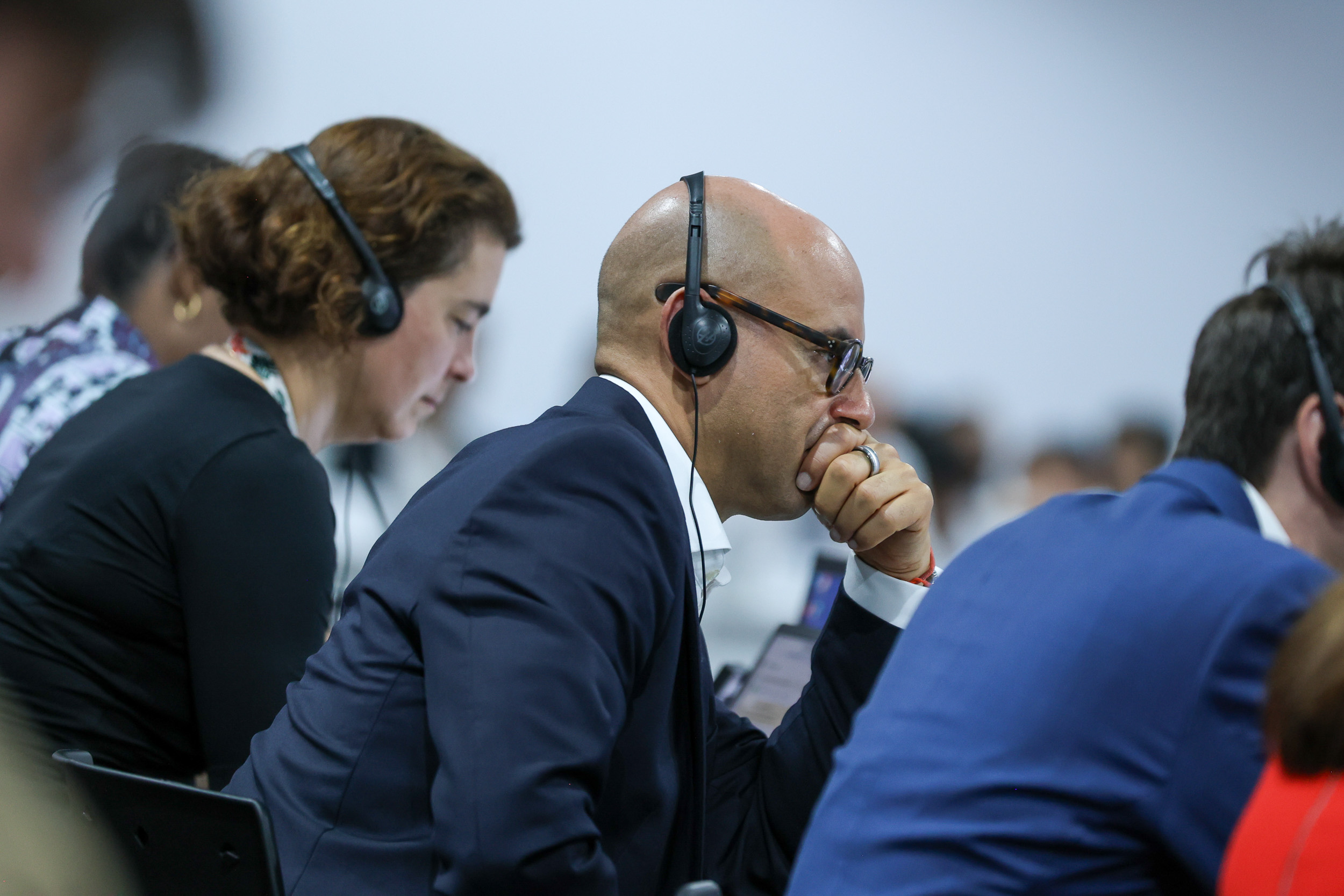
UNFCCC Executive Secretary Simon Stiell
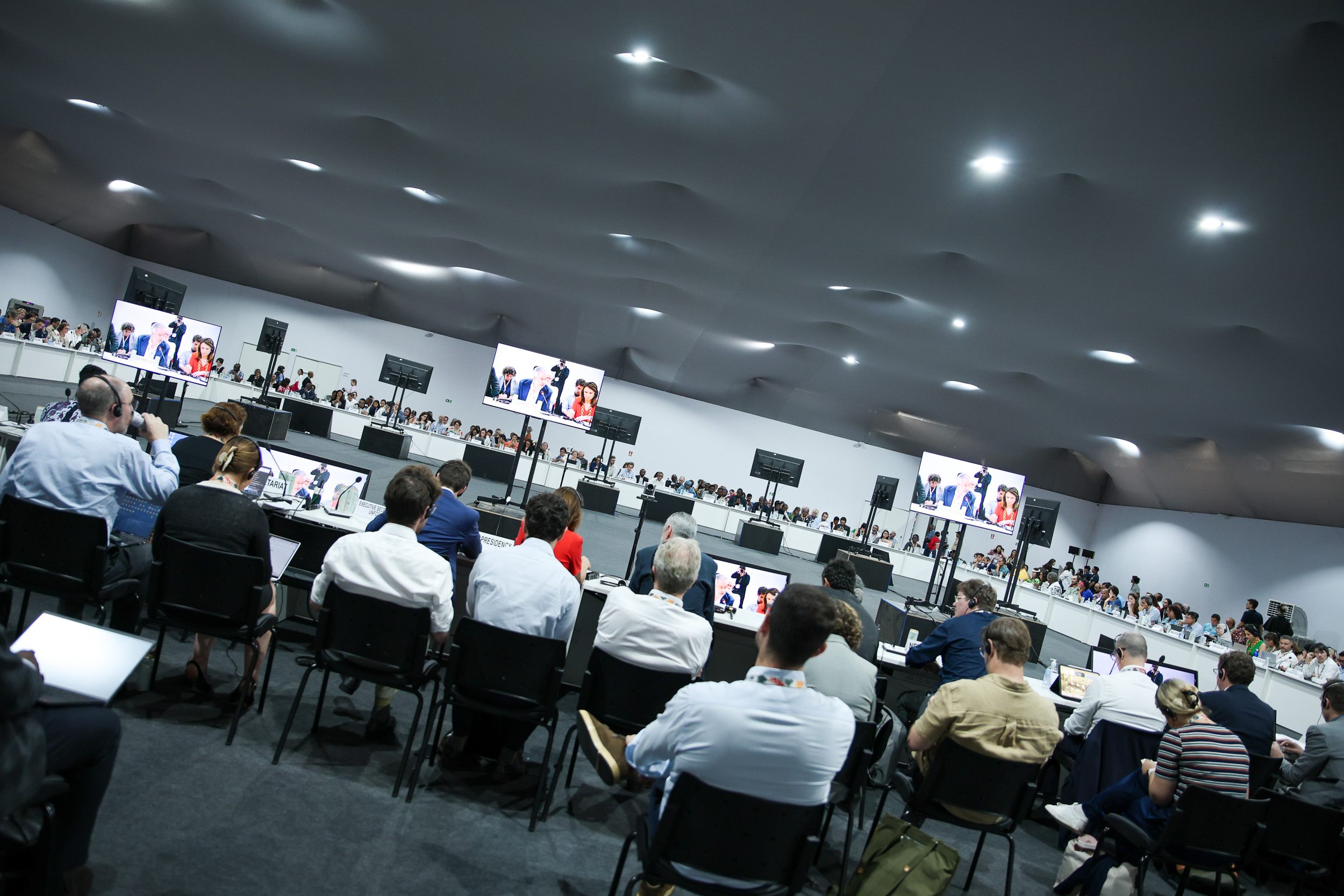
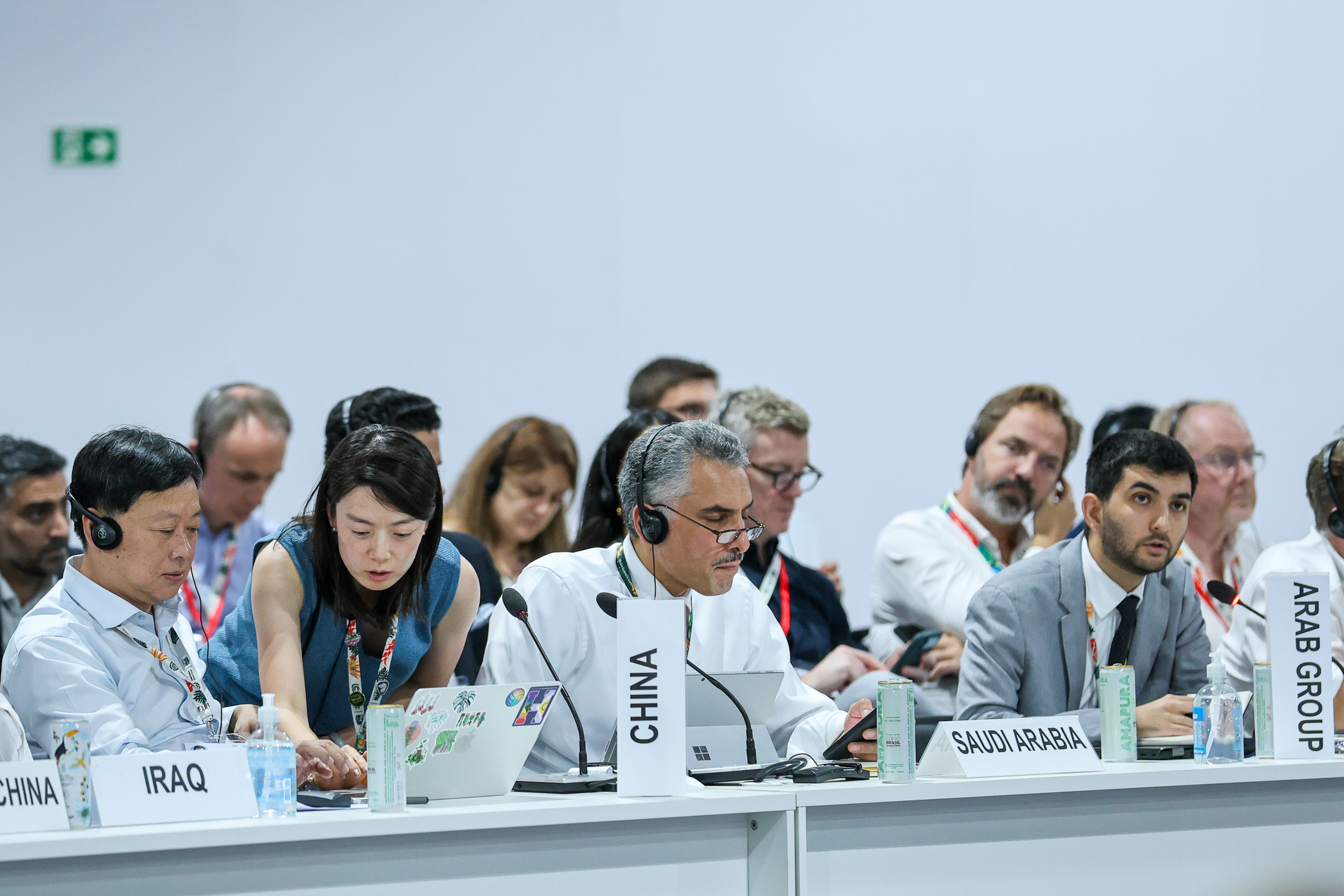
View of the room during the Mutirão mobilization for the Belém Package
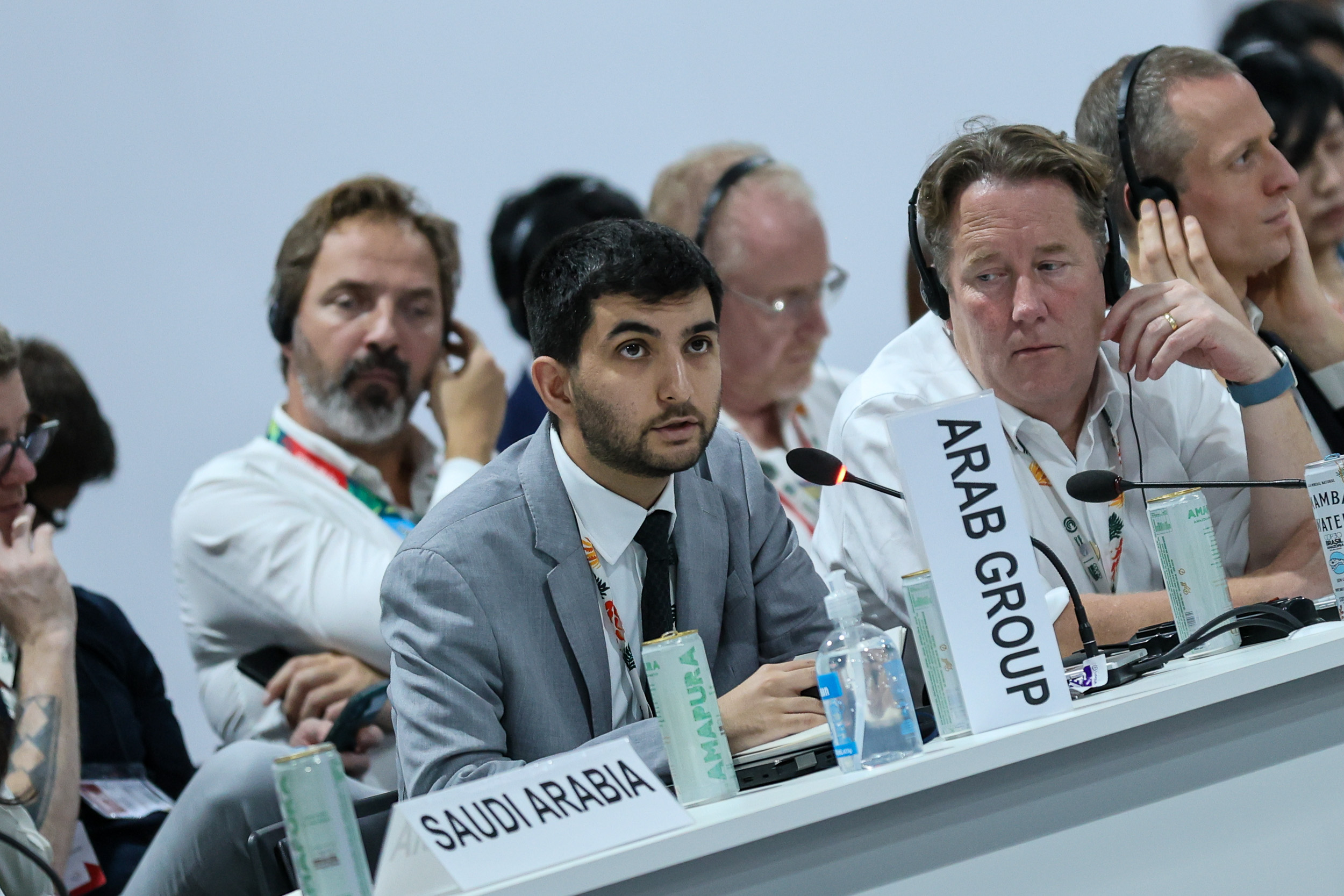
Mohammad Ayoub, Saudi Arabia
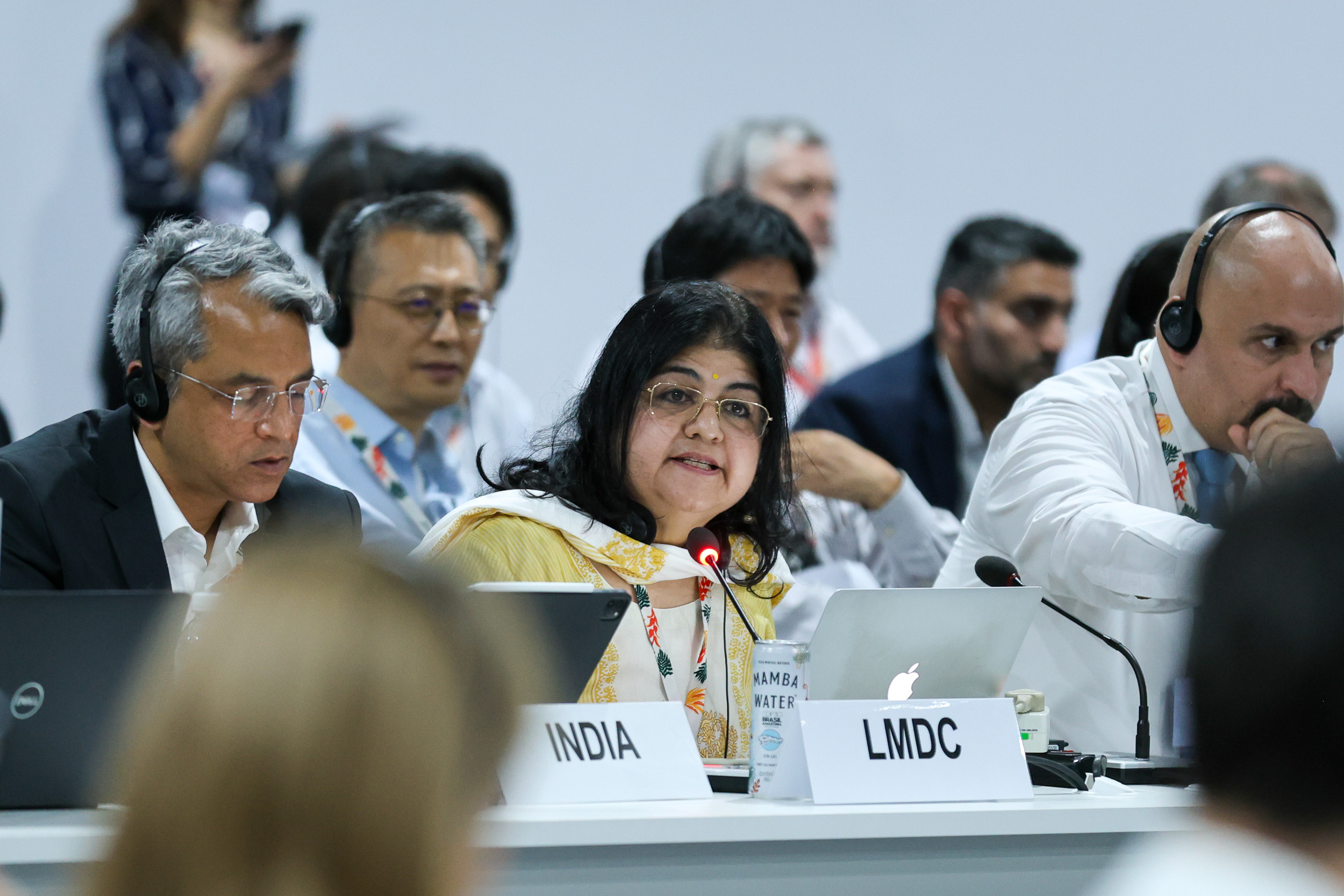
Chandni Raina, India
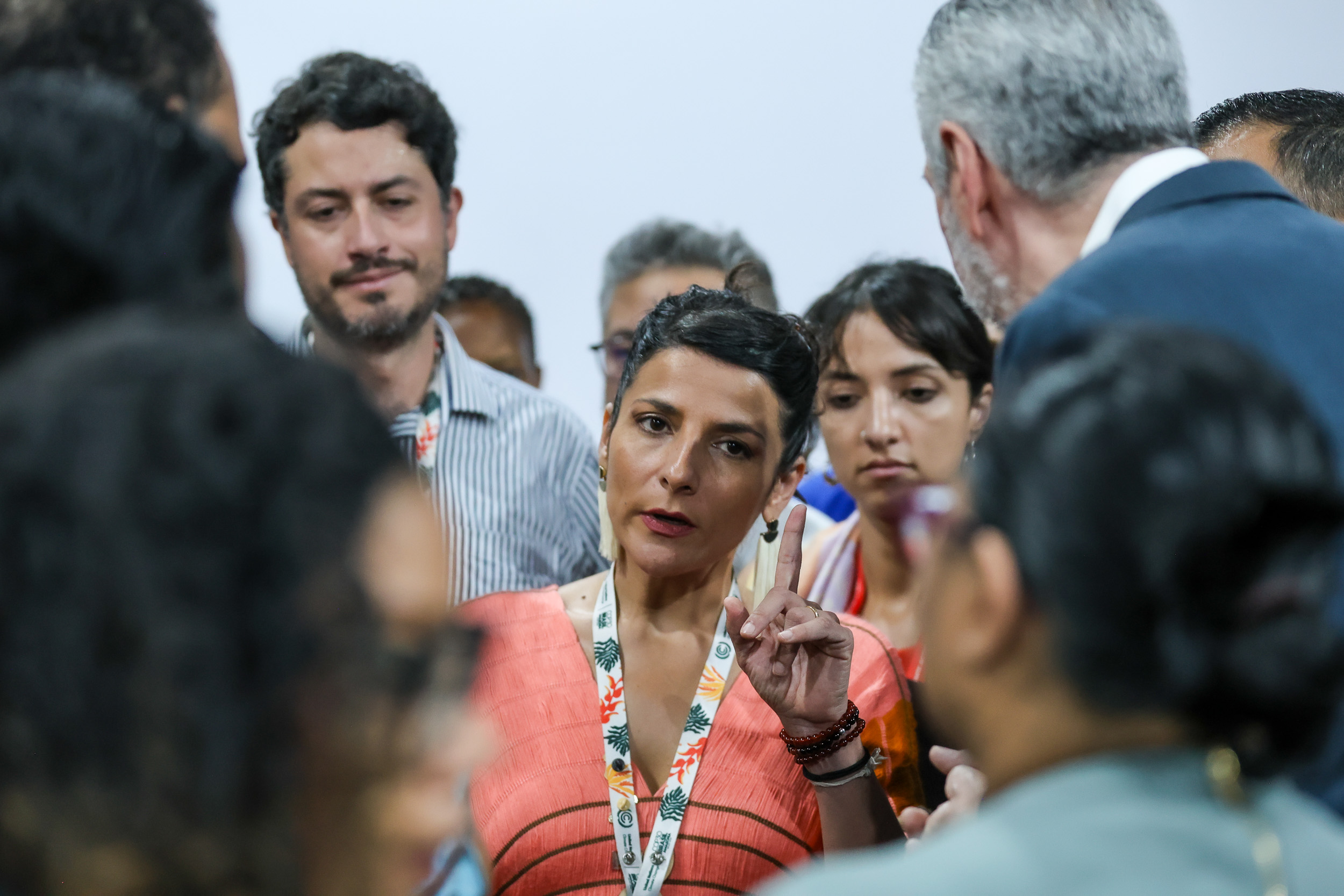
Irene Vélez Torres, Colombia
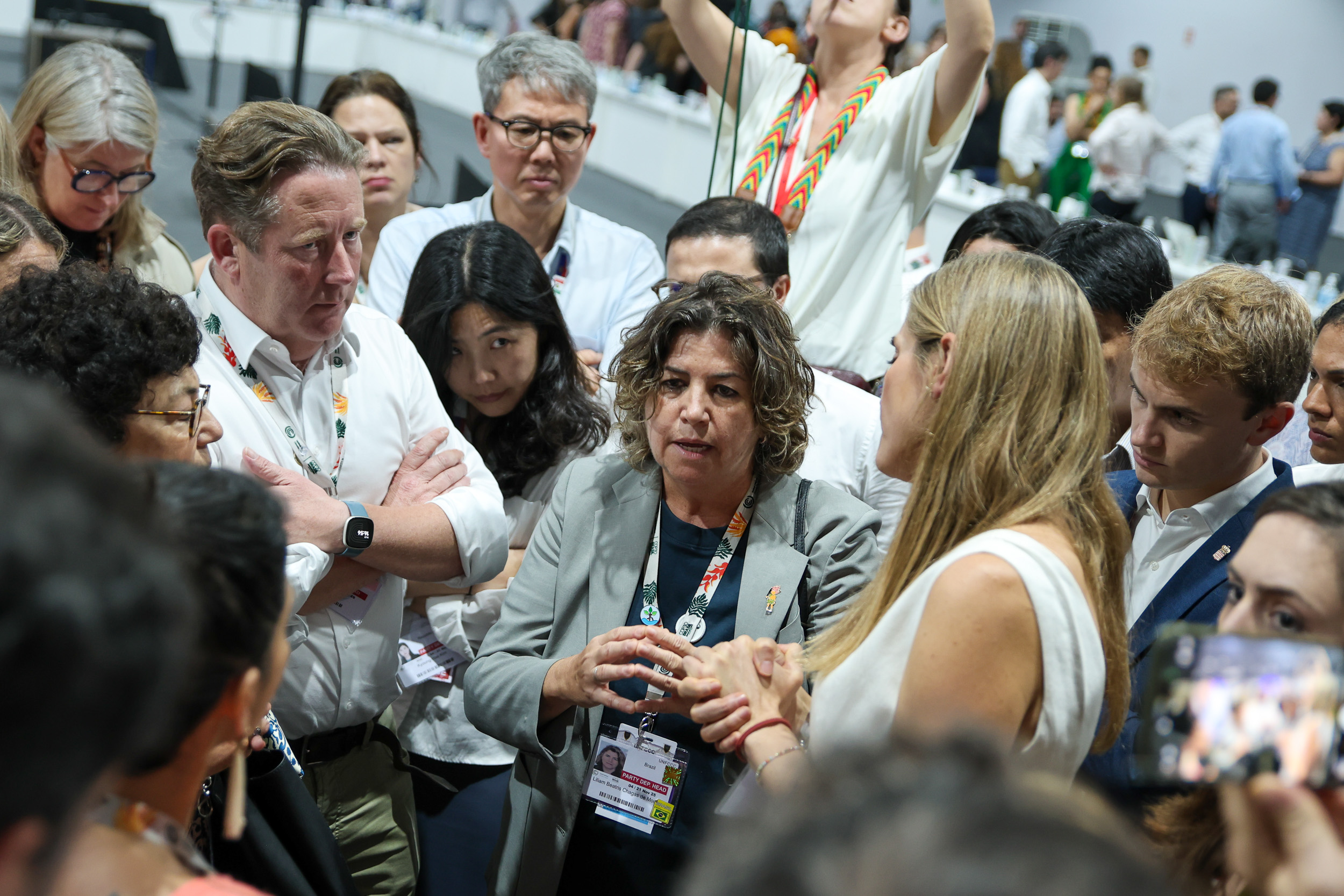
Liliam Chagas, COP 30 Presidency
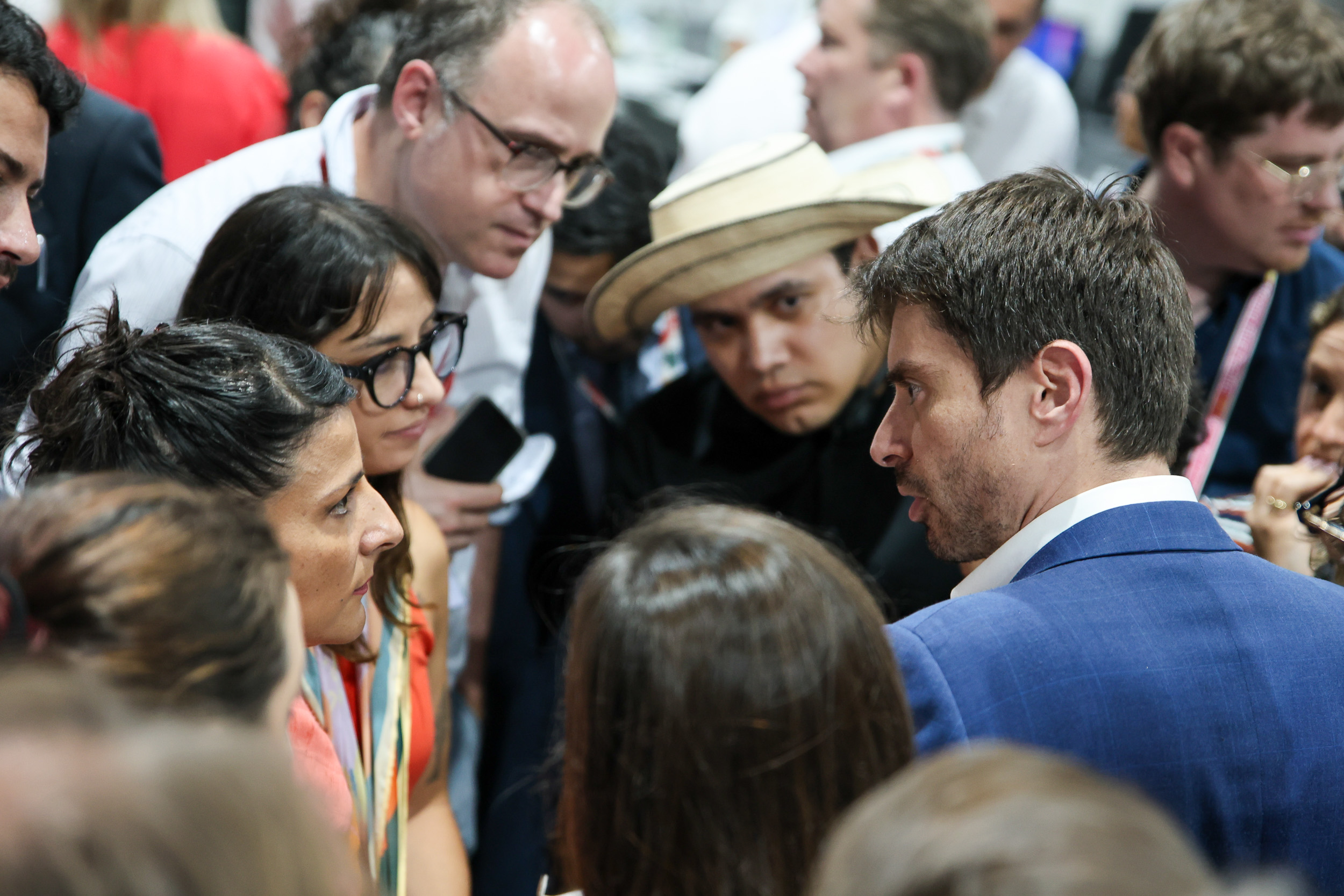
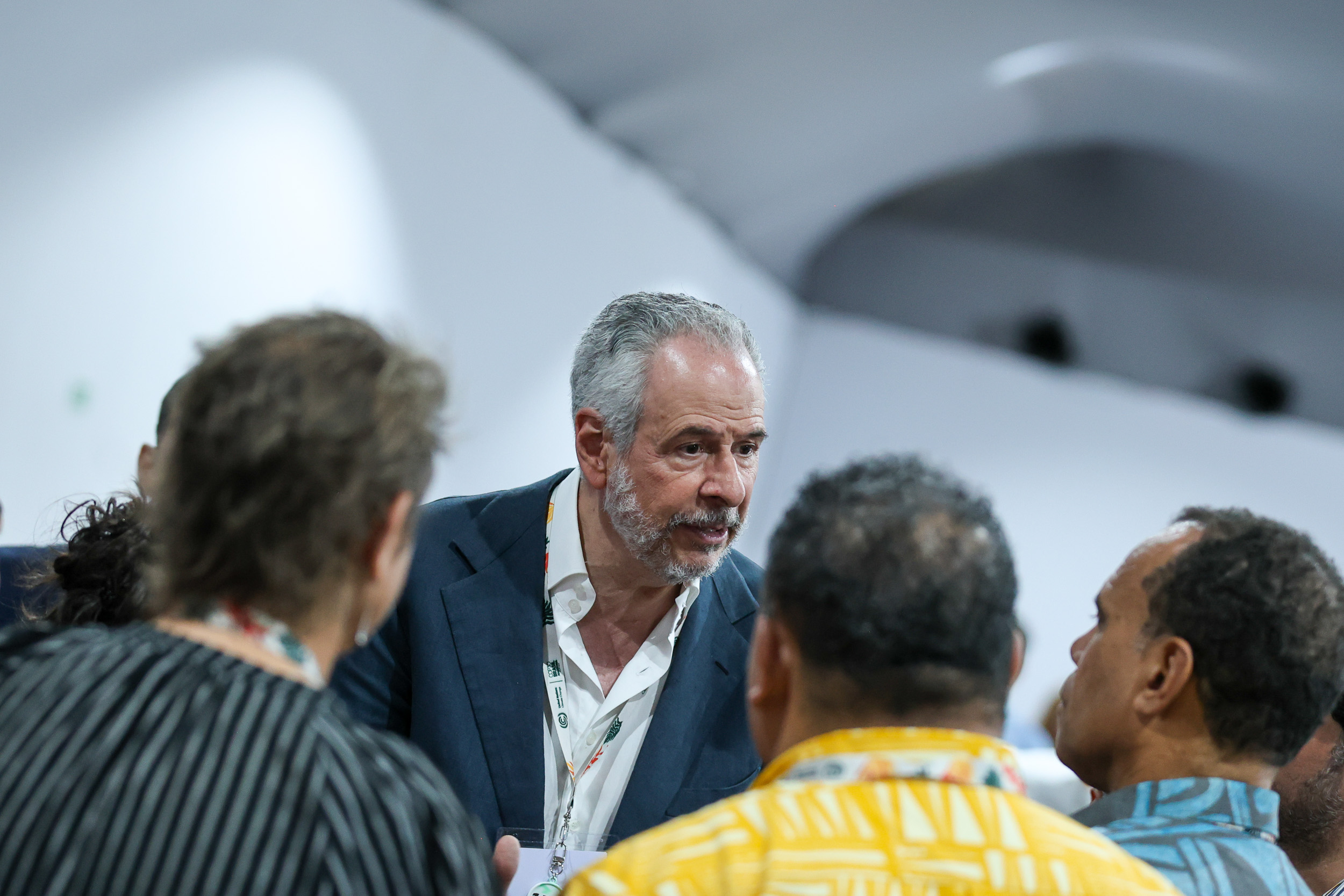
COP 30 President André Corrêa do Lago
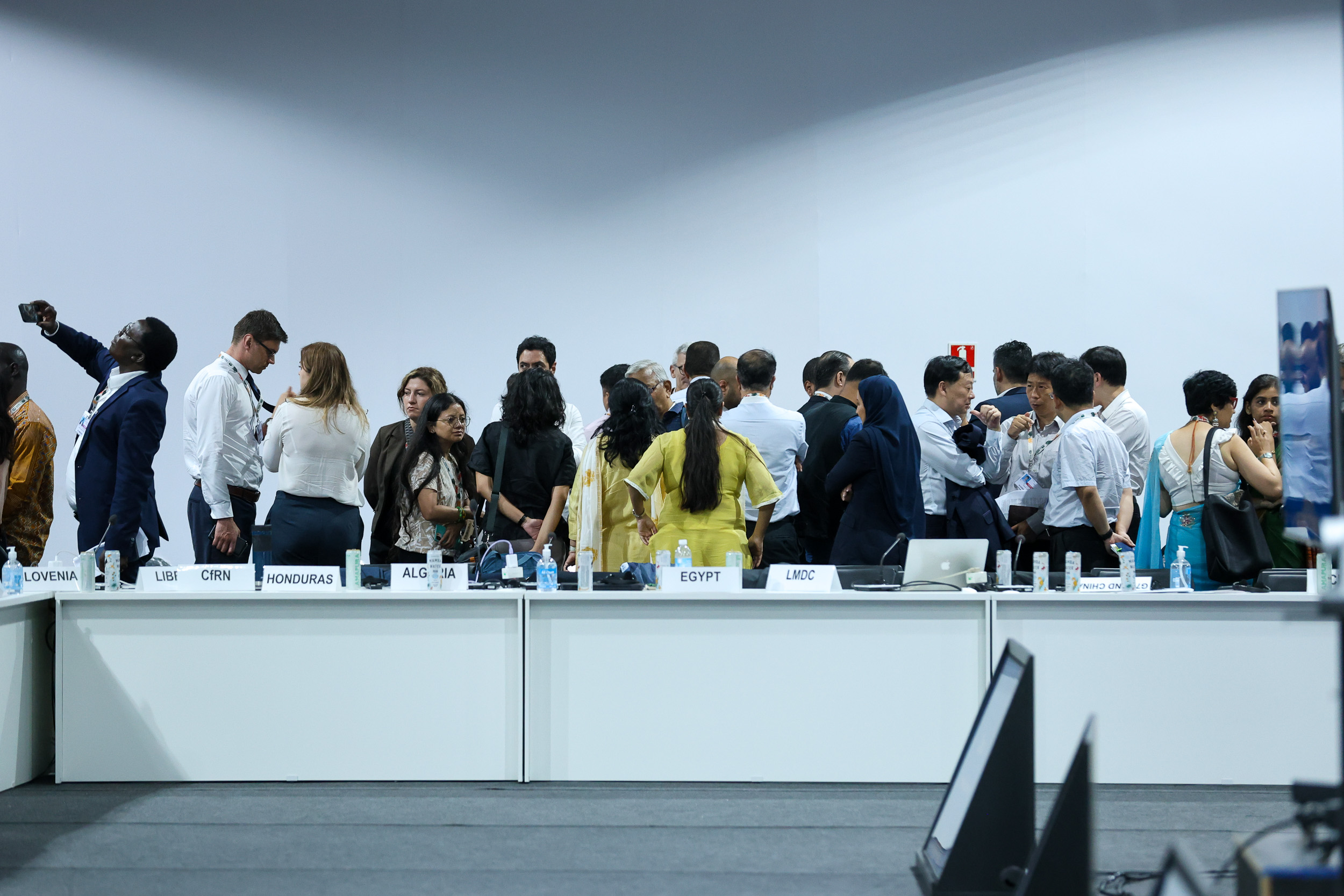
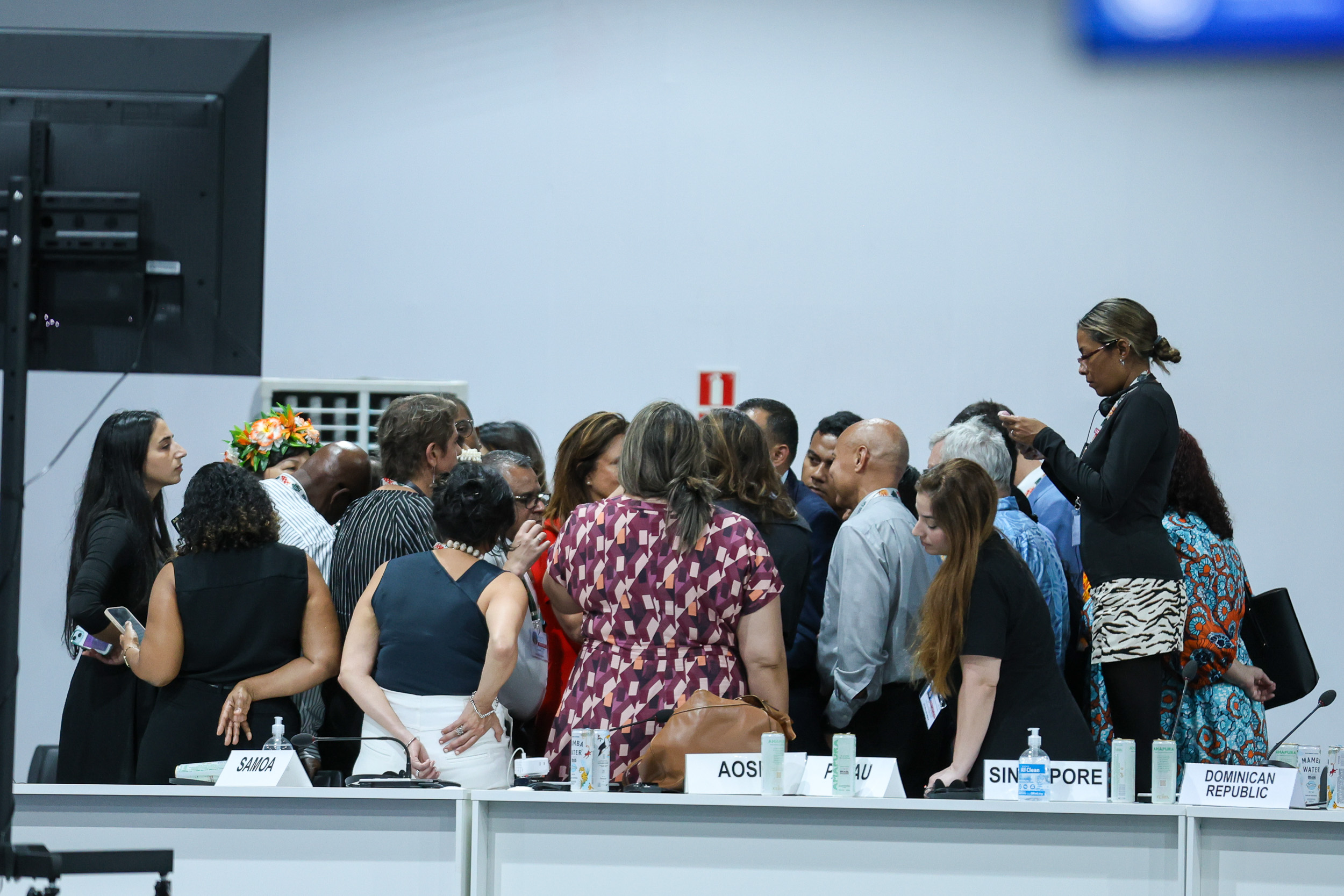
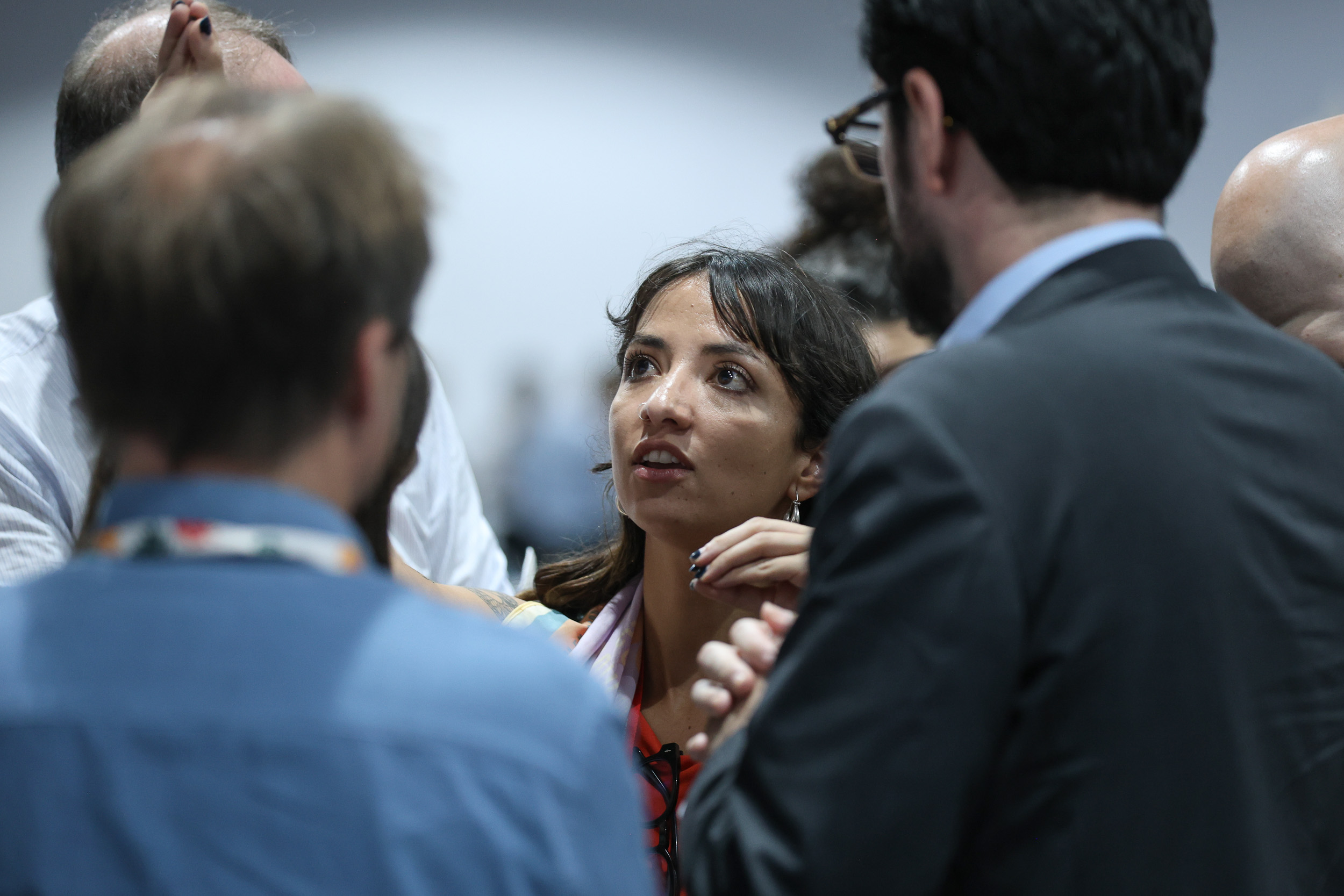
Daniela Durán González, Colombia
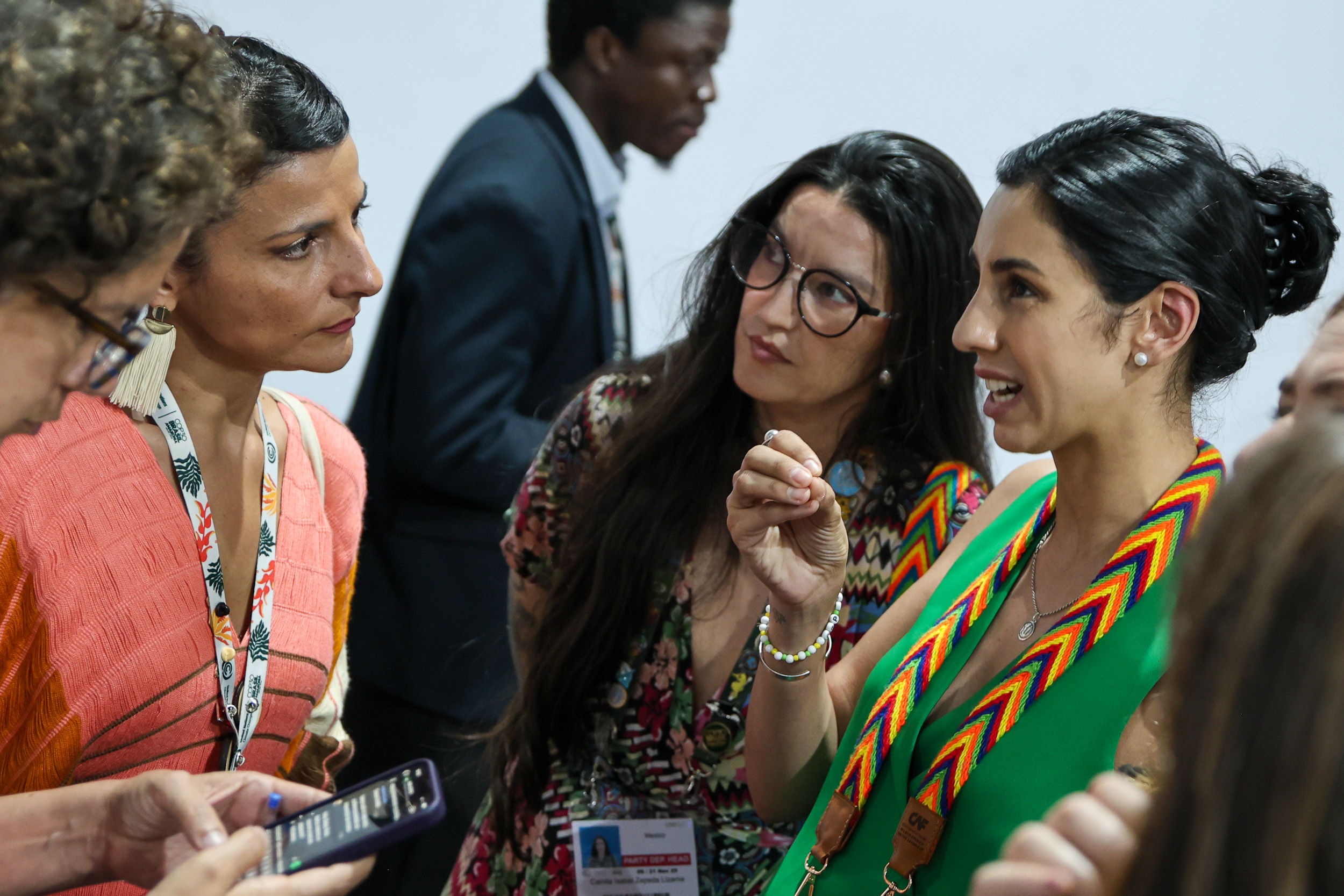
From L-R: Irene Vélez Torres, Colombia; Camila Isabel Zepeda Lizama, Mexico; and María Fernanda Souza Rodríguez, Uruguay
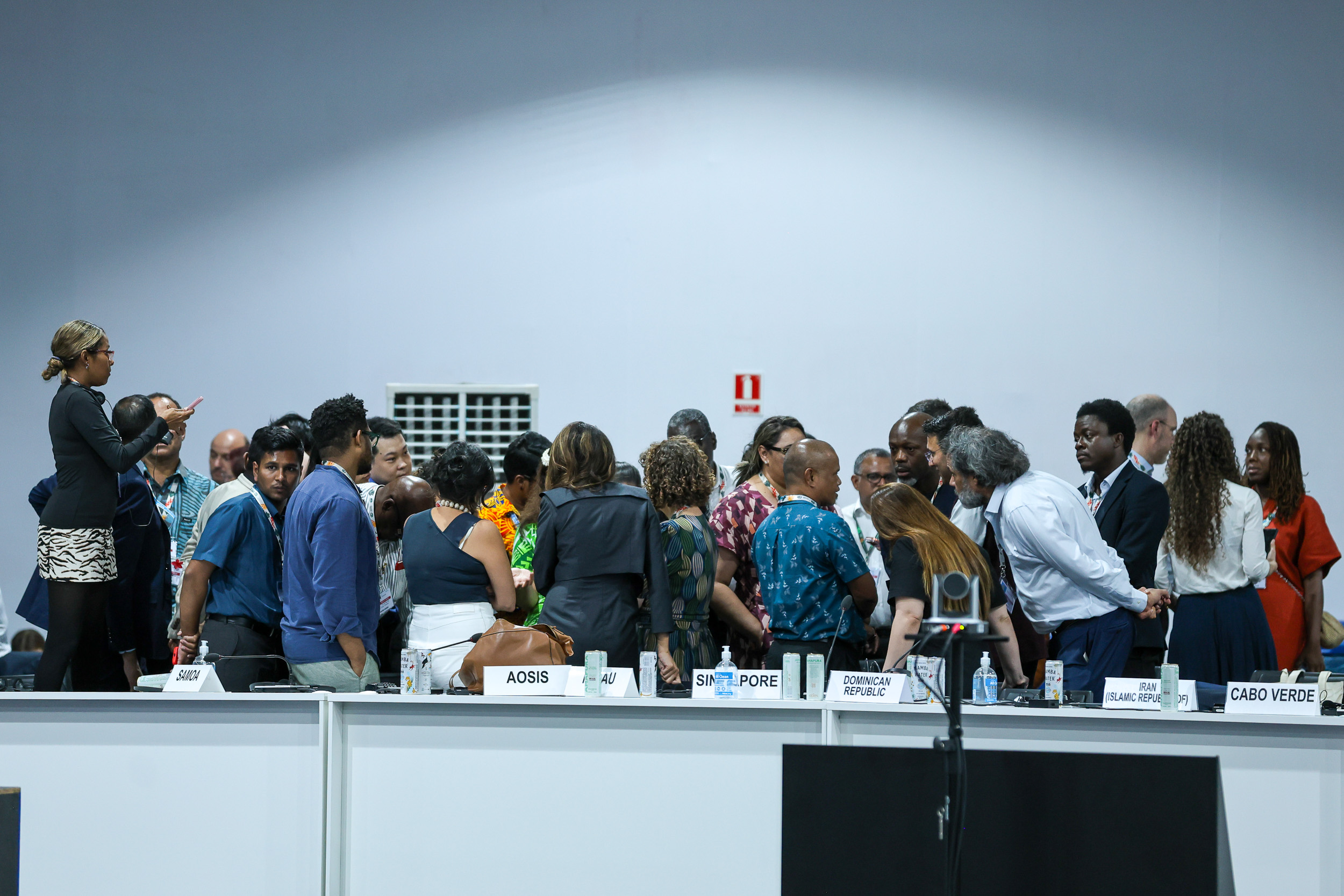
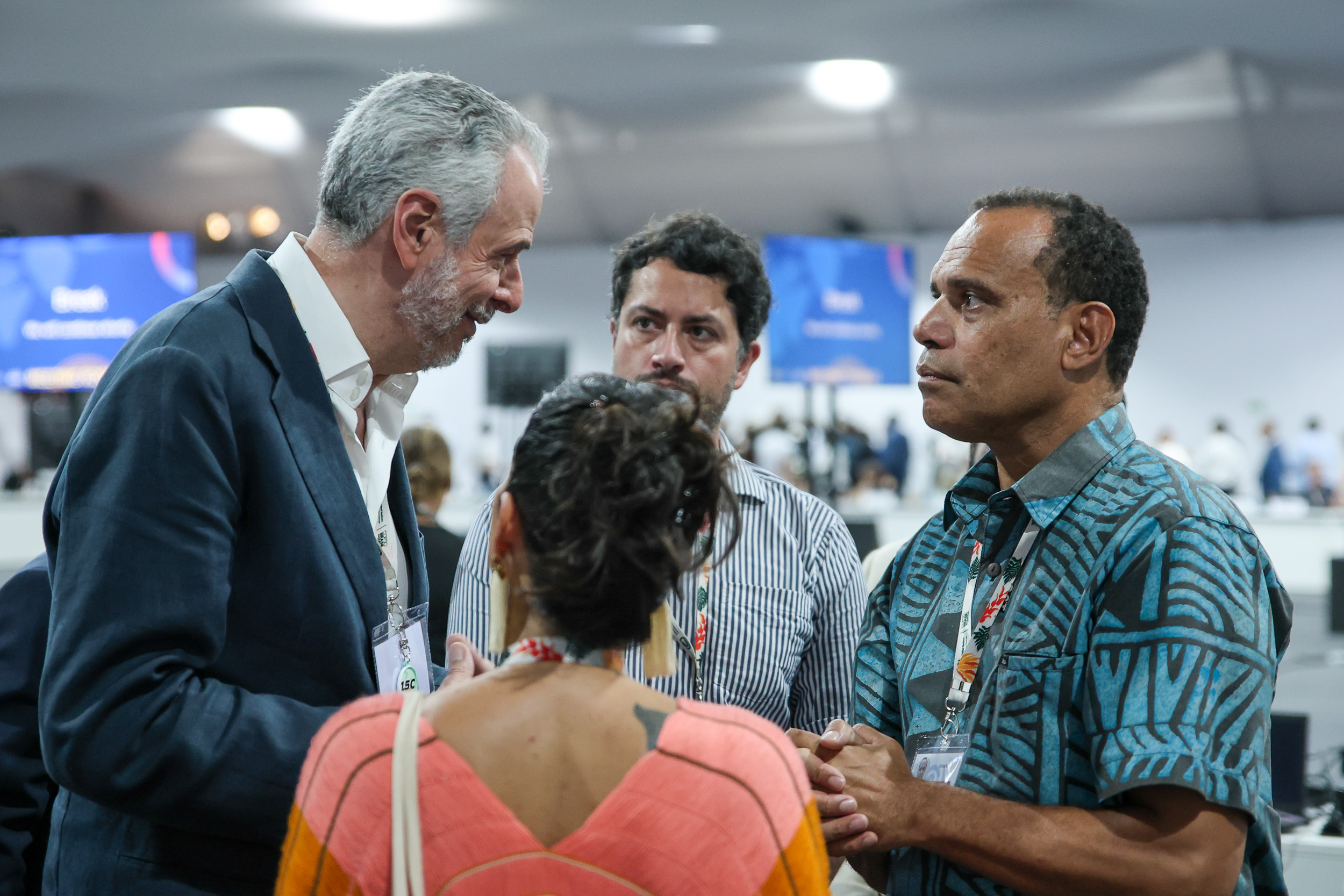
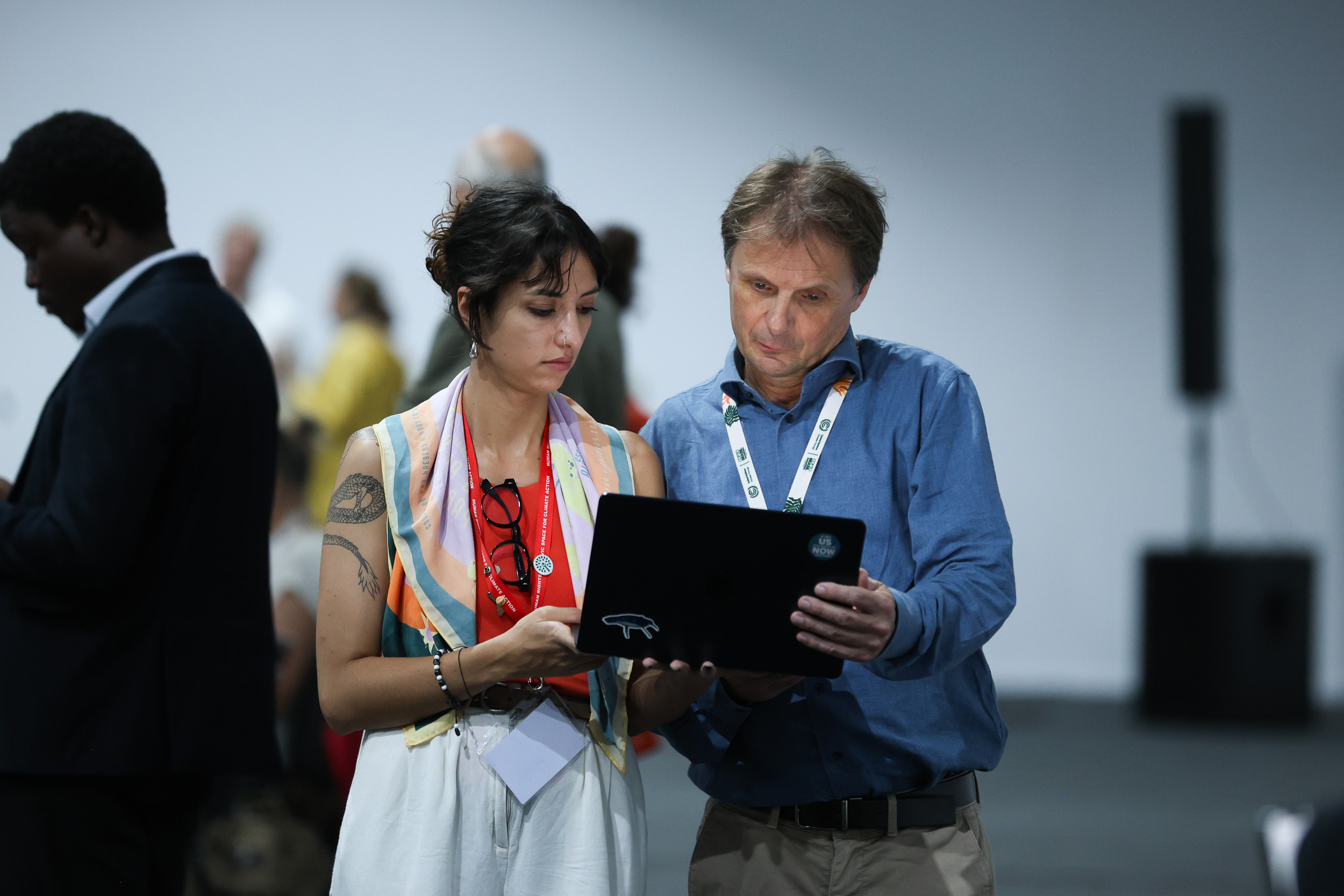
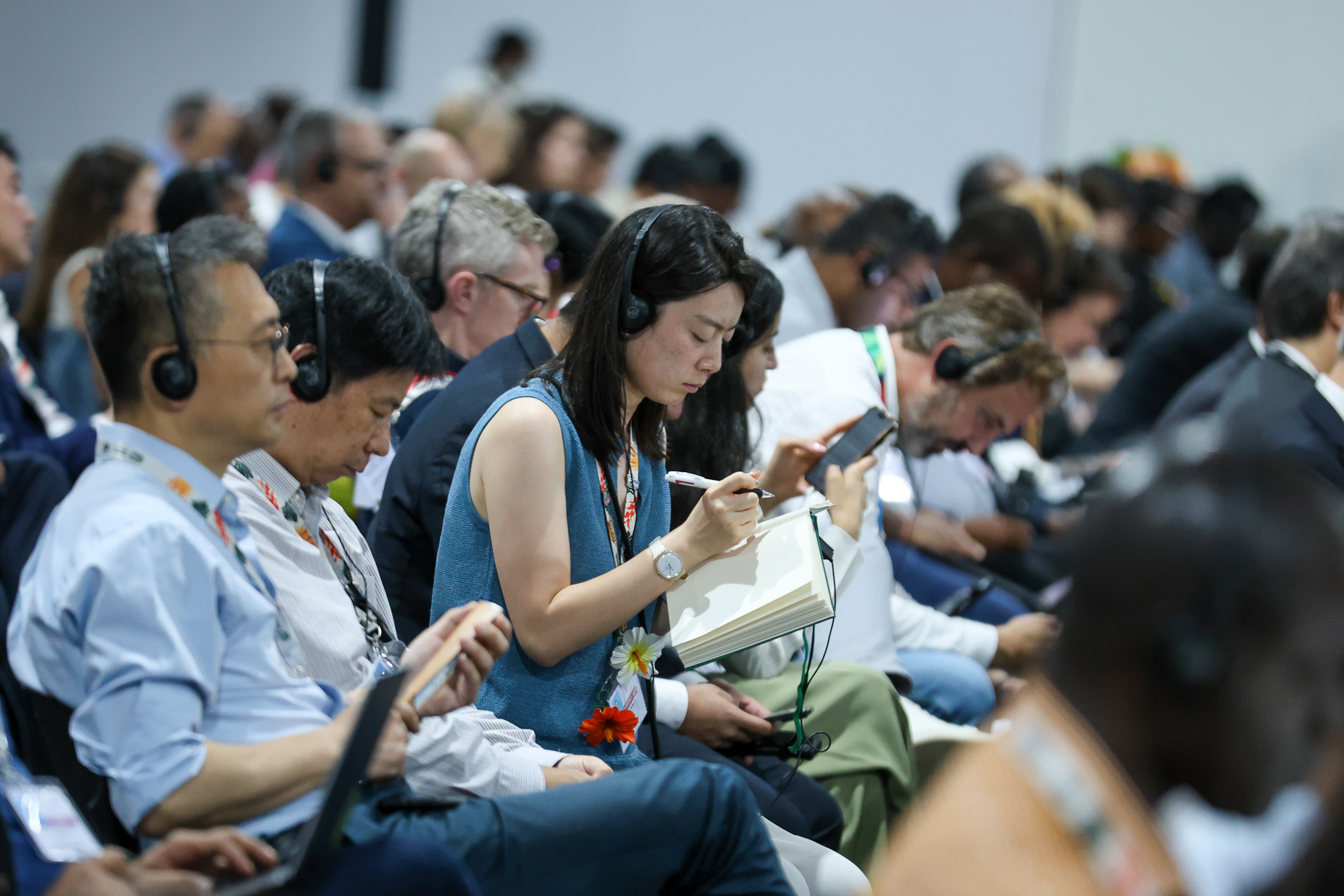
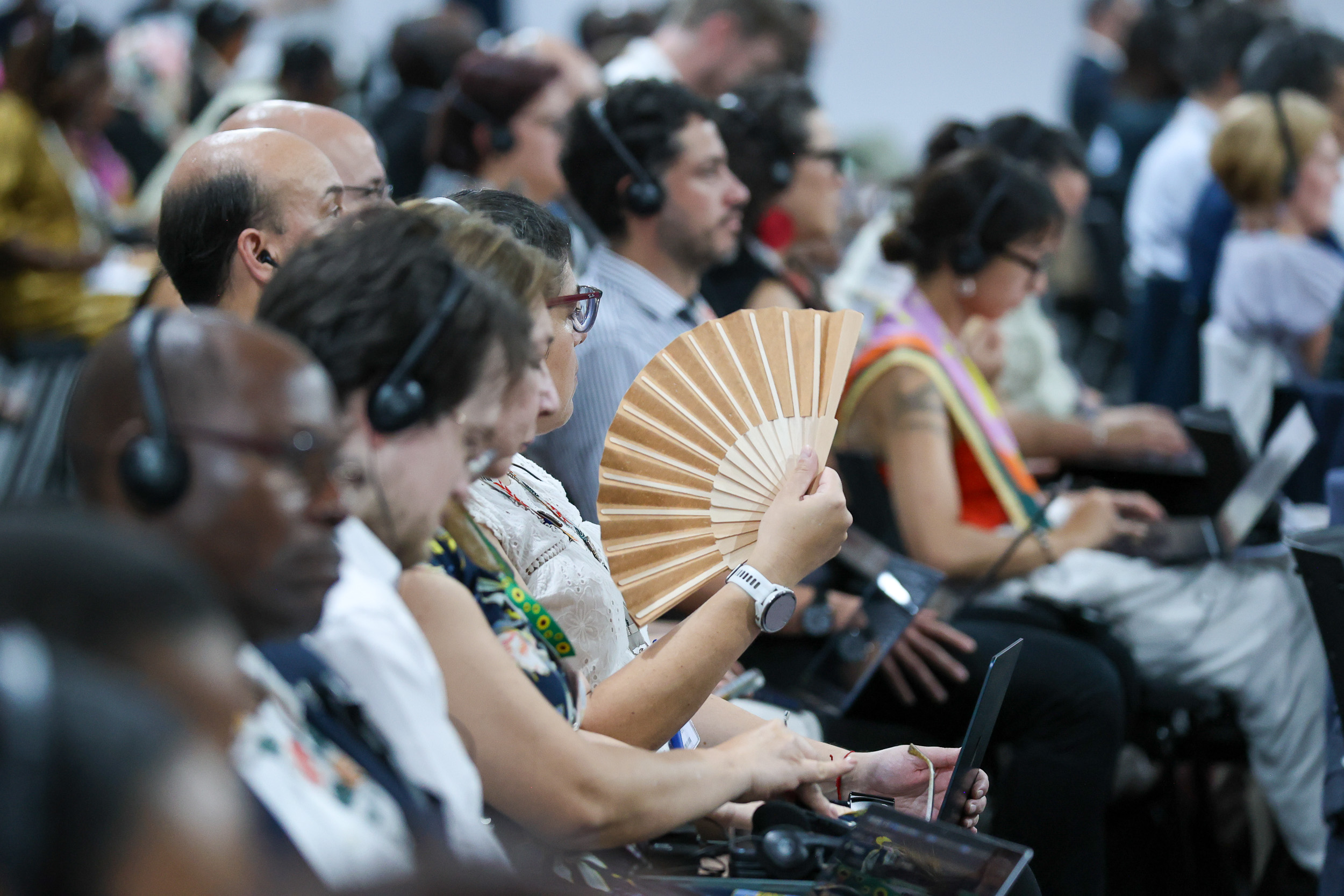
Stocktaking Plenary
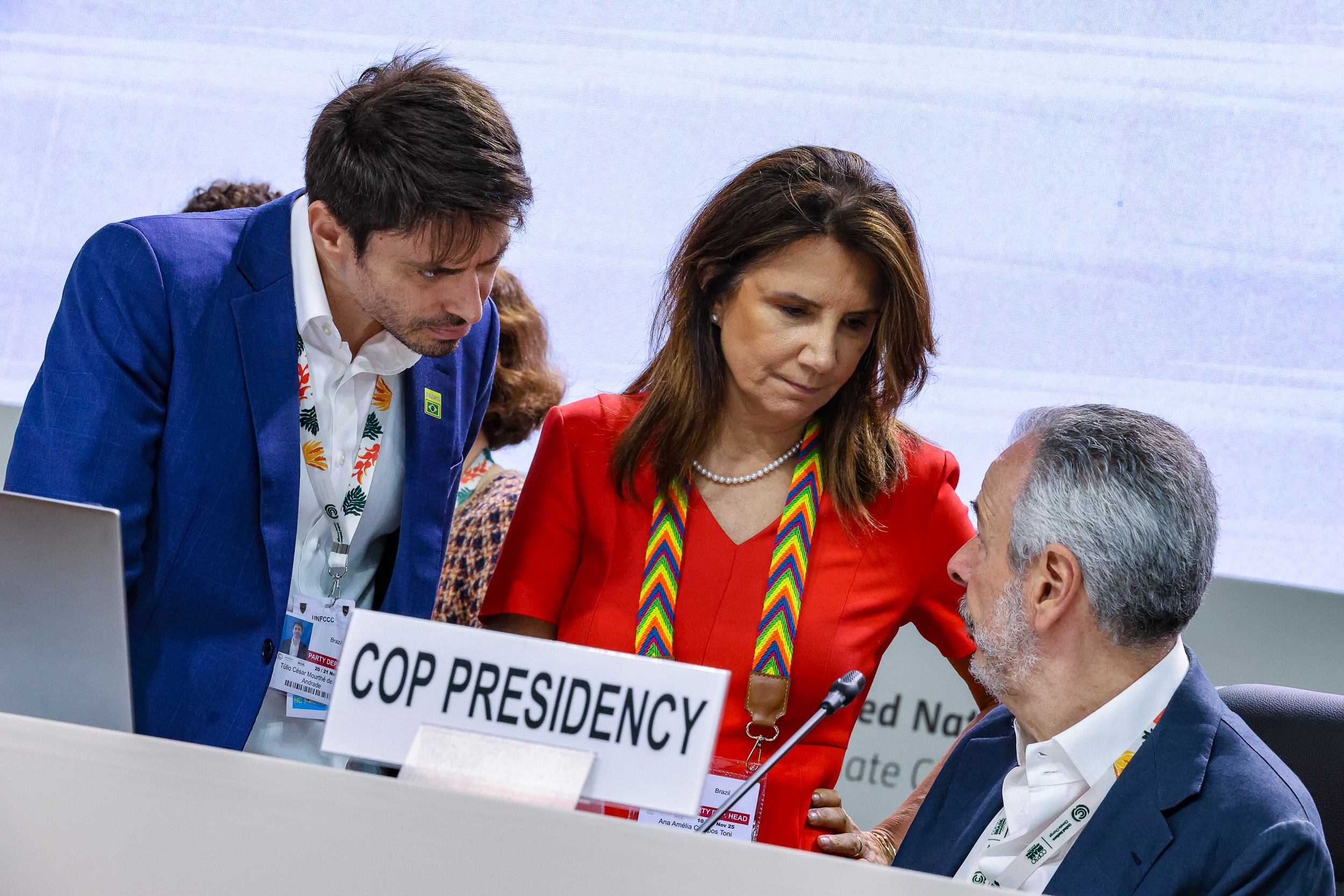
From L-R: Túlio Andrade, COP 30 Presidency; COP 30 CEO Ana Toni; and COP 30 President André Corrêa do Lago
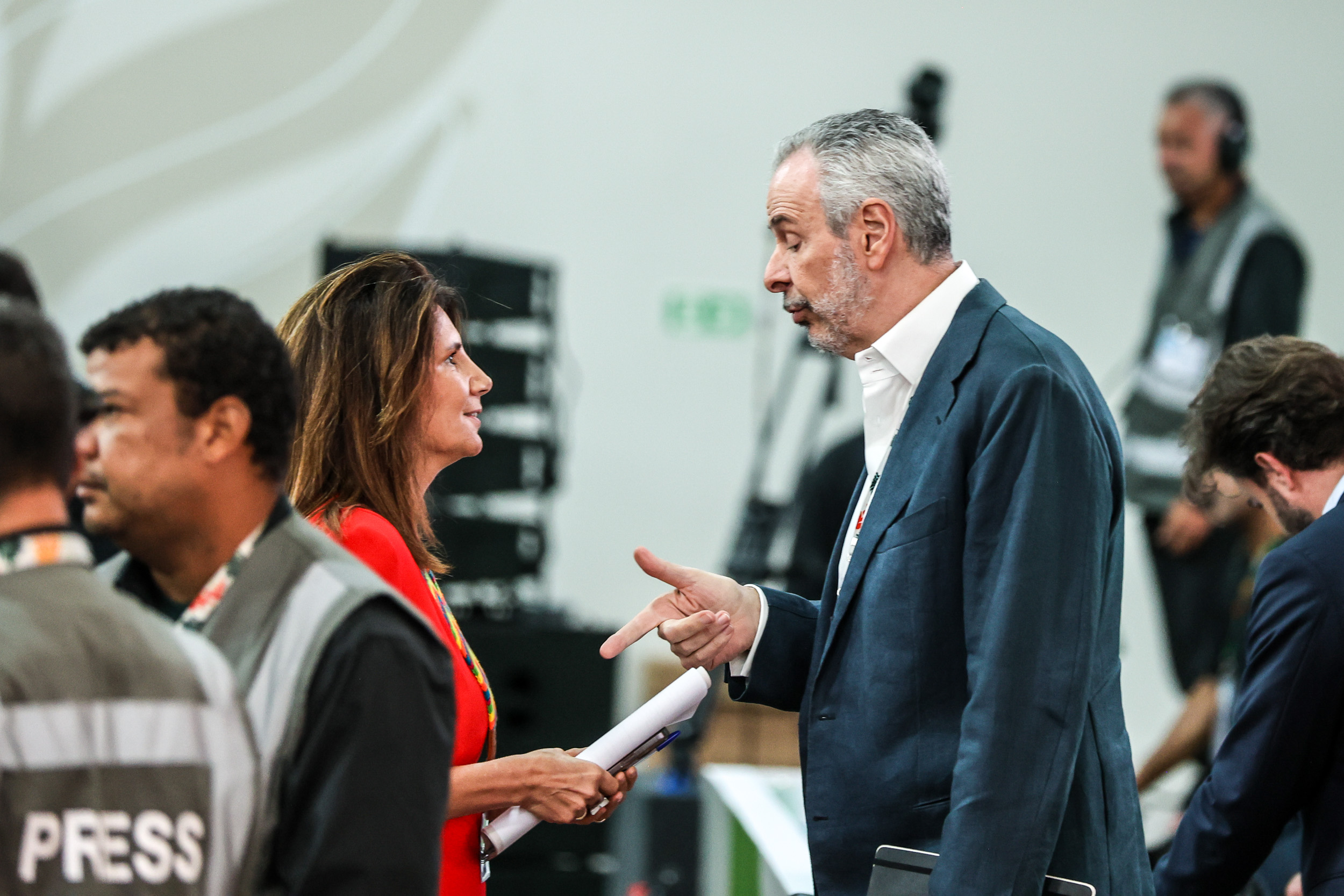
COP 30 Chief Executive Officer Ana Toni, and COP 30 President André Corrêa do Lago
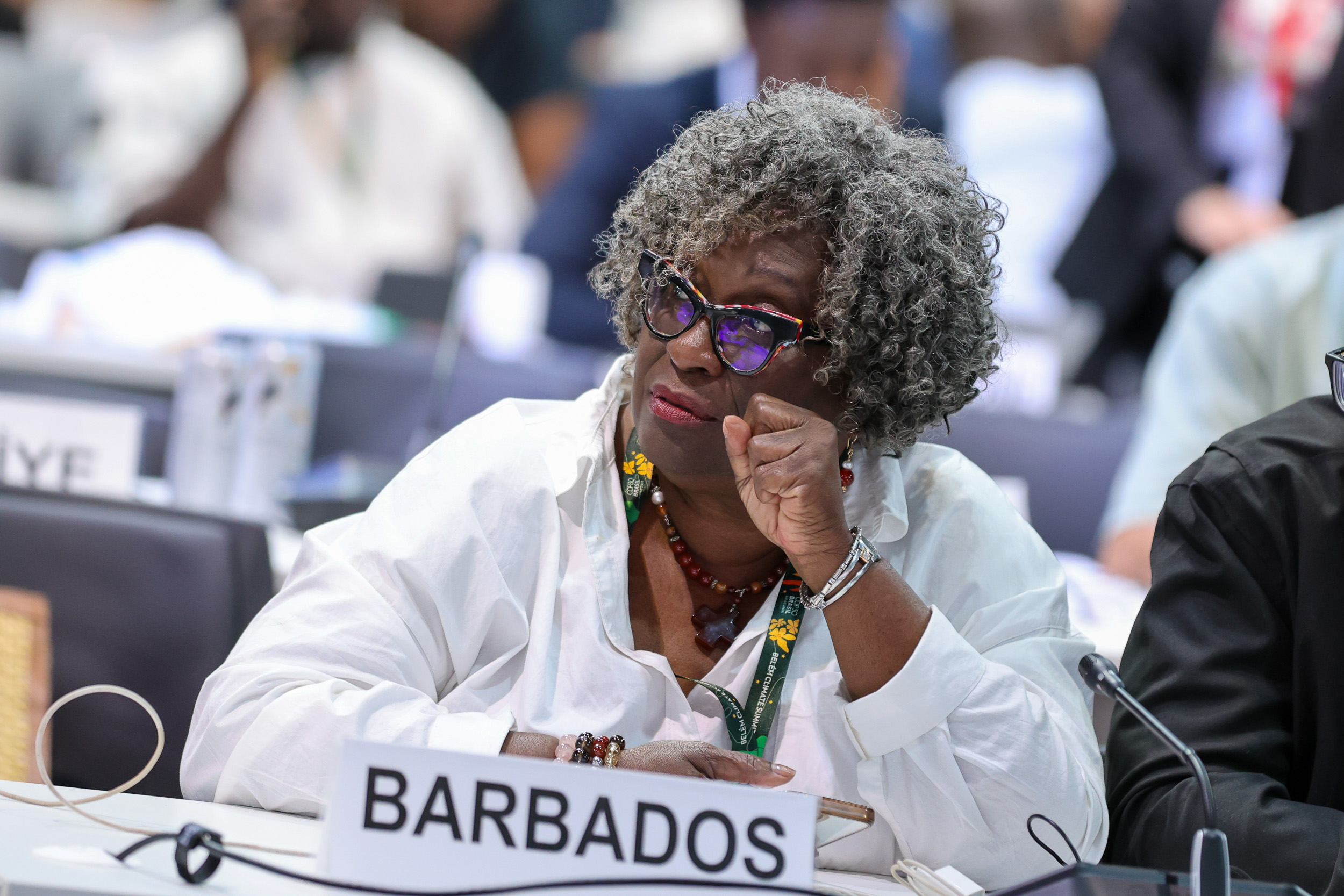
Elizabeth Thompson, Barbados
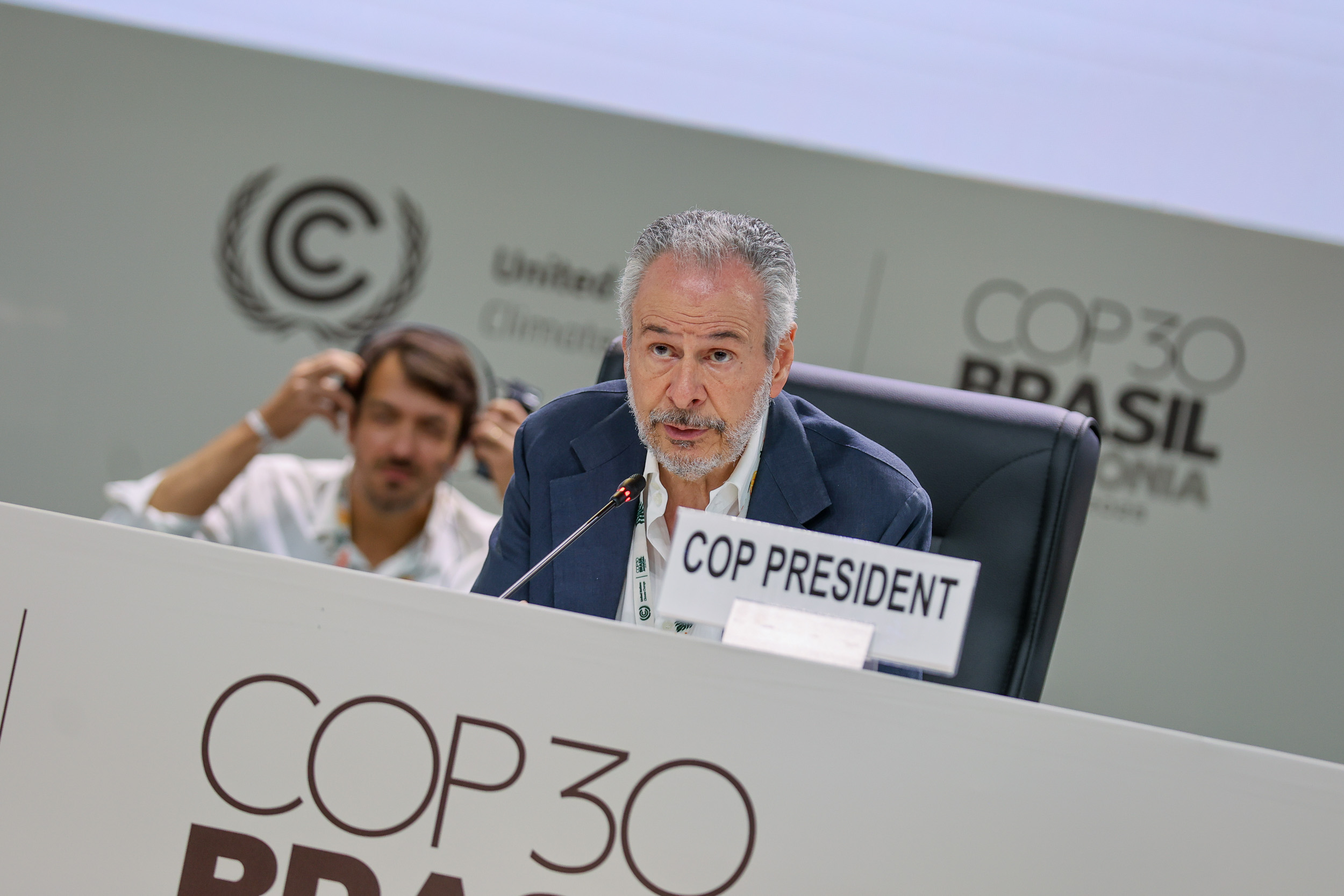
COP 30 President André Corrêa do Lago
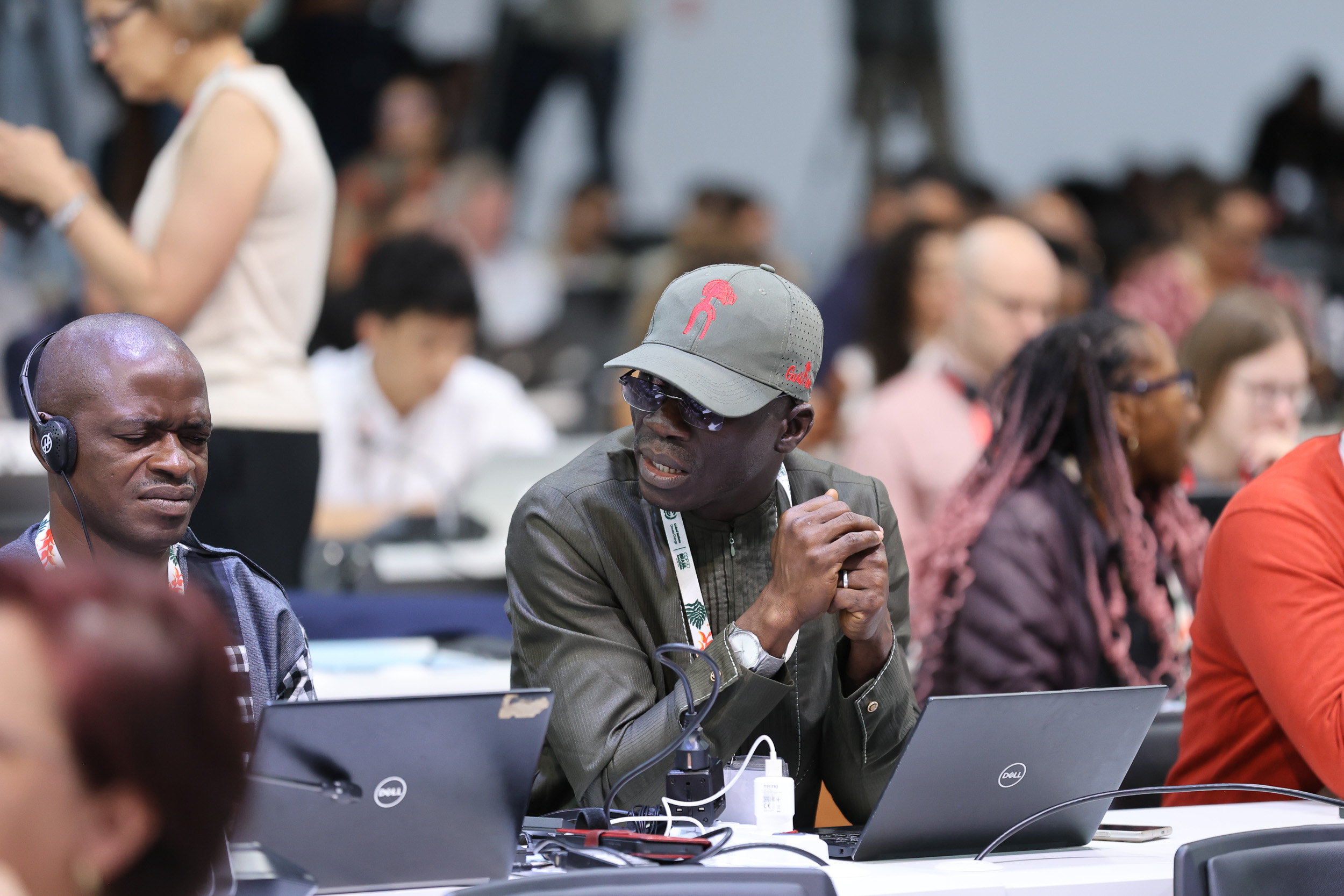
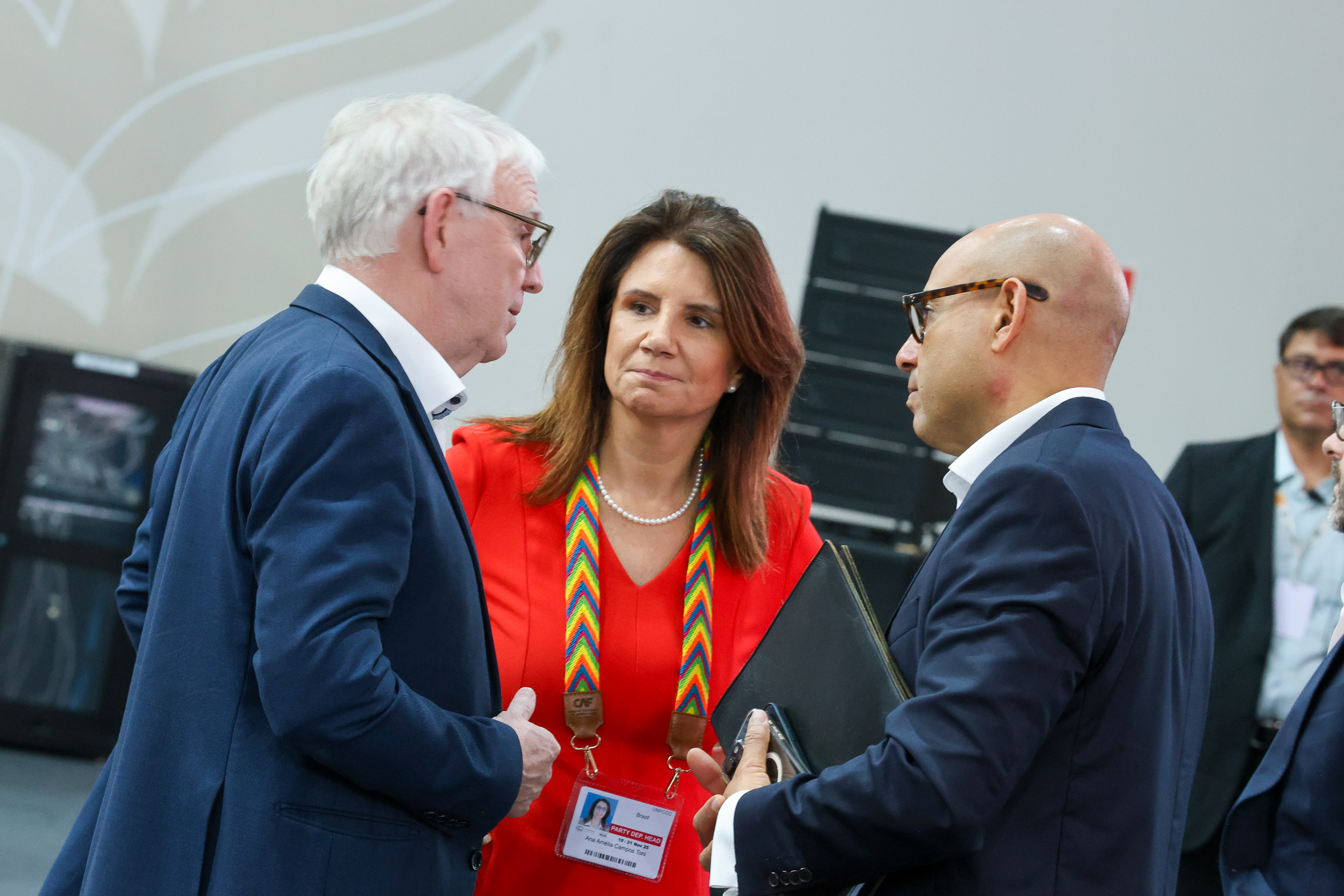
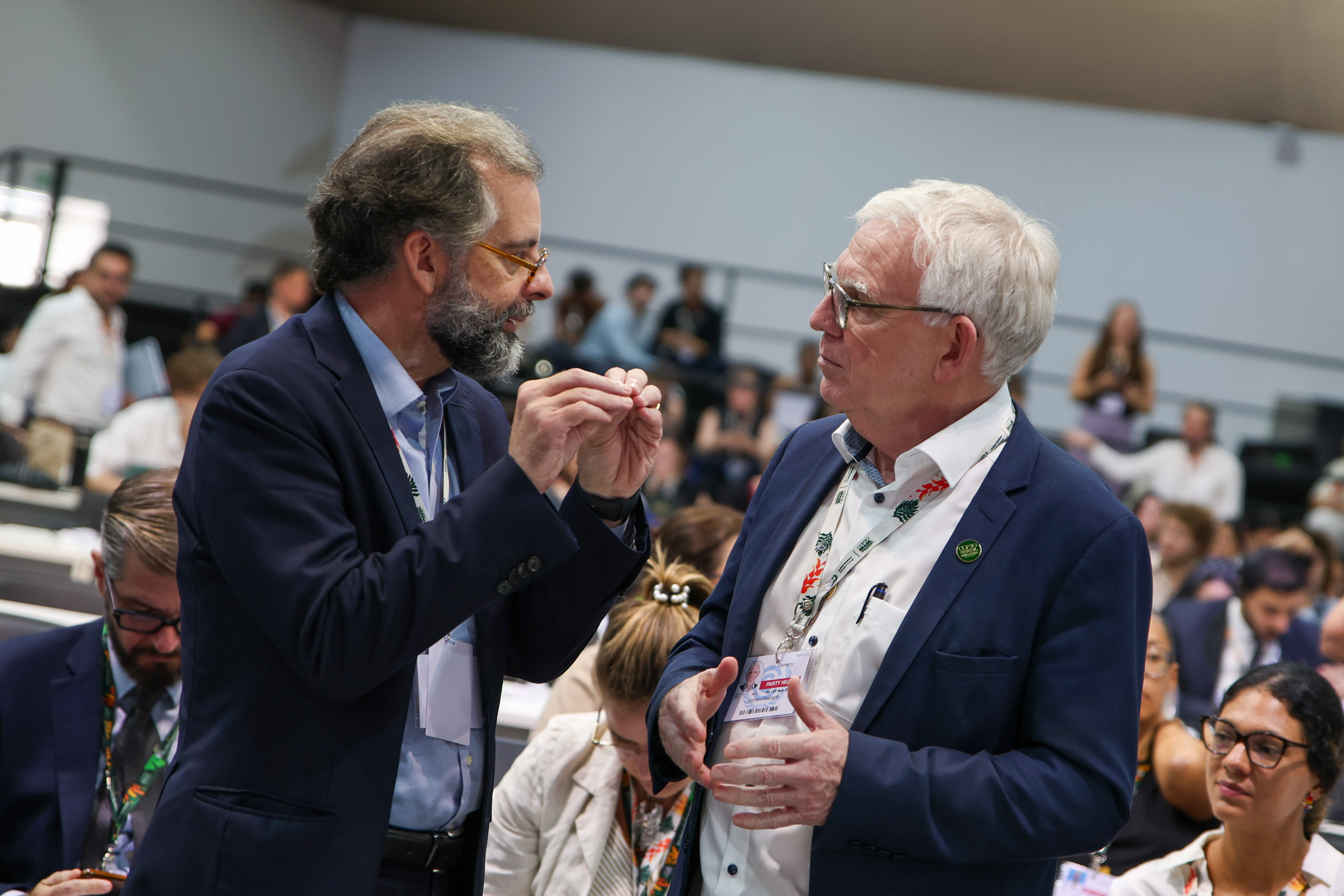
From L-R: Jochen Flasbarth, State Secretary, Federal Ministry for the Environment, Climate Action, Nature Conservation, and Nuclear Safety, Germany; COP 30 CEO Ana Toni; and UNFCCC Executive Secretary Simon Stiell
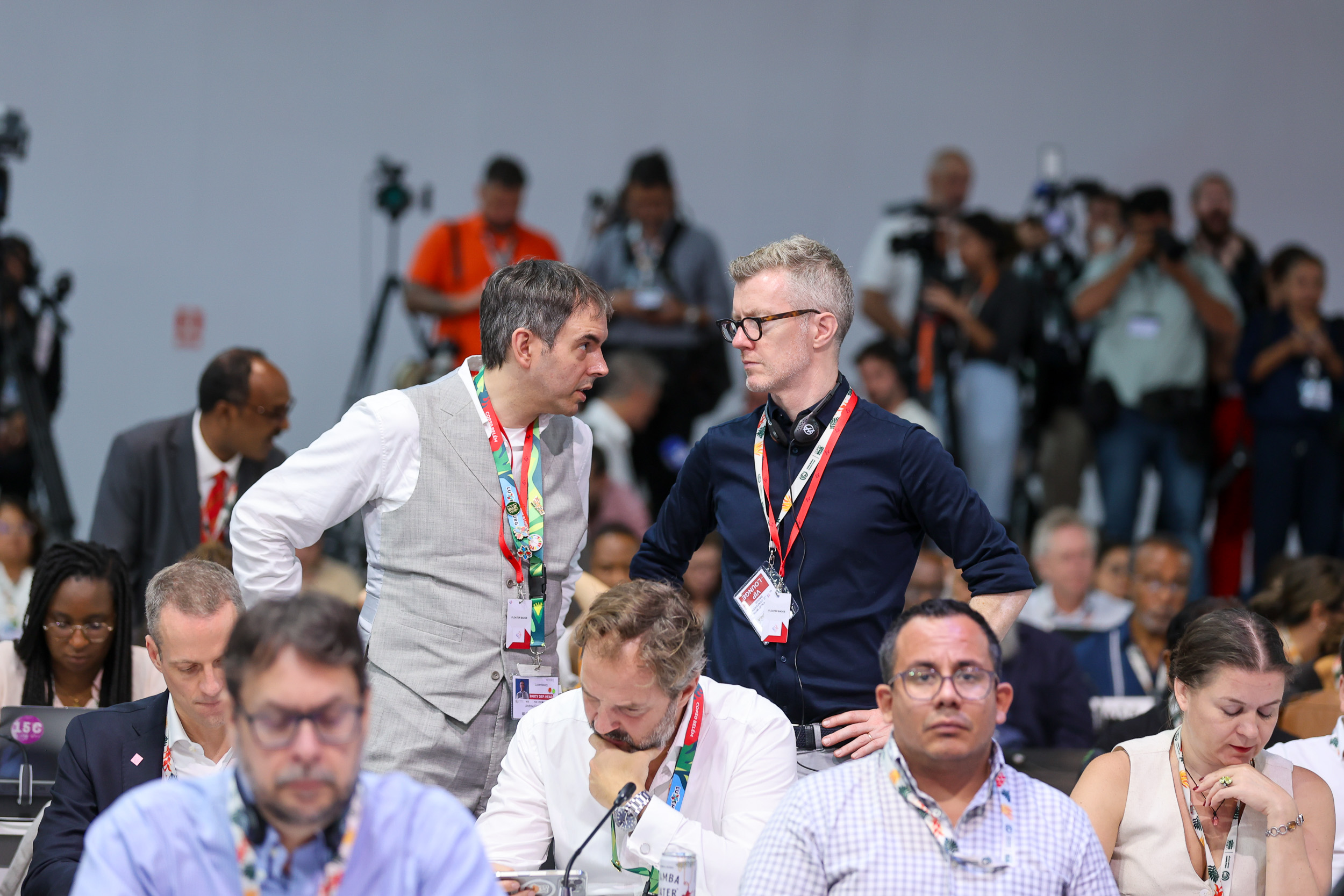
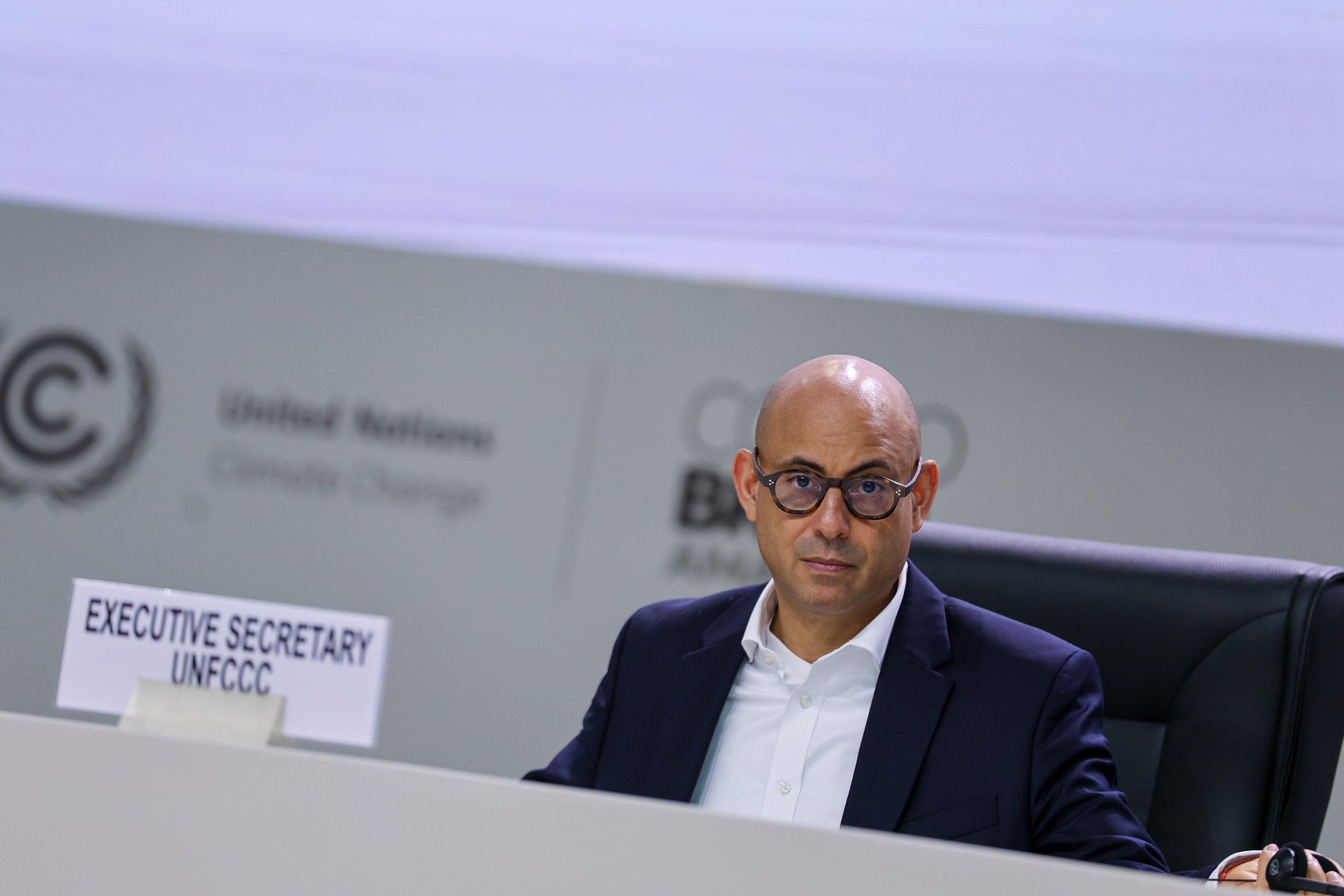
UNFCCC Executive Secretary Simon Stiell
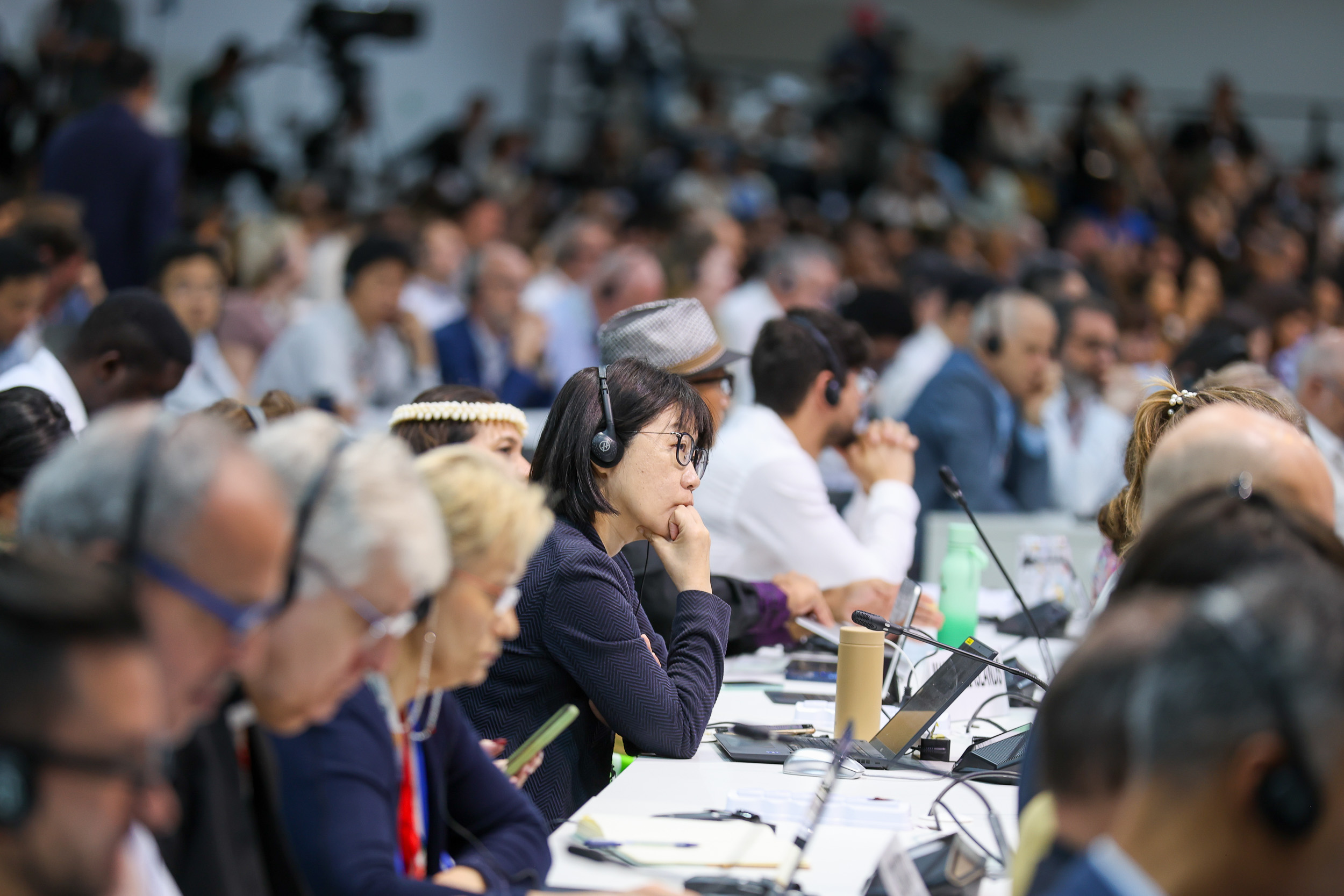
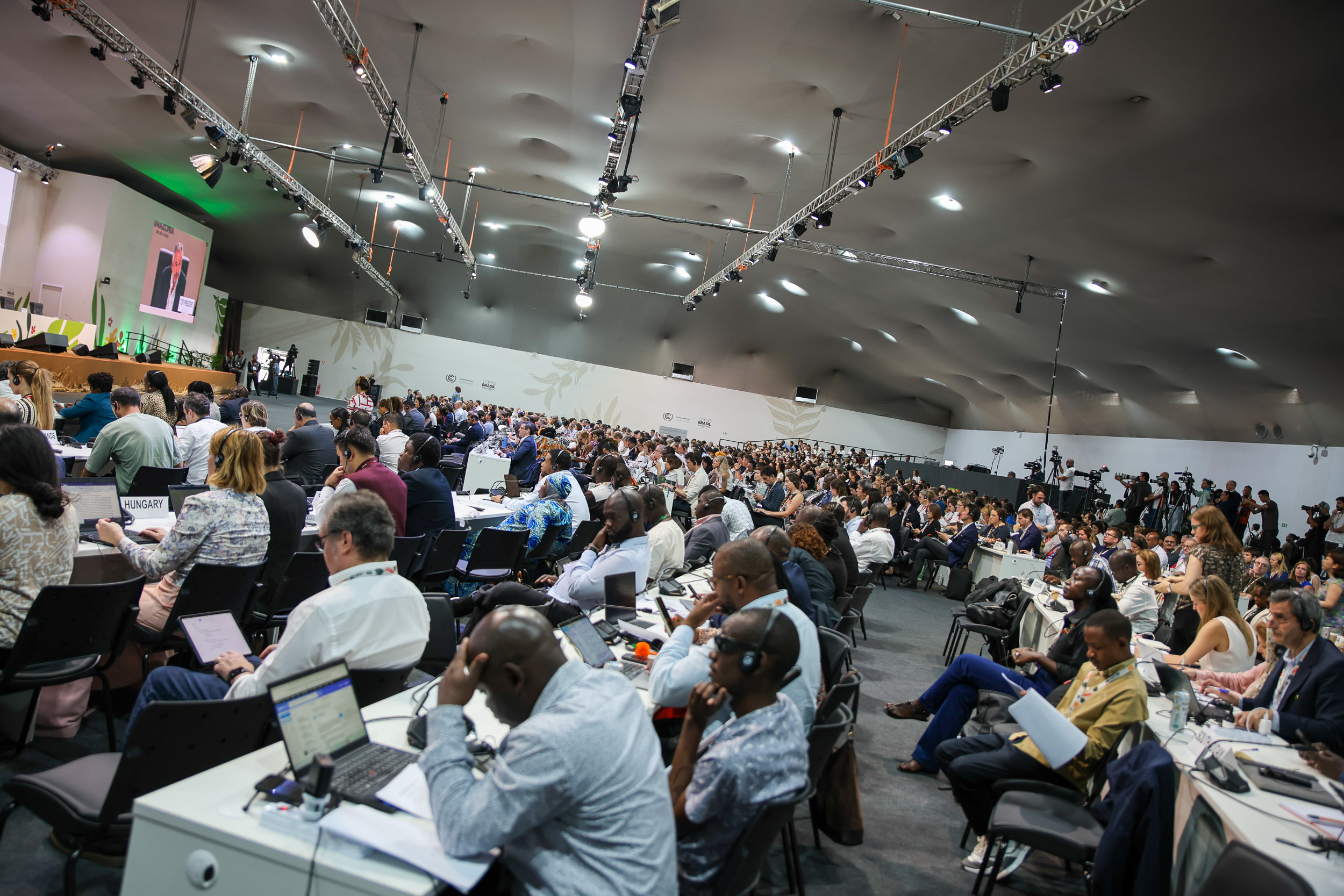
Press Conference by Colombia
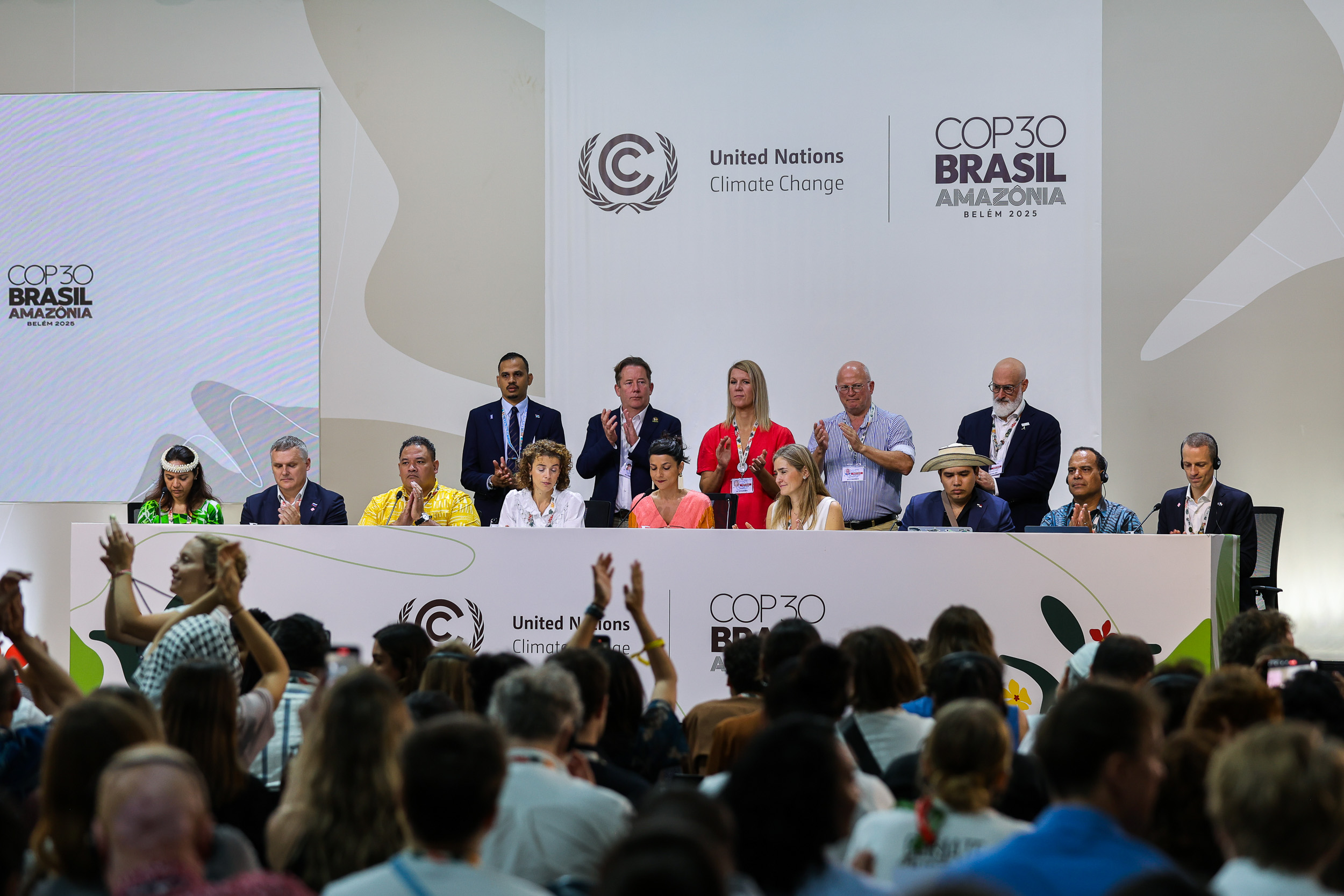
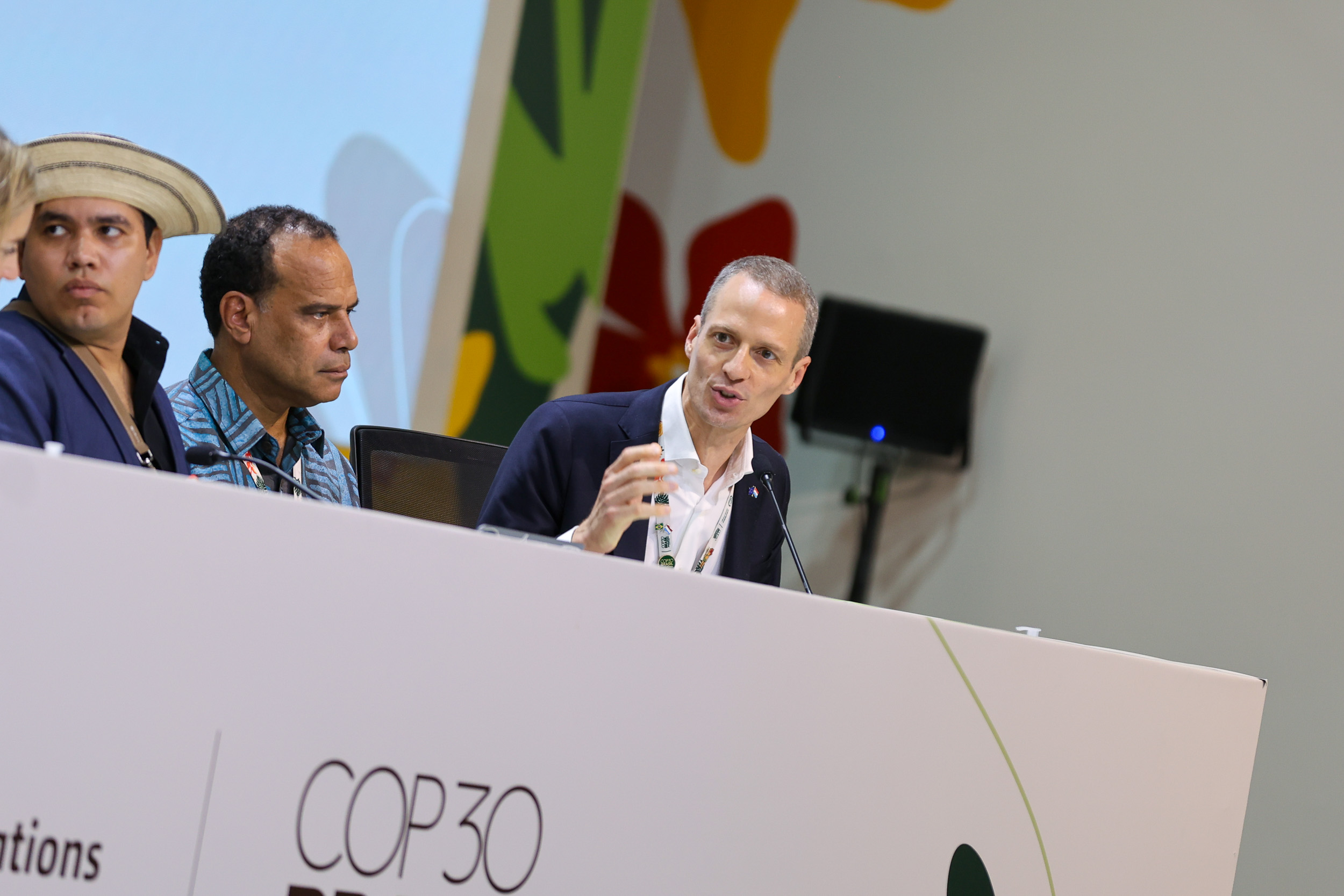
Serge Wilmes, Minister of the Environment, Climate and Biodiversity, Luxembourg
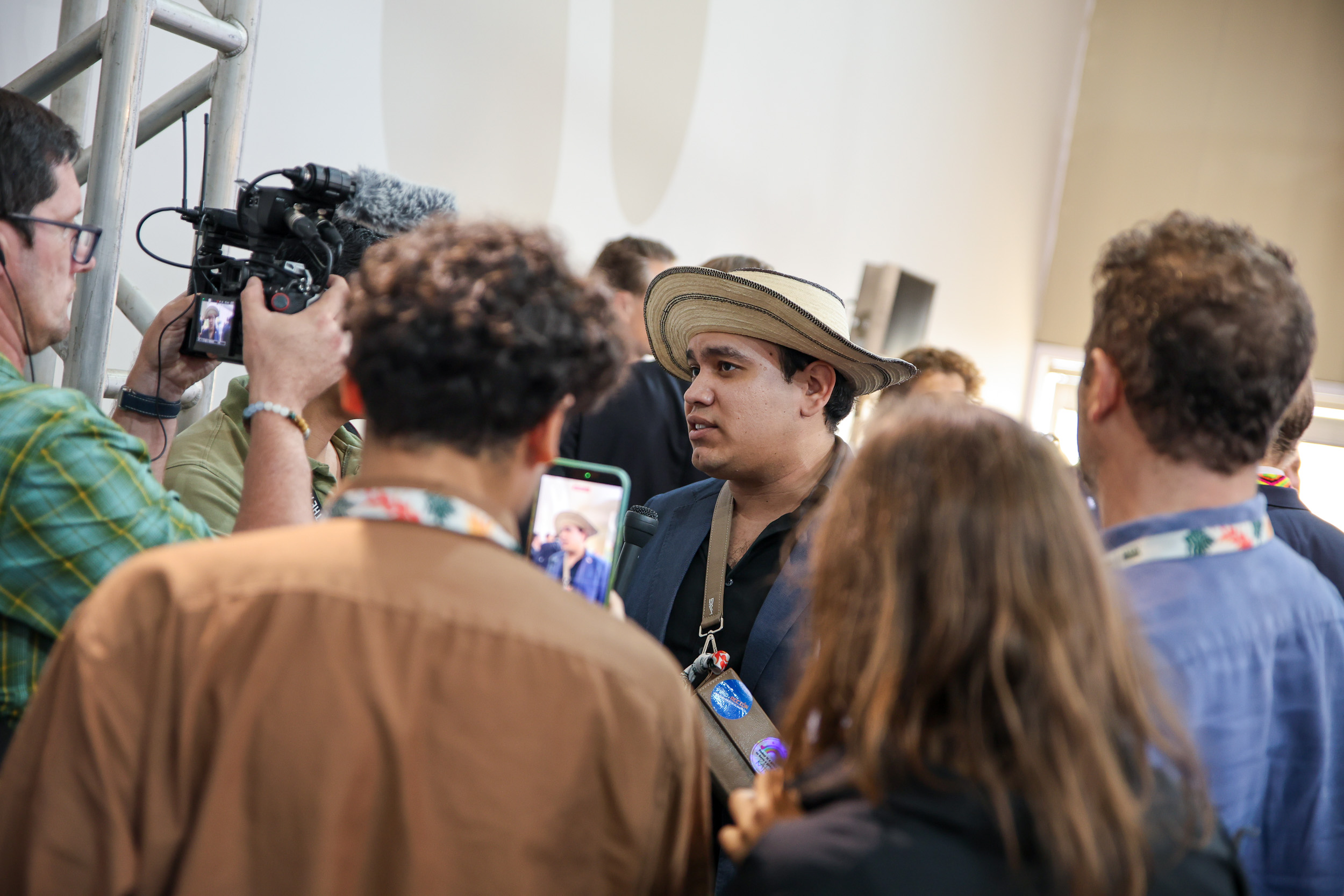
Juan Carlos Monterrey Gómez, Panama
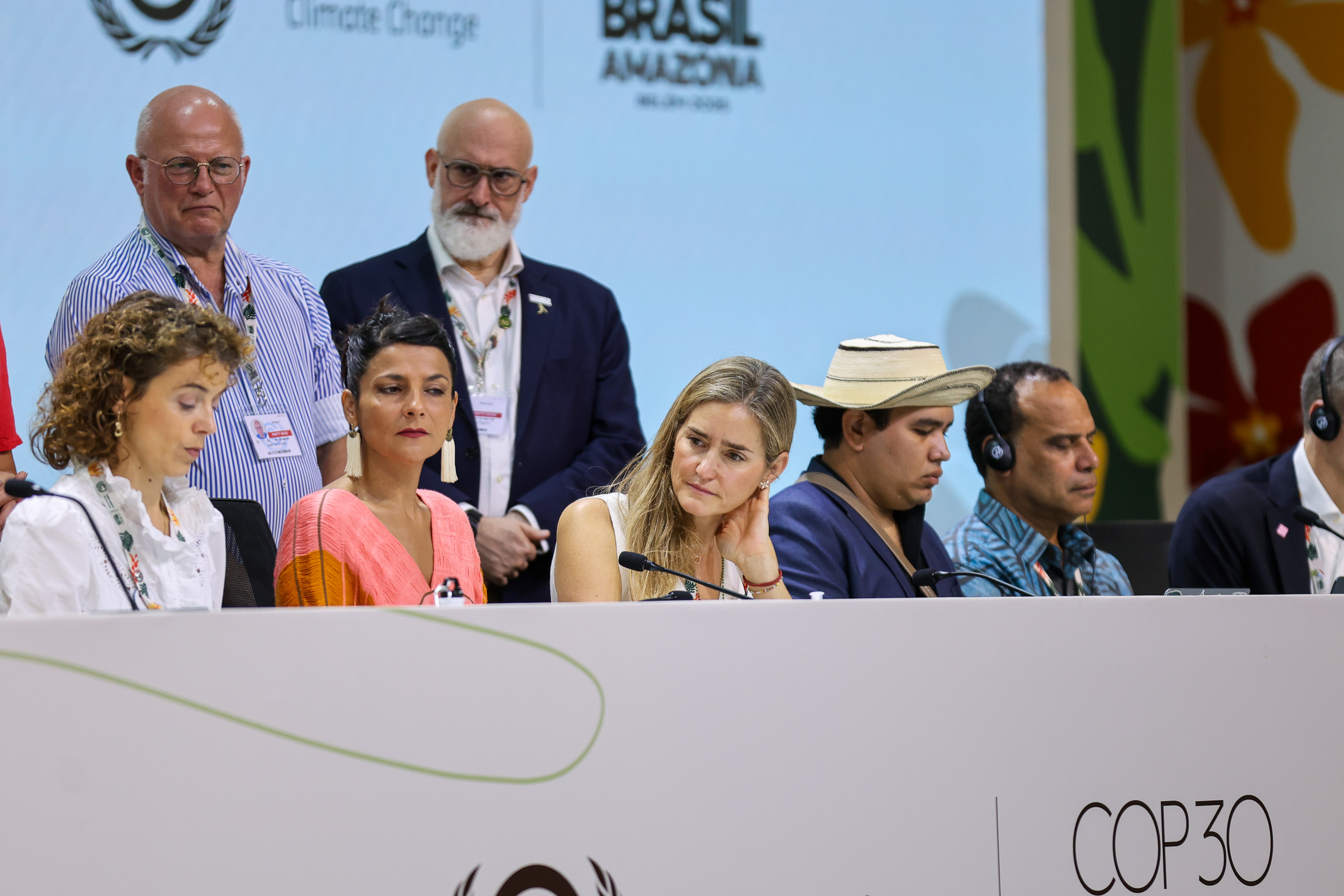

Informal Consultations
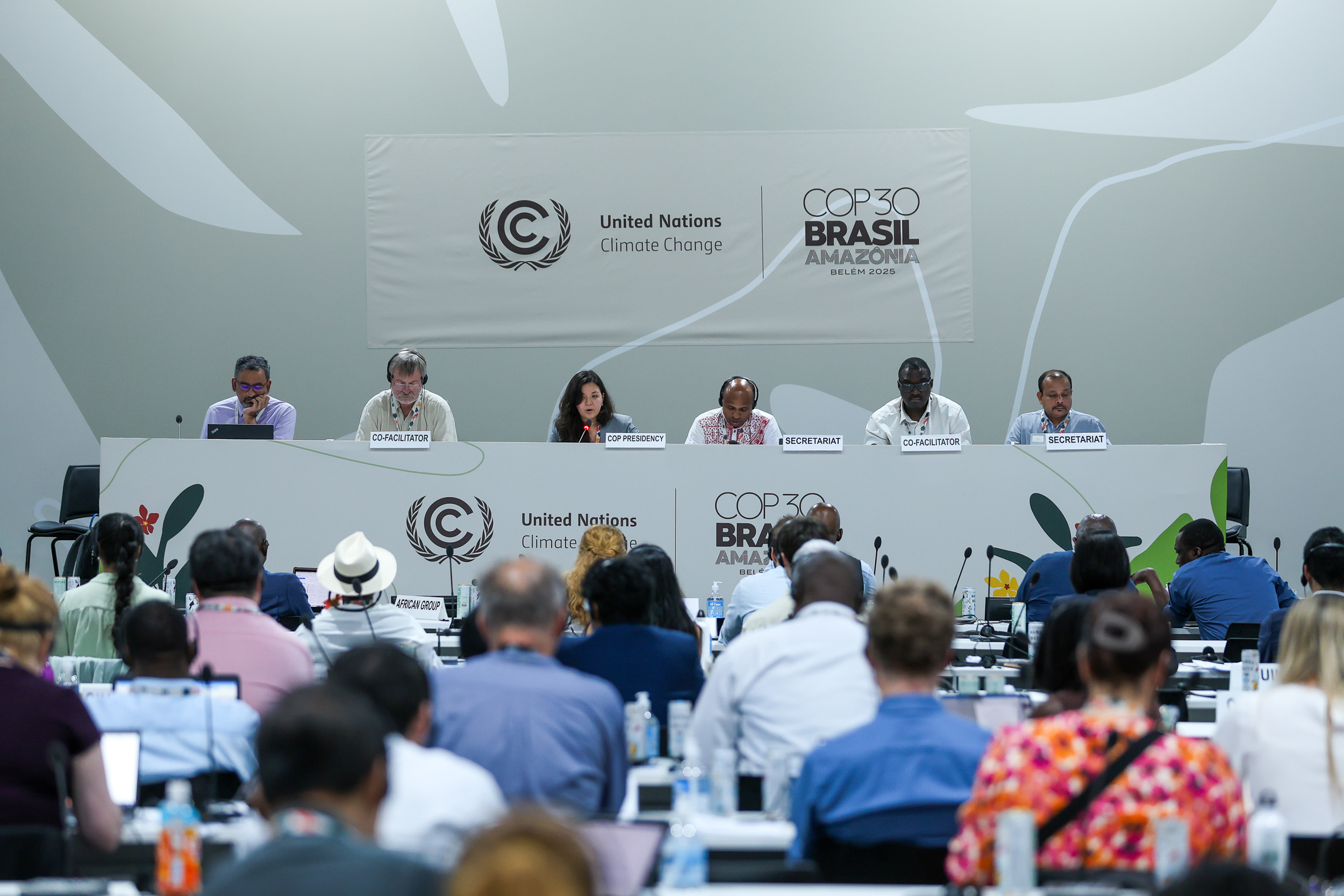
View of the dais during informal consultations on matters relating to the Clean Development Mechanism (CDM)
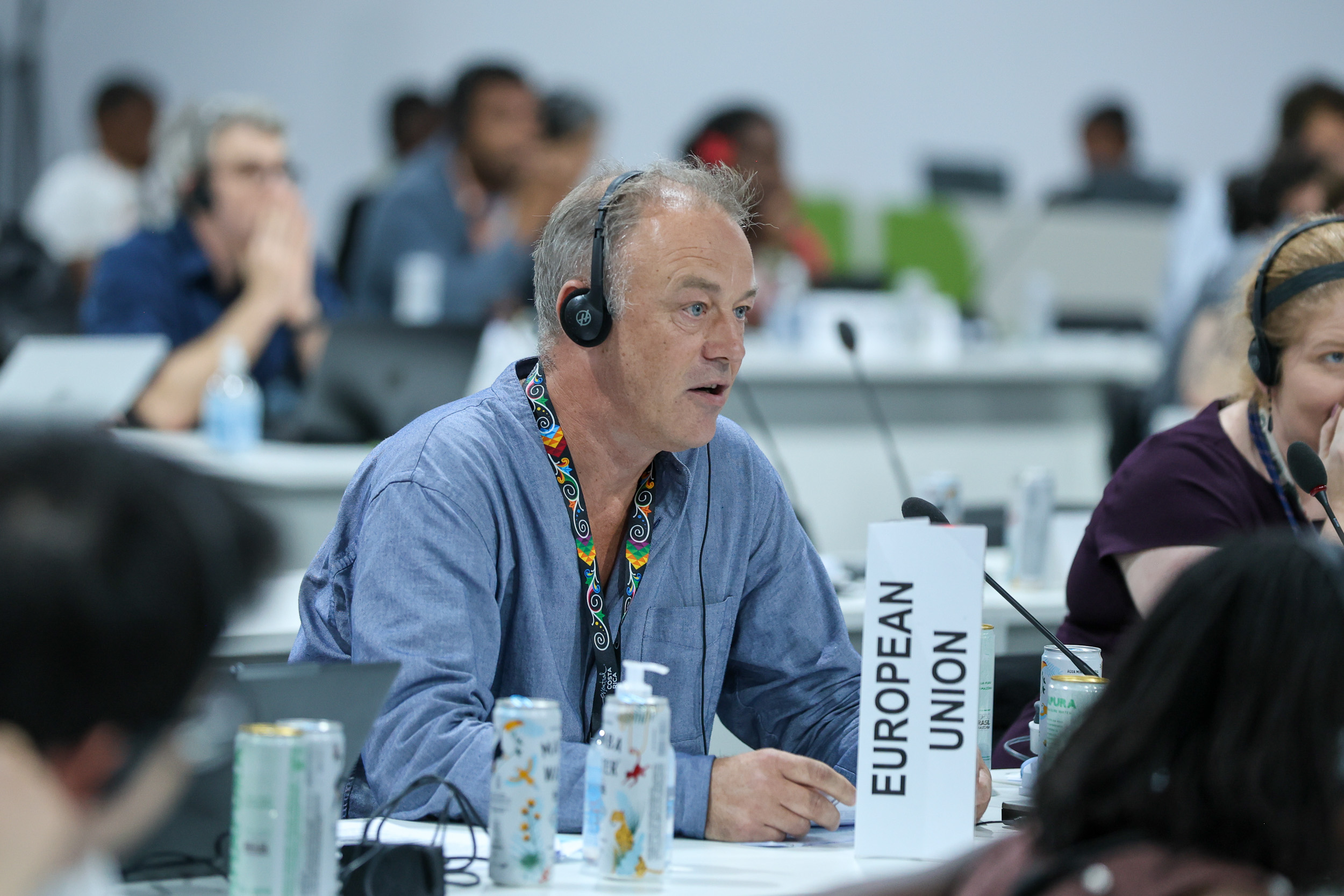
Martin Hession, EU
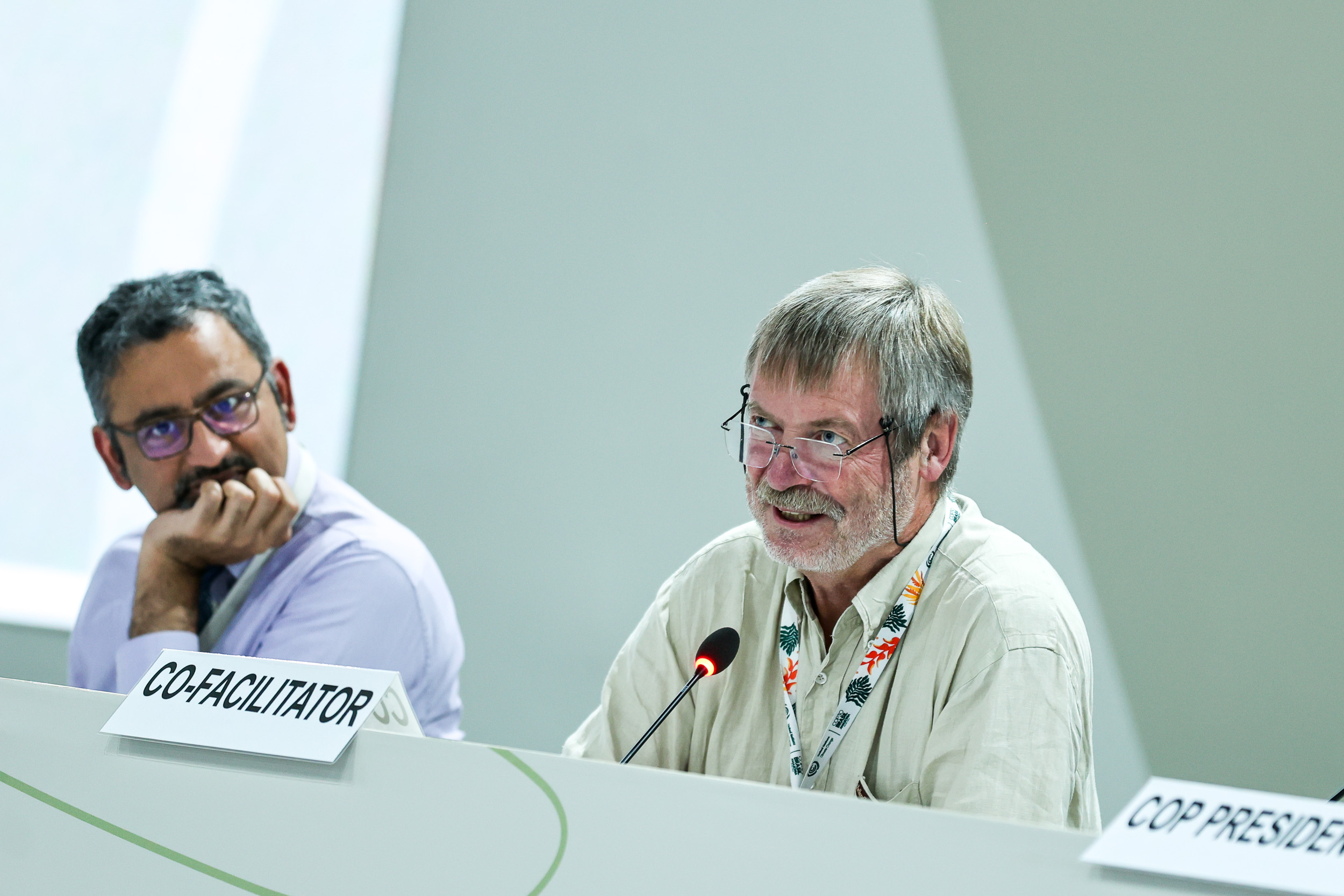
Peer Stiansen, Norway, Co-Facilitator for the informal consultations on matters relating to the CDM
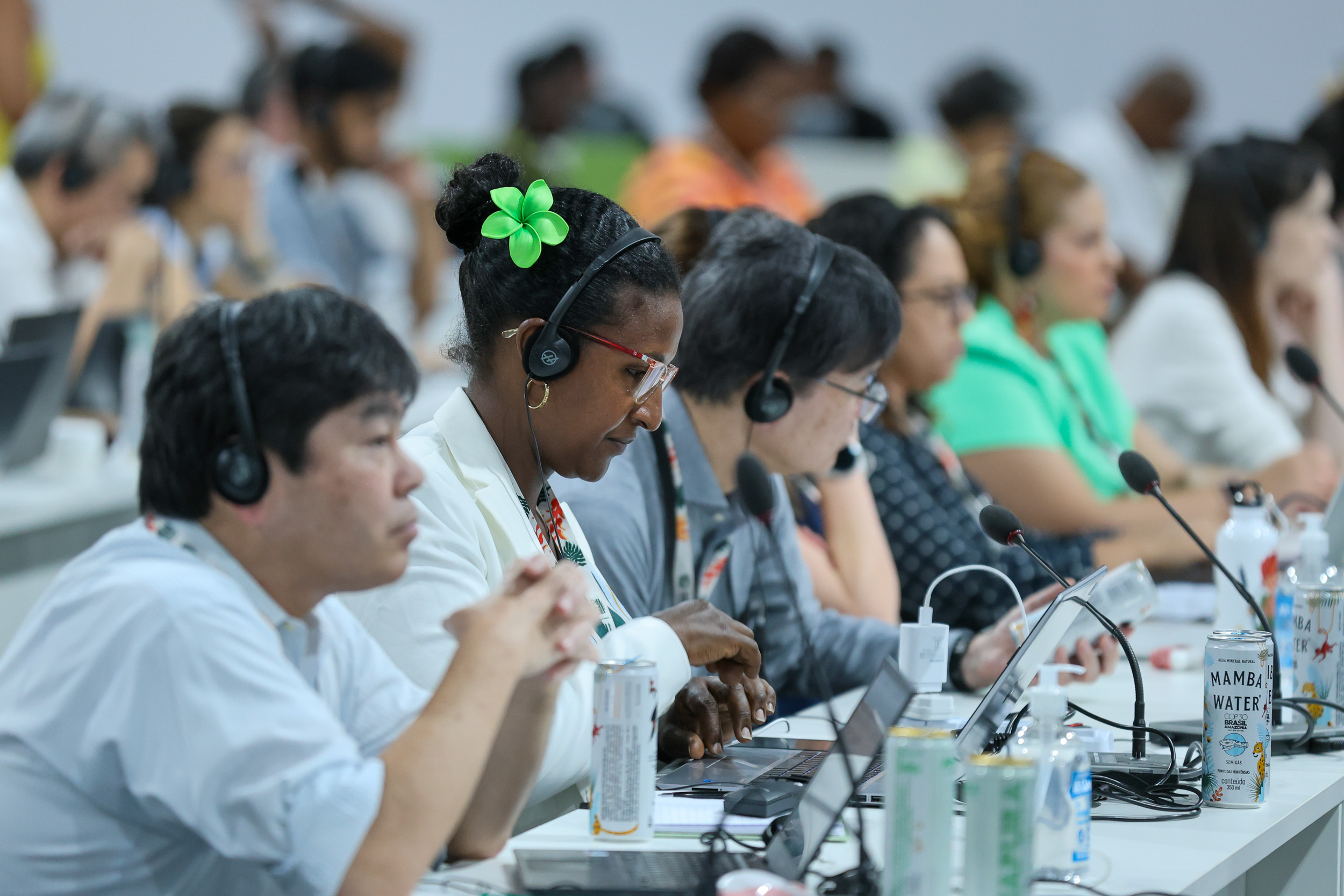
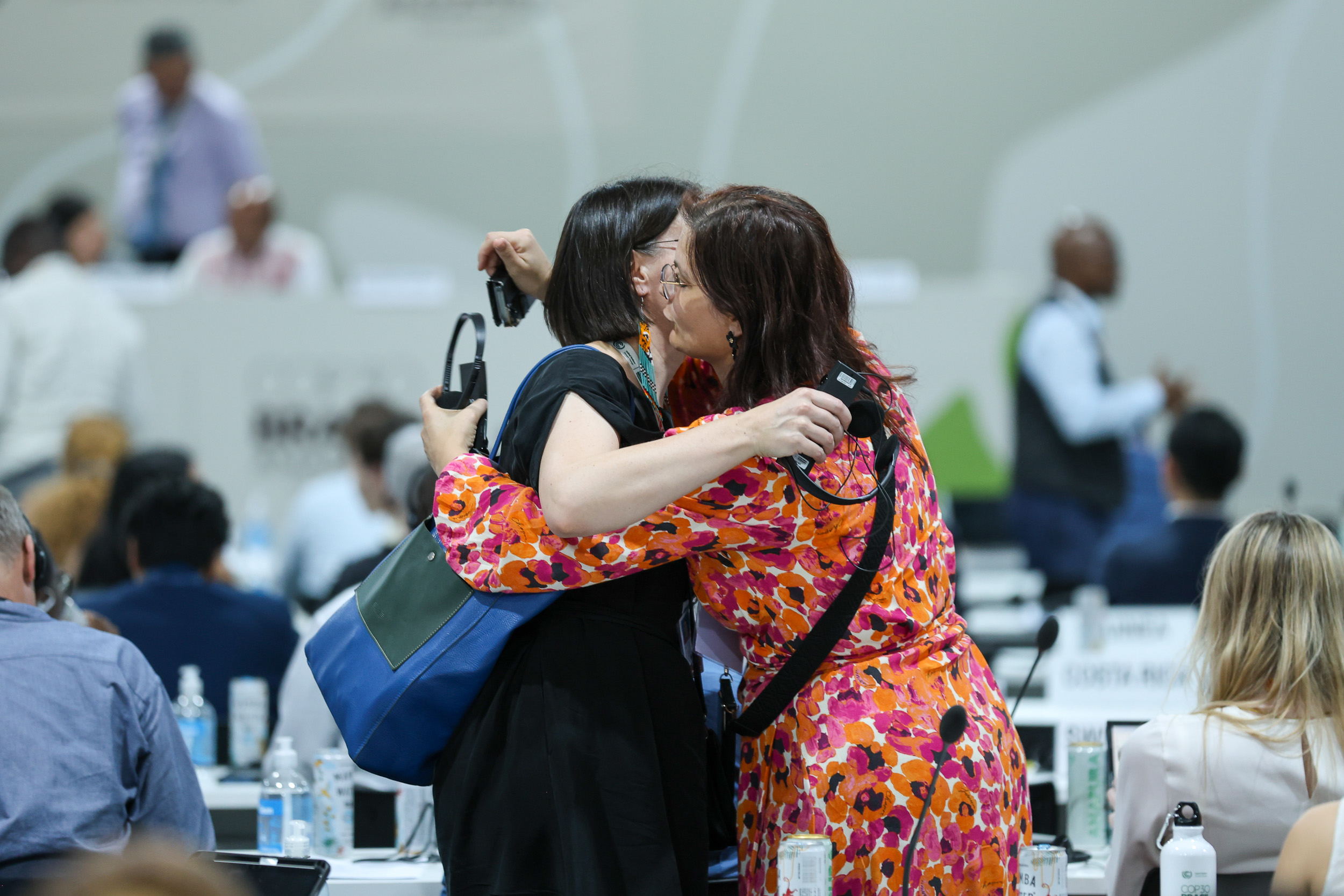
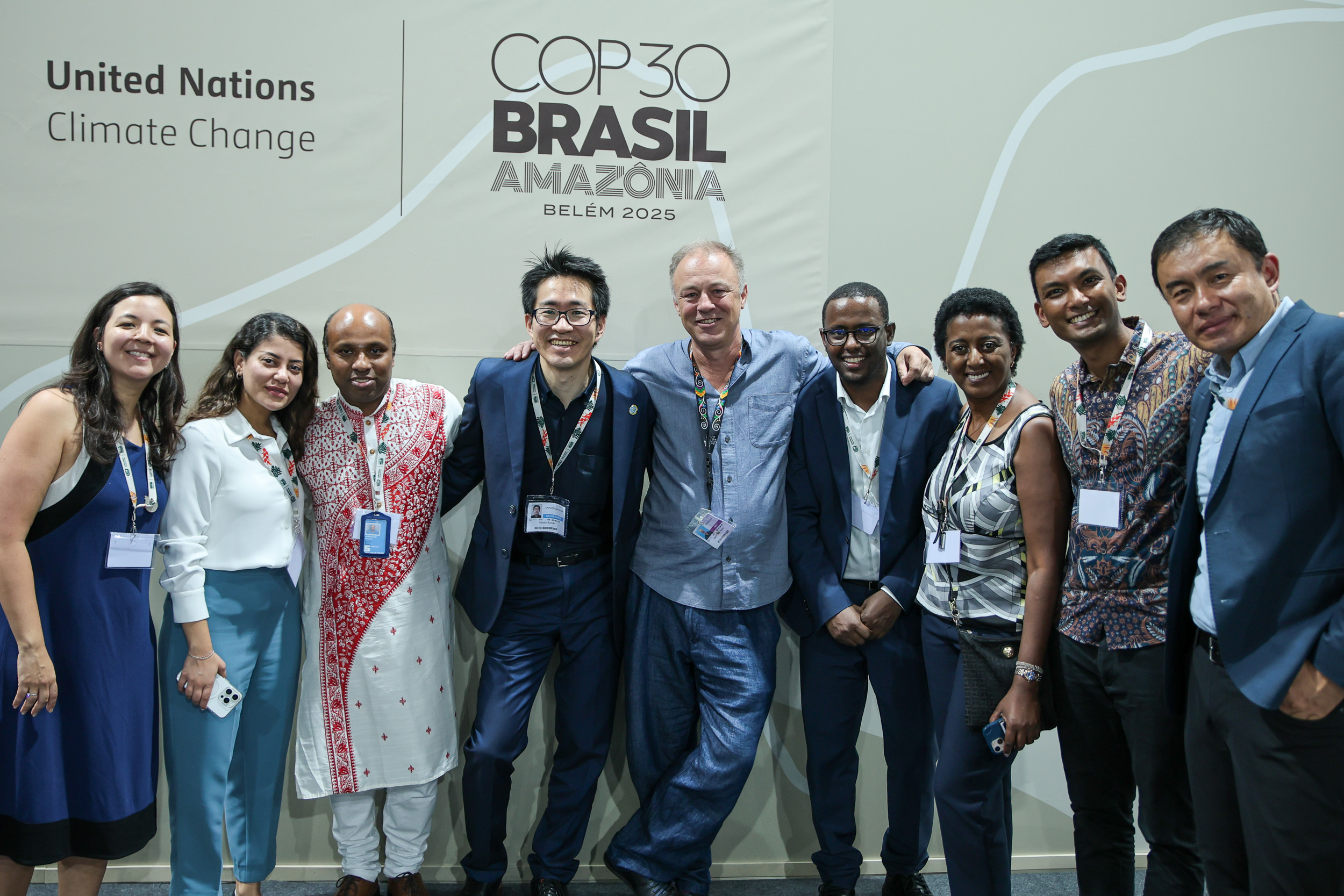
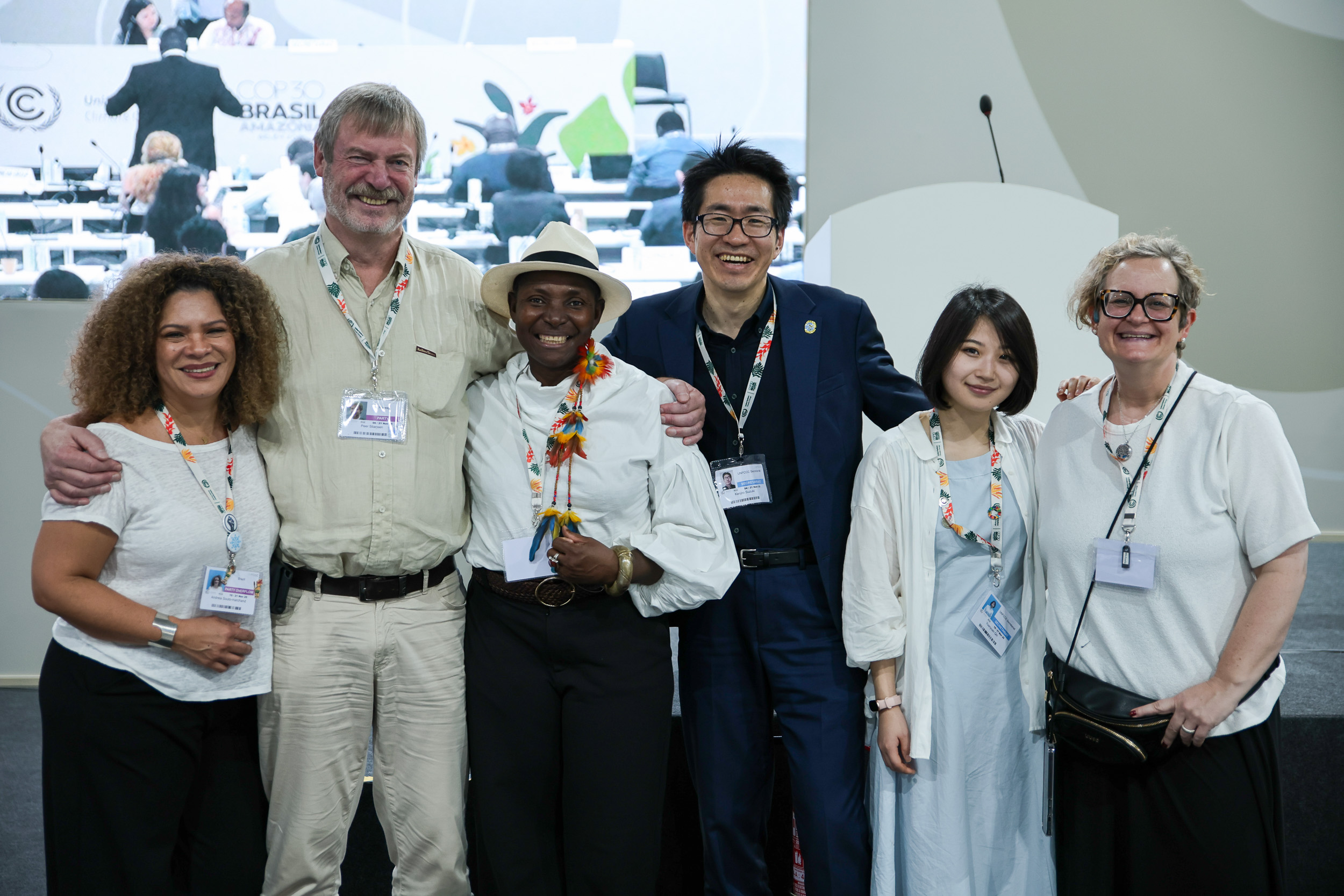
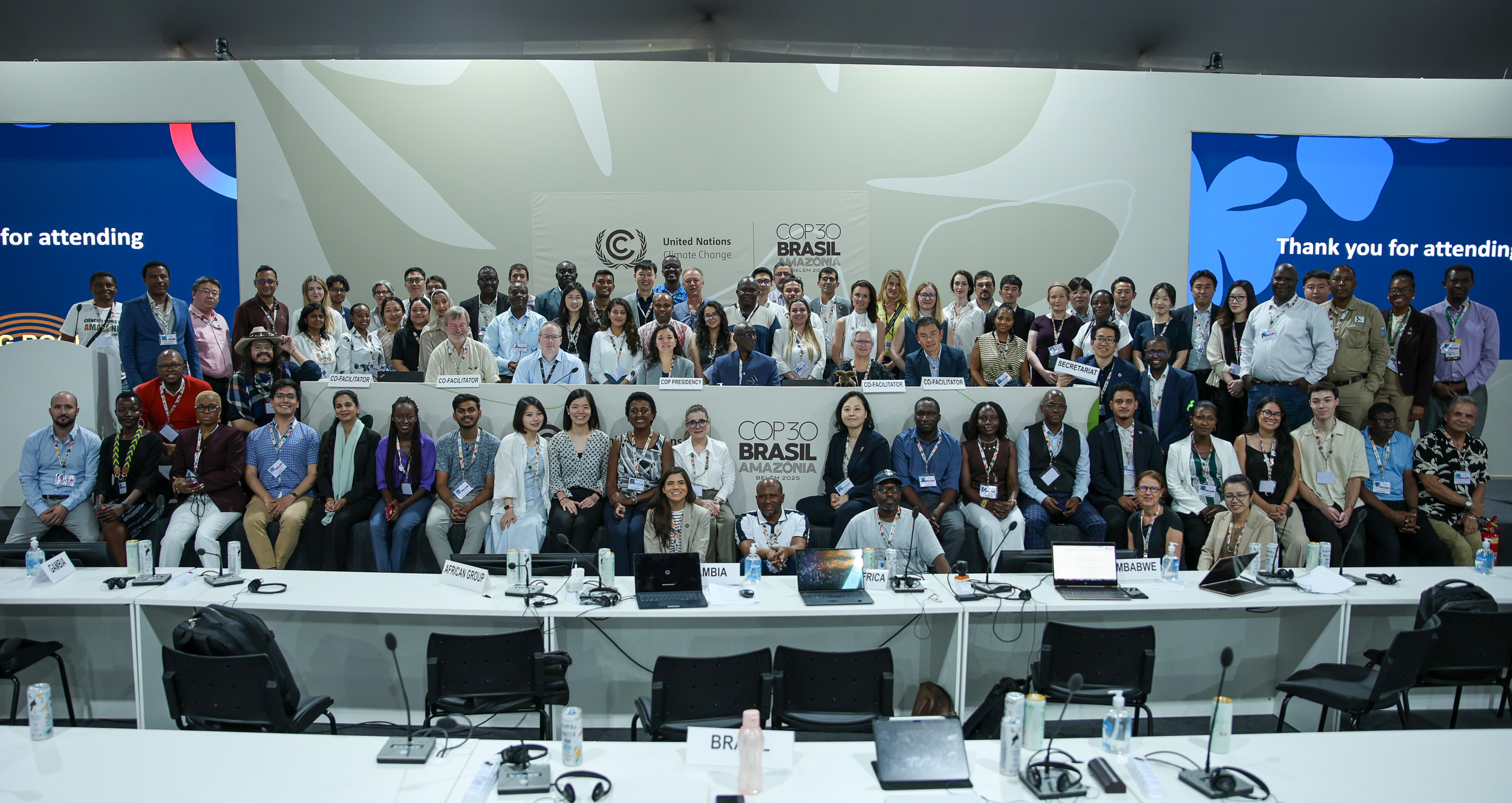
Group photo of the Paris Agreement Articles 6.2 and 6.4 negotiators
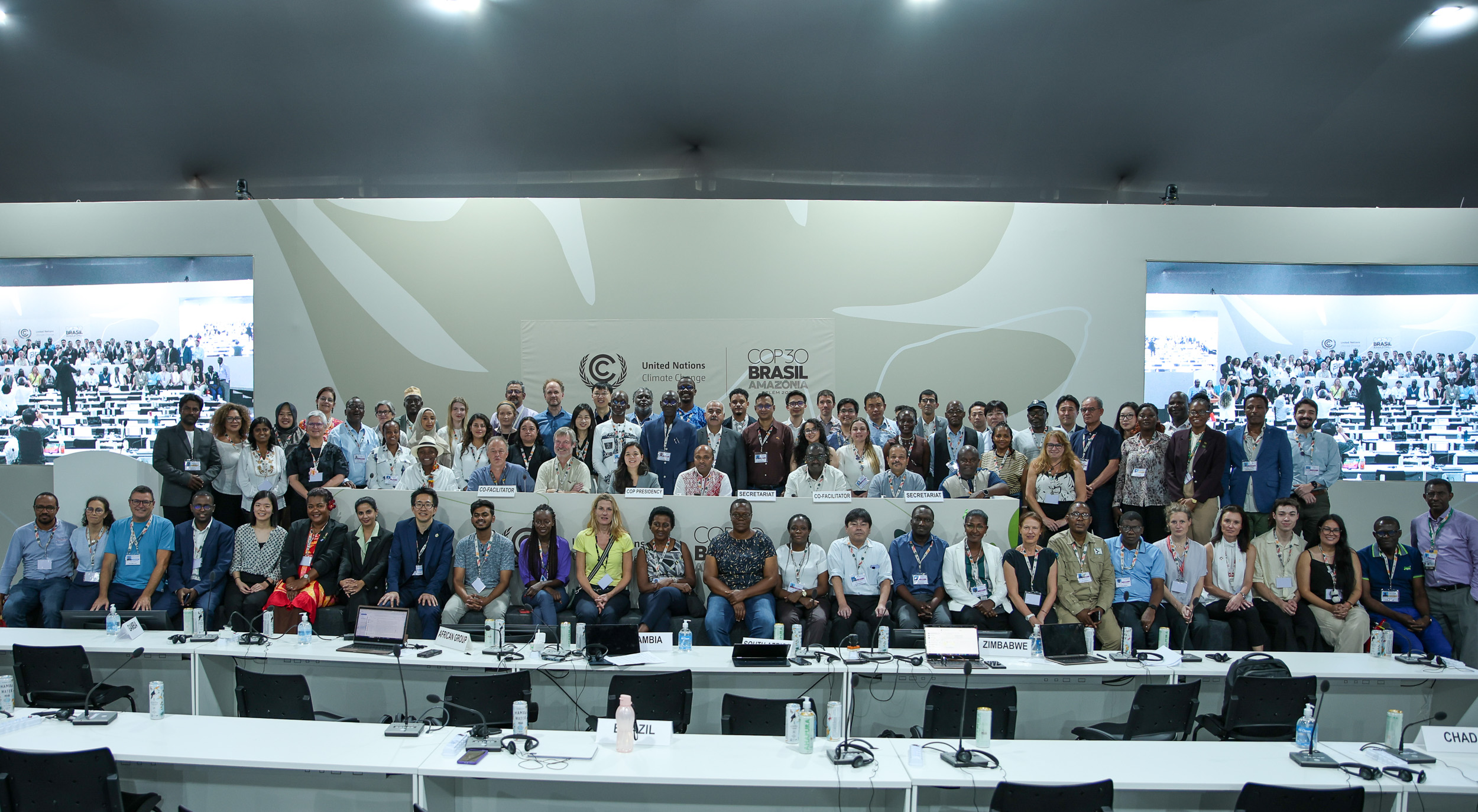
Group photo of the CDM and International Transaction Log negotiators
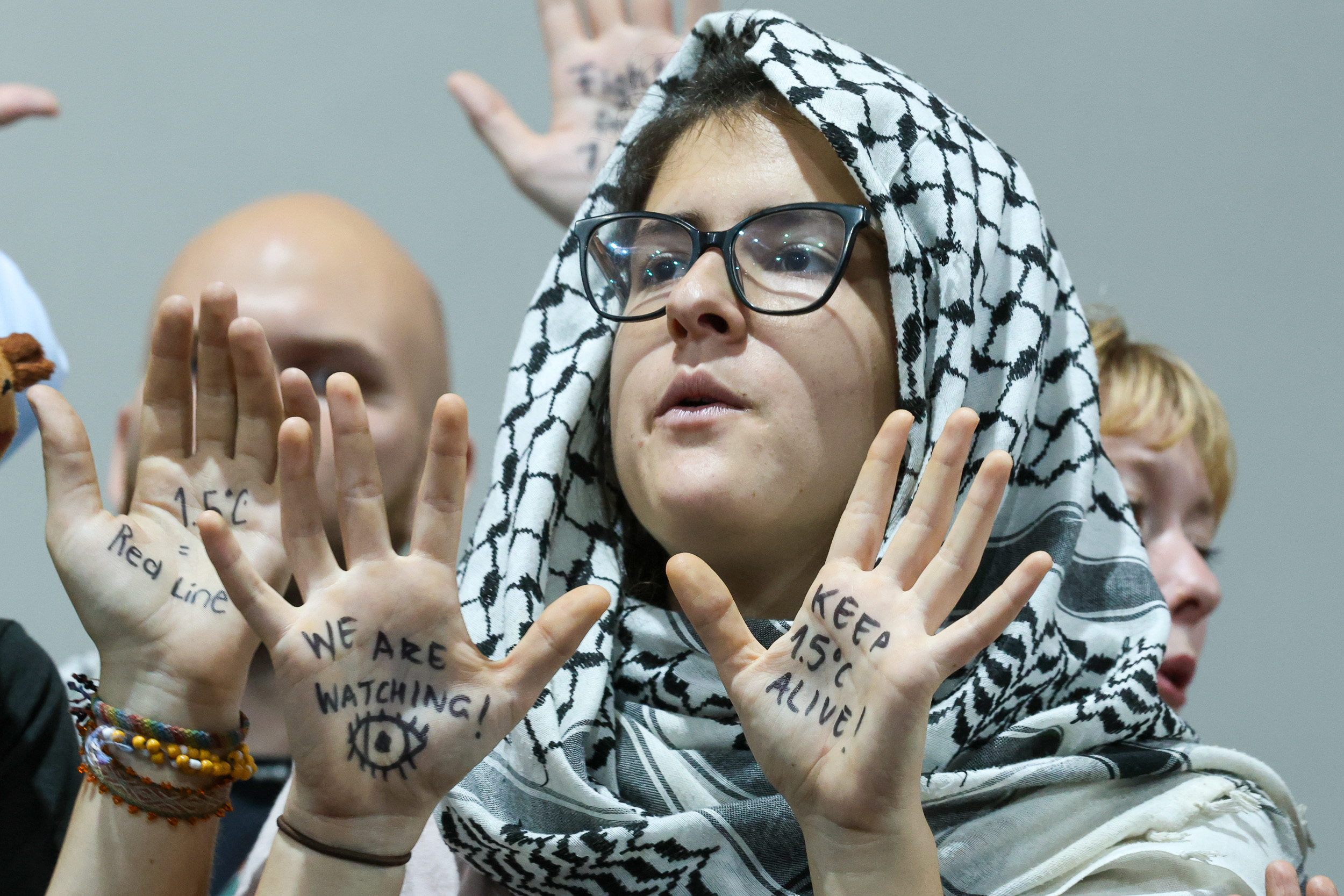
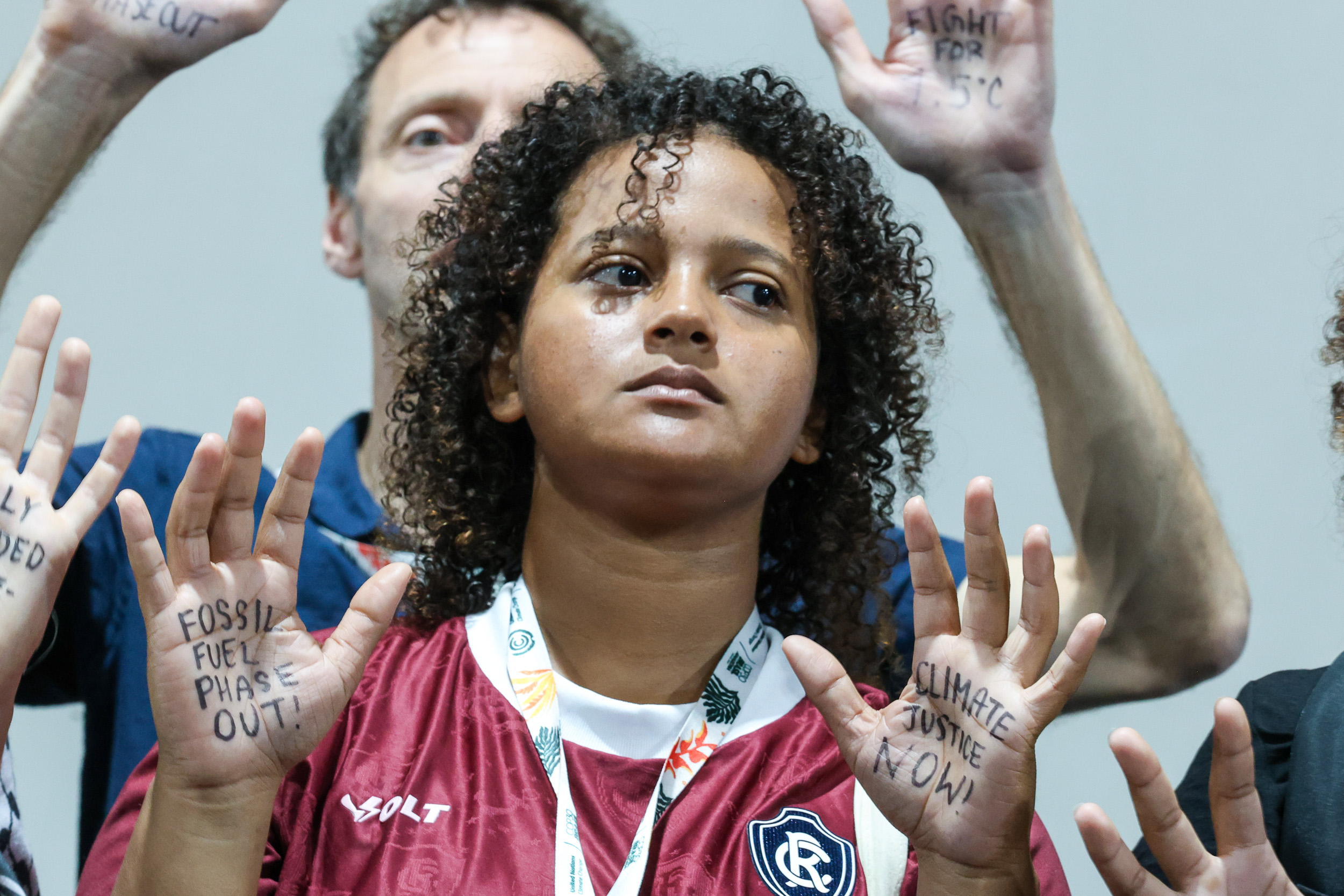
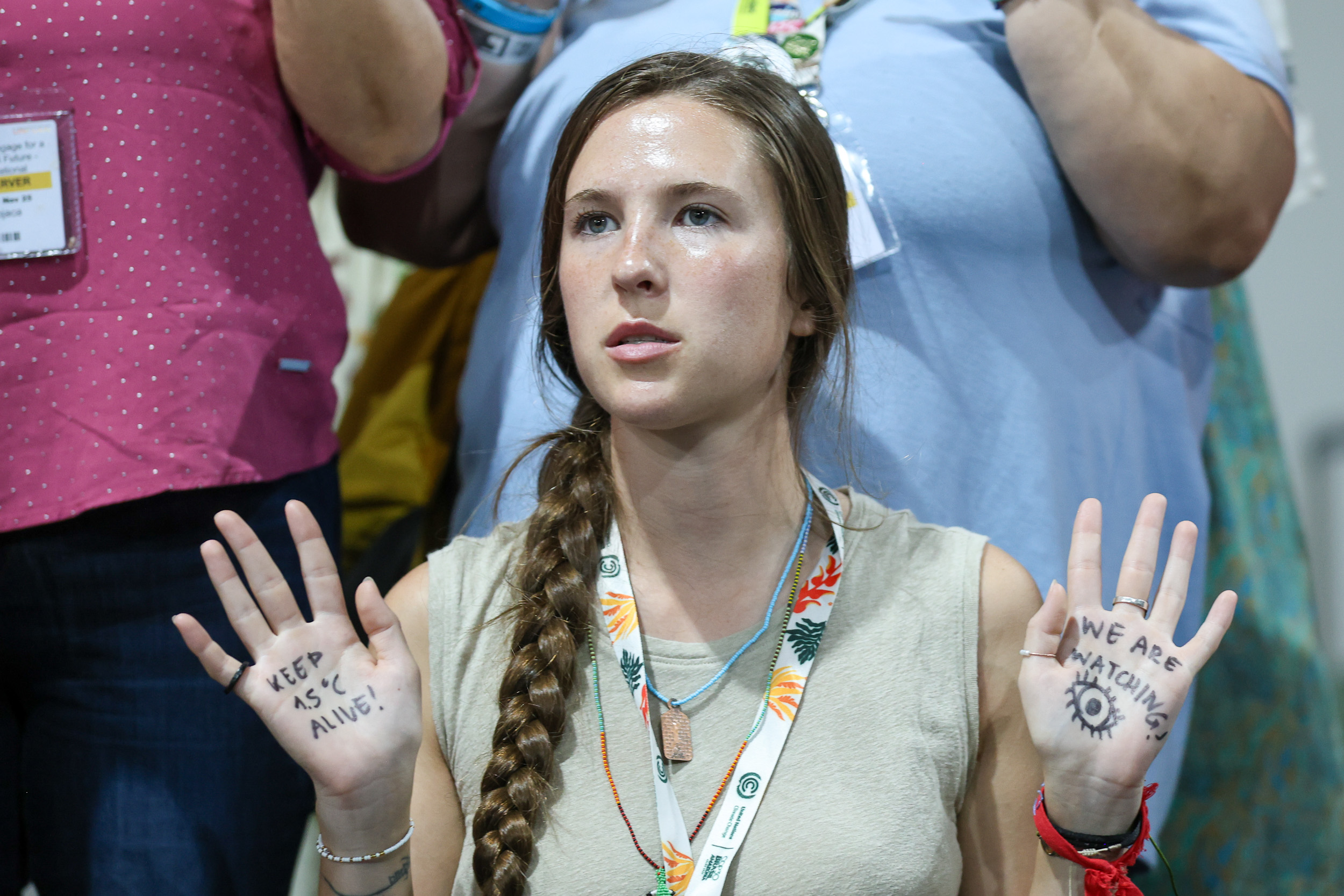
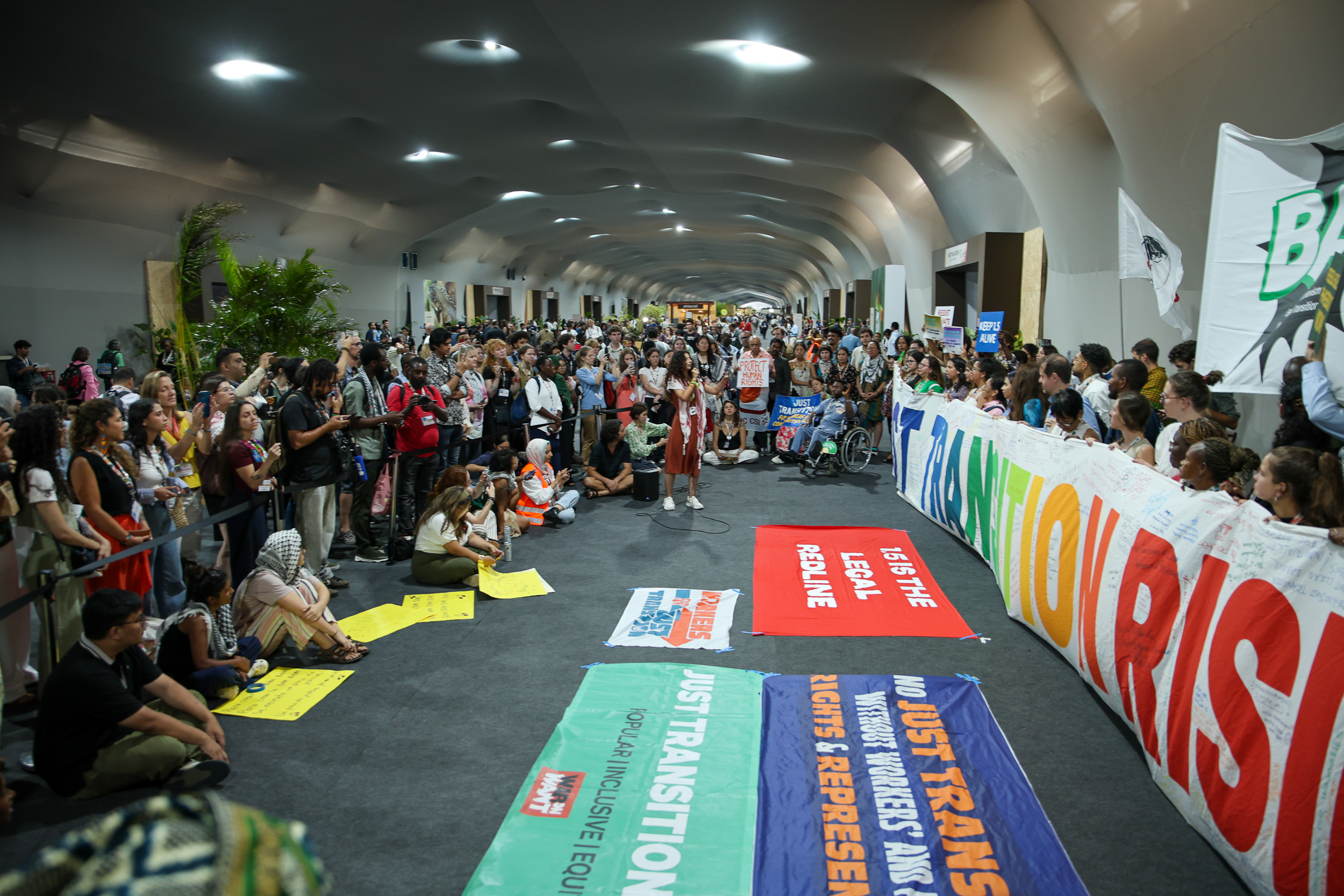
Climate Actions
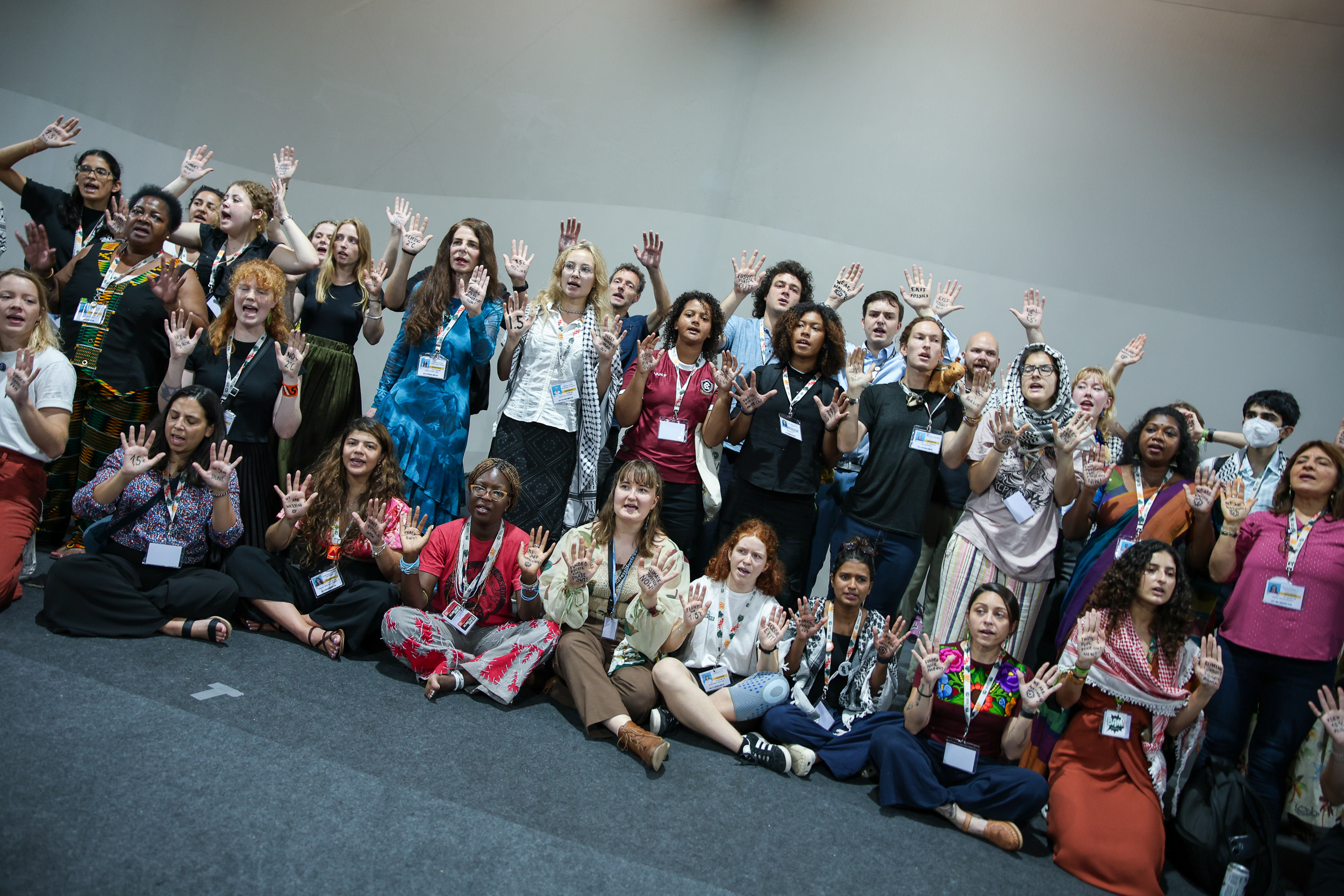
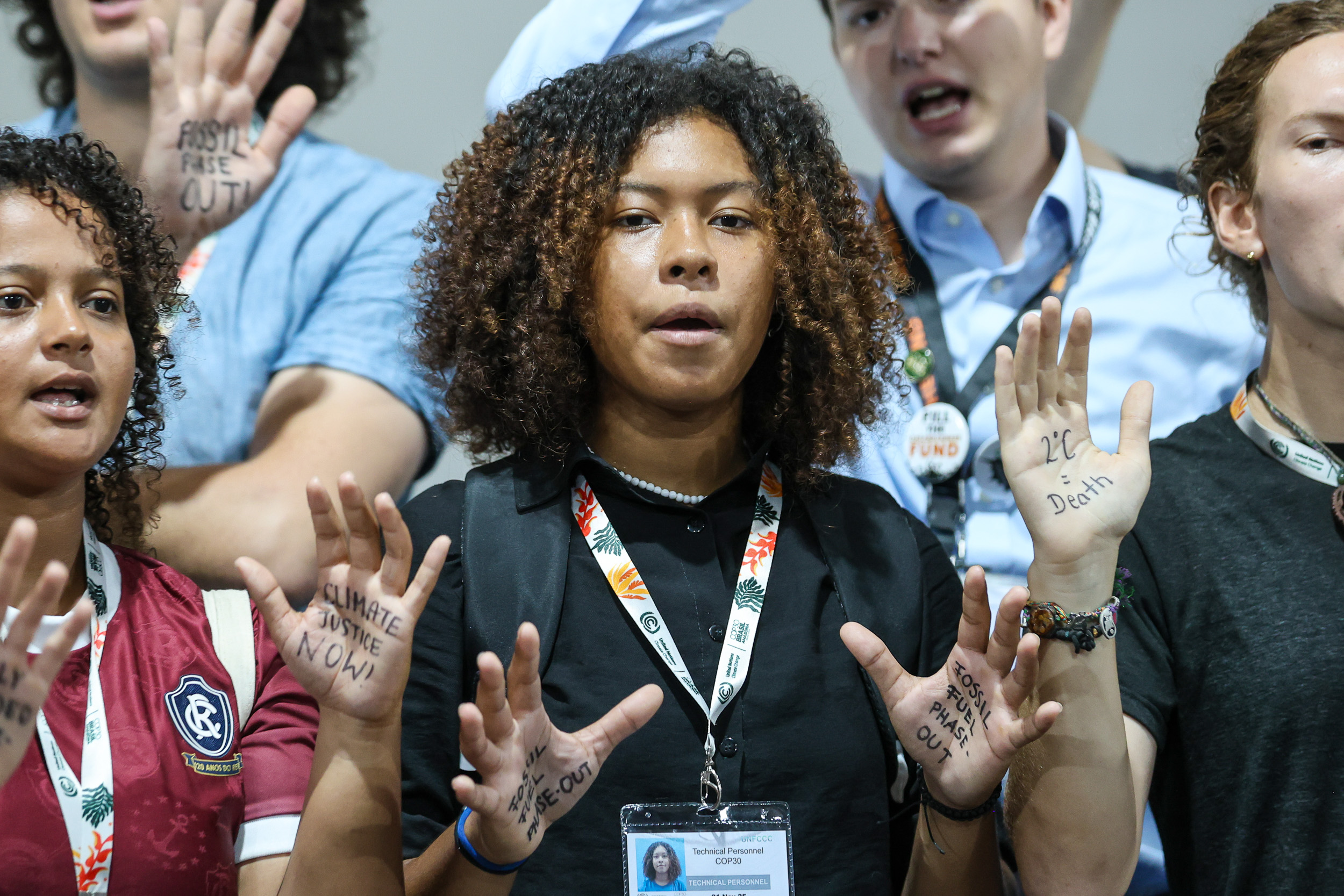
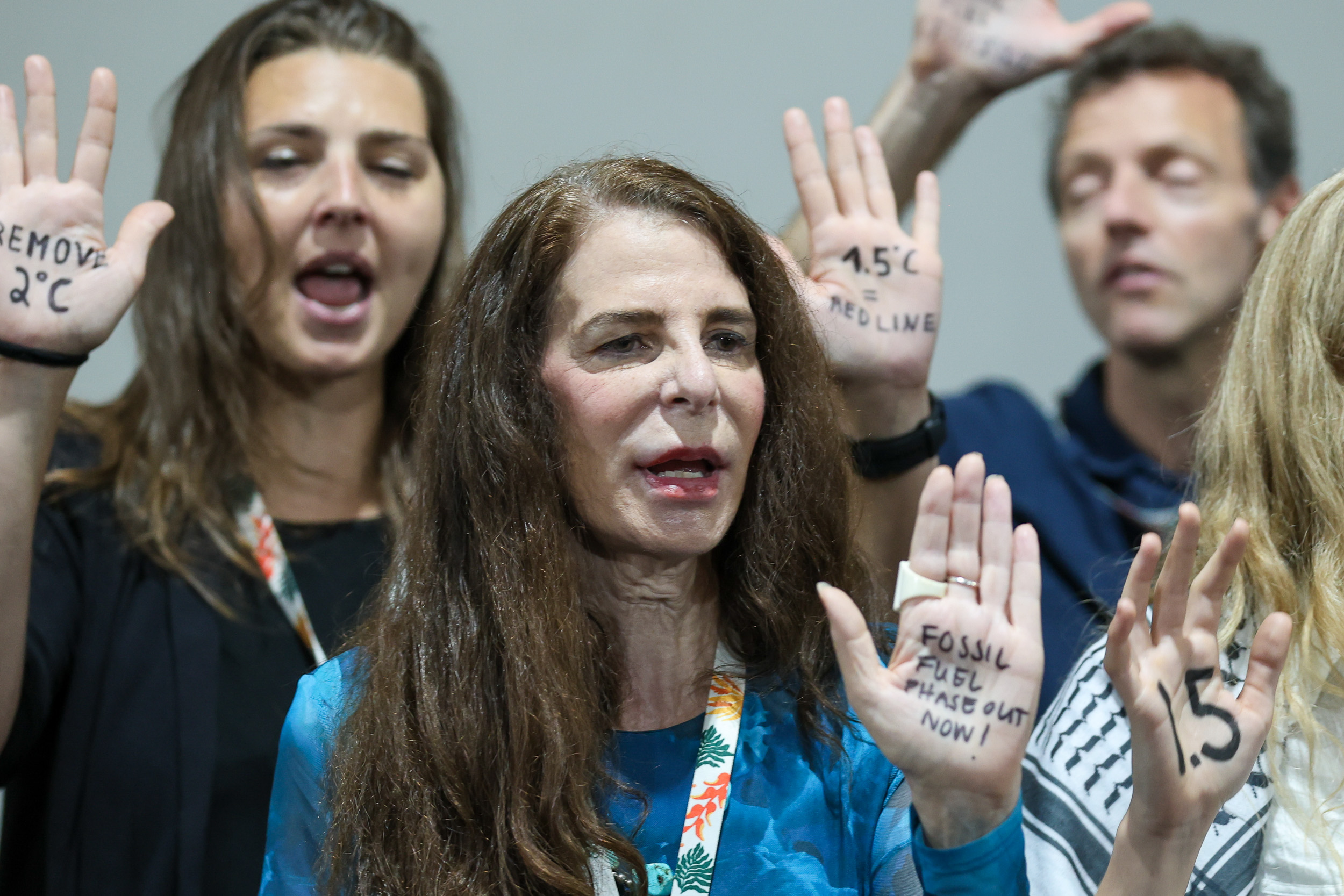
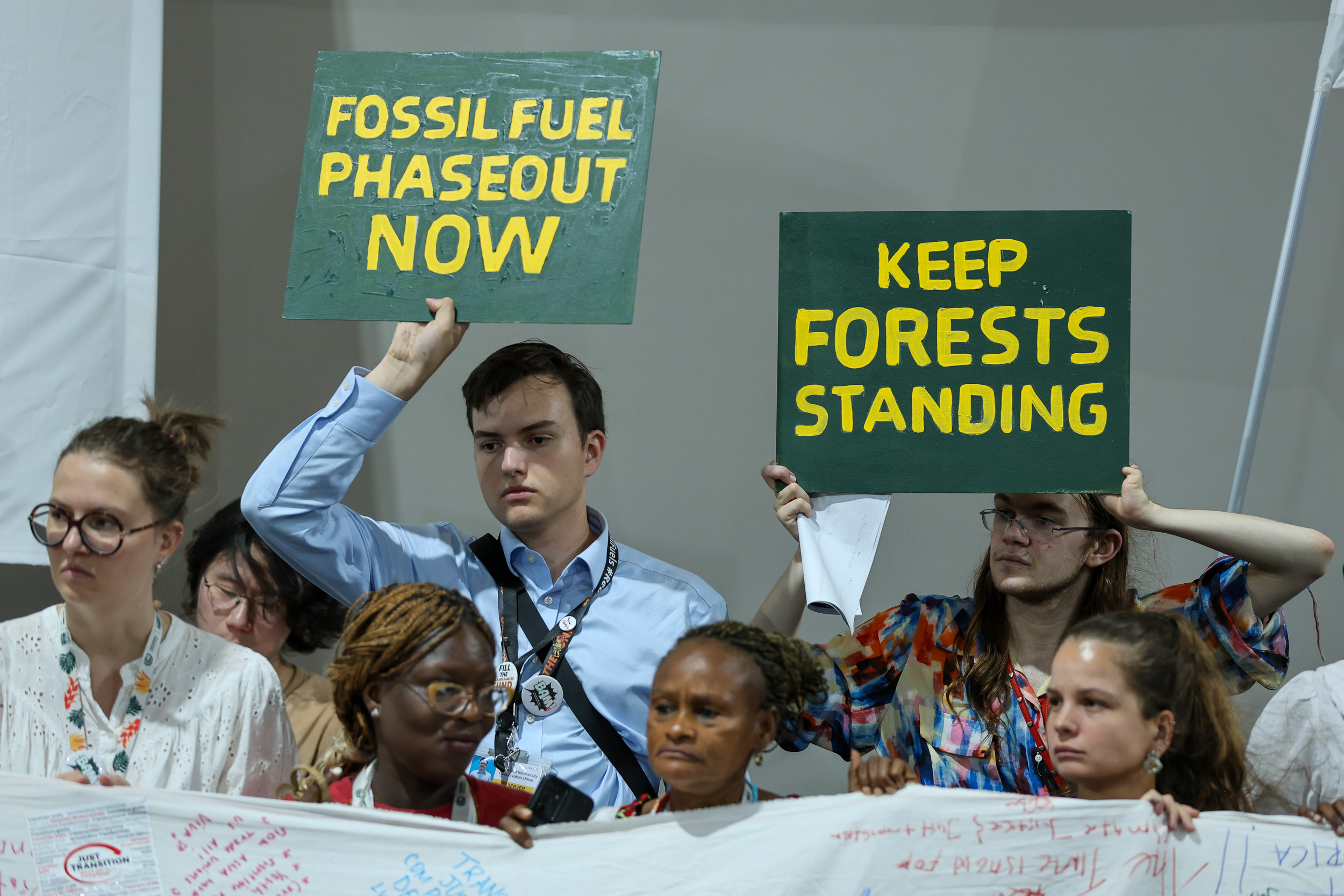
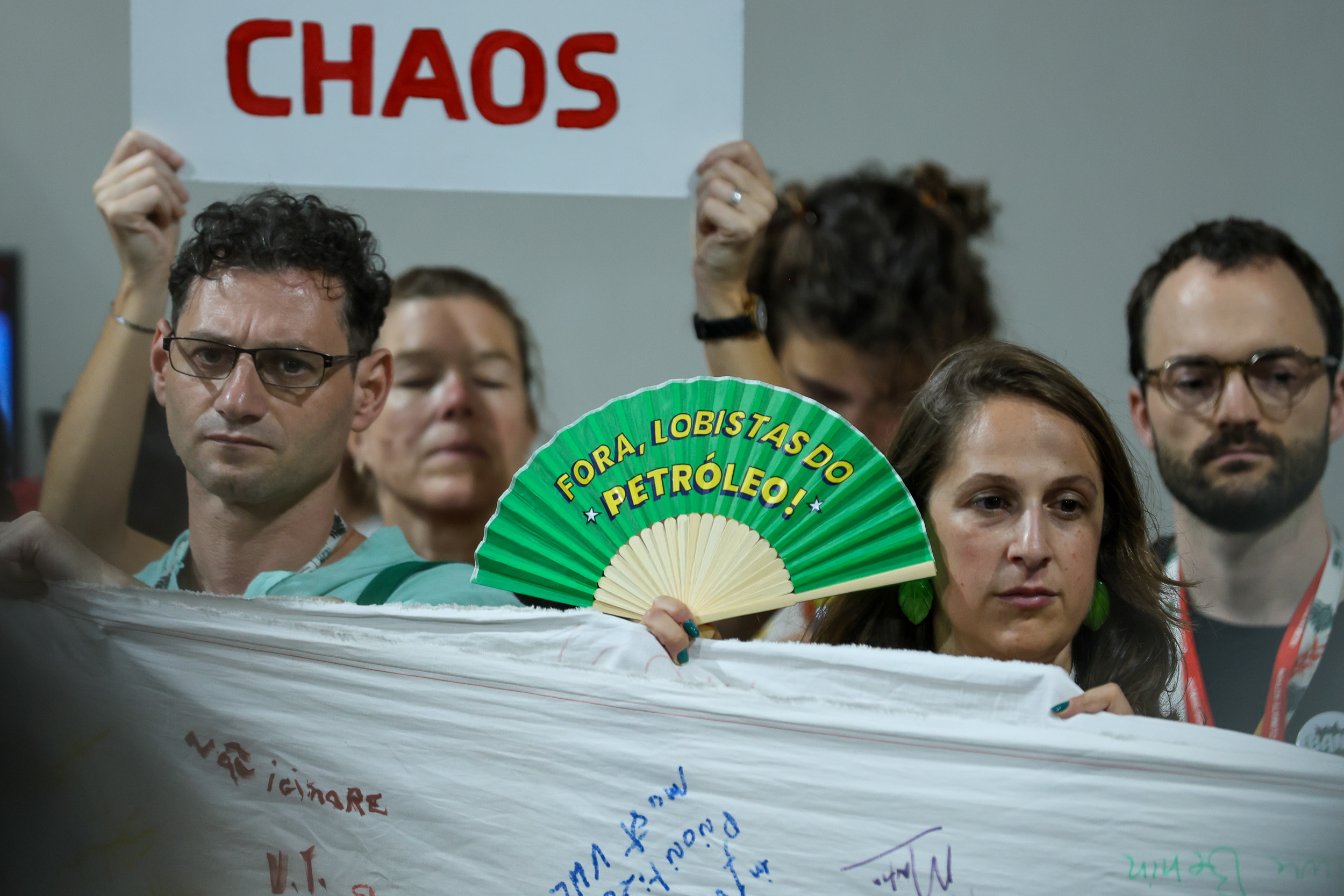
Around the Venue
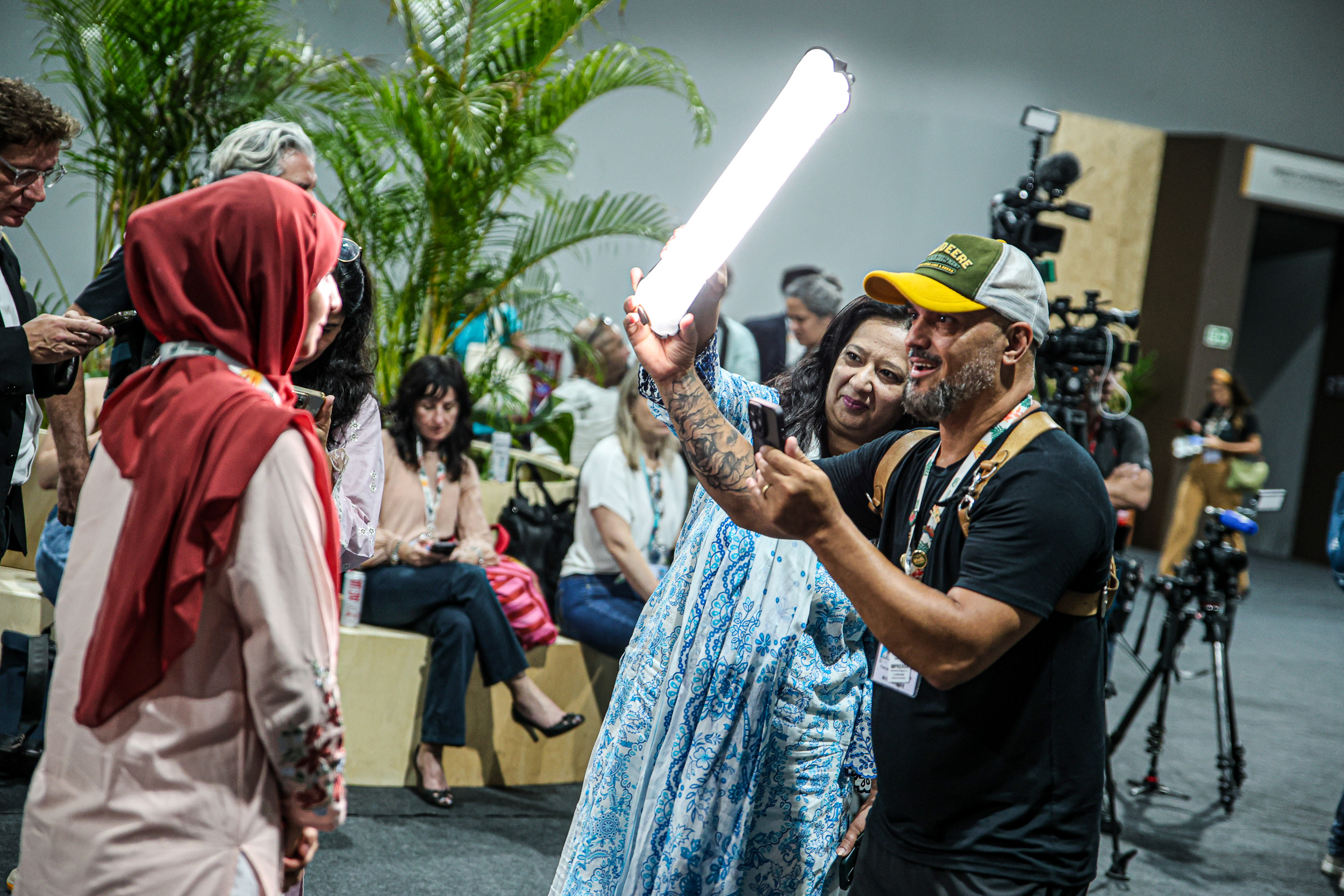
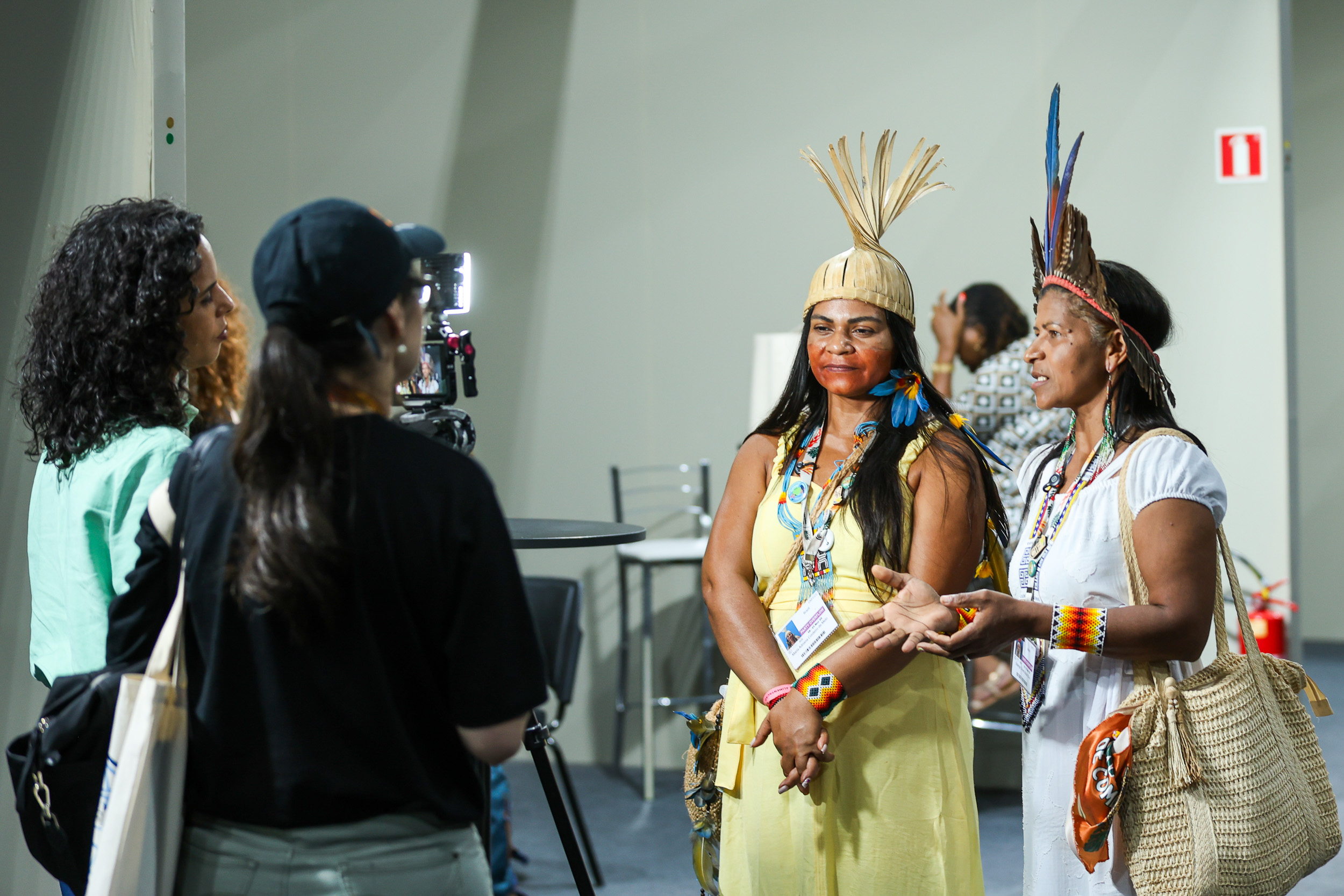
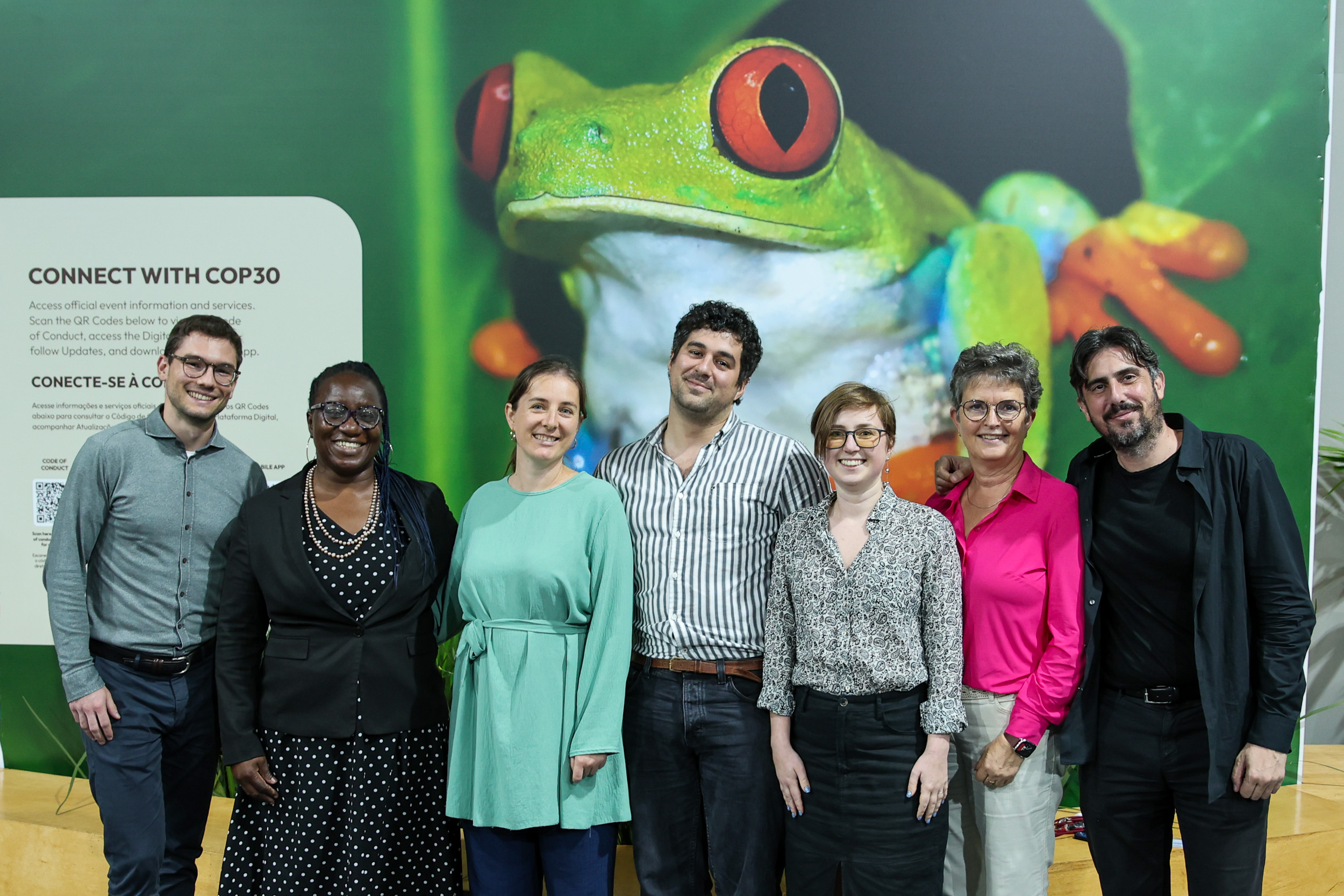
From L-R: Daniel Bertram; Tomilola Akanle; Jennifer Bansard; Marc Calabretta; Anna Dubrova; Annelies van Gaalen; and Mike Muzurakis