
“Mandate” is a word that comes up often in multilateral negotiations. Simply put, it refers to what a certain group is expected to do. Ideally, expectations are clear and come from a formal decision adopted by Parties at a previous meeting. Often, however, countries have different perspectives about the issues that are to be addressed—or intentionally try to push boundaries to foster their interests.
Want to dig deeper into today's talks? Read the full Earth Negotiations Bulletin daily report.

The day’s negotiations at the 2026 June Climate Meetings featured many mandate-related debates. Negotiations on the future of the Mitigation Work Programme (MWP), for example, had some countries arguing against a continuation of the MWP on the grounds that it was intended to promote mitigation ambition and implementation “in this critical decade.” Many others were skeptical of this line of reasoning, arguing for the MWP’s continuation beyond 2030 on the grounds that reducing greenhouse gas emissions will remain the key to effective climate action.

In discussions on the Least Developed Countries Expert Group (LEG), Parties debated the now-classic governance question: does the CMA (Conference of the Parties serving as the meeting of the Parties to the Paris Agreement) have a mandate to engage in the stocktaking of the LEG’s work? Some Parties are generally wary of recognizing the CMA’s mandate over constituted bodies originally established under the Convention. Others underscore that support for the implementation of the Paris Agreement is now a key function of these bodies.

An informal meeting organized by the Chairs of the Subsidiary Bodies (SBs) on preparations for the second Global Stocktake (GST) under the Paris Agreement also illustrated Parties’ differing expectations as to the timing of the GST’s different phases and the breadth of issues to be addressed in the GST decision. With regard to the latter, Parties pointed to, among others:
- the provision of financial support and how it meets needs;
- quantitative information on adaptation;
- finance flow alignment;
- barriers to international cooperation;
- the Ocean-climate nexus; and
- implementation of the GST outcome.

To receive free coverage of global environmental events delivered to your inbox, subscribe to the ENB Update newsletter.
All ENB photos are free to use with attribution. For SB64 please use: Photo by IISD/ENB - Kiara Worth
Paris Committee on Capacity-building
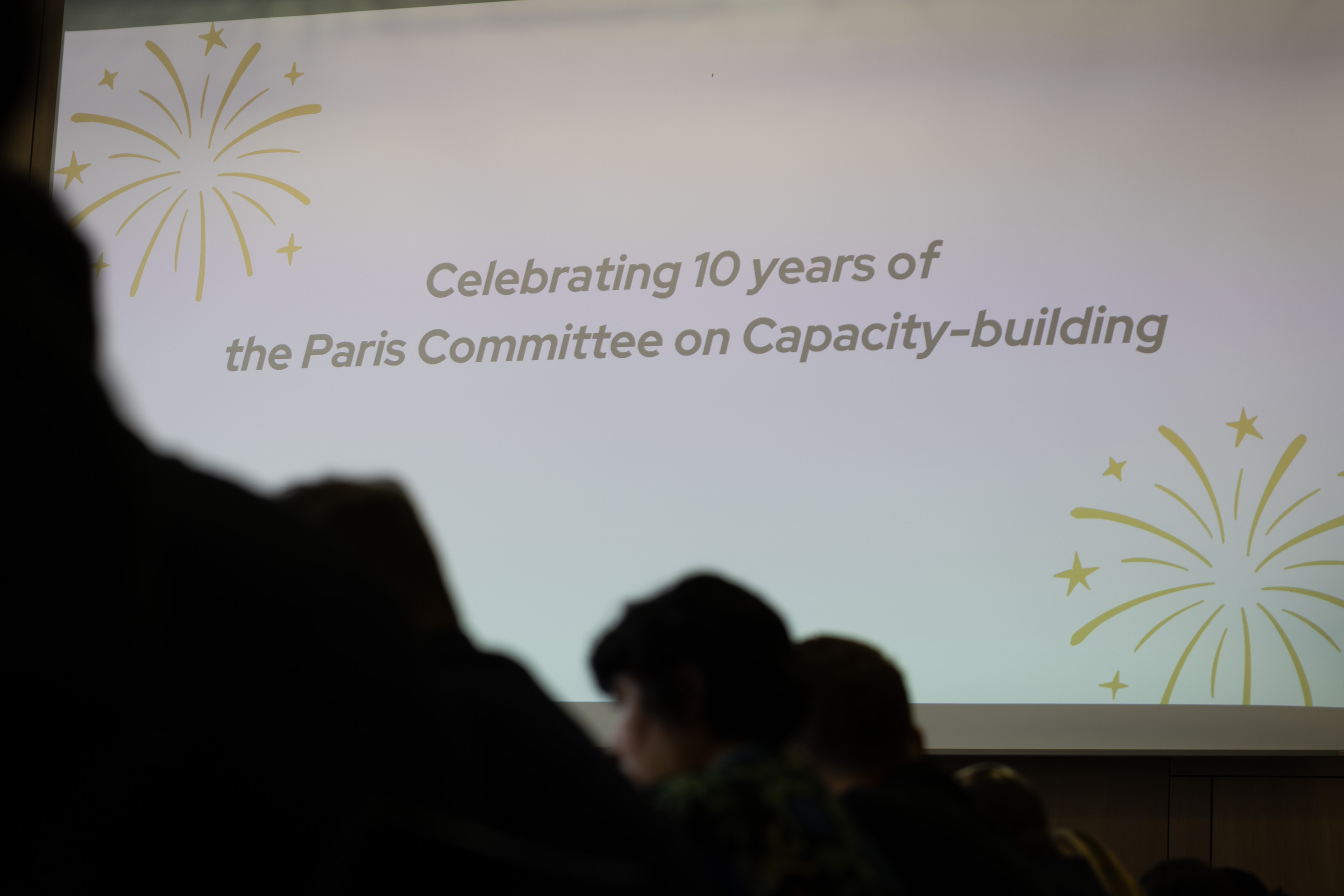
The Paris Committee on Capacity-building (PCCB) celebrates its 10-year anniversary
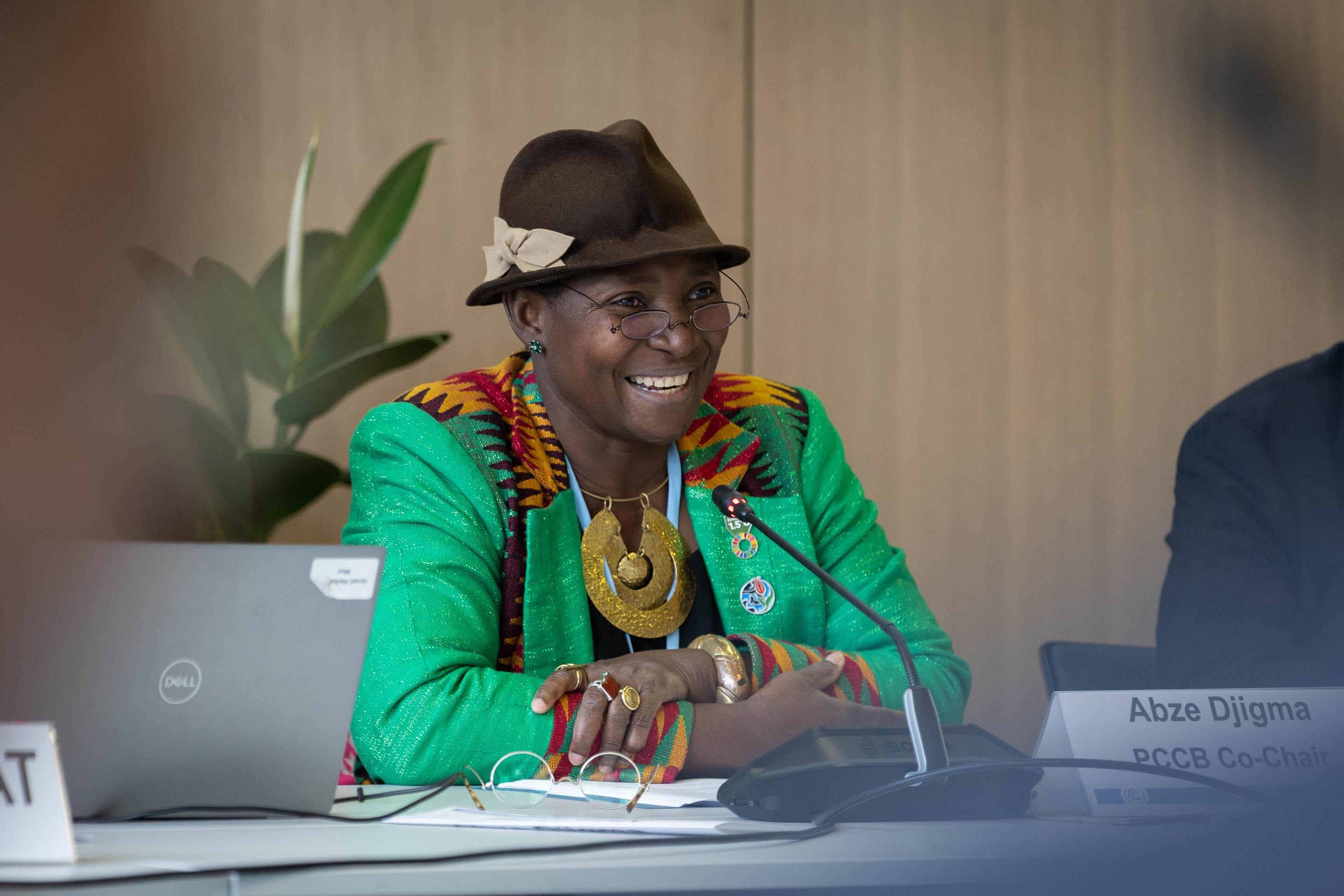
Princess Abze Djigma, Co-Chair, PCCB
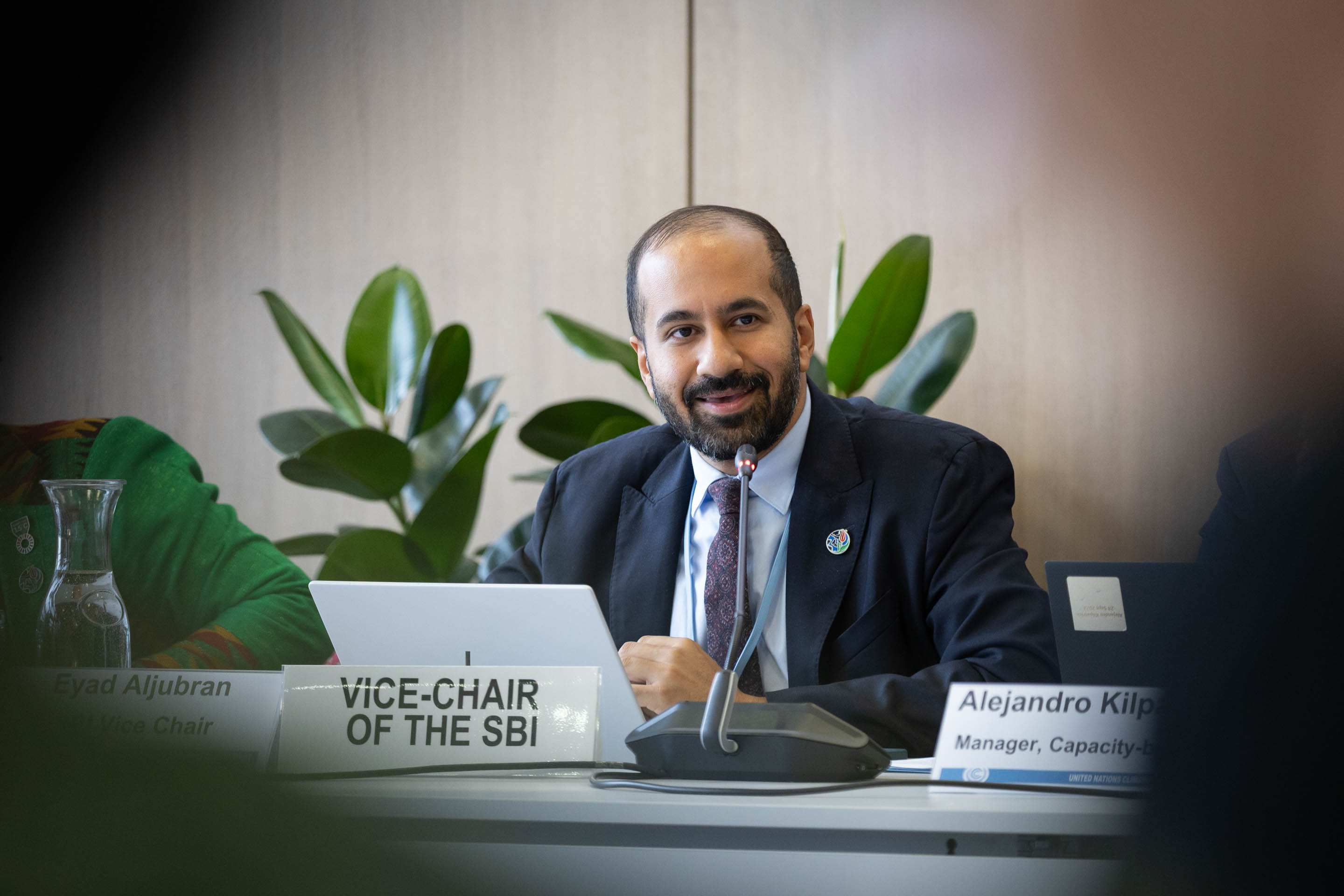
Eyad Aljubran, SBI Vice-Chair
Julian Hodgkin, UNFCCC Secretariat
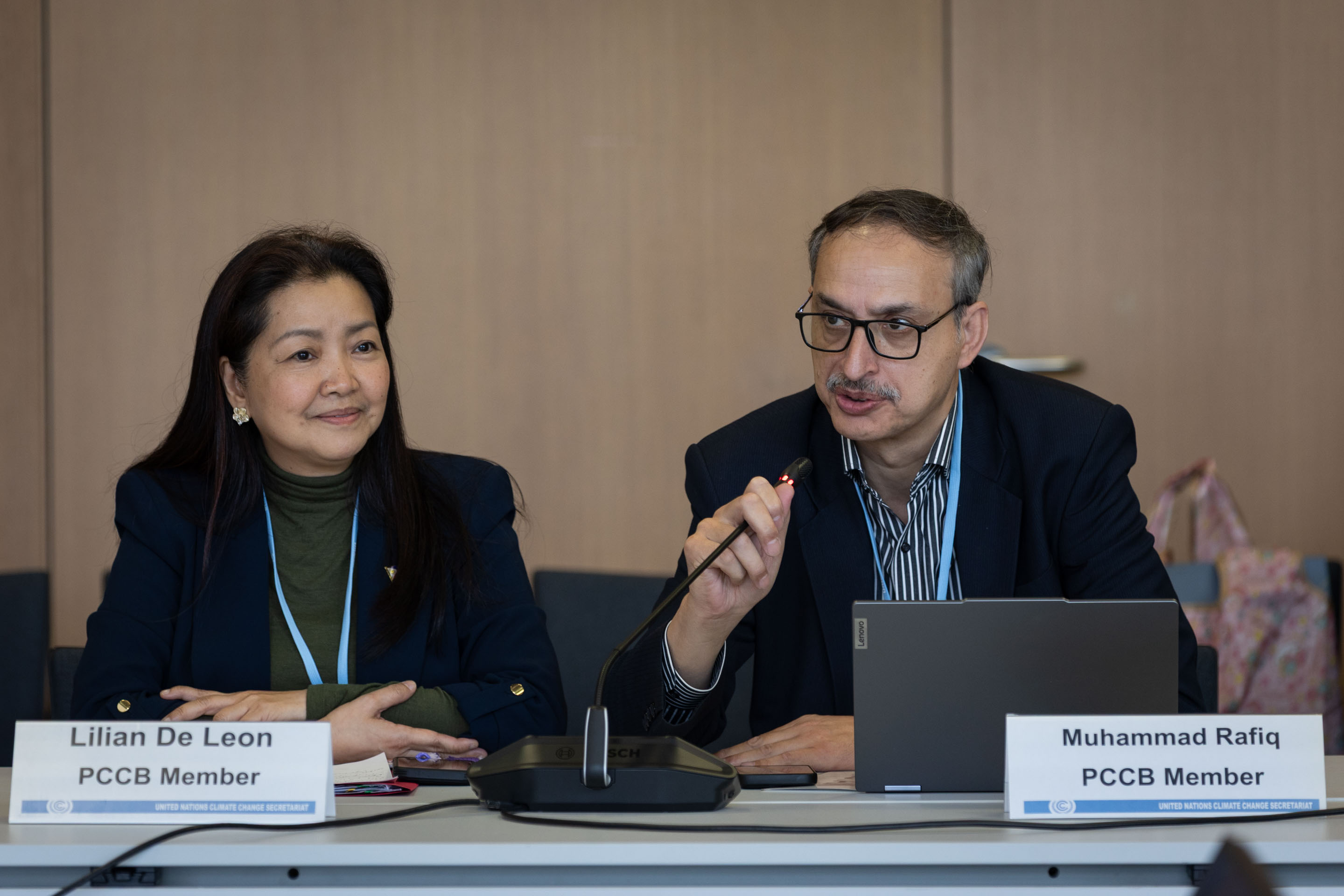
PCCB Members Lilian De Leon, the Philippines, and Muhammad Rafiq, Pakistan
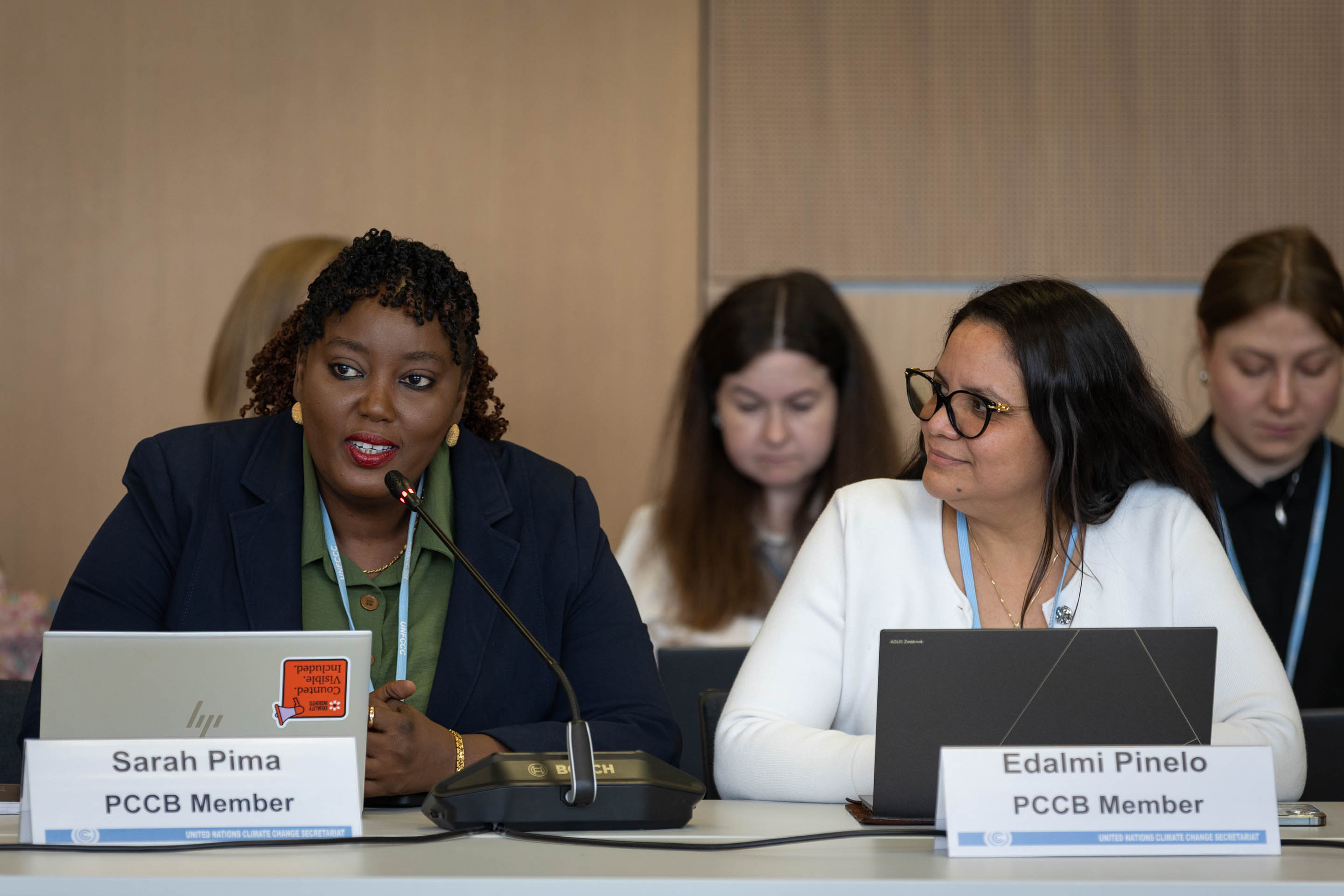
PCCB Members Sarah Pima, Tanzania, and Edalmi Pinelo, Belize
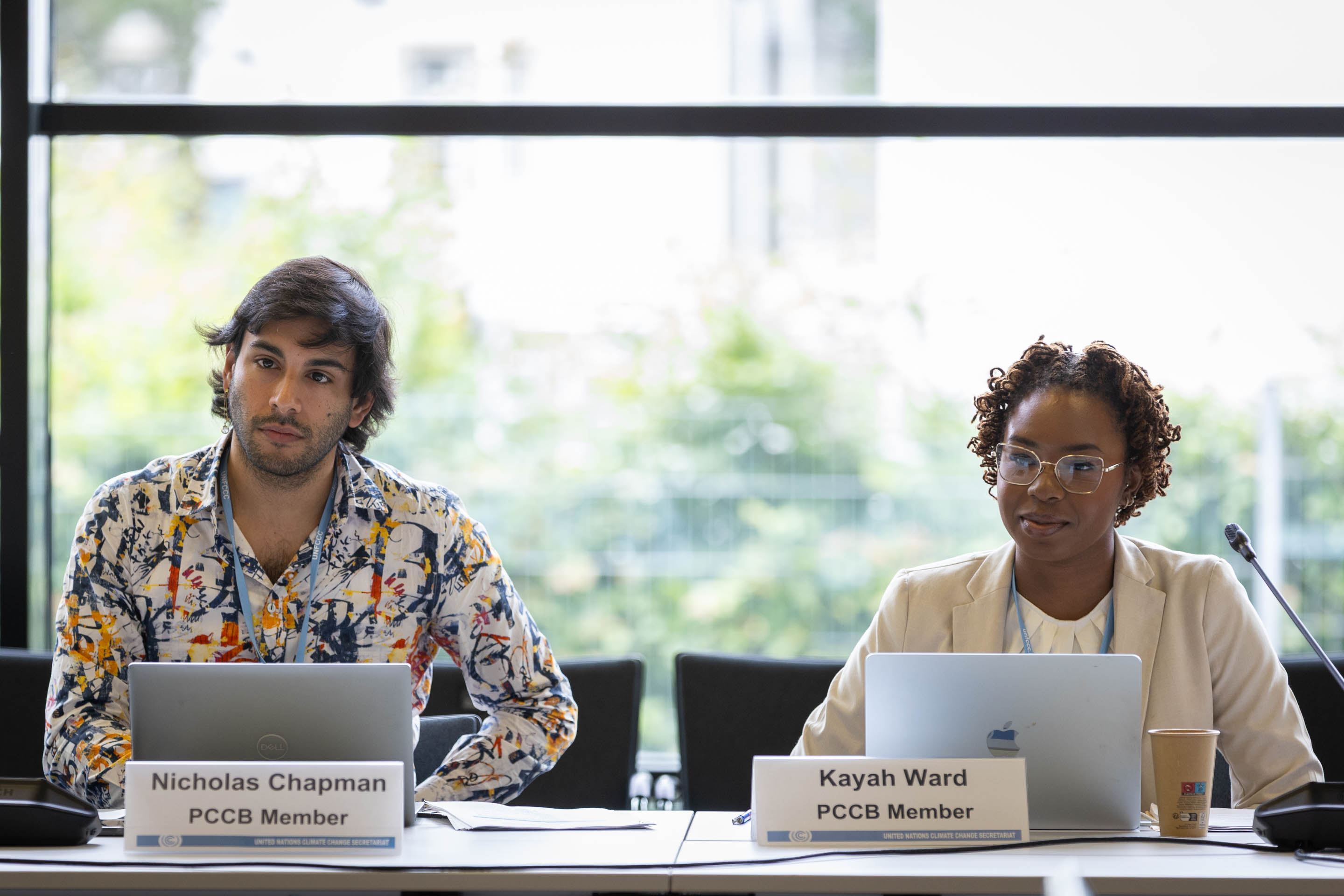
PCCB Members Nicholas Chapman, UK, and Kayah Ward, Antigua and Barbuda
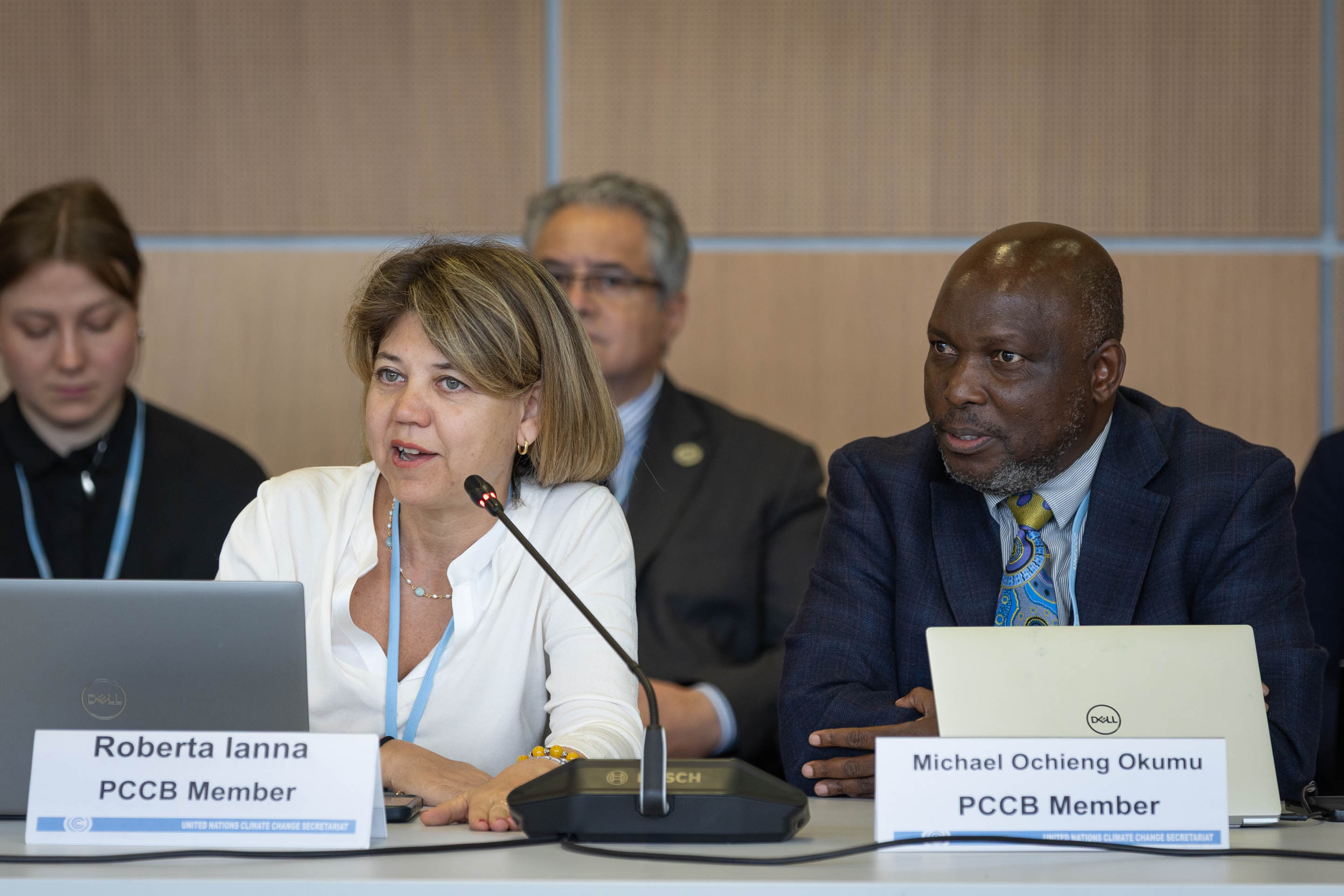
PCCB Members Roberta Ianna, Italy, and Michael Ochieng Okumu, Kenya
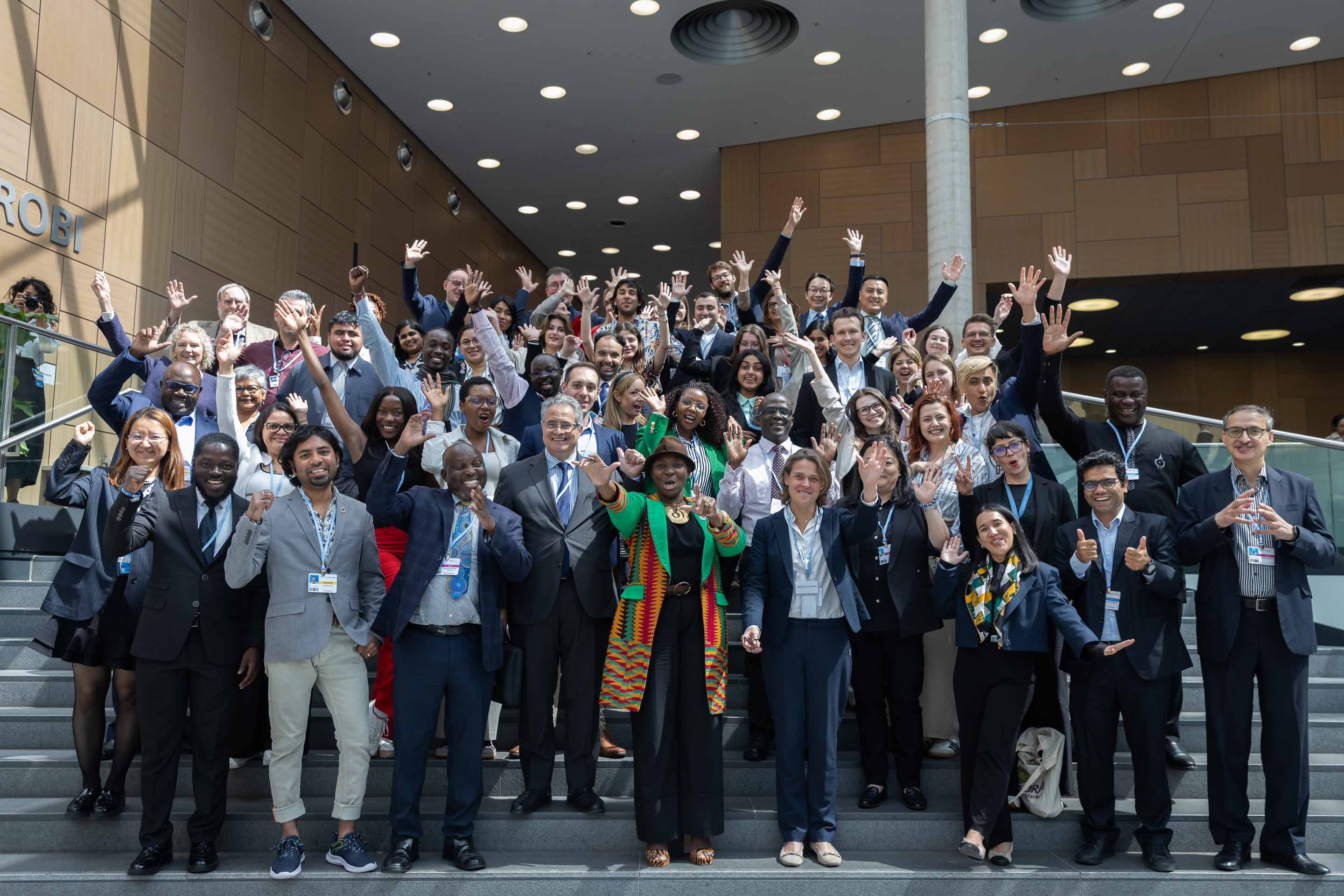
Family photo of the PCCB community
Informal Consultations Throughout the Day
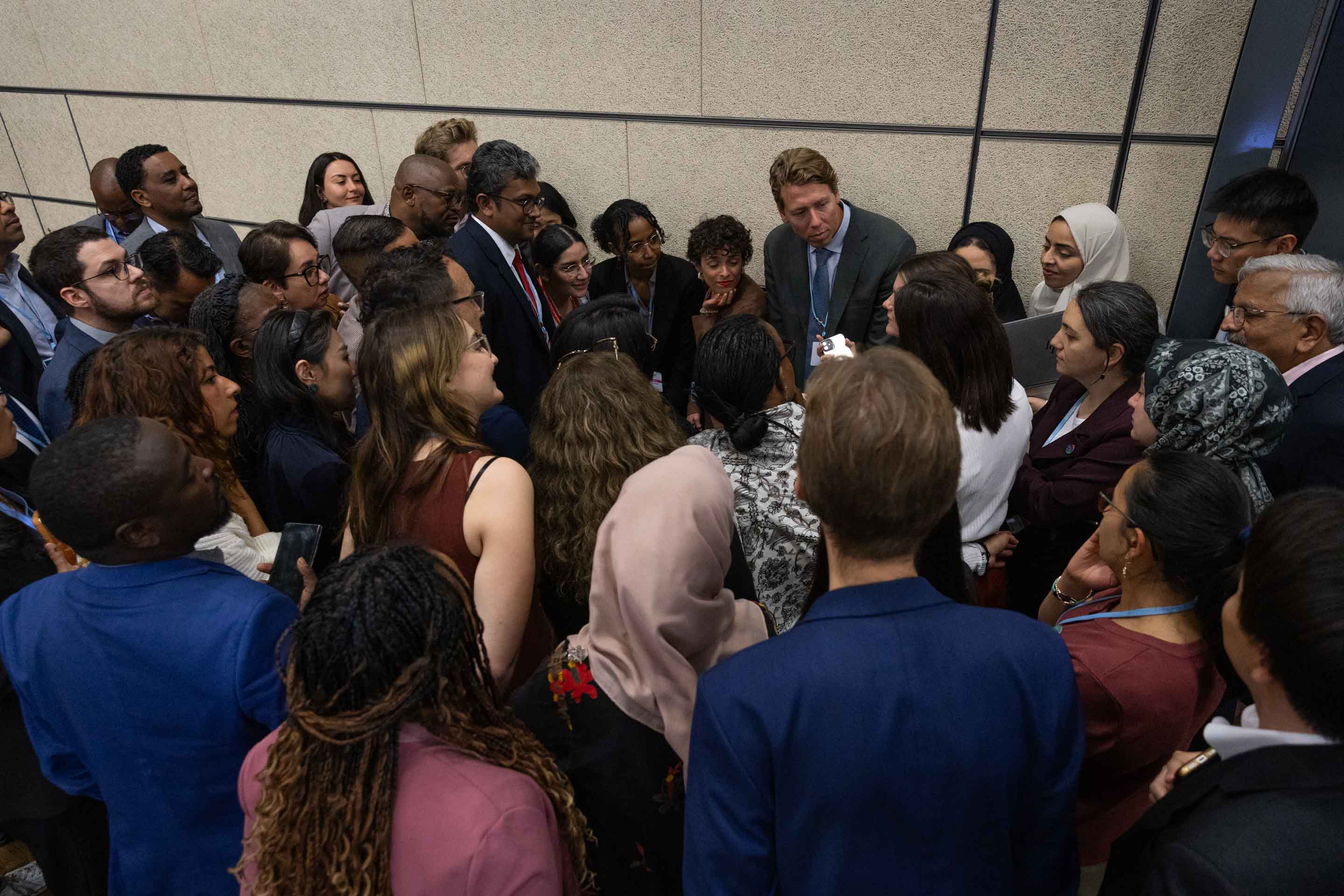
Delegates huddle during the informal consultations on the Global Goal on Adaptation (GGA)
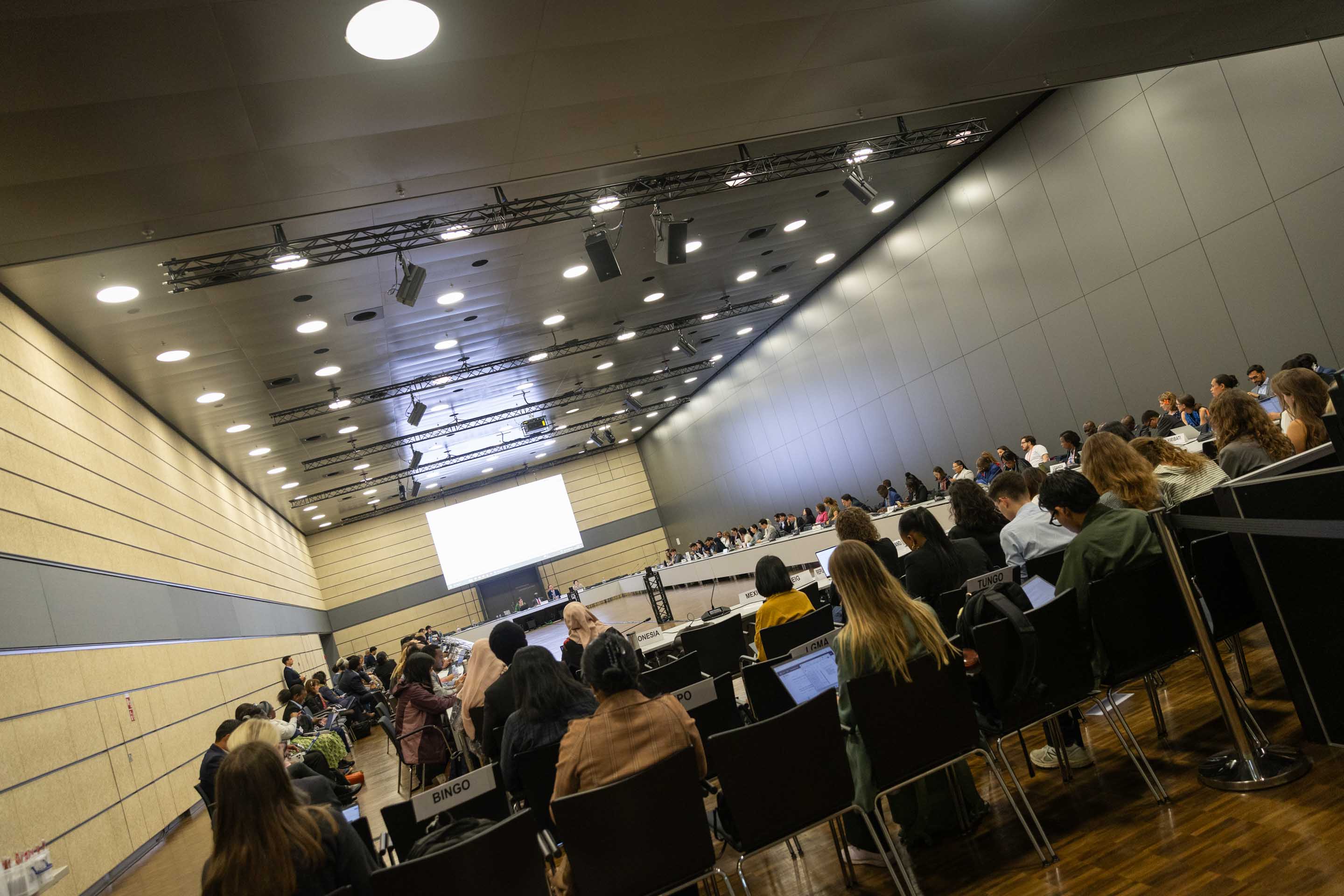
Informal consultations on matters relating to least developed countries (LDCs)
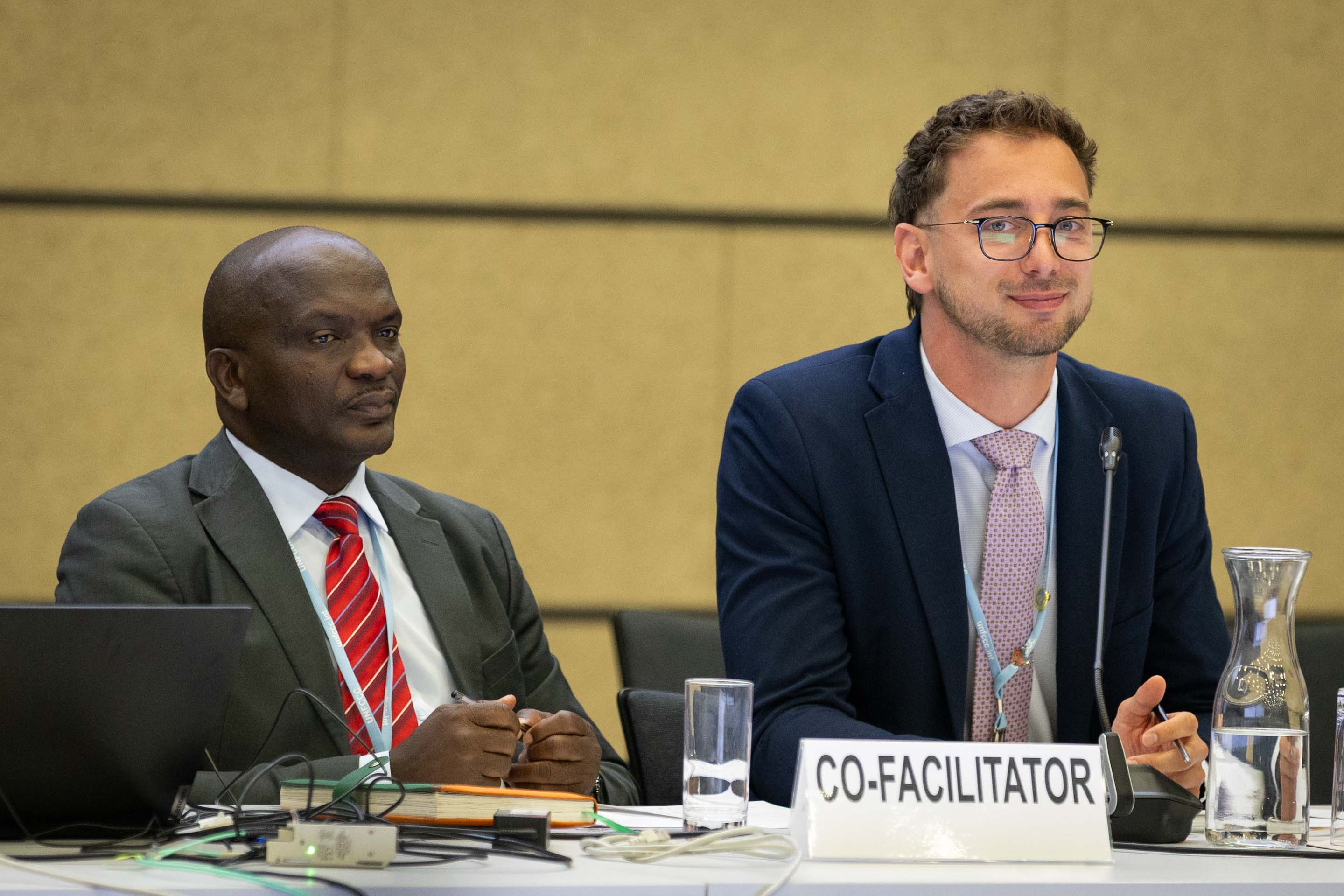
Co-Facilitators for LDC informal consultations Ephraim Mwepya Shitima, Zambia, and Rik den Hoedt, the Netherlands
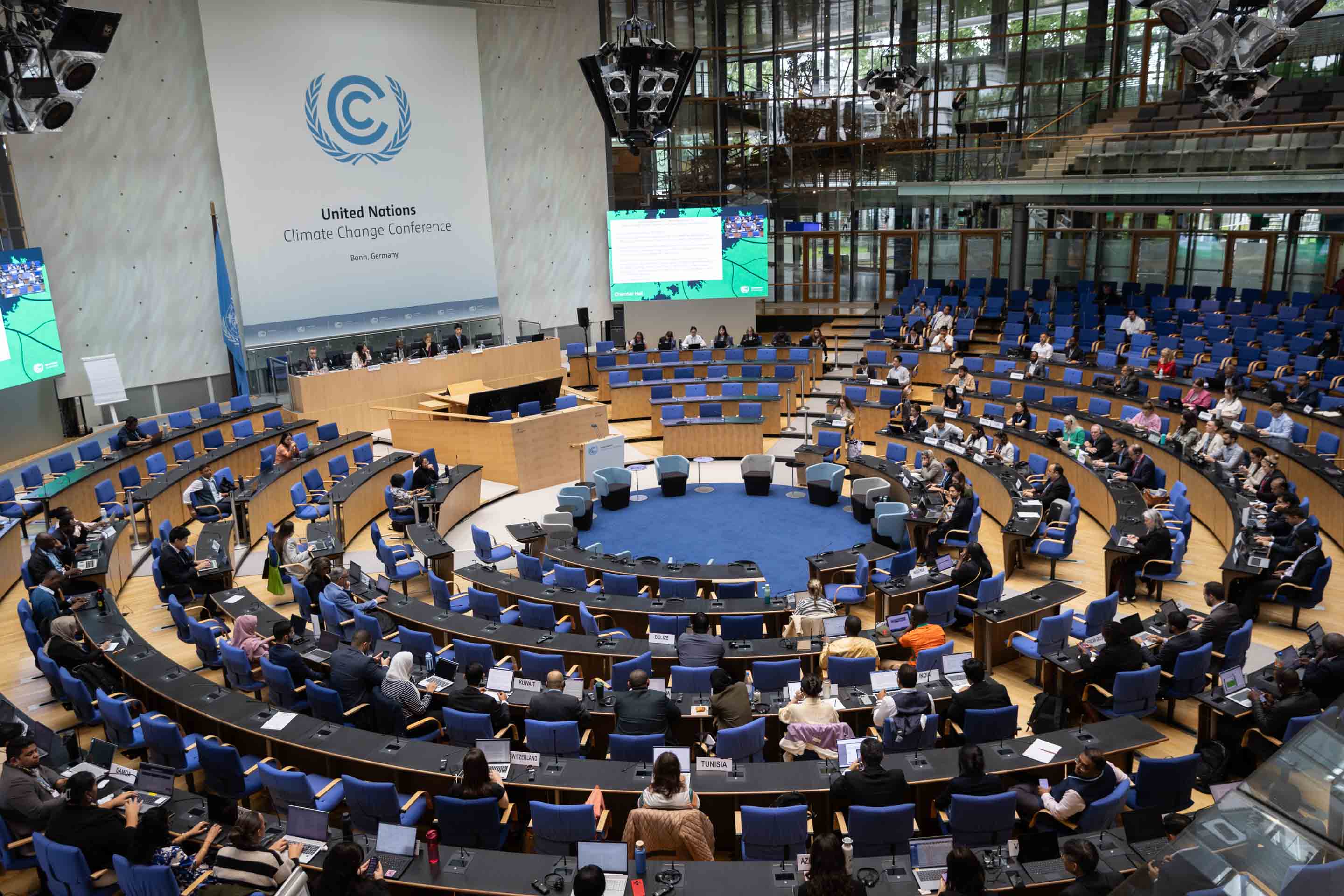
Informal consultations on the mitigation work programme (MWP)
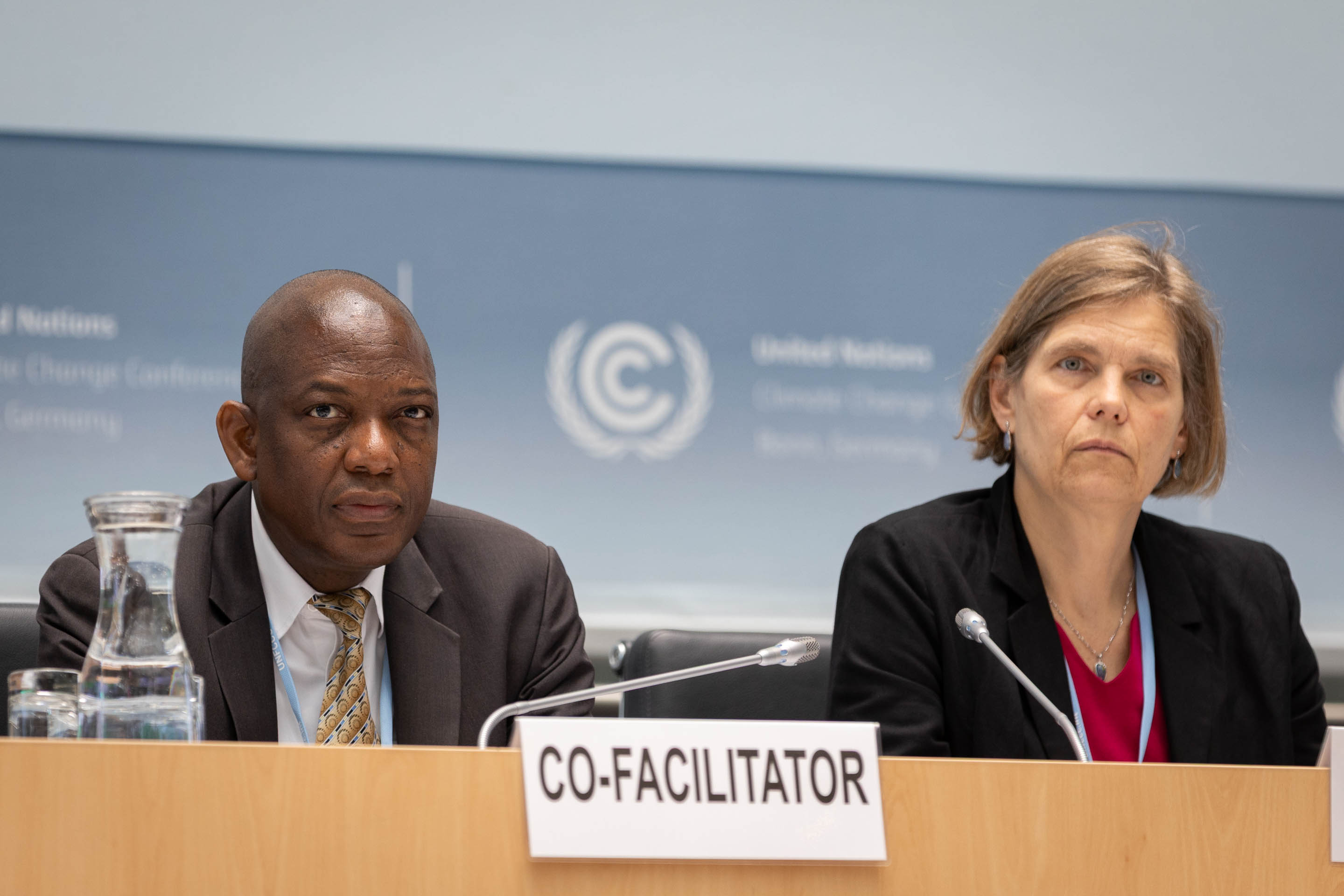
Co-Facilitators for informal consultations on the MWP Maesela John Kekana, South Africa, and Ursula Fuentes Hutfilter, Germany
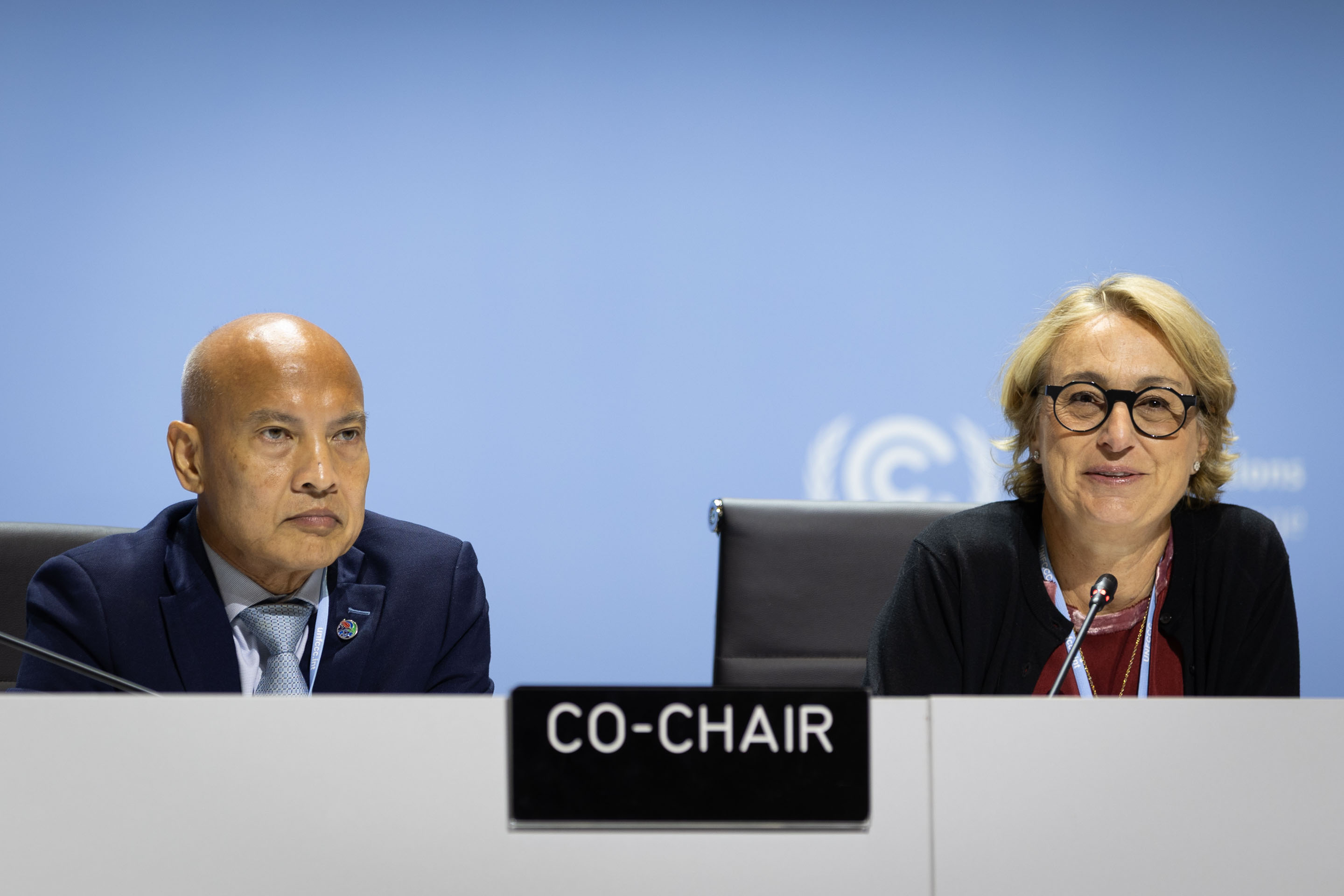
Co-Chairs for the contact group on the just transition work programme Joseph Teo, Singapore, and Federica Fricano, Italy
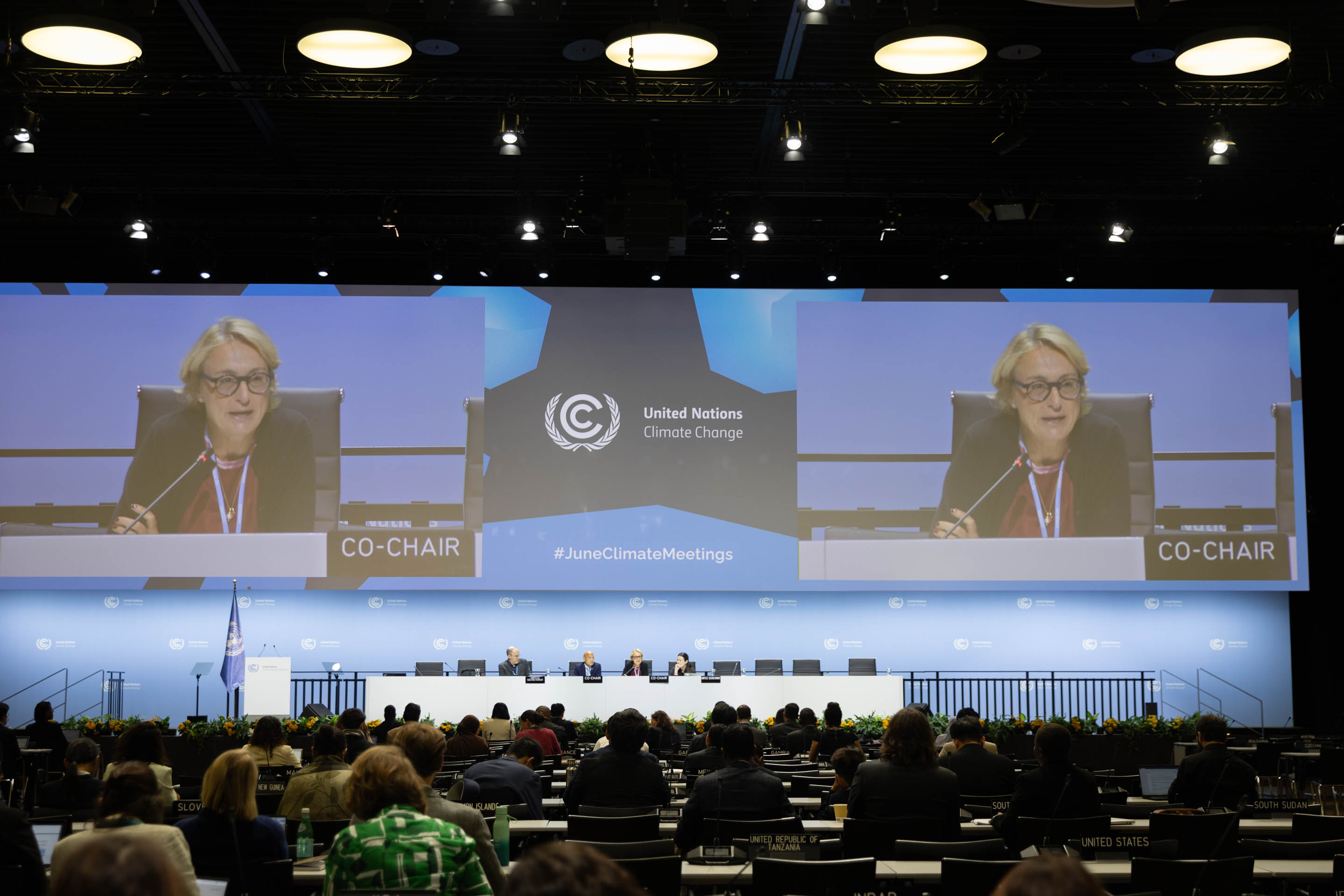
Contact group on the just transition work programme
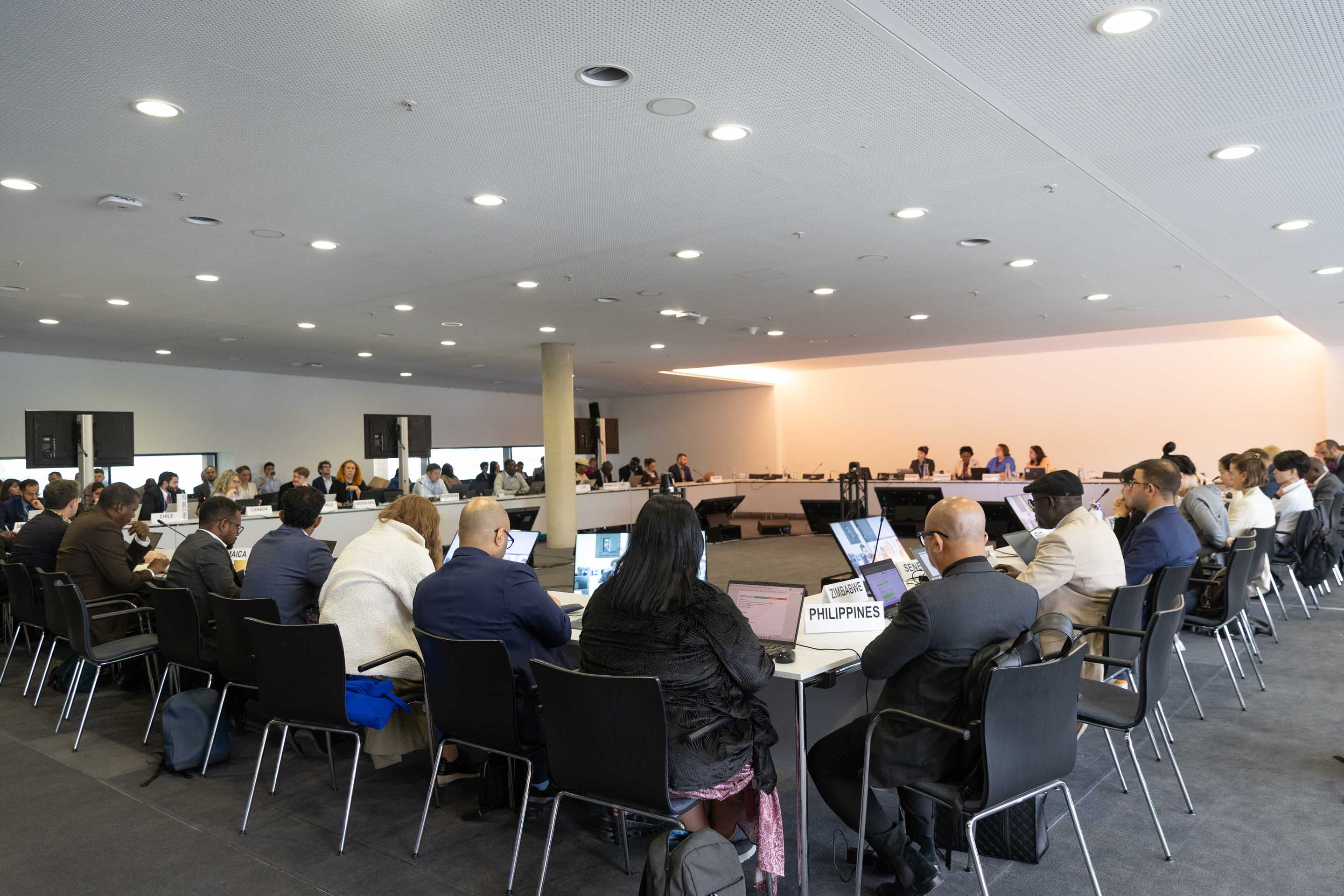
Informal consultations on the joint annual report of the Technology Executive Committee (TEC) and the Climate Technology Centre and Network (CTCN)
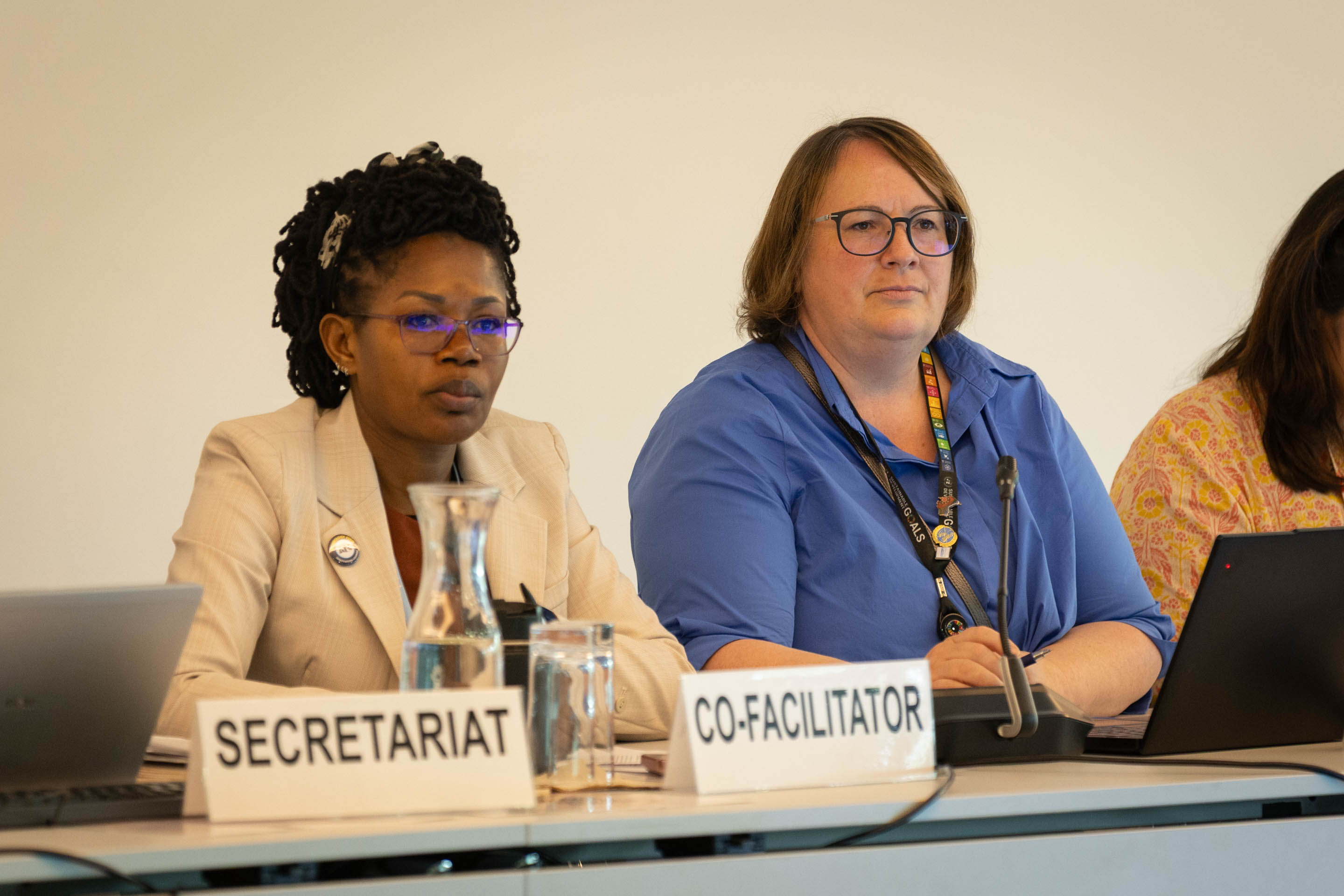
Co-Facilitators for the informal consultations on the joint annual report of the TEC and the CTCN Ashabrick Nantege, Uganda, and Elfriede More, Austria
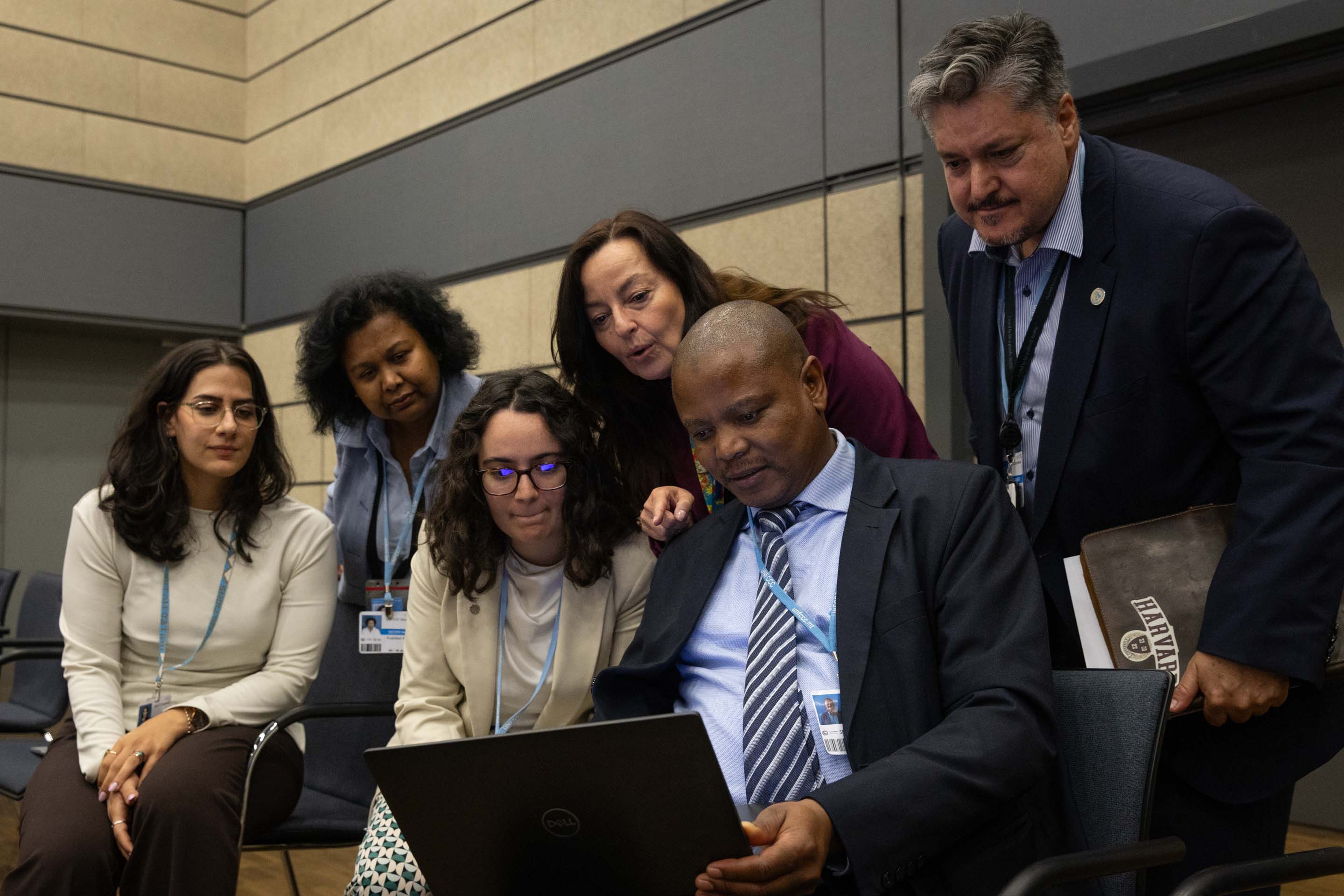
Members of the UNFCCC Secretariat consult during the informal consultations on adaptation communications
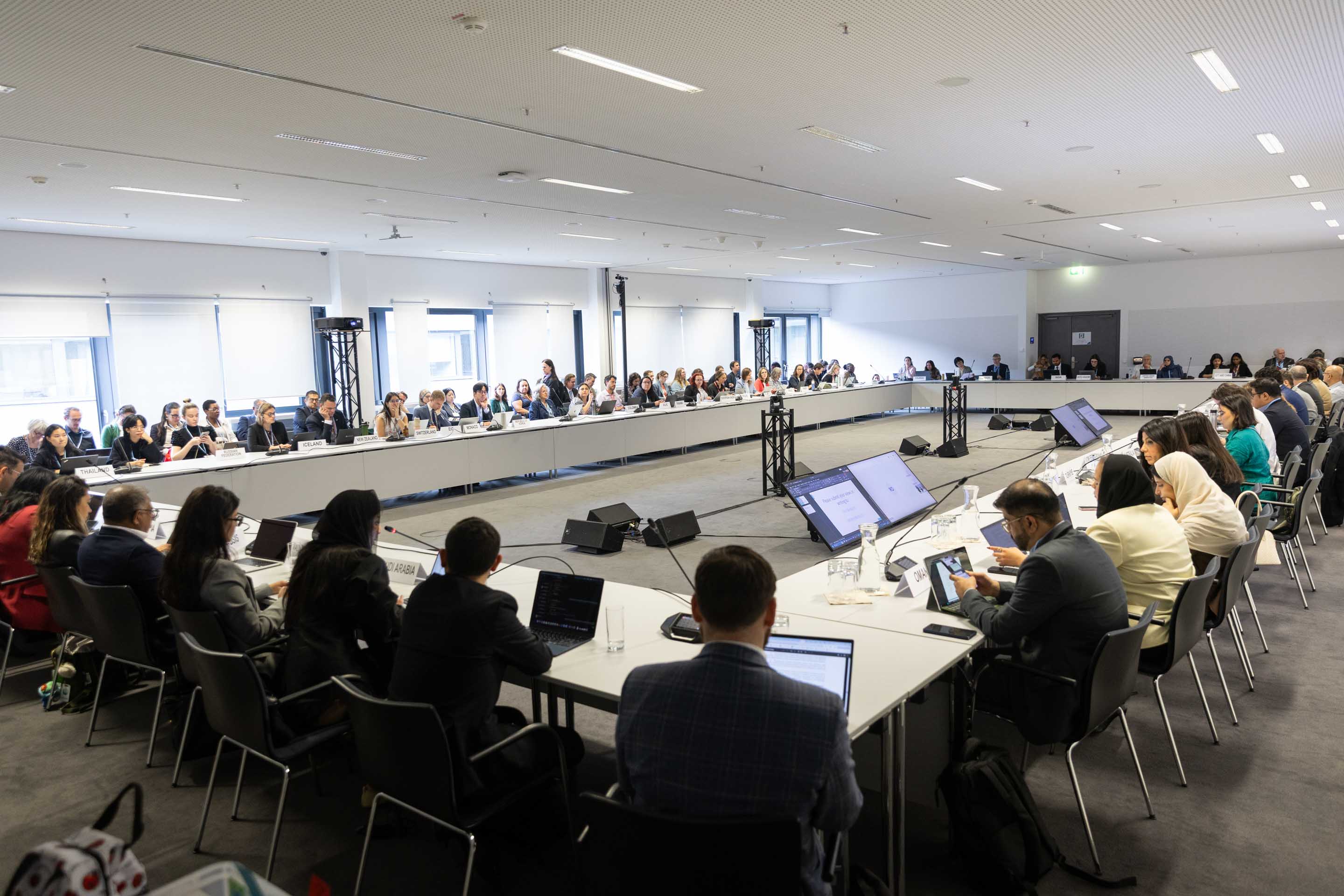
Contact Group on arrangements for intergovernmental meetings (AIM)
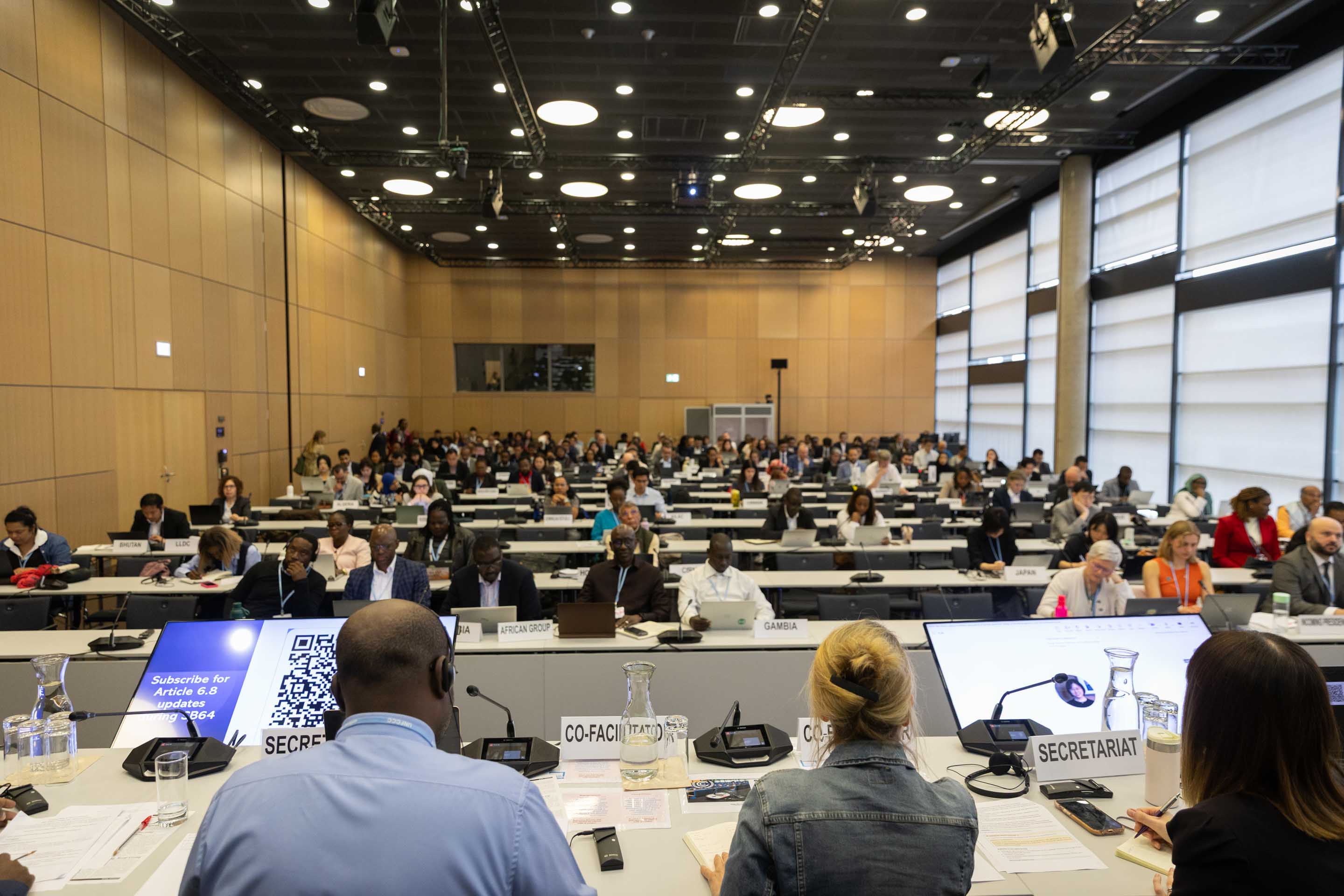
Informal consultations on Art 6.8 (non-market approaches)
Dialogue on Progress Made in Delivery of Gender-Responsive Climate Finance
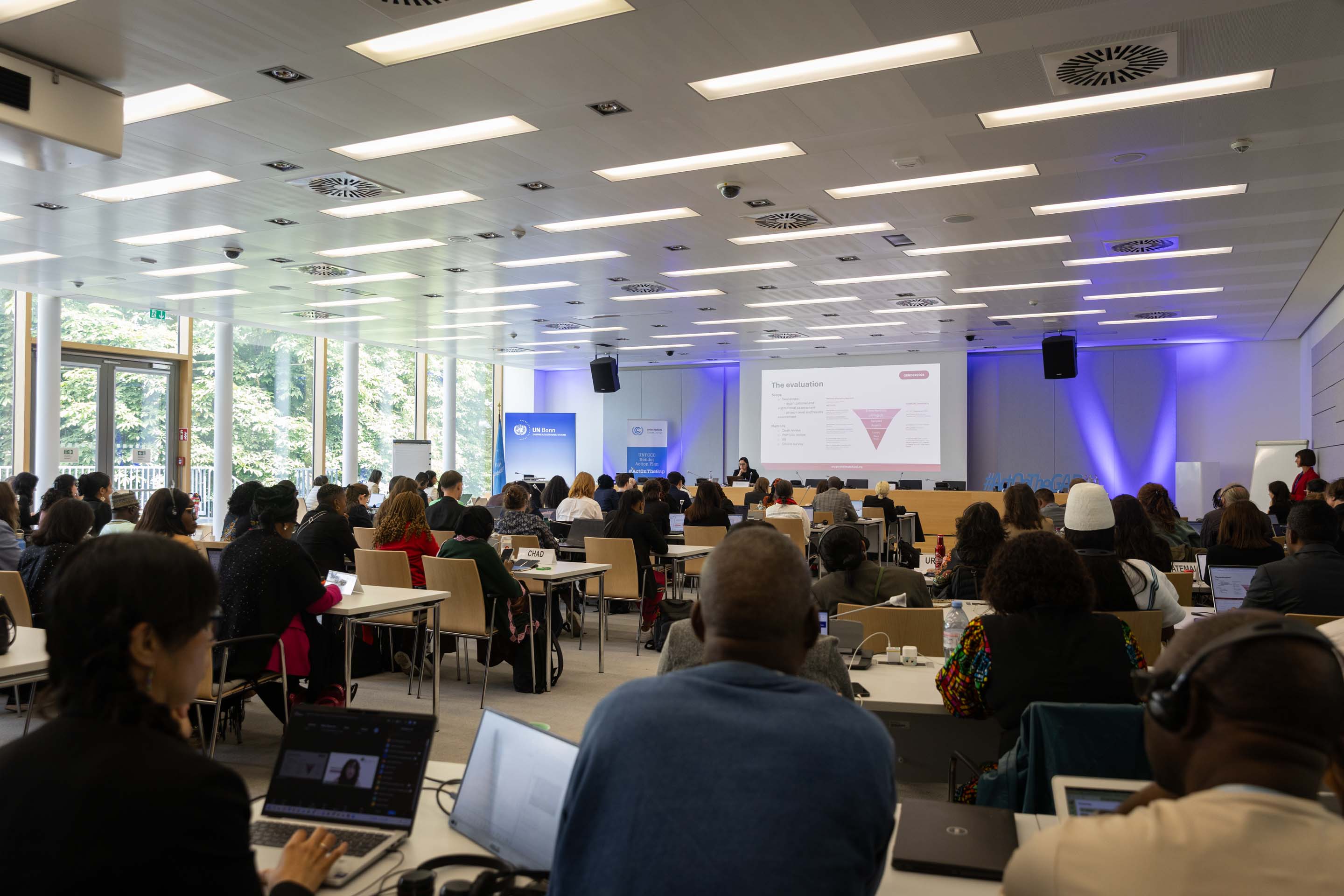
Delegates gather for the dialogue on progress in the delivery of gender-responsive climate finance
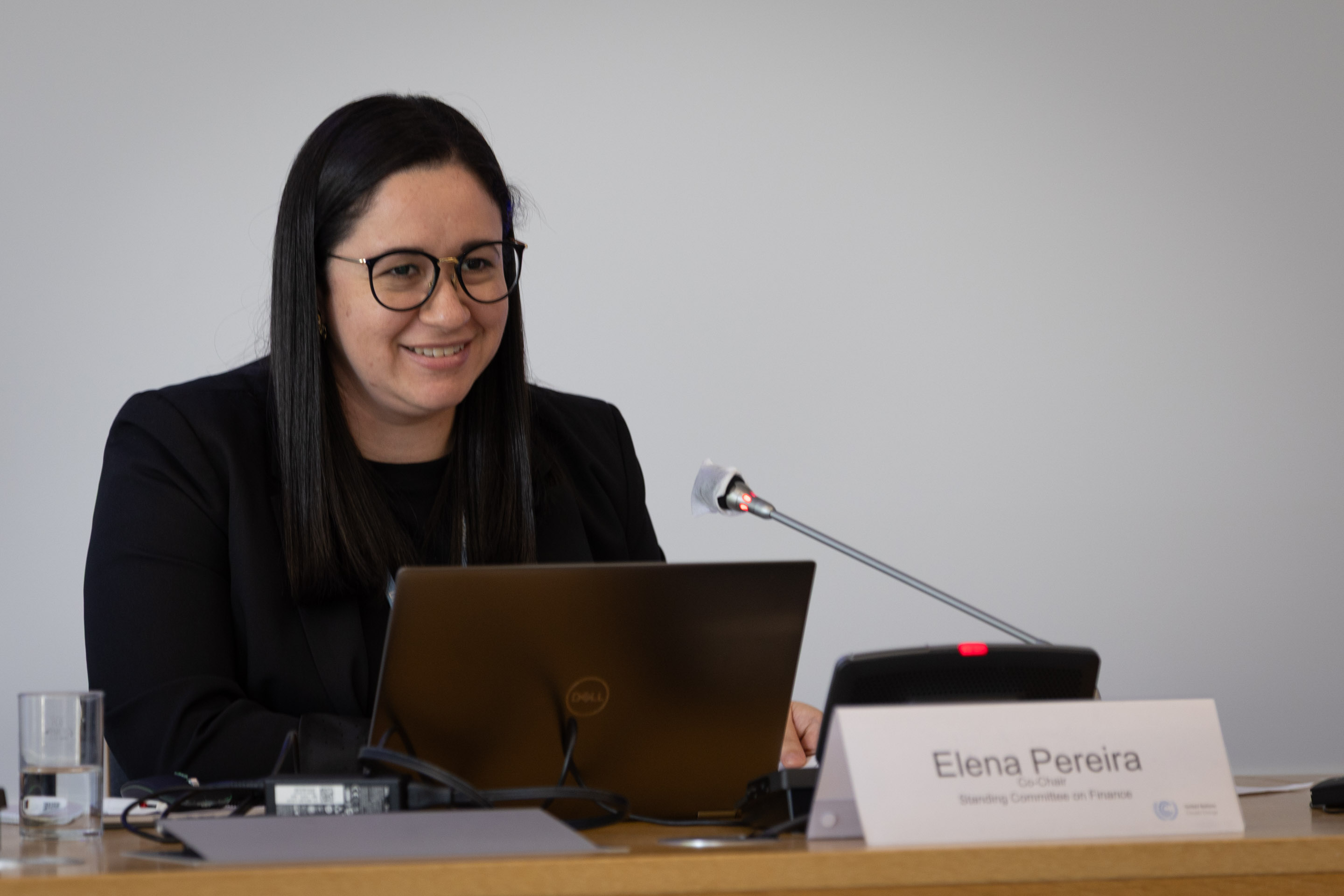
Elena Pereira, Co-Chair, Standing Committee on Finance
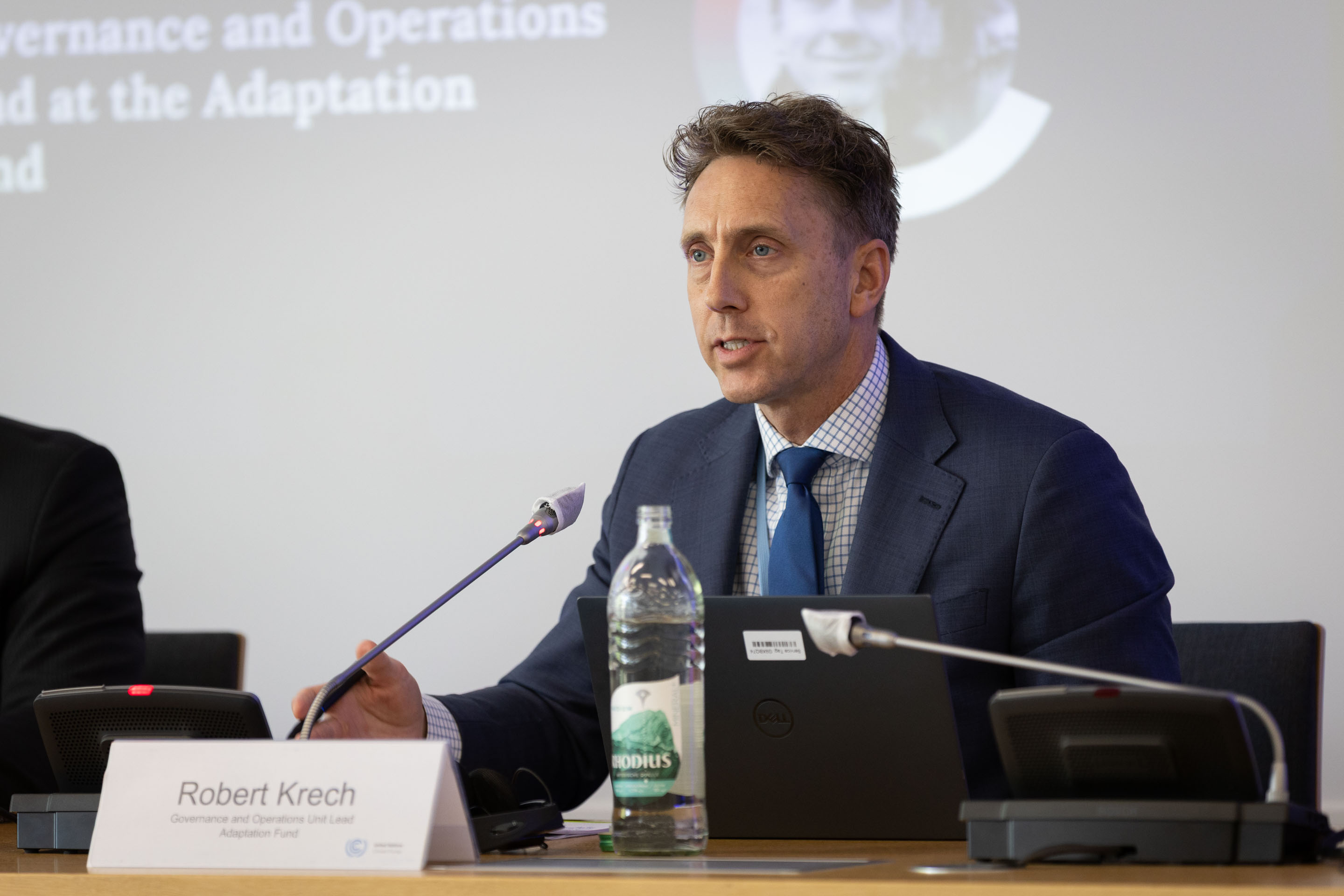
Robert Krech, Adaptation Fund
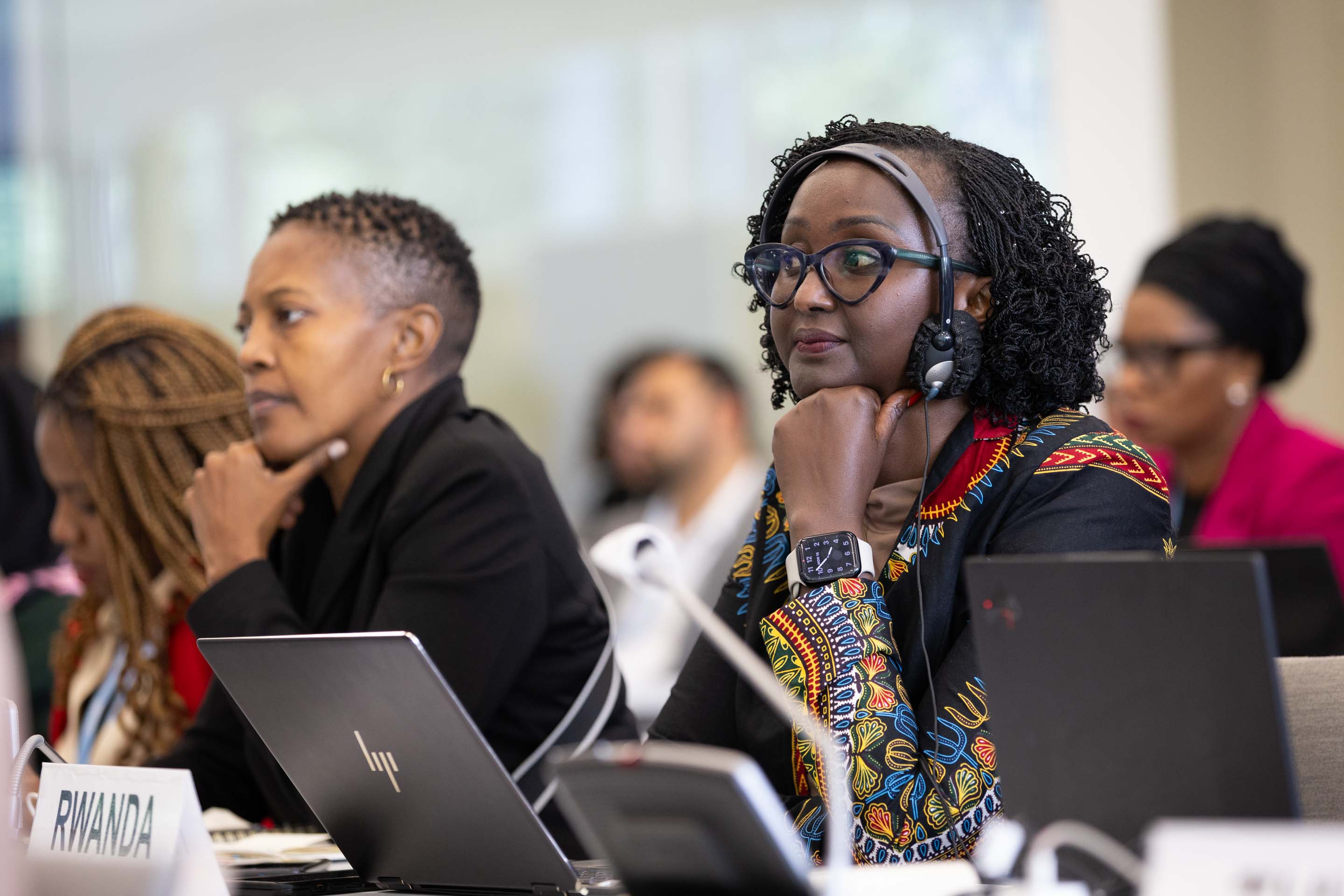
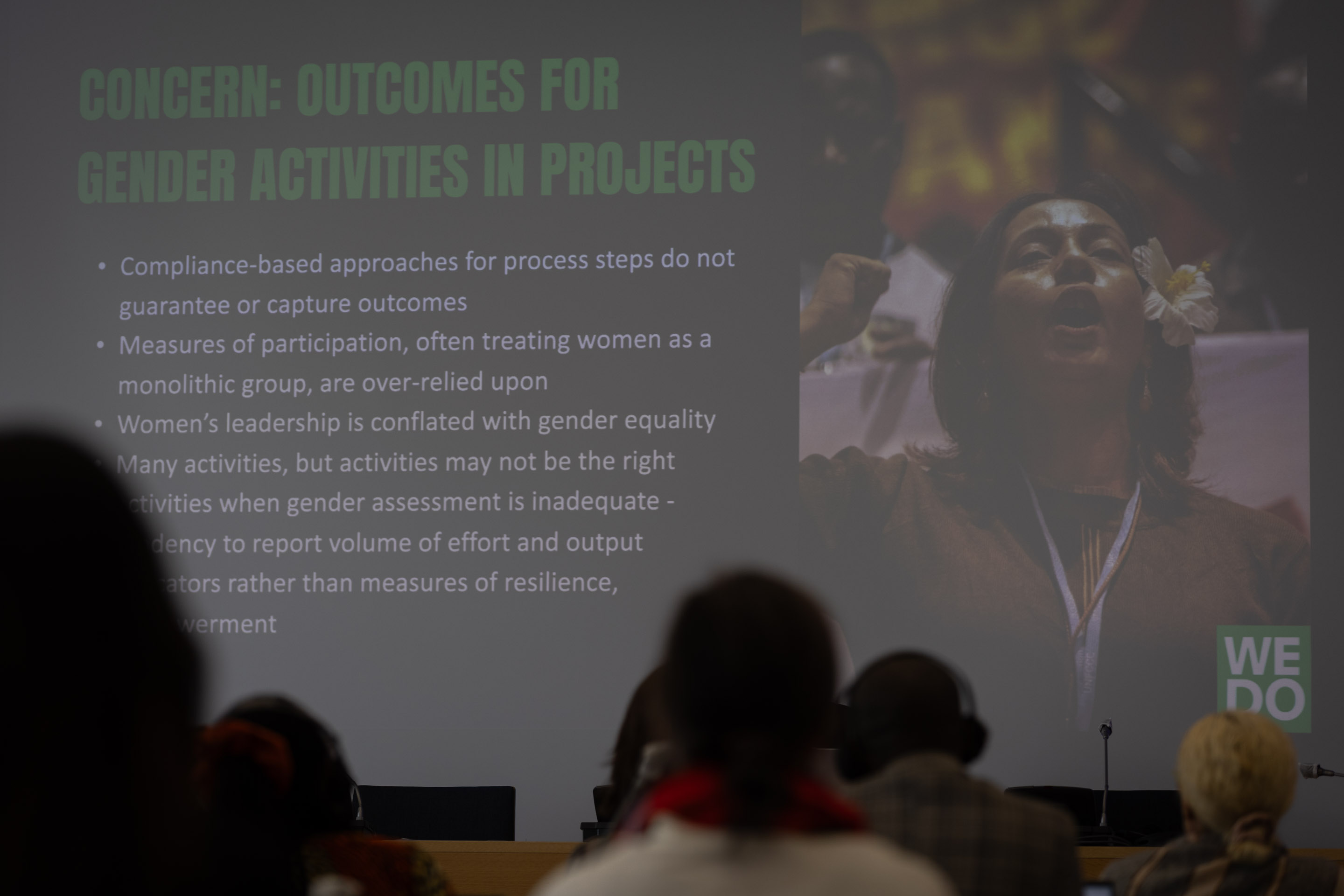
A slide highlights concerns related to accessing gender-responsive climate finance
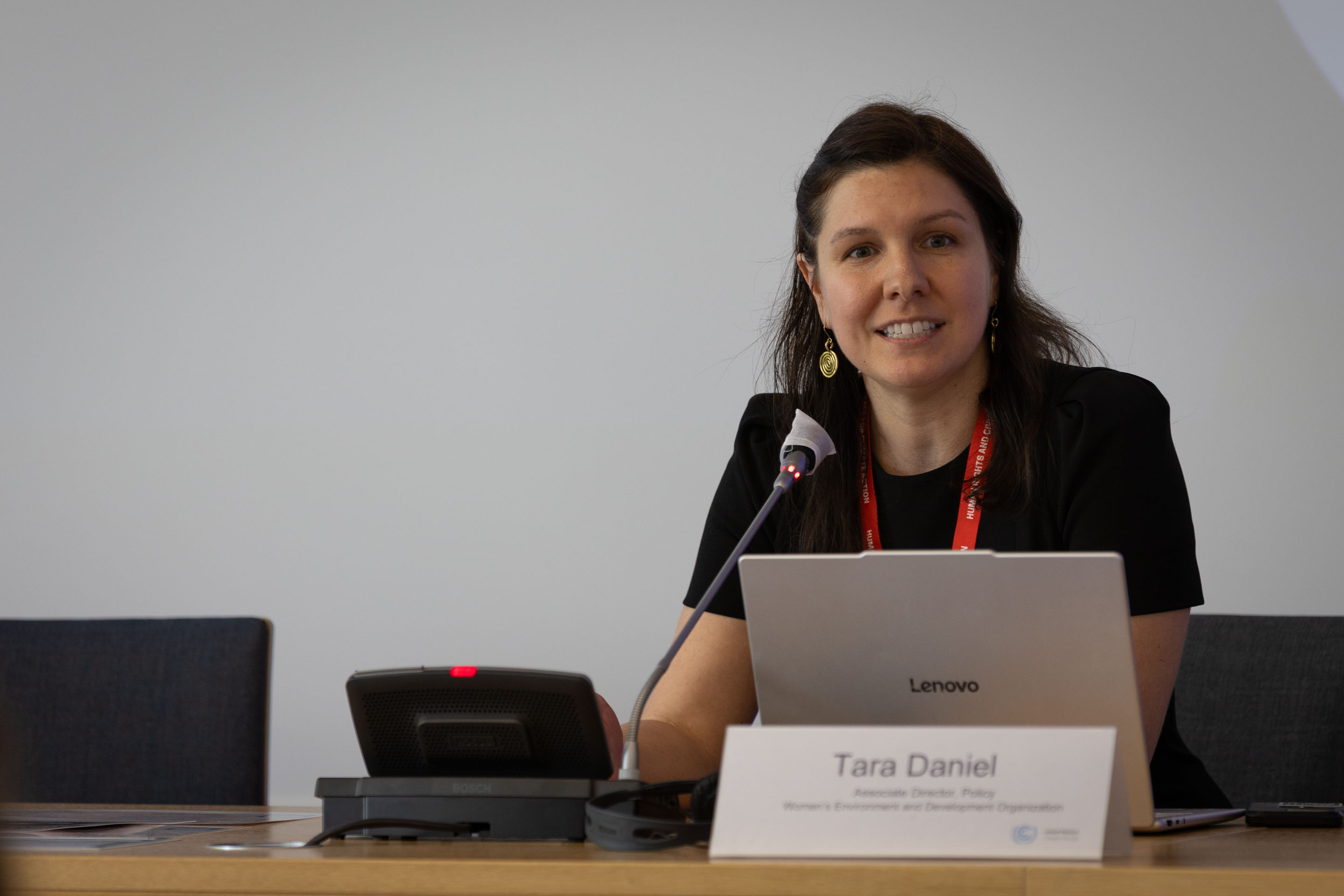
Tara Daniel, Women's Environment and Development Organization (WEDO)
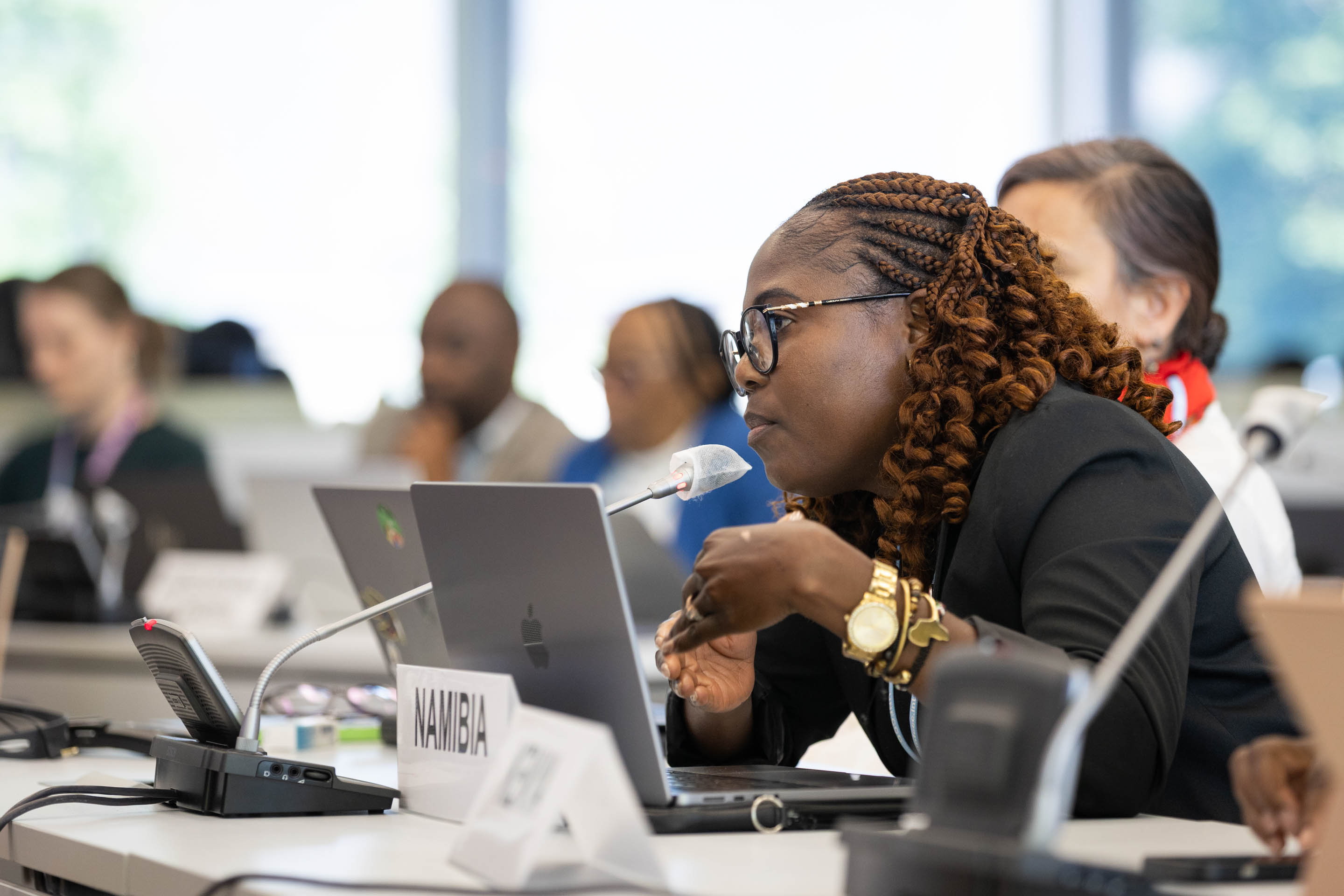
Participants ask questions from the floor
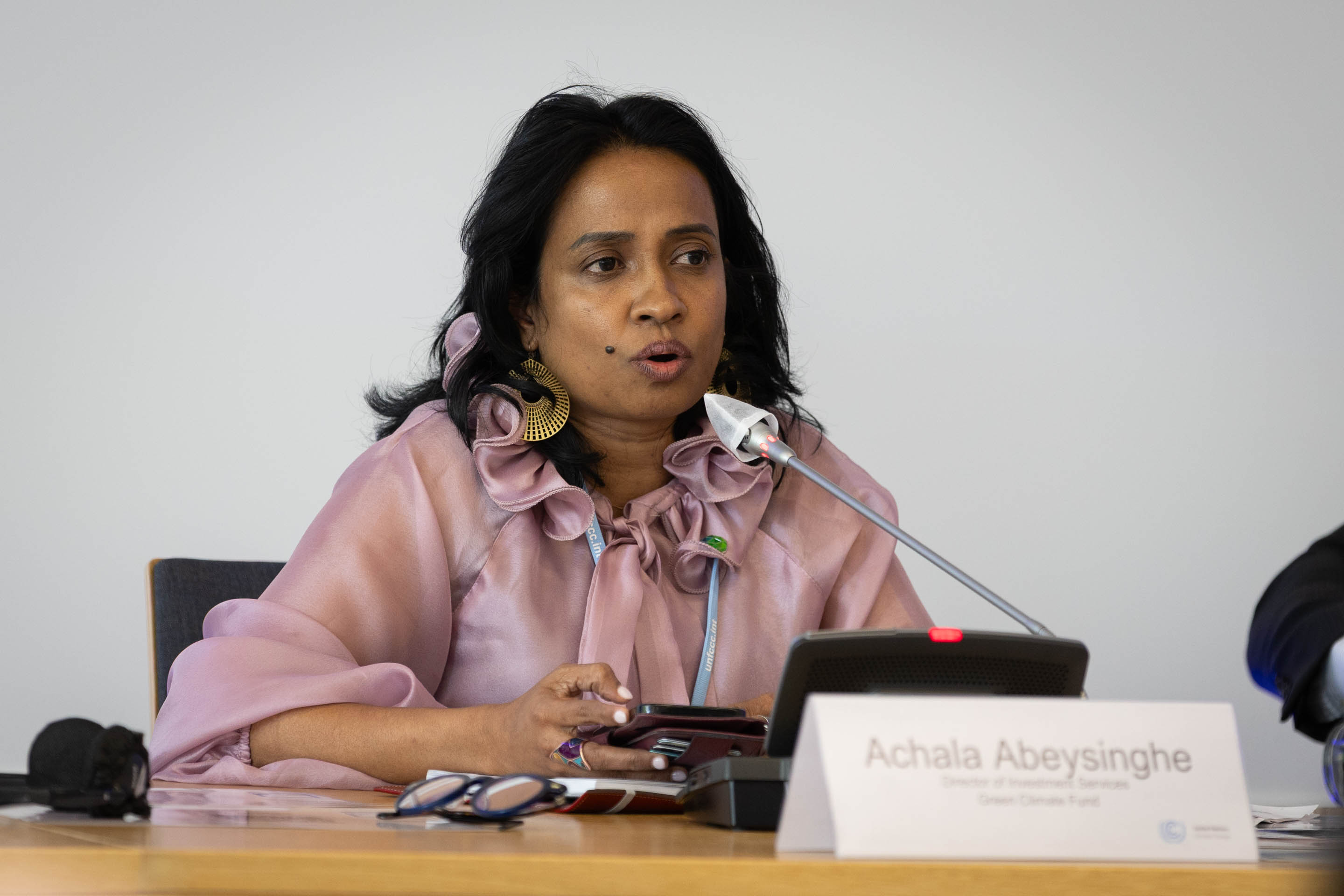
Achala Abeysinhe, Green Climate Fund (GCF)
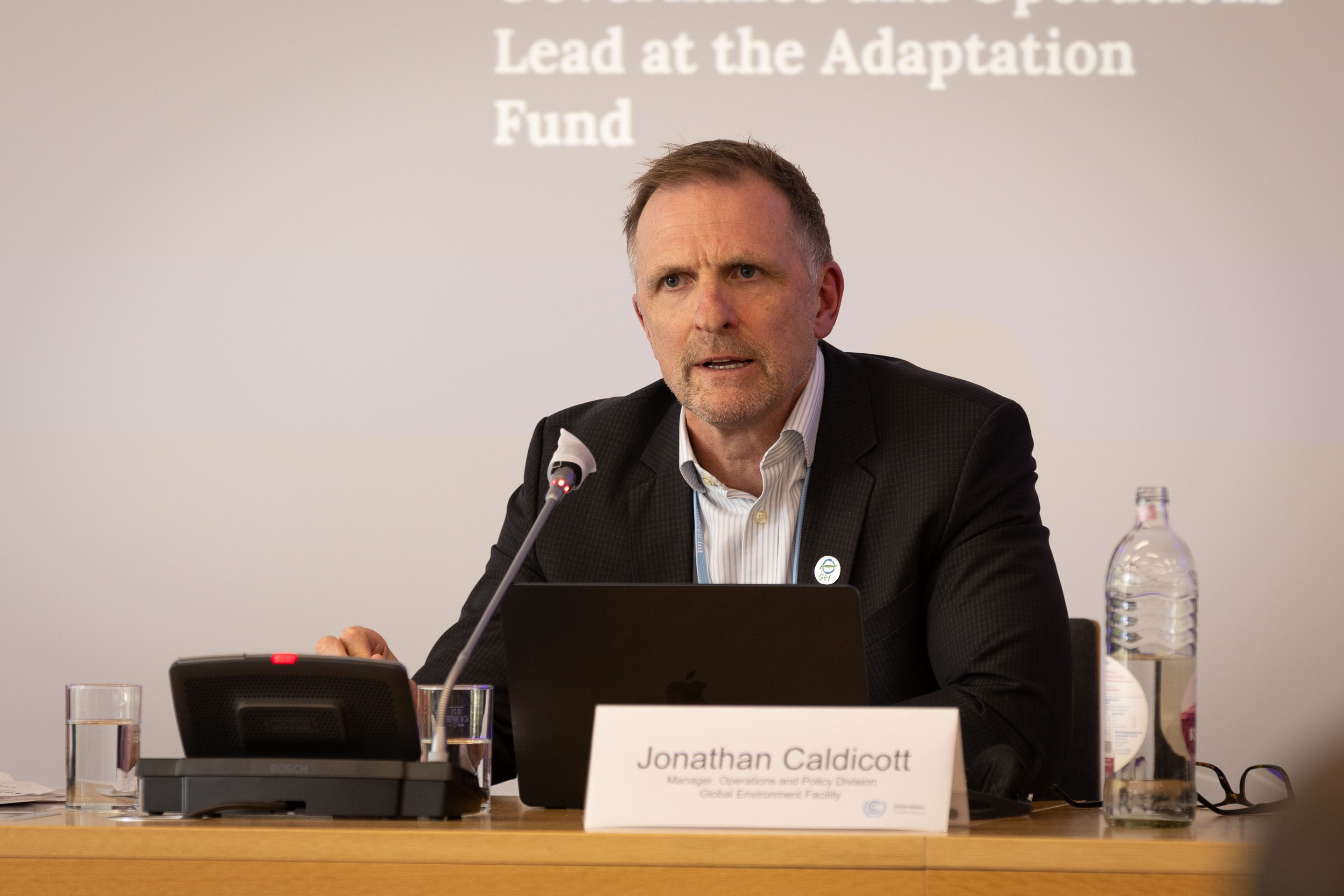
Jonathan Caldicott, Global Environment Facility (GEF)
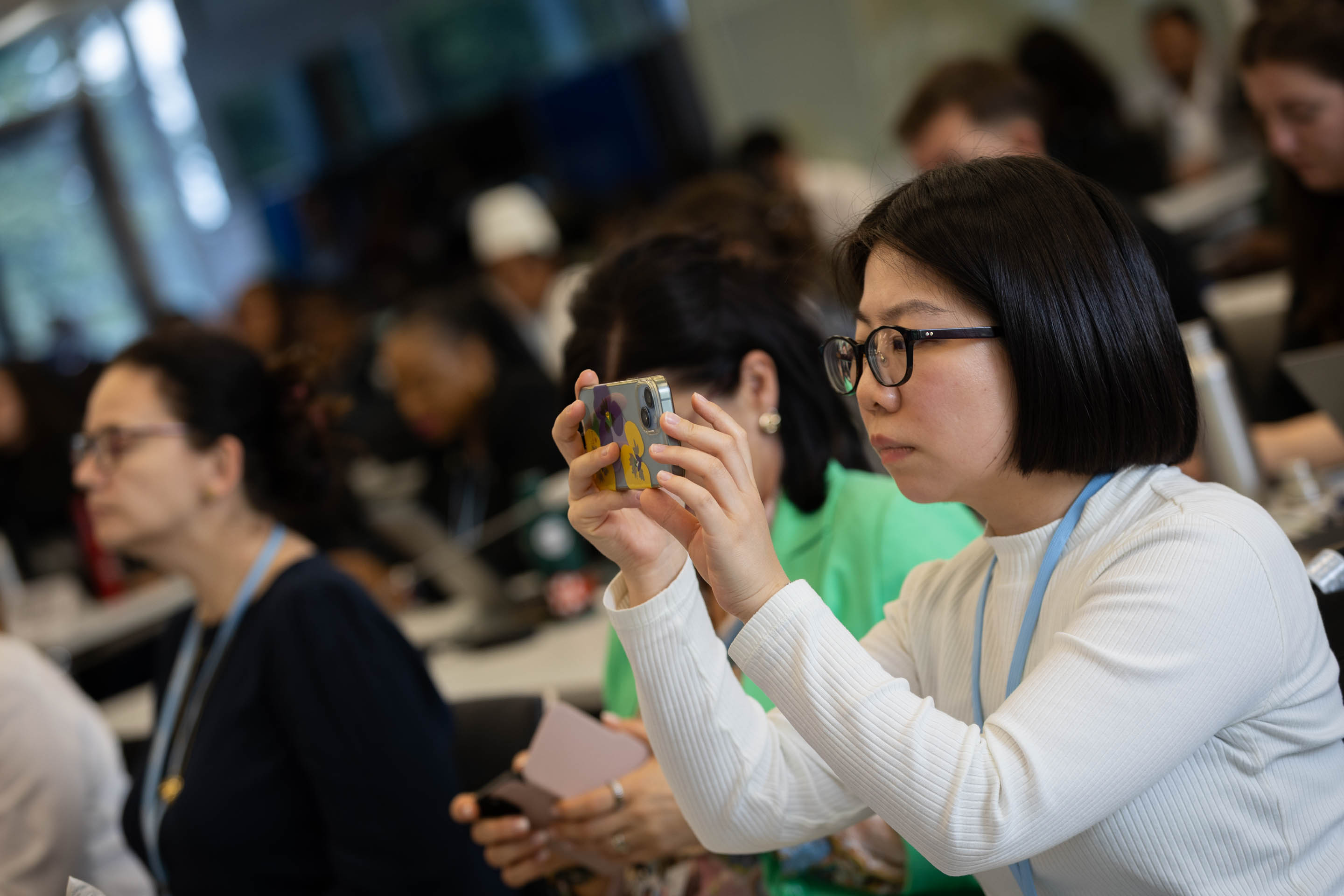
Around the Venue
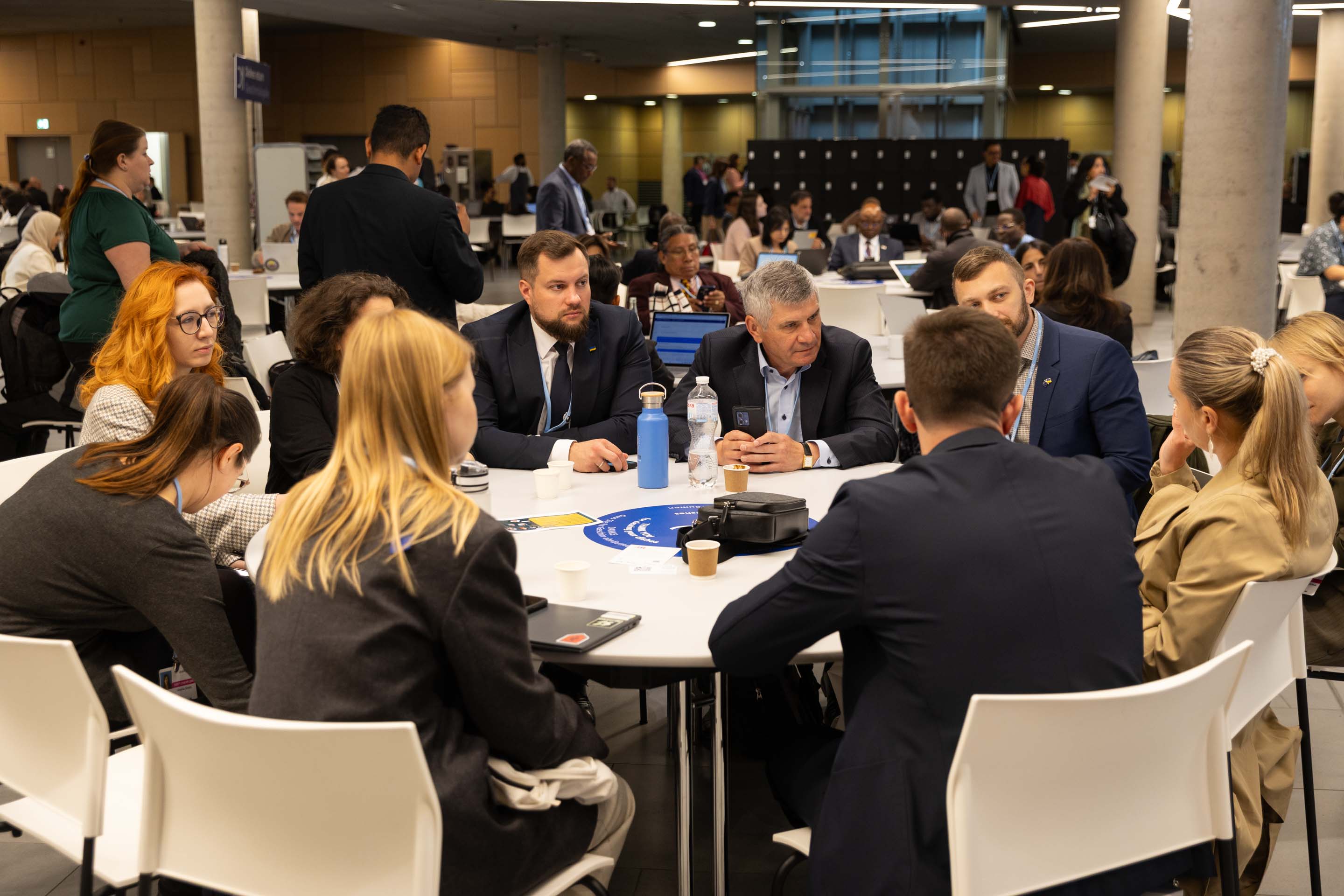
Delegates from Ukraine consult informally
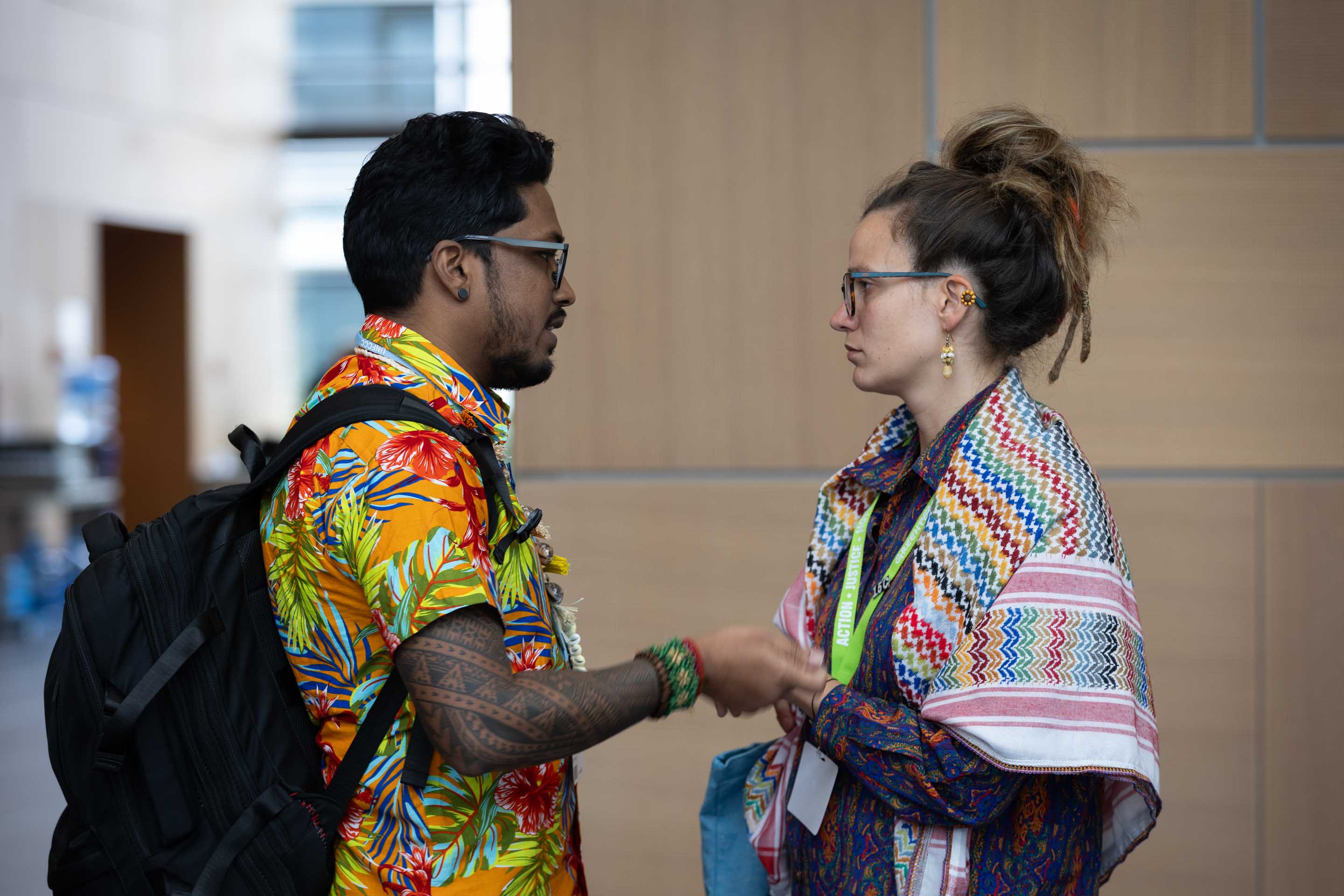
Delegates speak informally
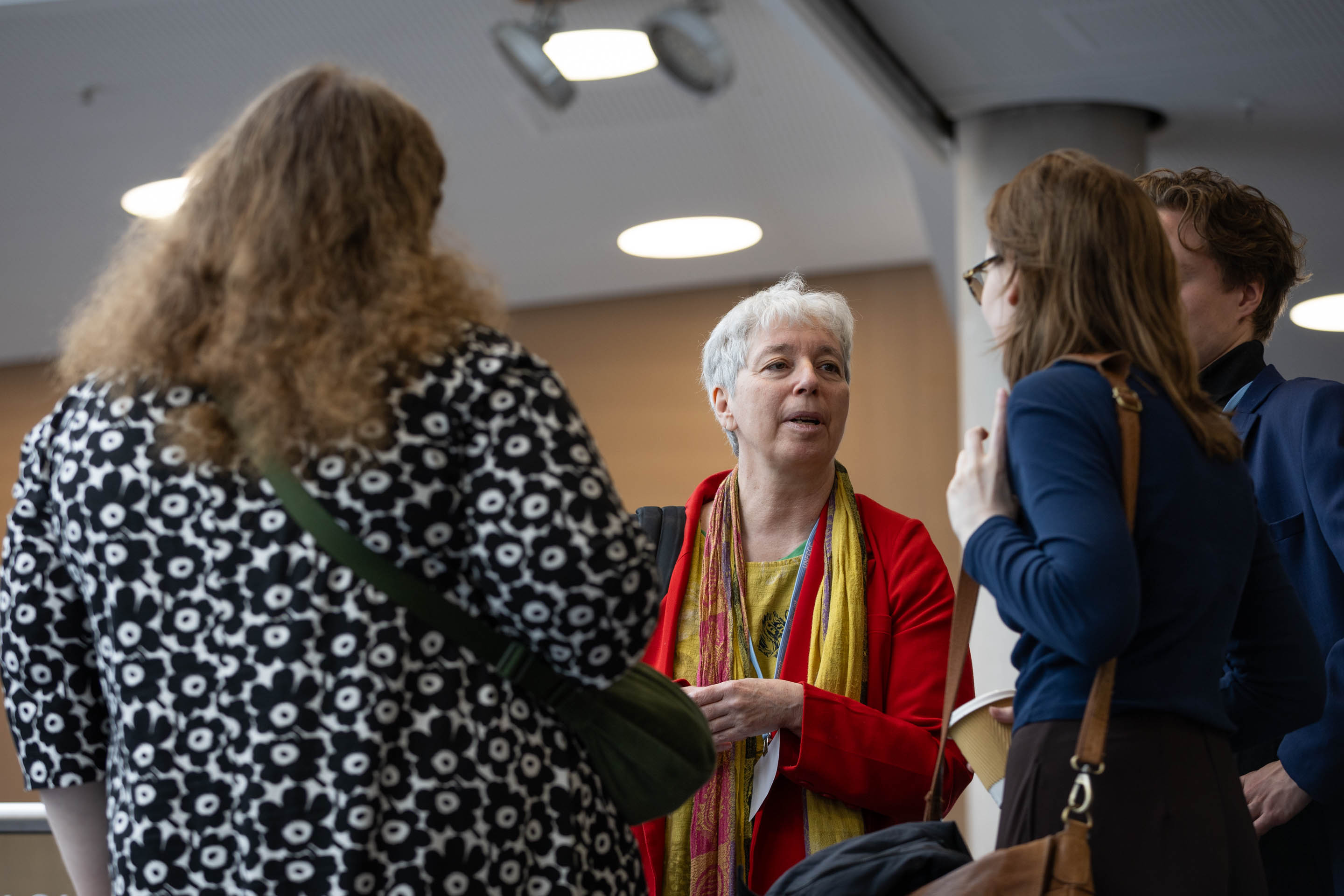
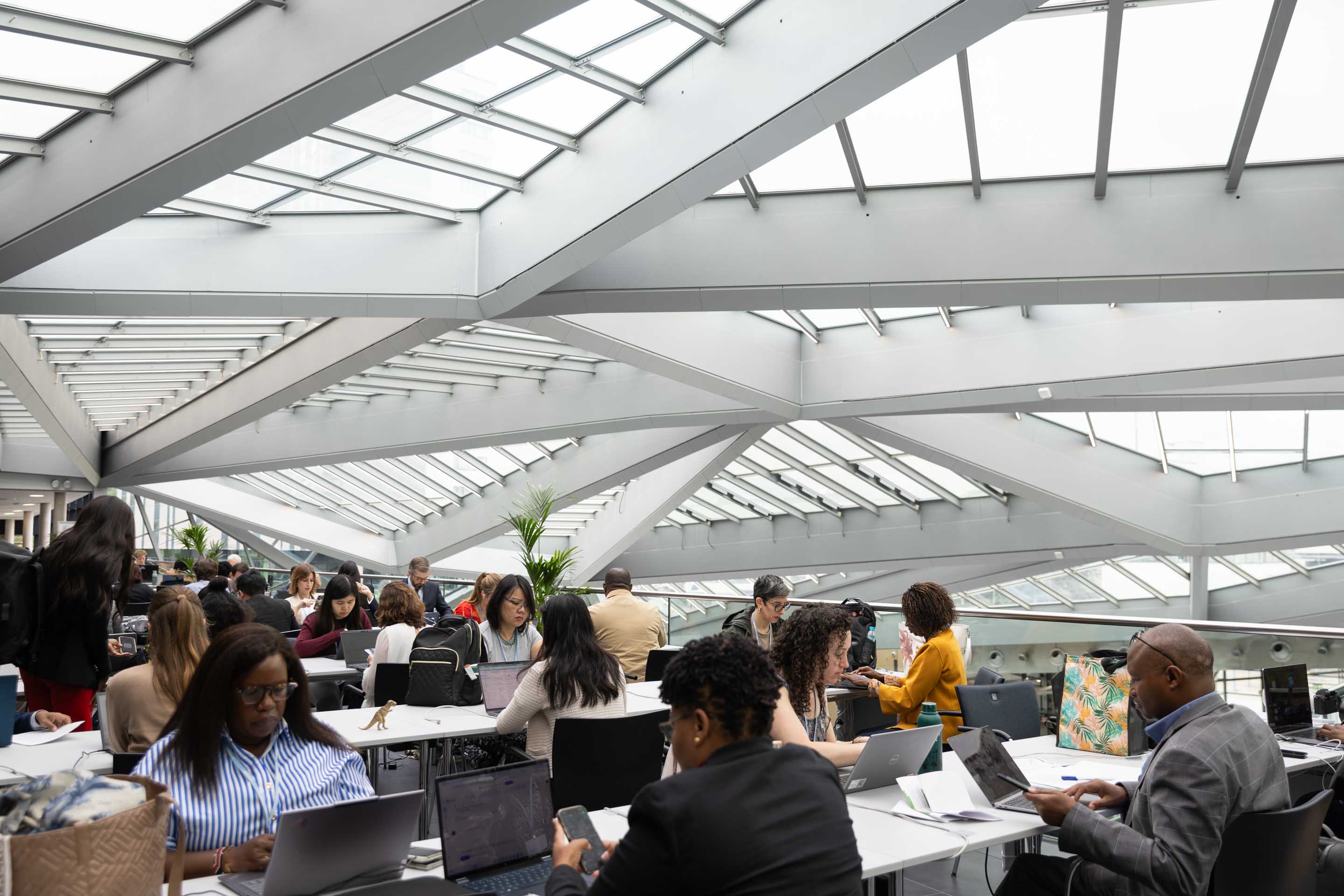
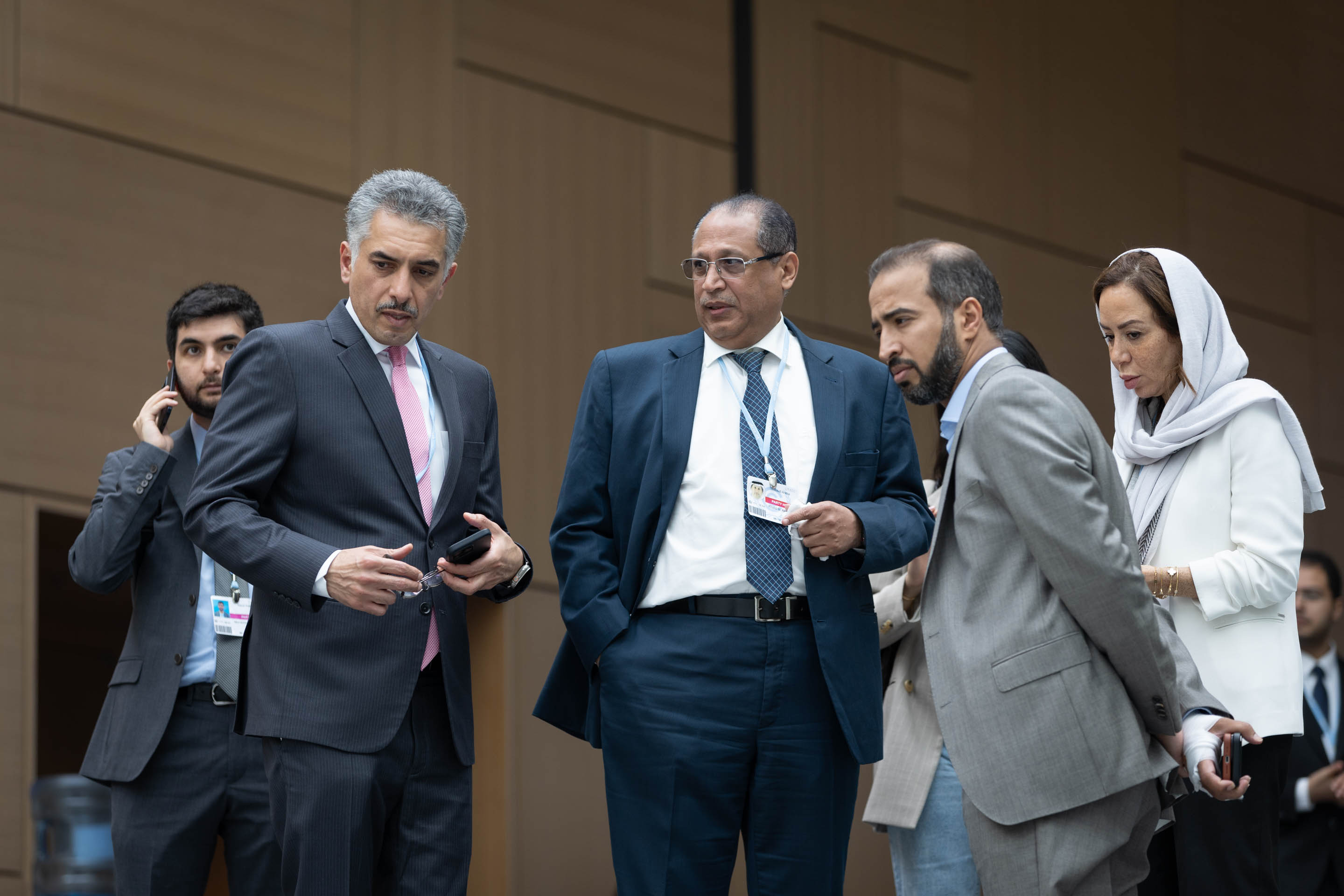
Delegates from Saudi Arabia
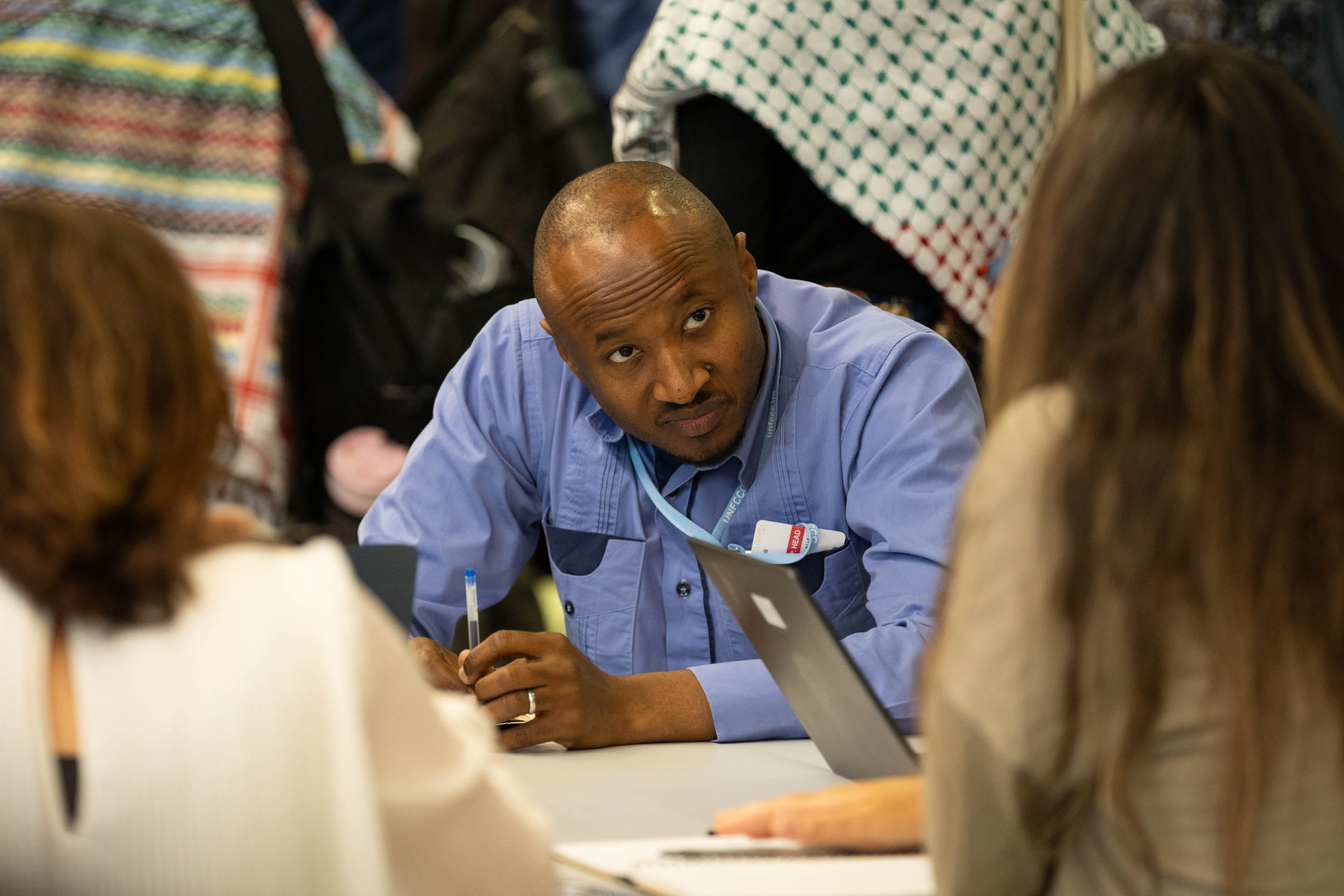
Seyni Nafo, Mali
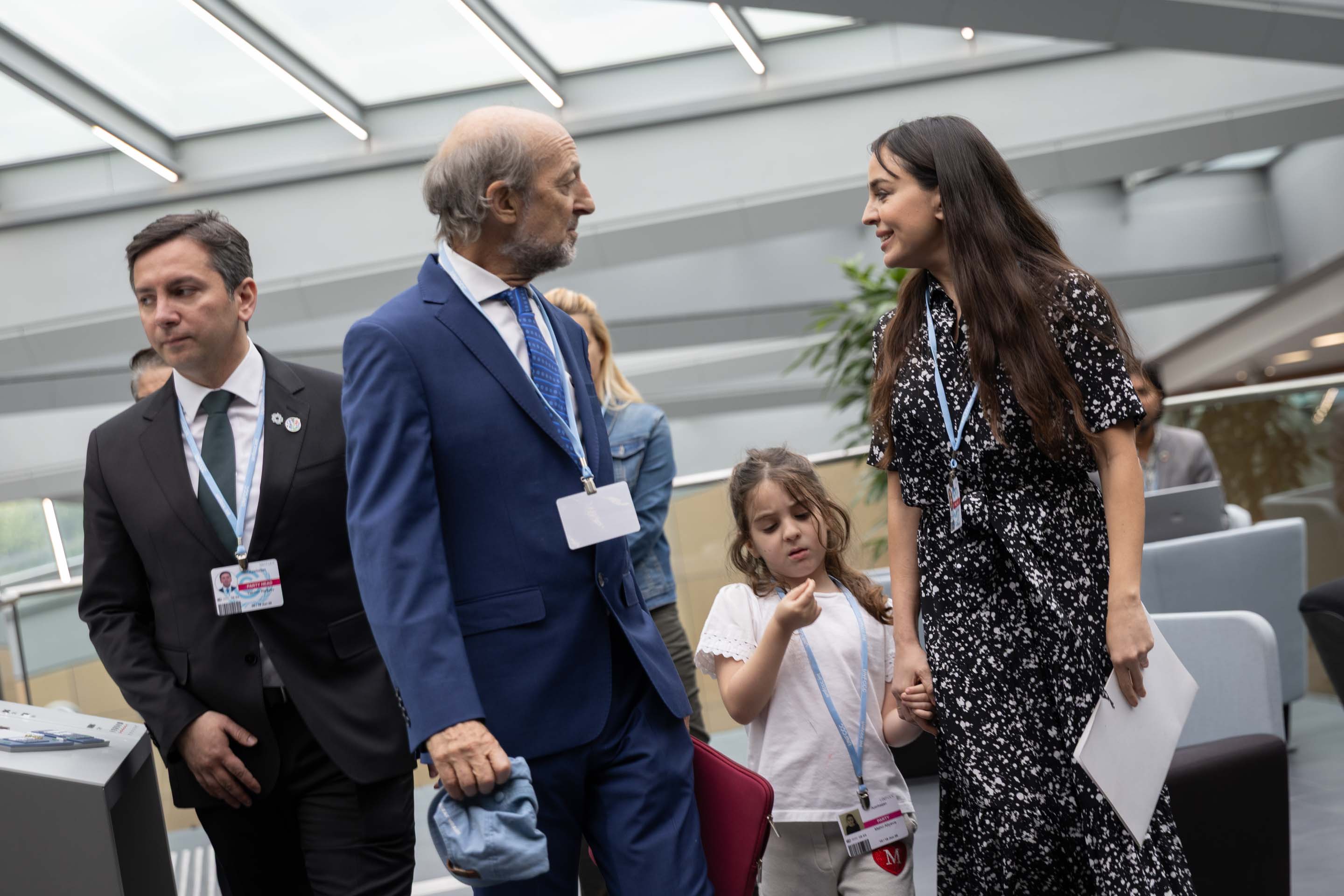
Leyla Aliyeva, daughter of the President of Azerbaijan, attends the June Climate Meetings with her daughter
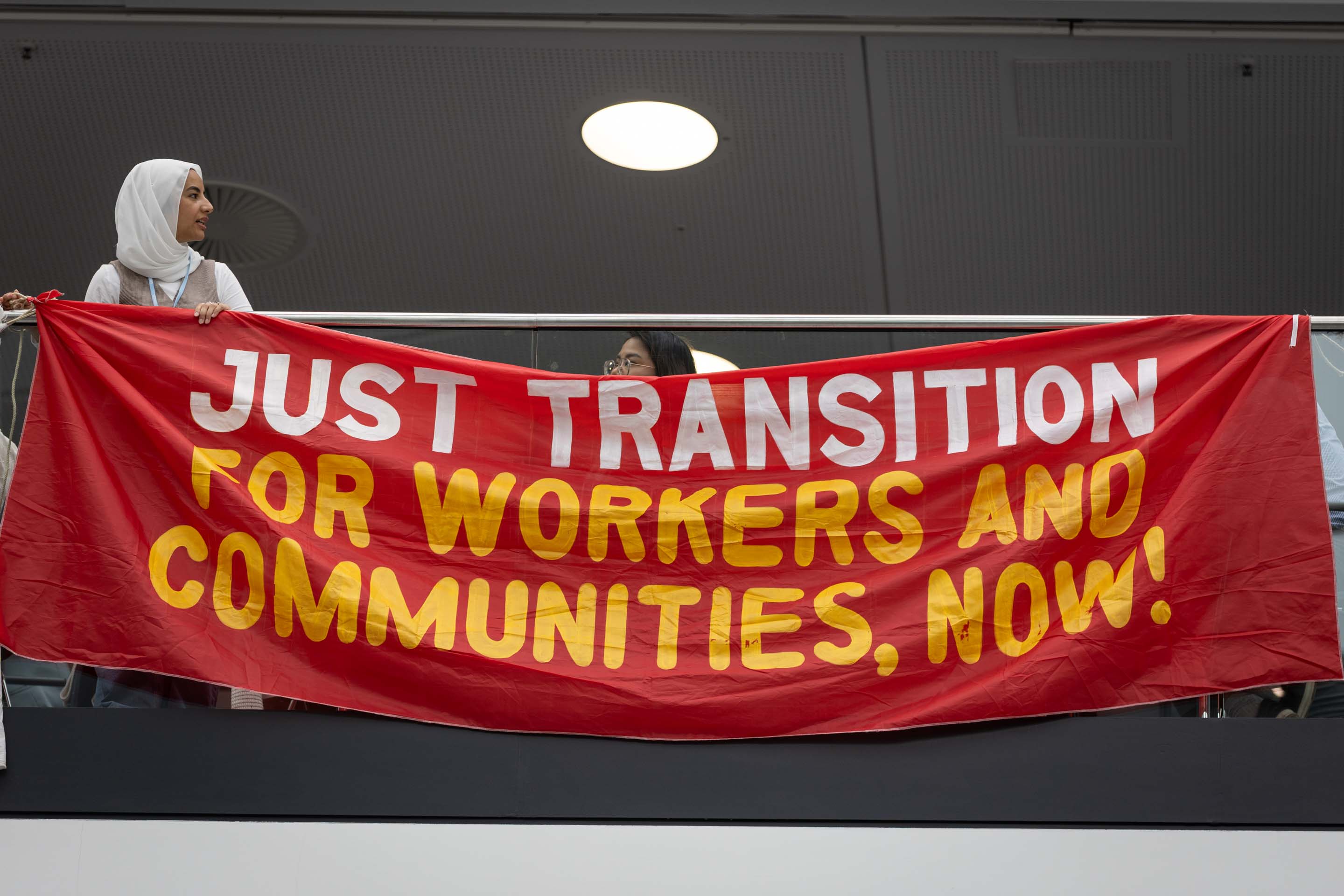
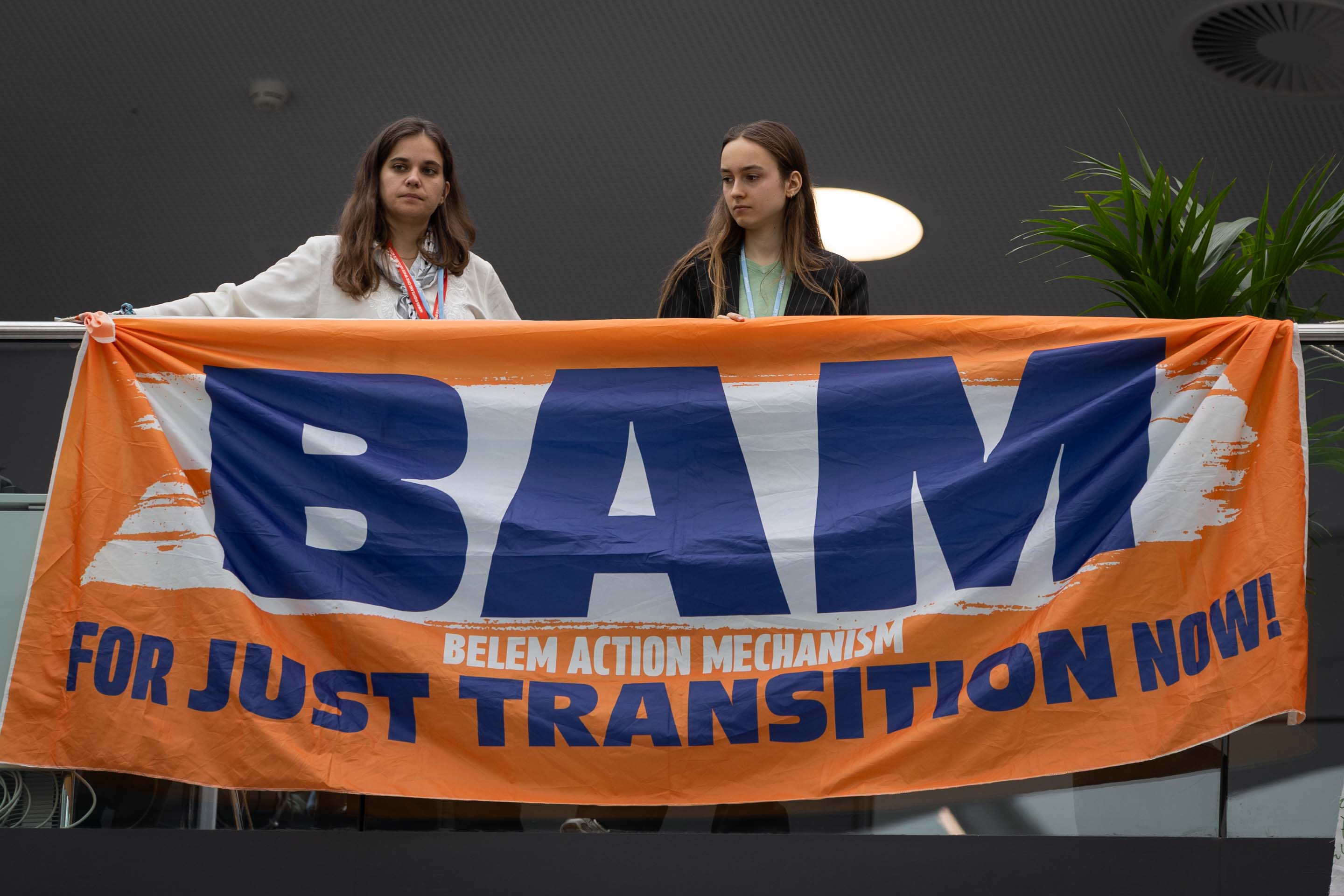
Members of civil society raise awareness about the need for a just transition
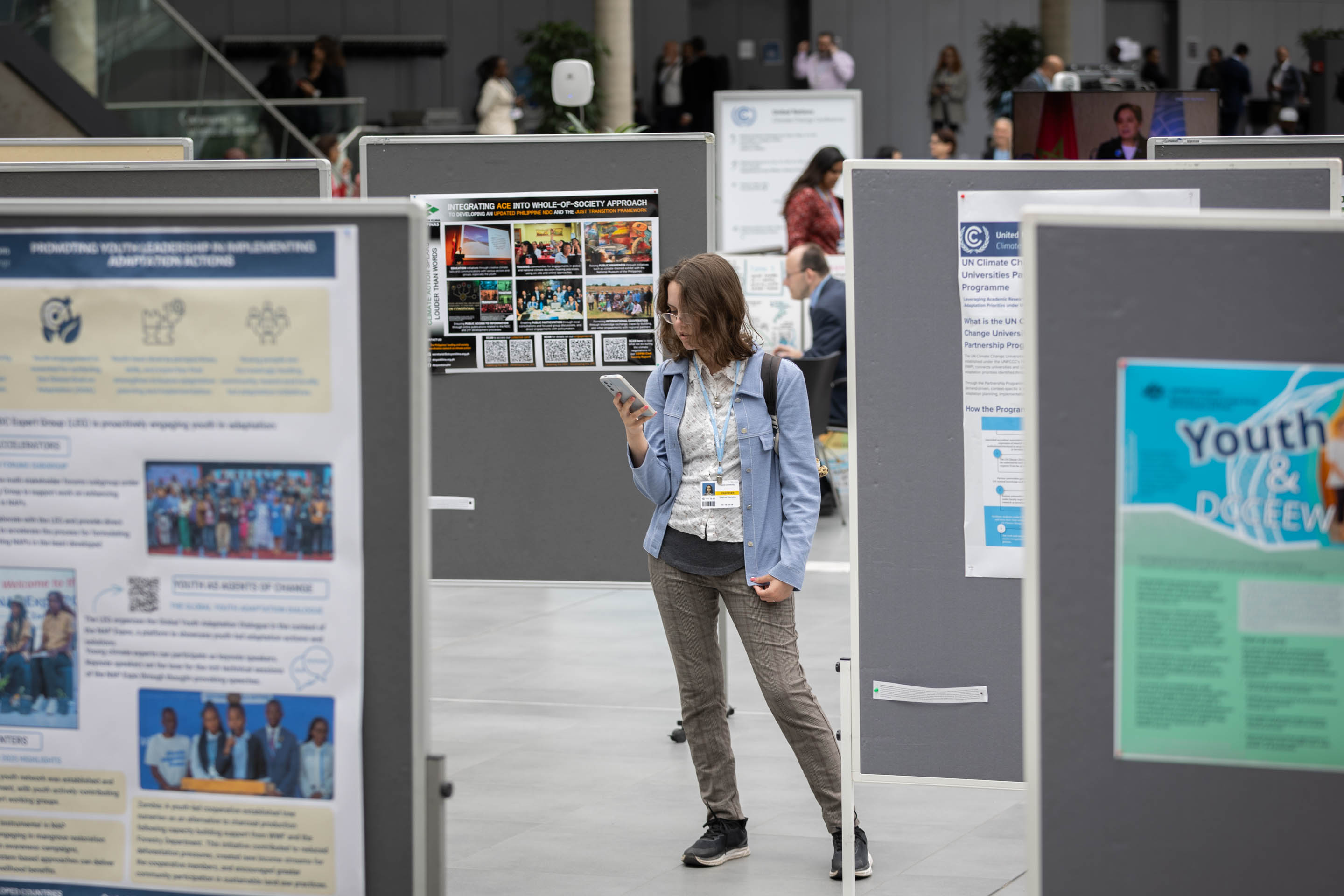
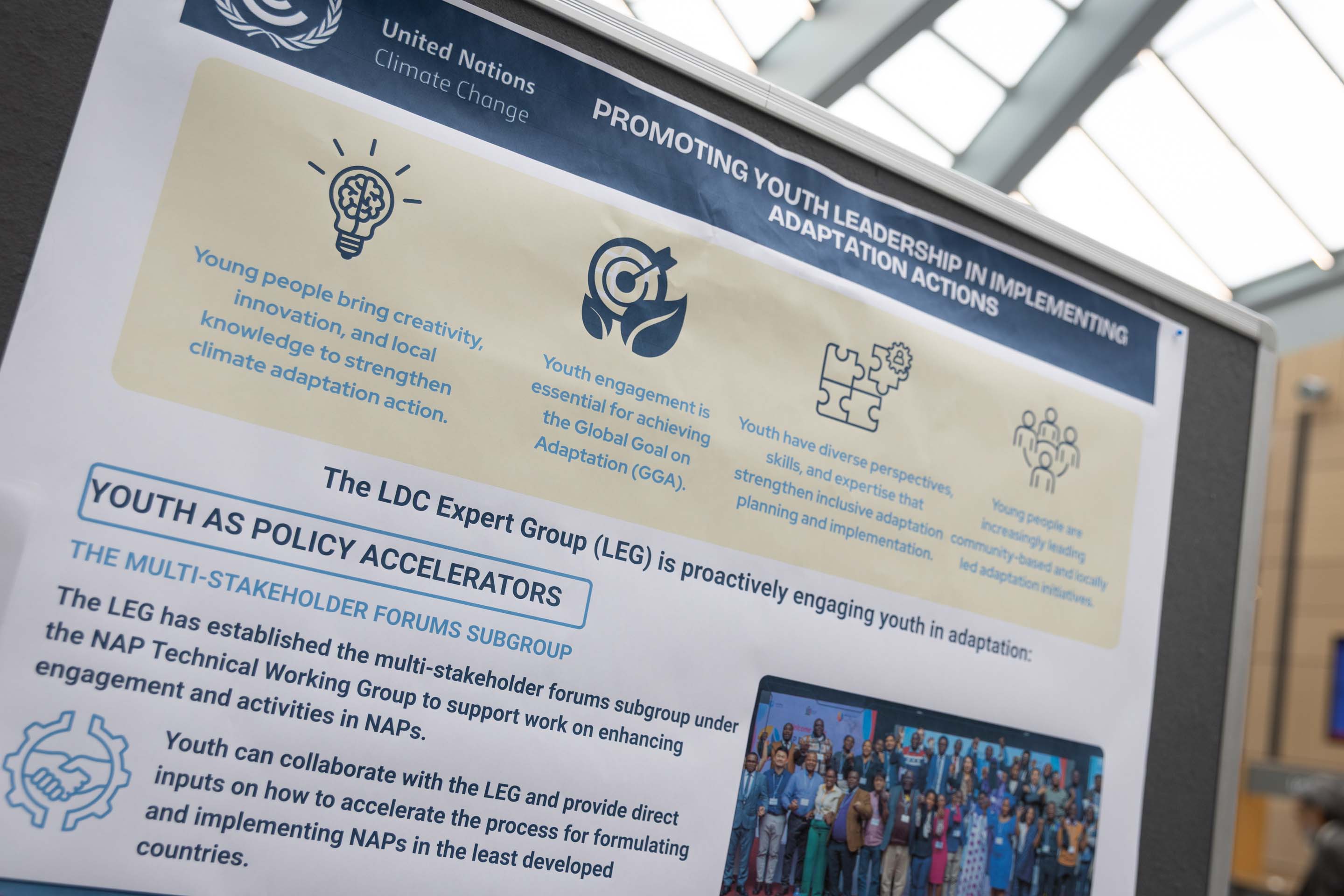
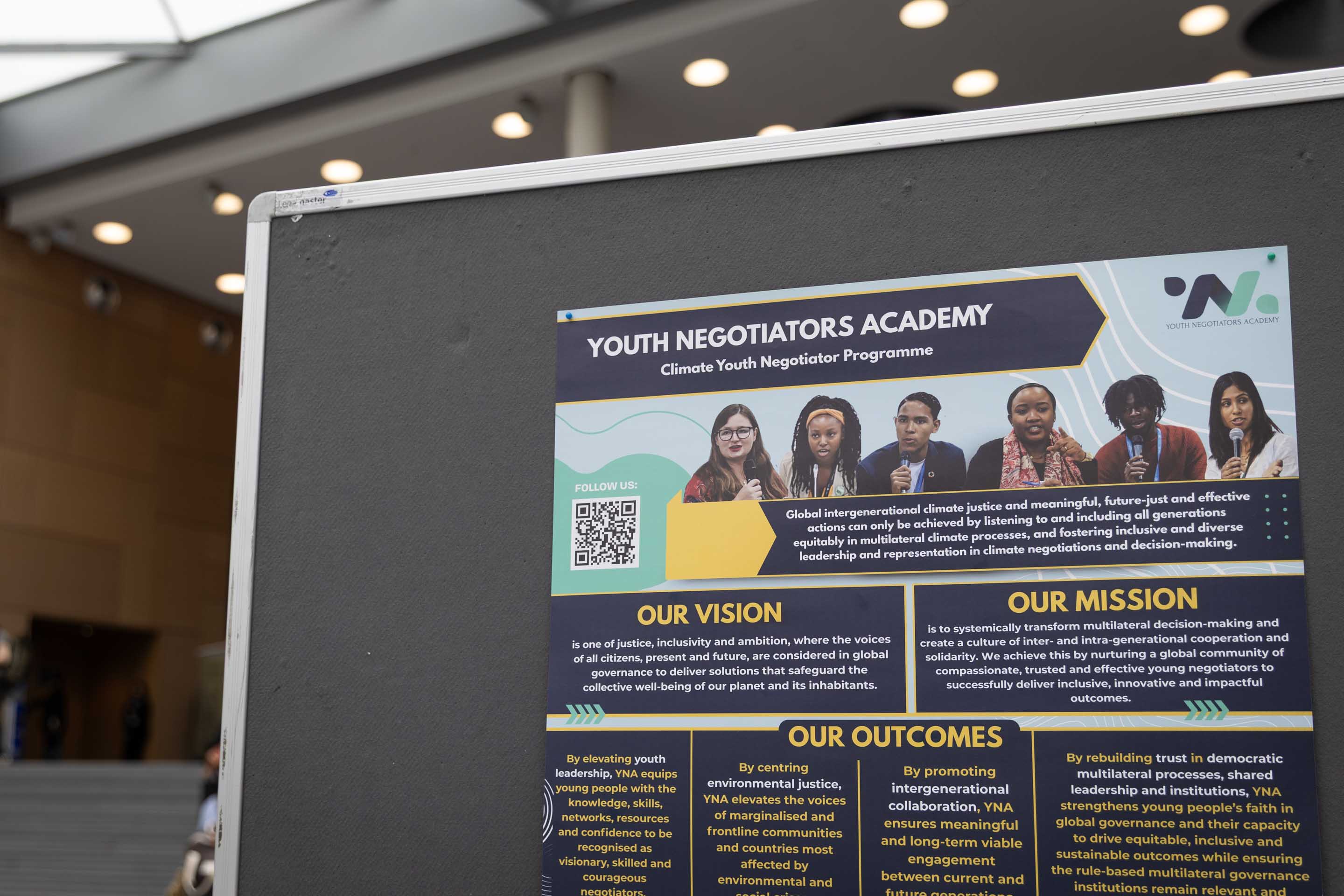
Delegates visit the poster display to learn about different climate action initiatives