The operationalization of the Economic Planning Commission (EPC) elicited divergent views from delegates at the start of the second week of the second part of the 30th session of the International Seabed Authority ISA Council (ISA-30).
The EPC is a subsidiary organ of the ISA tasked with advising the Council on economic aspects of deep-seabed activities. Although established by the UN Convention on the Law of the Sea, the Commission is not yet operational, and its duties are currently undertaken by the Legal and Technical Commission (LTC).
The EPC’s duties include: assessing market impacts and pricing trends of deep-sea mineral resources; and recommending measures, such as a compensation system, to assist developing countries that suffer serious adverse effects on their export earnings or economies as a result of deep-seabed activities.
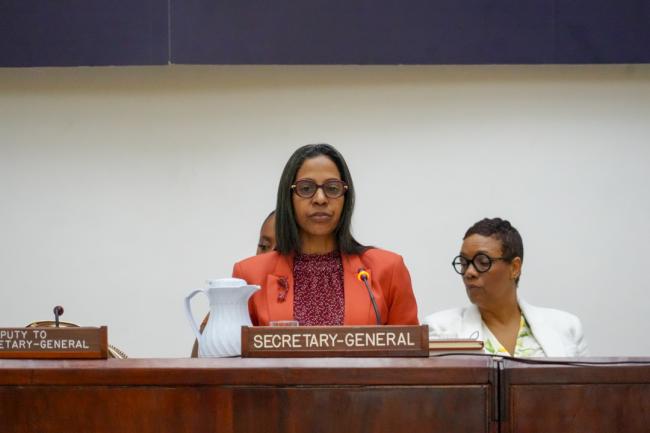
Monday was a day for reporting, with Leticia Carvalho, ISA Secretary-General, presenting her reports on:
- the status of exploration contracts and periodic reviews of the implementation of exploration plans of work, with the identification of contractors that have responded insufficiently or incompletely, or failed to respond, to the Council's calls to address issues;
- the status of national legislation relating to deep seabed mining and related matters;
- implementation of the Council’s decision relating to the reports of the LTC Chair;
- and operationalization of the EPC.
She also presented an oral report on the credentials of members of the ISA Council.
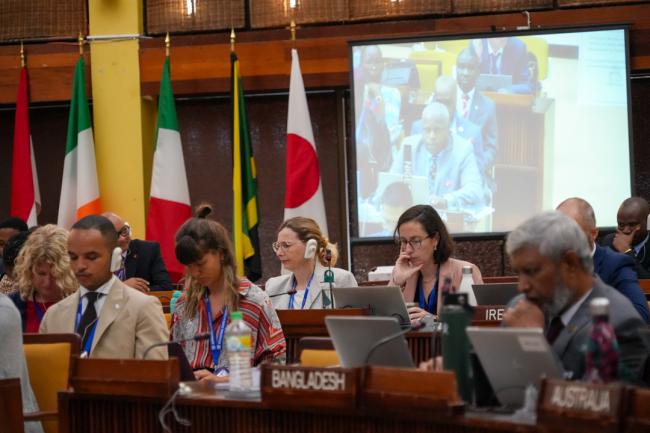
Responding to Secretary-General Carvalho’s report on operationalization of the EPC, which includes a draft Council decision, many delegations supported its operationalization before approval of the first exploitation plan of work, highlighting the need to safeguard the interests of developing countries, particularly land-based mining states.
Other delegates, however, considered it premature to adopt the decision and operationalize the EPC, calling instead for additional time for consultations, supported by a detailed cost assessment undertaken by the Finance Committee. The Council agreed to continue discussions through a Friends of the President group and took note of all the reports by the Secretary-General.
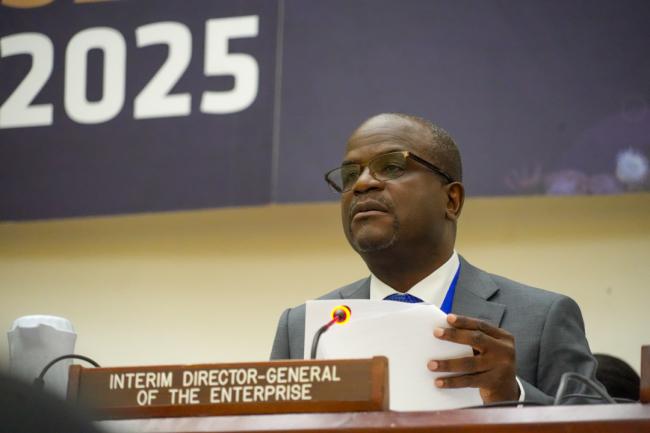
Eden Charles, Interim Director-General of the Enterprise, also presented his report to the Council, highlighting, among others, cooperation between the Enterprise and the British Institute of International and Comparative Law. He reported that this partnership has resulted in, among other things, awarding of a scholarship to an Enterprise research assistant to pursue an online course on foundations of public international law.
Council members welcomed the report and commended the Interim Director-General’s efforts, with many endorsing the proposed managerial structure for when the Enterprise becomes fully independent of the Secretariat.
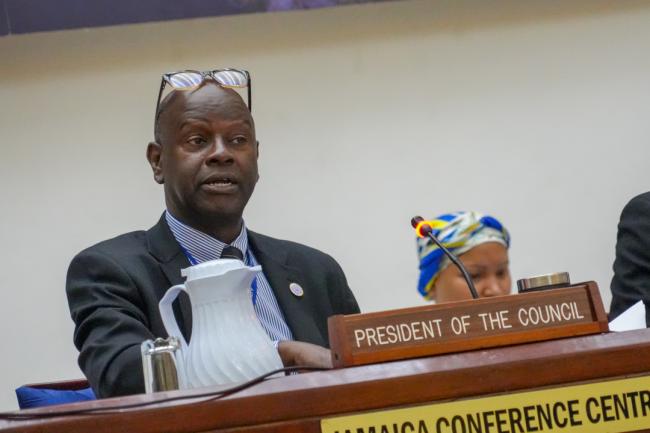
The Council adopted two decisions, respectively approving the requests by the French Research Institute for Exploitation of the Sea and the Government of Poland, to defer the relinquishments of the area allocated to each contractor, as recommended by the LTC.
Continuing their discussion of the draft regulations for commercial deep-sea mining, the Council considered regulation 96 bis (inspections), with delegations expressing diverging views on whether there should be unannounced inspections. Some pointed to the logistical challenges of having unannounced inspections in the high sea while others highlighted their key role in having a robust and credible inspection regime in place.
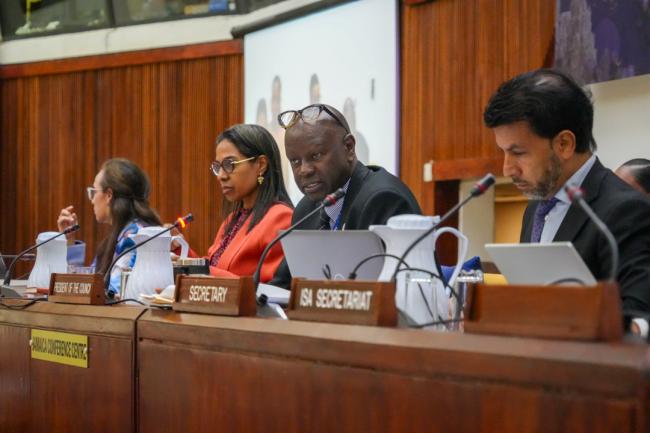
To receive free coverage of global environmental events delivered to your inbox, subscribe to the ENB Update newsletter.
All ENB photos are free to use with attribution. For the Second part of the 30th session of the International Seabed Authority (ISA) Council meeting, please use: Photo by IISD/ENB | Andrés Felipe Carvajal Gómez
Selected Images
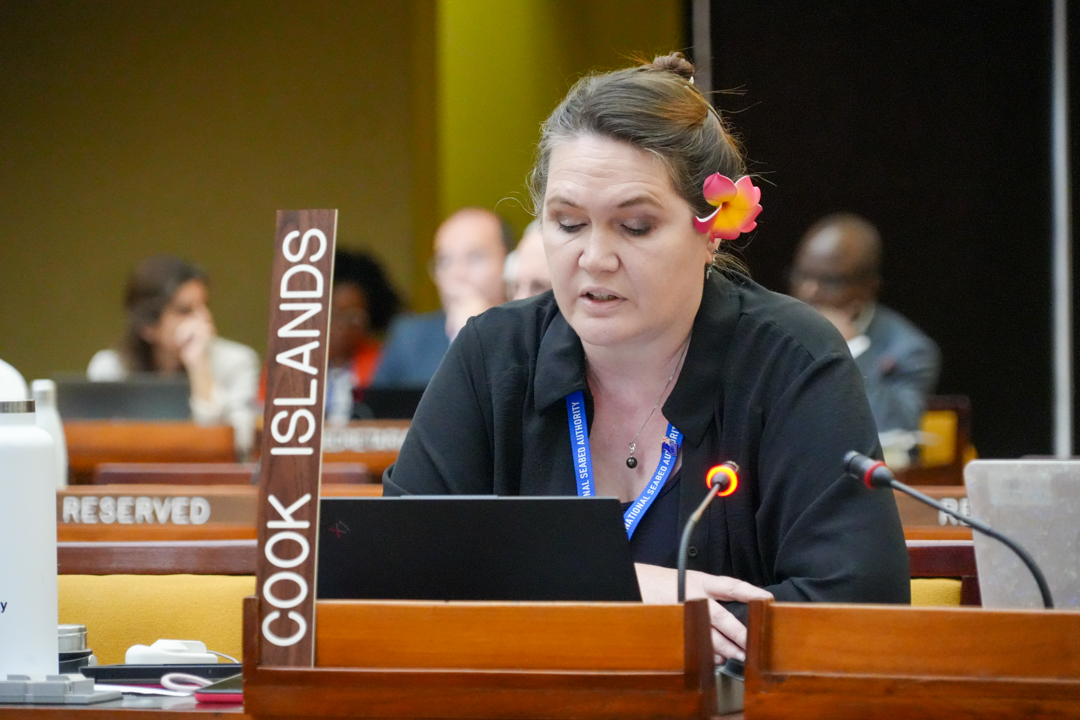
Beverly Stacey, Cook Islands
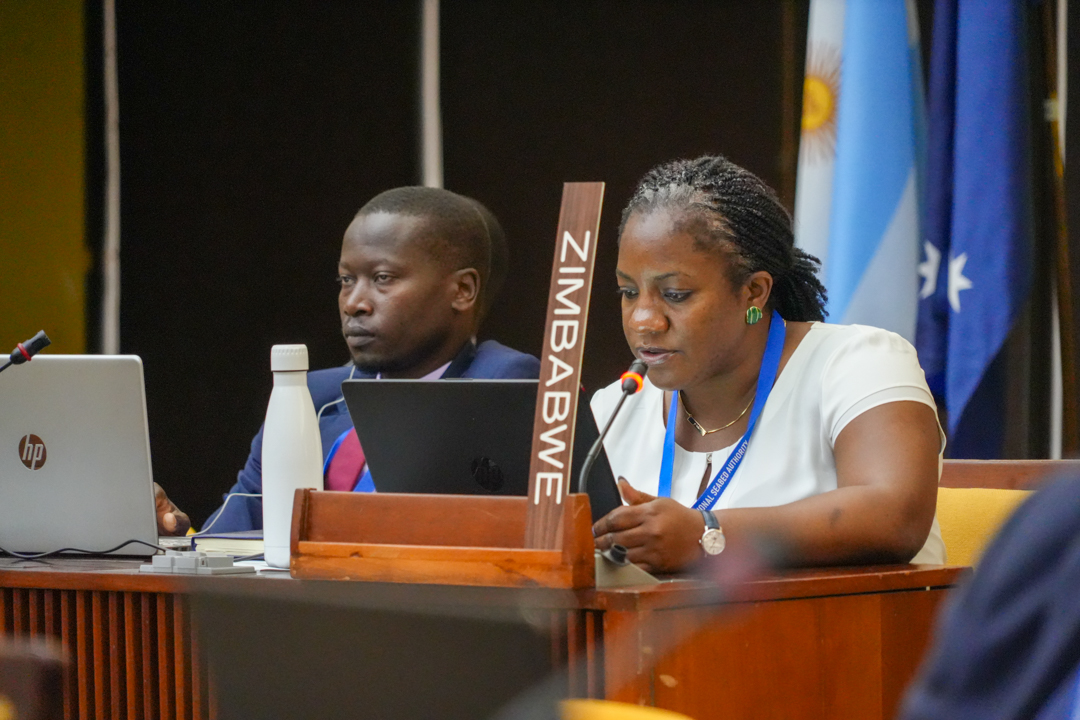
Rudo Makunike, Zimbabwe
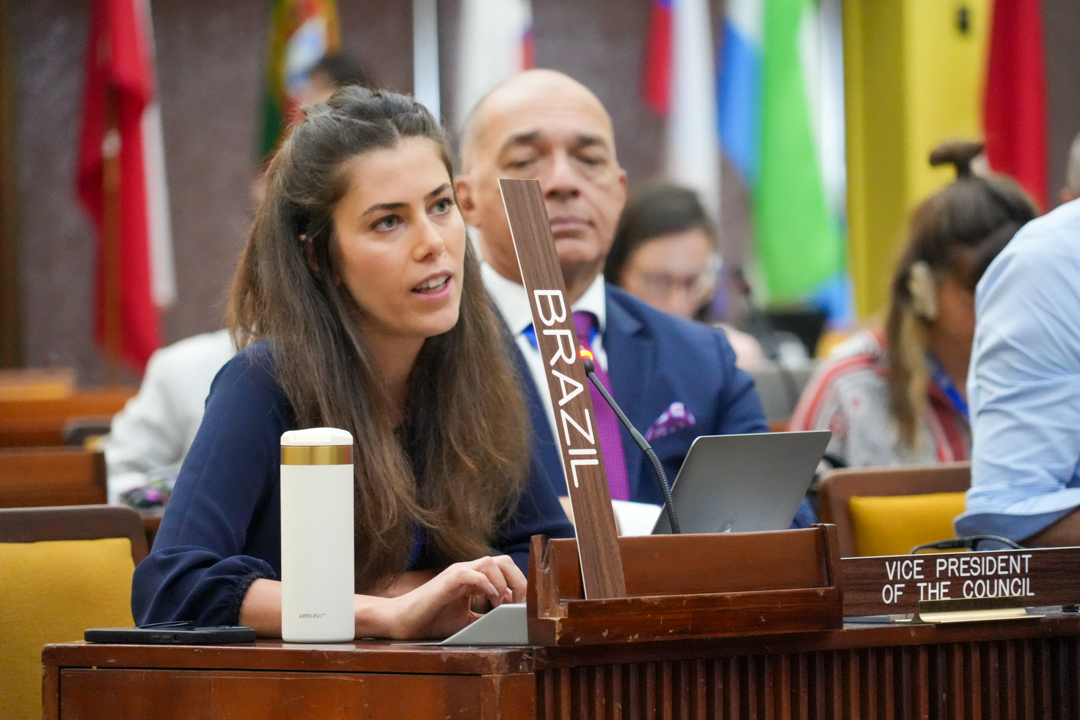
Bárbara Macedo Perrenoud, Brazil
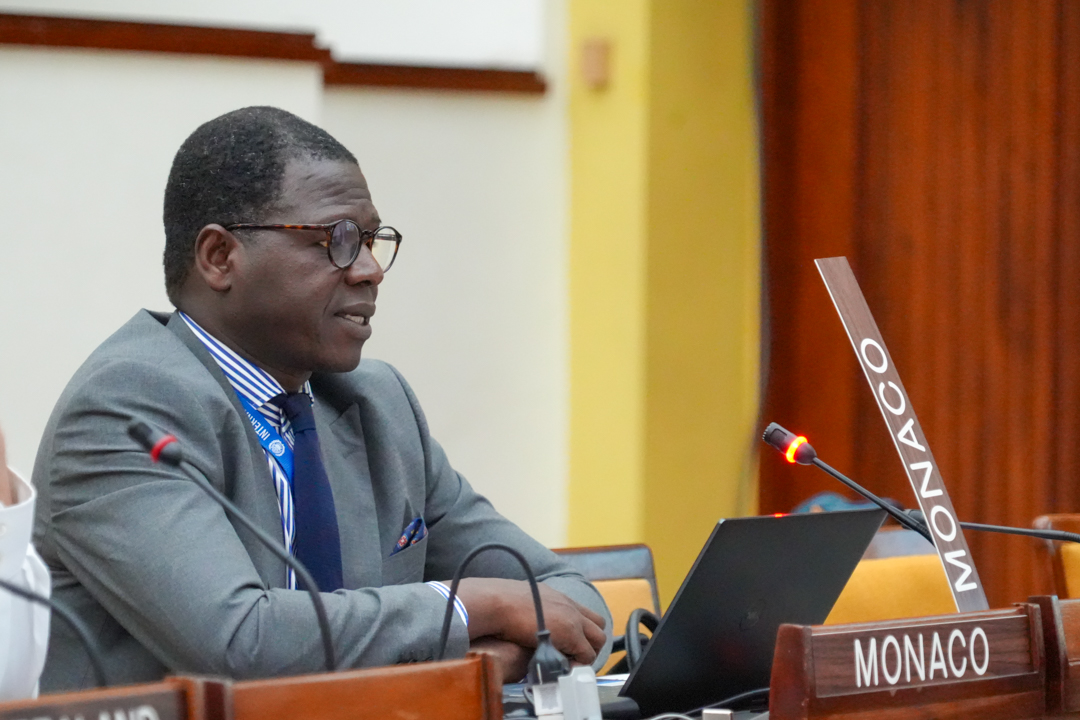
Tidiani Couma, Monaco
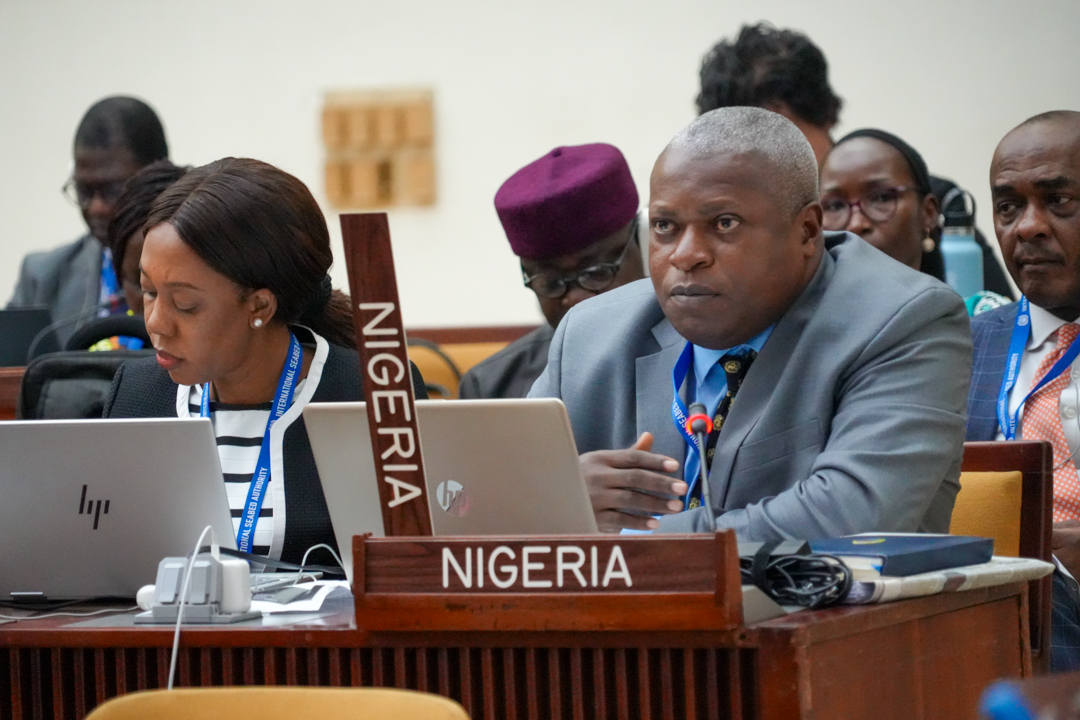
Obiora Anyikwa, Nigeria
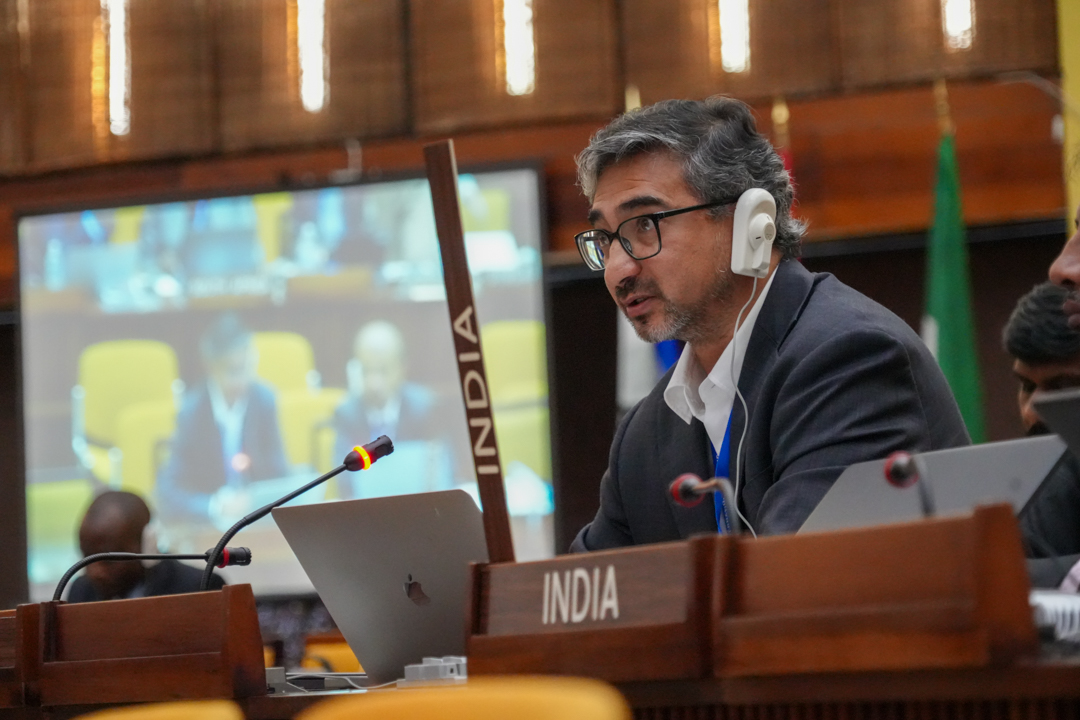
Mayank Joshi, India
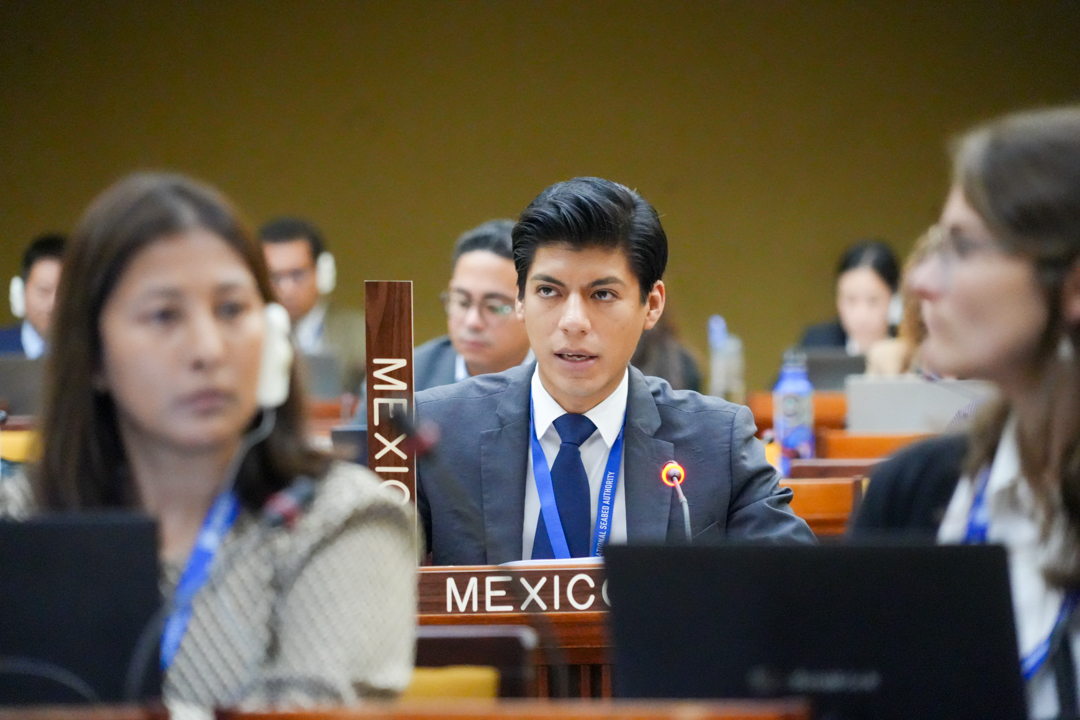
Edgar Noriega, Mexico
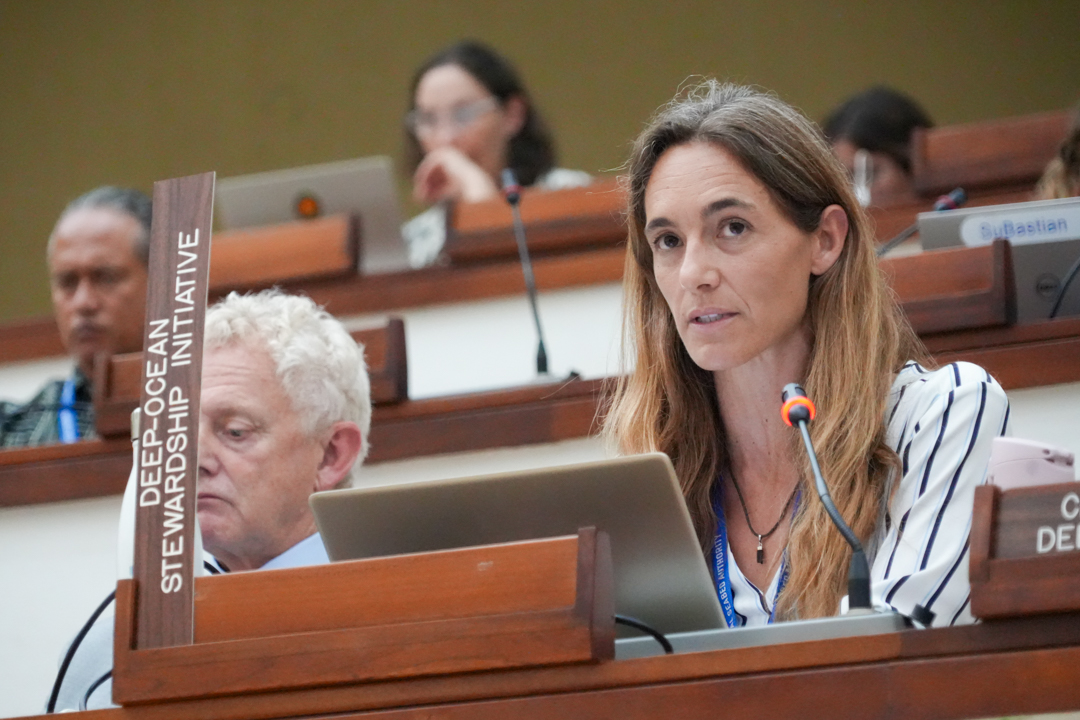
Patricia Esquete, Deep Ocean Stewardship Initiative (DOSI)
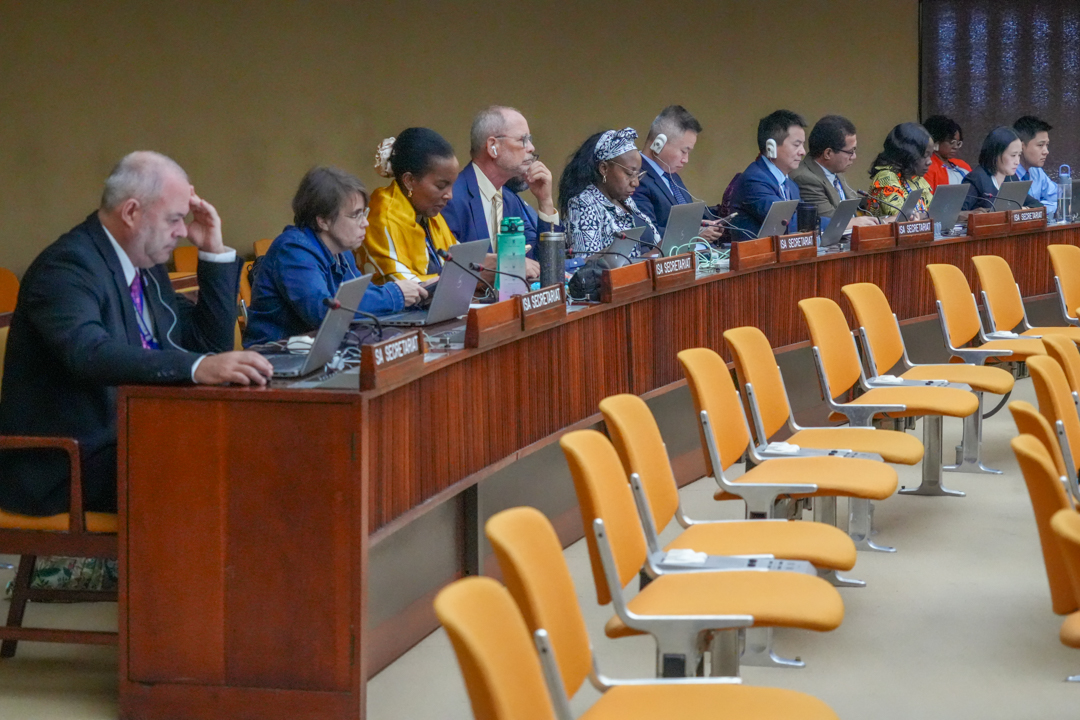
Members of the Secretariat of the Authority during the Council's deliberations
Around the venue

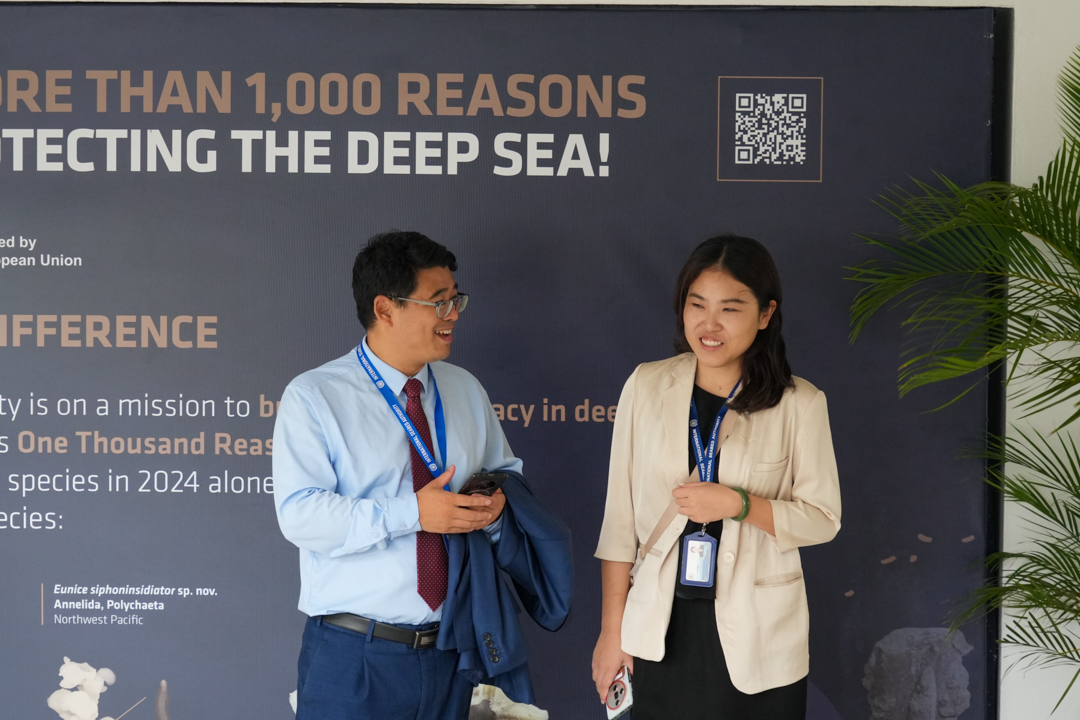
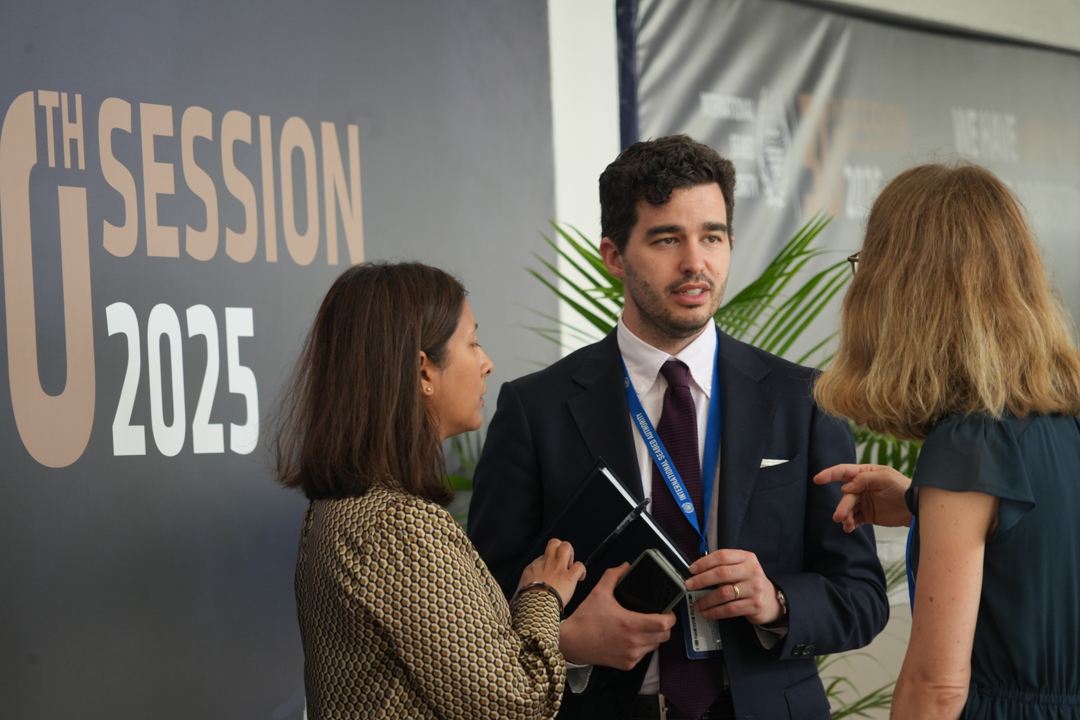

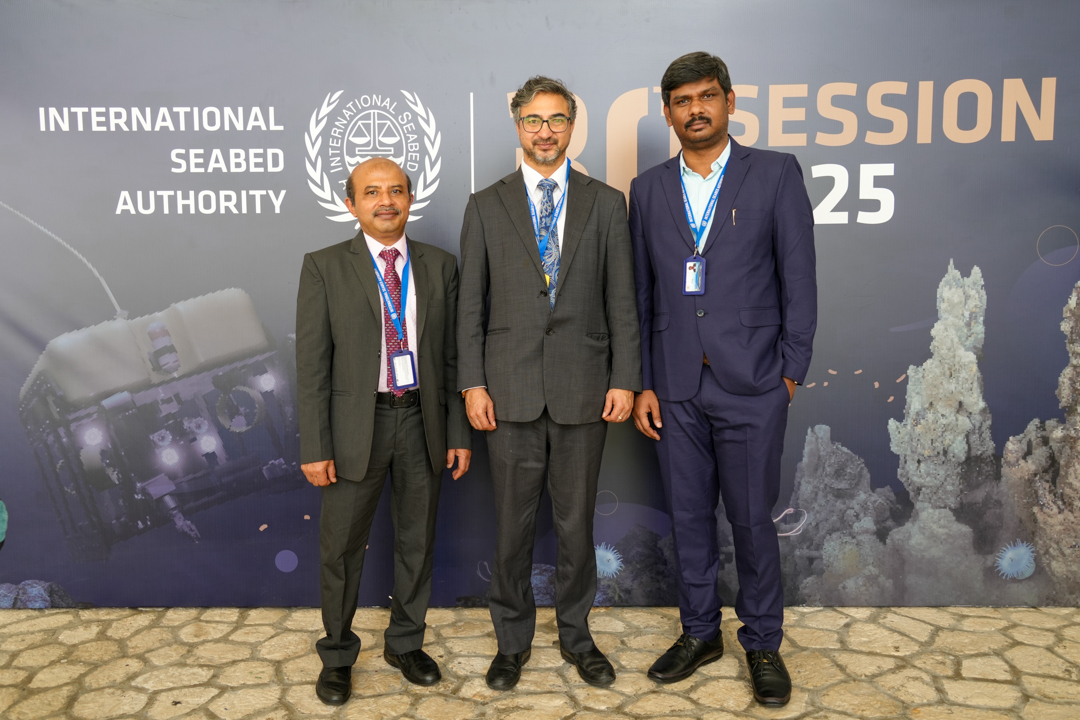
The Indian delegation

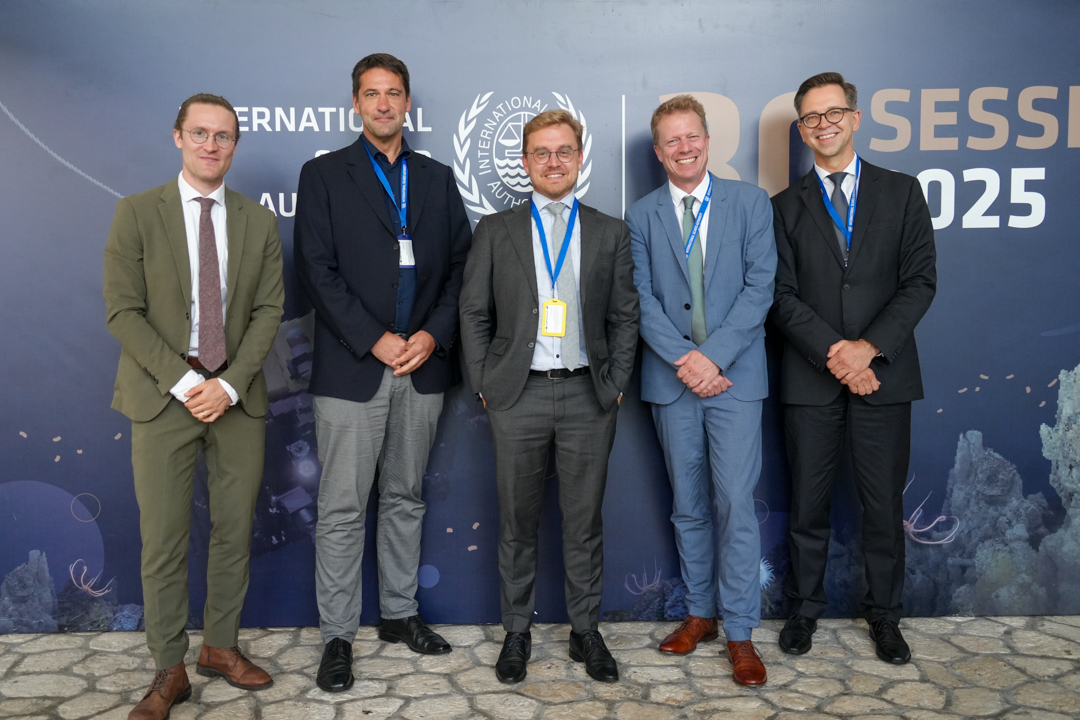
The German delegation