

Consensus on the need for a general environmental policy for the International Seabed Authority (ISA) remained elusive, same as in the previous two sessions of the ISA Assembly.
On the last day of the 30th session of the ISA (ISA-30) Assembly, members could not agree on the need for the policy or whether to commence discussions immediately or only after completing the regulations for the commercial exploitation of deep-sea mineral resources.
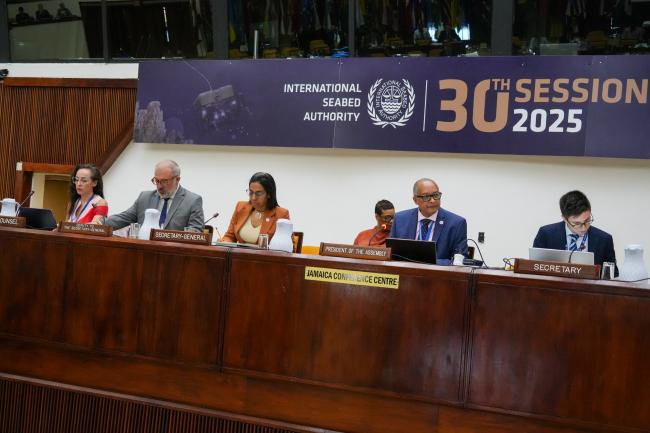
This item was taken up by the Assembly on Friday. Chile presented their proposal to initiate work toward a general environmental policy for ISA, grounded in UN Convention on the Law of the Sea (UNCLOS) Article 145 (Protection of the marine environment).
Many delegations, including Brazil, Canada, France, Palau, Tonga, Spain, Belgium, Germany, Jamaica, the Philippines, and Costa Rica, emphasized the need for an overarching policy to complement environmental measures in the exploitation regulations. Several also supported holding discussions through an intersessional working group that would focus on the scope and content of such a policy.
The African Group cautioned against undermining the Council’s authority, particularly the Legal and Technical Commission’s role in shaping decisions and policies. China asserted that there is no environmental policy gap, highlighting that UNCLOS and the 1994 Implementing Agreement contain sufficient safeguards for marine environmental protection.
China, India, the Russian Federation, and others underlined that the primary focus for ISA members should be completing the exploitation regulations, and preferred postponing this issue until after completion of the regulations.
The Assembly ultimately could not agree to proceed with discussion of a general environmental policy.
The Assembly also considered their agenda item on the second periodic review of the operation of the international regime of the Area (the seabed and ocean floor and the subsoil thereof, beyond the limits of national jurisdiction), as mandated by UNCLOS Article 154 (Periodic review).
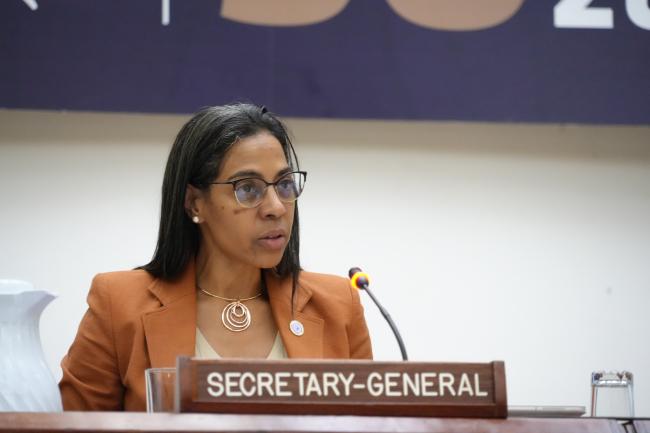
This article requires the Assembly to undertake a review every five years from entry into force of UNCLOS. In the 30 years of the ISA, only one review has been undertaken, which concluded in 2017. ISA Secretary-General Leticia Carvalho underscored the need for a periodic review, highlighting it would provide the space for strategic reflection and shared understanding of the way forward for the ISA and help strengthen its foundation as it “moves into the era of implementation and accountability.”
Many members, including Germany, Canada, Spain, Tonga, the African Group, the Marshall Islands, and others, supported launching the second periodic review.
China and Japan opposed the launch of the review, stressing that ISA’s current priority is to develop and adopt exploitation regulations, following which the second review can be conducted.
As no consensus could be reached, the Assembly deferred discussion of the second periodic review to ISA-31.
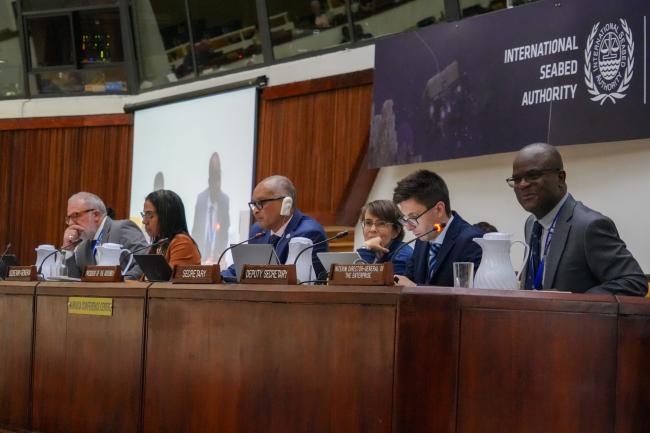
The annual report of the Interim Director-General of the Enterprise, Eden Charles, was also considered today. The Assembly took note of the report, which included updates on, among other things, the study of managerial and administrative policy options for the independent operation of the Enterprise.
Several delegates underscored that operationalizing the Enterprise is vital for fulfilling its mandates under UNCLOS and the 1994 Agreement, and for enabling fair participation of developing countries in activities in the Area.
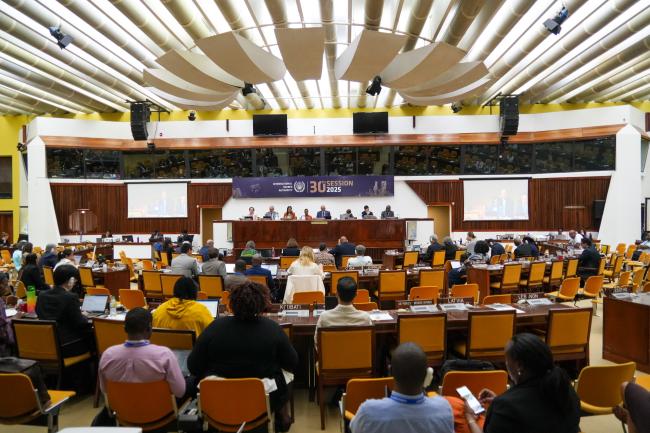
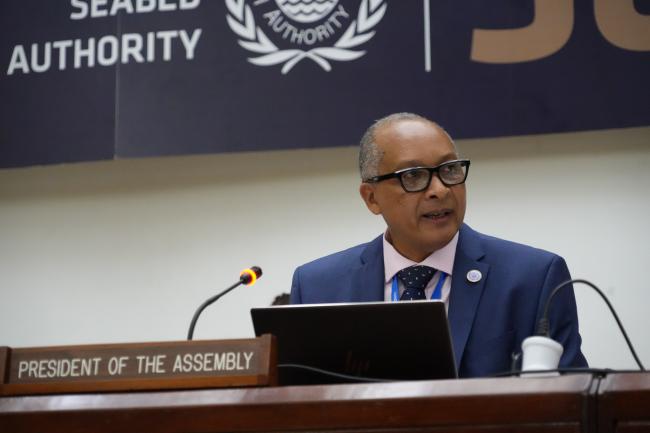
The Assembly also revisited the request by Seafloor Mineral Developers Association for observer status as a non-governmental organization. ISA-30 Assembly President Dwight Gardiner reported on the outcome of informal consultations among Assembly members that: contractors would be able to participate in ISA-31 Assembly in their individual capacity; and draft guidelines on contractors’ participation will be prepared by the Secretariat for consideration by ISA-31.
The matter of contractors’ participation was therefore deferred to ISA-31.
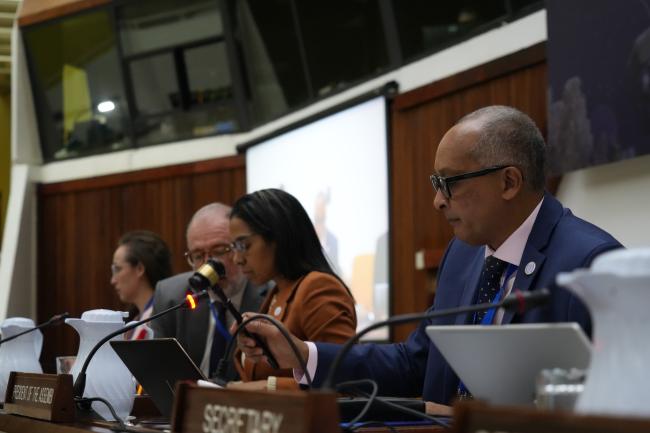
Closing the session, ISA-30 Assembly President Gardiner, thanked the Secretariat for their hard work in facilitating the meeting and commended delegates for their cooperation and engagement in the Assembly. He gaveled the meeting to a close at 7:03pm.
To receive free coverage of global environmental events delivered to your inbox, subscribe to the ENB Update newsletter.
All ENB photos are free to use with attribution. For the Second part of the 30th session of the International Seabed Authority (ISA) Council meeting, please use: Photo by IISD/ENB | Andrés Felipe Carvajal Gómez
Selected Images
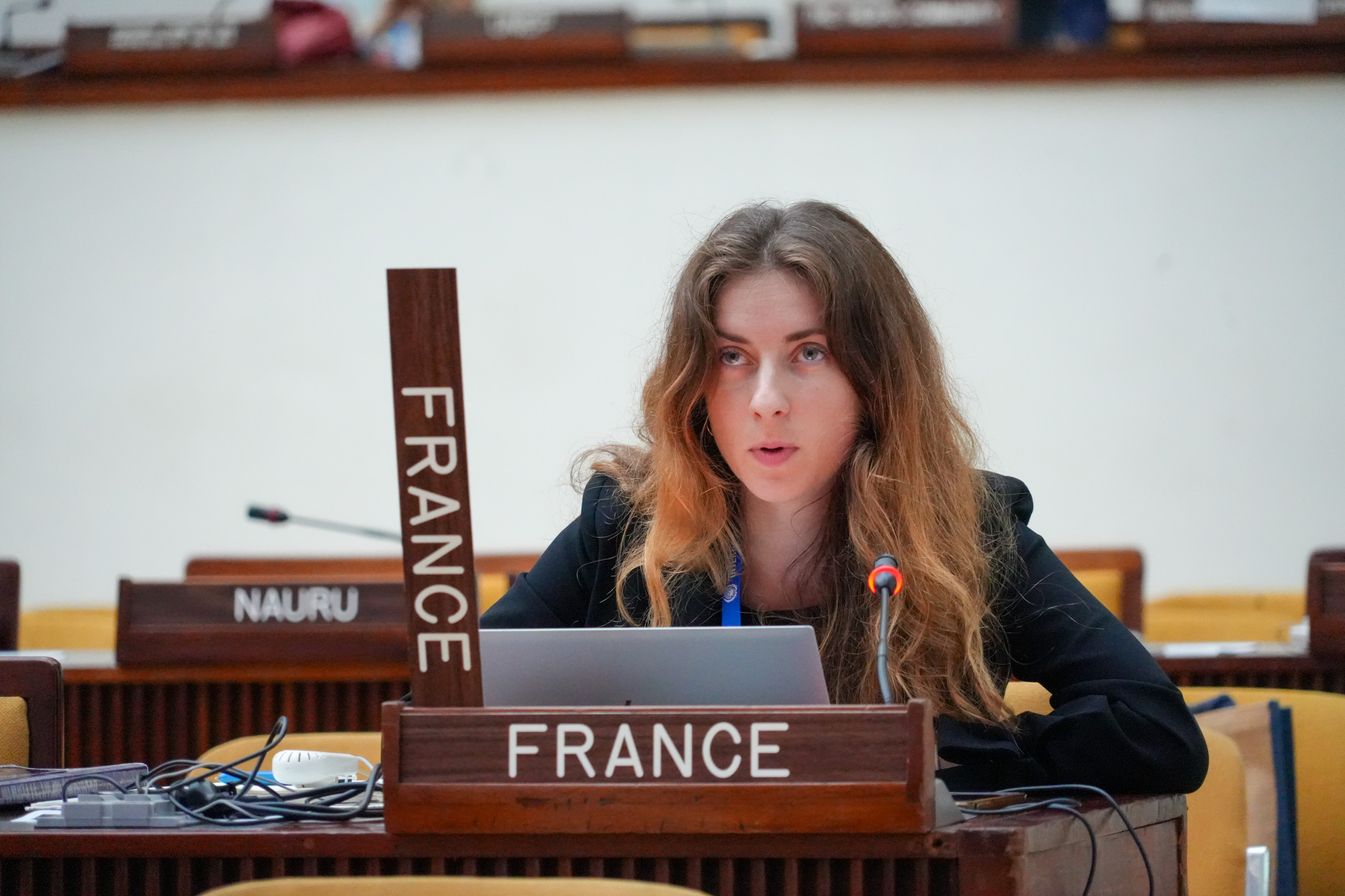
Salomé Ponson, France
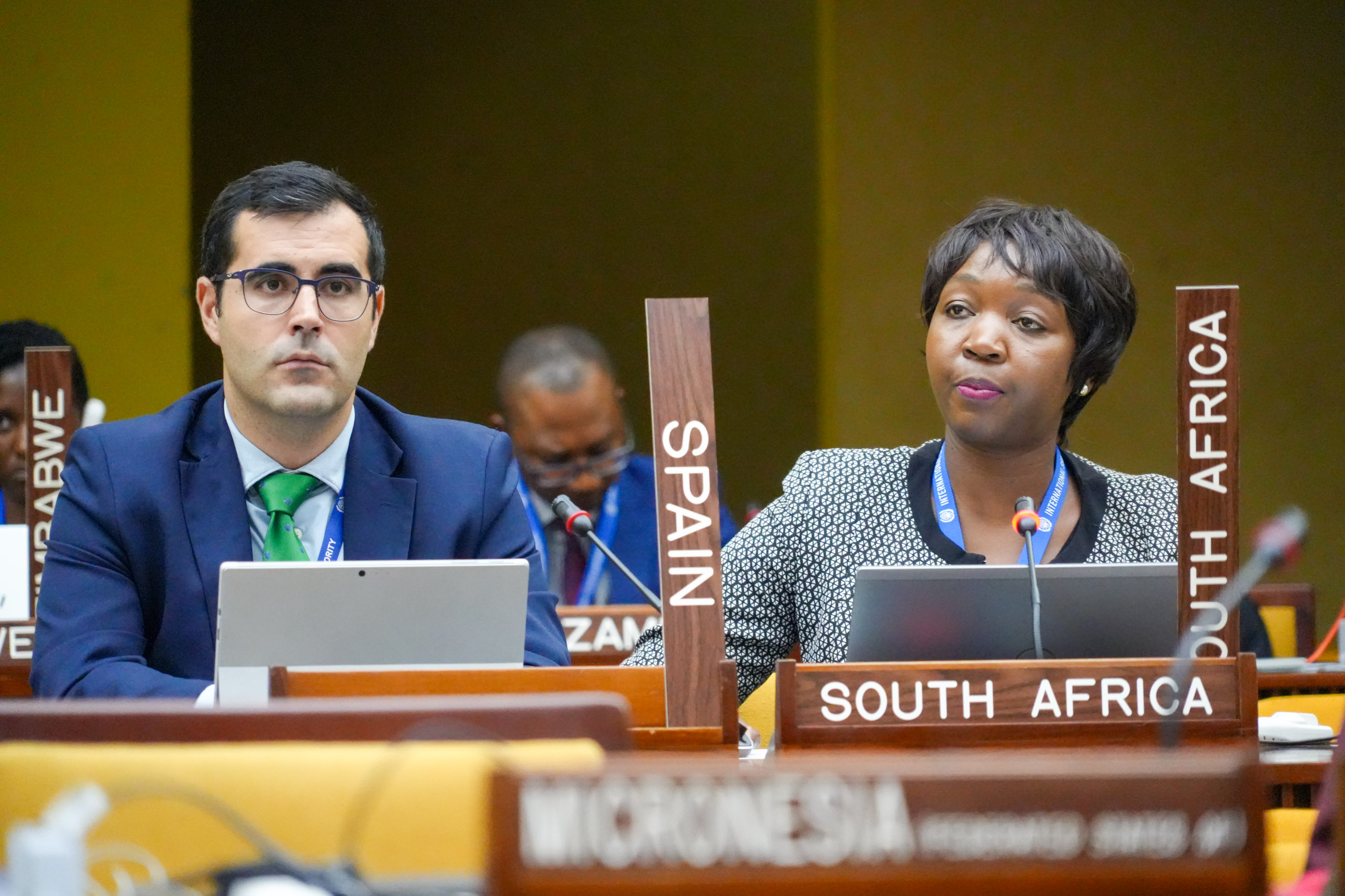
Tshifhiwa Mabidi, South Africa
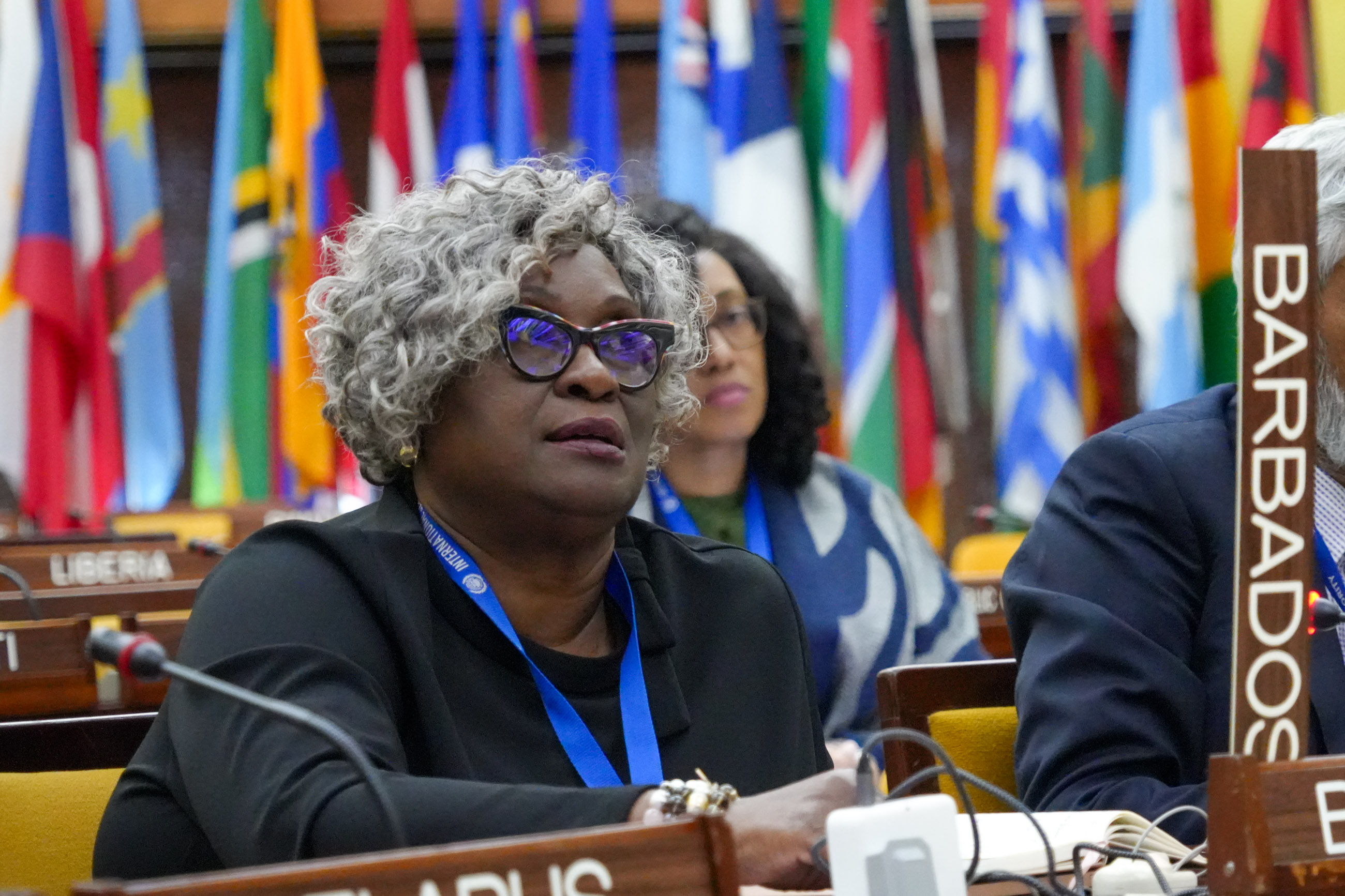
Barbados

Sieni Tiraa, Te Ipukarea Society
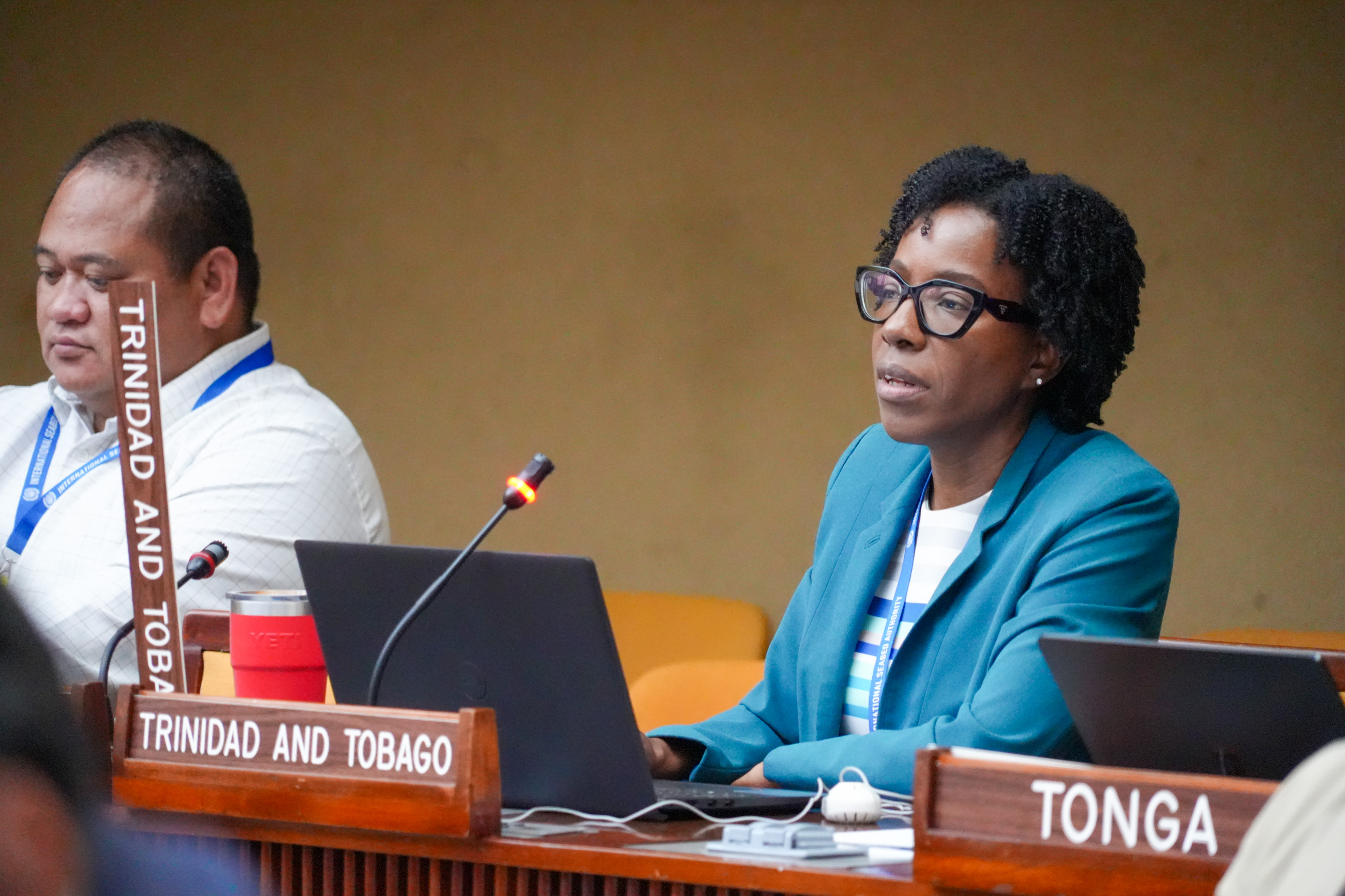
Amanda Fraser, Trinidad and Tobago
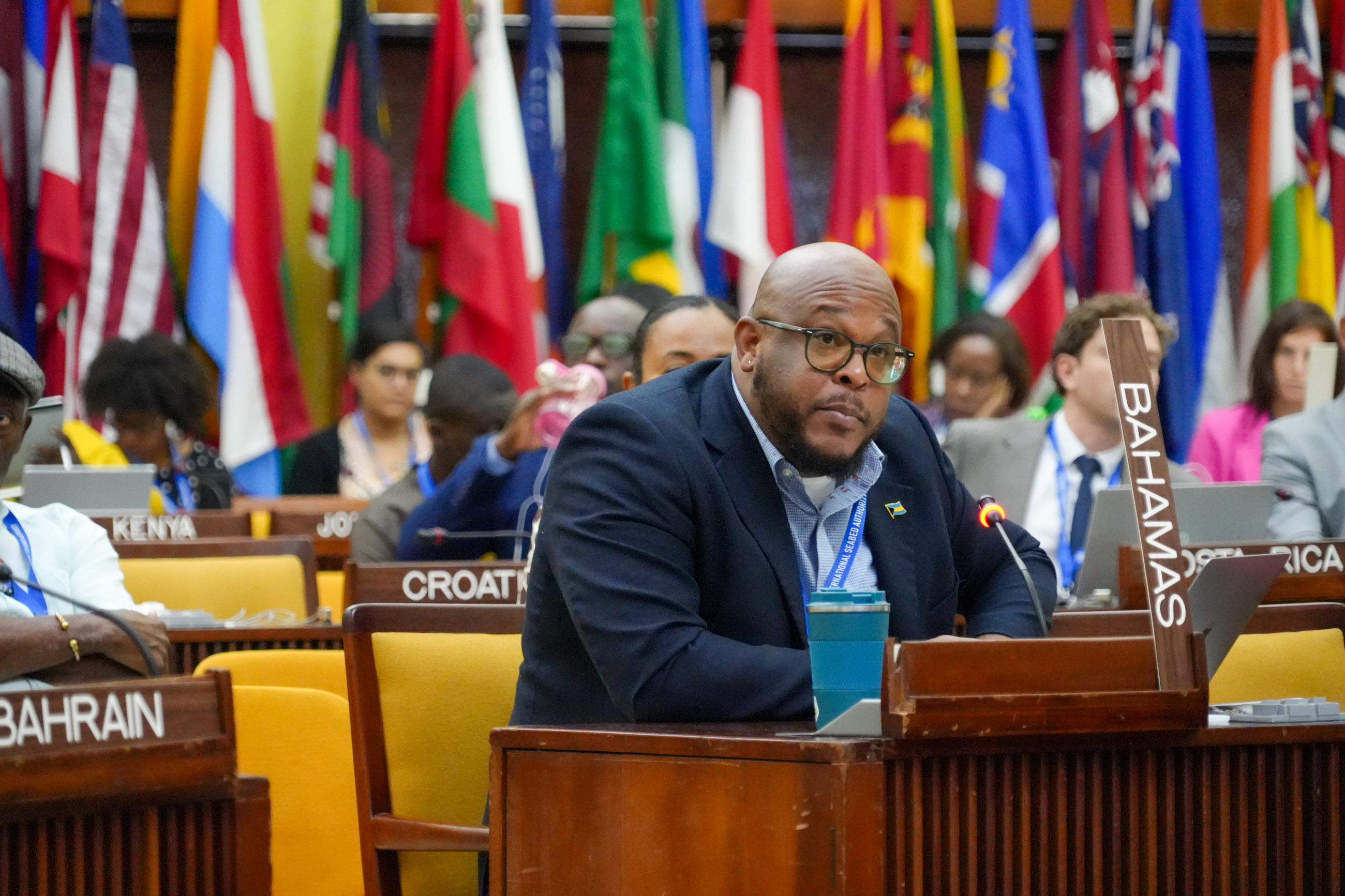
Shannon Bethel, The Bahamas
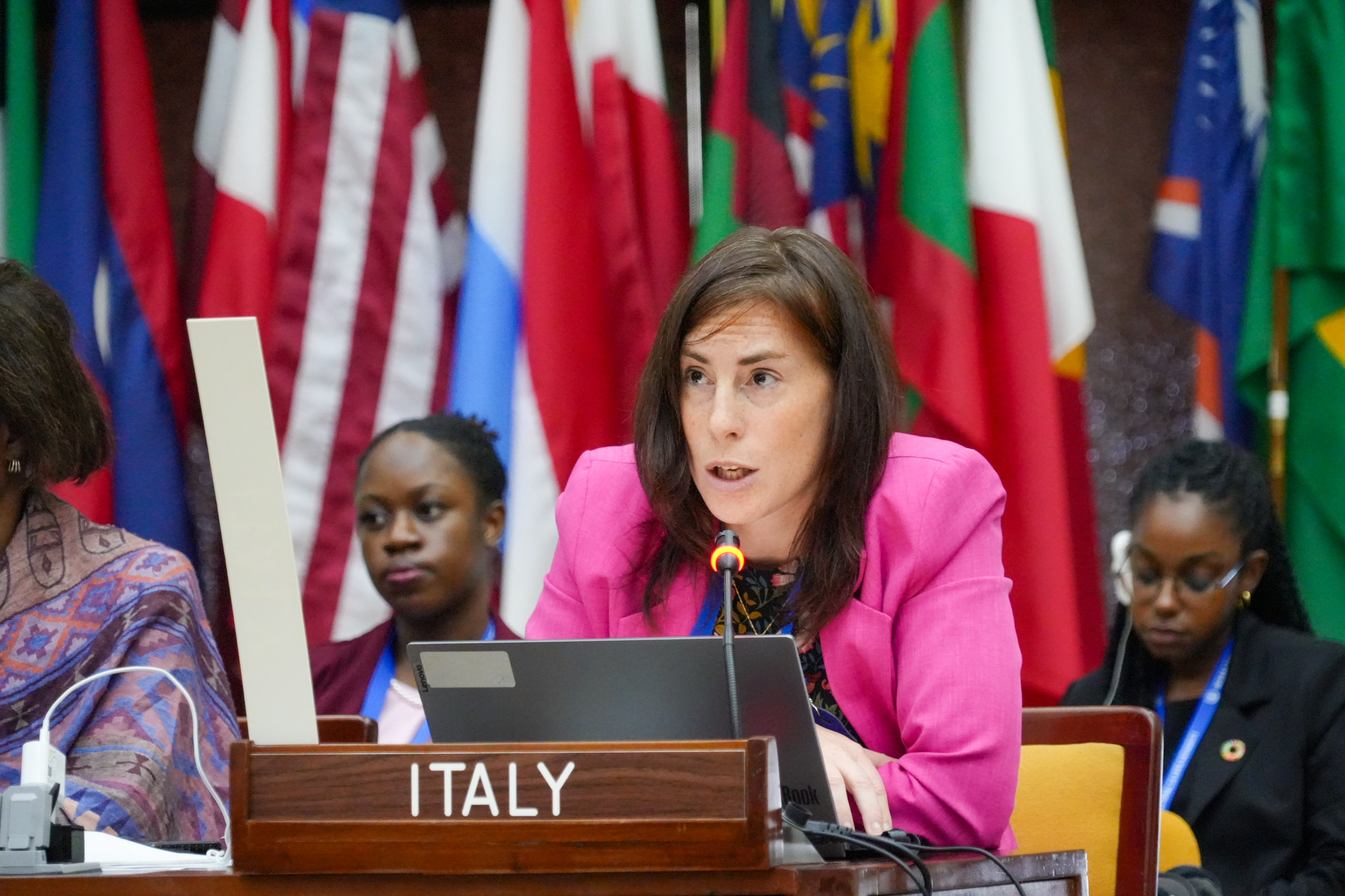
Giulia David, Italy
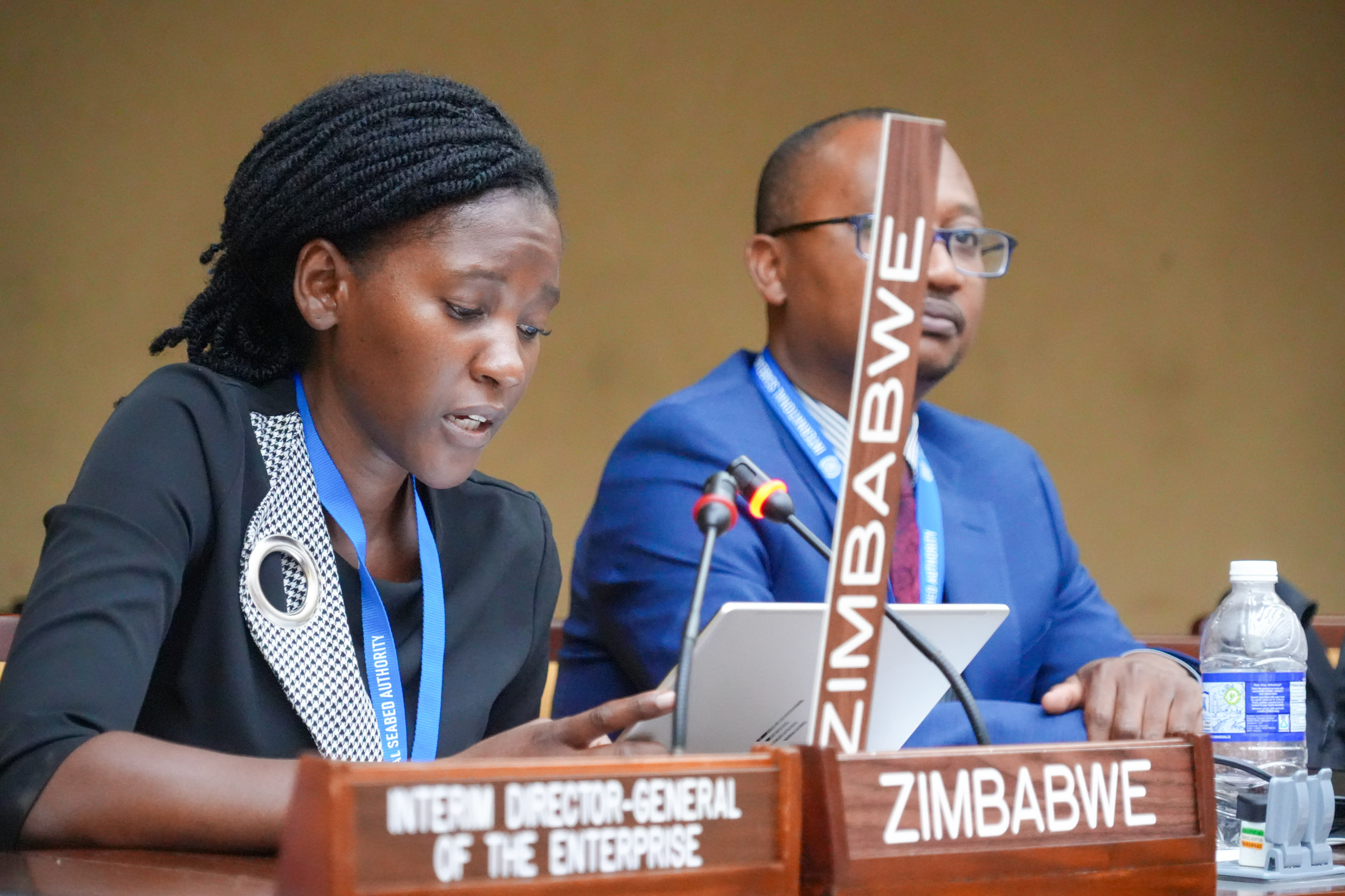
Chiyedza Sauramba, Zimbabwe
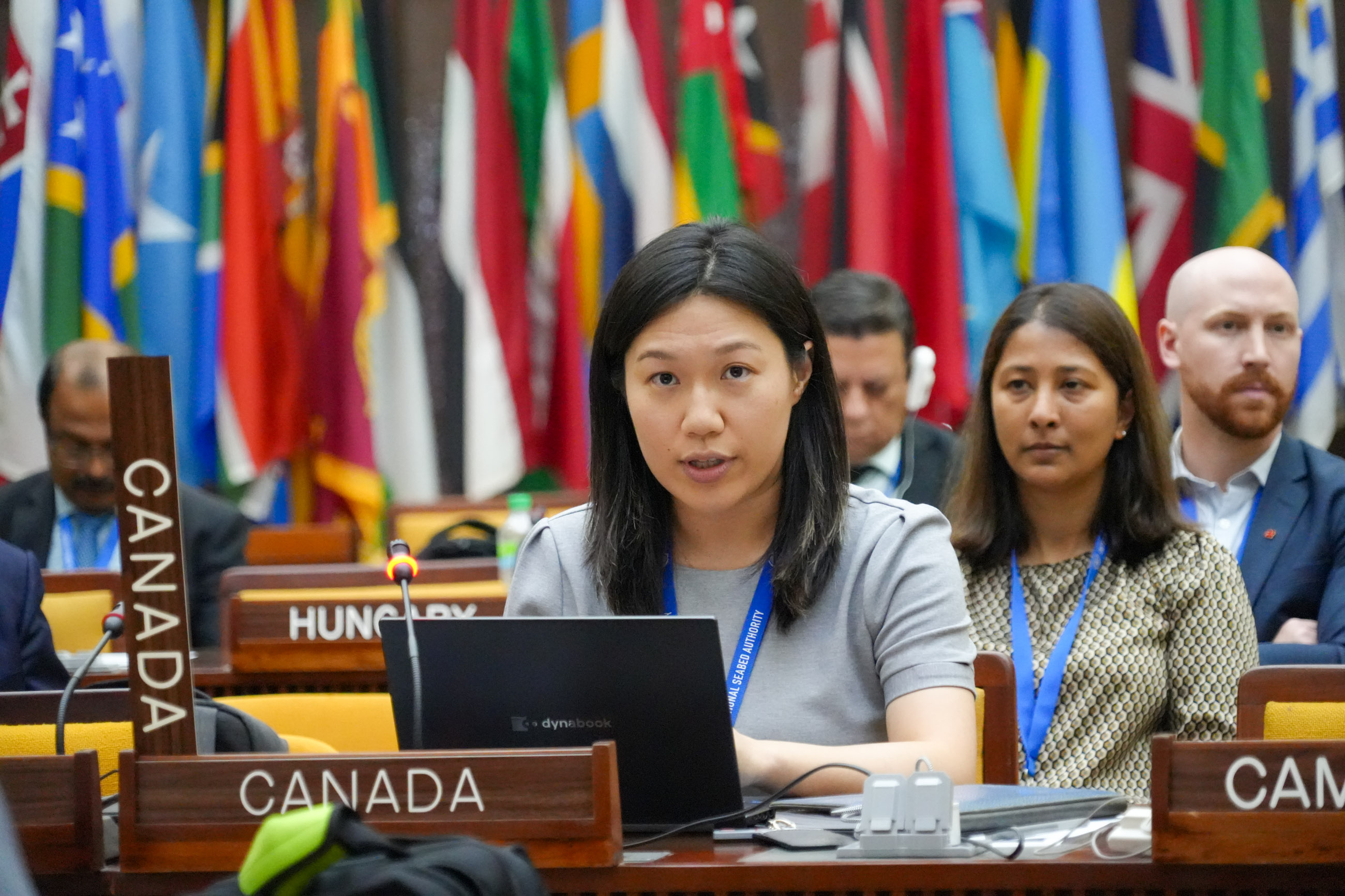
Cassie Cai, Canada
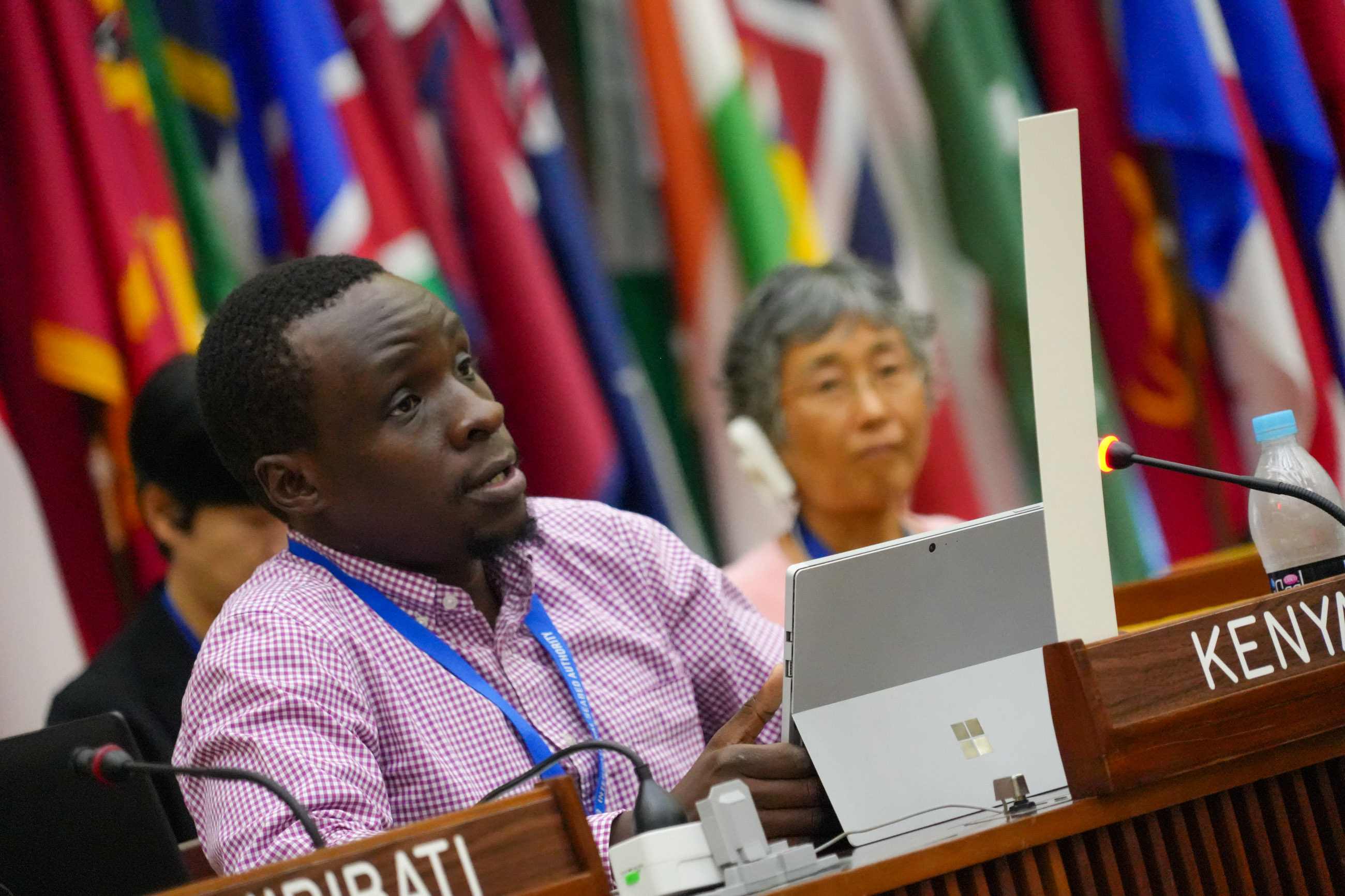
Frankline Otieno Oketch, Kenya
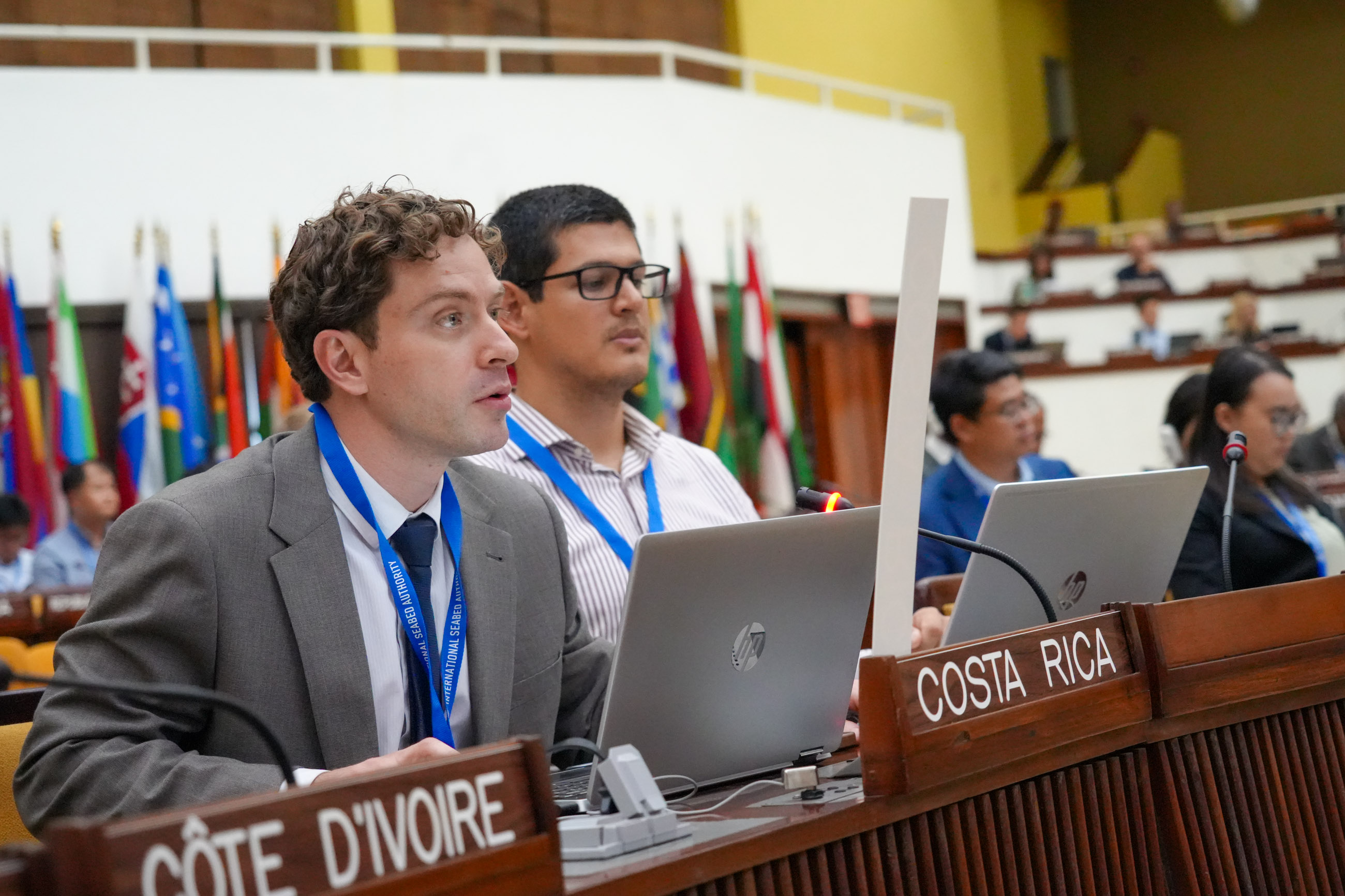
Costa Rica
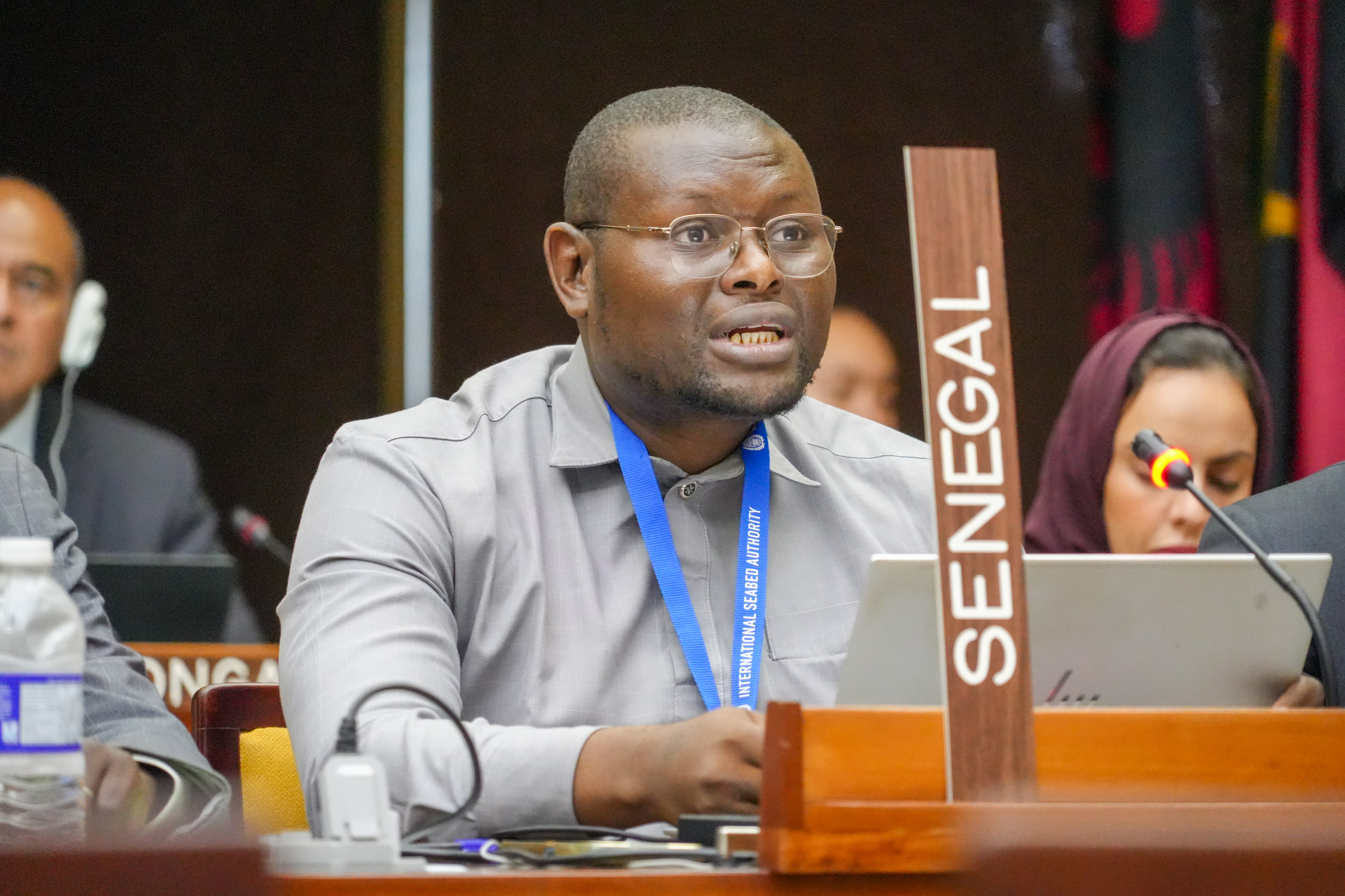
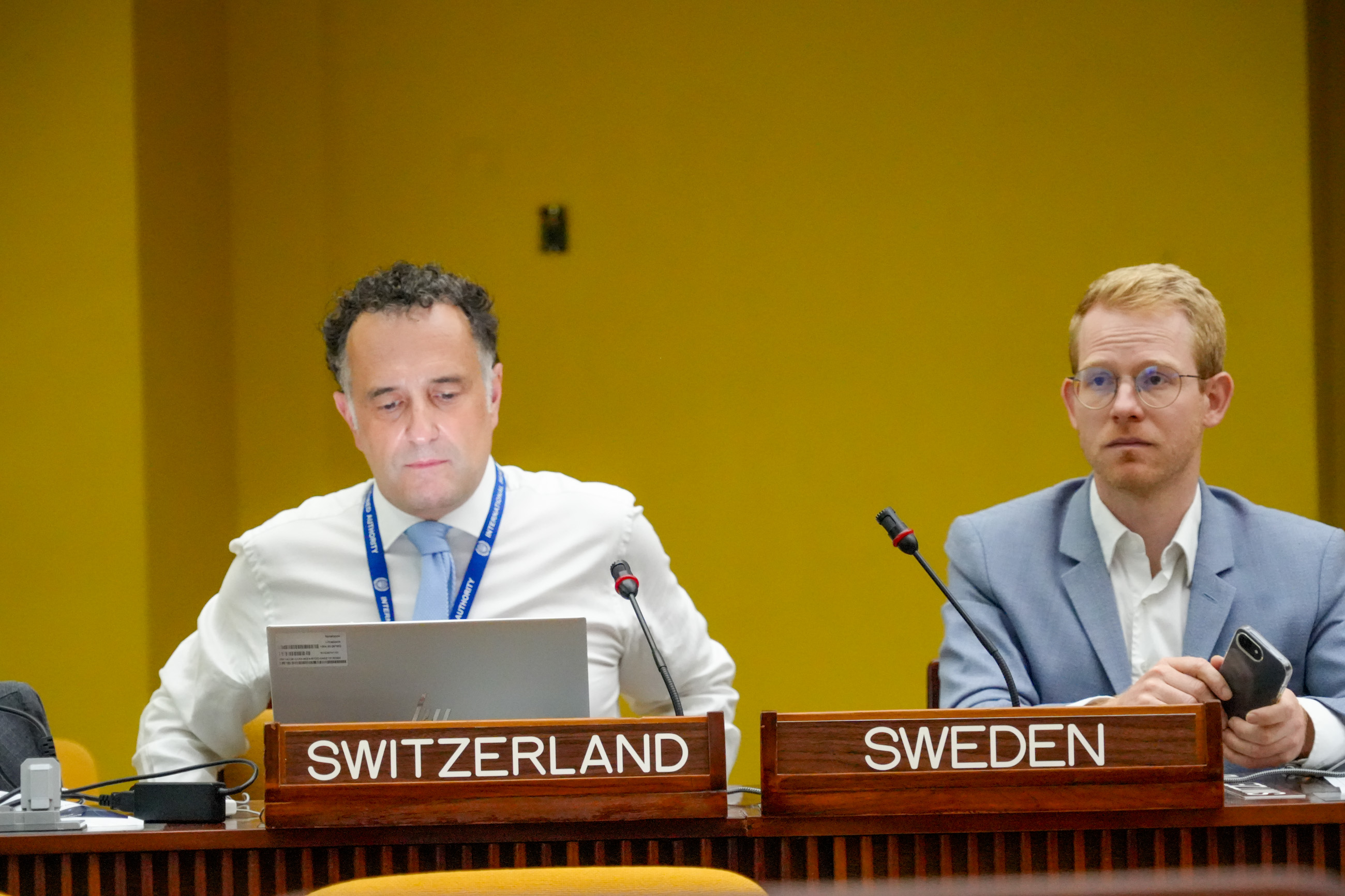
Stefano Vescovi, Switzerland
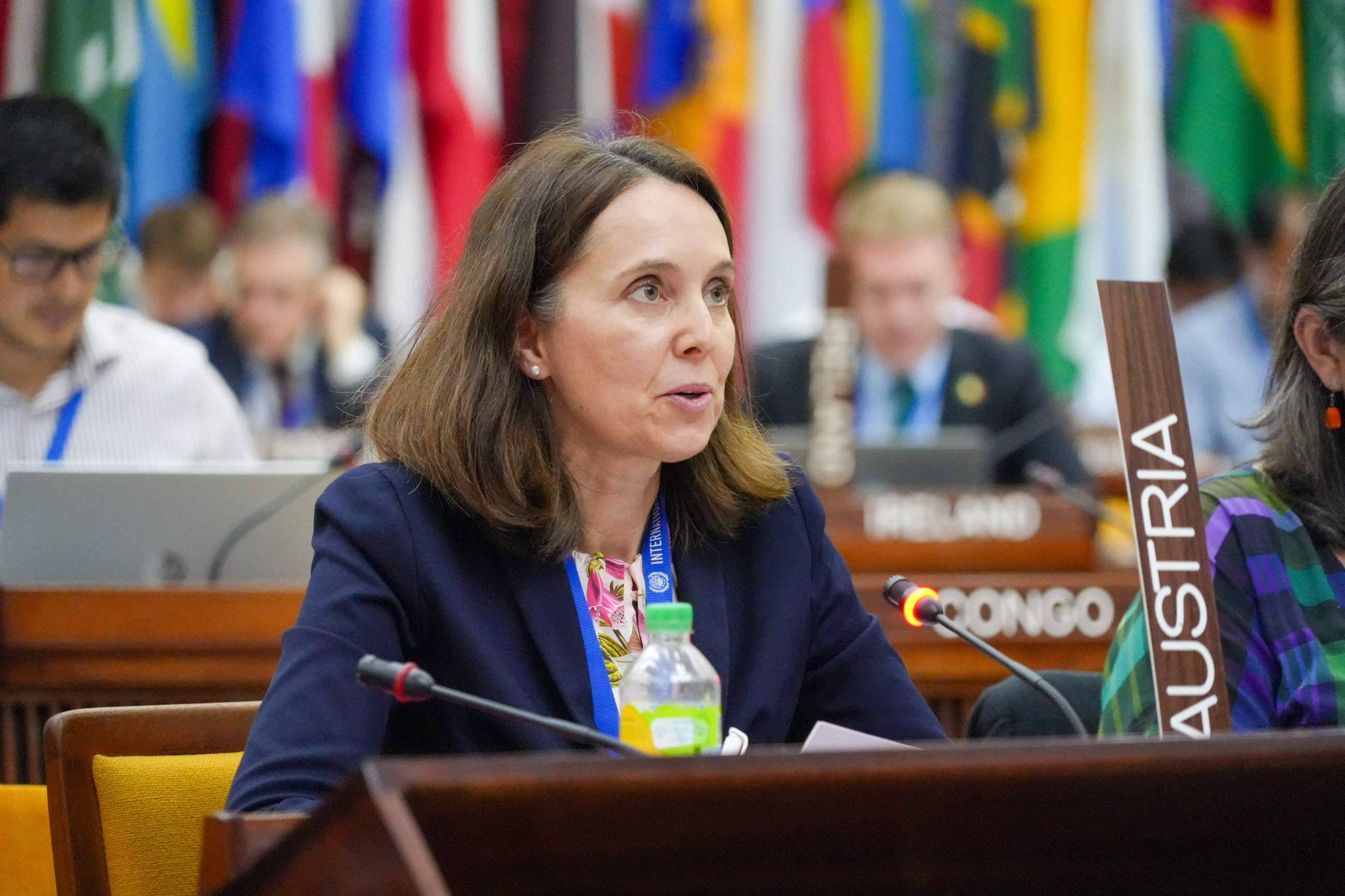
Ulrike Nguyen, Austria
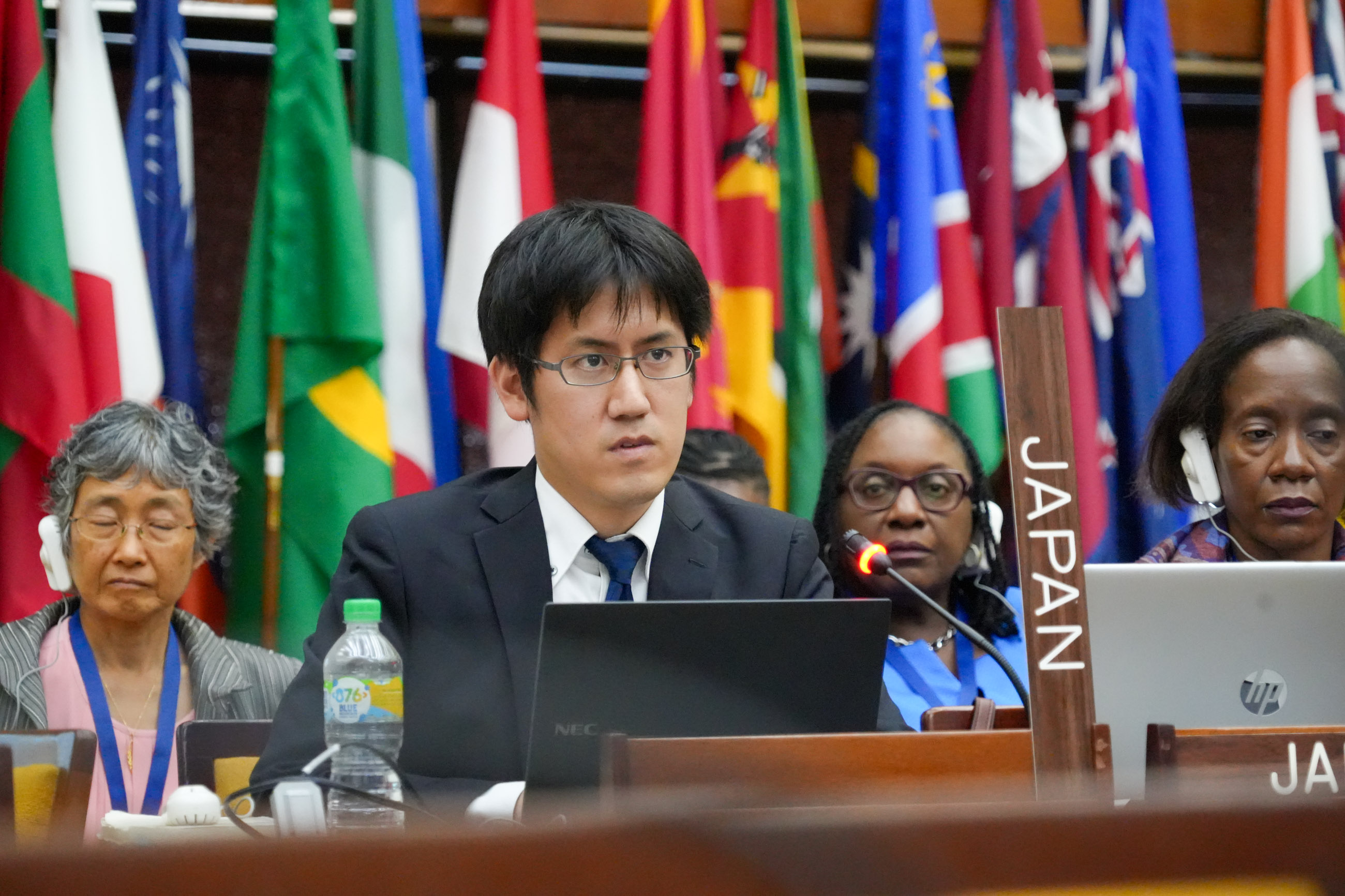
Hiroaki Ishihara, Japan
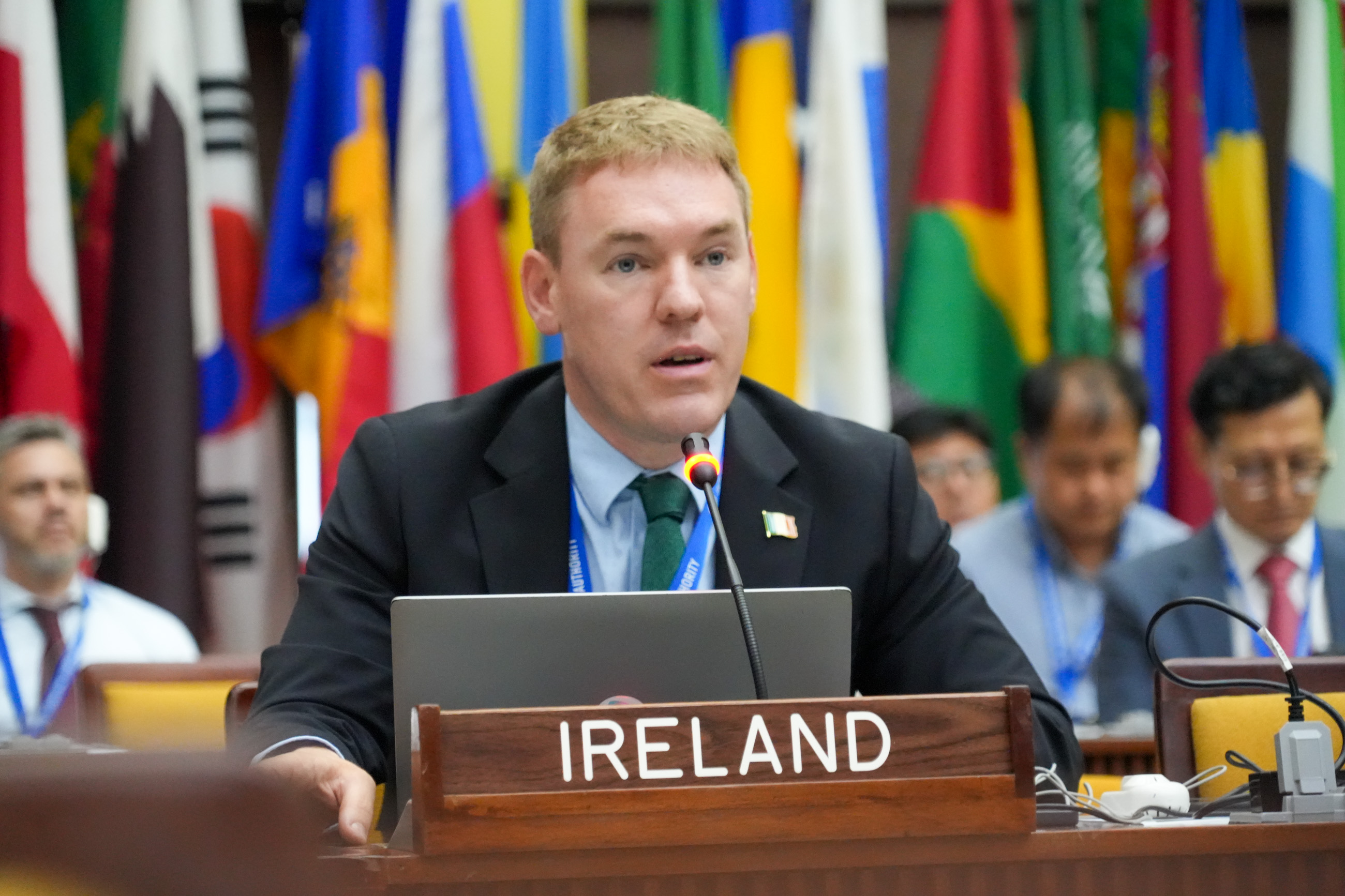
Barry Lennon, Ireland
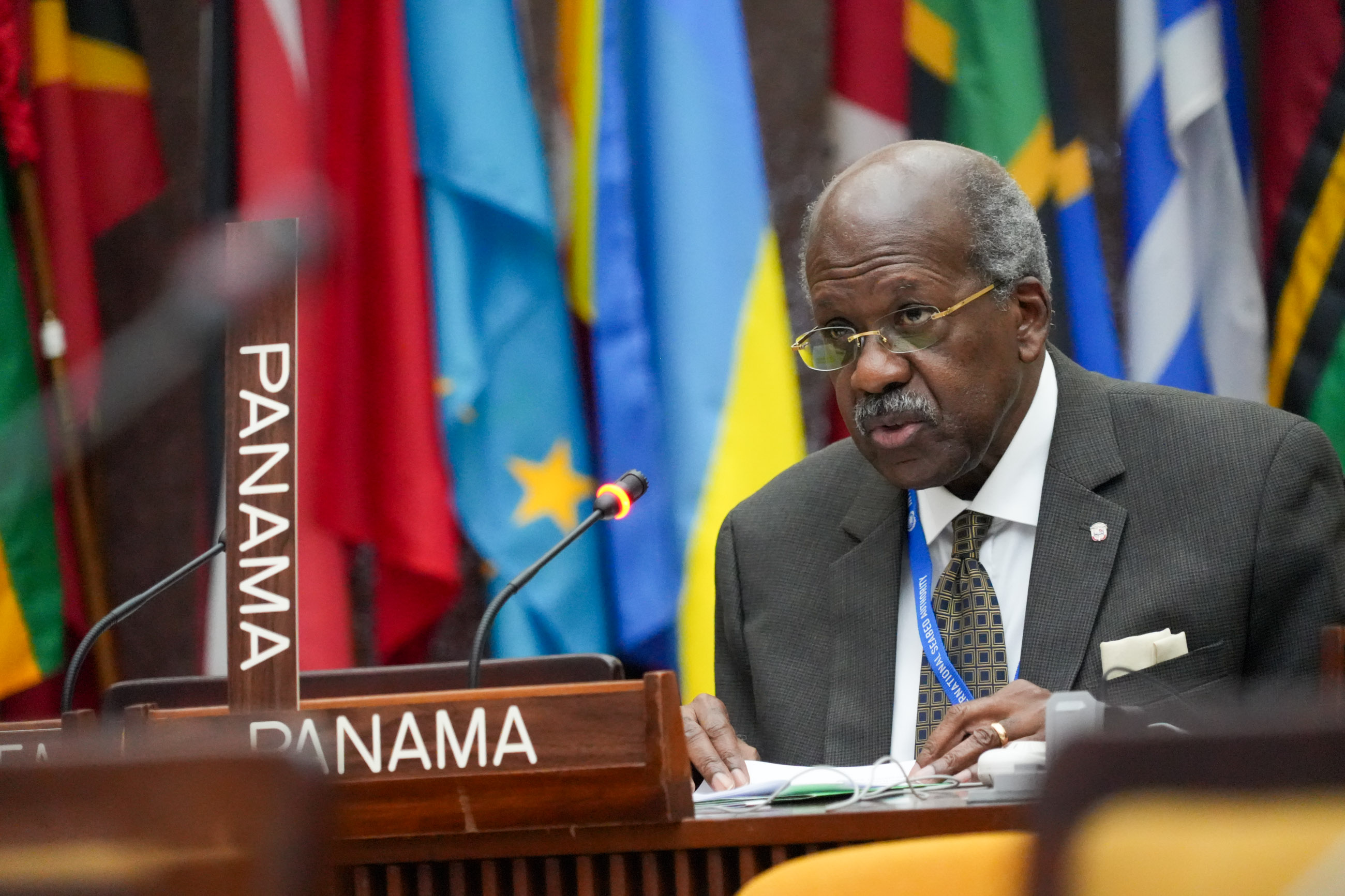
Panama
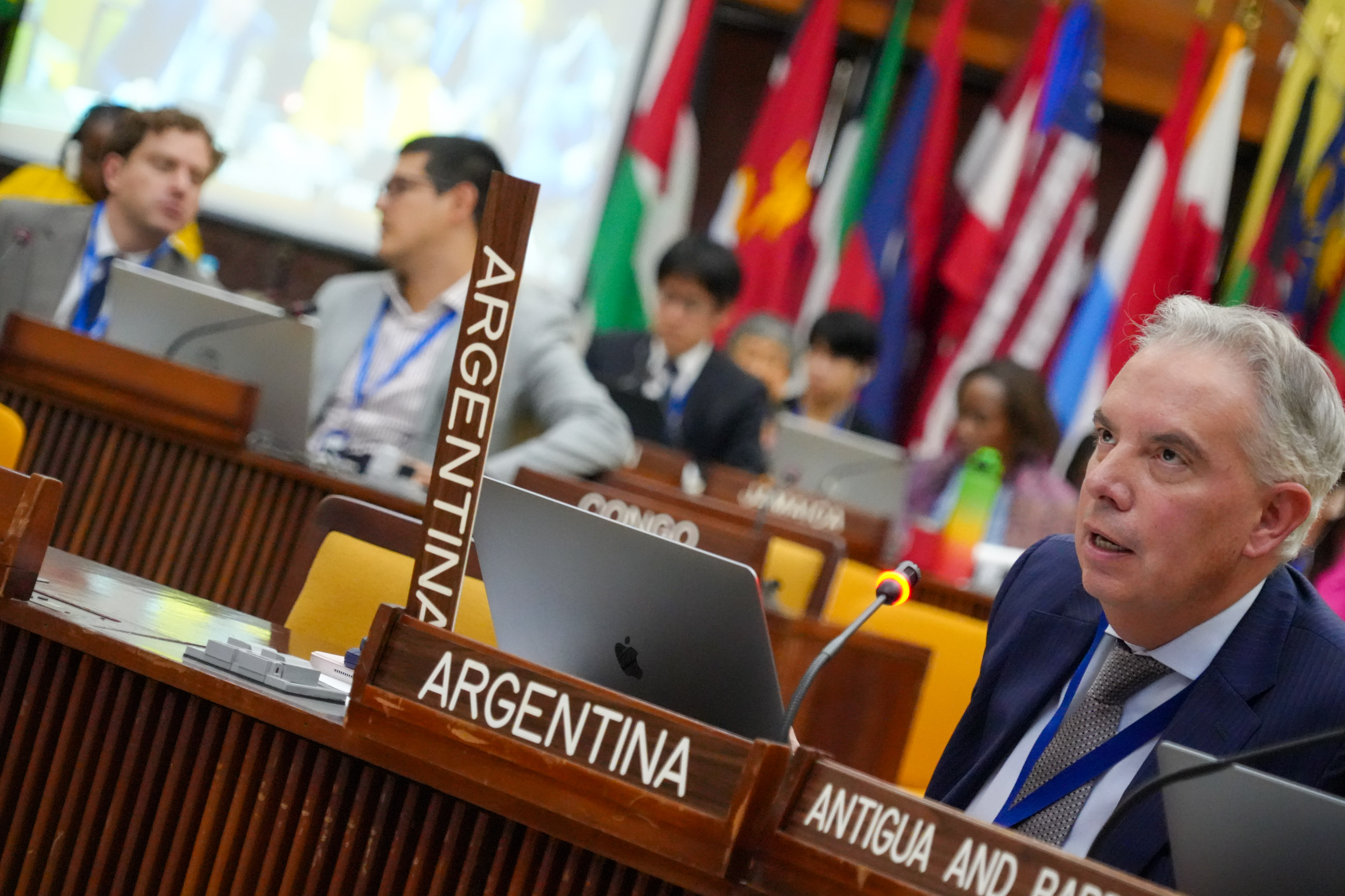
Marcelo Balbi Calvo, Argentina
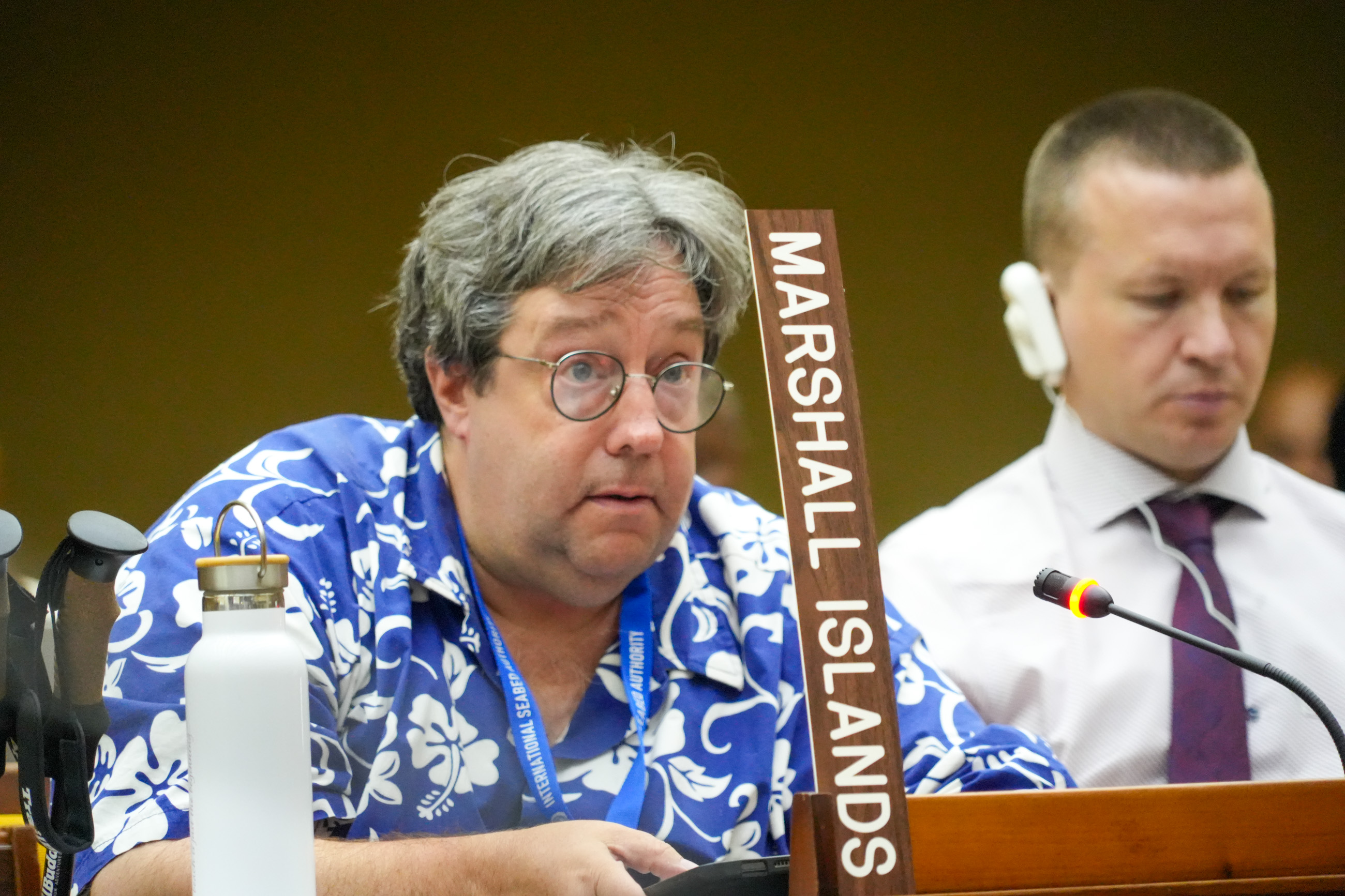
Caleb Christopher, Marshall Islands
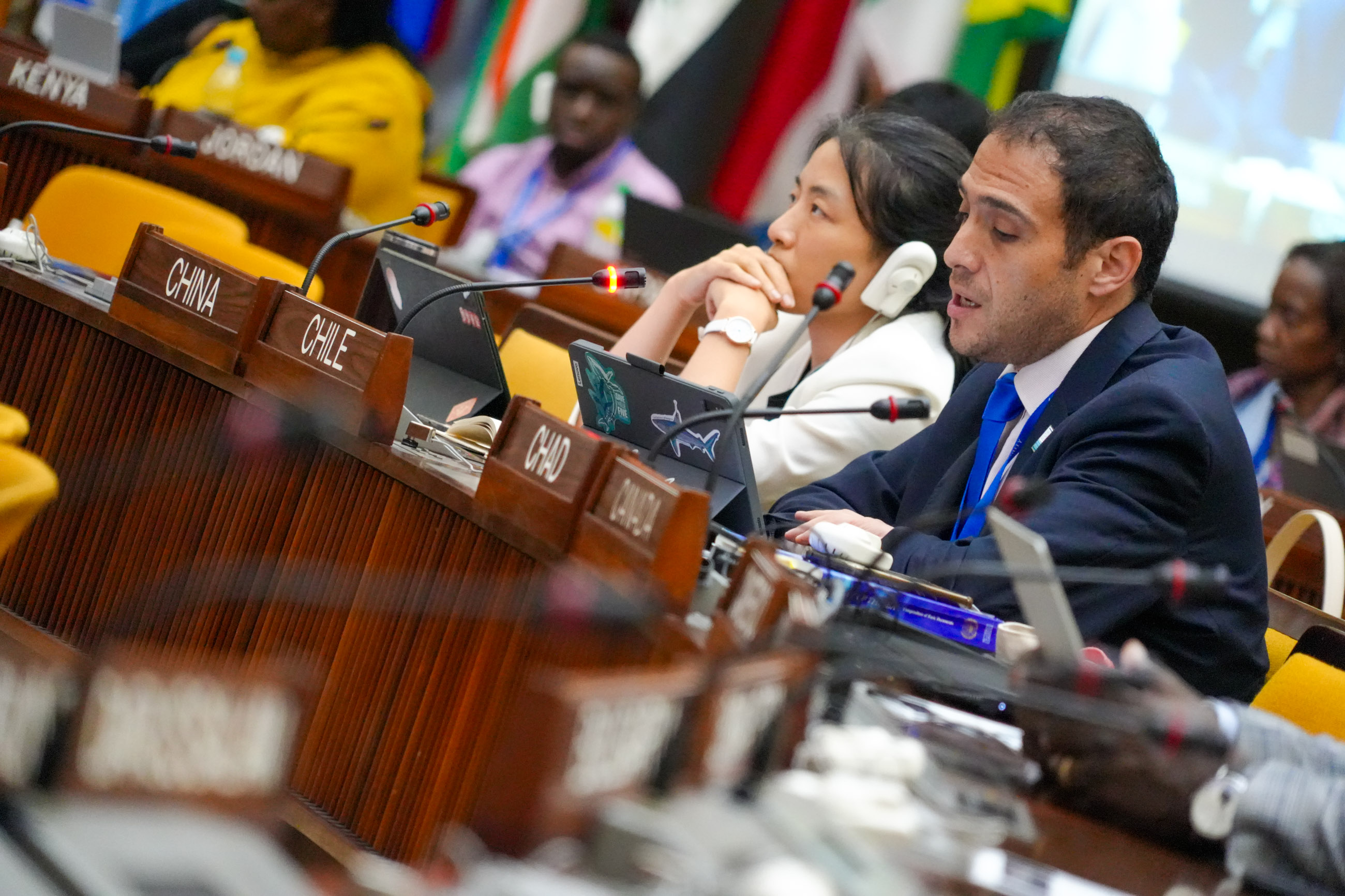
Salvador Vega, Chile
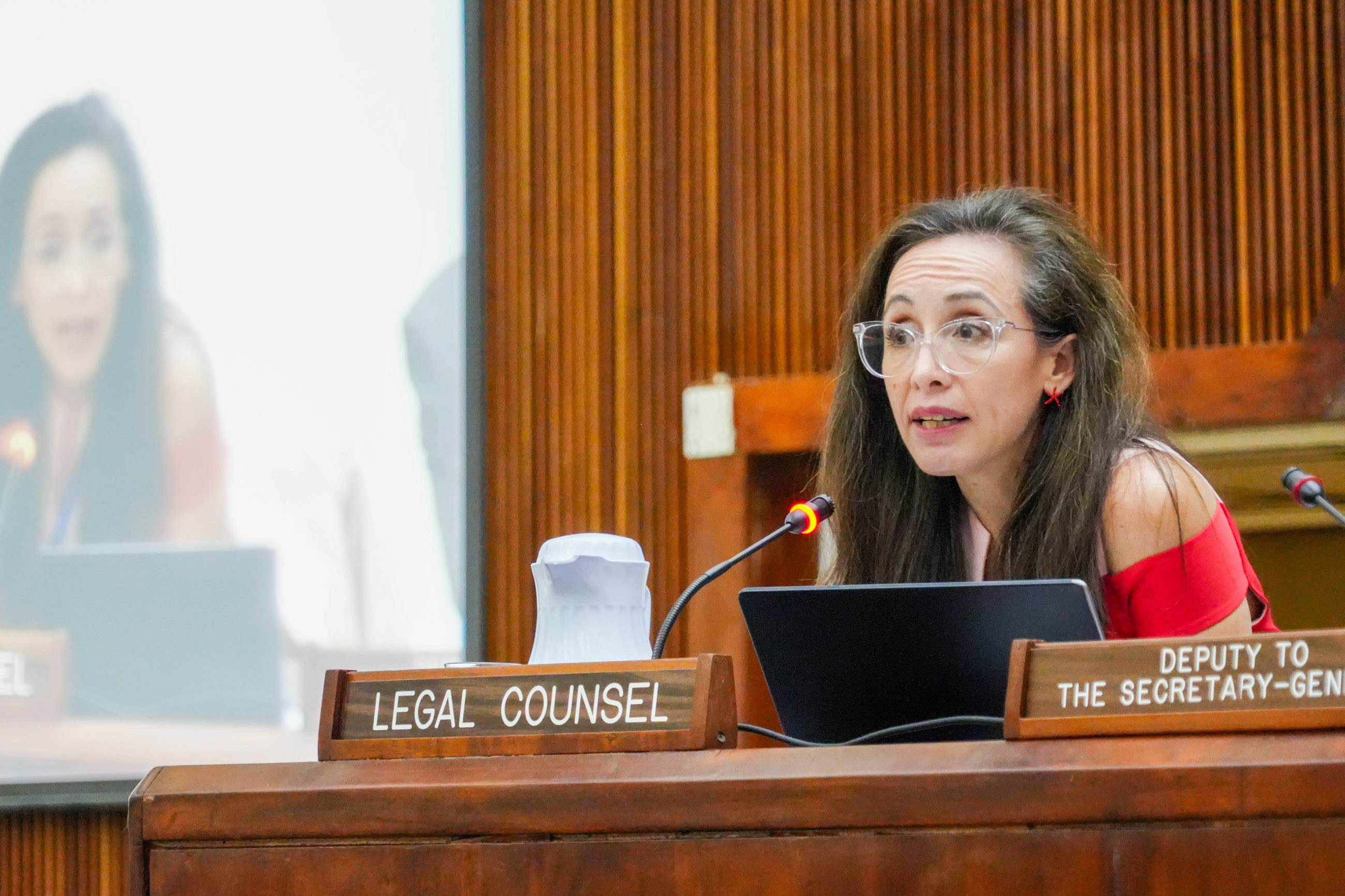
Mariana Durney, Secretariat of the Authority
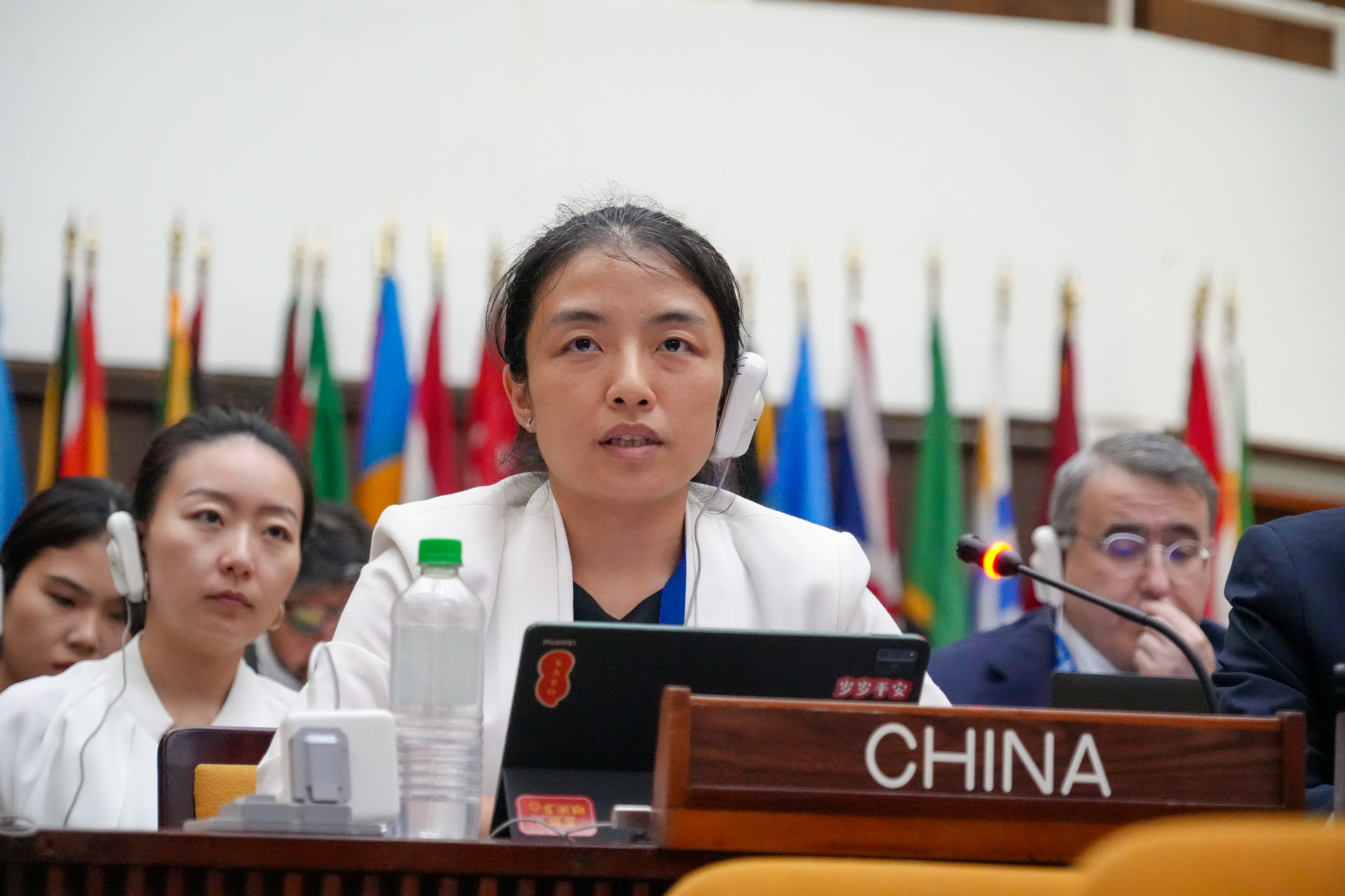
Wenting Zhao, China
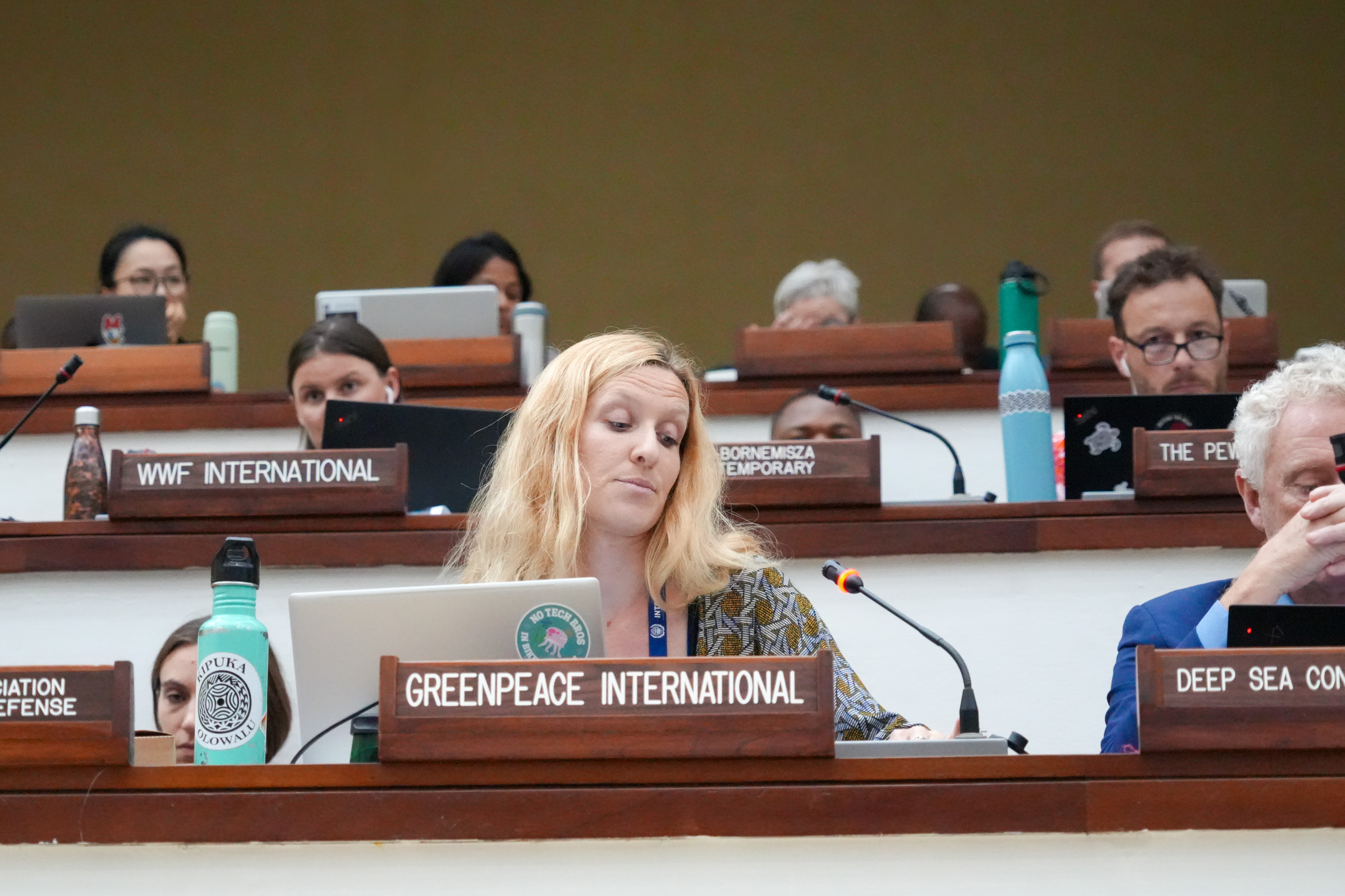
Louisa Casson, Greenpeace International
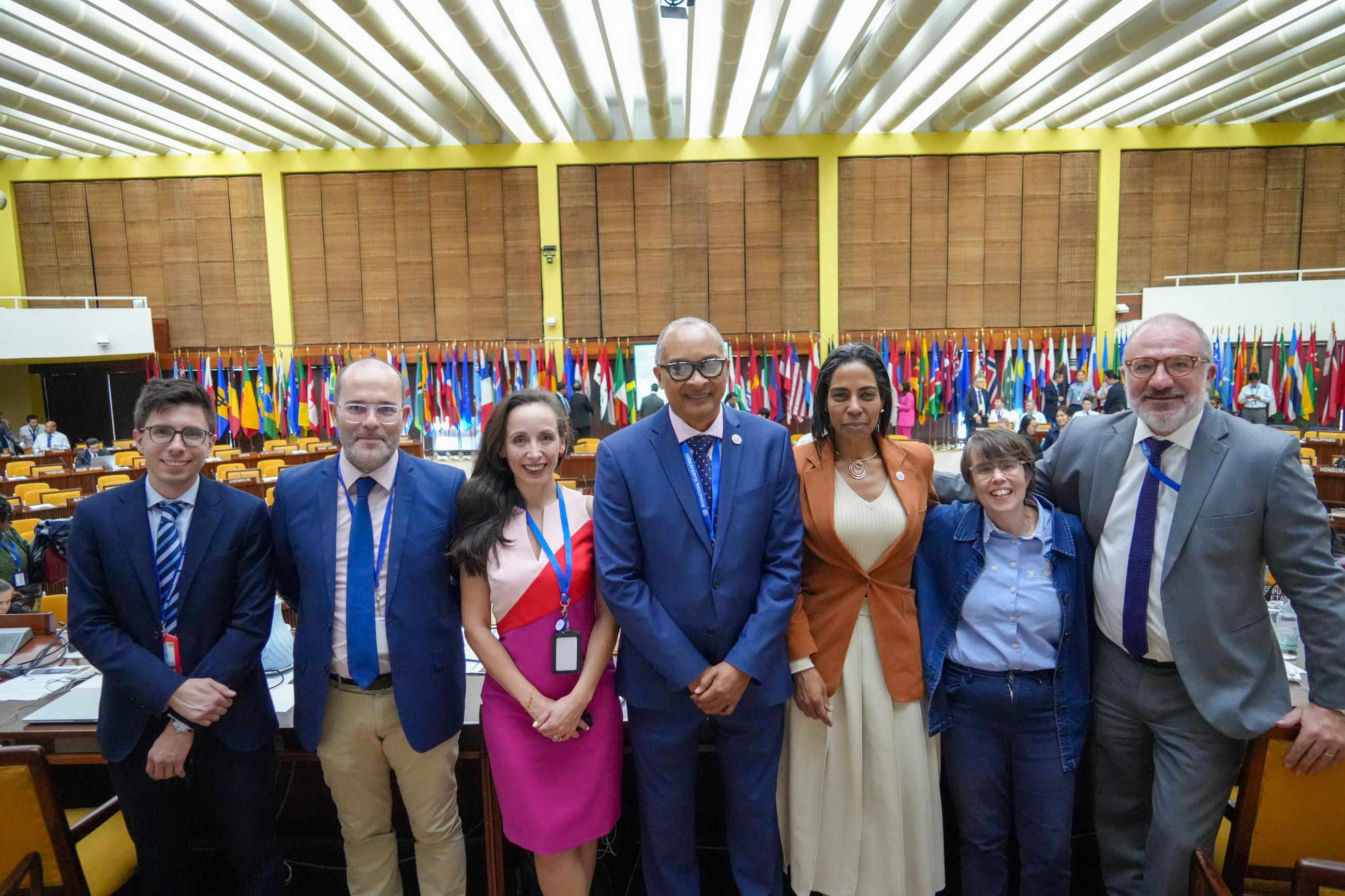
(L-R) Matteo Bedendi, José Dallo, and Mariana Durney, Secretariat of the Authority; ISA-30 Assembly President Dwight Gardiner; ISA Secretary-General Leticia Carvalho; Gwénaëlle Le Gurun, Secretariat of the Authority; and ISA Deputy Secretary-General Bruno Pozzi
Around the venue

Clear skies on the last day of the ISA-30 Assembly
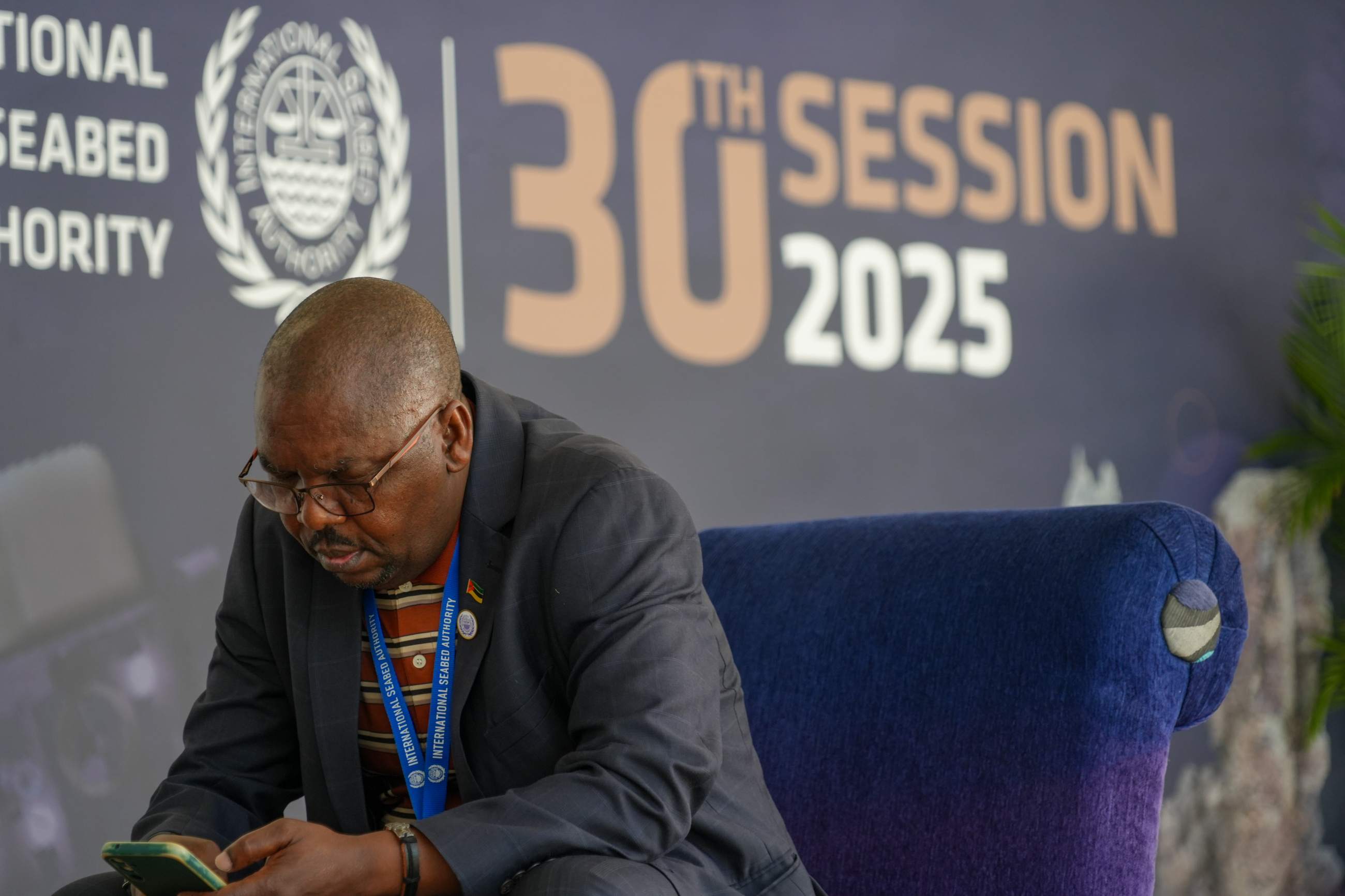

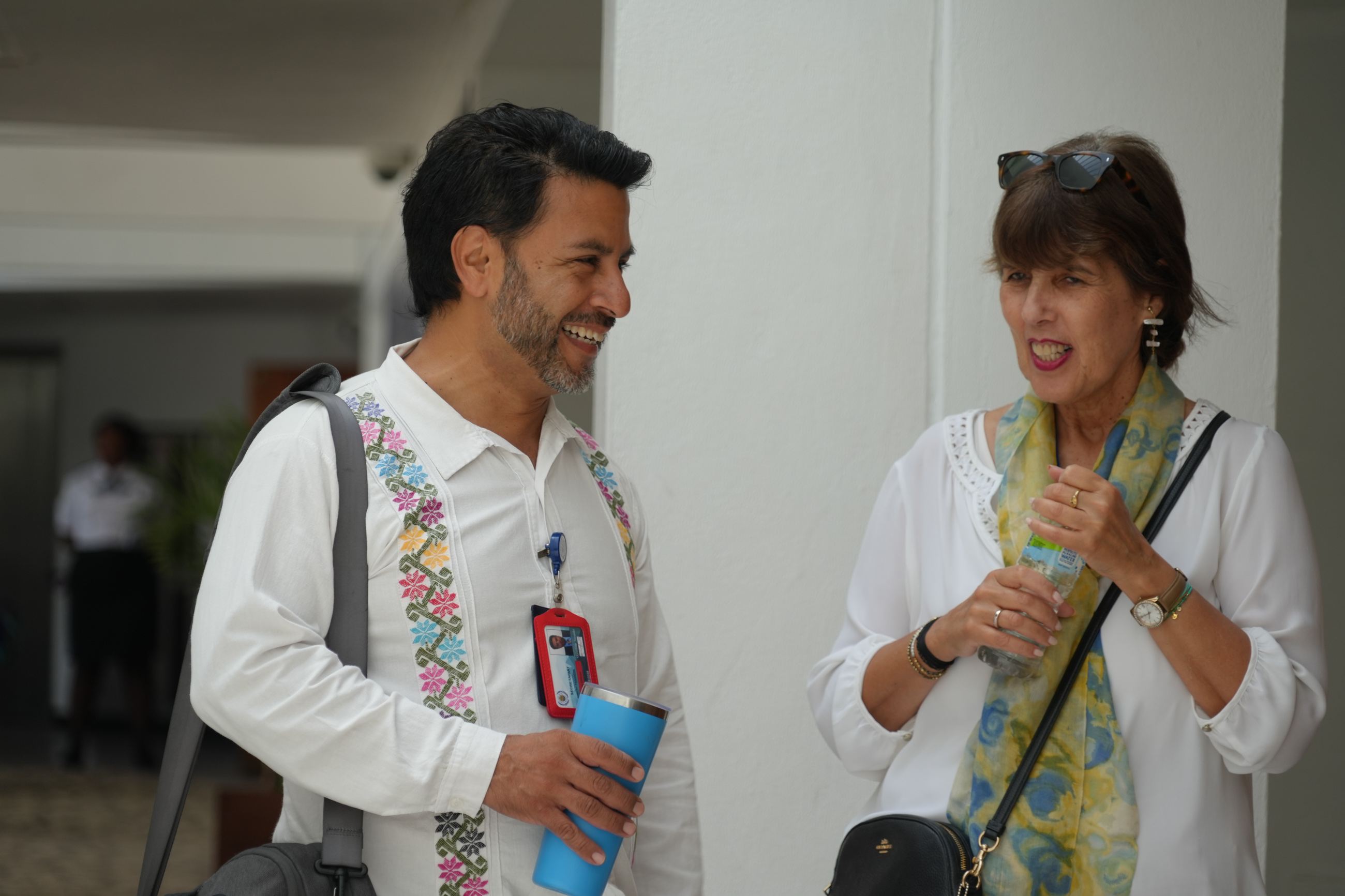
Marcelino Miranda, Secretariat of the Authority, and Anastasia Strati, Greece
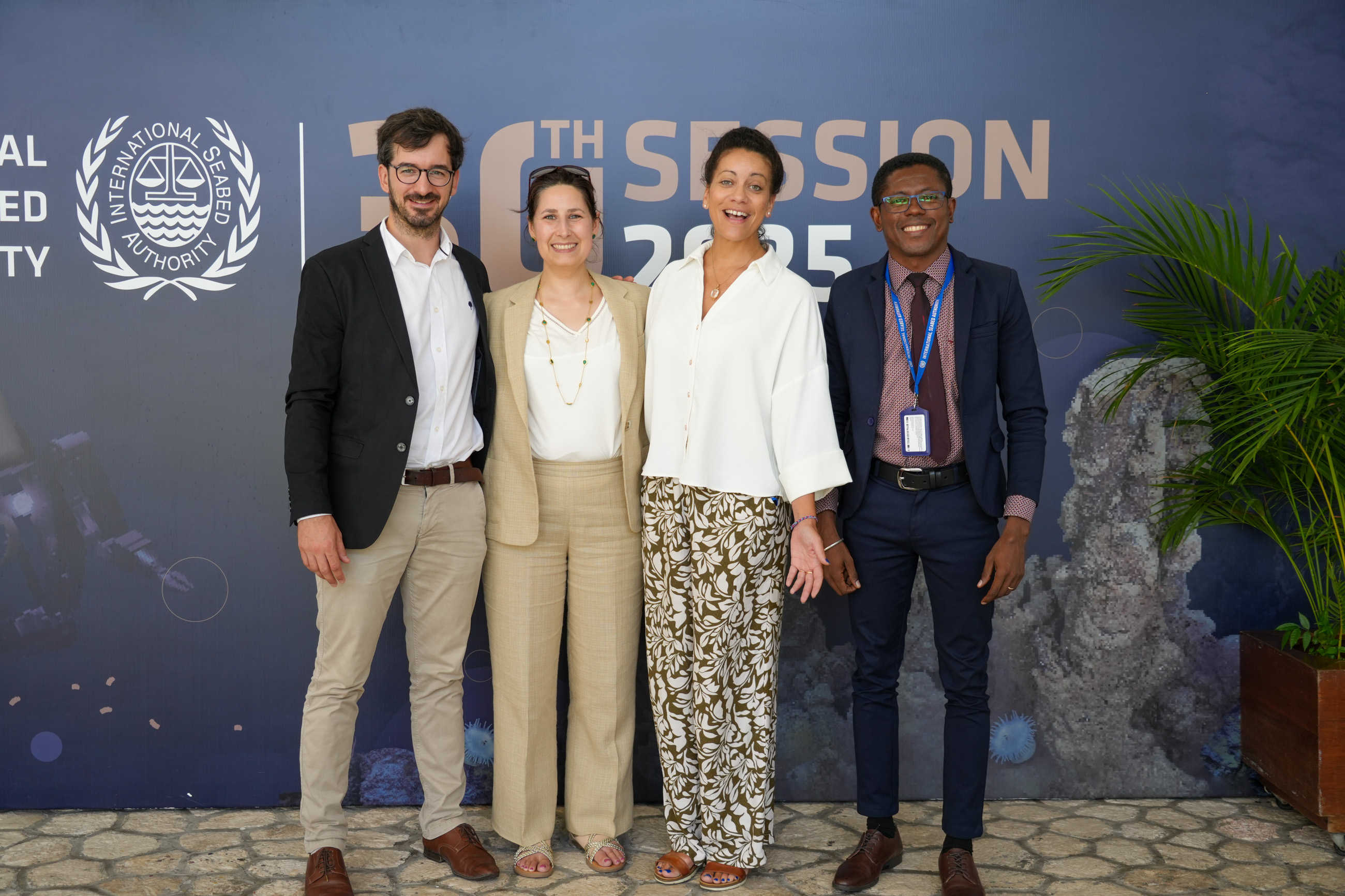
Clement Chazot, Raphaelle Flint and Minna Epps, International Union for Conservation of Nature (IUCN), with Miaretsoa Longondraza, Madagascar

The Legal Advisory team of the ISA Secretariat jubilant as the Assembly approaches the finish line


The ENB team at ISA-30.2 (L-R): Tomilola Akanle Eni-ibukun, Nigeria/UK; María Ovalle, Chile; Wanja Nyingi, Kenia/Australia; and Andrés Felipe Carvajal Gómez, Colombia/Spain