

On Wednesday, delegates continued consideration of the deep-sea mining regulations relating to inspections and inspectors. The time spent on these issues reflect both their importance and the proliferation of relevant provisions across multiple draft regulations.
Consequently, numerous delegates called for streamlining the regulations, cautioning that the currently fragmented nature of the relevant provisions makes it difficult to have a clear and comprehensive understanding of the inspection regime.

On regulation 98 (inspector powers), many delegates supported unannounced inspections and their discretionary use by inspectors, with some suggesting replacing “unannounced” with “surprise” to ease sensitivities around the legality of unannounced inspections.
Several delegates objected to inclusion of a caveat that makes inspectors’ powers, including the power to access documents, subject to any legal requirement, obligation or duty that would prevent disclosure.

Deliberations on regulation 99 (inspectors’ power to issue instructions) focused, among others, on written and oral notifications; cross-references to regulations 29 (reduction or suspension in production) and 29 bis (procedure for suspensions in exploitation activities); and the duration within which a situation must be remedied, as specified in instructions issued.
On regulation 100 (inspection reports), one member suggested that inspection reports should be submitted by the chief inspector to the Secretary-General and the compliance committee, and that the Secretary-General should thereafter send the reports to the contractor, sponsoring state(s) and adjacent coastal states. There was also some debate on who should have the right to comment on such inspection reports, with one member proposing extending this right to all state parties and stakeholders.

On regulation 101 (complaints relating to inspections), the Council debated who should handle such complaints, with members proposing options including the compliance committee, an ombudsperson, the chief inspector or the Council.
One group of parties, supported by several other delegates, pointed out that the text allowing complaints against any organ or official of the International Seabed Authority (ISA) exceeds the mandate of this regulation as it could apply to administrative or personnel-related complaints. They proposed language limiting the scope of complaints under this regulation to those concerning the “conduct of an inspector or a contractor in connection with inspections or compliance activities.”
Delegations broadly supported retaining the placeholder language in regulation 101 bis (whistle-blowing procedures), while a comprehensive ISA-wide mechanism is being developed. Some delegates emphasized that the future mechanism should include strong protections for whistleblowers.

There was broad support for implementing real-time and continuous monitoring systems under regulation 102 bis (ship notification, electronic monitoring, and data reporting). Some delegations proposed broadening the scope of monitoring to include “all activities related to the exploitation contract,” rather than limiting it to exploitation activities.
On regulation 103 (non-compliance notice, suspension, and termination of exploitation contract), one member offered to facilitate a Friends of the President group to streamline and restructure the regulation.
Delegates also discussed and suggested streamlining and amending regulations 104 (power to take remedial action) and 105 (sponsoring states). On regulation 105 ter (other member states), several delegations proposed its deletion, stating it exceeds the Authority’s mandate.

On regulation 105 bis (periodic review of the inspection, compliance and enforcement mechanism), delegations discussed the scope of entities to be involved in the review process, with broad support for the compliance committee’s role, and differing views on including the Legal and Technical Commission or chief inspector.
Deliberations on regulation 106 (settlement of disputes) focused on simplifying the text and ensuring legal clarity. Several delegates voiced reservations about a provision stipulating that final decisions of competent courts or tribunals “shall be enforceable in the territory of each State Party as if they were final judgments of that State’s own courts.”
To receive free coverage of global environmental events delivered to your inbox, subscribe to the ENB Update newsletter.
All ENB photos are free to use with attribution. For the Second part of the 30th session of the International Seabed Authority (ISA) Council meeting, please use: Photo by IISD/ENB | Andrés Felipe Carvajal Gómez
Selected Images
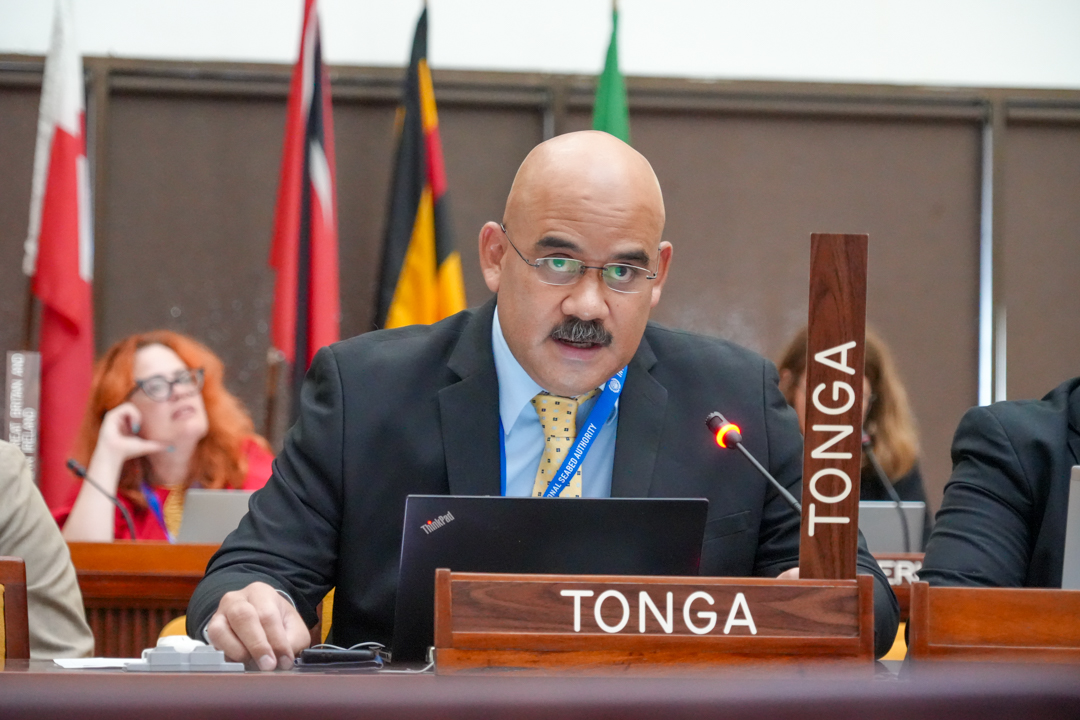
Leonaitasi Kuluni, Tonga
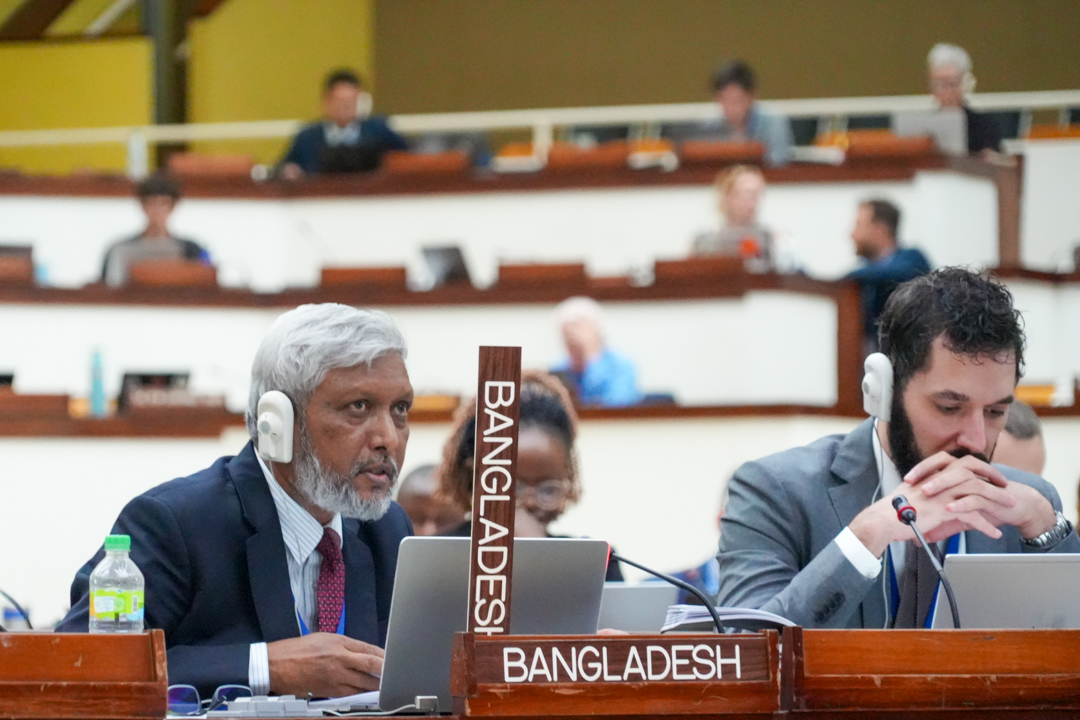
Mahmudul Hassan, Bangladesh
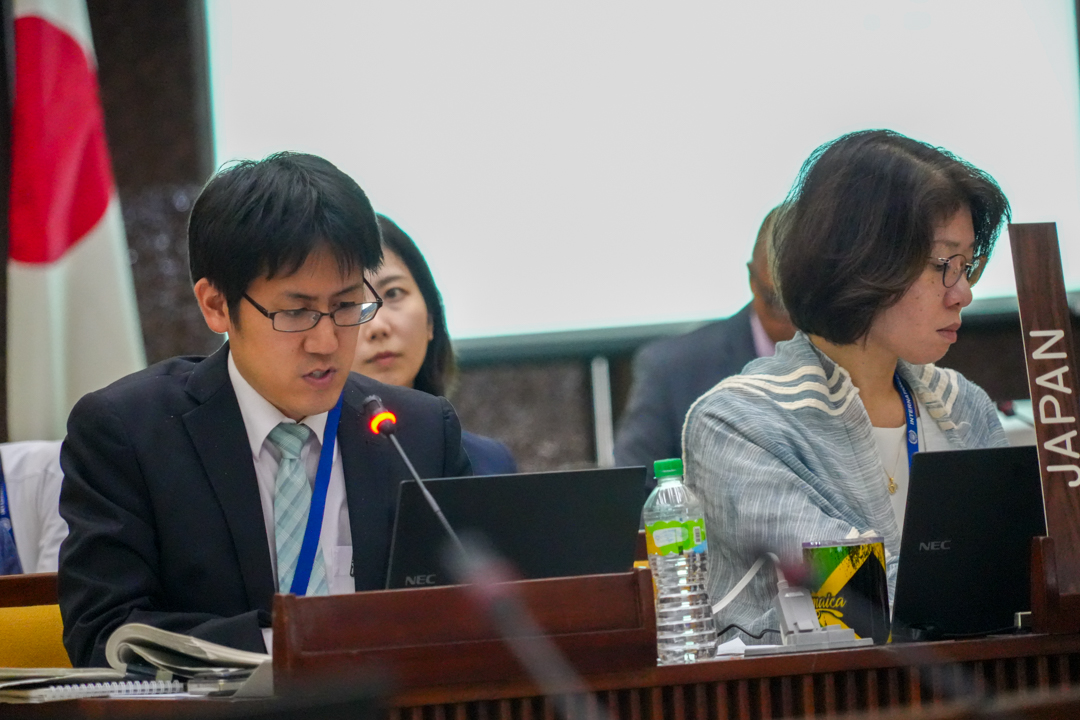
Hiroaki Ishihara, Japan

Natalie Andersen, Deep Sea Conservation Coalition (DSCC)

Vincent Schnell, Germany
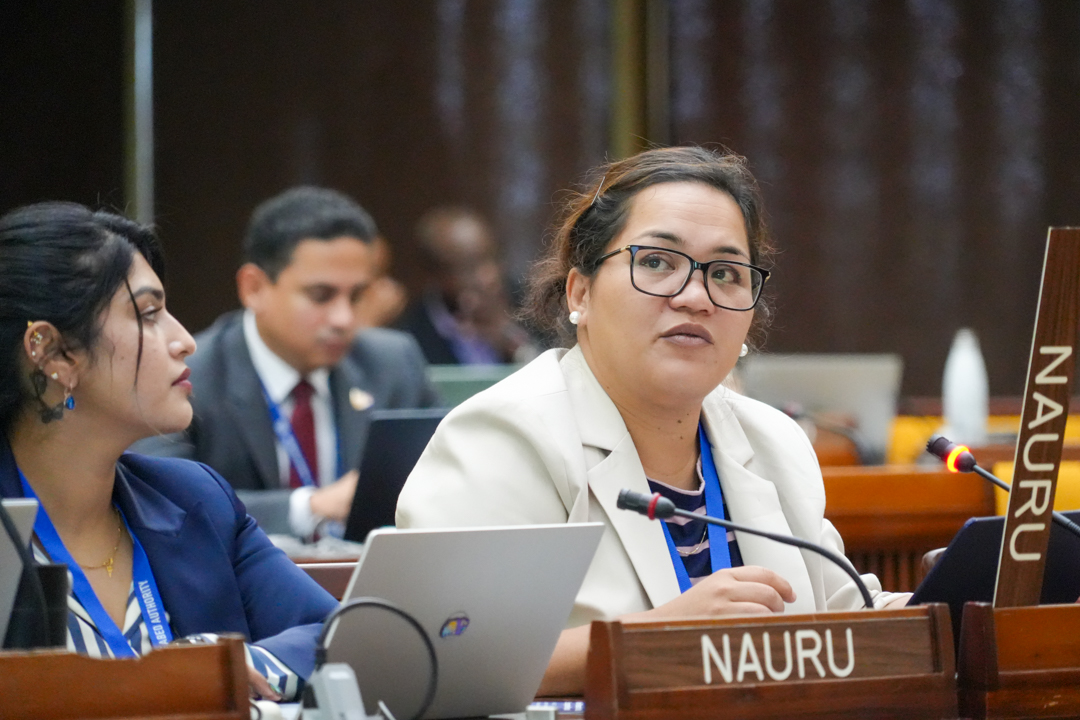
Anastasia Julius, Nauru

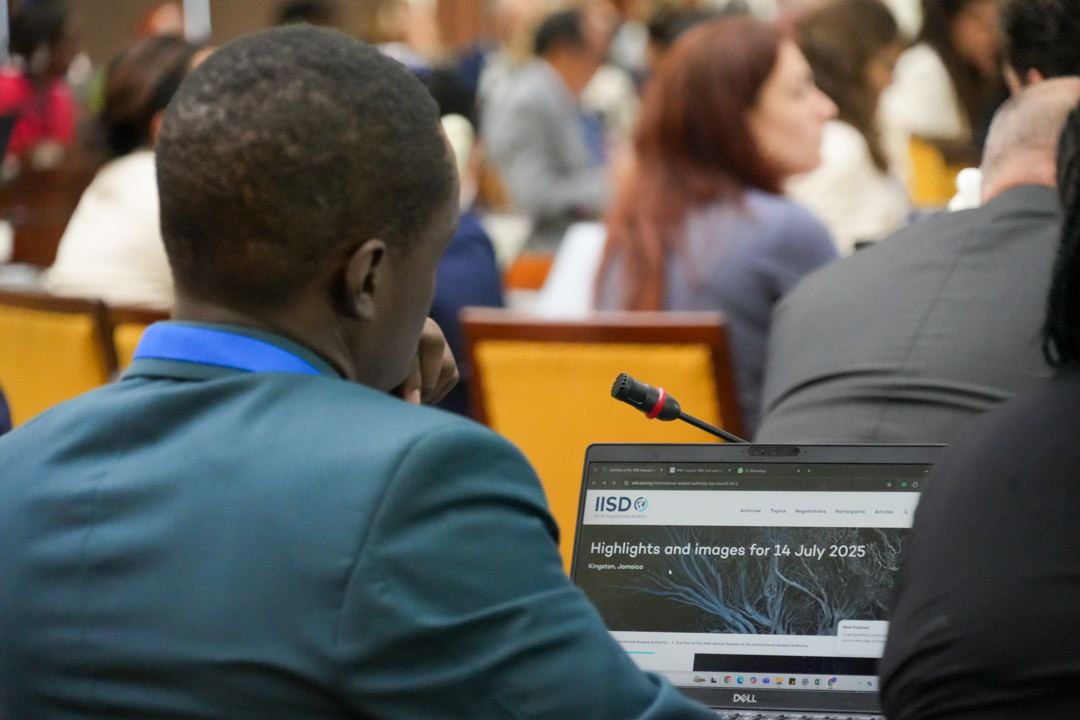
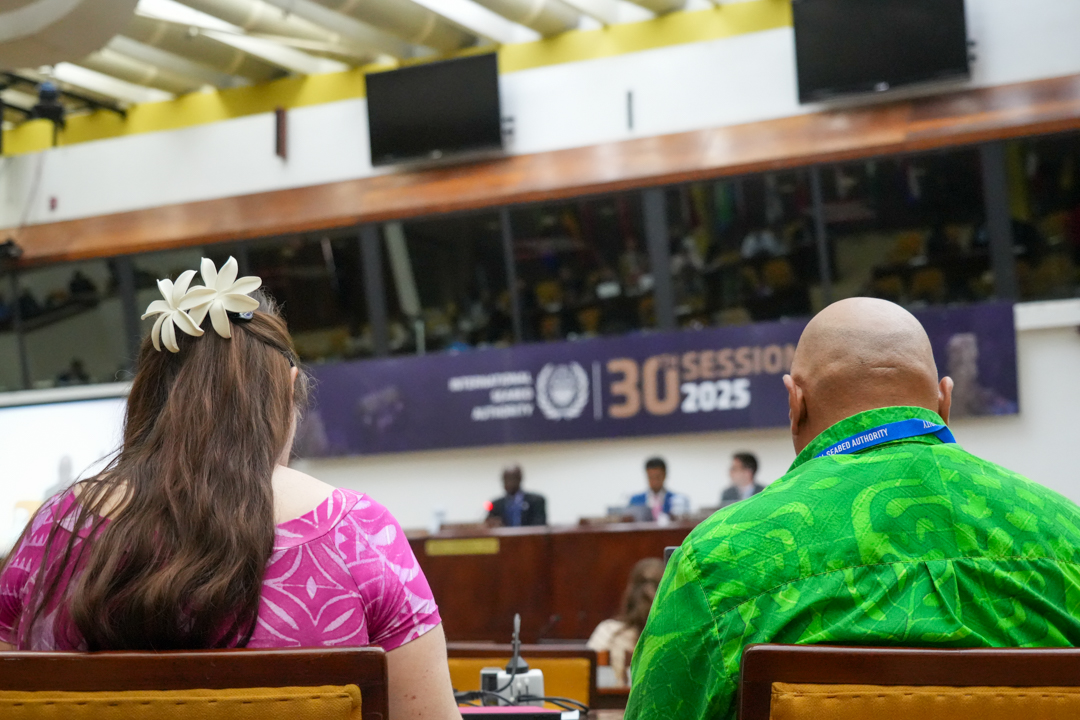
Observers during the session

Civil Society Action
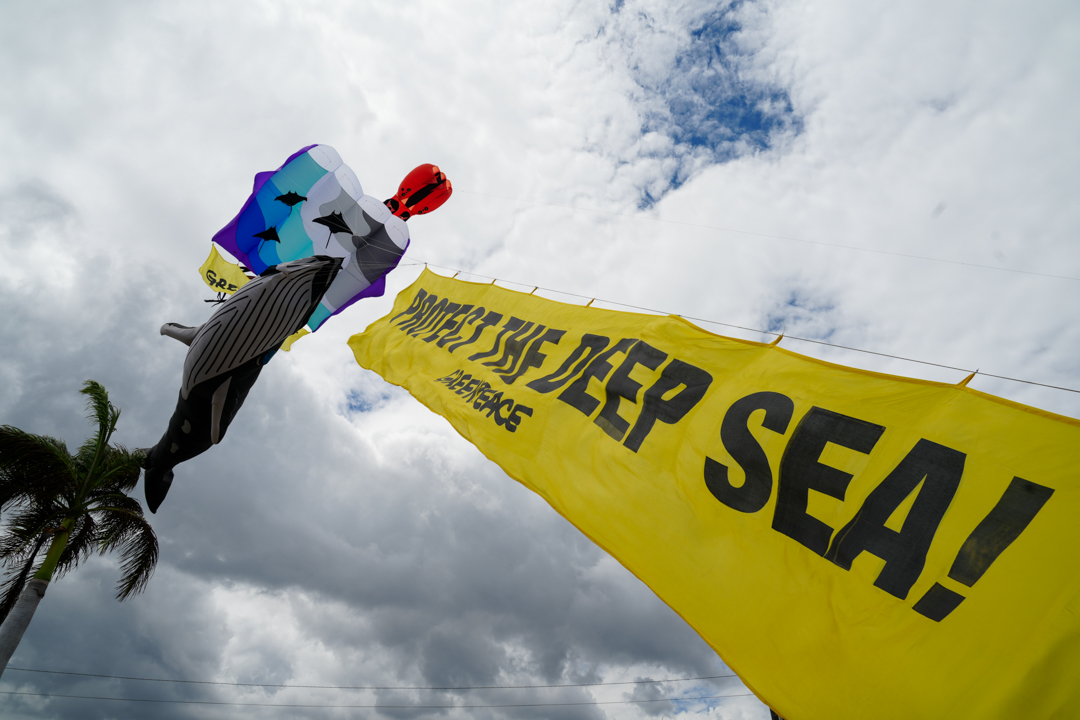
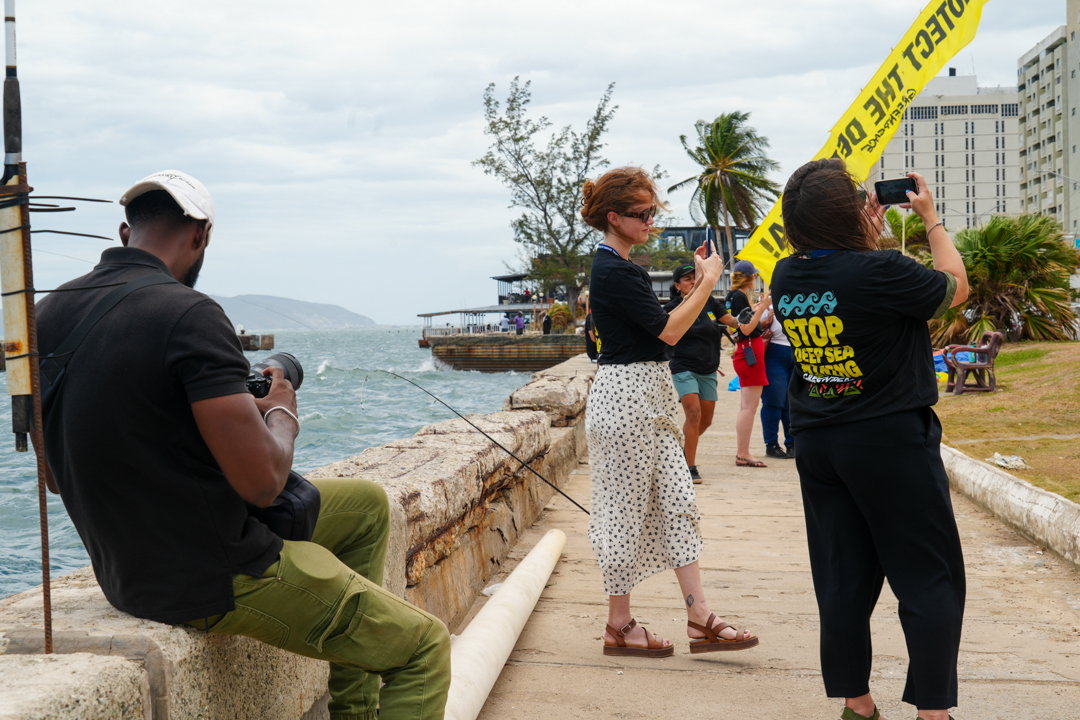
Civil society action to create awareness about the risks of deep-sea mining
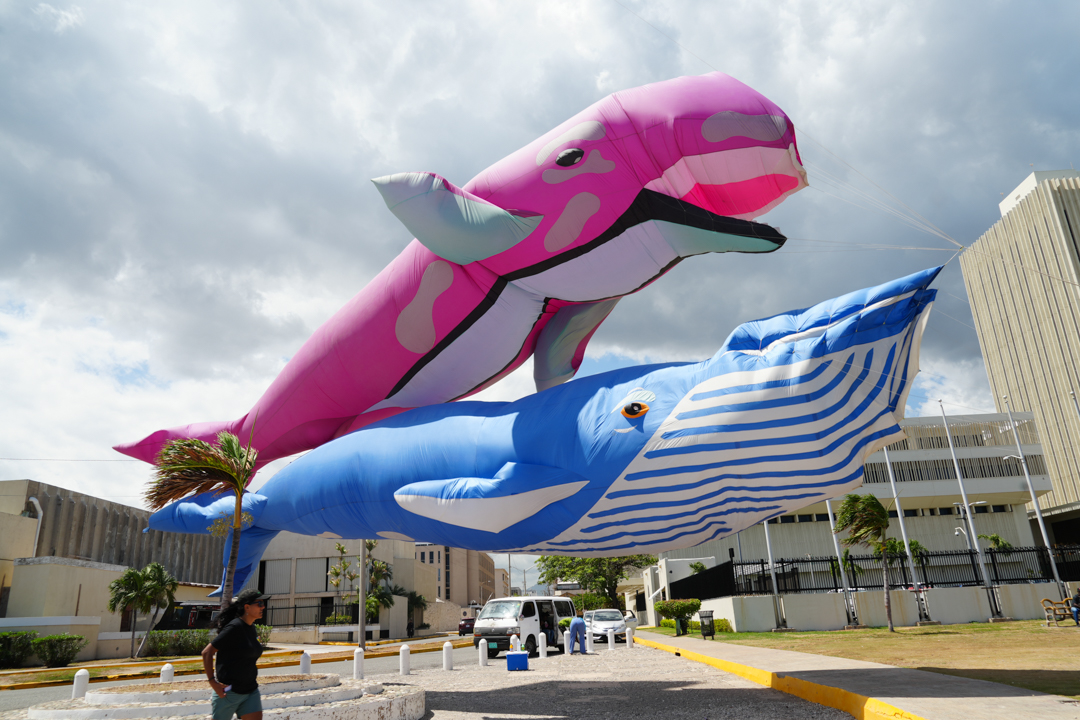



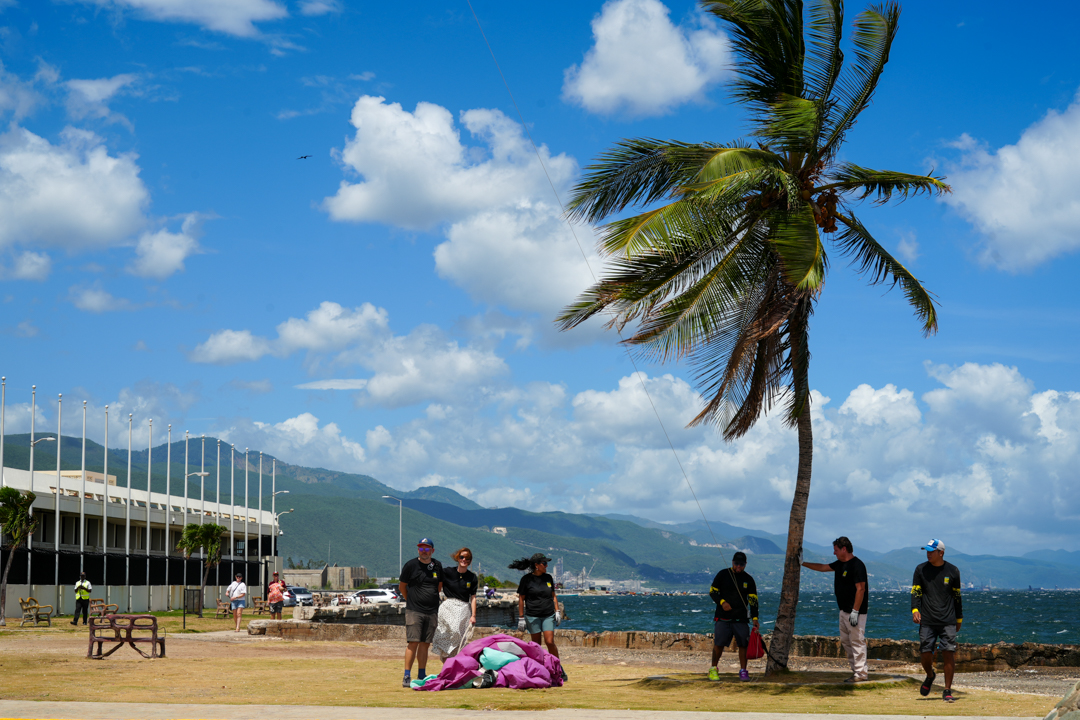

Around the venue






The Norwegian delegation