

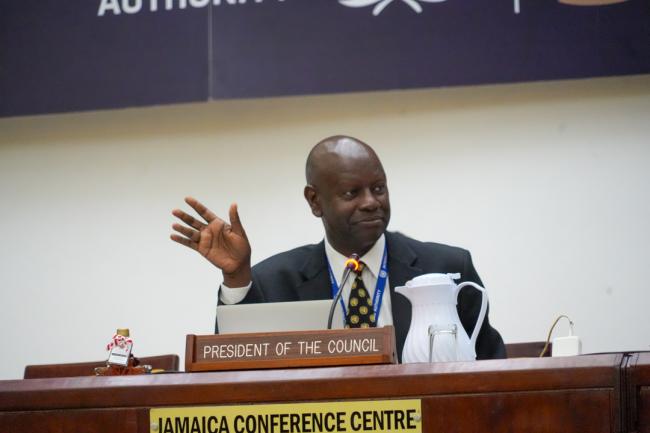
The International Seabed Authority (ISA) plays a central role in regulating activities in the deep seabed and must continue to do so to prevent a regulatory vacuum that others might exploit. This was the message by Duncan Muhumuza Laki (Uganda), Council President of the 30th annual session of the ISA at the opening of the second part of the session.
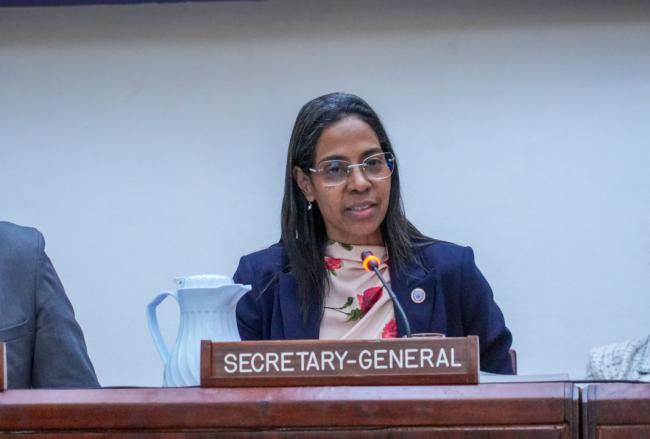
In her opening address, Leticia Carvalho, ISA Secretary-General, recalled UN Secretary-General António Guterres’s warning that “the deep seabed cannot become the Wild West” and stressed that it is the development of rules that will prevent such an outcome. She highlighted that as ISA Secretary-General, she cannot take a position for or against deep-sea mining, but stressed that she can call for a strong, science-based regulatory regime that will ensure effective governance of the future exploitation of deep-sea mineral resources and protect the marine environment. Drawing attention to the commemoration of the ISA’s 30th anniversary during the upcoming Assembly, she invited delegates to engage in negotiations in a spirit of cooperation and enthusiasm, and to ensure that decisions are based on wisdom and stewardship.
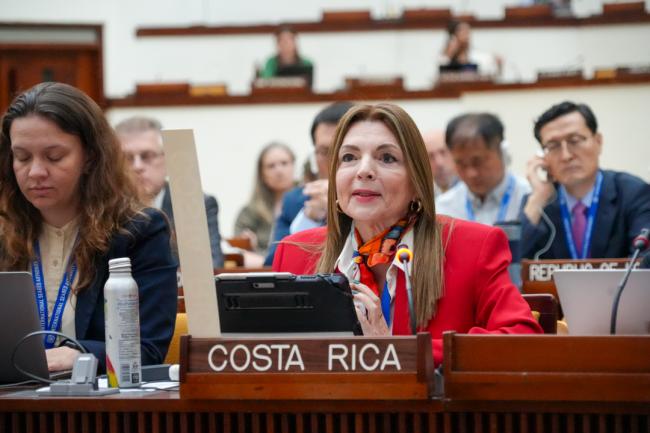
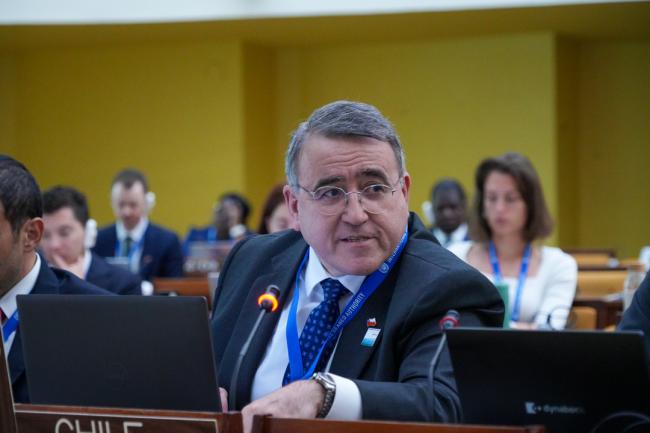
Costa Rica, Chile, and others queried some of the working modalities proposed by the Council President, noting, among other things, that it is not effective to change the modalities in the middle of reviewing the draft regulations. Informal closed meetings on this matter took place during the day.
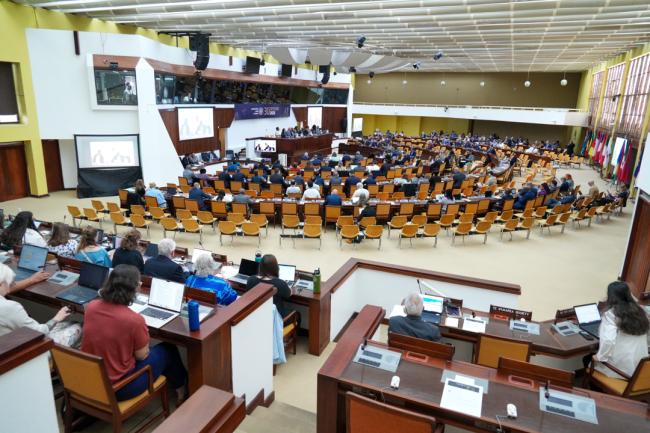
During the first part of the 30th Council session in March 2025, delegates concluded the second reading of draft exploitation regulations 1-55, out of 107 regulations for the commercial exploitation of deep-sea mineral resources, contained in the consolidated text. Delegates therefore resumed discussions on the draft regulations. On the funding of the environmental compensation fund (regulation 56), noting that the Friends of the President group facilitated by Mexico has proposed a new draft of this regulation, Council Members agreed to continue deliberations within the Friends of the President modality.
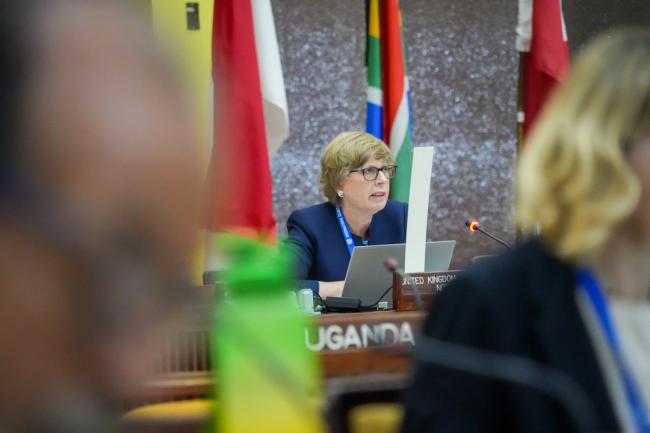
On regulation 57 (modification of a plan of work by a contractor), the UK, as facilitator of the relevant Friends of the President group, presented a new draft proposal that, among other things, amends the definition of “material changes” by clarifying the relevant list of changes. Members agreed that this draft is concise, clear, and a good basis for further discussions.
Regarding regulation 58 (review of a plan of work), discussions focused on the changes or circumstances that should trigger a more frequent review beyond the fixed periodic review schedule. Council Members also considered whether the review should be undertaken by the contractor or by an independent expert or panel of experts. One delegate underscored that allowing the contractor to conduct the review would amount to a self-assessment and called for both the review and verification to be independently undertaken.
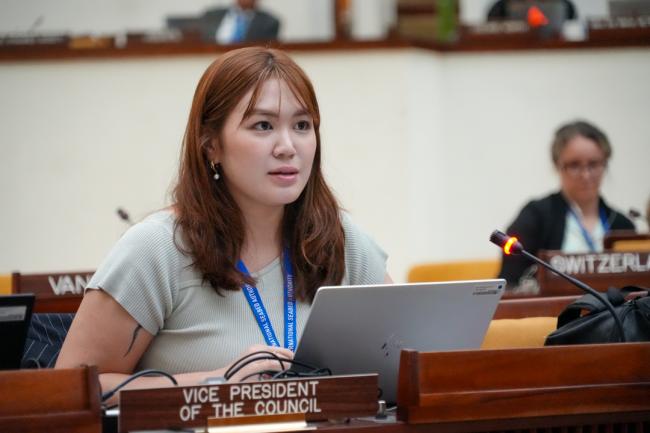
Regarding regulation 59 (closure plan), different views were expressed about the references to regional environmental management plans, the timeframe for reviewing or updating a closure plan, the technical feasibility of restoration measures, and stakeholder engagement. Council Vice-President Beatrice Chen, Singapore, invited the informal working group on closure plans to meet during the week.

Delegates discussed regulation 60 (final closure plan: cessation of production), containing the procedures and requirements for a contractor to submit an updated closure plan prior to the end of commercial production. Several Council Members suggested focusing in this regulation on cessation and discussing temporary suspension under a separate regulation.
On regulation 61 (post-closure monitoring), delegates considered the responsibilities of contractors in monitoring and reporting on environmental impacts following the cessation of mining activities. Divergent views were expressed on reporting schedules, as well as the assessment and report on the closure by an independent auditor.
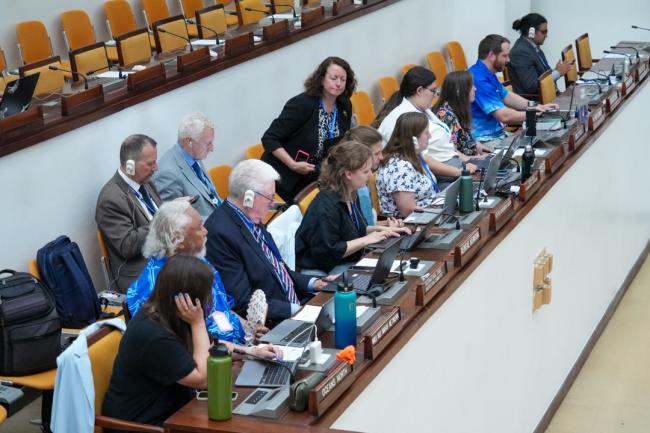
On regulation 62 (equality of treatment), some delegates queried the need for this regulation, pointing out that equality of treatment is a cross-cutting issue. Some called for reverting to an earlier draft that focuses on ensuring technology transfer, training and scientific knowledge to developing countries, and providing incentives for joint arrangements with the Enterprise and developing states.
To receive free coverage of global environmental events delivered to your inbox, subscribe to the ENB Update newsletter.
All ENB photos are free to use with attribution. For the Second part of the 30th session of the International Seabed Authority (ISA) Council meeting, please use: Photo by IISD/ENB | Andrés Felipe Carvajal Gómez
Selected Images

Wenting Zhao, China
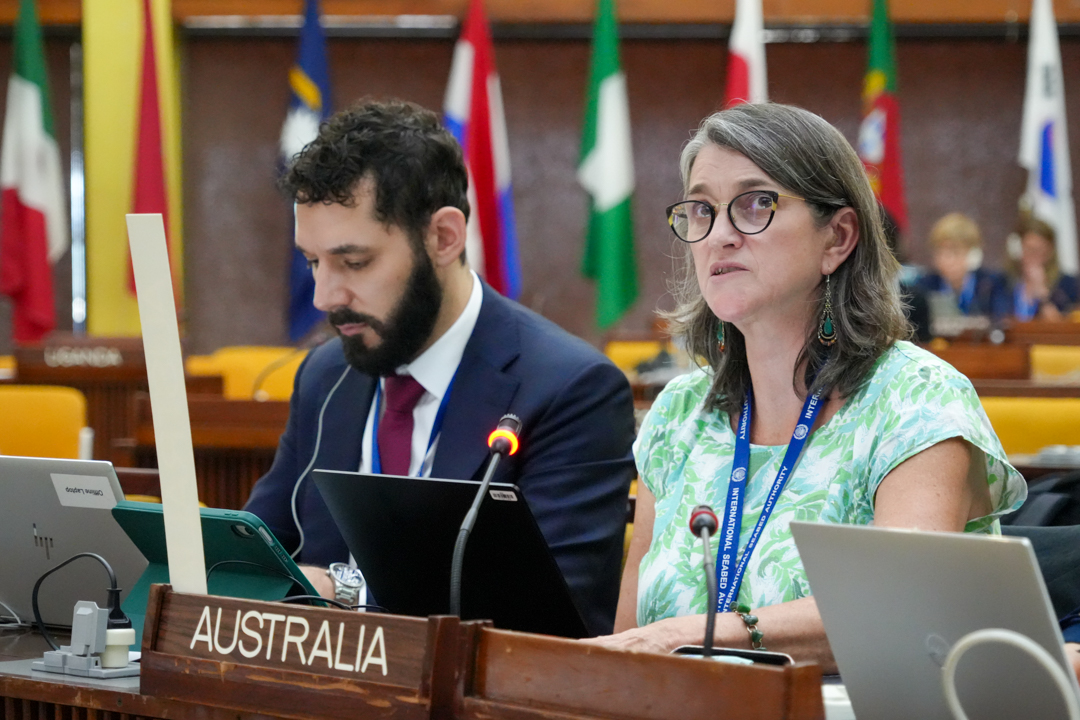
Robyn Frost, Australia
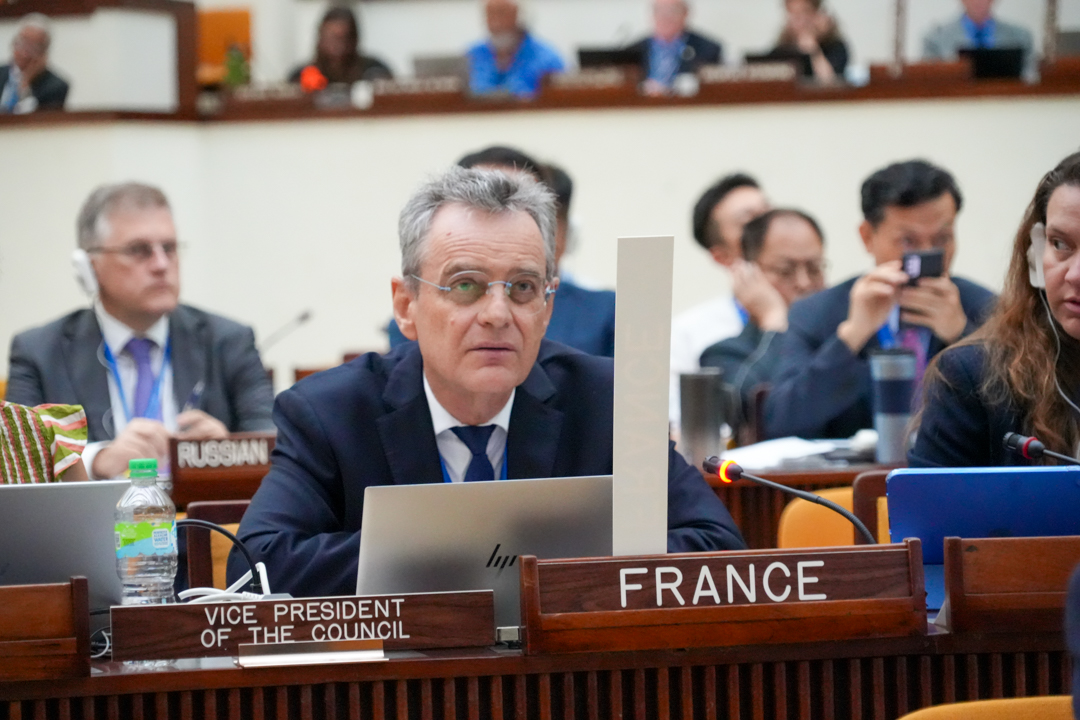
Olivier Guyonvarch, France
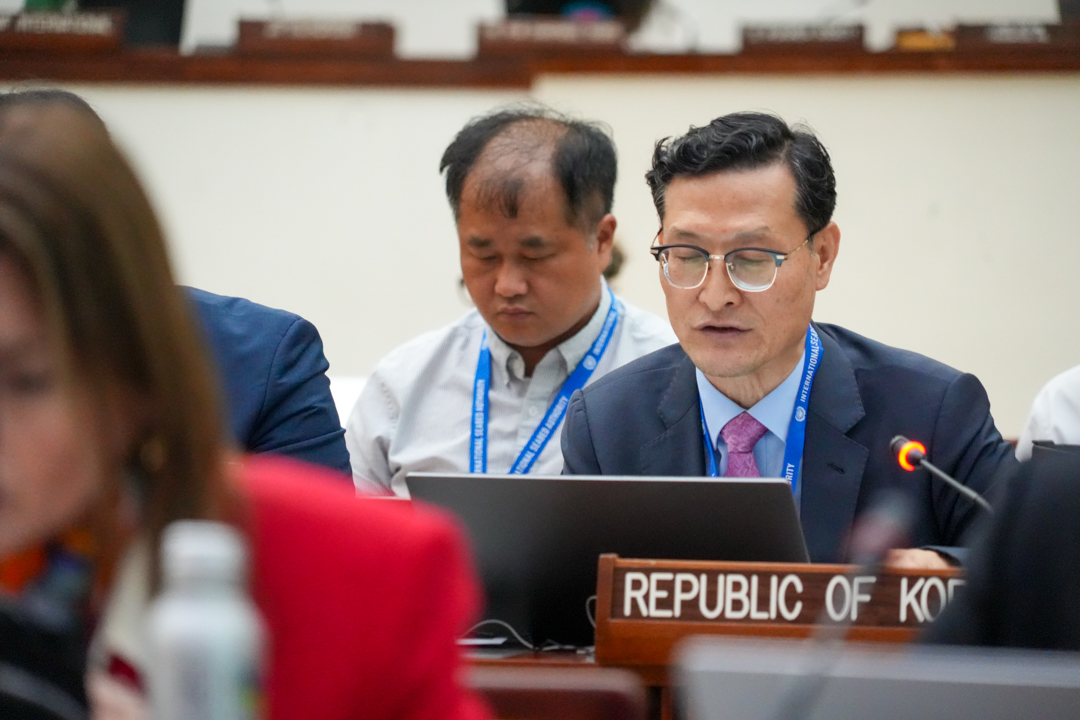
Kim Jin-wook, Republic of Korea
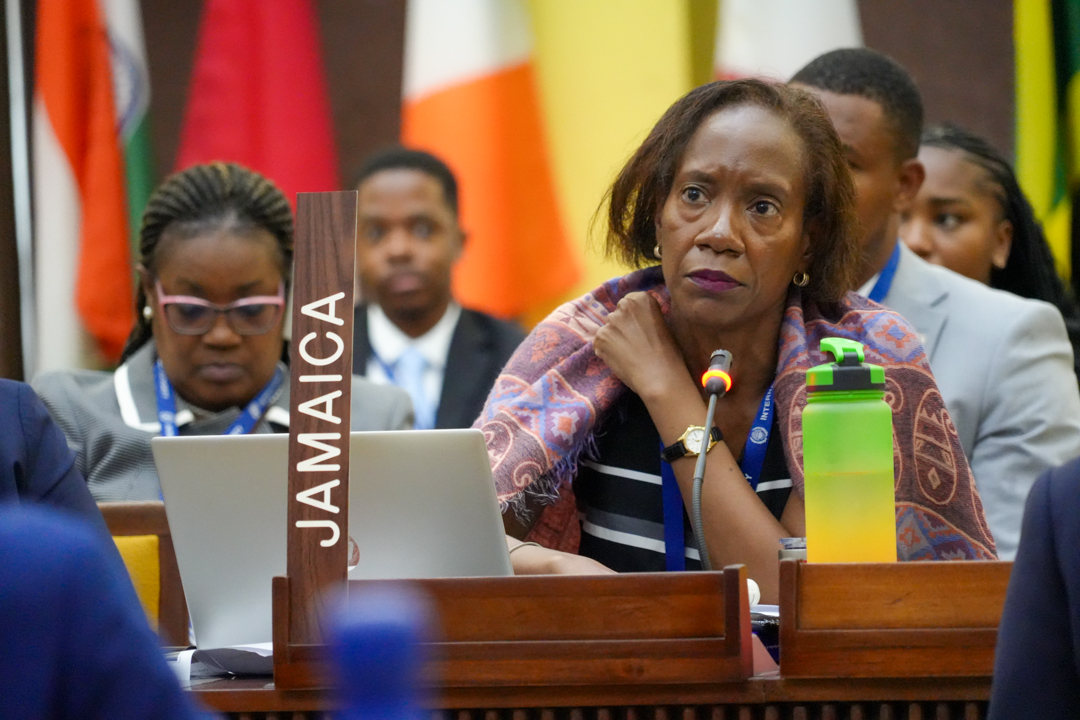
Michelle Walker, Deputy Permanent Representative to the ISA

Azra Haque, Canada
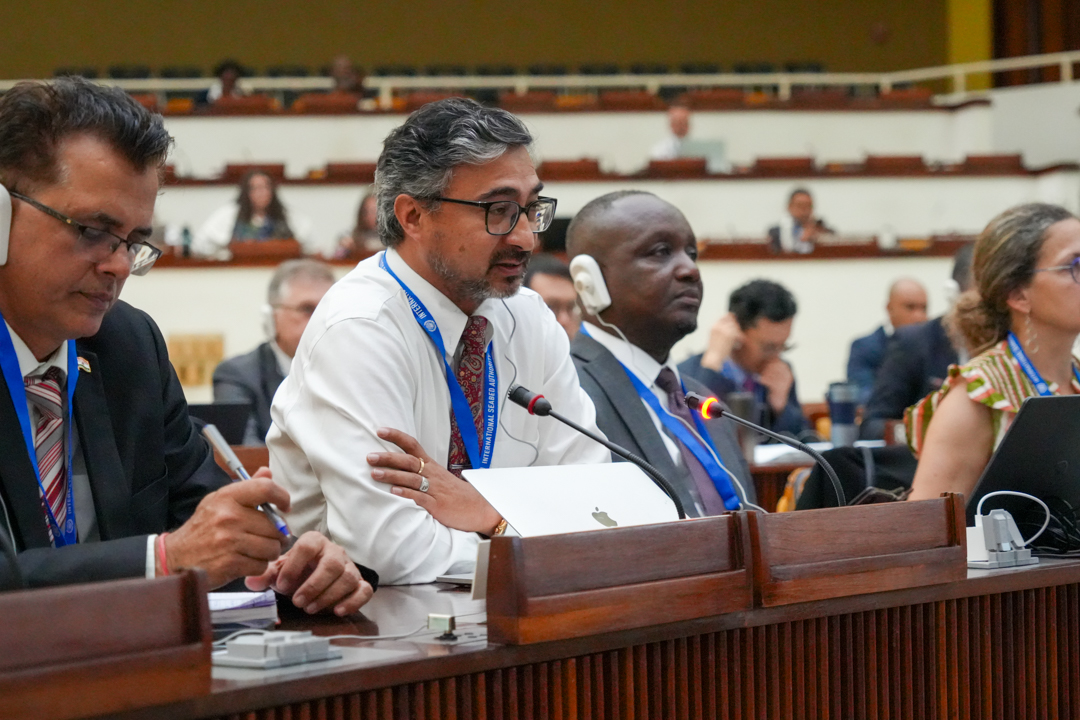
Mayank Joshi, India
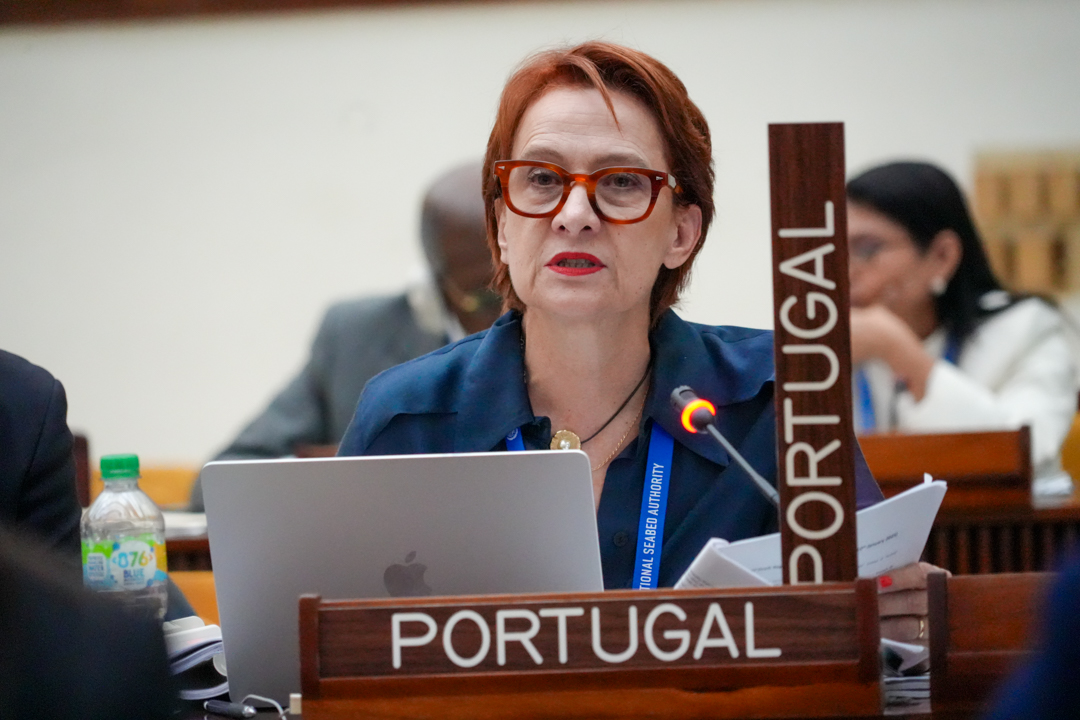
Maria Luís Mendes, Portugal
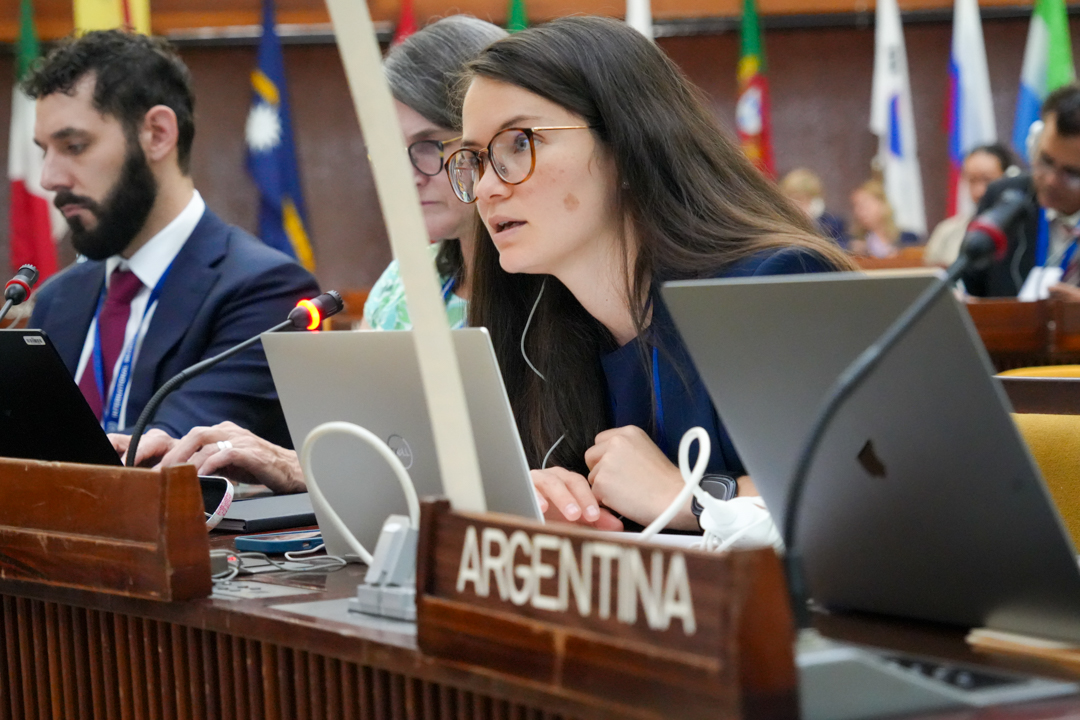
Lucia Raffin, Argentina

Marcelo Balbi Calvo, Argentina
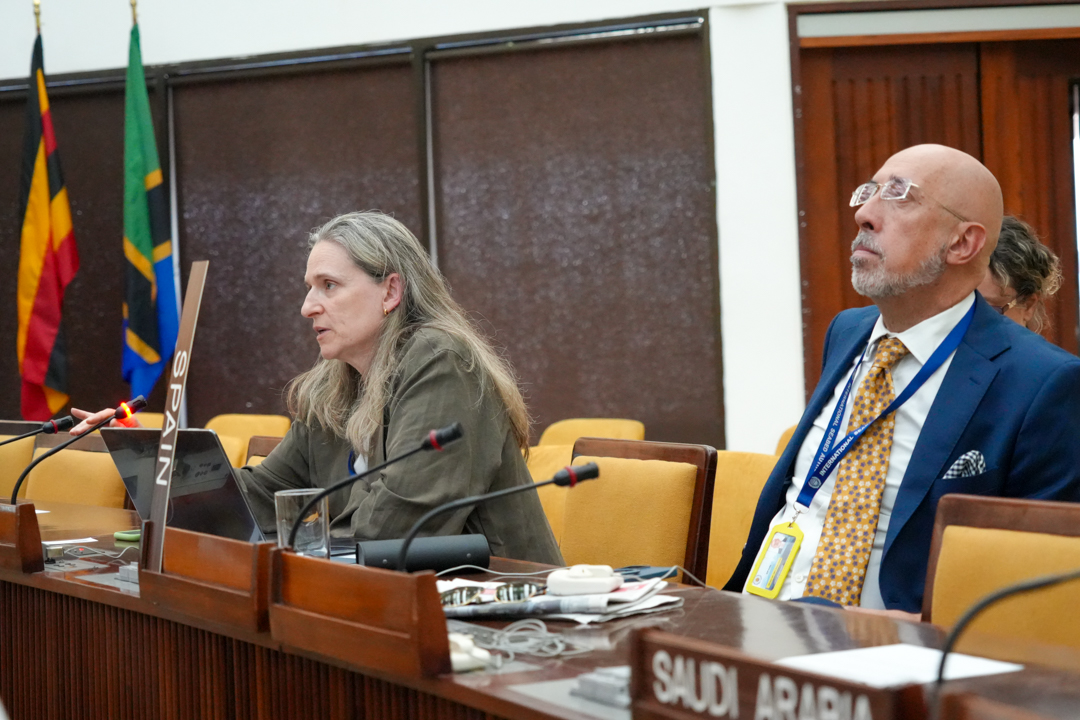
Esther Salamanca, Spain
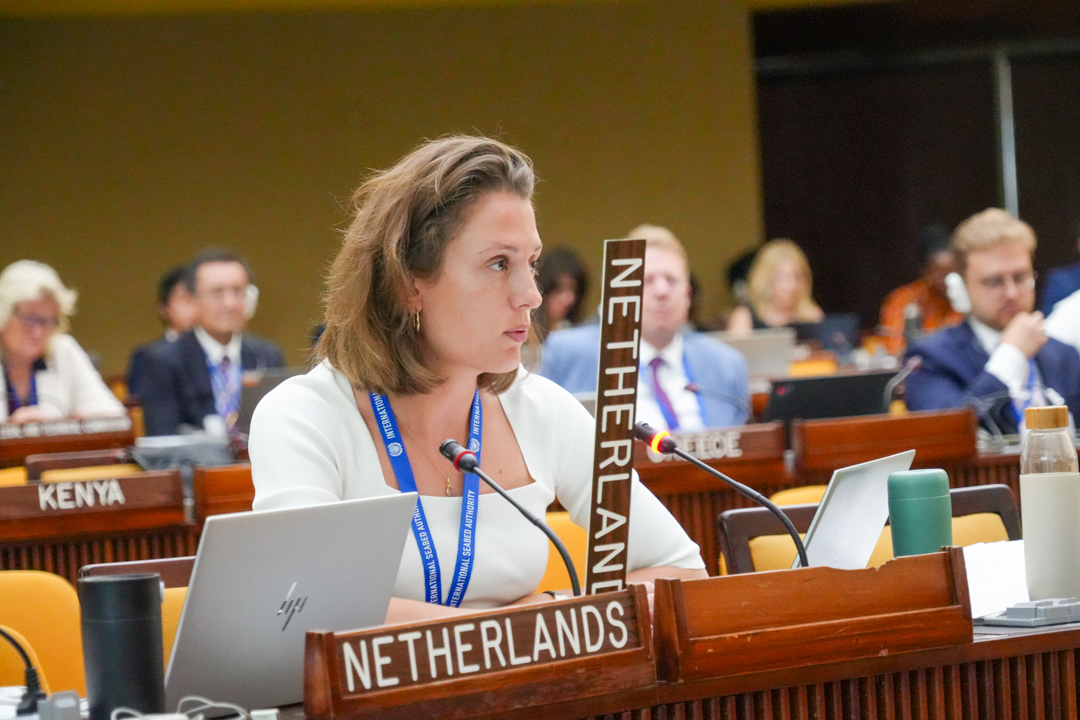
Emma van den Boogaard, the Netherlands
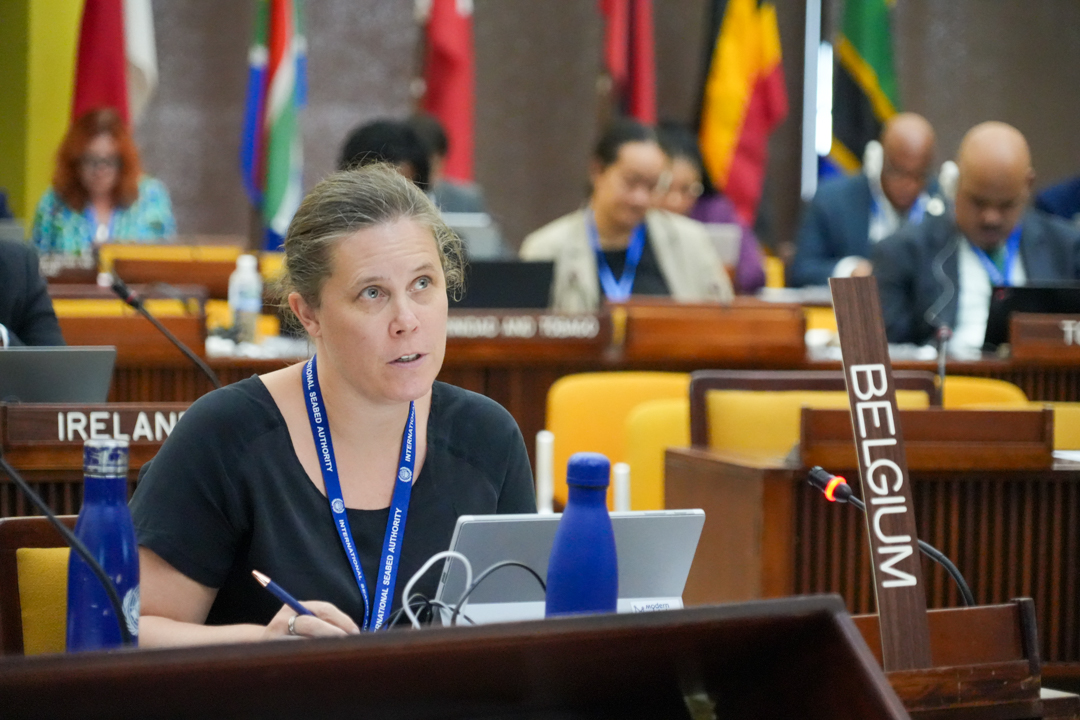
Ellen De Geest, Belgium
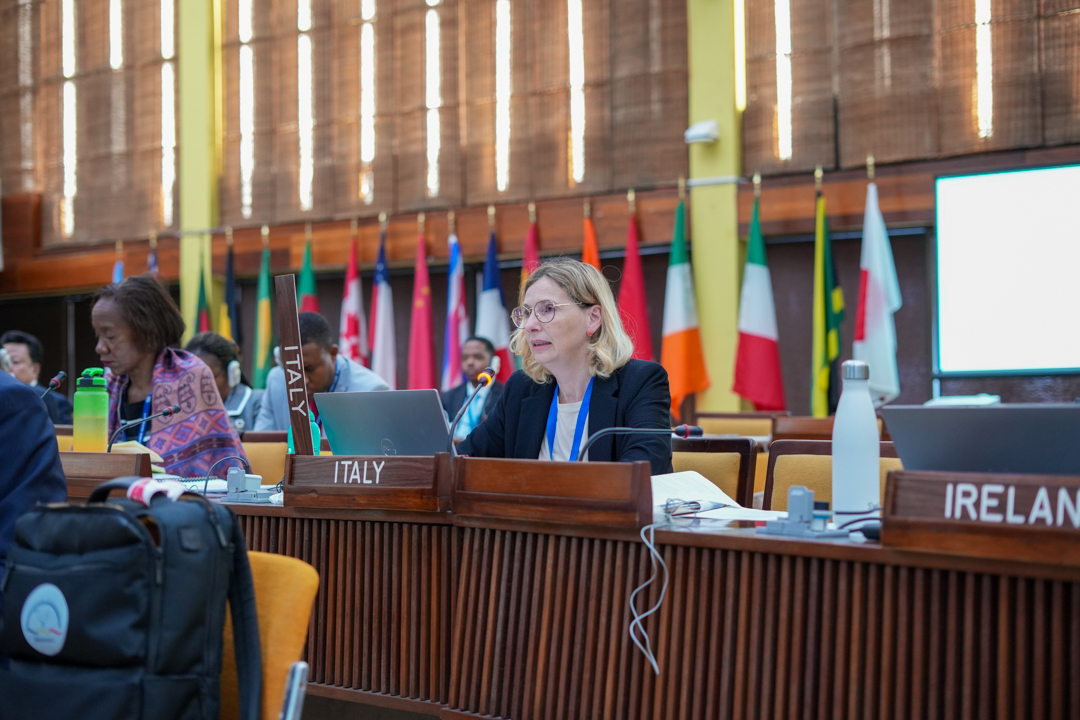
Catherine Flumiani, Italy
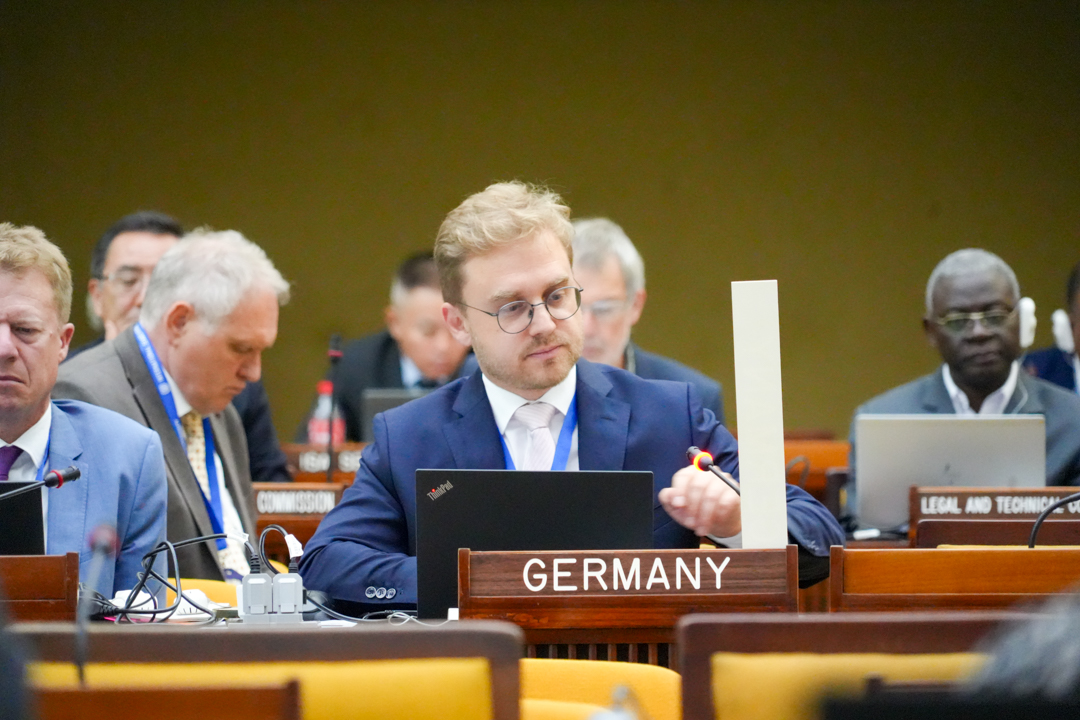
Clemens Wackernagel, Germany
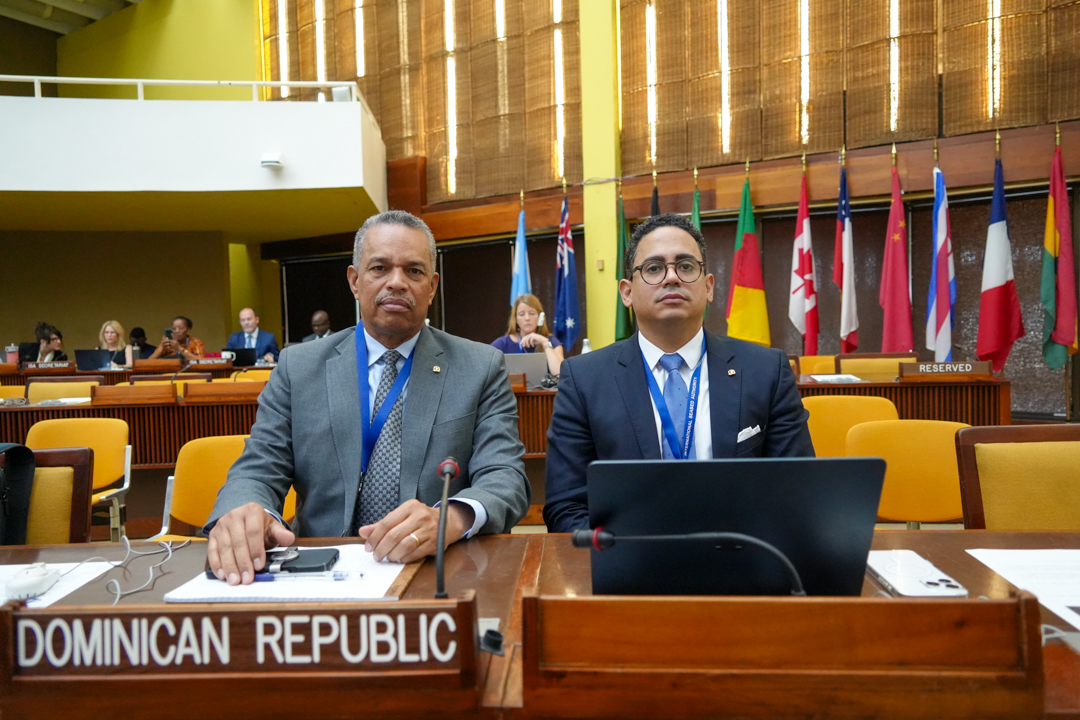
Dominican Republic Delegation

Carl Grainger, Ireland
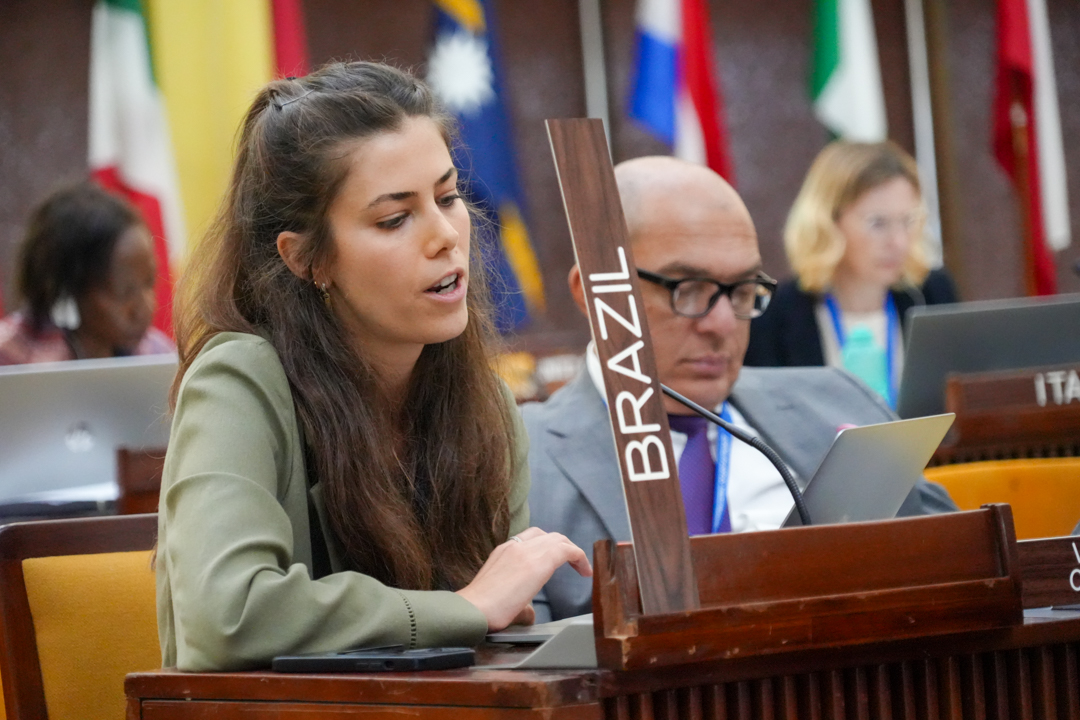
Bárbara Macedo Perrenoud, Brazil
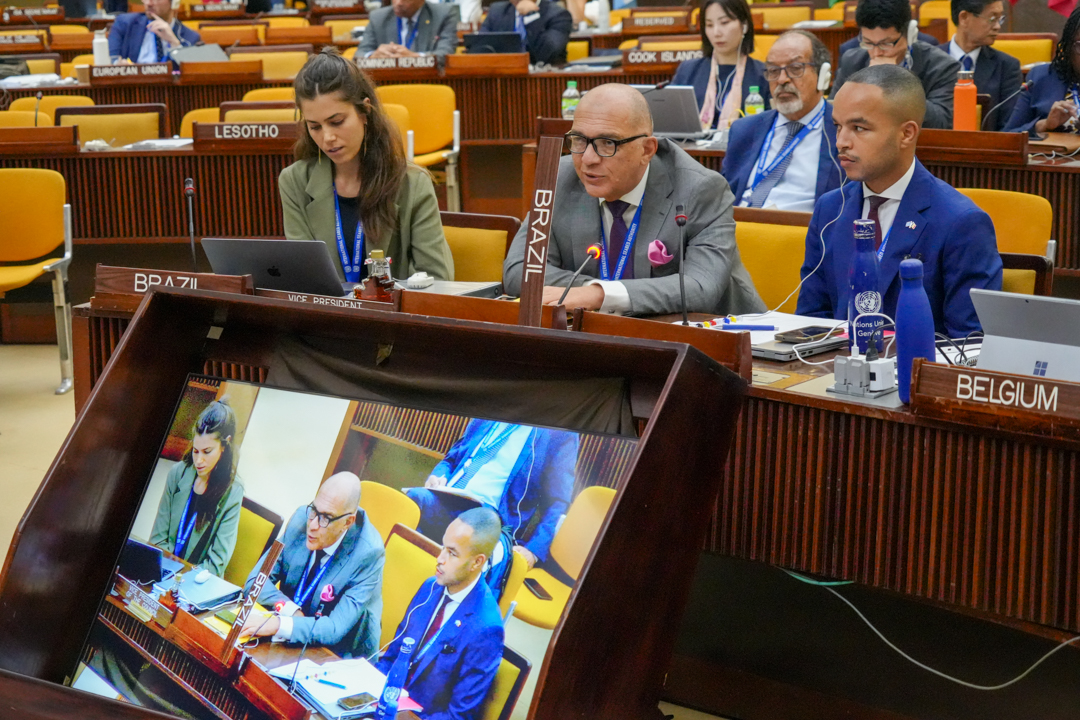
Antonio Otavio Sá Ricarte, Brazil
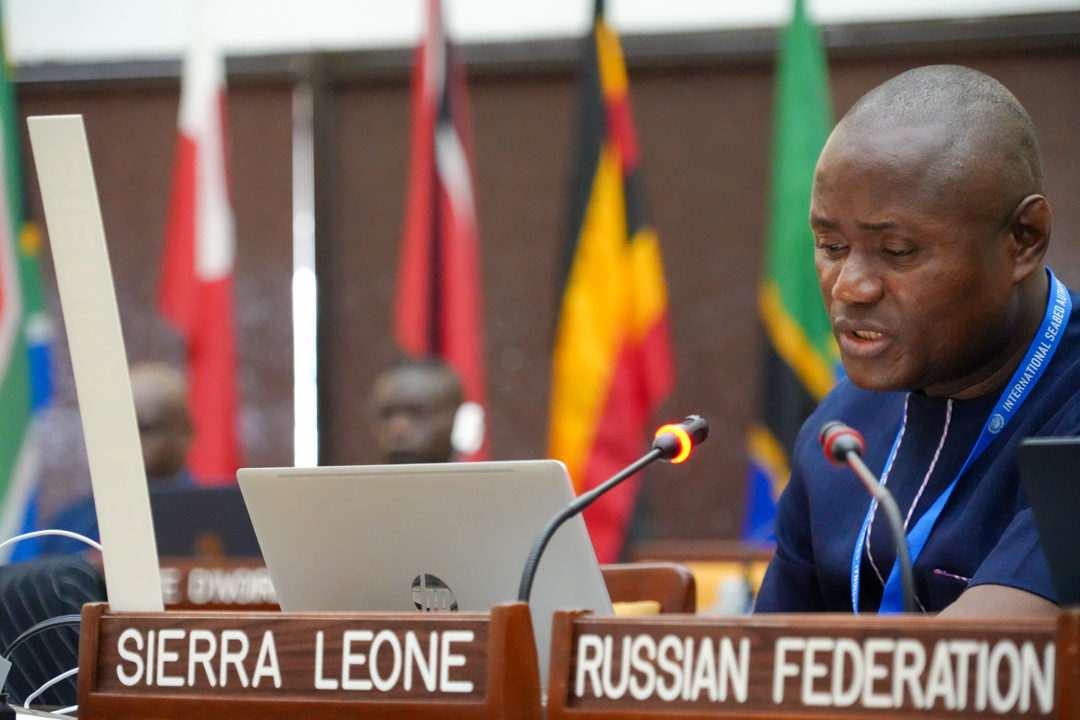
Allieu Koroma, Sierra Leone
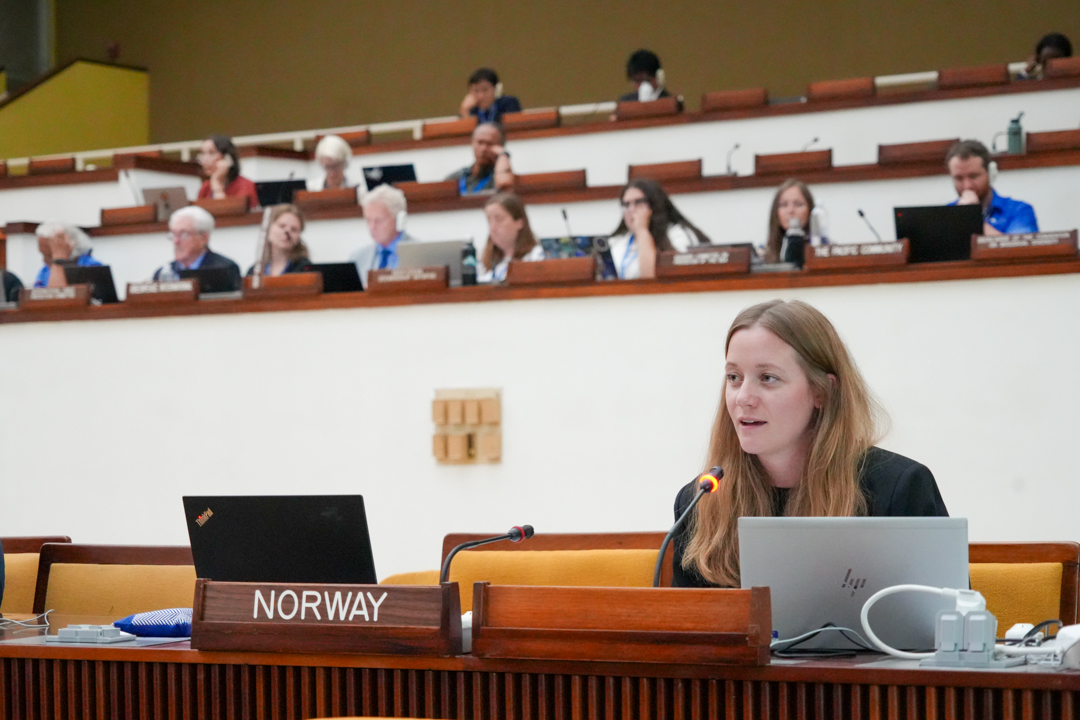
Anja Morris, Norway
Around the Venue

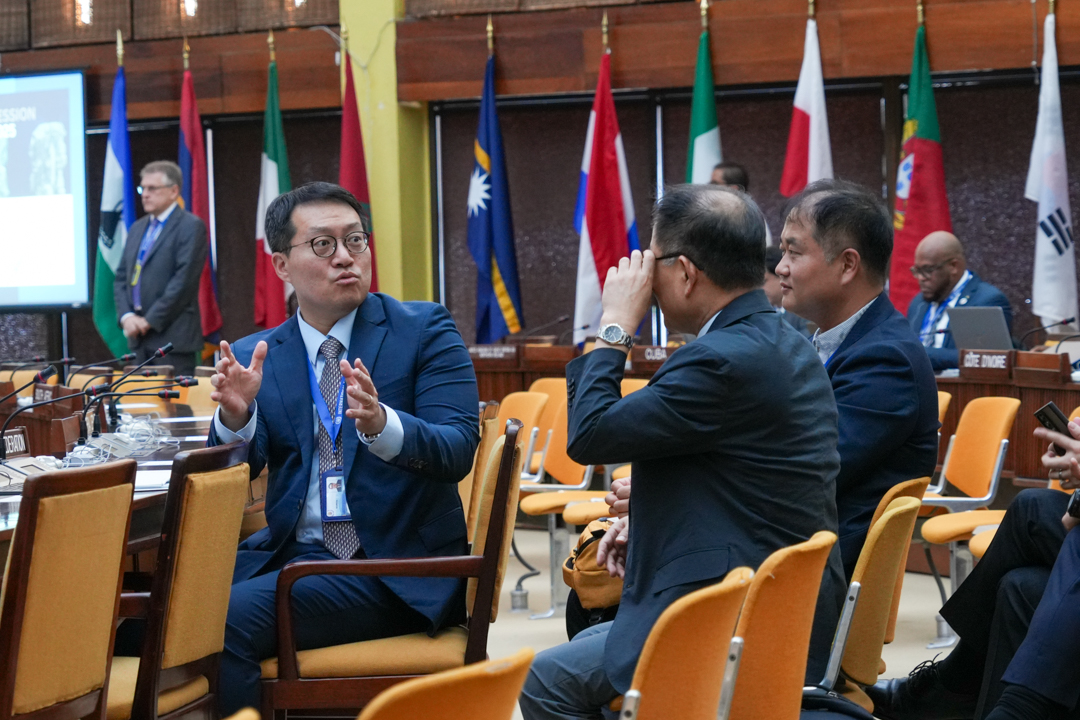
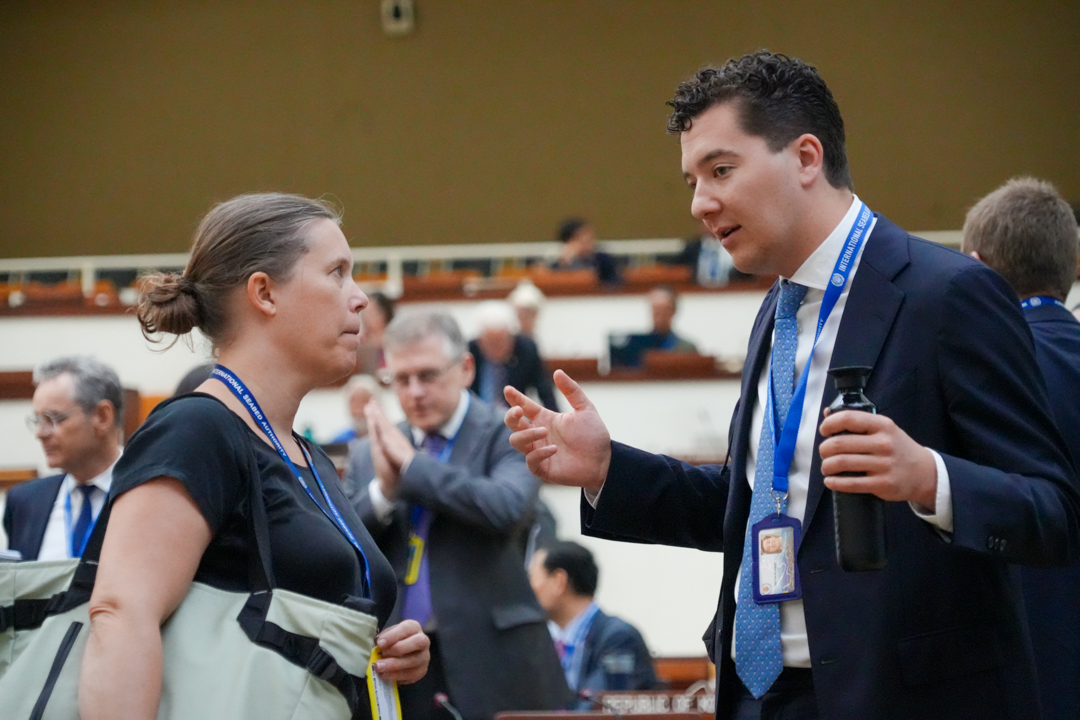
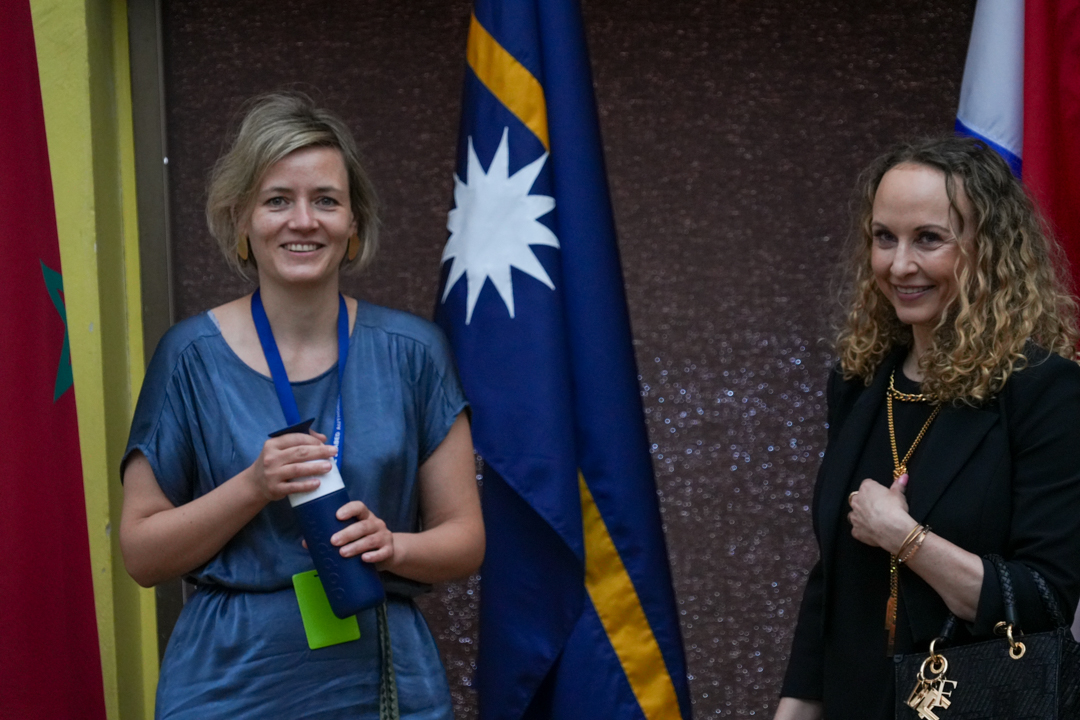
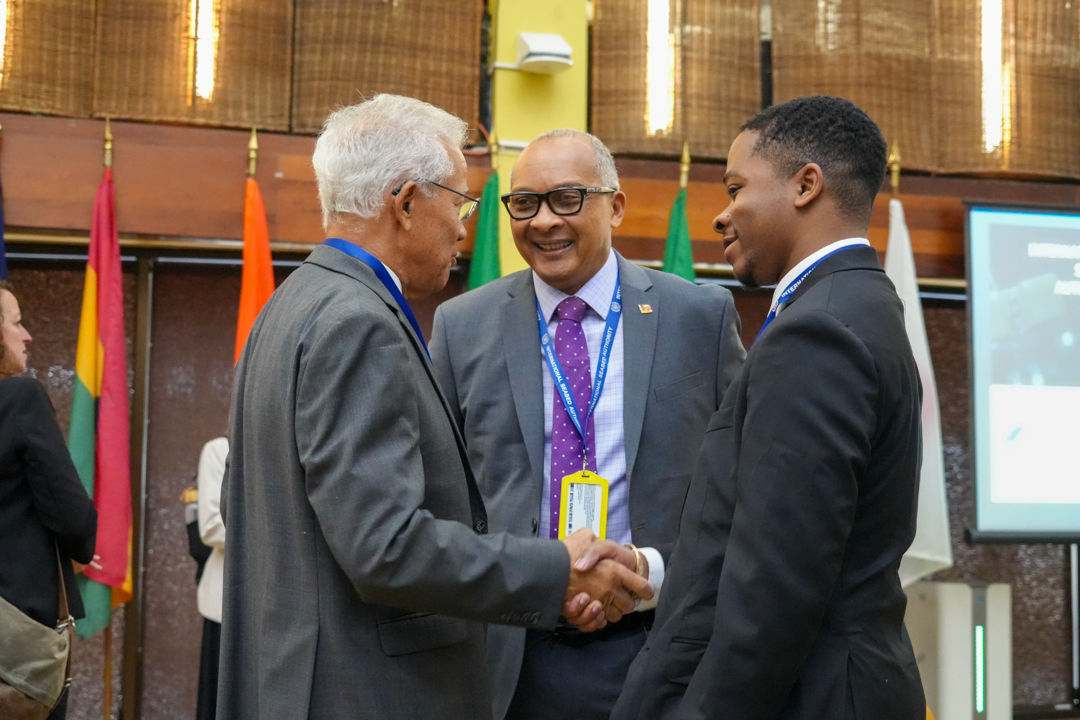
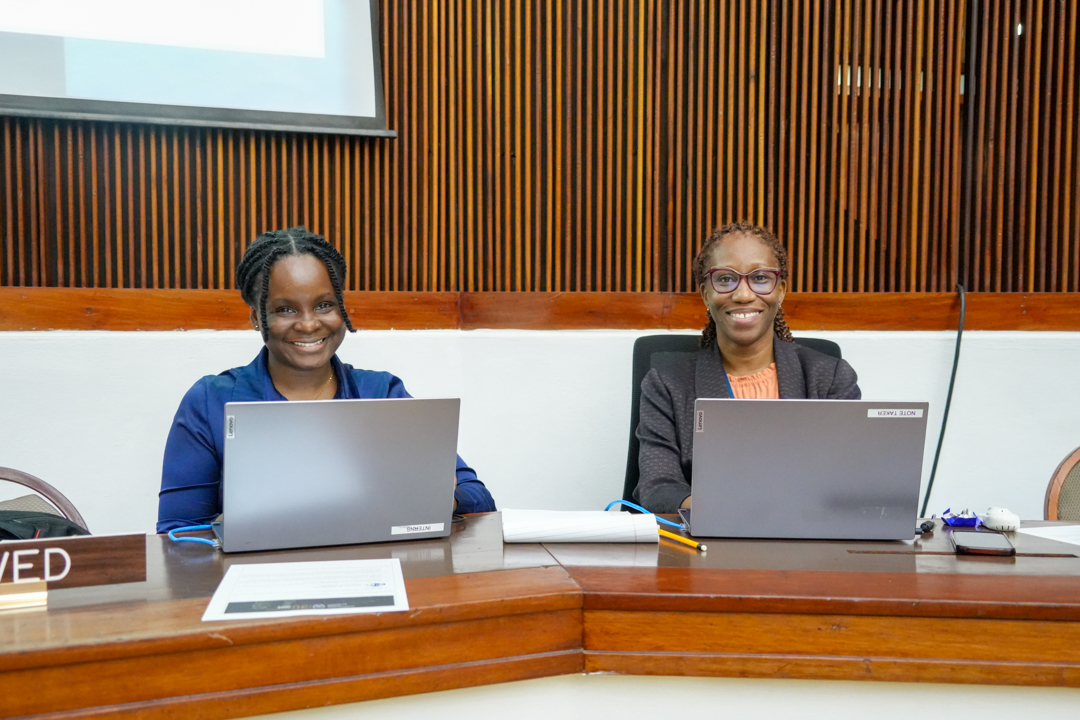
Roshell Chambers and Samantha Blair, Secretariat of the Authority