The Chair of the Legal and Technical Commission (LTC) briefed delegates on the LTC’s work at the second part of its 30th session, noting that most of the meeting was devoted to reviewing the annual reports on activities carried out by contractors in 2024. The LTC Chair reported that while contractors generally have performed adequately, some have limited their offshore exploration activities, including environmental studies and sampling, and have instead, focused on desk work and data analysis.
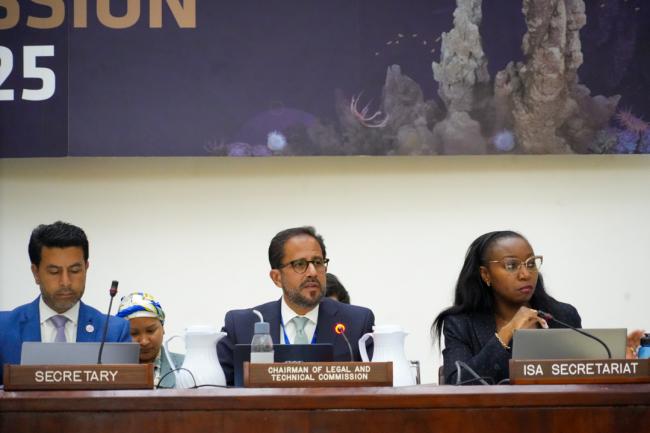
The second part of the LTC’s 30th session took place from 23 June to 4 July 2025, ahead of the Council meeting. In his report to the Council, LTC Chair Erasmo Lara Cabrera (Mexico) outlined that the LTC identified four contractors, named in the report, that have responded inadequately, or failed to respond, to the Council’s calls to address issues of concern in relation to their contractual obligations. Highlighting that each of these contractors are facing varied challenges, he said the LTC will continue to work with them and monitor their performance.
Cabrera also outlined progress made by the intersessional expert group in developing environmental threshold values. He highlighted intention to publish the expert group’s draft report for stakeholder consultations during the last quarter of 2025. In the subsequent discussion, many delegates appreciated the naming of the non-compliant contractors, highlighting the importance of this for transparency and accountability. Several delegates also urged that meetings of the LTC, including sessions on developing environmental threshold values, be open to non-LTC members.
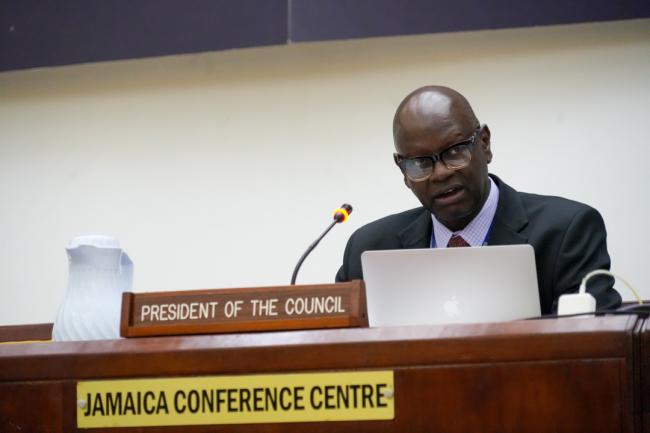
Some members and observers voiced concern about an expected request to extend an exploration contract from a contractor whose parent company is planning to undertake deep-sea mining outside the framework of the UN Convention on the Law of the Sea. They urged the LTC to scrutinize the extension application thoroughly when it is submitted. The Council took note of the LTC Chair’s report.
Council members also considered the draft revised standardized procedure for the development, establishment, and review of regional environmental management plans (REMPs). Expressing general support for the draft, many members said it is ready for adoption. One delegate proposed that the science-focused workshops for developing REMPs should be in person, stressing that hybrid and online workshops are less effective.
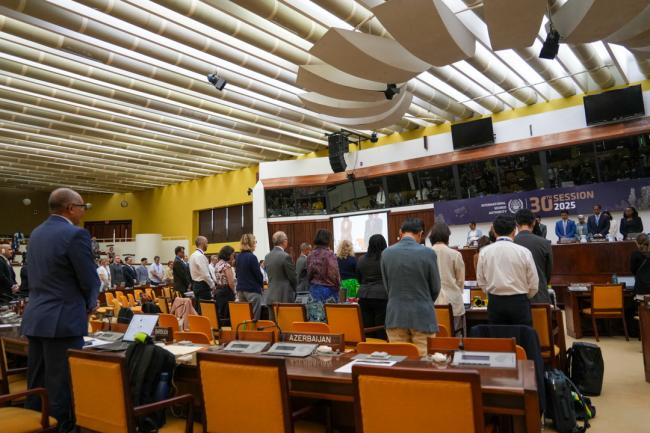
Throughout the day, Council members continued their consideration of the regulations for commercial deep-sea mining. In the morning, members gathered in a Friends of the President group to discuss regulations 81 and 82, on the review of the system and rates of payment.
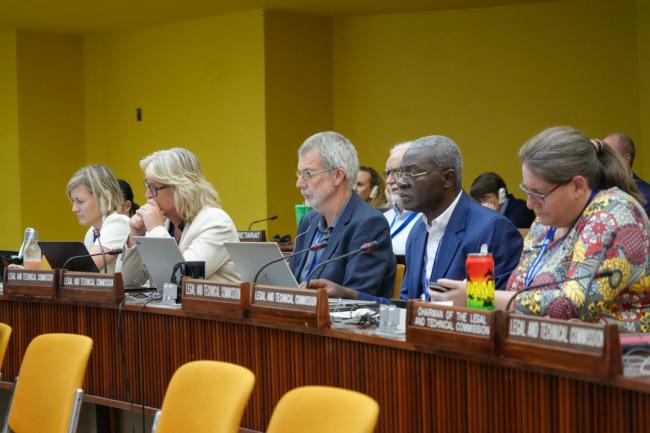
On the annual fixed fee (regulation 85), delegates discussed whether the annual fixed fee should be paid from the date of commencement of commercial production or from the date of signing an exploitation contract.
Many Council members and a regional group supported the signature date option. A few supported the commencement of commercial production option, pointing out this is the language in the Annex to the 1994 Implementing Agreement and questioning why the regulations would include a provision that contradicts the Agreement.
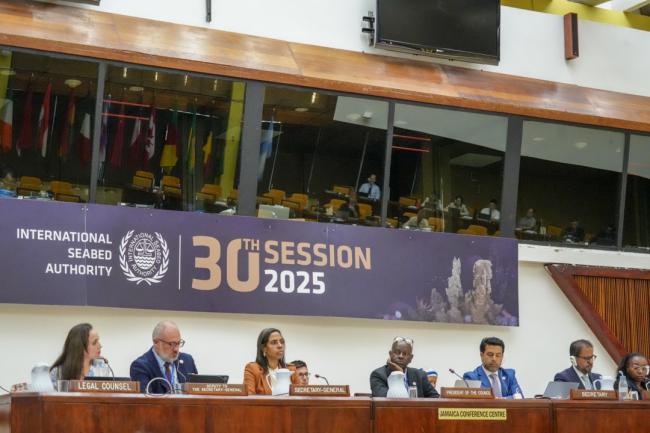
Council members considered ways to simplify regulation 86 (application fee for approval of a plan of work), with several supporting the option that the Finance Committee and the Secretary-General jointly determine any discrepancies between the application fee amount and the administrative costs incurred by the Authority.
On regulation 87 (other applicable fees), one member reiterated that these additional fees may also apply to areas under the exploitation contract outside the mining area.
To receive free coverage of global environmental events delivered to your inbox, subscribe to the ENB Update newsletter.
All ENB photos are free to use with attribution. For the Second part of the 30th session of the International Seabed Authority (ISA) Council meeting, please use: Photo by IISD/ENB | Andrés Felipe Carvajal Gómez
Friends of the President Group
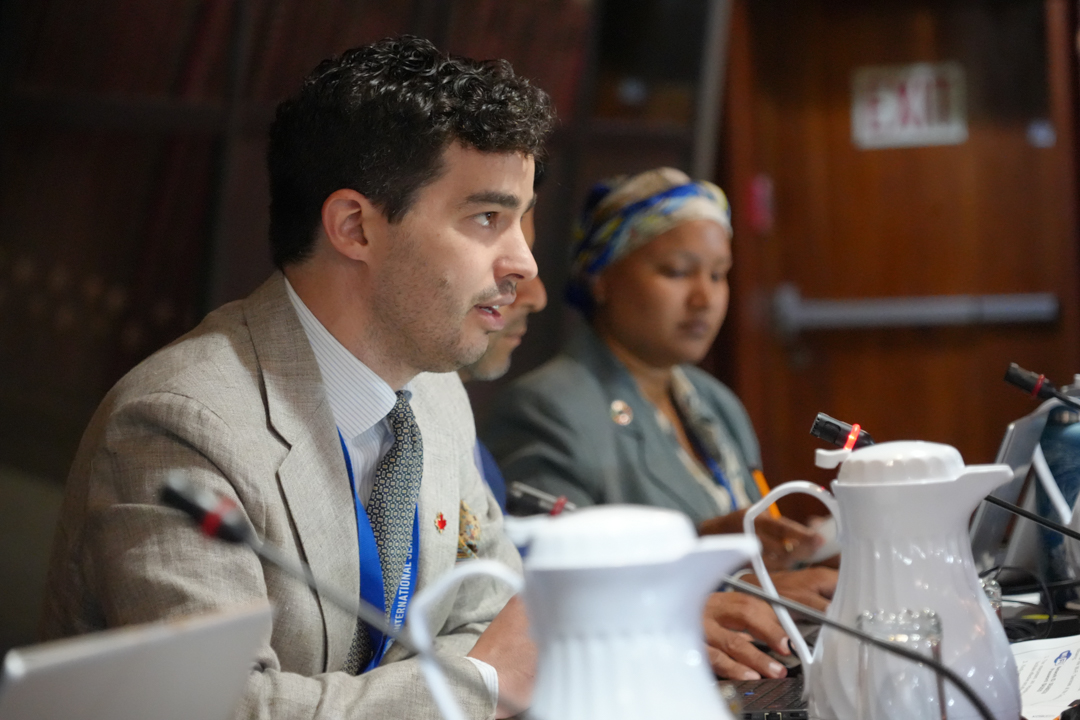
José Benchetrit, Canada, facilitated the Friends of the President meeting
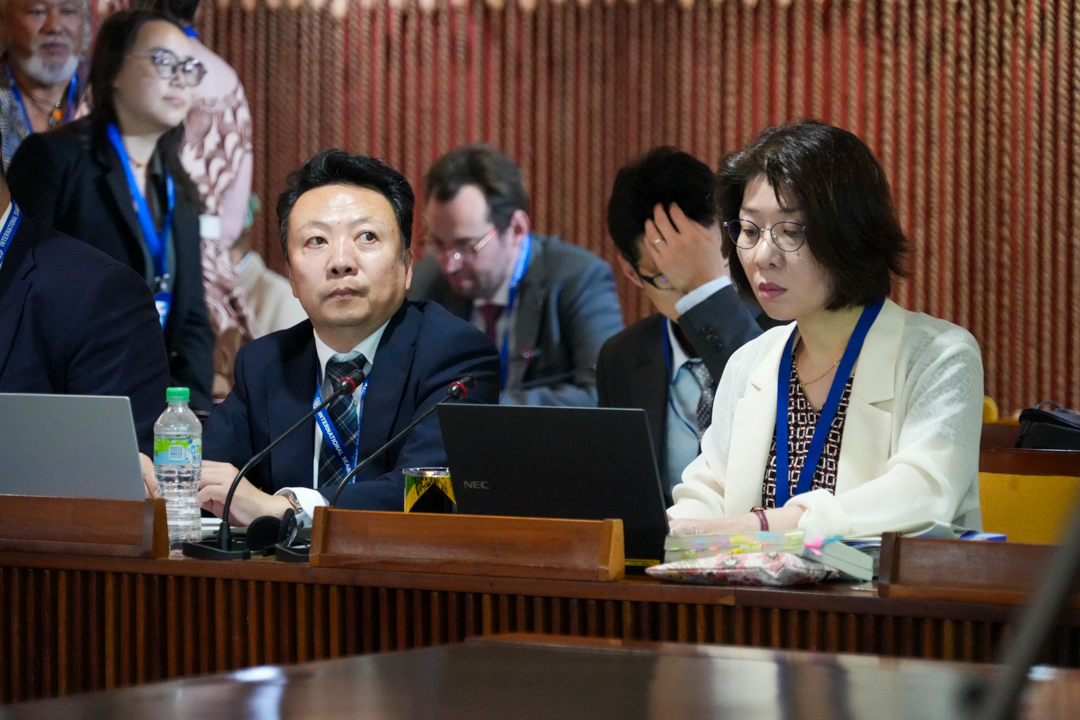
Members of the Japanese delegation
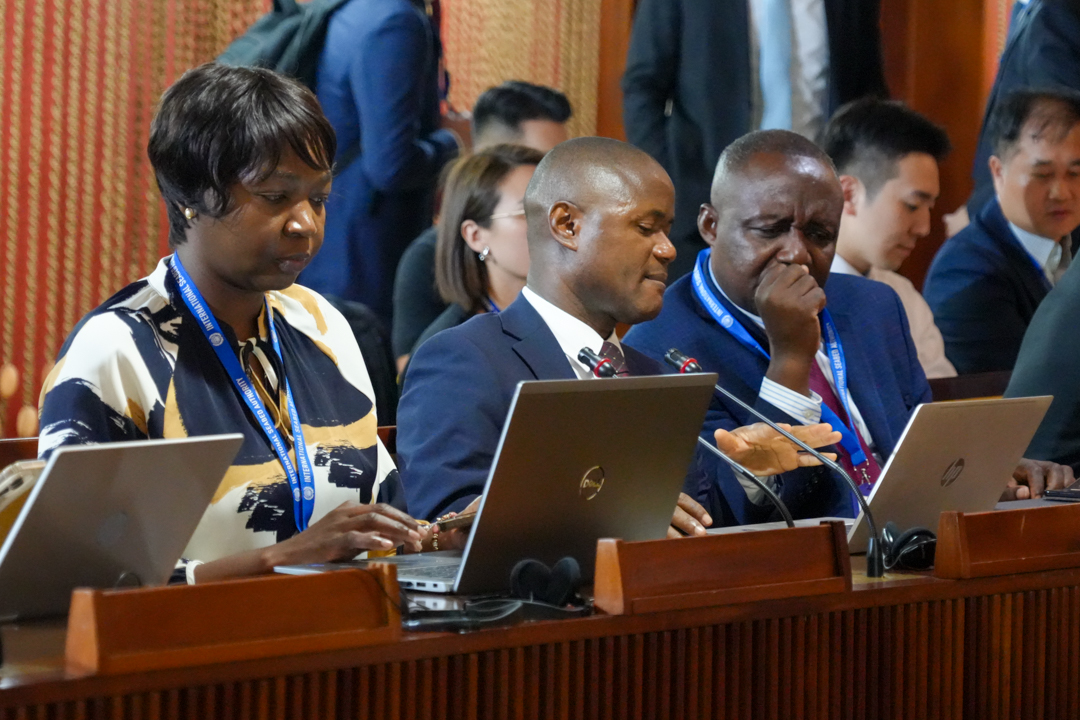
Members of the African Group during the meeting
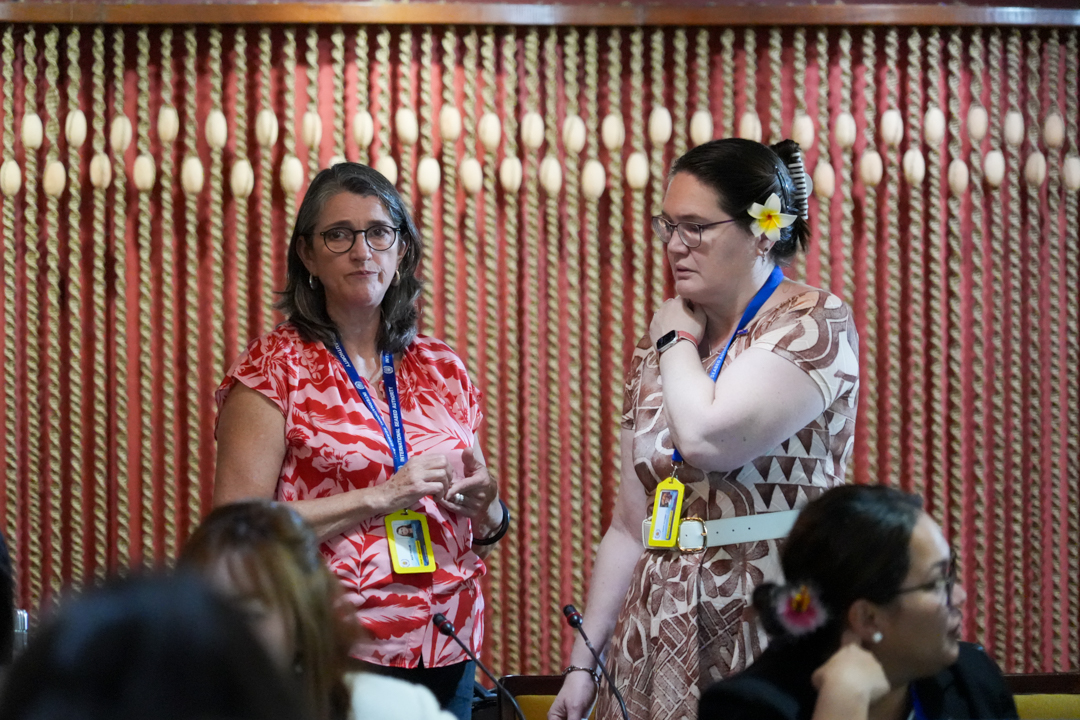
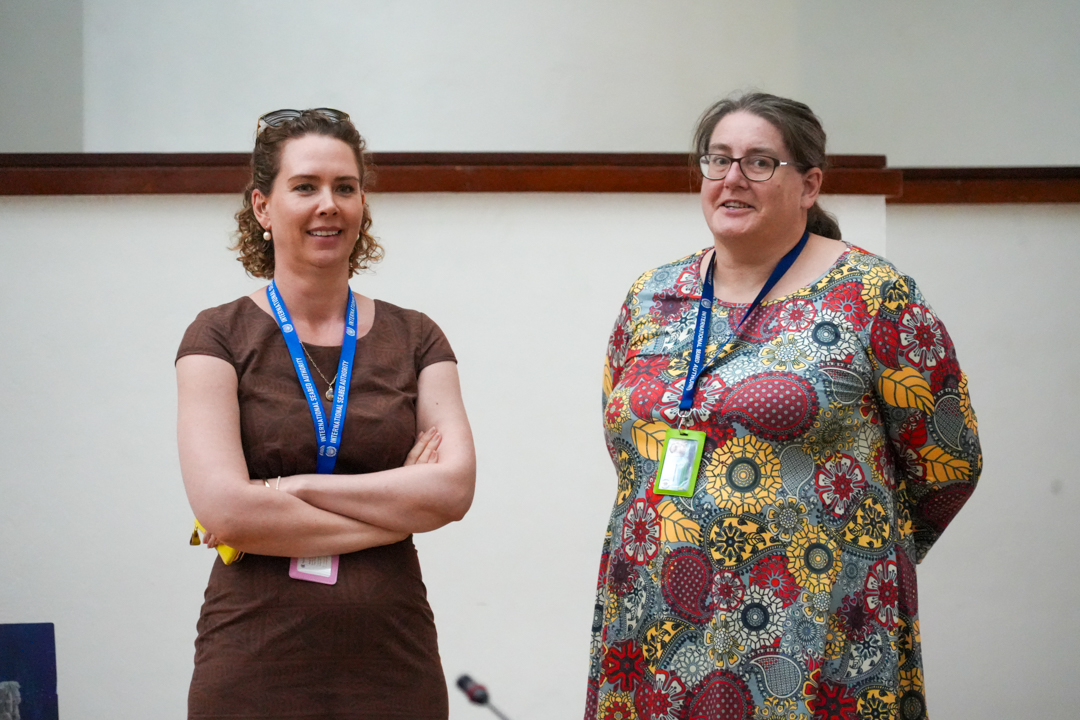
Robyn Frost, Australia, and Latishia Maui-Mataora, Cook Islands
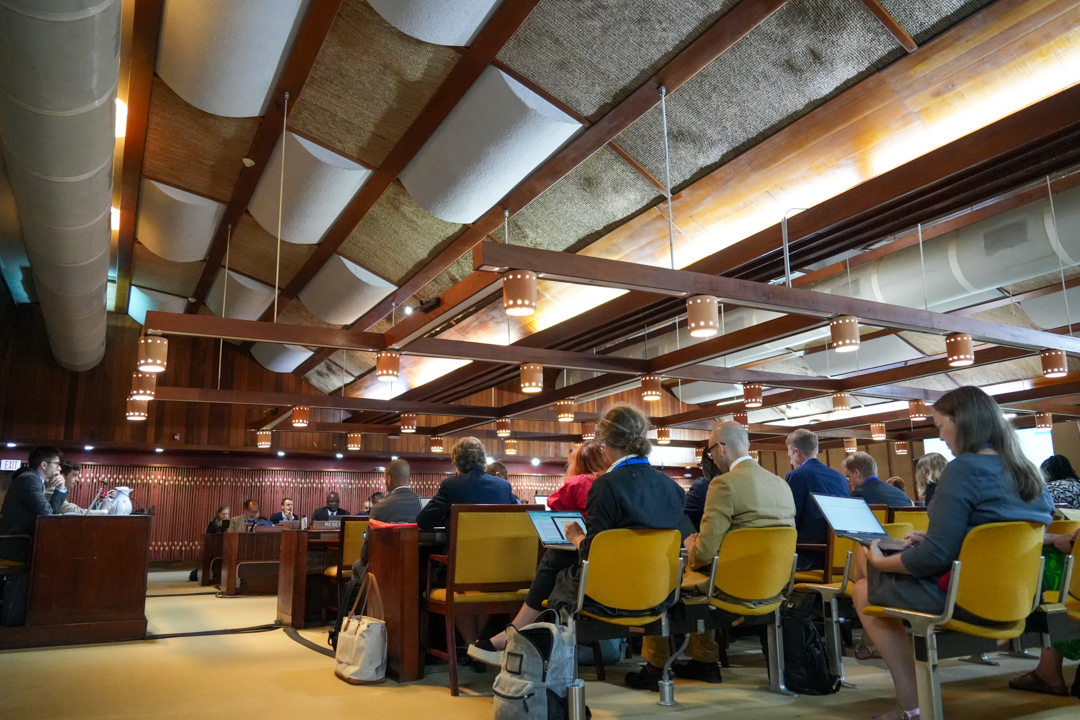
View of the room
Selected Images
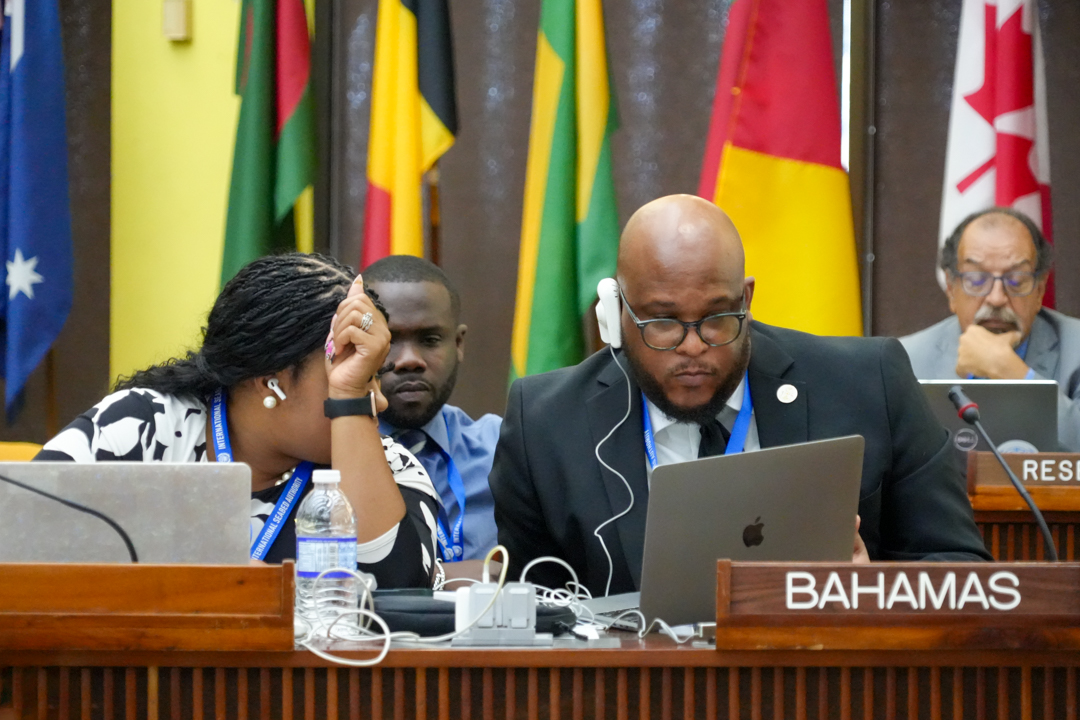
Delegates from The Bahamas
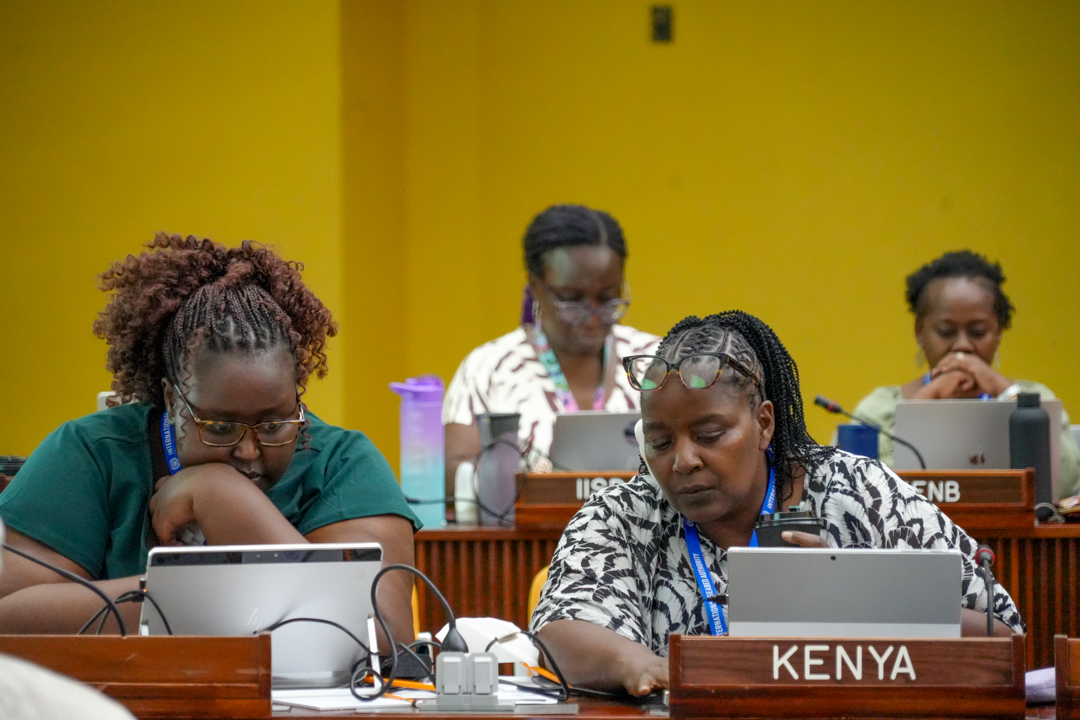
Delegates from Kenya
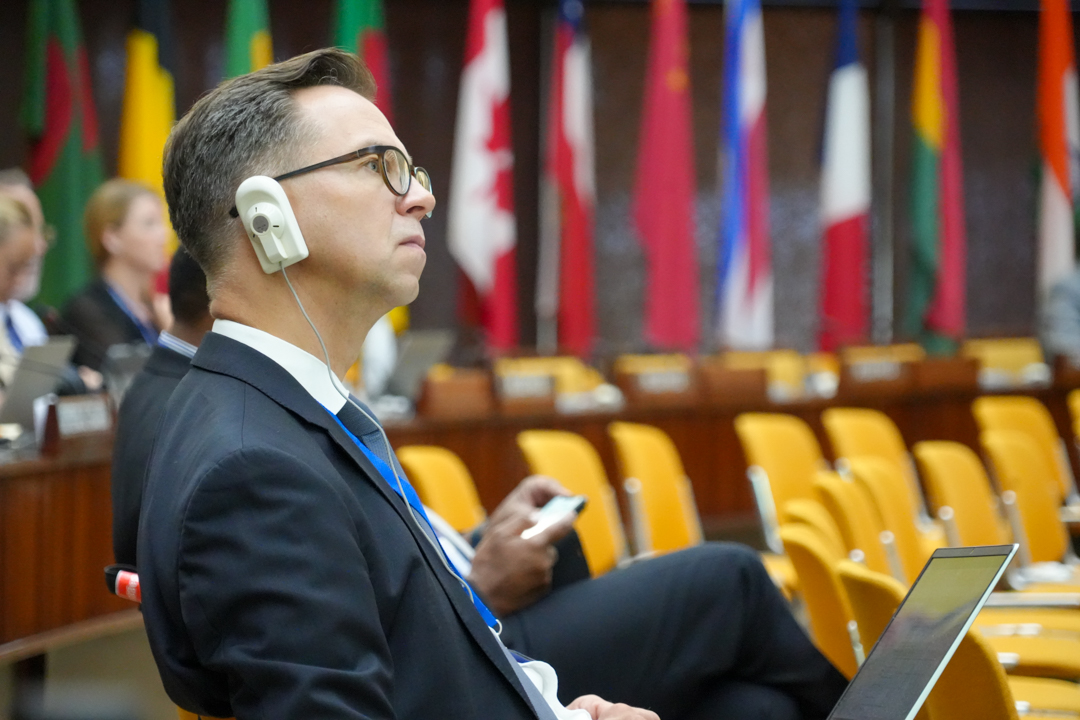
Christian Mueller, Germany
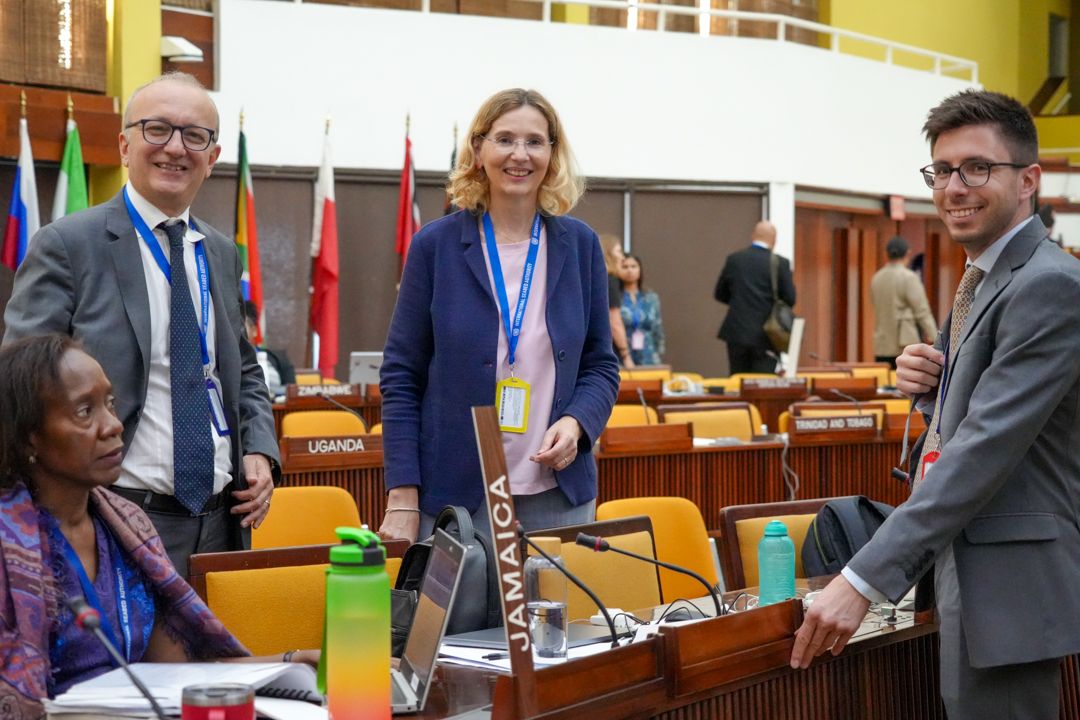
Delegates before the start of the meeting
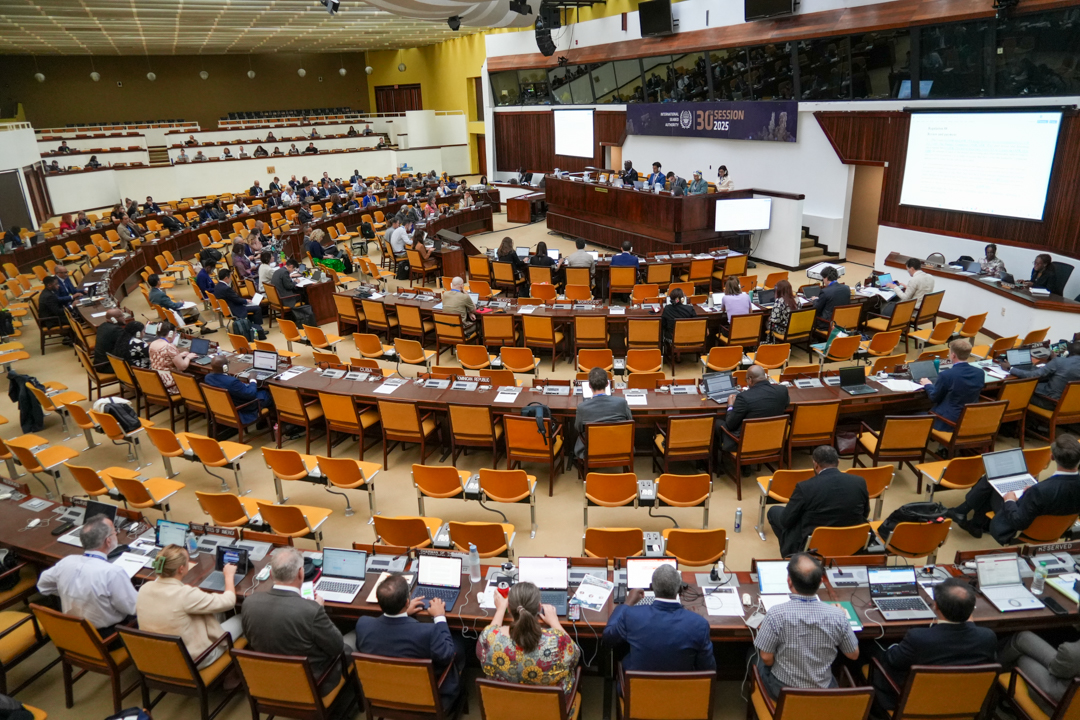
View of the room
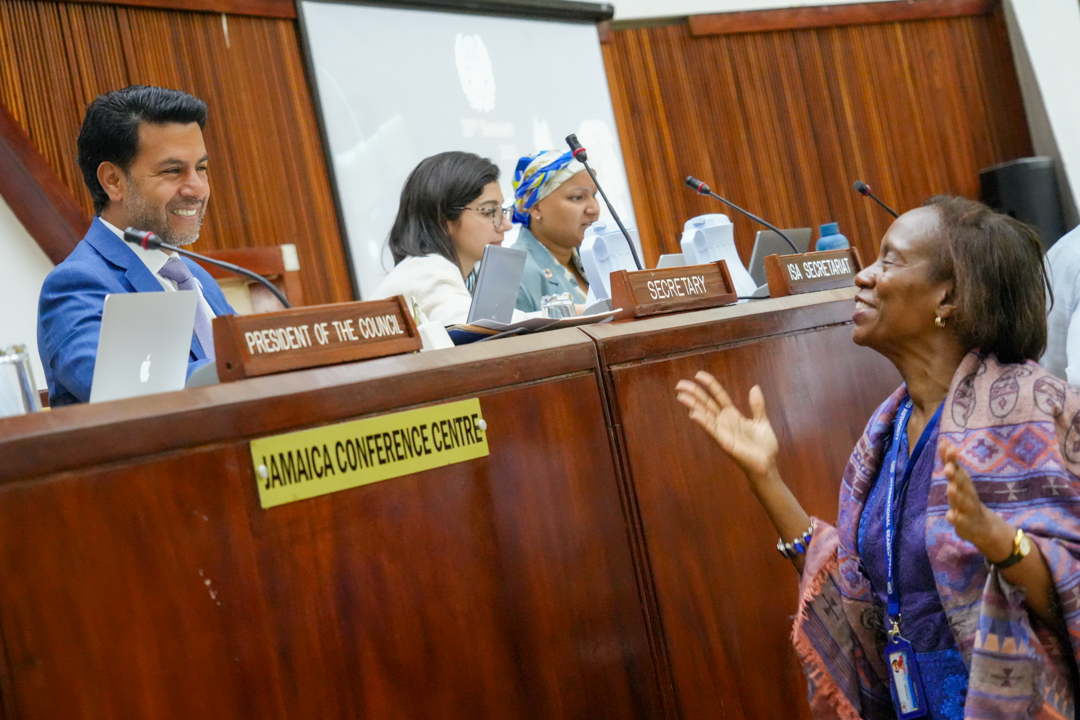
Marcelino Miranda, ISA Secretariat and Michelle Walker, Jamaica
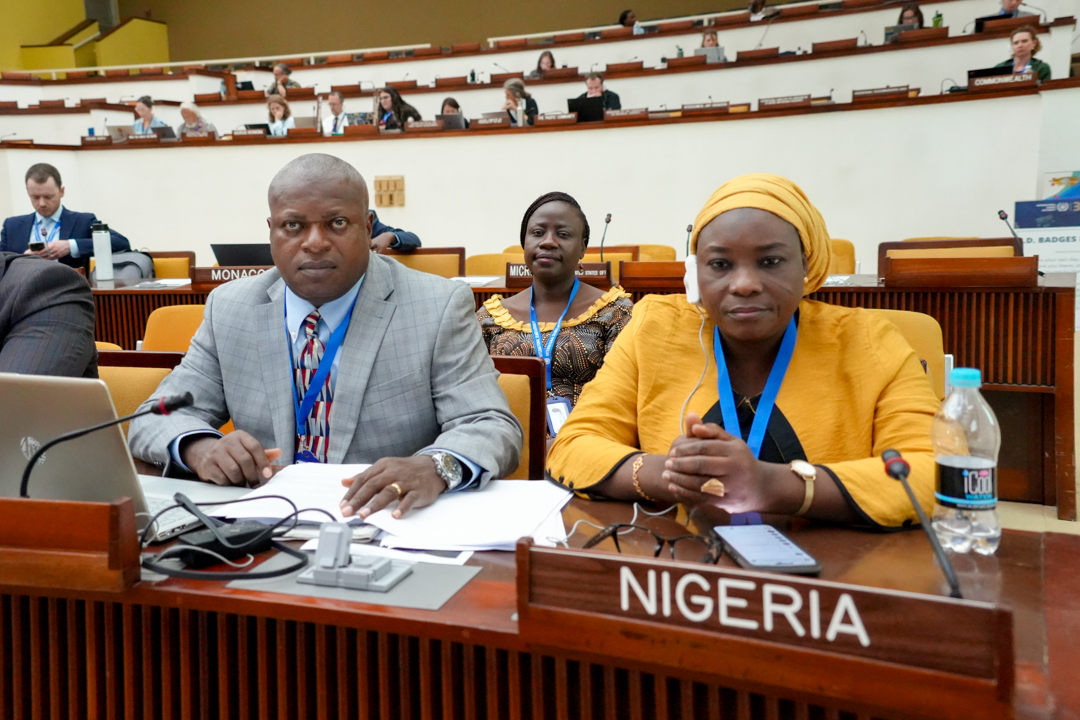
The Nigerian delegation
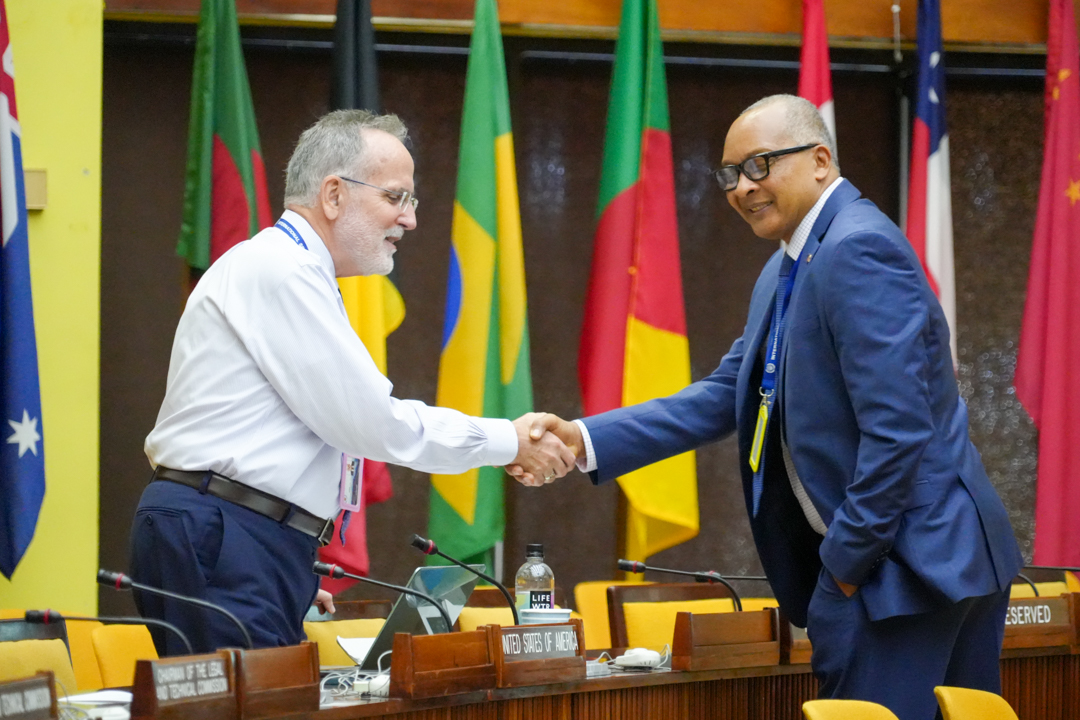
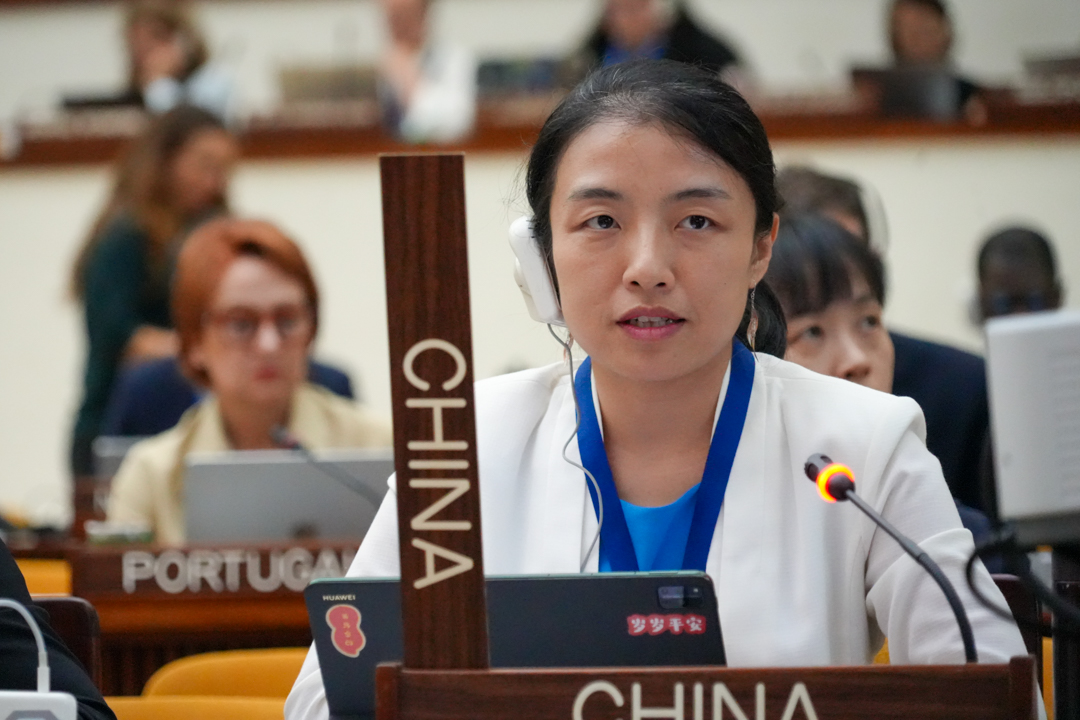
Wenting Zhao, China
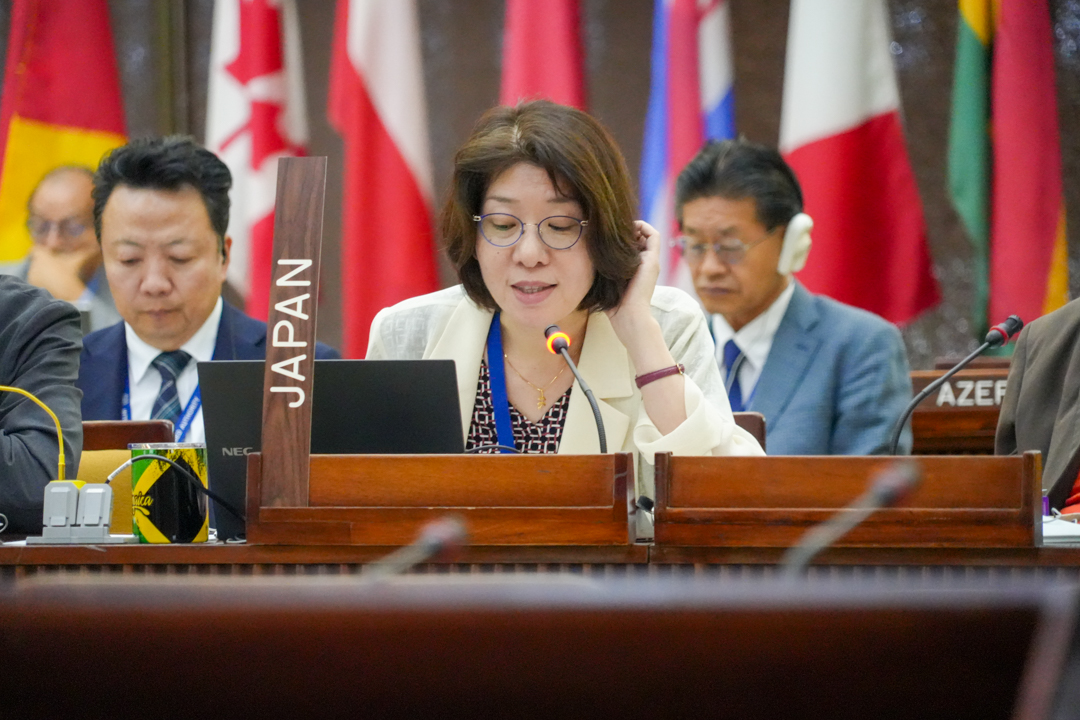
Makiko Murai-Ikegami, Japan
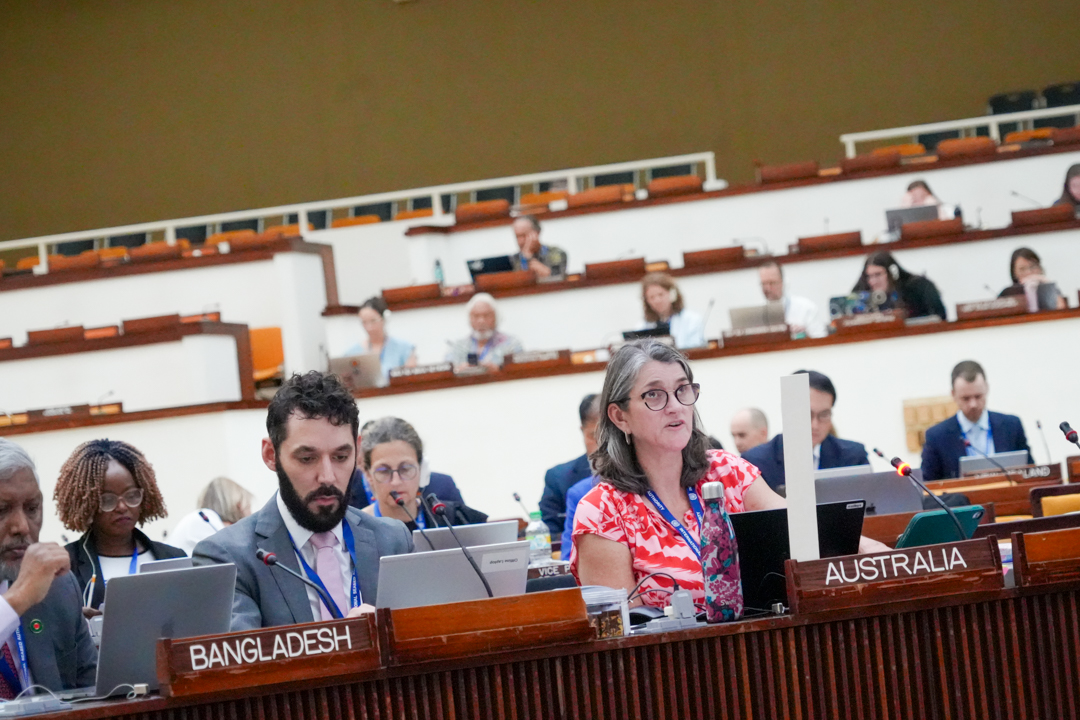
Robyn Frost, Australia (right)
Around the Venue


Olivier Guyonvarch, France
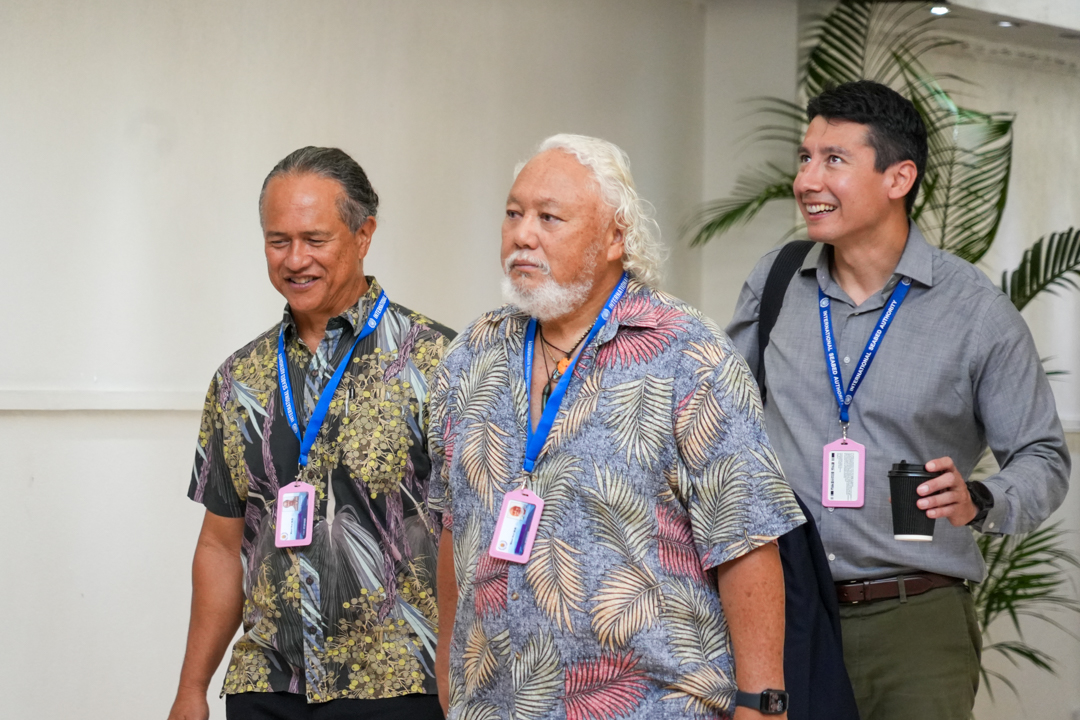
Observers arriving at the venue
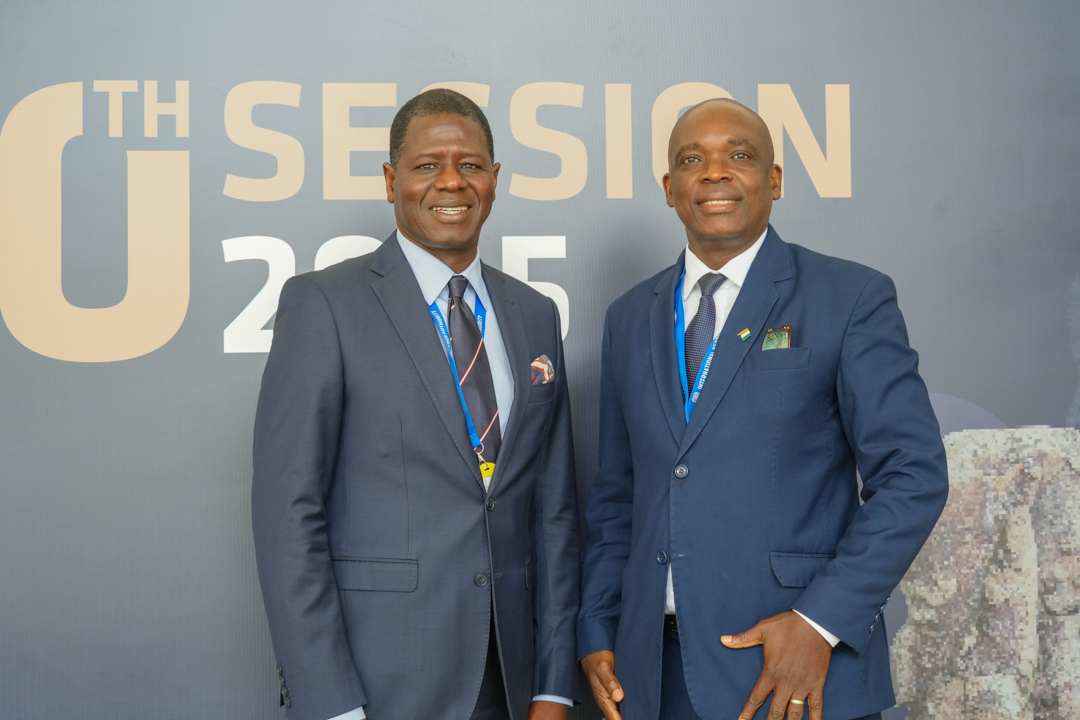

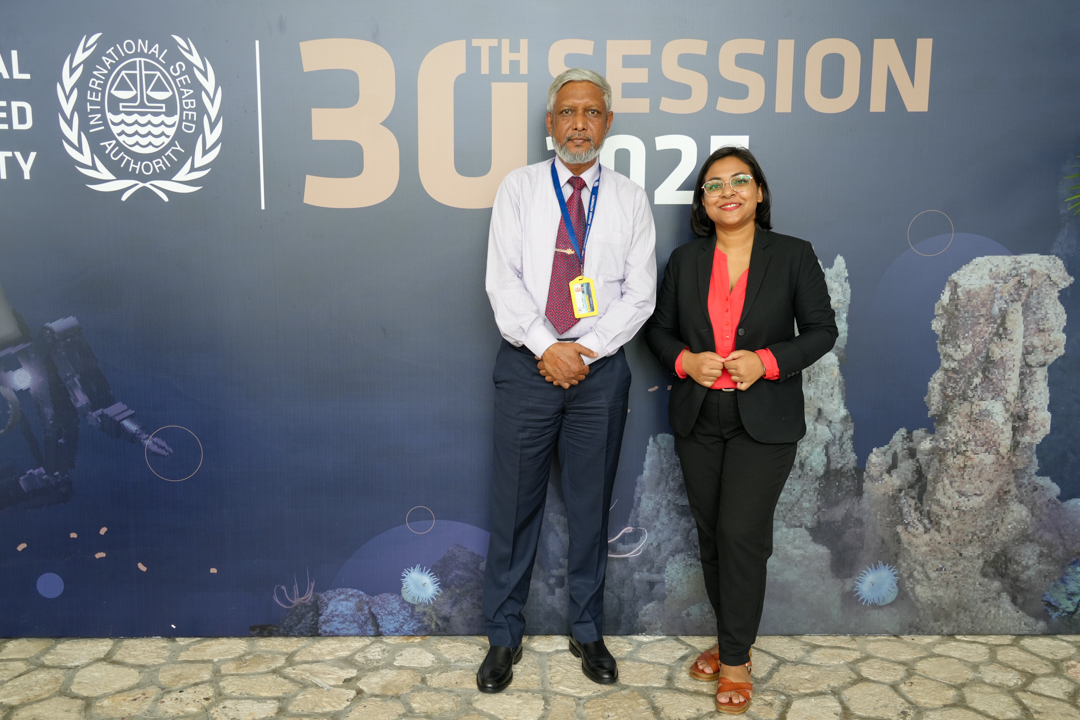
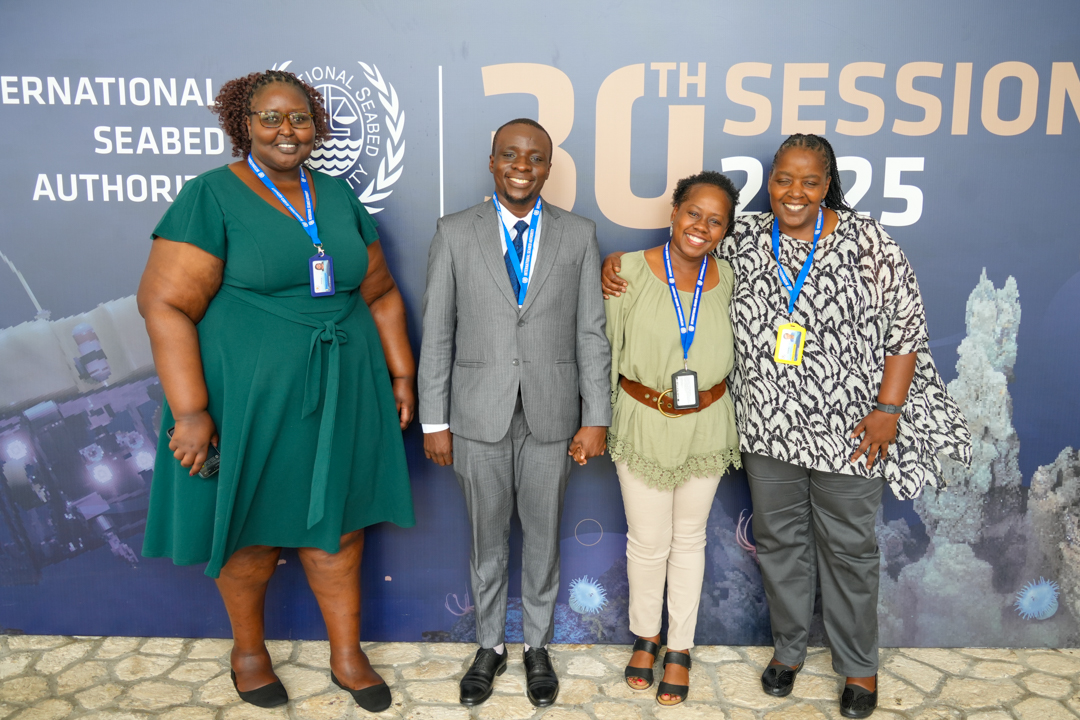
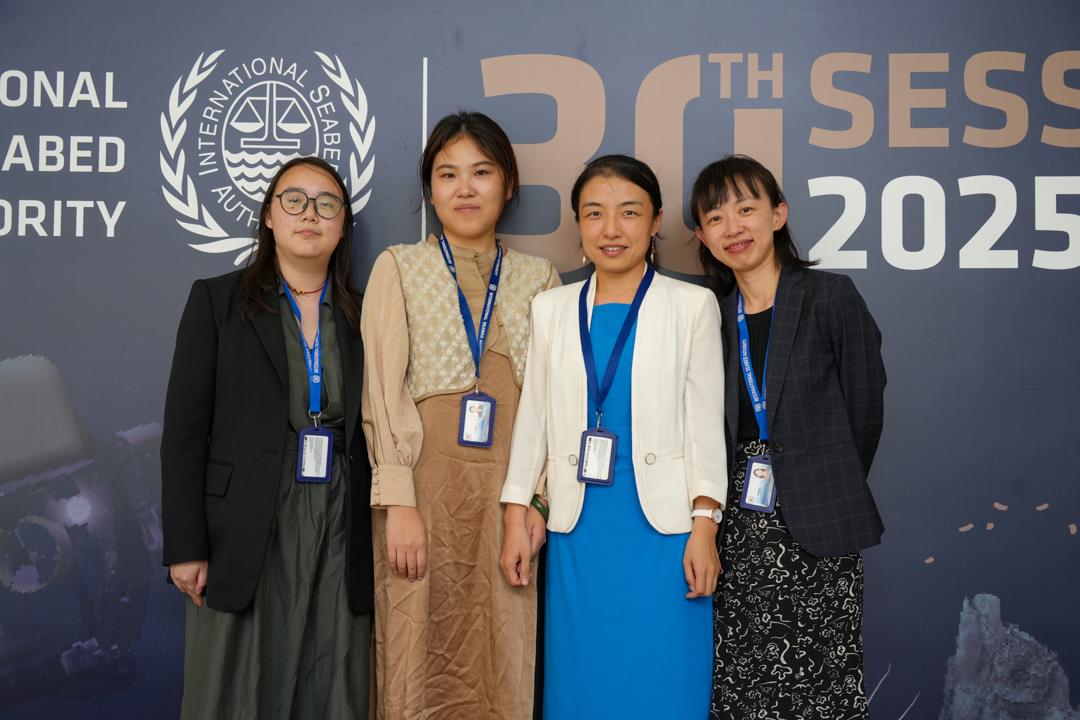
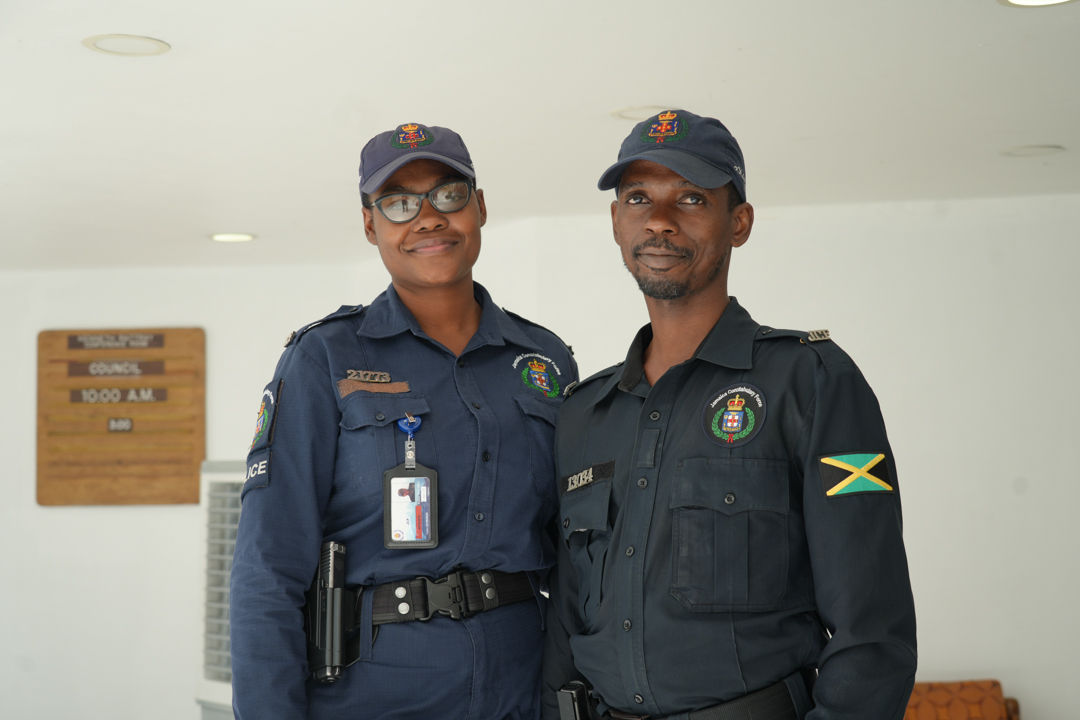
Jamaica Constabulary Force at the venue