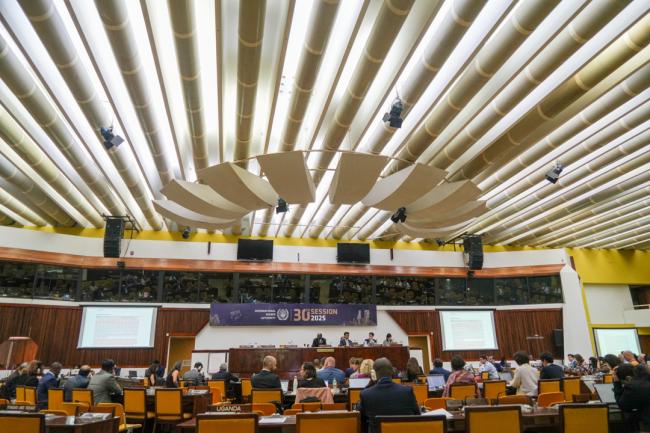
Inspections and inspectors took central stage on Tuesday, during week two of the second part of the Council of the 30th annual session of the International Seabed Authority (ISA). Delegates focused on matters relating to the inspections mandated by the UN Convention on the Law of the Sea (UNCLOS) in relation to activities in the seabed and ocean floor and subsoil thereof, beyond the limits of national jurisdiction (the Area).
UNCLOS gives the ISA the right to inspect all installations in the Area used in connection with activities in the Area (Article 153.5), in order to assess compliance with UNCLOS, ISA’s rules, regulations, and procedures, and any contractual terms and conditions. The inspections are to be carried out by “a staff of inspectors” under the overall direction and supervision of the Council.
Council members are now deliberating the modalities for these inspections.
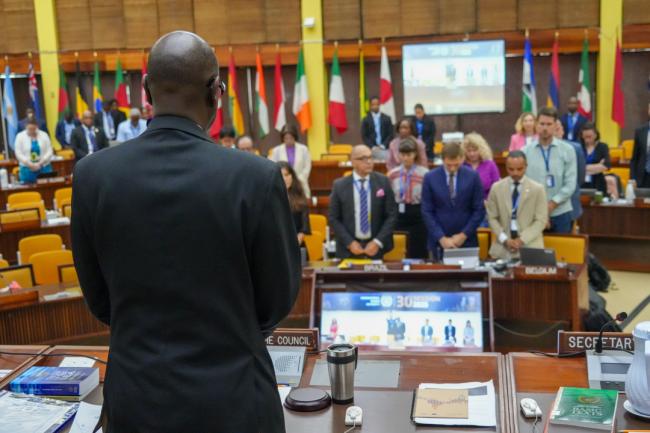
The day’s meetings began with delegates observing a minute of silence in honor of the immediate past President of Nigeria, Muhammadu Buhari, who passed away on Sunday, 13 July 2025.
On regulation 96 ter (request for inspection in the event of harmful effects/harm to the marine environment), delegates debated who should have the right to request an inspection. Several members urged that this right should not be limited to coastal or adjacent states, noting that all states with credible reasons should be able to initiate such a request.
Delegates also expressed diverging views about whether to reference “harm,” “harmful effects,” or the “risk of harmful effects.” Many delegations favored aligning the language with UNCLOS Article 145, which focuses on ensuring the effective protection for the marine environment from harmful effects which may arise from activities in the Area.
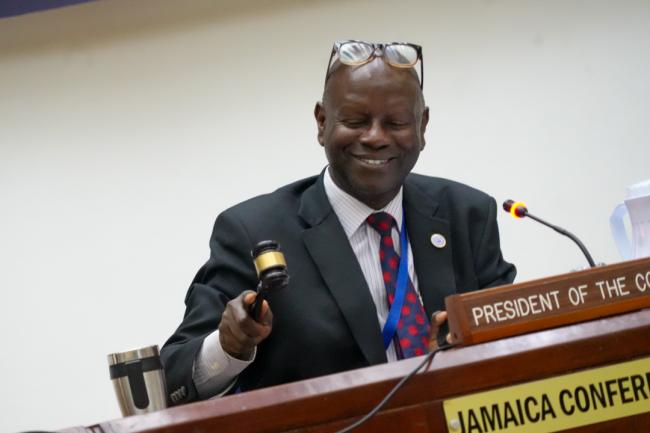
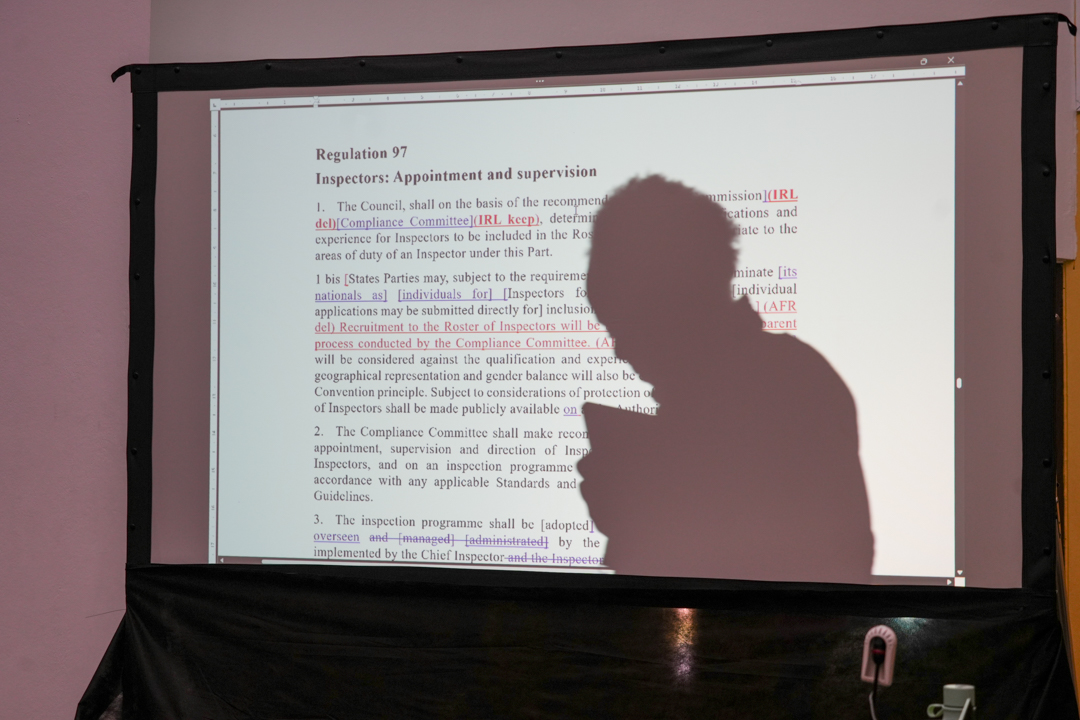
Deliberations on regulation 97 (appointment and supervision of inspectors), focused primarily on how appointments should be made to the roster of inspectors, with three main positions emerging: state nominations only; self-nomination or application by the experts themselves, with no state involvement; or a combination of the two, whereby states can nominate and interested experts can also apply to join the roster.
Delegates also expressed diverging views on whether inspections need to align with countries’ national enforcement processes, with many questioning the need for this. One member clarified that alignment would help ensure the outcome of inspections can be used as evidence in countries’ enforcement processes.
On inspectors’ functions and responsibilities (regulation 97 bis), many delegations suggested moving most of the content of the regulation to the inspector's code of conduct, with a few calling for some high-level references to be retained. Another member suggested merging this regulation with regulation 98 on inspectors’ powers.
Some delegations and observers drew attention to the role of the International Maritime Organization (IMO) and its International Convention for the Safety of Life at Sea (SOLAS). They underscored the need to separate issues on safety at sea from the inspectors' functions, stressing that the latter should relate exclusively to deep-sea mining-related operations.
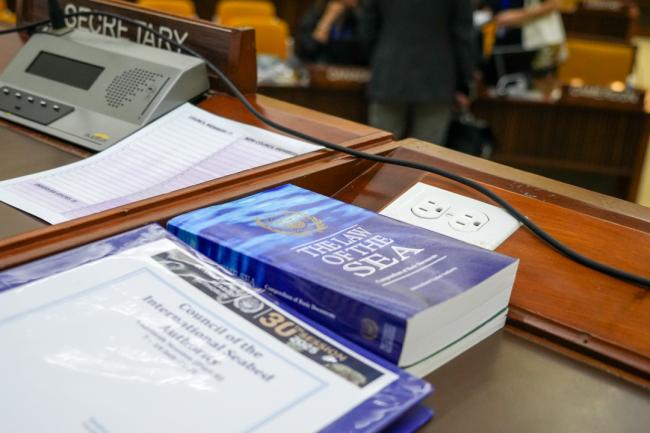
Throughout the day, Council members met in informal-informal and Friends of the President sessions to undertake focused discussions on regulations relating to, among others: the review of the system of payments and rates; reference to regional environmental management plans; submarine cable protection; and the environmental compensation fund.
To receive free coverage of global environmental events delivered to your inbox, subscribe to the ENB Update newsletter.
All ENB photos are free to use with attribution. For the Second part of the 30th session of the International Seabed Authority (ISA) Council meeting, please use: Photo by IISD/ENB | Andrés Felipe Carvajal Gómez
Selected Images
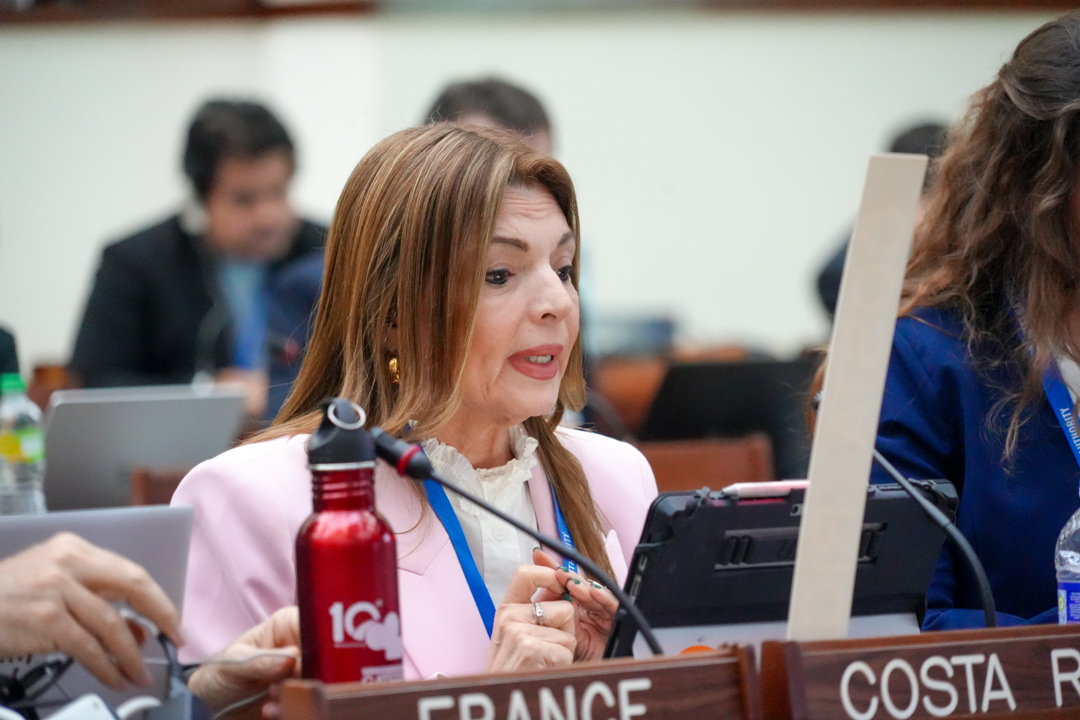
Gina Guillén Grillo, Costa Rica
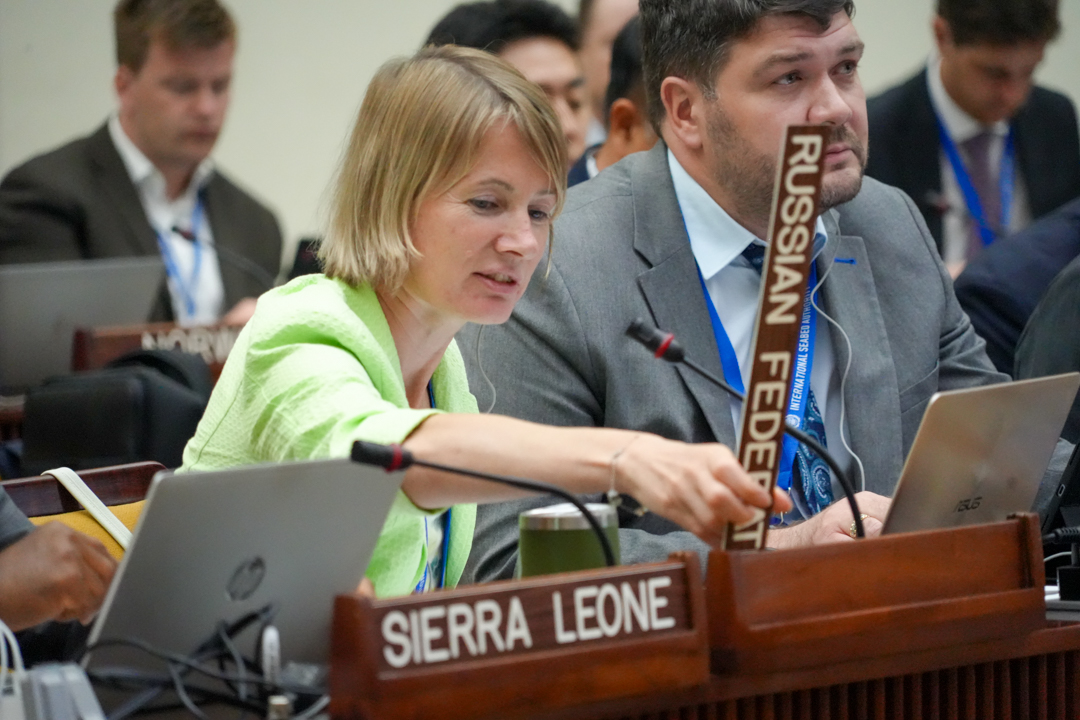
Livia Ermakova, Russian Federation
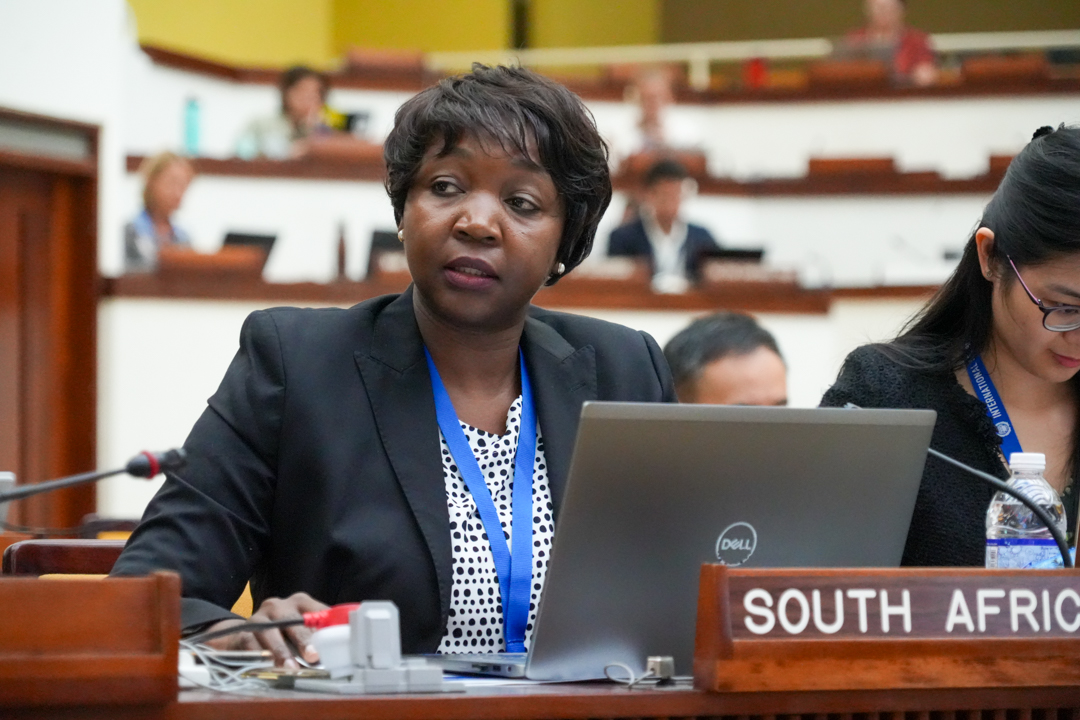
Tshifhiwa Mabidi, South Africa
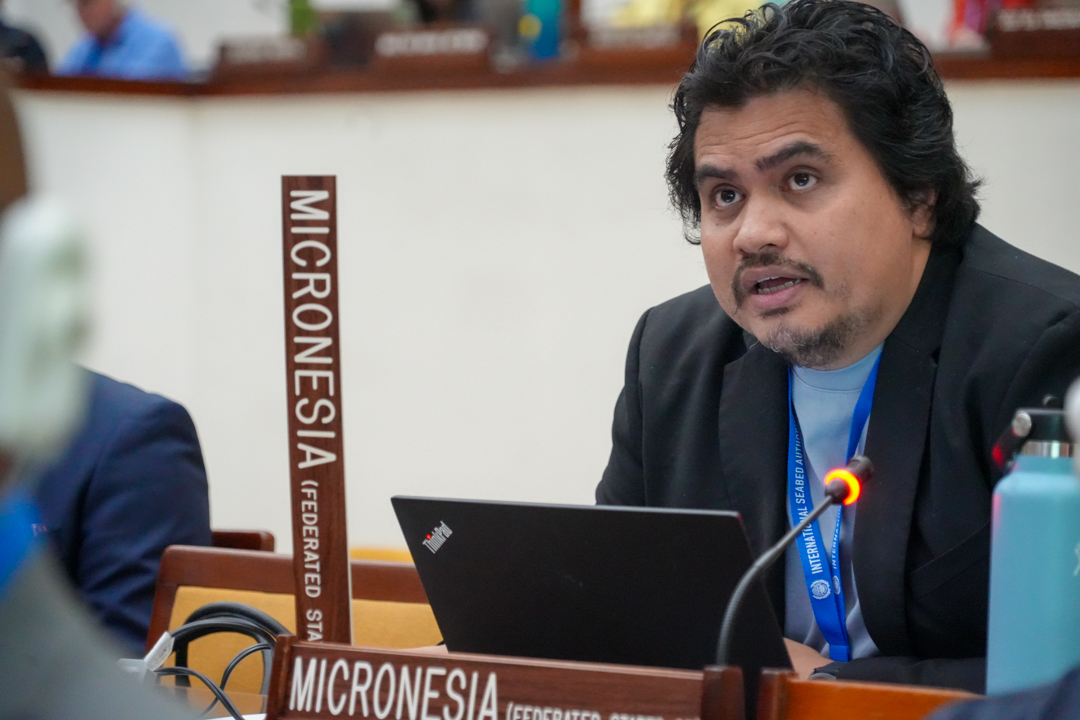
Clement Yow Mulalap, Federated States of Micronesia
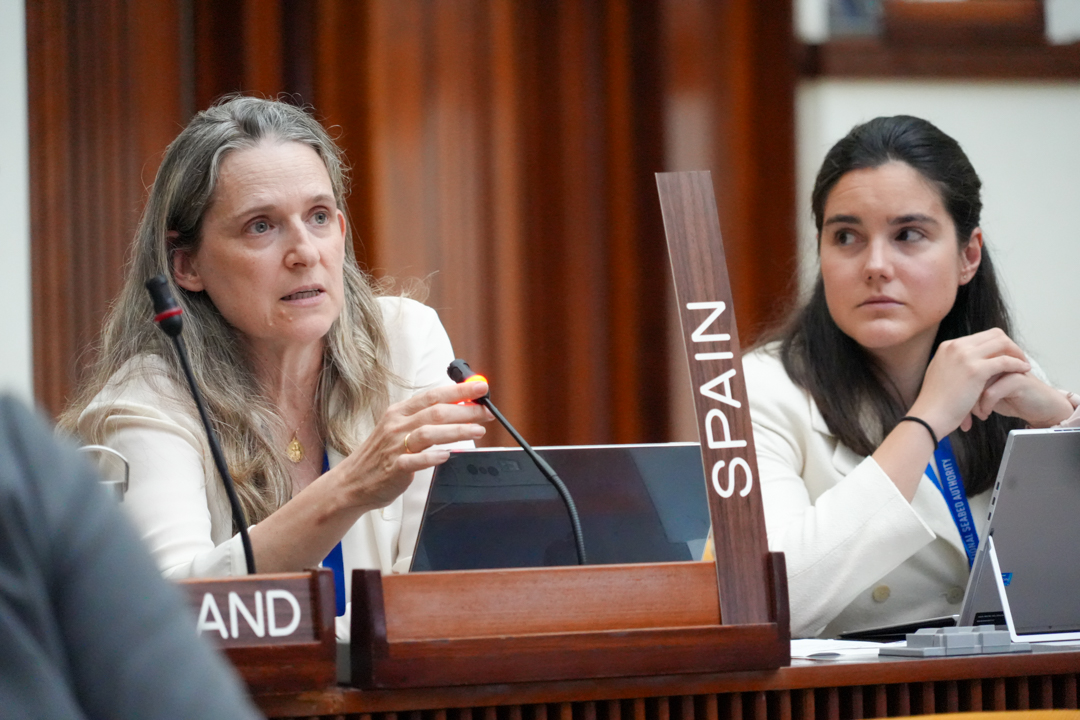
Maria Esther Salamanca, Spain
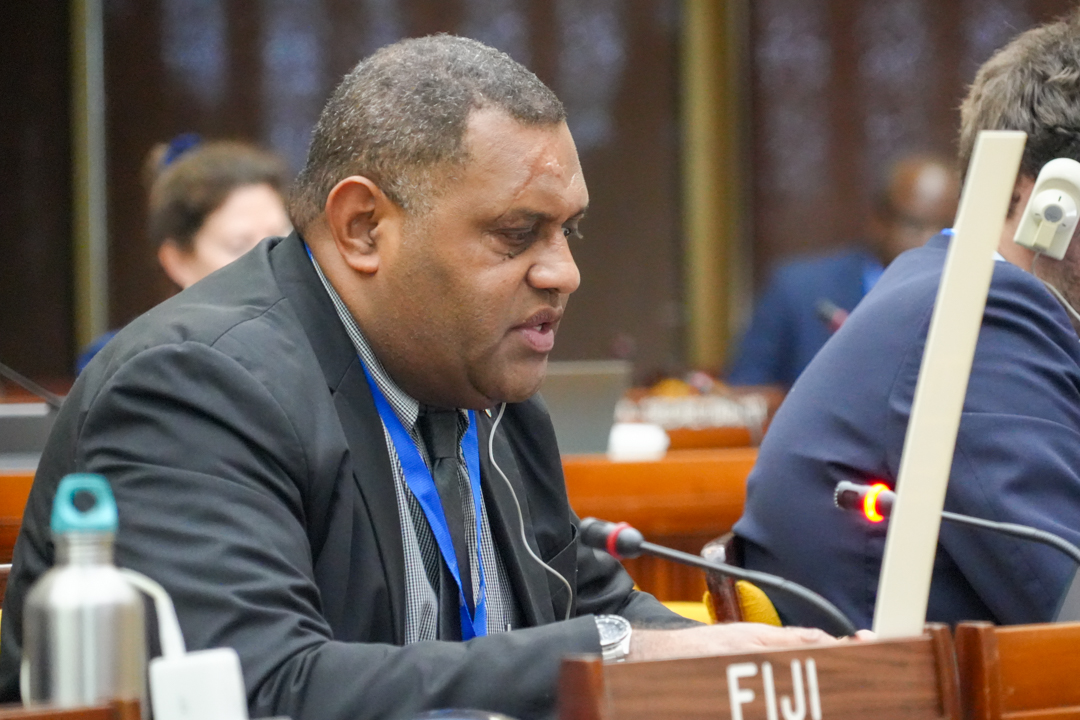
Paula Cirikiyasawa, Fiji
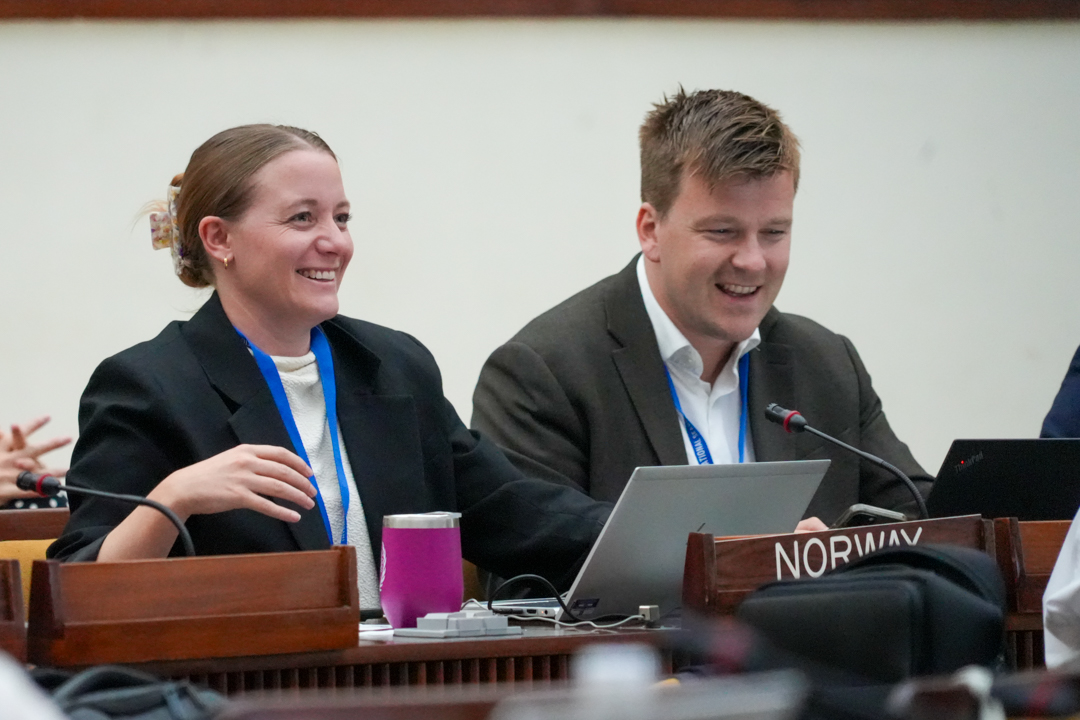
The Norwegian delegation
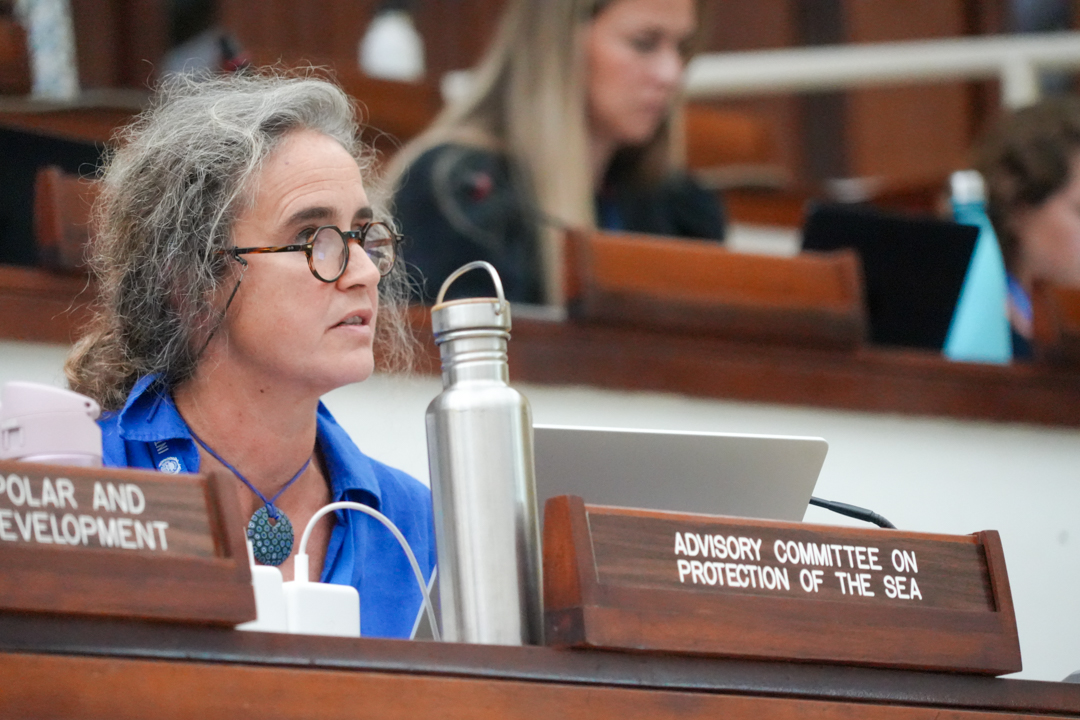
Youna Le Berre Lemaire Lyons, Advisory Committee on Protection of the Sea (ACOPS)
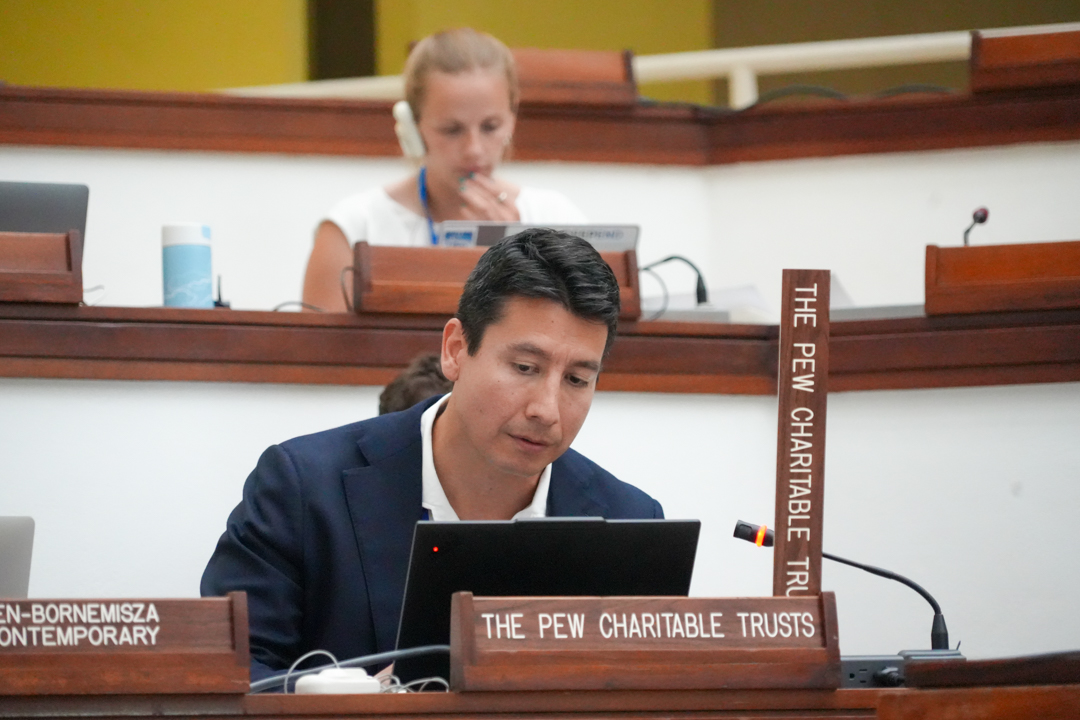
Orion Cruz, The Pew Charitable Trusts
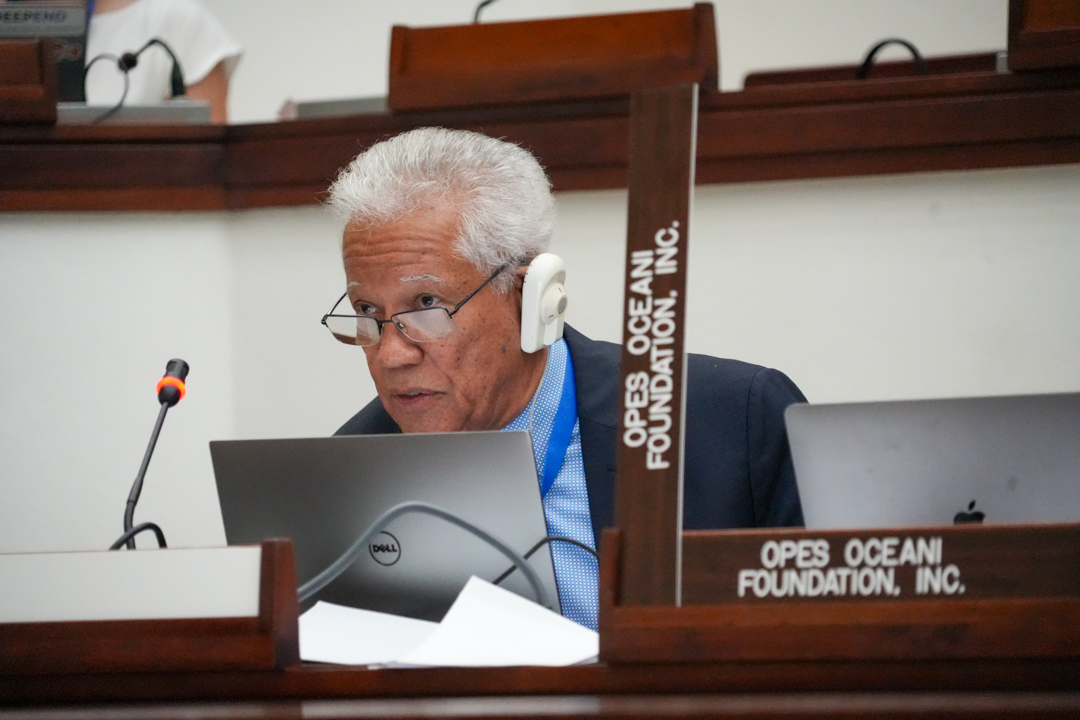
Peter Brady, Opes Oceani Foundation
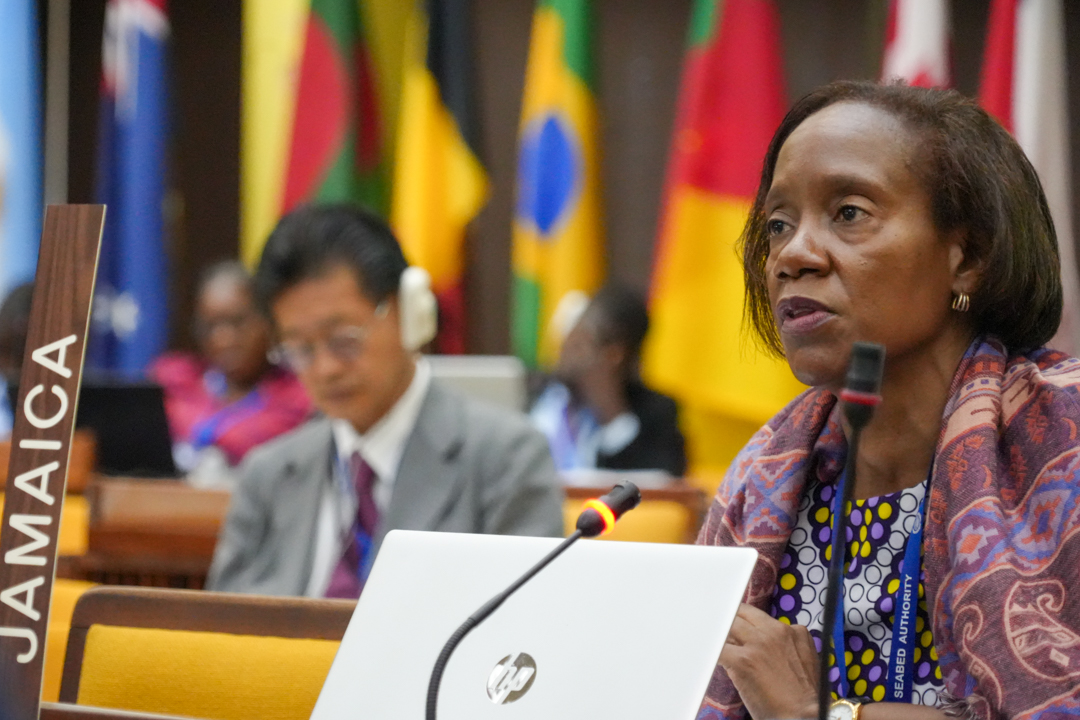
Michelle Walker, Jamaica
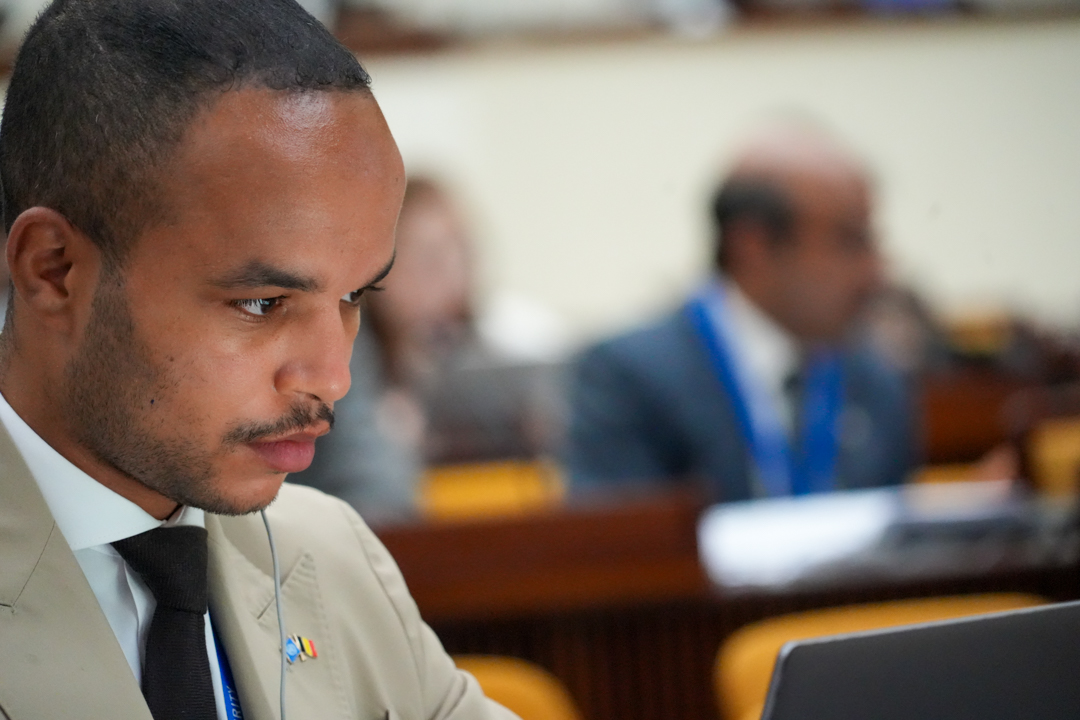
Thomas Yaw Voet, Belgium
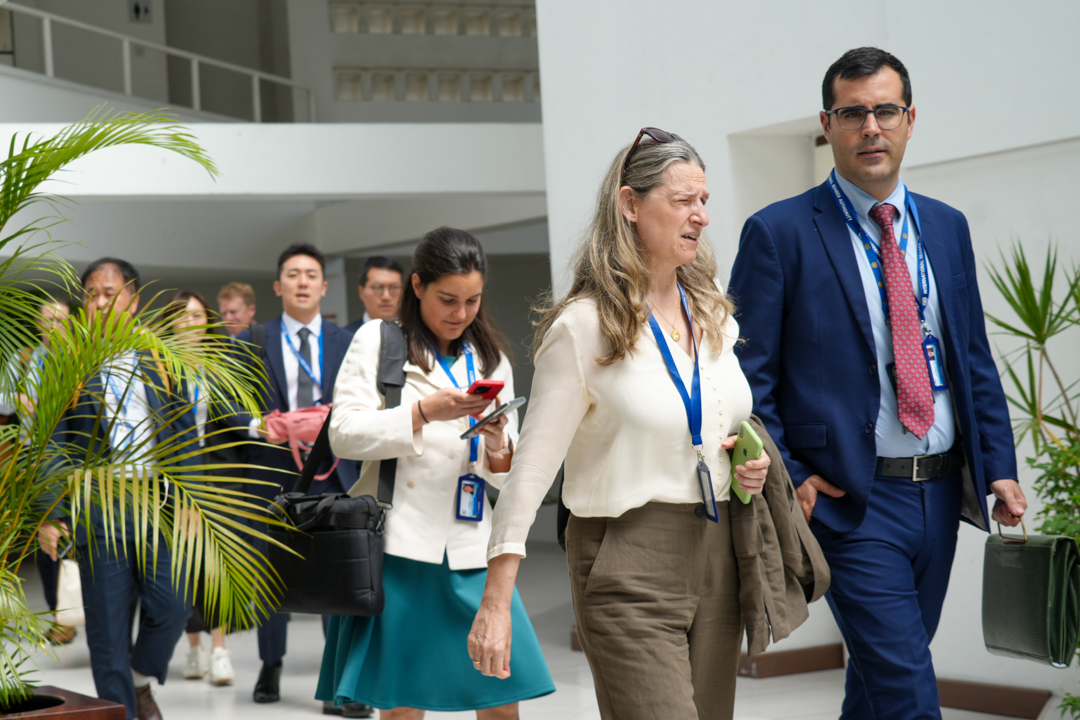
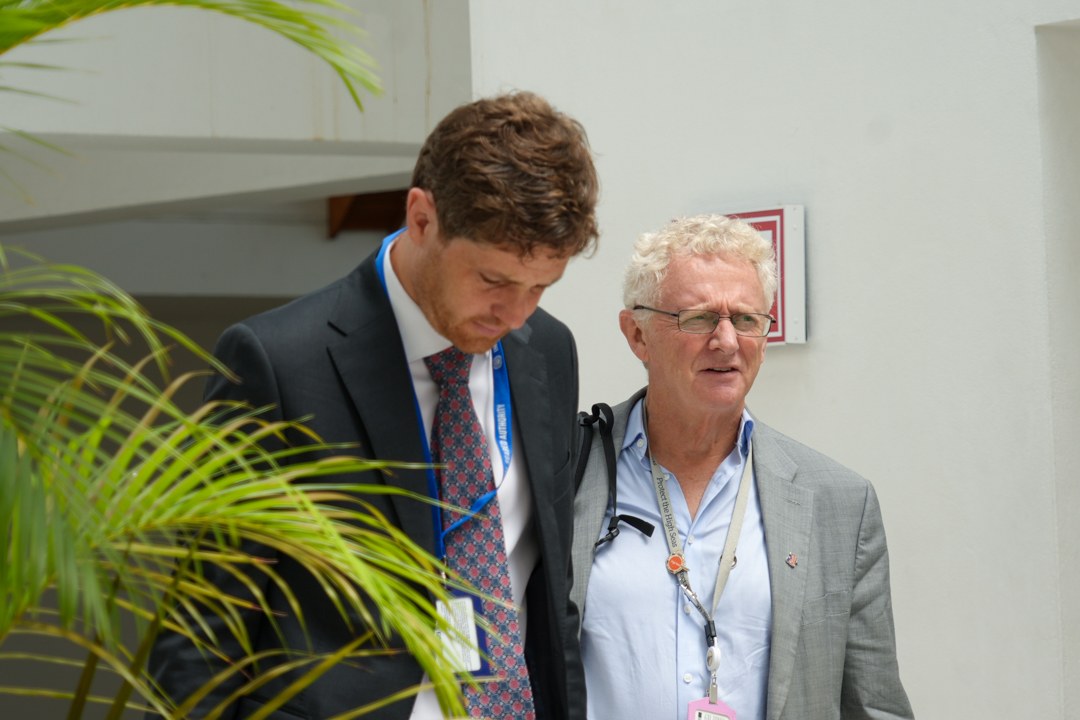
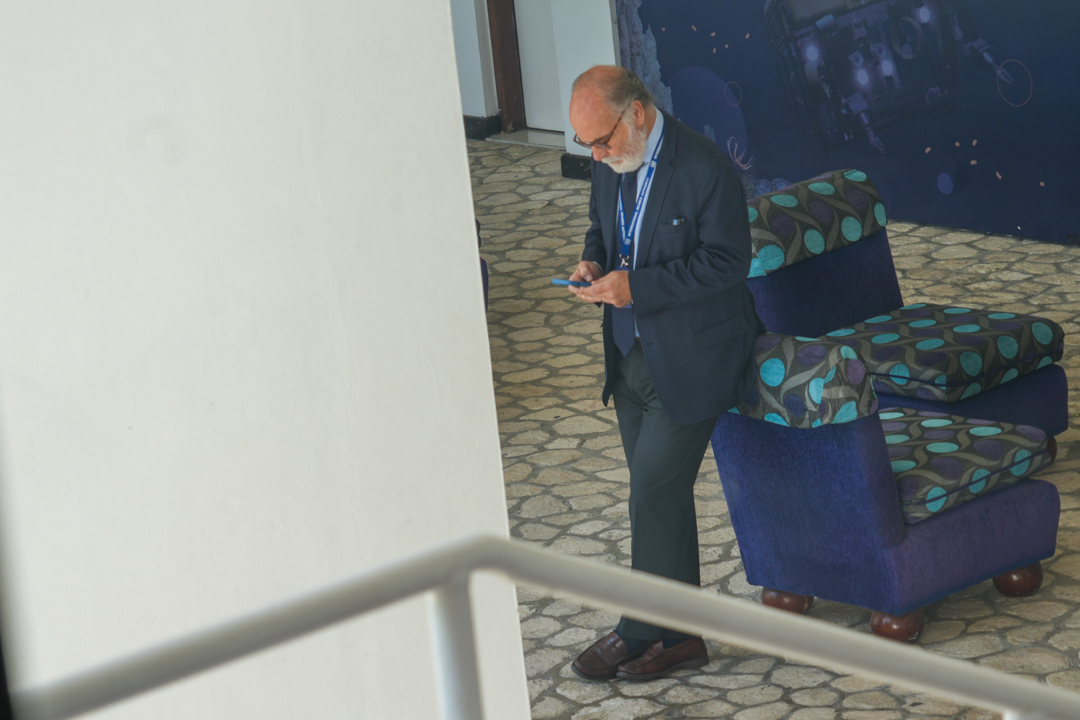
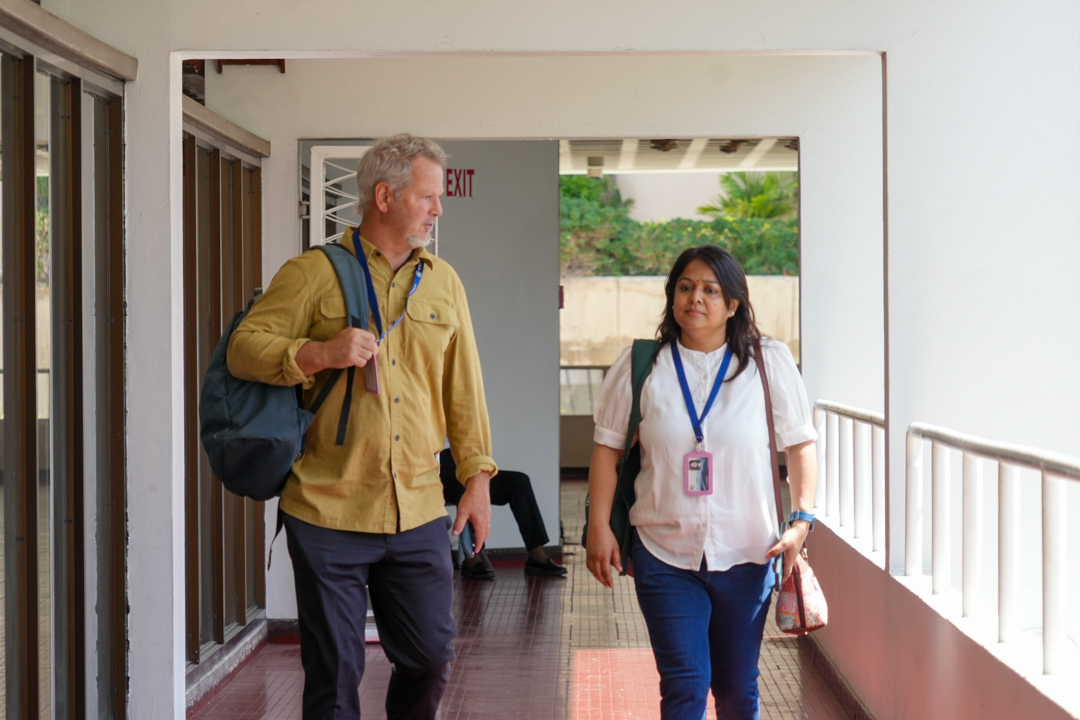
Around the venue



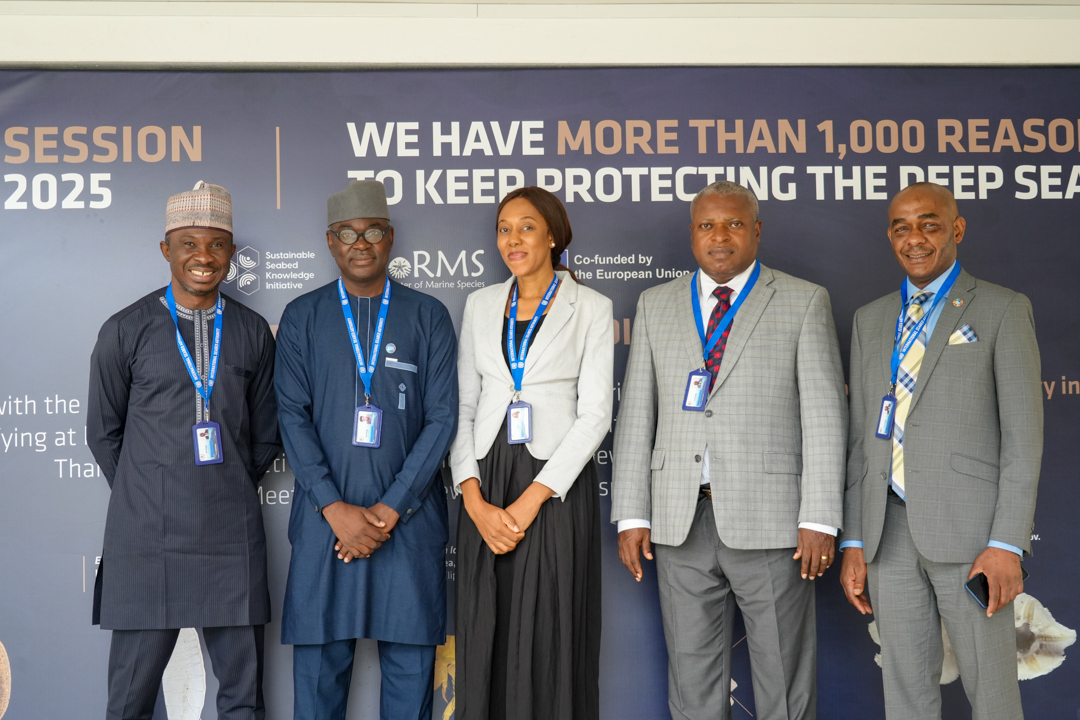
The delegation of Nigeria