The Council completed the second reading of the draft regulations on commercial deep-sea mining on Thursday, during the second week of the second part of the 30th session of the International Seabed Authority (ISA). The Council had commenced the second reading at the first part of its 30th session in March 2025.
Deliberations on the final regulation, regulation 107 (review of the exploitation regulations), focused on periodic reviews, revision procedures, consultation processes, and the effect of amendments on existing contracts.
Following the completion of the second reading, Council members considered and agreed on the working modalities for discussing the annexes and schedule (glossary), including for the intersessional period. Under the coordination of the Secretariat, the annexes will be clustered by topic and discussed either within existing informal working groups or under new Friends of the President groups.
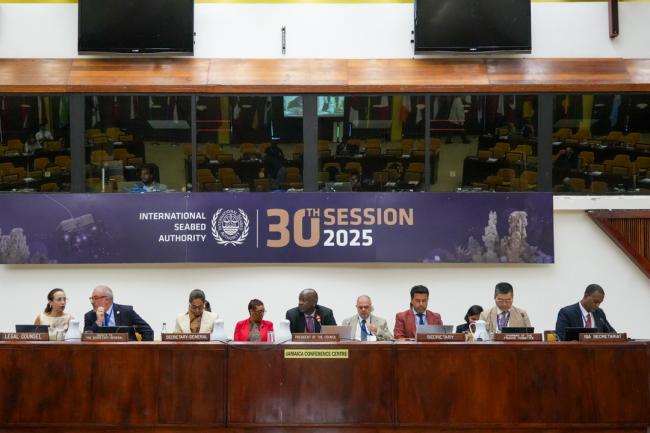
Throughout the afternoon, delegates focused on the report of the Finance Committee. Kenneth Wong, Canada, Chair of the Finance Committee, presented the report, highlighting that the Committee had held an exchange of views on the legal framework and conditions of the Secretariat’s restructuring, but had not reached a conclusion.
The Chair also reported on the Committee’s work in identifying a suitable mechanism for equitable sharing of financial and other economic benefits derived from activities in the Area (the seabed and ocean floor and subsoil thereof, beyond the limits of national jurisdiction).
He highlighted the Committee’s recommendation to the Council and Assembly that the Secretariat develop the concept of the common heritage fund to distribute income from activities in the Area.
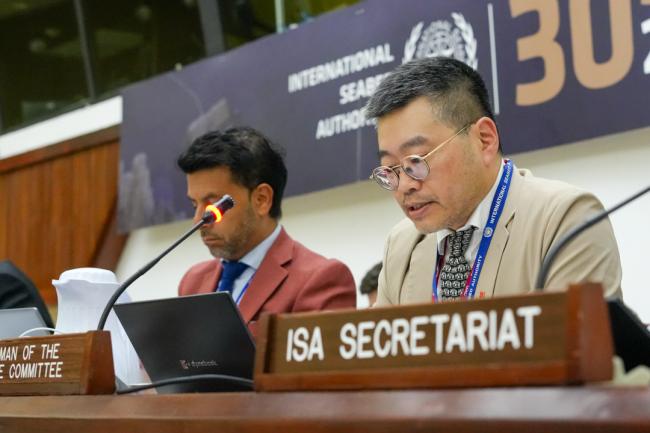
Responding to the report, many Council members, including the African Group, Singapore, Italy, Japan and others, recalled the Assembly’s decision that no Secretariat reclassification should be undertaken without prior approval from the Assembly, and asked for an explanation from the Secretary-General regarding the recent Secretariat restructuring, and why this was done without the Assembly’s prior approval.
In response, the Secretariat reiterated its commitment to openness and transparency, as related to issues of post and staffing management.
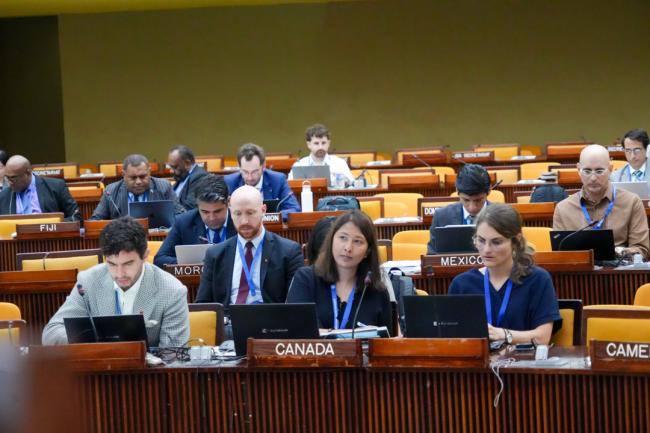
Many delegates, including the African Group, Canada, Tonga, India, Fiji, and others, also supported requesting the Secretariat to develop the concept of a common heritage fund.
Costa Rica, supported by Brazil, Portugal, France, and others, lamented the singular focus on the common heritage fund as the benefit-sharing mechanism, and preferred to request the Finance Committee to explore various options, which may include the fund, for the Council’s consideration.
Brazil therefore proposed amending the Finance Committee recommendations to clarify that the common heritage fund is one of the possible ways to share the benefits arising from activities in the Area. The Council adopted its decision relating to financial and budgetary matters, as orally amended from the floor by Brazil.
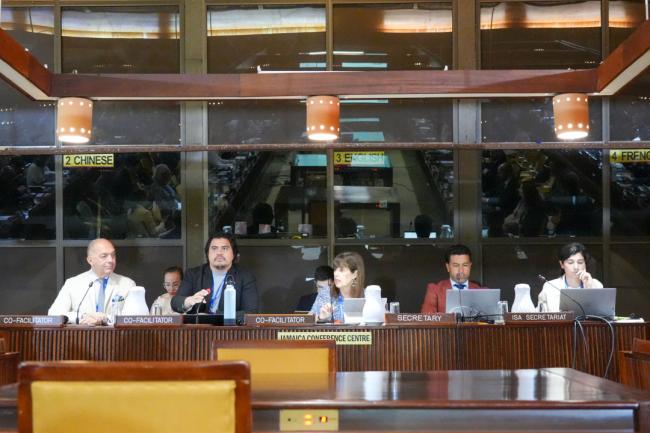
Delegates also gathered in an informal working group on underwater cultural heritage (UCH), co-facilitated by the Federated States of Micronesia, Brazil, and Greece, to discuss how to address UCH in the exploitation regulations.
They considered Spain’s proposal on regulation 35 (human remains and UCH), which: focuses on the protection of tangible UCH such as shipwrecks, artefacts, and human remains; and aims to address intangible elements through pre-exploitation measures such as environmental impact assessments and regional environmental management plans (REMPs).
Several delegates welcomed Spain’s proposal as a constructive basis for deliberations, supporting its focus on tangible heritage and flag state sovereignty.
Others raised concerns over the overreliance on provisions of the UN Educational, Scientific and Cultural Organization (UNESCO), particularly in relation to definitions of UCH and human remains, and possible misalignment with the UN Convention on the Law of the Sea (UNCLOS). Disagreements also arose on inclusion of language on cultural rights.
On Friday, the Council is expected to continue focused discussions on specific topics related to the exploitation regulations, and to adopt outstanding decisions, before closing its 30th session.
To receive free coverage of global environmental events delivered to your inbox, subscribe to the ENB Update newsletter.
All ENB photos are free to use with attribution. For the Second part of the 30th session of the International Seabed Authority (ISA) Council meeting, please use: Photo by IISD/ENB | Andrés Felipe Carvajal Gómez
Informal Working Group on Underwater Cultural Heritage
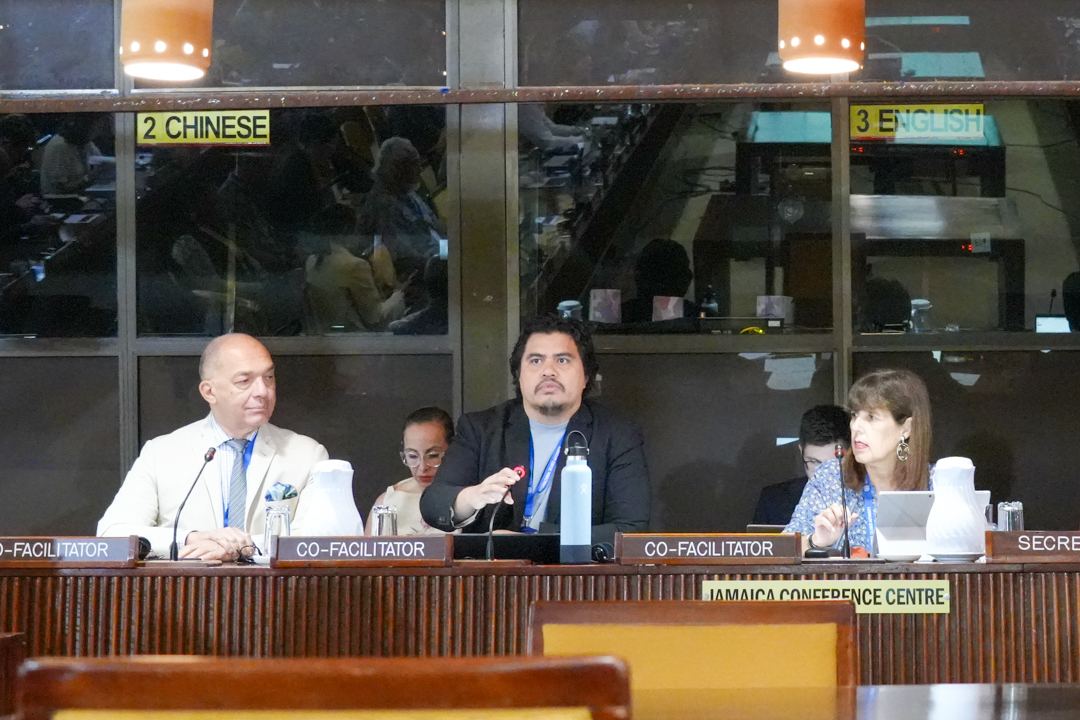
Co-facilitators of the informal working group: Antonio Otavio Sá Ricarte, Brazil, Clement Yow Mulalap, Federated States of Micronesia, and Anastasia Strati, Greece
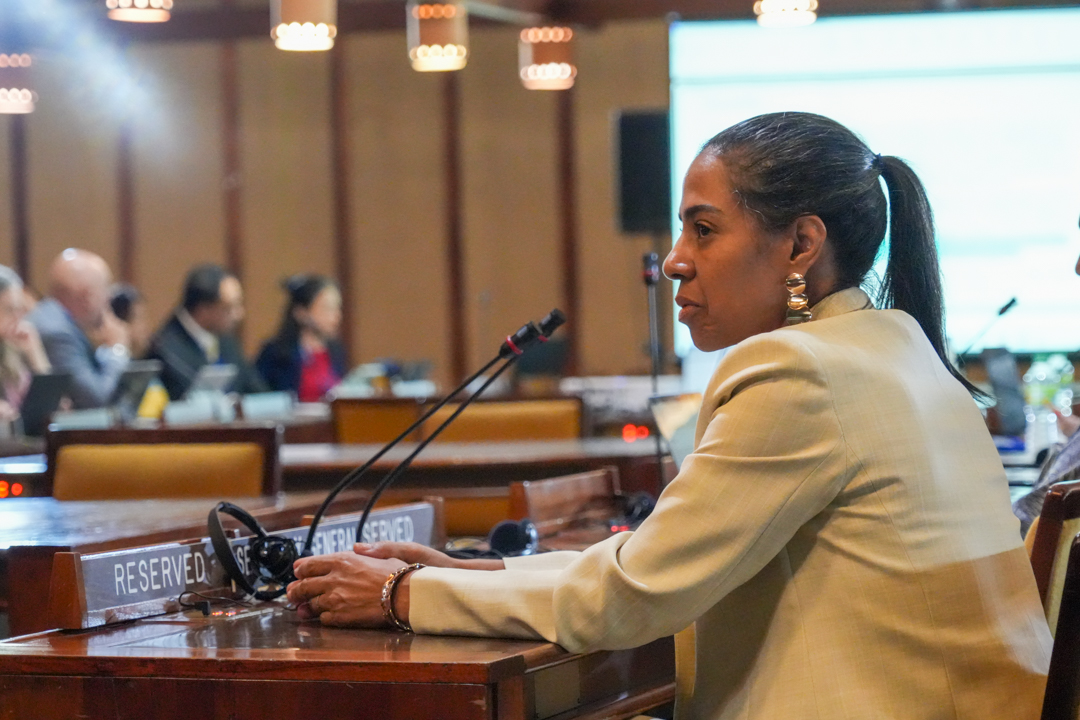
Leticia Carvalho, Secretary-General of the ISA
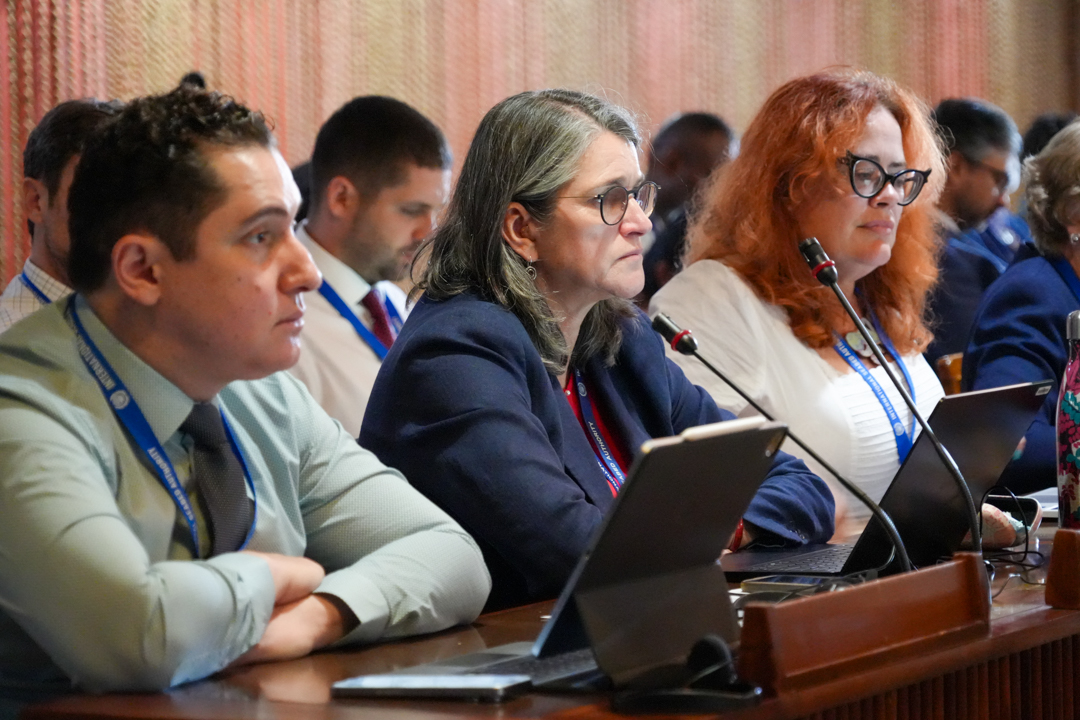
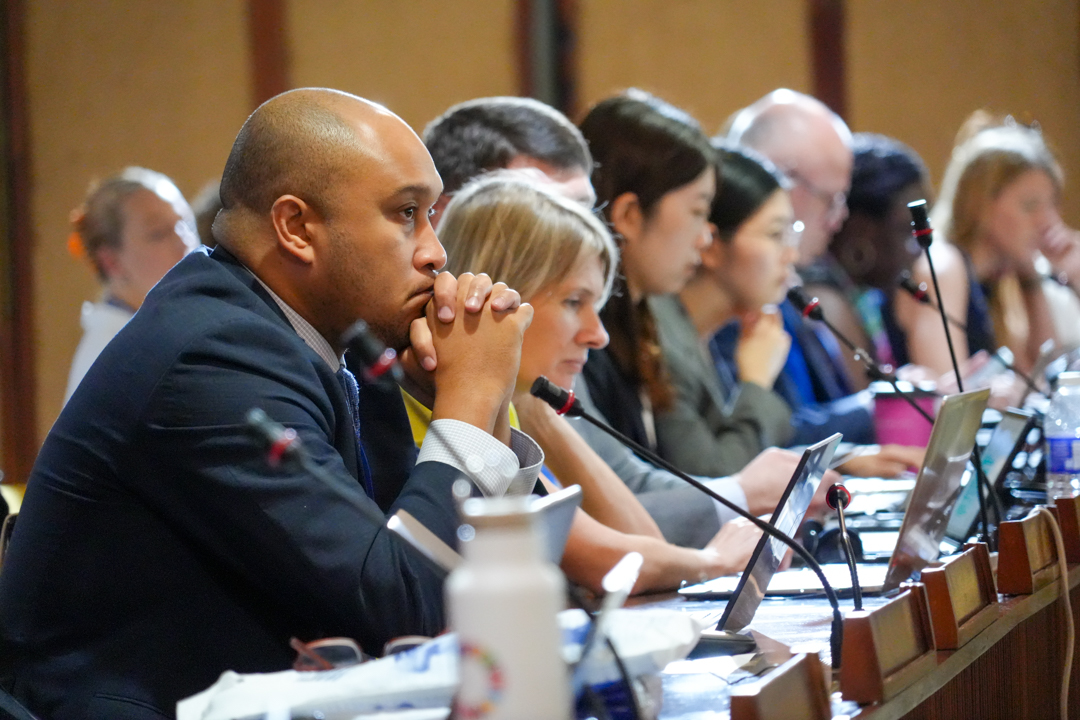
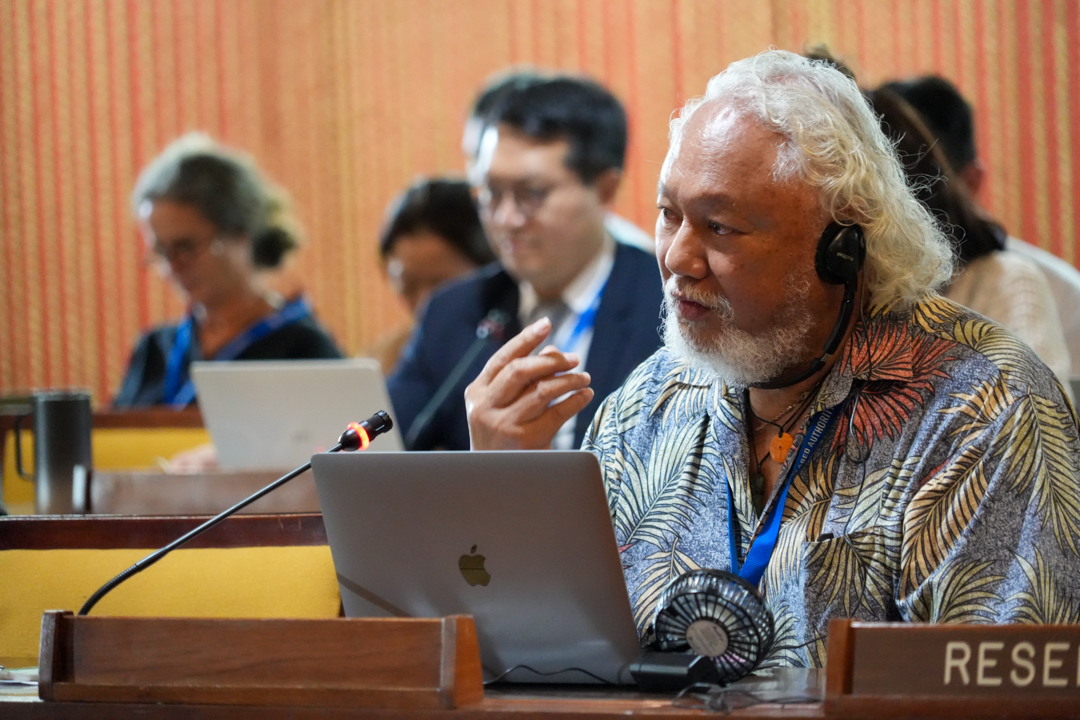
Solomon “Uncle Sol” Kaho'ohalahala, Maui Nui Makai Network
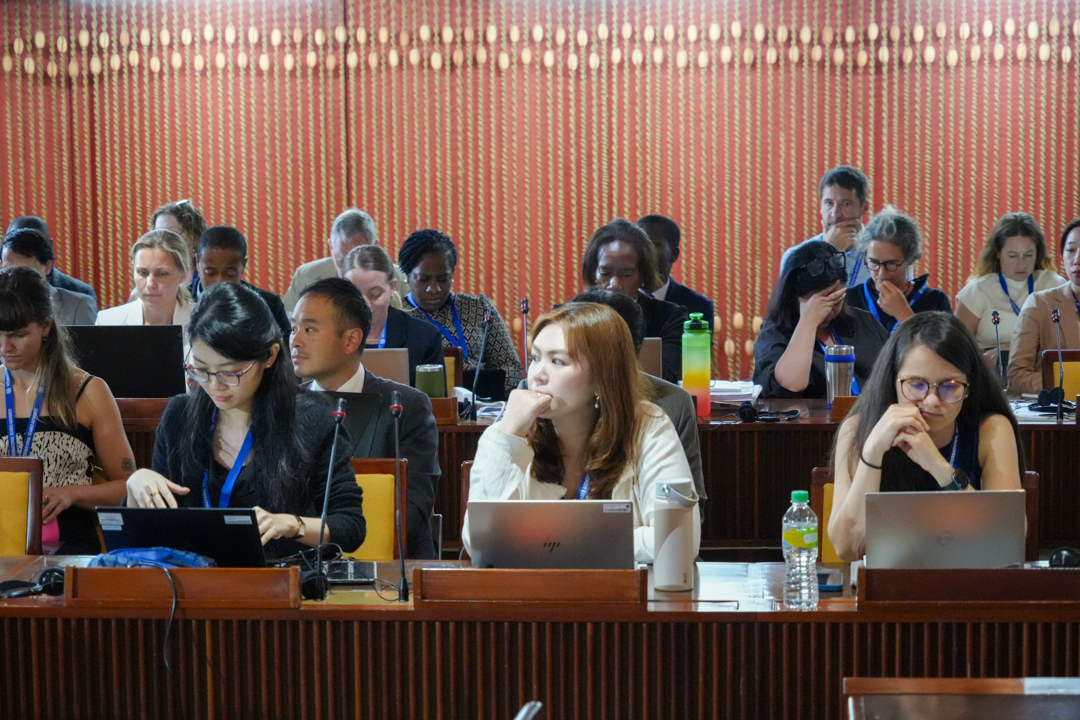
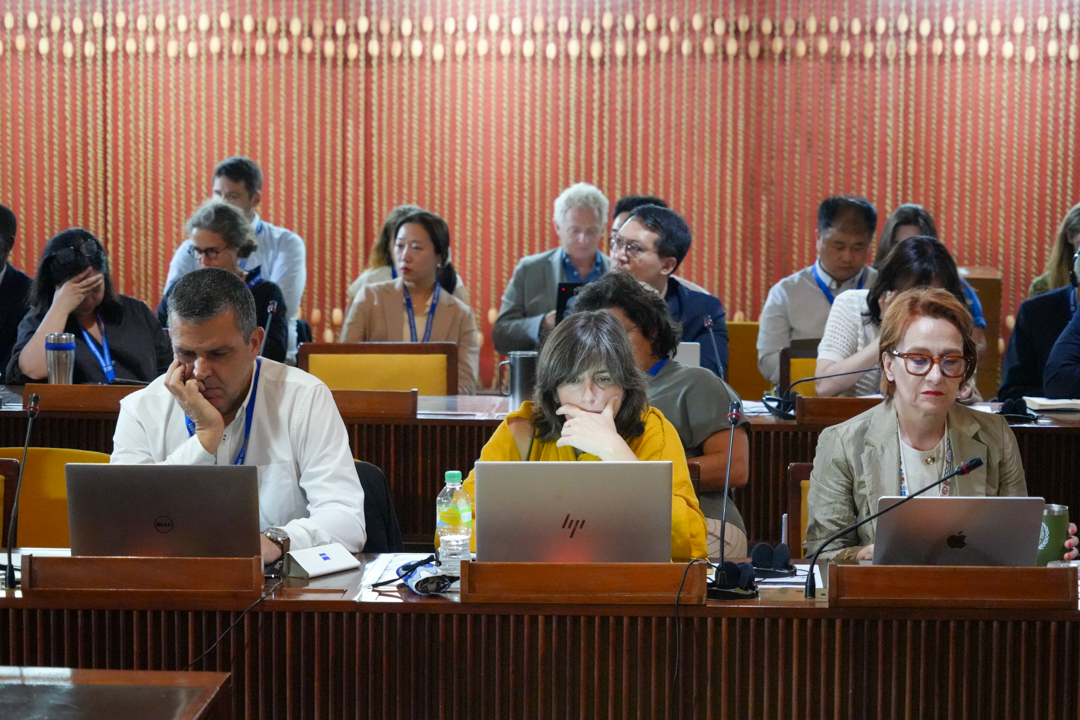
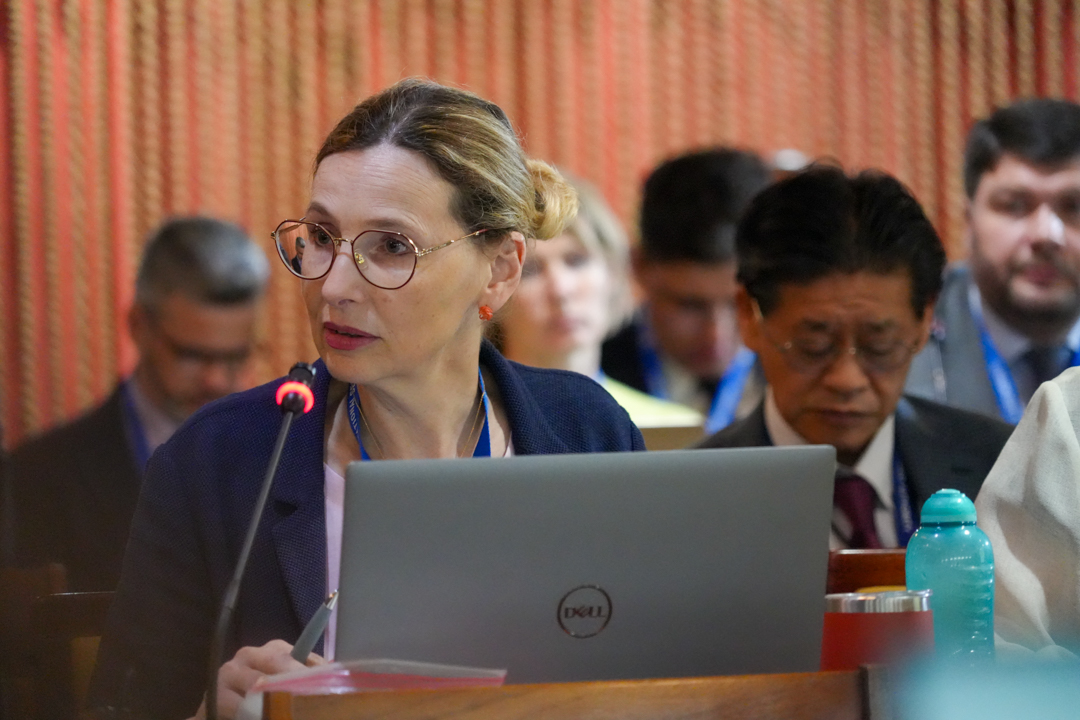
Catherine Flumiani, Italy
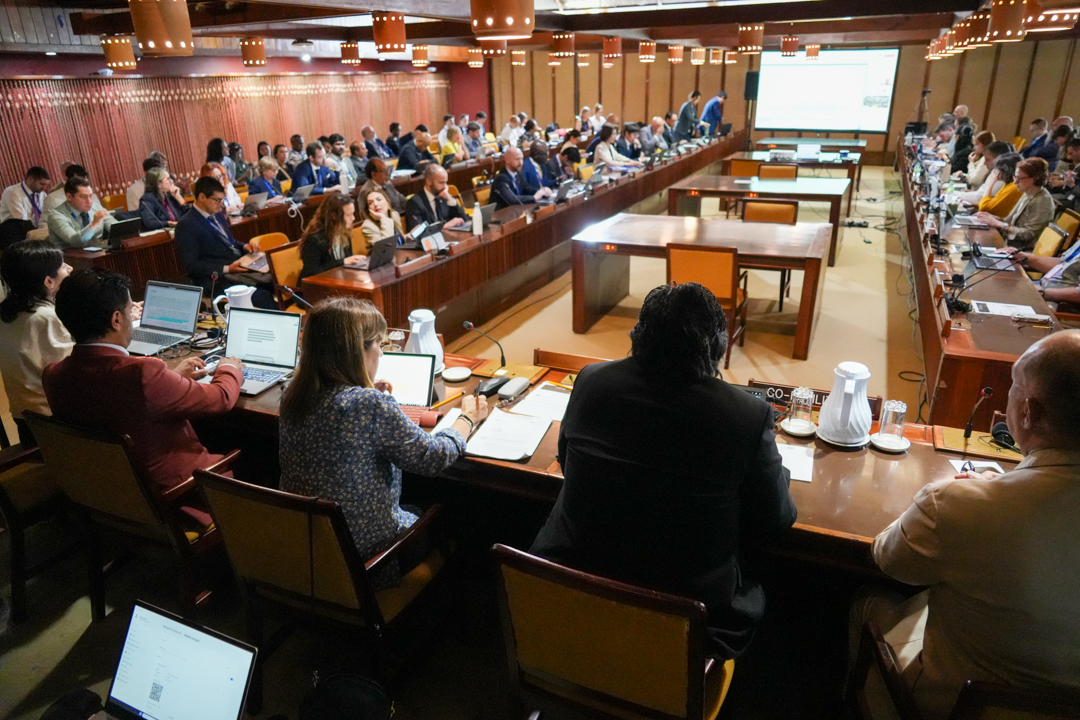
Selected Images Afternoon Session
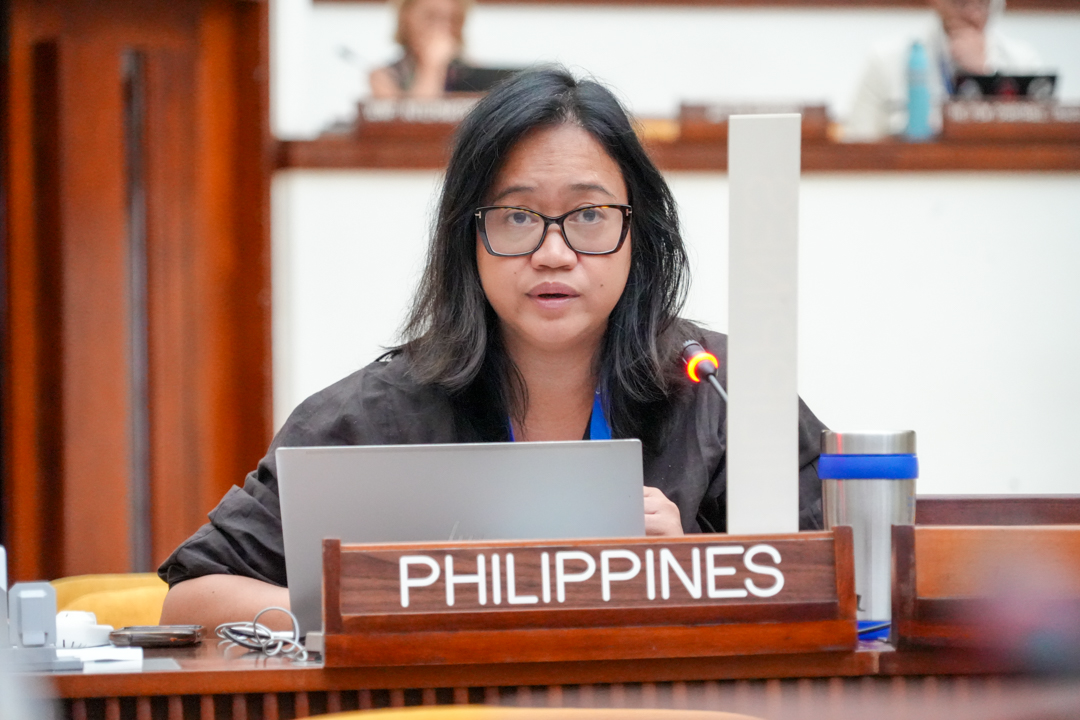
Azela Arumpac-Marte, the Philippines
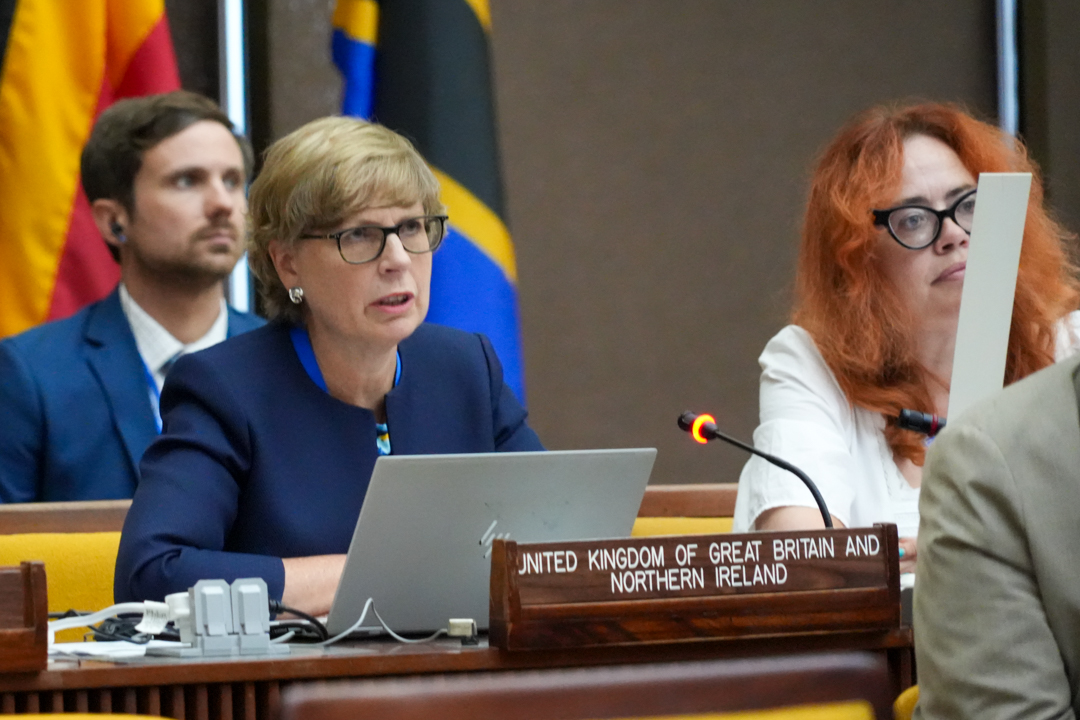
Helen Mulvein, UK
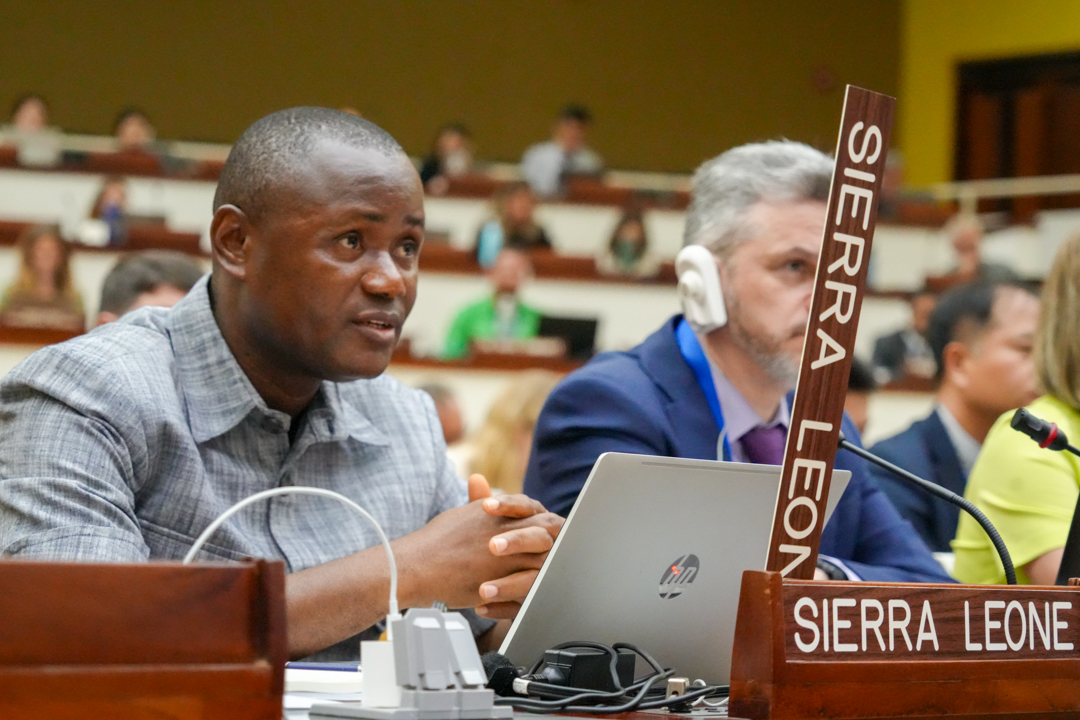
Allieu Koroma, Sierra Leone
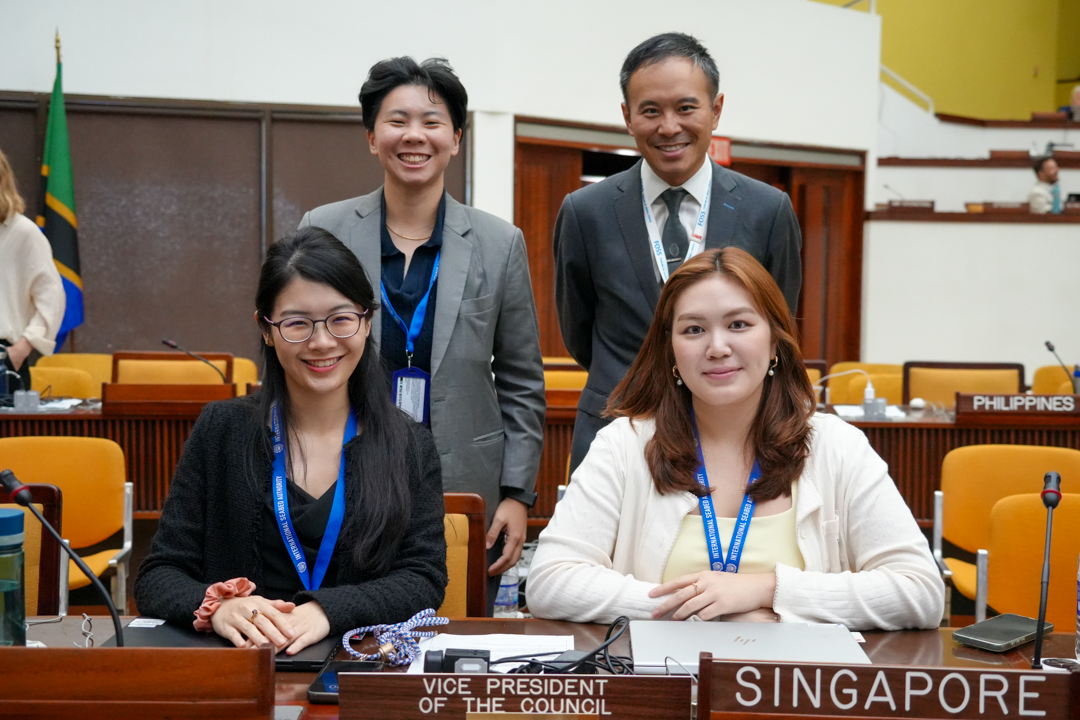
The delegation of Singapore with ISA-30 Council Vice-President Beatrice Chen, Singapore (bottom right)
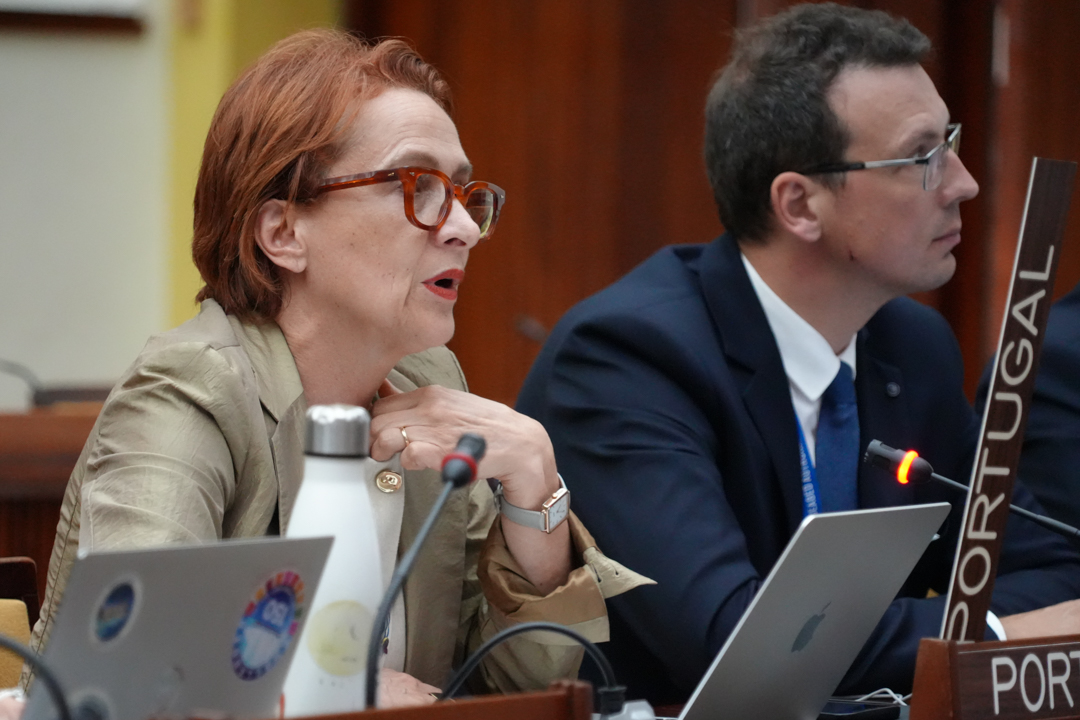
Maria Luís Mendes, Portugal
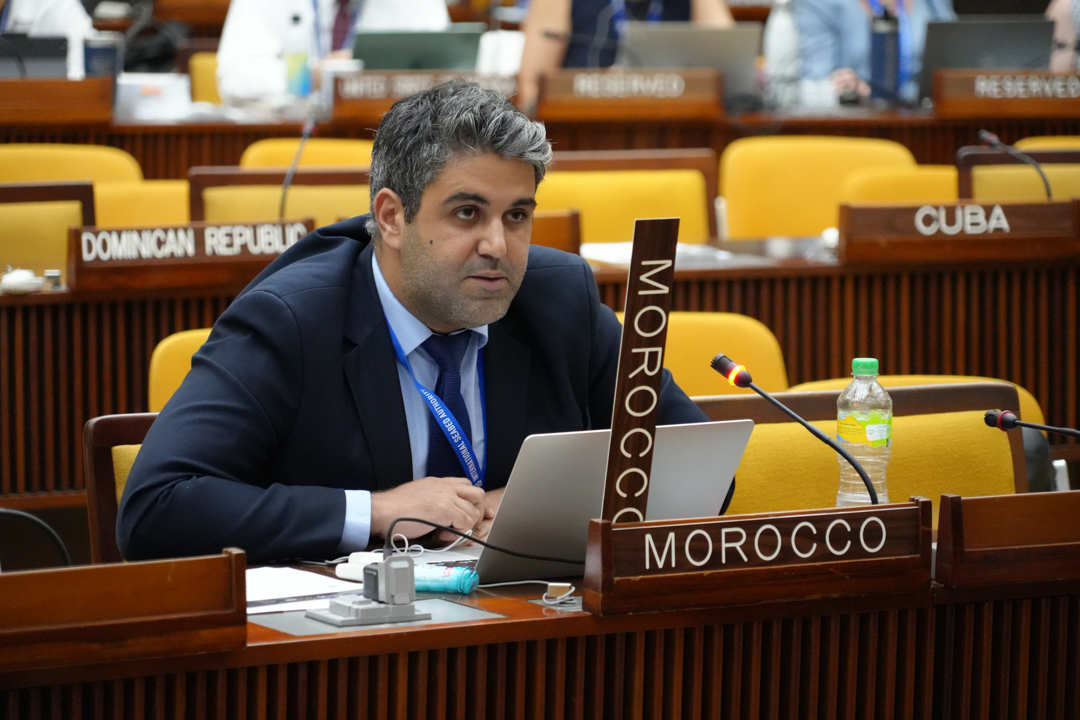
Zakaria Tozy, Morocco
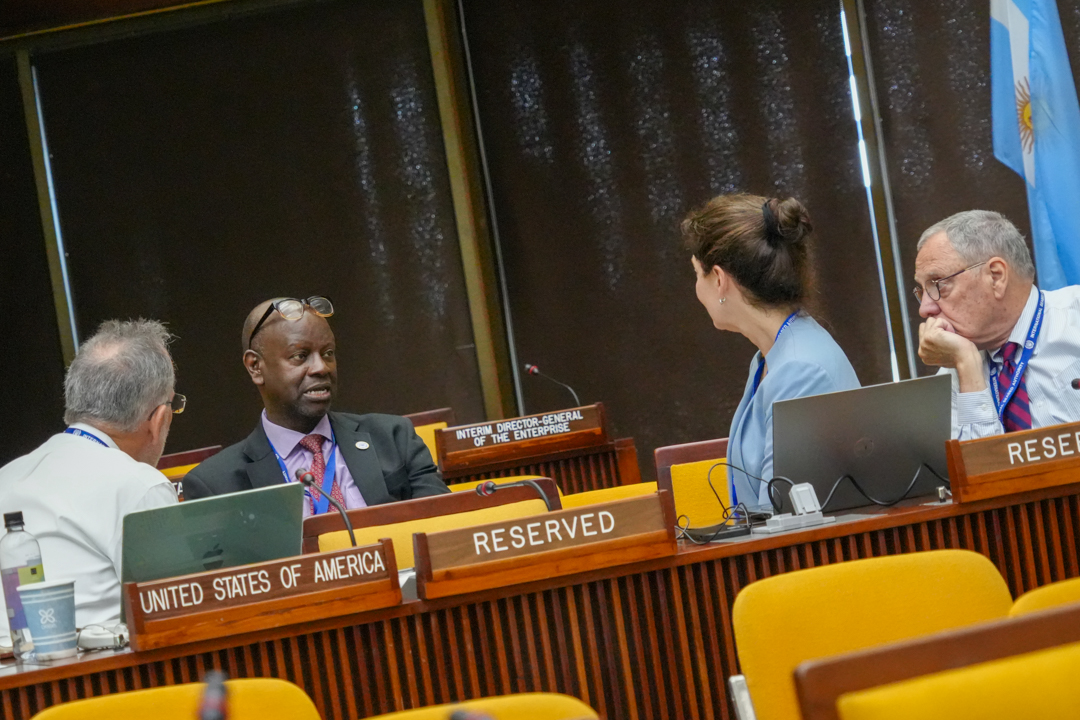
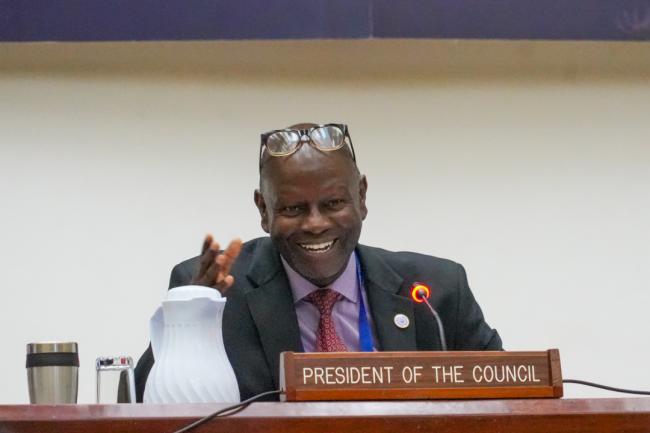
ISA-30 Council President Duncan Muhumuza Laki, Uganda and the US delegation
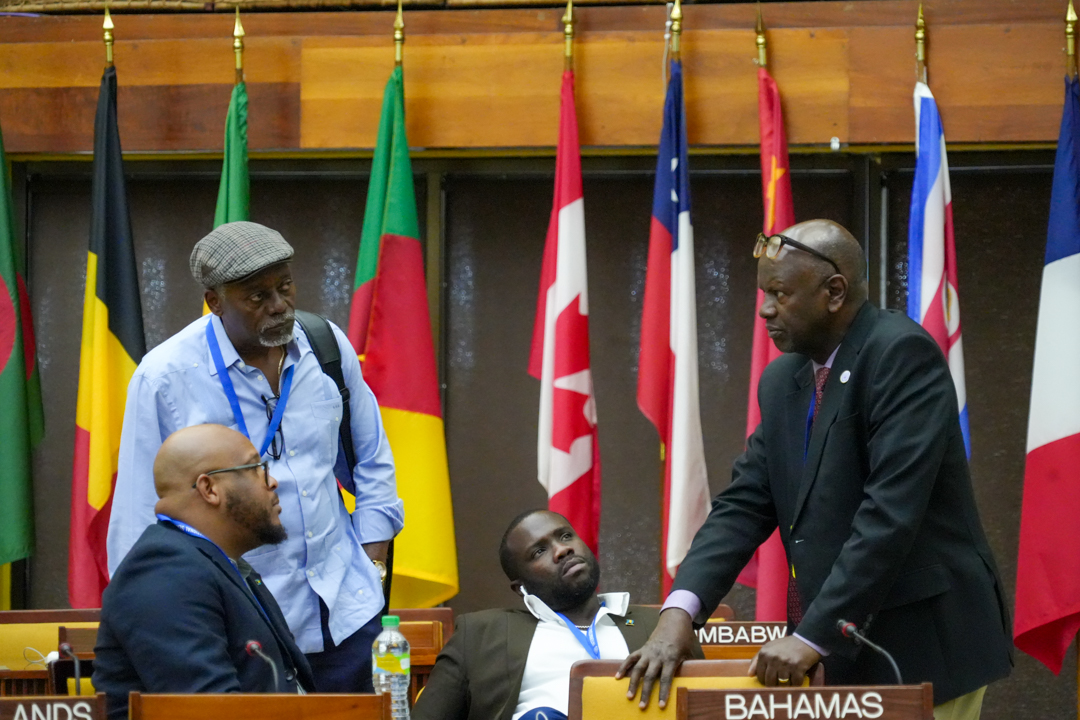
ISA-30 Council President Duncan Muhumuza Laki, Uganda and the delegation from the Bahamas
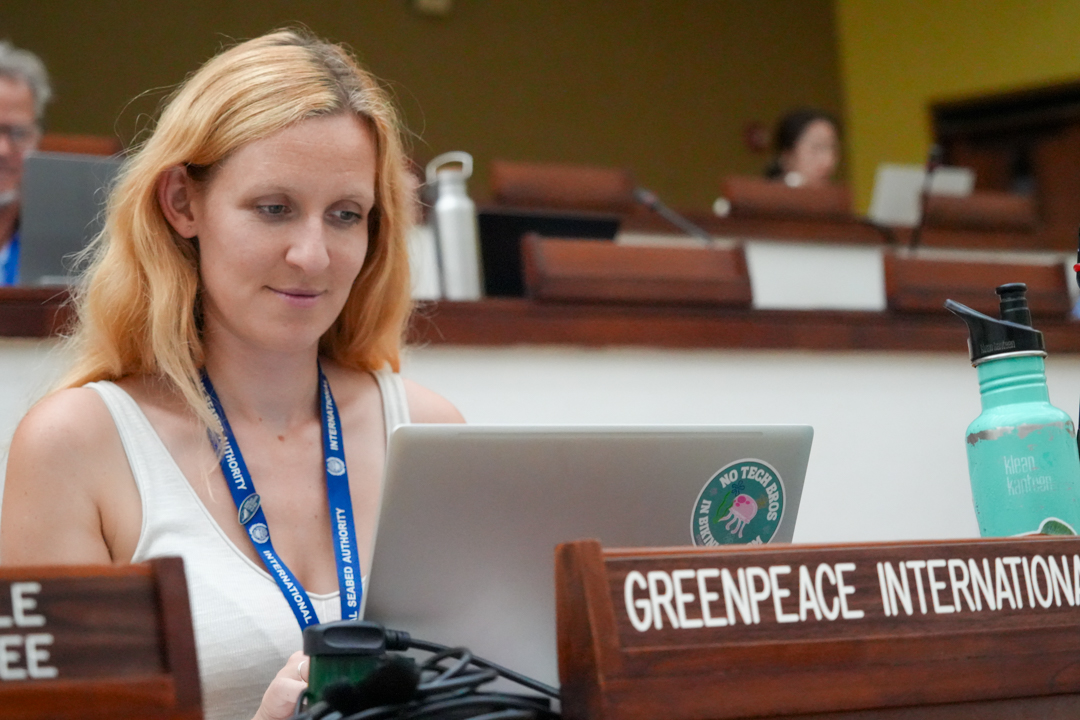
Louisa Casson, Greenpeace International
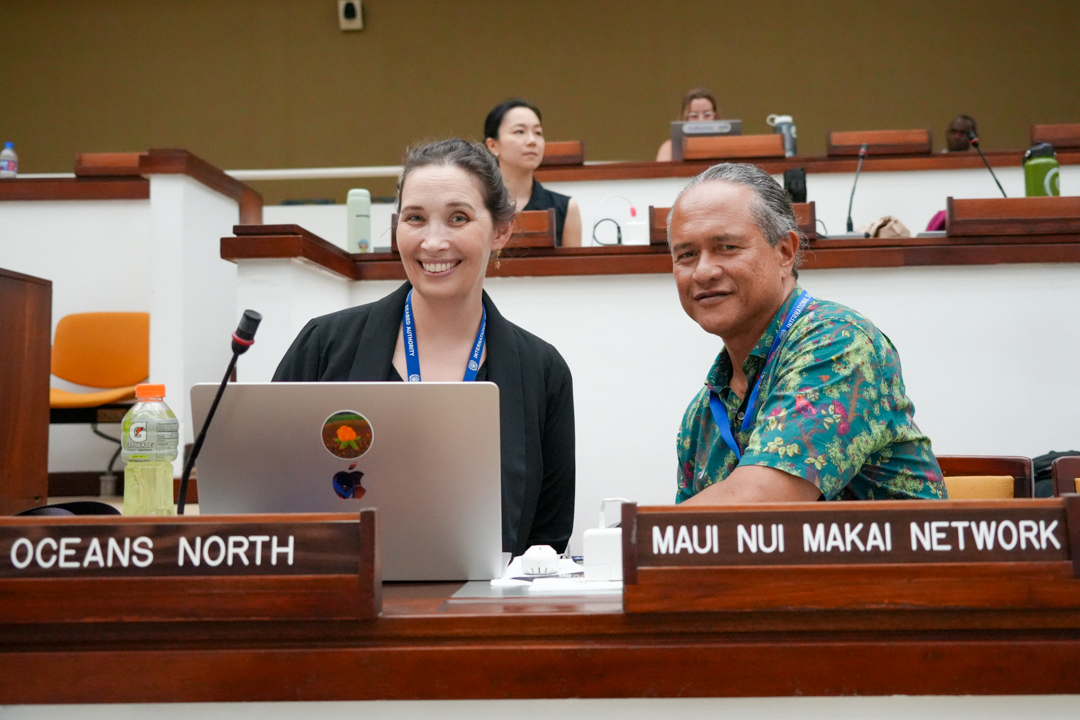
Amanda Joynt, Oceans North and Ekolu Lindsey, Polaniu Hiu-Maui Nui Makai Network
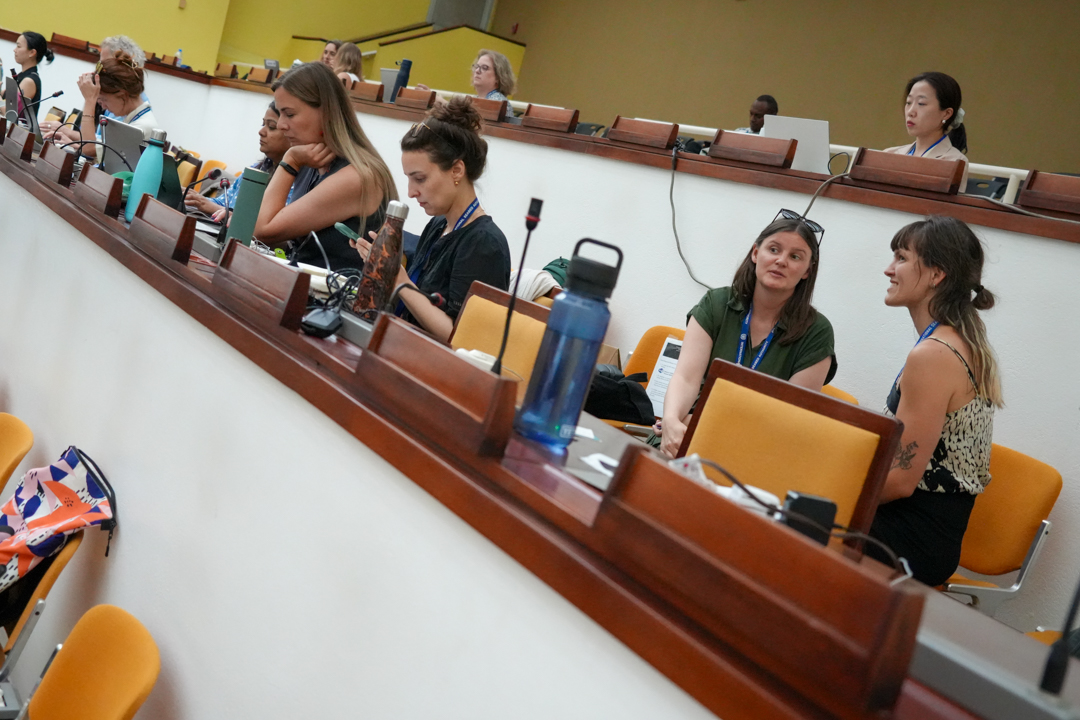
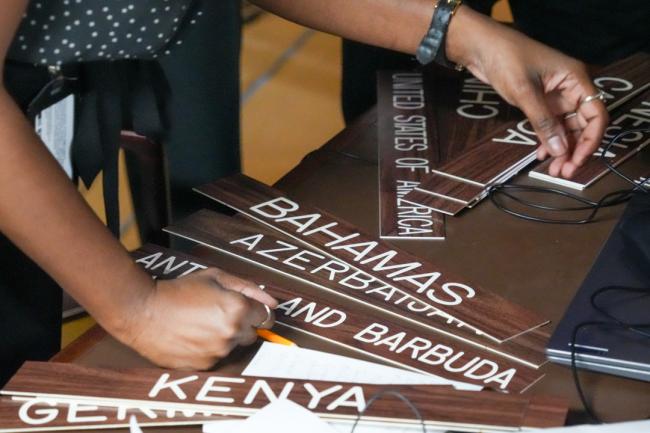
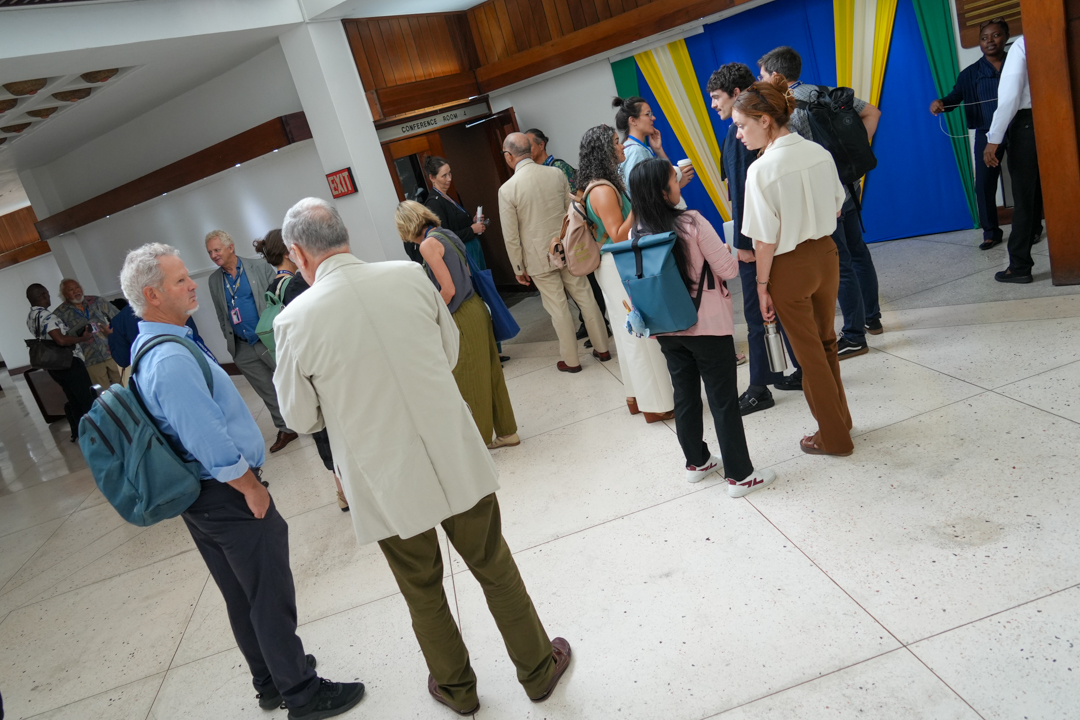
Around the venue

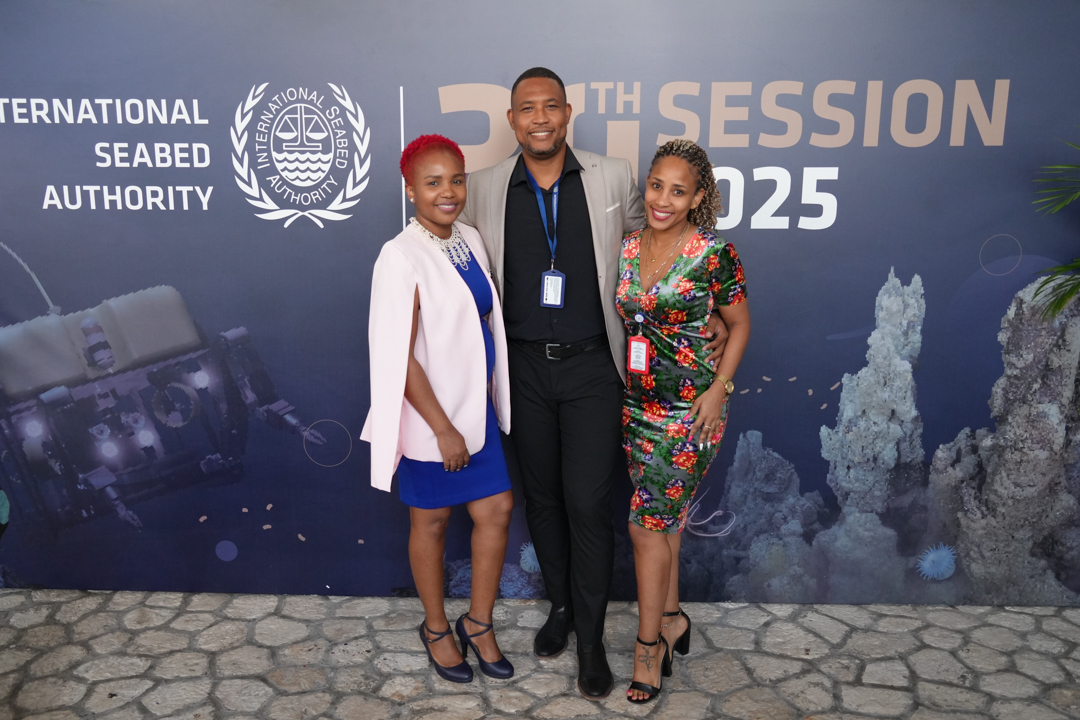
(left to right) Annekah Mason, Secretariat of the Authority, Hank Hedge, Jamaica and Irkah Nelson, Secretariat of the Authority
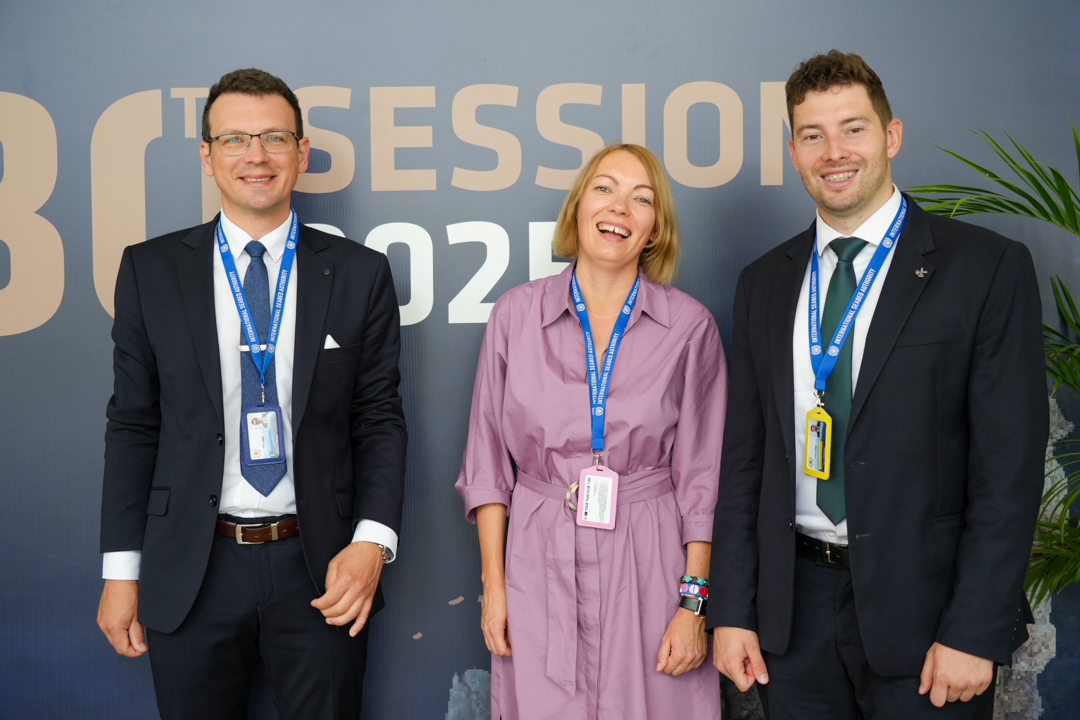
Kamila Mianowicz, Interoceanmetal Joint Organization (center) with the Polish delegation
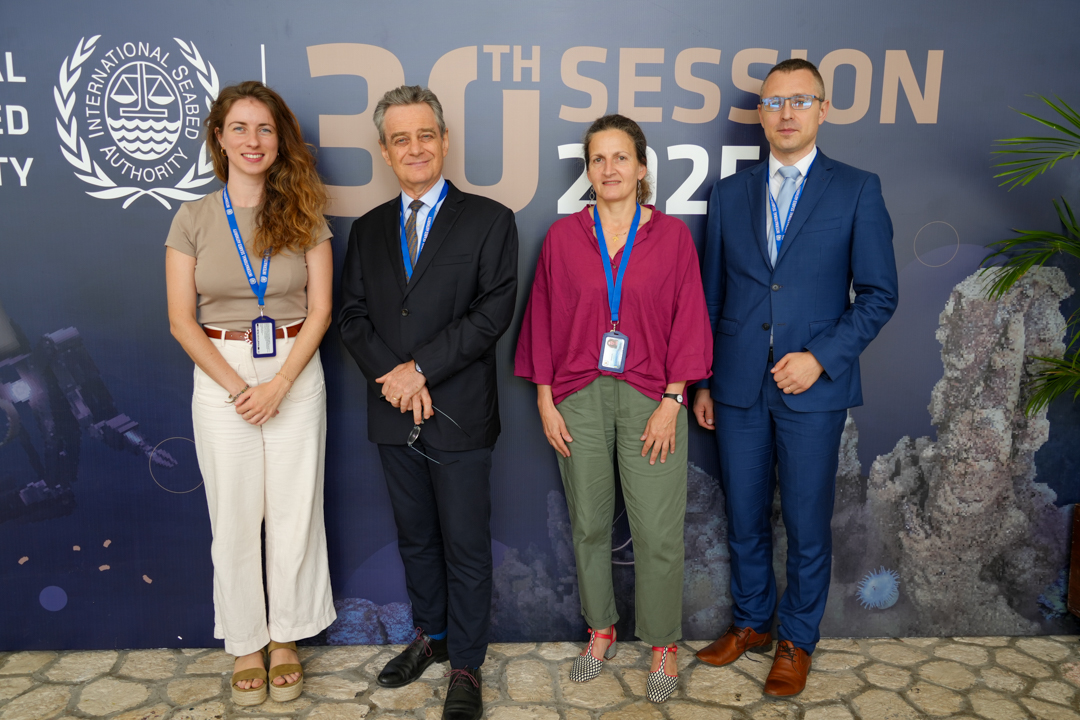
The French delegation
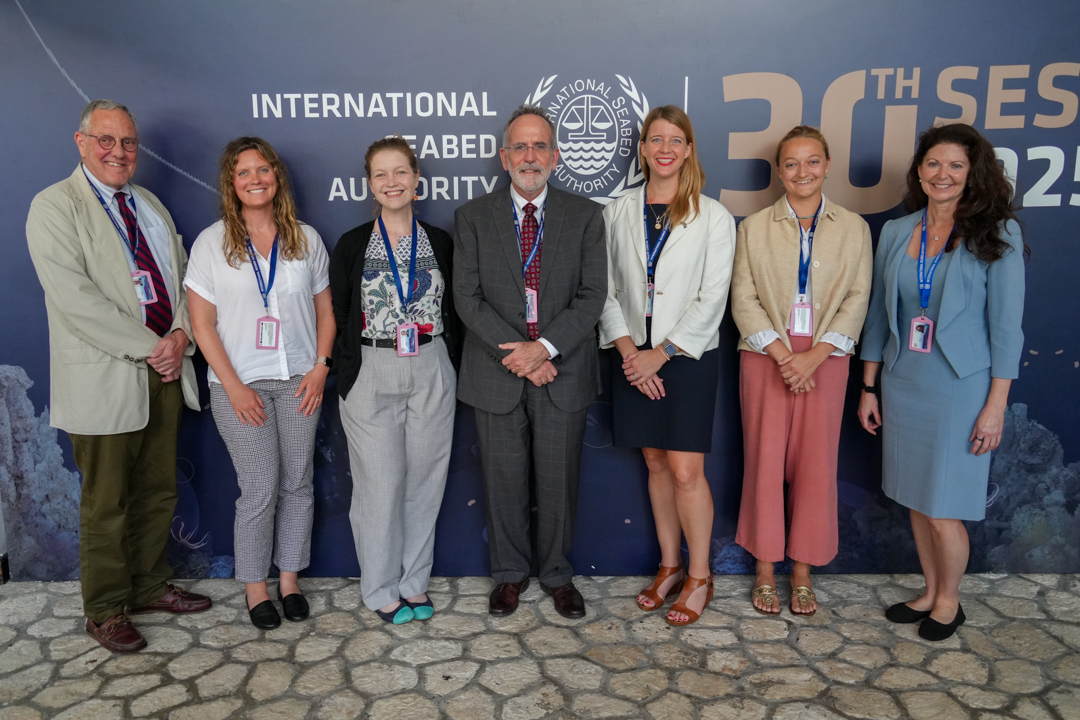
The US delegation
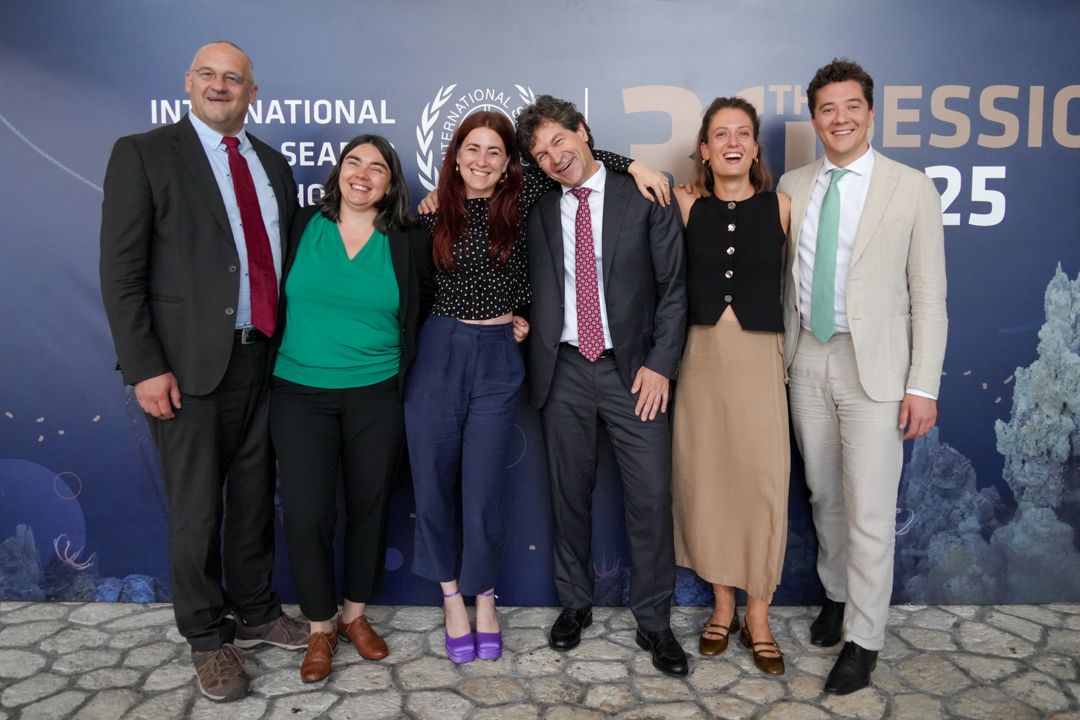
The Netherlands delegation