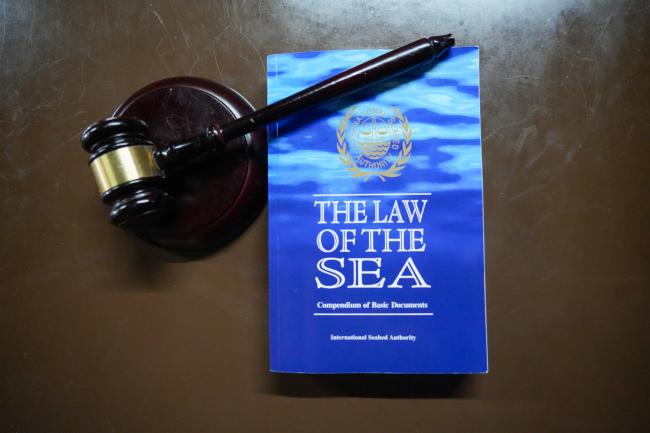
On Thursday, members of the International Seabed Authority (ISA) Assembly—nearly unanimously—affirmed that the UN Convention on the Law of the Sea (UNCLOS) and the ISA have the exclusive authority to govern all issues concerning the deep seabed and ocean floor, and subsoil thereof, beyond the limits of national jurisdiction (the Area).
During the 30th session of the ISA Assembly (ISA-30), many members condemned the actions of The Metals Company USA LLC (TMC USA) in attempting to bypass the ISA and pursue deep-sea mining outside the ISA framework.
Throughout the day, the Assembly continued to respond to ISA Secretary-General Leticia Carvalho’s annual report, as well as her reports on the Secretariat restructuring and the UN Decade of Ocean Science for Sustainable Development, which she presented on Tuesday, 22 July.
Regarding the implementation of the action plan for marine scientific research in support of the UN Decade of Ocean Science for Sustainable Development, Argentina called for increased investment in deep-sea science and technology, underscoring the need for science-based, sound decision-making. Tonga called for increased small island developing state representation in marine scientific research activities.
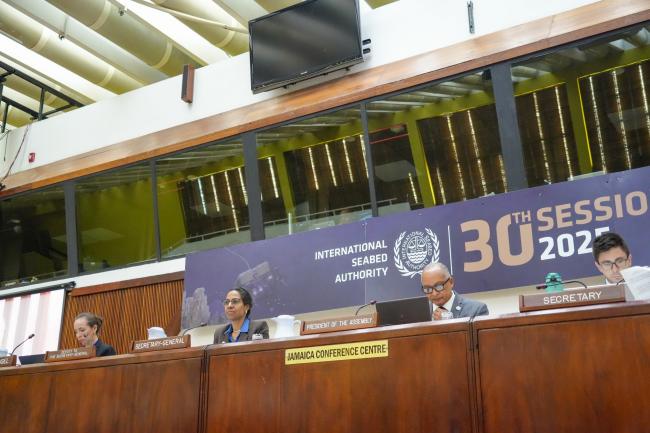
Most of the discussion centered on the unilateral actions taken by TMC USA and the US Government outside the ISA framework. Brazil called for safeguarding the integrity of contractual obligations under the ISA. They underlined the ISA-30 Council’s request to the Secretary-General to investigate whether The Metals Company, which is TMC USA’s parent company and holds exploration licenses under ISA, is in breach of its contractual obligations as an ISA licensee.
Ecuador, Italy, The Bahamas, Chile, and others called for applying a precautionary approach to any activities in the deep seabed. Croatia announced that they are joining the call for a precautionary pause on deep-sea mining, bringing the total number of countries supporting a moratorium, precautionary pause, or ban to 38.
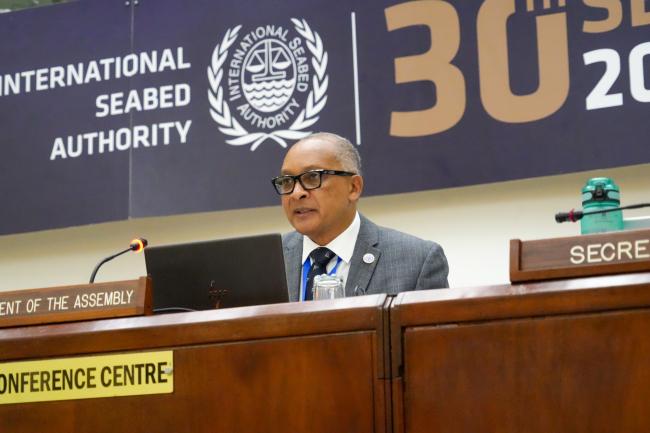
The US, referring to their written intervention submitted to the Secretariat, reaffirmed their long-held view that only those UNCLOS provisions on traditional uses of the ocean, such as freedom of navigation and overflight, reflect customary international law binding on all states. They underscored that this excludes UNCLOS Part XI (The Area) and the 1994 Implementing Agreement, and maintained that as a non-party to UNCLOS, the US is not bound by the Convention’s deep-sea mining rules. They added that “mining of the seabed is a lawful use of the high seas open to all states.”
In response, China, supported by Brazil and France, asserted that the principle of common heritage of humankind is widely recognized by the international community, pointing out that no state opposed its declaration by the UN General Assembly (UNGA) in 1970, contained in UNGA Resolution 2749.
They added that the US engages with the ISA as an observer and has signed the 1994 Implementing Agreement. They therefore urged them to uphold international law and to stop acting contrary to the common heritage of humankind principle.
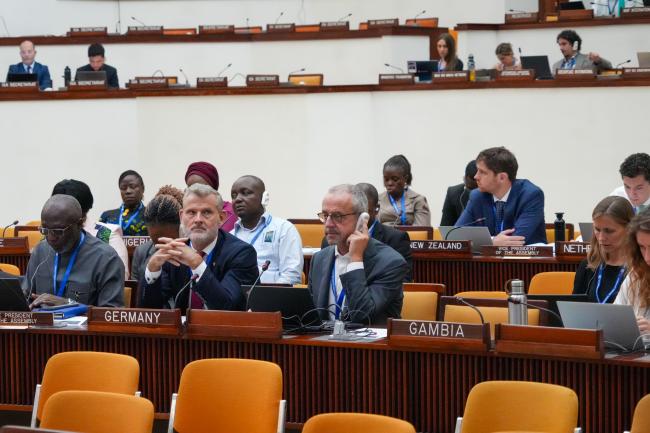
Several members drew attention to the negotiations on the exploitation regulations and the need for a comprehensive and robust legal framework before the commencement of commercial exploitation activities in the Area. Maui Nui Makai Network and Te Ipukarea Society reiterated the request to the ISA to codify the cultural values of Indigenous Peoples into the structure of the ISA and any future mining code.
Zimbabwe underscored the need to ensure environmental protection, promote equitable benefit-sharing, and to balance the interests of land-based mining countries that might be adversely affected. Ireland noted that states are negotiating the regulations in good faith, but that time is needed to complete a mining code containing robust environmental protection provisions.
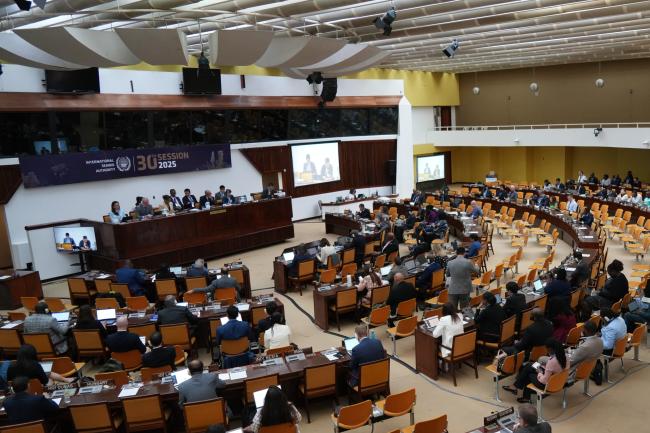
Several delegates, including Chile, Switzerland, Deep Sea Conservation Coalition (DSCC), Oceans North, and others, supported the establishment of an ISA general environmental policy.
Tuvalu asserted that the ISA faces an inherent conflict of interest: it regulates deep-sea mining while also safeguarding the marine environment. Underscoring that tying ISA revenue to mining through the benefit-sharing model may skew priorities toward exploitation over protection, they stressed that any action must be undertaken with strict caution and full transparency.
WWF International urged states to “think deeply, take your time, gather the facts and understand the long-term consequences before you go forward” and called for “common sense for a common heritage.”
To receive free coverage of global environmental events delivered to your inbox, subscribe to the ENB Update newsletter.
All ENB photos are free to use with attribution. For the Second part of the 30th session of the International Seabed Authority (ISA) Council meeting, please use: Photo by IISD/ENB | Andrés Felipe Carvajal Gómez
Selected Images
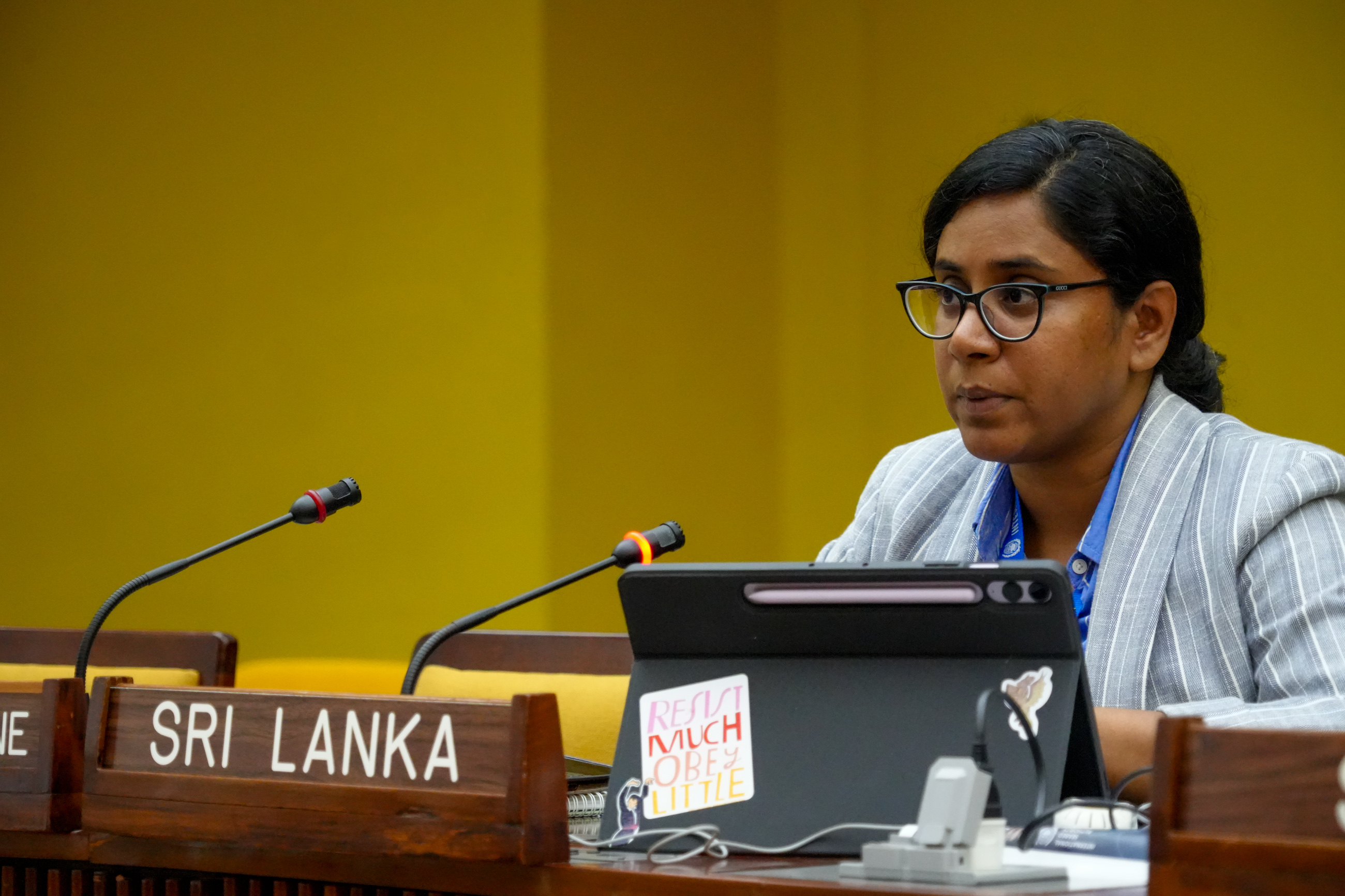
Makesha Jayawardara, Sri Lanka
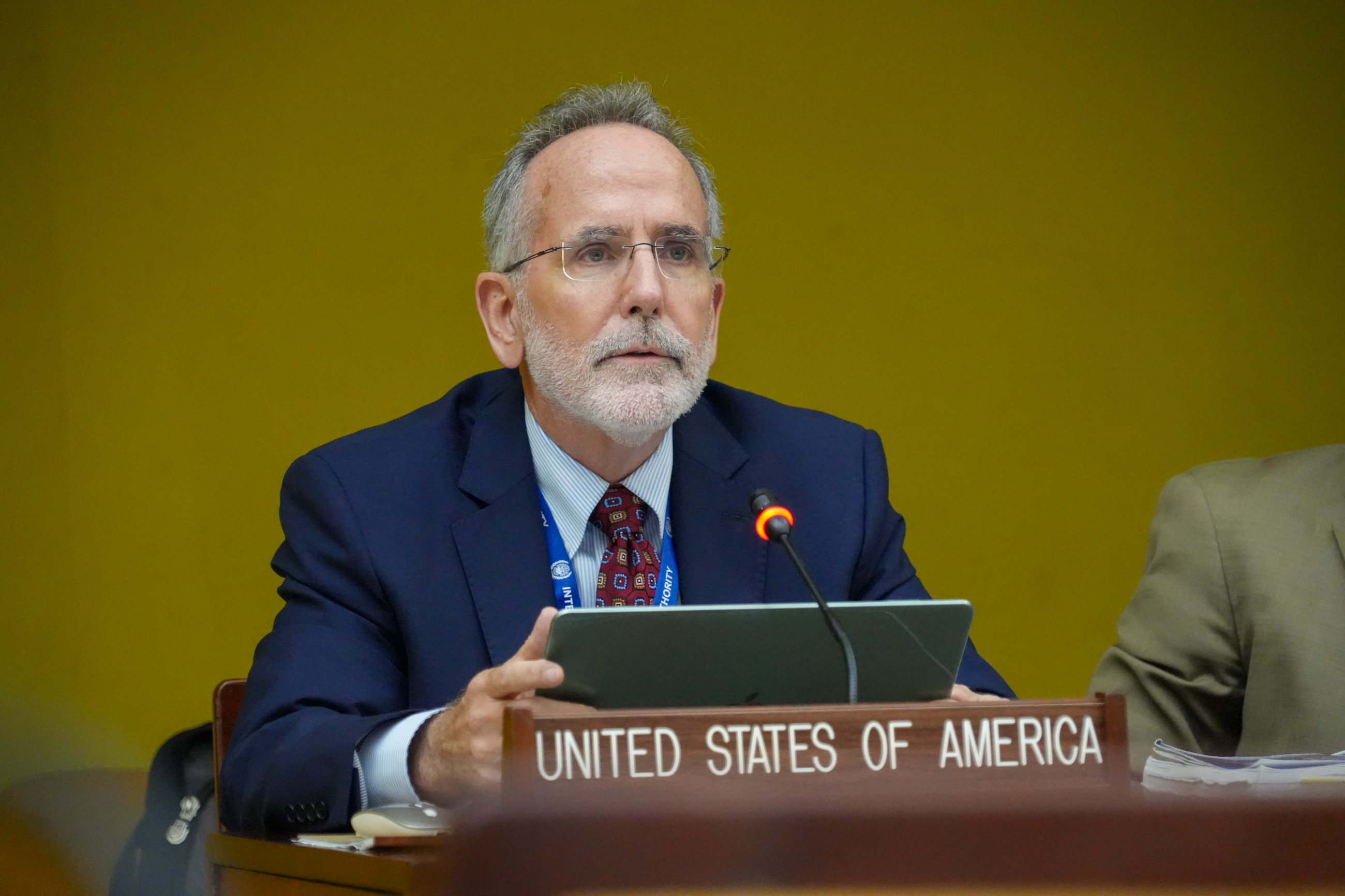
Gregory O’Brien, US
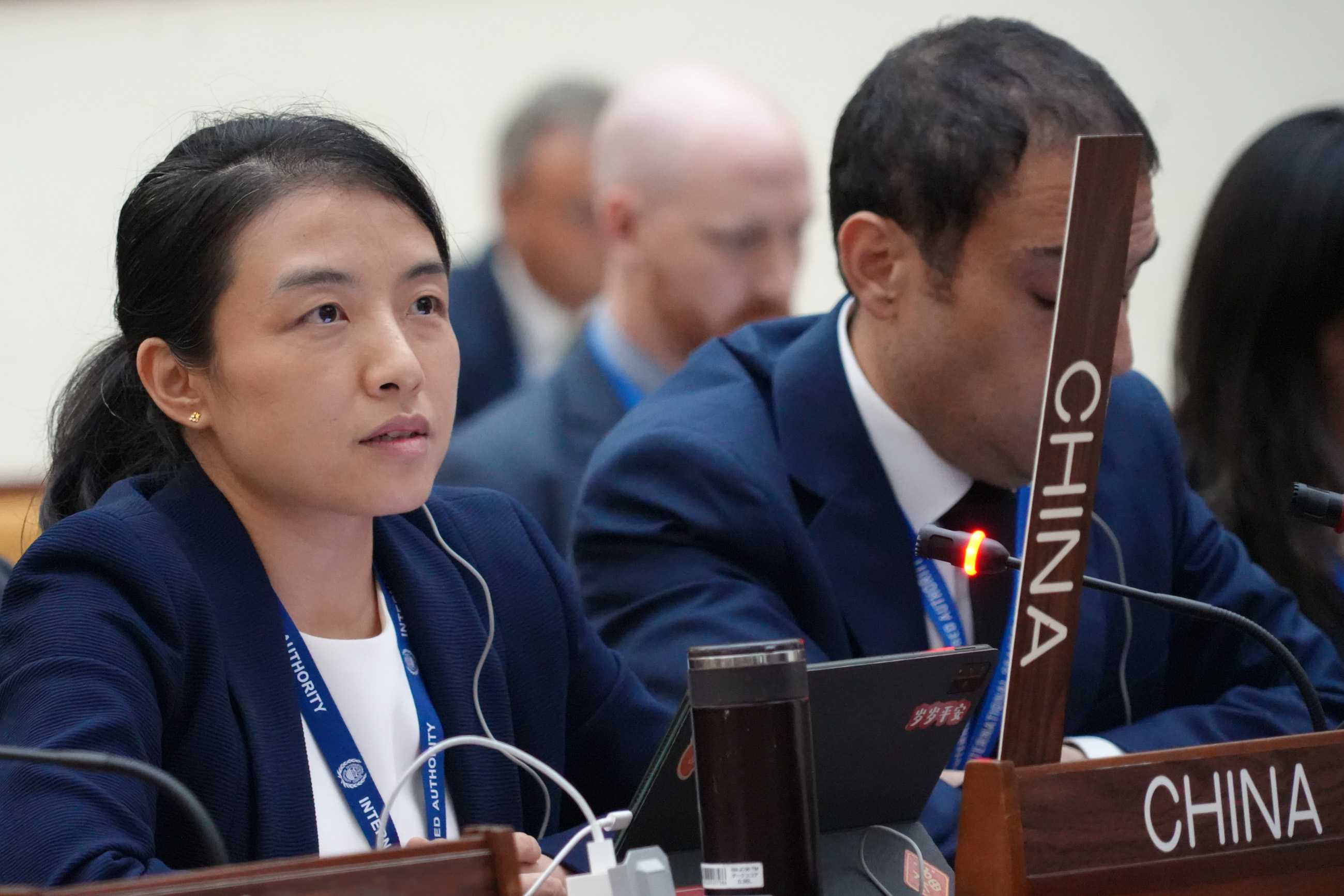
Wenting Zhao, China
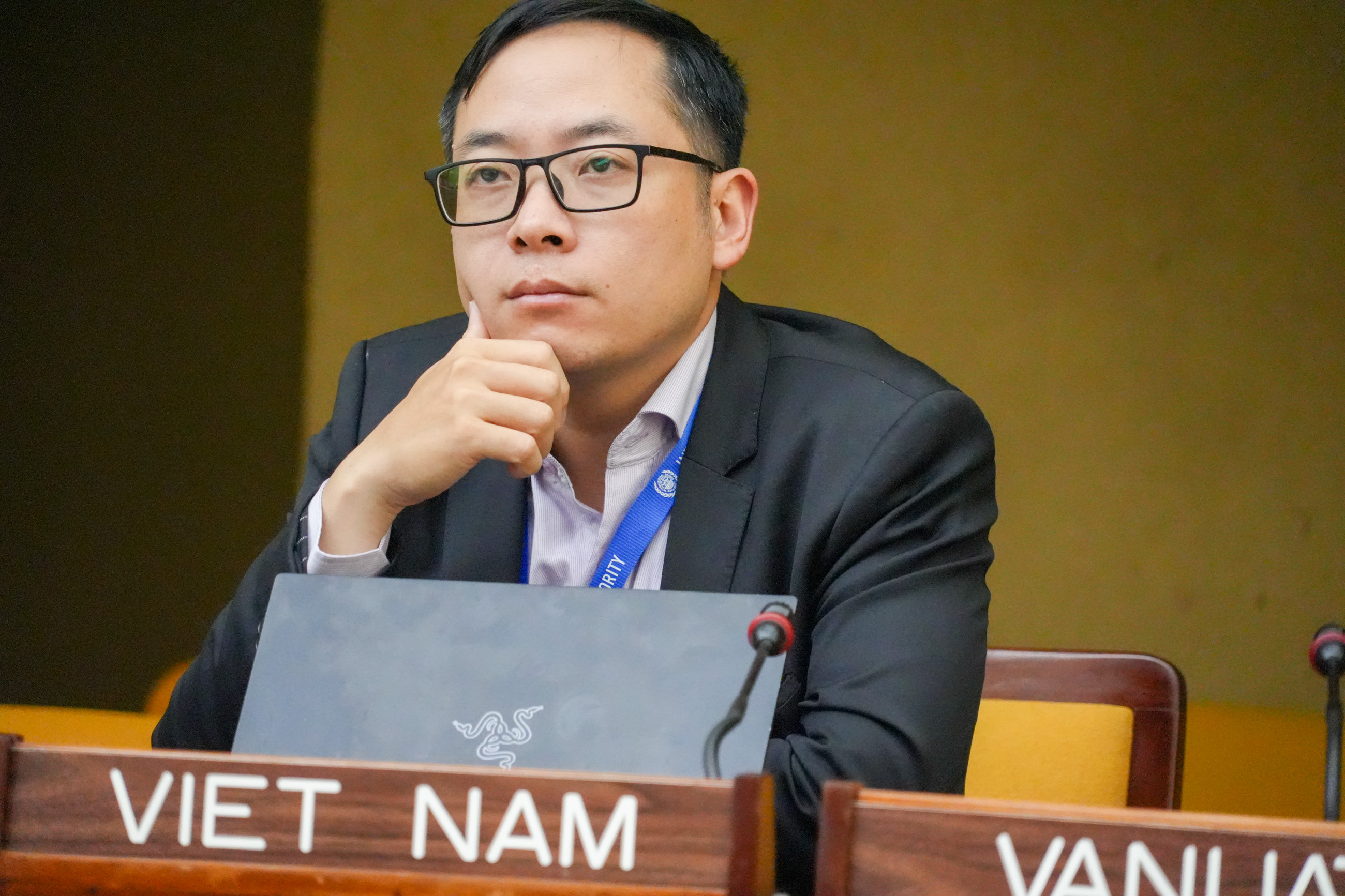
Le Viet Phuong, Vietnam
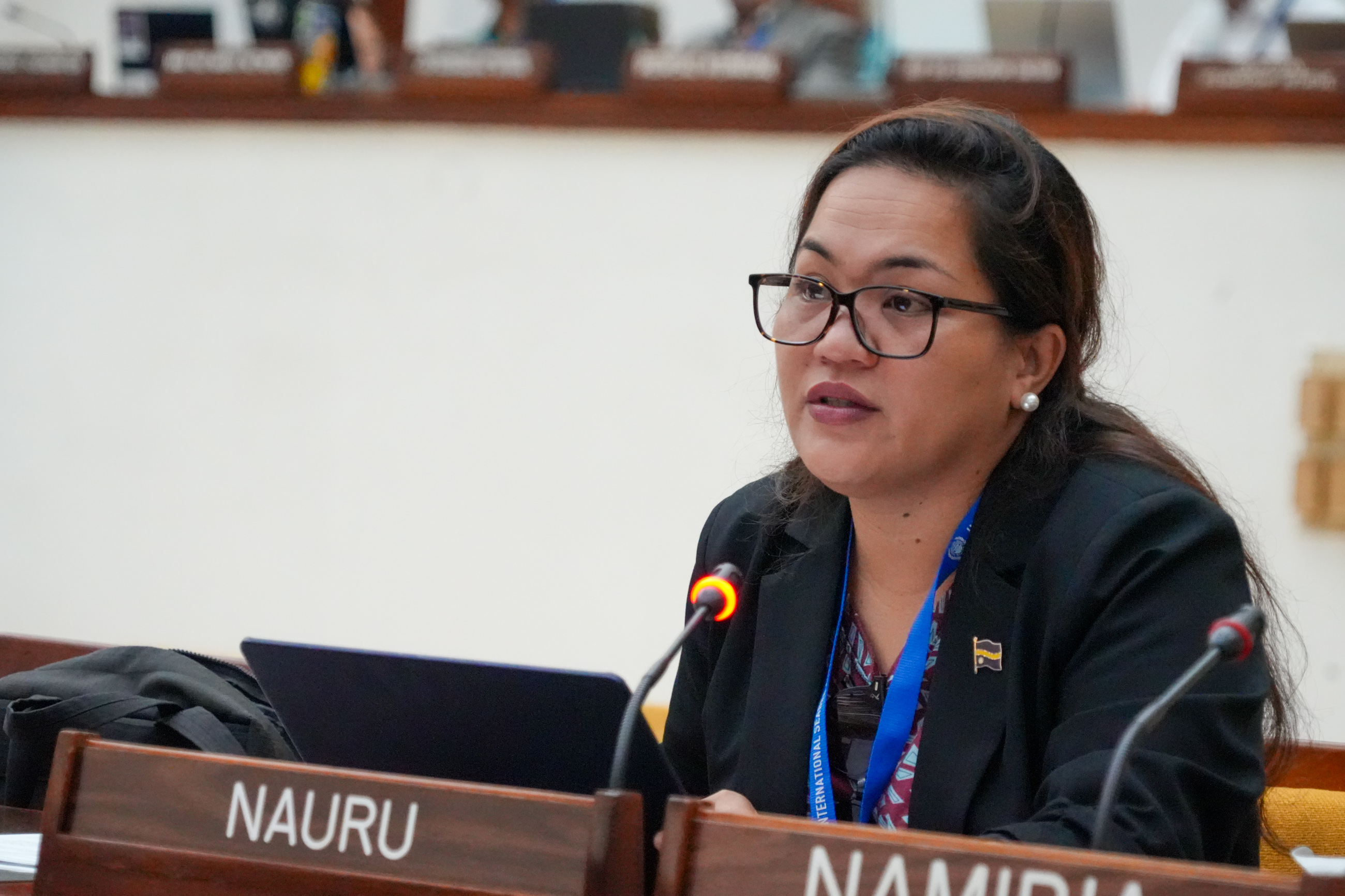
Francilia Adire, Nauru
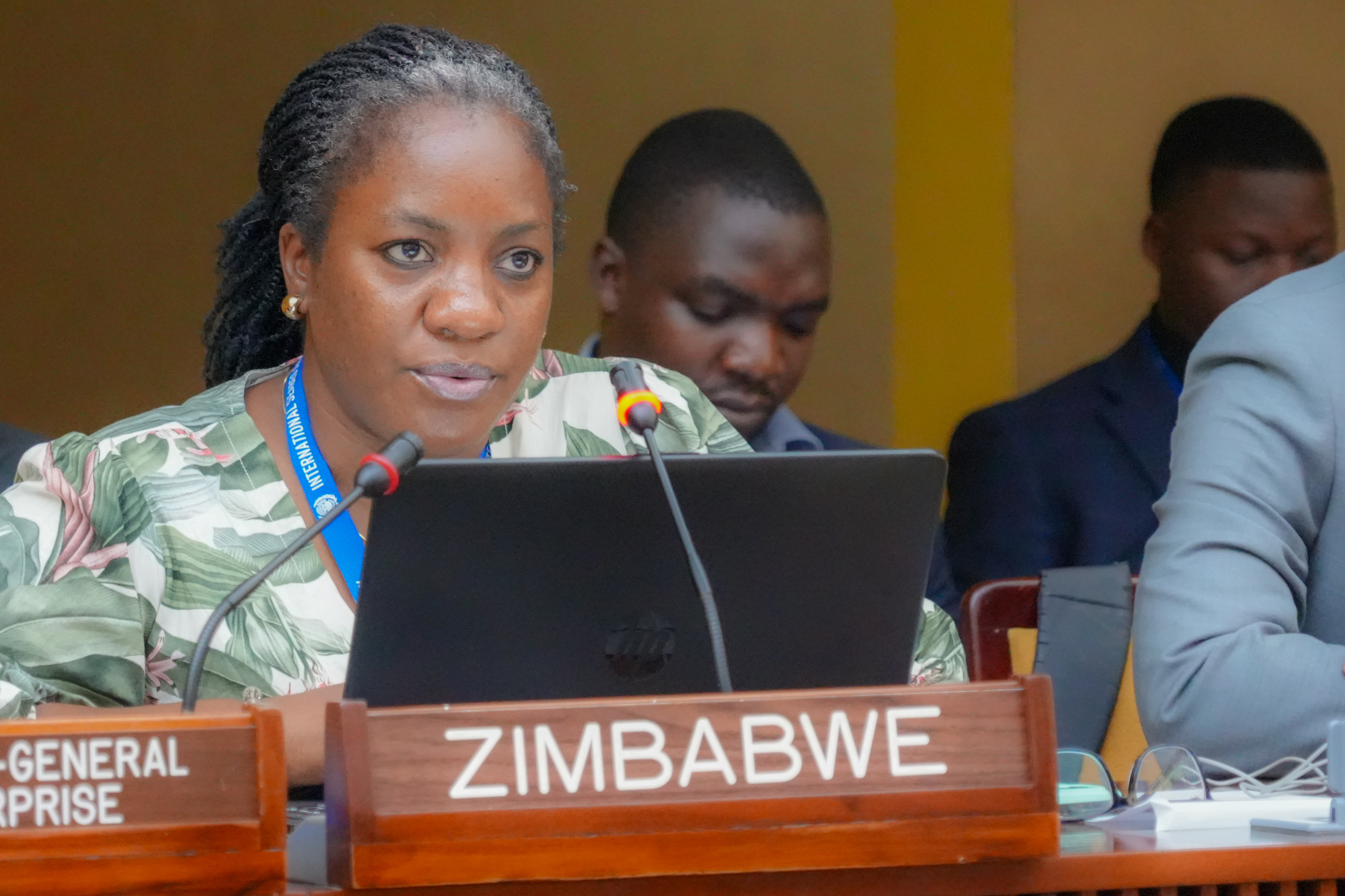
Rudo Makunike, Zimbabwe
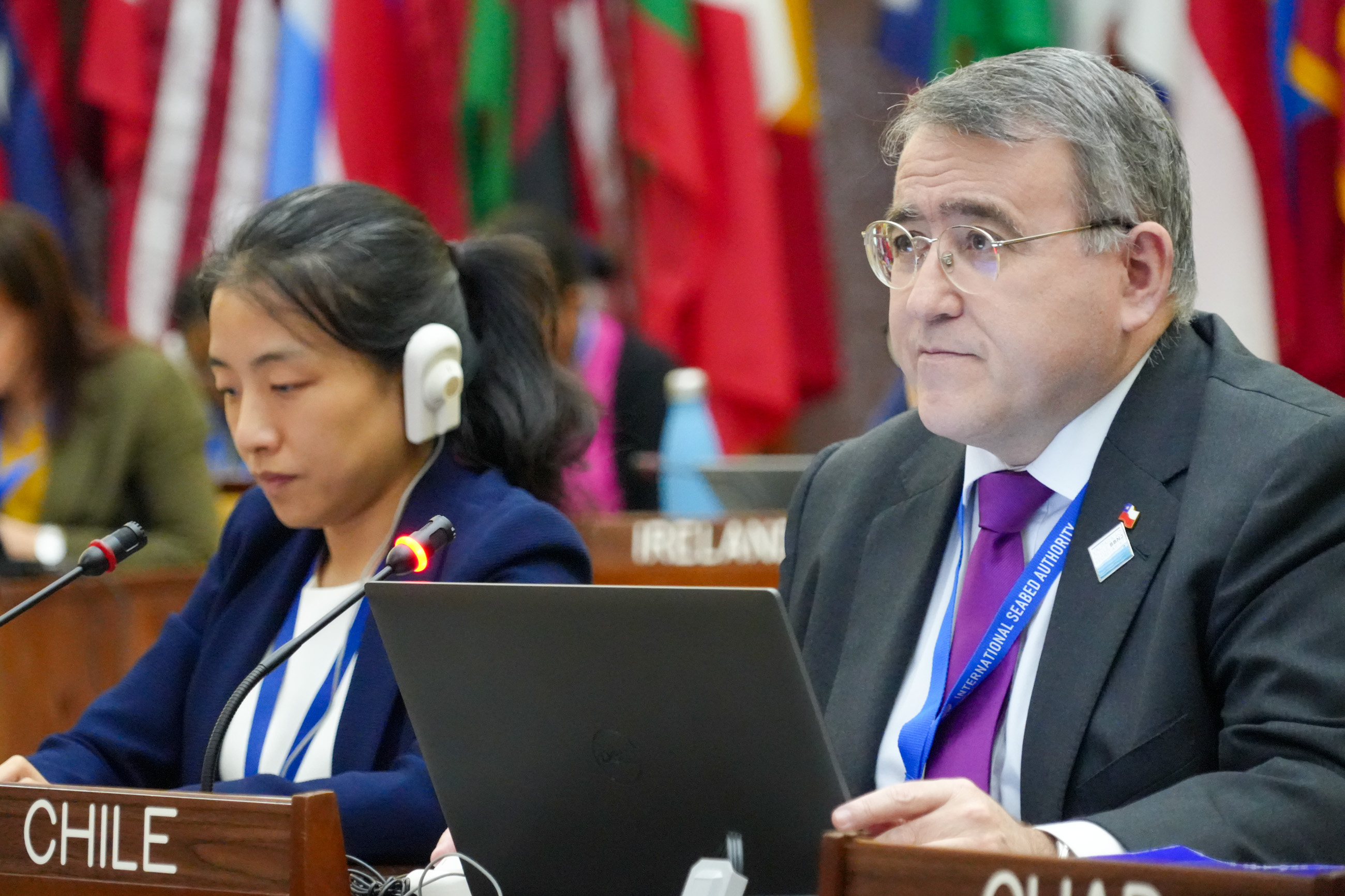
José Antonio Cabedo, Chile
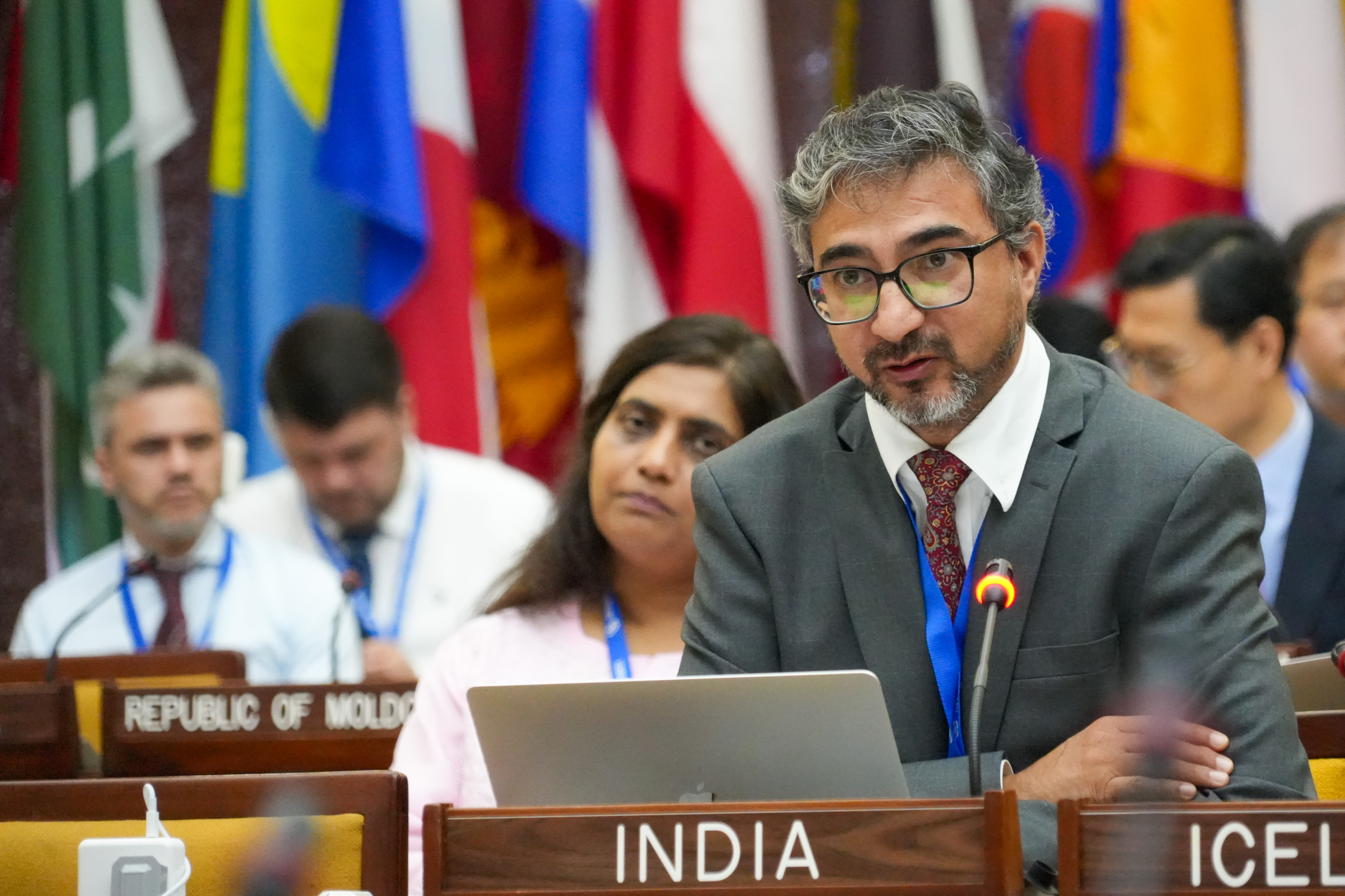
Mayank Joshi, India
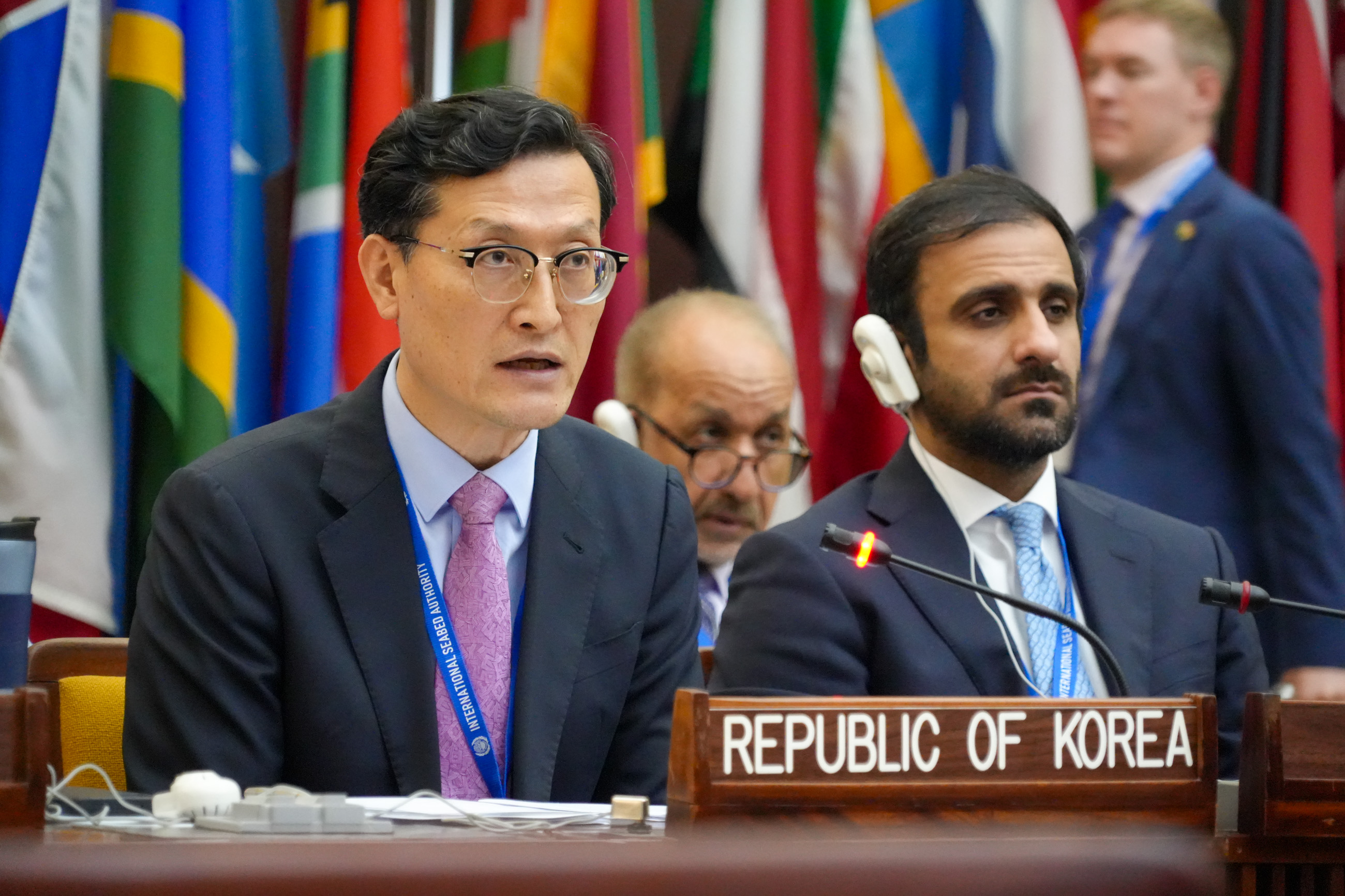
Kim Jin-wook, Republic of Korea
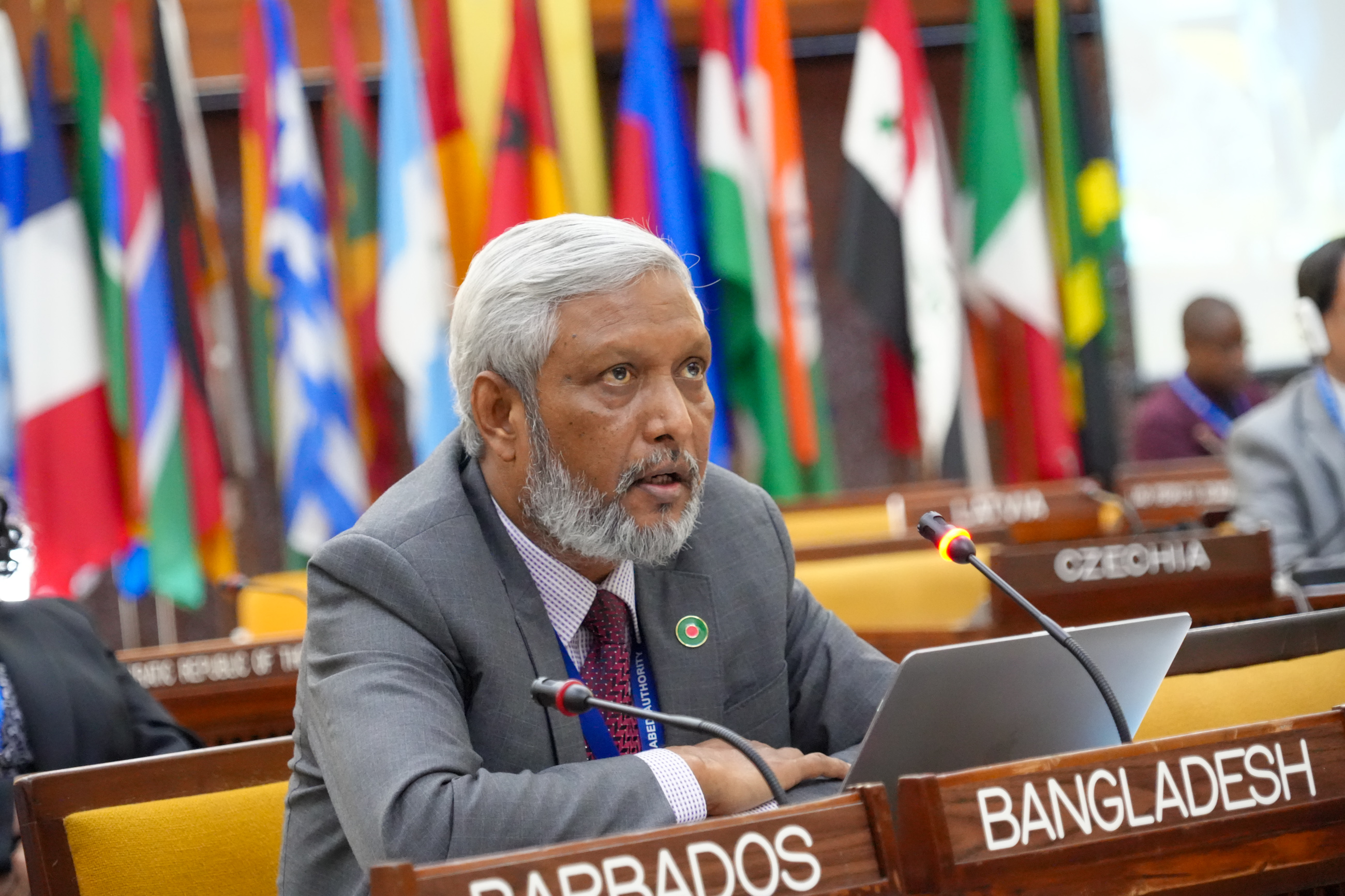
Mahmudul Hassan, Bangladesh
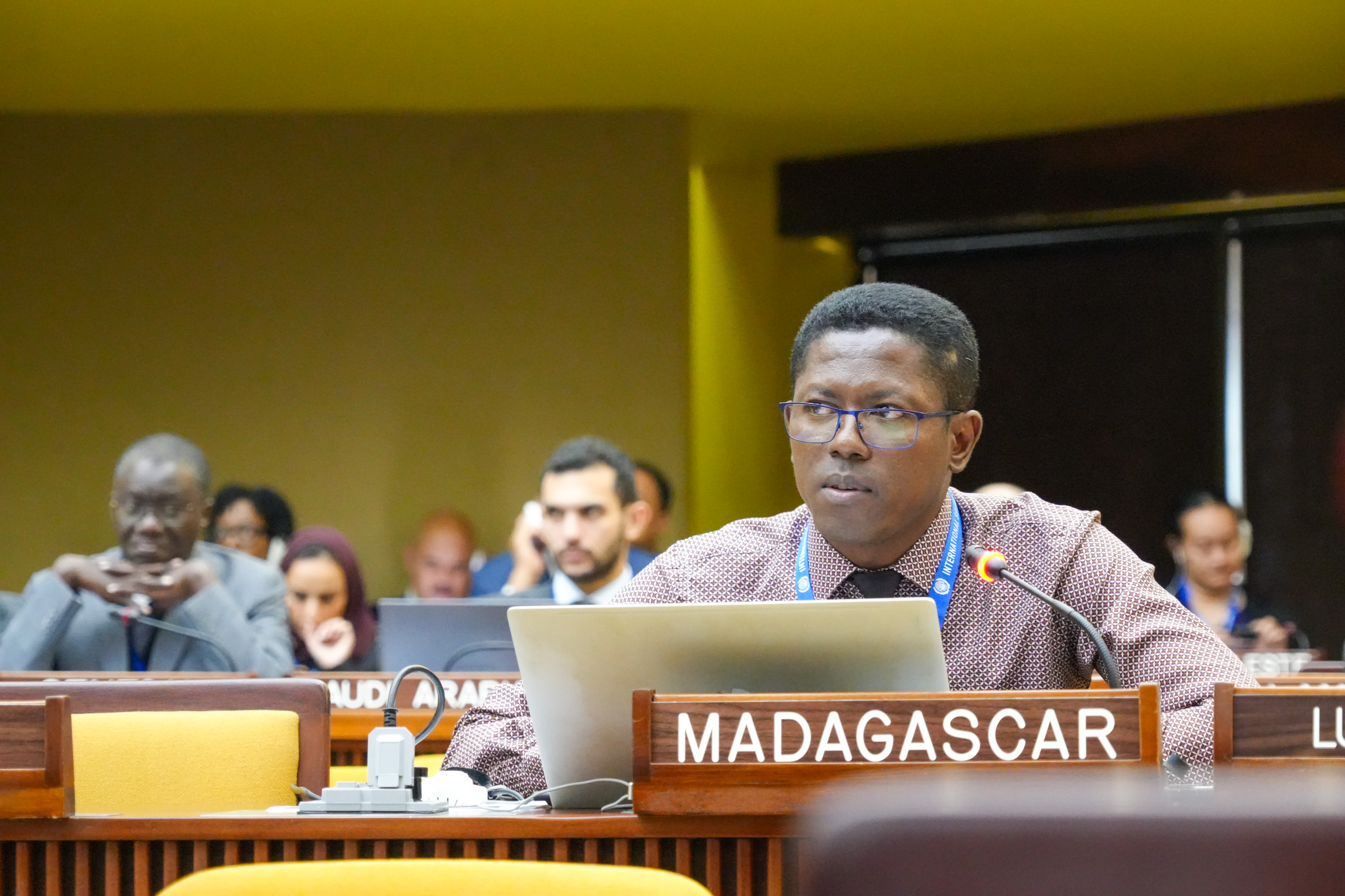
Miaretsoa Longondraza, Madagascar
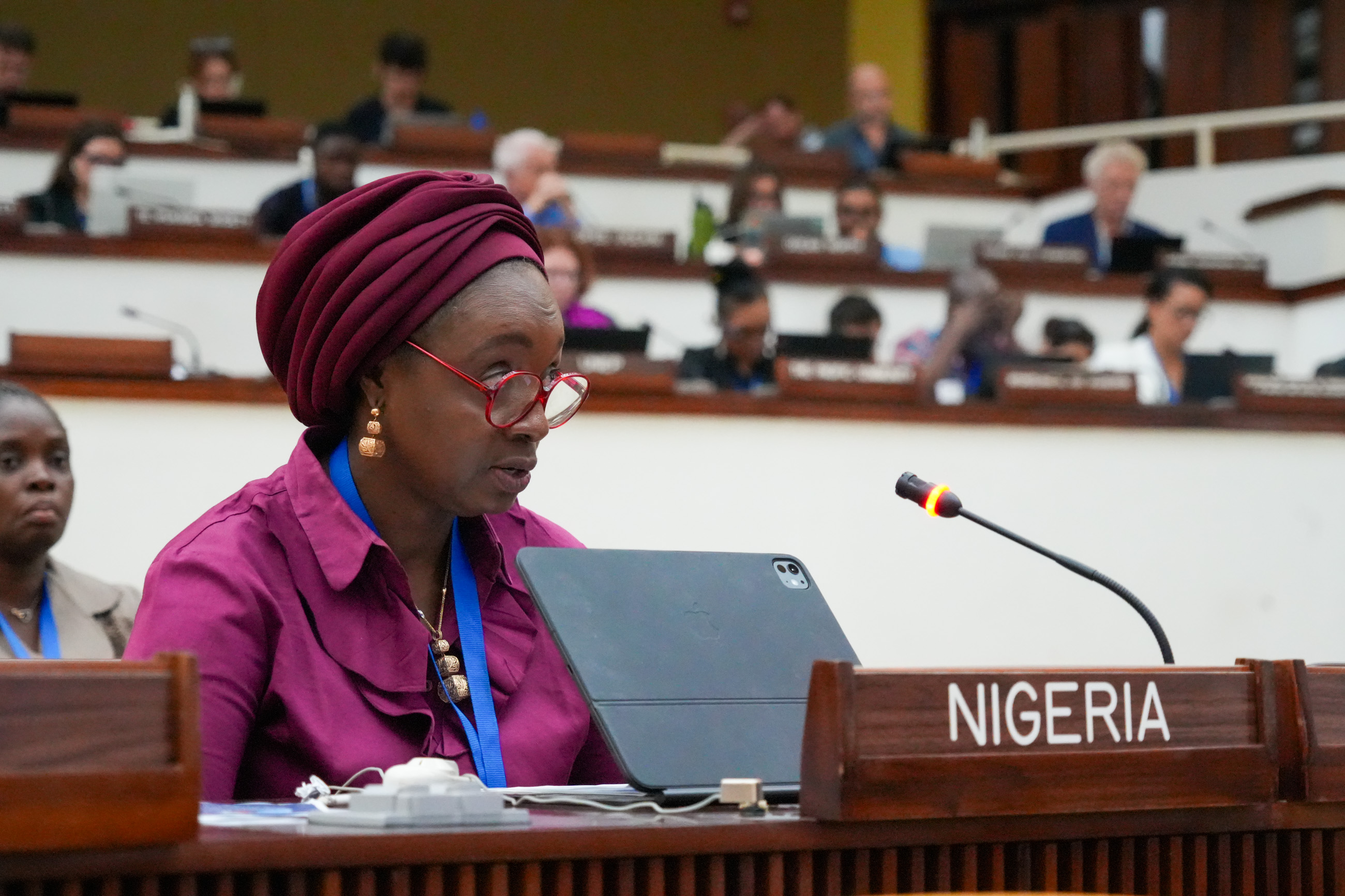
Aishatu Adame Jidda, Nigeria

Talavai Iona, Tuvalu
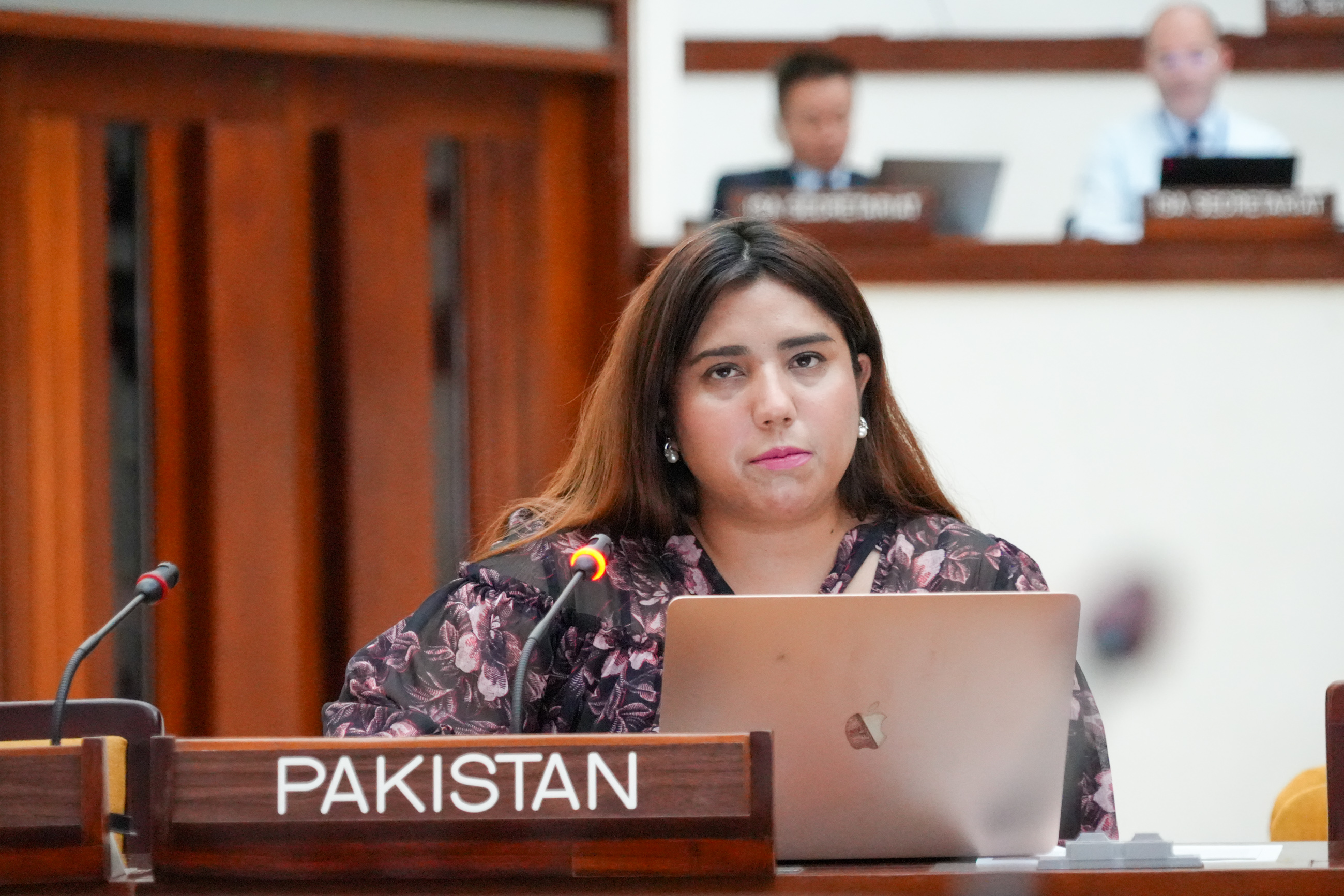
Rabia Ijaz, Pakistan
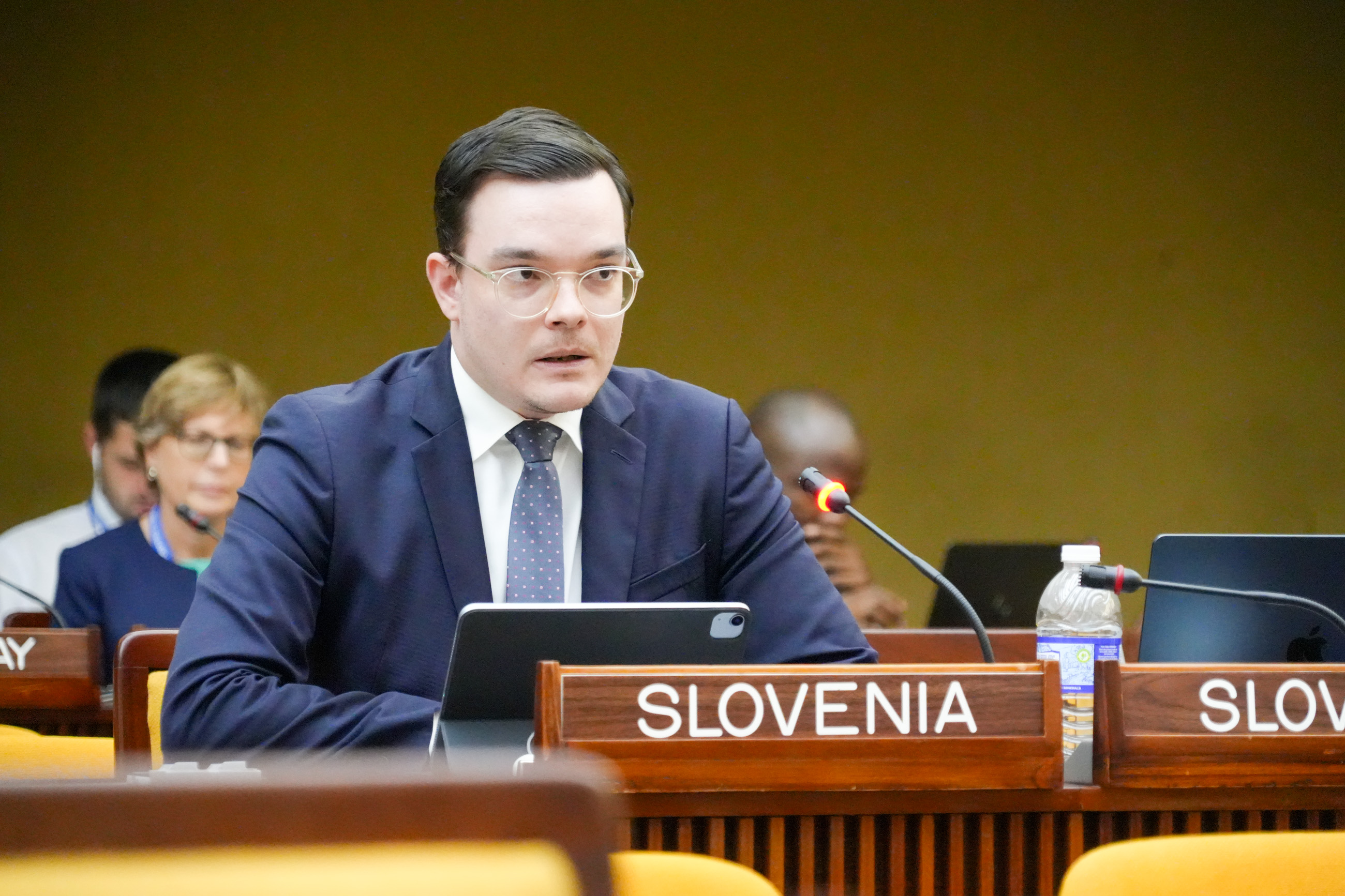
Matic Burkeljc, Slovenia
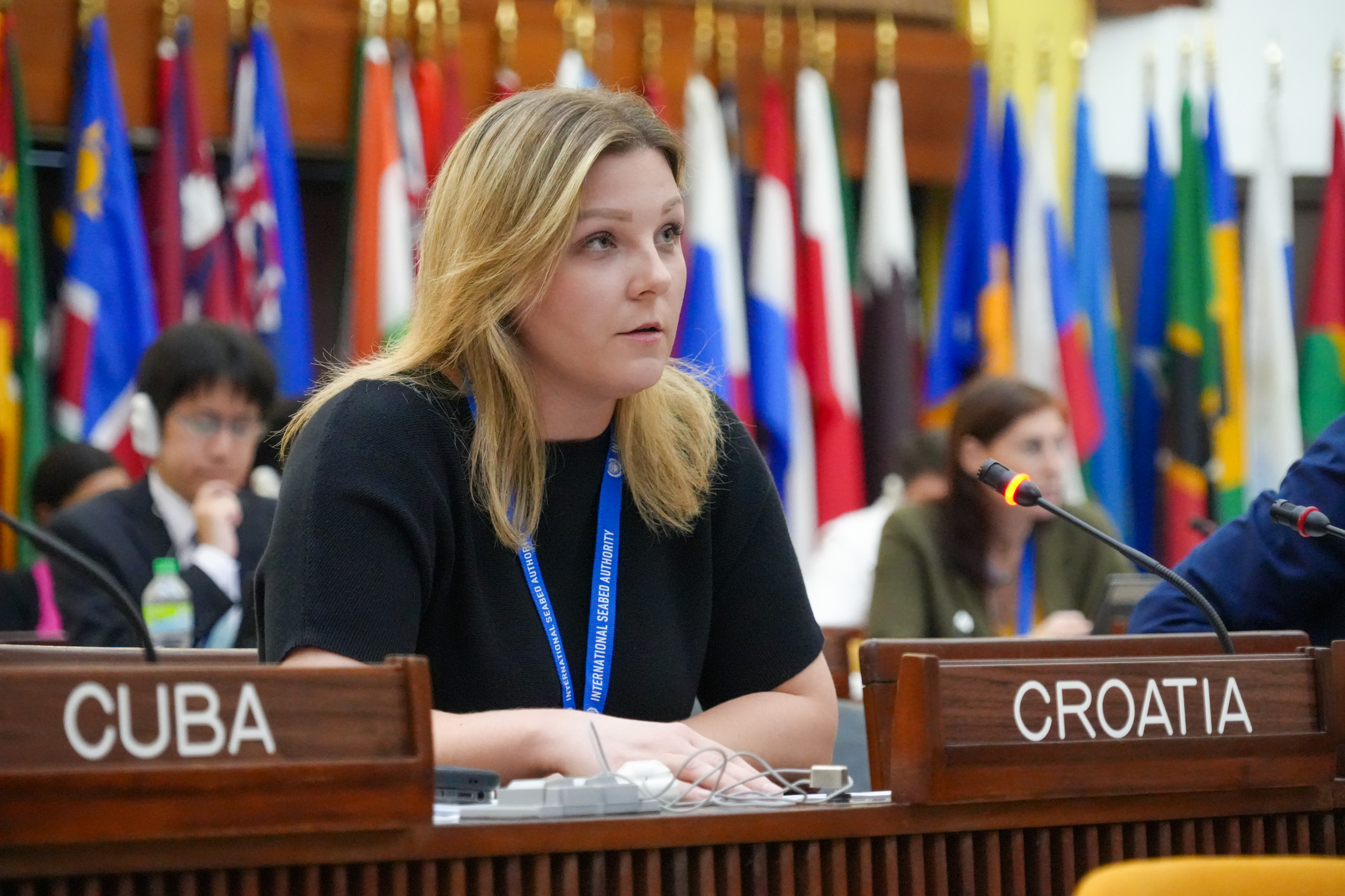
Helena Marković, Croatia

Ecuador
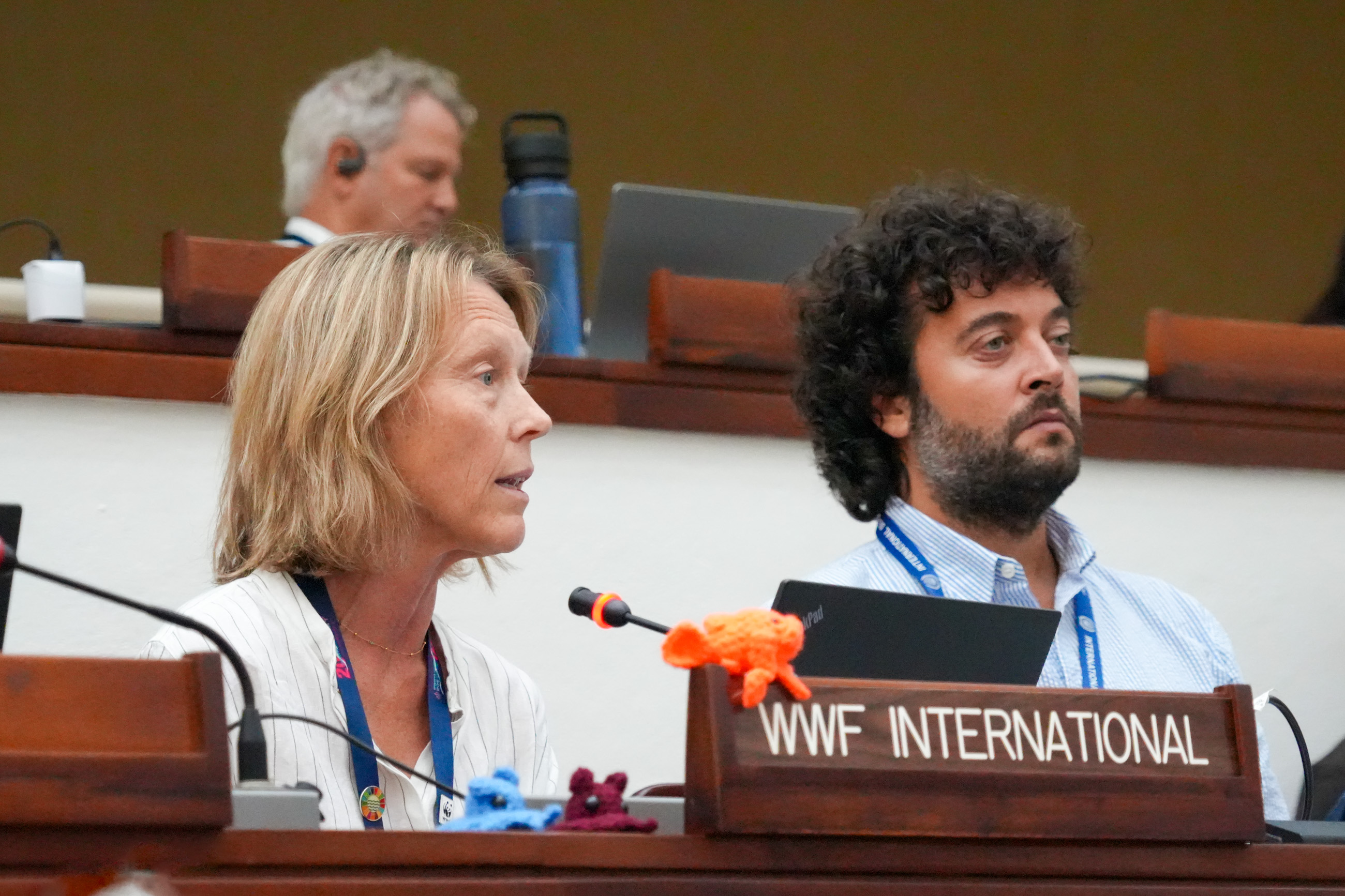
Jessica Battle, WWF International

Millicent Barty, Greenpeace International
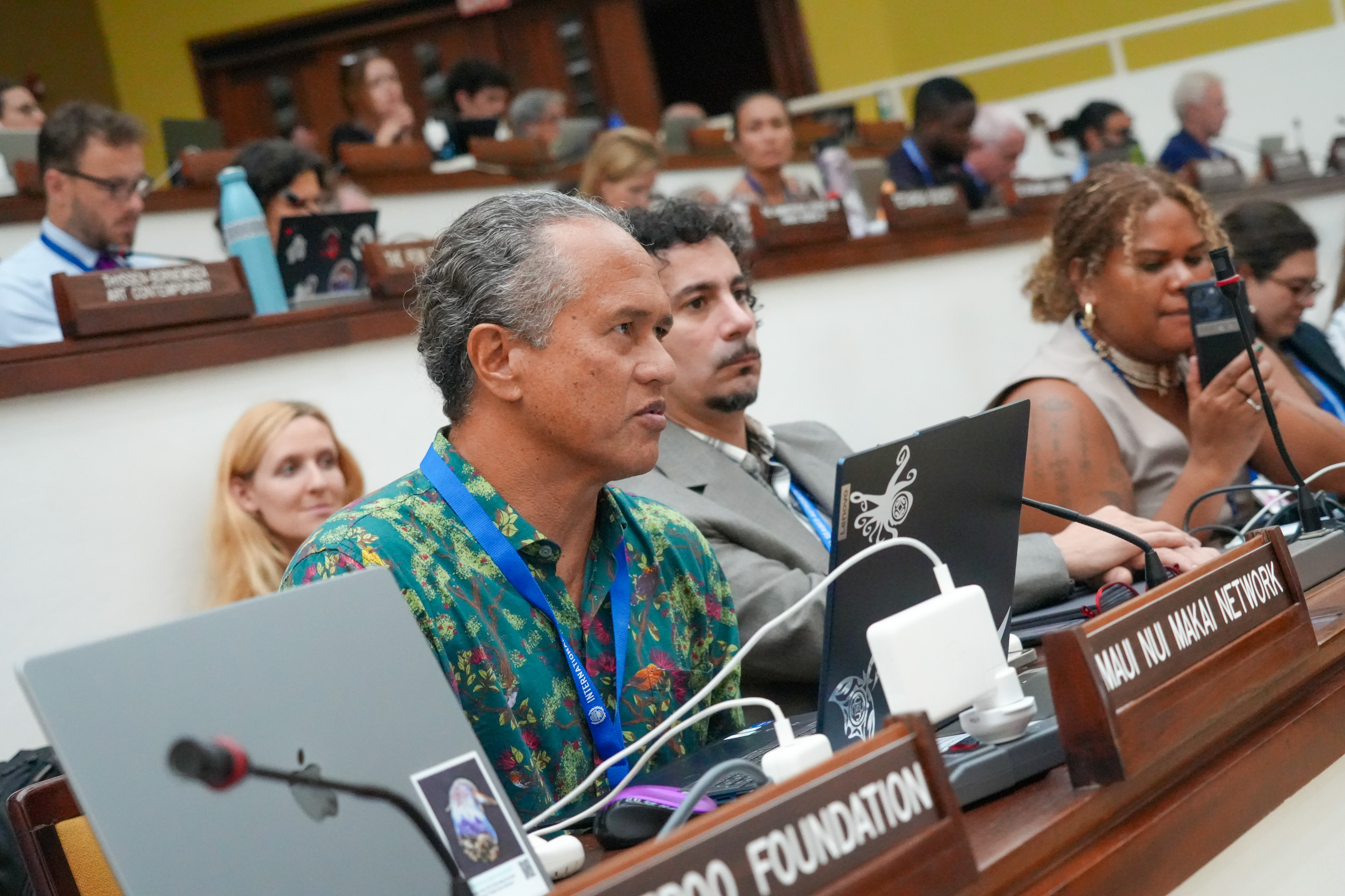
Ekolu Lindsey, Polaniu Hiu-Maui Nui Makai Network
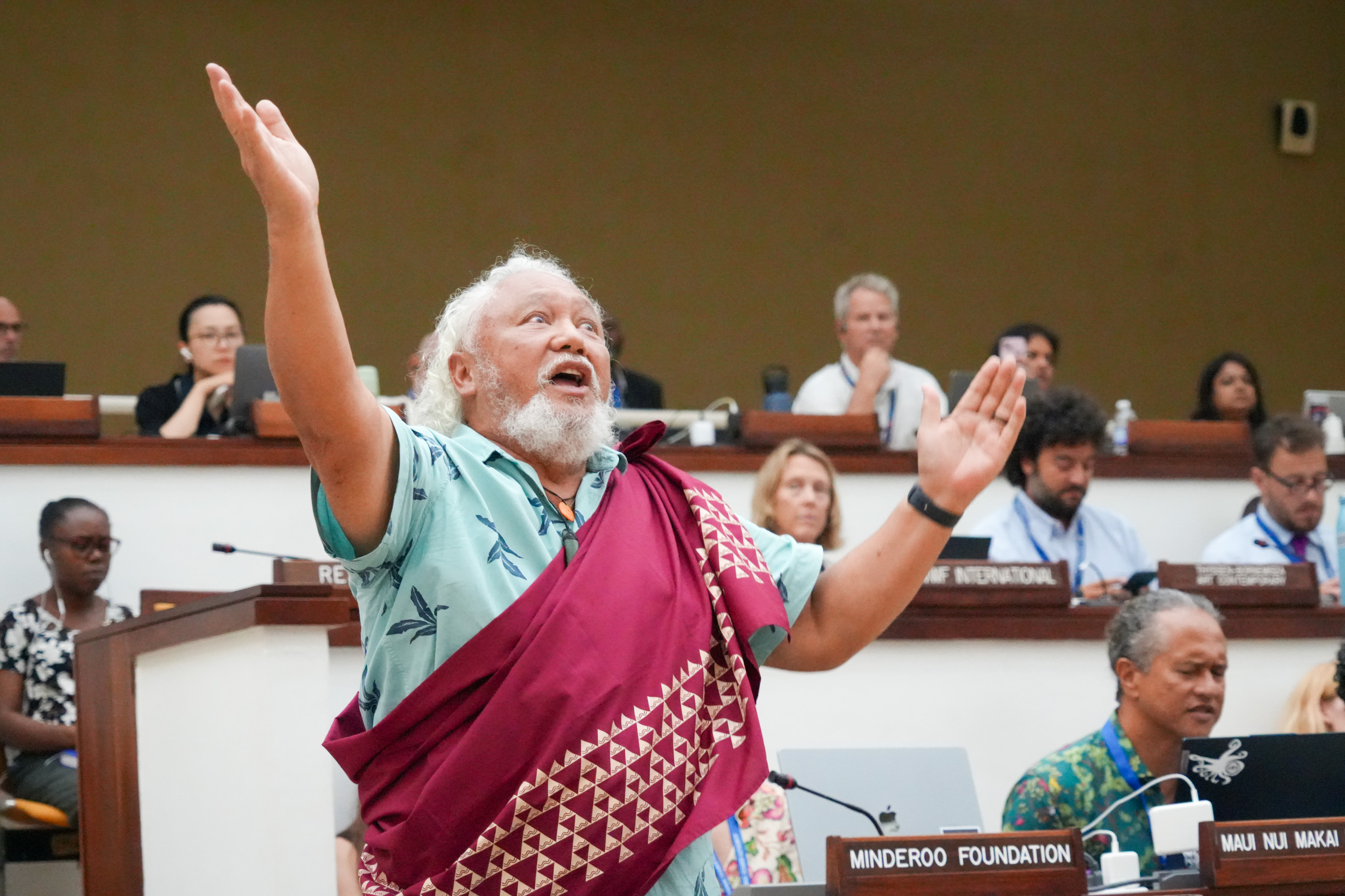
Solomon “Uncle Sol” Kaho'ohalahala, Maui Nui Makai Network, offers a Hawaiian oli (chant) to call in ancestors to be present
Side Events
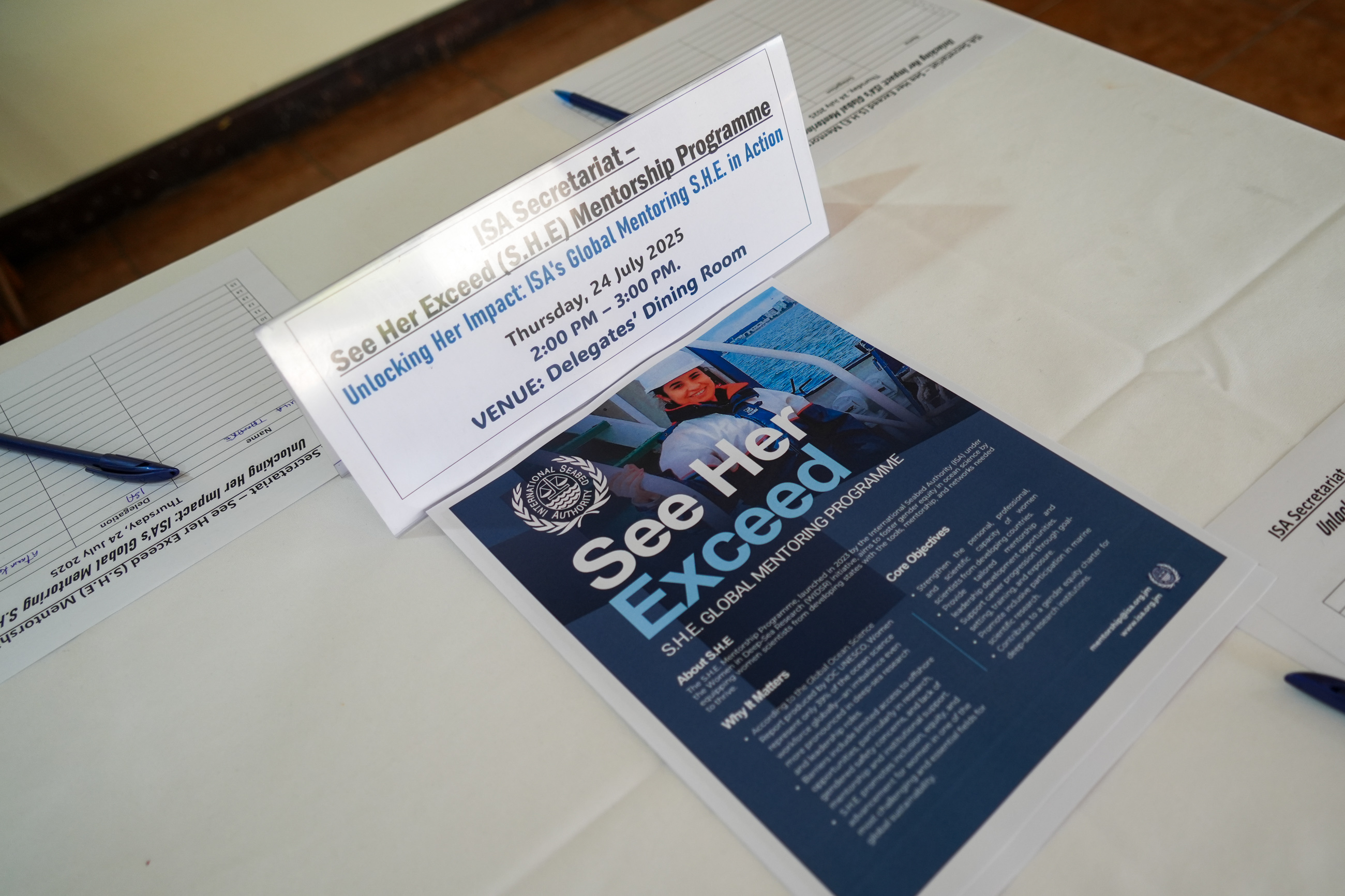
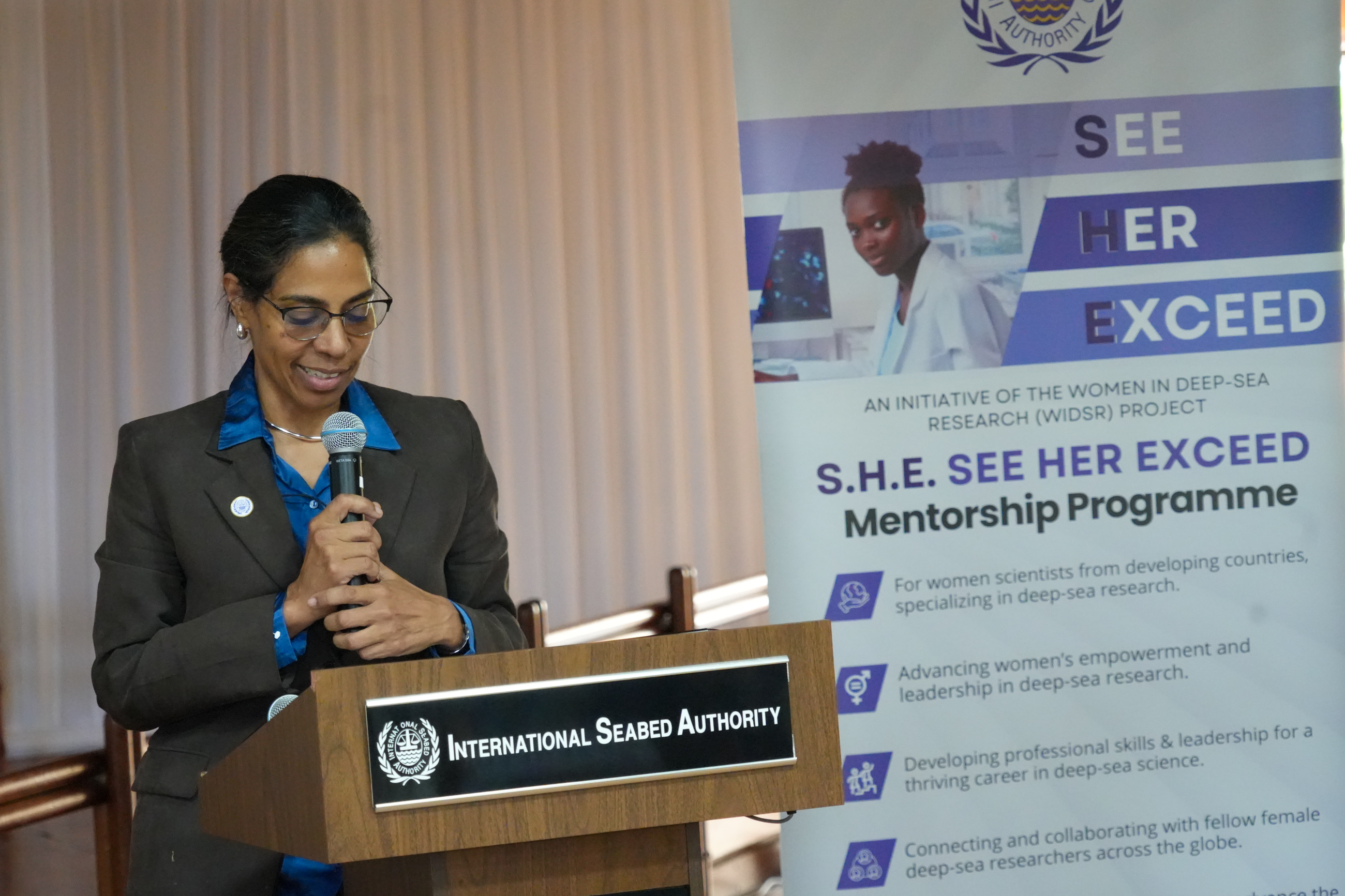
Leticia Carvalho, Secretary-General of the ISA

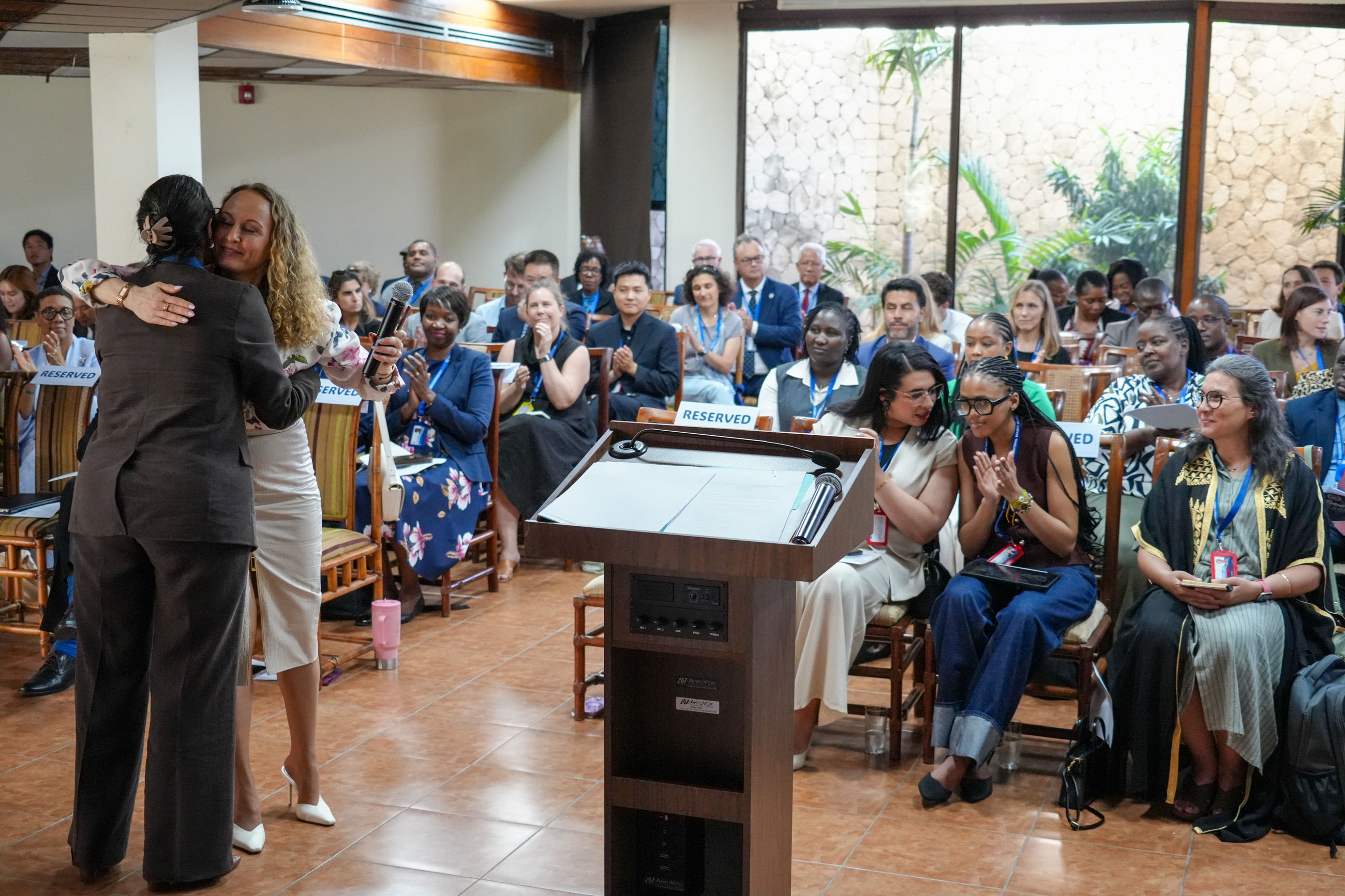
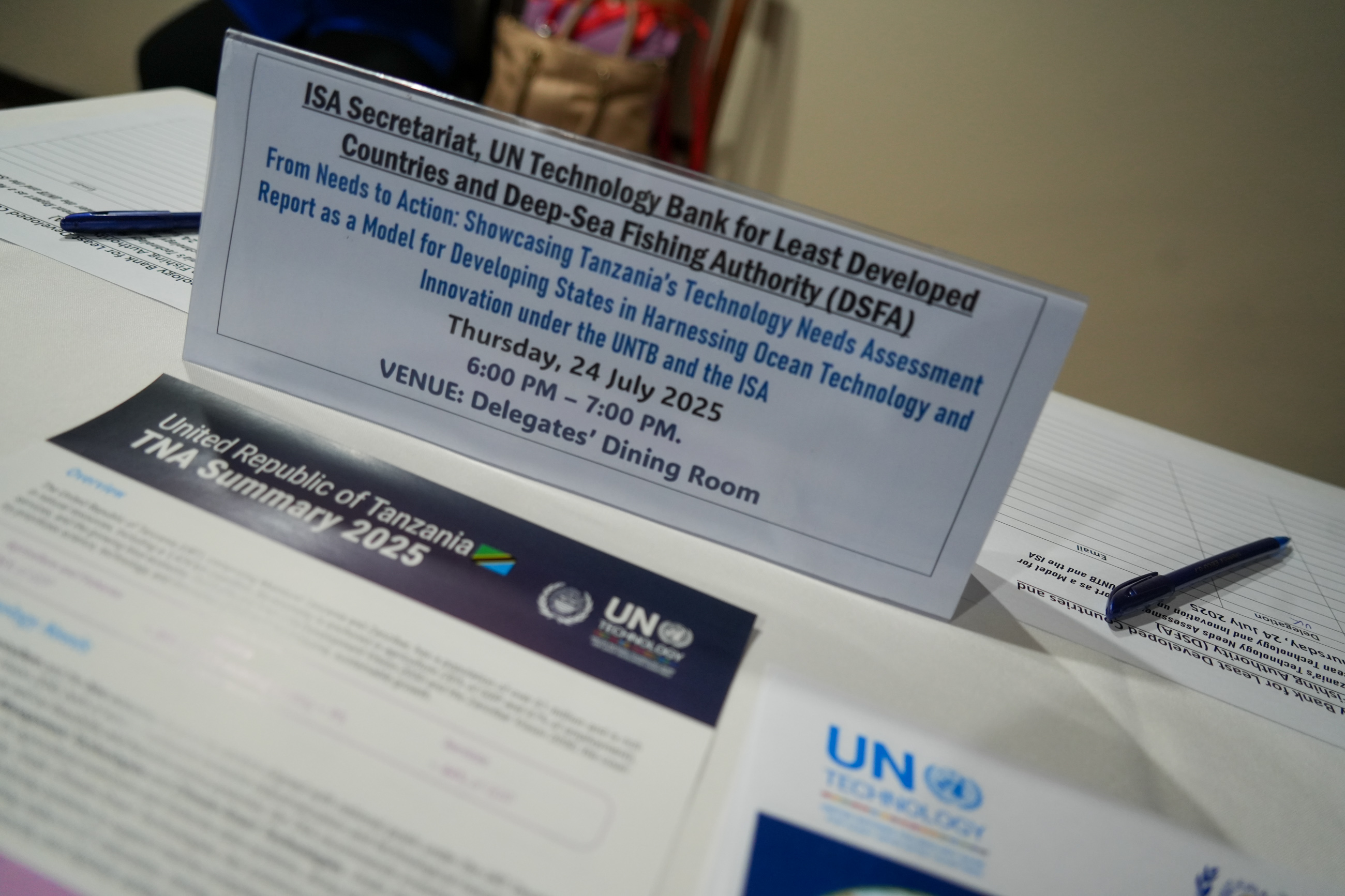
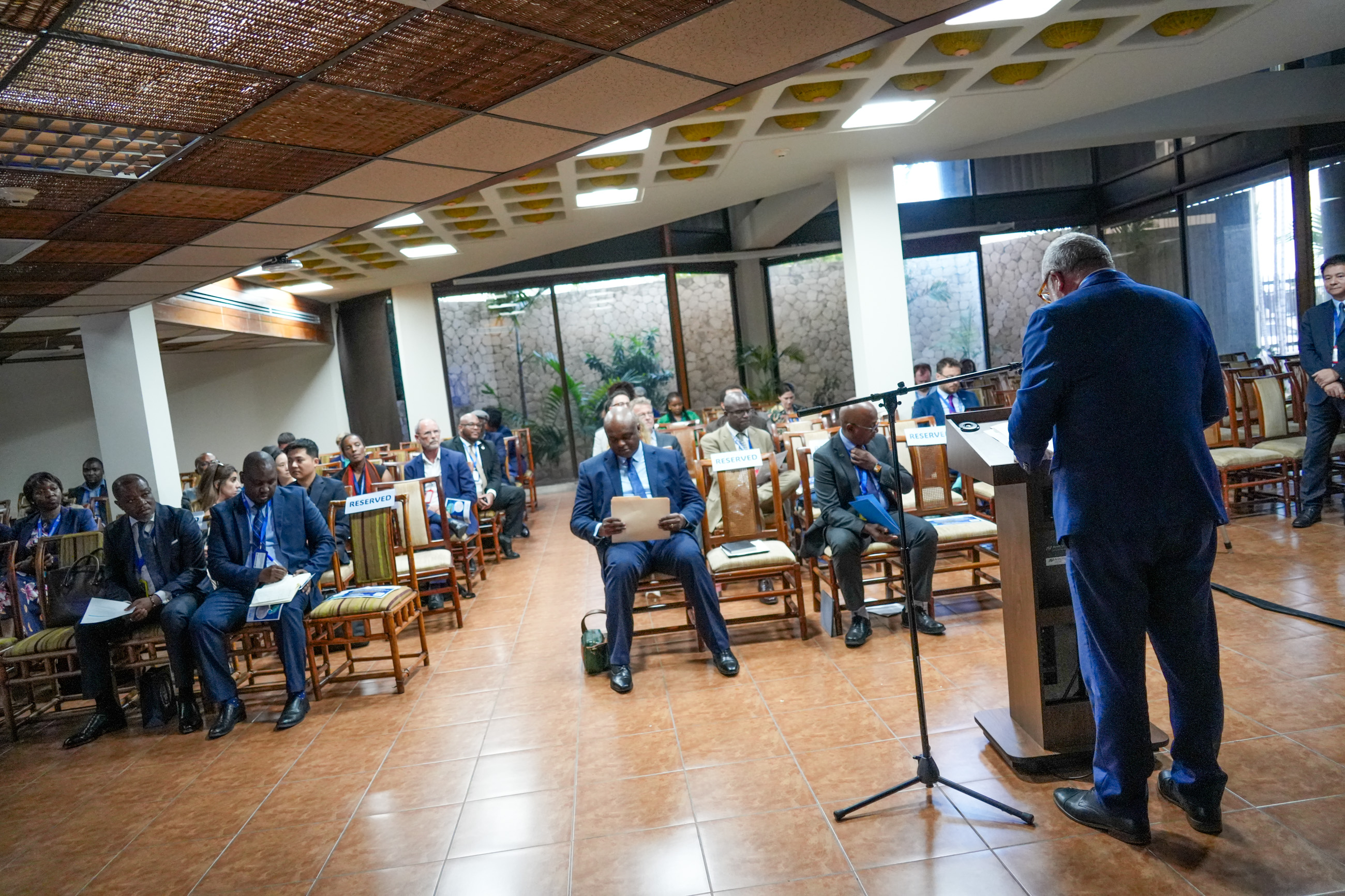
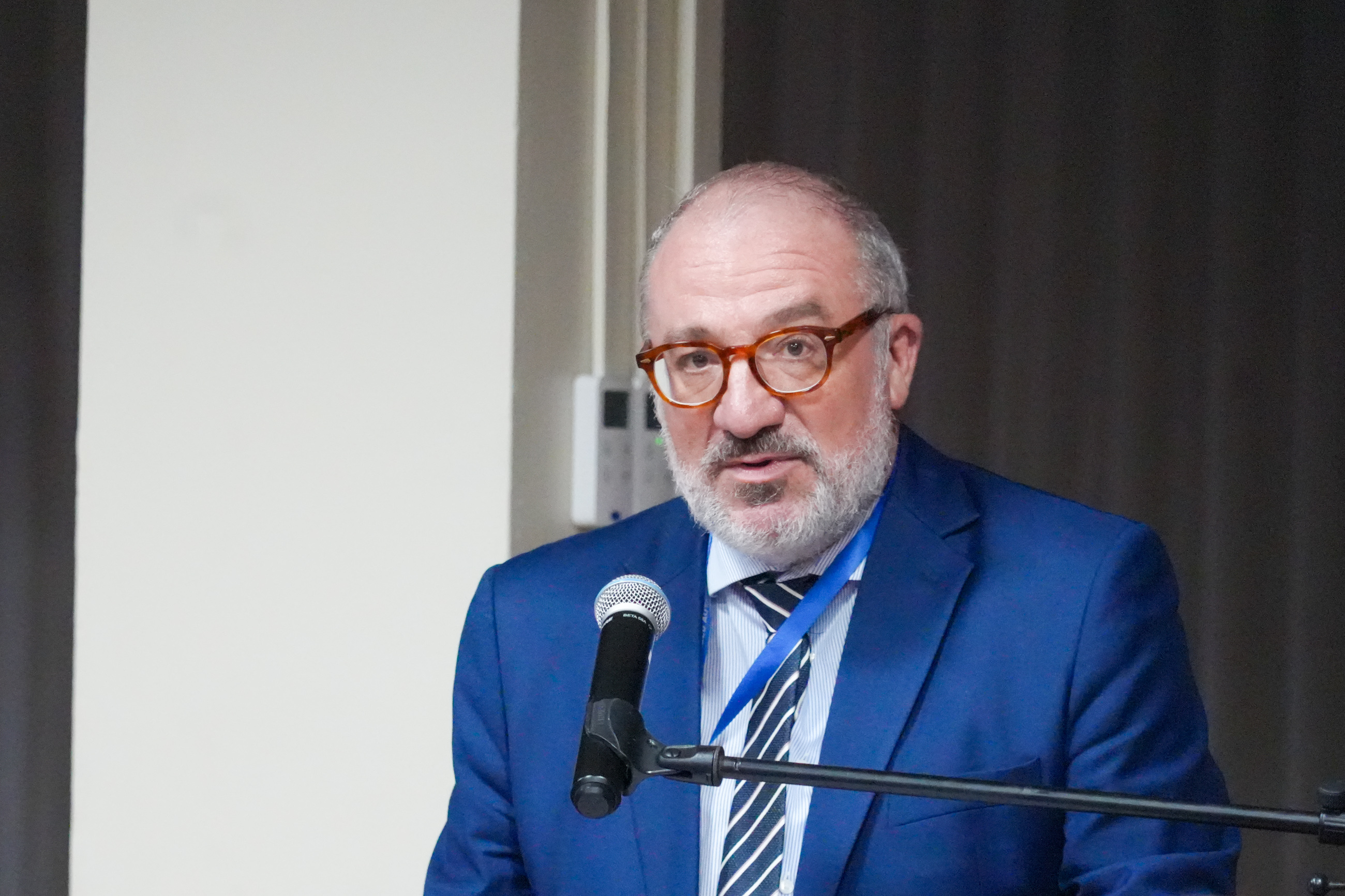
ISA Deputy Secretary-General, Bruno Pozzi
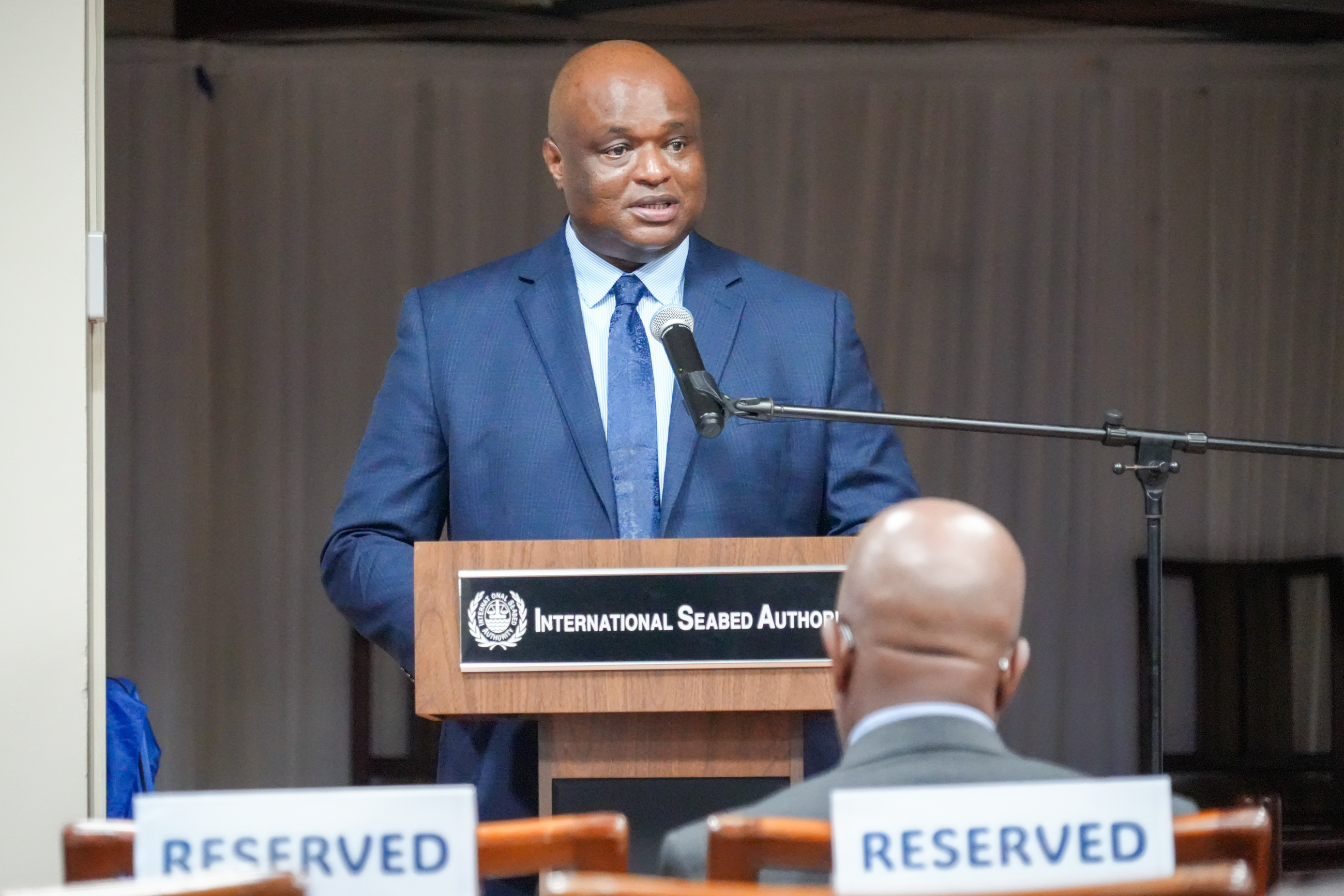
Suleiman H. Suleiman, Tanzania
Around the venue
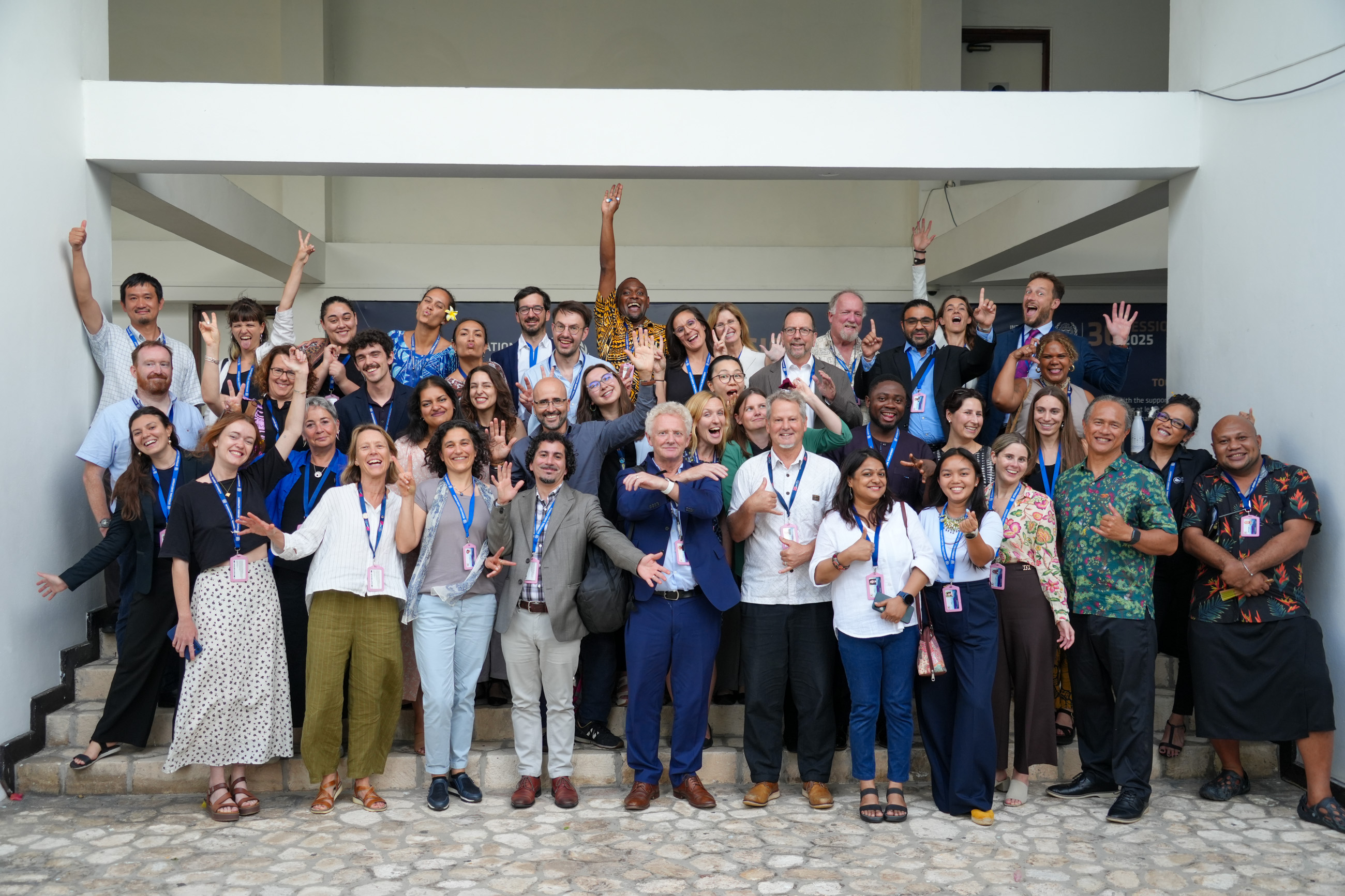
Group photo of observers attending the ISA-30 Assembly
The delegation of Cameroon
The delegation of Switzerland
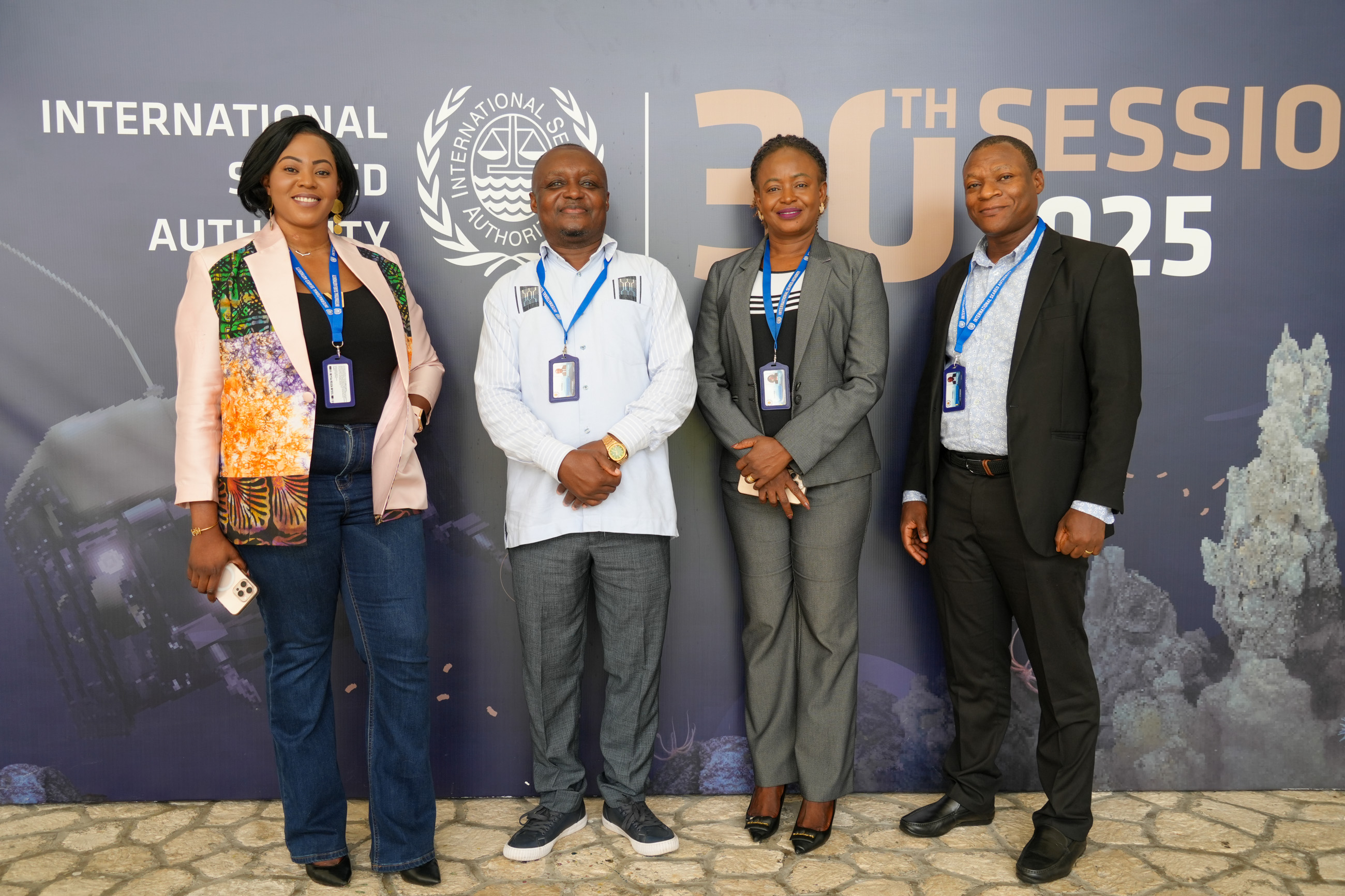
The delegation of Ghana

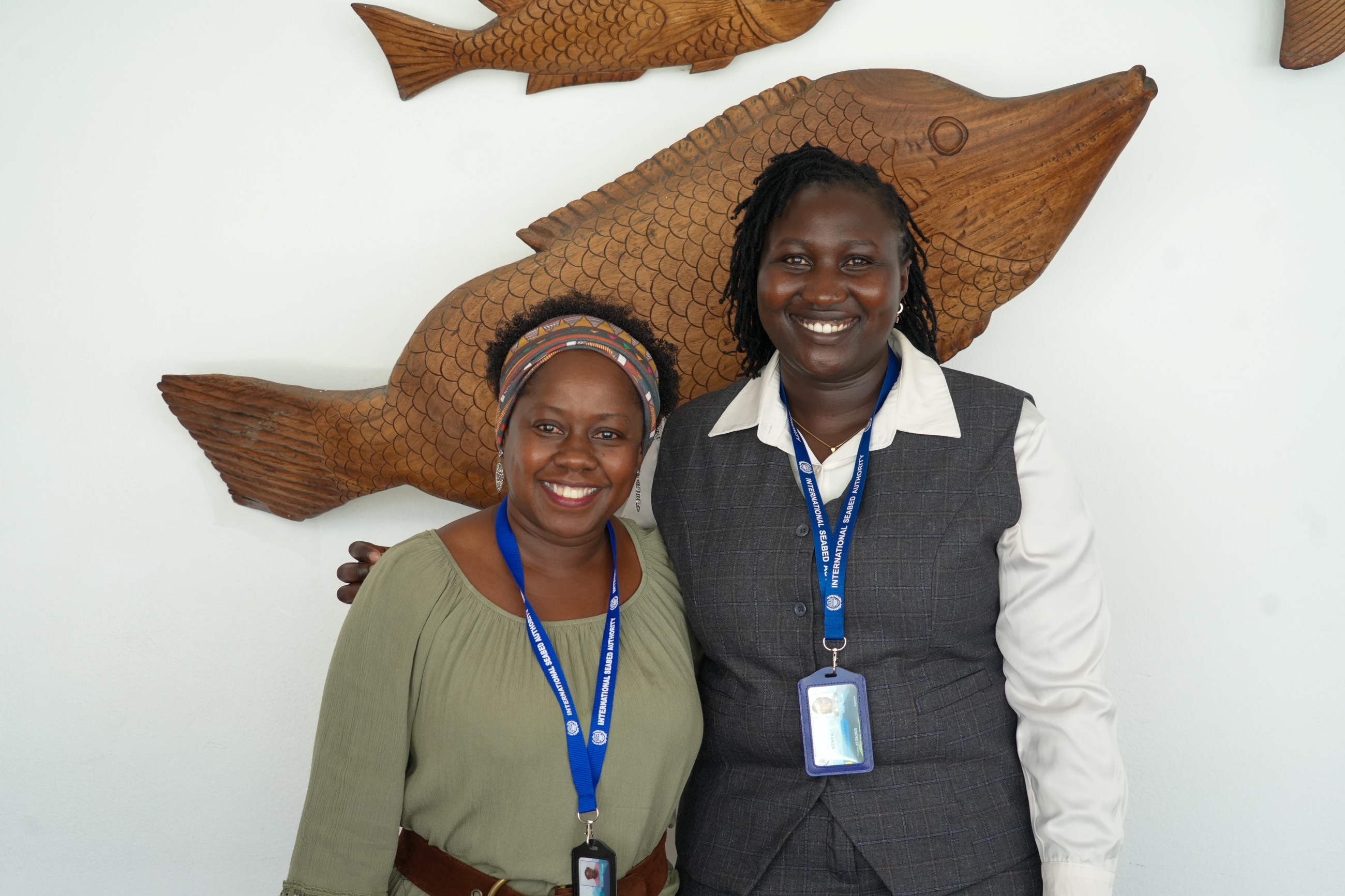
Wanja Nyingi, IISD/ENB and Milly Koech, Kenya

Deutsche Welle journalist interviewing an ISA-30 Assembly delegate