
Deep-sea mining must only proceed within a robust regulatory framework that ensures the effective protection of human health and the marine environment. Members of the International Seabed Authority (ISA) are currently working to establish such a framework.
However, views differ on how this work should proceed. Some delegates emphasize the need to promptly finalize the regulations in order to safeguard the marine environment and avoid unilateral actions. Others advocate for a more cautious approach, stressing the limited scientific understanding of deep-sea ecosystems and the repercussions of mining the seafloor. So far, 37 states support a precautionary pause or moratorium on commercial deep-sea mining.
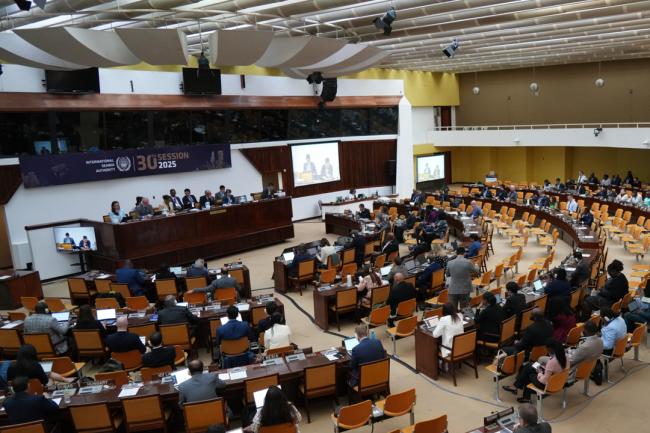
The divergent views among ISA members were evident on Tuesday, on the second day of the 30th session of the ISA (ISA-30) Assembly.
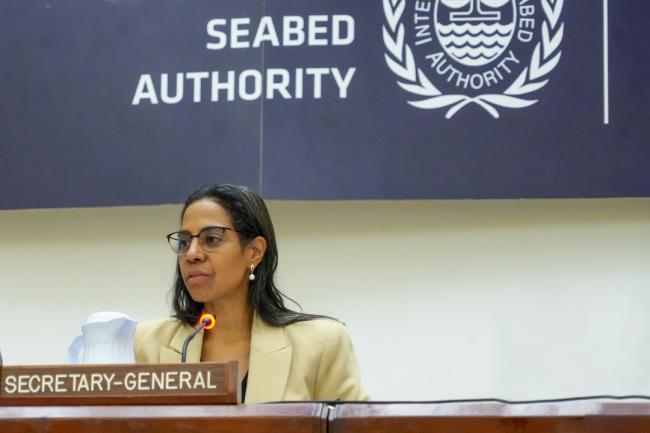
ISA Secretary-General Leticia Carvalho presented to the Assembly: her annual report, the report on the restructuring of the Secretariat, and the report on the Authority in support of the UN Decade of Ocean Science for Sustainable Development. She highlighted, among other things, that:
- the Secretariat undertook a restructuring to enhance the efficiency, transparency, accountability, and cost-effectiveness of its work;
- the Secretariat’s Compliance Assurance and Regulatory Management Unit conducted two inspections in relation to four exploration contracts; and
- the Secretariat has signed letters of cooperation and memoranda of understanding with countries and organizations to enhance information sharing and capacity building, including for women scientists.
Delegates welcomed the report by the Secretary-General. Many praised the Secretariat’s capacity building initiatives, such as the See Her Exceed global mentoring programme for women scientists.
Surangel Whipps, President of Palau, condemned the framing of deep-sea mining as a “green” solution, warning of the risk of irreversible harm that exploitation poses to the marine environment.
Questioning the urgency to complete the deep-sea mining regulations, which he suggested is shaped by external, corporate interests, he reiterated his country’s support for a moratorium on deep-sea mining.
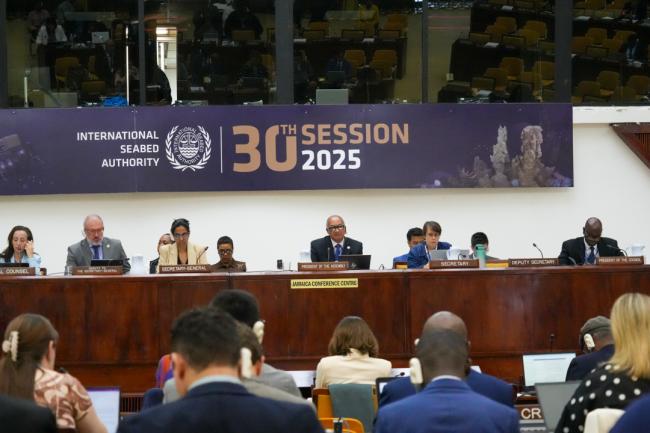
Cameroon acknowledged the progress achieved so far in the deliberations on the regulations and urged swift adoption of a robust mining code.
China emphasized that finalizing the exploitation regulations is not optional but a legal obligation according to the mandate entrusted to ISA members under the UN Convention on the Law of the Sea (UNCLOS). Noting the challenges posed by unilateral actions, he urged early introduction and implementation of the deep-sea mining regulations.
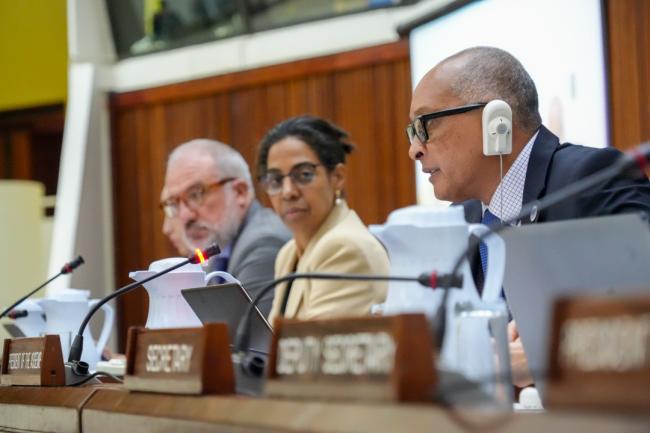
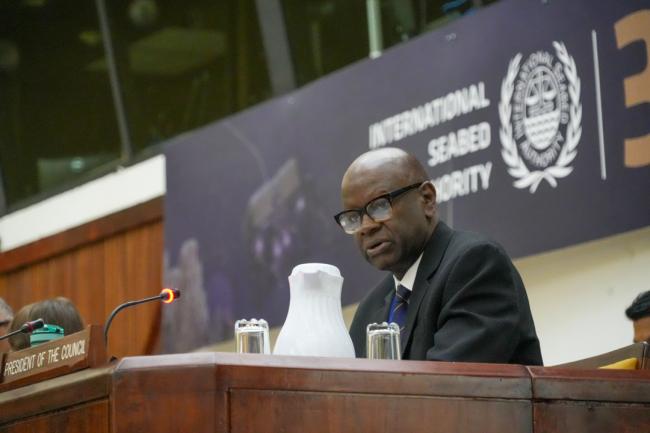
ISA-30 Council President Duncan Laki, Uganda, also reported on the Council’s work, including completion of the second reading of the draft regulations. He highlighted adoption of decisions on: operationalizing the Economic Planning Commission (EPC); the revised standardized procedures for the development, establishment, and review of regional environmental management plans (REMPs); and a thematic approach to continuing the elaboration of the exploitation rules, regulations, and procedures relating to exploitation.
Several delegations welcomed the progress made during the Council meeting. Some stressed that safeguarding the marine environment is fundamental and reiterated that a strong regulatory regime is a prerequisite for any commercial exploitation.
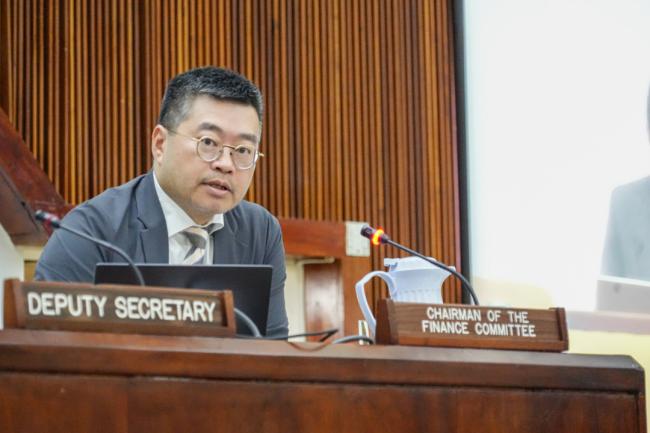
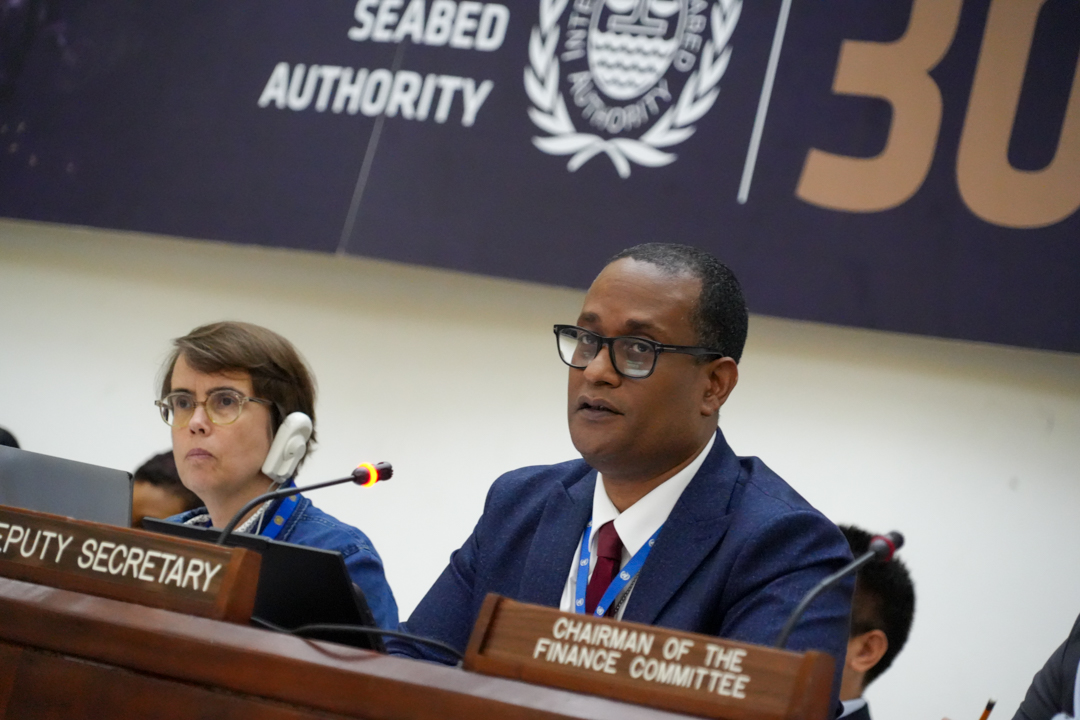
Kenneth Wong, Chair of the Finance Committee, reported on the Committee’s work, highlighting, among other things, discussions on a suitable mechanism for equitable benefit sharing from activities in the Area (the seabed and ocean floor and the subsoil thereof, beyond the limits of national jurisdiction).
He noted that the Committee has developed a tentative draft of the objectives of the common heritage fund, as a benefit sharing mechanism.
Costa Rica stressed the importance of exploring alternative mechanisms for equitable benefit-sharing beyond the proposed fund. They called on the Committee to develop and present comparative options for consideration by the Council and the Assembly.
The Assembly adopted the decision on budget and financial matters as orally amended.
To receive free coverage of global environmental events delivered to your inbox, subscribe to the ENB Update newsletter.
All ENB photos are free to use with attribution. For the Second part of the 30th session of the International Seabed Authority (ISA) Council meeting, please use: Photo by IISD/ENB | Andrés Felipe Carvajal Gómez
Selected Images
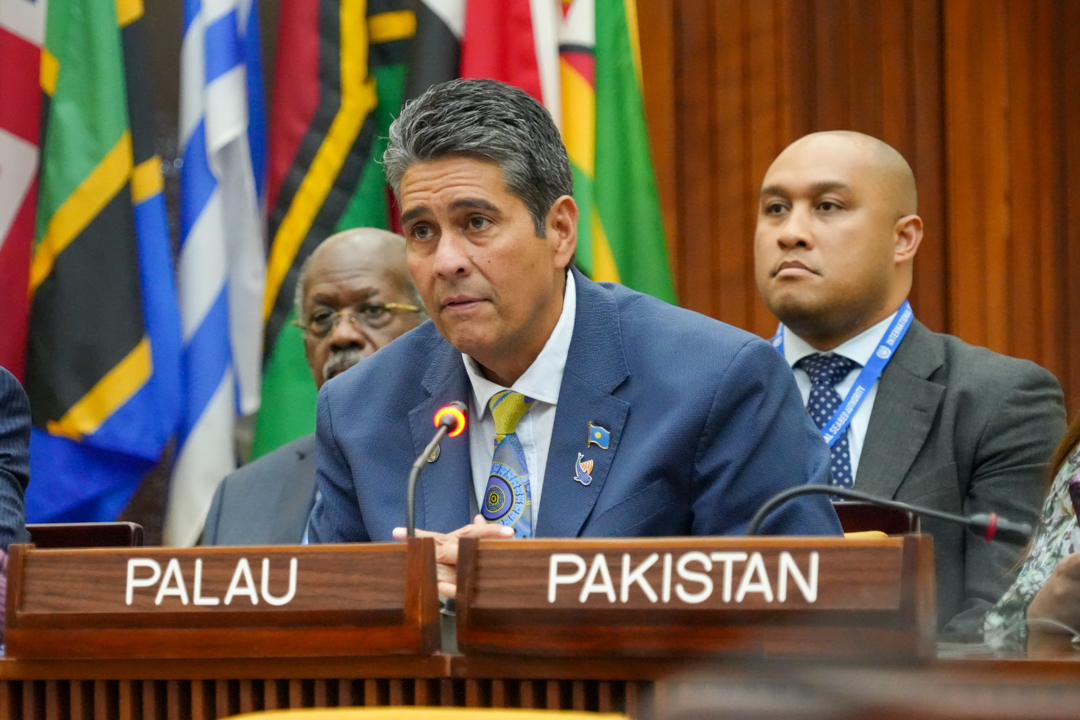
Surangel Whipps Jr., President of Palau
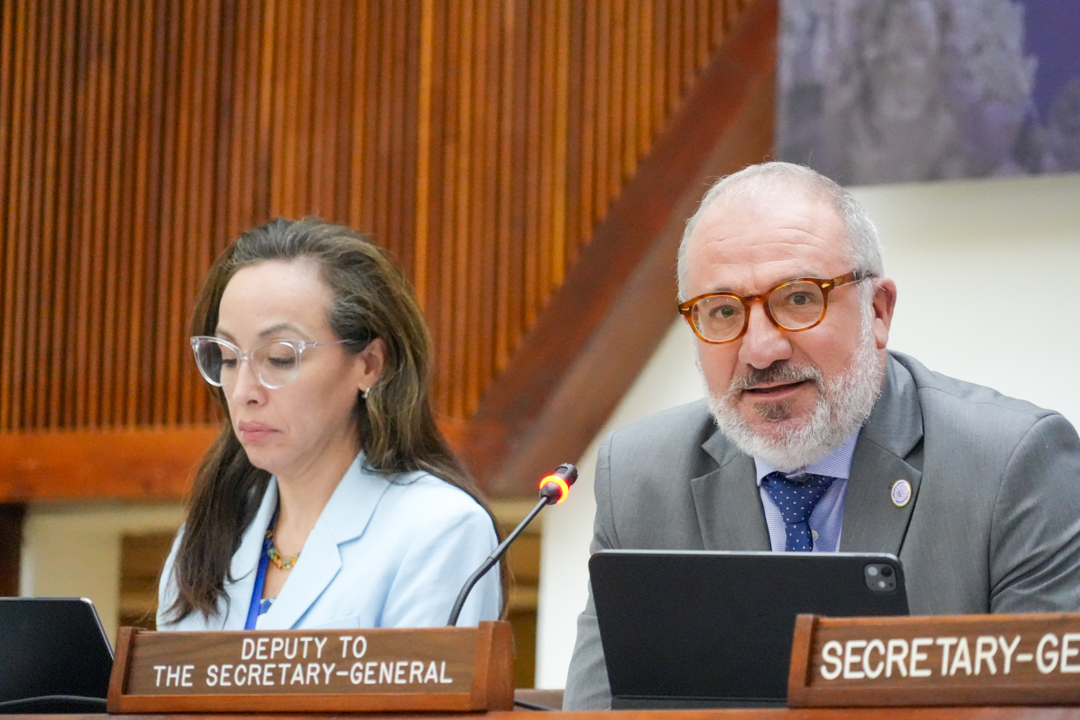
ISA Deputy Secretary-General, Bruno Pozzi
Steven Dietrich, Secretariat of the Authority
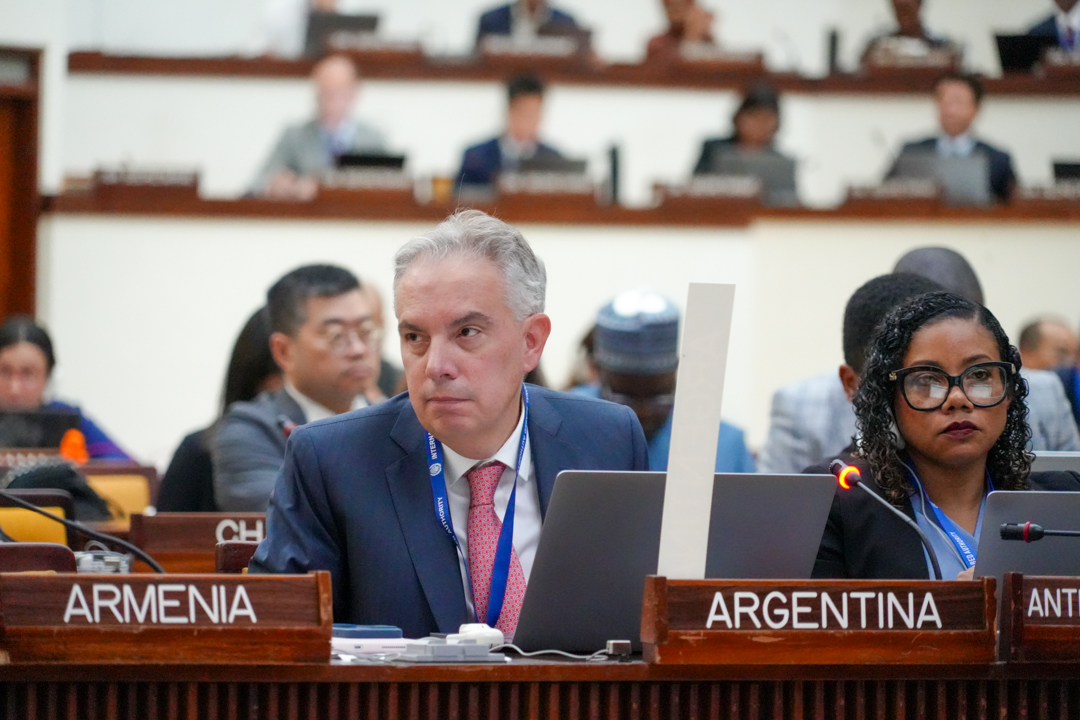
Marcelo Balbi Calvo, Argentina
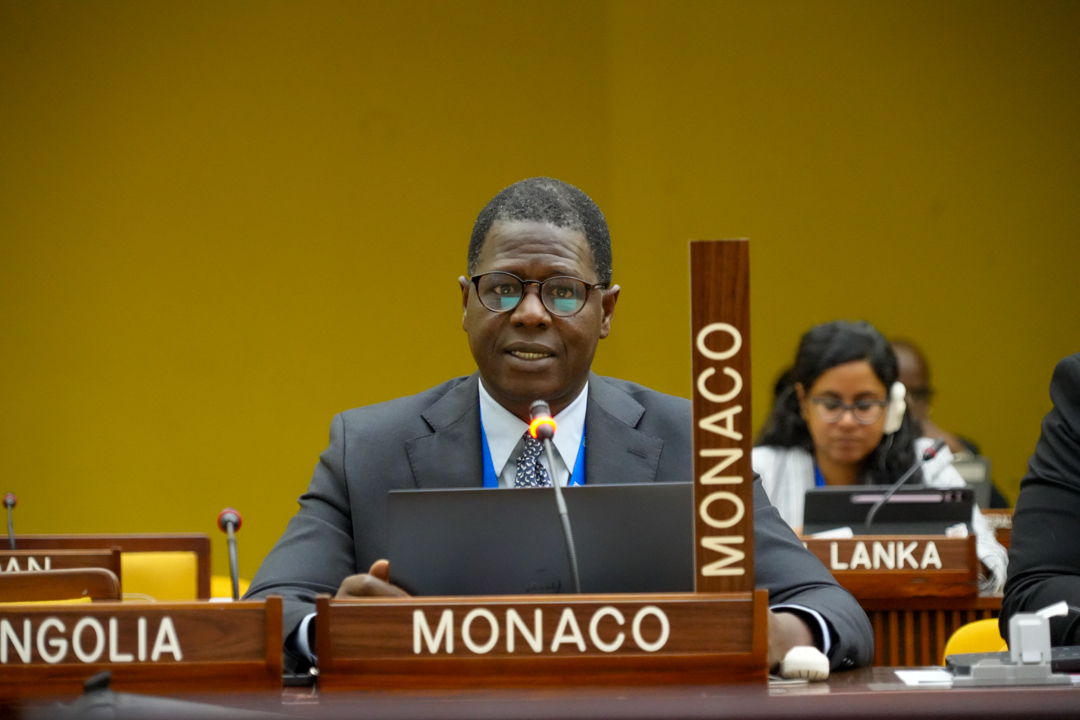
Tidiani Couma, Monaco
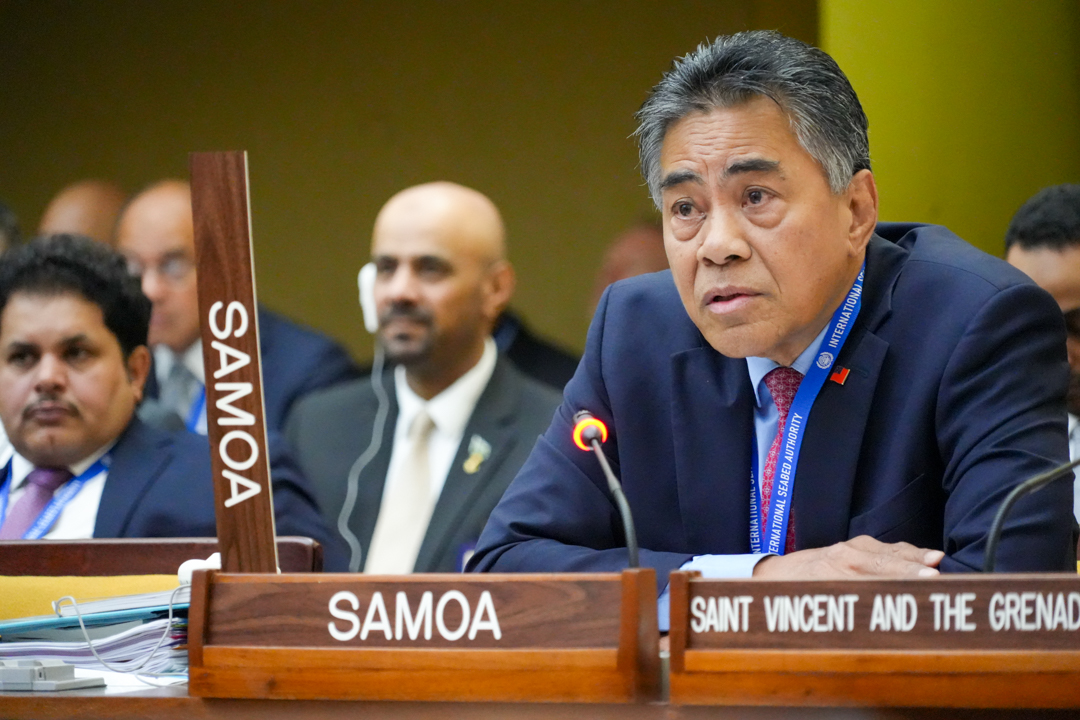
Bedendi Luteru, Samoa
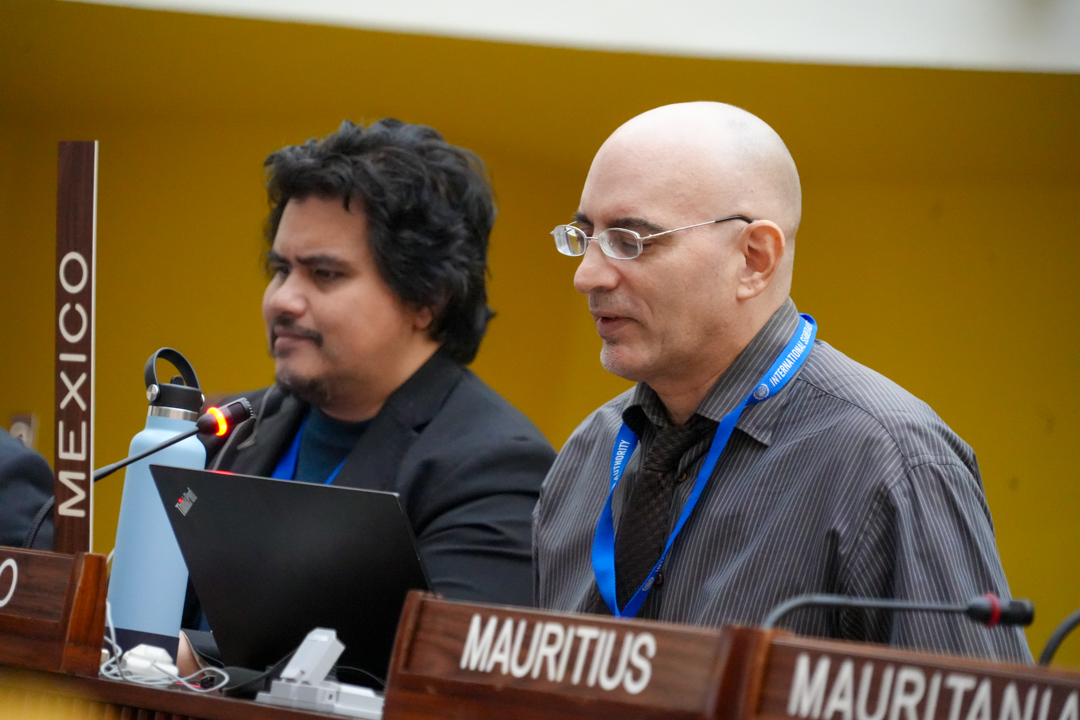
Leopoldo Daniel López Zea, Mexico
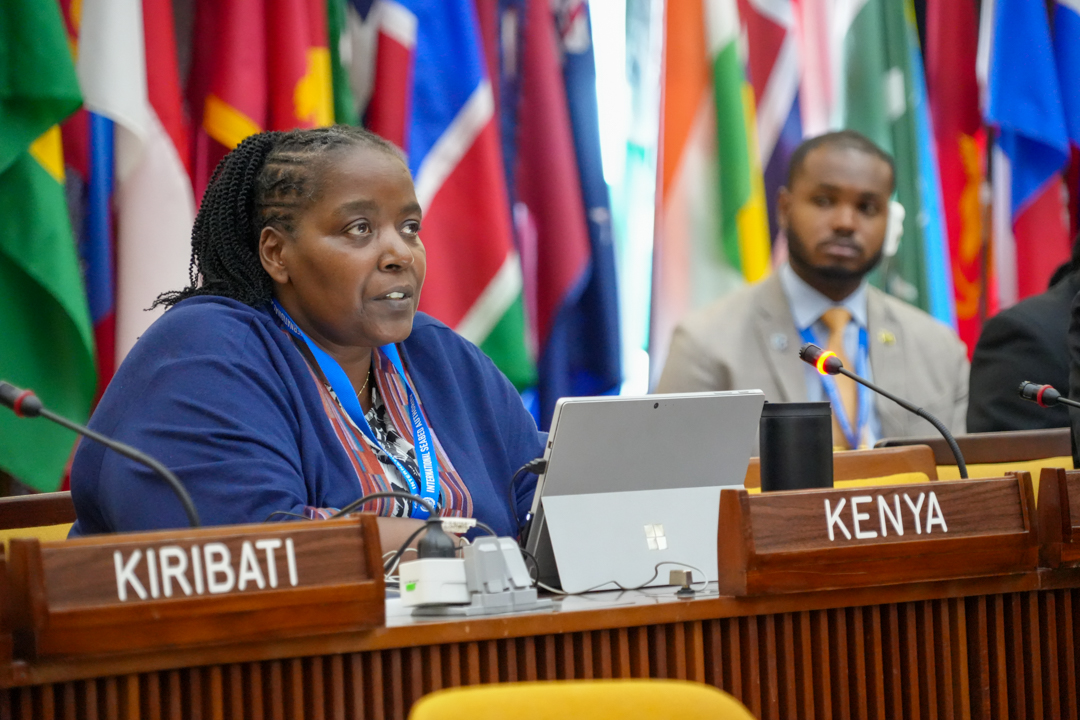
Juster Nkirote Nkoroi Muriuki, Kenya
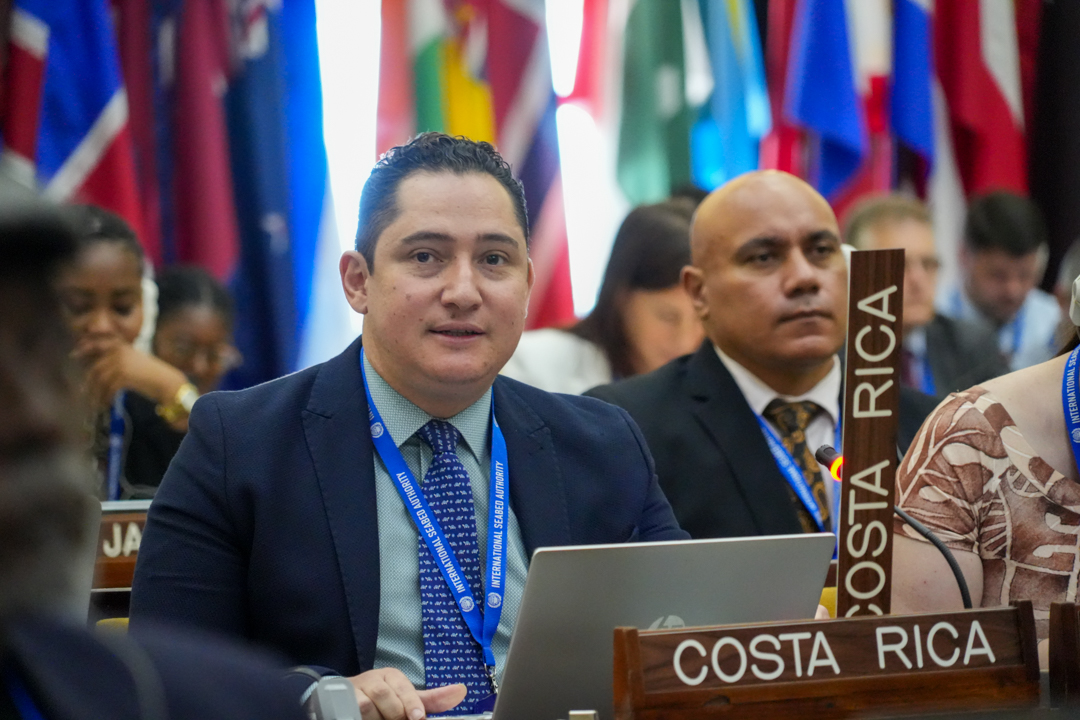
Gustavo Ramírez, Costa Rica
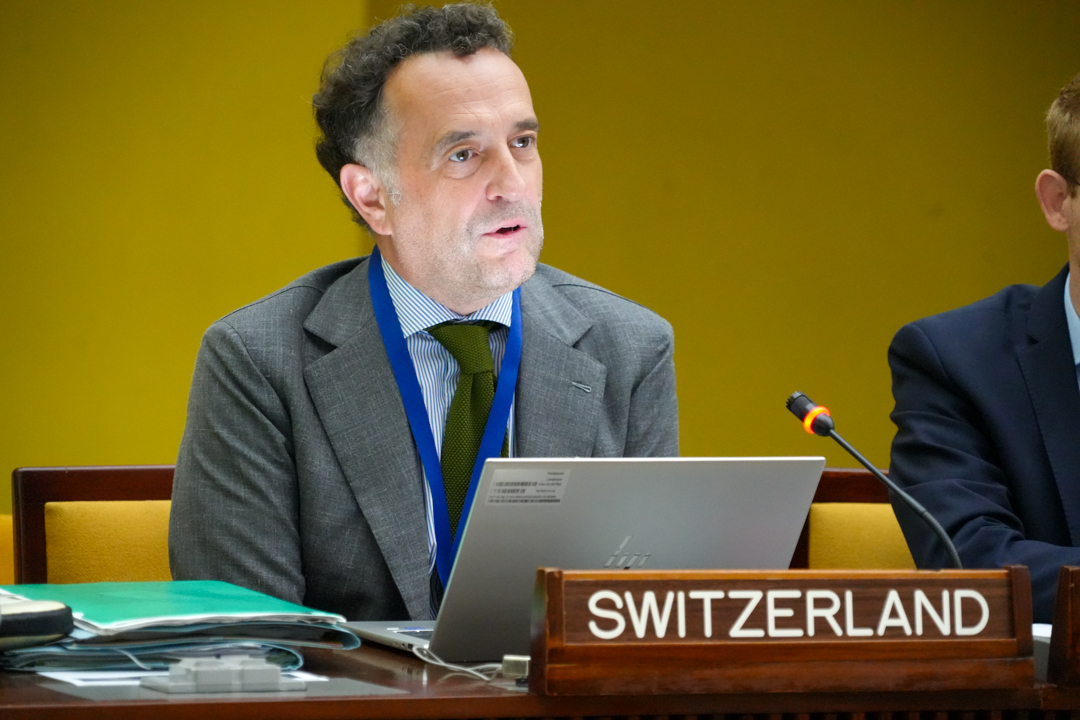
Stefano Vescovi, Switzerland
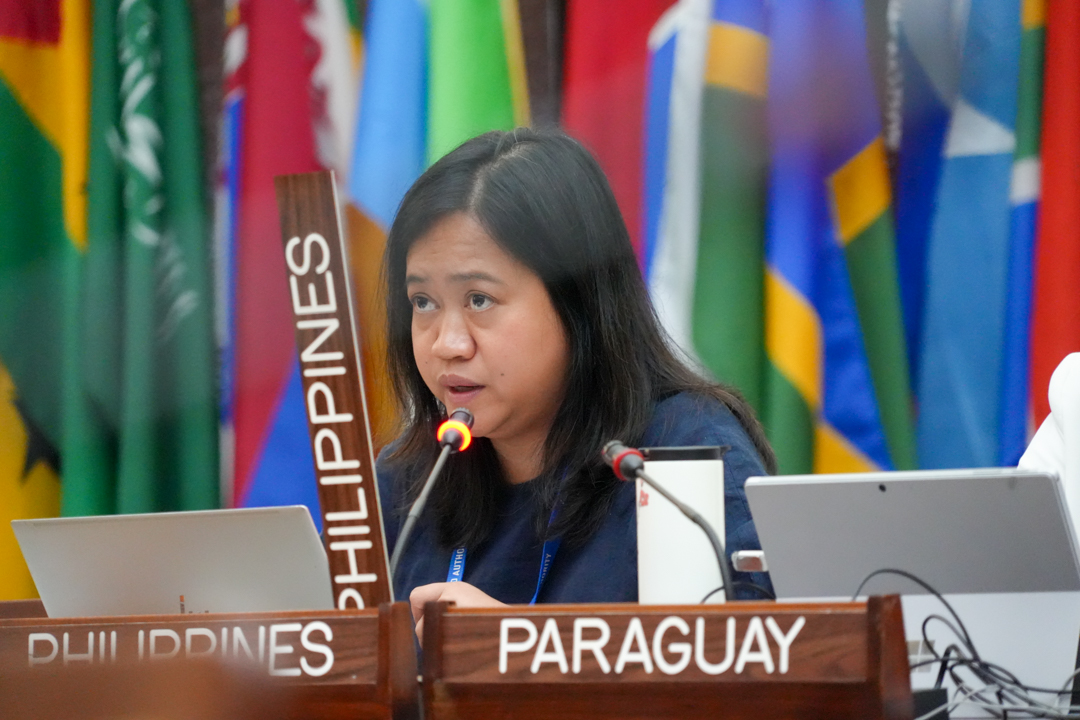
Azela Arumpac-Marte, the Philippines
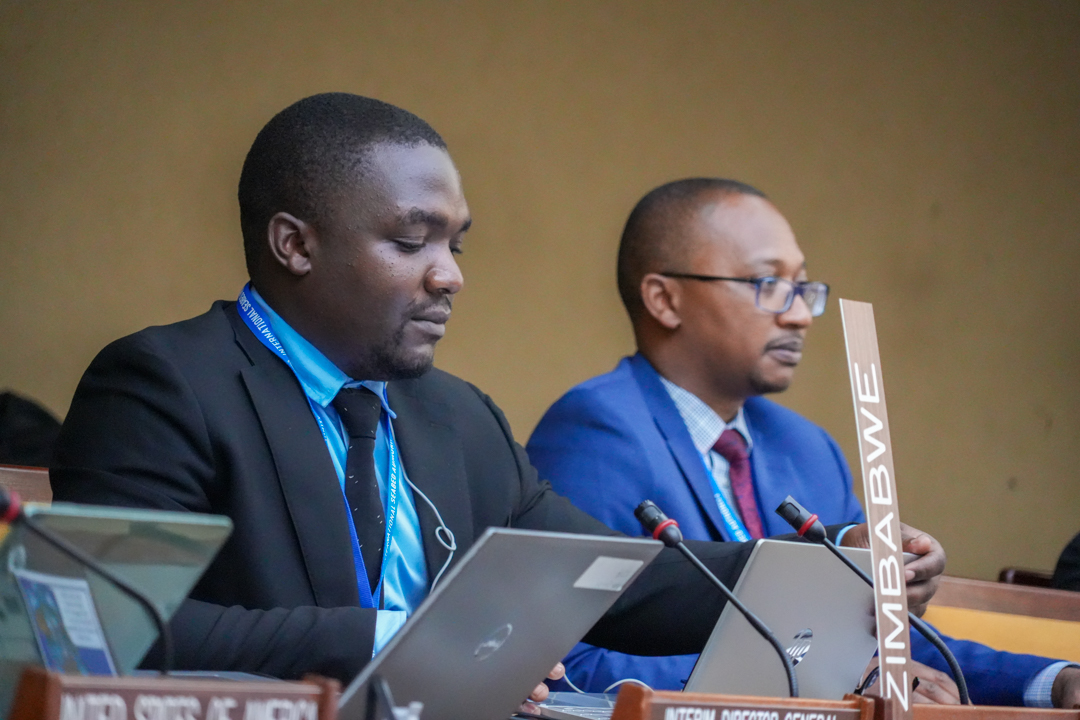
Ngonidzashe Nyagato, Zimbabwe
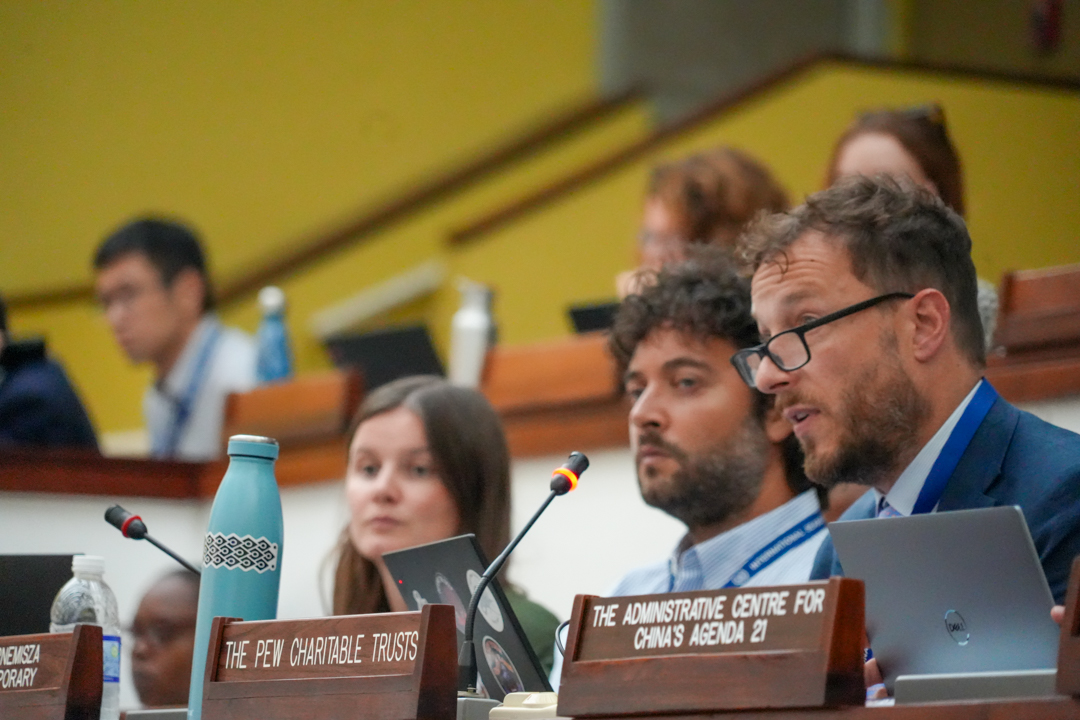
Julian Jackson, The Pew Charitable Trusts
Side Events
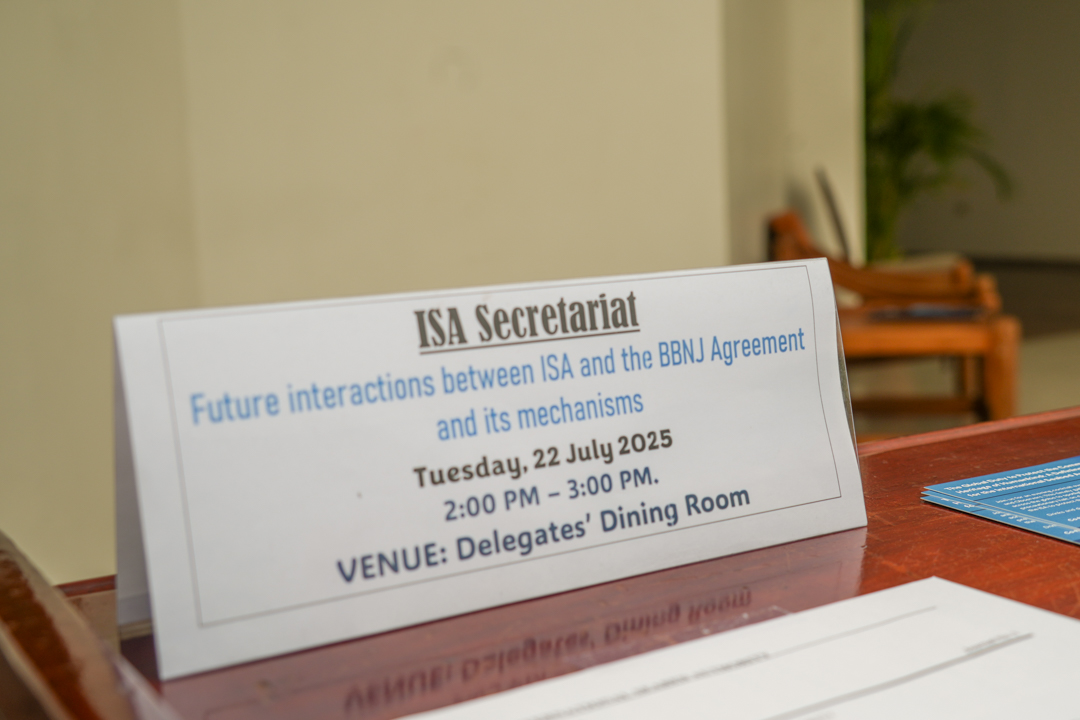
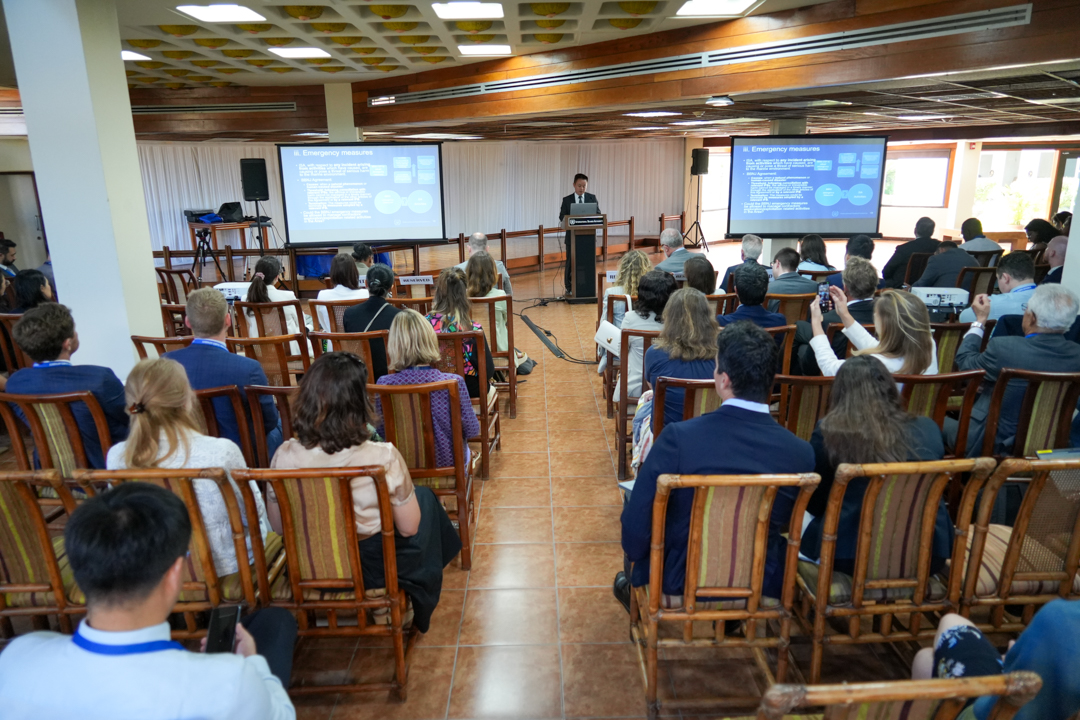
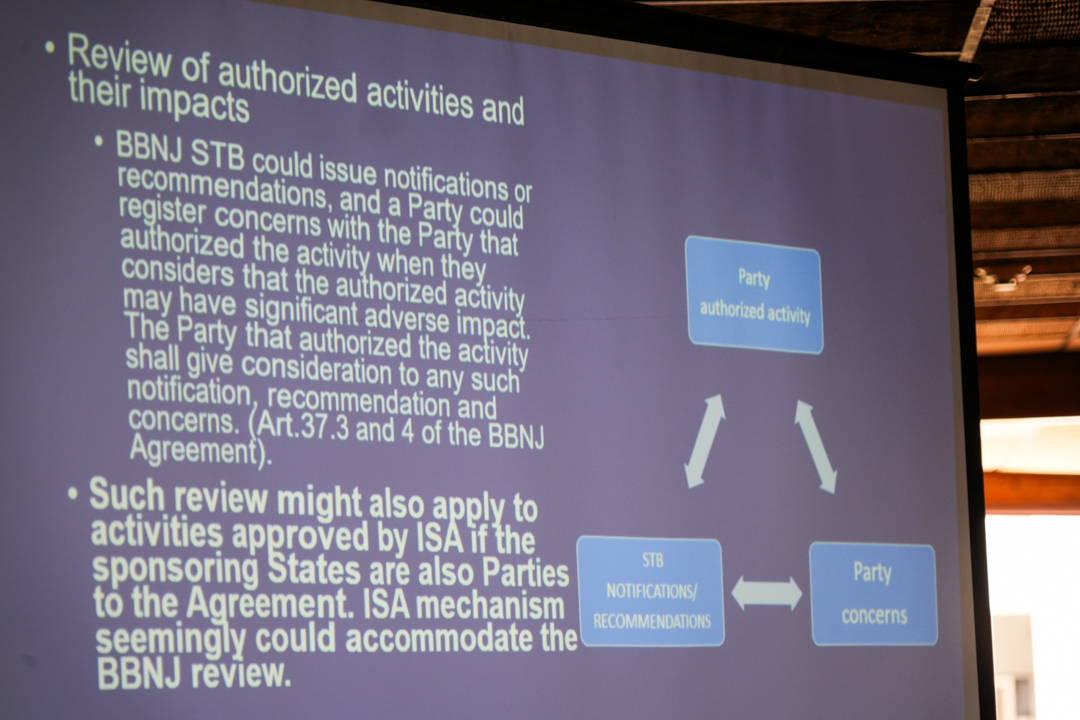
View of the room during the side event: Future interactions between ISA and the BBNJ Agreement and its mechanisms
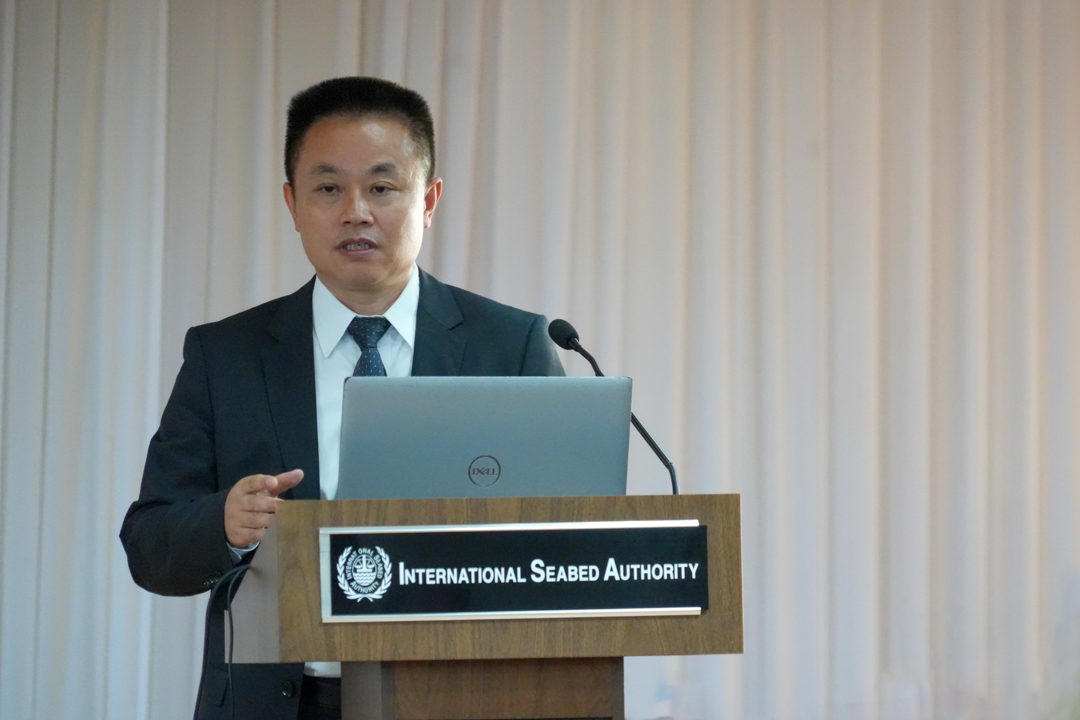
Wenqiang Yin, Secretariat of the Authority
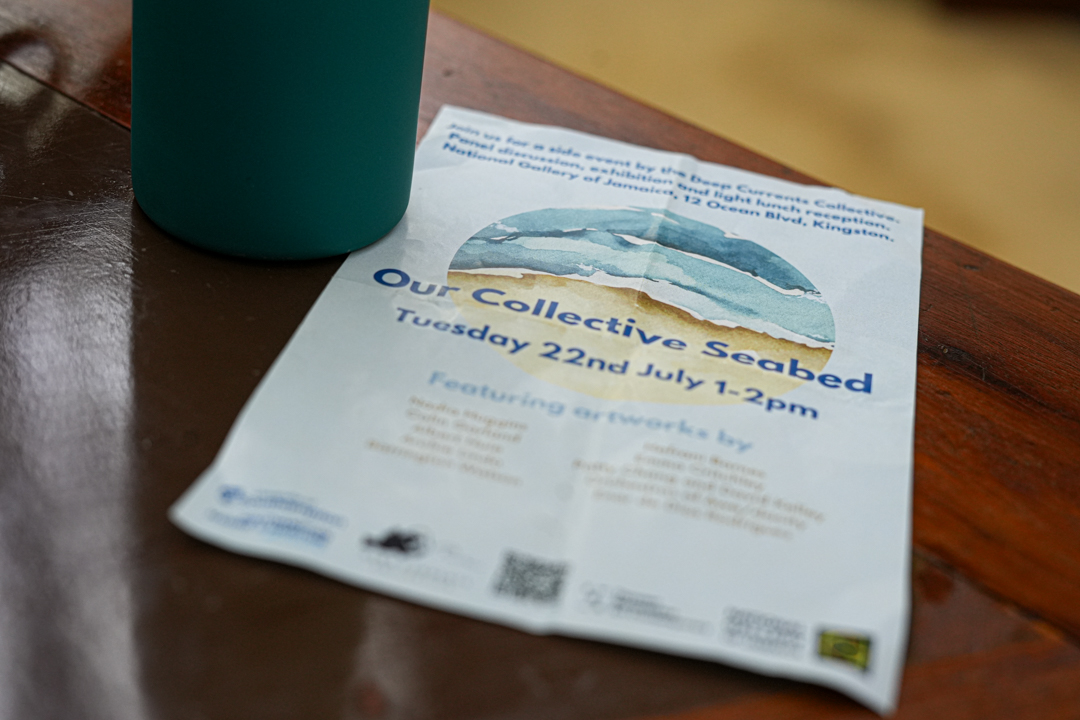
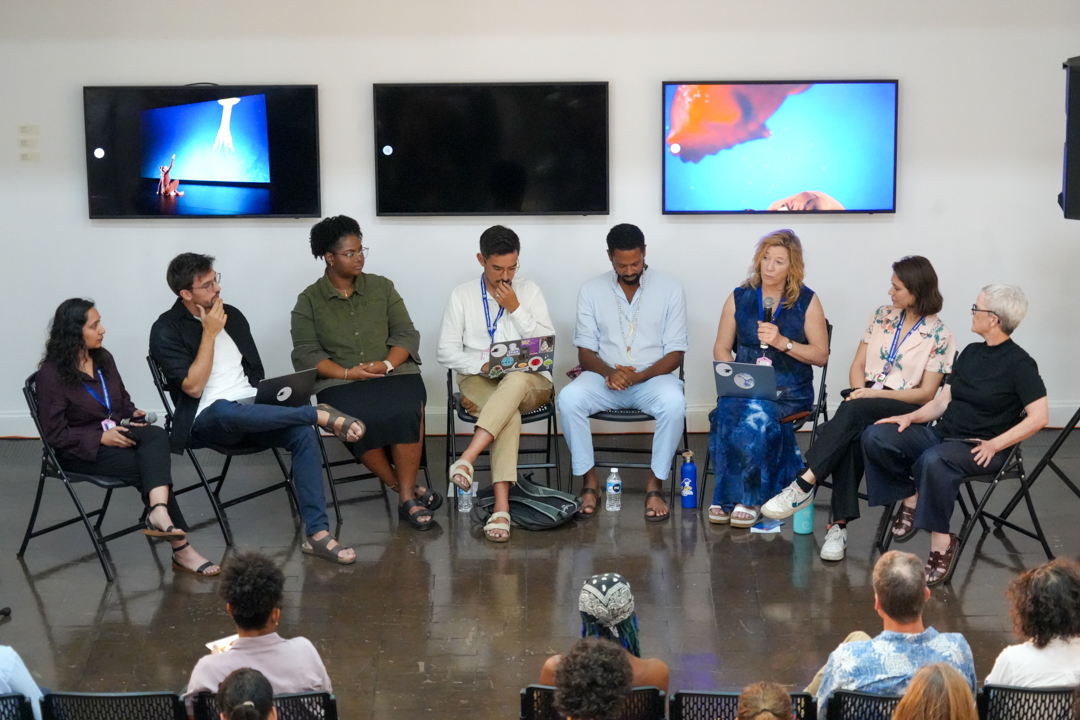
Panel at the side event "Our Collective Seabed" organized by the Deep Currents Collective
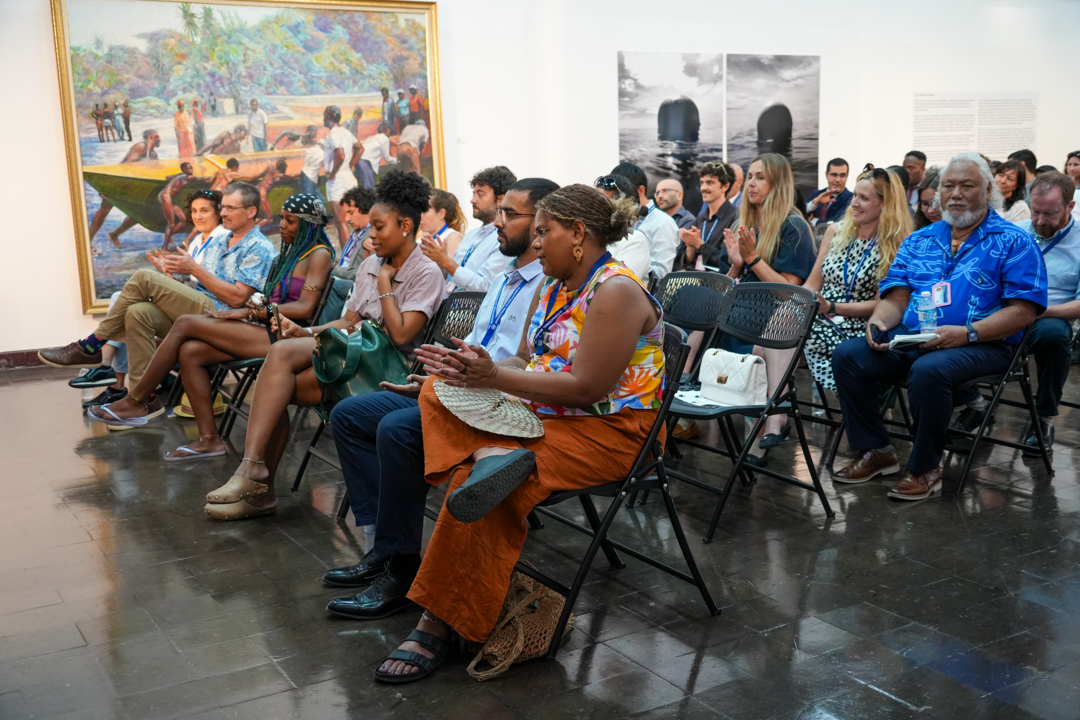
View of the room during the side event
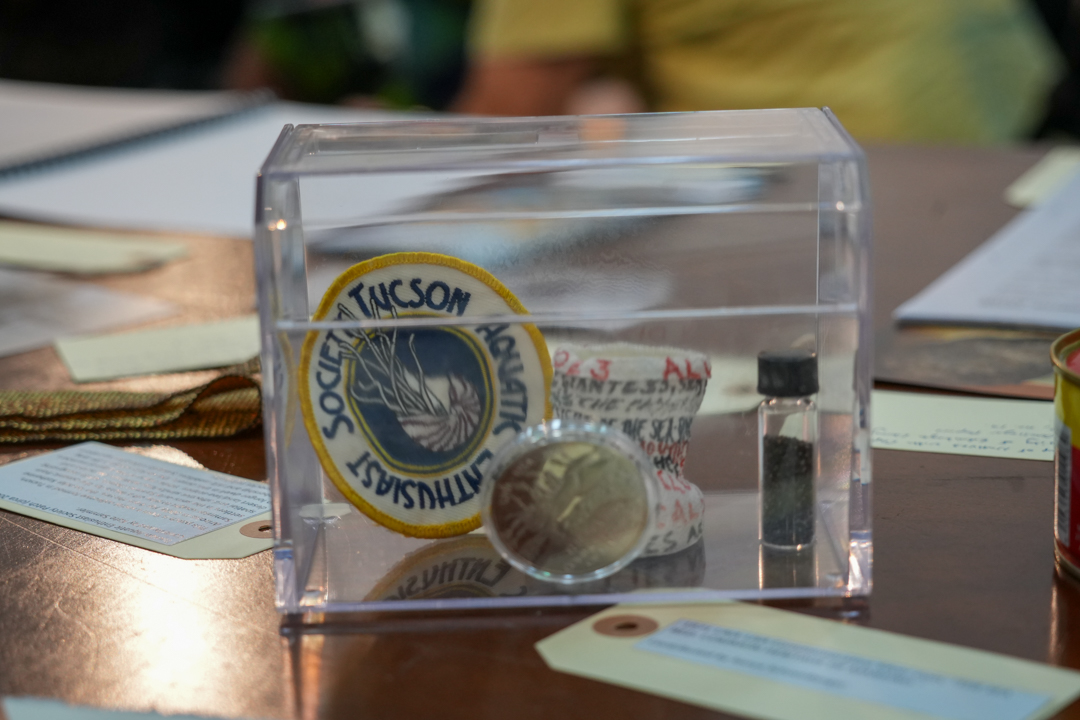
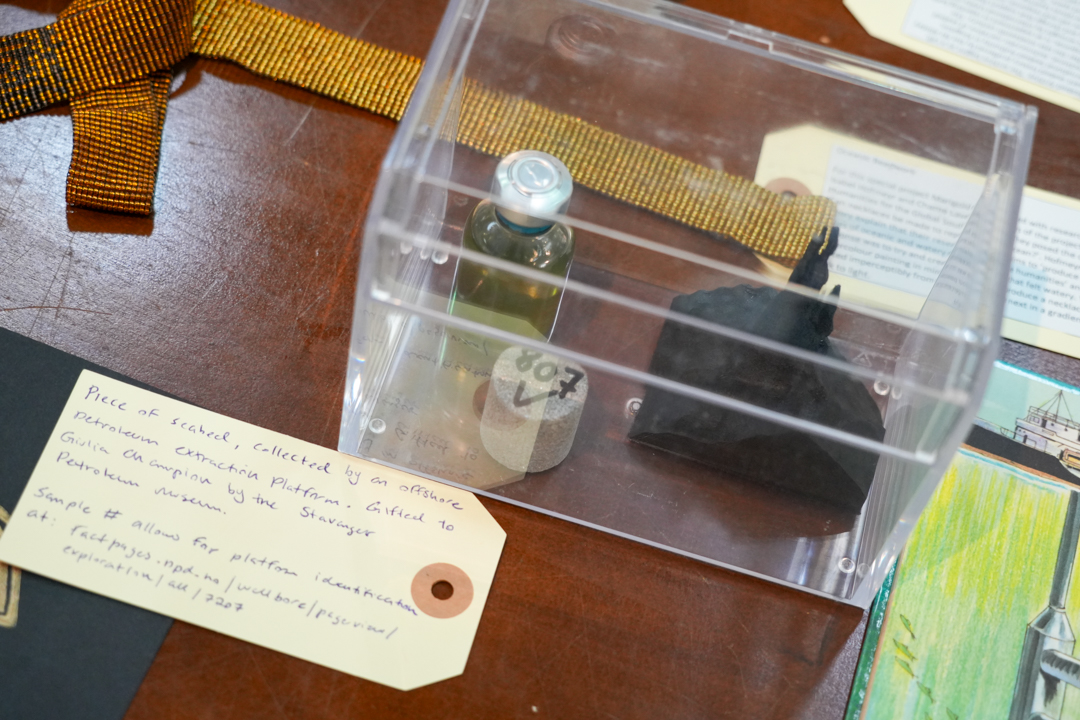
A diverse array of artefacts from the deep sea collected by the Deep Currents Collective
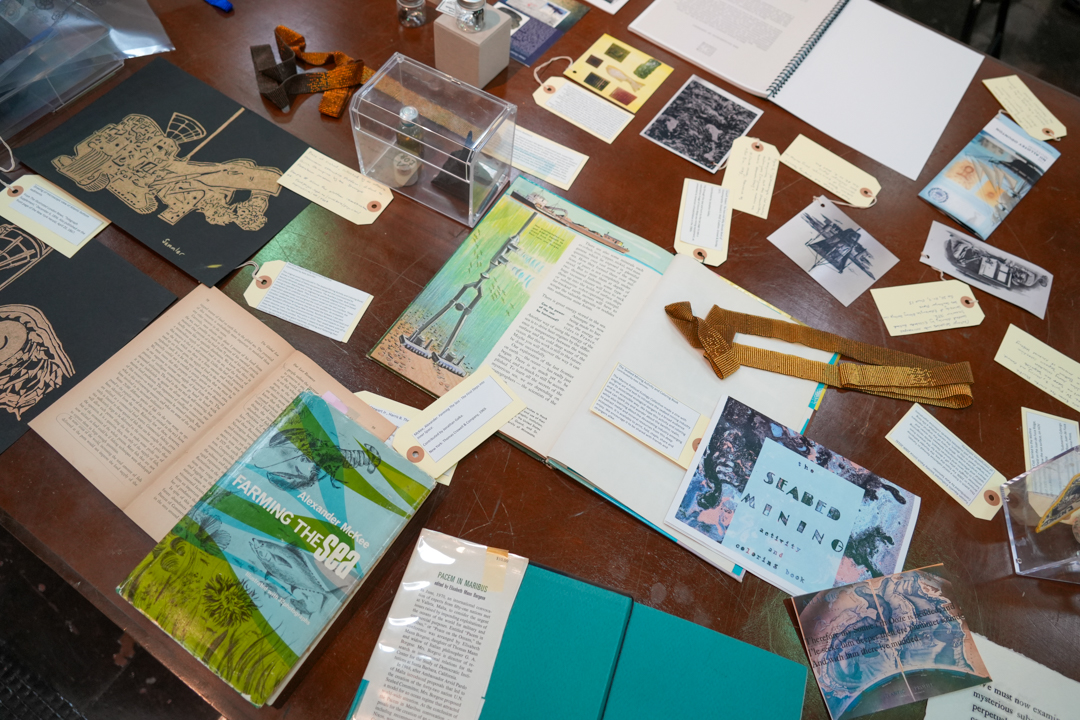
Around the venue
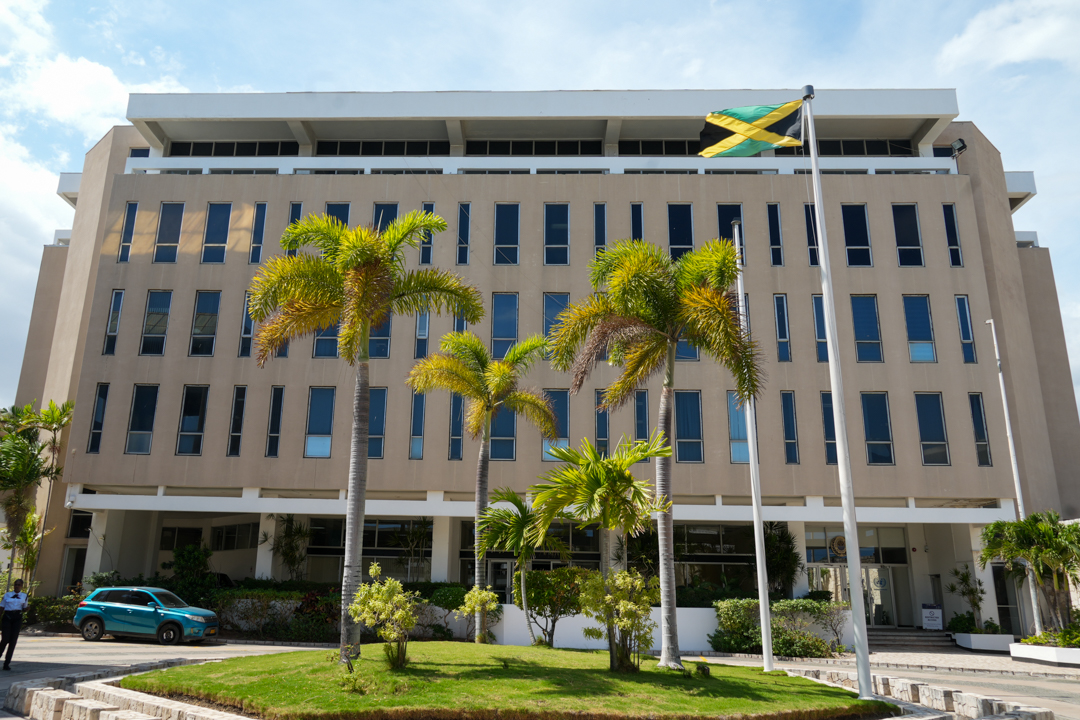
Headquarters of the International Seabed Authority
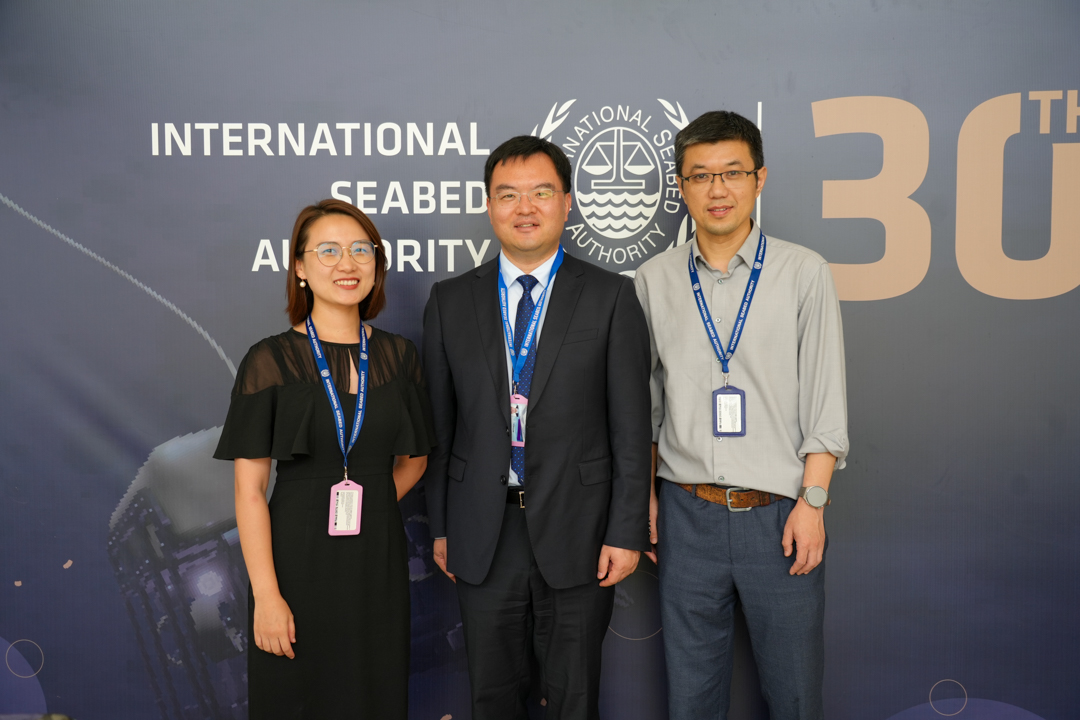
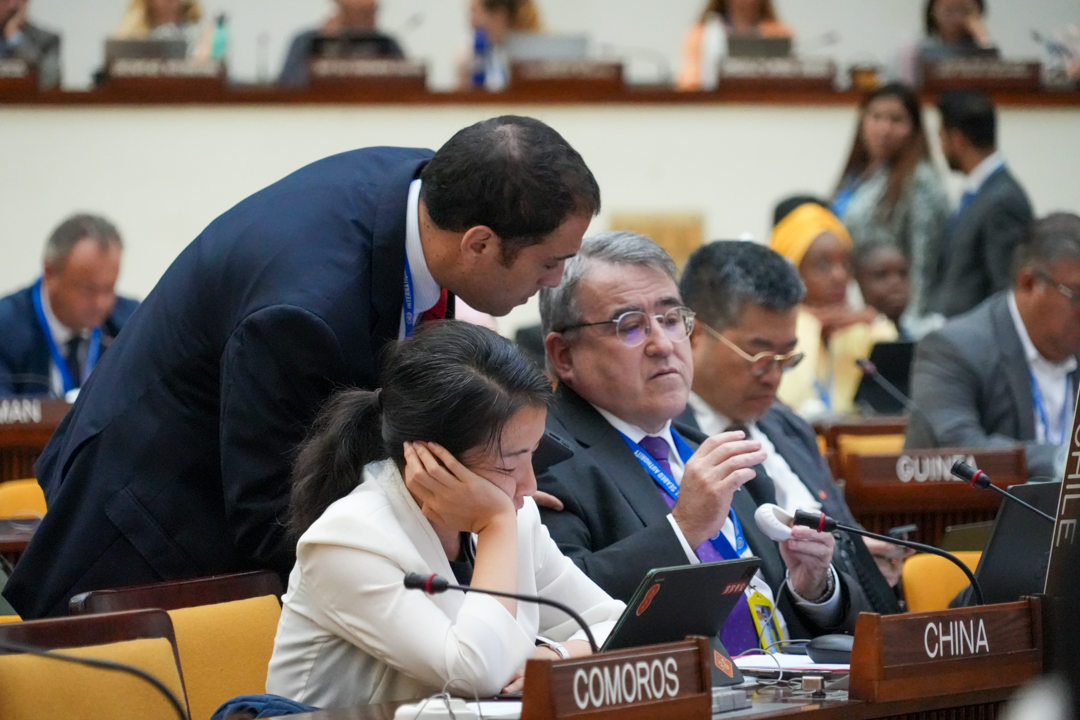
Xiangxin Xu, Xiangxin Xu, Shanghai Jiao Tong University, Wentao Wang, the Administrative Centre for China's Agenda 21 and Dongsheng Zhang, China