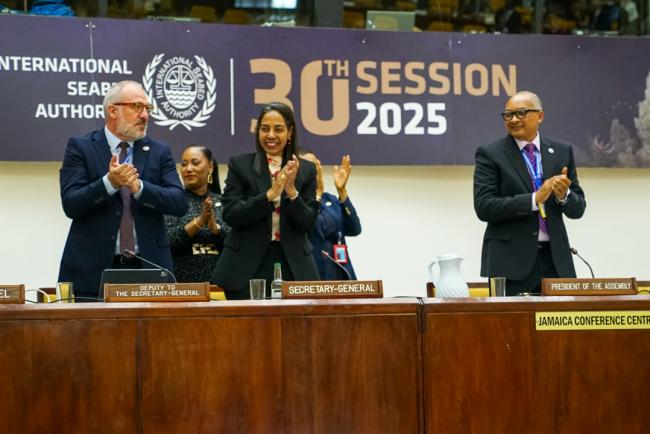
The Assembly of the International Seabed Authority (ISA) has officially designated 1 November as the International Day of the Deep Seabed.
This decision, co-sponsored by Fiji, Jamaica, Malta, and Singapore, and unanimously adopted by the Assembly, will help to raise awareness of the legal regime governing all activities in the Area (the seabed and ocean floor and the subsoil thereof, beyond the limits of national jurisdiction), which is the common heritage of humankind.
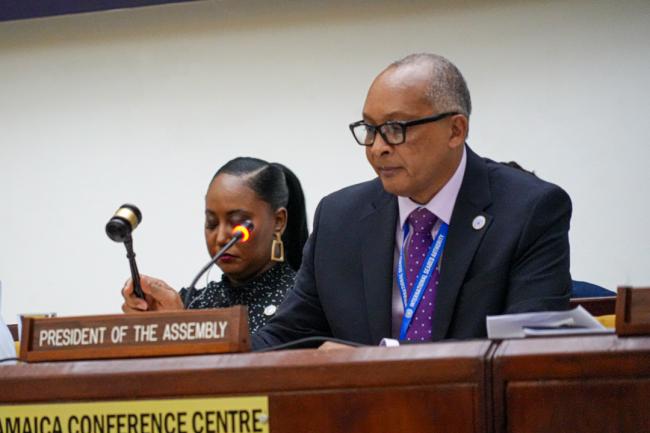
The Assembly adopted this proclamation during the commemoration of the 30th anniversary of the ISA. The ISA came into existence on 16 November 1994, upon the entry into force of the UN Convention on the Law of the Sea (UNCLOS). Its mandate is to organize and control activities in the Area, while ensuring the effective protection of the marine environment and that activities in the Area benefit humankind as a whole.
On Wednesday, the 30th session of the ISA Assembly (ISA-30) commemorated 30 years of ocean stewardship with a day featuring high-level speakers, including the President of Palau and former Assembly presidents, musical performances, and an evening reception honoring global cooperation and renewing commitment to UNCLOS.
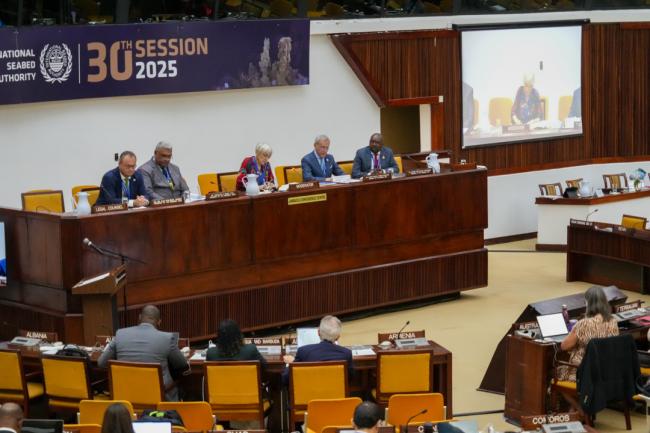
Dwight Gardiner, Antigua and Barbuda, ISA-30 Assembly President, opened the special session, noting that the Authority is rooted in equity, stewardship, and multilateral cooperation, and has lived up to the aspirations envisioned in UNCLOS and the 1994 Implementing Agreement Relating to the Implementation of UNCLOS Part XI (the 1994 Agreement).
He underscored that ISA must continue to be guided by transparency, inclusivity, and integrity in order to remain relevant and be fit for the challenges ahead.
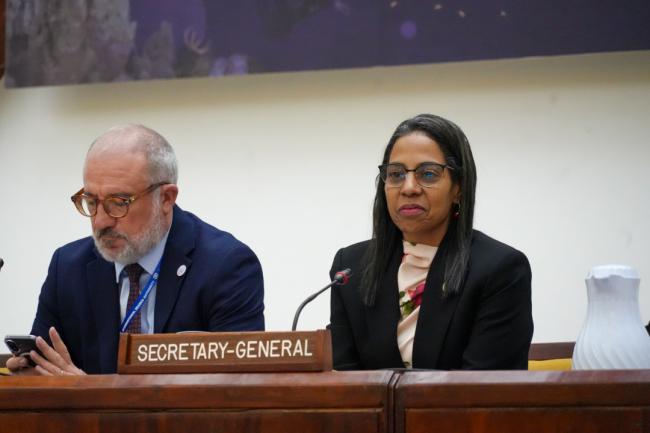
Leticia Carvalho, ISA Secretary-General, noted that ISA has been a pillar of stability in the management of the deep seabed and stressed the importance of finalizing a robust, science-based, and transparent mining code.
As the first female Secretary-General, she reaffirmed her commitment to public service and cooperation, and declared that the seabed must not become a battleground for a few interests, but a space of shared responsibility.
UN Secretary-General António Guterres, in his message delivered by Nandrique Hibbert, Jamaican youth leader, underscored the importance of ISA’s work for the global commons, urging the continuation of science-based and inclusive governance of the deep sea.
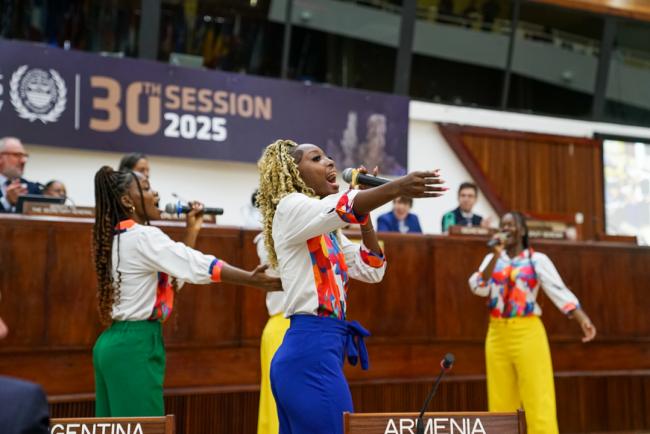
Delegates then enjoyed a musical performance by TruTone, an award-winning band from Dinthill Technical High School in Jamaica.
Panel: Historic Reflections and Architecture for Shaping the Future
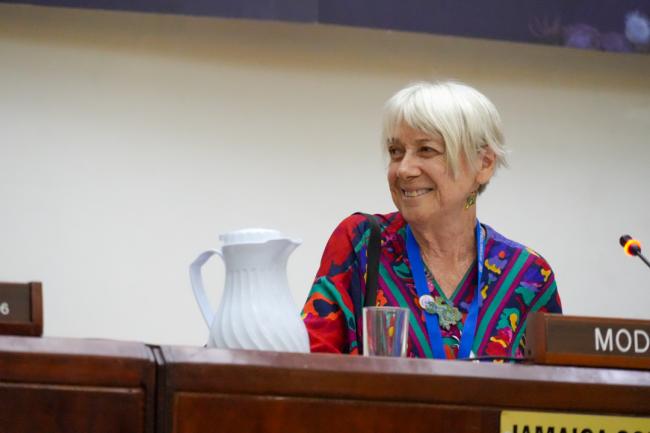
This panel moderated by Philomène Verlaan, Advisory Committee on Protection of the Sea, featured reflections by former Presidents of the Assembly.
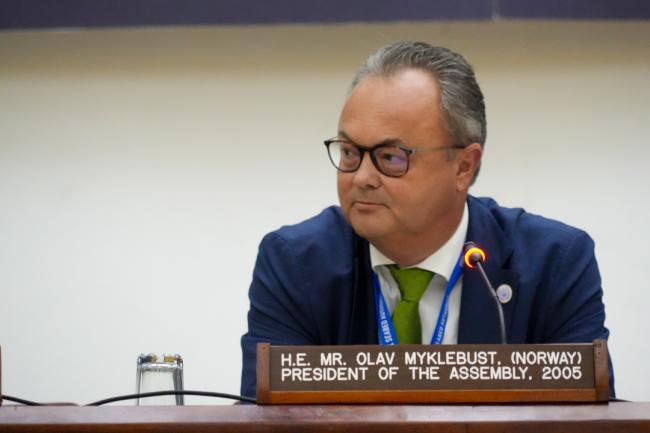
Olav Myklebust, Norway, President of the Assembly, 2005, and President of the Council, 2018 and 2024, recounted the early days of ISA and underlined that the evolutionary approach, as set out in the 1994 Agreement, has worked well for the ISA. He urged further strengthening the Secretariat to cope with its increased workload.
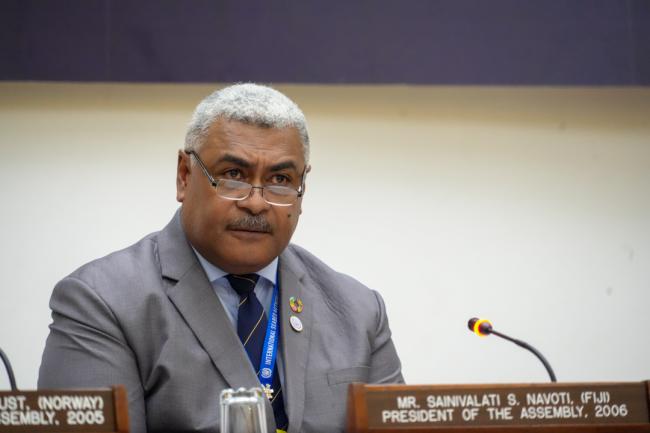
Sainivalati Navoti, Fiji, President of the Assembly, 2006, underscored that the mining code must: reflect the spirit and intent of UNCLOS; include equitable benefit-sharing mechanisms; and incorporate rigorous environmental safeguards.
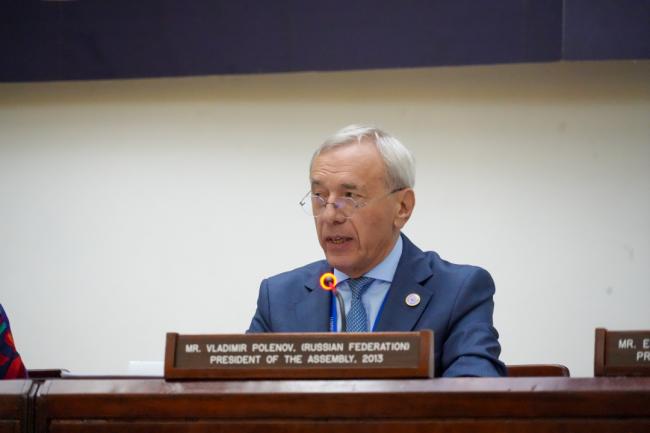
Vladimir Polenov, Russian Federation, President of the Assembly, 2013, praised the atmosphere of cooperation and mutual trust within the ISA, as well as members’ resolve to seek compromise and achieve common goals. He urged avoiding actions that would hinder the ISA’s effective operation and undermine its leading role in managing deep-sea resources.
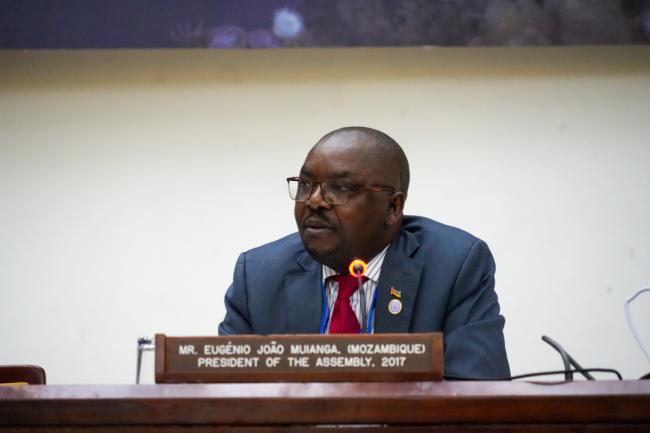
Eugénio João Muianga, Mozambique, President of the Assembly, 2017, highlighted some of the ISA’s achievements during his term, including undertaking the periodic review mandated by UNCLOS Article 154 (Periodic review), following which the ISA was restructured to enhance its efficiency and effectiveness.
Panel: Synthesis and Reflections from Deep Sea Dialogues Panel
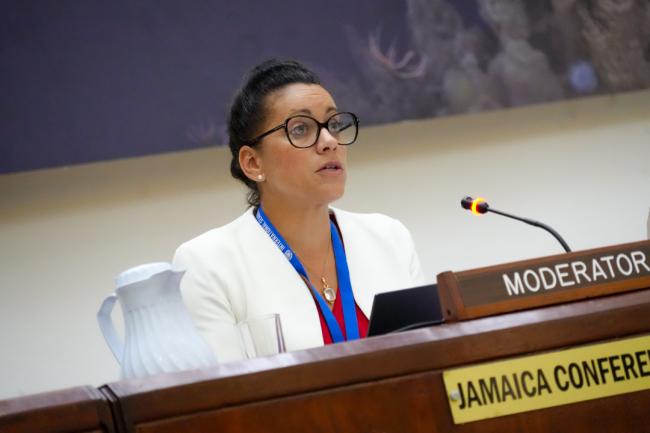
The Assembly heard the report from the Deep Sea Dialogues that took place on Sunday, 20 July, organized by the International Union for Conservation of Nature (IUCN), Dona Bertarelli Philanthropy, and Oceano Azul Foundation. This panel was moderated by Minna Epps, IUCN.
Diva Amon, University of California, reported on the scientific panel, focusing on the need to: strengthen deep-sea science and policy interface; define and agree on environmental goals and objectives; and examine how other related and relevant industries are being managed.
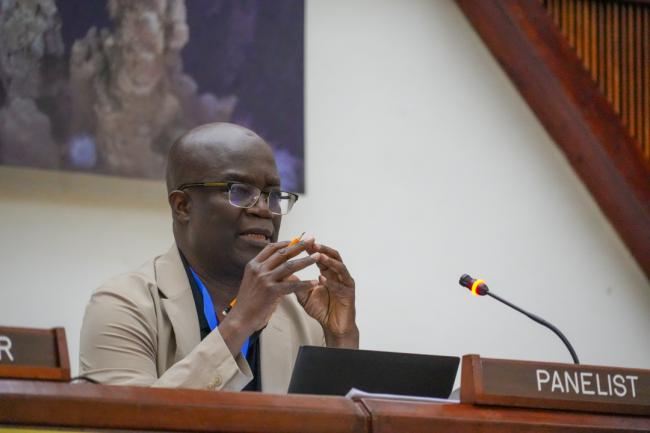
Rashid Sumaila, University of British Columbia, noted the session focused on the payment and benefit-sharing regime, net benefits, and trade-offs. He drew attention to the limited economic views on deep-sea mining, noting that most available literature is not peer-reviewed, and stressed the need for further socio-economic data.
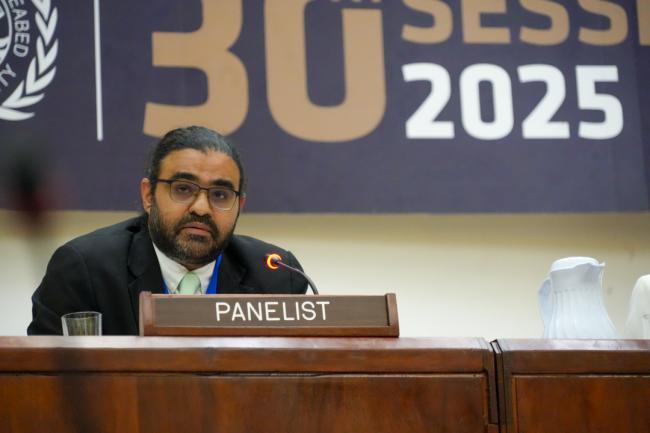
Pradeep Singh, Oceano Azul Foundation, underlined that UNCLOS and the 1994 Agreement should not be applied in isolation from other rules of international law. Regarding whether unilateral actions are lawful under UNCLOS, he pointed to Article 137 (Legal Status of the Area and its Resources). He also encouraged ISA to take concrete steps to shape and deliver benefits for humankind as a whole.
To receive free coverage of global environmental events delivered to your inbox, subscribe to the ENB Update newsletter.
All ENB photos are free to use with attribution. For the Second part of the 30th session of the International Seabed Authority (ISA) Council meeting, please use: Photo by IISD/ENB | Andrés Felipe Carvajal Gómez
Selected Images
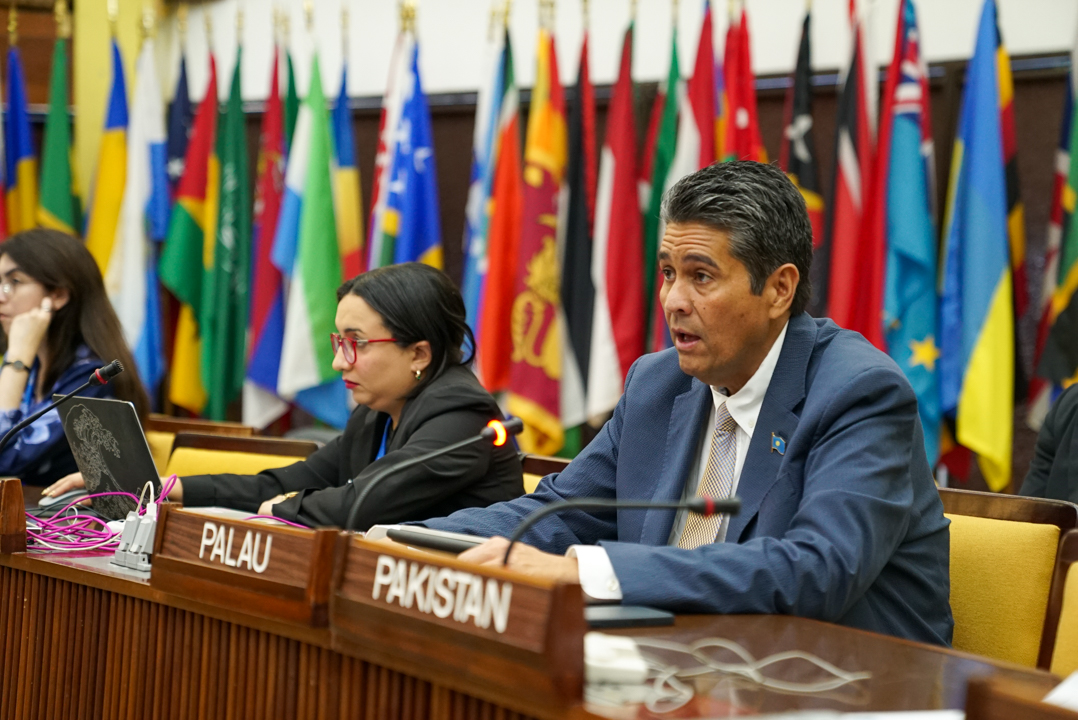
Surangel Whipps Jr., President of Palau
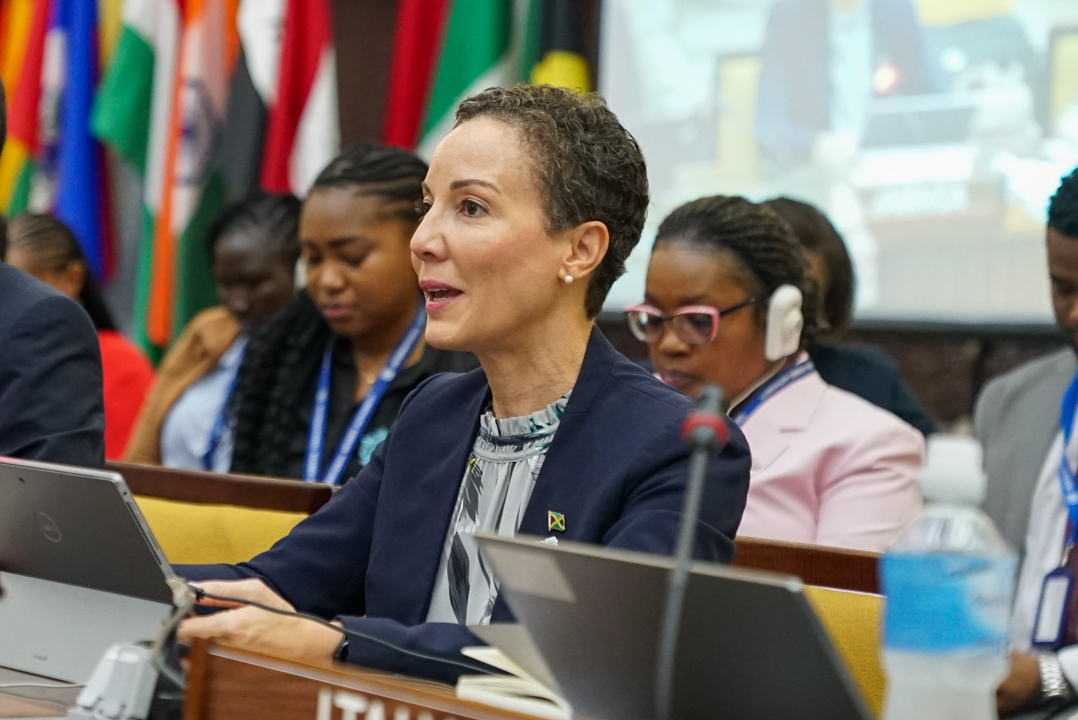
Kamina Smith, Minister of Foreign Affairs and Foreign Trade, Jamaica
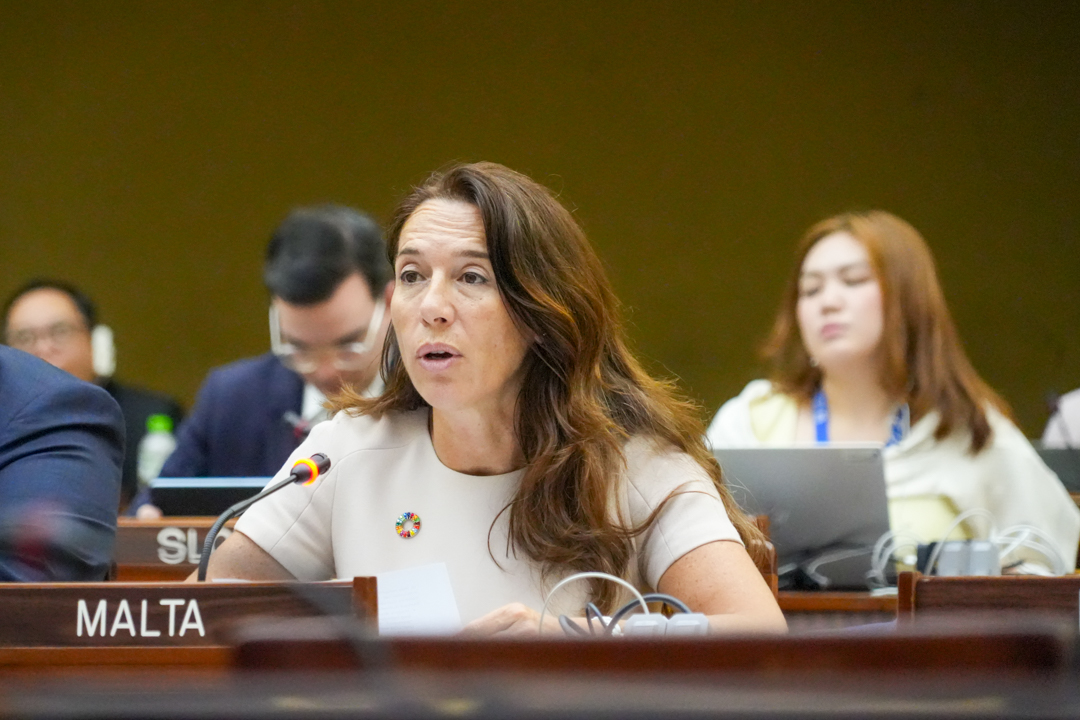
Vanessa Frazier, Malta
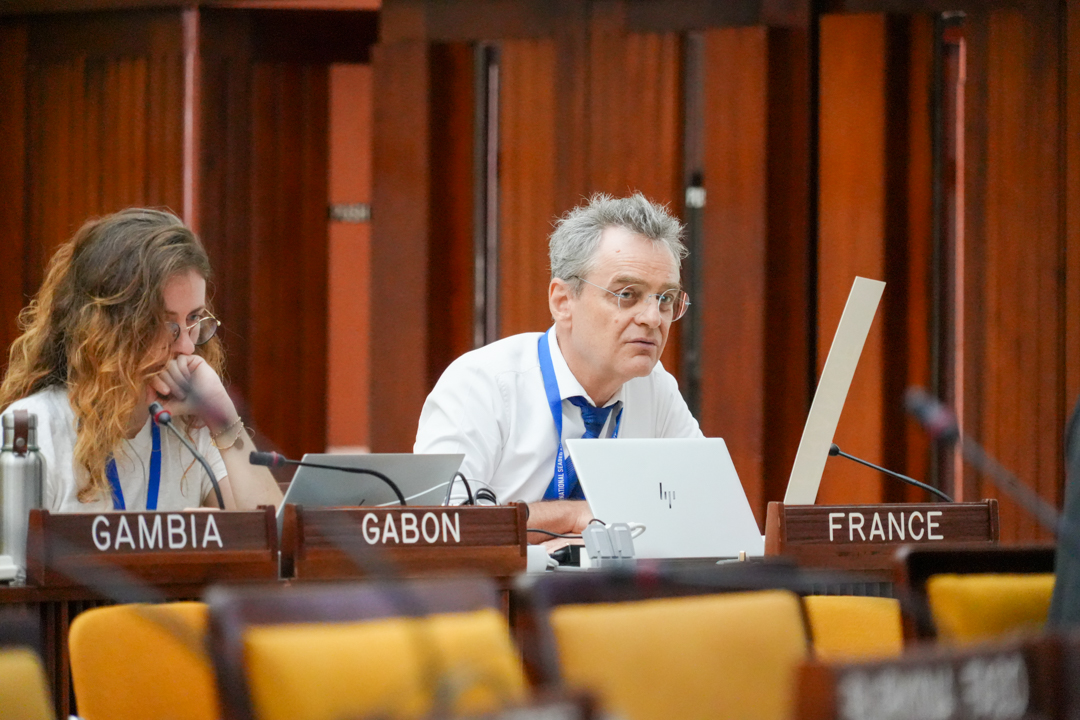
Olivier Guyonvarch, France
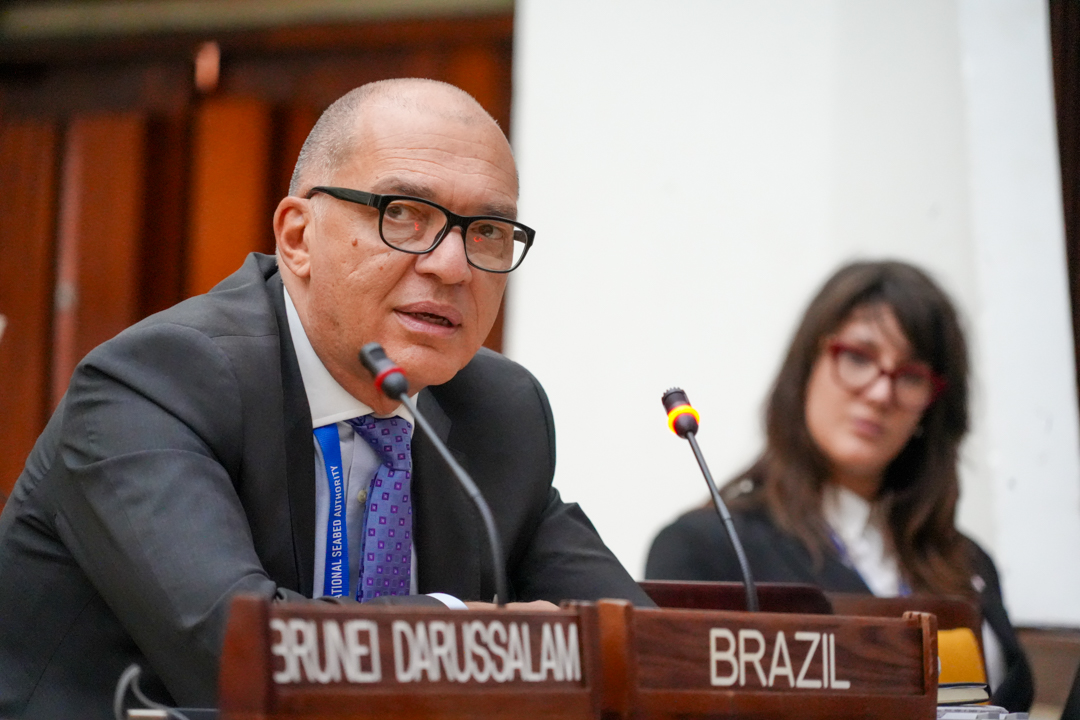
Antonio Otavio Sá Ricarte, Brazil
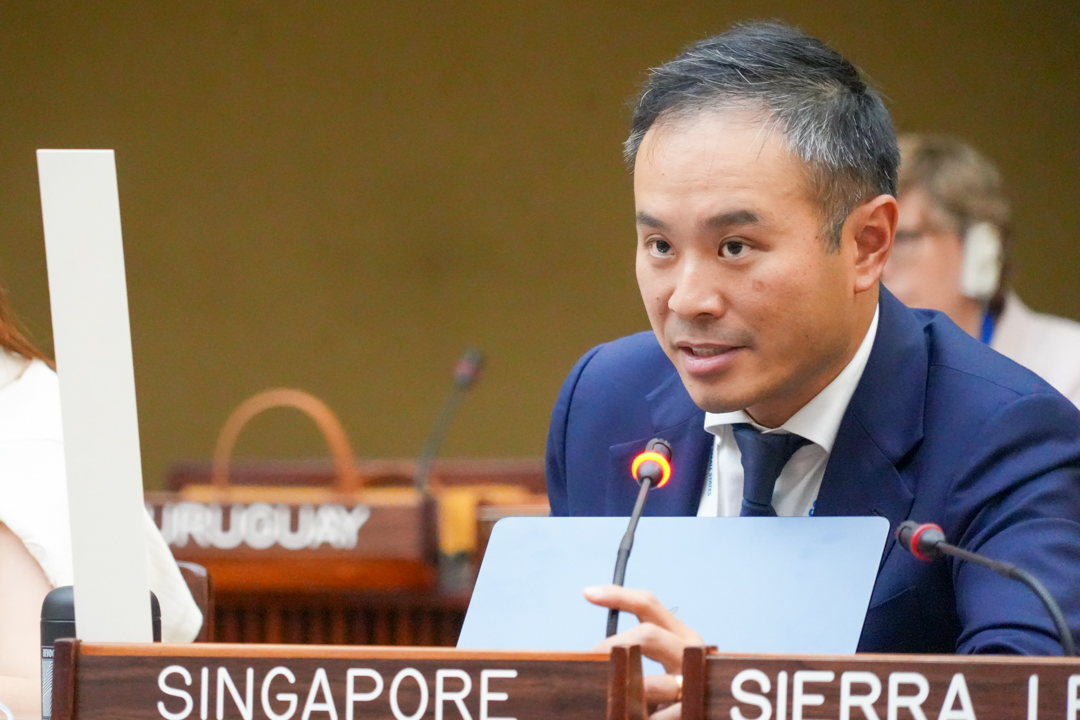
Nathaniel Khng, Singapore
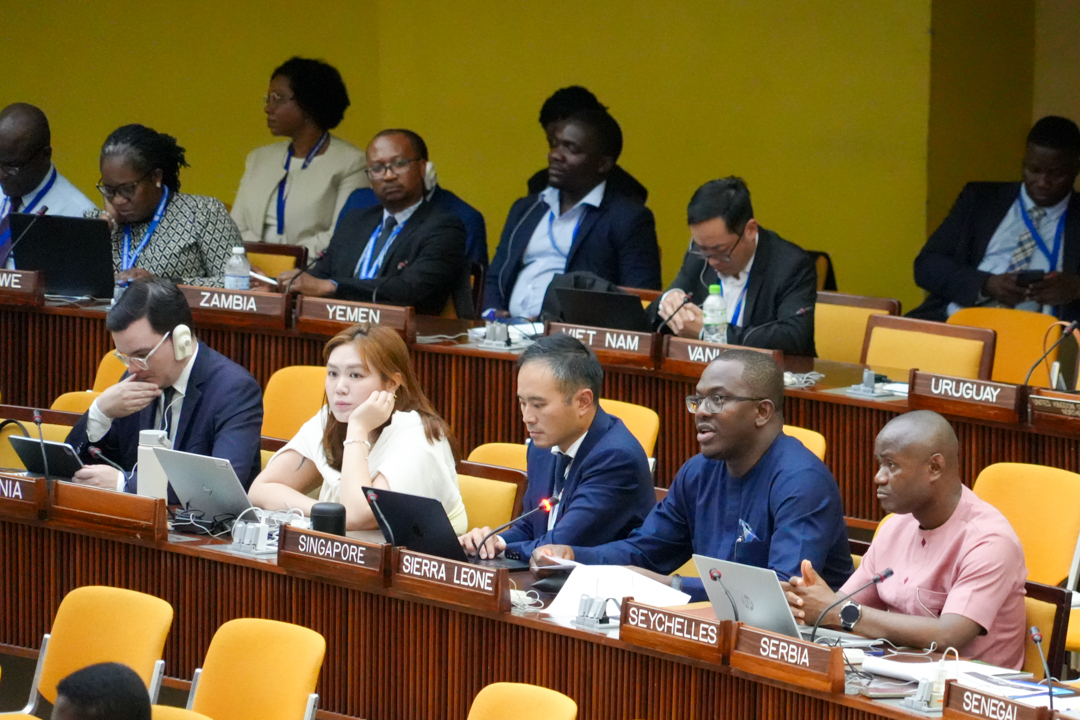
Sierra Leone
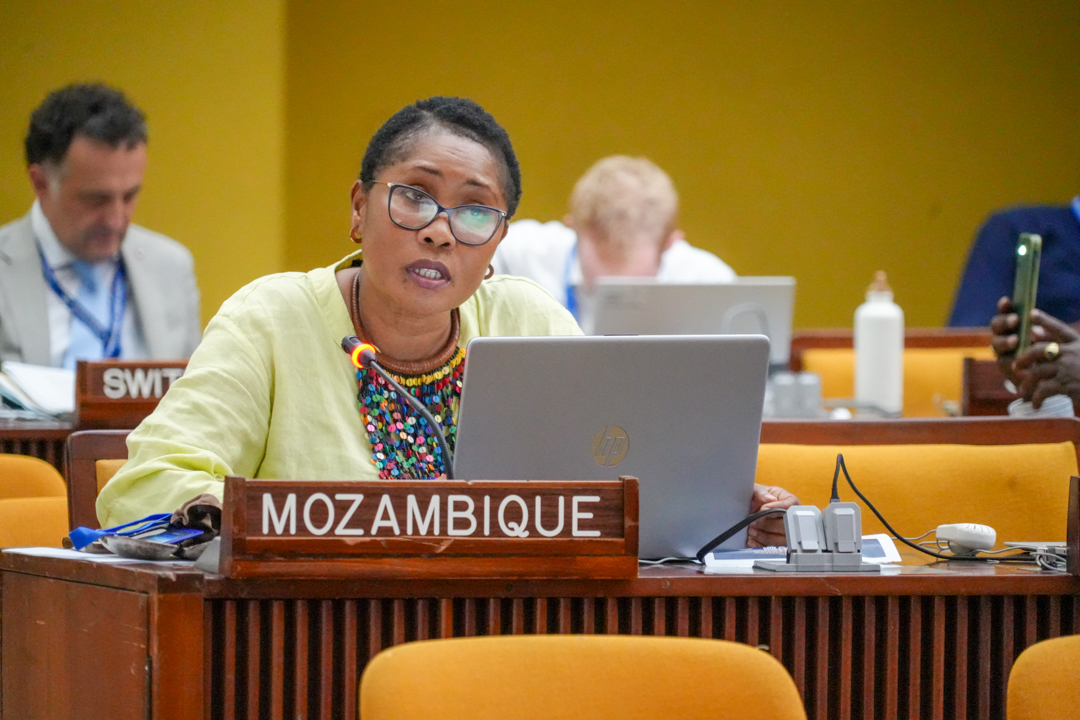
Felismina Antia, Mozambique
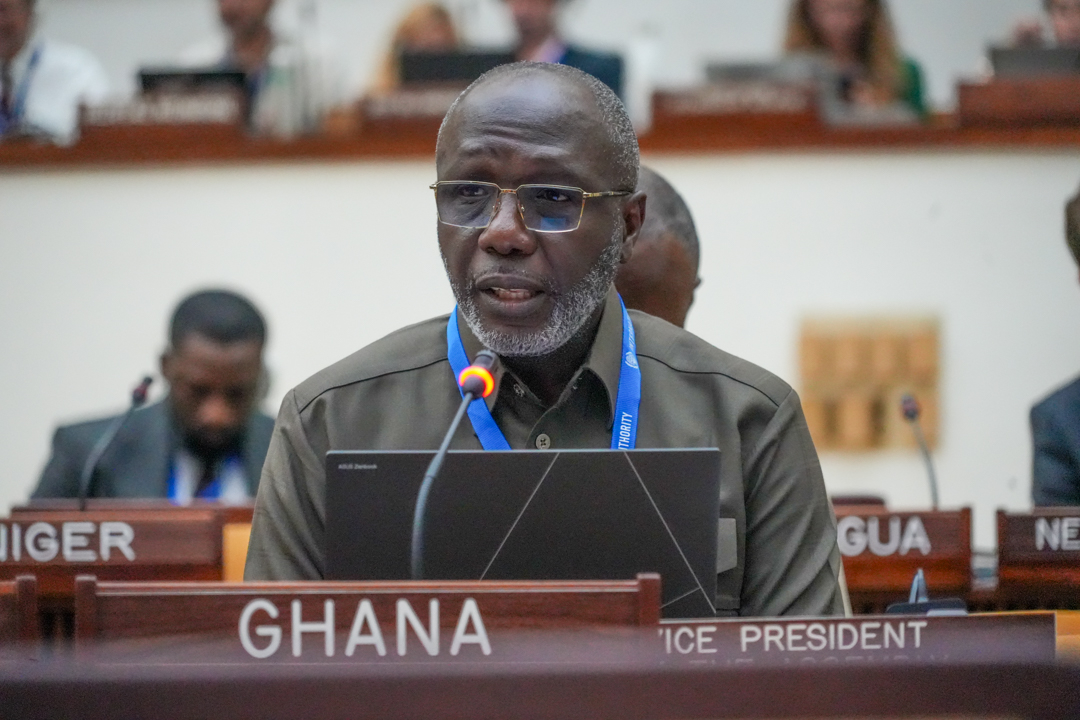
Kamal-Deen Ali, Ghana
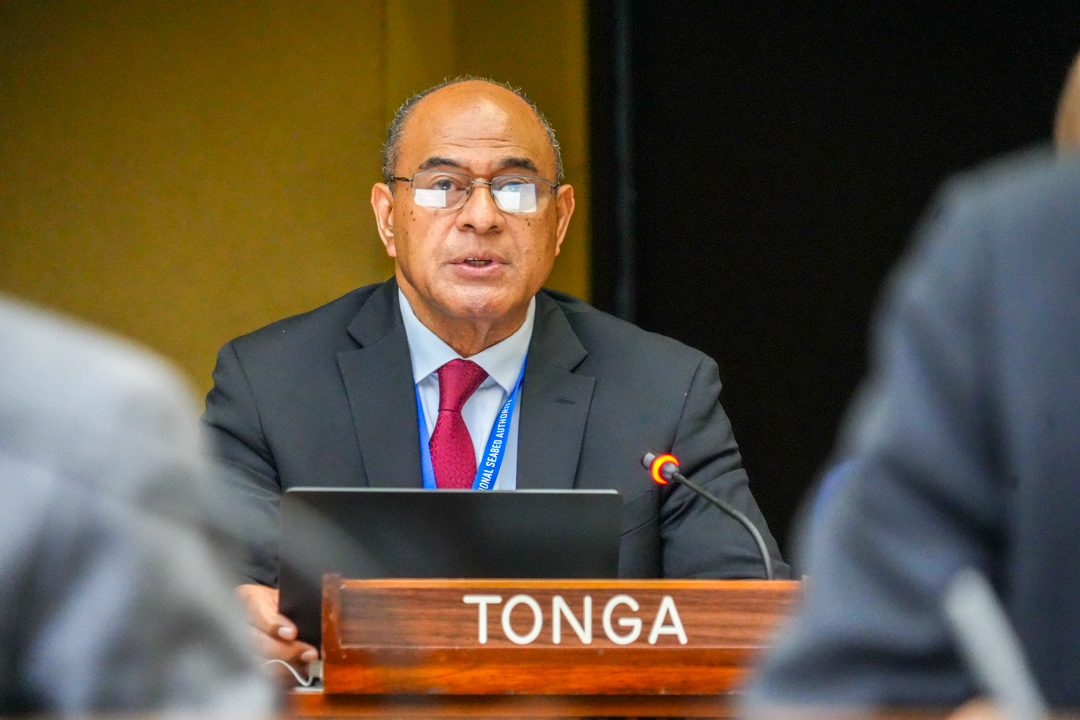
Viliami Va'inga Tone, Tonga
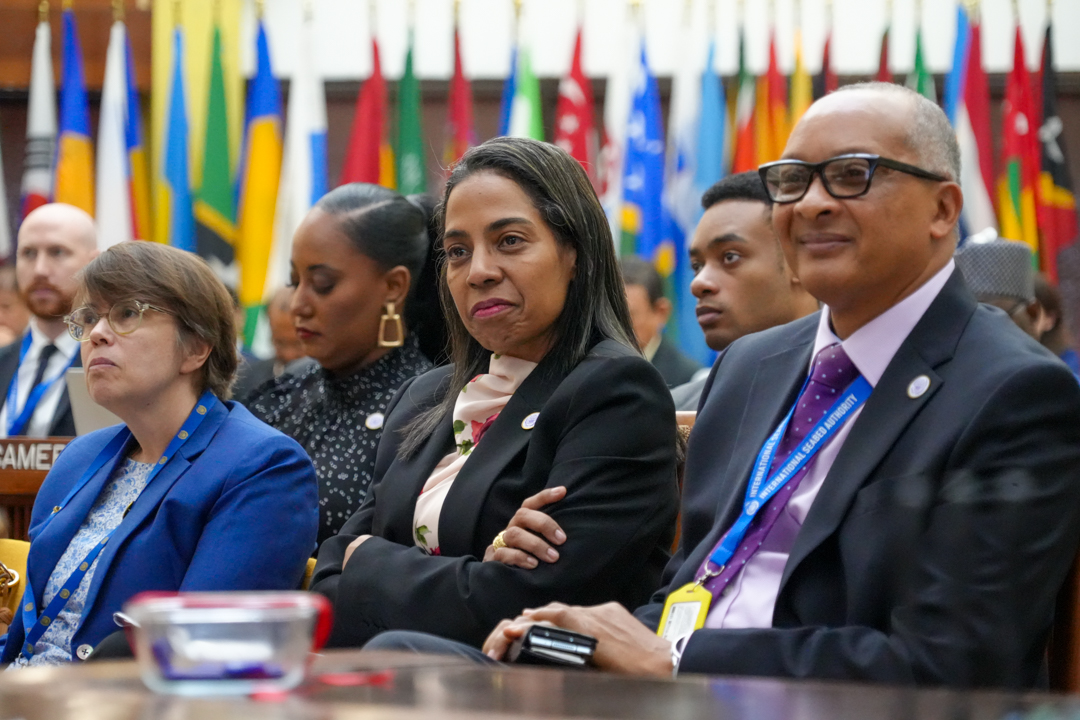
Leticia Carvalho, Secretary-General of the ISA and Dwight Gardiner, Antigua and Barbuda, ISA-30 Assembly President
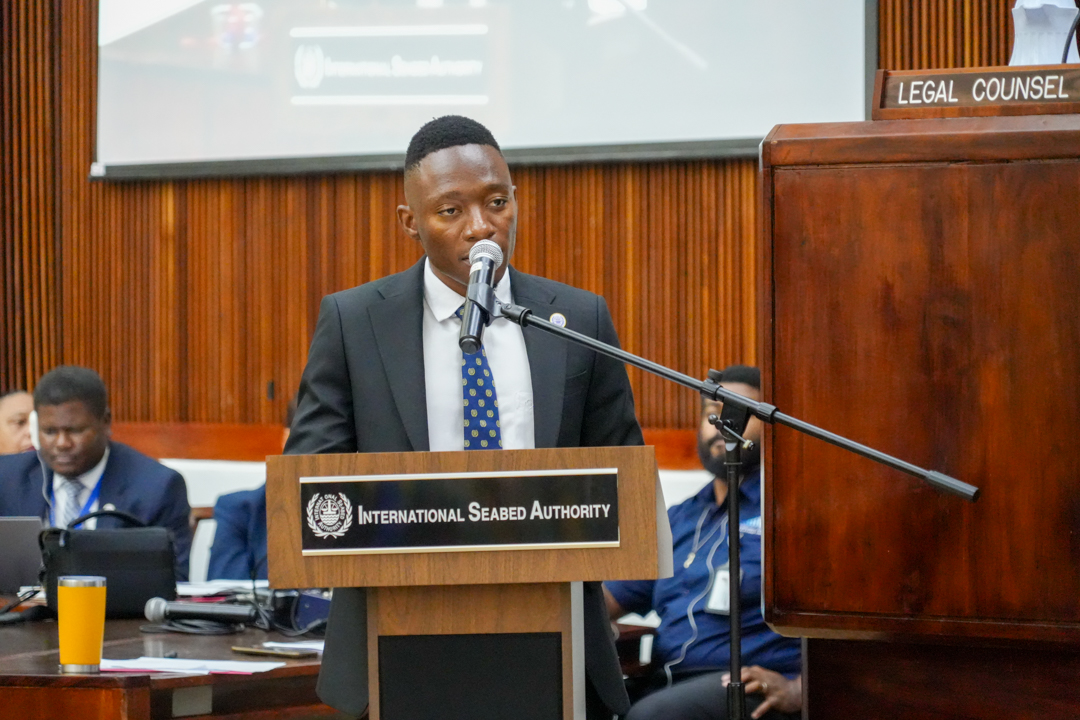
Thembani Regenald Khumalo, Change Management Consultant, ISA
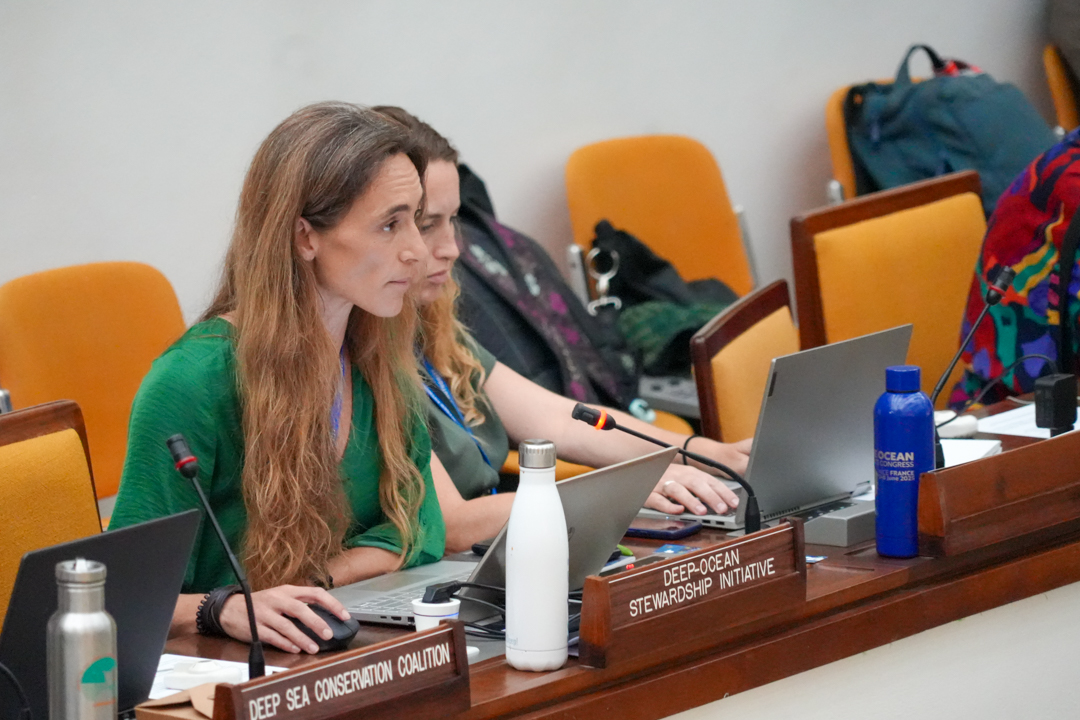
Patricia Esquete, Deep-Ocean Stewardship Initiative (DOSI)
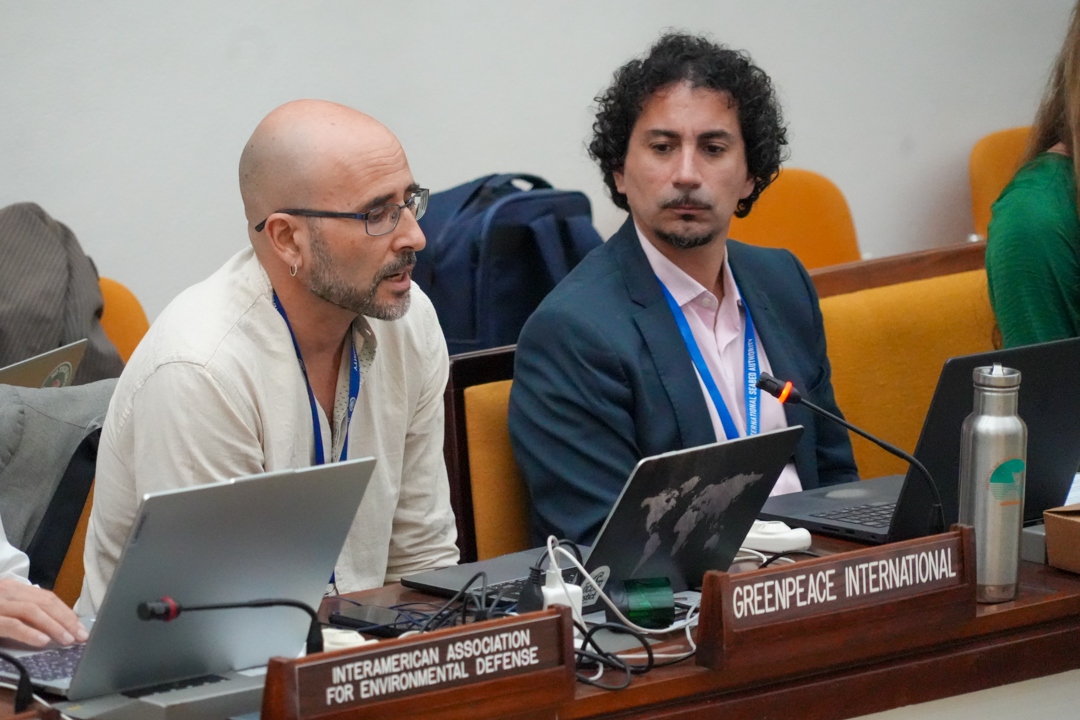
Greenpeace International
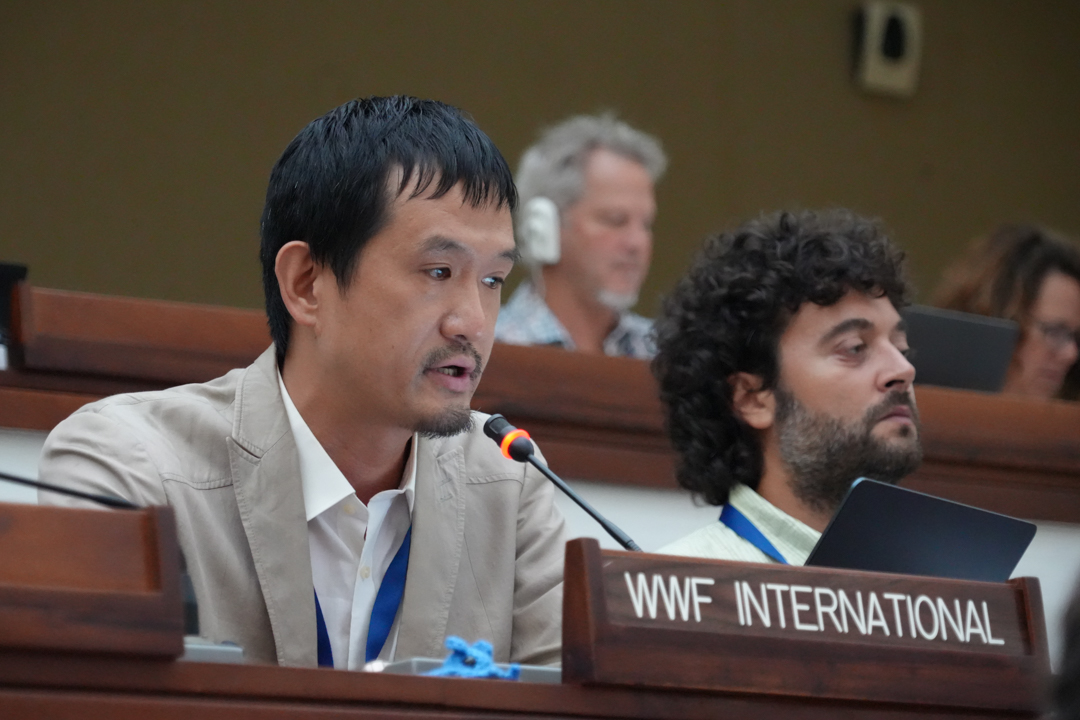
Yimo Zhang, WWF International
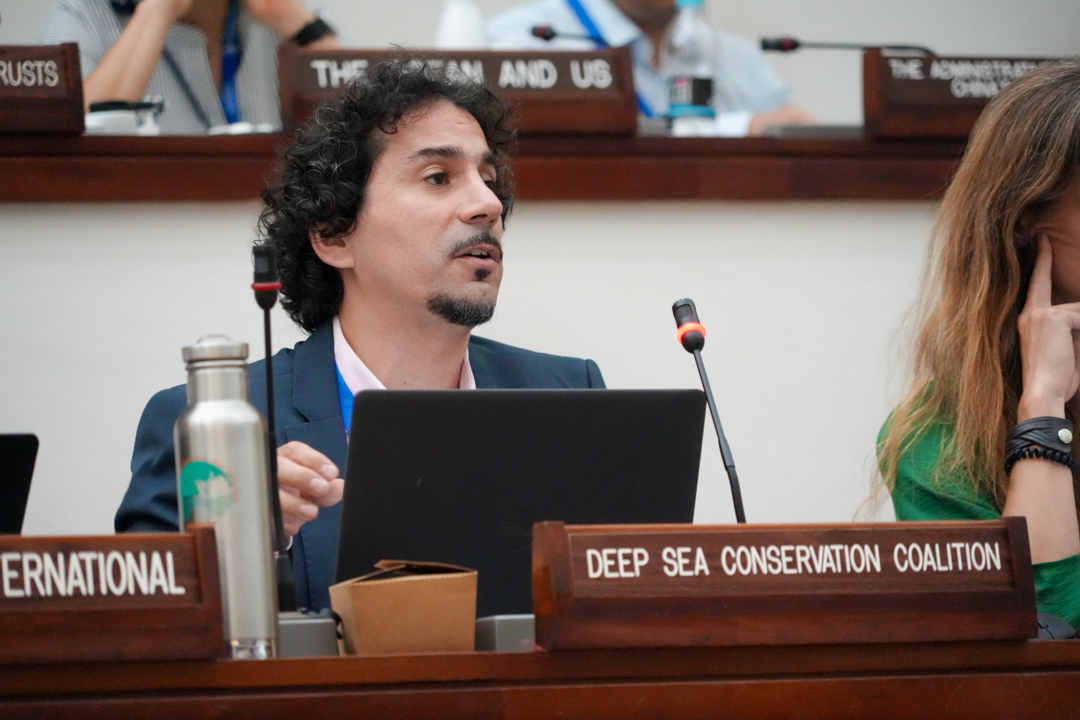
Diego Lillo, Deep Sea Conservation Coalition
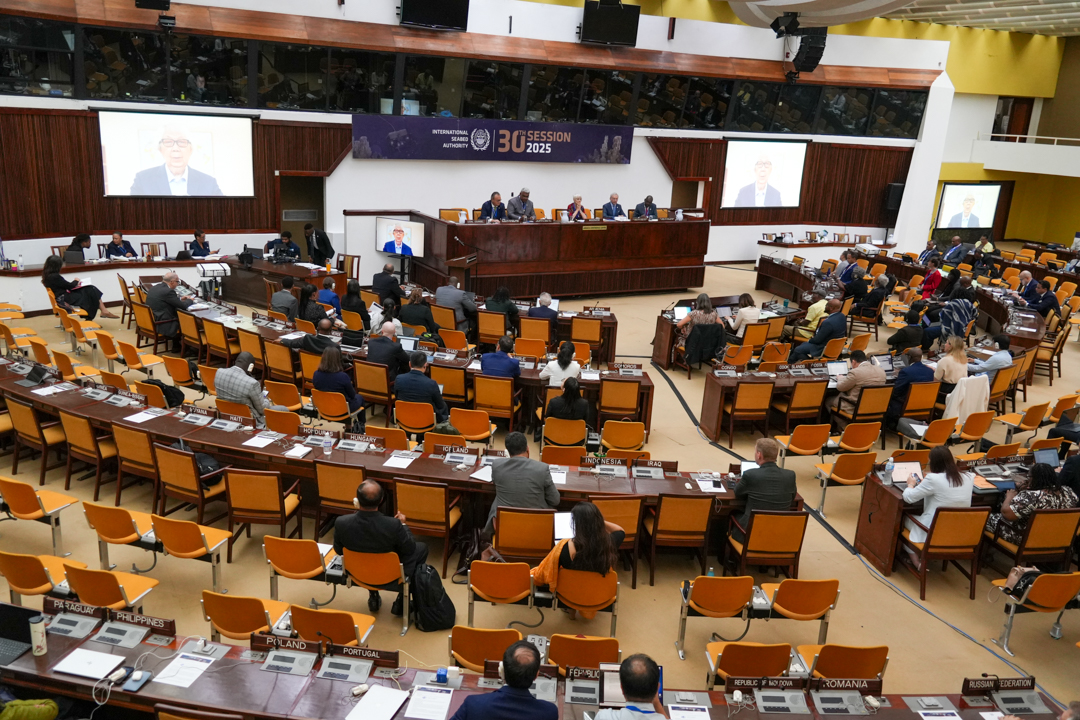
Around the venue
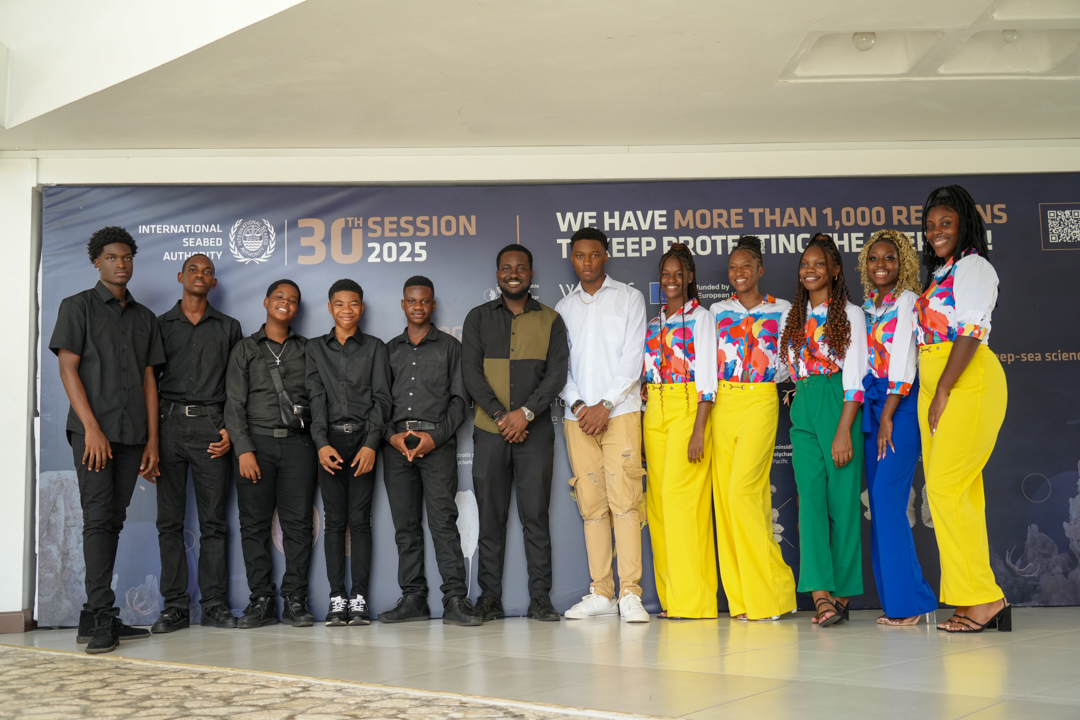
TruTone at the commemoration of the 30th anniversary of the ISA
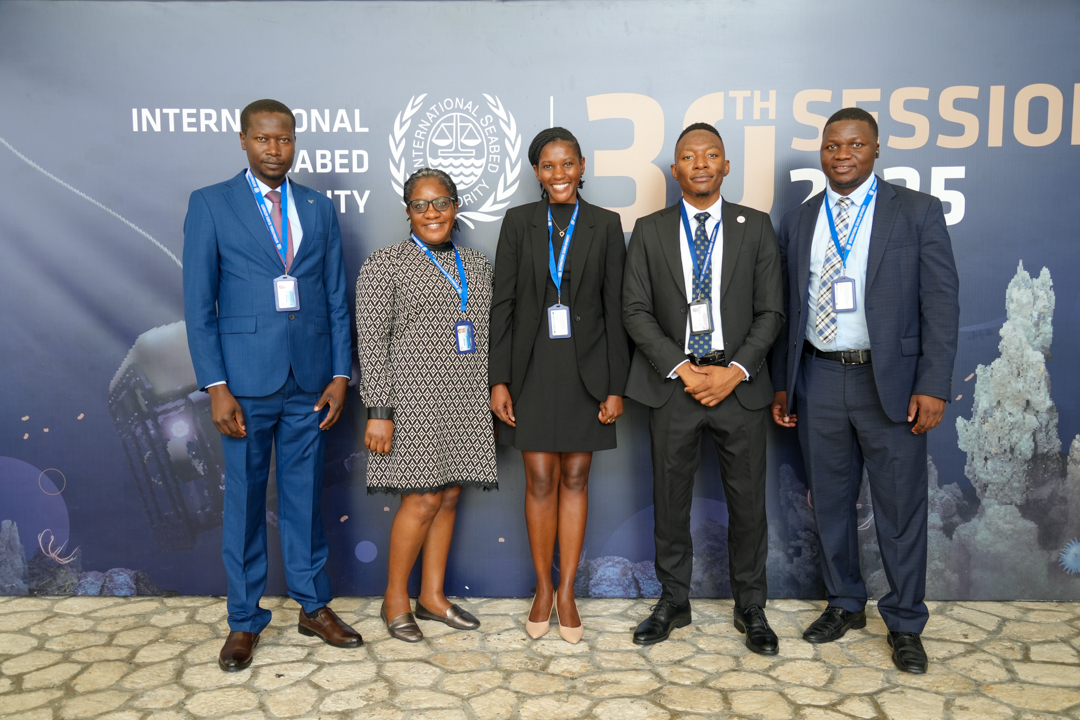
Delegation of Zimbabwe
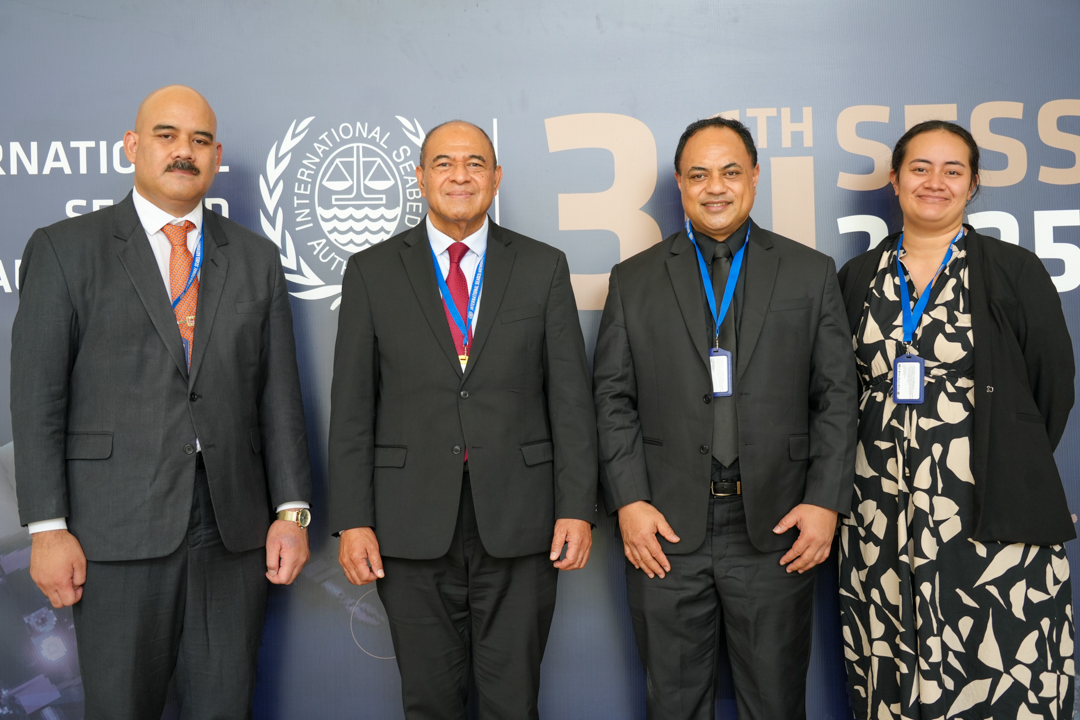
Delegation of Tonga
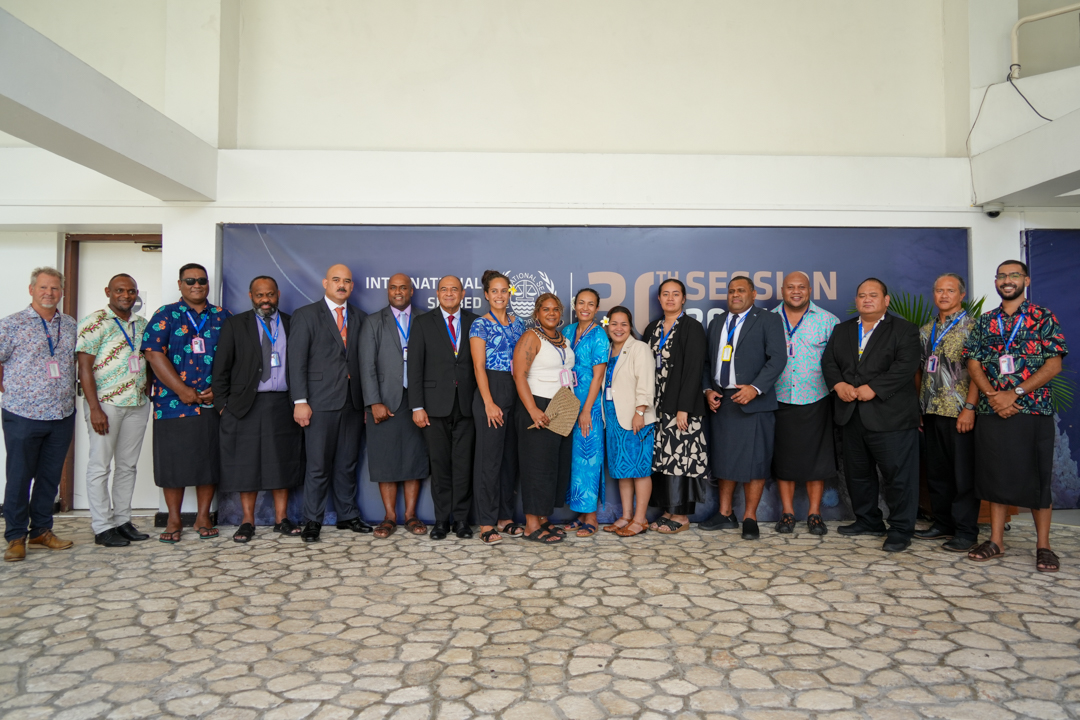
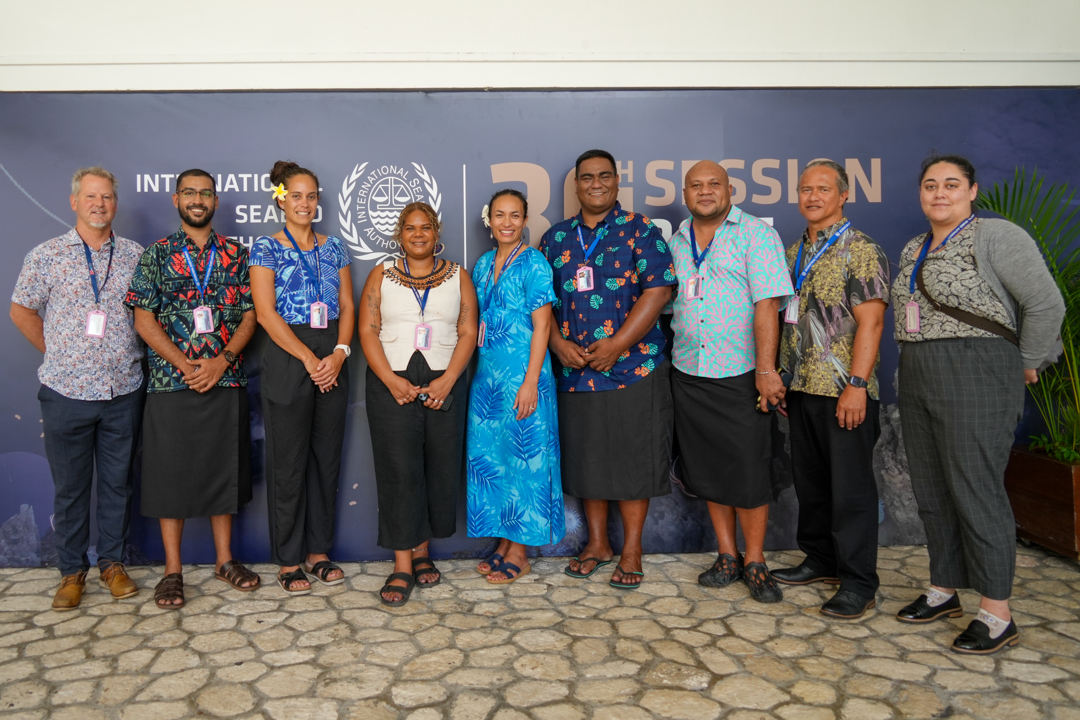
Delegations from the Pacific Islands