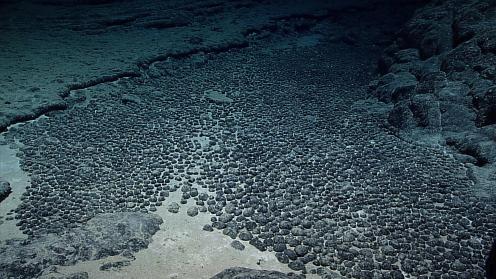
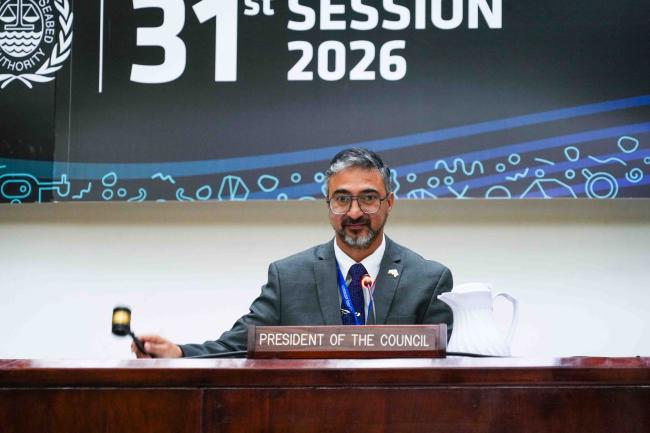
“The UN Convention on the Law of the Sea (UNCLOS) remains the framework for ocean governance; the Area (the seabed and ocean floor and the subsoil thereof, beyond the limits of national jurisdiction) and its resources remain the common heritage of humankind; and protecting the mandate of the International Seabed Authority (ISA) matters now more than ever,” stressed ISA Secretary-General Leticia Carvalho in her opening remarks to the Council.
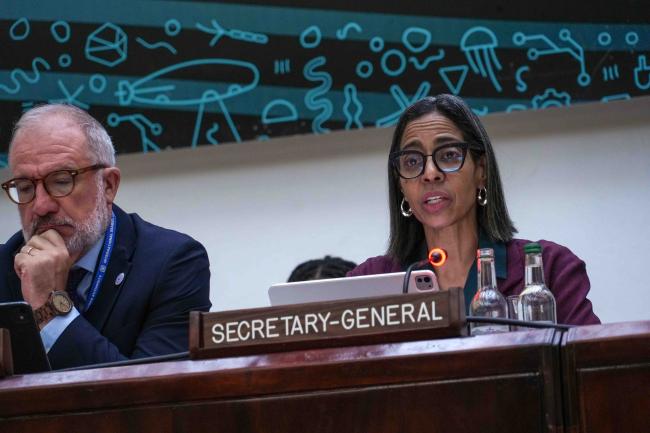
The need to explicitly emphasize the foundations upon which the ISA operates arose from recent developments, including growing demand for critical minerals, evolving strategic priorities of states, wider debates about the strength of multilateral rules, and the threat of unilateral approaches to deep-sea mining in areas beyond national jurisdiction.
Secretary-General Carvalho underscored “the spirit of Montego Bay,” including the conviction that “even the most difficult questions about ocean governance can be answered through law, dialogue, and the consensus that is required by this Convention.”
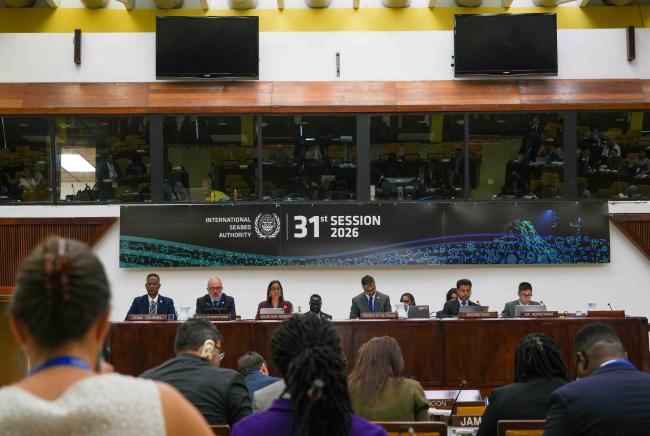
In his opening remarks, Council President Mayank Joshi (India) highlighted extensive intersessional work following the first part of the 31st session held in March 2026. He noted that delegates’ “collective commitment enabled us to maintain the momentum and work toward finding practical solutions.”
President Joshi drew attention to the work of the Legal and Technical Commission (LTC) and the Finance Committee, stressing that future effective implementation of the exploitation regulations will depend “not only upon the quality of the legal text,” but also on the institutional readiness, sound financial planning and arrangements, and technical expertise.
President Joshi presented the annotated agenda and the indicative programme of work. He also drew attention to the third revision of the consolidated text of the draft exploitation regulations and the revised indicative list of outstanding issues.
The day’s deliberations focused on:
- the status of the proceedings pending before the International Tribunal for the Law of the Sea (ITLOS);
- potentially holding a third meeting for the 31st annual session; and
- draft exploitation regulations addressing provisions on inspections.
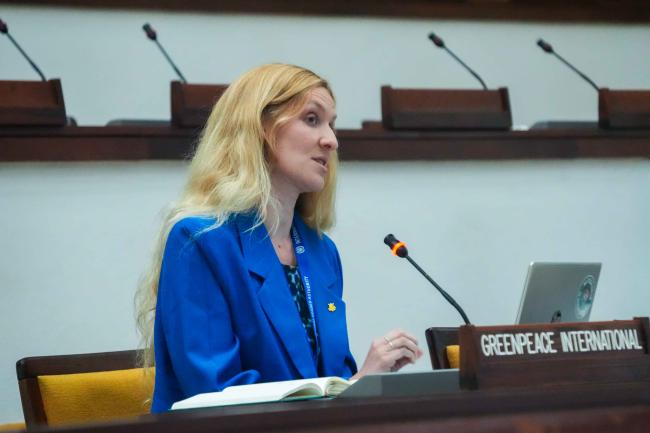
Regarding the proceedings pending before the ITLOS, Steven Dietrich, Legal Counsel and Director of the Office of Legal Affairs, presented the report containing factual information on the ongoing proceedings by Nauru Ocean Resources Inc. and by Tonga Offshore Mining Limited against the ISA before the Seabed Disputes Chamber (the Chamber) of ITLOS with respect to the procedure followed for potential cases of non-compliance. He stressed that the Chamber’s President has called upon Parties “not to act in any way that could hinder any order that the Chamber may make on the request for provisional measures.” Dietrich confirmed that the Chamber will deliver its order on the request for provisional measures on 18 July 2026.
Council President Joshi noted the proposed dates for a third meeting would be from 26 October to 6 November 2026. The Council decided to resume discussion on the need for a third meeting next week.
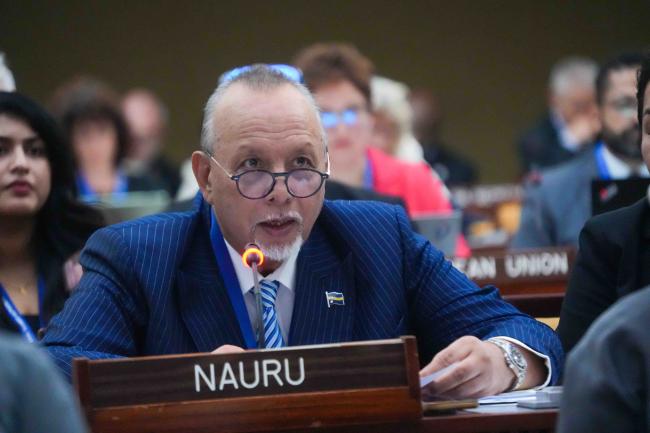
Delegates devoted the remainder of the day to the draft exploitation regulations. On regulation 97 bis (inspectors’ functions and responsibilities), several members supported streamlining the regulation and moving some provisions to the inspector's code of conduct. Several members supported keeping a reference addressing the treatment of confidential information.
Delegates suggested streamlining regulation 98 (inspectors’ powers). Some emphasized the need to distinguish between functions of enforcement and inspection. Further discussion will be needed on, among other things, whether inspection of machinery or equipment should be performed “without interfering with the production and operation of the contractor.”
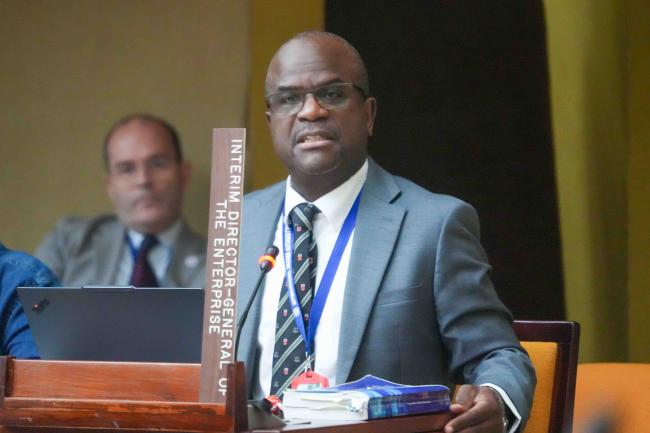
On regulation 99 (inspectors’ power to issue instructions), delegates discussed, among other things, when oral and written instructions should be issued. Some requested clarification regarding instructions on structural modifications or repairs and on suspension.
Discussions on regulation 100 (inspection reports) focused on: routine and urgent inspections and the relevant timelines; the chain of transmission of inspection reports; whether all stakeholders may provide comments on the findings; and the opportunity to seek clarifications on the inspection reports to ensure administrative fairness.
On regulation 101 (complaints relating to inspections), several delegations expressed reservations regarding the creation of an ombudsperson or any independent mechanism, with some noting that such functions can be carried out by existing organs, such as the Council.
At lunchtime, a dialogue hosted by the LTC focused on regional environmental management plans (REMPs).
To receive free coverage of global environmental events delivered to your inbox, subscribe to the ENB Update newsletter.
All ENB photos are free to use with attribution. For the Second part of the 31st session of the International Seabed Authority (ISA) meeting, please use: Photo by IISD/ENB | Andrés Felipe Carvajal Gómez
Selected Images
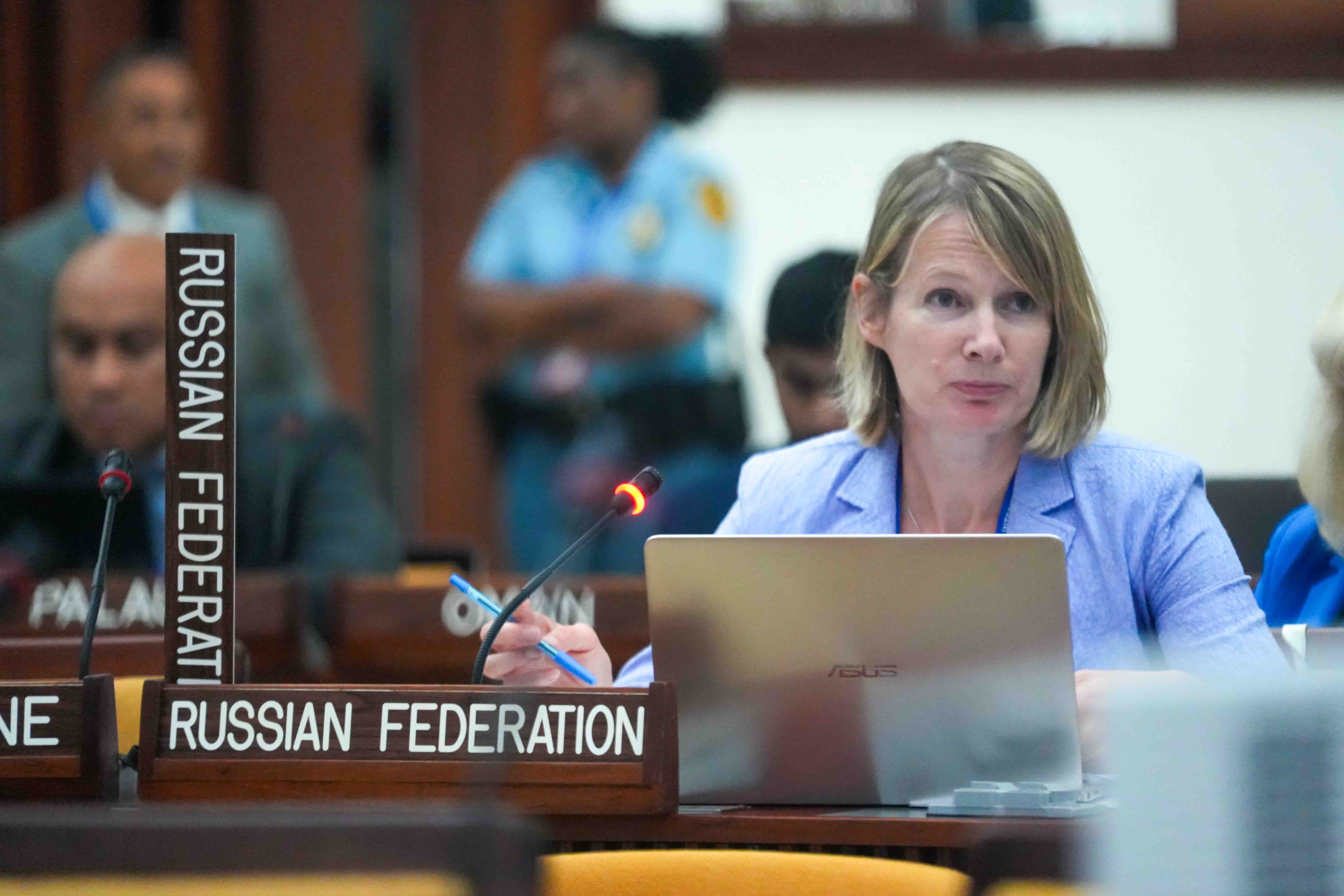
Livia Ermakova, Russian Federation
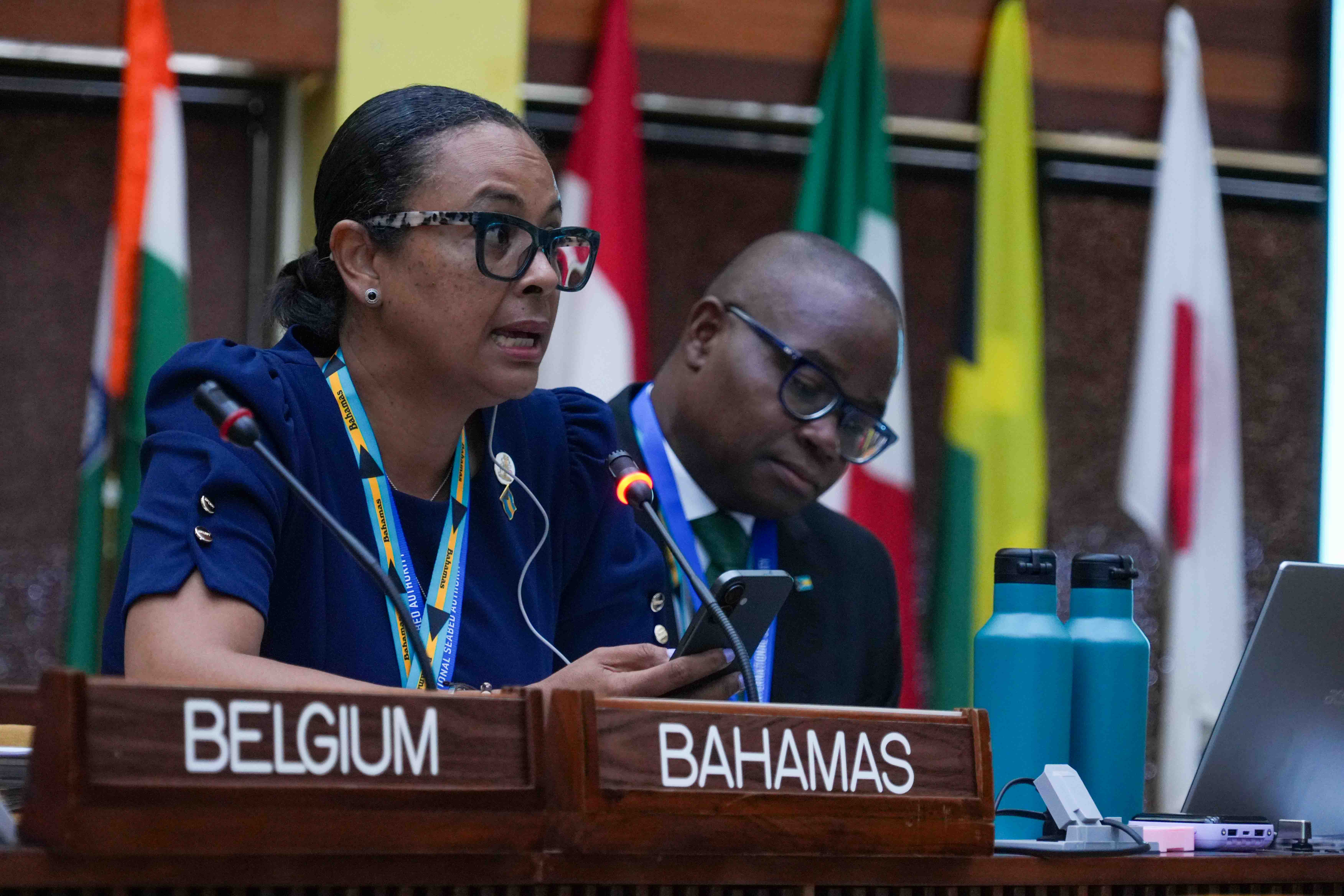
Alveta Knight, The Bahamas
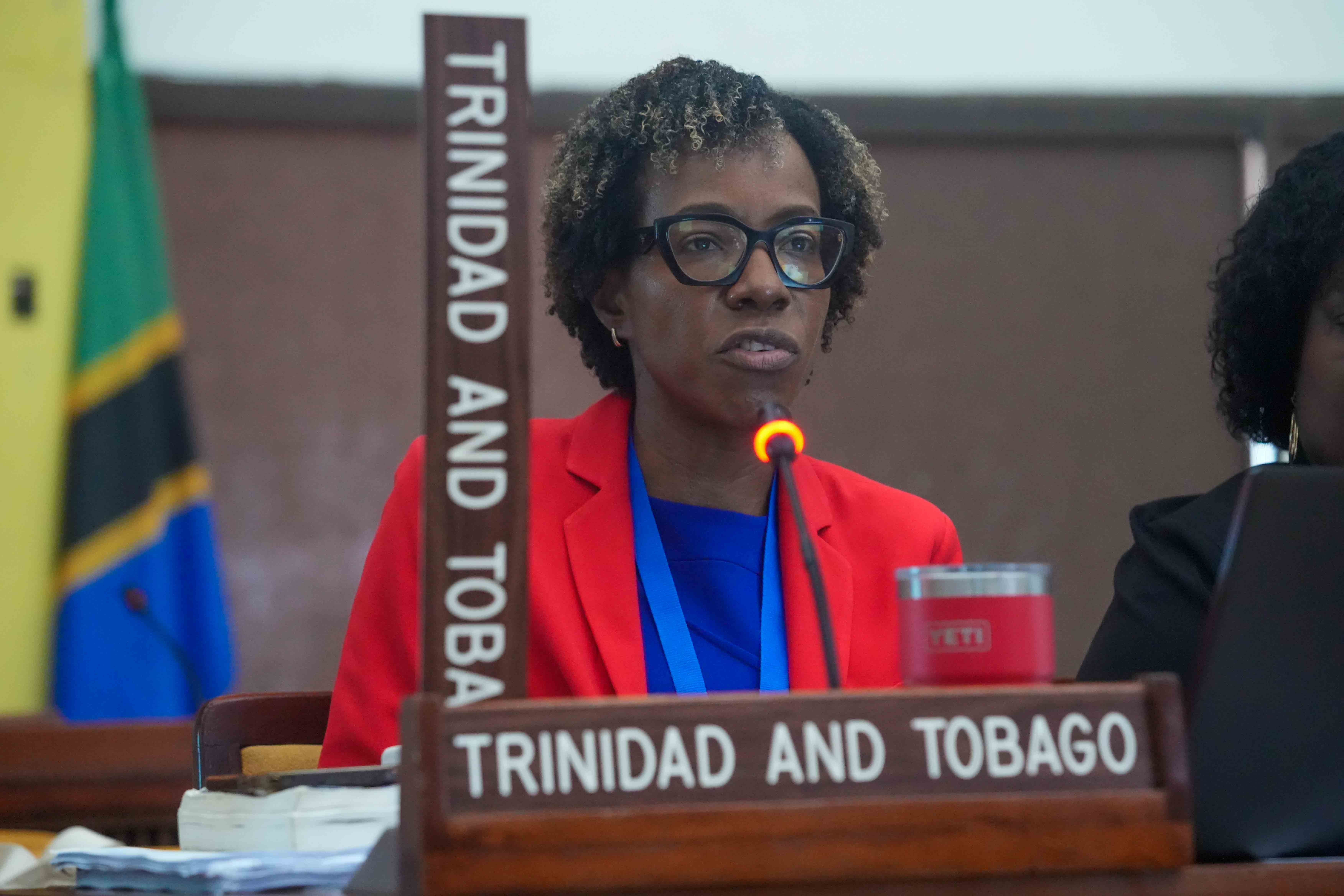
Amanda Fraser, Trinidad and Tobago
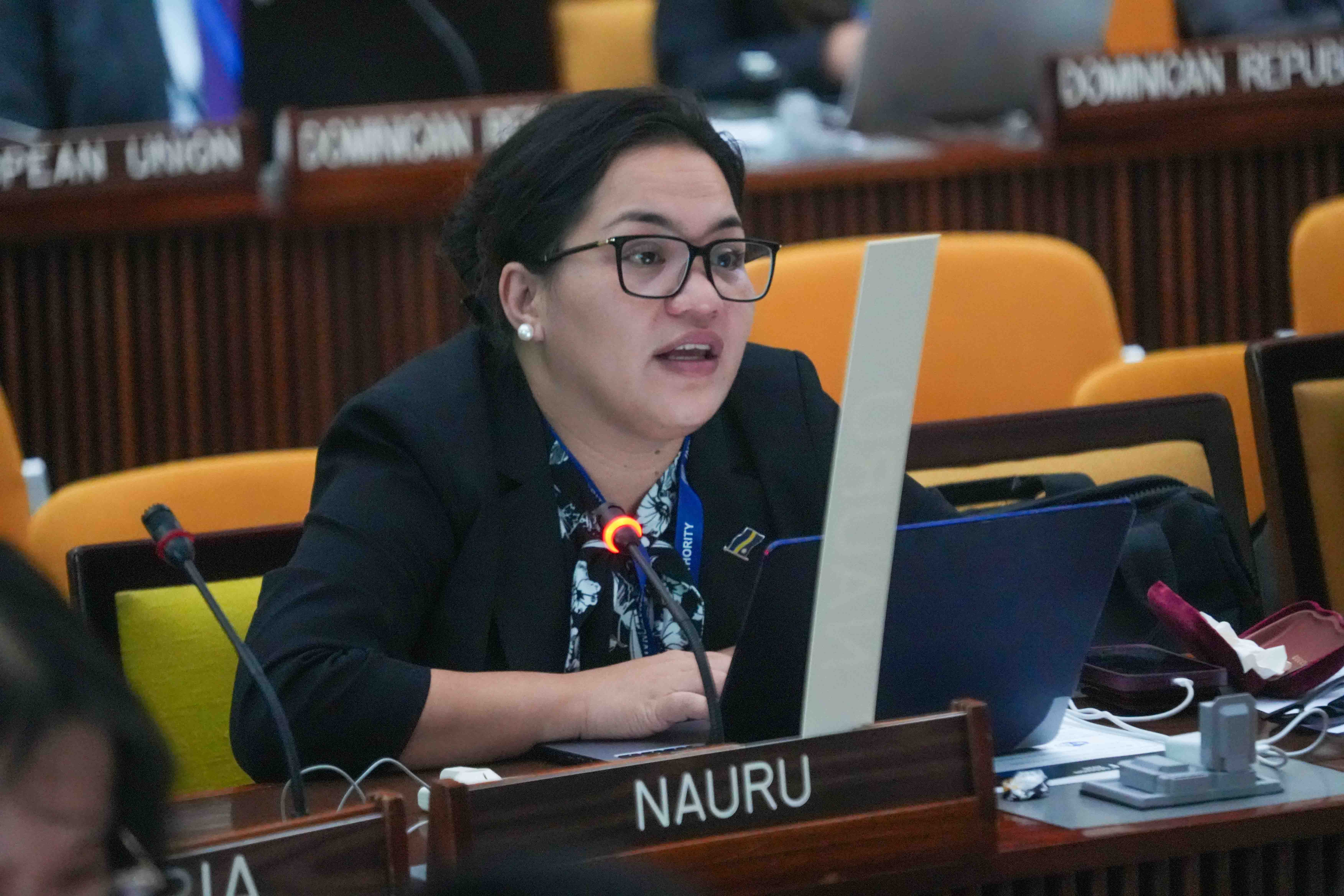
Anastasia Francilia Adire, Republic of Naoero
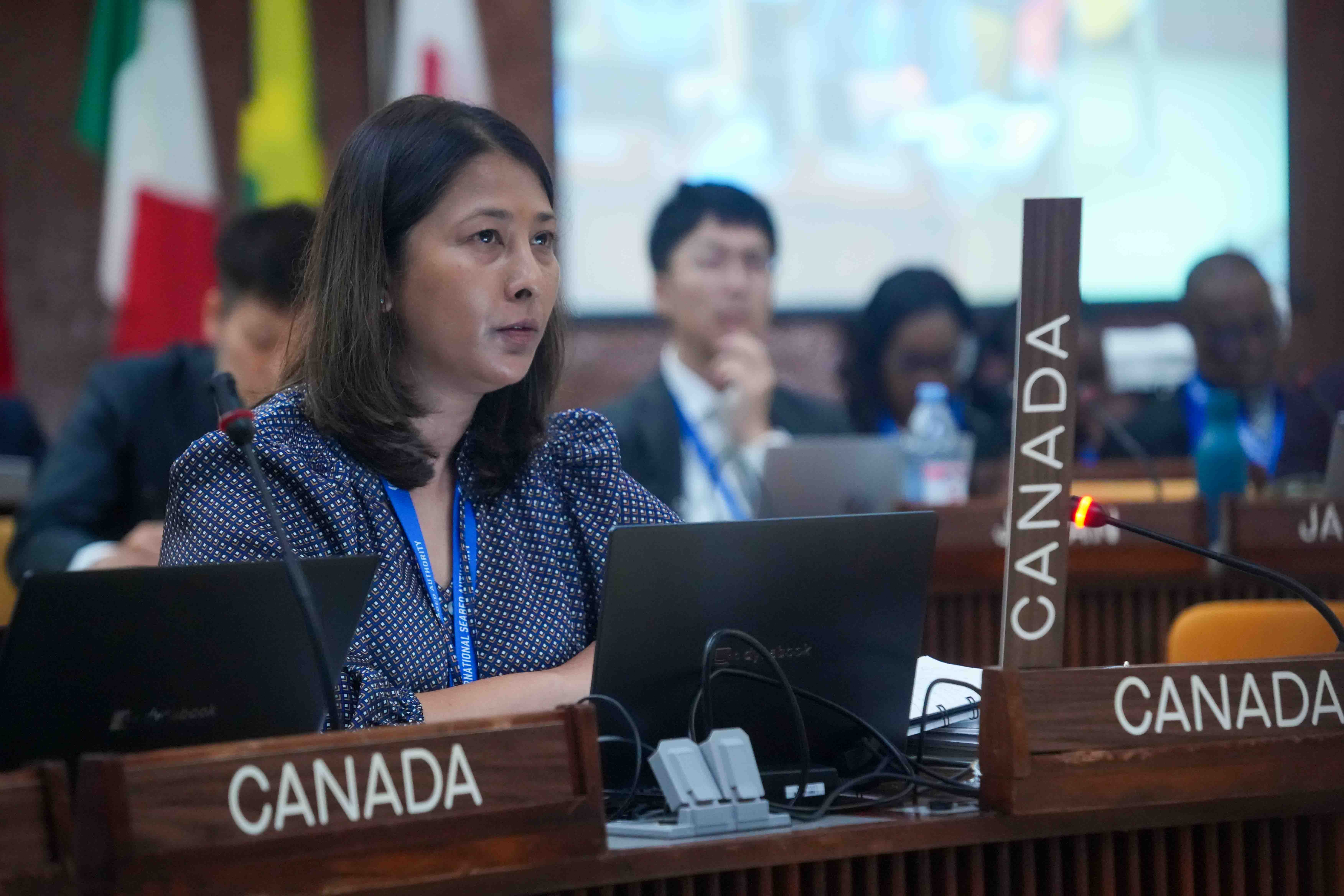
Azra Haque, Canada
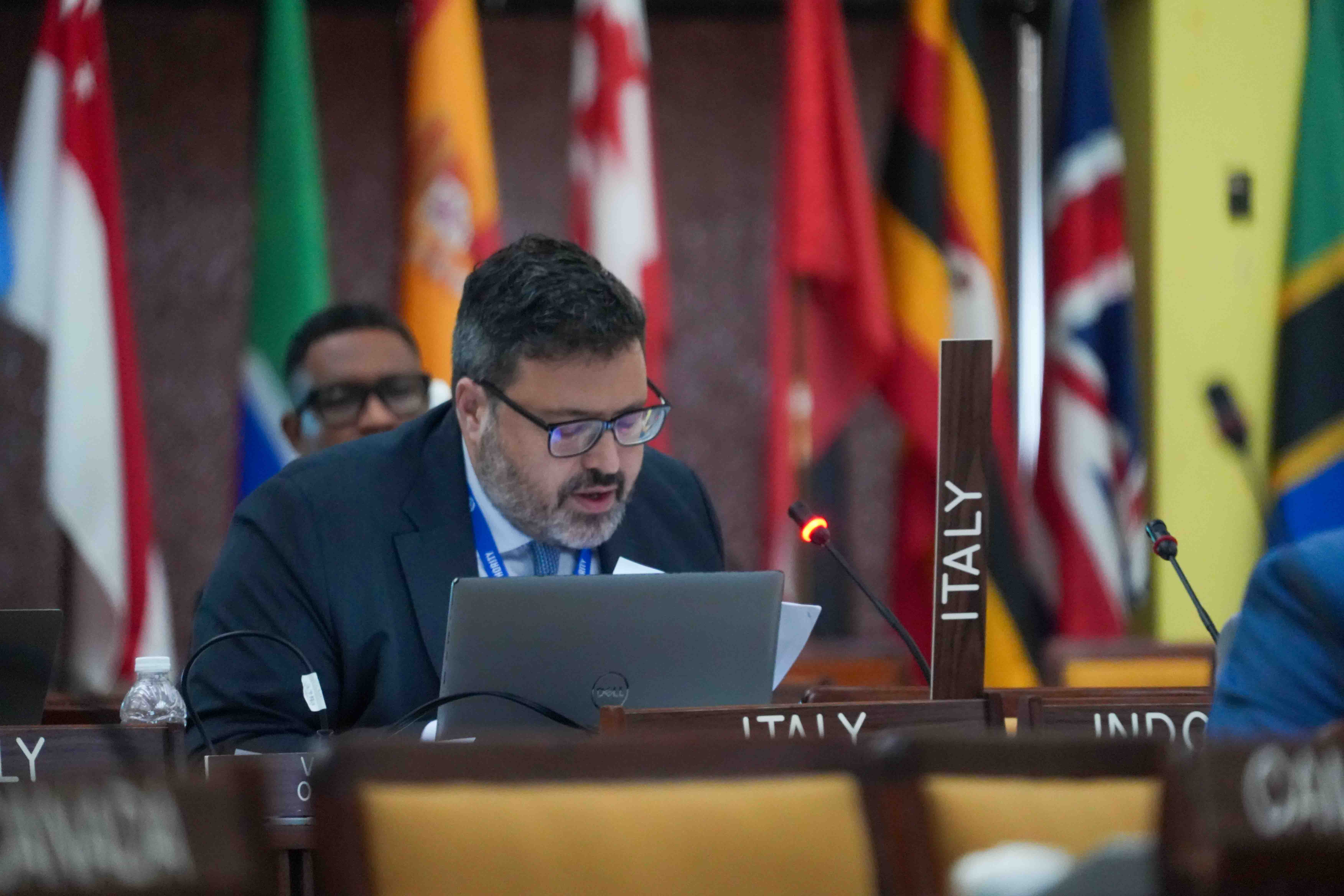
Costantino Tarducci, Italy
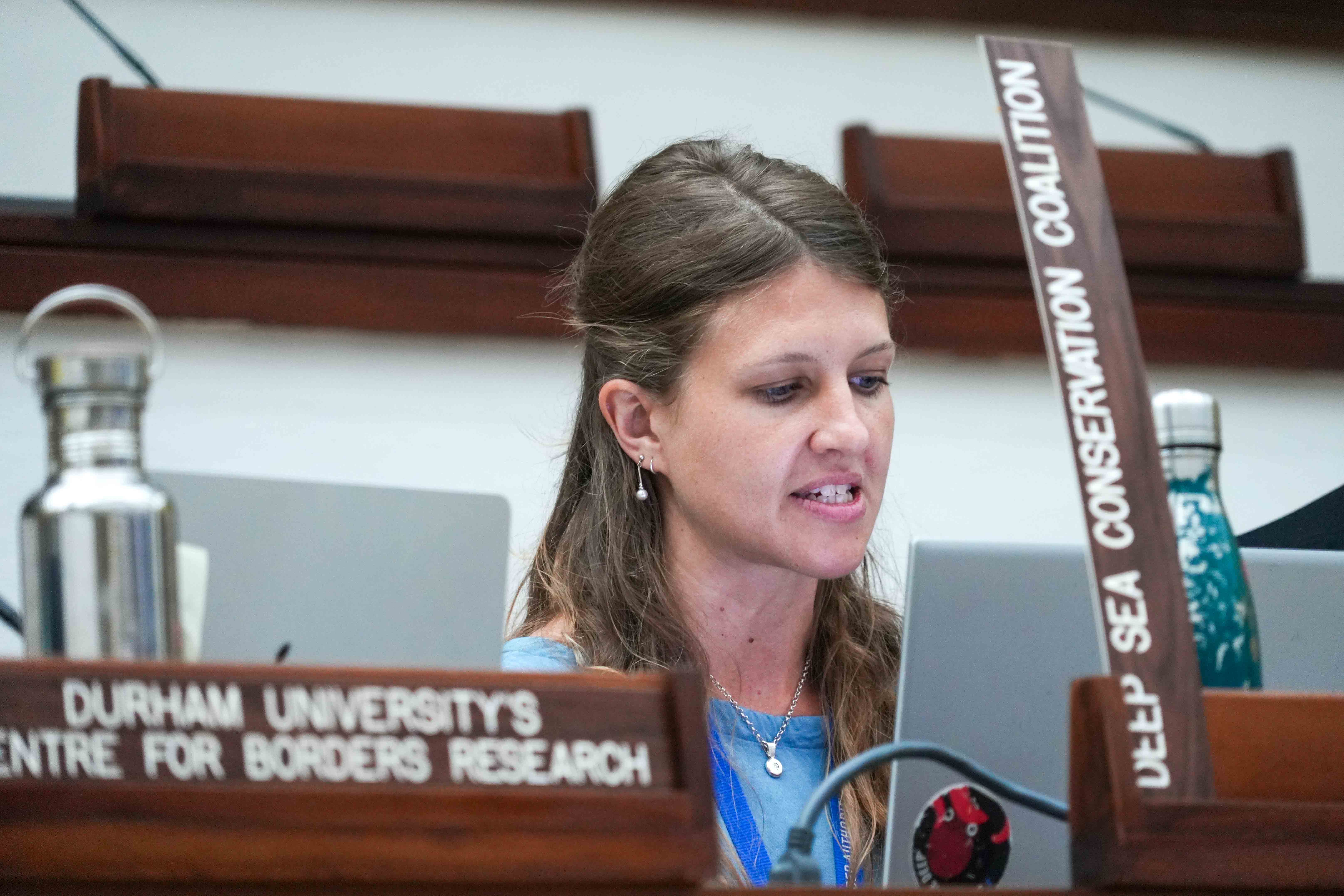
Emma Wilson, Deep Sea Conservation Coalition (DSCC)
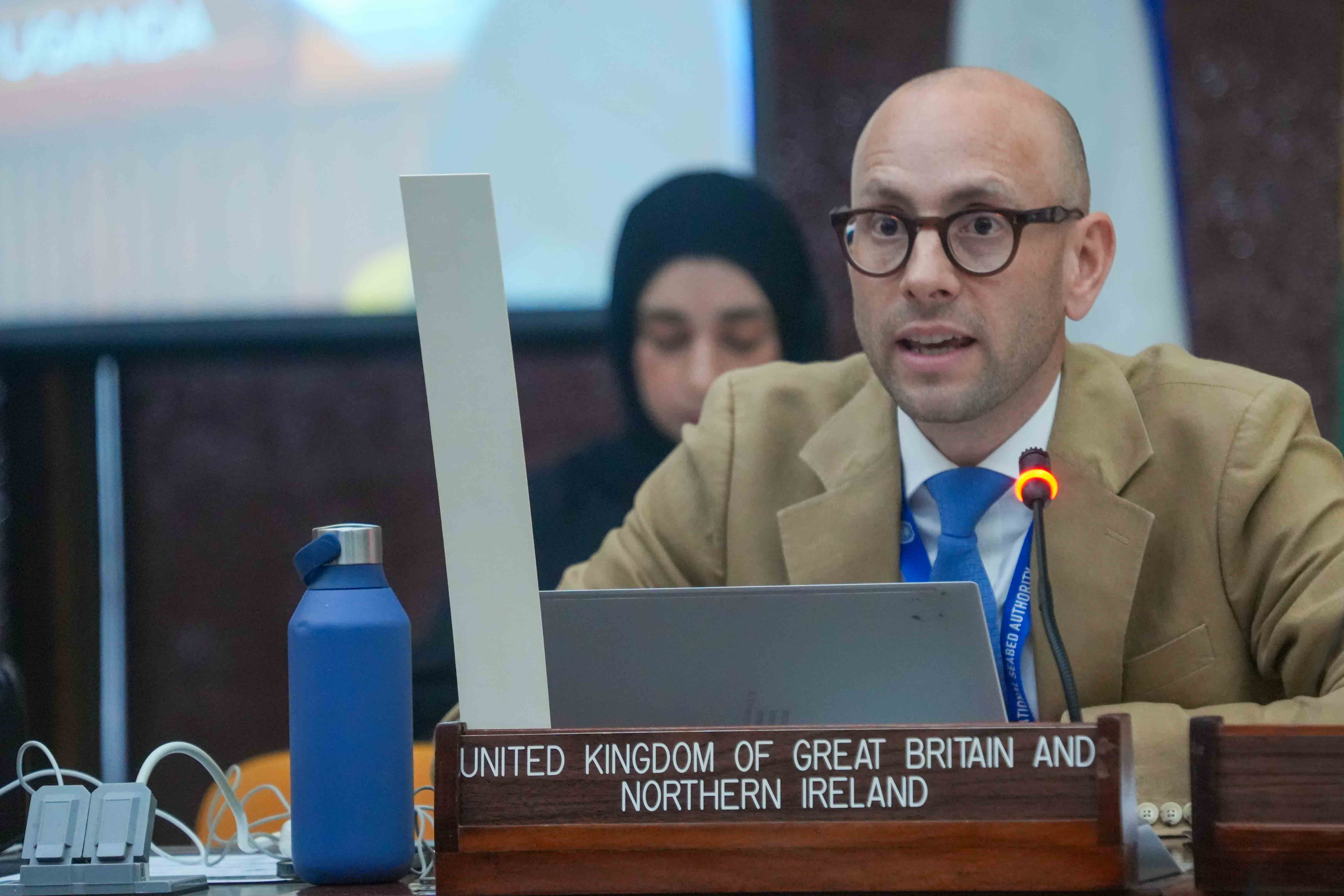
Fraser Janeczko, UK
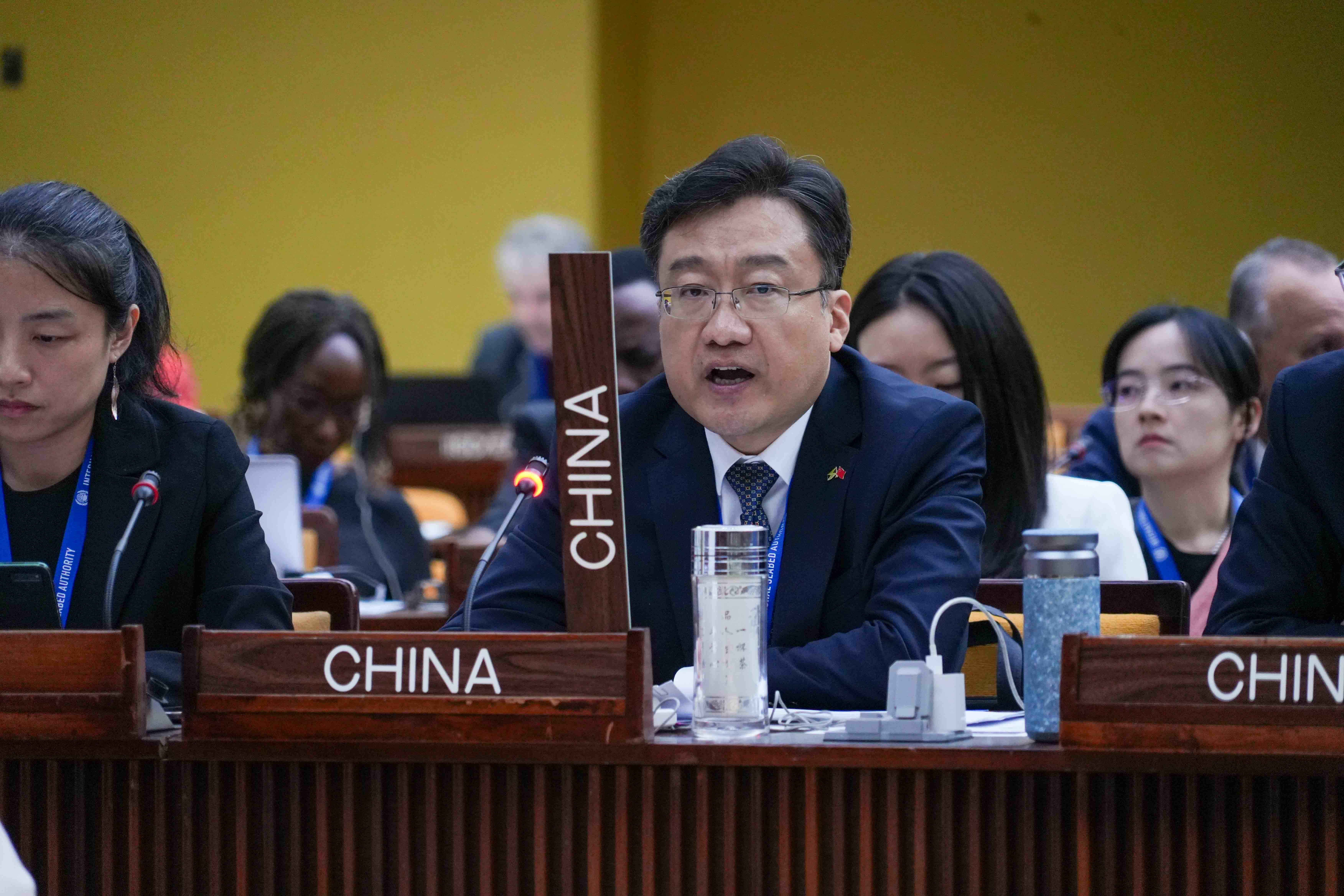
Jinfeng Wang, China
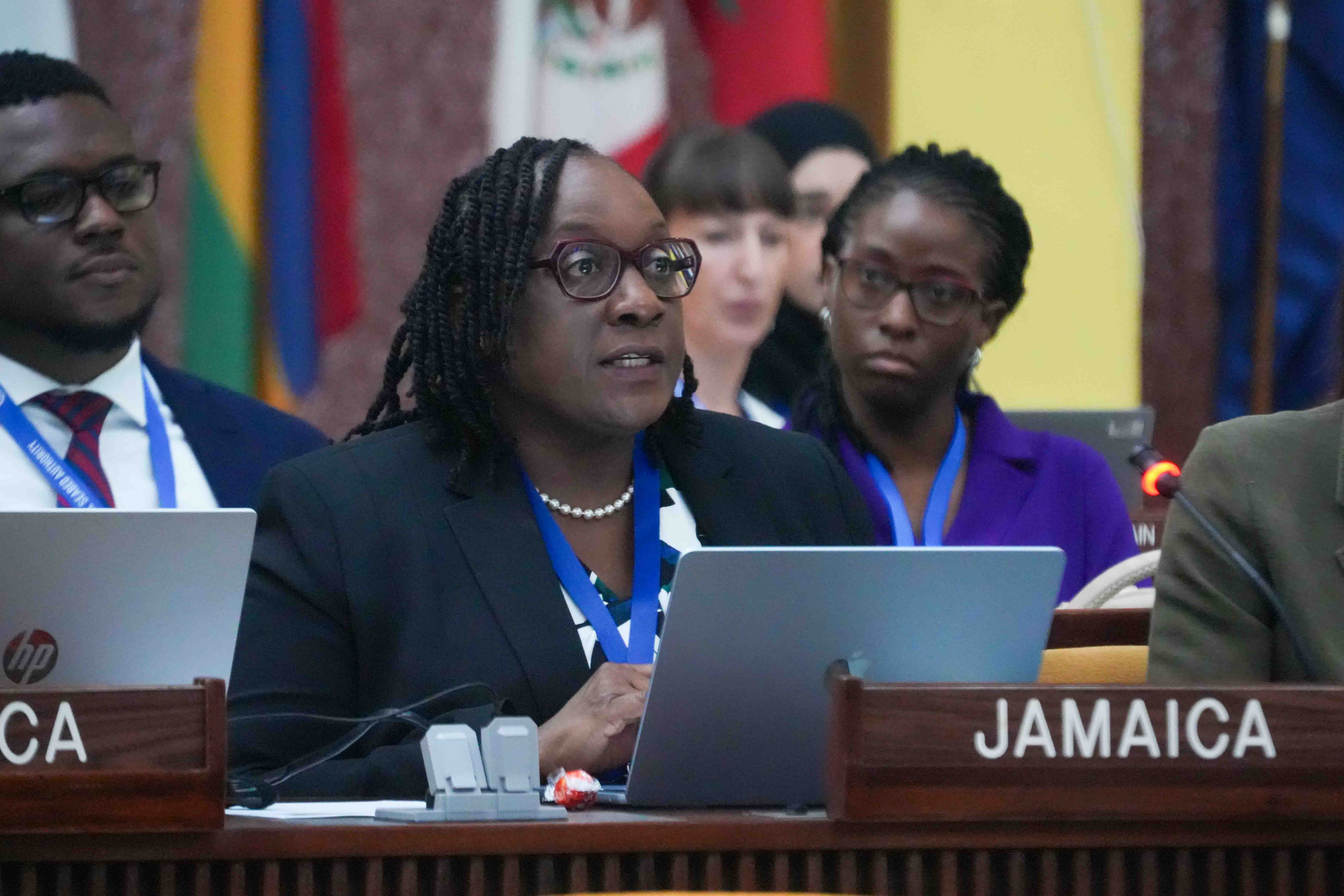
Cheryl Spencer, Jamaica
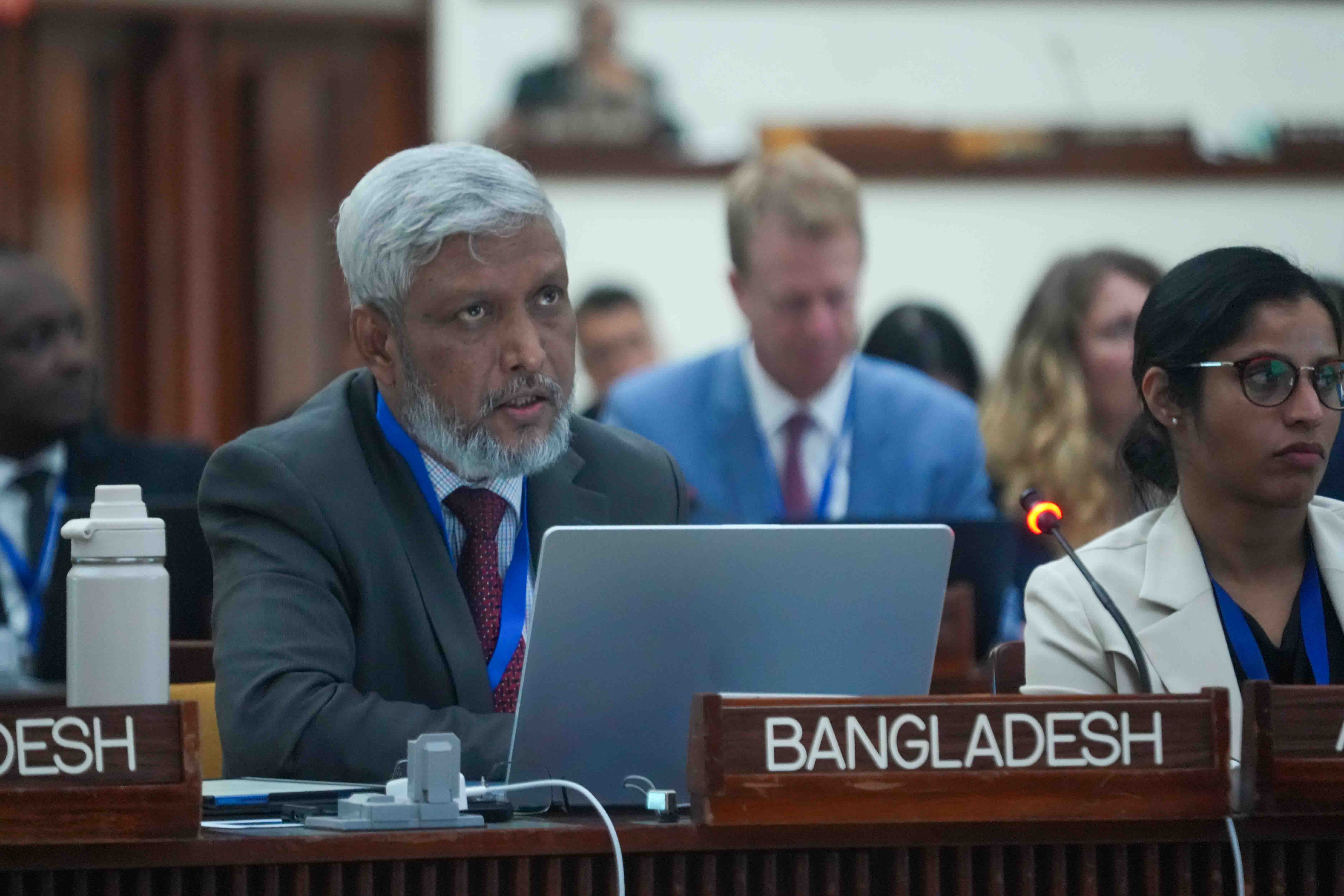
Mahmudul Hassan, Bangladesh
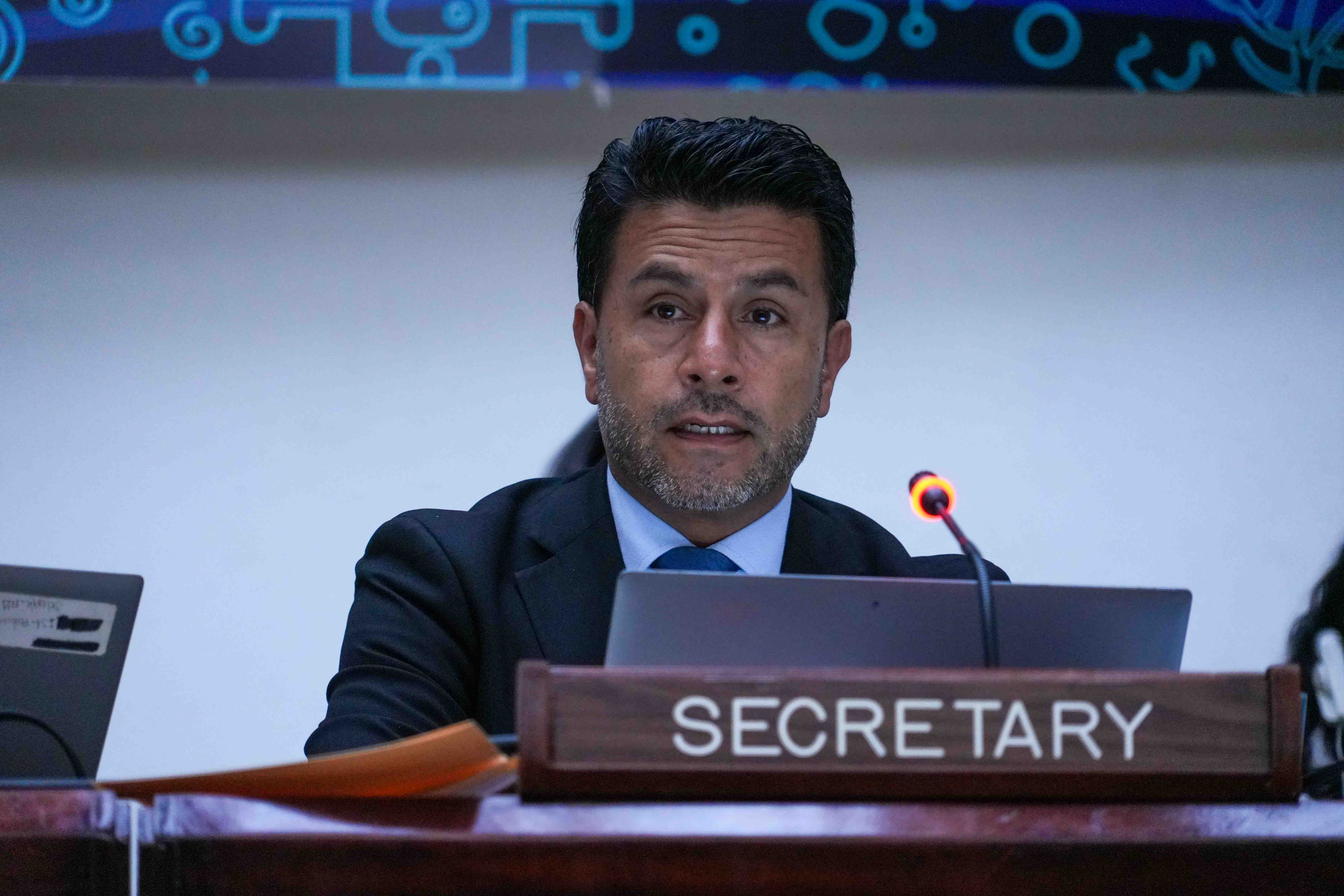
Marcelino Miranda, Secretariat of the Authority
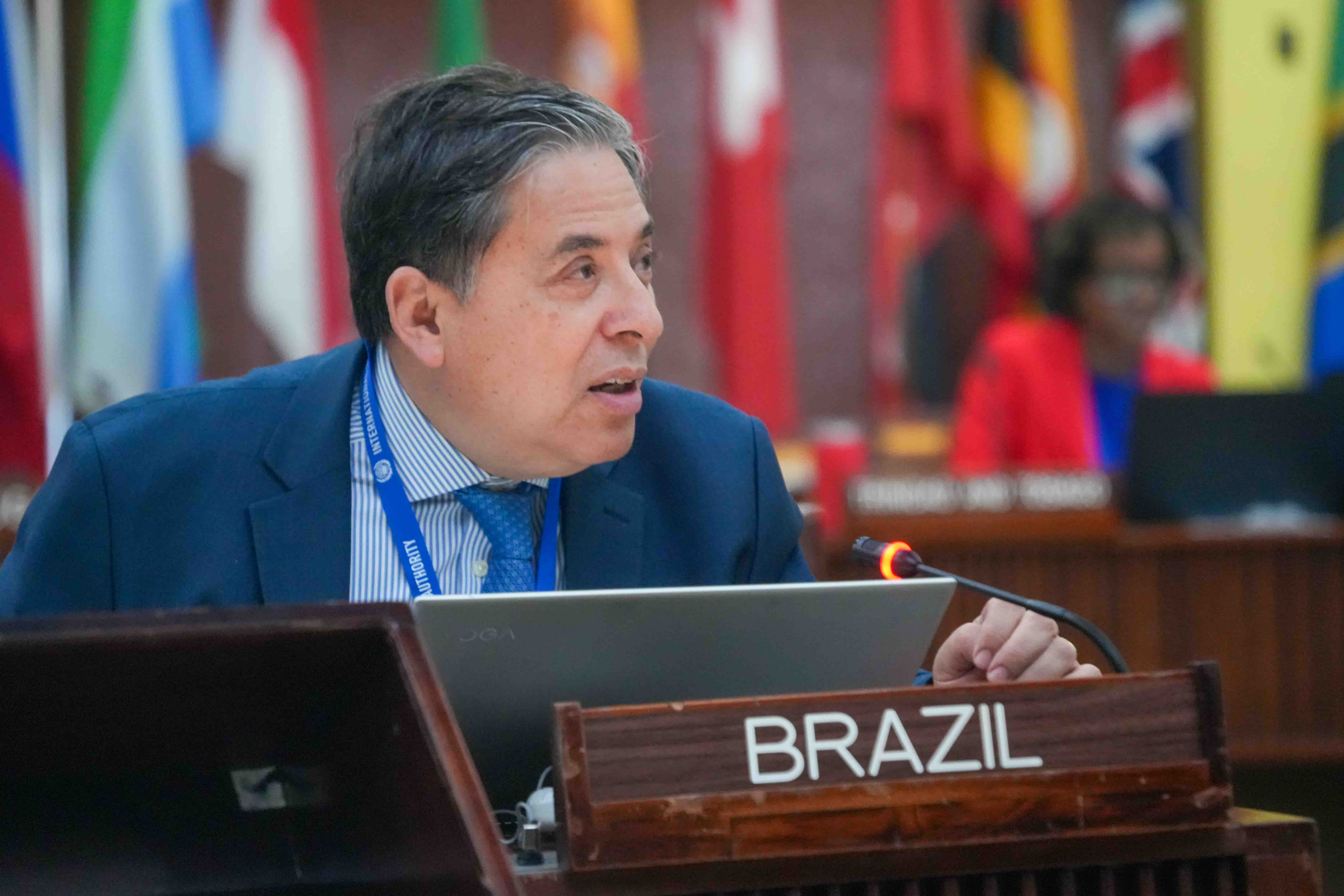
Manuel Montenegro, Brazil
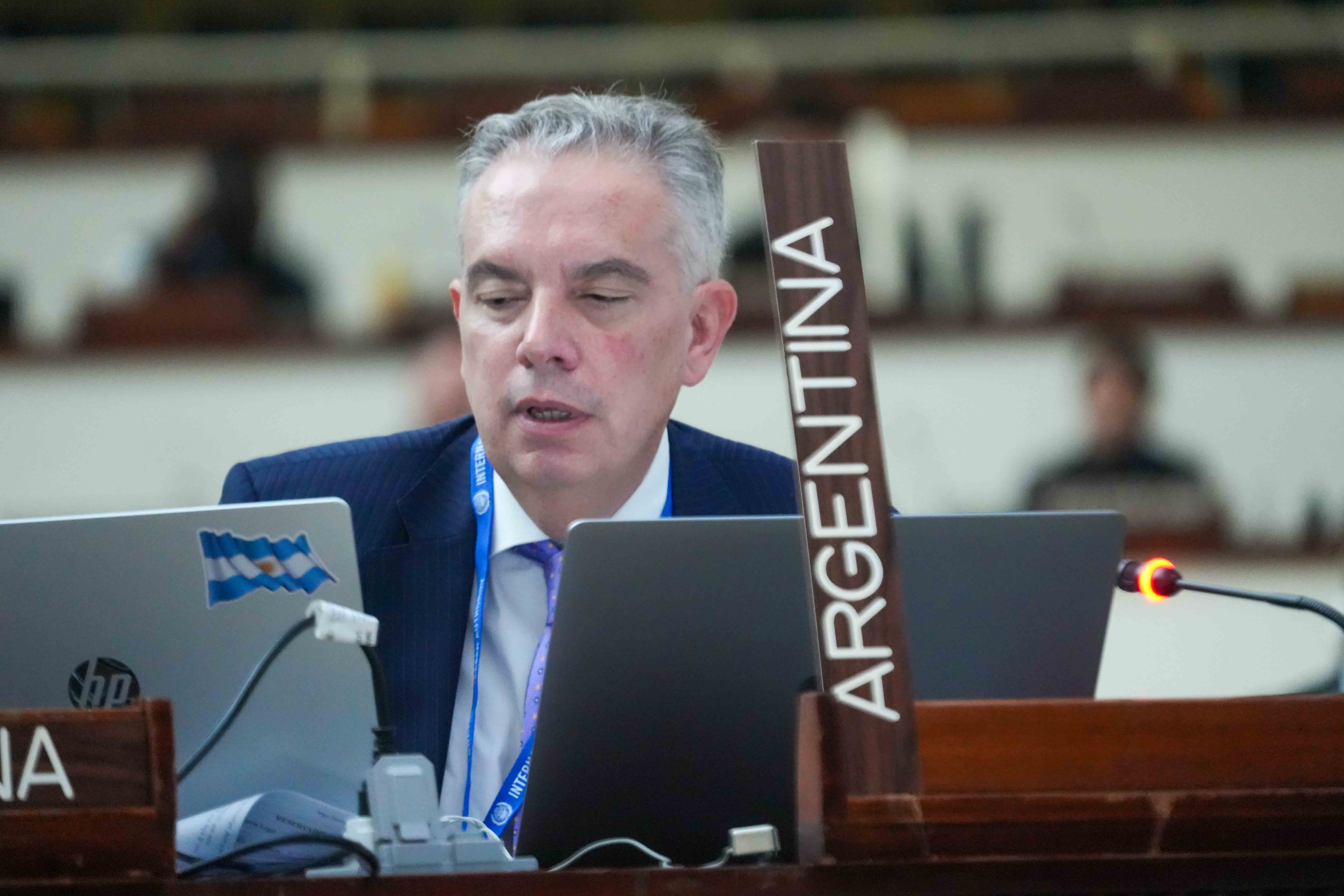
Marcelo Balbi Calvo, Argentina
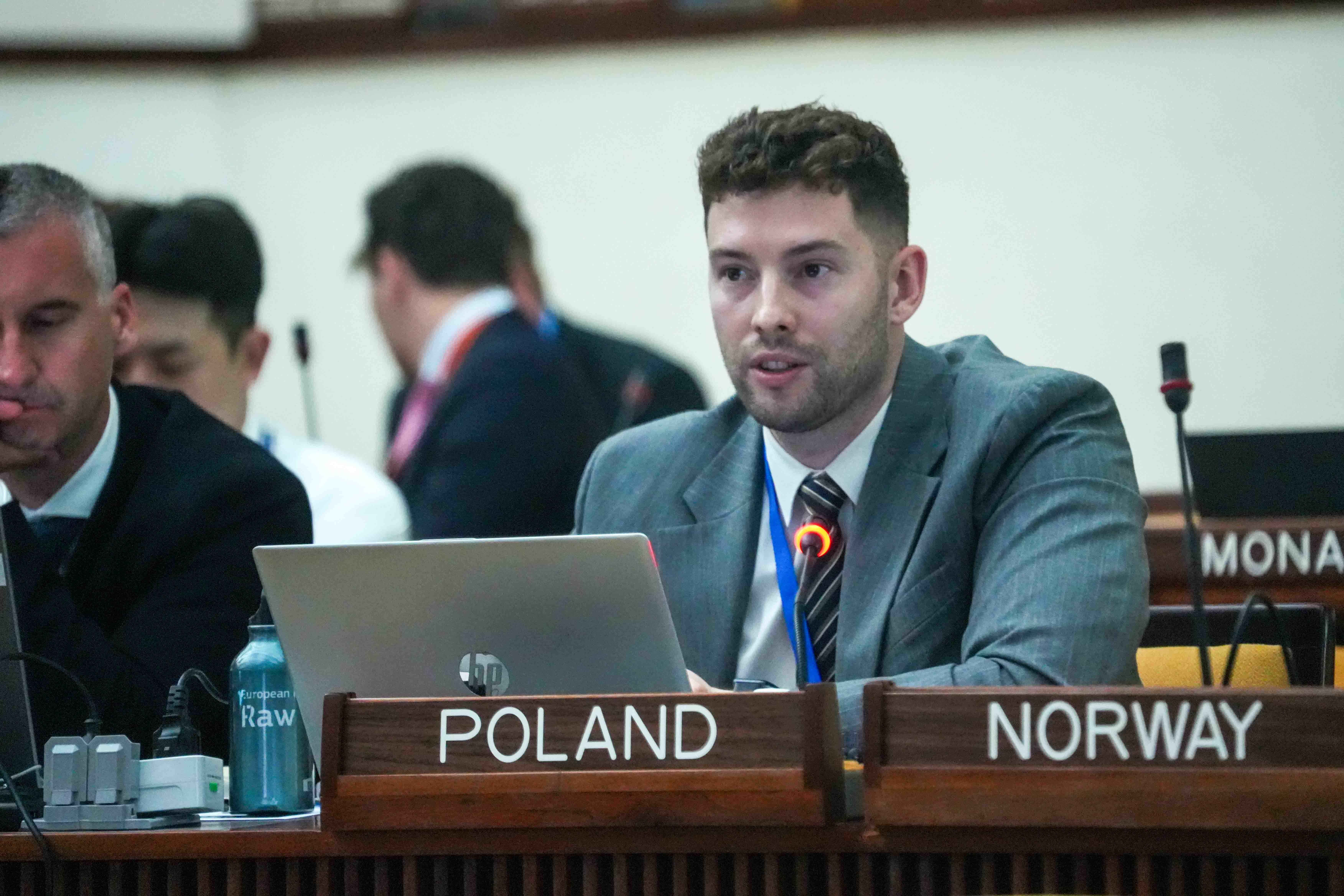
Michał Nowosielski, Poland
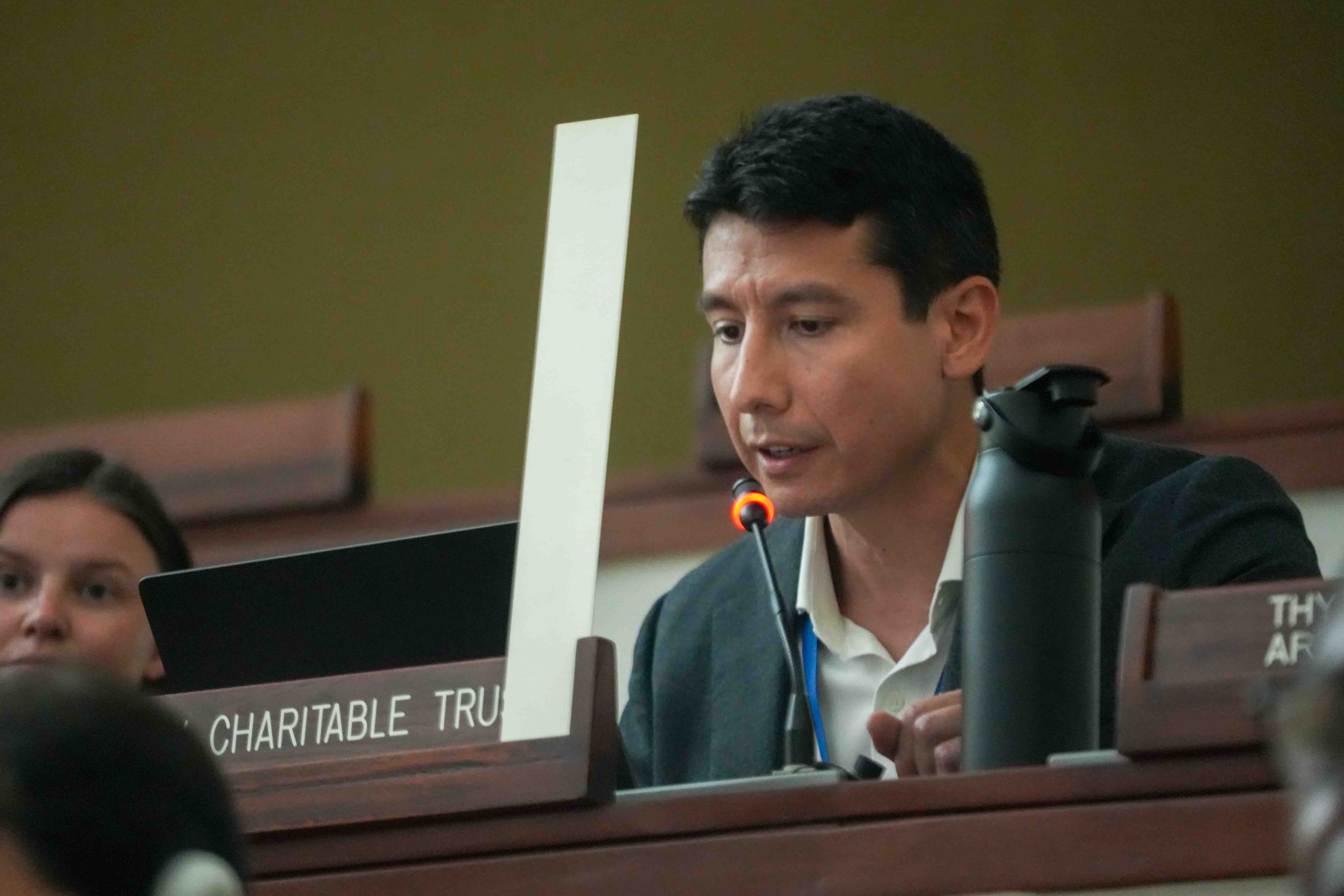
Orion Cruz, The Pew Charitable Trusts
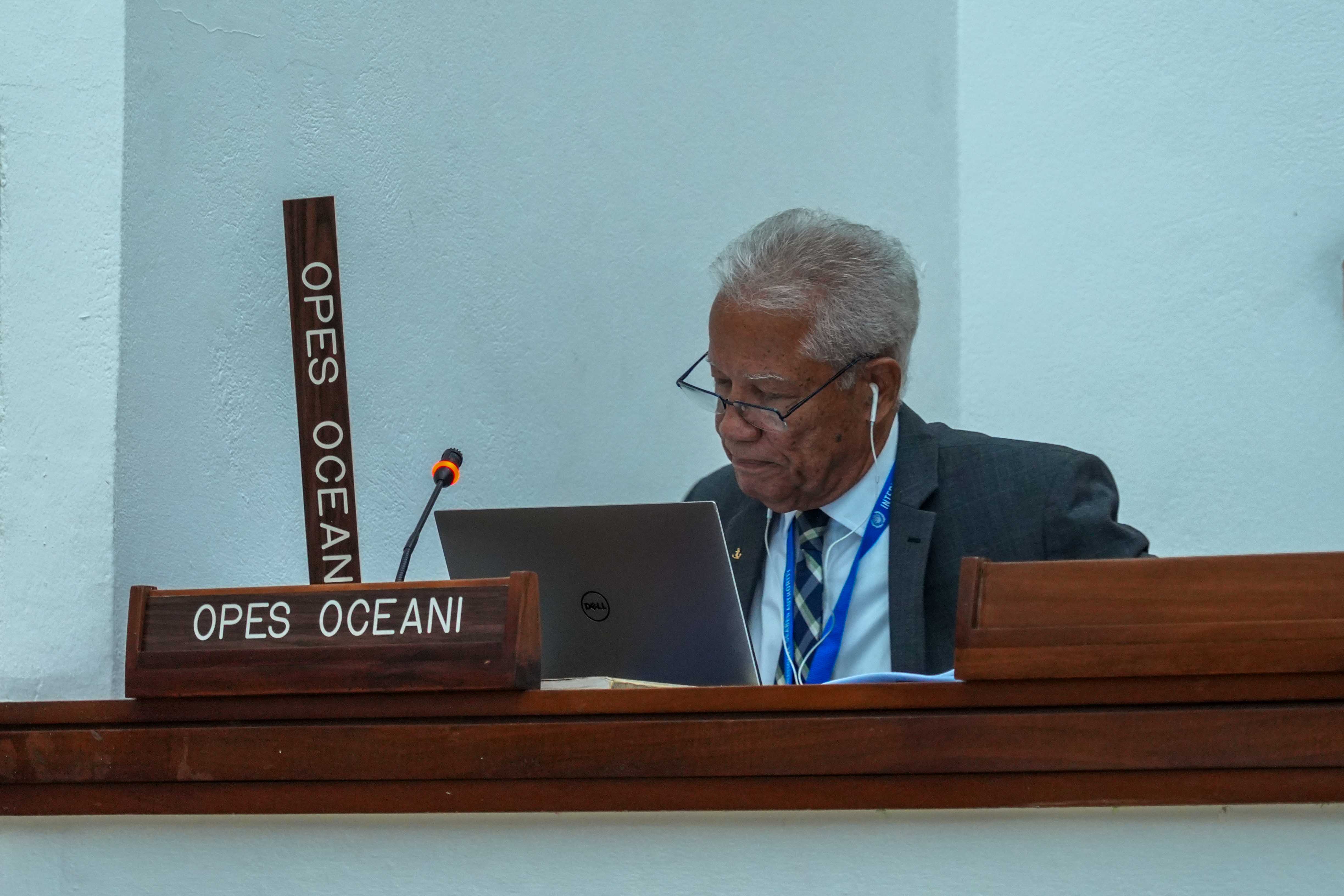
Peter Brady, Opes Oceani Foundation
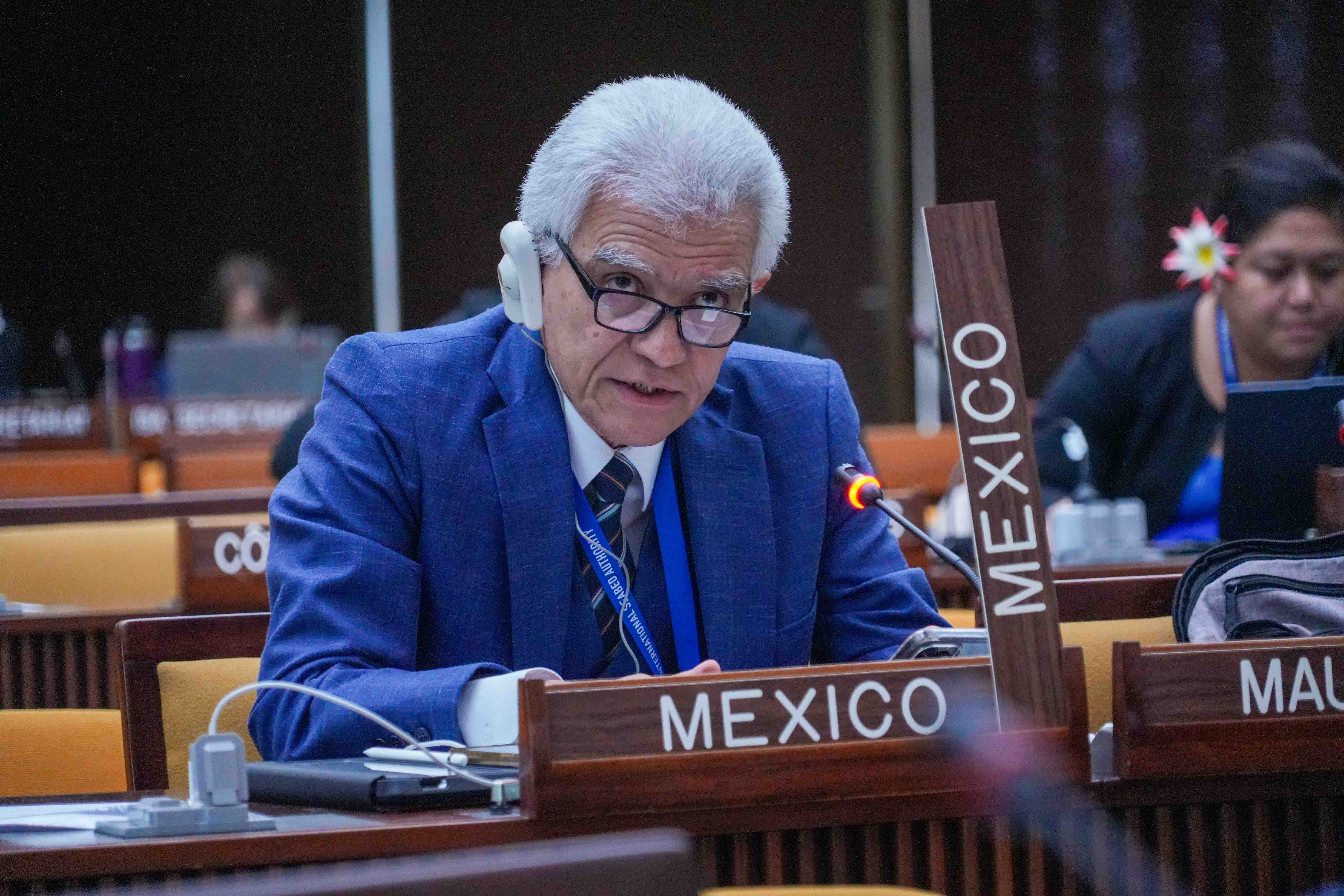
Roberto Canseco Martínez, Mexico
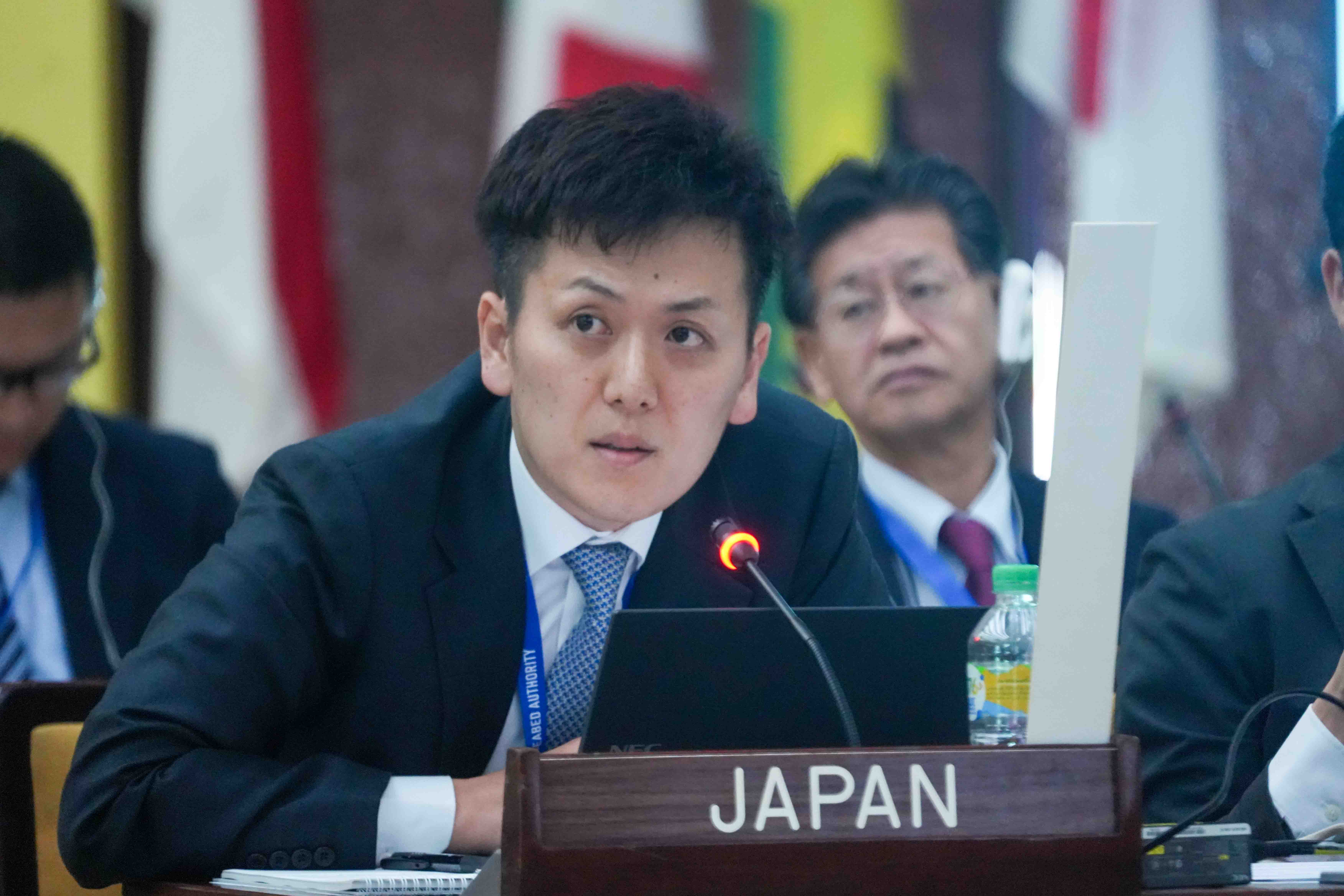
Sotaro Higaki, Japan
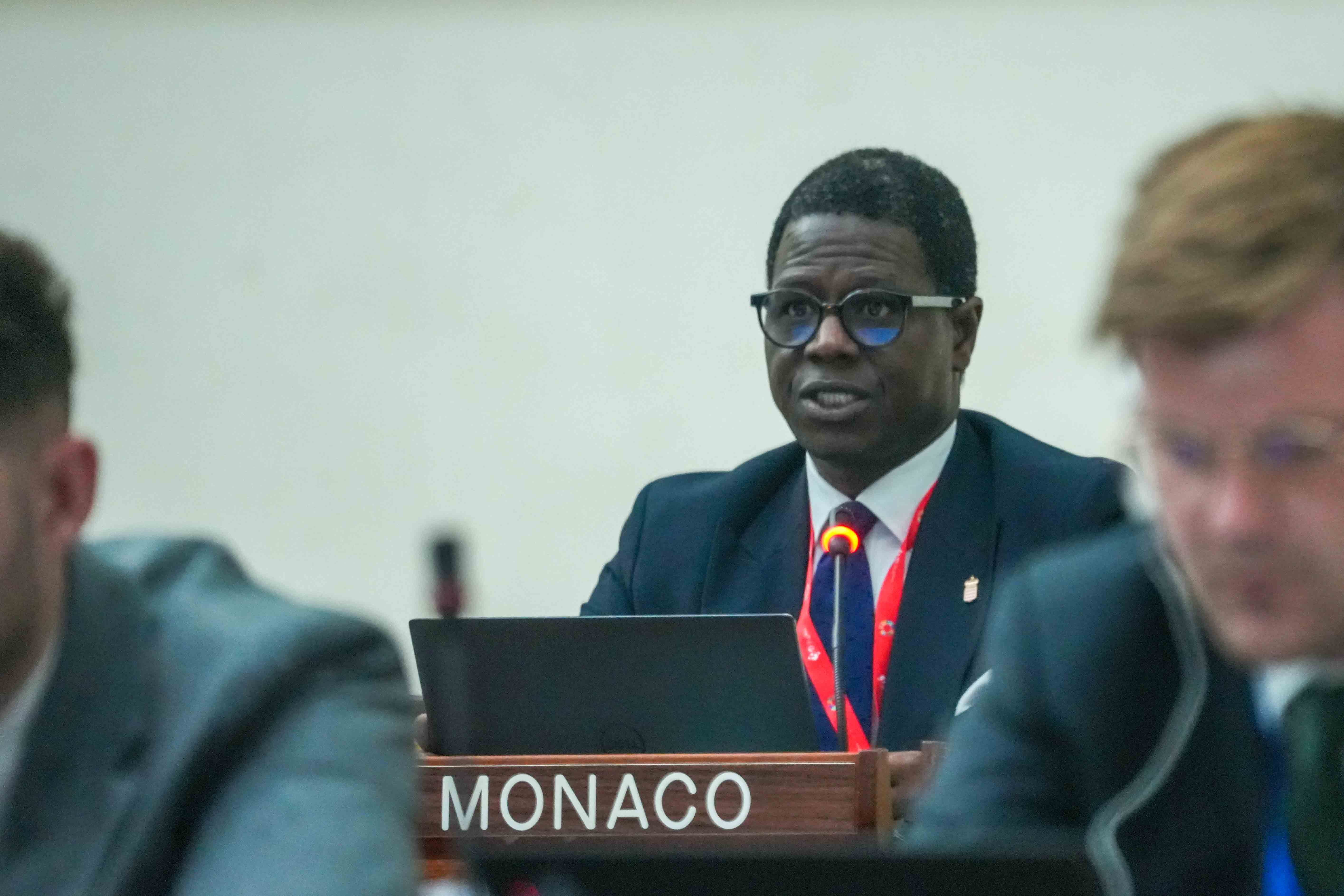
Tidiani Couma, Monaco
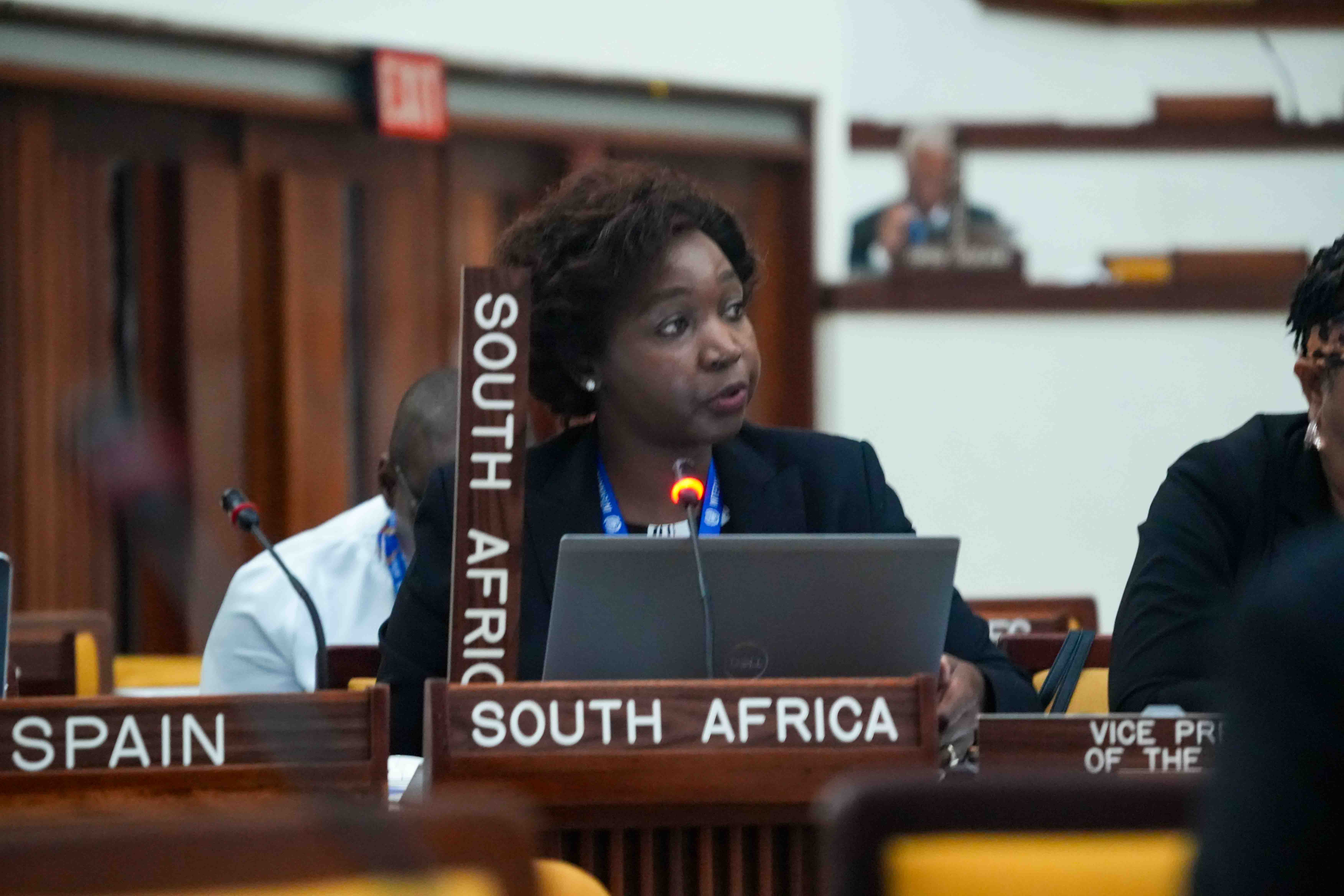
Tshifhiwa Mabidi, South Africa
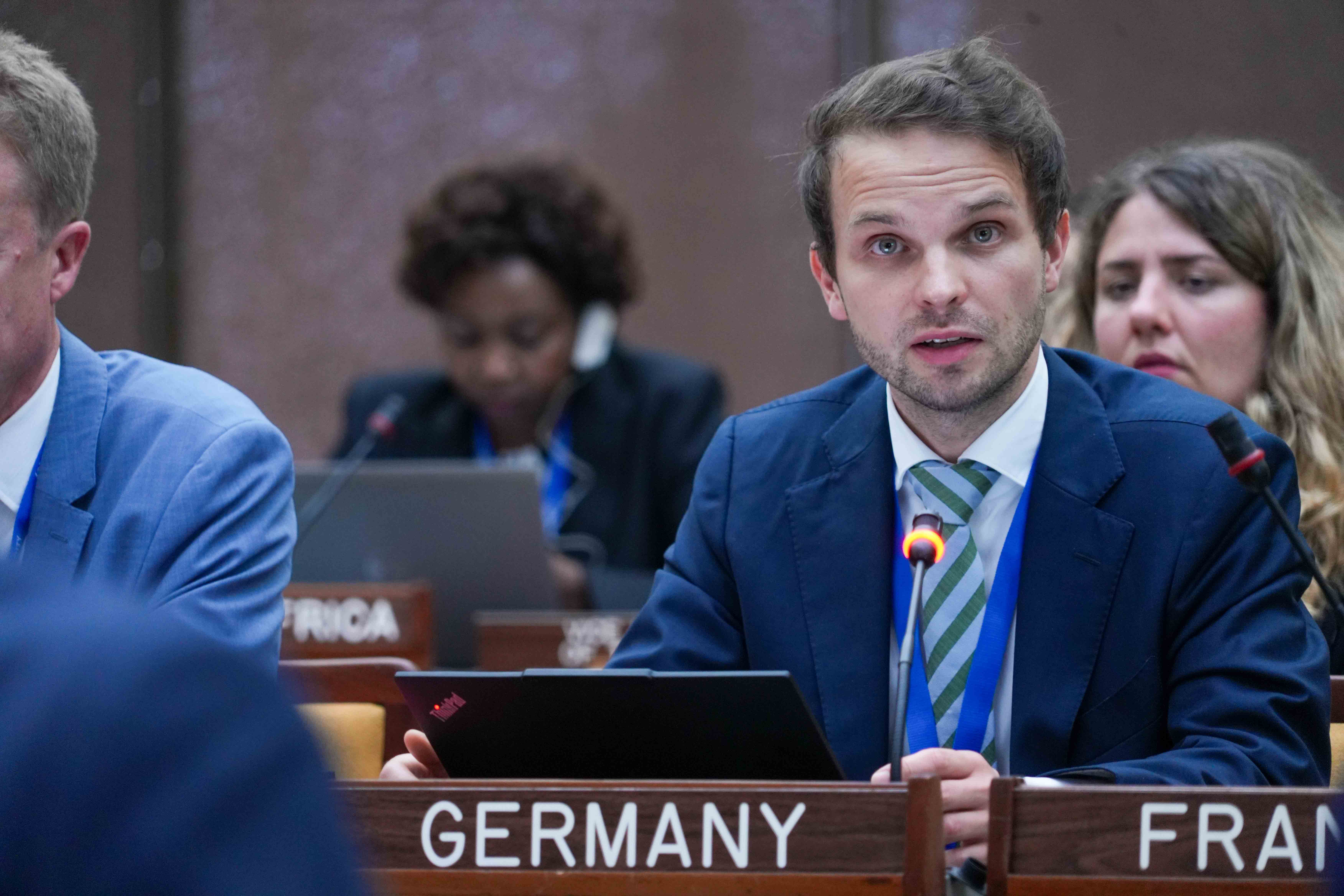
Valentin Laubisch, Germany
Between the sessions
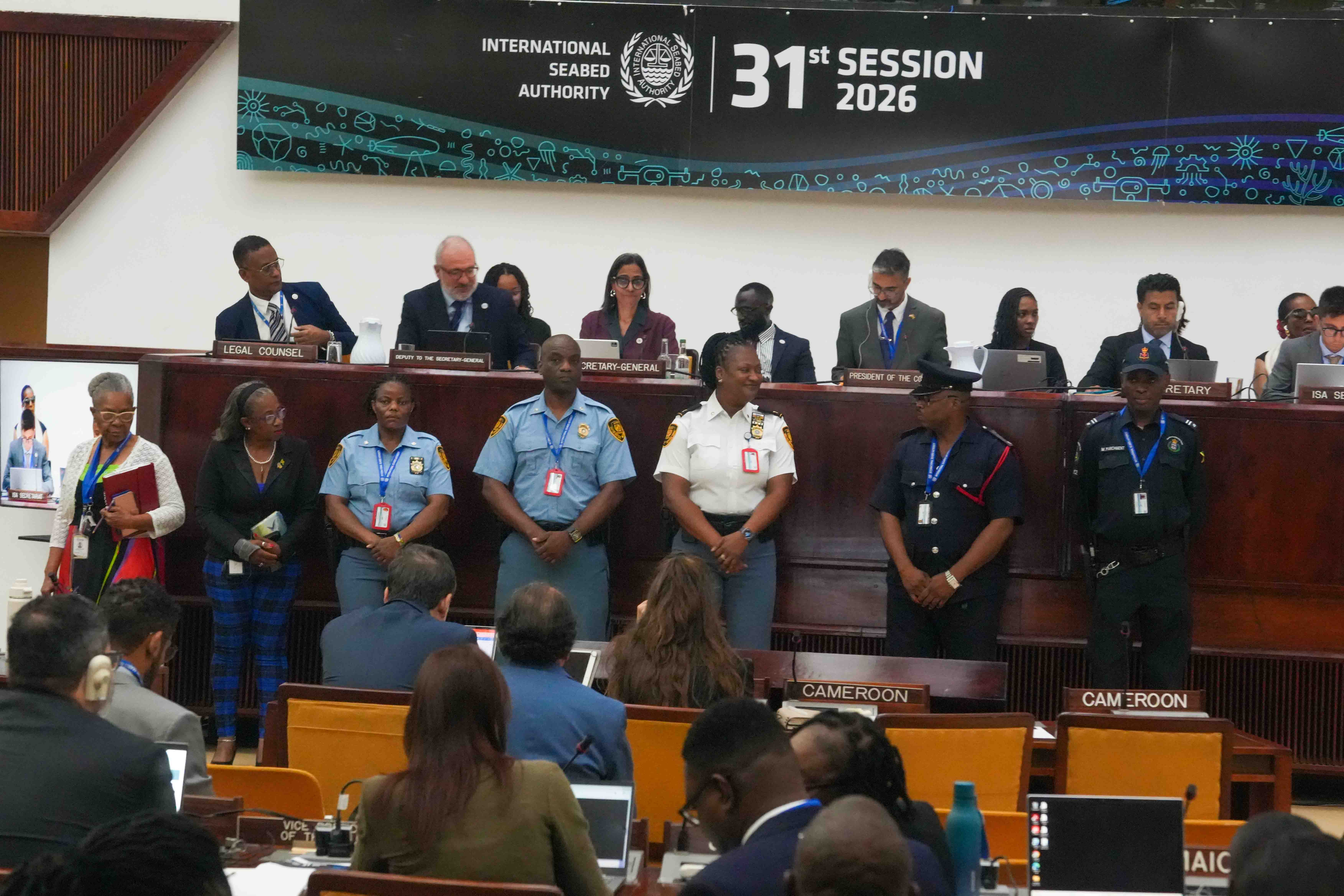


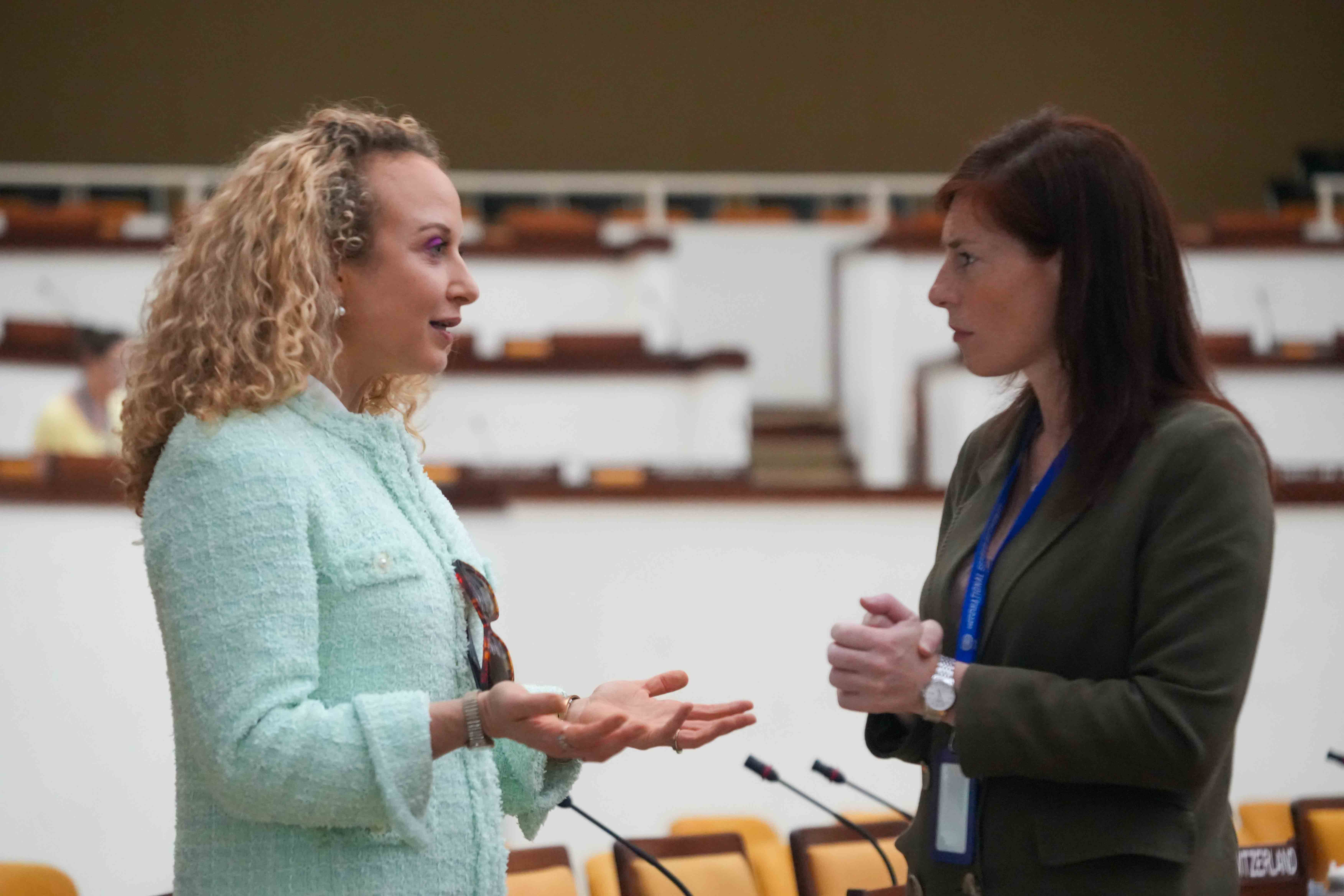
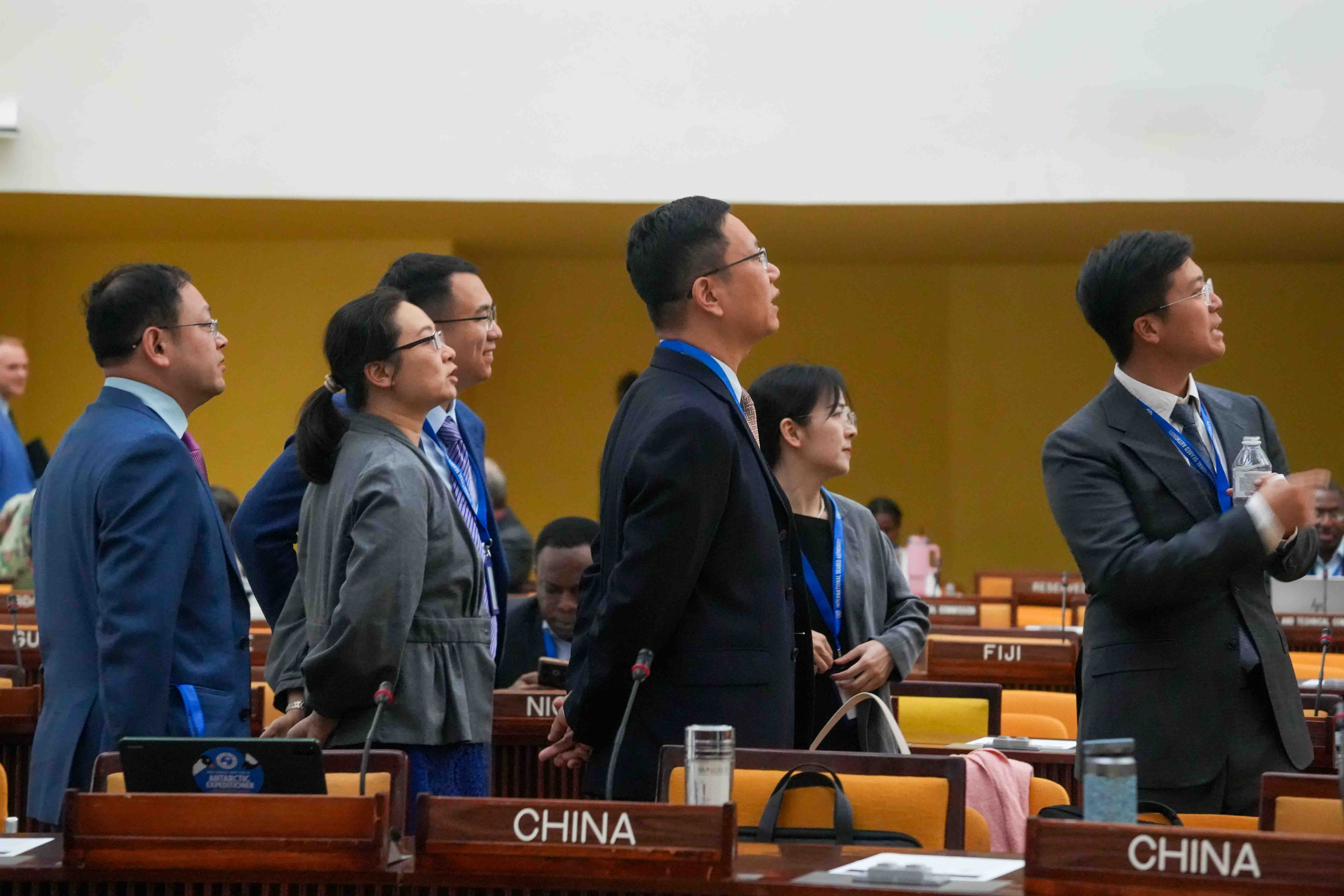


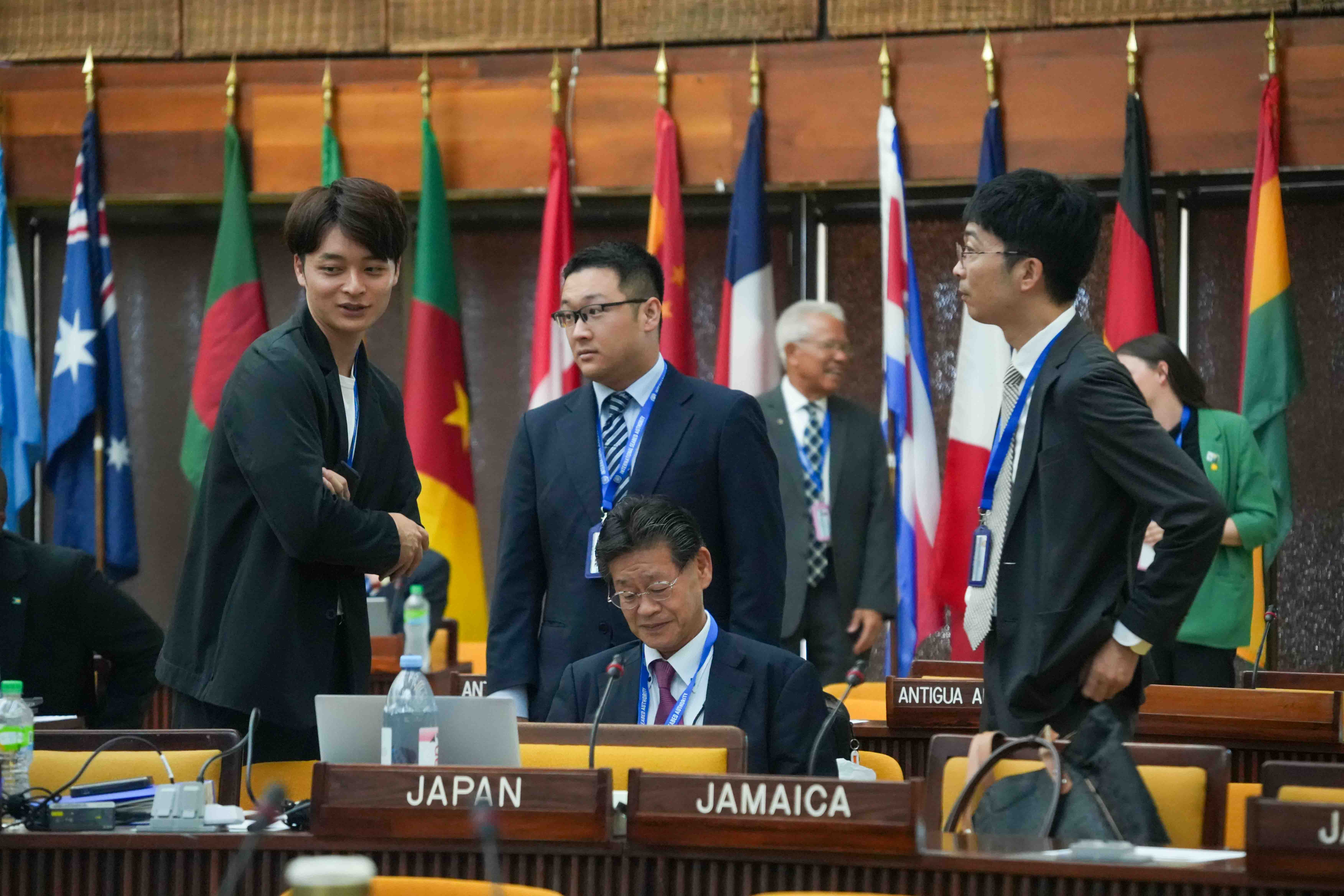
Around the venue
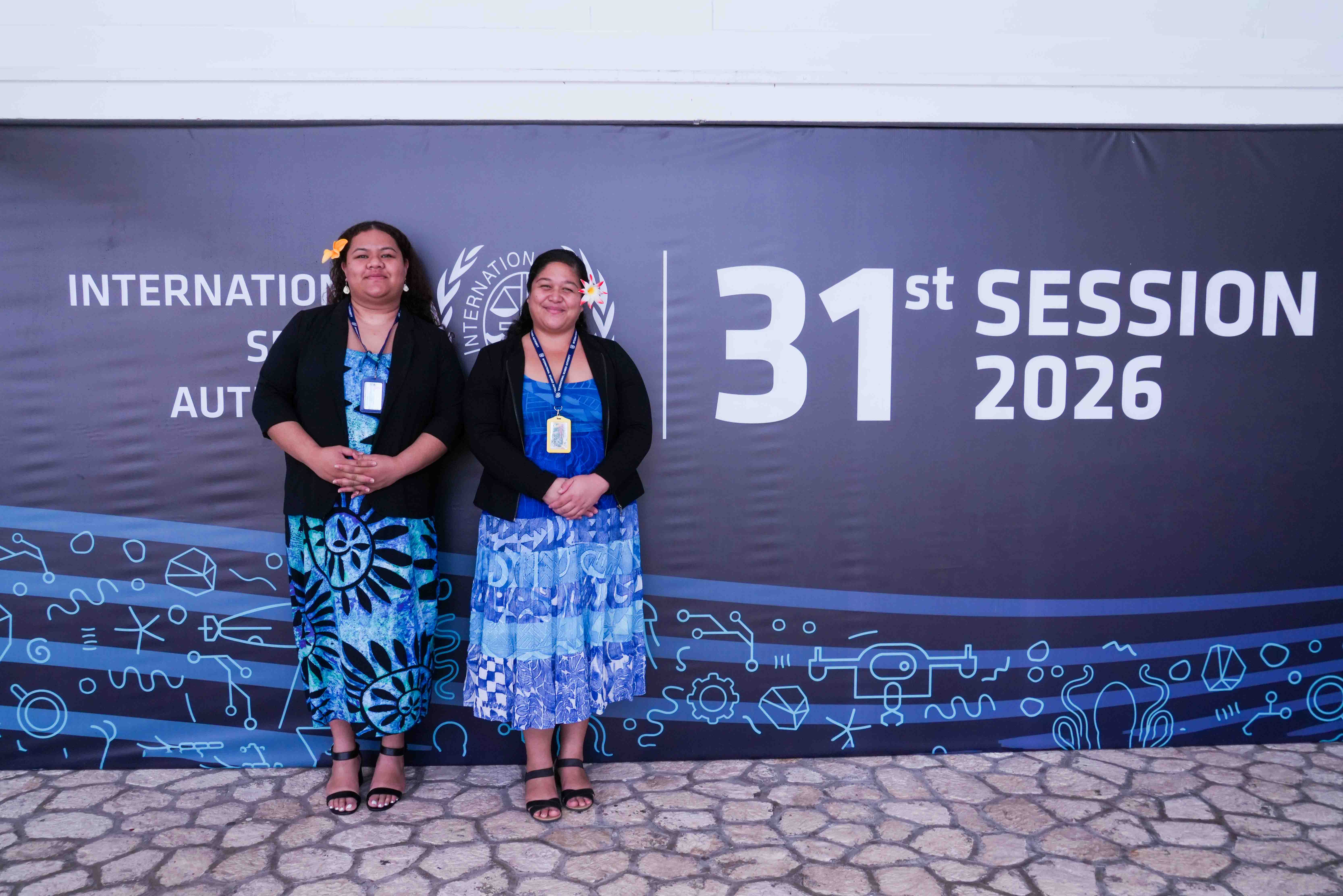
Delegates from the Cook Islands