“In these challenging times, the work of the Assembly is of utmost importance,” noted a delegate prior to the opening of the 31st annual session of the International Seabed Authority’s (ISA) supreme policy-making organ. Consisting of all ISA Member States, the Assembly’s mandate focuses on establishing general policies, approving budgetary and financial arrangements, and overseeing the organization’s strategic goals.
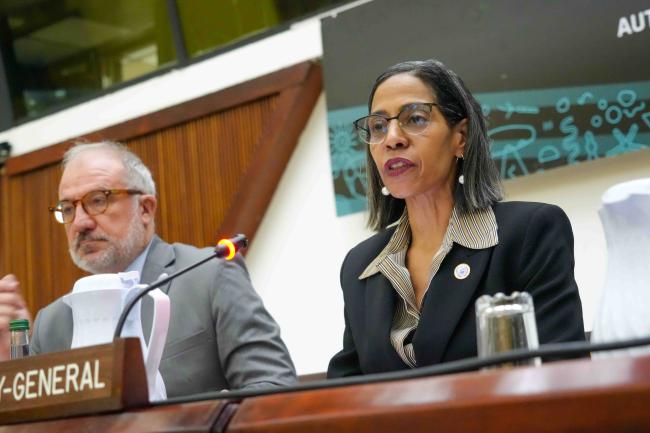
In her opening remarks, ISA Secretary-General Leticia Carvalho, among other things, drew attention to progress in the negotiations on the draft exploitation regulations and provided an overview of the Assembly’s programme of work. She highlighted the attendance of Arsenio Domínguez, Secretary-General of the International Maritime Organization (IMO), noting it marks an important moment in the relationship between the two organizations.
IMO Secretary-General Domínguez drew attention to the 2016 Agreement of Cooperation between the IMO and the ISA and detailed areas of cooperation between the two organizations.
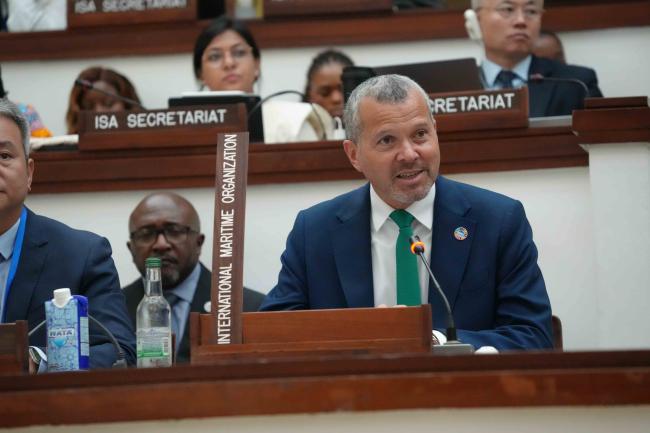
Host country Jamaica emphasized that the common heritage of humankind “is not an aspirational principle but a solemn commitment,” underscoring that the ISA is “a beacon in the era of challenges to multilateralism.”
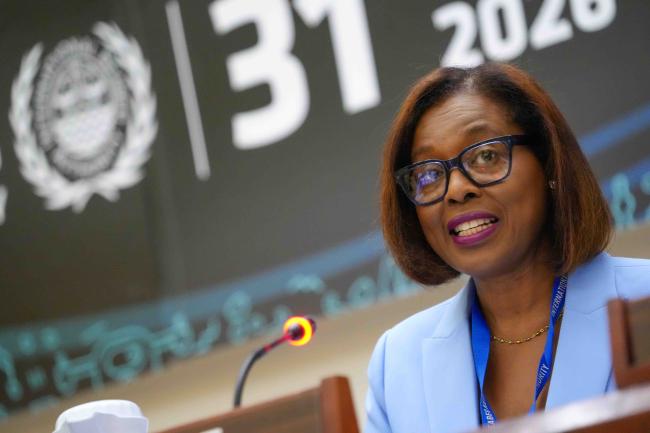
Members elected Oliver Whitehead (the Netherlands) as Assembly President for the 31st session and Nigeria, Samoa, and Trinidad and Tobago as Vice-Presidents.
They devoted the rest of the morning session to the draft guidelines for observer status of contractors with the ISA. Steven Dietrich, ISA Legal Counsel, introduced the document.
Many delegates expressed skepticism about giving observer status to contractors. Noting that the issue requires particular attention and dedicated deliberations, South Africa for the African Group, Costa Rica, Chile, Indonesia, Malawi, France, Switzerland, Vanuatu, Portugal, Malta, Bangladesh, Brazil, and India supported deferring consideration of the item to the next session.
Tonga, Trinidad and Tobago, Naoero, and Jamaica supported adopting the draft guidelines, highlighting, among other things, contractors’ contributions toward advancing the ISA’s work and fulfilling its mandate. The UK, Australia, and Singapore suggested further discussion.
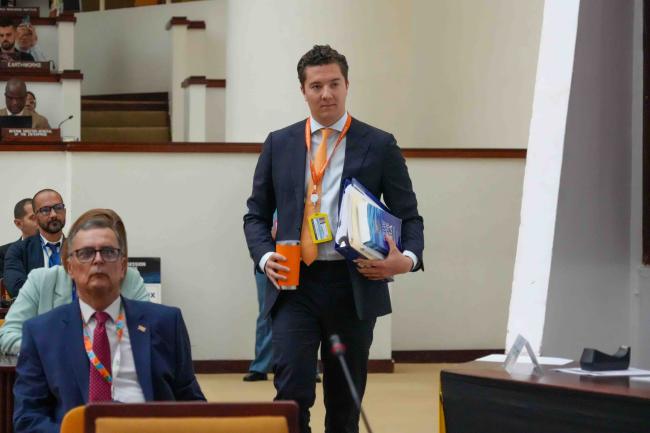
Civil society observer organizations stressed that contractors’ interest is fundamentally different to the public interest of non-governmental organizations, cautioning against increasing corporate capture of the Authority and blurring the line between neutral observers and commercial stakeholders.
President Whitehead adjourned the discussion, encouraging informal deliberations.
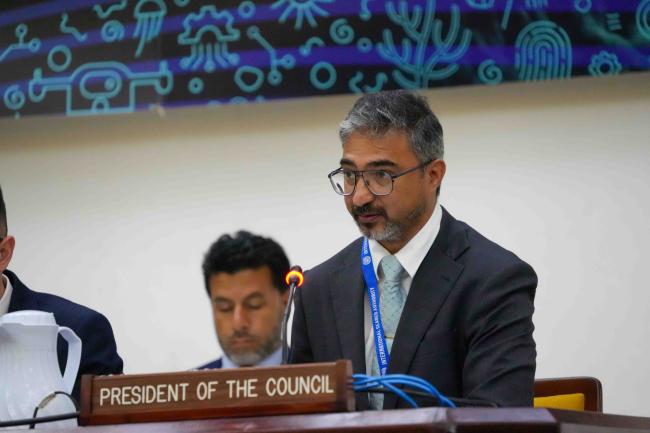
In the afternoon, delegates focused on the oral report of the Council President, Mayank Joshi (India), on the Council’s work during the 31st session and the annual report of ISA Secretary-General Carvalho.
Council President Joshi provided a comprehensive overview of the Council’s deliberations, noting significant progress toward the completion of the Mining Code and a focus on resolving remaining key policy issues. The Assembly took note of the report.
The annual report of Secretary-General Carvalho revealed the breadth of the Authority’s activities, highlighting, among many other things, work on the draft exploitation regulations and the implementation of the ISA’s Action Plan for marine scientific research in support of the UN Decade of Ocean Science for Sustainable Development.
In the ensuing discussion, Surangel S. Whipps Jr., President of Palau, emphasized that “a precautionary pause on deep-sea mining is not an absence of leadership. It is leadership. It recognizes that where uncertainty is profound, and consequences may be irreversible, wisdom demands patience.”
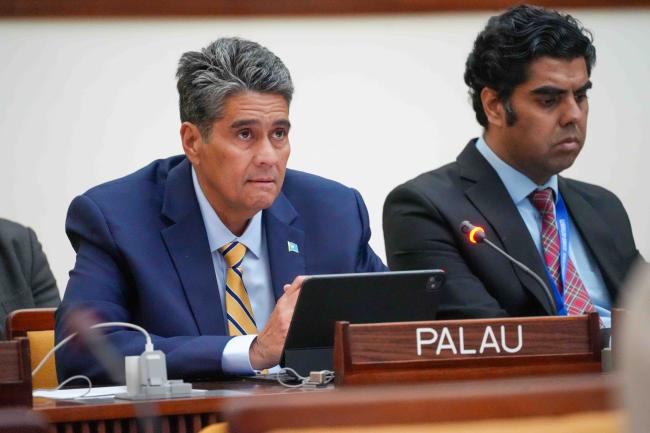
Representatives of regional groups and individual delegations emphasized that the UN Convention on the Law of the Sea (UNCLOS) is a key pillar of international law and the multilateral system and reiterated that no state may claim or exercise sovereignty or sovereign rights over any part of the Area or its resources. They highlighted, among other things:
- the need to develop a robust fit-for purpose regulatory regime that is accompanied by the institutions, systems, safeguards, and administrative arrangements necessary to ensure that activities in the Area are managed effectively, equitably, with integrity, and for the benefit of humankind as a whole;
- efforts in marine scientific research and technology and capacity-building programmes for the effective management of the Area and its resources; and
- ISA’s role in the institutional architecture for ocean governance, stressing the need for cooperation with the Agreement on the Conservation and Sustainable Use of Marine Biological Diversity of Areas beyond National Jurisdiction (BBNJ Agreement).
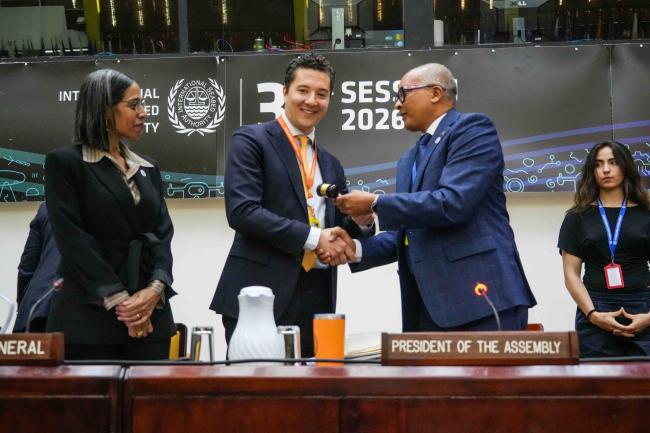
Plenary Meeting

New elected Assembly President, Oliver Whitehead, the Netherlands
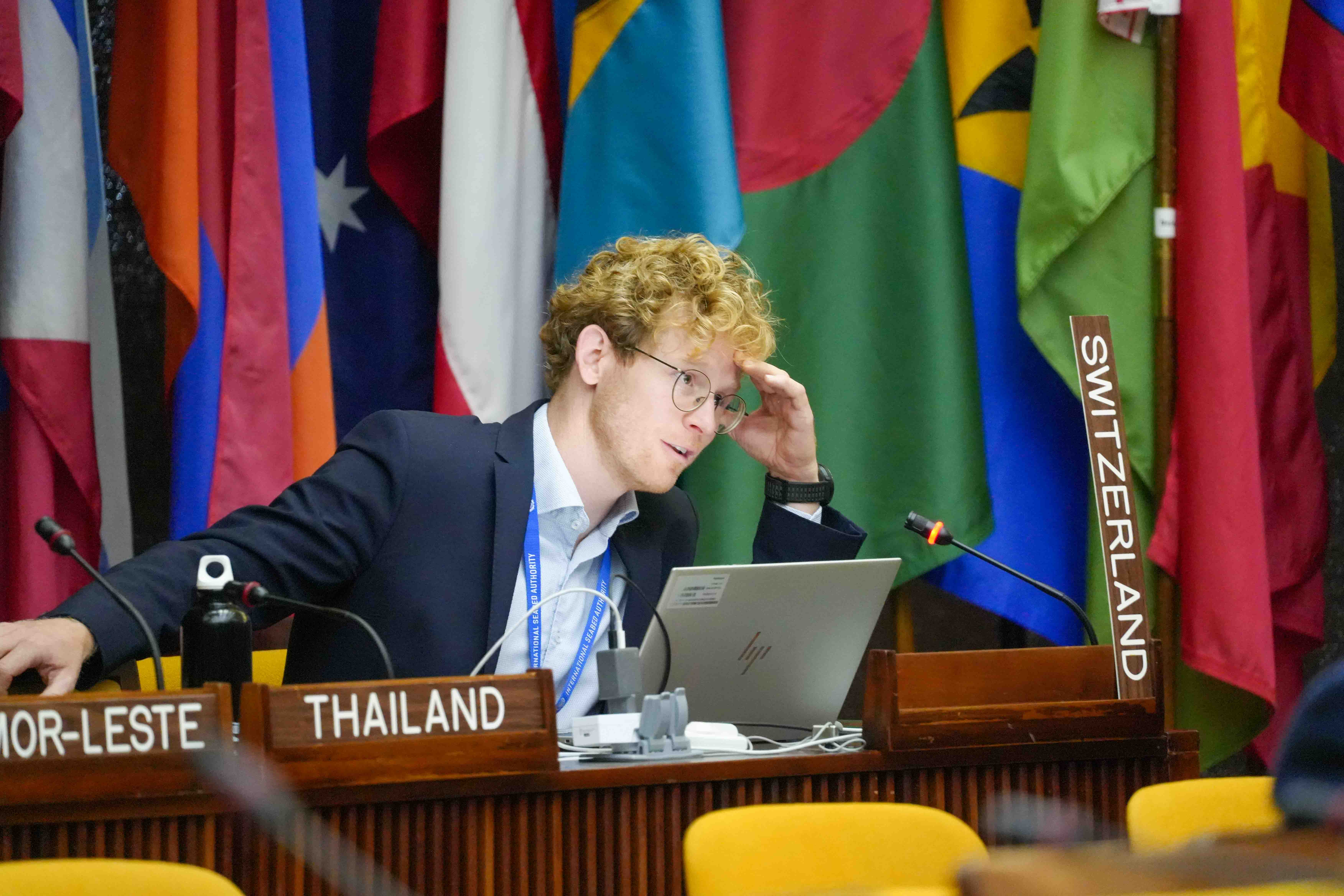
Andrin Studer, Switzerland
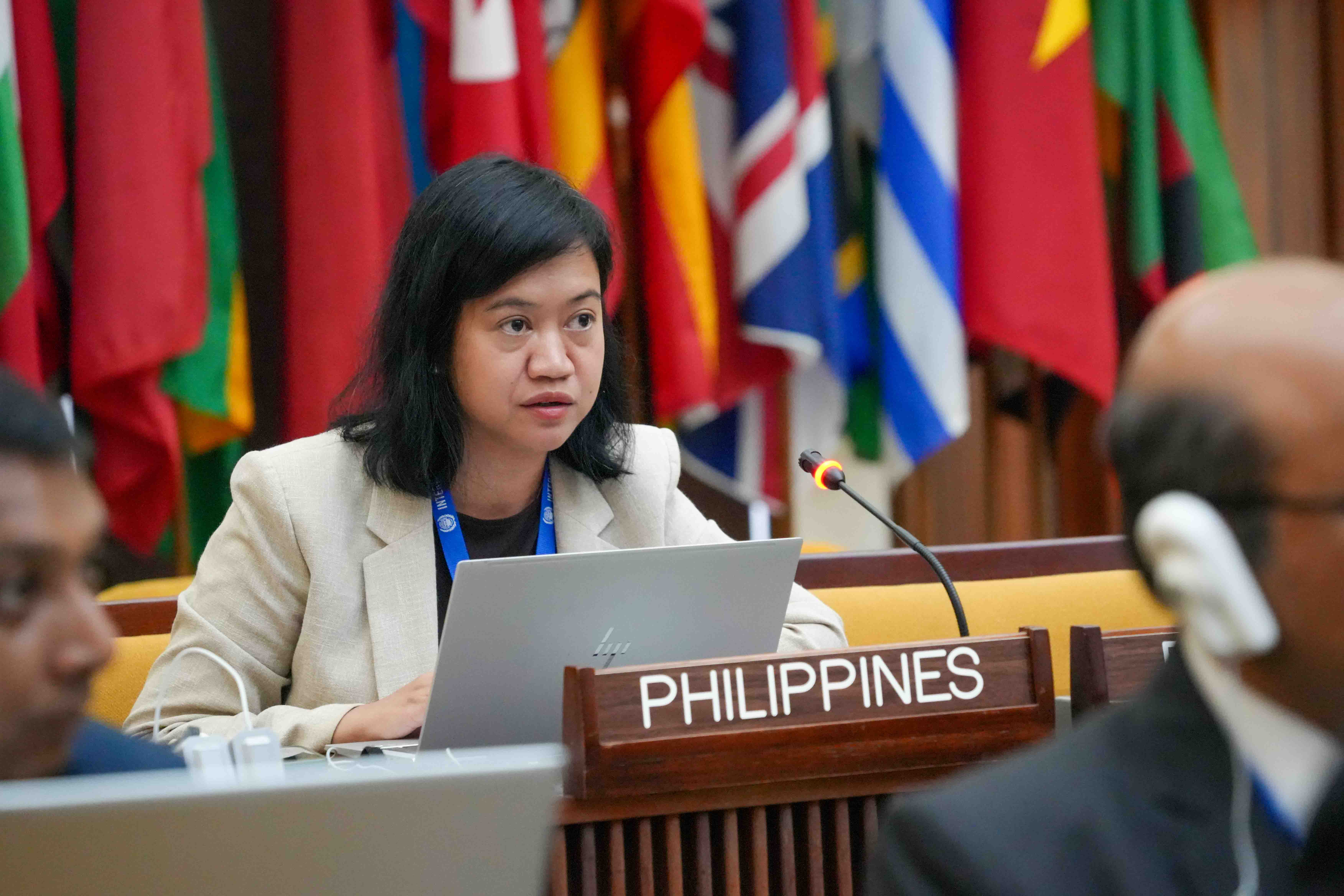
Azela Arumpac-Marte, the Philippines
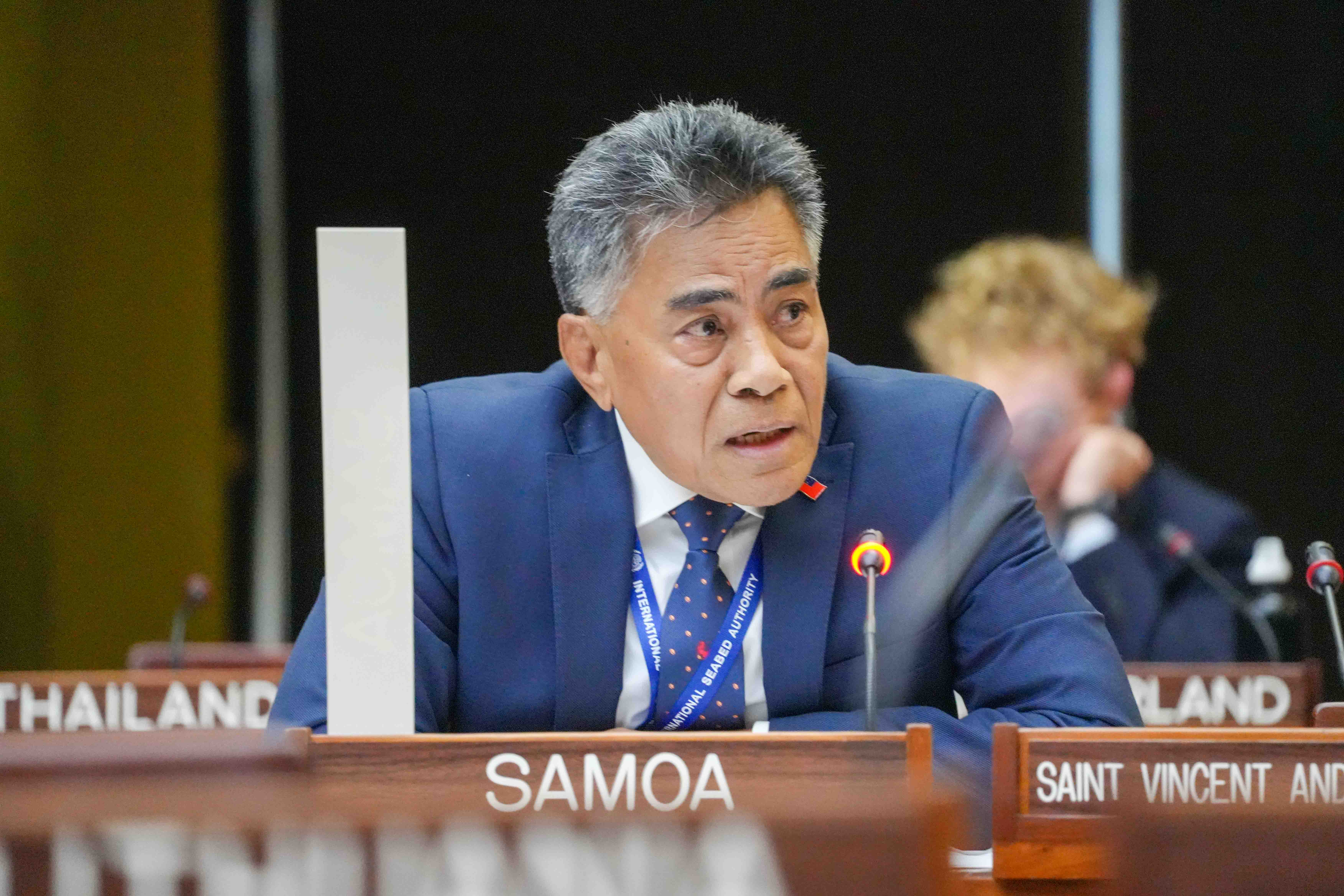
Bedendi Luteru, Samoa
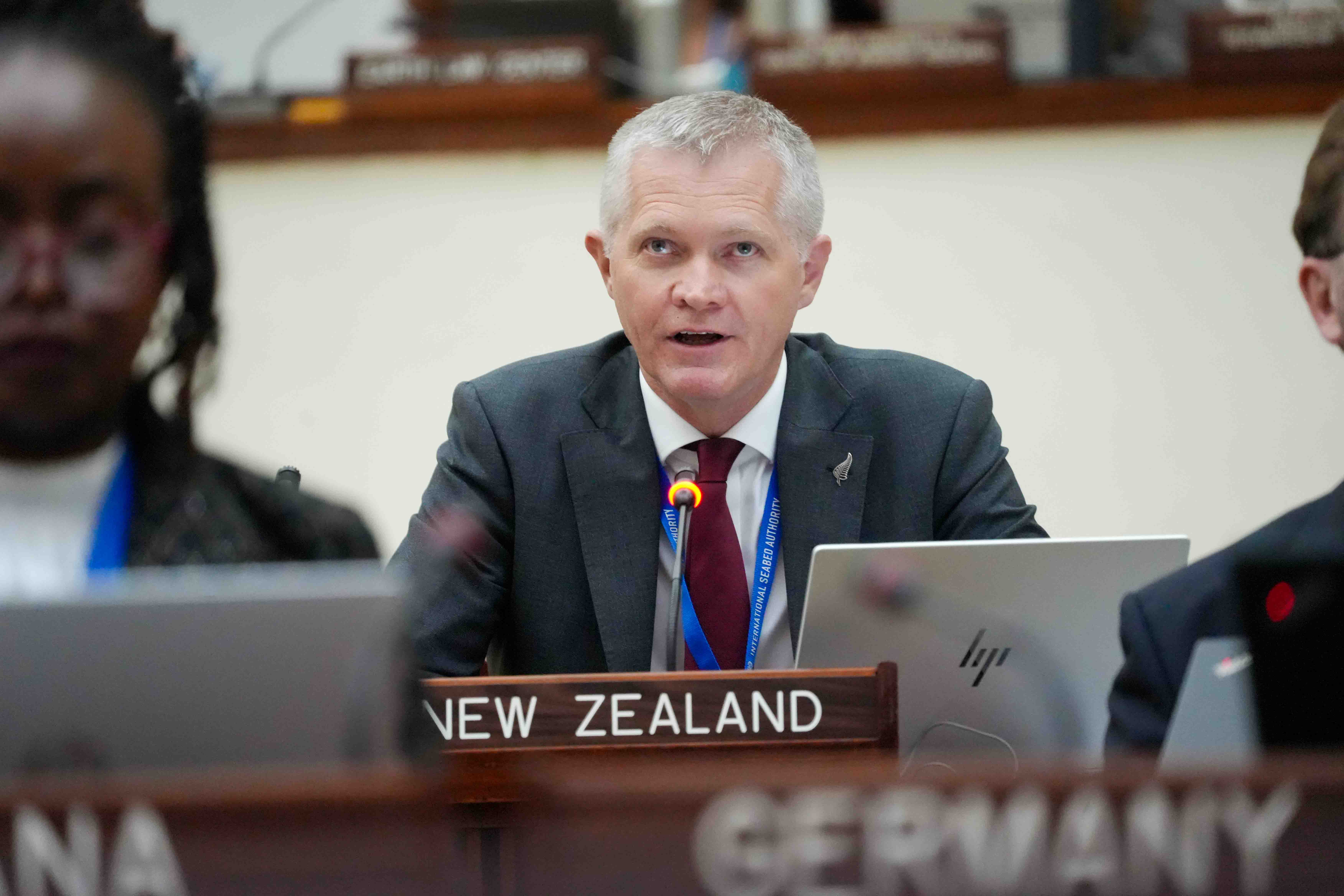
Carl Reaich, New Zealand
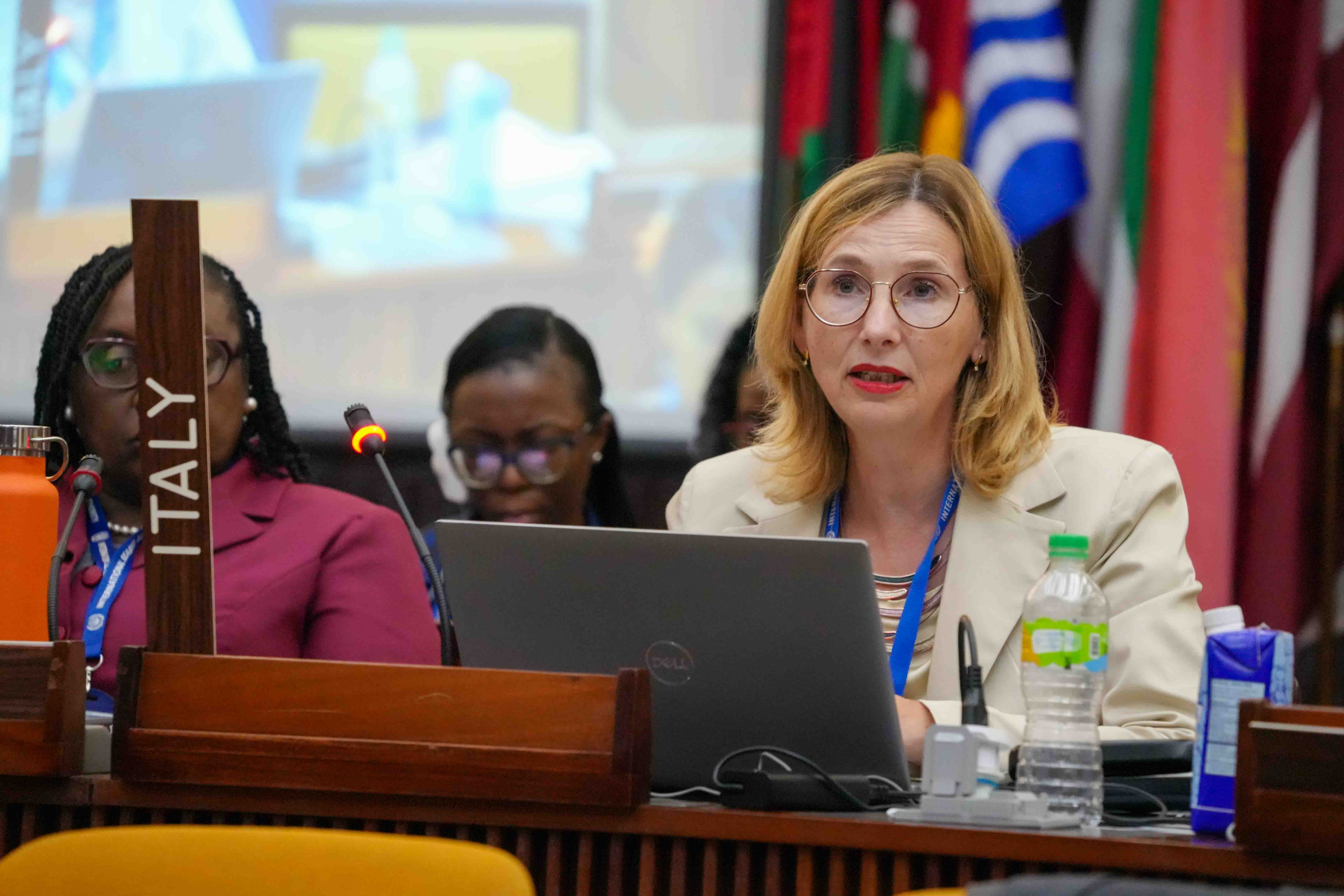
Catherine Flumiani, Italy
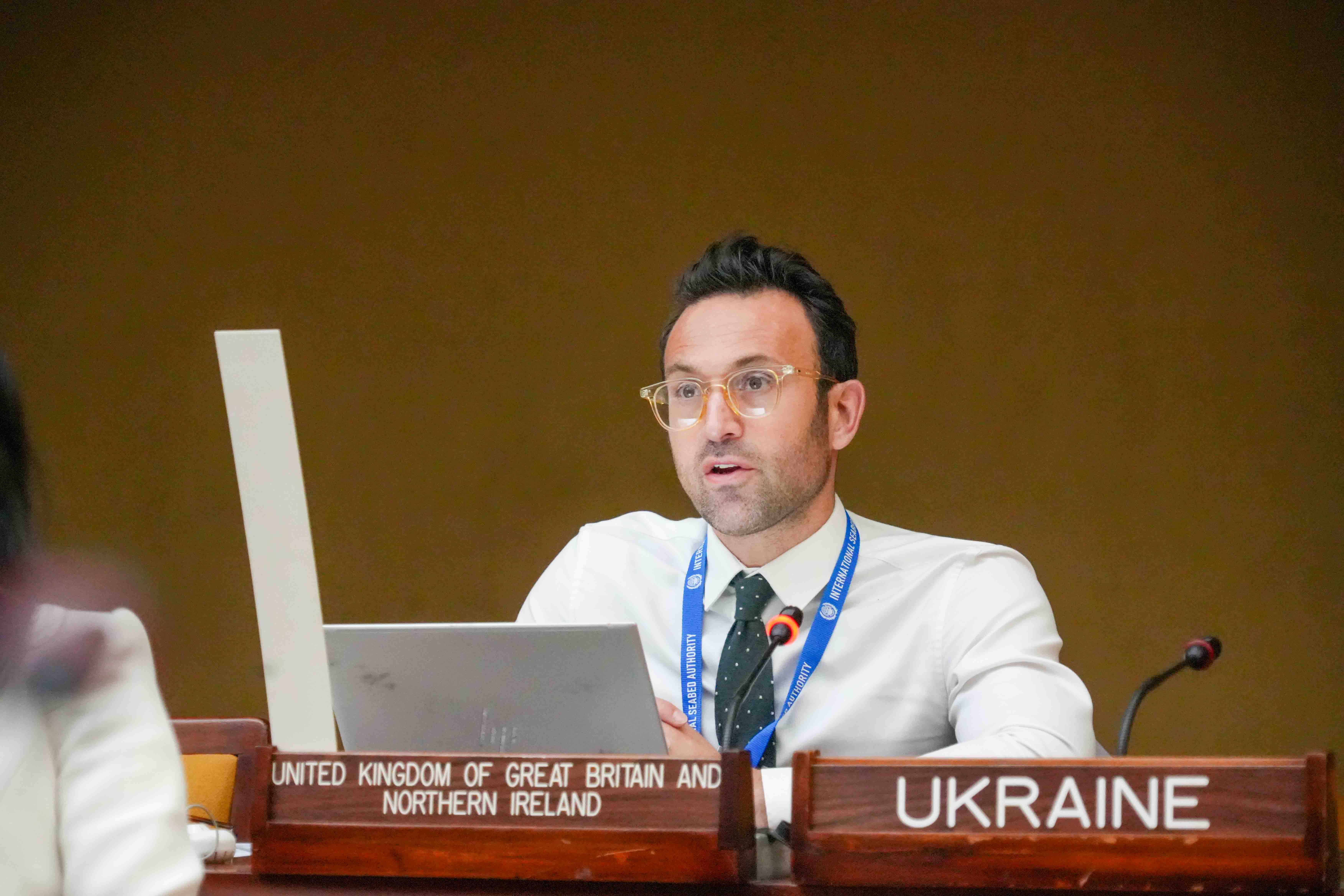
Daniel Breger, UK
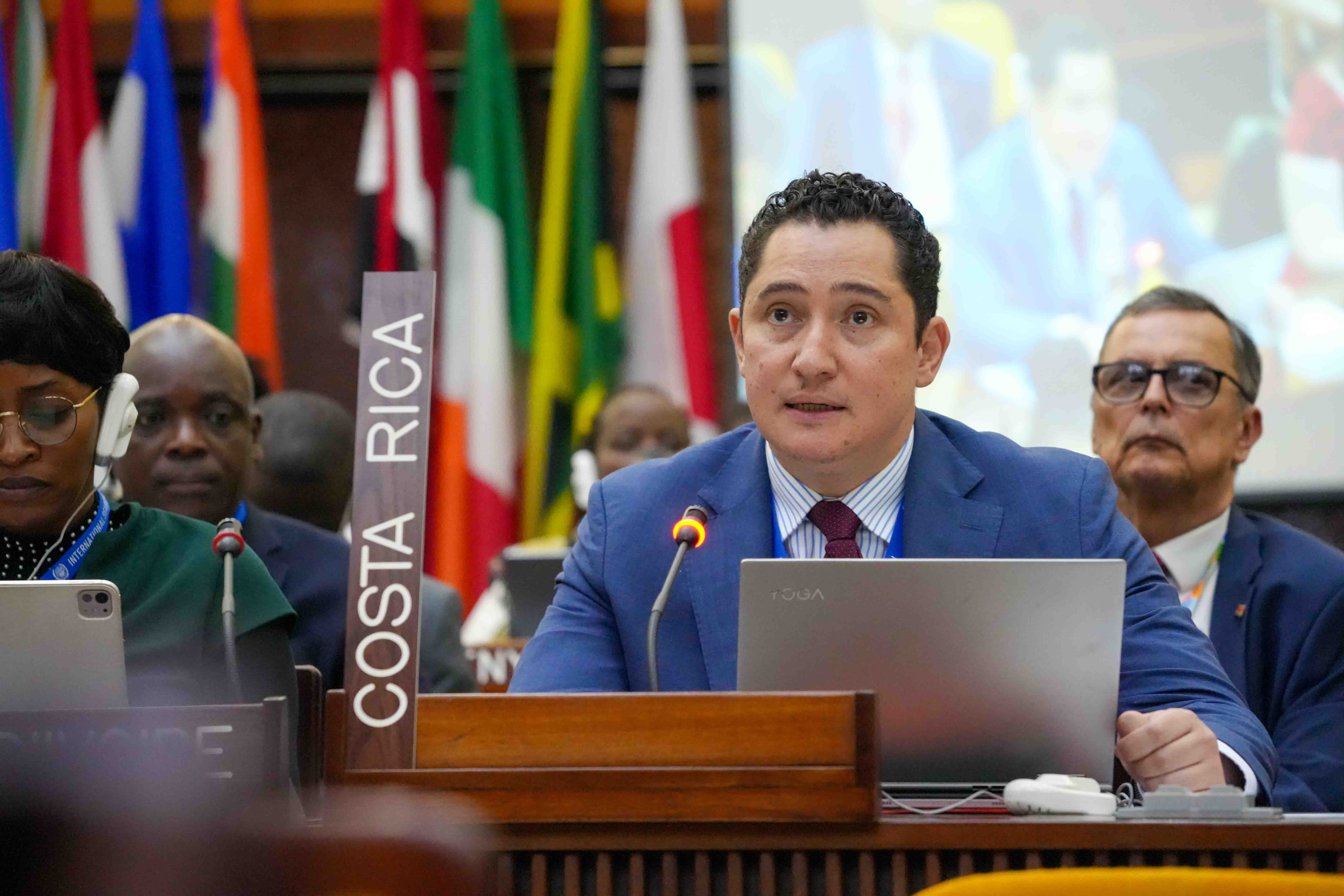
Gustavo Ramírez, Costa Rica
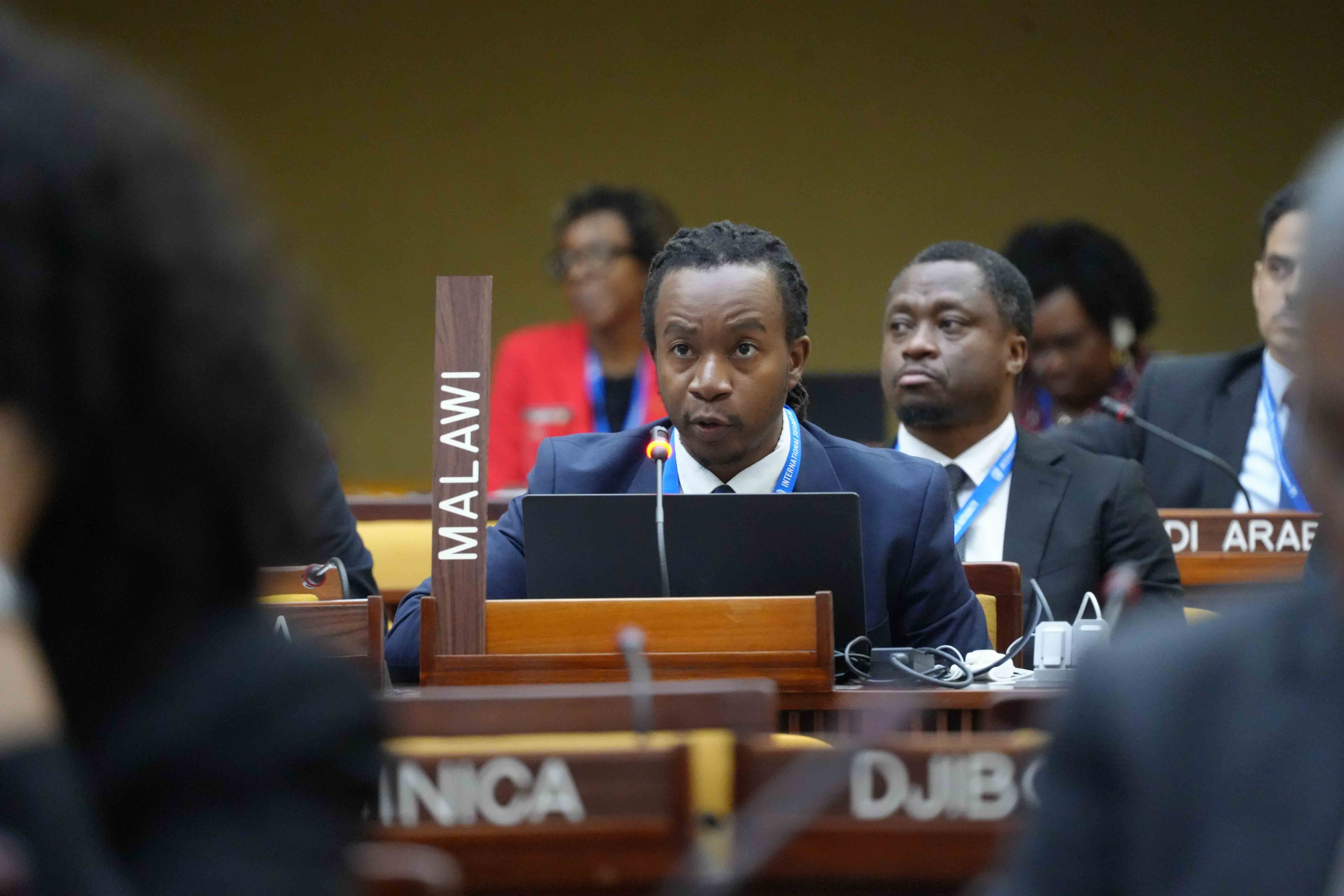
Joel Immanuel Matonga, Malawi
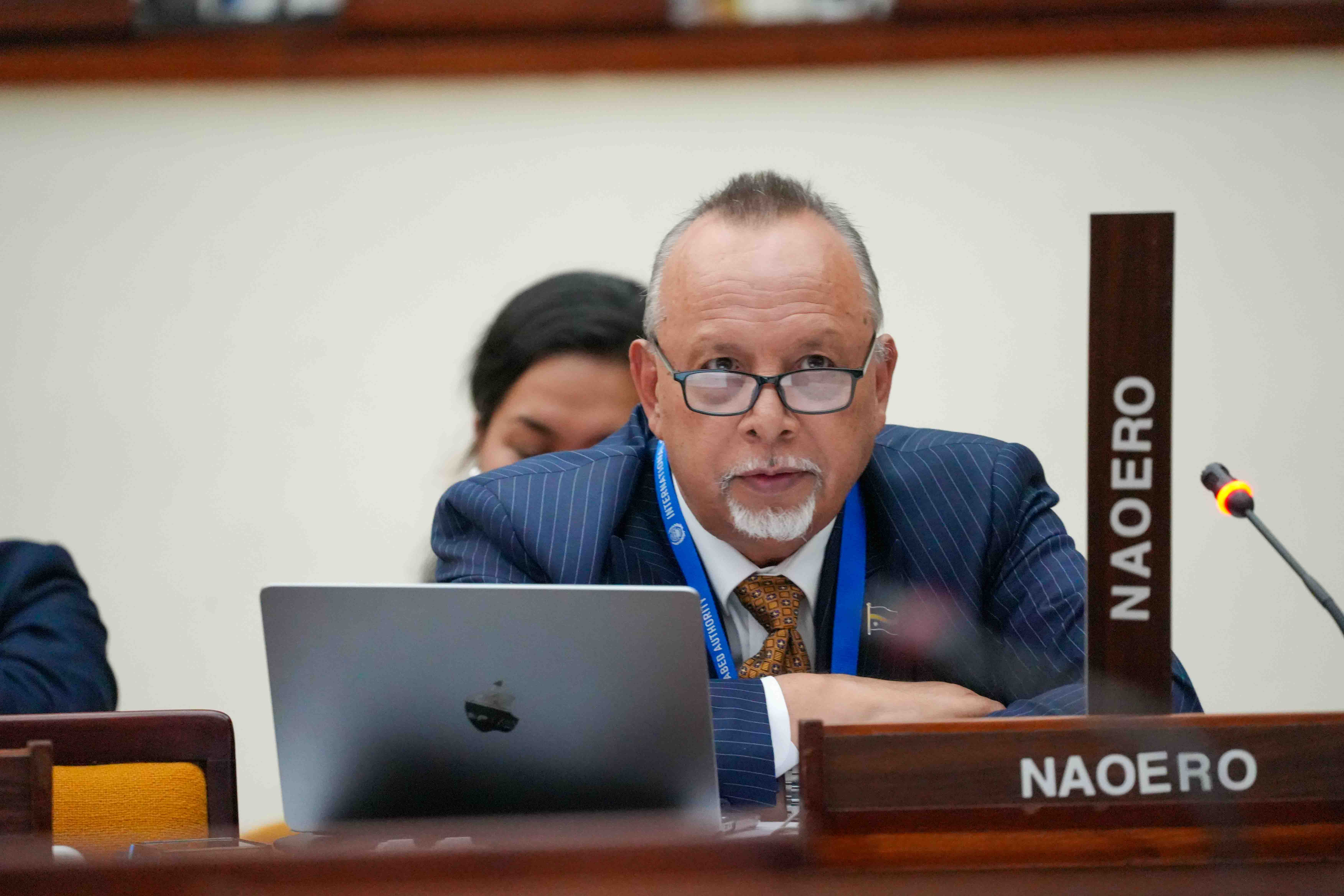
David Aingimea, Naoero
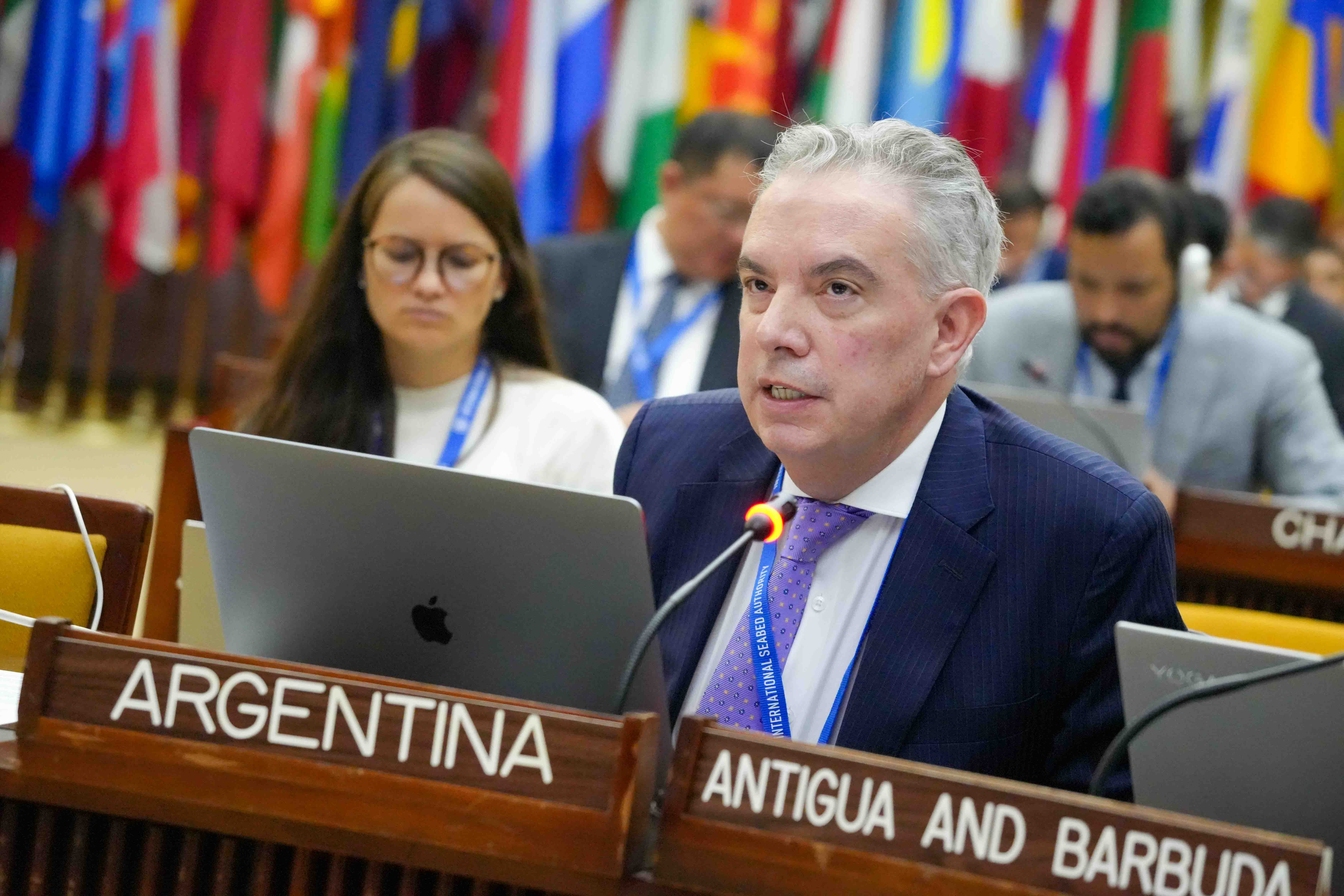
Marcelo Angel Balbi Calvo, Argentina
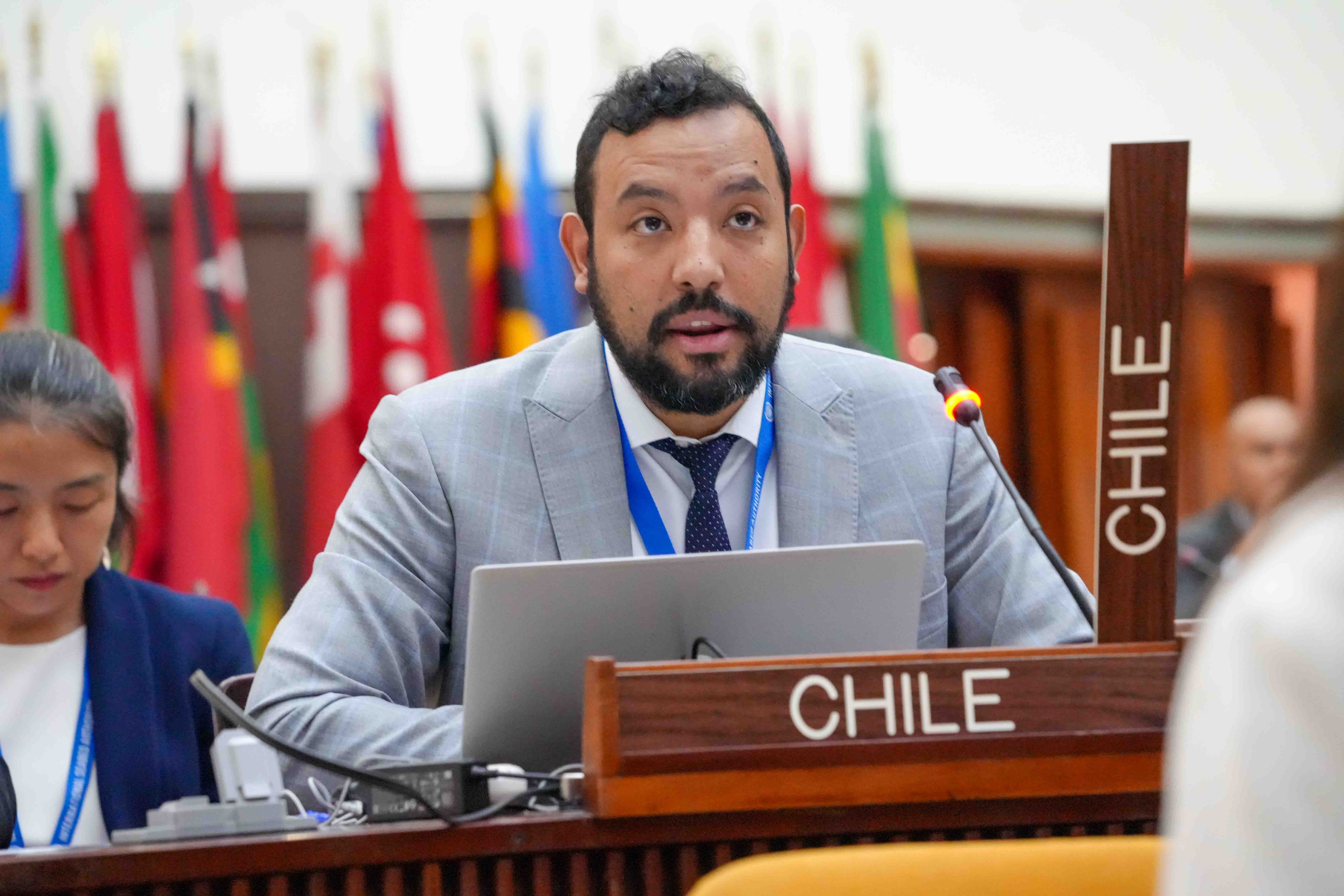
Mario Díaz Hinojosa, Chile
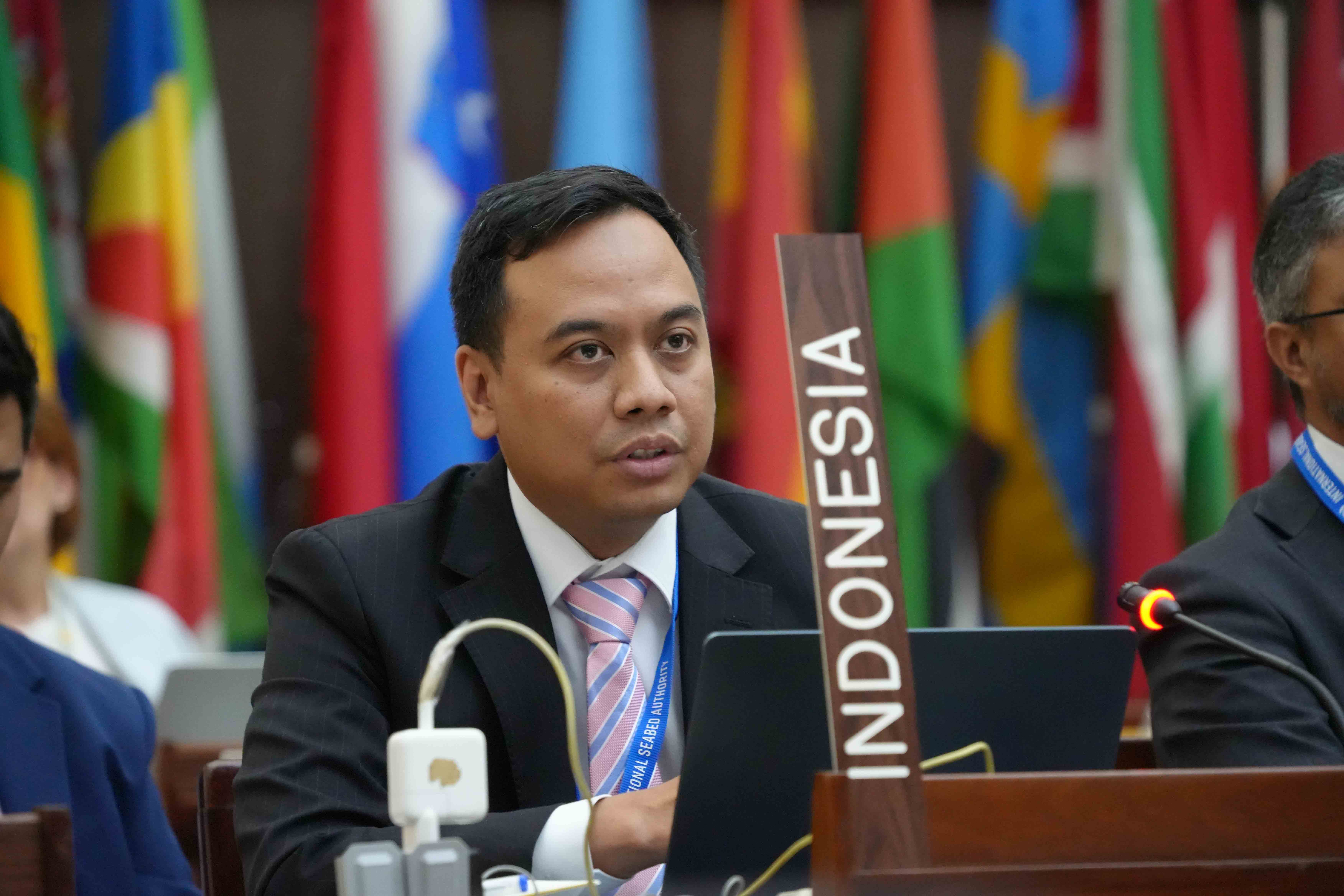
Muhammad Taufan, Indonesia
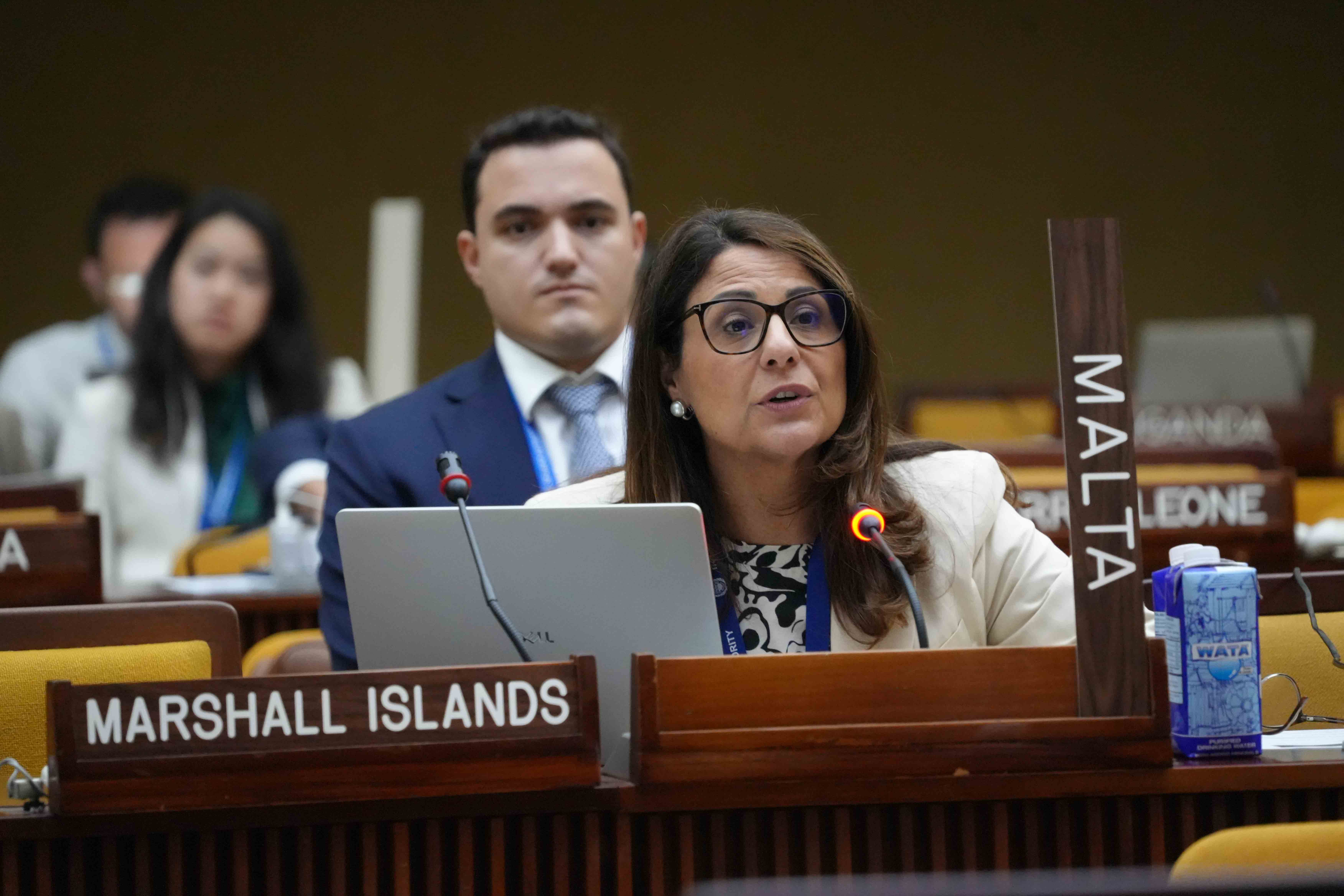
Natasha Meli, Malta
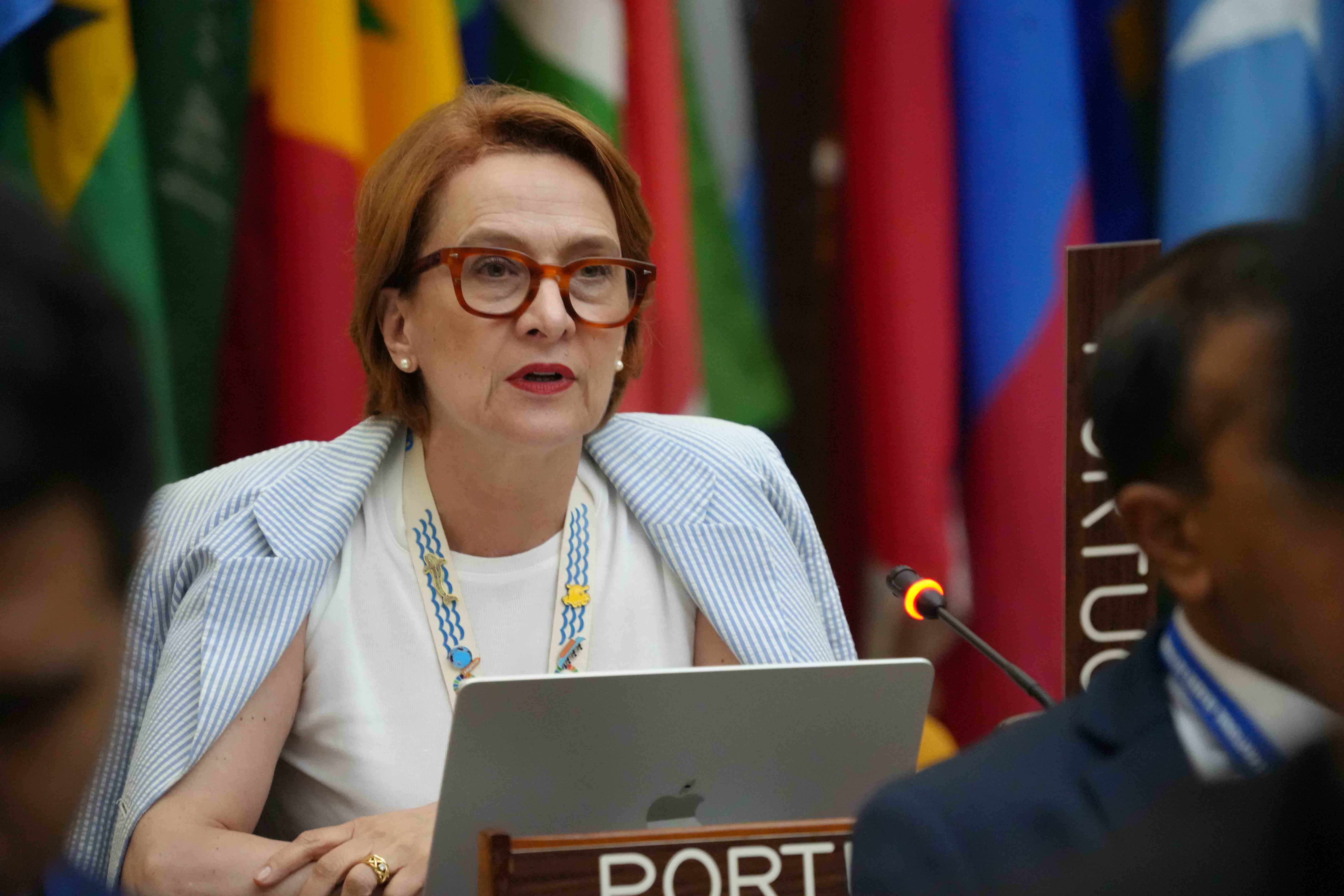
Maria Luís Mendes, Portugal
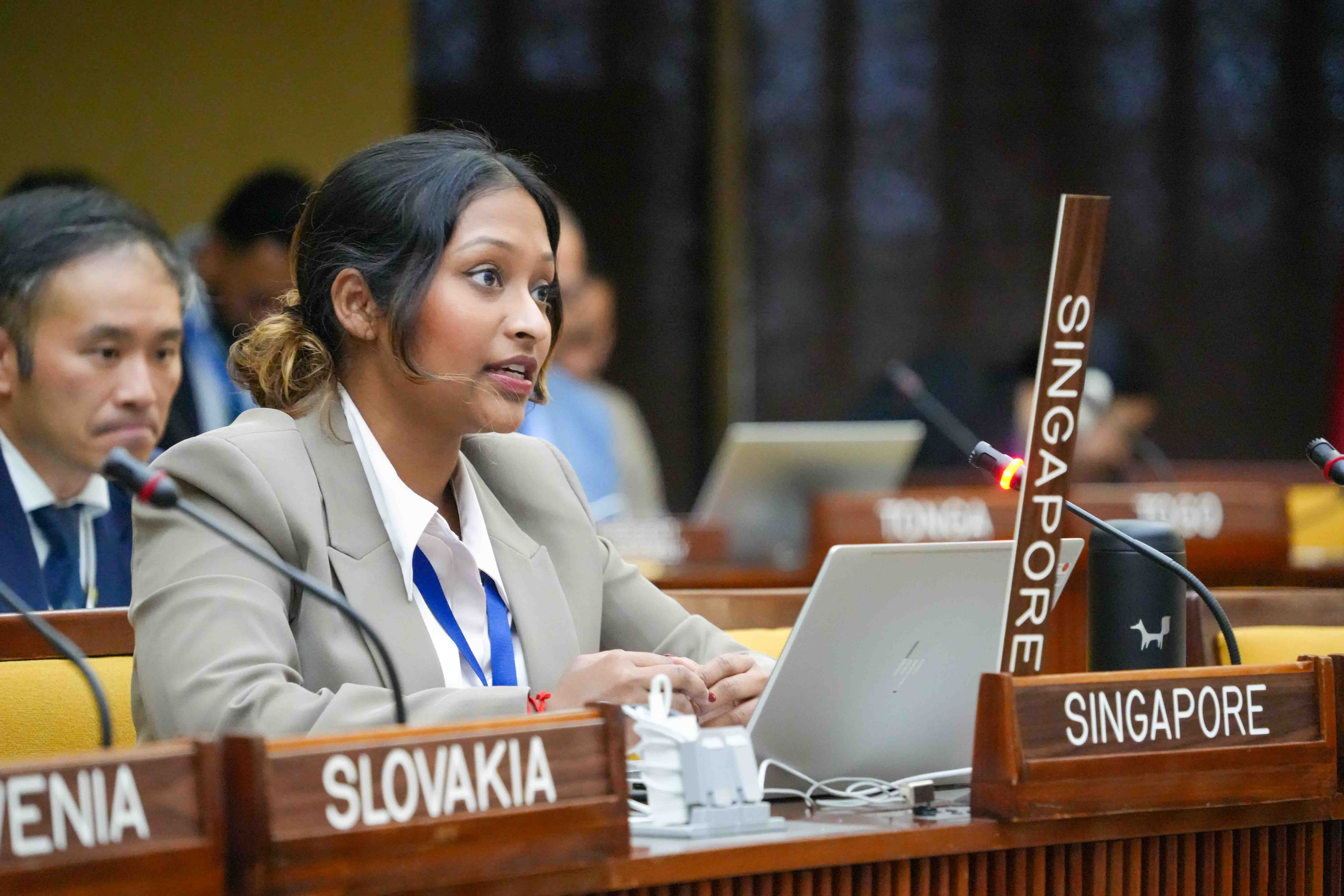
Saashtika Mohan, Singapore
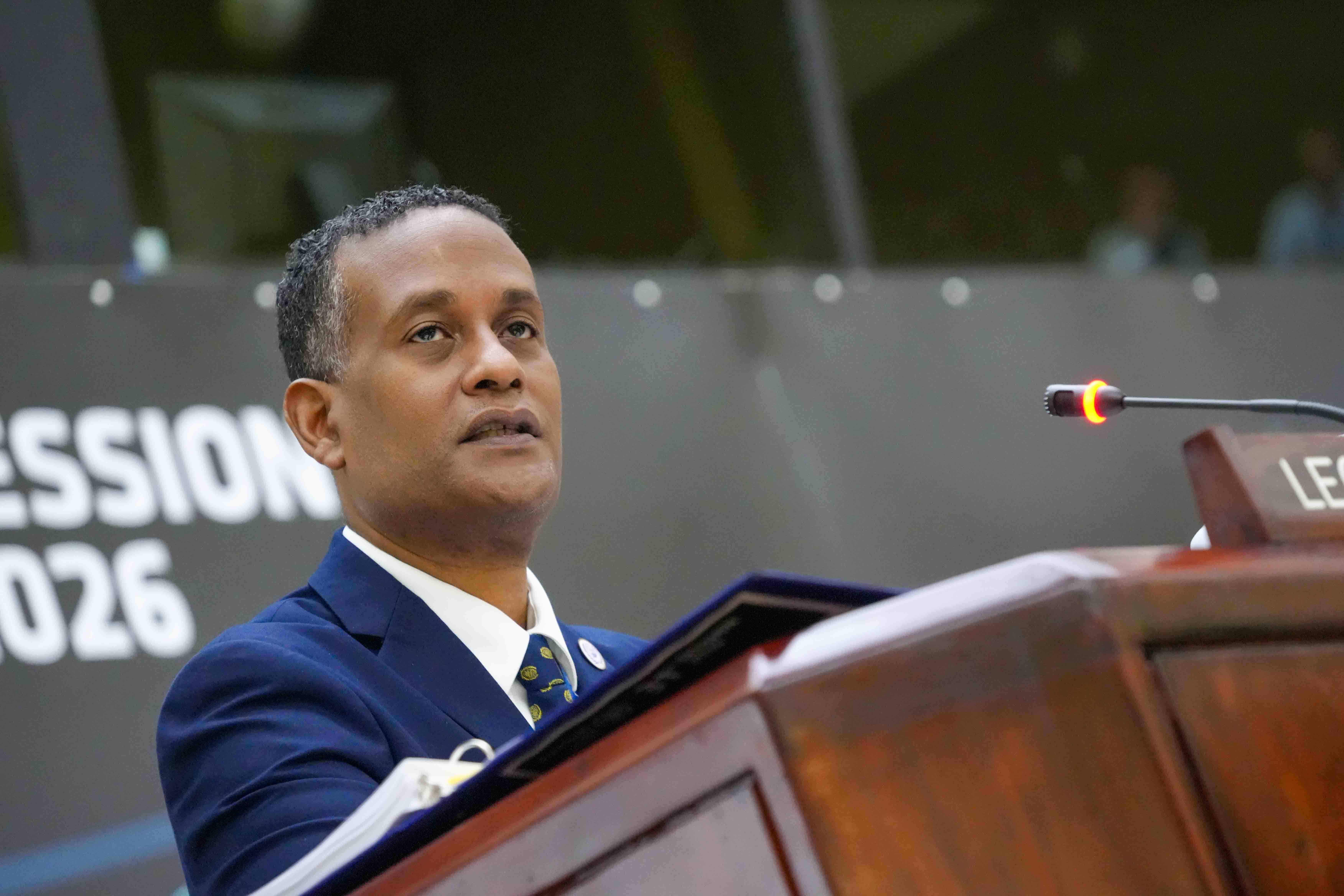
Steven Dietrich, ISA Legal Counsel
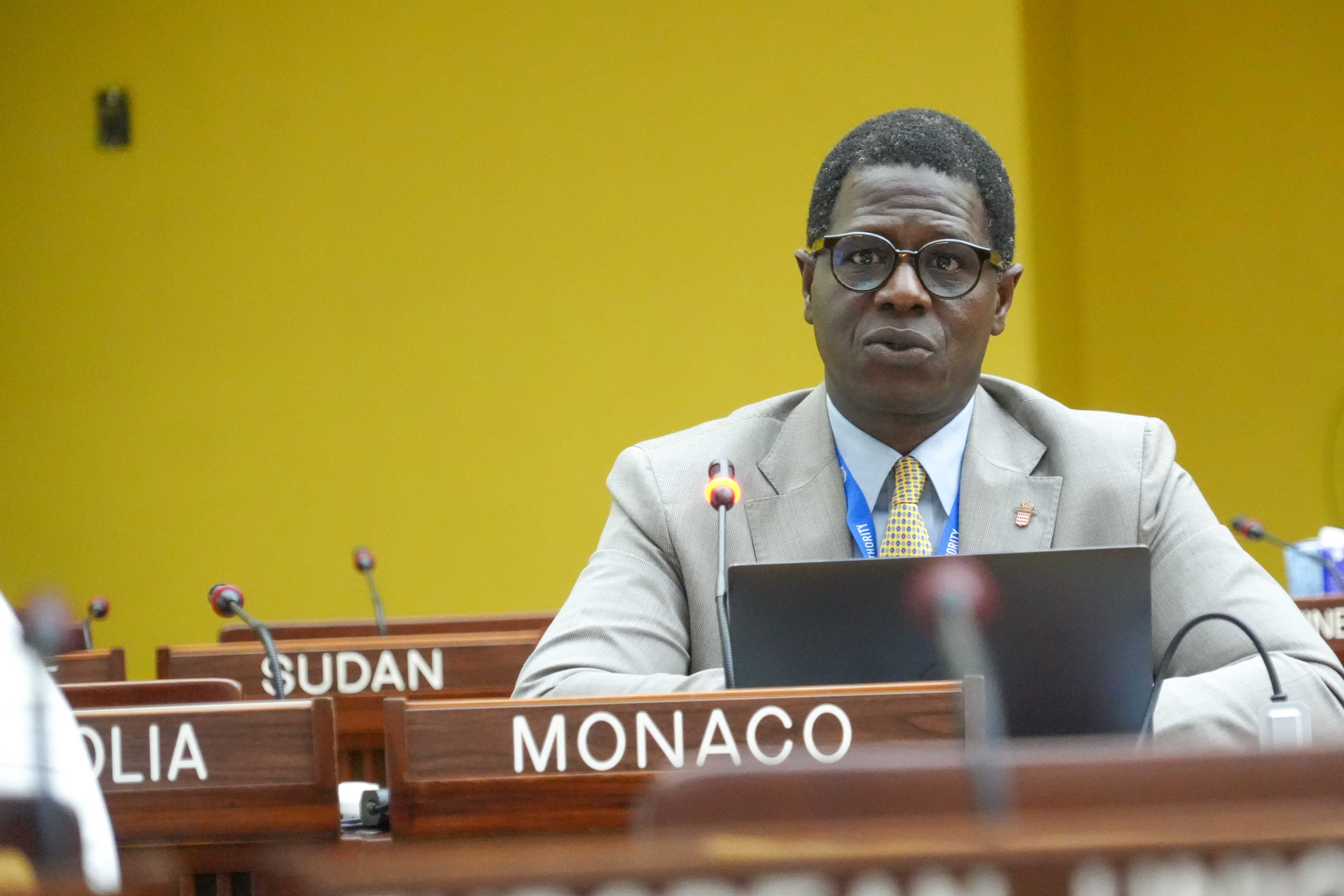
Tidiani Couma, Monaco
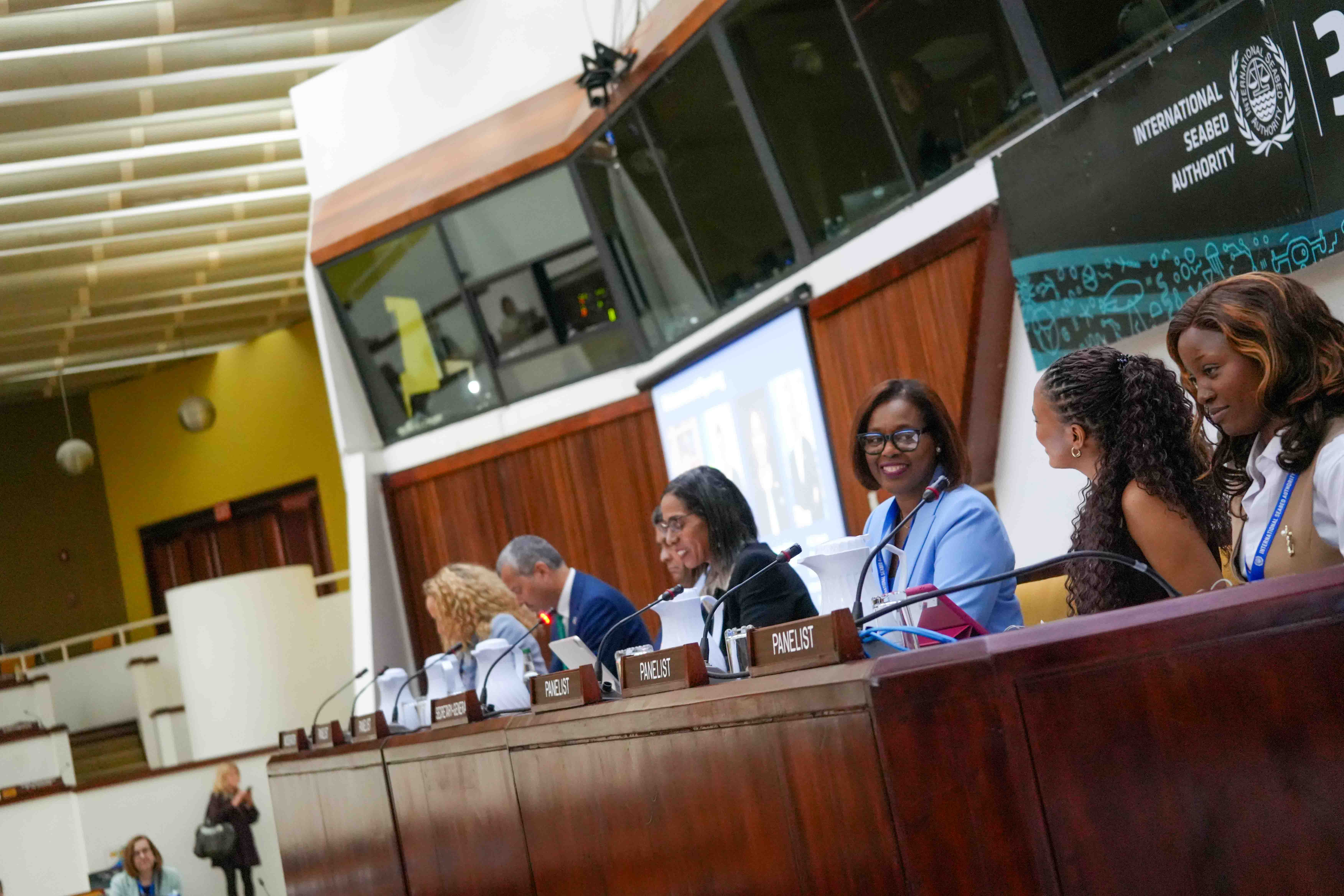
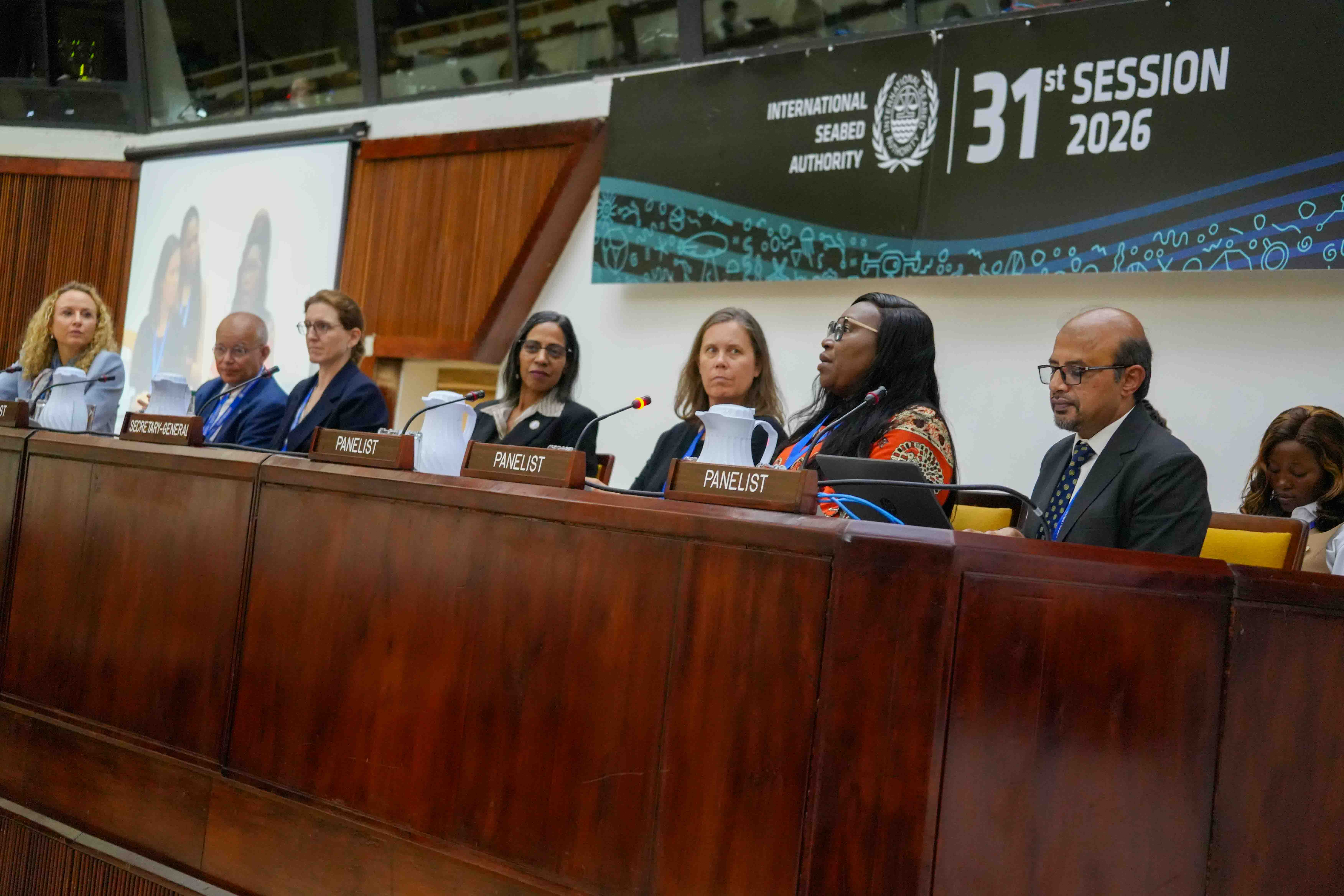
ISA's Global Mentoring Programme: See Her Exceed (SHE)
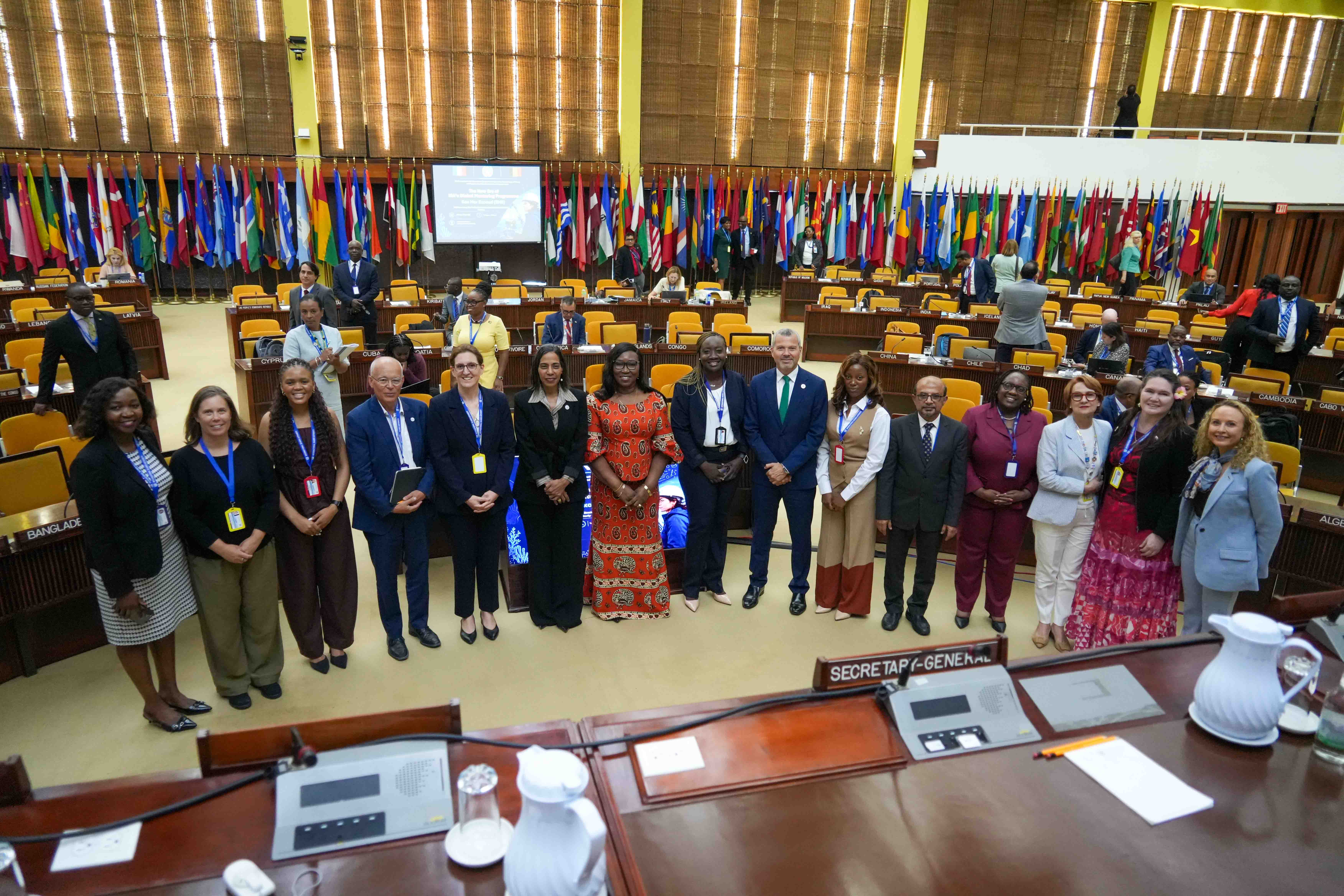
Family photo after the event
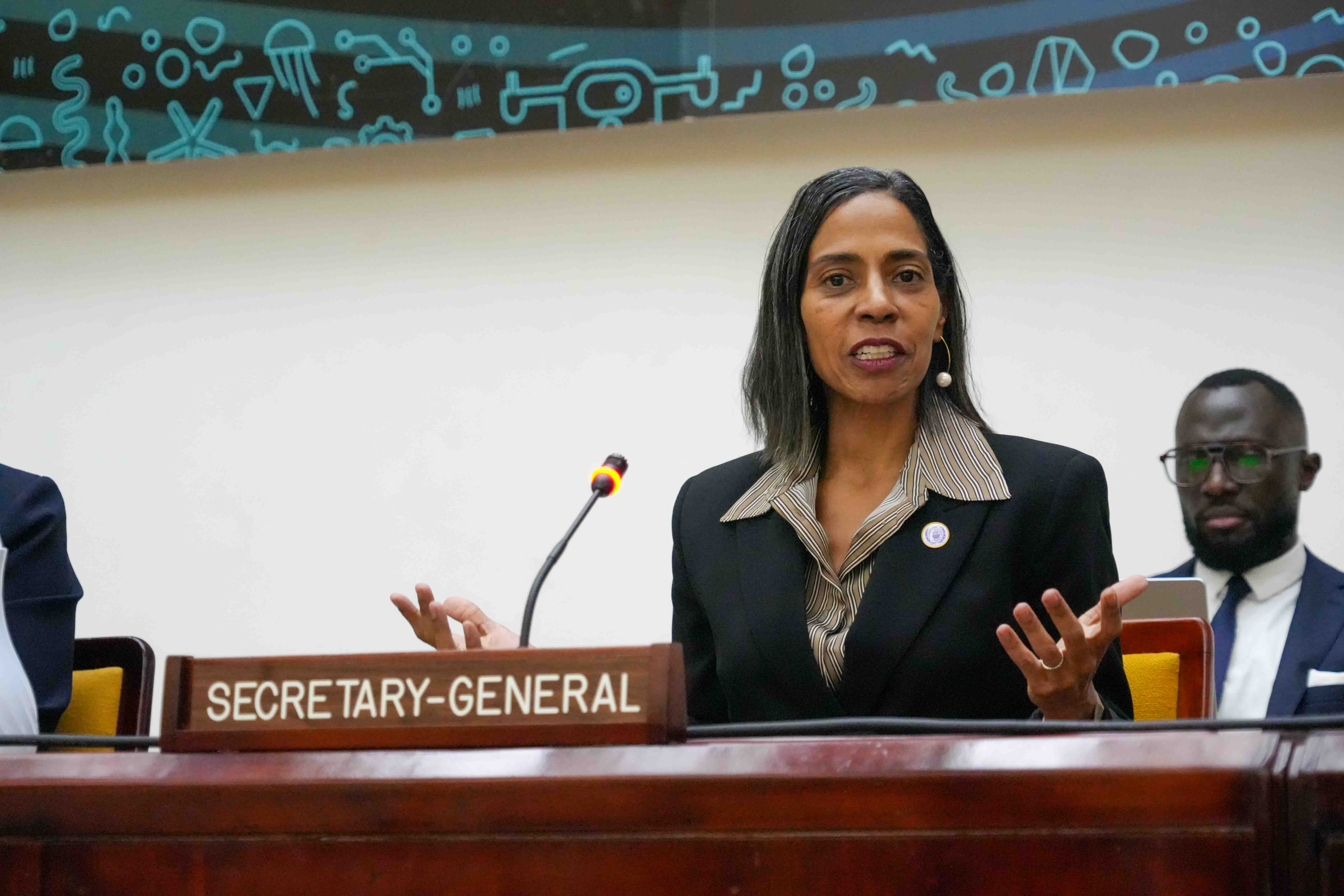
Leticia Carvalho, Secretary-General of the ISA
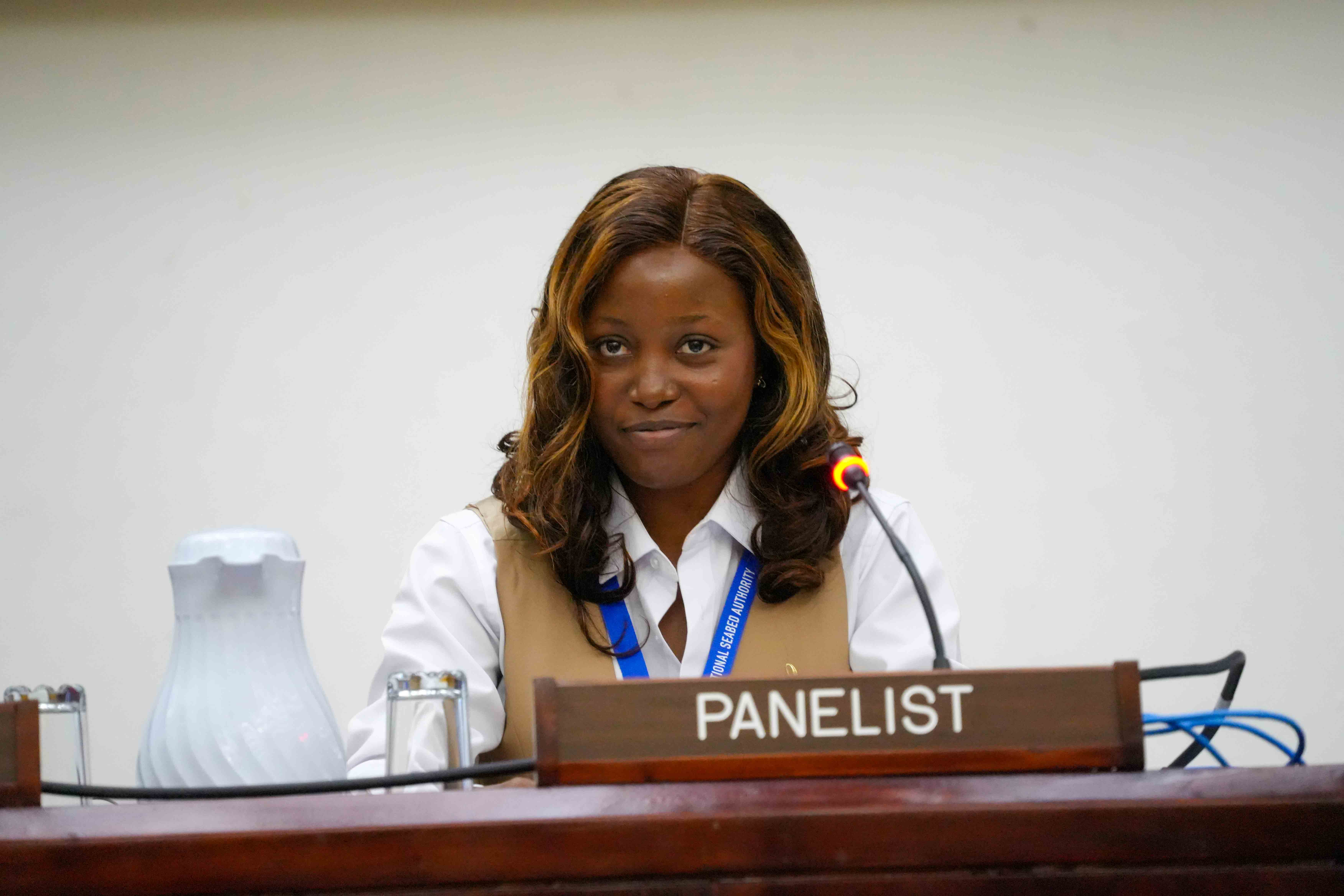
SHE Programme Mentee, Ljeoma Orji, Nigeria
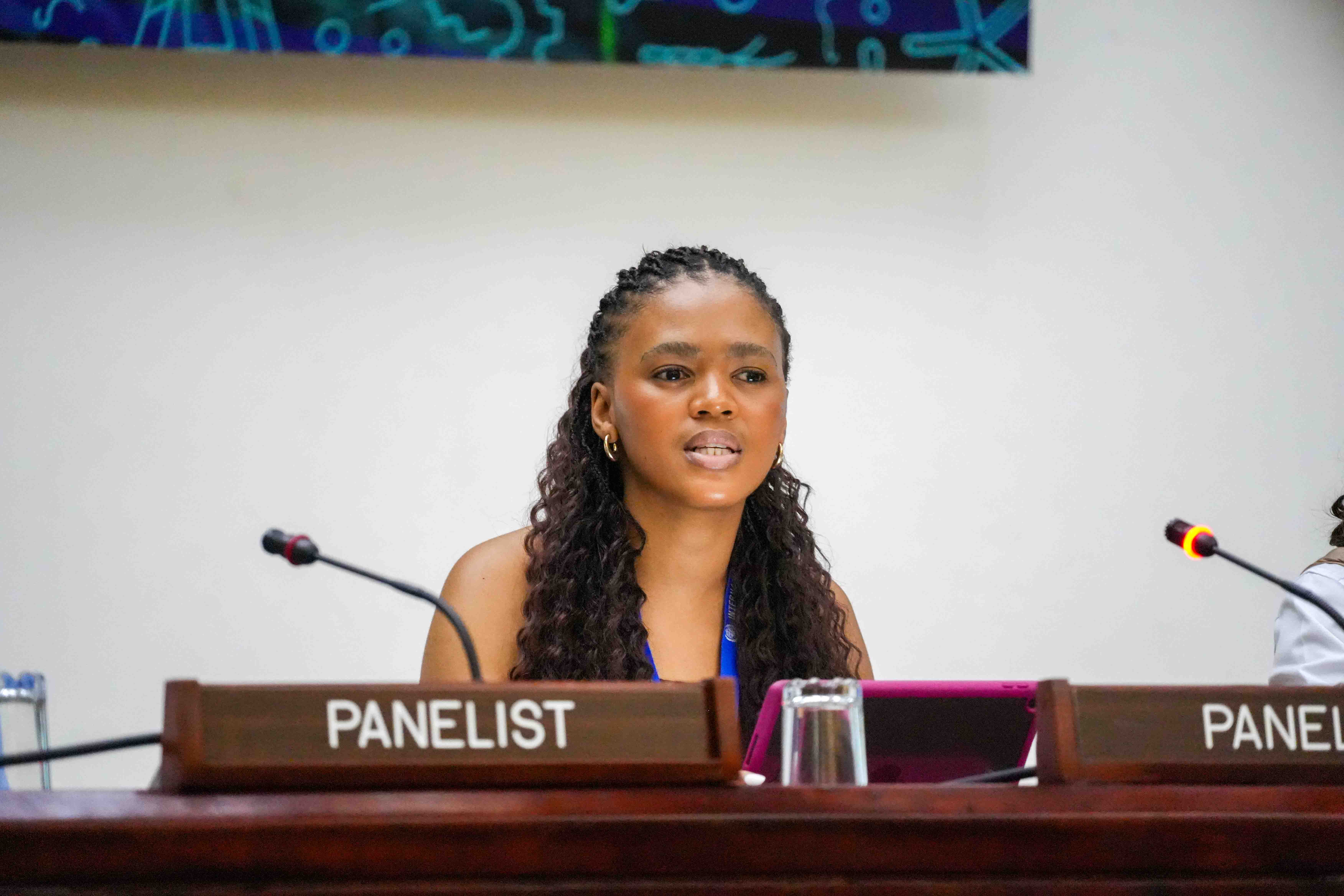
SHE Programme Mentee, Mpho Sehlabo, South Africa
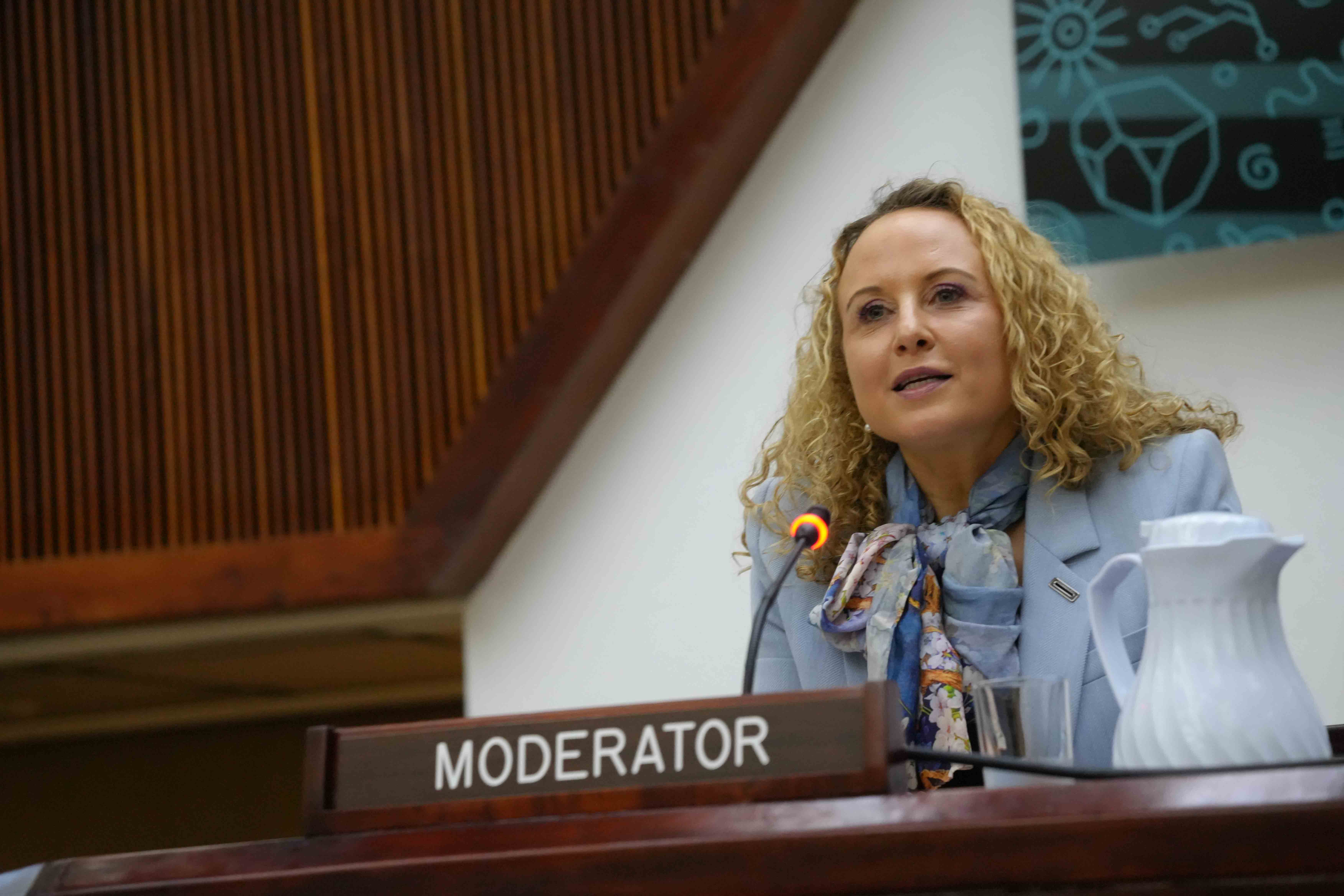
Noemie Wouters, Secretariat of the Authority
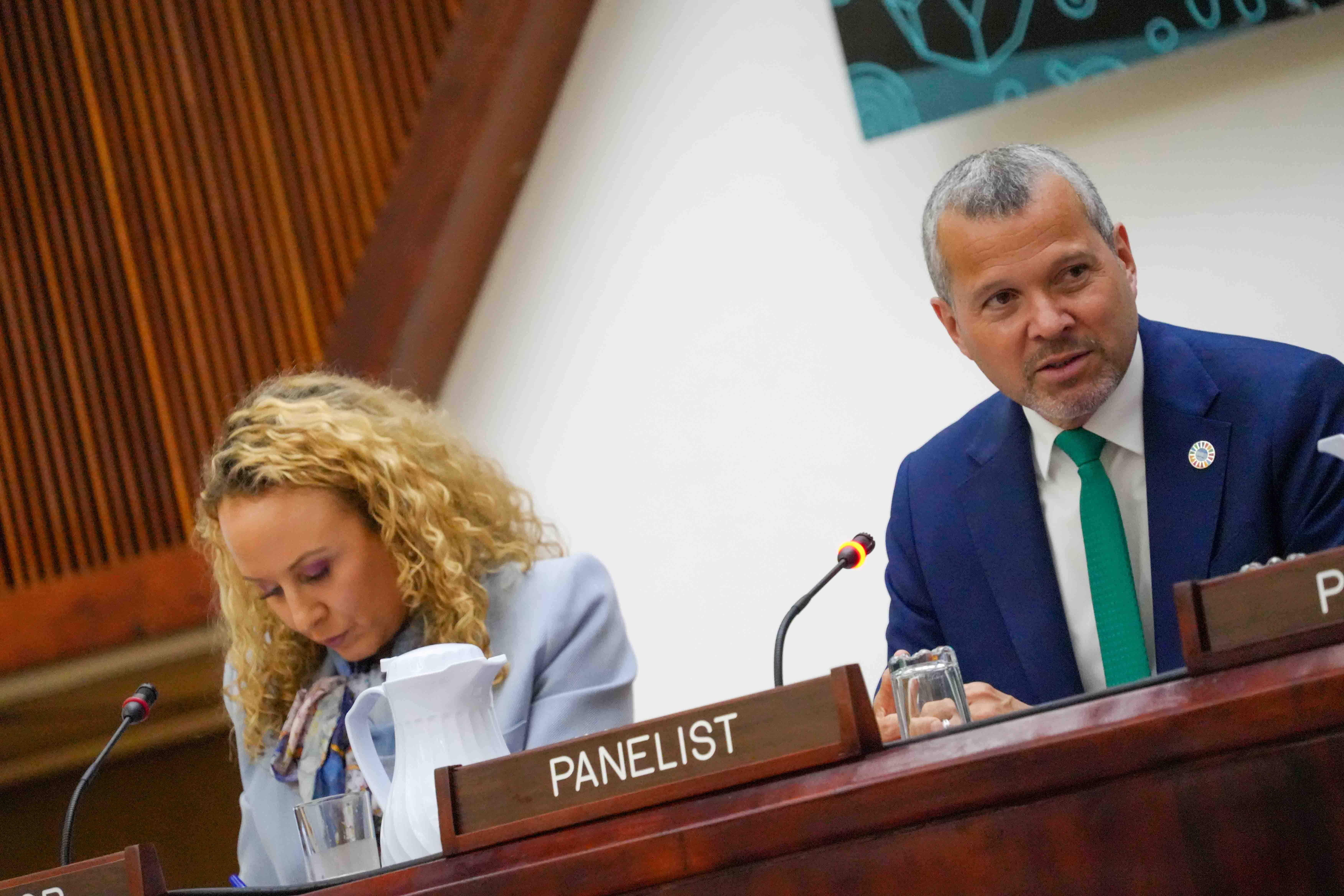
Arsenio Domínguez, Secretary-General of the IMO
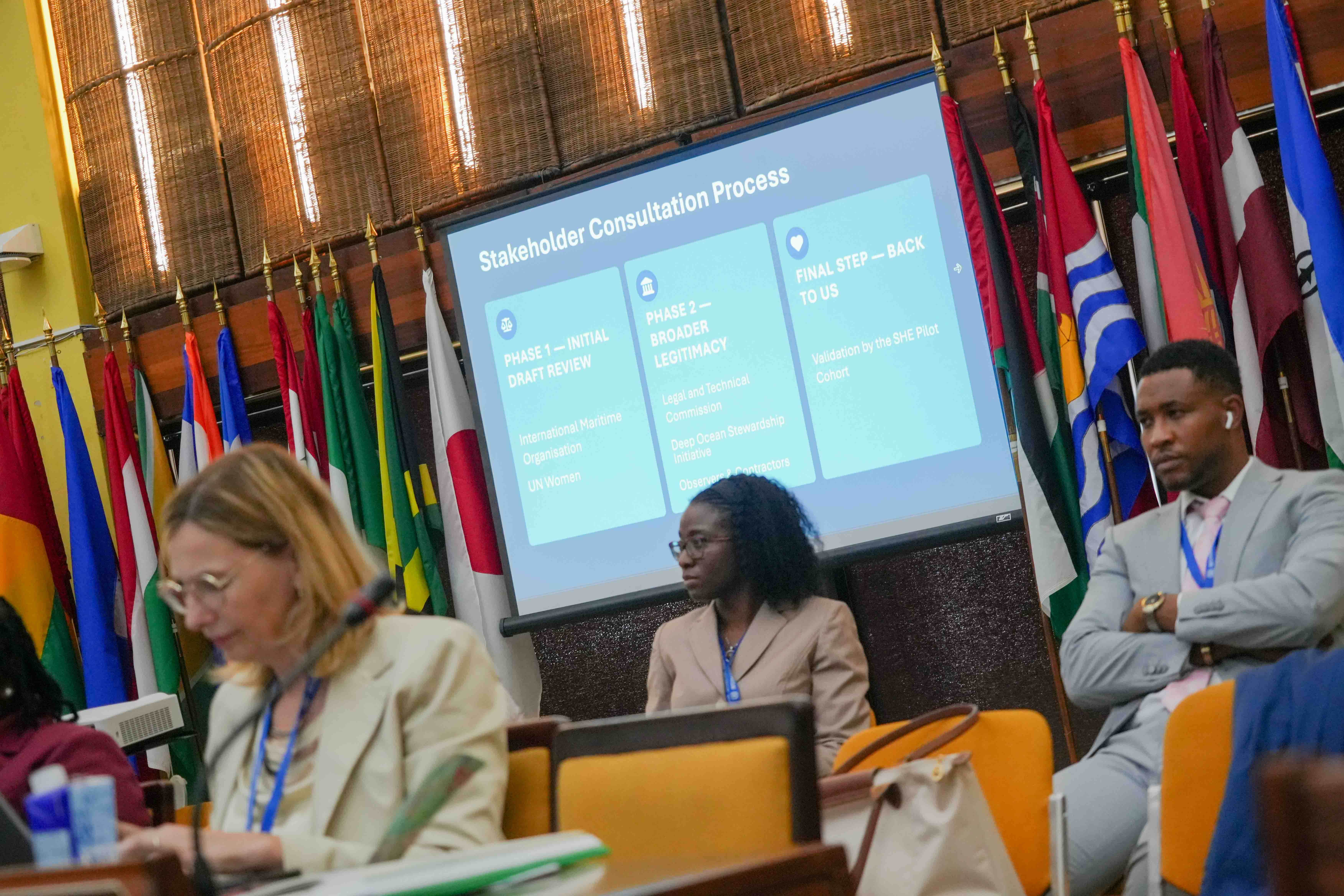
Around the venue
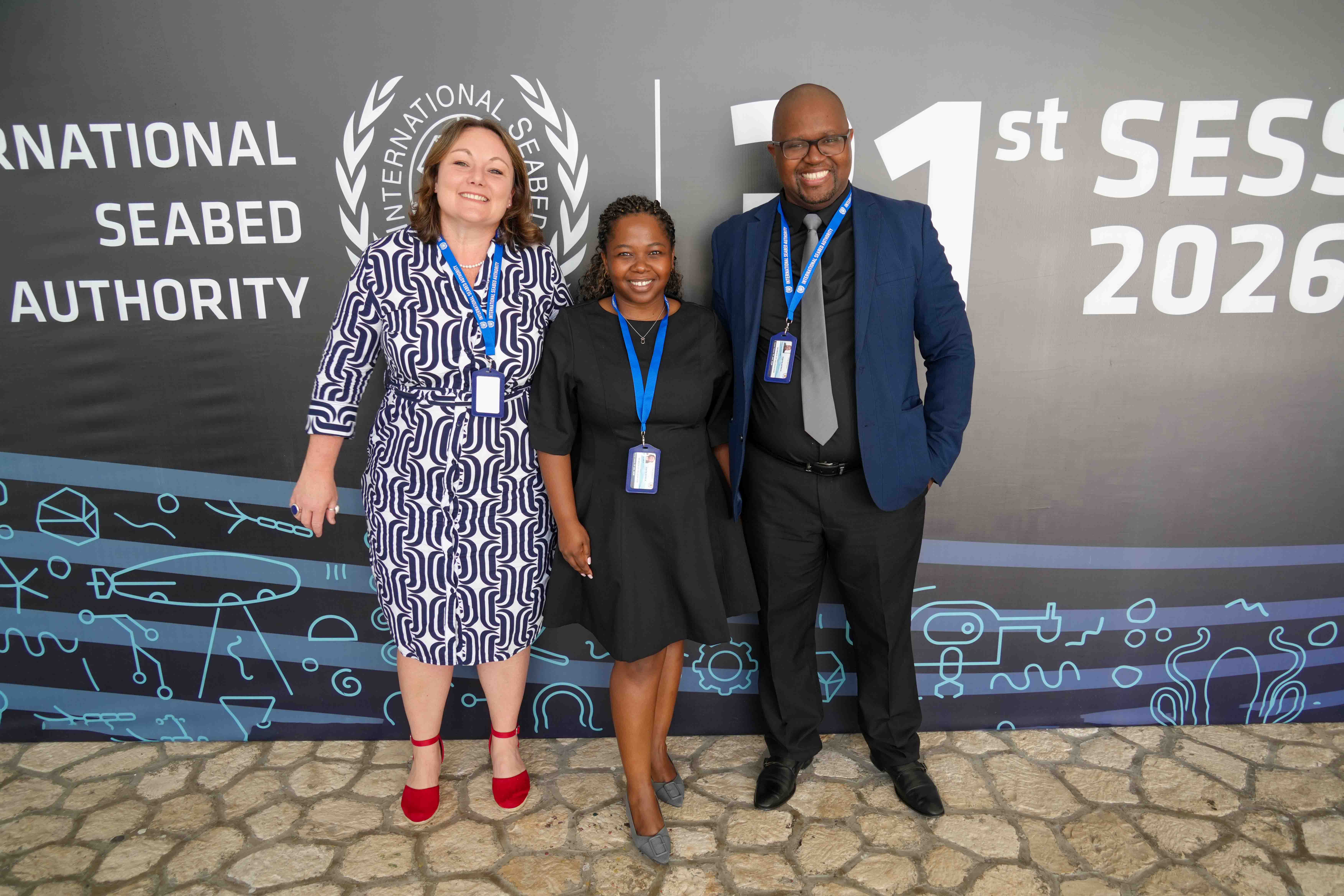
Delegates from South Africa