The operationalization of the common heritage of humankind regime by ensuring equitable participation of developing countries in deep-sea mining attracted delegates’ attention during the first day of the second week of deliberations of the Council of the International Seabed Authority (ISA).
This was reflected during discussions on the report of the interim Director-General of the Enterprise and the deliberations on the operationalization of the Economic Planning Commission. As many members underscored during the deliberations, the Enterprise, the commercial arm of the ISA, is fundamental in facilitating the participation of developing states in deep-sea mining.
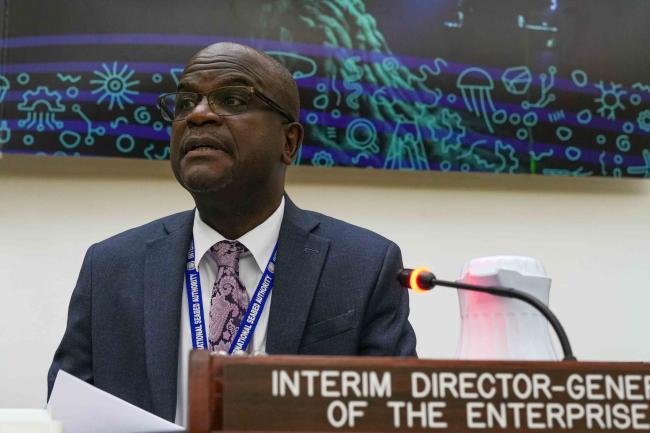
In the morning, Eden Charles, interim Director-General of the Enterprise, presented his report on activities on behalf of the Enterprise, focusing on:
- participation in the negotiations on the draft exploitation regulations;
- monitoring and review of trends in the mining industry;
- assessment of available data relating to reserved areas;
- assessment of approaches to joint venture operations;
- transfer of technology; and
- participation in conferences, meetings, and workshops.
Many delegates highlighted the importance of the Enterprise and commended the interim Director-General on his activities, particularly given he is operating with limited resources. Trinidad and Tobago, Italy, Bangladesh, Antigua and Barbuda, the Dominican Republic, and others highlighted the Enterprise’s managerial and administrative preparedness and the interim Director-General’s role in the negotiations of the draft exploitation regulations.
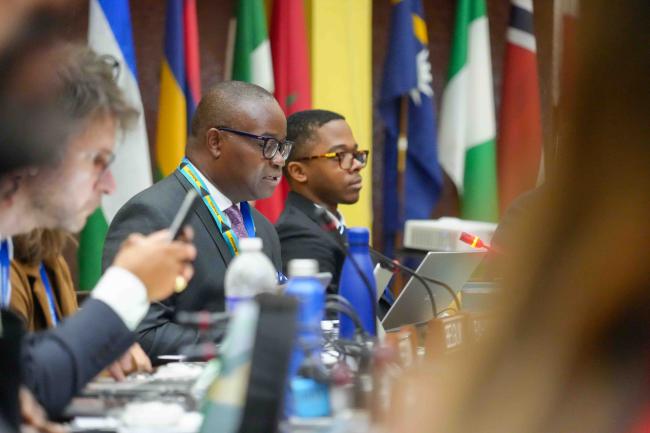
South Africa for the African Group, Spain, Trinidad and Tobago, China, Brazil, Monaco, Antigua and Barbuda, the Philippines, The Bahamas, and others highlighted the common heritage of humankind, with some noting reserved areas are fundamental to its operationalization.
Many members shared concerns regarding the fact that “the areas concerned in applications for mineral exploration and/or exploitation in the Clarion-Clipperton Zone, outside the legal framework of the UN Convention on the Law of the Sea (UNCLOS) and the 1994 Agreement, overlap with areas reserved for the Enterprise.”
Regarding potential joint ventures, the Russian Federation pointed out that such ventures require adherence to sound commercial principles, noting, with India, that these have not been defined. Mexico underscored that the joint venture process should proceed gradually, transparently, and in full harmony with UNCLOS Part XI (the Area).
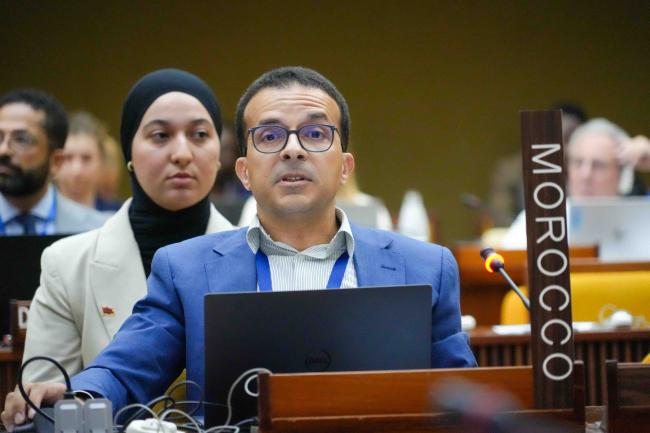
Morocco urged more in-depth consideration of principles of sound commercial principles. The Philippines emphasized that future joint venture arrangements must prioritize genuine capacity-building, technology transfer, and direct participation of developing countries.
Interim Director-General Charles expressed satisfaction with the encouraging comments, and the Council took note of the report.
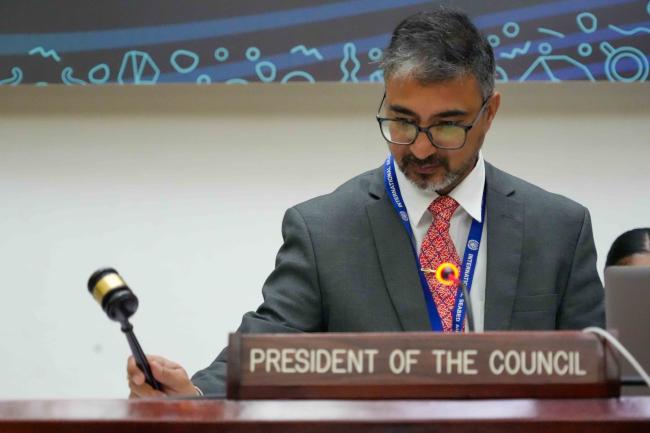
In the afternoon, delegates discussed the operationalization of the Economic Planning Commission, addressing a draft decision on the mechanisms for election of its members.
Several delegations supported the draft as a basis for further deliberations, with many stressing its relevance for assessing the potential impact of deep-sea mining on the economies of developing land-based producers. Some stated that the Economic Planning Commission should be established before the first exploitation plan of work is considered.
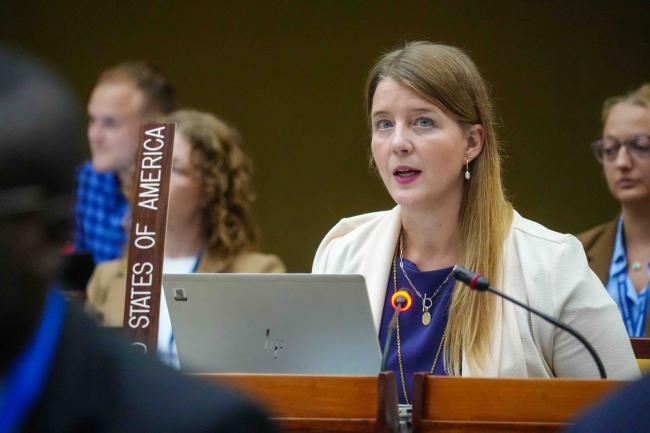
Observers called for the recognition of Indigenous and traditional knowledge alongside other forms of expertise identified in the draft. President Joshi invited delegations to continue informal deliberations and resume the discussion on Friday, 24 July.
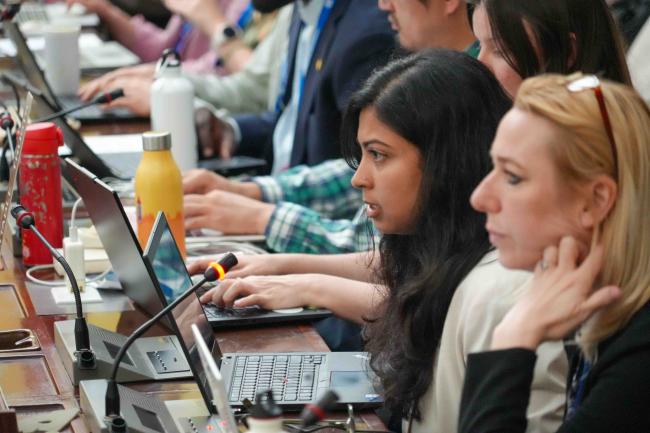
Delegates also addressed two applications for extension of exploration contracts for polymetallic nodules and one for polymetallic sulphides. Of the three, the application by Nauru Ocean Resources Inc. (NORI) generated some discussion due to the provisional measures order by the Seabed Disputes Chamber of the International Tribunal for the Law of the Sea (ITLOS) on 18 July 2026.
Many members emphasized that the ISA inquiry on contractors’ non-compliance is a separate procedure from contract extensions. Many delegates added that “the approval of the application should be without prejudice to the findings, conclusions, or recommendations that may arise from the inquiry, and does not limit, predetermine, or constrain any future actions by the ISA or its organs in relation to those findings.”
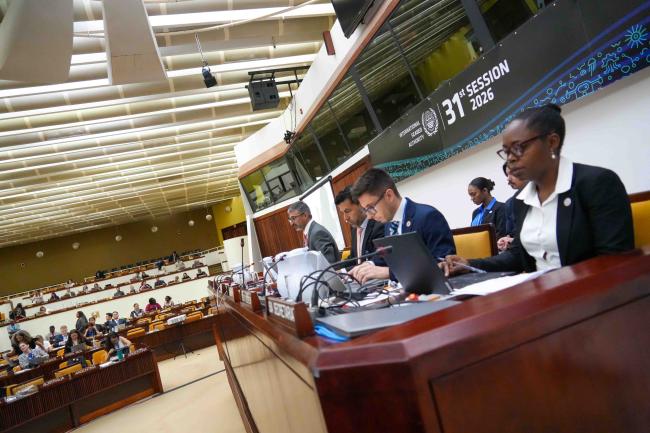
Observer organizations questioned whether good faith has been upheld in fulfilling NORI’s exploration plan of work. They suggested the ISA urgently review and amend its procedures, some of which were drafted decades ago, in a different social, cultural, and environmental context, and fulfill its responsibility to protect the common heritage of humankind.
The Council approved the exploration contract extensions as recommended by the Legal and Technical Commission (LTC).
During the day, Council members also held elections to fill two vacancies in the LTC and took note of the reports of the Secretary-General on:
- the status of national legislation relating to deep seabed mining;
- the status of contracts for exploration and related matters; and
- the implementation of the decision of the Council in 2025 relating to the reports of the Chair of the LTC.
To receive free coverage of global environmental events delivered to your inbox, subscribe to the ENB Update newsletter.
All ENB photos are free to use with attribution. For the Second part of the 31st session of the International Seabed Authority (ISA) meeting, please use: Photo by IISD/ENB | Andrés Felipe Carvajal Gómez
Selected Images
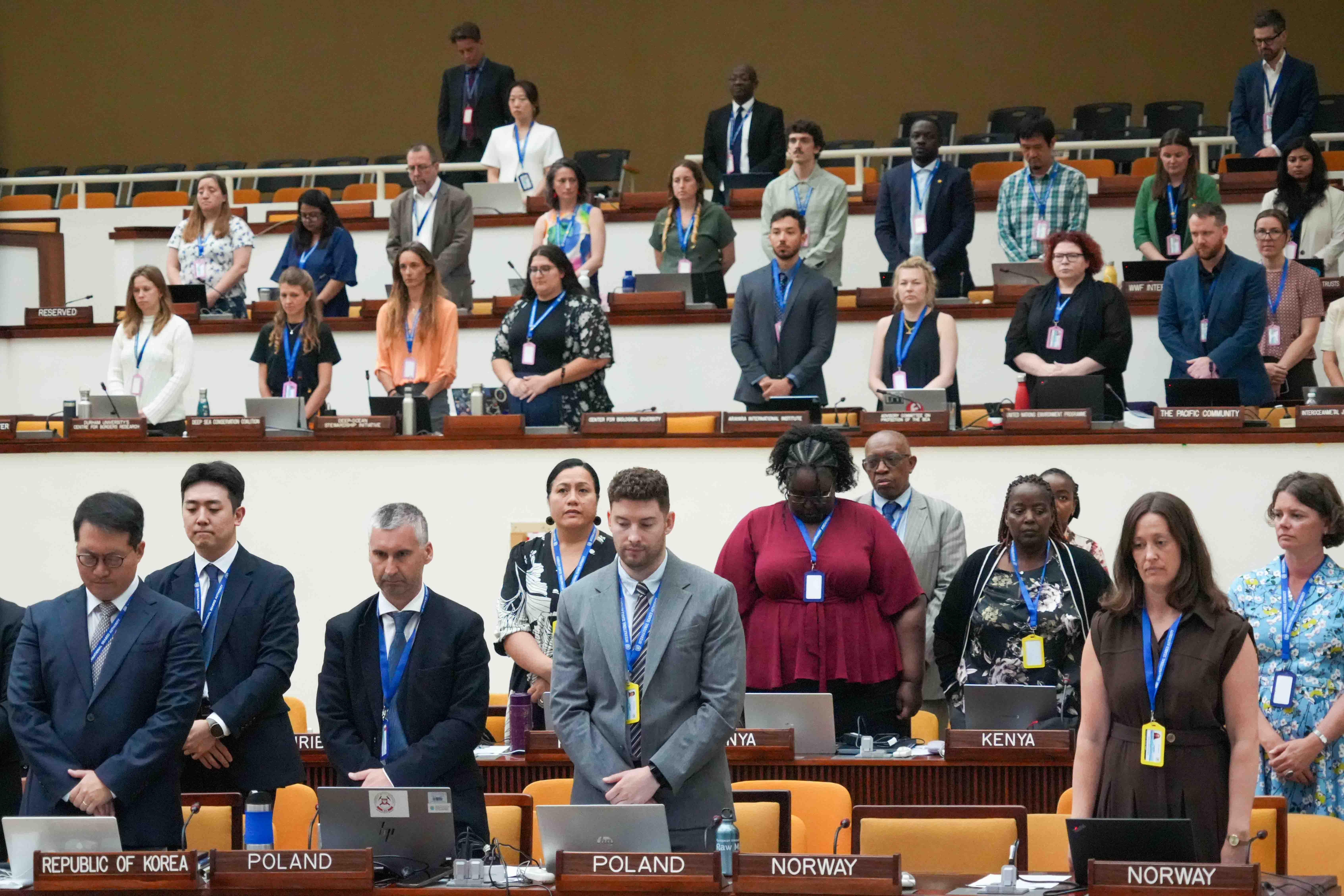
Council members observe a moment of silence for Mexican jurist and former ITLOS Judge Alonso Gómez-Robledo Verduzco, who passed away on 16 July 2026
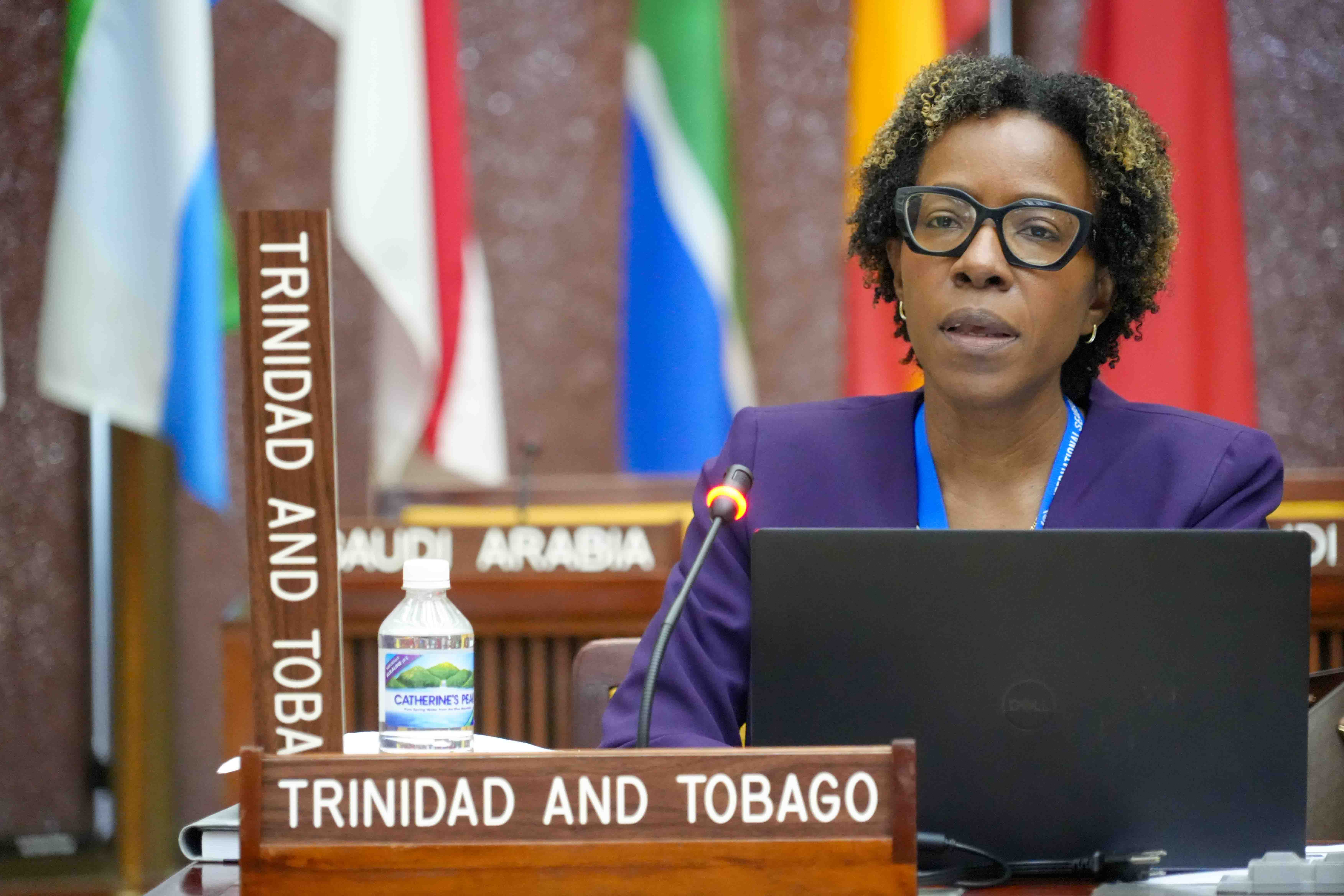
Amanda Fraser, Trinidad and Tobago
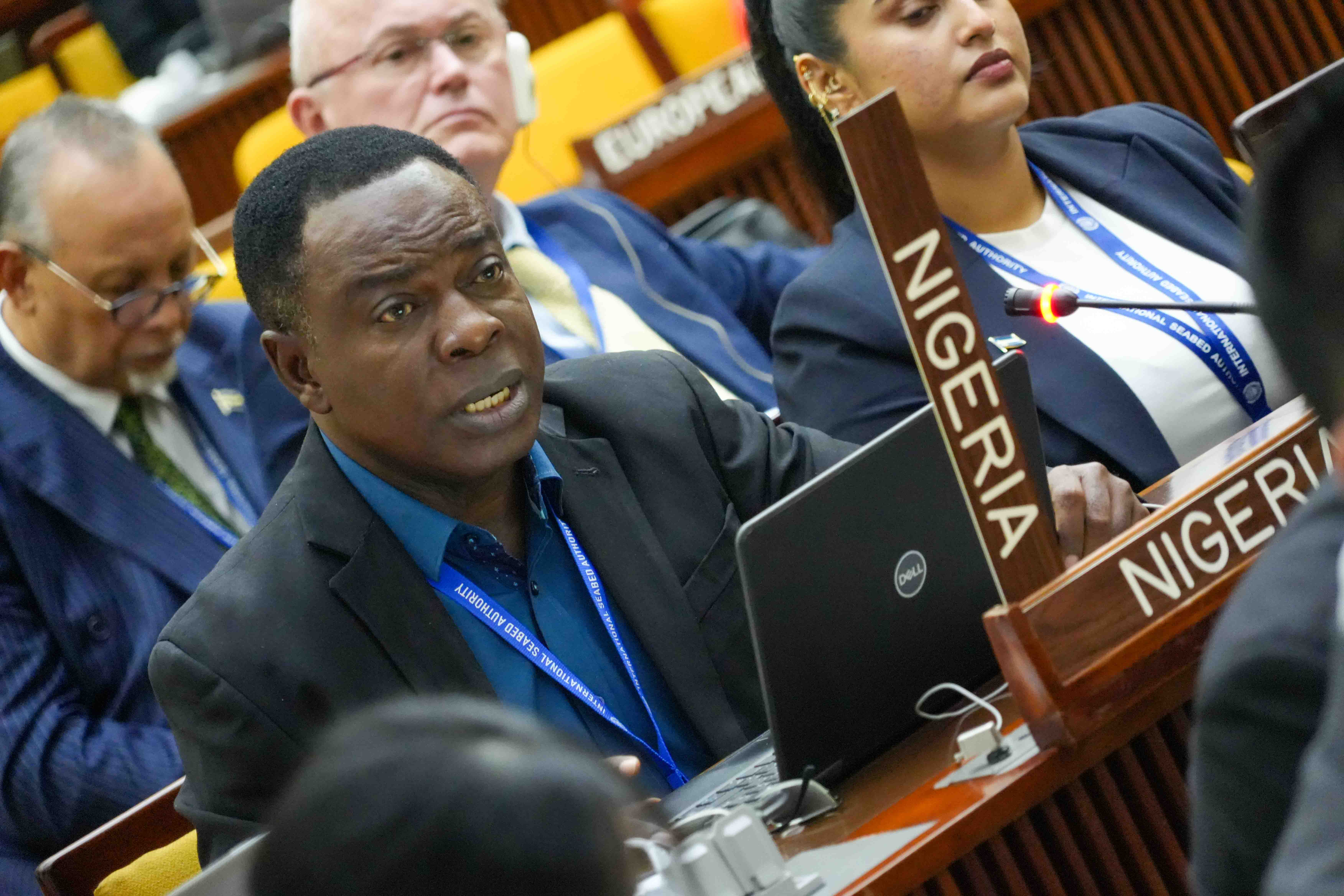
Christian Chikere, Nigeria
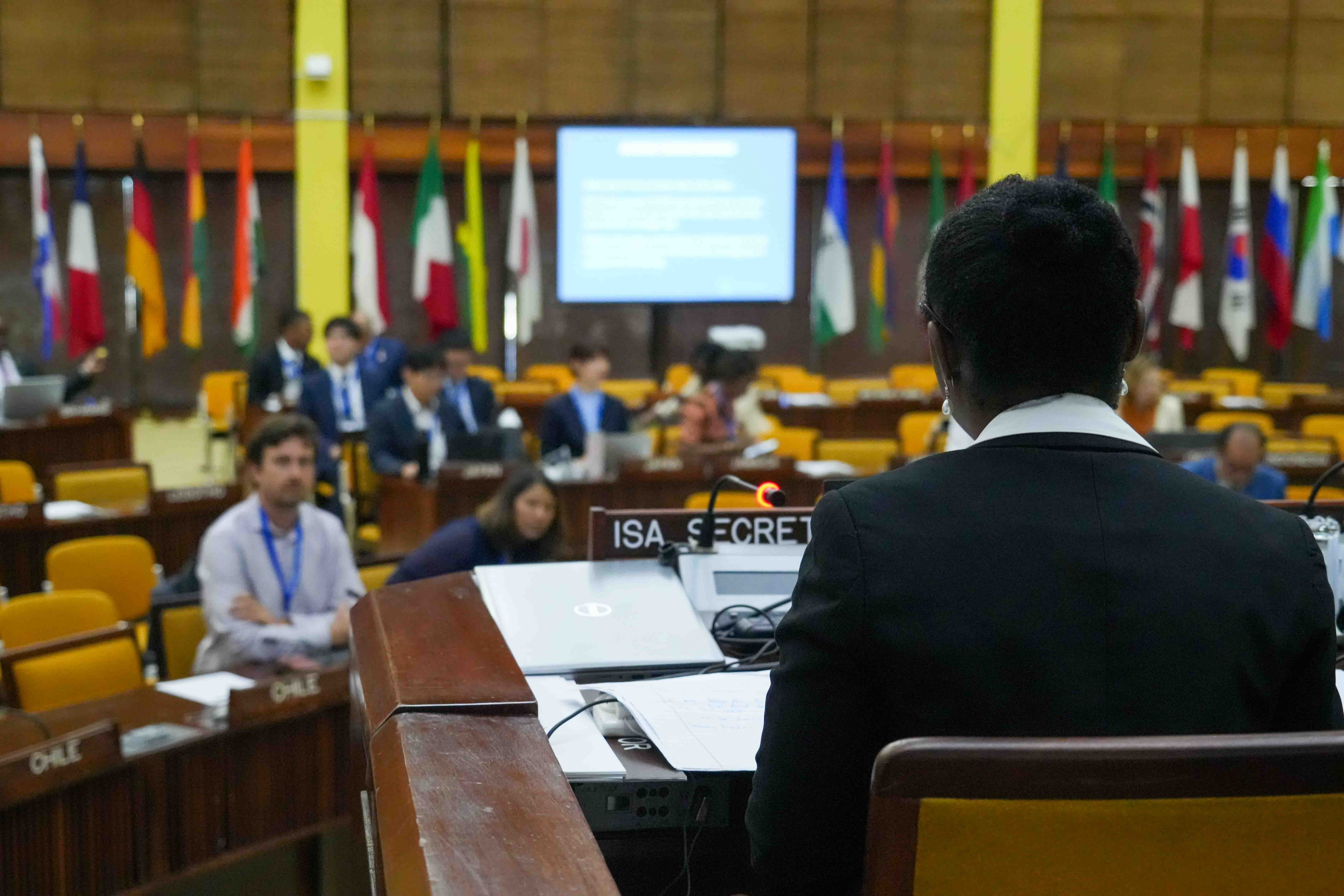
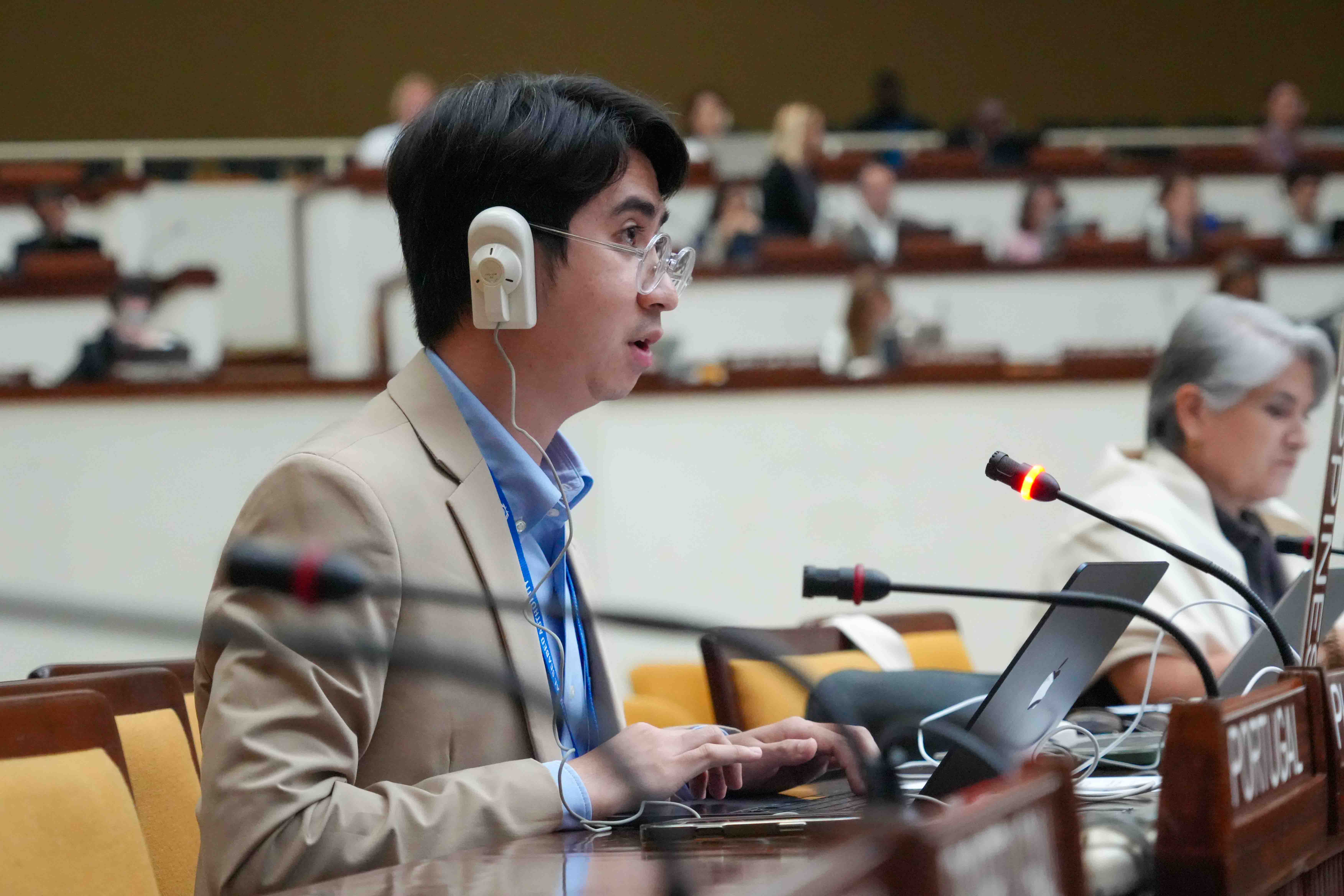
Dennis Flores, the Philippines
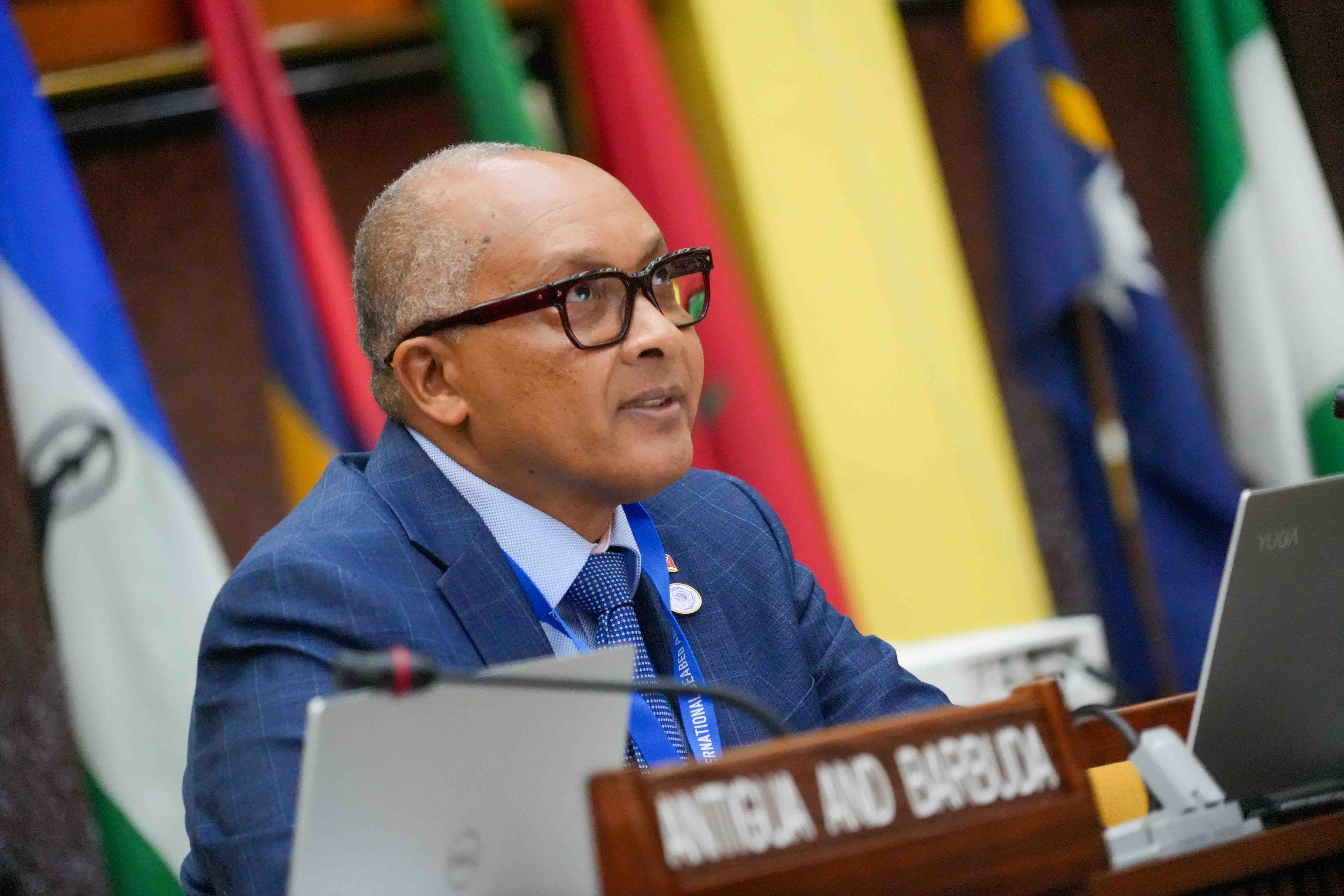
Dwight Gardiner, Antigua and Barbuda
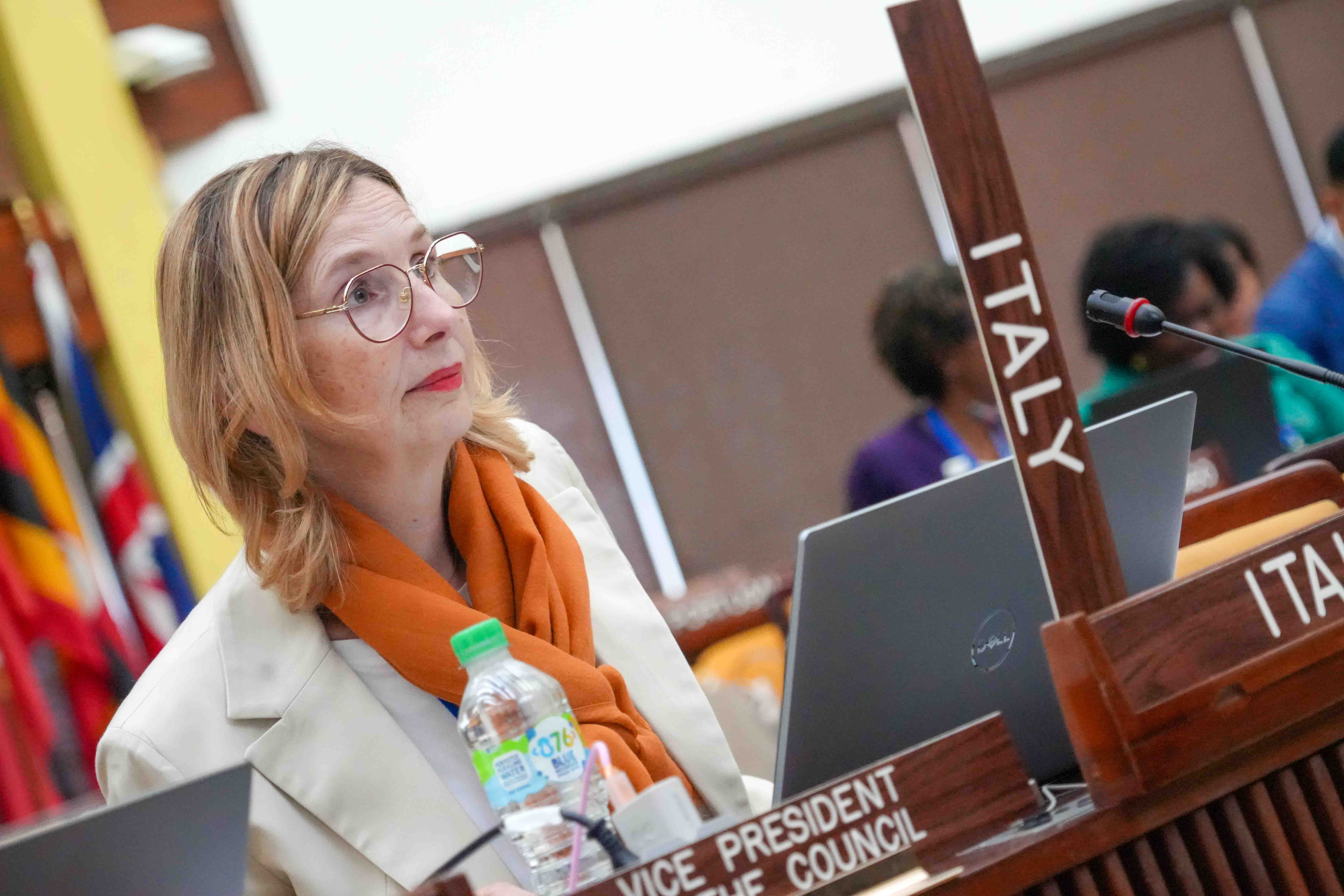
Catherine Flumiani, Italy
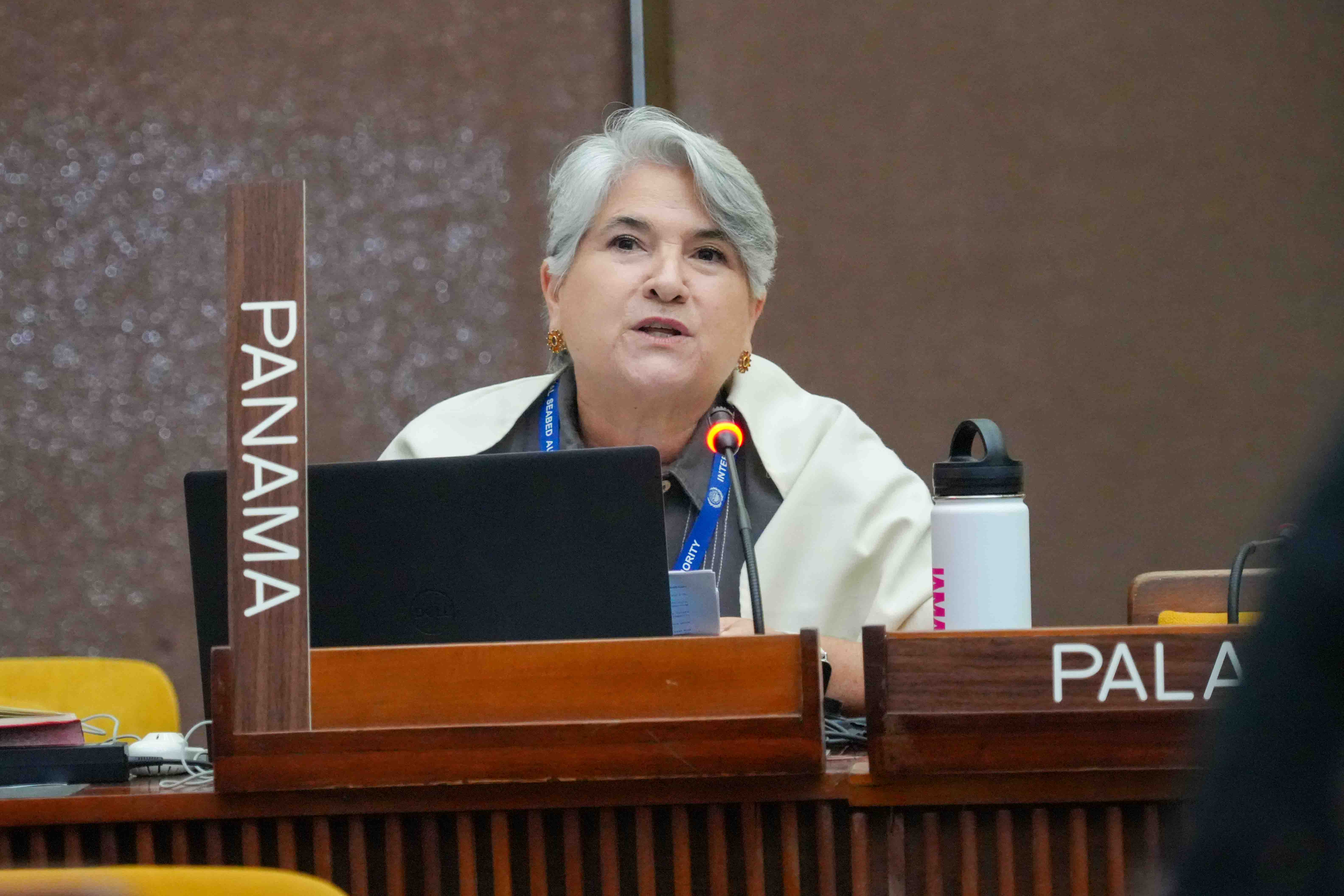
Elida Alcedo Guardia, Panama
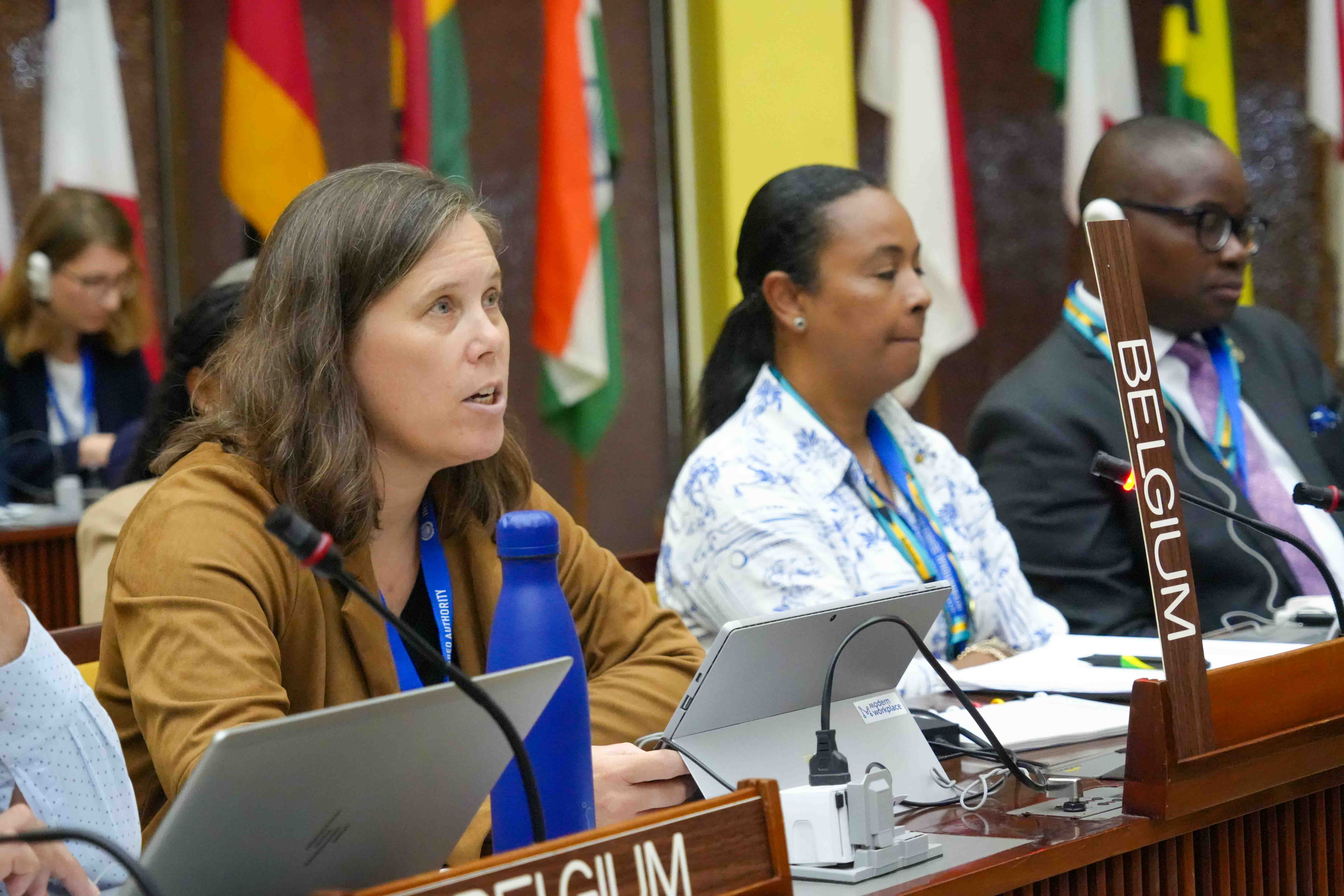
Ellen De Geest, Belgium
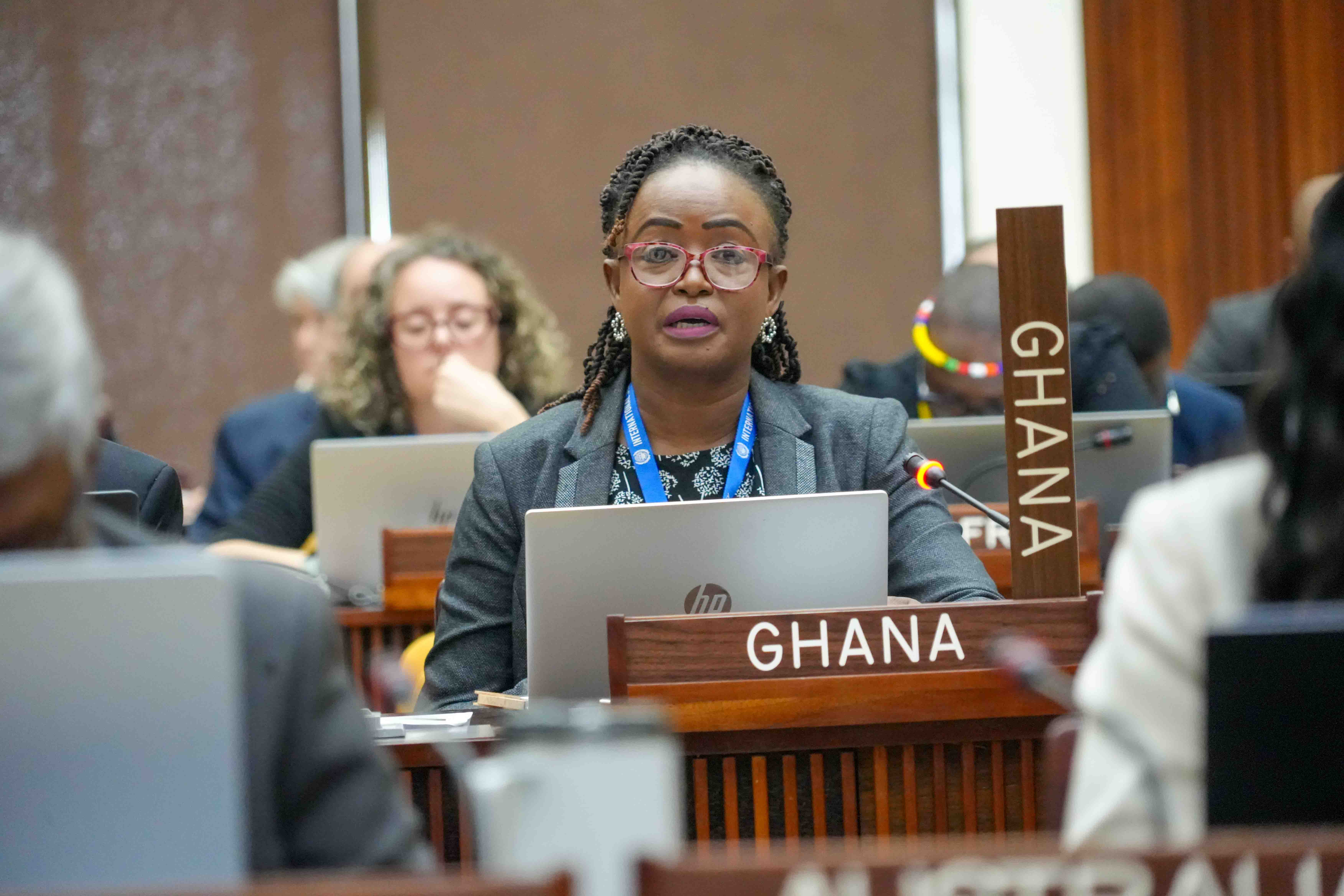
Georgina Nyadia, Ghana
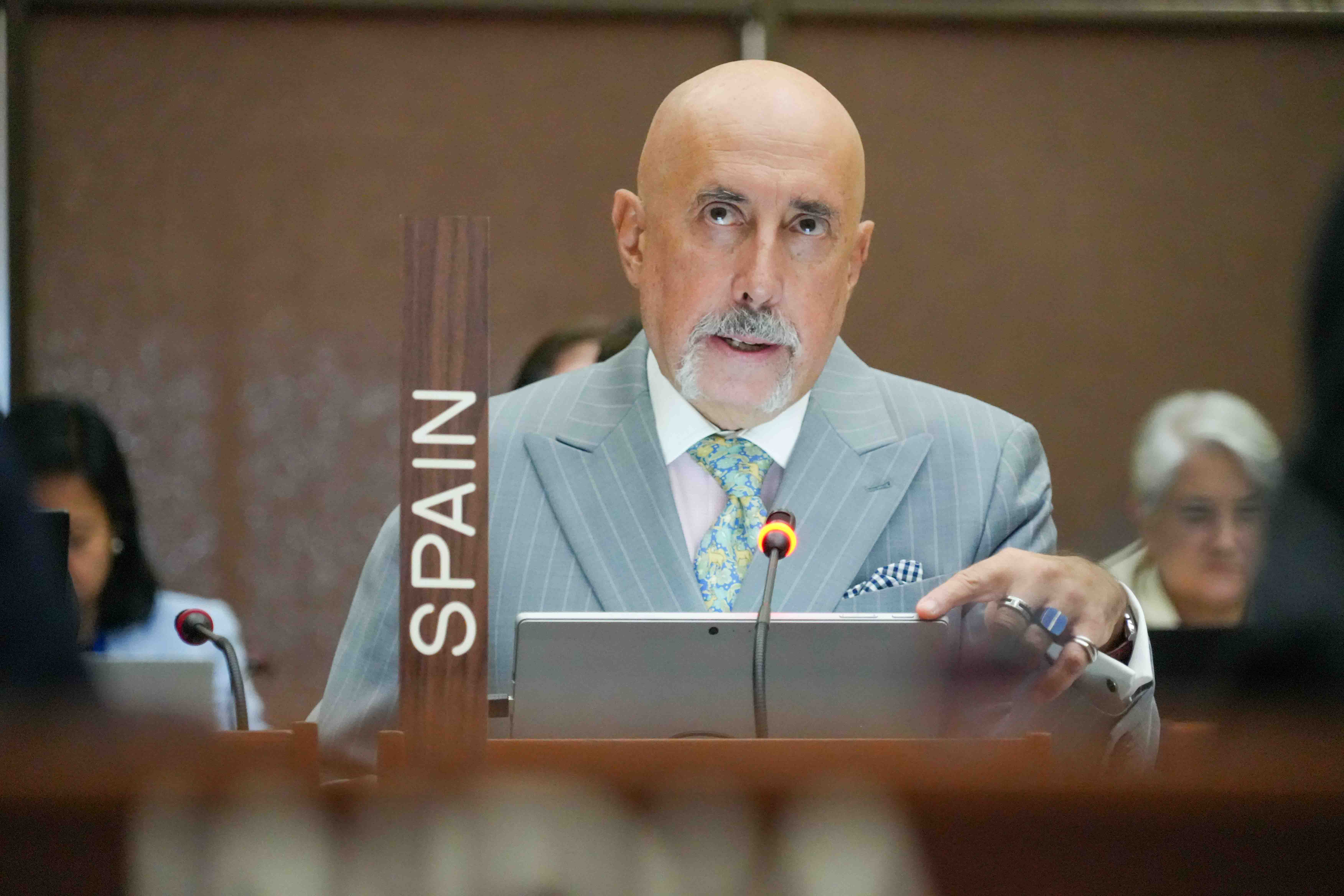
José María Fernández López de Turiso, Spain
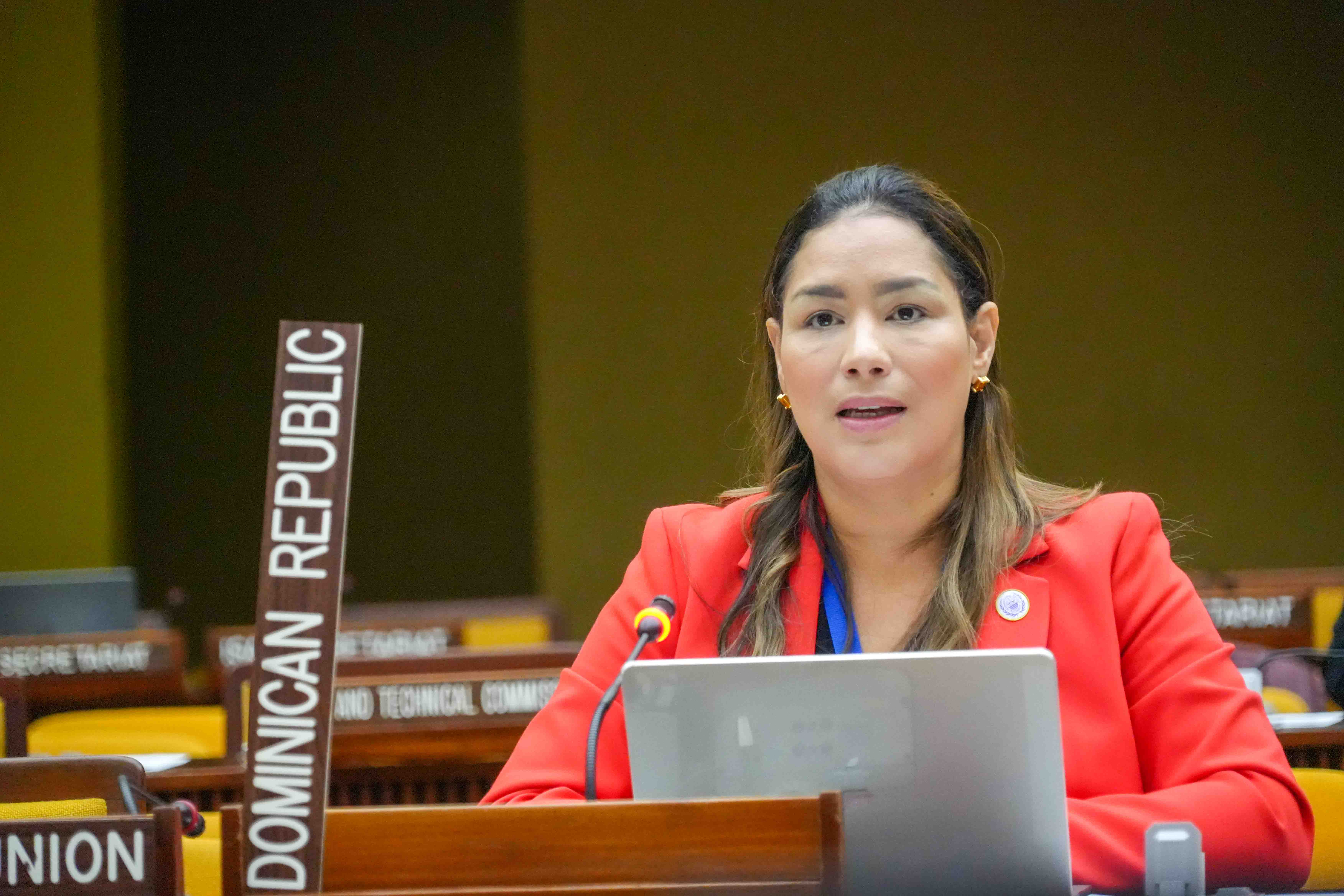
Nancy Patricia Franjul, Dominican Republic
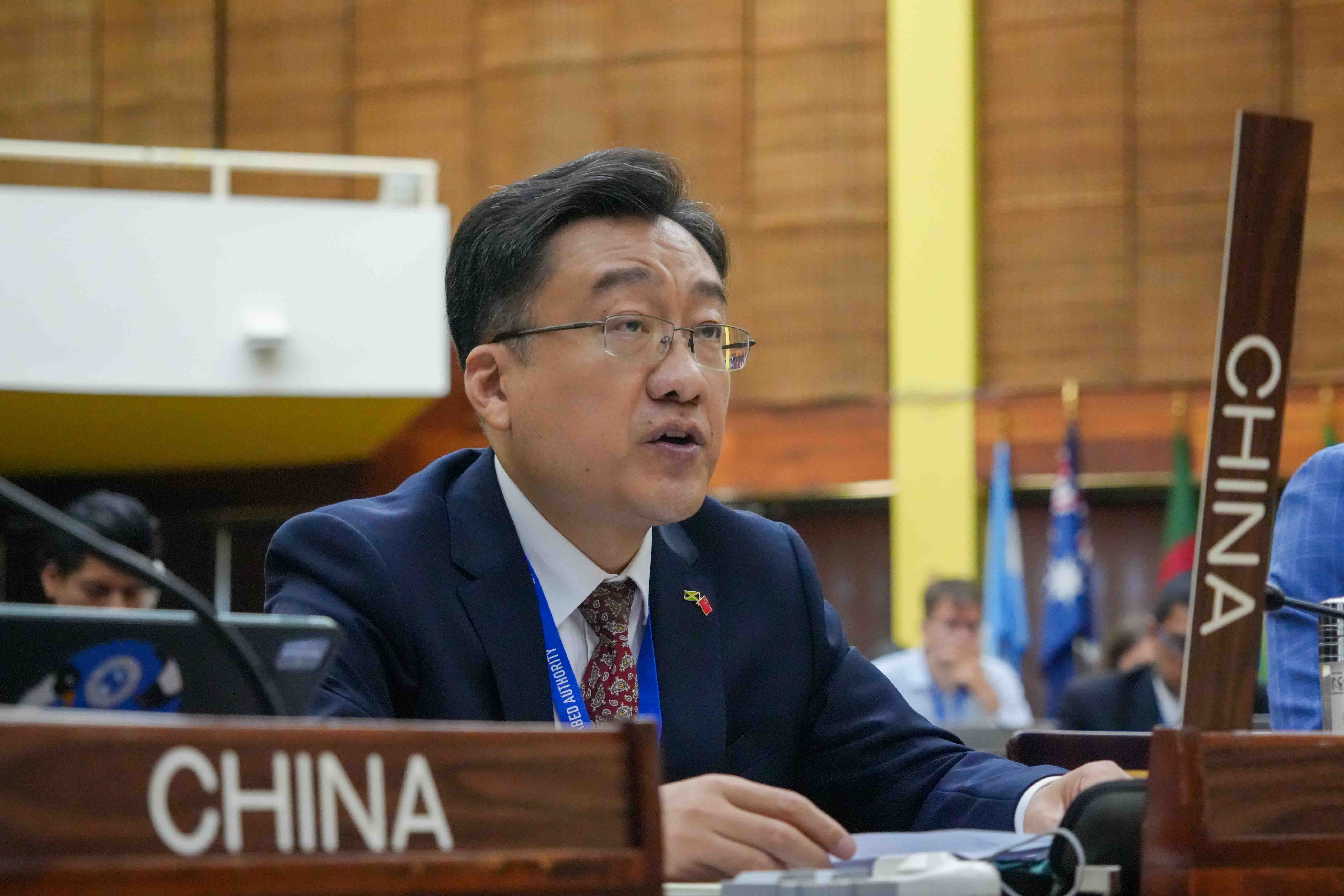
Jinfeng Wang, China
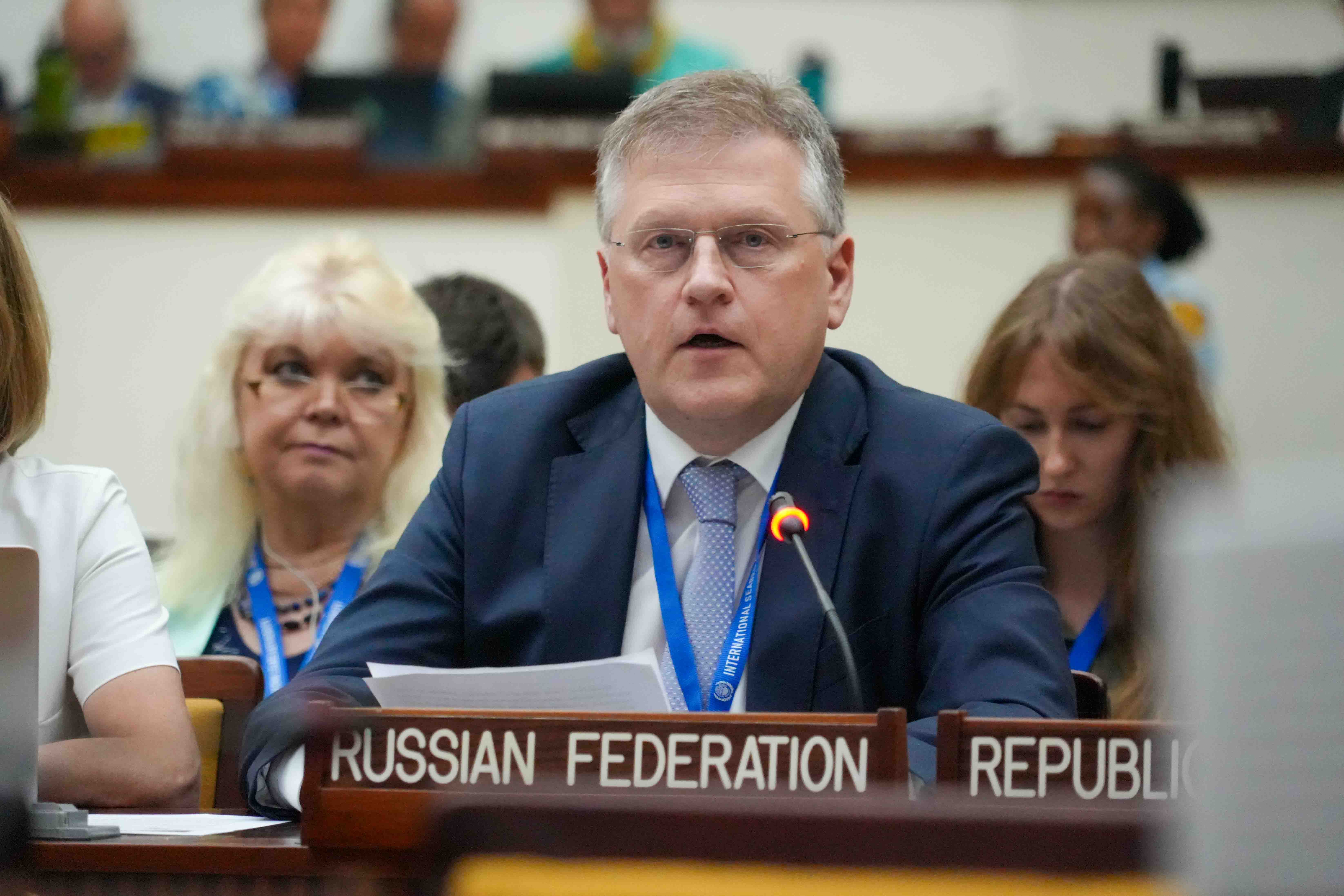
Sergey Petrovich, Russian Federation
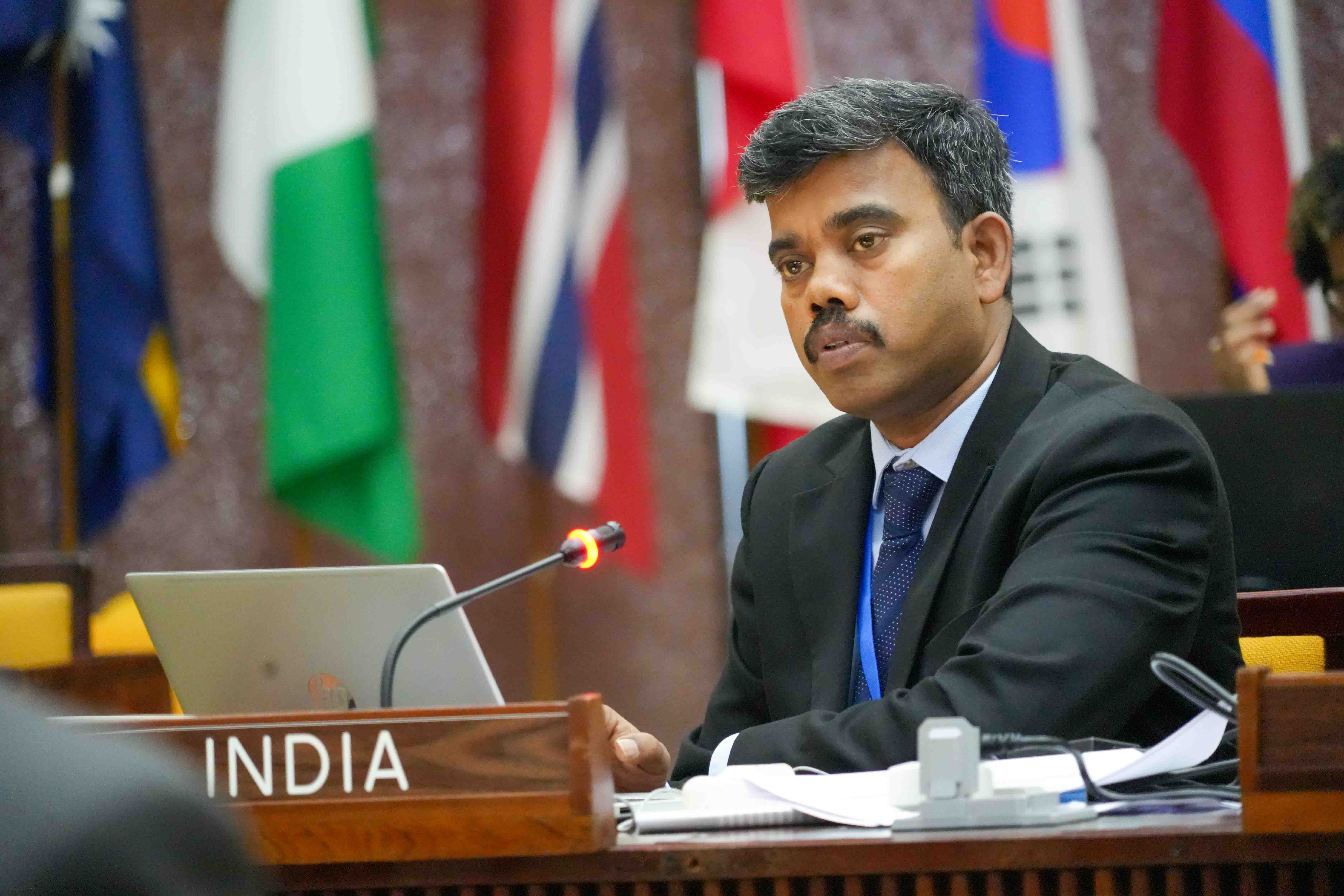
Thulasidhass Perumal, India
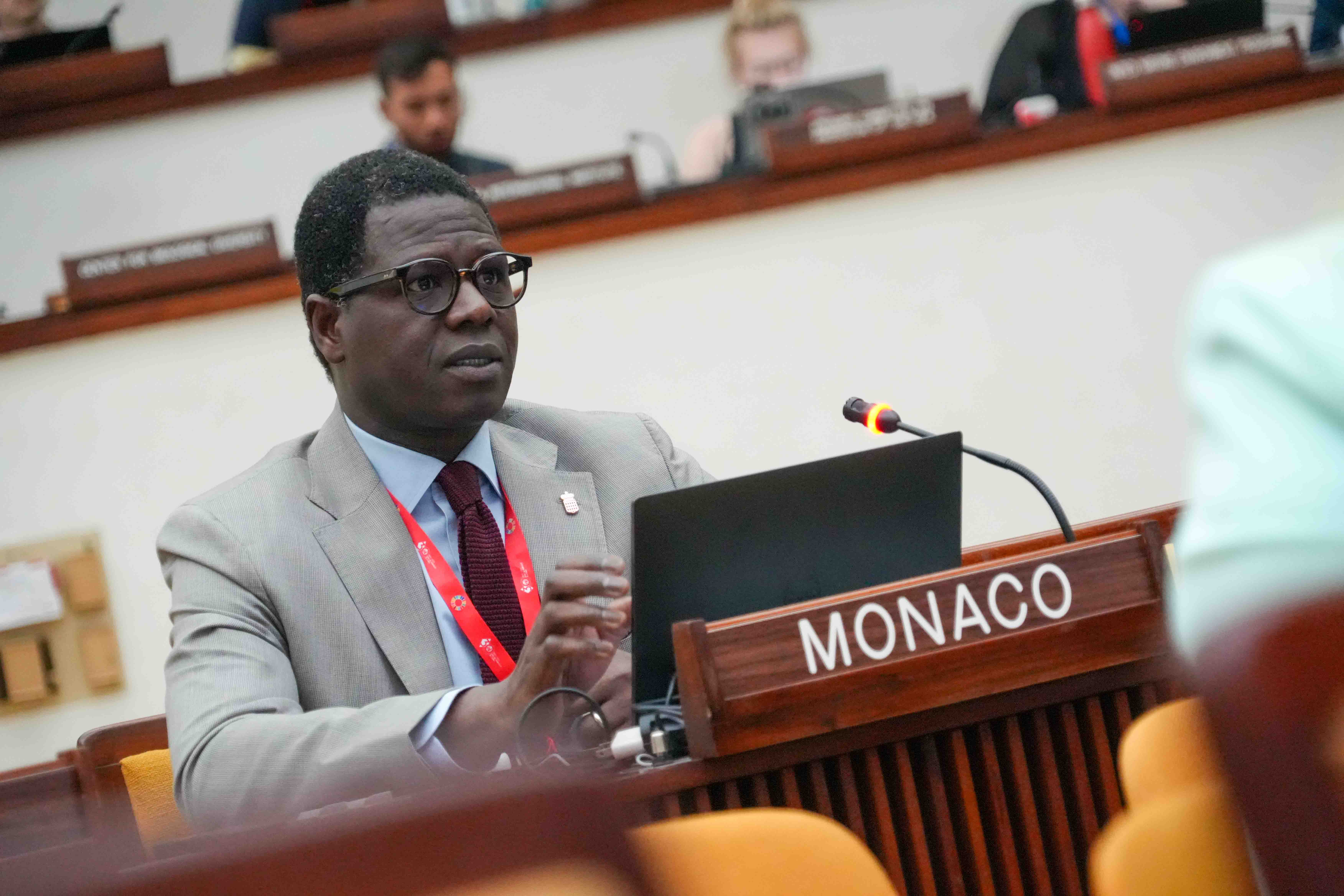
Tidiani Couma, Monaco
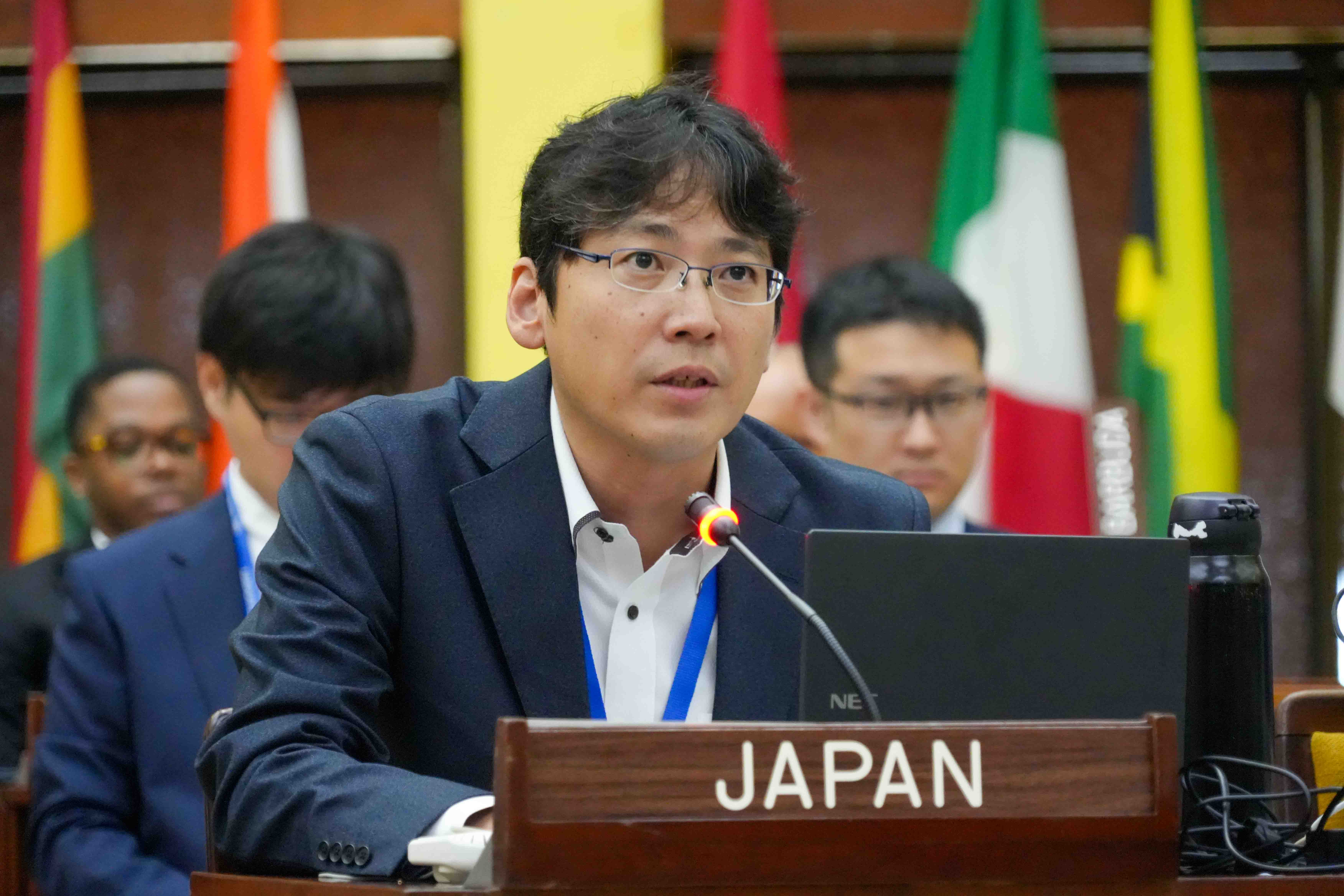
Tomohito Kurimoto, Japan
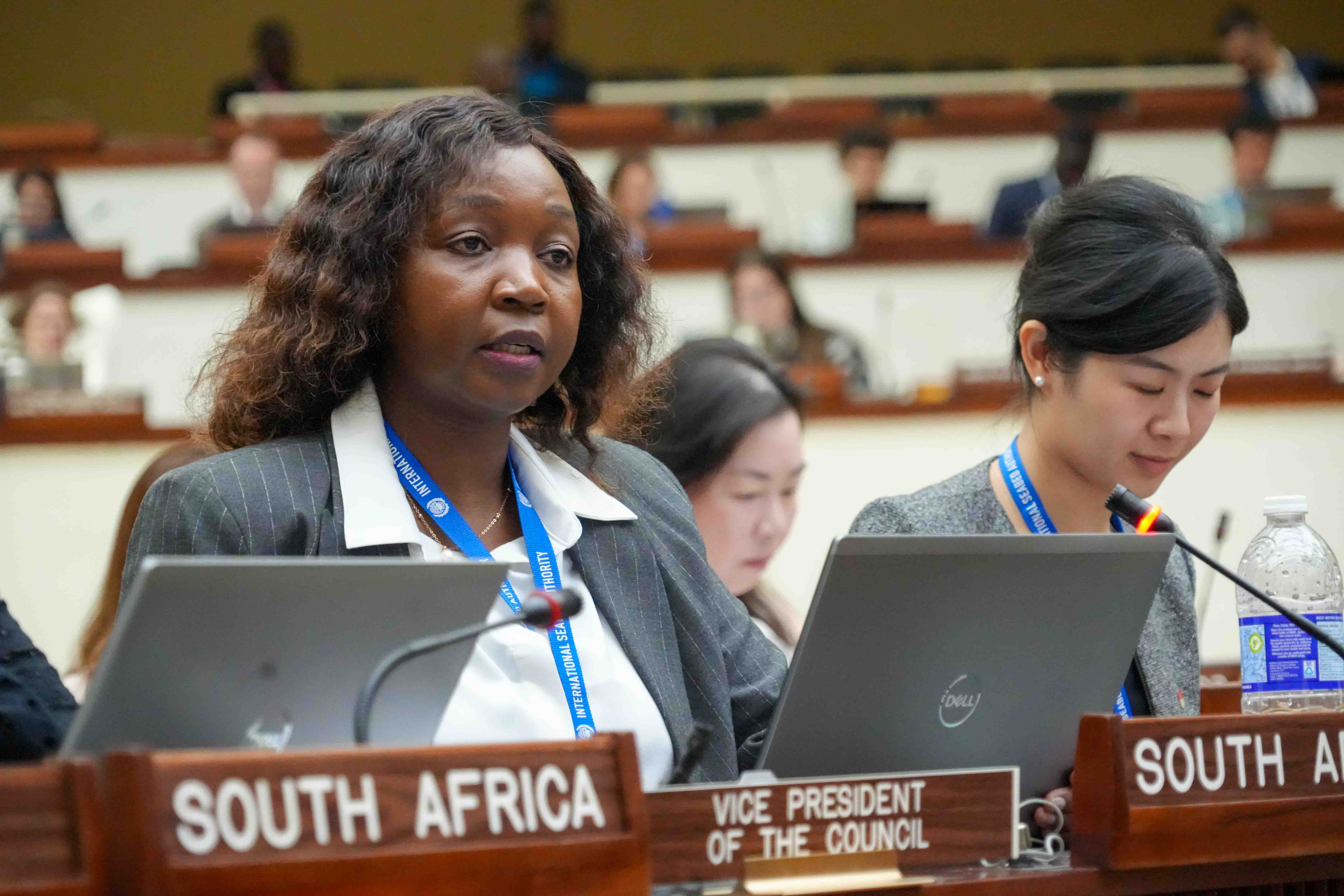
Tshifhiwa Mabidi, South Africa
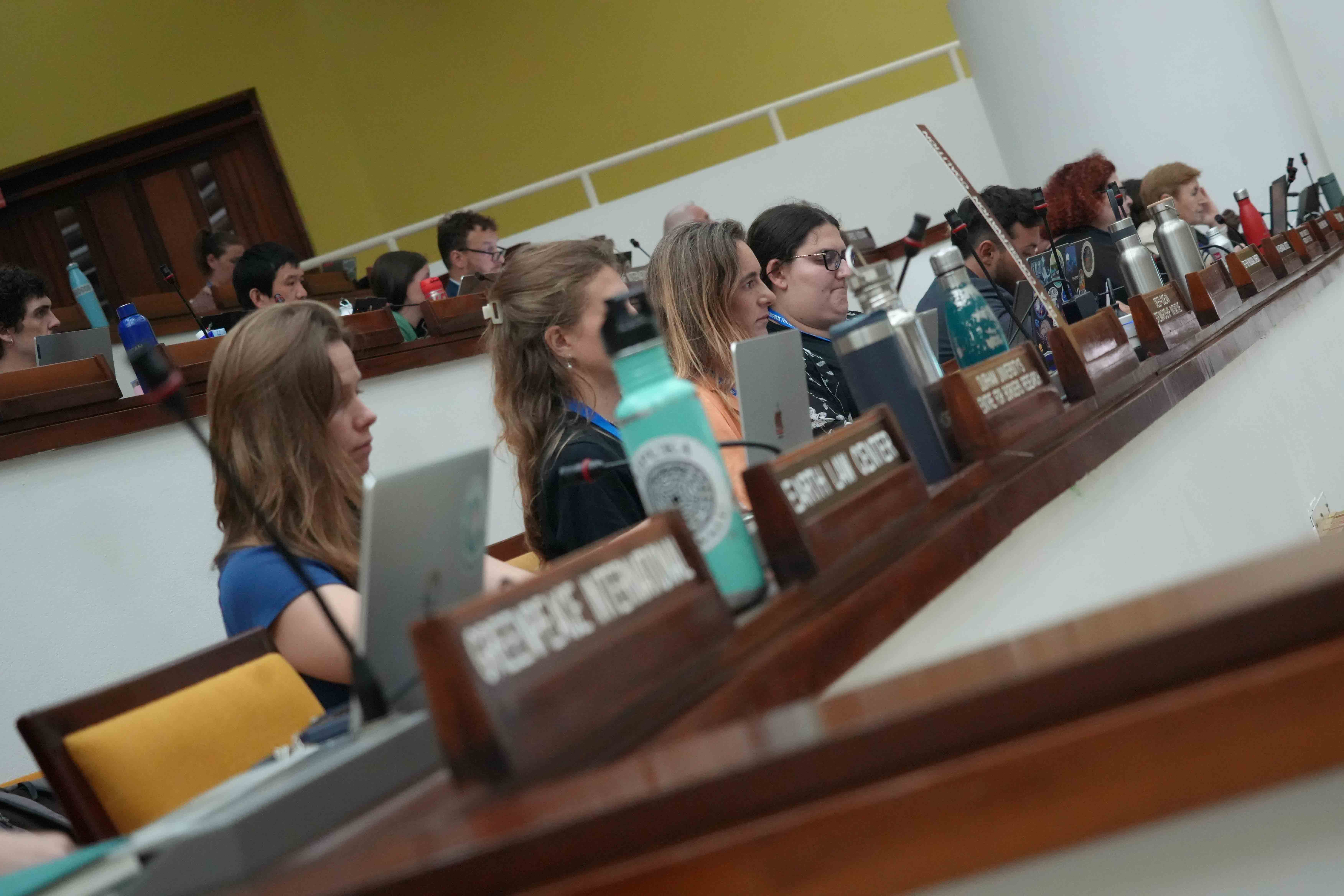
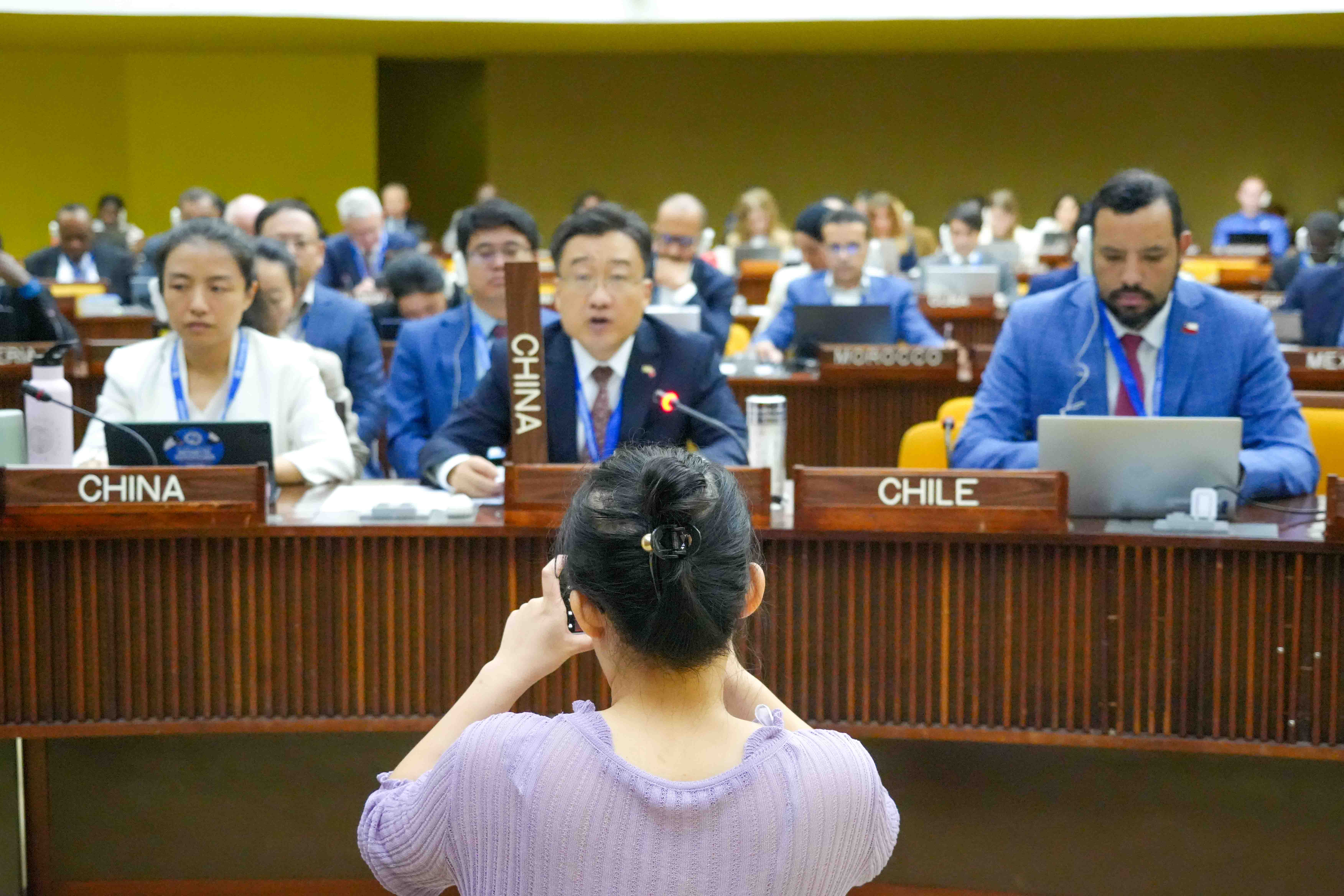
Between the sessions
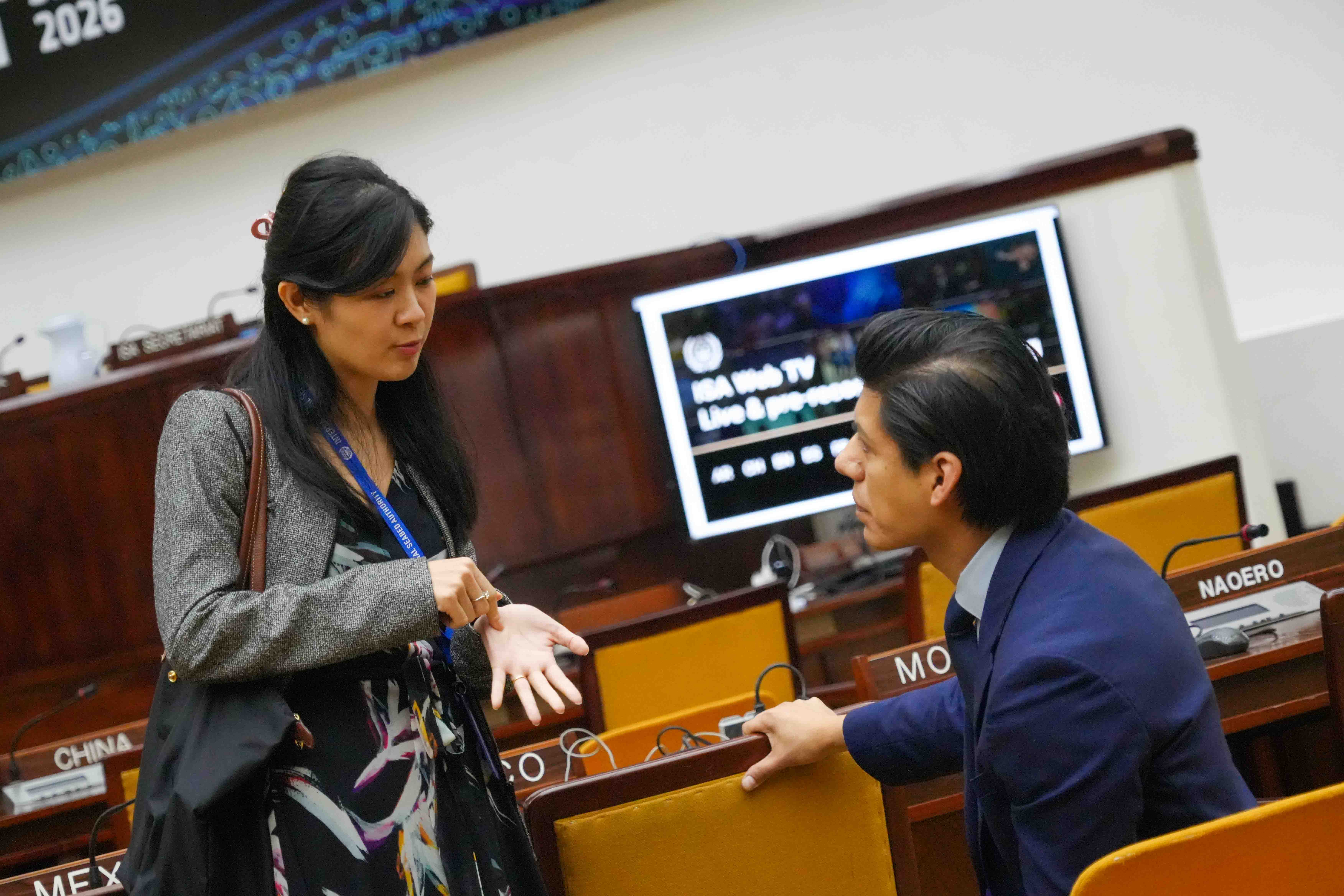
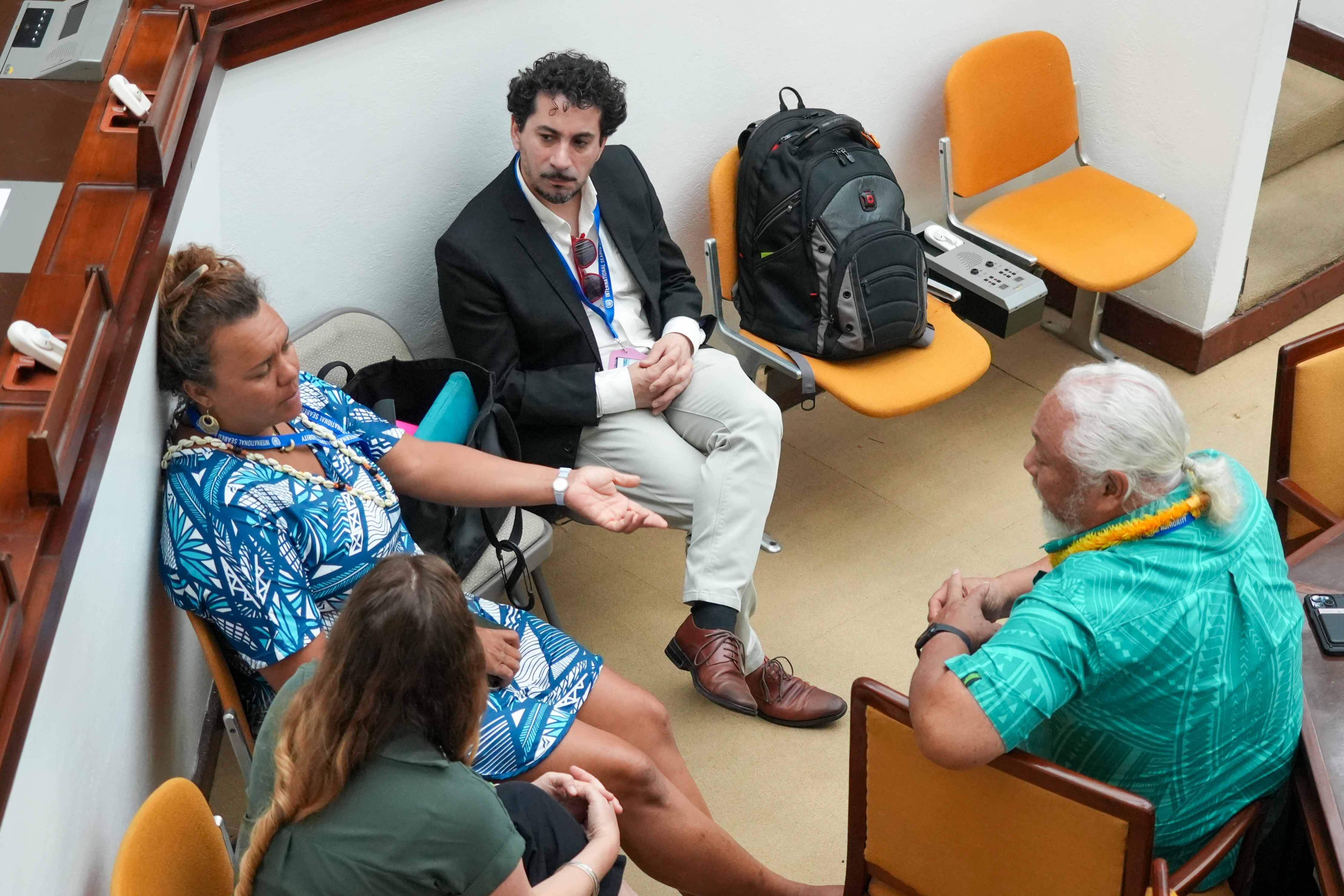
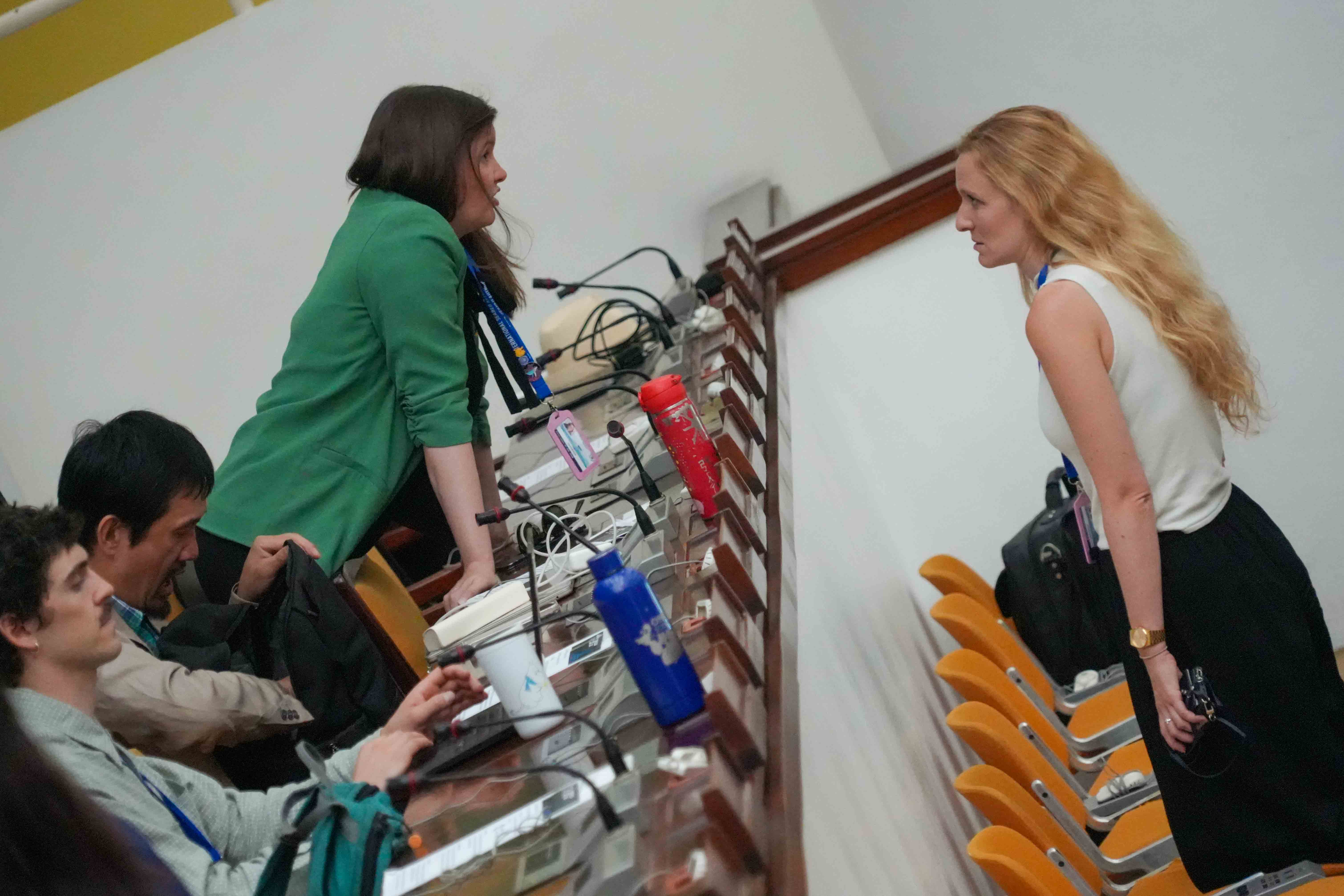

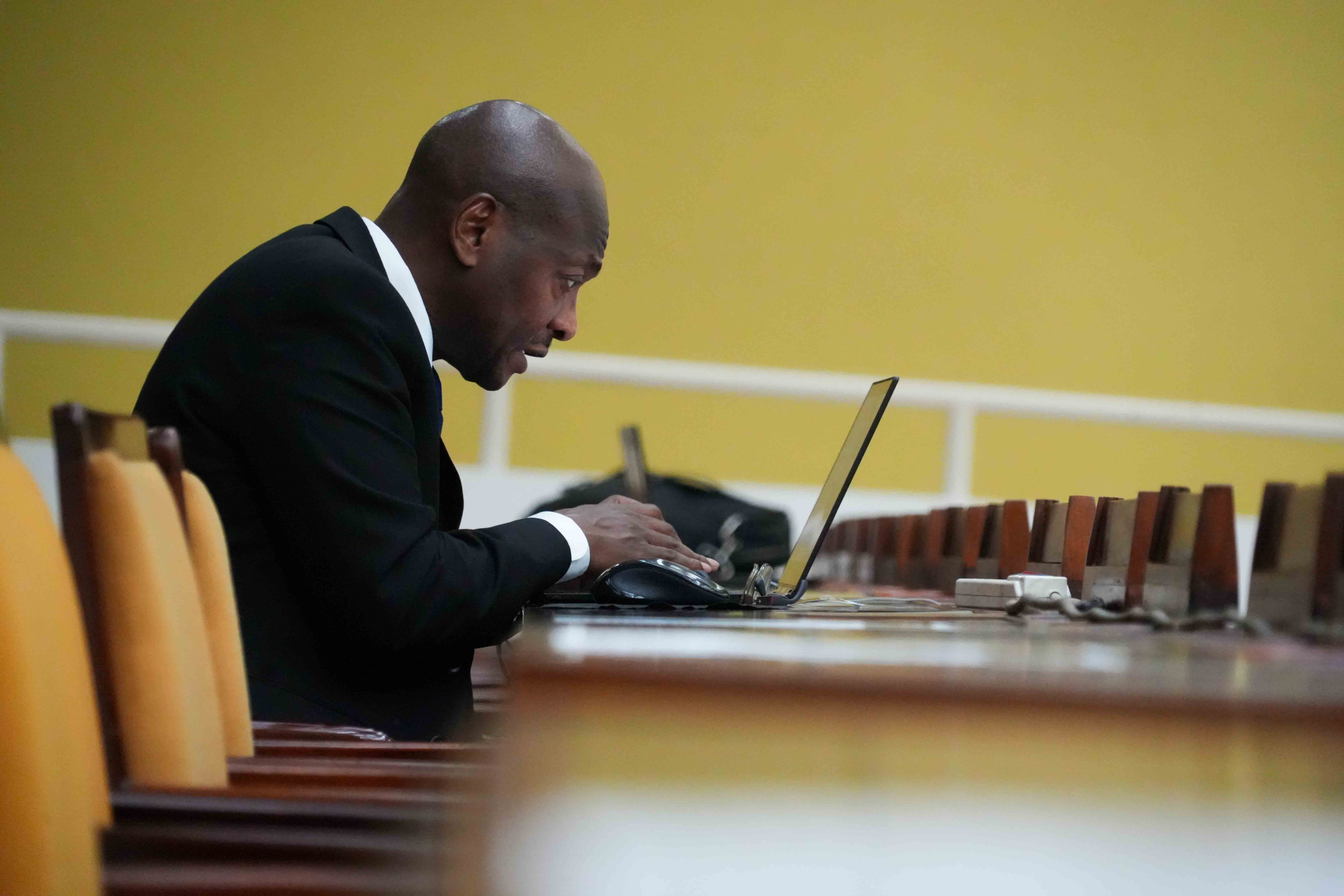

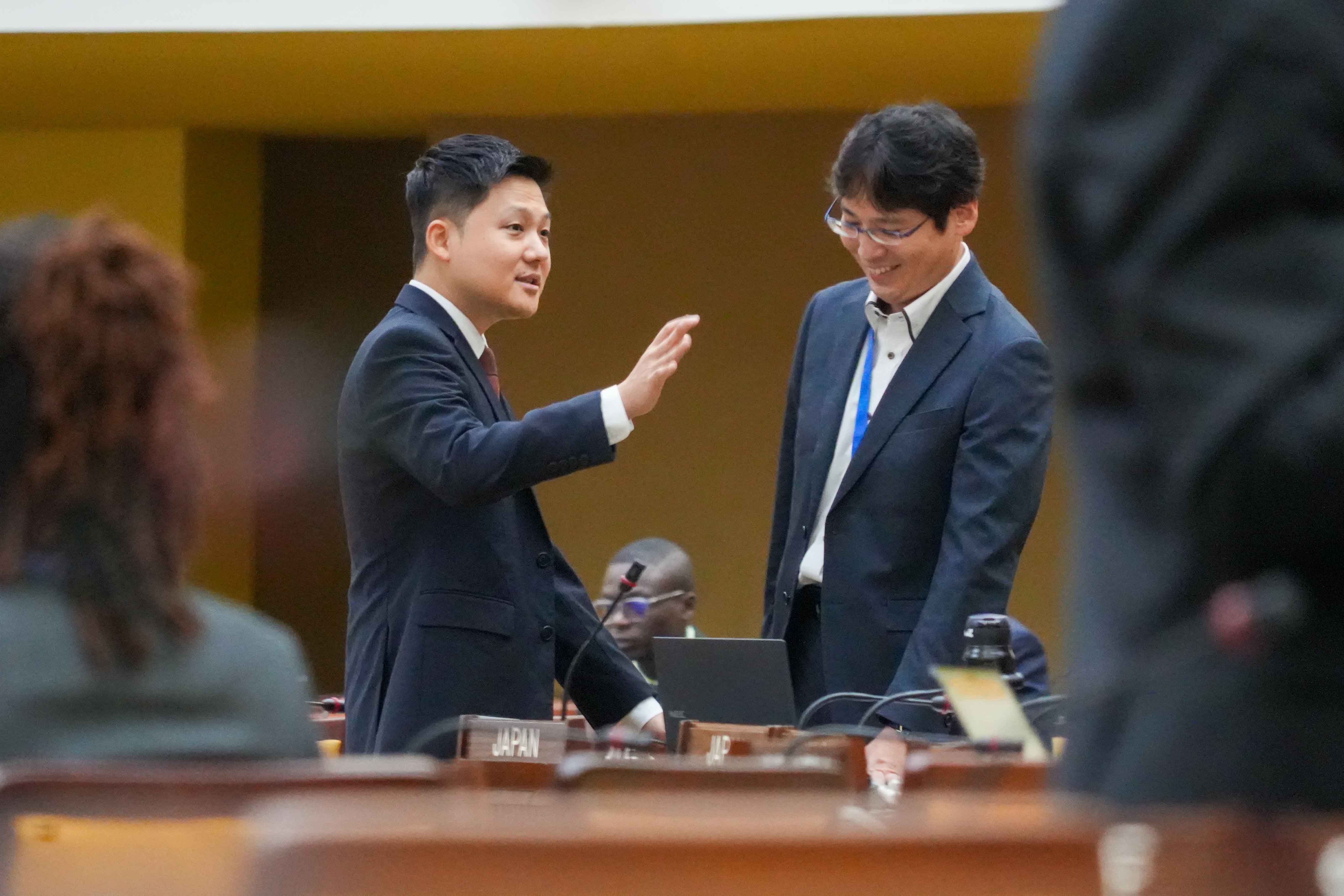
Around the venue
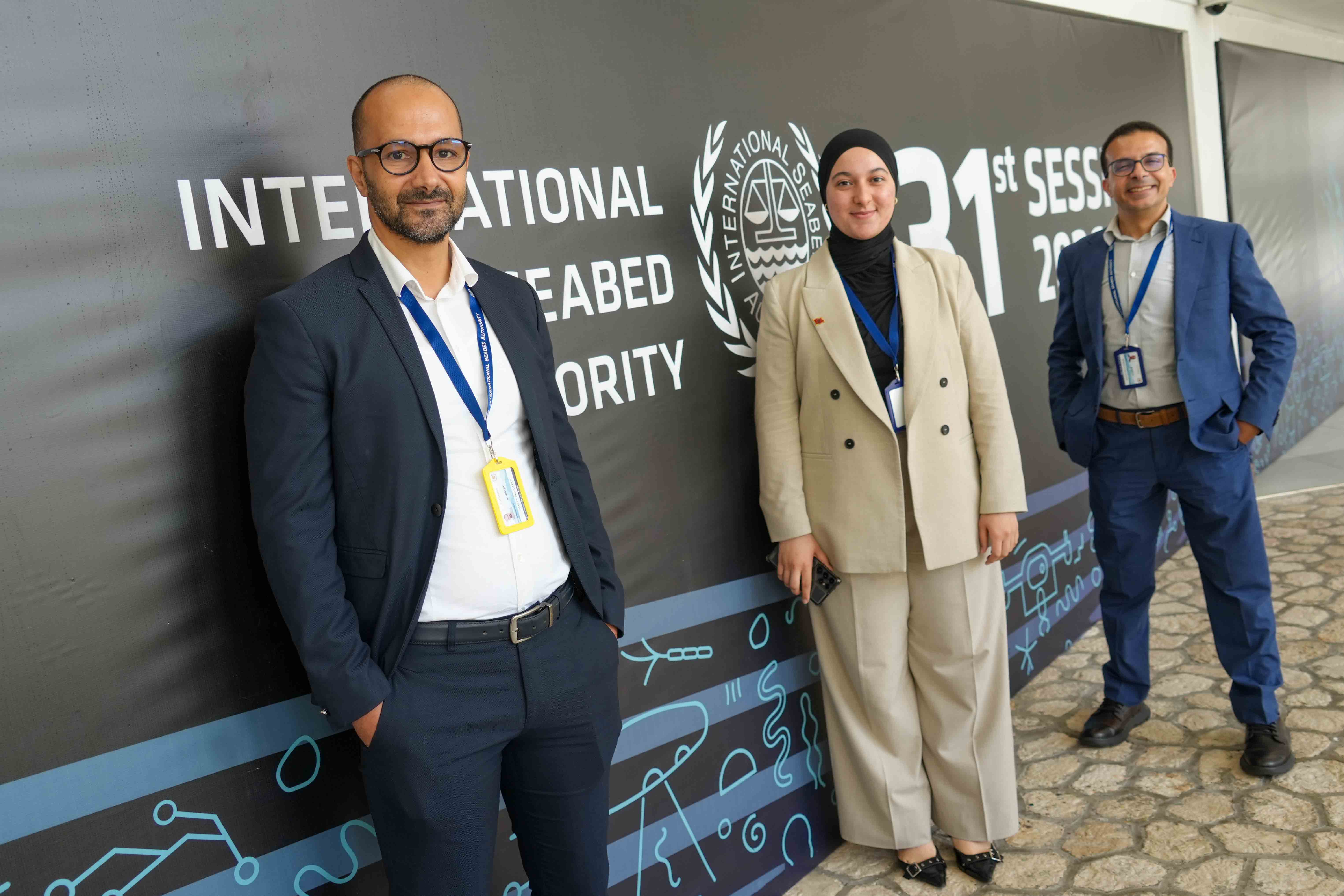
Delegation from Morocco
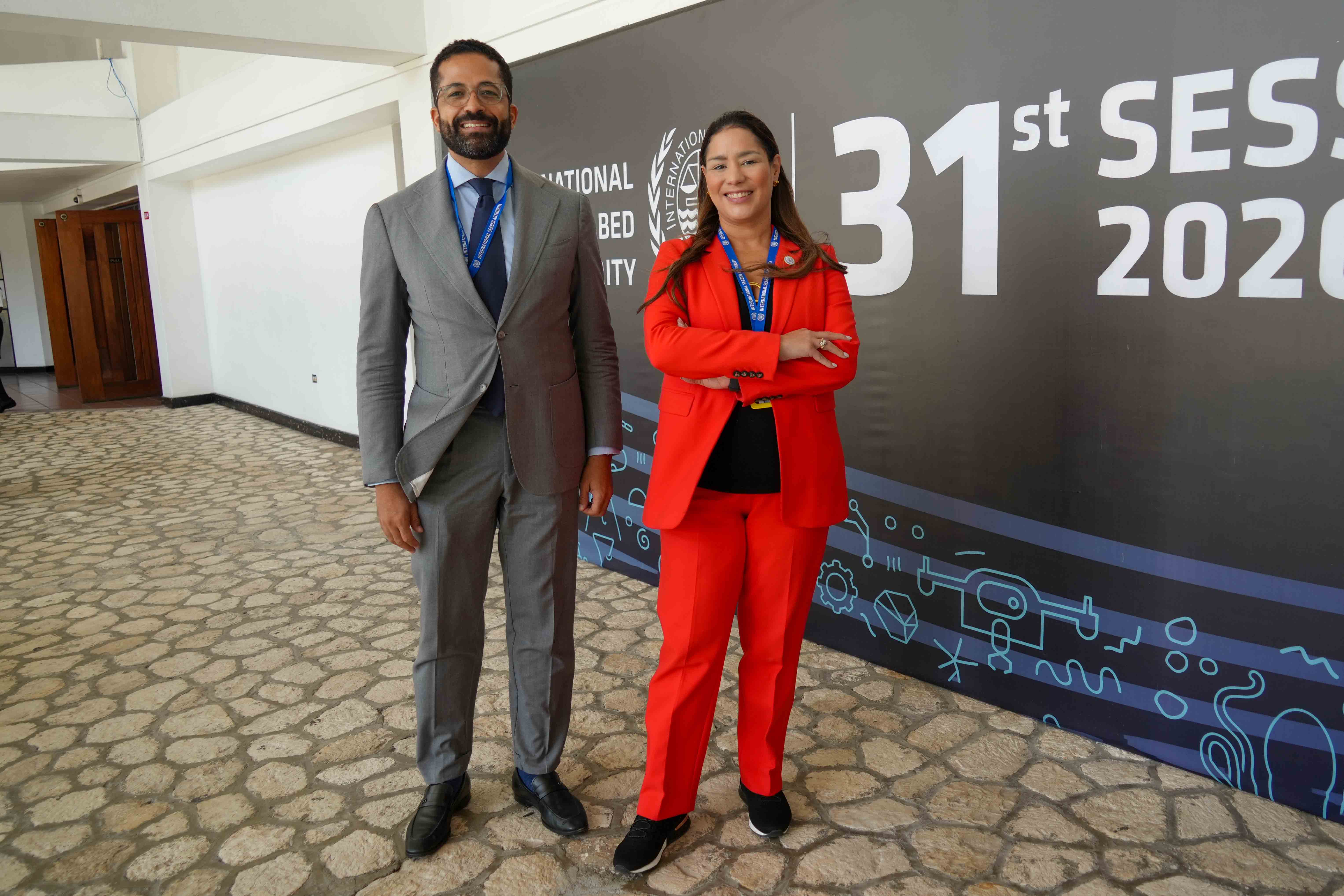
Delegation from the Dominican Republic