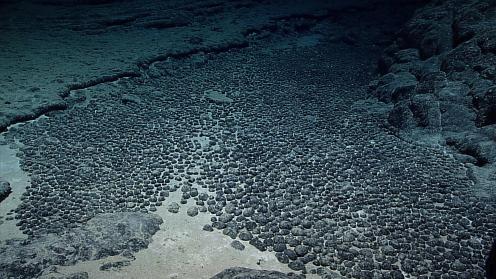
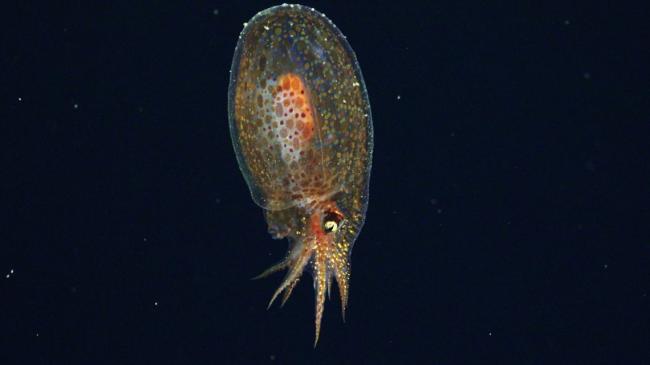
Regulating commercial deep-sea mining encompasses a variety of considerations, ranging from environmental and socioeconomic parameters to technical issues, such as the protection of submarine cables.
The deliberations of the Council of the International Seabed Authority (ISA) on Wednesday confirmed that only through successfully tackling all aspects of deep-sea mining in the draft exploitation regulations and the accompanying standards and guidelines, delegates can achieve delivering a robust and sound Mining Code.

In the morning, Council members continued to address the annexes to the draft regulations on commercial deep-sea mining, focusing on:
• the environmental impact statement (Annex IV);
• the emergency response and contingency plan (Annex V);
• the health and safety plan and the maritime security plan (Annex VI);
• exploitation contract and schedules (Annex IX); and
• standard clauses for the exploitation contract (Annex X).
Opinions diverged on the title of a section under the annex on the environmental impact statement referring to impacts on the oceanographic, physiochemical, and geological environment. A delegation suggested “oceanographic, geological, and atmospheric,” while another preferred simply referring to the oceanographic environment. On “implications of climate change,” some delegates proposed adding a reference to ocean acidification, while a member suggested “impacts of climate change.”
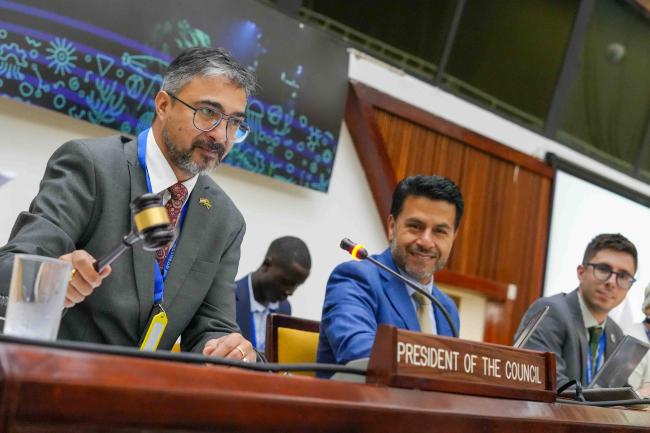
Some delegates suggested streamlining various parts of all annexes, with a regional group emphasizing that they would be submitting relevant proposals in writing. Delegates also discussed cross-cutting issues, focusing on, among other things: environmental impacts and effects; residual impacts and cumulative effects; mitigation measures and mitigation hierarchy; assessment of uncertainties; stakeholder consultations; references to underwater cultural heritage; environmental management; and impacts beyond a contract area.
The afternoon session was devoted to discussing draft regulations on the protection of submarine cables and pipelines, as well as on the regulations’ review.
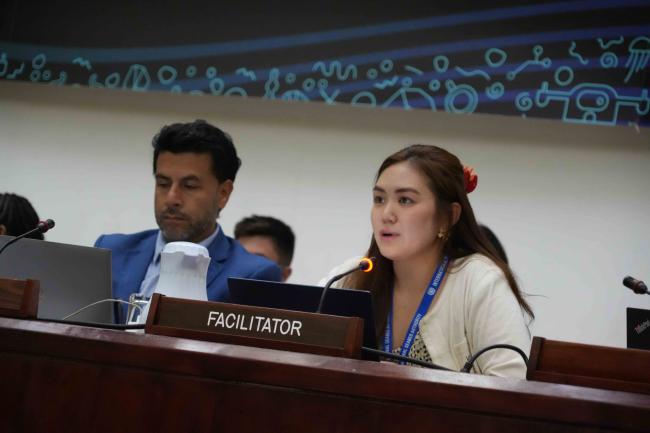
Singapore, facilitator of the Friends of the President Group on the protection of submarine cables, steered the Council discussion on regulation 31 (accommodation of activities in the Area and in the marine environment) and regulation 31 bis (reducing risk of damage to submarine cables and pipelines) using guiding questions.
Many delegations agreed that regulation 31 strikes a suitable balance between the role of contractors and that of ISA in identifying or facilitating the exchange of information about other uses or activities in the marine environment. Some members continued to have reservations about the ISA’s role. The facilitator noted the provision needs further refinement.
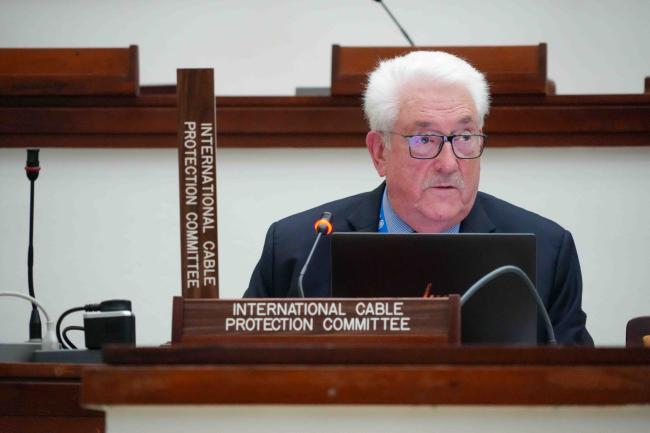
The International Cable Protection Committee (ICPC) noted that the provisions for the accommodation of activities in the Area can conflict with those aimed at reducing the risk of damage to submarine cables and pipelines. They supported that the ISA uses public and available data on activities in the Area, but cautioned against creating a new database without sufficient capabilities or resources.
On regulation 31 bis, delegates had divergent opinions on whether the contractor shall take “all necessary,” “necessary,” or “reasonable” measures to reduce risks of damage to submarine cables arising from activities in the contract area. The ICPC suggested taking “all necessary” measures, given that submarine cables are critical infrastructure. The facilitator invited written submissions on the remaining guiding questions.
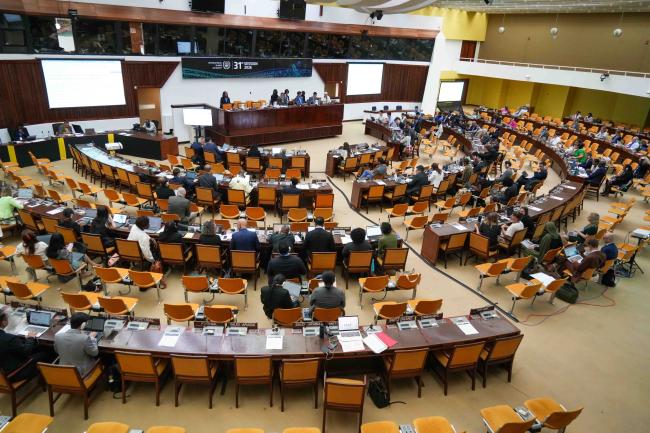
Delegates then turned their attention to regulation 107 (review of these regulations), guided by Belgium, facilitator of the relevant Friends of the President Group. Members held divergent views between two alternative options for introducing the review. Many supported an option explicitly listing the review’s content. A delegation suggested noting that the Council may undertake a review of any aspect of the regulations “at any time it deems necessary.”
Delegates could not reach consensus on whether the first review shall take place five years following the conclusion of the first exploitation contract or five years after the first date of commencement of commercial production. Further discussion will also be required on a provision noting that the review should, in any case, take place “no later than ten years after the adoption of these regulations by the Council.”
The facilitator noted that all suggestions will be reflected in a revised draft regulation for further deliberation.
To receive free coverage of global environmental events delivered to your inbox, subscribe to the ENB Update newsletter.
All ENB photos are free to use with attribution. For the Second part of the 31st session of the International Seabed Authority (ISA) meeting, please use: Photo by IISD/ENB | Andrés Felipe Carvajal Gómez.
Selected Images
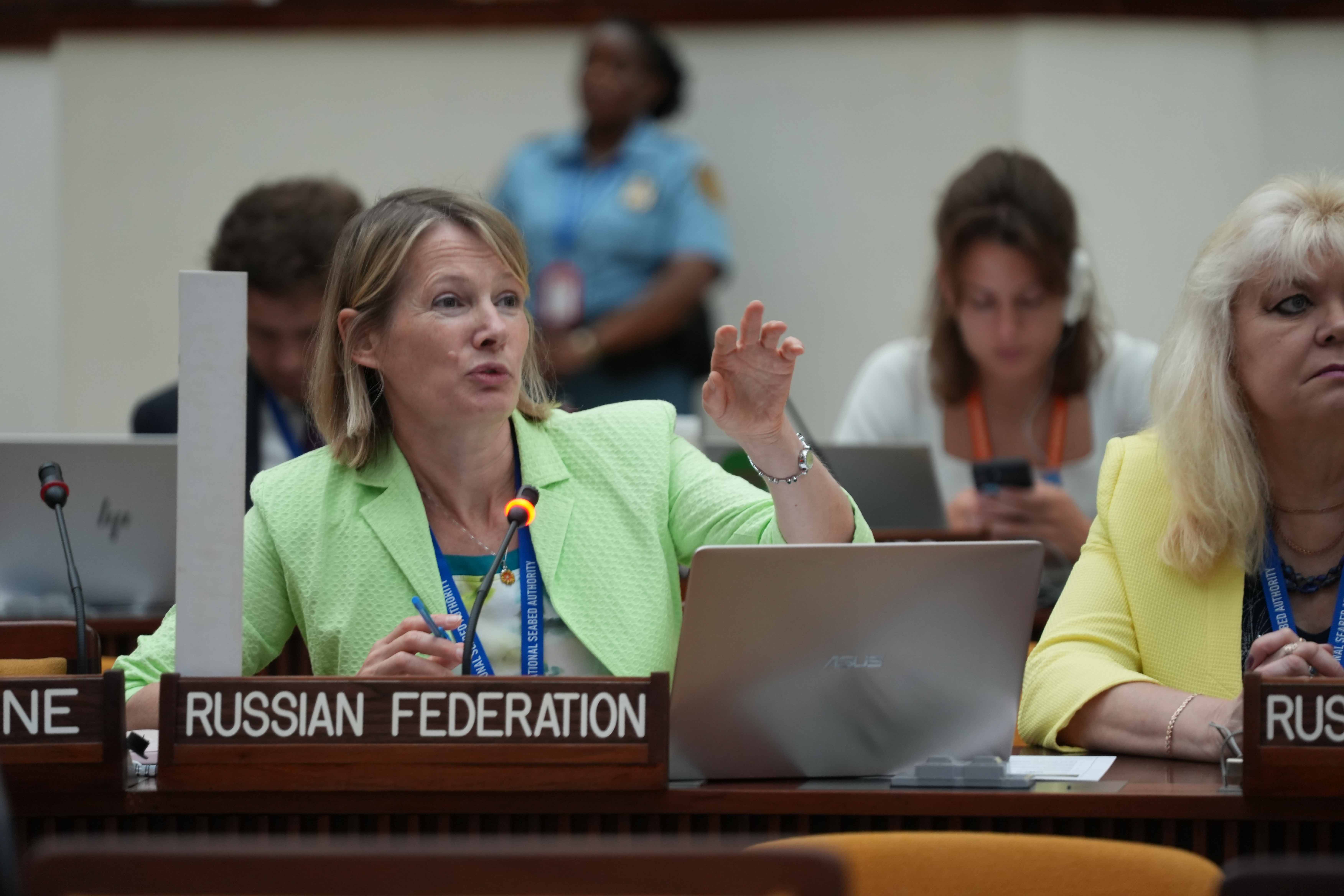
Livia Ermakova, Russian Federation
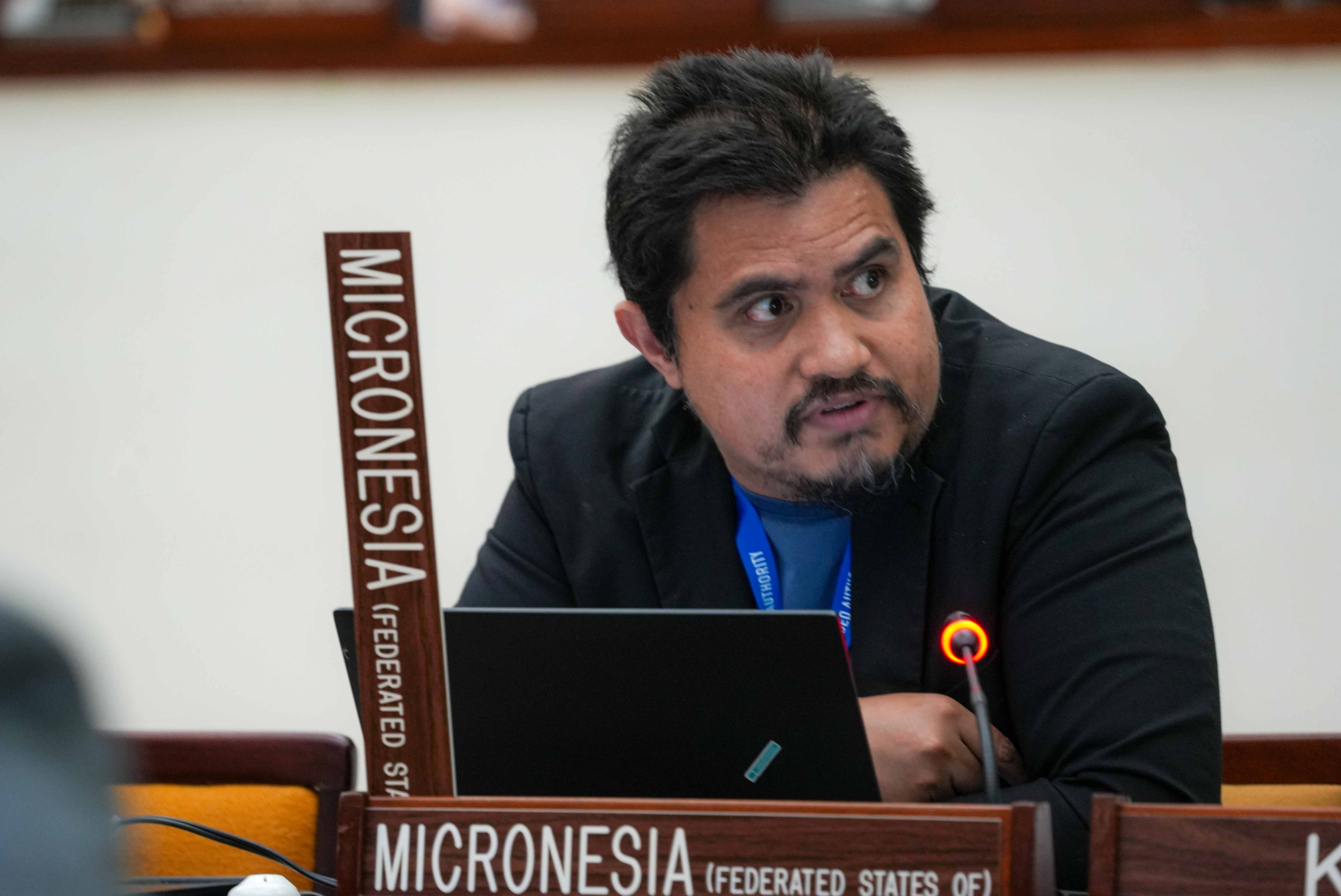
Clement Yow Mulalap, Federated States of Micronesia
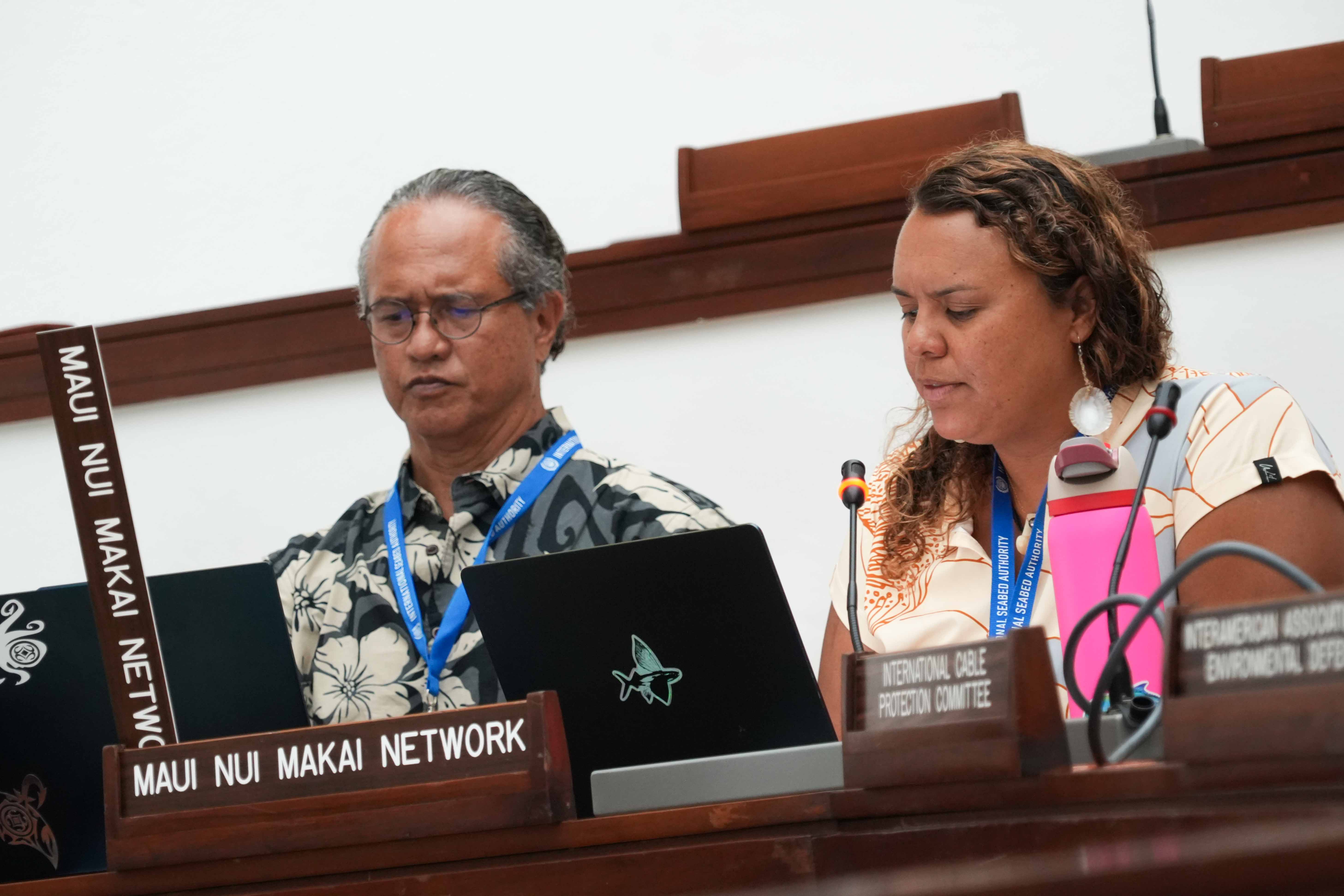
Brittany Kamai, Maui Nui Makai Network

Tshifhiwa Mabidi, South Africa
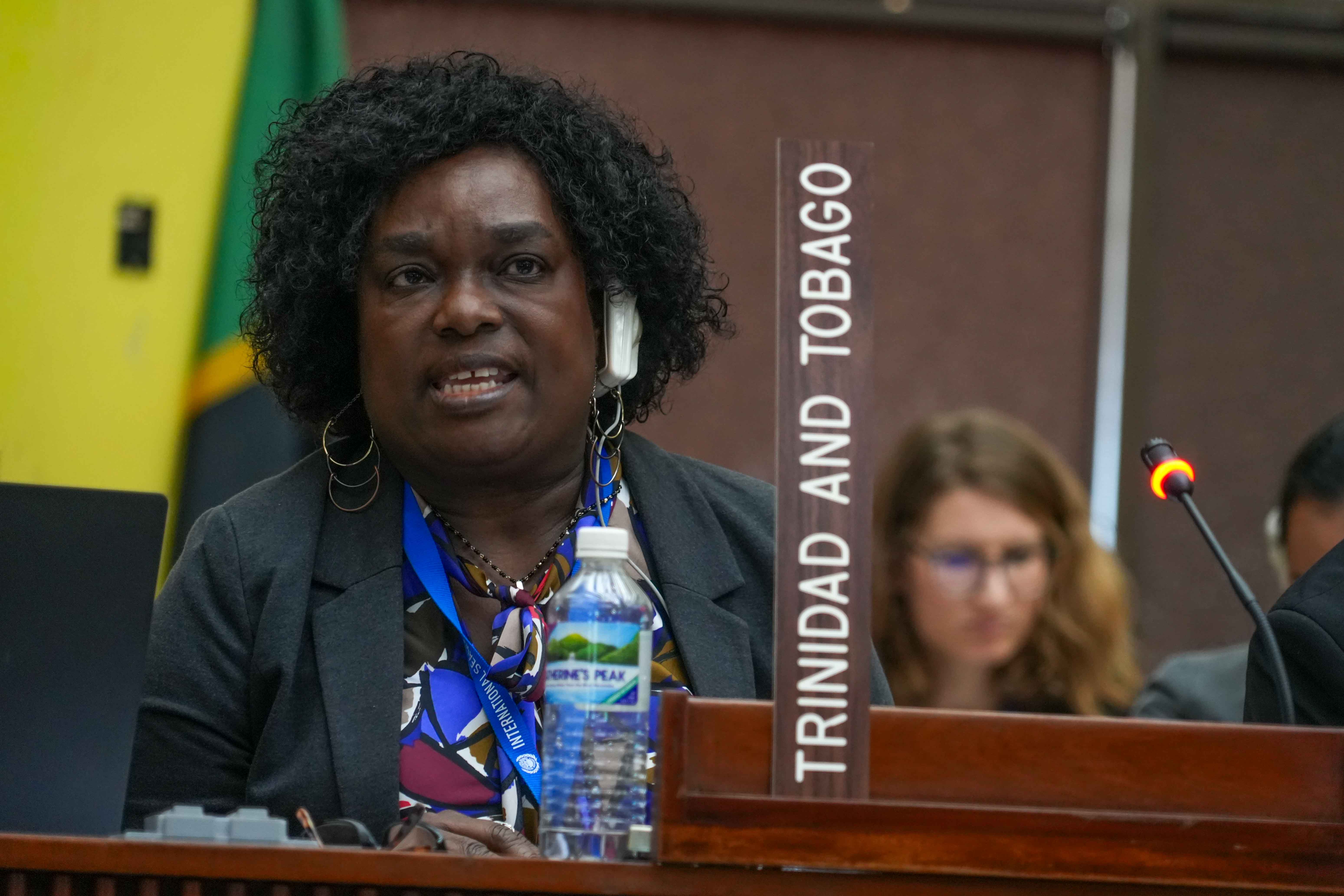
Deborah Thomas-Felix, Trinidad and Tobago
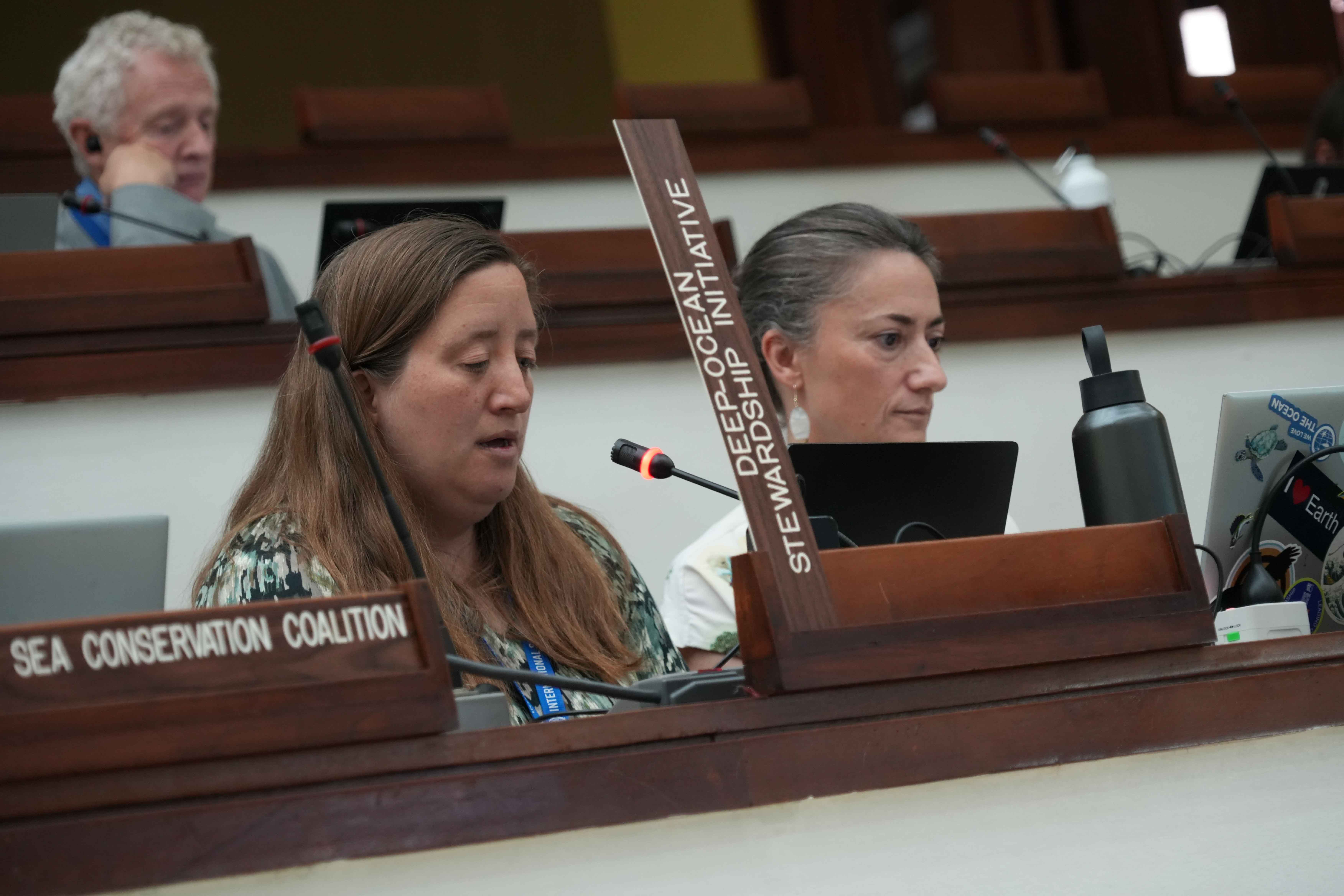
Jesse van der Grient, Deep Ocean Stewardship Initiative (DOSI)
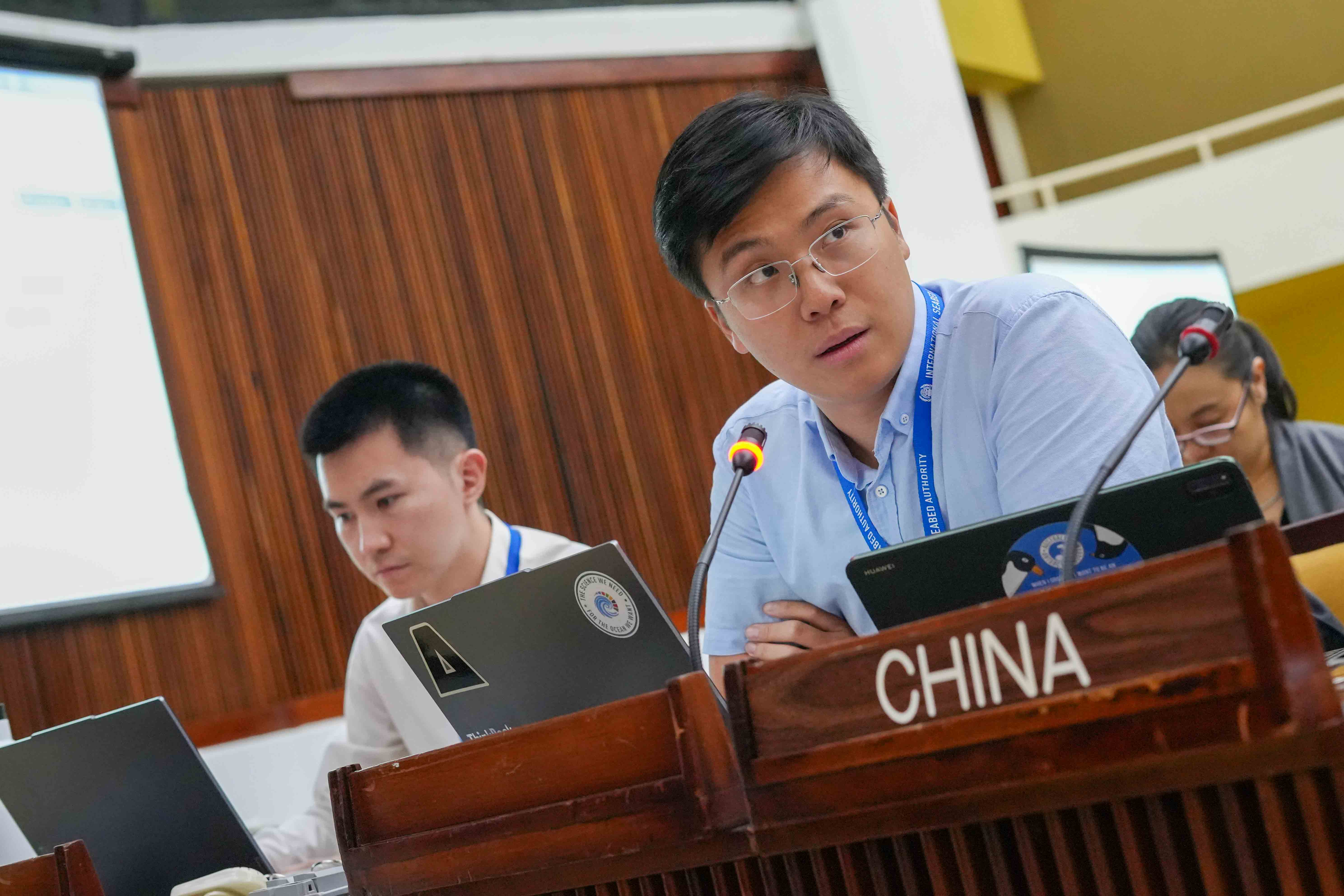
Xidi Chen, China
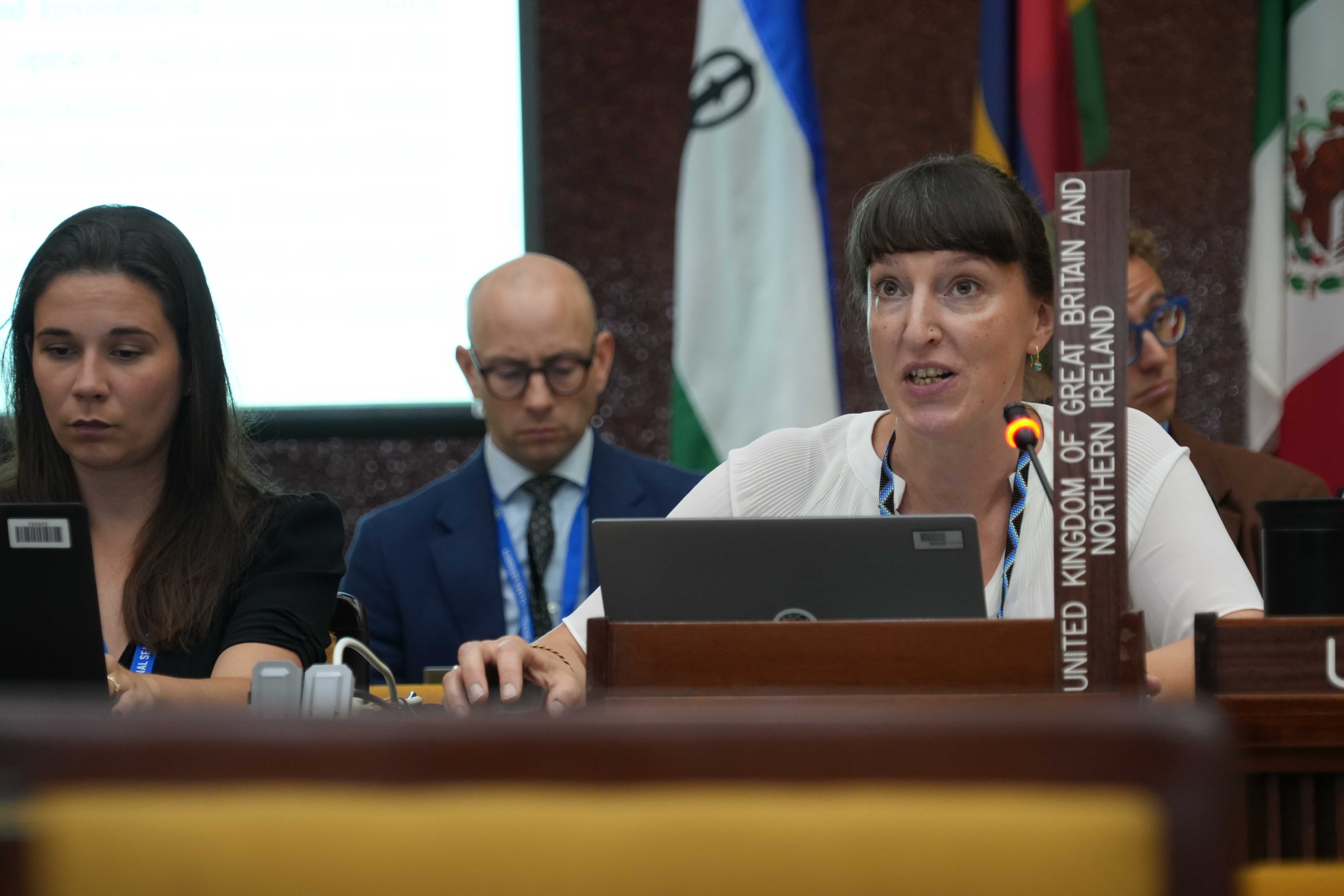
Louise Bamforth, UK
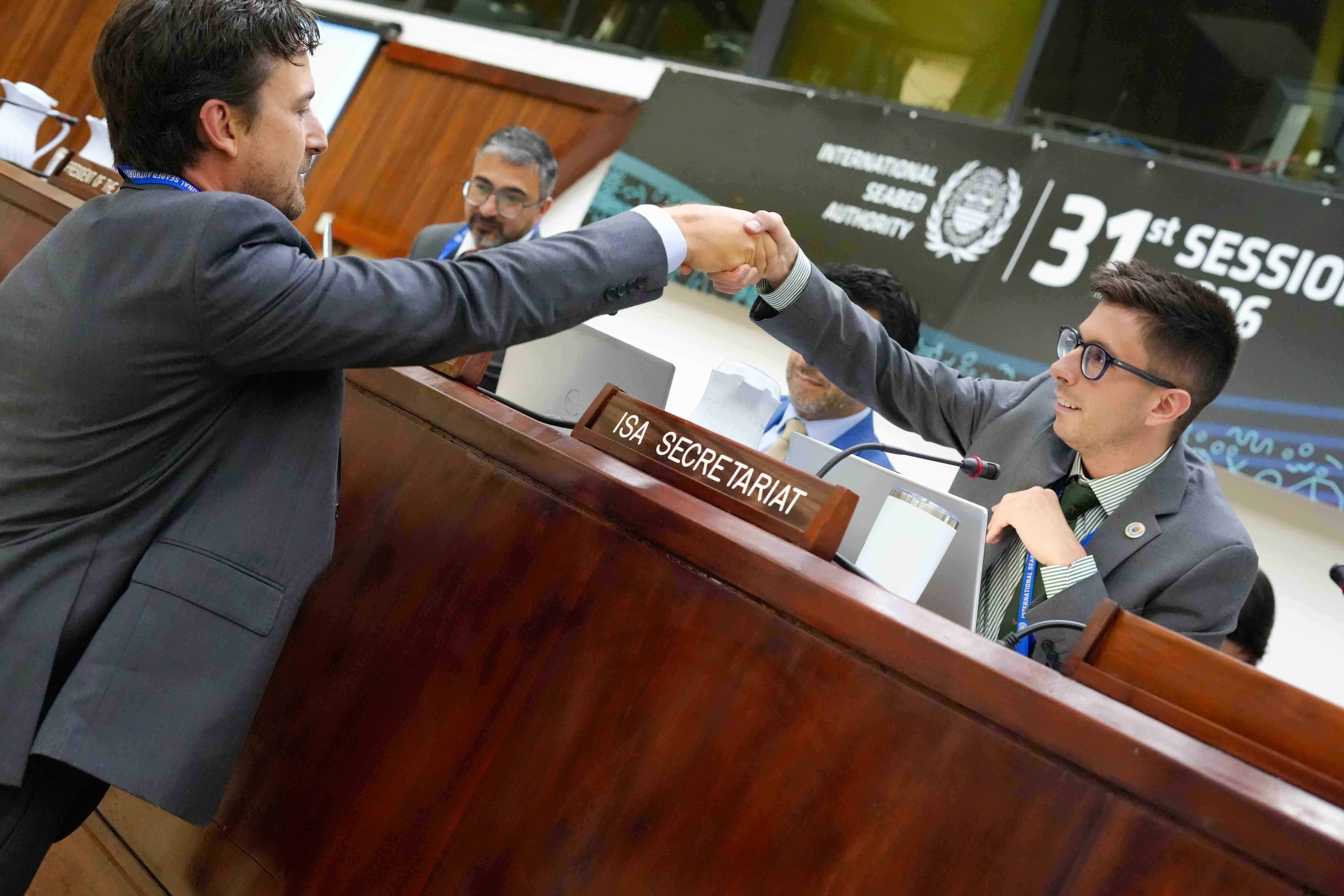
Matteo Bedendi, Secretariat of the Authority
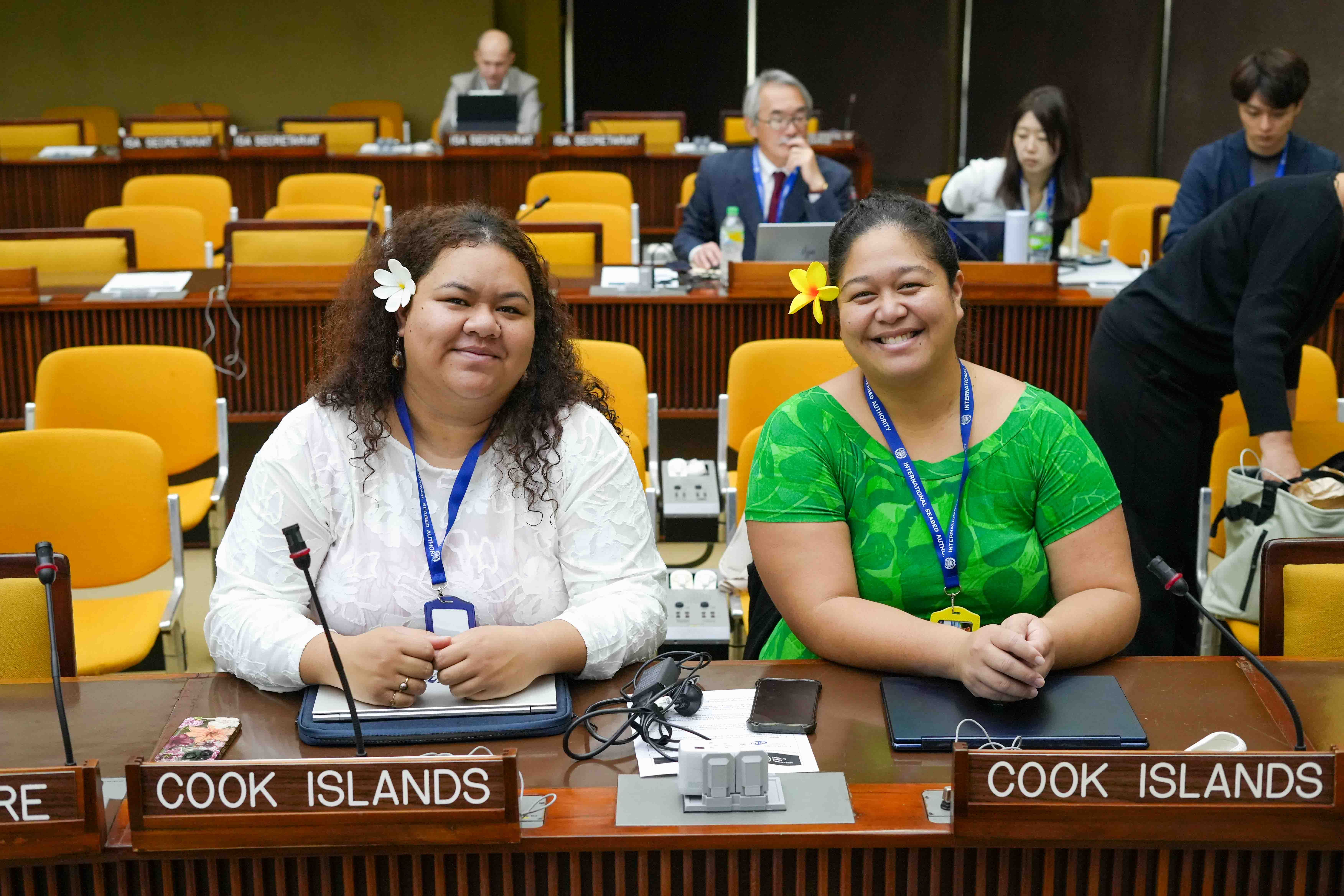
Delegation from the Cook Islands
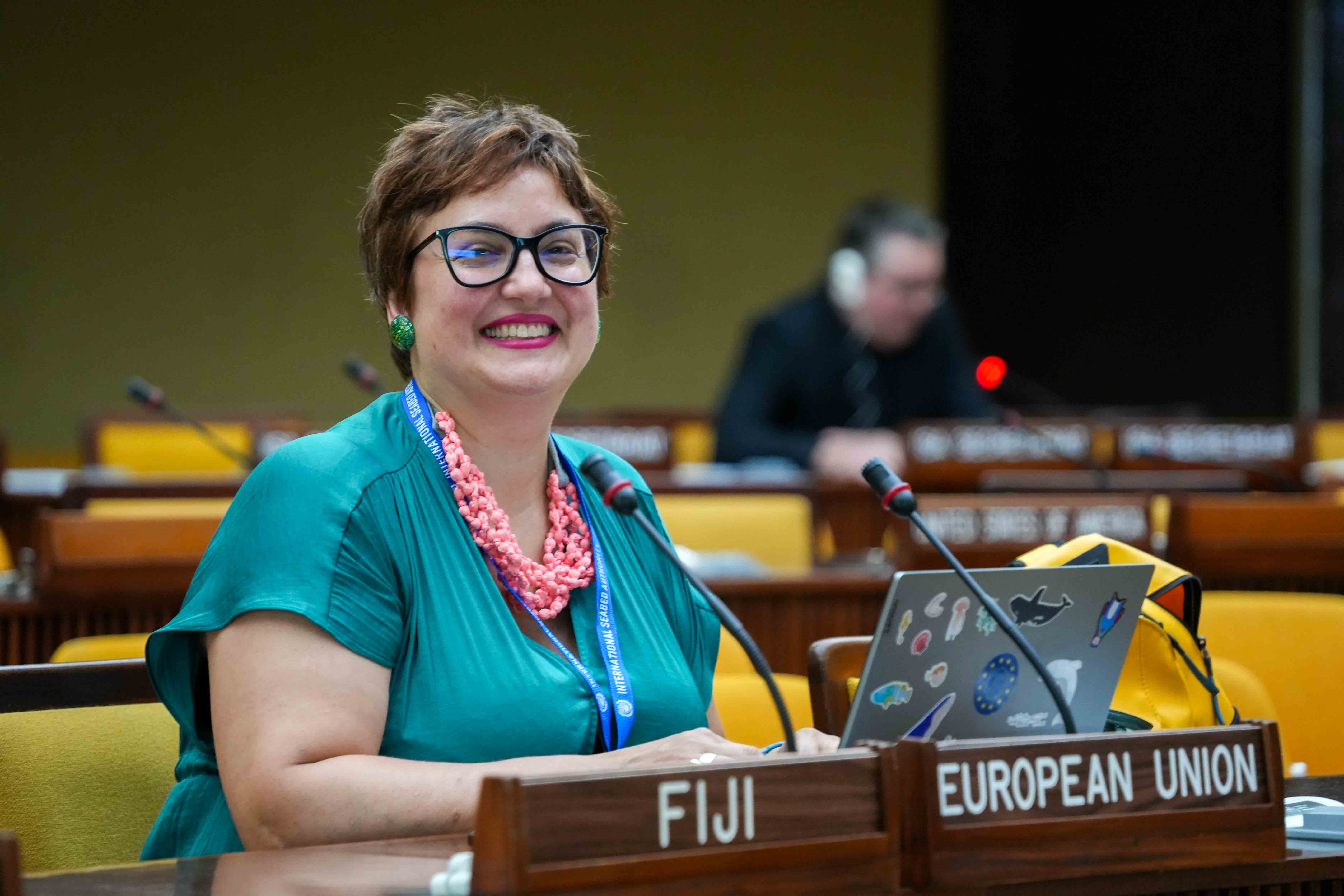
Arianna Broggiato, European Commission
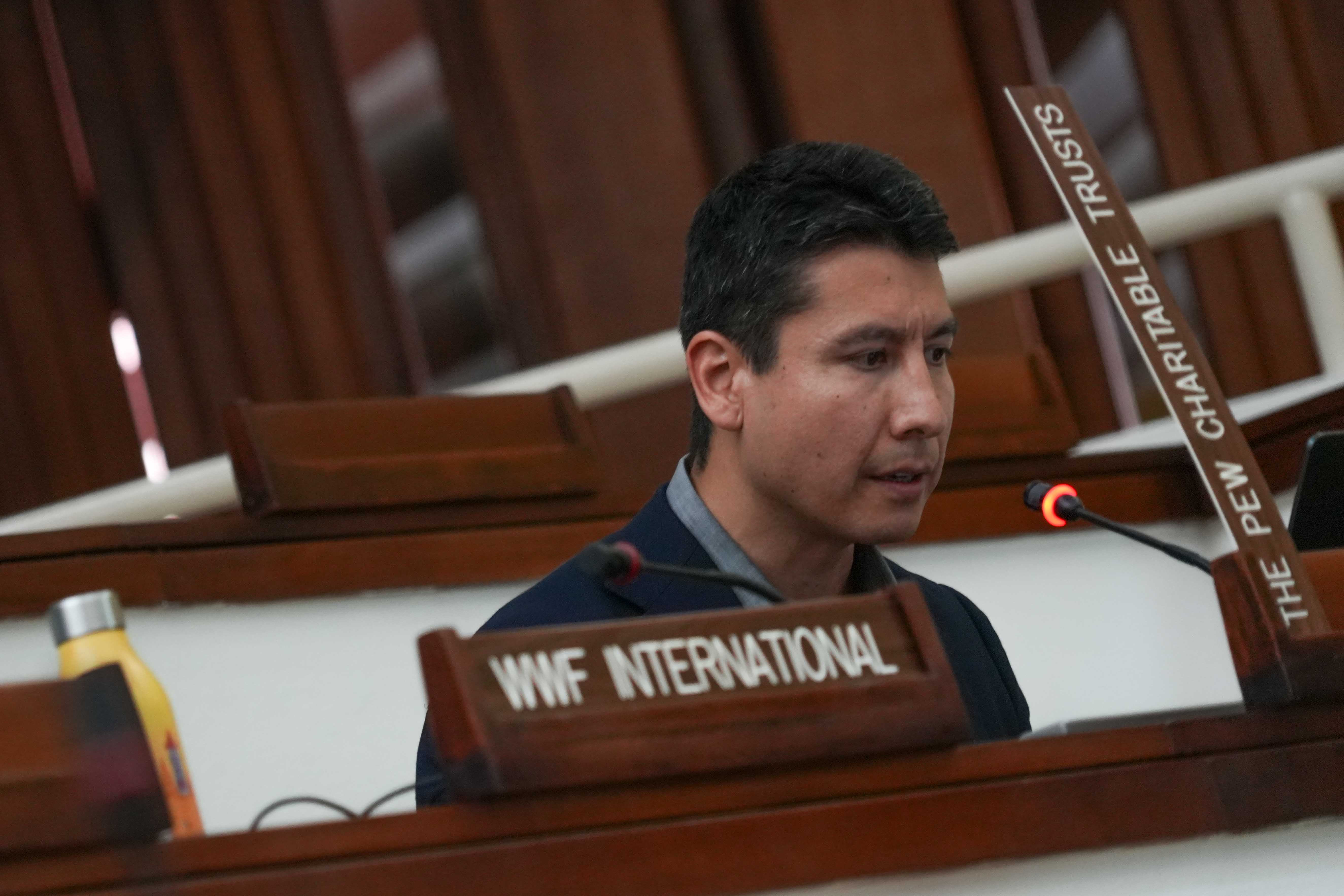
Orion Cruz, The Pew Charitable Trusts
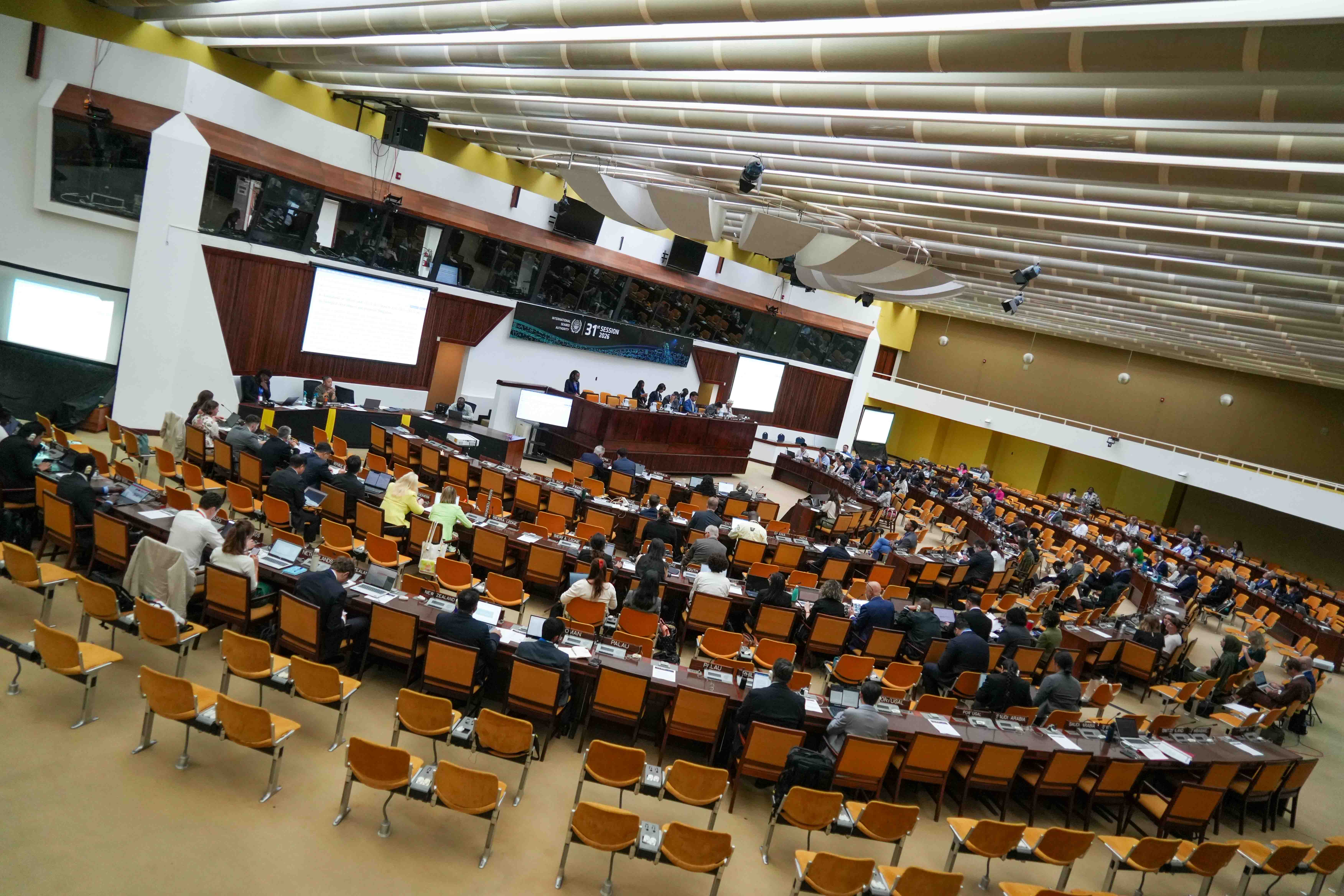
Afternoon session
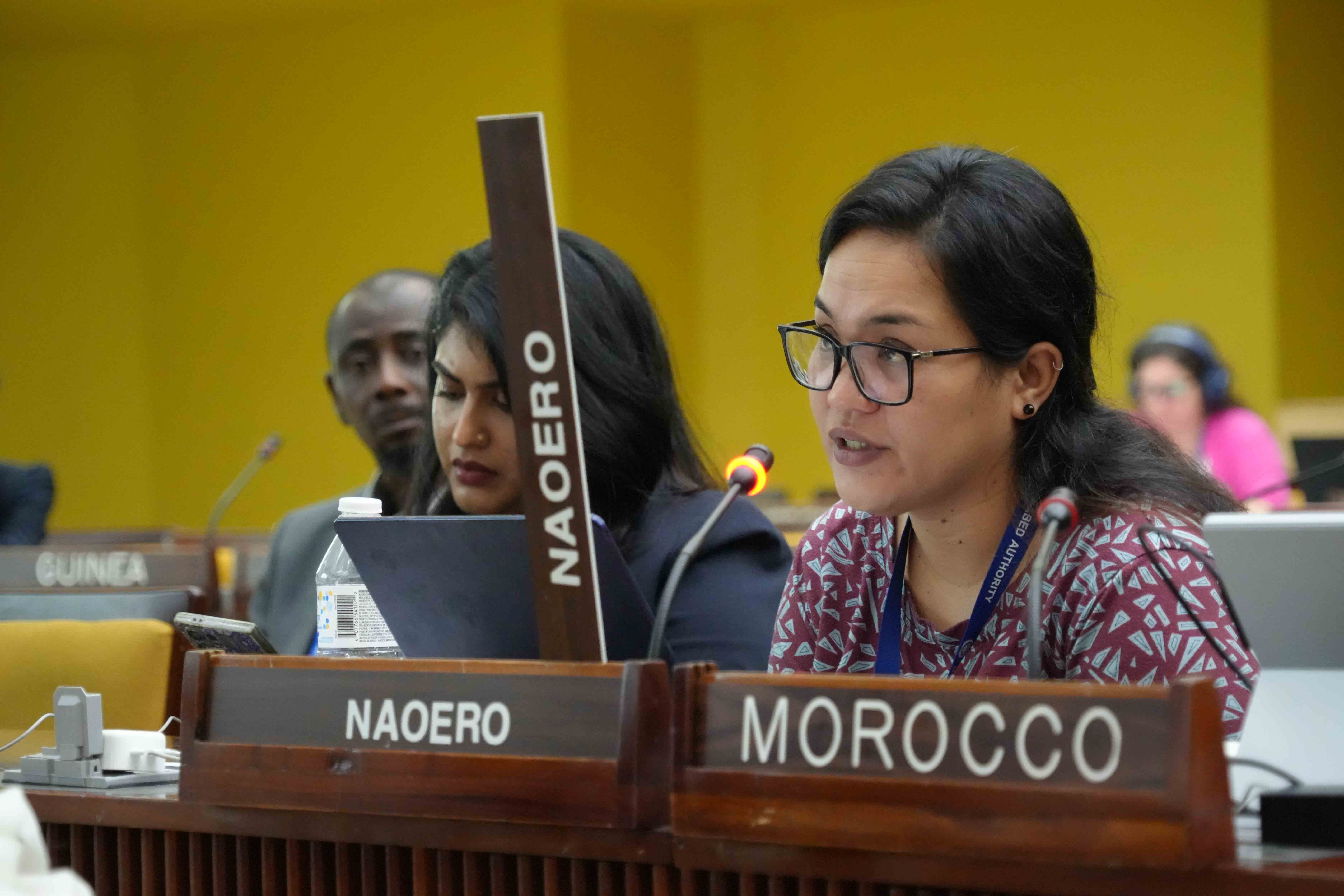
Anastasia Francilia Adire, Republic of Naoero
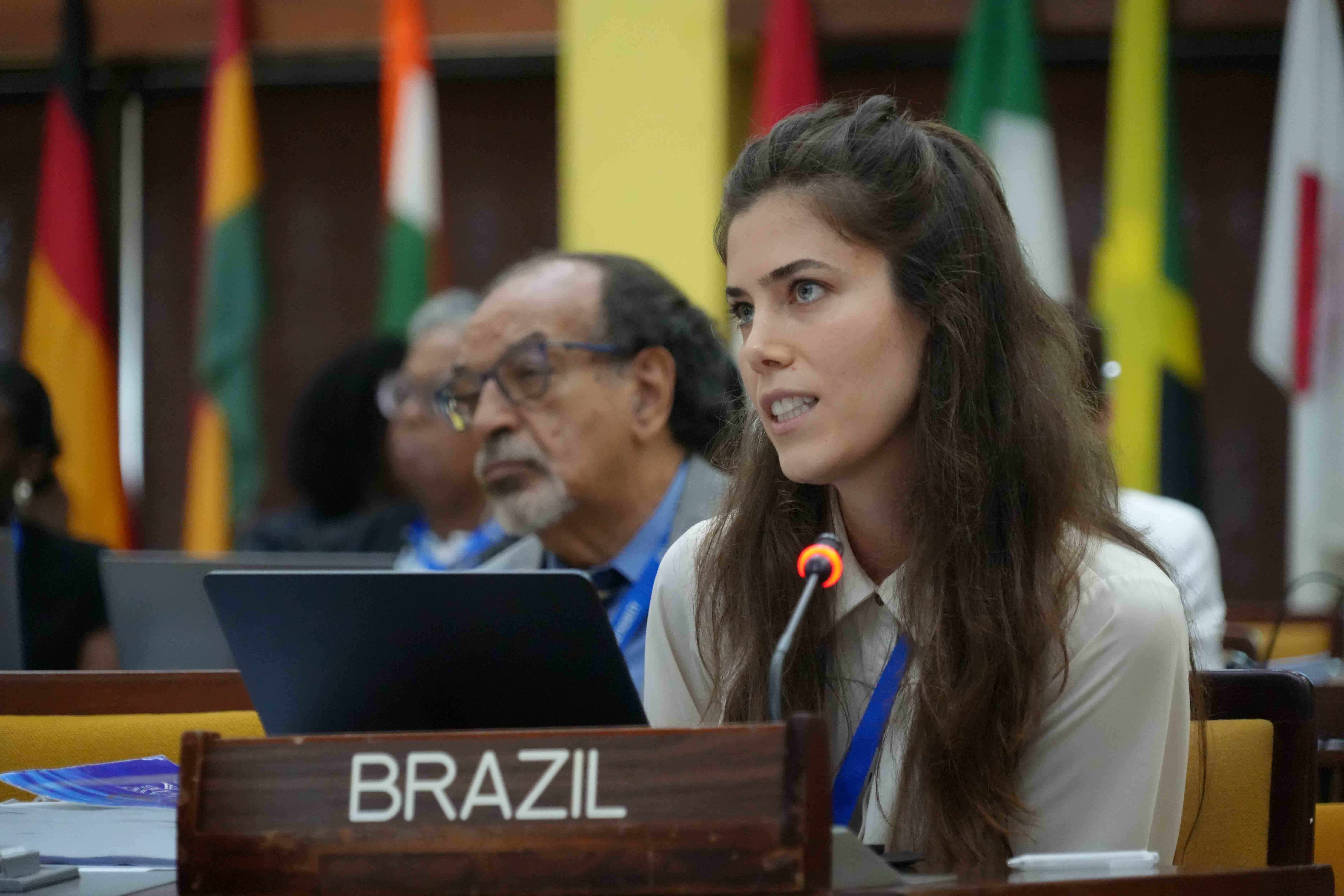
Barbara Perrenoud, Brazil
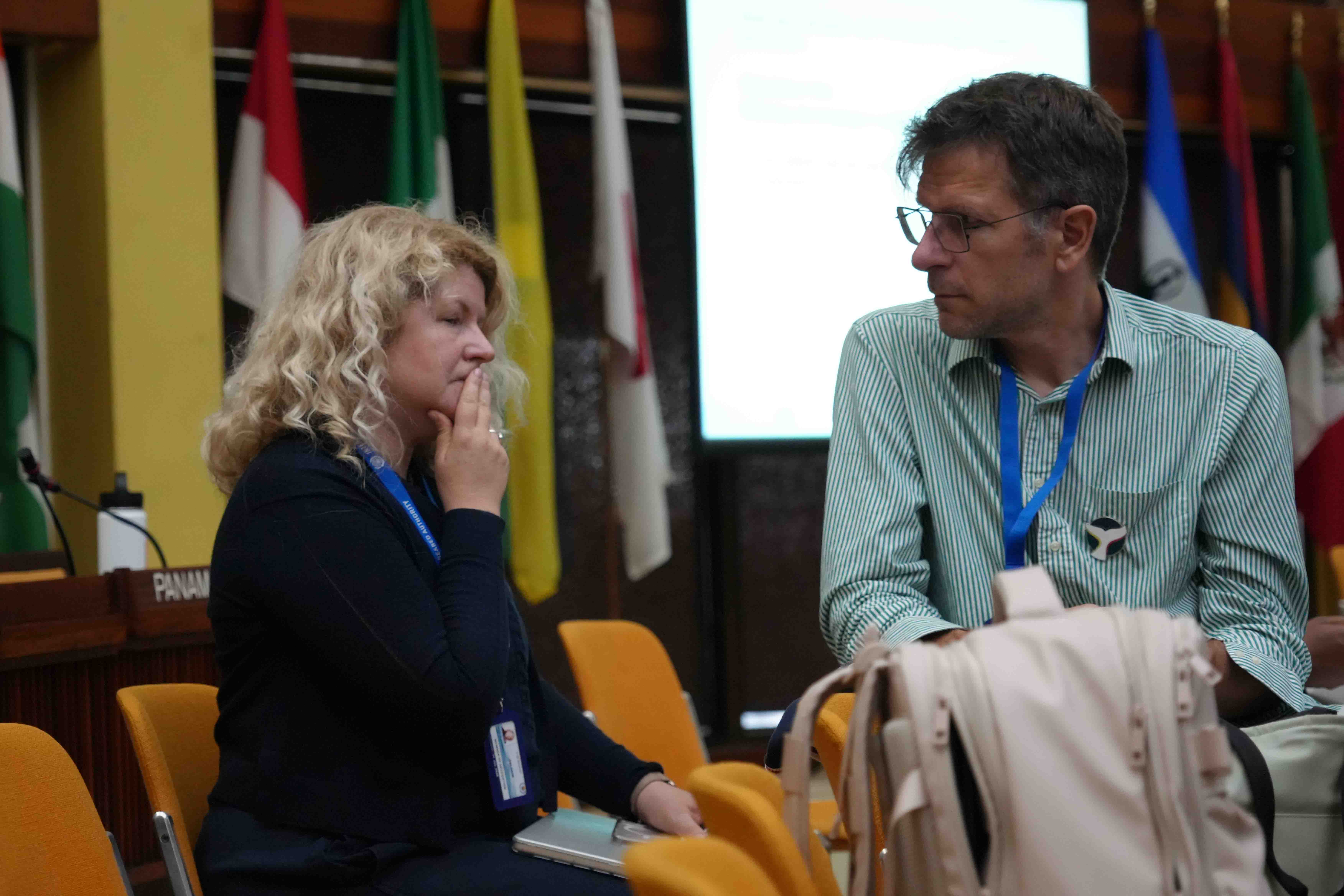
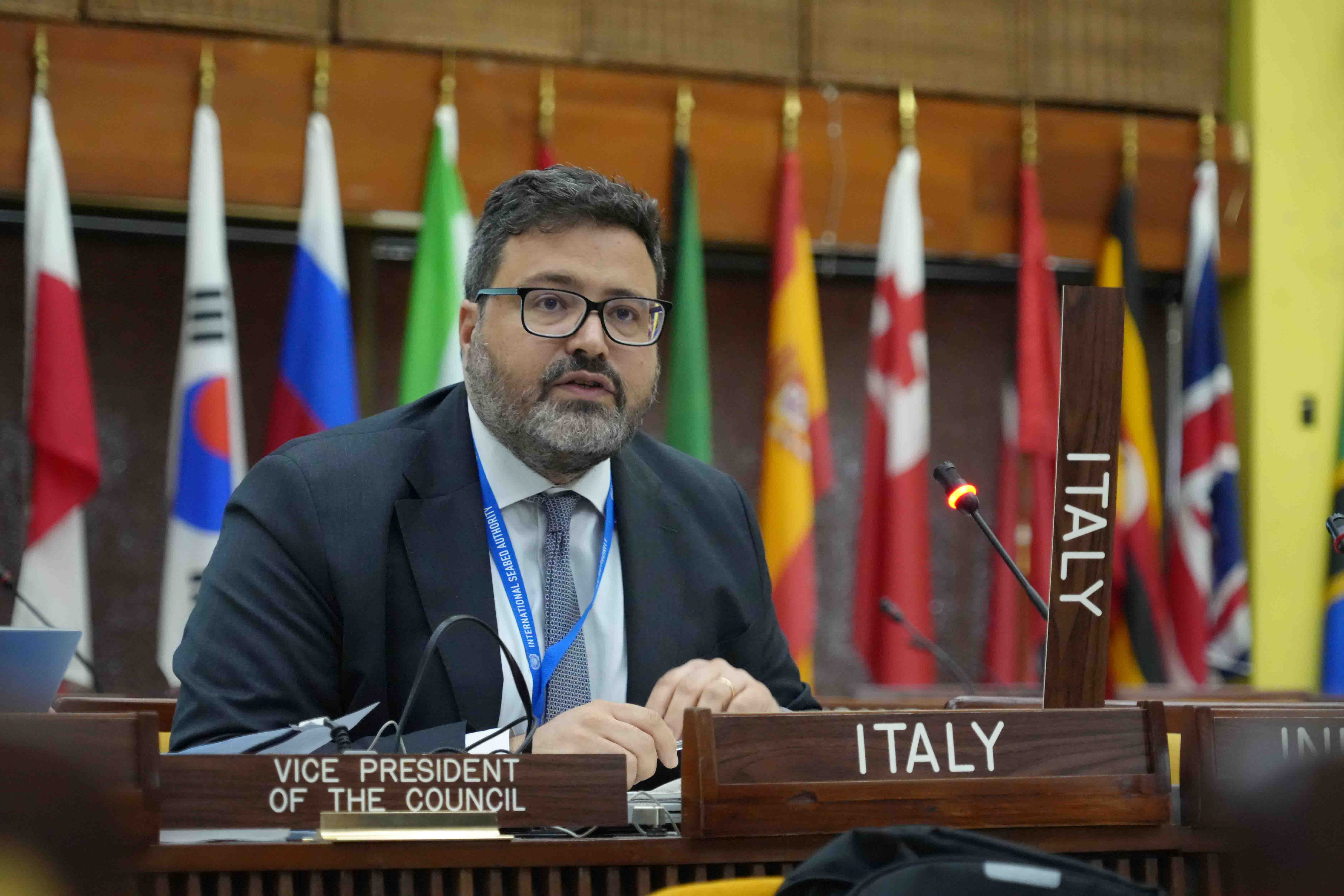
Costantino Tarducci, Italy

Dennis Flores, the Philippines
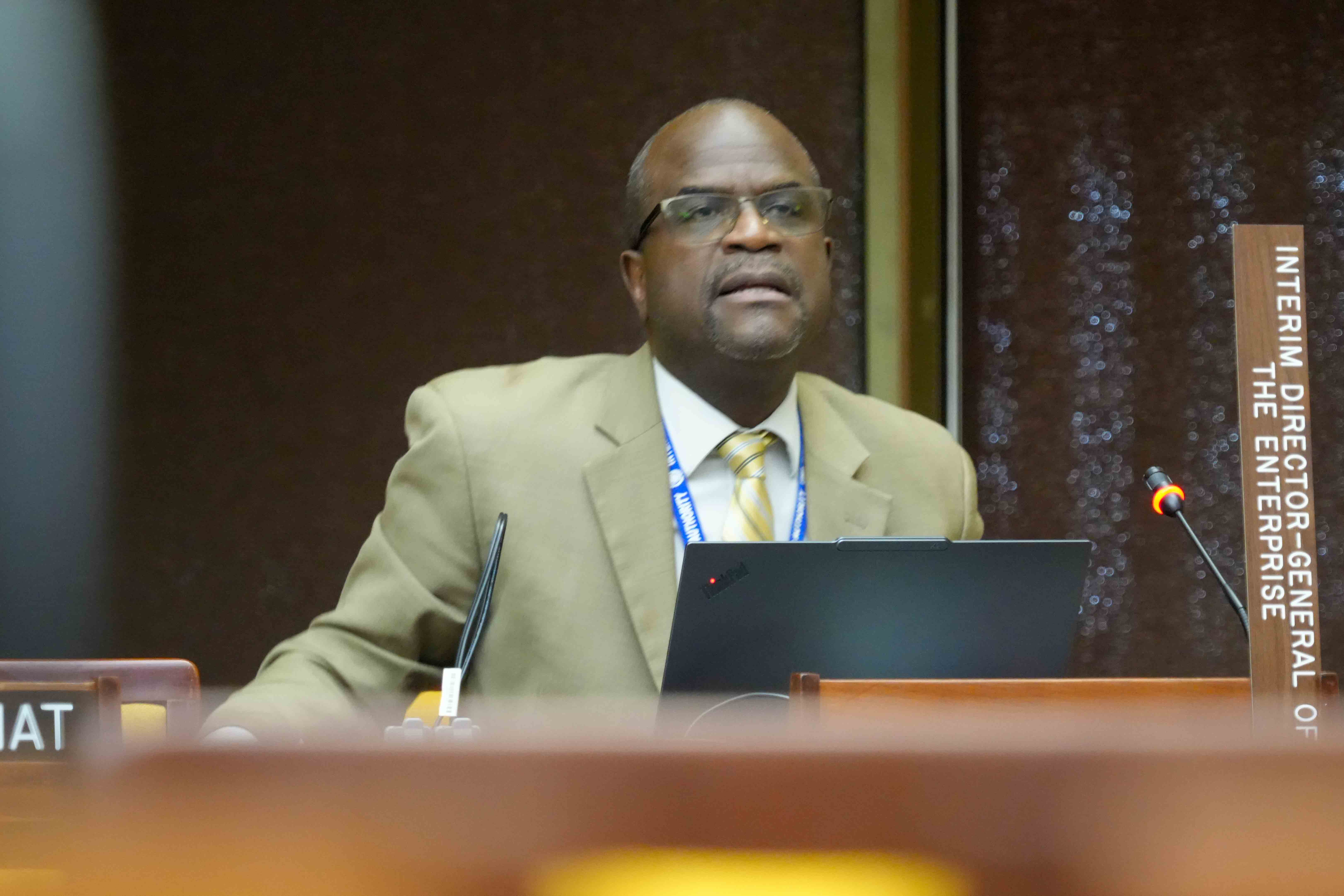
Eden Charles, Interim Director-General of the Enterprise
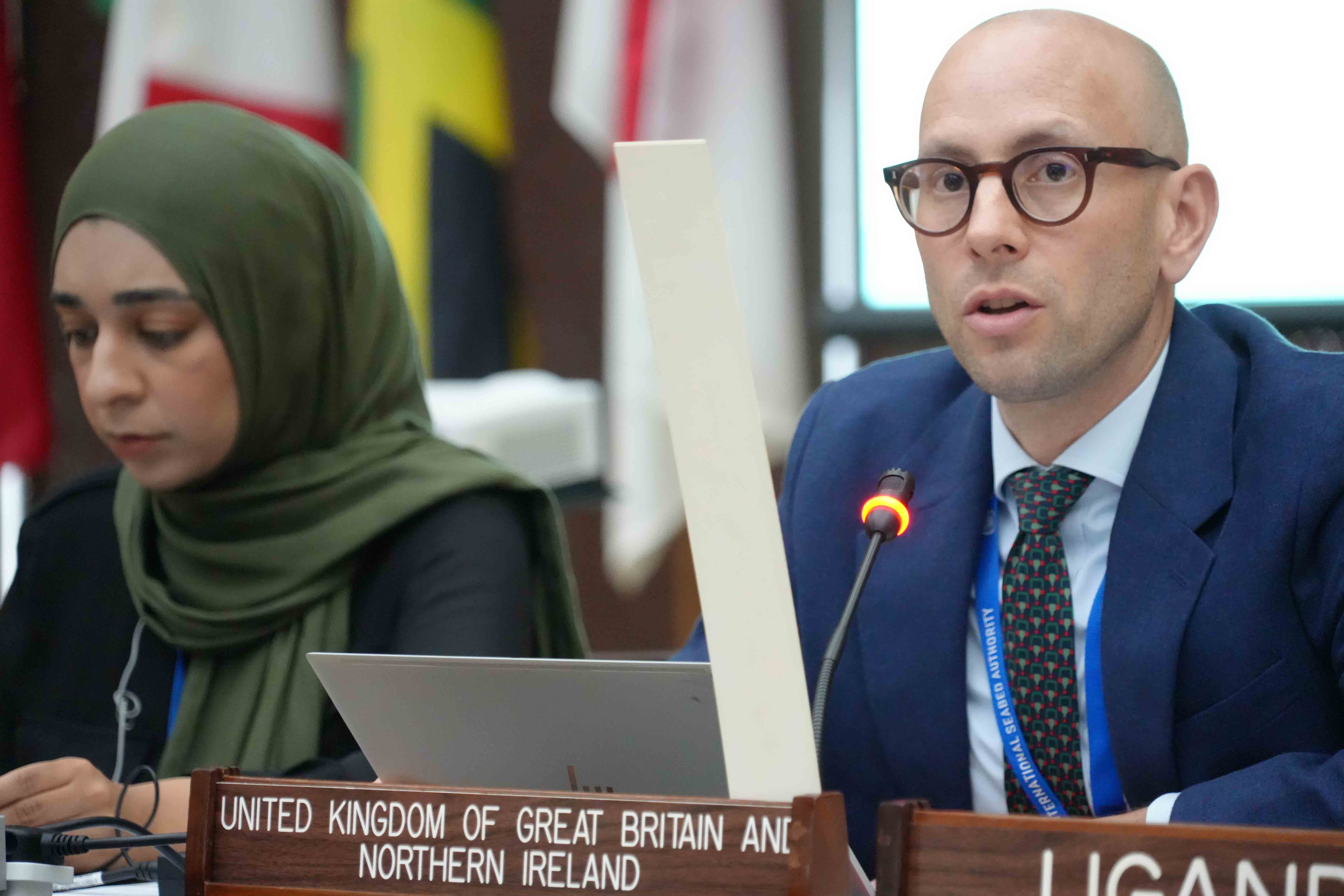
Fraser Janeczko, UK

Jessie Lim, Singapore

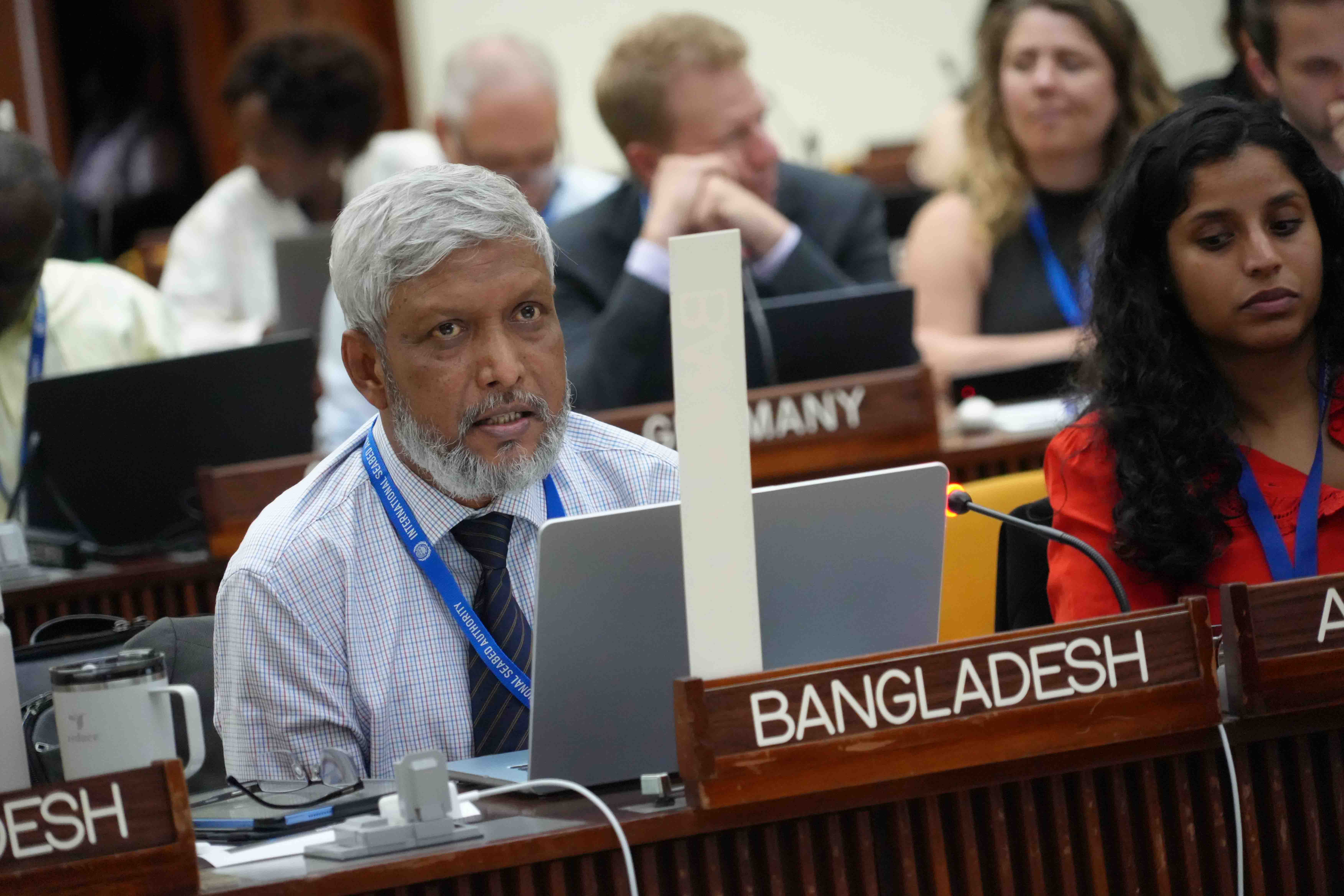
Mahmudul Hassan, Bangladesh
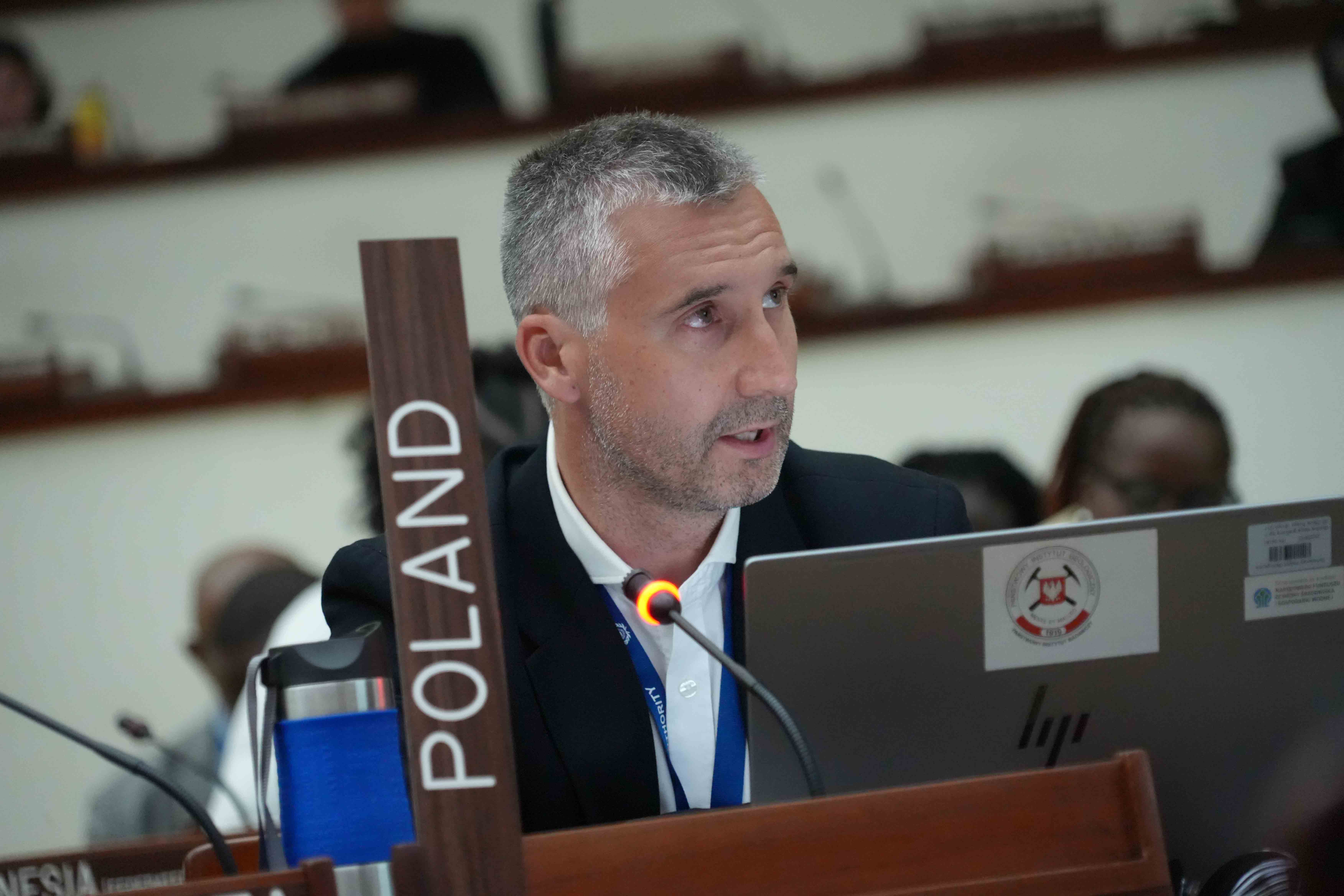
Marcin Kania, Poland
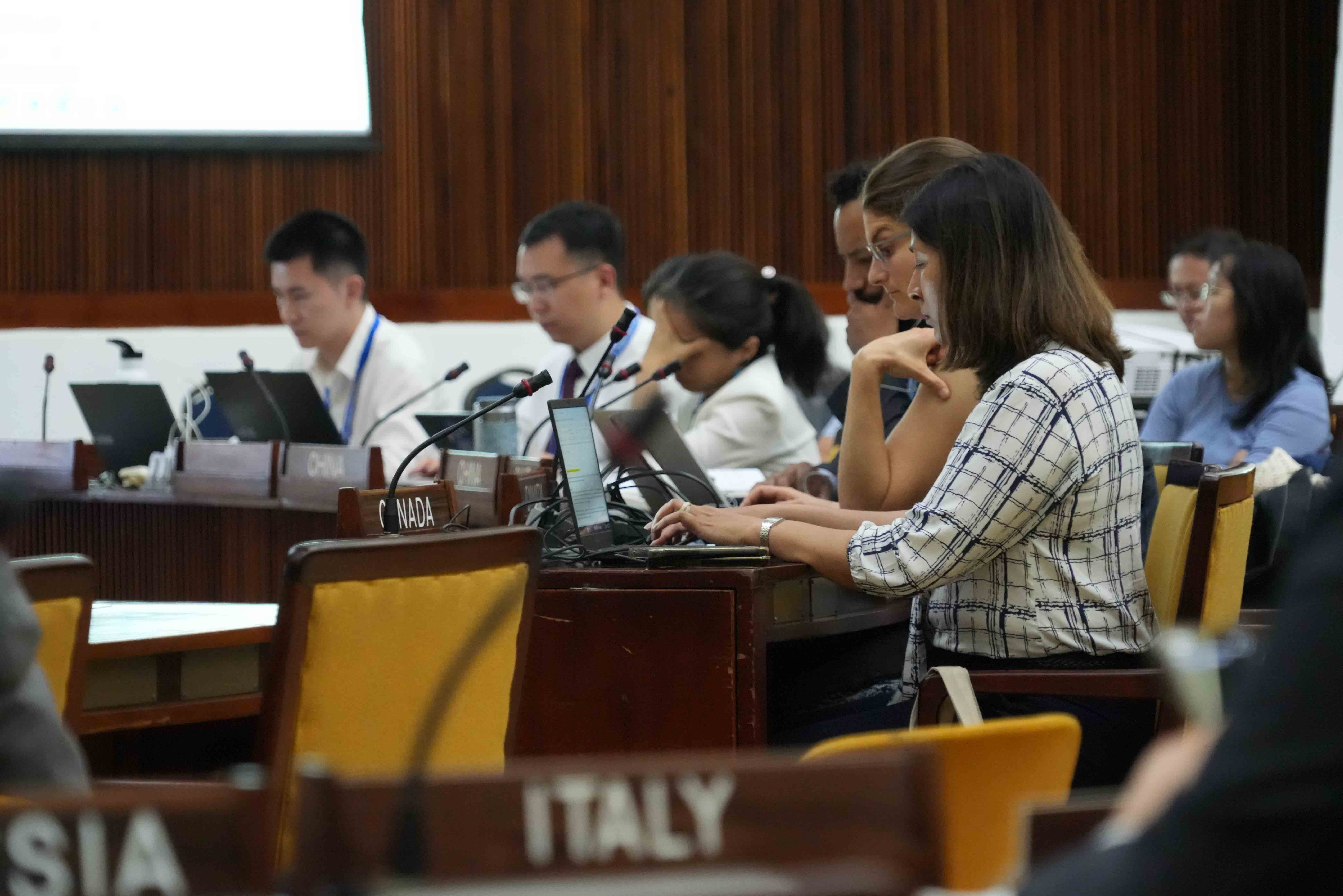
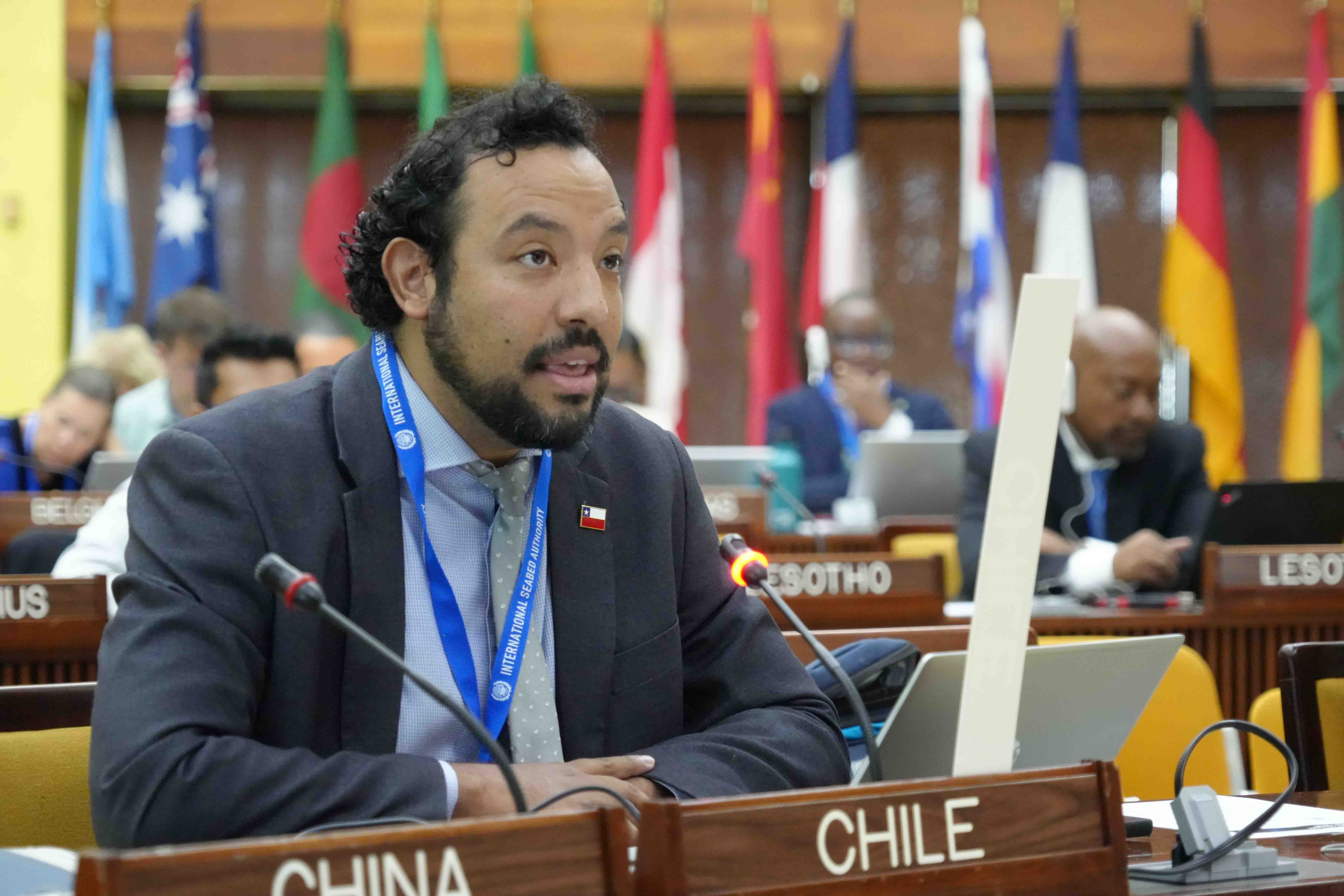
Mario Díaz Hinojosa, Chile
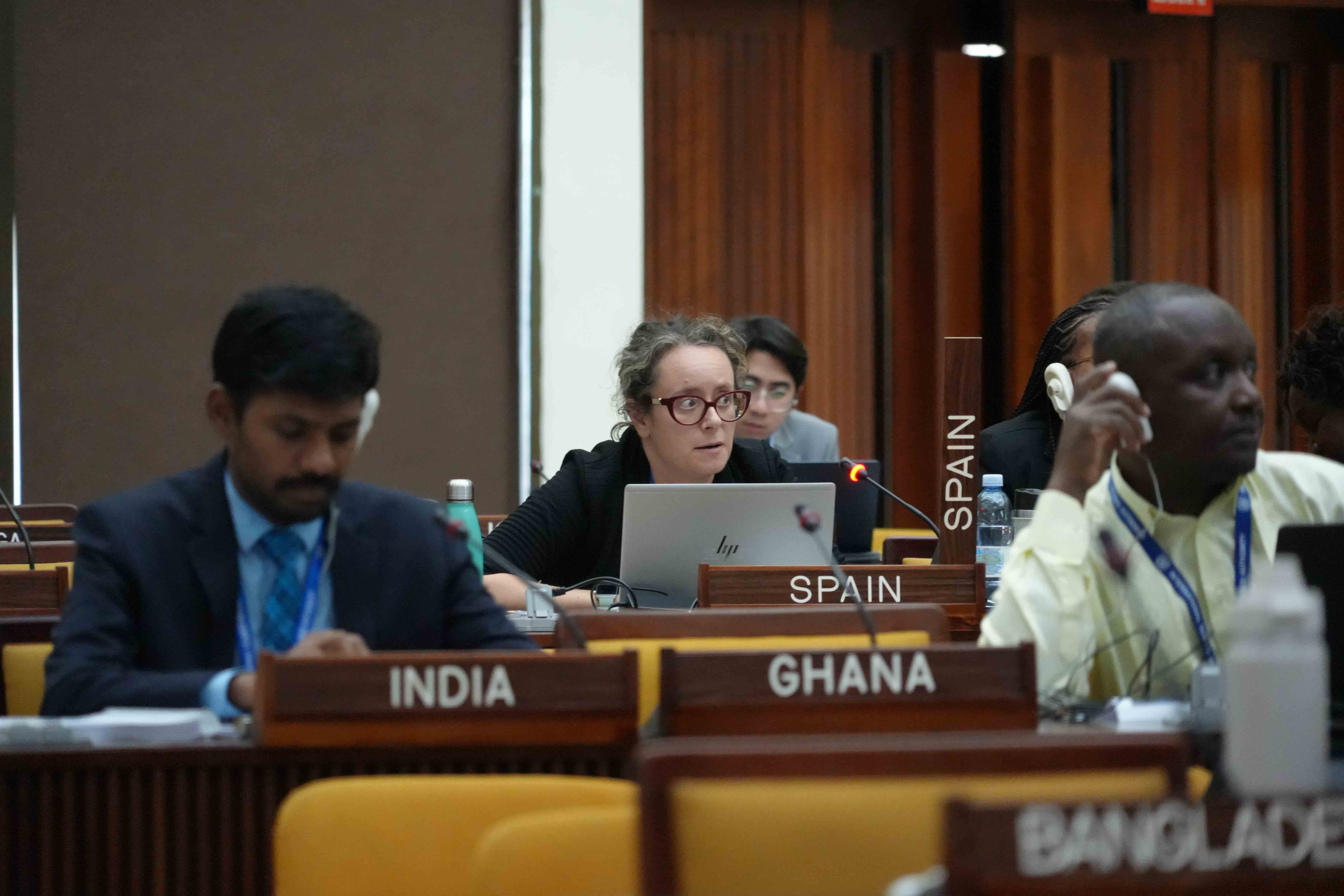
Marta Gallegos, Spain
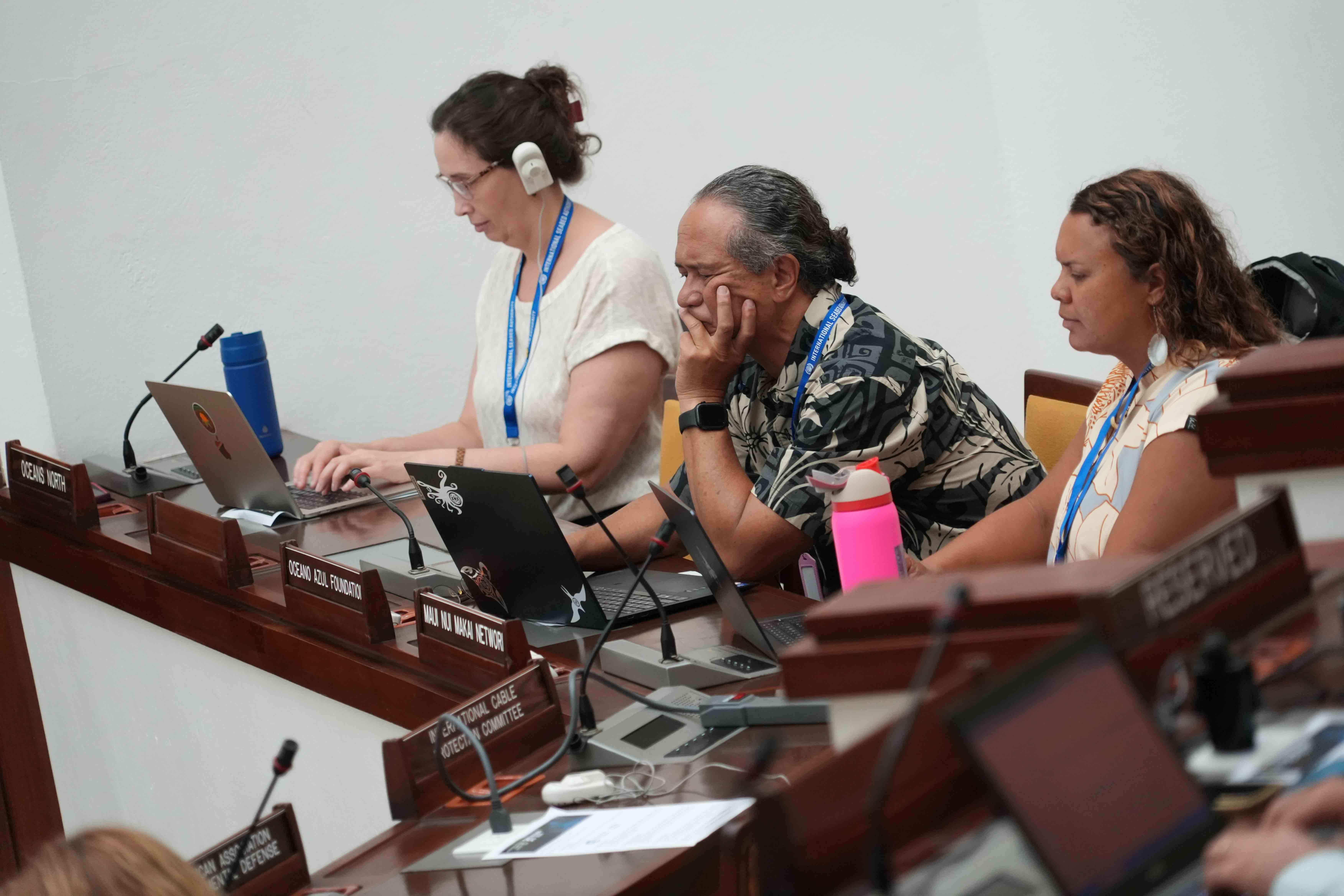
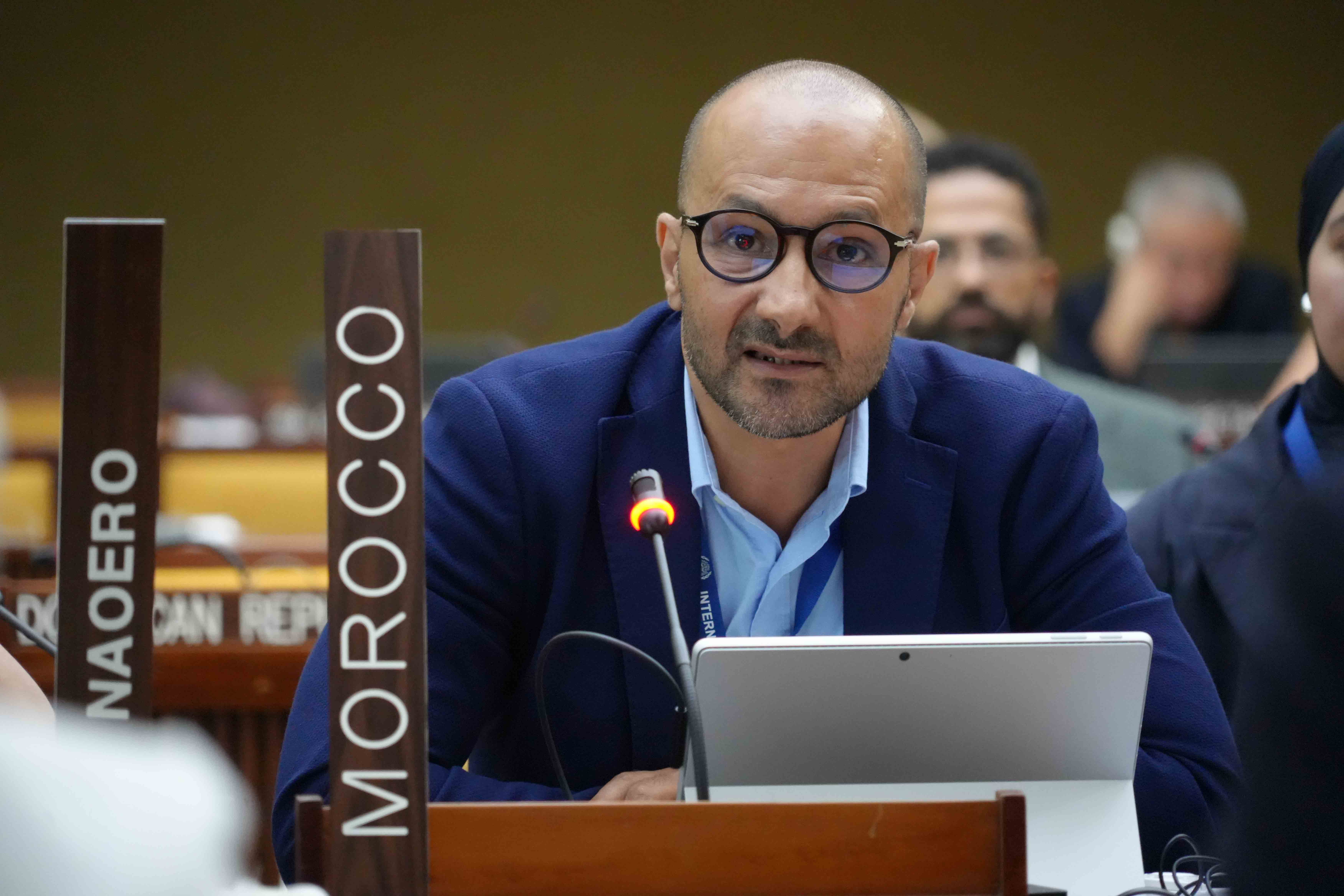
Mohammed Magoua, Morocco
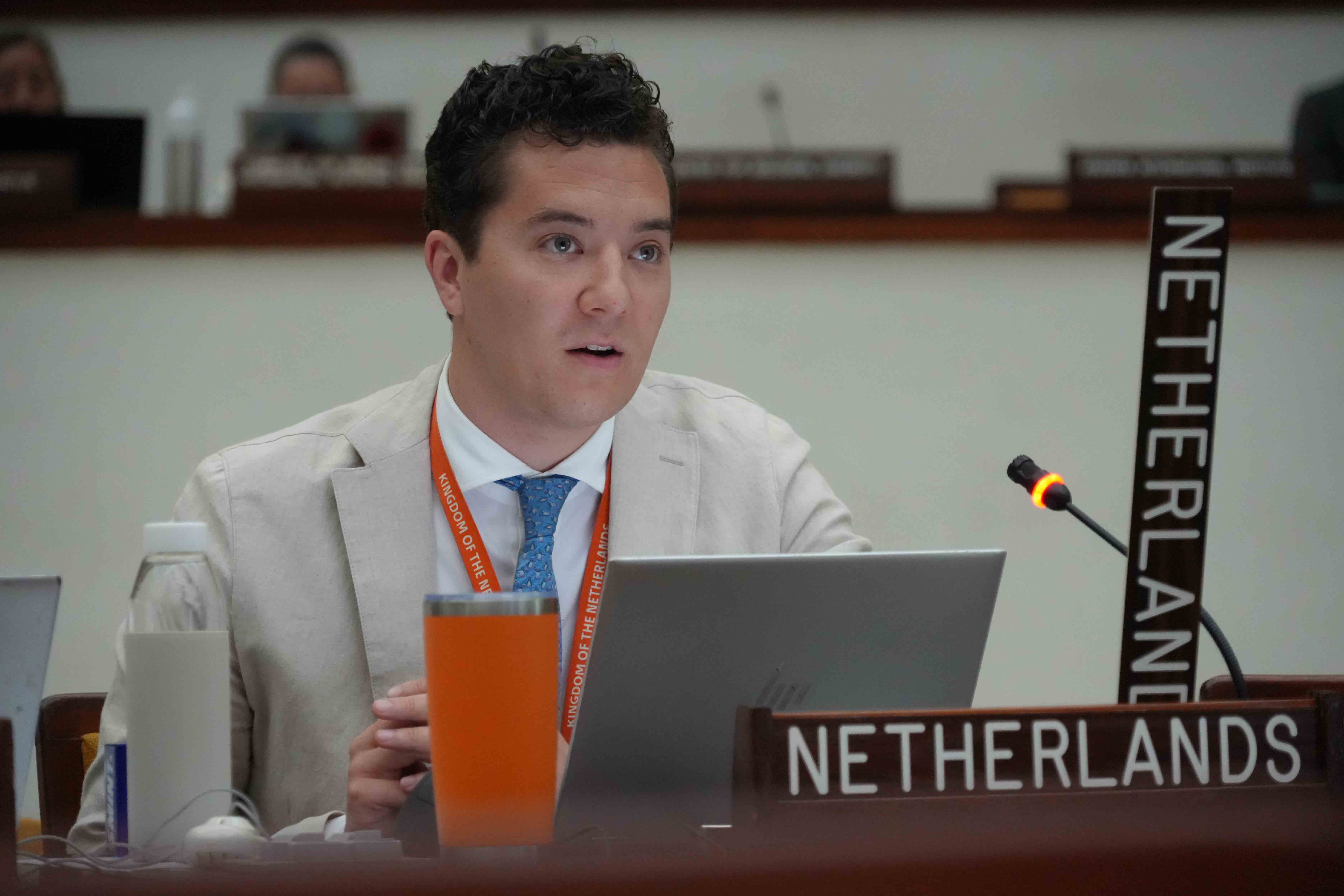
Oliver Whitehead, the Netherlands

Patrick Sweeting, The Bahamas
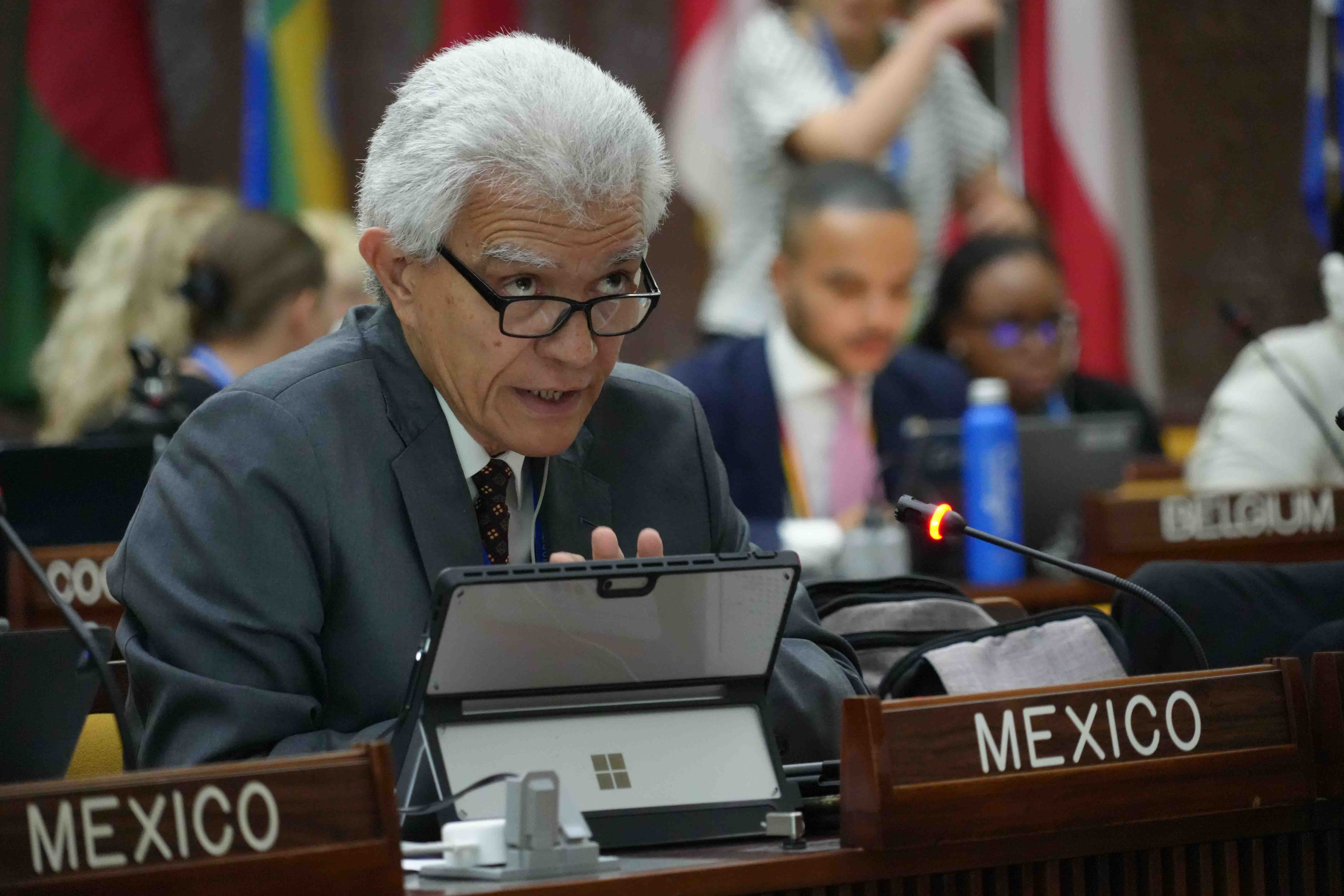
Roberto Canseco Martínez, Mexico
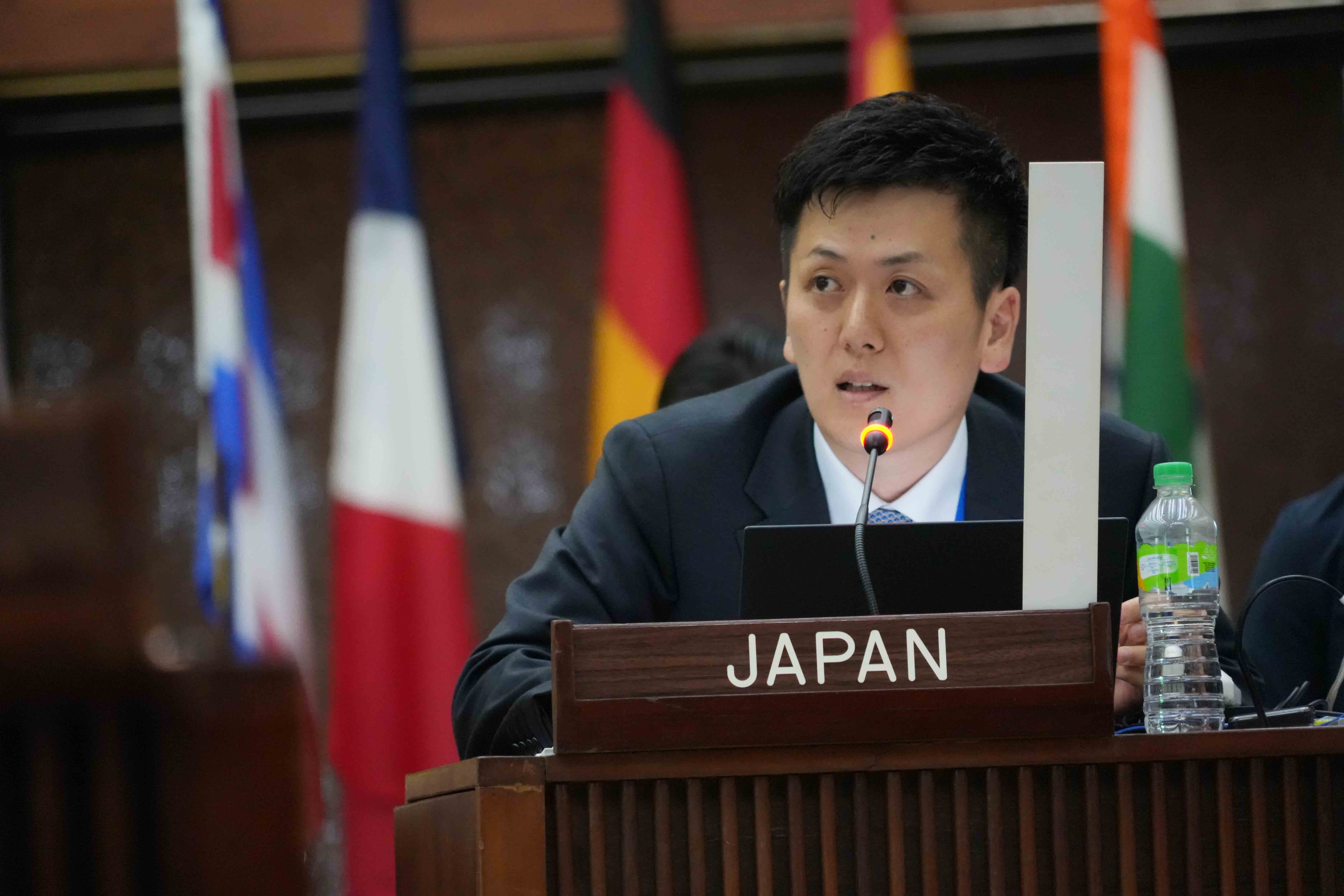
Sotaro Higaki, Japan

Thulasidhass Perumal, India
Between the sessions
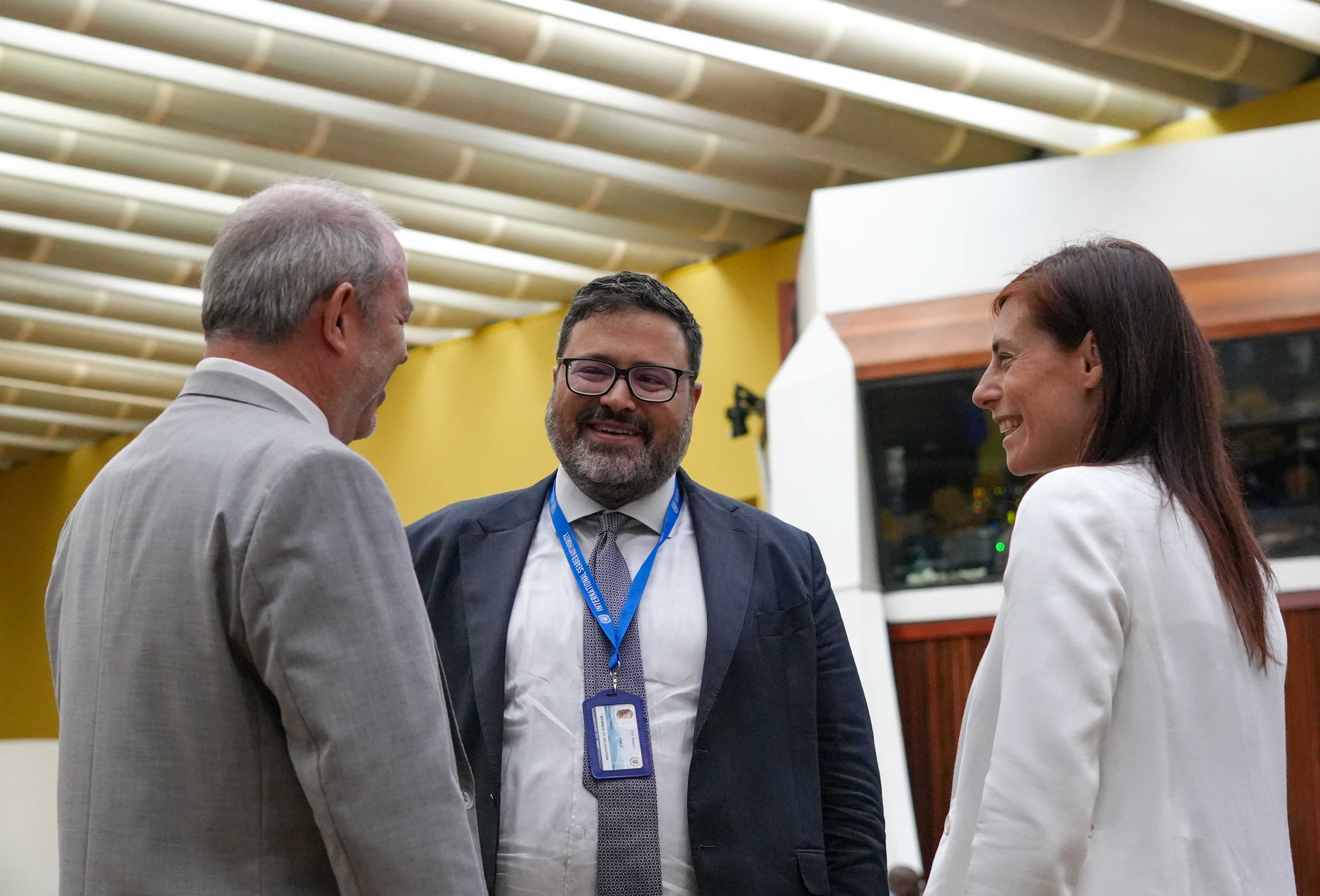


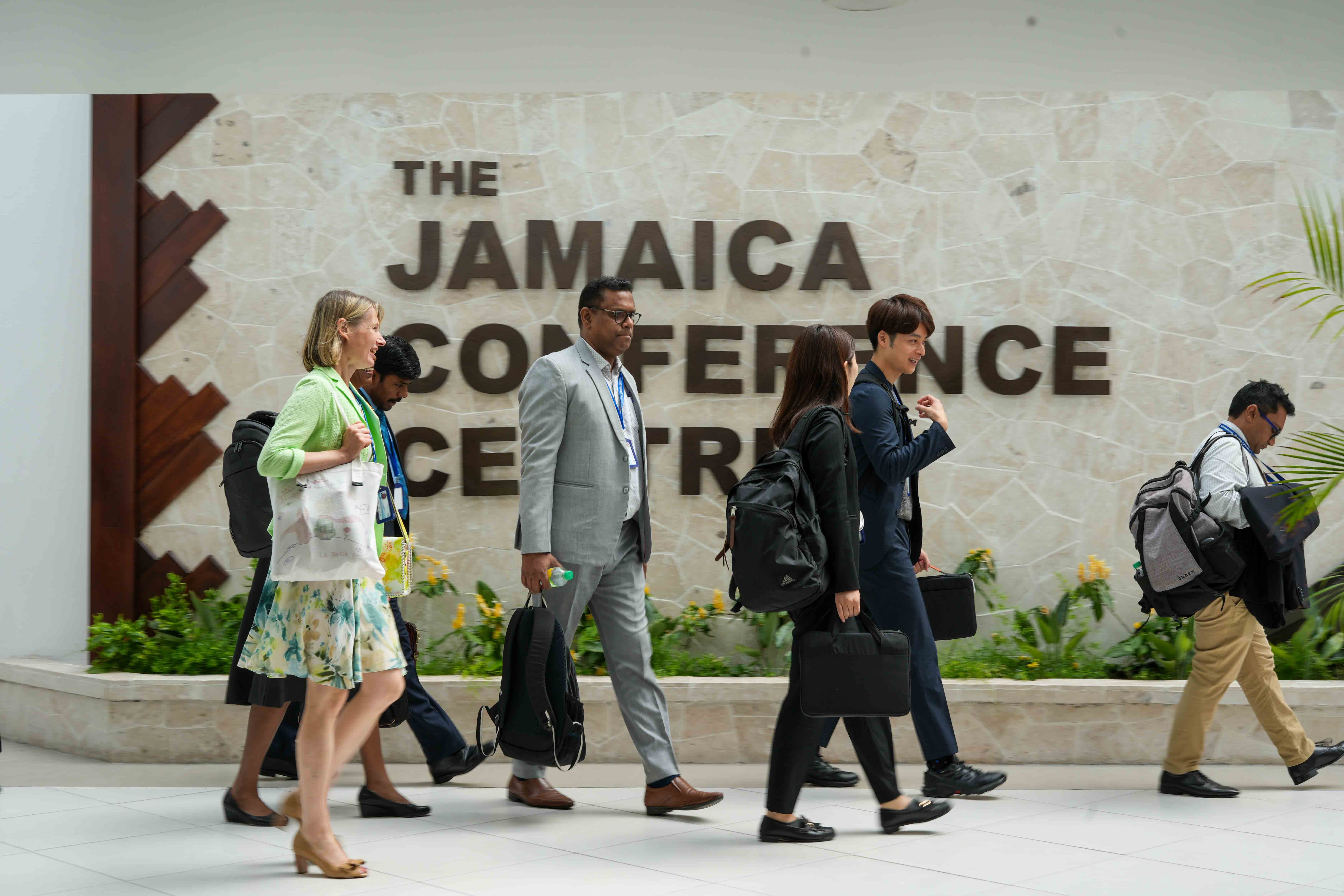
Around the venue


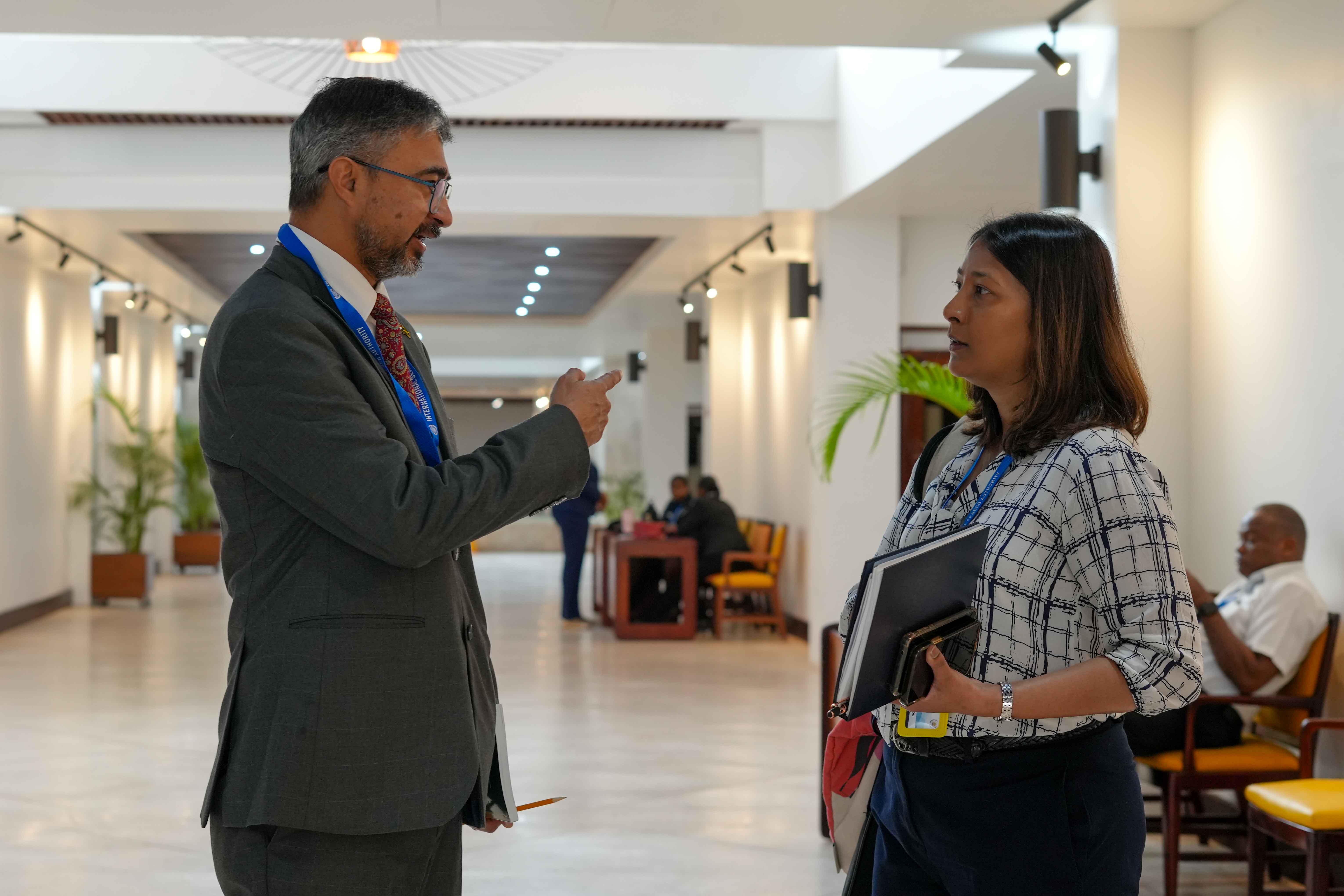

Delegation of Kenya


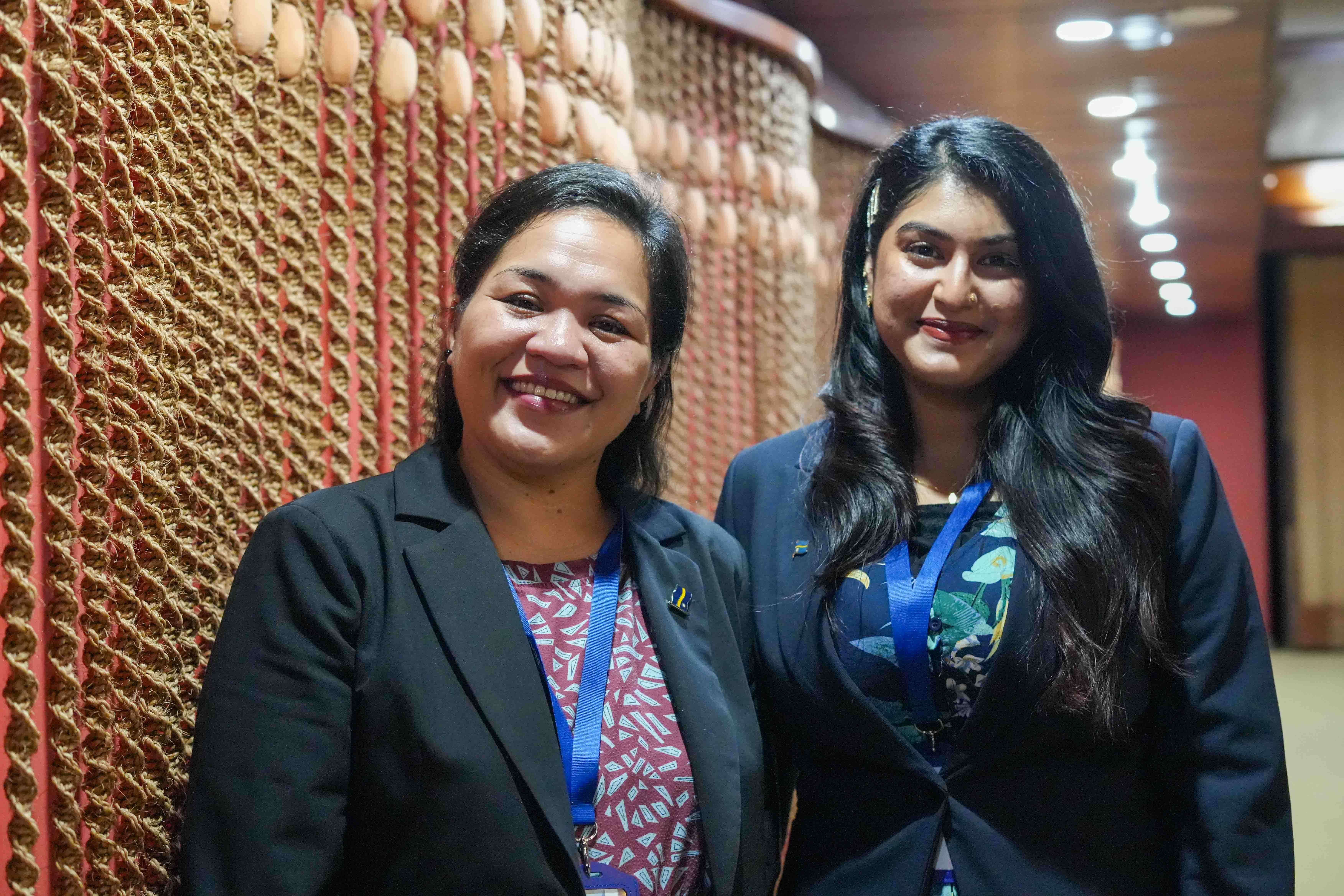
Delegation of the Republic of Naoero