Achieving consensus in multilateral negotiations often proves challenging. The need to align different national and regional perspectives and priorities routinely leads to protracted negotiations, in particular during the closing stages of a meeting. This was the case for the final day of deliberations of the Council of the International Seabed Authority (ISA) at its 31st session.
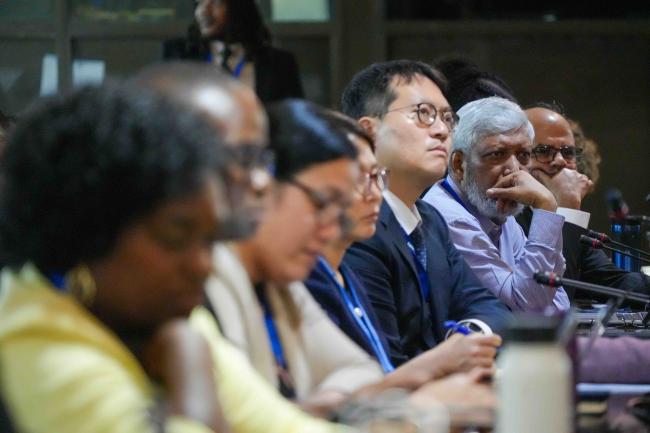
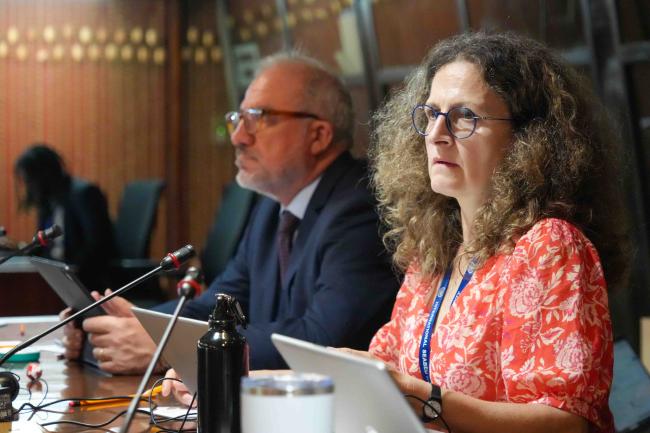
Delegates spent the day in closed-door informal discussions on the draft Council decisions, with negotiations focusing on:
- financial and budgetary matters;
- the reports of the Chair of the Legal and Technical Commission (LTC);
- the operationalization of the Economic Planning Commission (EPC); and
- the roadmap for future work.
Delegates reached a breakthrough in the informal discussions late in the evening. During the closing plenary session, they adopted decisions on:
- the ISA budget for the financial period 2027-2028;
- the reports of the Chair of the LTC; and
- the approach to the continuation of the elaboration of rules, regulations, and procedures relating to exploitation and resolution of the remaining key outstanding issues, inviting written proposals and comments by 1 October 2026 (the roadmap).
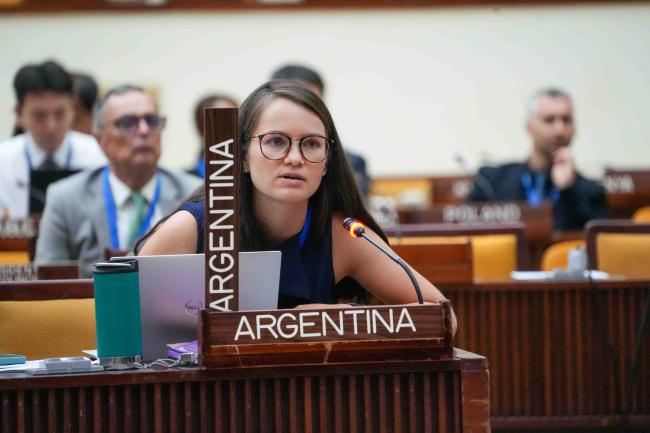
Council members were not able to reach consensus on the decision on the election mechanisms for the operationalization of the EPC as contained in the draft decision.
Argentina, as facilitator of the informal deliberation on the EPC, suggested resuming the discussion in the first week of Part I of the 32nd session. Canada, Australia, Singapore, and India stressed the importance of prioritizing discussions on the issue at the next Council meeting.
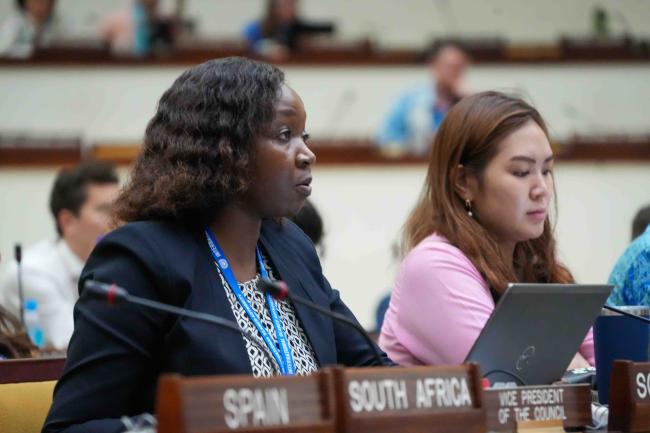
South Africa, for the African Group, expressed “profound regret that the Council once again deferred consideration of the election of the members of the EPC.” They emphasized that the EPC is an essential component of the institutional architecture established under the UN Convention on the Law of the Sea (UNCLOS) and the 1994 Agreement.
They added that “repeated failure to accord this issue the priority it deserves is deeply concerning” and strongly urged the Council to place the matter on the agenda for Part I of the 32nd session, allocate sufficient time for its substantive consideration, and commit to finalizing and adopting a decision at that session.
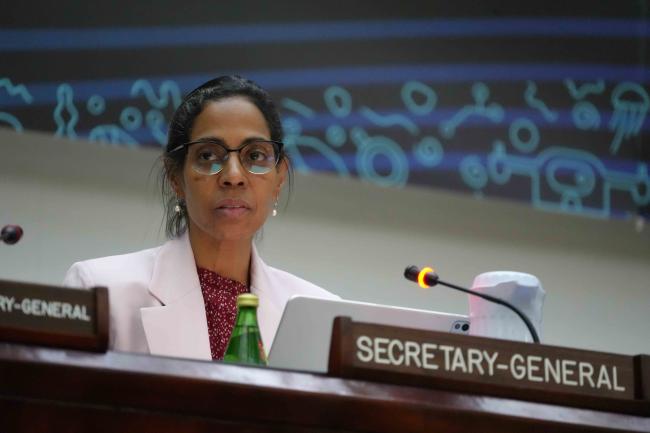
Council President Mayank Joshi (India) noted that this session experience is a lesson learned for all and invited delegates to continue consultations intersessionally.
The Council agreed that Part I of the 32nd annual session for the Council will take place from 8-19 March 2027 and Part II, from 12 -23 July 2027.
In closing remarks, President Joshi, ISA Secretary-General Leticia Carvalho, and host country Jamaica thanked delegates for their constructive engagement, flexibility, commitment, and determination They noted progress in the negotiations and urged everyone to maintain the positive momentum during the intersessional period.
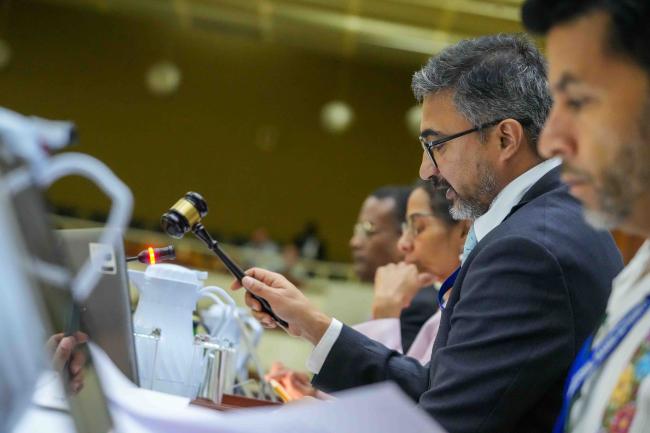
President Joshi gaveled Part II of the 31st annual Council’s session to a close at 12:01 am.
To receive free coverage of global environmental events delivered to your inbox, subscribe to the ENB Update newsletter.
All ENB photos are free to use with attribution. For the Second part of the 31st session of the International Seabed Authority (ISA) meeting, please use: Photo by IISD/ENB | Andrés Felipe Carvajal Gómez
Closed-door Meeting
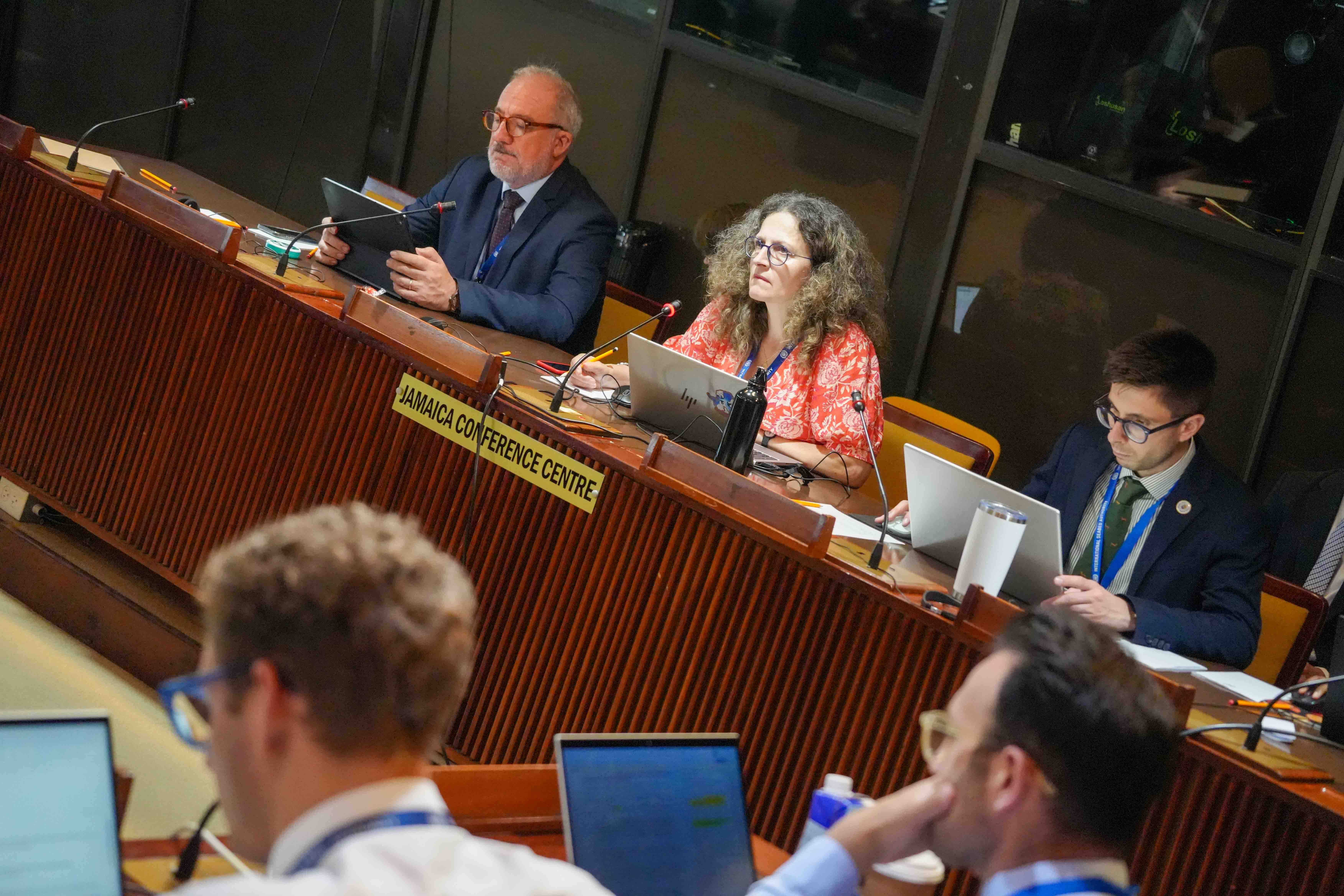
(L-R) Bruno Pozzi, Secretariat of the Authority, Caroline Krajka, France, and Matteo Bedendi, Secretariat of the Authority
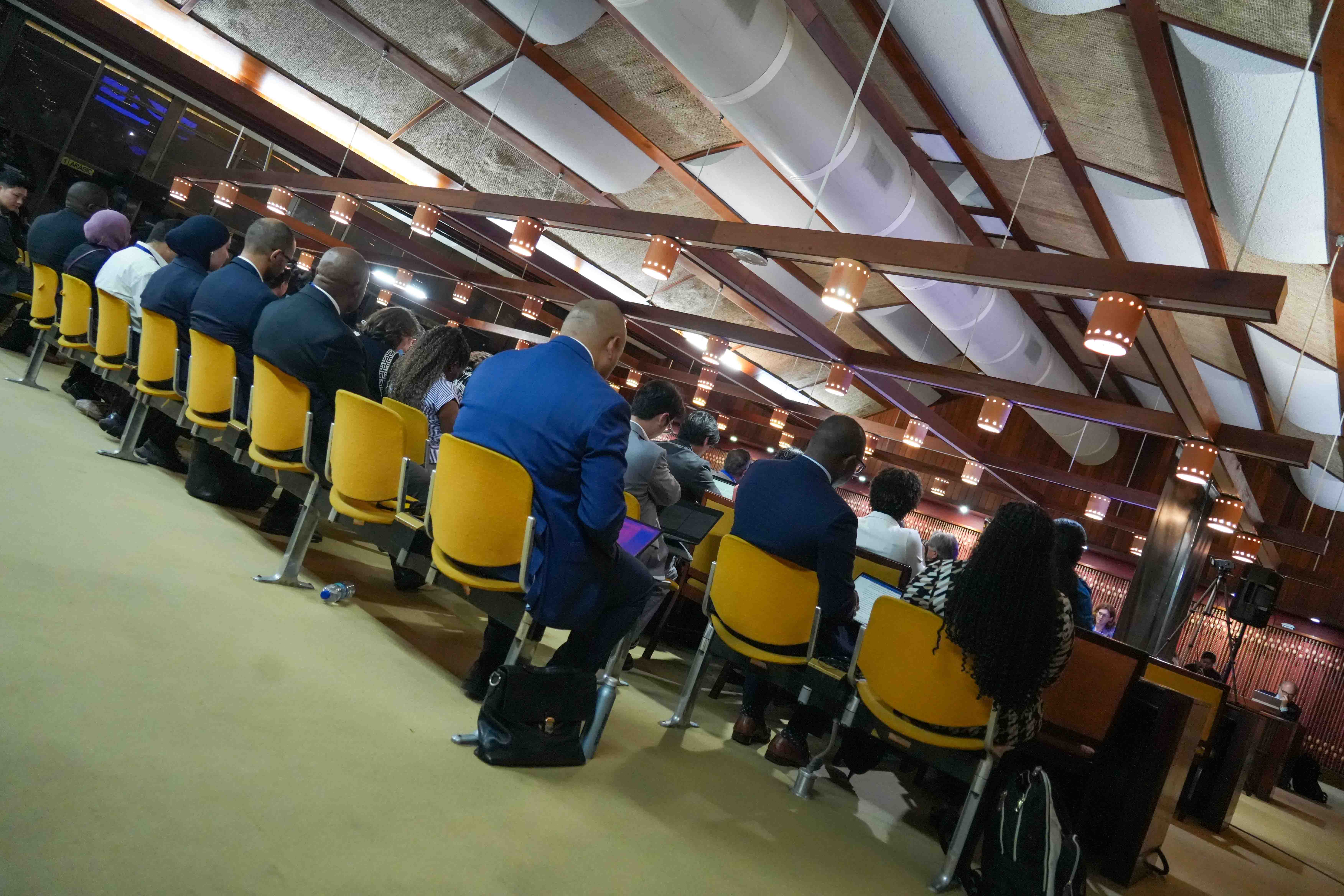
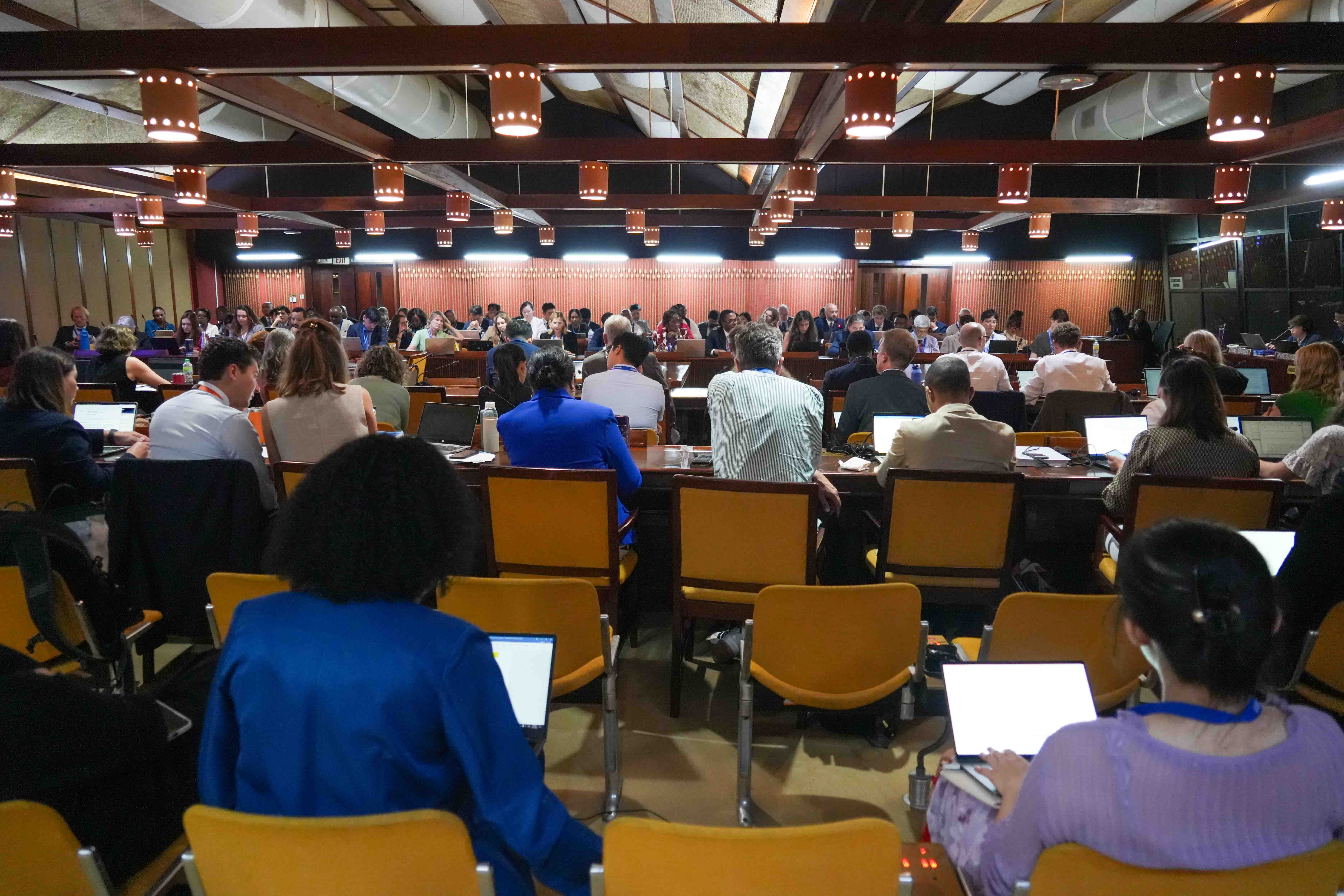
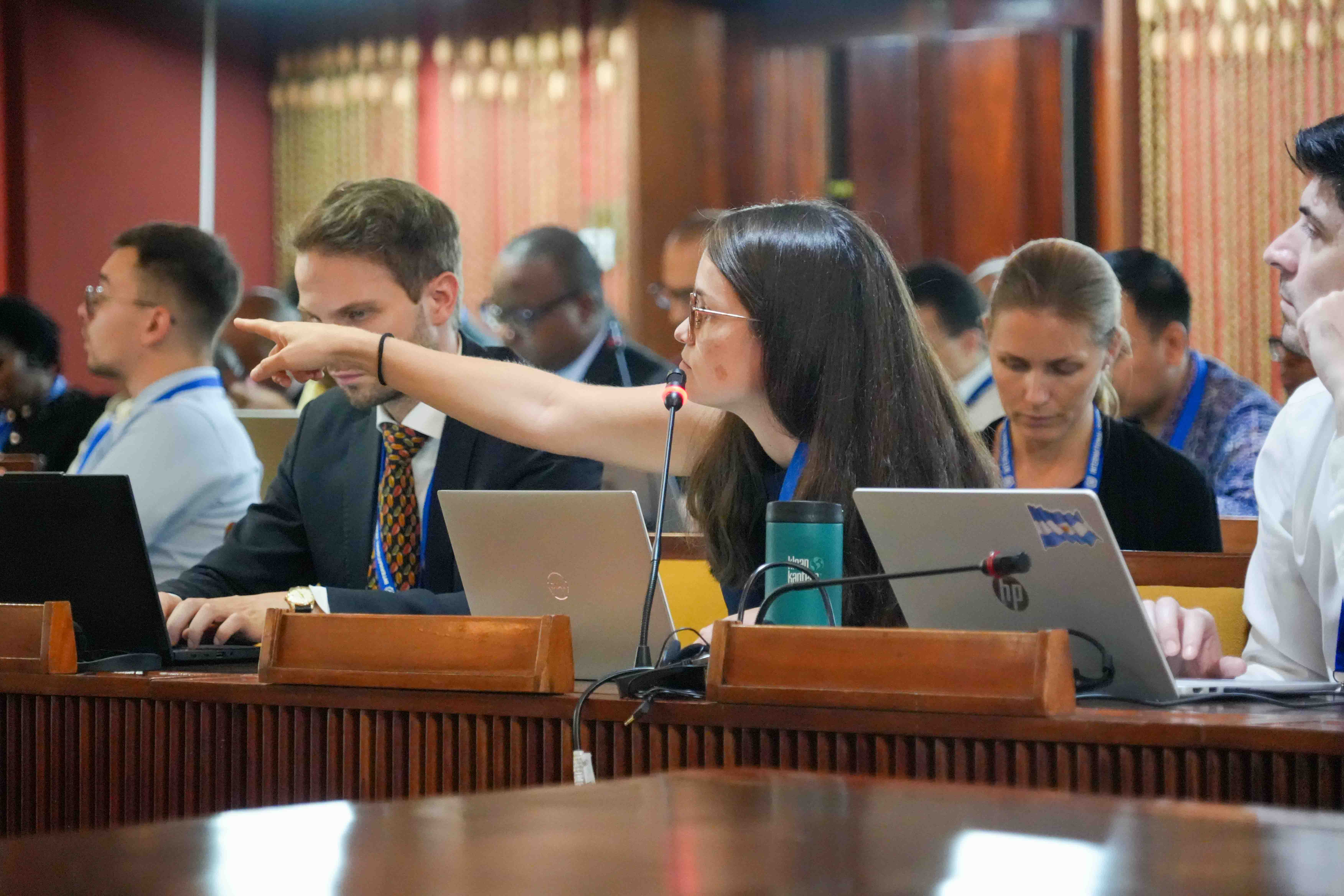
Lucía Raffin, Argentina
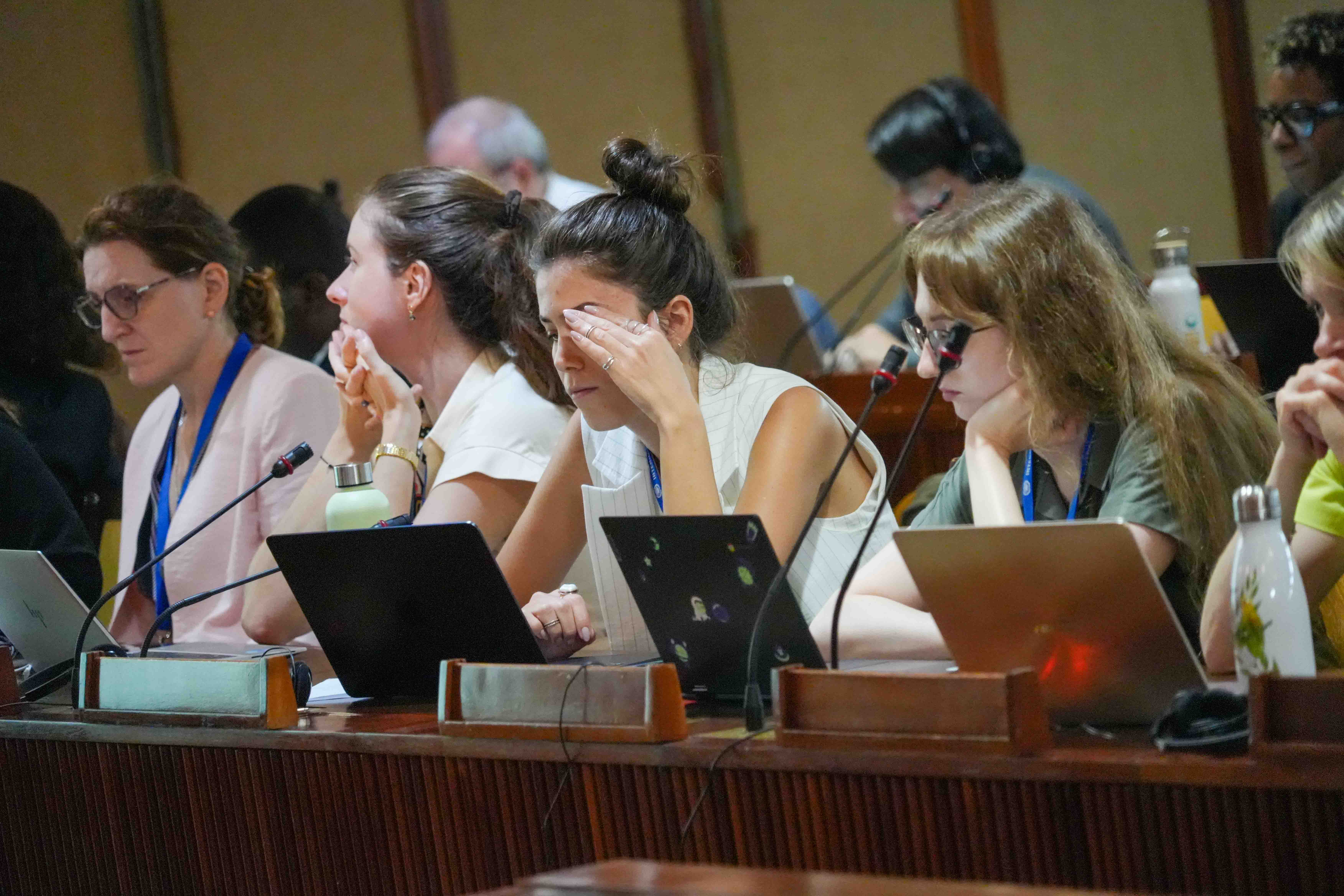
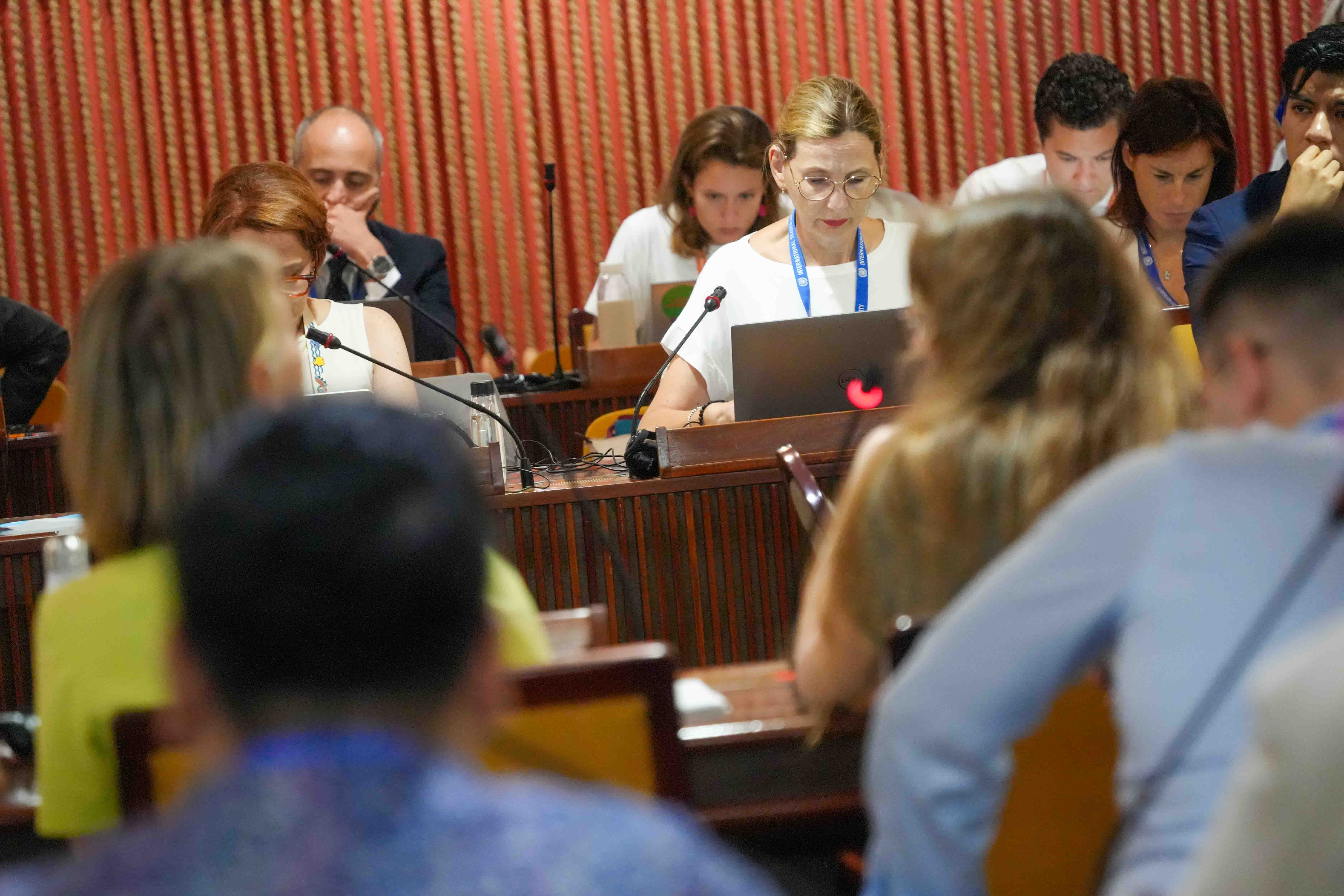
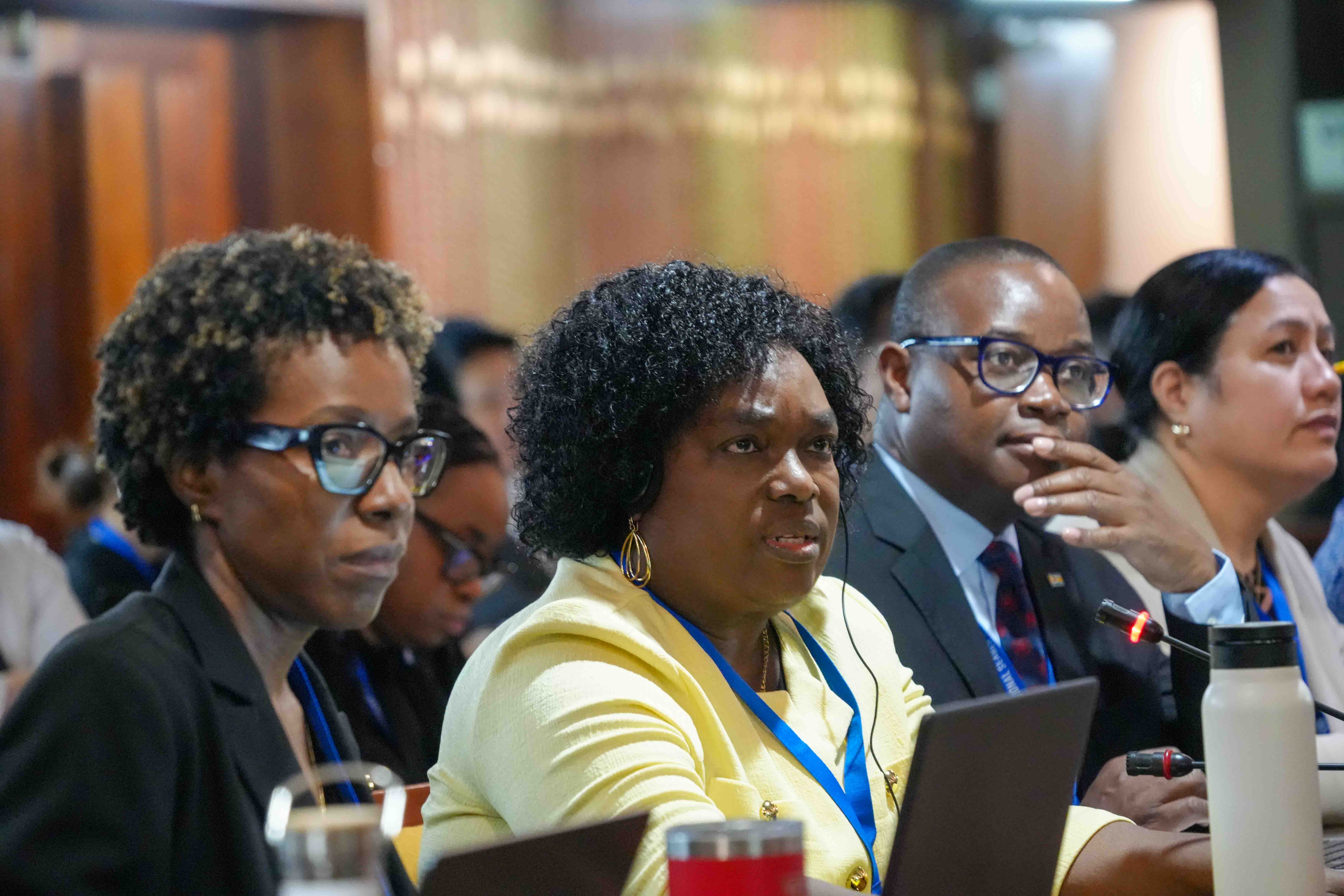
Deborah Thomas-Felix, Trindad and Tobago
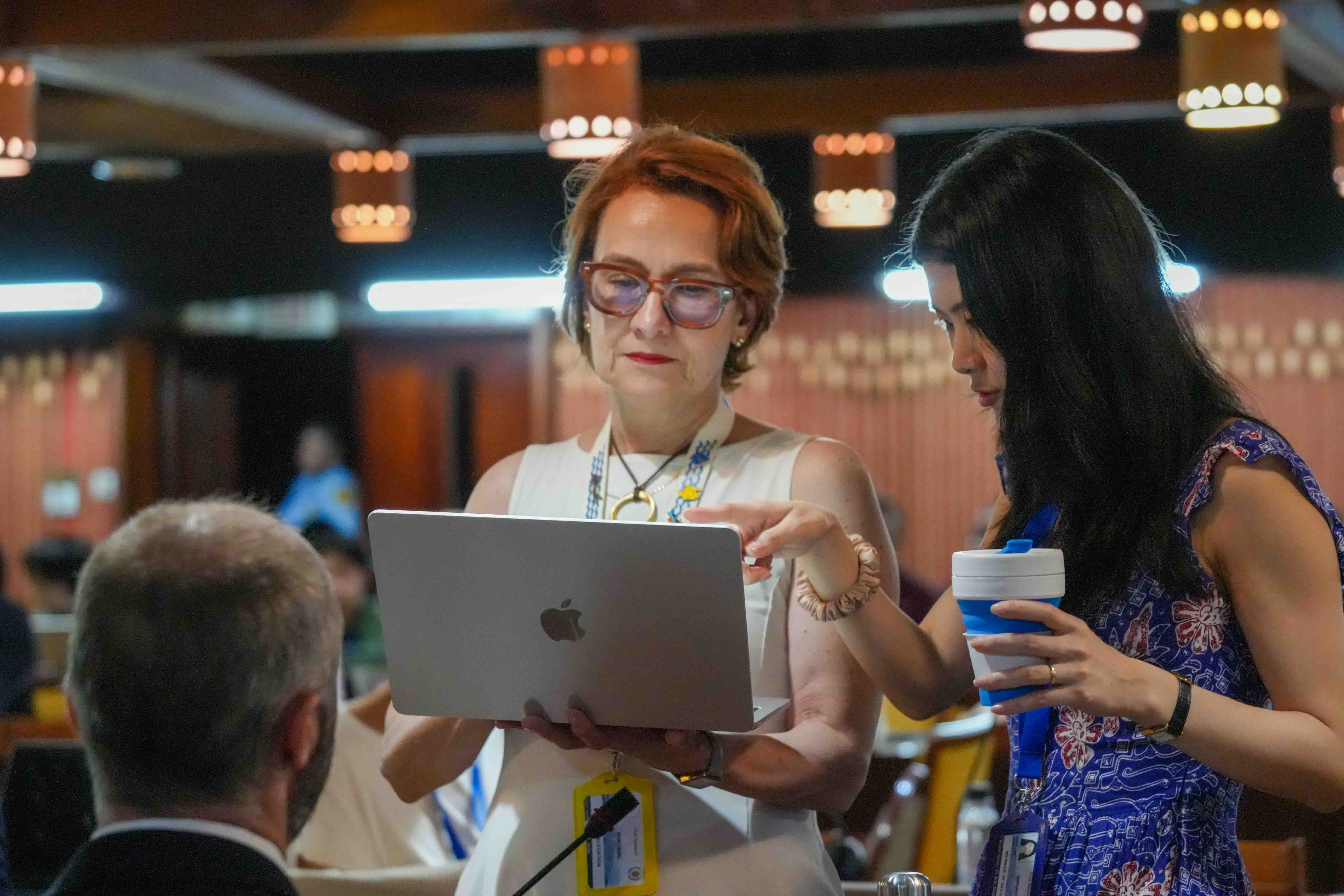
Maria Luís Mendes, Portugal, and Jessie Lim, Singapore
Bárbara Macedo Perrenoud, Brazil
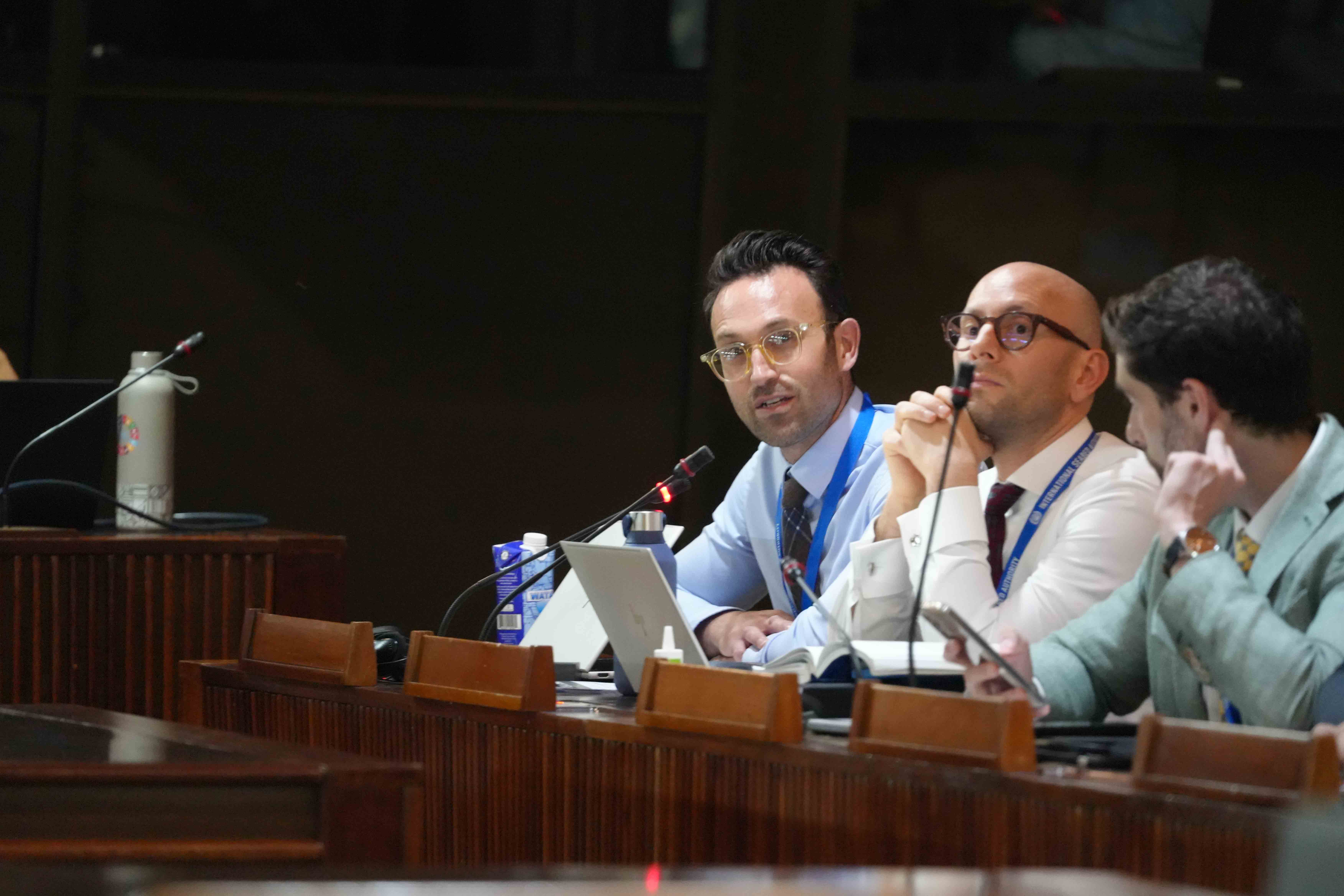
Daniel Breger, UK
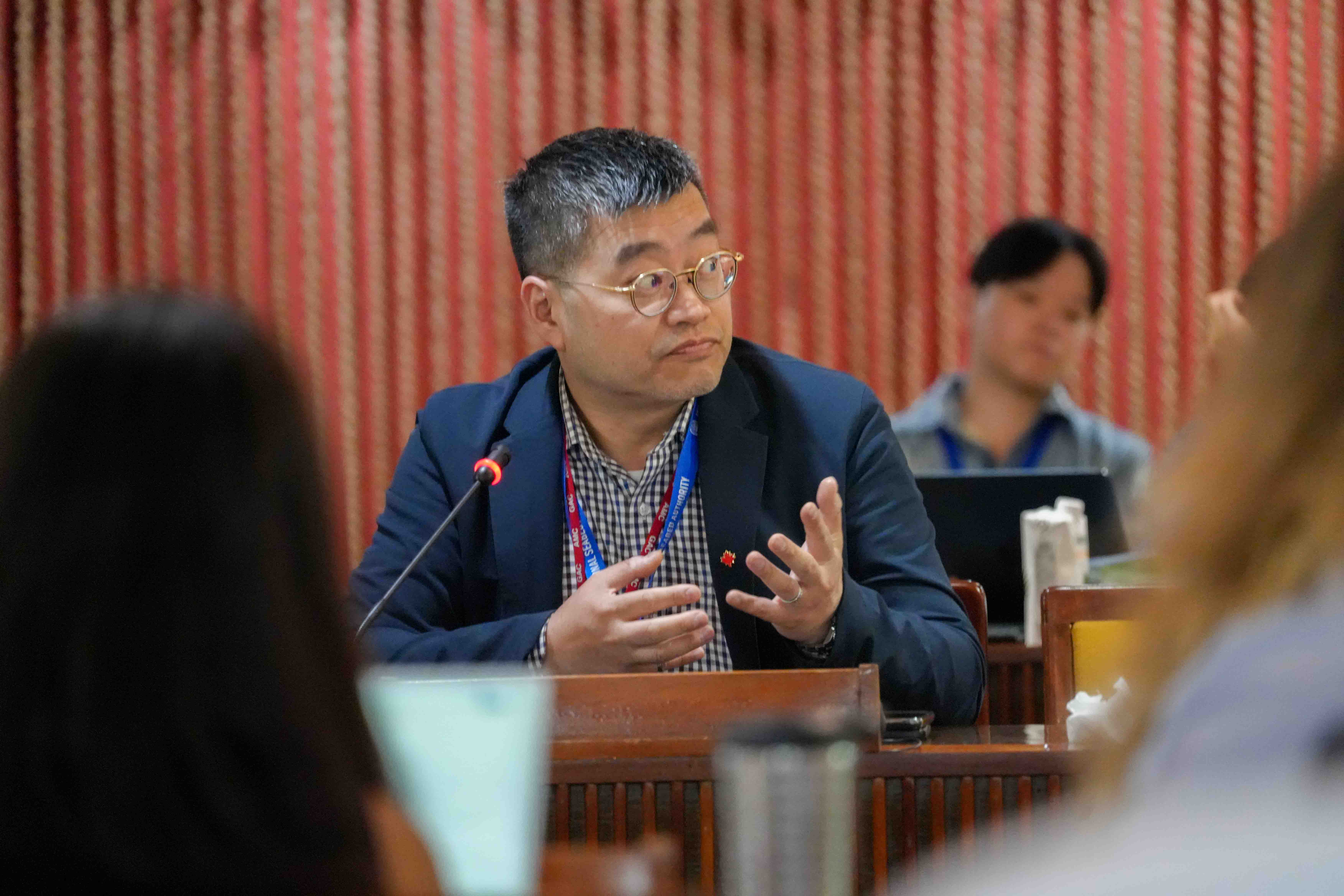
Kenneth Wong, Canada, Chair of the Finance Committee
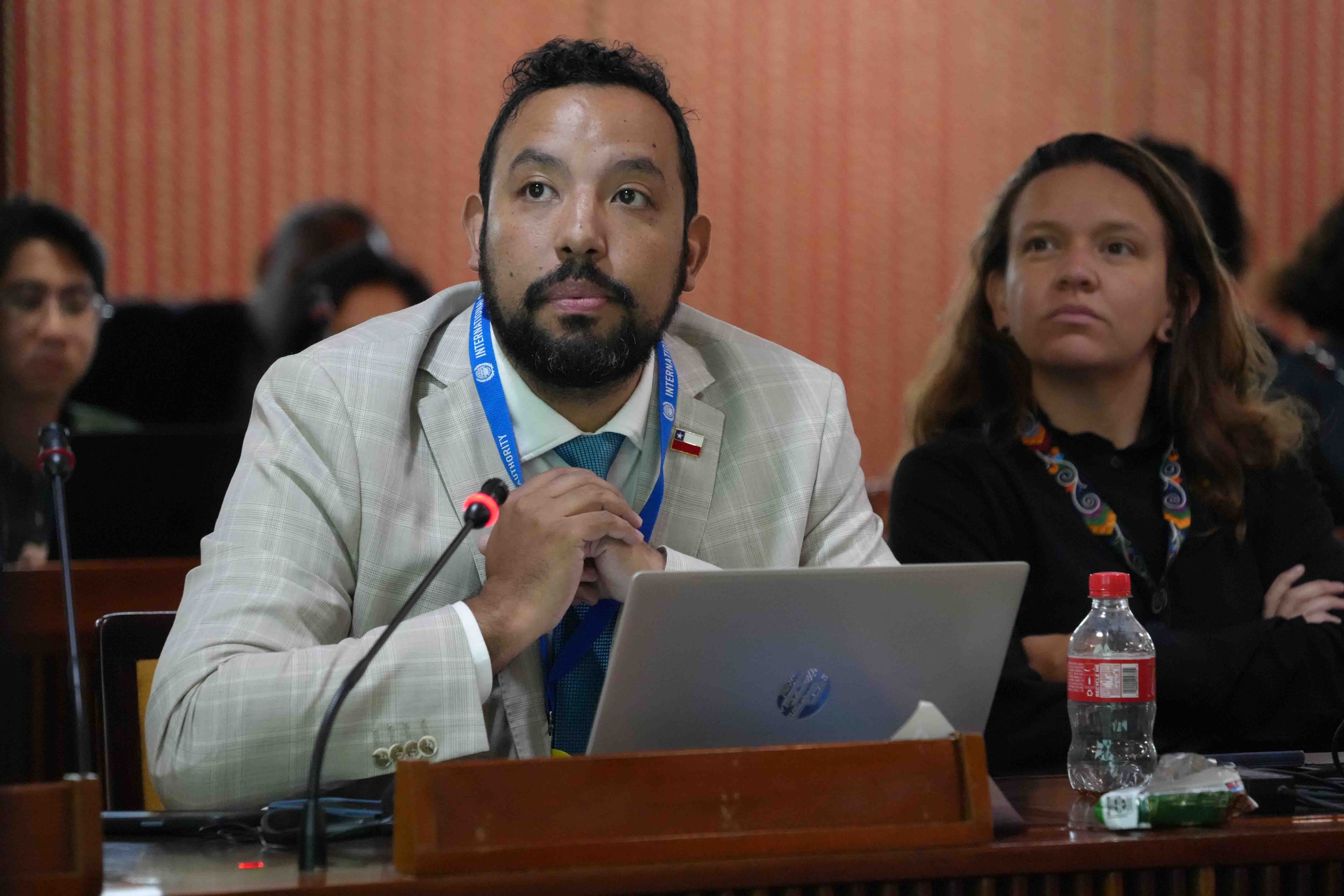
Mario Díaz Hinojosa, Chile
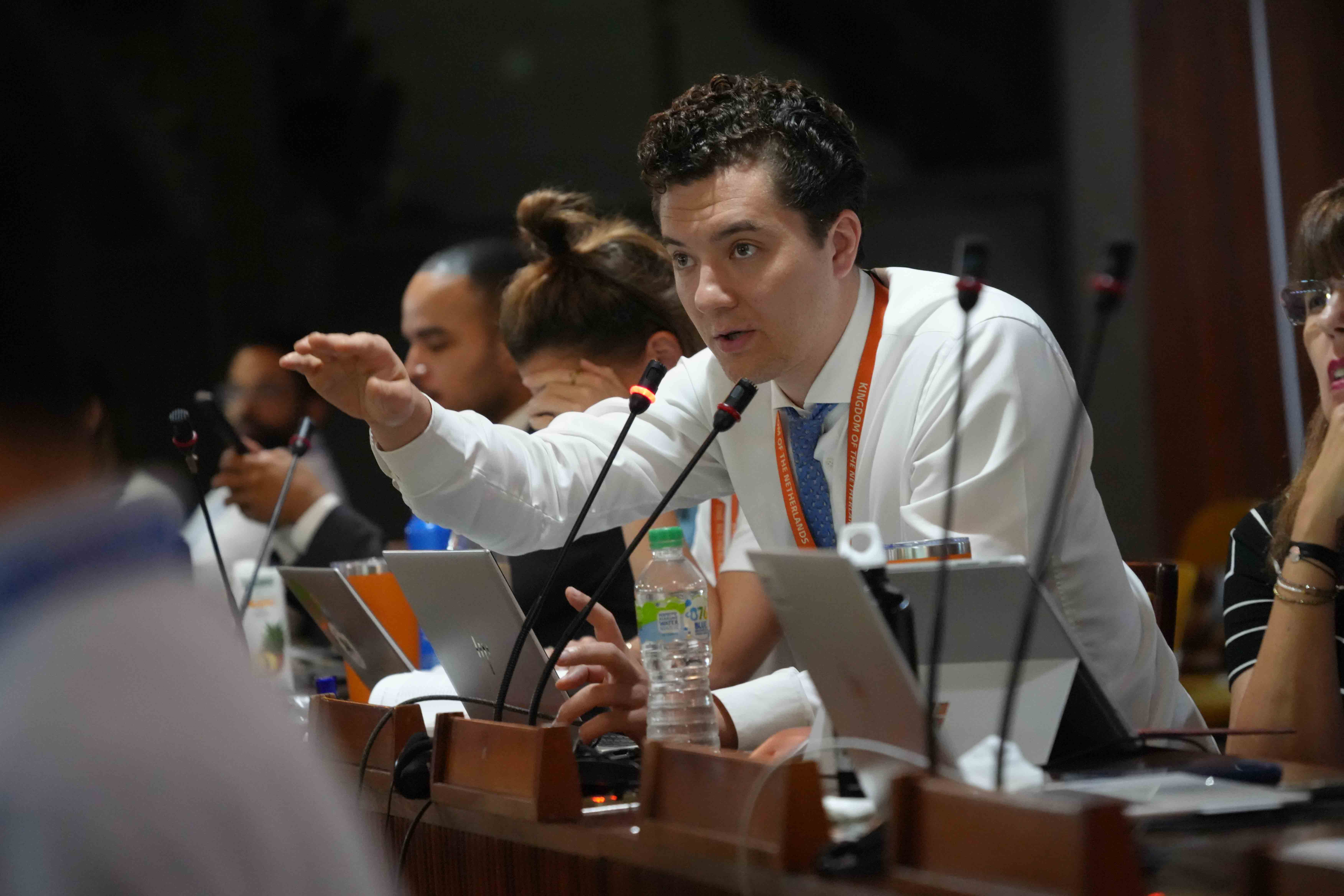
Oliver Whitehead, the Netherlands
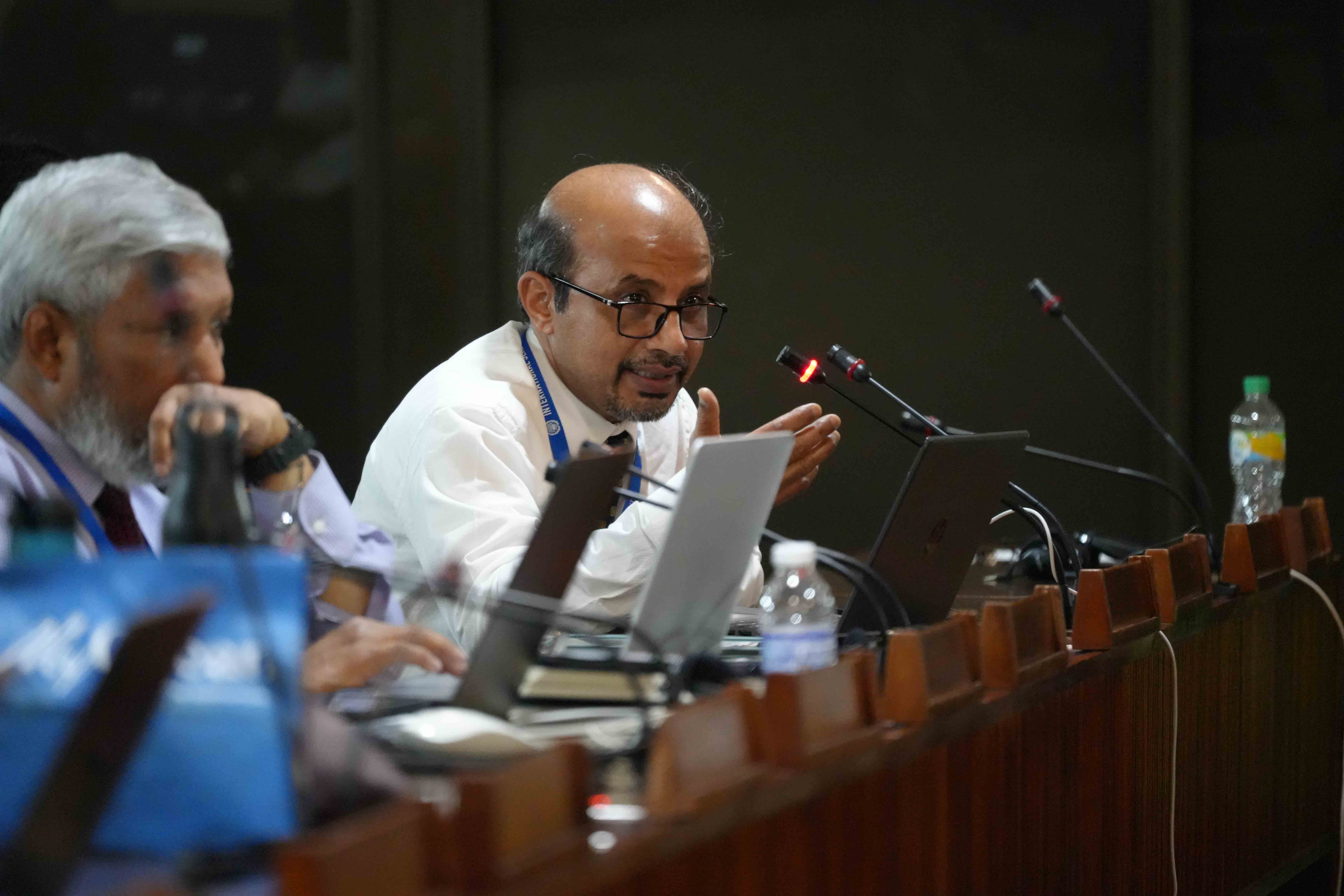
Sandip Mukhopadhyay, India
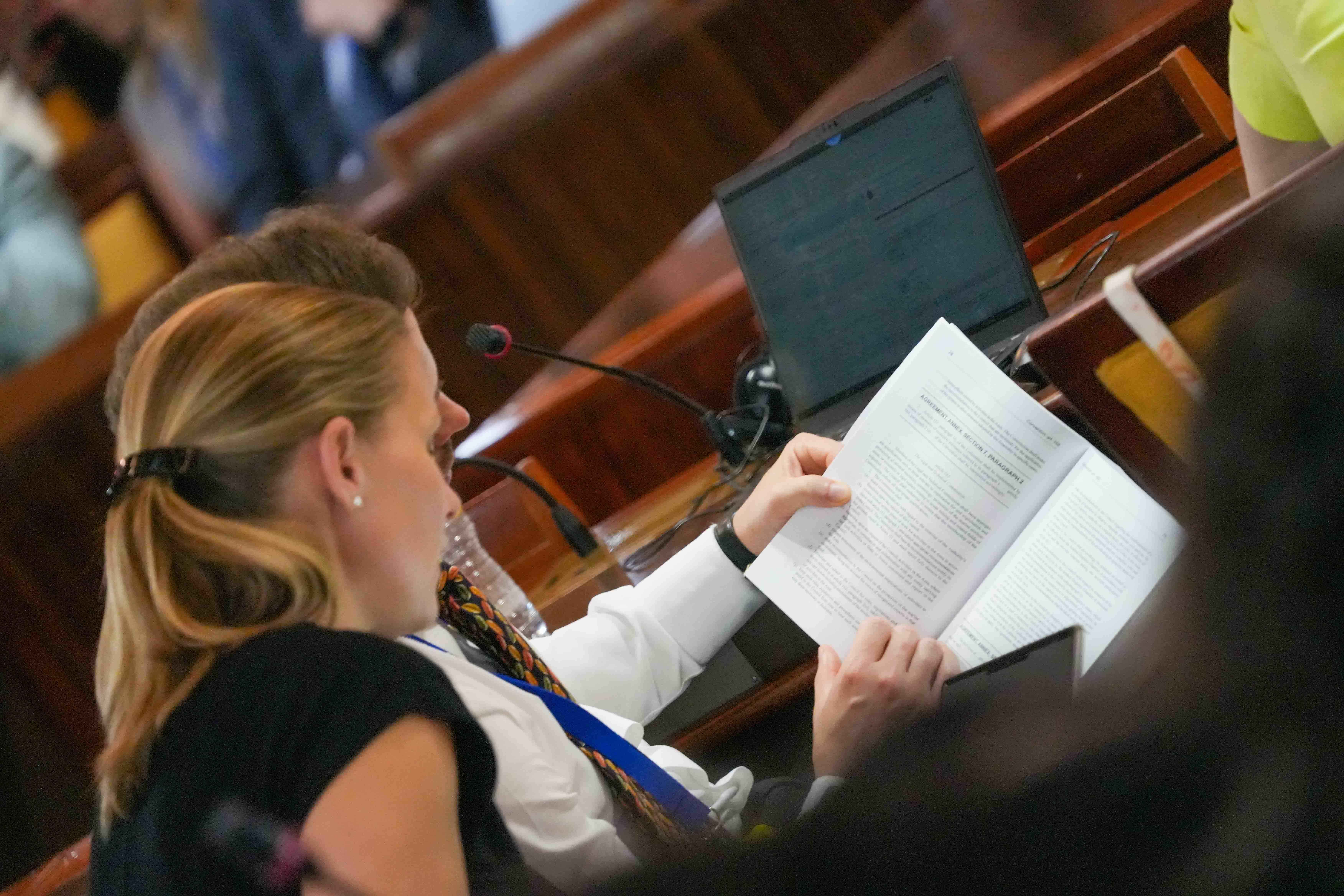
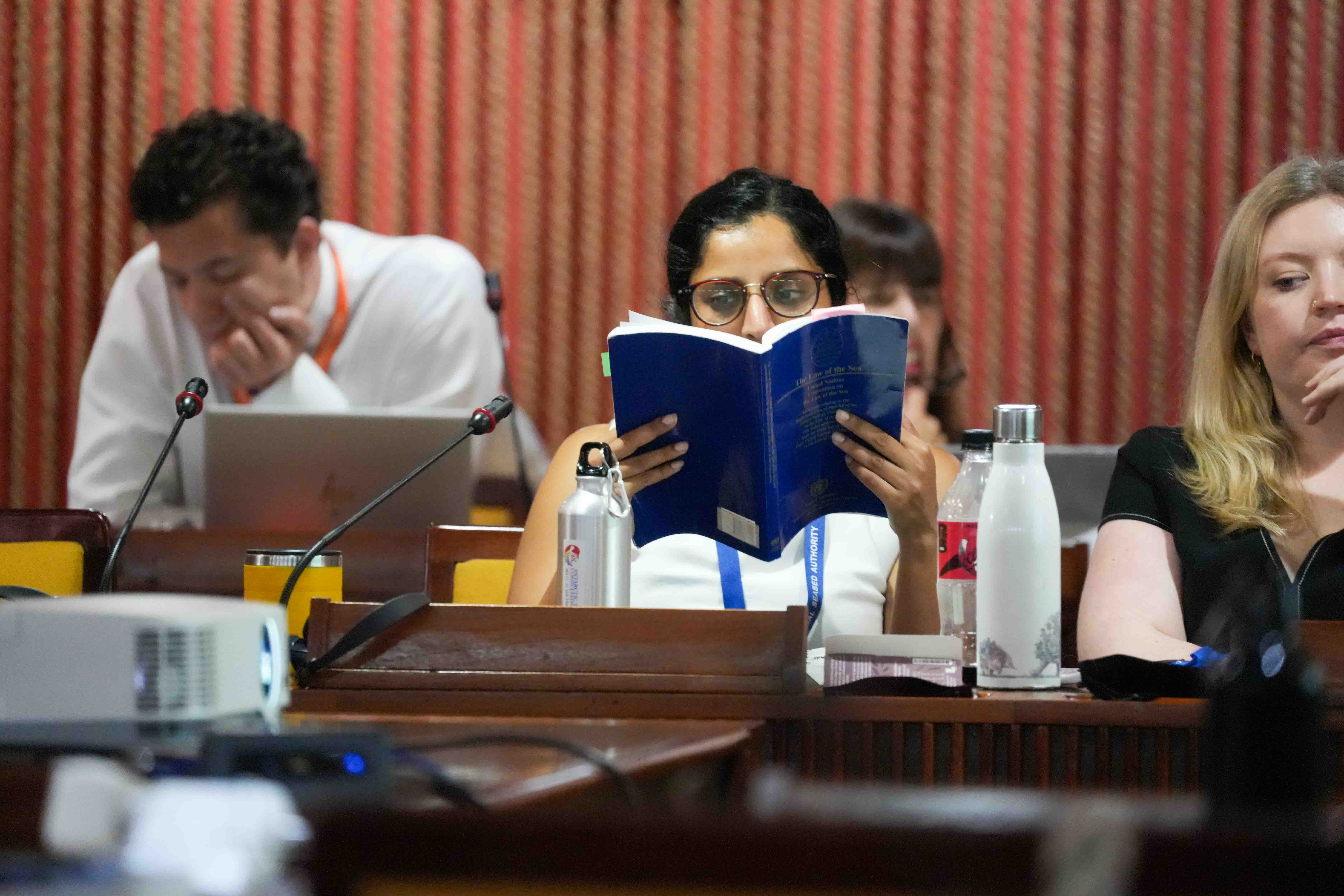
Between the sessions
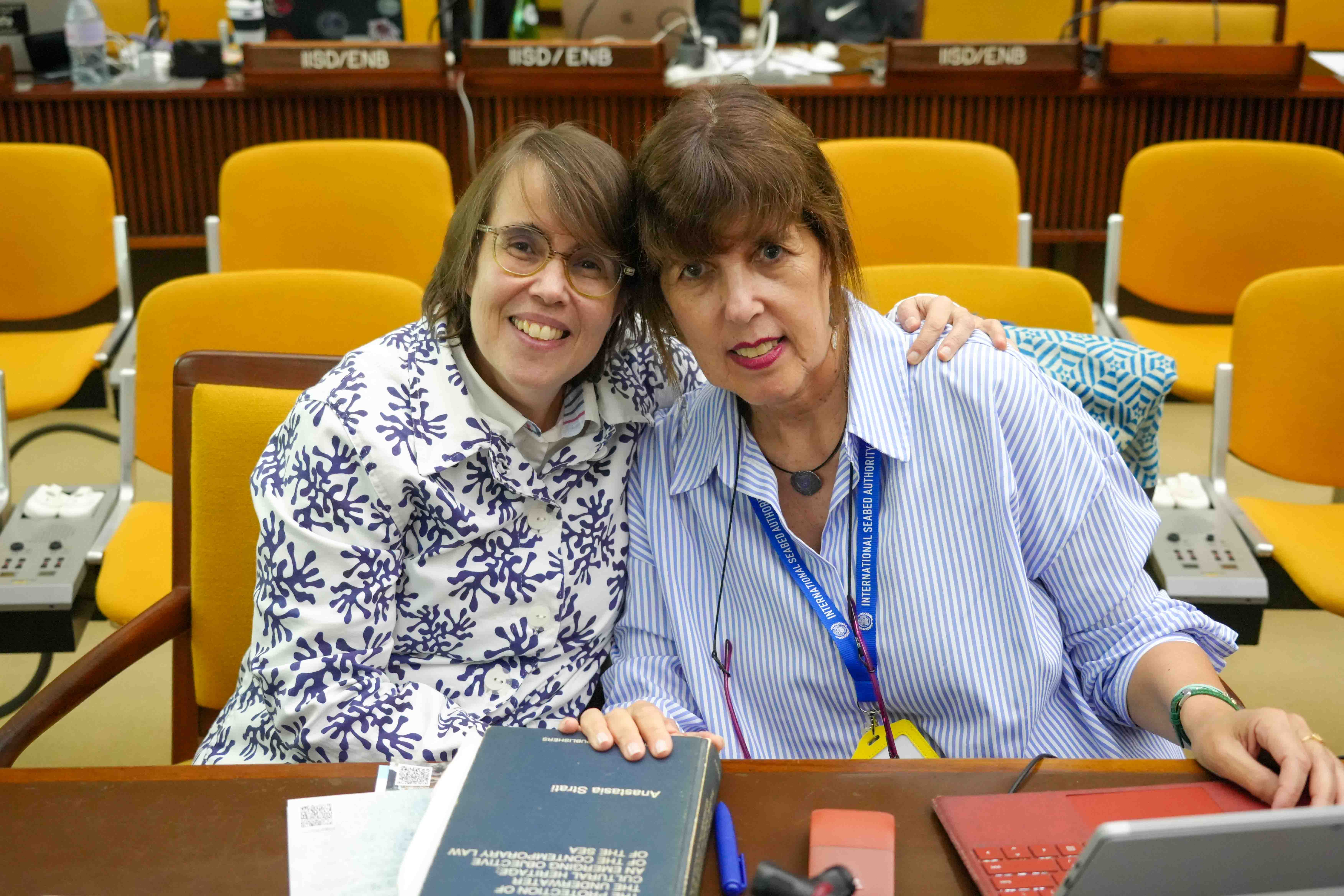
Gwenaelle Le Gurun, Secretariat of the Authority, and Anastasia Strati, Greece
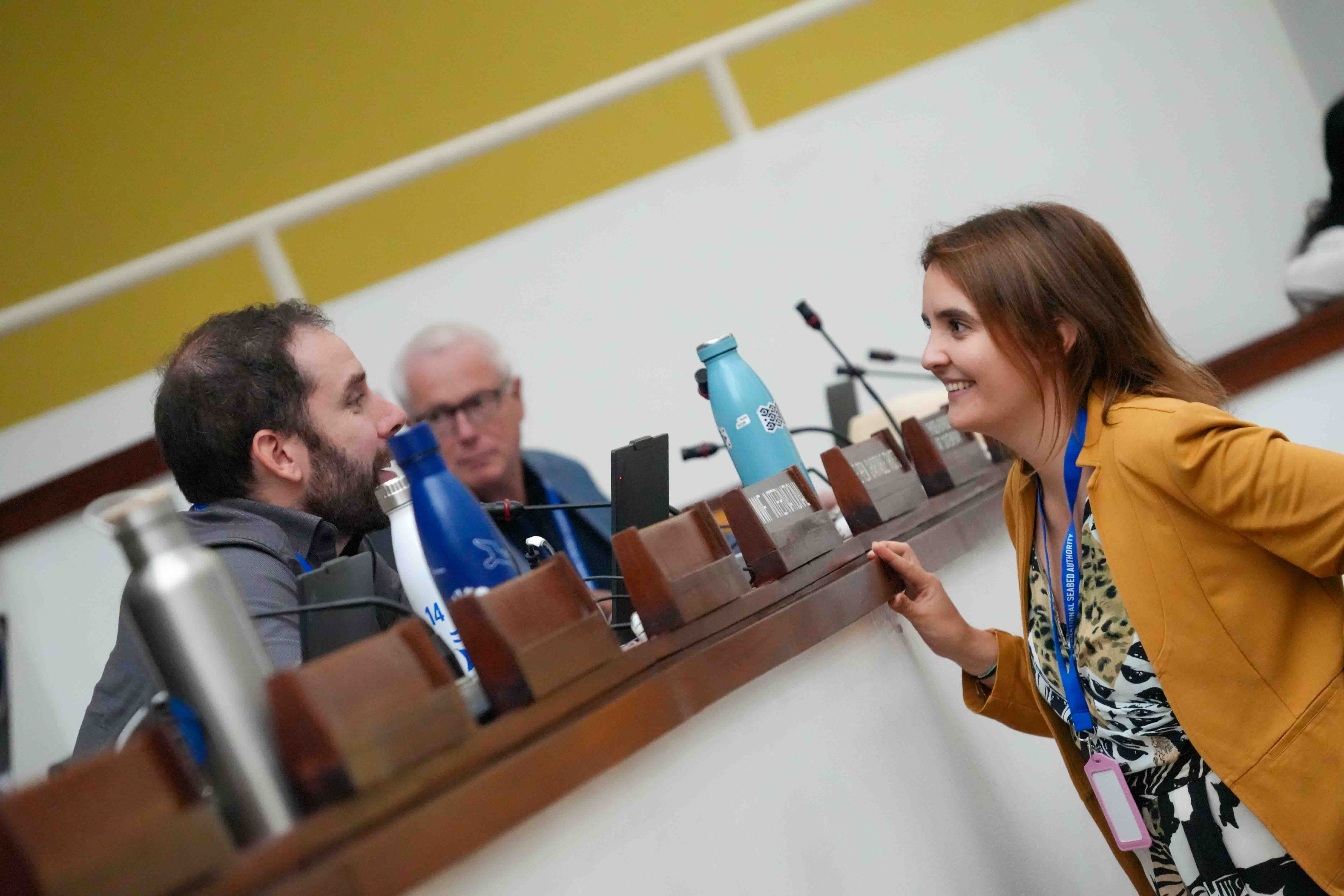
Jorg Martin Webeler, WWF and Ina Tessnow-von Wysocki, Intergovernmental Oceanographic Commission
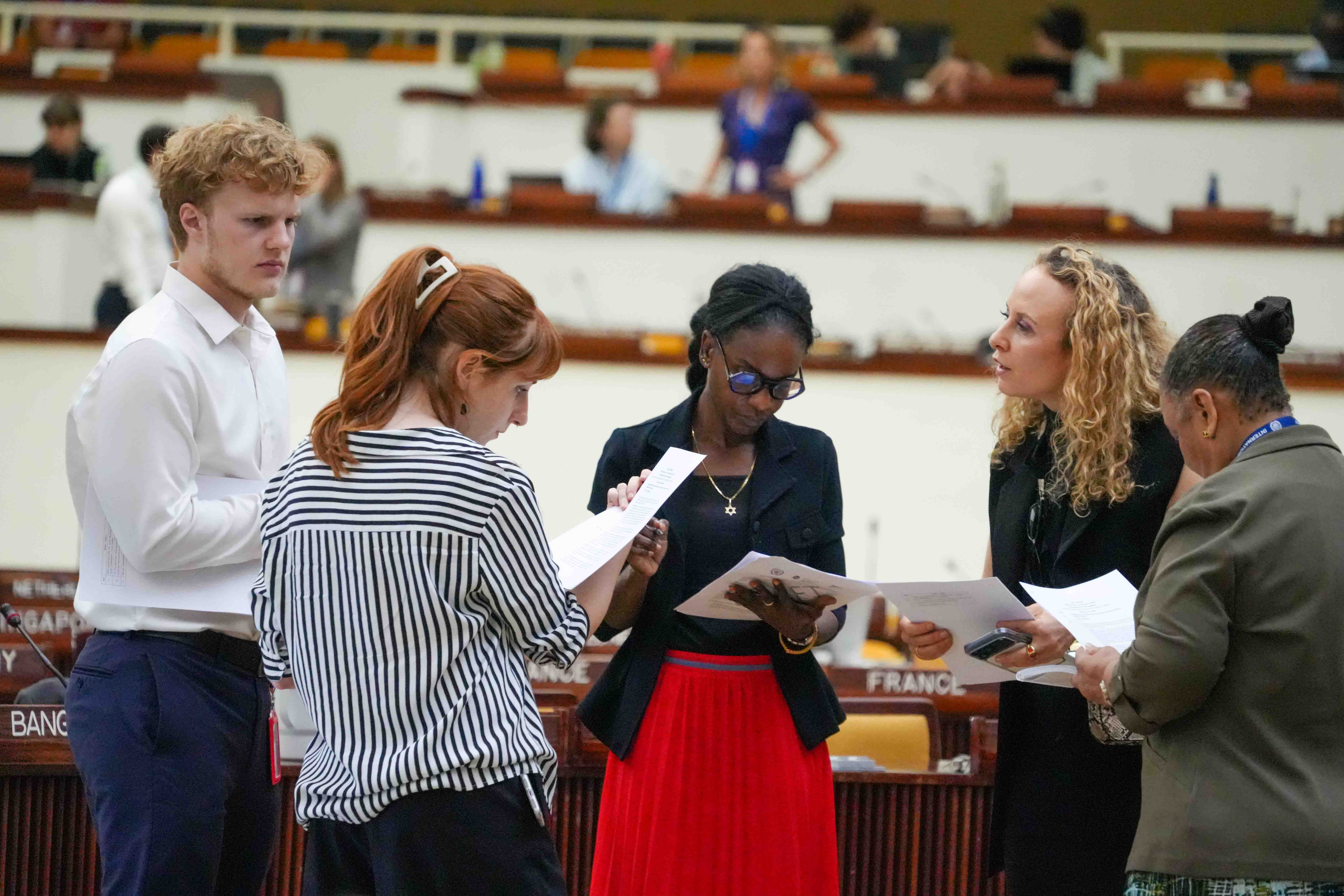
Staff of the Secretariat of the Authority making preparations for the ISA 31.2 Assembly Meeting
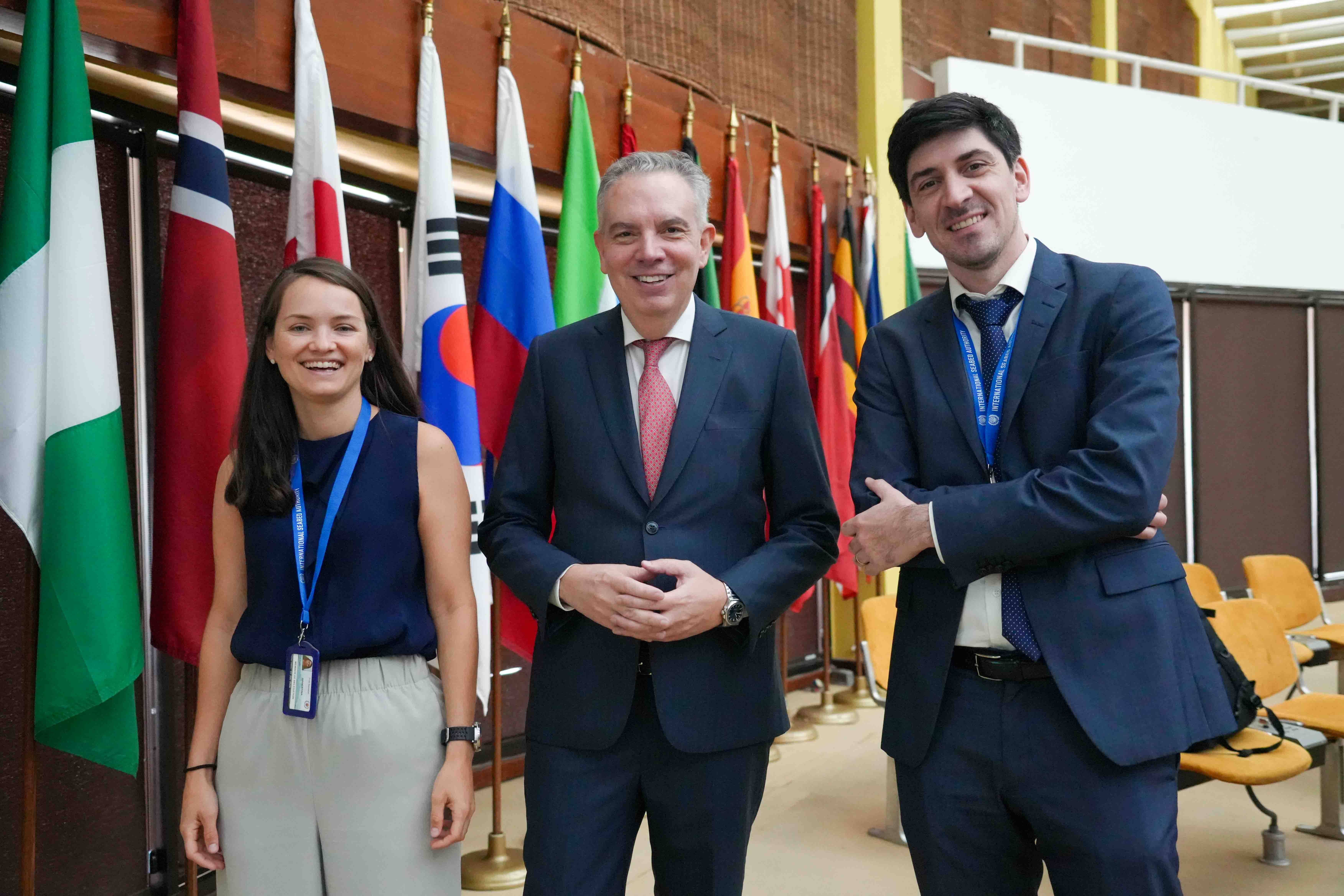
Delegation of Argentina
Closing Plenary
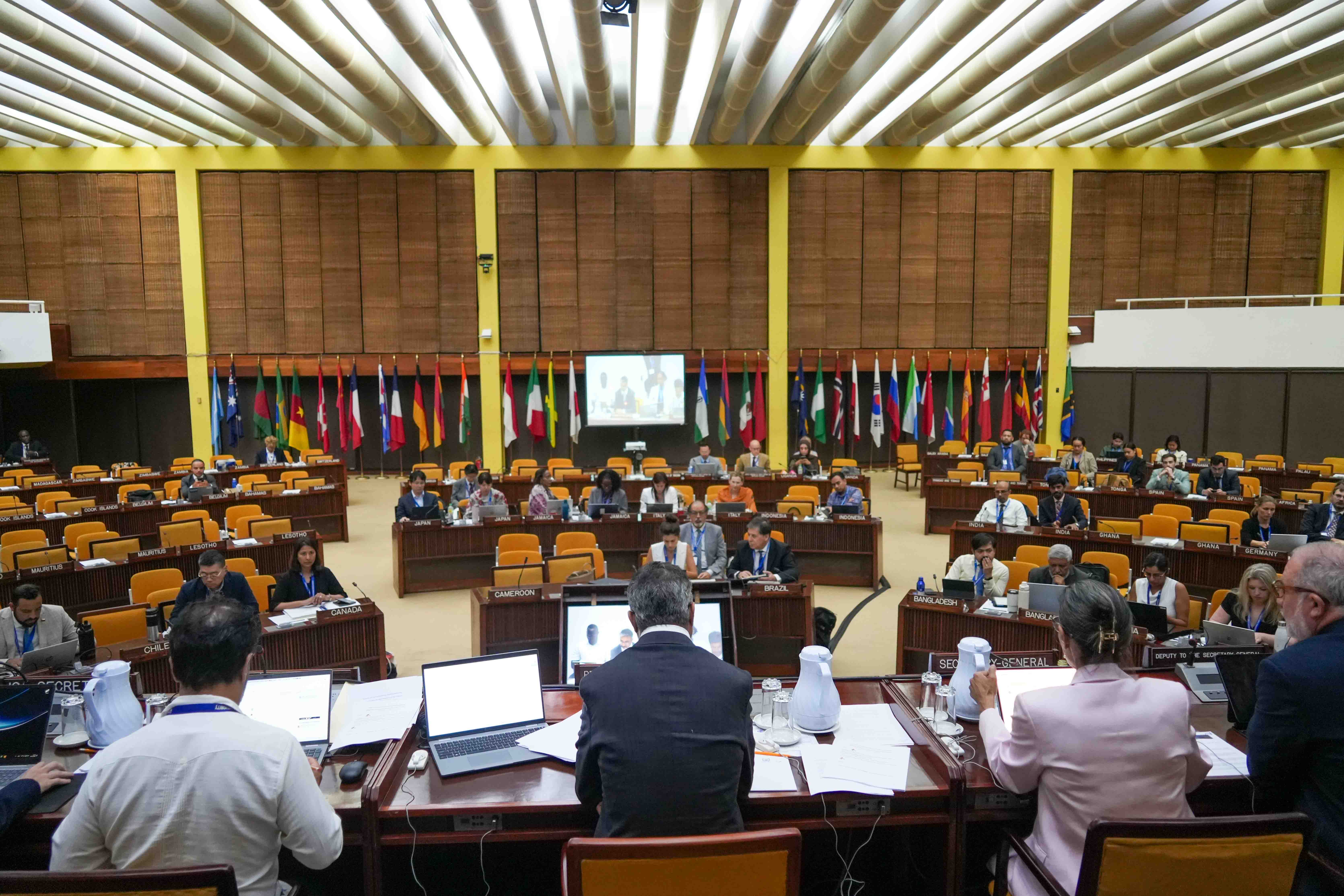
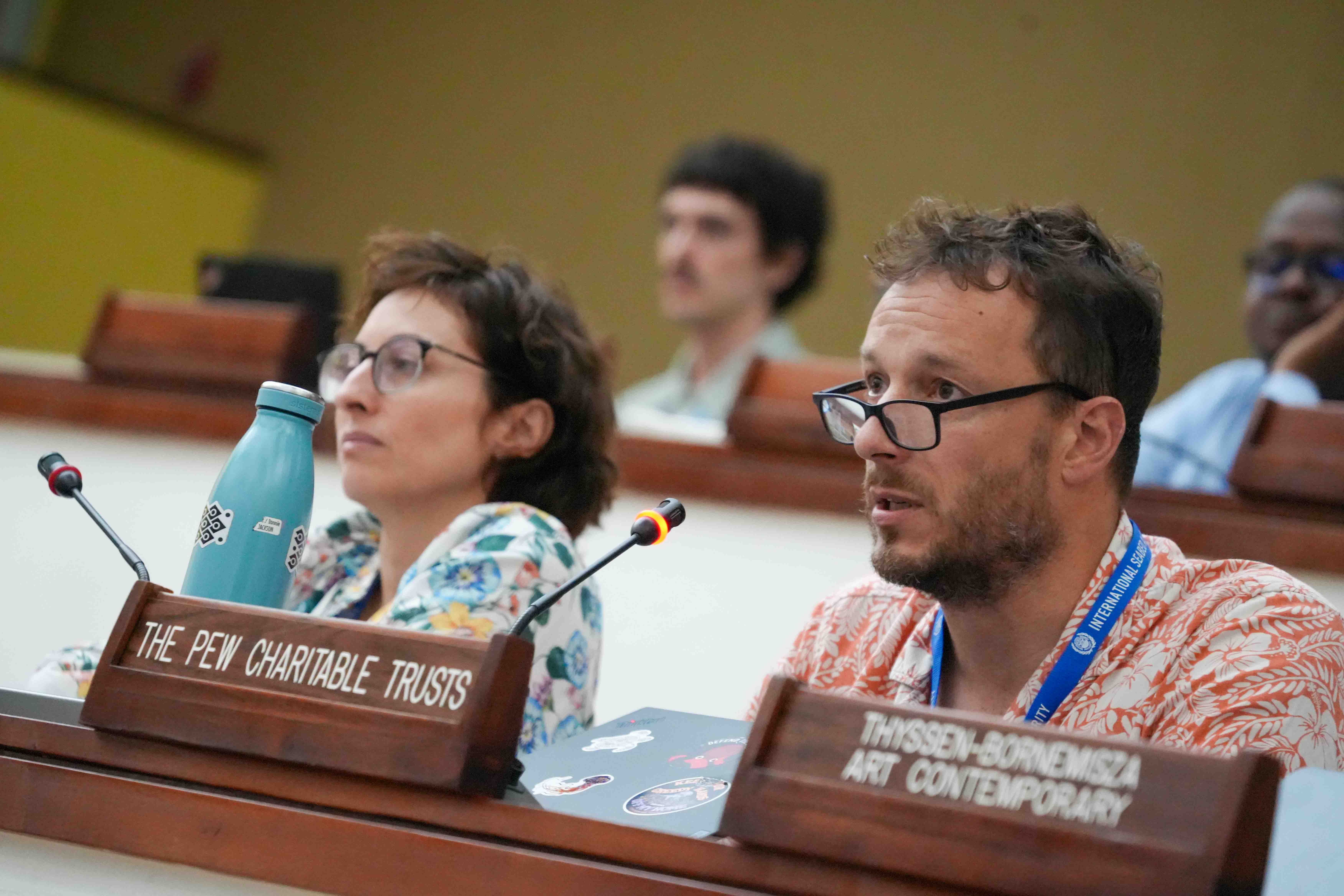
Julian Jackson, The Pew Charitable Trusts
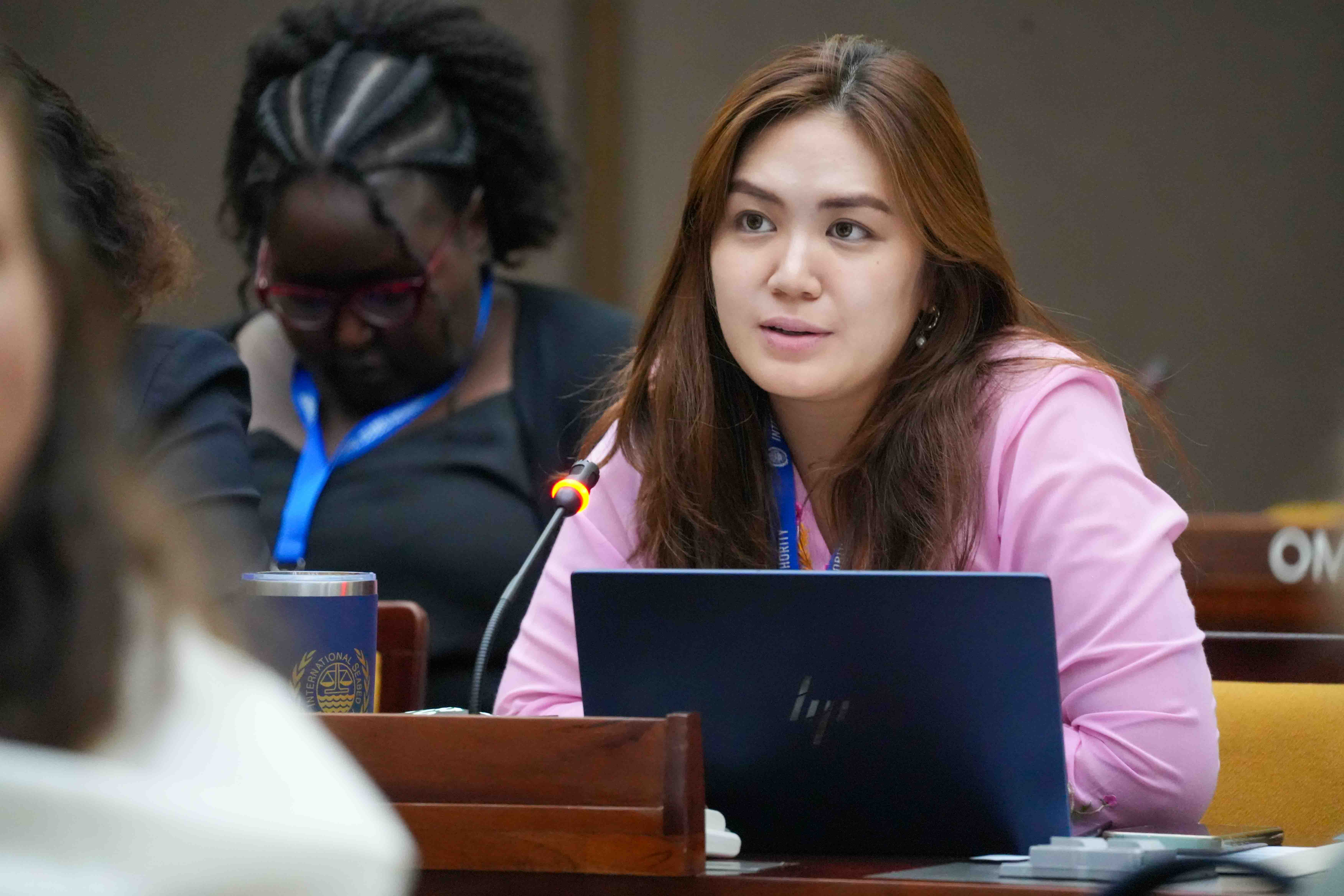
Beatrice Chen, Singapore
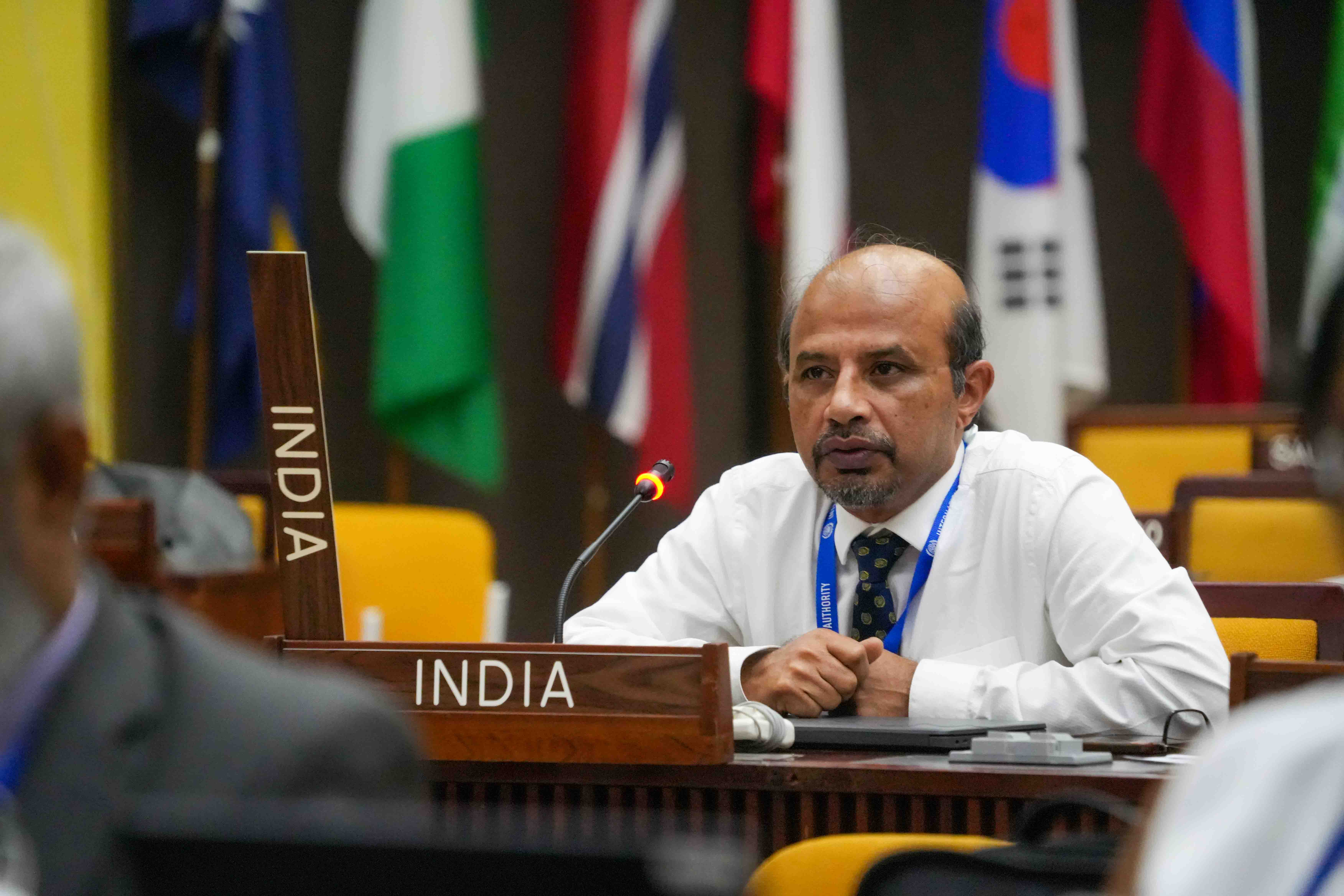
Sandip Mukhopadhyay, India
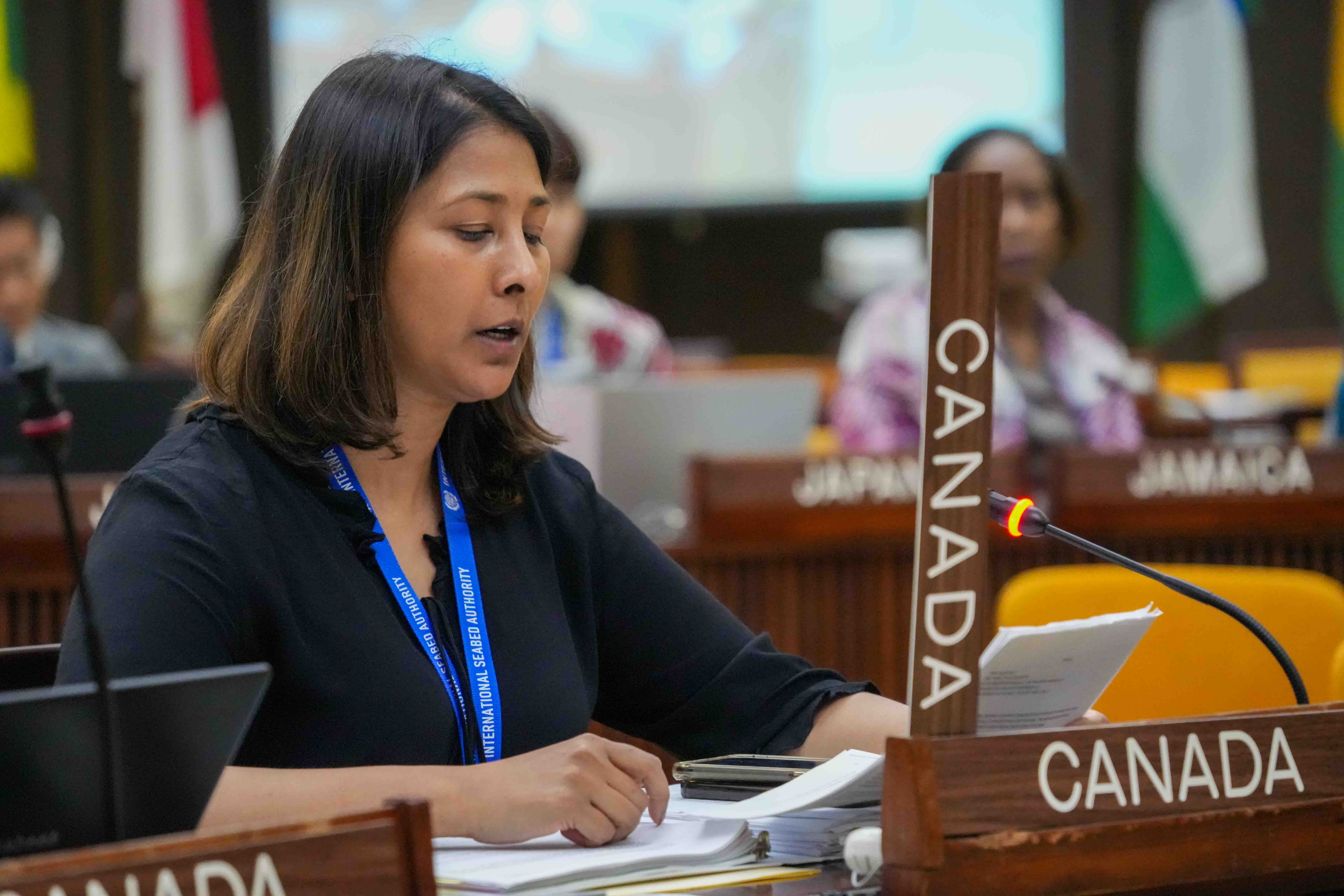
Azra Haque, Canada
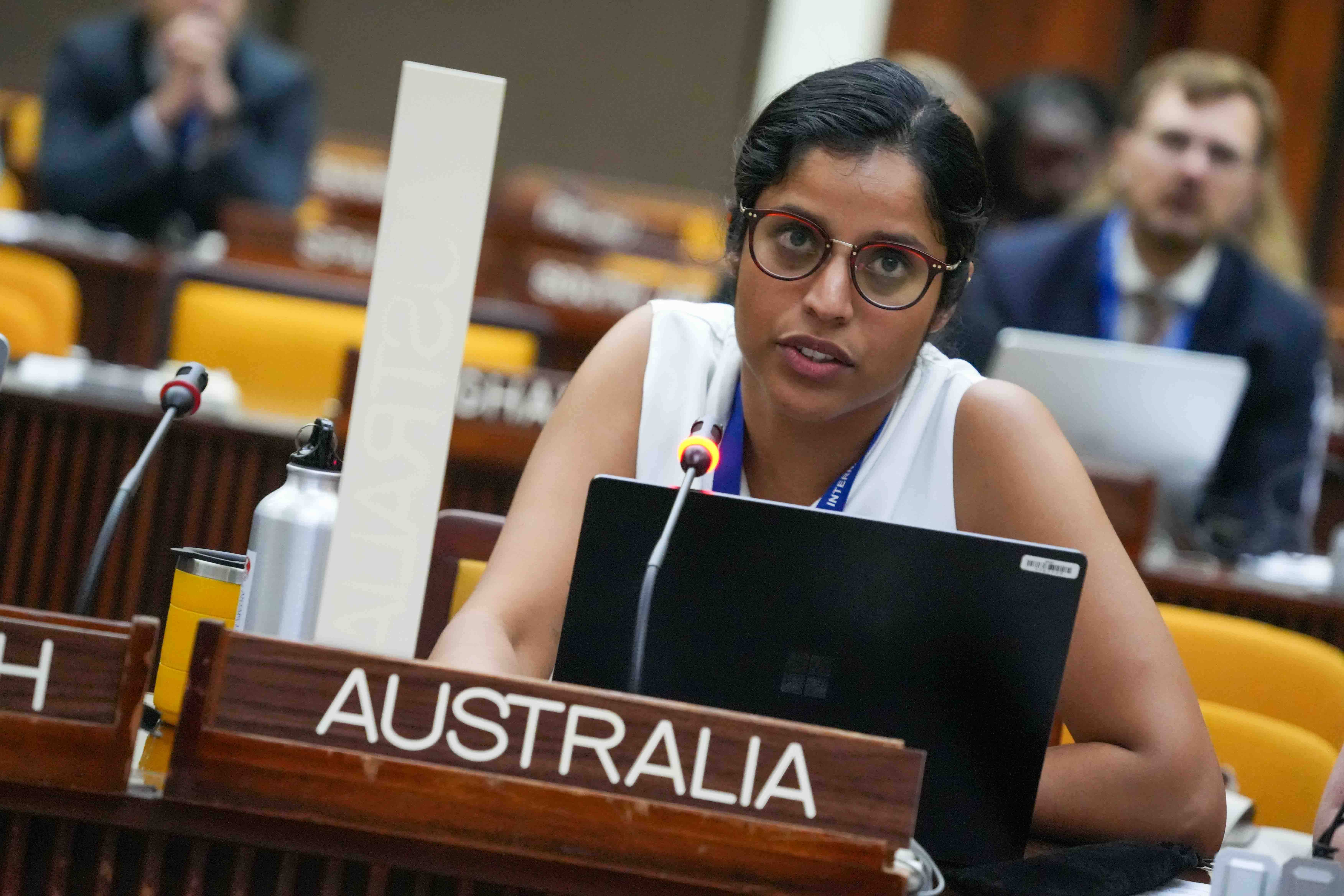
Lavanya Vasan, Australia
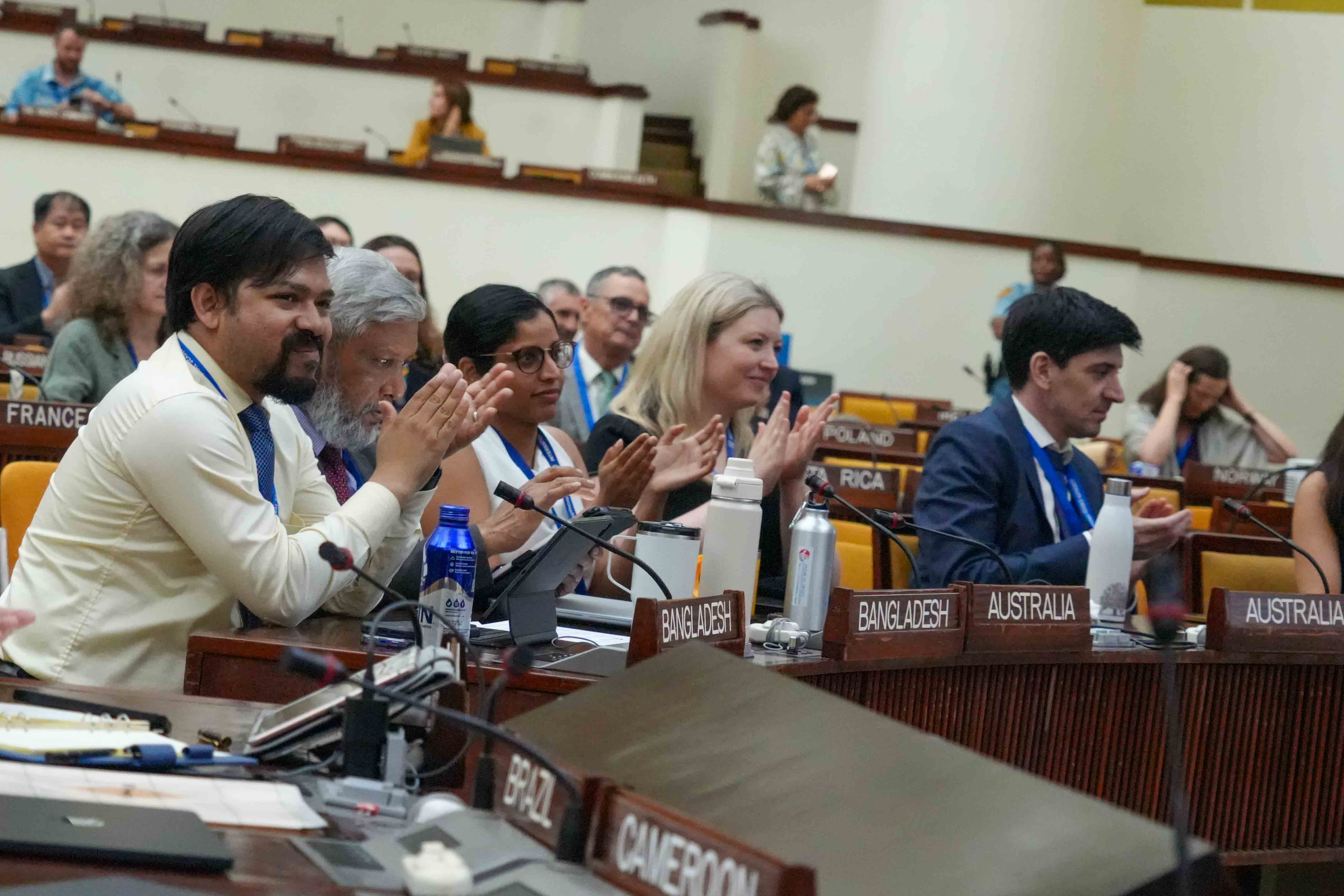
Delegates at the closing of the Council meeting
Around the venue
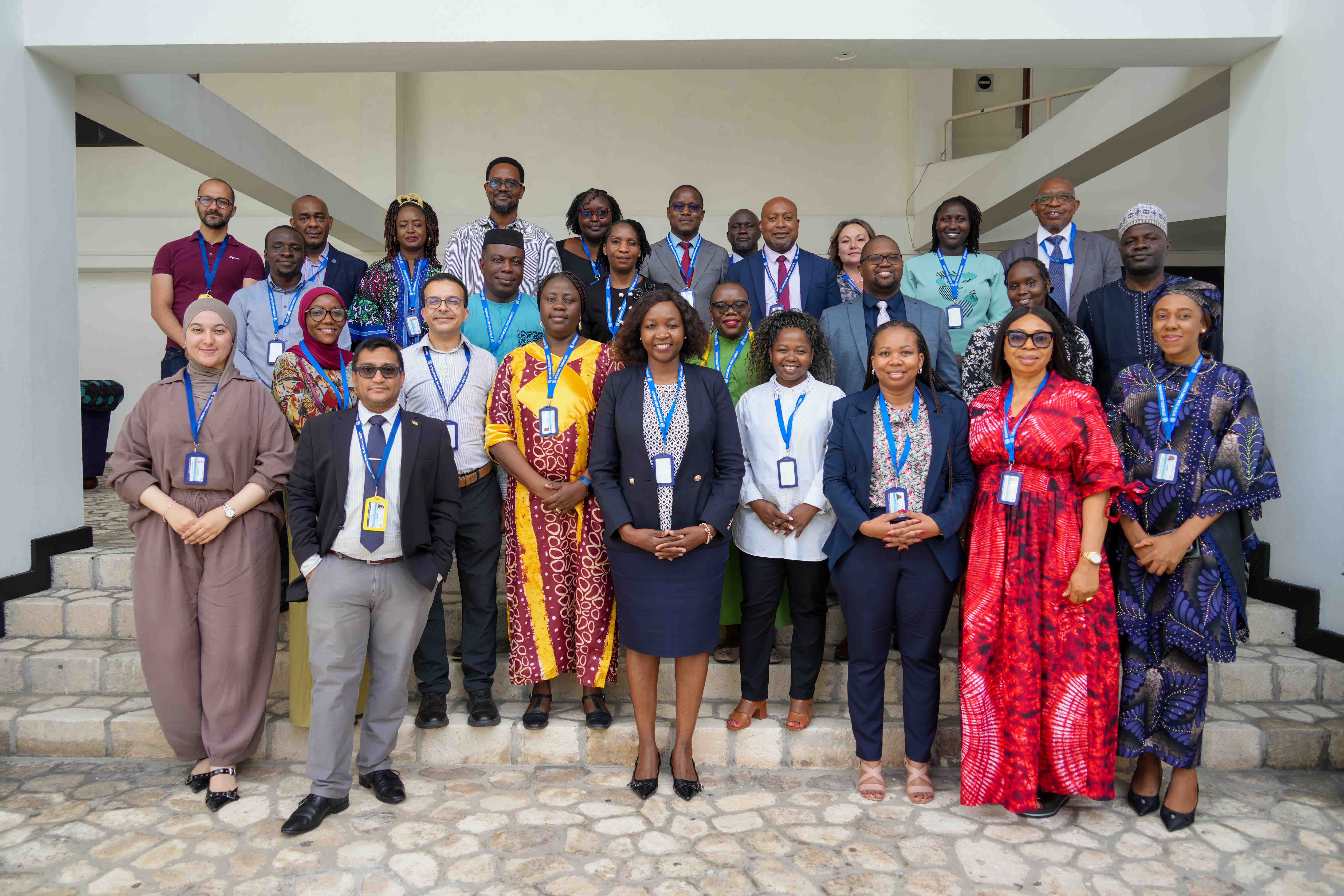
Members of the African Group
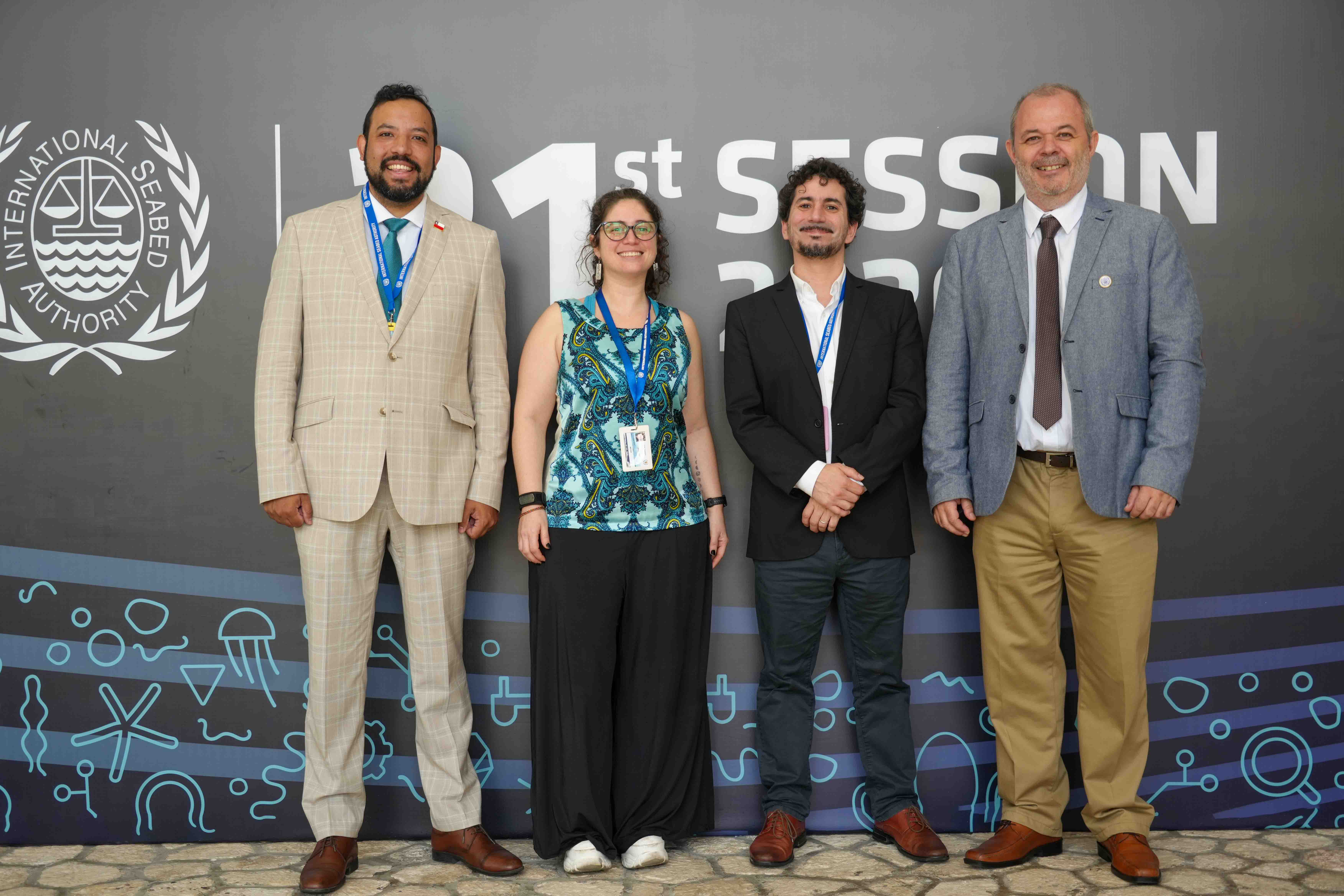
Mario Díaz Hinojosa, Chile, María Ovalle, IISD/ENB, Diego Lillo, Interamerican Association for Environmental Defense, and Pablo Vidal, Secretariat of the Authority

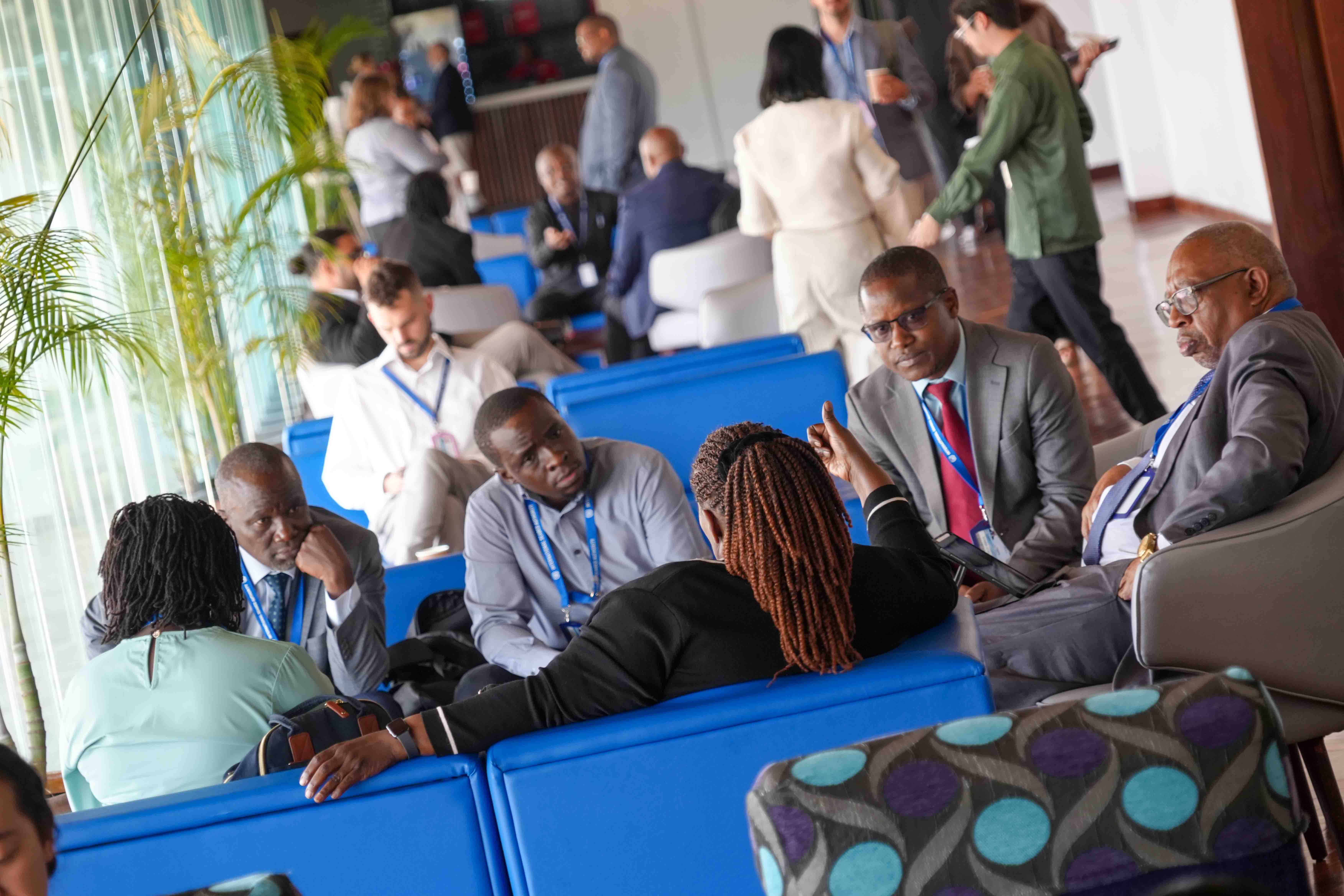
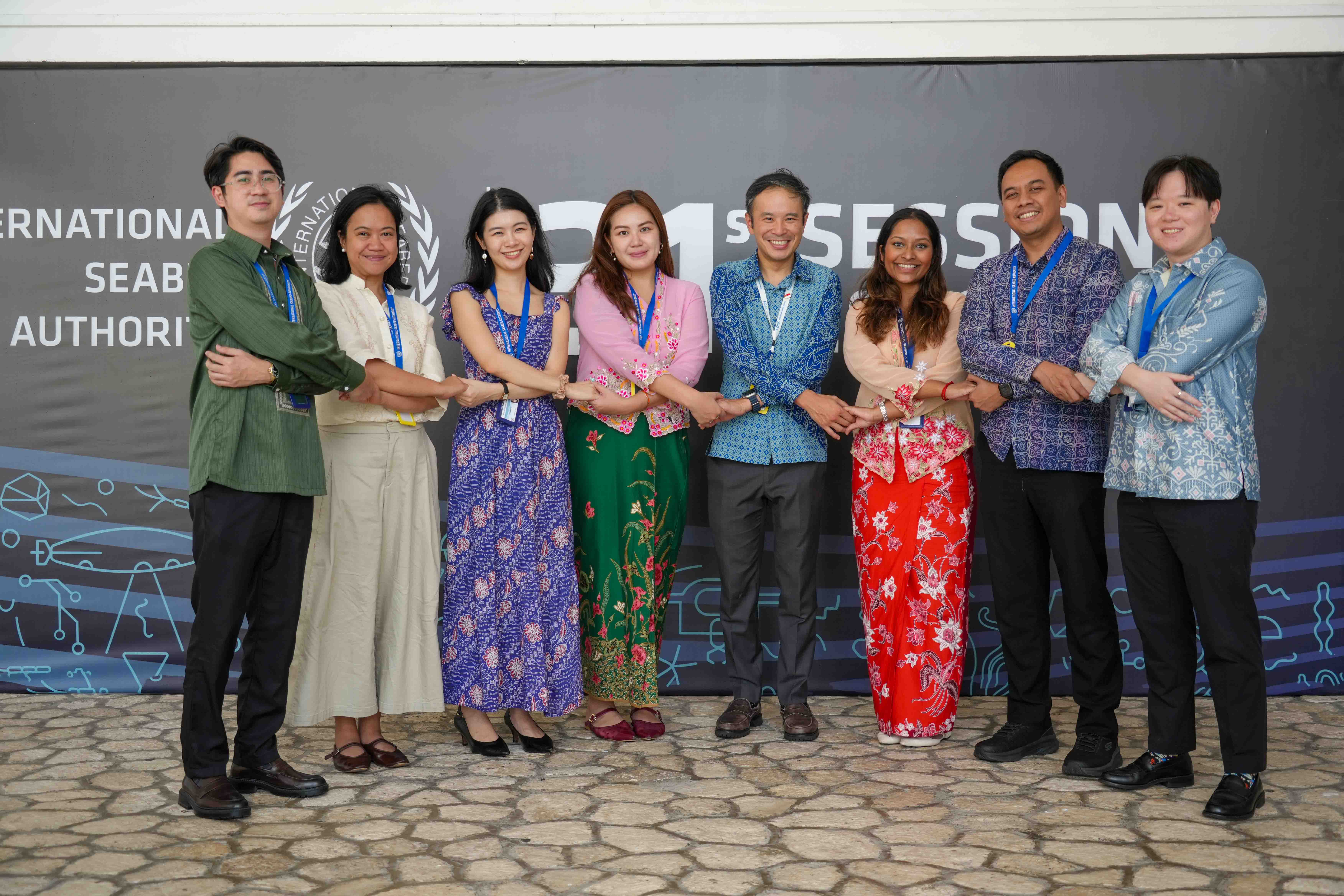
Delegates from the ASEAN group
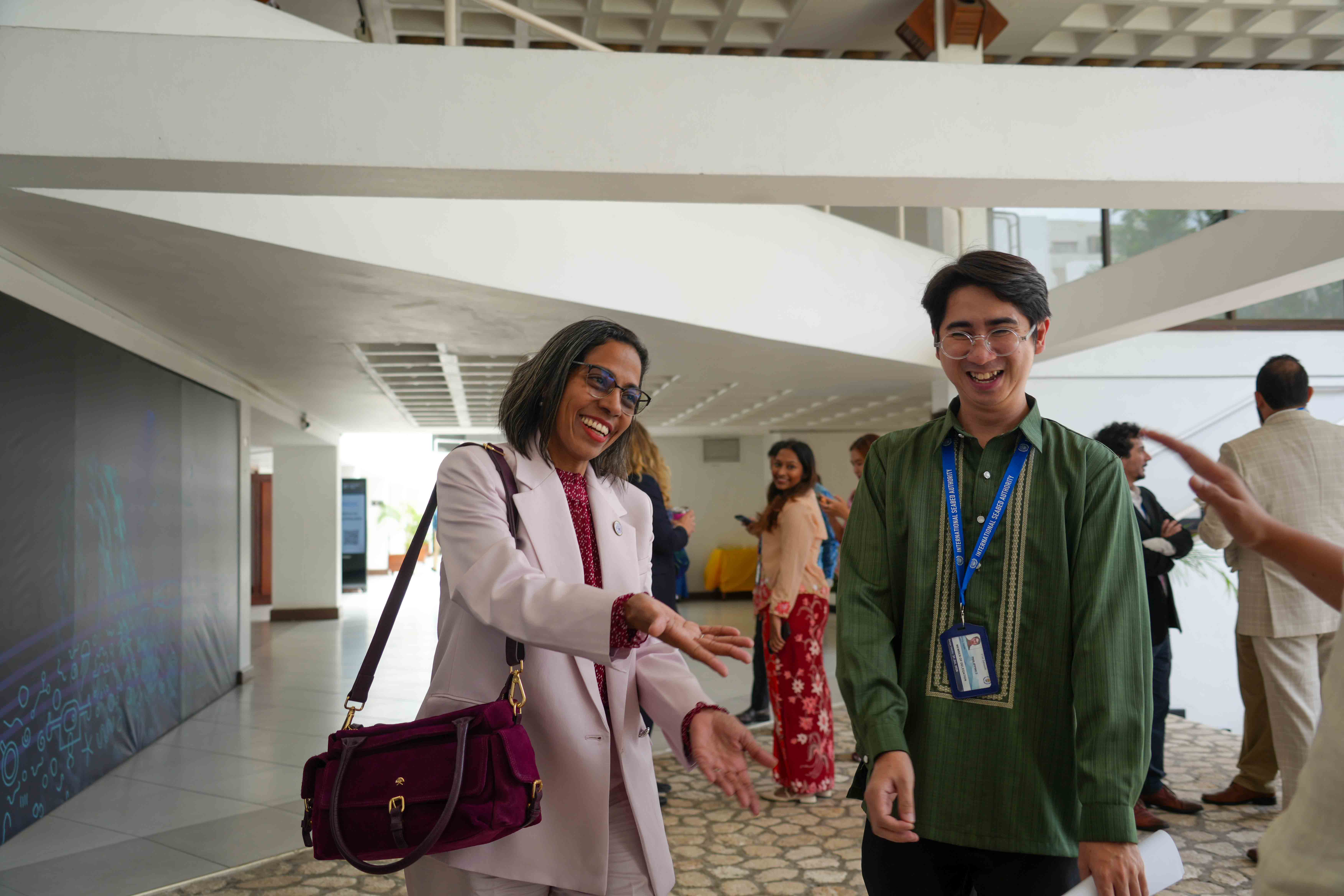
Leticia Carvalho, Secretary-General of the ISA, and Dennis Flores, the Philippines
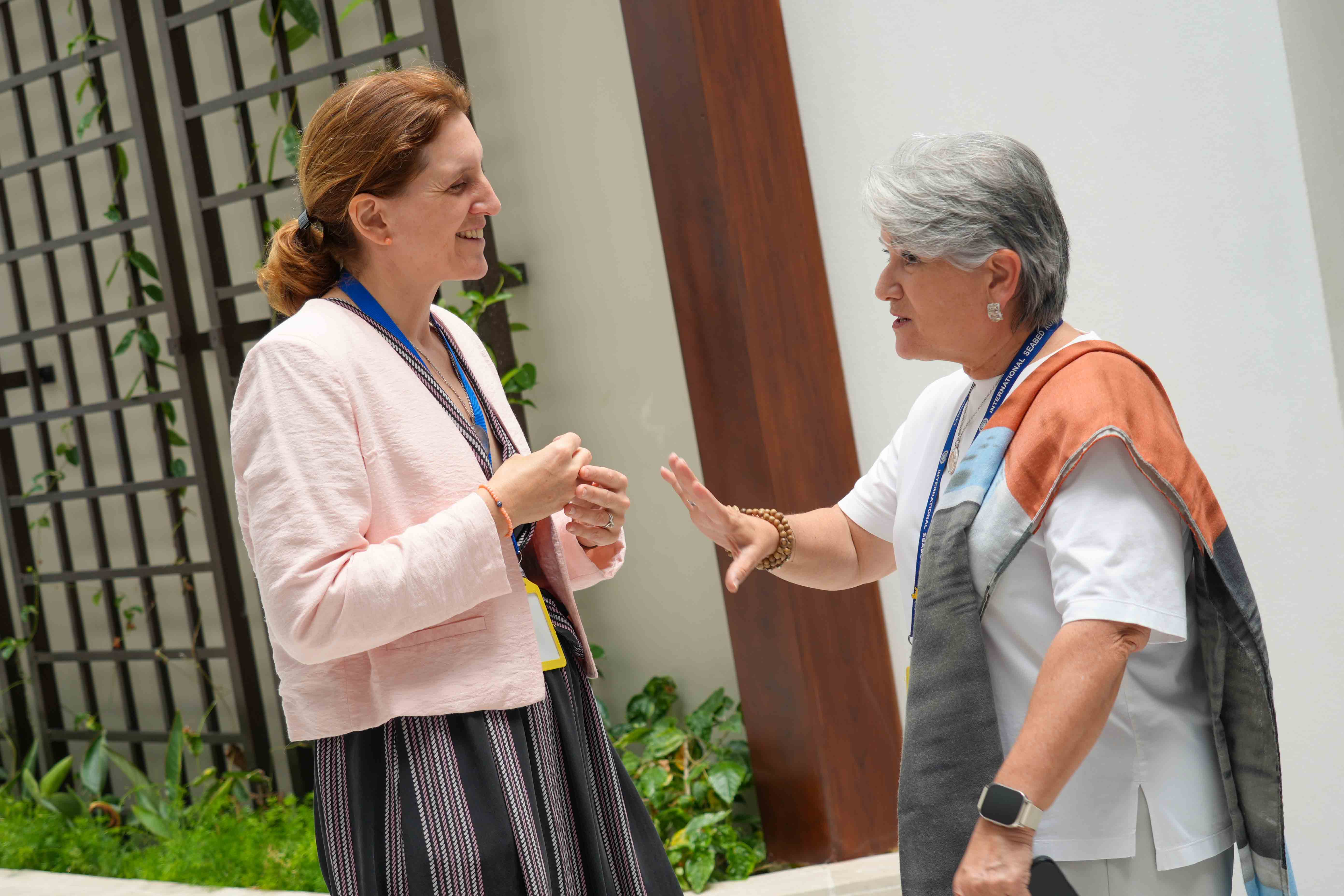
Marianne Ziss, France, and Elida Alcedo Guardi, Panama
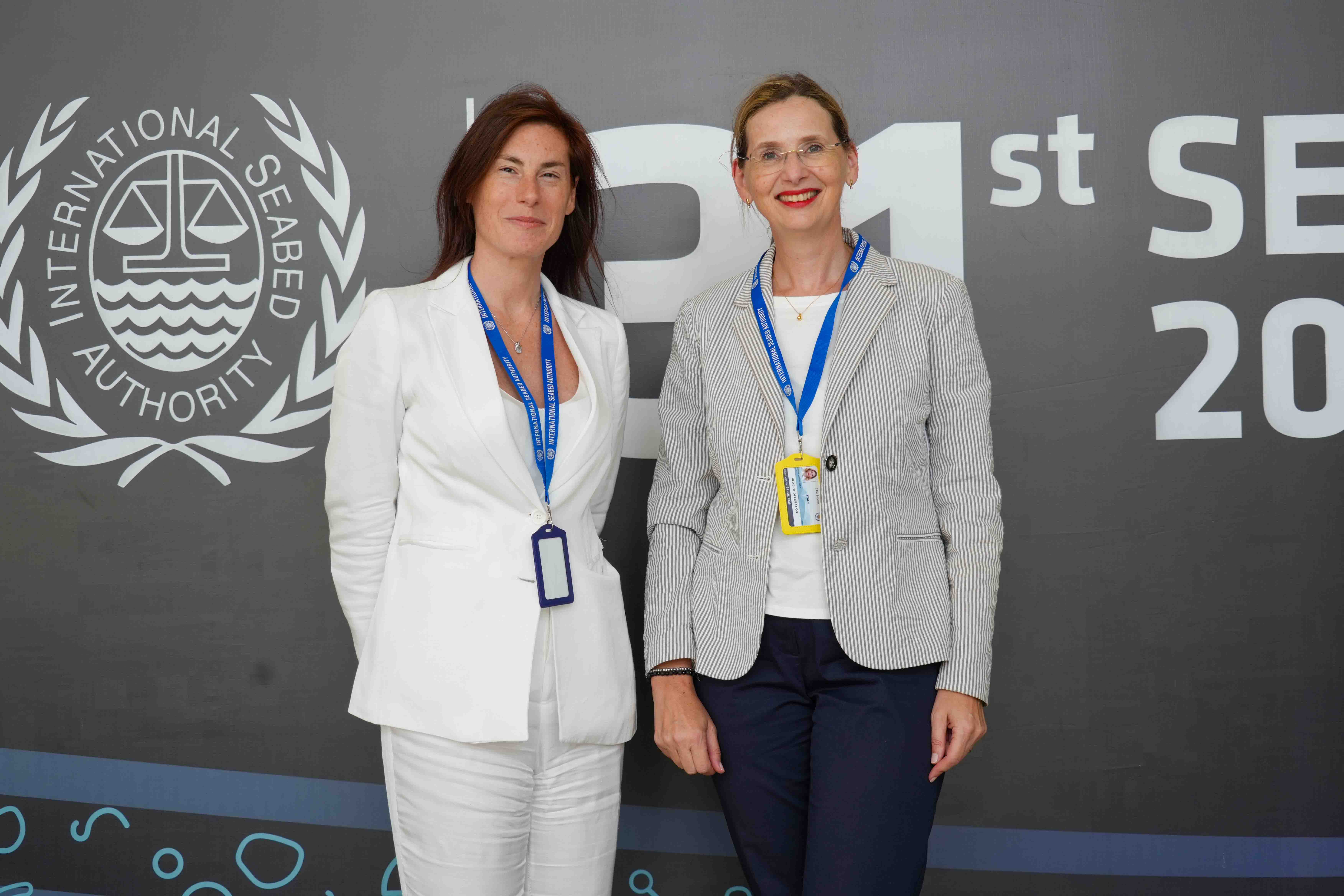
Giulia David and Catherine Flumiani, Italy
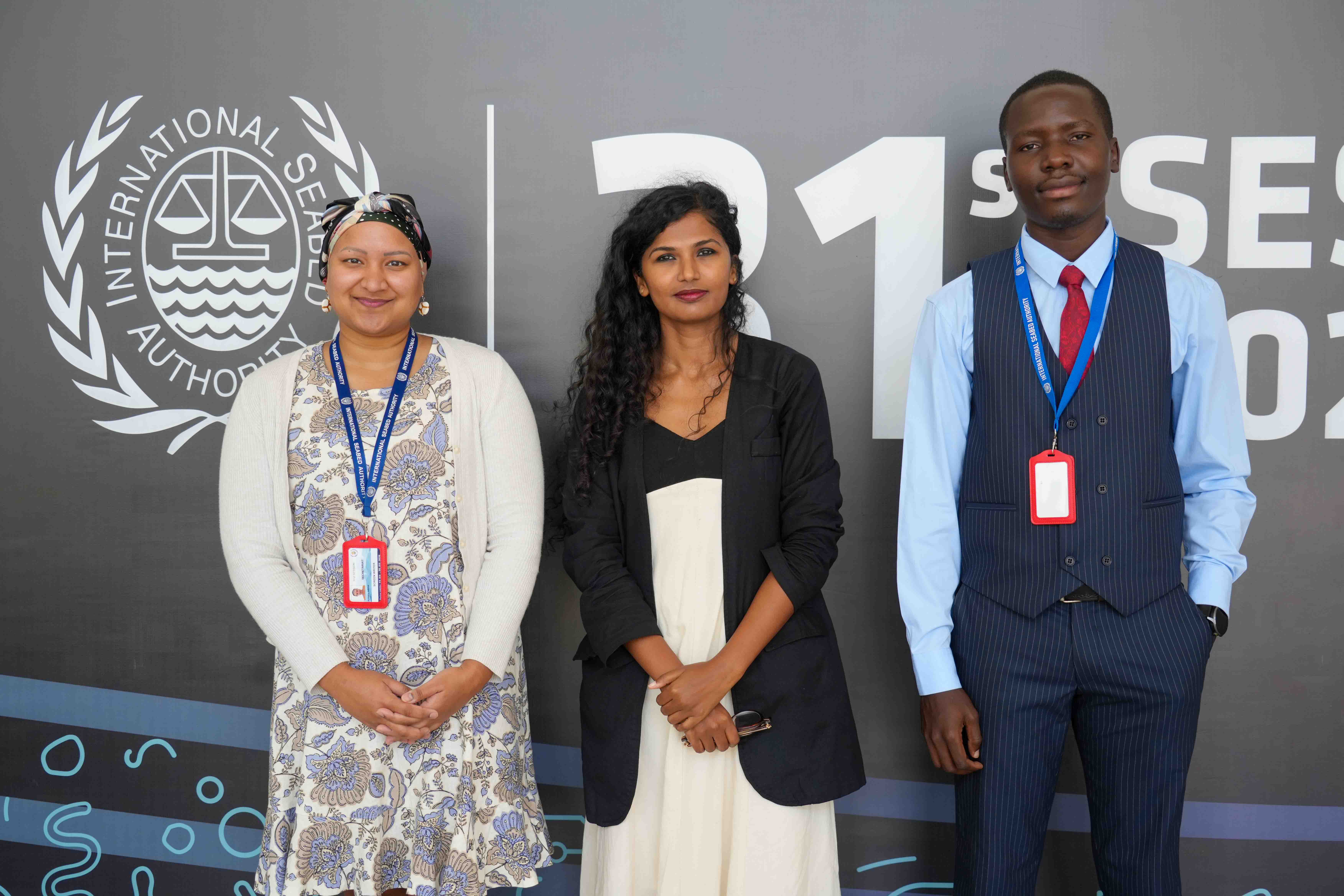
Azmaira Alibhai, Sushmita Patel and Hezrone Okoth, screen editors for the Secretariat of the Authority
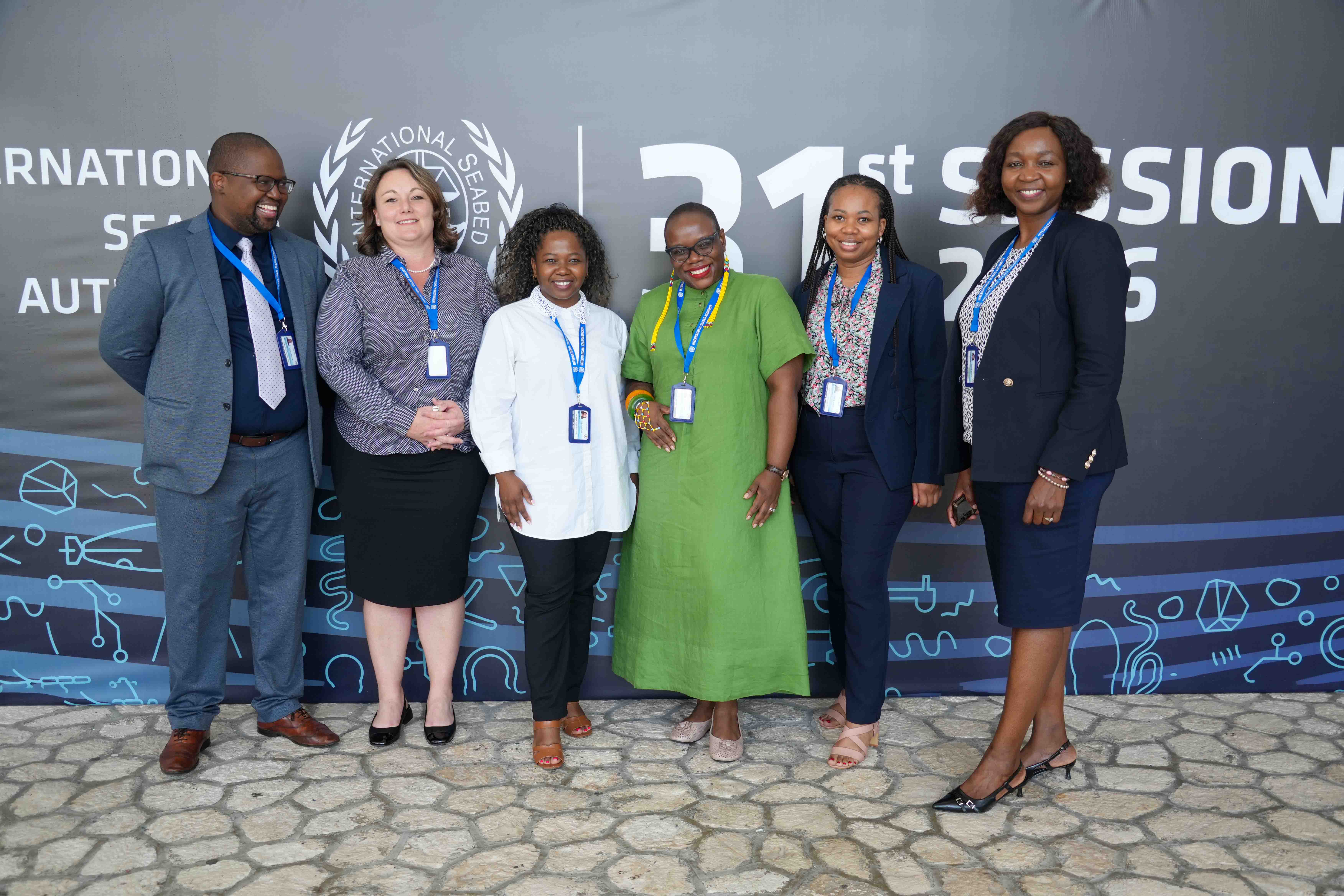
Delegation of South Africa
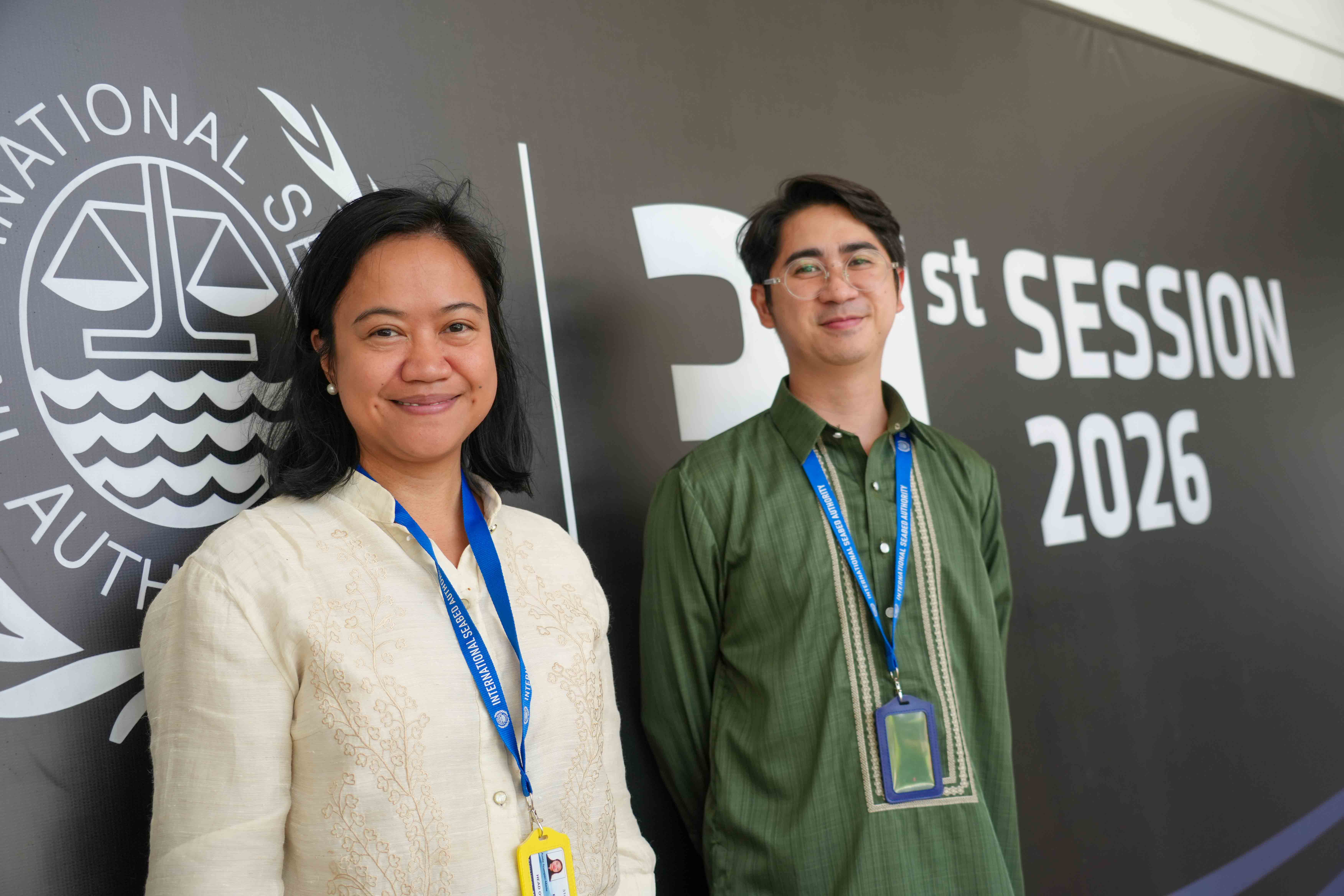
Azela Arumpac-Marte and Dennis Flores, the Philippines
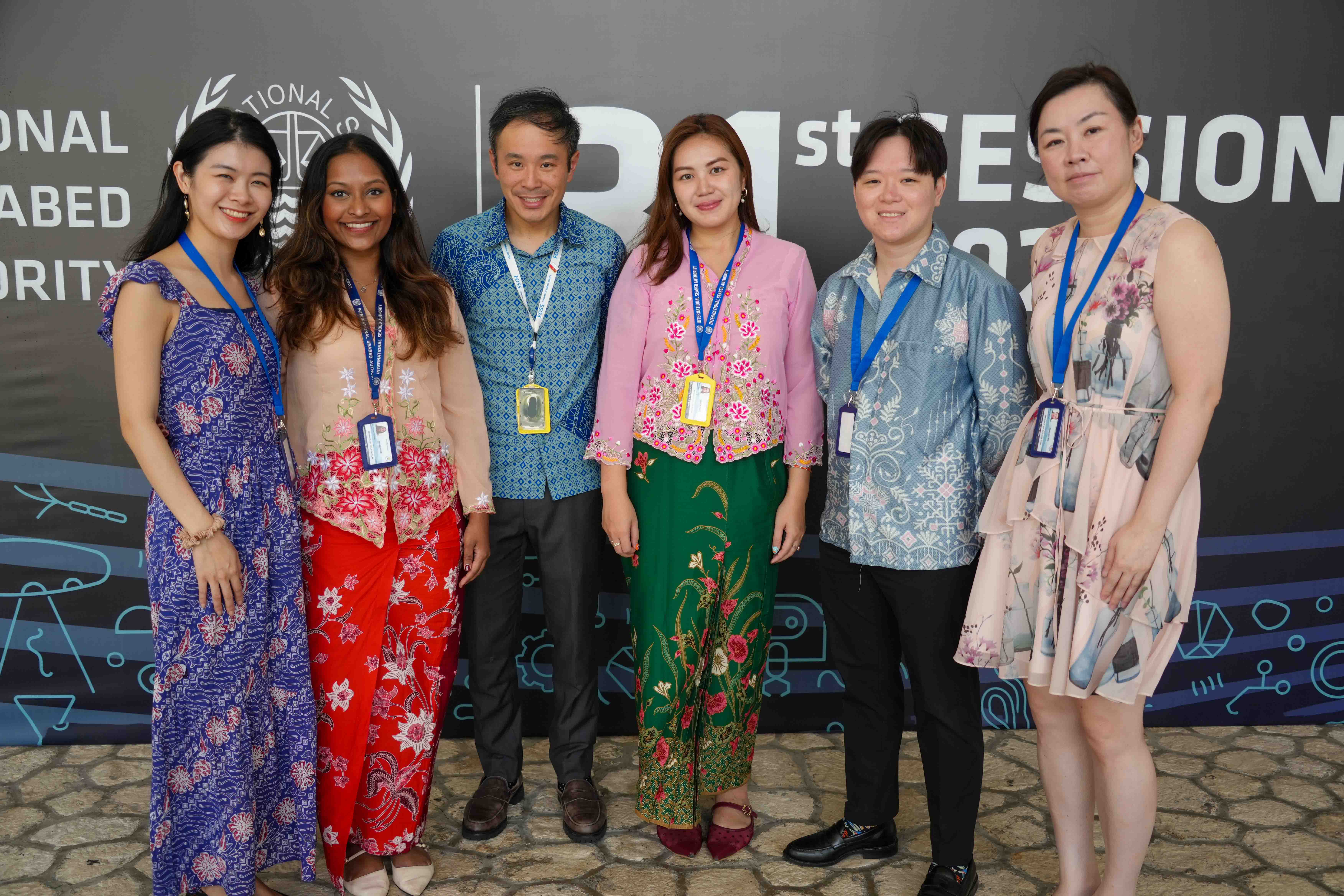
Delegation of Singapore
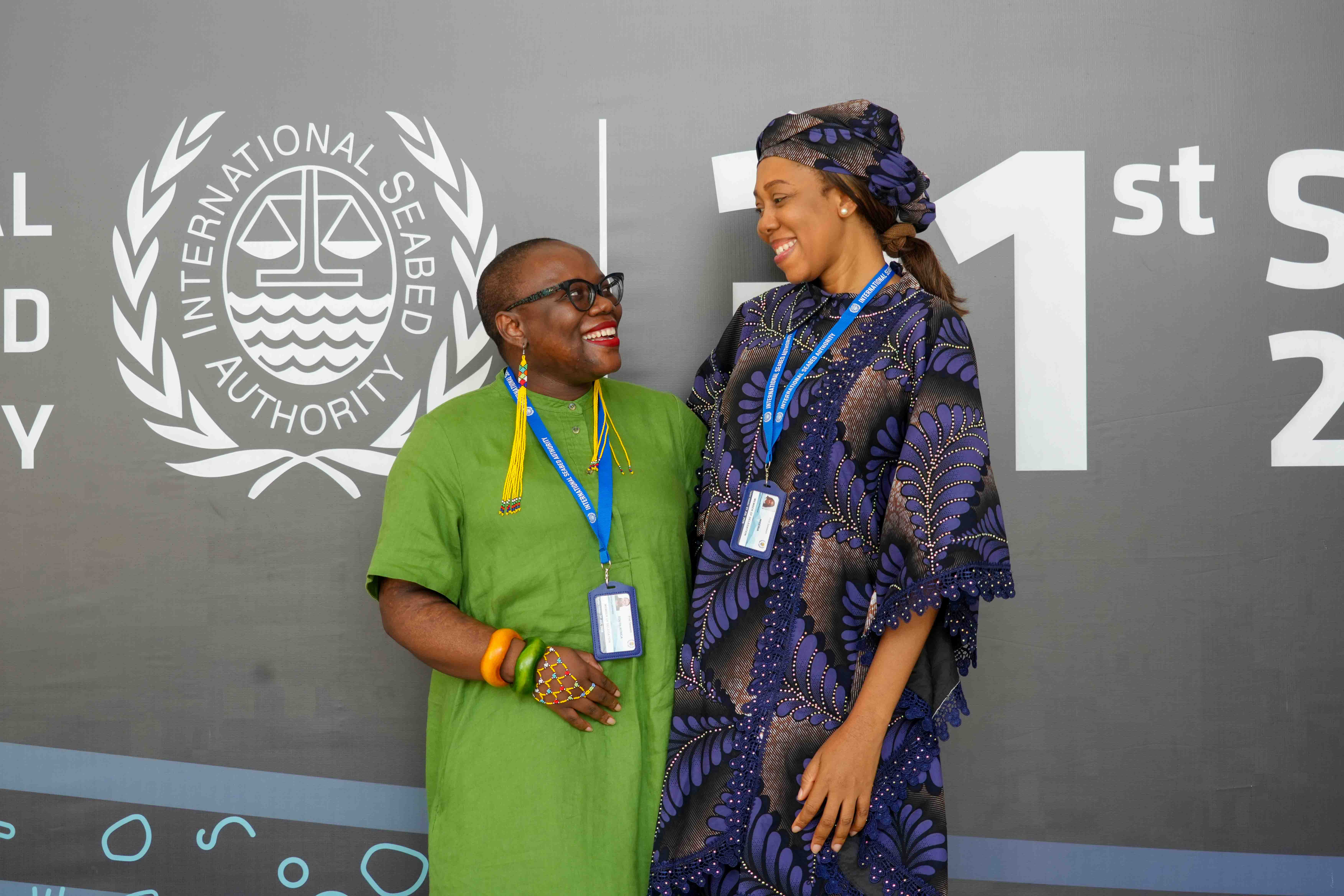
Mantsho Motsepe, South Africa, and Anthonia Oghenekome Adhekpukoli, Nigeria
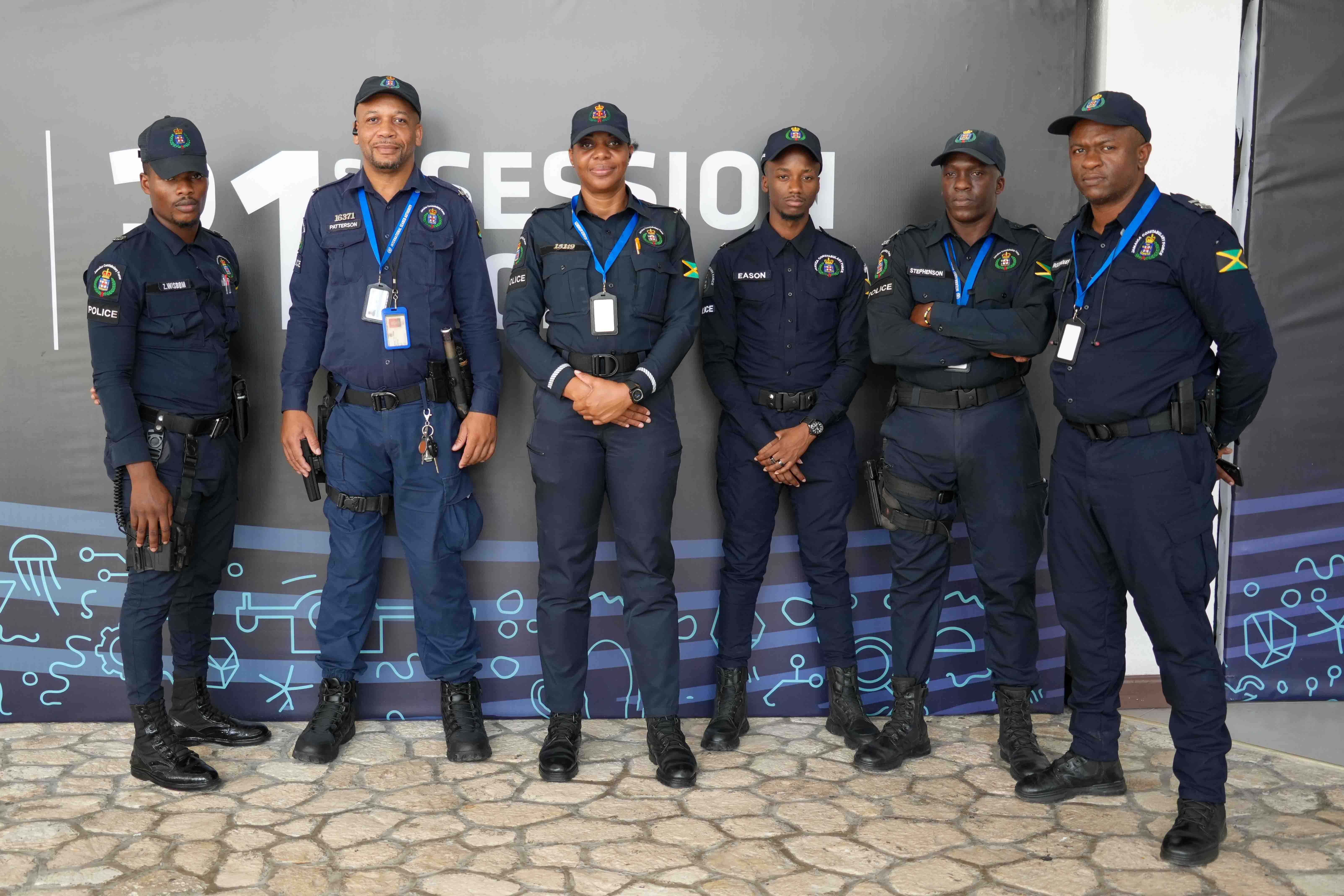
Jamaica Constabulary Force Group 1
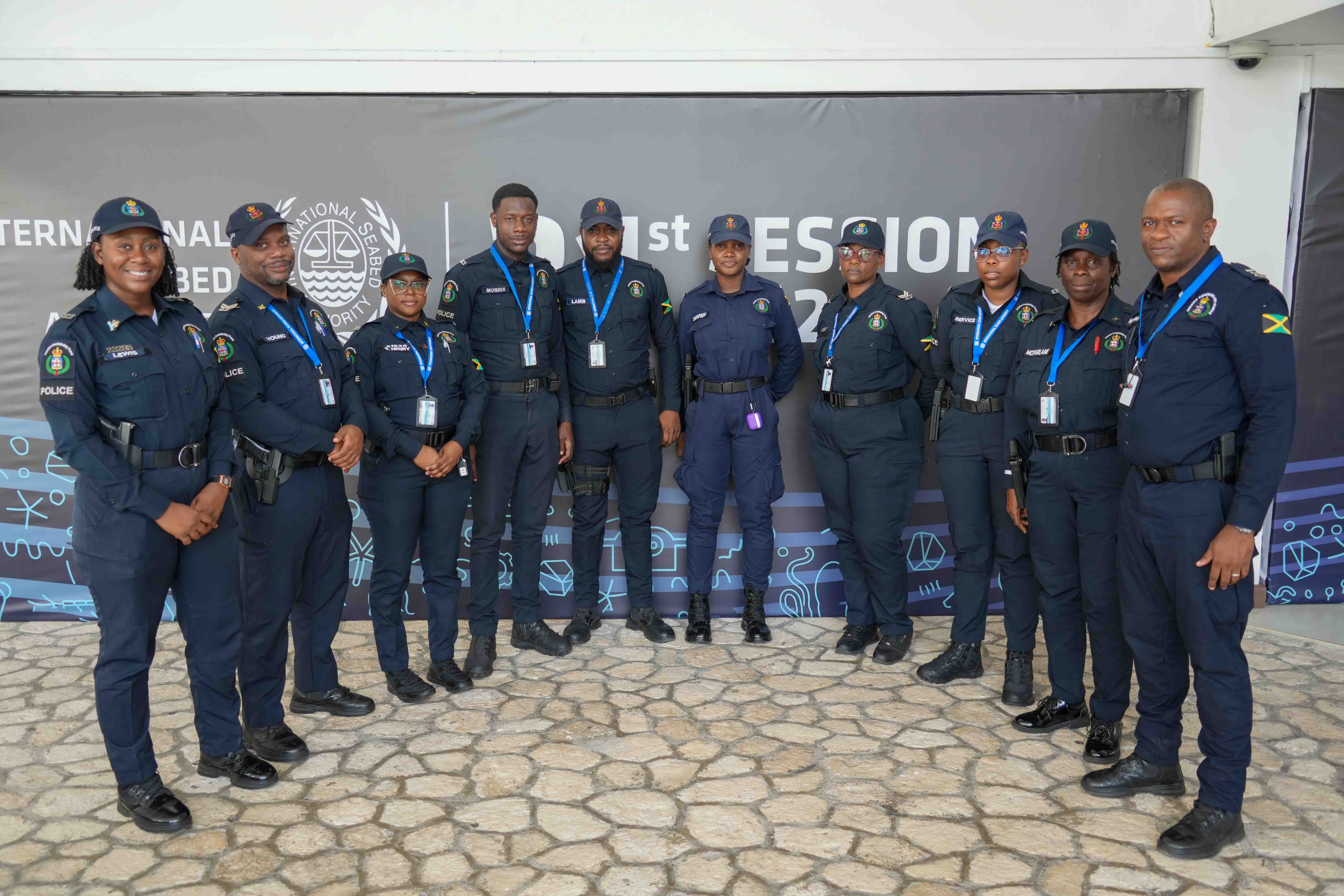
Jamaica Constabulary Force Group 2
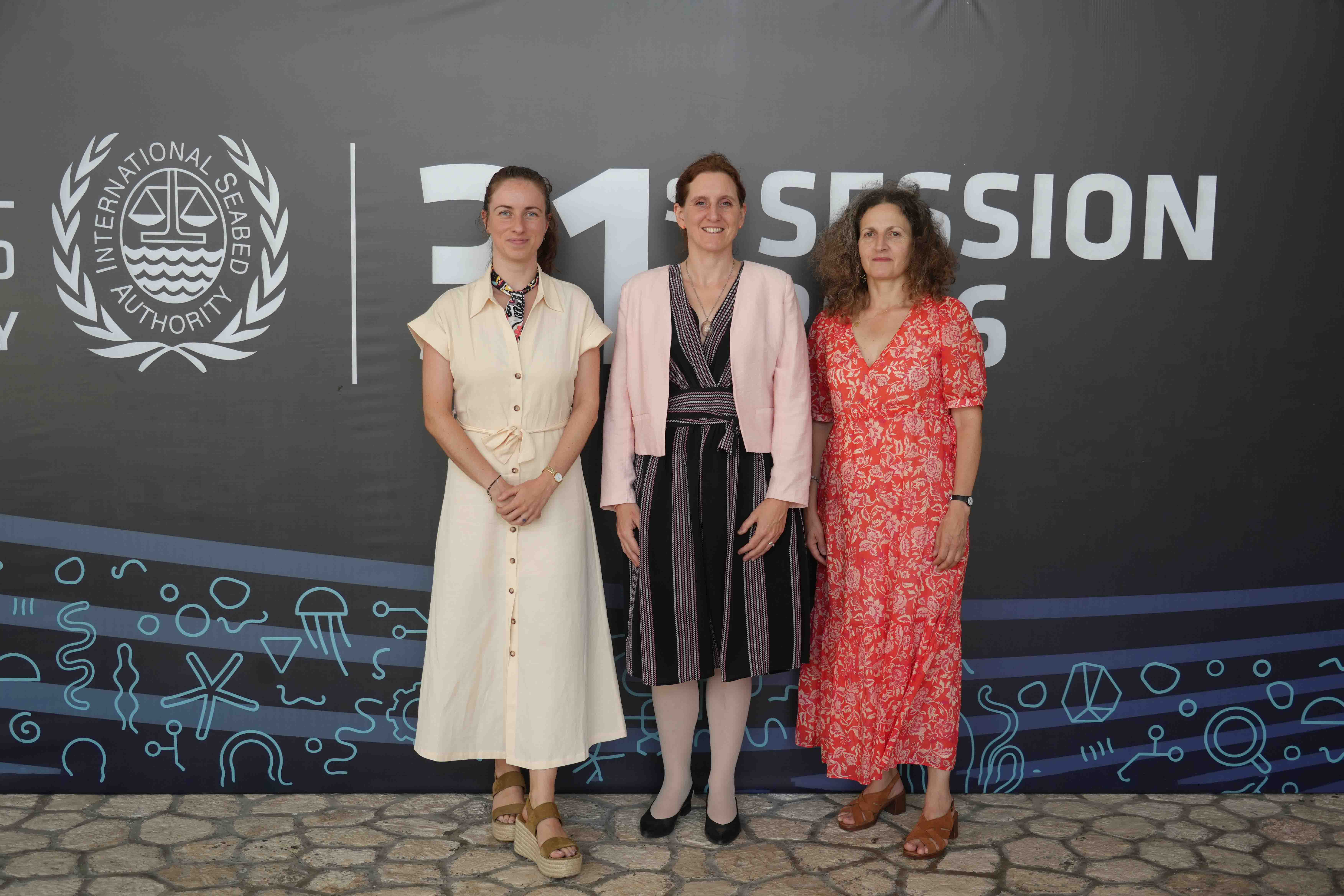
Delegation of France