
Liability, monopolization, and the payment system all took center stage in Thursday’s negotiations at the Council of the International Seabed Authority (ISA).
The day’s deliberations also included negotiations on definitions and annexes addressing the exploitation contract as well as impact reference zones (IRZs) and preservation reference zones (PRZs). IRZs are designated marine areas serving as impact study zones to evaluate how mining activities affect the seabed’s characteristics. PRZs are strictly protected, no-mining areas, serving as scientific control sites to monitor environmental impacts.
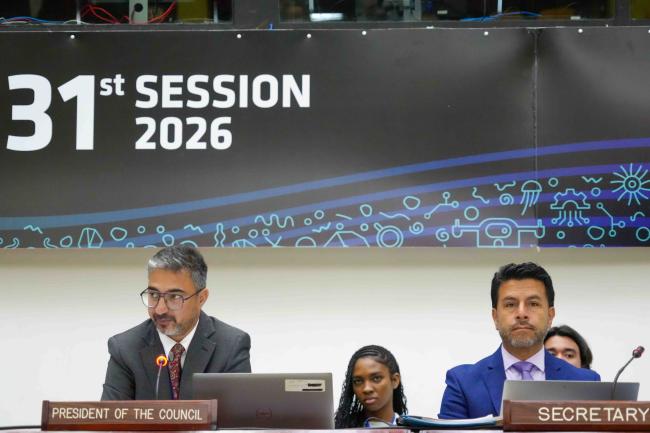
In the morning, Council President Mayank Joshi (India) invited delegates to resume work on the annexes to the draft exploitation regulations, starting with Annex X (standard clauses for the exploitation contract).
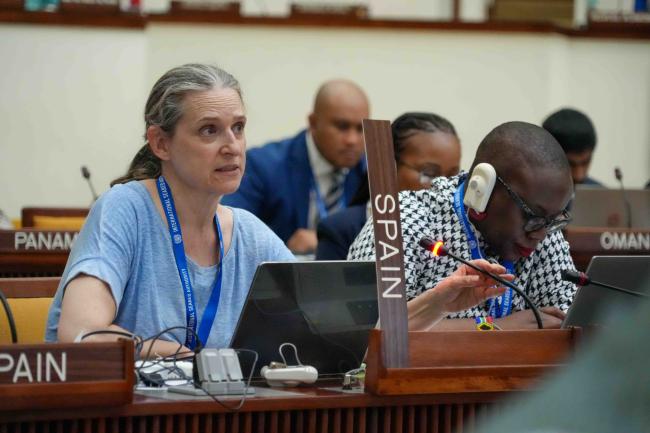
Many members noted that liability is a key outstanding issue, emphasizing the need to address it holistically, including the nature and applicable basis of liability, the type of damage to be covered, and how the different strands of the proposed liability regime interact. A participant suggested a causation-based trigger for liability.
Many delegates suggested retaining a reference to the polluter pays principle, while some reserved their position. Canada and Spain proposed establishing a working group for further deliberation and volunteered to facilitate it.
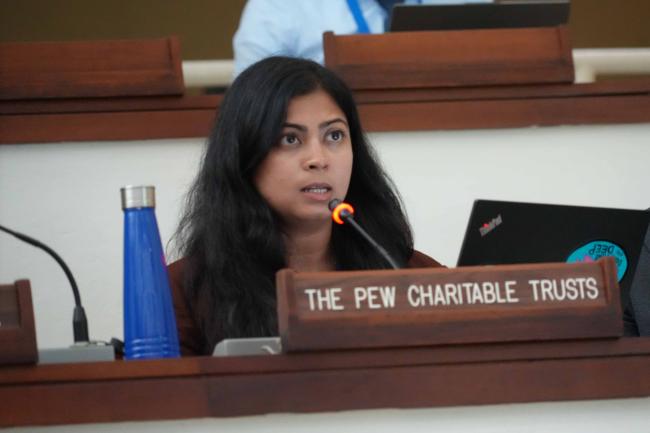
Observer organizations stressed that provisions in the Annex must be coherent with the liability framework in the regulations and queried the limitation of liability to the ISA, noting that potential claimants include other seabed-mining entities, other users of the sea, coastal states, and Indigenous Peoples.
On applicable law, some delegations supported including references to the UN Convention on the Law of the Sea (UNCLOS) and the 1994 Agreement as the supreme law governing the term of contracts.
Many Council members requested reinstating that a contractor, “its employees, subcontractors, agents, and all persons engaged in working or acting for them in the conduct of its operations under this contract” shall observe the applicable law.
Regarding Annex X bis (design criteria for IRZs and PRZs), delegates discussed, among other things:
- the correspondence between types of environmental impacts and reference zones;
- whether the zones can be inside or outside the contract area;
- references to the pelagic and benthic environment, abiotic and biotic parameters, and post-mining monitoring; and
- cross-references to relevant regulations.
Observers called for: further clarity on the triggers and mechanisms for introducing additional reference zones; addressing cases where PRZs are accidentally impacted; and measures to ensure zones would remain unimpacted.
Delegates then turned to the Schedule (glossary) containing applicable definitions. They focused on definitions on:
- the beneficial ownership registry;
- best environmental practices and best available scientific information or knowledge;
- contractor, change of control, and collision;
- contamination and cumulative environmental effects; and
- the closure plan.
President Joshi suggested establishing an informal group for further work. A delegate suggested developing definitions only for terms that are insufficiently precise and are used more than twice in the regulations. Some delegates suggested allocating to existing informal groups definitions that fall under their purview, which was agreed.
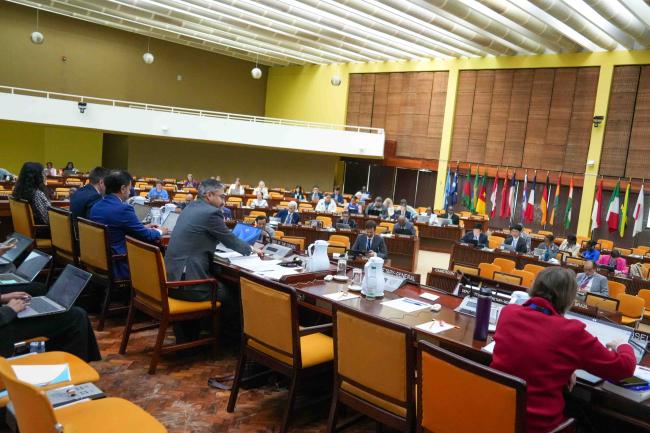
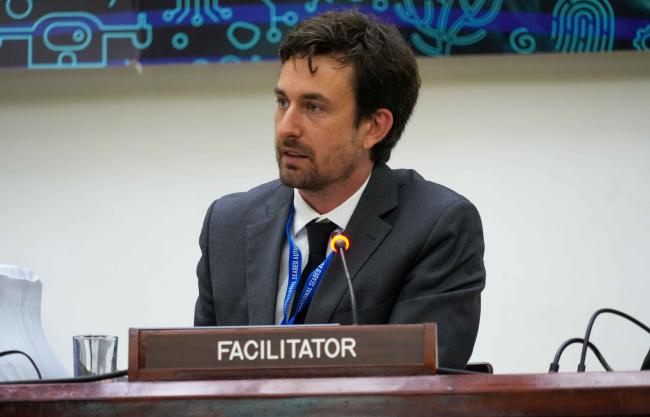
In the afternoon, delegates focused on financial issues. Canada, facilitator of the Friends of the President group on regulation 81 (review of the system of payments) and regulation 82 (review of the rates of payments), presented the outcome of intersessional work. He focused on: the general principles set out in UNCLOS and the 1994 Agreement; key mechanics of the review of the payment system using illustrative examples; and key outstanding issues.
On the review of the system of payments, delegates addressed two alternative definitions, with most expressing flexibility on the way forward. They discussed, among other things, whether the review should include the methodologies used to calculate environmental externalities. They also addressed whether a change to the system of payments shall only apply by agreement between the ISA and the contractor for contract areas that have already commenced commercial production or to existing contracts.
Several delegates stressed the importance of providing contractors with predictability and certainty on the review of payment rates. Council members supported developing a standard for reviewing payment rates as well as including the definition of “rates of payment” in the Schedule.
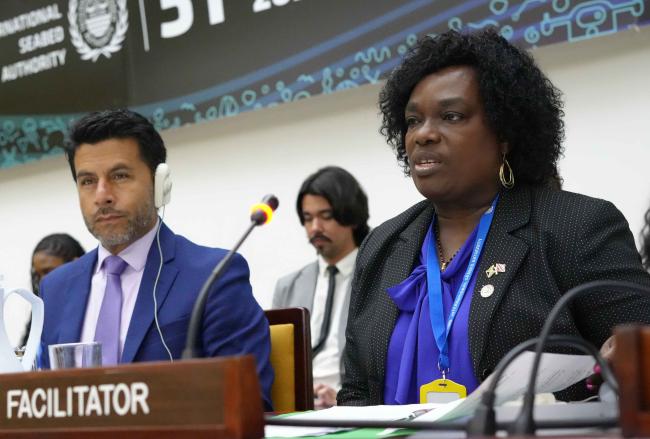
The Council then turned its attention to provisions related to monopolization, guided by Trinidad and Tobago, facilitator of the relevant Friends of the President group.
Delegates supported the inclusion of a general provision against monopolization in regulation 13 (assessment of applicants and applications), keeping detailed requirements in the standards and guidelines. Some requested clarification on terms such as “associated arrangements” and “concentration of control.”
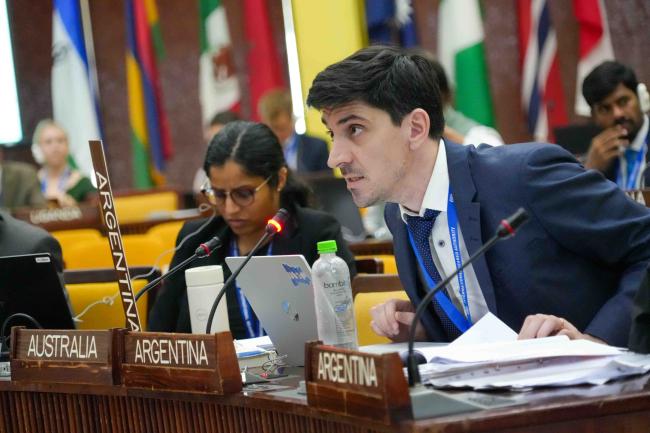
Regarding regulation 15 (recommendation by the Legal and Technical Commission for the approval or disapproval of a plan of work), delegates expressed divergent opinions on a provision against monopolization, with some showing flexibility.
Council members also addressed regulation 24 (change of control) and regulation 24 bis (change of nationality), with a delegate suggesting linking a potential termination of a contract to a Council decision rather than following an automatic procedure.
The facilitator highlighted considerable progress, noting that all suggestions will be captured in the next iteration of the text.
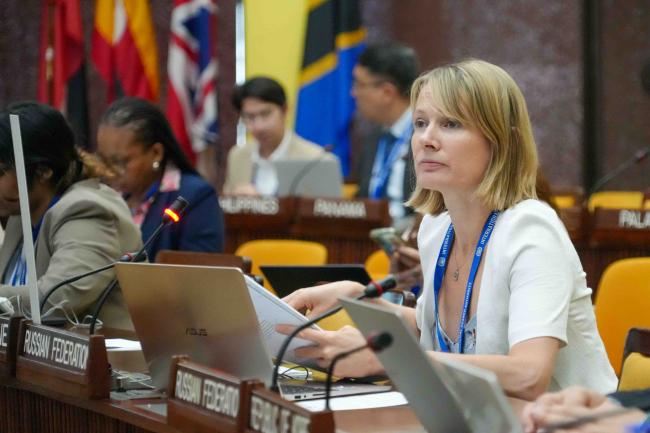
To receive free coverage of global environmental events delivered to your inbox, subscribe to the ENB Update newsletter.
All ENB photos are free to use with attribution. For the Second part of the 31st session of the International Seabed Authority (ISA) meeting, please use: Photo by IISD/ENB | Andrés Felipe Carvajal Gómez
Selected Images
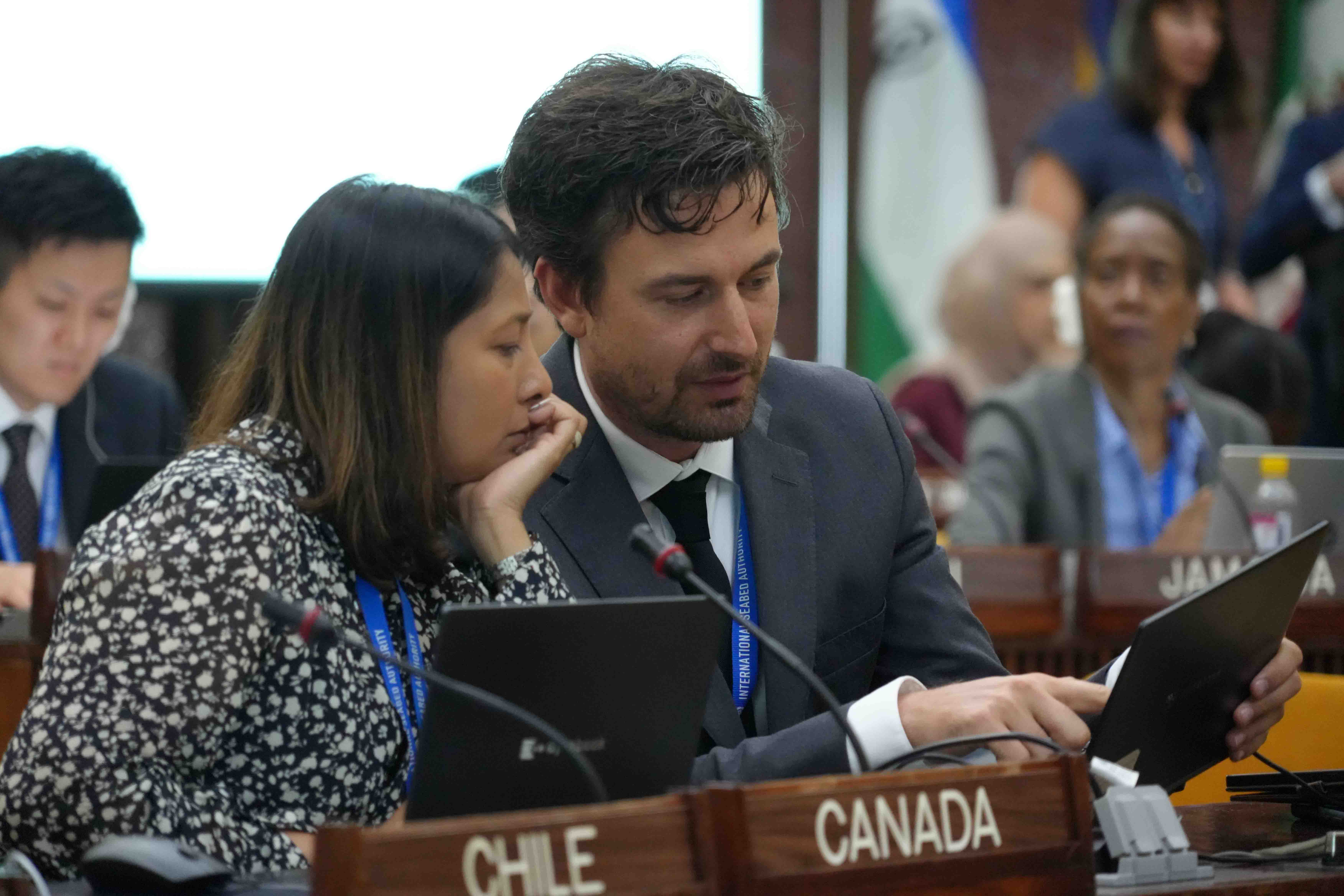
Azra Haque and Daniel Hill, Canada
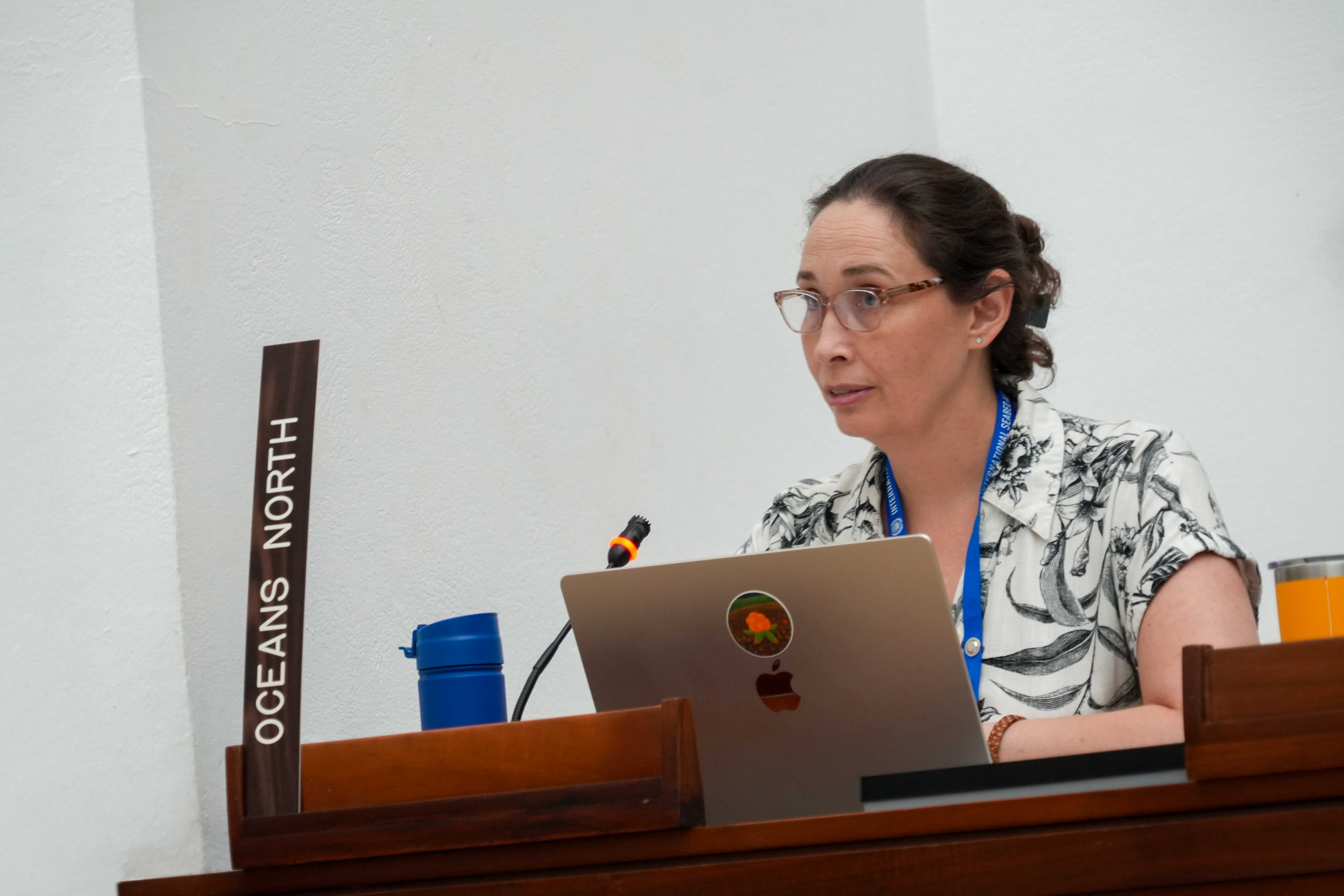
Amanda Joynt, Oceans North
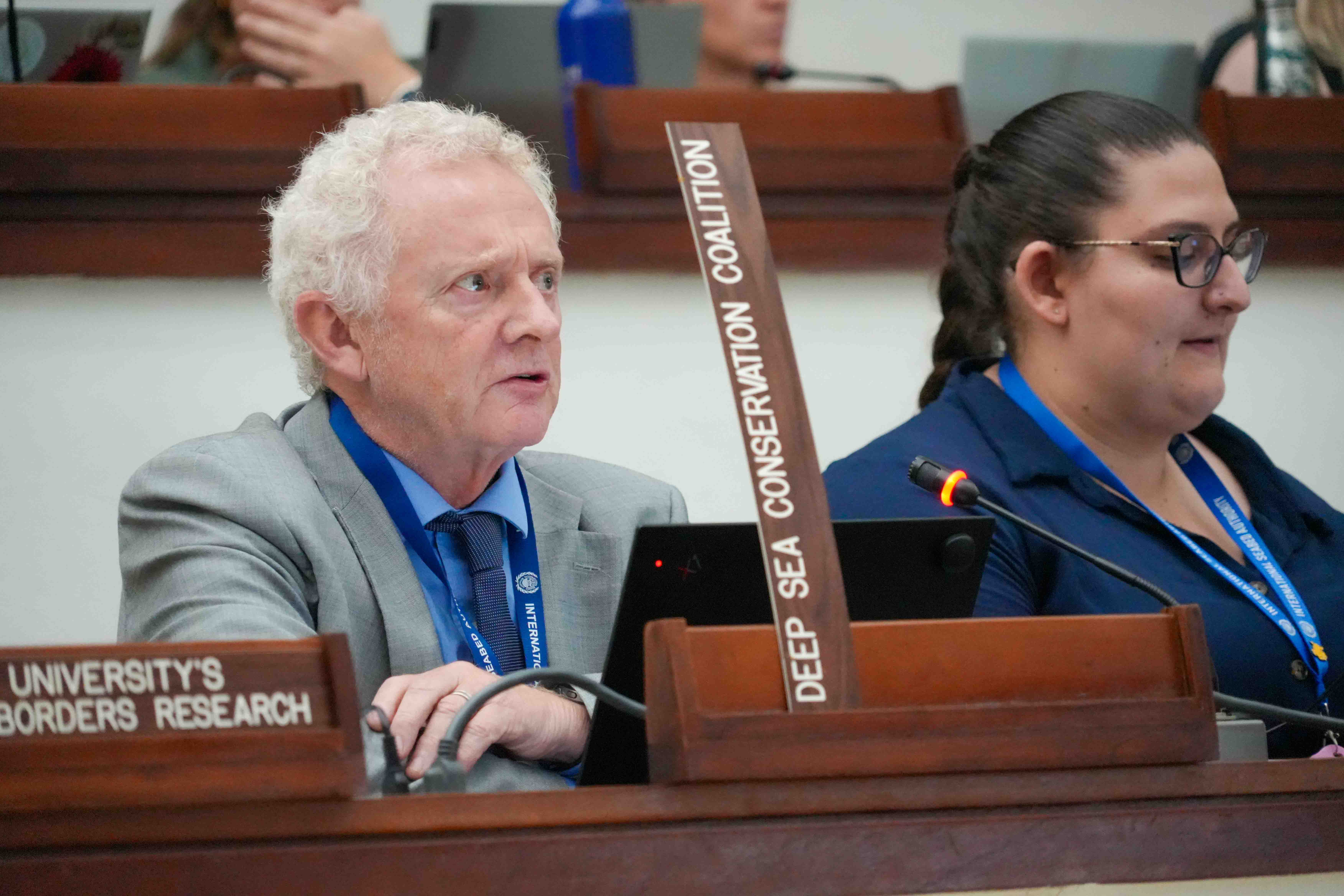
Duncan Currie, Deep Sea Conservation Coalition
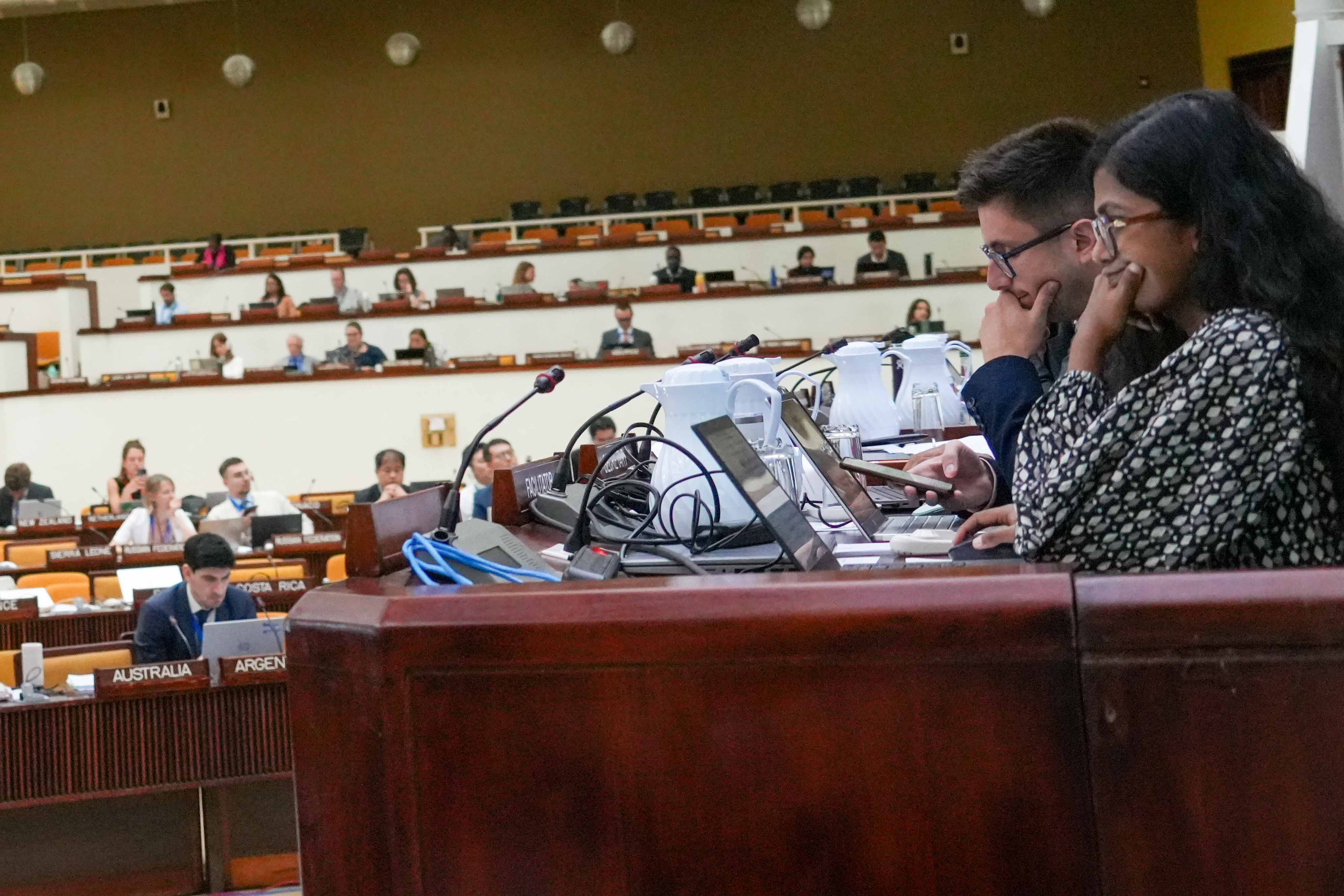
Patel Sushmita and Matteo Bedendi, Secretariat of the Authority

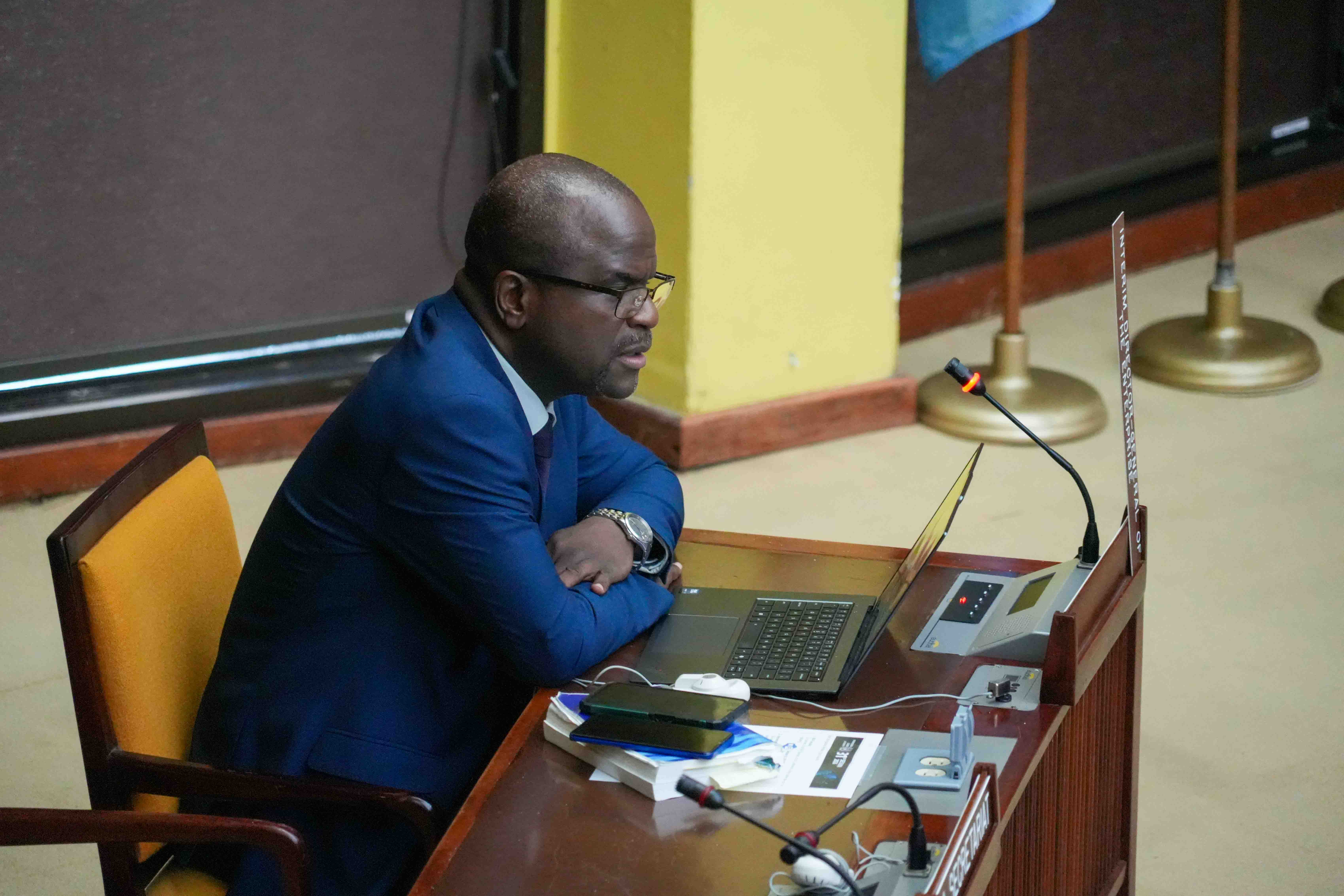
Eden Charles, Interim Director-General of the Enterprise
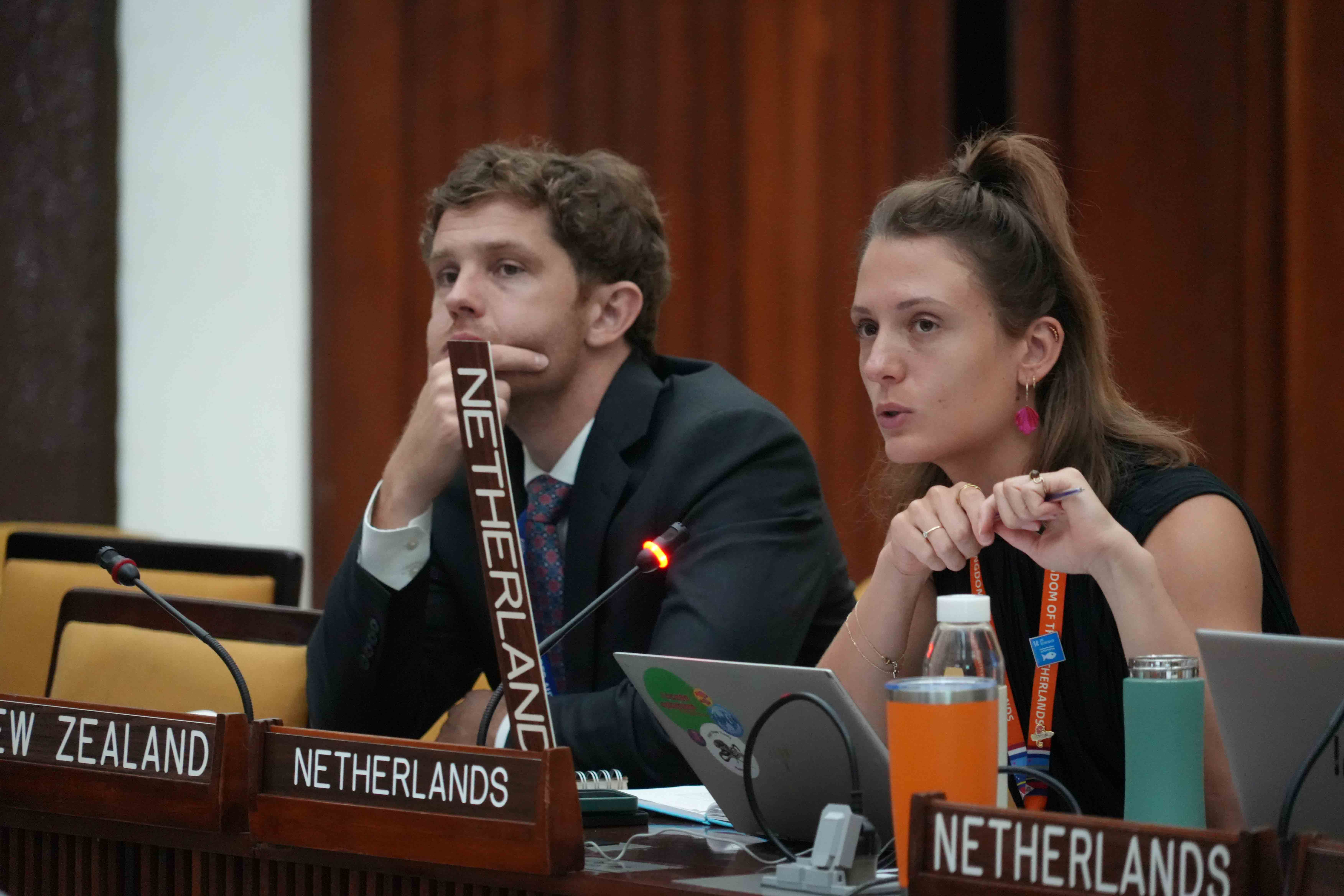
Emma van den Boogard, the Netherlands
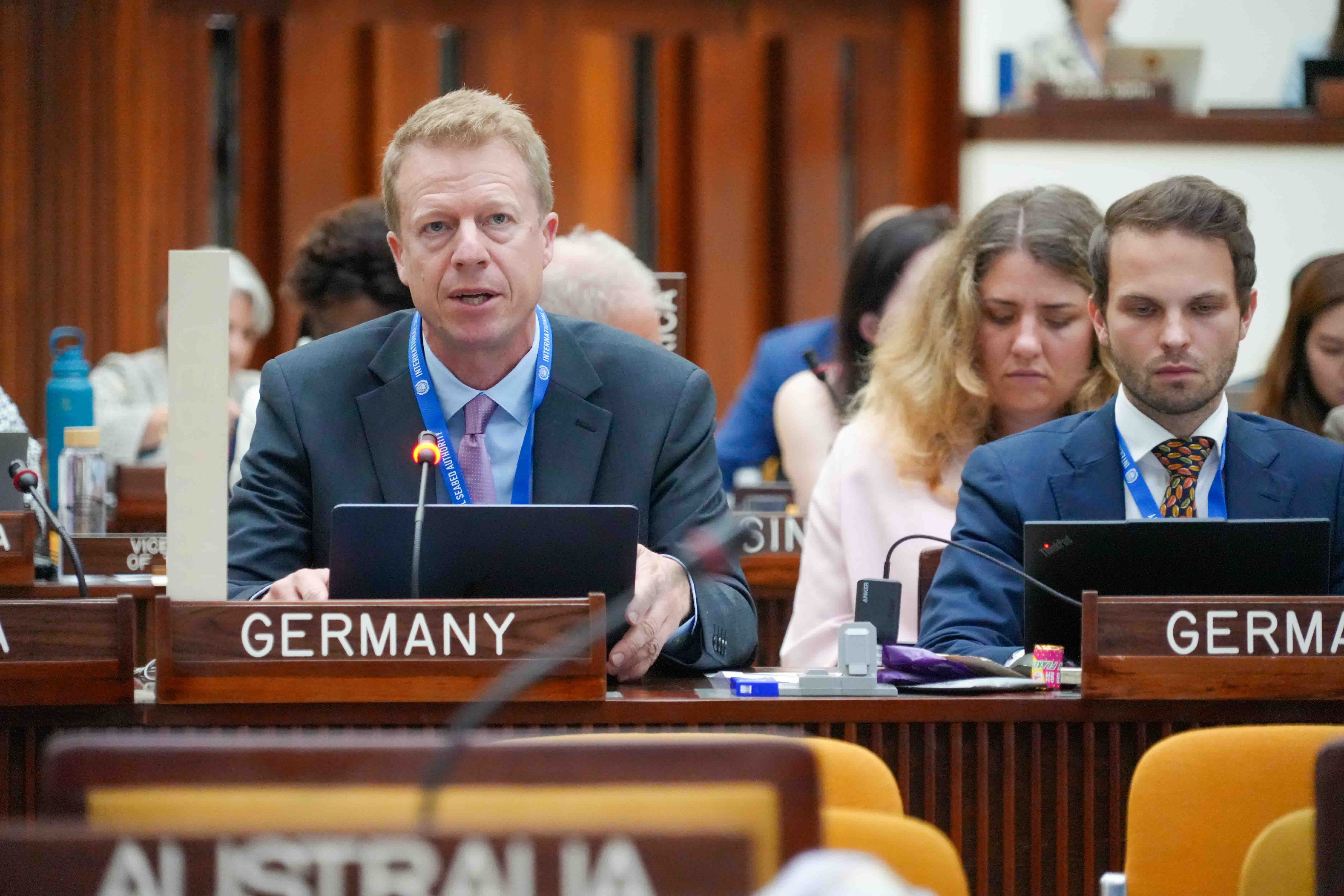
Ingo Naberhaus, Germany
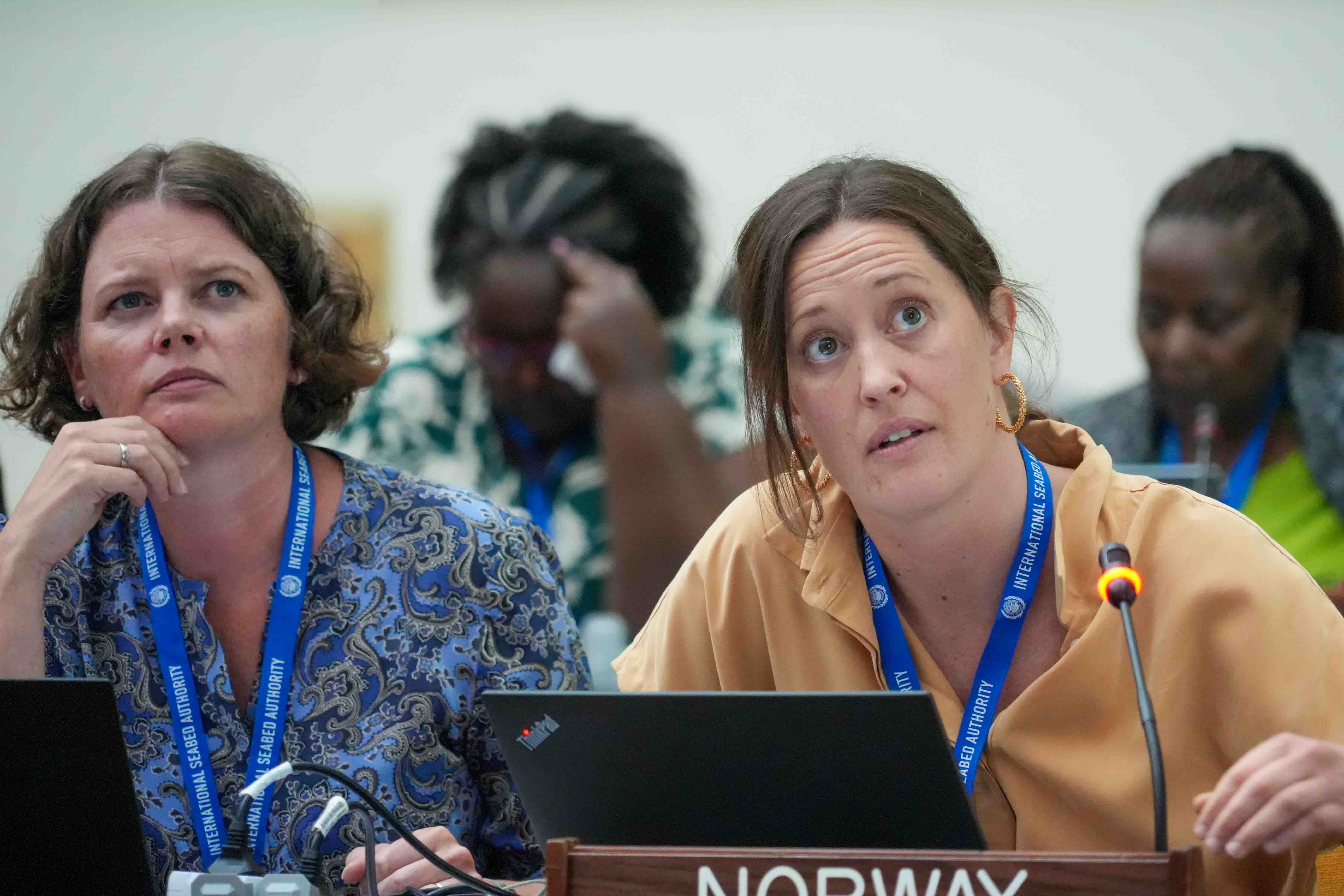
Ingrid Vikanes, Norway
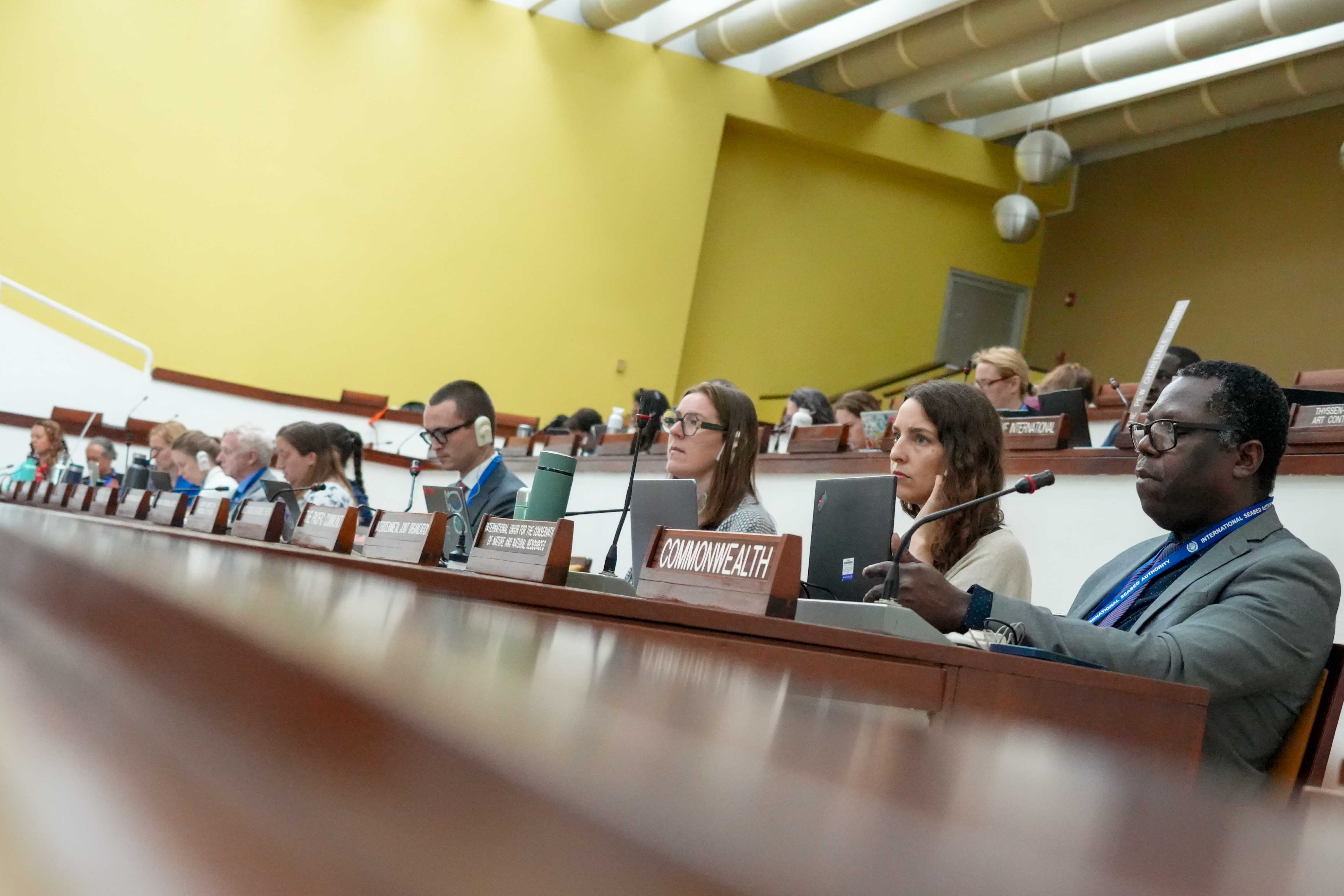
Observers following the session on annexes and the Schedule
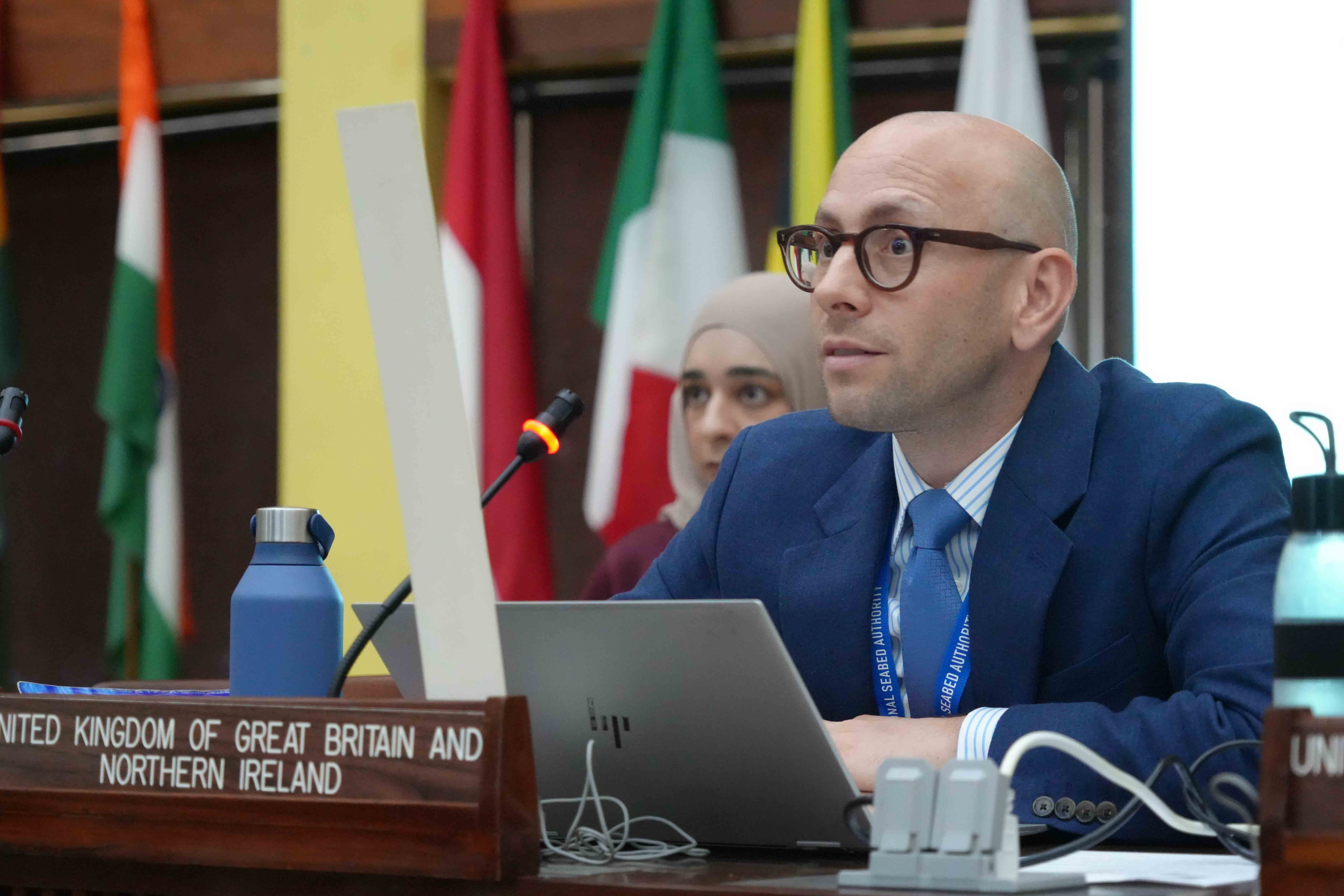
Fraser Janeczko, UK
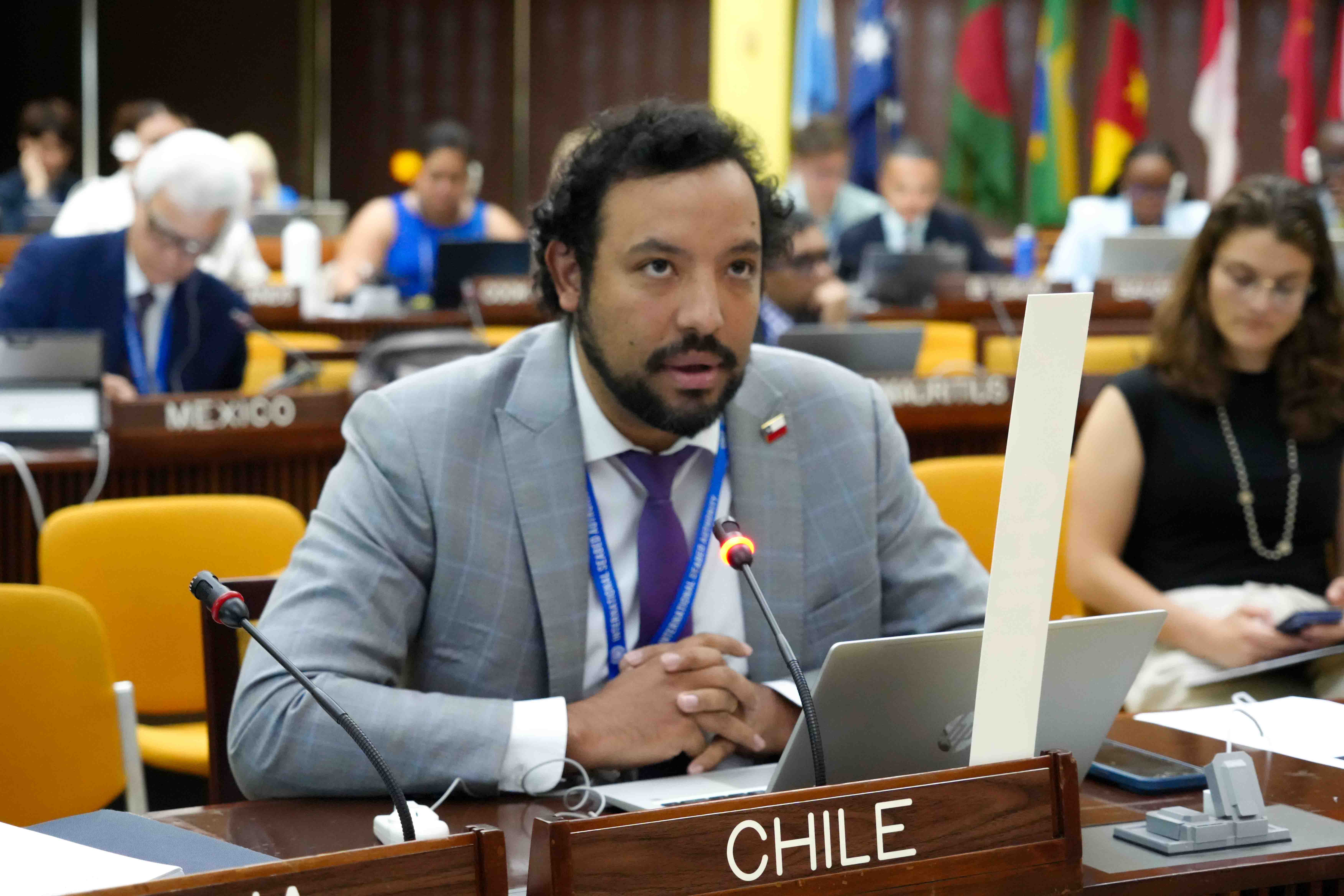
Mario Díaz Hinojosa, Chile
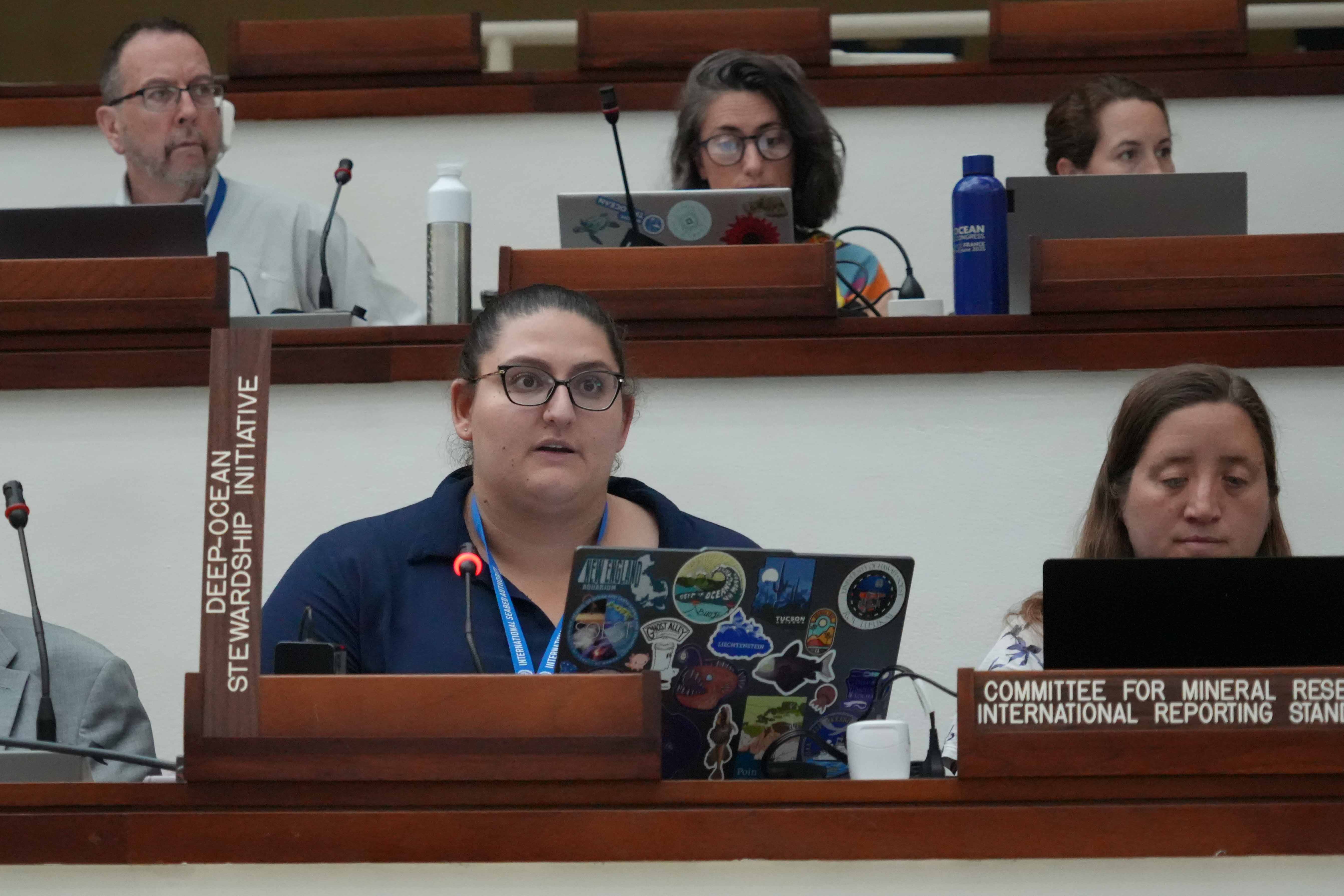
Victoria Assad, Deep Ocean Stewardship Initiative
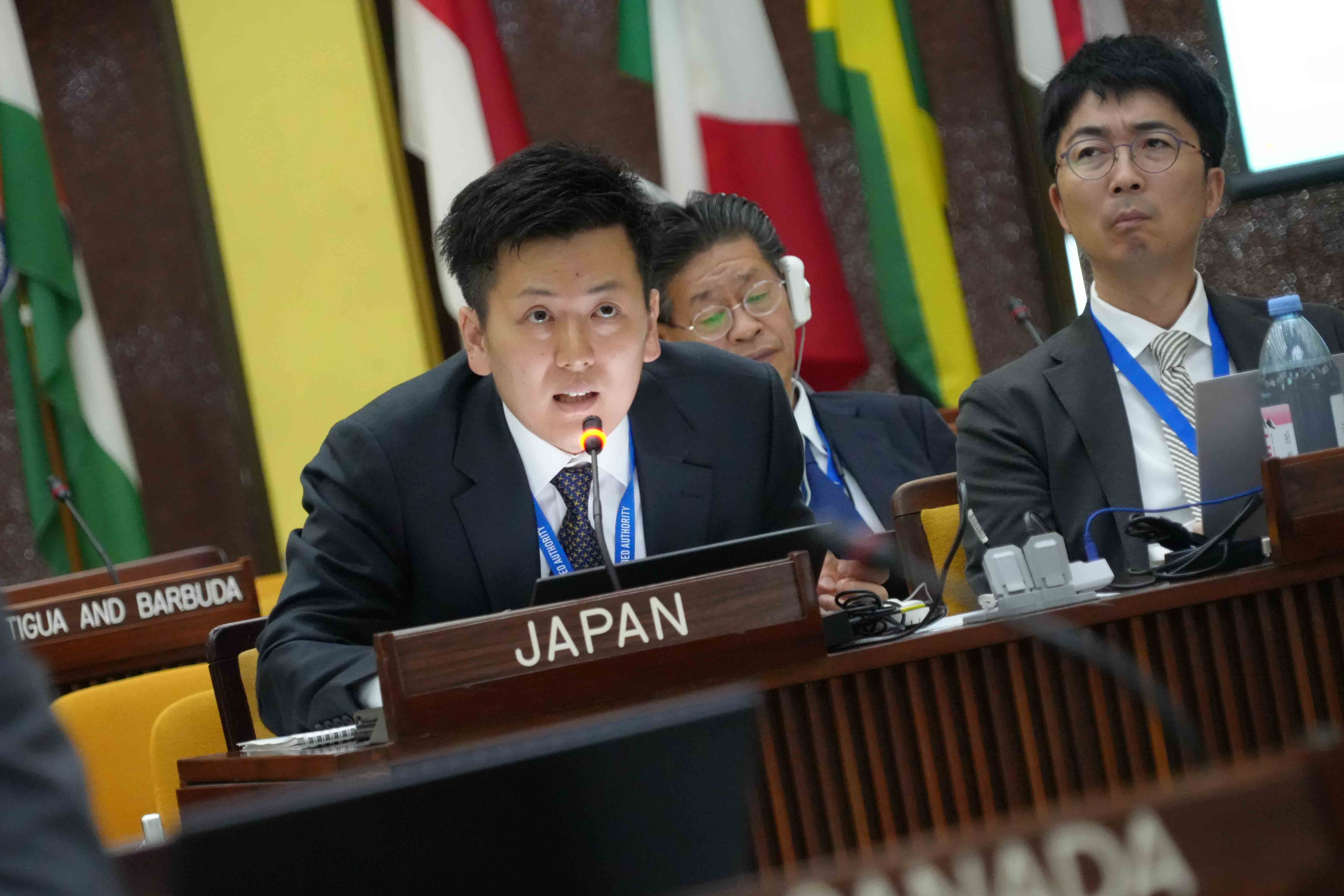
Sotaro Higaki, Japan

Xidi Chen, China
Between the sessions
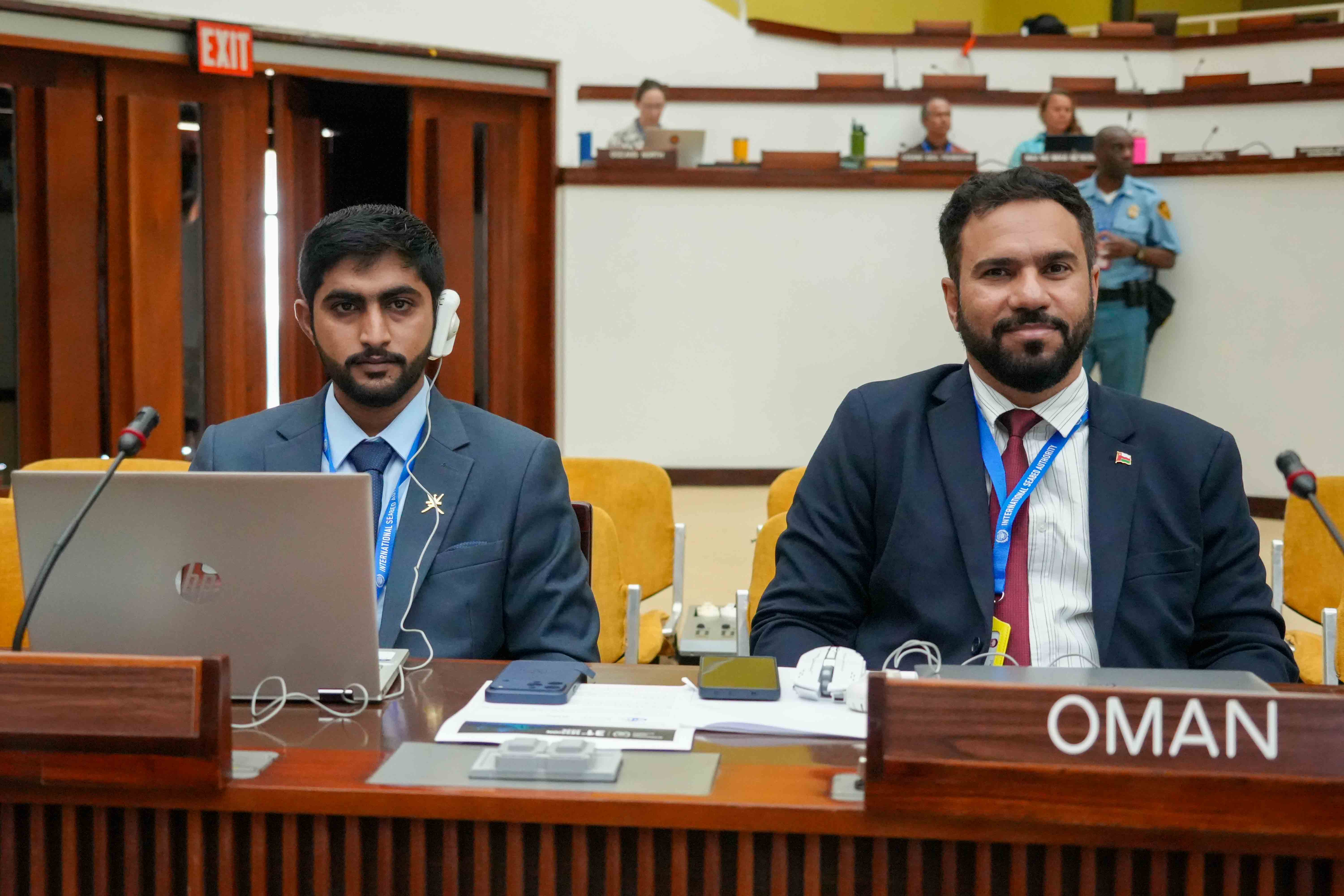
Ali Al Jaradi and Said Al Musharrafi, Oman
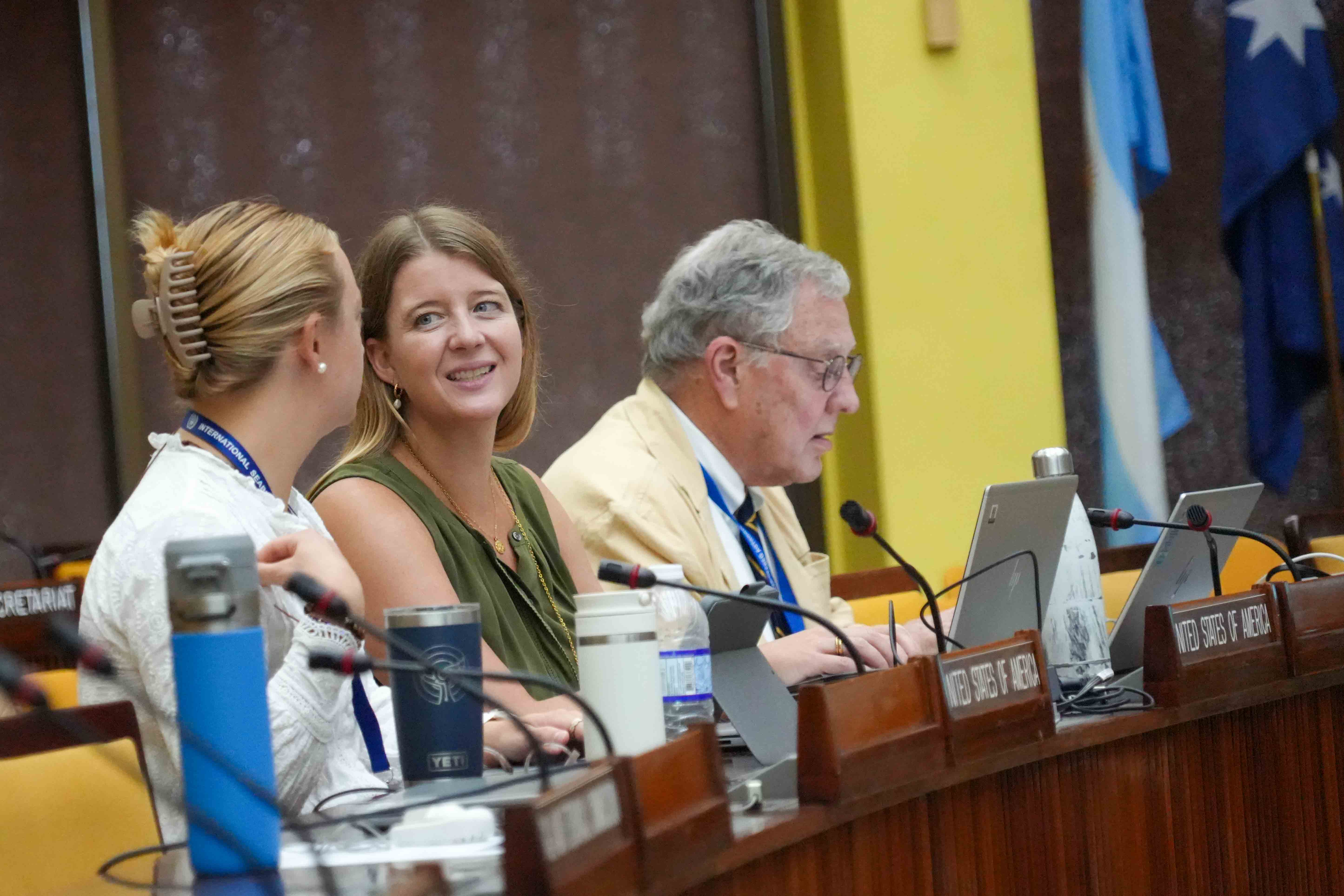
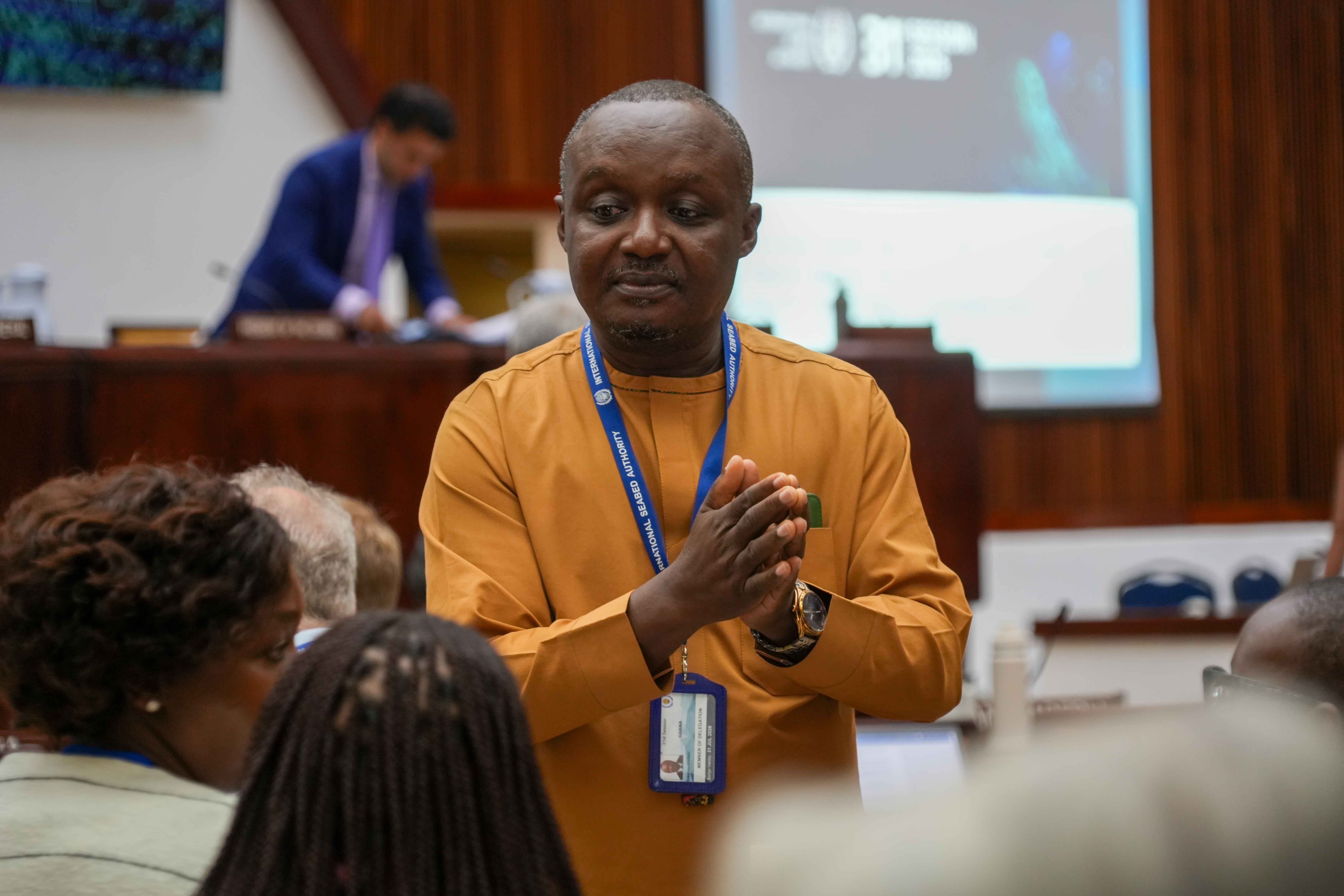
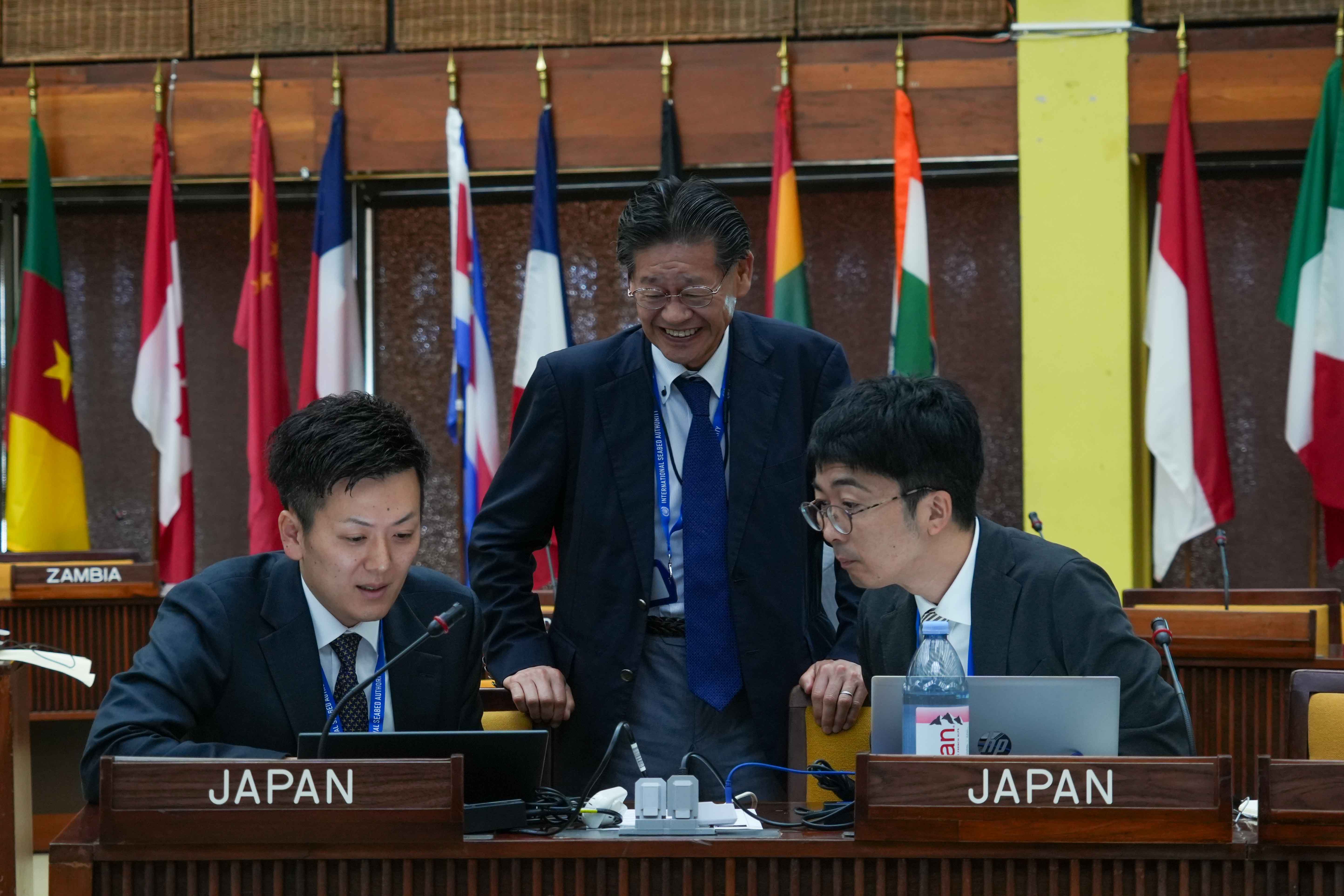
Informal Meeting on the Equalization Measure
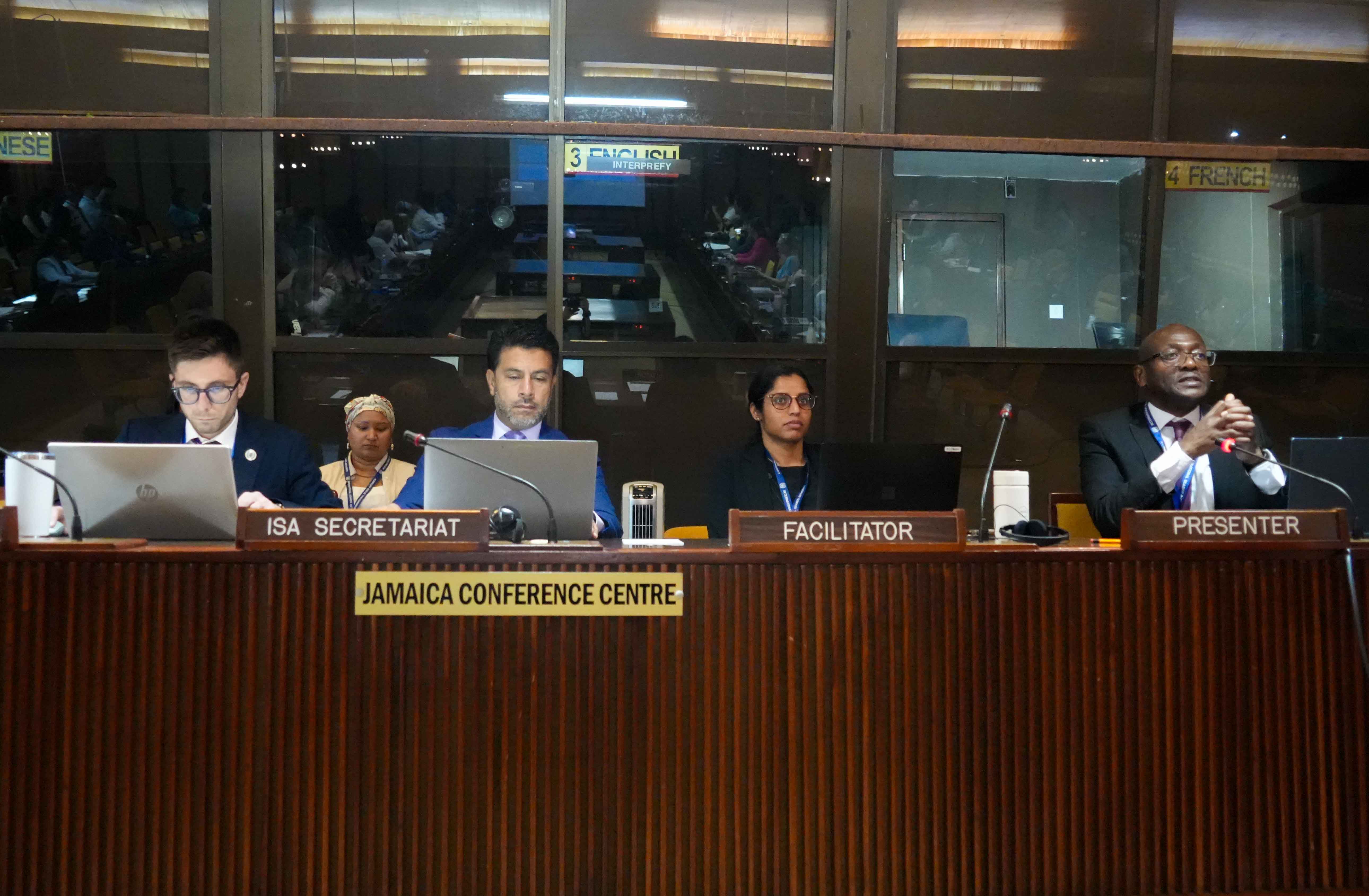
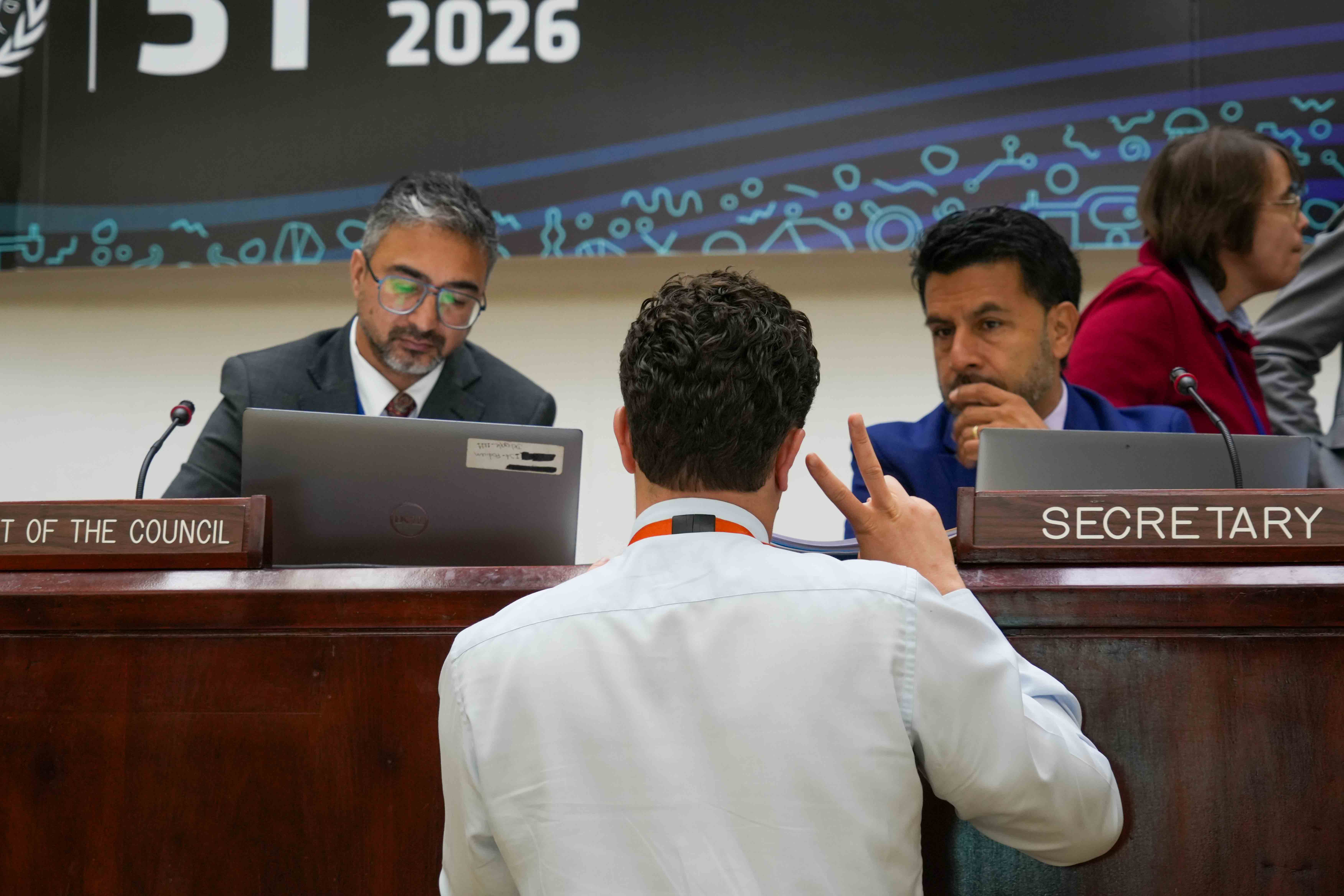
View of the podium during the informal session
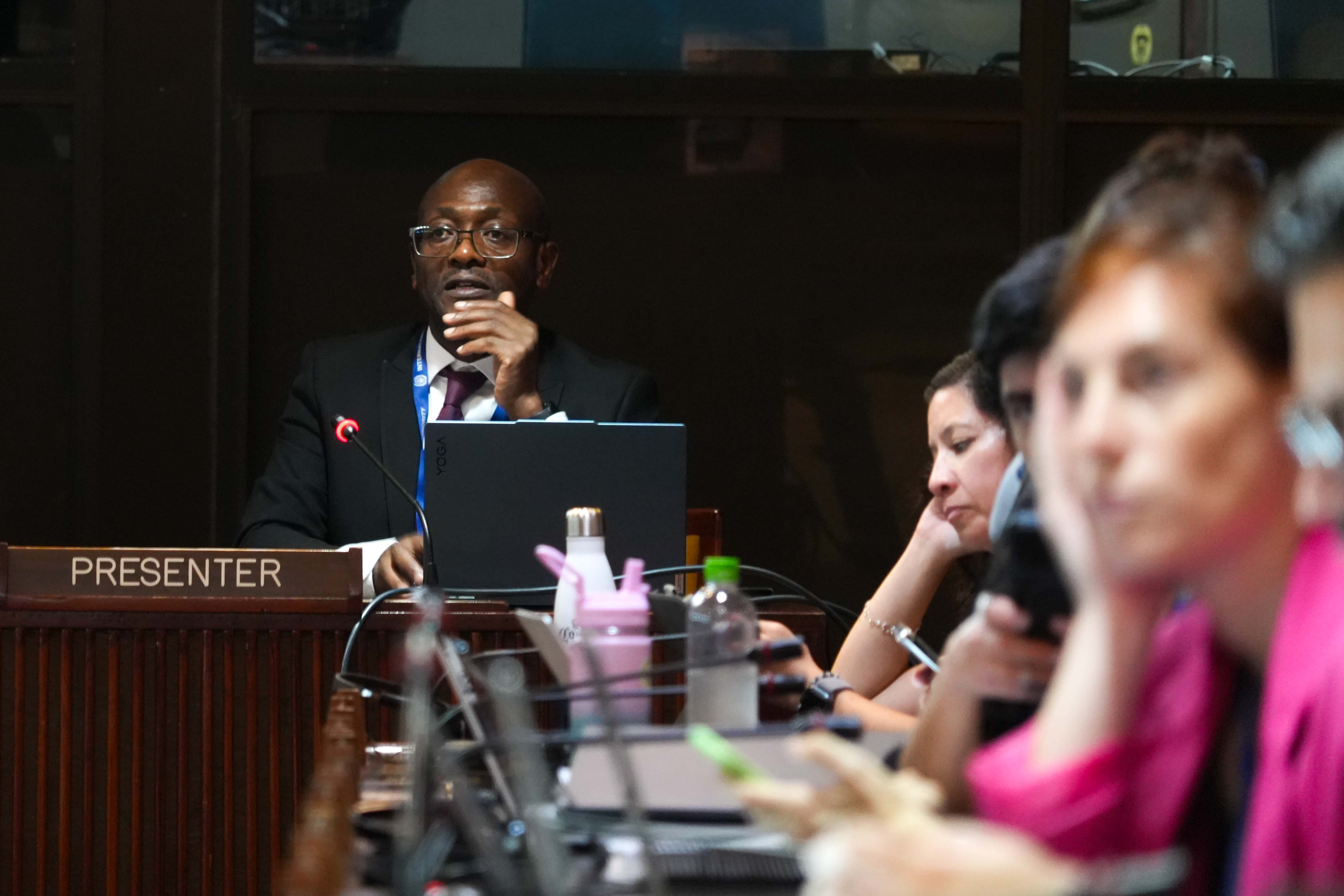
Victor Kitange, Commonwealth Secretariat
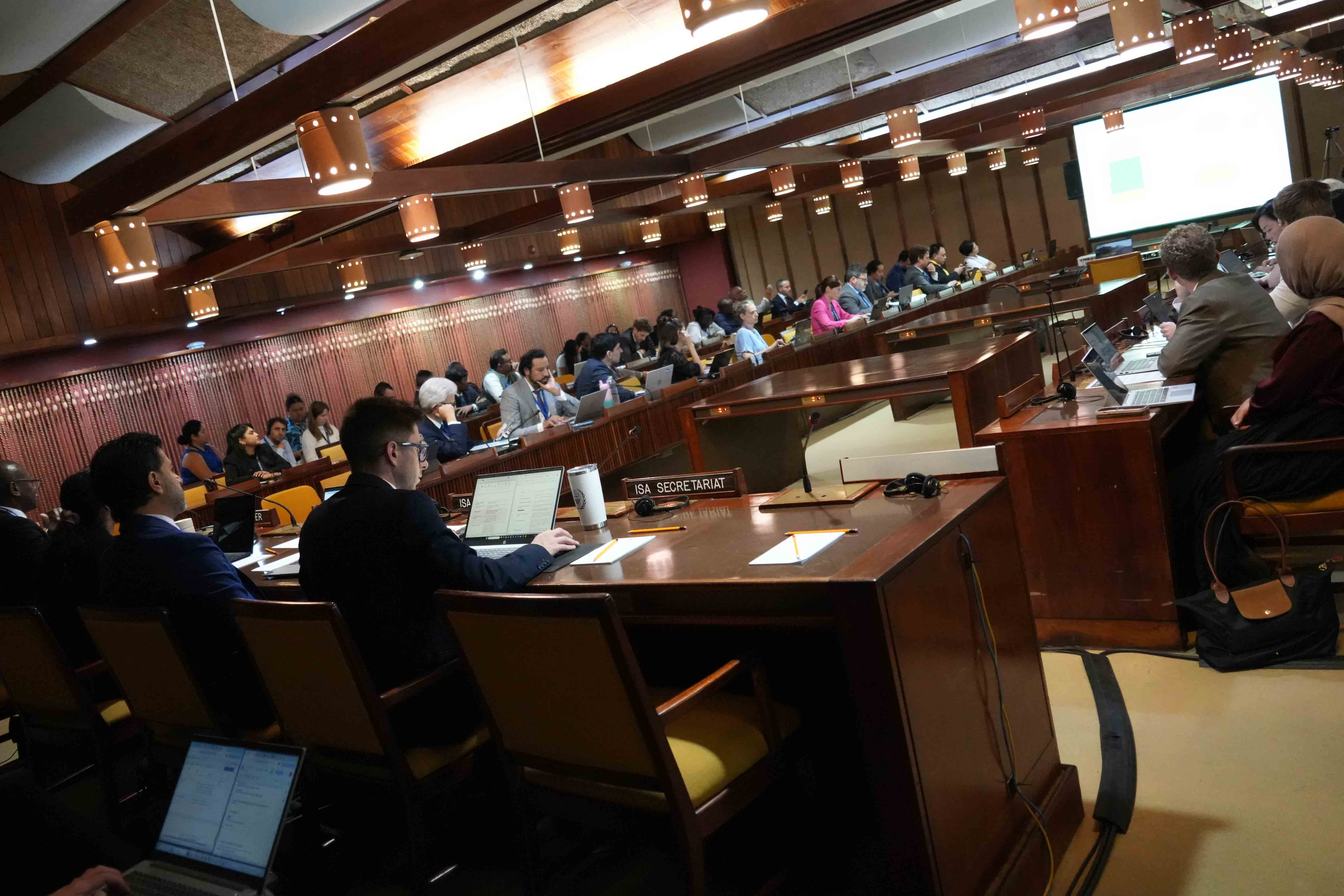
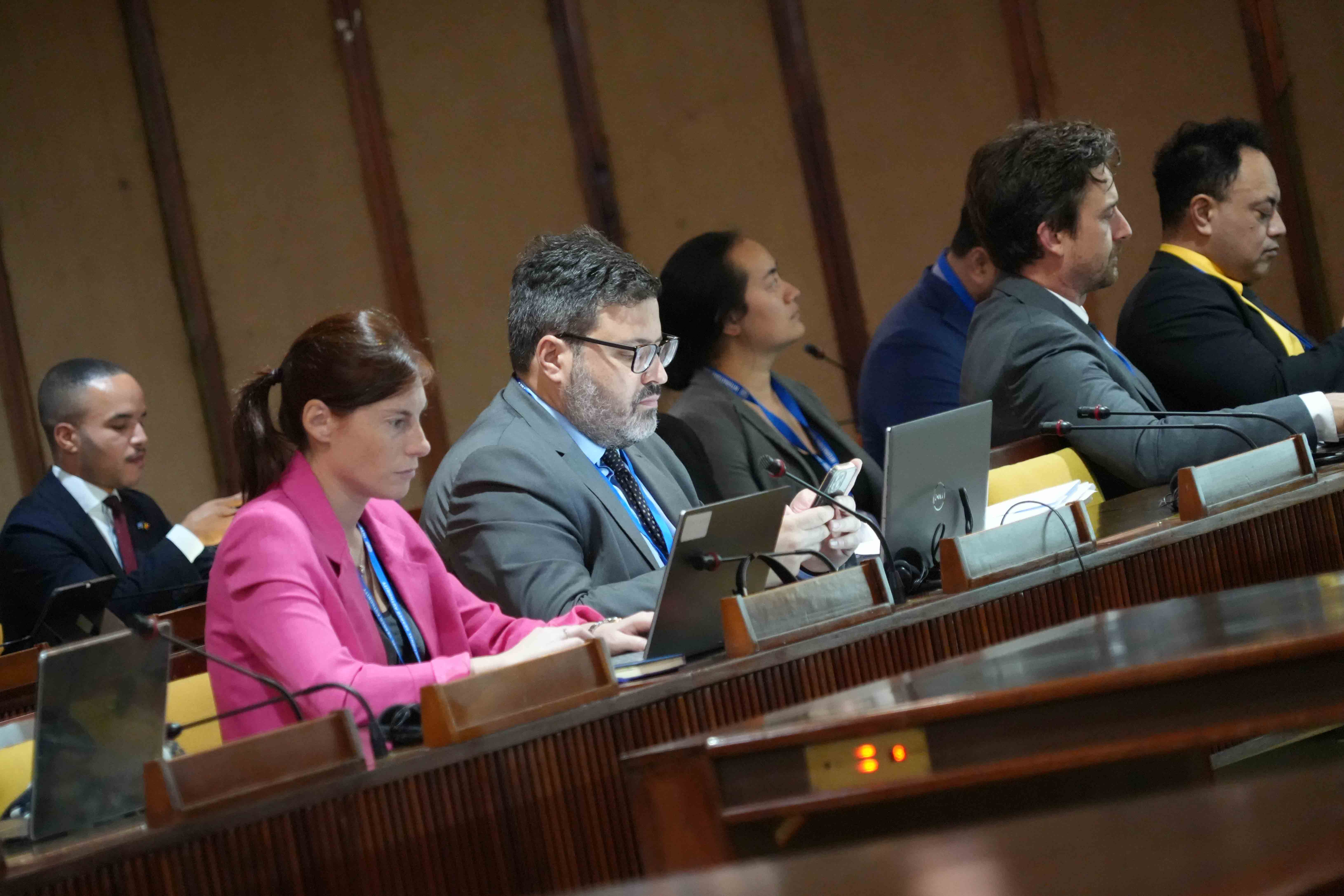
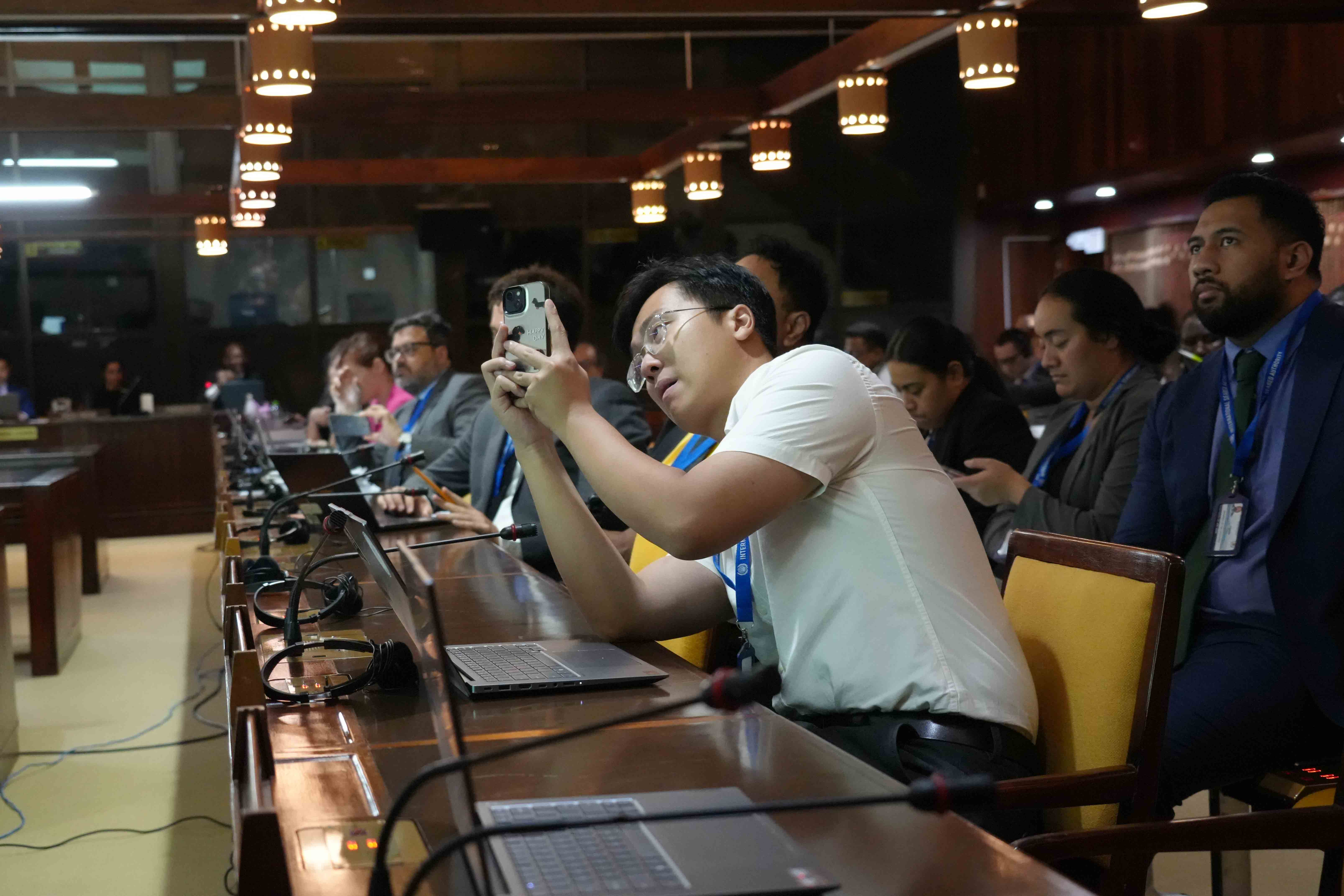
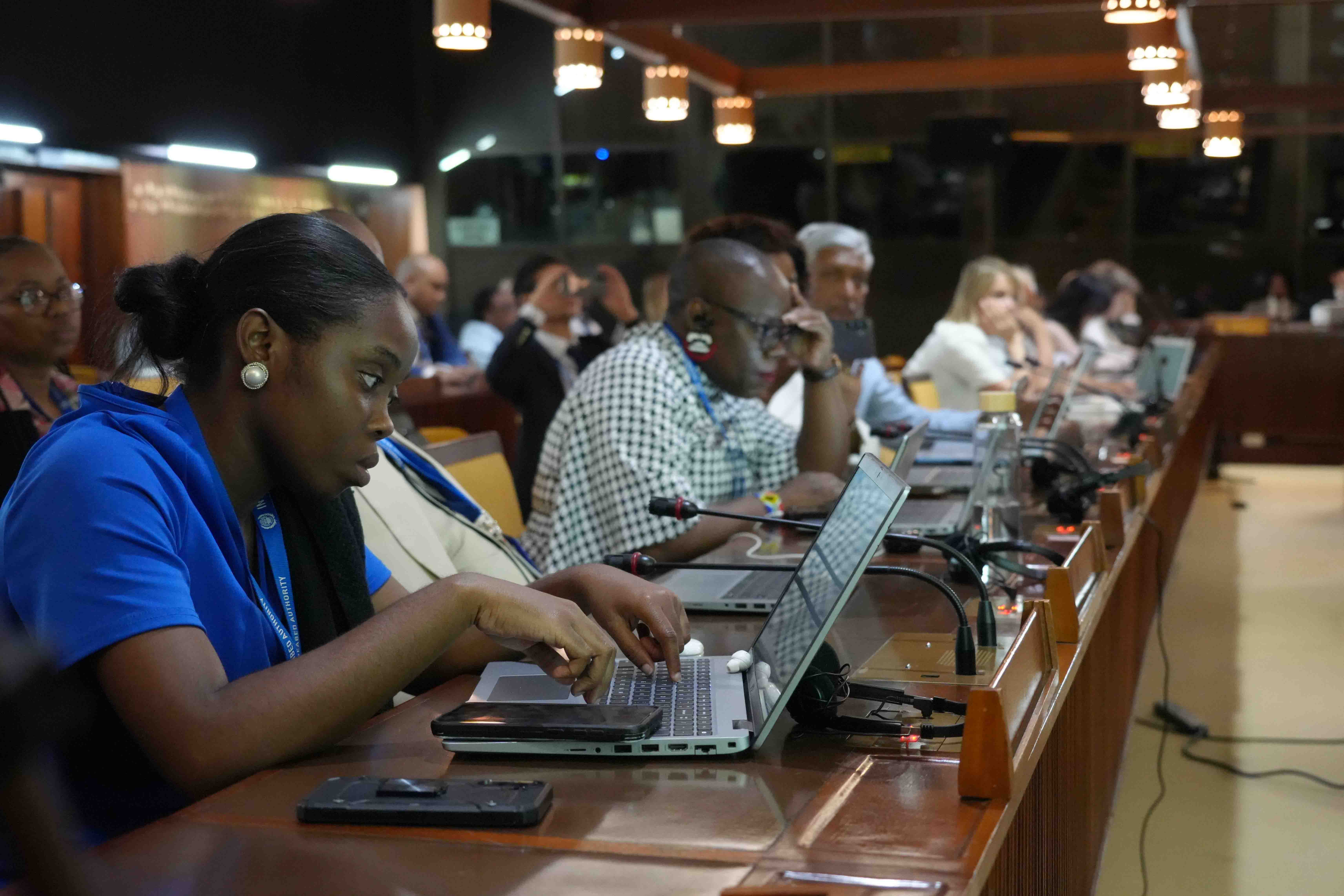
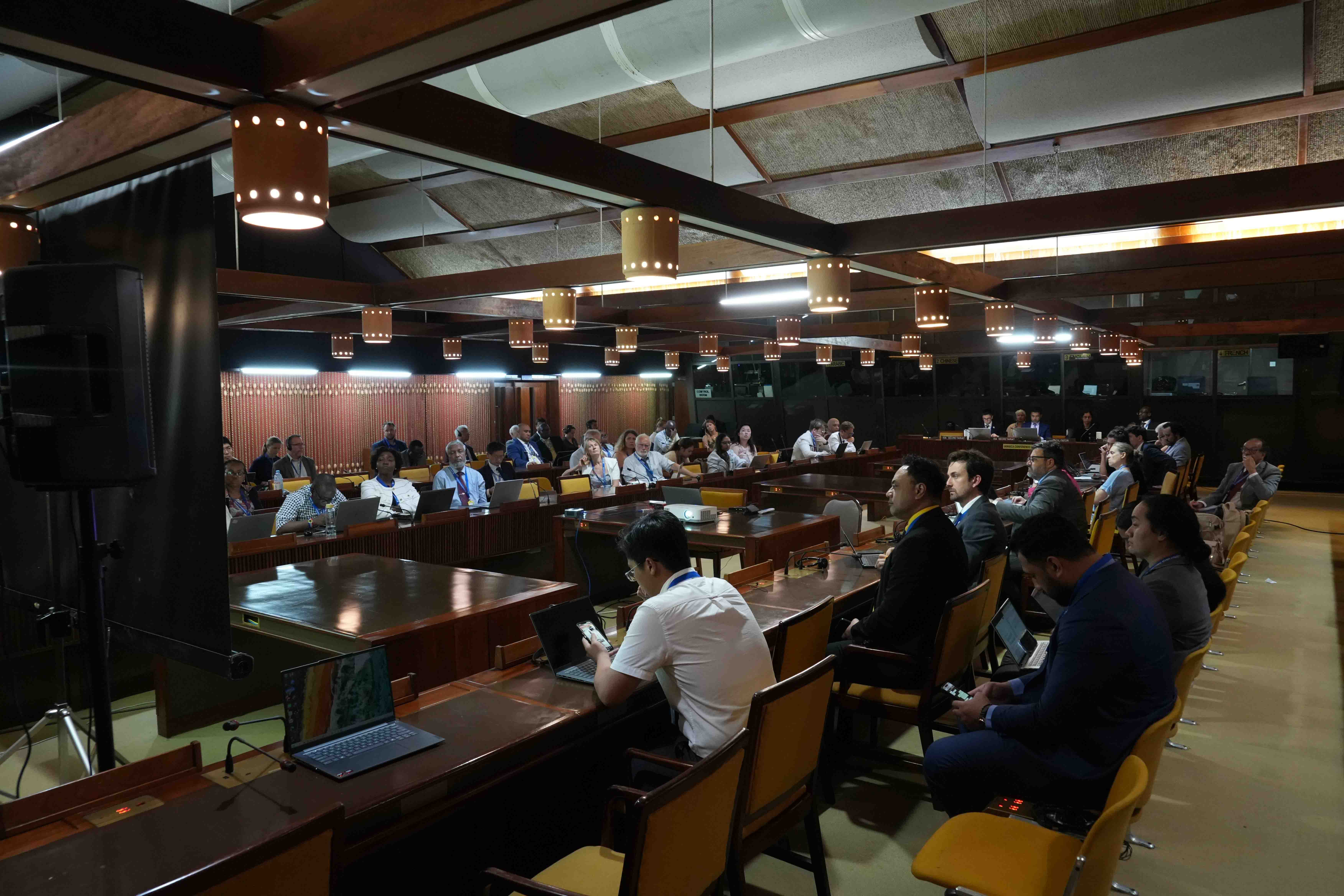
Around the venue
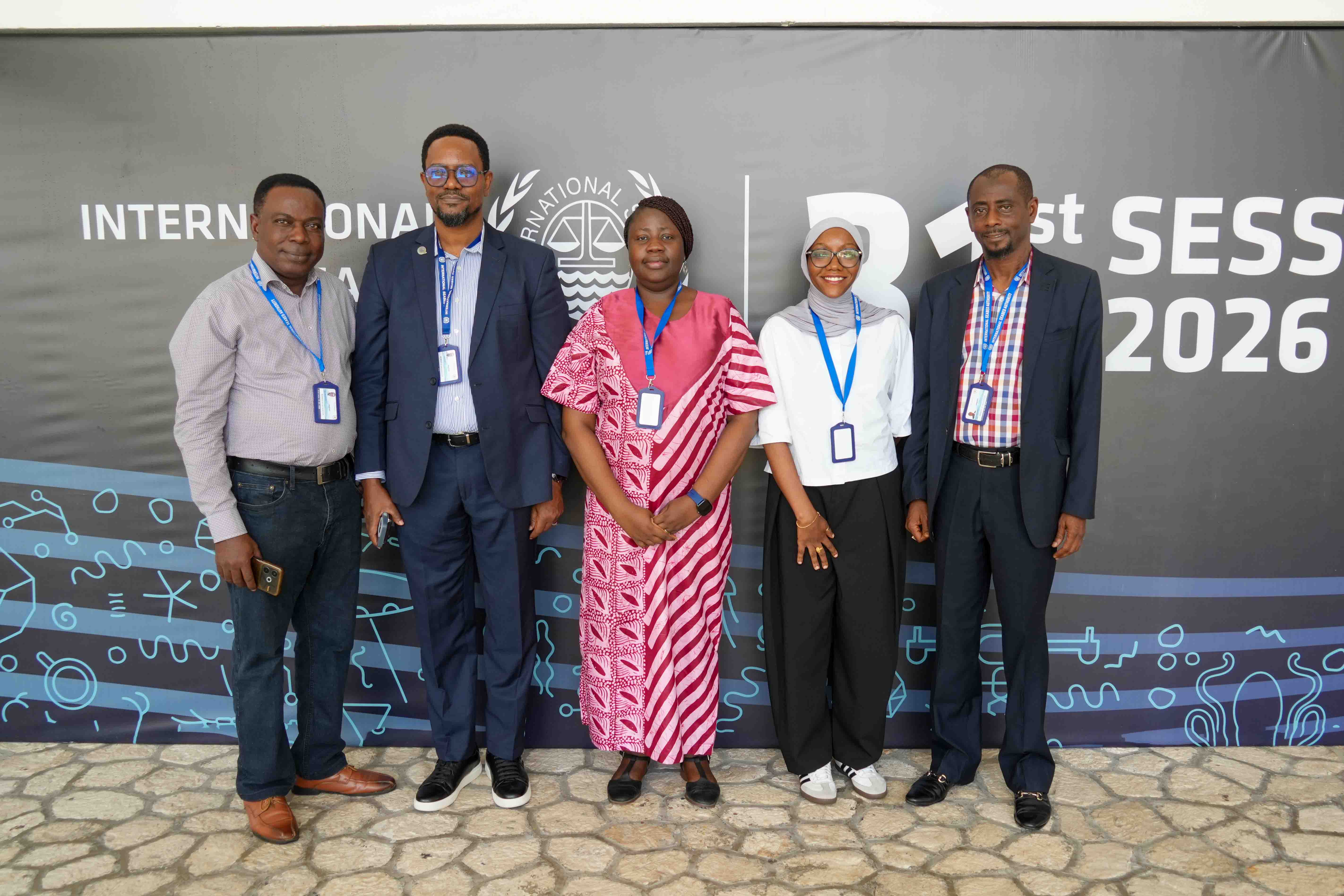
Delegation of Nigeria



Noemie Wouters and Gwenaelle Le Gurn, Secretariat of the Authority