Financial issues attracted delegates’ attention on the penultimate day of work for the Council of the International Seabed Authority (ISA). Council members sought to ensure the smooth functioning of the Authority in line with its increasing responsibilities, and to guarantee that humankind as a whole benefits from activities in the Area, thereby operationalizing the common heritage of humankind principle.
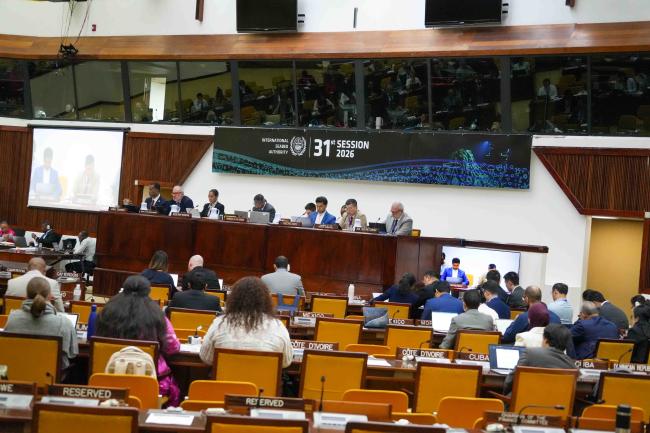
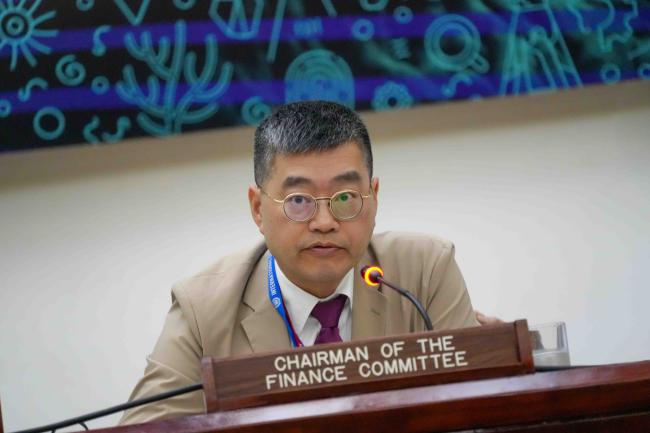
In the morning, Kenneth Wong, Chair of the Finance Committee, presented the committee’s report, containing its recommendations on financial and administrative matters from its most recent meeting from 7 to 10 July 2026.
The Finance Committee’s comprehensive report focused on, among other things:
- the implementation of the 2025 budget, noting unspent resources for programme expenditure;
- the status of Member States’ contributions, with concern expressed regarding members in arrears for two years or more;
- the status of the trust funds of the ISA;
- the scale of assessment for the contributions to the ISA budget;
- the report on the process and criteria for the implementation of the UN Convention on the Law of the Sea (UNCLOS) Article 184 (suspension of the exercise of voting rights) for members in arrears;
- the development of the concept of the common heritage fund;
- financial implications of establishing the Economic Planning Commission (EPC); and
- the proposed ISA budget for 2027-2028.
Members thanked the Finance Committee members for their hard work, dedication, professionalism, and comprehensive report. Many members highlighted that transparency and clear reporting are essential to maintaining confidence in ISA’s financial management.
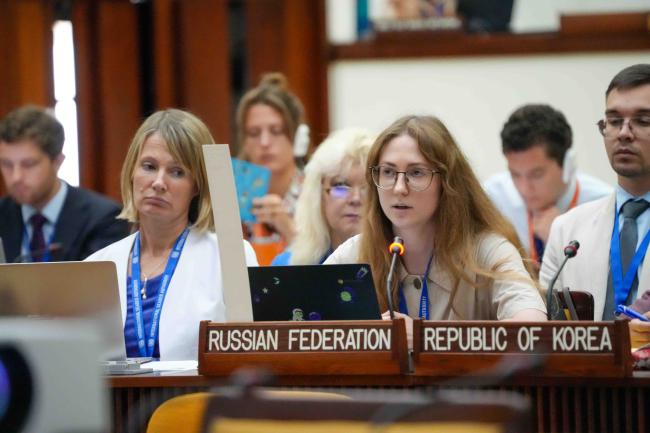
South Africa, for the African Group, along with China, the Russian Federation, The Bahamas, Indonesia, and others expressed concern over unspent resources for programme expenditure in 2025.
Many members, including Jamaica, Japan, the Russian Federation, Germany, Singapore, India, Bangladesh, Switzerland, The Bahamas, and others, expressed concerns over: members in arrears; cases of unauthorized post reclassification within the Secretariat; and trust funds that support the participation of developing country delegates being in negative balance.
Jamaica, Costa Rica, Brazil, Argentina, and others stressed that discussions on the common heritage fund should be without prejudice to other mechanisms for the equitable distribution of proceeds from activities in the Area, and suggested including a standalone item in the Council’s agenda on potential alternatives for benefit-sharing.
Poland, China, Brazil, Australia, Belgium, and others called upon member states to pay their outstanding obligations as soon as possible and contribute to the voluntary funds.
Jamaica, the Russian Federation, China, the UK, and others supported the Finance Committee’s recommendations and the proposed updated budget for 2027-2028. Some expressed concern over the budget increase. Poland questioned the proposed increase in the budget for the Enterprise.
Some delegates stressed that one meeting per year is not sufficient for the Finance Committee to carry out its mandate, supporting exploring alternatives and reinstating virtual exchanges between the Secretariat and the Committee prior to in-person meetings.
Finance Committee Chair Wong responded to comments, including on:
- the independent consultant’s report on the common heritage fund;
- direct distribution methodology for benefit-sharing, drawing attention to ISA Technical Study 31; and
- indirect support costs on the Enterprise budget line.
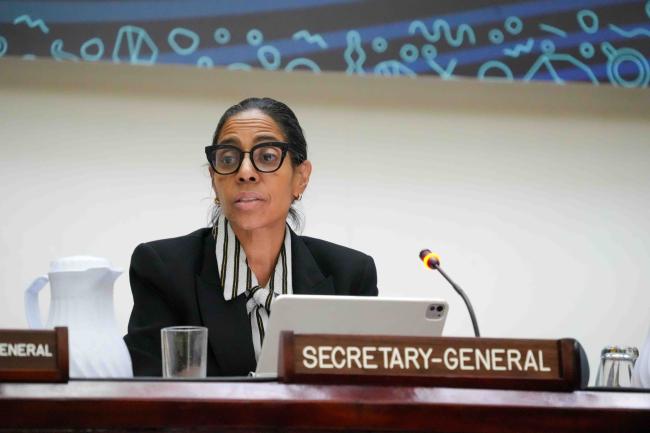
ISA Secretary-General Leticia Carvalho underscored the Secretariat's continued commitment to executing the work entrusted to it. The Council took note of the report of the Finance Committee.
In the afternoon, the Council heard a report on credentials and took note of the recommendations of the Finance Committee with regard to the operationalization of the Economic Planning Commission.
Delegates also addressed the proposed ISA budget for the financial period 2027-2028 and a draft Council decision relating to financial and budgetary matters.
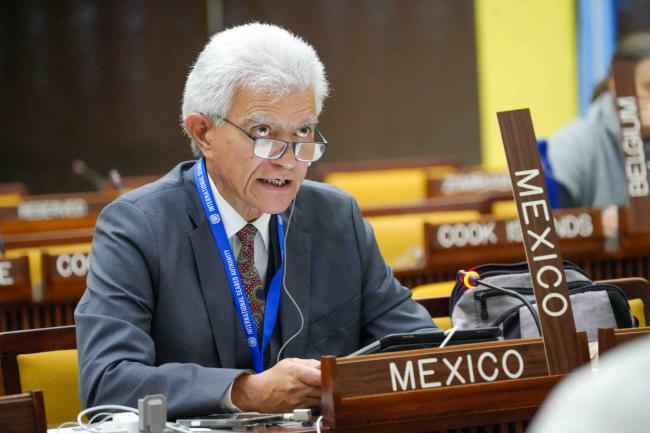
Poland reiterated their concerns over the budget increase. France, Germany, Italy, Canada, the UK, Chile, Trinidad and Tobago, and Costa Rica highlighted earlier submission of textual amendments, which were not reflected in the draft decision. Costa Rica, Australia, Brazil, Greece, Chile, Norway, Mexico, India, and others, opposed by Japan, suggested deleting a provision on considering financial contributions from observers. Brazil, Costa Rica, Argentina, Mexico, and Chile suggested working on alternatives regarding the equitable distribution mechanism.
Delegates made additional suggestions on the draft decision, to be negotiated on the last day of the Council meeting. The draft decision regarding the roadmap for future work, which was discussed at an informal lunchtime meeting, will also be negotiated on Friday, 24 July.
To receive free coverage of global environmental events delivered to your inbox, subscribe to the ENB Update newsletter.
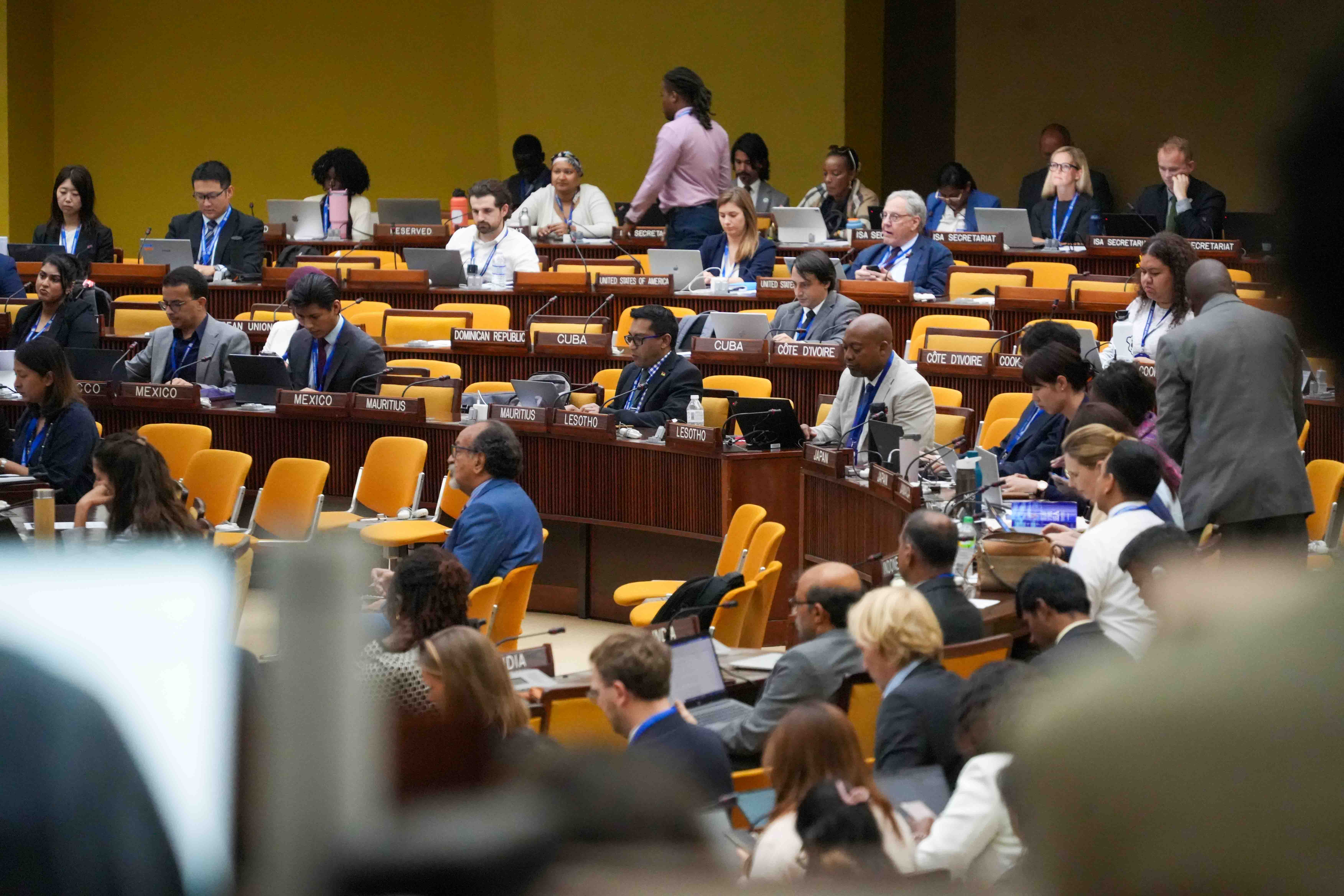
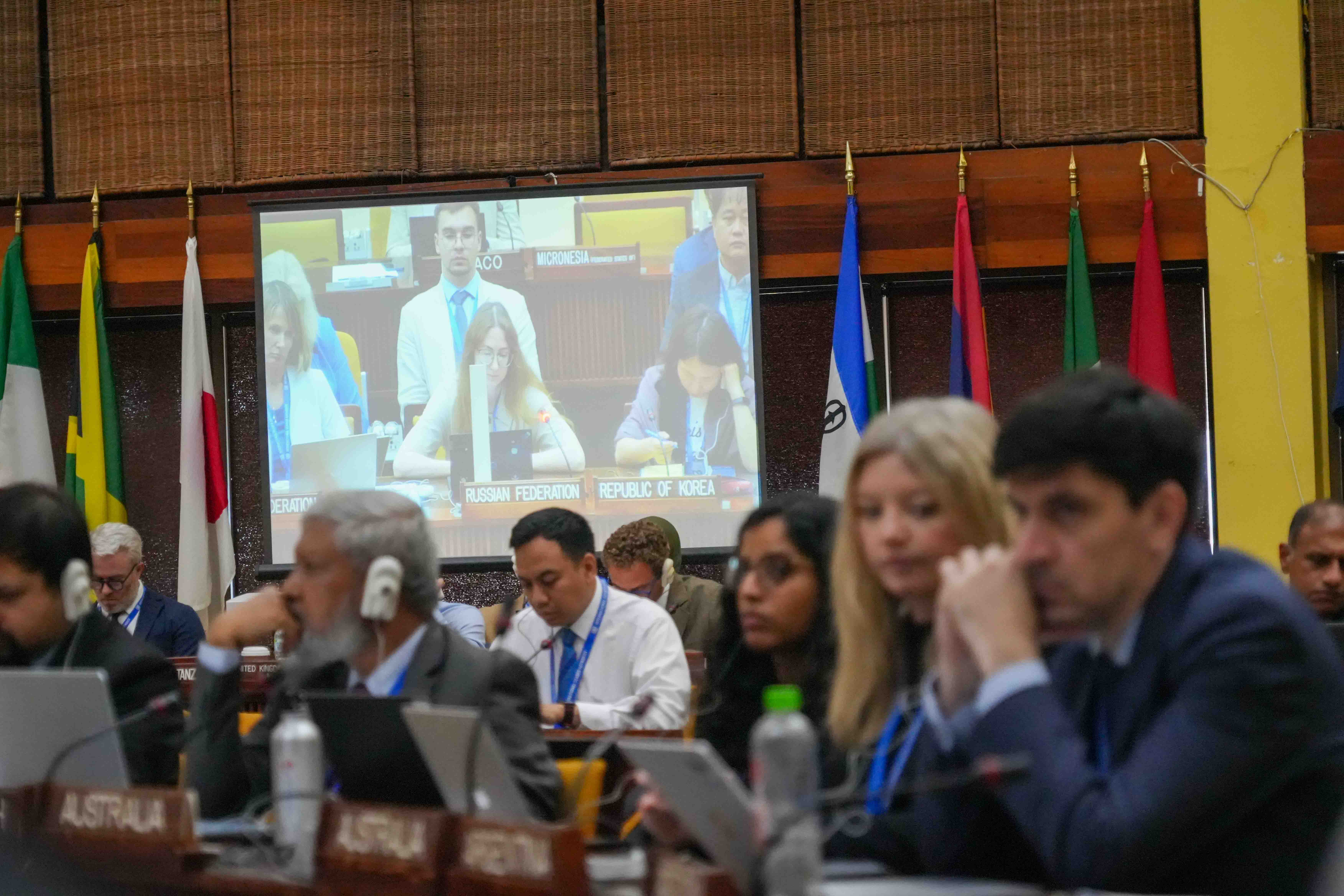
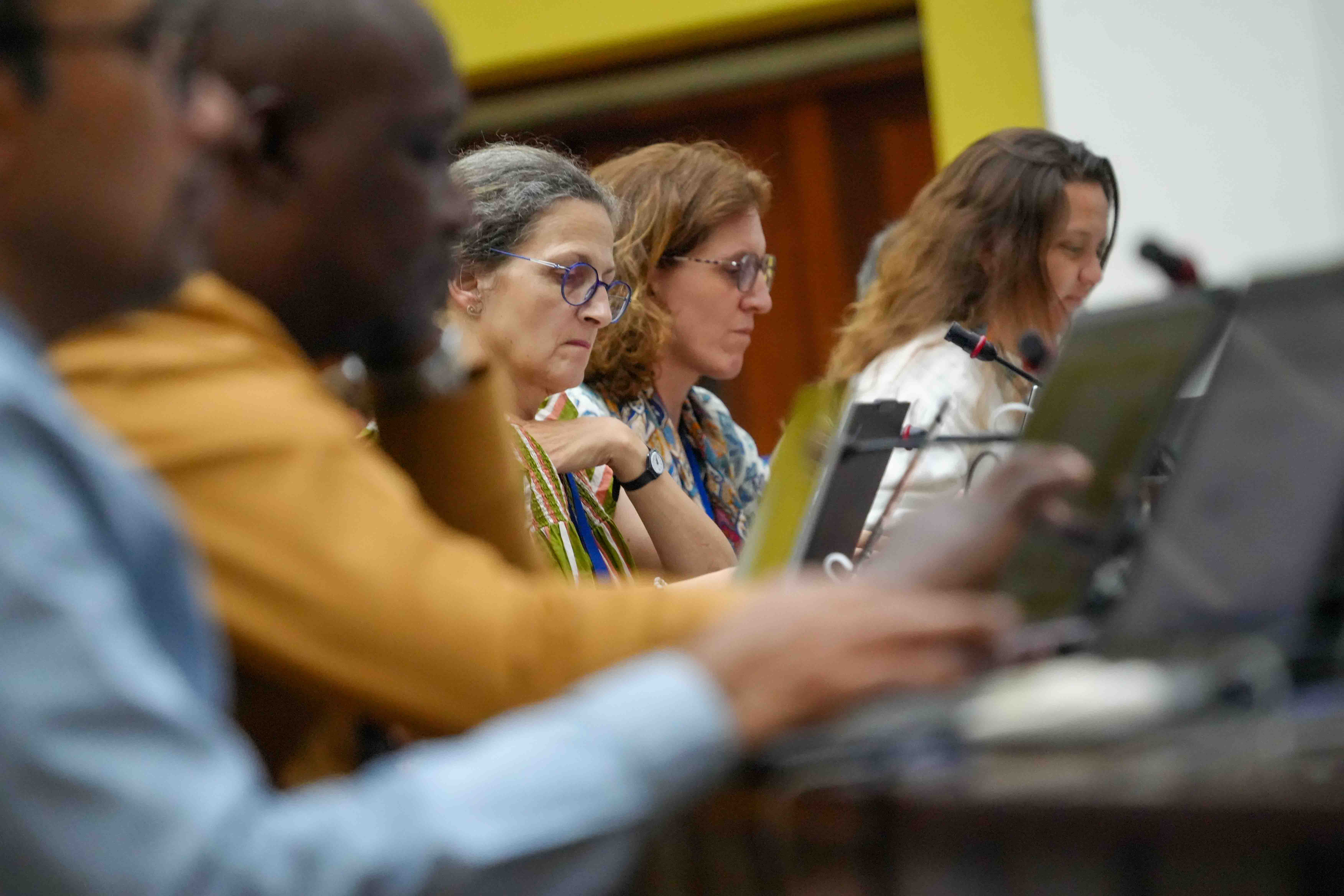
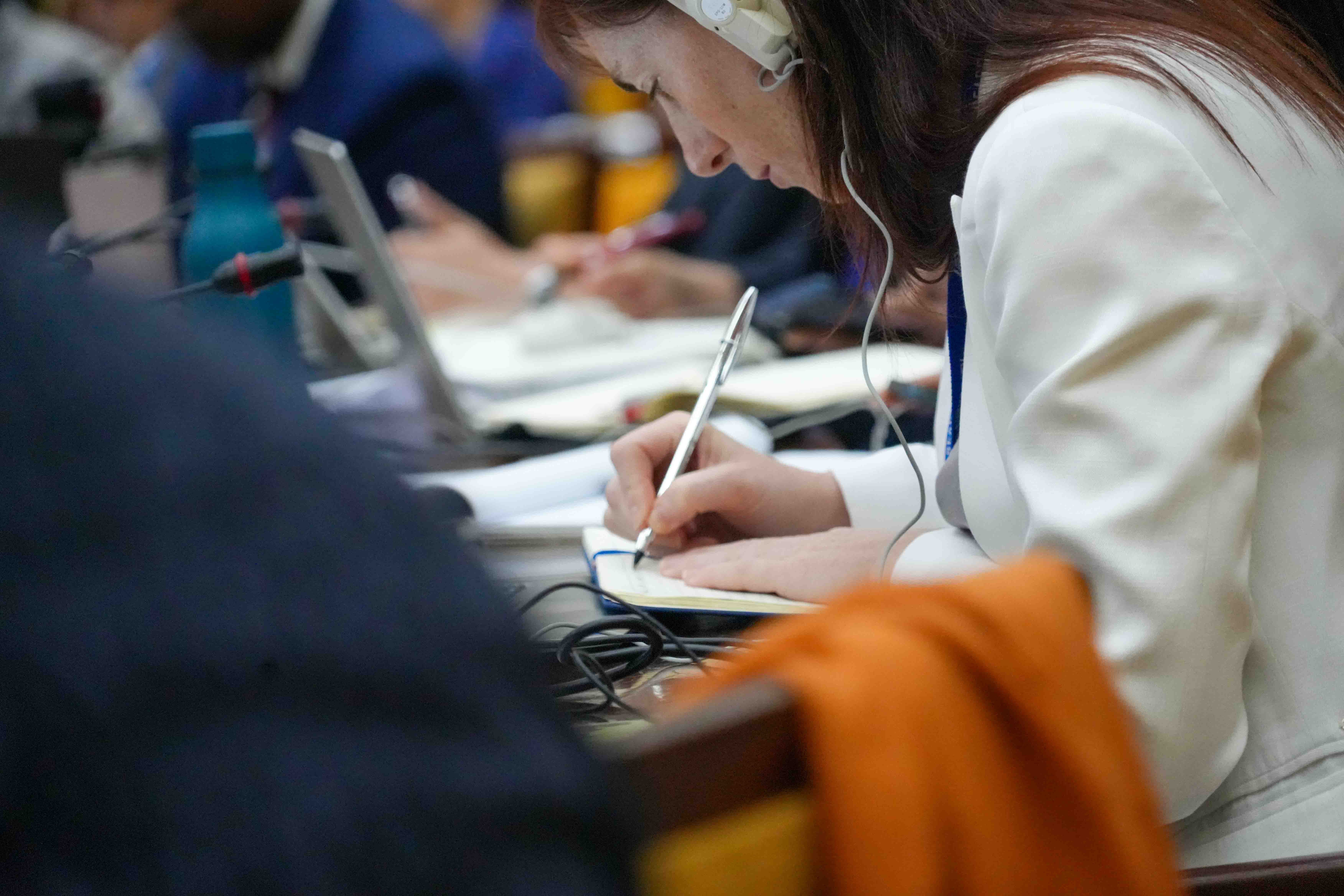
All ENB photos are free to use with attribution. For the Second part of the 31st session of the International Seabed Authority (ISA) meeting, please use: Photo by IISD/ENB | Andrés Felipe Carvajal Gómez
Plenary Session
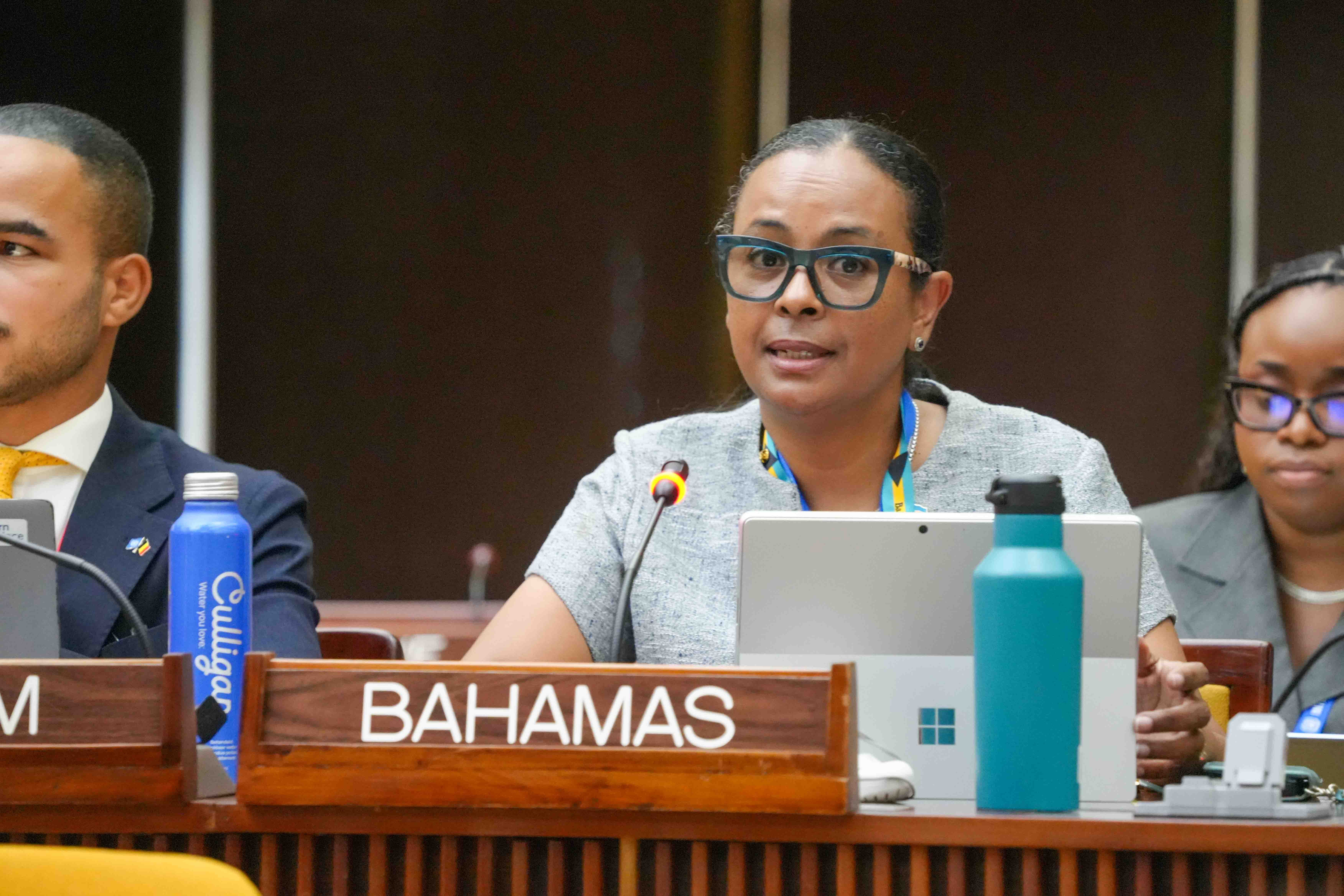
Alveta Knight, The Bahamas
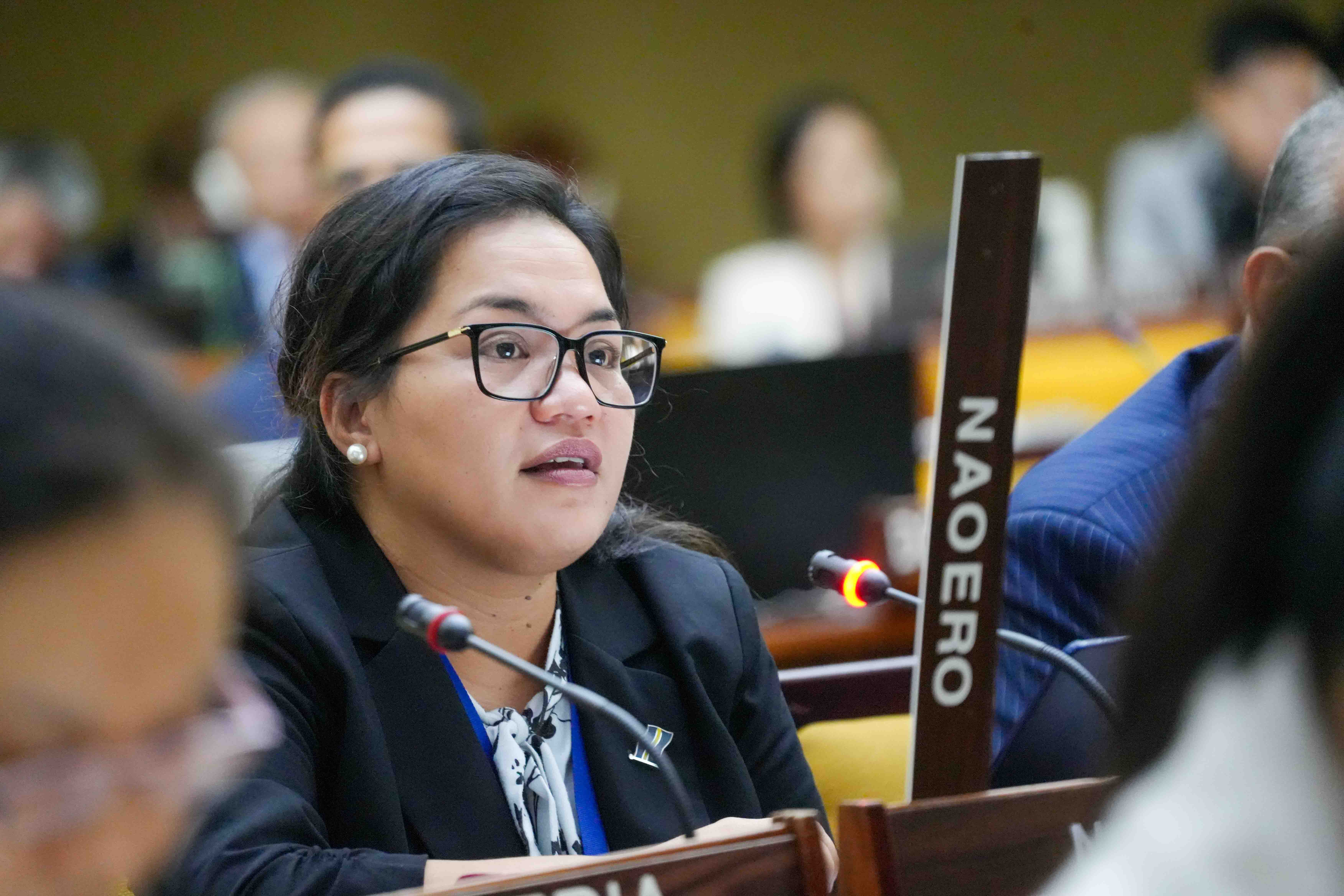
Anastasia Francilia Adire, Republic of Naoero
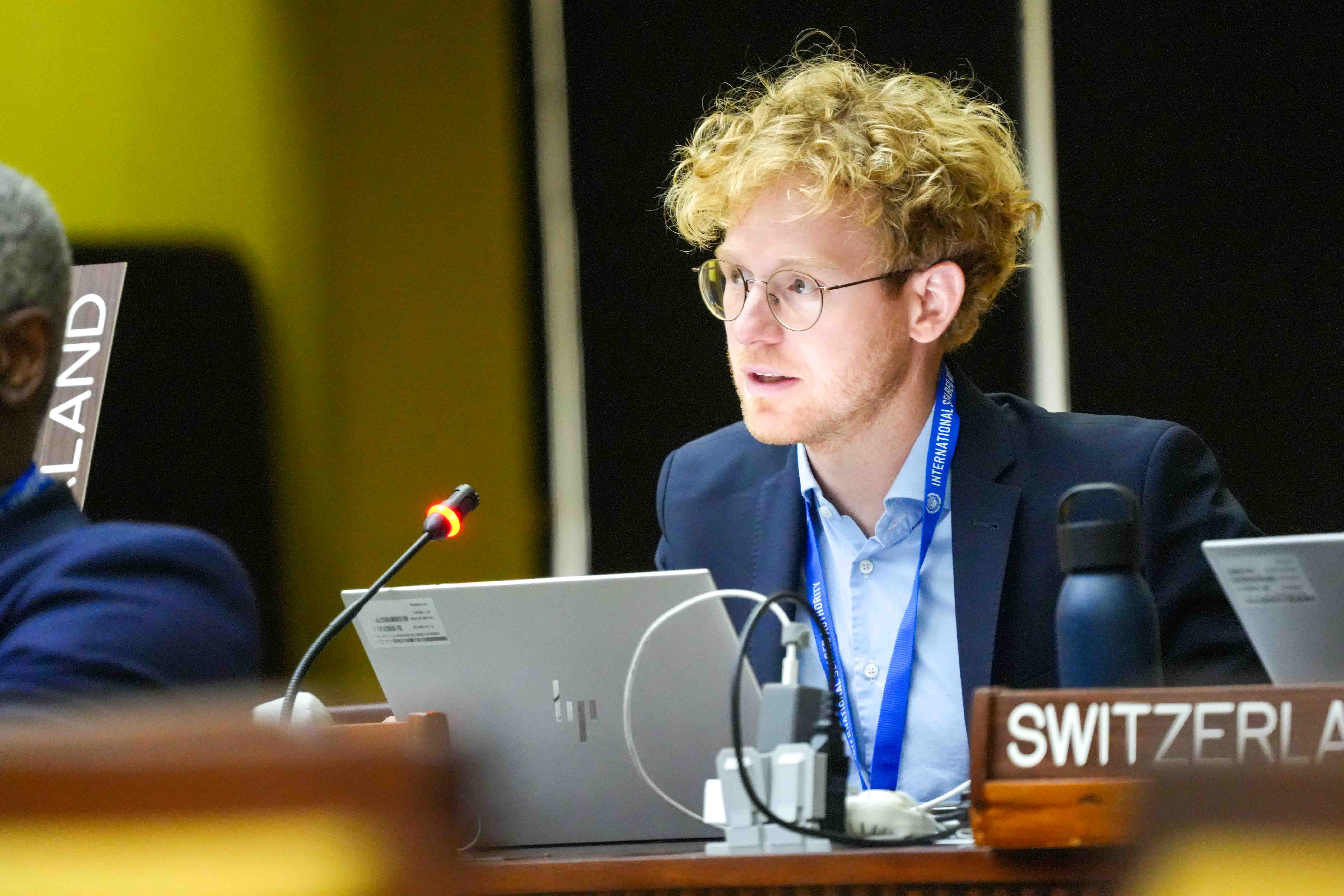
Andrin Studer, Switzerland
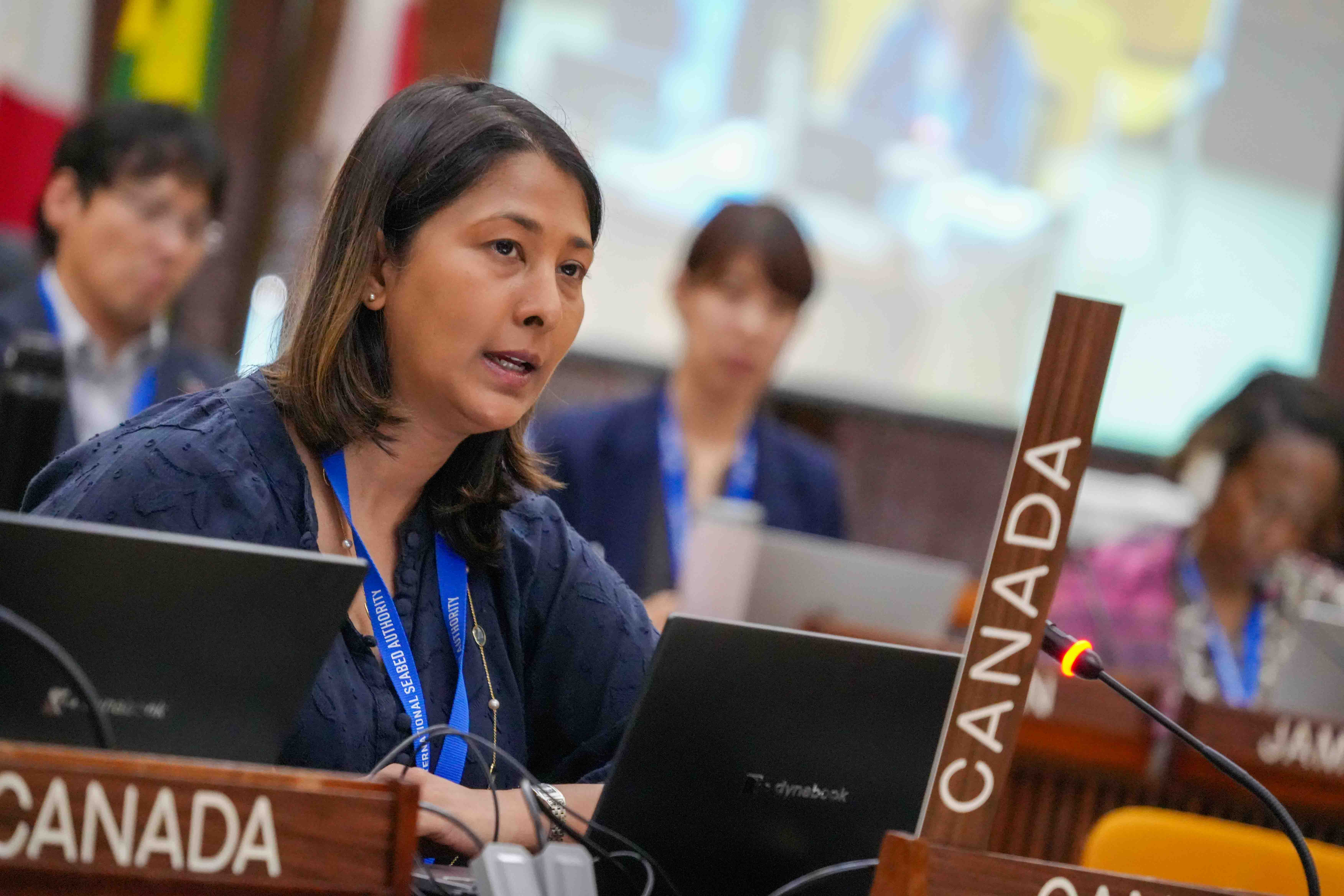
Azra Haque, Canada
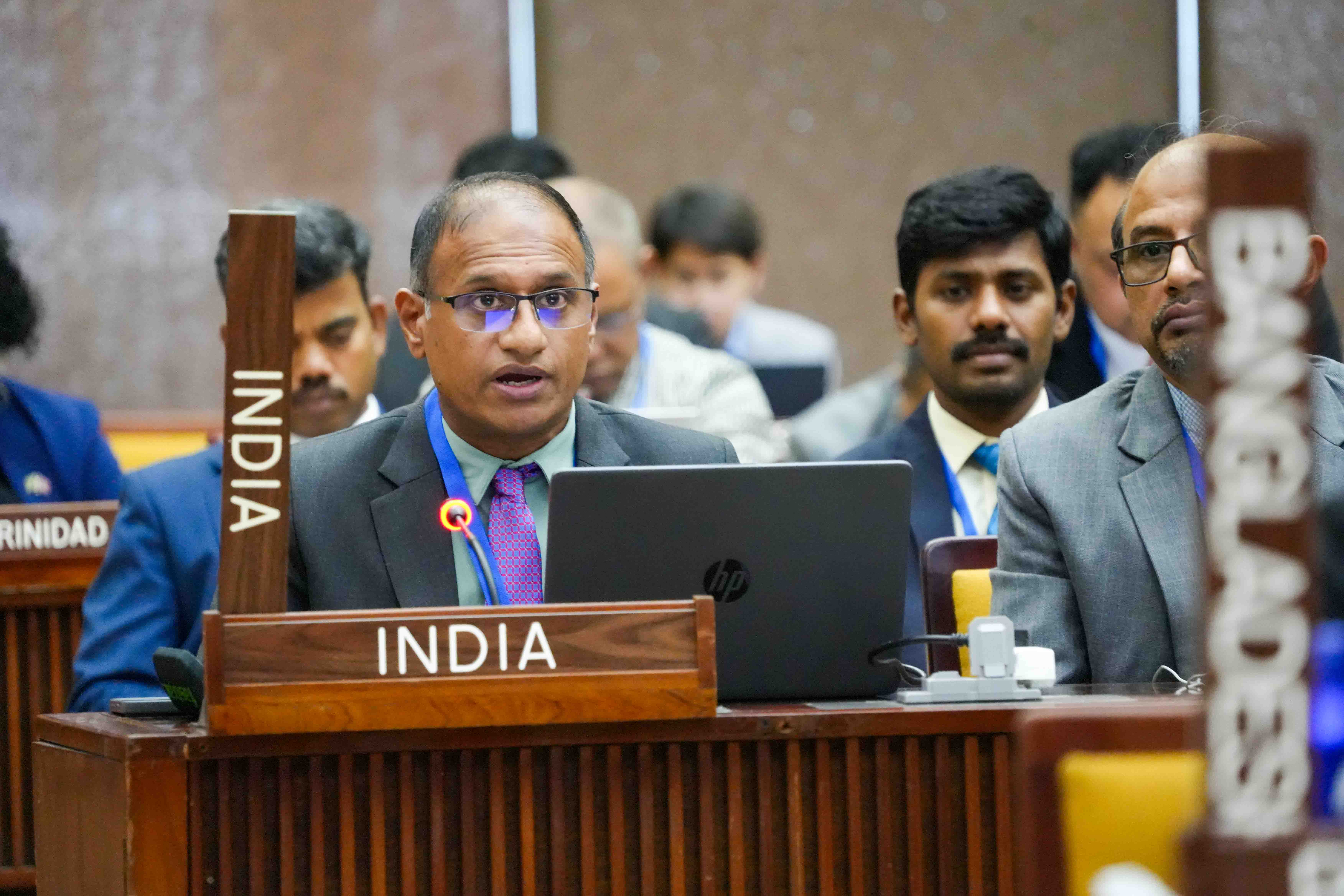
Balaji Ramakrishnan, India
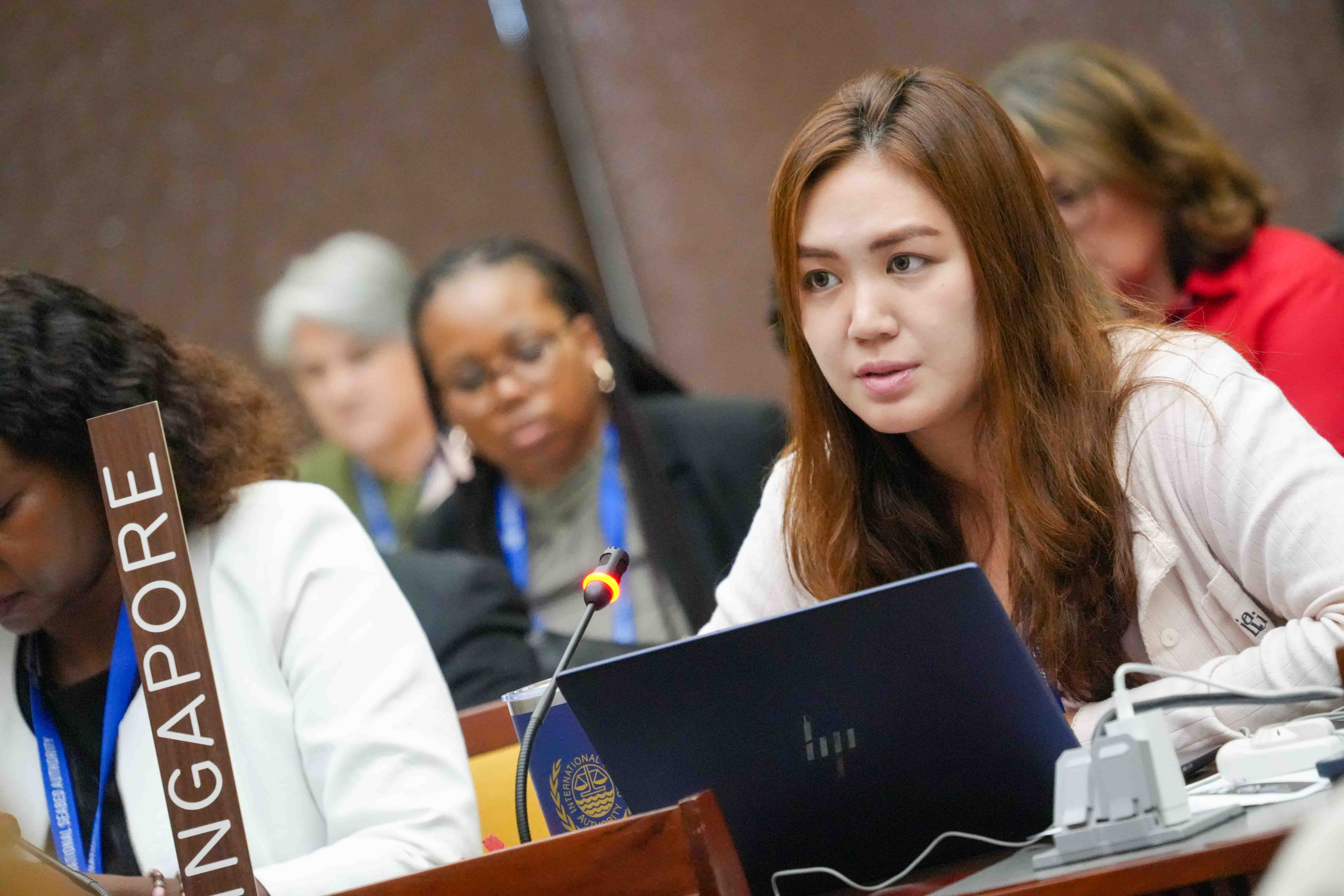
Beatrice Chen, Singapore
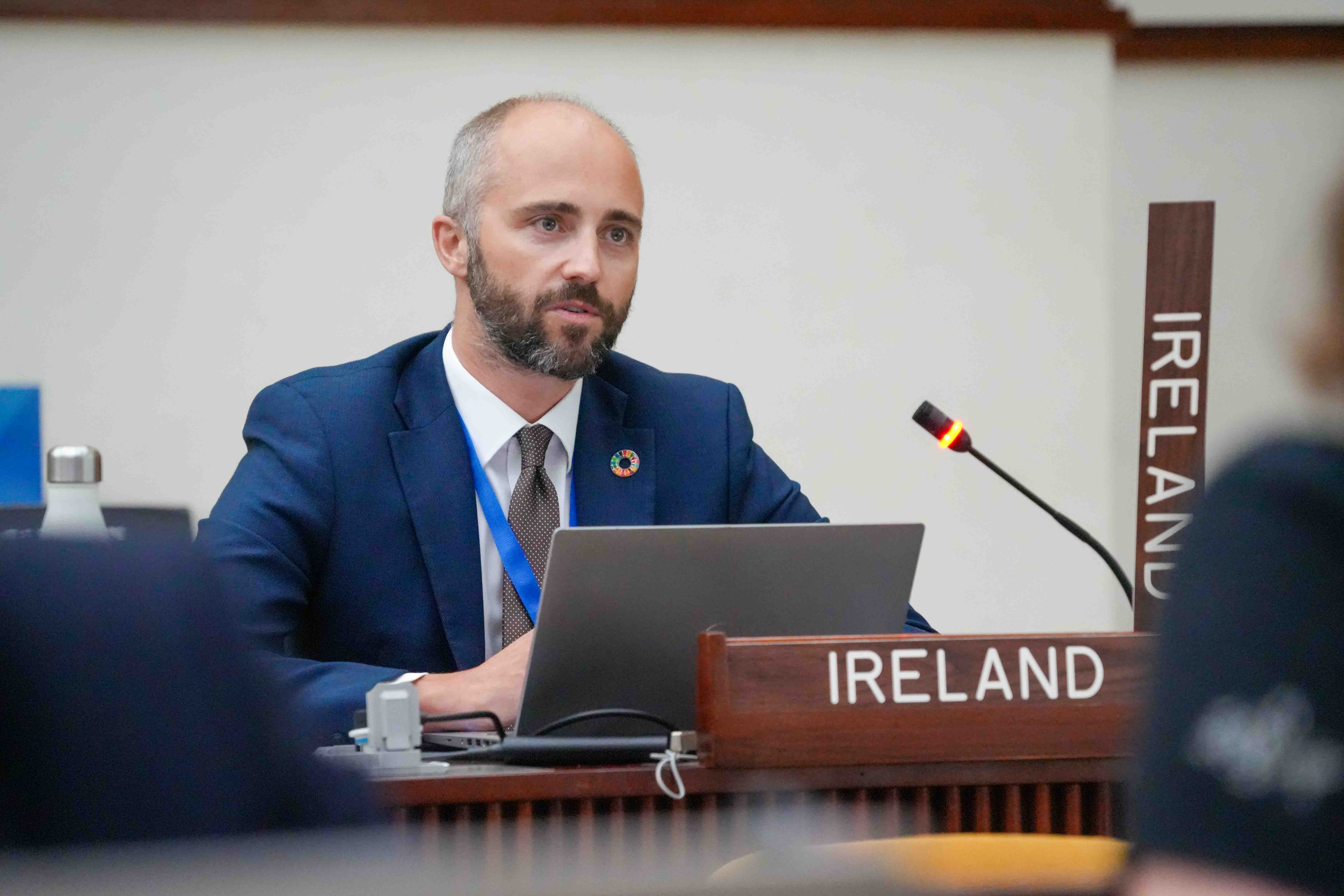
Carl Grainger, Ireland
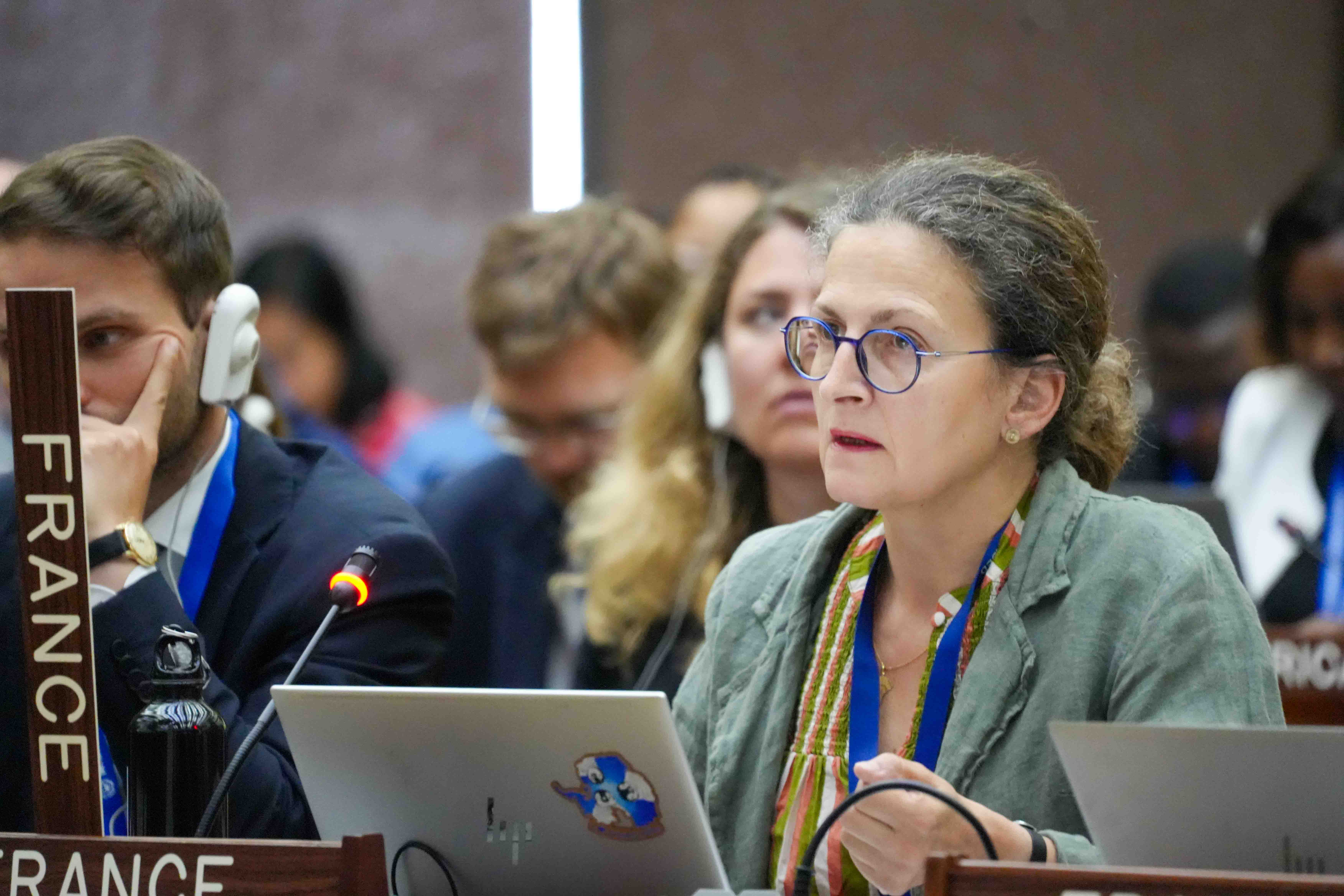
Caroline Krajka, France
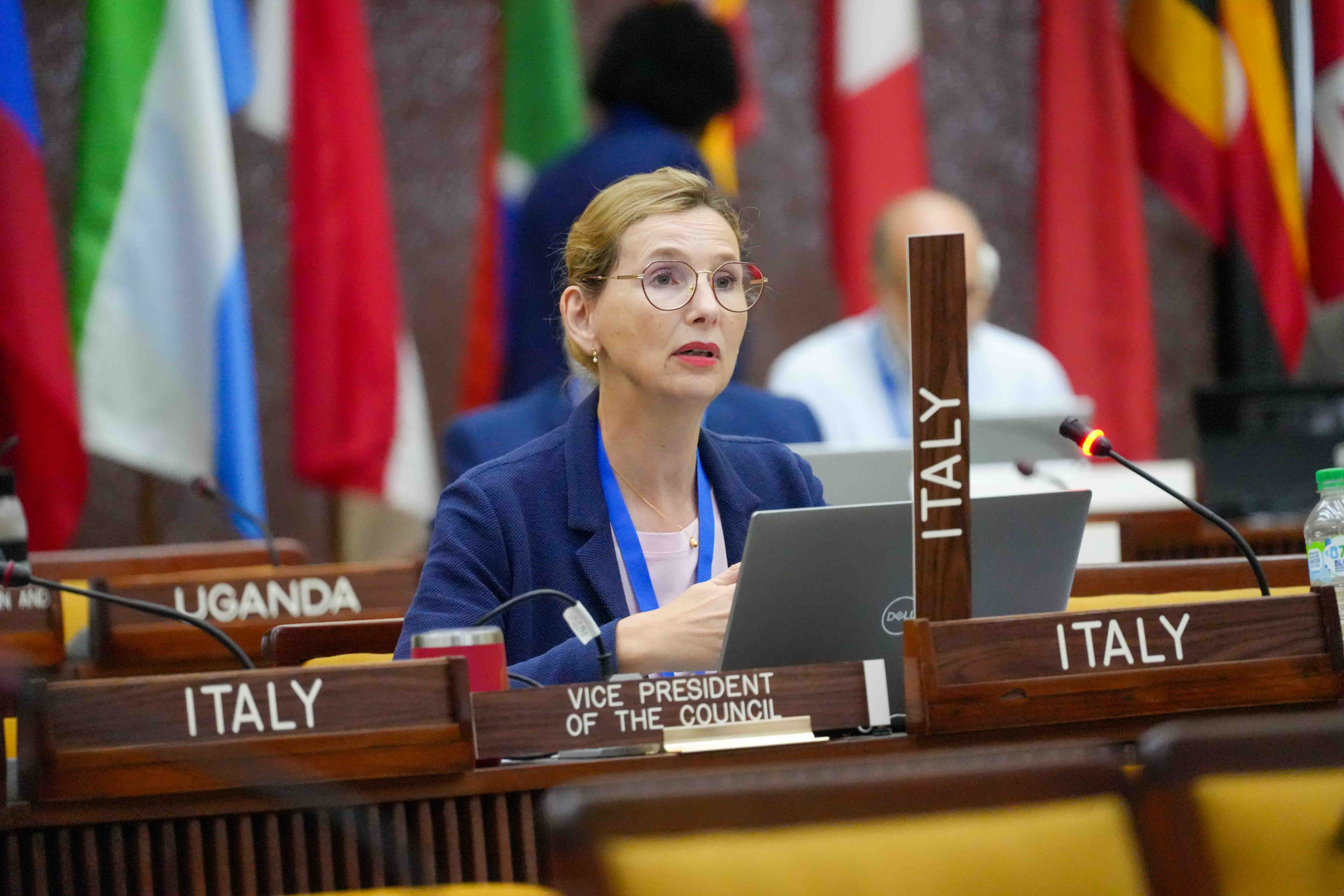
Catherine Flumiani, Italy
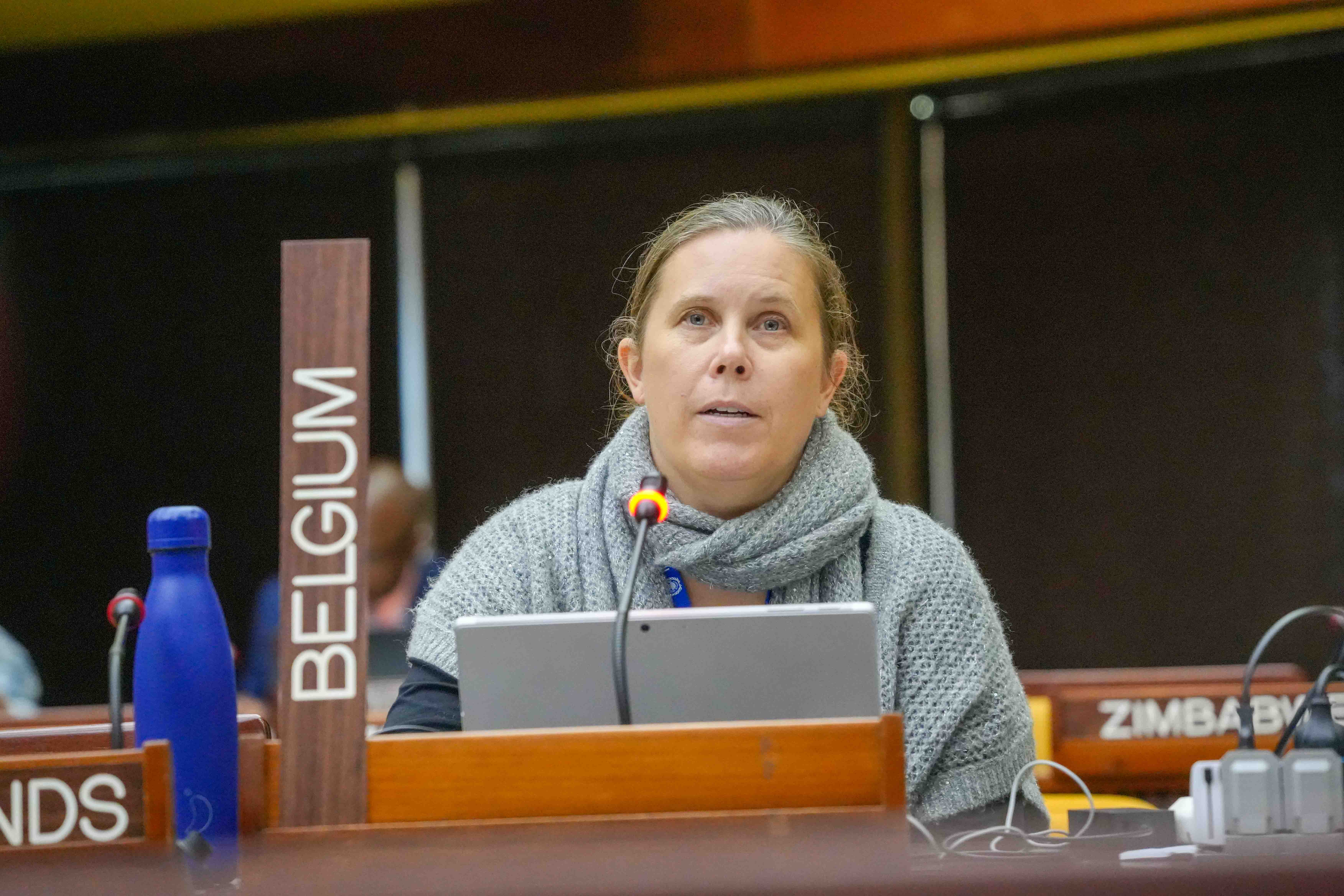
Ellen De Geest, Belgium
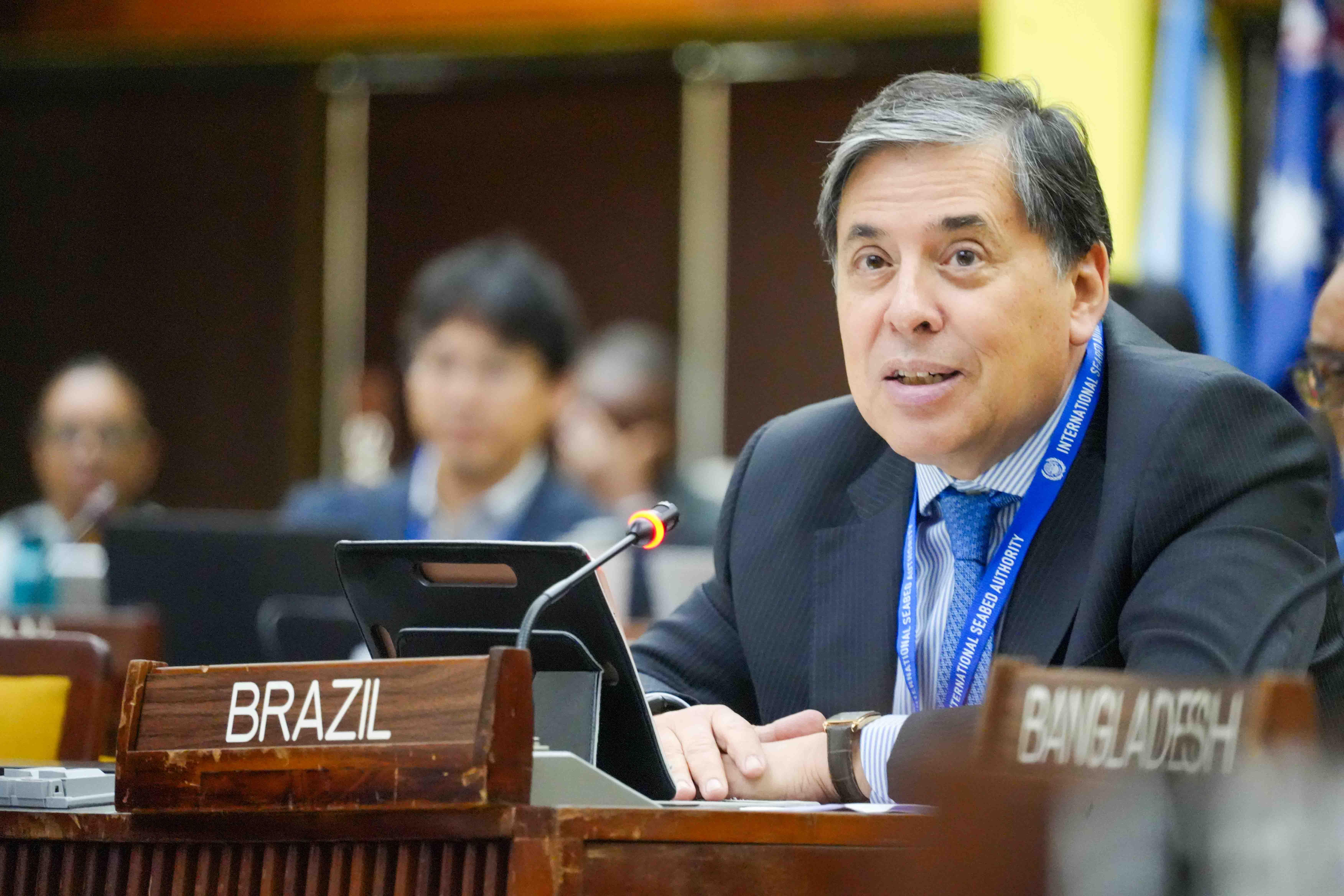
Manuel Montenegro, Brazil
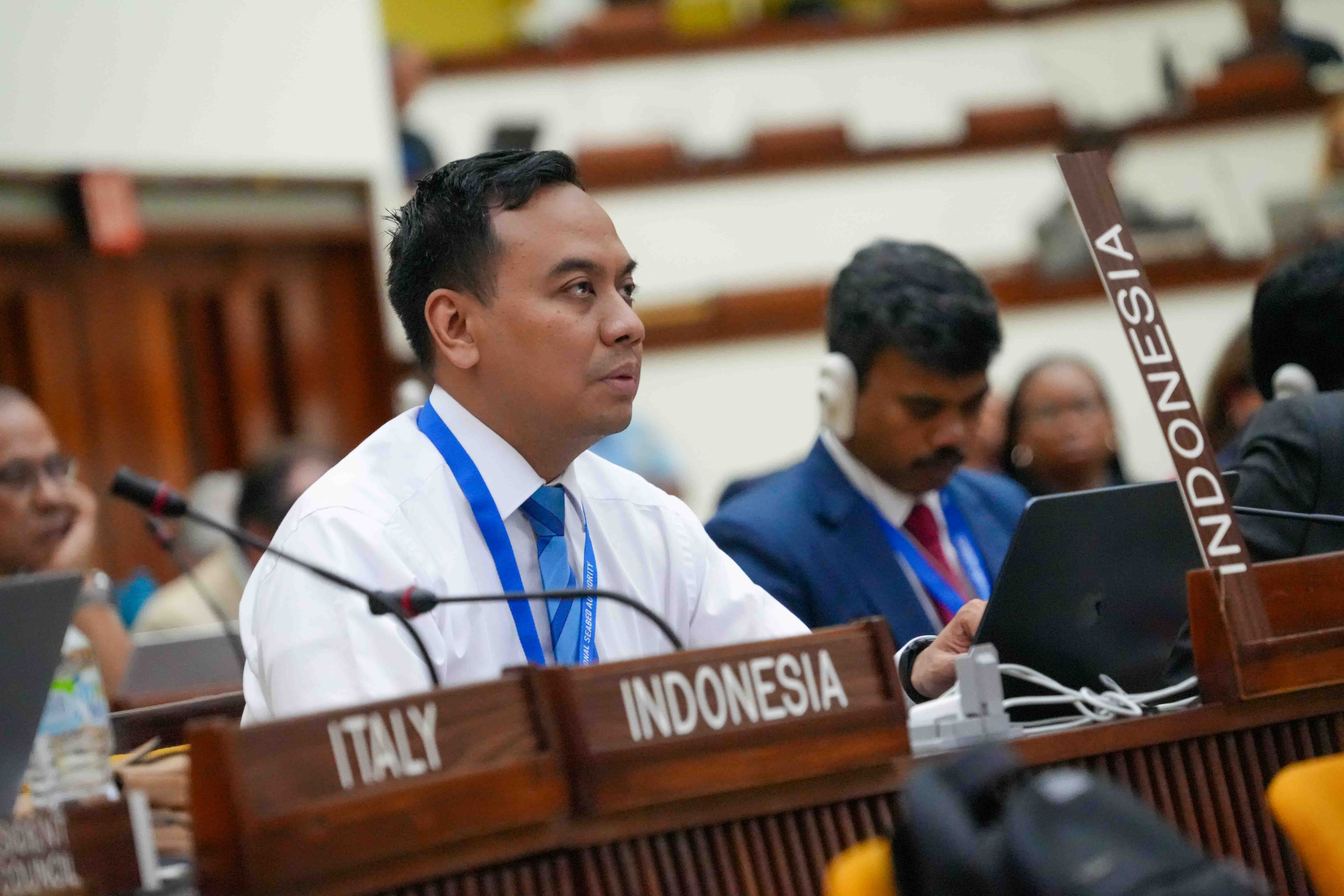
Muhammad Taufan, Indonesia
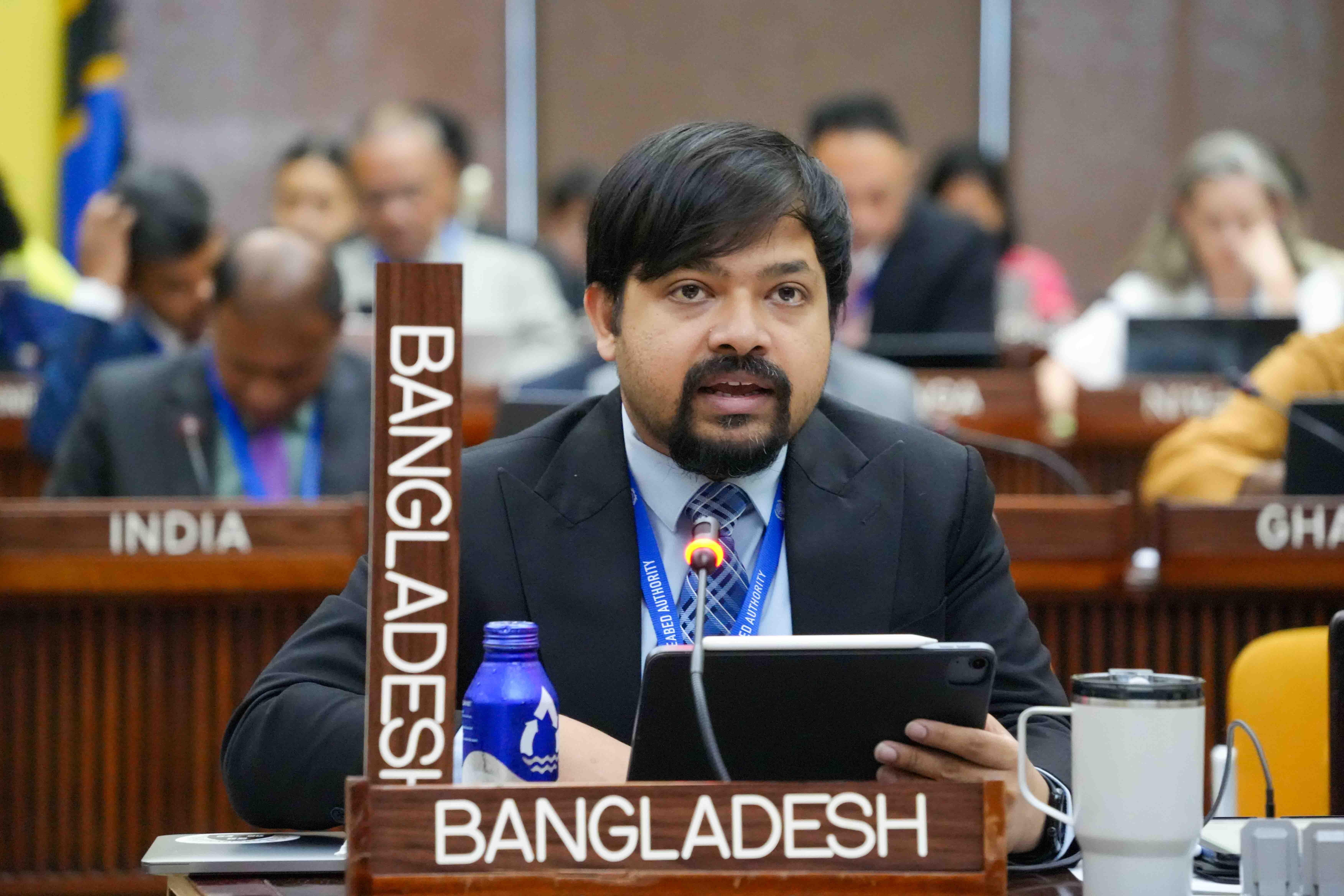
Nabid Mostafa Zisan, Bangladesh
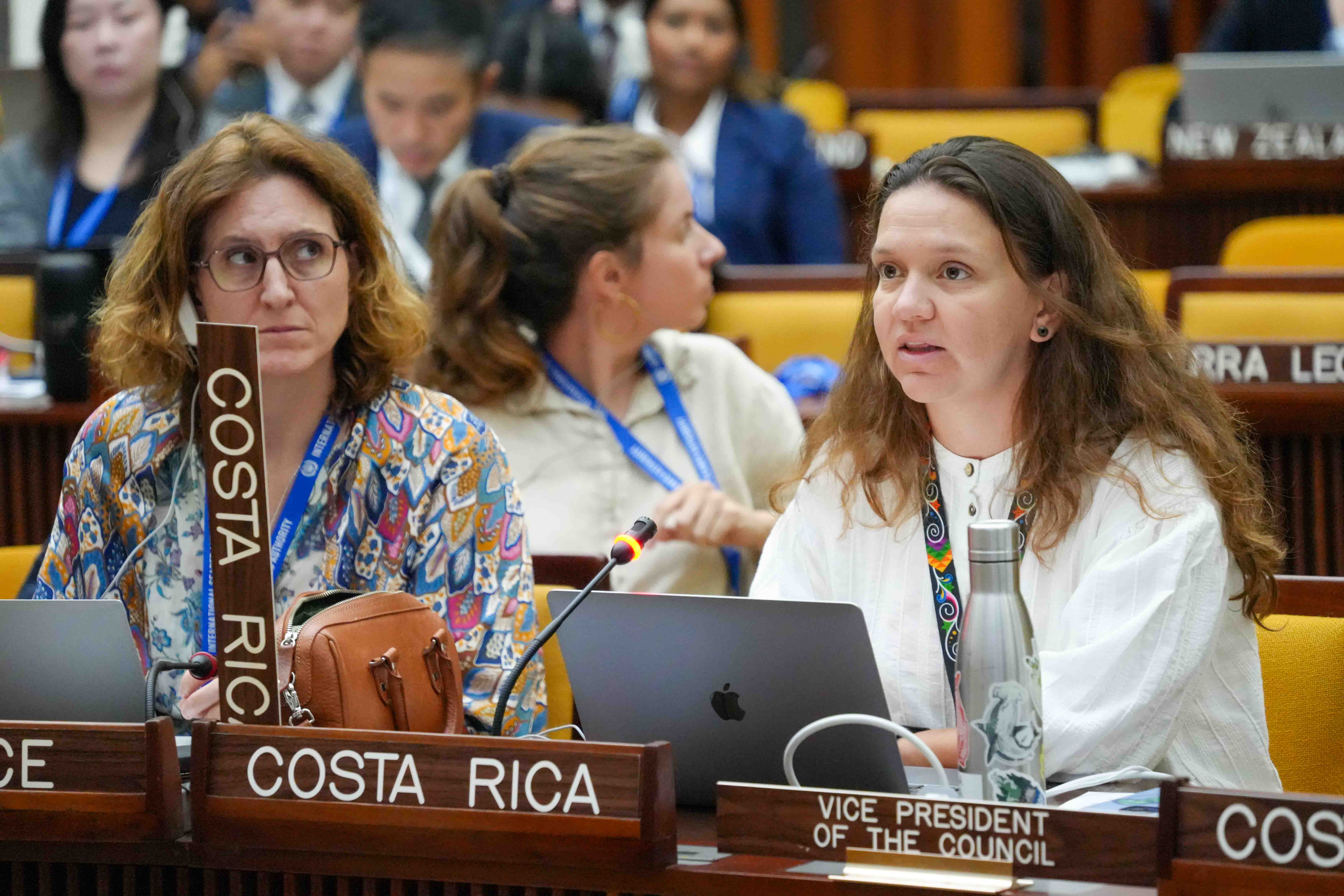
Tamara Gómez Marín, Costa Rica
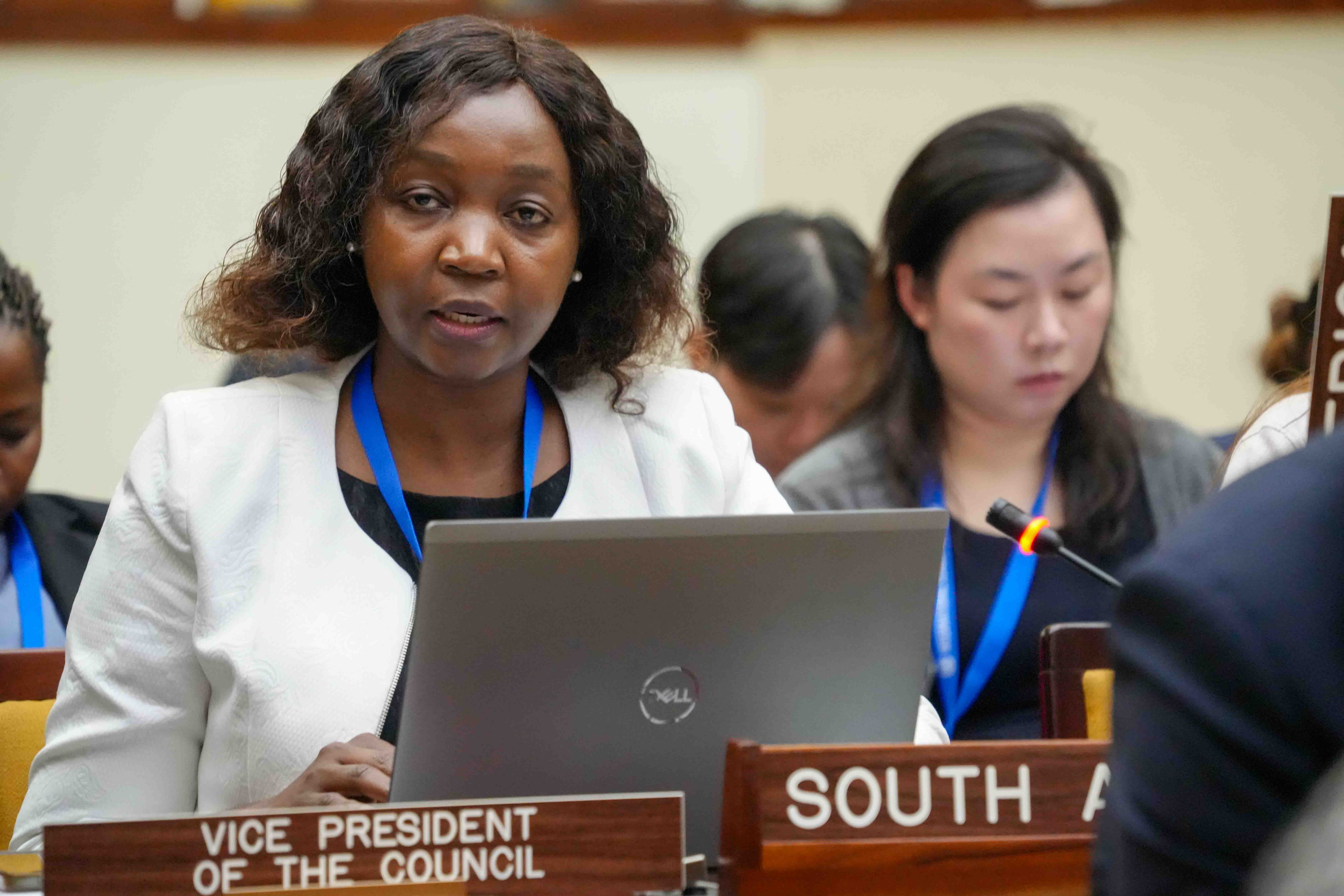
Tshifhiwa Mabidi, South Africa
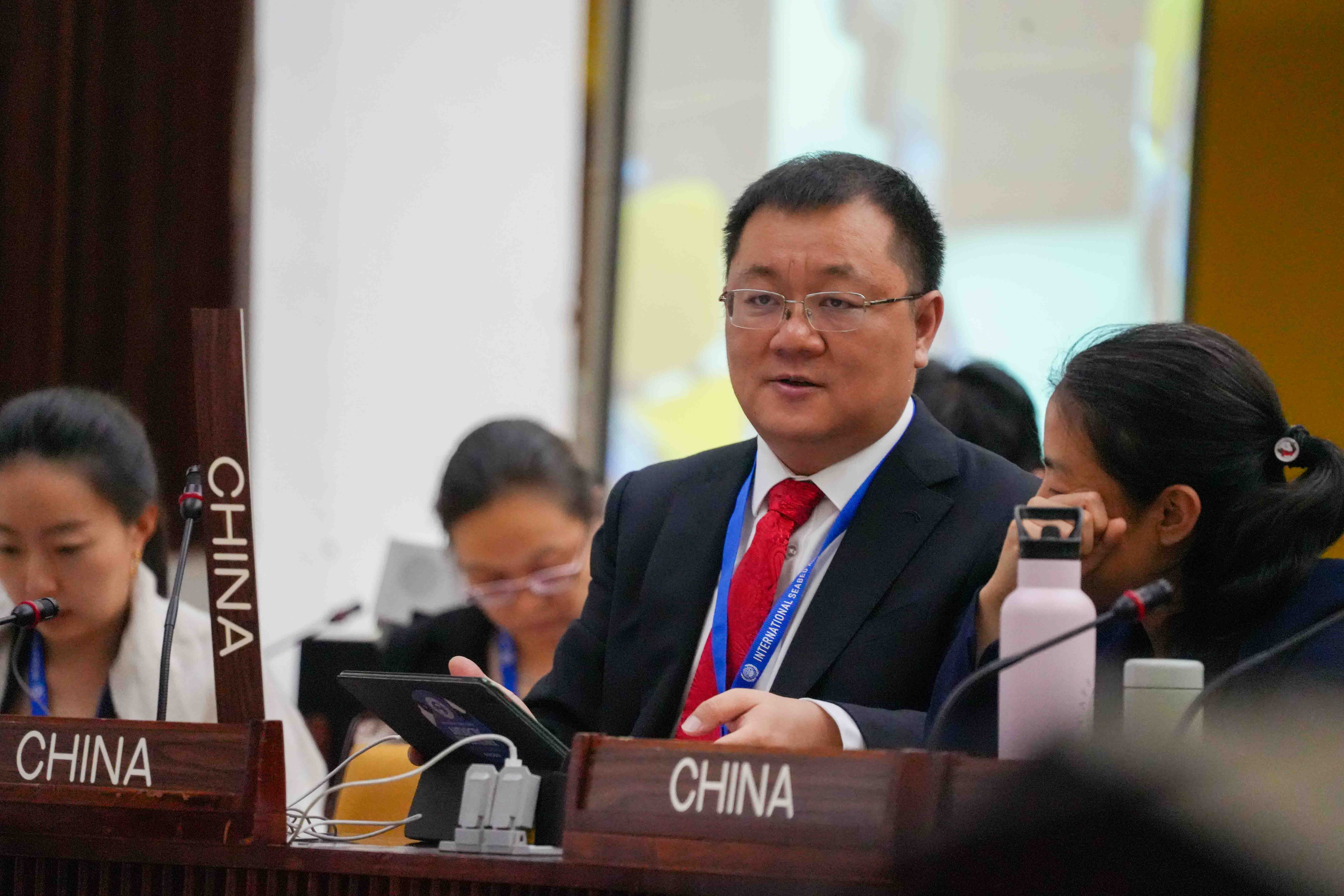
Yang Liu, China
Selected Images
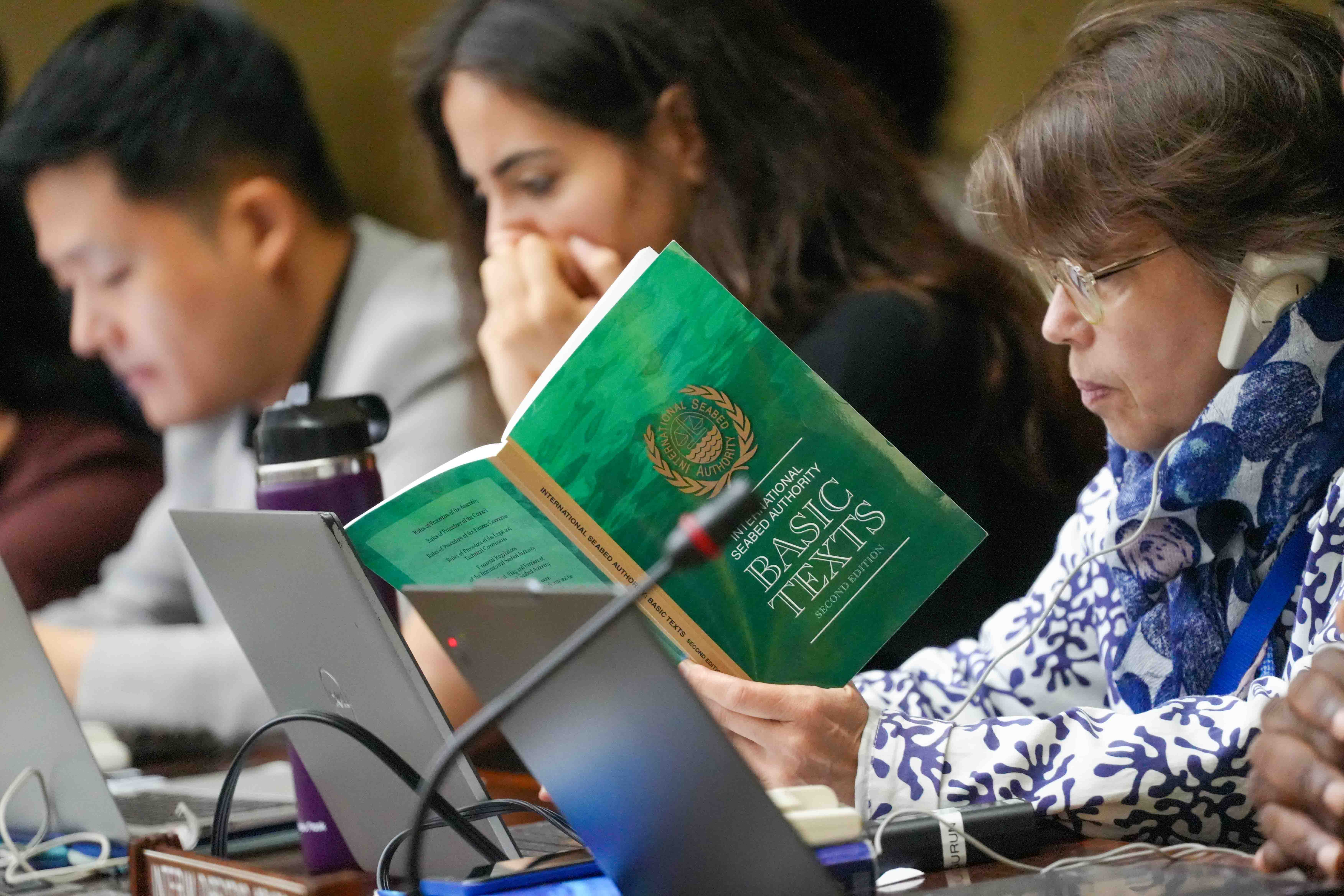
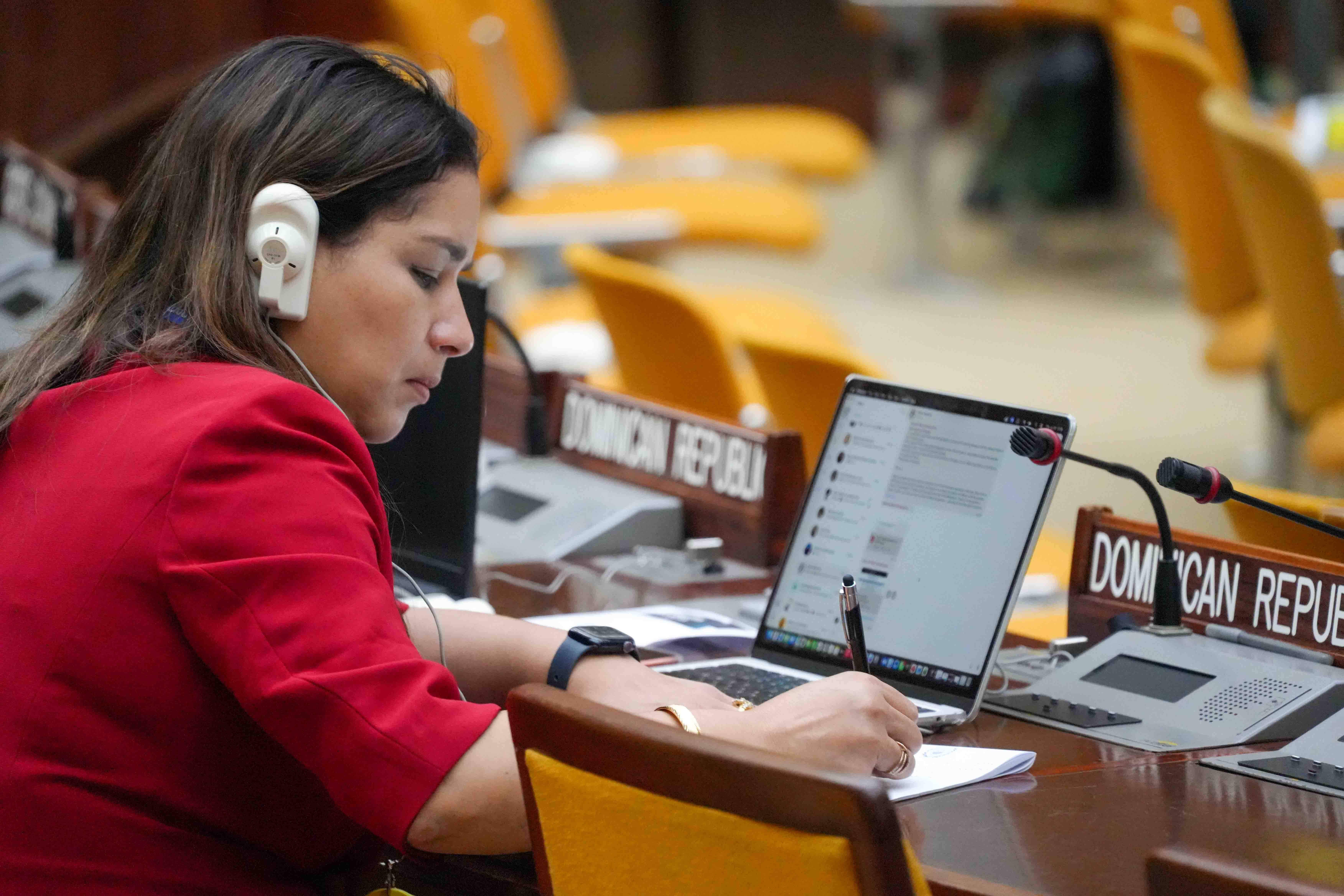
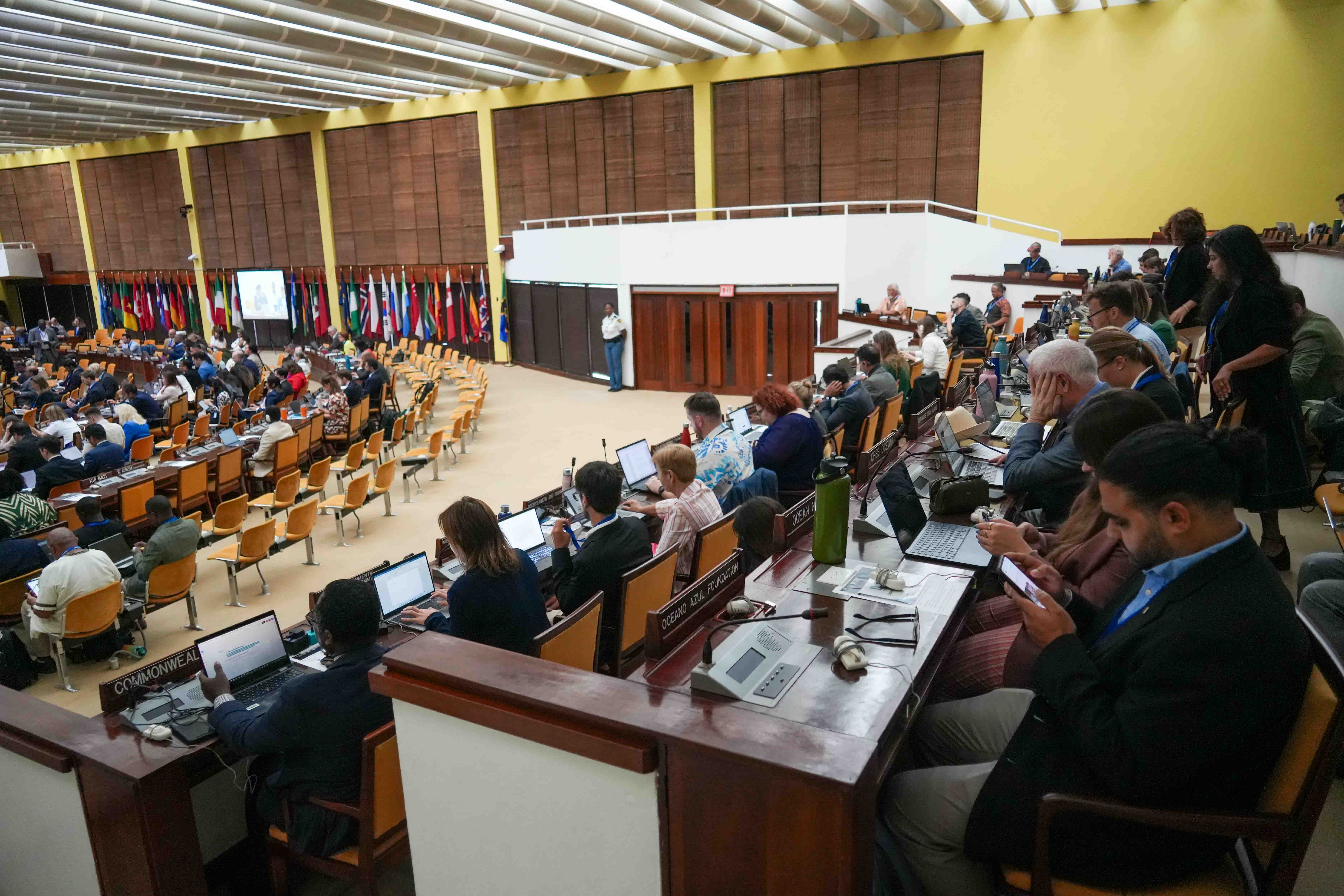
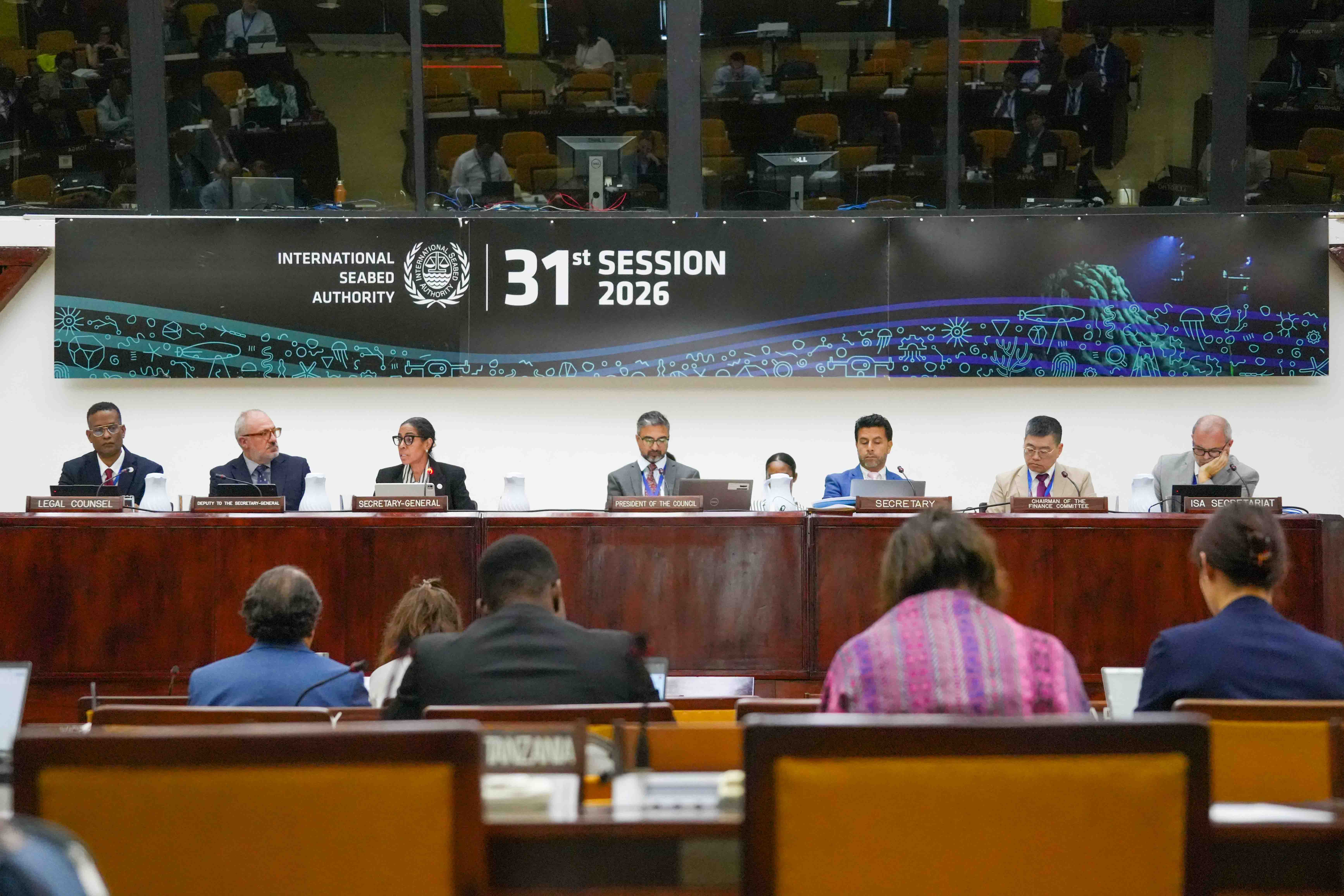
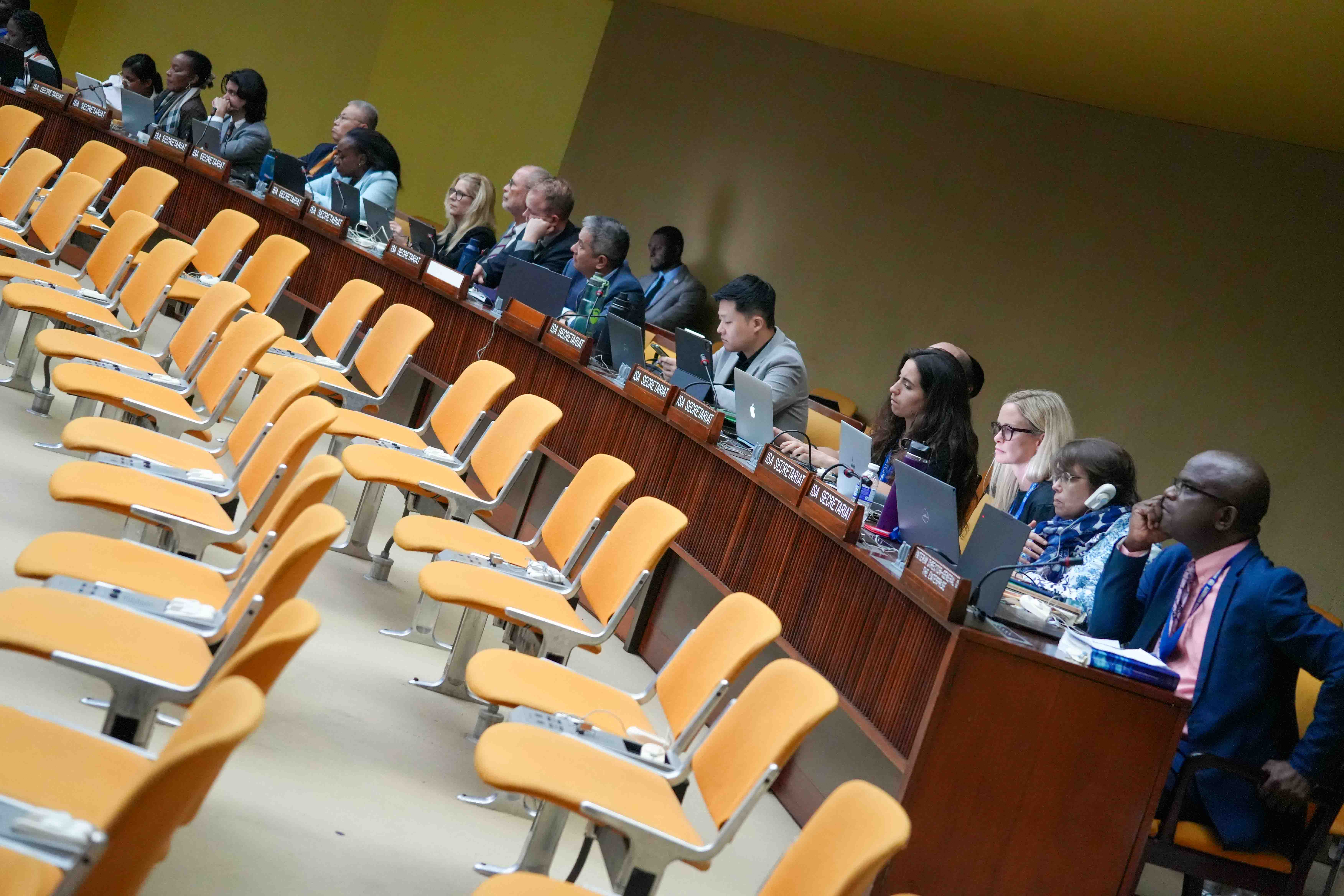
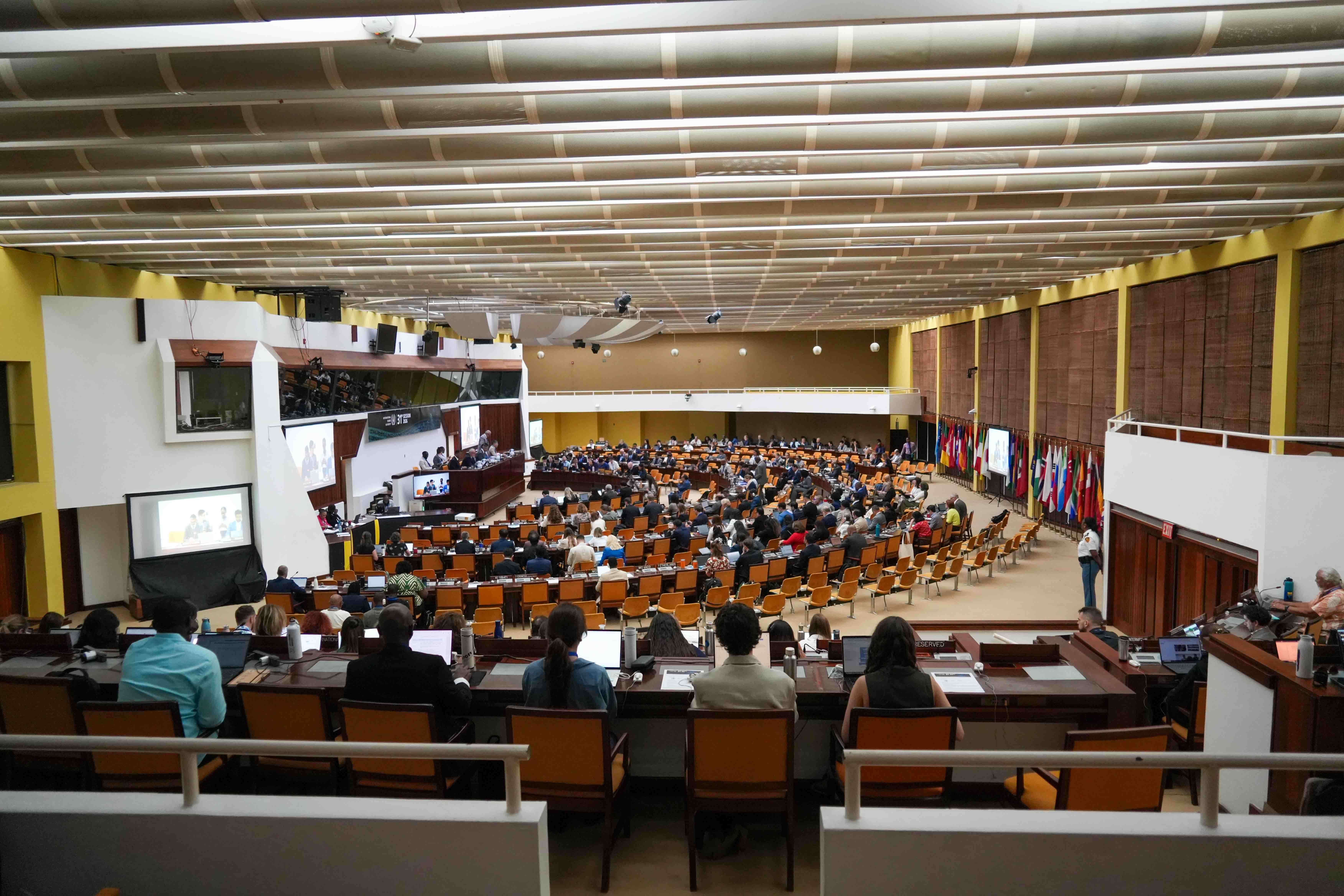
Between the sessions
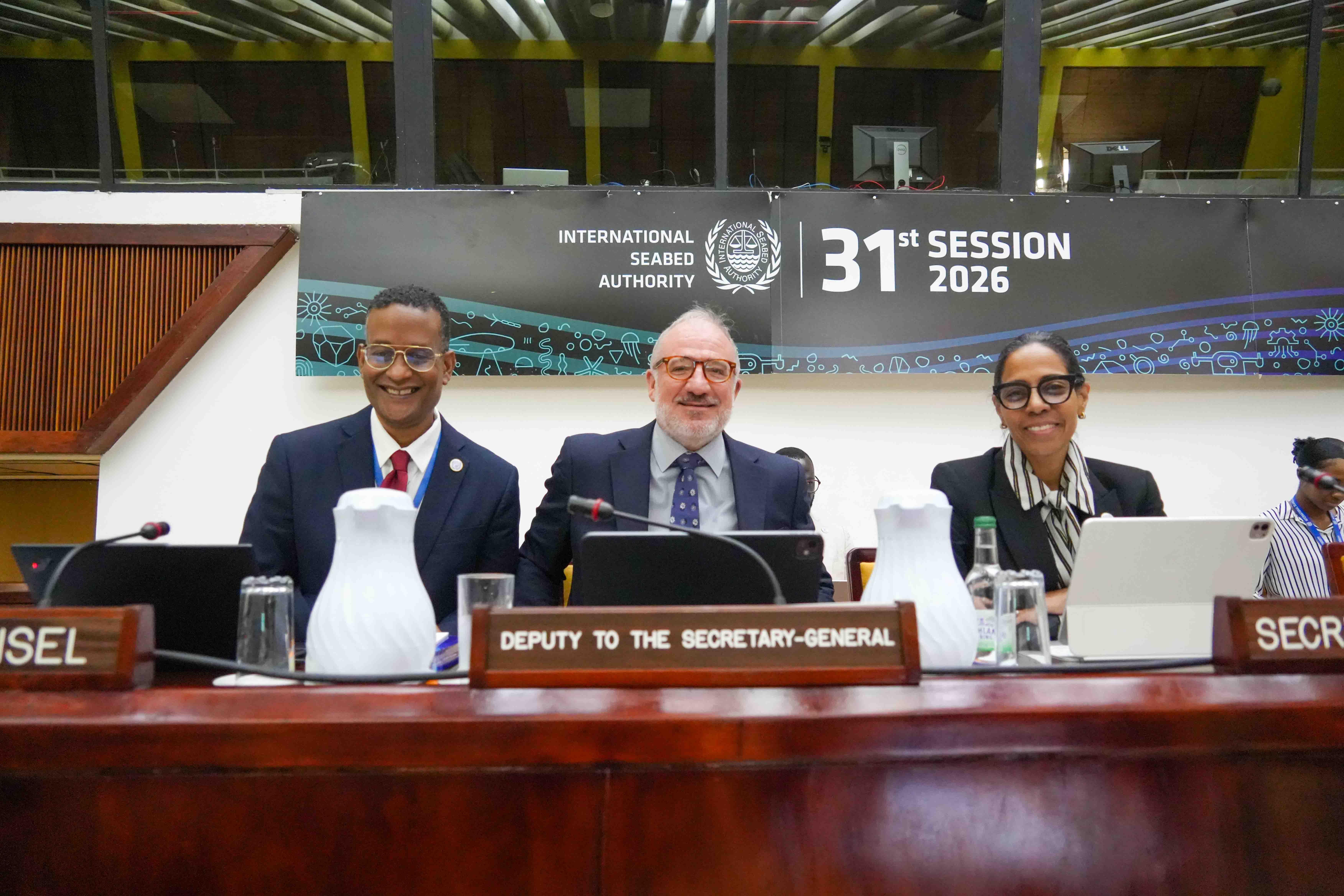
(L-R) Steven Dietrich and Bruno Pozzi, Secretariat of the Authority, and Leticia Carvalho, Secretary-General of the ISA,
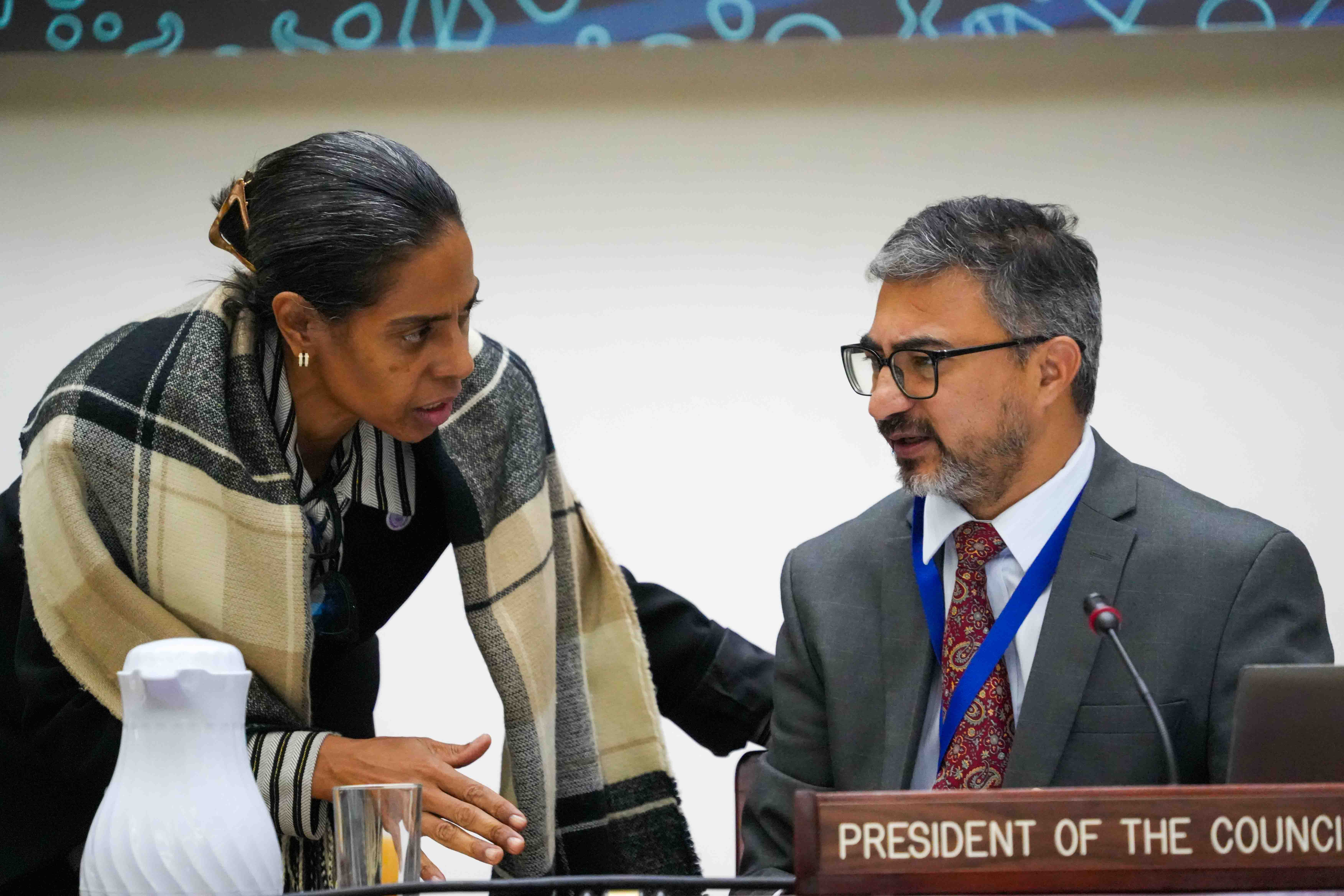
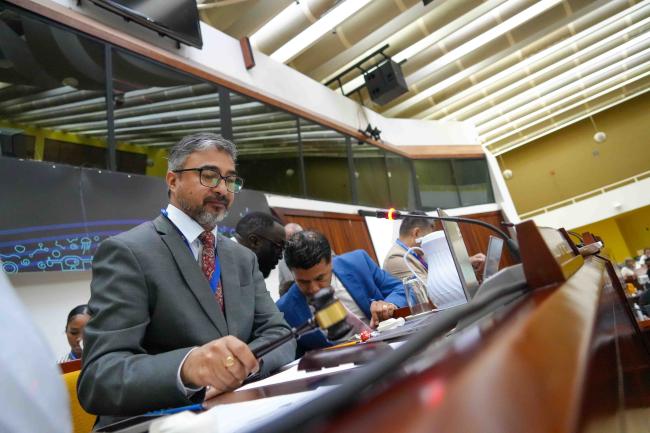
Leticia Carvalho, Secretary-General of the ISA and Council President Mayank Joshi, India
Around the venue
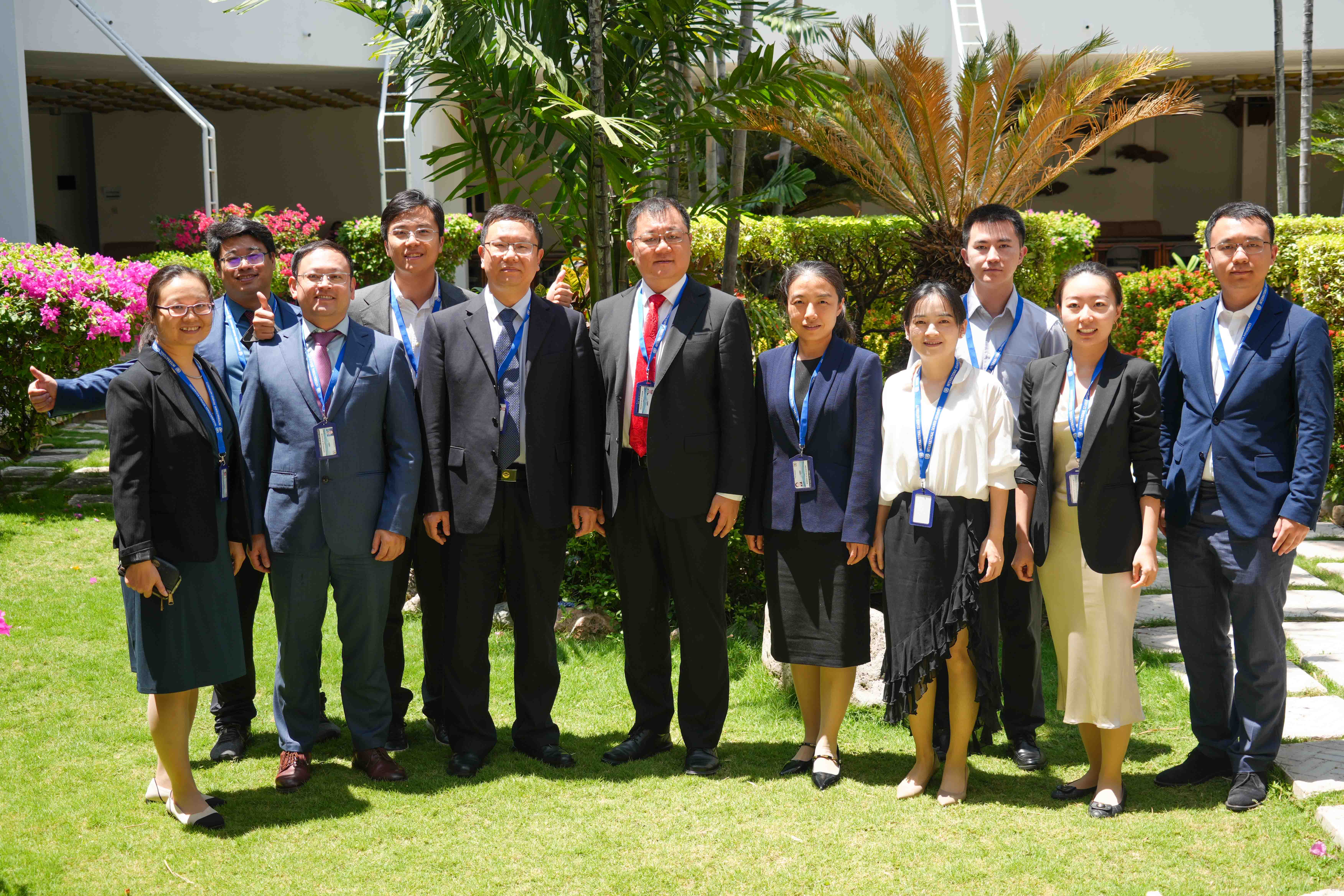
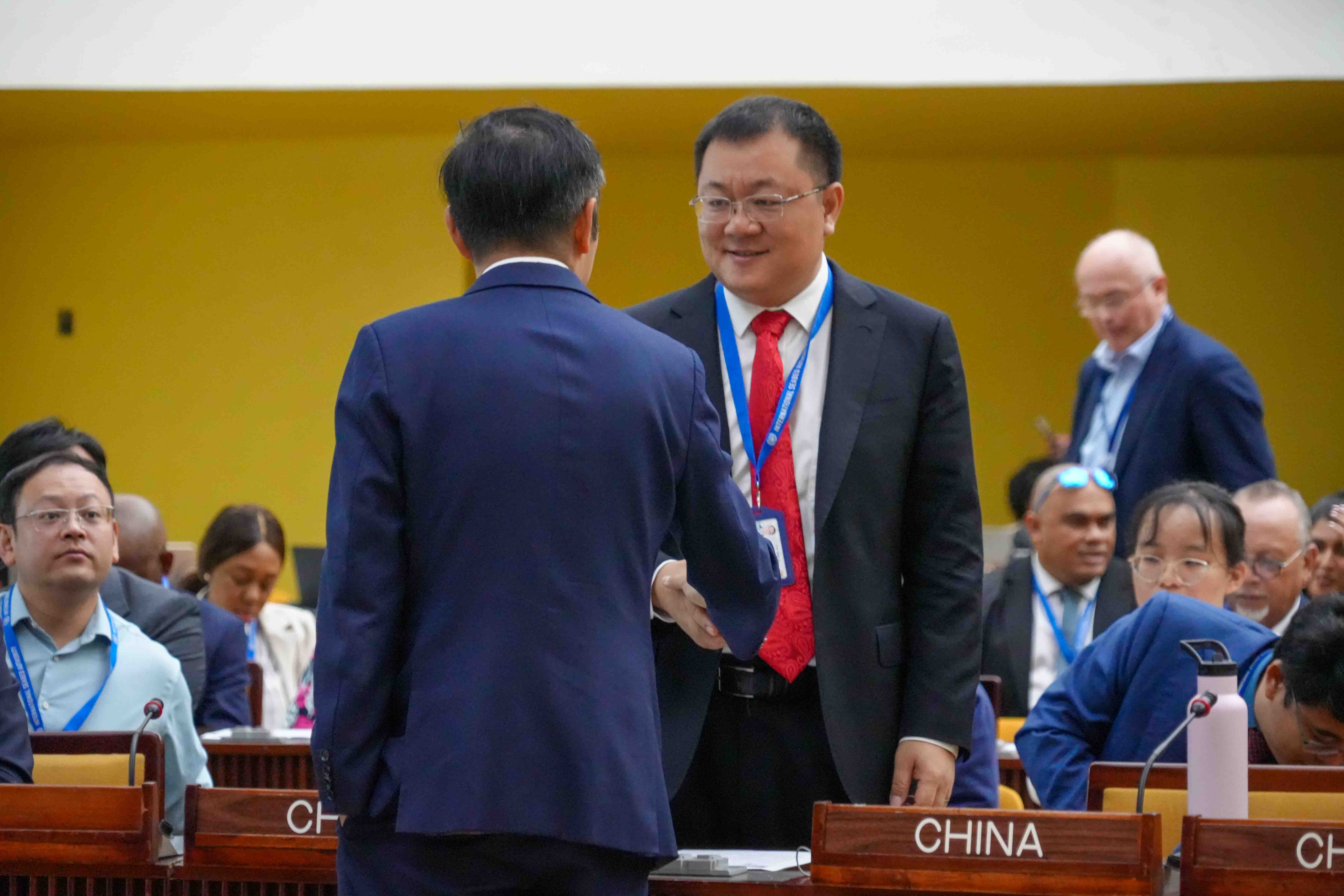
Delegation of China

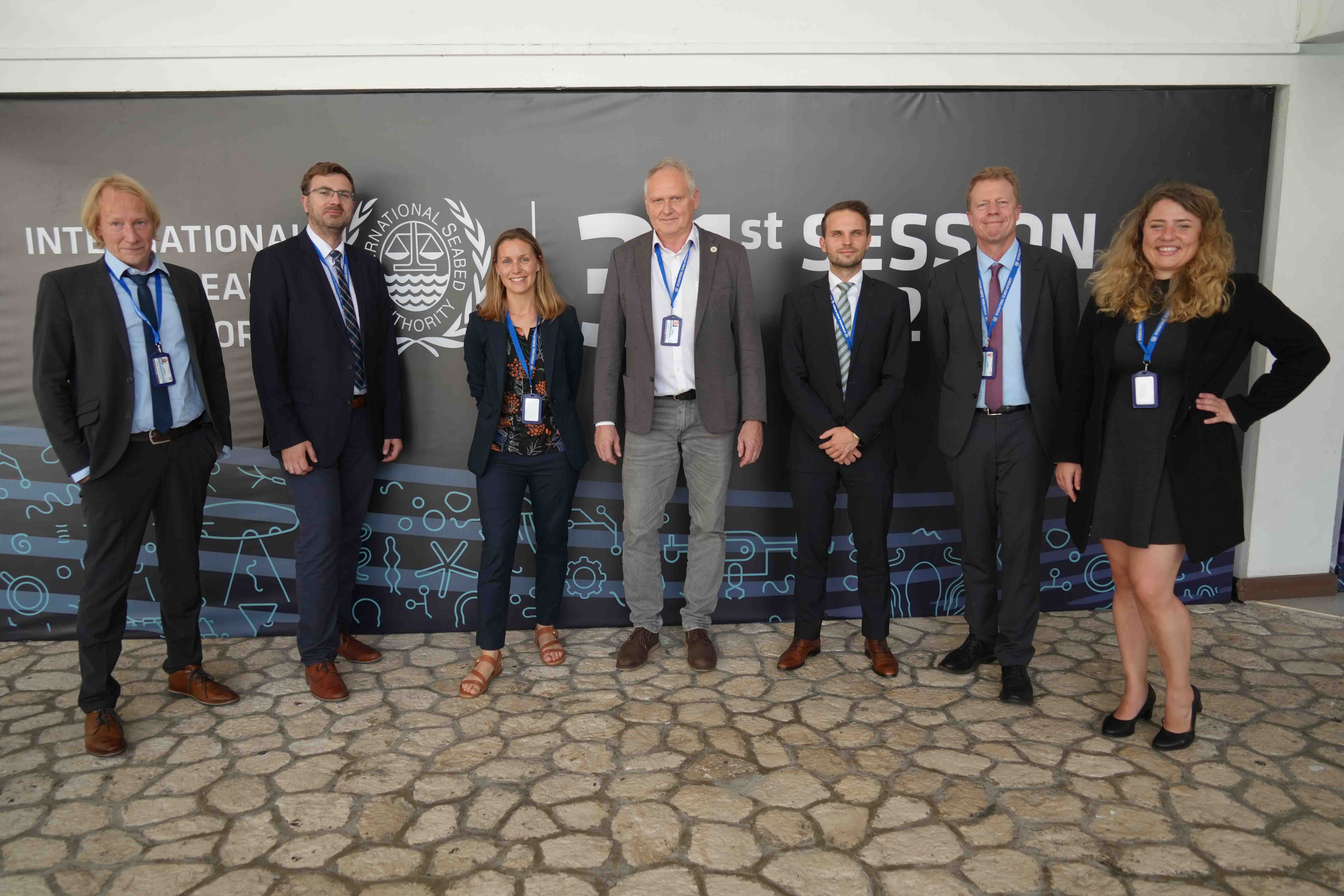
Delegation of Germany
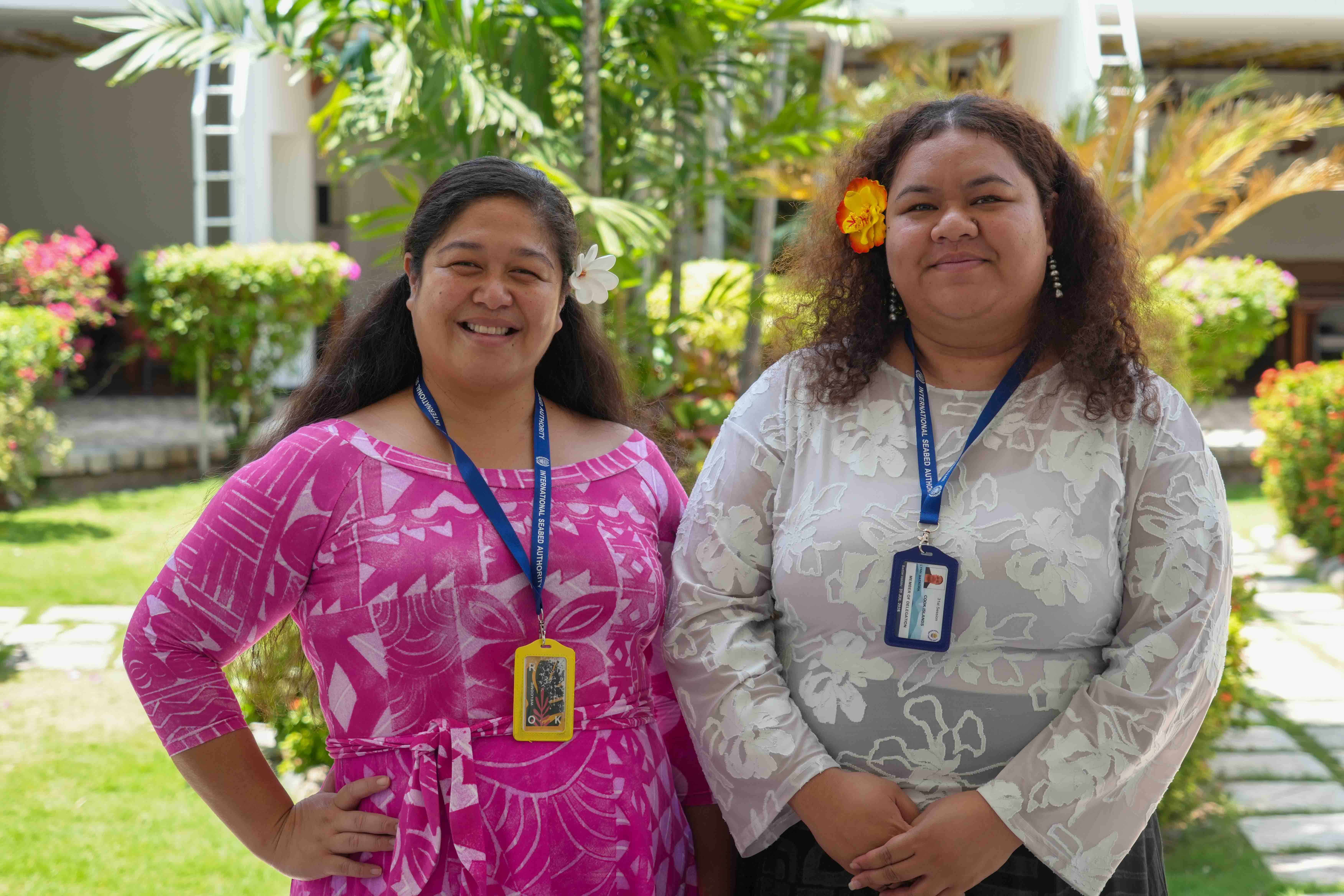
Delegation of the Cook Islands
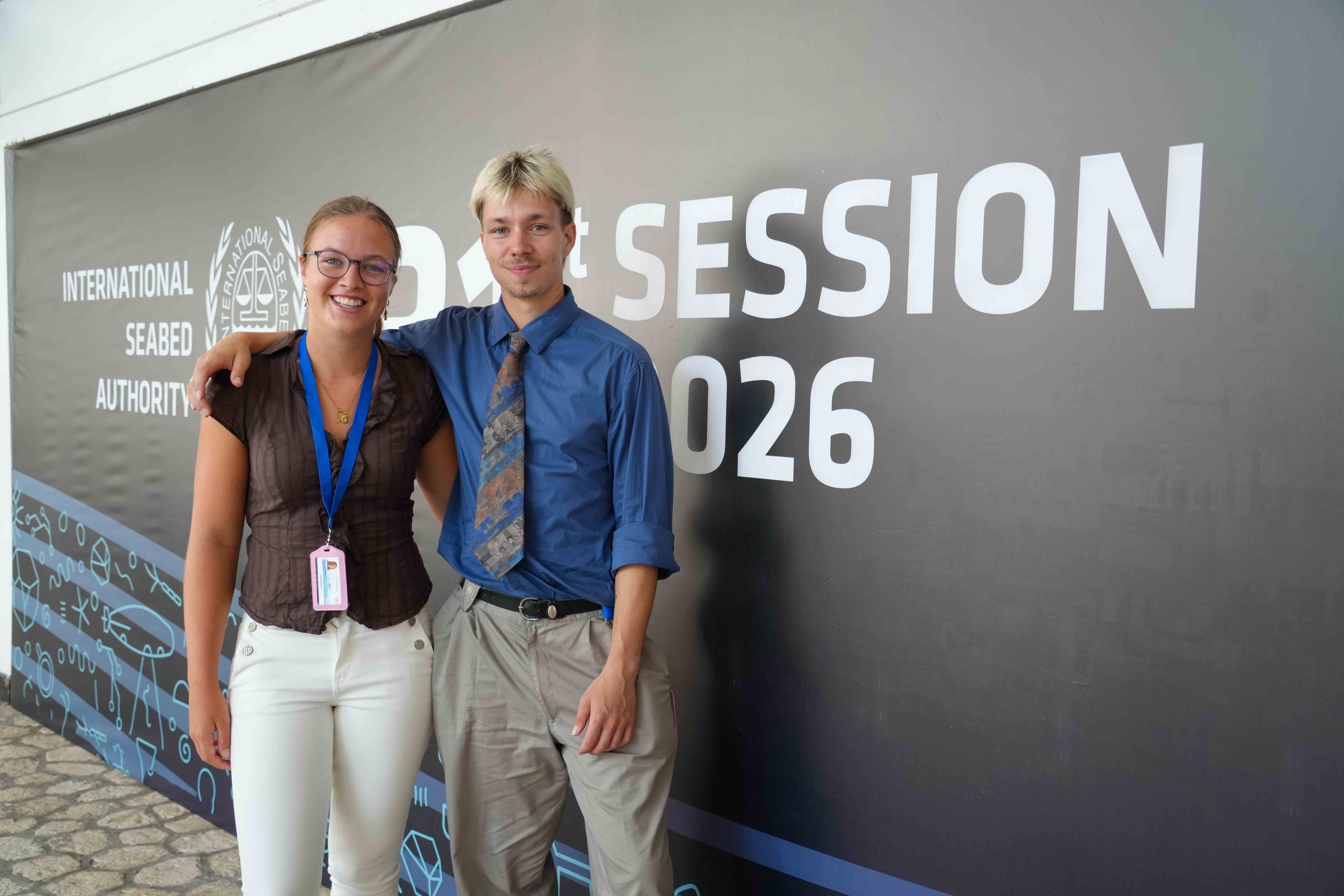
Members of the Jugend Ozean Netzwerk (JON)
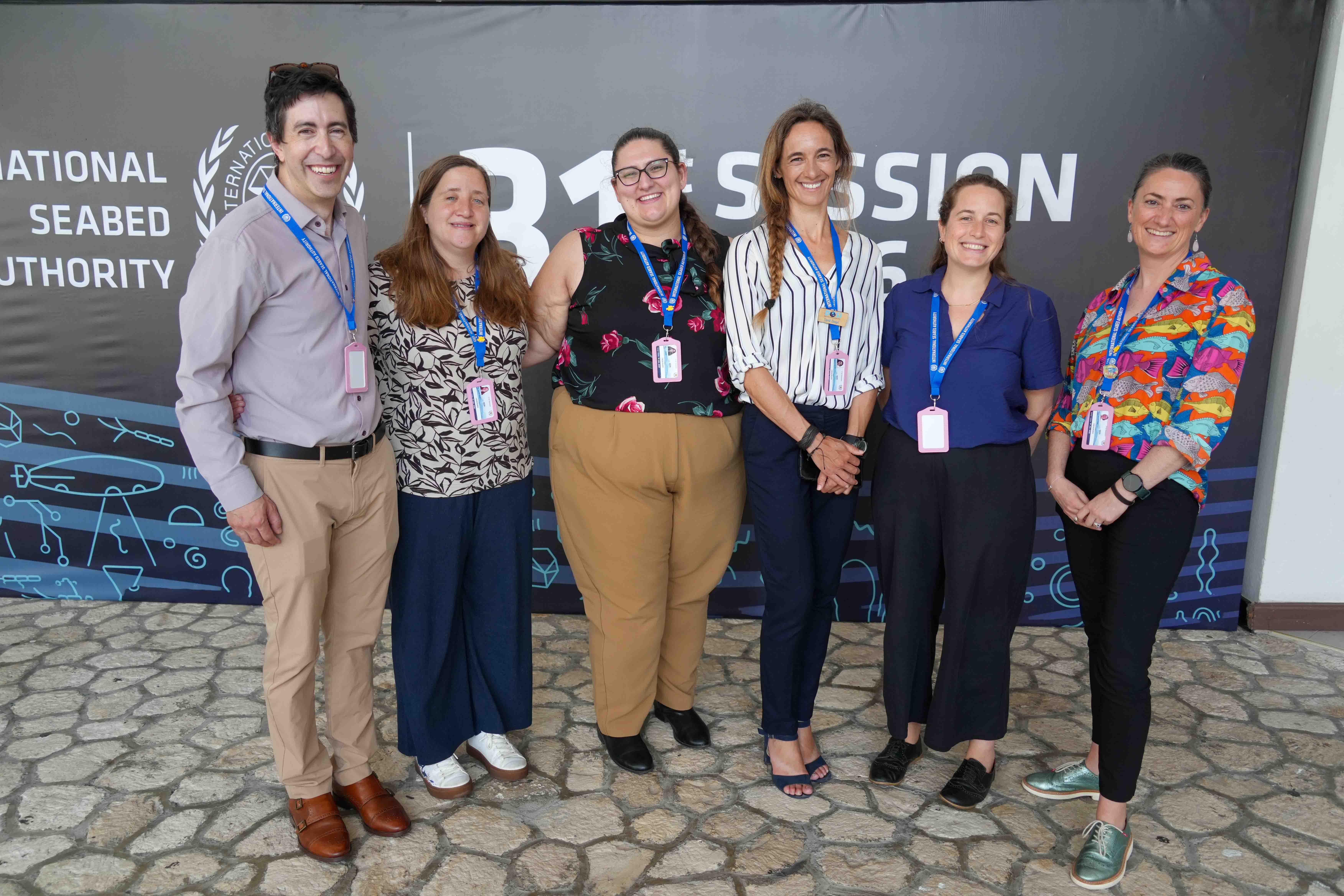
Delegation of Deep Ocean Stewardship Initiative
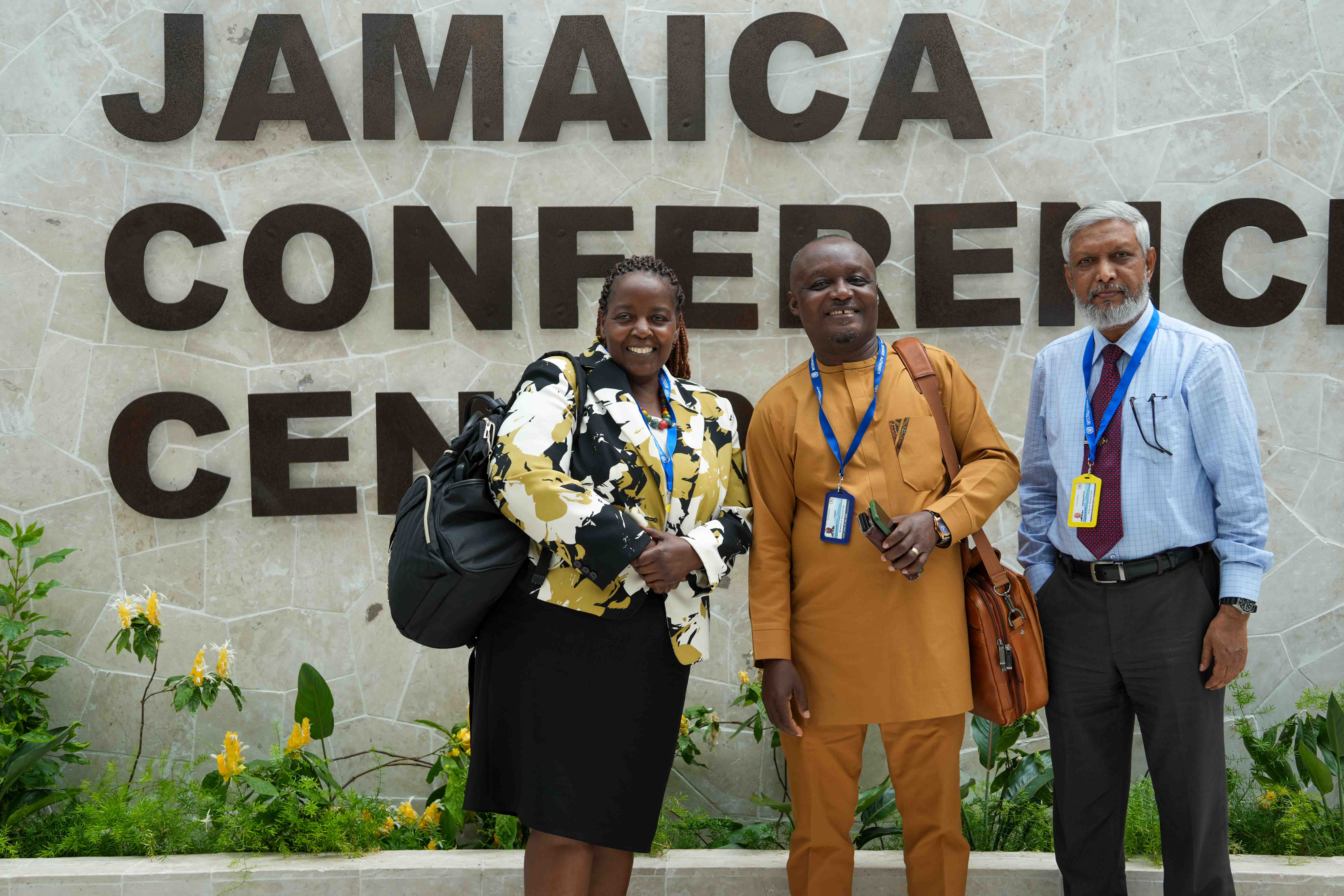
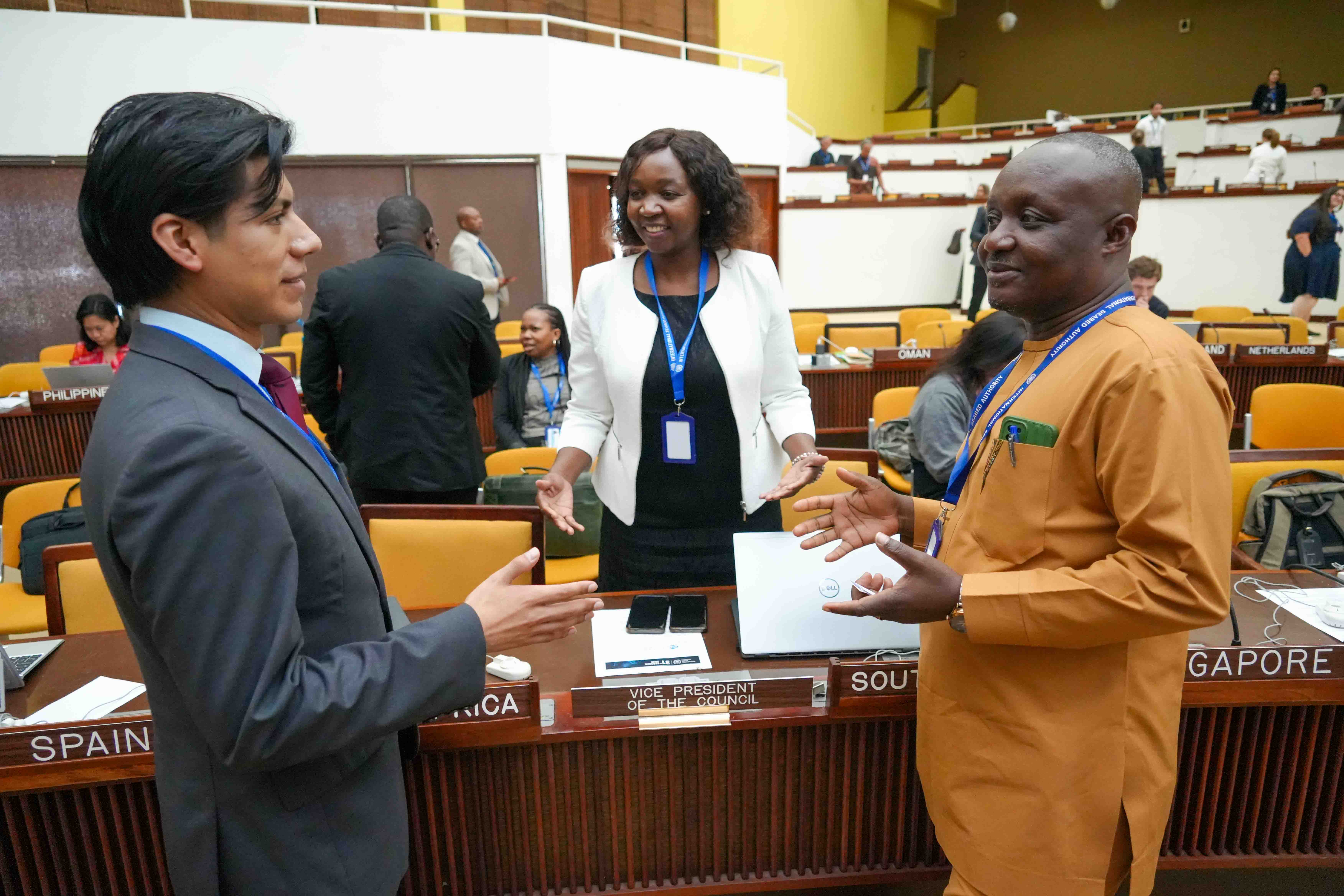
Juster Nkoroi, Kenya, Solomon Korbieh, Ghana and Mahmudul Hassan, Bangladesh

Noemie Wouters, Secretariat of the Authority
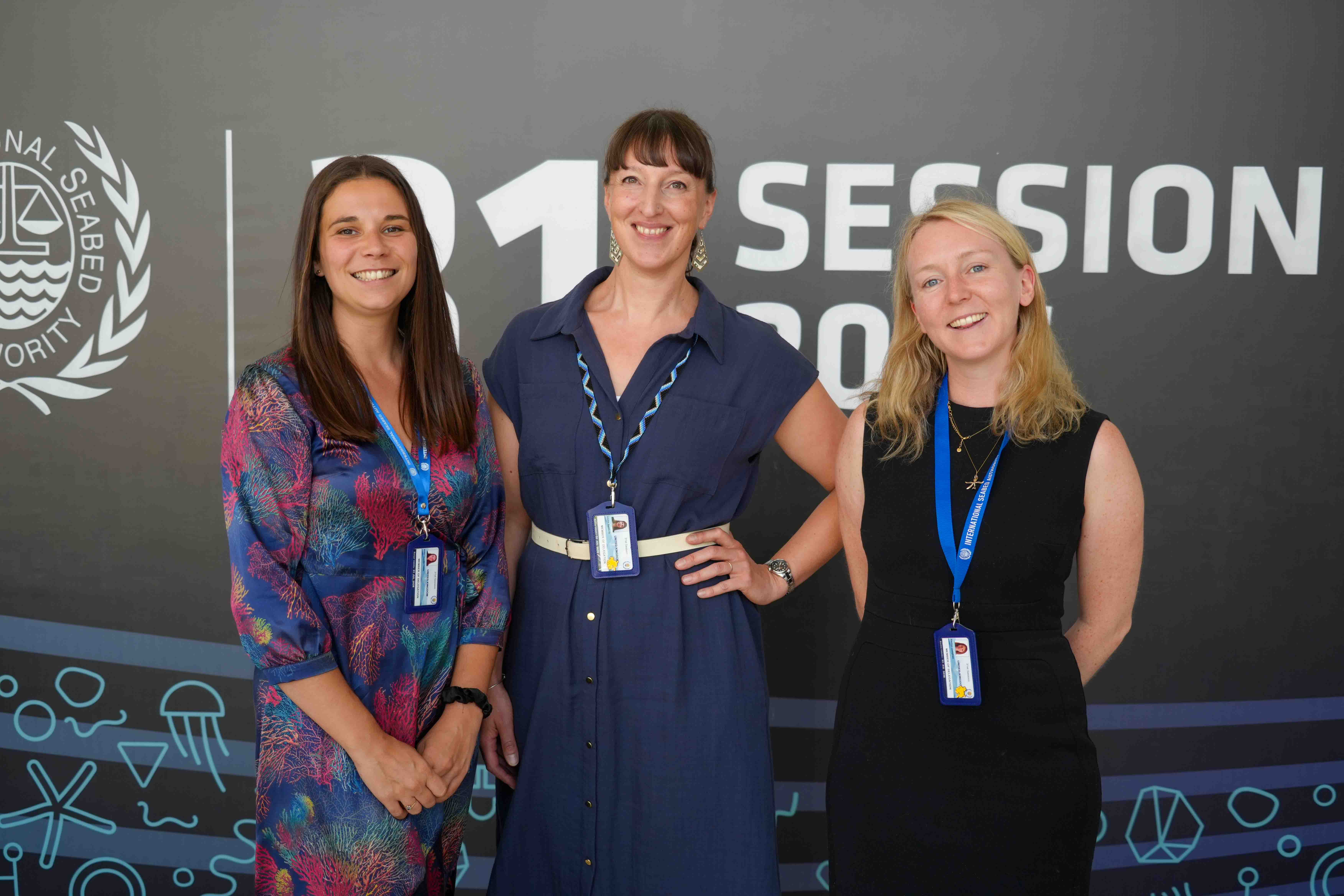
(L-R) Amber Charlotte Chandler-Cobley, Louise Bamforth, and Rachel Gaughan, UK

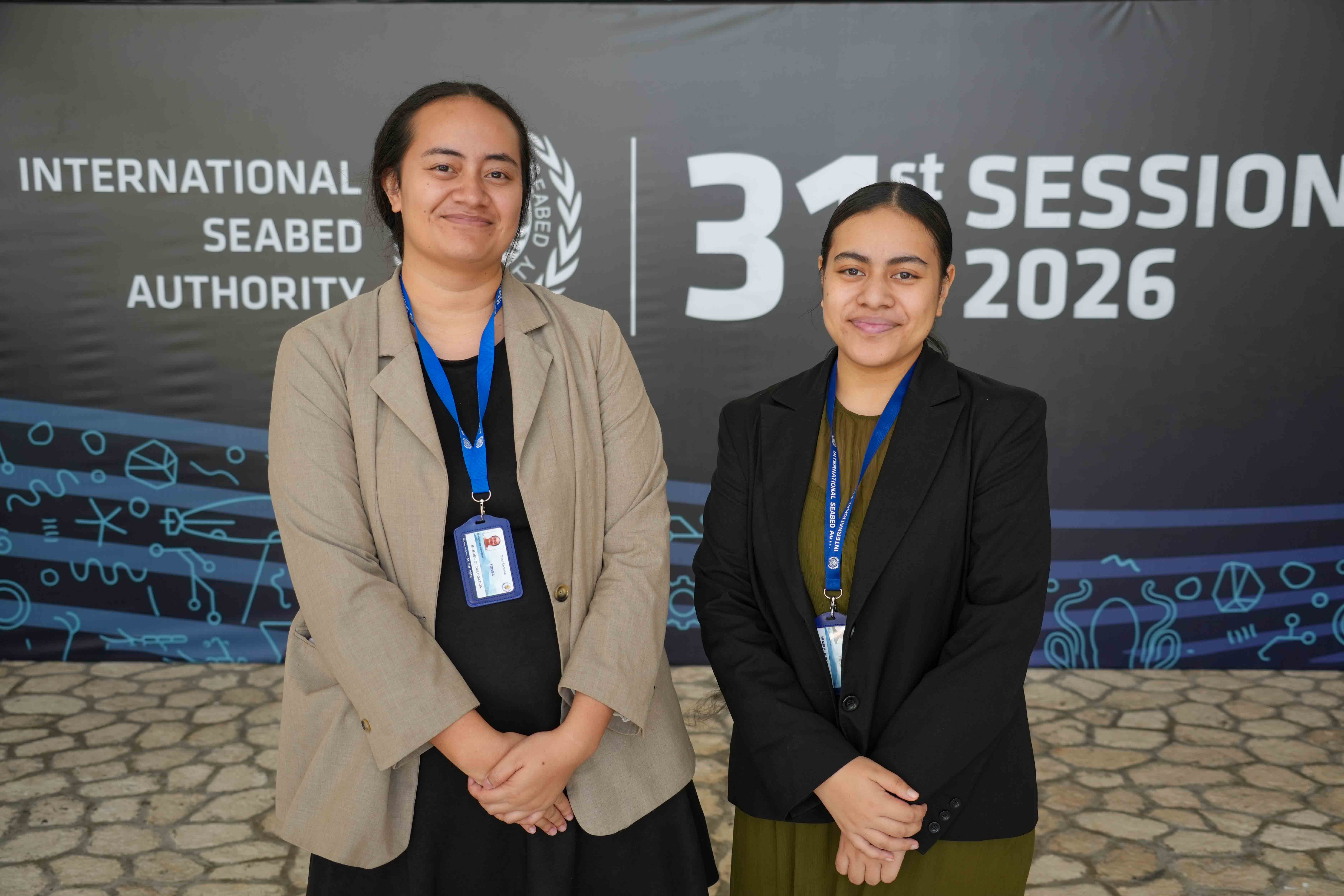
Delegation of Tonga