
The important role of the Legal and Technical Commission (LTC) of the International Seabed Authority (ISA) came to the forefront during Tuesday’s deliberations. The LTC, a subsidiary organ of the Council, is mandated to make recommendations on all matters relating to exploration and exploitation of non-living marine resources, as well as to fulfill review, assessment, and regulatory functions.
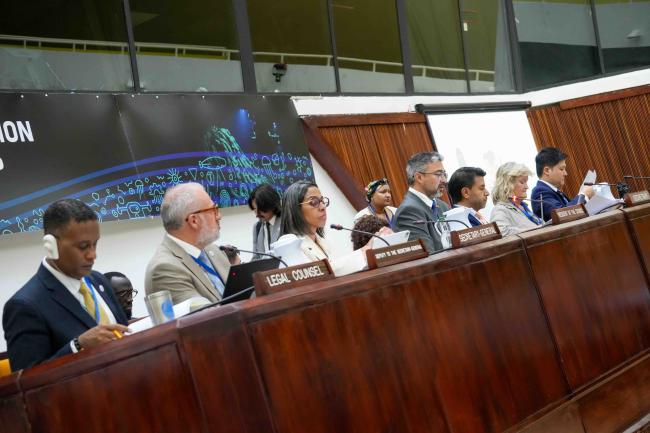
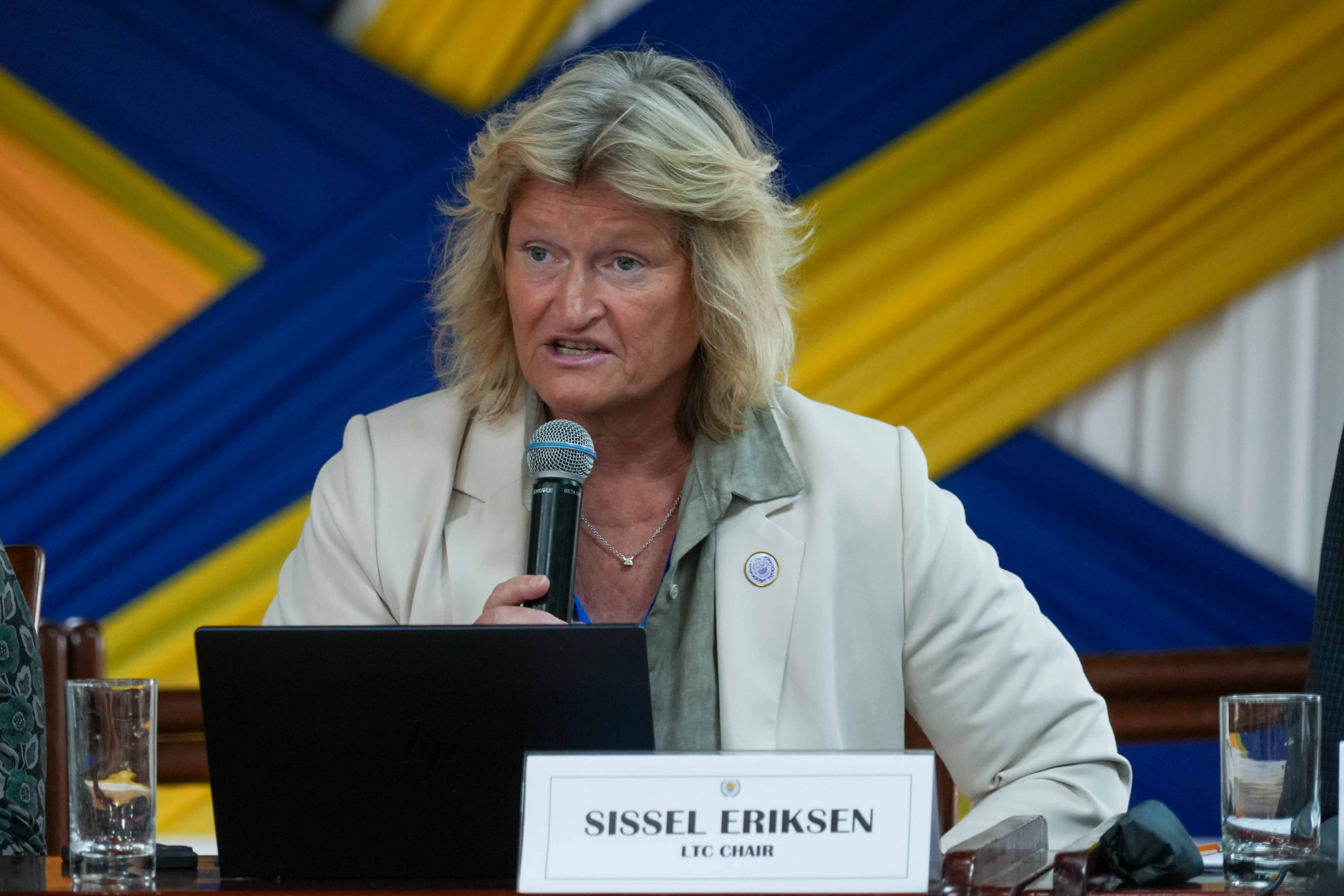
In the morning, LTC Chair Sissel Eriksen presented the report on the work of the LTC during the second part of the 31st session, focusing on:
- contractors’ activities;
- applications for approval of plans of work for exploration;
- ISA regulatory activities, including environmental threshold values;
- environmental management planning, including regional environmental management plans (REMPs);
- data management;
- matters referred to the LTC by the Council; and
- the development of standards and guidelines contained as an annex to the report.
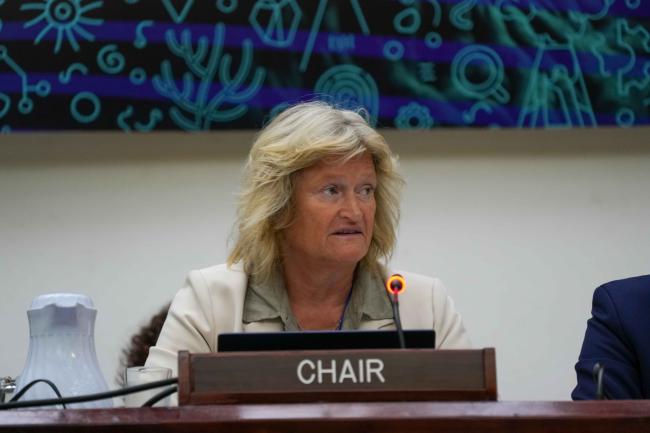
Regarding contractors’ activities, Eriksen drew attention to: the status of exploration contracts; the implementation of training programmes; and the consideration of contractors’ annual reports, including addressing cases where contractors responded inadequately or failed to respond to issues related to their contractual obligations.
LTC Chair Eriksen noted that most contractors implement the programmes of work satisfactorily. She added that, while some have conducted excellent scientific studies, others need to better explain how their studies support future environmental impact assessments and the generation of baseline data.
She underscored that many contractors have reported actual expenditure significantly less than what was projected, stressing that this illustrates a trend of contractors slowing down their exploration programmes. She noted that contractors attribute this to the lack of a regulatory framework for exploitation.
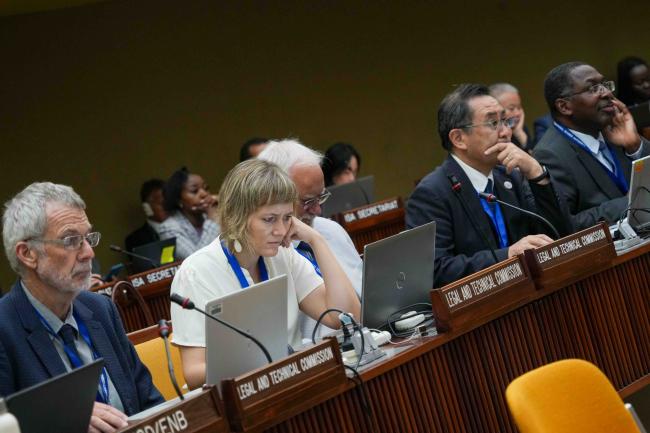
LTC Chair Eriksen also addressed, among other things:
- positive recommendations for the extension of three exploration contracts;
- activities related to the development of environmental threshold values as well as standards and guidelines, pointing to an outcome-based approach;
- the establishment and review of REMPs;
- data management including the continued development of the DeepData database; and
- the need to ensure adequate administrative and technical support for the LTC to tackle its increased workload.
In the ensuing discussion, Council members expressed appreciation for the comprehensive report and the substantive work, dedication, and professionalism of the LTC Chair and members. Many highlighted capacity-building efforts and training opportunities, while some expressed concerns about the trend of actual expenditure falling significantly below projected expenditure.
Many delegates commended the LTC for providing details on the distinction between three different LTC procedures: the extension of an approved plan of work; inadequate performance by a contractor; and possible non-compliance of contractors arising out of direct or indirect actions related to activities in the Area.
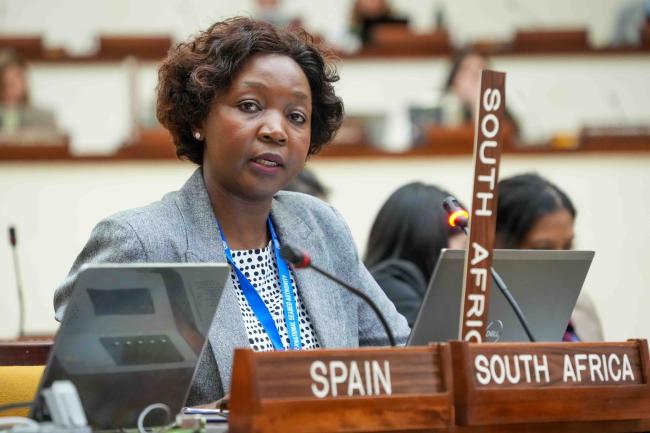
On contract extensions, South Africa, for the African Group, stressed that extensions should not be automatic and should not signal readiness to move to the exploitation phase.
On environmental thresholds, Brazil and others expressed concern about the insufficient science-based information available to define some threshold values, noting that the precautionary approach should guide the work in such cases. Switzerland, Ireland, and others noted that additional threshold values will be required, including for biodiversity and habitat loss.
Delegates underscored the importance of the timely development of standards and guidelines. Australia, Italy, Brazil, Germany, and many others suggested updating the Council's work roadmap, taking into consideration the updated list of standards and guidelines. Others, including Canada and the Republic of Naoero, suggested a streamlining exercise.
The African Group, France, Argentina, Norway, the UK, Mexico, Bangladesh, Monaco, Tonga, Poland, and many others supported ensuring adequate administrative and technical support from the Secretariat to discharge its functions effectively.
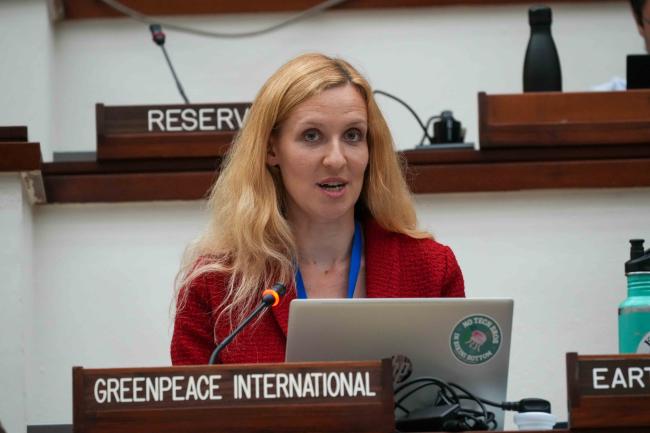
Observer organizations expressed concerns about, among other things, the recommendation to renew the exploration contract of Nauru Ocean Resources Inc., questioning whether the company has been operating in good faith, highlighting its pursuit of unilateral deep-sea mining.
Observers also suggested:
- developing a code of conduct for use of experts and procedural guidelines for workshops;
- distinguishing between requirements for scientific assessments and those for regulatory drafting and supervisory oversight;
- rejecting the application for approval of a plan of work for exploration for polymetallic nodules by Impossible Metals Bahrain; and
- evaluating whether aspects of the compliance and enforcement regime could benefit from greater clarity.
The Council devoted the remainder of the afternoon session to negotiating the annexes to the draft exploitation regulations, focusing on the scoping report and the environmental impact statement.
END NOTES
To receive free coverage of global environmental events delivered to your inbox, subscribe to the ENB Update newsletter.
All ENB photos are free to use with attribution. For the Second part of the 31st session of the International Seabed Authority (ISA) meeting, please use: Photo by IISD/ENB | Andrés Felipe Carvajal Gómez
Selected Images
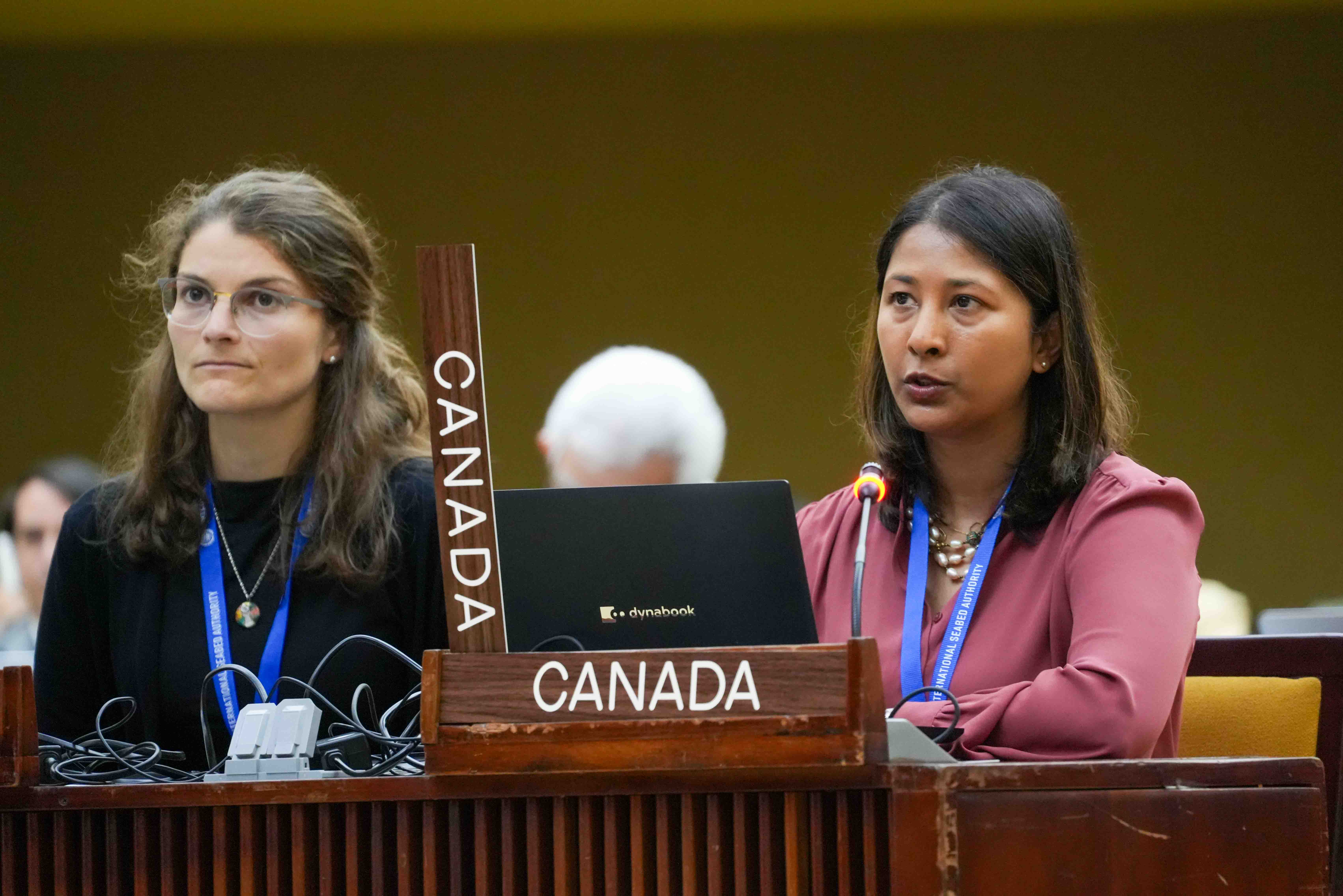
Azra Haque, Canada
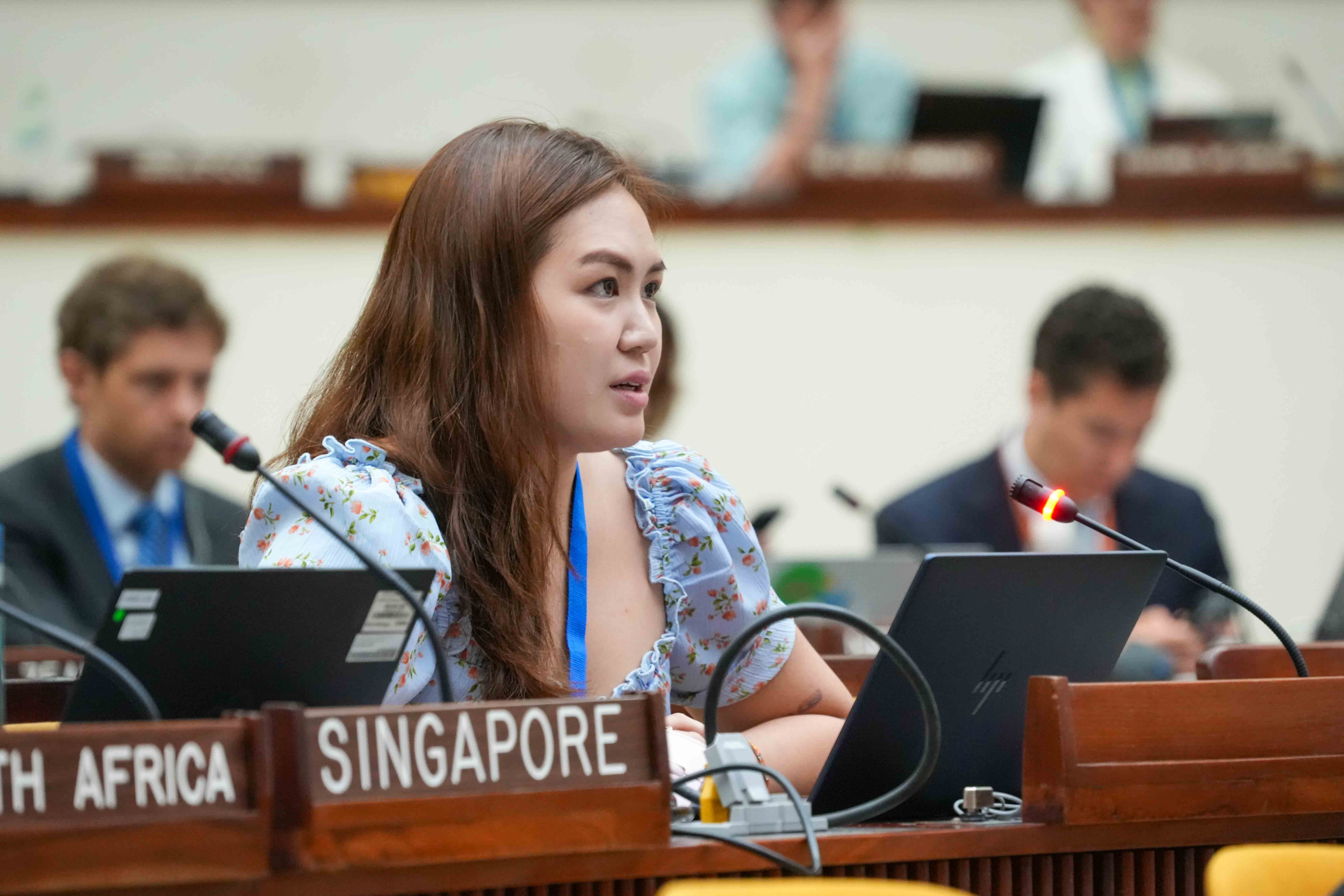
Beatrice Chen, Singapore
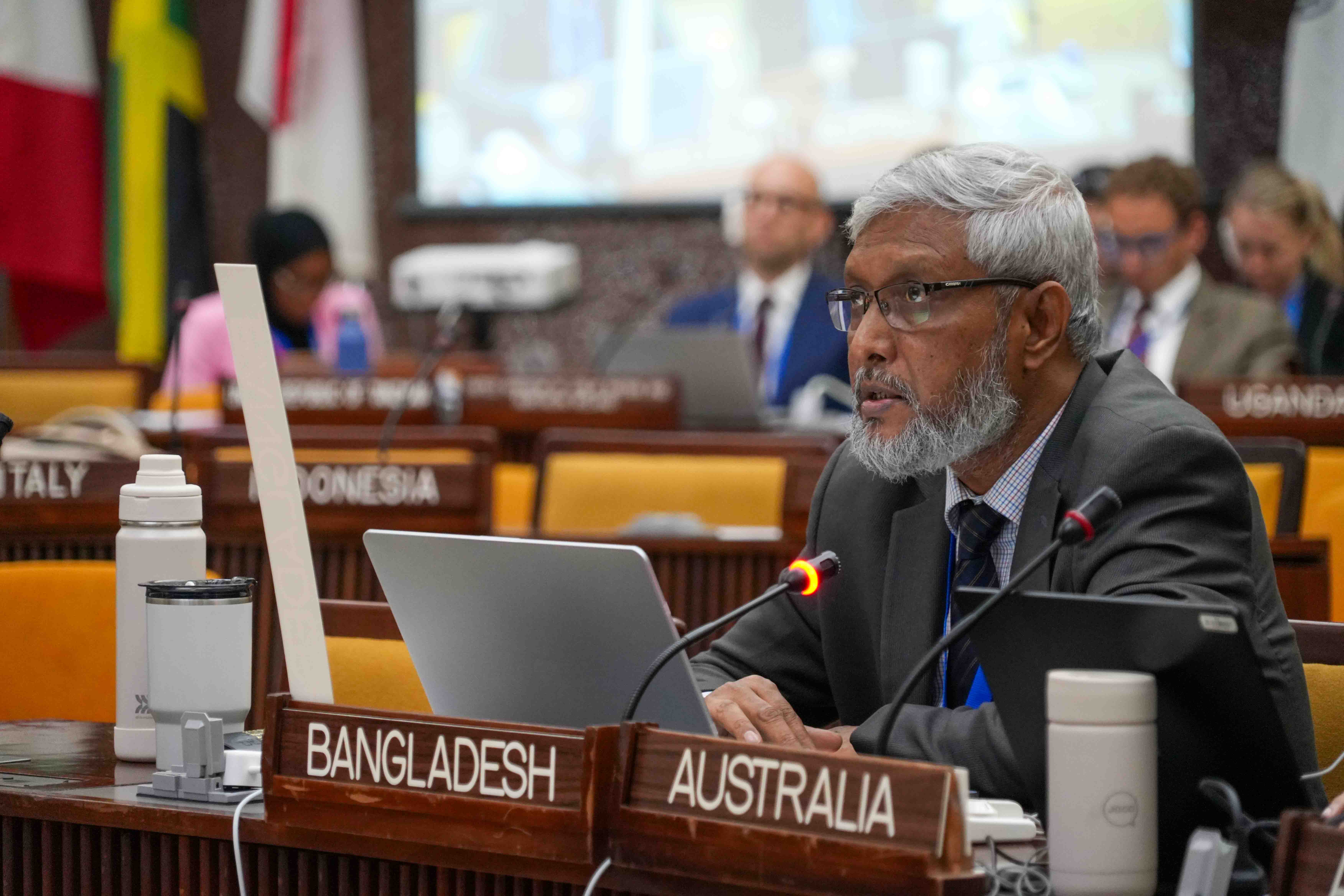
Mahmudul Hassan, Bangladesh
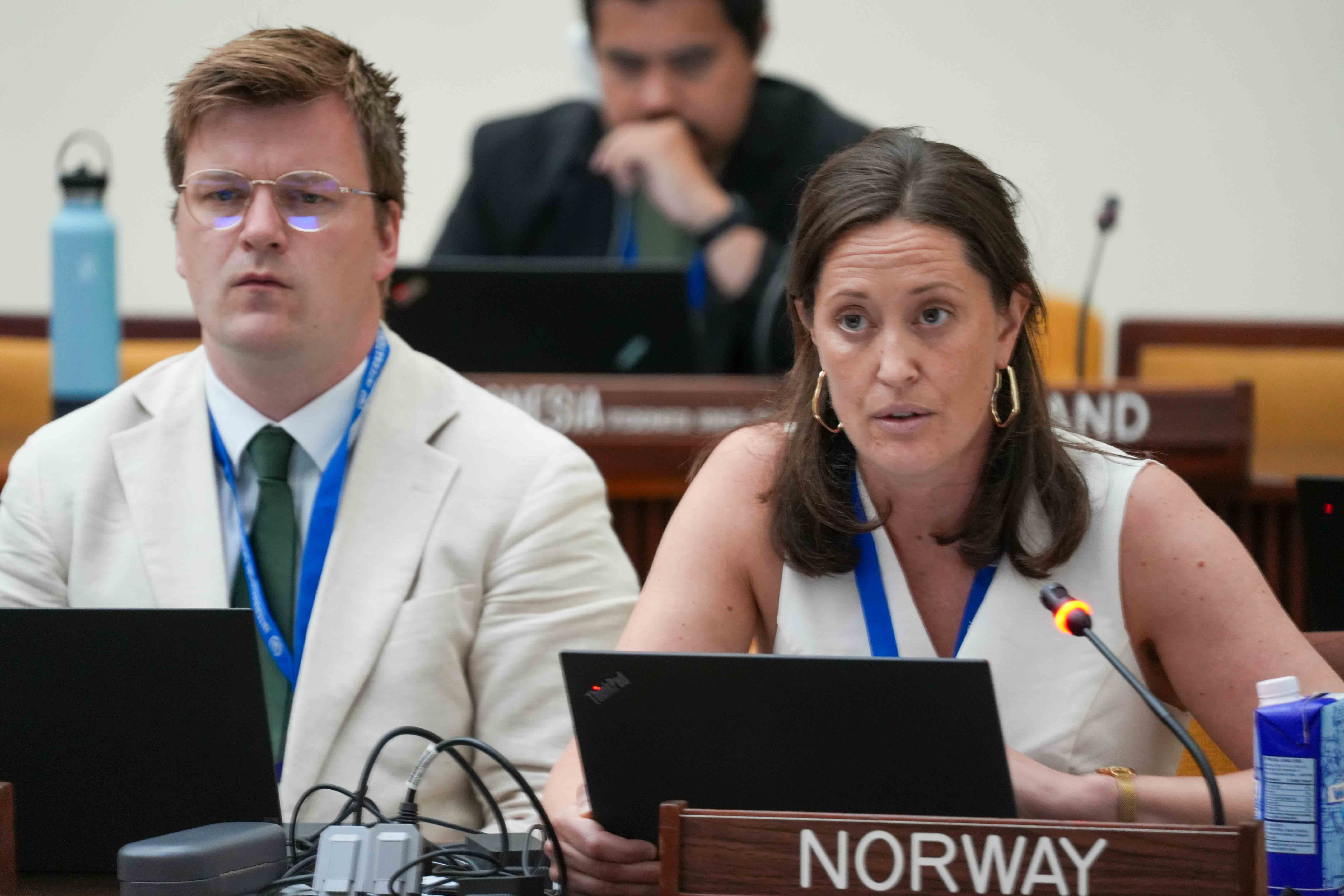
Ingrid Vikanes, Norway
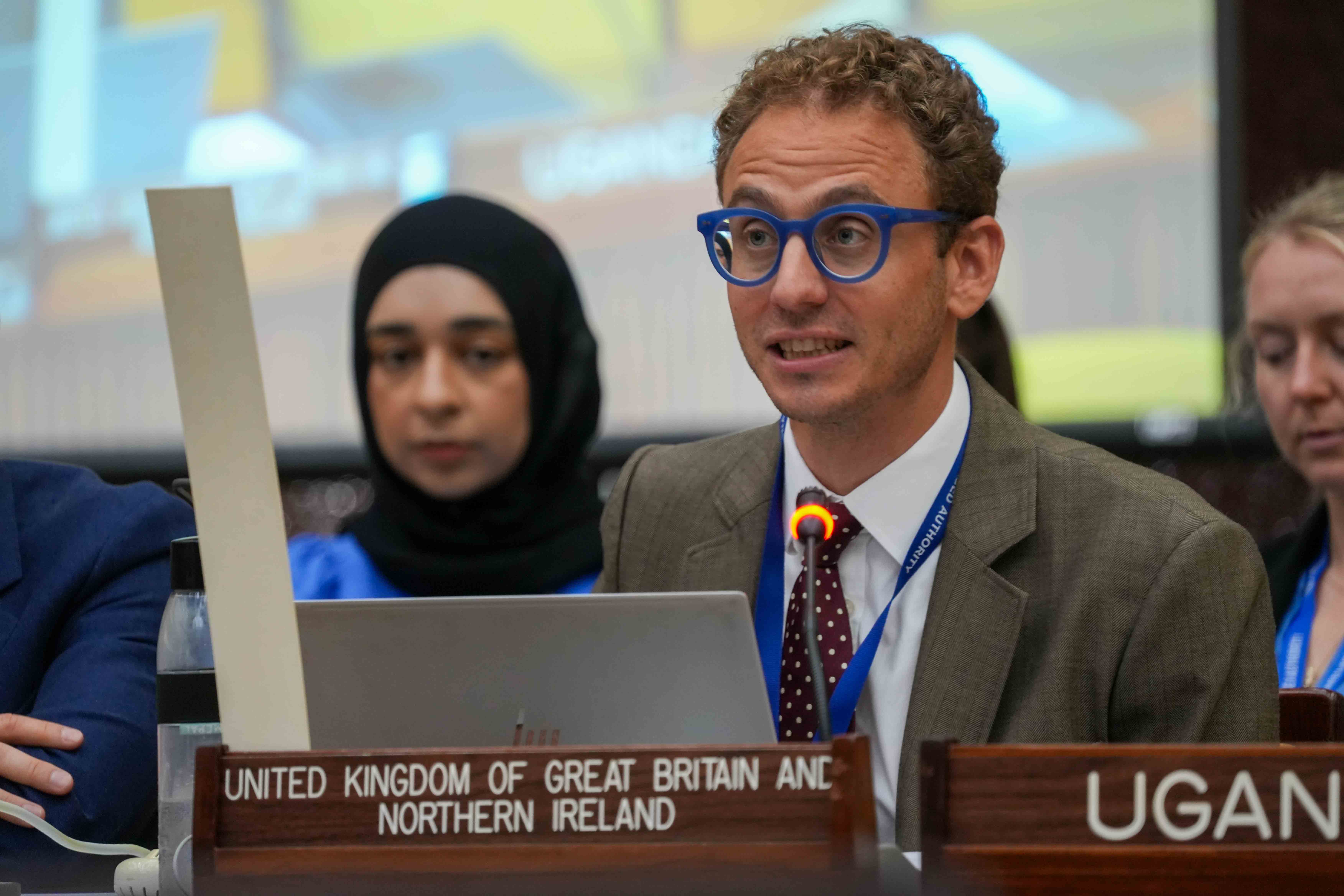
Jonathan Hollis, UK
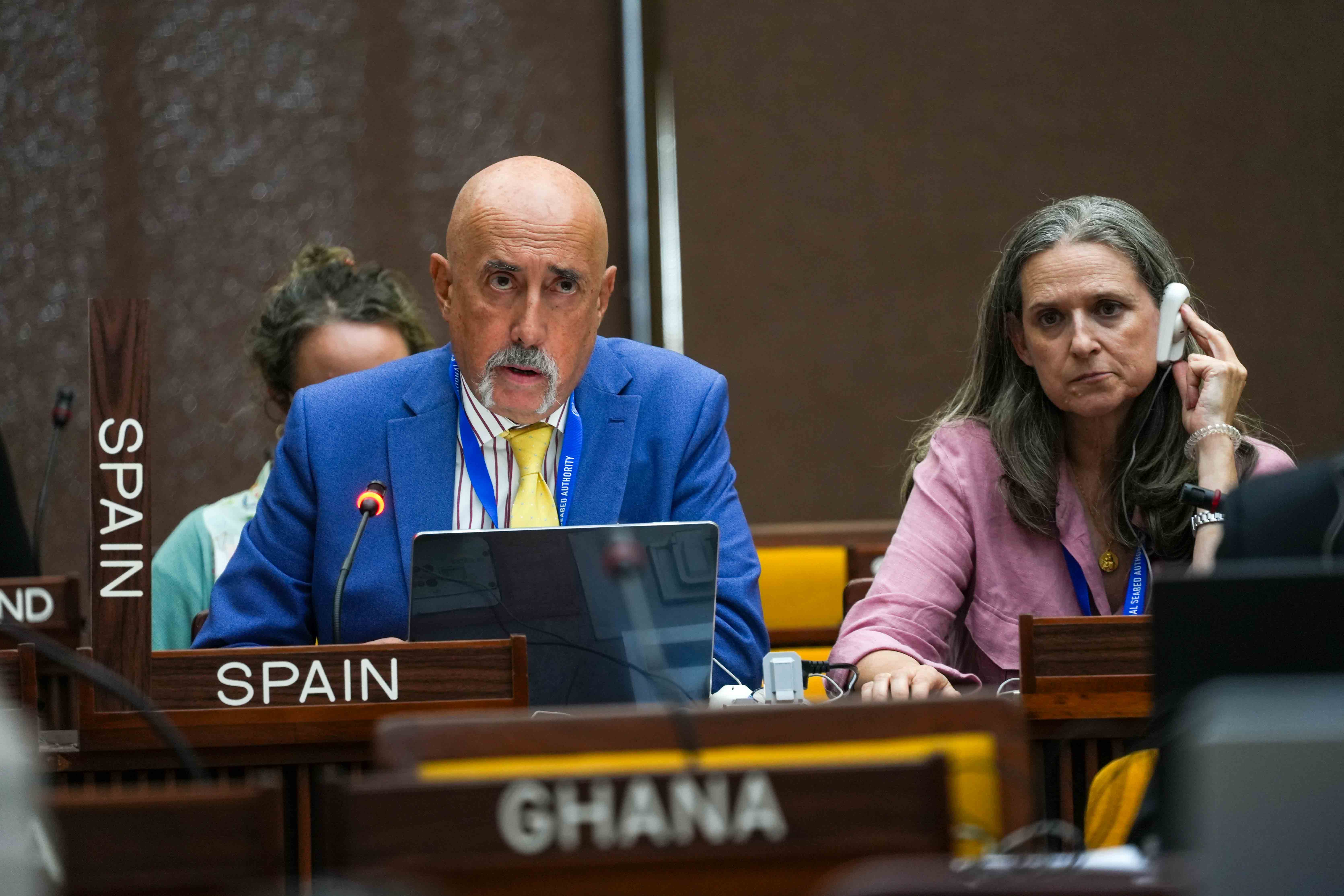
José María Fernández López de Turiso, Spain
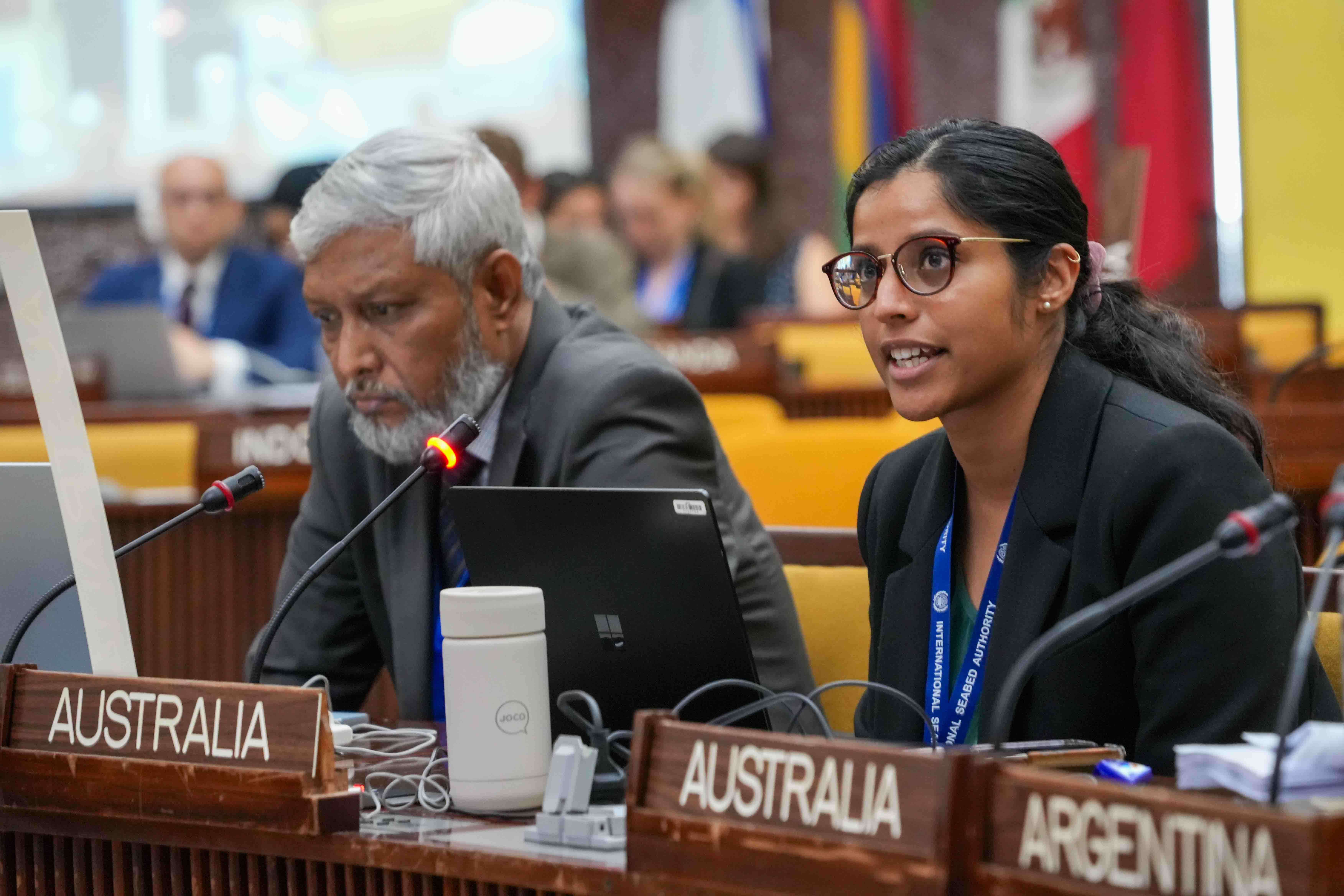
Lavanya Vasan, Australia
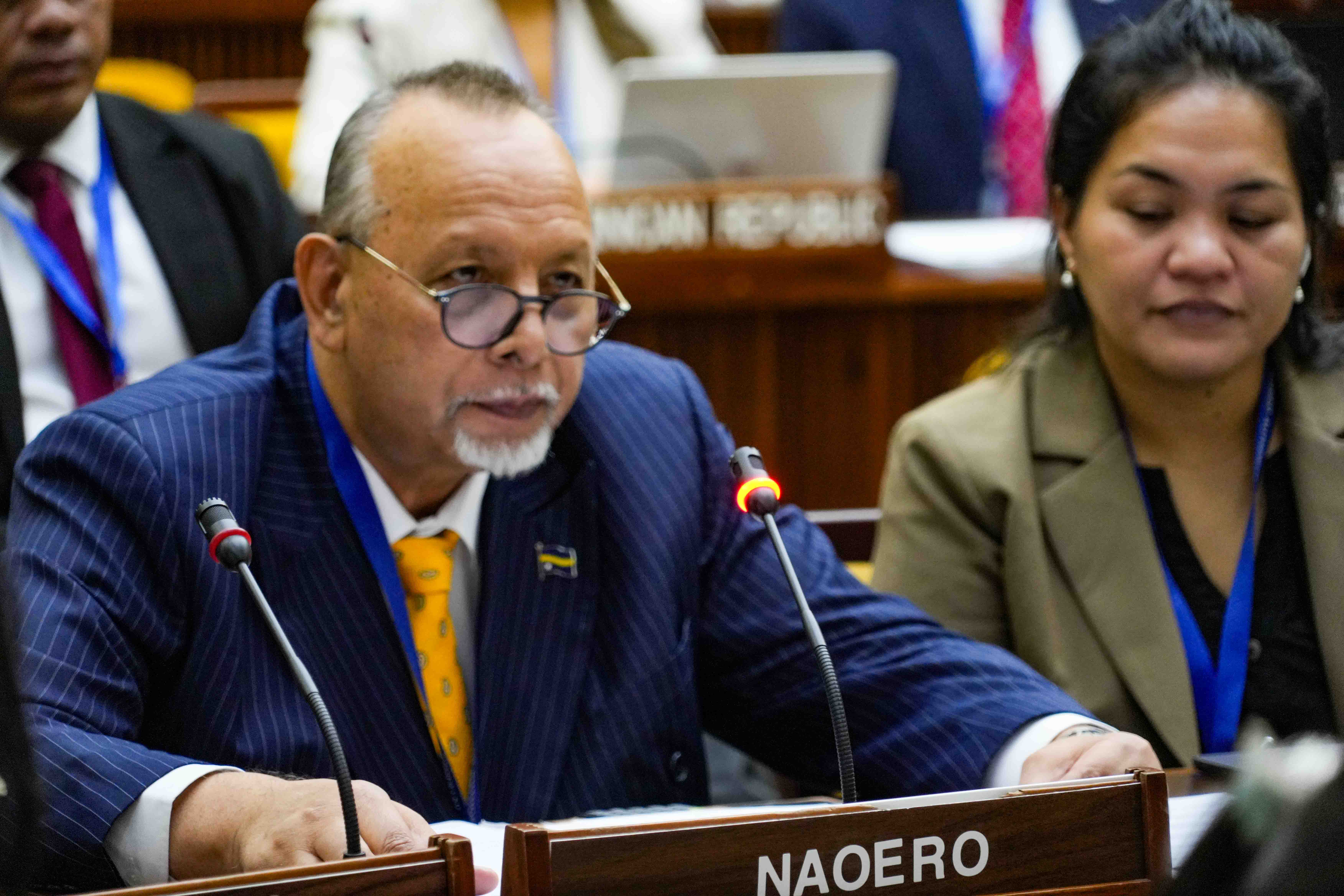
David Aingimea, Republic of Naoero
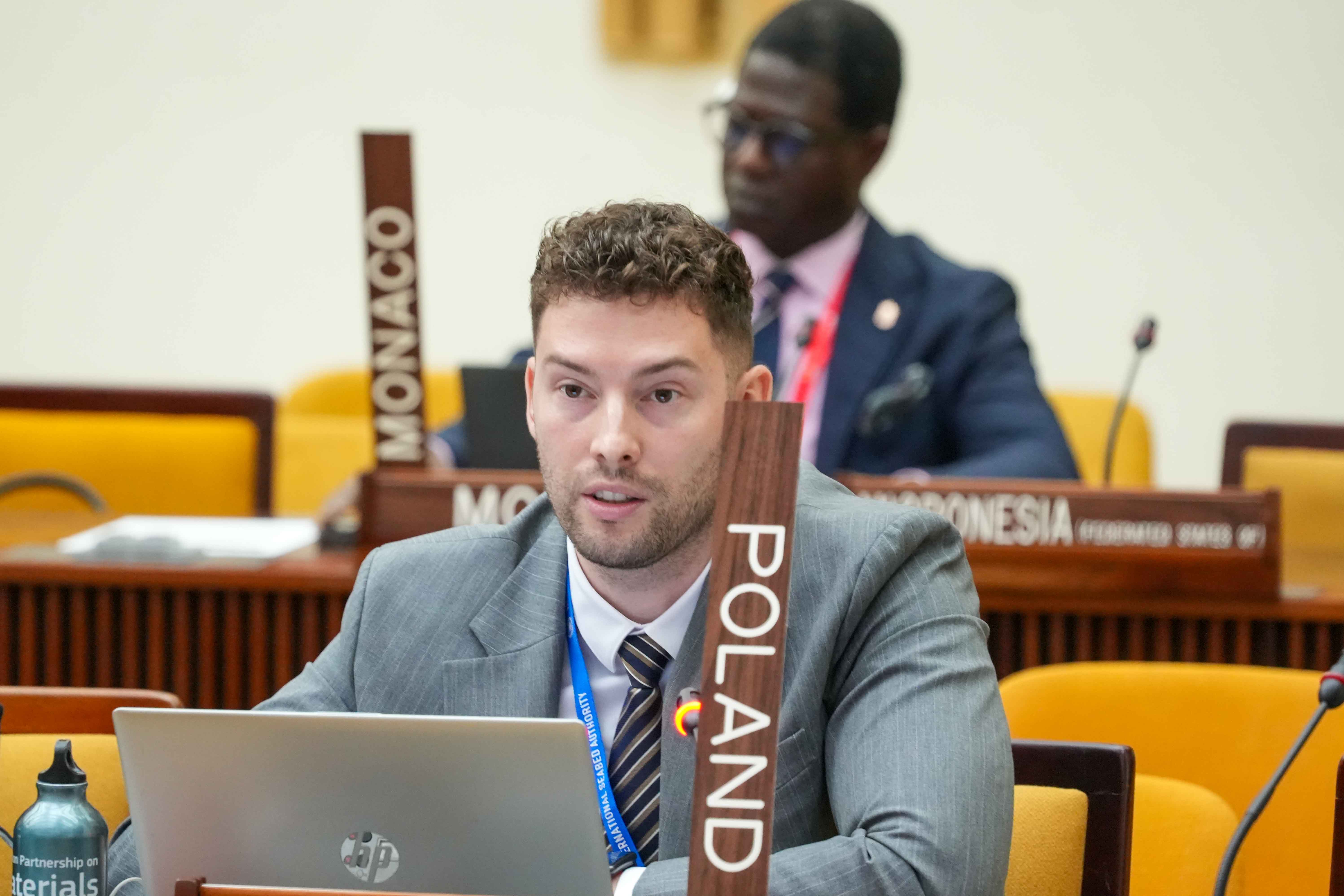
Michał Nowosielski, Poland
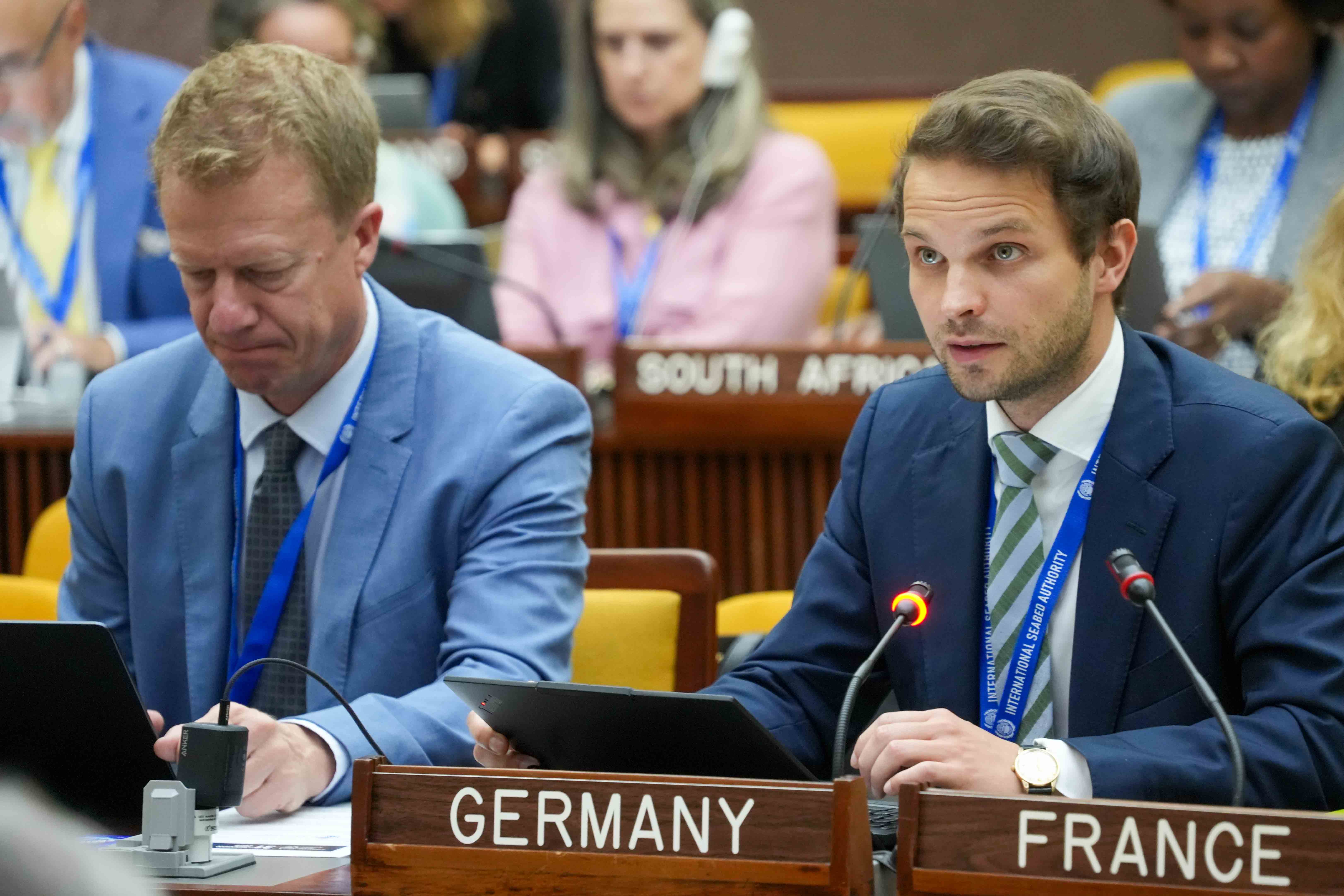
Valentin Laubisch, Germany
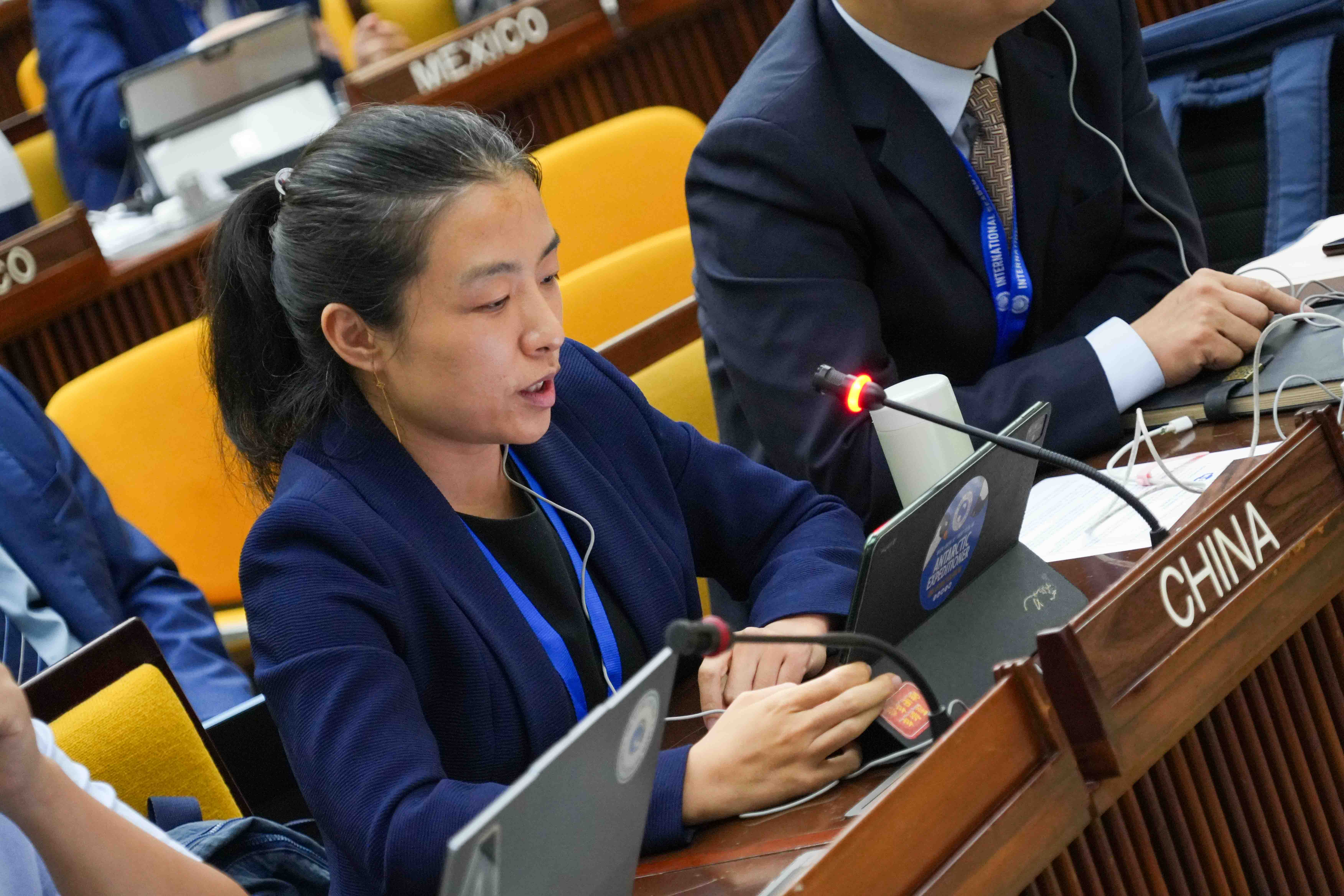
Wenting Zhao, China
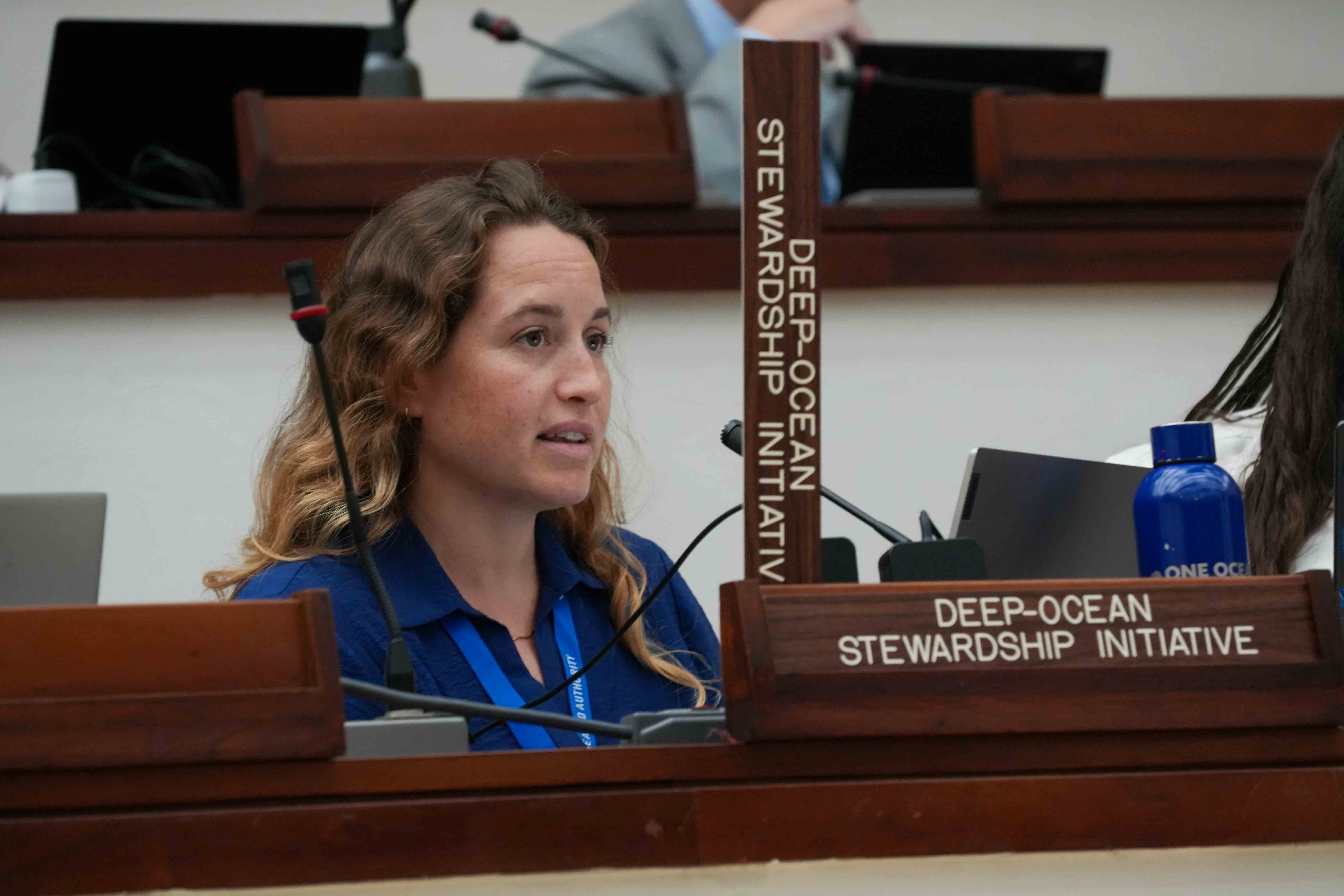
Samantha Robb, Deep Ocean Stewardship Initiative (DOSI)
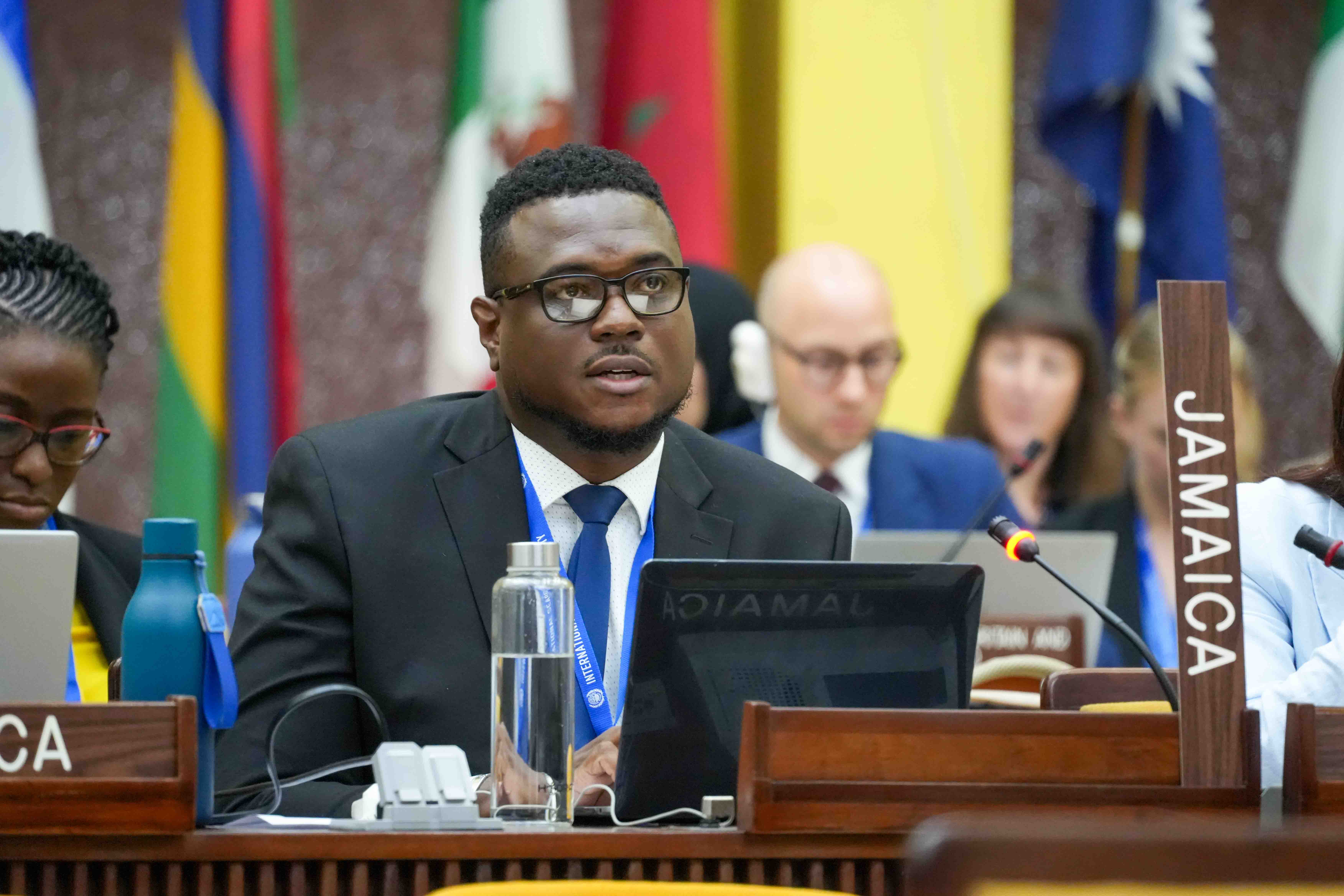
Andre Coore, Jamaica
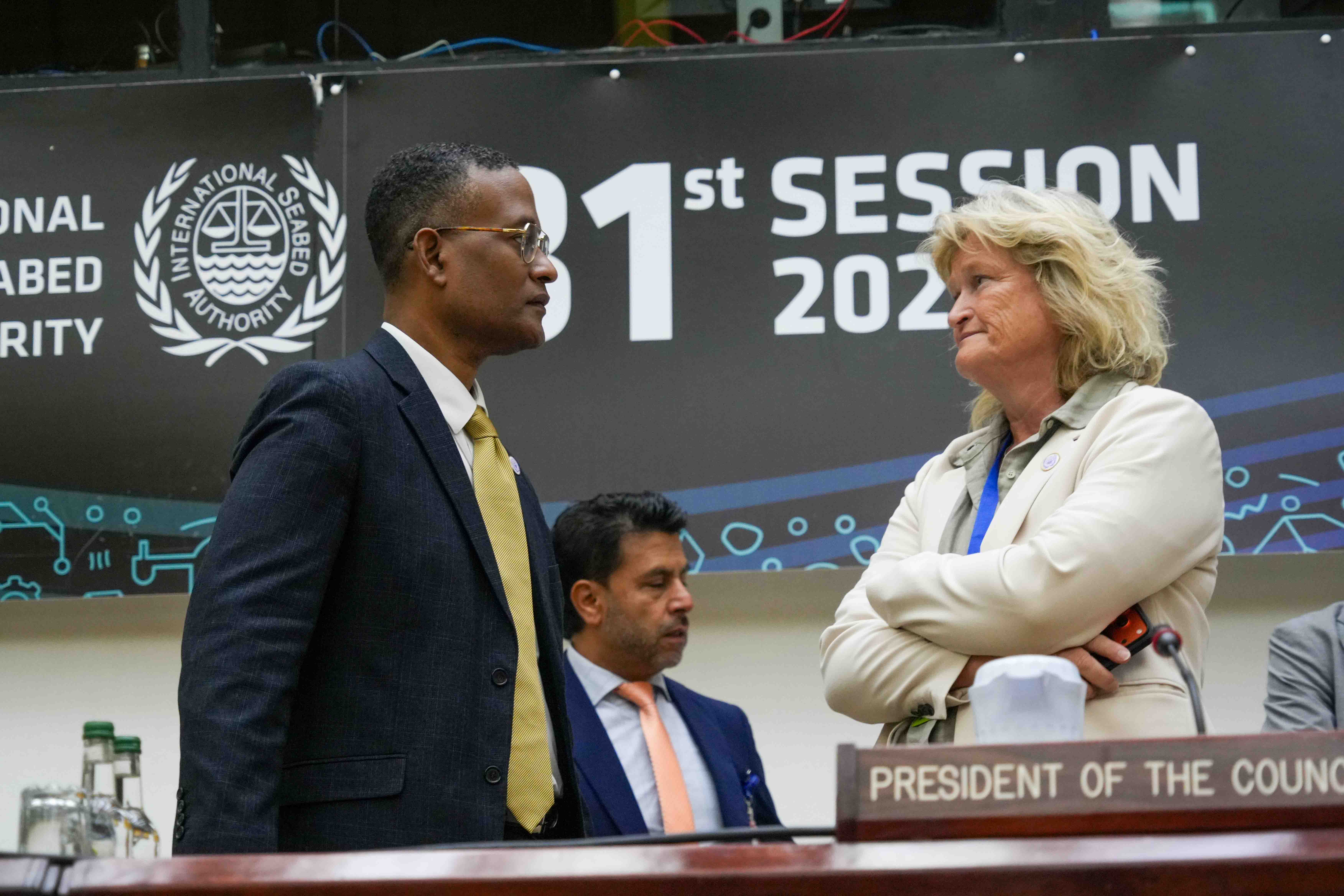
Steven Dietrich, ISA Legal Counsel and Sissel Eriksen, LTC Chair
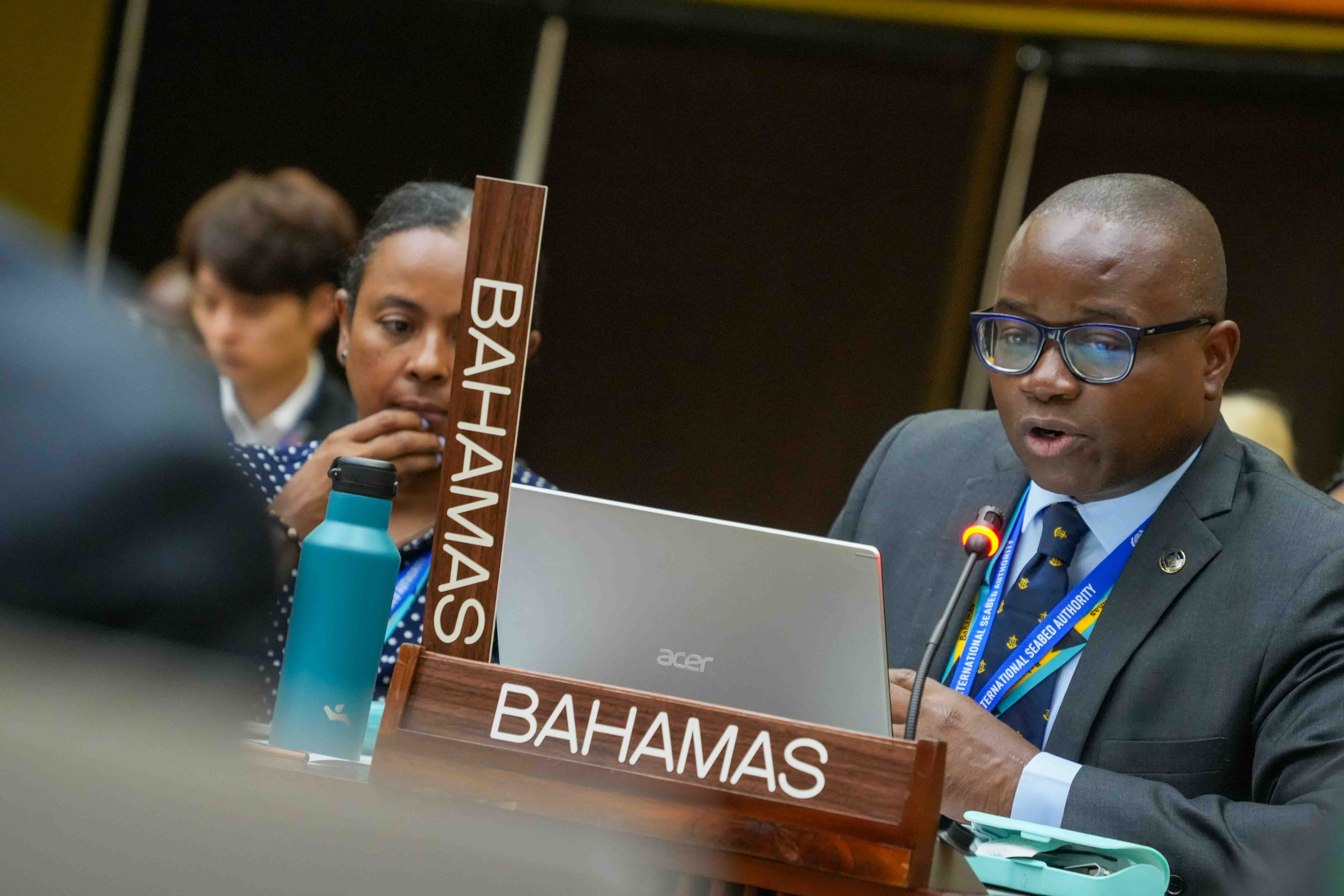
Patrick Sweeling, The Bahamas
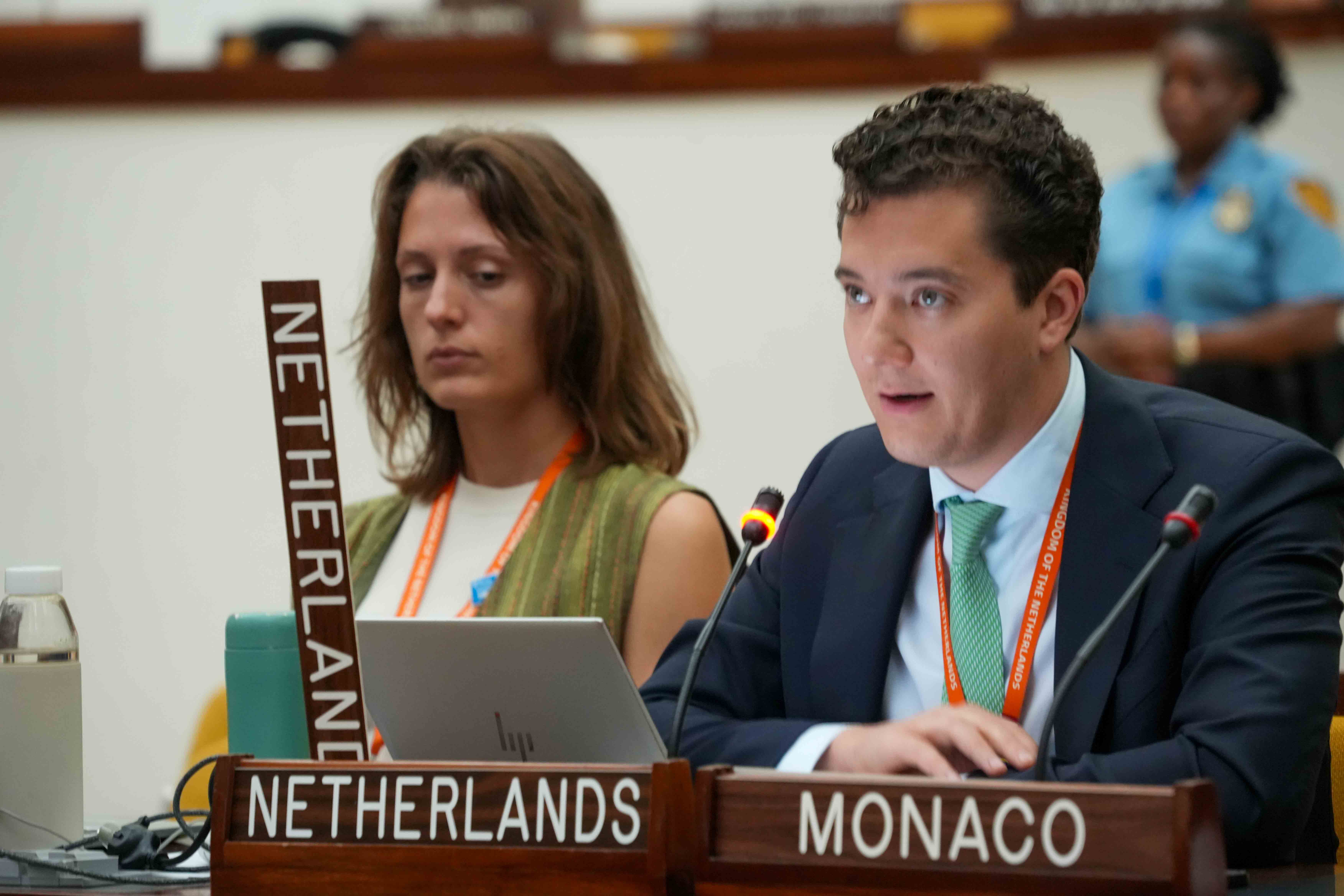
Oliver Whitehead, the Netherlands
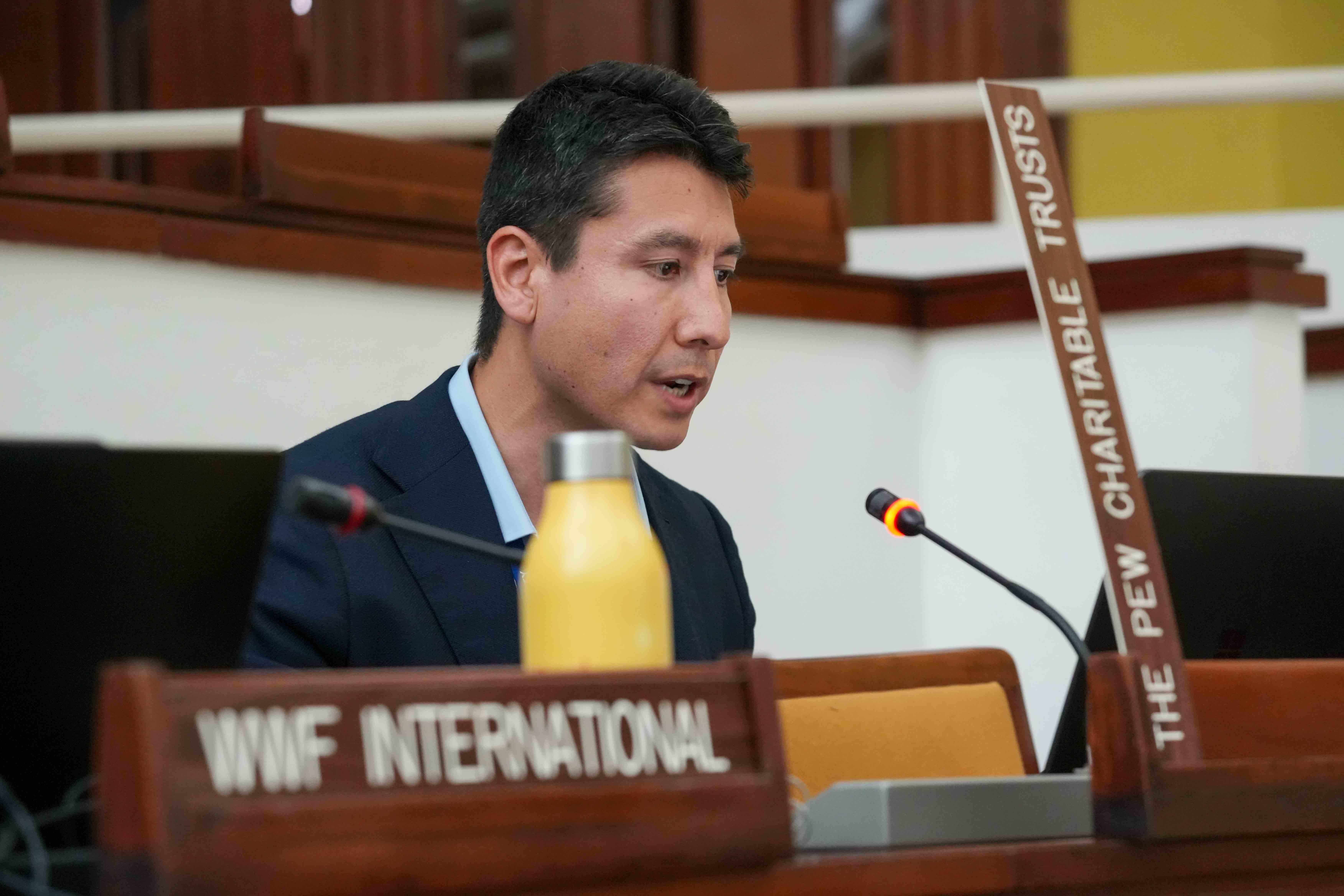
Orion Cruz, The Pew Charitable Trusts
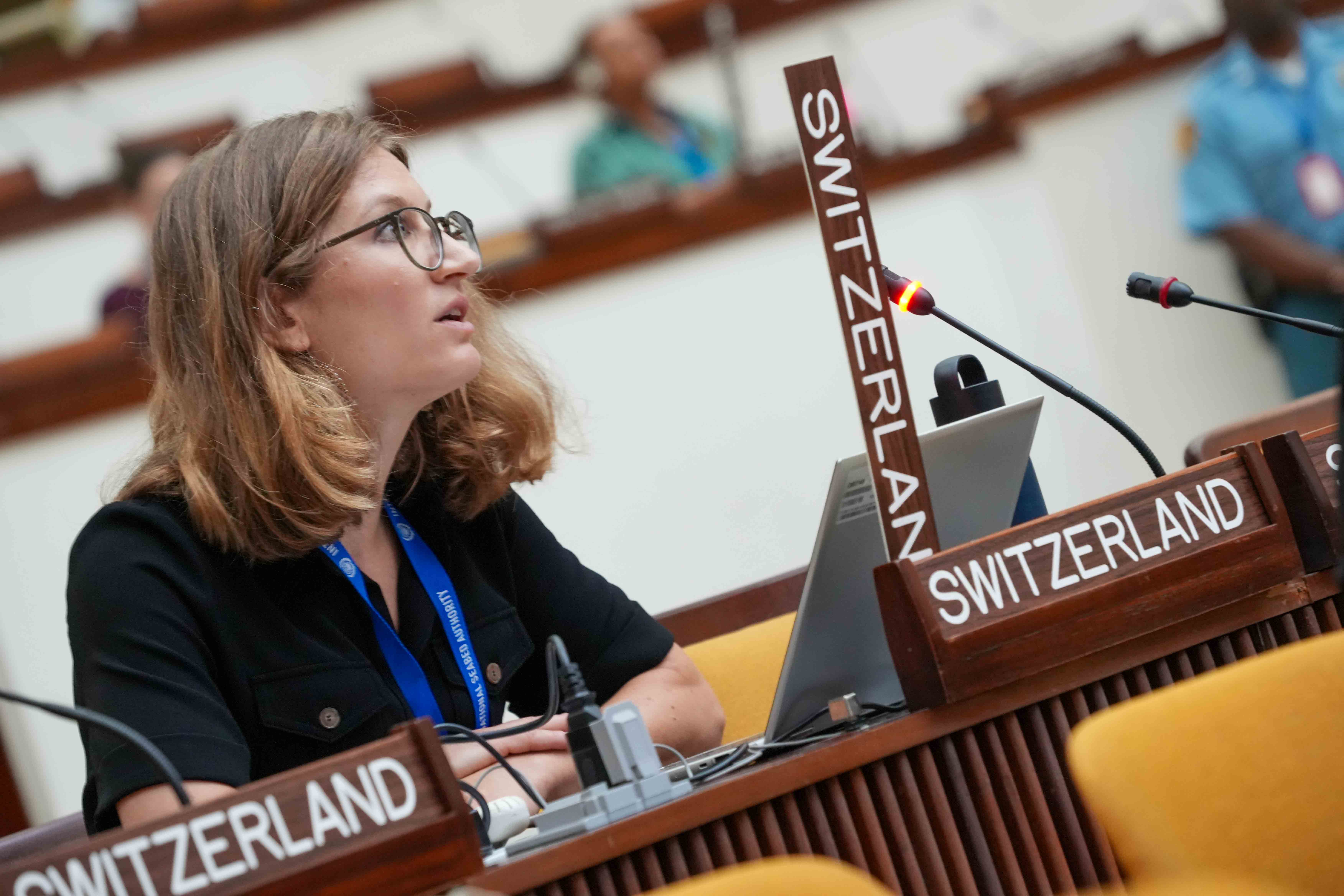
Laura Platchkov, Switzerland
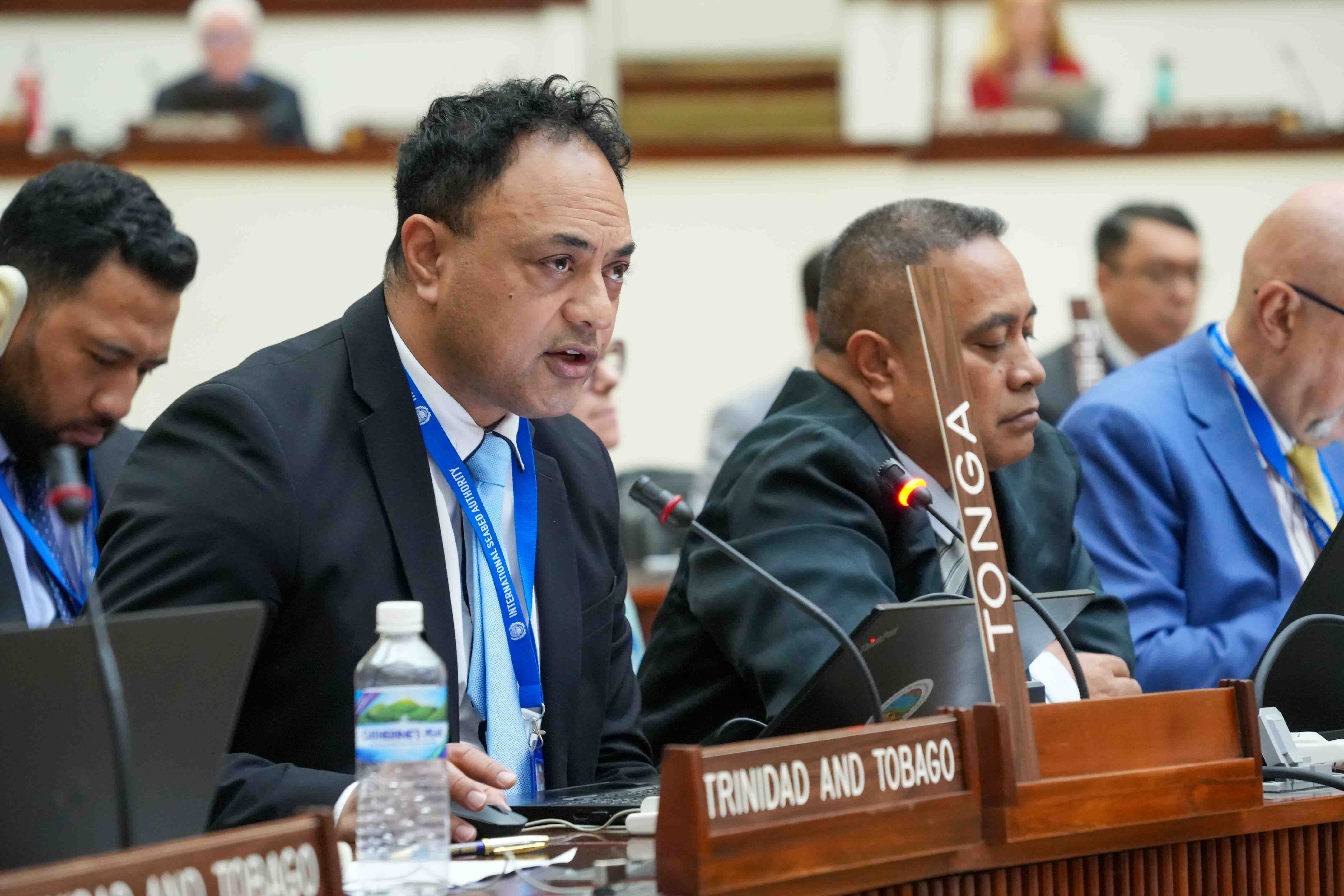
Taaniela Kula, Tonga
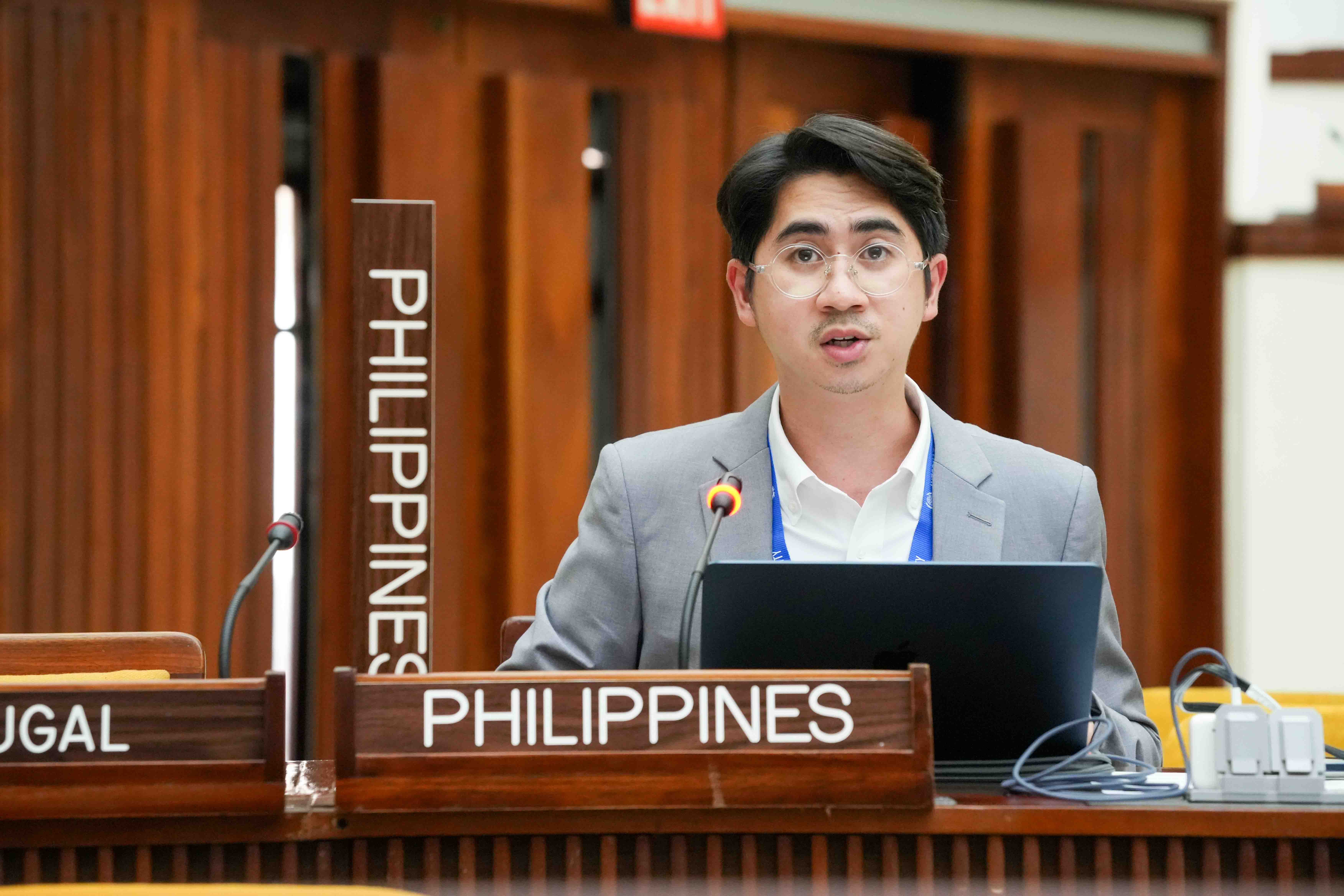
Dennis Flores, the Philippines
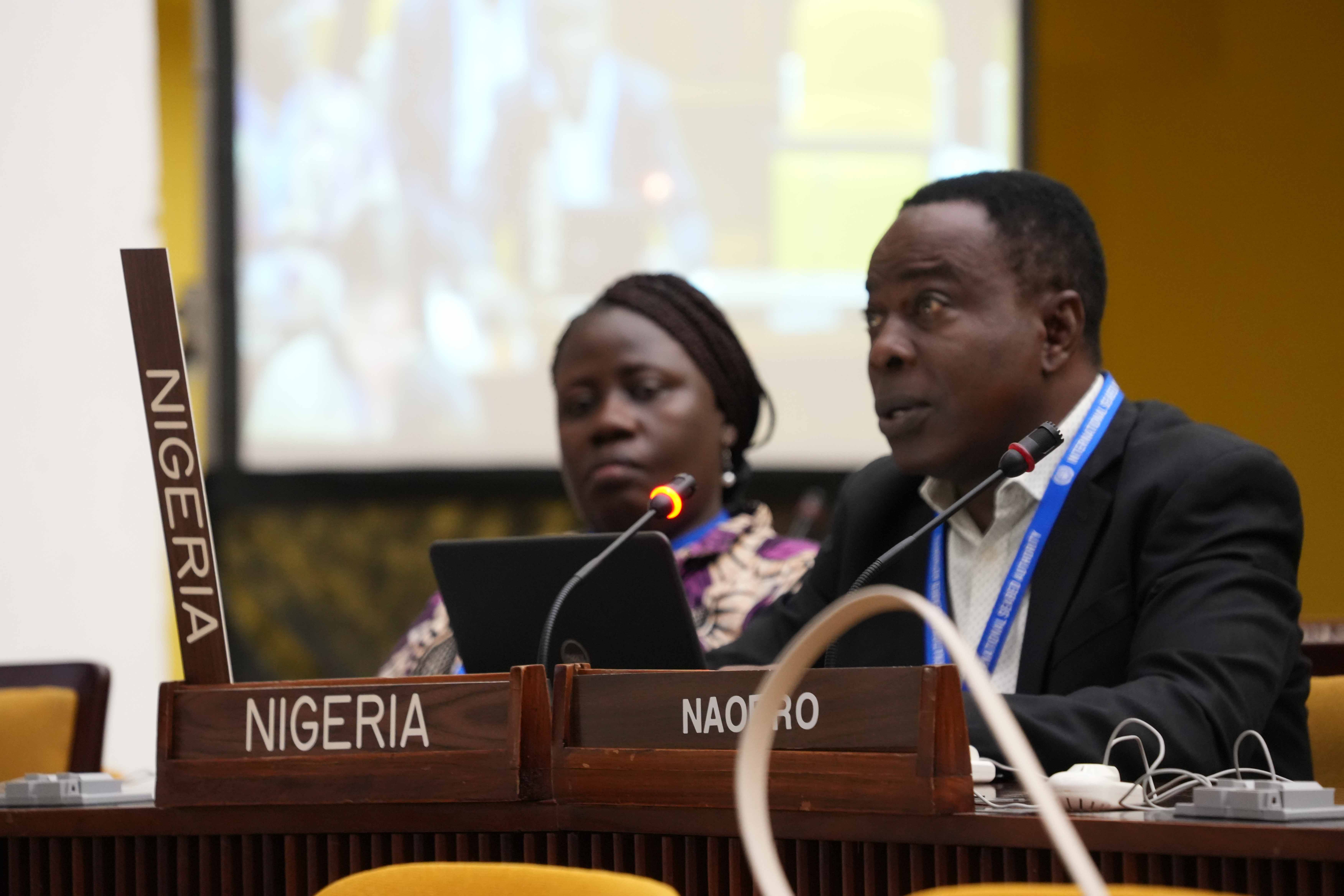
Christian Chikere, Nigeria
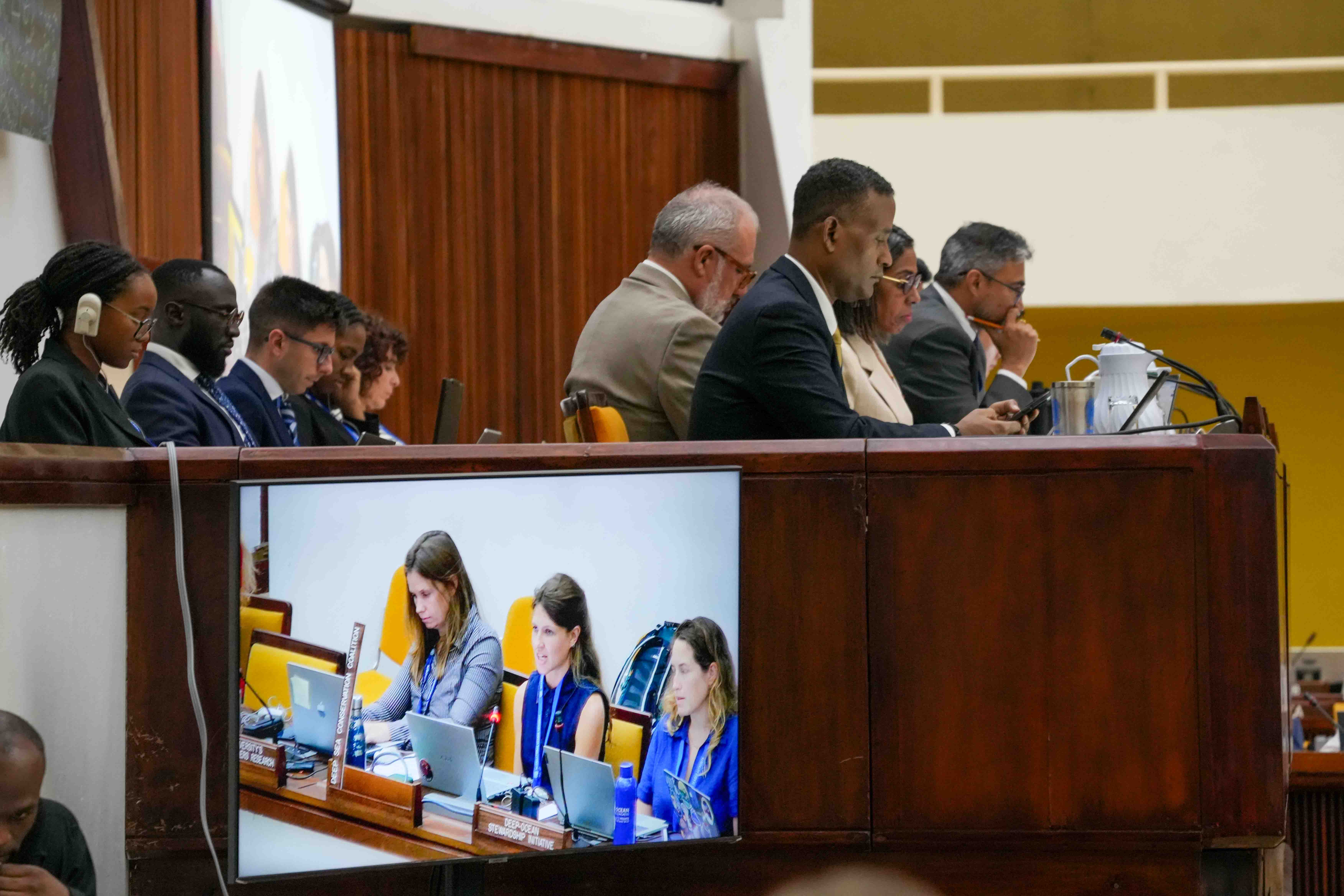
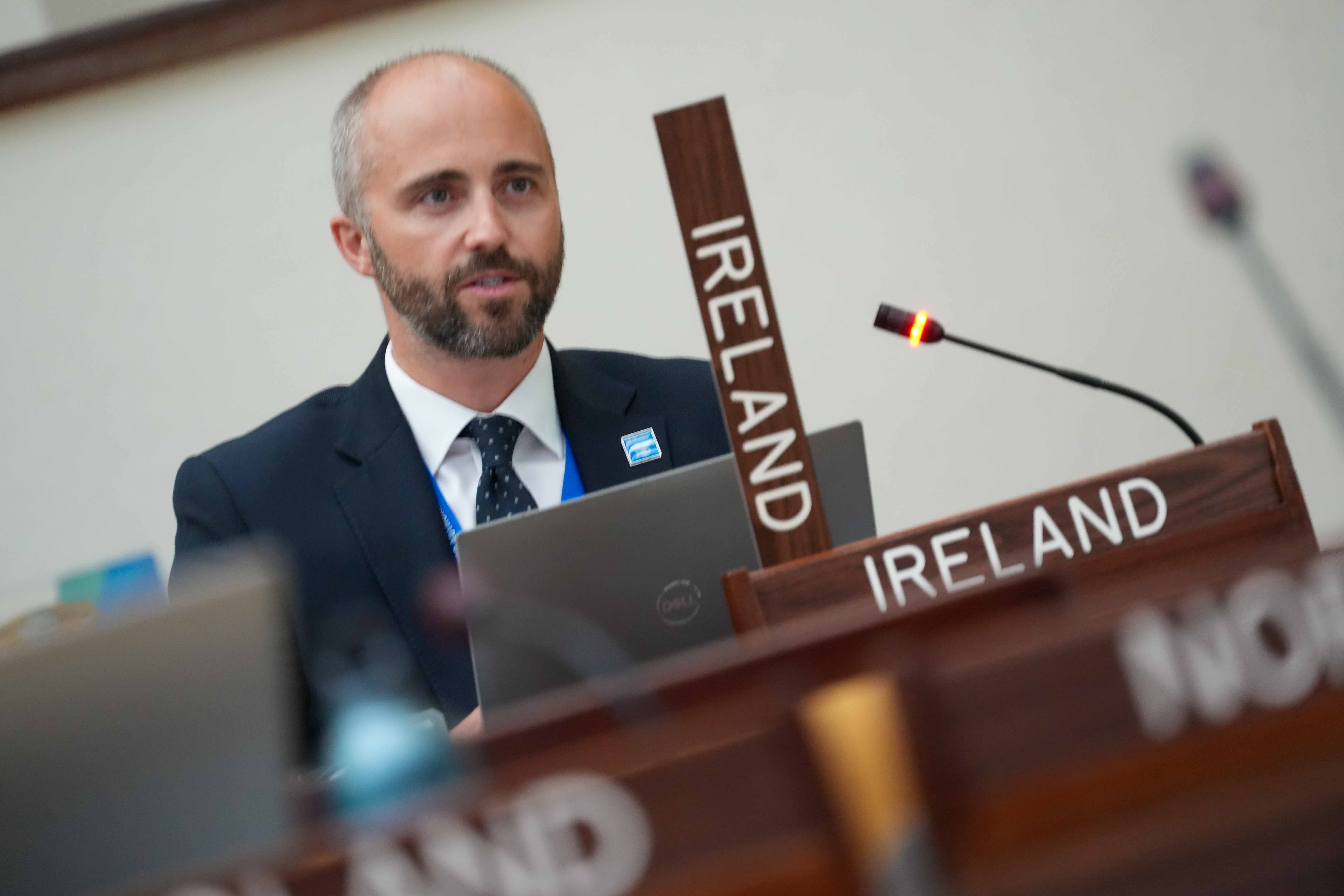
Carl Grainger, Ireland
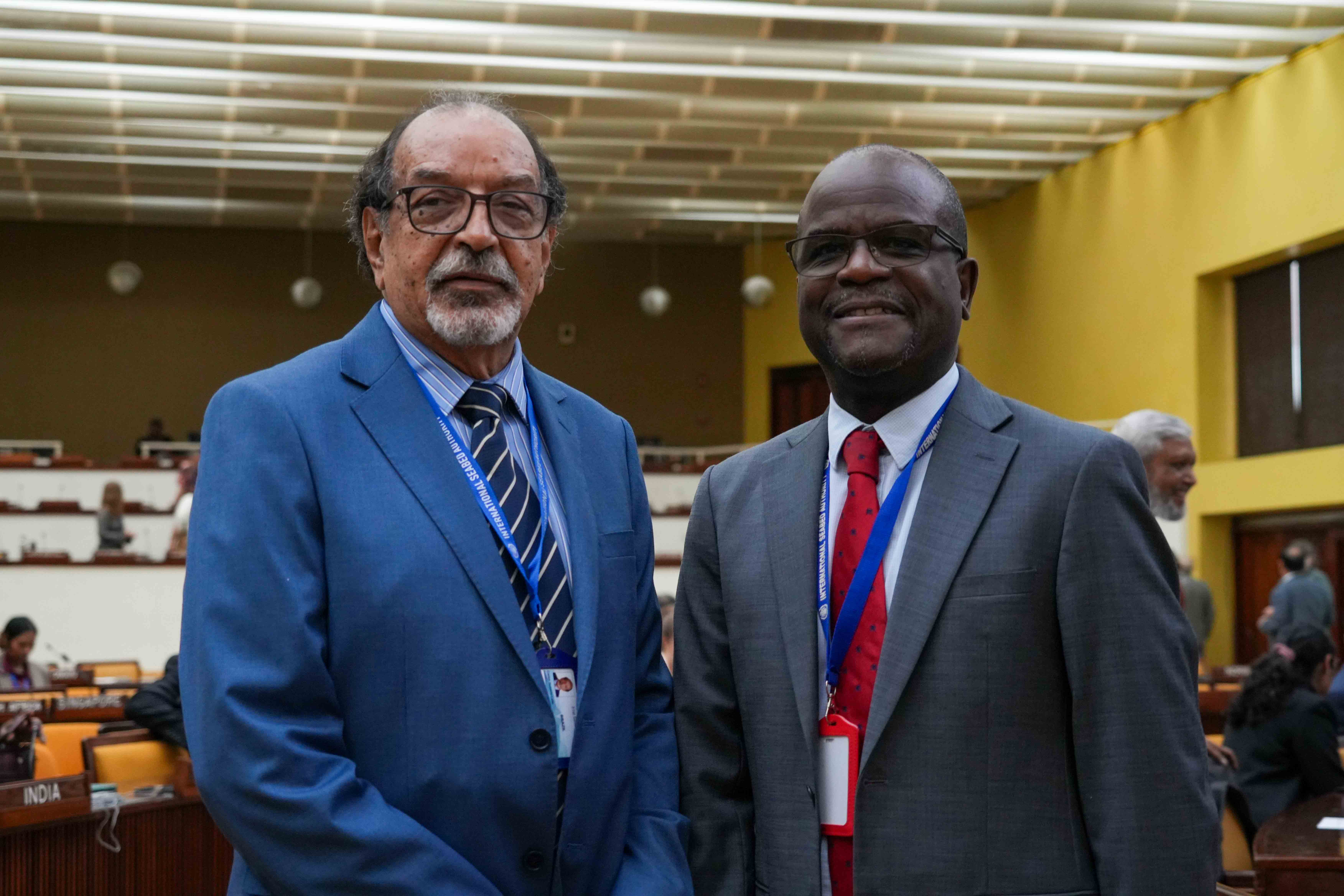
Carlos Roberto Leite, Brazil and Eden Charles, Interim Director-General of the Enterprise
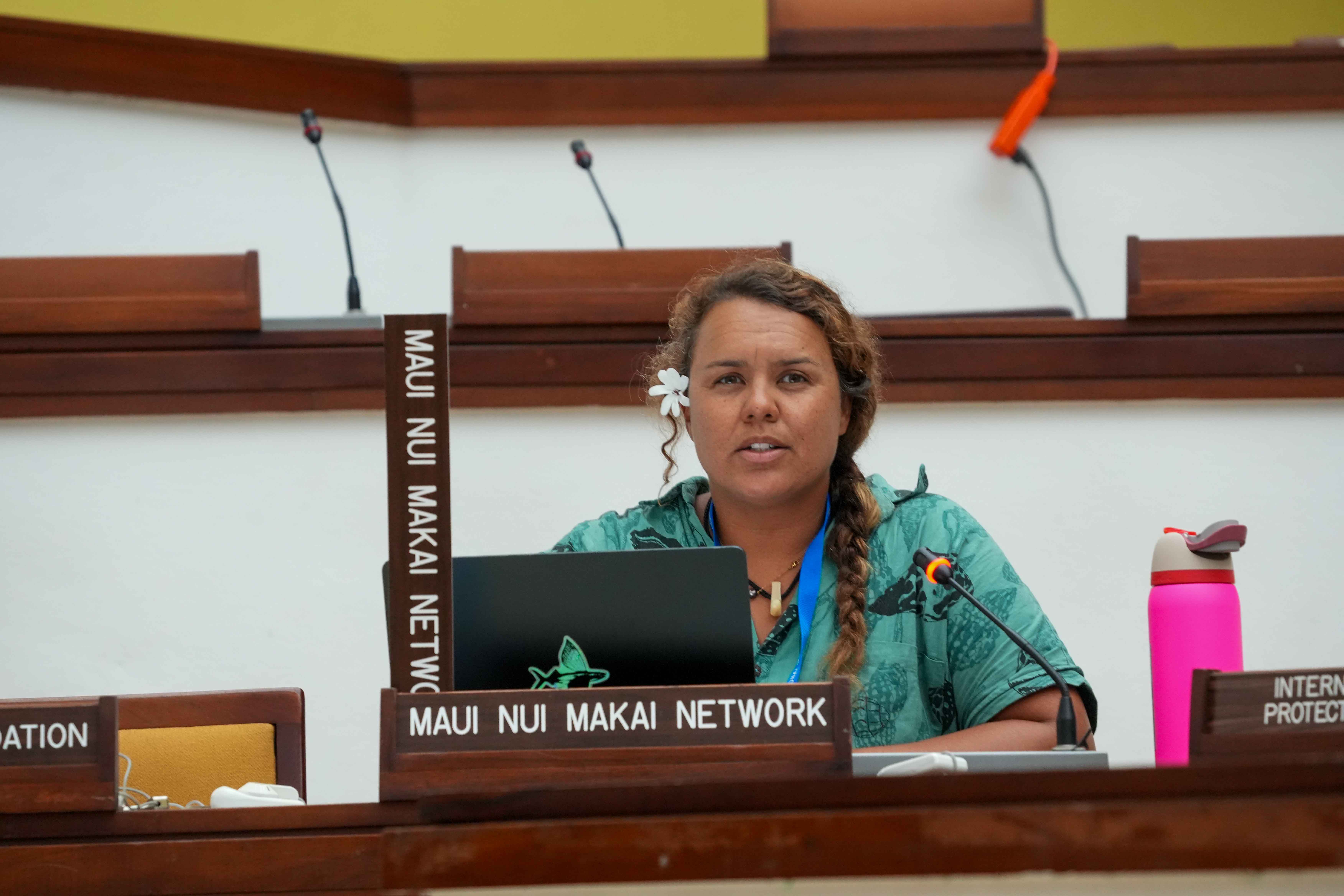
Brittany Kamai, Maui Nui Makai Network
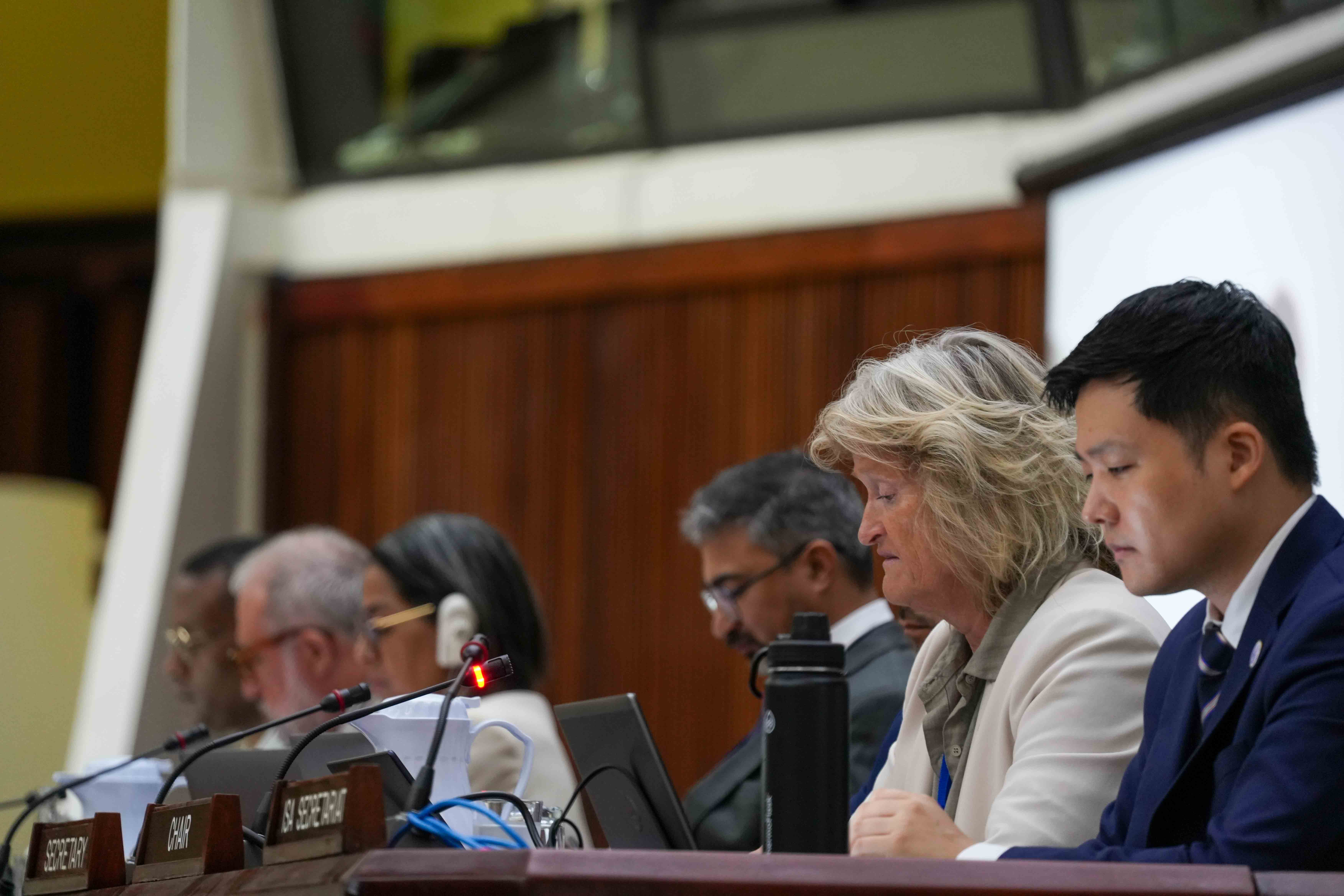
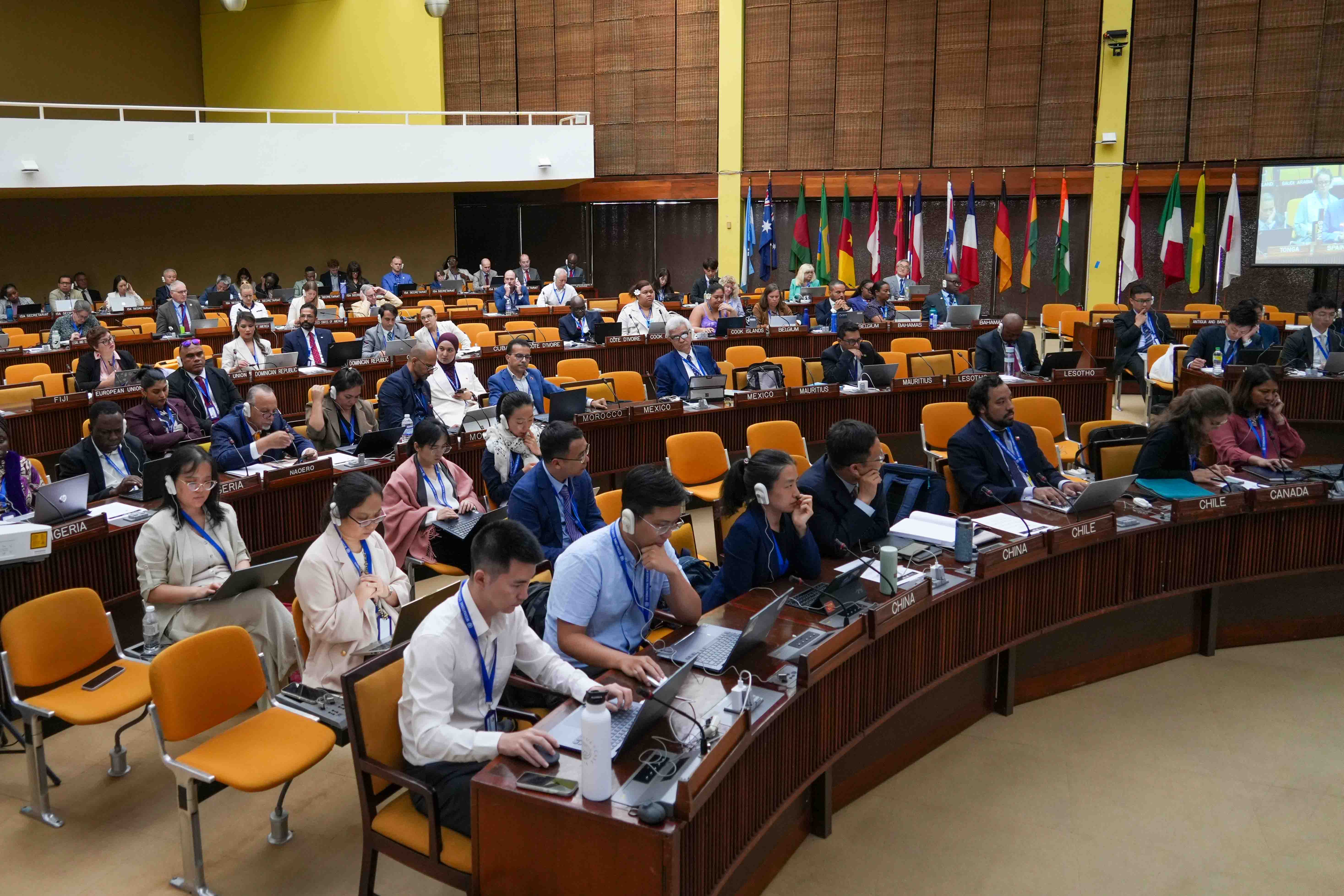
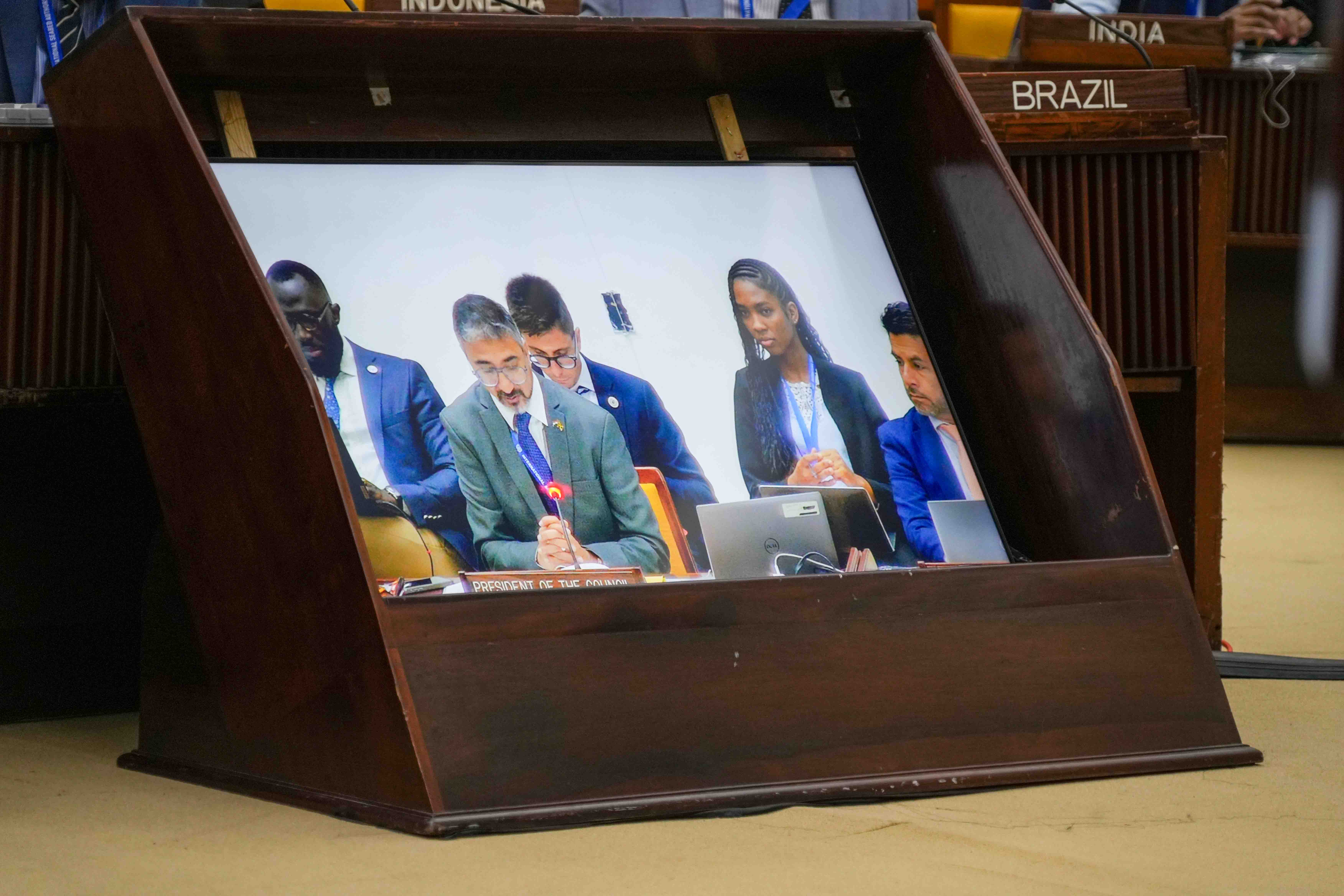
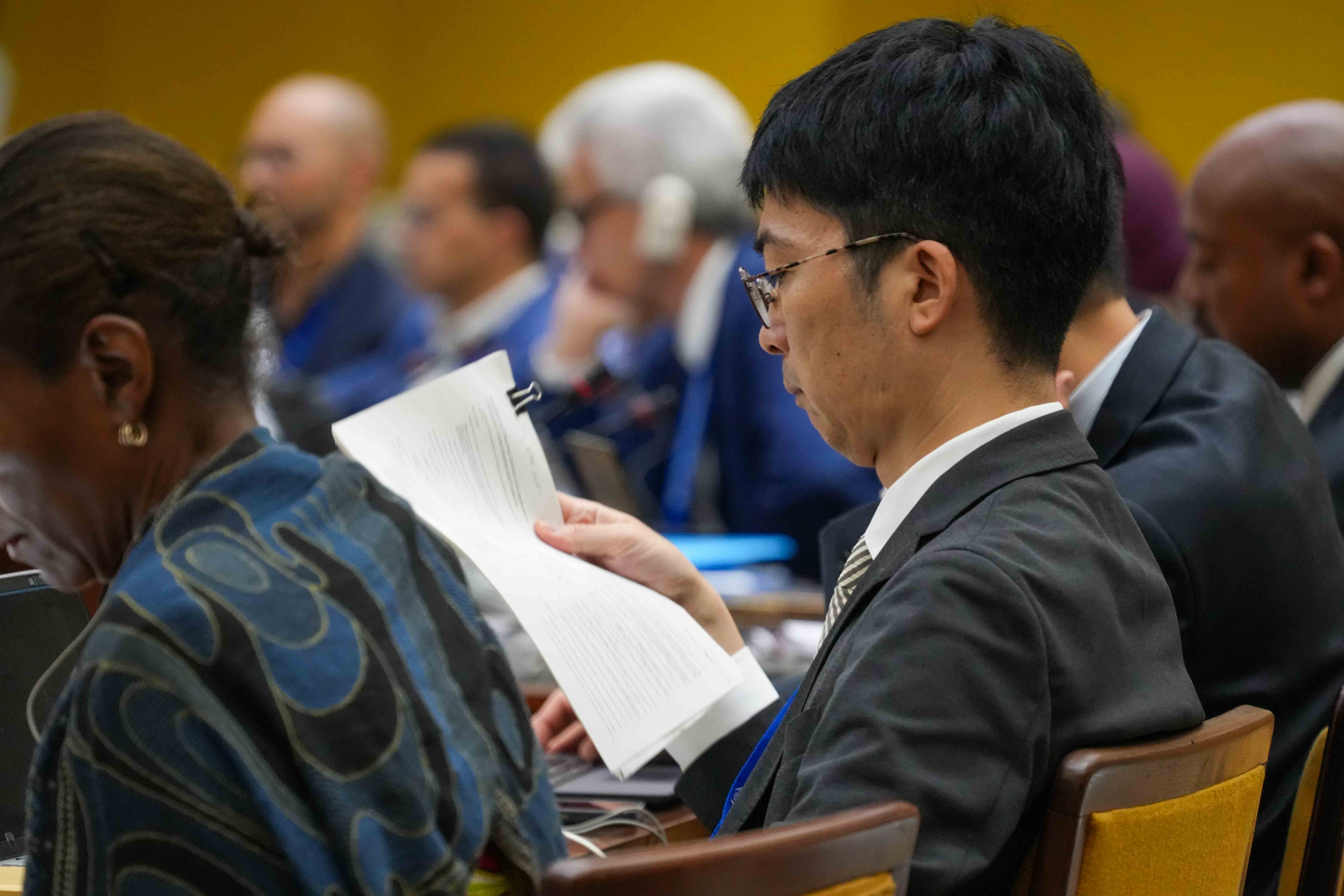
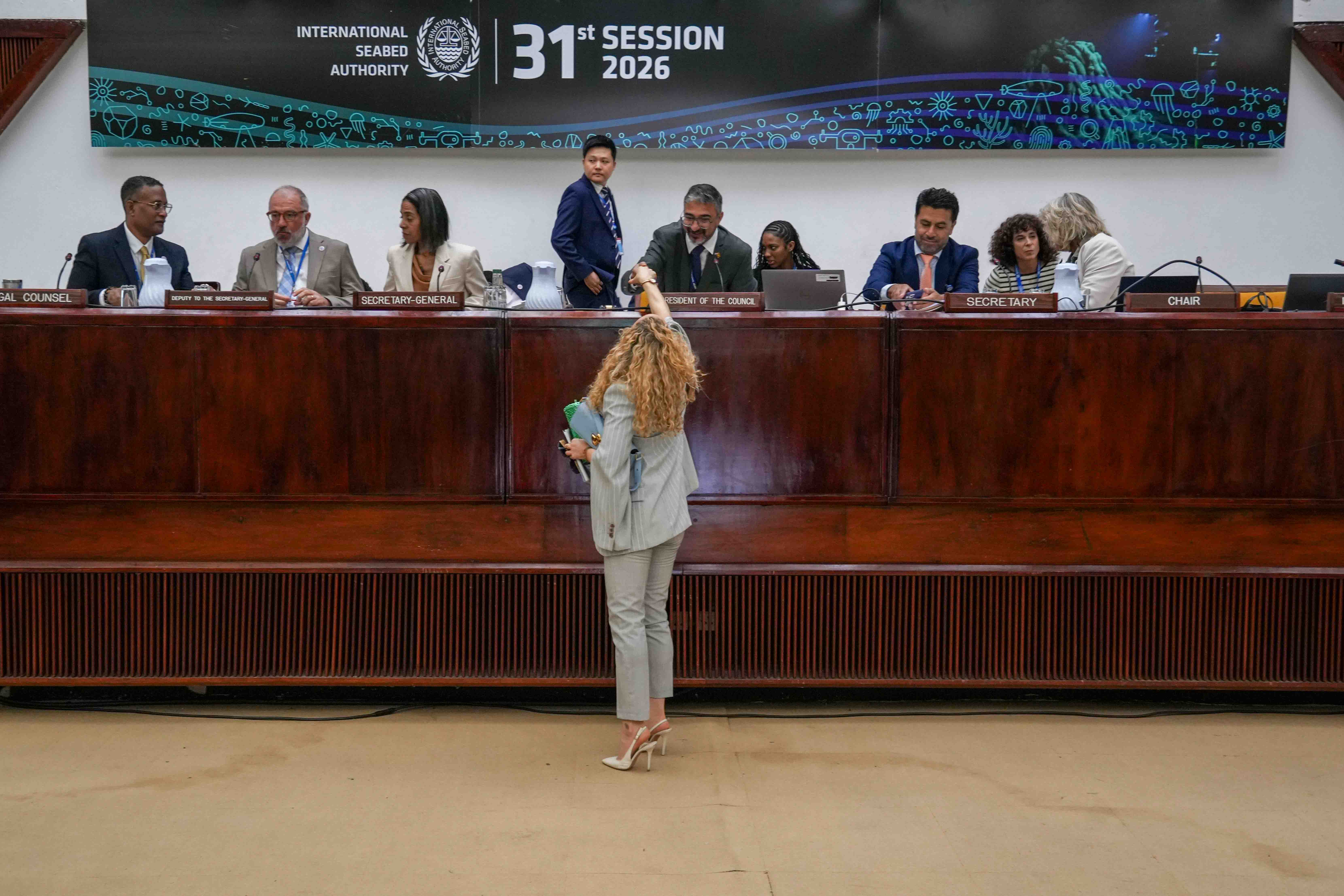
The dais before the session
Dialogues with the LTC: Development of environmental threshold values
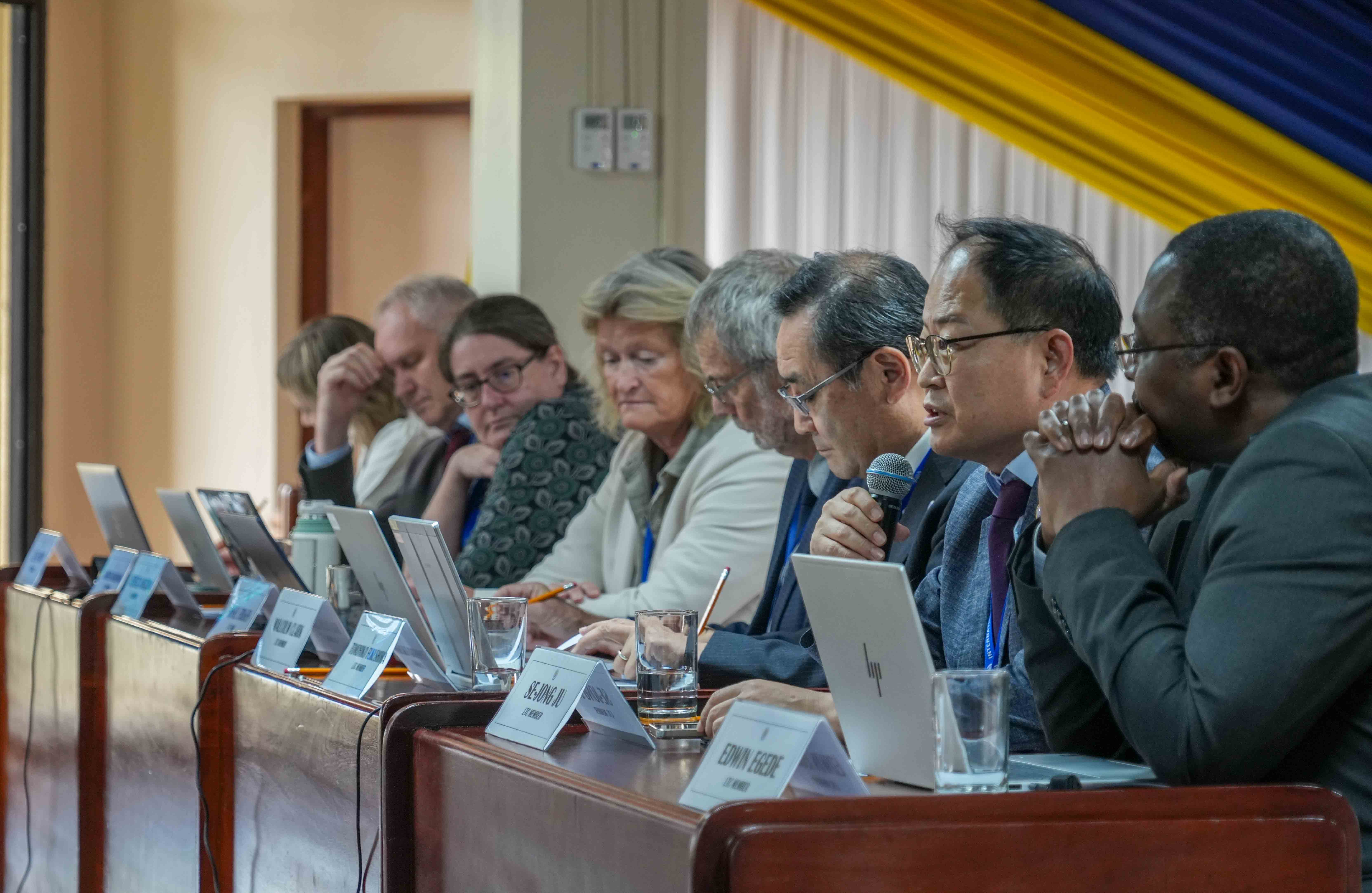
LTC members
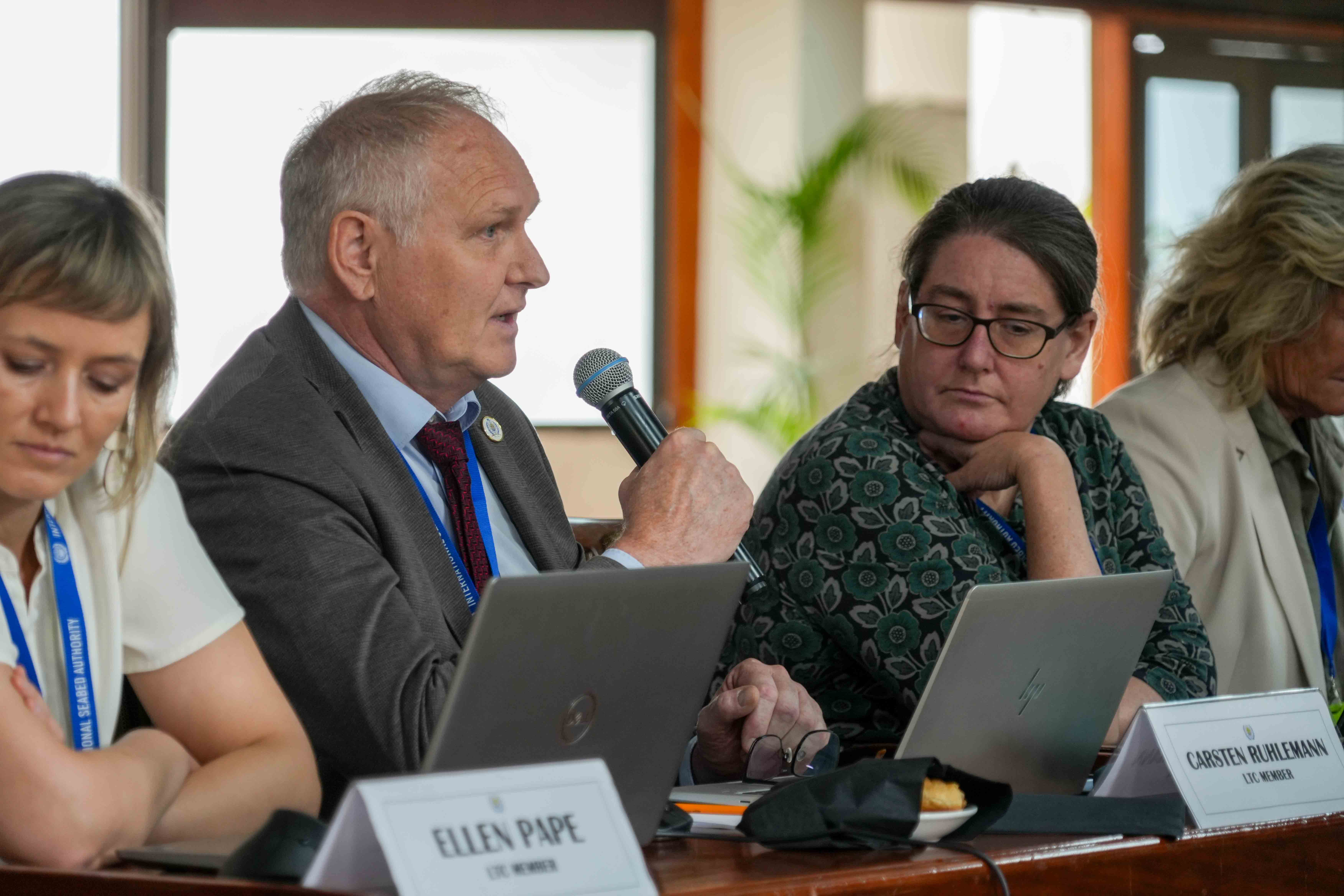
Carsten Rühlemann, LTC member
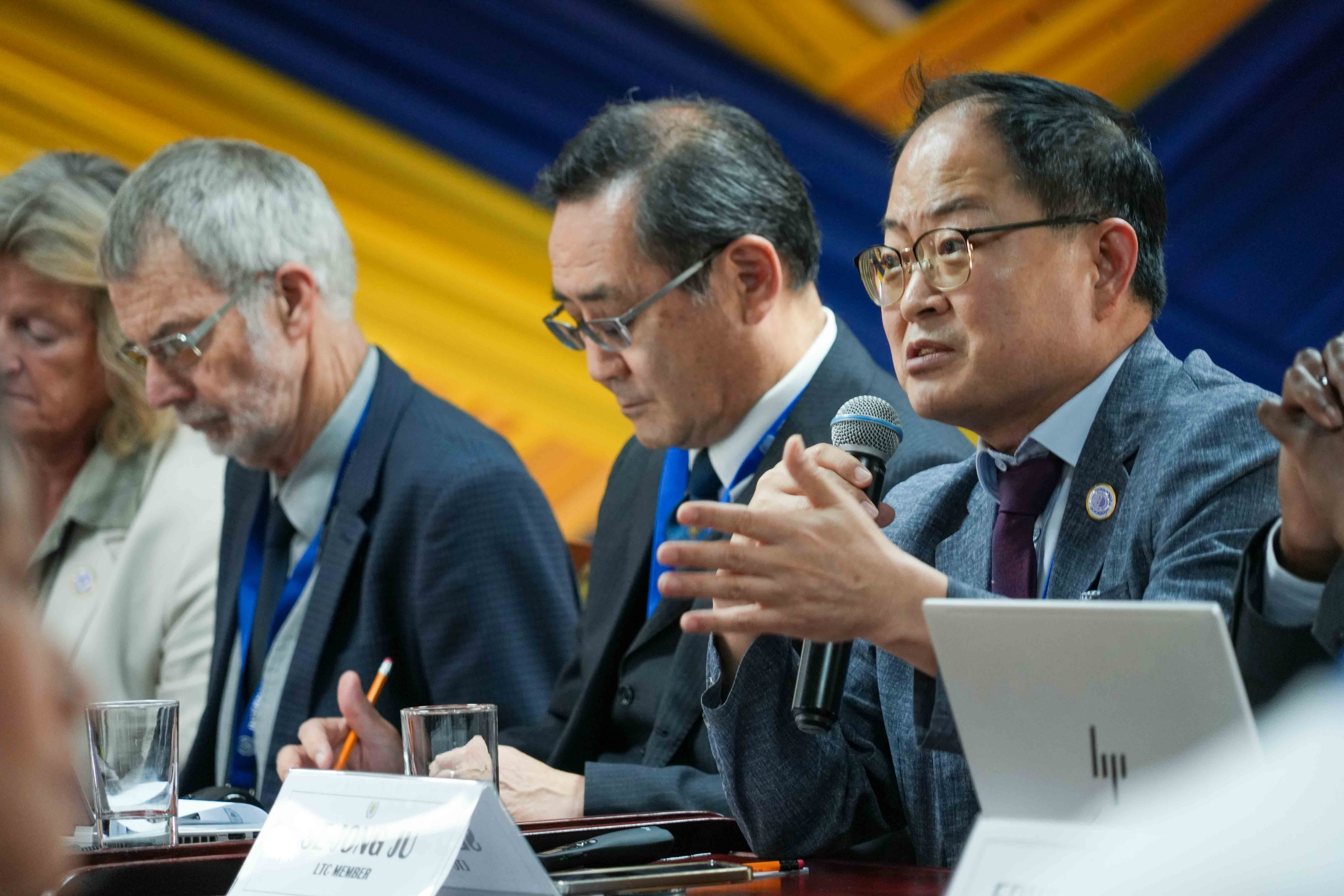
Se-Jong Ju, LTC member
Sissel Eriksen, LTC Chair

Around the venue