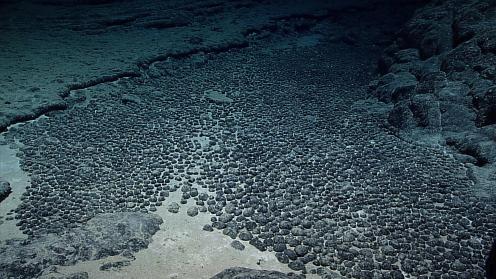

Effectively protecting the marine environment from deep-sea mining impacts is a multi-dimensional endeavor, which requires regulating various elements of commercial activities on the seabed. This was reflected in Tuesday’s deliberations in the Council of the International Seabed Authority (ISA), with delegates engaging in thematic deliberations on:
- test mining (TM) and pilot mining (PM);
- the closure plan; and
- compliance and enforcement measures.
In the morning, Belgium, China, and Germany, co-facilitators of the relevant working group, guided the deliberations on TM and PM, structured around an aid to discussions that included guiding questions. They drew attention to the report on intersessional work, noting the need for further conceptual clarity before any drafting exercise.
The co-facilitators outlined the overall process and distinction between TM and PM. They noted that TM is to be conducted during the exploration phase as a prerequisite for applying for an exploitation contract. PM is to be conducted during the exploitation phase as a prerequisite to commence commercial production. The co-facilitators also outlined the purpose of TM and PM.
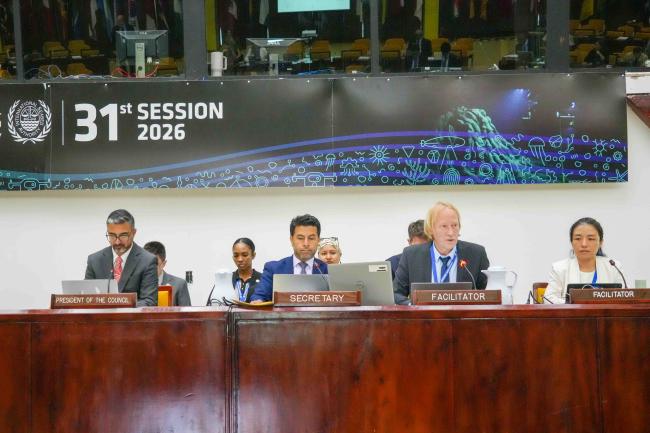
Many delegates agreed with the overall process and the outlined phases, stressing that the distinction between TM and PM is much clearer than having a single feasibility study. Several members called for simplifying the PM process. Delegates held divergent opinions on the need for the Council’s approval to transition from PM to commercial production in addition to assessment by the Legal and Technical Commission (LTC).
Some delegates supported the PM objectives as included in regulation 48 ter (pilot mining), while others noted further work is needed. Regarding the TM objectives, some members supported their inclusion as a standalone provision, while others preferred incorporating them in the TM definition in the Schedule.

On the specific circumstances that should allow an exemption from TM, numerous members pointed to cases where technologies, equipment, and capabilities have already been verified, or data is available from other commercial production or previous testing. Others emphasized that exemption scenarios should be limited as the impacts and effects of the same technology can vary widely across areas.
The Council then turned its attention to the outcomes of the informal working group on closure plans, facilitated by Fiji. The facilitator reported on intersessional progress, noting that Norway, as facilitator of the working group on environmental management and monitoring, proposed merging the provisions on the closure plan with those on environmental management and monitoring.

Delegates welcomed the proposed new structure and approach as a basis for further deliberations. Discussions focused on, among other issues:
- establishing clear, measurable objectives and criteria to verify fulfillment of obligations for closure;
- monitoring at least minimum expectations;
- assessments by the LTC and/or independent auditors, with some calling for a single hiring procedure and others cautioning against financial implications; and
- continued monitoring until the completion of the closure plan.

Observers noted that closure is ultimately a promise to future generations, emphasizing that “stewardship is measured not only by what we take, but by the condition in which we leave the places entrusted to our care.”
In the afternoon, Council members held closed-door informal consultations on the draft decision on the LTC report and on the provisional measures order by the Seabed Disputes Chamber.

Delegates also addressed compliance and enforcement measures on the basis of intersessional work, facilitated by the Netherlands. Discussions focused on:
- whether the compliance committee, instead of issuing or recommending emergency orders, could refer an urgent situation to the LTC as well as issue emergency measures of a temporary nature according to regulation 99 (inspectors’ power to issue instructions); and
- remedial actions, with the facilitator noting that the current draft of regulation 104 (power to take remedial action) envisages that the ISA will take remedial action to prevent or mitigate the effects of a contractor’s failure to comply with the terms and conditions of an exploitation contract, but does not clarify either which ISA organ should be responsible or the modus operandi.
To receive free coverage of global environmental events delivered to your inbox, subscribe to the ENB Update newsletter.
All ENB photos are free to use with attribution. For the Second part of the 31st session of the International Seabed Authority (ISA) meeting, please use: Photo by IISD/ENB | Andrés Felipe Carvajal Gómez
Selected Images

Tim Packeiser, Co-Facilitator of the working group on TM and PM, Germany

Amber Charlotte Chandler-Cobley, UK

Beatrice Chen, Singapore

Chaterine Flumiani, Italy
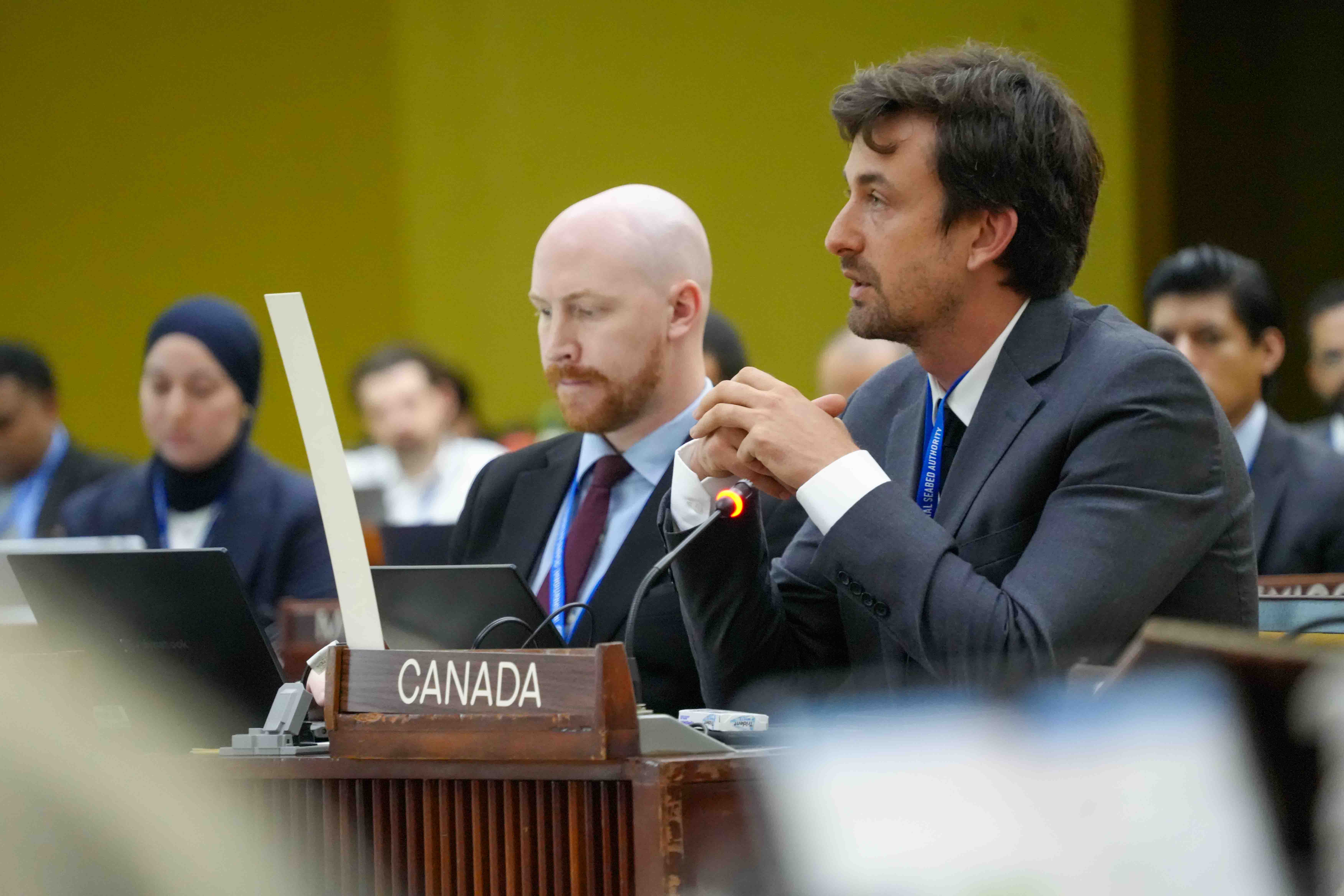
Daniel Hill, Canada

Delegation of France

Dennis Flores, the Philippines

Edgar Noriega, Mexico
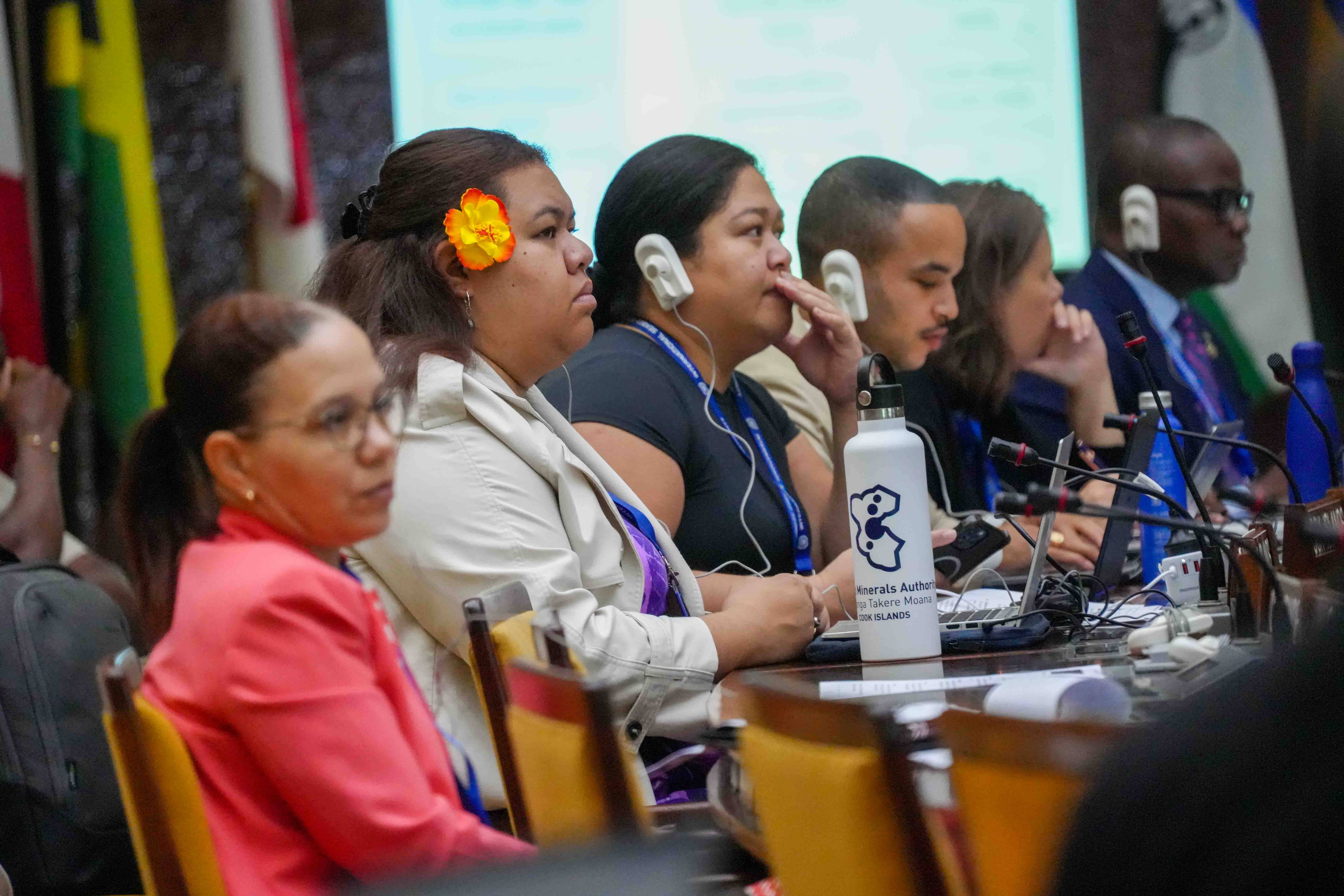

Emma van den Boogaard, the Netherlands

Hoyeun Chao, Republic of Korea

Chaimae Fahil, Morocco
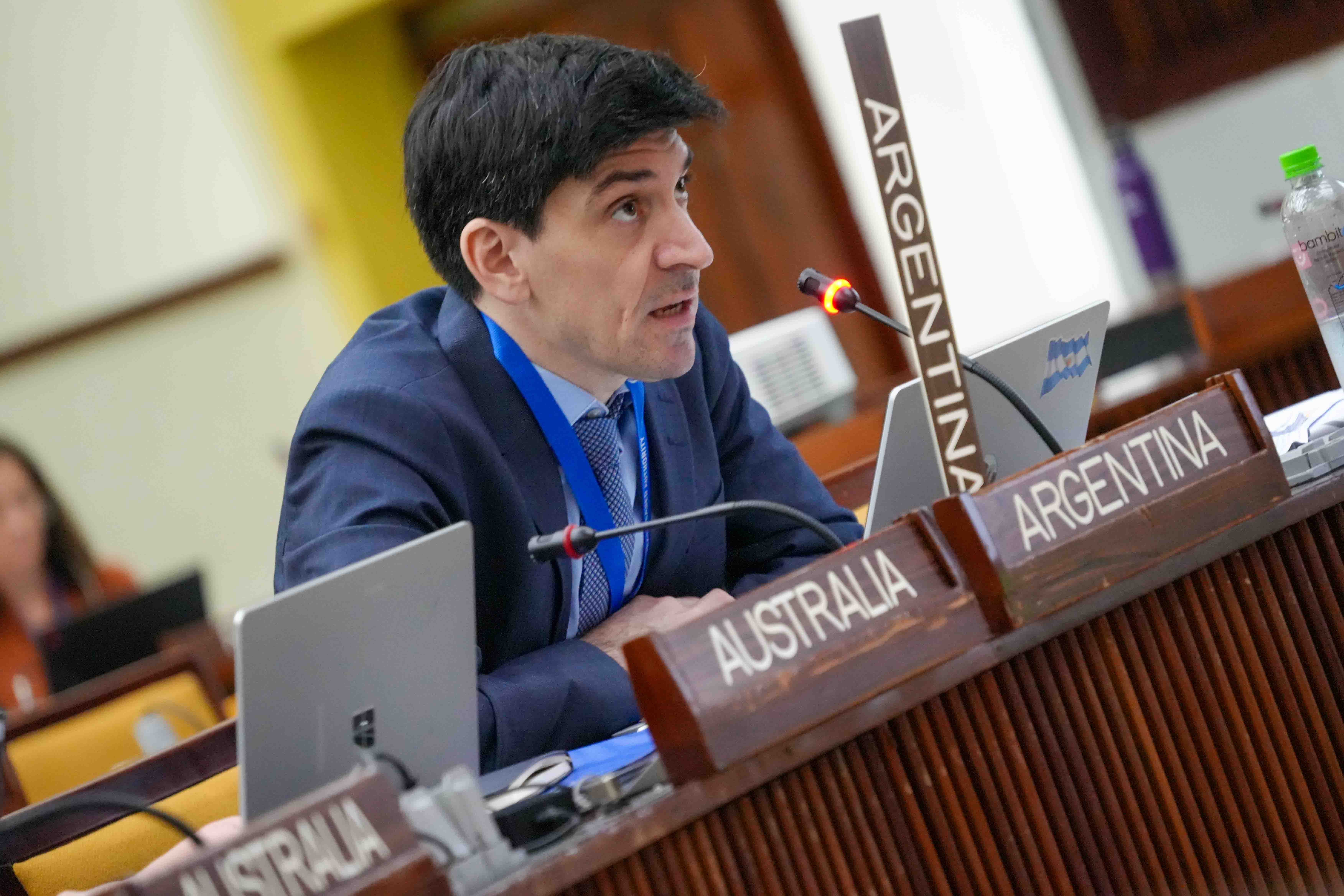
Juan Manuel Galindo Roldán, Argentina
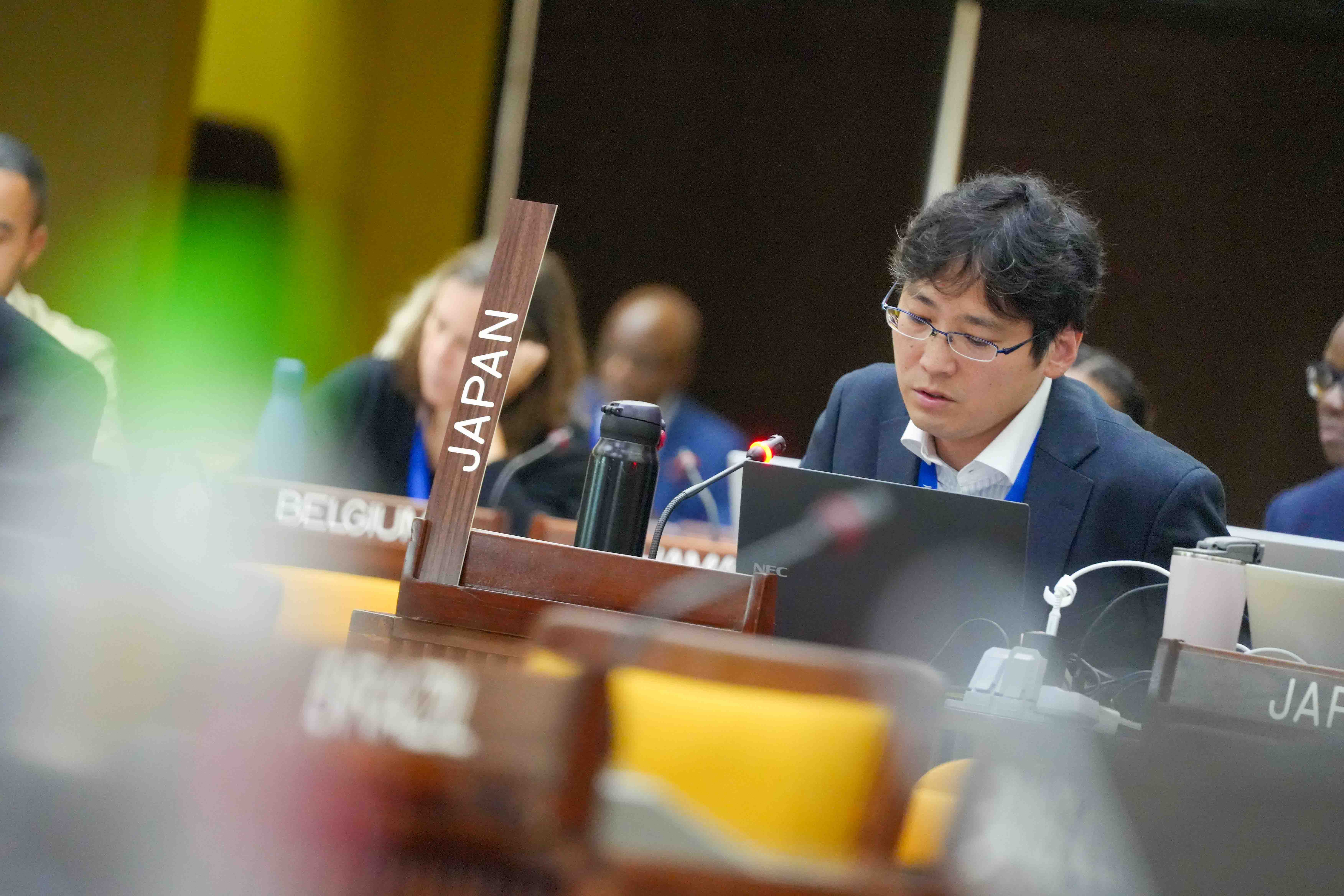
Kiyotaka Orita, Japan

Laura Platchkov, Switzerland

Livia Ermakova, Russian Federation

Marta Gallegos, Spain

Michał Nowosielski, Poland
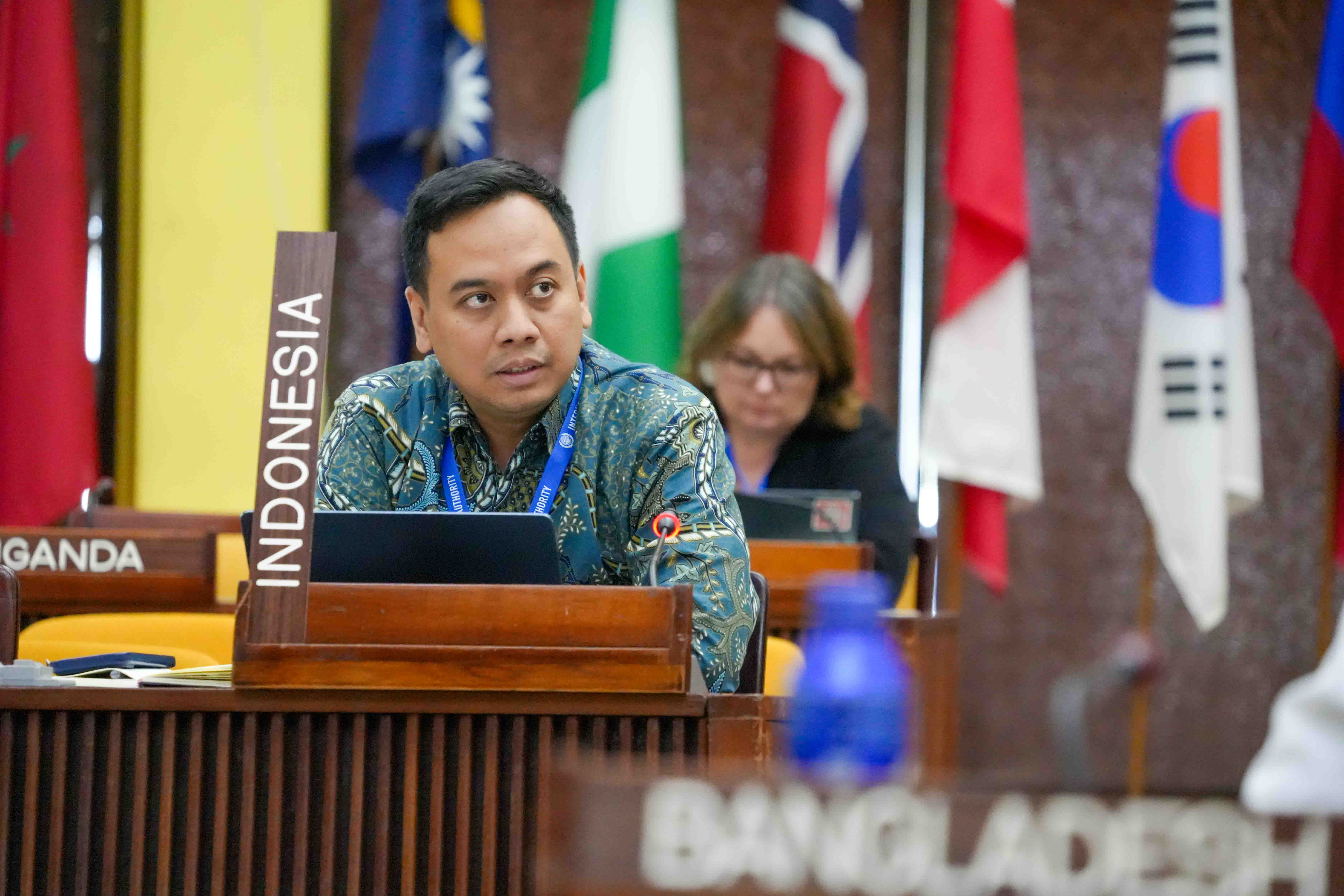
Muhammad Taufan, Indonesia
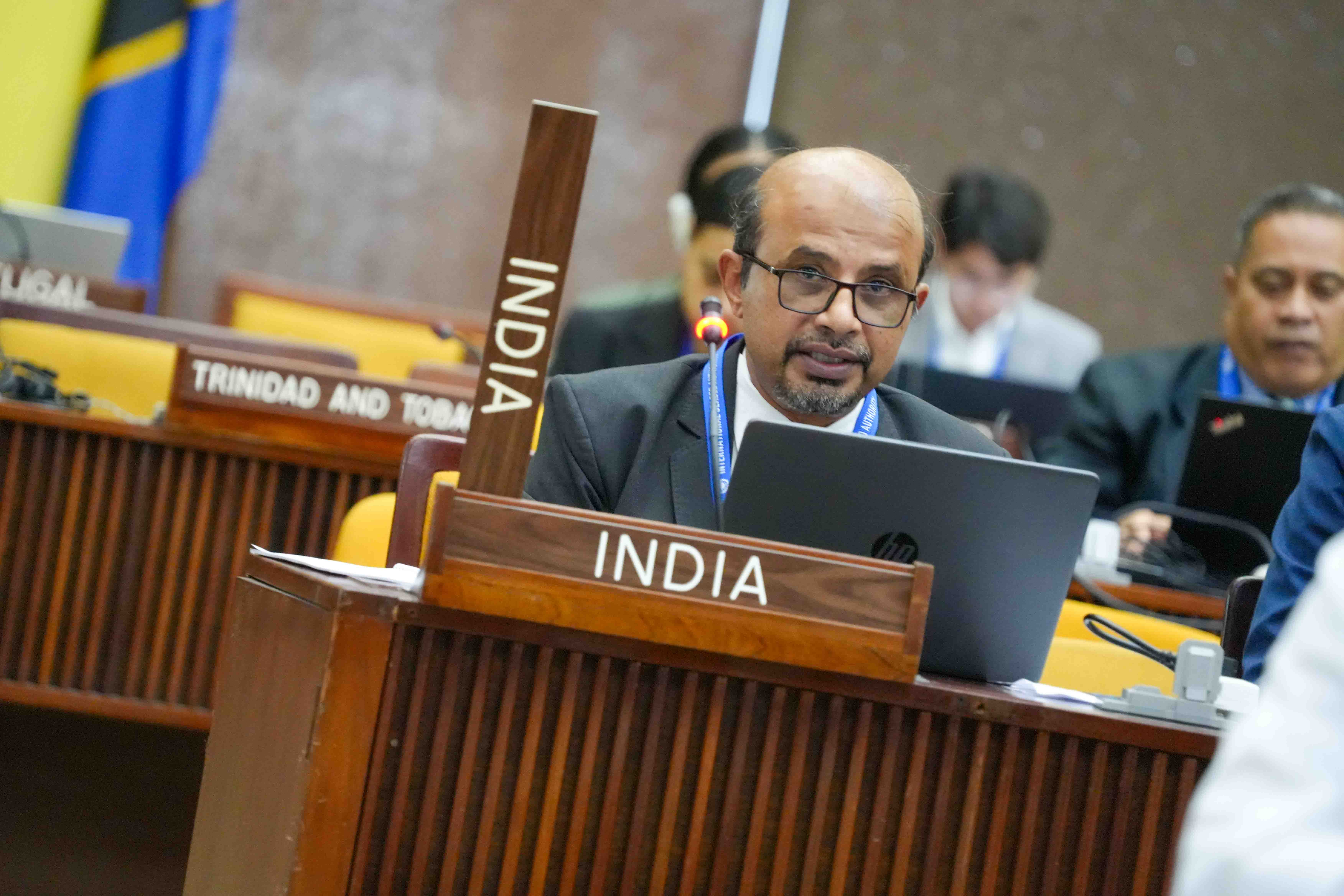
Sandip Mukhopadhyay, India

Tamara Gómez Marín, Costa Rica

Wenting Zhao, Co-Facilitator of the working group on TM and PM, China
Between the sessions

L-R: Jason Dixon, Geraldine Geddes, and Lorenzo Lynch, Secretariat of the Authority







Around the Venue

Delegation of The Pew Charitable Trusts



Delegation of Nigeria