The annual report of the Secretary-General of the International Seabed Authority (ISA) serves as one of its primary transparency and accountability mechanisms detailing the Secretariat’s diverse activities. Discussions on the report offer ISA members the opportunity not only to address the administrative, governance, financial, operational, and scientific work of the Authority, but also to express general views and national positions on the ongoing debate around deep-sea mining.
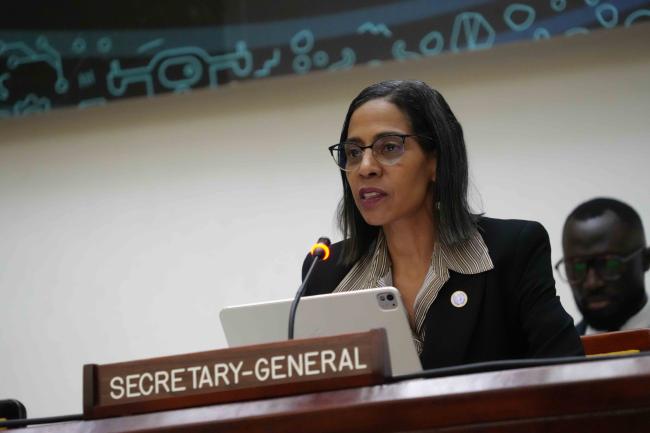
The second day of deliberations of the ISA Assembly was entirely devoted to delegations’ responses to the report of Secretary-General Leticia Carvalho, which had been delivered on Monday. Delegates expressed appreciation for the work undertaken by the Secretariat and welcomed Cambodia and Kyrgyzstan as new ISA members. Many members stressed that universal representation is crucial to ensuring the sustainability of the legal regime for the Area (the seabed, ocean floor, and subsoil thereof, beyond the limits of national jurisdiction).
Many delegates highlighted the UN Convention on the Law of the Sea (UNCLOS) as a key pillar of international law and the multilateral system and as a cornerstone of ocean governance. They reaffirmed their support for the ISA’s exclusive mandate to regulate all activities in the Area. Many expressed concern about the threat of unilateral actions, reiterating that the Area and its resources are the common heritage of humankind.
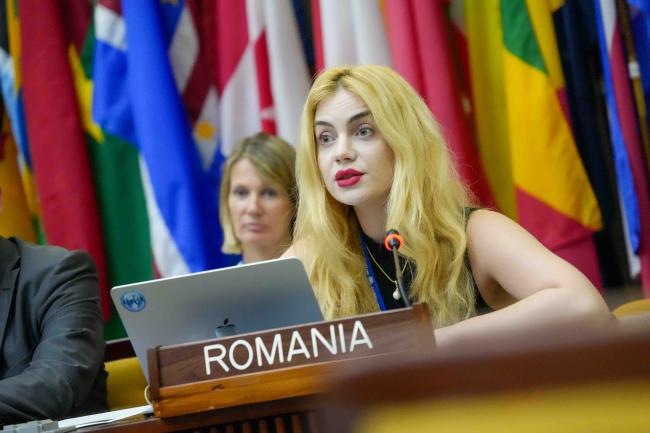
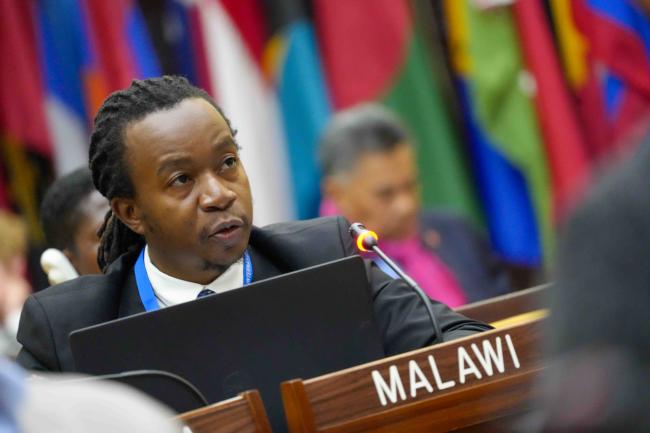
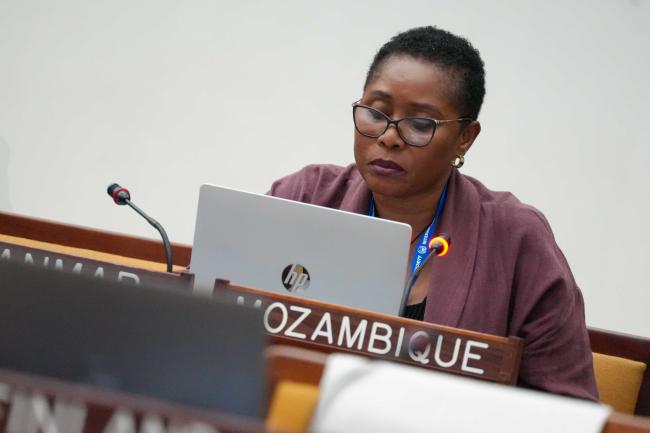
Numerous countries, including Panama, Switzerland, France, Fiji, Germany, Greece, Brazil, Guatemala, Finland, among others, reaffirmed their support for a moratorium or precautionary pause on deep-sea mining. Malawi and Romania noted that they had recently joined the call for a precautionary pause. Mauritius announced their support for a moratorium and Mozambique, for a precautionary pause, bringing the total number of countries that oppose commencing commercial deep-sea mining to 45.
During the rich discussion, representatives of regional groups and individual delegations focused on, among other things:
- progress in the draft exploitation regulations for deep-sea mining;
- the activities of the interim Director-General of the Enterprise and the need for the operationalization of the Economic Planning Commission, with numerous delegates noting they are both integral elements of the institutional architecture provided by UNCLOS and the 1994 Implementing Agreement;
- capacity-building, training opportunities, and technology transfer, stressing the need to develop members’ competencies, in particular those of developing states, including land-locked countries and small island developing states, to effectively participate in the ISA’s work;
- efforts to promote marine scientific research, highlighting the relevant ISA Action Plan and drawing attention to knowledge and data gaps that hinder informed decision-making; and
- cooperation with relevant frameworks and agreements, with some delegates pointing to the Agreement on the Conservation and Sustainable Use of Marine Biological Diversity of Areas beyond National Jurisdiction (BBNJ Agreement) and the need for mutual respect of respective mandates and coordinated implementation, with others stressing that “deep-sea ecosystems do not recognize institutional boundaries.”
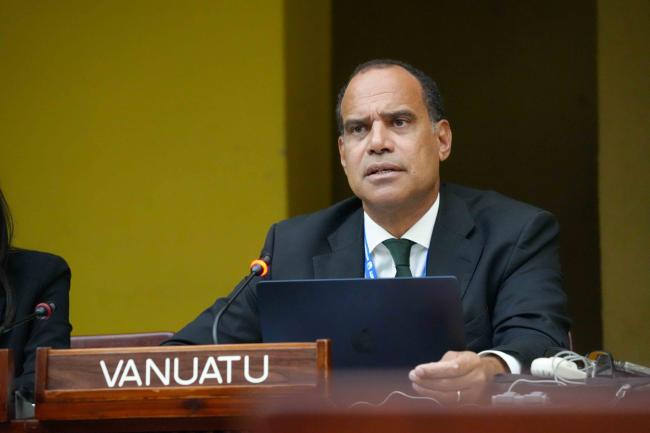
Following up on efforts to promote marine scientific research, Vanuatu proposed adopting a decision on “ensuring adequate scientific understanding to support informed decision-making in the ISA.” The draft proposal, which includes a suggestion for a report “identifying priority scientific knowledge gaps and options for a transparent process through which the adequacy of the scientific evidence base may be considered,” was discussed informally at lunchtime.
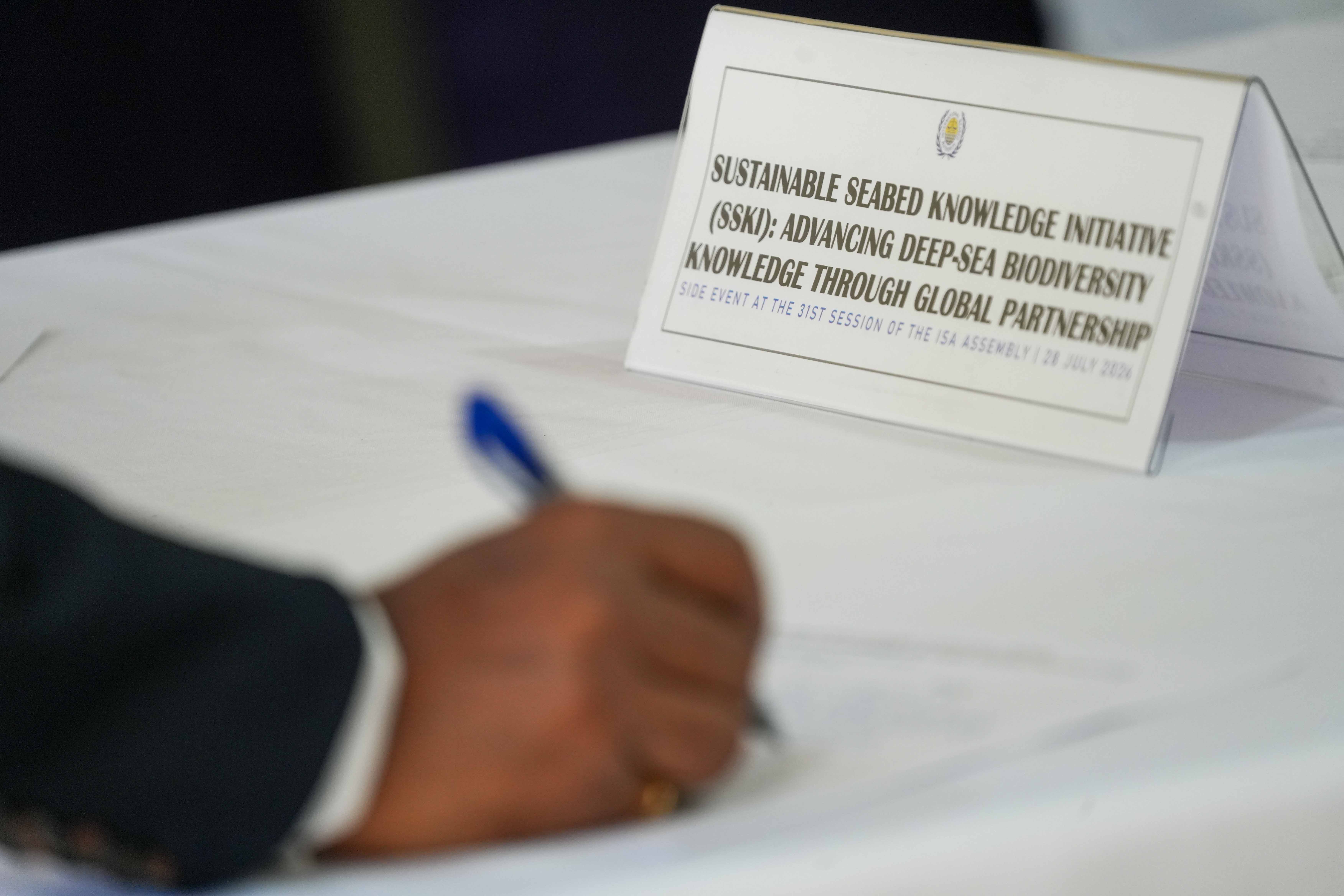
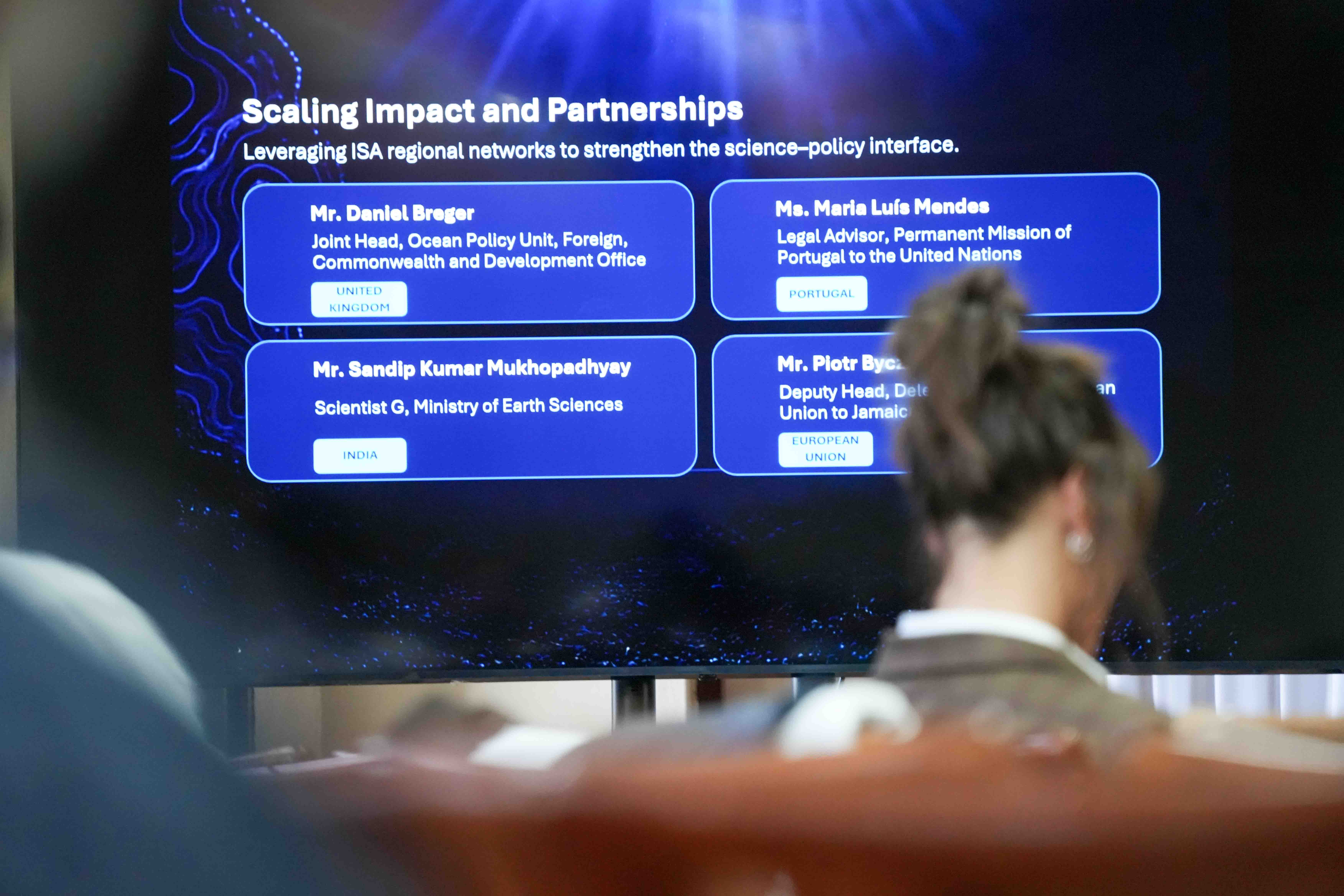
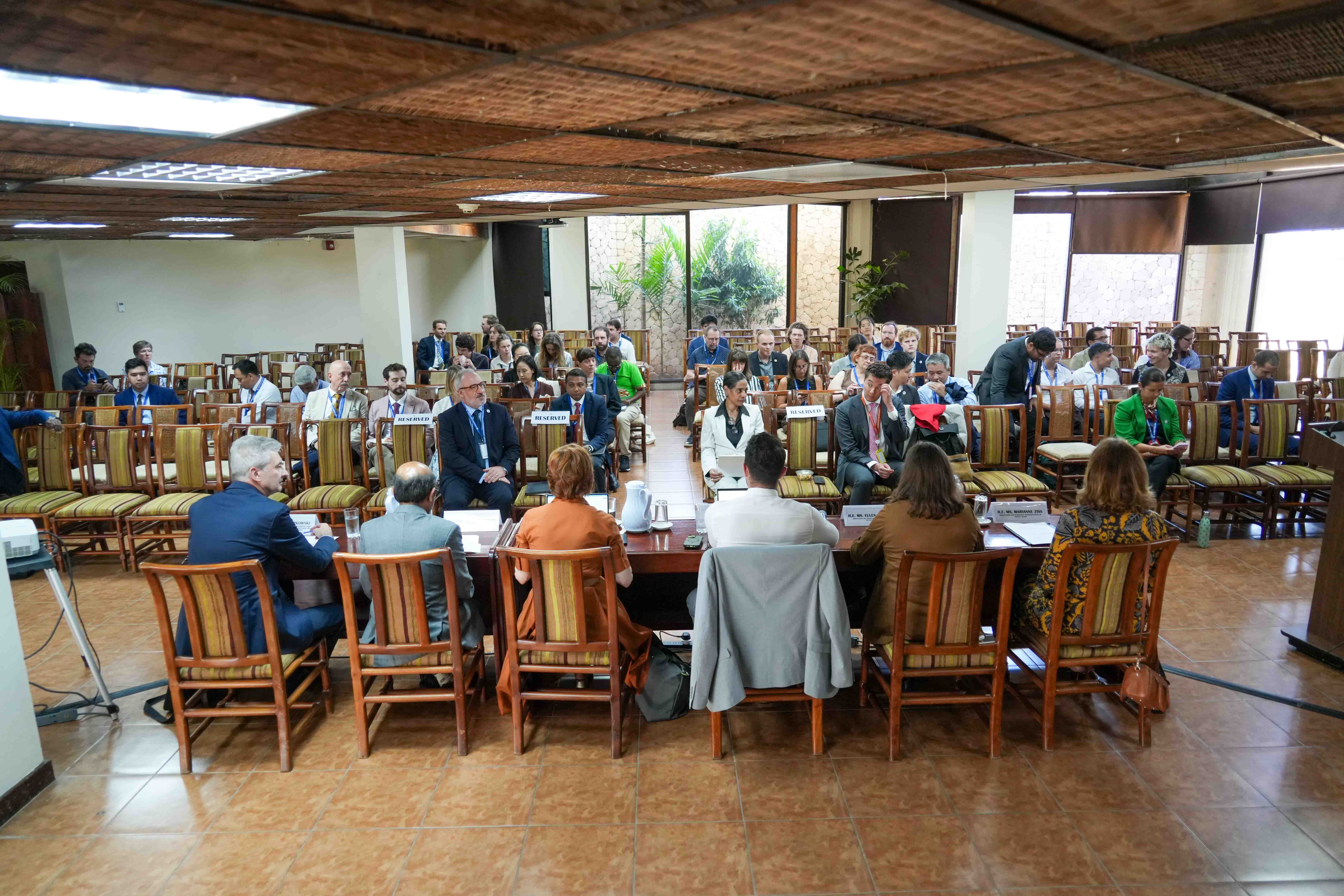
Delegates also had the opportunity to dive further into deep-sea biodiversity in the side event: Sustainable Seabed Knowledge Initiative (SSKI): Advancing deep-sea biodiversity knowledge through global partnership.
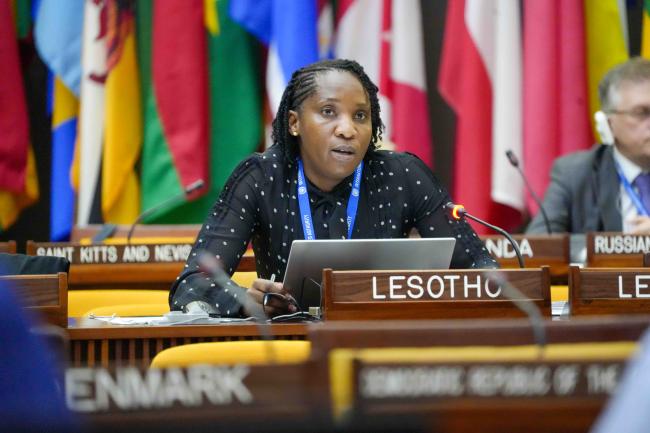
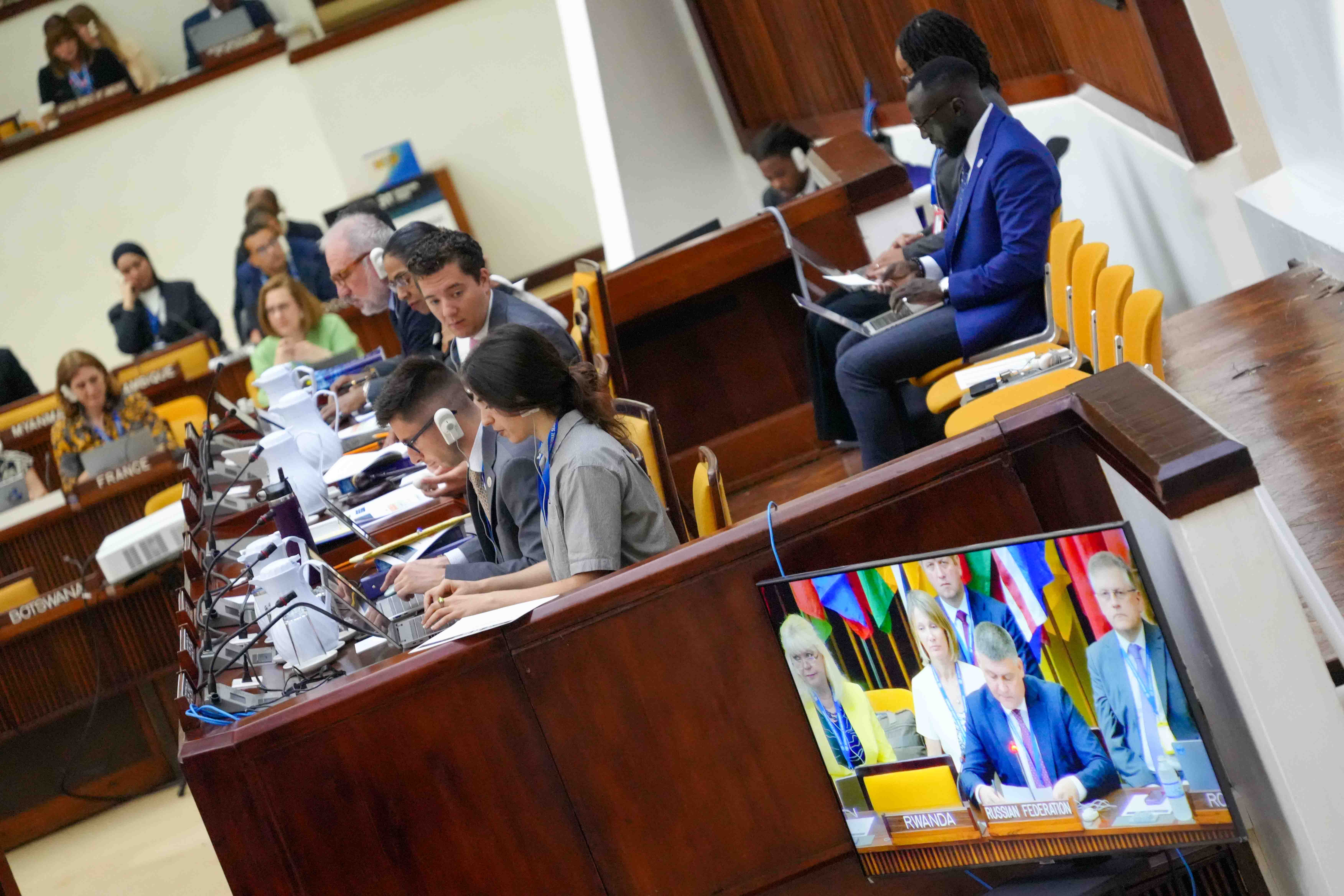
Plenary Meeting
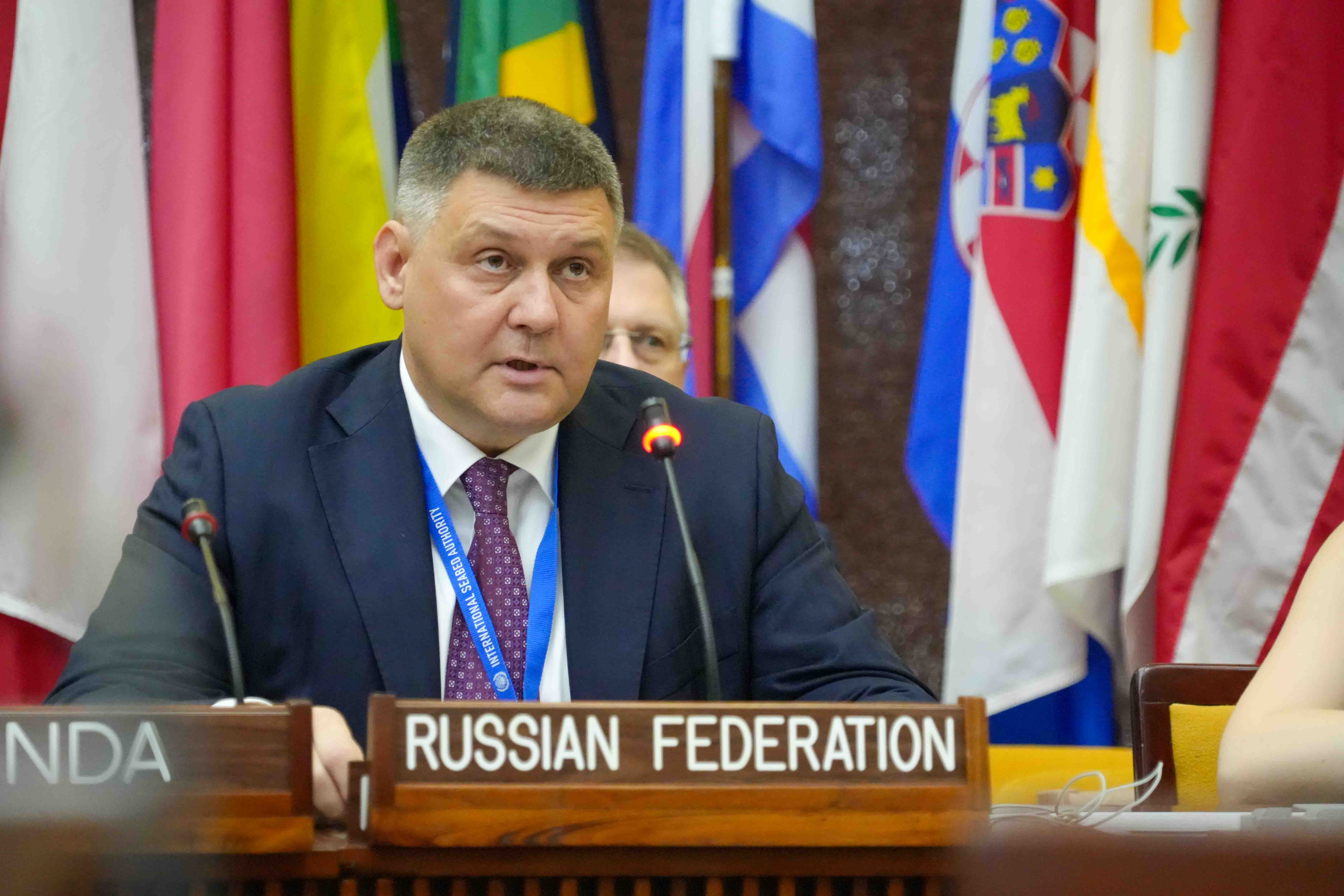
Dmitry Tetenkin, Russian Federation
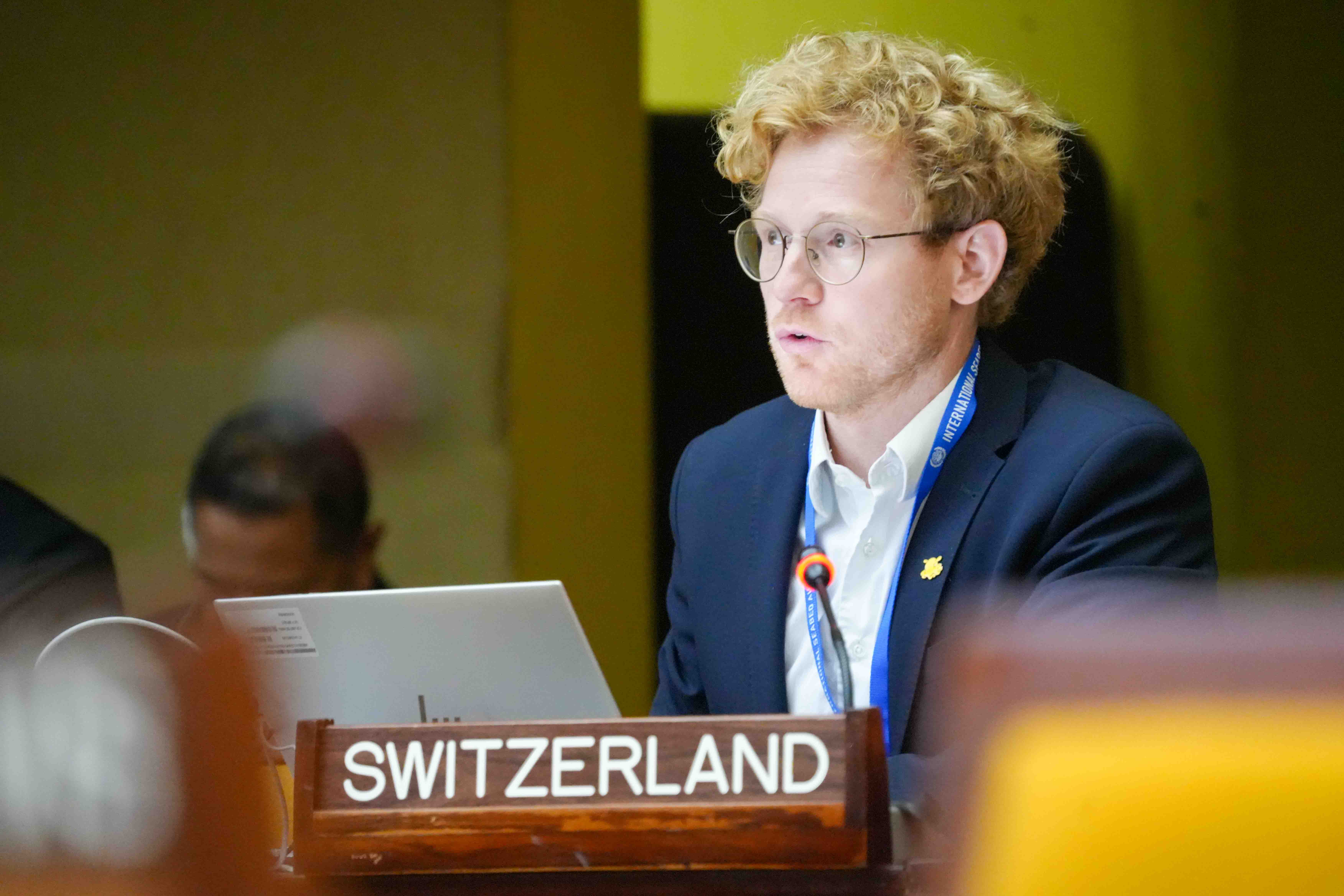
Andrin Studer, Switzerland
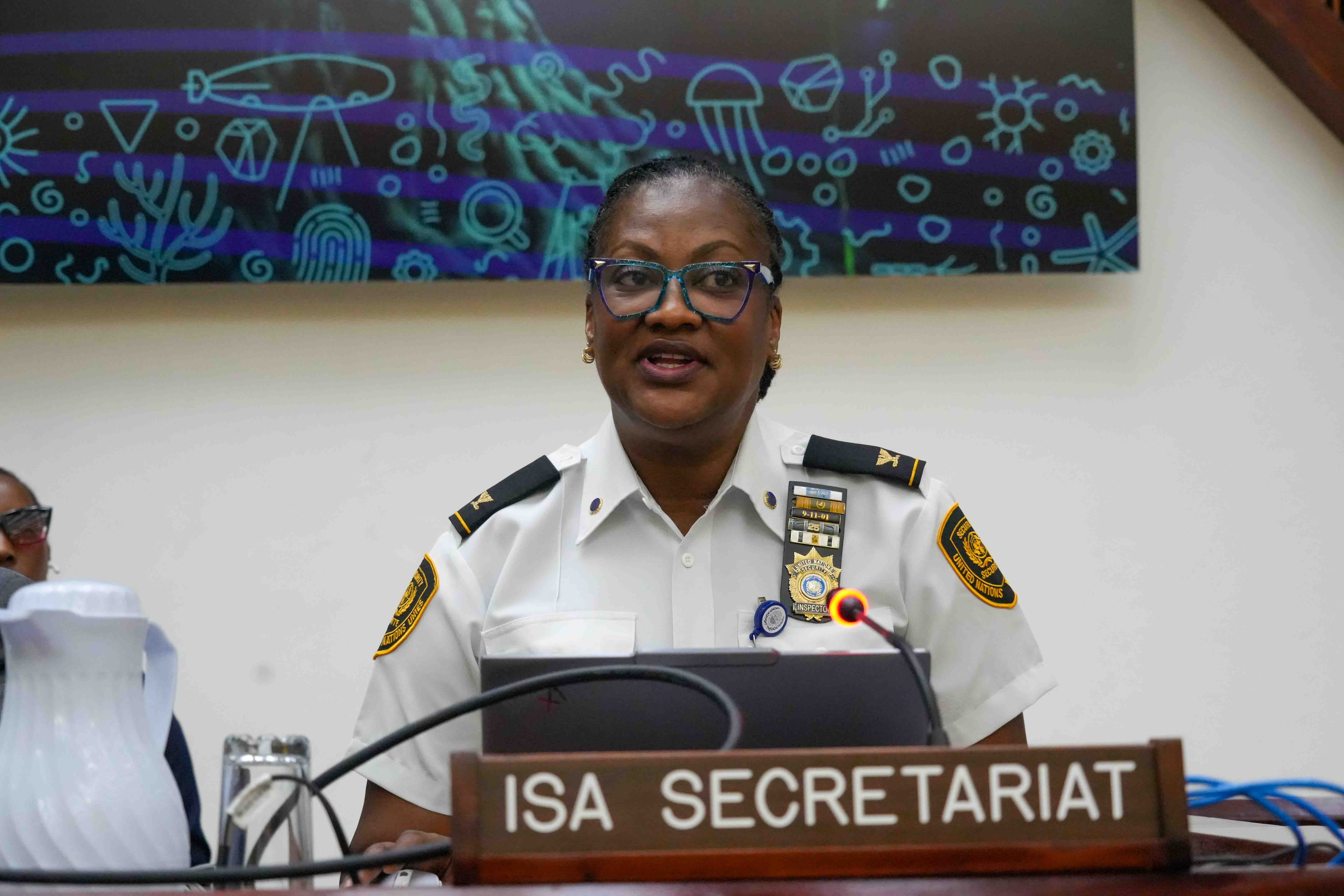
Charlene Wilson, UN Security
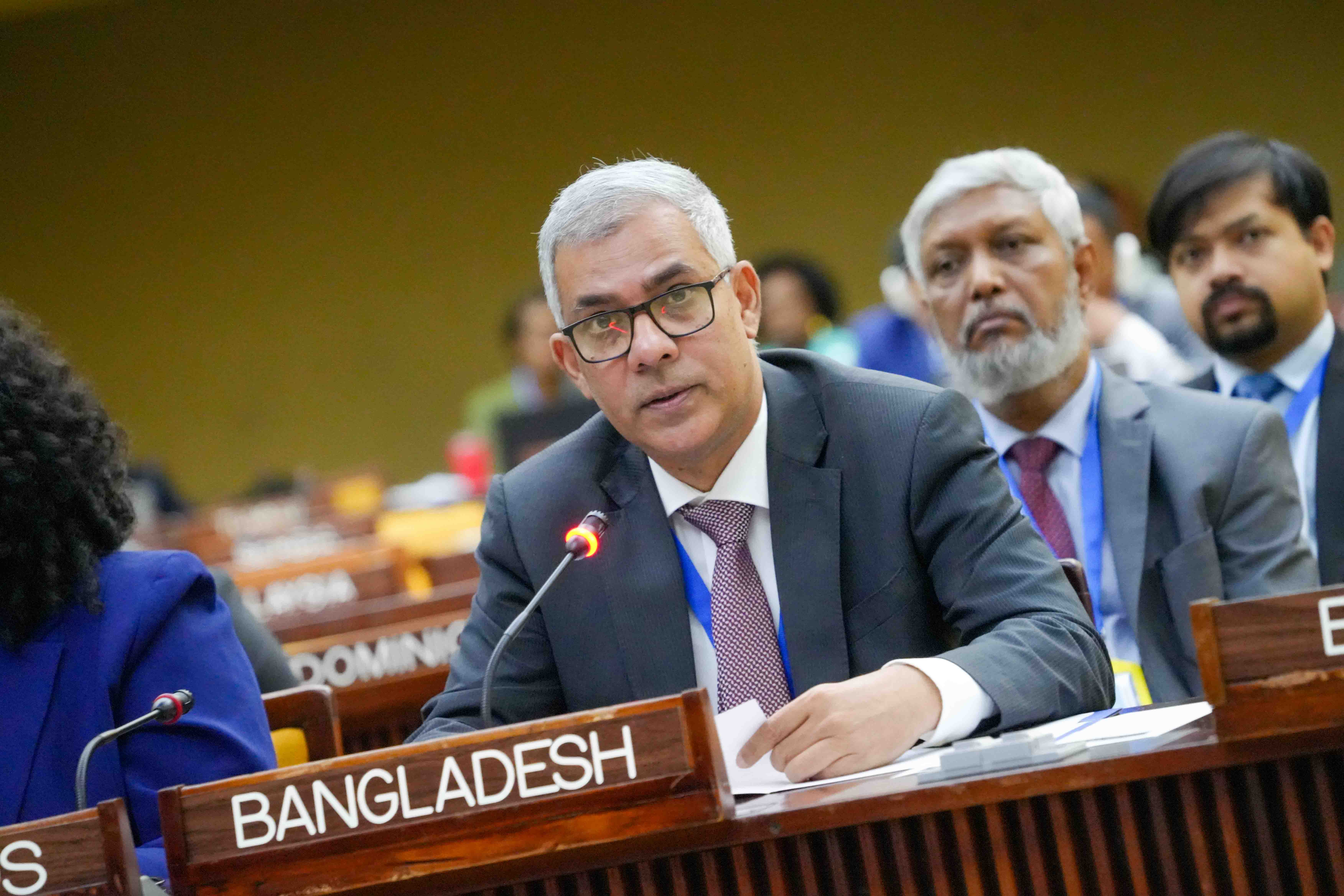
Salahuddin Chowdhury, Bangladesh
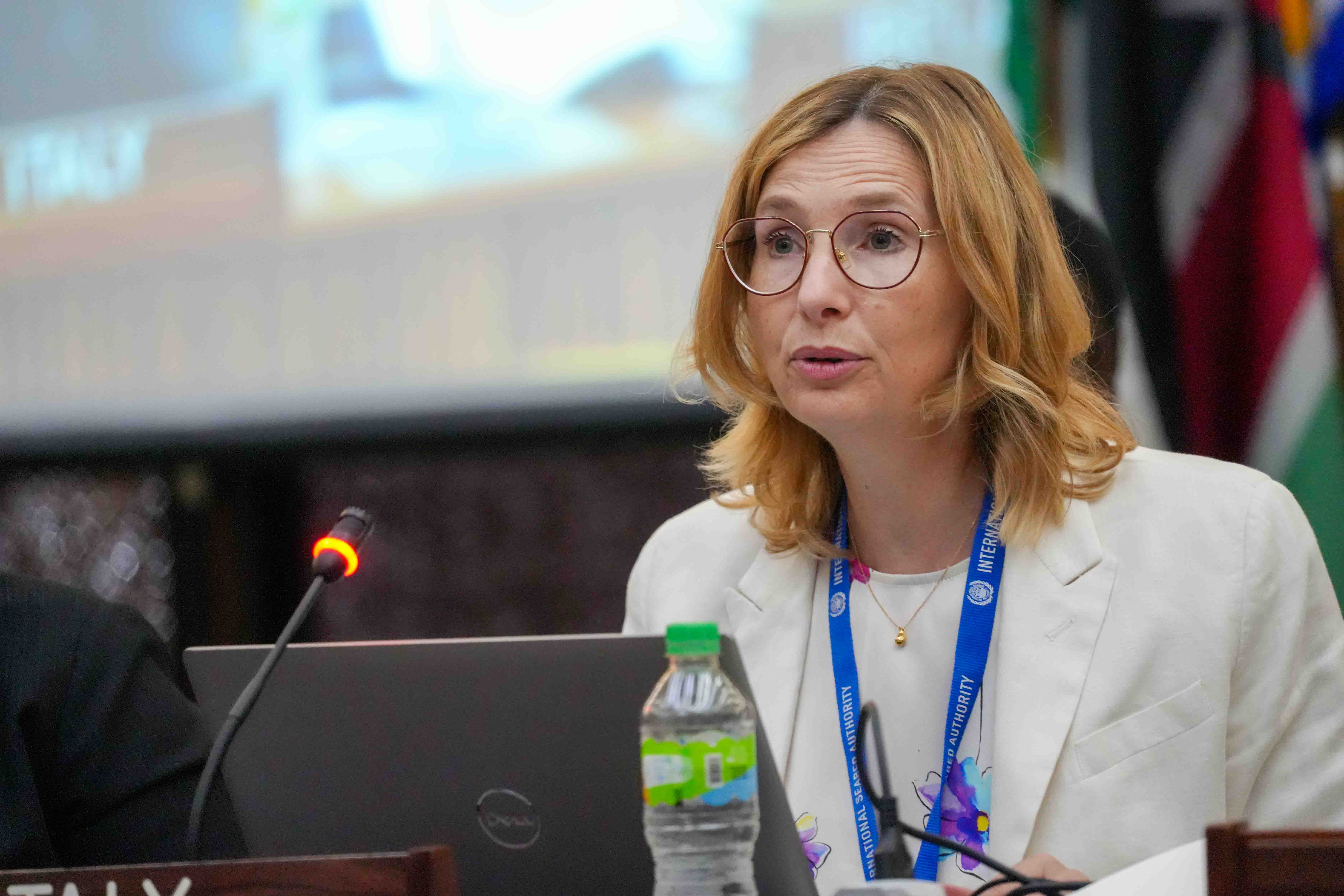
Catherine Flumiani, Italy
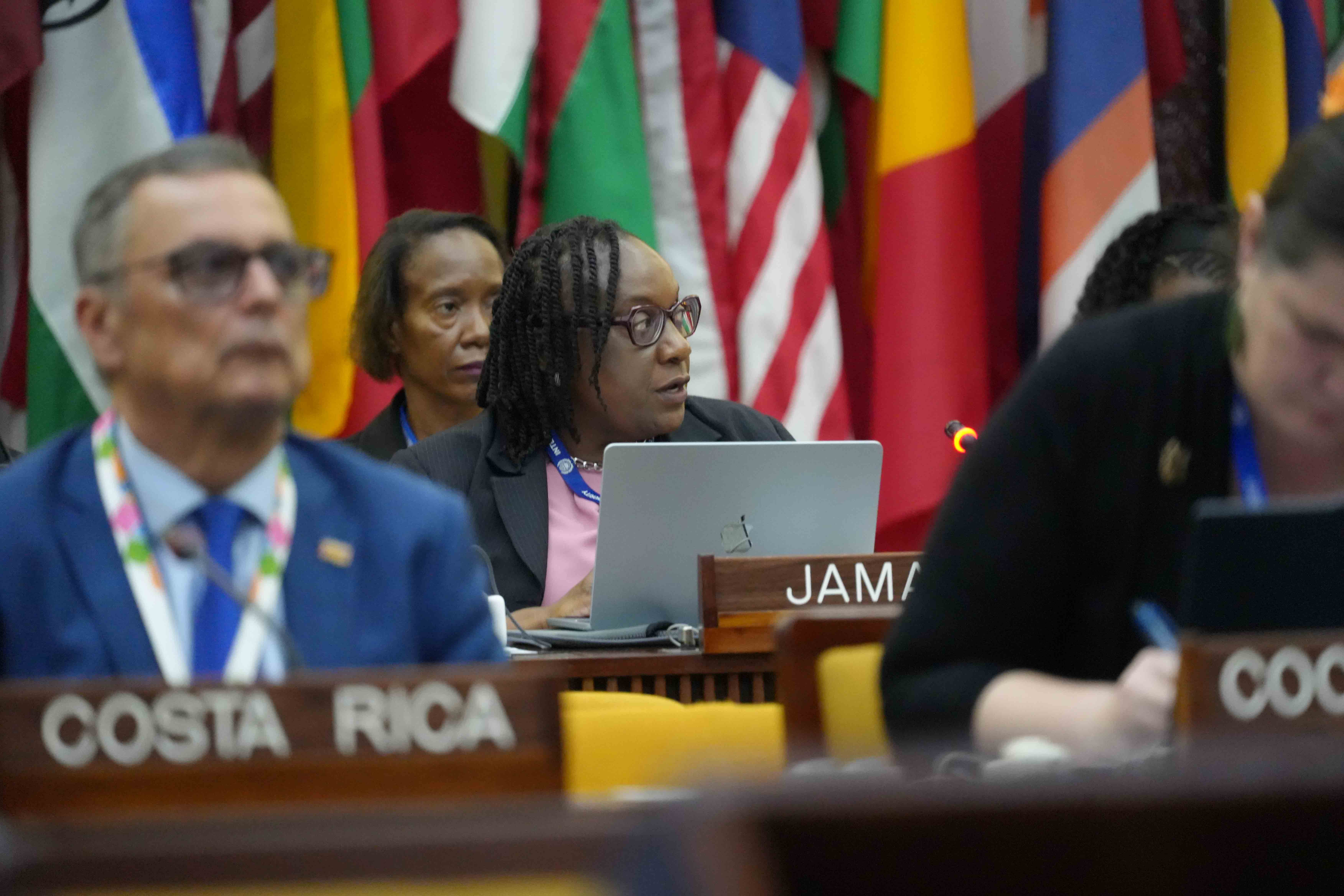
Cheryl Spencer, Jamaica
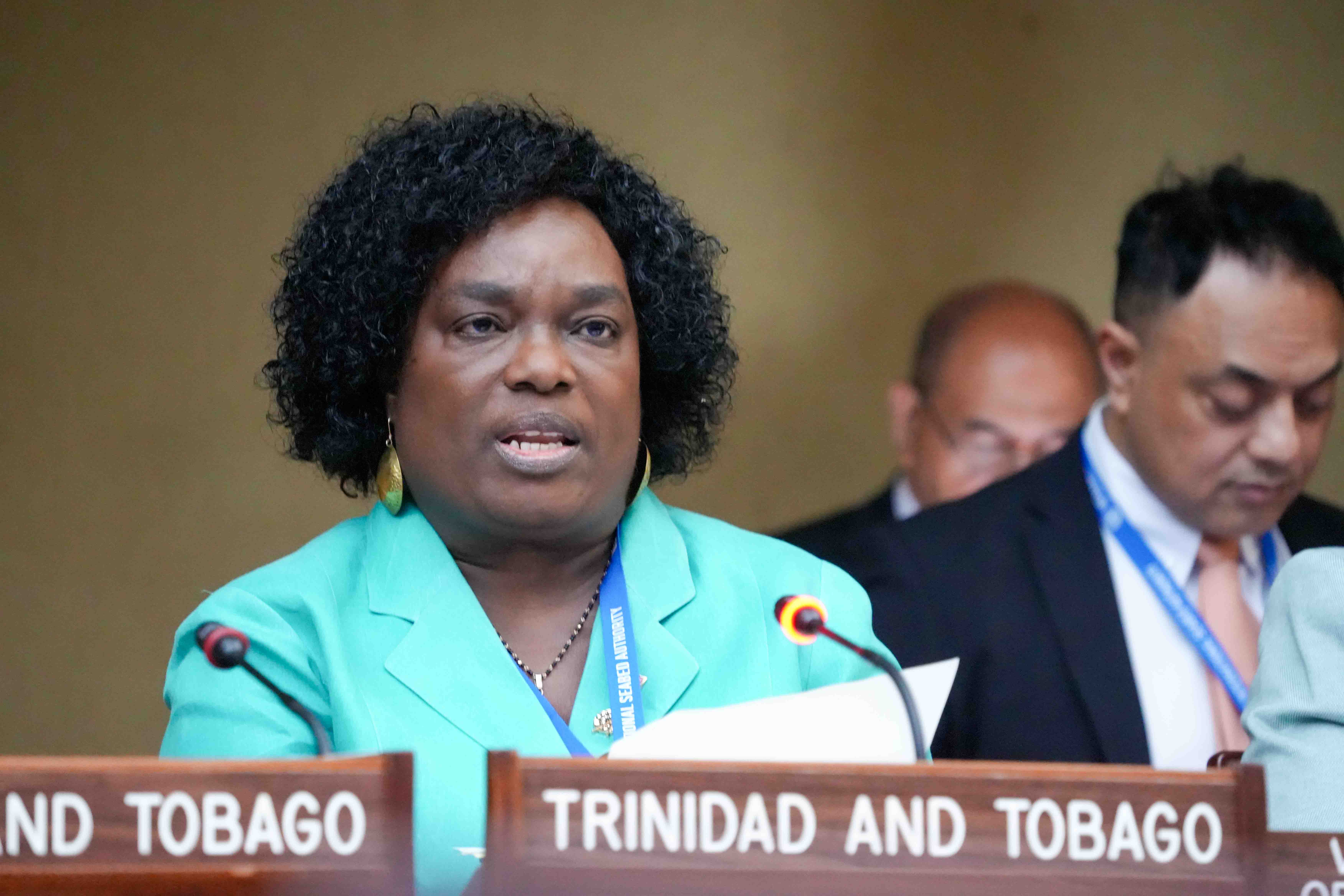
Deborah Thomas-Felix, Trinidad and Tobago
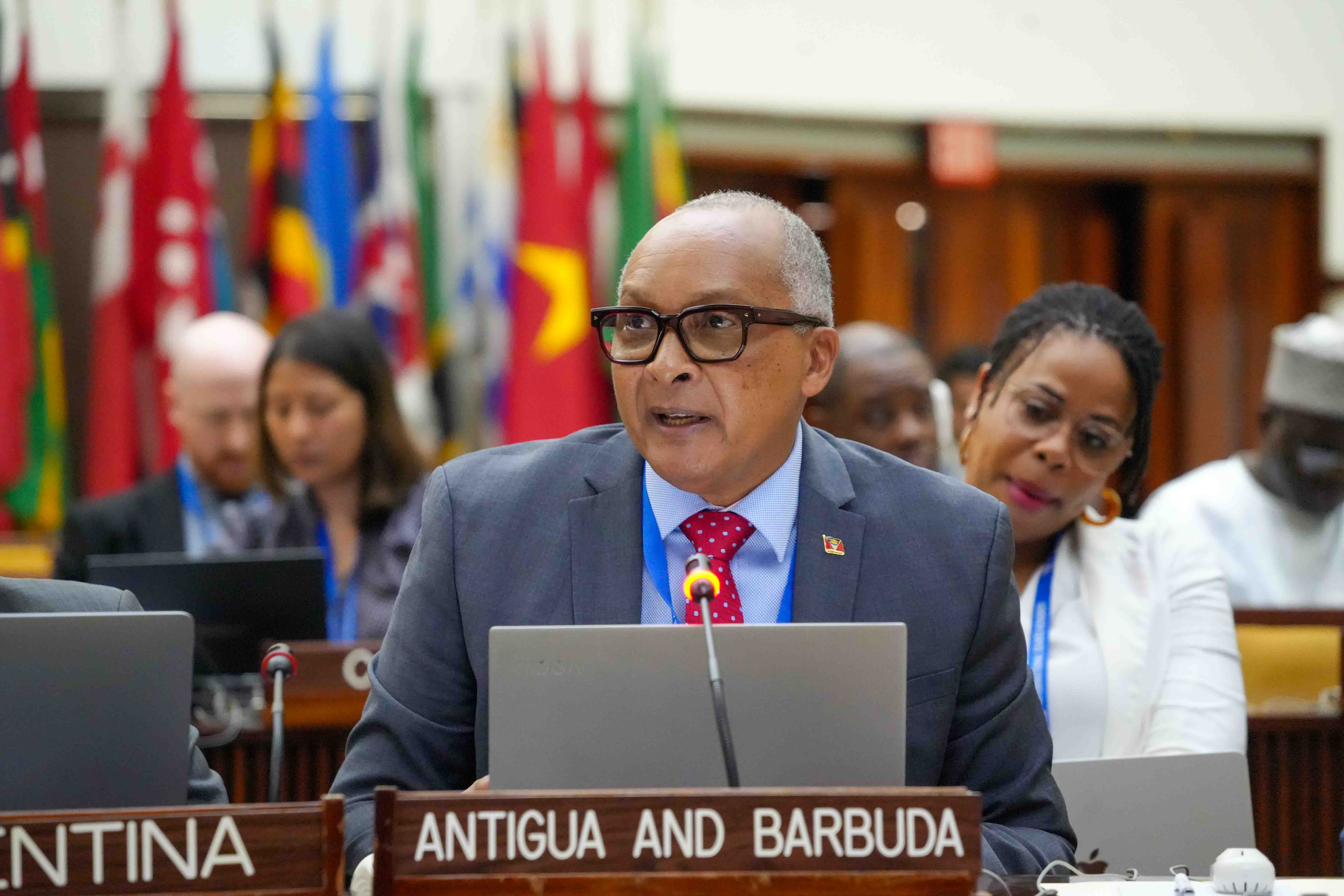
Dwight Gardiner, Antigua and Barbuda
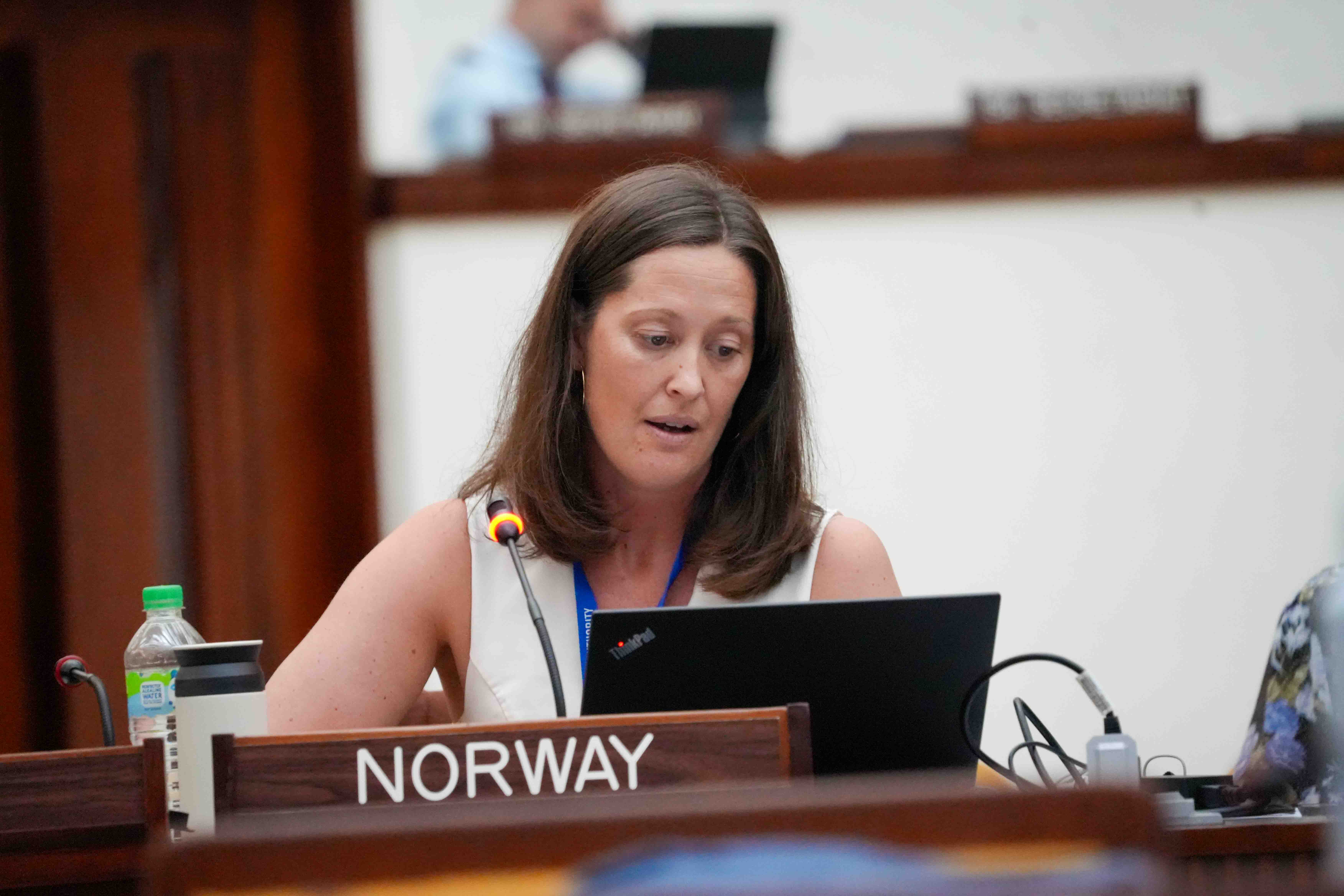
Ingrid Vikanes, Norway
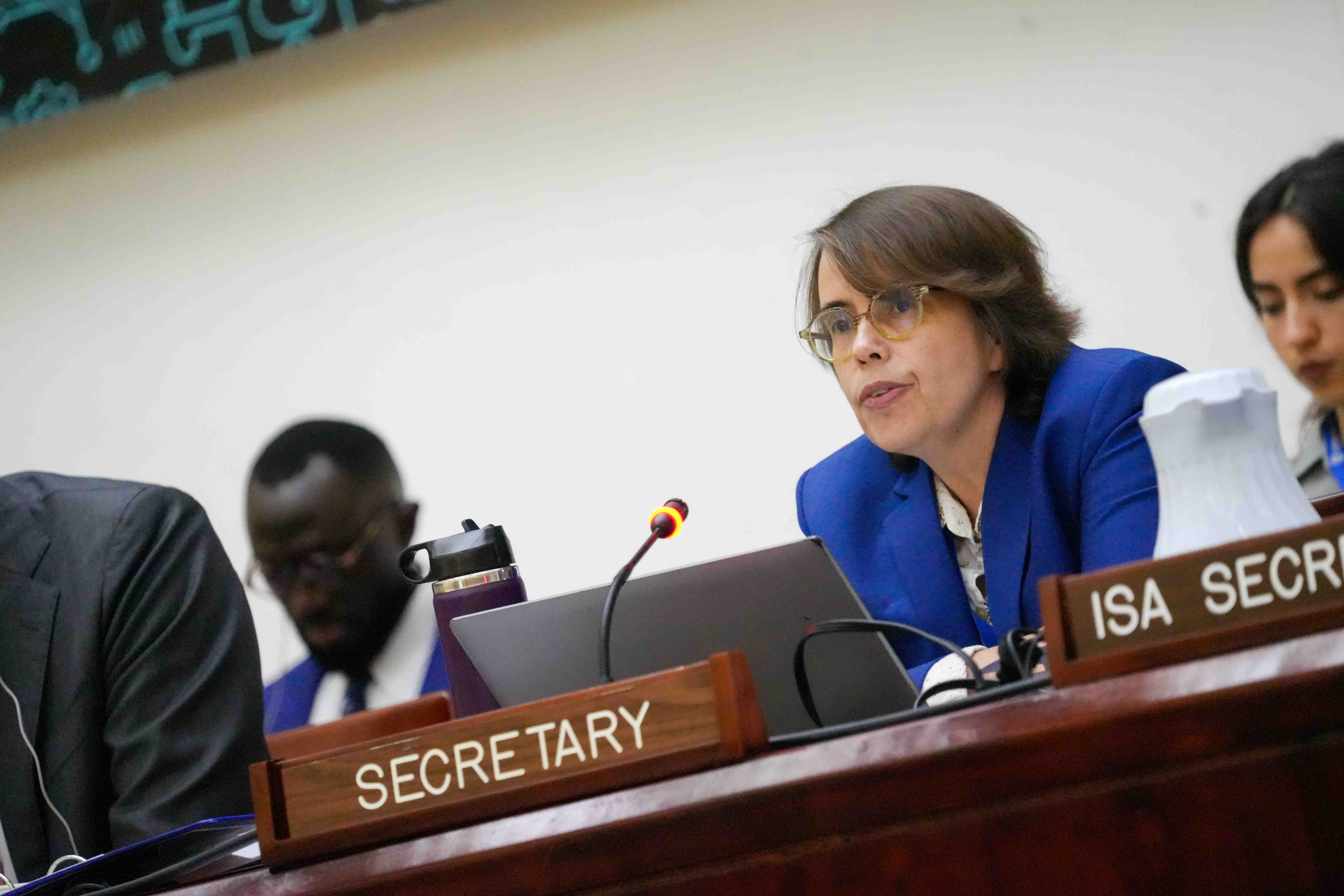
Gwénaëlle Le Gurun, Secretariat of the Authority
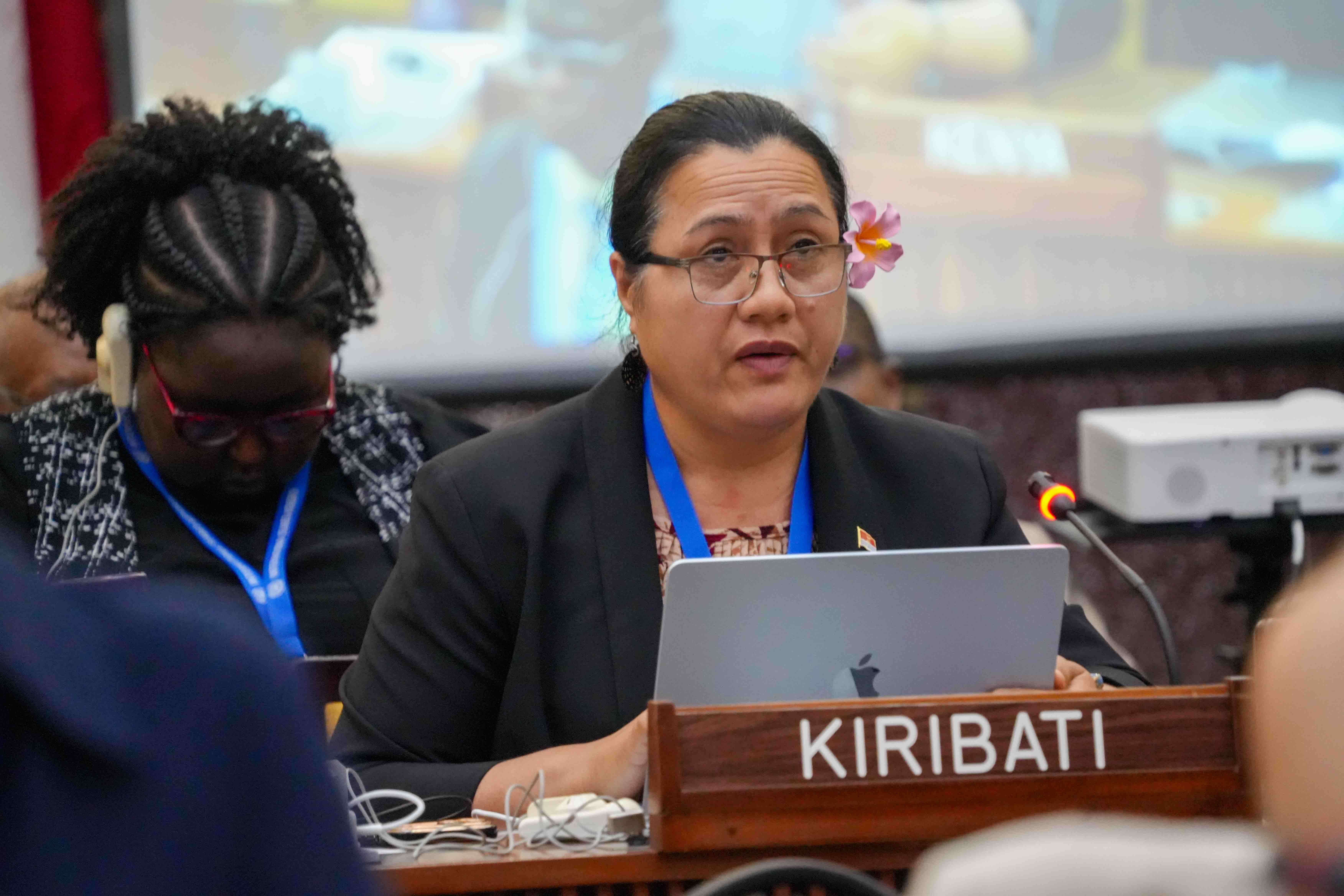
Josephine Moote, Kiribati
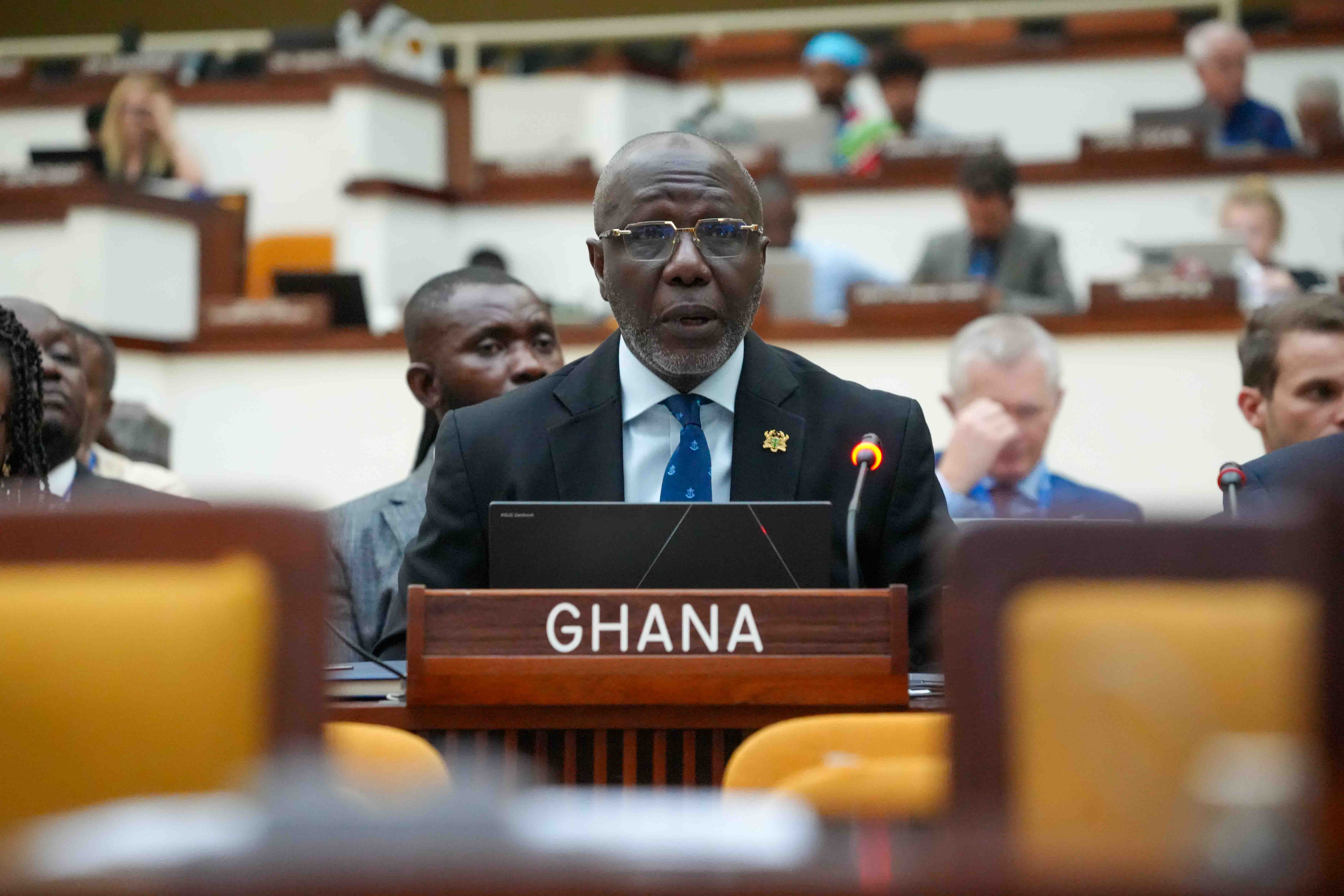
Kamal-Deen Ali, Ghana
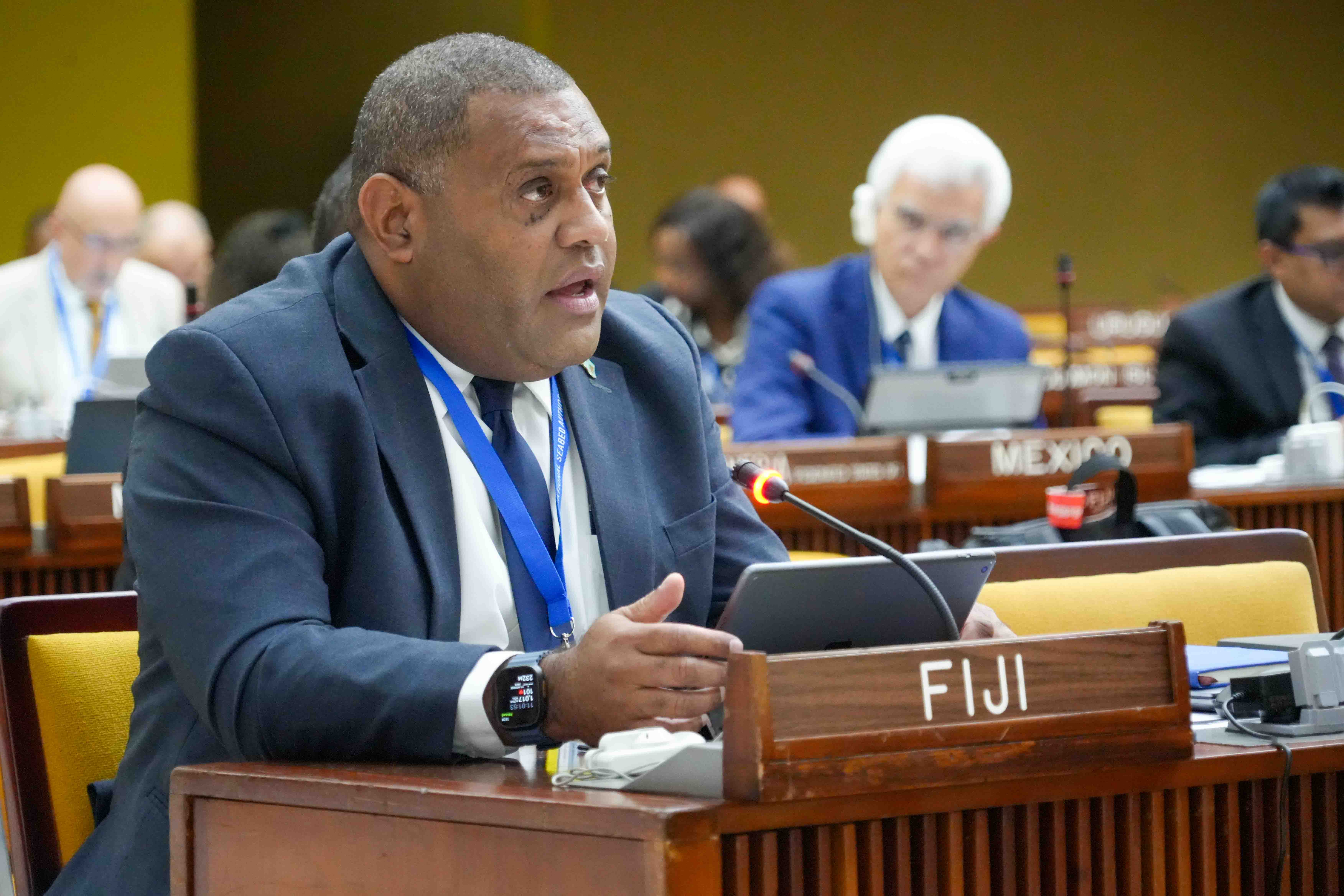
Paula Cirikiyasawa, Fiji
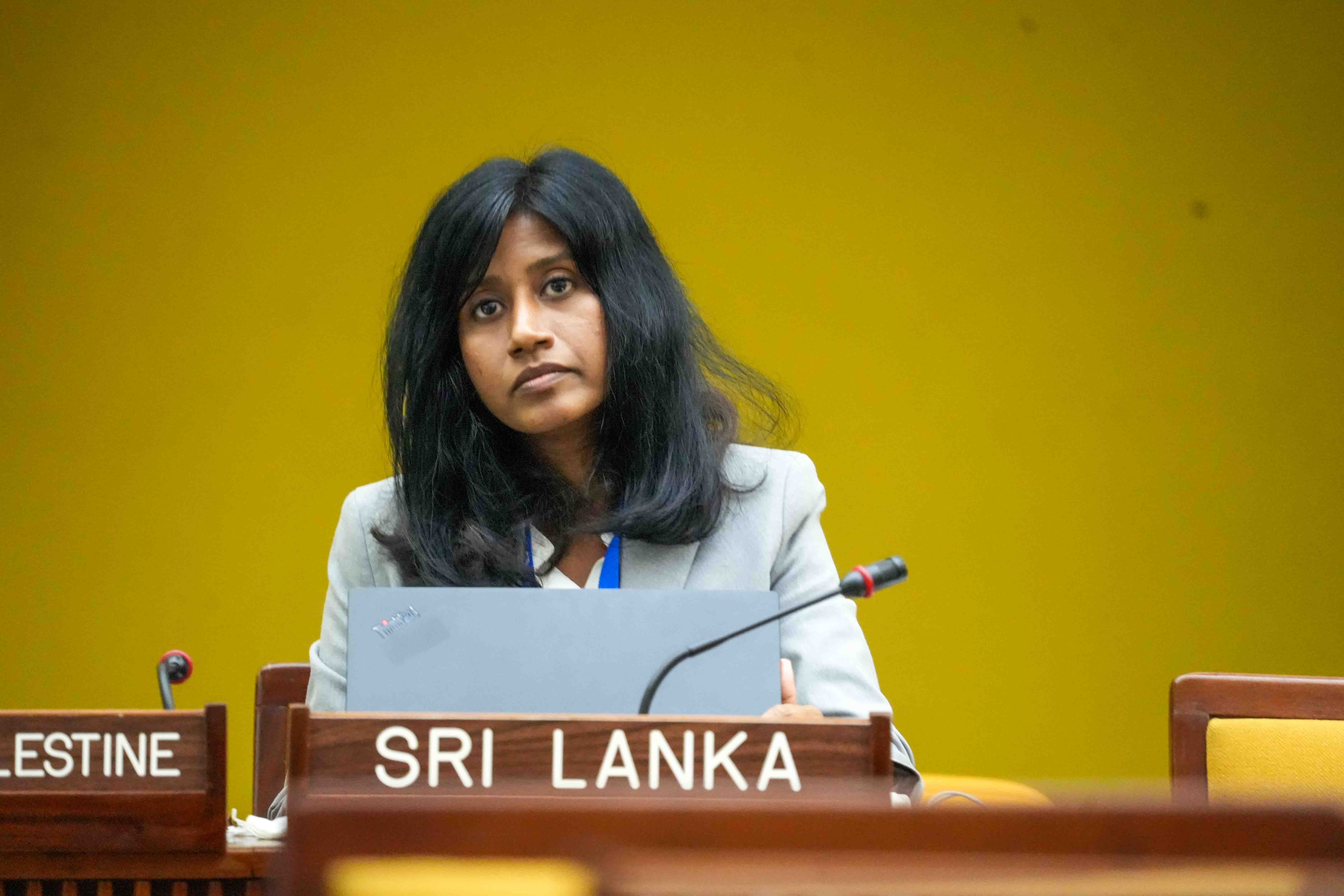
Harshani Pathmakulasooriya, Sri Lanka
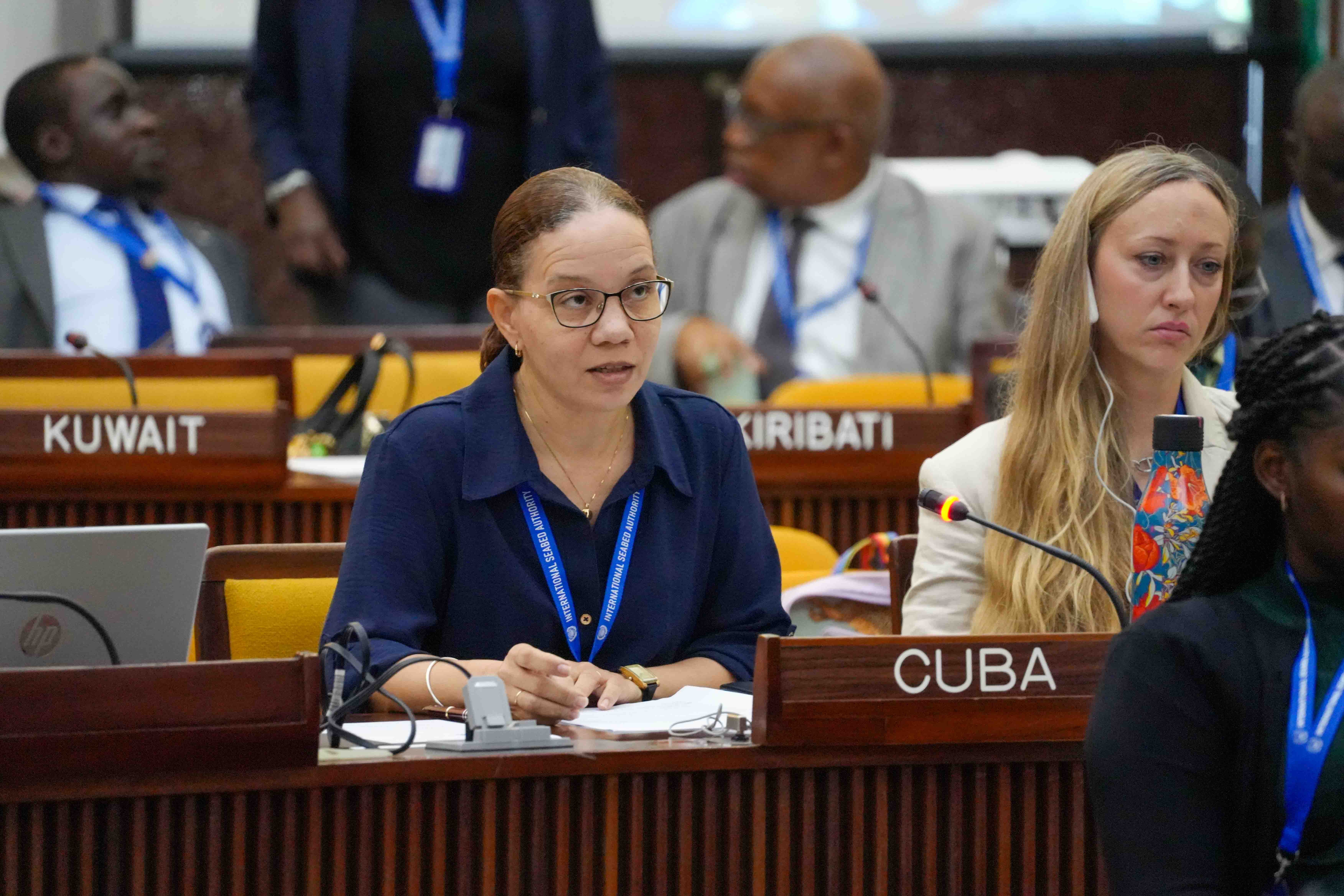
Tania López Larroque, Cuba

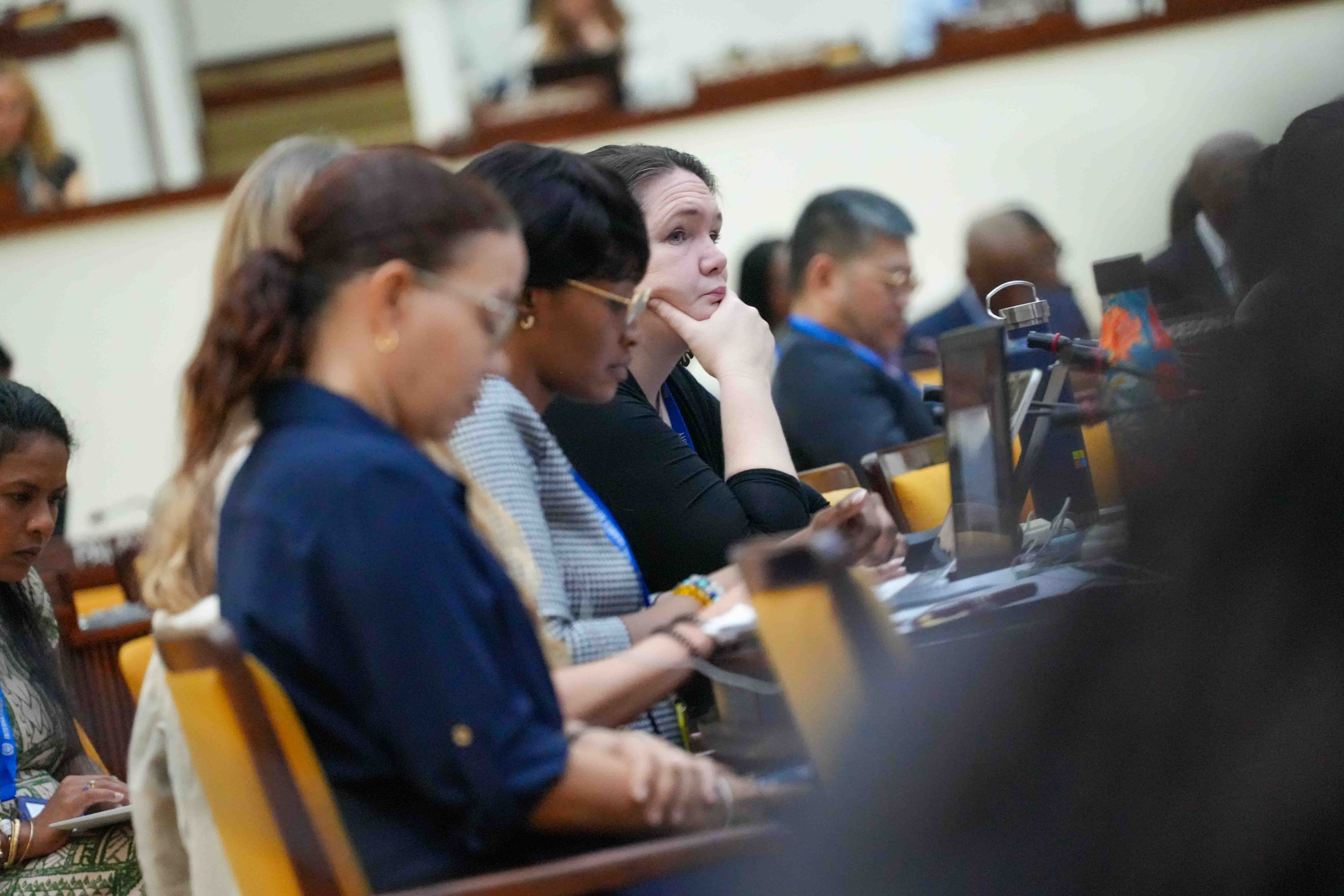
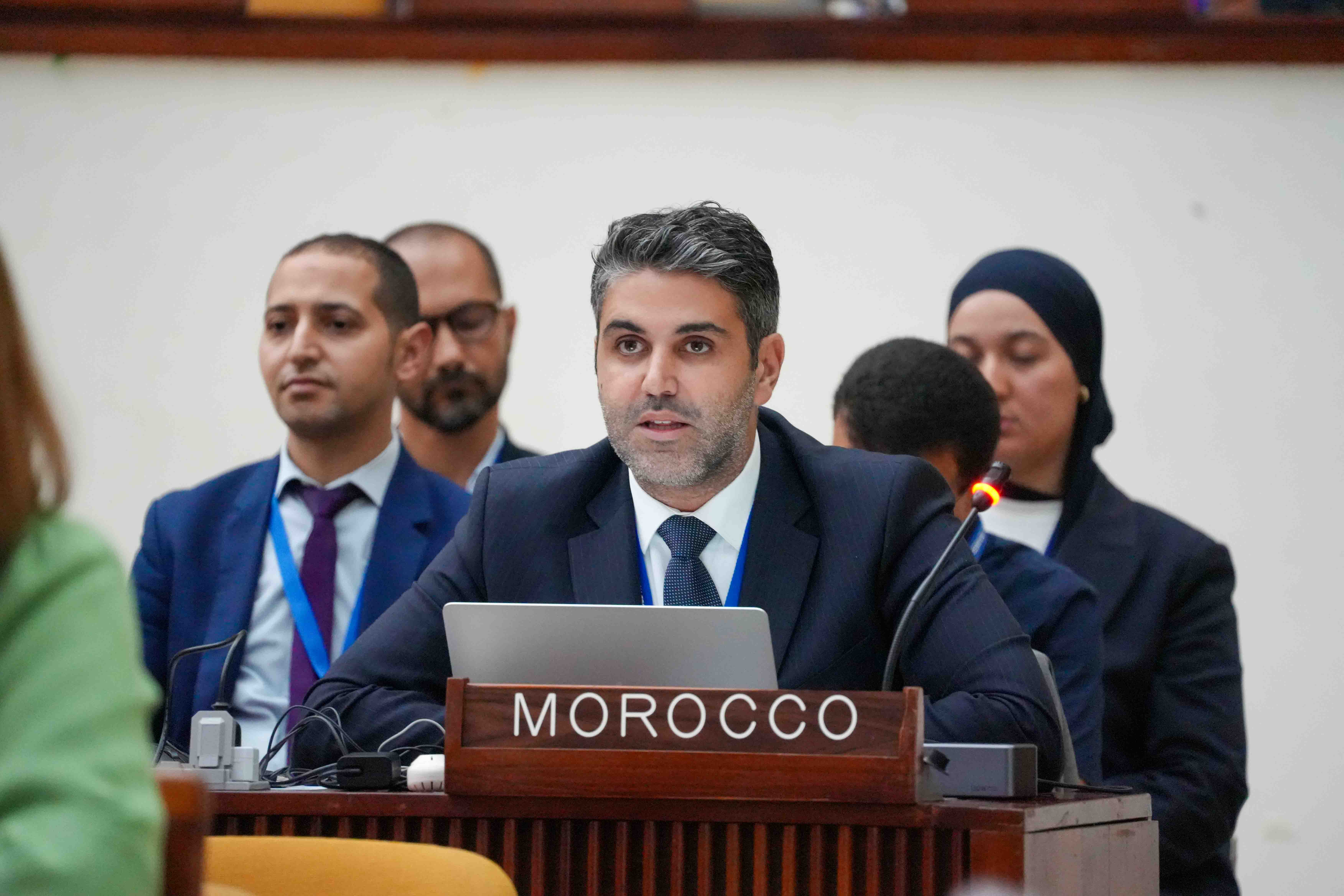
Zakaria Tozy, Morocco

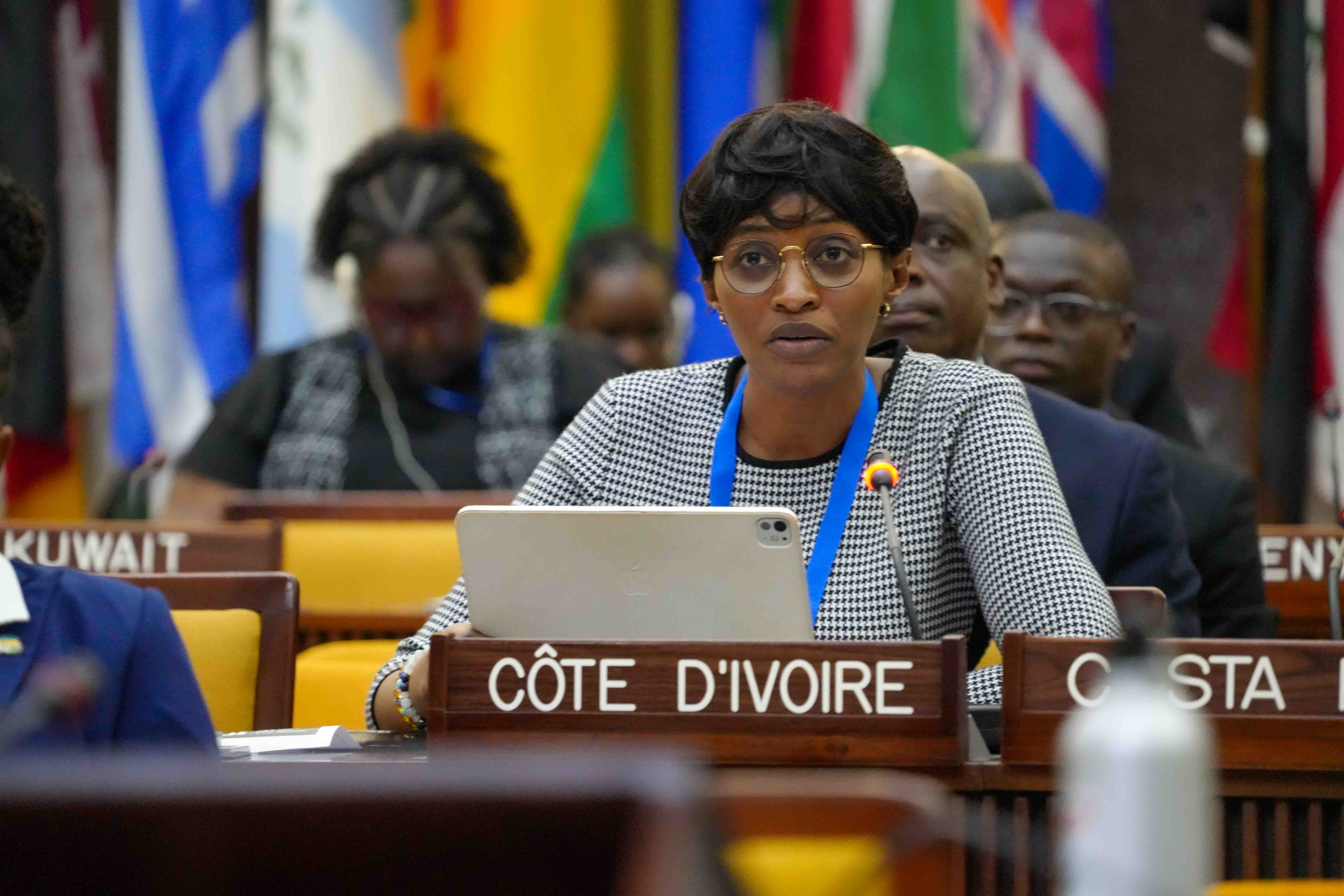
Horokia Mockey, Côte d'Ivoire
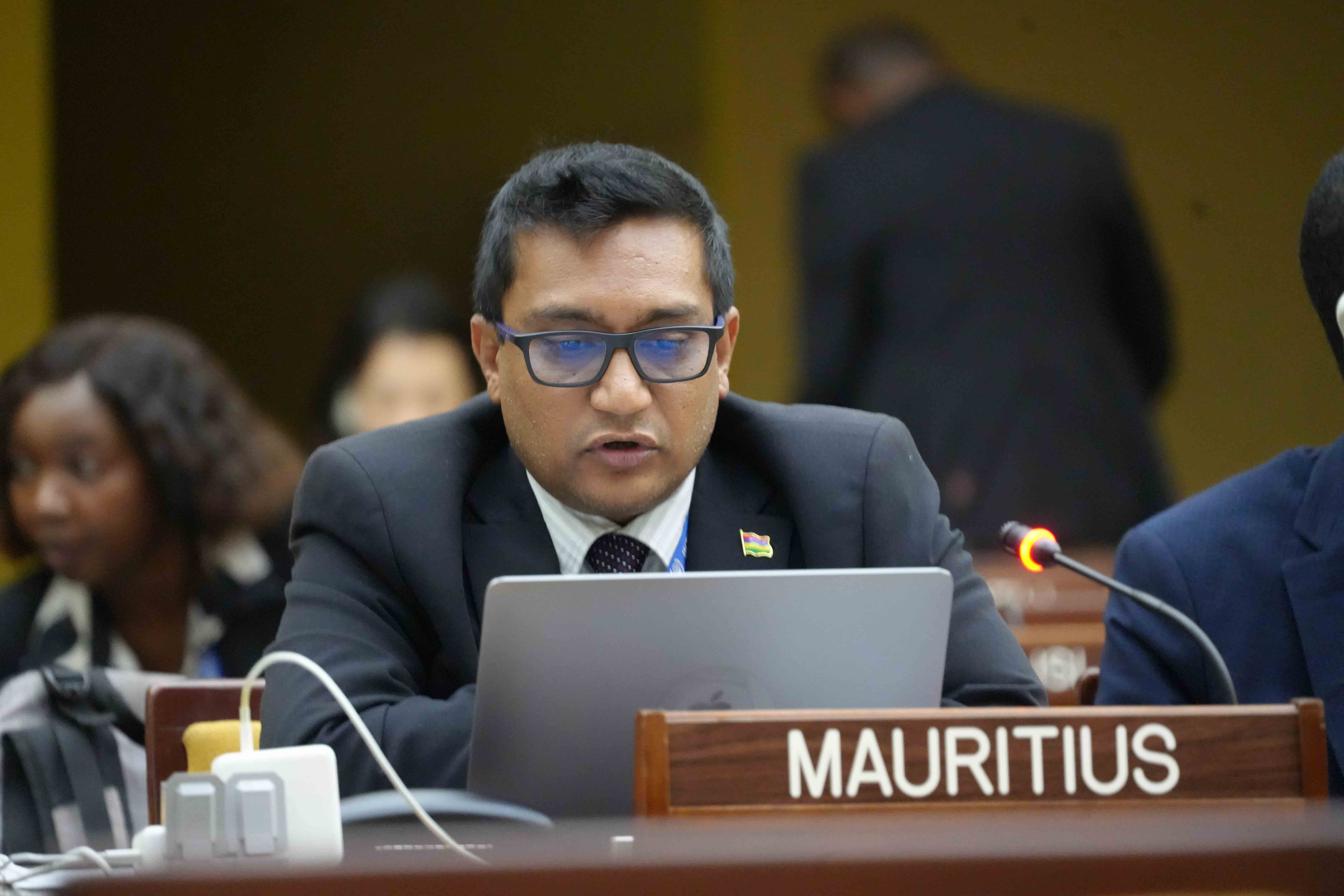
Prithivi Dass Bissessur, Mauritius
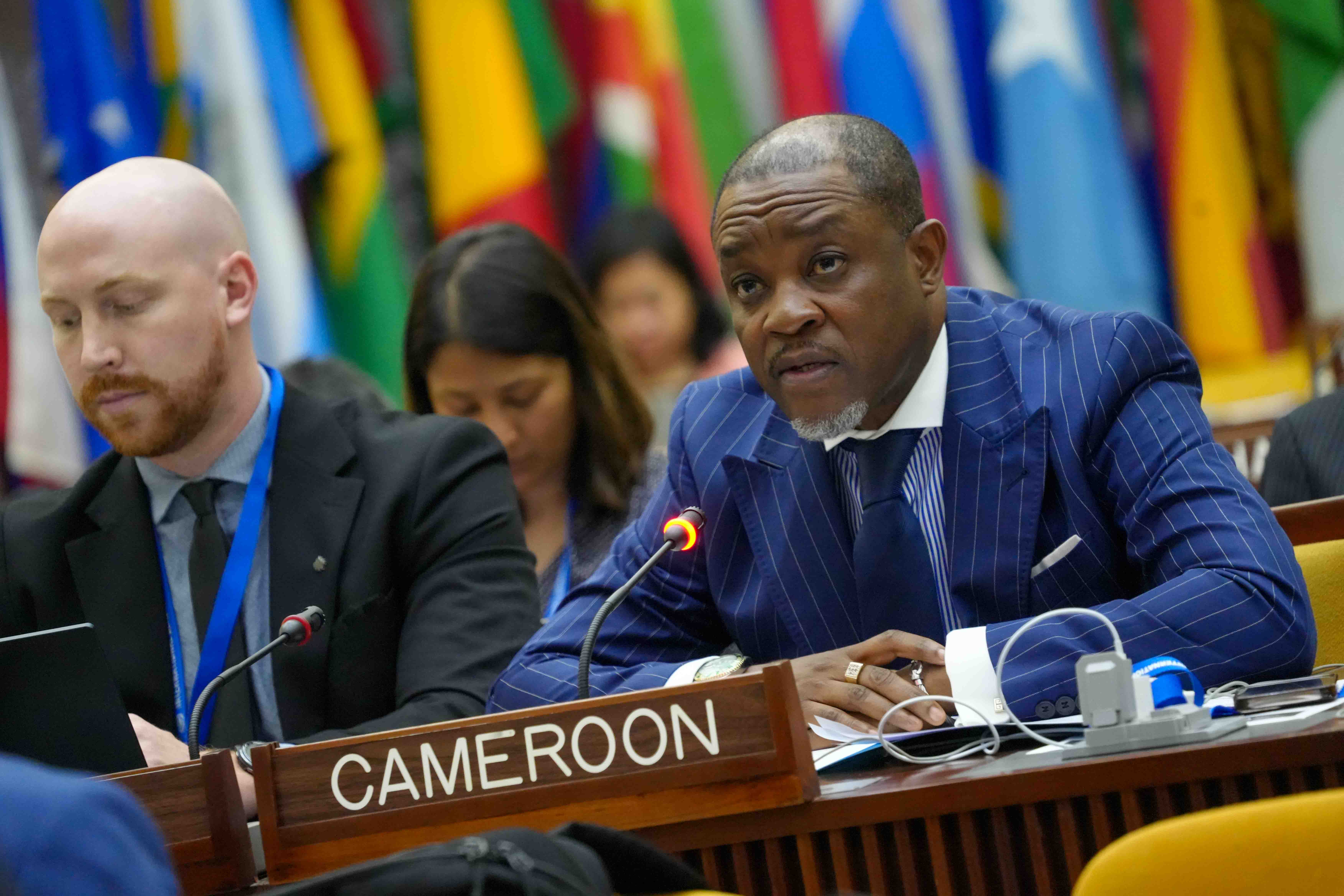
Chinmoun Oumarou, Cameroon
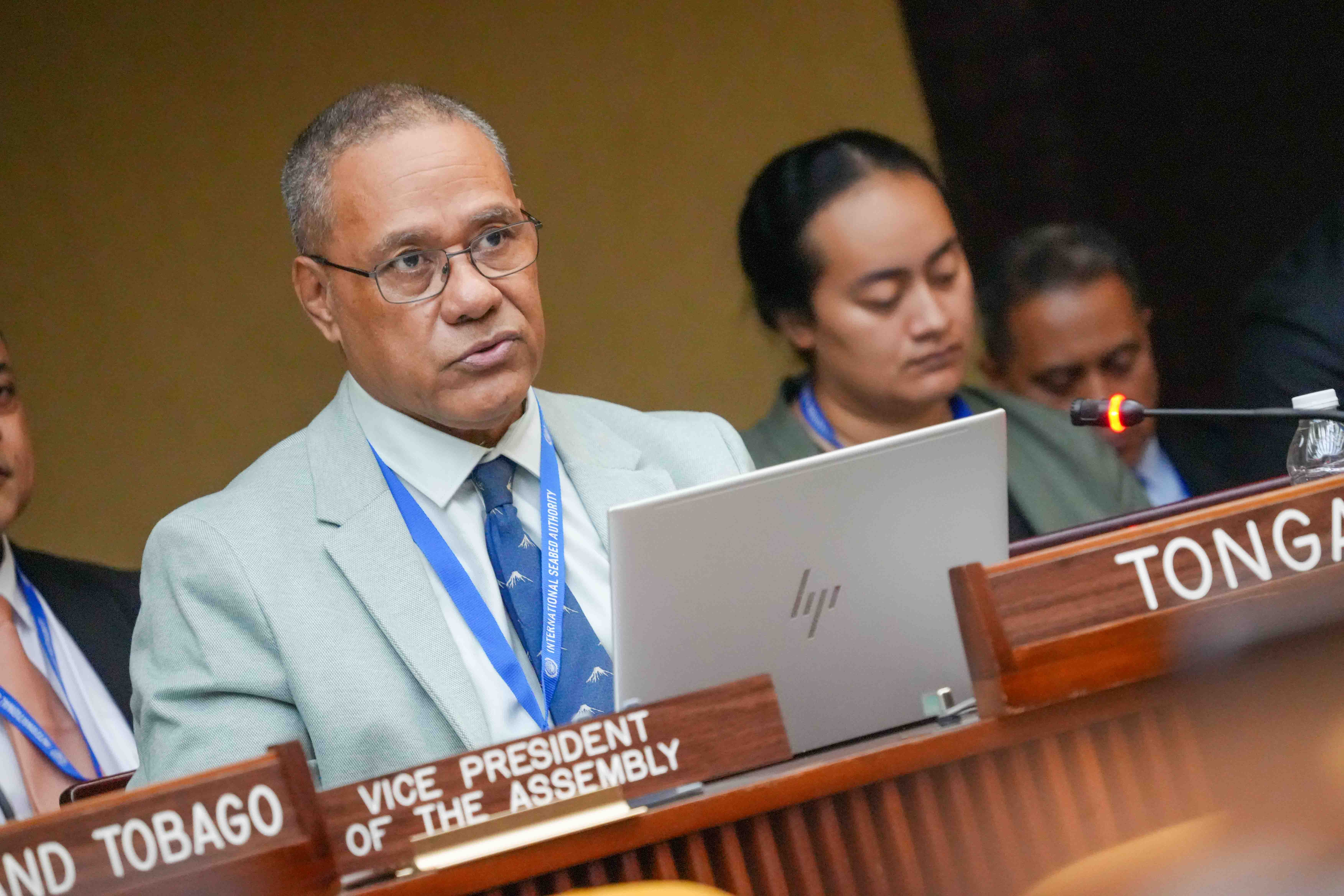
Taniela Fusimalohi, Tonga
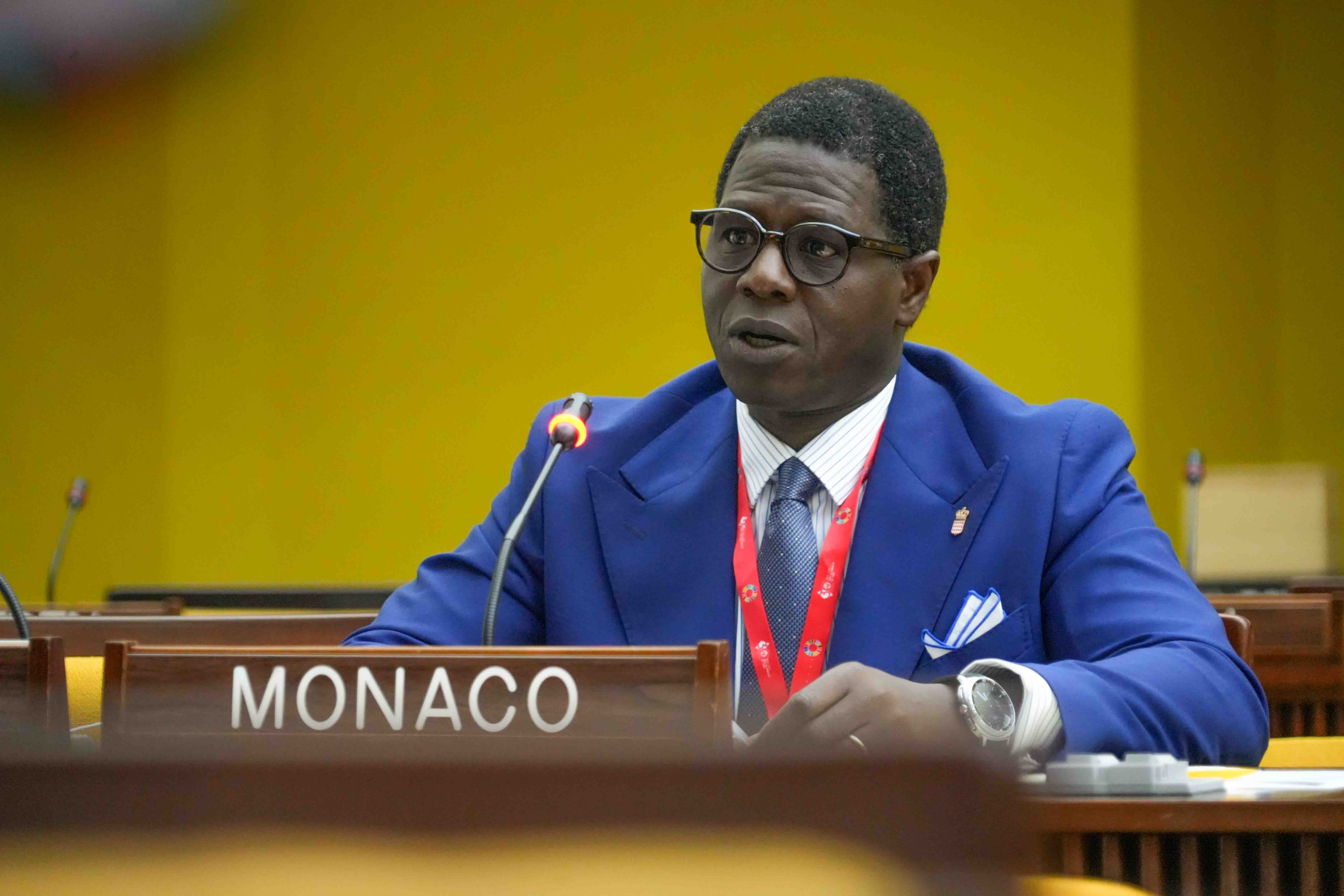
Tidiani Couma, Monaco
Between the sessions
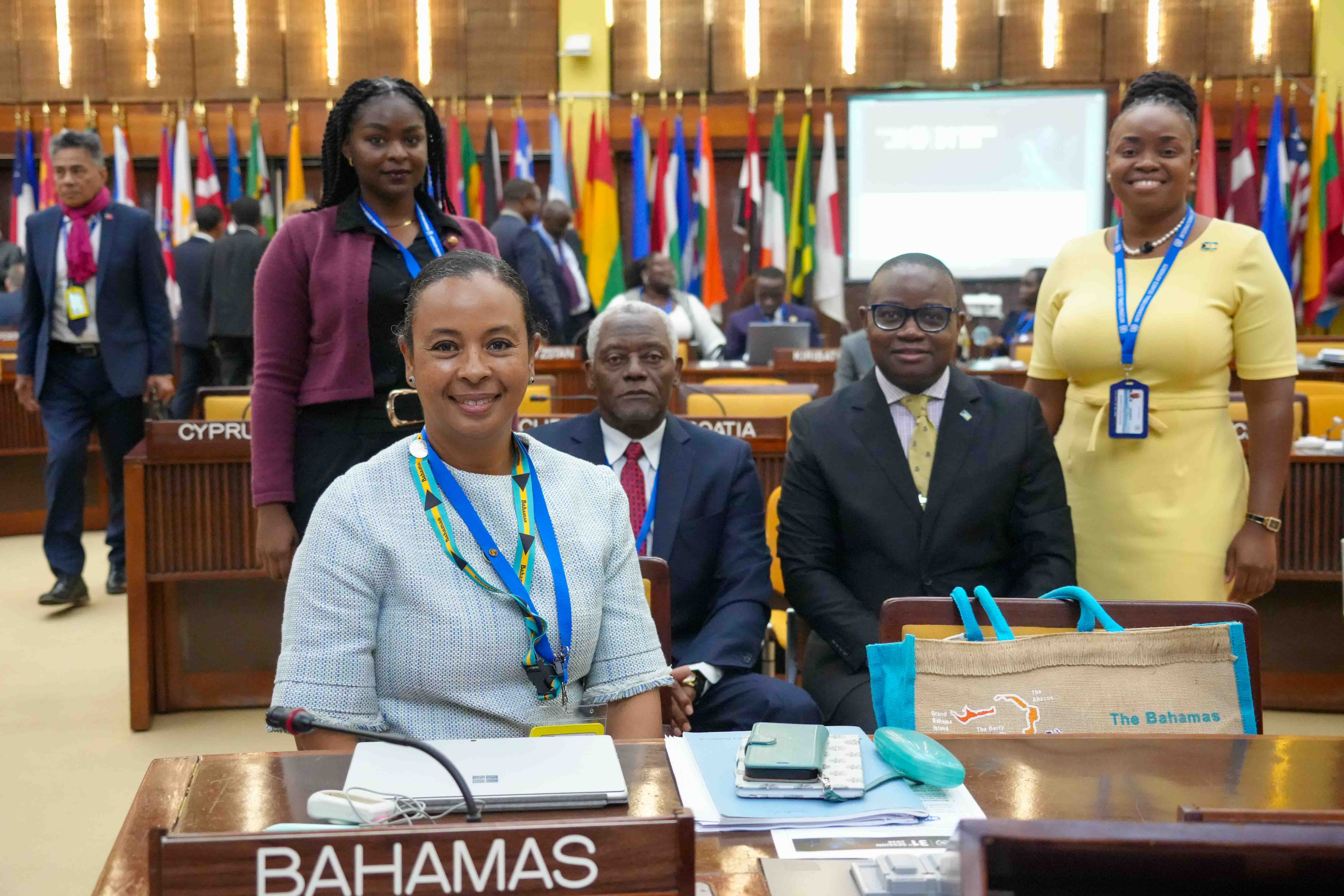
Delegation of The Bahamas
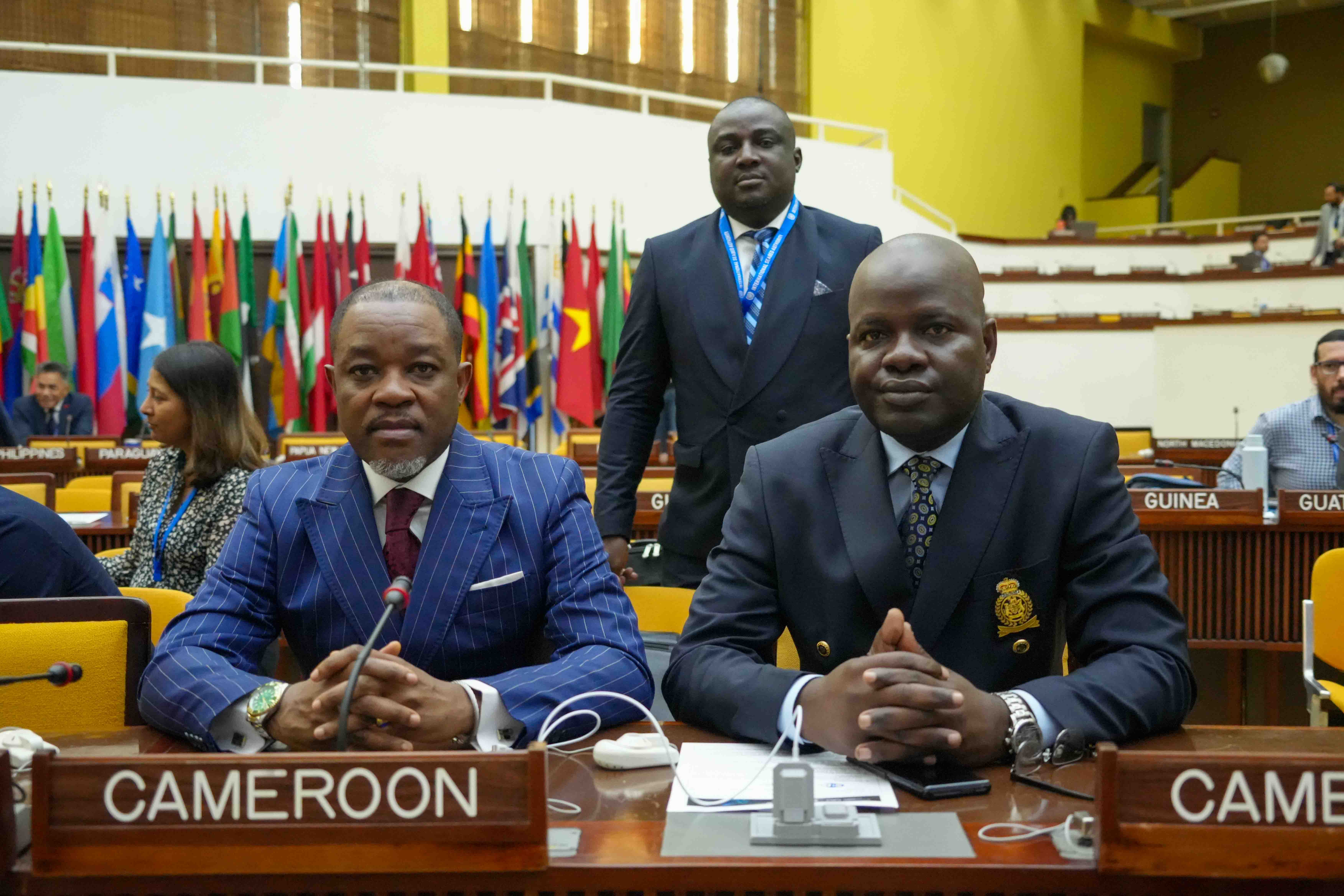
Delegation of Cameroon
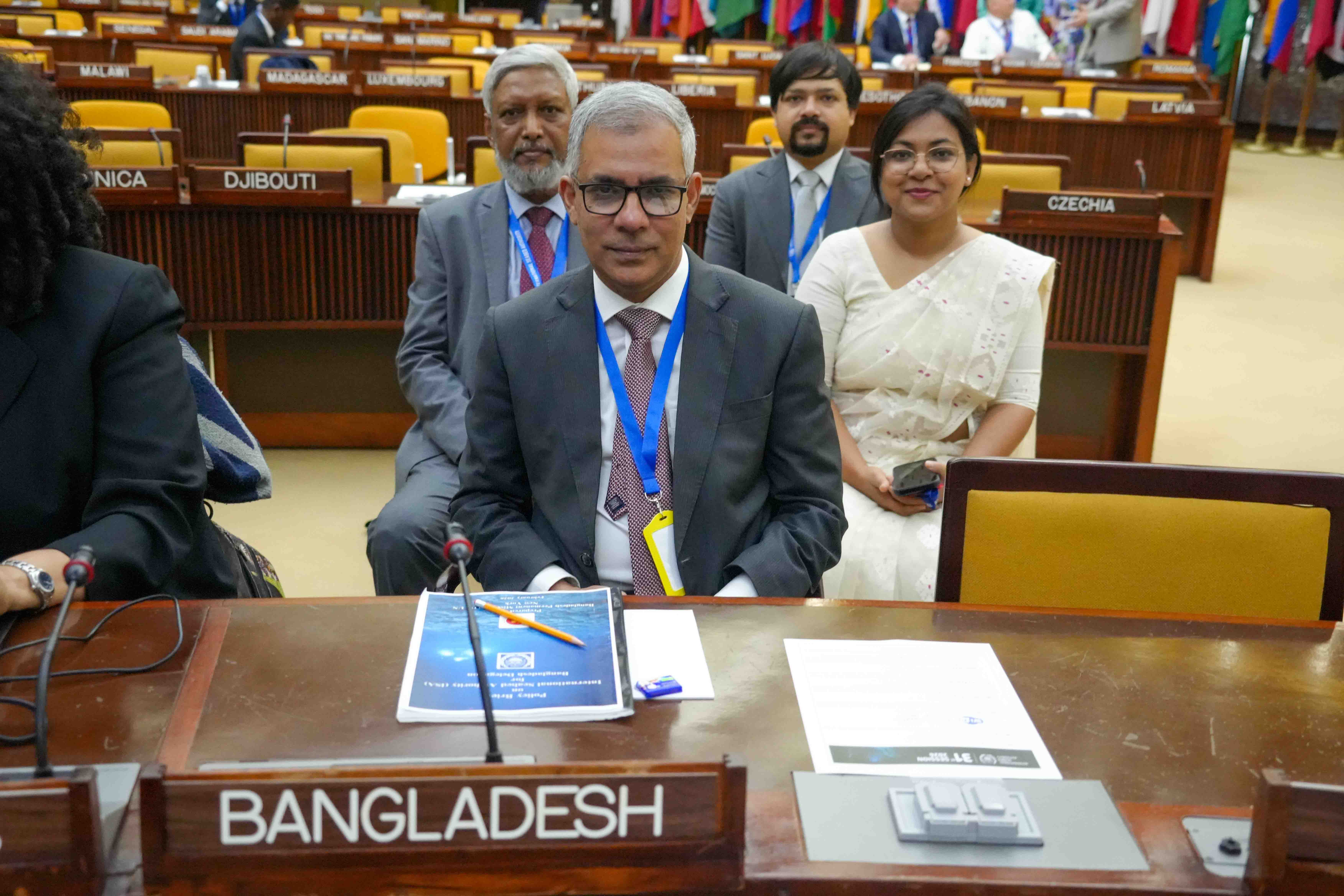
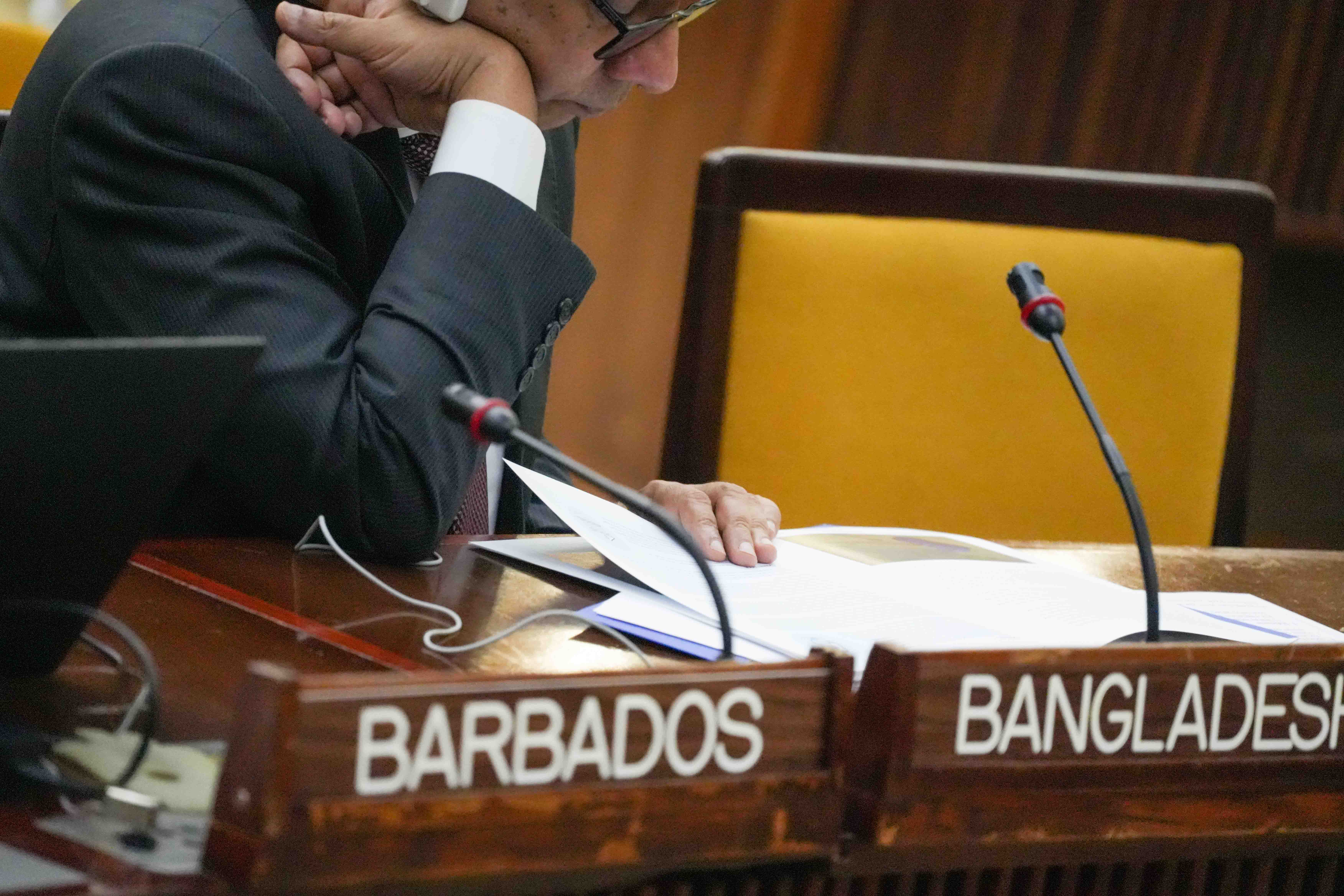
Delegation of Bangladesh
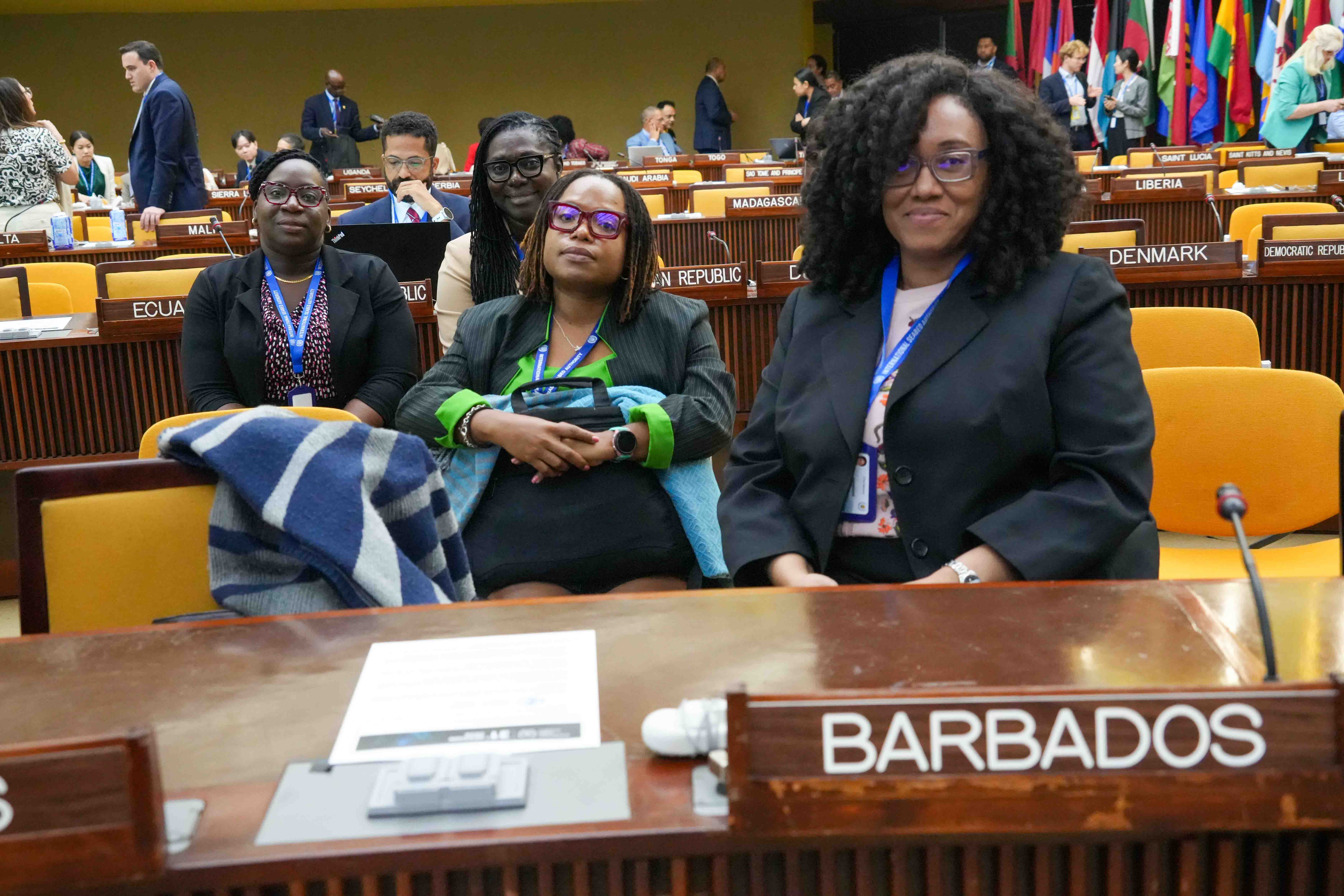
Delegation of Barbados

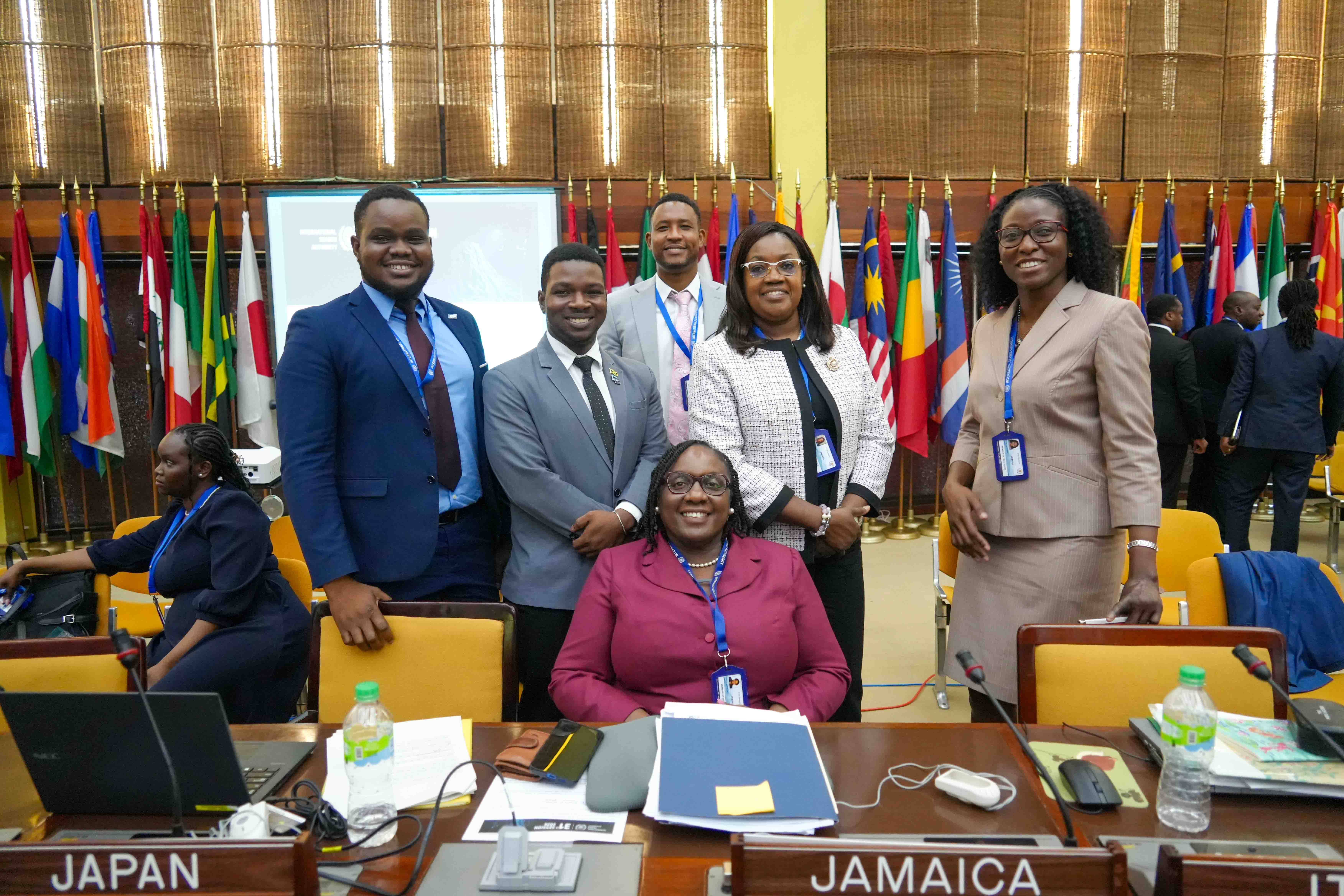
Delegation of Jamaica
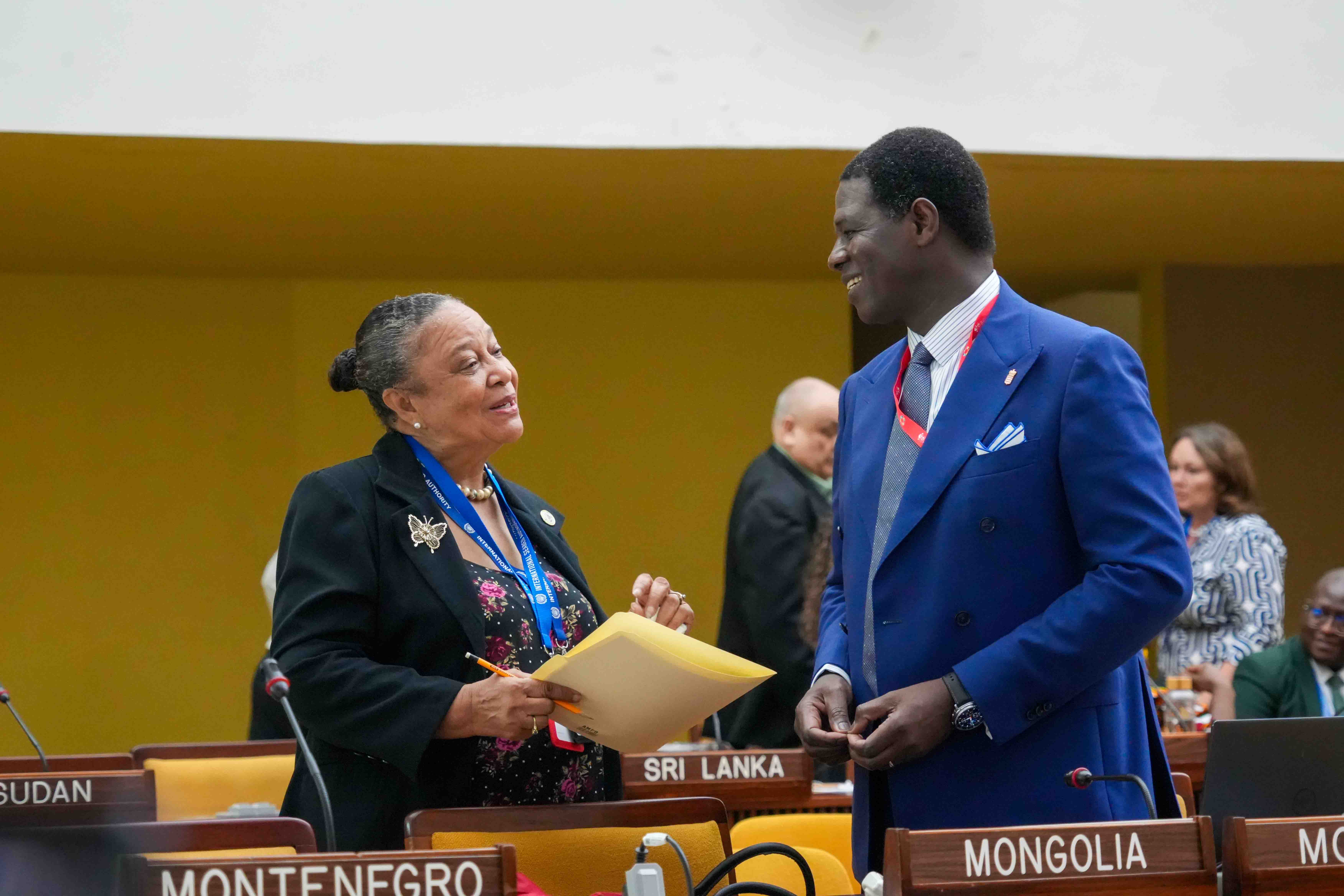
Geraldine Geddes, Secretariat of the Authority, and Tidiani Couma, Monaco
Side Event: Sustainable Seabed Knowledge Initiative (SSKI)
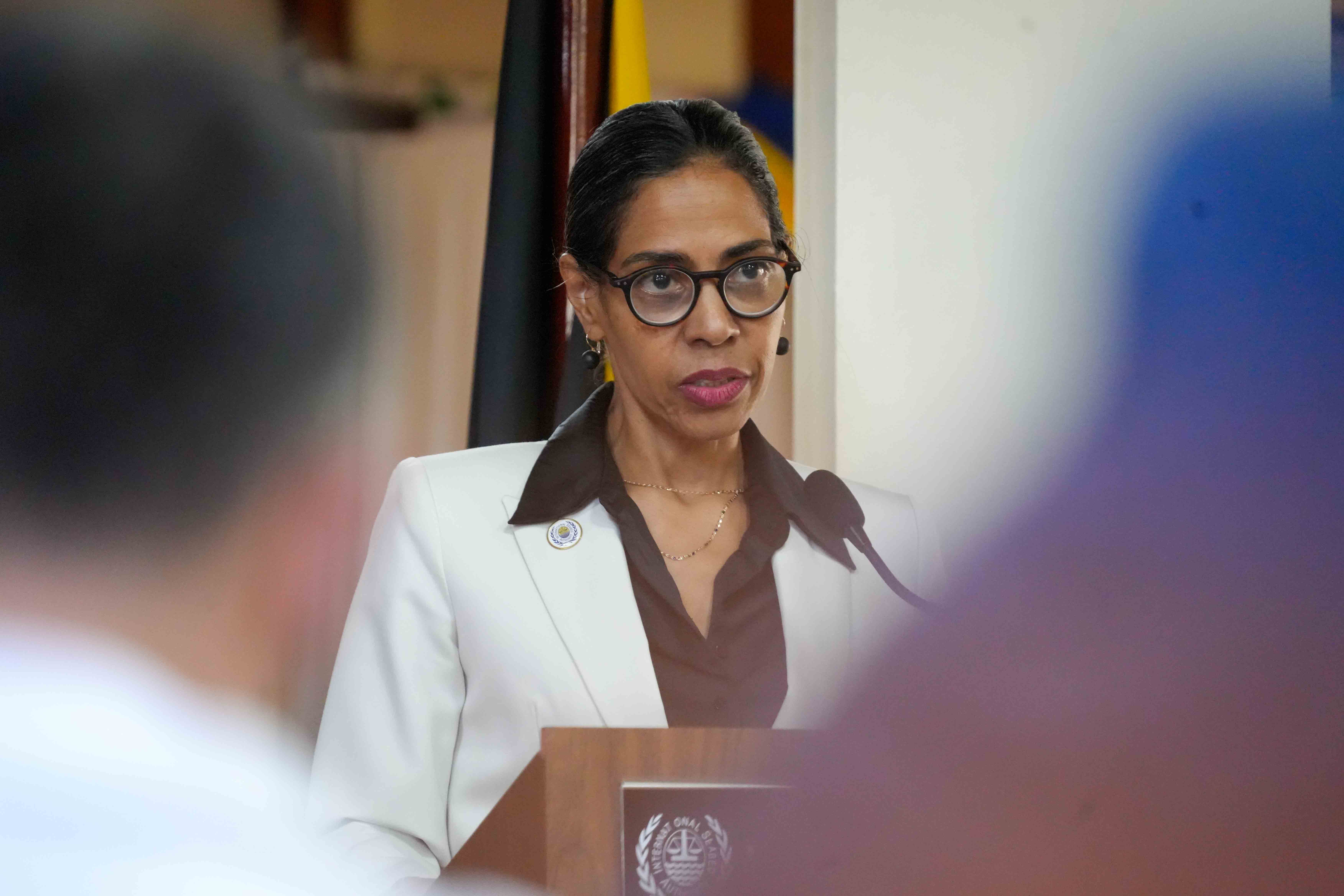
Leticia Carvalho, Secretary-General of the ISA
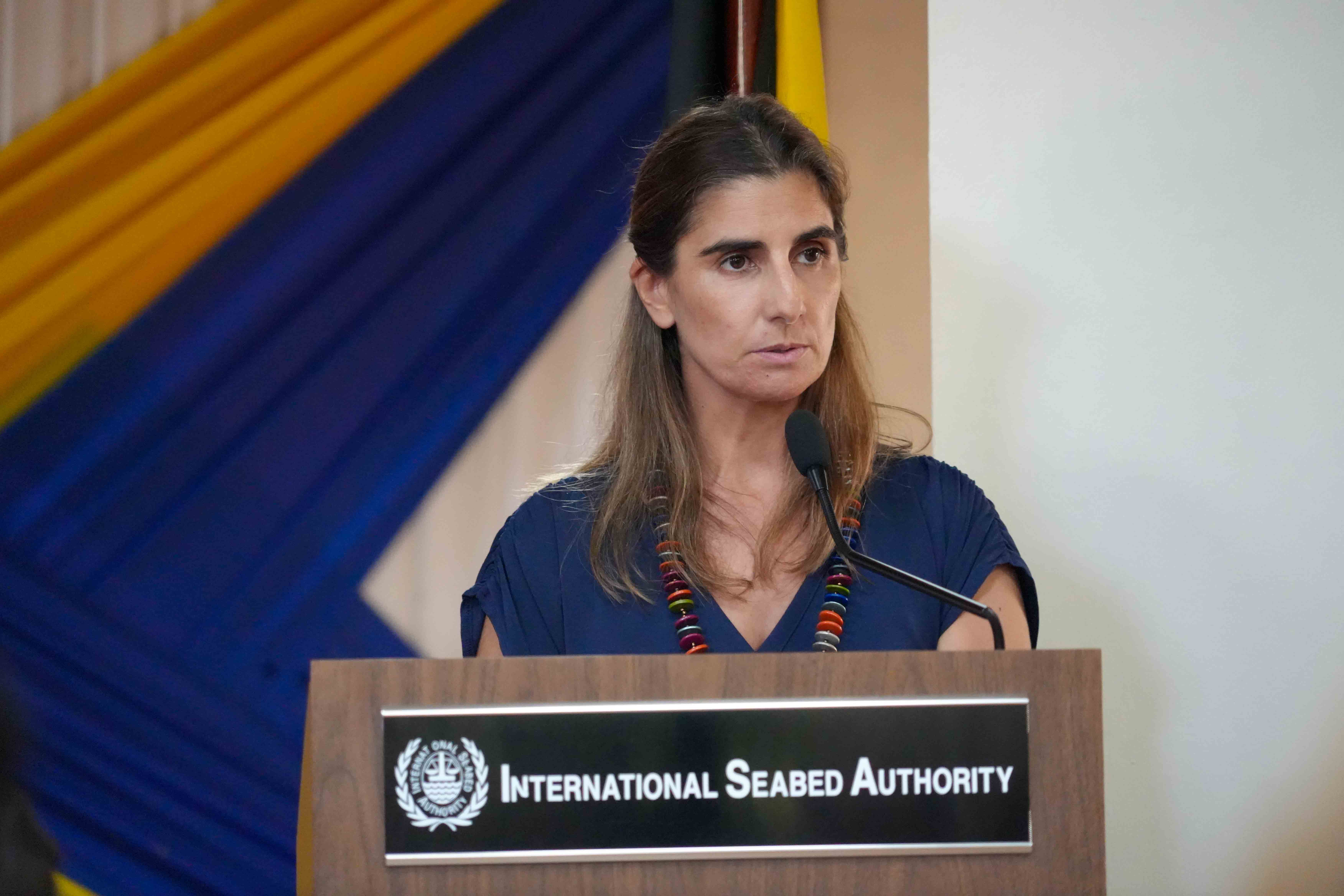
Luciana Genio, Secretariat of the Authority
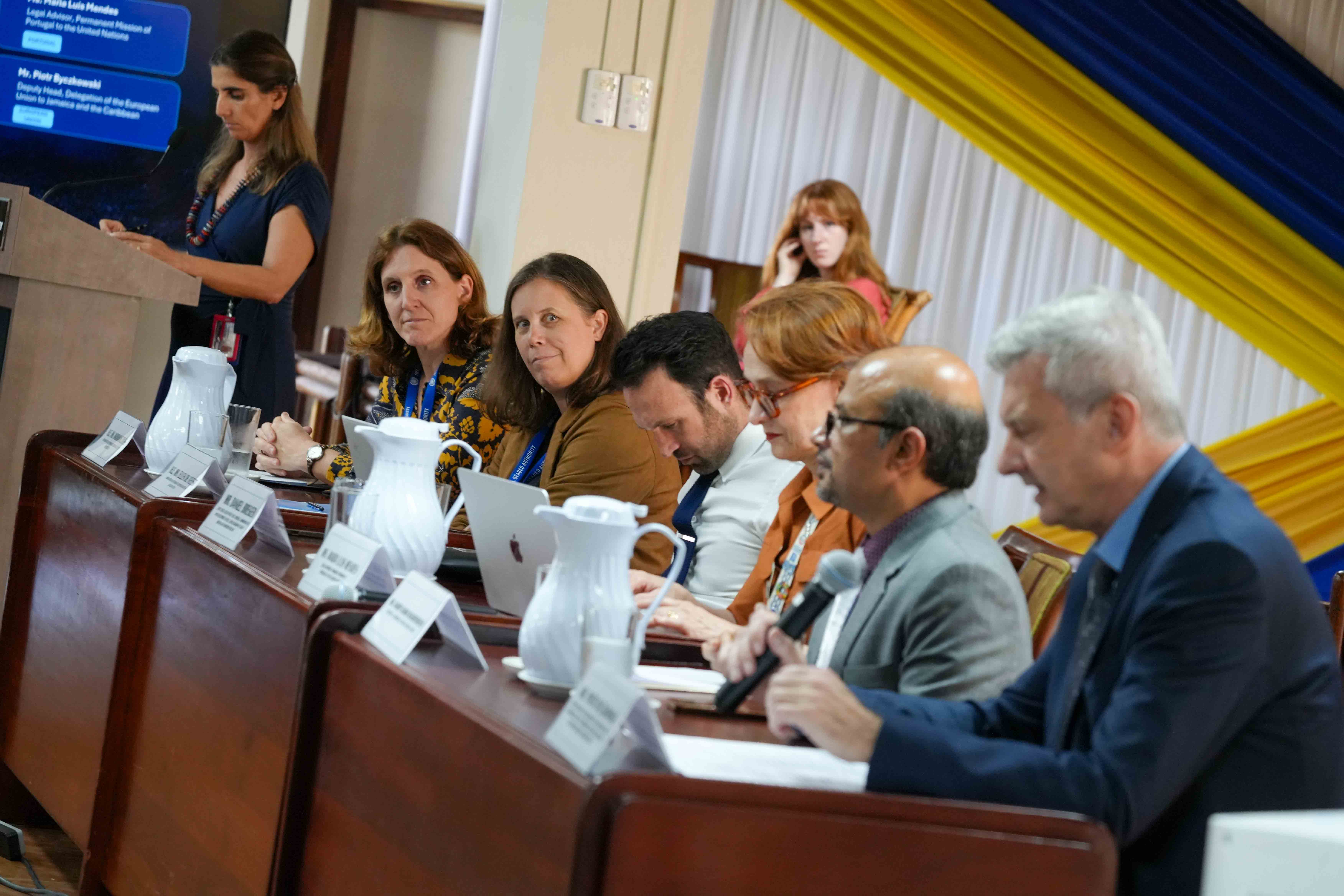
A view of the panelists
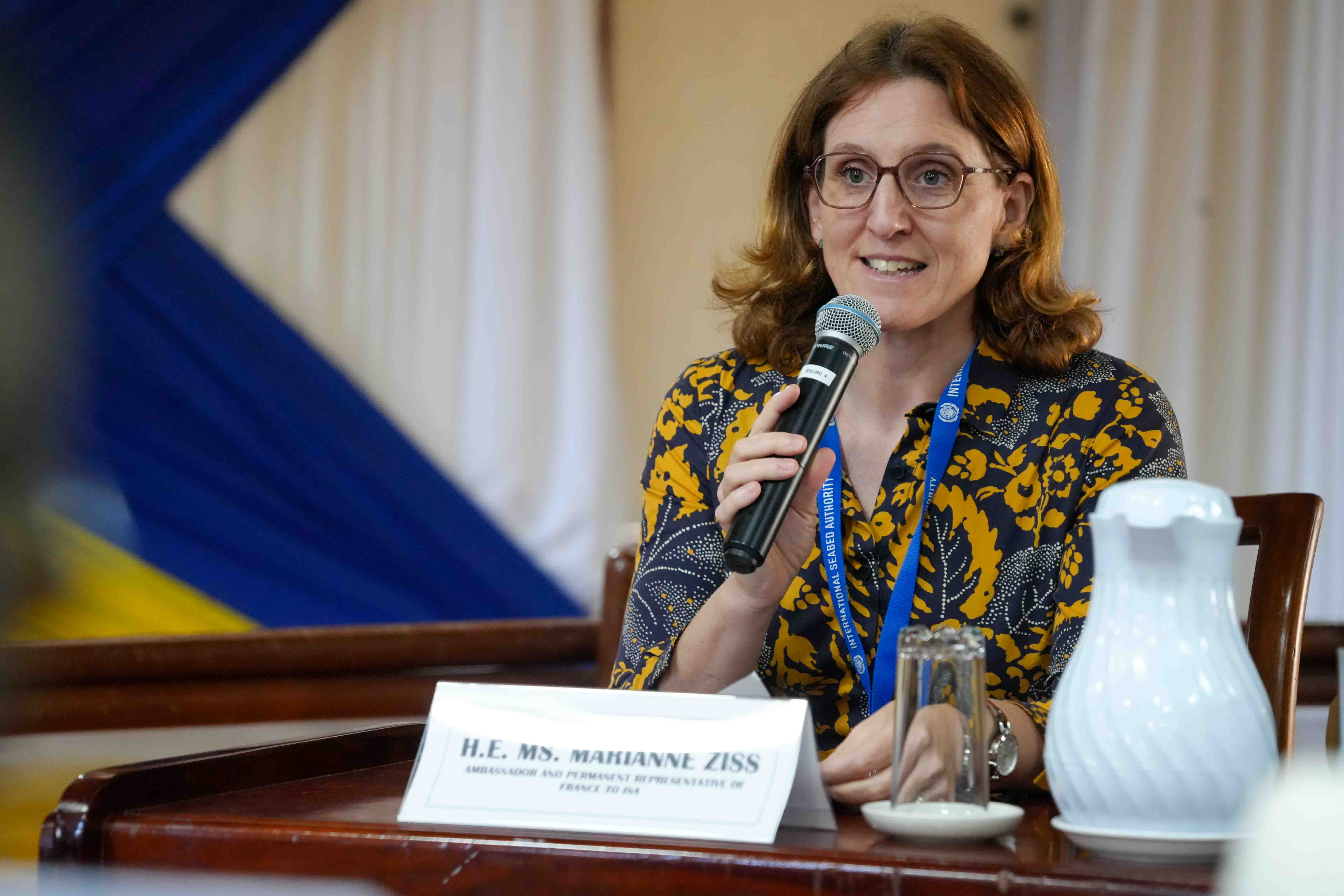
Marianne Ziss, France
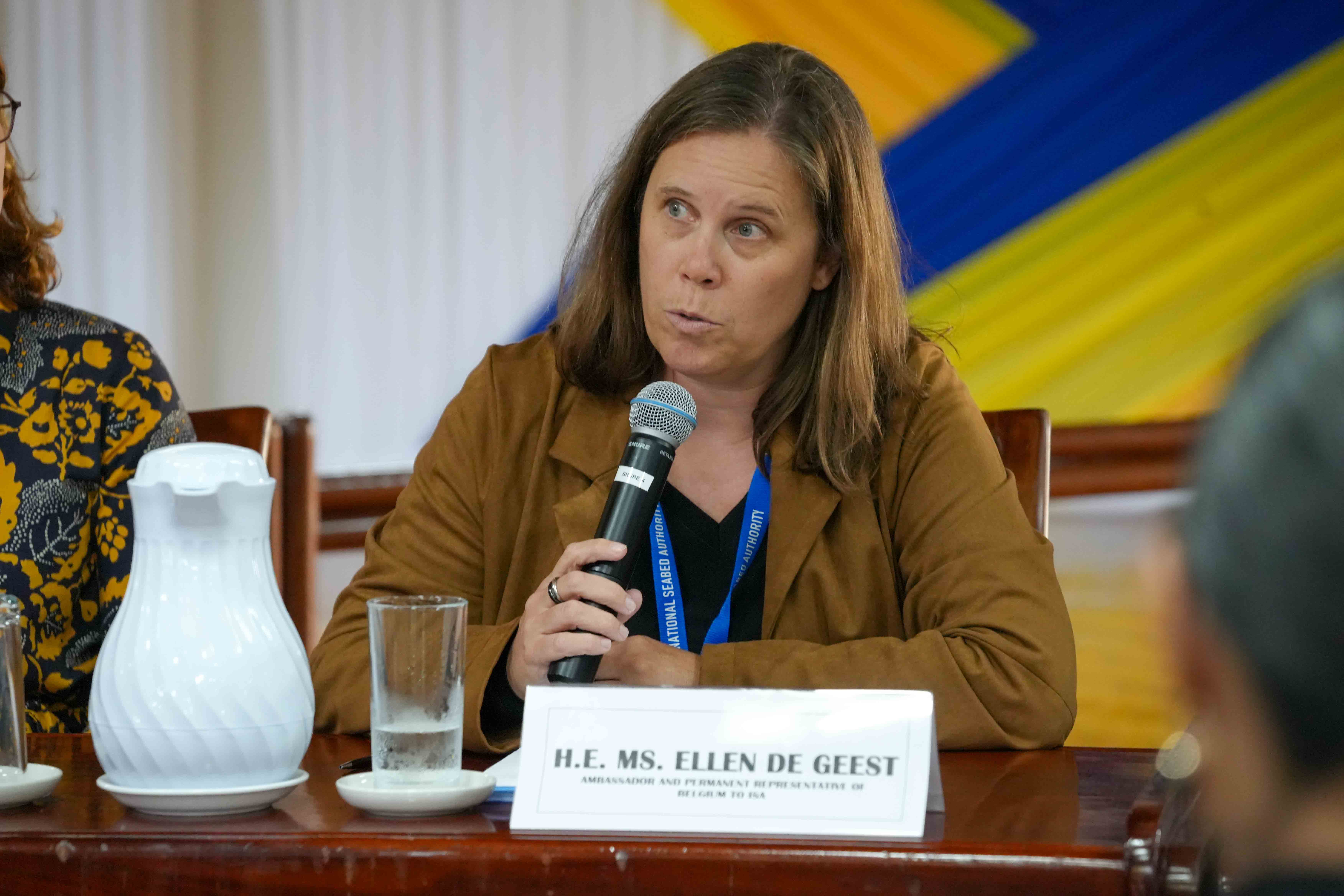
Ellen De Geest, Belgium
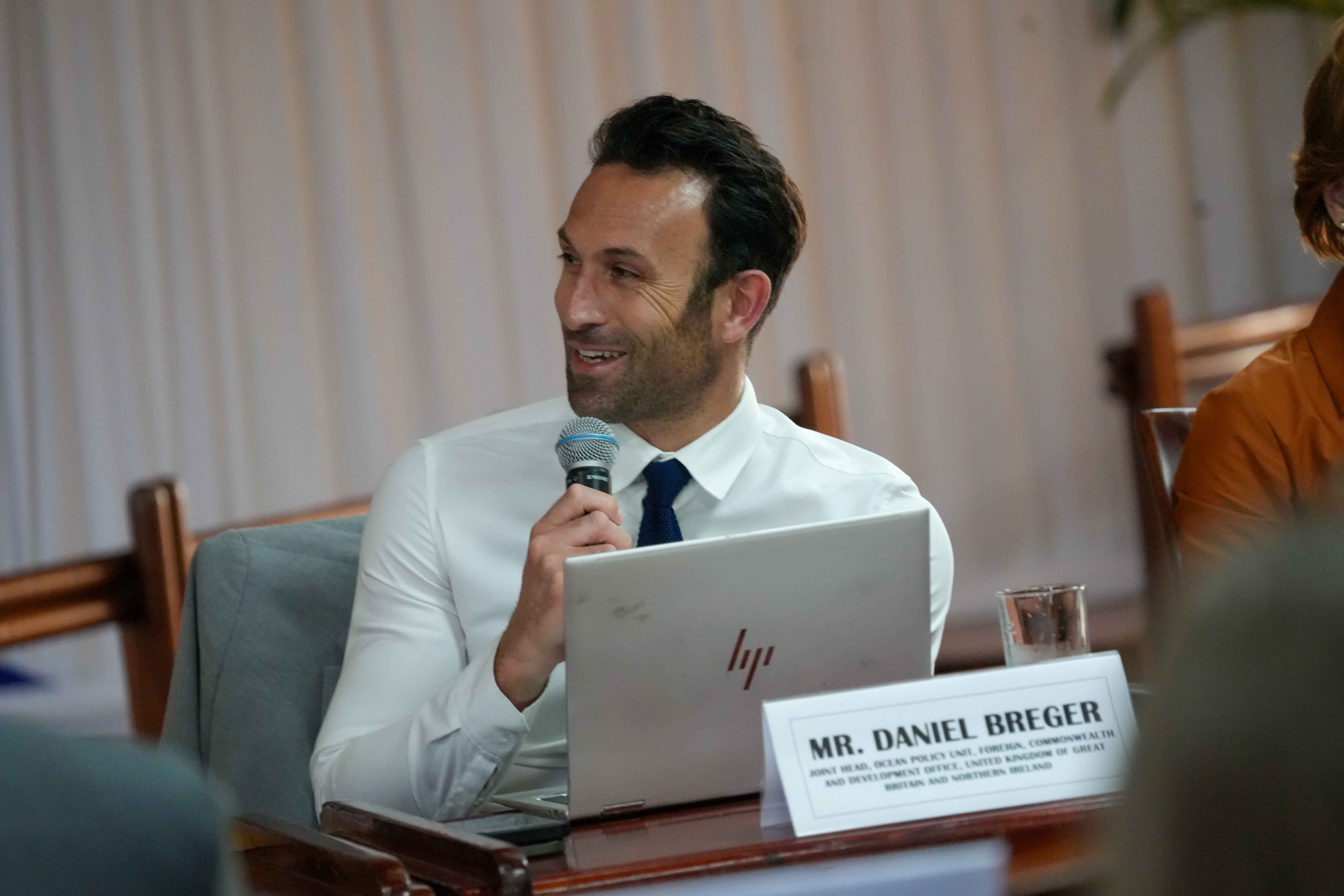
Daniel Breger, UK
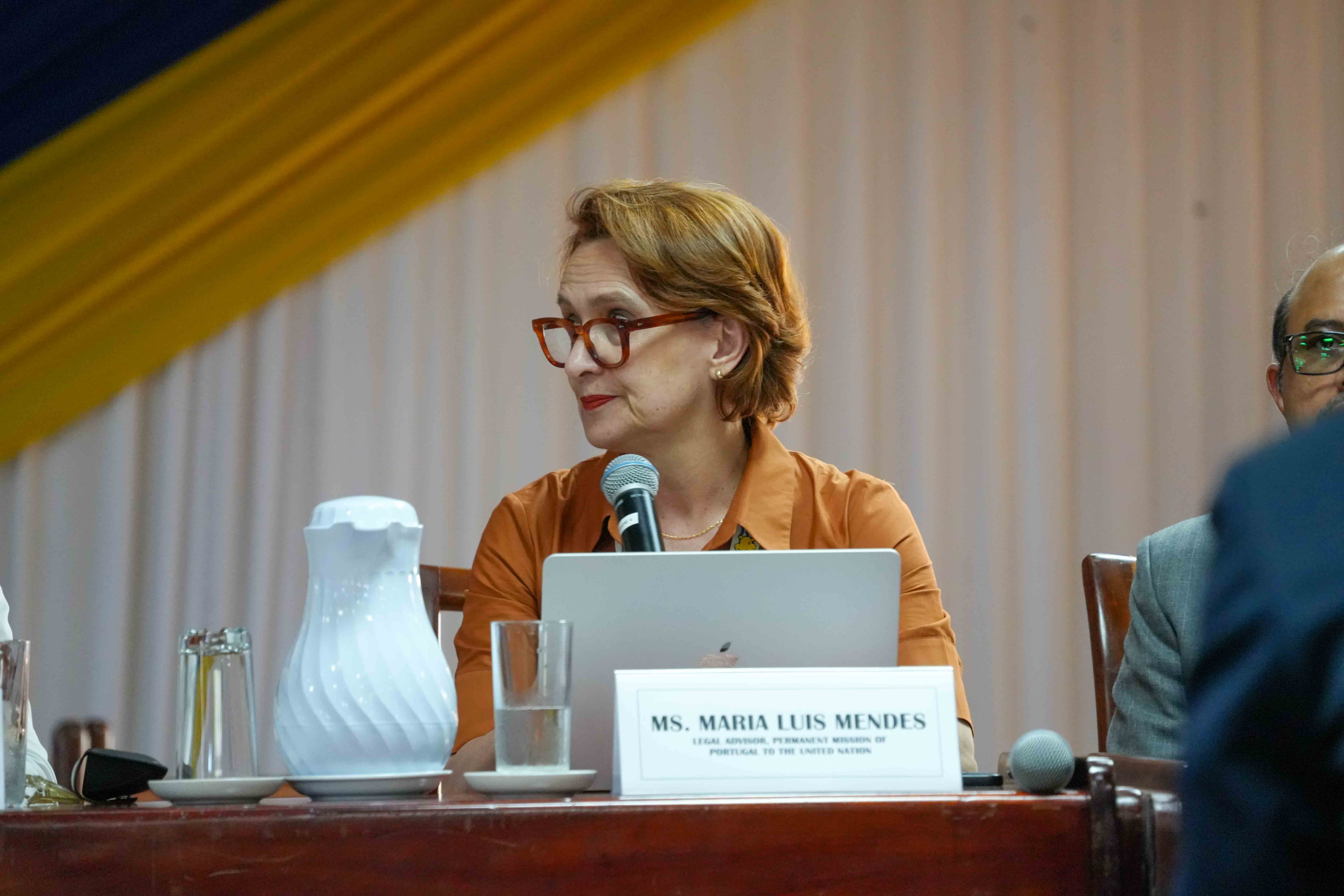
Maria Luís Mendes, Portugal
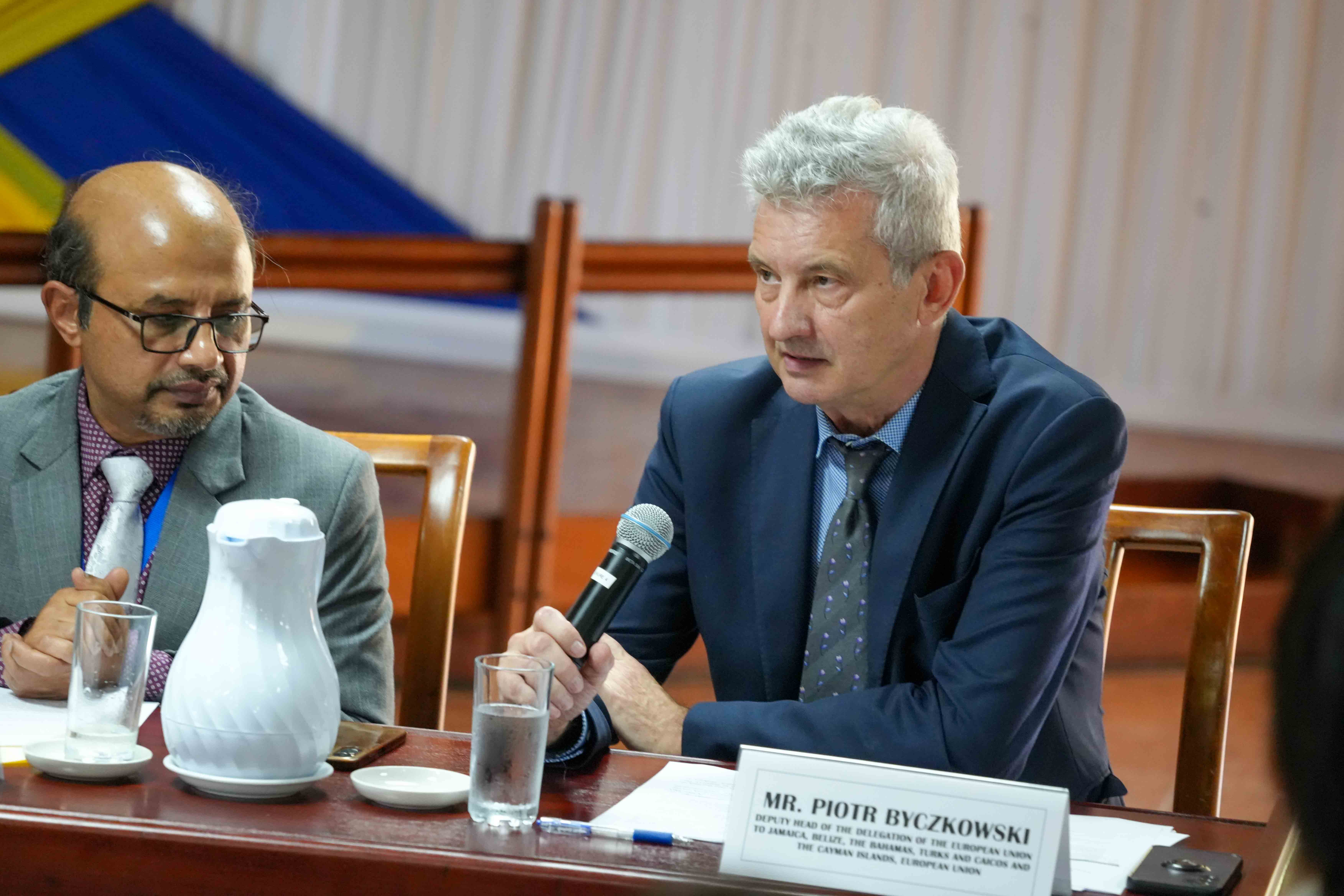
Piotr Byczkowski, EU
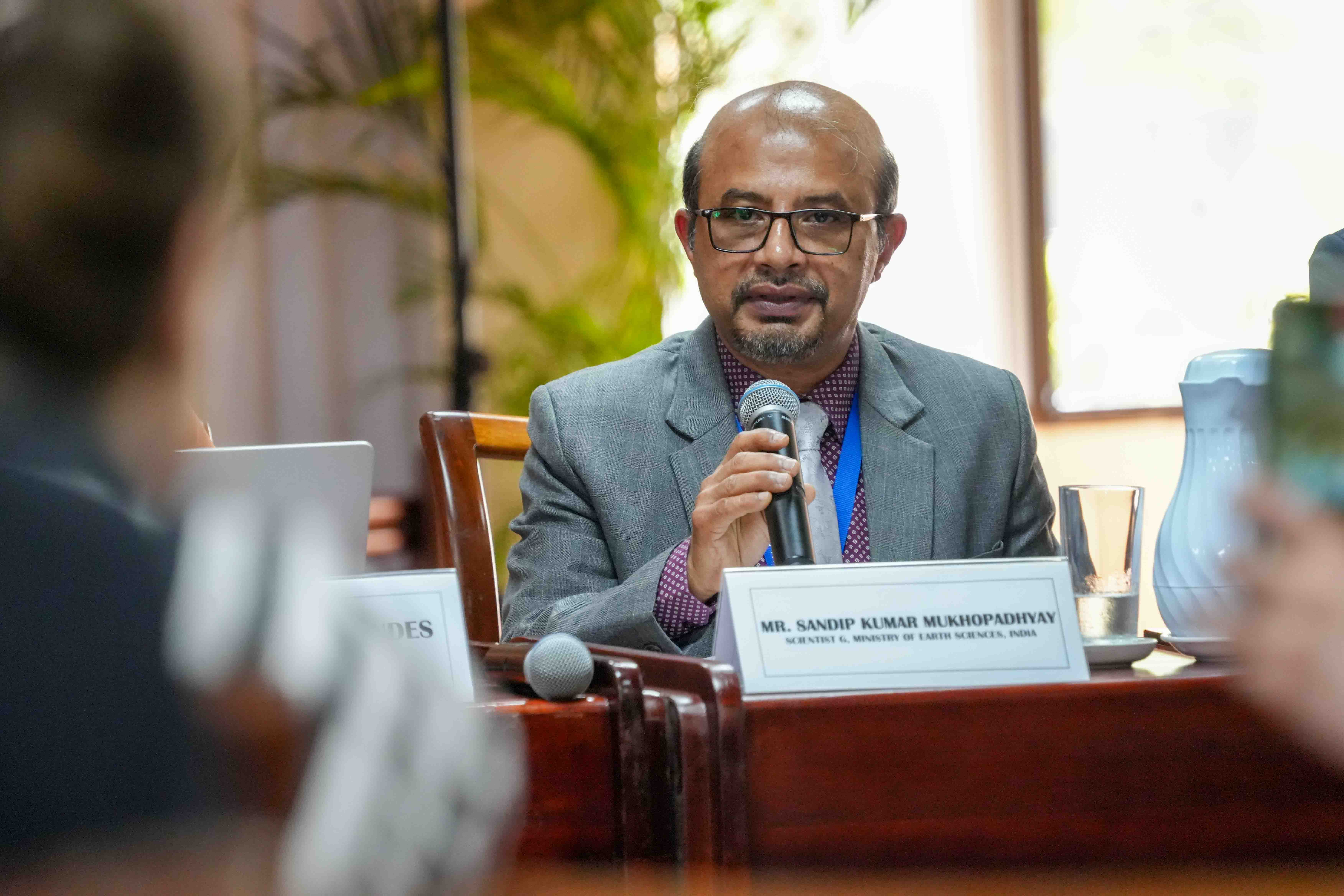
Sandip Mukhopadhyay, India
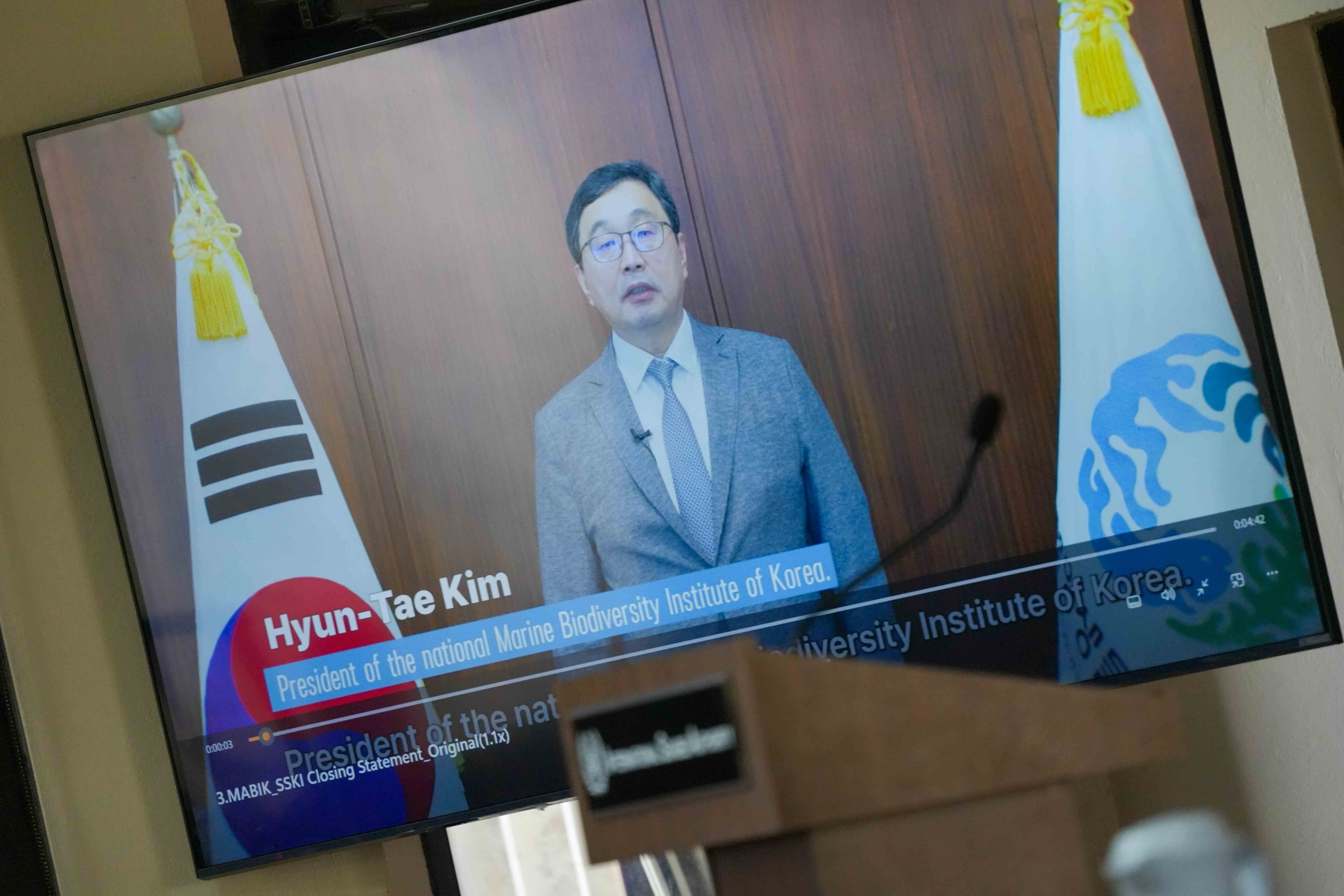
Hyun-Tae Kim, Republic of Korea
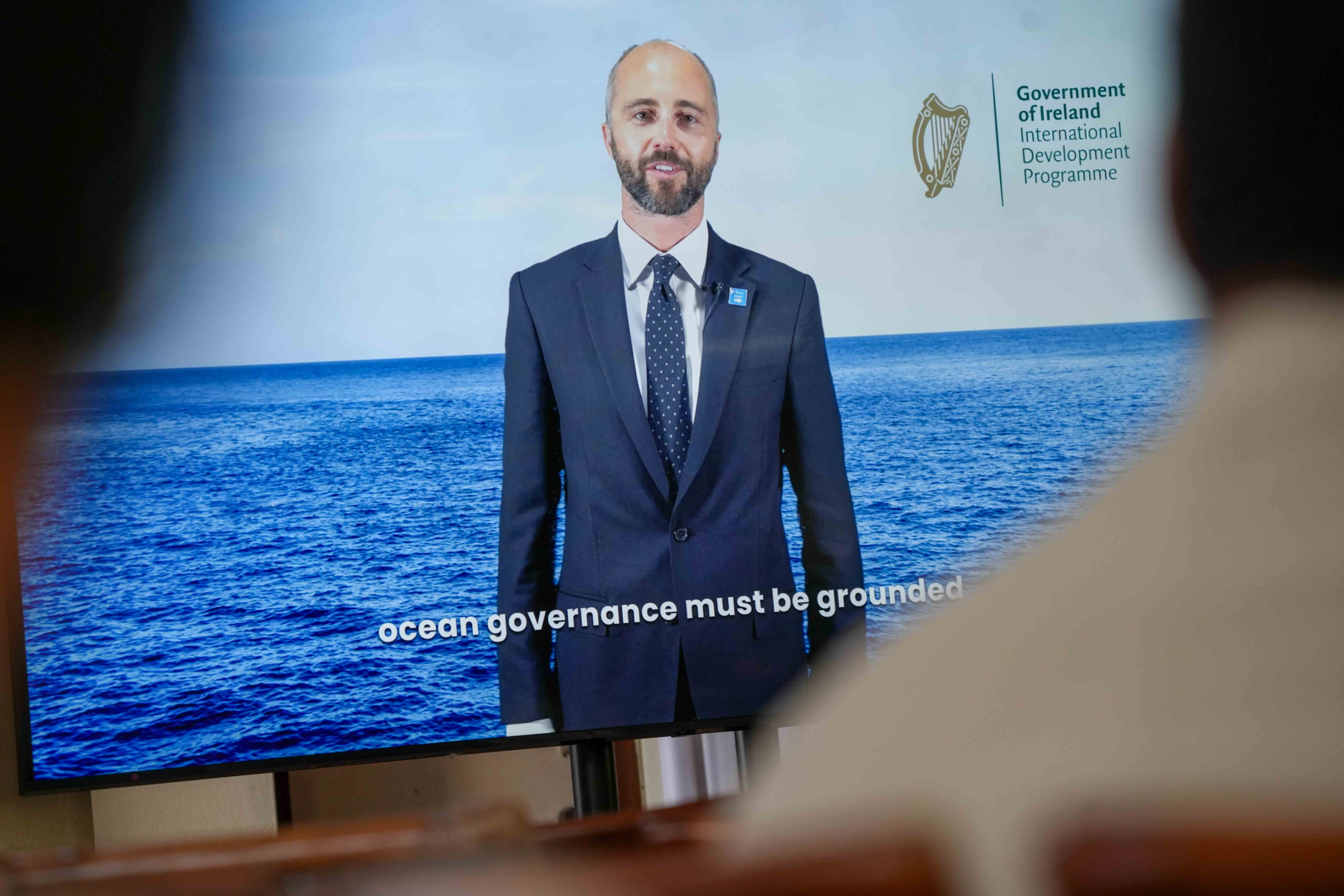
Carl Greiner, Ireland

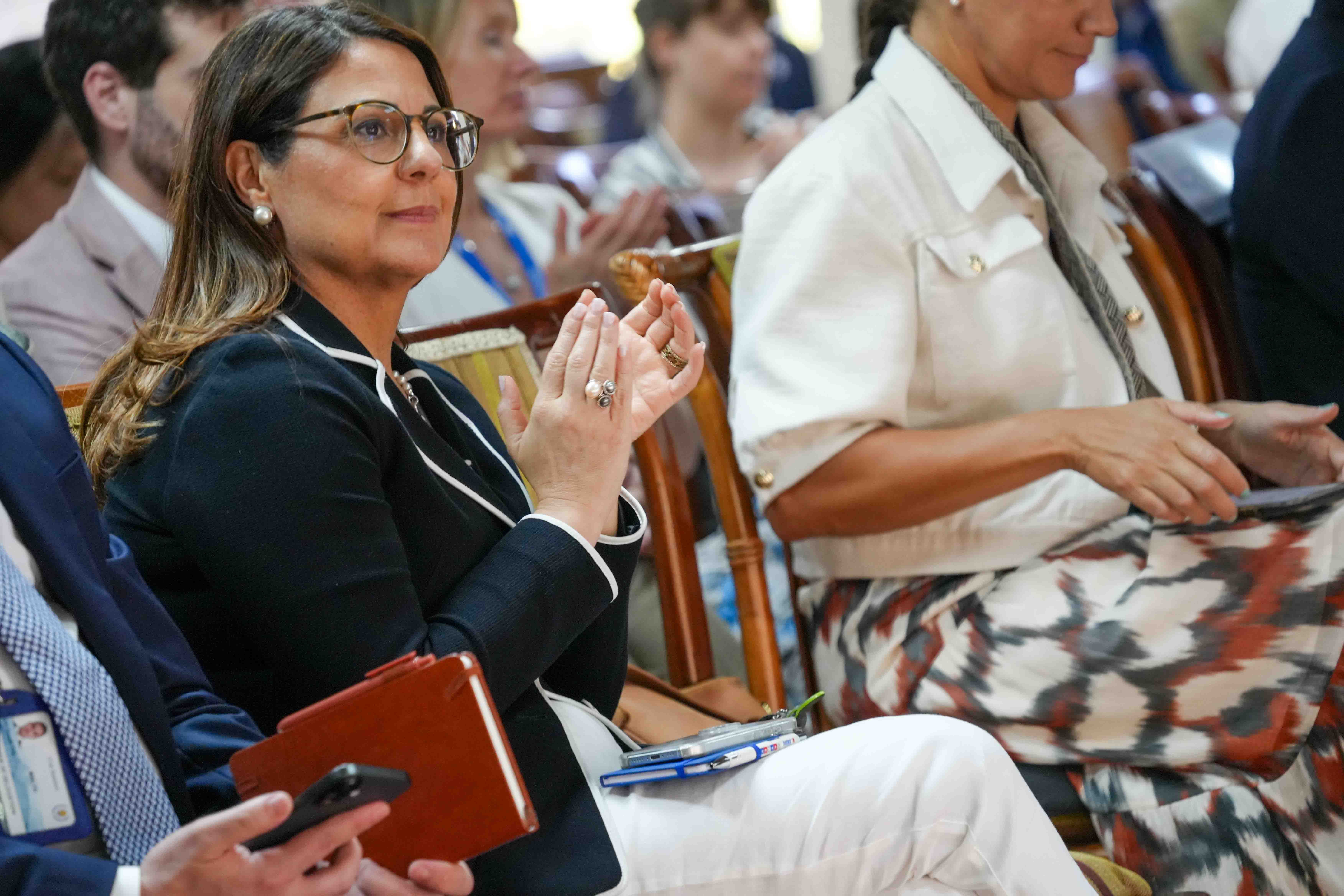

Around the venue
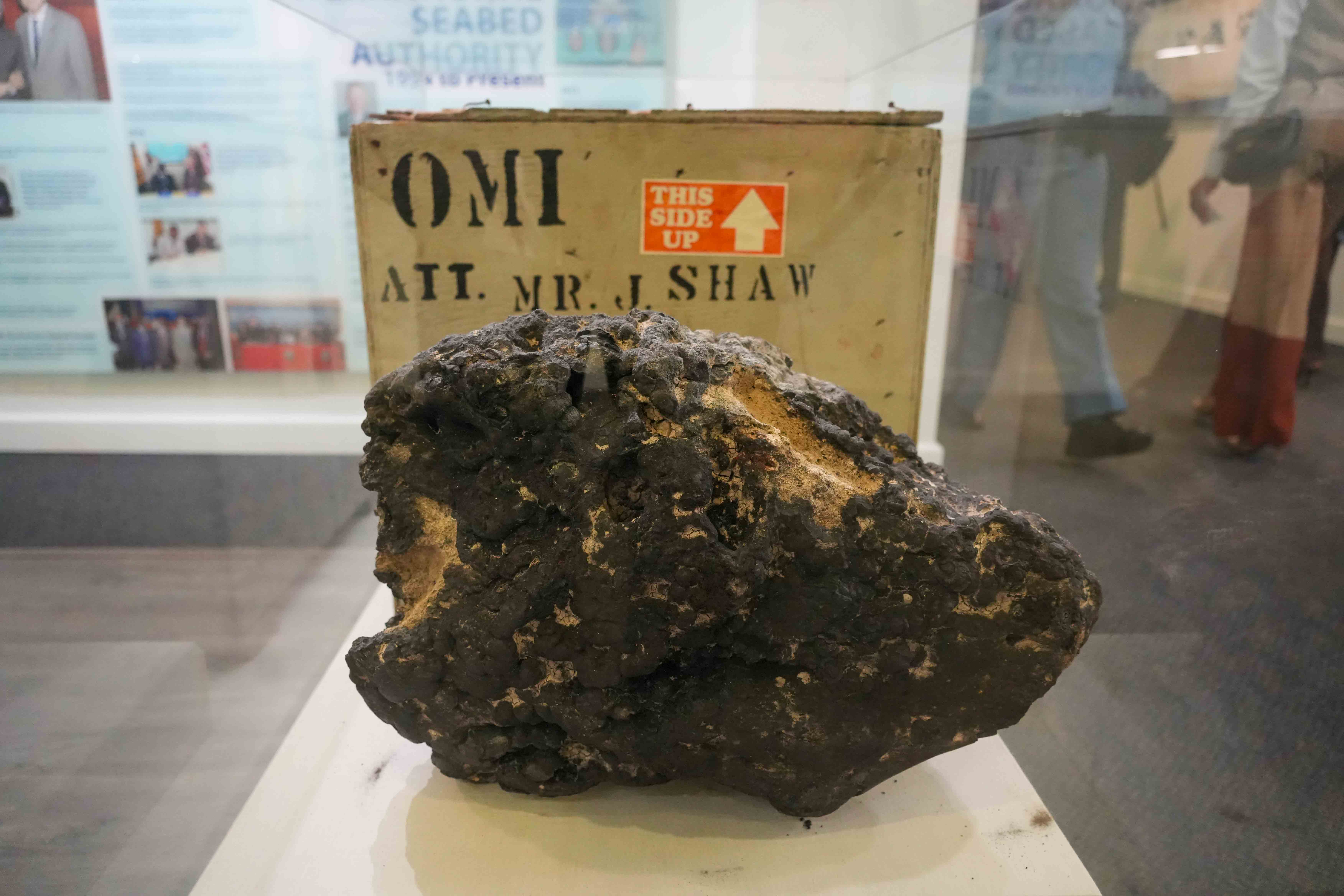
Polymetallic nodule at the NII Allotey Odunton Museum at the ISA's headquarters
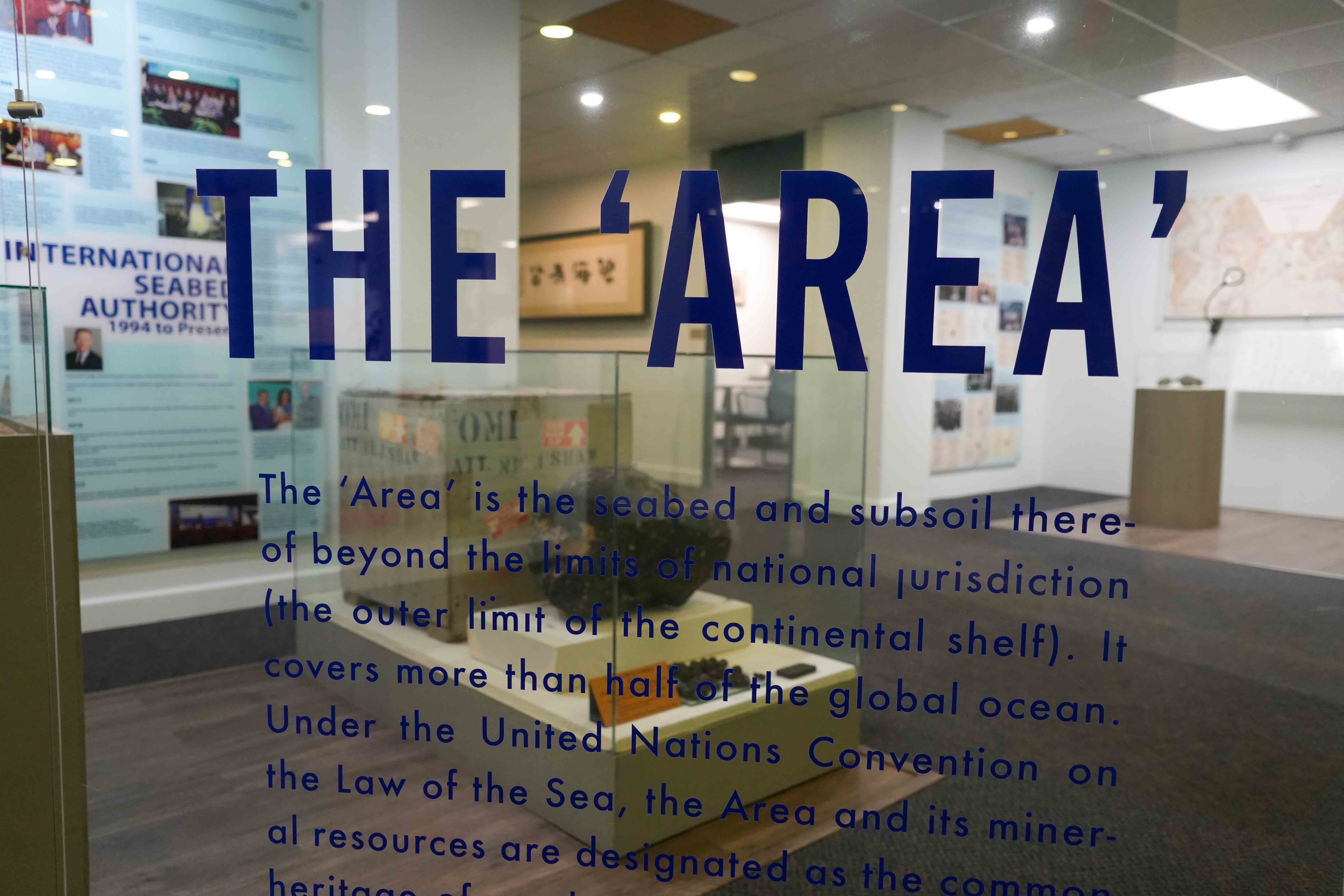
Exposition found at the NII Allotey Odunton Museum at the ISA's headquarters
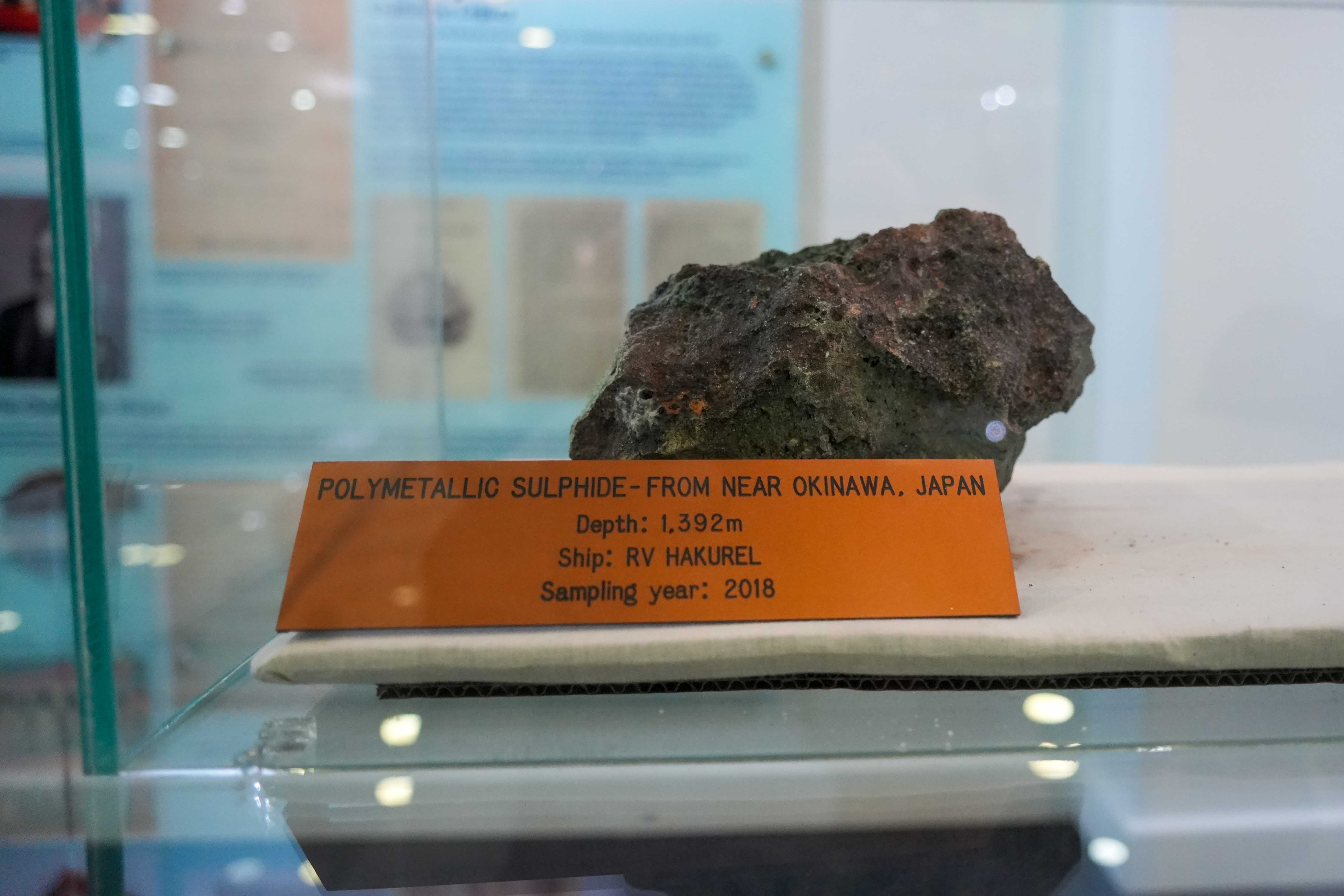
Polymetallic Sulphide from near Okinawa, Japan, found at the NII Allotey Odunton Museum at the ISA's headquarters
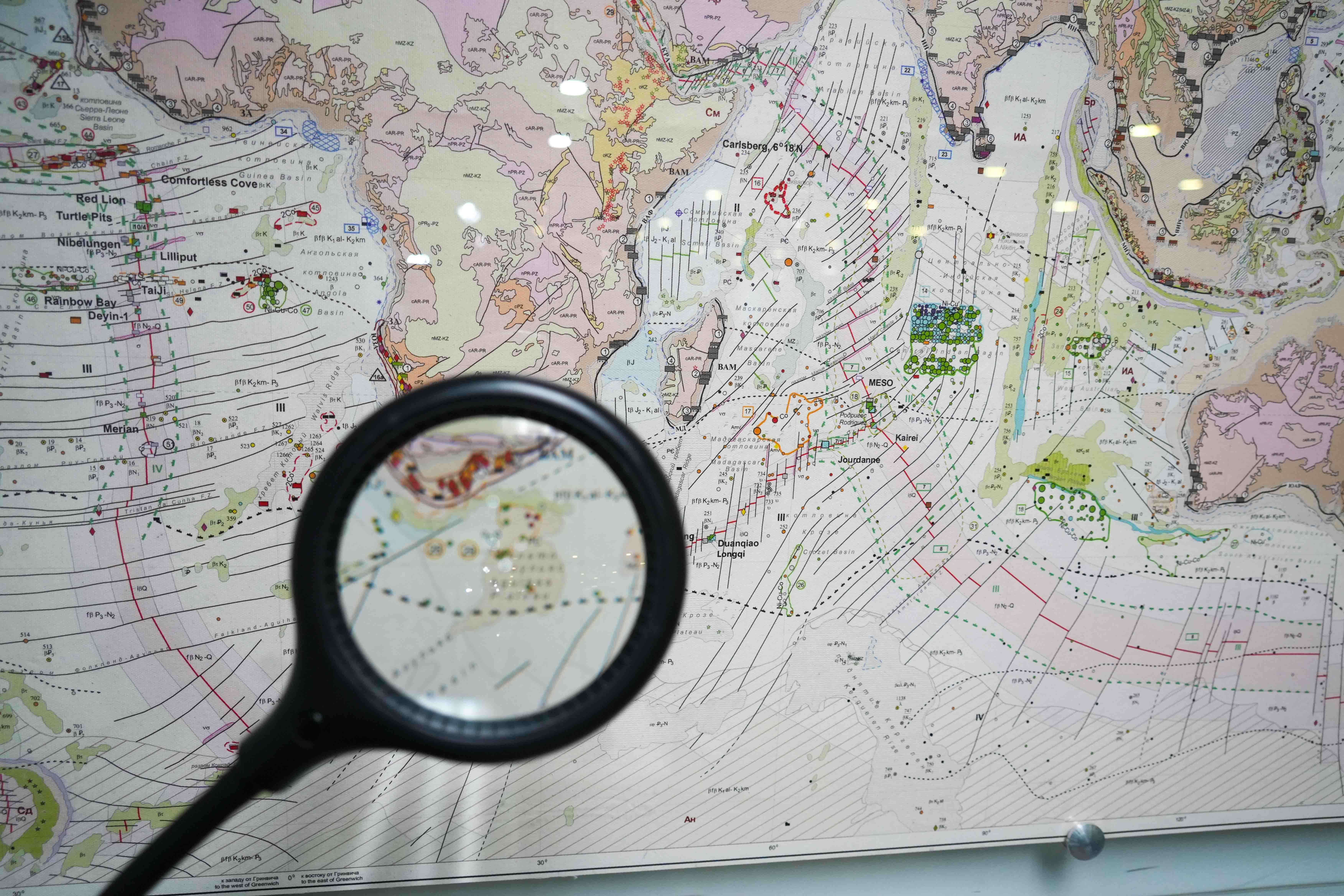
Maritime Map and magnifier found at the NII Allotey Odunton Museum at the ISA's headquarters