Thematic discussions drew delegates’ attention on Wednesday, with the Council of the International Seabed Authority (ISA) striving to ensure that the deep-sea mining exploitation regulations respect coastal states’ rights, consider all forms of knowledge, and guarantee the effective protection of the marine environment. Deliberations focused on the rights and legitimate interests of coastal states and underwater cultural heritage (UCH).
Discussions on coastal states were based on a set of guiding questions, introduced by Portugal and Singapore, co-facilitators of the relevant informal working group. Delegates focused on draft regulations 4 (rights and legitimate interests of coastal states and duty to notify) and 93 bis (consultation with coastal states).
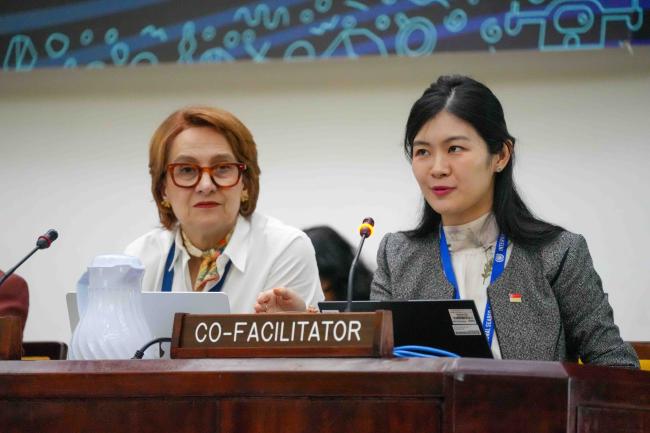
On the question of conducting activities with due regard for “coastal states” or “potentially affected coastal states” in regulation 4, most members preferred no qualifier, noting it better reflects UN Convention on the Law of the Sea (UNCLOS) Article 142 (rights and legitimate interests of coastal States). Many delegates supported that contractors shall “consult” rather than “engage” with potentially affected coastal states at an early stage and throughout the exploitation contract.
Regarding the scope of coastal states entitled to participate in consultations, delegates discussed whether to refer to coastal states "which may include those adjacent to any contract area," or "that are adjacent to any contract area," with most delegates preferring the former. Some members supported cross-referencing regulation 93 bis (consultation with coastal states), noting that it may need to be adjusted to reflect continuous engagement obligations.
On regulation 93 bis, delegations discussed whether the trigger for commencing consultations should be prior to preparing the plan of work or prior to submitting the documents referred to in regulation 7 (form of applications and information to accompany a plan of work). Some favored an earlier trigger, while others expressed flexibility.
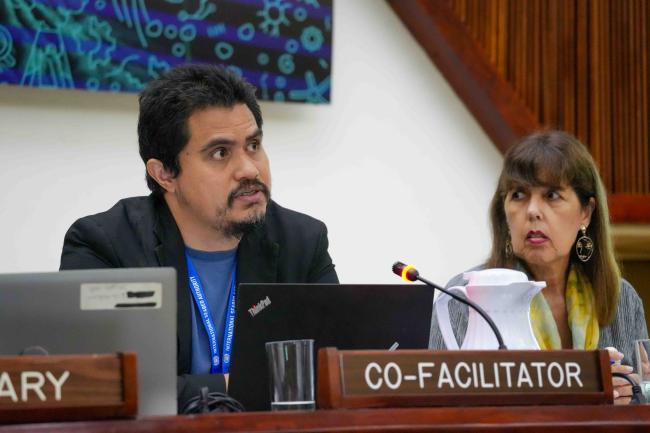
The Federated States of Micronesia and Greece, co-facilitators of the informal working group together with Brazil, introduced deliberations on UCH, including a briefing note. Discussions focused on regulation 35—the title of which remains under negotiation—with proposals to cover either UCH or objects and sites of an archaeological or historical nature, in addition to human remains
Many members suggested referring to UCH throughout the regulatory text. In contrast, others favored reference to “objects and sites of an archaeological or historical nature,” as contained in UNCLOS. Delegates expressed divergent opinions on two alternative definitions of UCH in the Schedule, with some supporting the option that includes references to intangible UCH.
Some delegates underscored the importance of protecting “venerated sites,” with a few opposing the reference. A regional group pointed to the need to define it as well as “cultural rights,” and requested clarity on their legal basis.
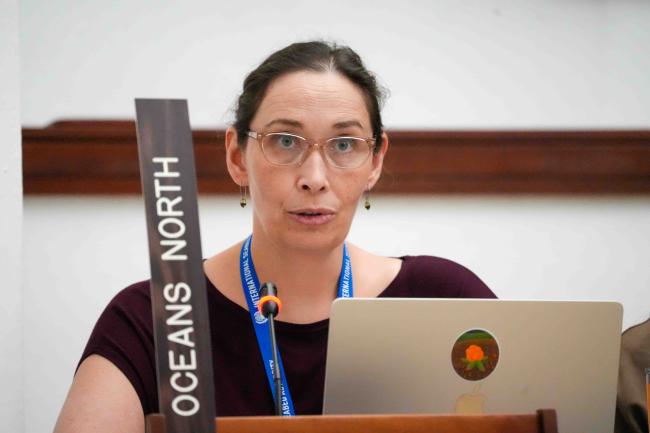
Observer organizations supported retaining references to UCH as well as to “intangible” and “venerated sites” throughout the regulations. They supported the establishment of a roster of experts on cultural matters, which shall include Indigenous experts. They also emphasized that the term “cultural rights” is not fit for purpose to refer to rights of Indigenous Peoples, highlighting that the rights recognized in the UN Declaration on the Rights of Indigenous Peoples are collective rights that express the right to self-determination.
In the afternoon, delegates held an informal meeting on the seabed mining register and then engaged in a closed-door informal discussion on the draft decision of the Council relating to the reports of the Chair of the Legal and Technical Commission.
To receive free coverage of global environmental events delivered to your inbox, subscribe to the ENB Update newsletter.
All ENB photos are free to use with attribution. For the Second part of the 31st session of the International Seabed Authority (ISA) meeting, please use: Photo by IISD/ENB | Andrés Felipe Carvajal Gómez
Plenary
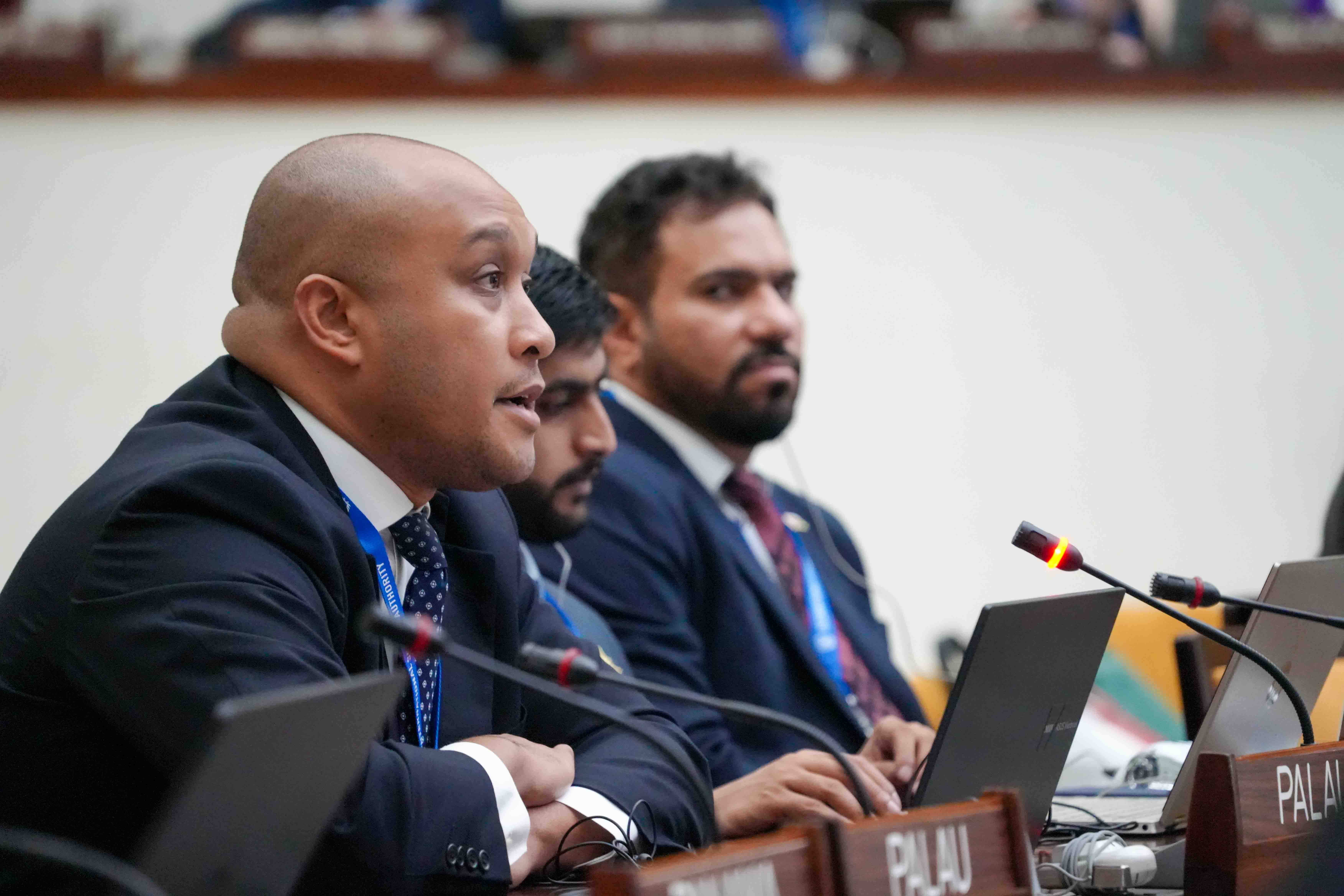
Charles Reklai Mitchell, Palau
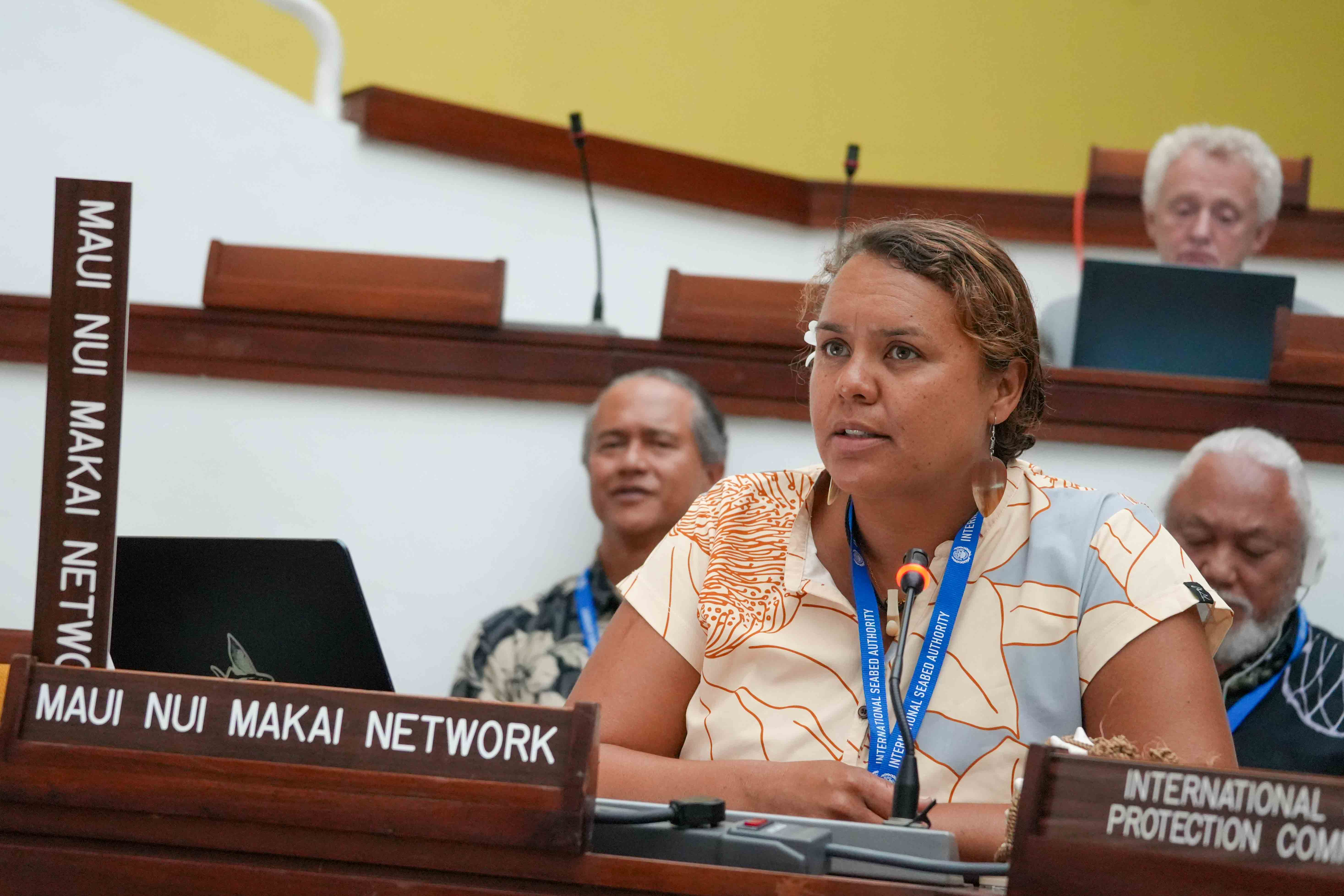
Brittany Kamai, Maui Nui Makai Network
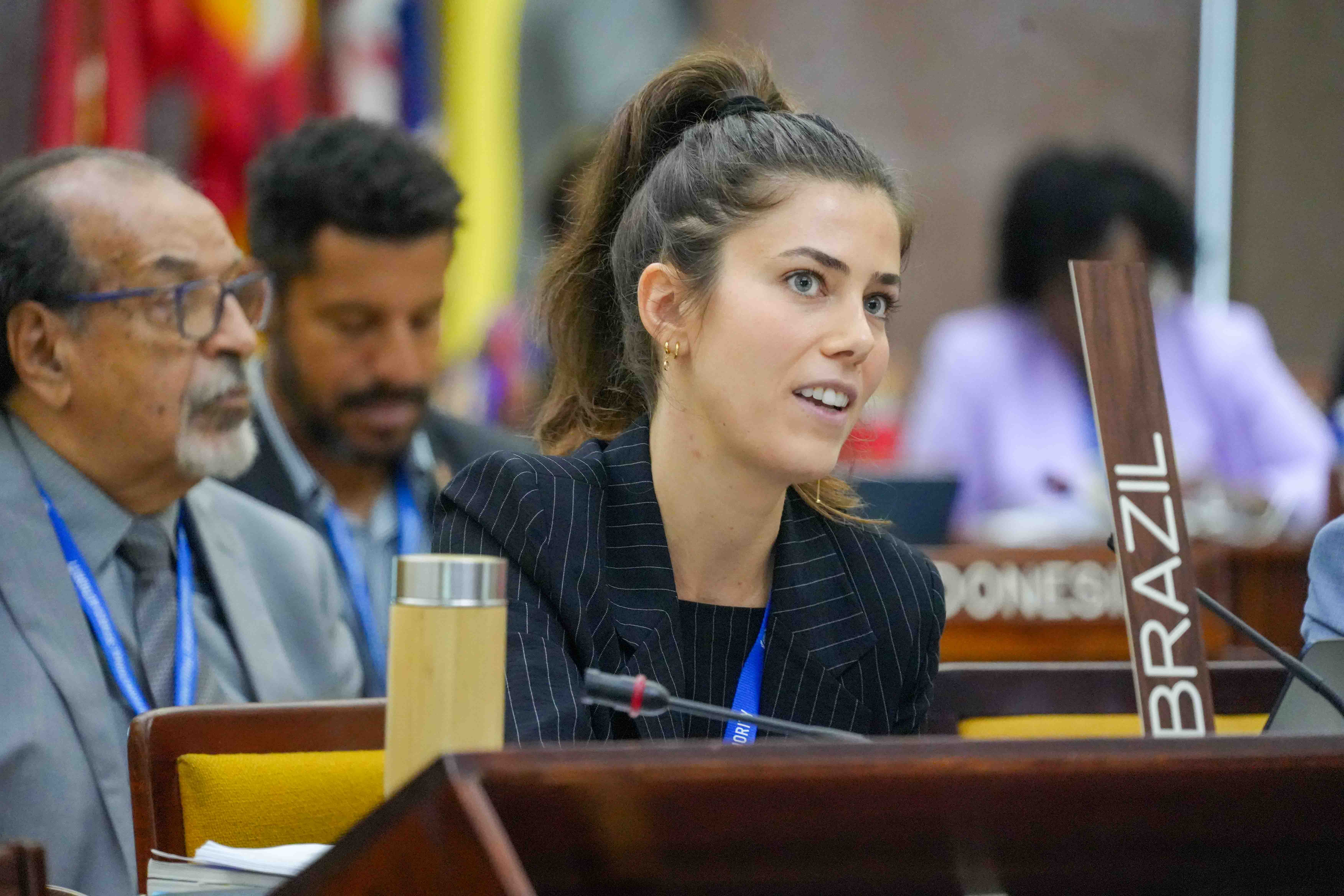
Bárbara Macedo Perrenoud, Brazil
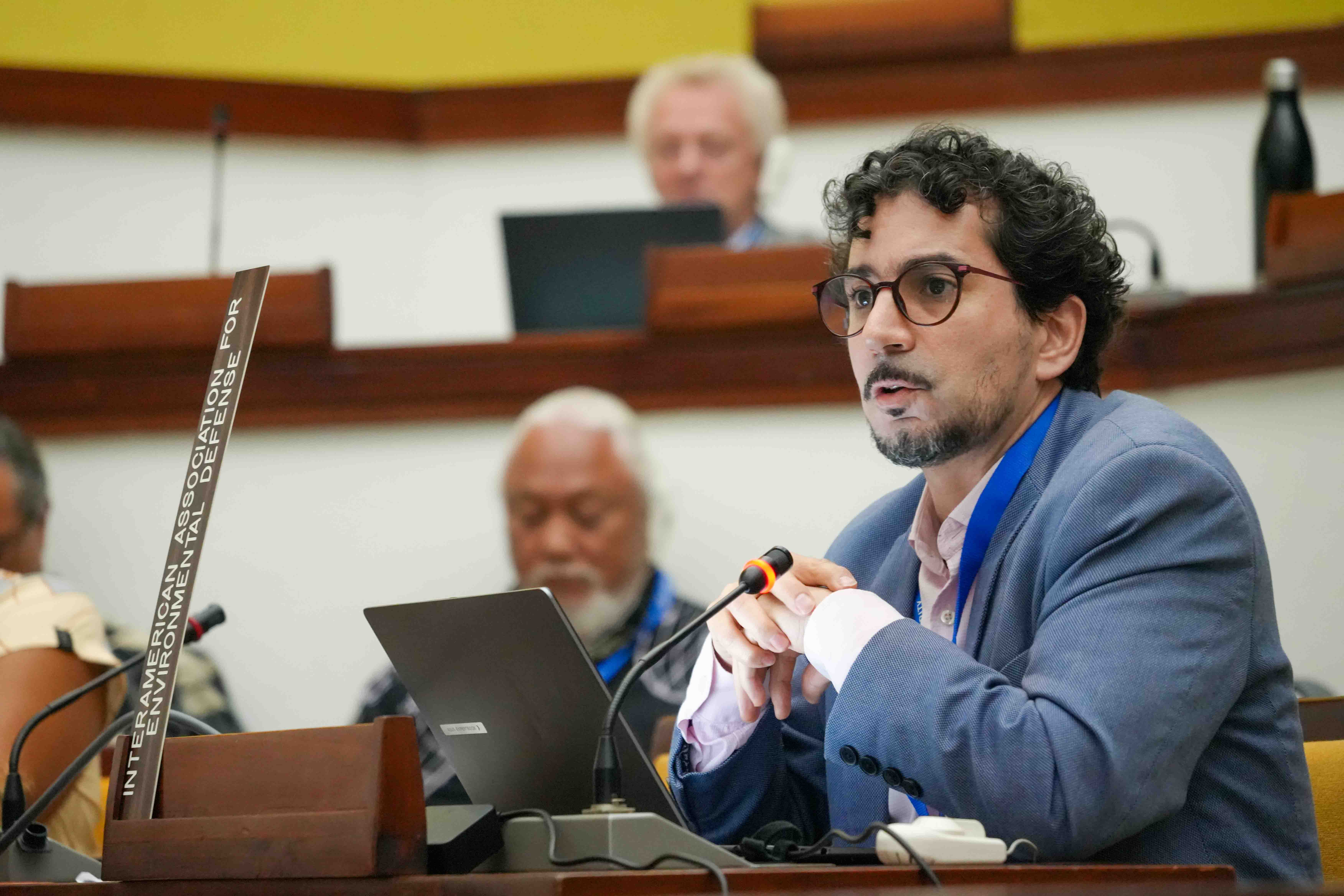
Diego Lillo, Interamerican Association for Environmental Defense
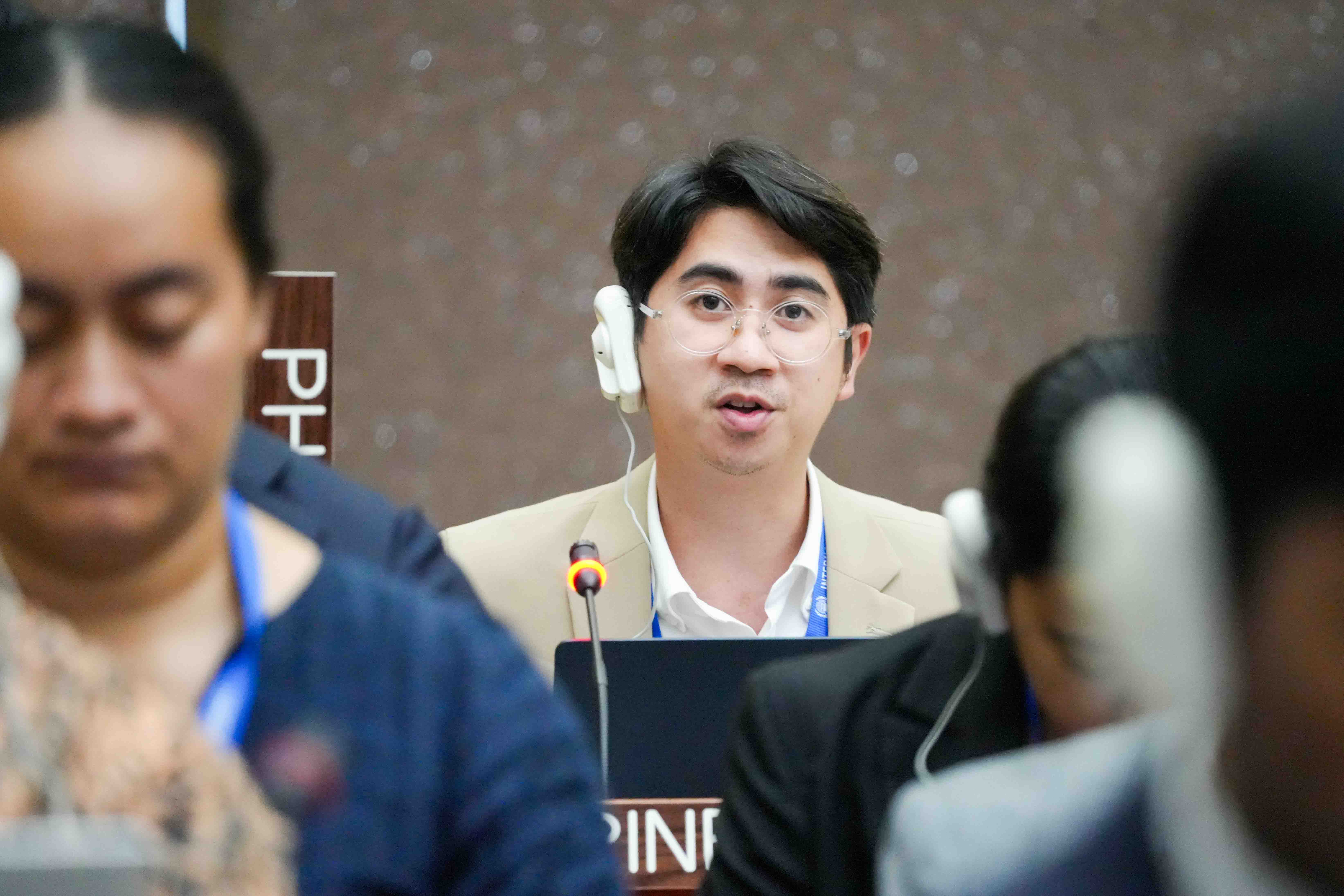
Dennis Flores, the Philippines
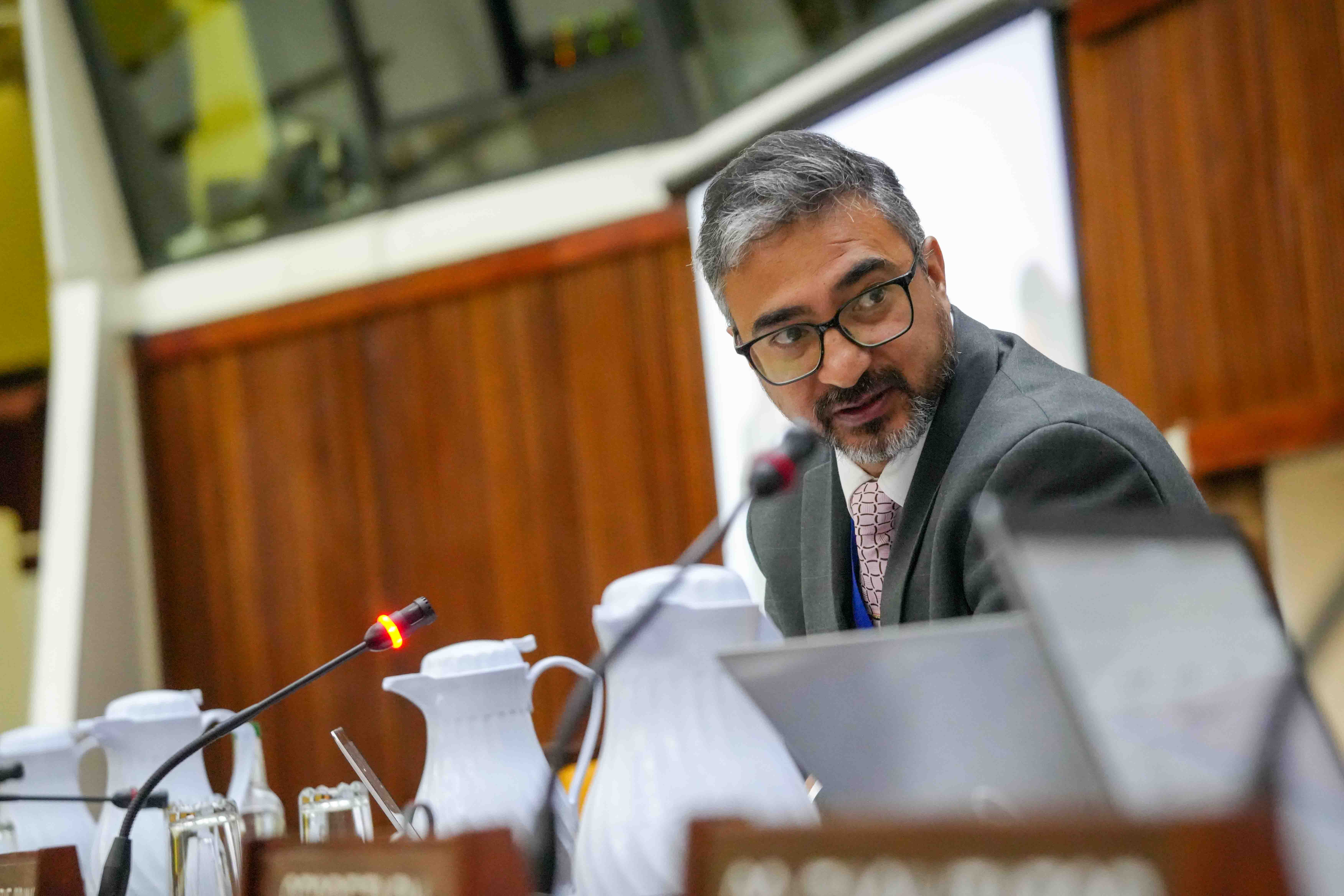
Council President Mayank Joshi, India
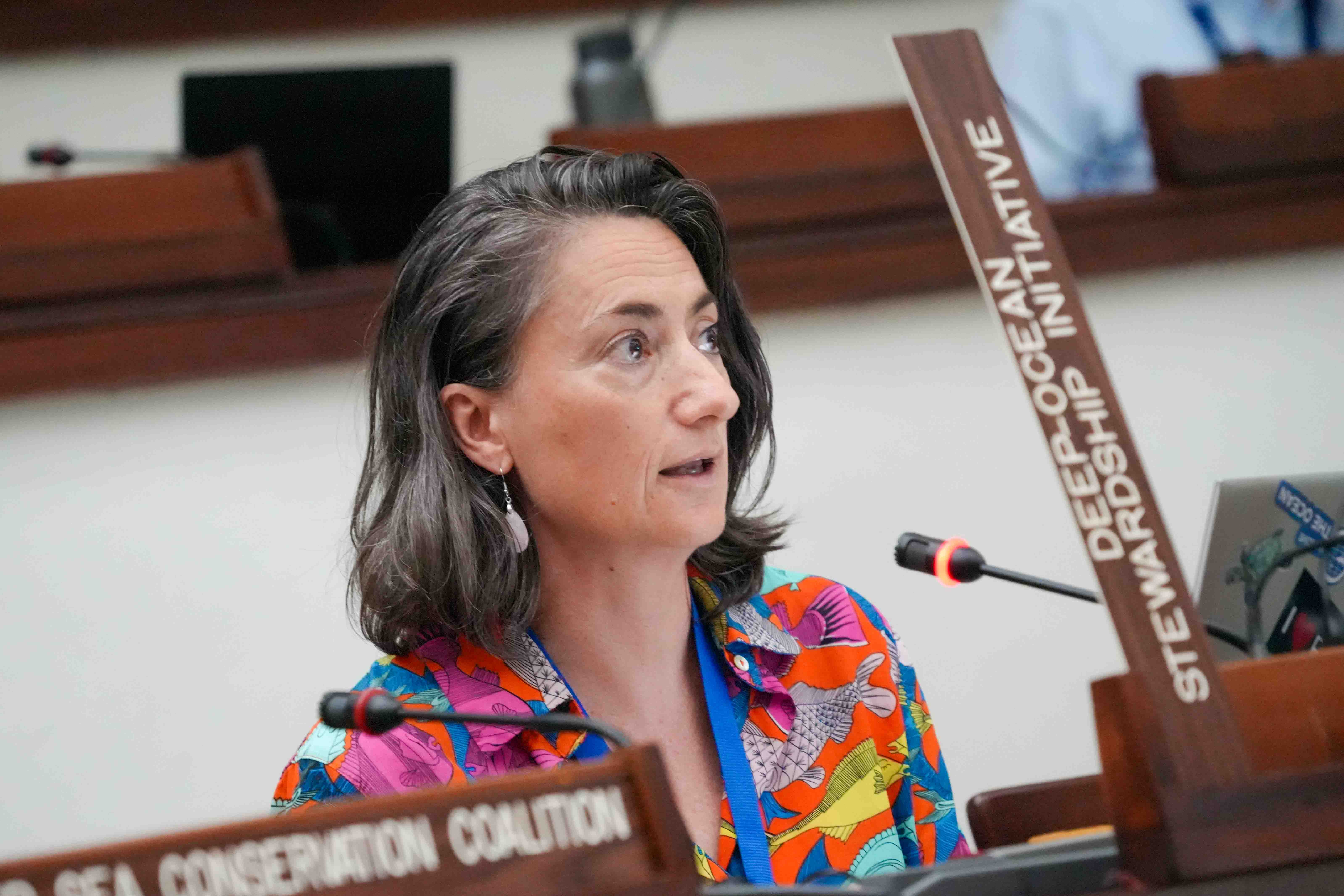
Ellycia Harrould-Kolieb, Deep Ocean Stewardship Initiative
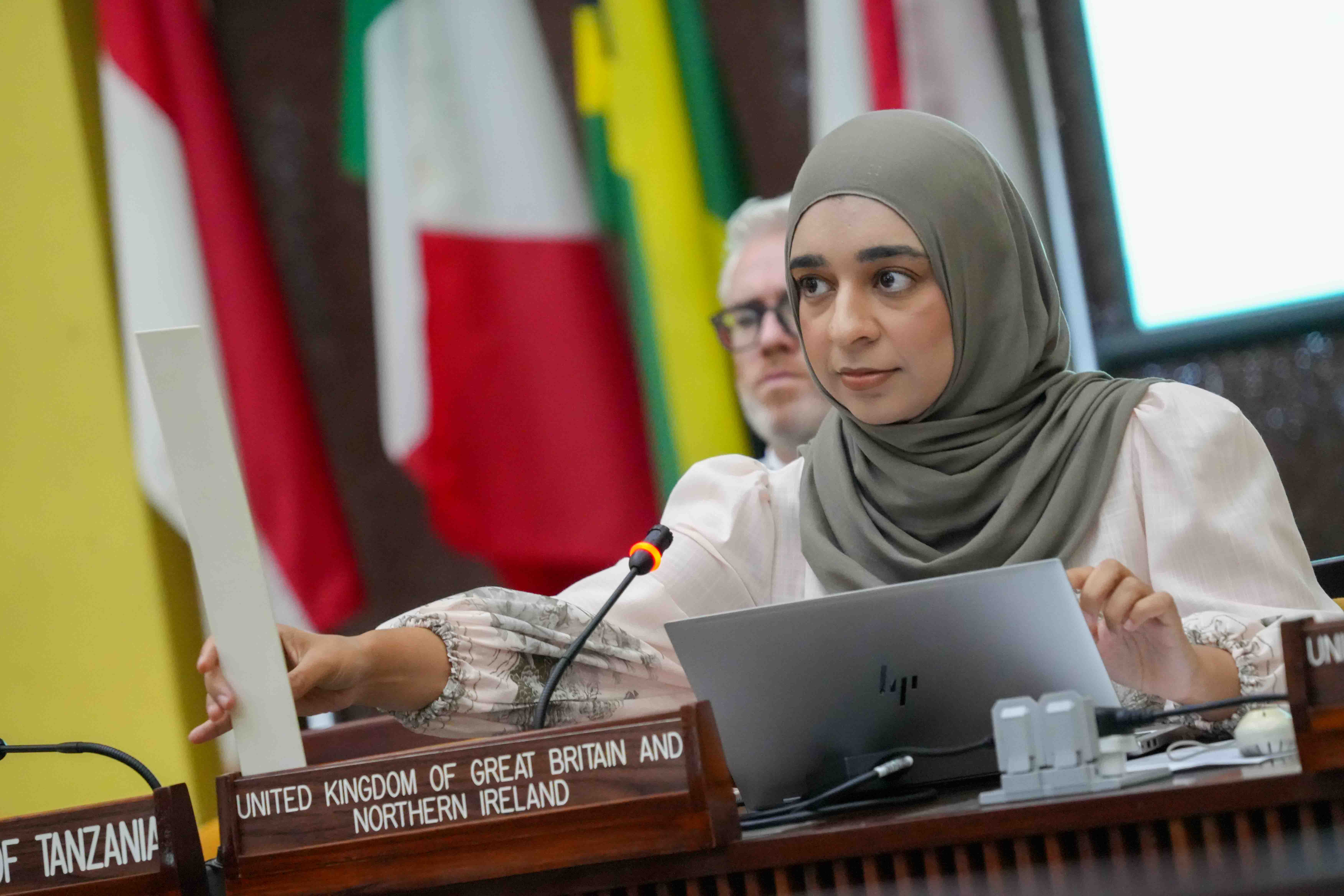
Humaira Husain, UK
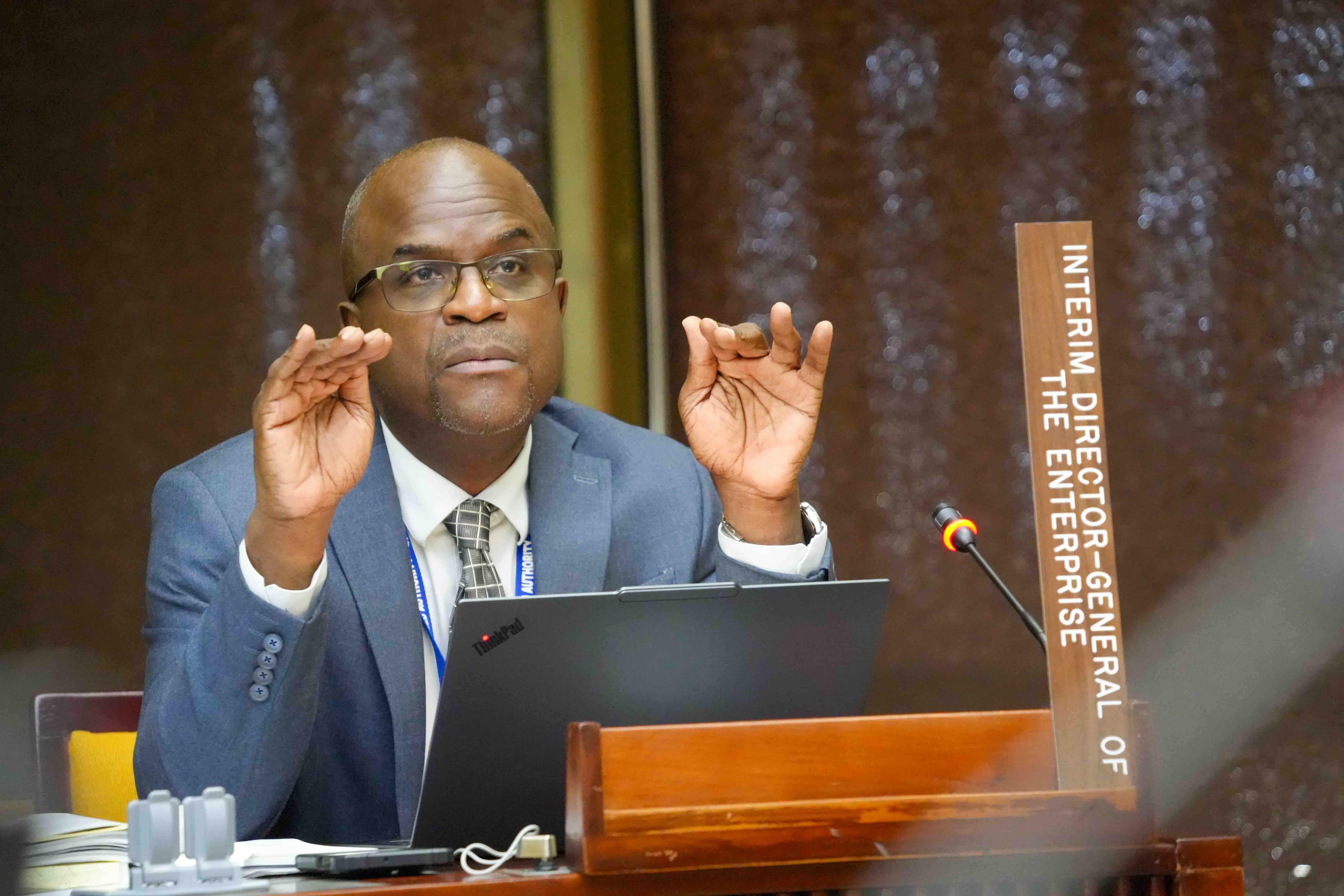
Eden Charles, interim Director-General of the Enterprise
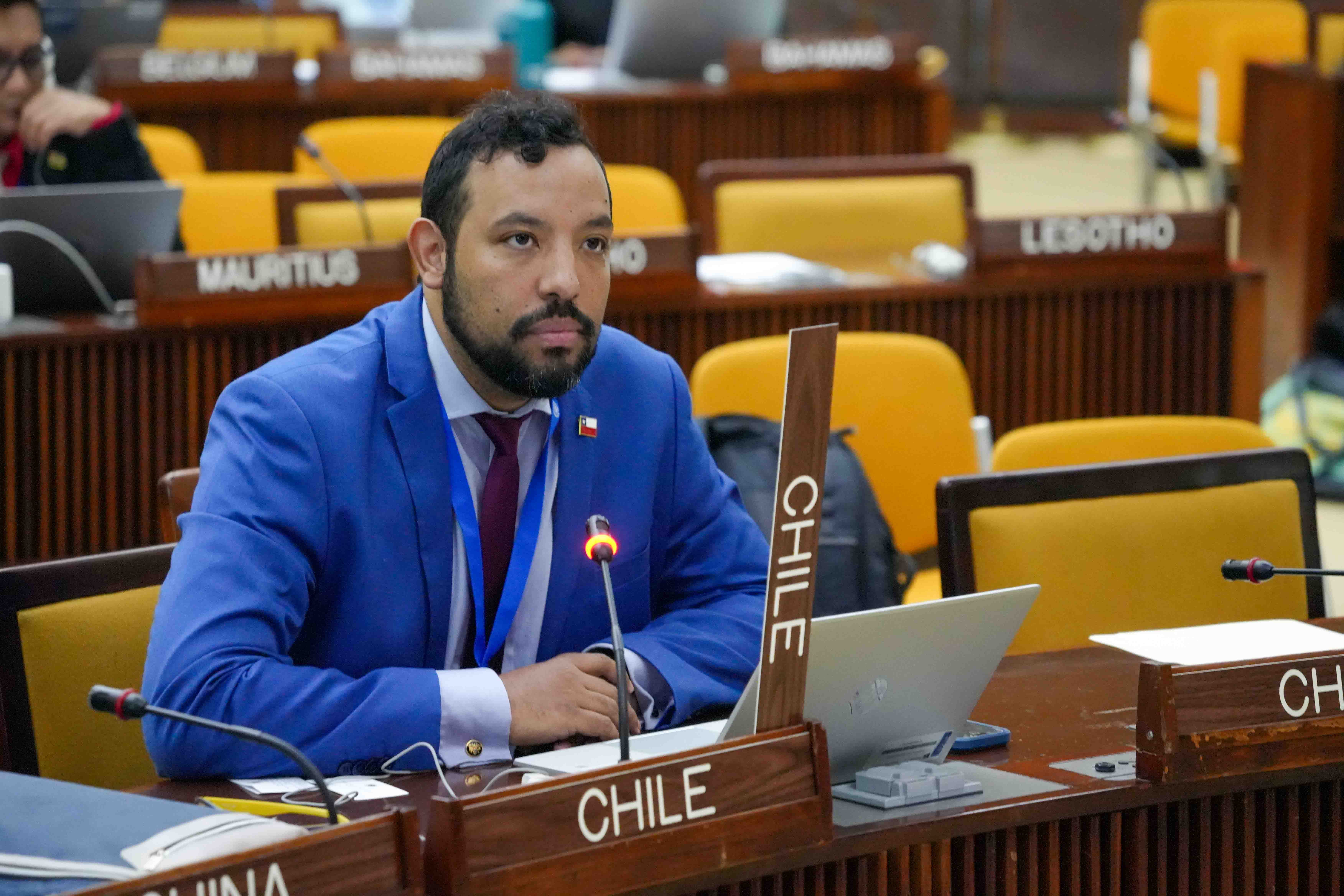
Mario Díaz Hinojosa, Chile
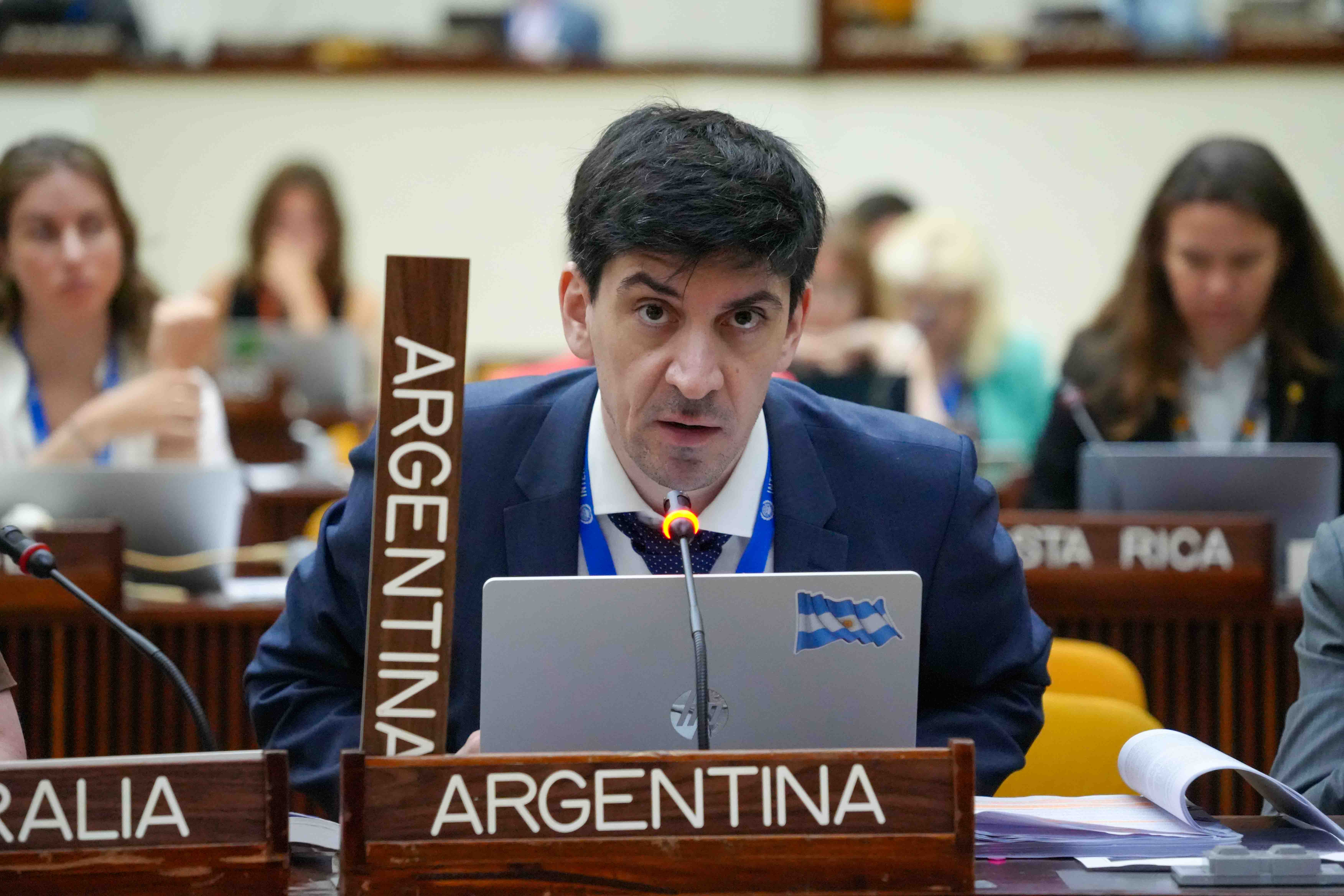
Juan Manuel Galindo Roldán, Argentina
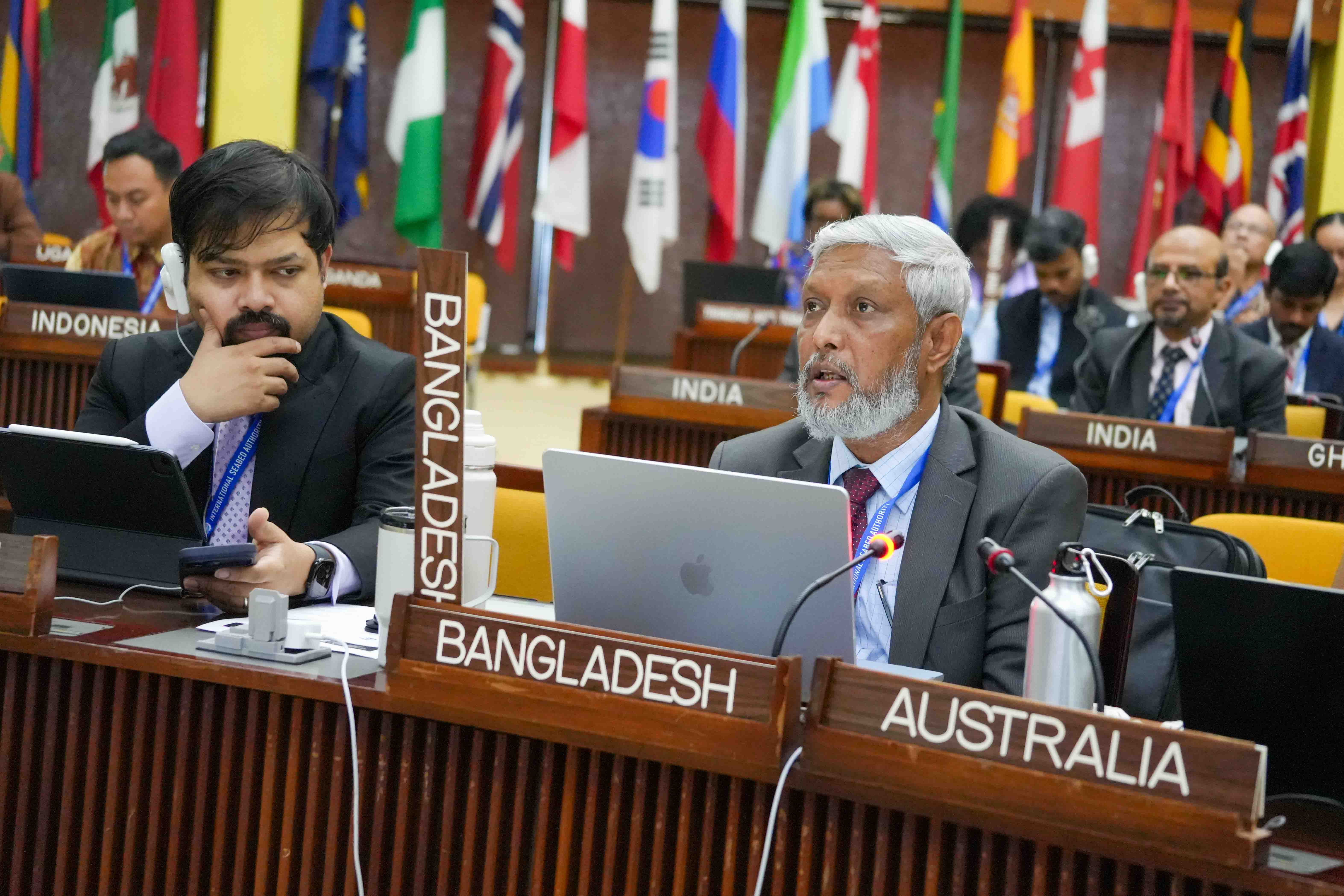
Mahmudul Hassan, Bangladesh
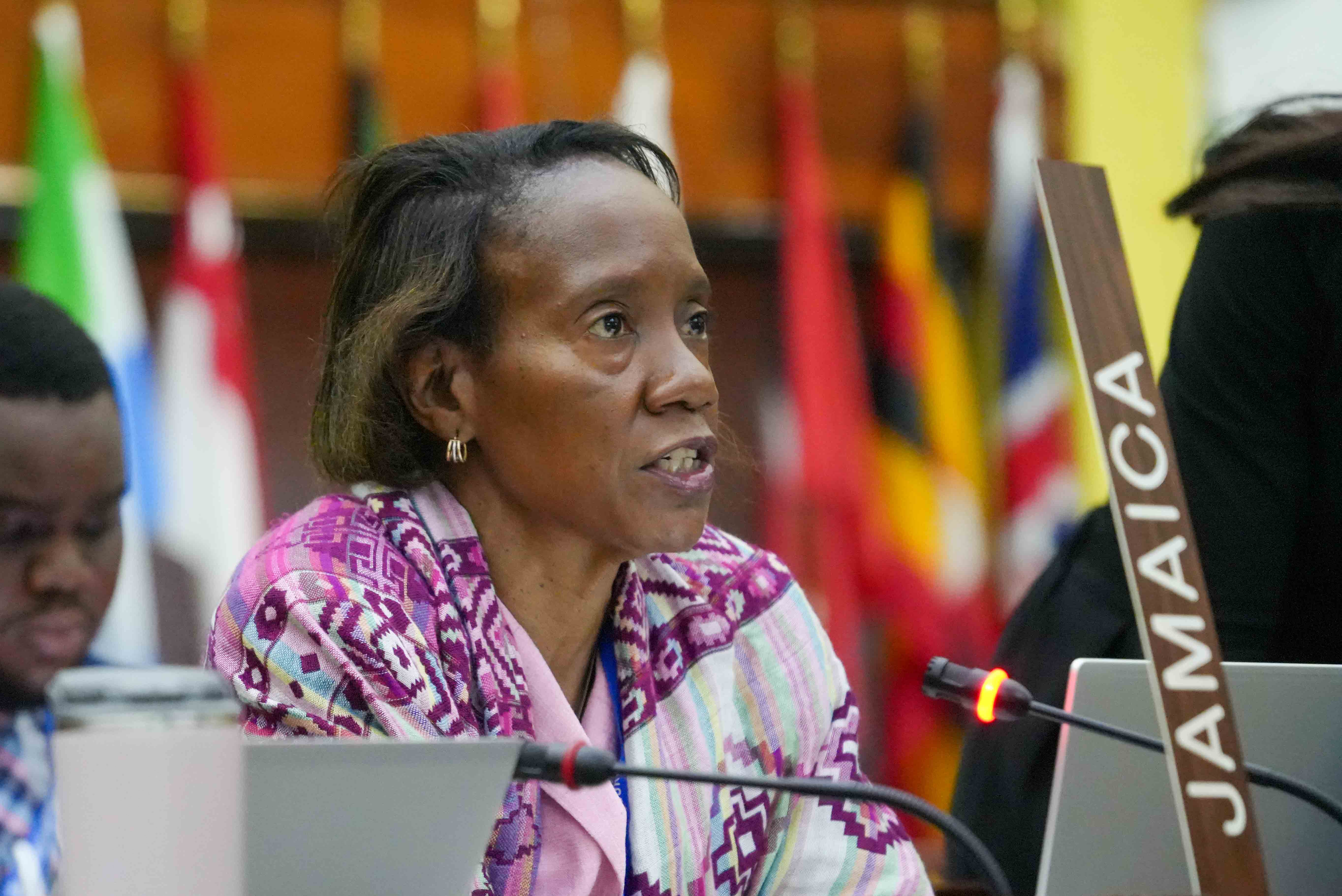
Michelle Walker, Jamaica
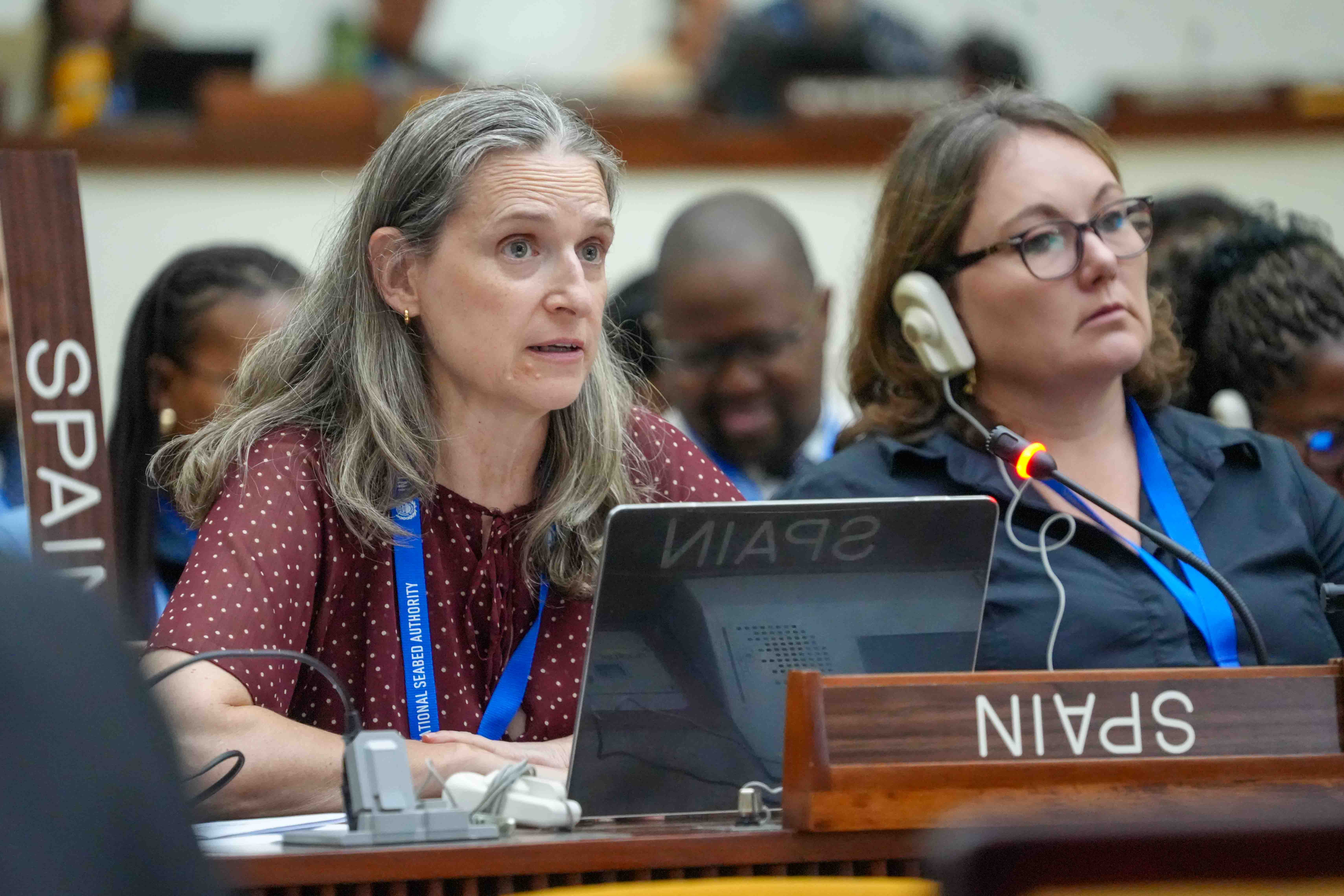
María Esther Salamanca Aguado, Spain
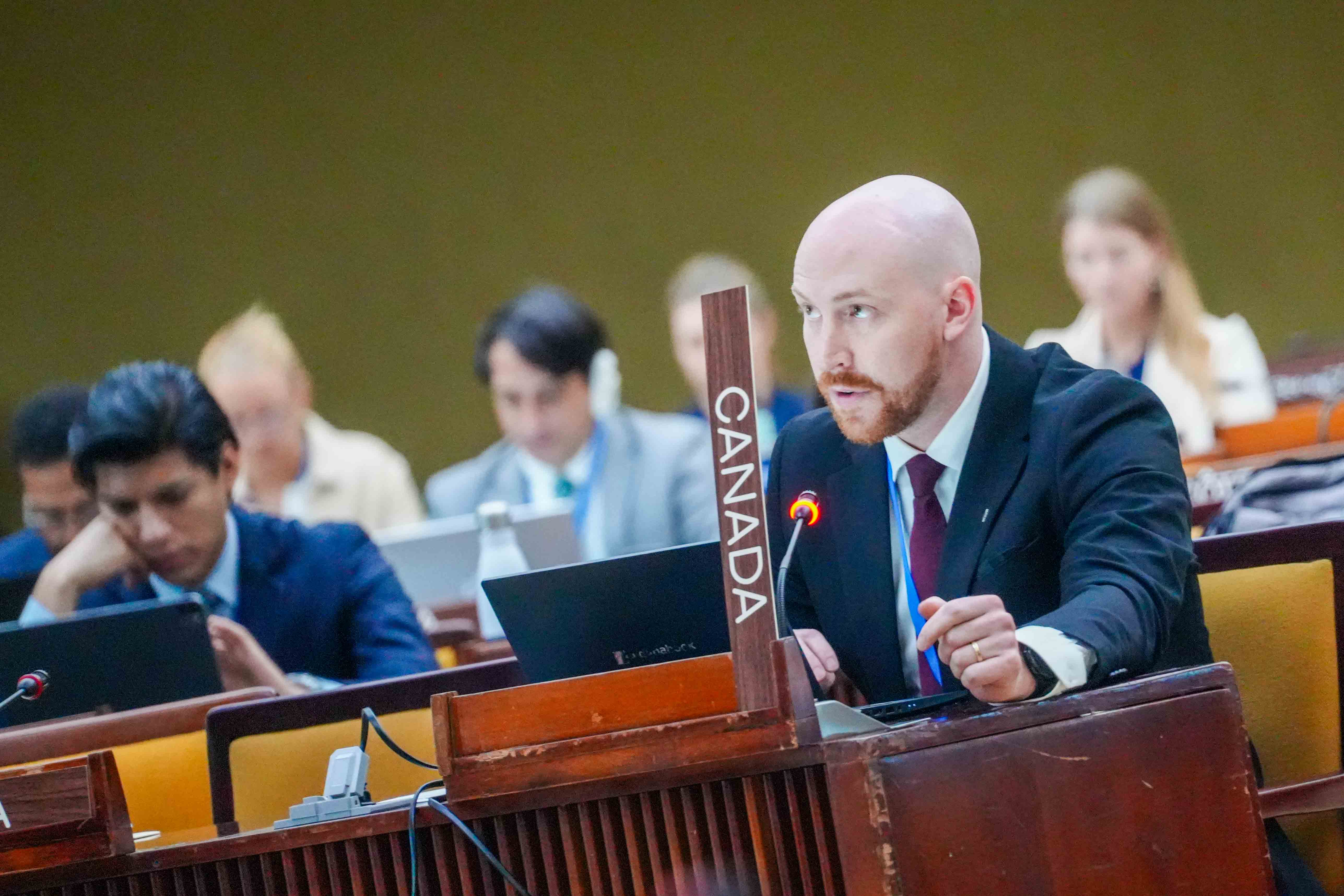
Richard Vaughan, Canada
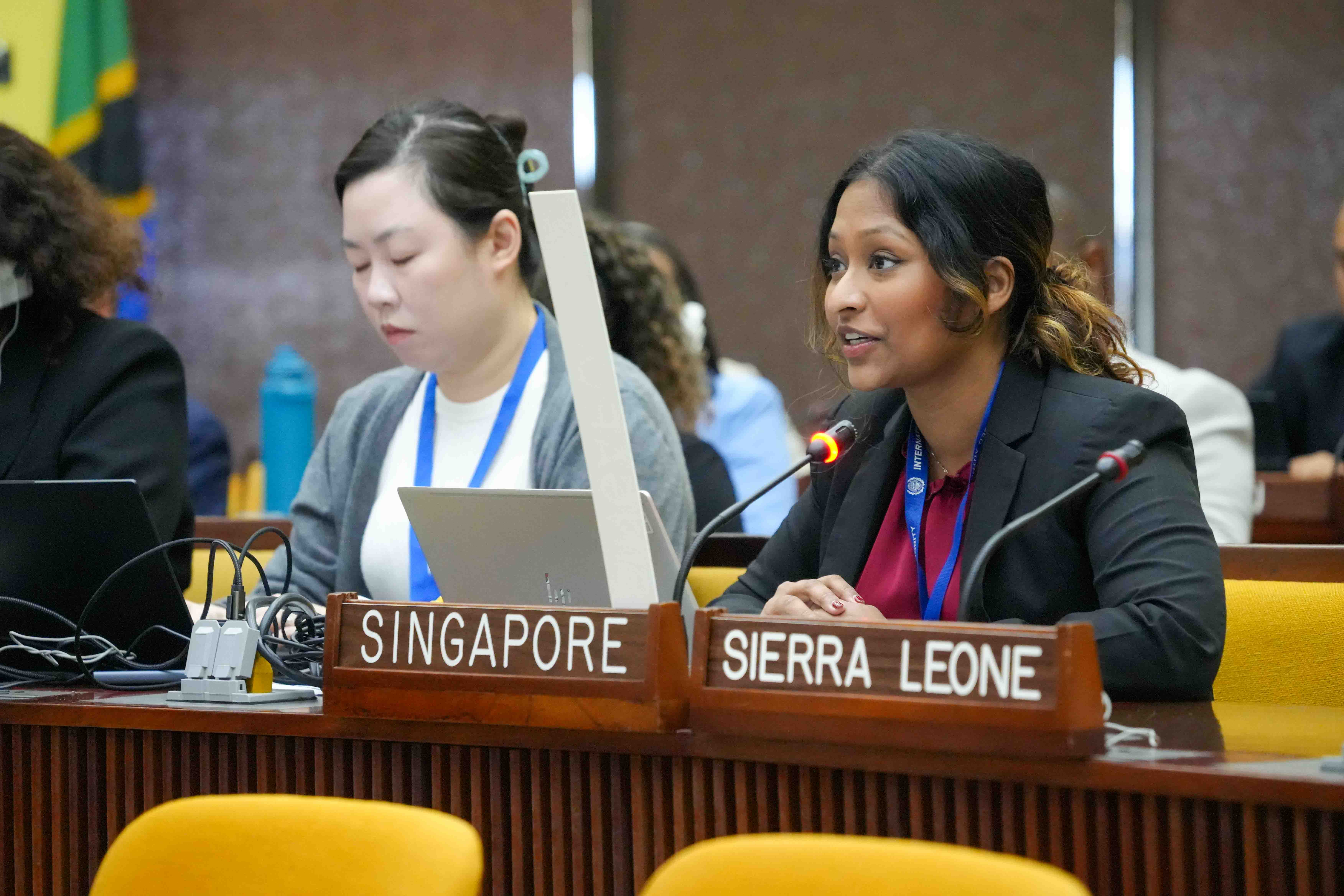
Saashtika Mohan, Singapore
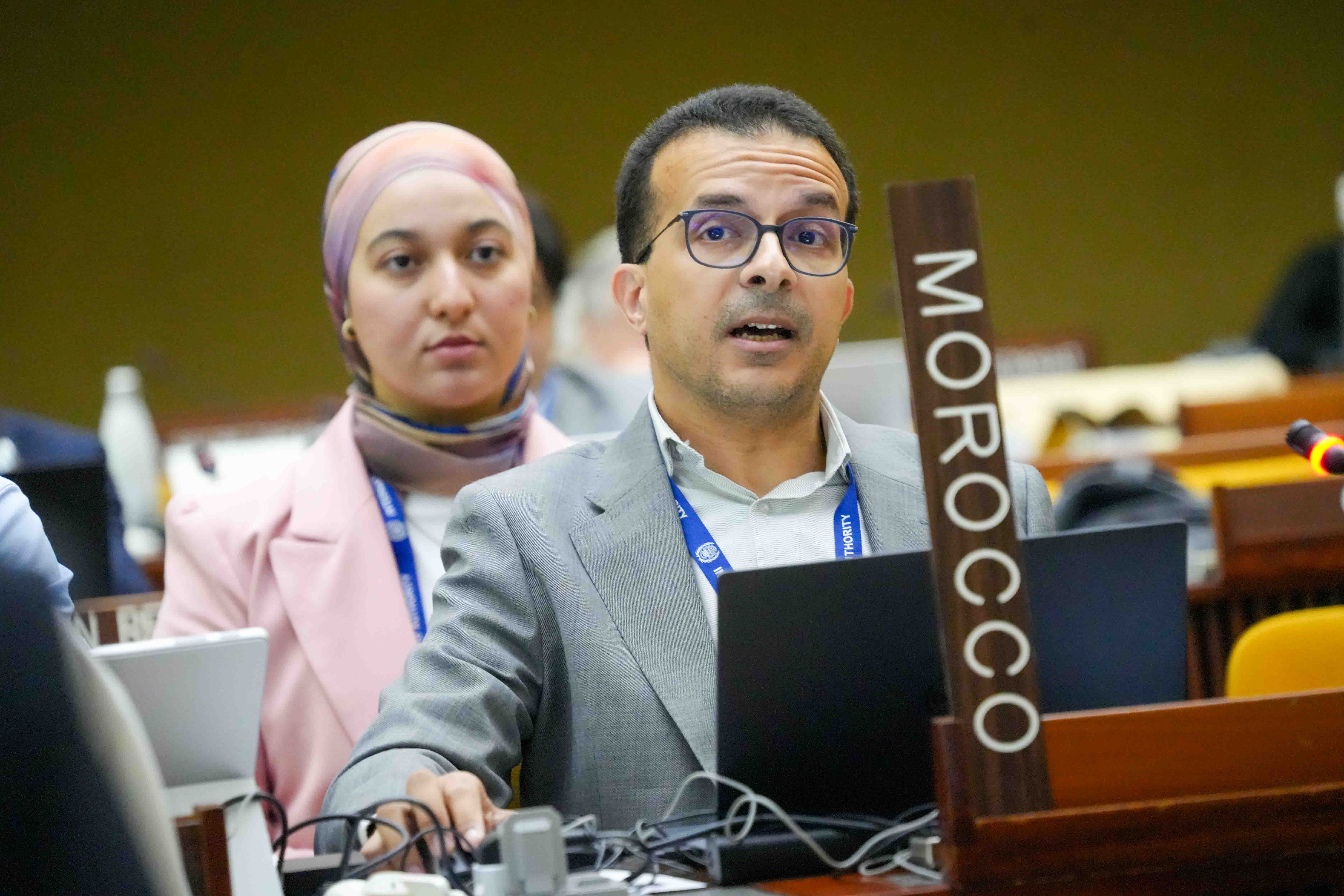
Salim Lahsini, Morocco
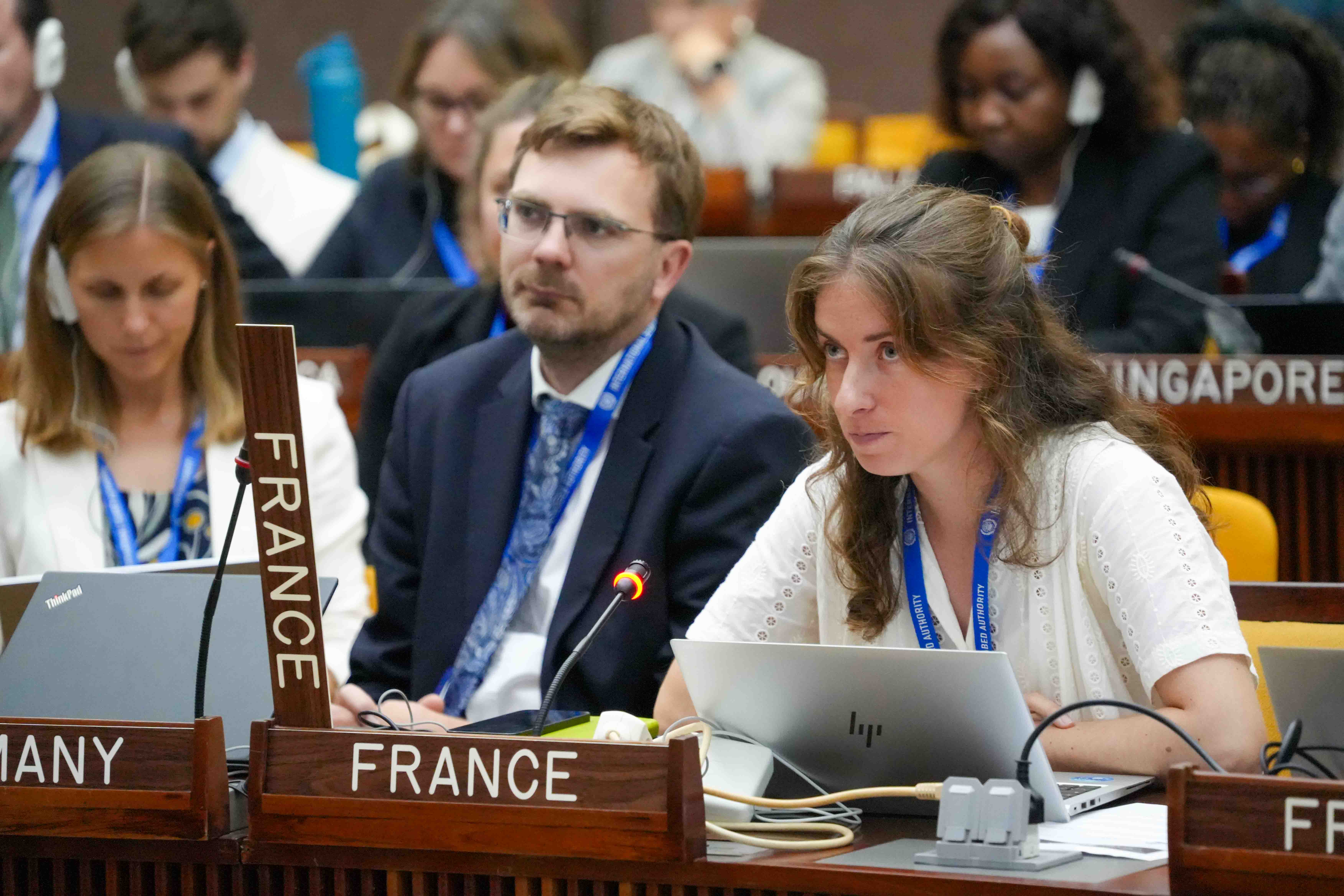
Salomé Ponson, France
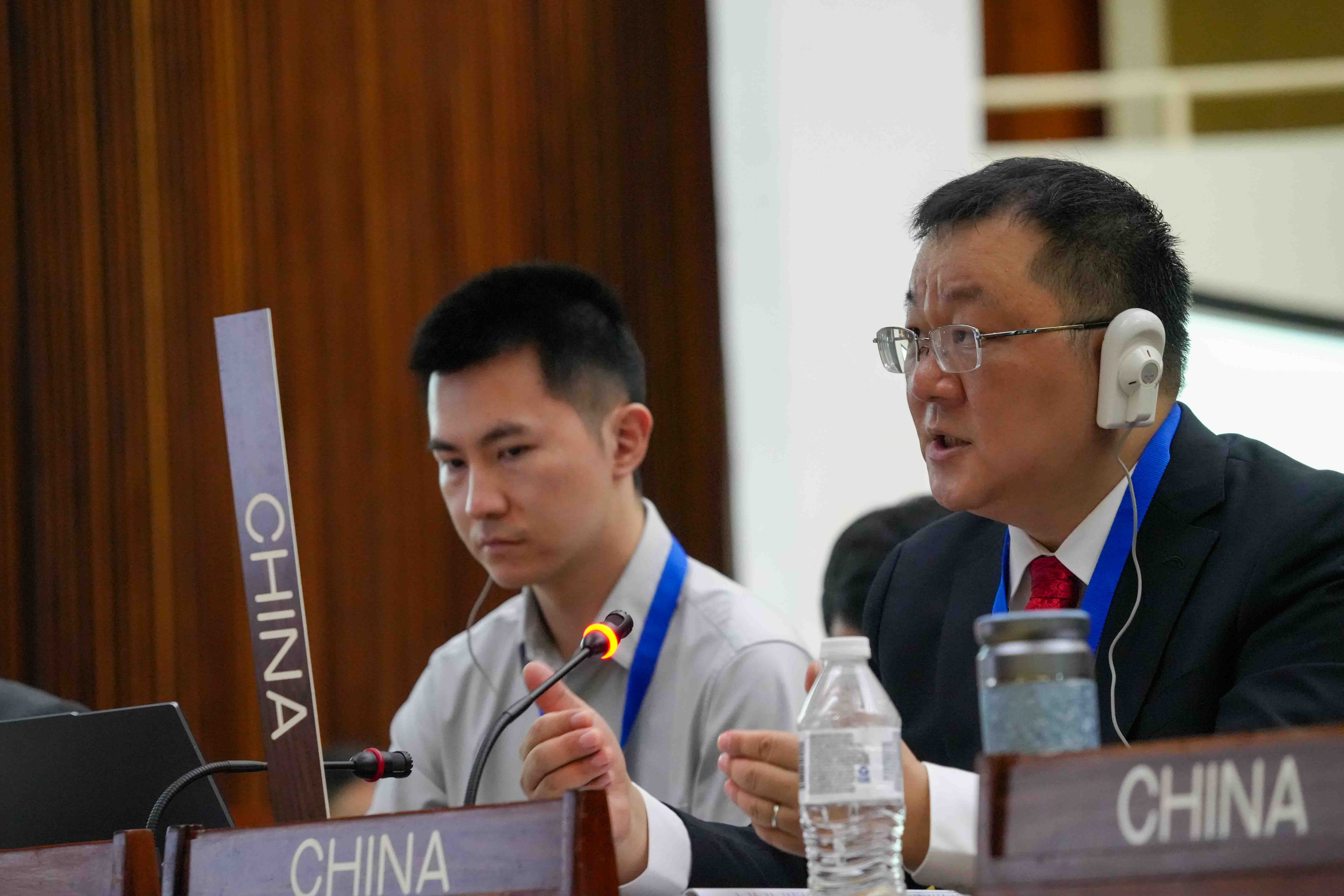
Yang Liu, China
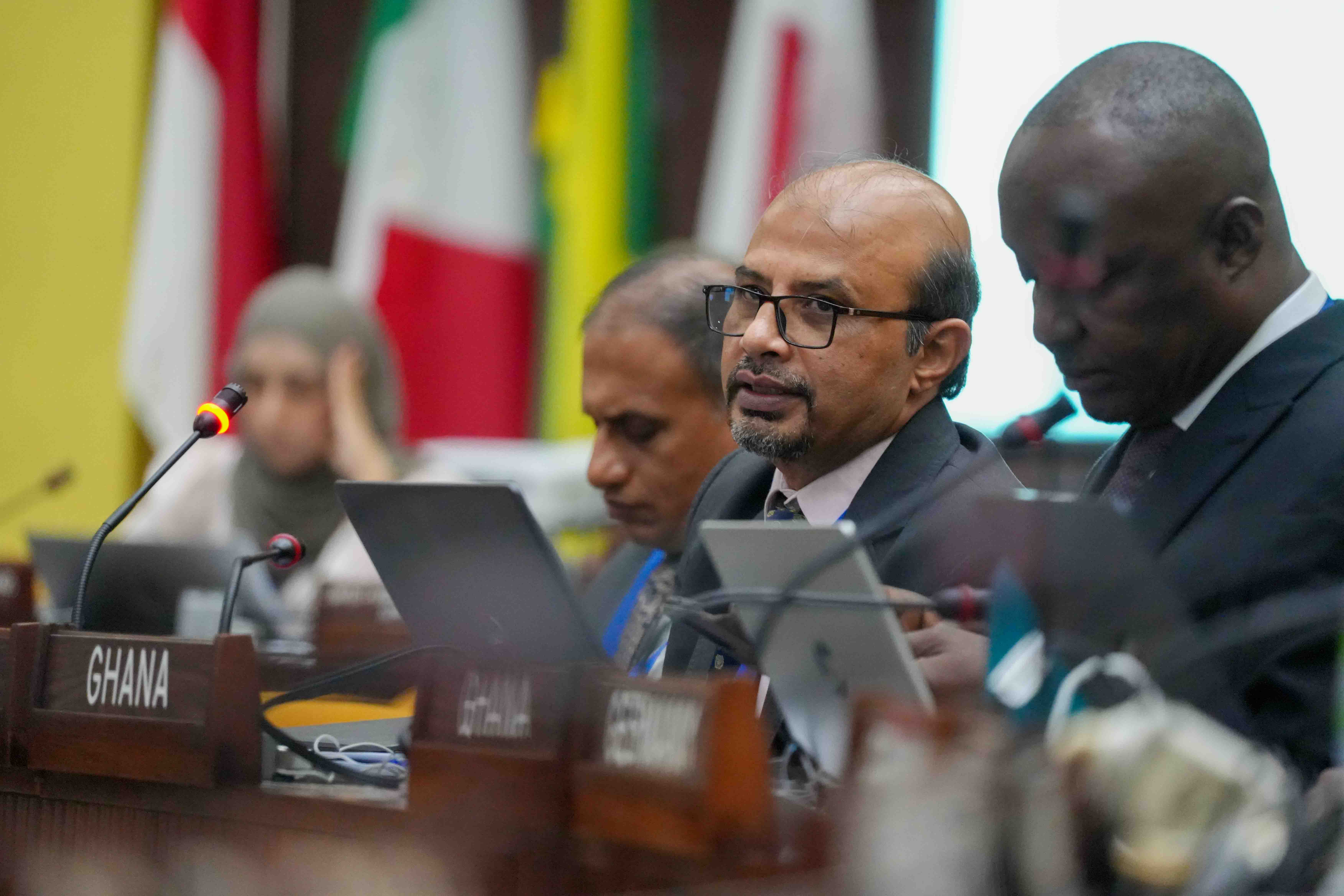
Sandip Mukhopadhyay, India
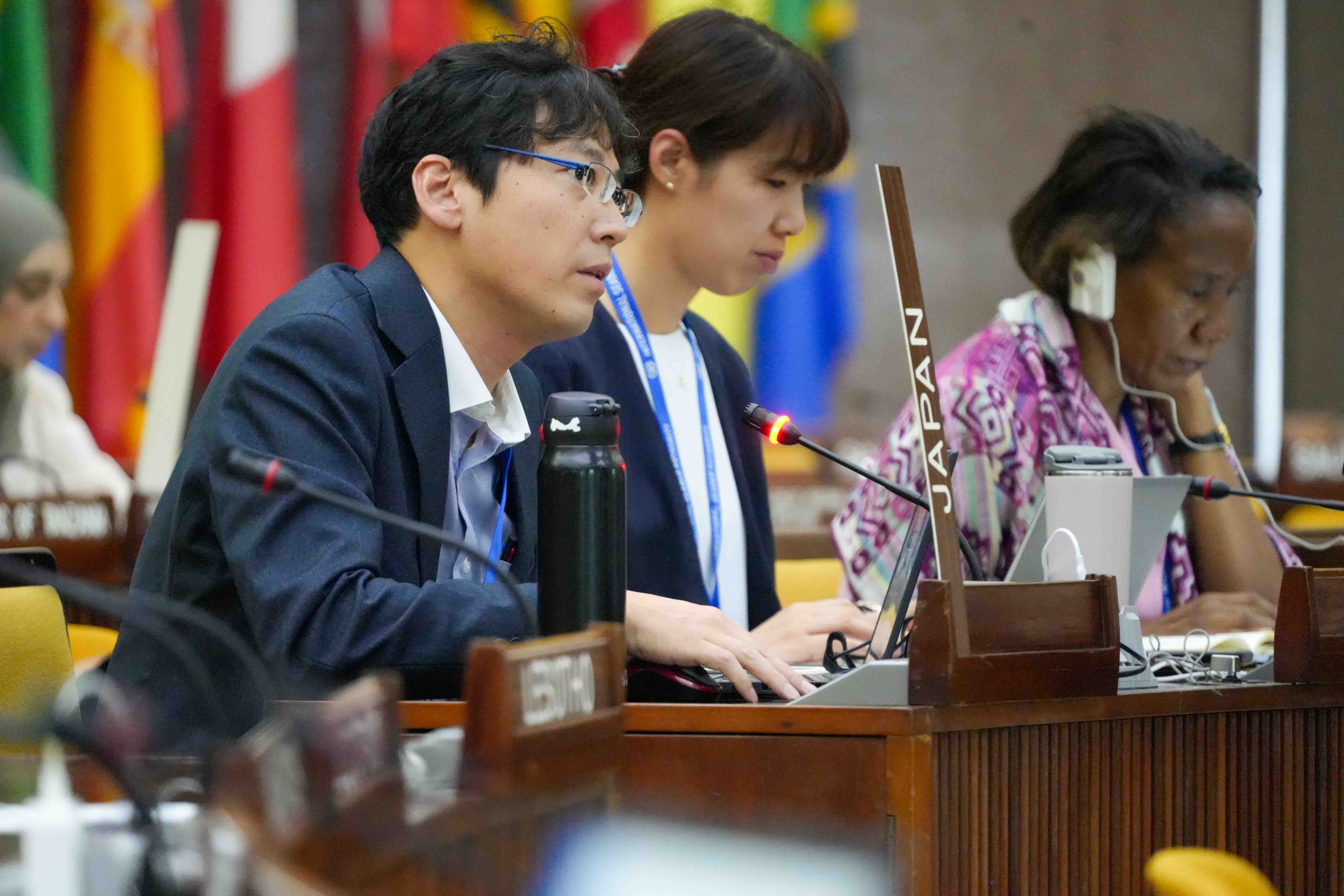
Tomohito Kurimoto, Japan
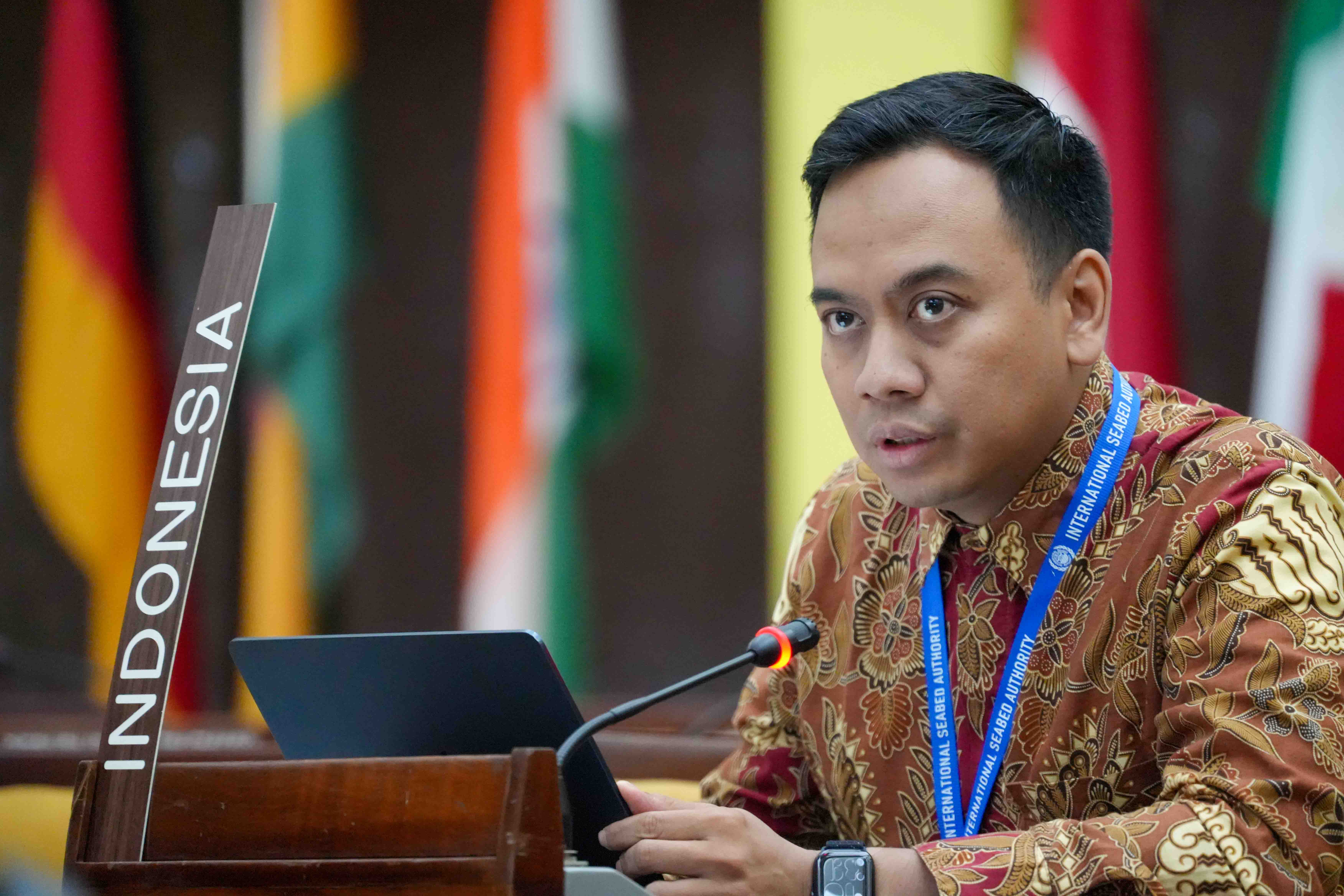
Muhammad Taufan, Indonesia
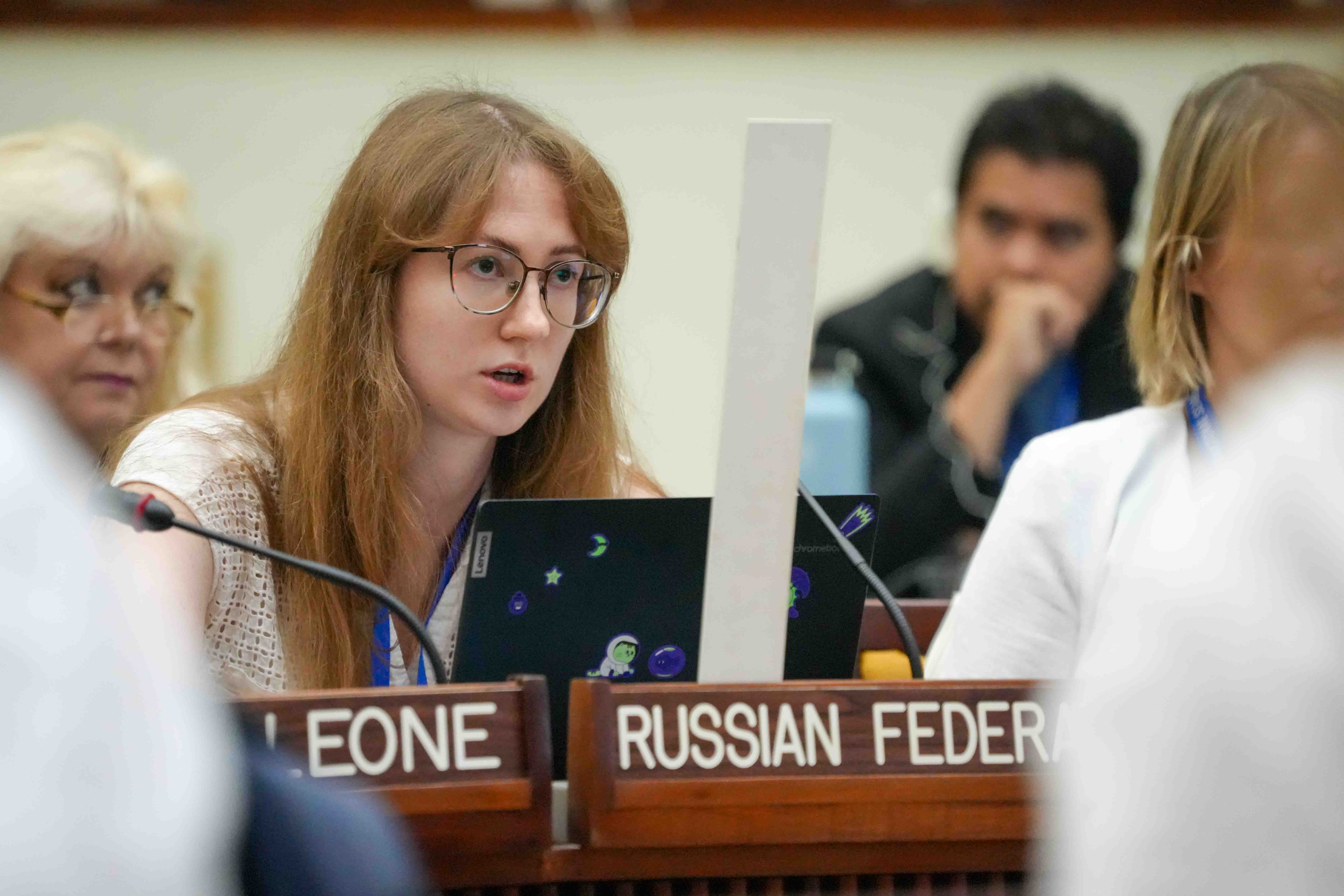
Anastasia Smetannikova, Russian Federation
Selected Images
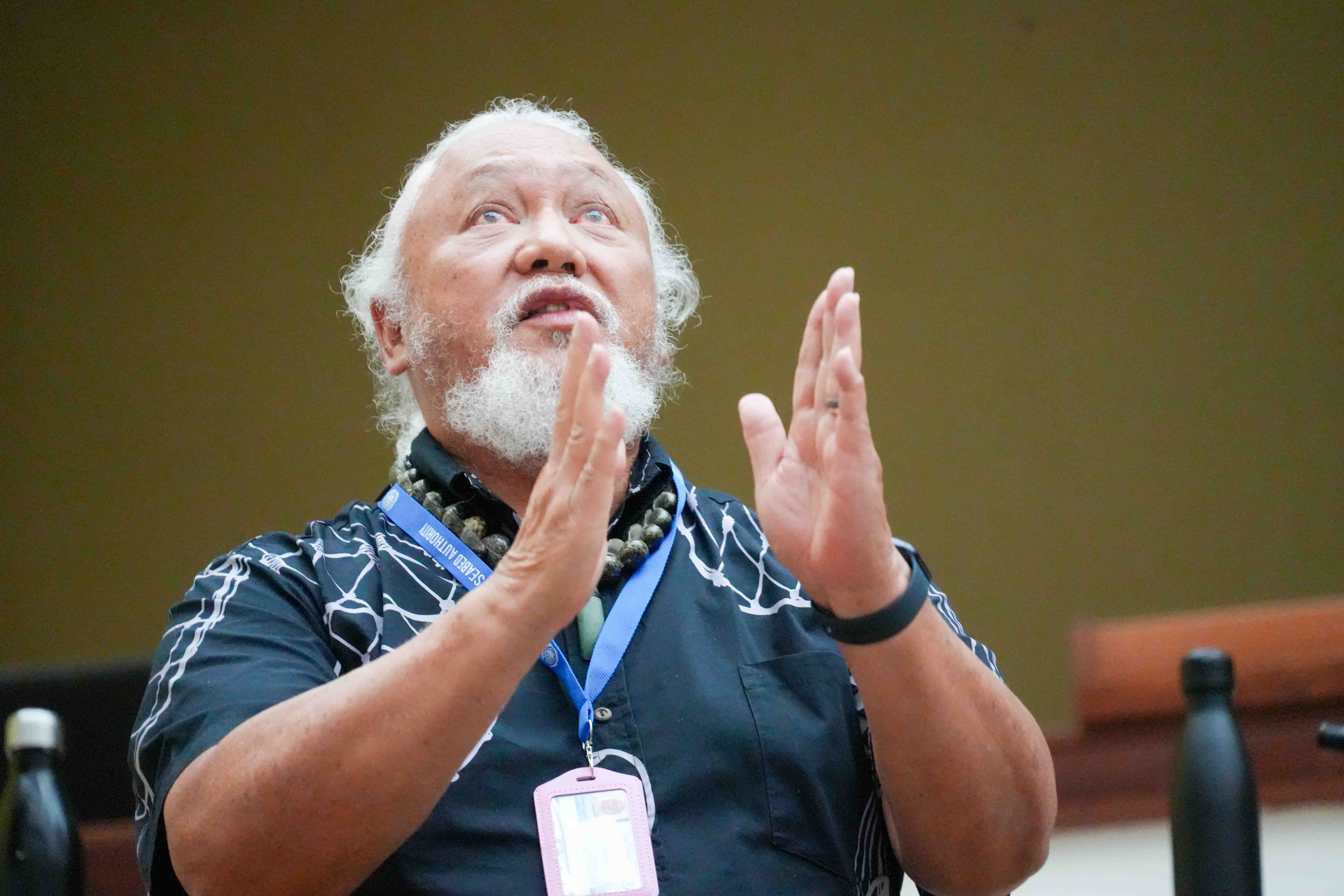
Solomon “Uncle Sol” Kaho'ohalahala, Maui Nui Makai Network, offers a Hawaiian oli (chant) to ground the discussion and bring in our connections across the ocean.
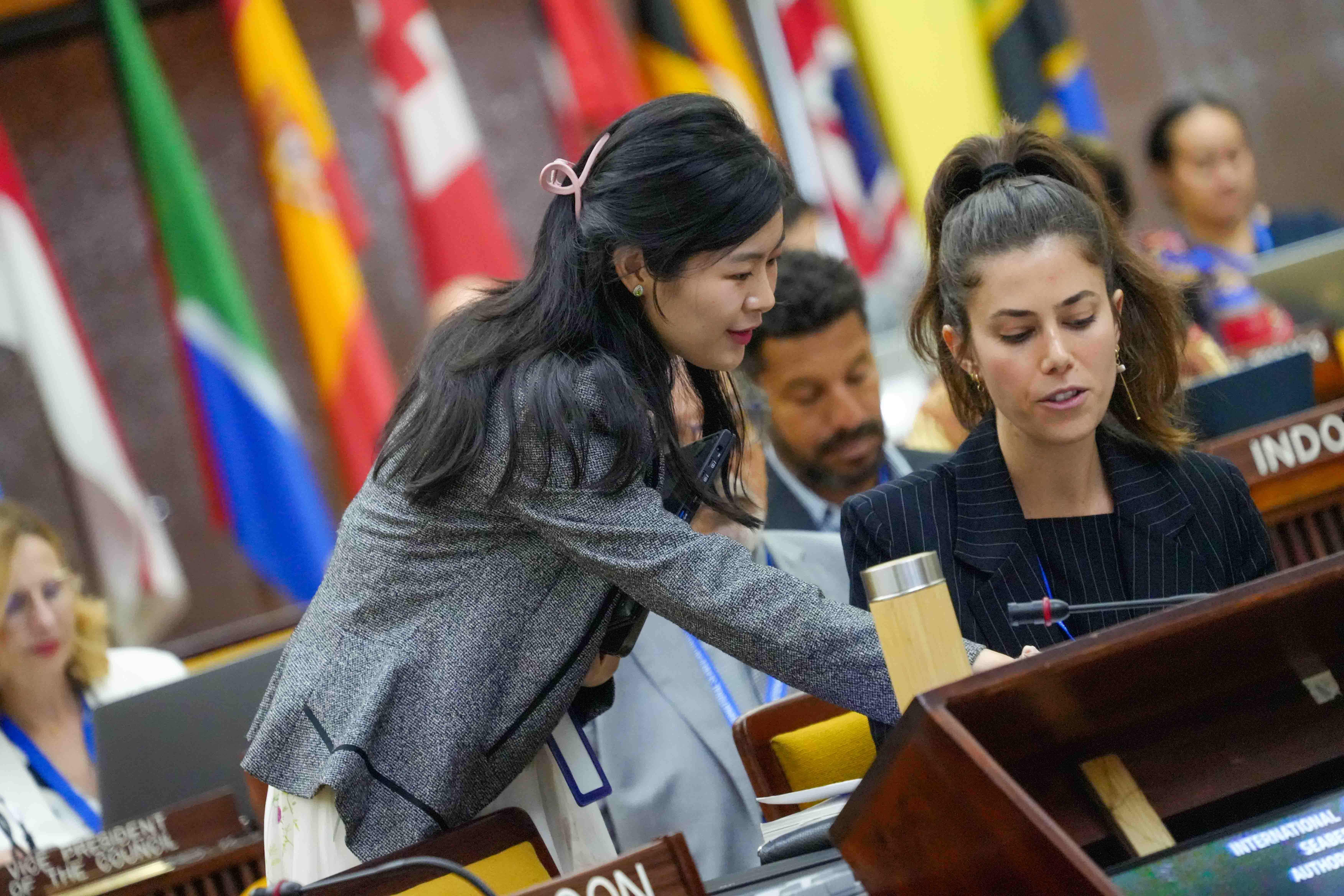
Jessie Lim, Singapore and Bárbara Macedo Perrenoud, Brazil
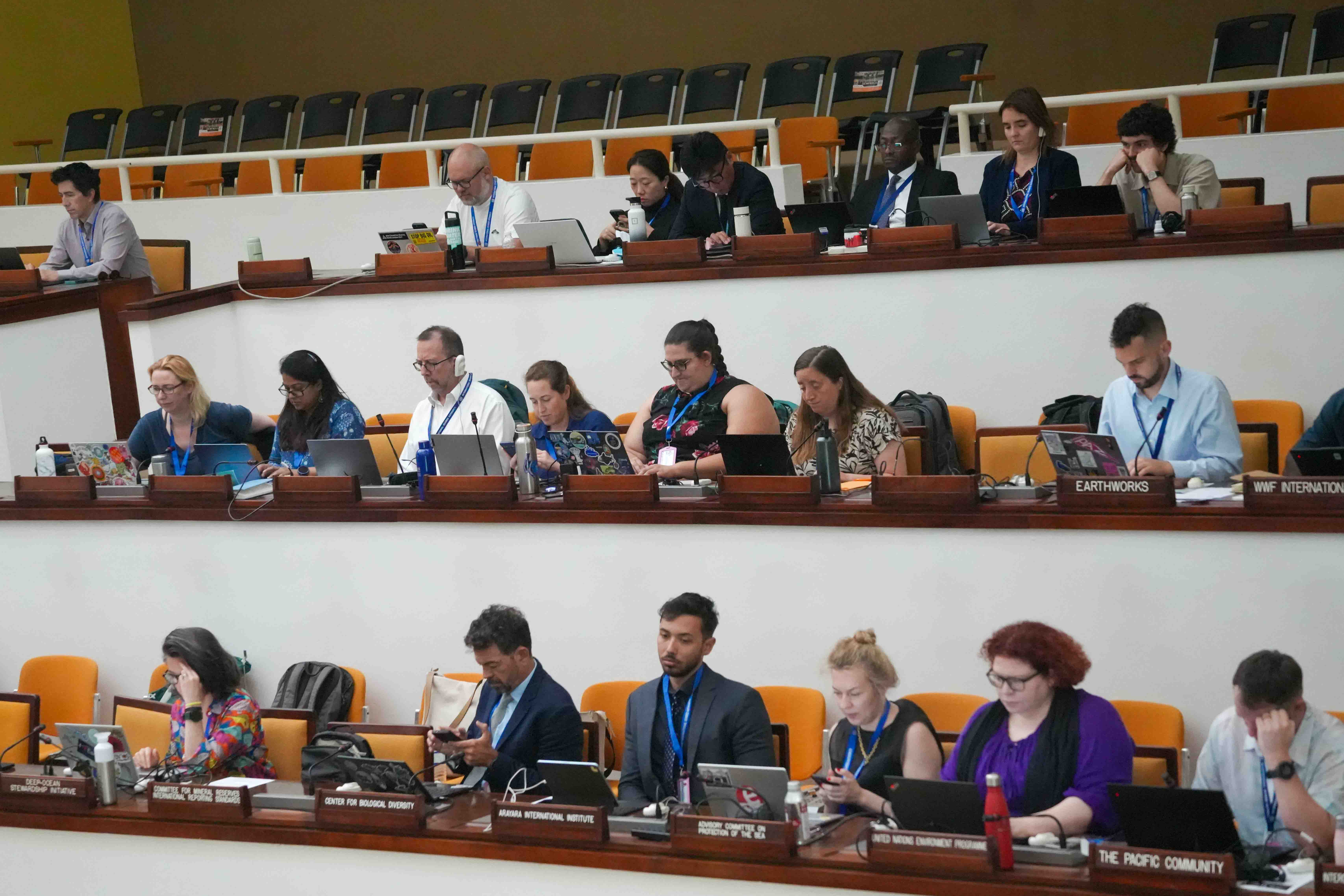
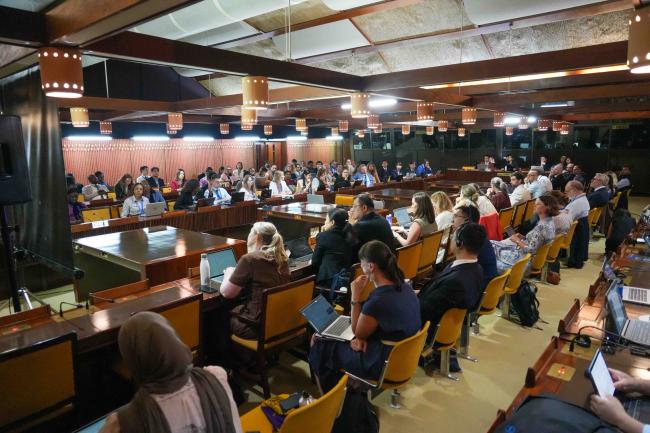
View of the observers during the discussions on underwater cultural heritage

Around the Venue

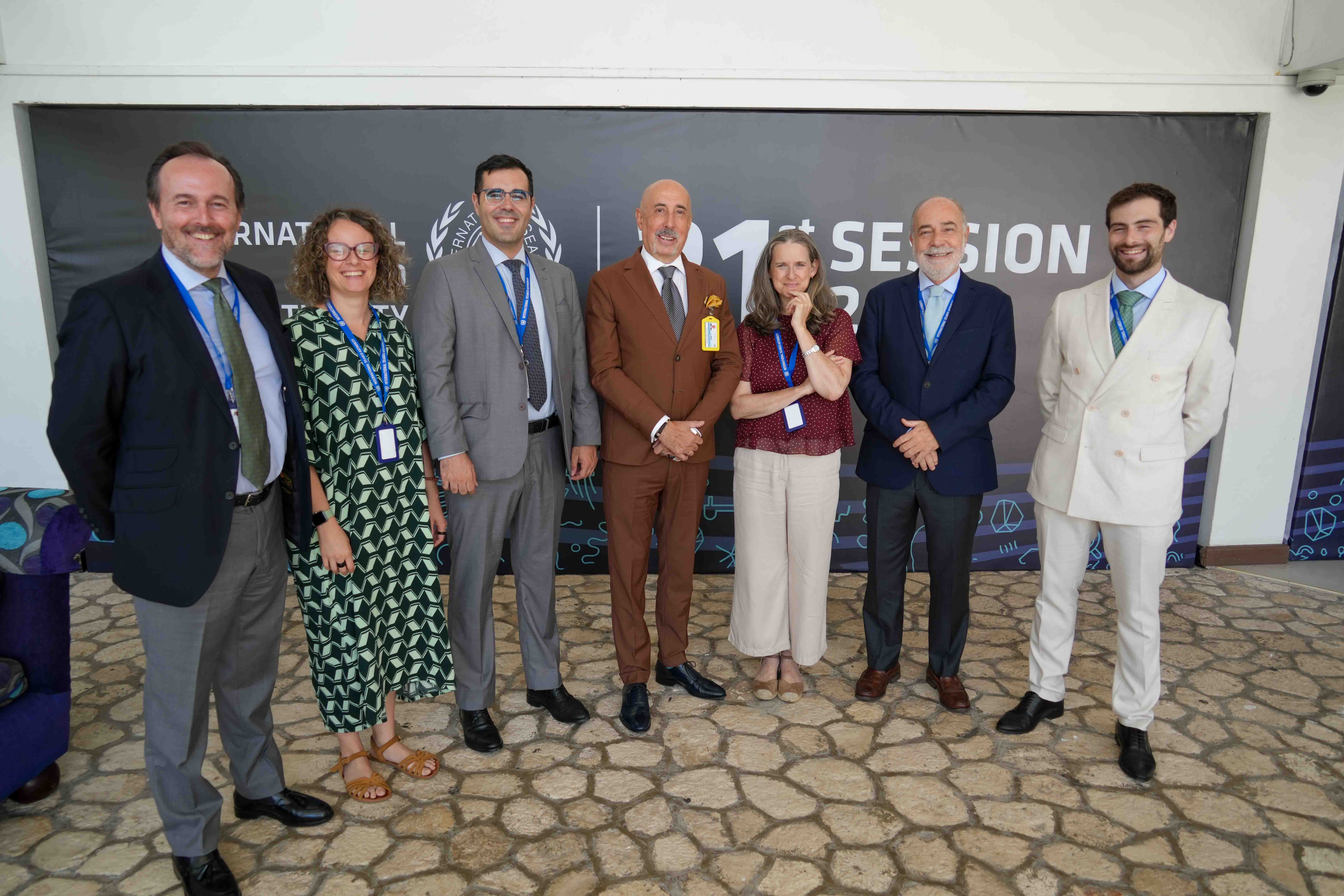
Delegation of Spain

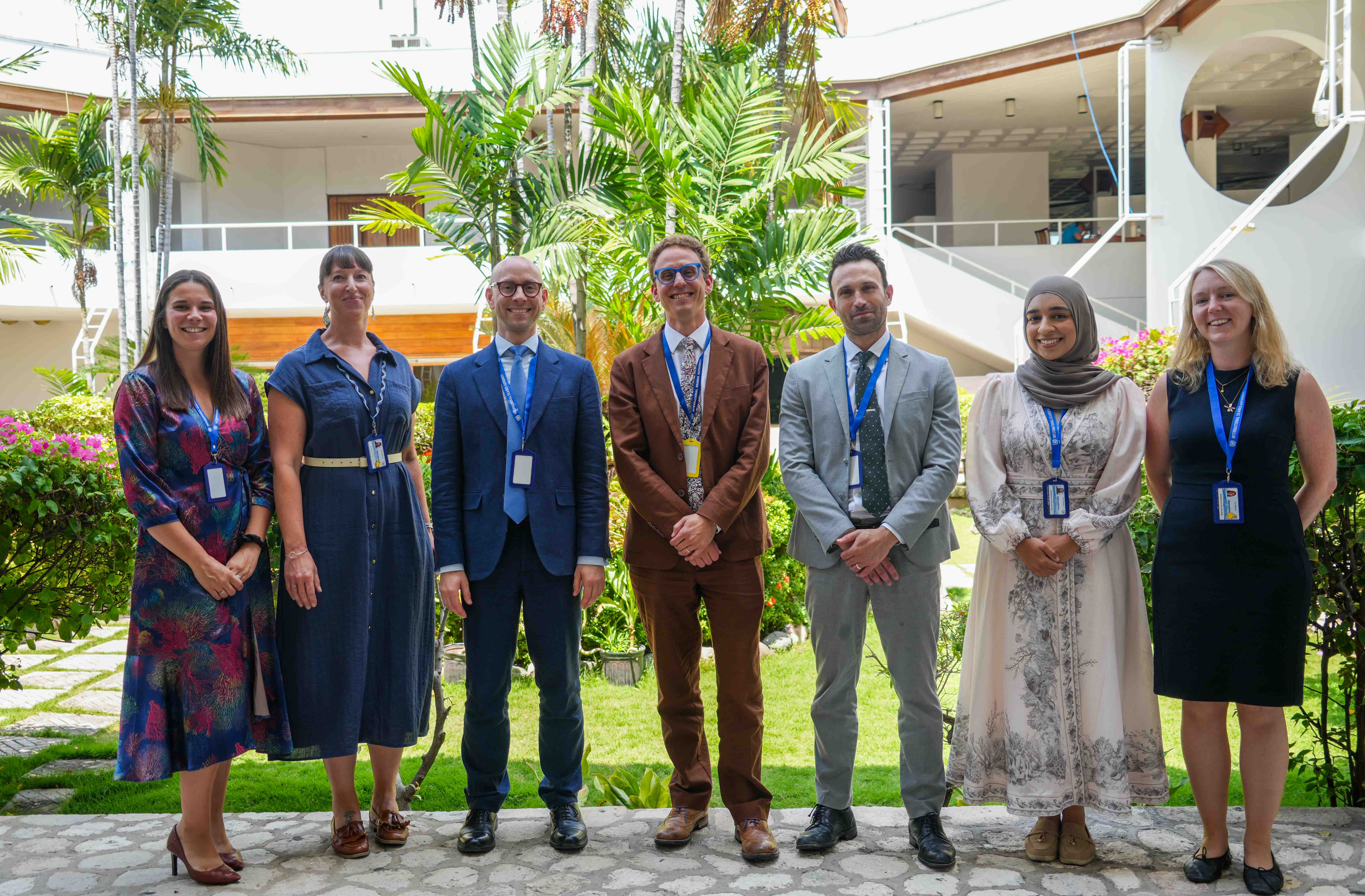
Delegation of the UK
Between Sessions