
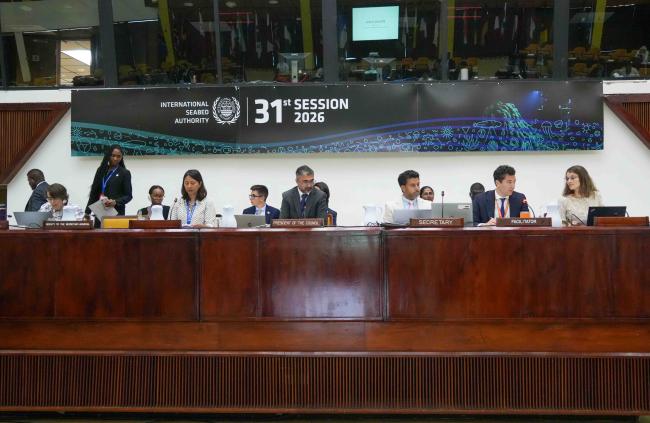
The need to preserve and protect the marine environment from impacts and effects of commercial deep-sea mining took the spotlight on Friday. The Council of the International Seabed Authority (ISA) addressed the outcome of intersessional work in two informal working groups, focusing on provisions on regional environmental management plans (REMPs), and environmental management and monitoring.
The rest of the day was devoted to discussions on the development of a general ISA policy on whistle-blowing and on effective control, which addresses the relationship between a sponsoring state and a non-state contractor.
In the morning, the Netherlands, facilitator of the relevant informal working group, guided discussions on REMPs on the basis of a note for discussion.
Delegates agreed that a plan of work (PoW) should only be considered if a REMP has been adopted for the particular area and type of resource. Some stressed that REMP development should be in line with the standardized procedure and template approved by the Council. Others noted challenges in relation to the validity of existing REMPs.
Some members noted that a PoW should not be considered if the applicable REMP is under review. Others emphasized that the review of a REMP should not be a hindrance for the consideration of a new application for a PoW since no regulatory gap exists.
Many delegates supported that the ISA should prioritize the development and adoption of a REMP for areas where a PoW is submitted in the absence of a REMP. A regional group emphasized that the development of new REMPs should be prioritized over the review of existing ones.
A few members supported reviewing a PoW if the applicable REMP has been amended following a review. Others called for a case-by-case examination, noting that whether a PoW should be reviewed depends on the nature of the amendments of a reviewed REMP, adding that minor amendments should not automatically trigger a review.
Observers urged avoiding arbitrary deadlines that might compromise the quality of the REMPs and invited the Council to consider whether the exploration regulations should be amended to reflect some of the REMPs’ objectives and protections.
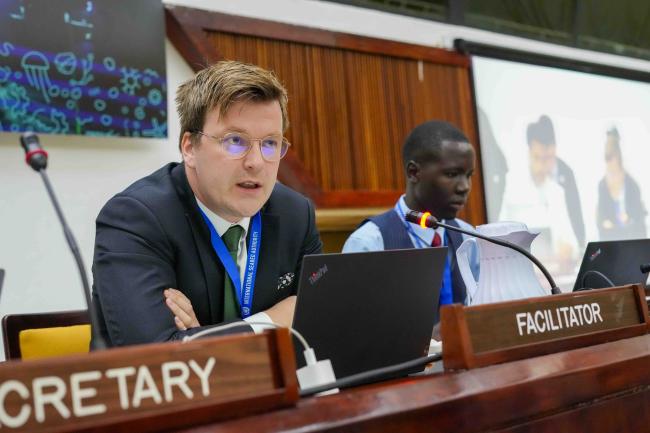
Council members discussed environmental management and monitoring regulations, in particular additional provisions proposed by Germany and guiding questions prepared by Norway, facilitator of the relevant informal working group.
Germany’s proposal included provisions on the independent experts’ monitoring and real-time transmission of contractors’ data. Council members’ views diverged. Several delegates requested clarification on independent expert monitoring, cautioning against creating duplicative mechanisms. Some noted technical and operational difficulties with real-time data transmission.
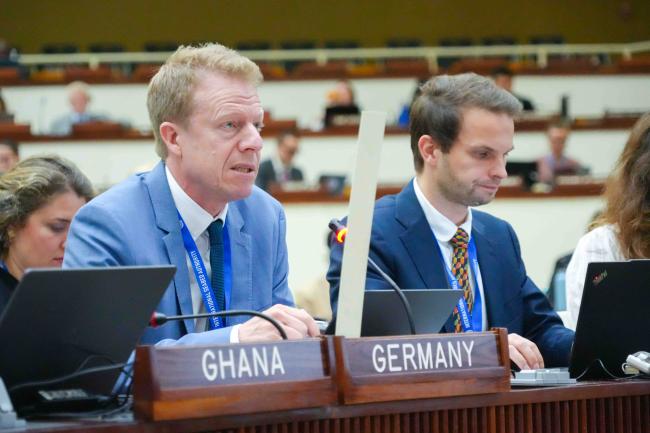
Regarding the guiding questions, some delegates supported that the environmental monitoring and management plan (EMMP) should include only environmental impacts and effects, while others preferred a broader approach. Various views were expressed on the utility of a common term for all legally binding documents.
Most delegates agreed that the EMMP should explicitly consider cumulative impacts and noted that a definition of environmental risks would be useful. Most delegates agreed that the end of the contract period and the end of the closure plan do not always coincide. Some members supported contractors closing some parts of the mining area before others, while others noted that further discussion is needed.
In the afternoon, delegates agreed that whistle-blowing is a matter of institutional governance and would be better addressed under a general policy than in the exploitation regulations. A regional group and some delegates suggested a regulatory bridge with the draft regulations through retaining and cross-referencing regulation 101bis (whistle-blowing procedures).
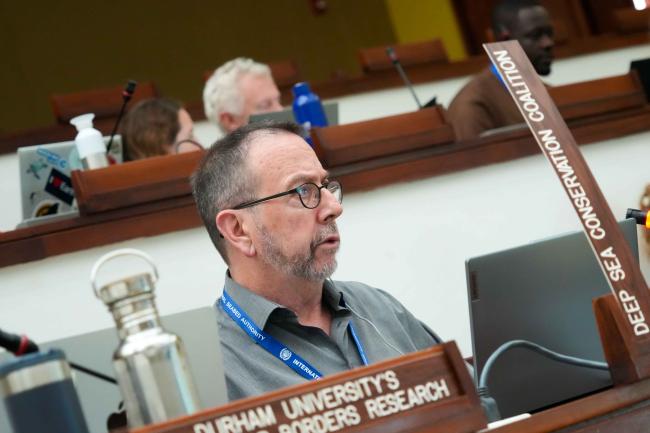
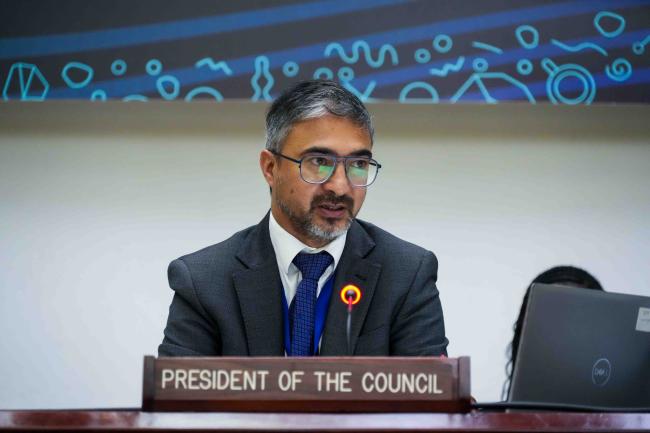
Many supported consulting with the UN Ethics Office regarding the feasibility, modalities, legal implications, and potential costs of establishing a cooperation arrangement relating to whistle-blowing and protection against retaliation. A regional group suggested developing an option for an independent ethics function within the ISA and addressing the budgetary and other implications of both options prior to taking a decision. President Joshi invited written submissions for further deliberation.
The Council also exchanged views on effective control based on a draft standard and introductory note prepared by the Netherlands and Canada.
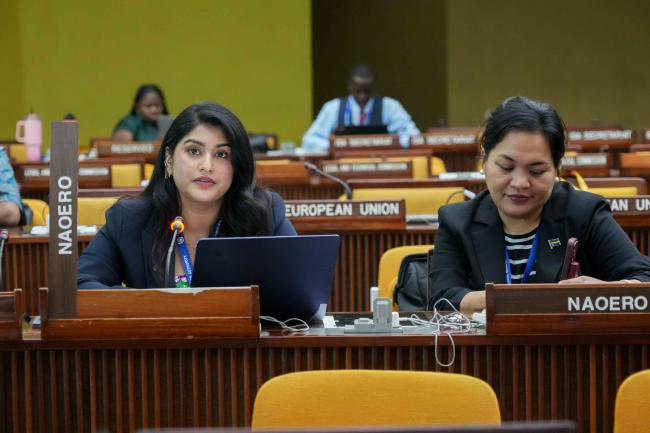
The facilitators pointed out that a “factual approach” to effective control was used, rather than an “economic” and “regulatory” one that has dominated discussions so far, noting that a level of conceptual agreement needs to be achieved before moving to drafting. They explained the legal basis for effective control and outlined the draft standard, in particular: definitions; types of controllers; instructions or directions; information to be provided by applicants; and the practical sequence for assessing such information by the Legal and Technical Commission.
Delegates supported a factual approach and engaged in a preliminary discussion on various parameters of effective control. Discussions will continue and the way forward will be decided during the second week of the Council’s meeting
To receive free coverage of global environmental events delivered to your inbox, subscribe to the ENB Update newsletter.
All ENB photos are free to use with attribution. For the Second part of the 31st session of the International Seabed Authority (ISA) meeting, please use: Photo by IISD/ENB | Andrés Felipe Carvajal Gómez
Selected Images
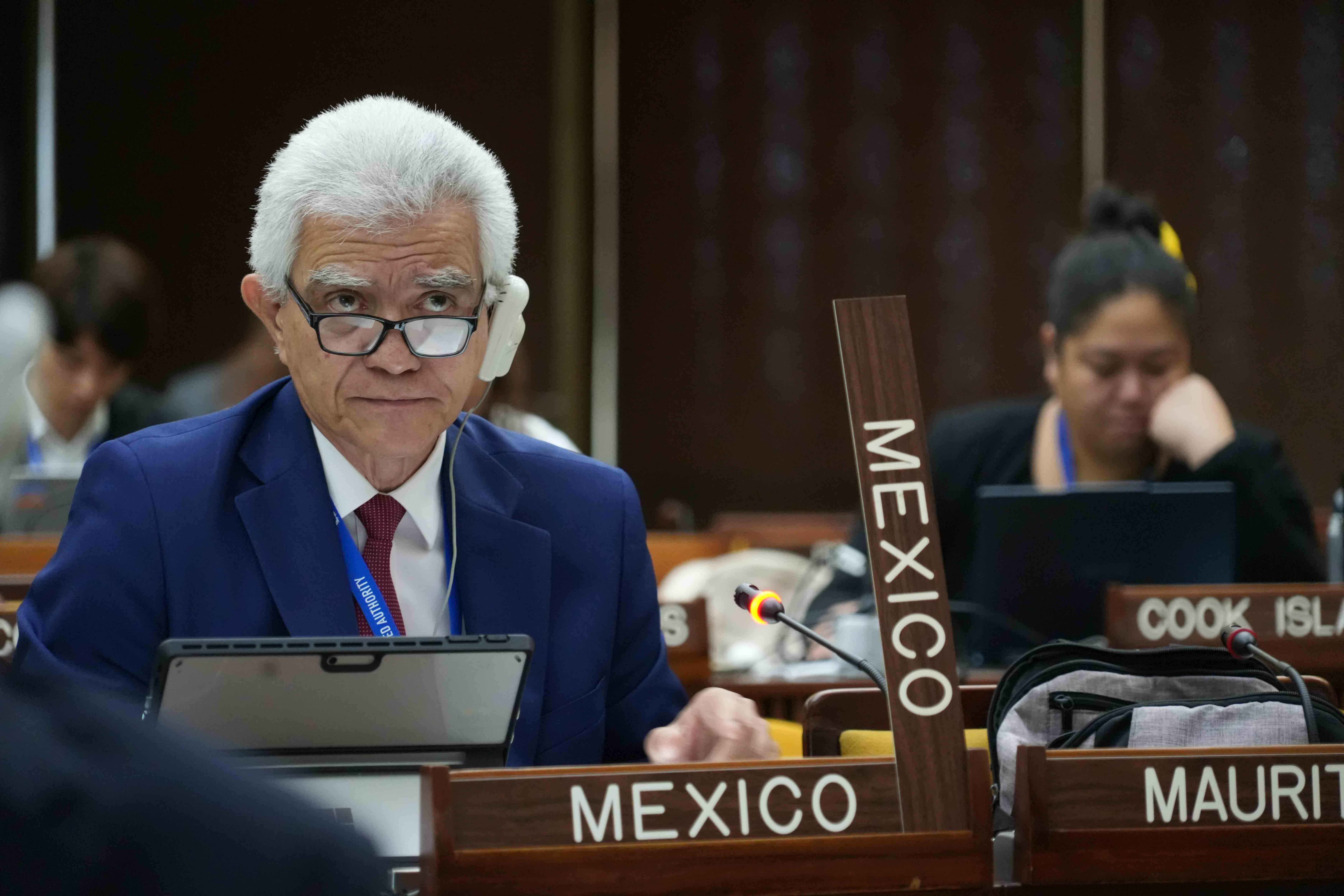
Roberto Canseco Martínez, Mexico
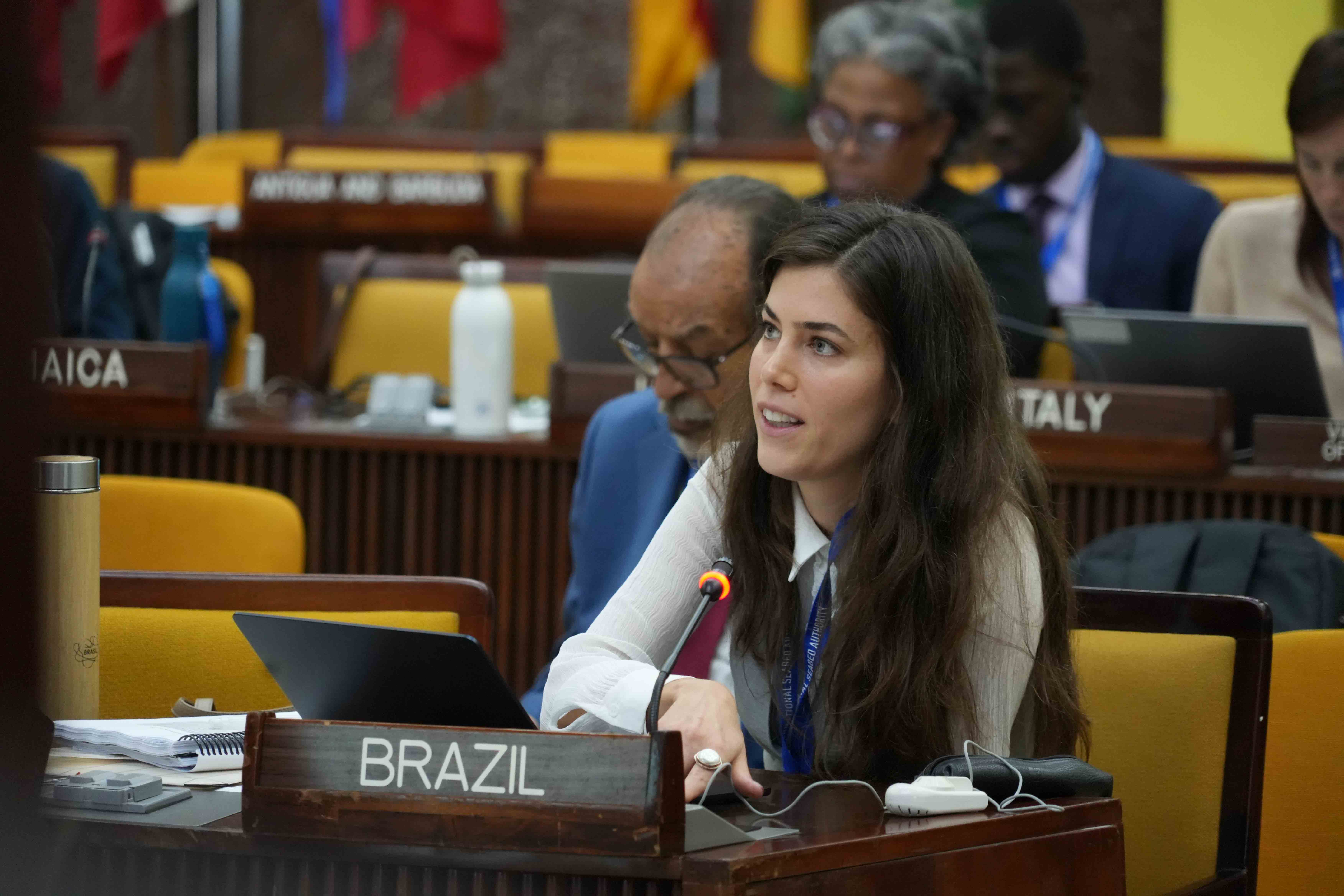
Bárbara Perrenoud, Brazil
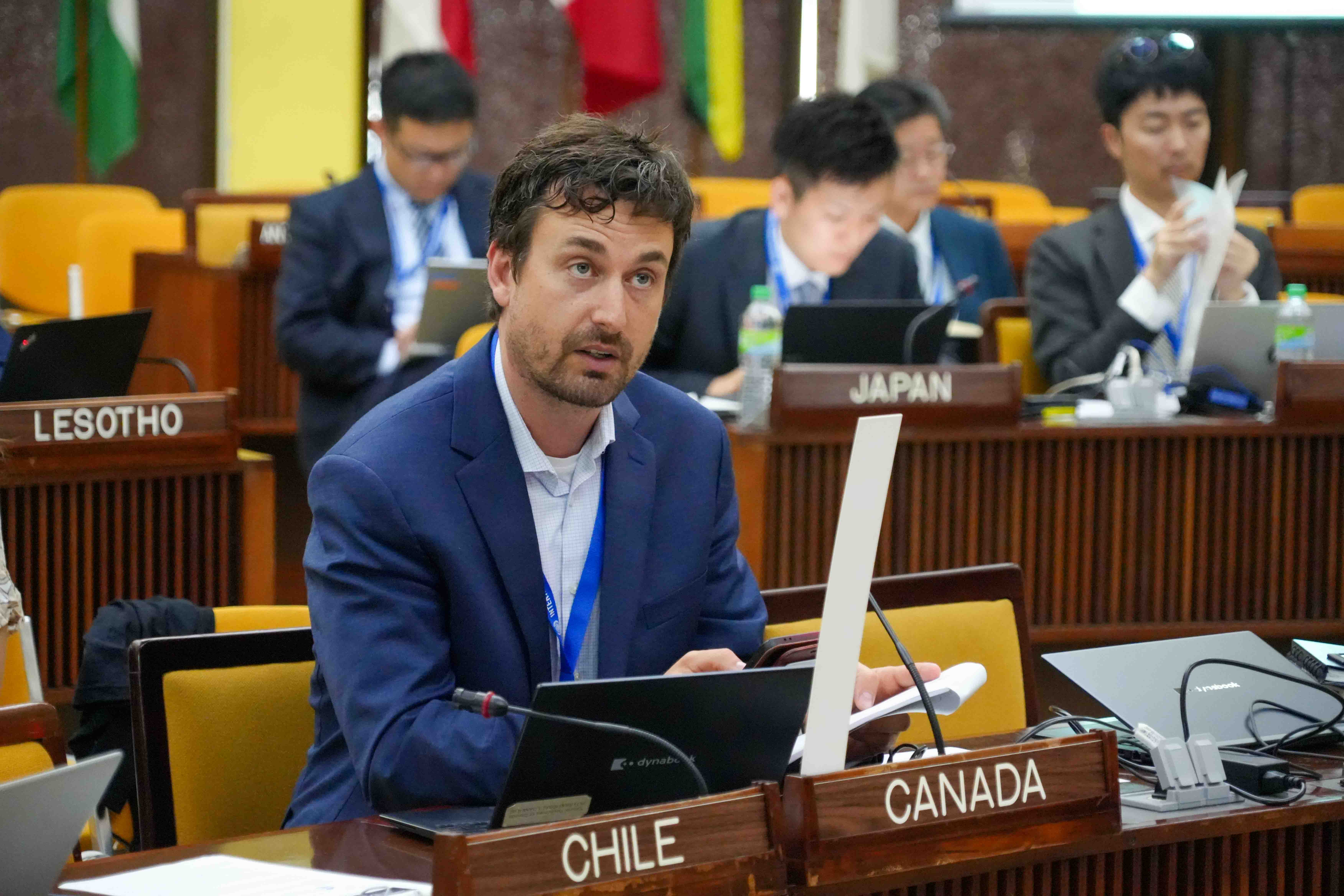
Daniel Hill, Canada
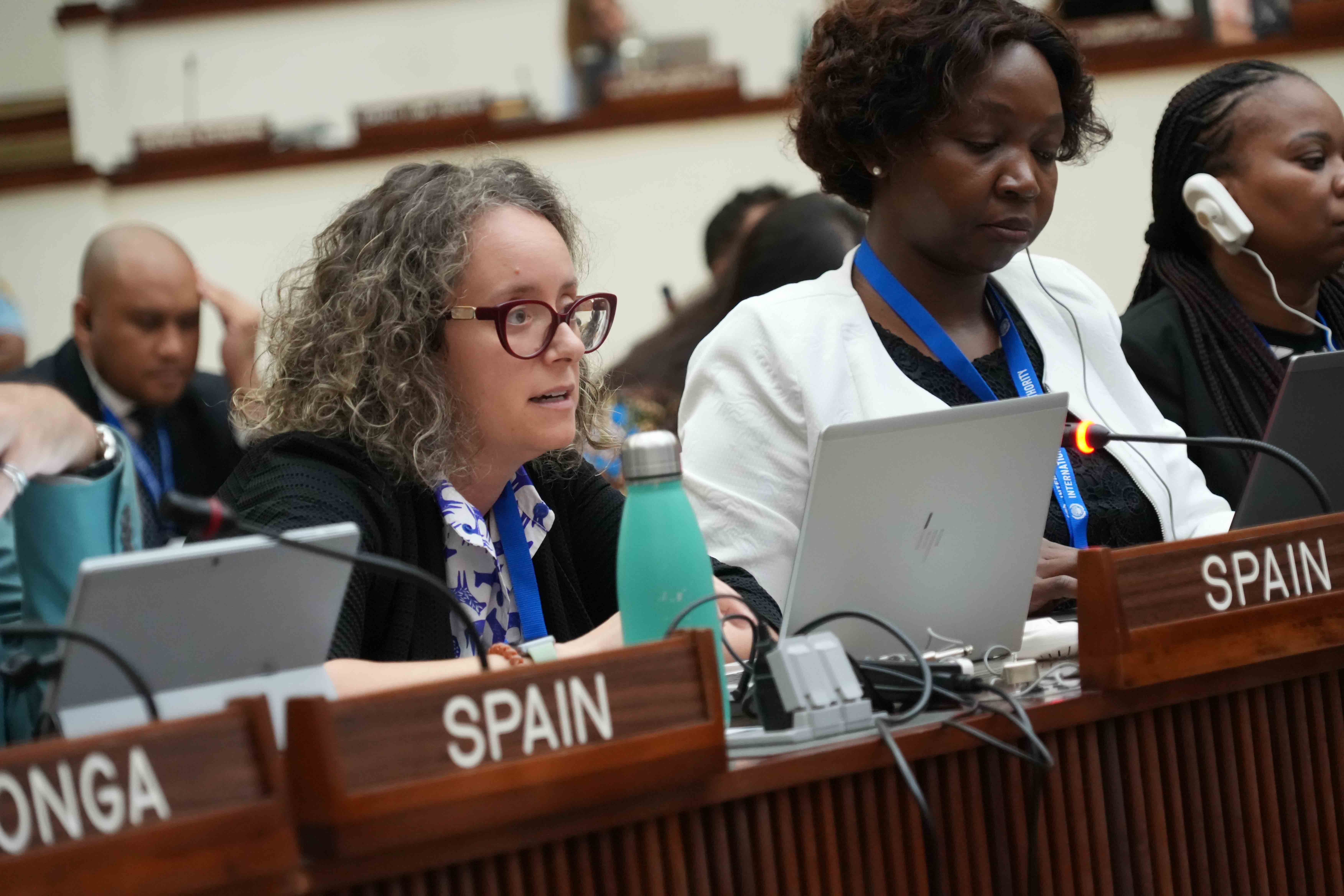
Marta Gallegos, Spain

Beatrice Chen, Singapore
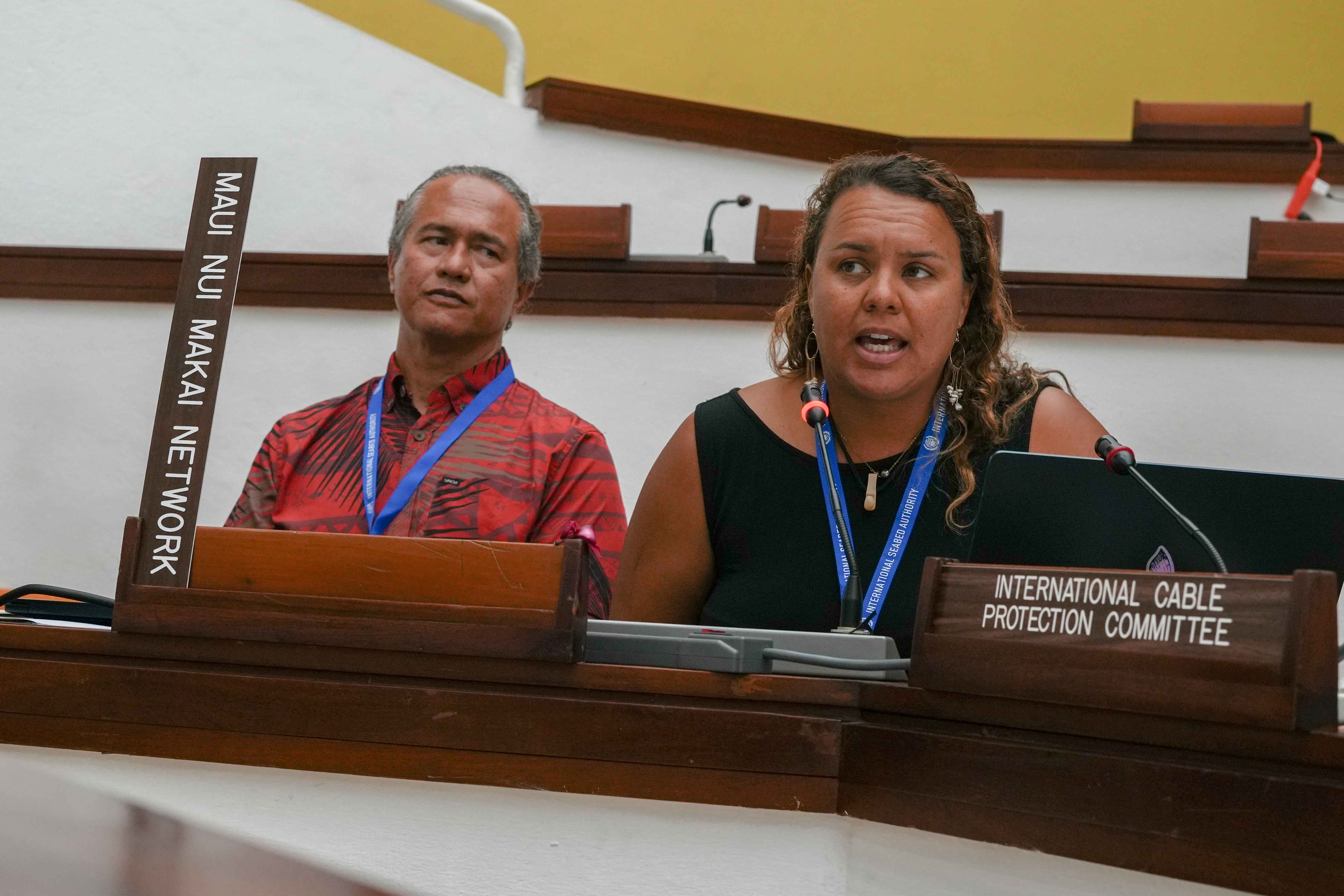
Brittany Kamai, Maui Nui Makai Network
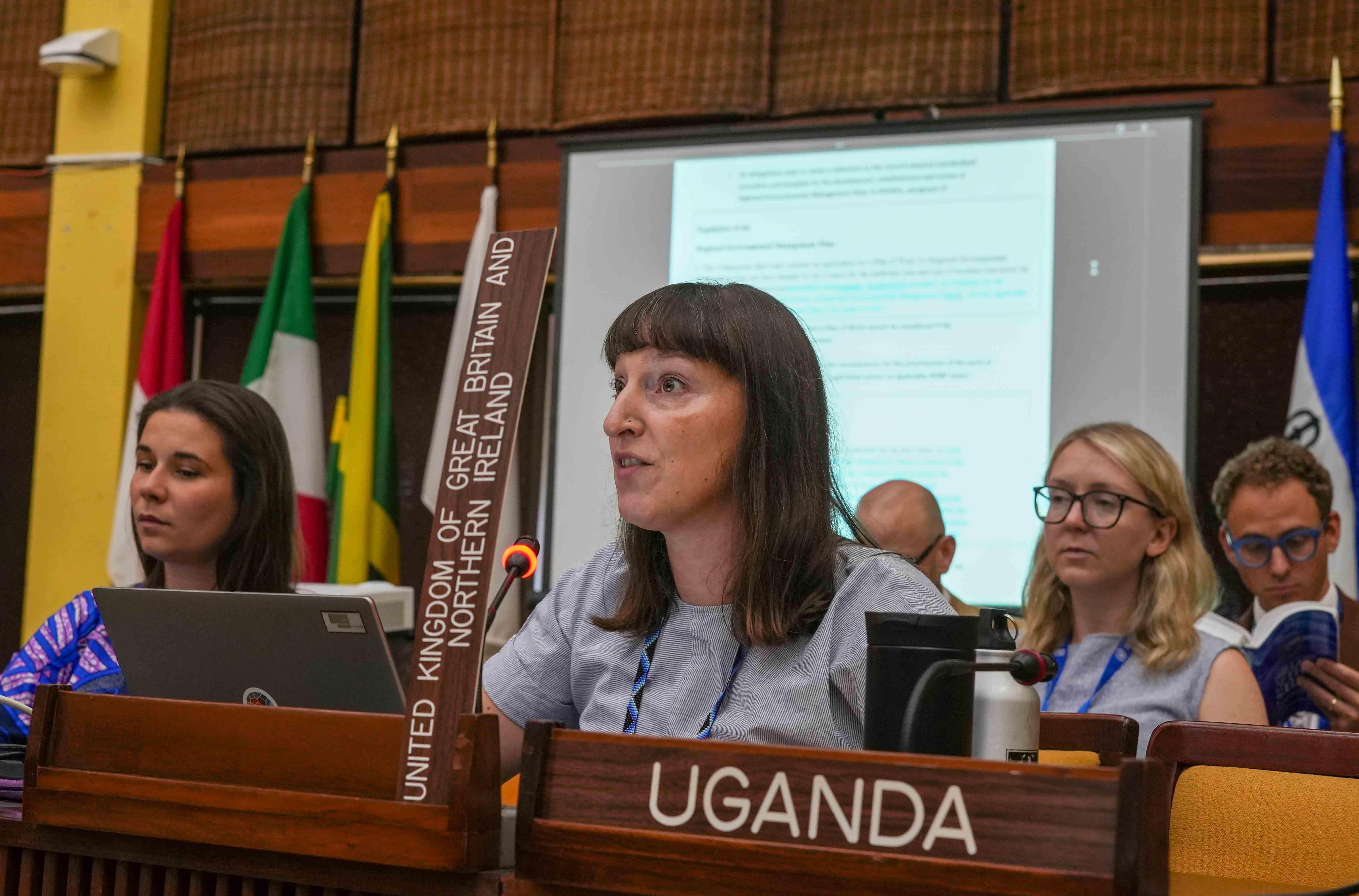
Louise Bamforth, UK
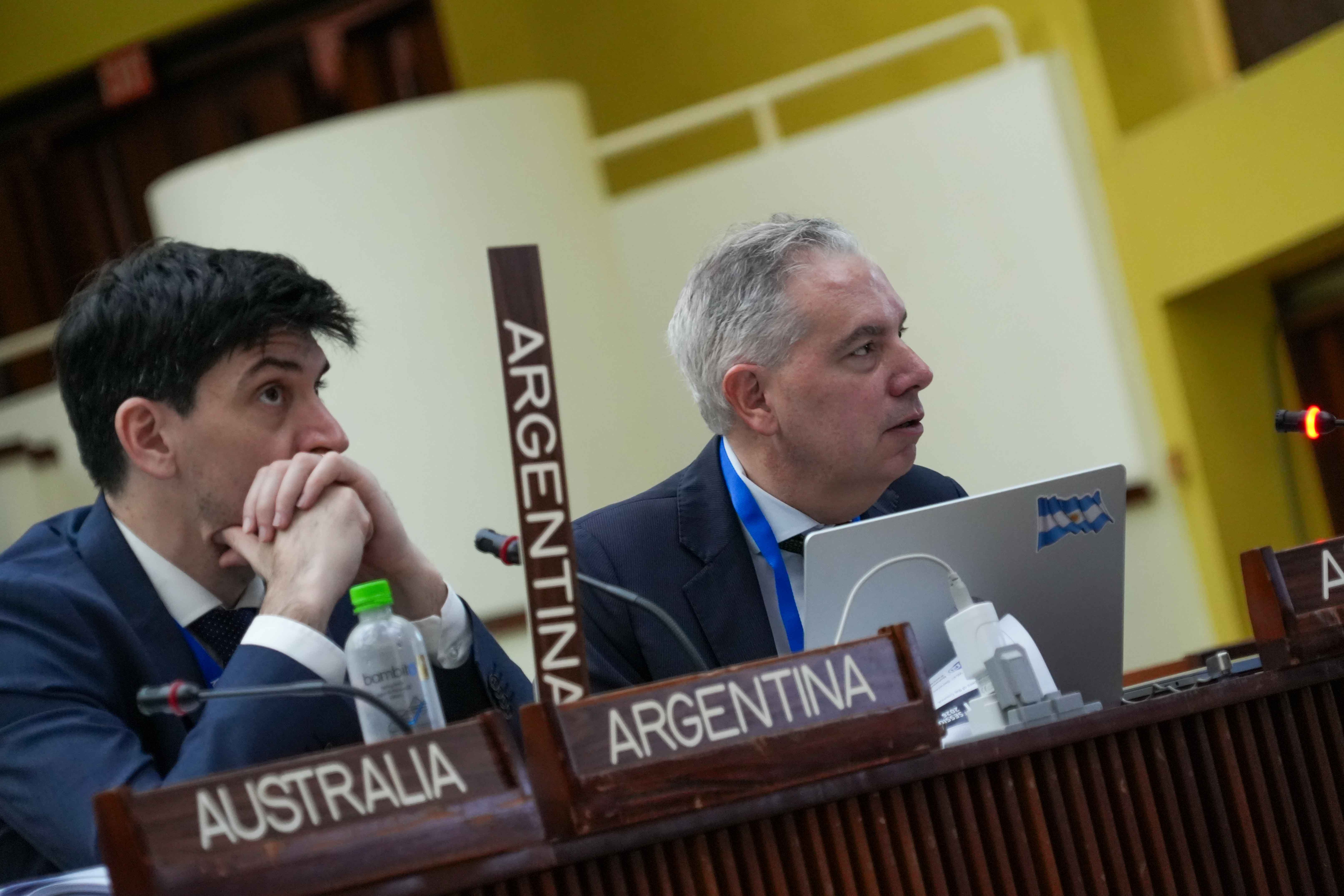
Marcelo Angel Balbi Calvo, Argentina
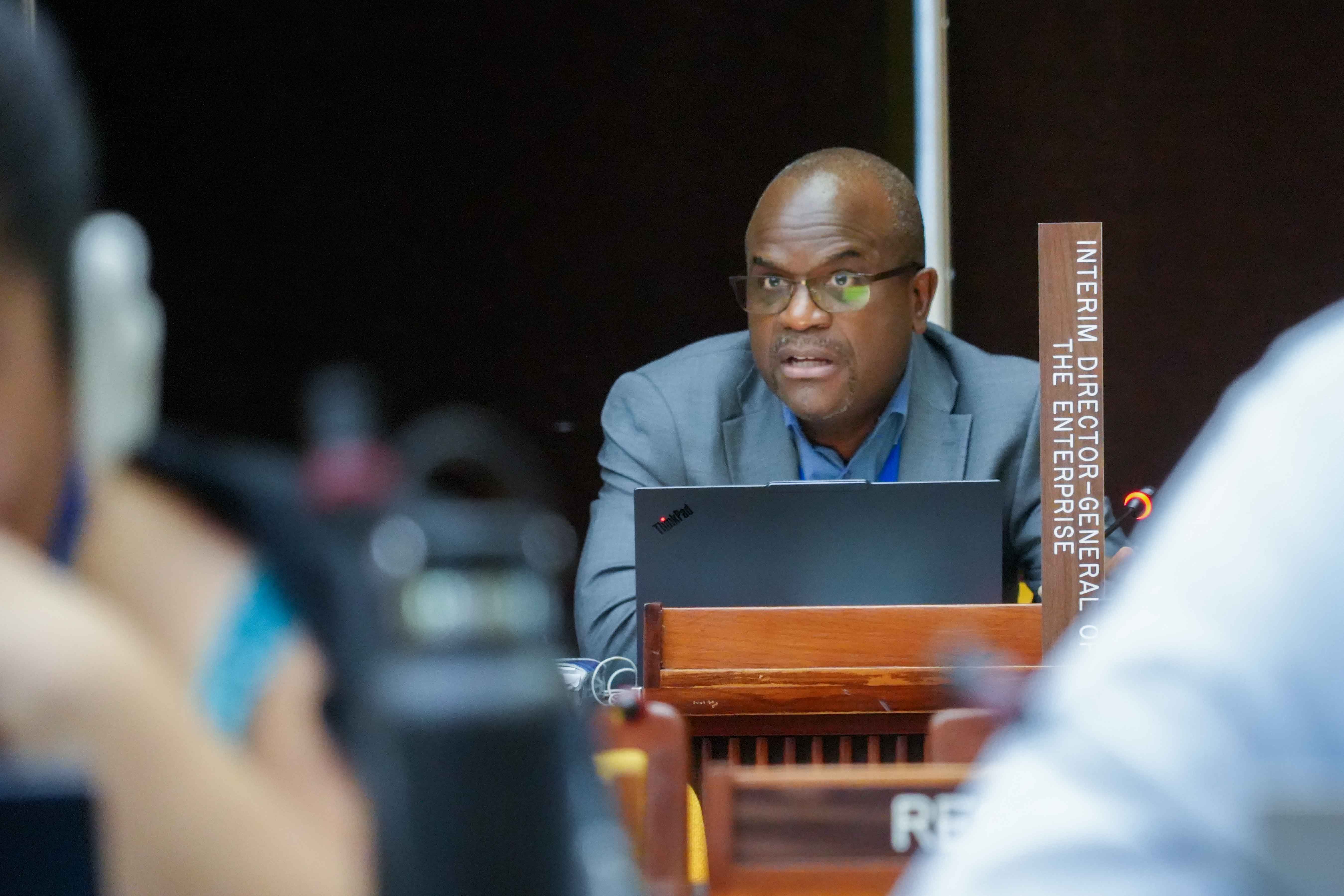
Eden Charles, Interim Director-General of the Enterprise

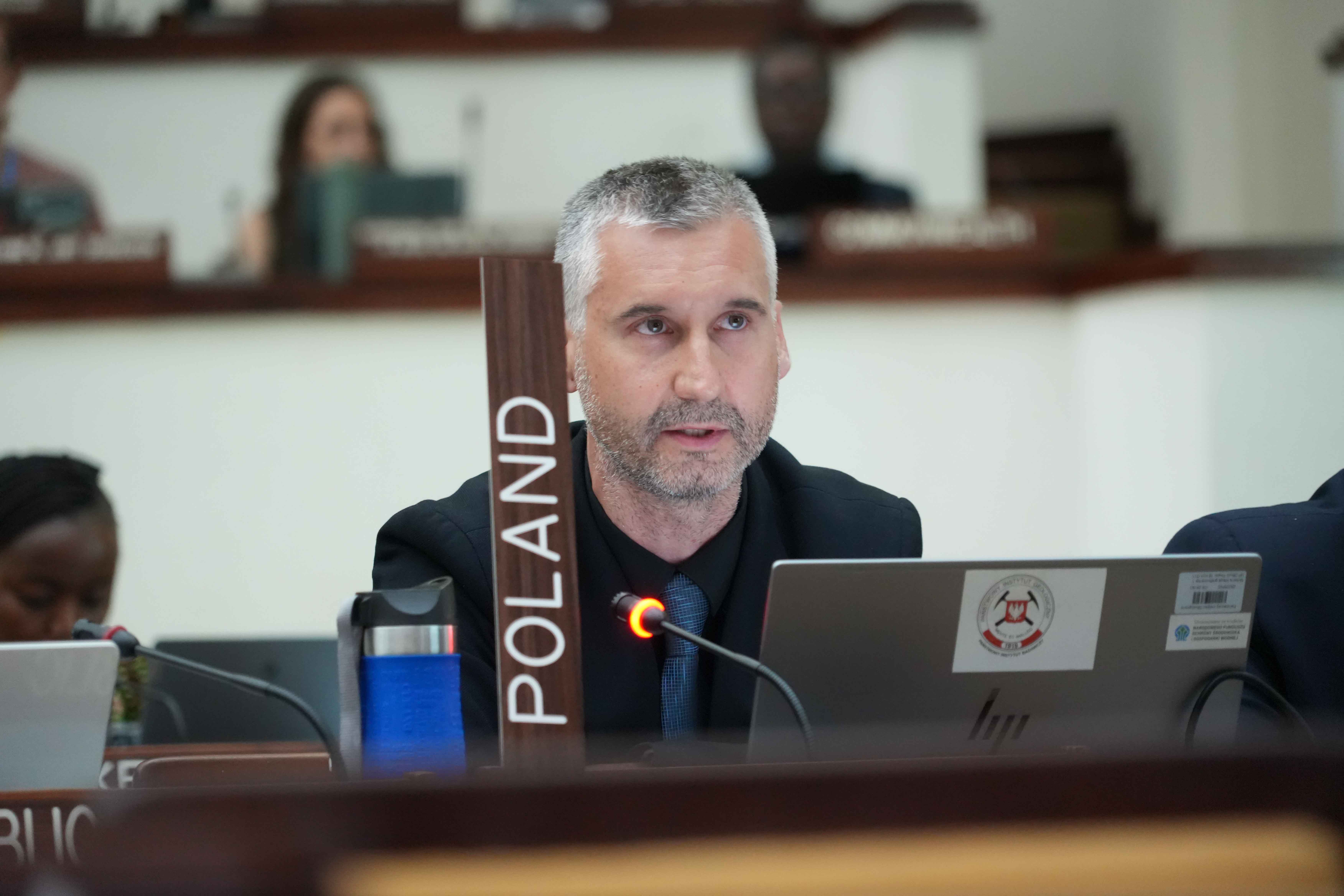
Marcin Kania, Poland
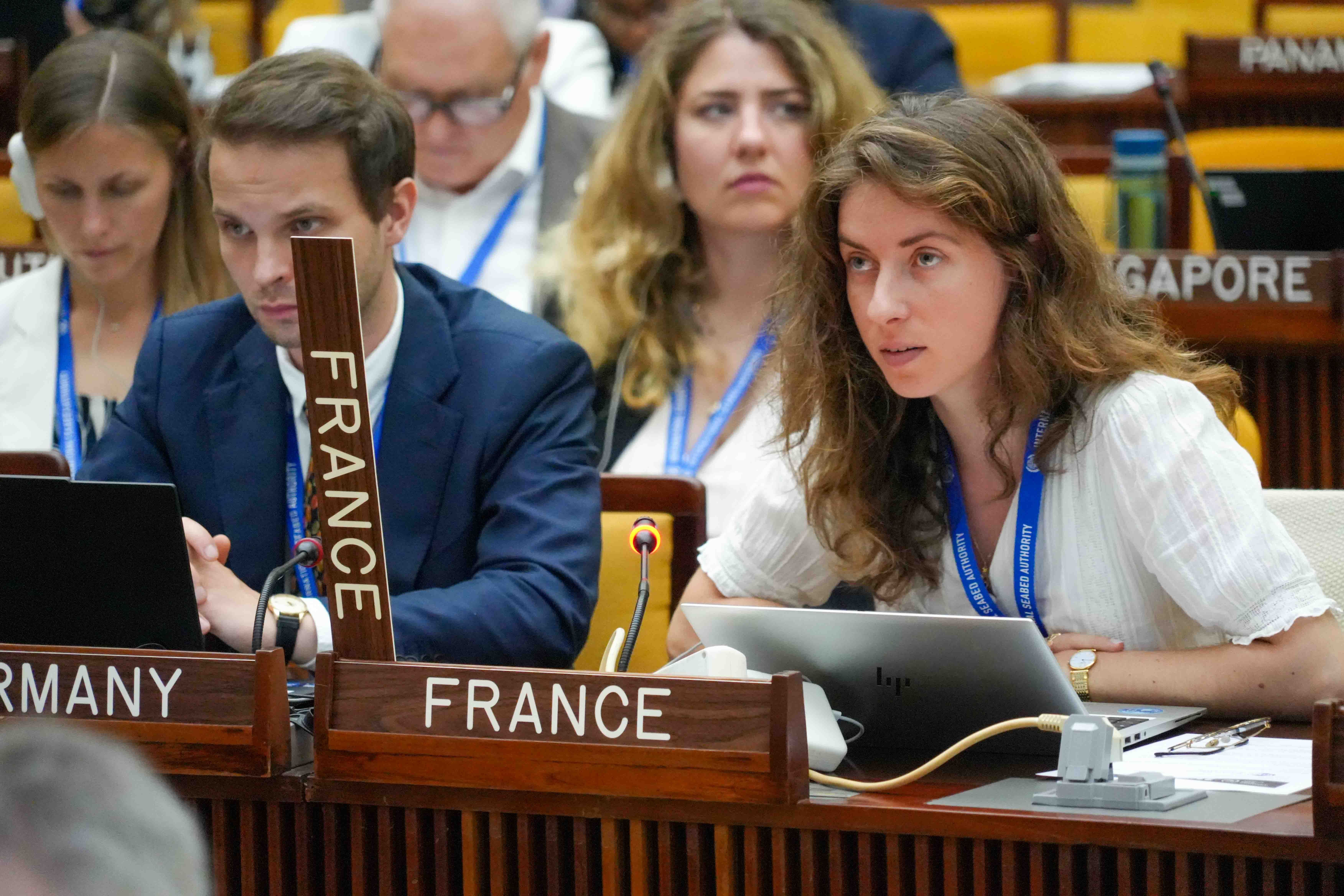
Salomé Ponson, France
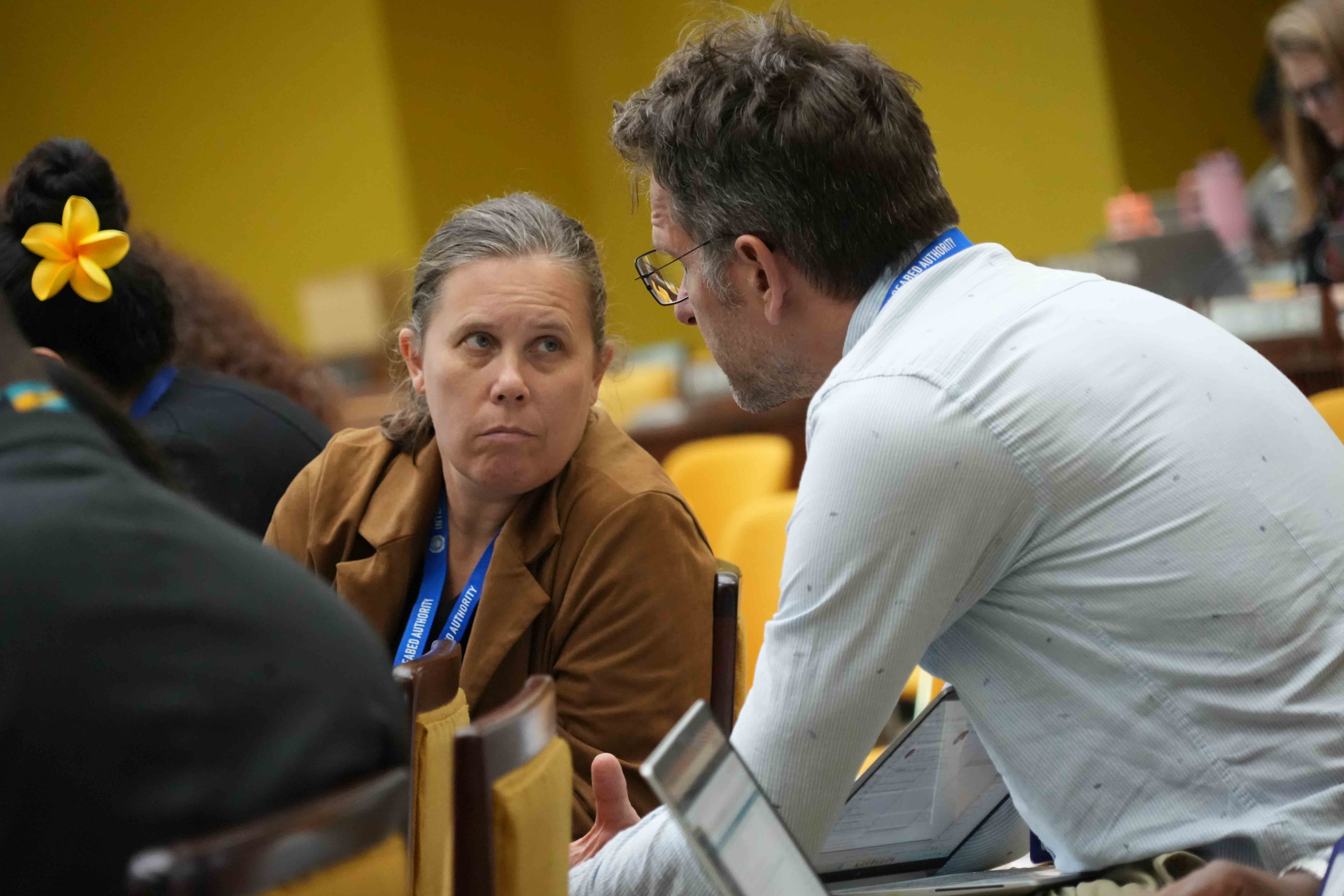
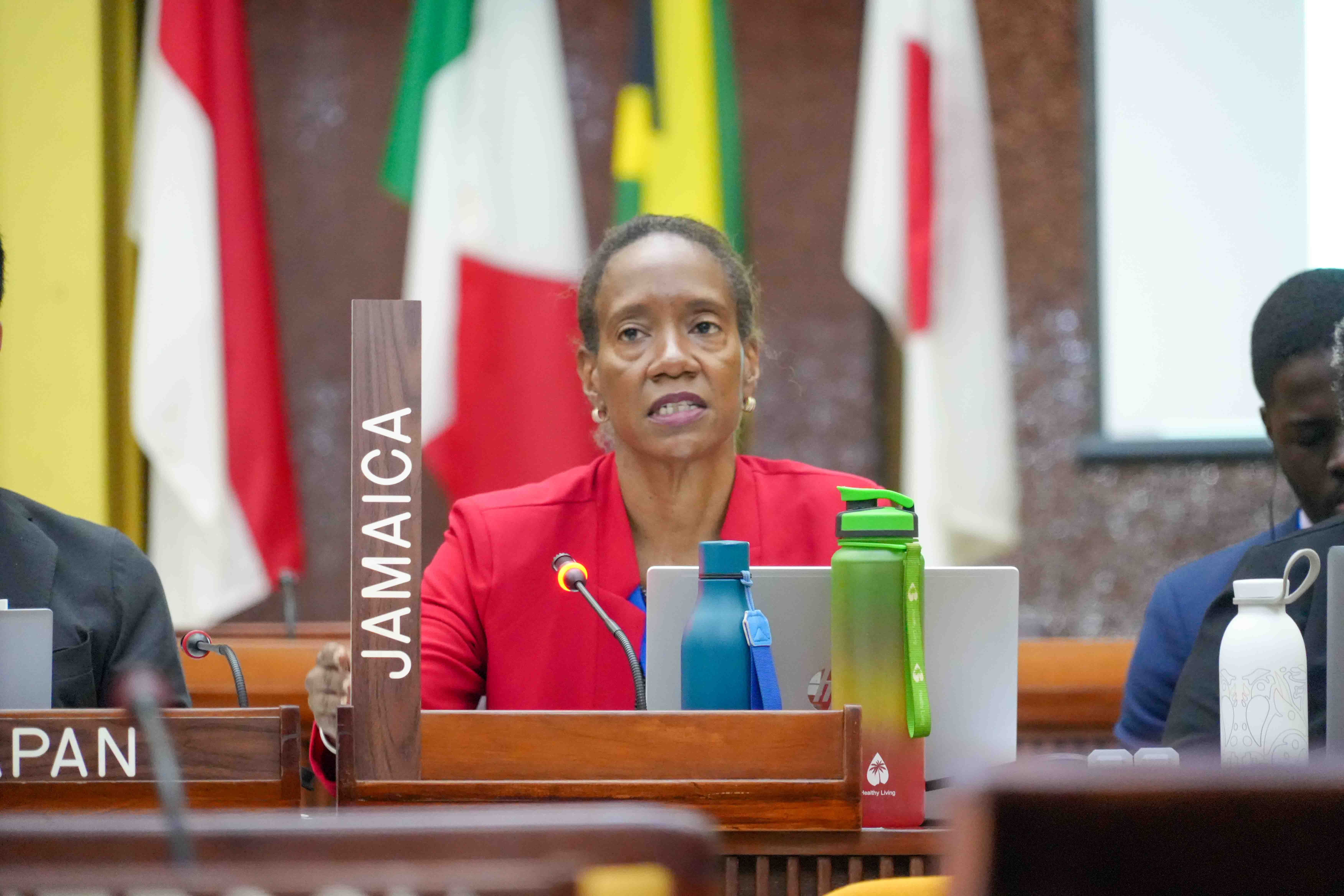
Michelle Walker, Jamaica
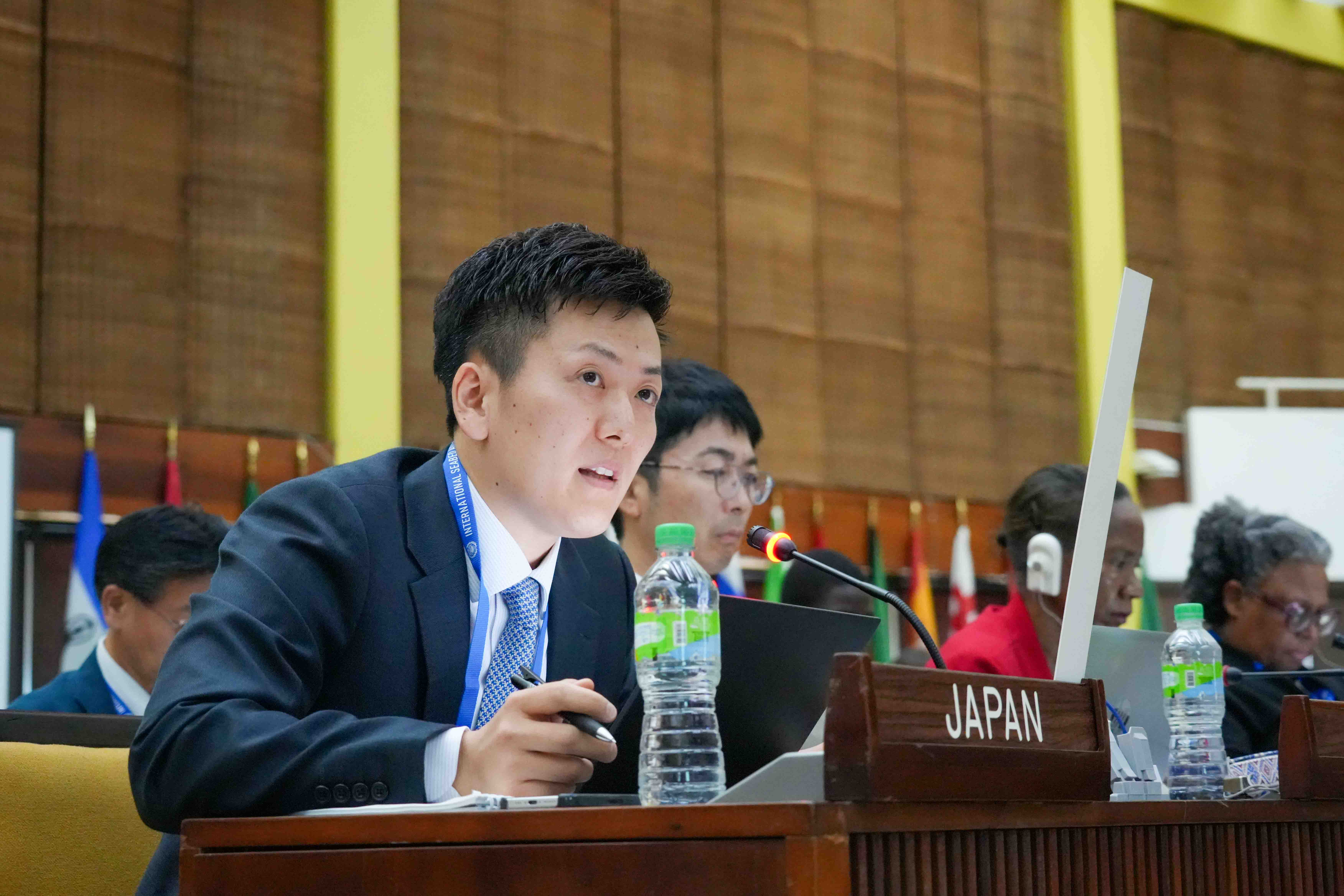
Sotaro Higaki, Japan
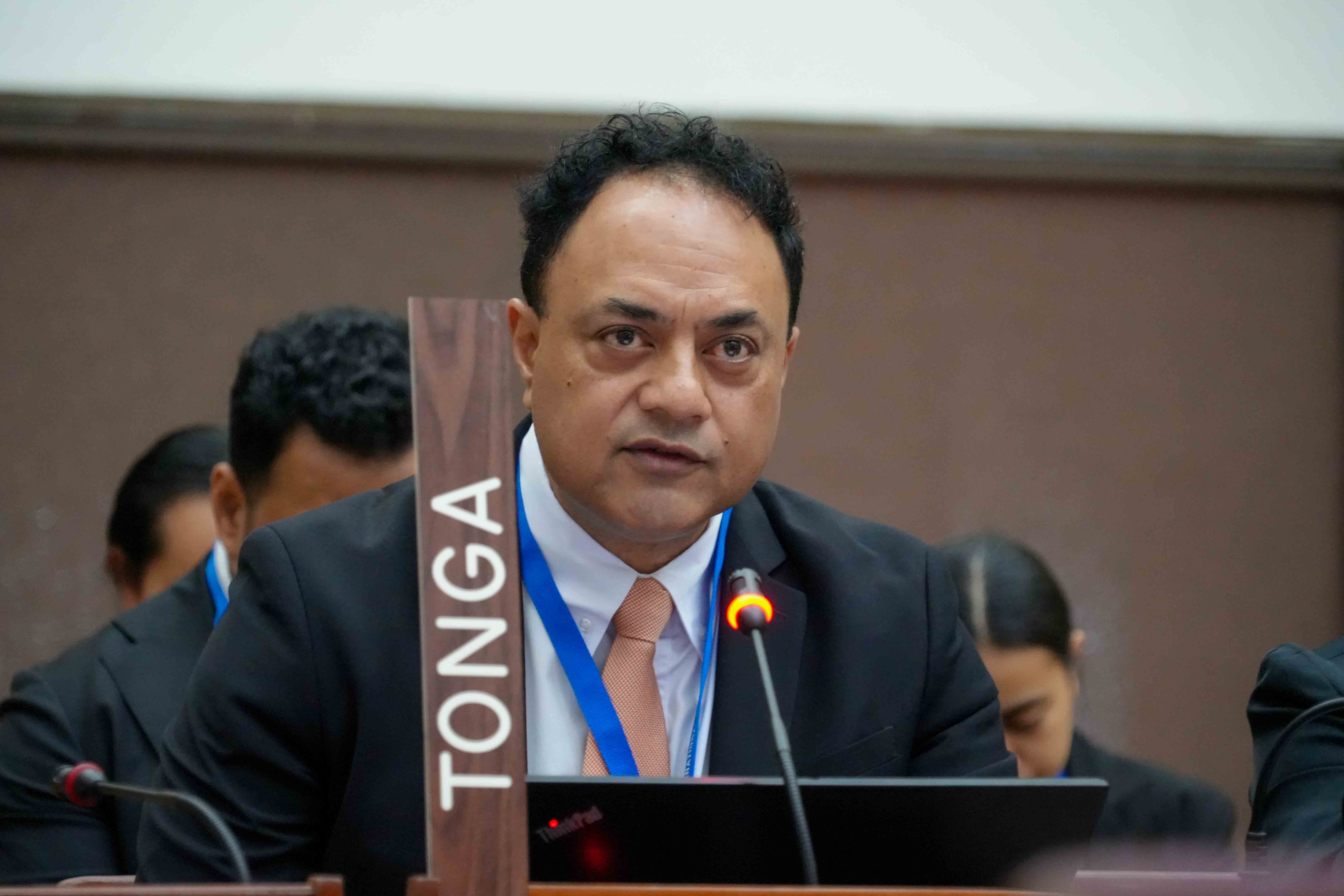
Taaniela Kula, Tonga
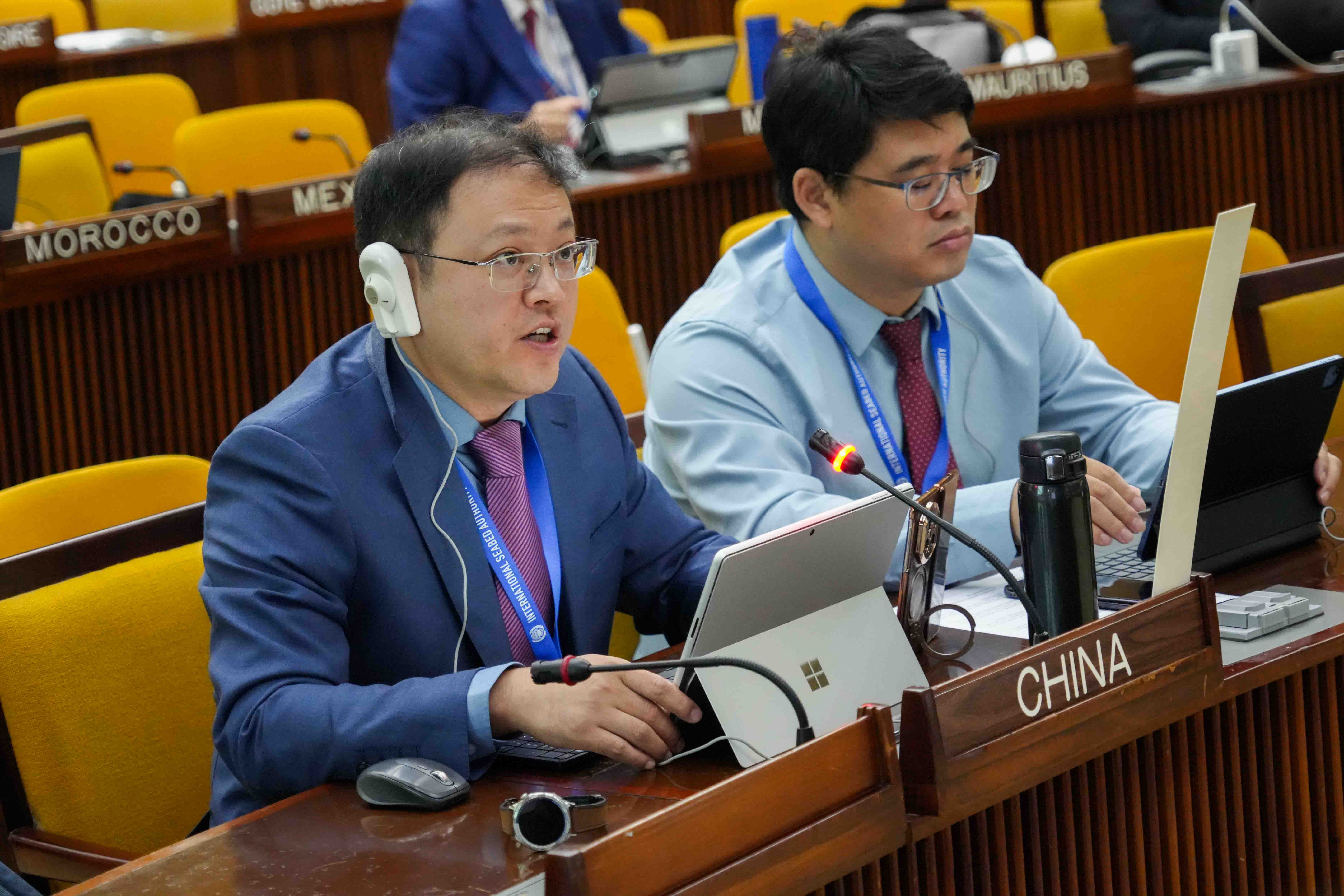
Yang Luo, China
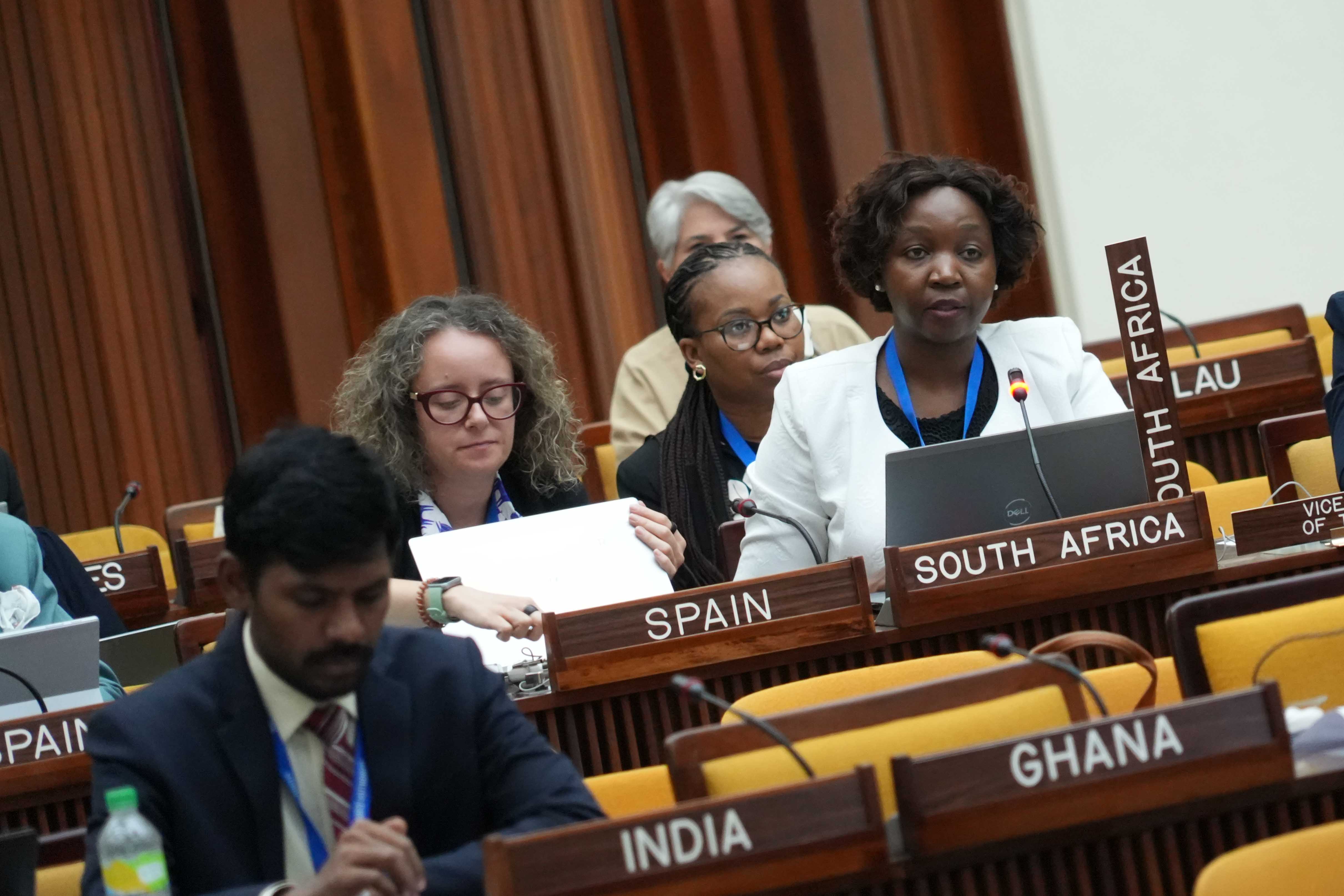
Tshifhiwa Mabidi, South Africa
Between the sessions

Around the venue


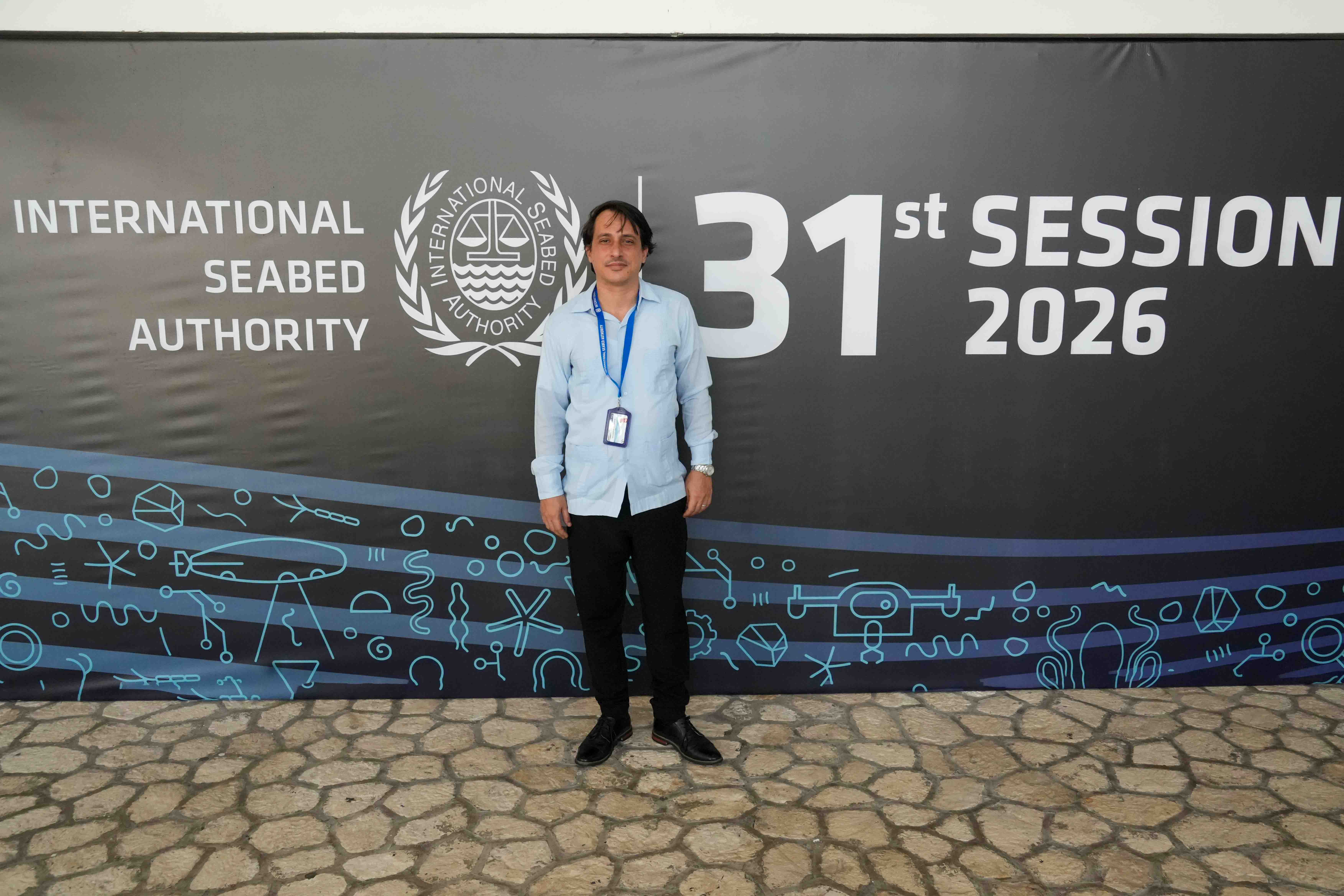
Rolando Dávila Gallardo, Cuba